
Berkeley entered the 20th century in the middle of a building boom. New neighborhoods were going up, businesses were opening, and the city’s population was climbing fast. That momentum ran straight into one of the most catastrophic events in California history — the Great San Francisco Earthquake of 1906. While the earthquake and its fires devastated San Francisco, the East Bay came through with far less damage. Berkeley became a refuge almost overnight.
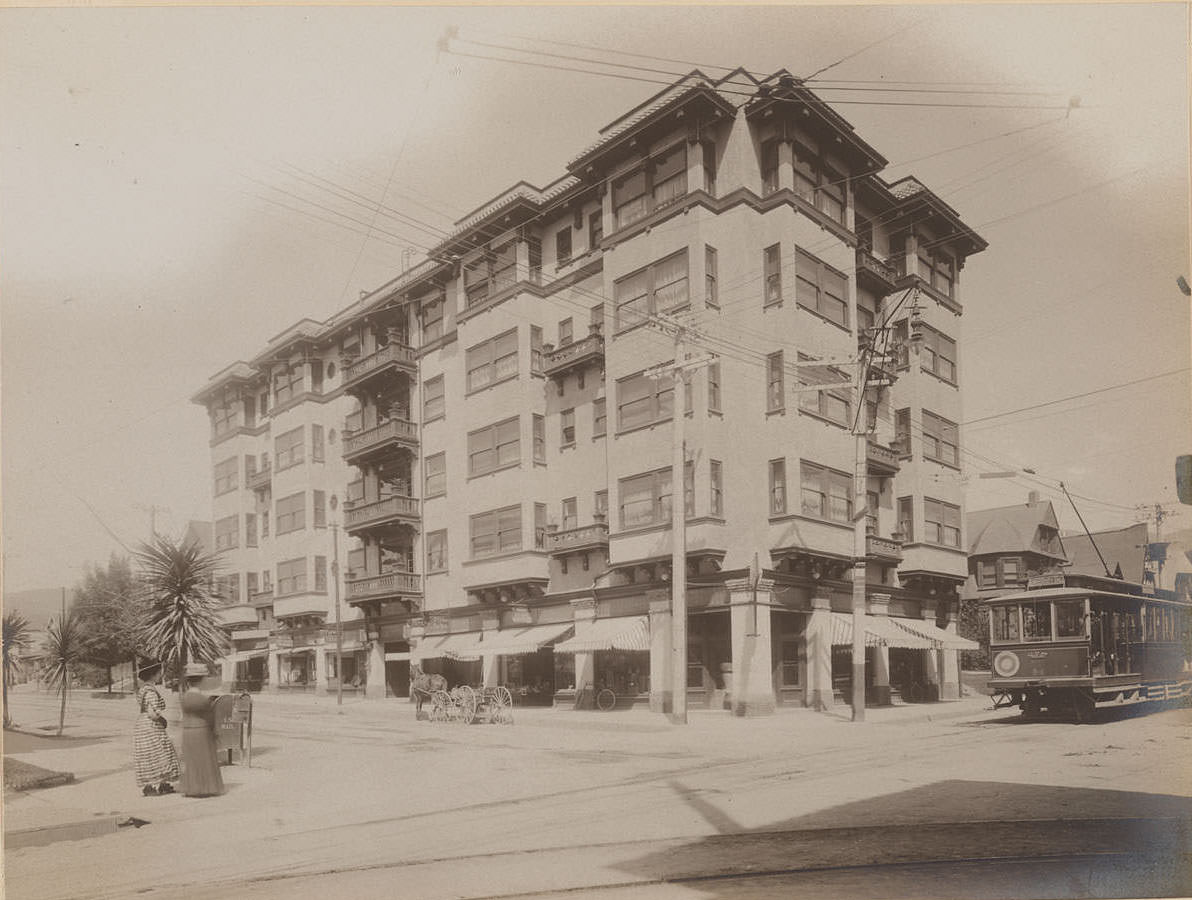
Thousands of San Francisco residents crossed the Bay in the days following the disaster. Among them were painters, sculptors, and other working artists who had lost their studios and homes. Many of them settled in Berkeley, and between 1907 and 1911, the city developed one of the largest art colonies west of Chicago. The city’s residential streets and apartment buildings absorbed a wave of new residents during this period.
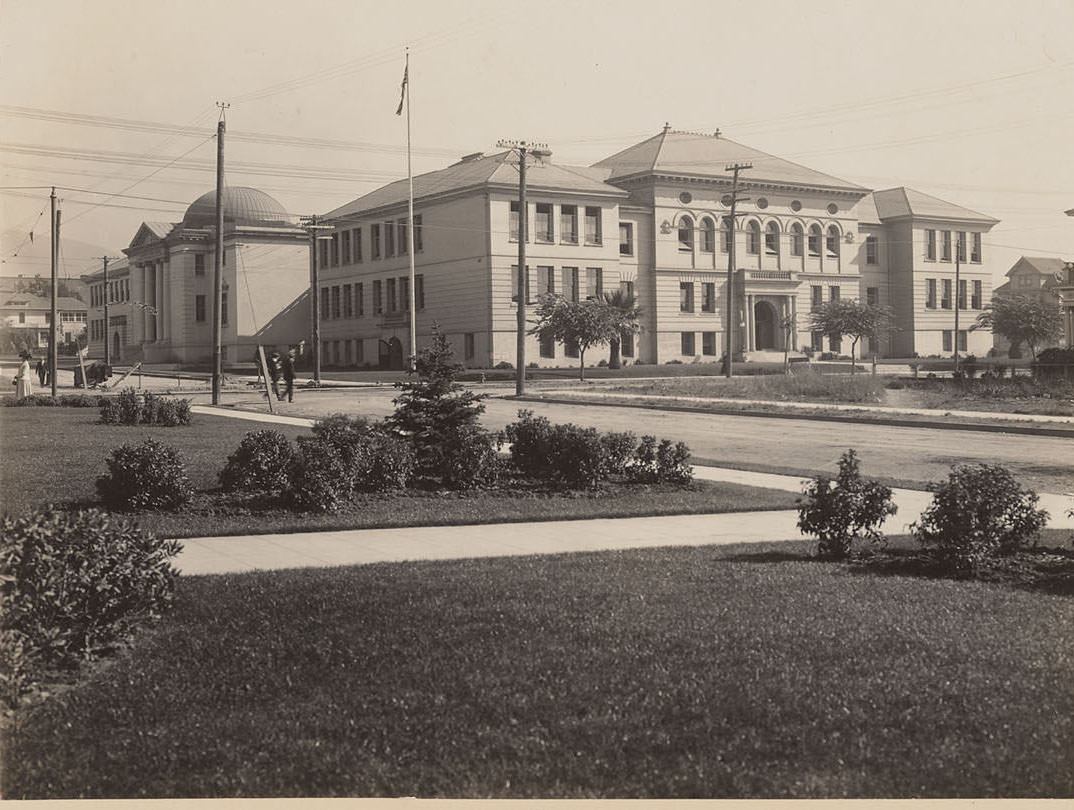
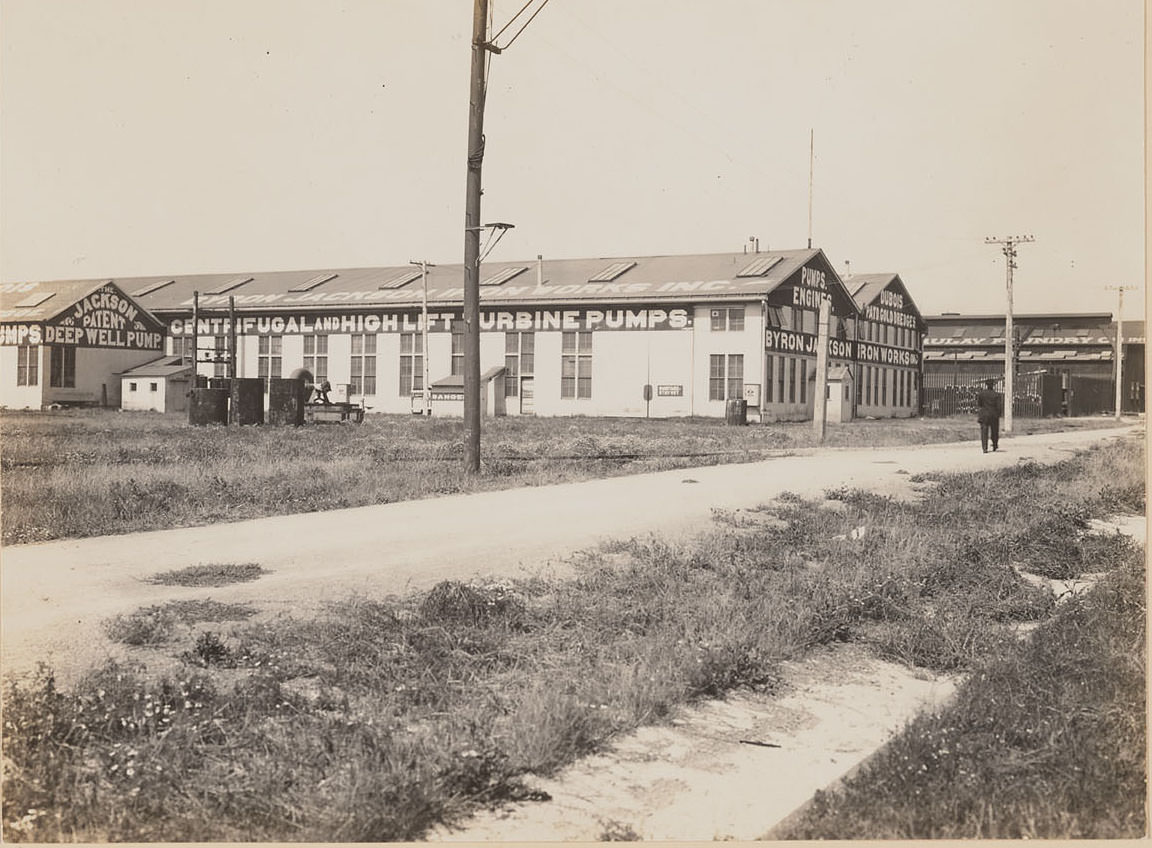
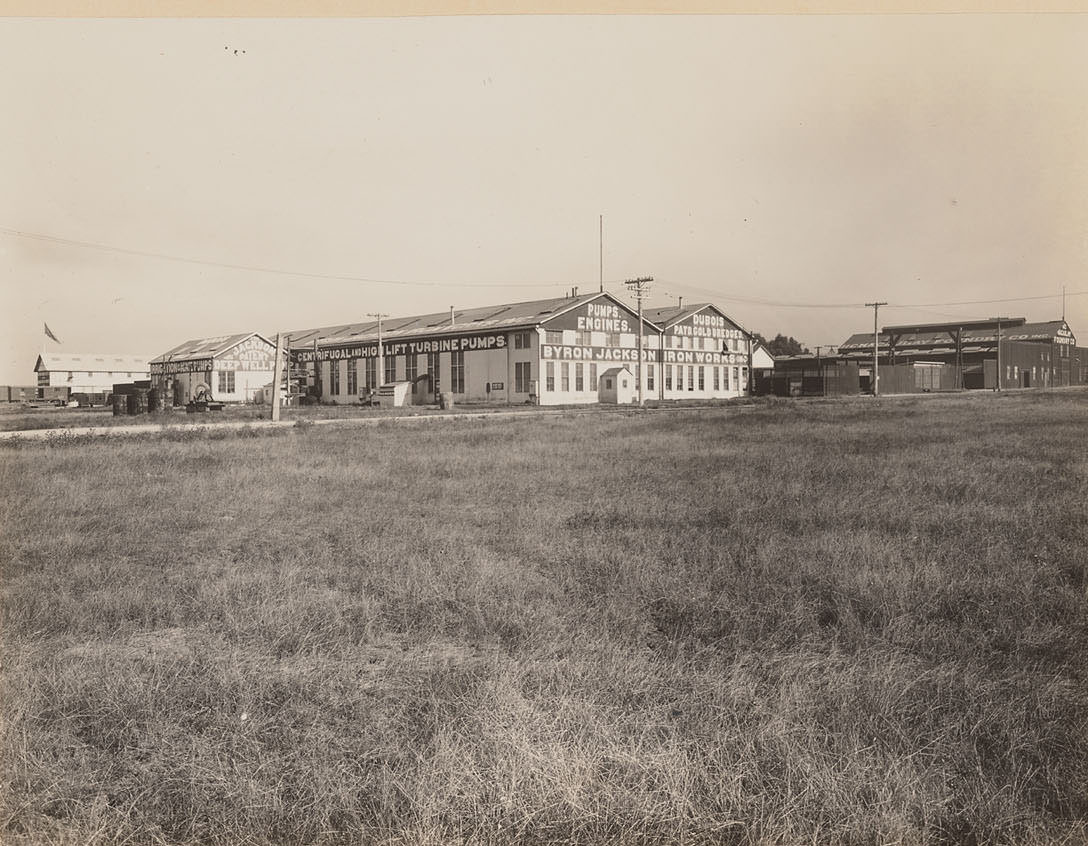
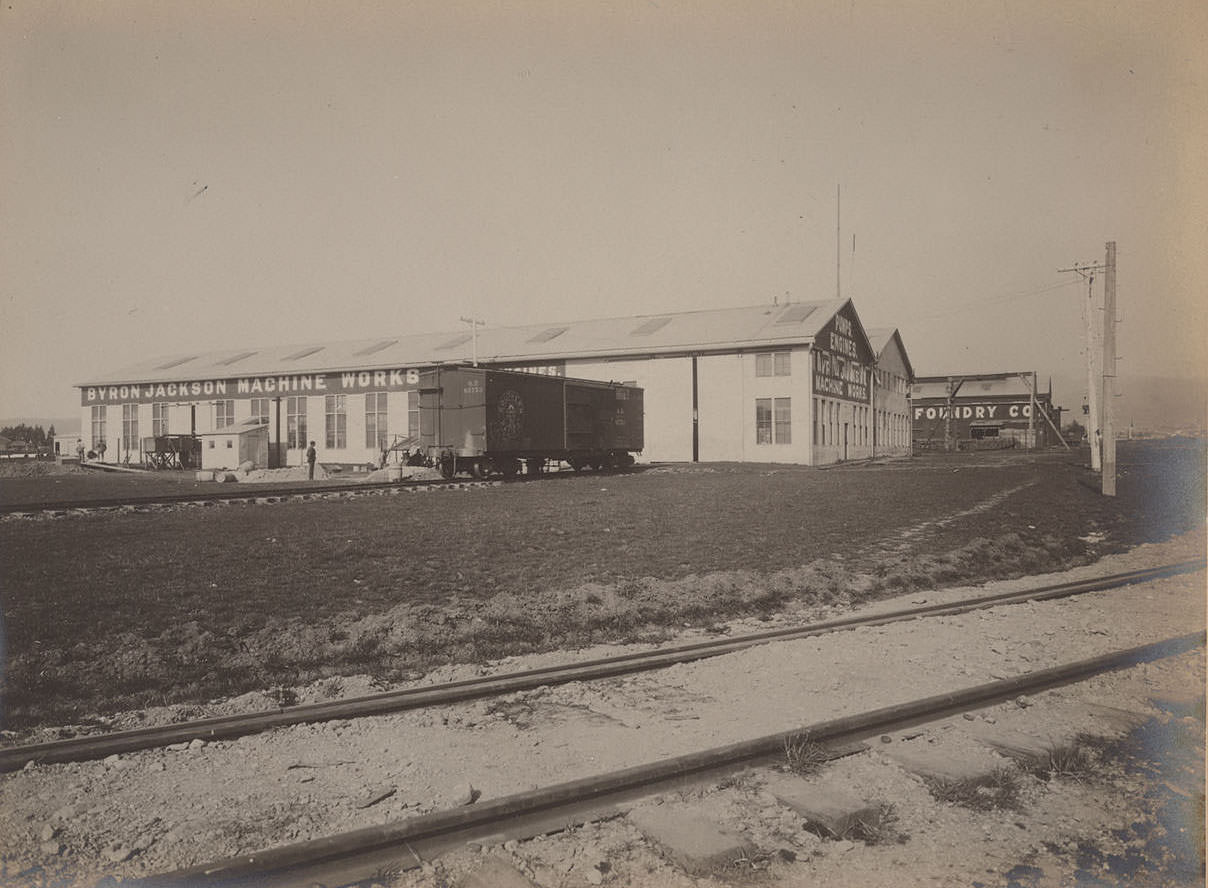
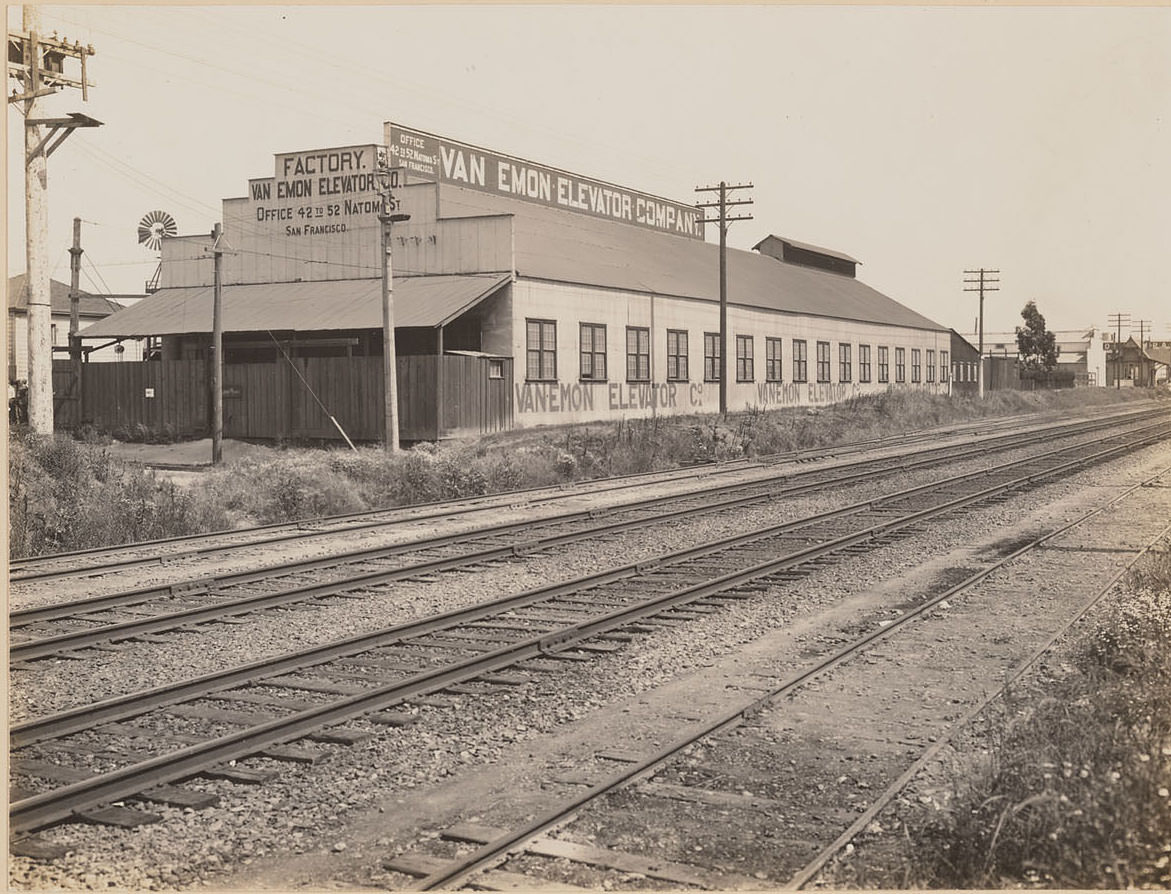
Berkeley’s industrial base was already taking shape in the early 1900s. The Byron Jackson Iron Works was one of the more prominent operations in the city, producing machinery that served industries across the region. These kinds of manufacturing facilities gave Berkeley an economic backbone that went well beyond its identity as a university town.
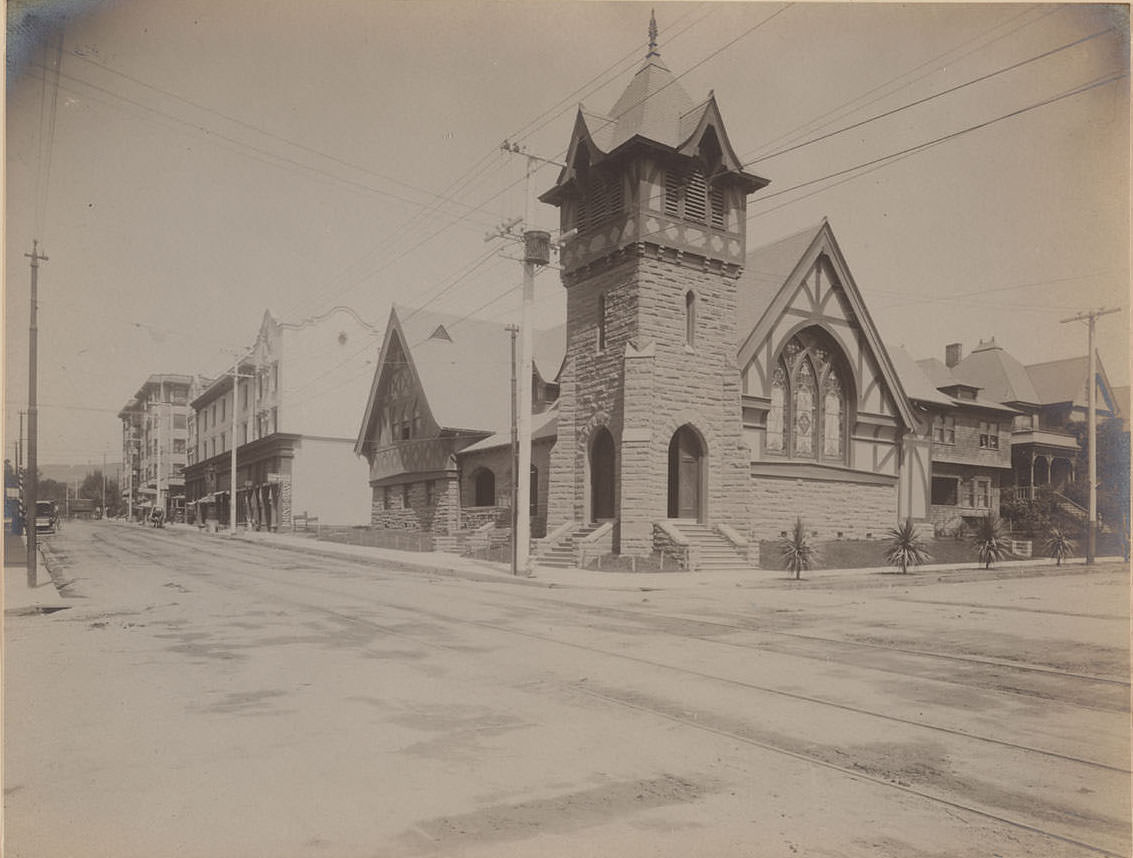
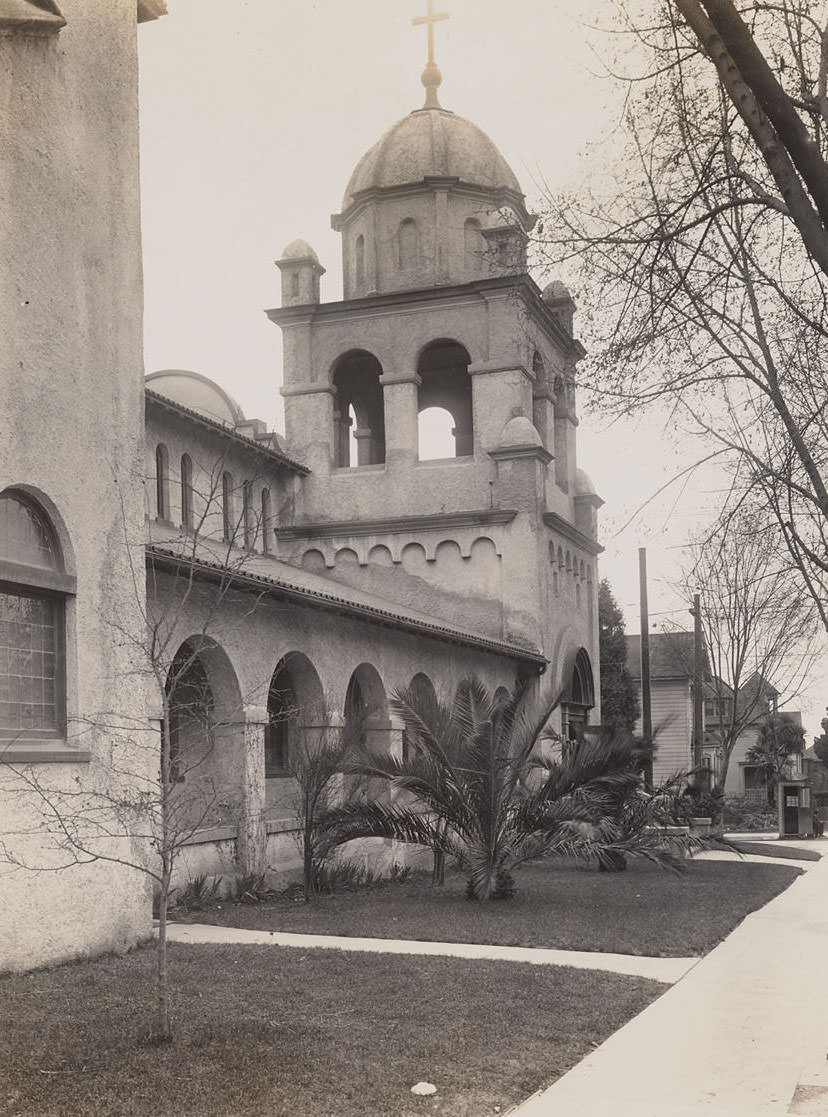
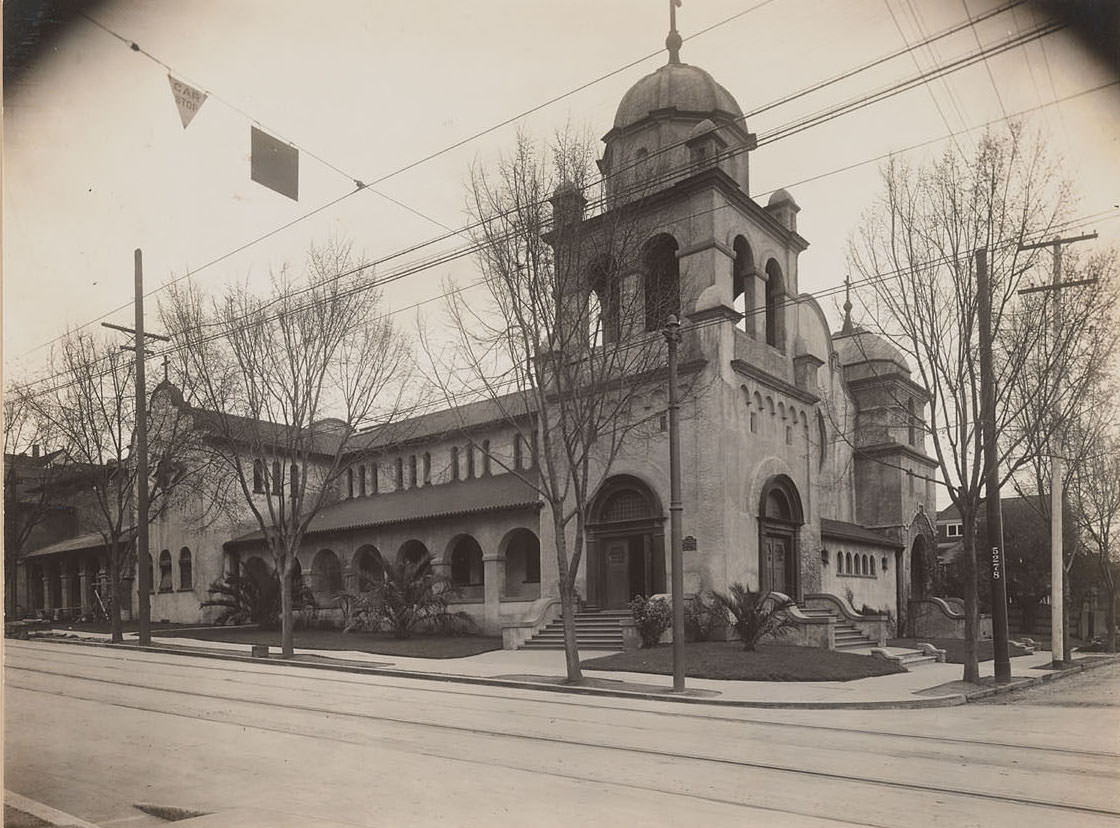
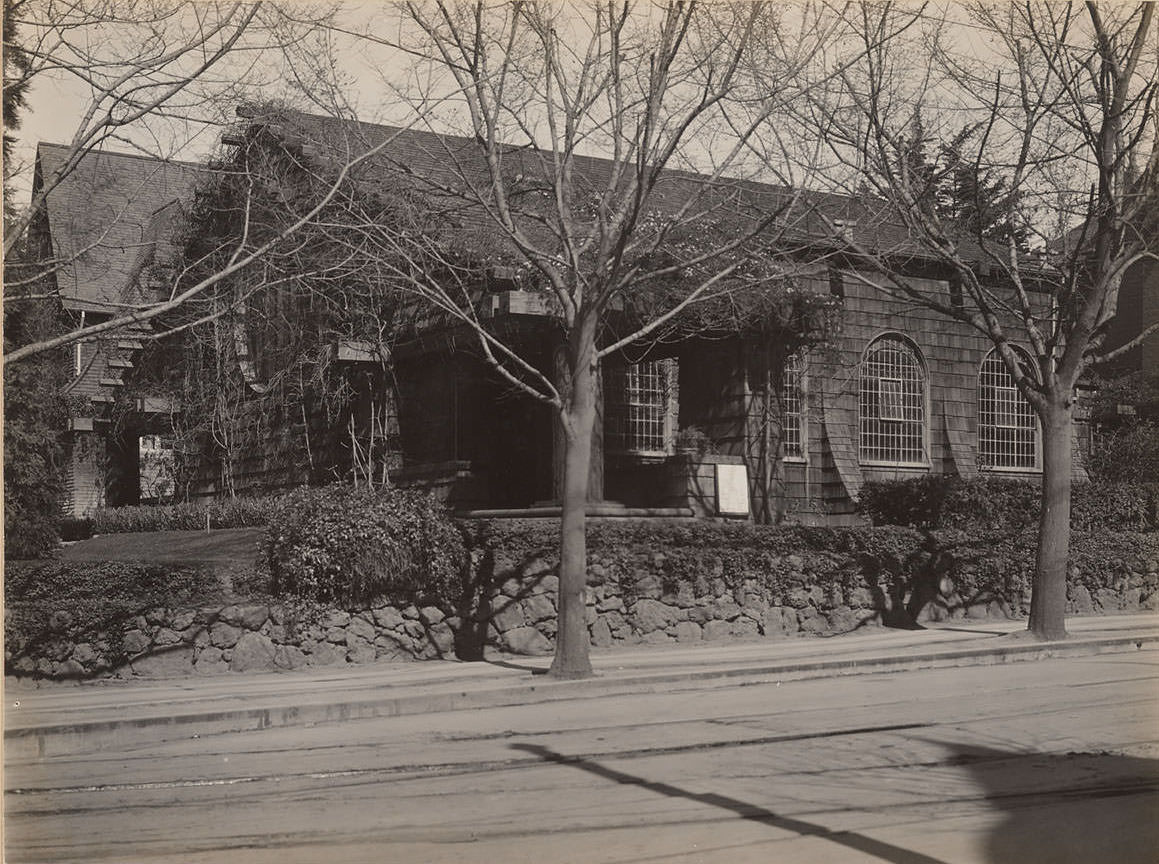
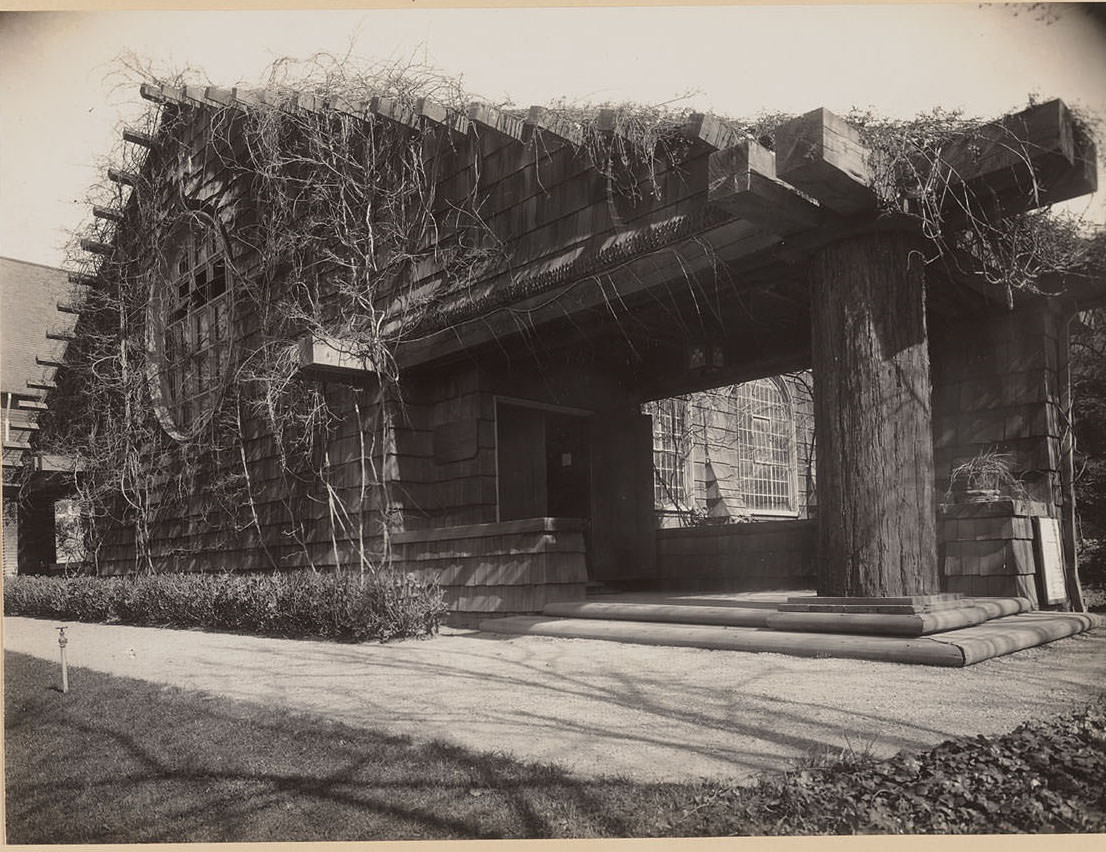
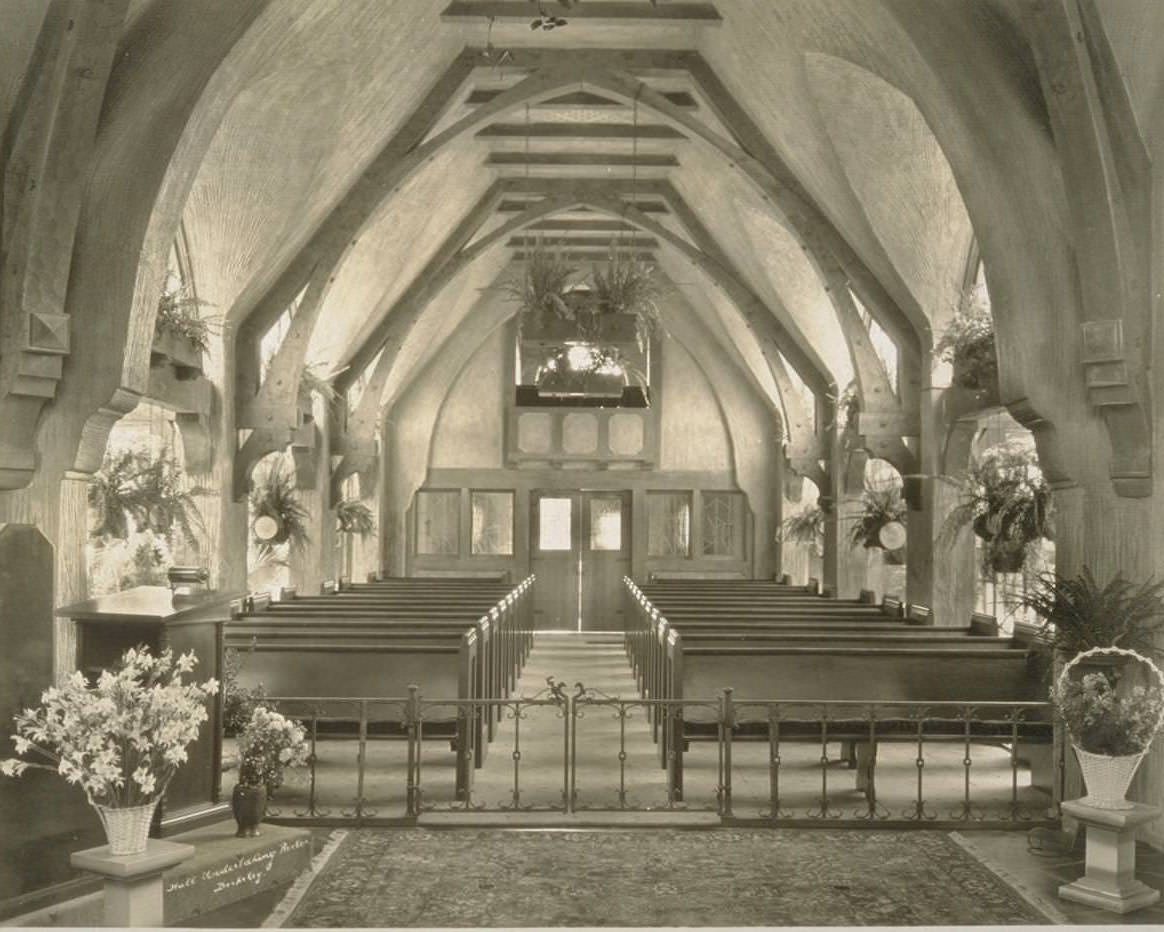
Religious congregations played a central role in Berkeley’s social life during this era. Churches of multiple denominations built permanent structures across the city, many of which became architectural landmarks. The Christian Science Church, the Methodist Church, and the M.E. South Church were all active parts of the community in the early 1900s.
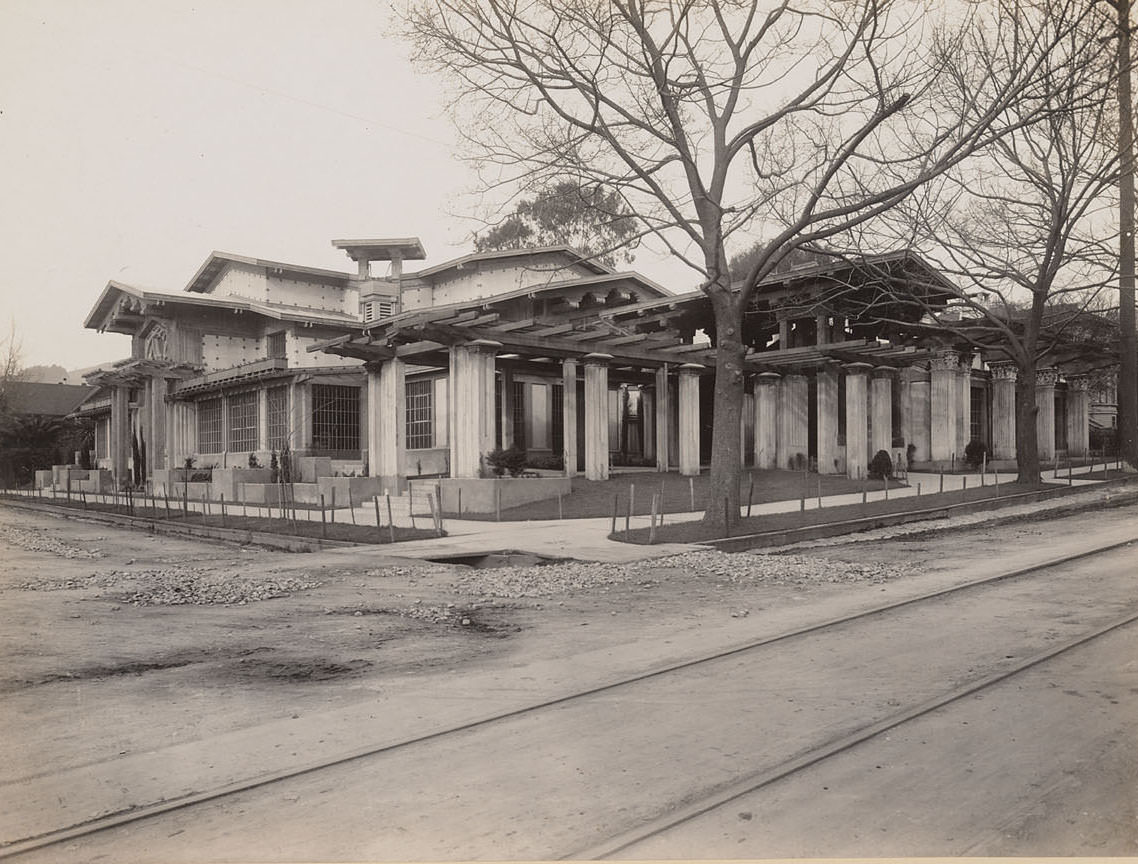
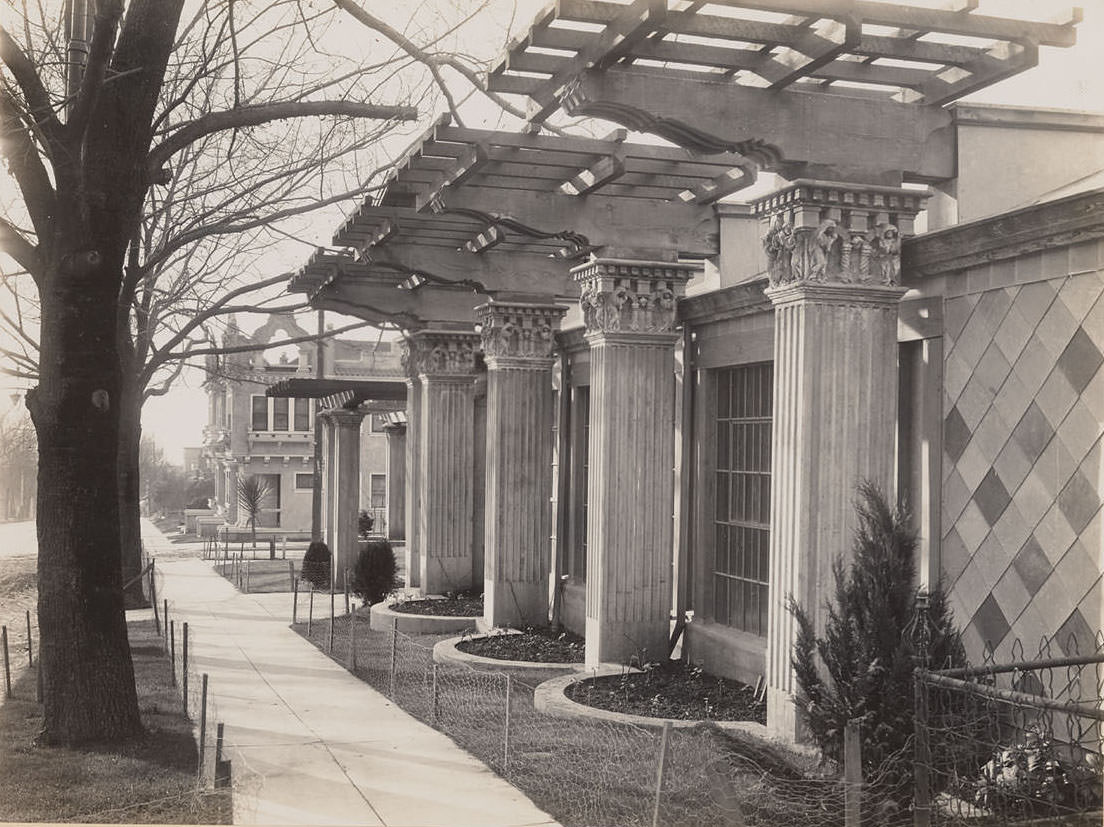
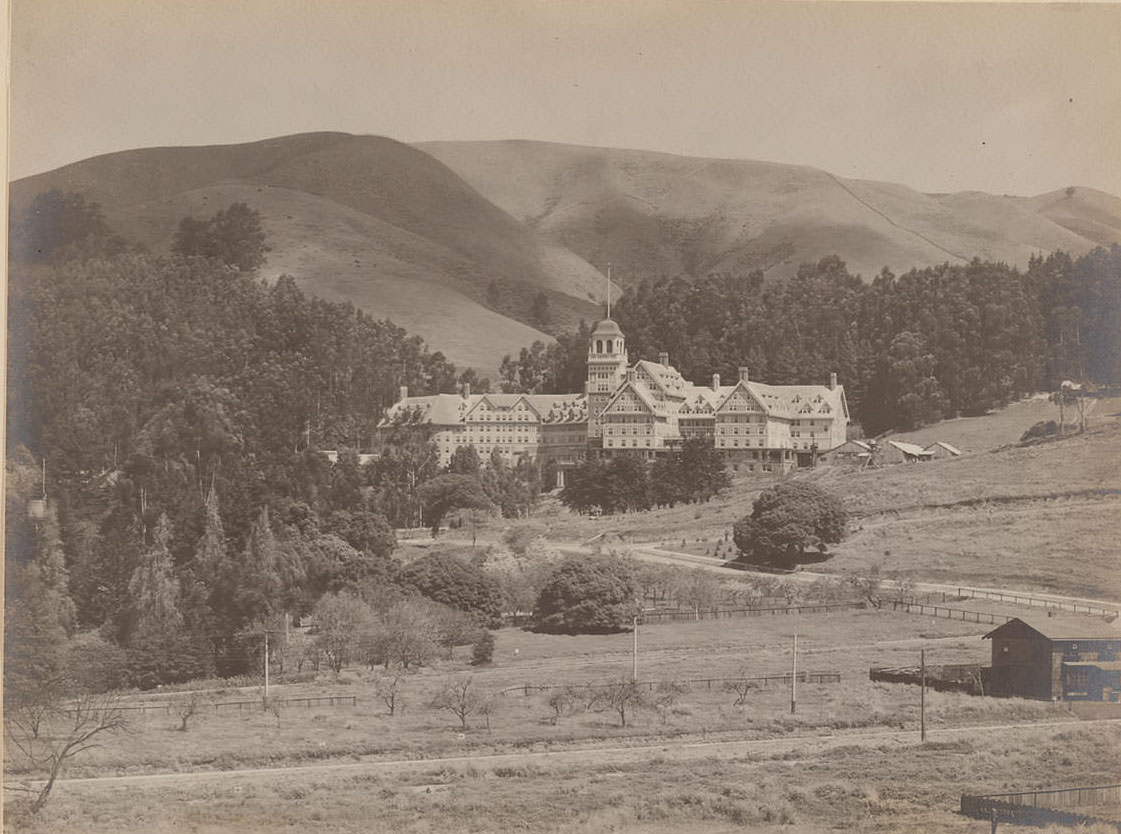
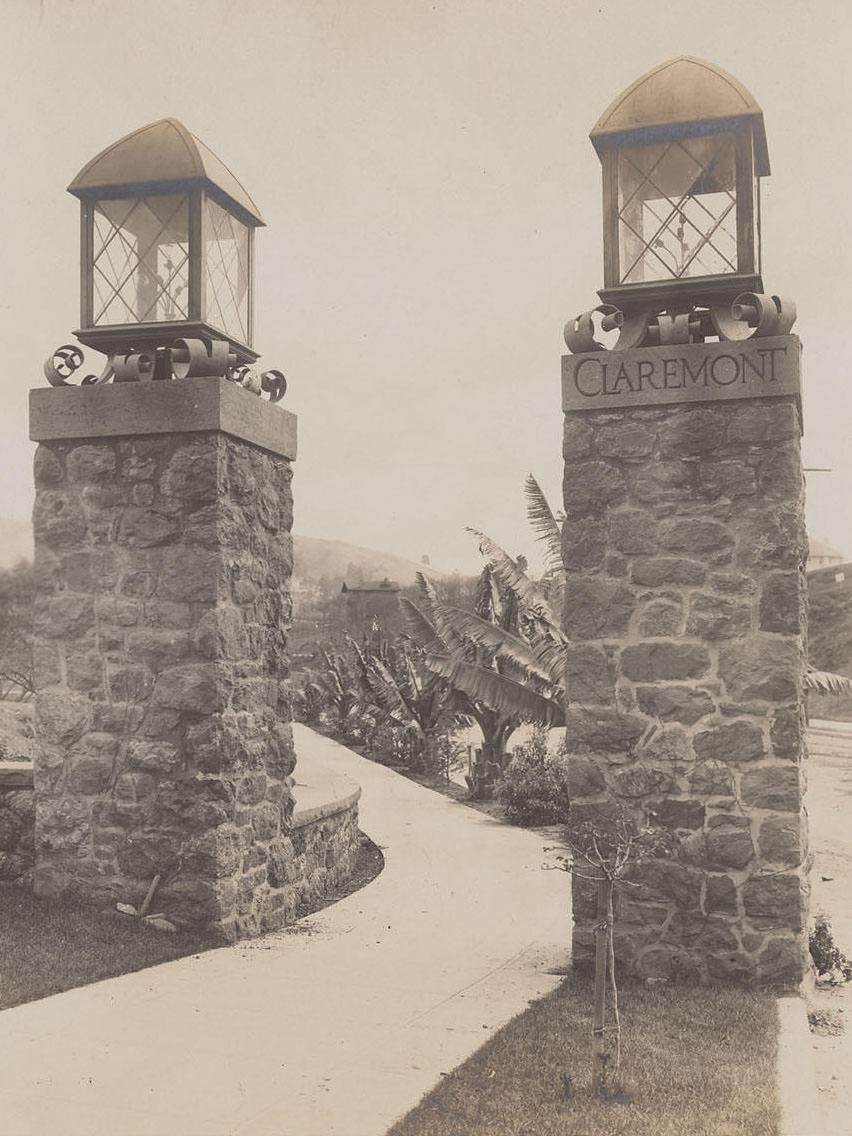
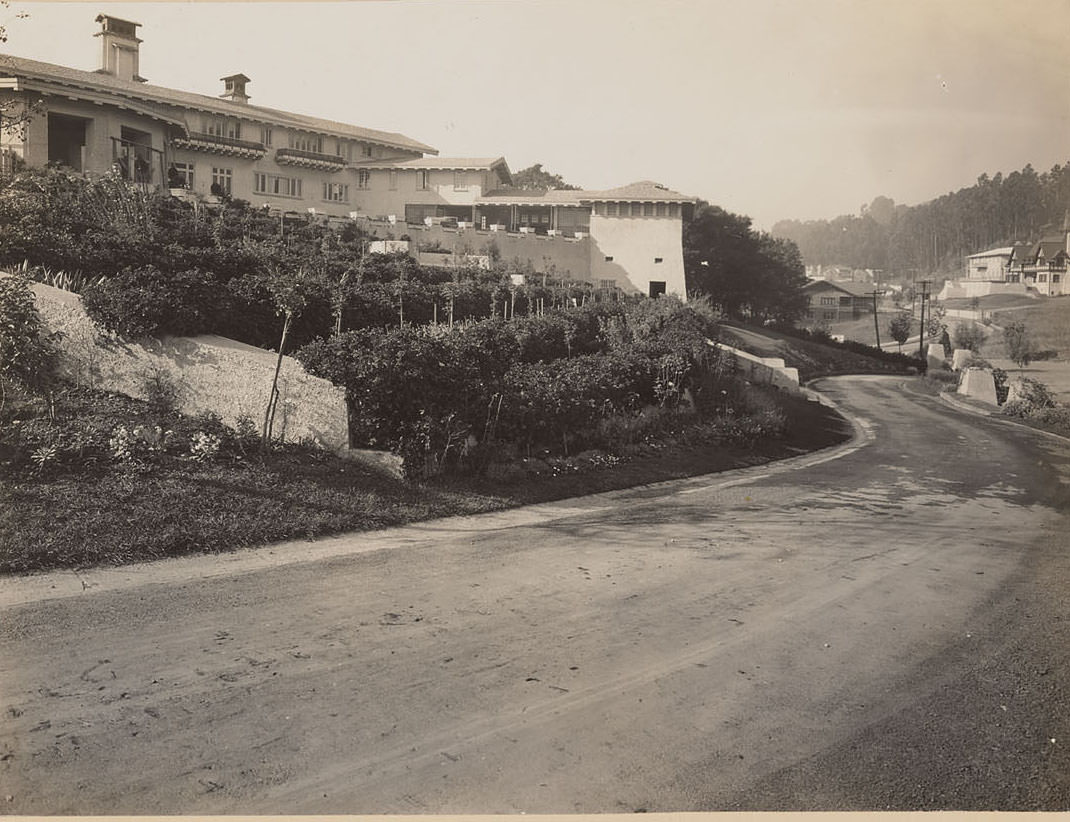
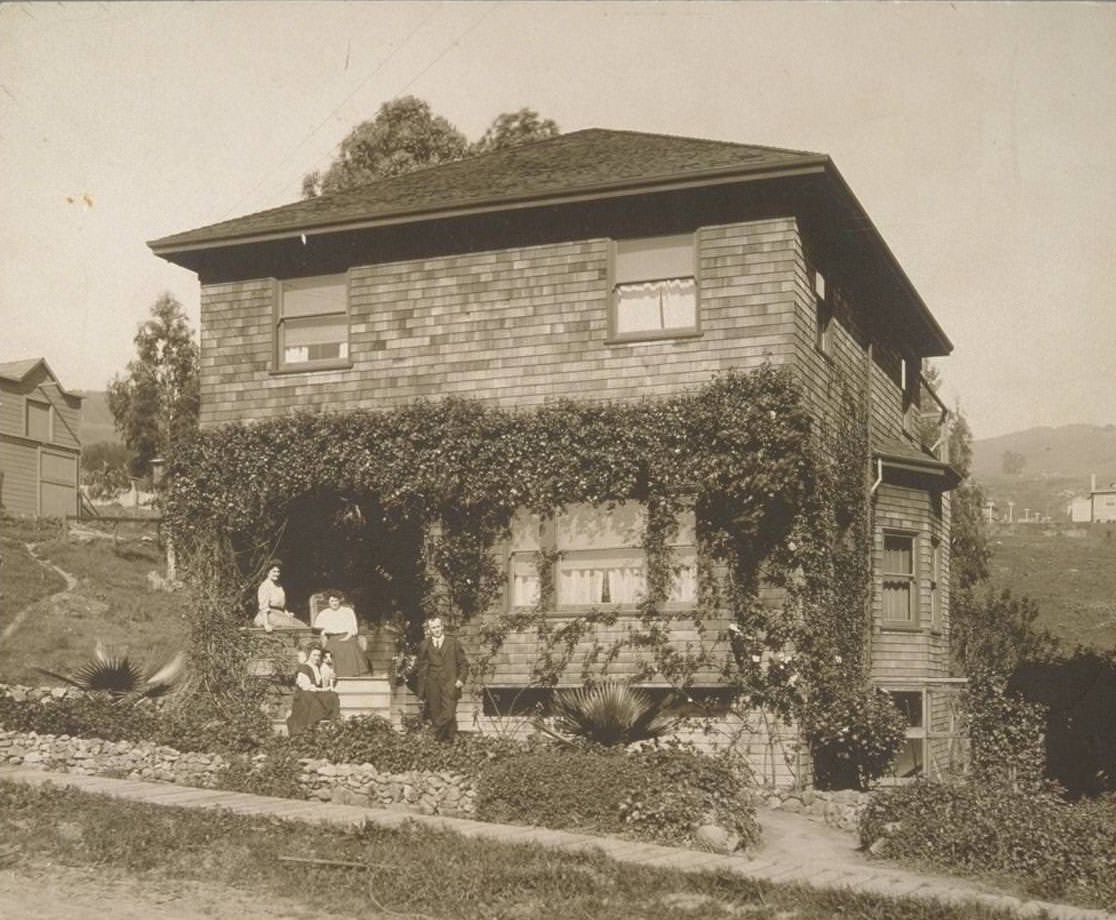
The Claremont Hotel was one of Berkeley’s most recognizable landmarks from its earliest days. Set against the hills at the border of Berkeley and Oakland, the hotel drew visitors from across the Bay Area. The surrounding Claremont neighborhood developed into one of the city’s more prestigious residential addresses, with well-built homes lining its tree-covered streets.
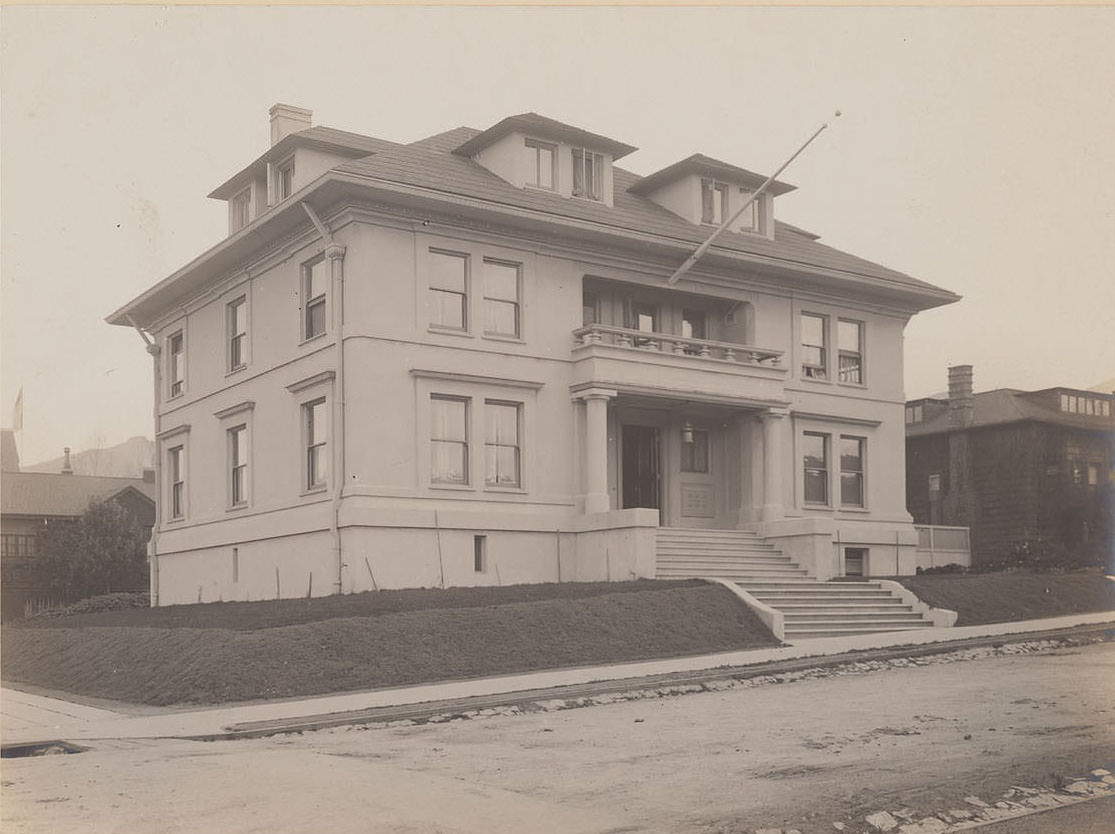
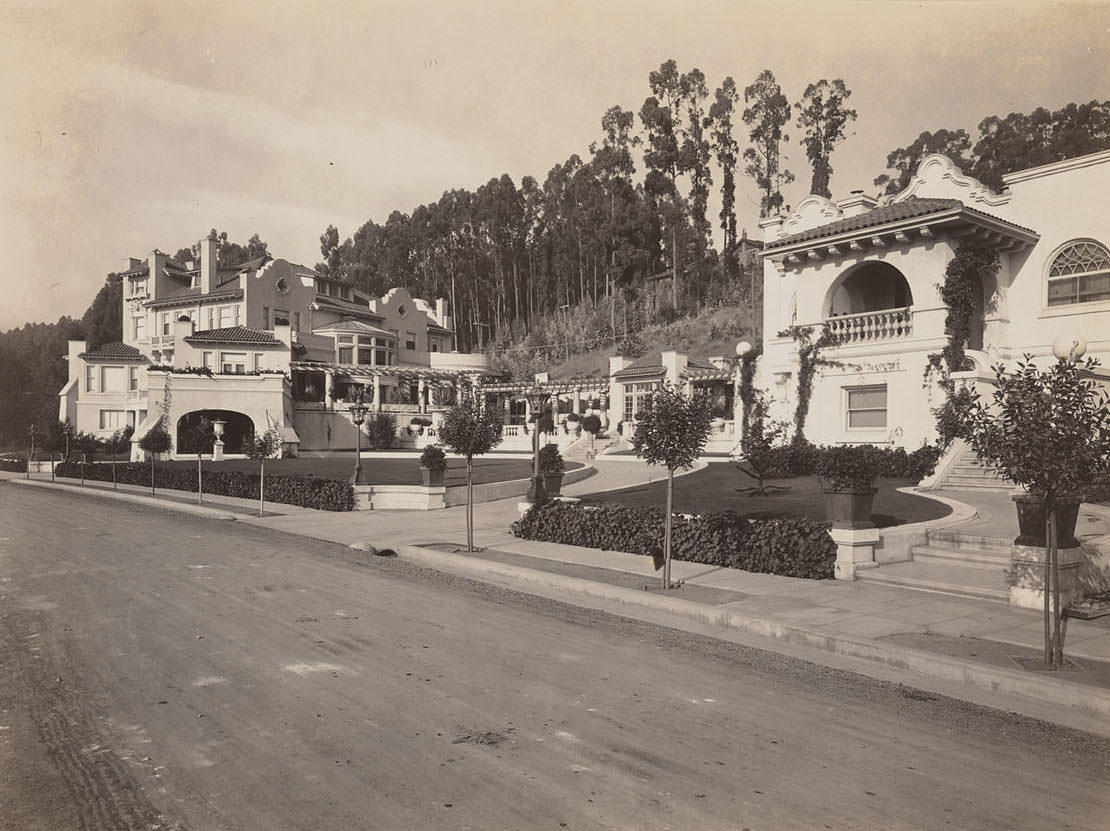
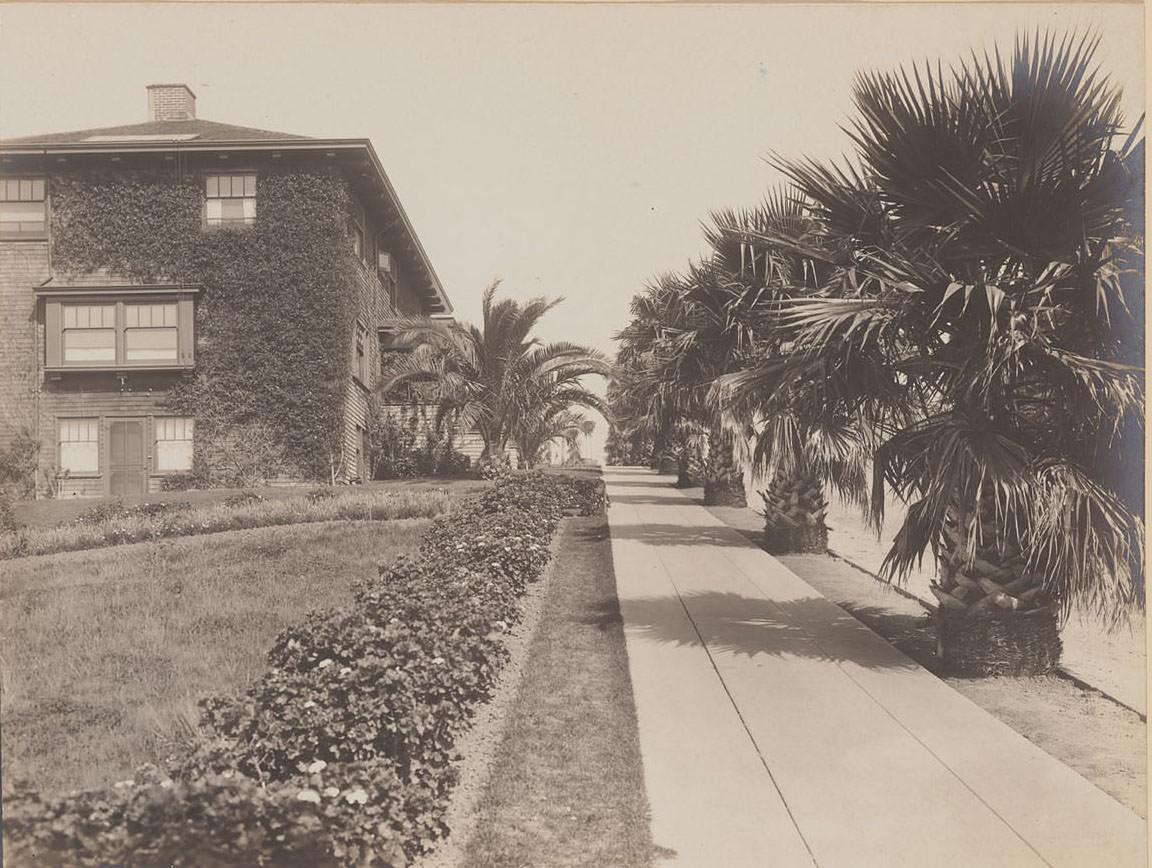
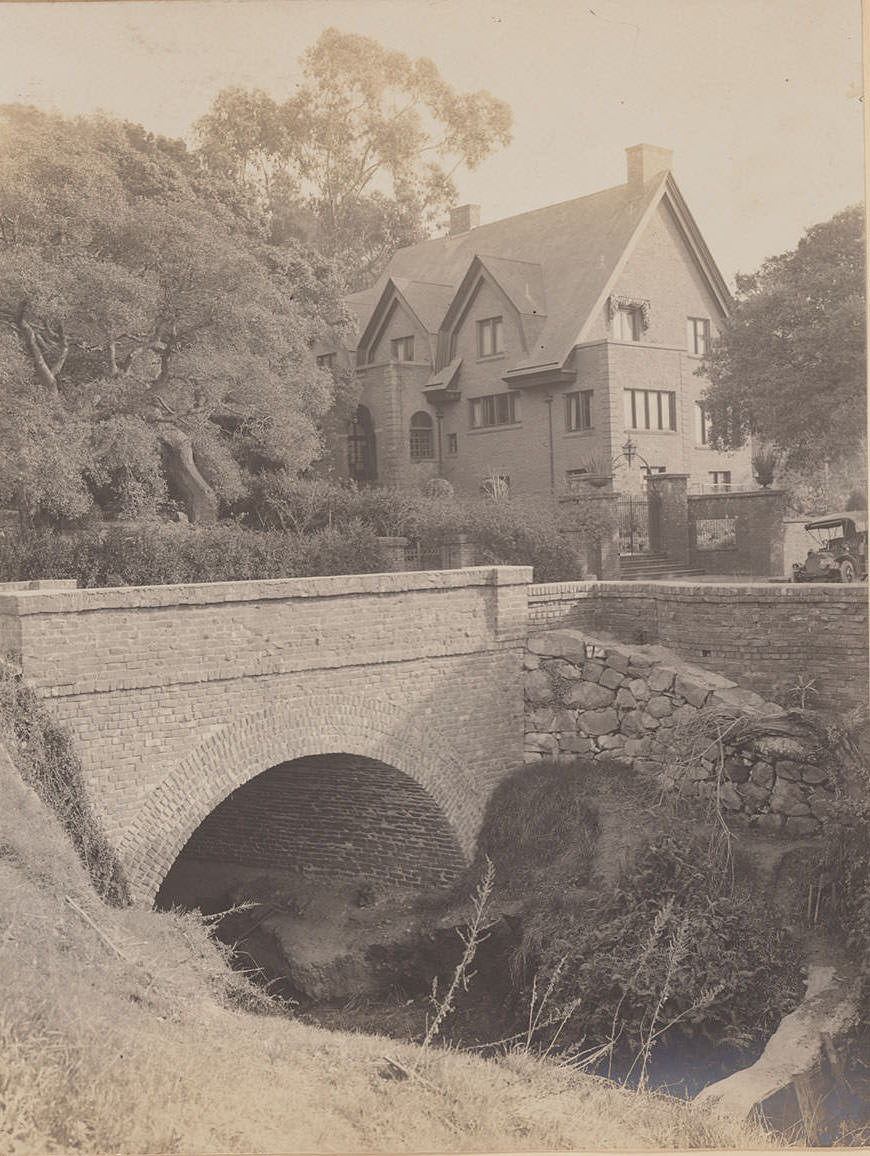
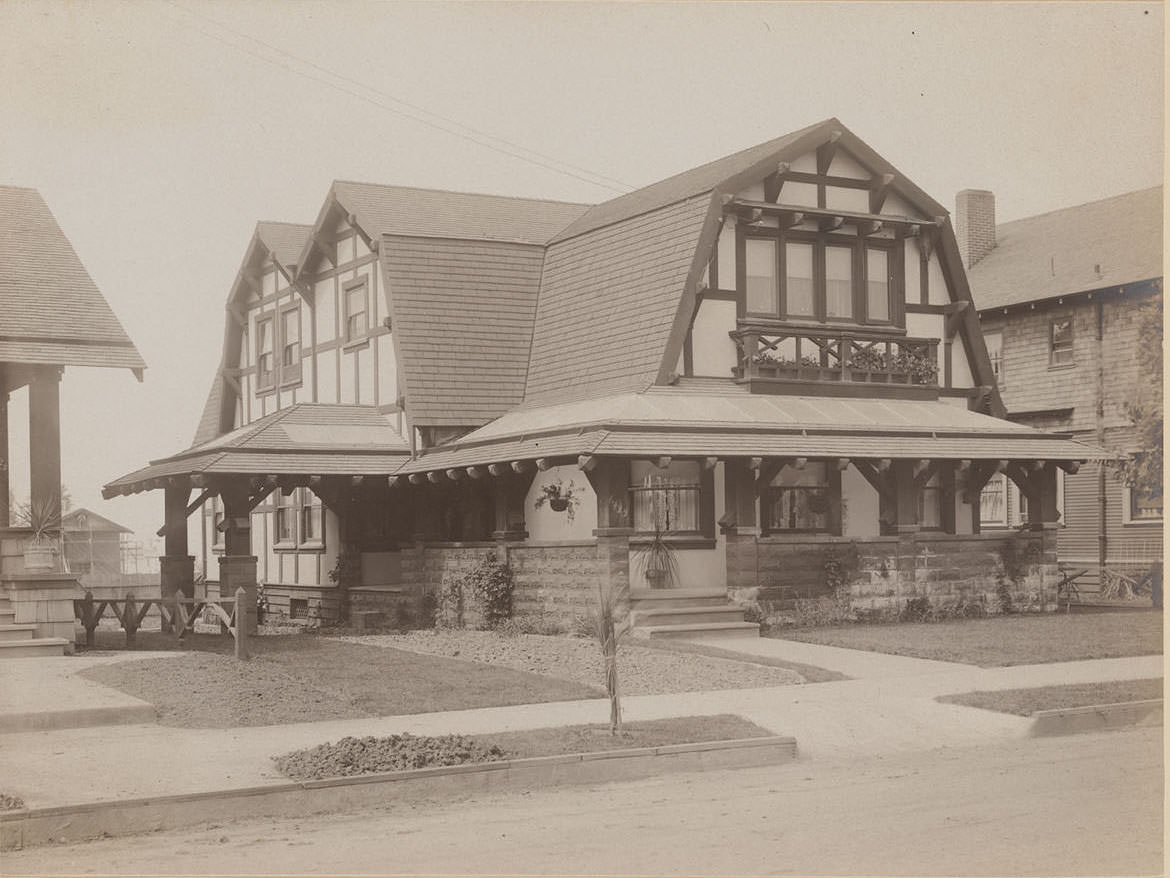
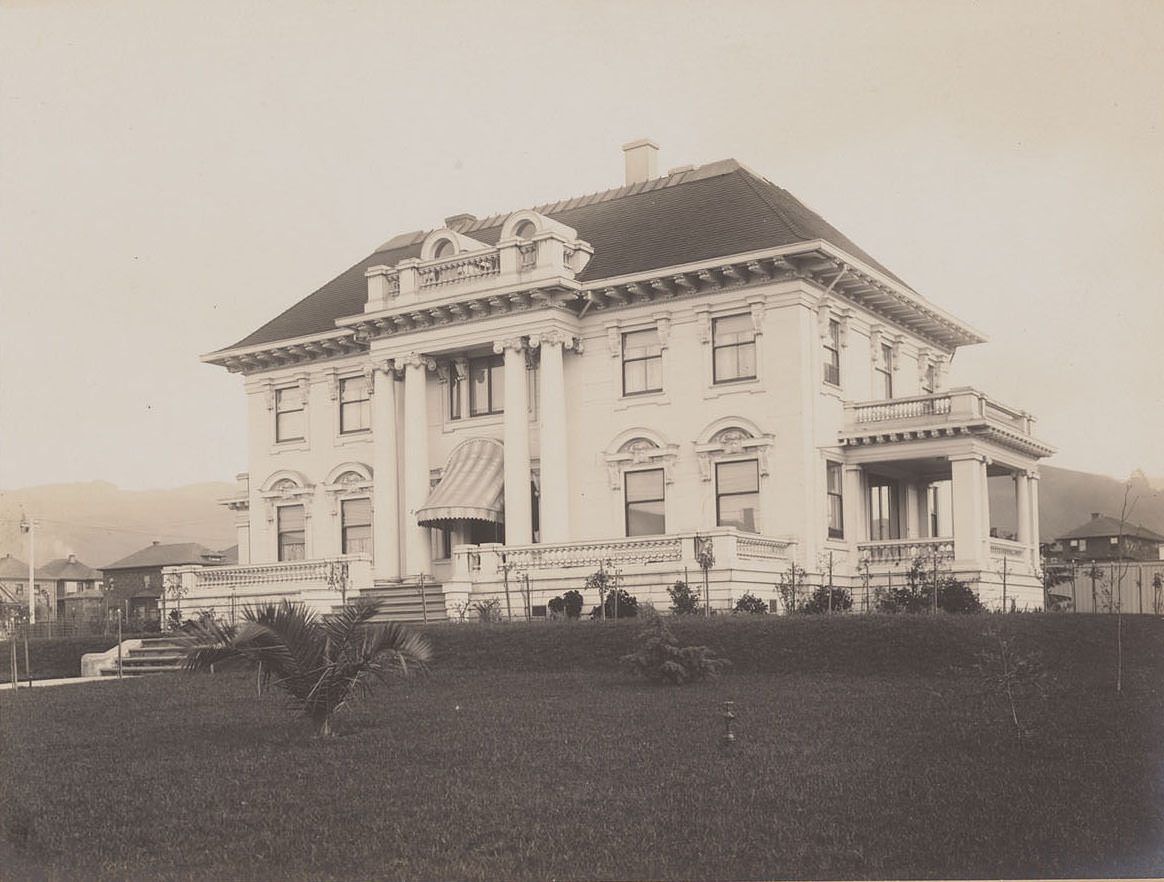
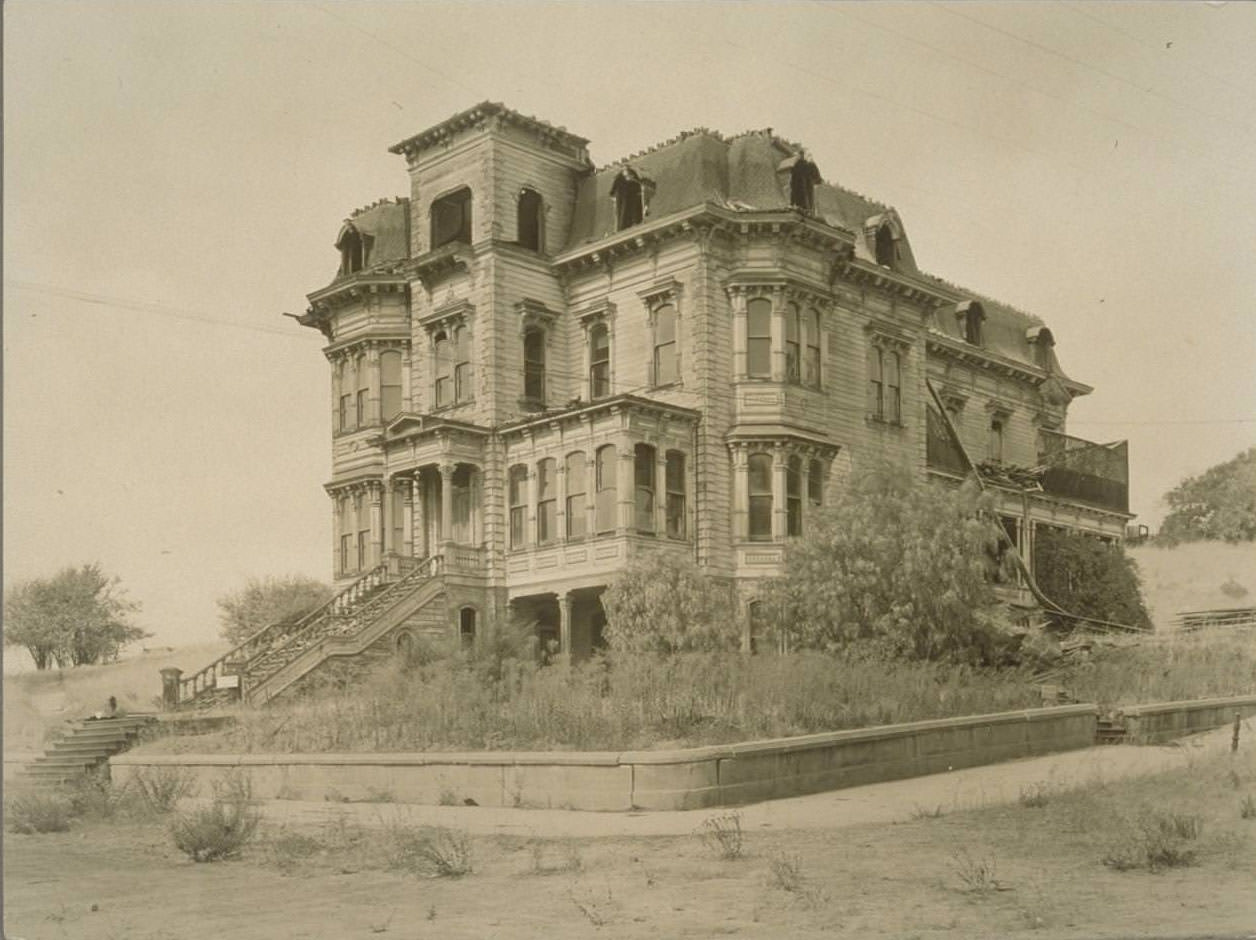
The University of California’s presence shaped Berkeley’s residential character in ways that went far beyond dormitories. Fraternity houses dotted the streets near campus, and private residences — from modest homes to more substantial properties like the Hart residence — reflected the economic variety of the city’s population.
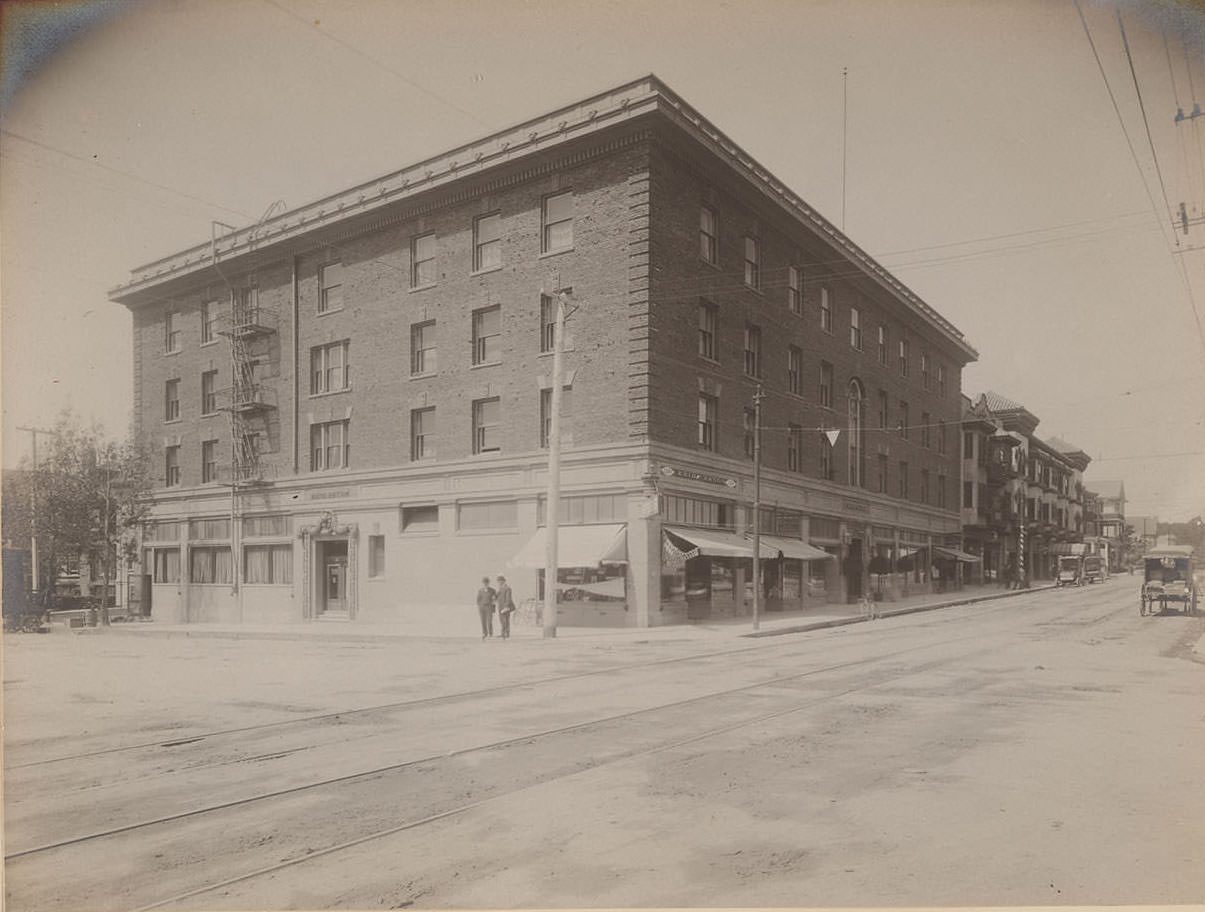
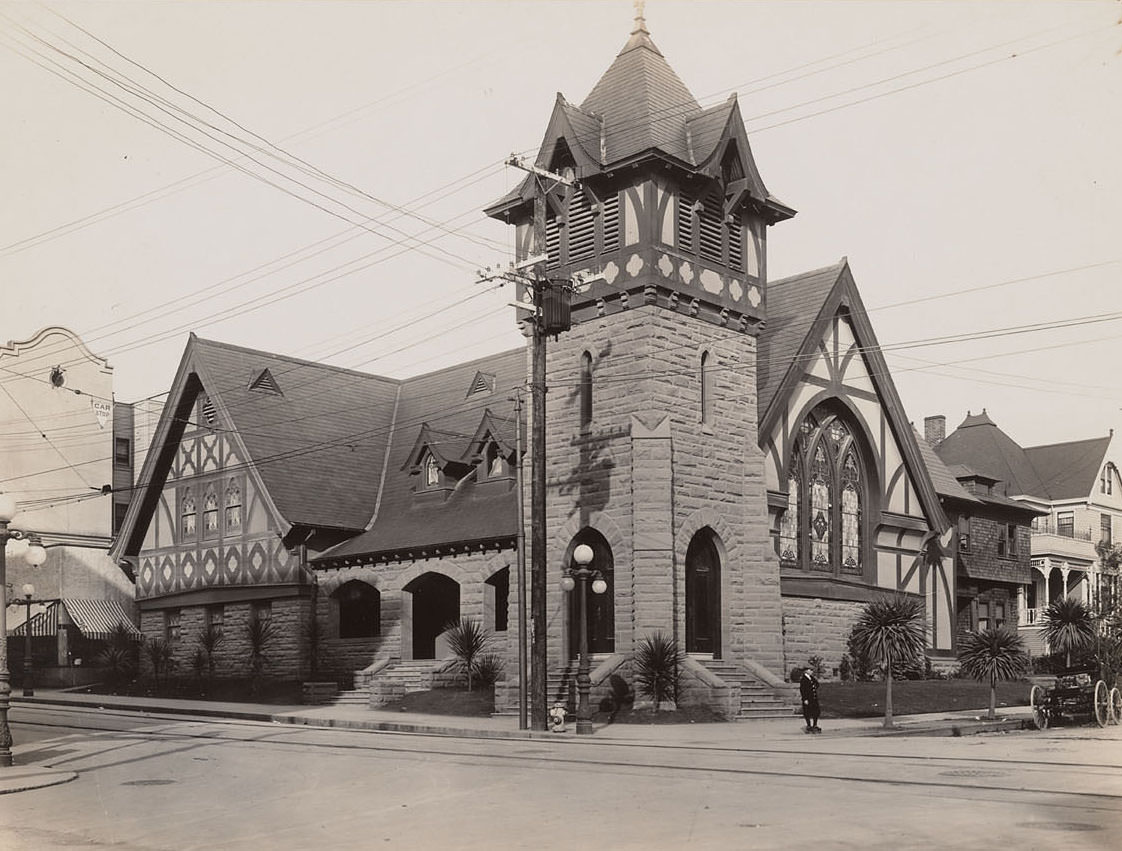
By 1904, Berkeley had established its first hospitals. Nurse Alta Bates founded the Alta Bates Sanatorium on Walnut Street, which focused on care for women and children. That same year, Roosevelt Hospital — later renamed Herrick Hospital — opened at the corner of Dwight Way and Milvia Street. These institutions marked a significant step in the city’s development as a self-sufficient urban community.
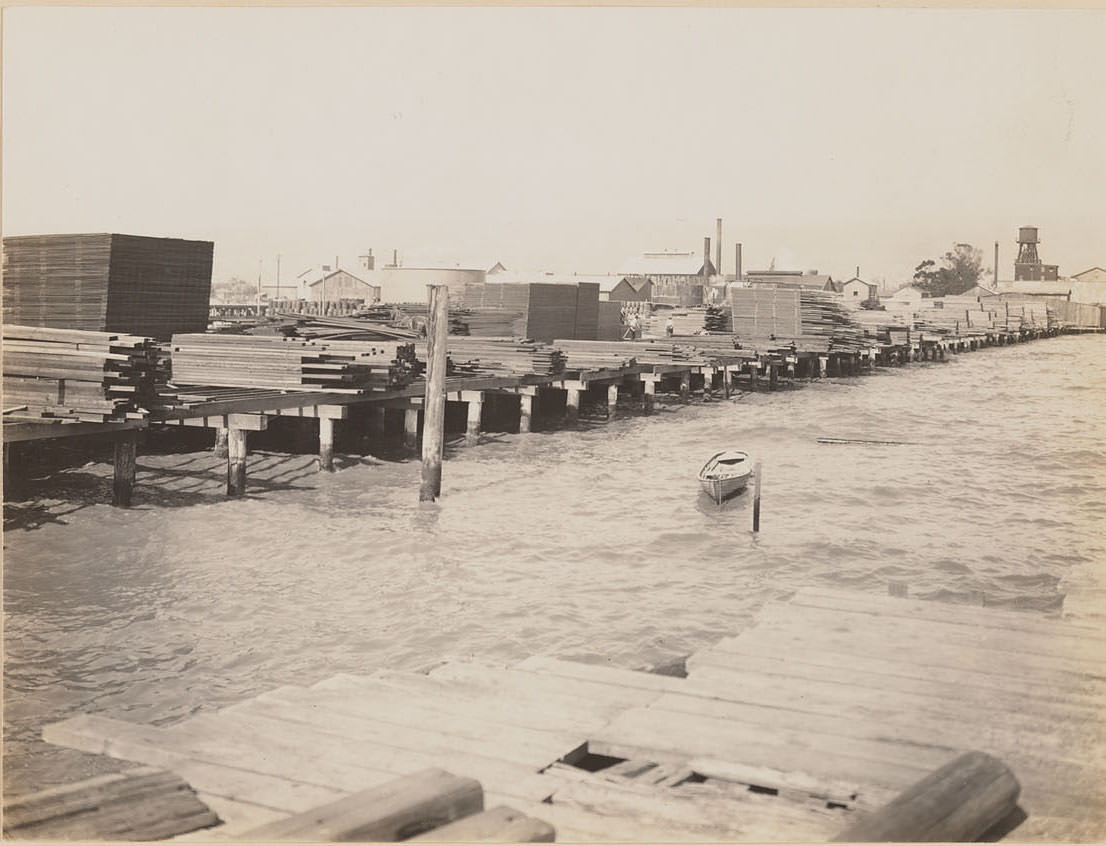
In 1908, California voters rejected a statewide referendum that would have moved the state capital to Berkeley. The measure failed by roughly 33,000 votes. The proposal had already prompted the naming of streets in the surrounding counties after California counties — names that remain on maps today as a lasting trace of the failed bid. Around this same time, Berkeley received a new city charter from the state, officially transitioning from a town to the City of Berkeley.
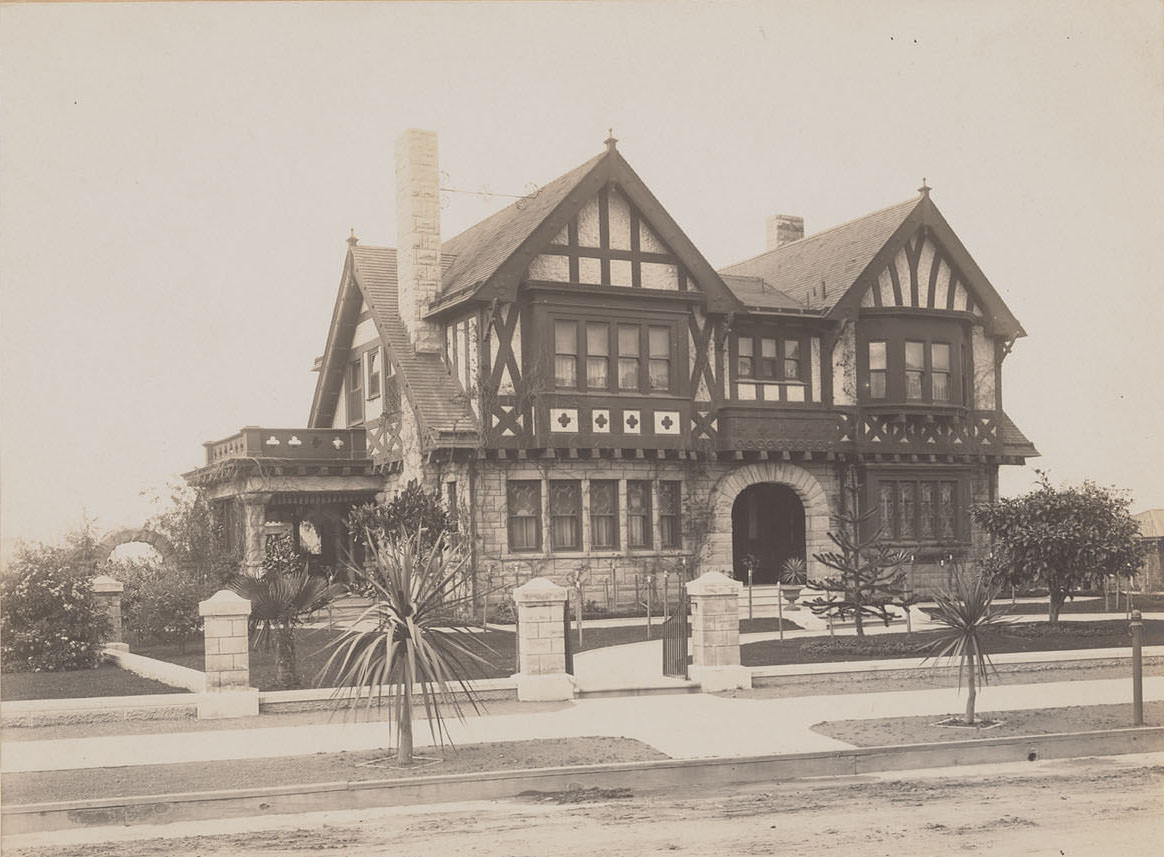
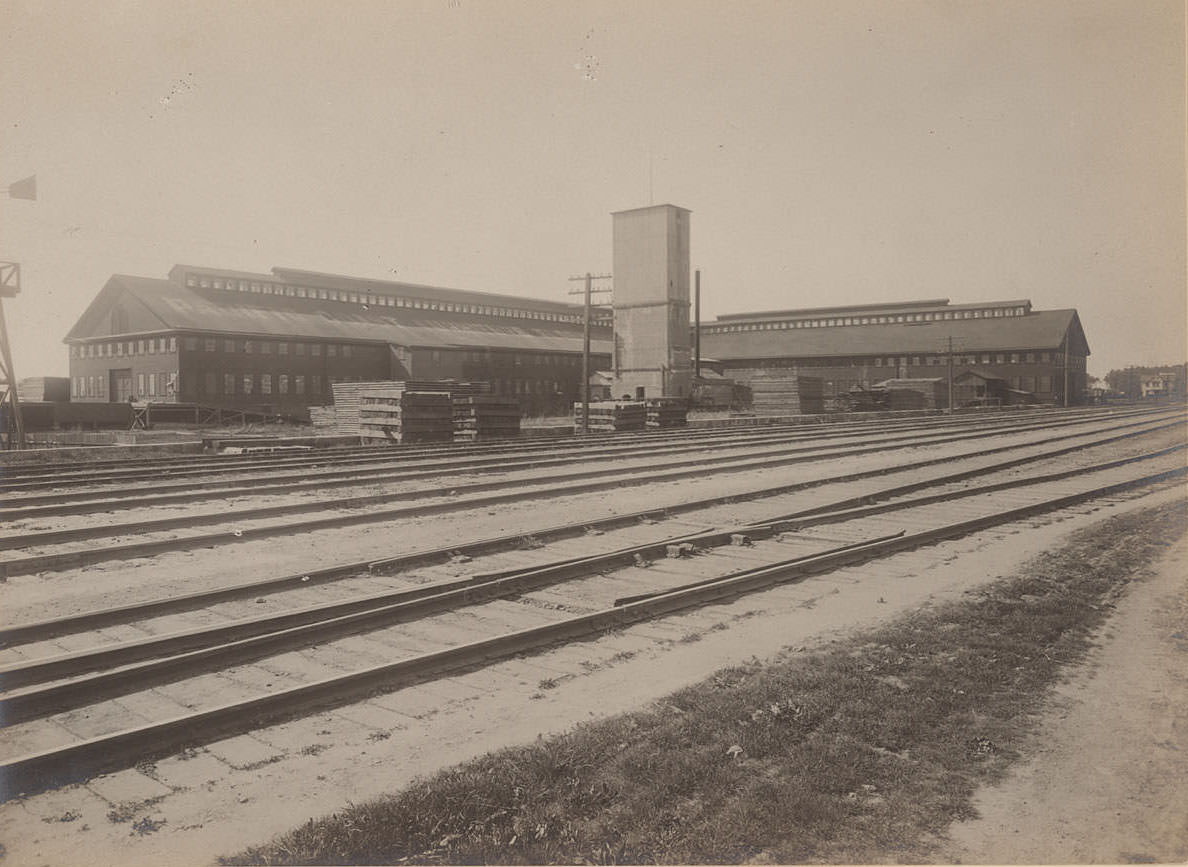
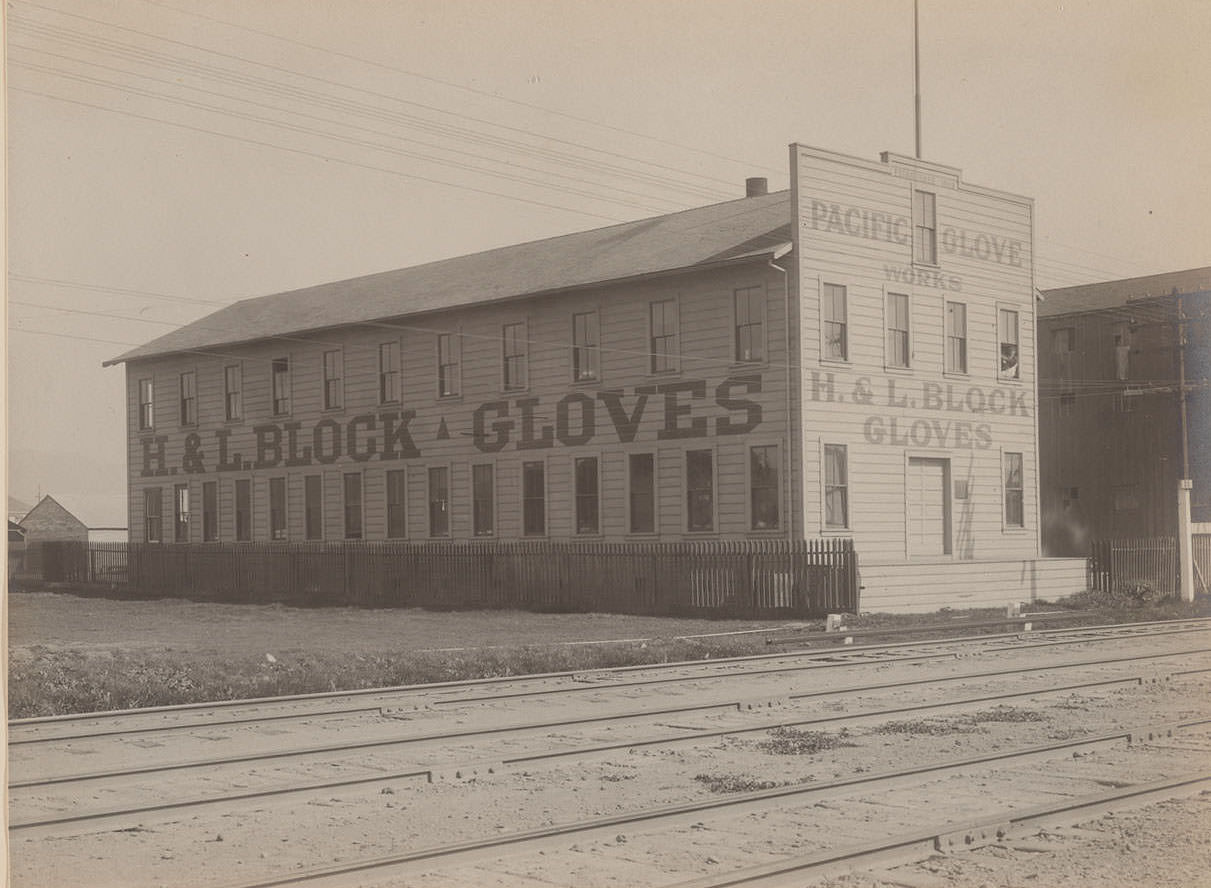
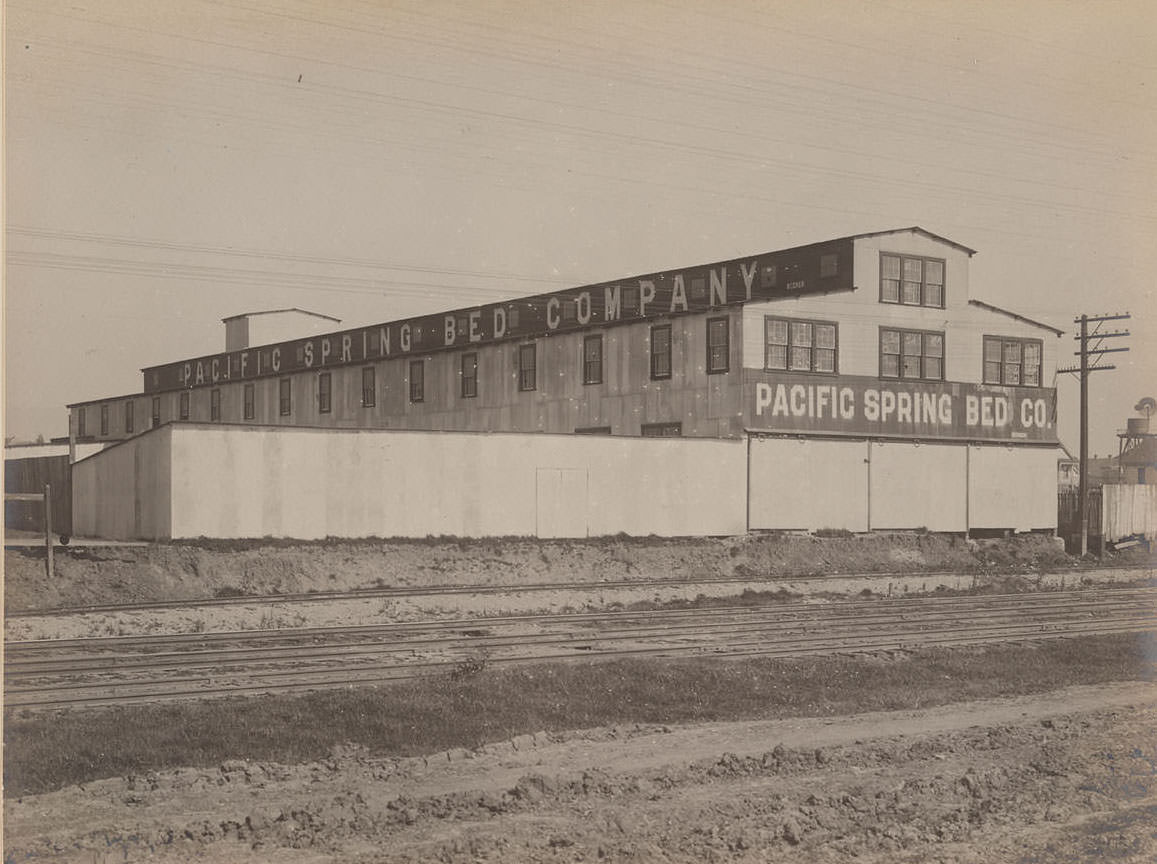
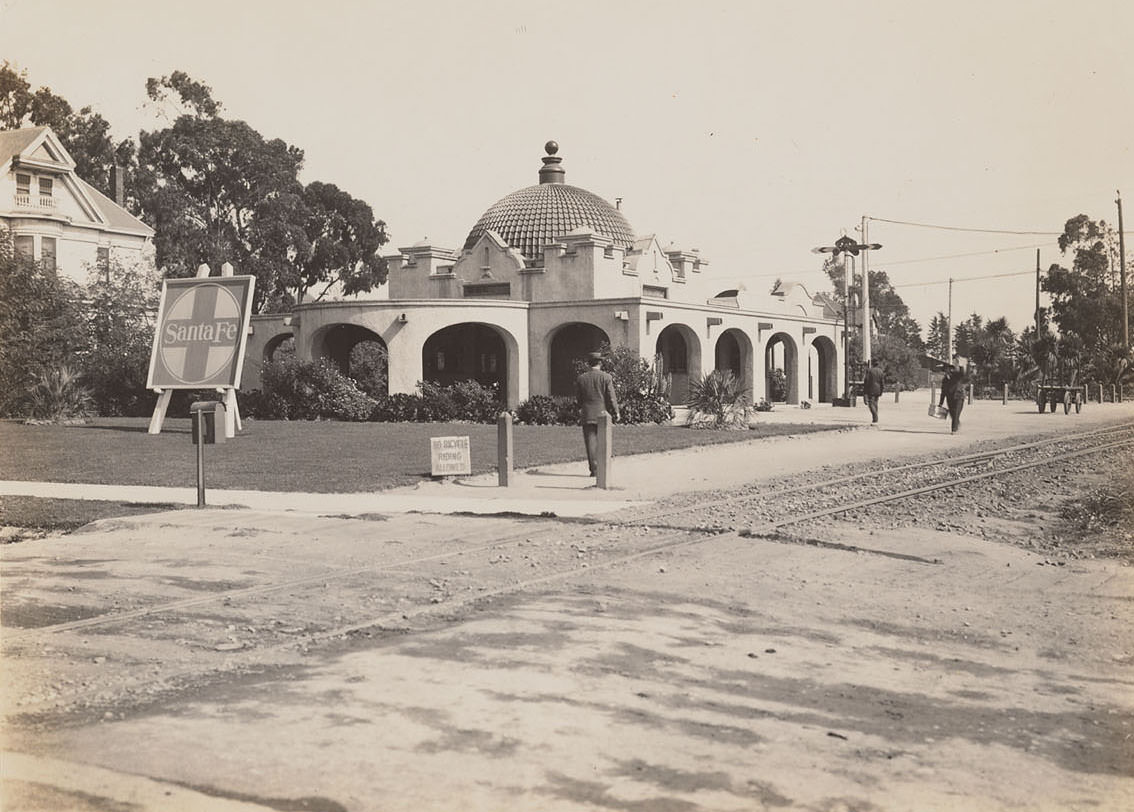
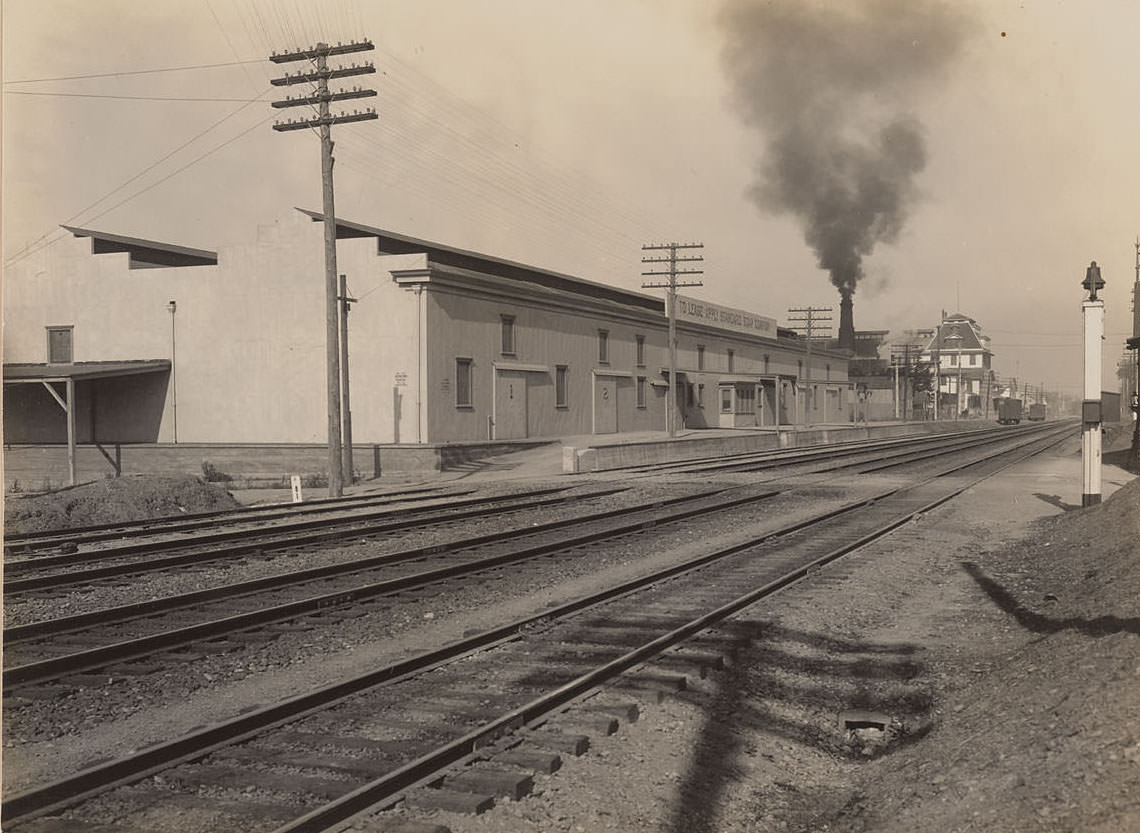
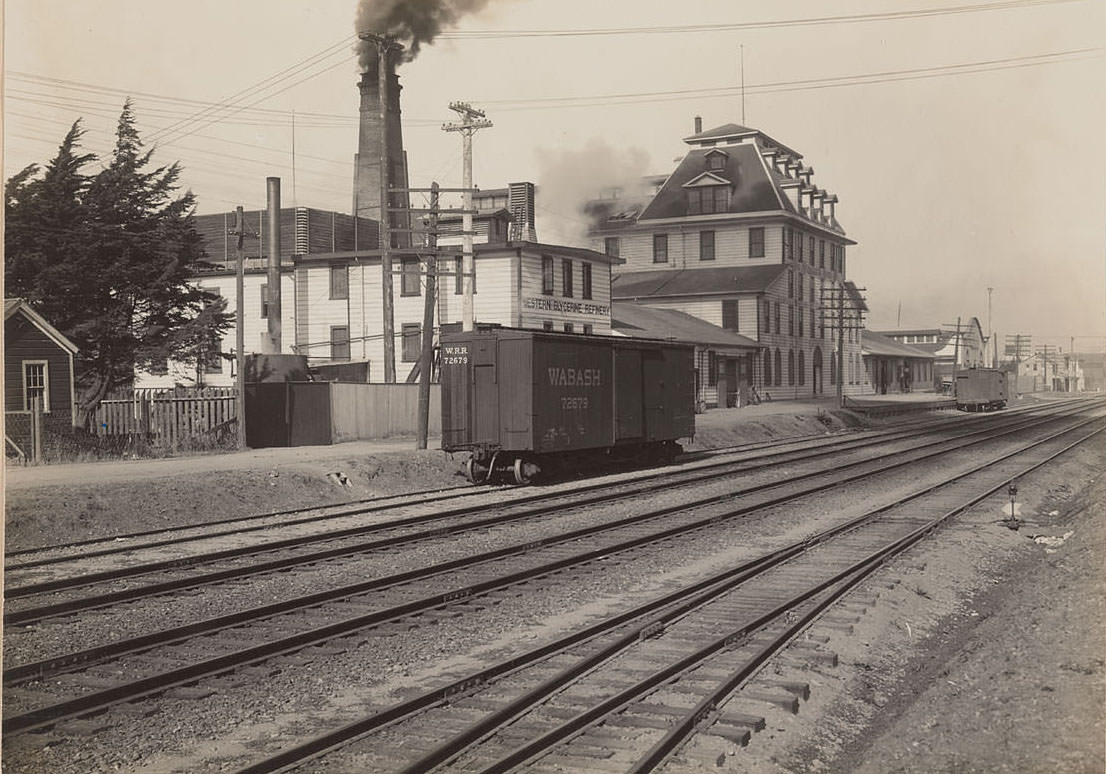
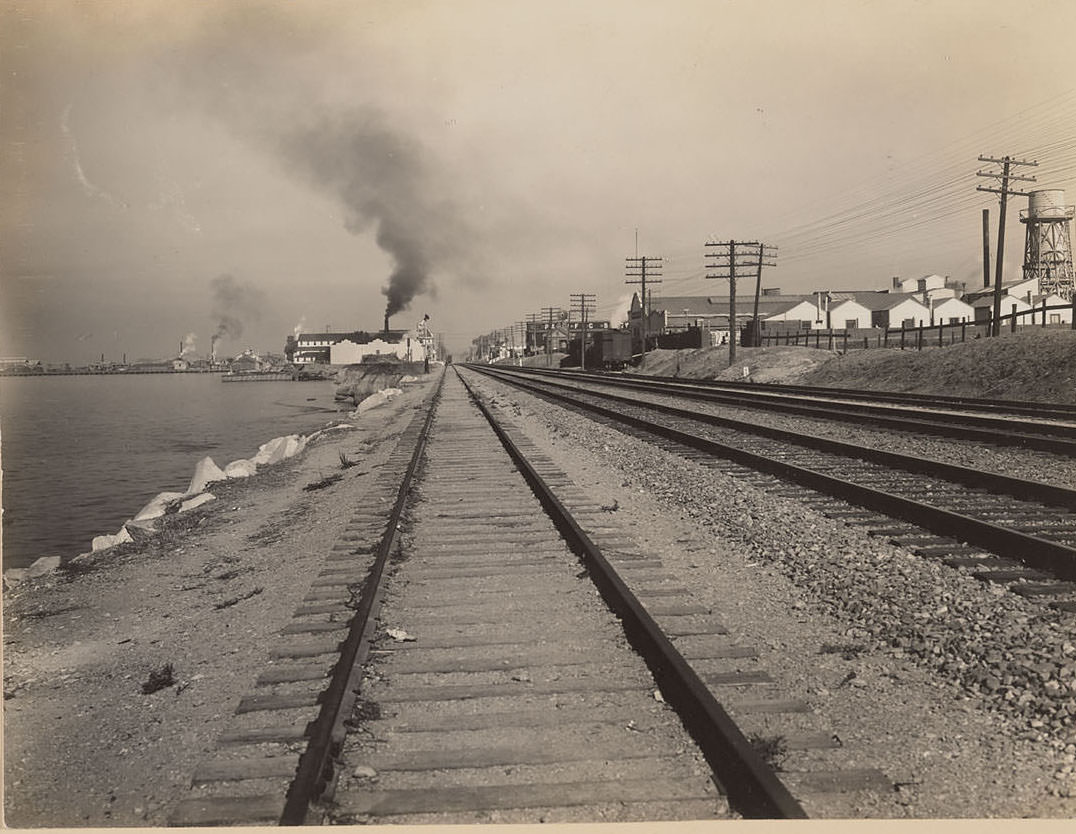
The 1910s saw Berkeley’s commercial and manufacturing sectors continue to expand. Companies like the Pacific Coast Furniture Co., Pacific Glove Works, Pacific Spring Bed Co., and Standard Soap Co. operated out of Berkeley, employing local residents and supplying goods across the region. The Santa Fe Depot connected the city to rail lines running up and down the coast, making the movement of goods and people more efficient.
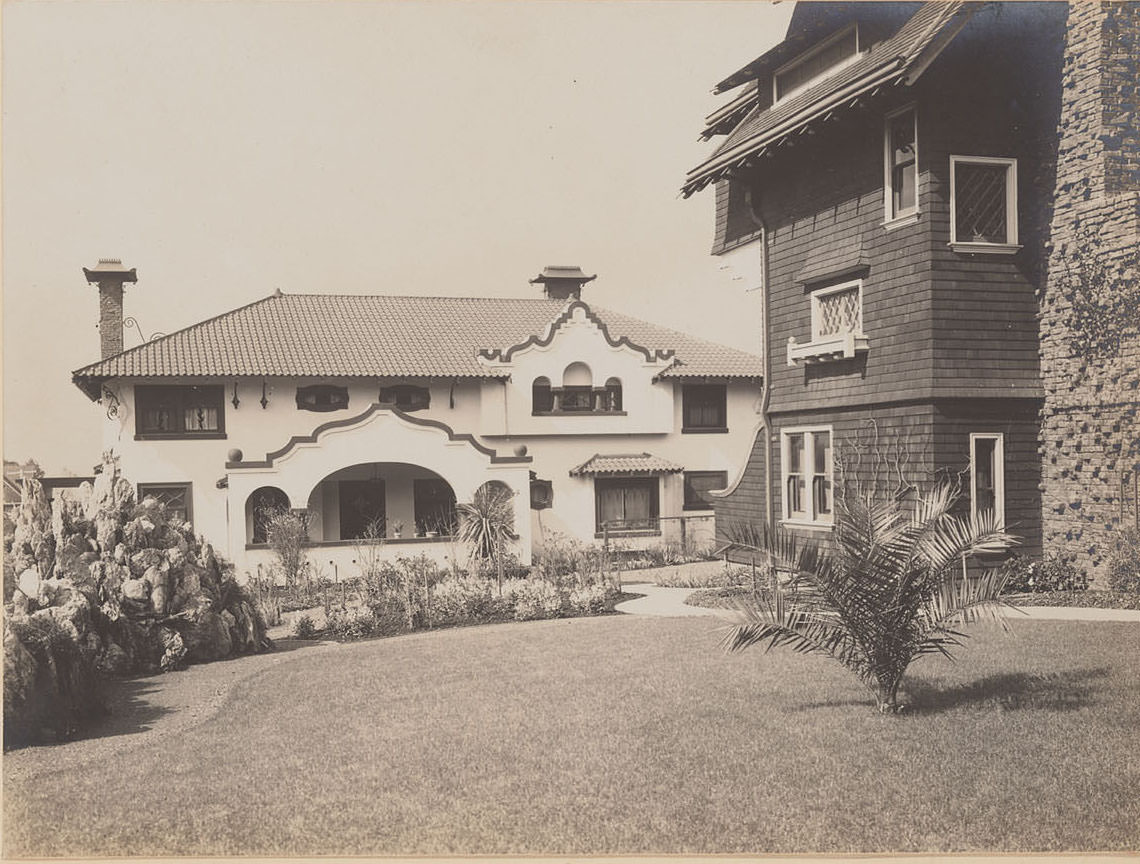
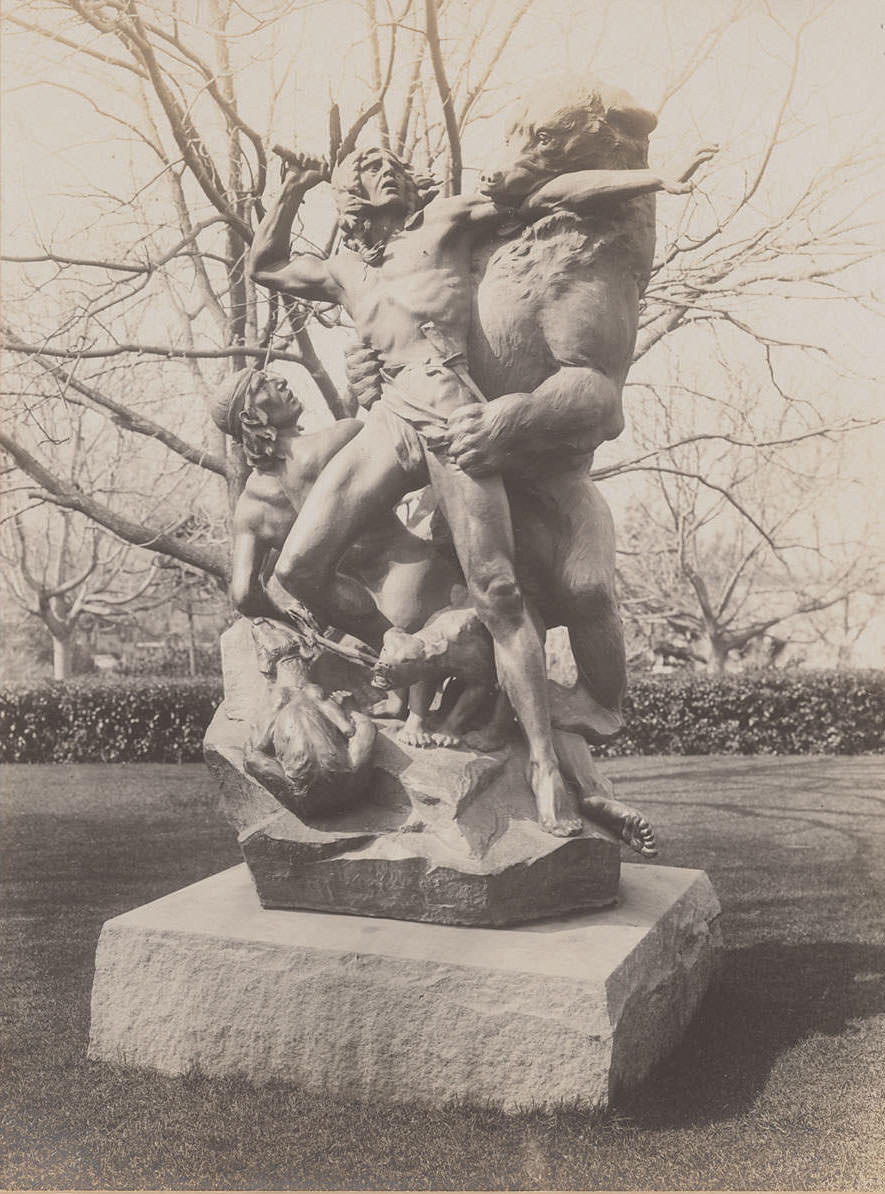
The State Deaf and Dumb Asylum operated in Berkeley during this era, serving residents who had limited options for education and care elsewhere in the state. The institution’s grounds included sculptural elements, reflecting a degree of civic investment in the facility. Institutions like this one, along with the city’s hospitals and schools, pointed to Berkeley’s growing role as a center of public services in the East Bay.
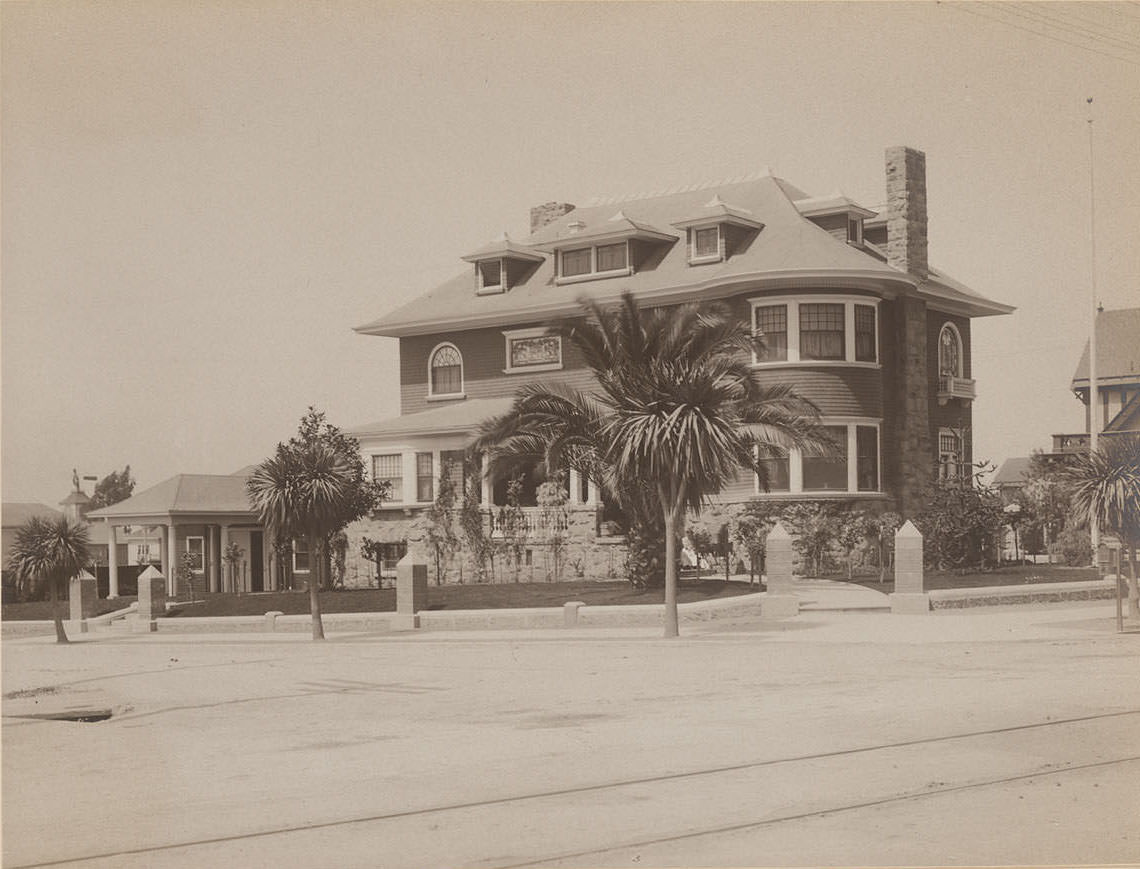
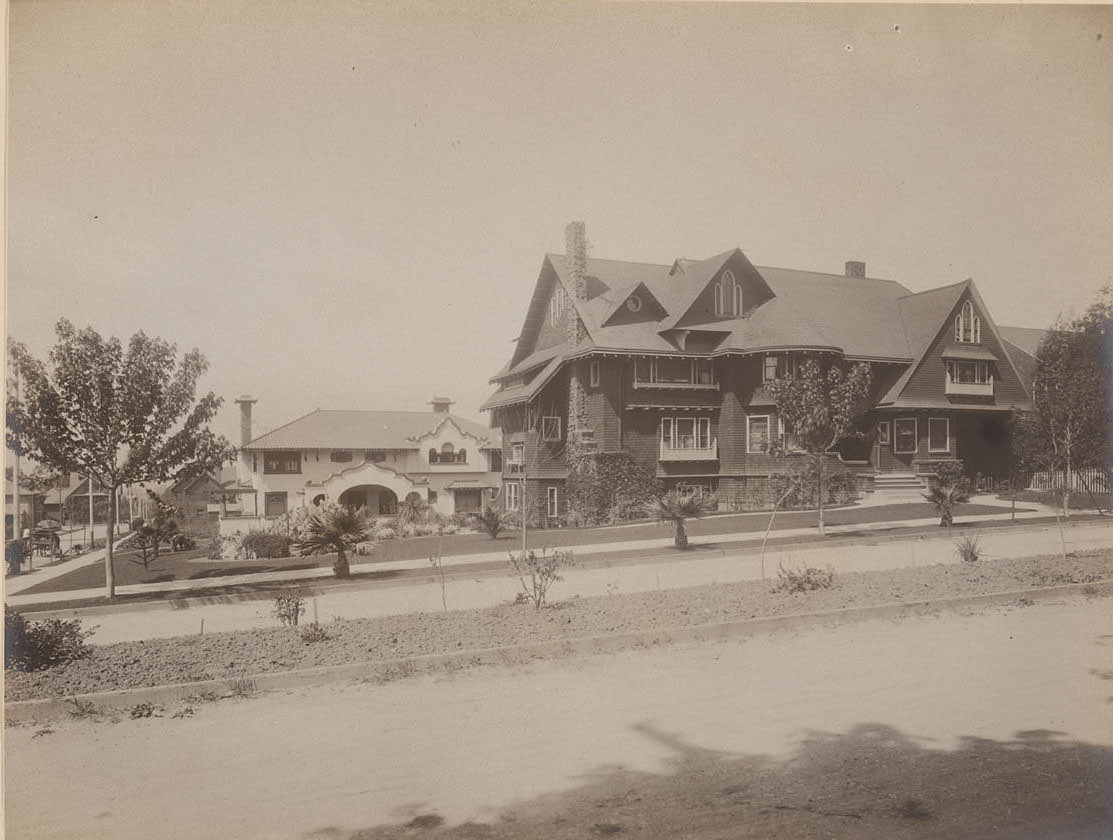
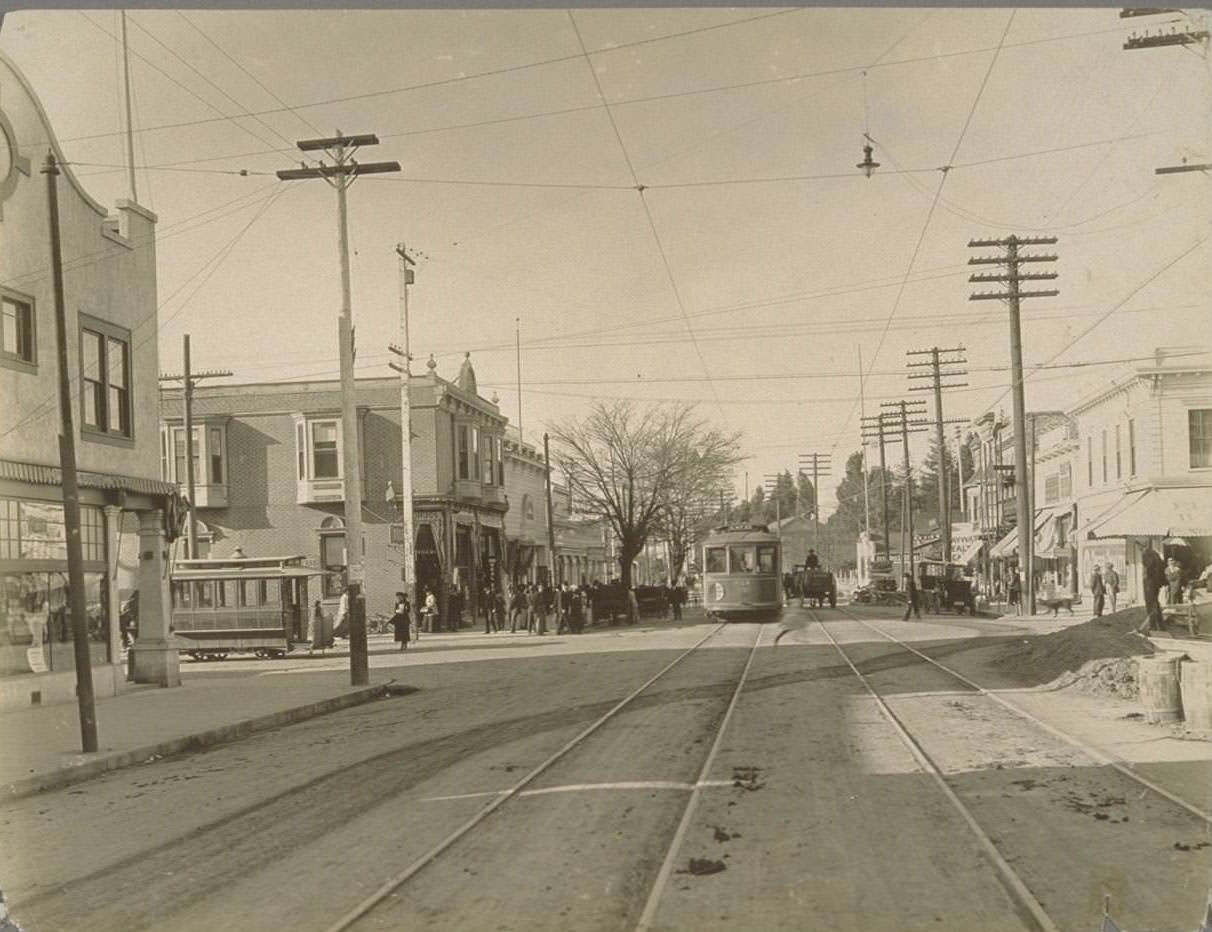
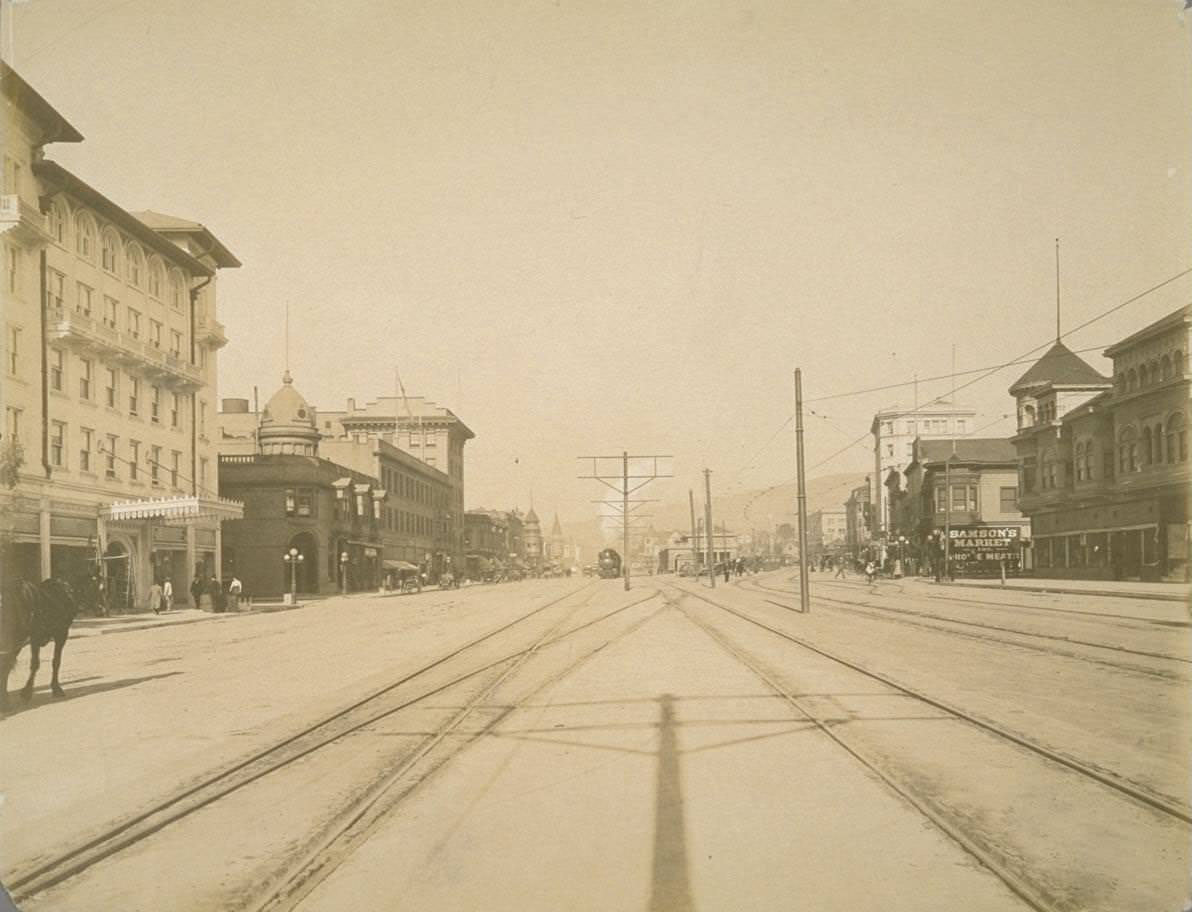
Berkeley’s streets in the 1920s showed a city in transition. Electric trolley cars ran alongside horse-drawn buggies and early automobiles — three generations of transportation sharing the same roads. Residential blocks were lined with well-kept homes, and small businesses served the daily needs of a growing population. The decade’s prosperity showed up in construction across the city.
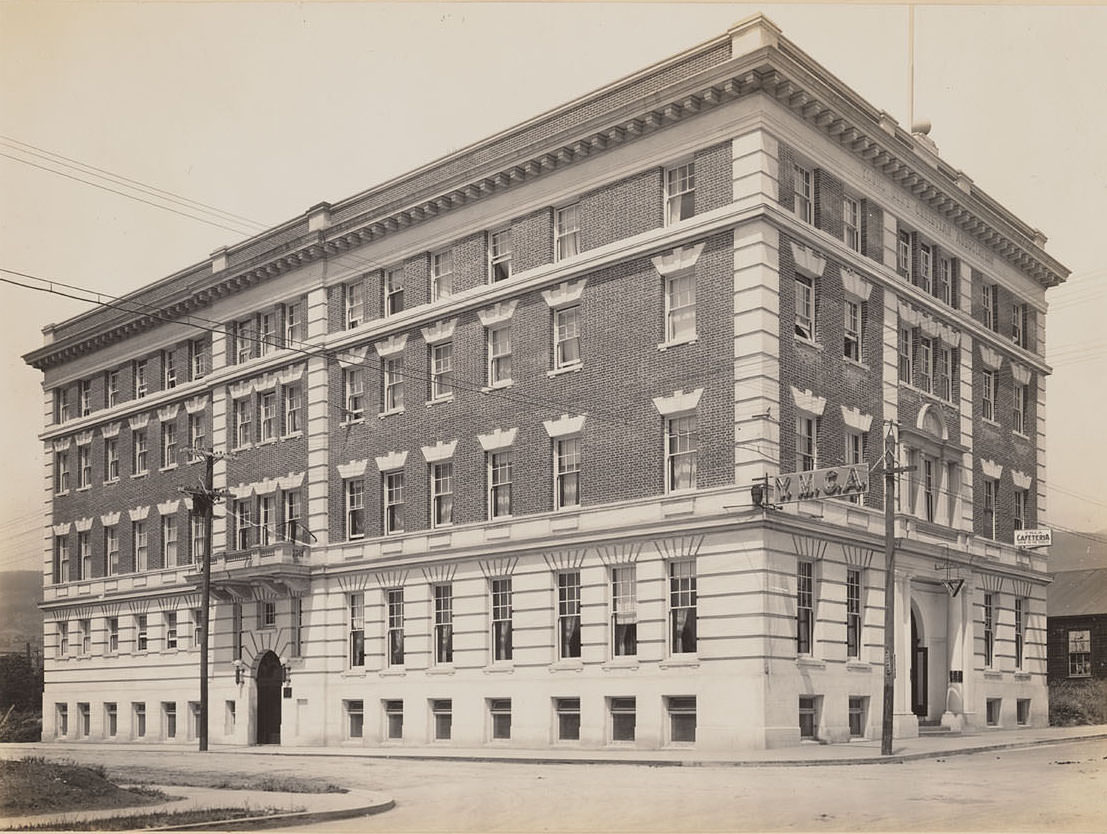
The Unitarian Church in Berkeley was an active congregation throughout this period, and its building appears in multiple photographs from the 1920s. The Y.M.C.A. building served as a hub for youth activities and community gatherings. These institutions, alongside fraternal organizations and civic buildings, formed the social infrastructure of Berkeley during its most rapid period of growth.
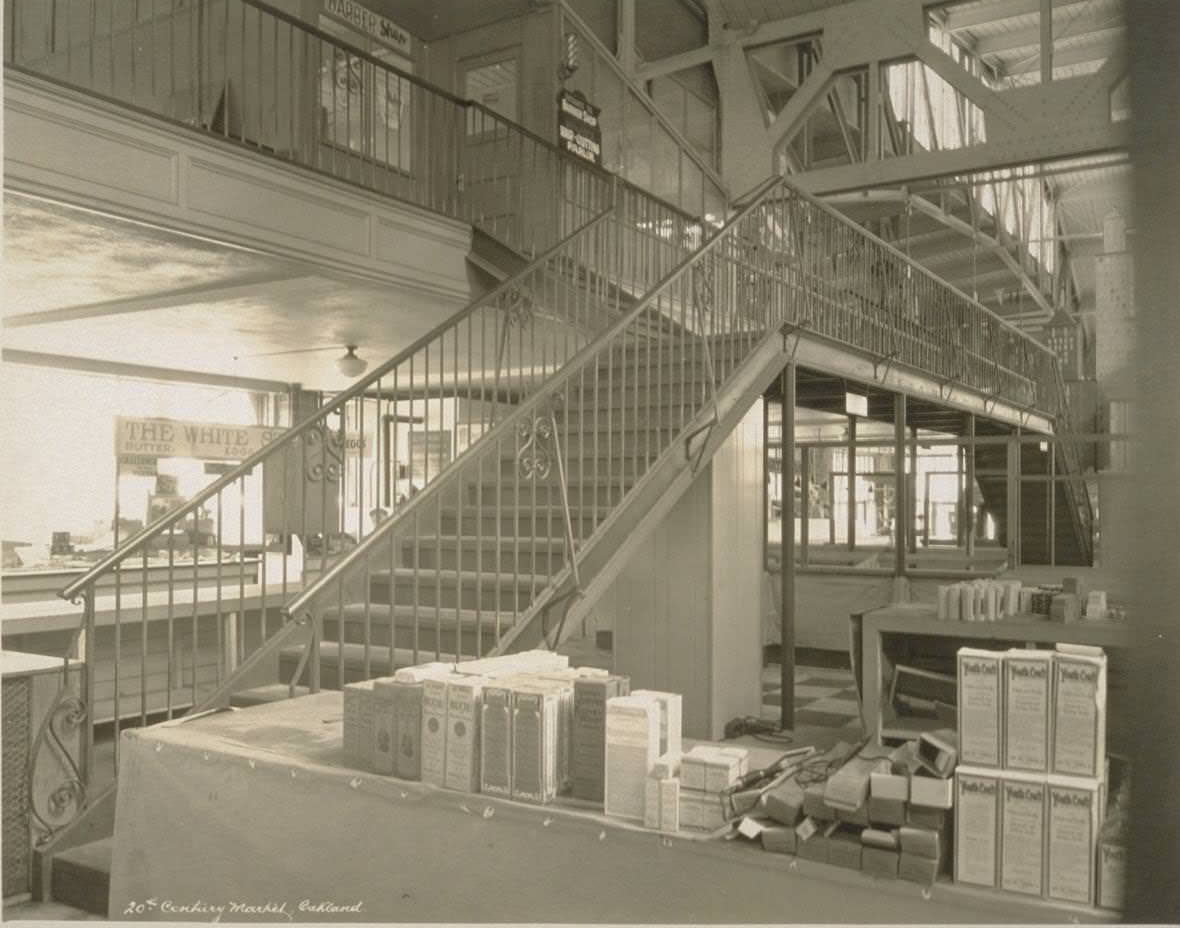
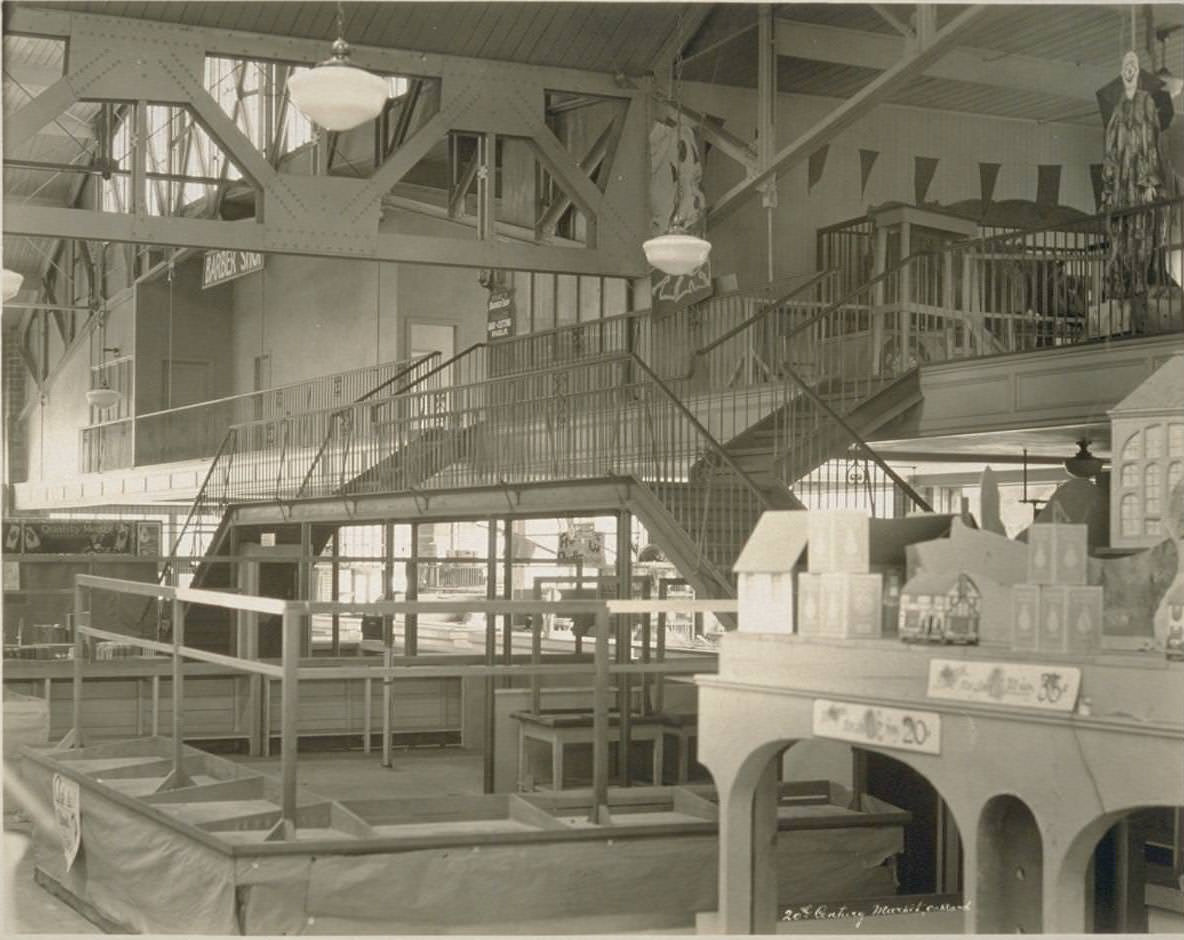
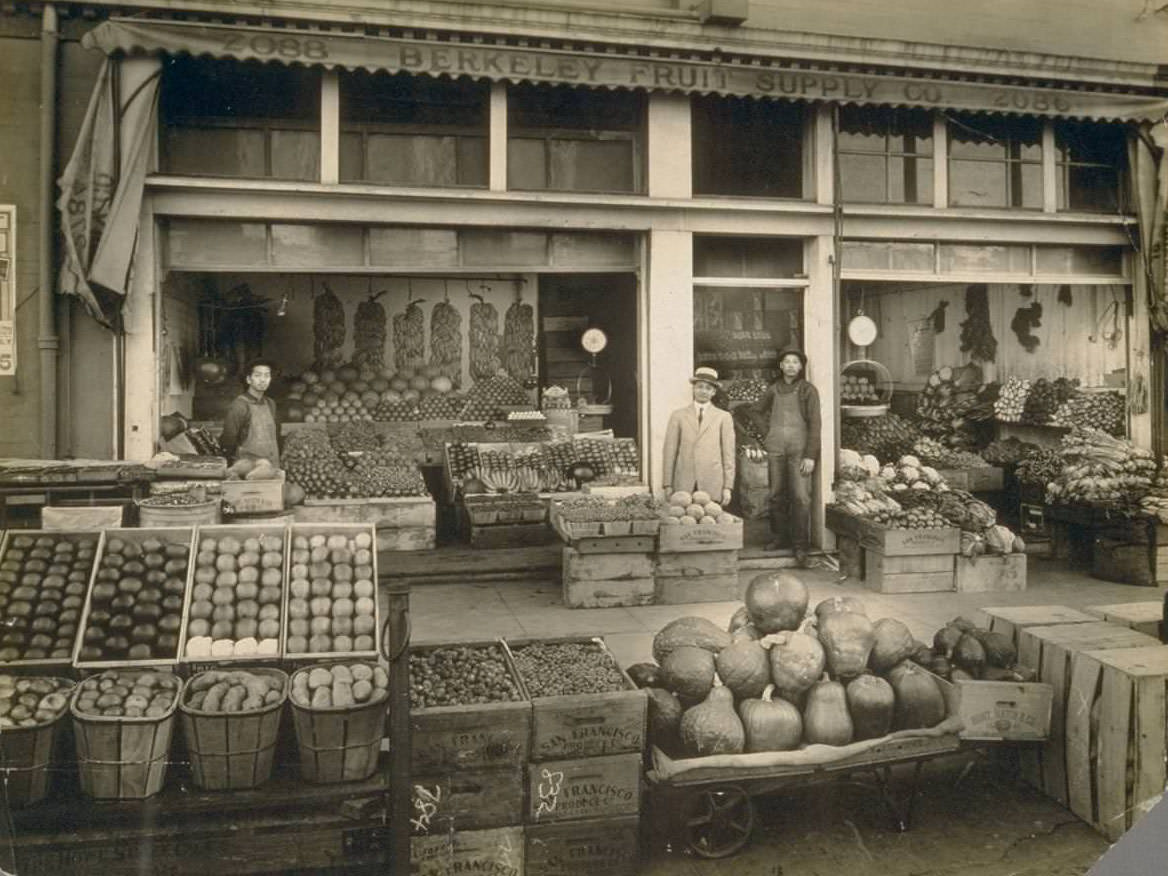
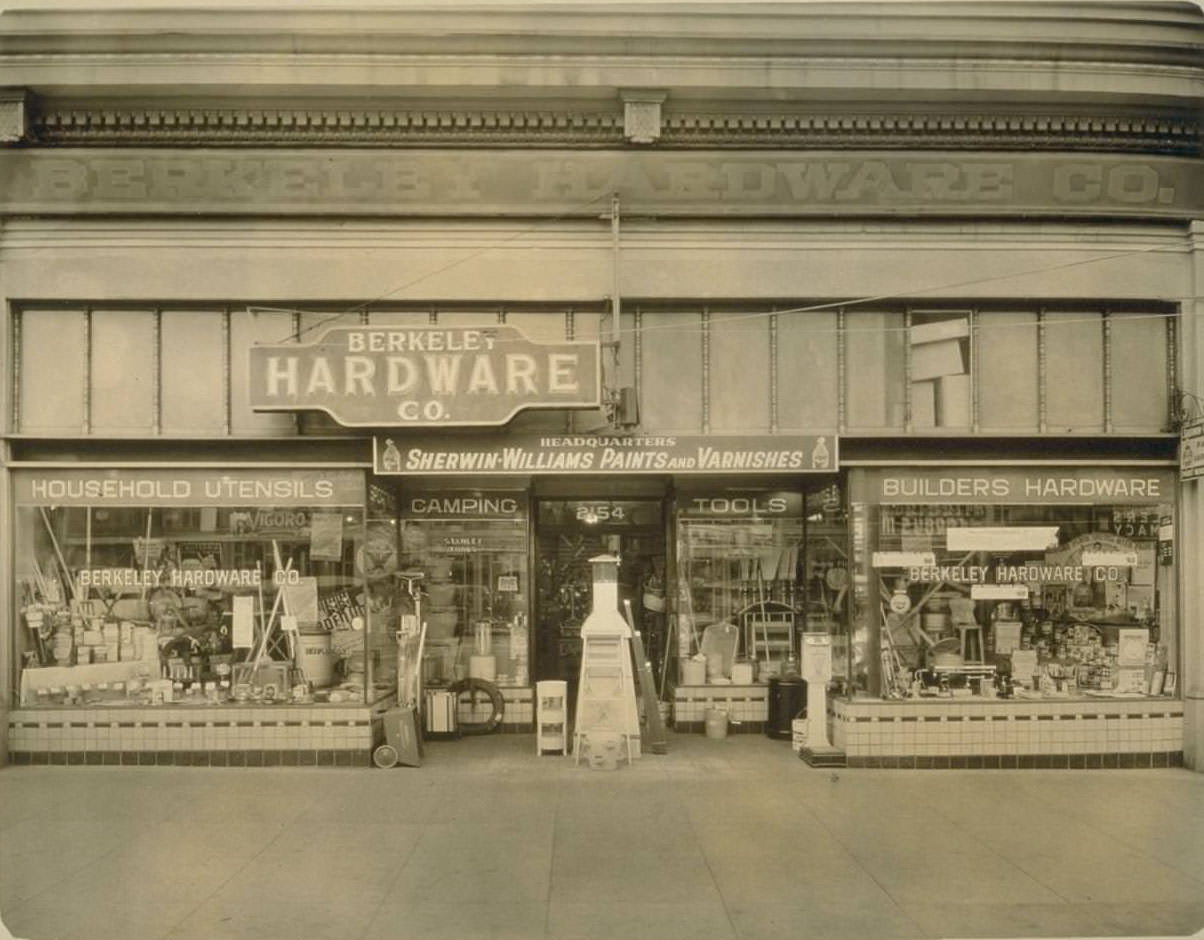
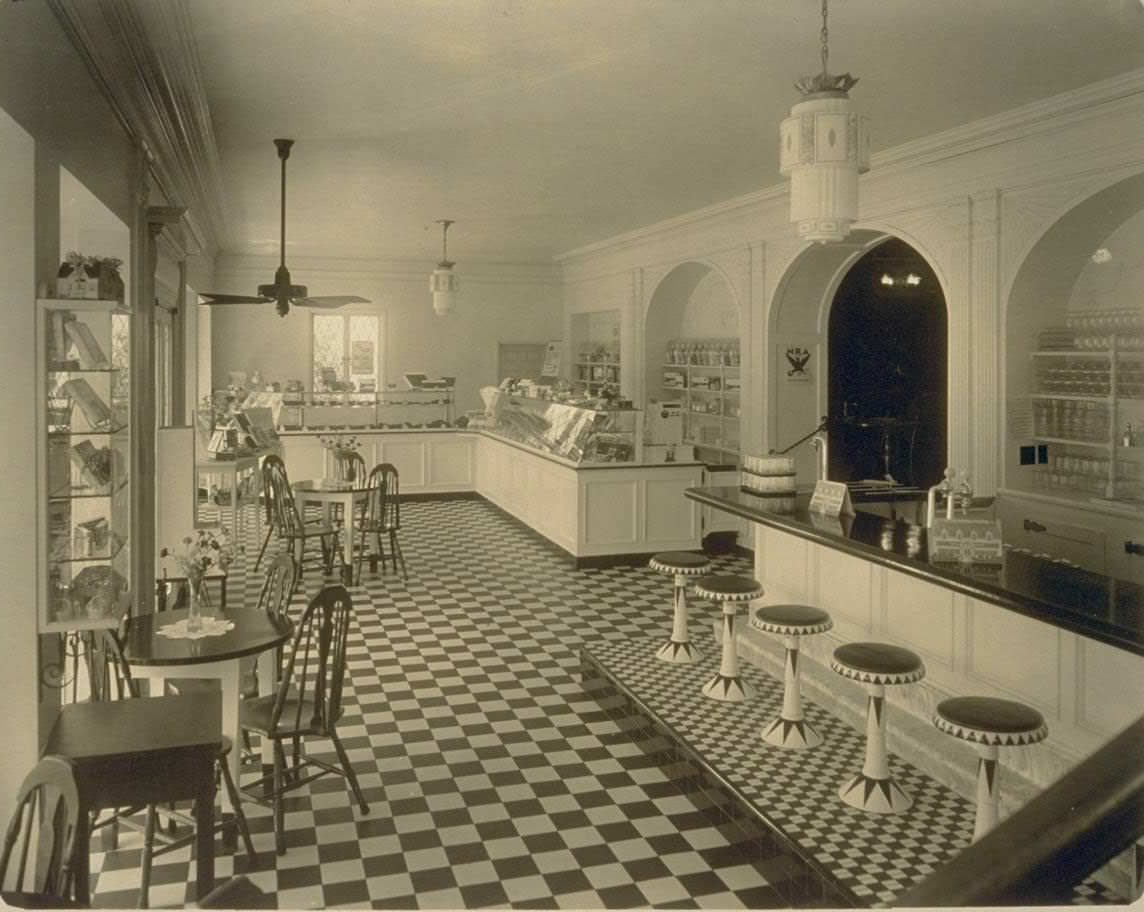
The 20th Century Market was one of the commercial fixtures of 1920s Berkeley, its storefront captured in photographs that show both the exterior signage and the interior product displays typical of the era. Soda fountains, candy displays, and neighborhood restaurants gave Berkeley’s commercial streets a lively character. Grocery stores, furniture dealers, and hardware suppliers filled out the blocks between residential neighborhoods.
Alta Bates Hospital, founded two decades earlier by nurse Alta Bates on Walnut Street, had grown considerably by the 1930s. What started as a sanatorium for women and children had expanded into a full hospital serving the broader Berkeley community. The photographs from the 1930s show the institution at a more established stage of its development.
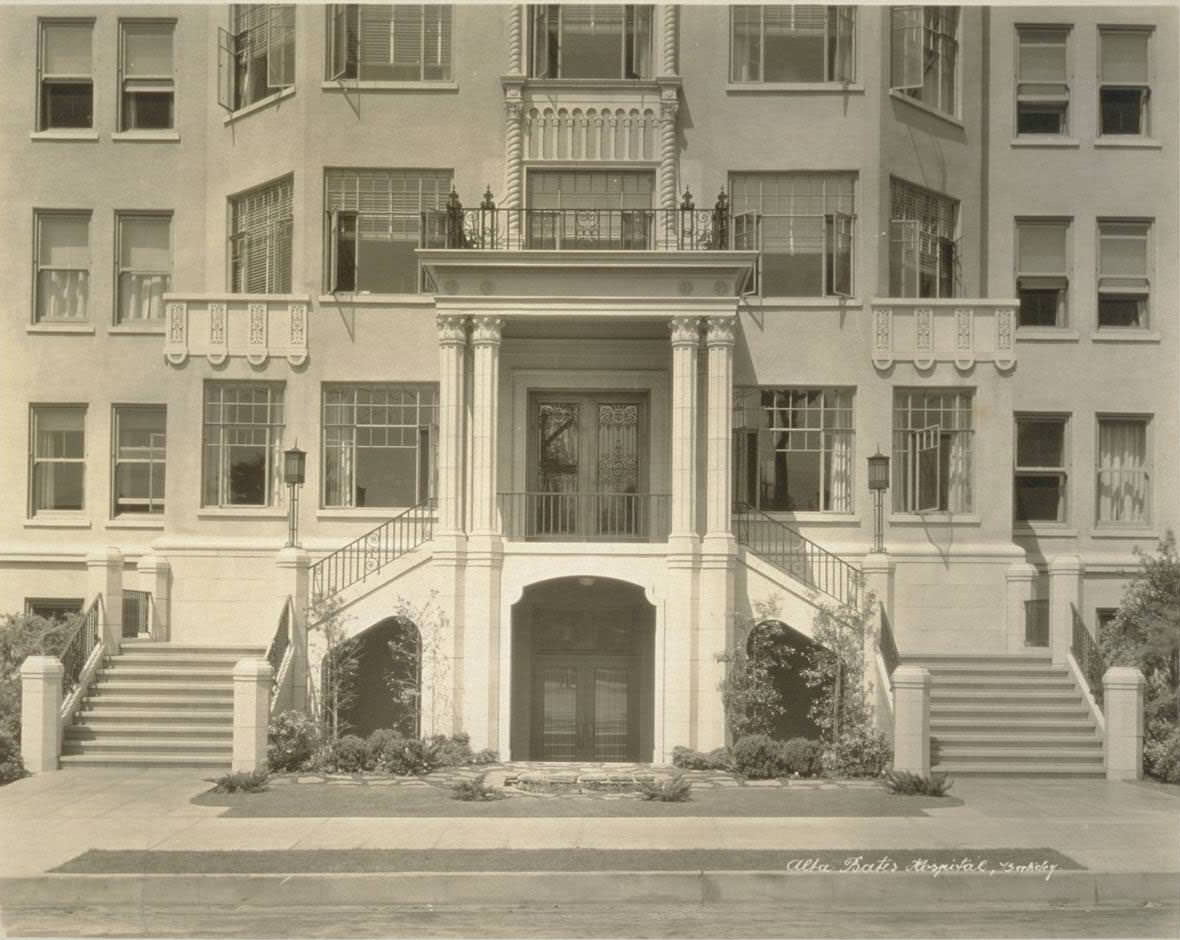
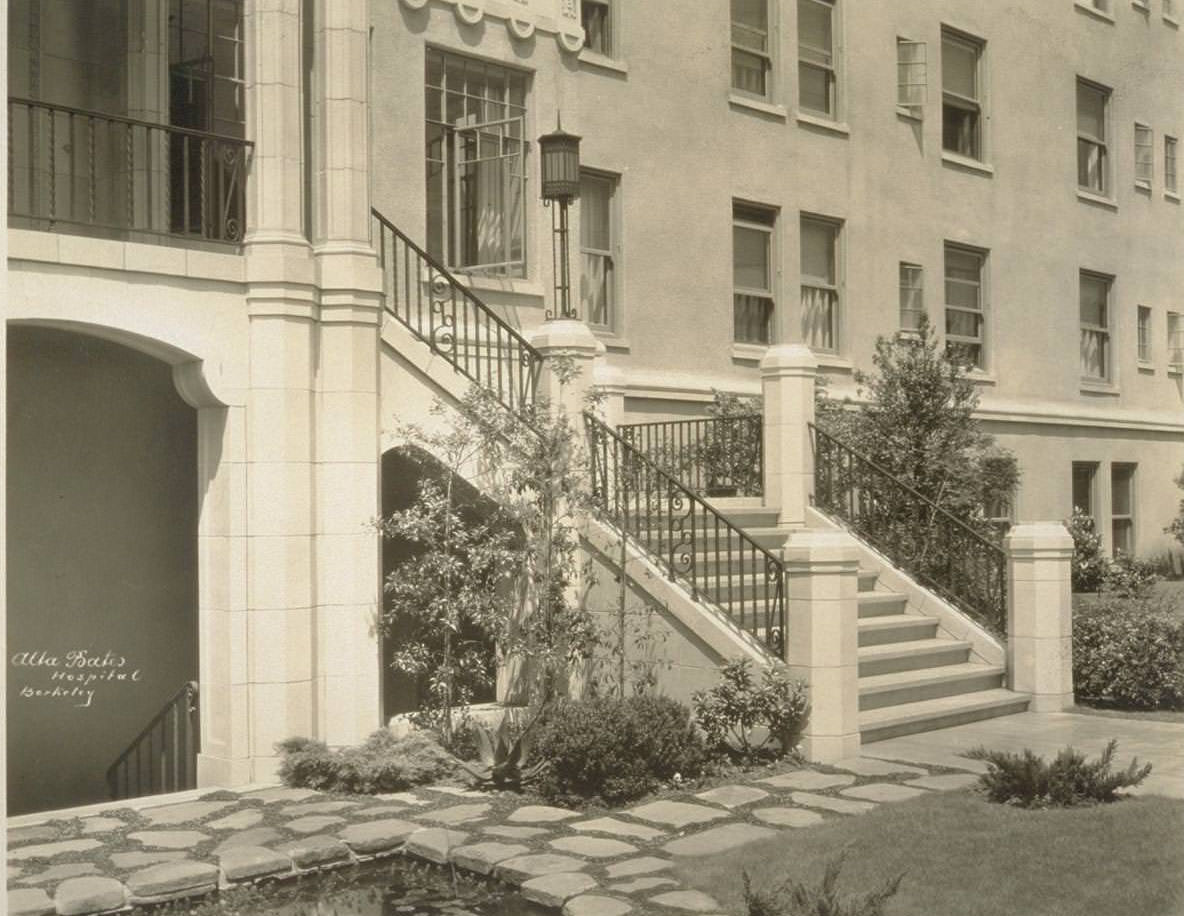
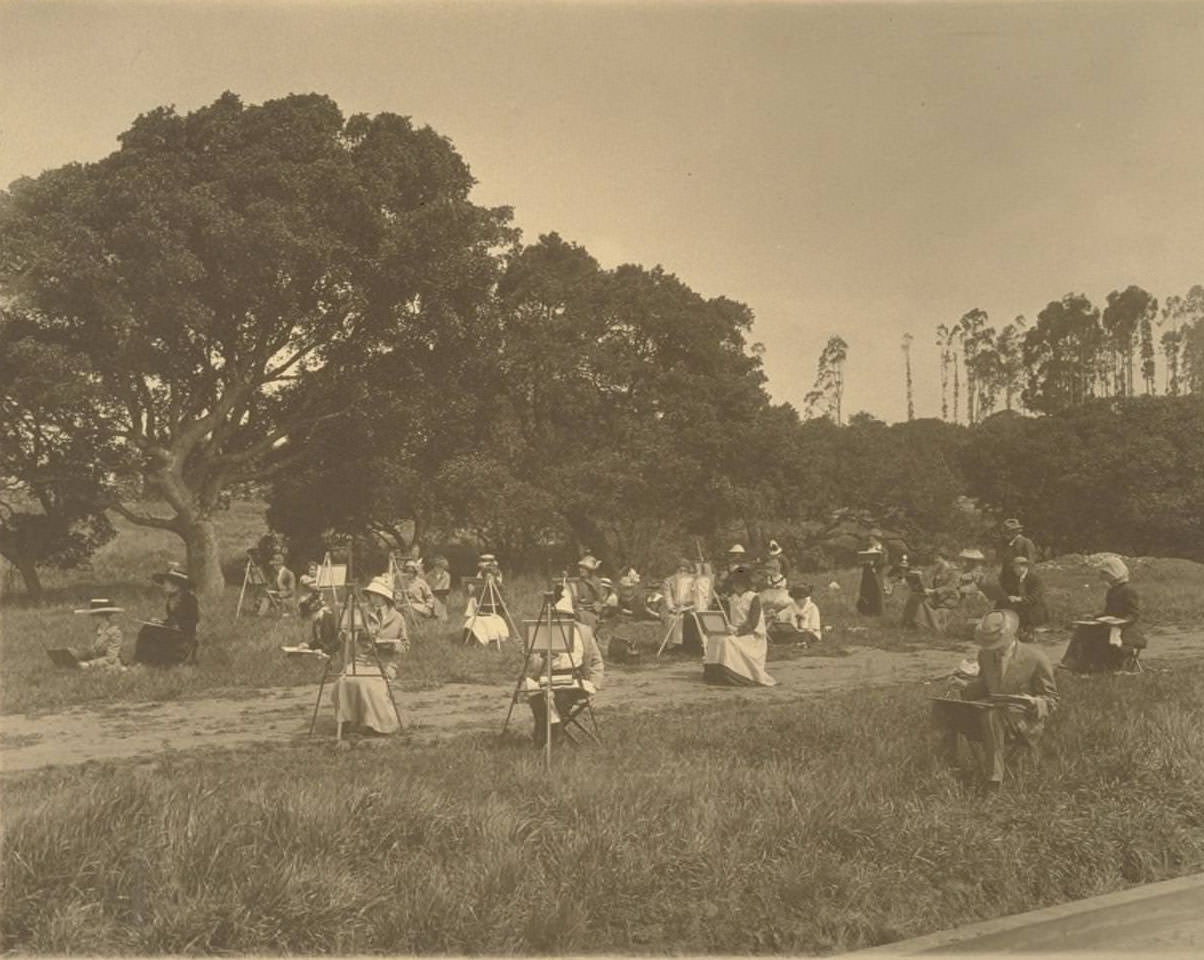
The art colony that took root in Berkeley after 1906 had a lasting presence in the city. By the 1930s, art students were painting outdoors across Berkeley, carrying on a tradition that had been seeded by San Francisco refugees a generation earlier. The city’s proximity to the University of California ensured a steady population of artists, musicians, and academics who shaped its cultural life.
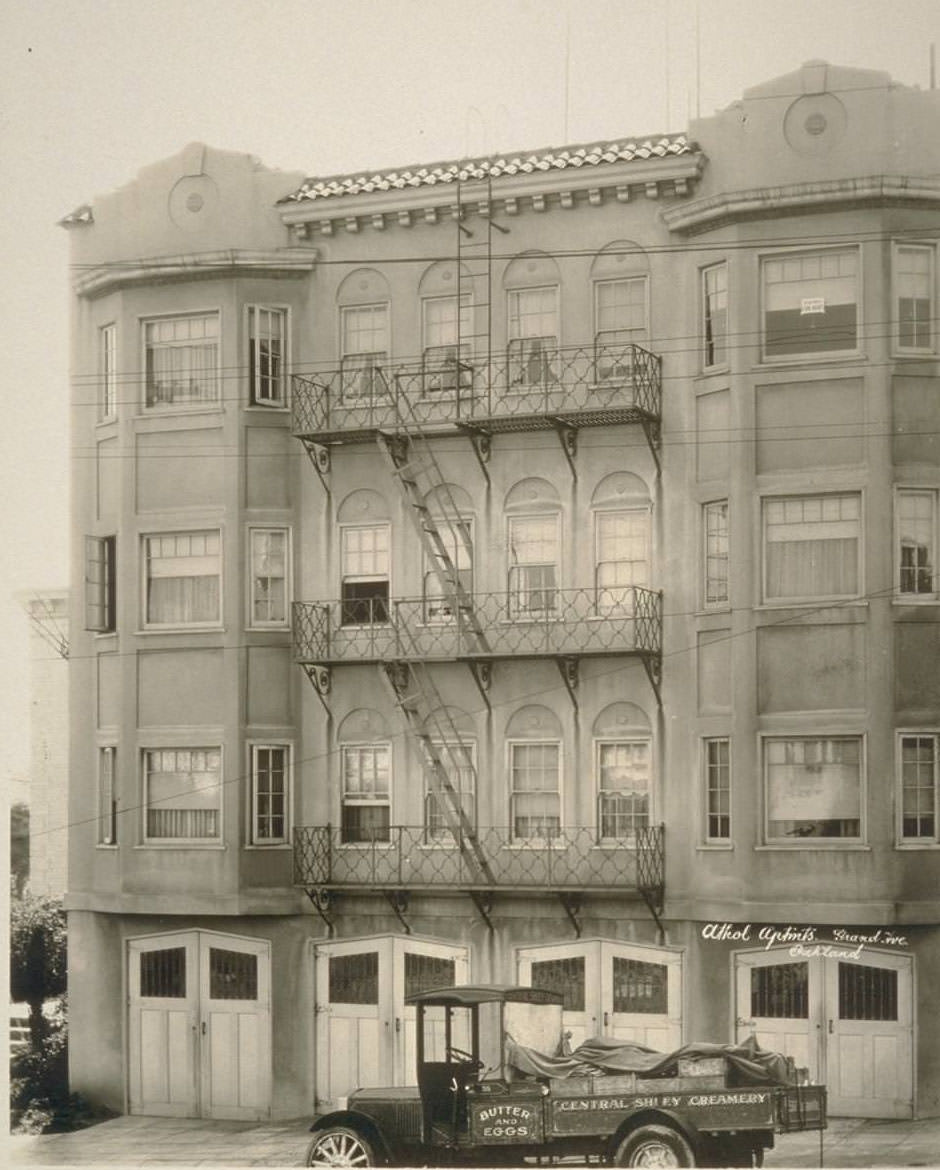
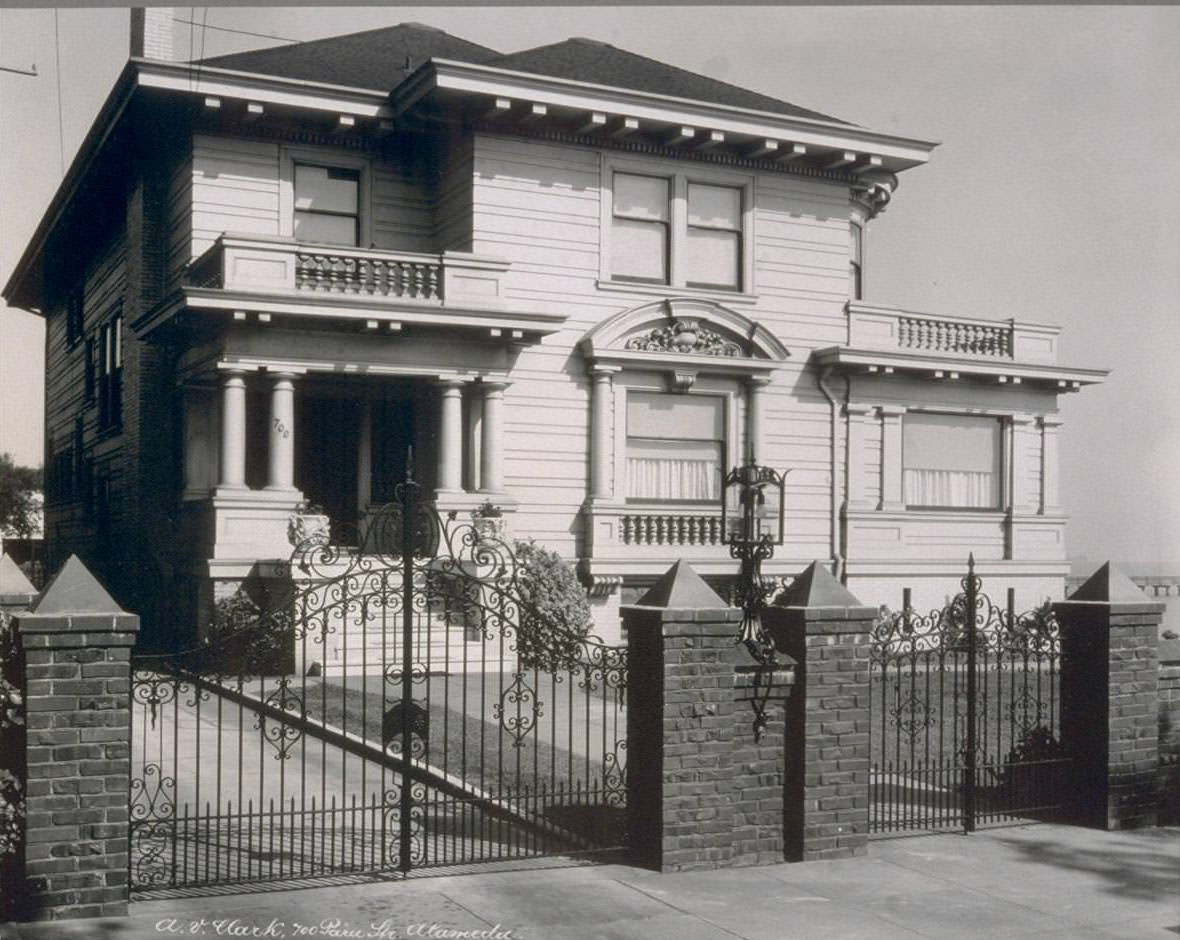
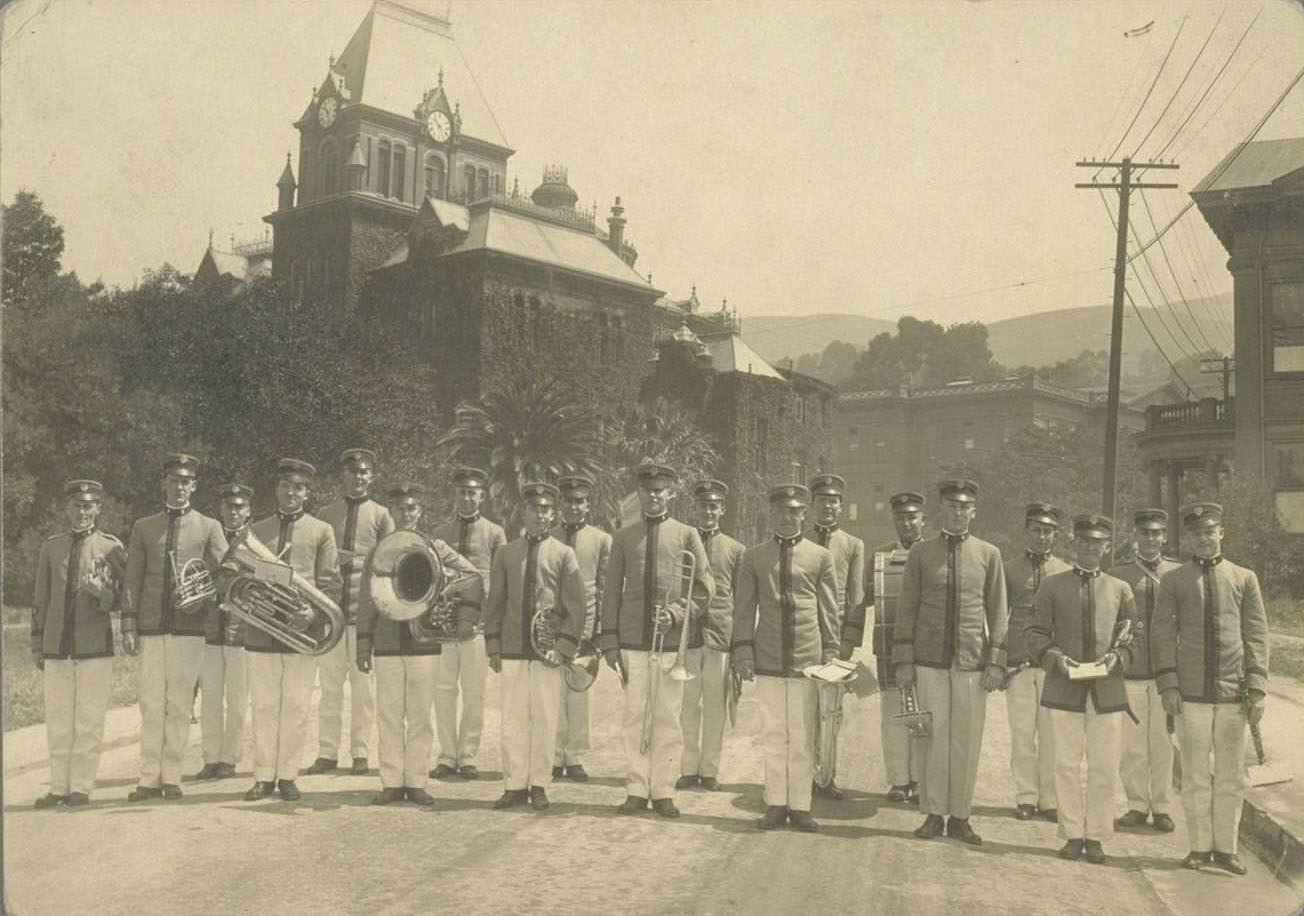
Radio was a growing part of American life by the 1930s, and Berkeley had its own presence in that world. A bandstand built for KLX radio brought live music broadcasts to audiences across the region. The University of California’s brass band also performed regularly, representing the institution’s deep investment in music and public life. These performances were a visible part of Berkeley’s identity during the Depression years.
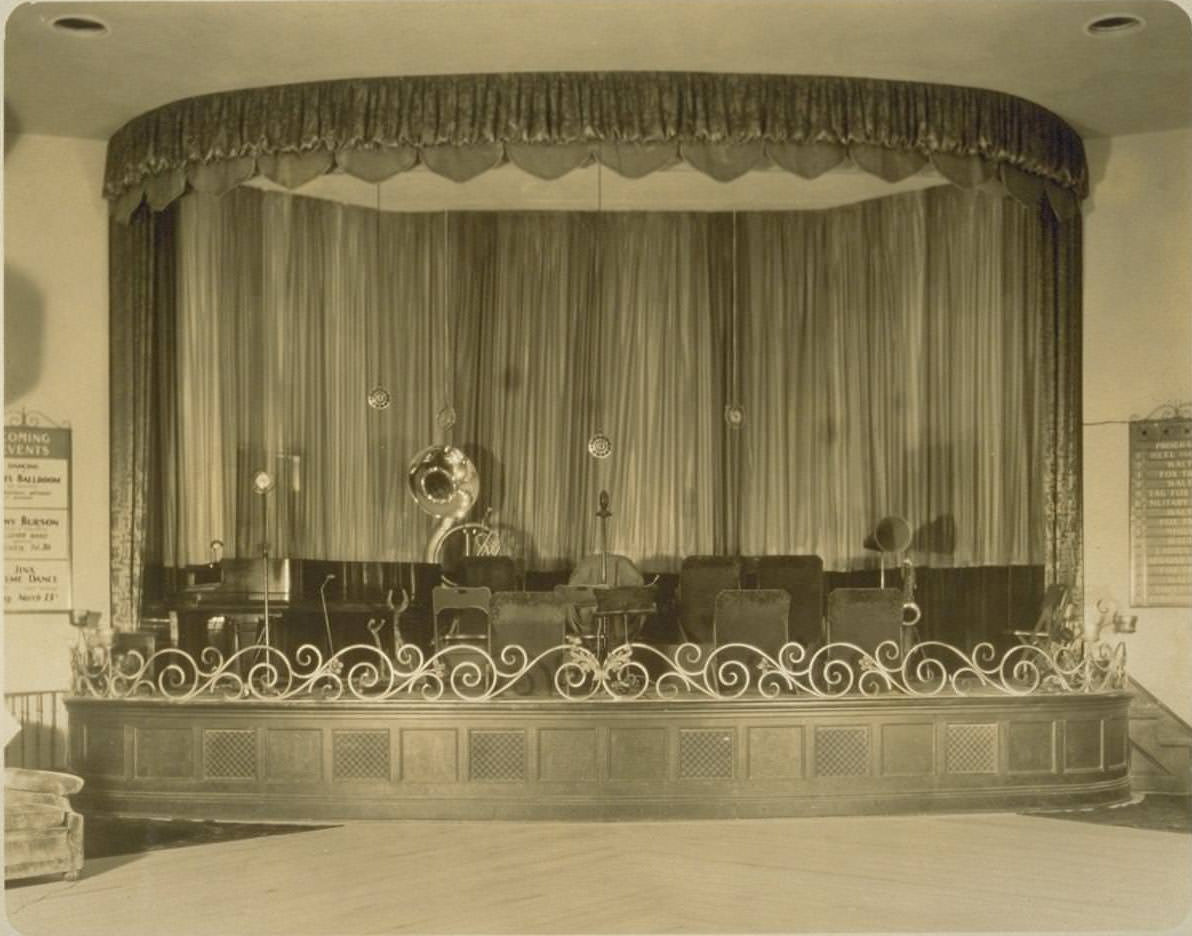
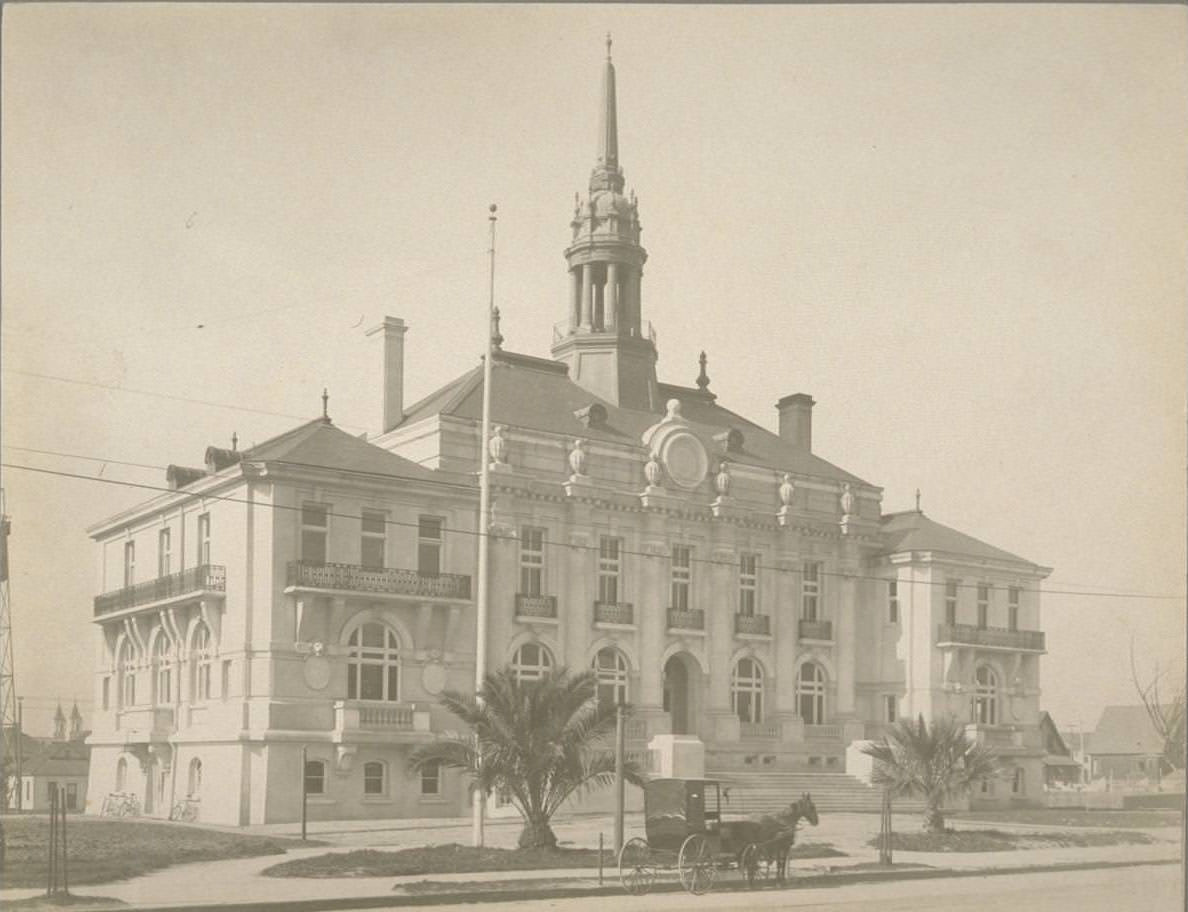
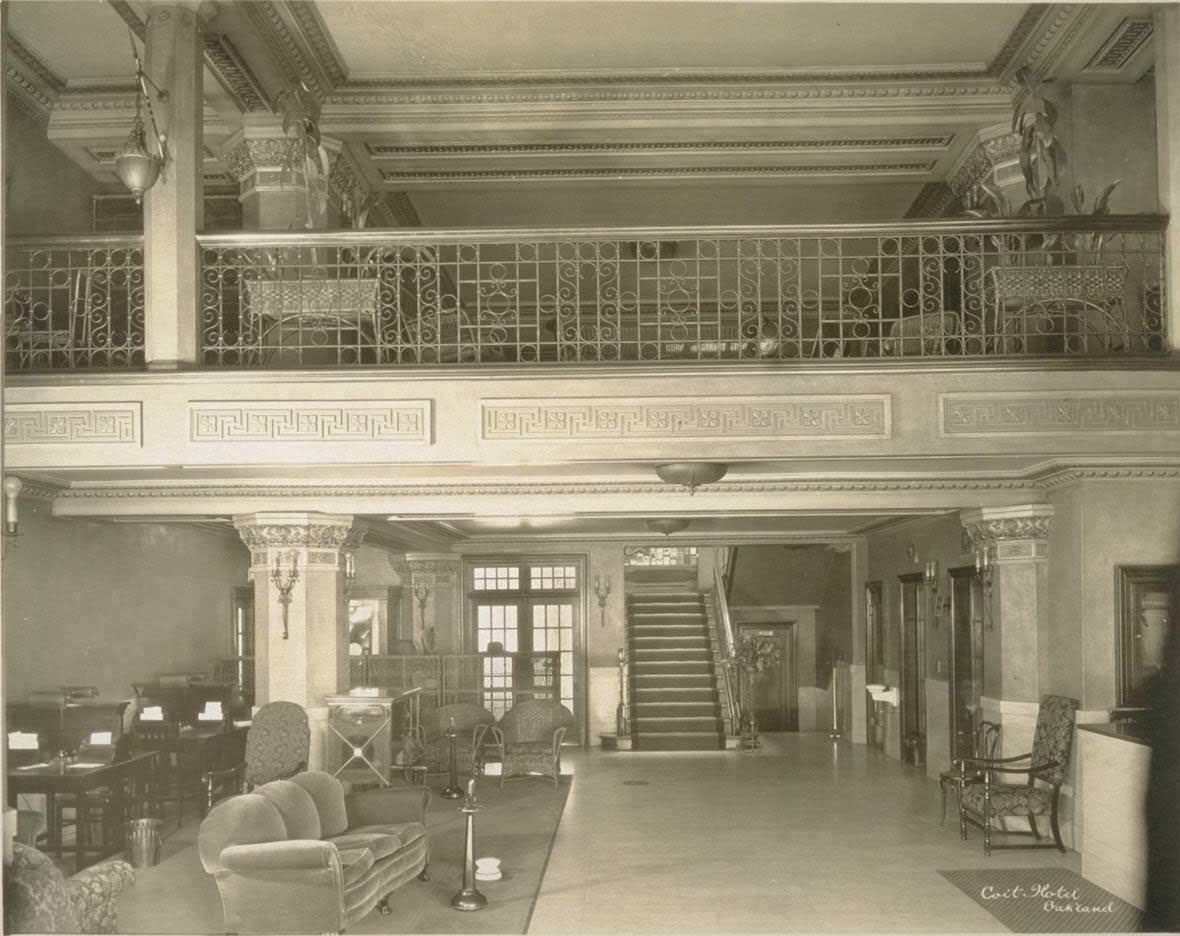
Construction on the Claremont Hotel continued into the 1930s, with expansion work documented in photographs from the period. The hotel had been a fixture of the Berkeley hills since the early 1900s, and its ongoing development reflected the city’s ambitions even during the economic hardship that followed the 1929 stock market crash. Berkeley felt the Depression, but the city did not collapse the way many other American communities did.
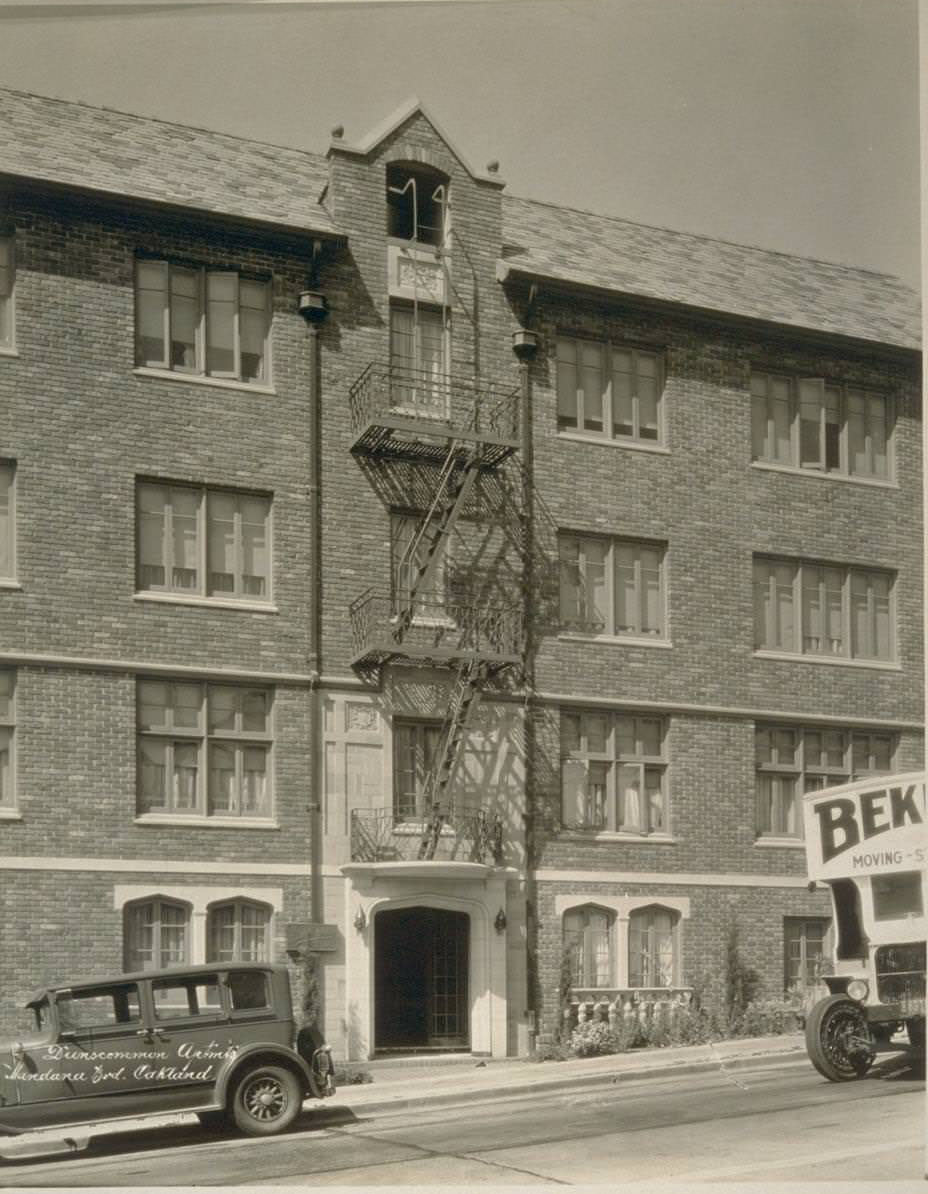
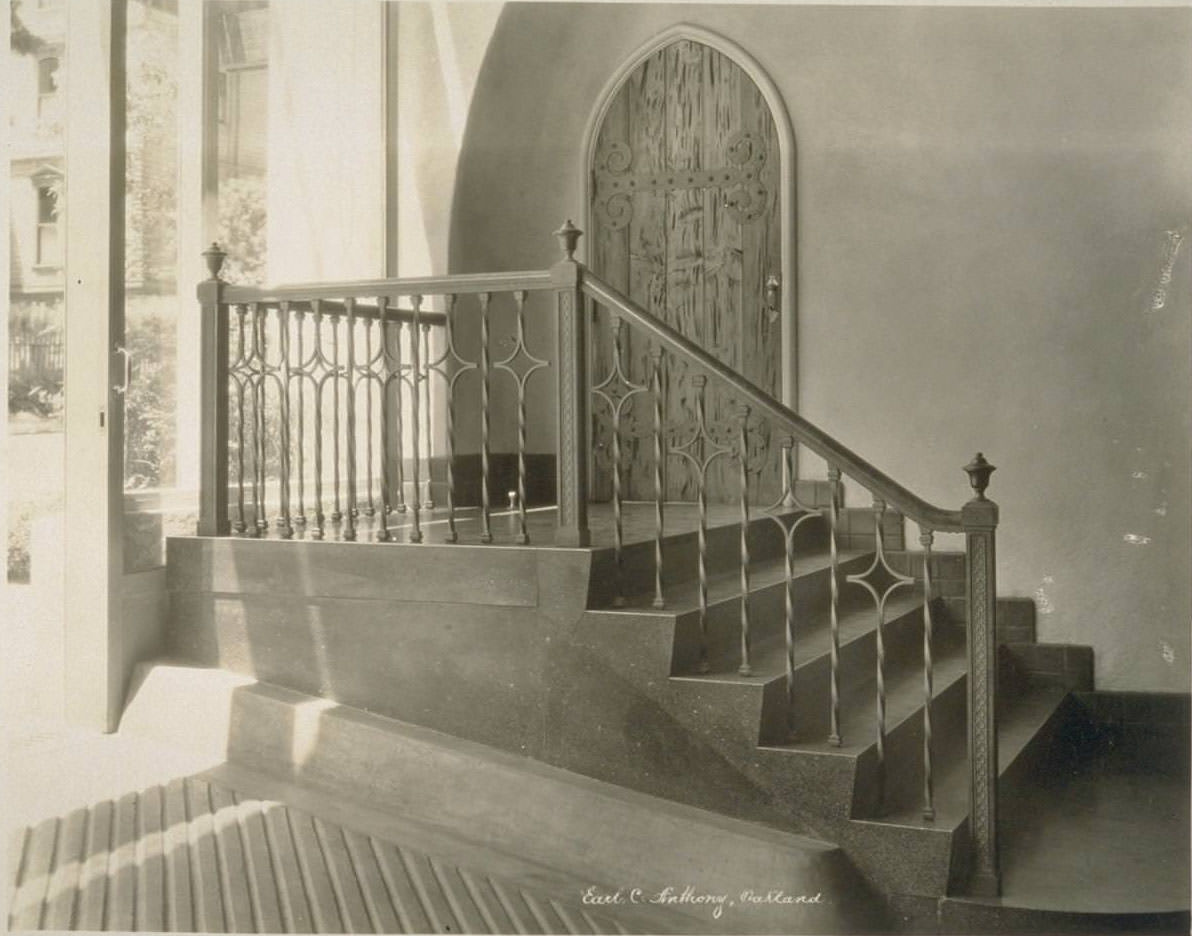
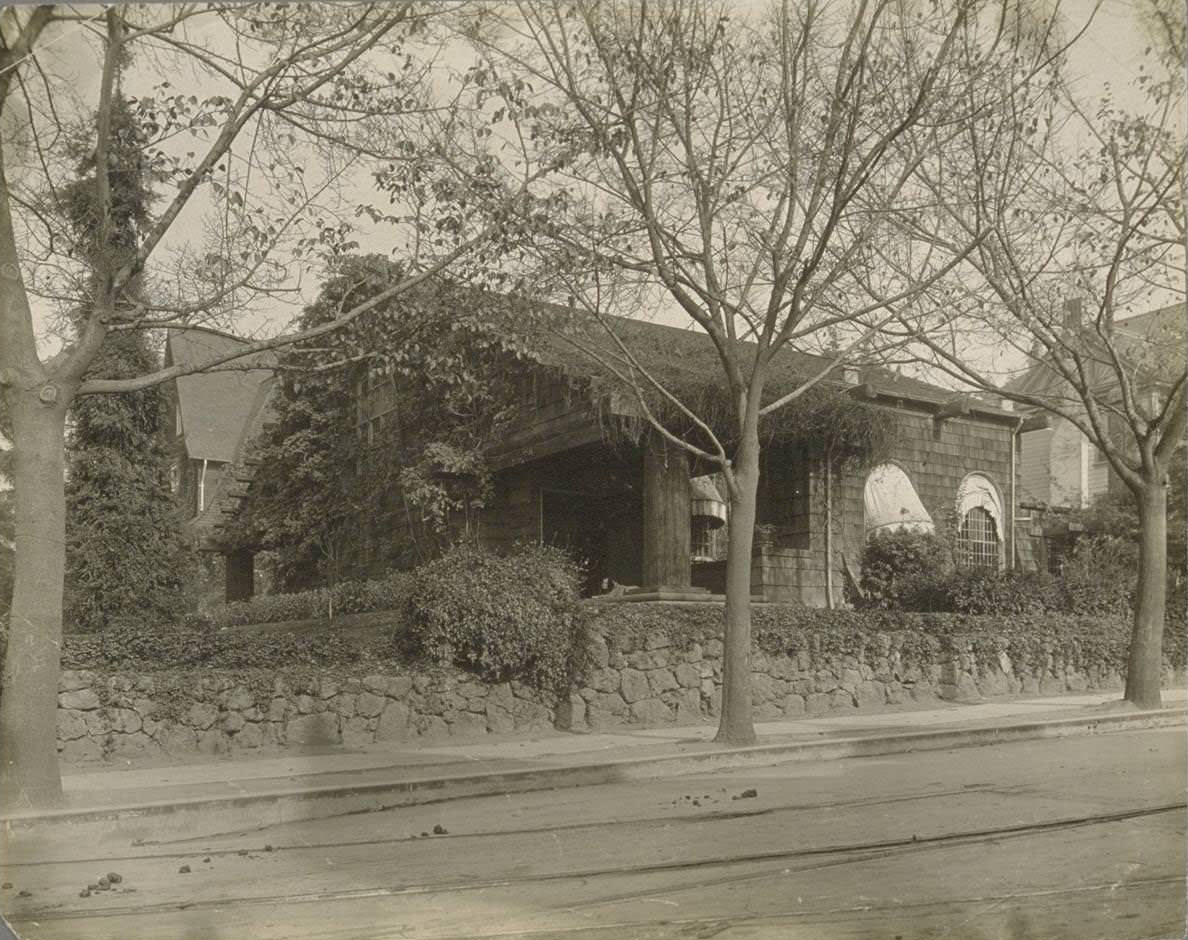
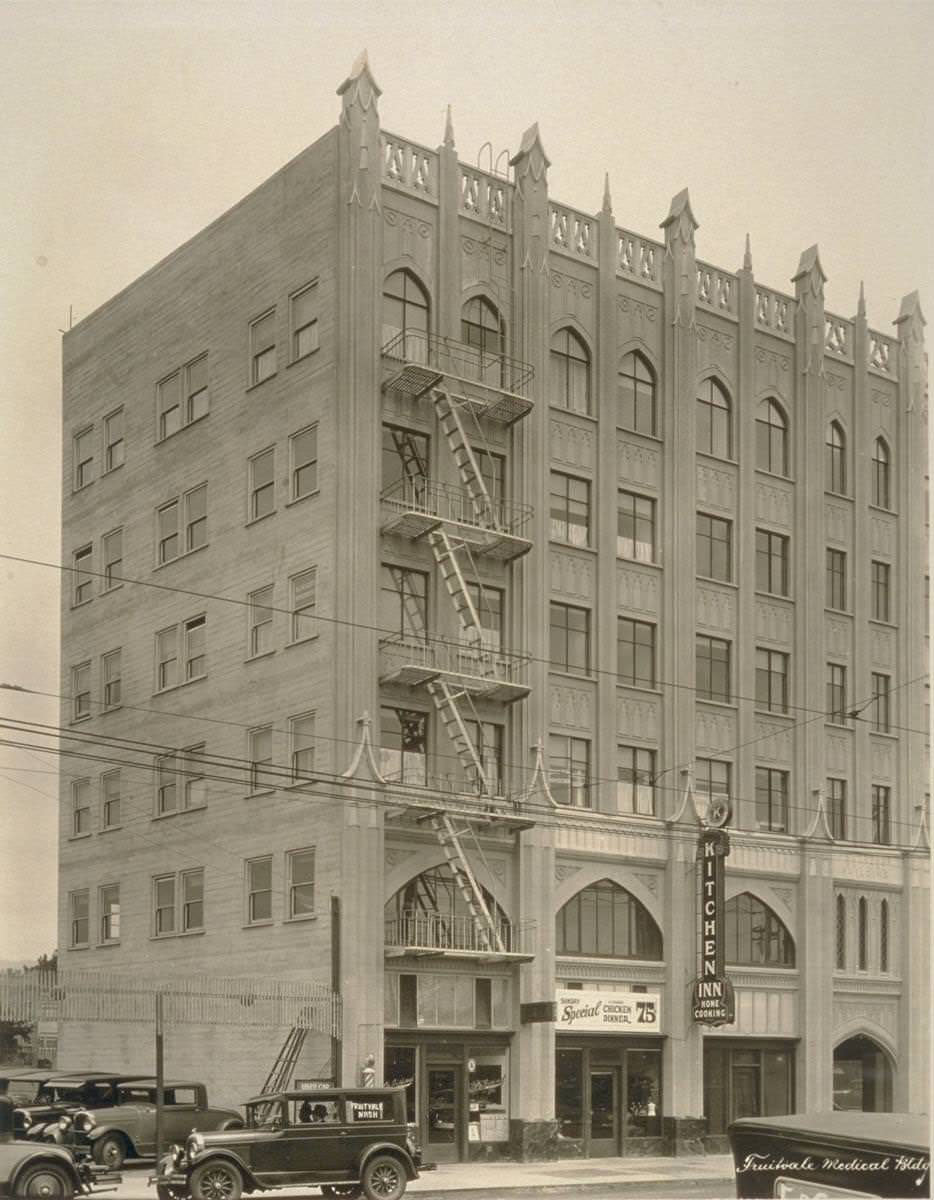
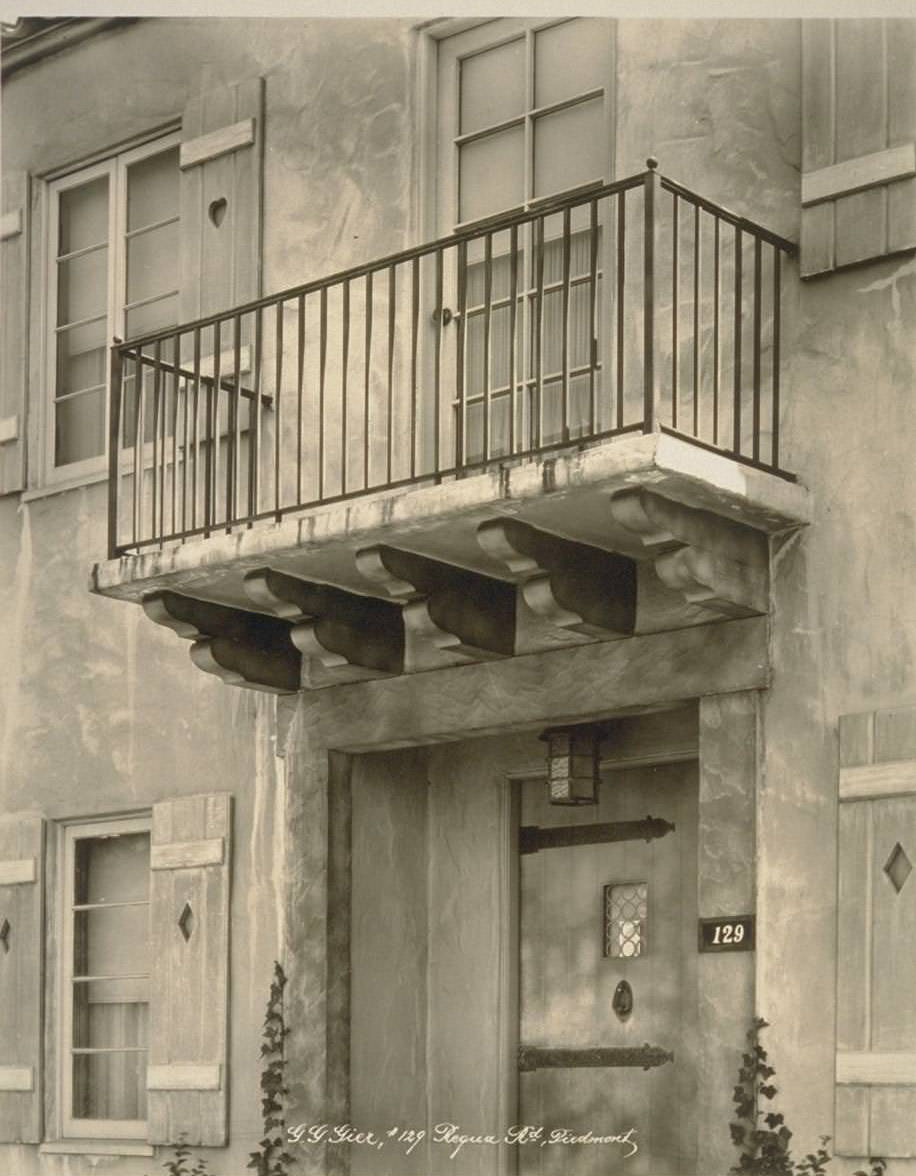
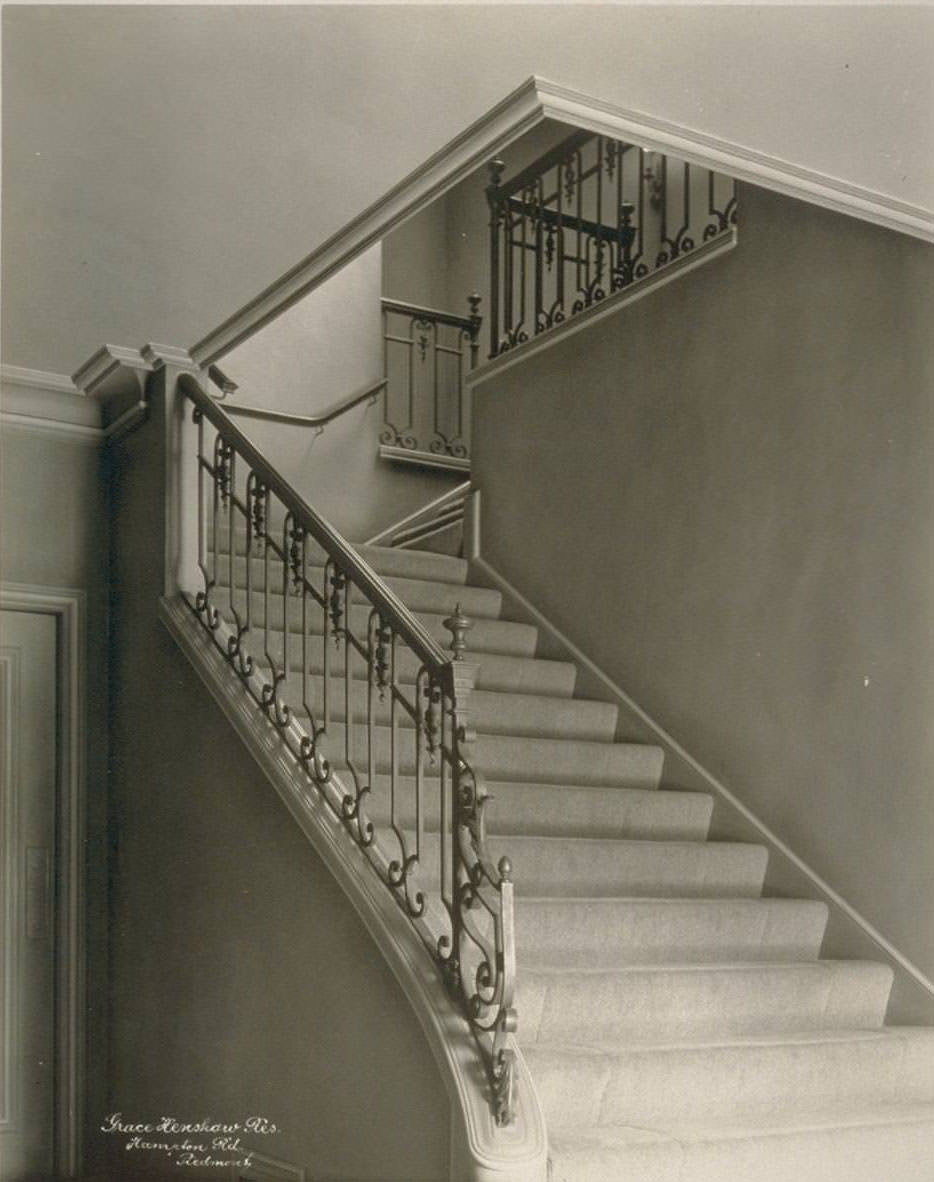
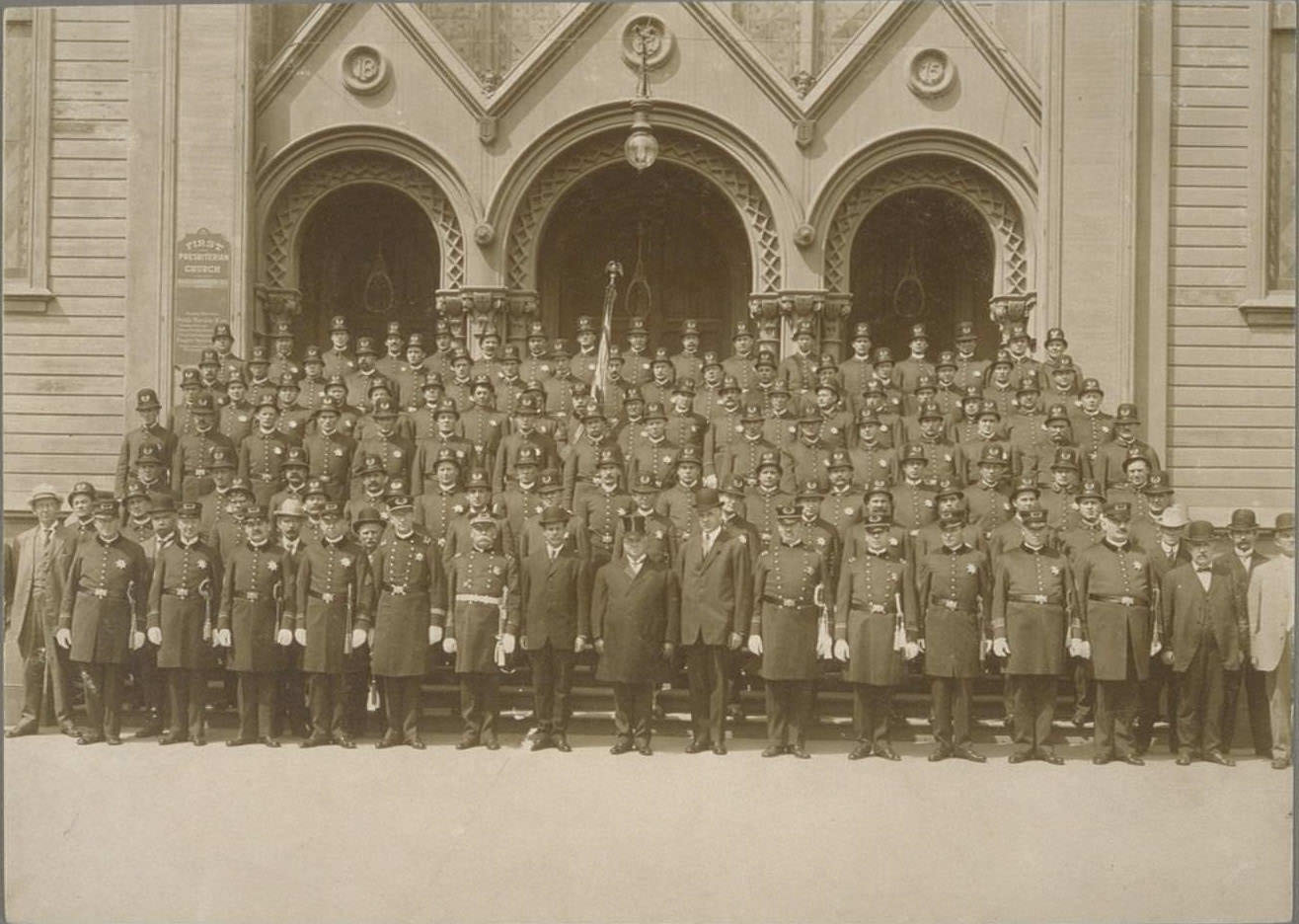
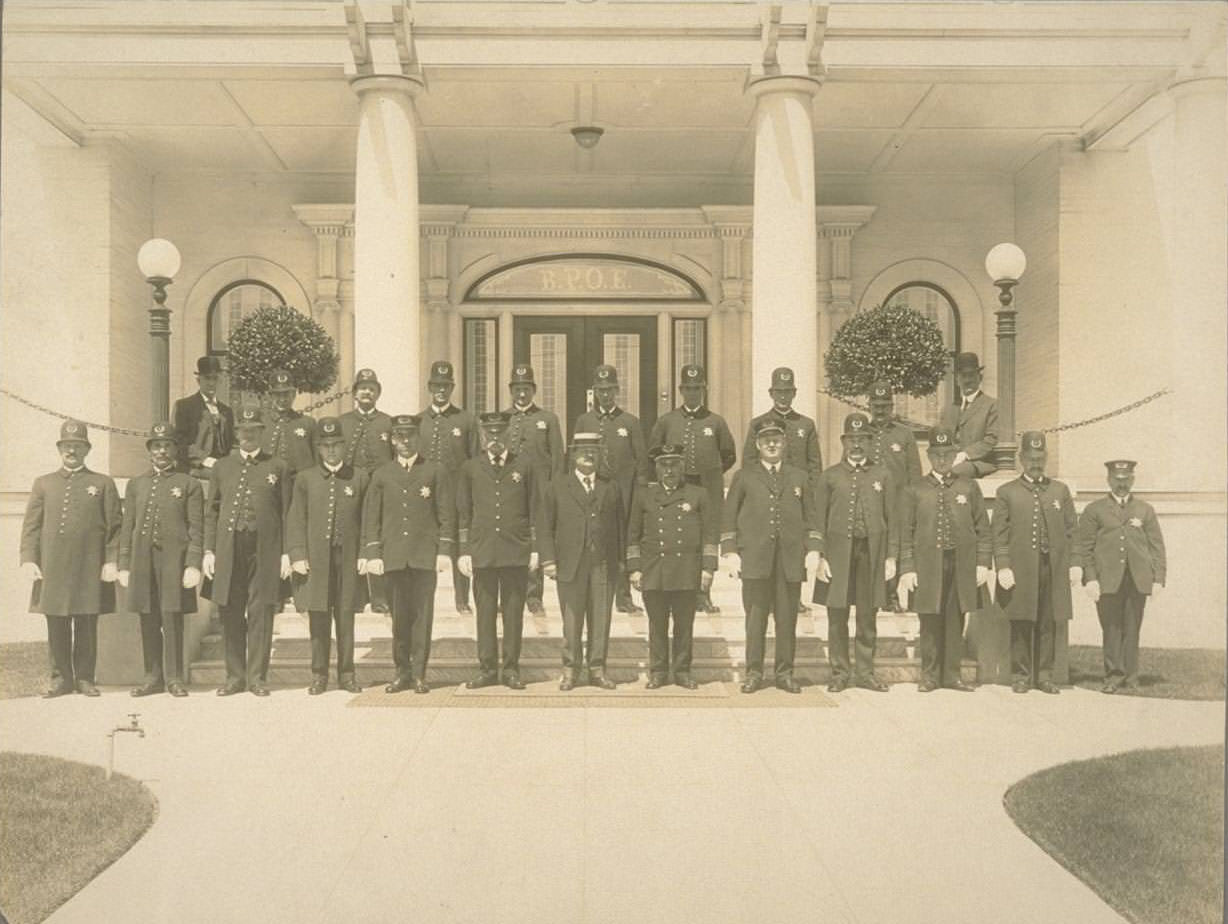
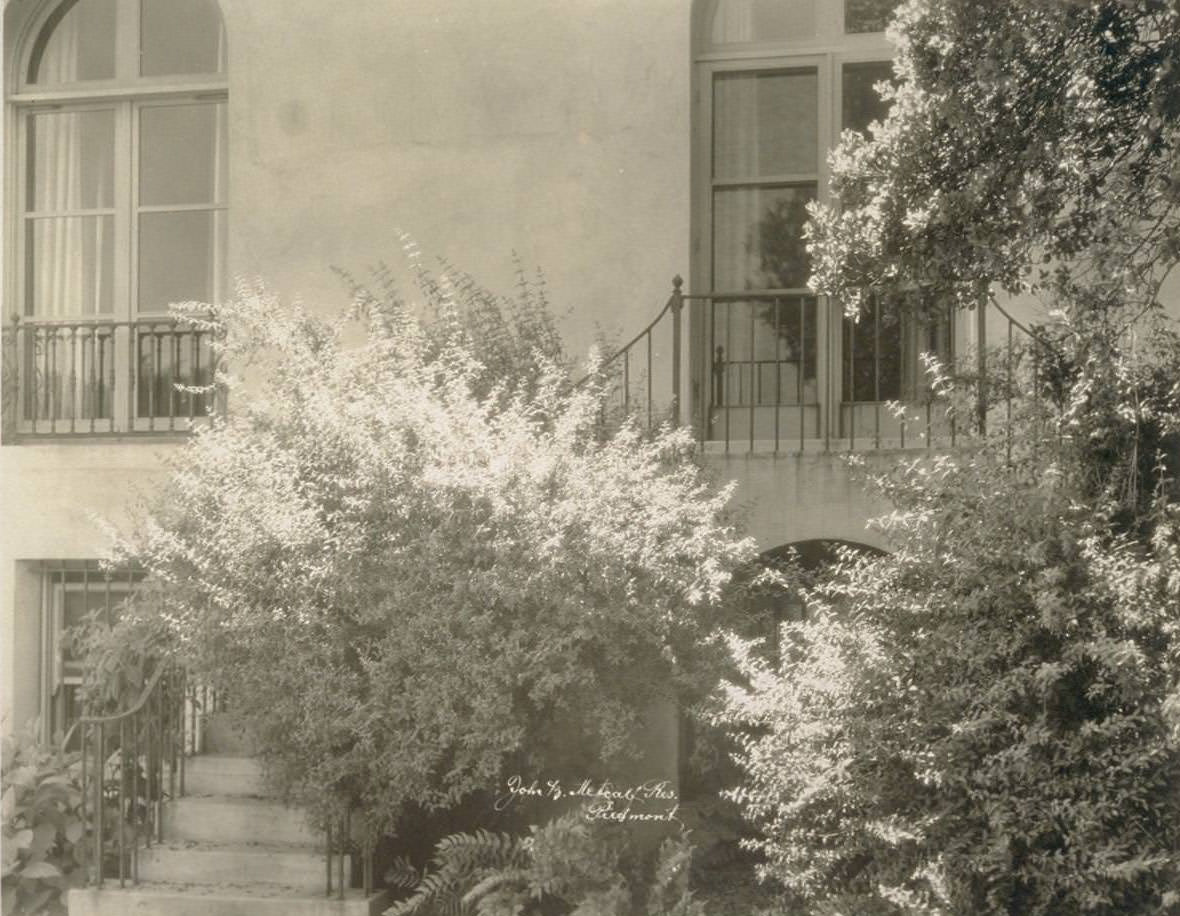
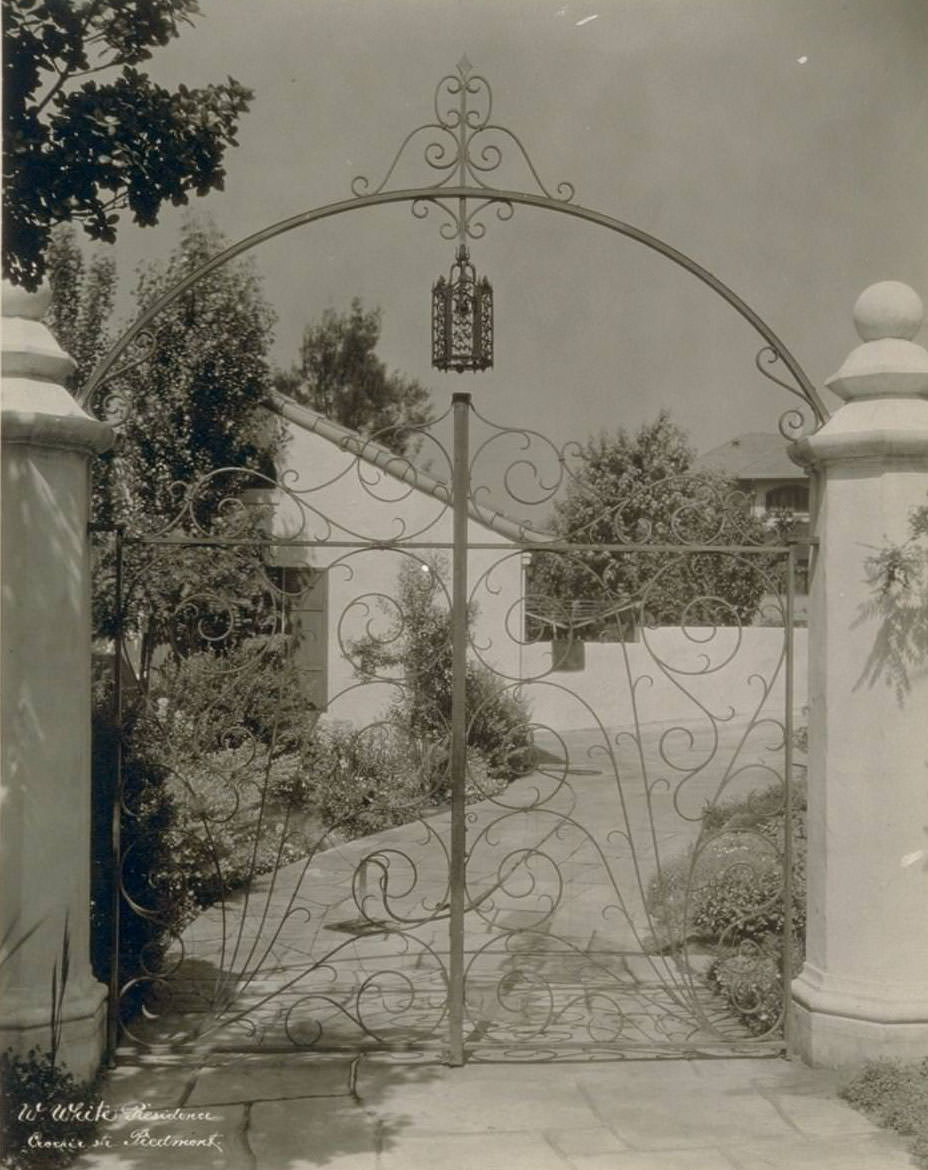
Berkeley’s police department in the 1930s posed for formal group portraits that documented the force at a specific moment in the city’s history. These photographs show uniformed officers in organized rows — a record of the men responsible for maintaining order in a city navigating the pressures of the Depression. Nearby communities like Piedmont also produced notable residential photographs from this era, showing the range of architectural styles that defined the East Bay.
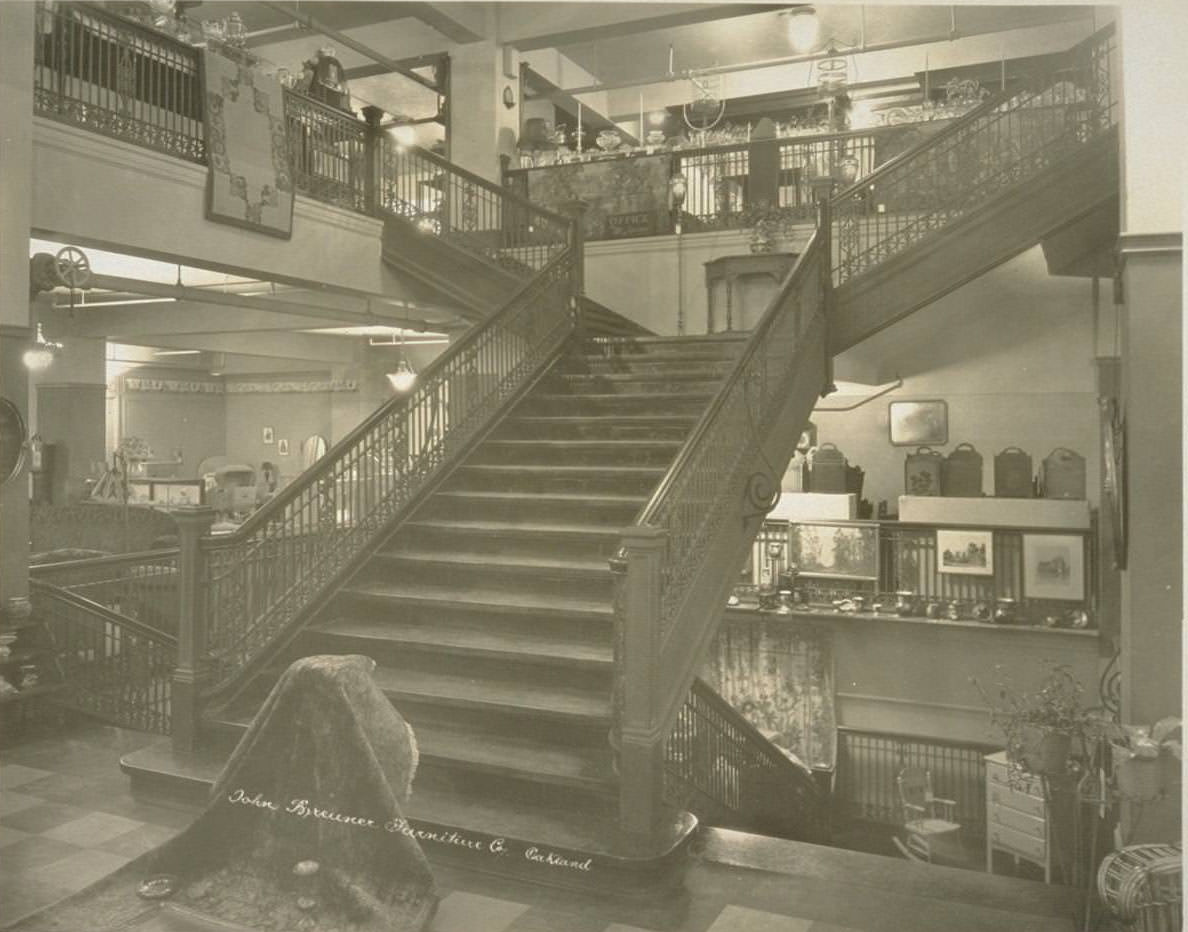
The John Breuner Furniture Co. was a well-known retail presence in the East Bay. Photographs of the storefront show a substantial commercial operation that served Berkeley households during the 1930s. Alongside furniture dealers, the city supported a wide range of specialty businesses — from ornamental iron works to photography studios — that served both residential and commercial customers.
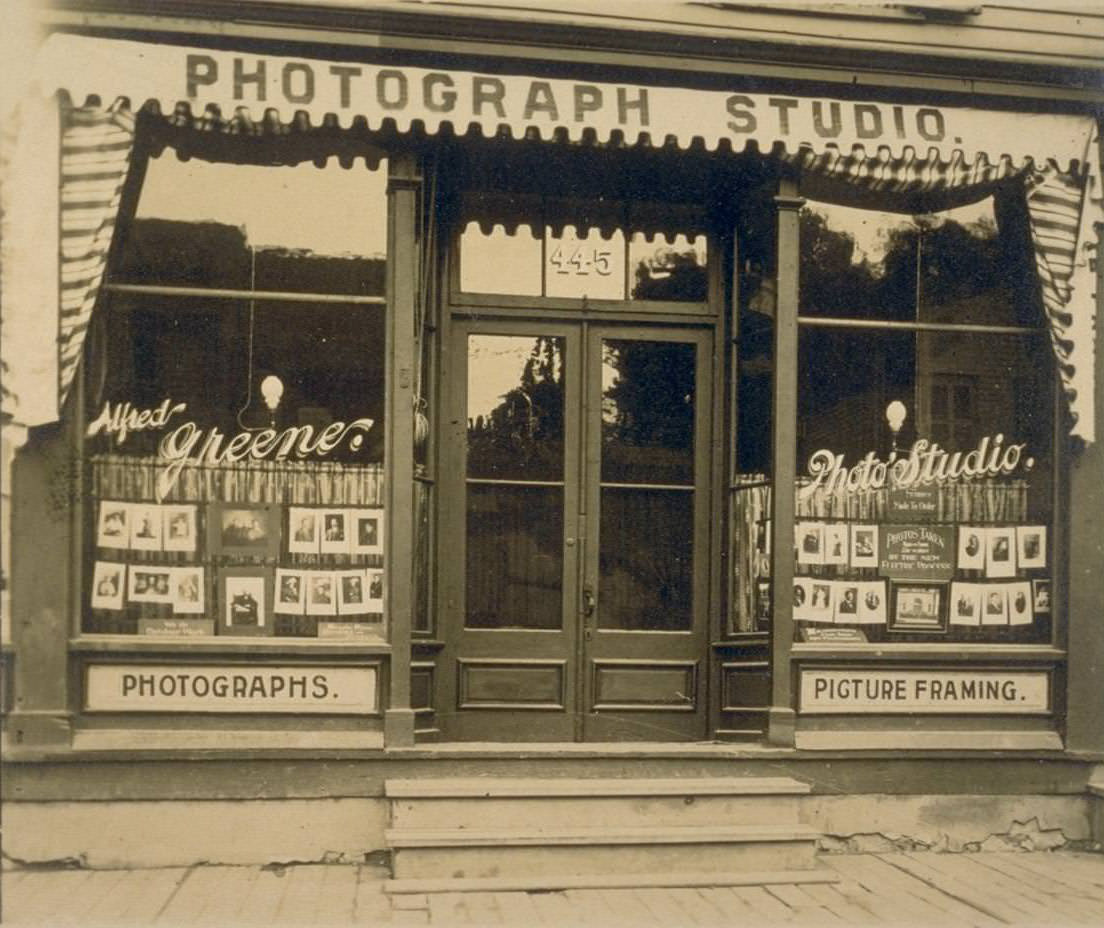
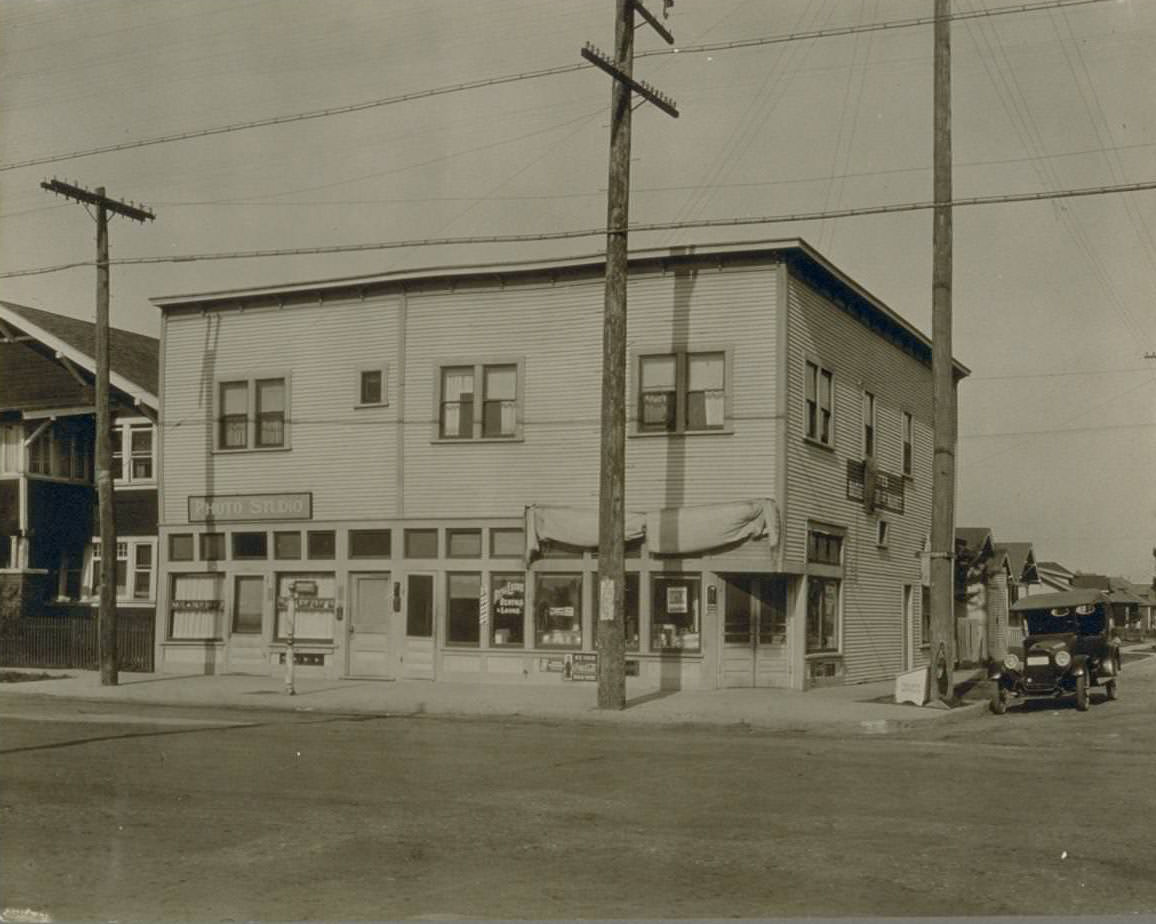
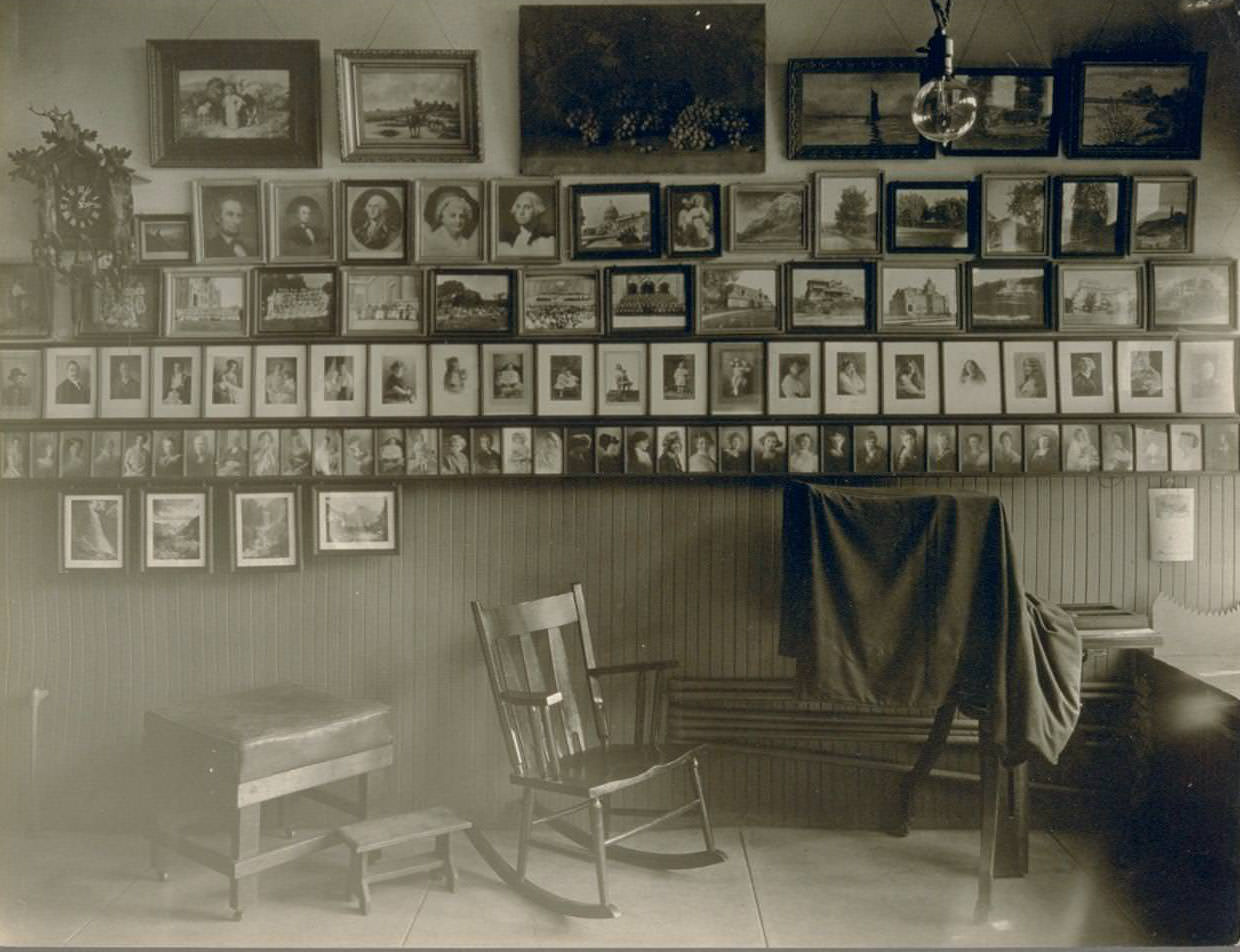
Photography studios were part of Berkeley’s commercial fabric throughout this period. Alfred Greene and Max W. Greene both operated studios in the city in the 1920s, capturing portraits of residents and documenting the buildings and street scenes that appear throughout this collection. The interior of Max W. Greene’s studio, photographed in 1922, gives a rare look at the working environment of an early 20th century professional photographer.
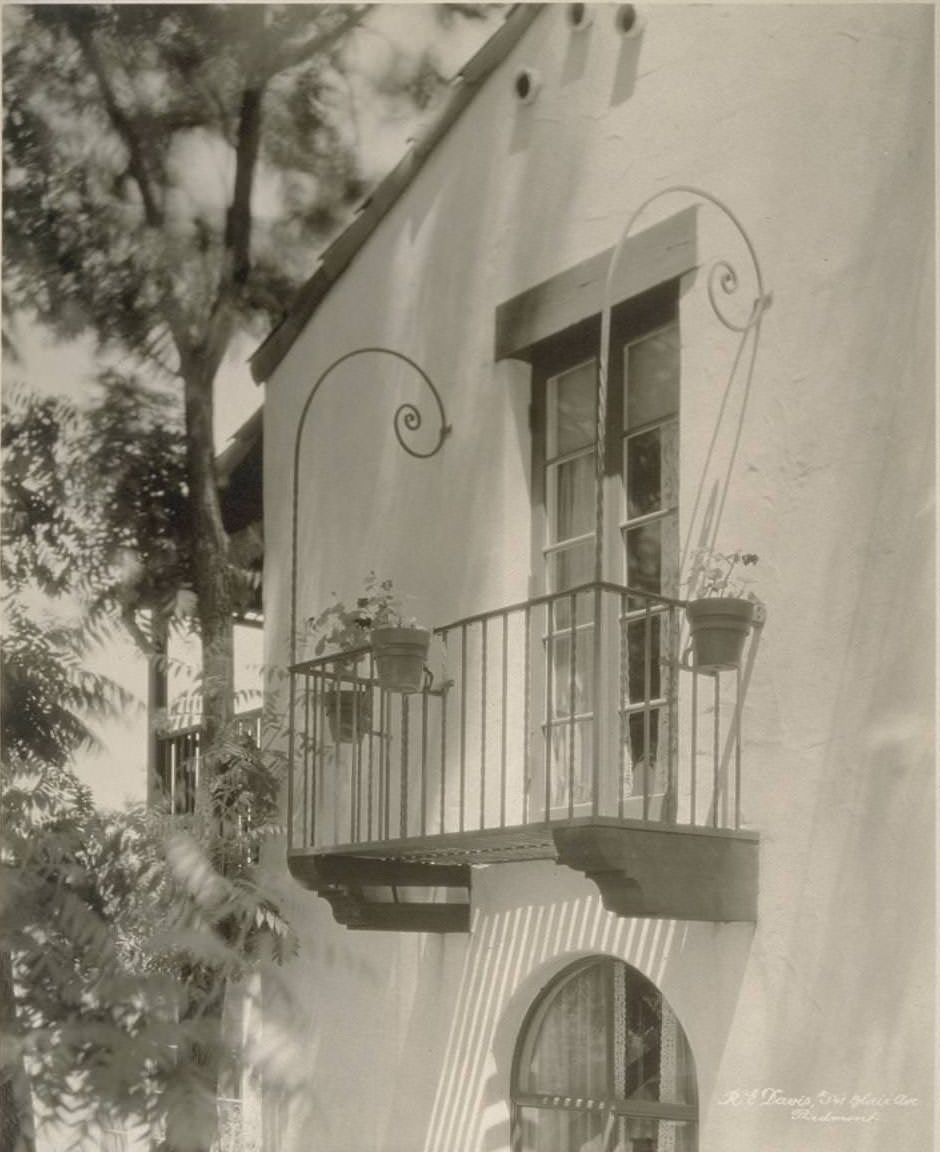
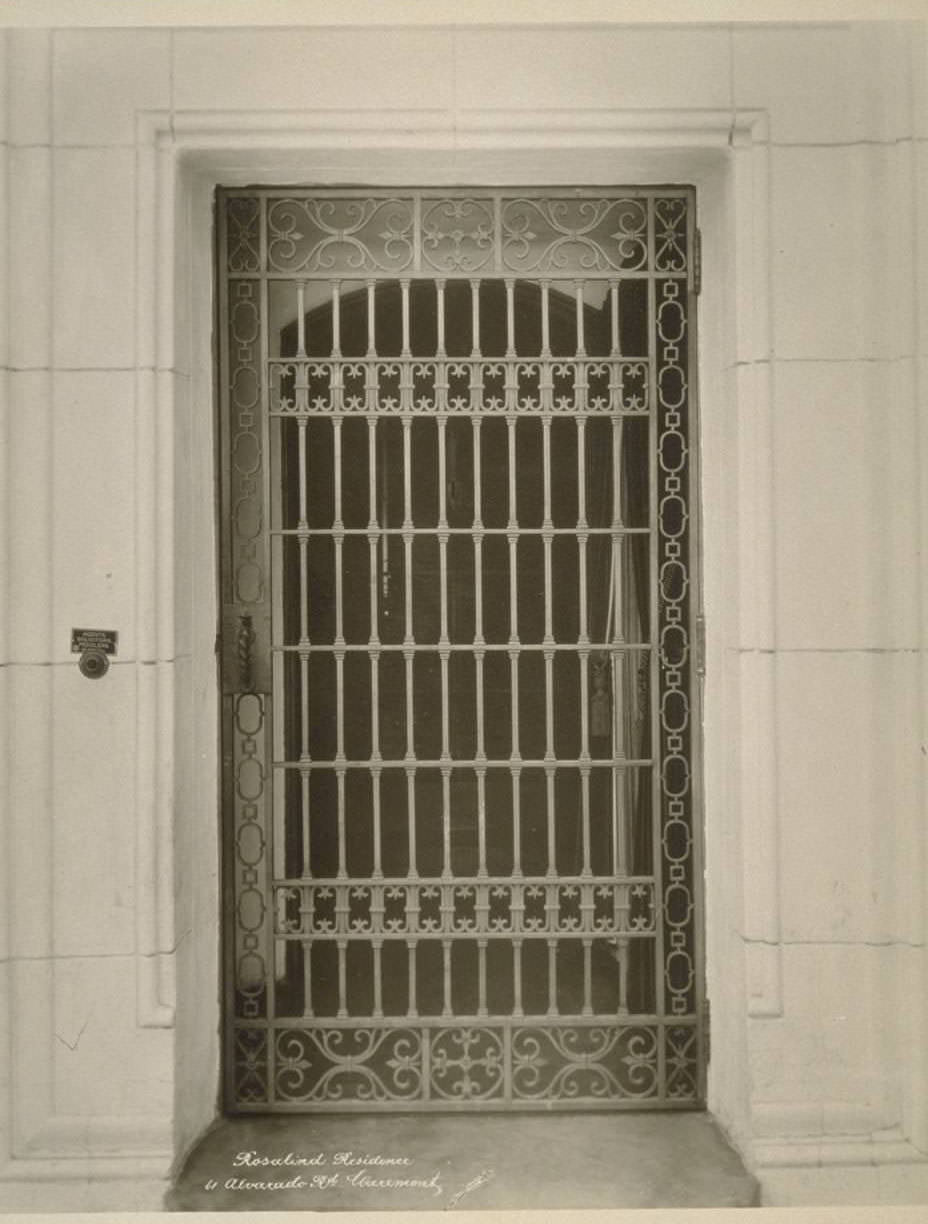
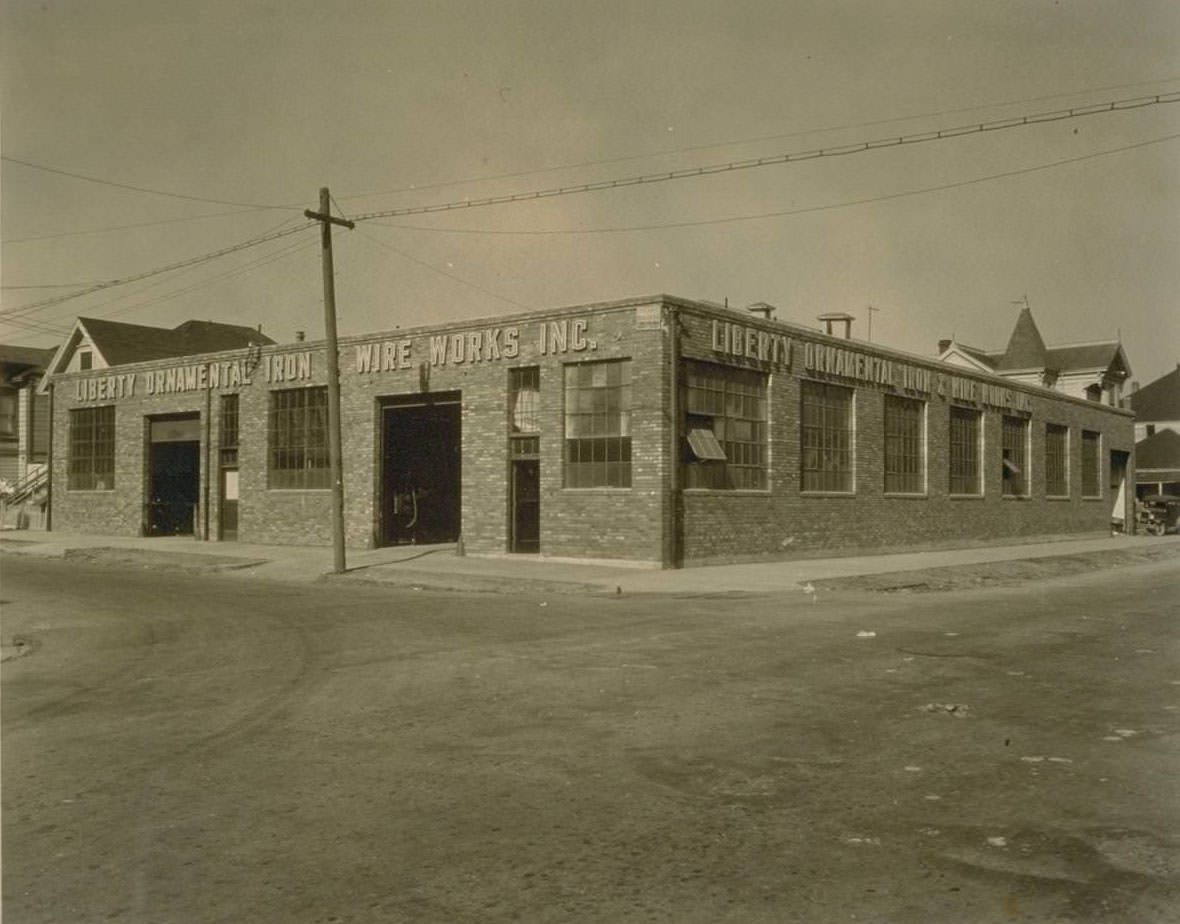
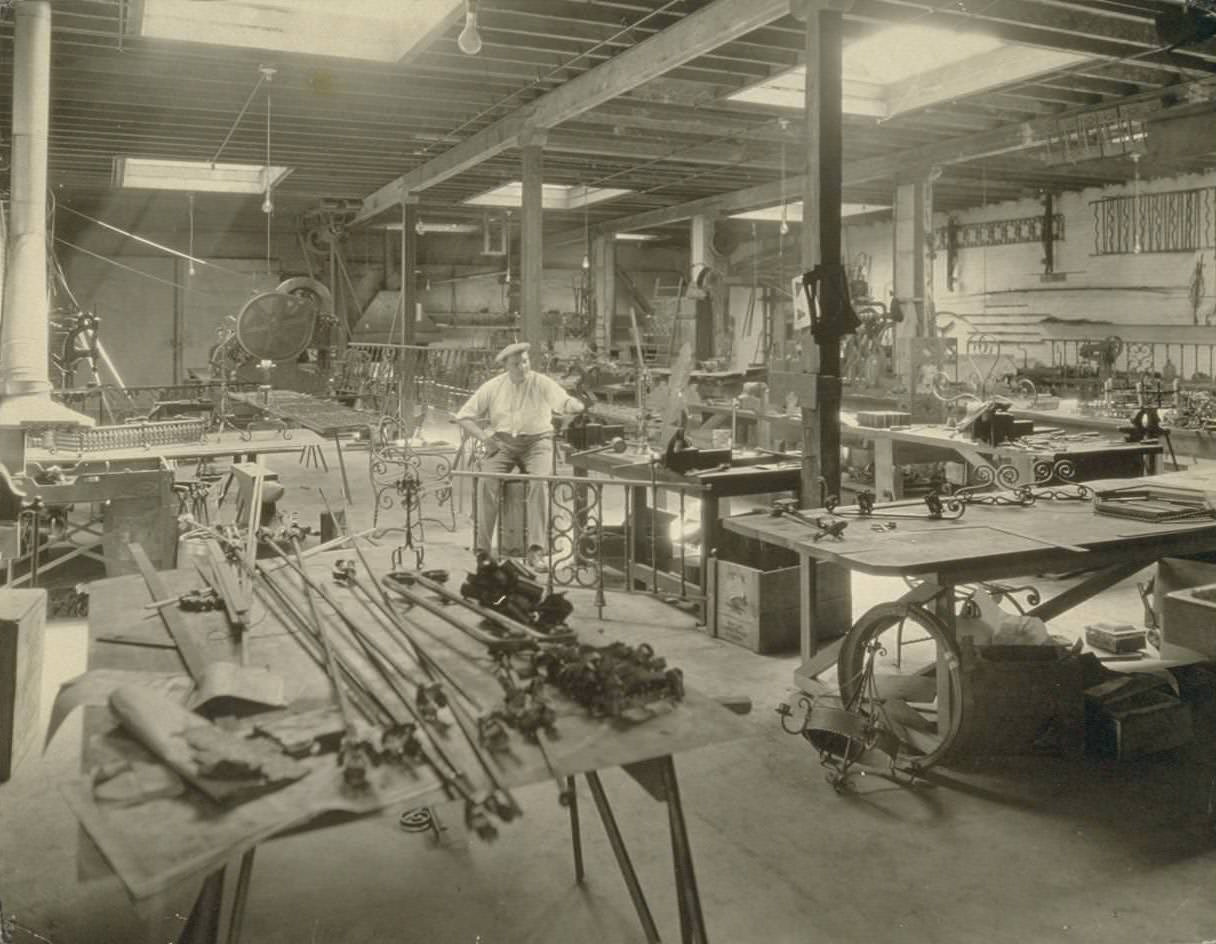
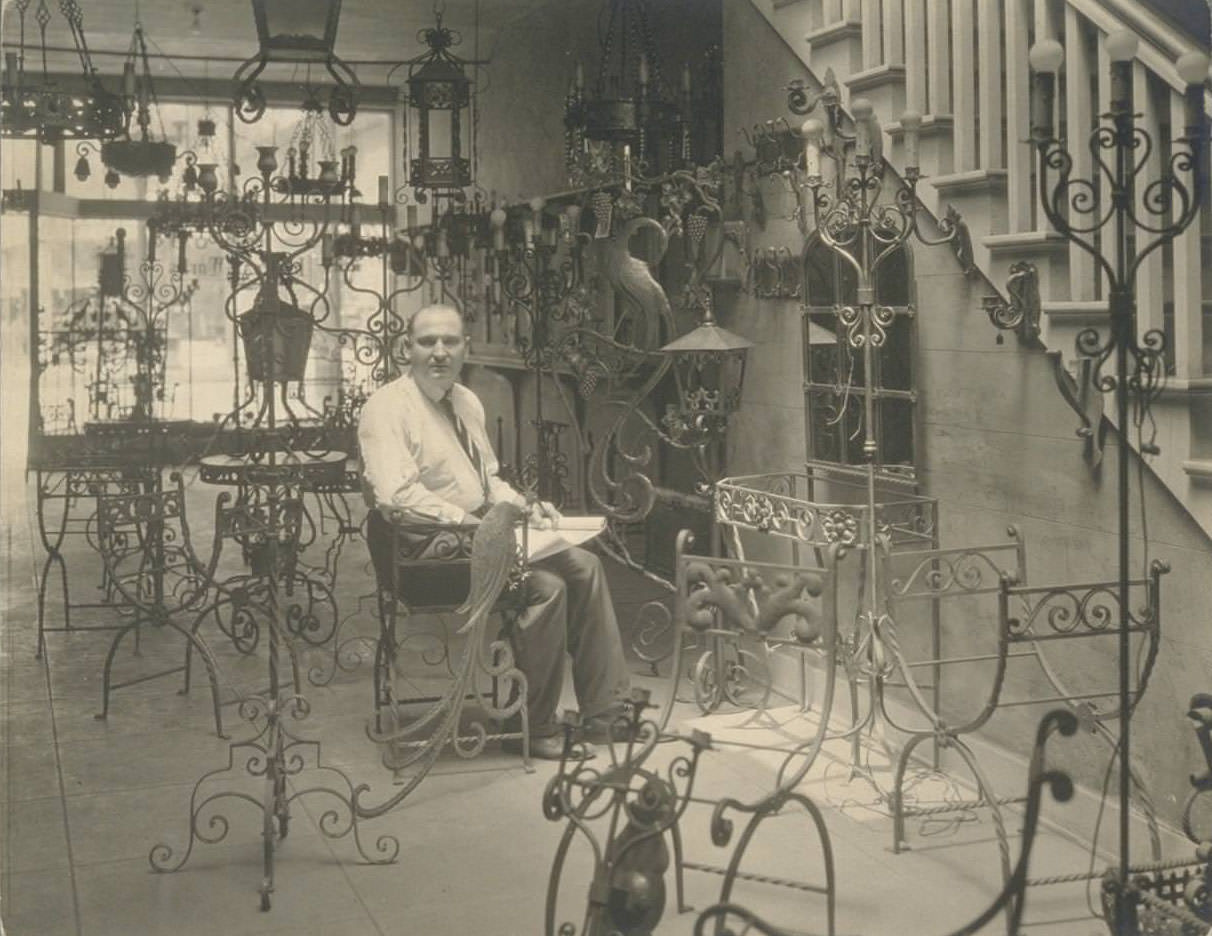
Liberty Ornamental Iron & Wire Works was among the more distinctive manufacturers in Berkeley during the 1920s. Photographs document both the exterior of the facility and the interior manufacturing floor, showing the kind of skilled metalwork operation that served construction and decorative trades across the East Bay. These images are a rare look inside the city’s industrial workshops.





It never occurred to me how old these building were.
Berkeley used to be among the top cities in the world, on par with Zurich, Geneva, and Vienna.
Buildings in the 1900s had a certain charm that seems lacking in contemporary architecture. It’s frustrating that so many modern buildings are cheap and unappealing in appearance.
So that’s what Berkeley without homelessness looks like.
#53 Lurie building, north side of 12th Street between Broadway and Franklin Streets, 1940s:
This looks like the first or second block of San Pablo, now the Rotunda, not 12th street.