When people picture historical fishing communities, they tend to think of men hauling nets from boats on open water. But that image only tells part of the story. For centuries, women were the backbone of the fishing industry — processing fish, preserving catches, mending nets, carrying heavy loads, and selling at market. Their labor was not supplementary. Without it, the boats going out meant nothing.
These women worked in all conditions — on rocky shorelines, icy canals, quaysides thick with the smell of salt and fish, and in smokehouses and canneries. They were found on nearly every coast in the world, from the herring ports of Scotland and England to the beaches of Japan, the shrimp flats of France, and the frozen waterways of Alaska. The photographs collected here document their daily lives across many decades.
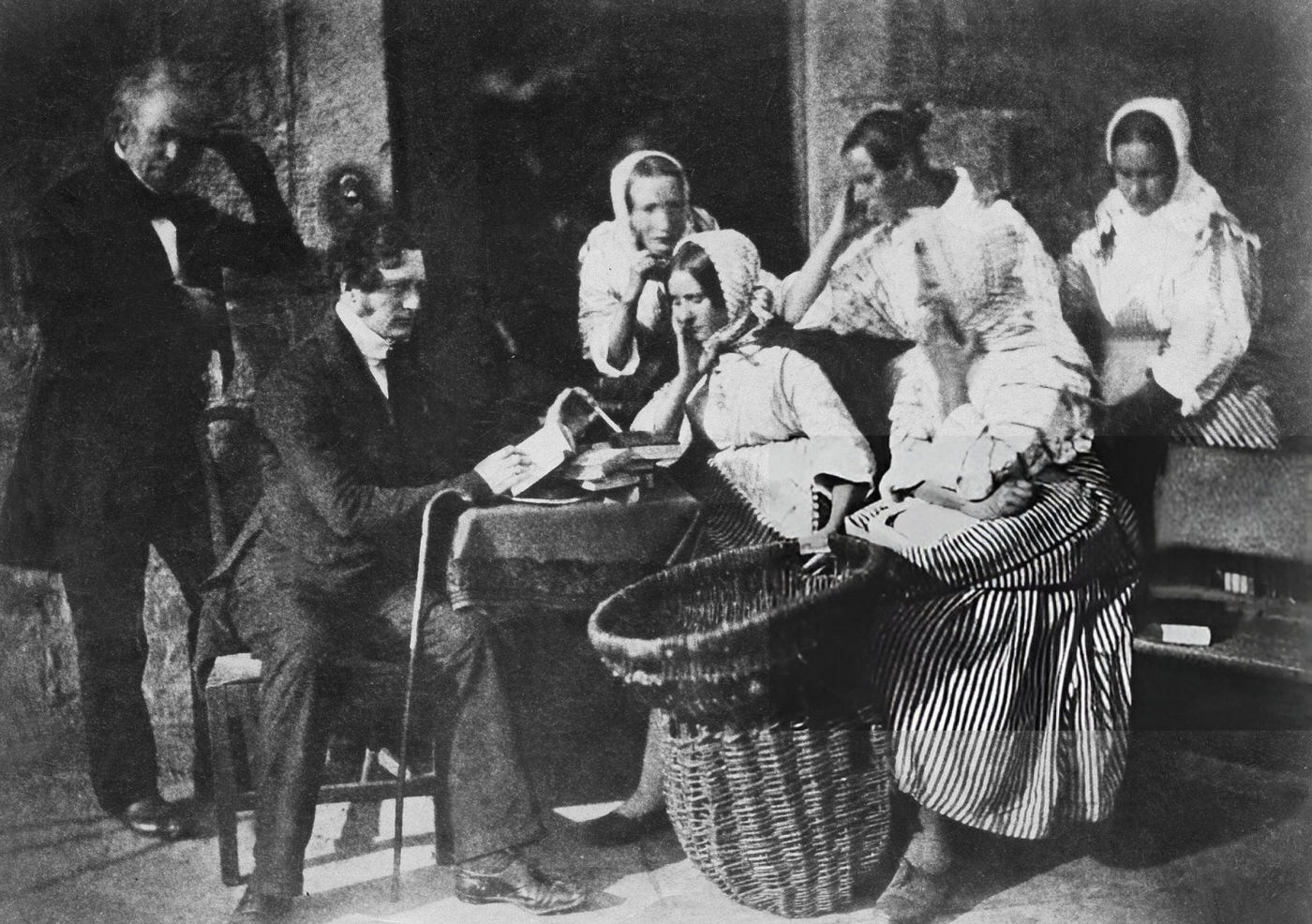
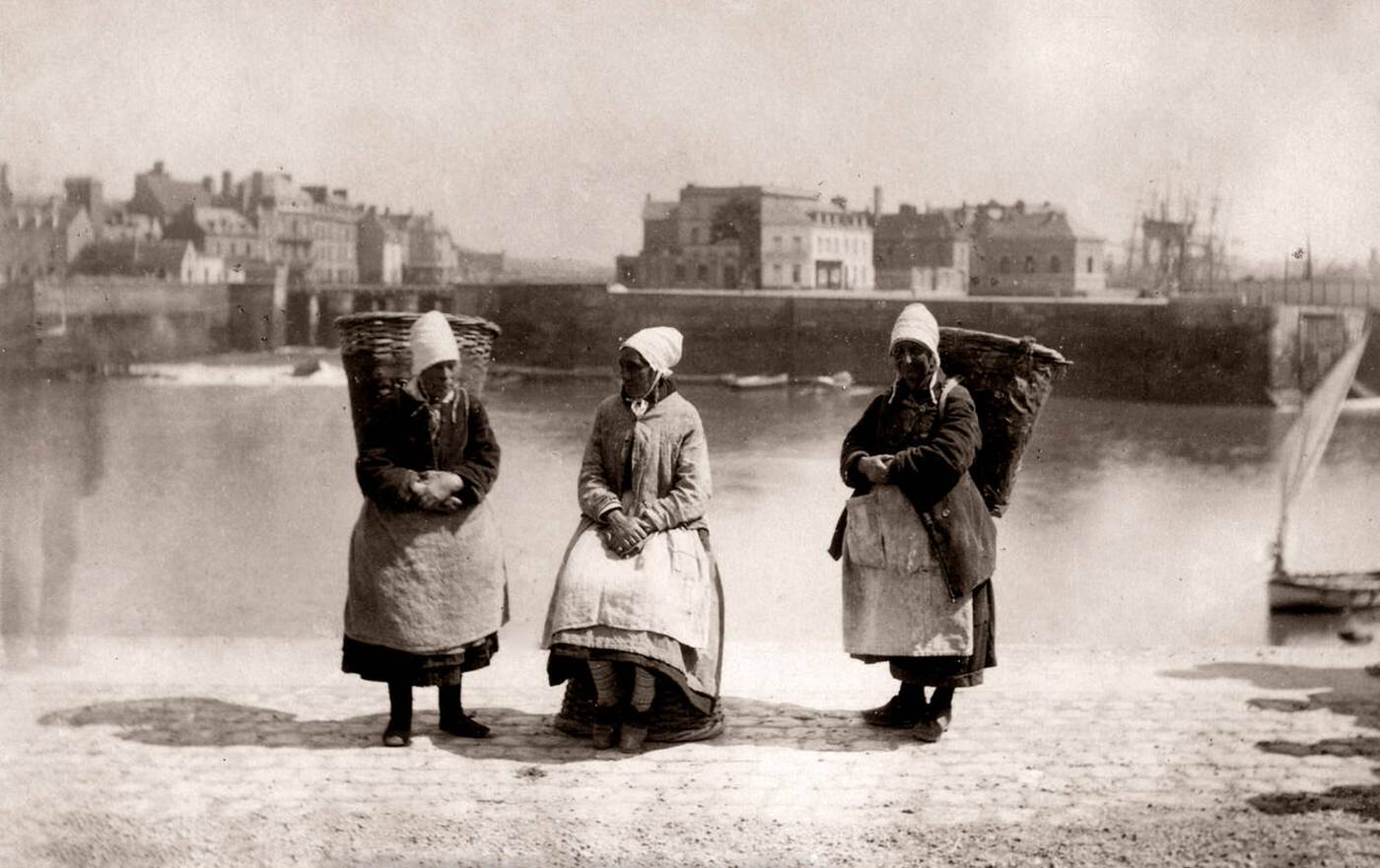
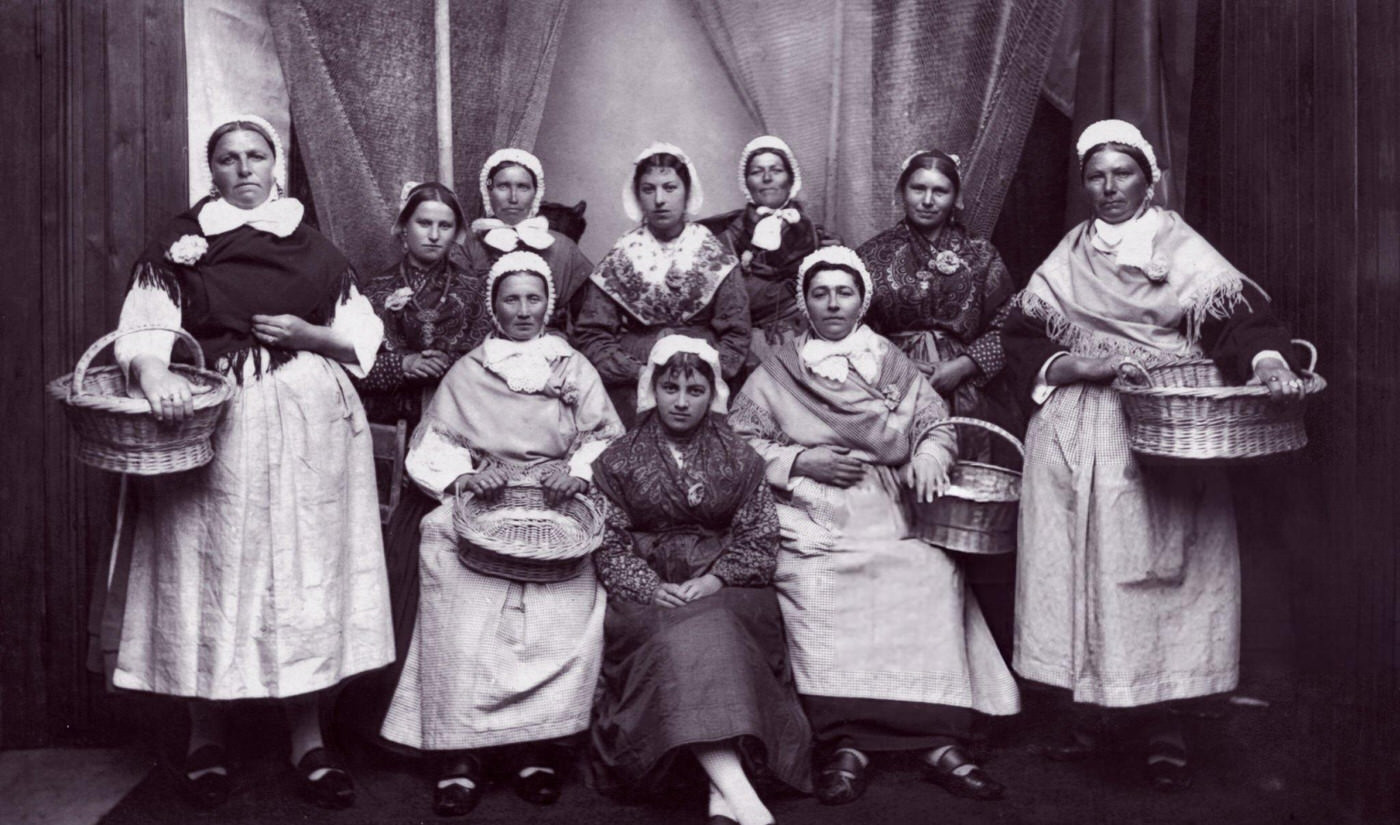
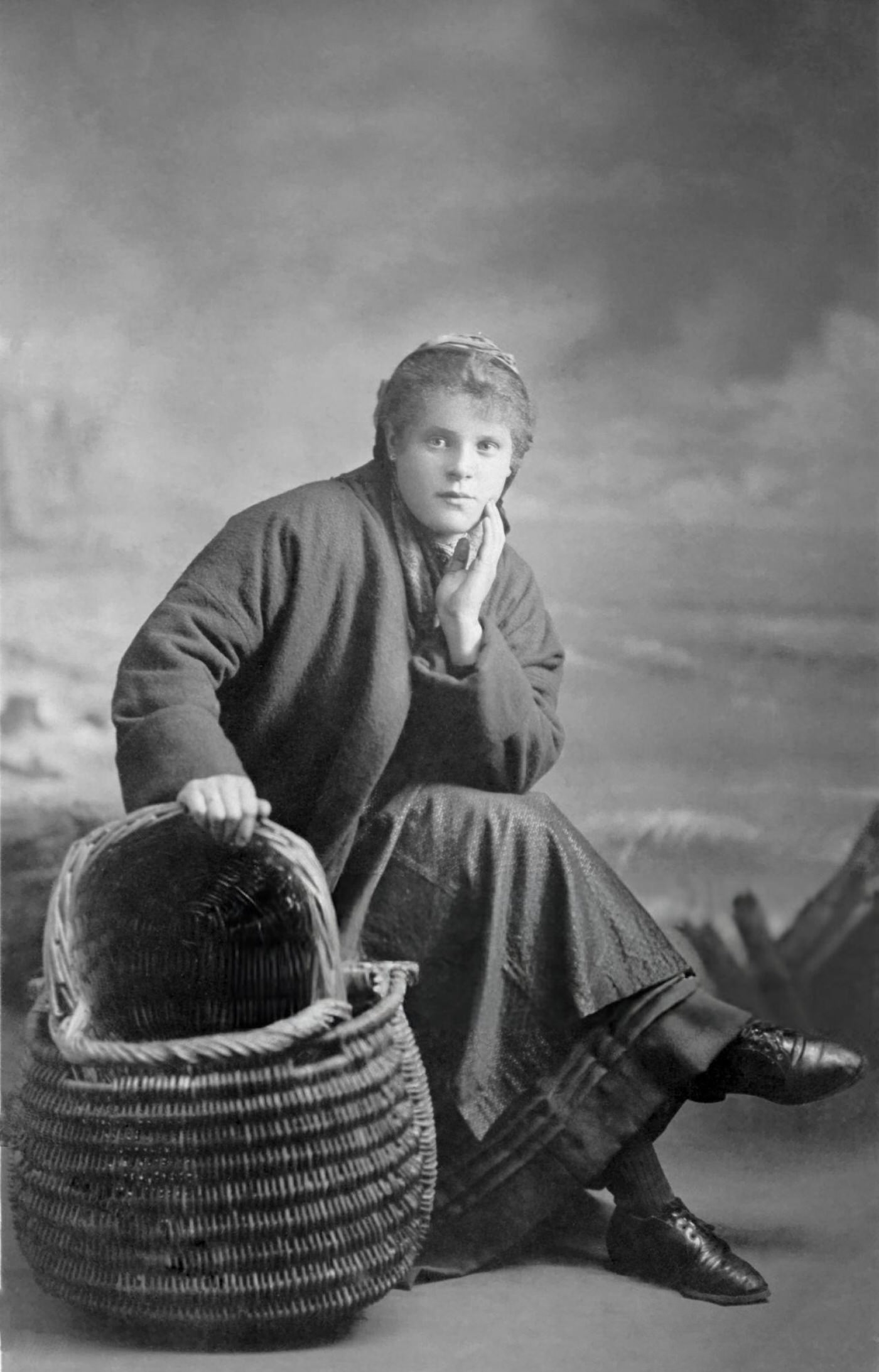
Some of the earliest surviving photographs of fisherwomen come from the Scottish and English coasts. The women of Newhaven, near Edinburgh, were among the most photographed fishing community in Victorian Britain. They carried heavy creels — wicker baskets — loaded with fish on their backs, often walking miles to sell their catch. These women were known for their distinctive dress and their sharp business sense at market.
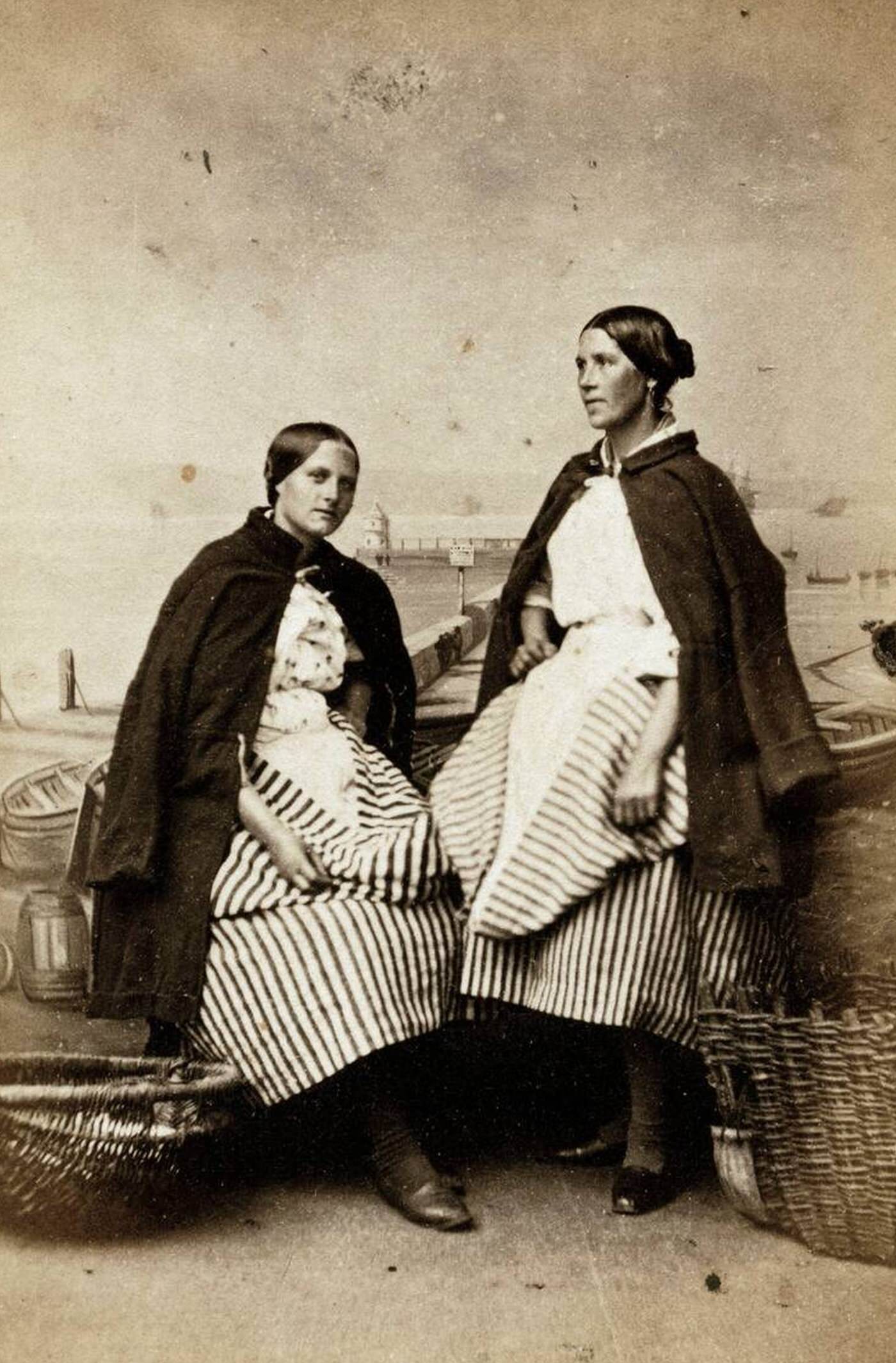
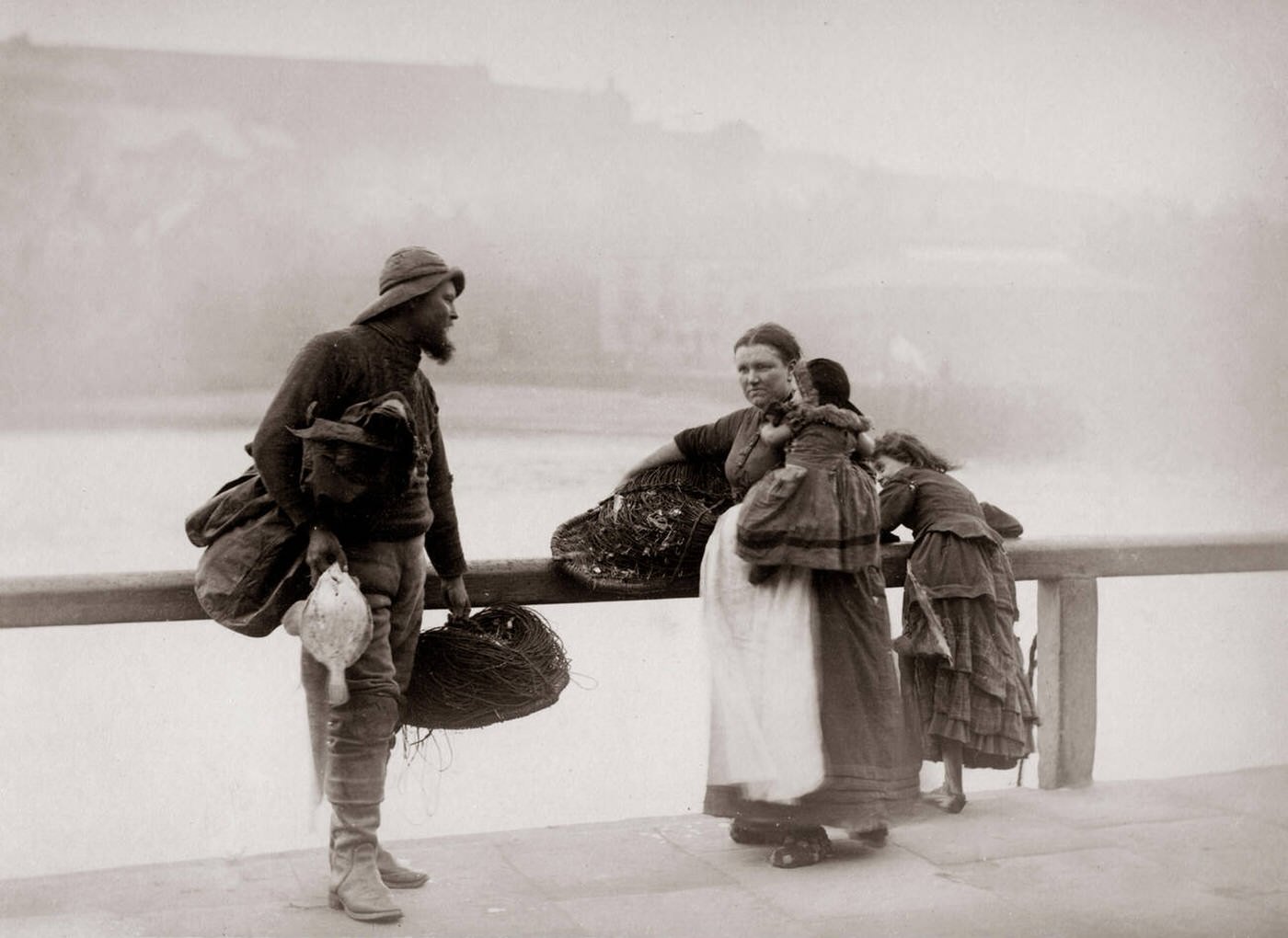
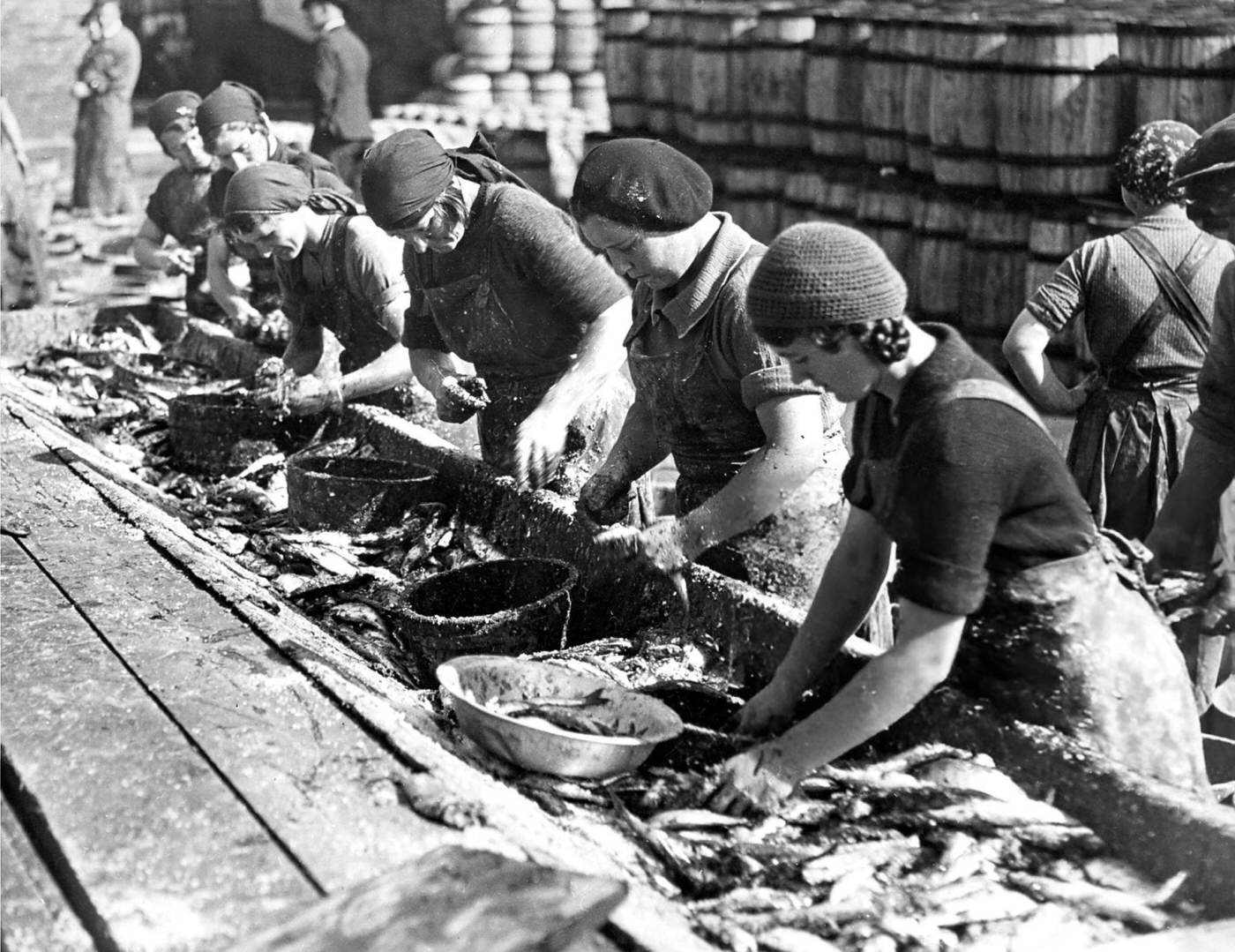
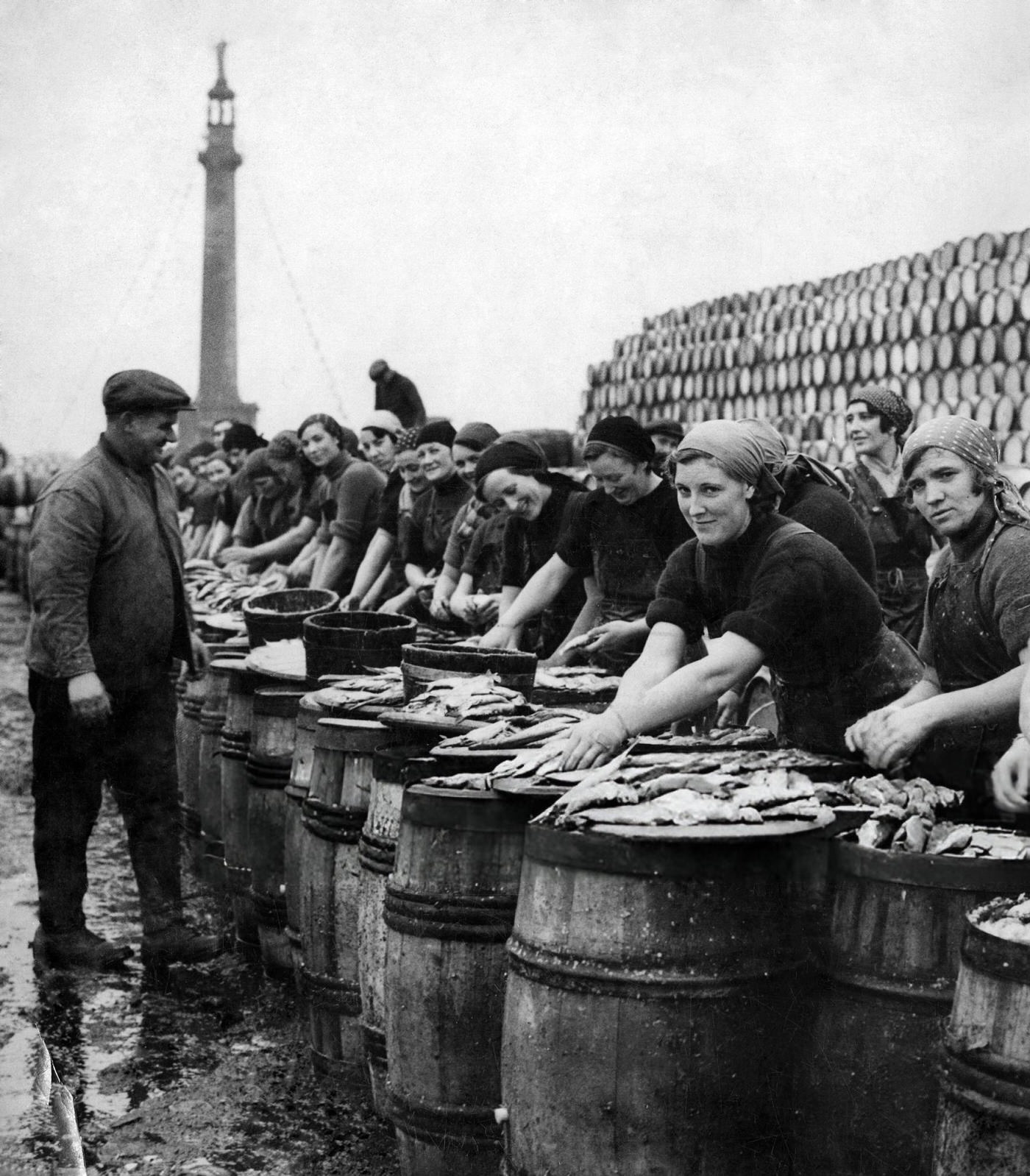
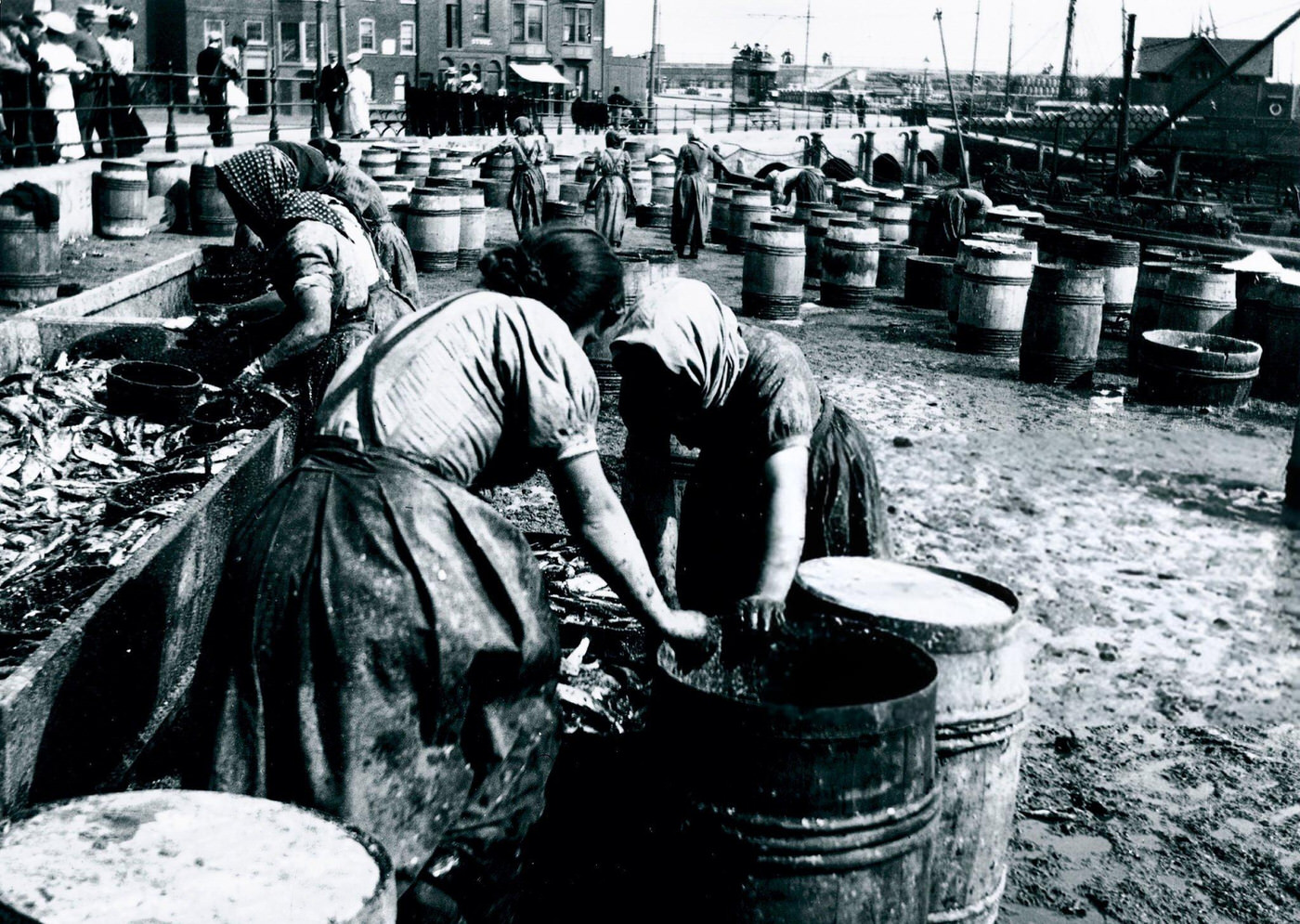
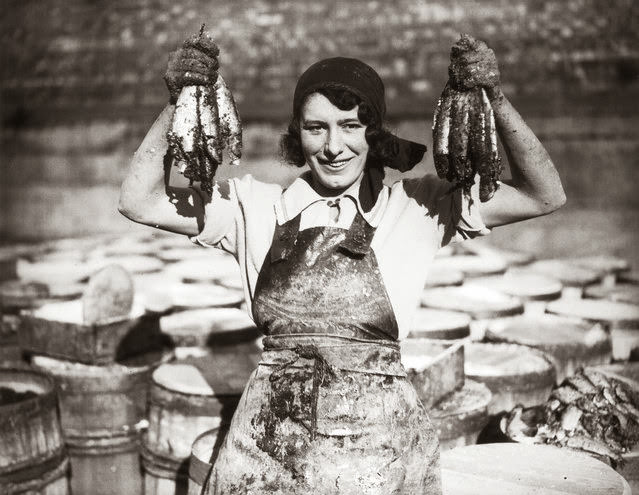
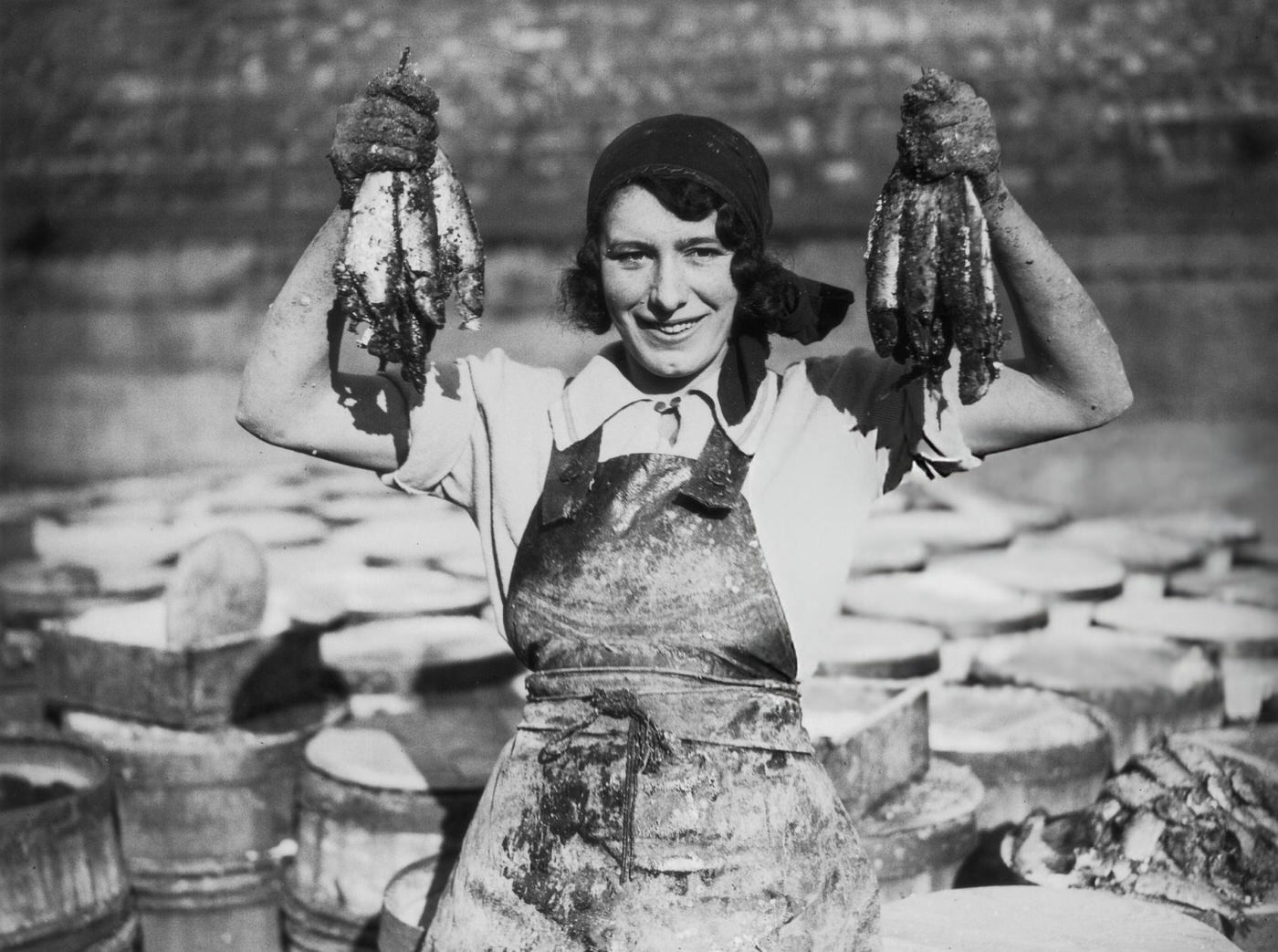
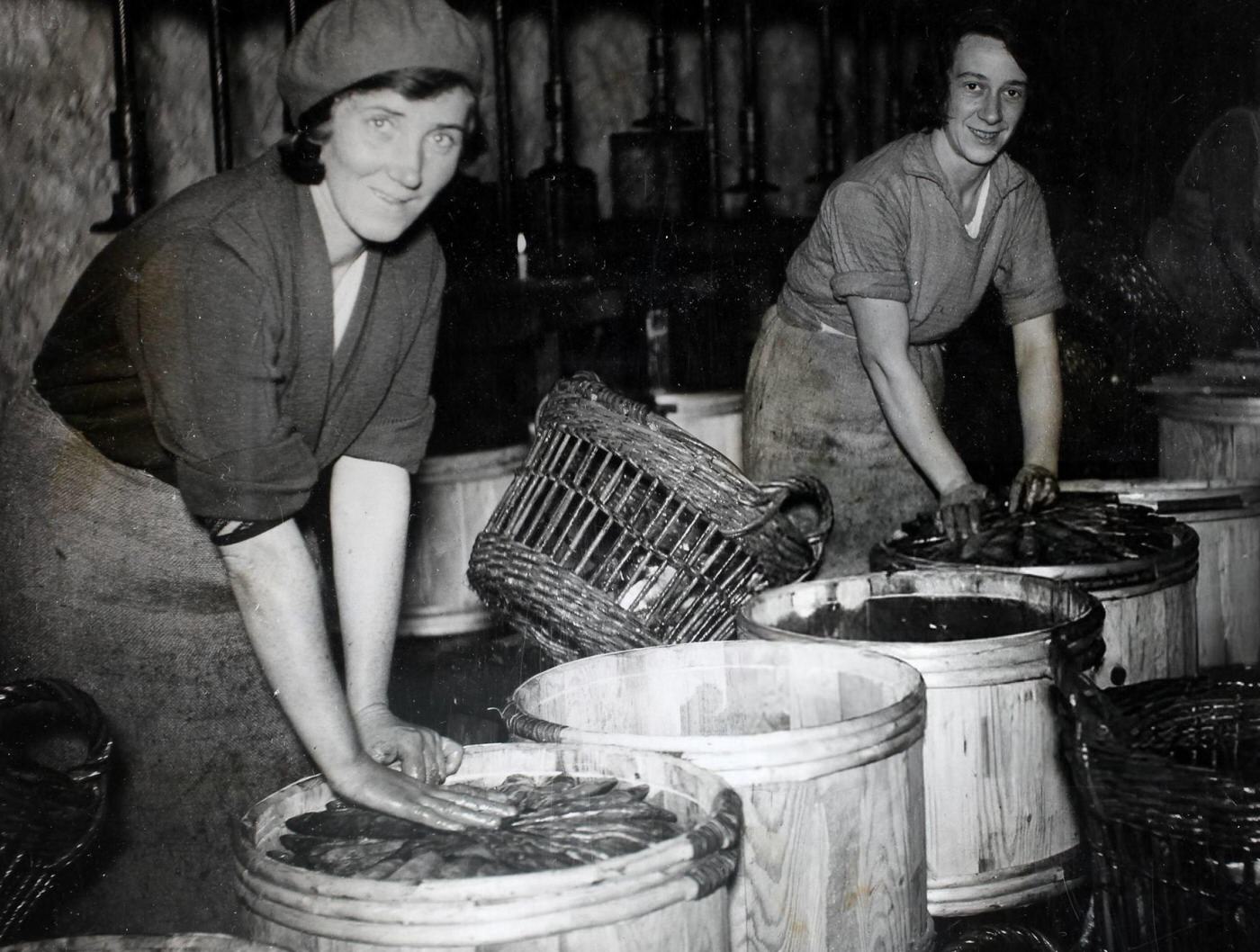
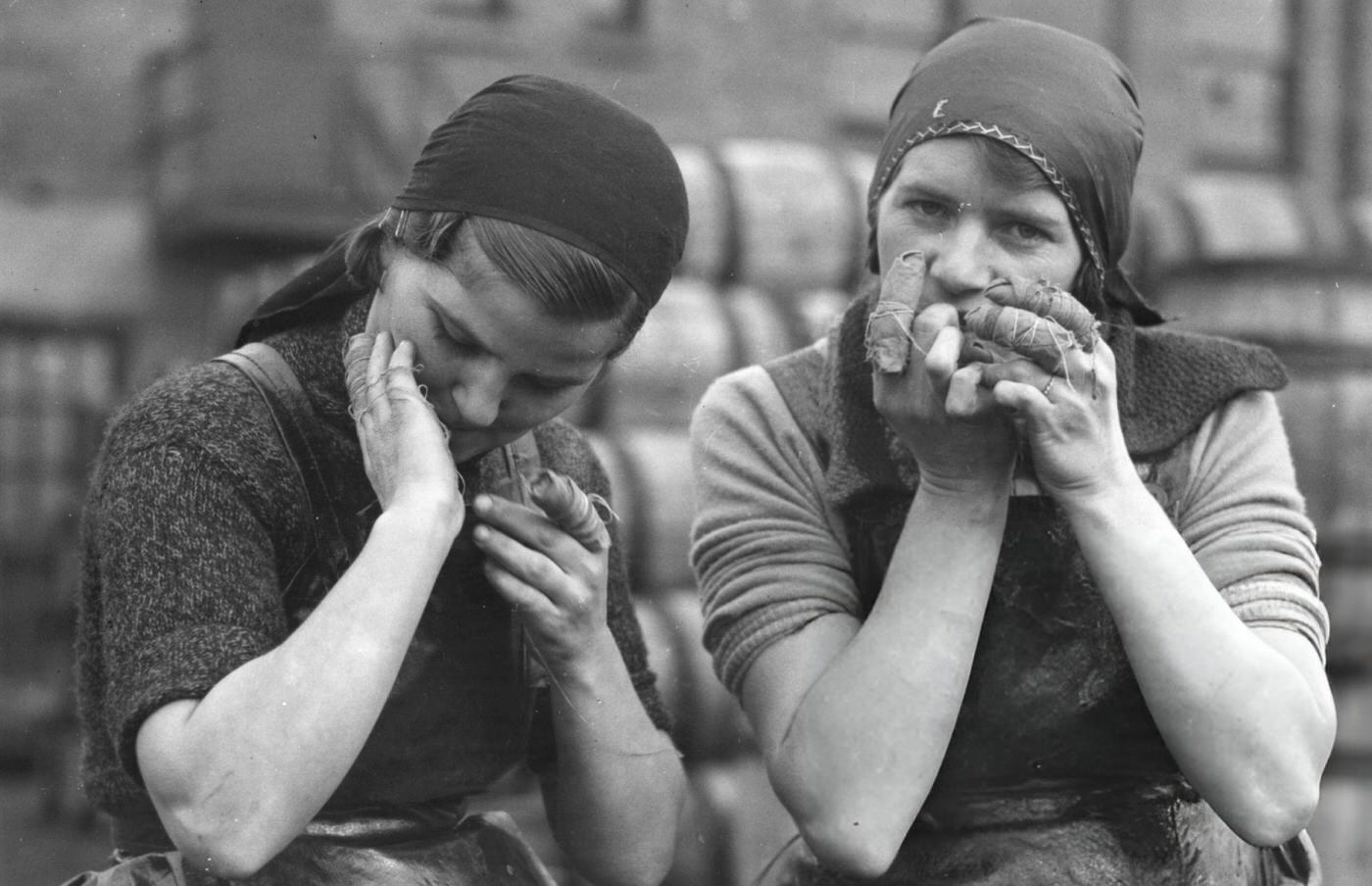
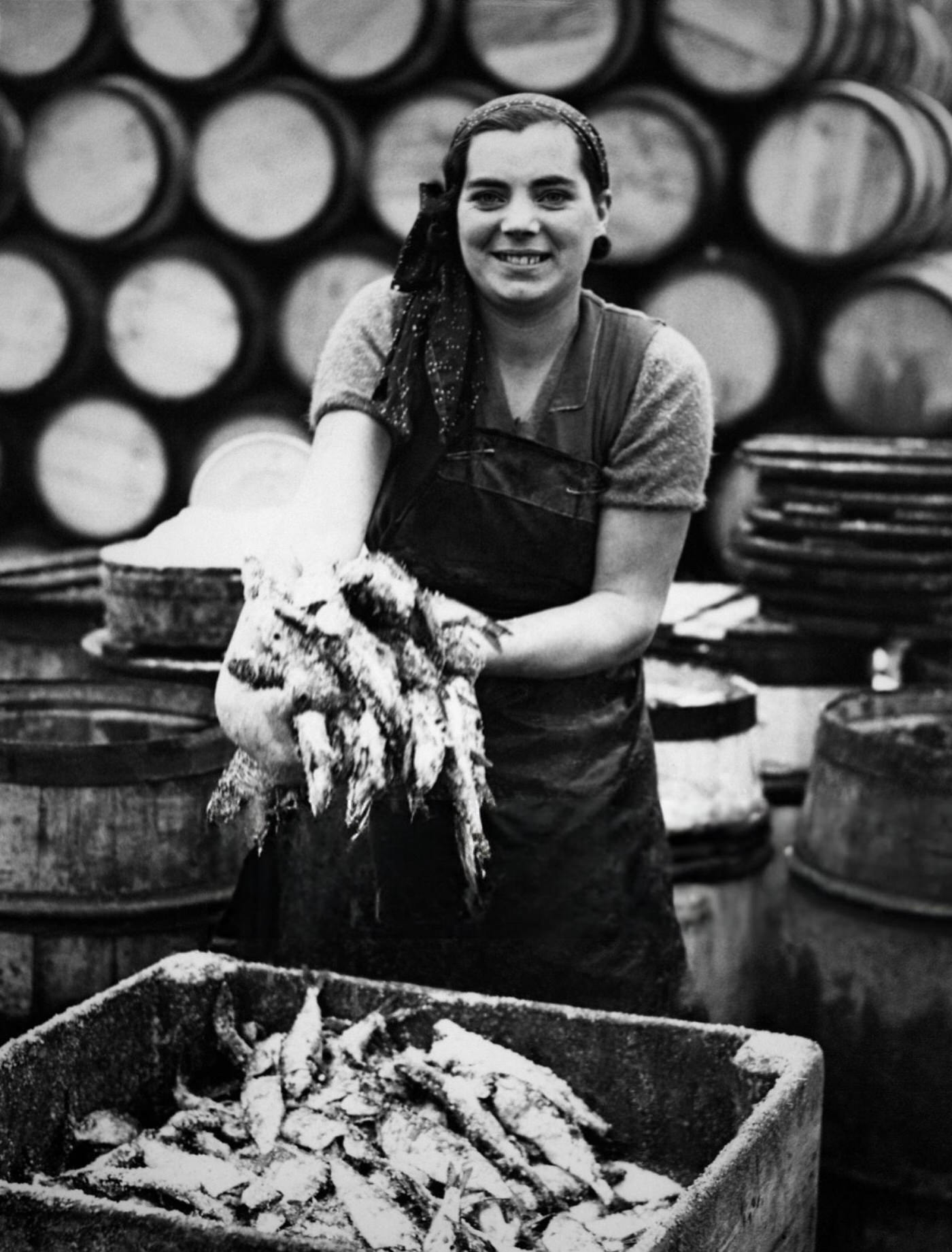
By the late 1800s, the herring industry along Britain’s east coast was drawing large numbers of women to ports like Great Yarmouth and Scarborough each autumn. Scottish women, in particular, followed the herring fleet southward along the coast, setting up at each port as the season moved. They worked in teams called “crews” — usually three women to a crew — gutting and packing herring into barrels with extraordinary speed.
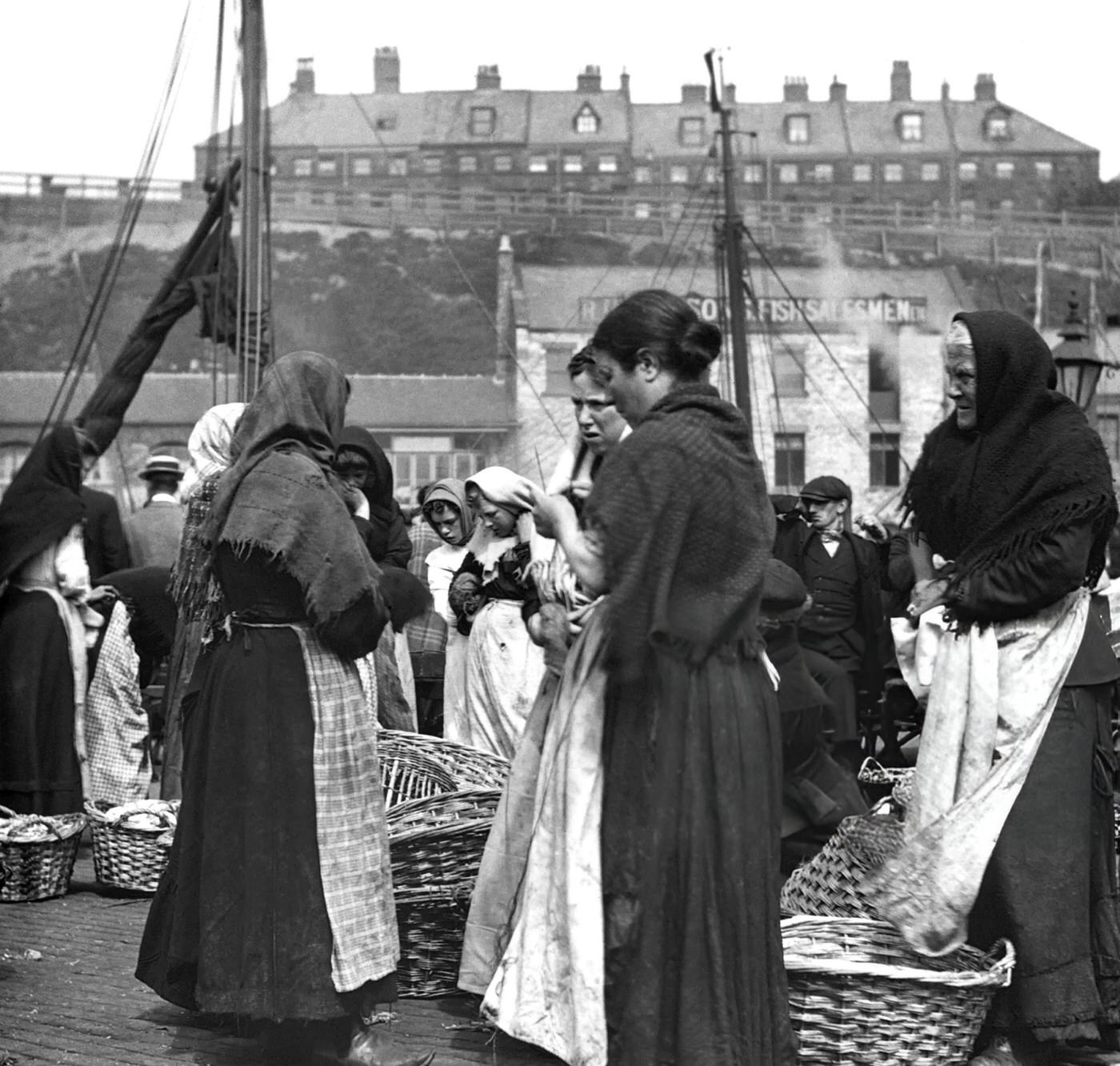
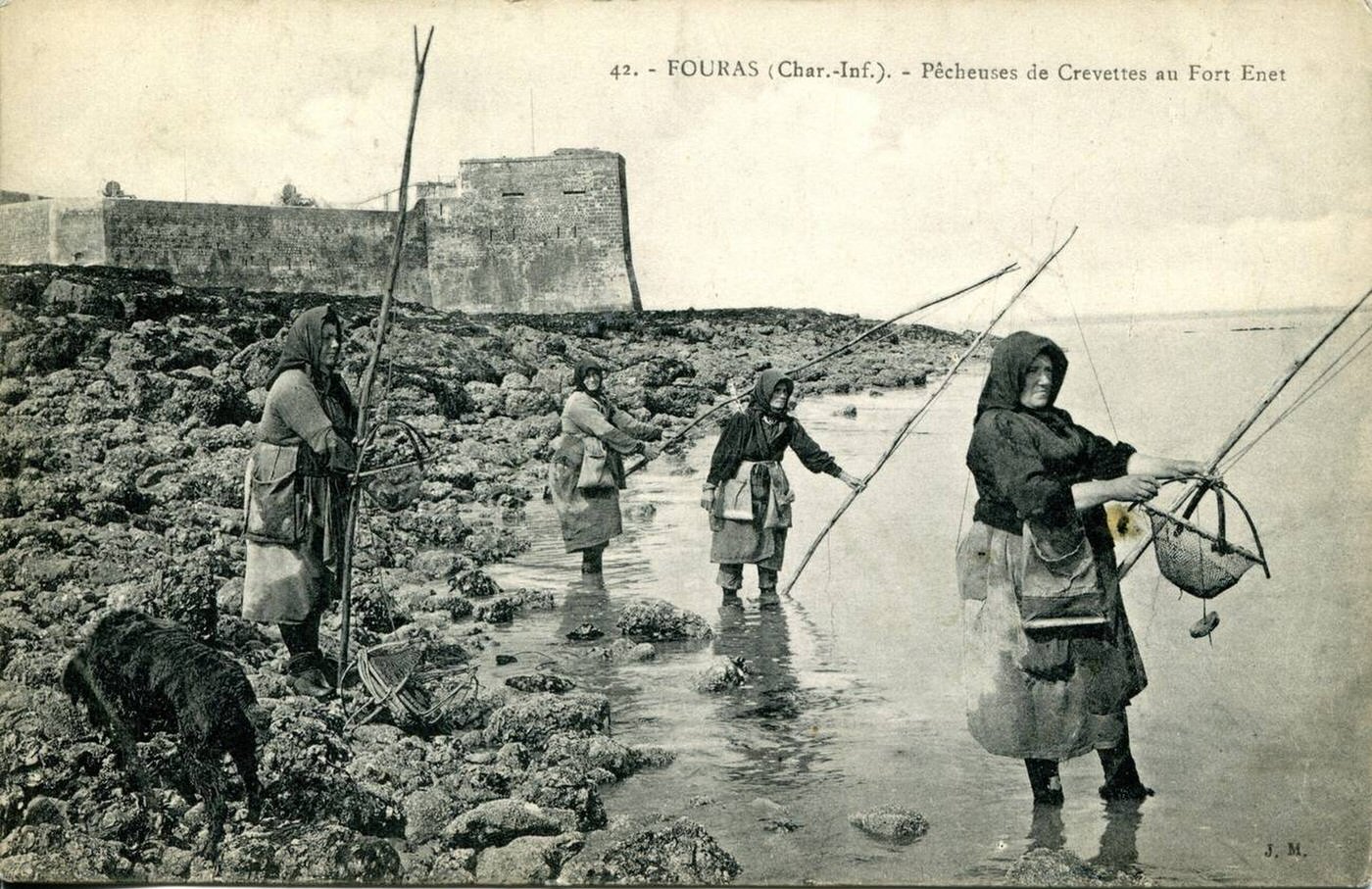
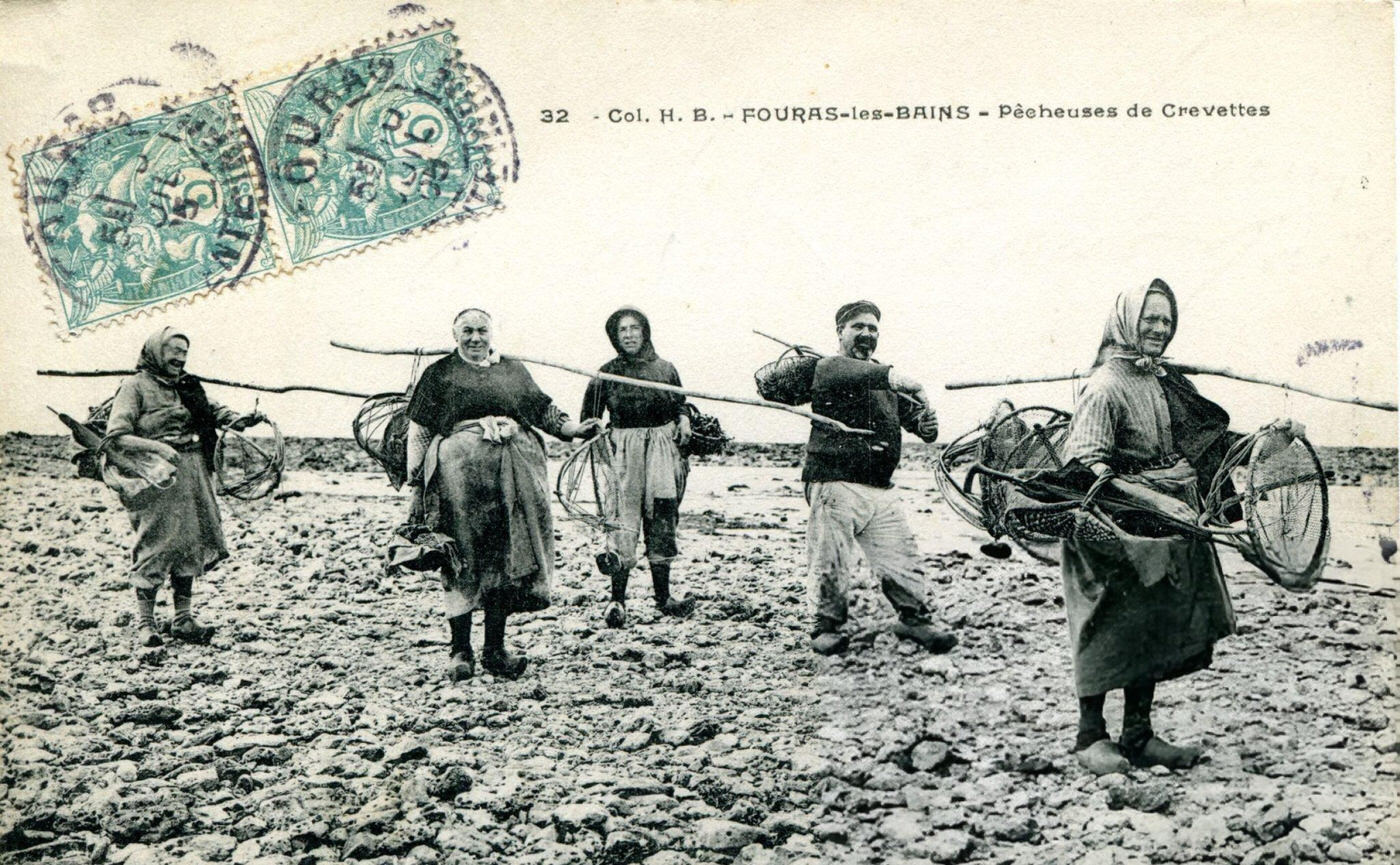
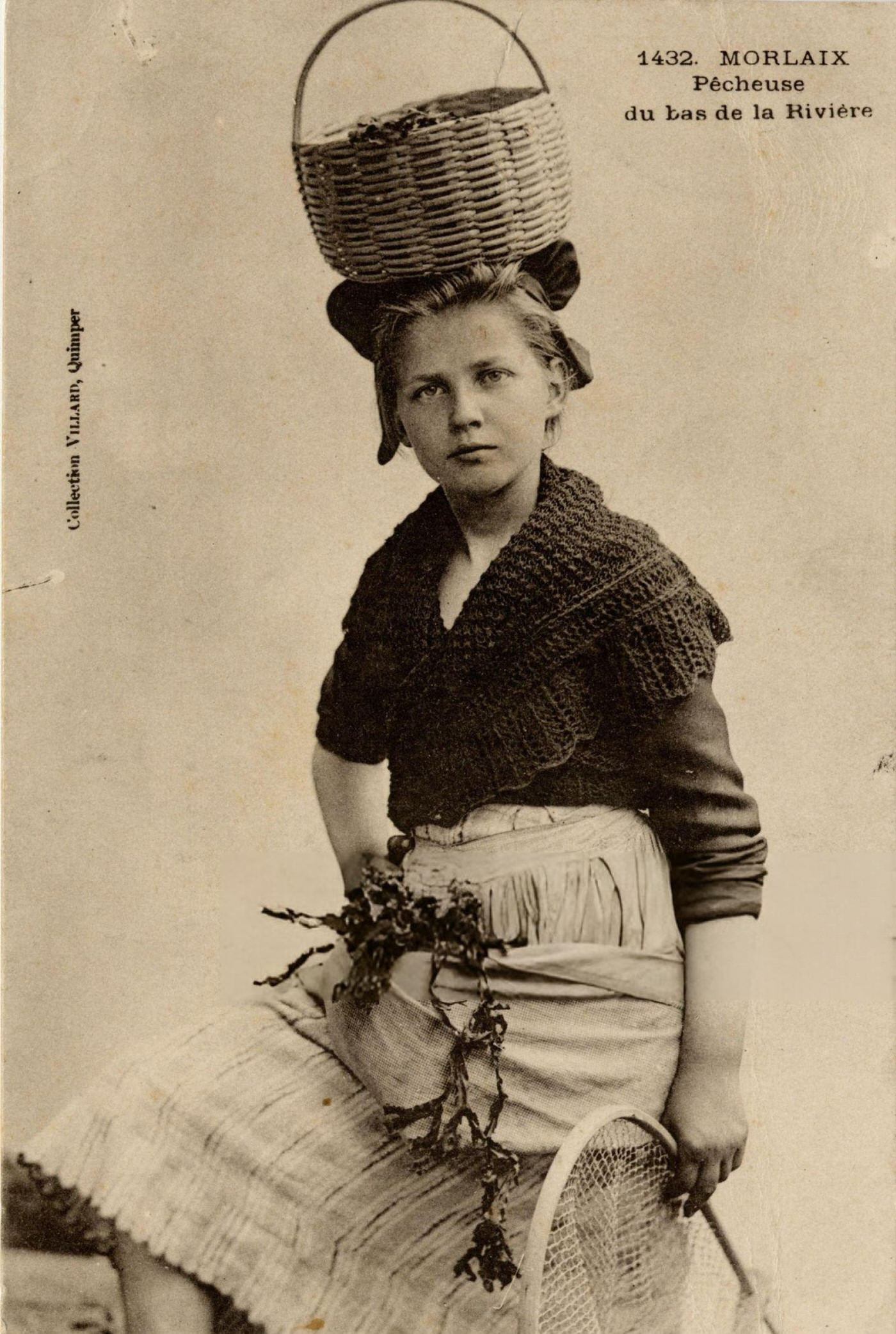
Across the English Channel, French fisherwomen were equally active. The shrimp fisherwomen of Fouras and Boulogne-sur-Mer worked the shallow coastal waters and tidal flats, using long-handled nets to harvest shrimp and shellfish. In Brittany, women were central to both the catch and the sale — often managing the fishing family’s entire economic life.
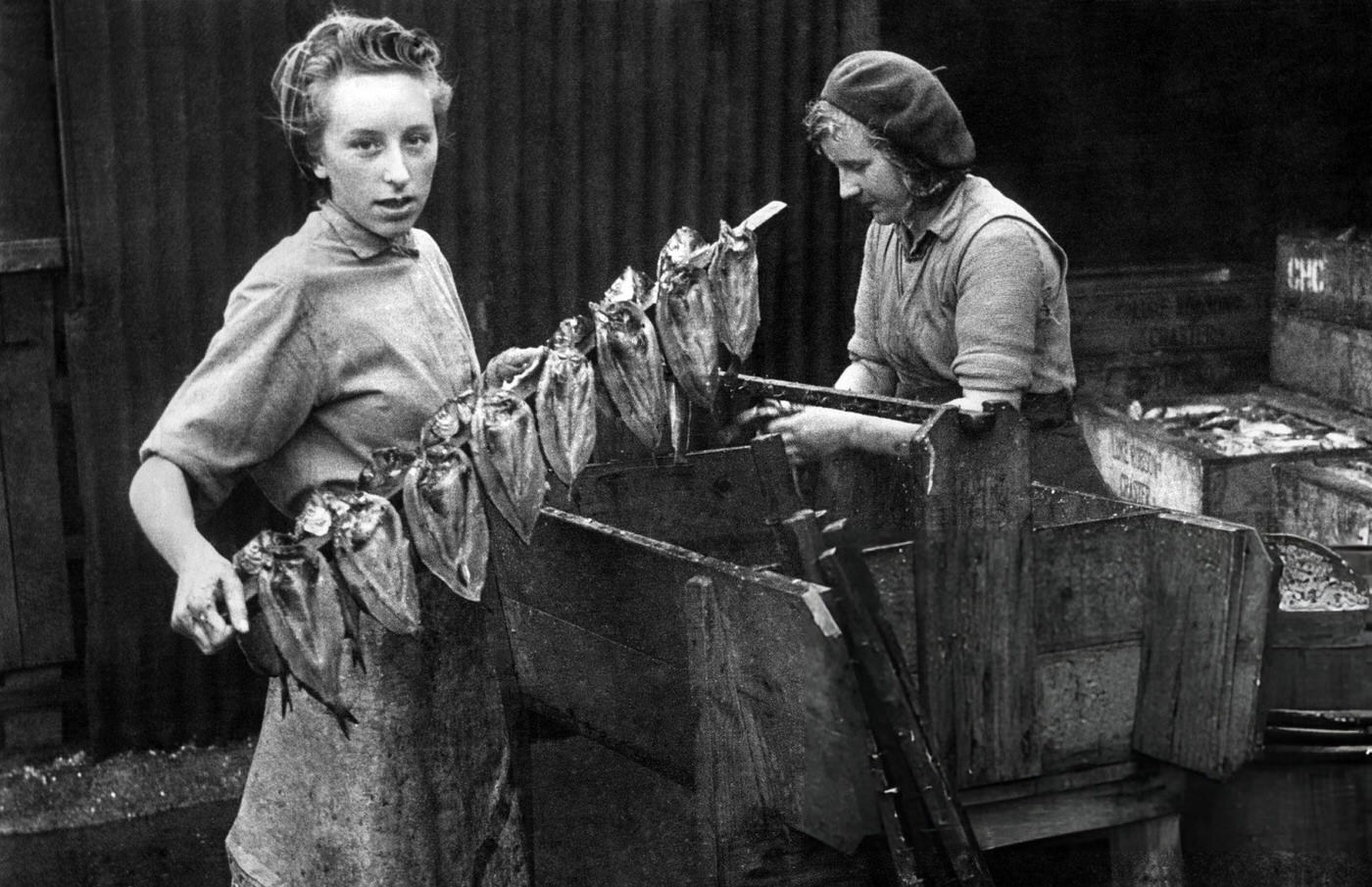
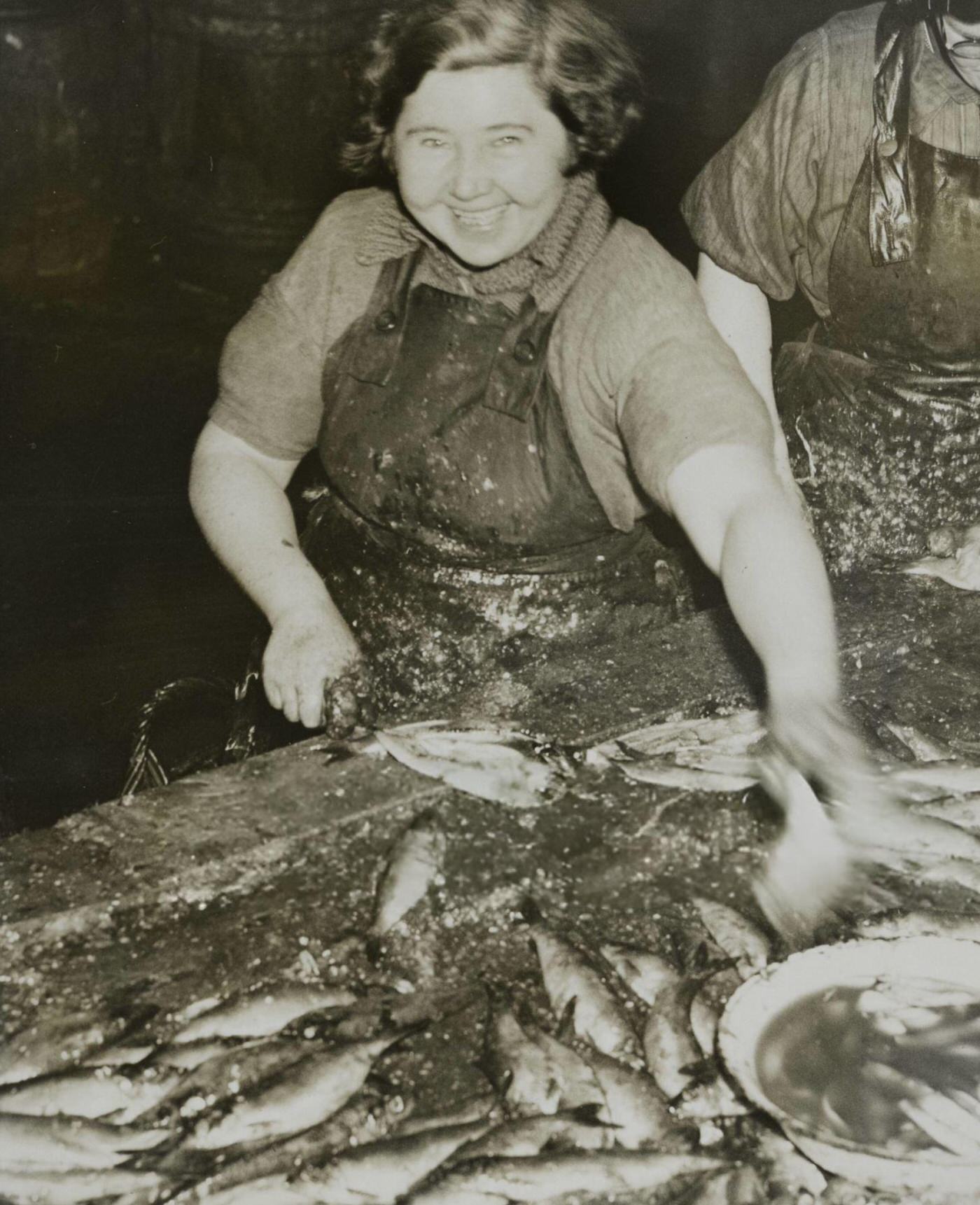
Preserving fish before refrigeration was one of the most critical tasks in any fishing community. Fish spoils quickly, so women worked fast — salting, drying, smoking, and pickling as soon as the boats came in. Herring curing, in particular, demanded precision. The fish had to be gutted, graded by size, packed tightly in salt, and sealed into barrels in a set order. A skilled gutter could process dozens of fish per minute.
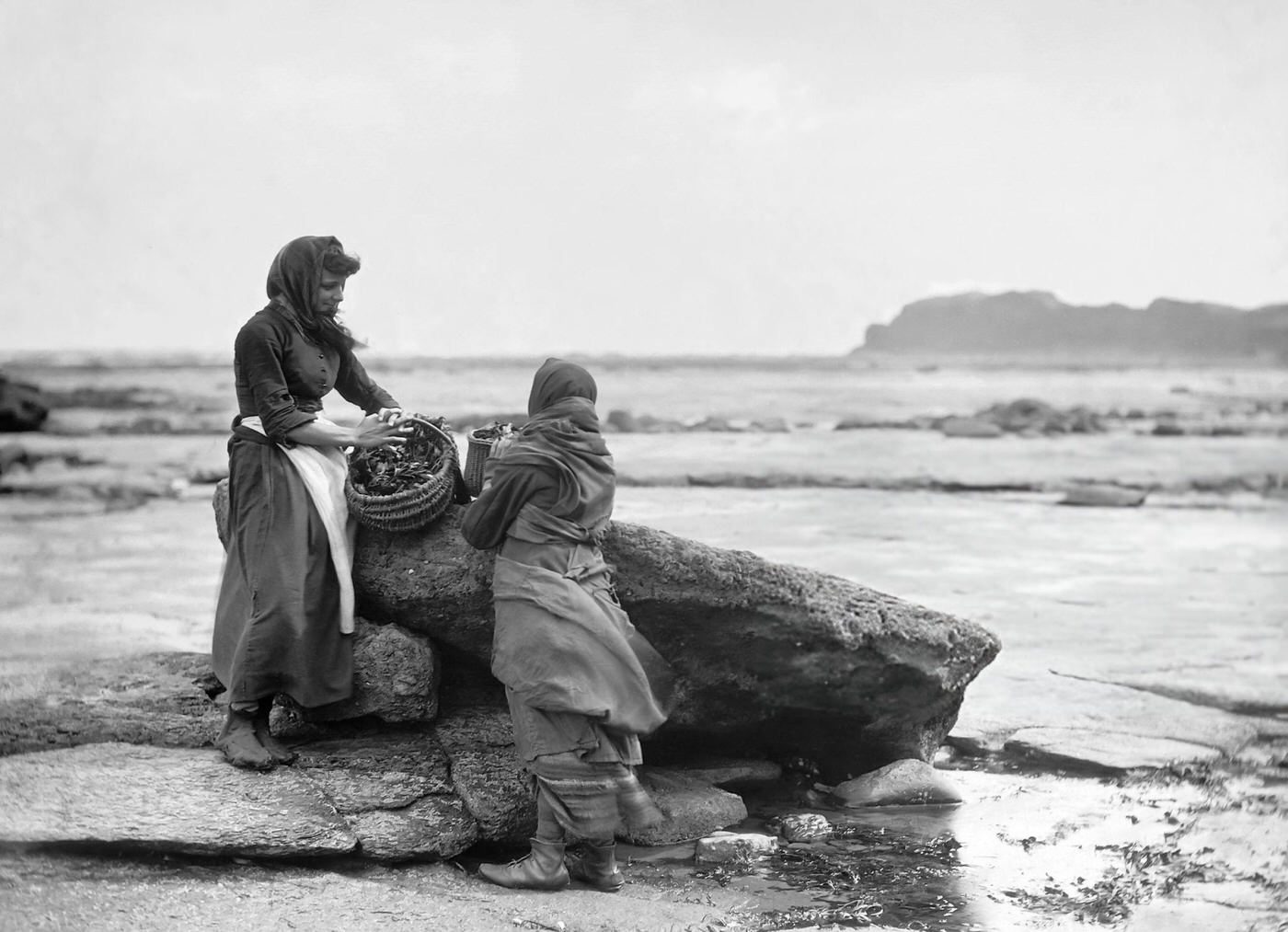
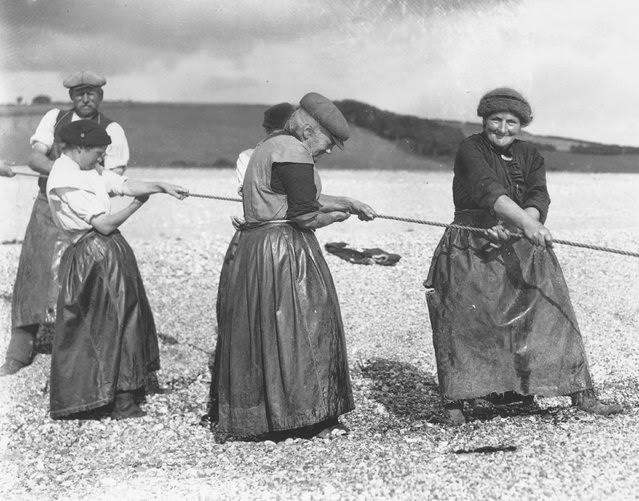
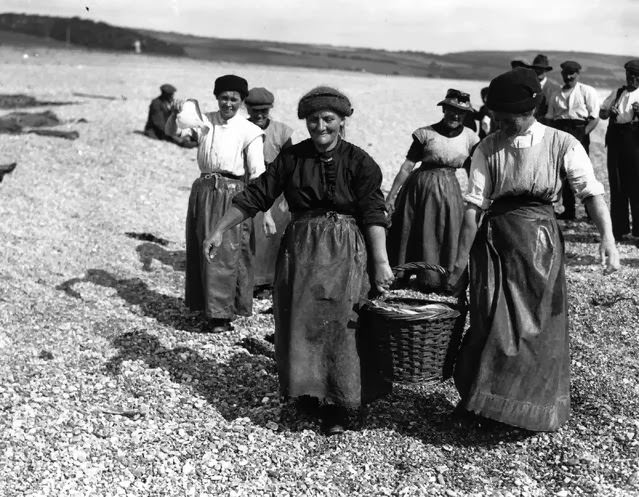
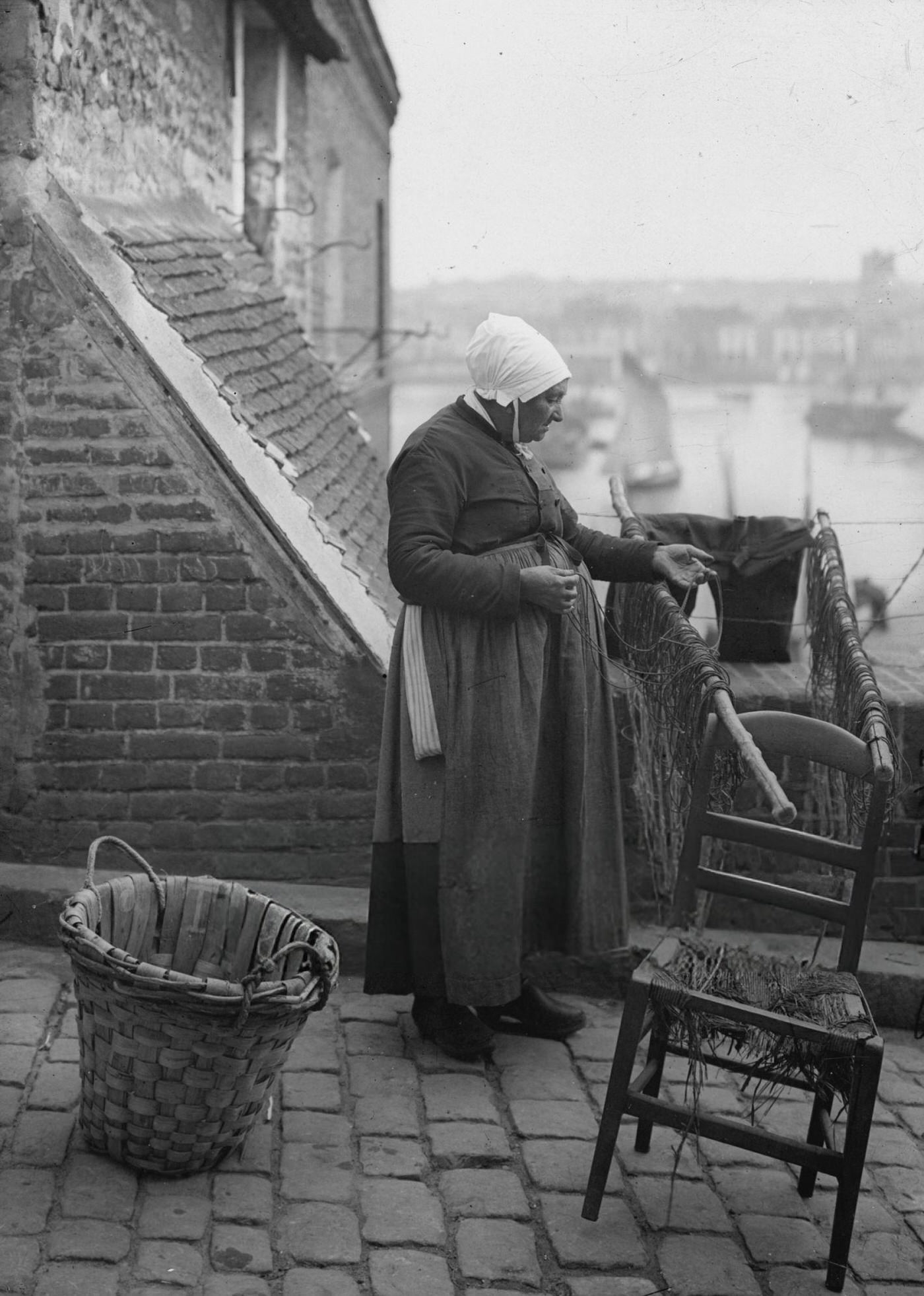
At the turn of the twentieth century, photographic records of fisherwomen became far more common. Images from Devon, Cornwall, and the Yorkshire coast show women hauling catch with ropes from the surf, carrying loaded baskets up from the shoreline, and mending nets by hand in groups. These tasks were physically demanding work performed by women of all ages — young girls, middle-aged women, and the elderly alike.
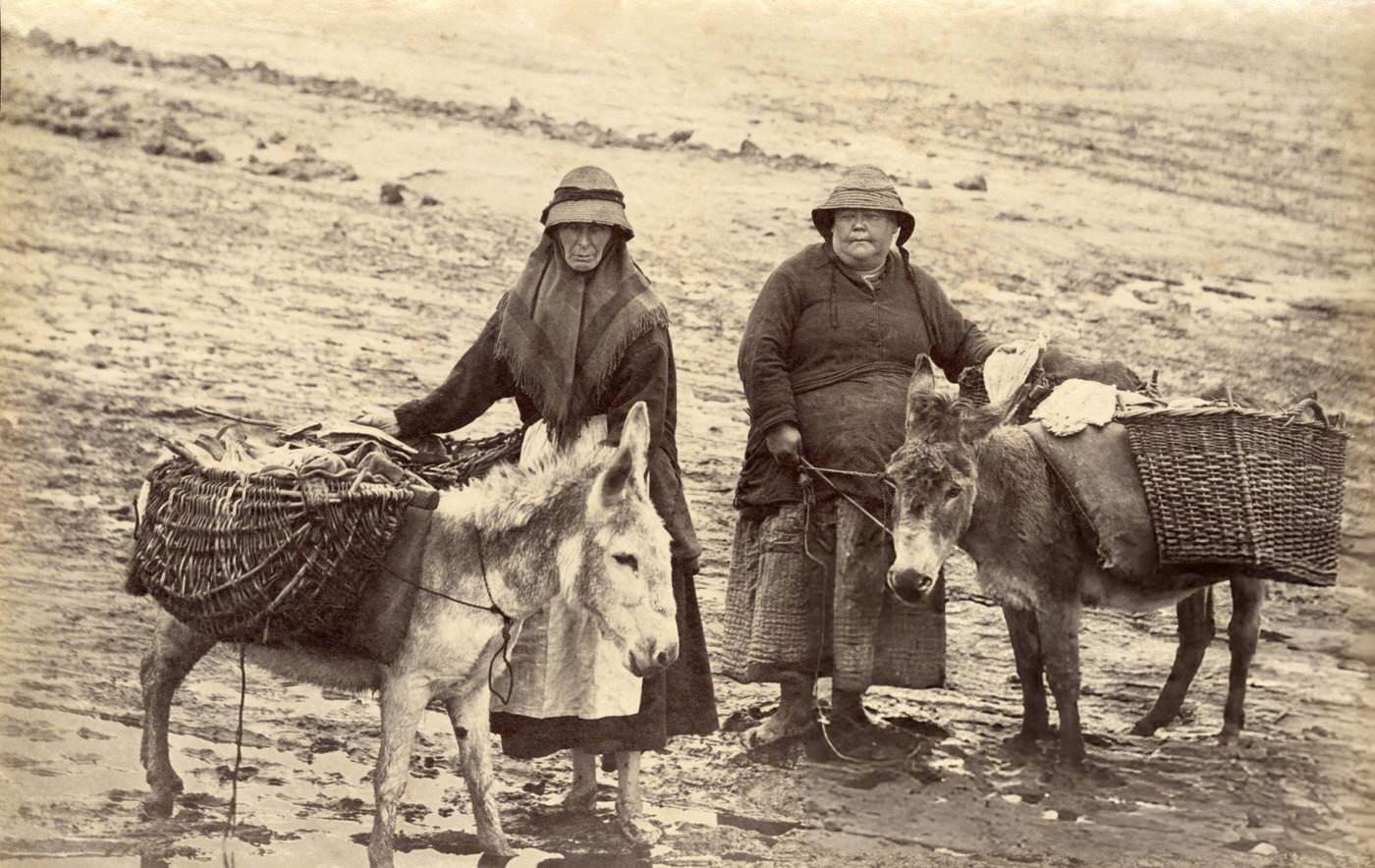
At ports like Newlyn in Cornwall and Tenby in Wales, fishwives were fixtures of the quayside. They sold directly to customers, handled cash, and negotiated prices for perishable goods — work that required a sharp mind as much as a strong back. Many fishwives were sole traders who ran their portion of the family business independently.
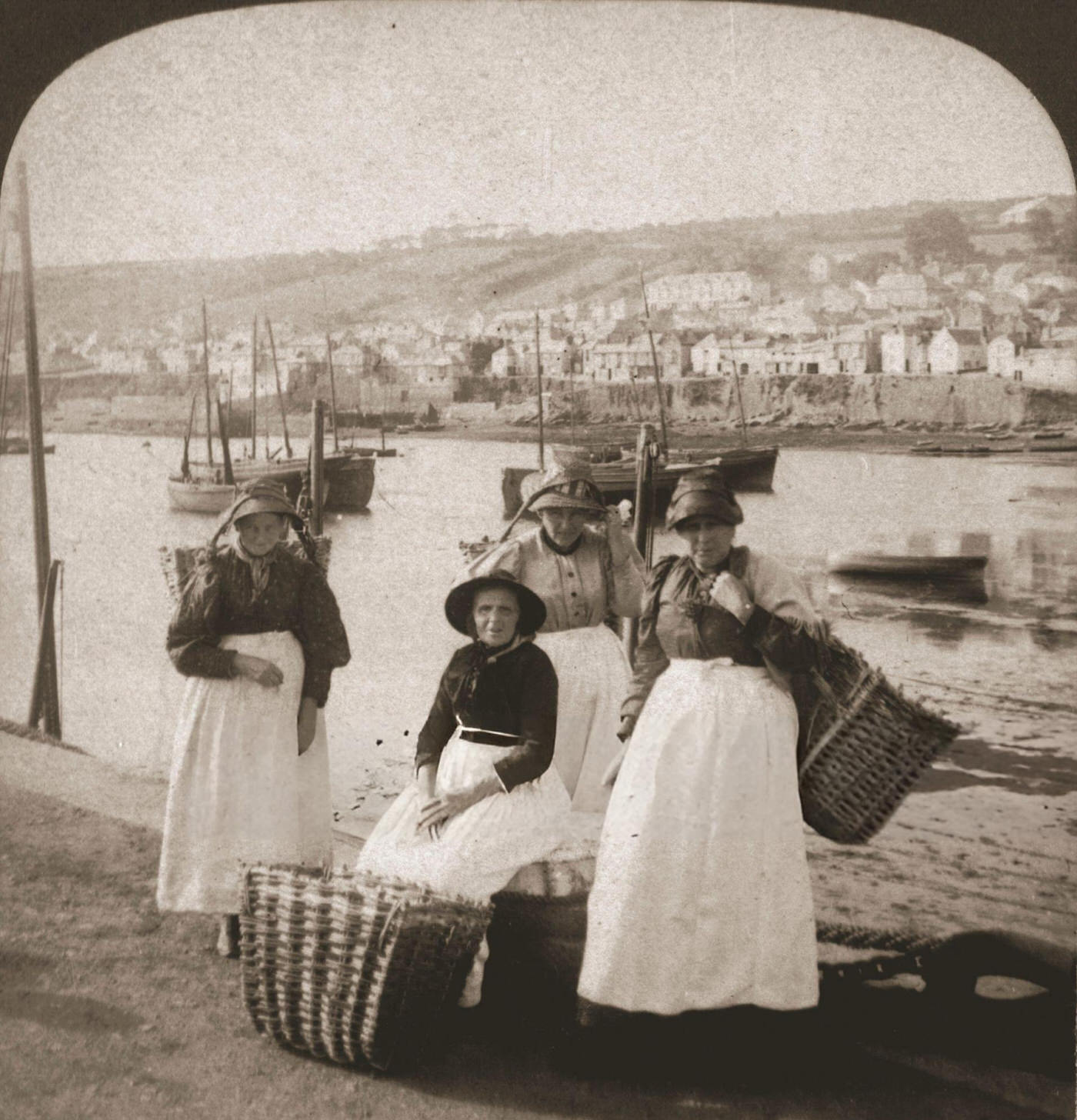
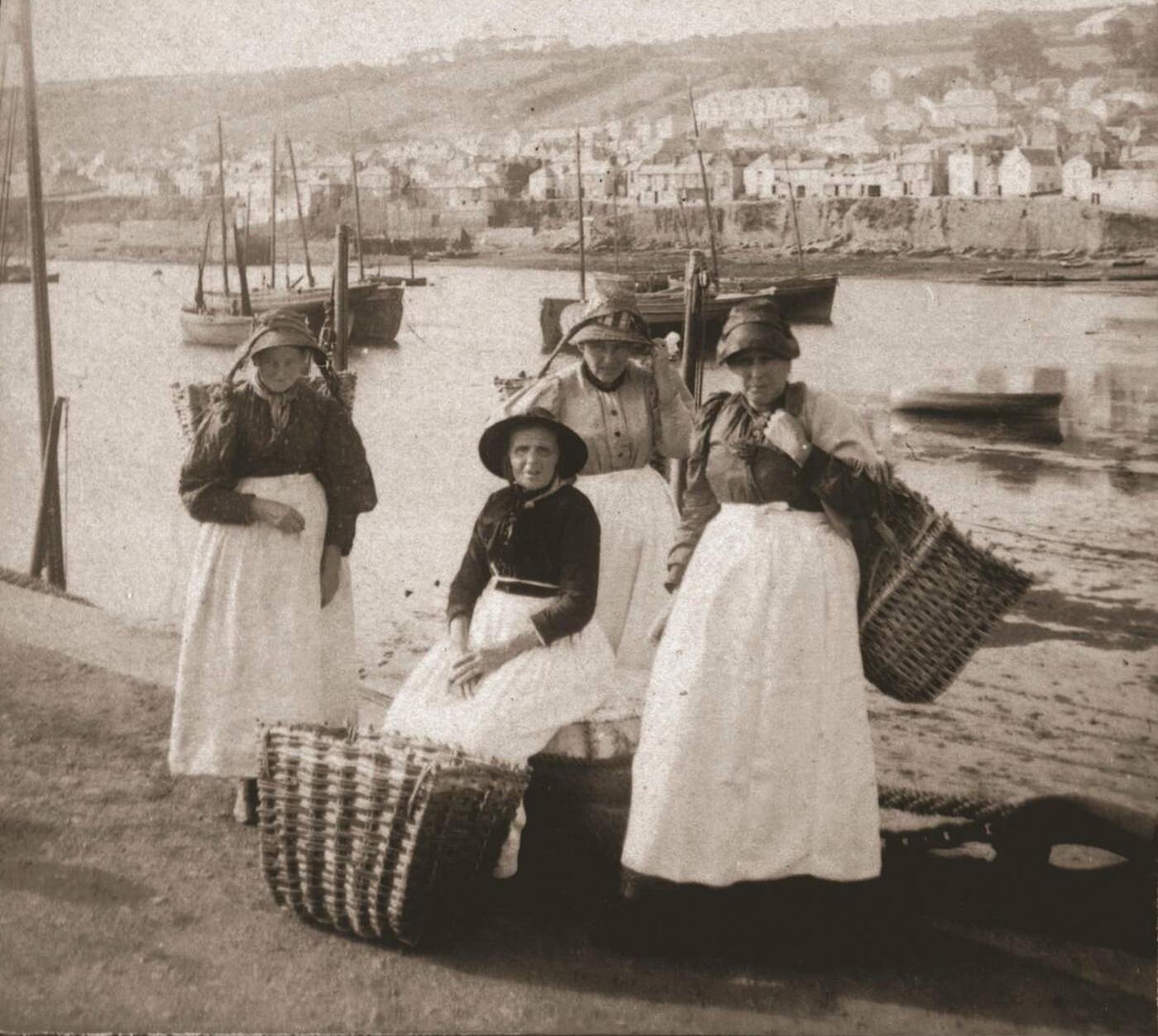
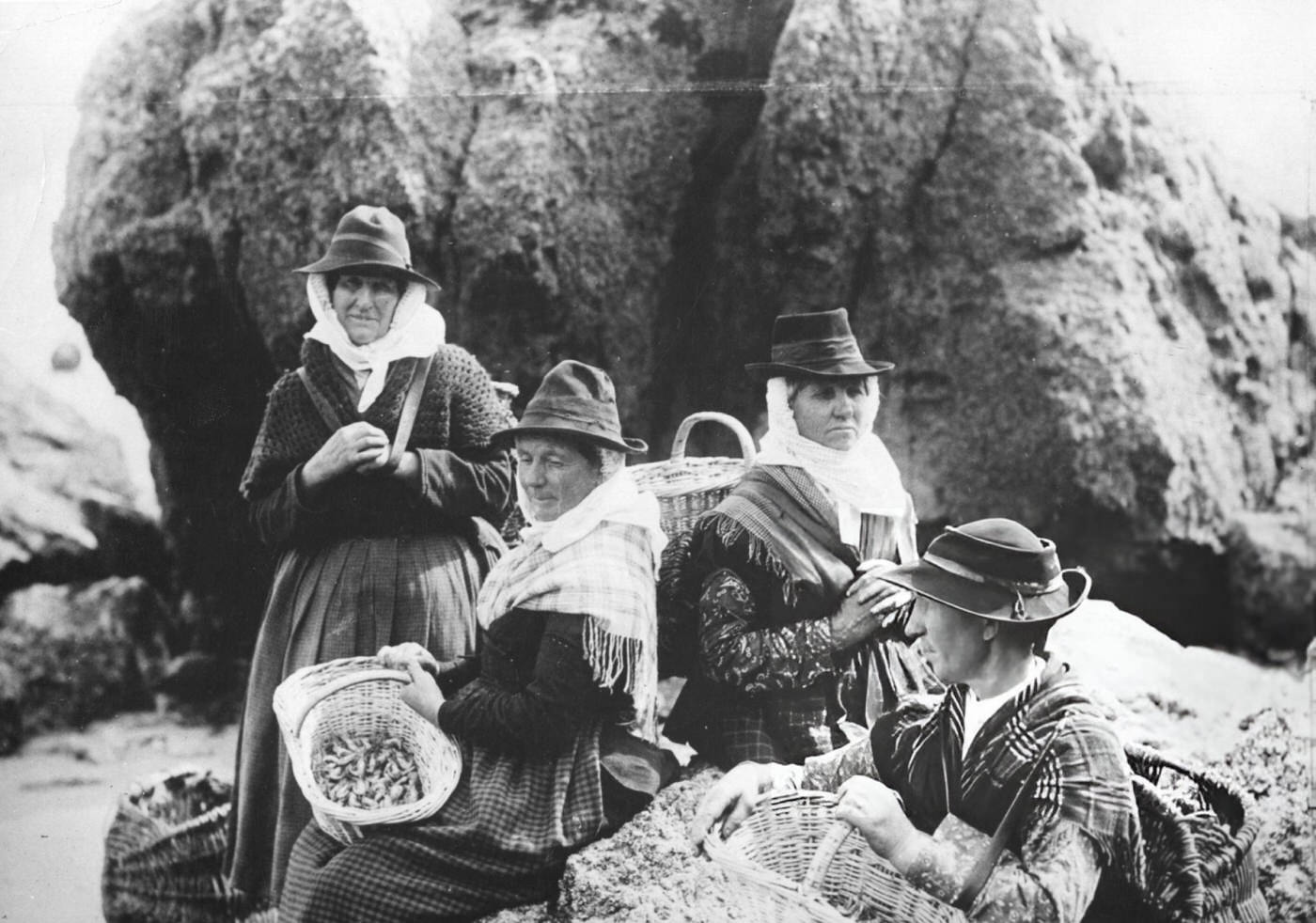
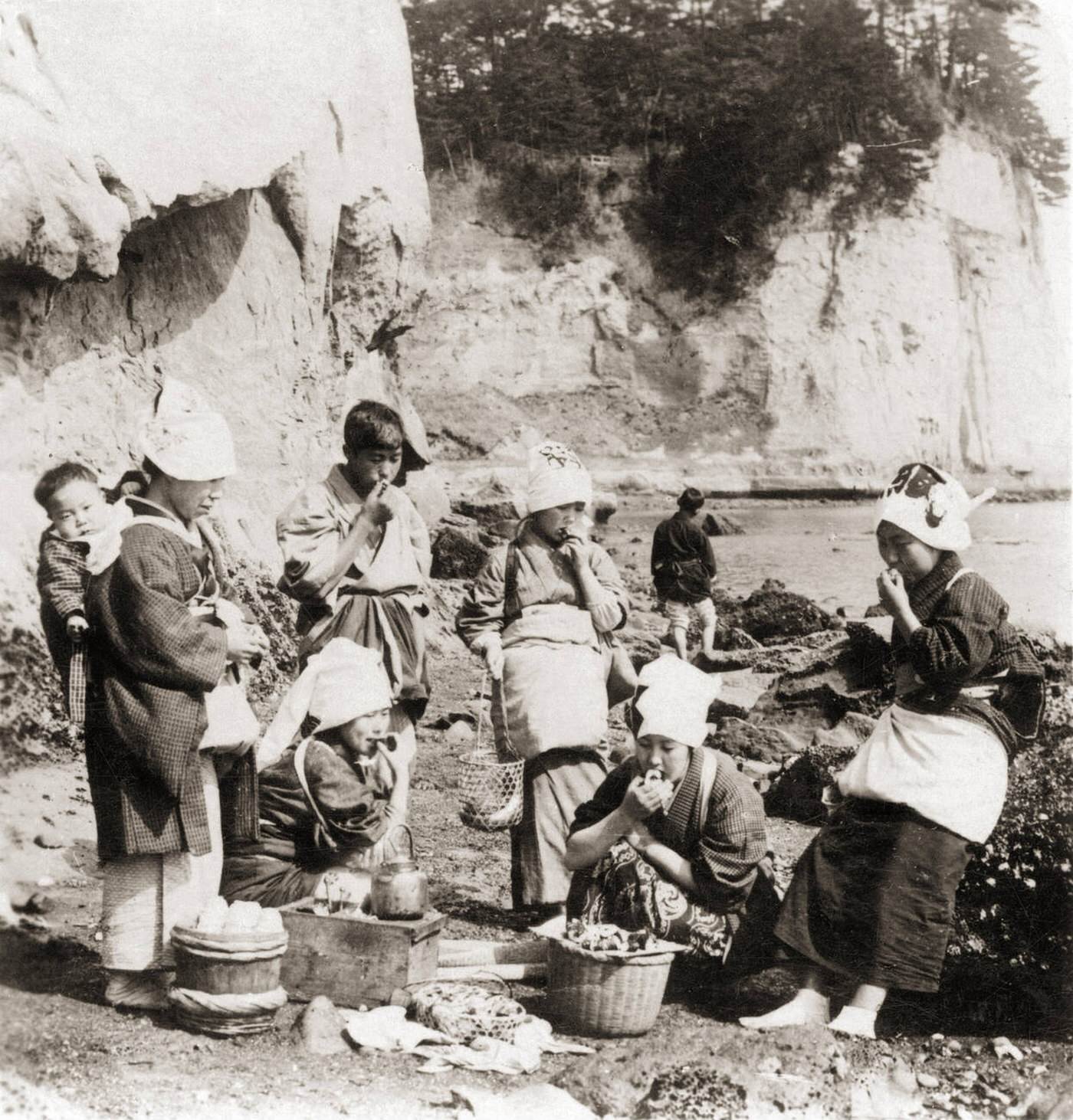
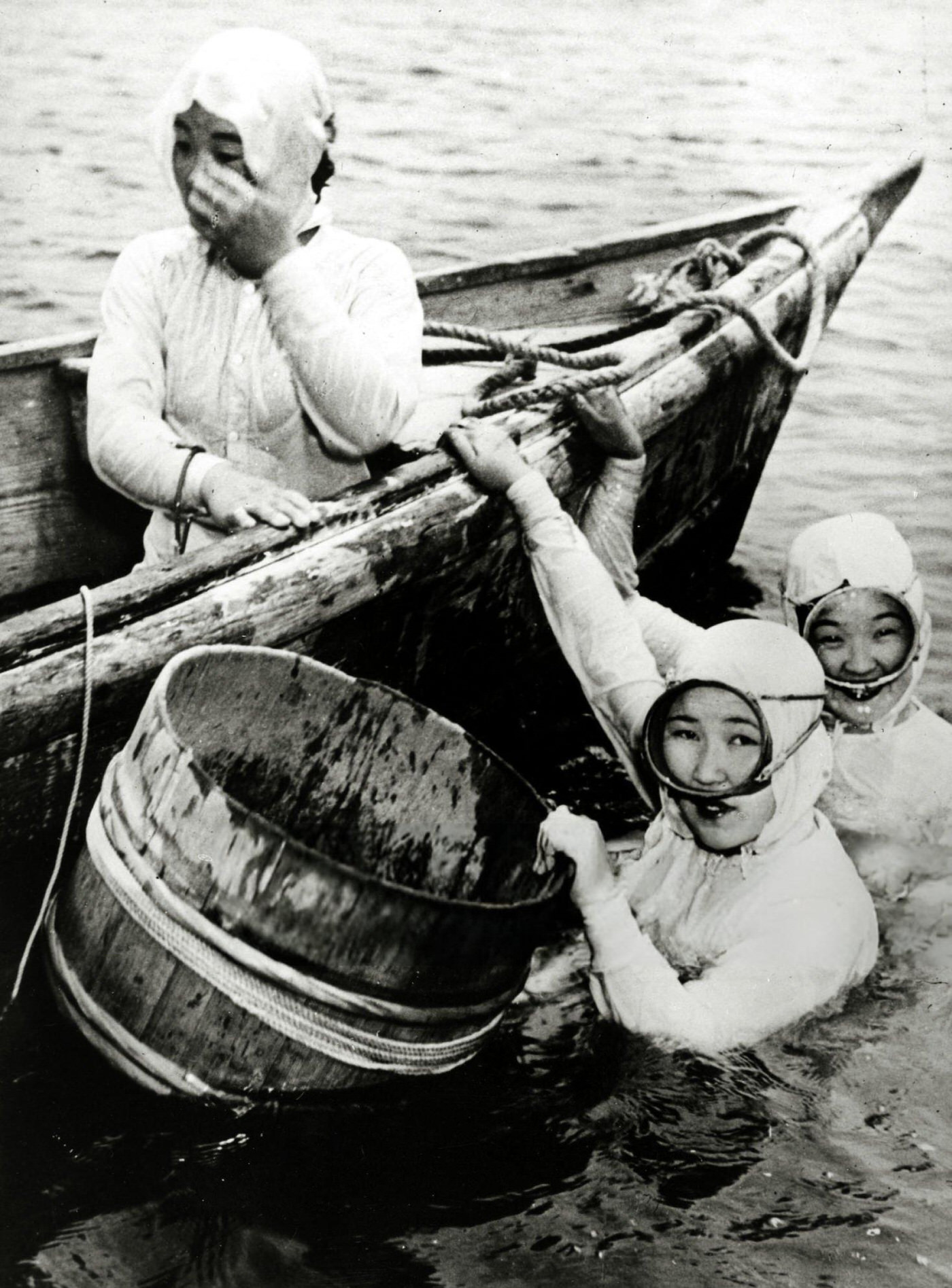
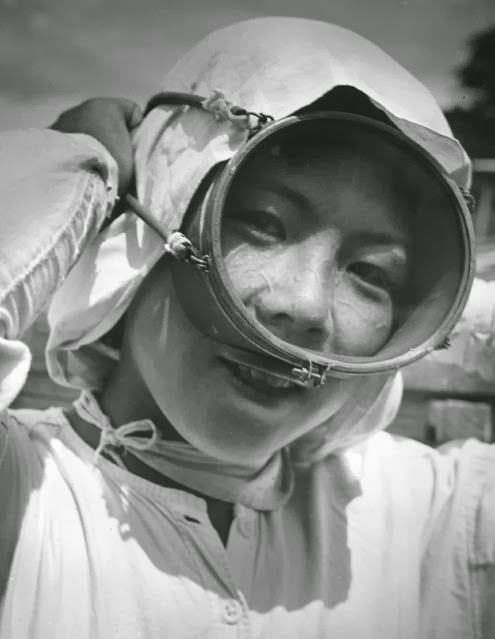
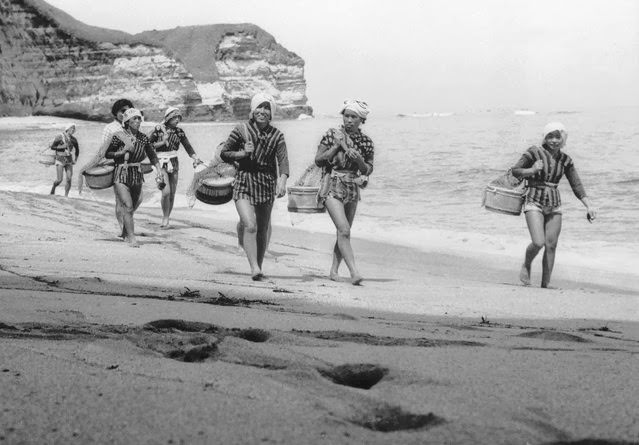
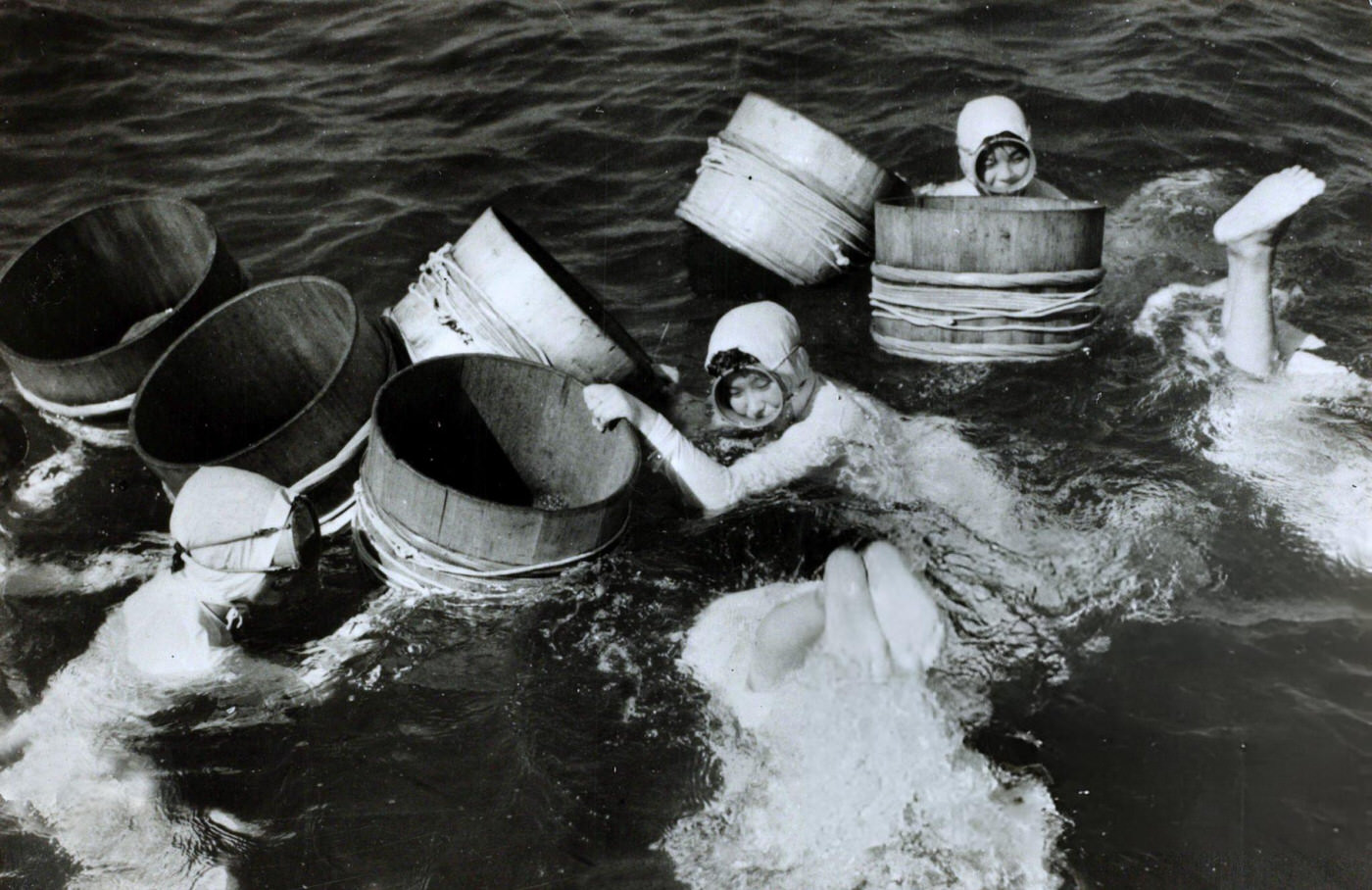
In Japan, a distinct tradition existed among women divers known as Ama. These women free-dived to harvest oysters, abalone, and other shellfish from the seabed without any breathing equipment. The practice was centuries old and required exceptional physical conditioning. Ama divers worked in cold water, often to considerable depths, and continued diving well into their adult years.
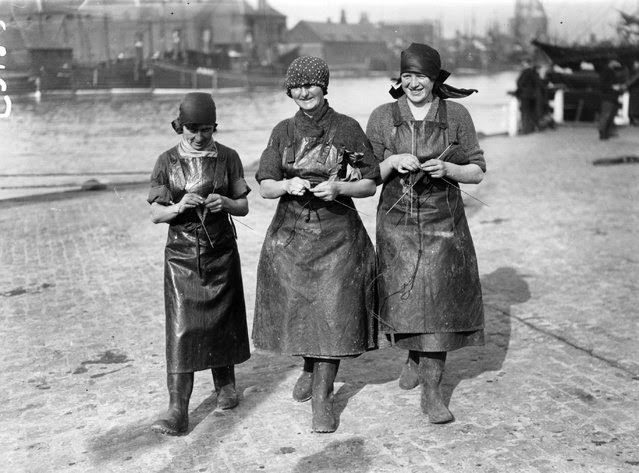
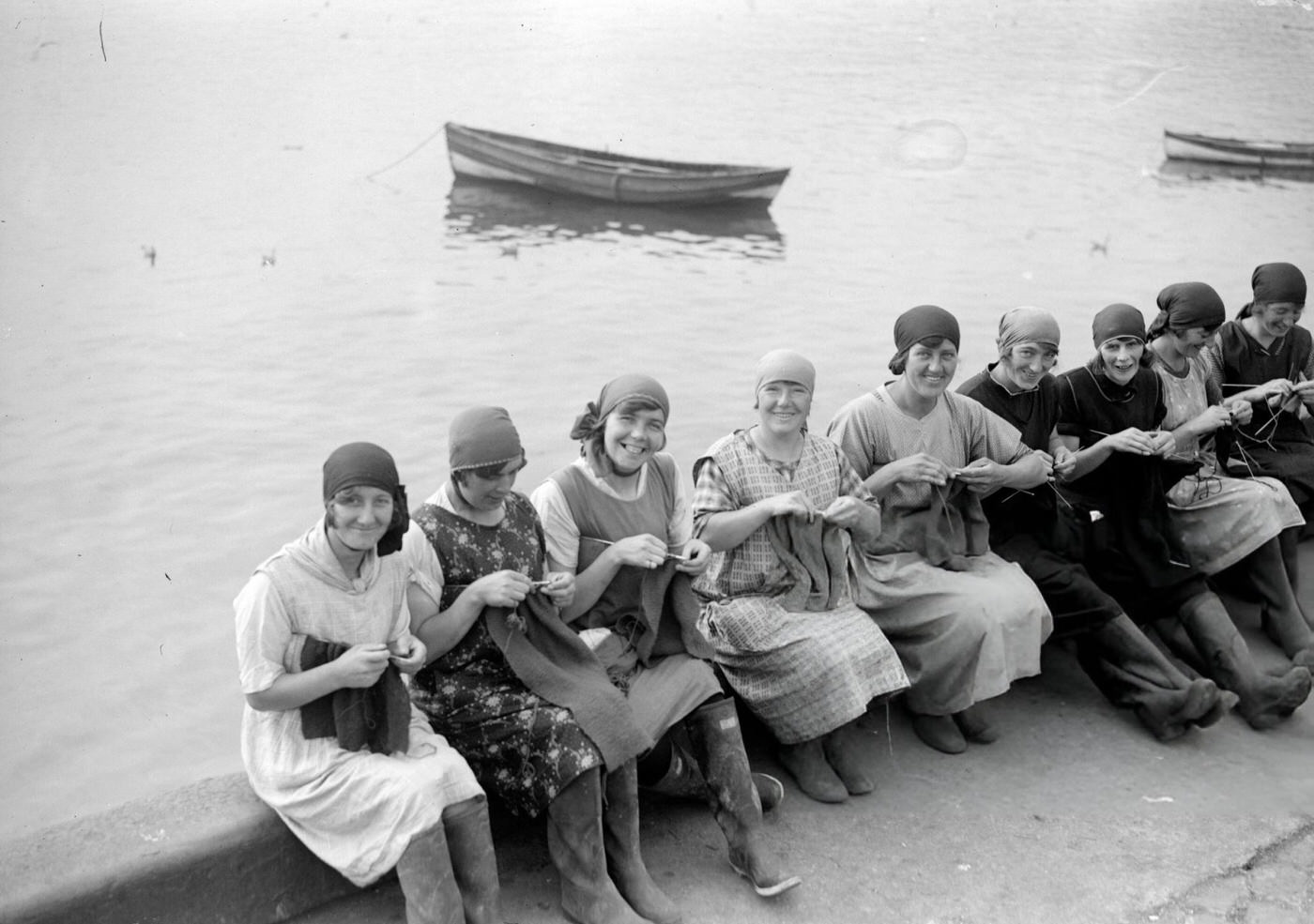
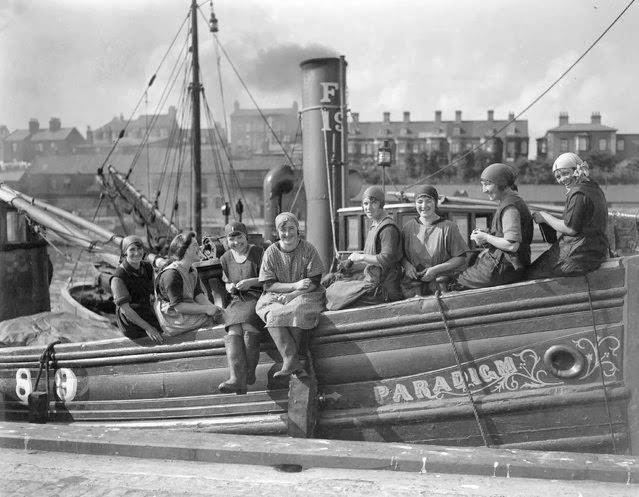
Mending nets was unglamorous but essential work. A torn net sent out to sea meant a poor catch — or worse, the loss of the net entirely. Women repaired fishing nets, lines, and gear constantly, often working together in groups. The Scottish herring girls at Great Yarmouth were photographed knitting while they waited for the fleet to arrive — productive hands even in downtime.
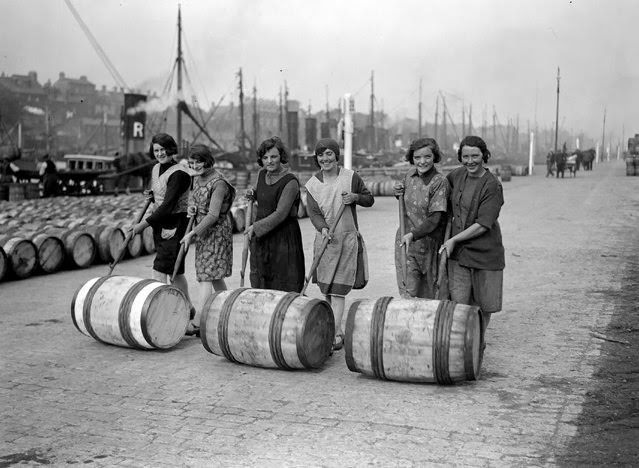
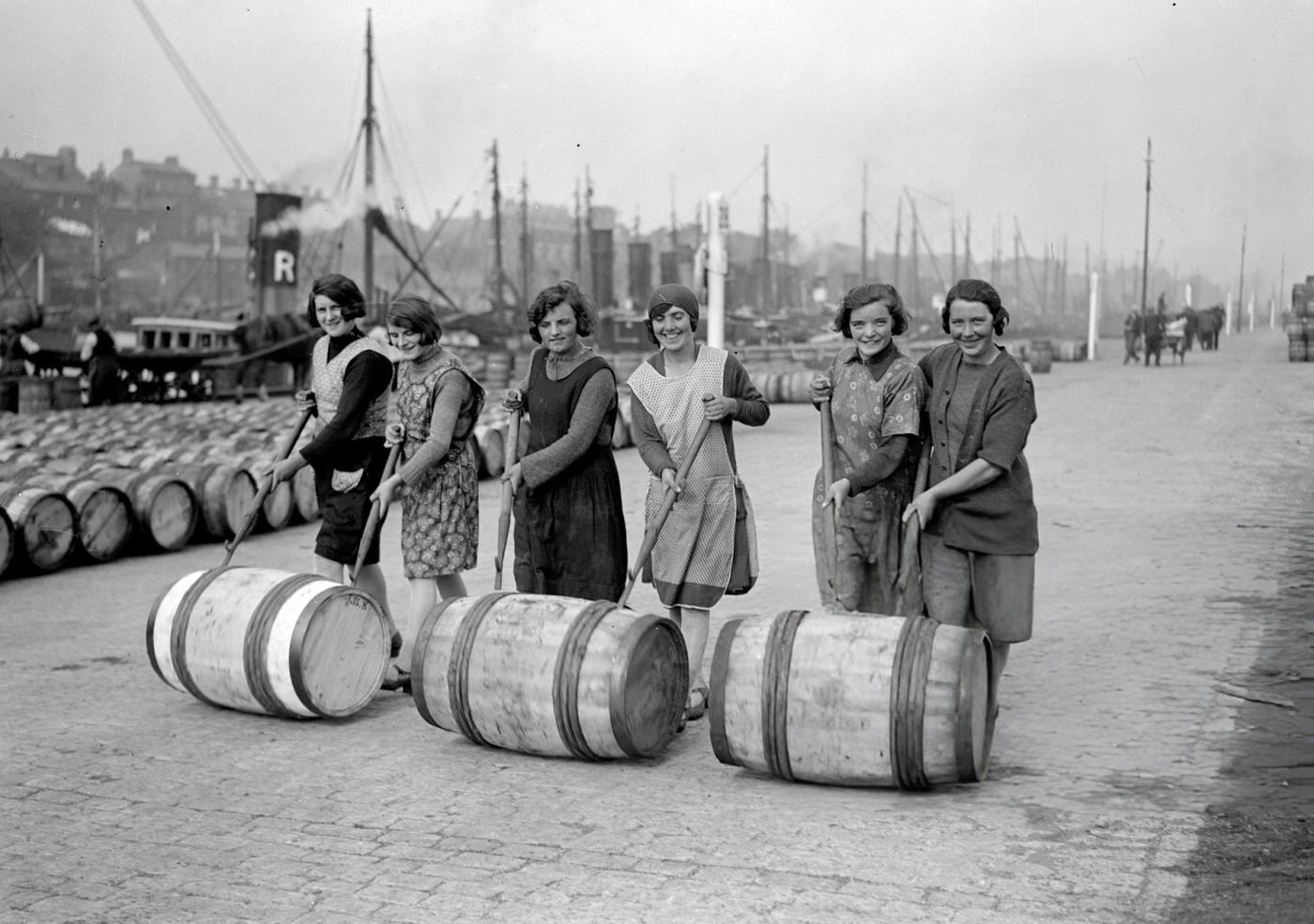
Moving processed fish from the quayside was physical, urgent work. Barrels of salted herring were heavy, and the quaysides were often slippery and congested. At Great Yarmouth, fisher-girls were photographed using long poles to push fully loaded barrels along the quay — a practical solution that let them move significant weight without lifting it.
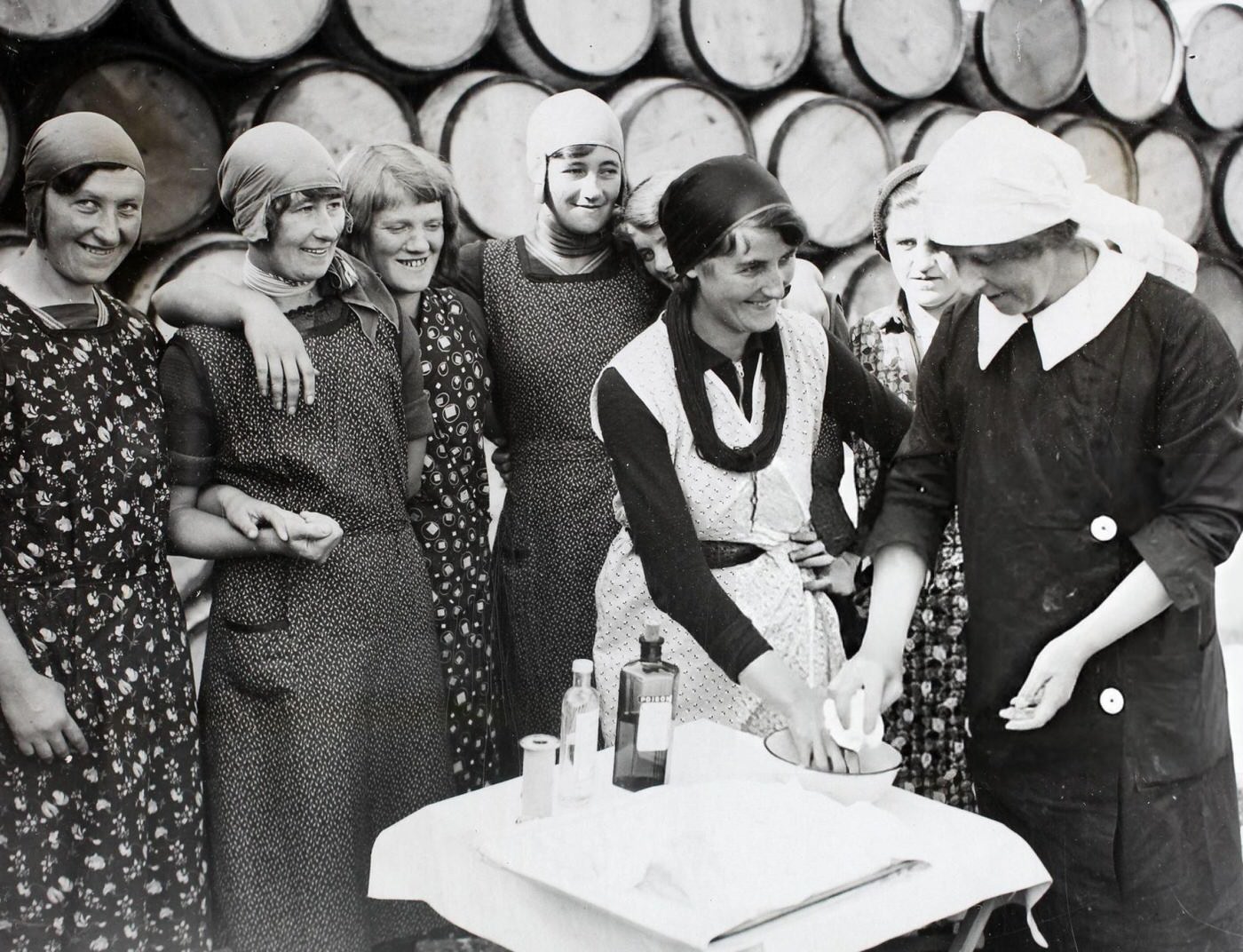
The gutting work itself was relentless and dangerous. Fish guts are slippery, and the knives used were sharp and small. Cuts were common. A photograph from 1933 shows a nurse tending to a minor injury sustained by one of the Yarmouth fisherwomen — a routine enough occurrence that medical care was arranged on-site during the herring season.
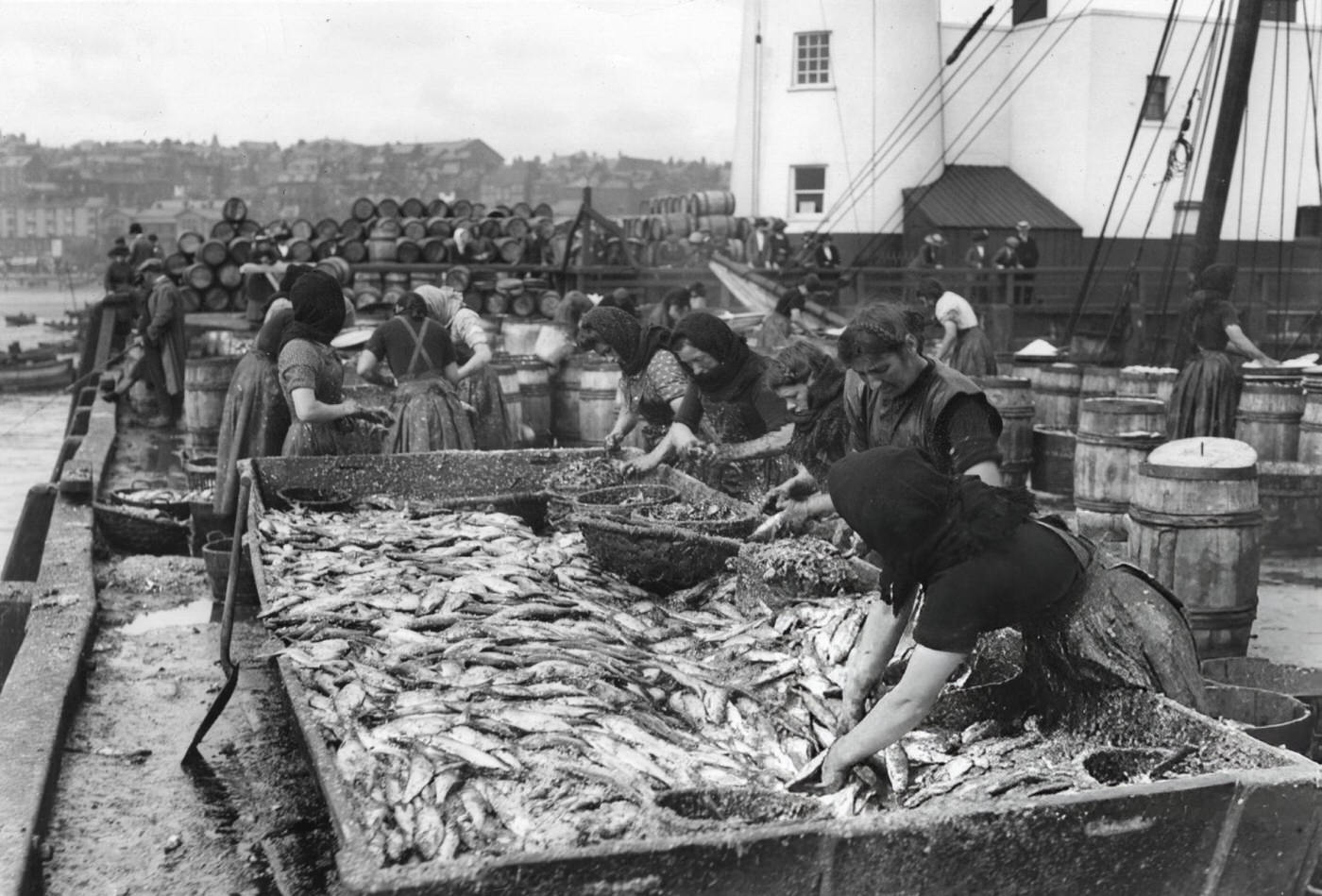
Across Iceland, African American communities along the American South, and the shrimp coasts of France, women participated directly in fishing and fish processing as part of their everyday economic lives. In Reykjavik, women cleaned fish in preparation for export. Along the shrimp coasts of France, fisherwomen waded the shallows with nets. In the American South, men and women worked together hauling large shad nets from the water.
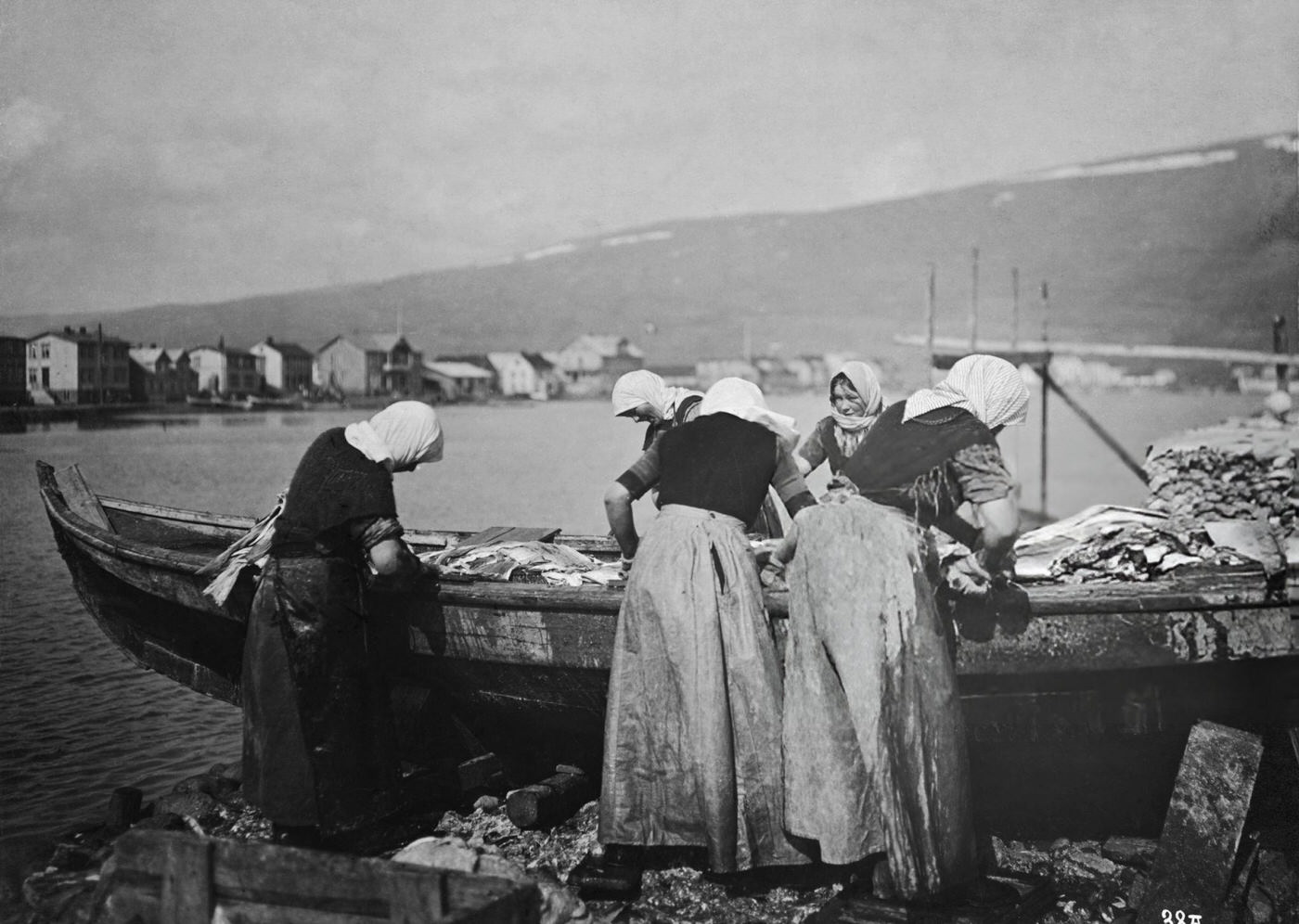
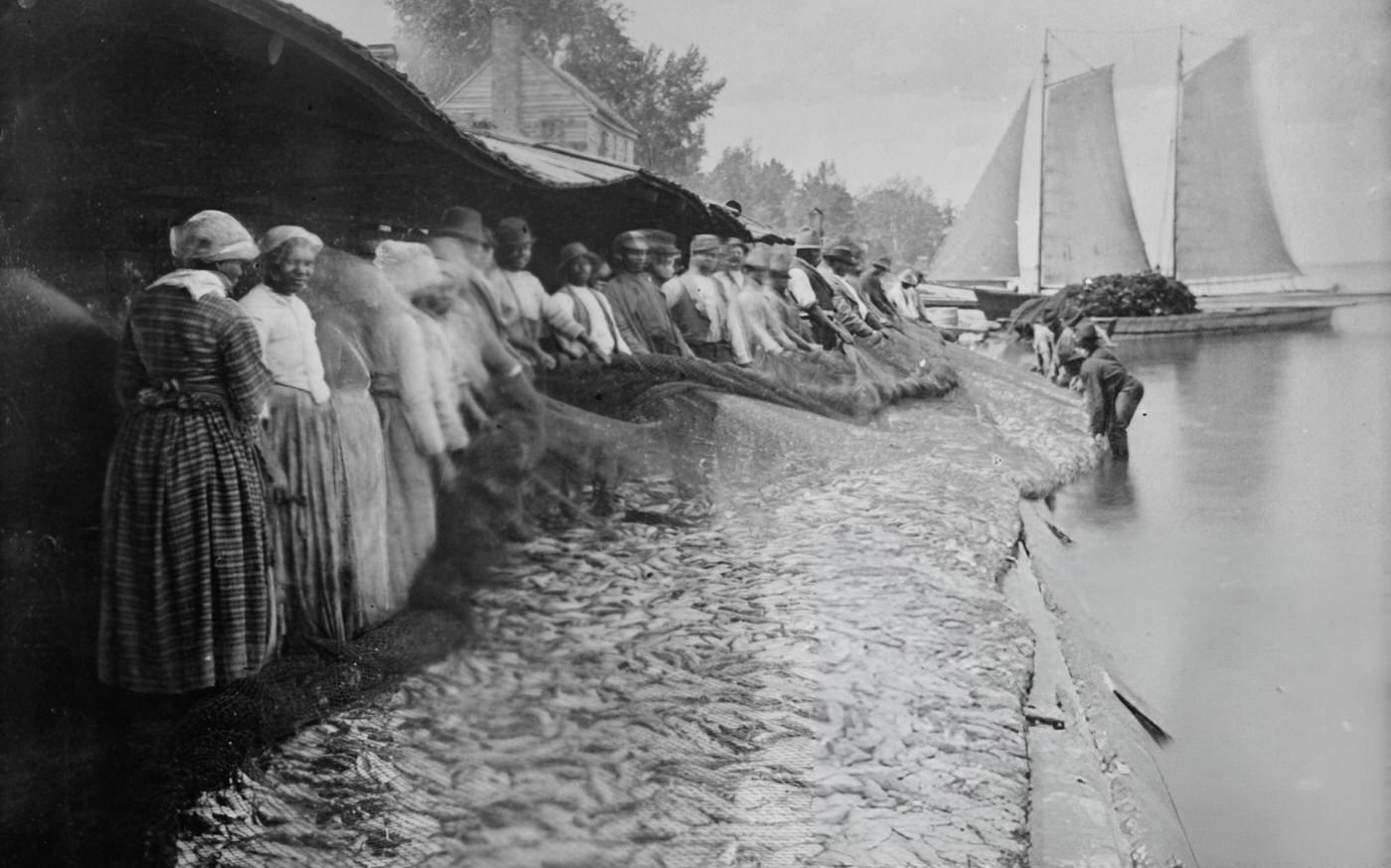
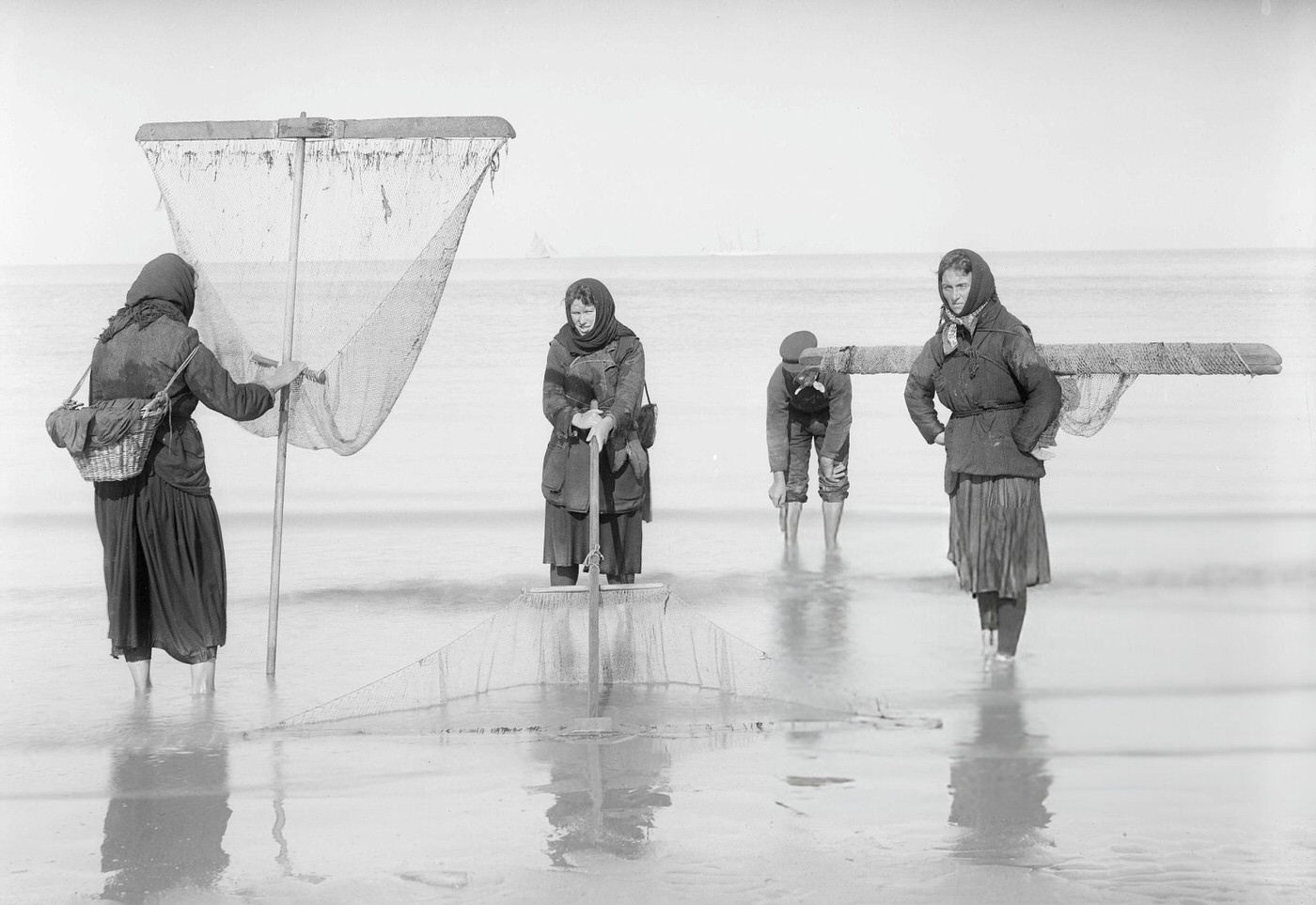
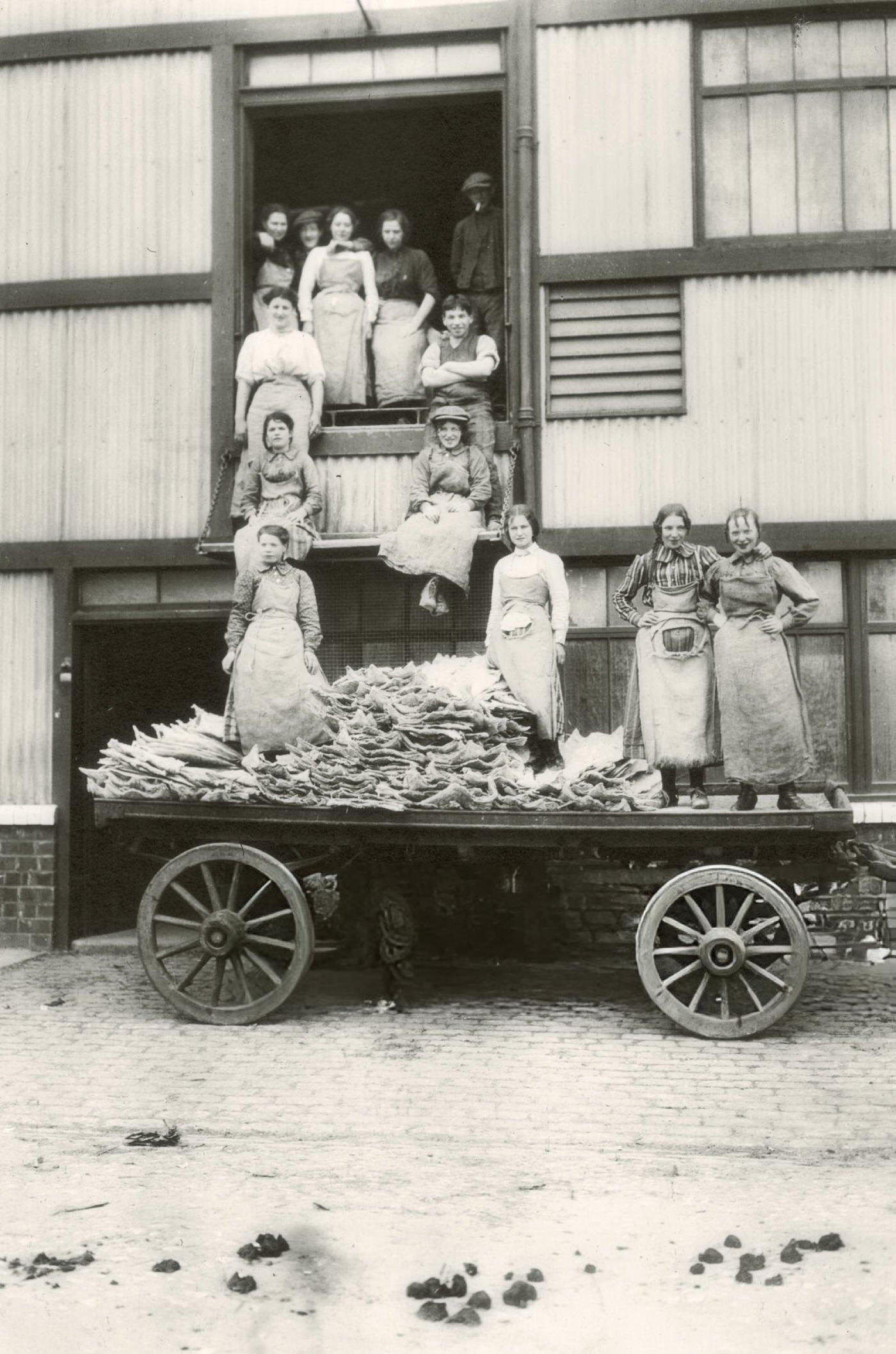
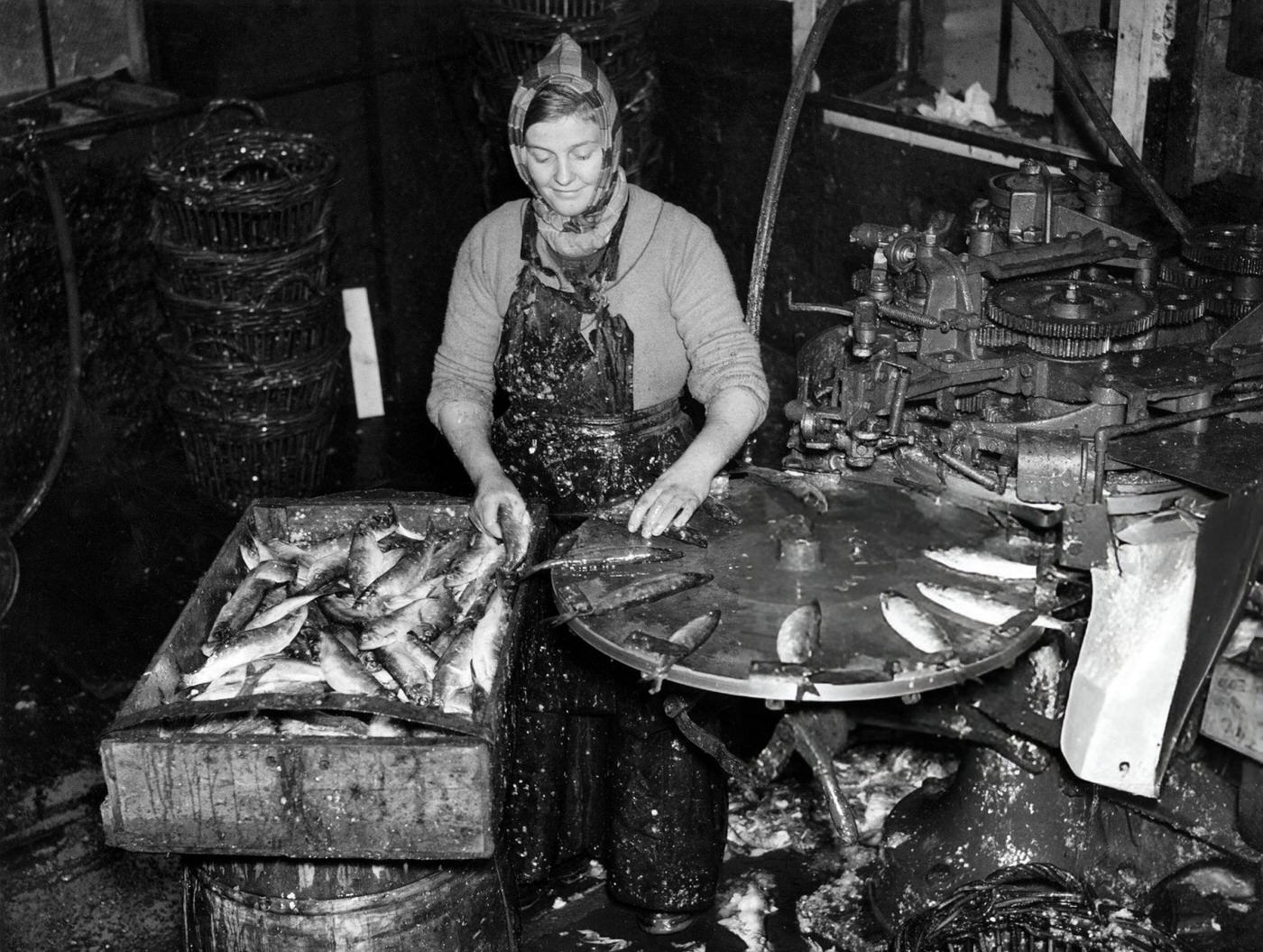
As industrialization reached the fishing industry in the 1930s and 1940s, women moved into canneries and mechanized processing plants. Machines took over some of the gutting and packing work, but women still operated the equipment and managed the production lines. The scale changed; the labor did not.
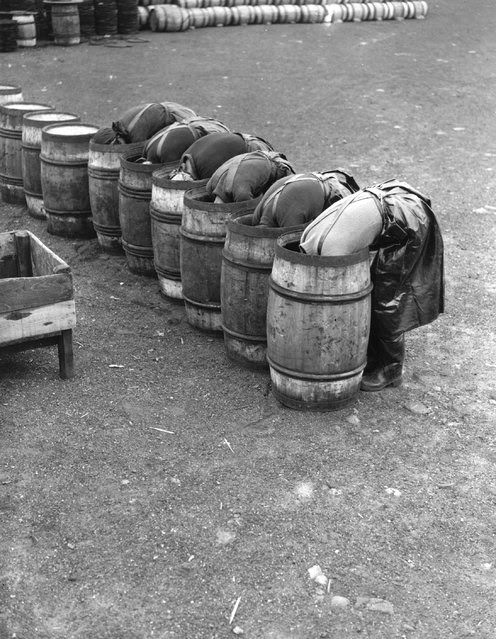
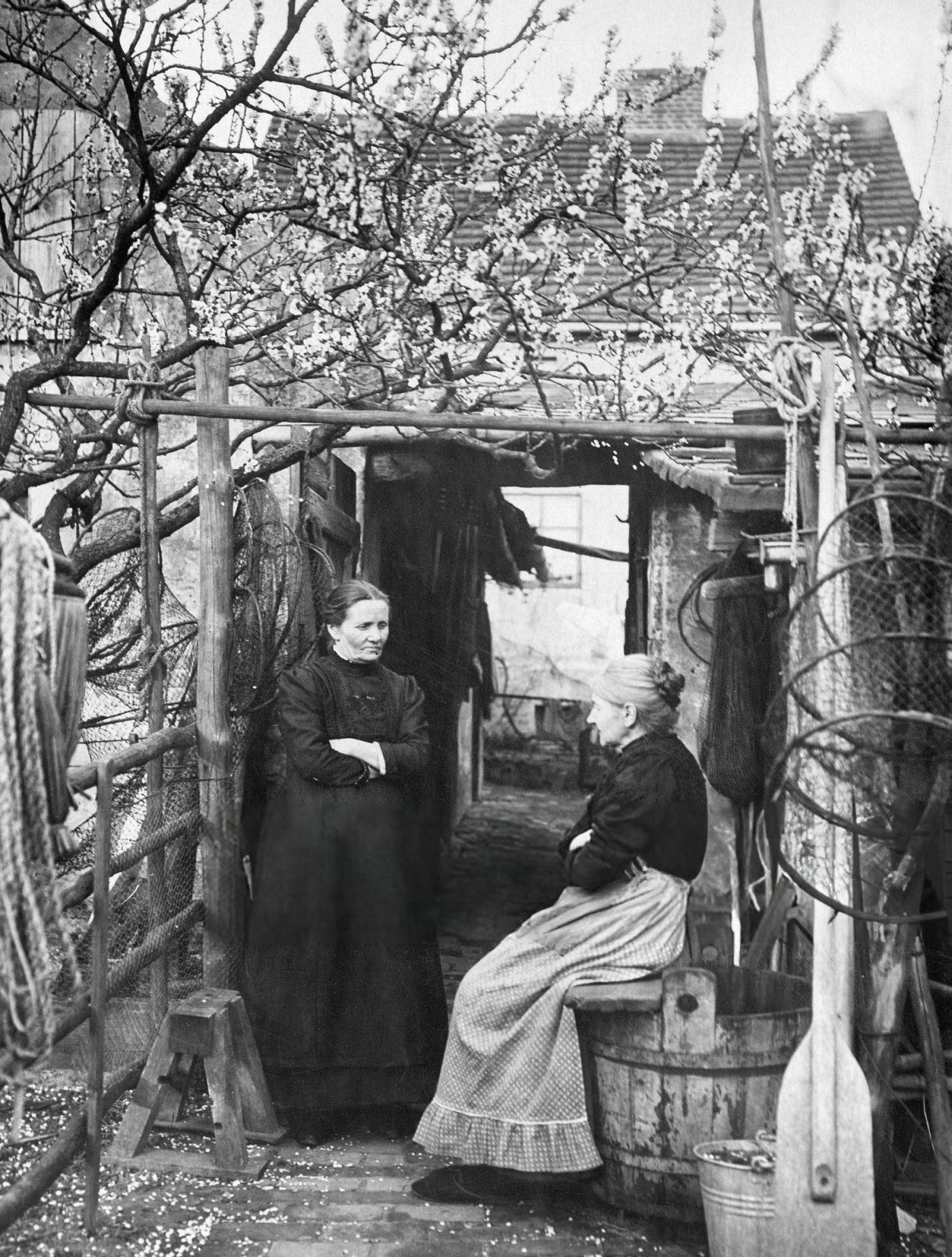
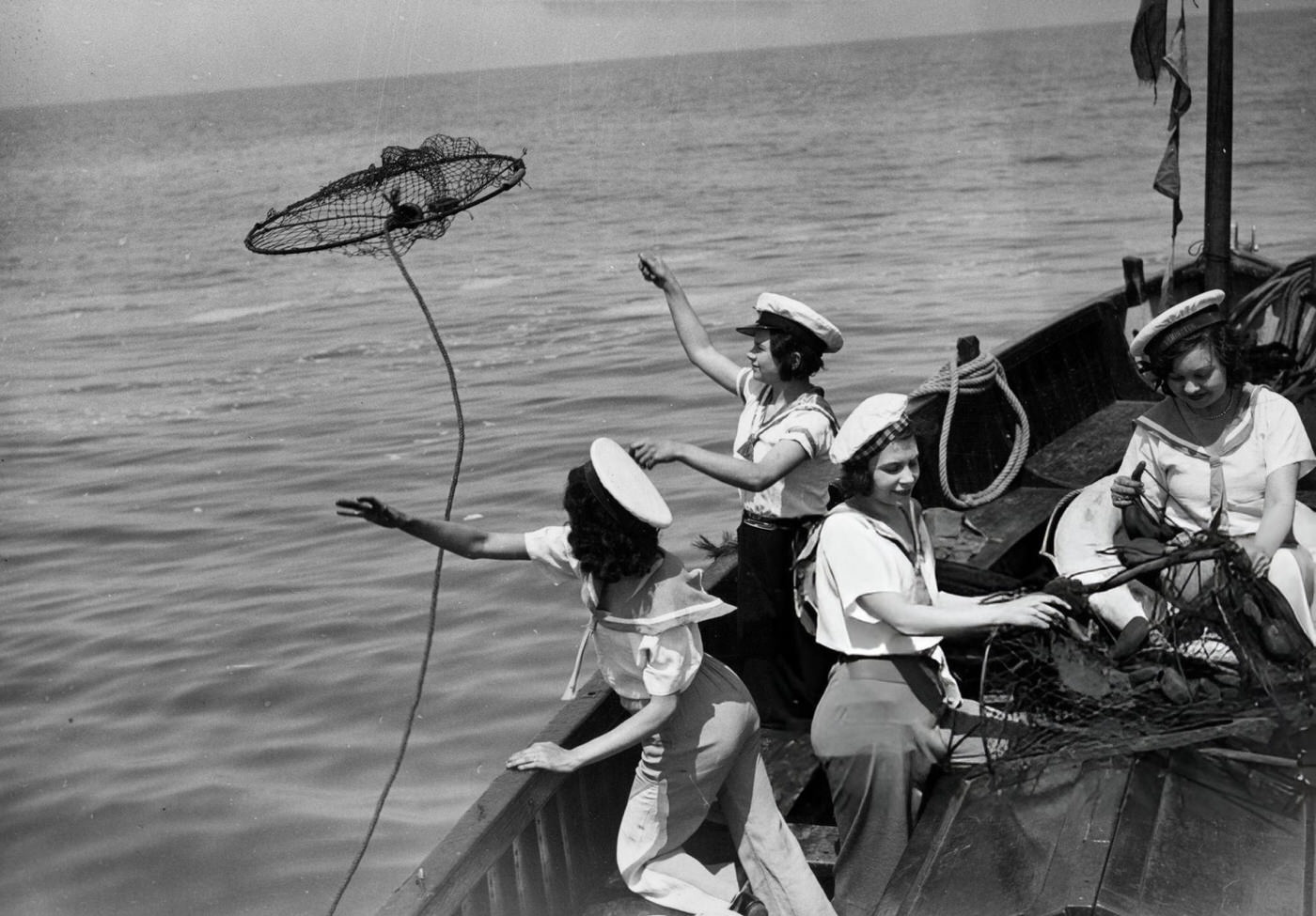
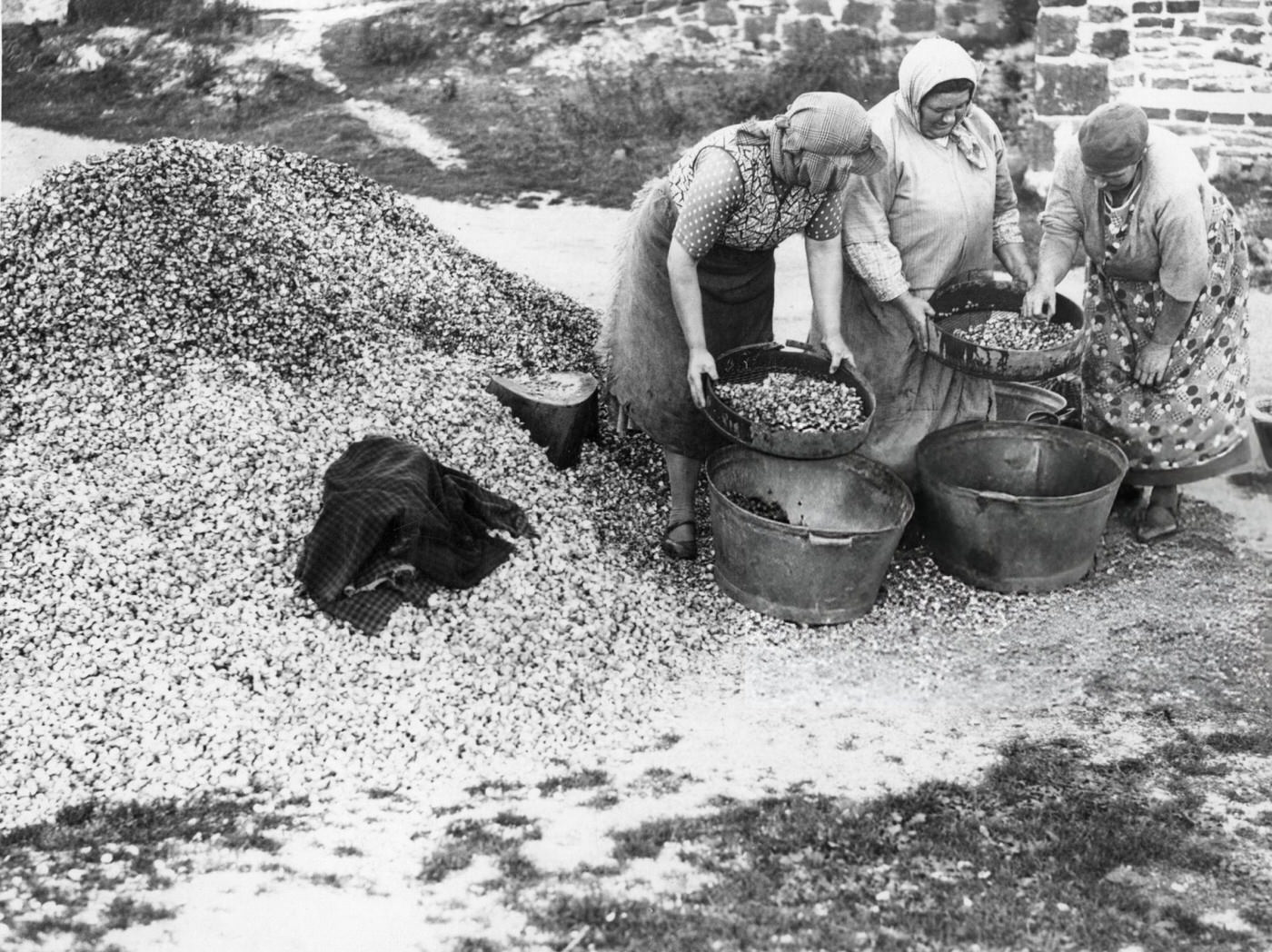
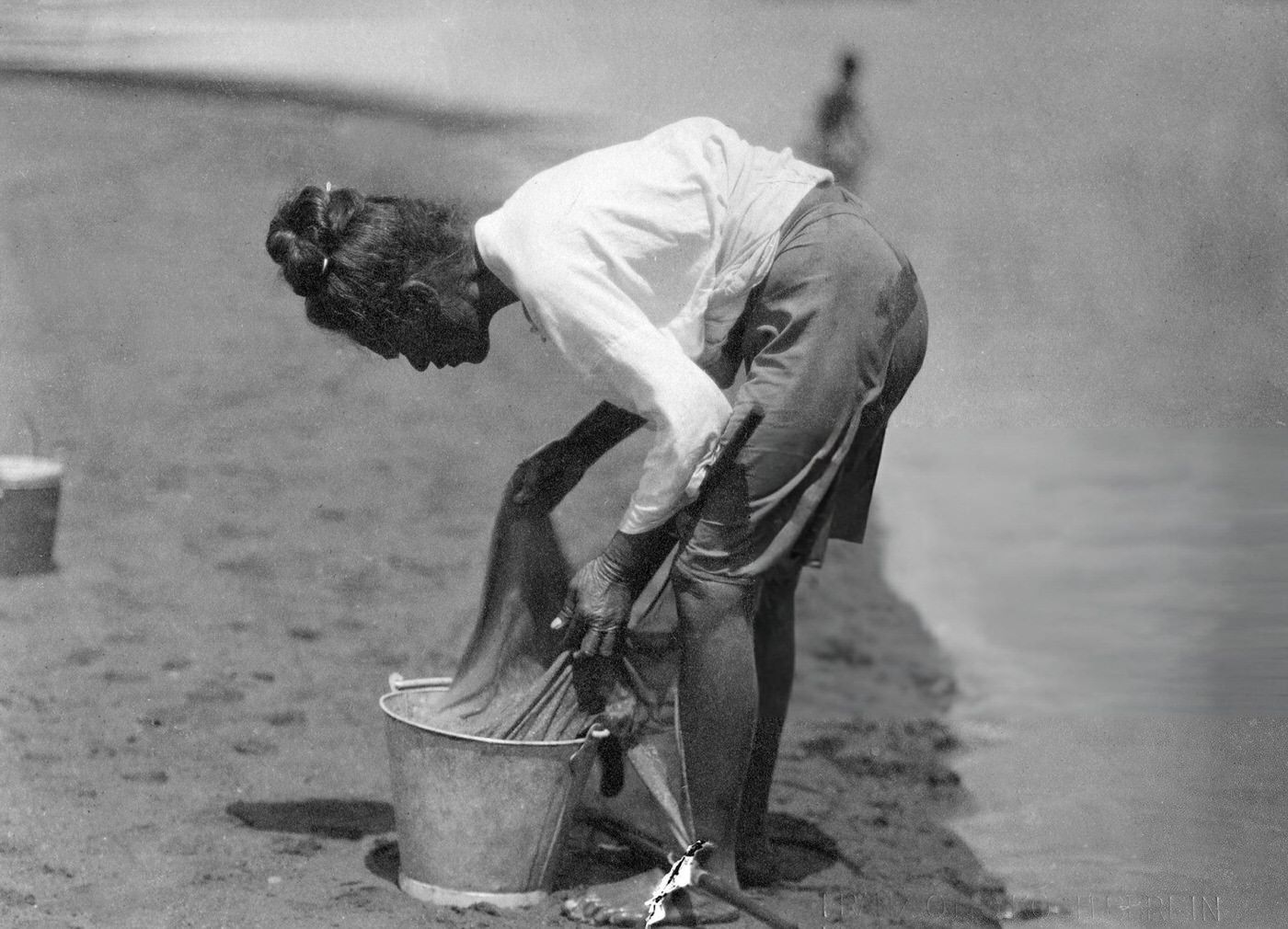
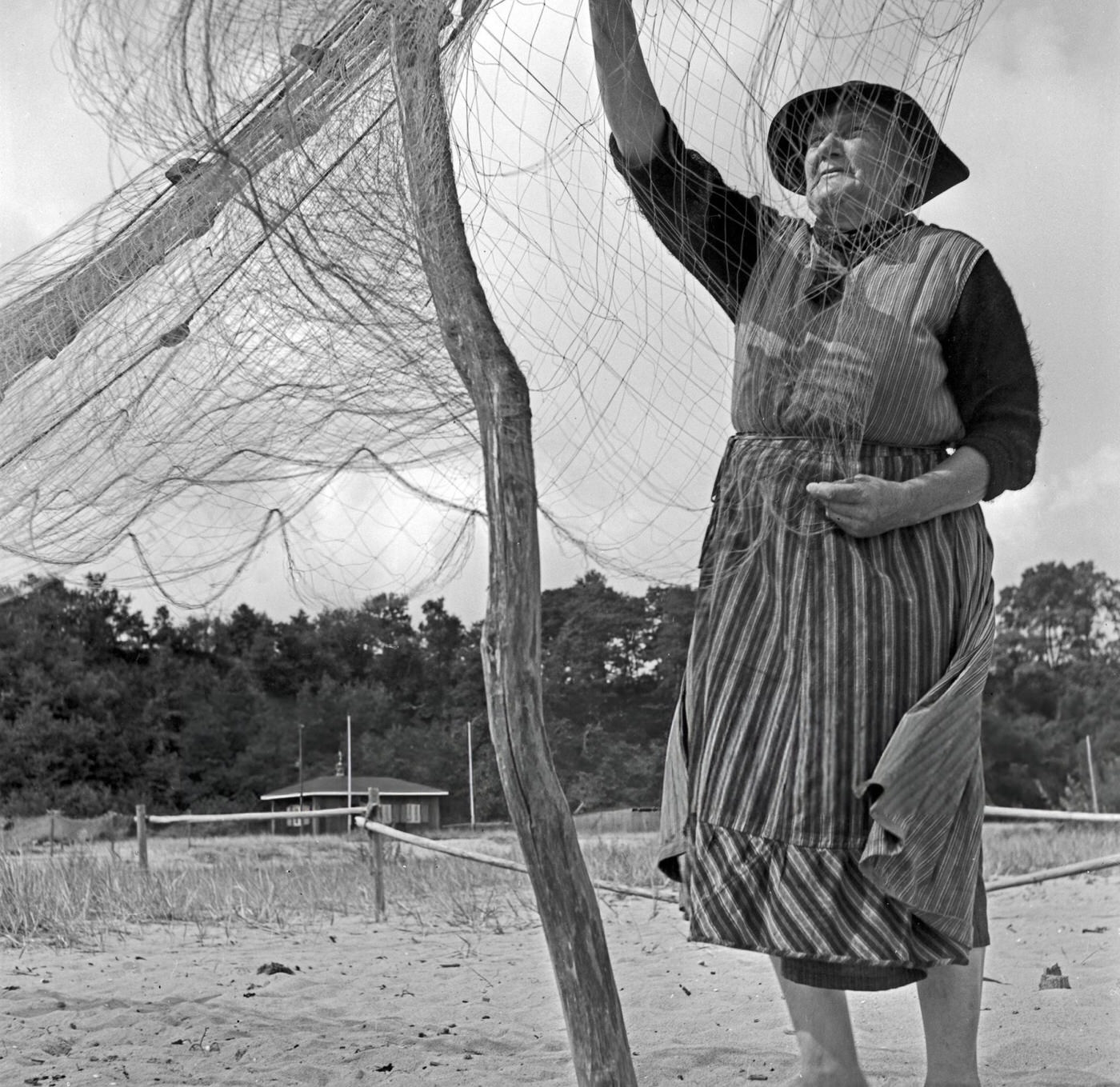
In Wales, the cocklewomen of Penclawdd gathered cockles from the Gower Peninsula’s tidal flats, a tradition that stretched back generations. In Hawaii, women emptied hand-cast nets on the shoreline. In Germany’s Baltic coast, a fisherwoman sorted her net alone on the dunes at Rositten in East Prussia. These women worked independently and in community, shaping regional fishing economies.
The gutting floors and smoking houses of the early twentieth century were tough environments. Women worked through cold, rain, and long hours. The work was also communal — groups of women working side by side created close-knit social bonds. Seasonal migrations to ports like Yarmouth brought women from Scotland to England for months at a time, building friendships and rivalries that lasted for years.
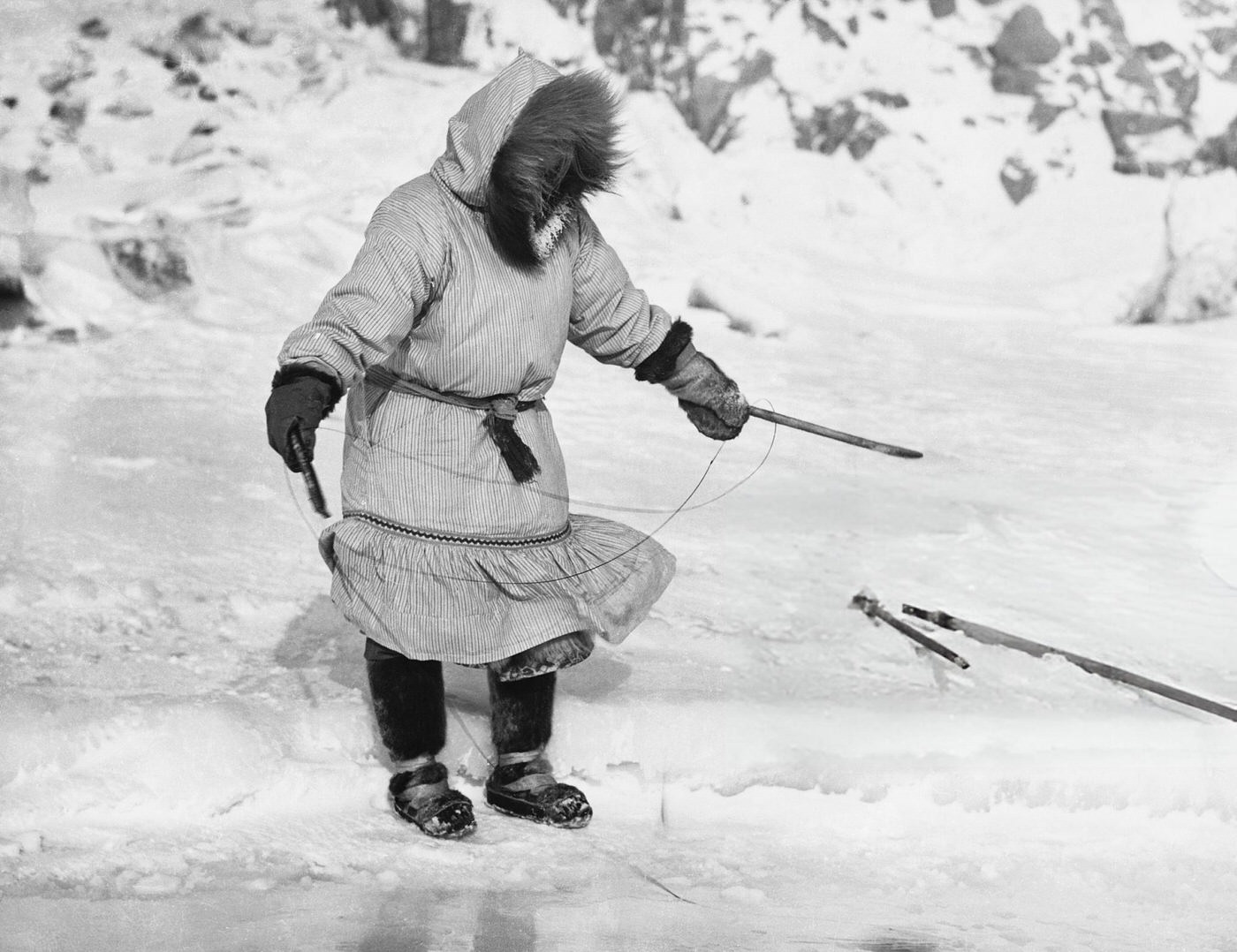
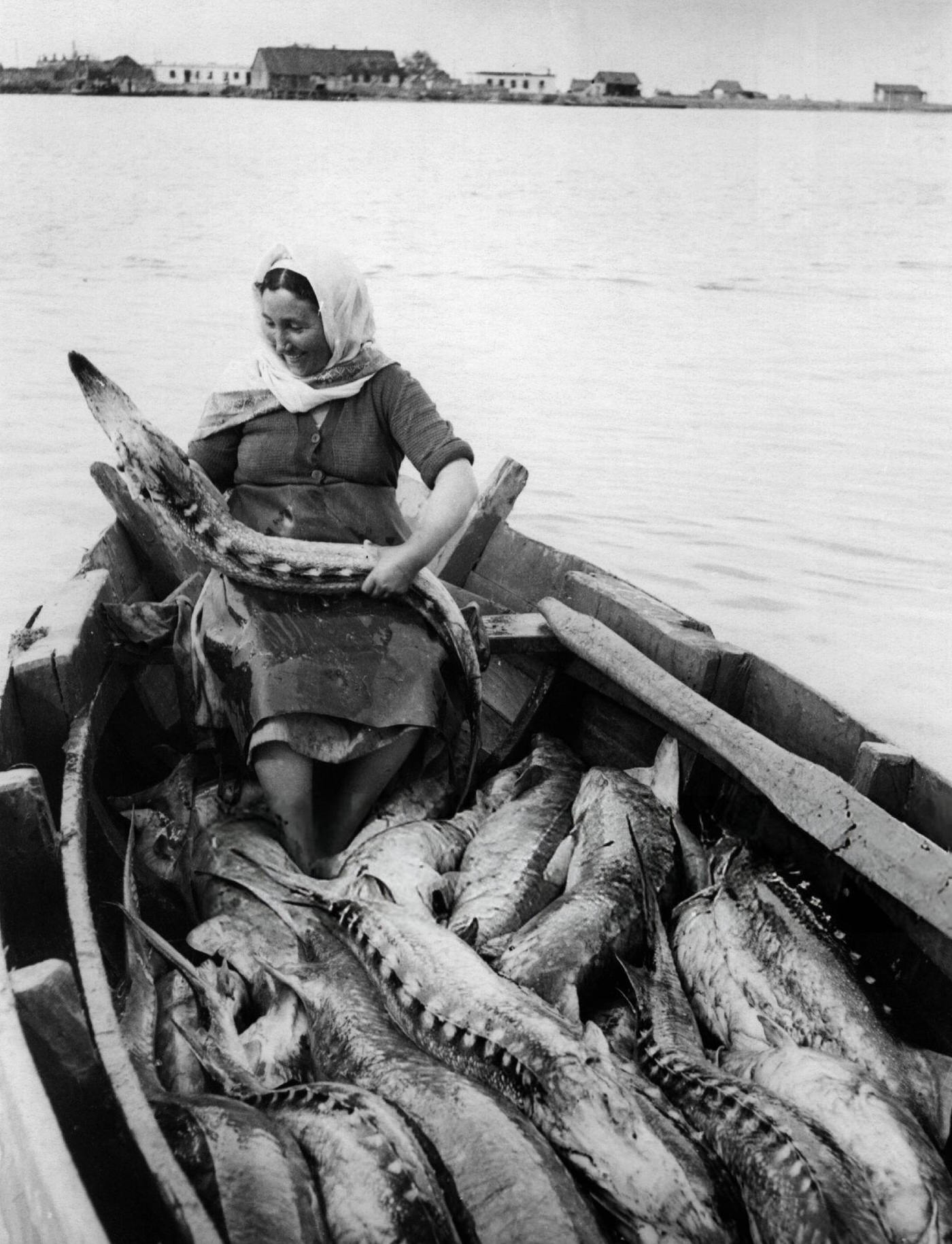
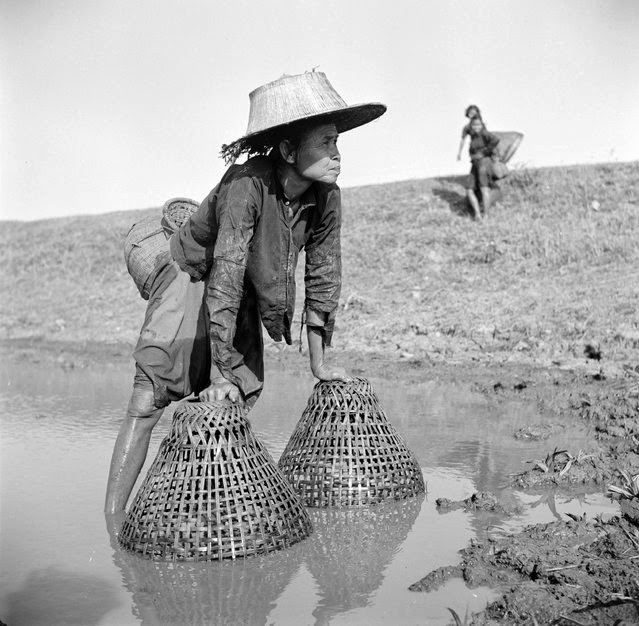
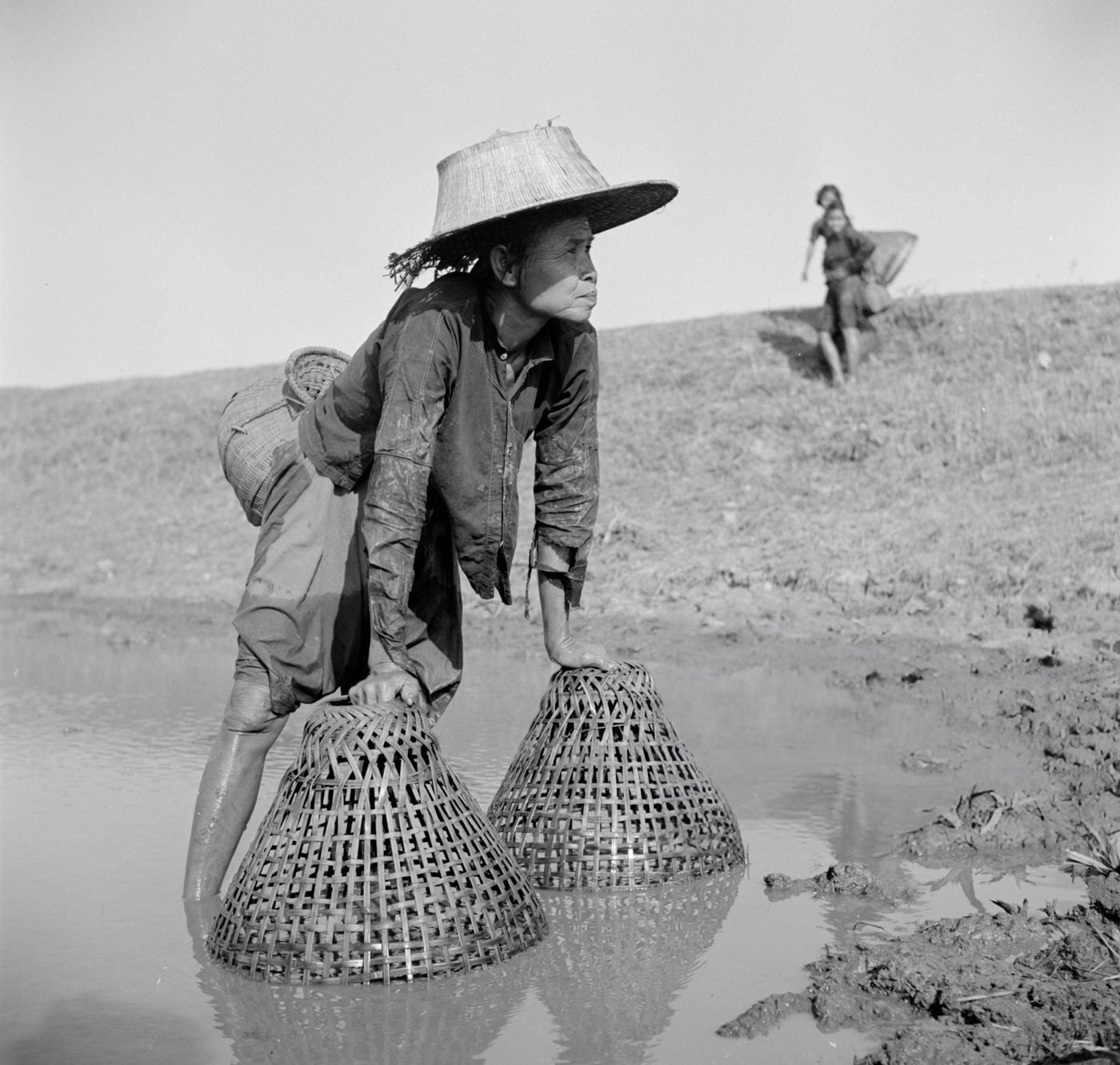
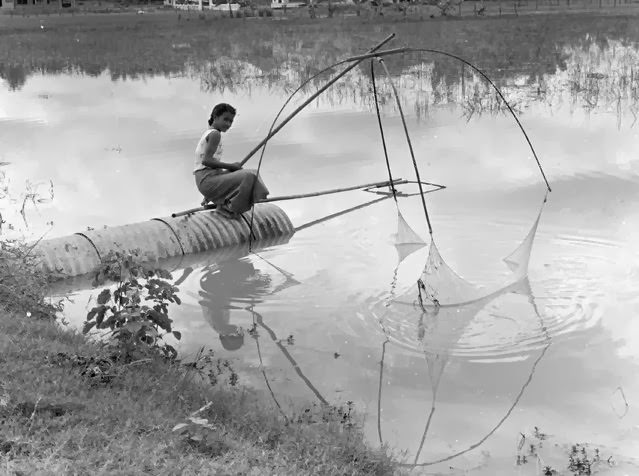
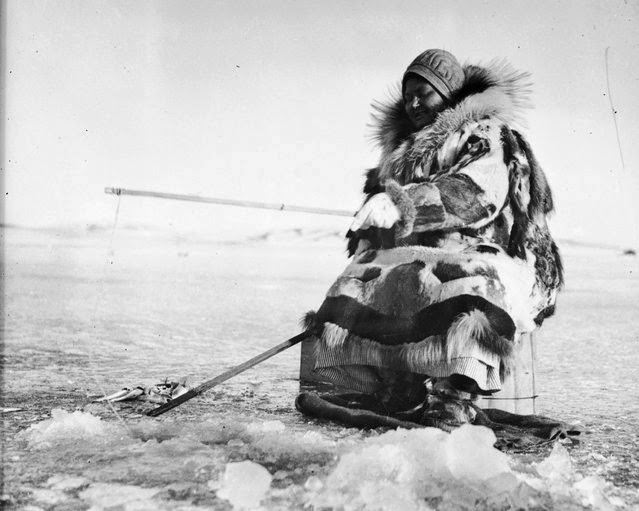
Not all fisherwomen worked in the industrialized herring trade. Some worked with simpler methods on rivers, canals, and inland waters. In Thailand, an elderly woman used traditional baskets to fish for plaice in a canal. In Laos, a woman fished from within a residential section of Vientiane. In Alaska, a Sami woman fished through a hole cut in the ice.
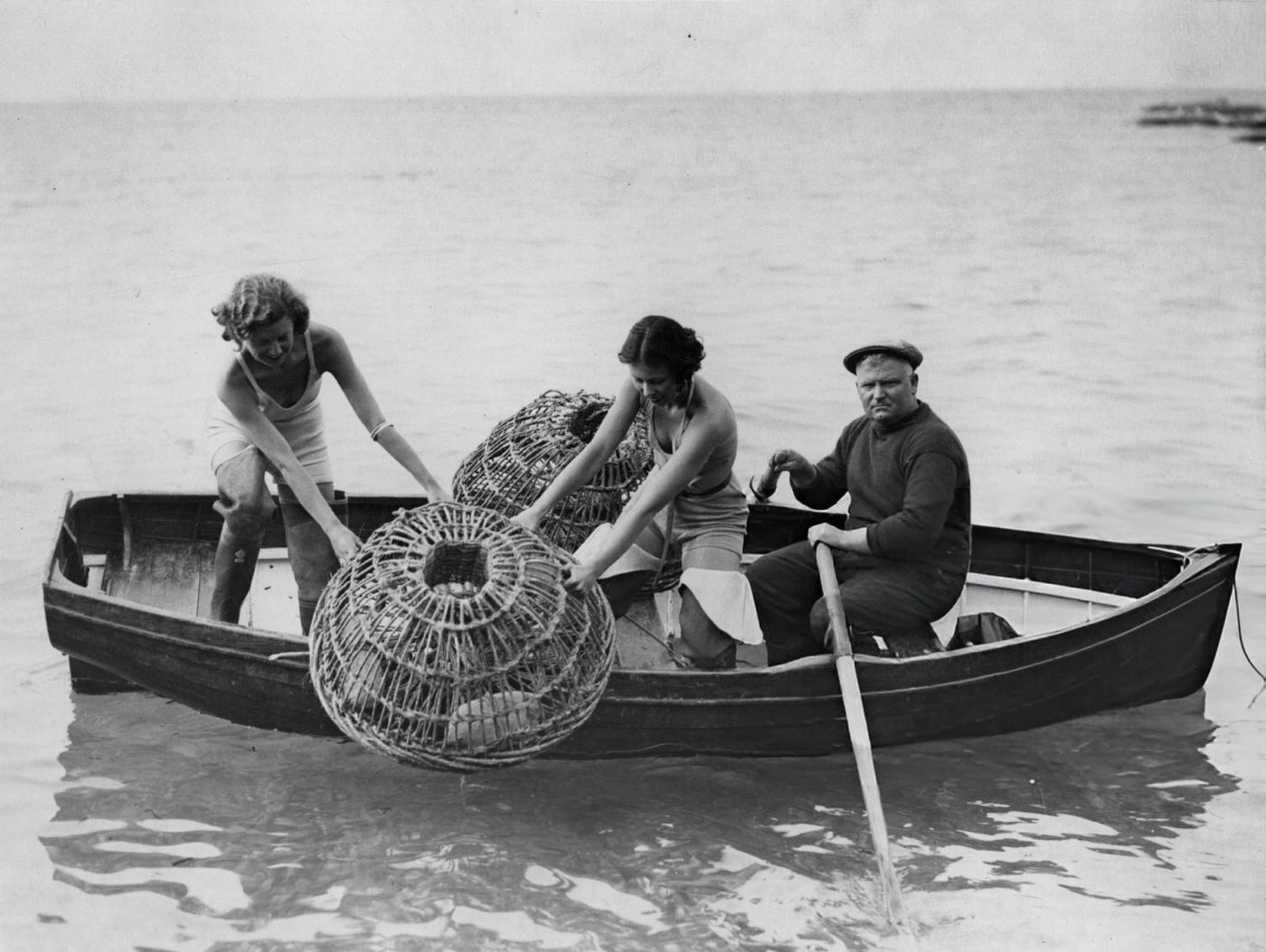
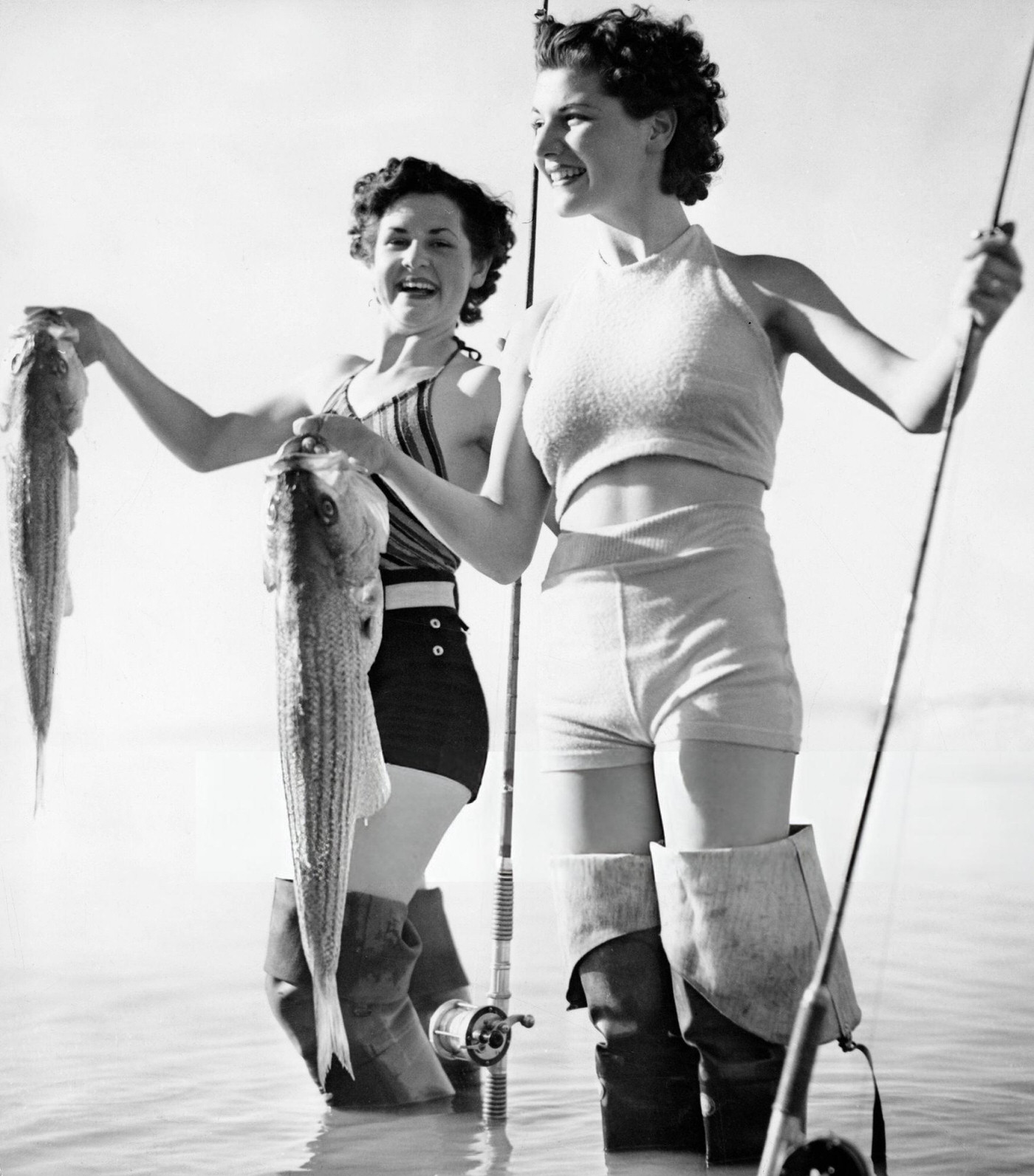
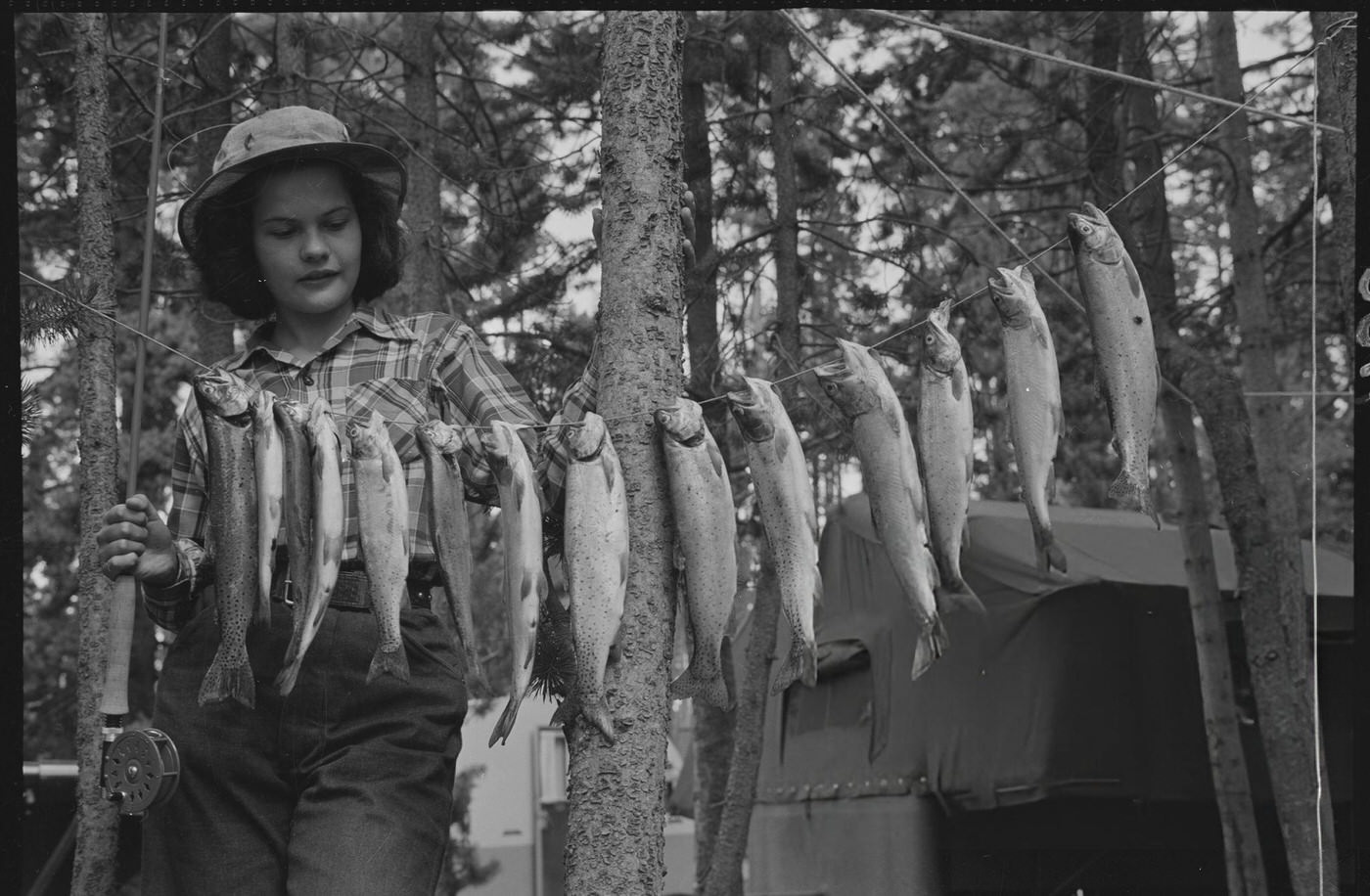
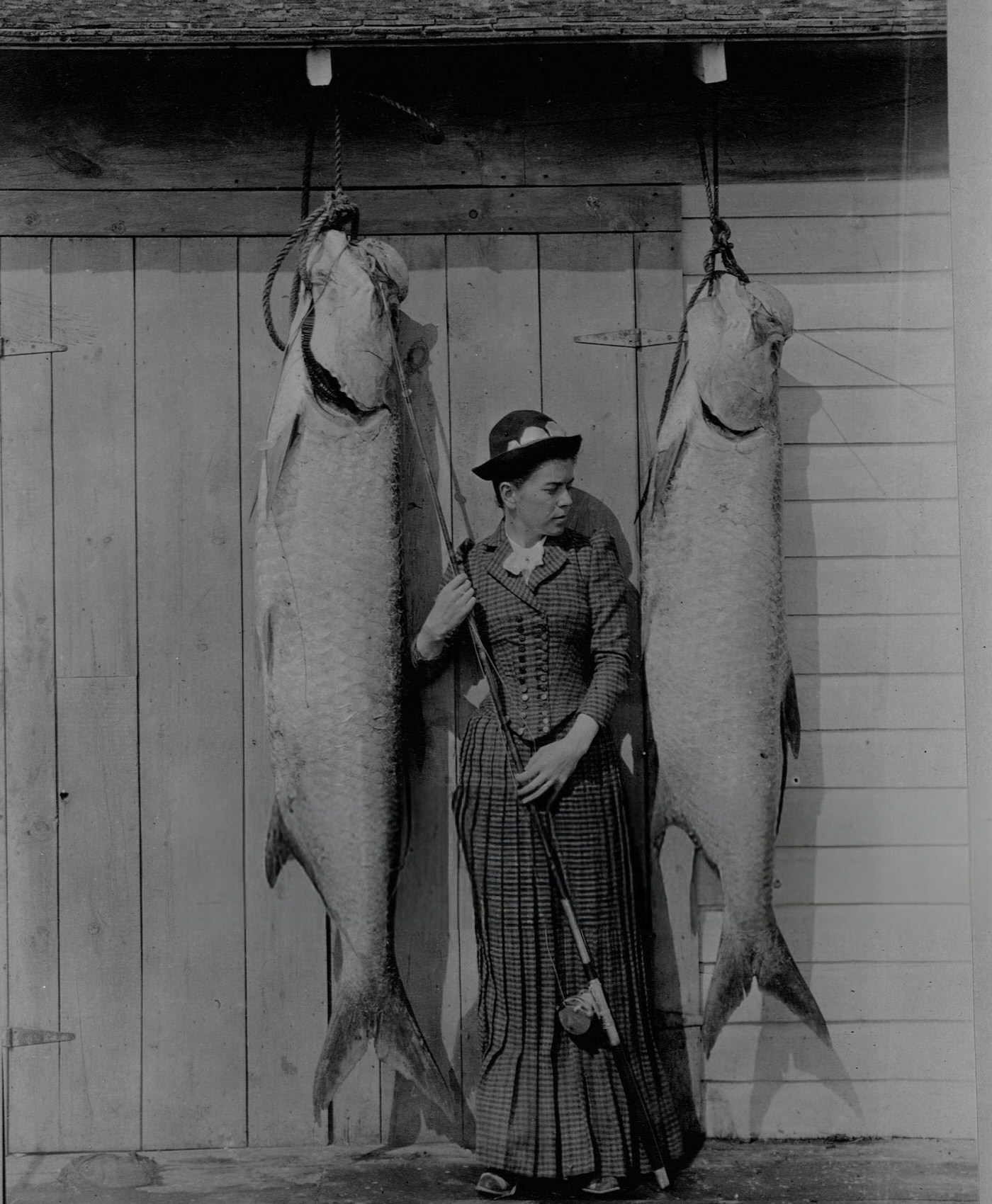
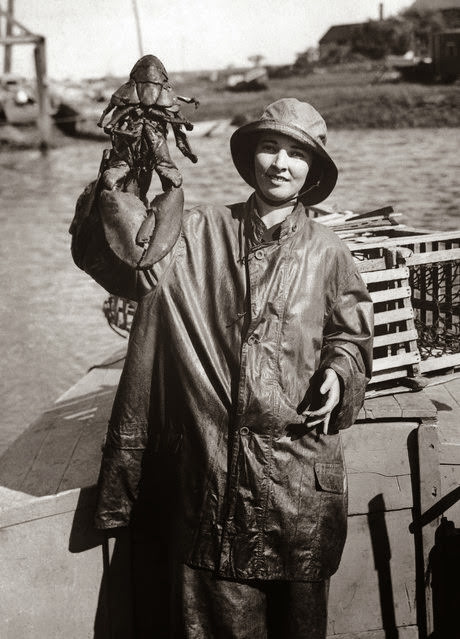
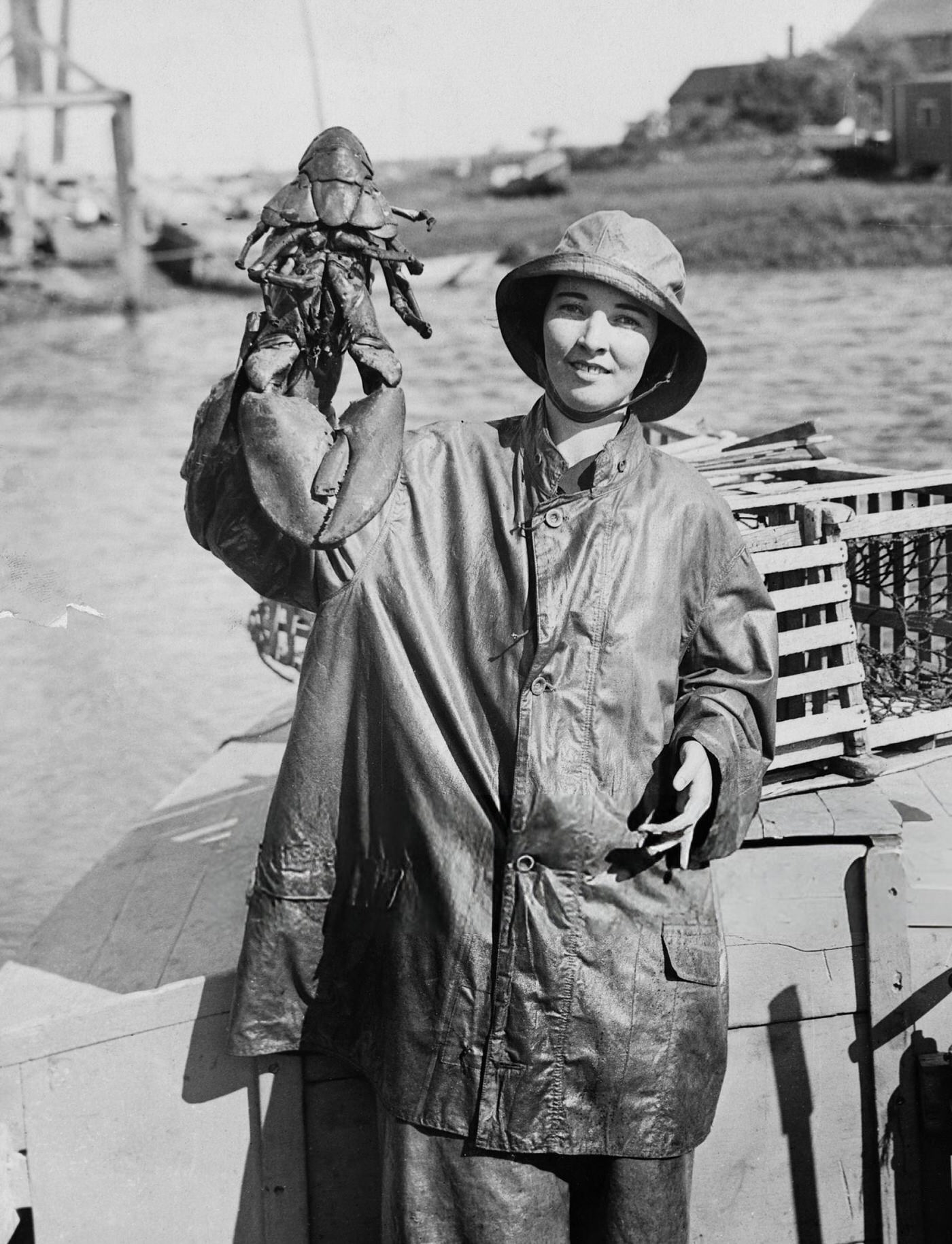
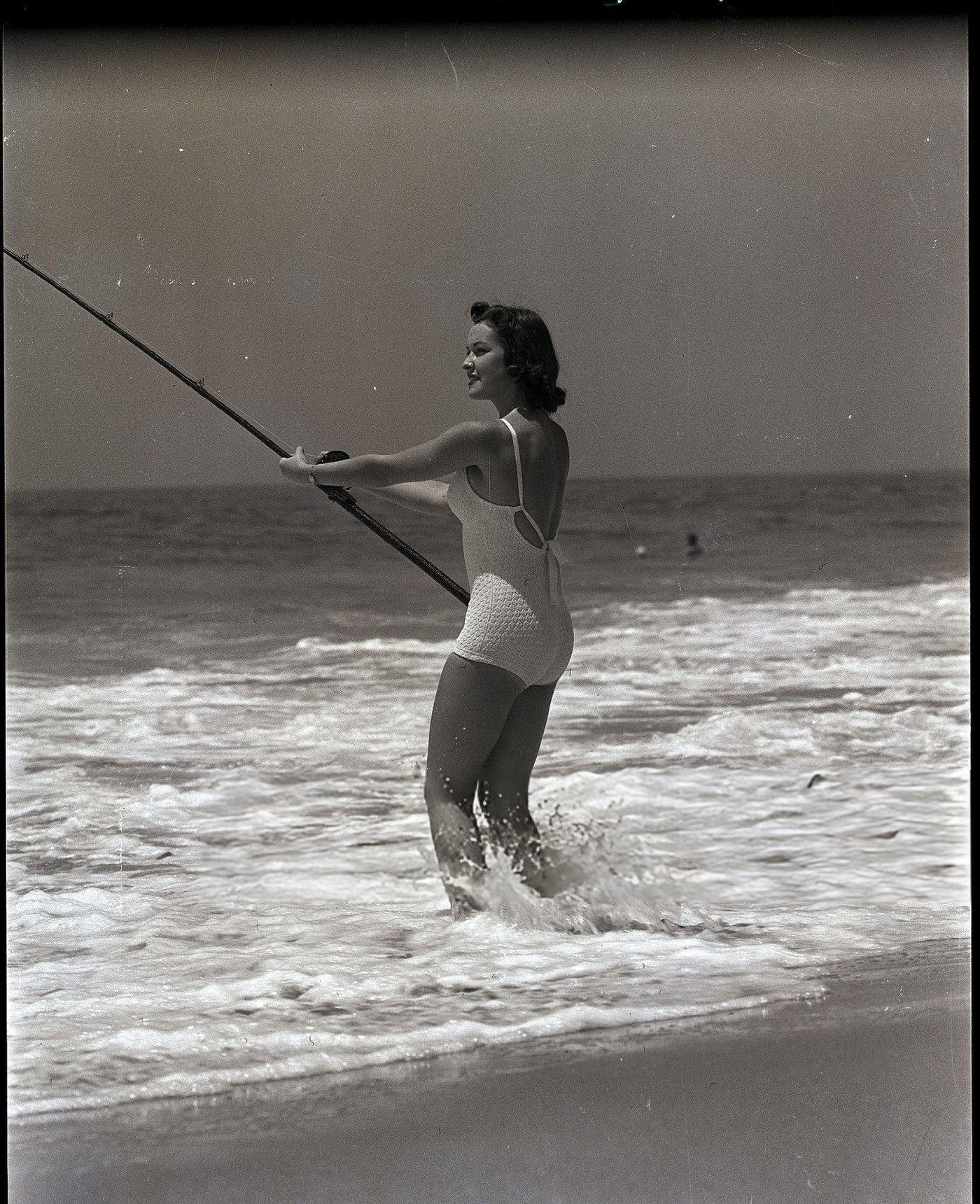
Women also pursued fishing recreationally, as sport fishing grew in popularity through the mid-twentieth century. From surf fishing on New England beaches to lobster trapping on the Atlantic coast, women participated as both professionals and enthusiasts. Lobster fishing, long considered a particularly demanding commercial occupation, was practiced by women like Storsely Manner of Rye Beach, New Hampshire.
The Cornish fishing port of Newlyn and the nearby village of Mousehole were known for pilchard curing — a major industry in southwest England. Women pressed and packed pilchards in salt in large stone courtyards called “fish cellars,” stacking fish in precise formations to maximize preservation. The cured pilchards were then exported to Italy and Spain, where they were a staple food.
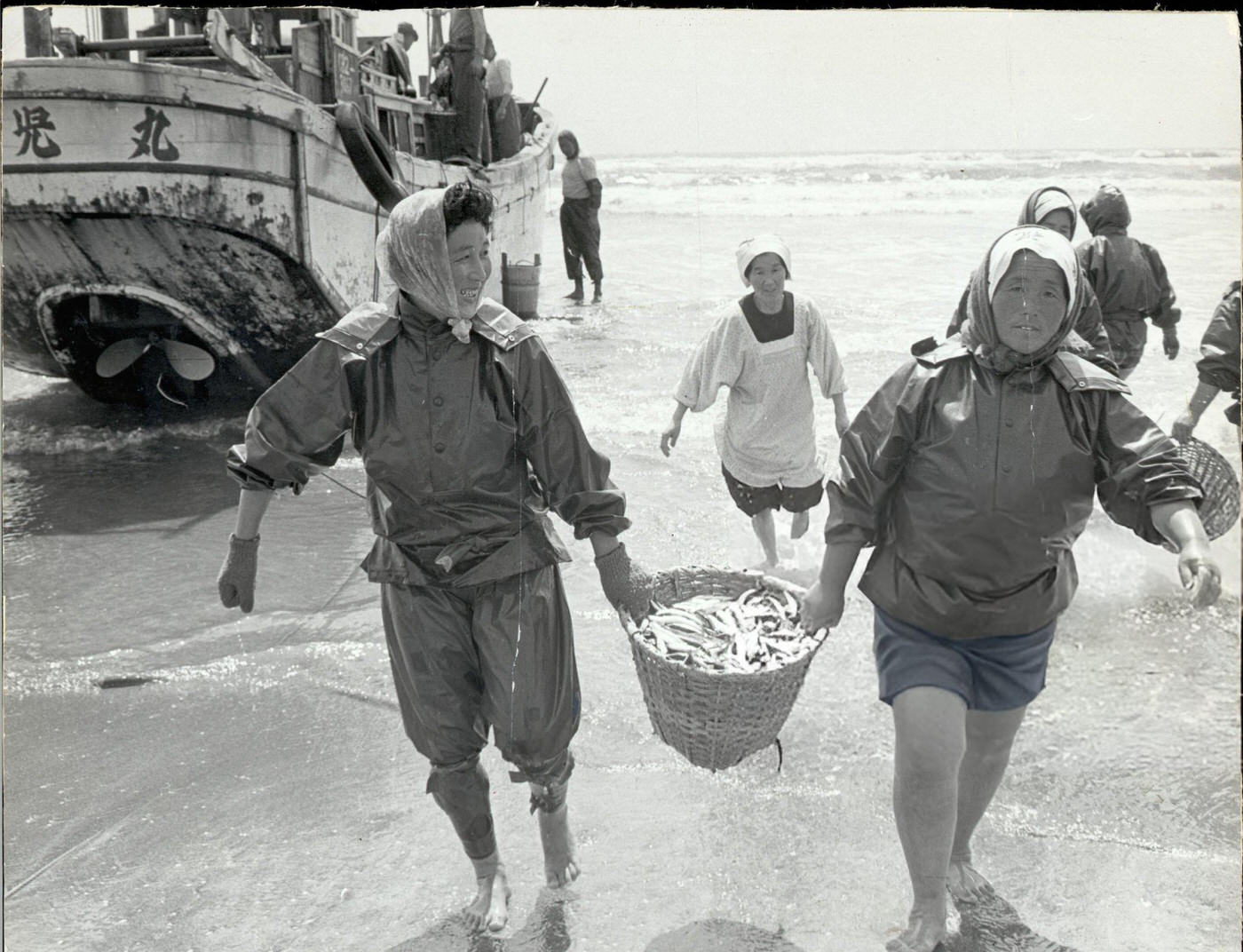
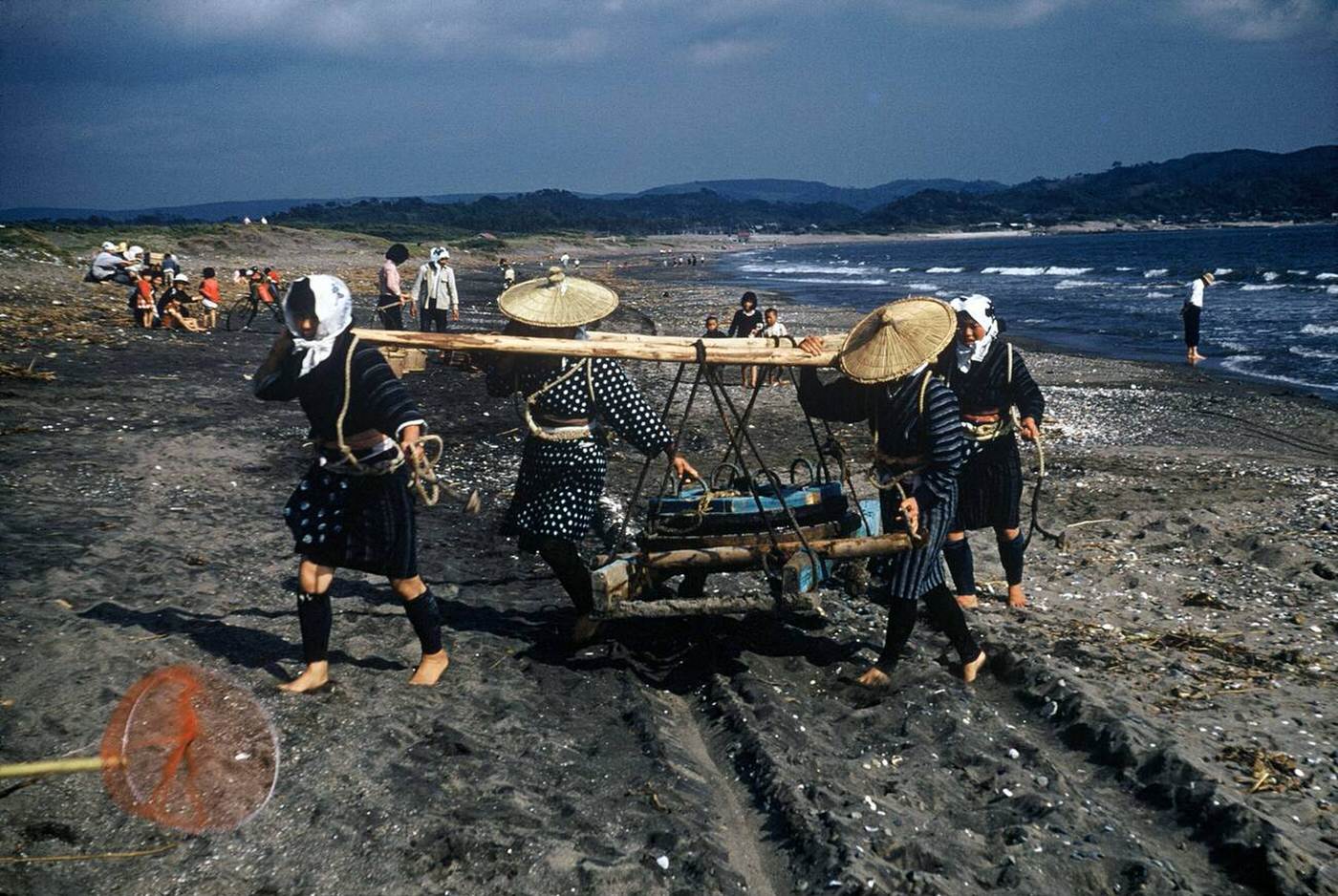
The photographs taken in Japan during the 1950s show a fishing culture that still carried strong traditional elements alongside modern influences. At Honmoku beach in Yokohama, women worked the shore as they had for generations. Near Onjuku in Chiba prefecture, skin divers prepared for the water in a scene little changed from what it would have looked like a century earlier.
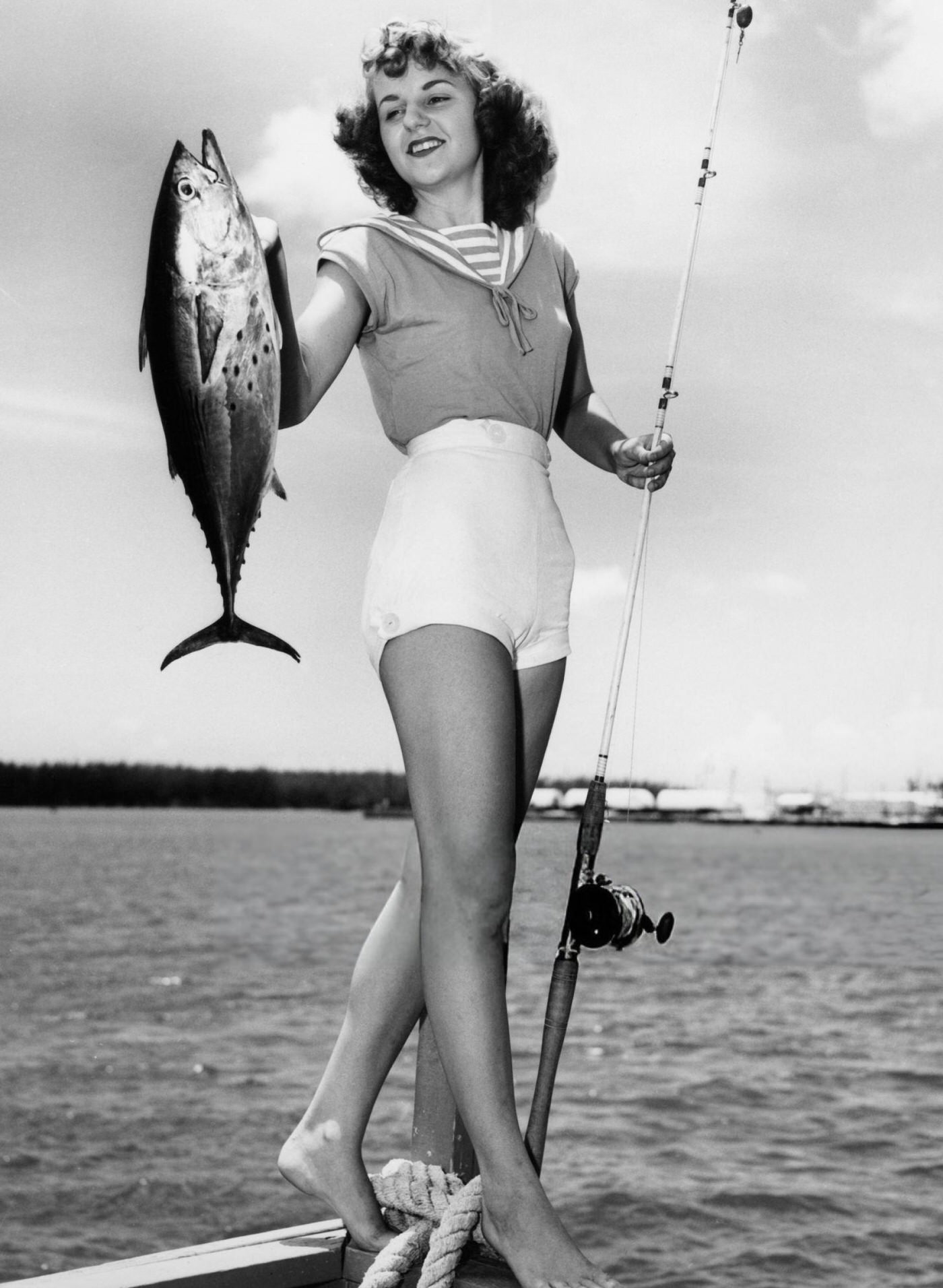
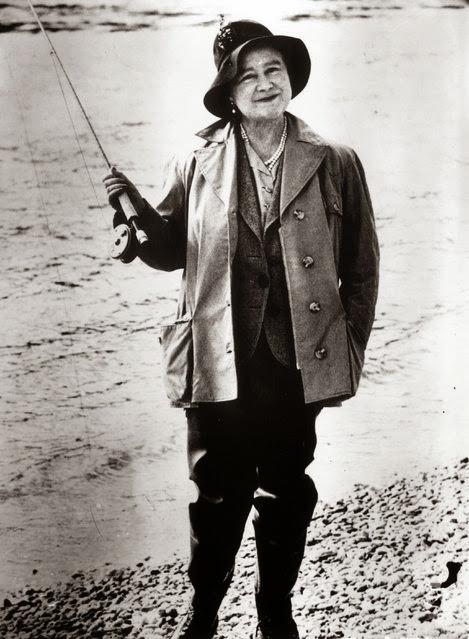
Some images in this collection capture women outside of formal fishing occupations — tourists who helped haul a lobster catch, film actresses posing with rods, and even Queen Elizabeth the Queen Mother fishing for rainbow trout on the Waikato River in New Zealand in 1966. These photographs sit alongside professional fisherwomen, a reminder that fishing connected women of very different circumstances to the same activity.
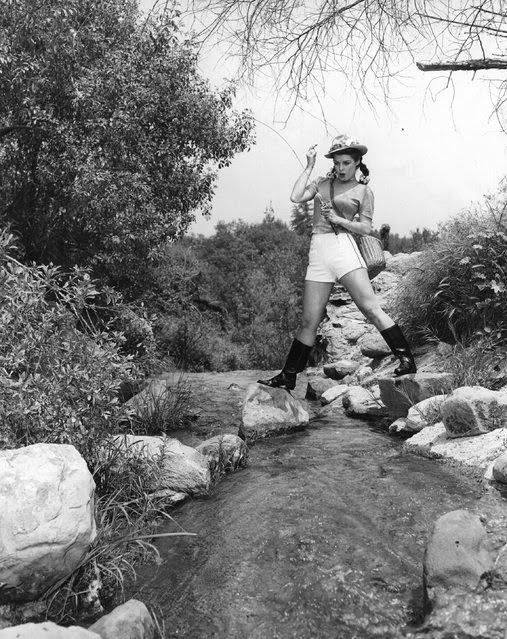
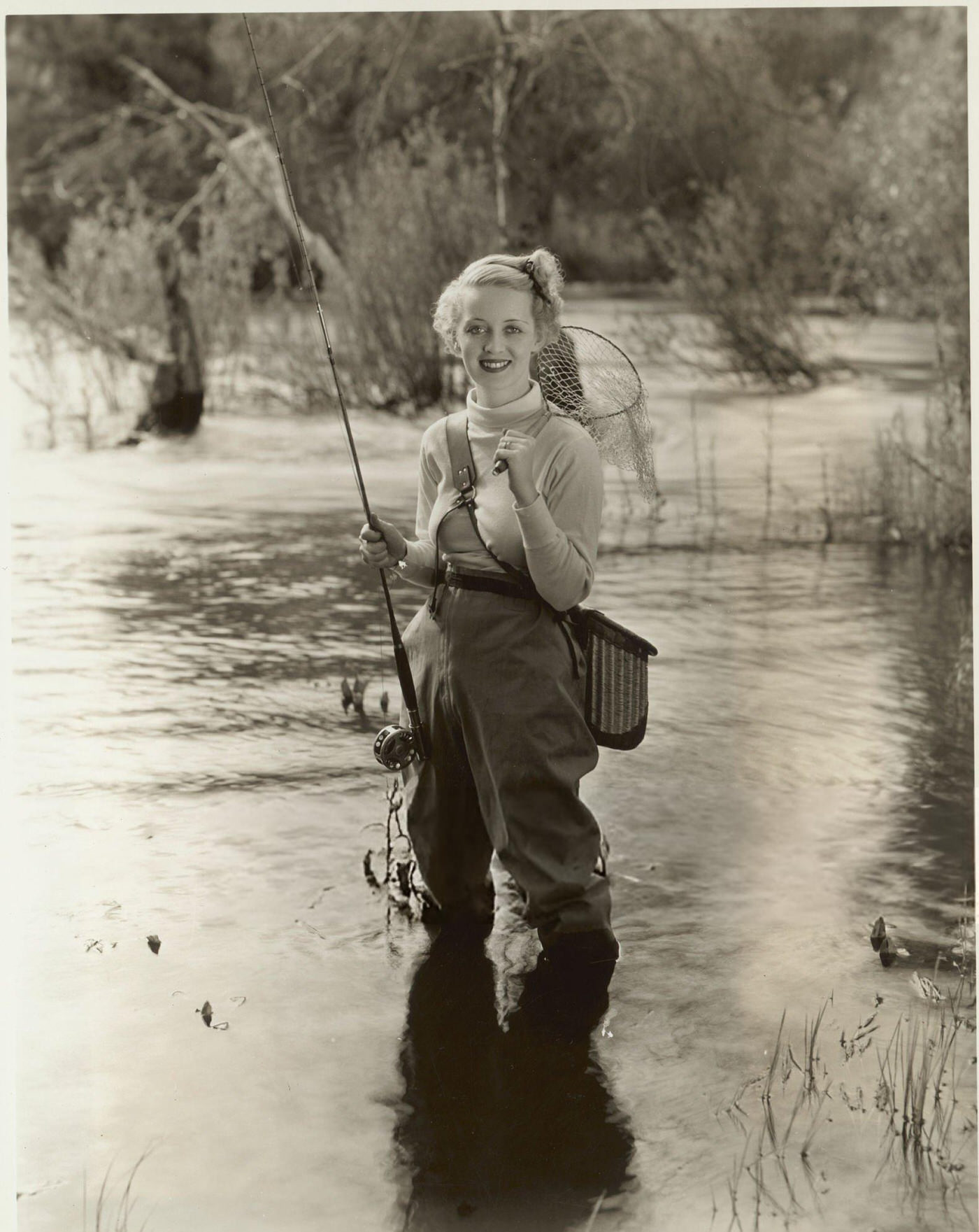
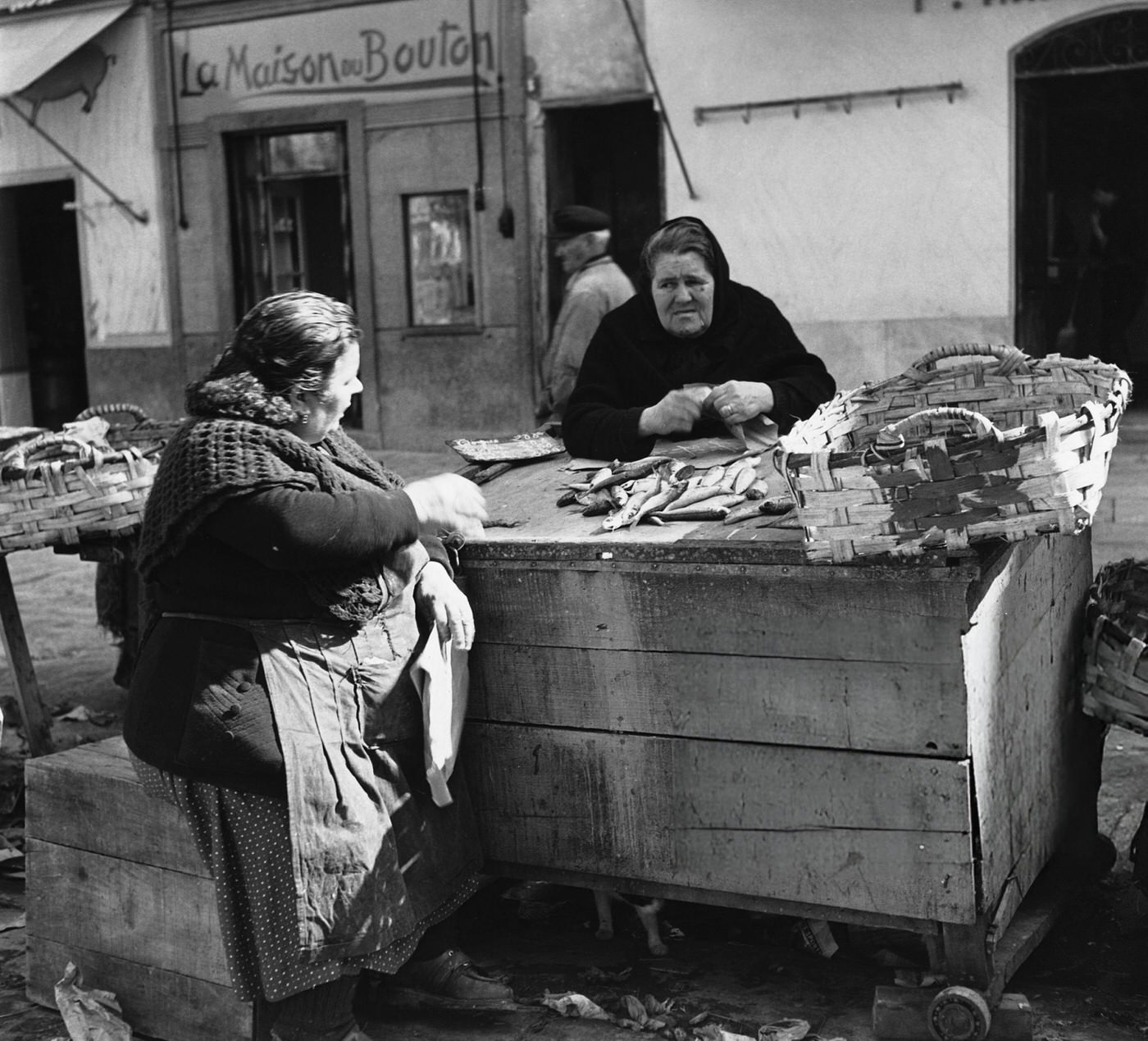
Gutting fish on Corsica, hauling nets near Tokyo, working cannery lines in the 1940s — the variety of roles captured in these photographs spans continents, decades, and cultures. What remains consistent across all of them is the picture of women engaged directly with the fishing industry, doing work that required skill, strength, and knowledge accumulated over lifetimes.