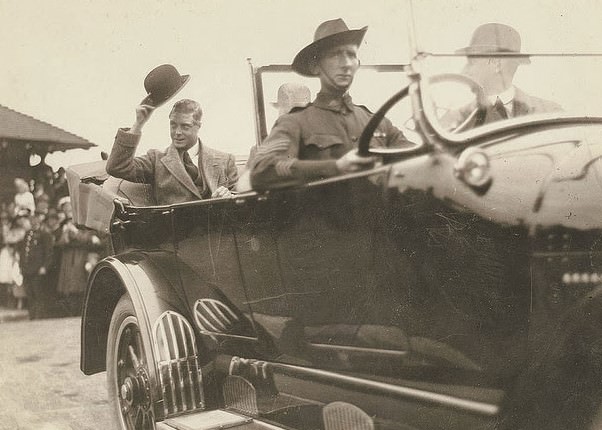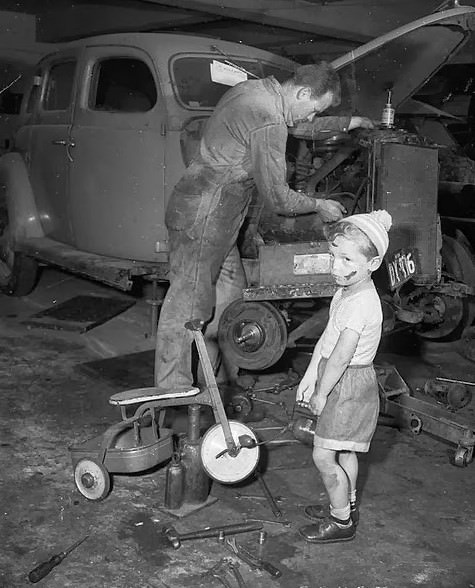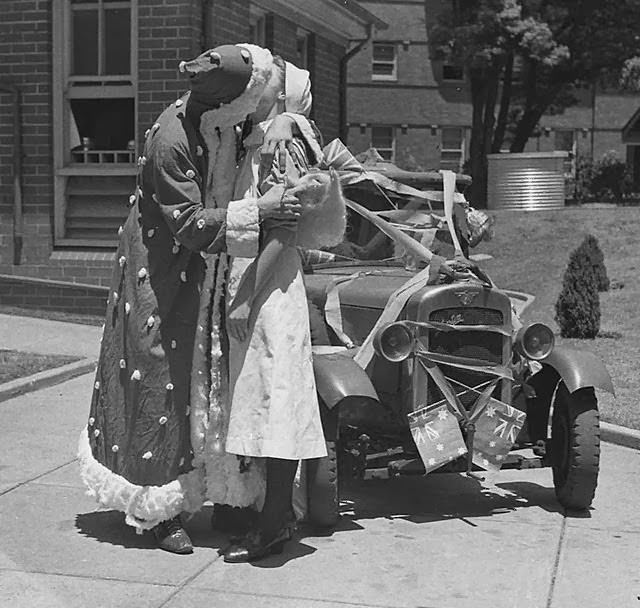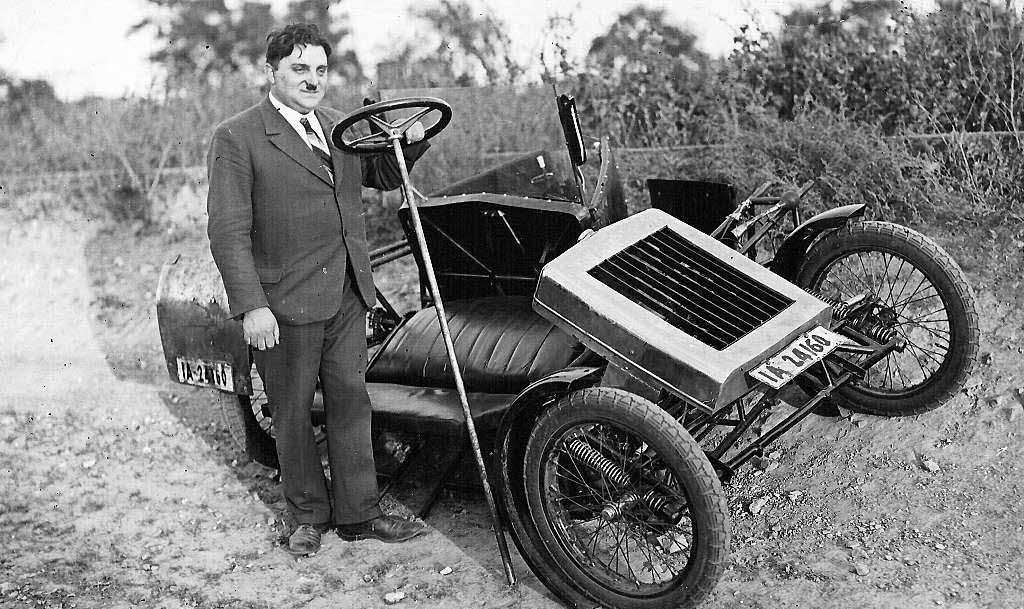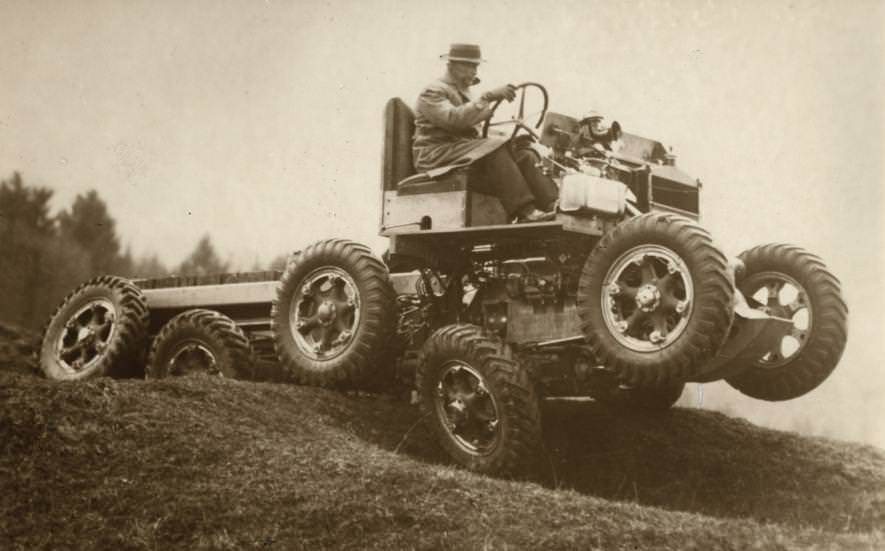
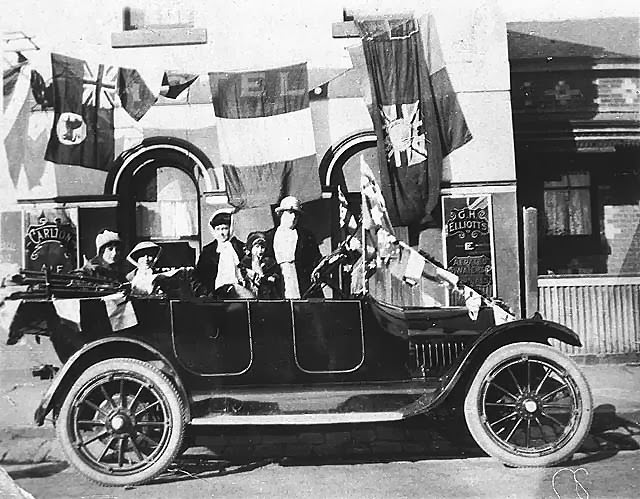
In the early 1900s, most Australians still moved around by horse, train, or on foot. Then the automobile arrived — and nothing about travel would ever be the same. These first cars were strange-looking machines that resembled horse-drawn carriages but had an engine bolted underneath. Large thin wheels, open tops, and wooden frames made them look more like furniture than vehicles. Passengers sat fully exposed to wind, dust, and rain.
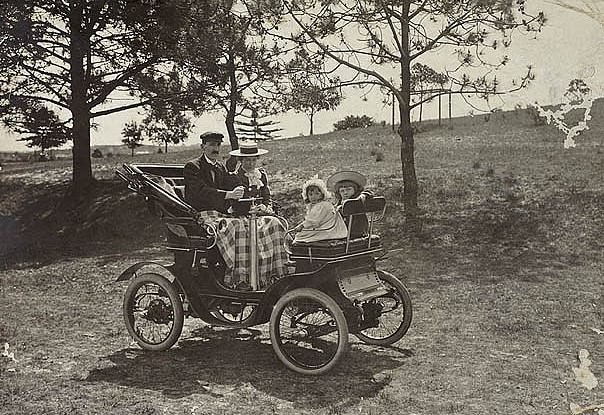
Owning one of these early automobiles was a privilege reserved for the wealthy. Almost every car had to be imported from England, France, or the United States, which pushed prices far beyond what ordinary Australians could afford. A de Dion voiturette, like the one owned by the Perier family, was a typical early model — small, lightly built, and more of a novelty than a practical machine. Businesses and well-off families made up the bulk of early car owners.
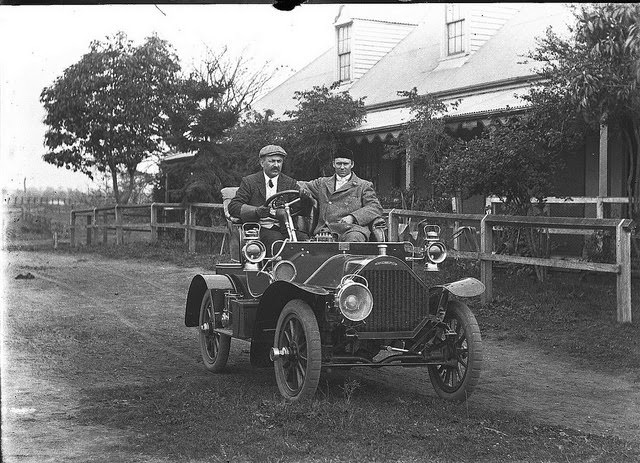
Outside the major cities, Australian roads were brutal on these fragile machines. Dirt tracks turned to thick mud after rain and clouds of choking dust in dry weather. Flat tires were common and exhausting to fix. Breakdowns happened regularly, and finding a mechanic in a rural area was nearly impossible. Drivers carried toolkits, spare parts, and extra cans of petrol, since fuel was only sold at hardware stores or general goods shops in town — there were no dedicated service stations.
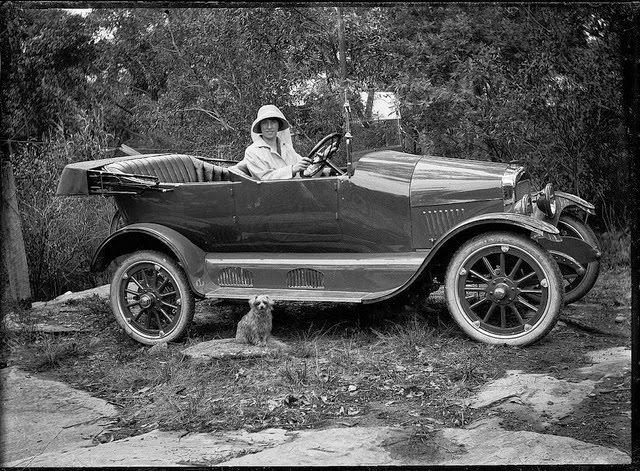
Speed was another challenge. Early engines were unreliable and rough roads made fast driving impossible anyway. A long trip could stretch into a full day’s ordeal of stops, repairs, and rerouting. Yet for those who owned a car, the effort was worth it. A personal automobile was a clear sign of wealth and modern thinking. It told the world you were someone who could afford the future.
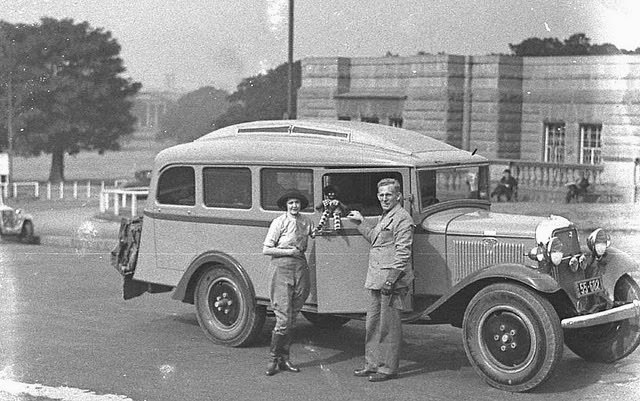
As the decades moved on, cars became a more common sight on Australian streets. Adventurers like Francis Birtles used them for long-distance feats across the continent. Cities grew busier with traffic. Showrooms stocked imported American models, and Australian roads slowly improved to meet the demand. The automobile had moved from a rich man’s curiosity to a fixture of daily life.
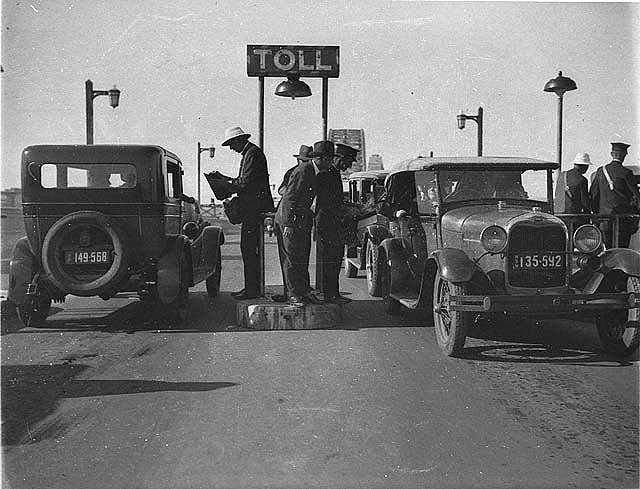
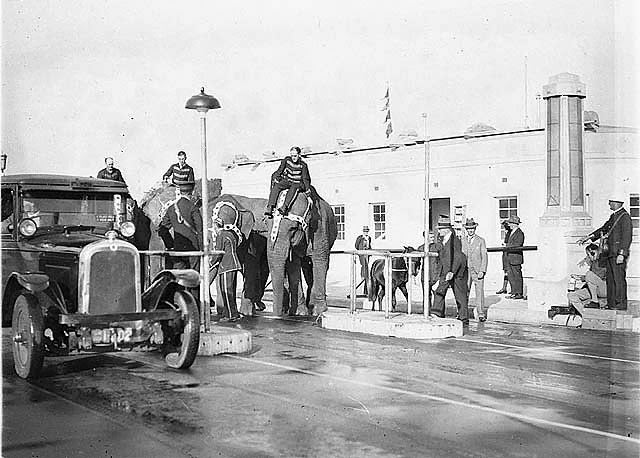
By 1932, cars had become central to public life in Australia’s biggest cities. The opening of the Sydney Harbour Bridge drew a stream of vehicles crossing its lanes for the very first time — a moment that showed just how far Australian motoring had come in barely three decades.
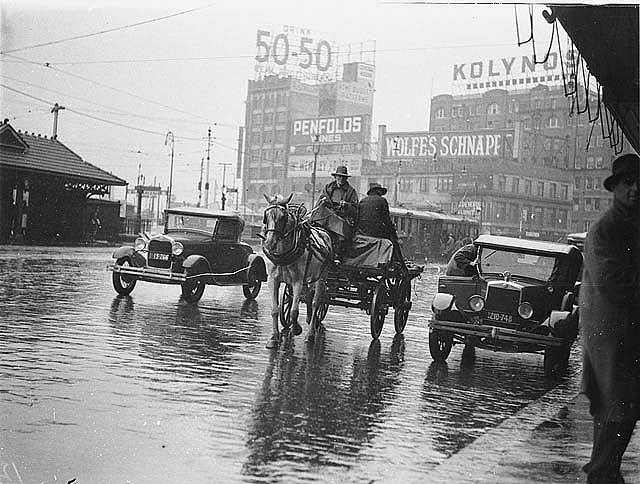
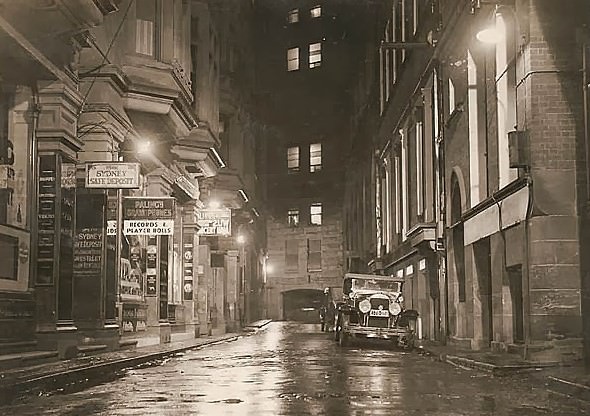
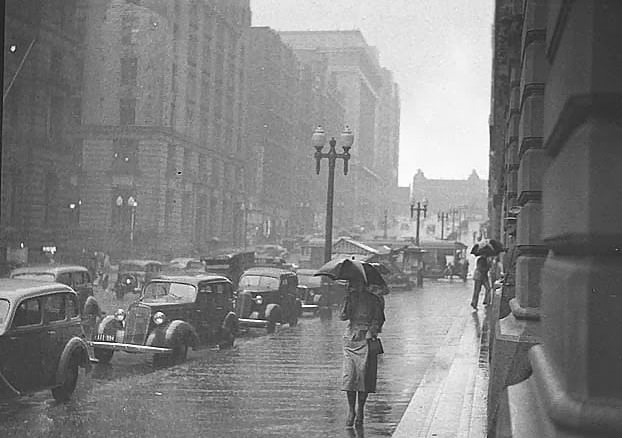
By the mid-1930s, Sydney’s streets held a mix of old and new — horse-drawn drays sharing space with Fords and Morris Roadsters. The transition from animal power to engine power was still unfolding in real time. Early models from both American and British makers competed for buyers in Australian showrooms.
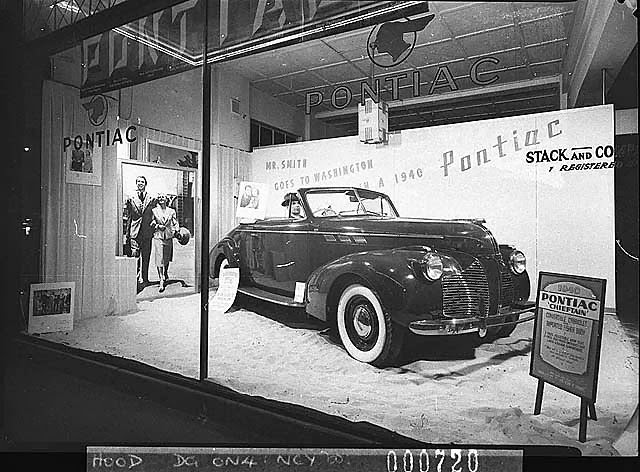
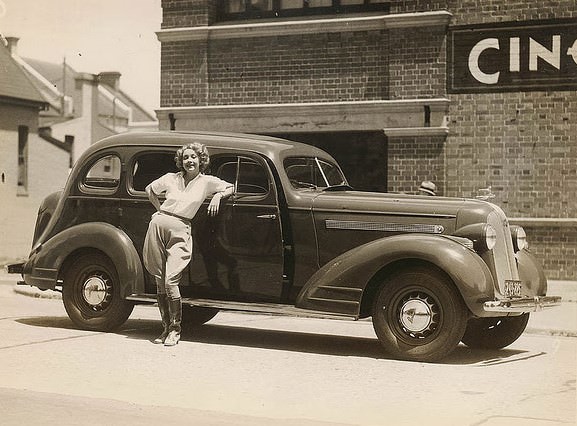
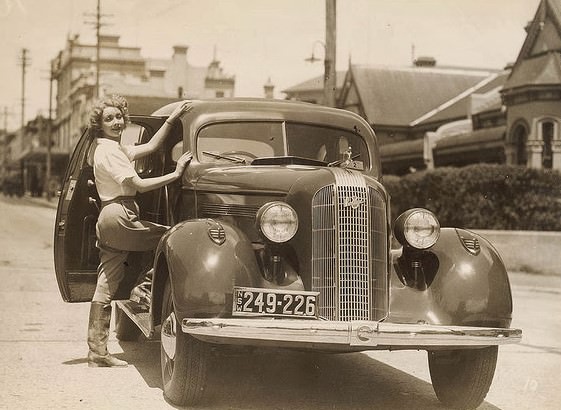
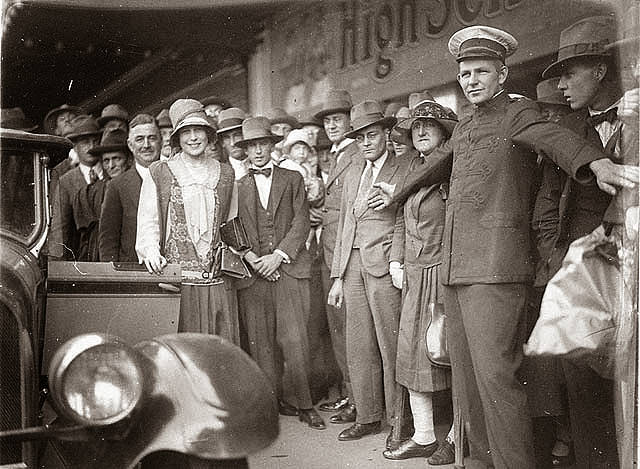
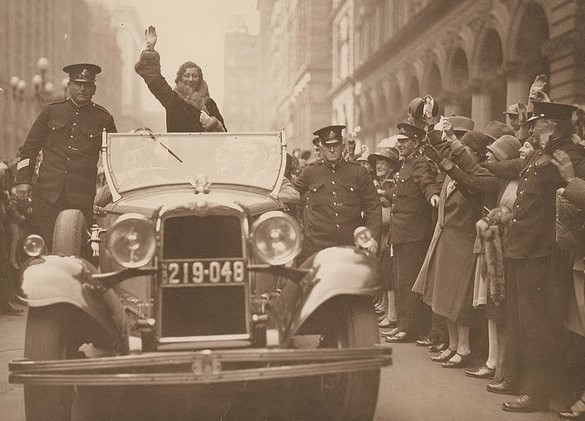
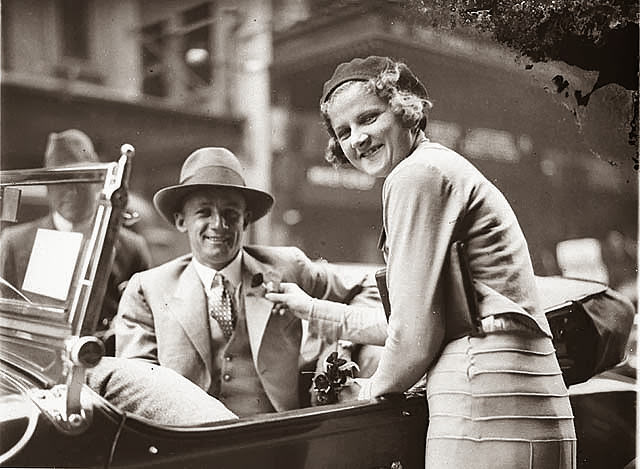
American brands like Pontiac established a strong presence in Australia well before local manufacturing took hold. Showrooms in central Sydney displayed the latest models to eager buyers. Film star Helen Twelvetrees even brought her own Pontiac to Sydney during a 1936 promotional visit, drawing crowds at Cinesound Studios and Moore Park.
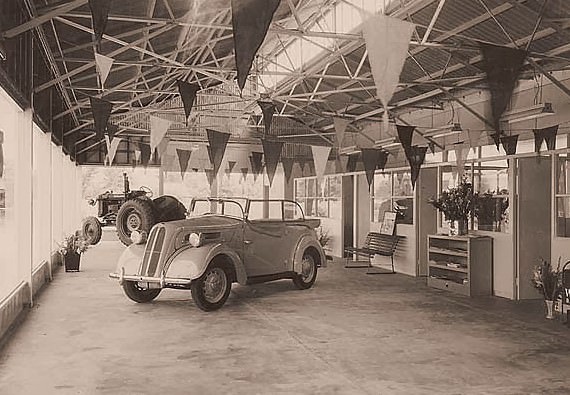
Smaller, more affordable models also found their audience. The Baby Austin 7 was a compact British car that suited tighter budgets and narrow city streets. It represented a shift toward motoring for the middle class, not just the elite.
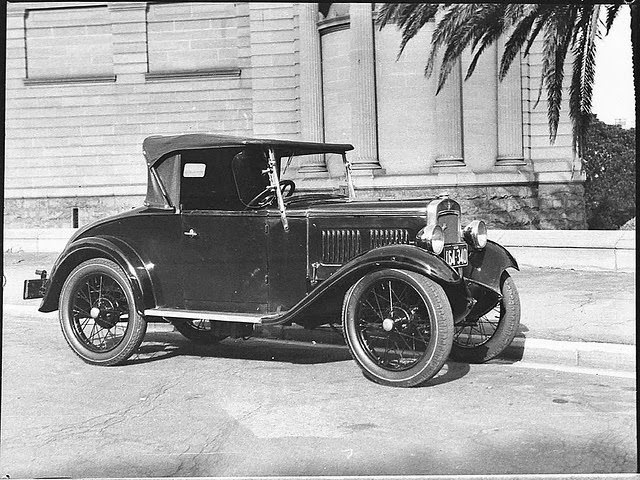
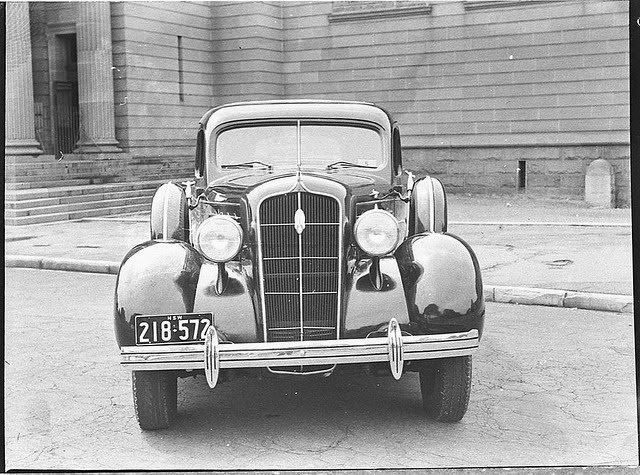
Luxury and performance also had their place. The Bugatti Type 40 was one of the finest European sports cars of its era, and at least one made its way to New South Wales by the early 1930s. Owned by R.C. Thomas, it stood as proof that serious motoring enthusiasts existed in Australia well before the local car industry was established.
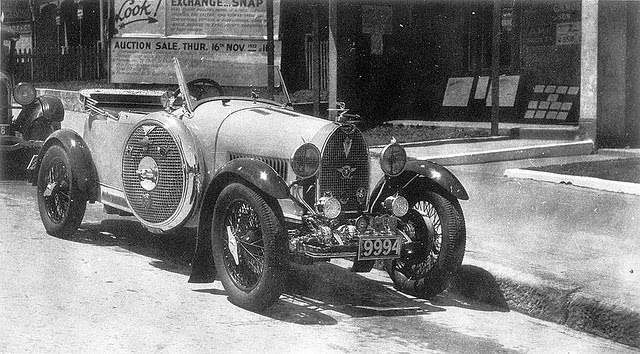
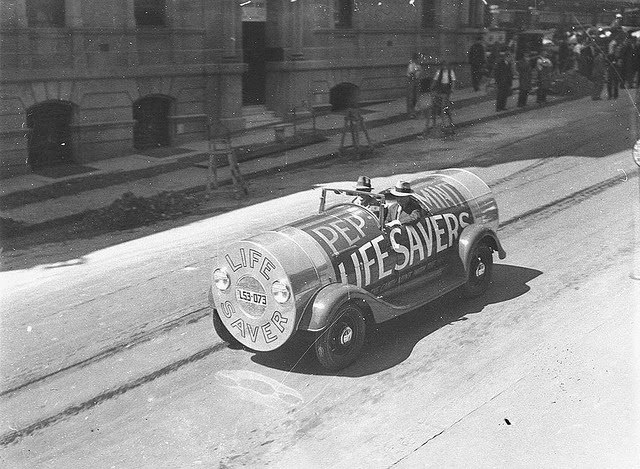
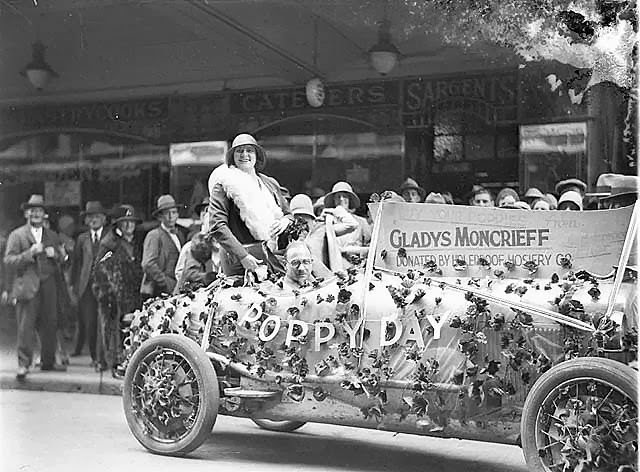
Car culture also fed into entertainment and racing. Homemade speedcars with motorcycle engines appeared at local tracks, drawing enthusiastic crowds. Marketing teams built promotional vehicles shaped like product packaging and drove them through city streets. The car had become part of daily spectacle.
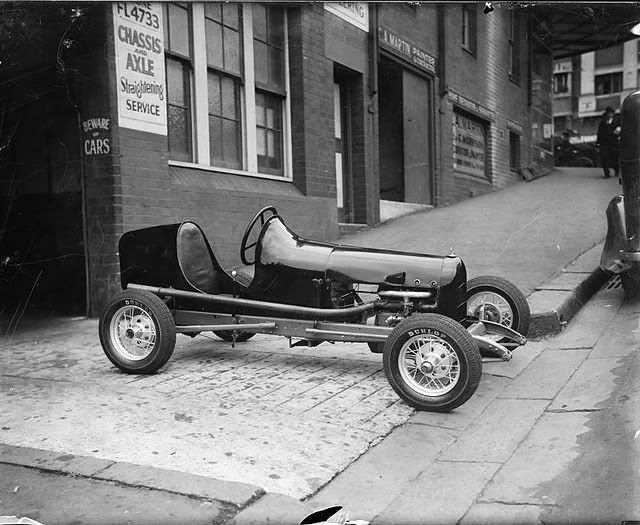
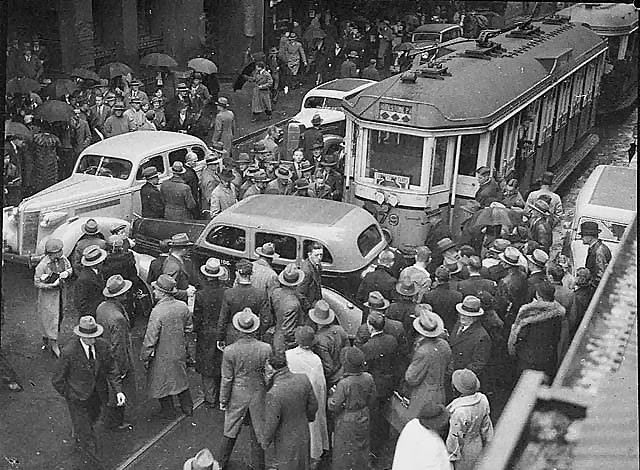
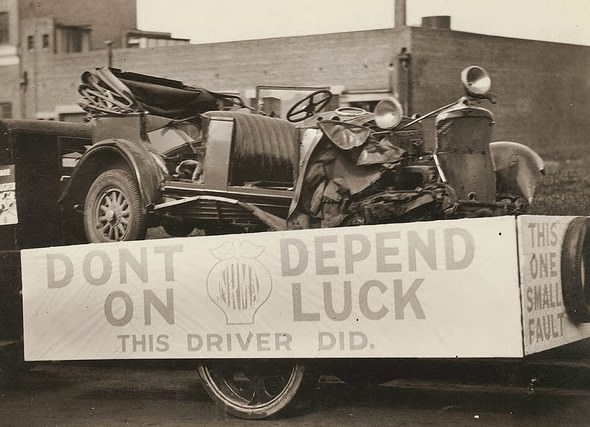
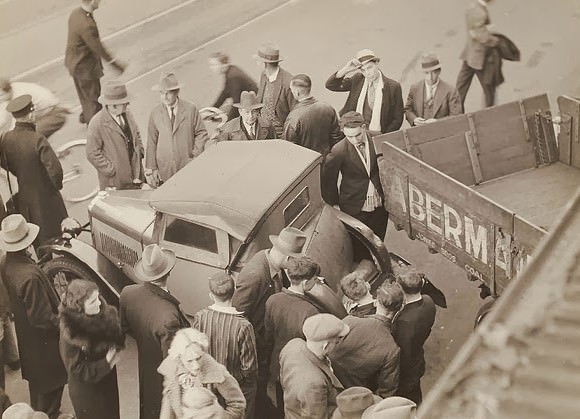
Road safety, however, lagged behind the enthusiasm. Crashes between trams and taxis were reported in city streets. Wrecked cars were even used in NRMA advertisements to warn drivers against taking risks. The roads that had once been too rough for cars were now busy enough to be dangerous.
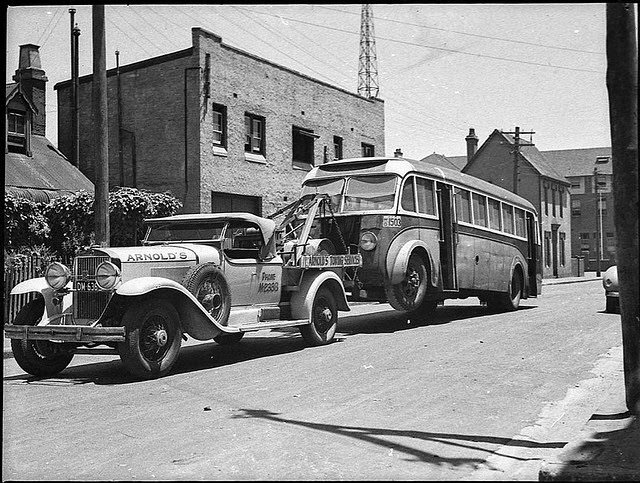
Heavy-duty vehicles were also putting Australian roads to work in new ways. A 1929 Cadillac tow truck hauling a motor bus all the way to Queensland showed how far automotive engineering had come from the fragile voiturettes of the early 1900s.
![[Factually Corrected] Holden crosses at the opening of the Hexham Bridge, Newcastle, 1952. (Note: Caption originally says "Holden crosses at the". There is no Holden crossing. Caption factually corrected.)](https://www.bygonely.com/wp-content/uploads/2025/05/Cars_in_Australia_Early_1900s_71.jpg)