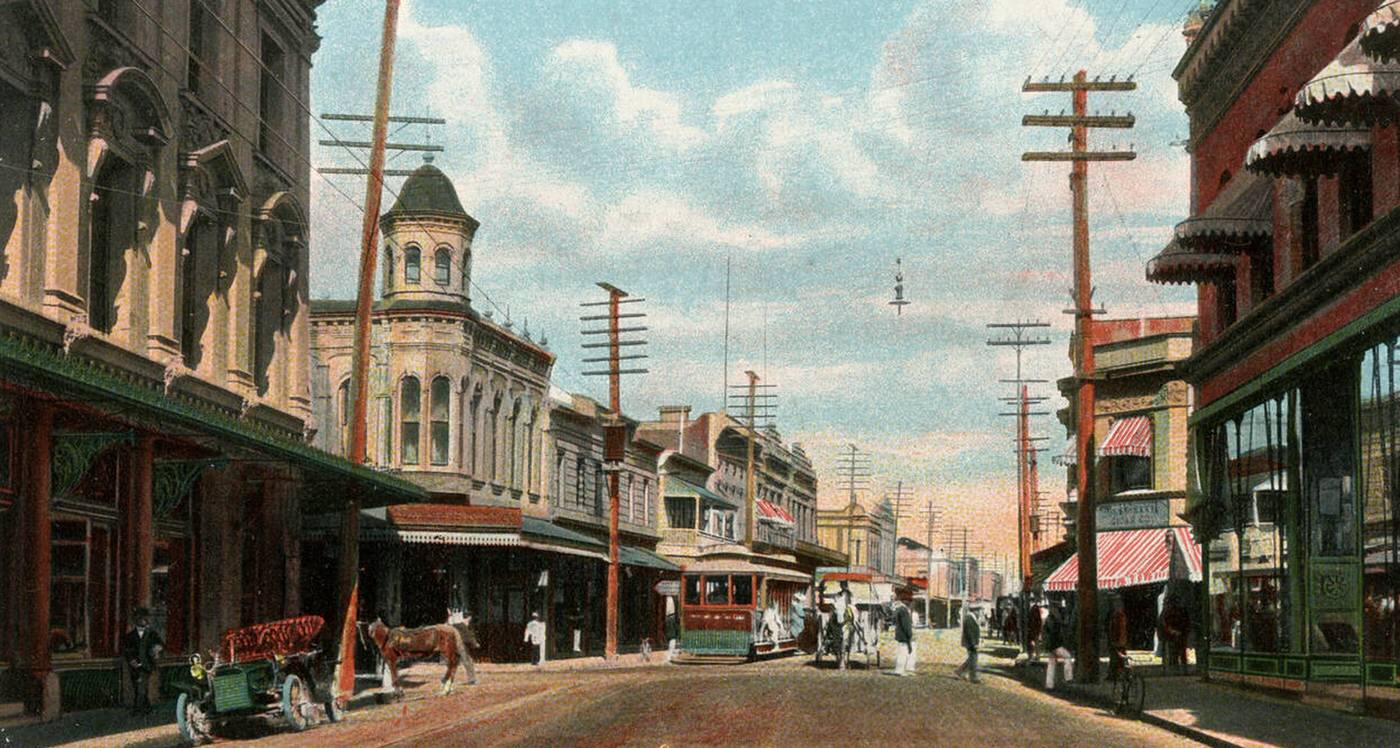
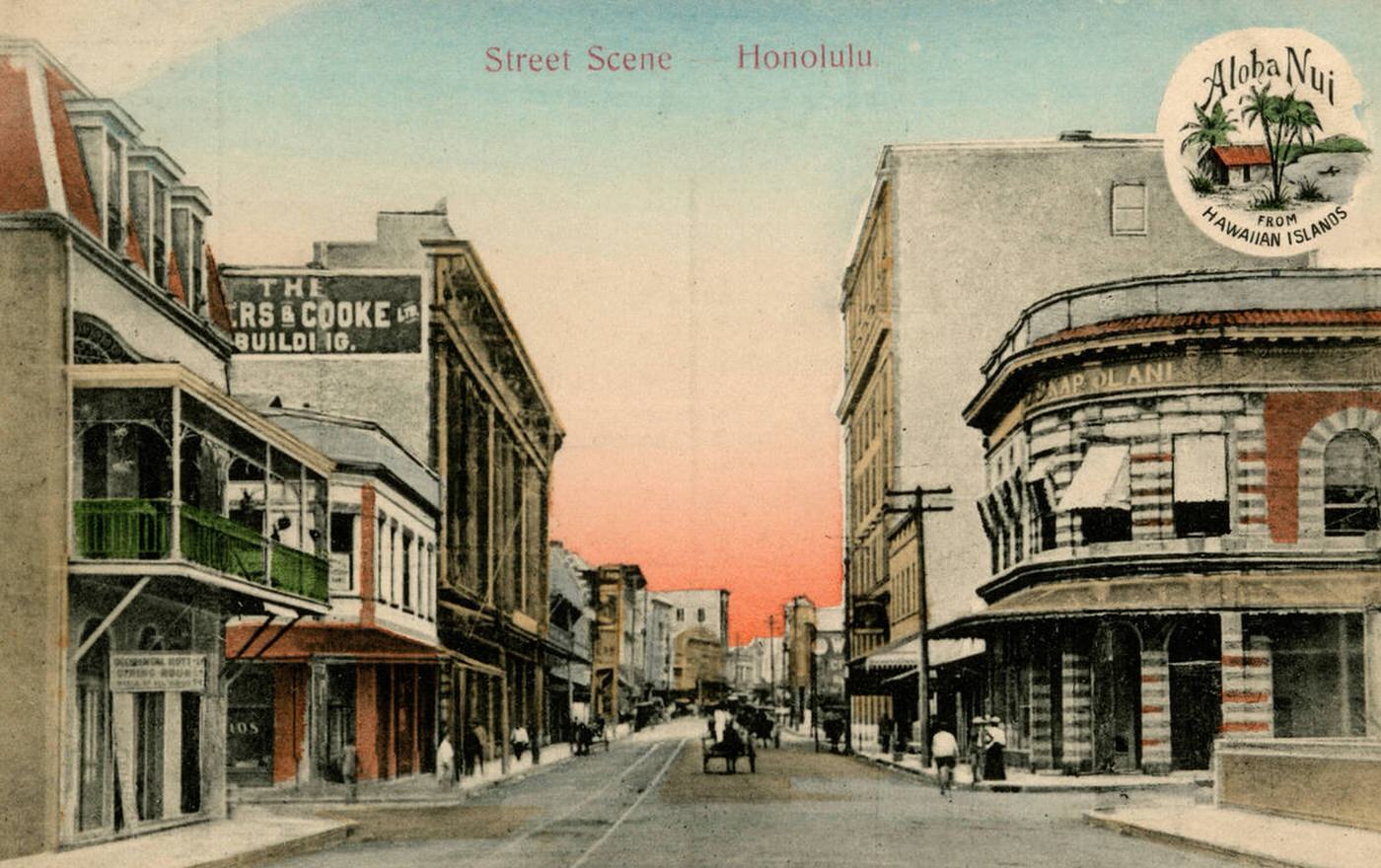
In 1900, Hawaii officially became a territory of the United States. It was no longer under its own monarchy, and it was not yet a state — it existed somewhere in between. That shift brought a new government structure, tighter ties to the mainland, and a rapid wave of changes that touched nearly every corner of daily life on the islands. These early photographs offer a rare window into that era.
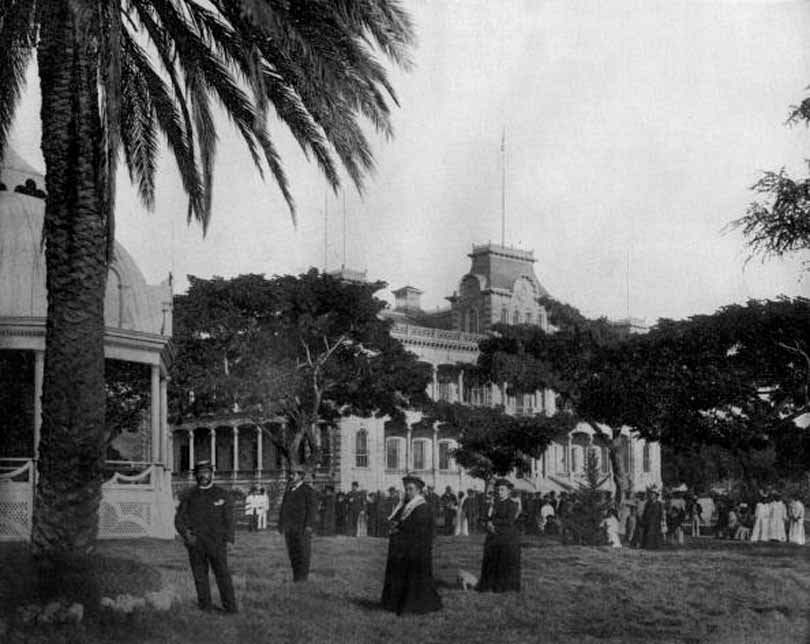
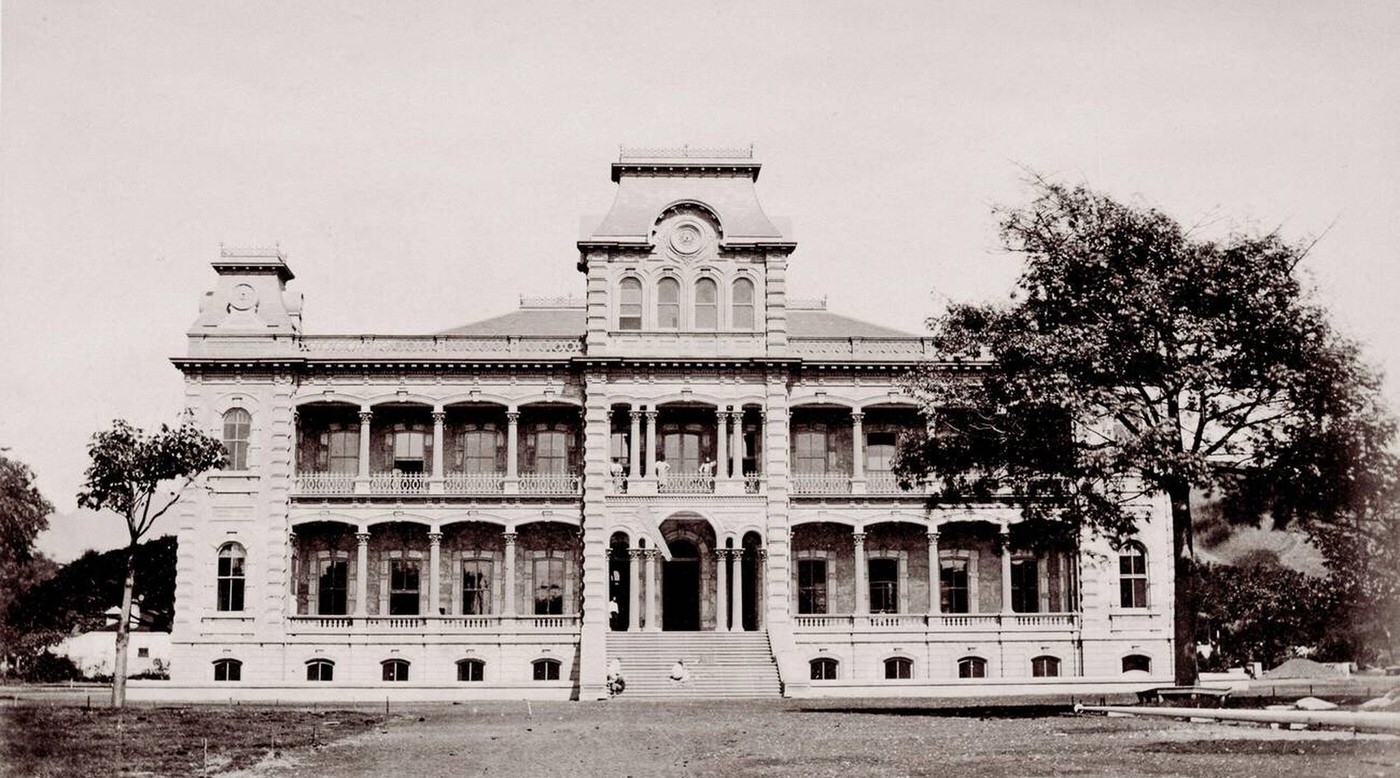
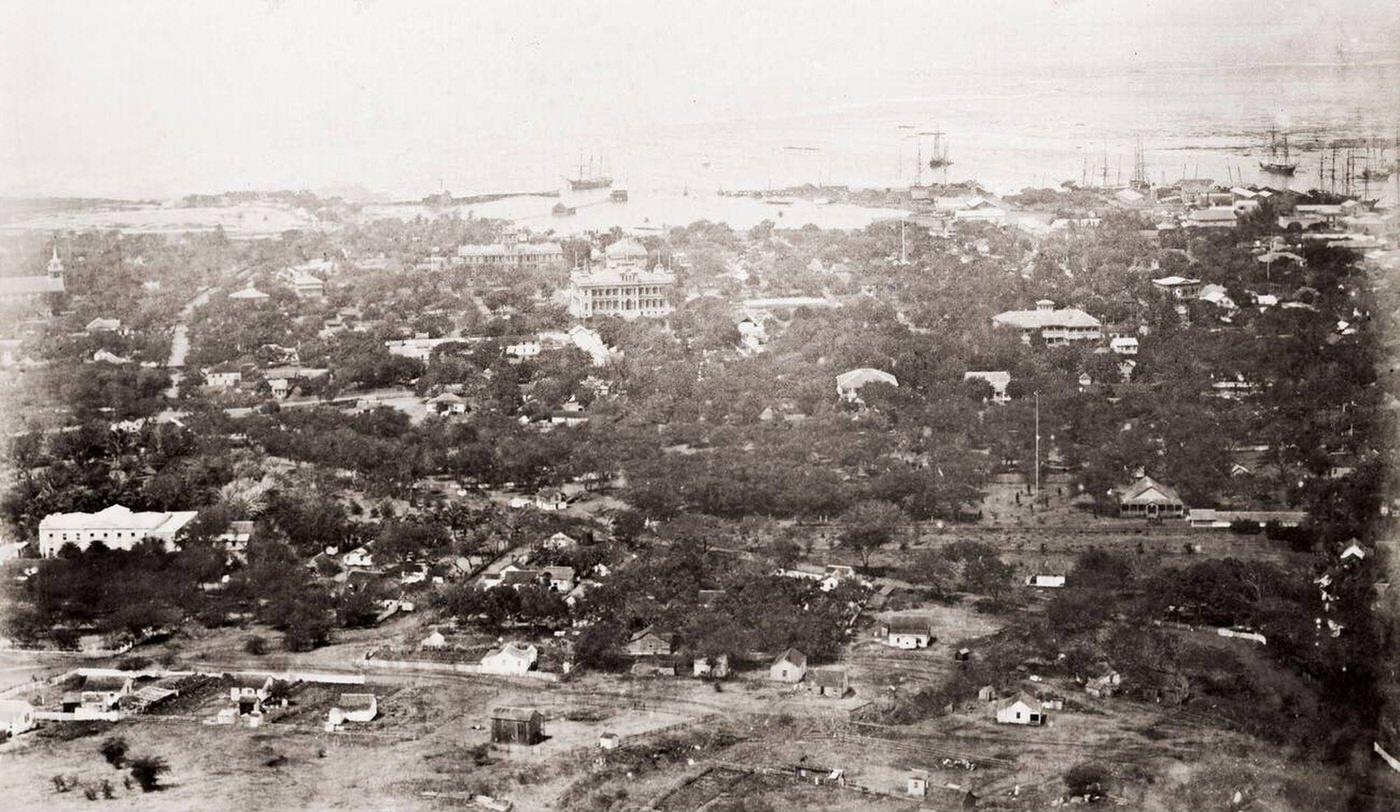
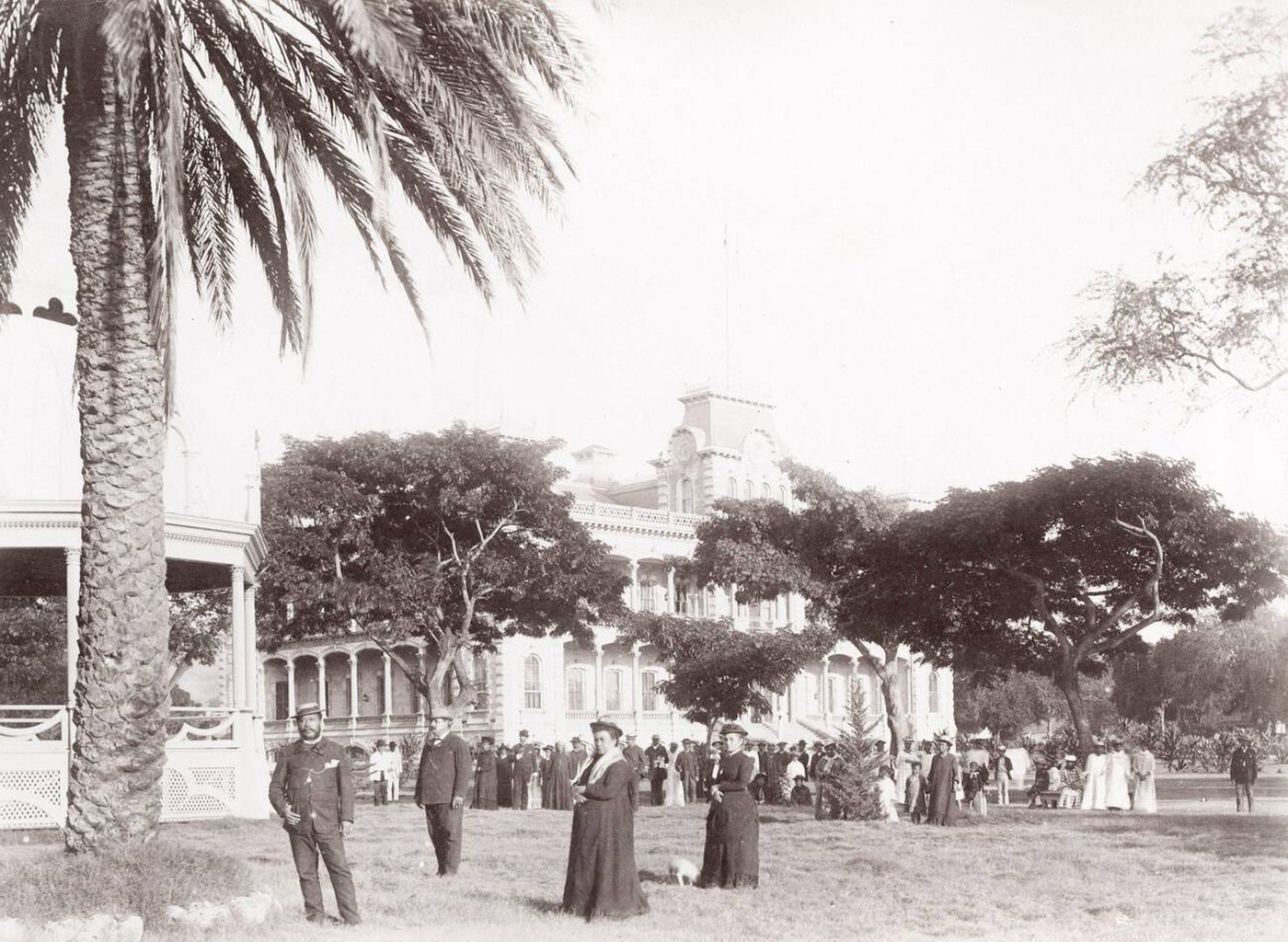
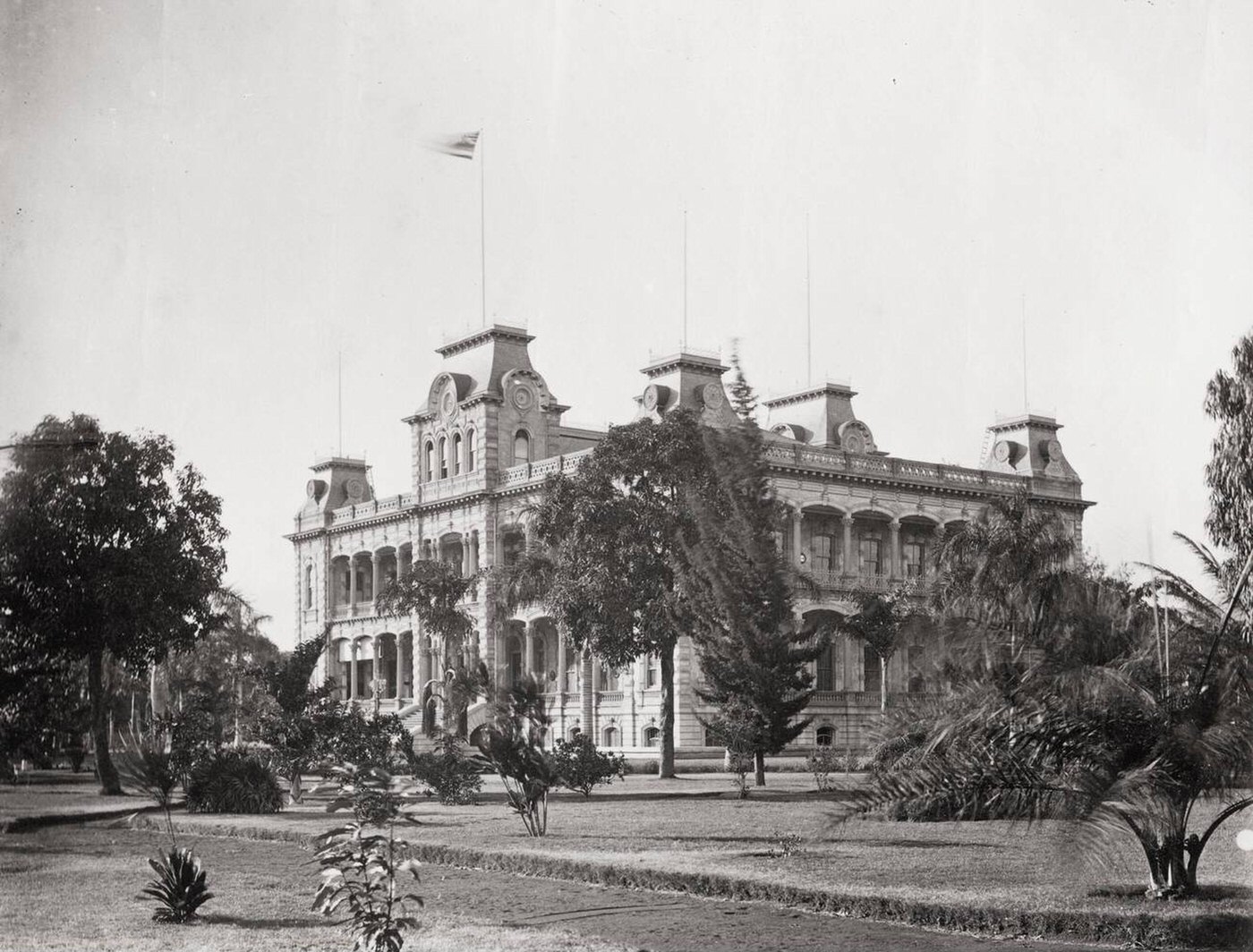
Iolani Palace stood at the heart of Honolulu as a symbol of the Hawaiian monarchy. By the time Hawaii became a U.S. territory, the palace had already been repurposed — serving as a government building rather than a royal residence. The Hawaiian monarchy had been overthrown in 1893, and the palace became a physical reminder of what had changed.
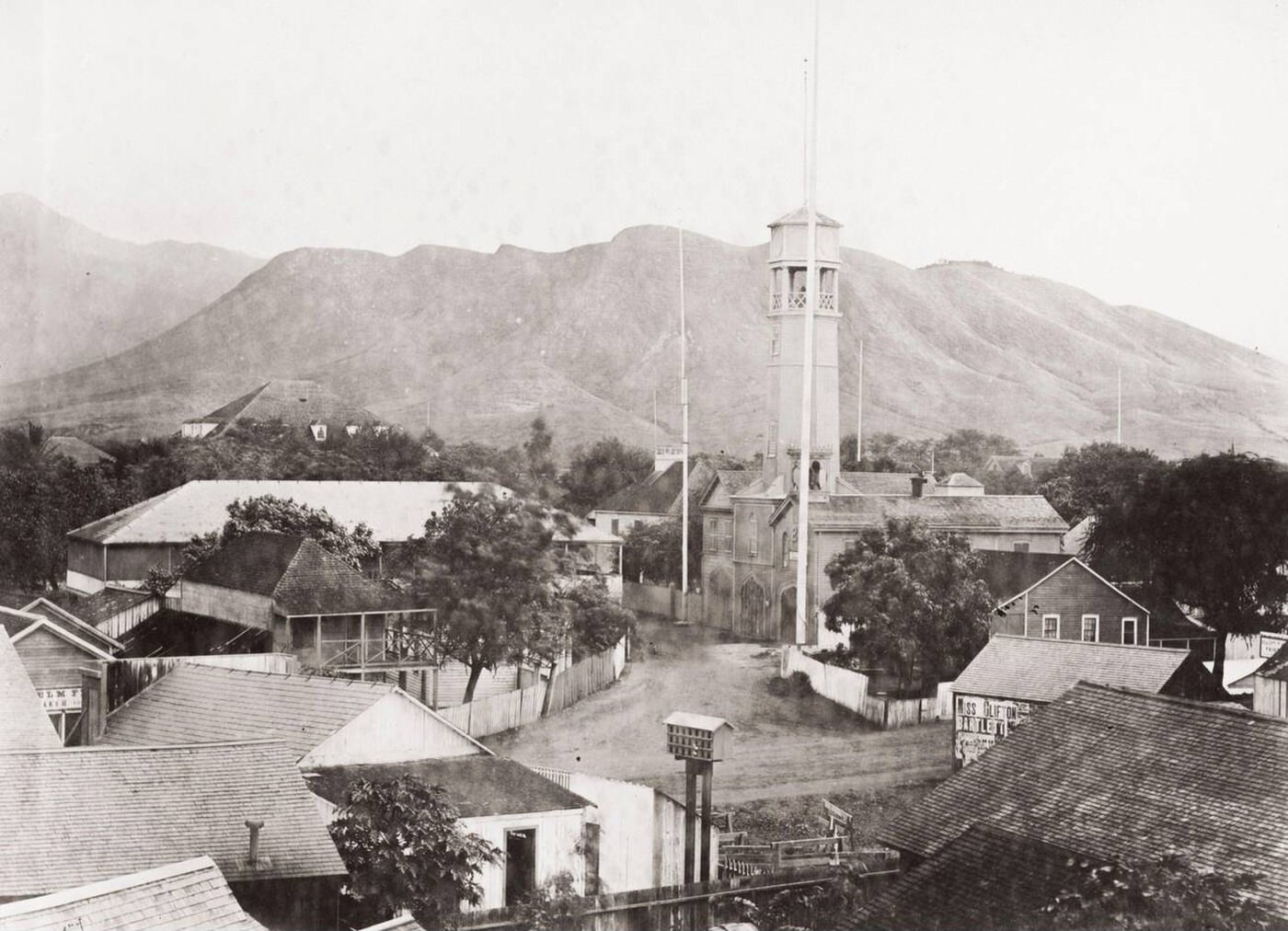
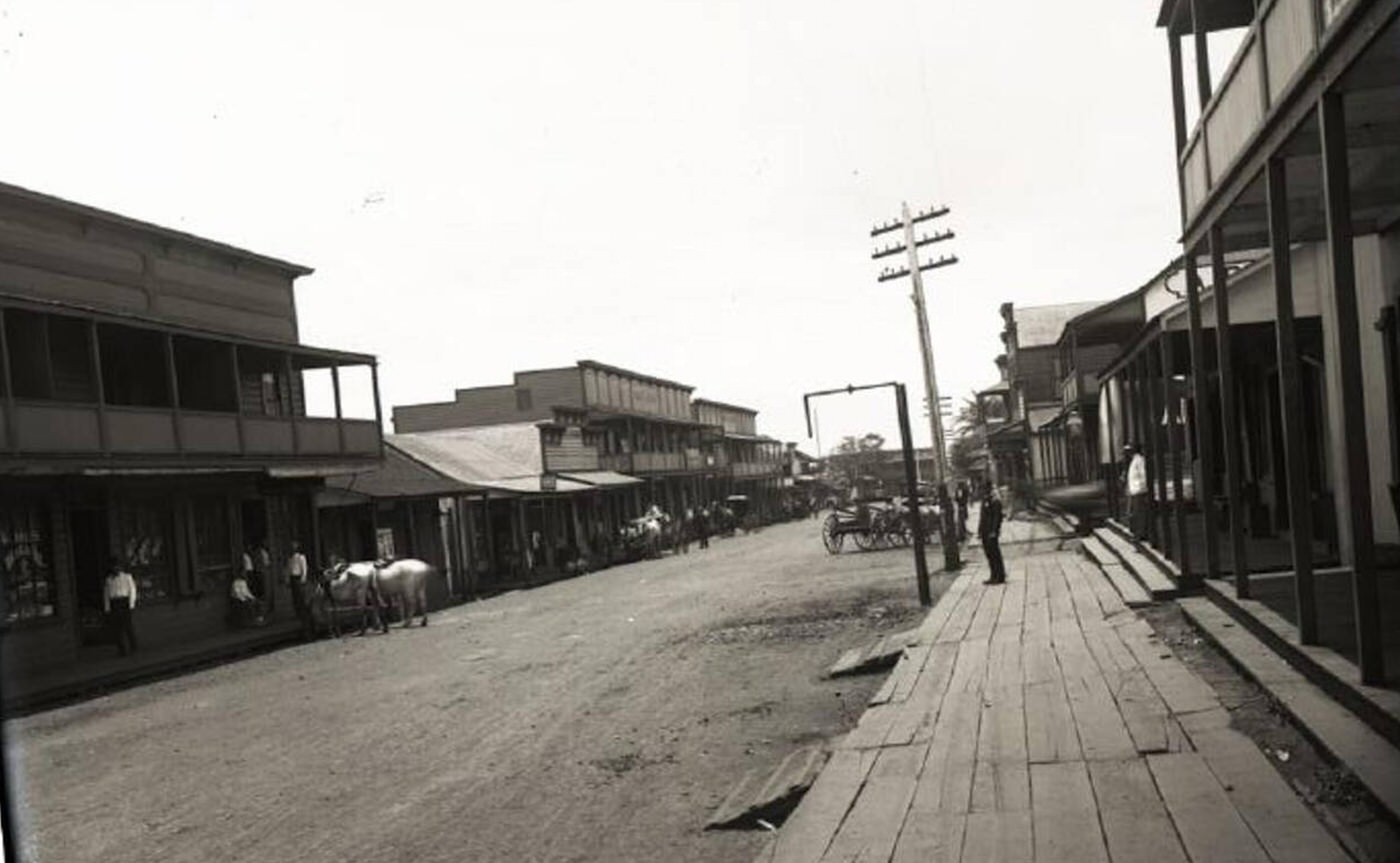
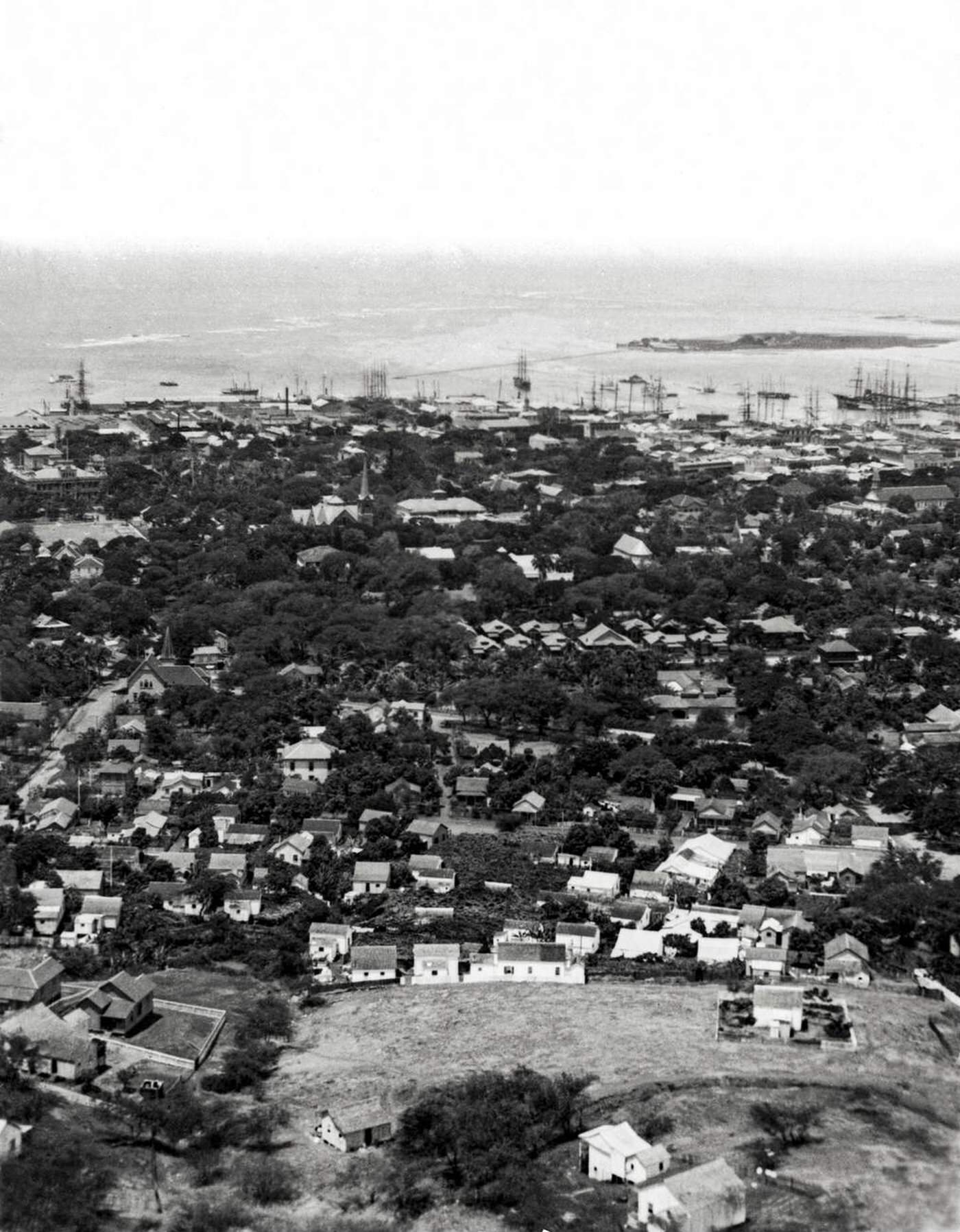
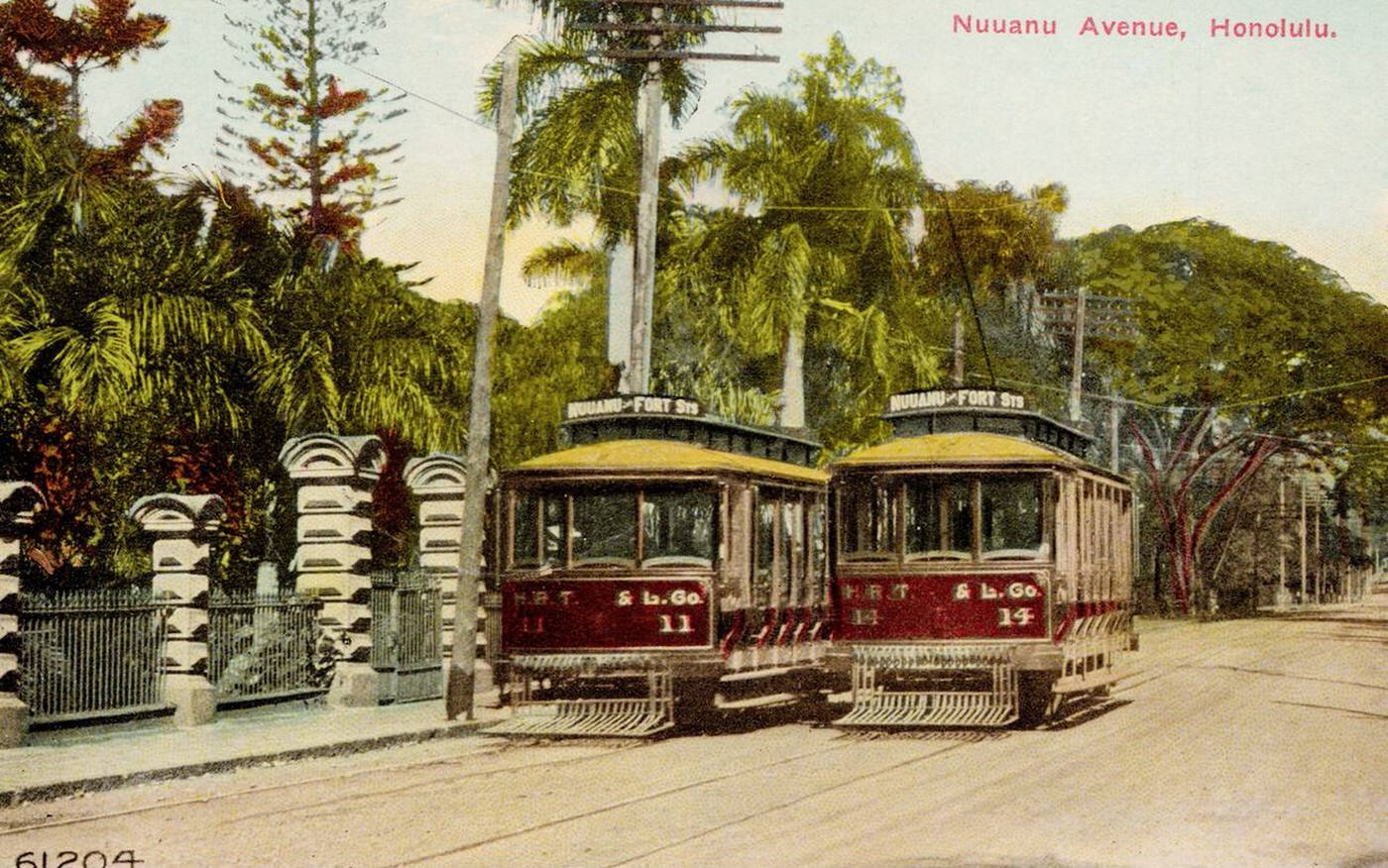
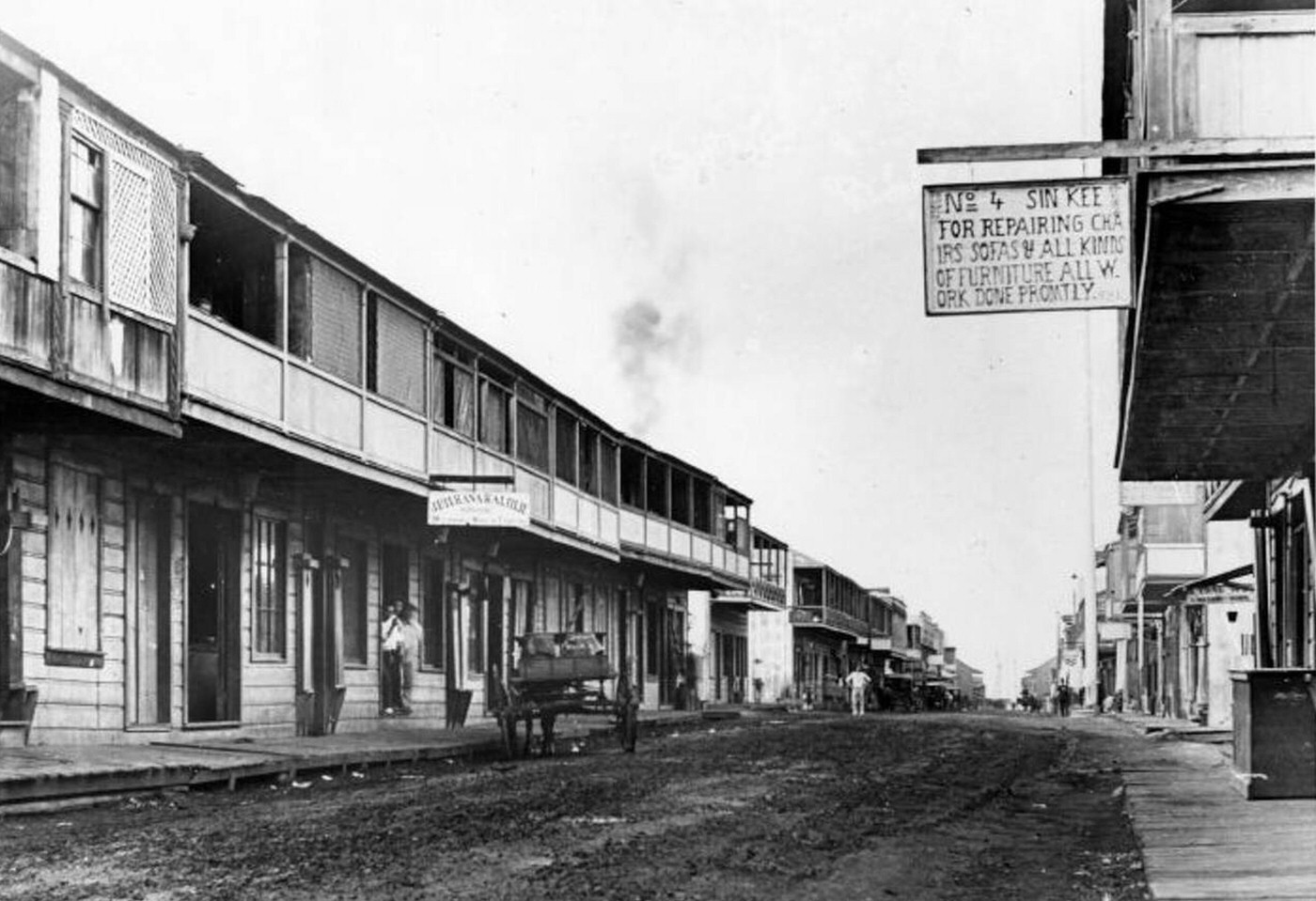
Honolulu was the center of government and commerce. Its streets were a mix of old and new — wooden storefronts alongside more permanent stone buildings, horse-drawn carriages sharing roads that would soon see electric streetcars. The city was growing quickly, and its harbor was a constant hub of activity.
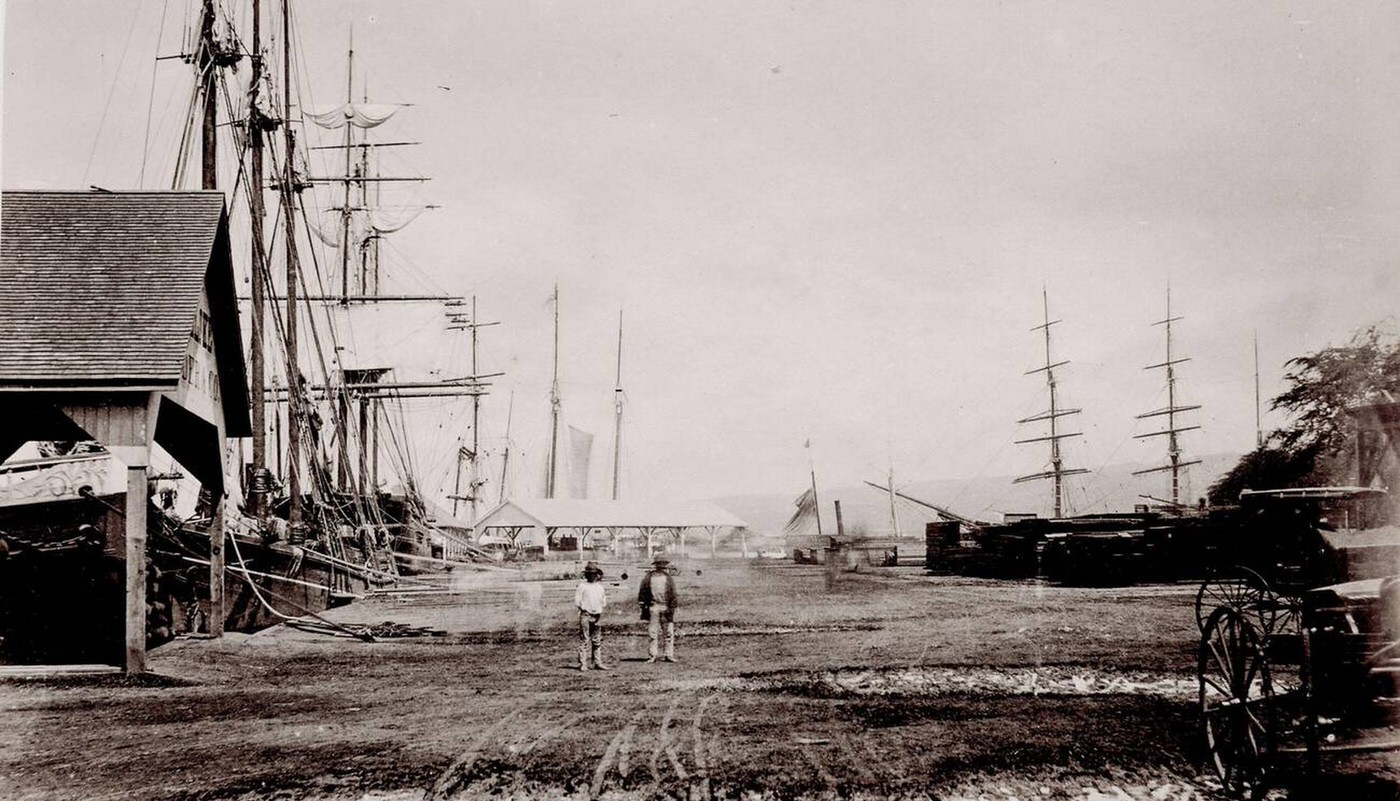
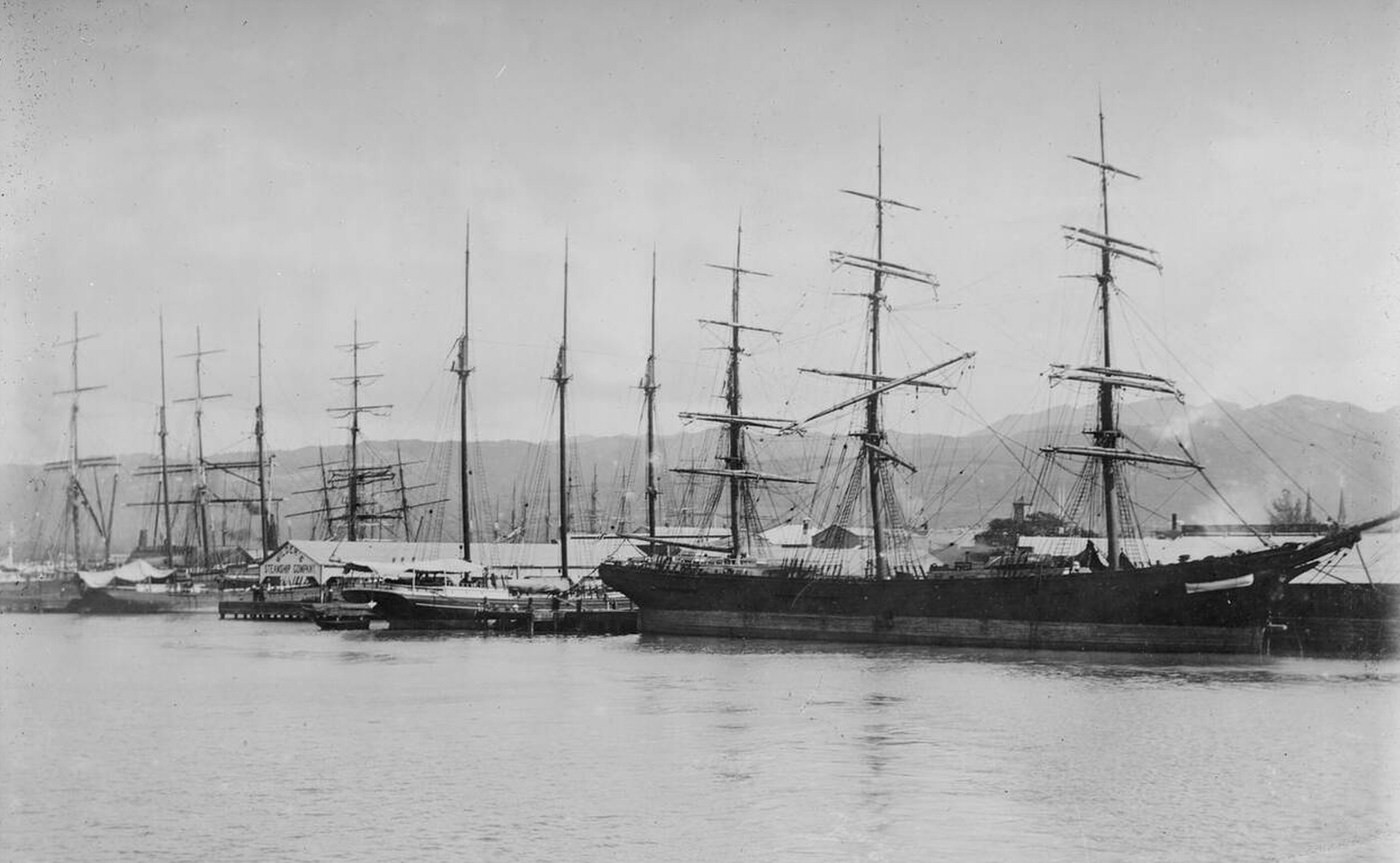
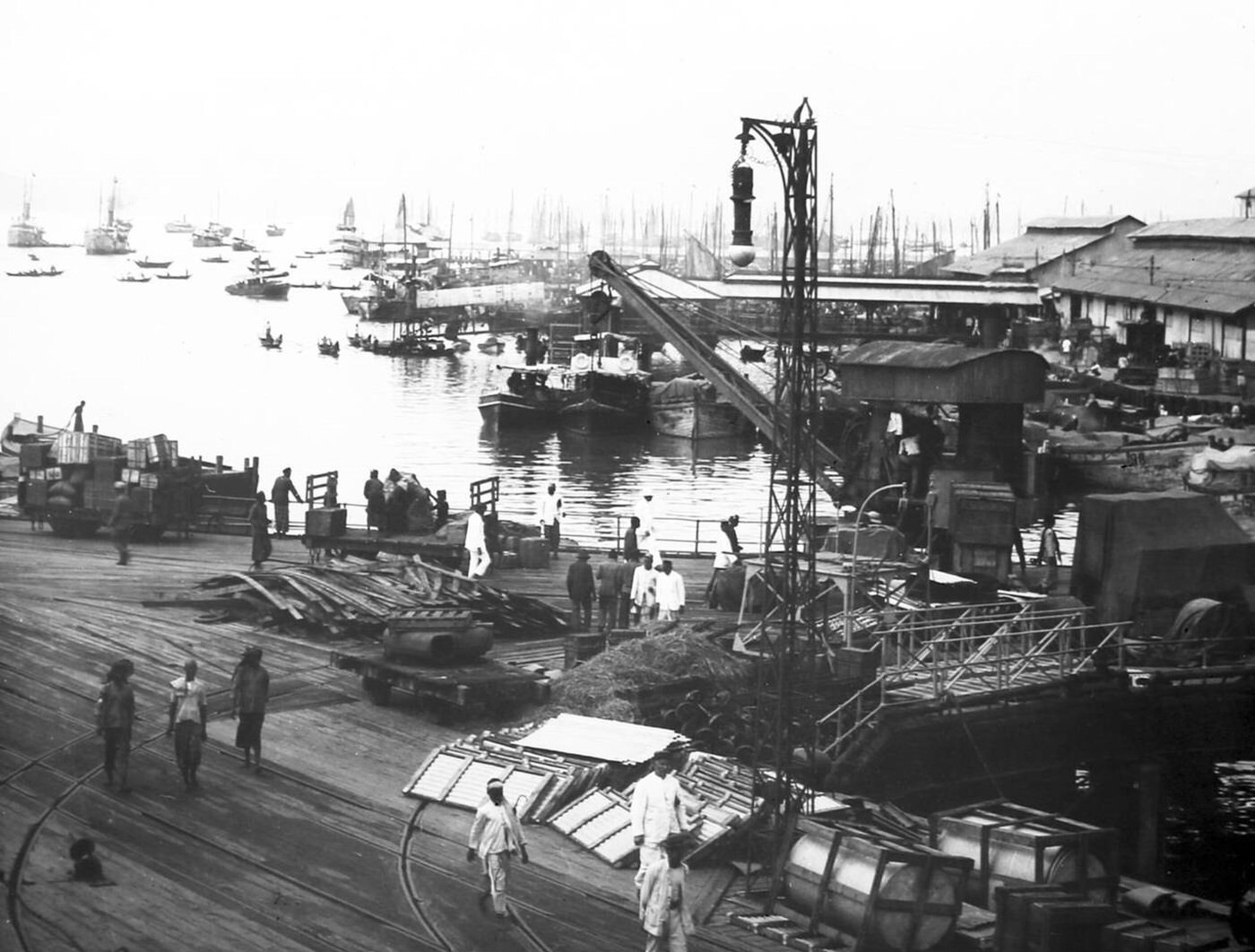
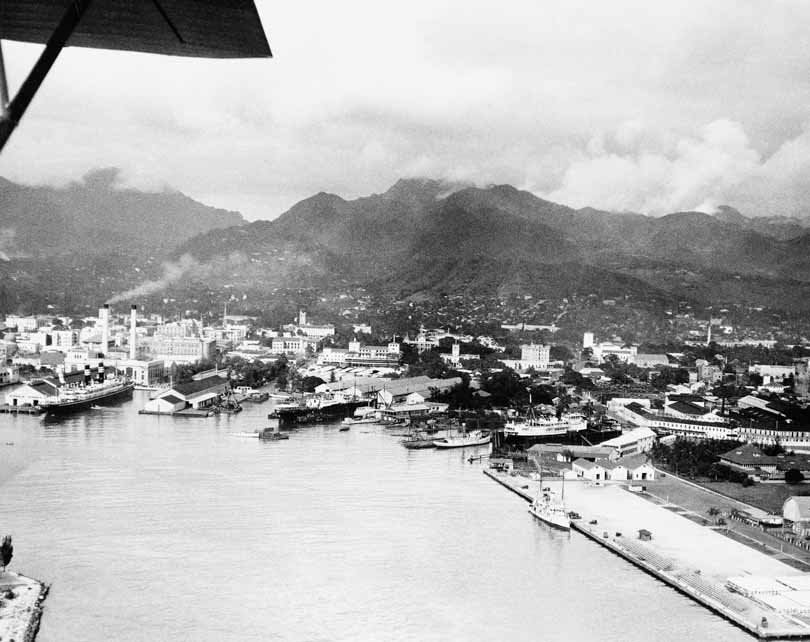
The harbor connected Hawaii to the rest of the world. Ships brought in goods, passengers, and immigrants — and carried out the sugar and pineapple that fueled the islands’ economy. Honolulu’s waterfront was always busy, with merchants, laborers, and sailors moving through its docks.
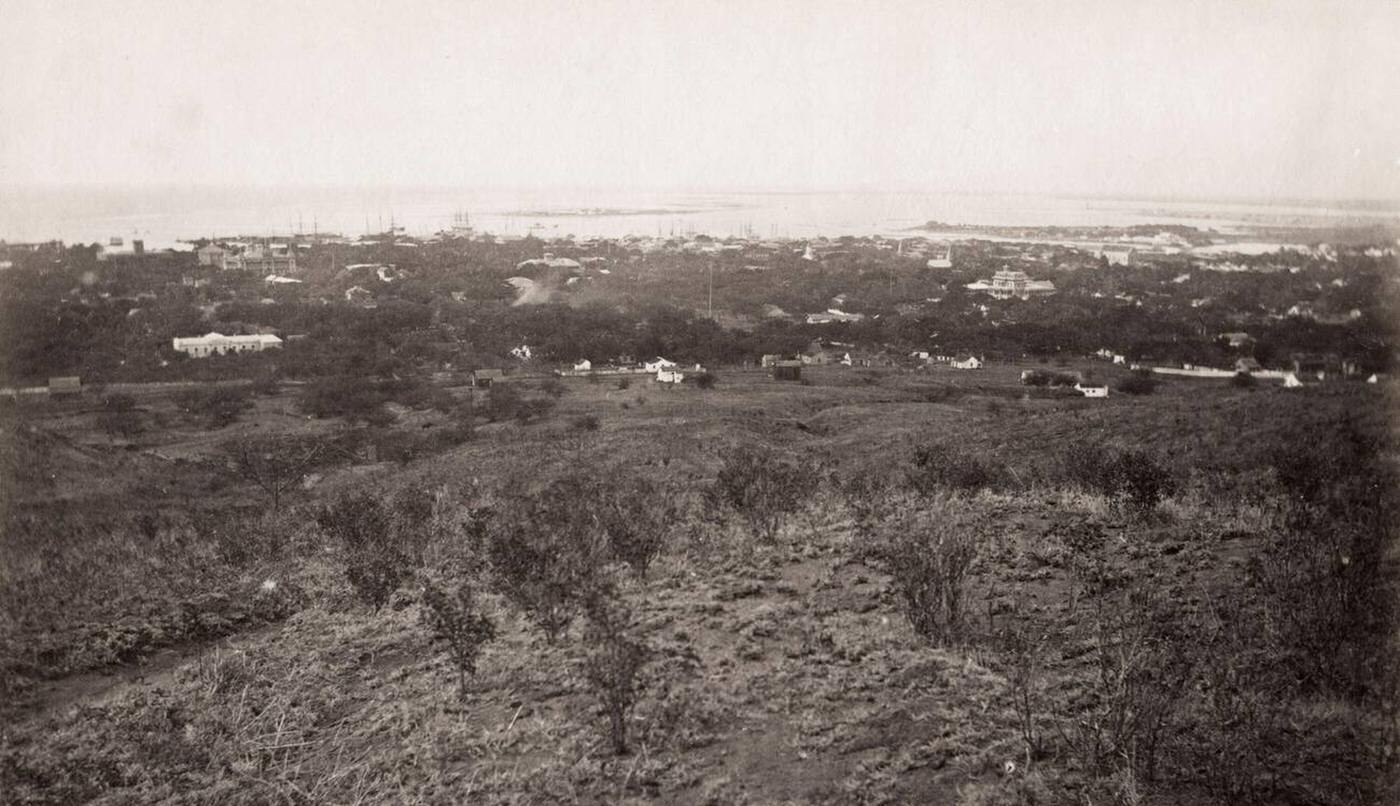
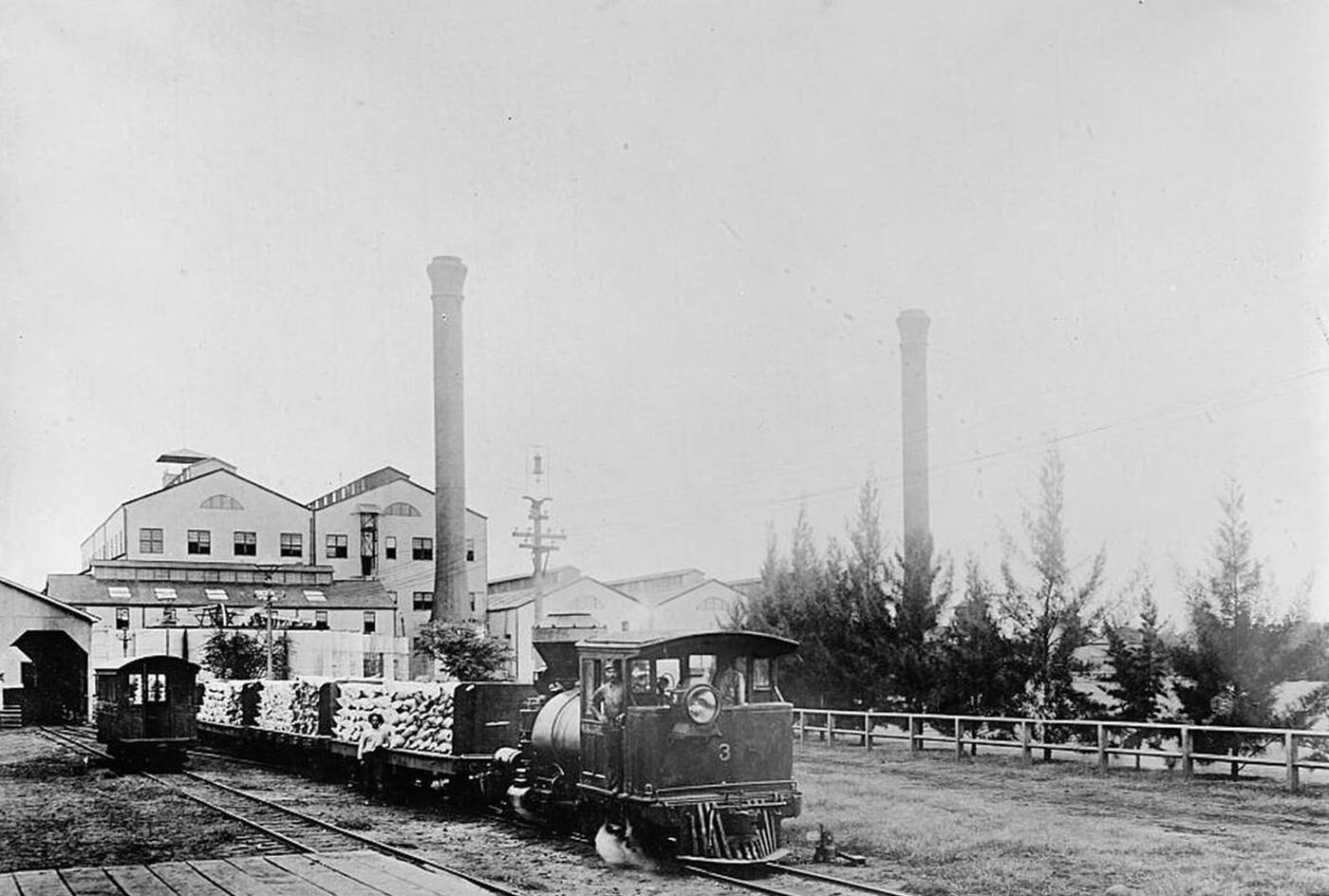
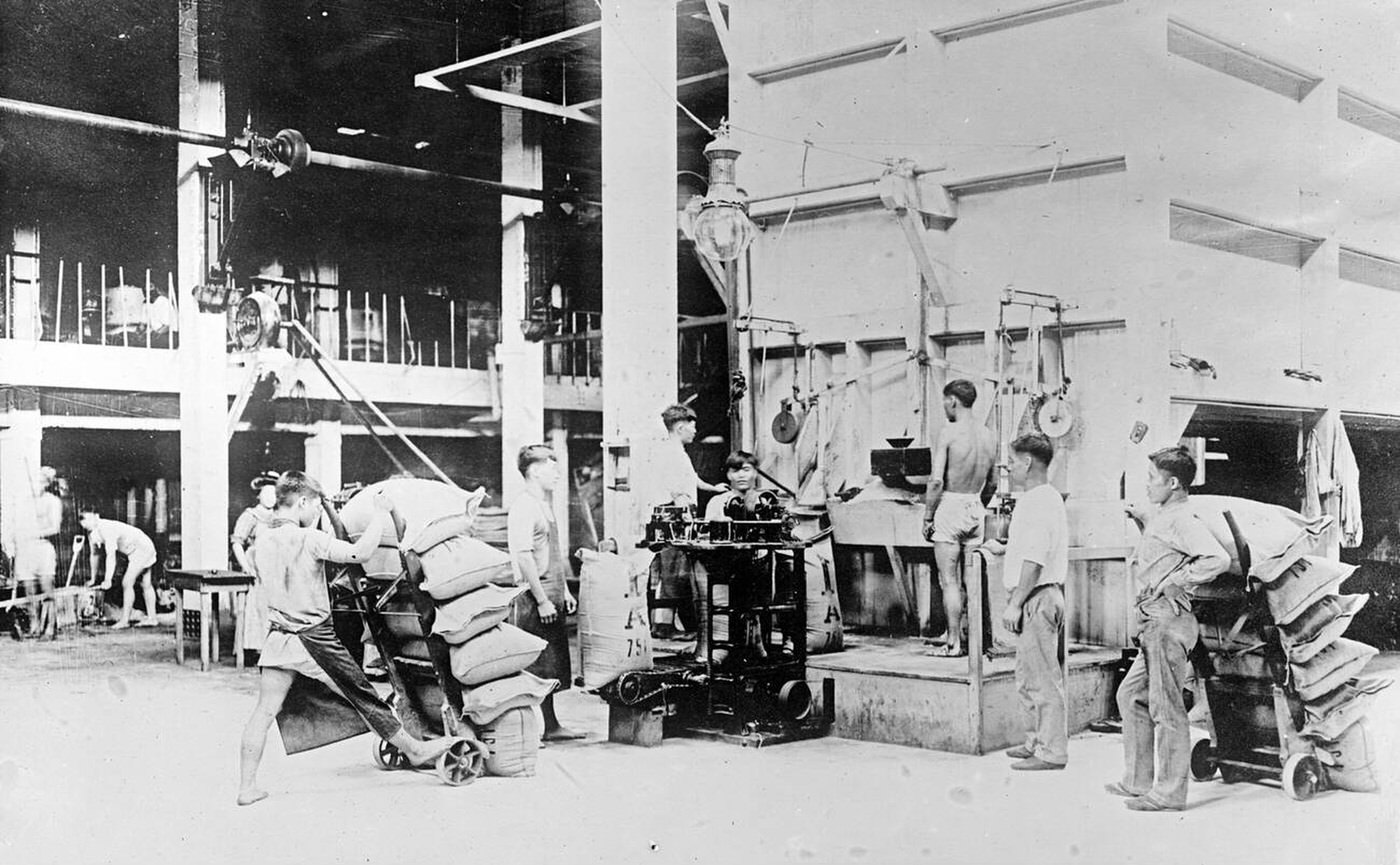
Sugar was the economic engine of early 1900s Hawaii. Large plantations covered vast stretches of land, and the work was grueling. Laborers spent long days cutting cane under the hot sun, hauling it to mills where it was processed and then loaded onto trains bound for the harbor. Wages were low, and the work rarely let up.
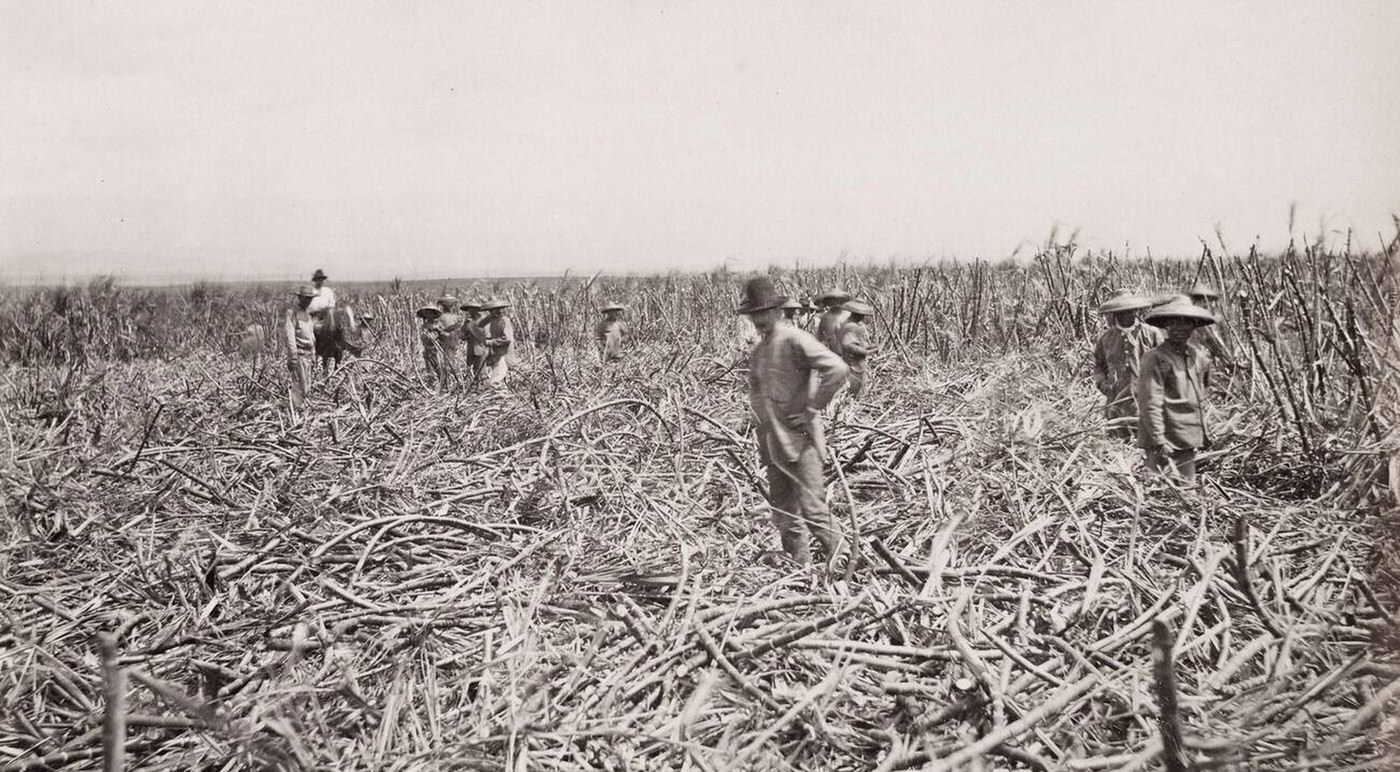
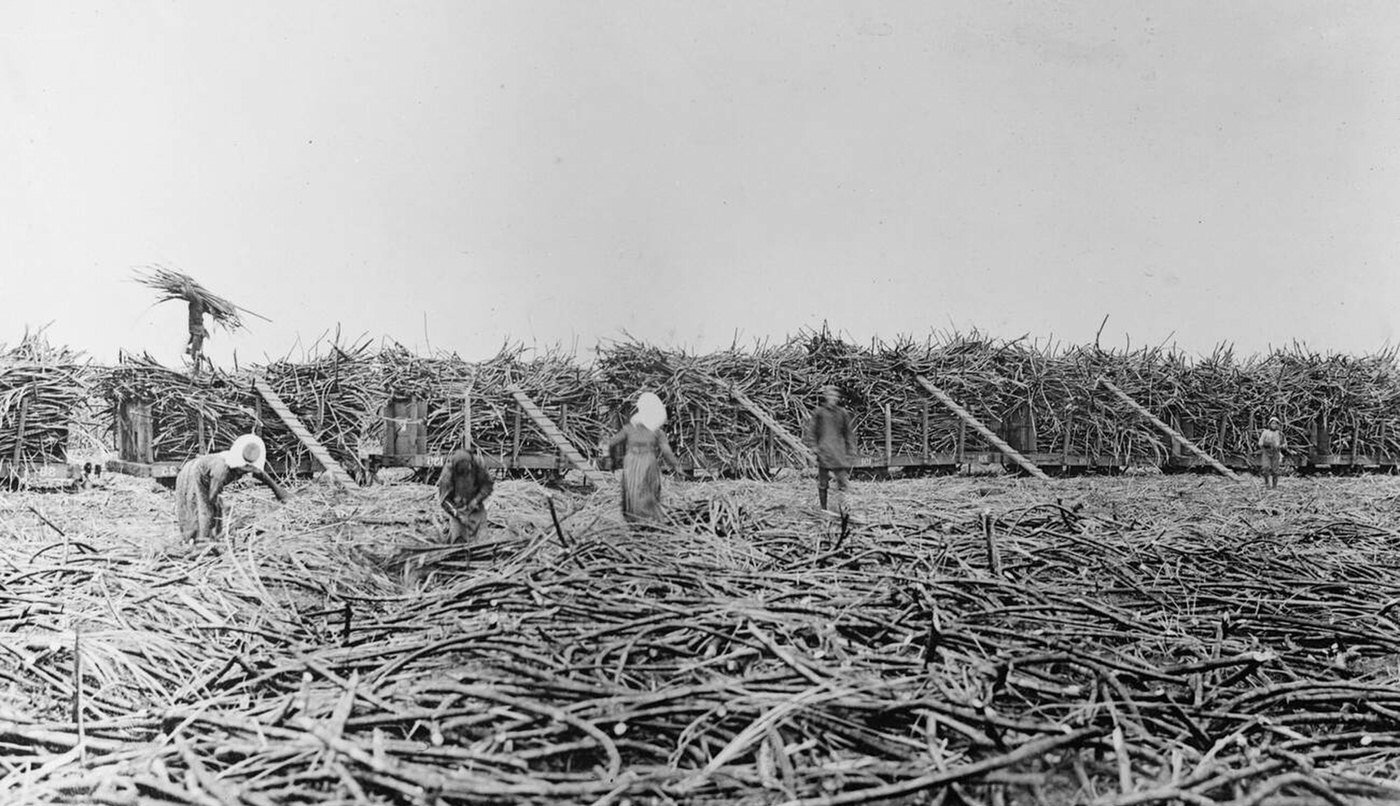
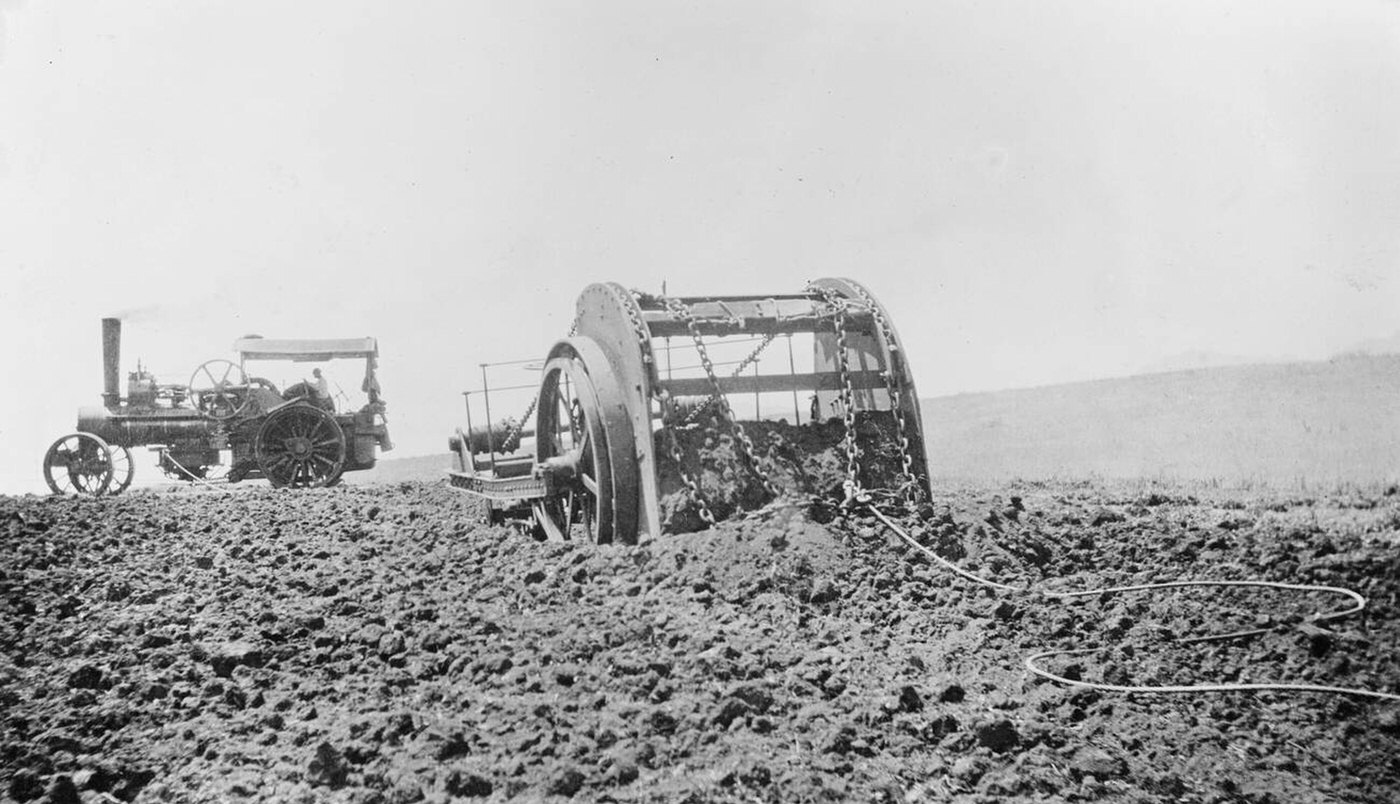
Once the cane was cut, it moved through every stage of processing at the mill. Workers filled sacks with raw sugar, and trains hauled the product out to ships waiting at the harbor. By the 1910s, tractors began appearing in the fields, slowly replacing some of the most backbreaking manual labor.
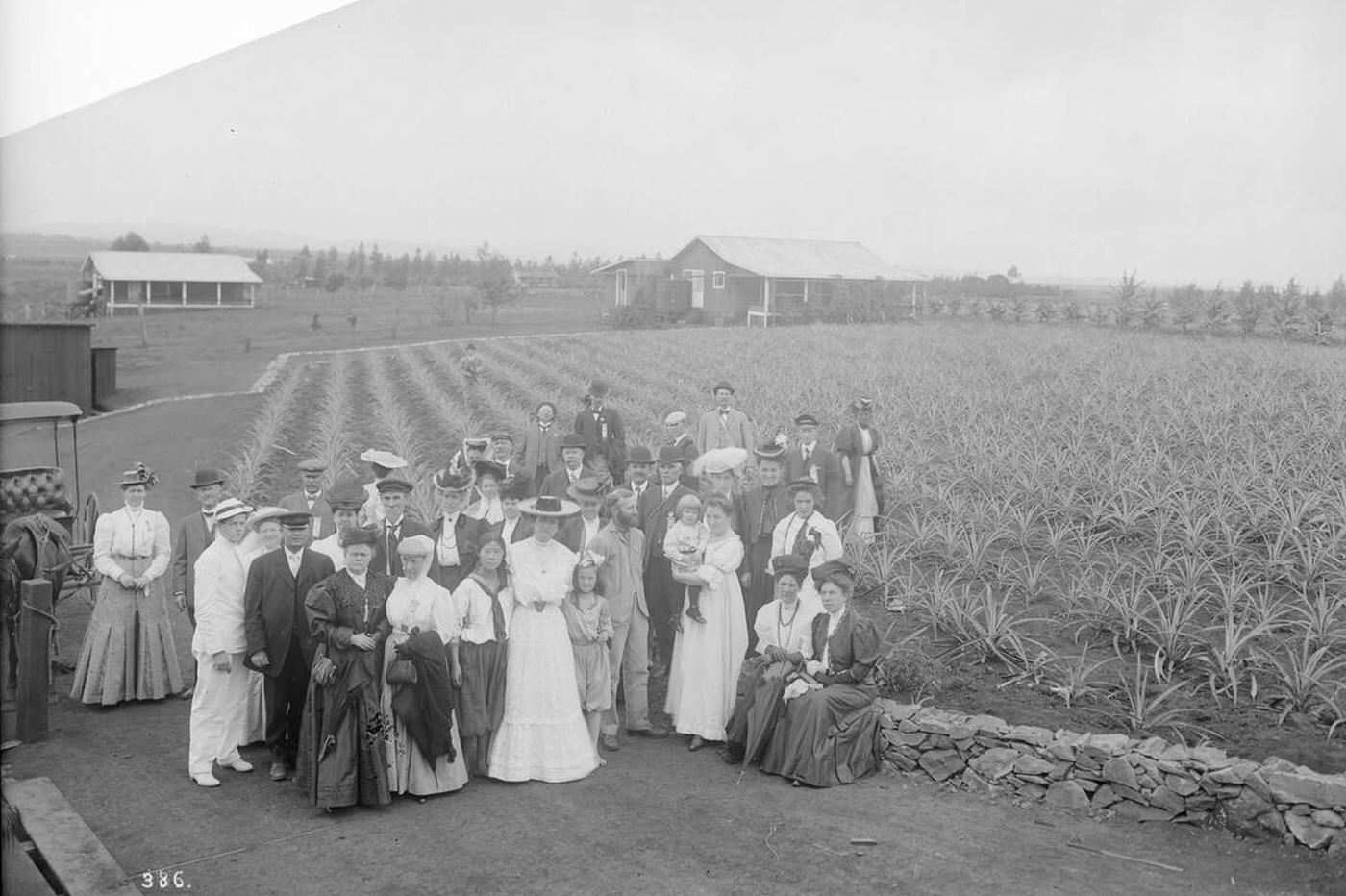
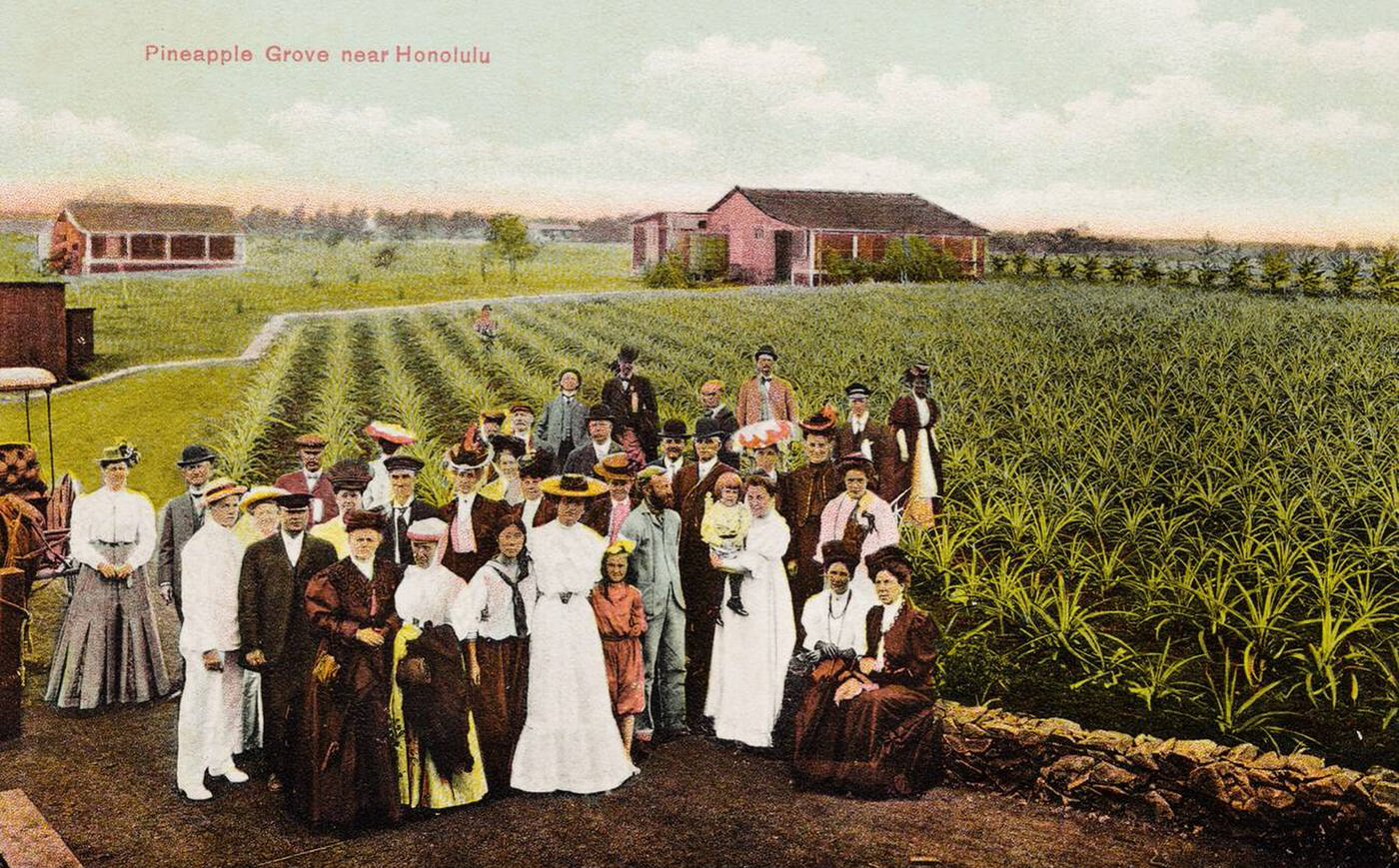
Pineapple was the other major crop taking hold during this period. By the early 1900s, pineapple groves were spreading across Oahu and other islands. Visitors like members of the Los Angeles Chamber of Commerce came to see the operations firsthand, reflecting the growing commercial interest in Hawaii’s agricultural output.
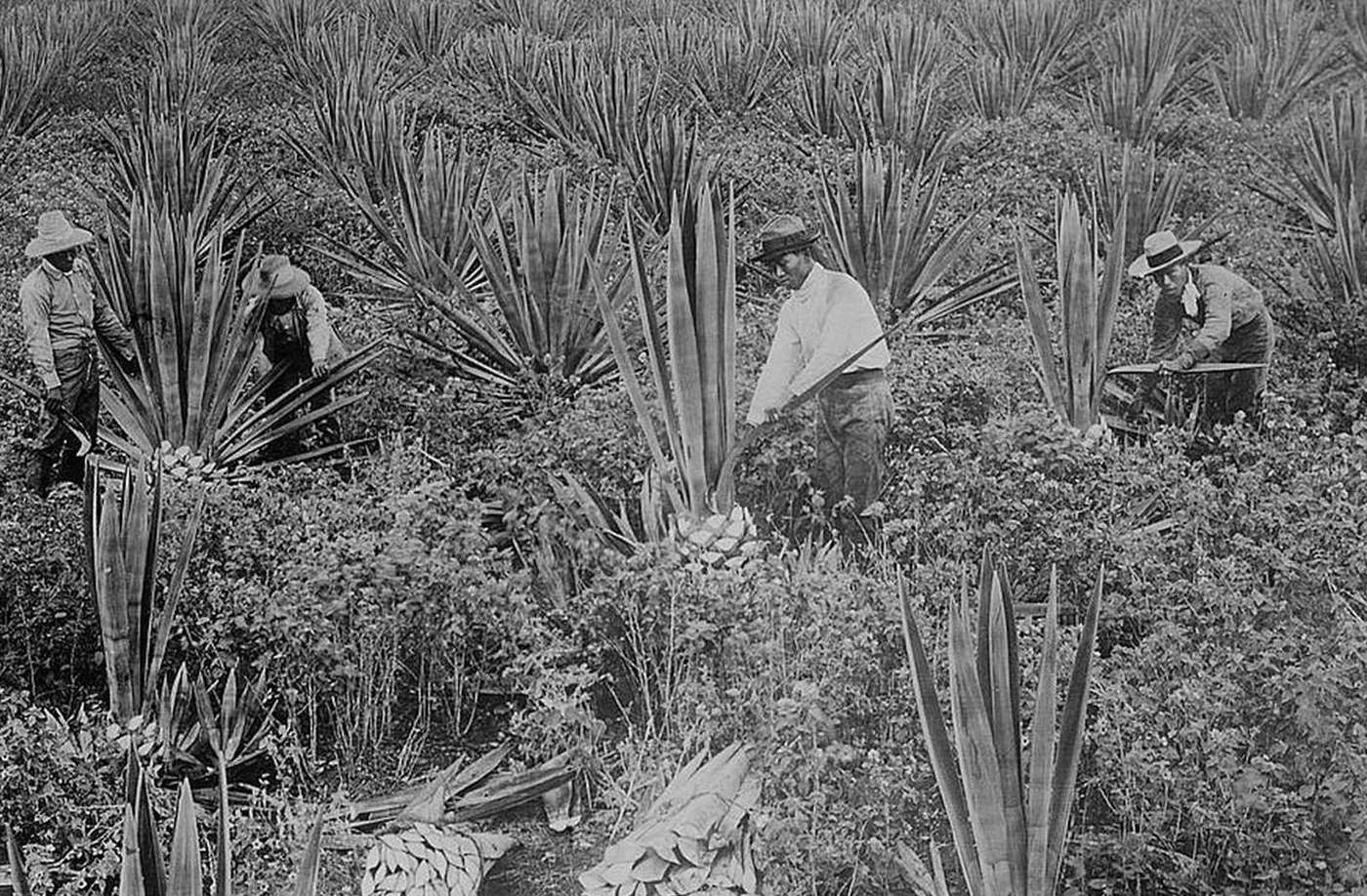
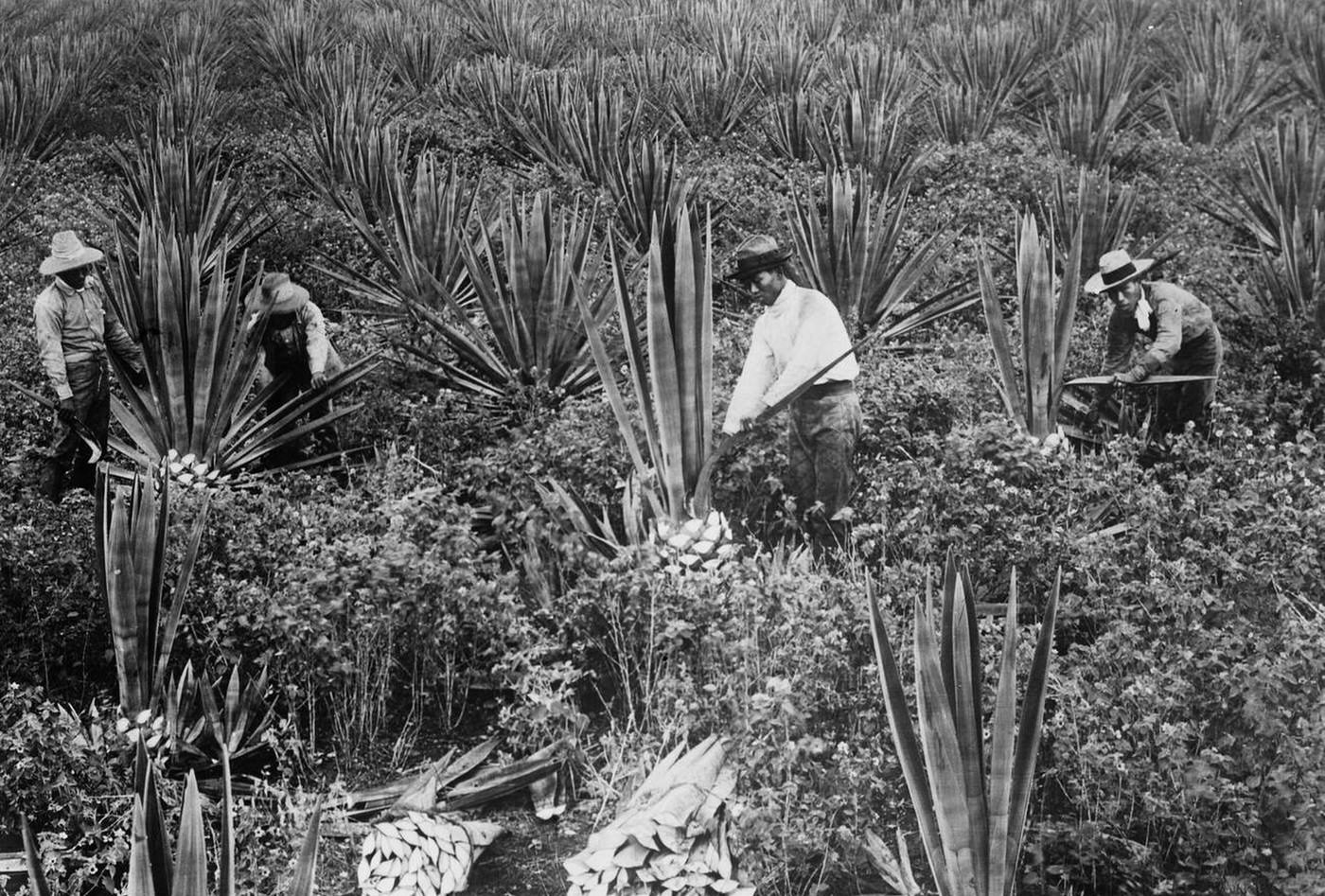
To keep the plantations running, landowners recruited workers from across Asia and Europe. Japanese, Chinese, Filipino, and Portuguese immigrants arrived in large numbers. Each group settled into plantation camps, often separated by ethnicity, and maintained their own languages and customs. Japanese workers, for instance, were among the largest immigrant groups on the islands.
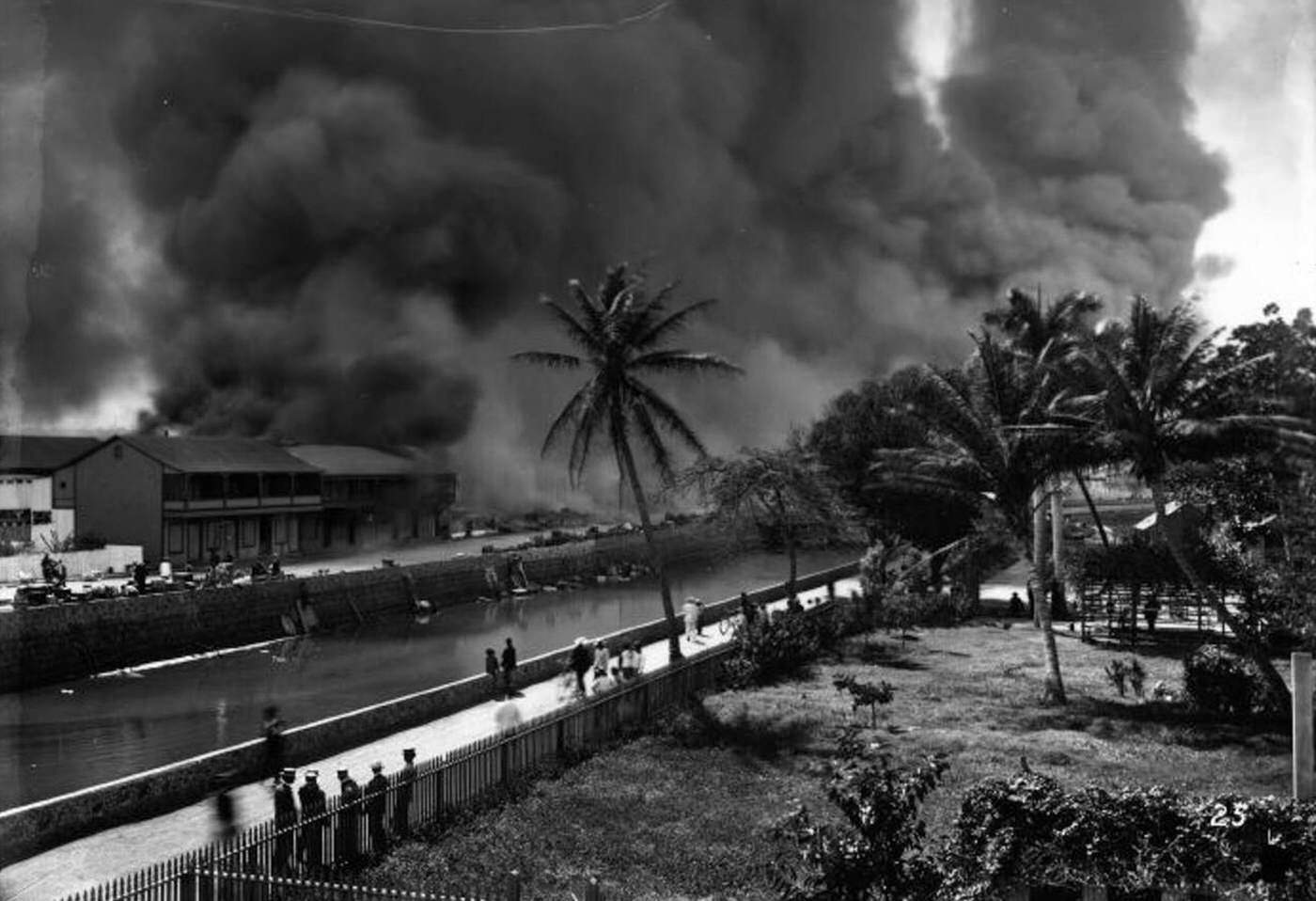
Chinese immigrants had been arriving in Hawaii since the 1800s and had built a thriving community in Honolulu’s Chinatown. By 1900, Chinatown was one of the most densely populated districts in the city, filled with shops, restaurants, temples, and family associations. Then, in January 1900, a fire set by health officials to burn plague-infected buildings spiraled out of control.
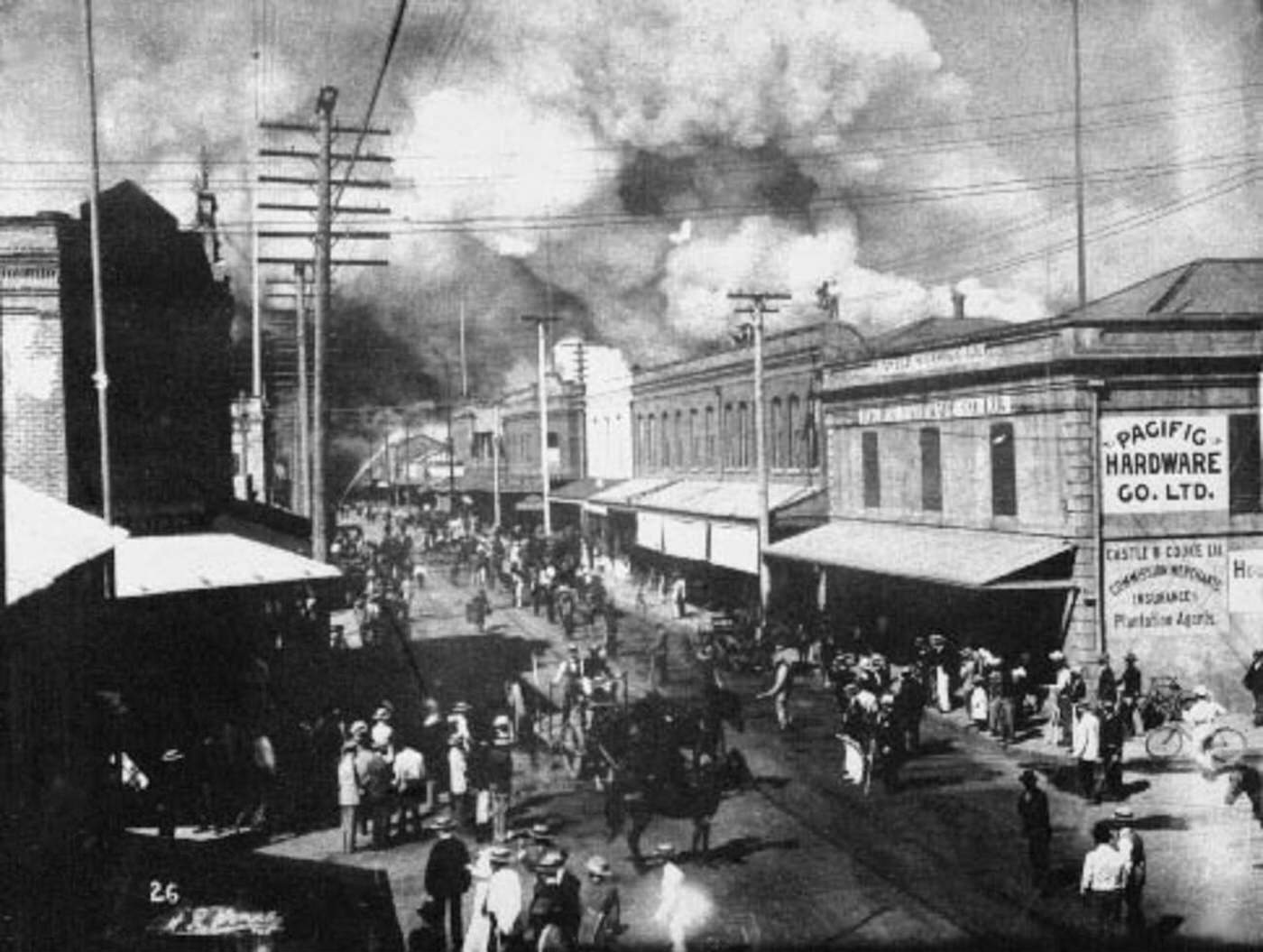
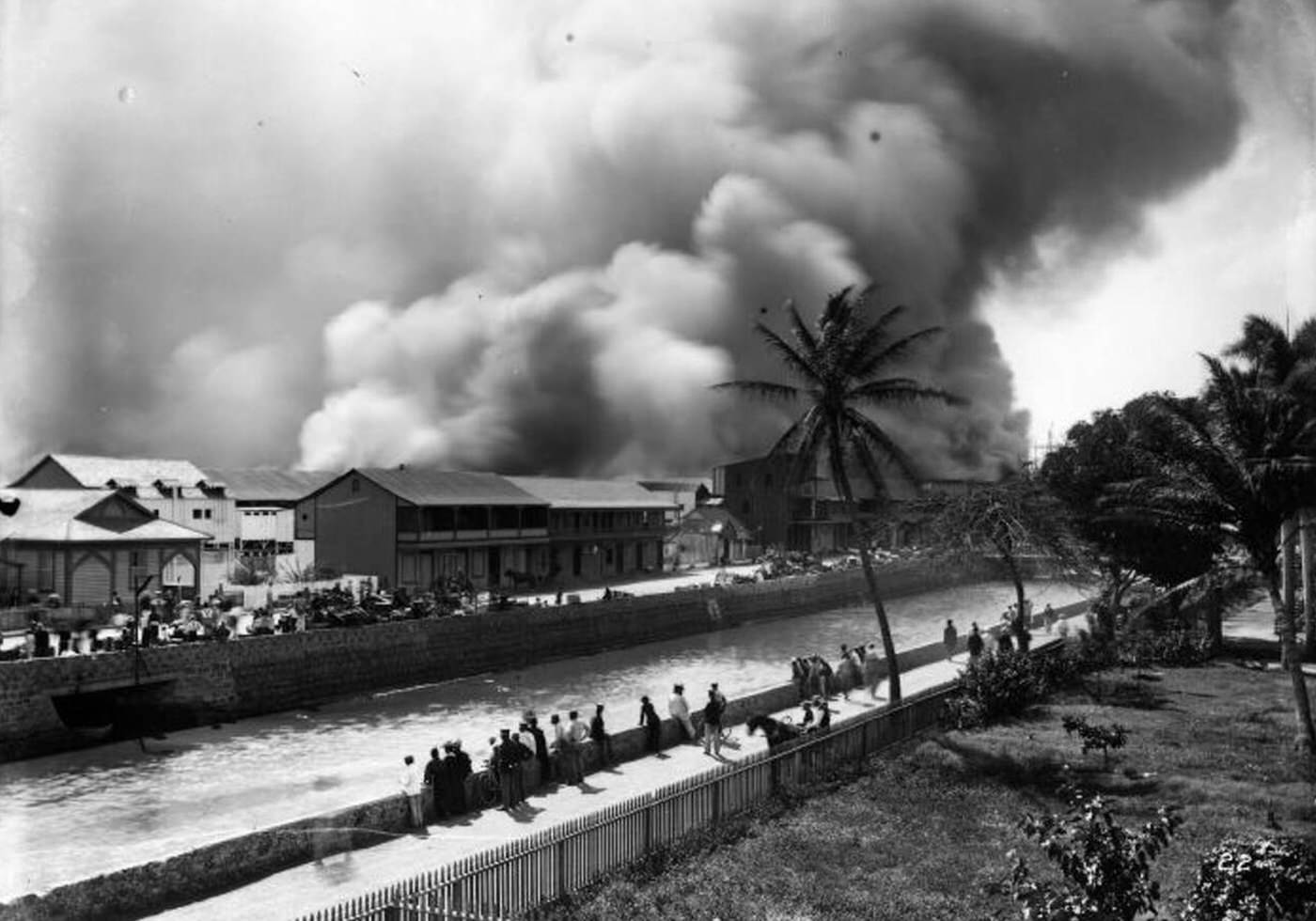
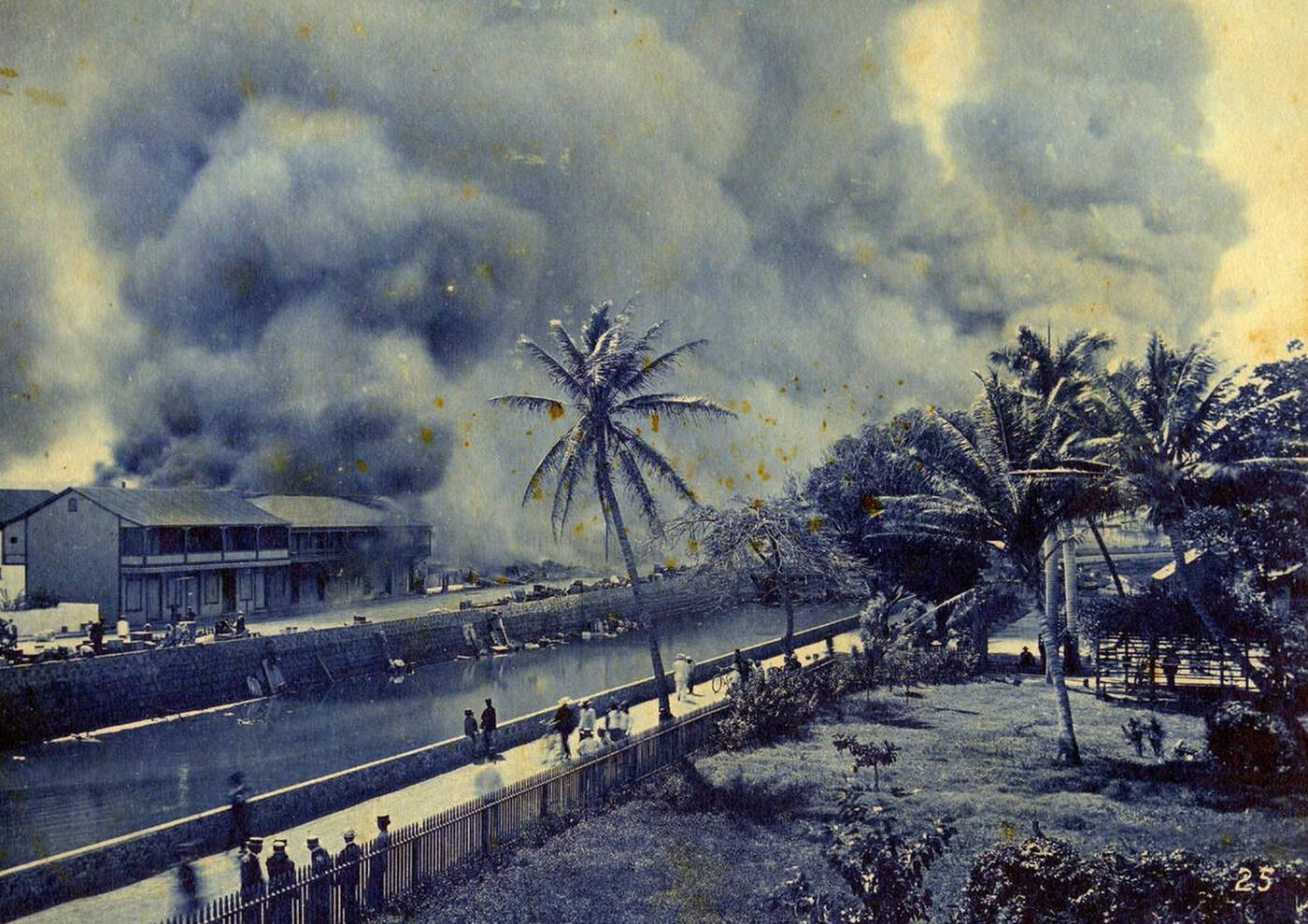
The fire burned for more than two weeks and destroyed roughly 40 acres of Chinatown. Thousands of residents — mostly Chinese, Japanese, and Native Hawaiian — lost their homes and businesses. The destruction was total in many blocks, leaving only rubble where a living neighborhood had stood.
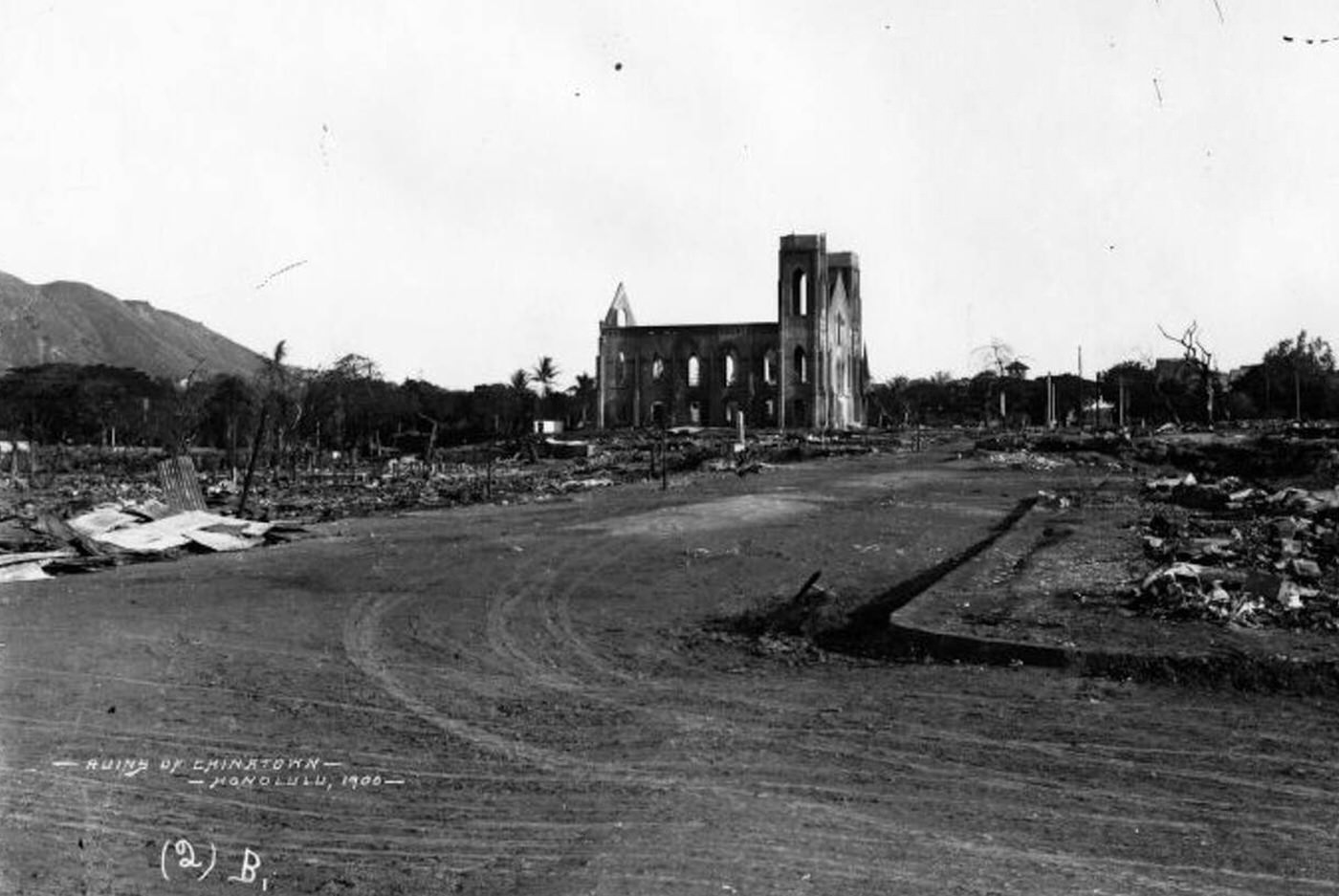
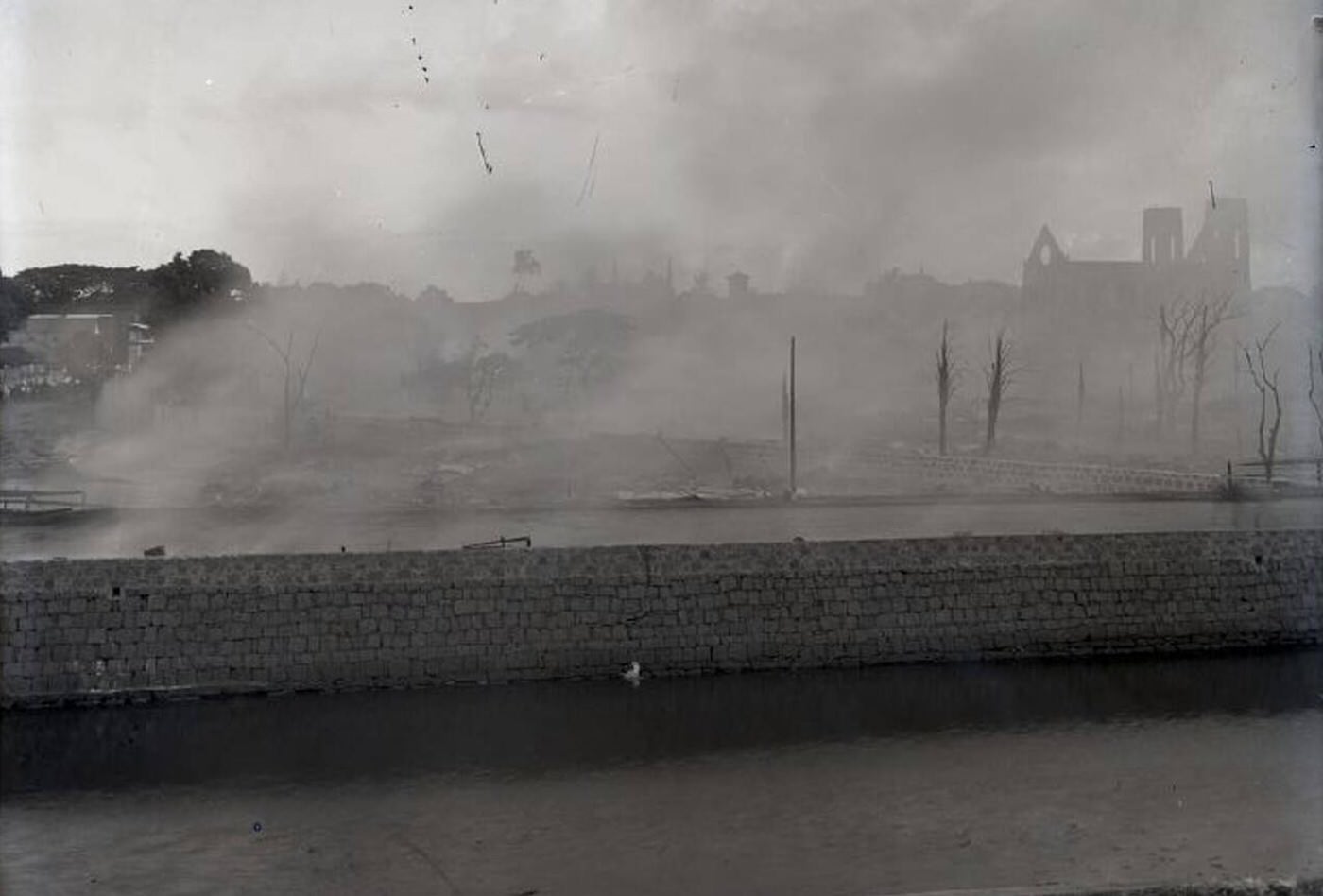
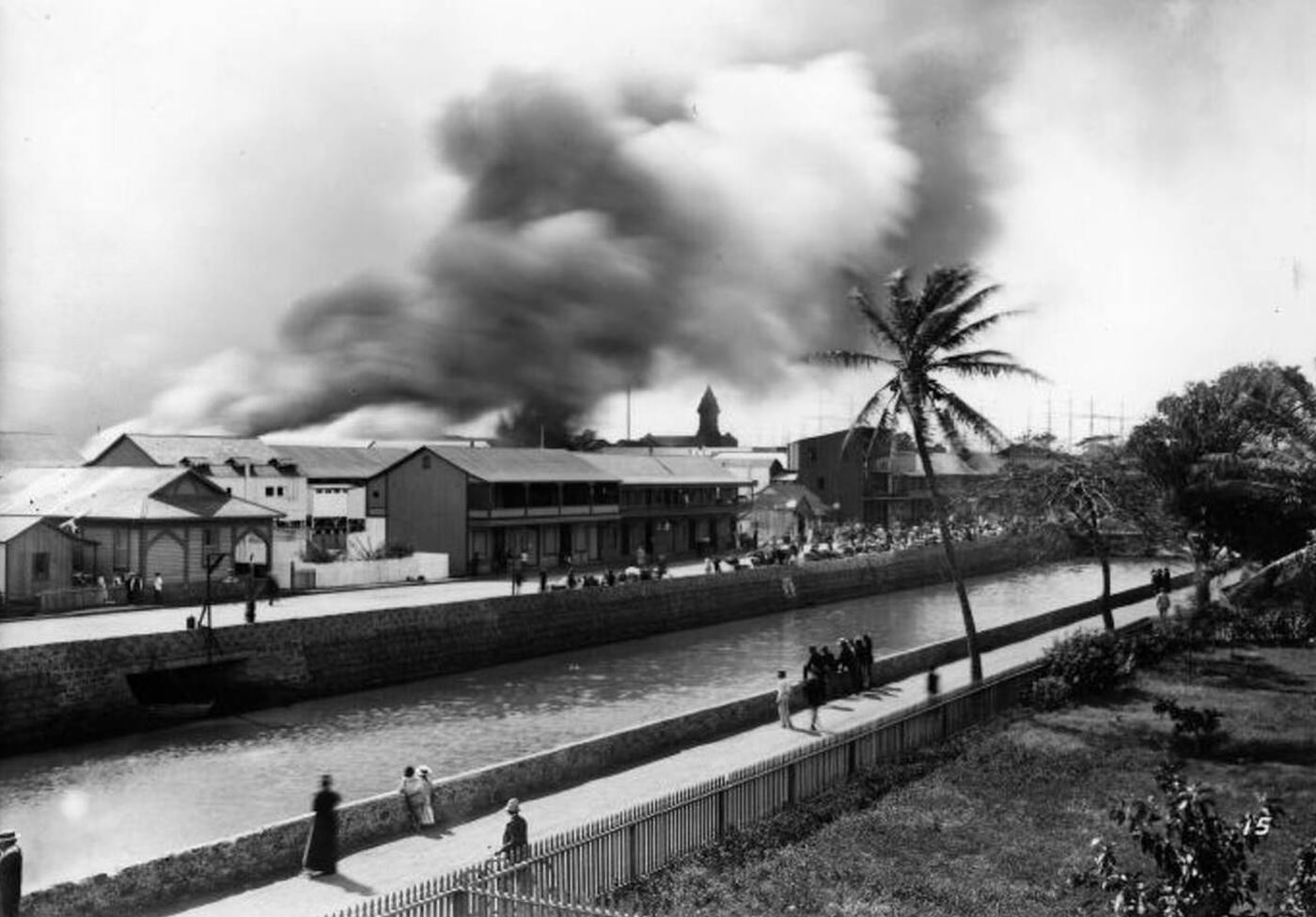
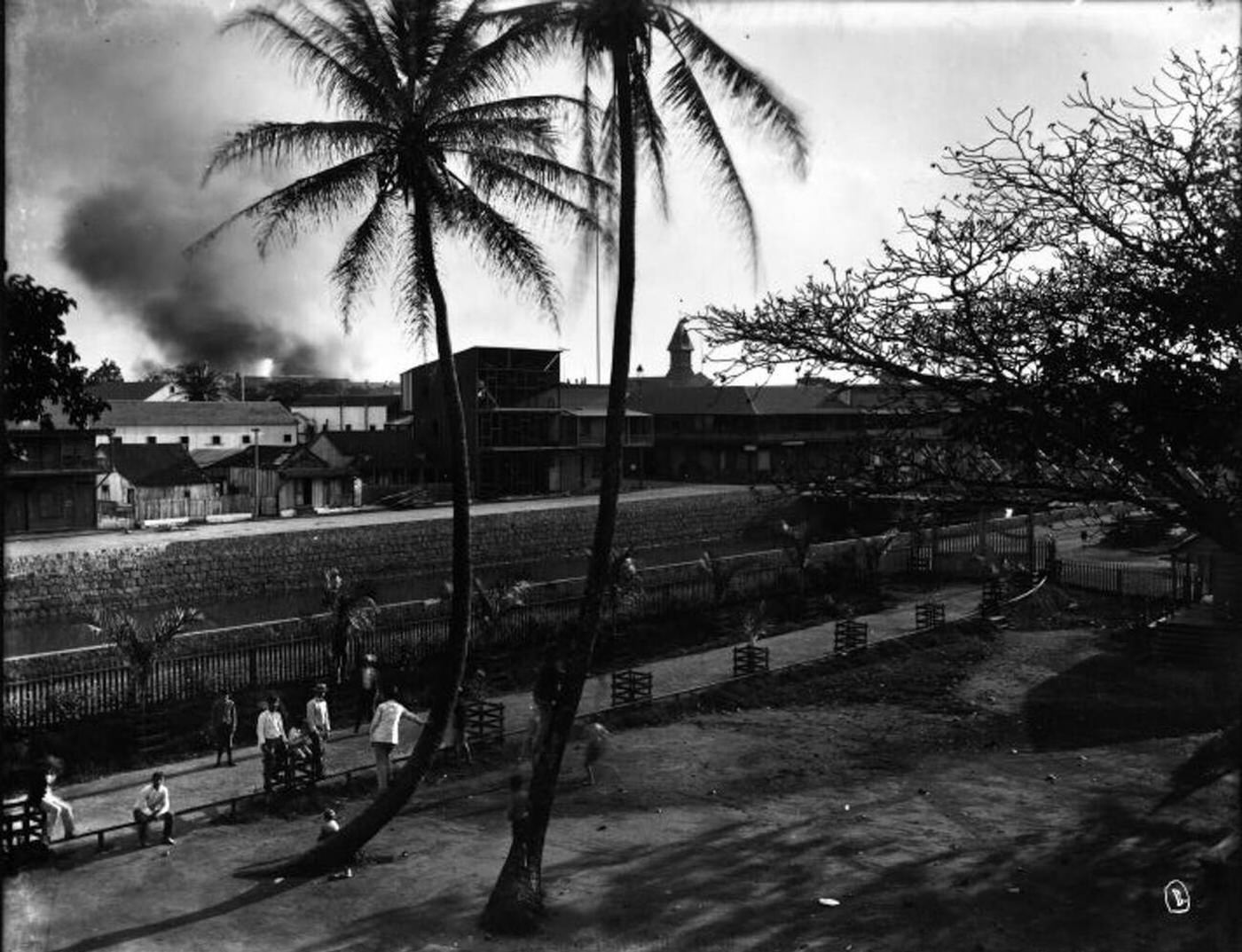
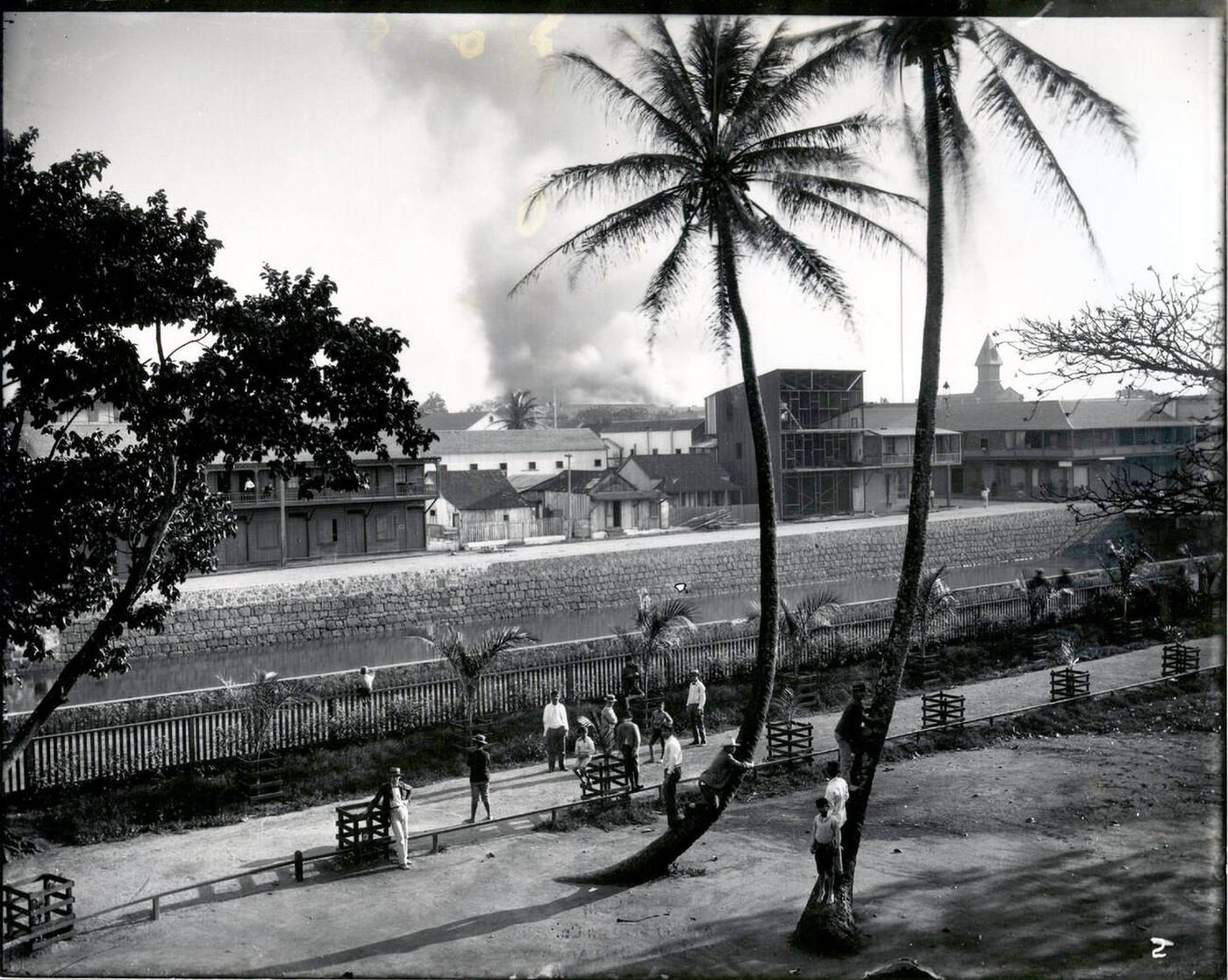
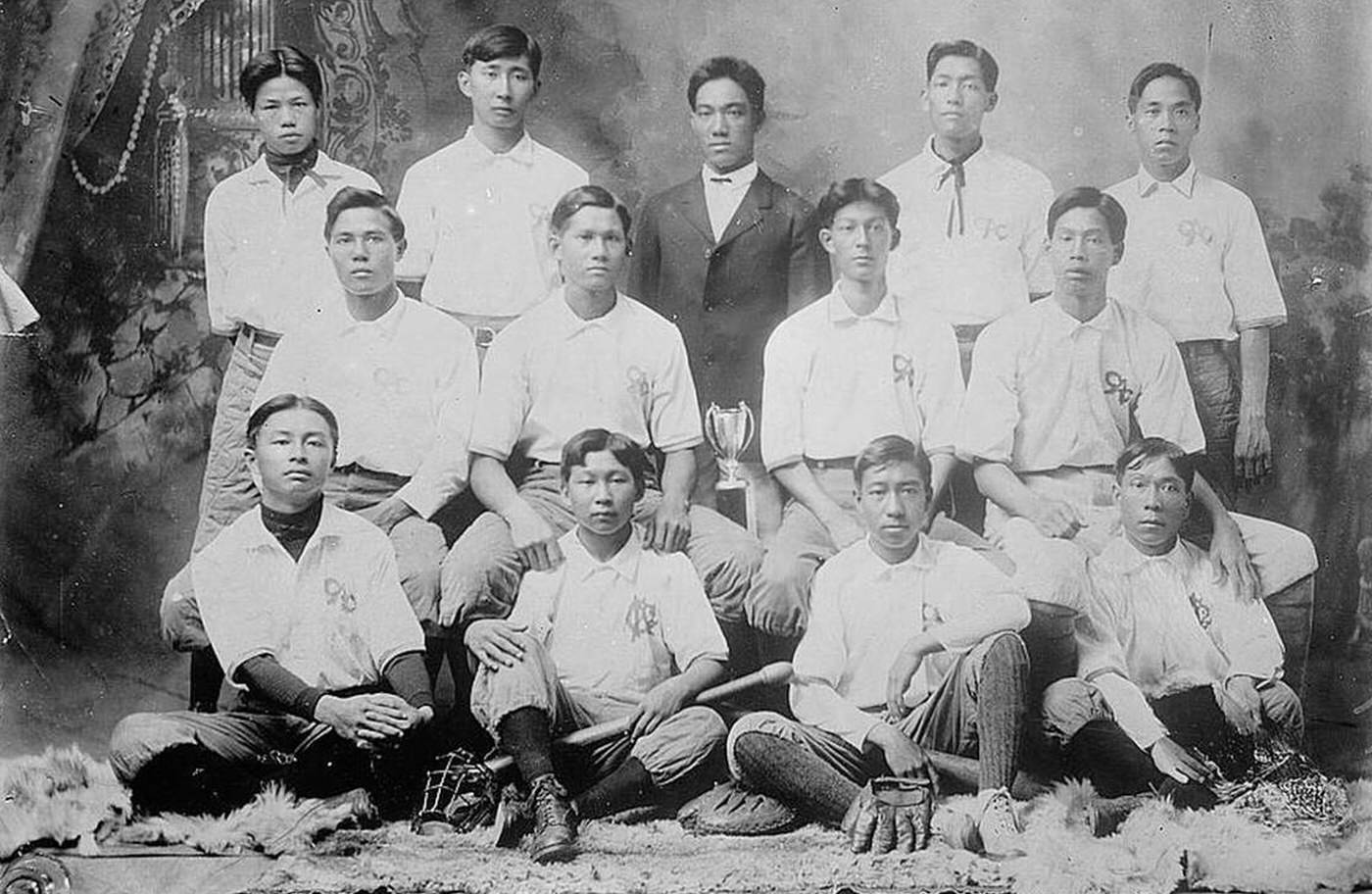
Despite the destruction, the Chinese community rebuilt. By the mid-1900s, Chinatown was active again, and Chinese residents had become a visible and organized part of Honolulu’s social fabric — including in unexpected arenas like baseball, which had become popular among immigrant communities.
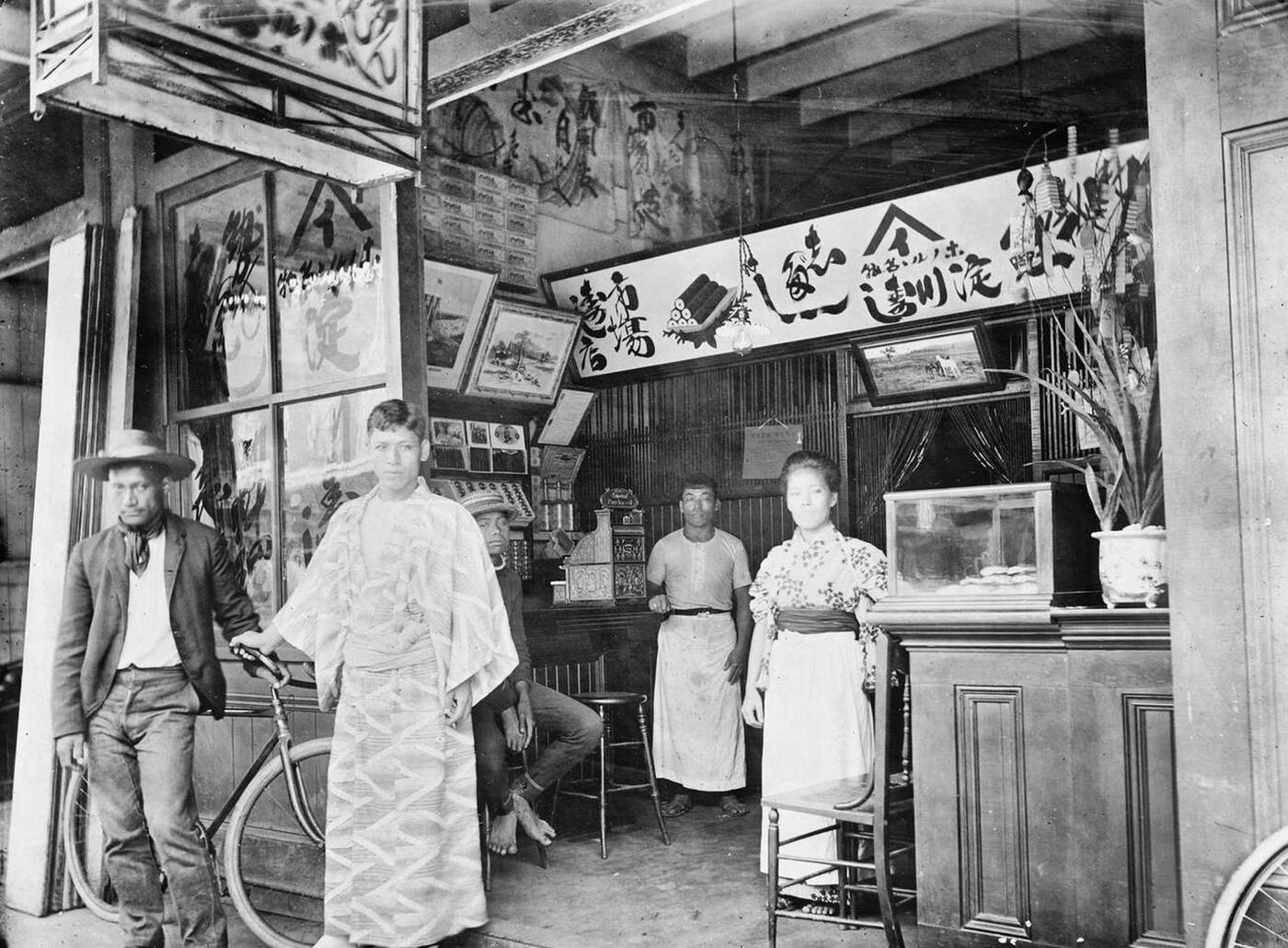
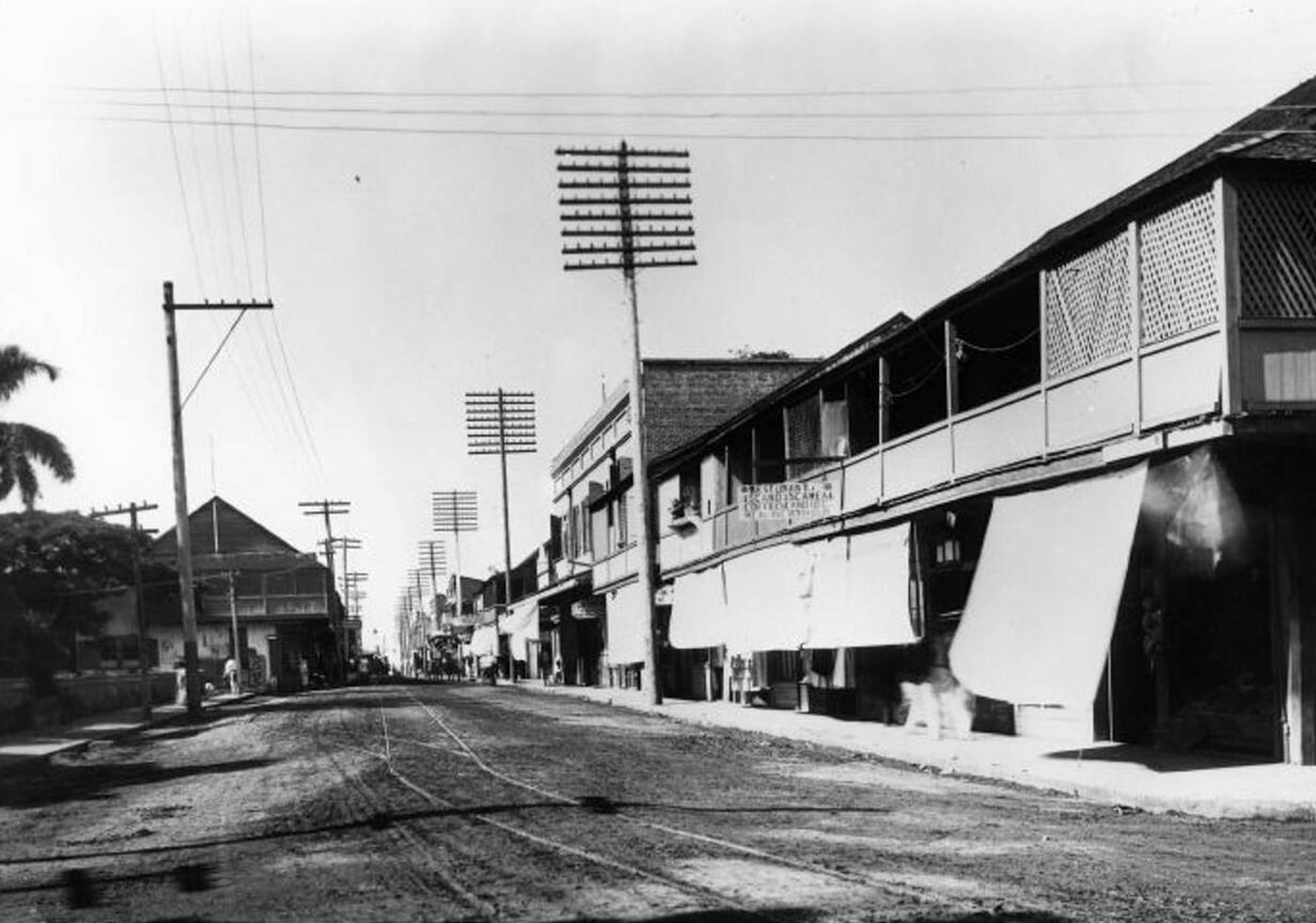
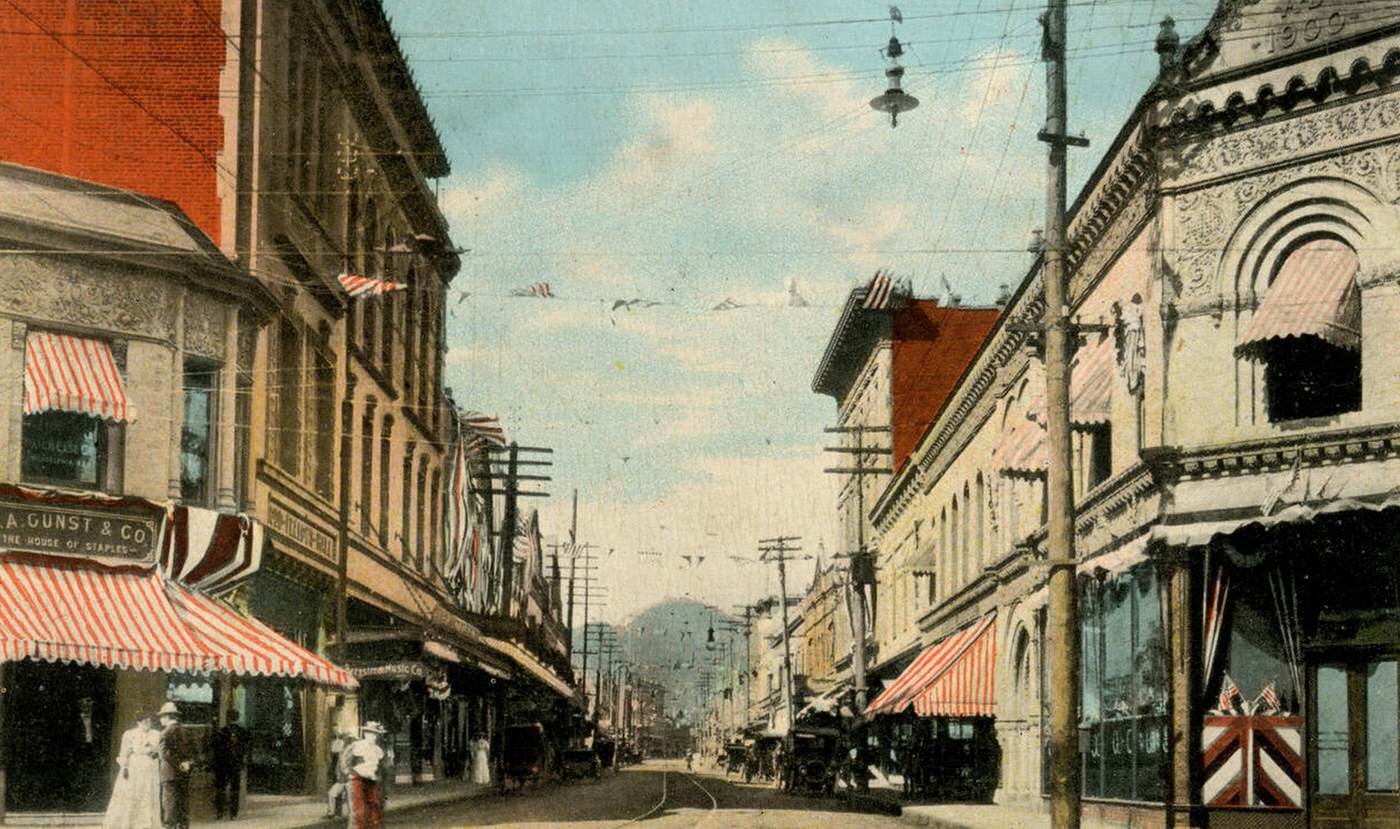
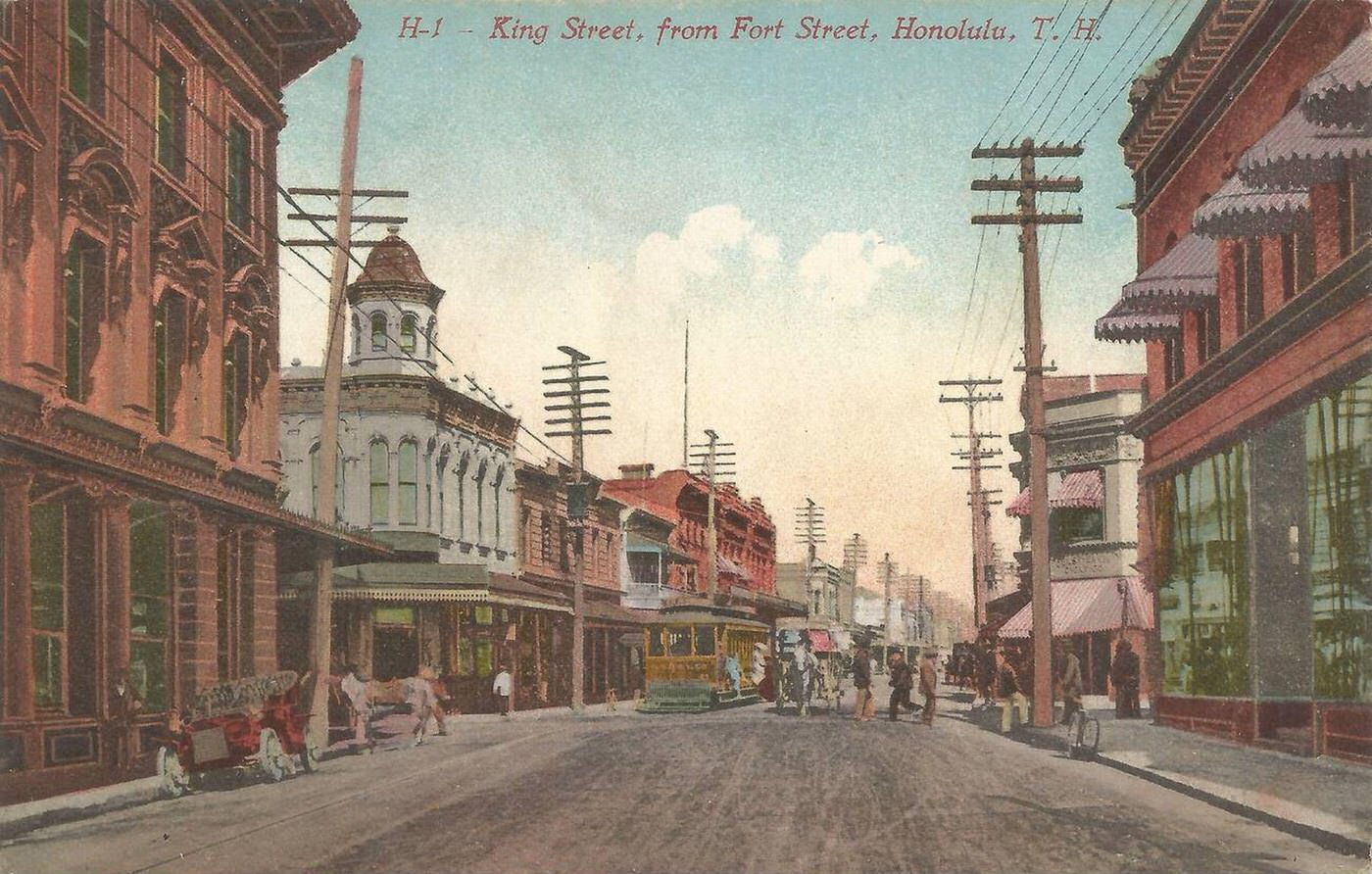
Honolulu’s streets reflected the city’s growing diversity and commercial energy. Major roads like Fort Street, King Street, and Nuuanu Avenue were lined with shops, government buildings, and residences. Horse-drawn transport remained common, though the city was clearly modernizing.
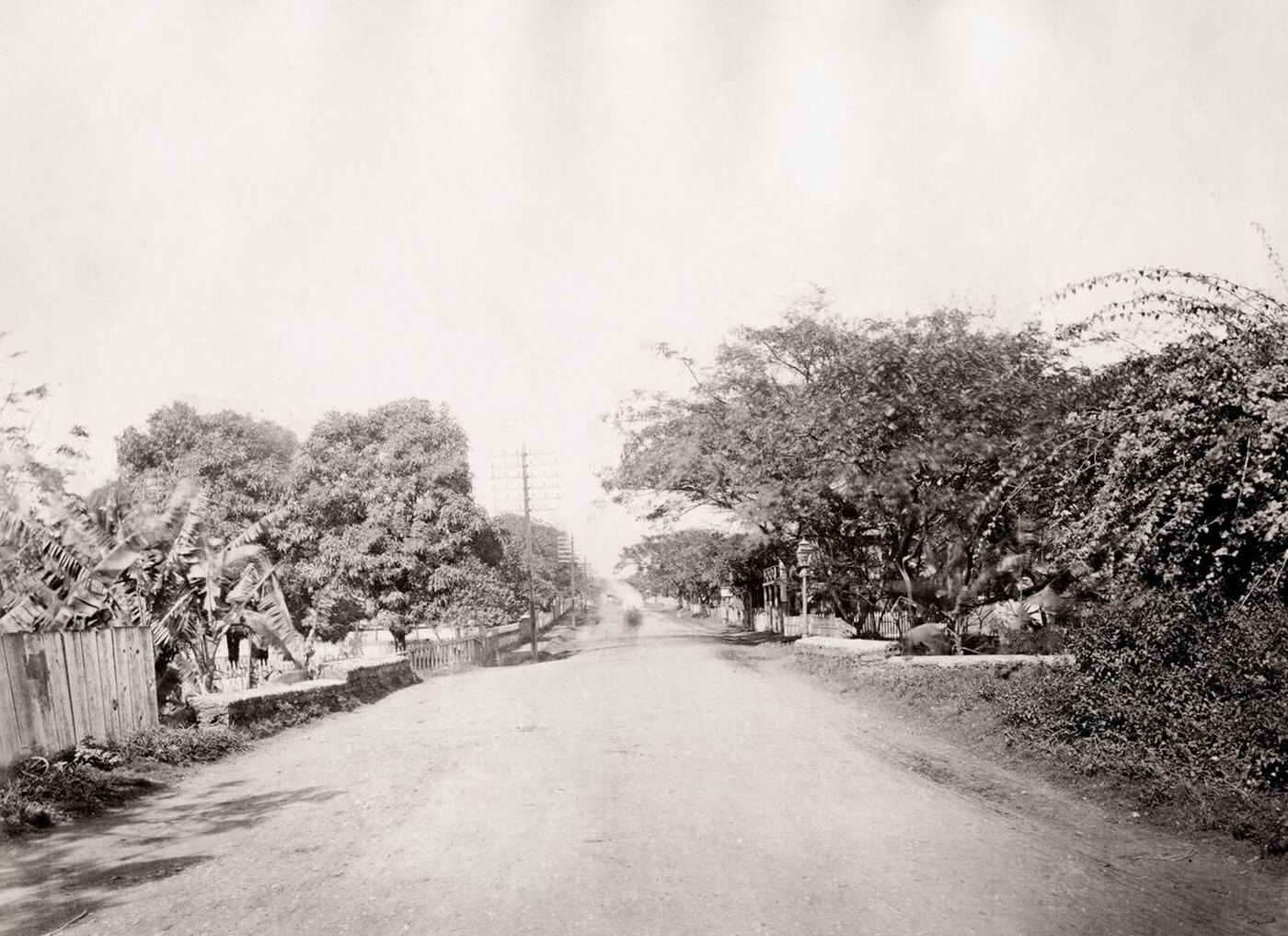
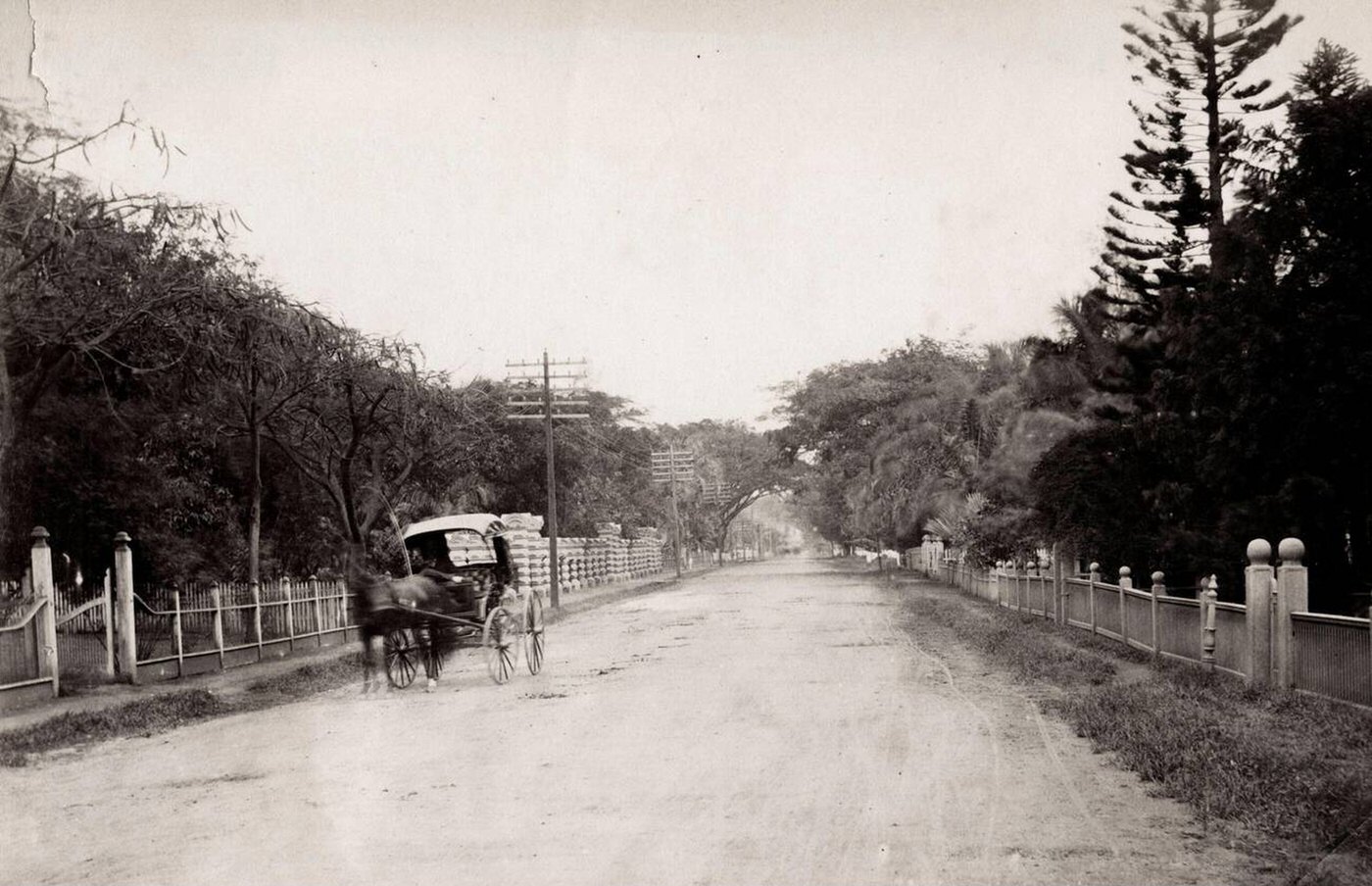
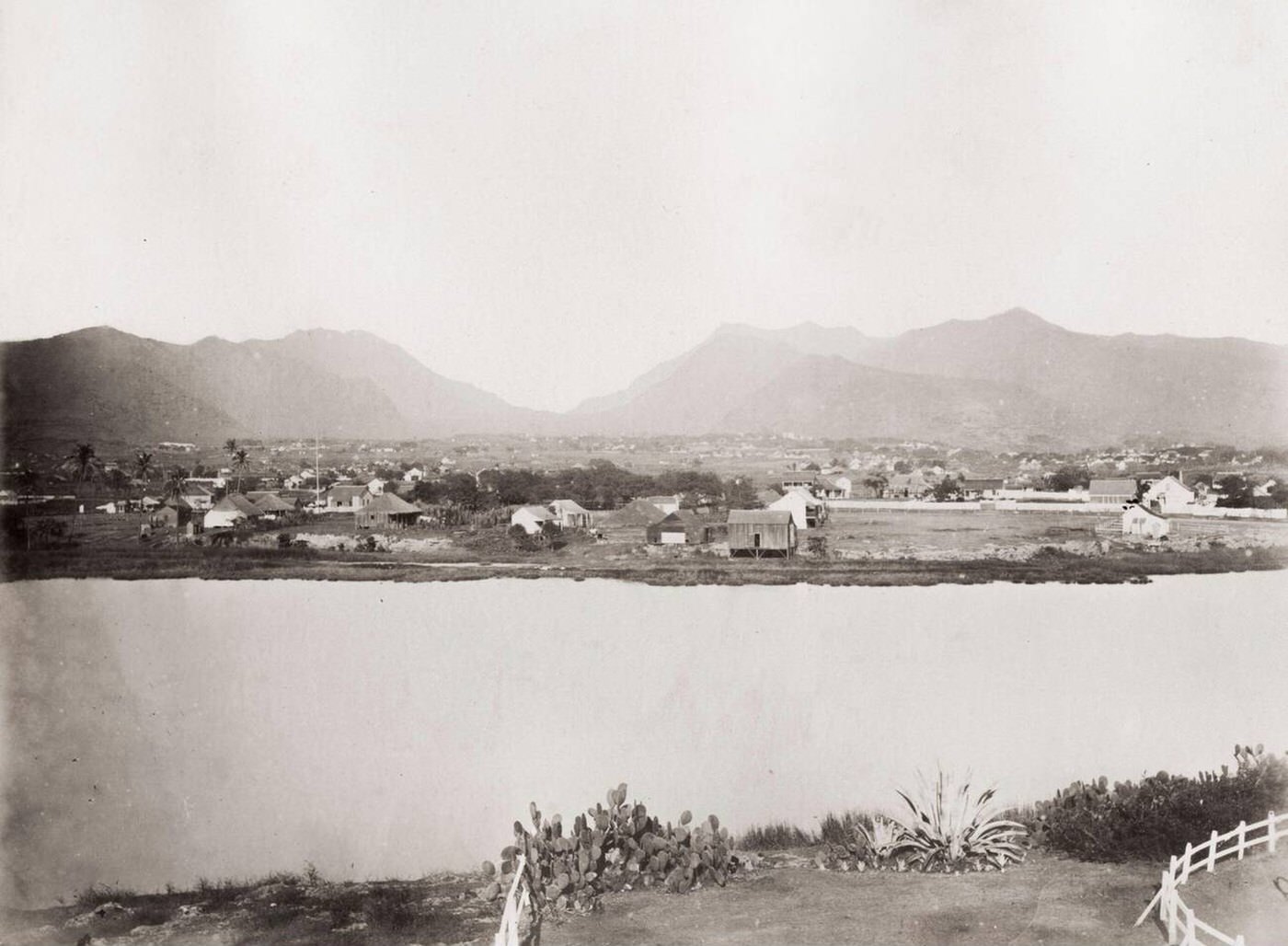
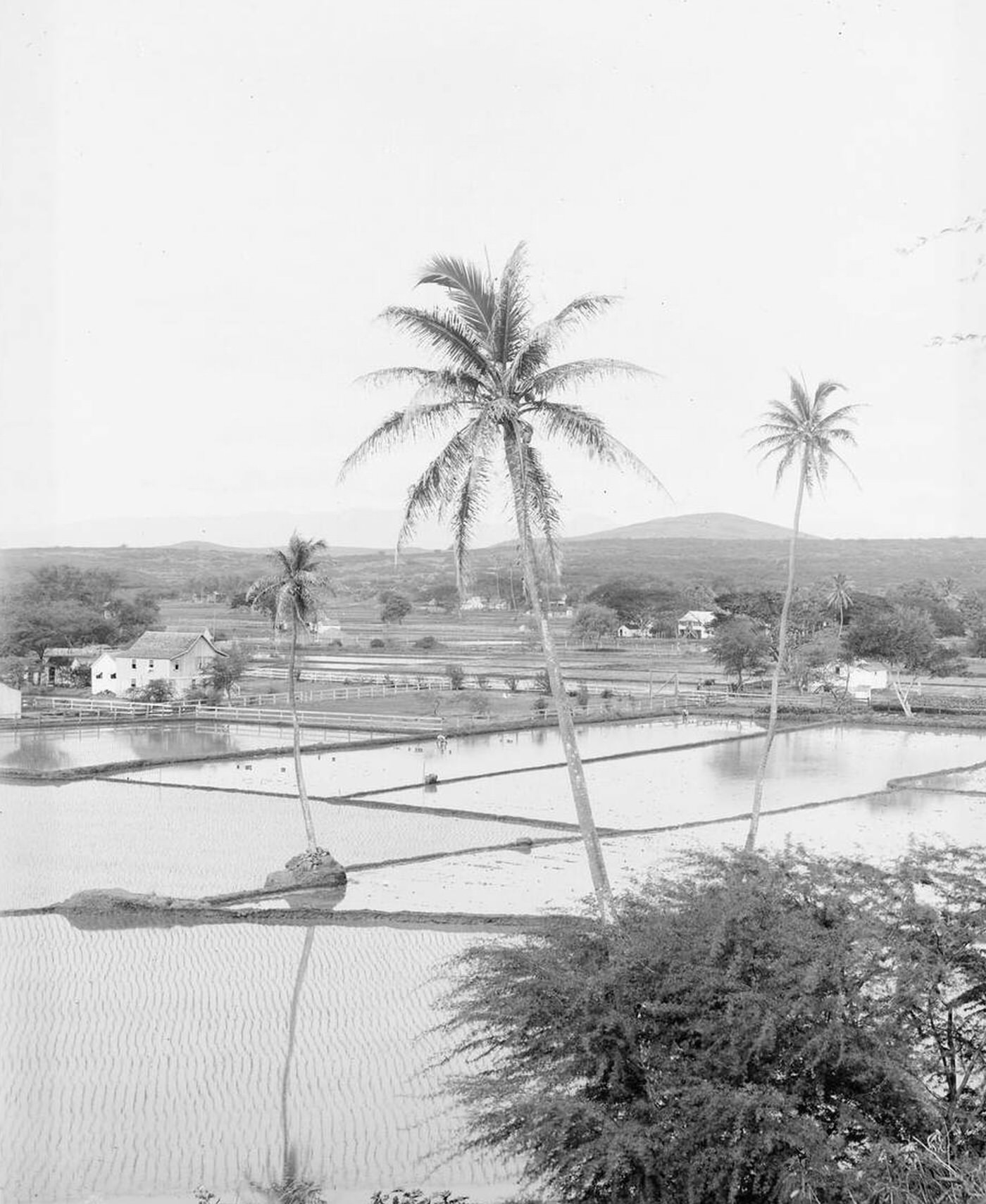
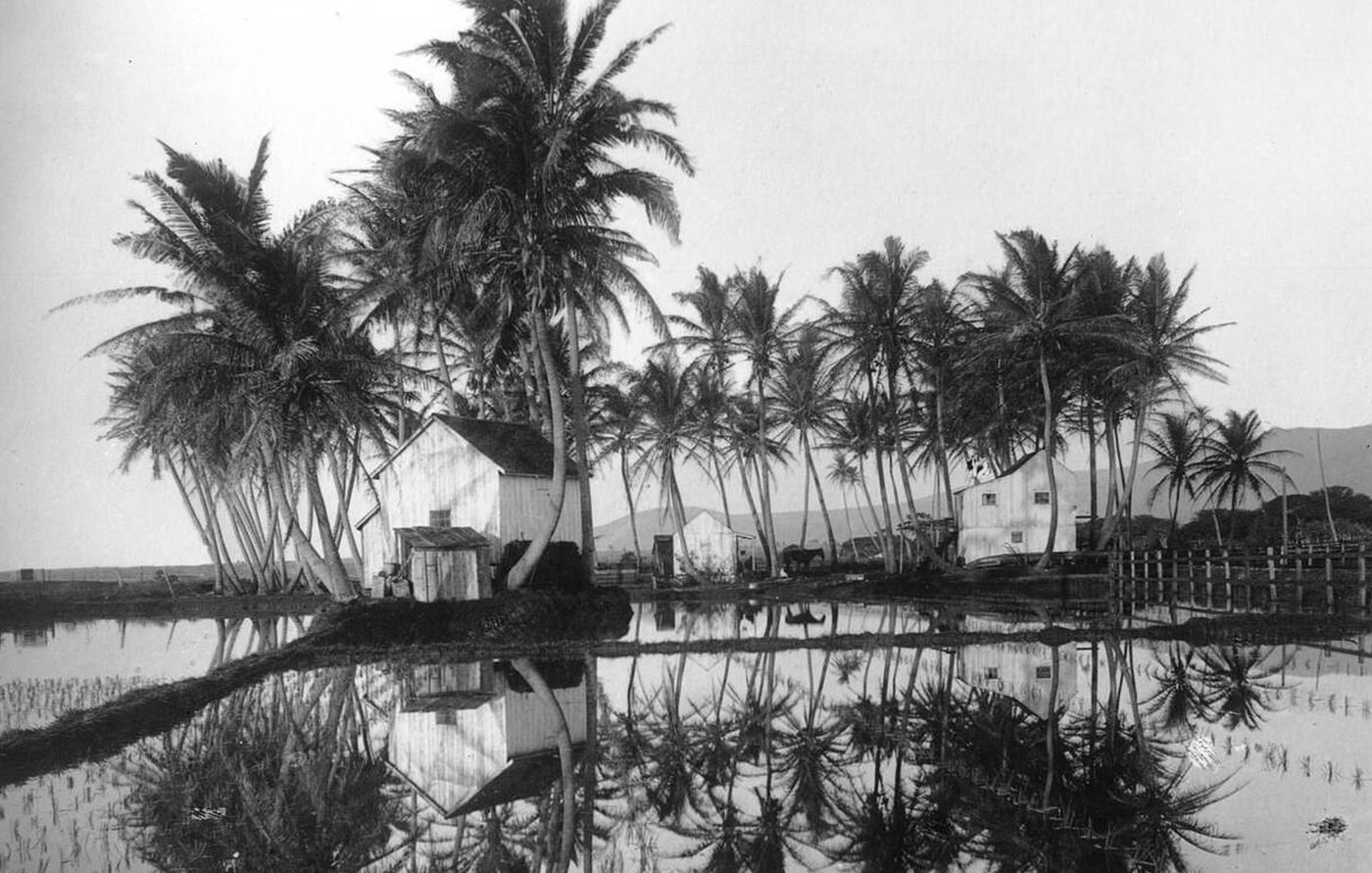
Beyond the city, rural Hawaii had its own distinct character. Towns like Wailuku on Maui were quieter, surrounded by fields and mountains. Rice paddies spread across low-lying areas near Honolulu, tended largely by Asian immigrant families who had brought their farming methods with them from their home countries.
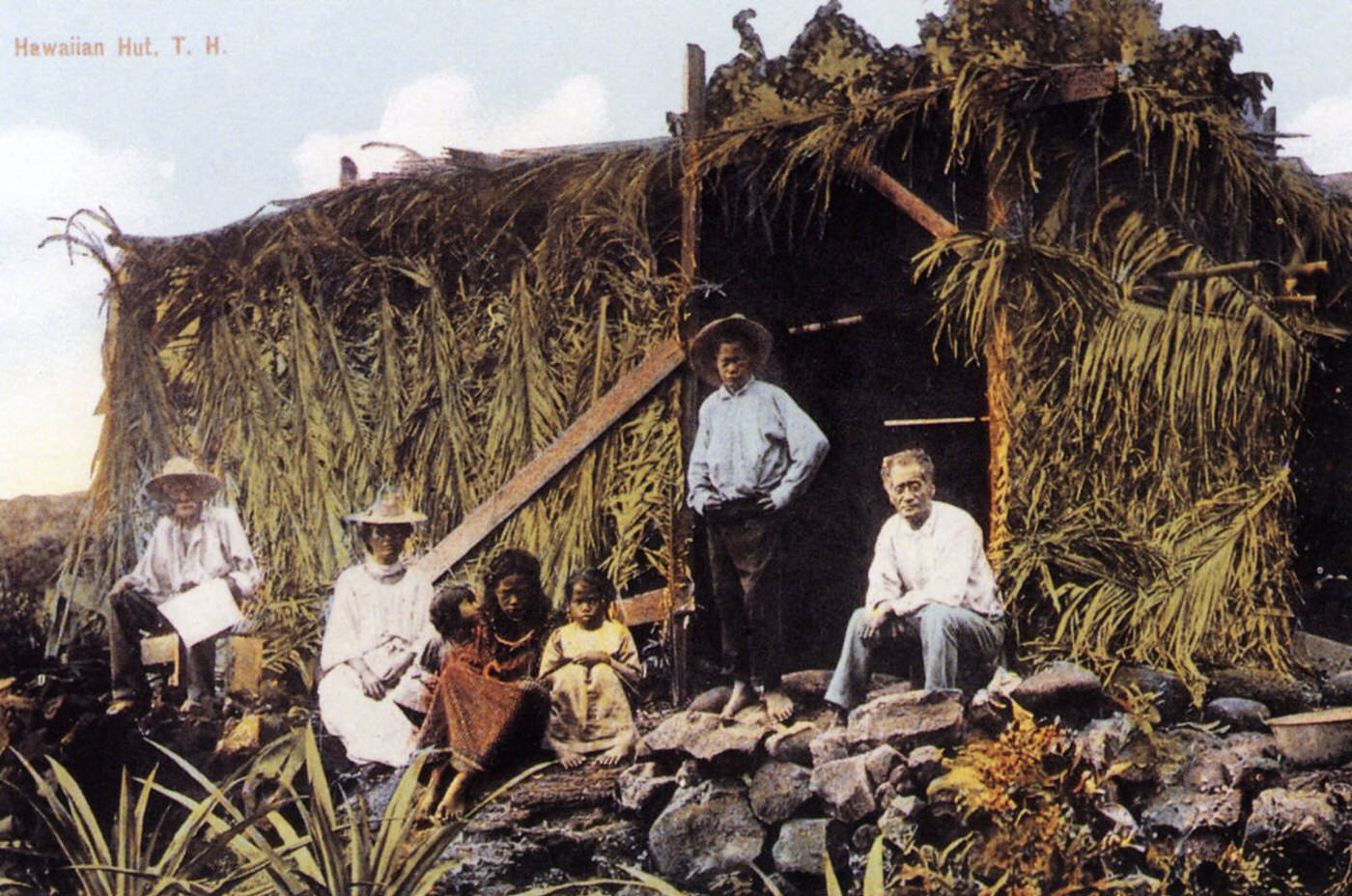
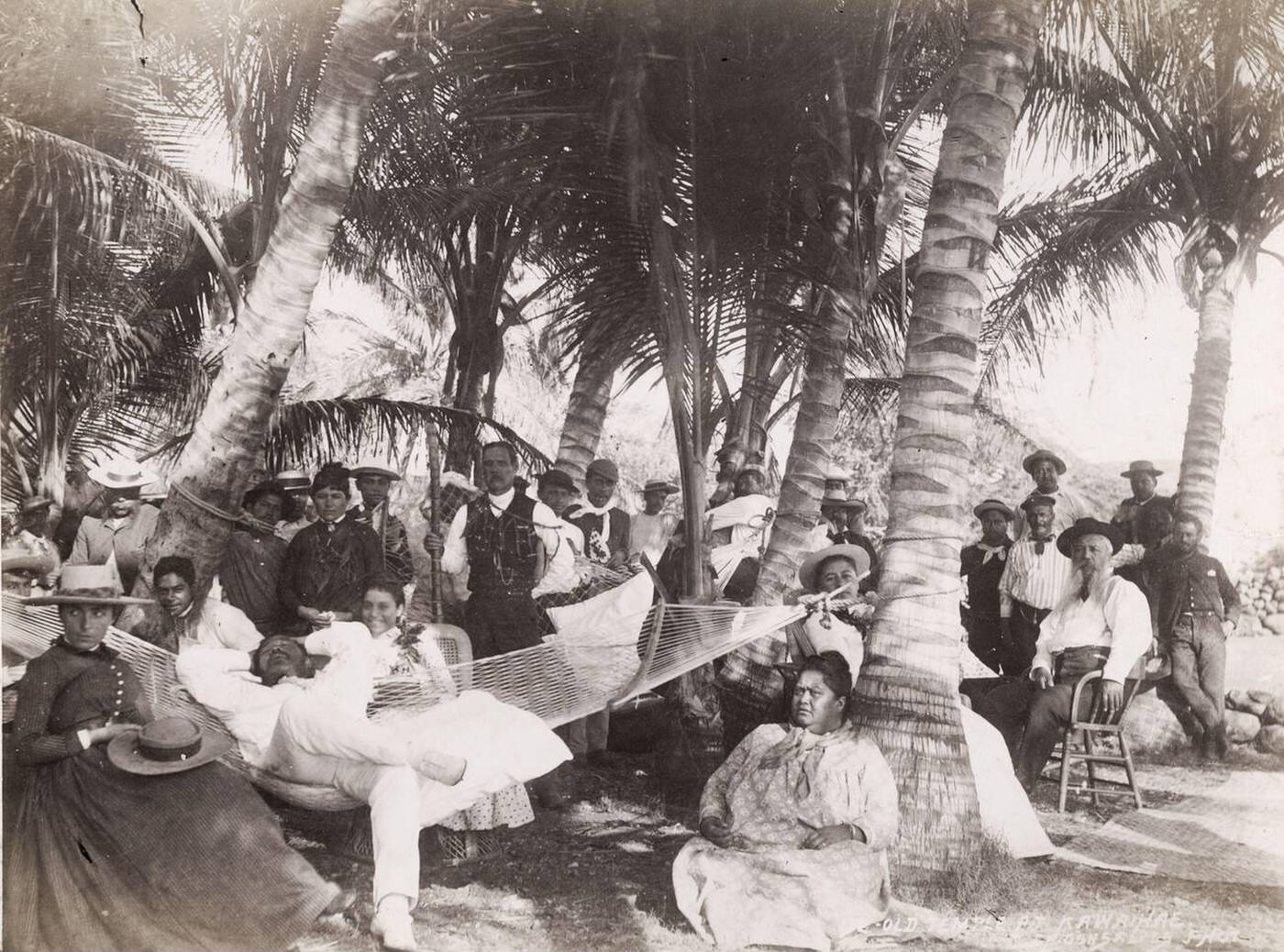
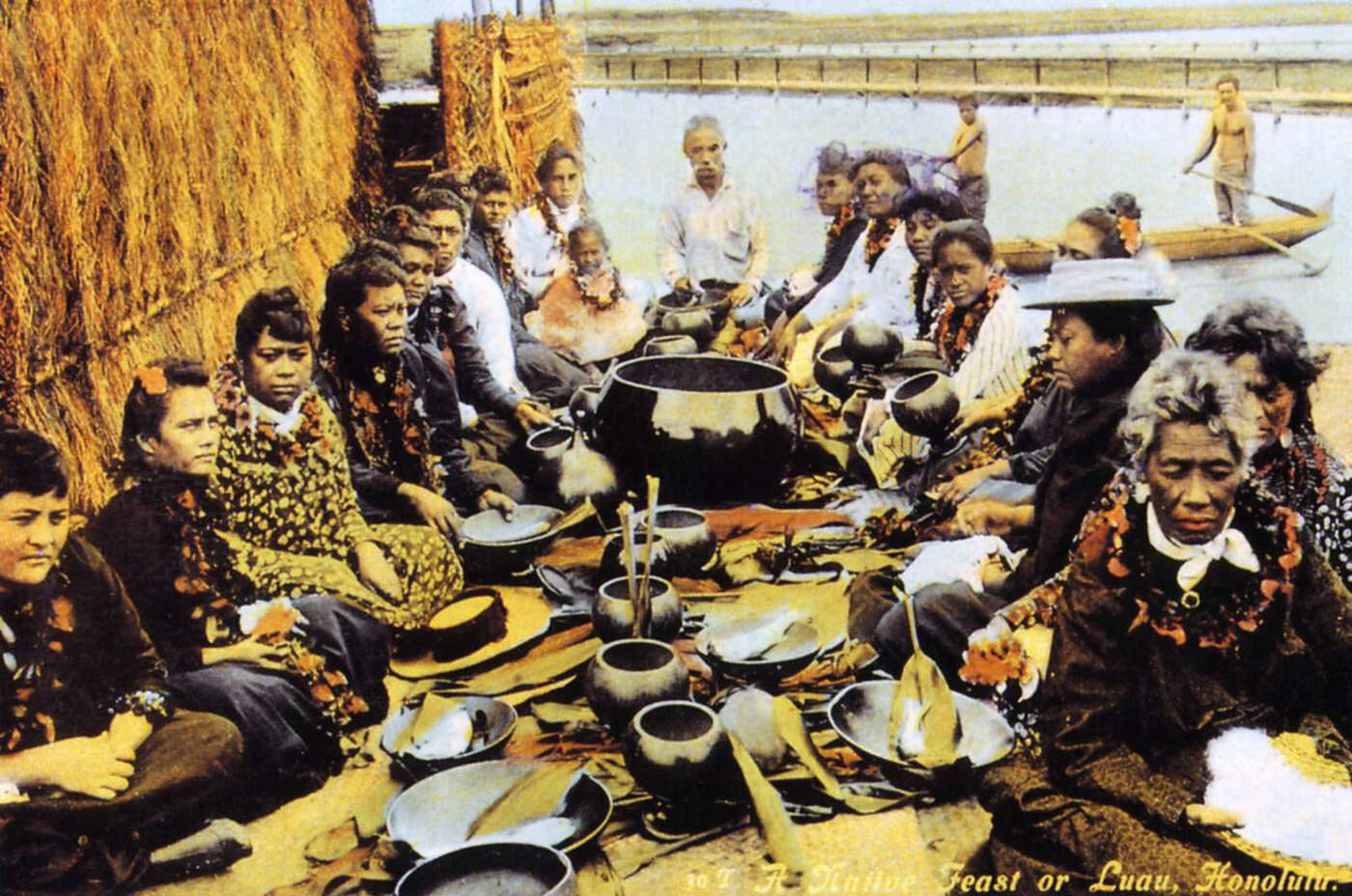
Native Hawaiian culture endured through this period despite the pressures of colonization and rapid social change. Families still gathered on beaches, prepared traditional foods like poi — a paste made from taro — and kept alive the customs that had defined Hawaiian life for centuries. Poi was more than a food; it was a cultural staple tied to family, land, and identity.
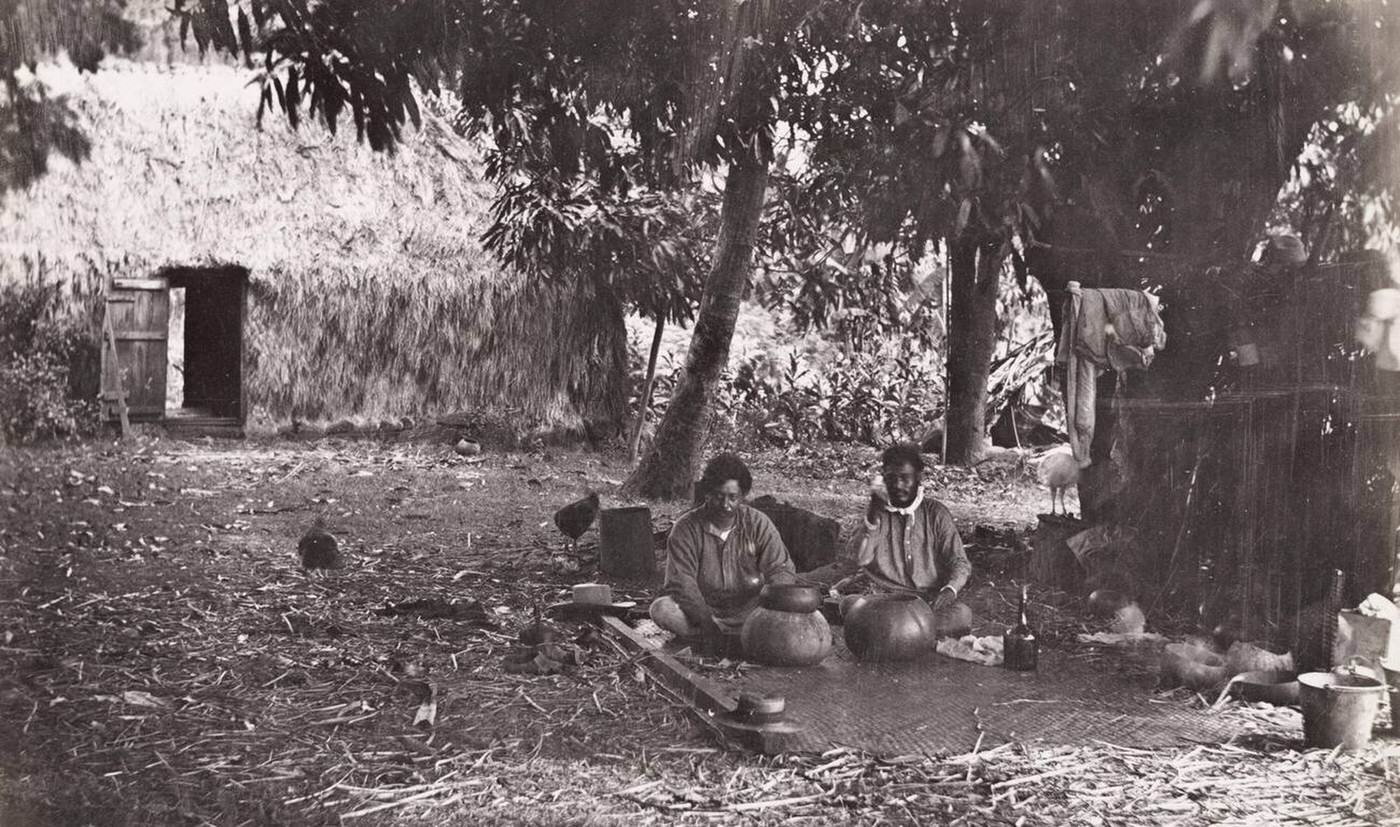
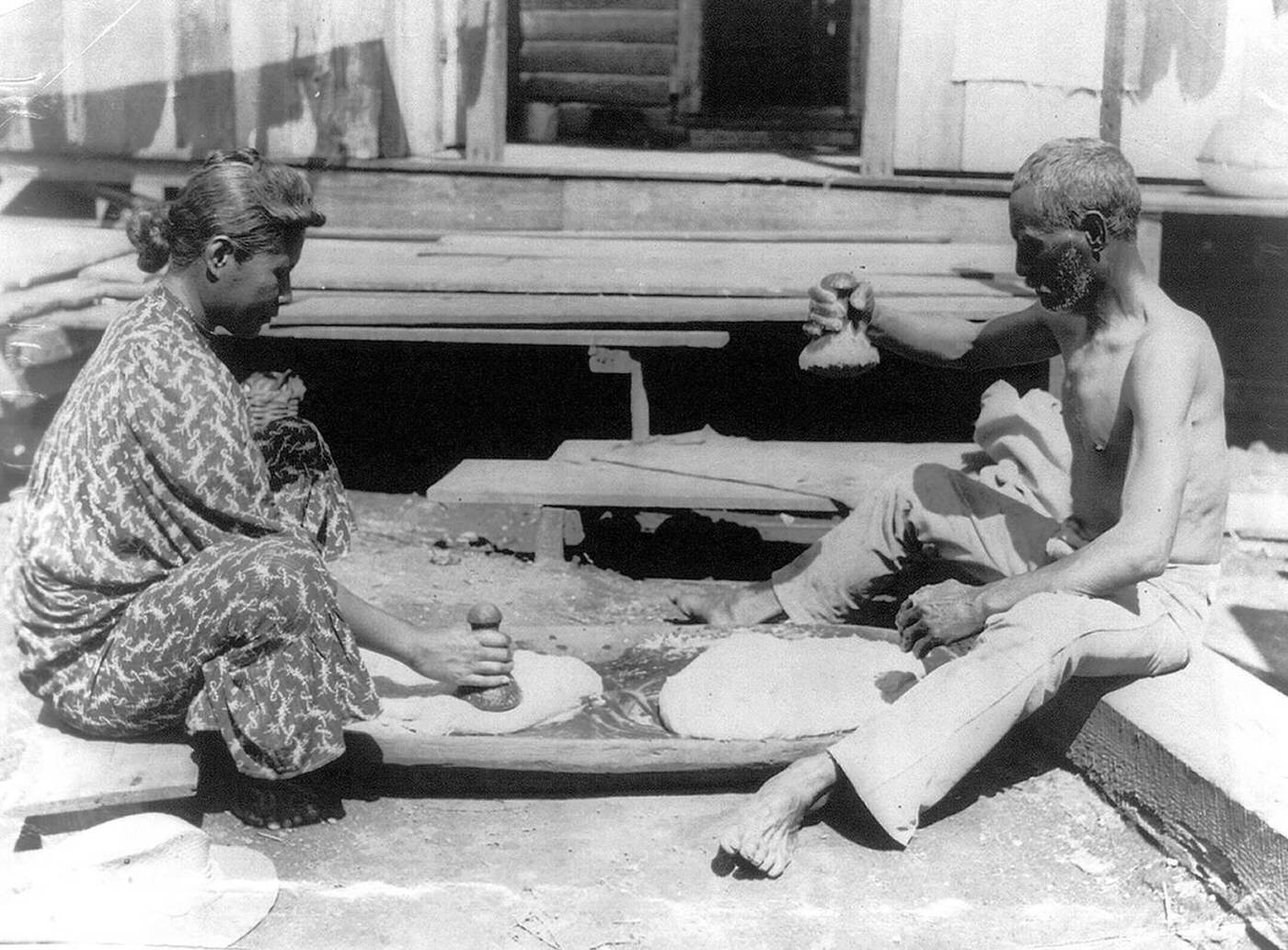
Traditional feasts, known as luaus, remained an important part of Hawaiian social life. These gatherings brought people together around food, music, and storytelling. They were not staged for tourists — they were genuine community events rooted in Native Hawaiian tradition.
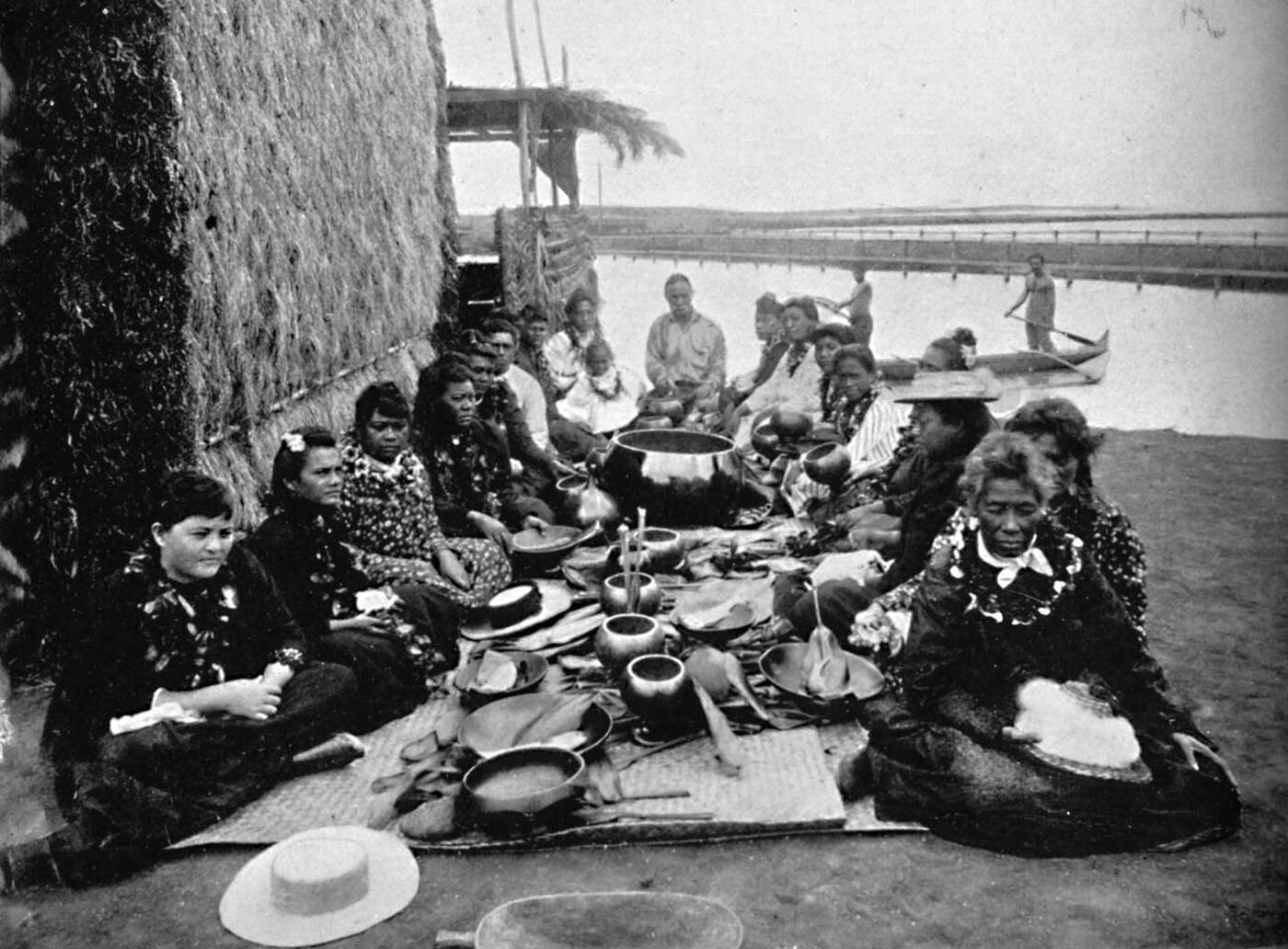
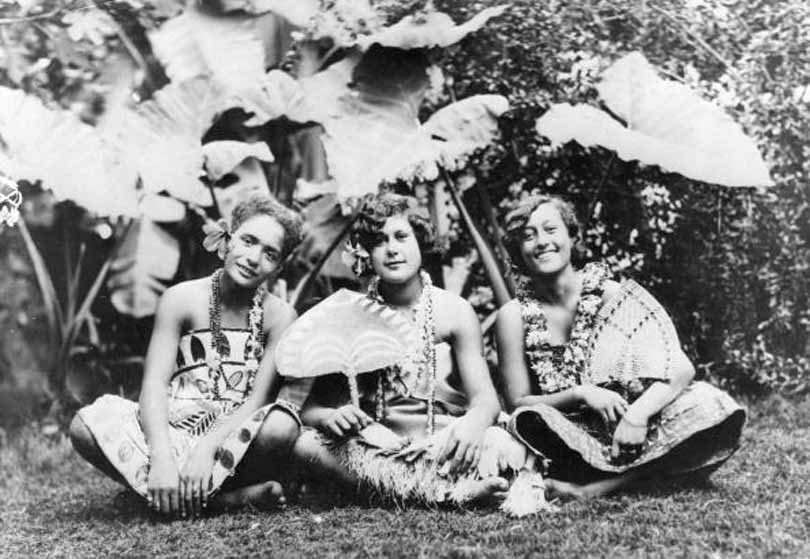
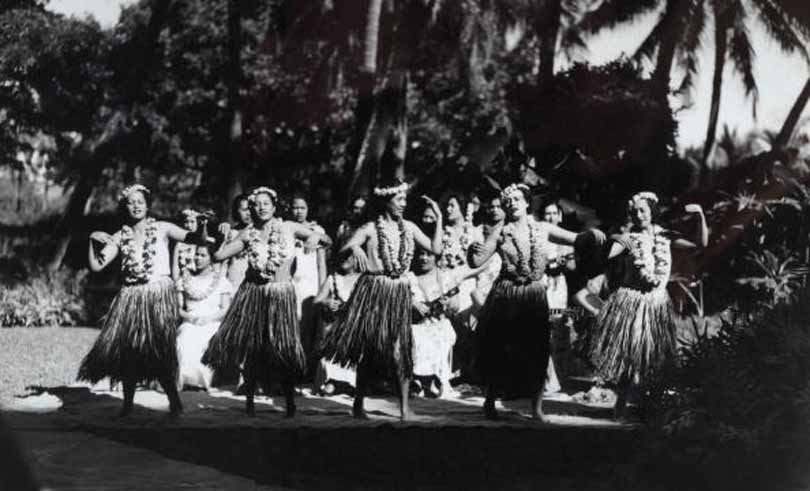
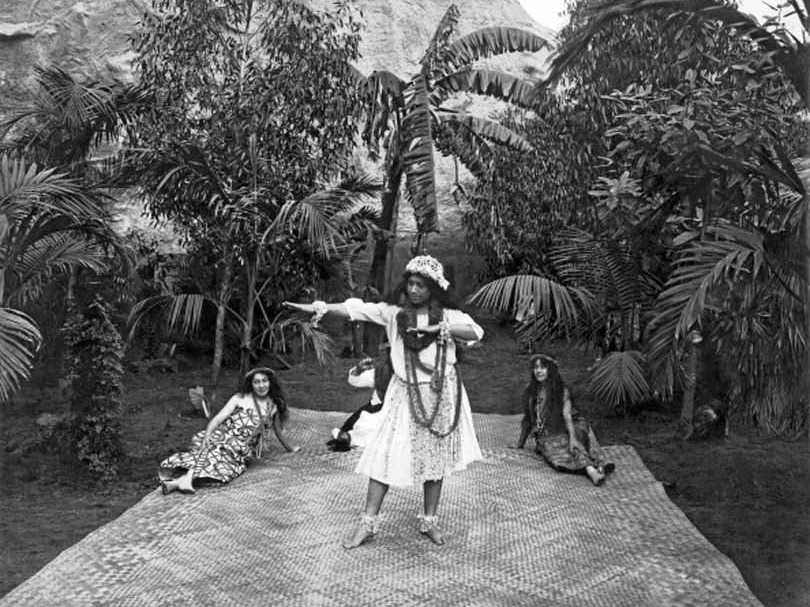
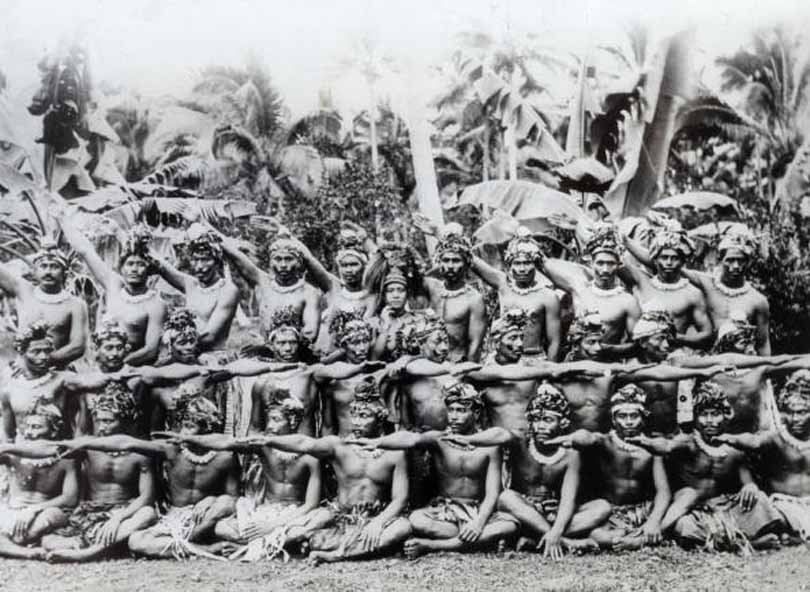
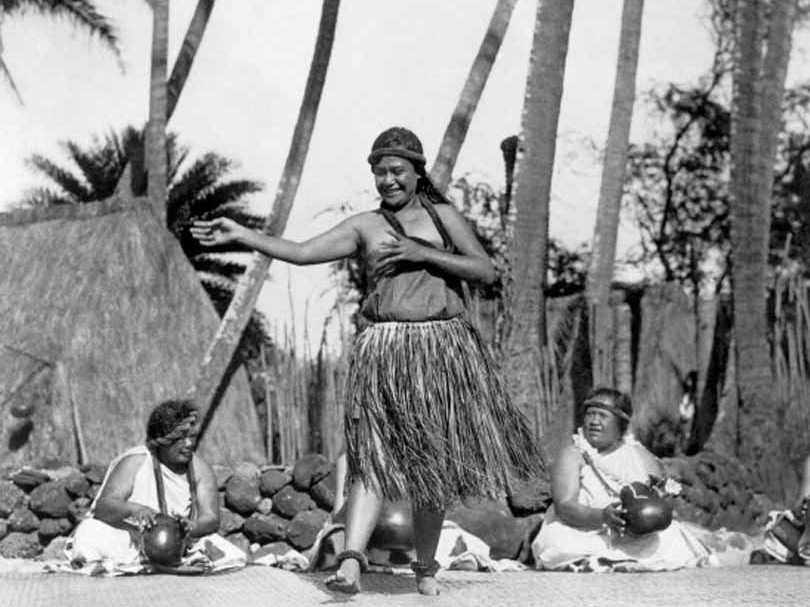
Hula was another tradition that persisted. Dancers performed to the rhythm of gourds and chants, telling stories through movement. Both men and women practiced hula, and performances ranged from formal ceremonies to community celebrations. Even as English replaced Hawaiian in schools and government, the dance remained a living expression of Native Hawaiian culture.
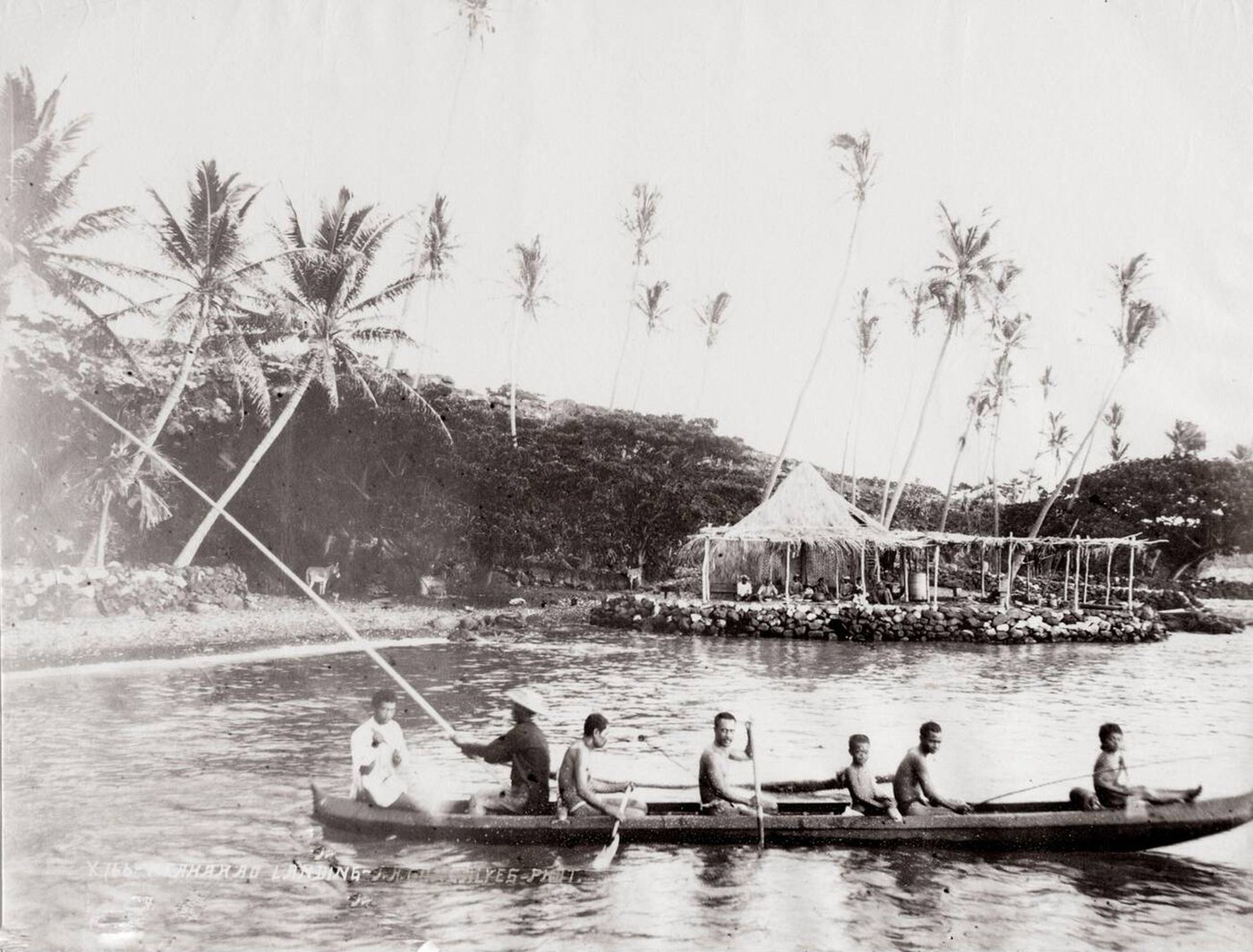
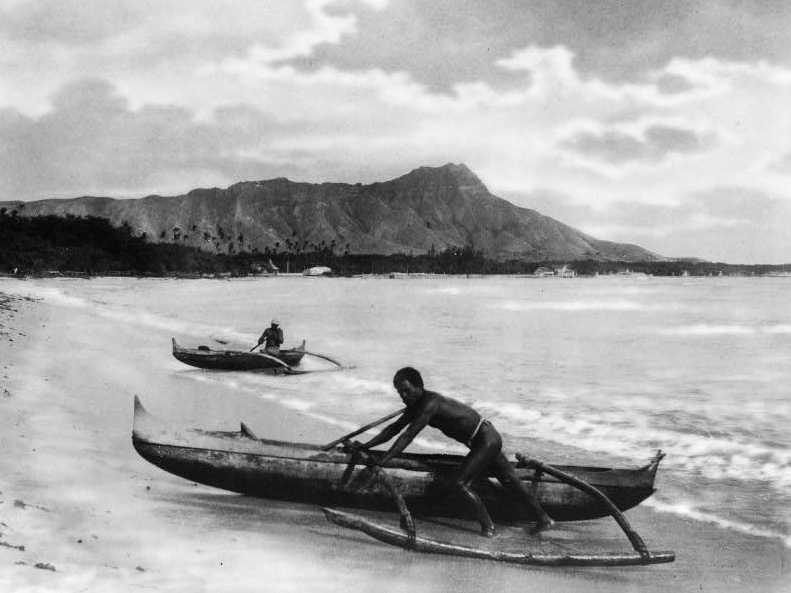
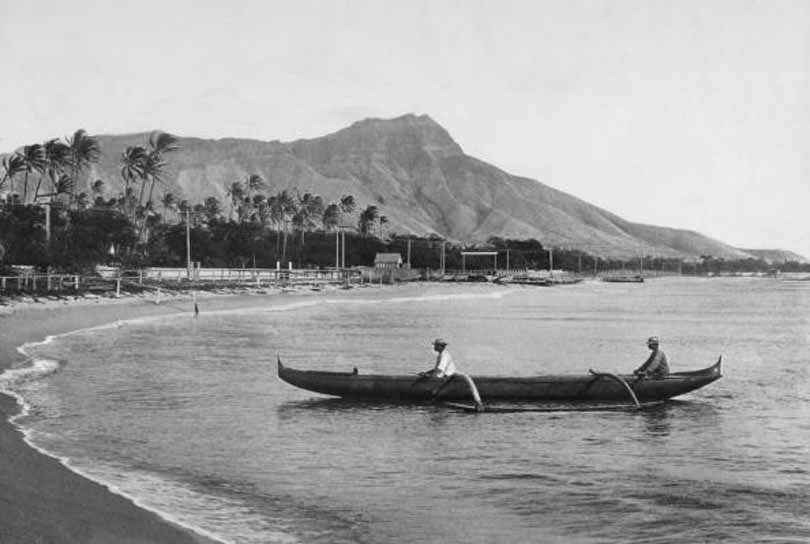
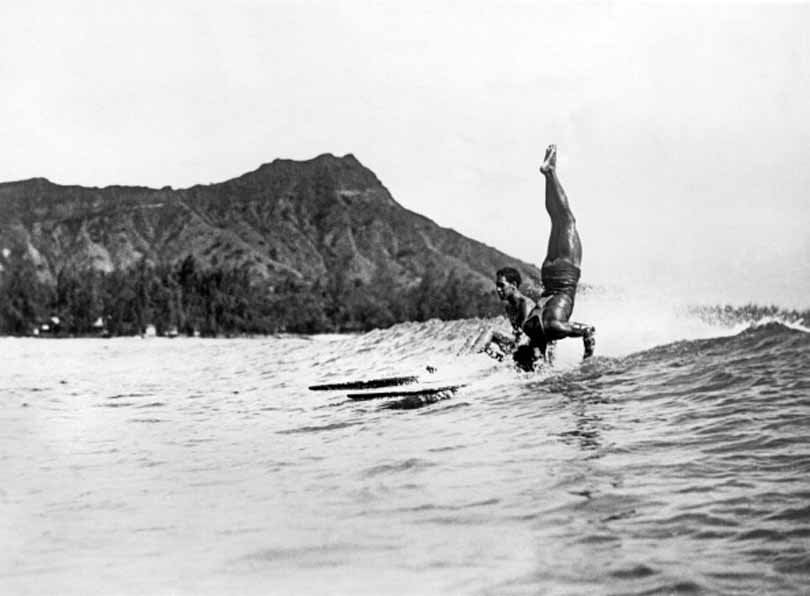
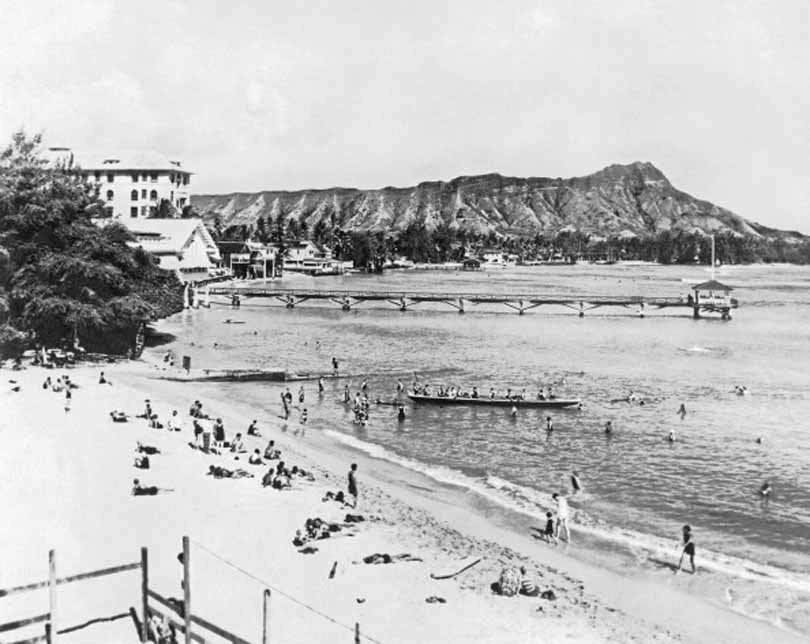
On the water, Native Hawaiians continued practices that went back generations. Outrigger canoes were still used for fishing and transport, and surfing at places like Waikiki was a deeply embedded part of Hawaiian life long before it became a global sport. The beach at Waikiki, with Diamond Head rising behind it, was already drawing outside attention by the early 1900s.
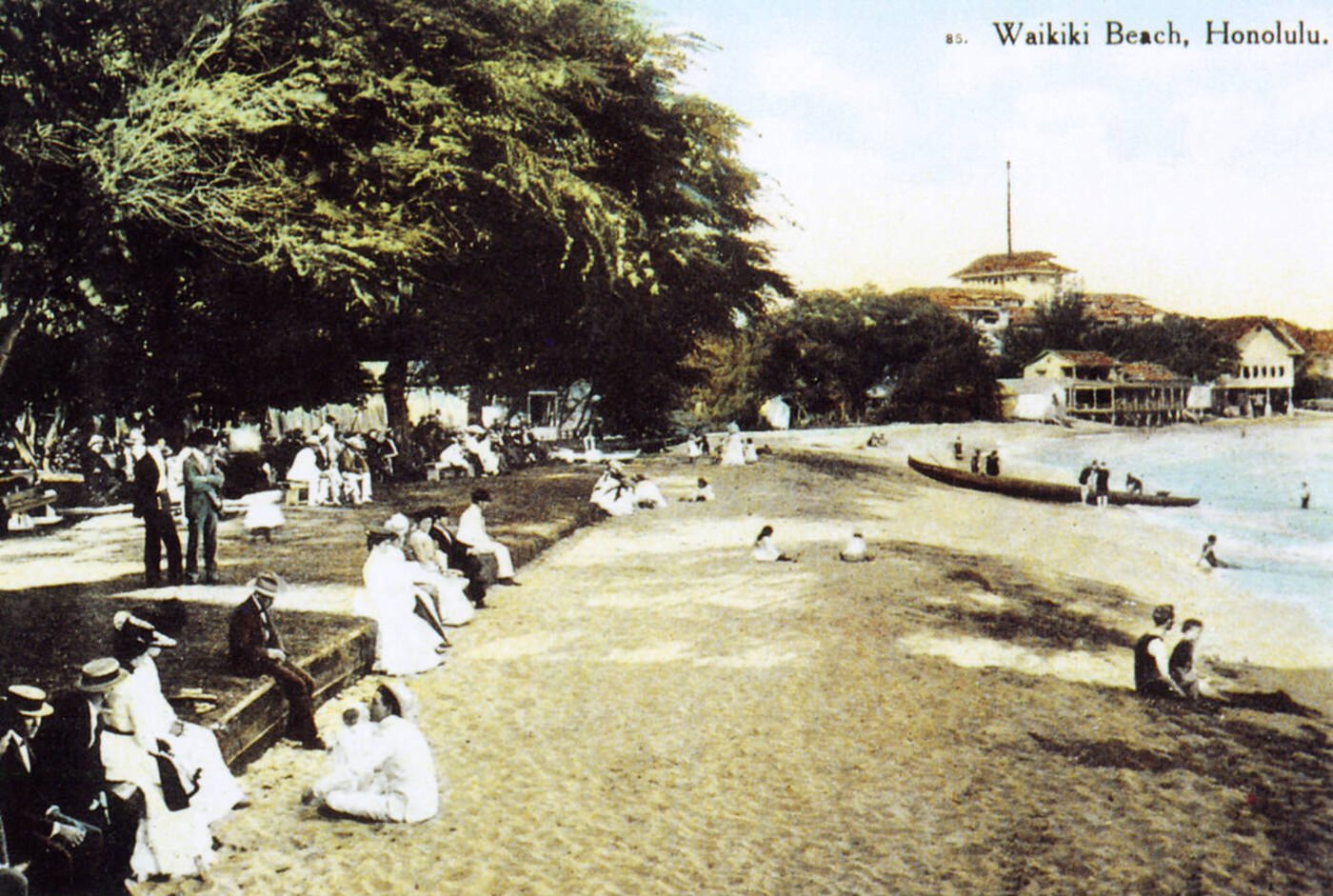
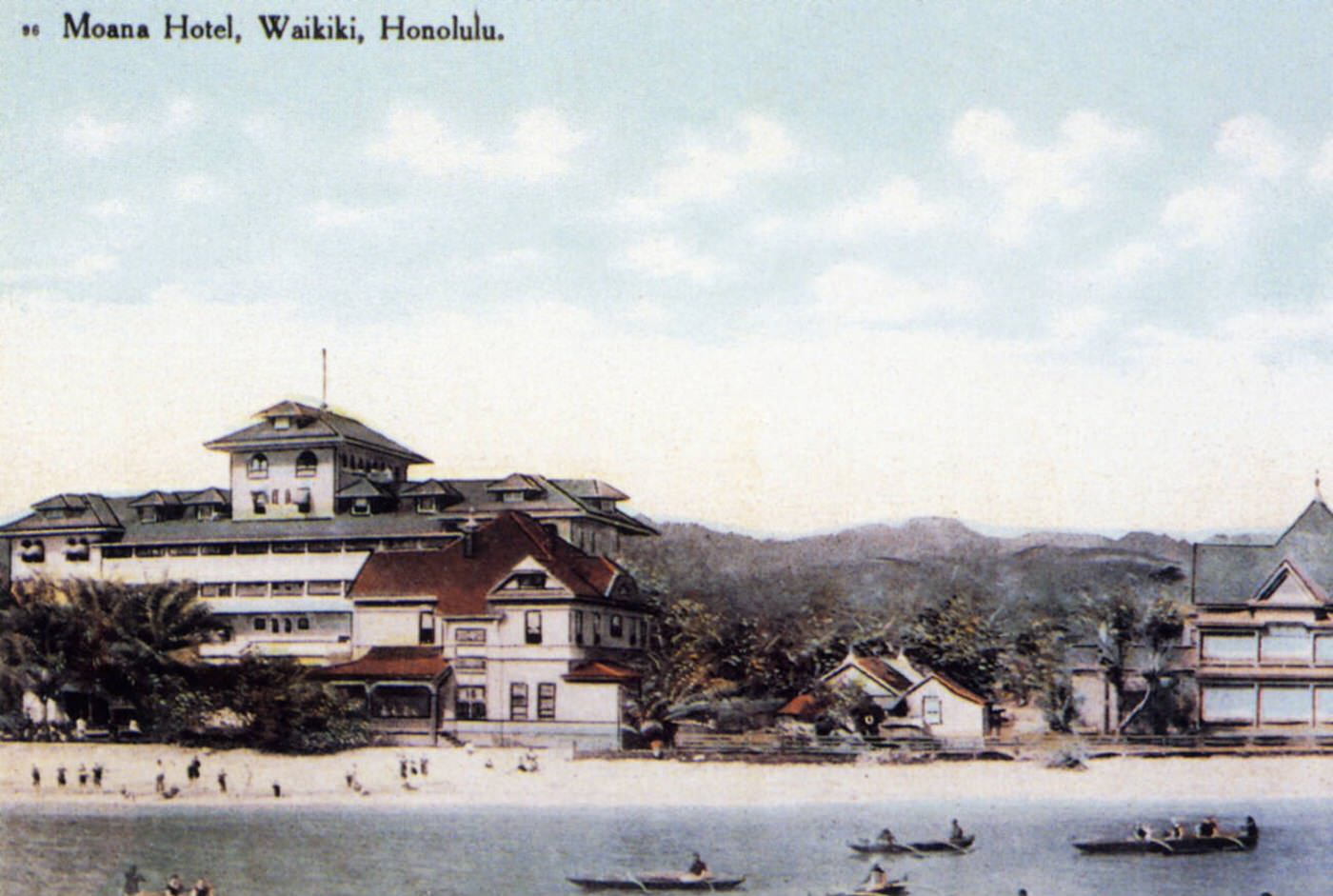
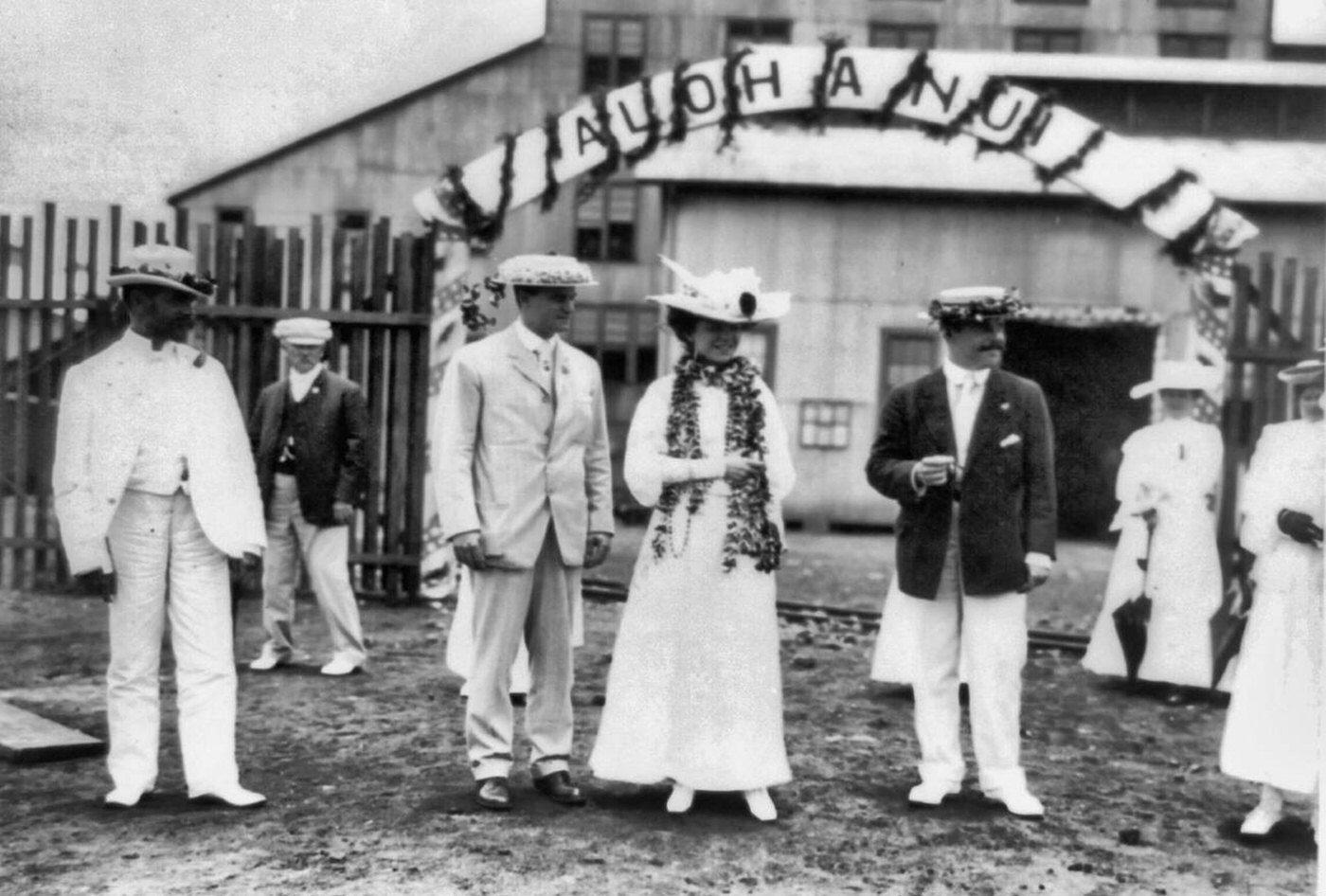
Tourism was beginning to take root. The Moana Hotel opened on Waikiki Beach in 1901, becoming one of the first hotels to cater to visitors arriving by steamship from the mainland. High-profile visitors like Alice Roosevelt Longworth, daughter of President Theodore Roosevelt, made trips to the islands, signaling Hawaii’s growing status as a destination.
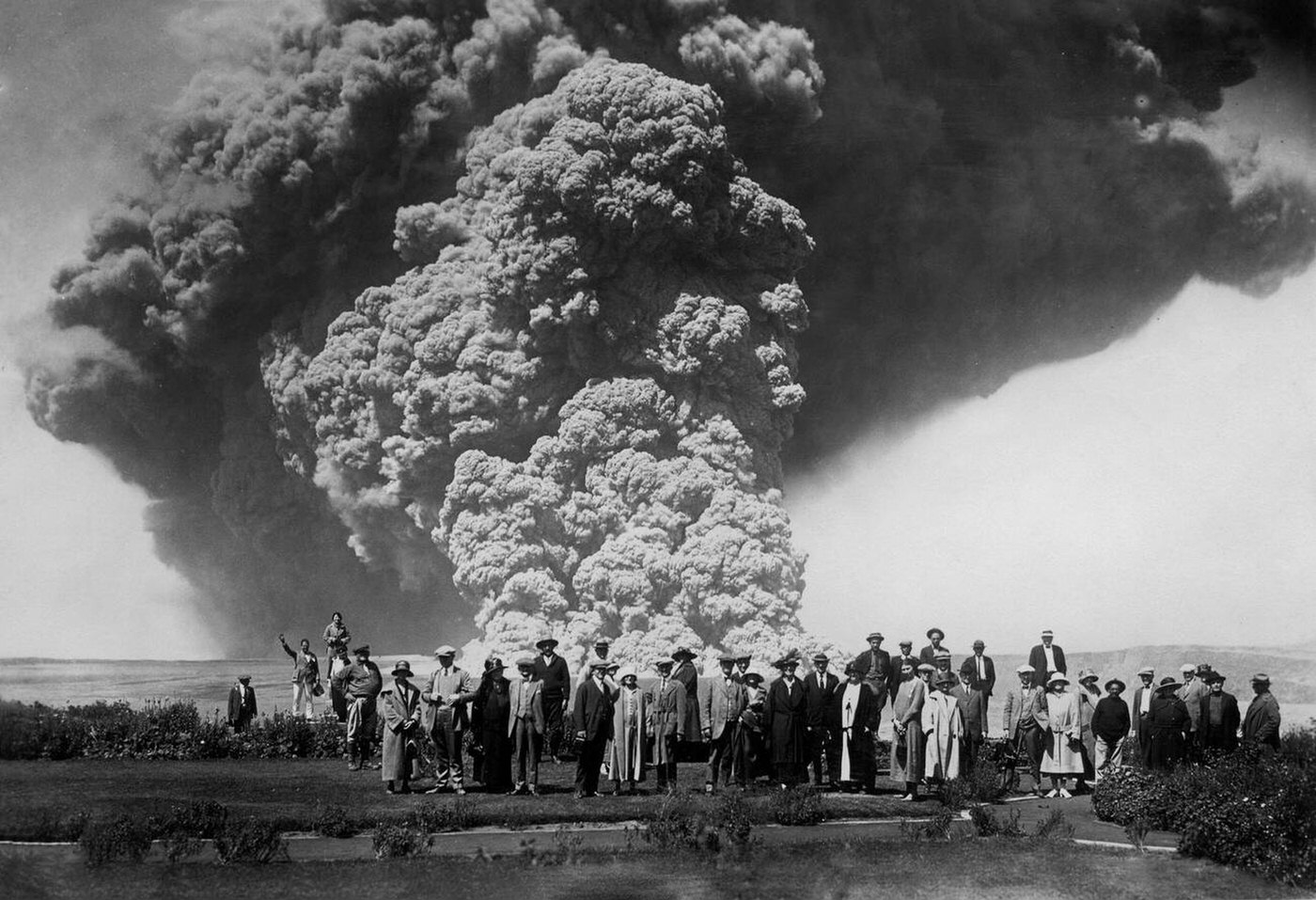
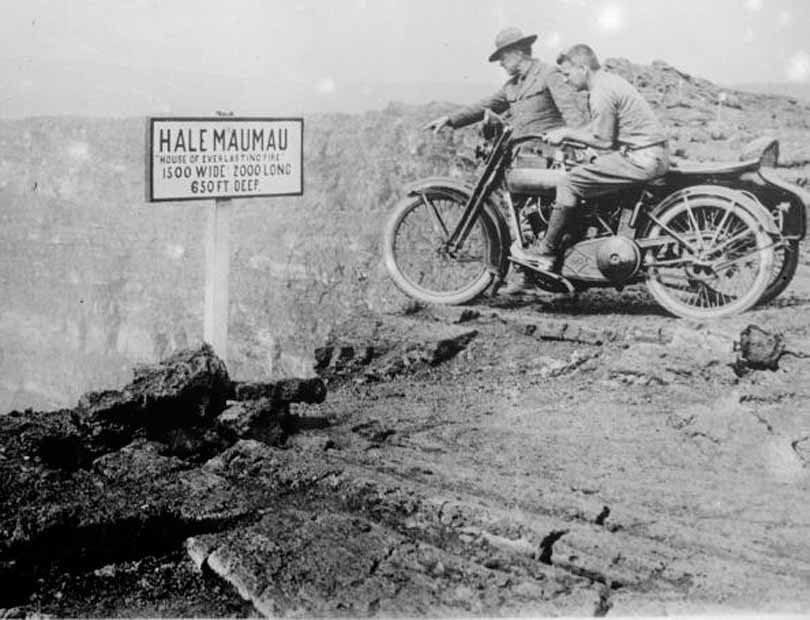
Visitors were drawn not just to the beaches but also to Hawaii’s dramatic volcanic landscapes. Kilauea on the Big Island was already a major attraction. Tourists gathered at the rim of Halemaumau crater and watched from the Volcano House Hotel as lava lit the night sky. The volcano made Hawaii feel like no other place on earth.
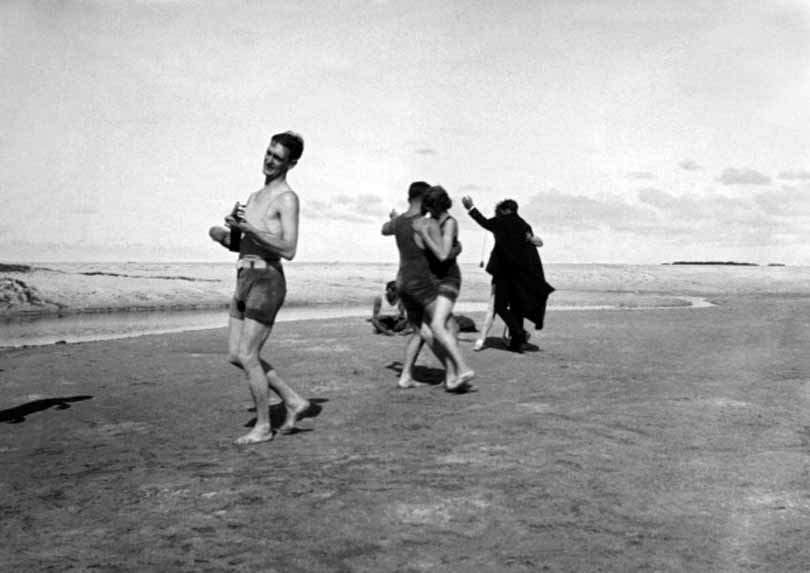
Waikiki’s fame grew steadily through the 1920s. Surfers performed stunts on the waves, and beachgoers from Japan, the mainland, and Europe mingled with local Hawaiians. The beach scene at this time was informal and genuinely mixed, a reflection of Hawaii’s broader social character.
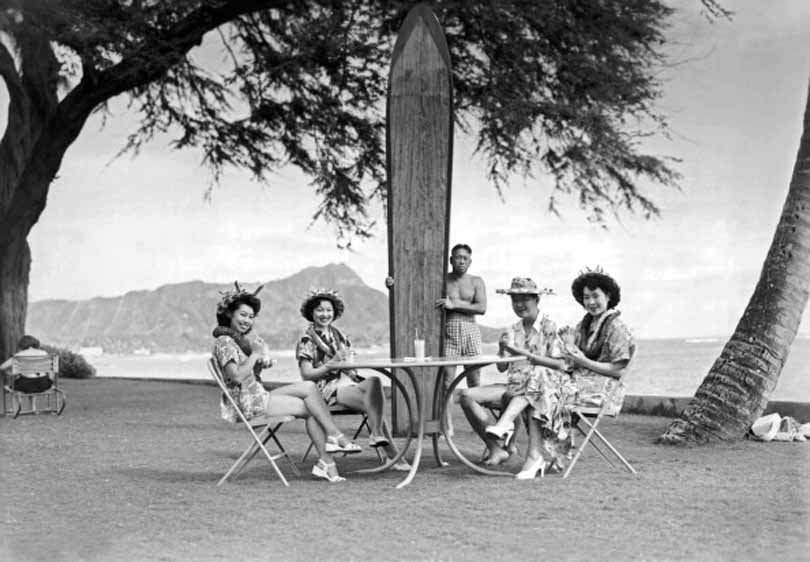
Music was woven into daily life across the islands. The ukulele — introduced by Portuguese immigrants in the 1880s — had become a distinctly Hawaiian instrument by the early 1900s. Beach gatherings often featured music, and the sound of the ukulele became as associated with Hawaii as the trade winds and coconut palms.
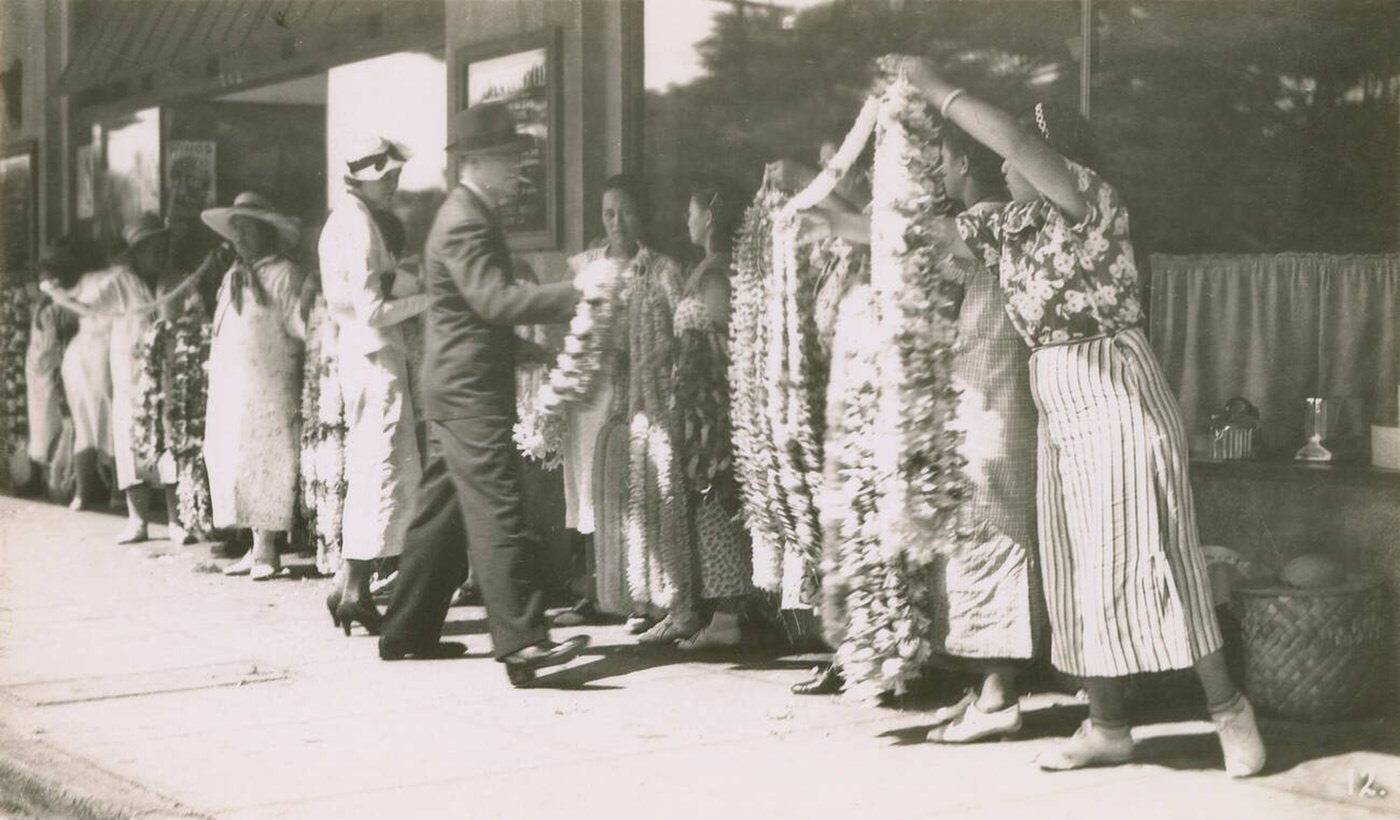
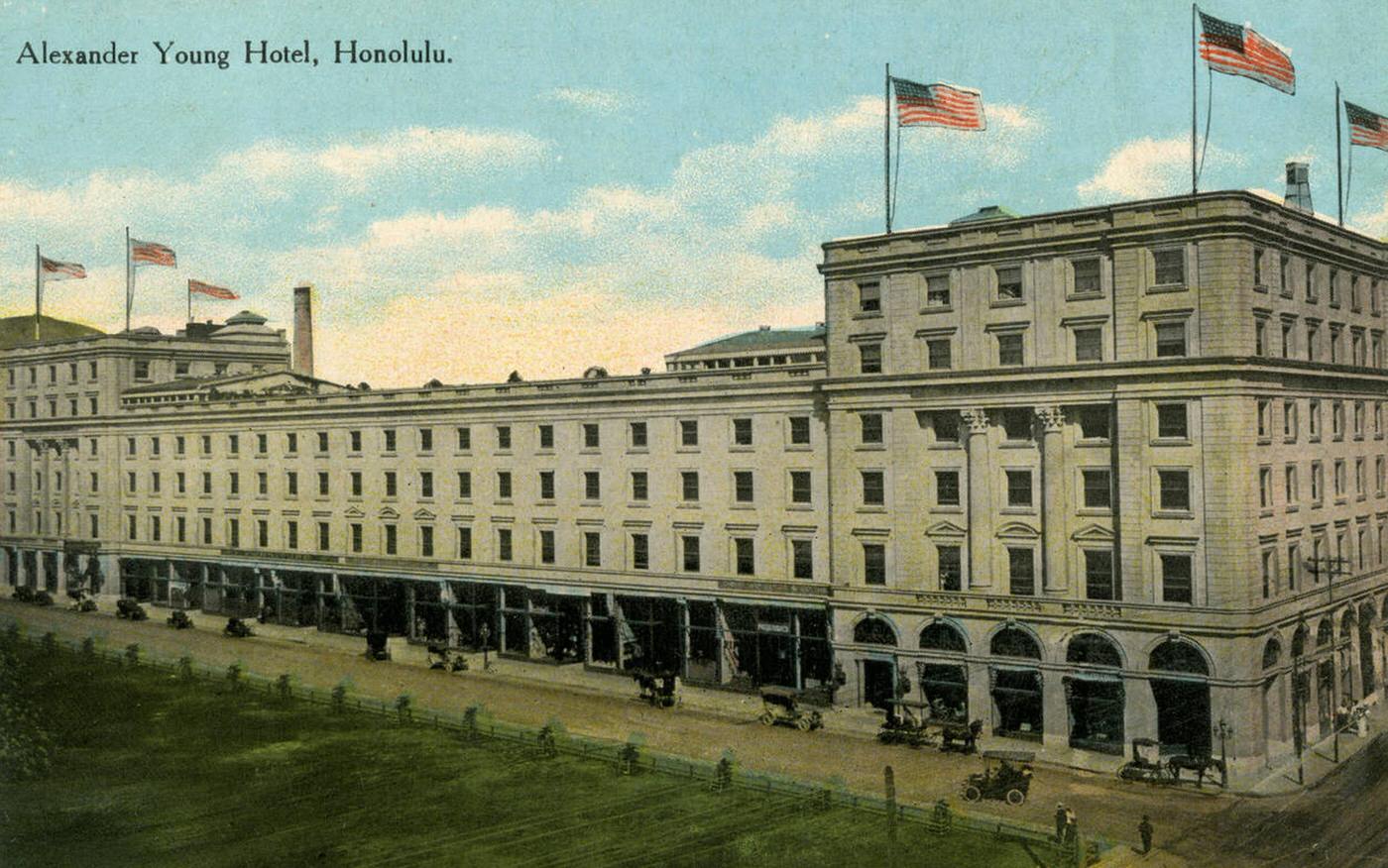
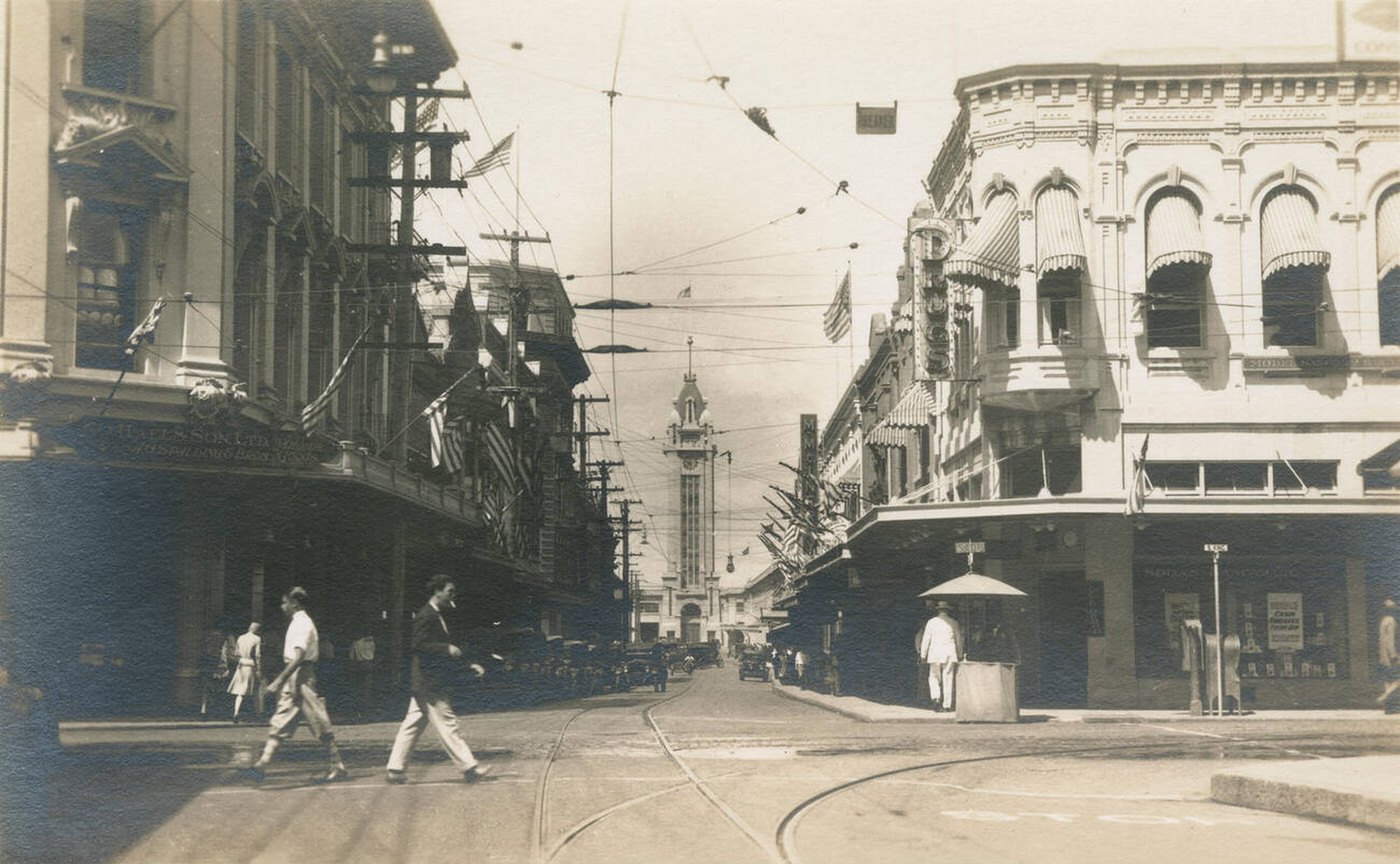
Honolulu continued expanding through the 1920s and 1930s. The Alexander Young Hotel became a landmark of the city’s commercial district. Aloha Tower, completed in 1926, greeted ships arriving at the harbor. Streets that had been dirt tracks in the 1890s were now paved and lined with buildings several stories tall.
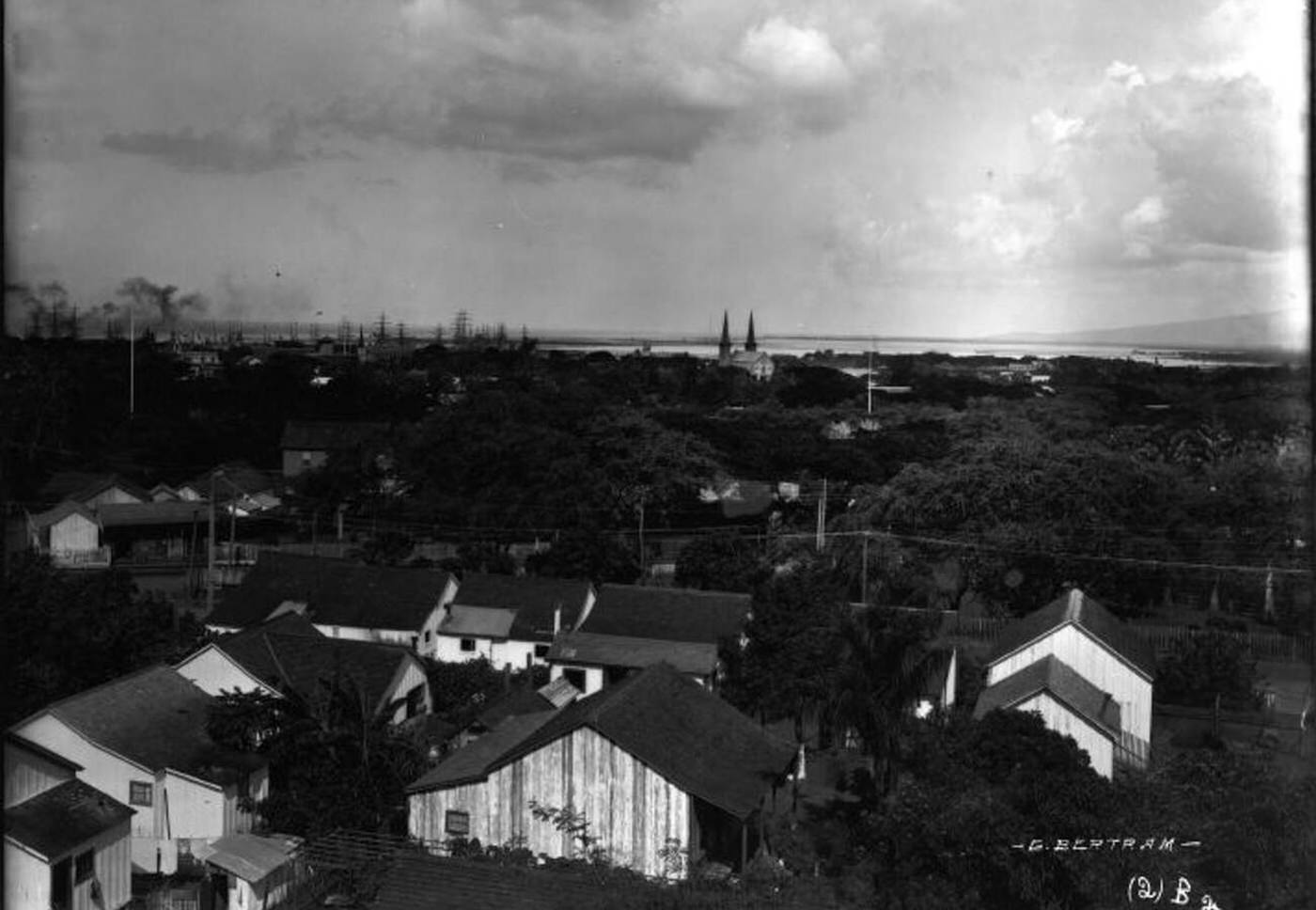
The military presence on the islands also grew during this era. With Hawaii’s strategic location in the Pacific, the U.S. military established bases and barracks across Oahu. Marine barracks, naval facilities, and army posts became a permanent part of the island’s landscape, reshaping large sections of land and bringing thousands of service members to the islands.
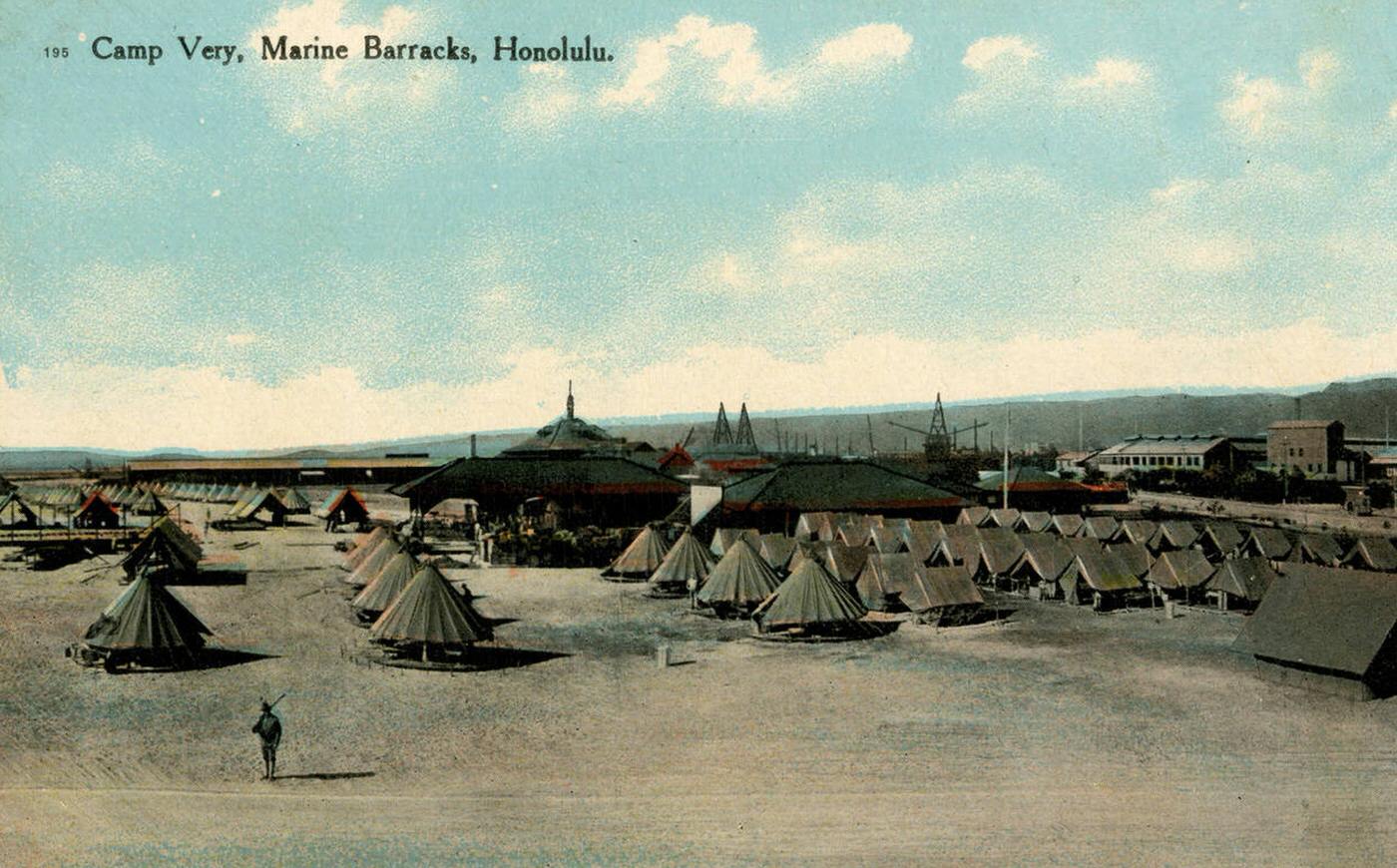
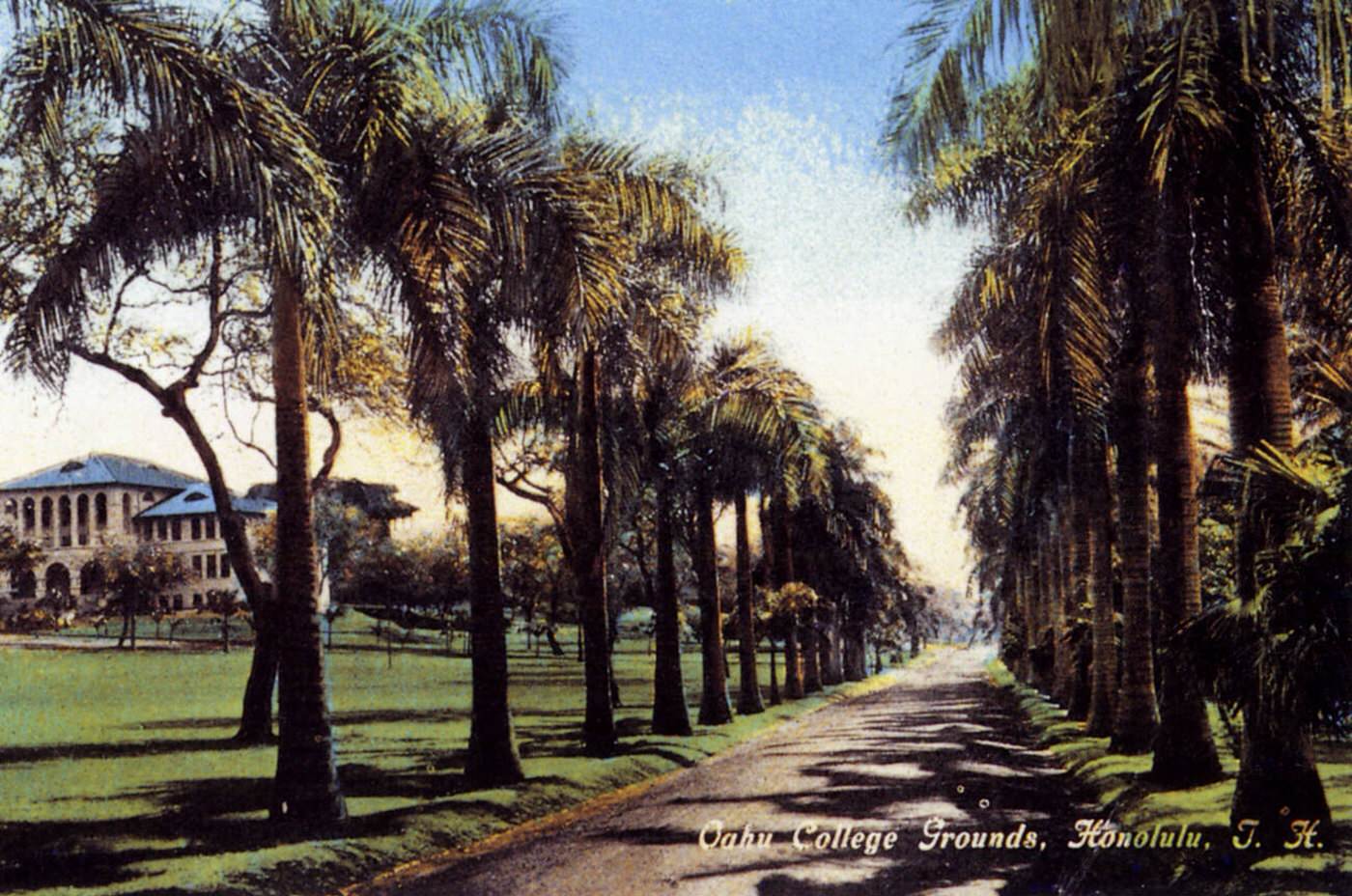
Education was expanding too. Oahu College, later known as Punahou School, was one of the oldest Western-style educational institutions in Hawaii. Its grounds reflected the ambitions of missionaries and American settlers who had established schools across the islands decades earlier. English-language instruction was now the standard in public schools.
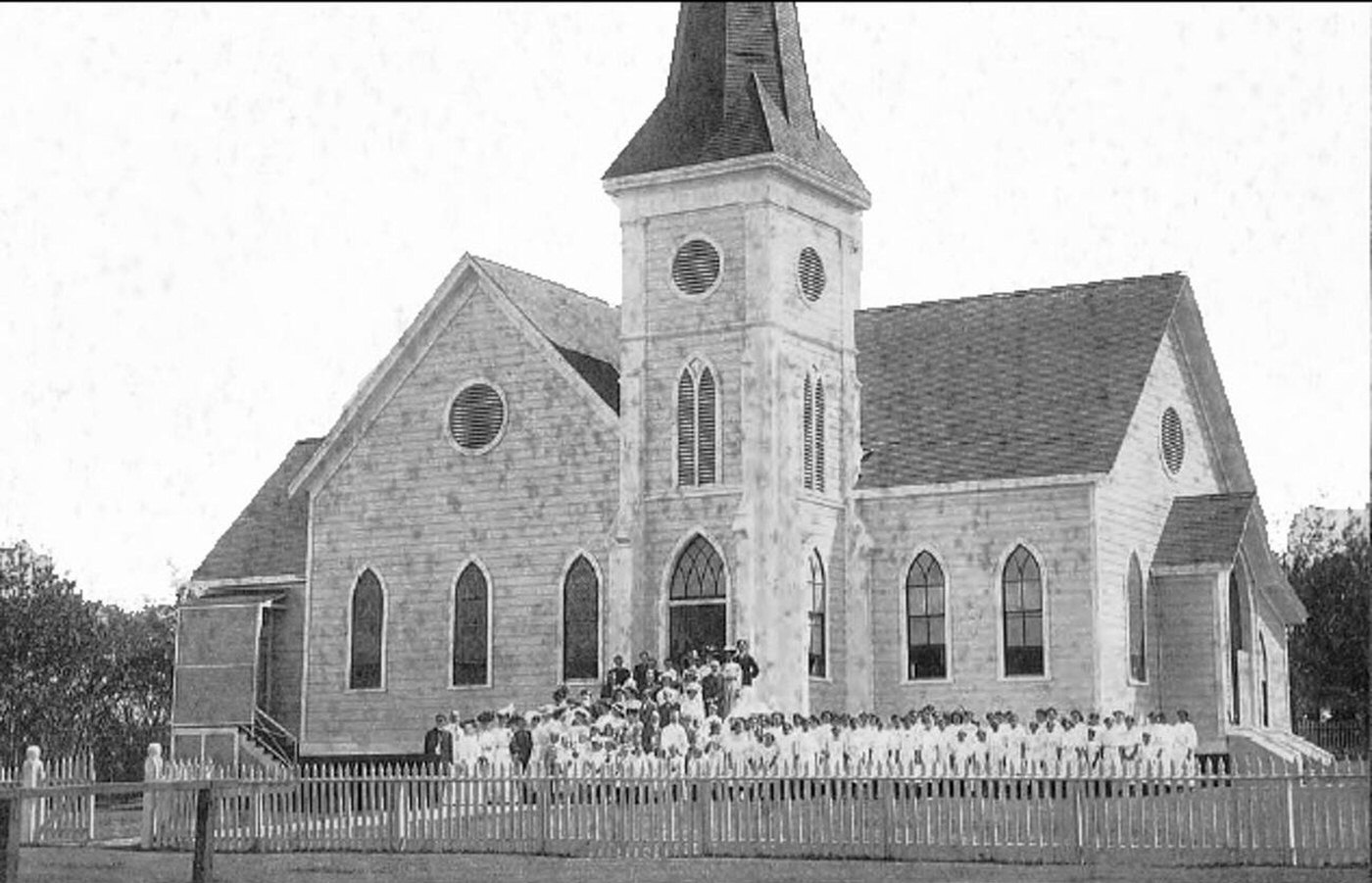
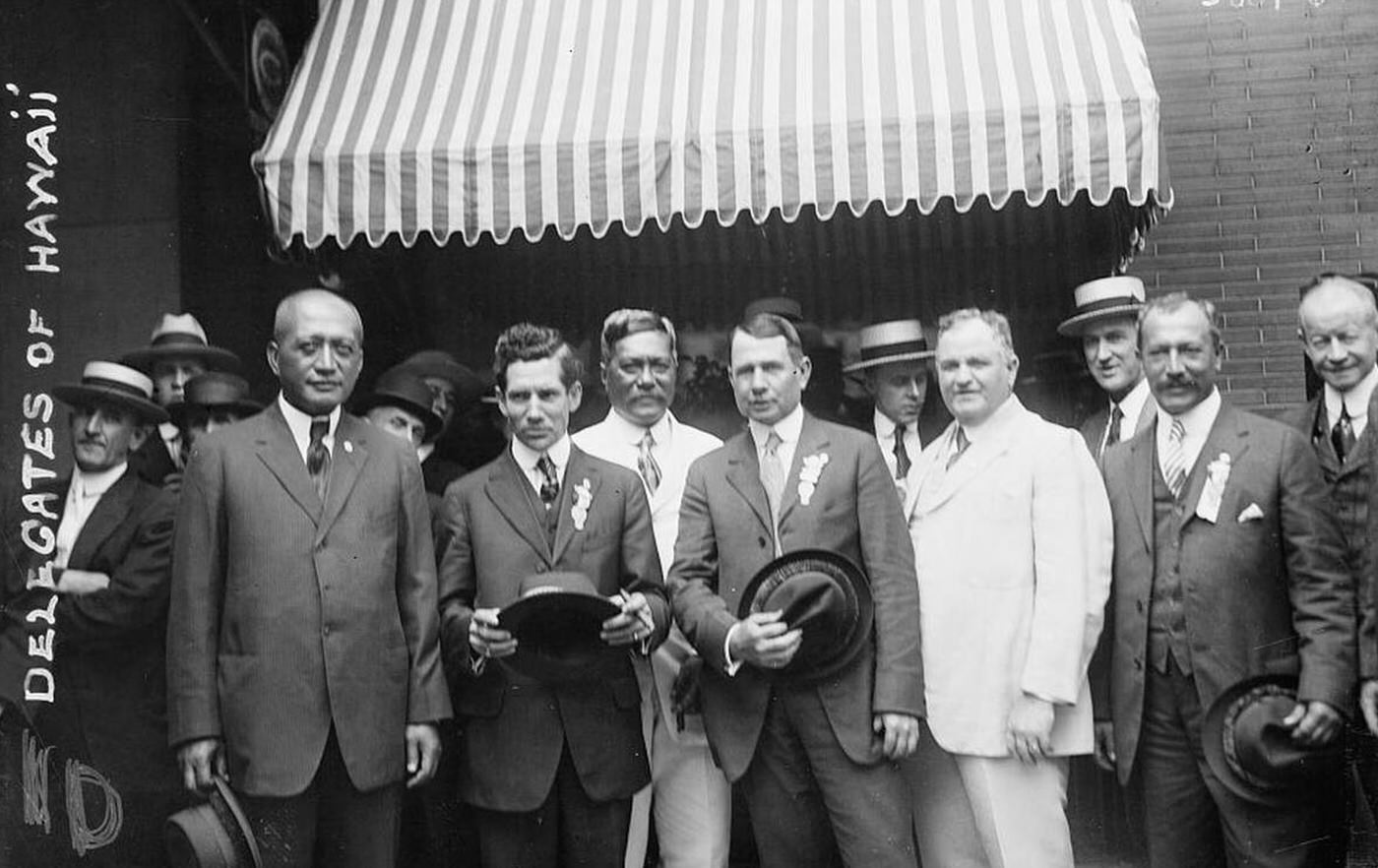
Churches and community institutions played a large role in the lives of immigrant groups as well. Ethnic organizations, religious congregations, and social clubs helped people maintain connections to their home cultures while adapting to life in Hawaii. Delegates from Hawaii even traveled to events like the Allied Bazaar, representing the islands on broader international stages.
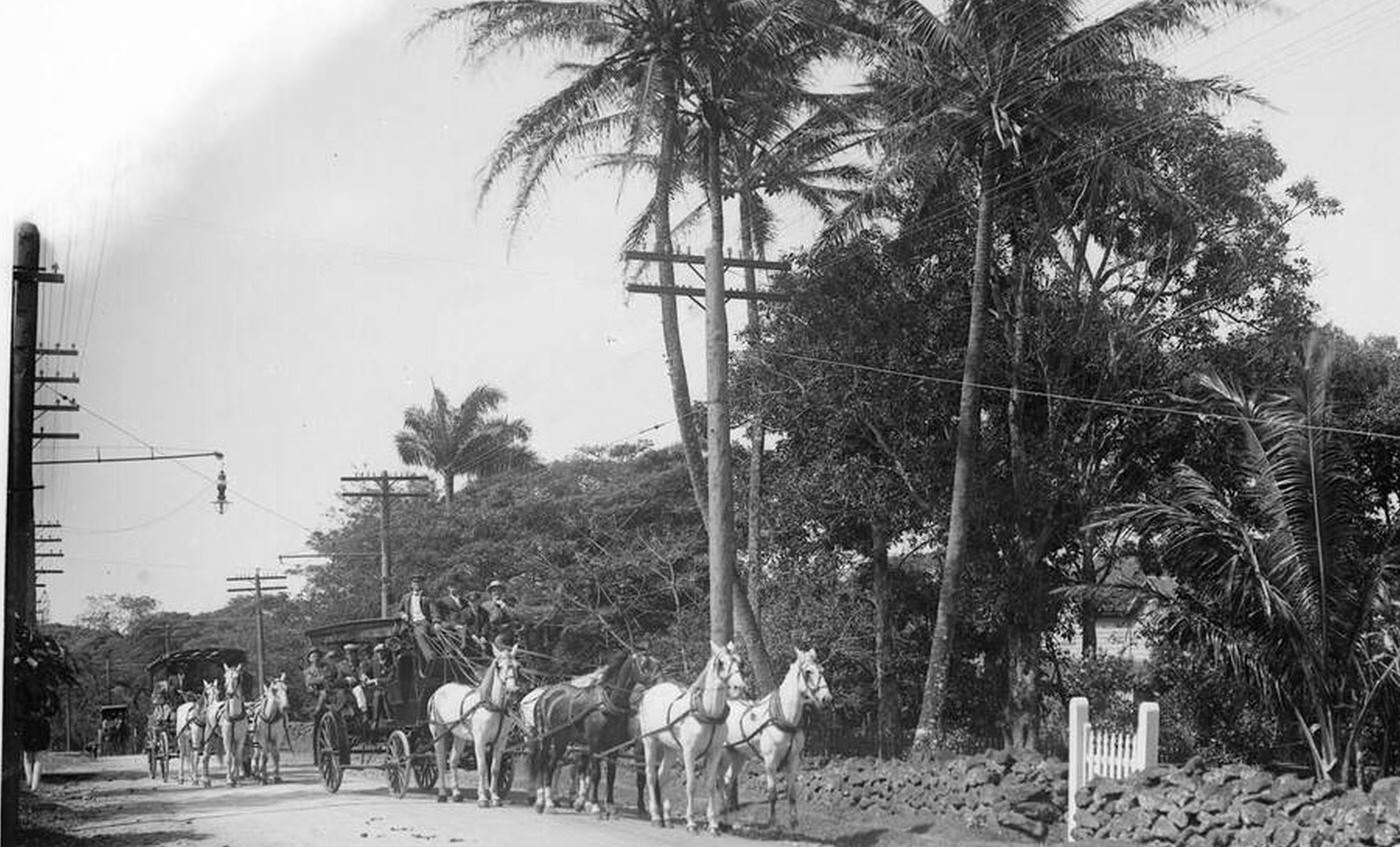
Transportation across the islands was improving steadily. Roads that once challenged even the most determined traveler were now navigable by coach and, increasingly, by motorized vehicle. The road to the Pali — a dramatic cliff pass on Oahu’s windward side — was one of the more scenic and well-traveled routes on the island.
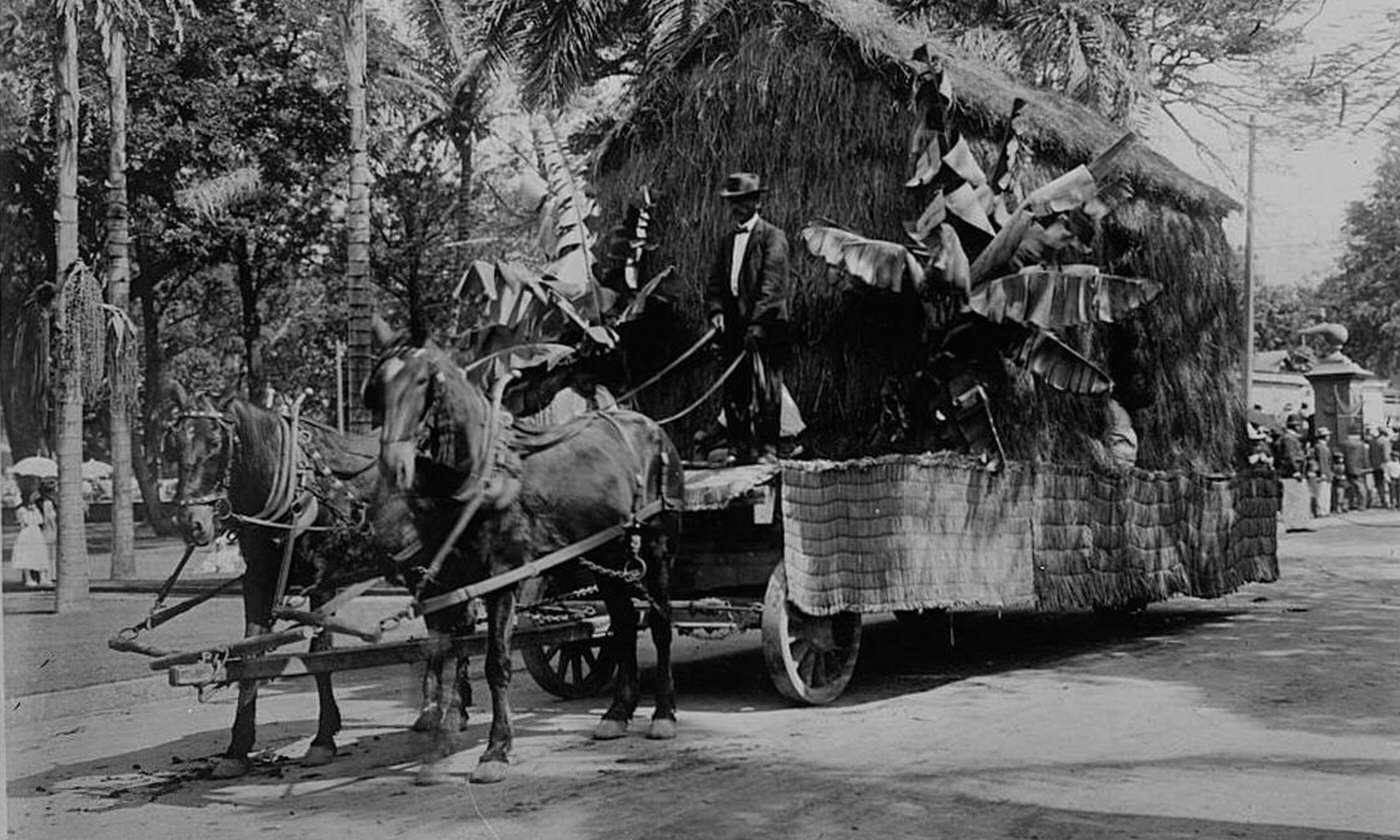
Parades and public events brought the city together. The Floral Parade in Honolulu was one such occasion, and floats often celebrated Hawaiian heritage alongside the territory’s new American identity. One float featured a traditional Hawaiian dwelling, a deliberate nod to the culture that predated annexation.
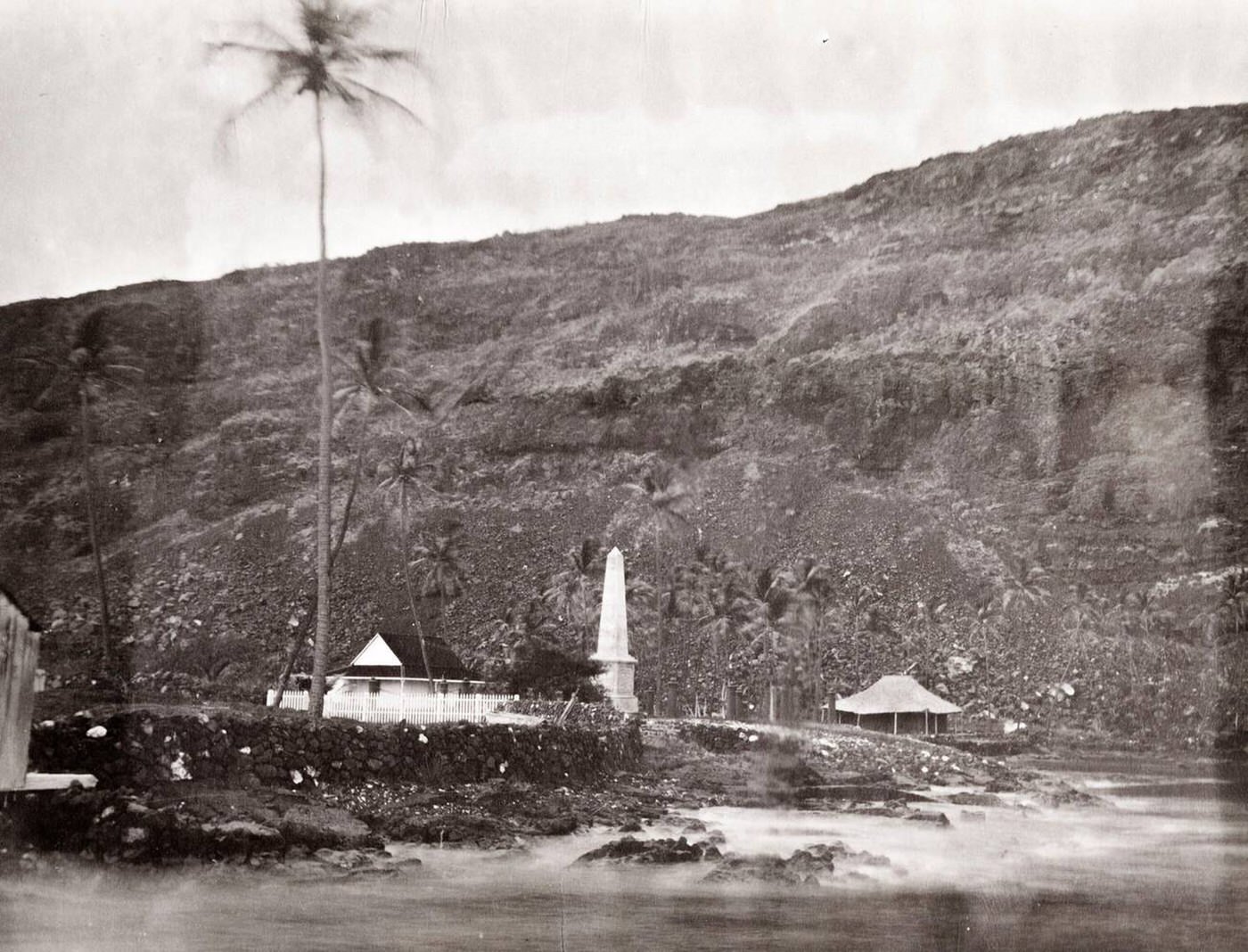
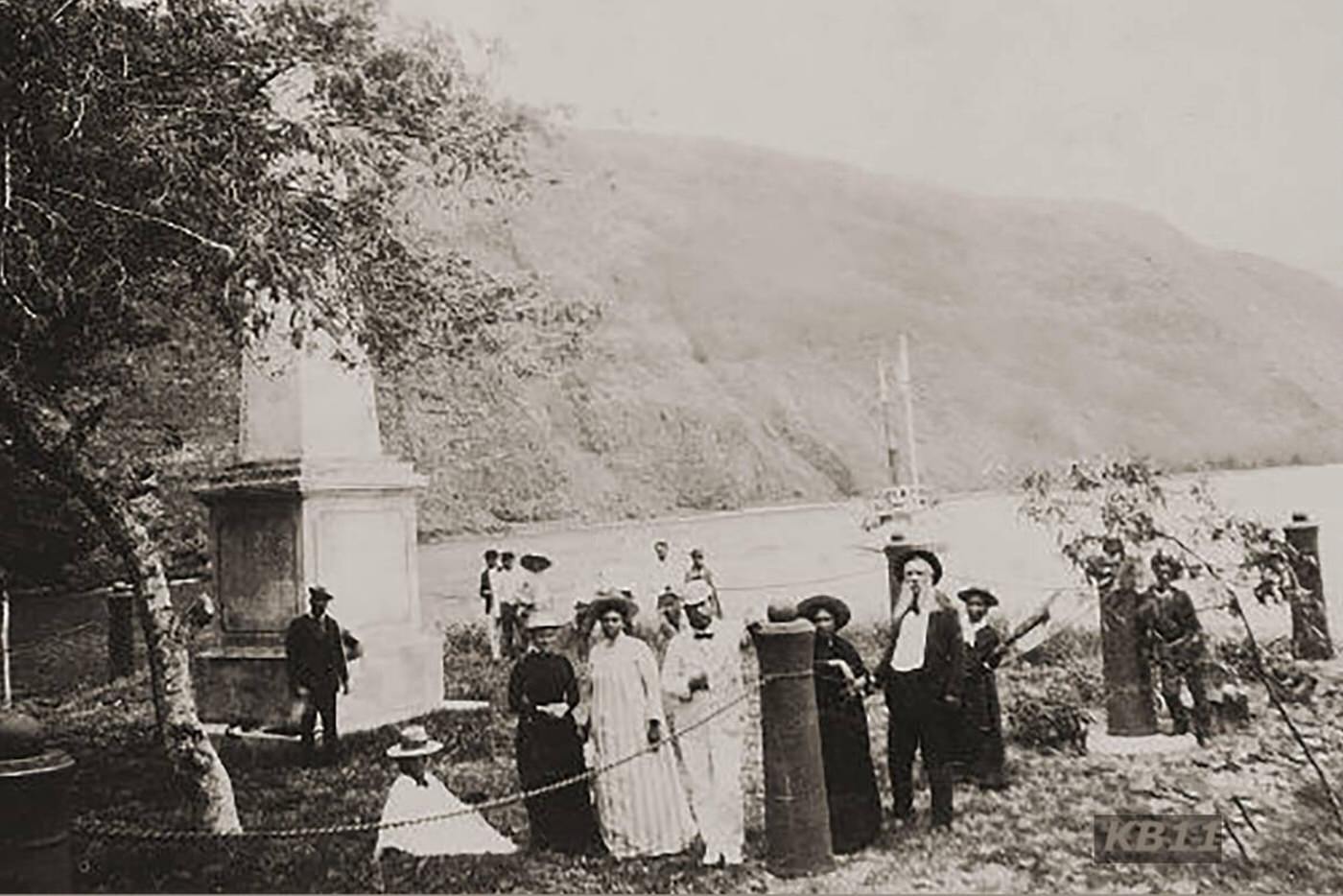
Historical sites tied to earlier eras of contact between Hawaiians and outsiders were also documented during this period. At Kealakekua Bay on the Big Island, a monument marked the spot where British explorer Captain James Cook was killed in 1779 during a confrontation with Native Hawaiians. The site was a reminder of how long the outside world had been intersecting with these islands.
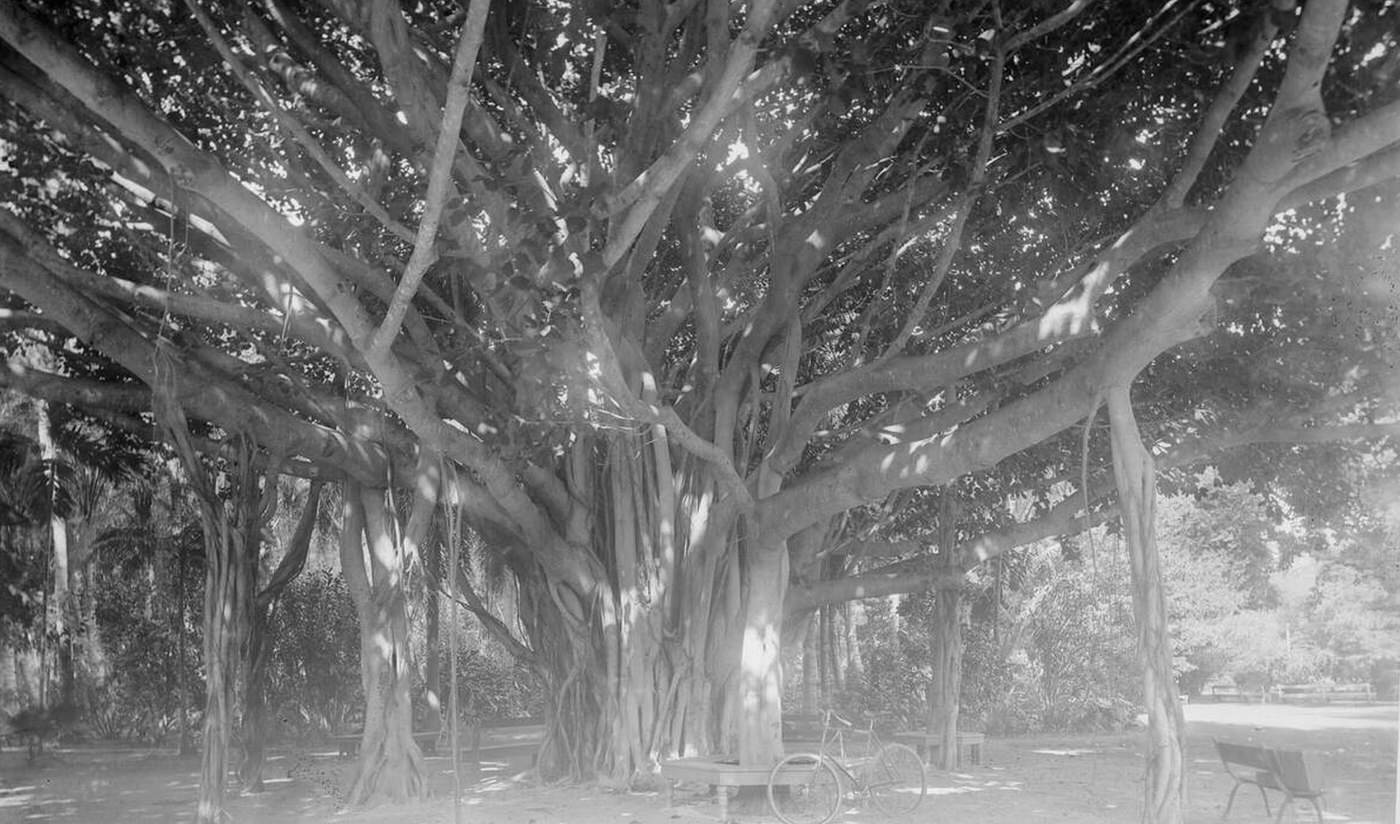
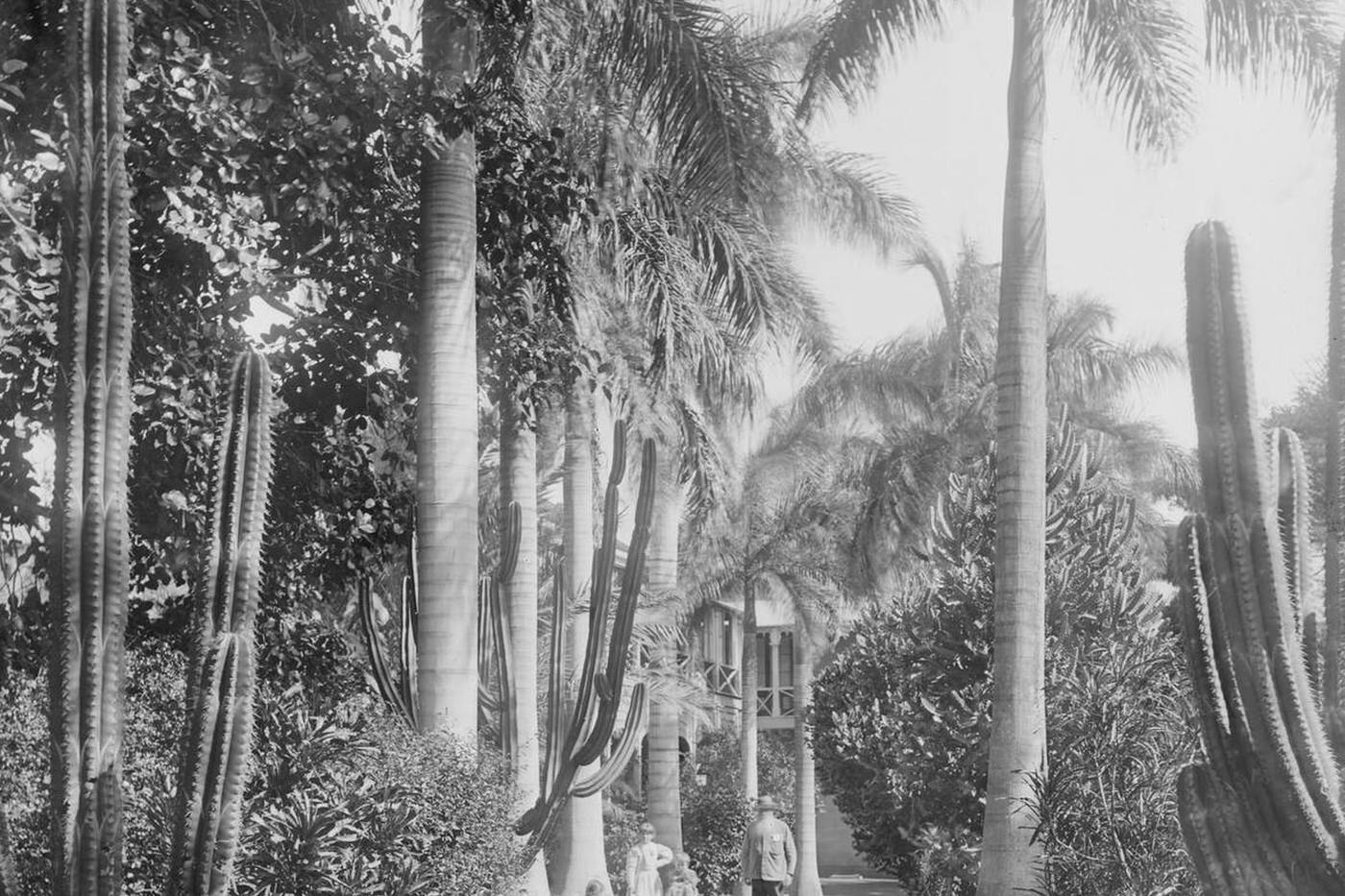
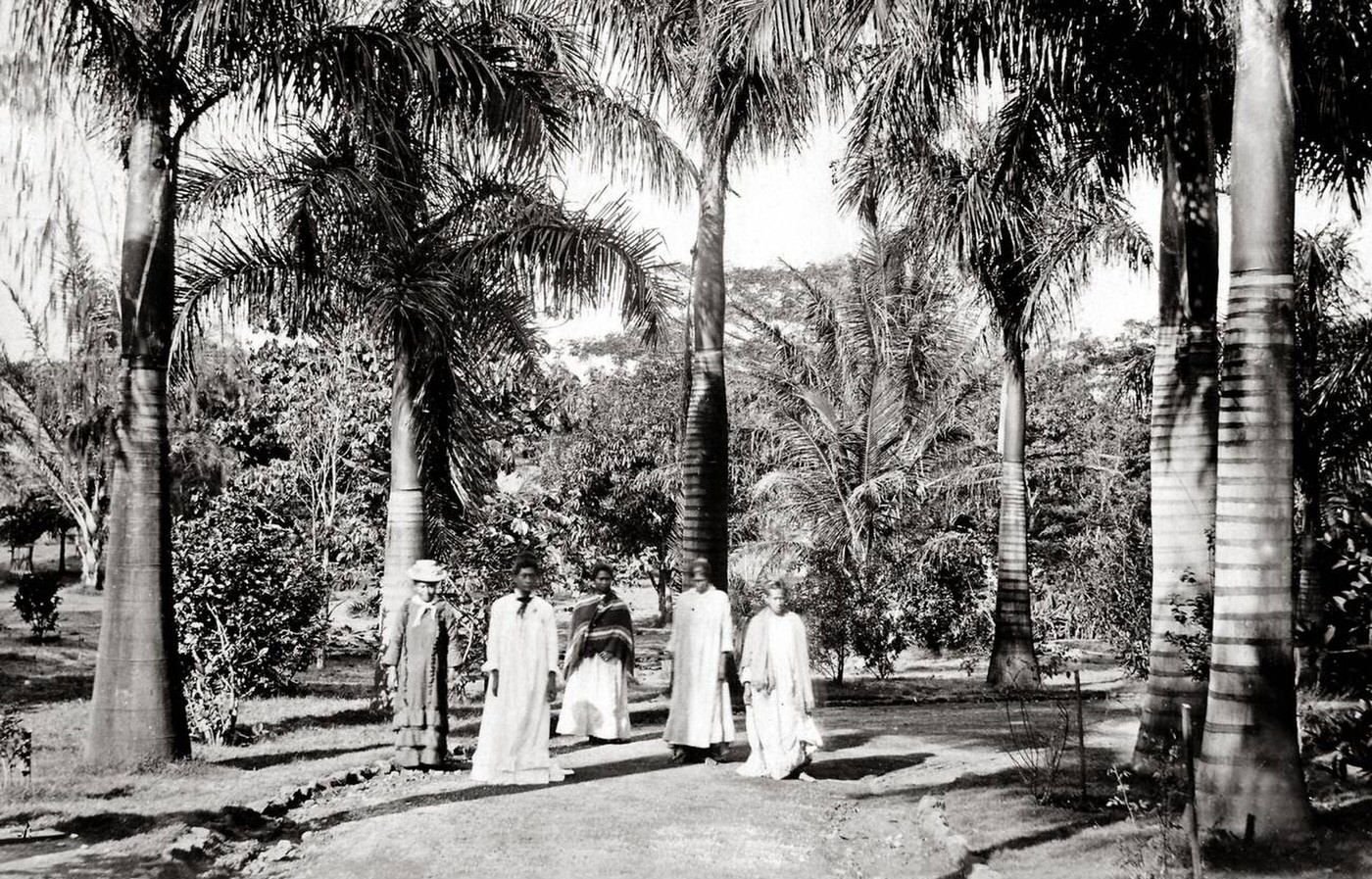
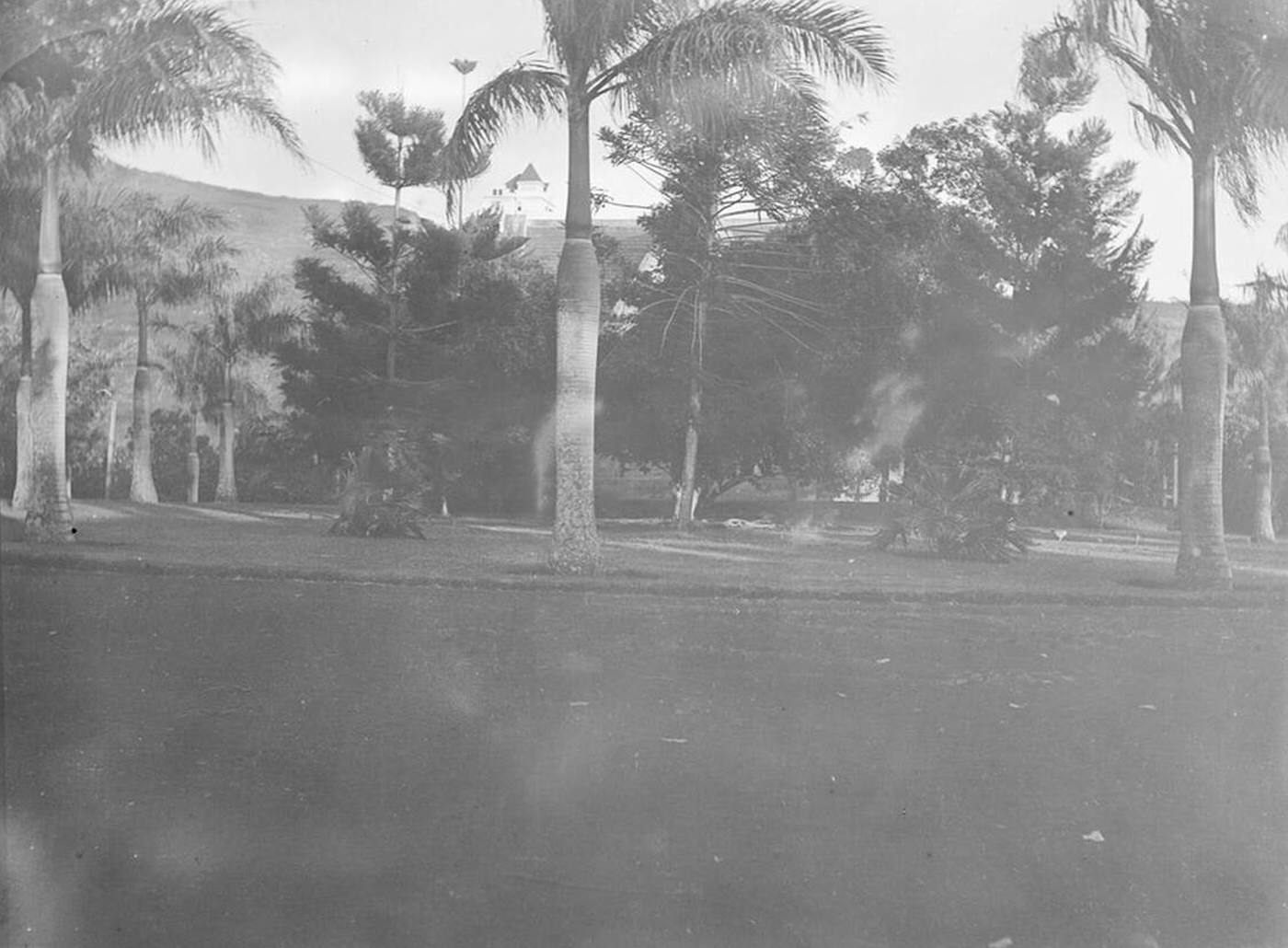
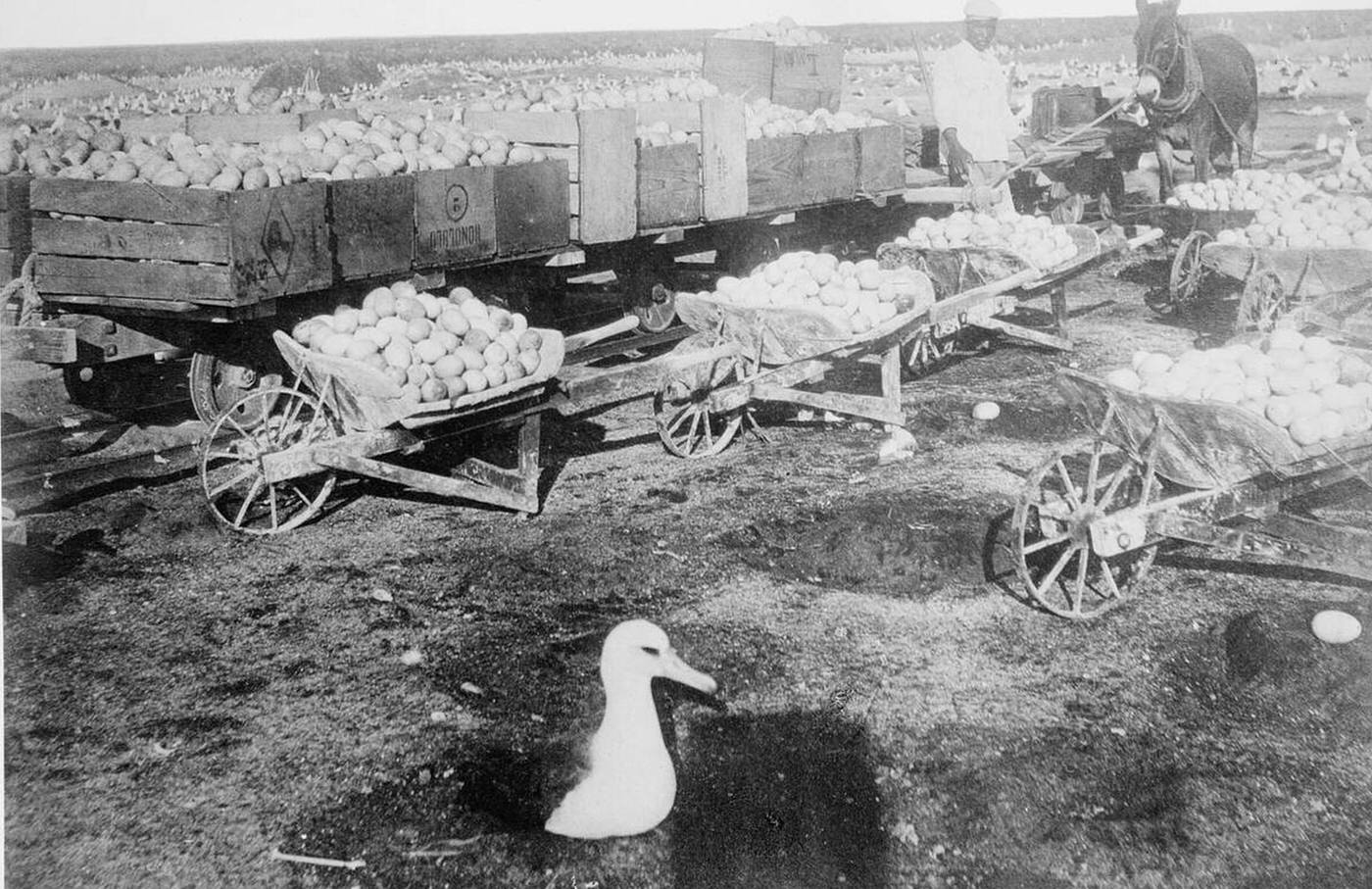
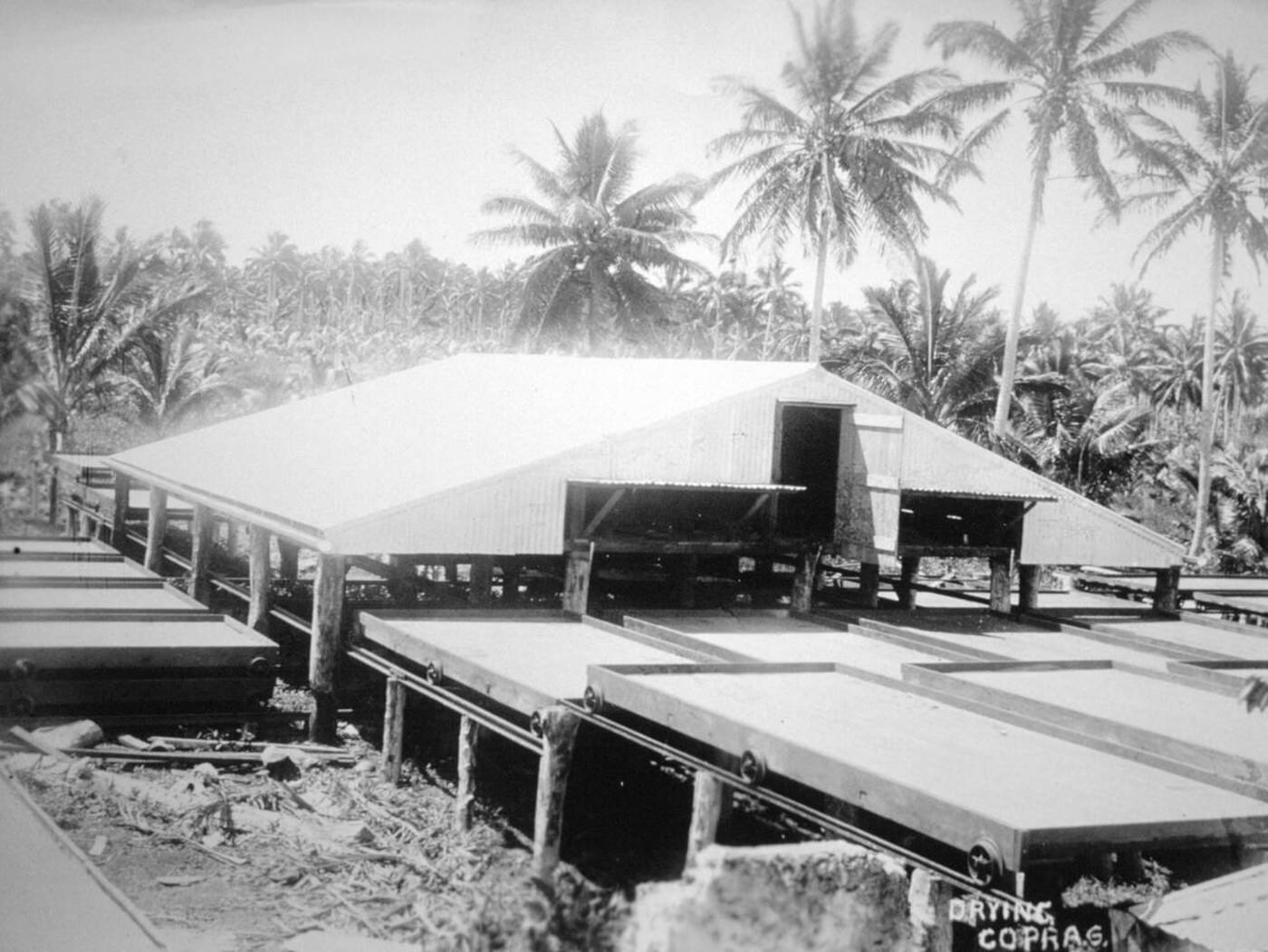
Nature remained a constant backdrop to all of this change. Banyan trees shaded Honolulu’s parks, coconut palms lined the beaches, and the grounds of places like Queen’s Hospital offered a lush contrast to the bustle of city streets. Workers gathered gull eggs from coastal areas, and copra — dried coconut meat — was processed across the Pacific Islands as a trade commodity.
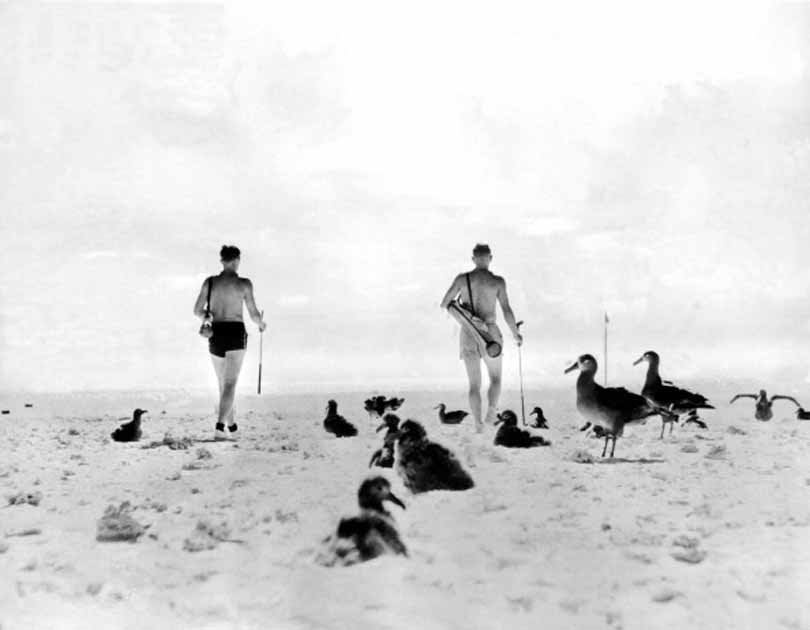
By the 1930s, air travel was beginning to connect Hawaii to the outside world in a new way. Pan Am Airways established routes across the Pacific, and employees at remote stations like Midway Island found creative ways to pass the time — including building a golf course on the beach. The era of the steamship was giving way to something faster.
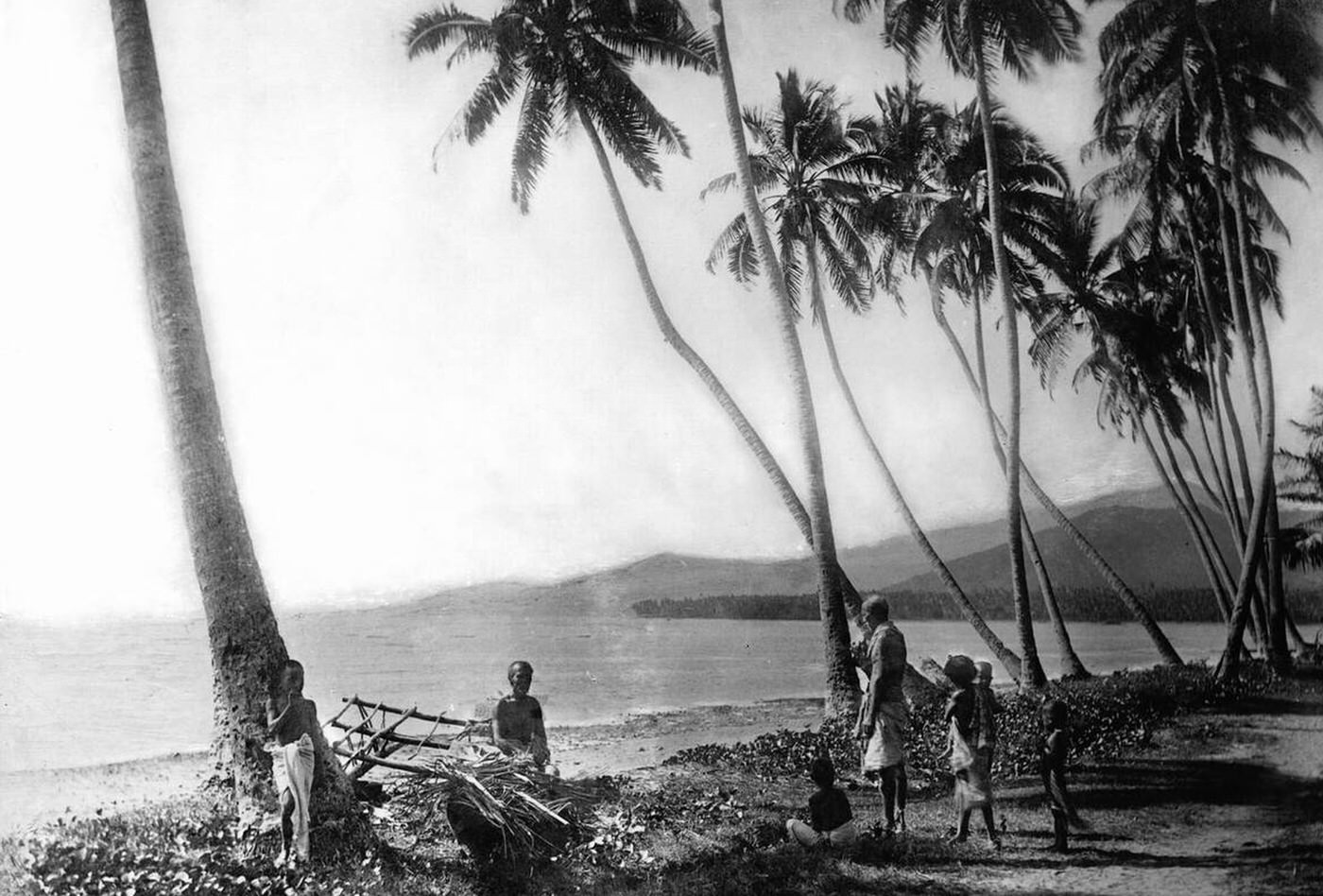
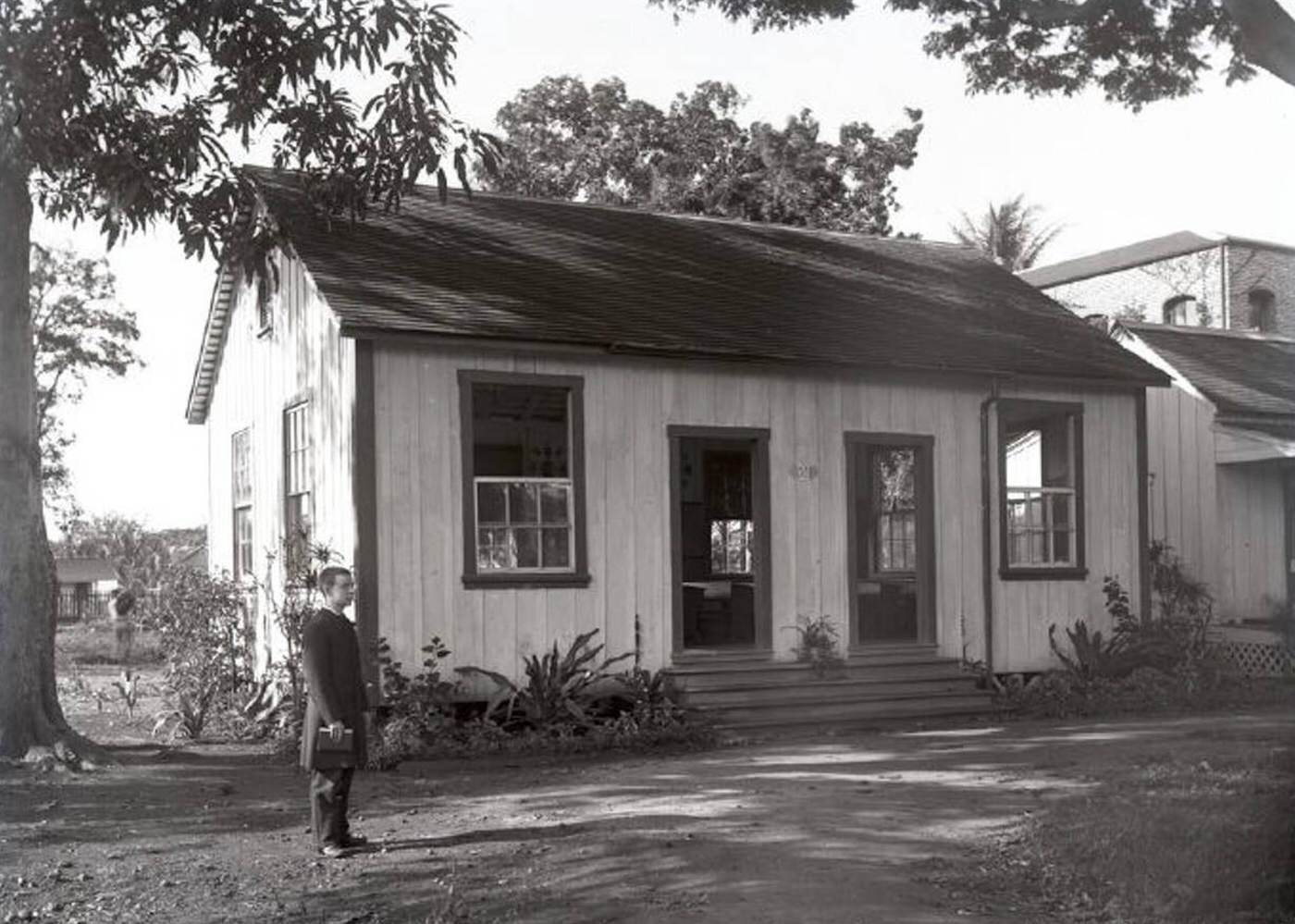
Life for ordinary families across the islands carried on through all these larger shifts. Families posed outside modest homes, children played near the water, and communities gathered for meals and music. The photographs from this era capture people living their lives — not just history unfolding in the background.