
When Japan attacked Pearl Harbor on December 7, 1941, New York City changed almost overnight. The war was being fought thousands of miles away, but its weight settled firmly on the five boroughs. Soldiers in uniform filled the sidewalks. Factory whistles ran around the clock. And for the first time in the city’s history, its famous skyline went dark at night.
Air raid drills became a regular part of city life. When sirens sounded, residents pulled down heavy blackout curtains and switched off every light. Buildings that normally blazed with electric light went completely dark. Air raid wardens walked the streets checking for any light leaking through windows. The goal was to make the city invisible from above, on the chance that enemy bombers might find their way to American shores. The drills gave the nights across all five boroughs an eerie, unfamiliar quiet.
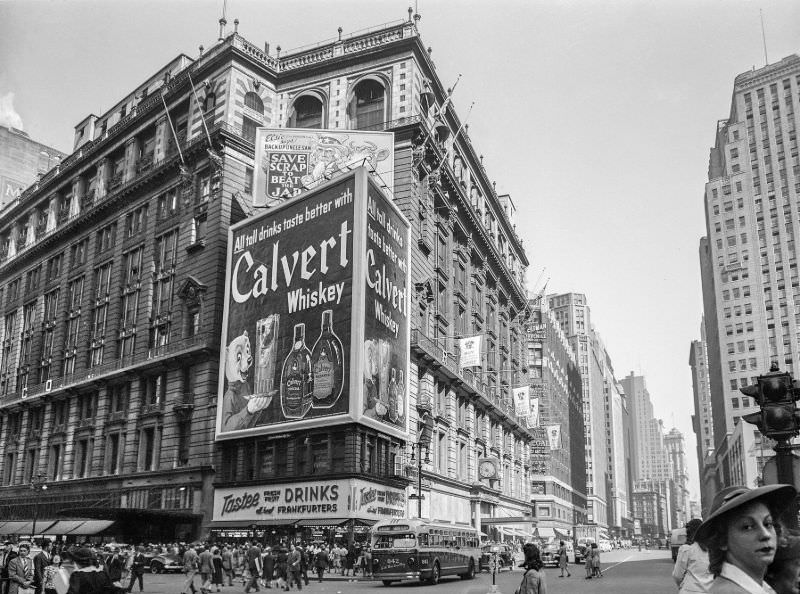
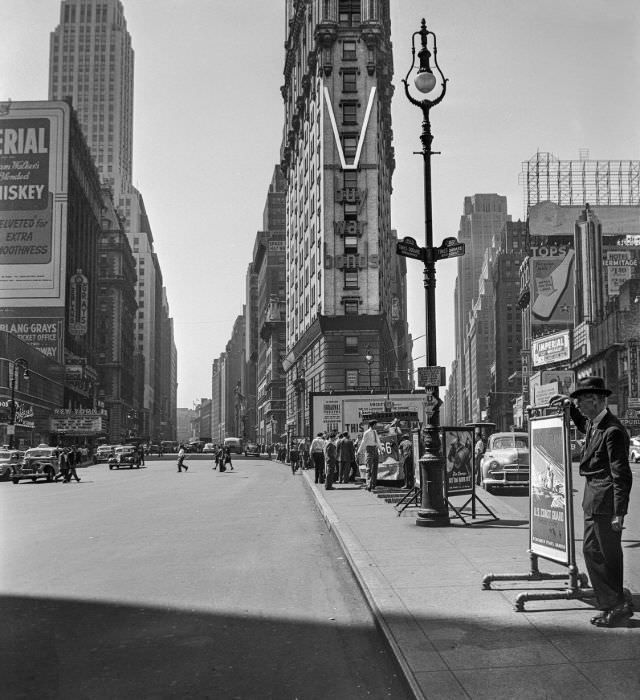
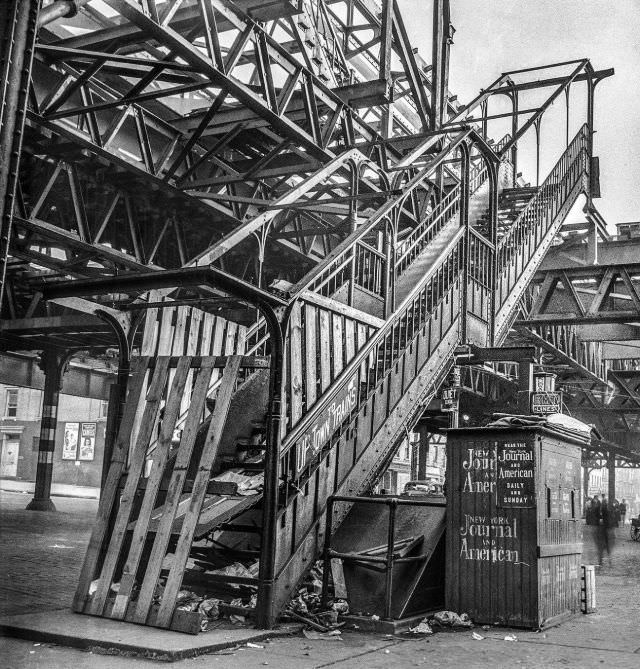
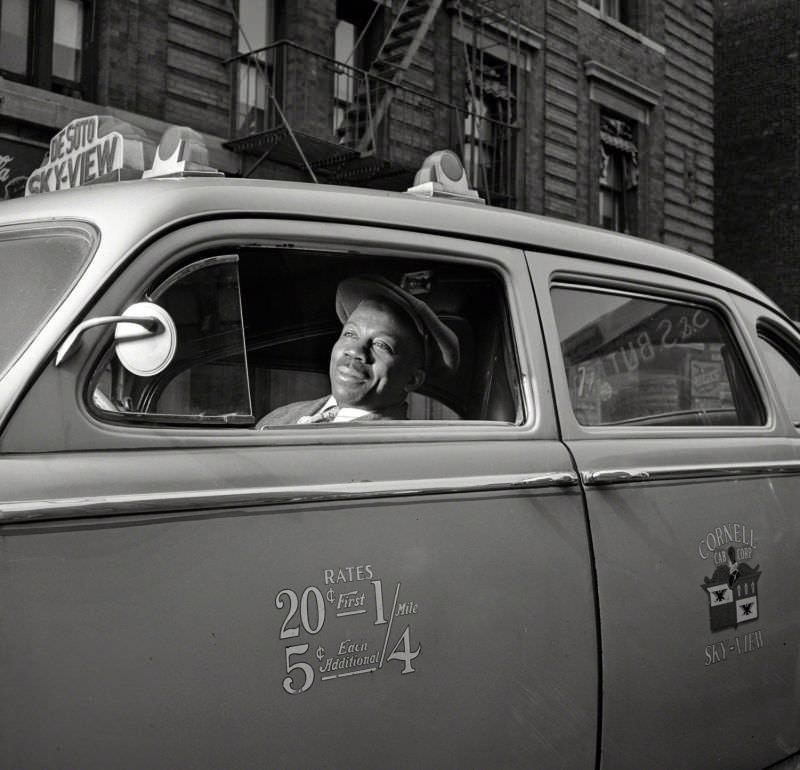
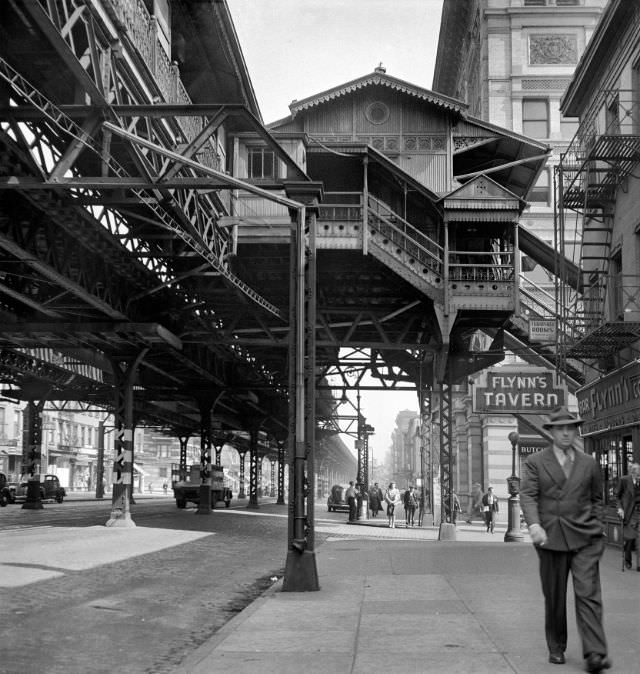
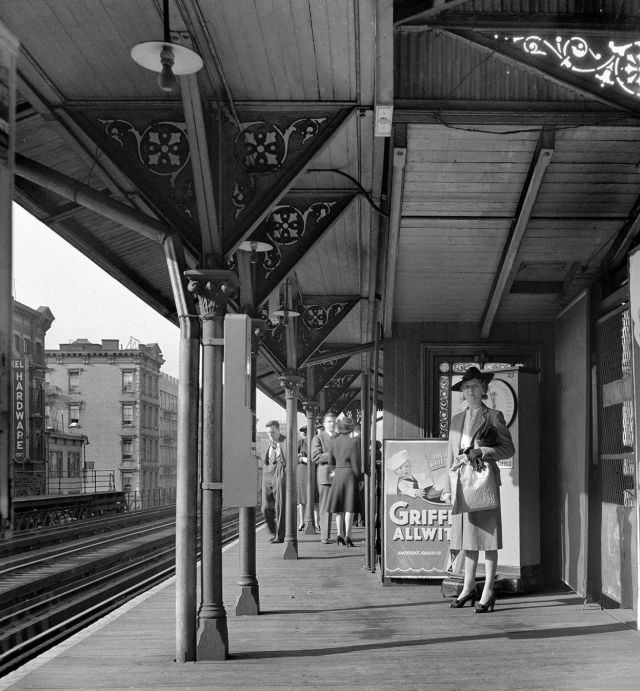
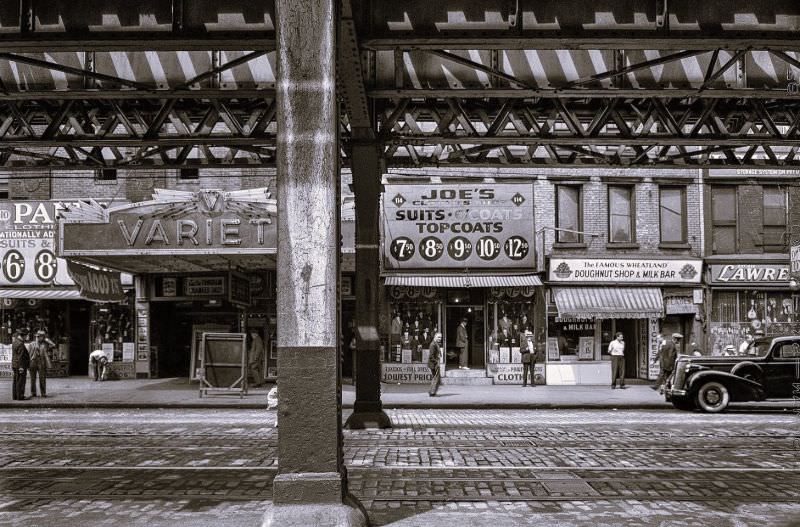
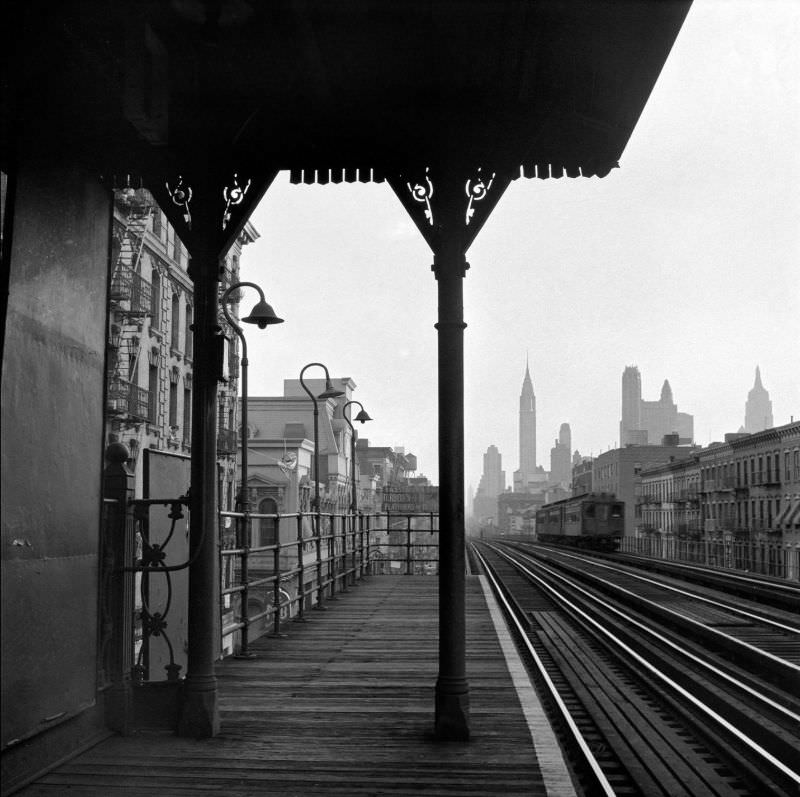
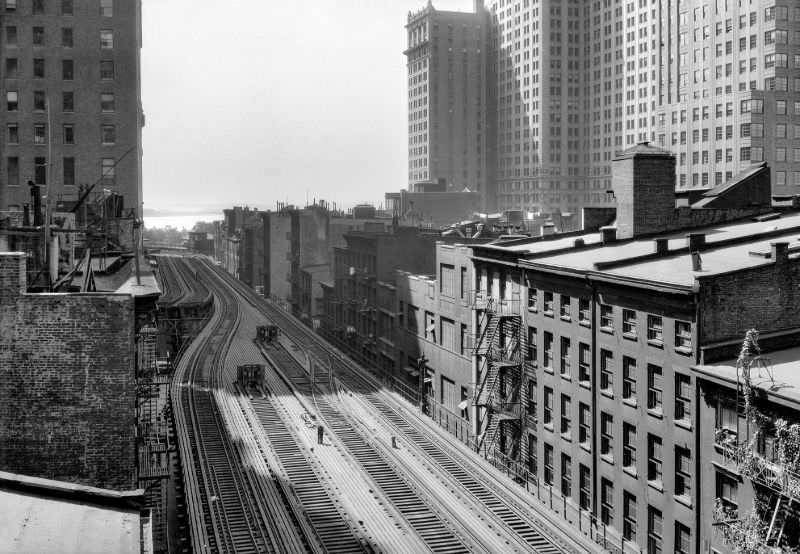
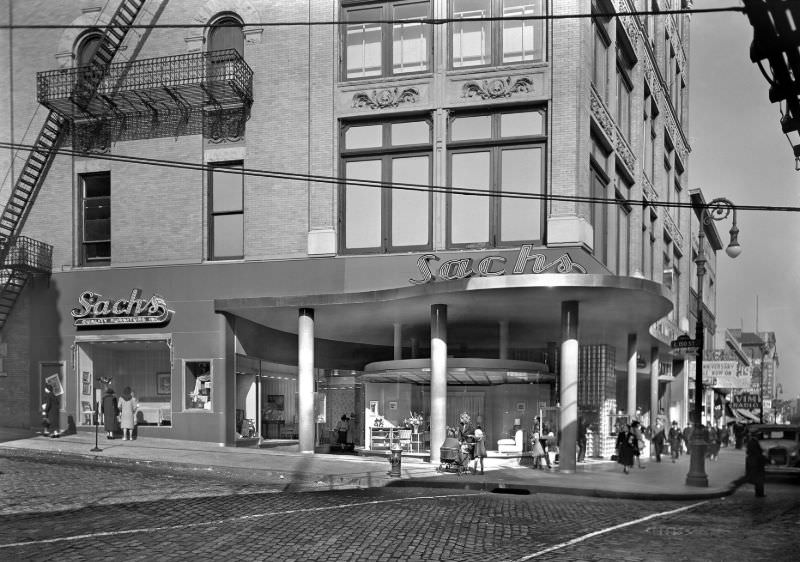
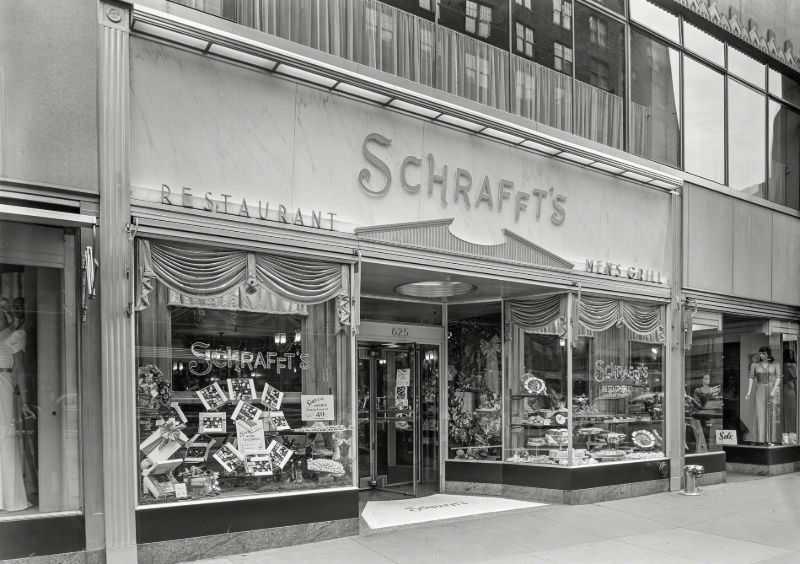
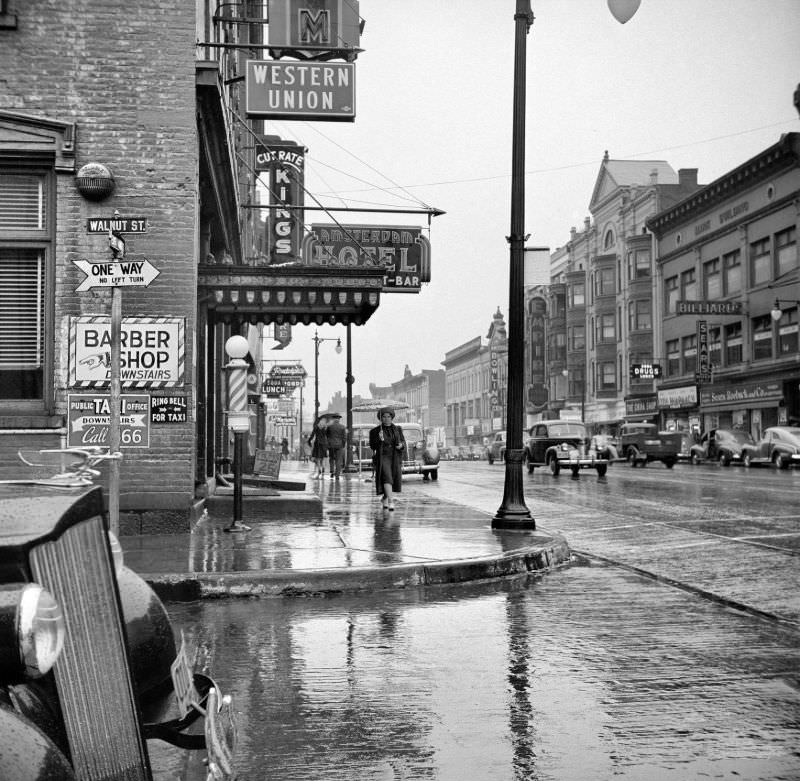
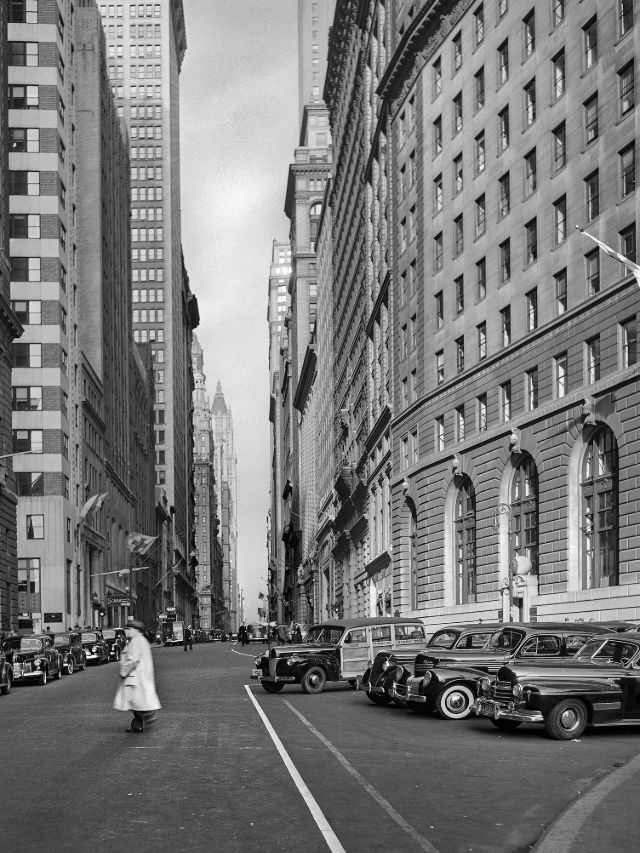
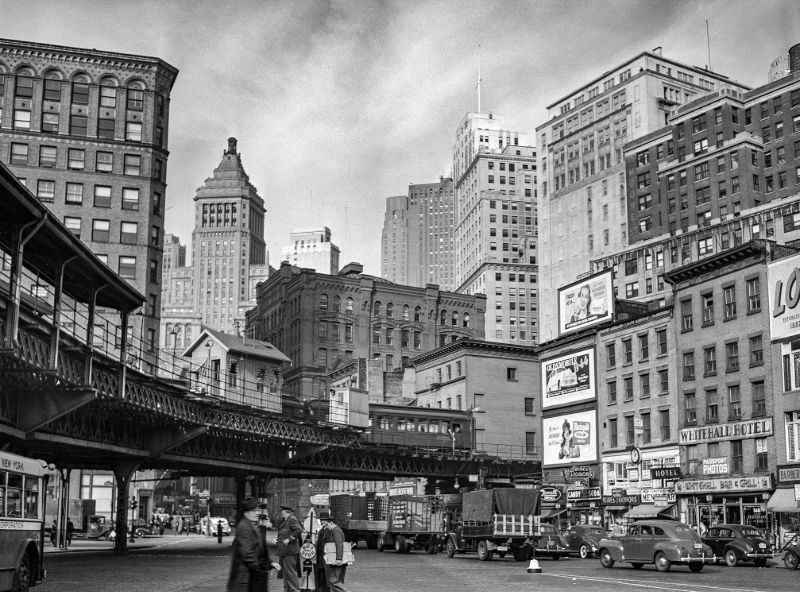
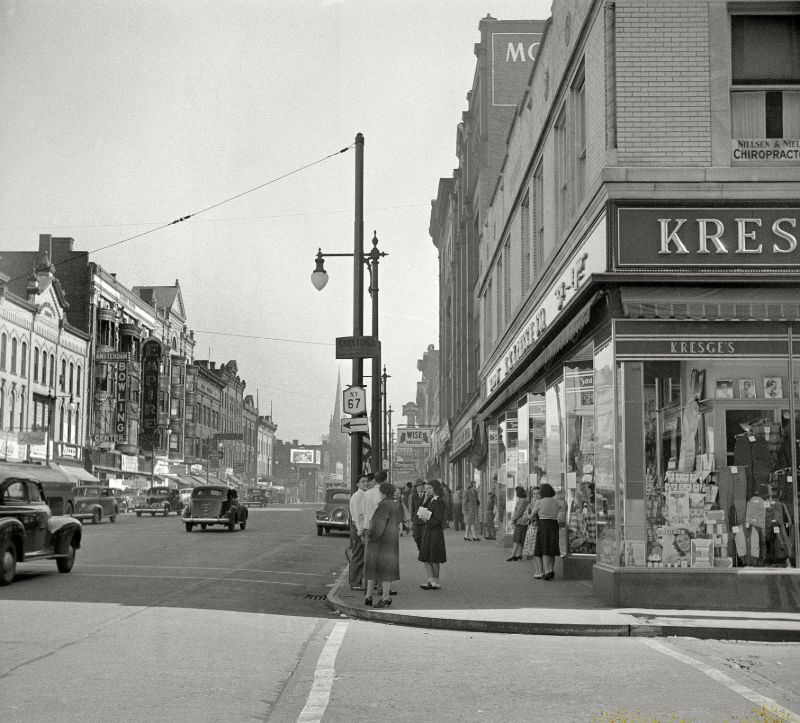
Street life in 1942 looked familiar on the surface — people riding elevated trains, hailing taxis, shopping at department stores — but the mood underneath had shifted entirely. Every errand, every commute, every purchase existed against the backdrop of a world at war.
The Port of New York was the city’s single most important contribution to the war. Millions of American soldiers passed through its docks on their way to Europe and North Africa. Troopships lined the piers in a steady, almost unbroken stream. Alongside the men, ships were loaded with tanks, aircraft, ammunition, food, and every kind of military supply imaginable. The port operated day and night, making New York the nerve center of Allied logistics in the Atlantic.
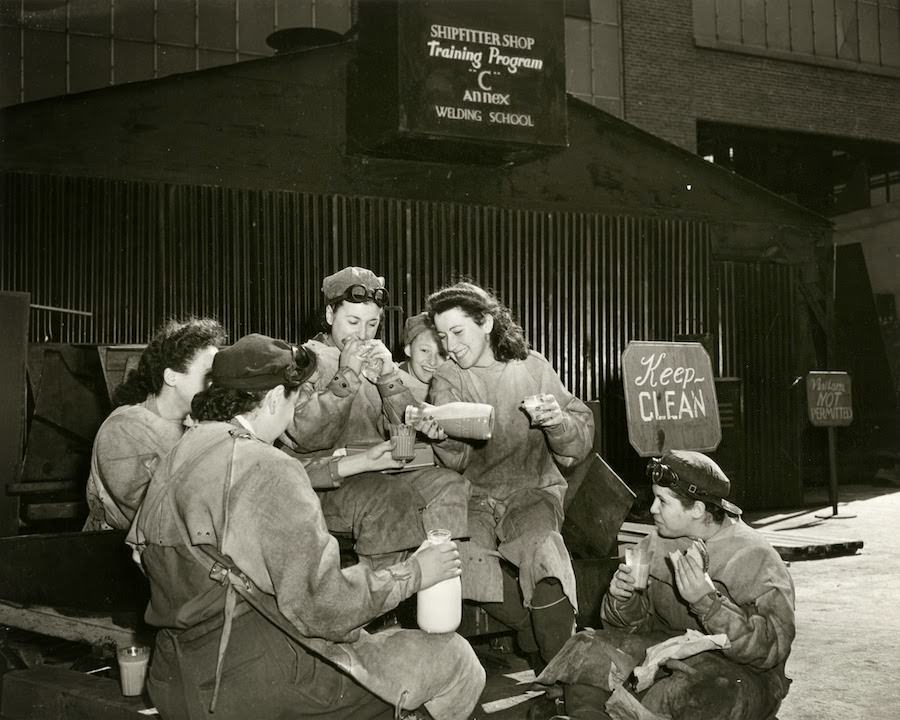
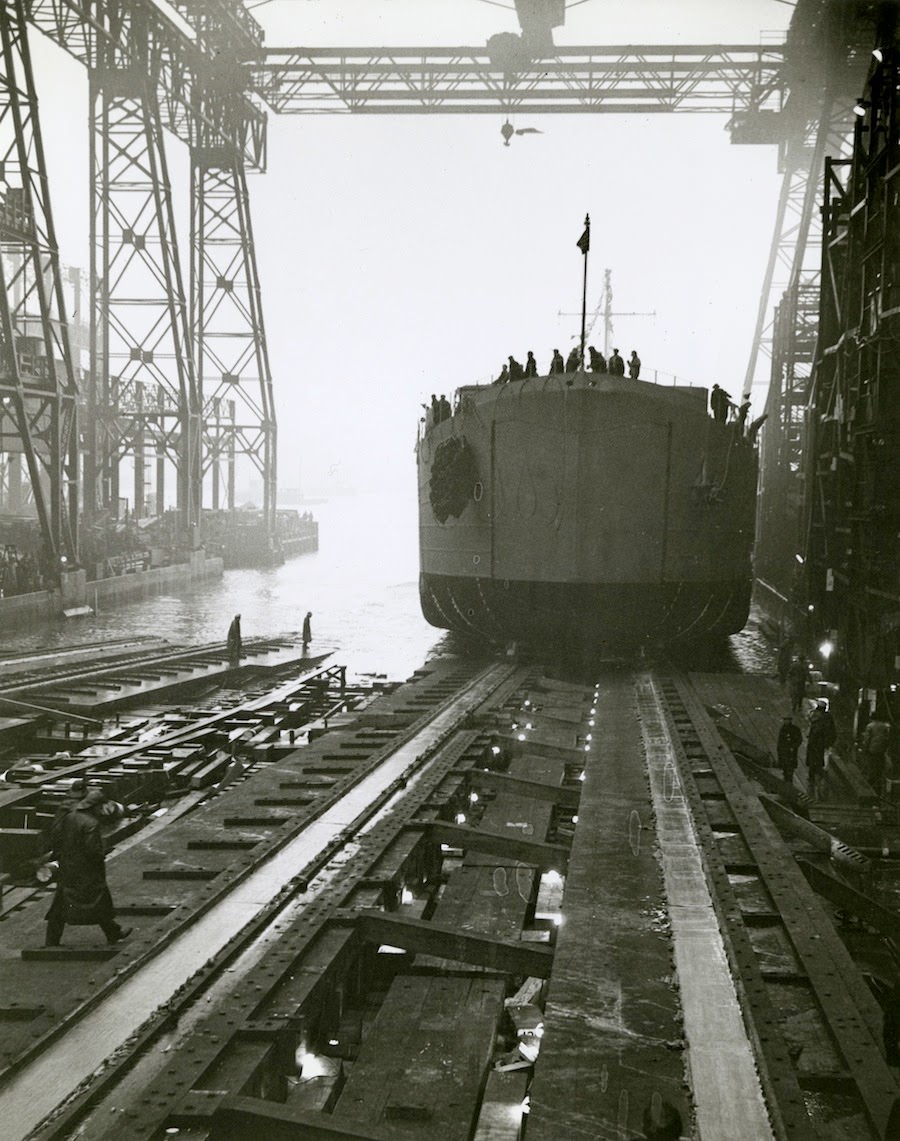
The Brooklyn Navy Yard drove much of that effort. It was the largest shipbuilding facility in the country, and during the war it employed tens of thousands of workers building and repairing vessels for the Navy and the merchant marine. Shipfitters, welders, machinists, and laborers worked in shifts around the clock. The yard launched some of the most important warships of the conflict, including the USS Missouri, the battleship on whose deck Japan would later sign its surrender.
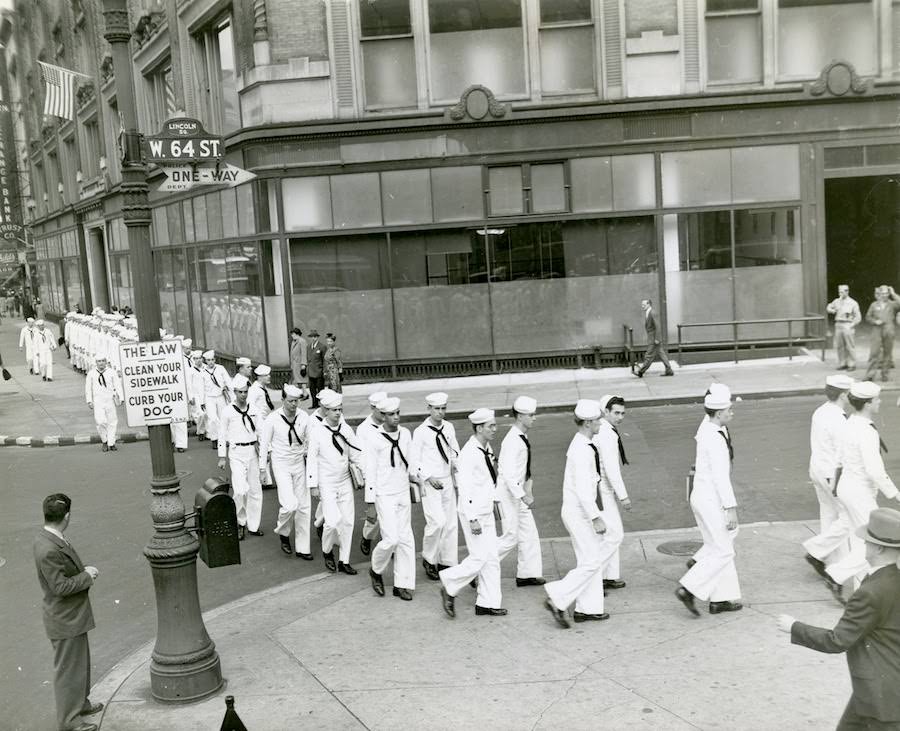
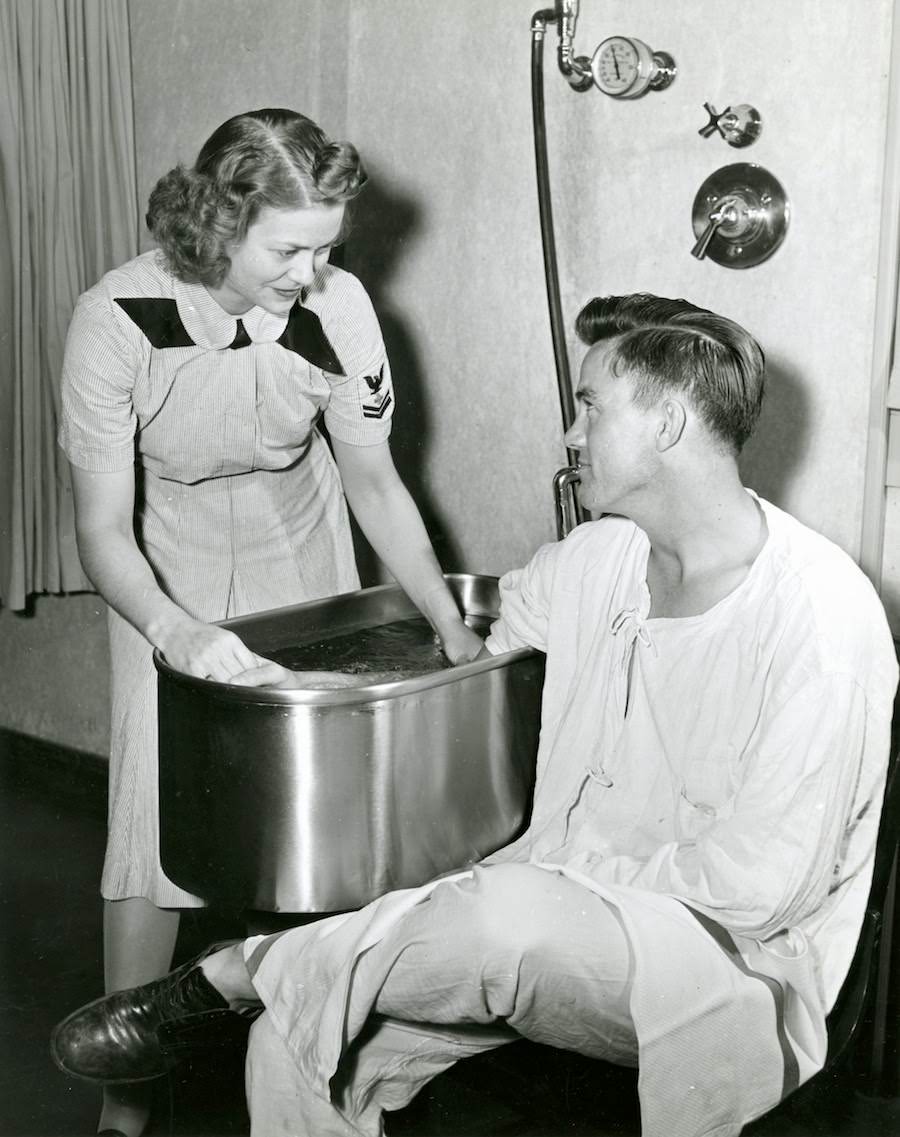
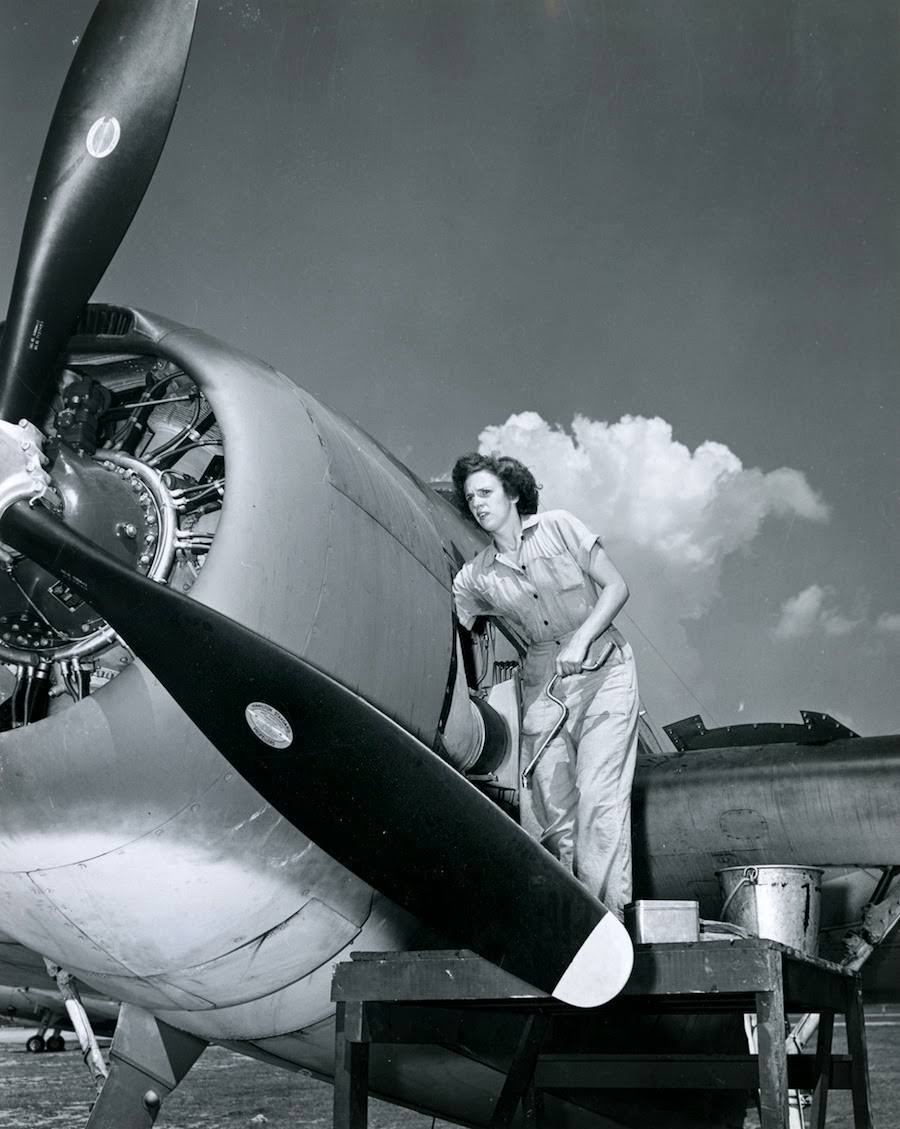
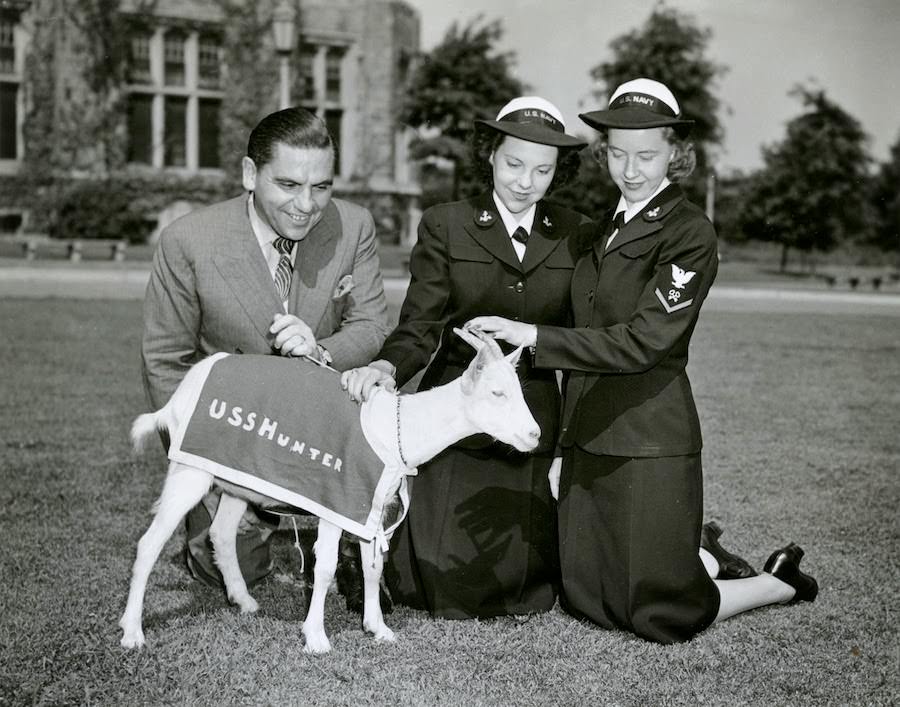
Military personnel were a constant presence throughout the city. Coast Guard units drilled on city streets. Nurses, sailors, and officers moved through train stations and hospital wards. The WAVES — Women Accepted for Volunteer Emergency Service — trained in New York and served in roles that had previously been held only by men. WAVES aviation machinists received full military ranks, benefits, and the same pay as their male Navy counterparts. Their training schools turned out hundreds of qualified servicewomen who kept the Navy’s aircraft running.
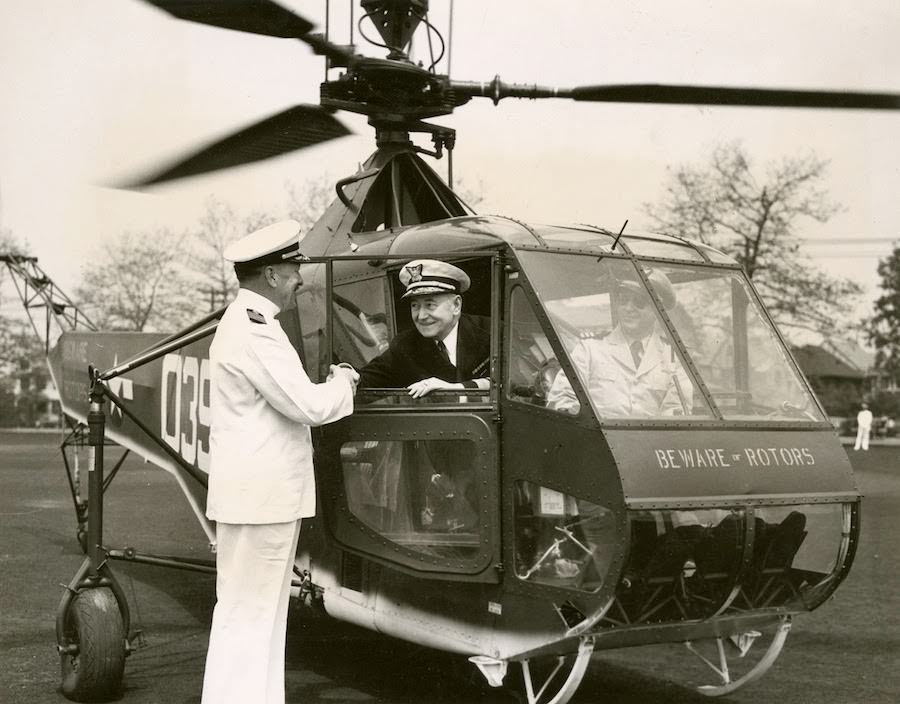
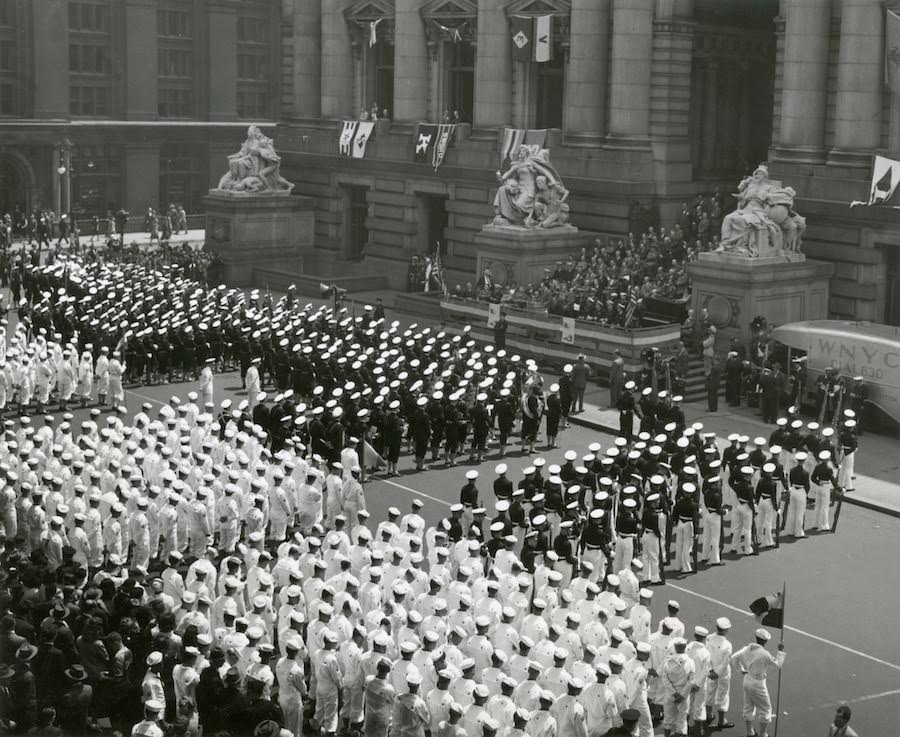
Governors Island, sitting just off the southern tip of Manhattan, served as the headquarters of a major Army command. In 1945, a group of newspaper editors was brought there to see the operation firsthand — a sign of how tightly the military and the city’s public life were connected.
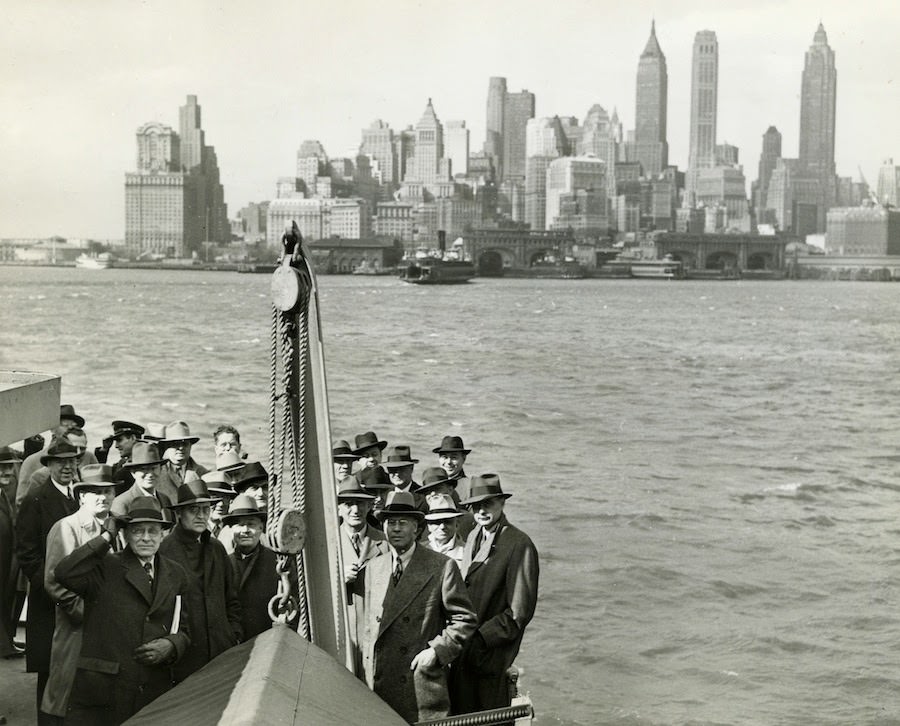
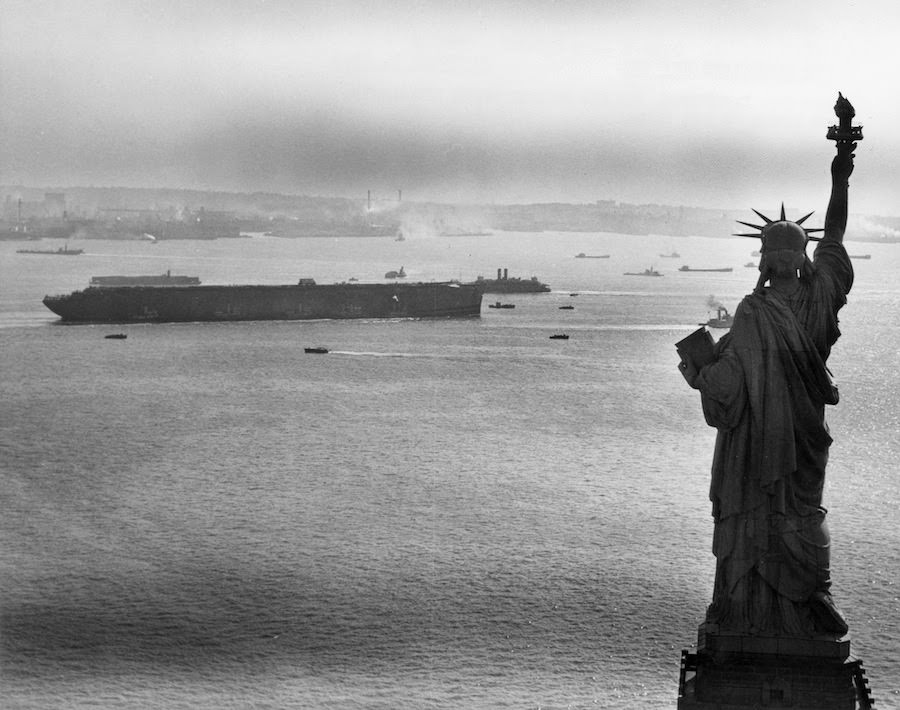
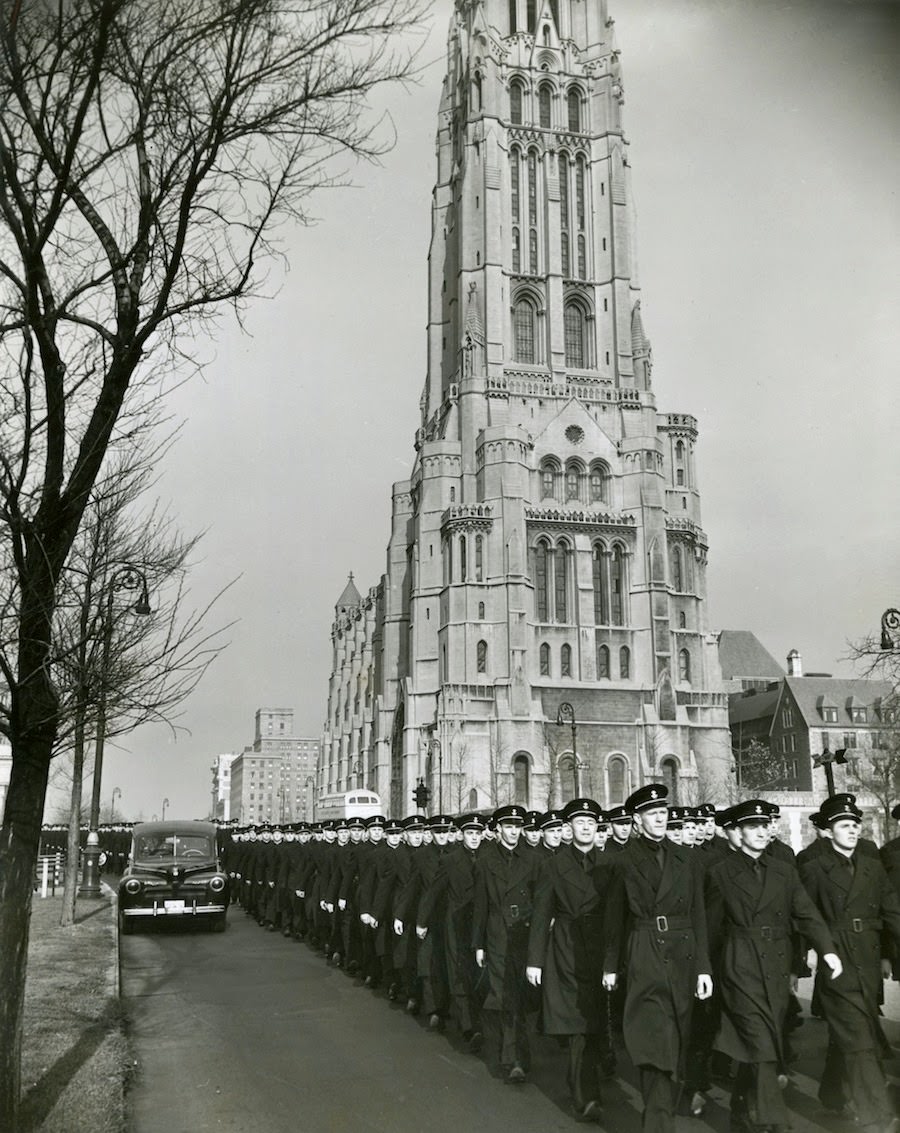
The harbor itself became a symbol of the war’s scale. The USS Lafayette — the converted French ocean liner seized after France fell to Germany — sat in New York Harbor after catching fire and capsizing at Pier 88 in 1942. Apprentice seamen trained along the Hudson. The Statue of Liberty, rising over the water, watched troopships come and go in both directions.
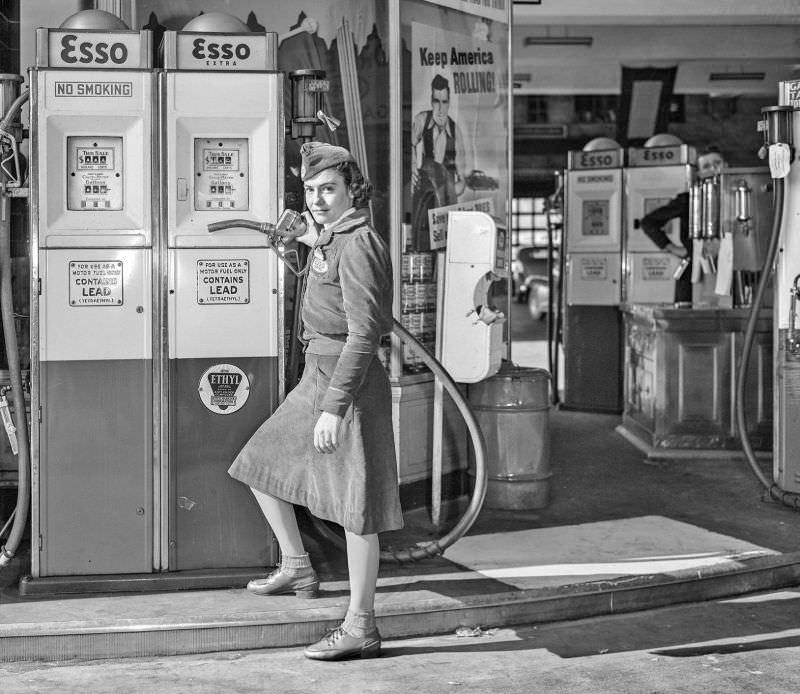
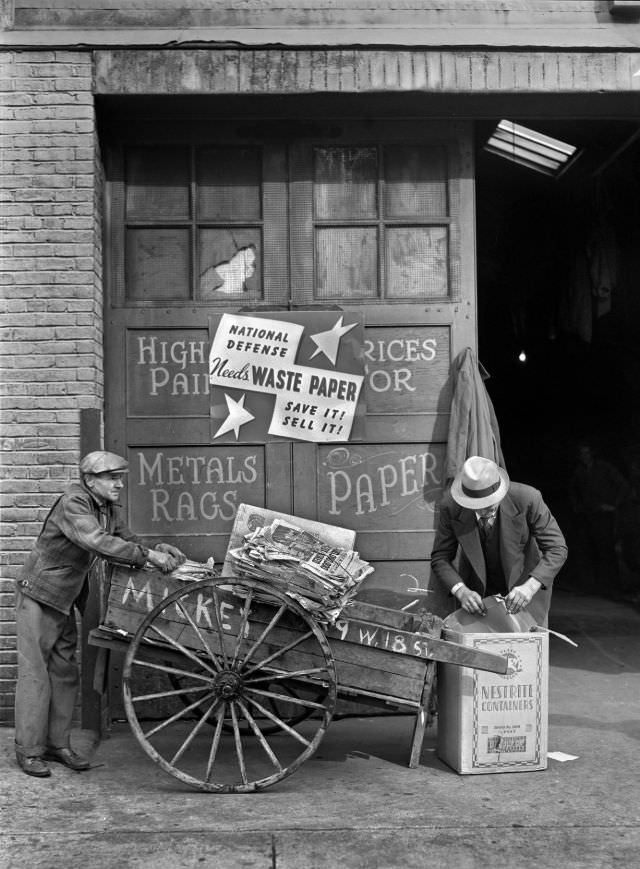
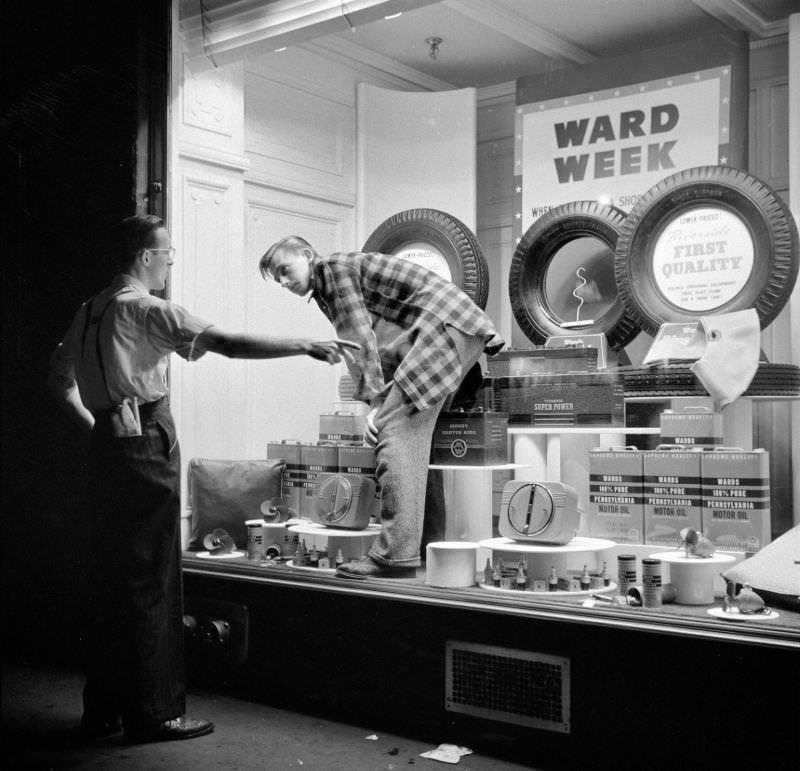
For civilians, rationing reshaped daily routines. Families received ration books with numbered stamps that controlled how much sugar, coffee, meat, butter, and gasoline they could buy each week. Long lines formed outside grocery stores and gas stations. The government urged New Yorkers to plant Victory Gardens in backyards and empty lots, and people grew vegetables wherever they could find a patch of soil. Children collected scrap metal, rubber, and paper, filling neighborhood drives that sent raw materials back into the war machine. War bond posters covered walls and store windows across the city.
Broadway stayed open through the war years. Shows continued running, many of them carrying patriotic themes or messages of support for troops overseas. Times Square drew servicemen on leave who came looking for entertainment, a meal, and a few hours away from the realities of military life. Music filled the clubs and theaters — songs about soldiers, about waiting, about the hope of coming home.
Security across the city tightened considerably. Guards were posted at bridges, tunnels, and key government buildings. The coastline was monitored for enemy submarine activity — German U-boats had already sunk ships within sight of the New Jersey shore in 1942. The FBI and military intelligence kept close watch on the ports and the city’s many immigrant communities. New York was too important a target and too vital a supply hub to leave unguarded.
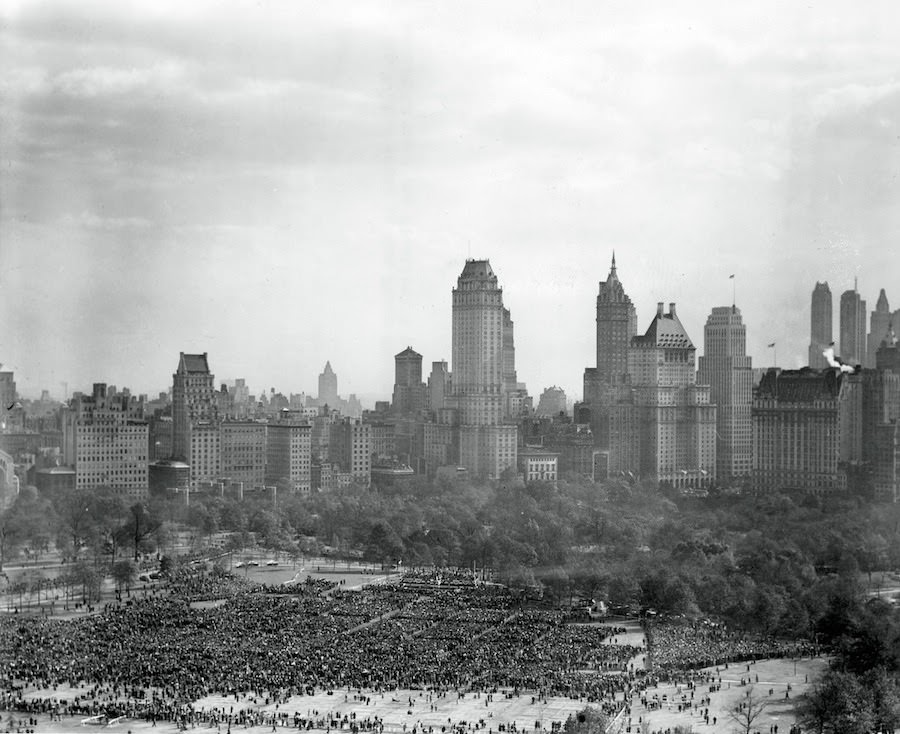
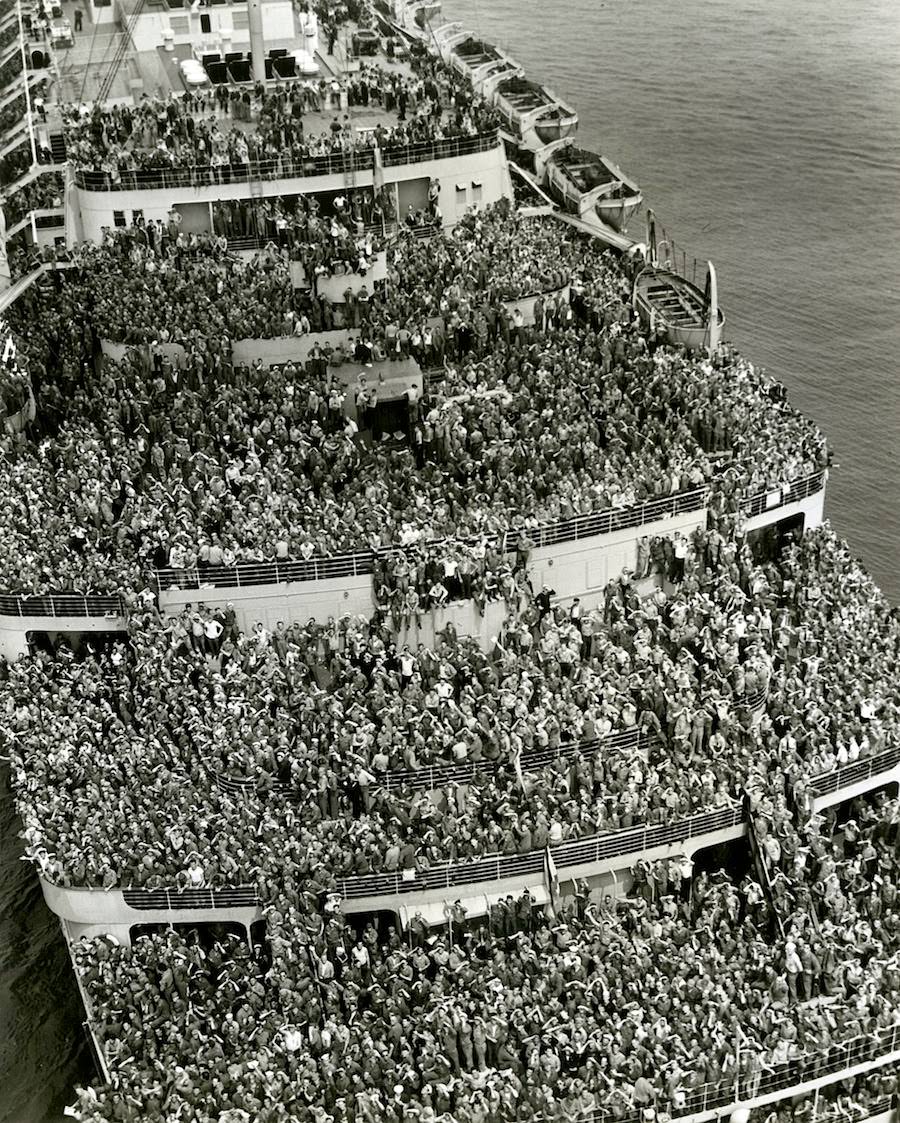
When Germany surrendered in May 1945 and Japan followed in August, New York erupted. President Truman spoke to a crowd of 50,000 at Sheep Meadow in Central Park. In the months that followed, crowded troopships reversed course and streamed back into New York Harbor, returning the soldiers who had left through those same docks years before.





In #18 the building is Riverside Church. Grant’s Tomb is to the left, just outside the picture.