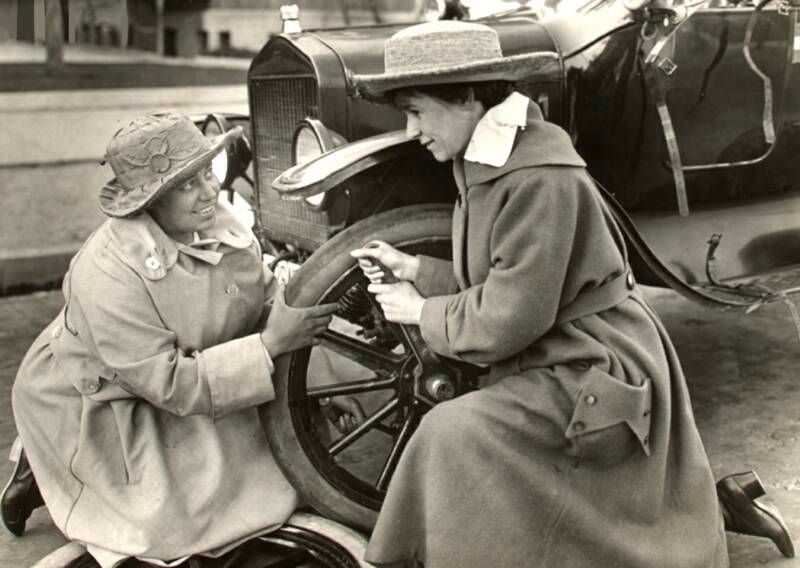
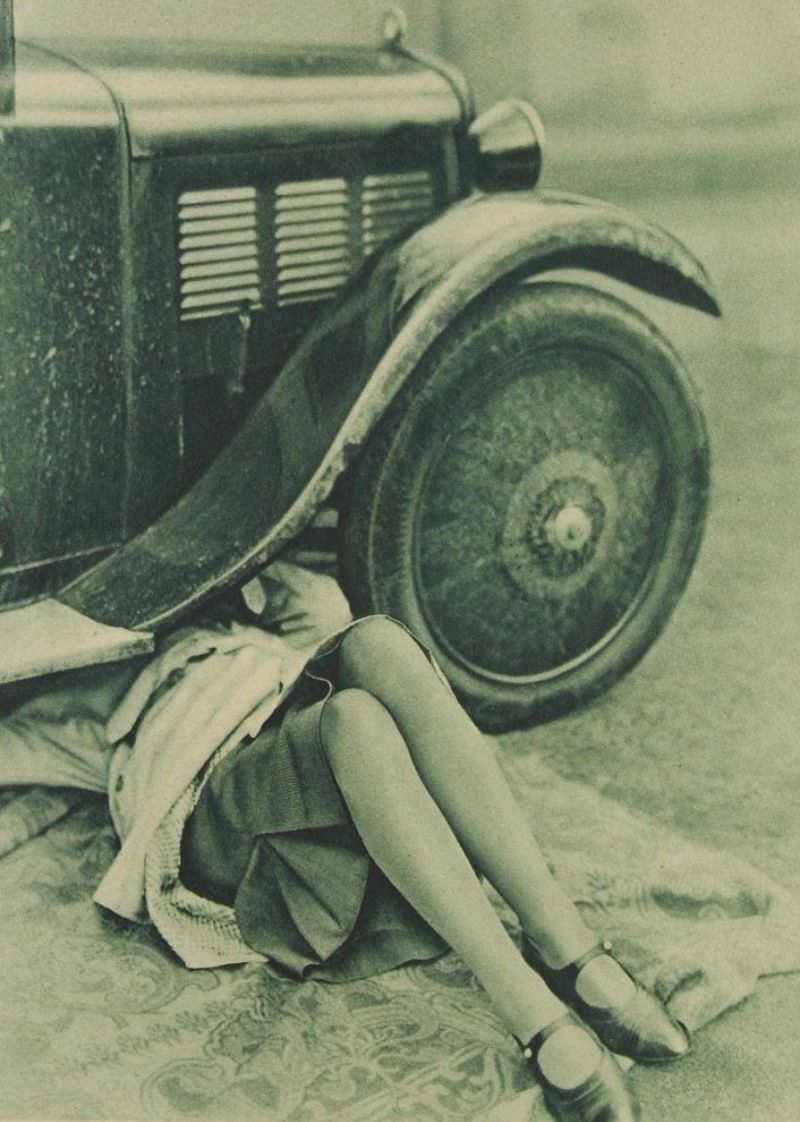
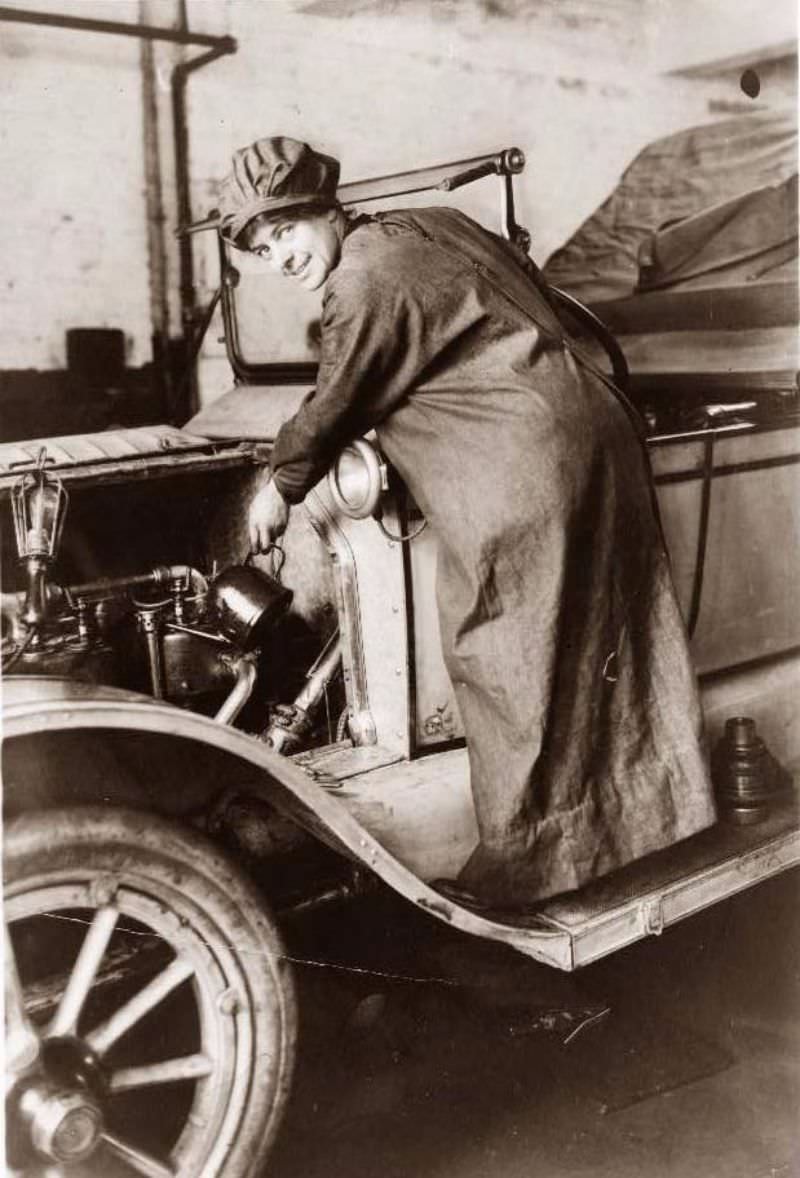
When World War I broke out in 1914, millions of men left their jobs to enlist. Back home, industries scrambled to find workers. The automotive sector was hit hard — vehicles were critical for moving troops and supplies, and someone had to keep them running. Women answered that call in large numbers, stepping into garages and repair shops to do work that had almost exclusively belonged to men.
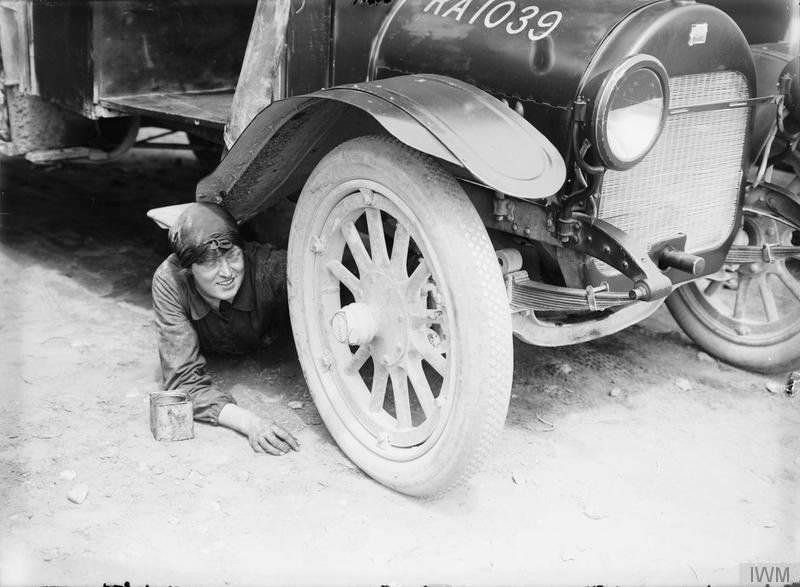
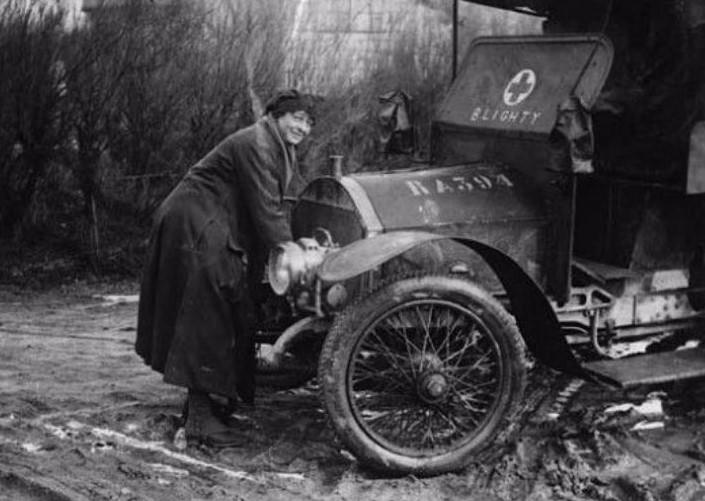
The Voluntary Aid Detachment (VAD) was one of the most visible examples of women taking on mechanical roles during the war. These women didn’t just drive ambulances — they maintained and repaired them, often near active front lines in France.
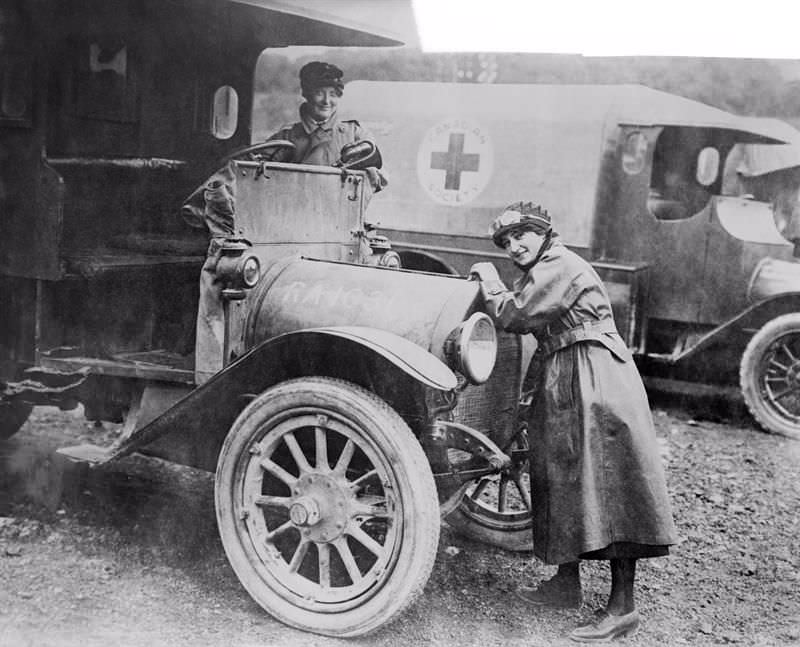
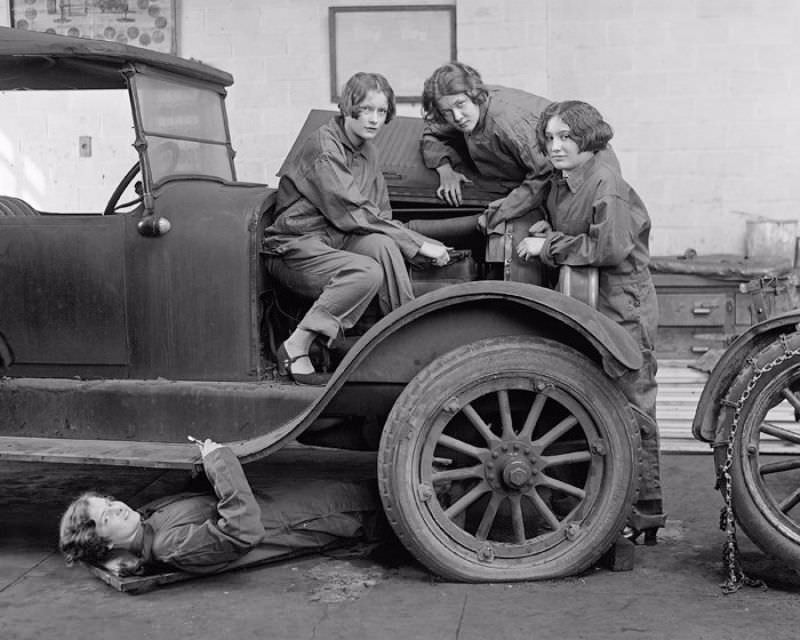
Changing a tire, adjusting an engine, or diagnosing a mechanical fault were not simple tasks in the early 1900s. Tools were basic, parts were heavy, and garages were dusty, greasy, and either baking hot or bitterly cold depending on the season. The women who did this work developed genuine technical expertise.
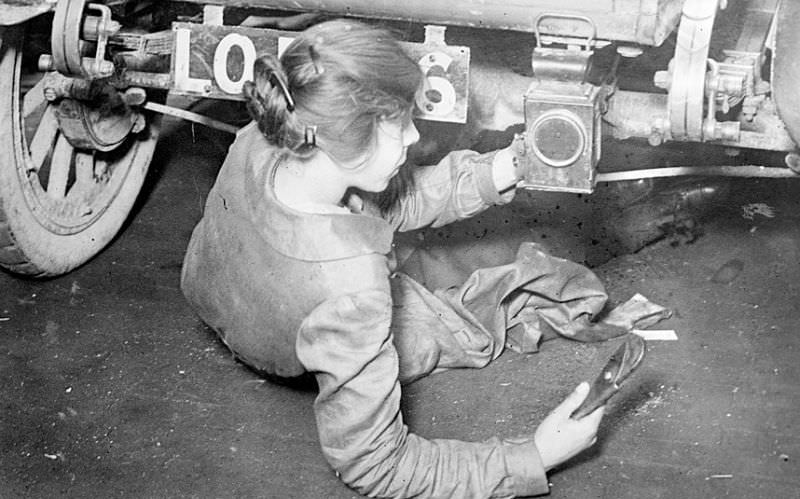
VAD motor convoys were stationed at bases like Étaples in northern France, where women started engines, cleaned vehicles, and kept ambulances road-ready around the clock. The Canadian Red Cross donated many of those ambulances, and keeping them operational was a constant effort.
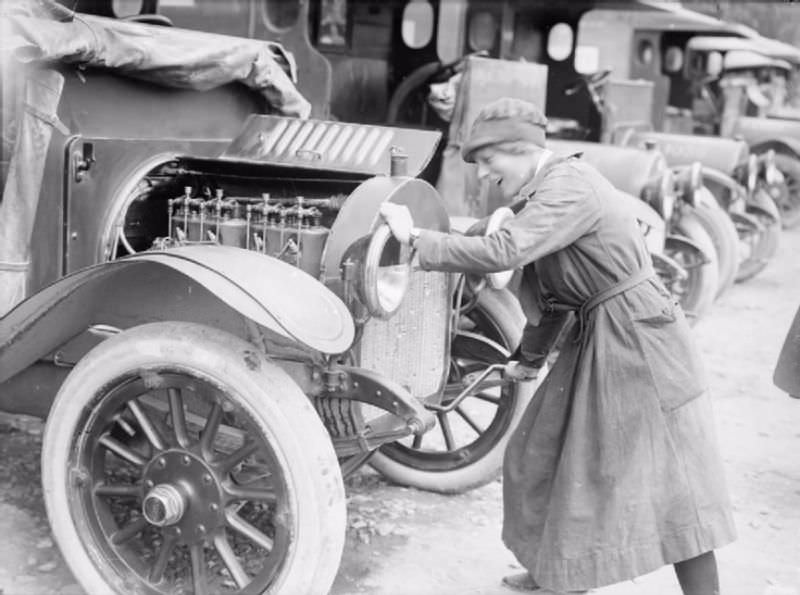
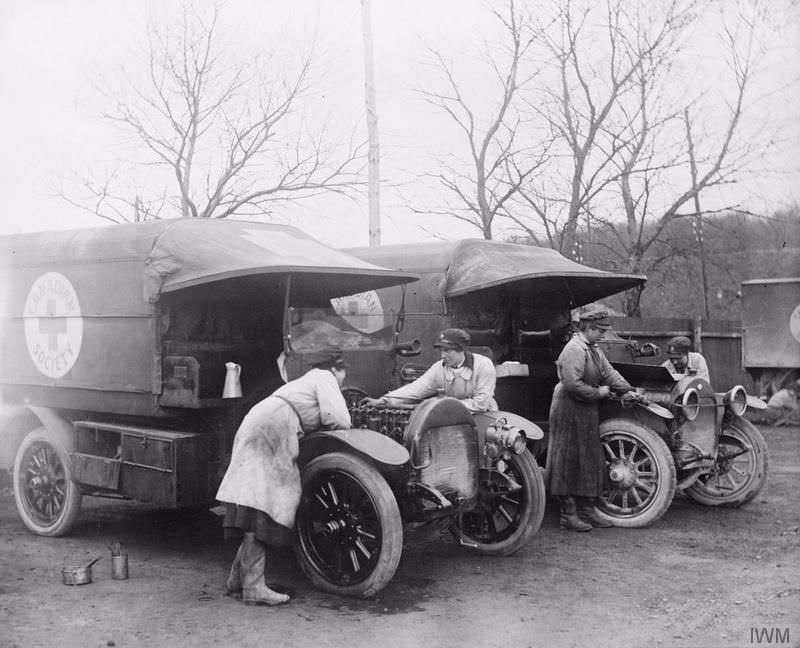
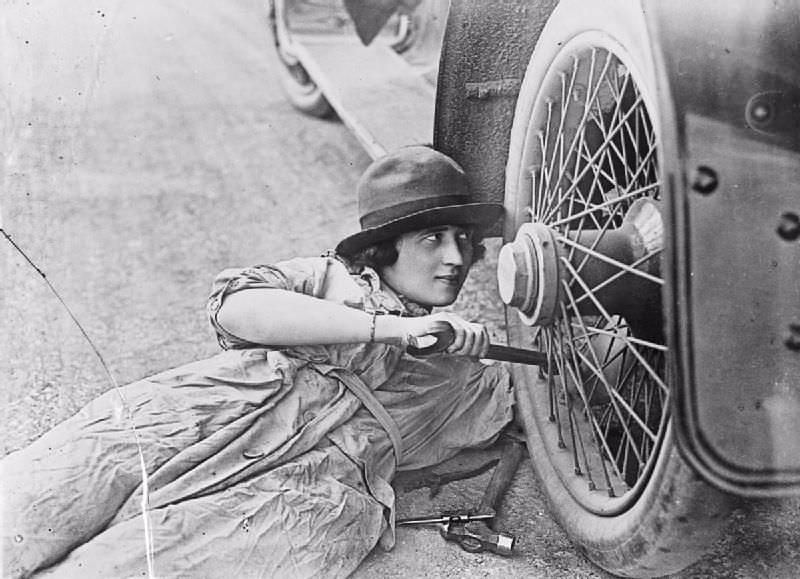
The First Aid Nursing Yeomanry (FANY) was another organization that put women behind the wheel and under the hood. Members were trained to crank-start ambulances — a physically demanding task that required both technique and strength.
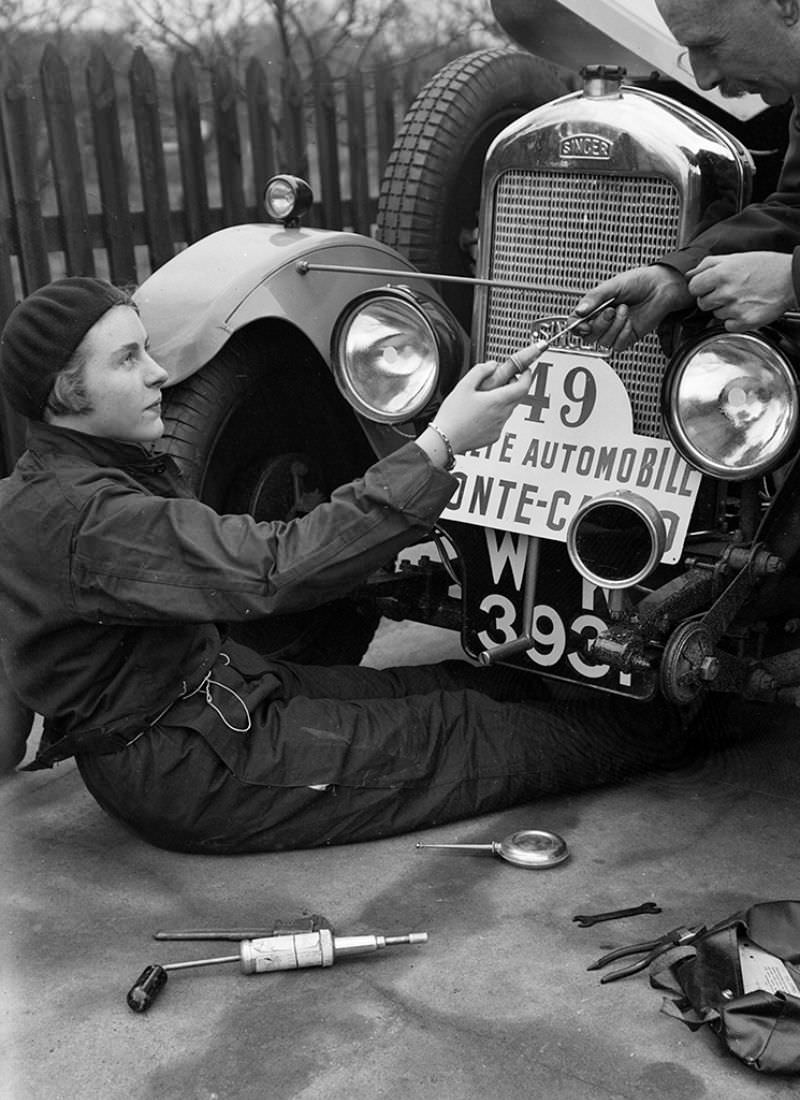
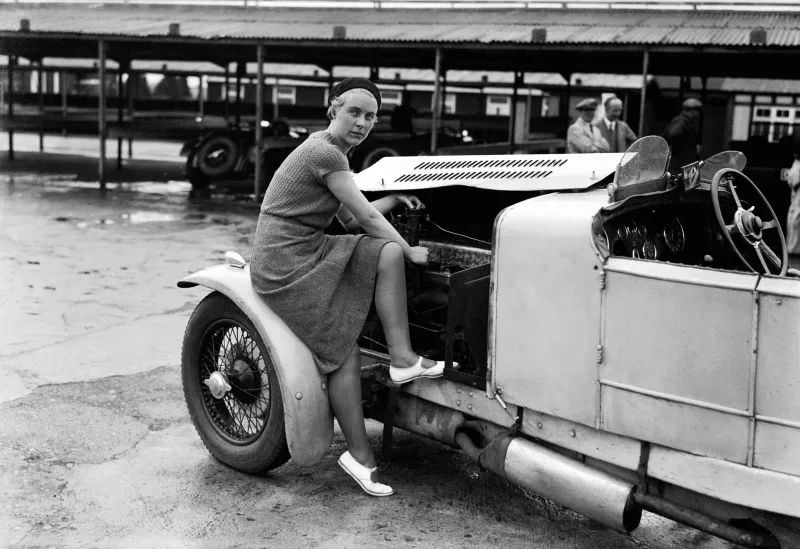
Away from the battlefield, women were also making names for themselves in competitive motorsport. Kitty Brunell was a standout figure — she competed at the Monte Carlo Rally and worked on her own race engines without outside help.
World War II brought a second wave of women into automotive and mechanical work. The Women’s Royal Navy Service (WRNS), commonly called the “Wrens,” trained women as motor transport mechanics. These women serviced military vehicles across naval bases in Britain.
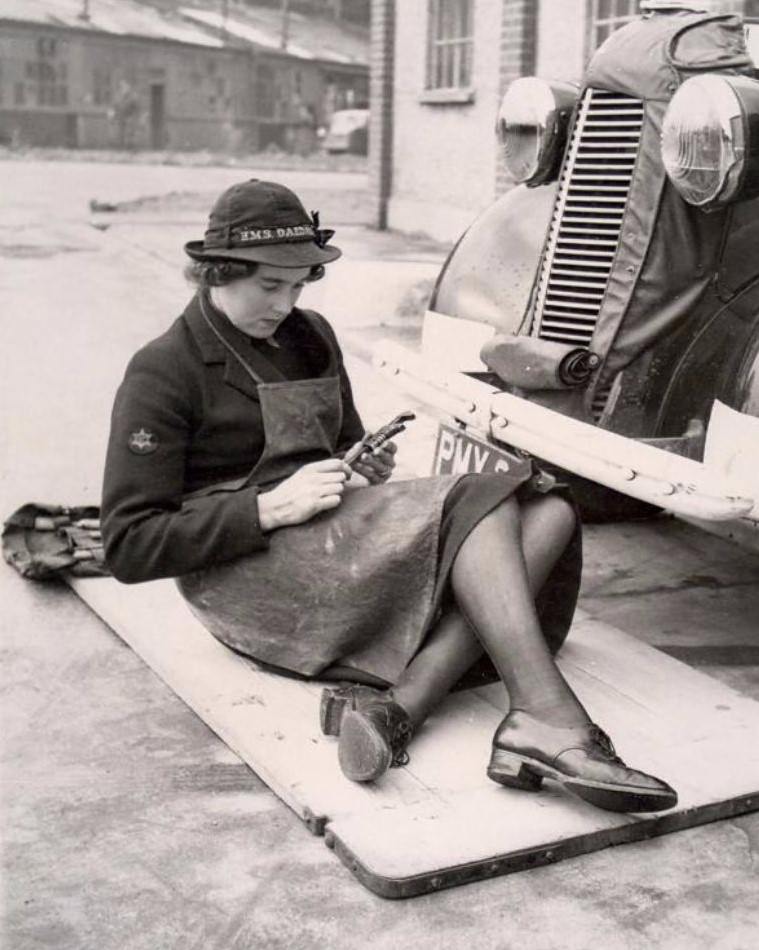
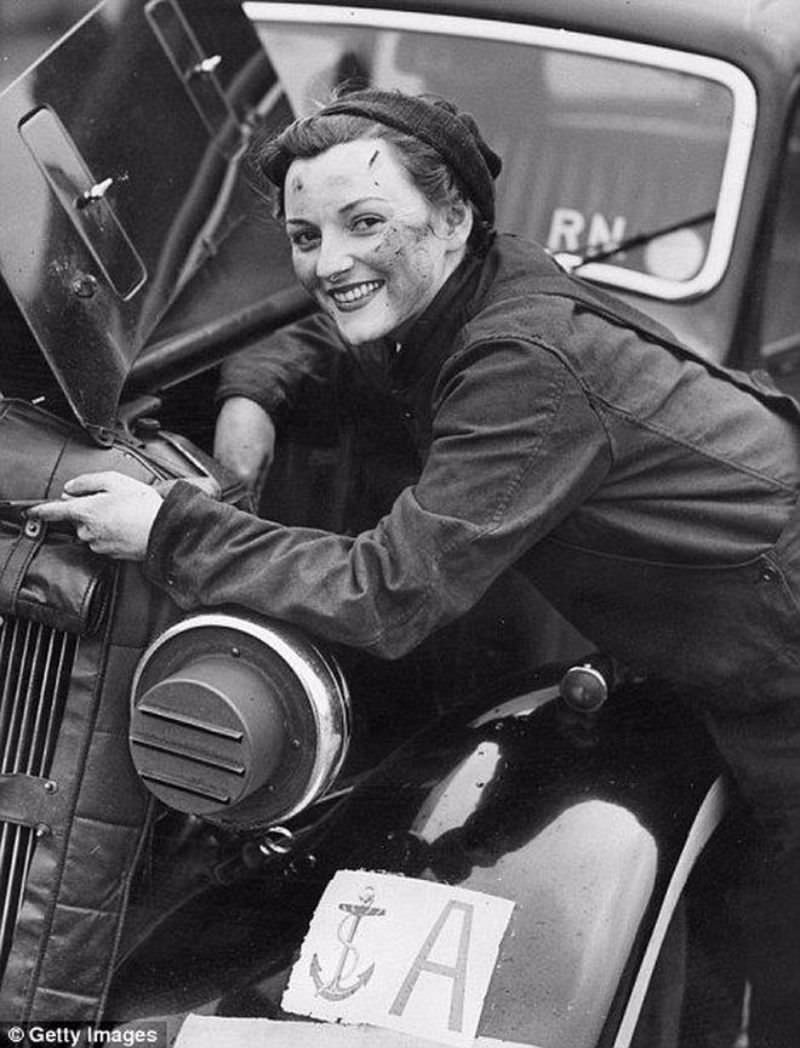
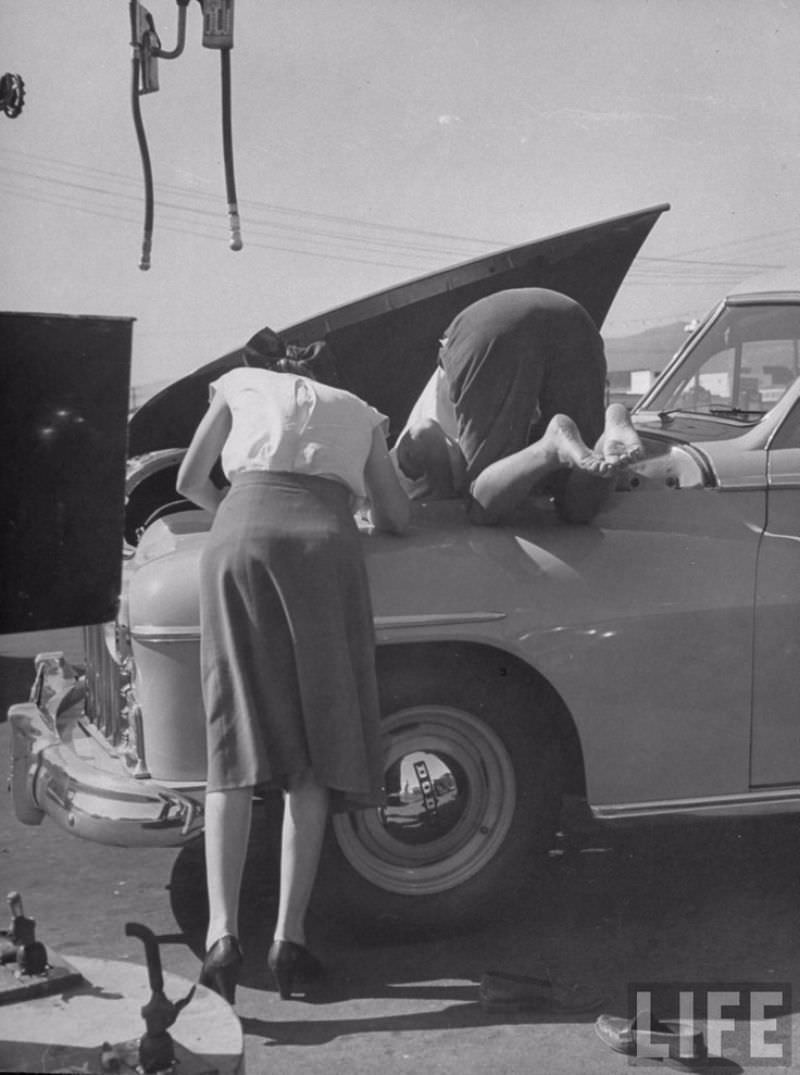
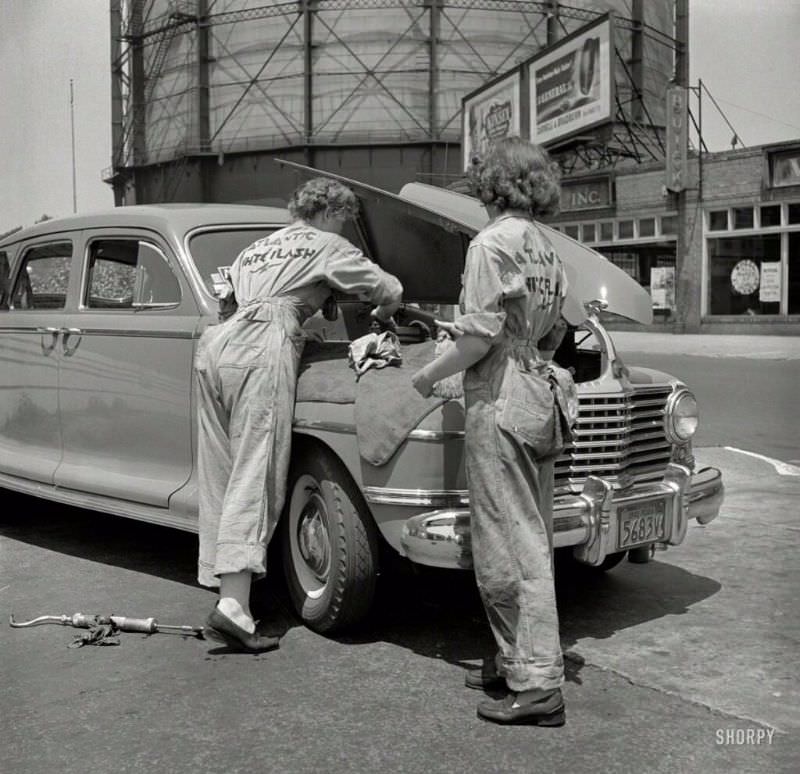
On the civilian side in the United States, women were hired at service stations and garages to fill roles left vacant by enlisted men. The Atlantic Refining Company in Philadelphia was among the employers putting women to work as garage attendants in 1943.
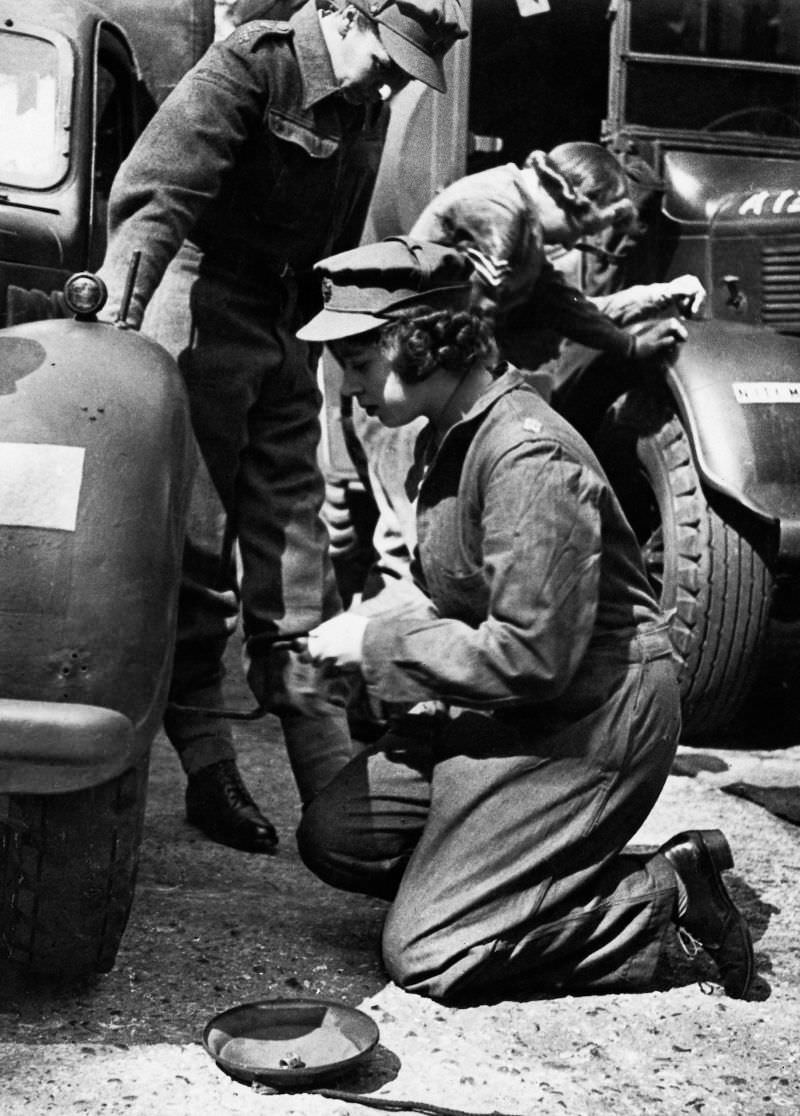
Even royalty wasn’t exempt. Princess Elizabeth — later Queen Elizabeth II — trained as a truck mechanic and driver in the Women’s Auxiliary Territorial Service during the final months of World War II.
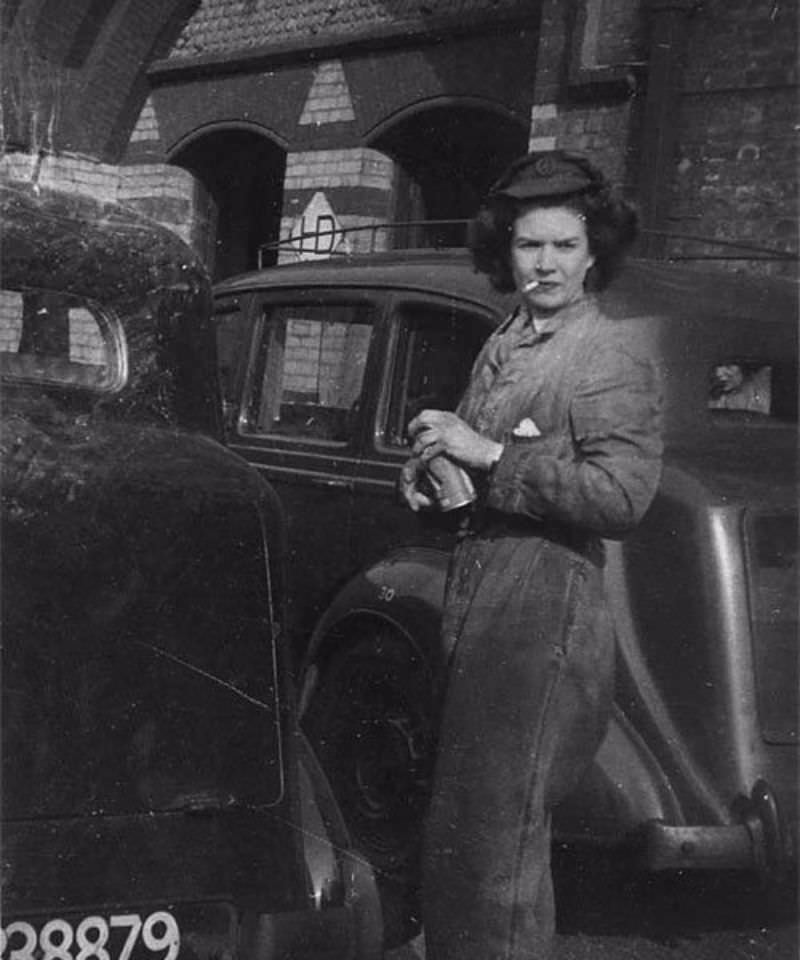
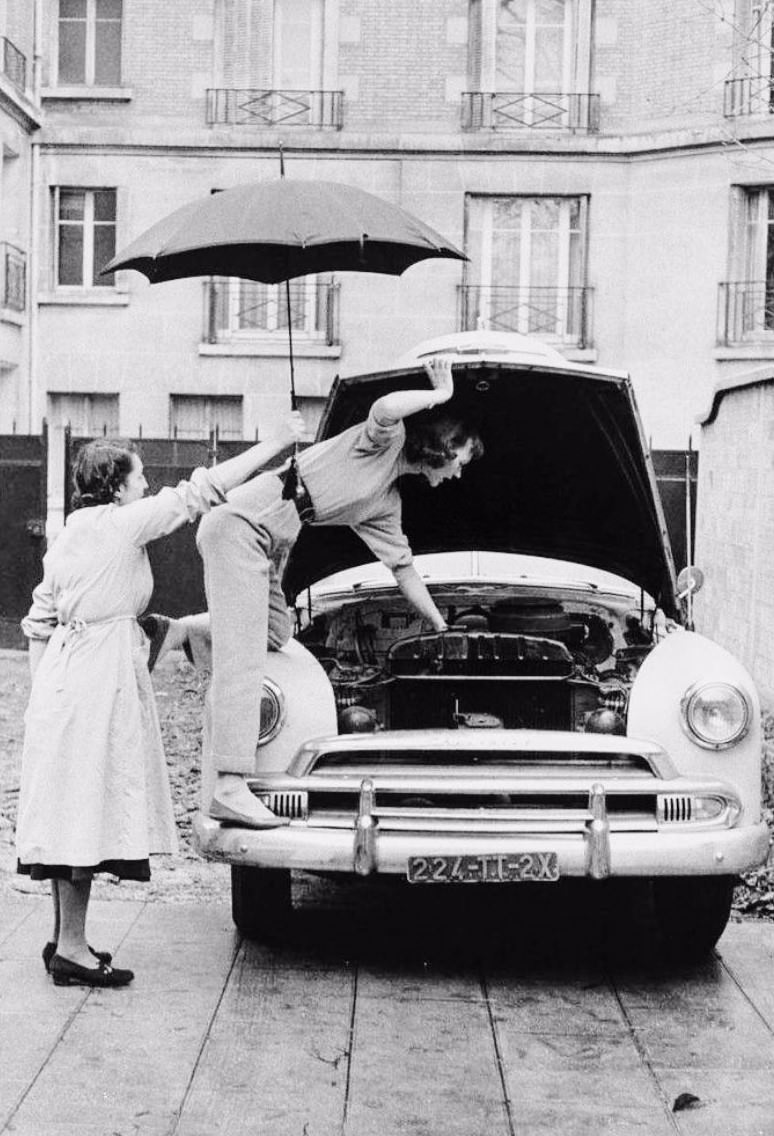
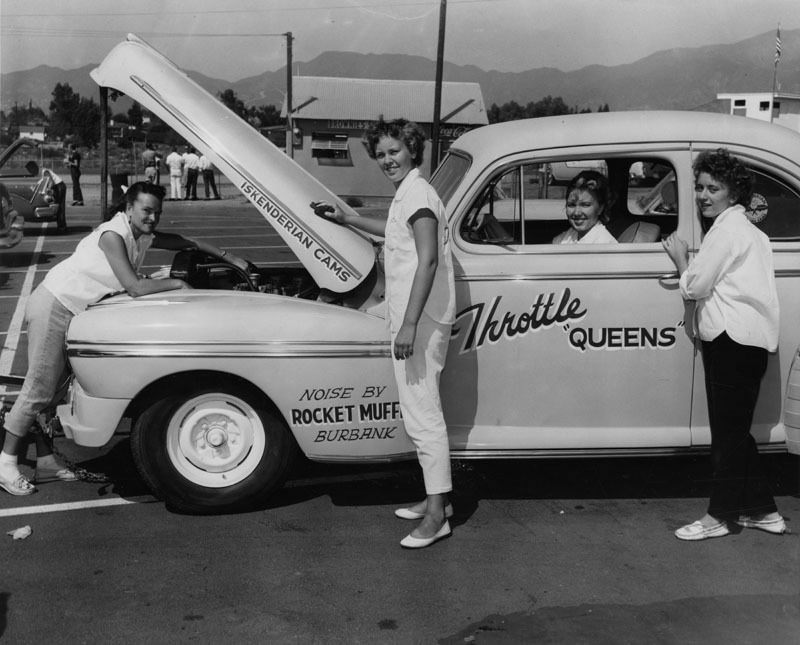
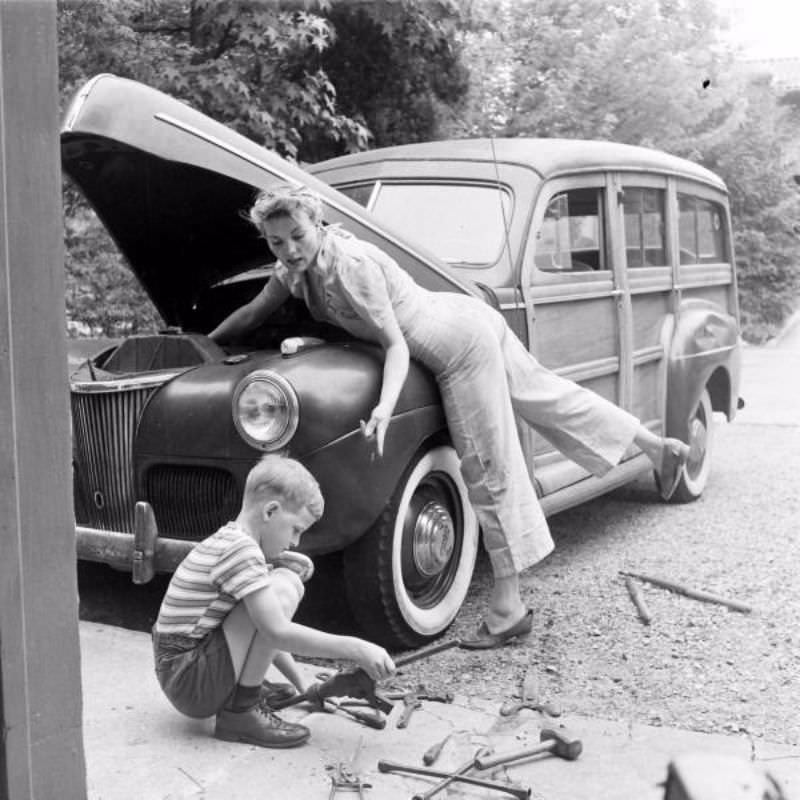
By the mid-1950s, women working on cars had moved well beyond wartime necessity. Drag racing crews like the Throttle Queens treated automotive mechanics as a sport and a passion, not just a job born of circumstance.