Hey There! Before You Go. 😧
Get the best vintage content straight into your inbox!

Don't worry, we don't spam

What Fort Worth, Texas looked like in the 1930s

Fort Worth, Texas in the 1930s was a city pulled in two directions at once. On one side were the wide-open rangelands, cattle pens, and dusty stockyard pens that had defined the city for decades. On the other were steel-framed office buildings, department stores, and railroad terminals that signaled a growing urban center. The Great Depression pressed hard on both sides, but Fort Worth had something many American cities didn’t — a trio of industries tough enough to keep the economy breathing.
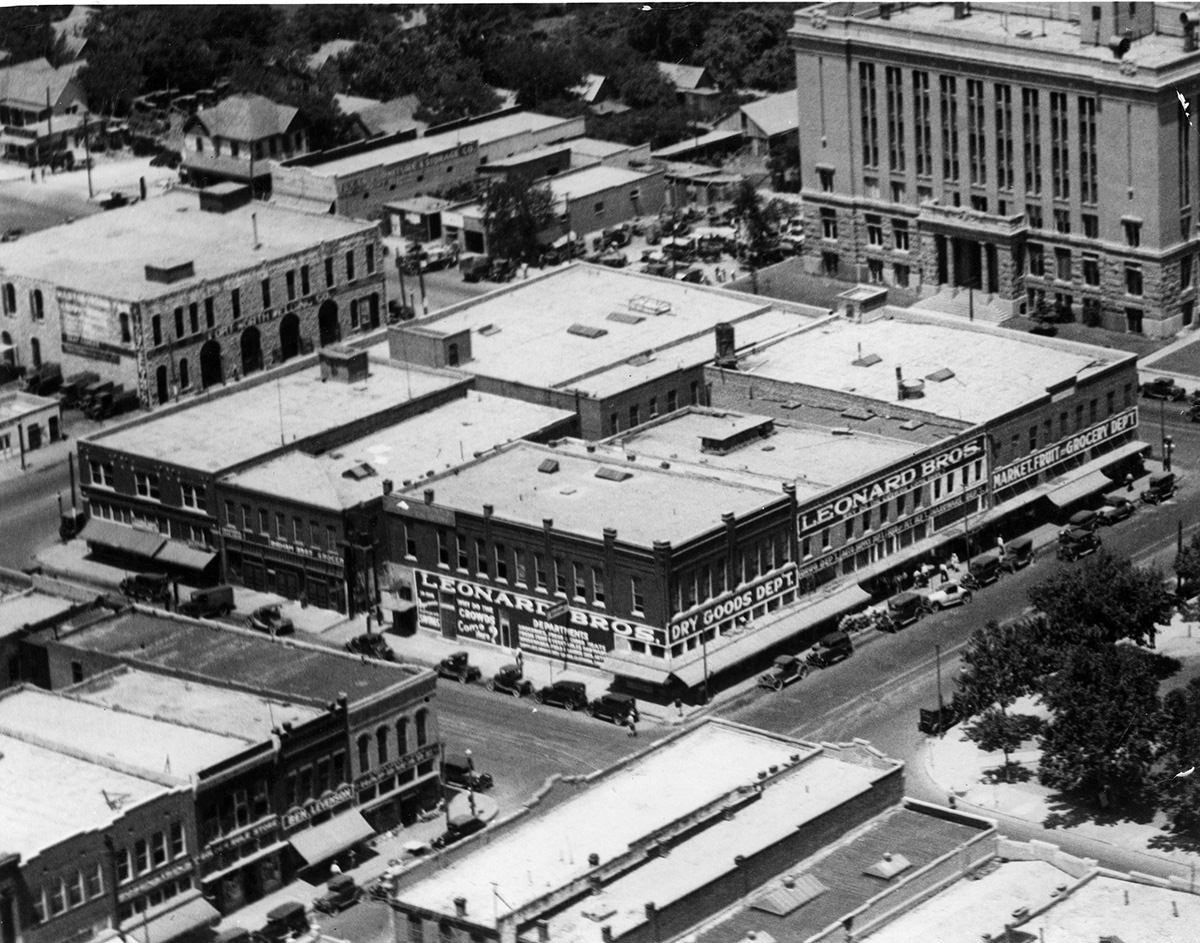
Aerial view of downtown Fort Worth, including Leonard Brothers department store, 1930

Downtown Fort Worth in 1930 already had a defined skyline. Brick and stone buildings lined the main streets, housing banks, offices, and retailers. The city’s layout showed its ambitions clearly — wide thoroughfares, commercial blocks stacked with storefronts, and public institutions planted on prominent corners. Leonard Brothers department store was one of the city’s most recognizable anchors, drawing shoppers from across Tarrant County.
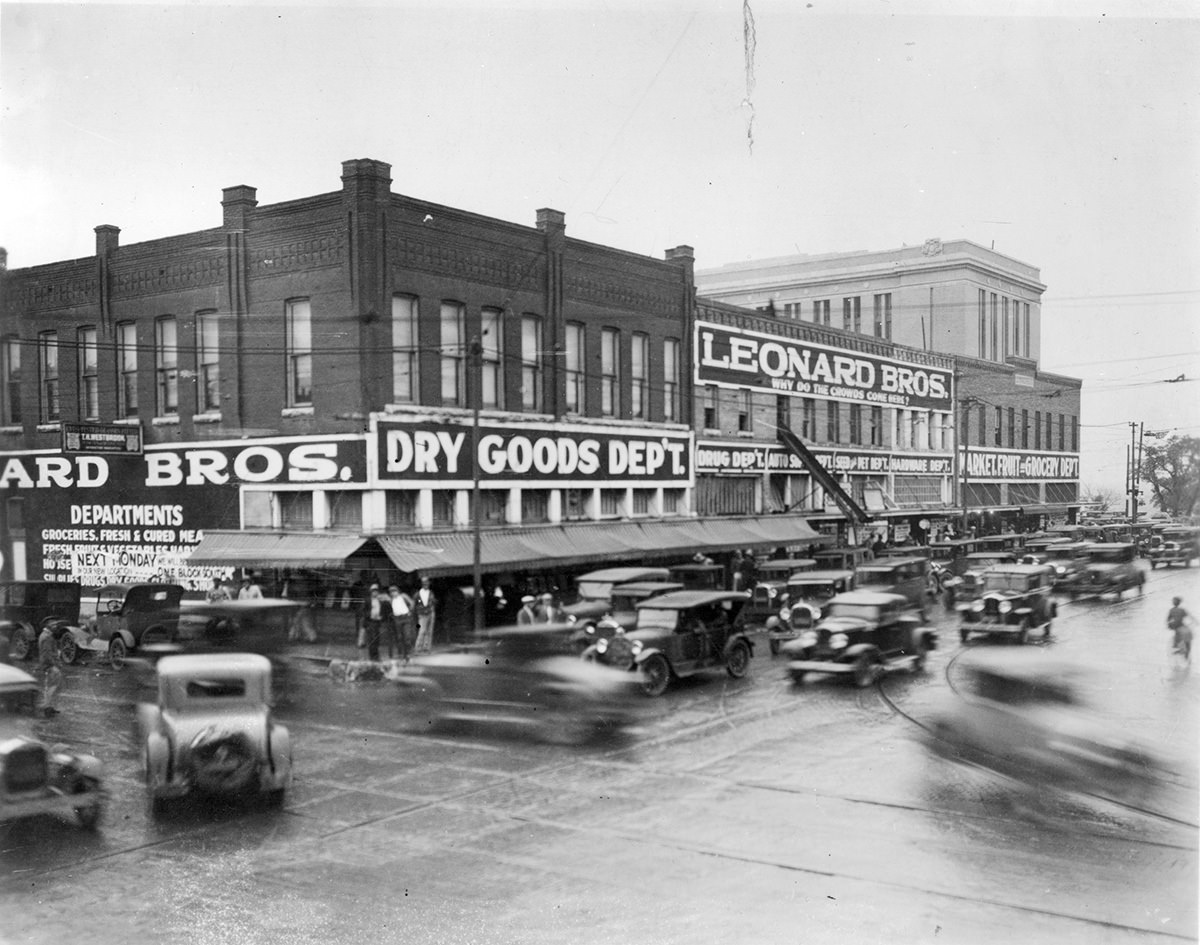
Leonard Brothers department store, Fort Worth, 1930

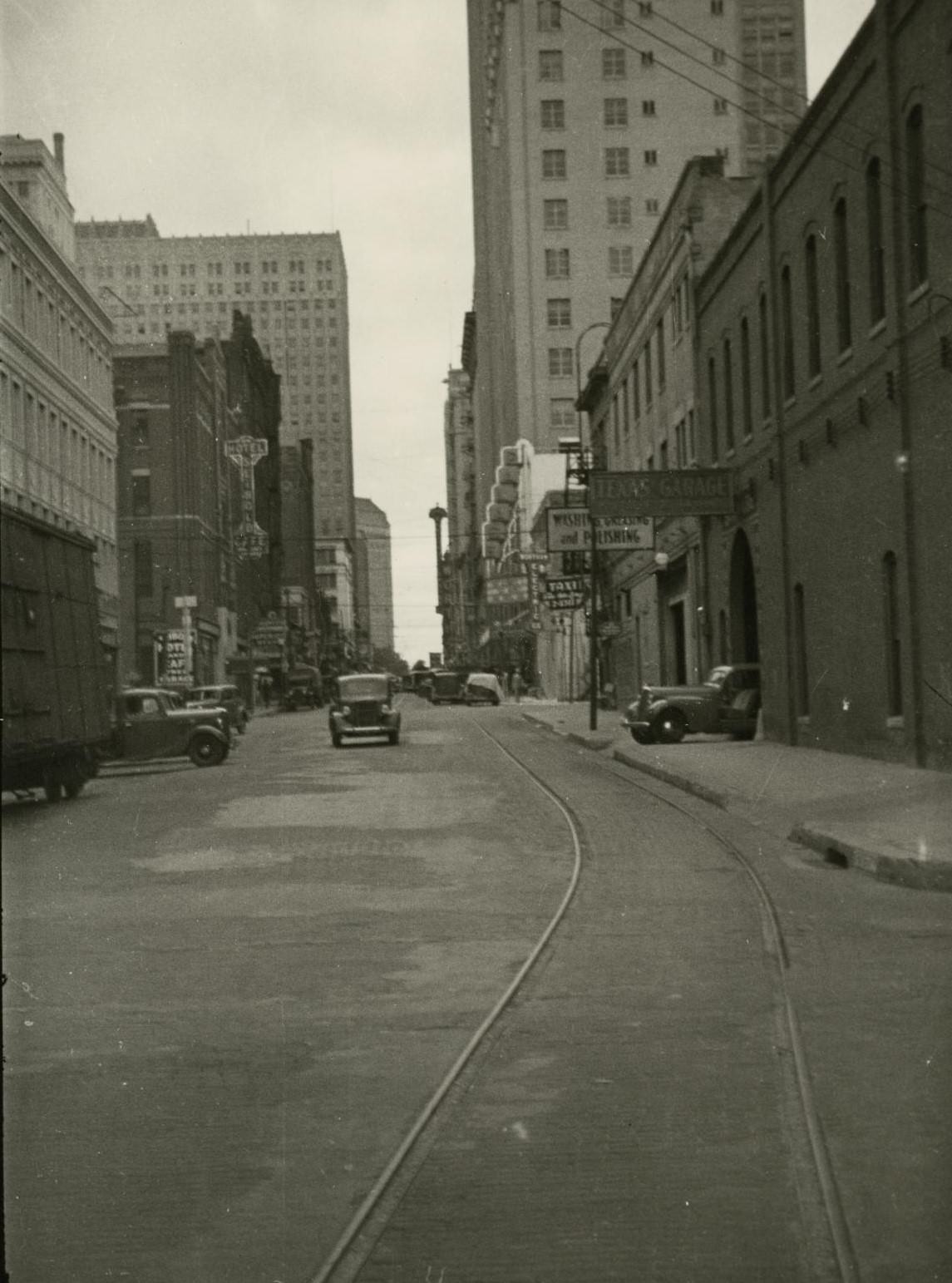
Street-level Fort Worth in the early part of the decade had a gritty, working character. Brick-paved roads carried a mix of automobiles, delivery trucks, and pedestrians moving between shops and offices. Downtown intersections were busy enough to require traffic management, and the city’s streetcar lines moved workers and shoppers along the main corridors.
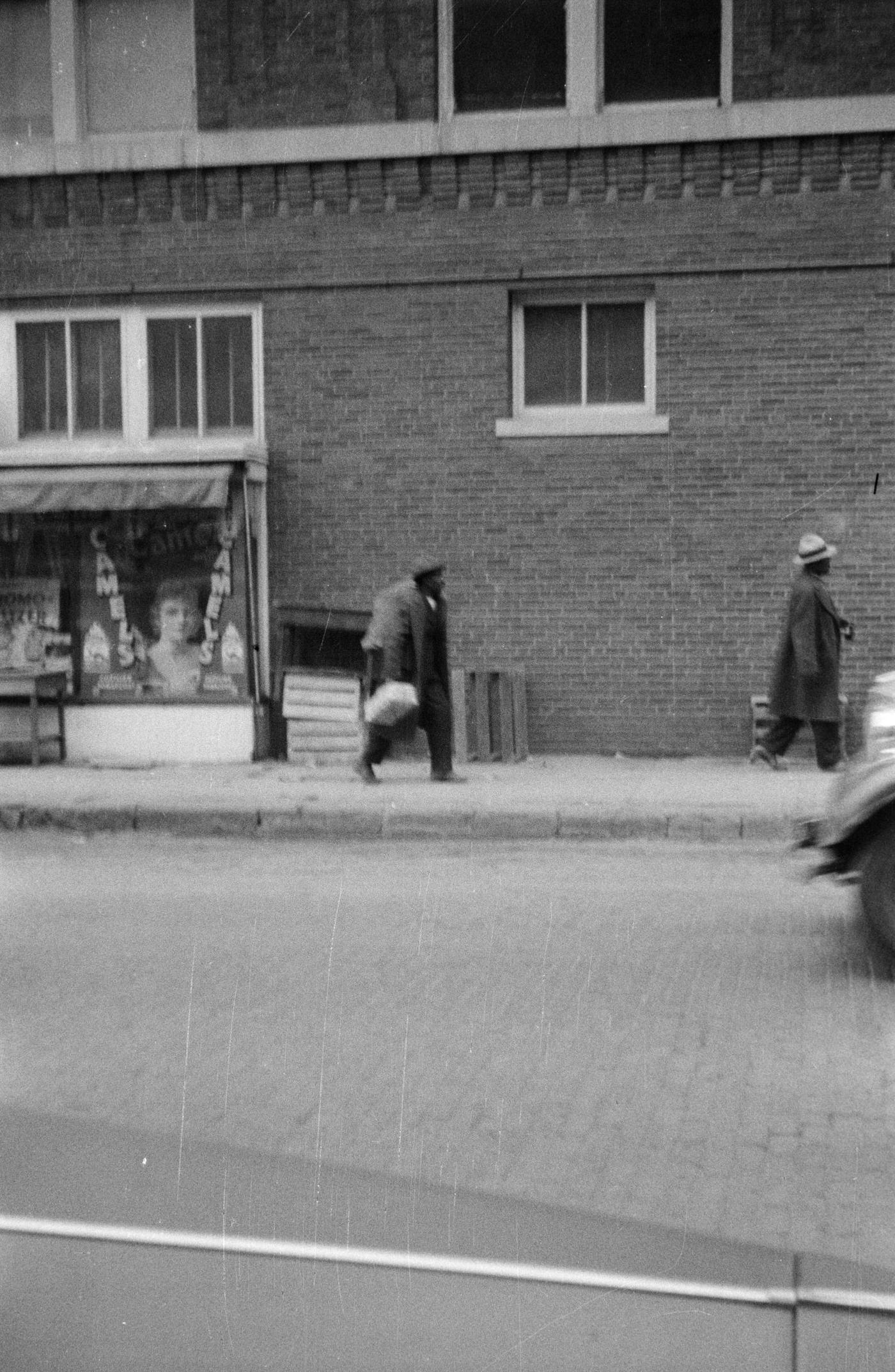
Two men walking on a brick street in downtown Fort Worth, Texas, 1930.
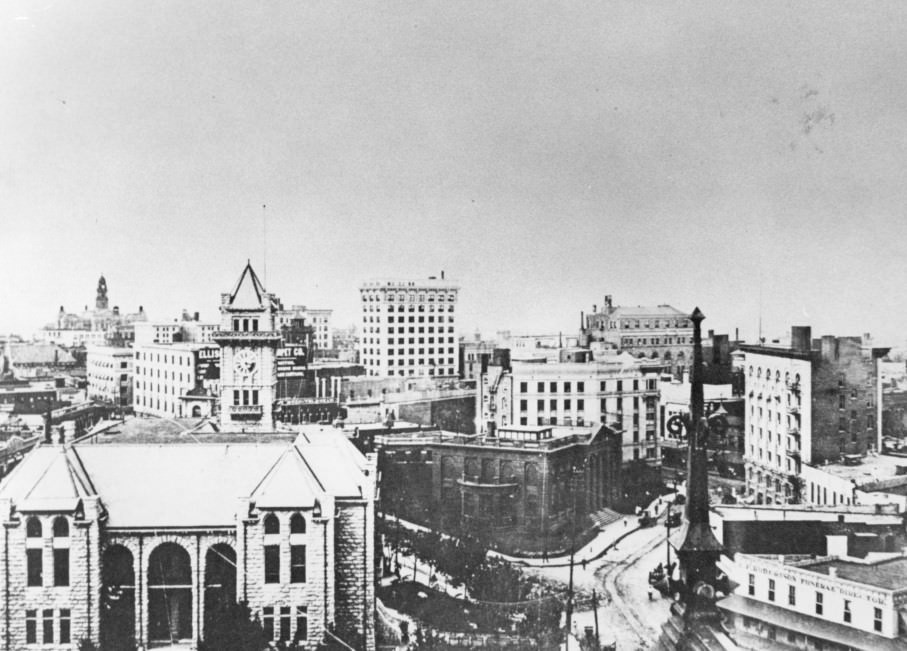
Downtown Fort Worth at Ninth and Throckmorton Streets, 1930.

Rail transportation was the backbone of Fort Worth’s economy. The city sat at the crossroads of several major lines, making it one of the most important rail hubs in Texas. Trains moved cattle into the Stockyards, carried finished meat products to markets across the country, and connected passengers to cities like Dallas, Houston, and beyond. In 1931, the old Texas and Pacific Railway station came down, and a new one rose in its place — a sign that Fort Worth was investing in its infrastructure even during lean years.
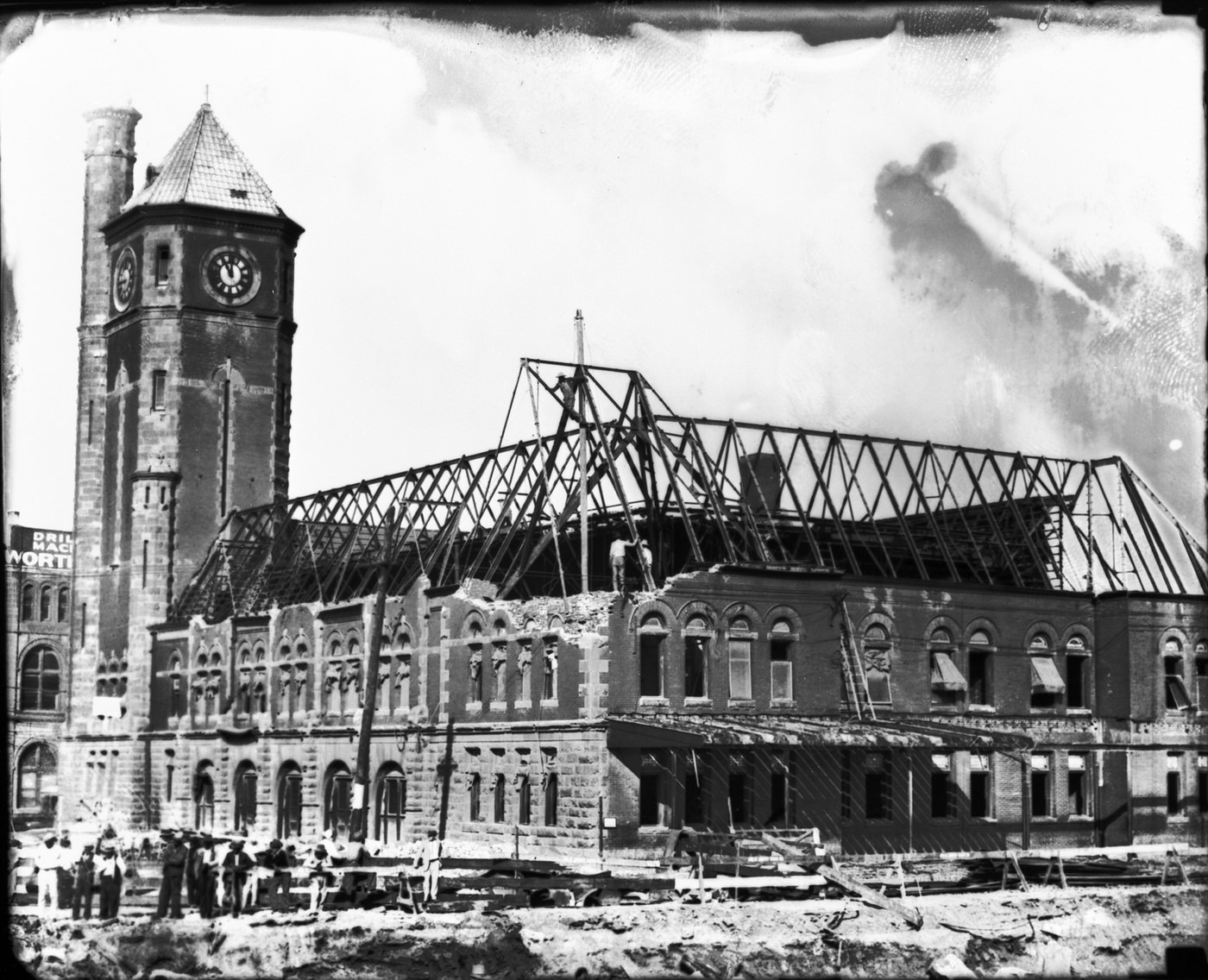
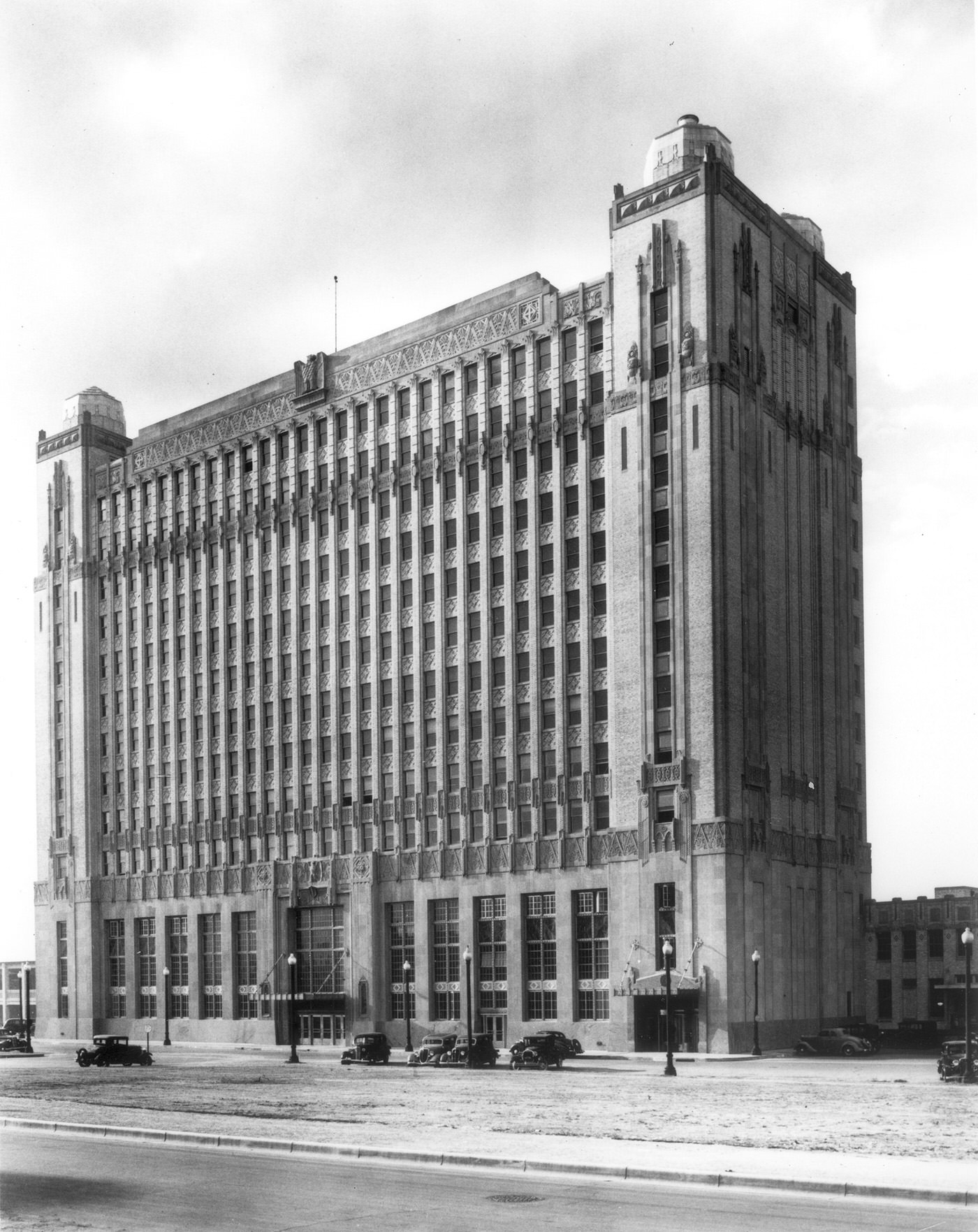
Texas & Pacific Railway passenger station demolition, Fort Worth, 1931
New Texas & Pacific Railroad station, Fort Worth, 1931
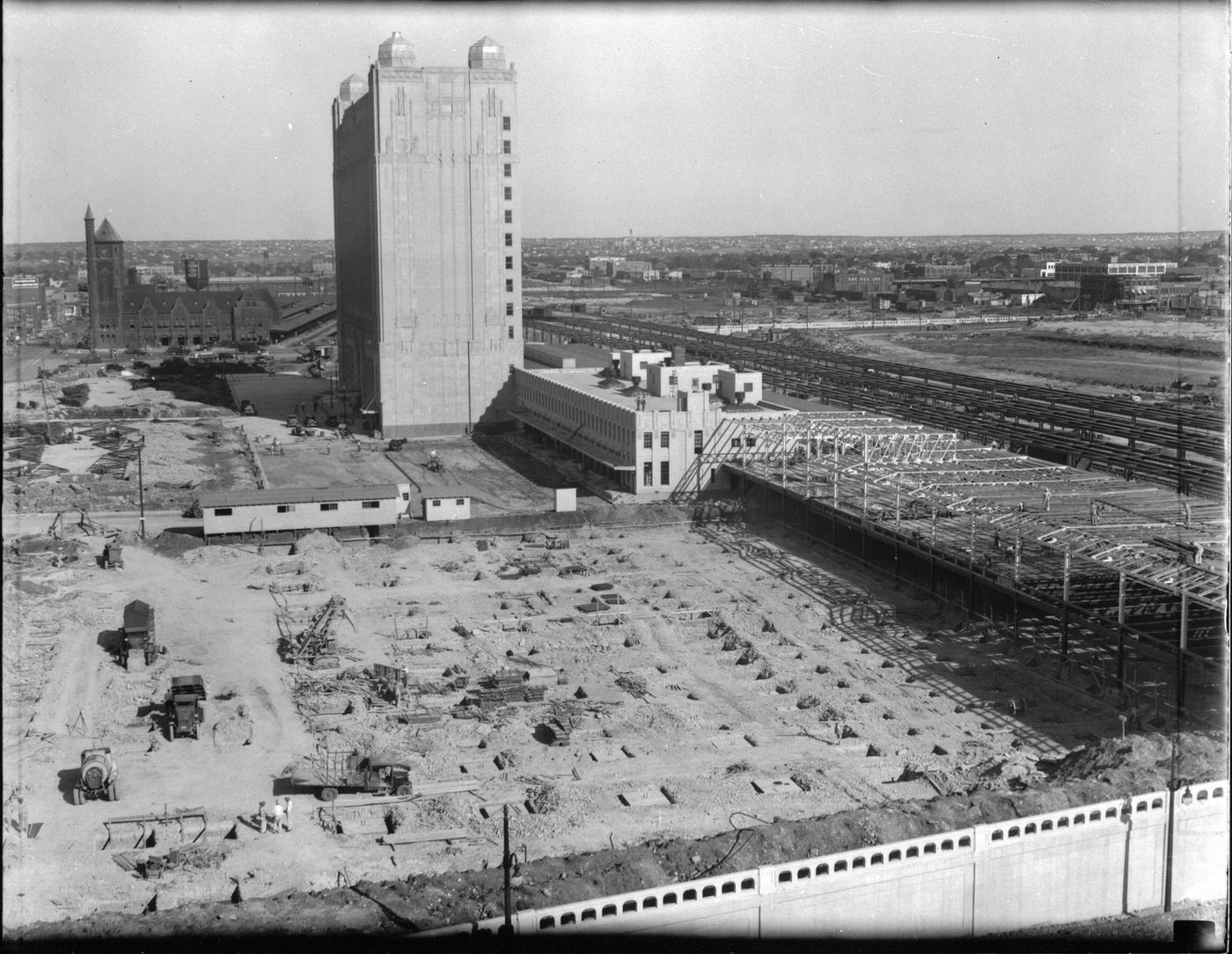
Construction of U.S. Post Office and Texas & Pacific Railway station, Fort Worth, 1931

The Fort Worth Stockyards were the city’s economic heartbeat. Every day, cattle, hogs, and sheep arrived from ranches across Texas and neighboring states. Livestock auctions ran continuously, drawing buyers and sellers who traded thousands of animals at a time. The air around the Stockyards carried the sounds of animals and auctioneers and the low rumble of pens being moved. Adjacent meatpacking plants processed the livestock and shipped meat products across the country, employing thousands of Fort Worth residents and keeping a steady flow of commerce moving through the city even as unemployment climbed elsewhere.
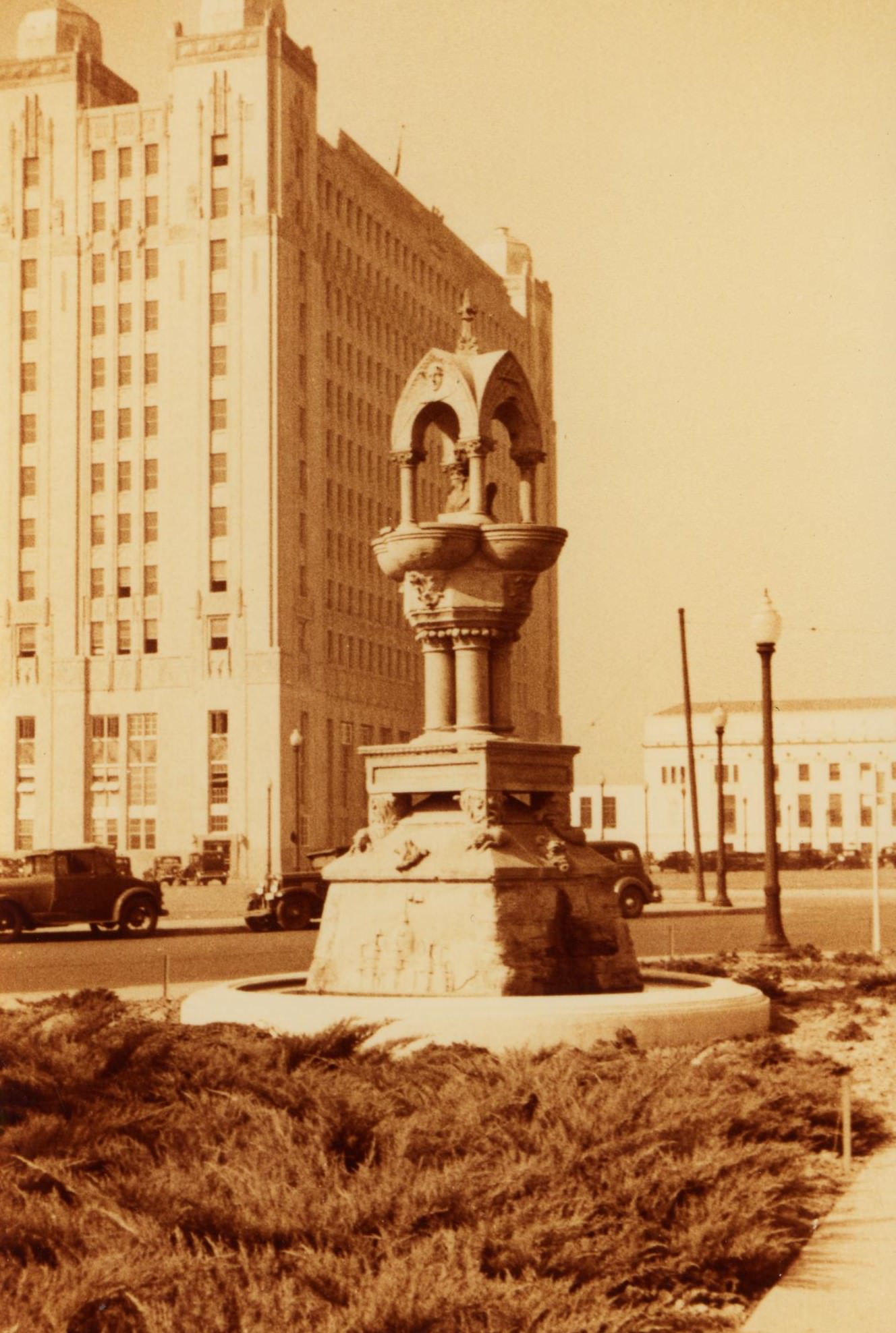
The Al Hayne monument and the T&P Station in Fort Worth, Texas, 1930s.
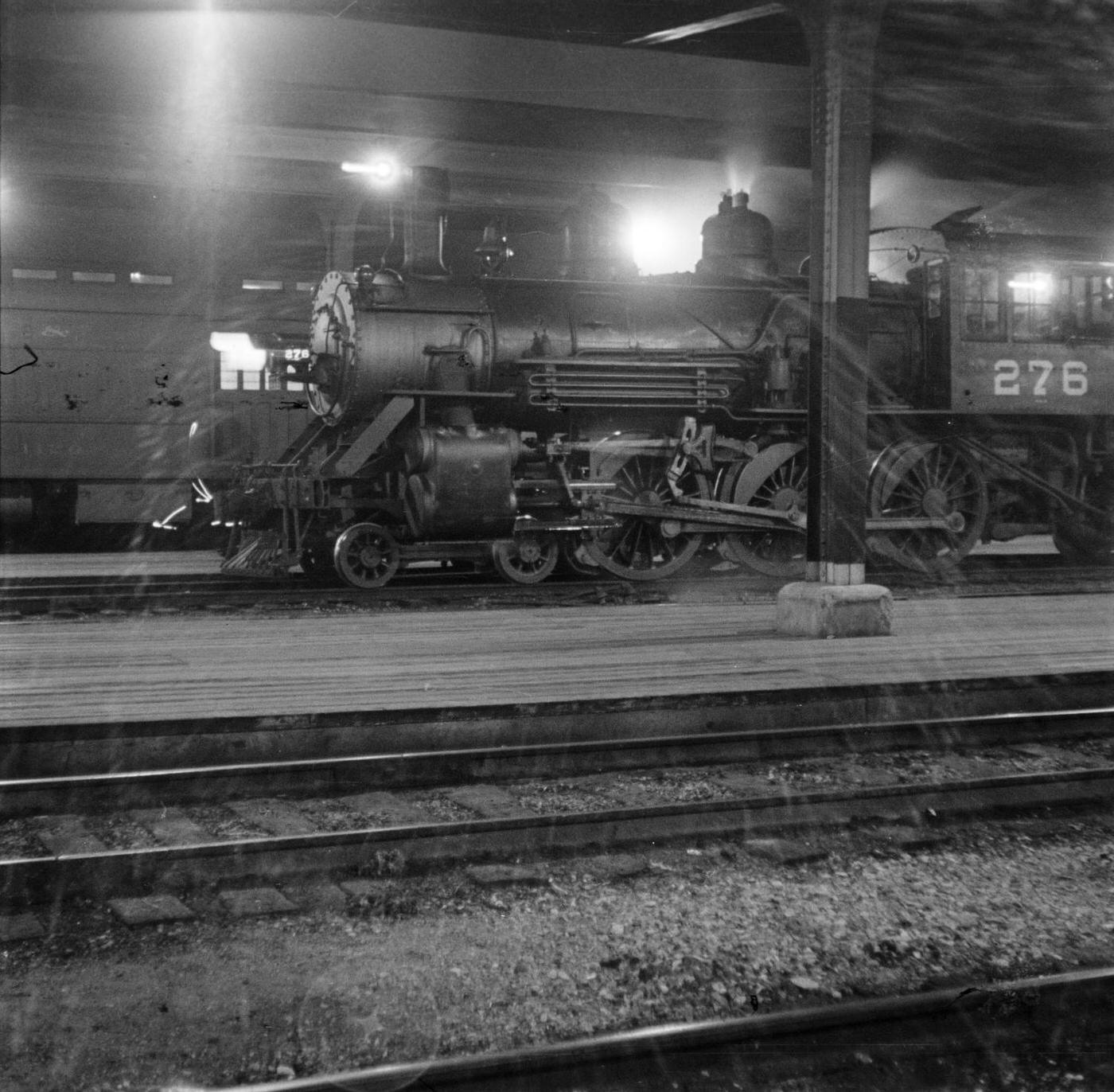
A train engine at a train station in Fort Worth, Texas, 1930s.

Oil added another layer to Fort Worth’s economic foundation. The city wasn’t sitting on top of major fields, but it became the financial and administrative hub for the Texas oil industry. Companies set up offices downtown, and the wealth they generated filtered through local businesses, hotels, and professional services. Amon G. Carter, publisher of the Fort Worth Star-Telegram and one of the city’s most powerful figures, worked aggressively to tie Fort Worth’s identity to both oil and civic growth. His newspaper ran out of a building that offered one of the best vantage points over the downtown skyline.
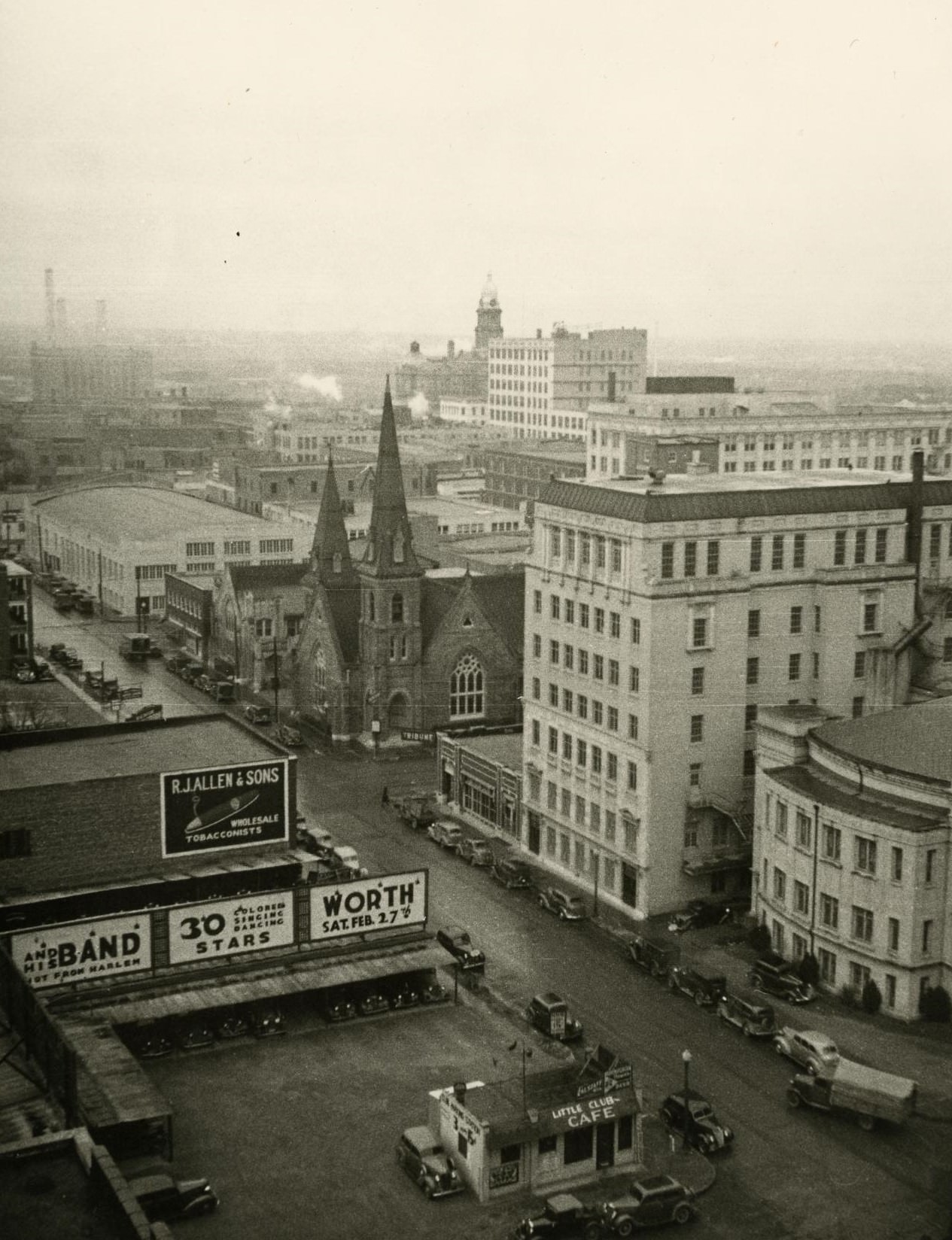
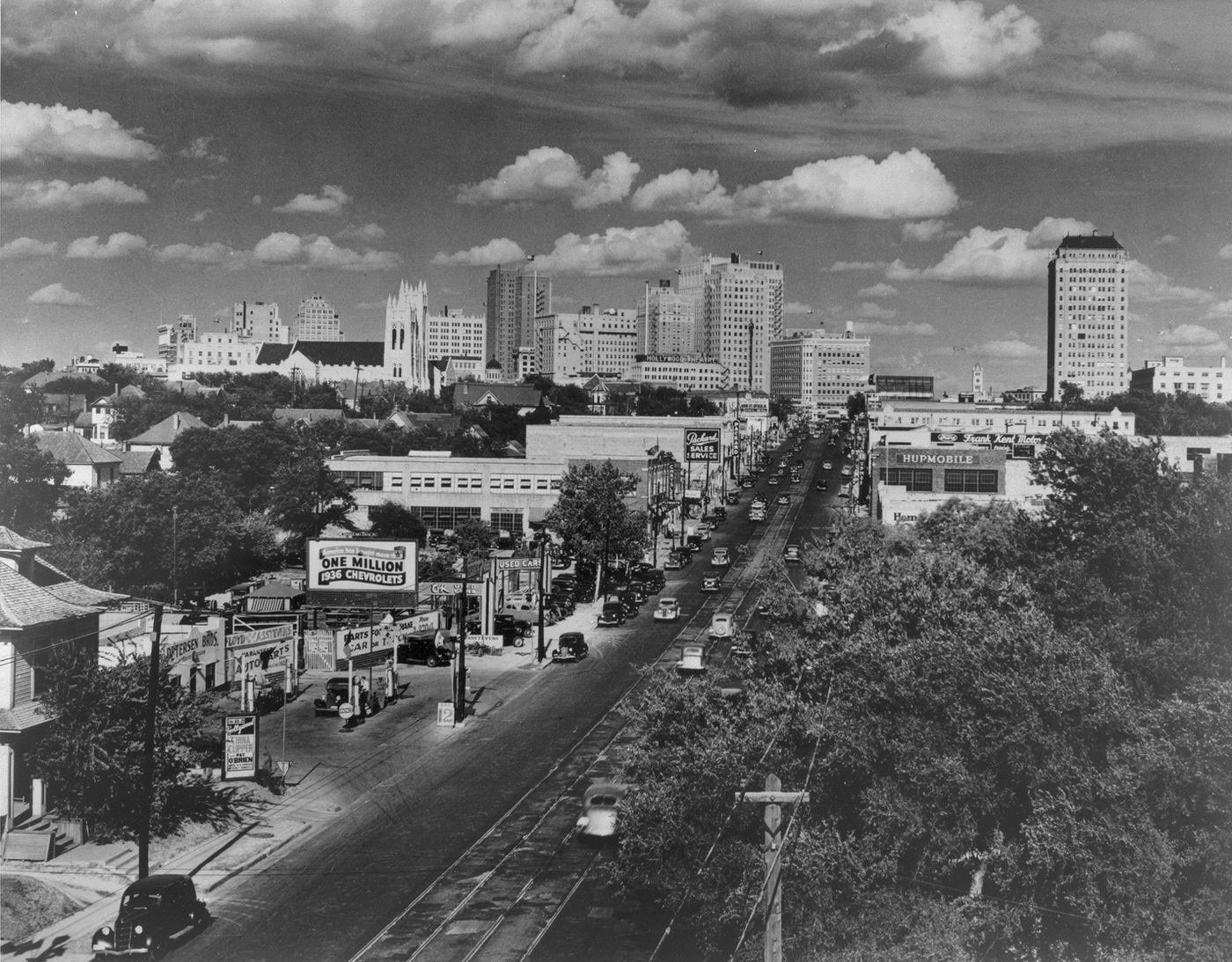
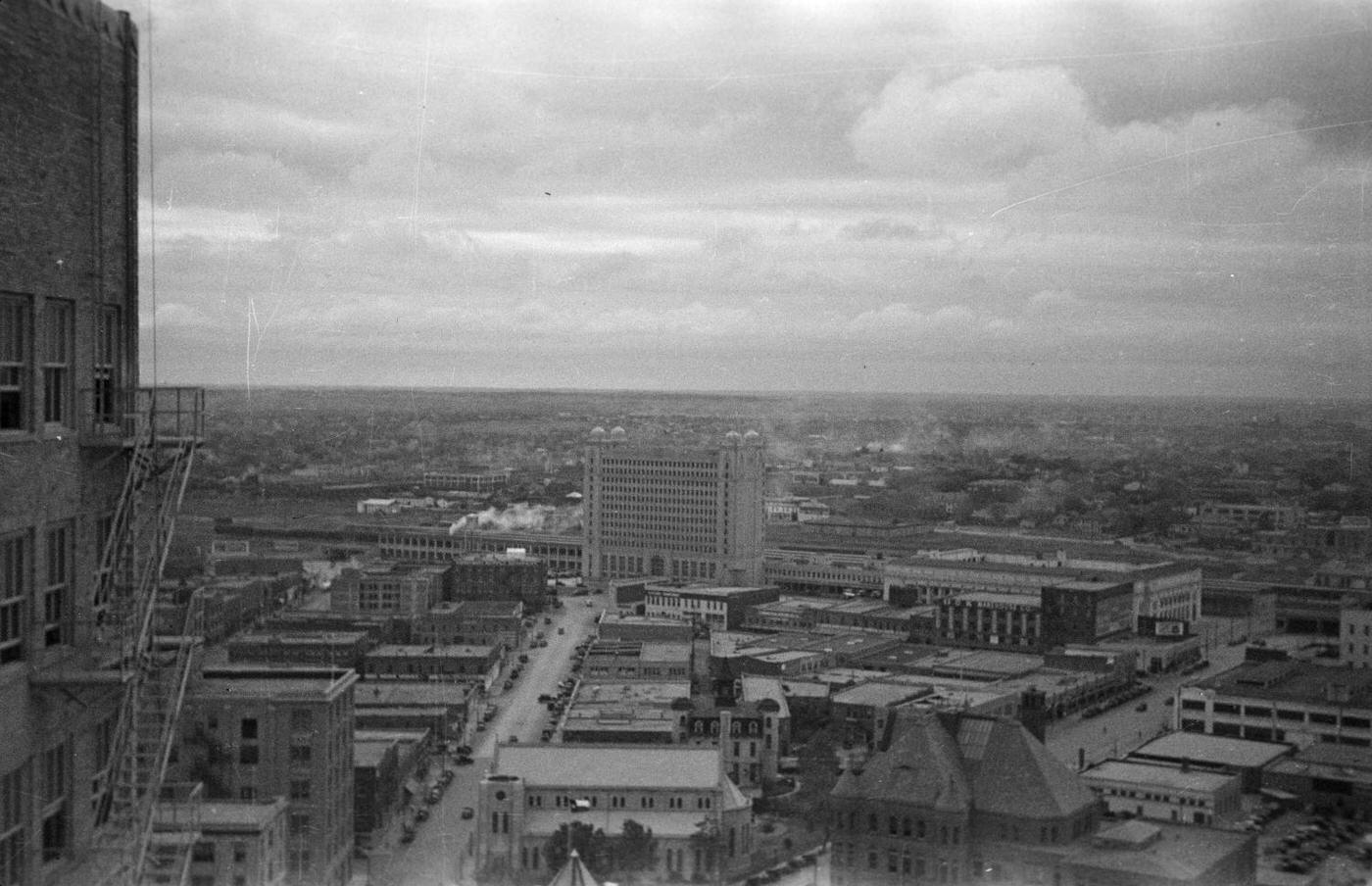
A view of downtown Fort Worth from the old Fort Worth Star-Telegram building, 1930s.
Downtown Fort Worth skyline from 7th Street, 1936

Construction activity continued through parts of the decade despite Depression-era belt-tightening. New commercial buildings went up, old ones came down, and public works projects funded partly by federal New Deal programs added roads, bridges, and civic facilities. The Firestone building and other commercial developments added to the downtown fabric, while infrastructure projects reshaped neighborhoods on the city’s edges.
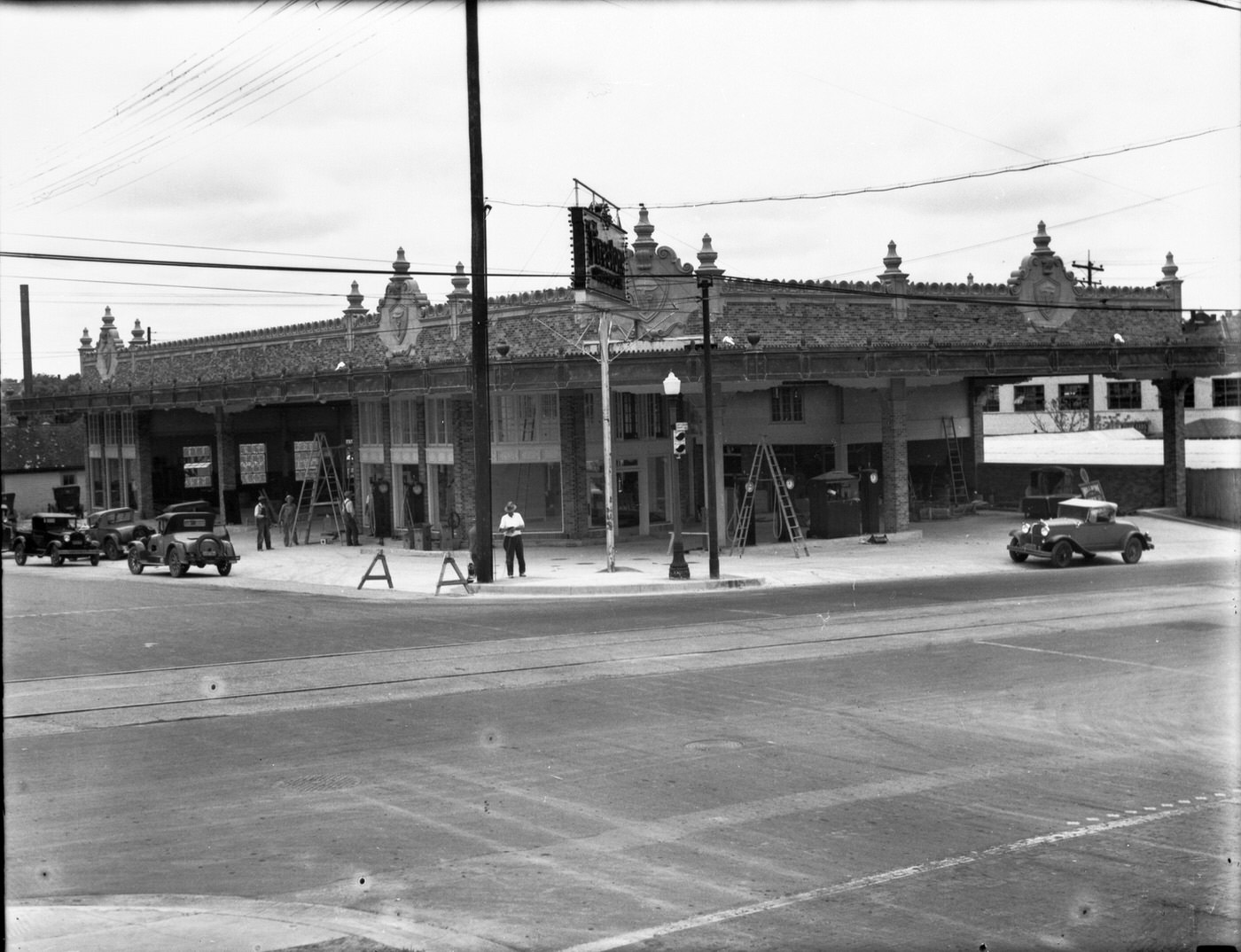
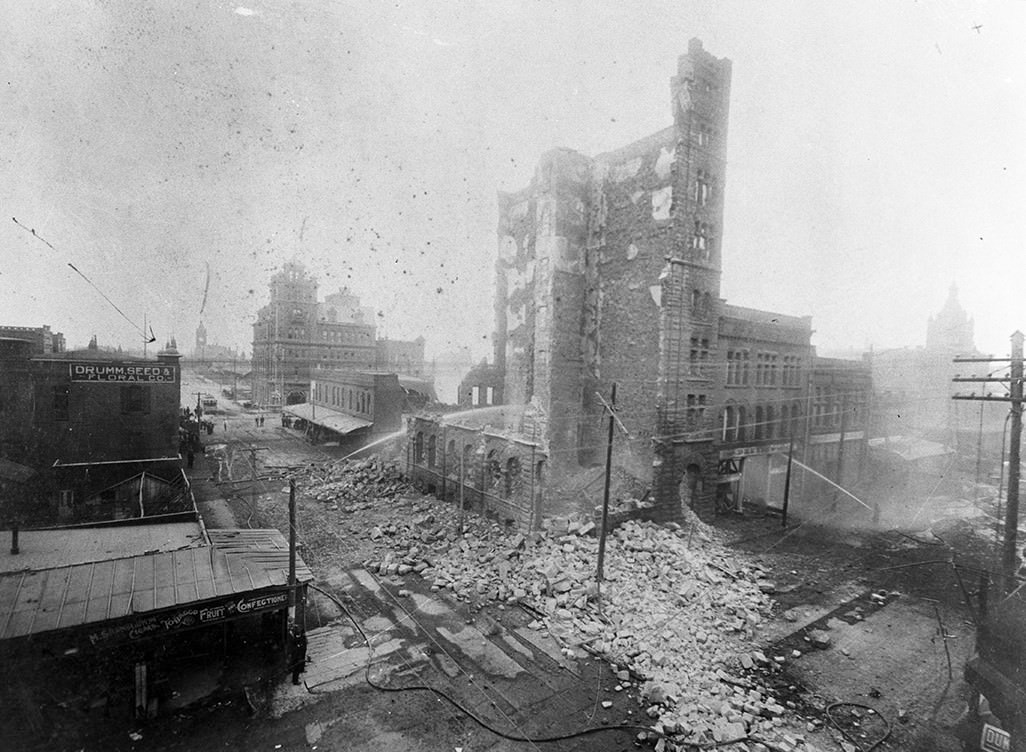
Firestone building construction, Fort Worth, 1930
Demolition of old Aviation Building, Fort Worth, 1930

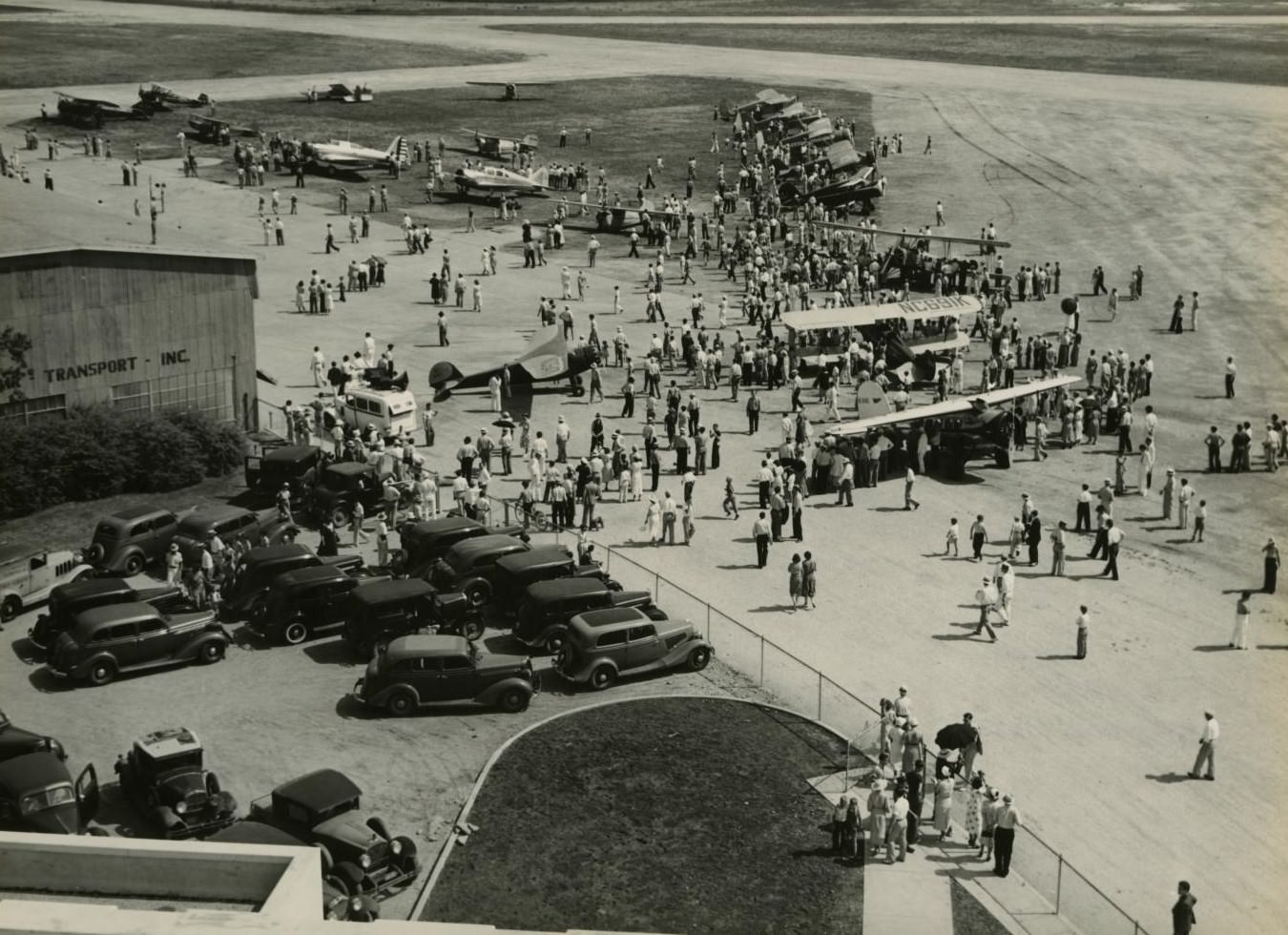
Aviation was a growing part of Fort Worth’s identity in the 1930s. Meacham Field served as the city’s main airport, and by mid-decade it was handling commercial airline traffic. American Airlines operated out of the field, and construction of new airport buildings expanded its capacity. Air shows drew crowds of spectators eager to watch planes on the ground and in the sky — aviation was still new enough to be a genuine public spectacle.
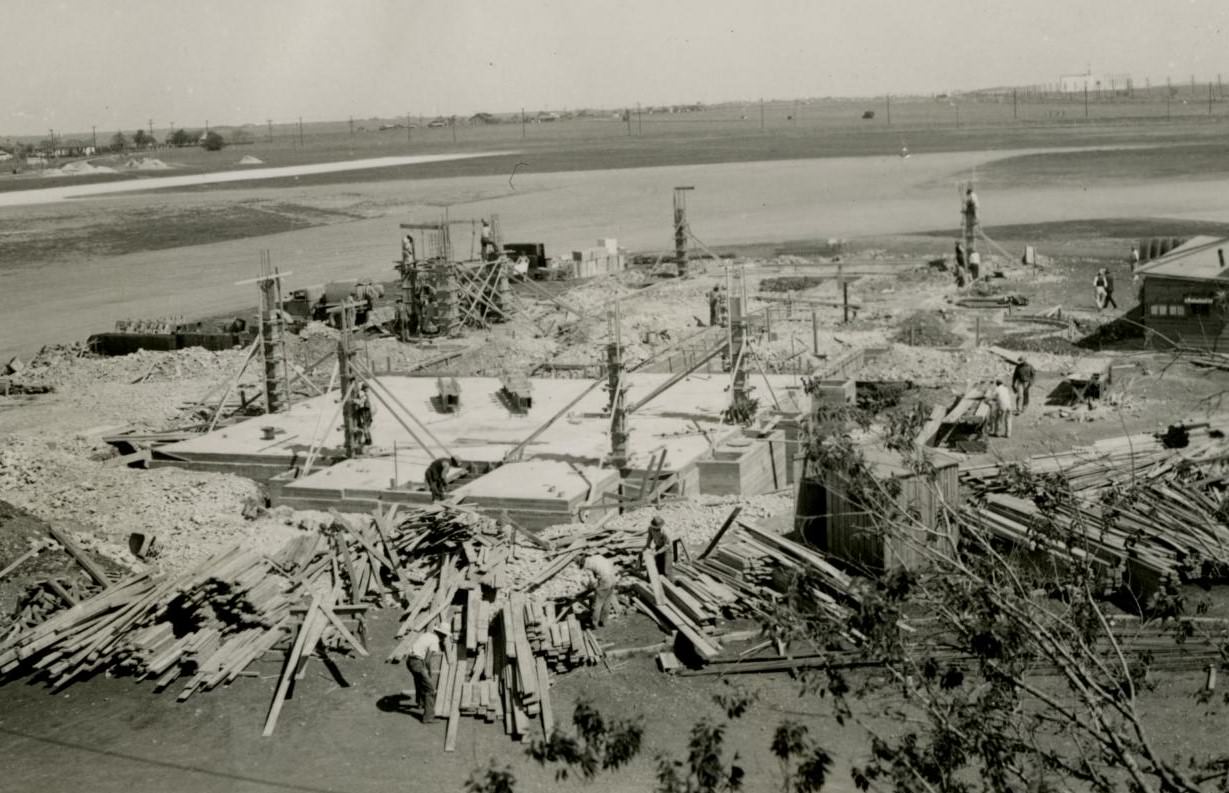
A building under construction at Meacham Field Airport, Fort Worth, Texas, 1936.
An American Airlines hangar and airport cafe at Meacham Field Airport, Fort Worth, Texas, 1936.
Spectators watching parked planes at an airshow in Fort Worth, Texas, 1937.

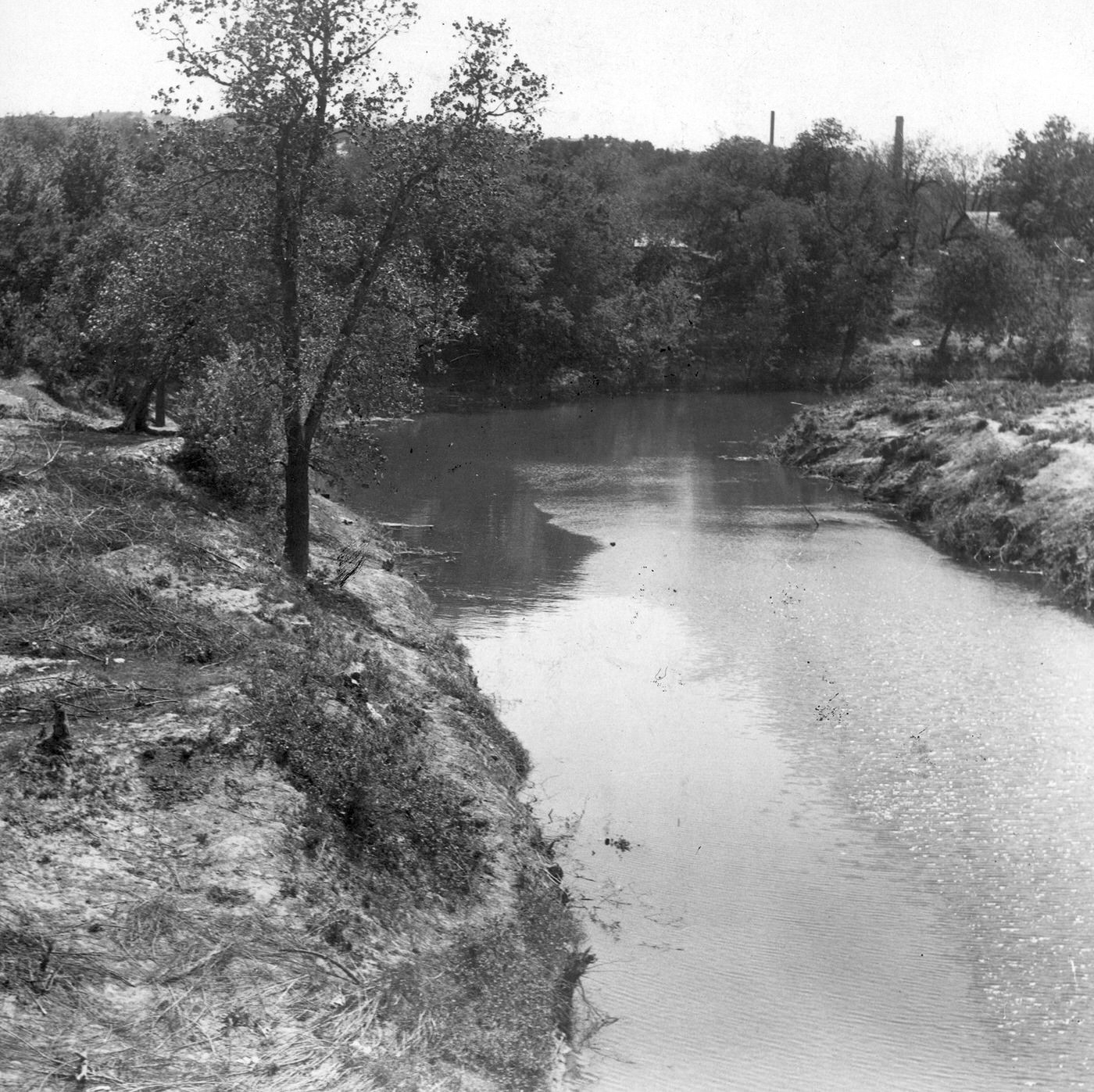
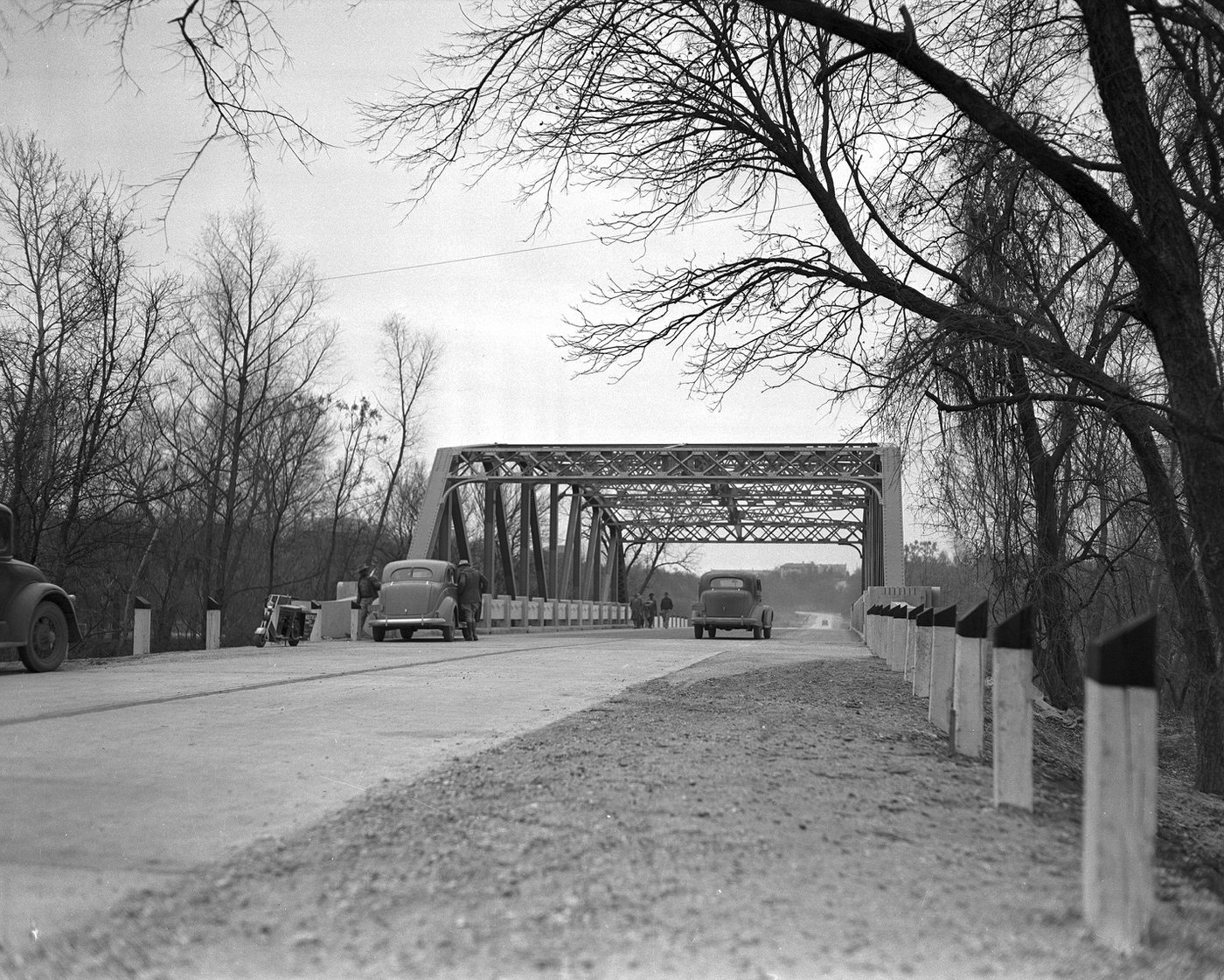
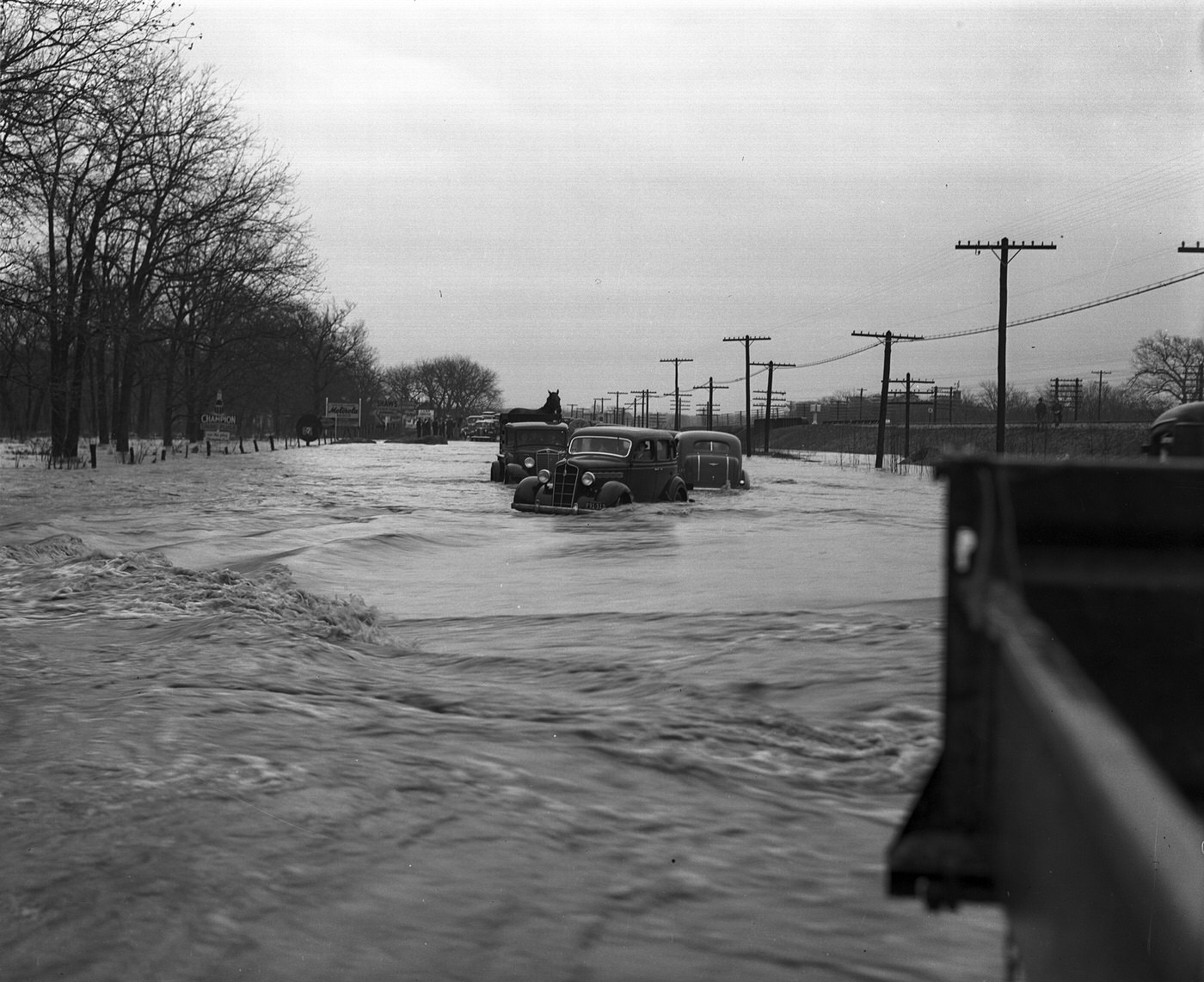
Fort Worth’s streets reflected the era’s uneven prosperity. Upscale neighborhoods in areas like Monticello Addition featured well-maintained homes with manicured yards. Elsewhere, more modest houses and smaller dwellings housed working families stretched thin by Depression-era wages and job losses. Roads inside the city were increasingly paved, but flooding remained a real problem. In 1938, the Dallas Pike filled with floodwater deep enough for cars to push through cautiously, while the Clear Fork of the Trinity River occasionally overran its banks near the Henderson Street bridge area.
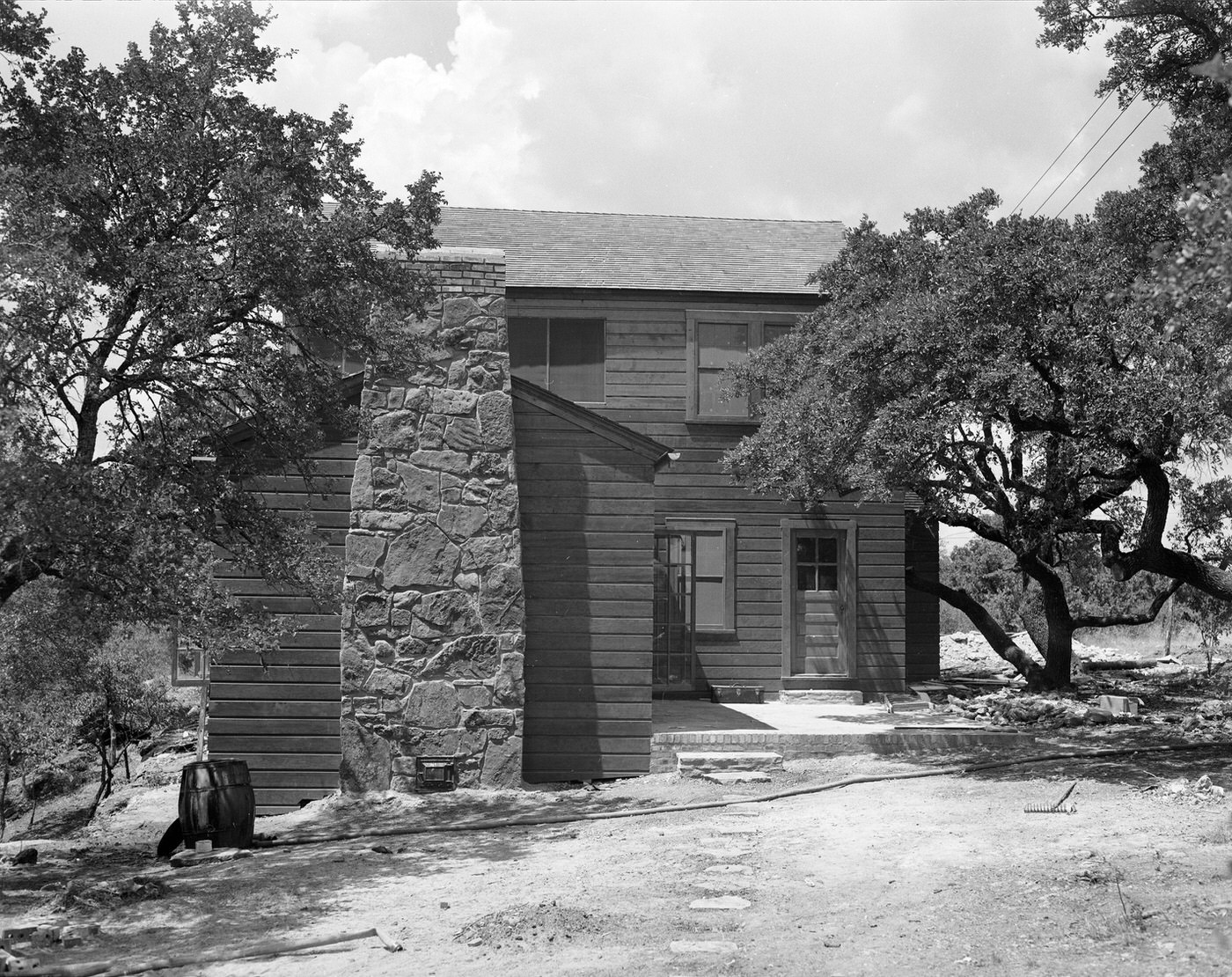
Residence in Monticello Addition, Fort Worth, 1938
Cars driving through floodwater on Dallas Pike, Fort Worth, 1938
Trinity River near Henderson Street bridge, Fort Worth, 1932

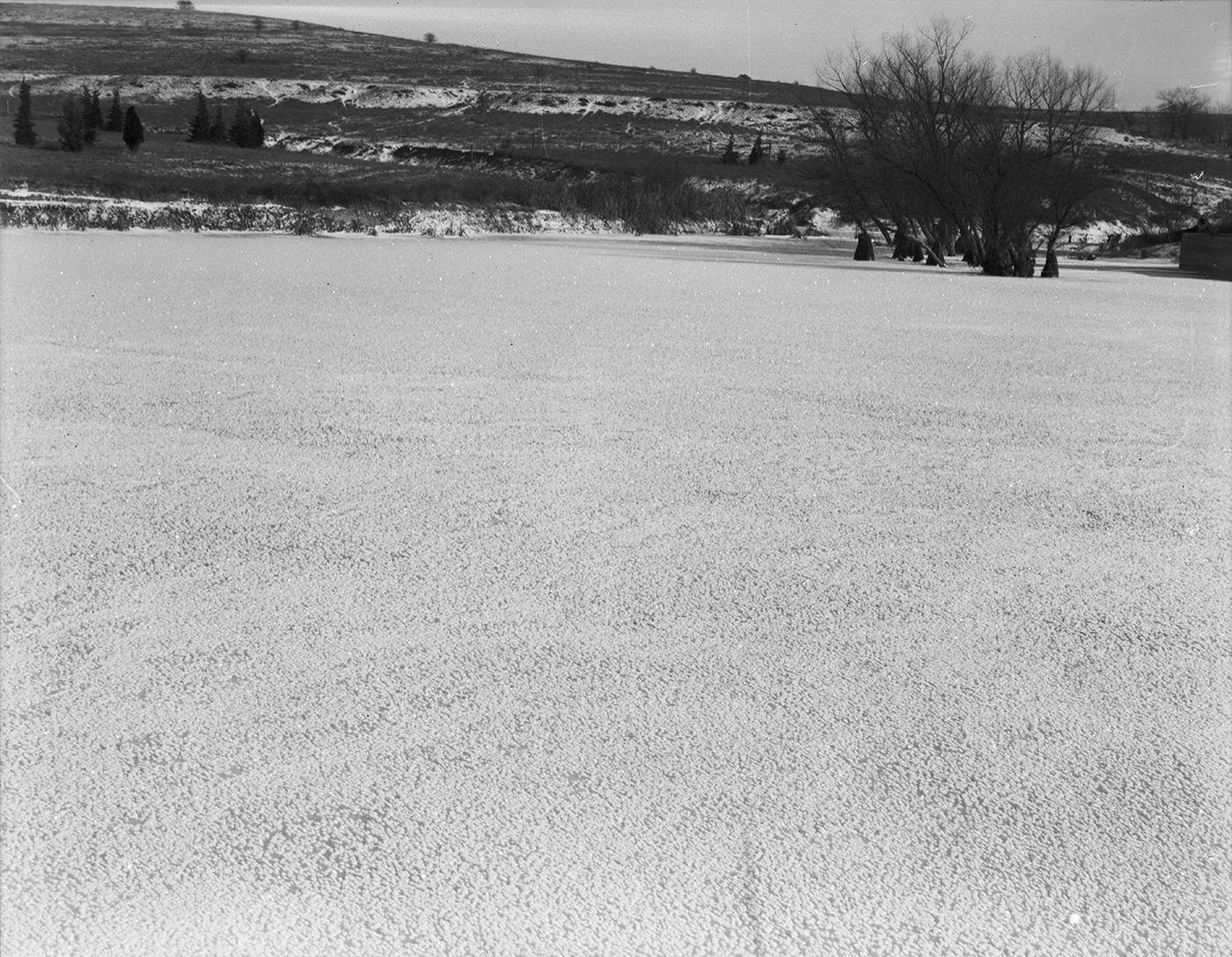
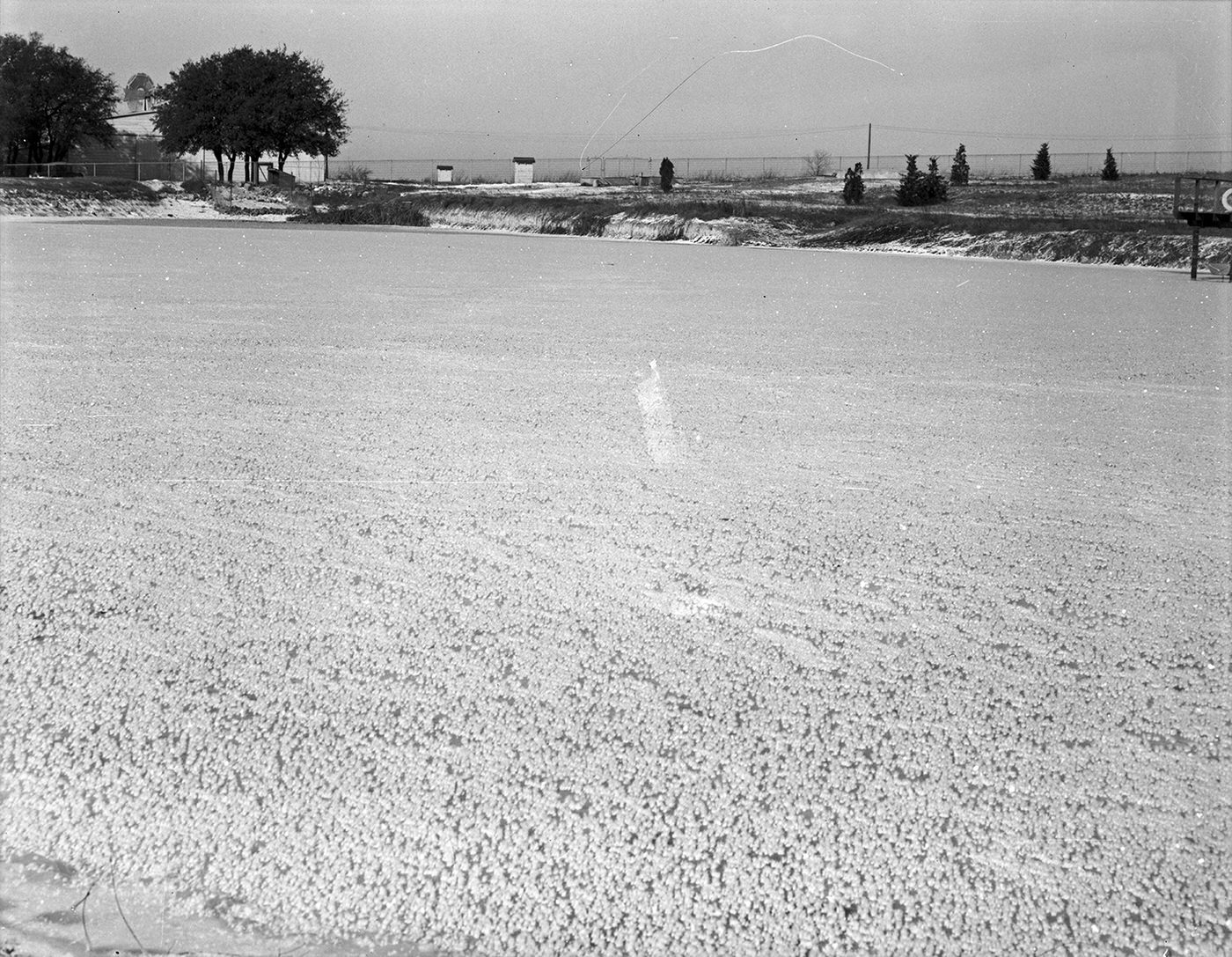
Winters in Fort Worth could arrive hard. In 1930, the grounds of Shady Oak Farm were buried under snow, and the lake on the property froze over completely. Photographs from that winter show a landscape that looked more like a Northern state than North Texas — a reminder that the region’s weather carried surprises. The farm itself sat on the edge of Fort Worth’s growing edge, where the city gave way to open country.
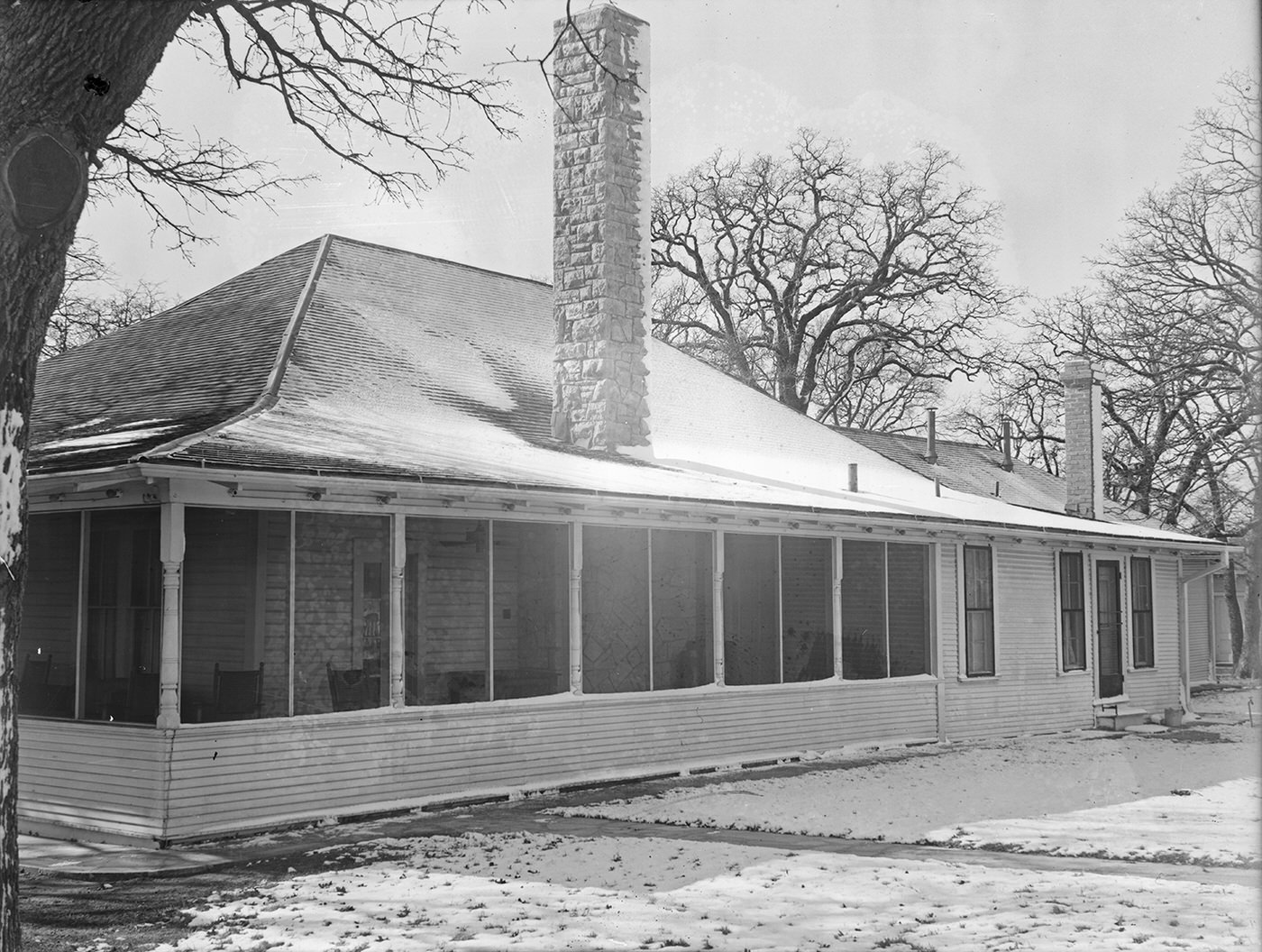
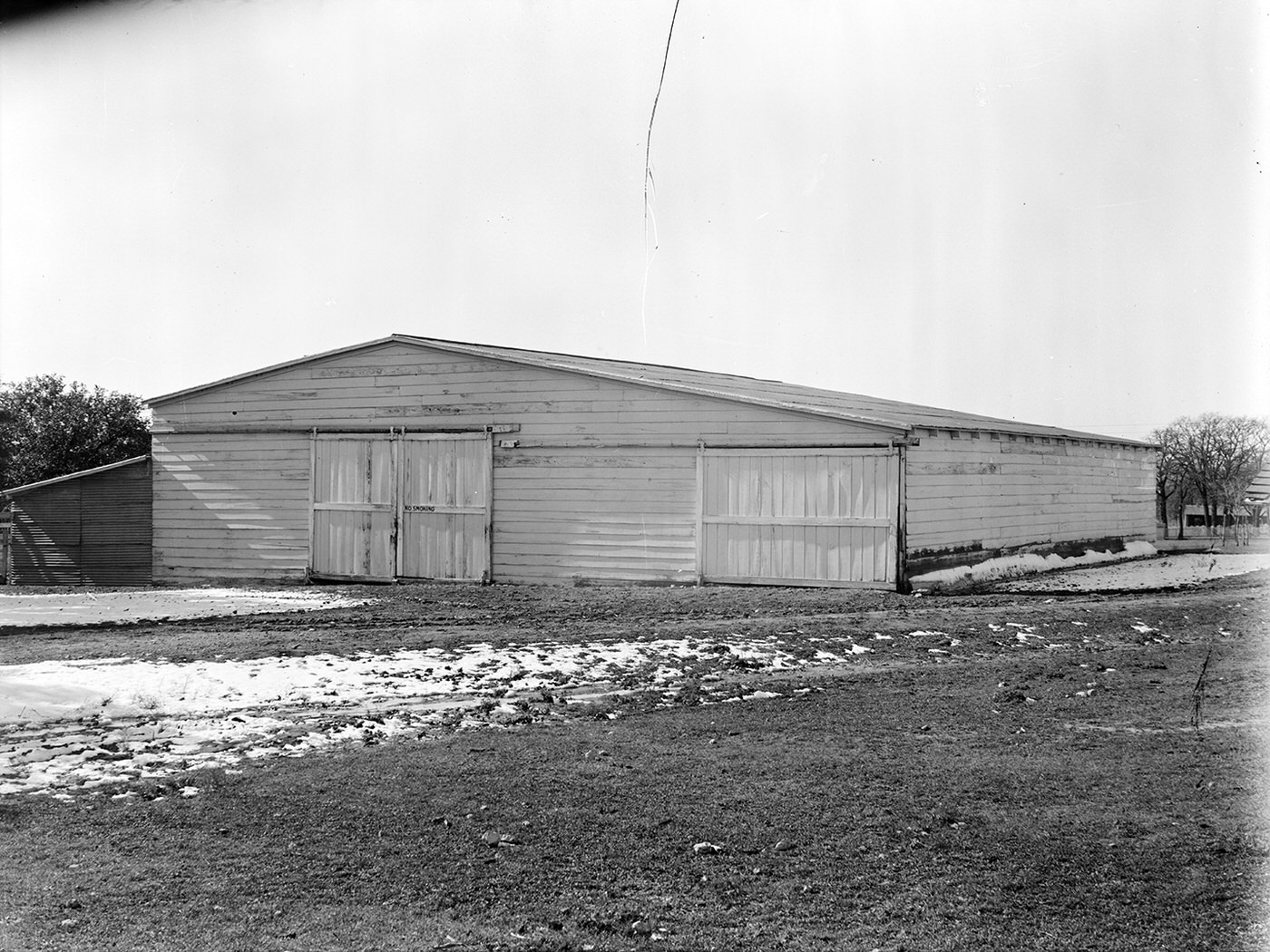
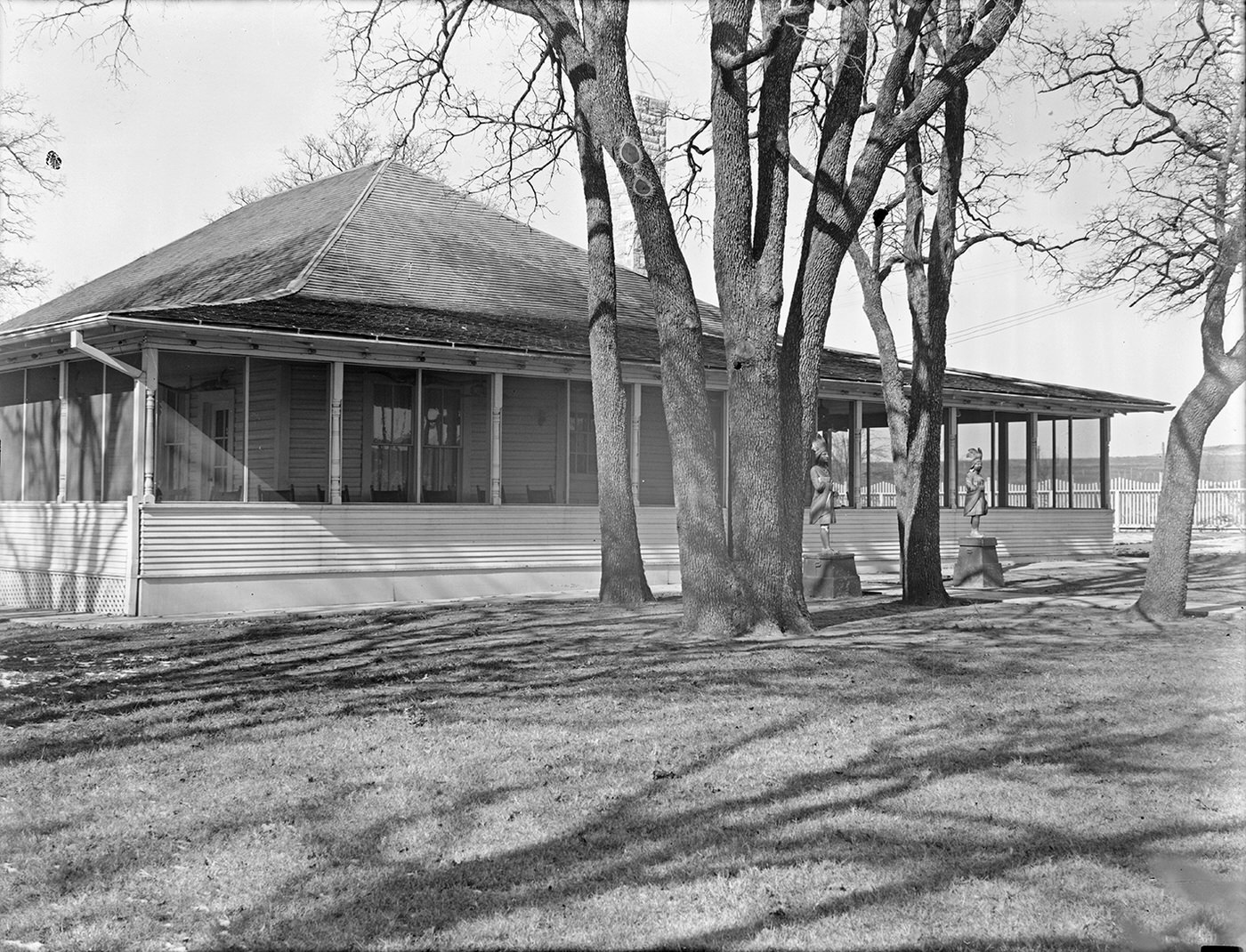
Shady Oak Farm exterior in the snow, 1930
Frozen lake at Shady Oak Farm, 1930

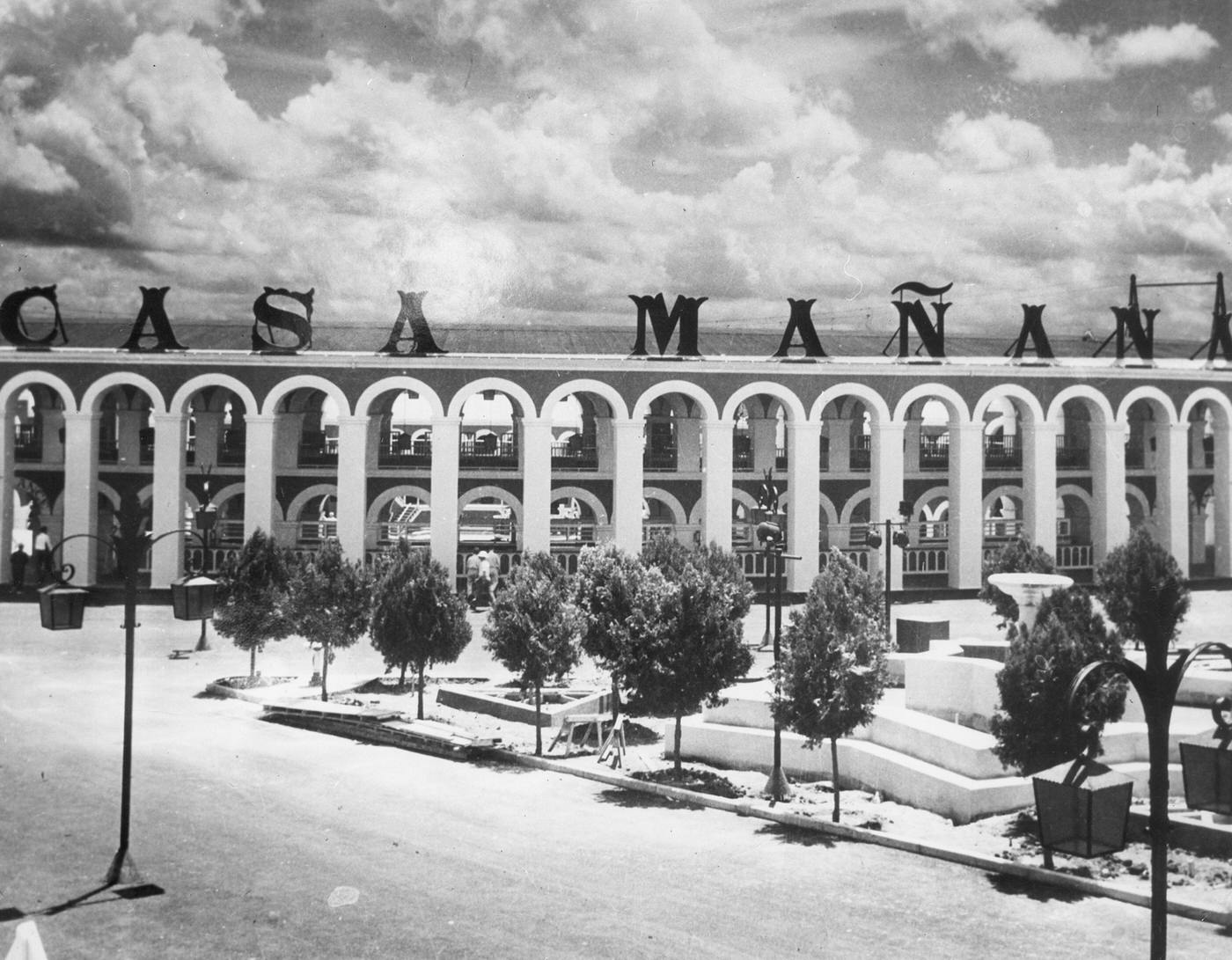
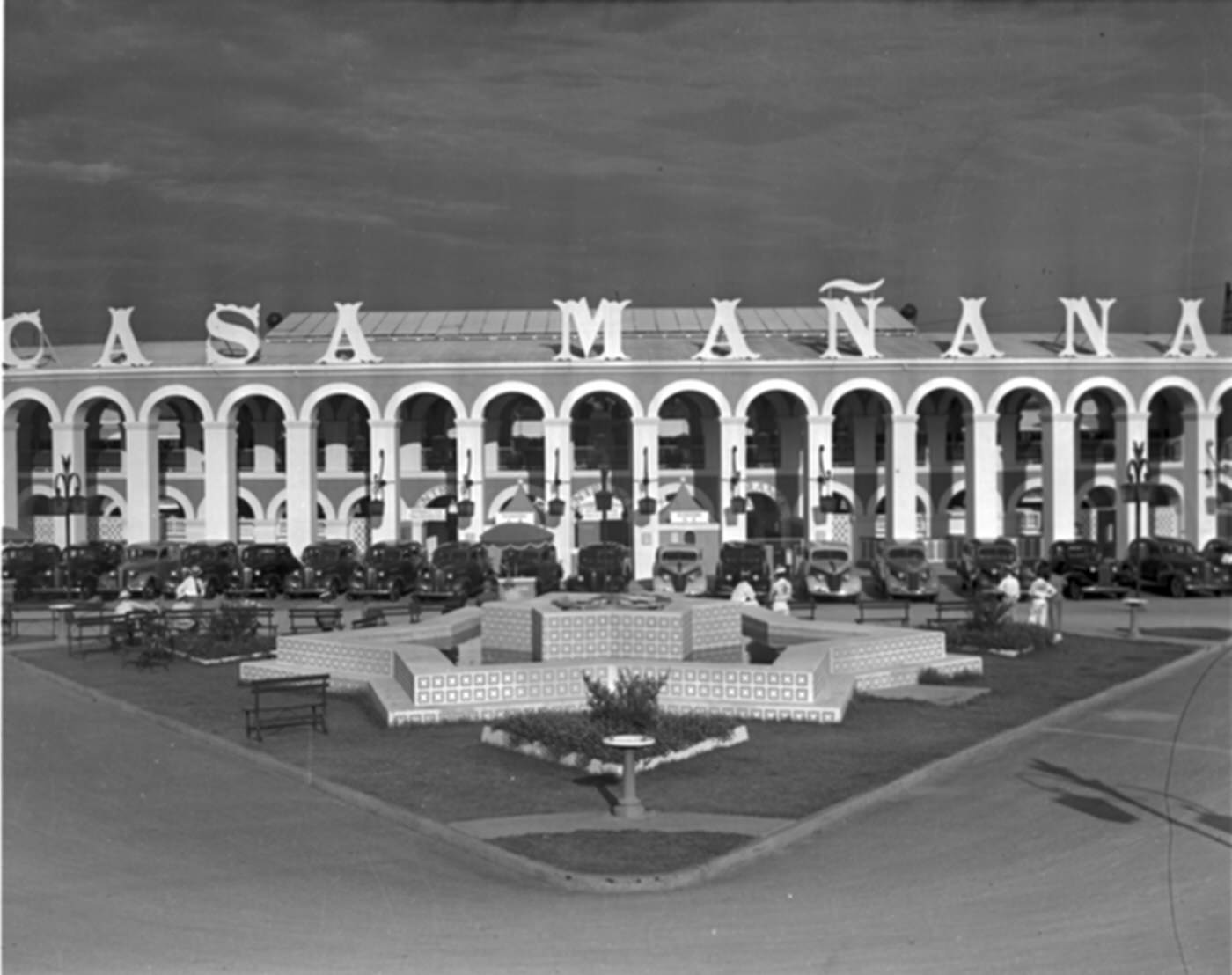
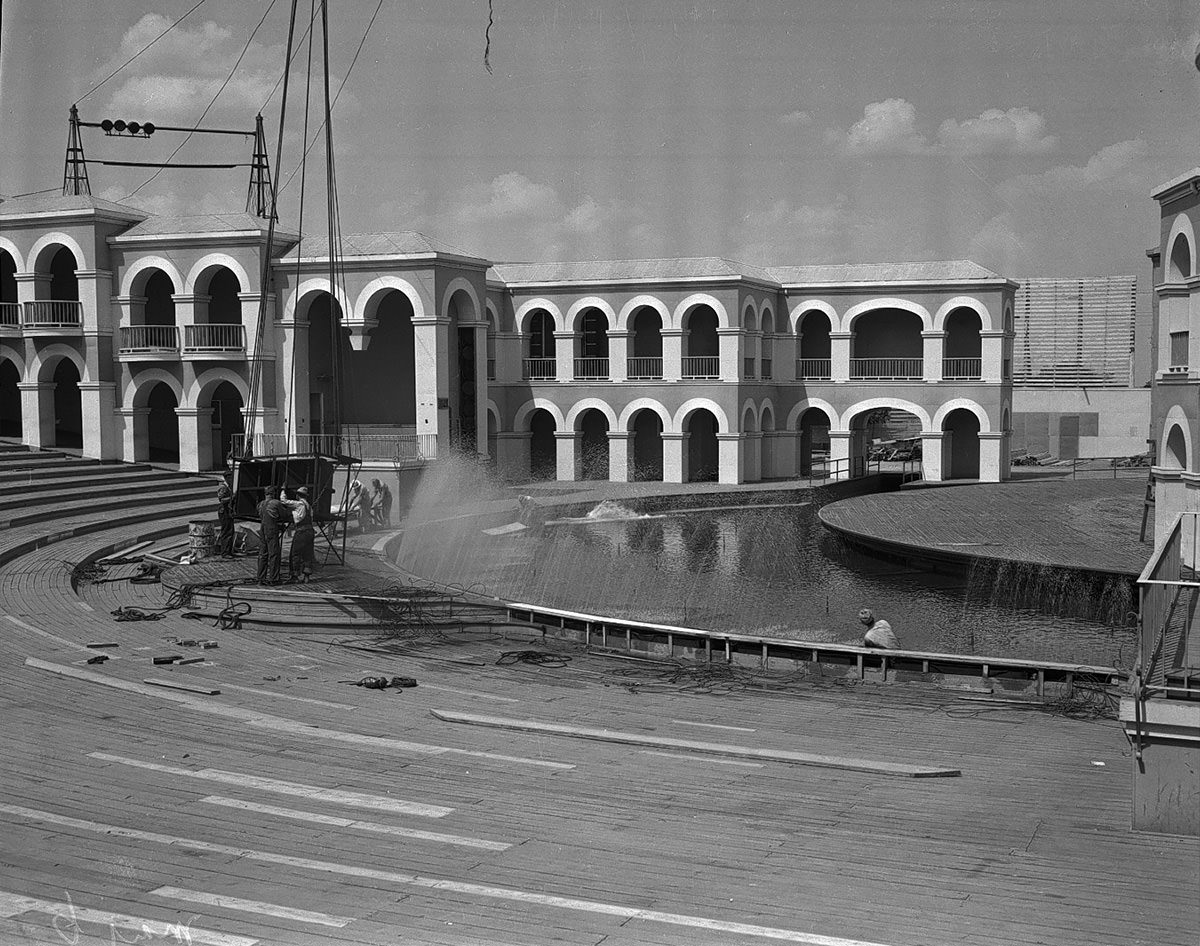
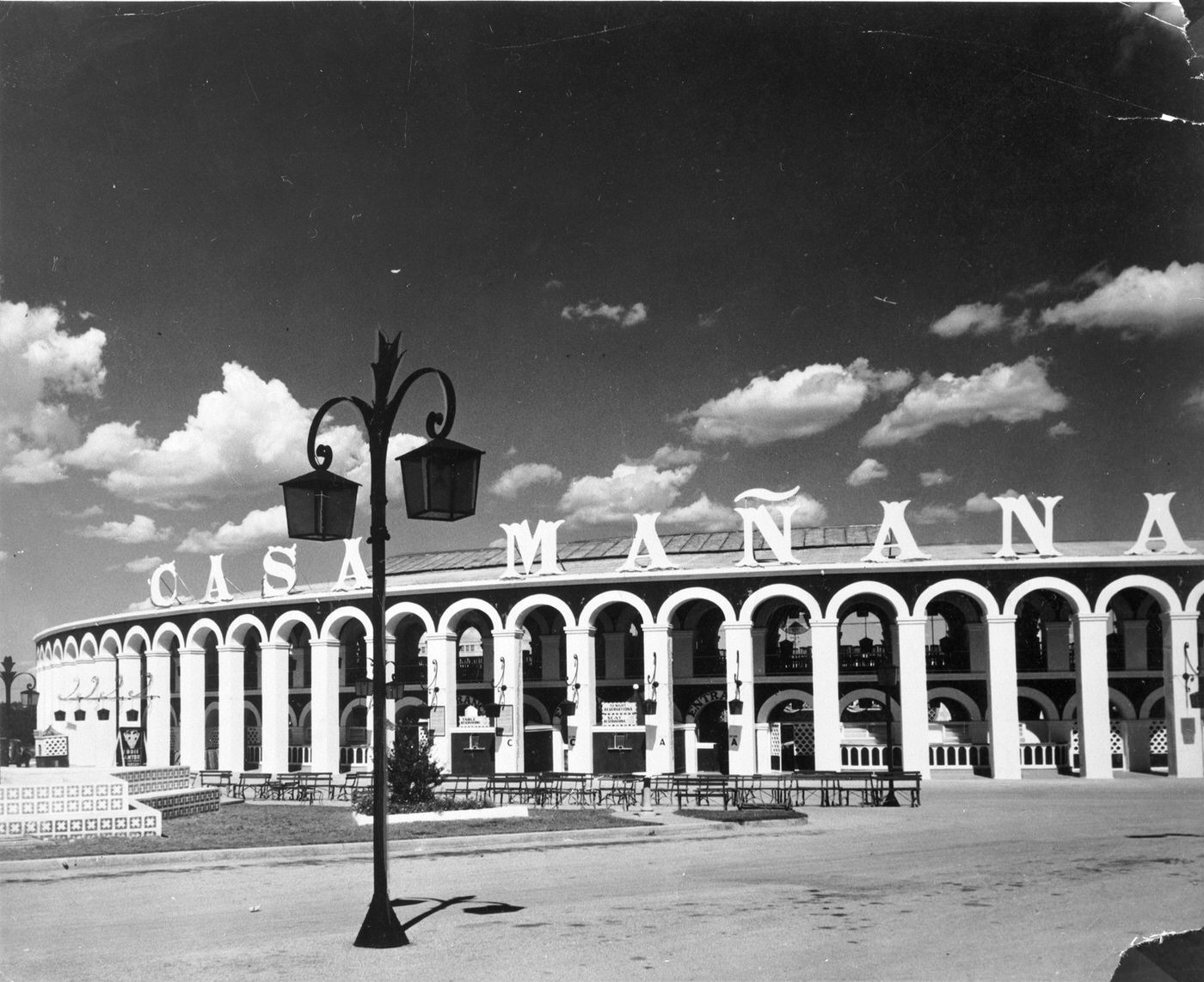
Fort Worth was not just a cattle and oil town. By the mid-1930s, it was making a deliberate push for cultural recognition. The Texas Frontier Centennial of 1936 brought a massive outdoor celebration to the city, complete with theatrical productions and exhibitions designed to pull visitors away from Dallas’s competing centennial event. Casa Mañana, an open-air theater built for the occasion, became the centerpiece of the festivities. The following year it was rebuilt and rebranded as part of the Frontier Fiesta, with elaborate stage shows drawing large crowds.
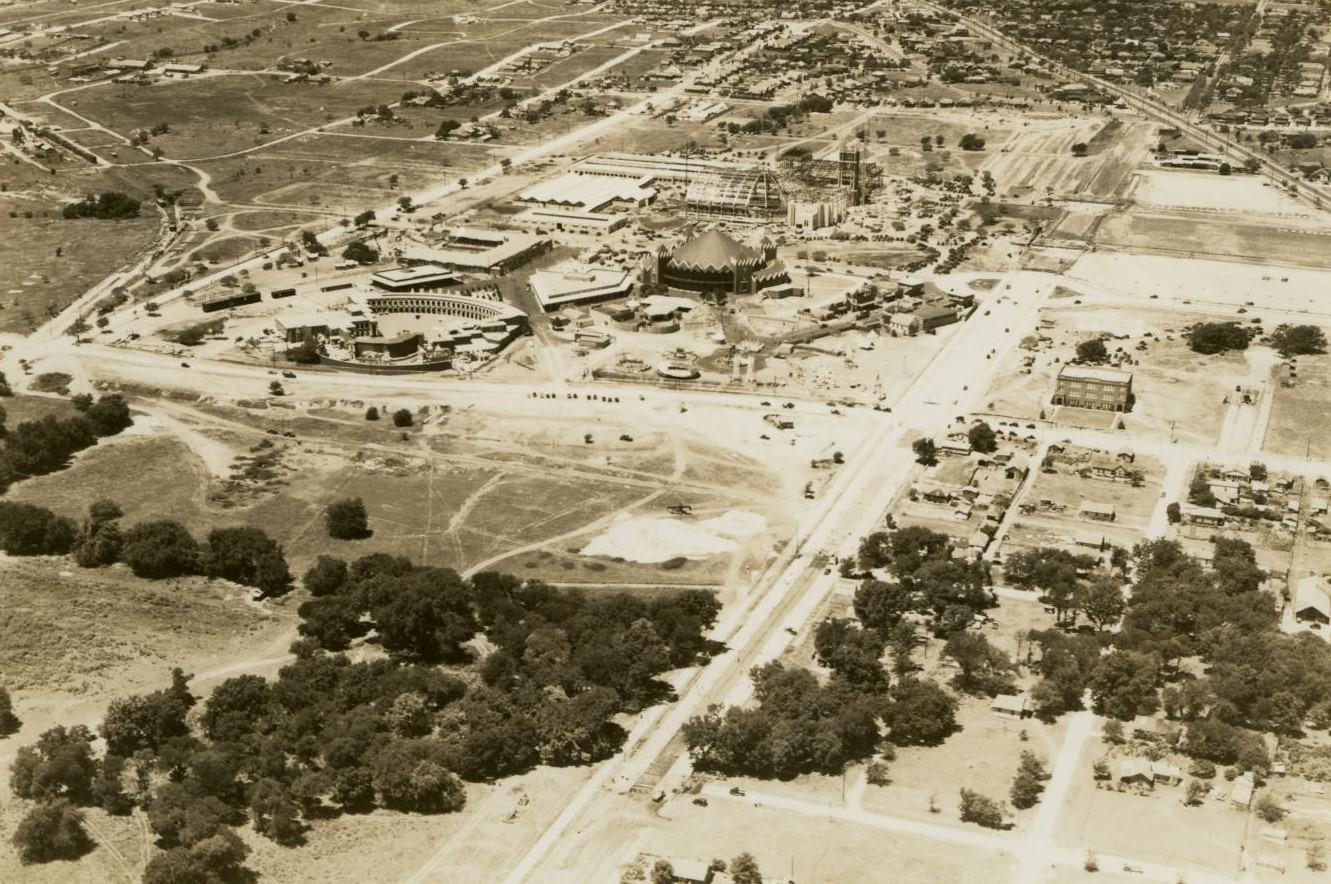
An aerial view of the Texas Frontier Centennial in Fort Worth, 1936.
Casa Manana exterior, Fort Worth Frontier Centennial, 1936
Casa Manana, Fort Worth Frontier Fiesta, 1937
Frontier Fiesta and Casa Manana, Fort Worth, 1937

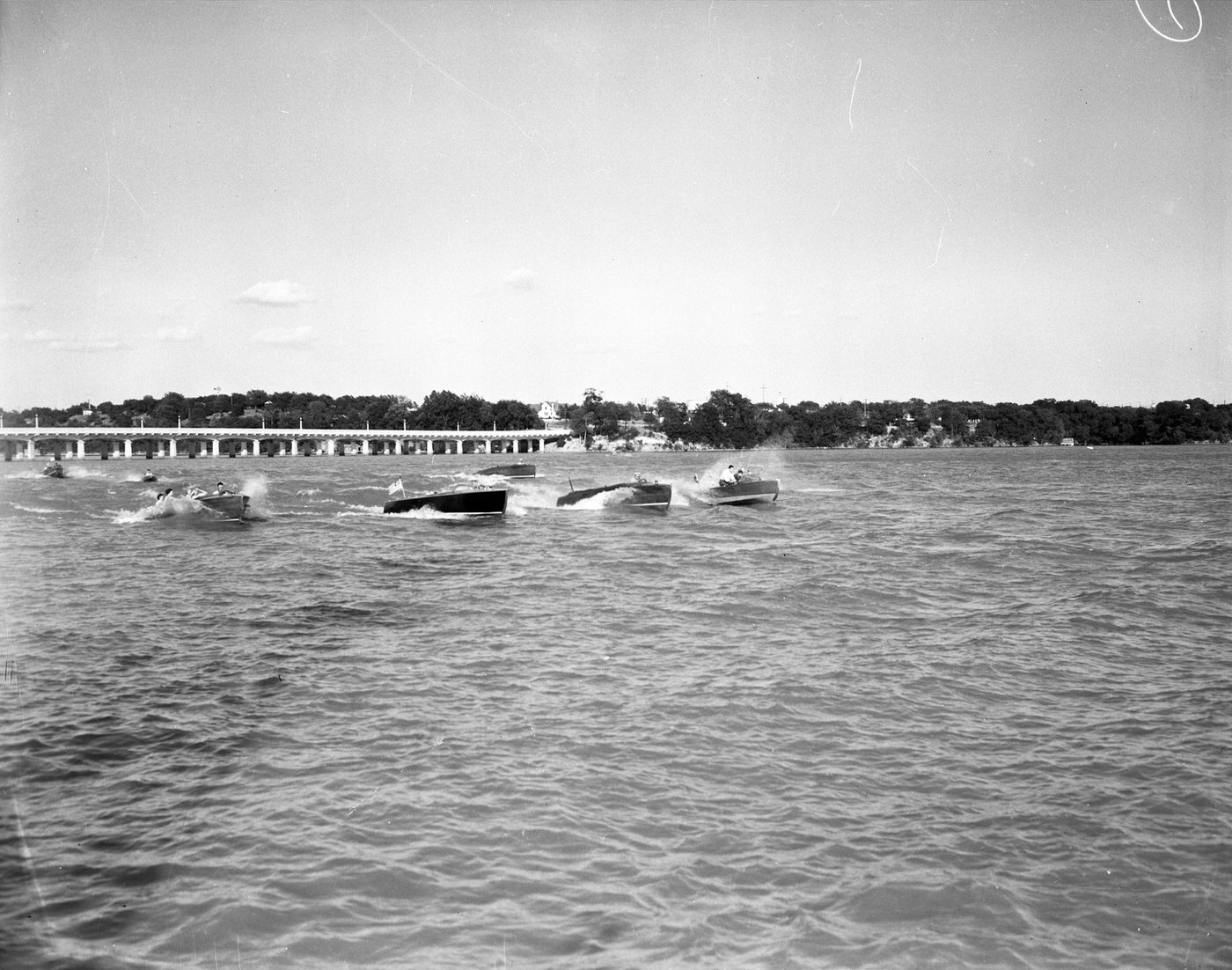
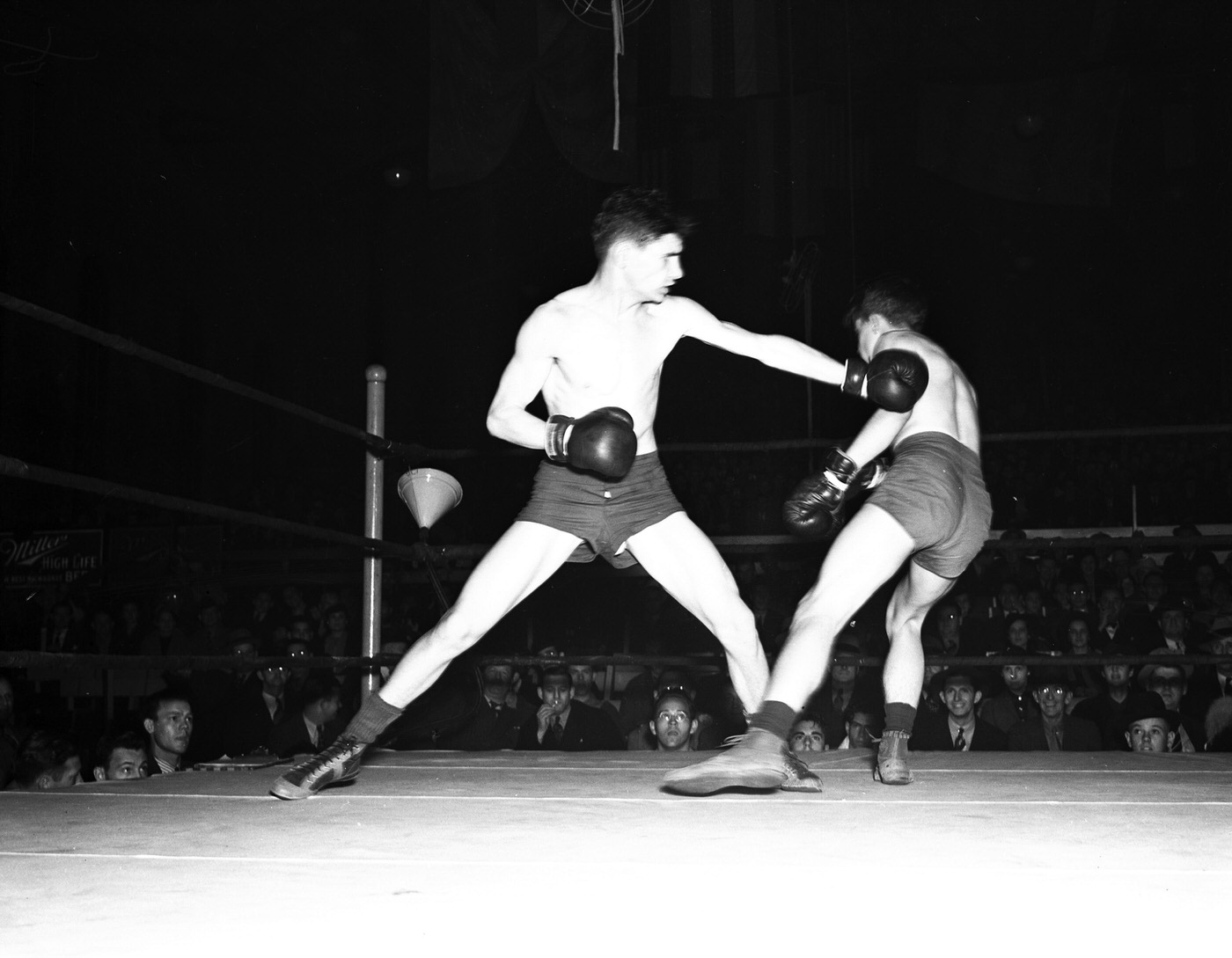
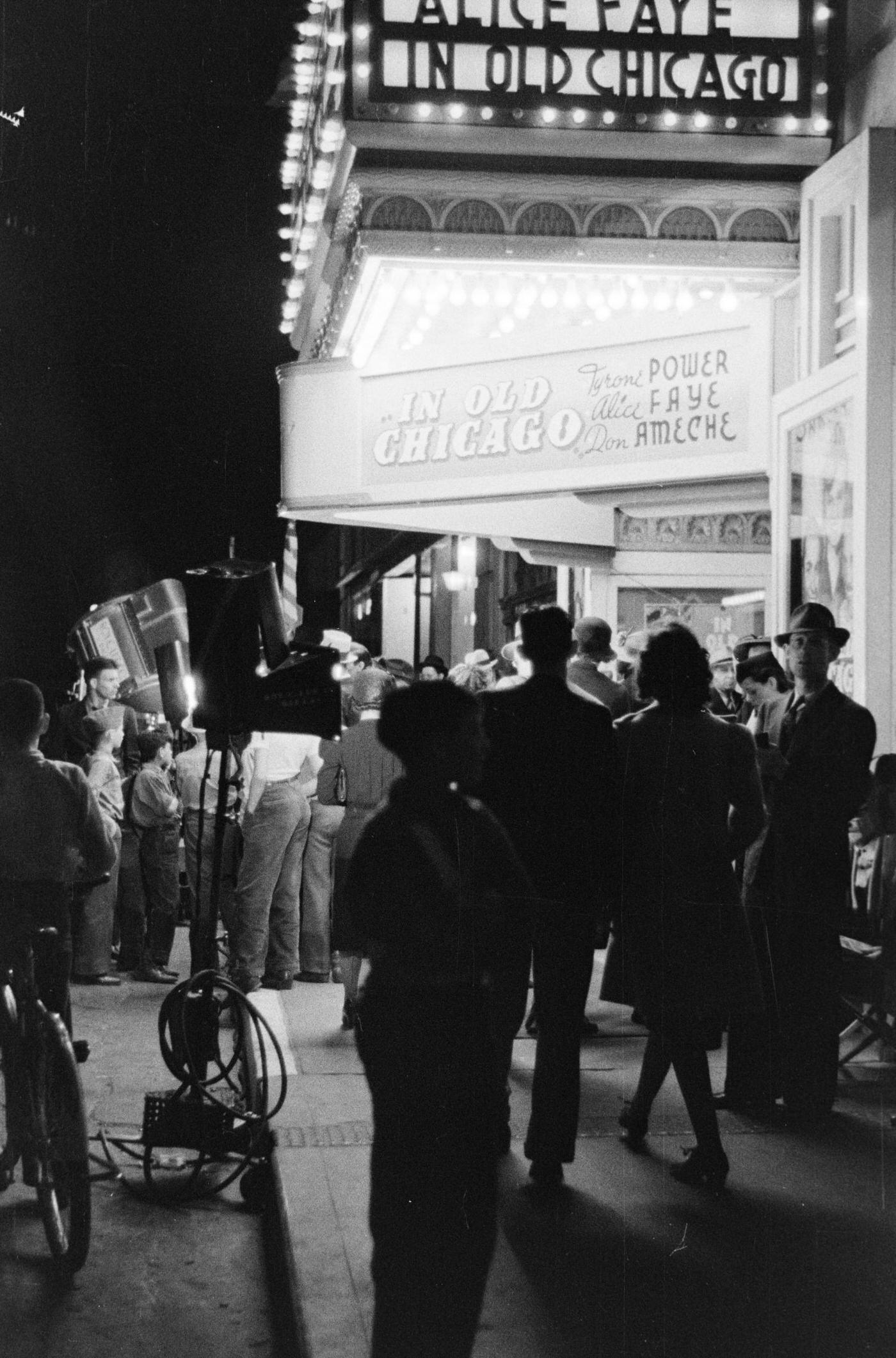
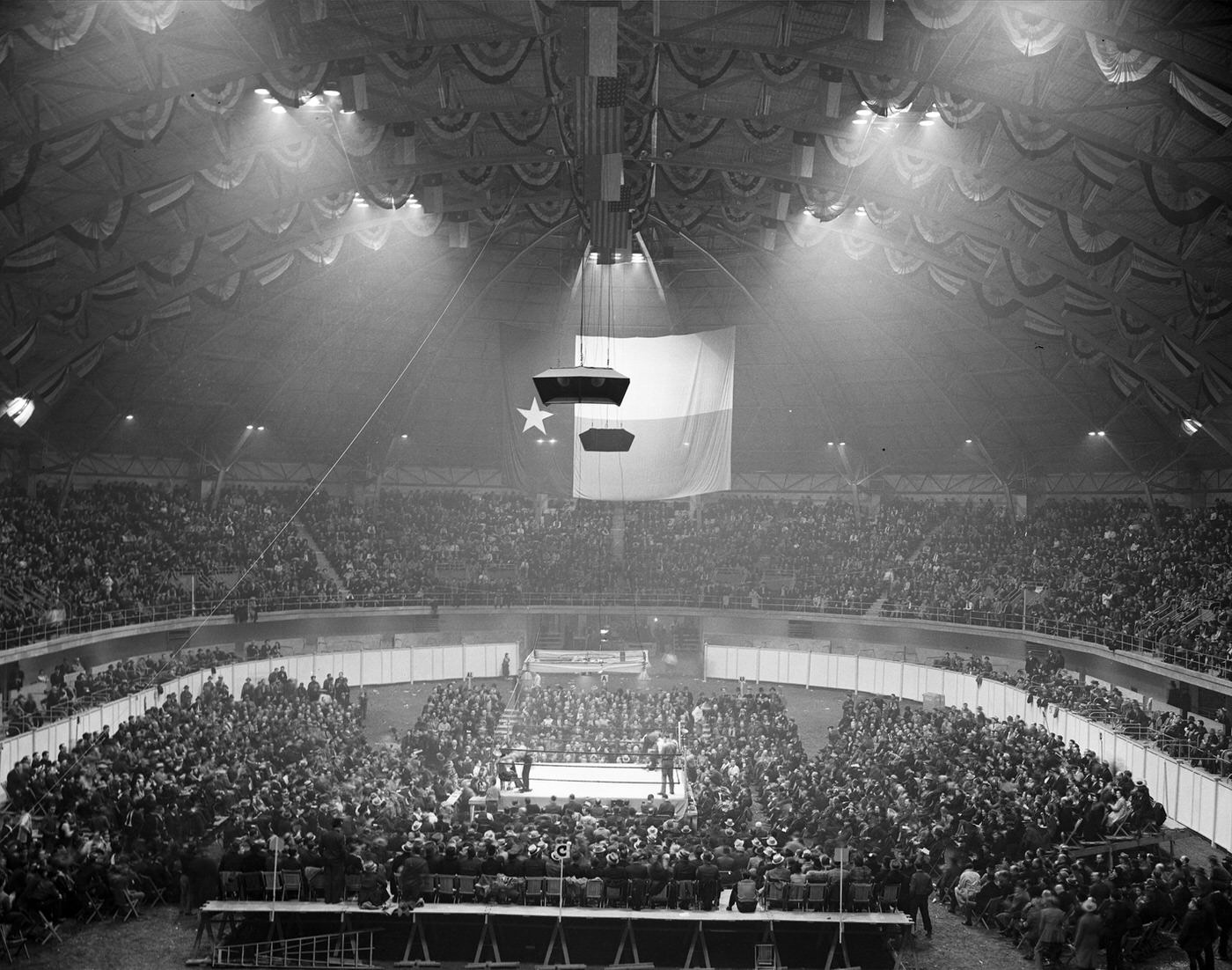
Entertainment extended well beyond the Centennial grounds. The Hollywood Theatre on the downtown strip hosted major film premieres, including the Southwestern premiere of “In Old Chicago” in 1938. Crowds gathered outside the theater in numbers that filled the sidewalk and spilled into the street. Golden Gloves boxing tournaments filled the Will Rogers Memorial Coliseum with cheering audiences, and motor boats cut across Lake Worth on summer weekends.
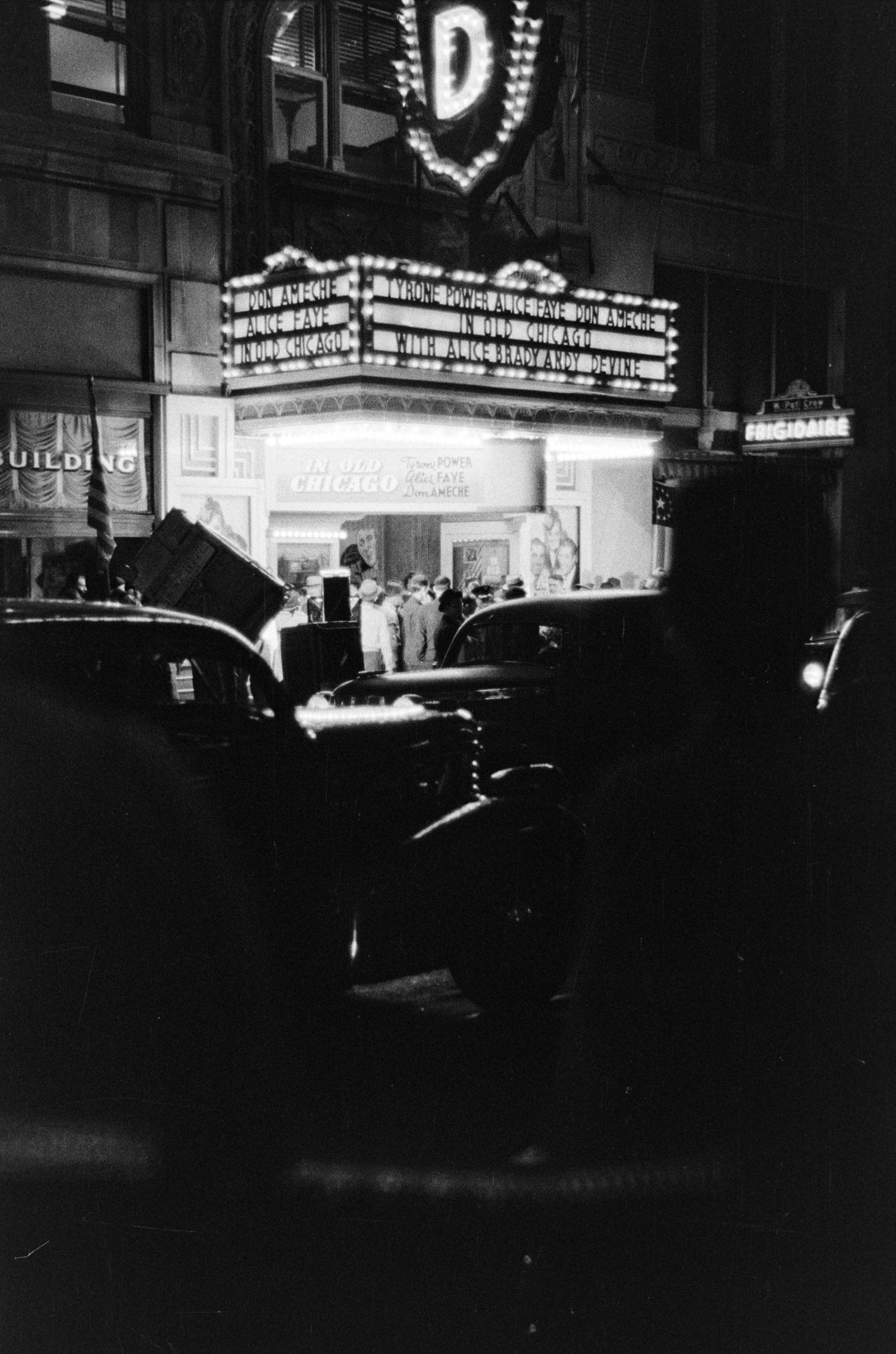
The Southwestern Premiere of "In Old Chicago" at the Hollywood Theatre, Fort Worth, Texas, 1938.
The Southwestern Premiere of “In Old Chicago” at the Hollywood Theatre, Fort Worth, Texas, 1938.
Will Rogers Memorial Coliseum, Fort Worth Golden Gloves tournament, 1938
Motor boats on Lake Worth, Fort Worth, 1939

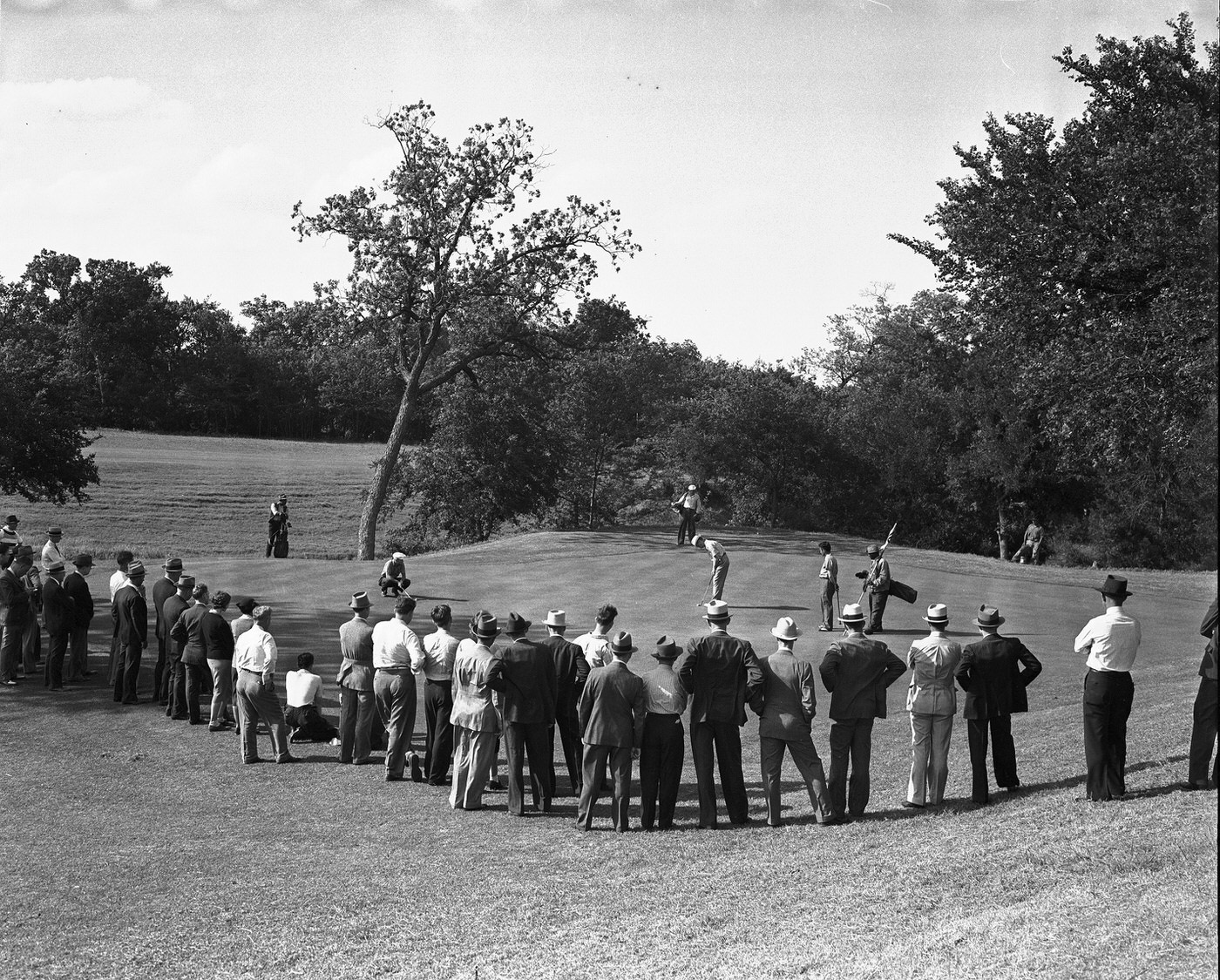
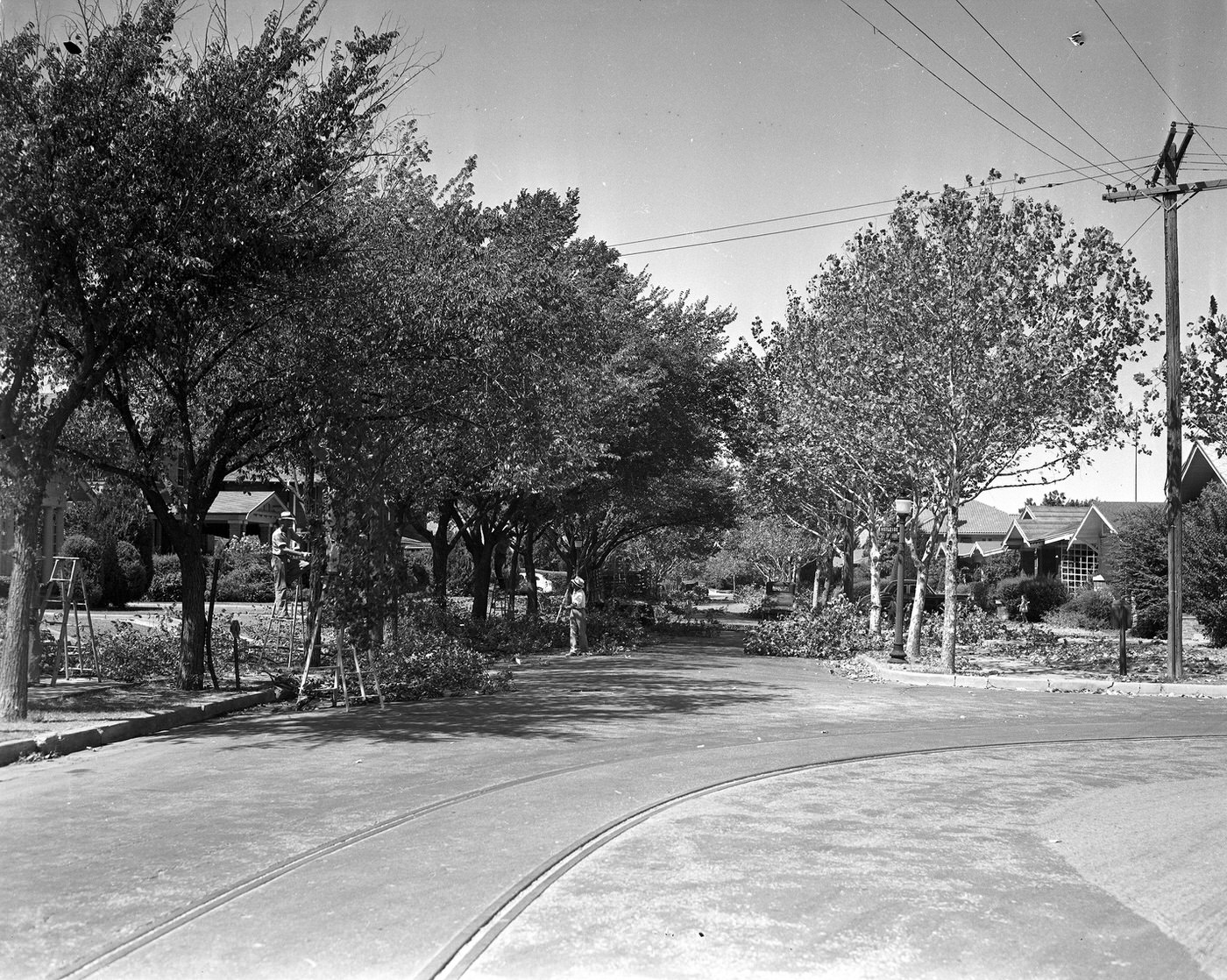
Public parks and green spaces offered accessible recreation for residents who couldn’t afford much else. Forest Park, Trinity Park, and the Fort Worth Botanic Garden gave families somewhere to spend an afternoon without spending money. Golf courses like Colonial Hills and Rockwood served a more financially comfortable crowd, while city park crews trimmed trees and maintained public areas as part of ongoing Depression-era relief work programs.

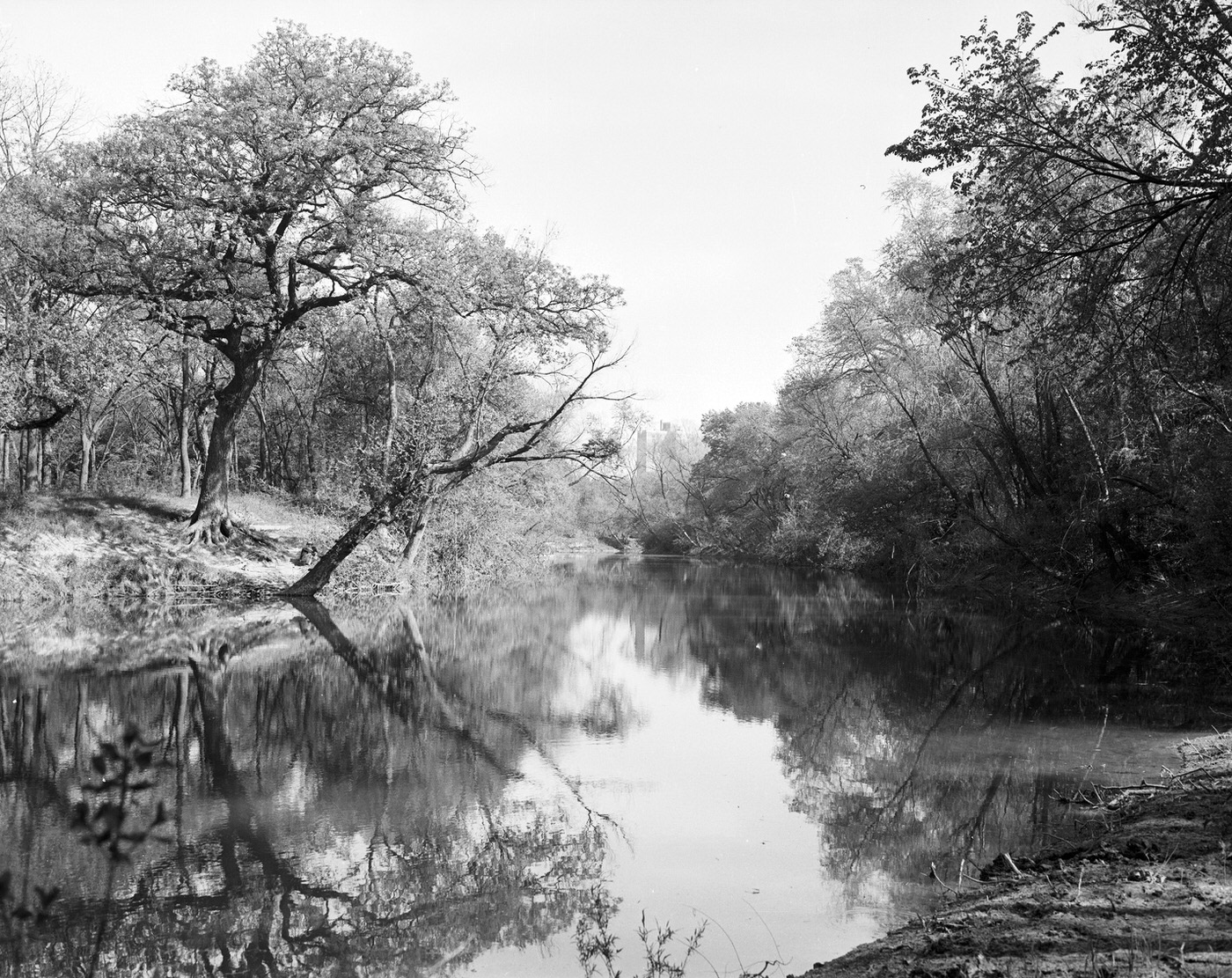
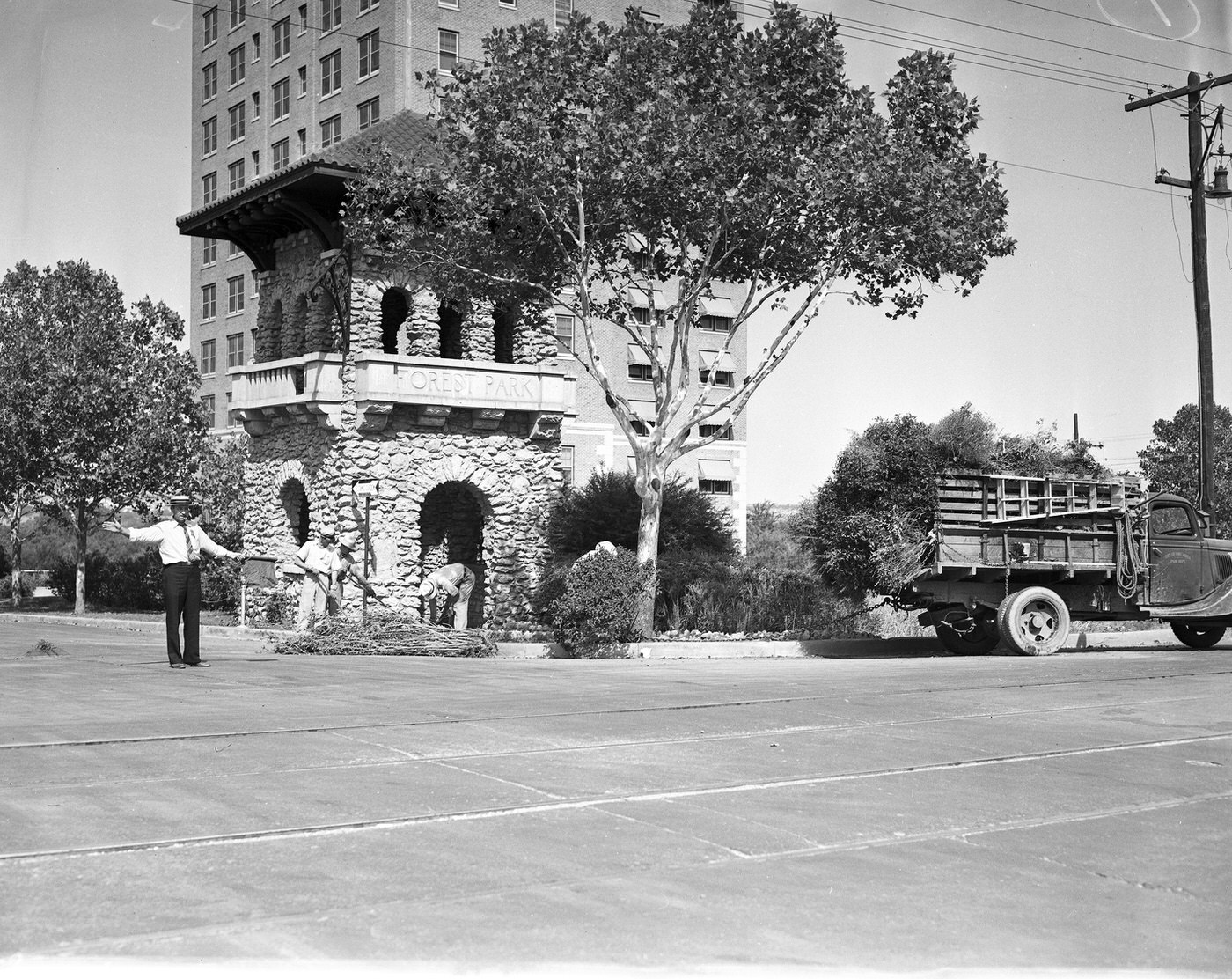
Forest Park, Fort Worth, 1938
Trinity Park lagoon, Fort Worth, 1938
The Lower Rose Garden at the Fort Worth Botanic Garden, 1930s.
Colonial Hills Golf Course, Fort Worth, 1938

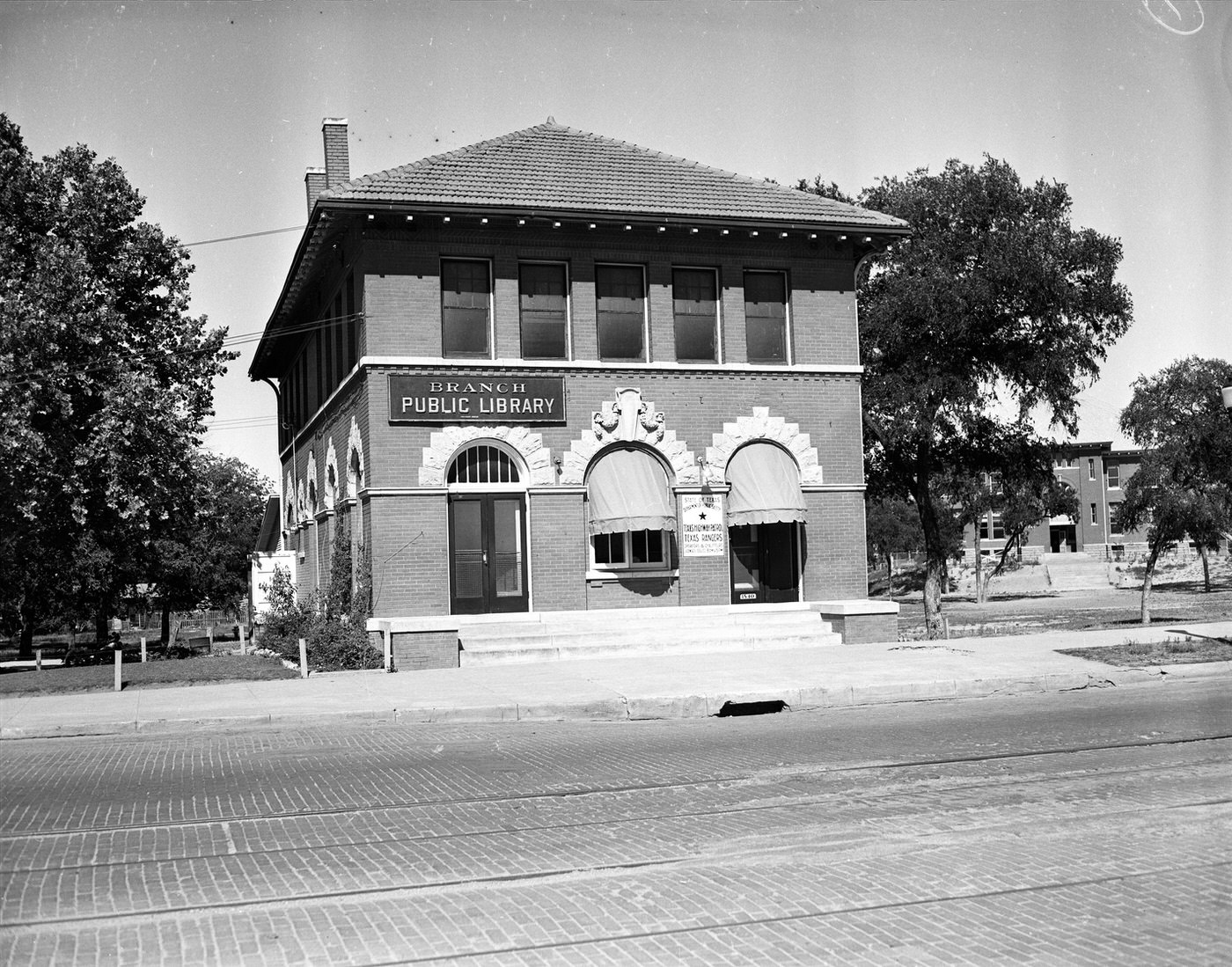
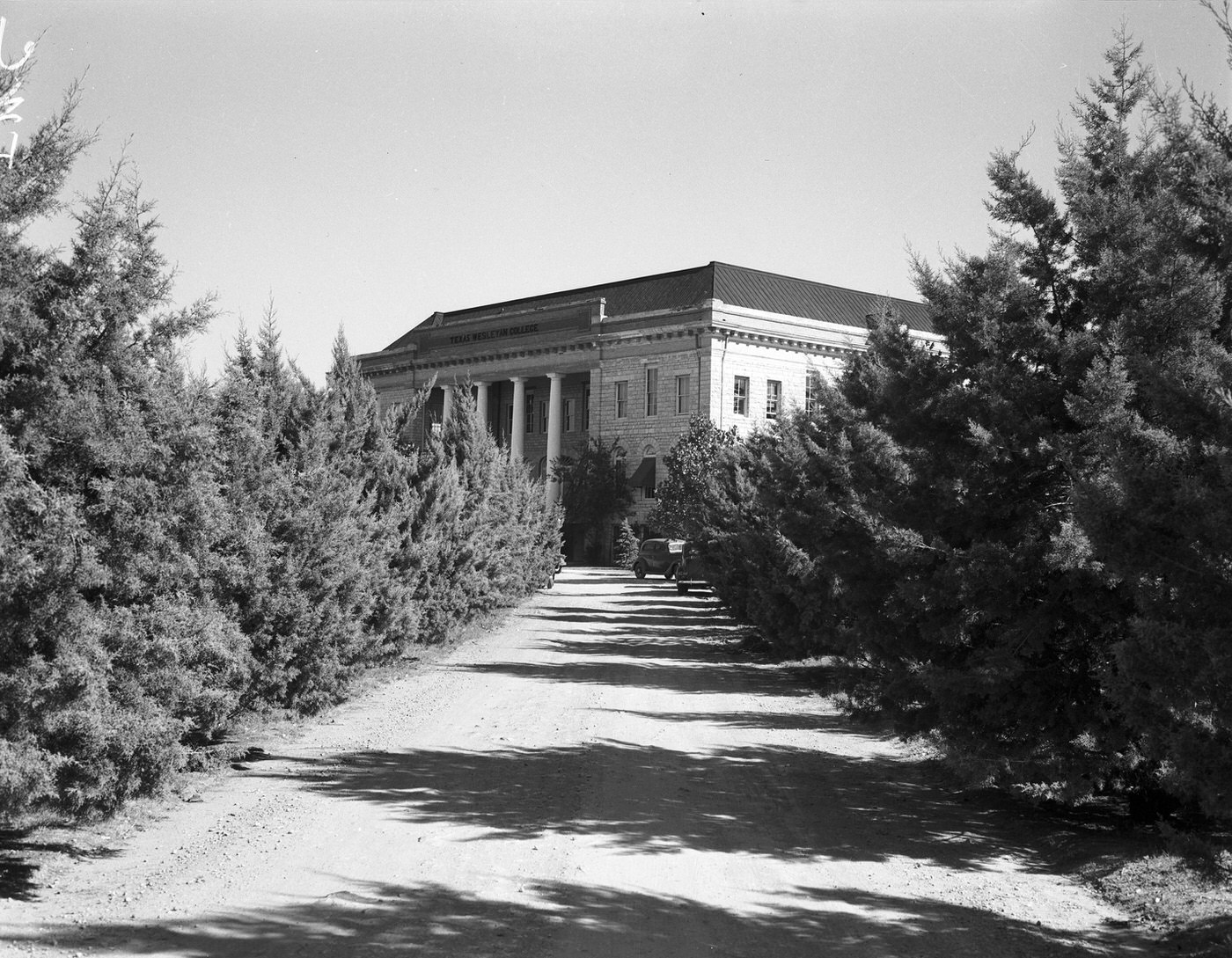
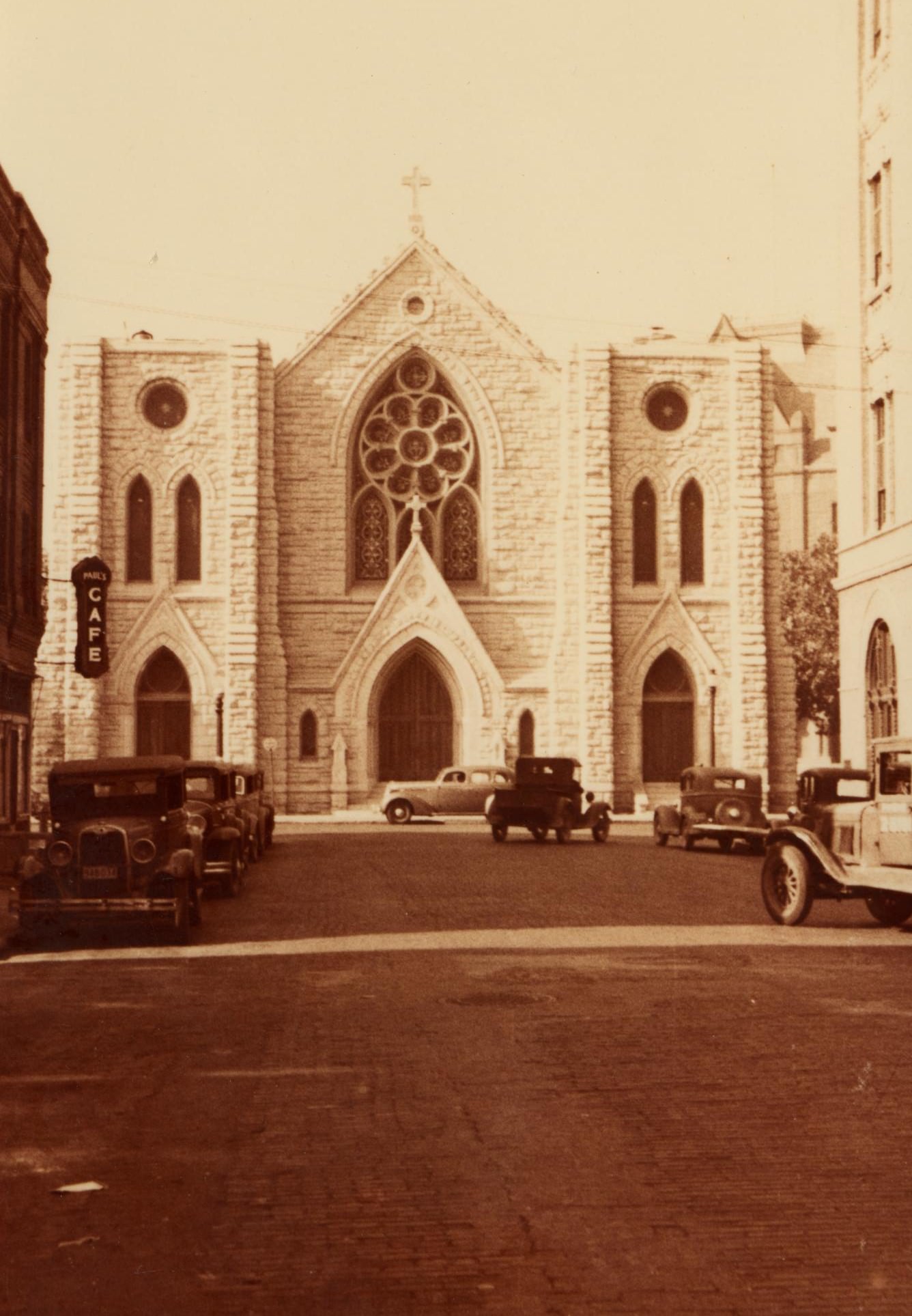
The city’s institutional buildings anchored each neighborhood and gave Fort Worth a sense of permanence. The Tarrant County Courthouse stood at the center of civic life. Churches like St. Patrick’s Cathedral and St. Andrew’s Episcopal served large congregations. The Fort Worth Public Library gave residents access to books and reading rooms. Texas Christian University and Texas Wesleyan College kept higher education active within city limits, and public schools like Diamond Hill trained the city’s next generation.
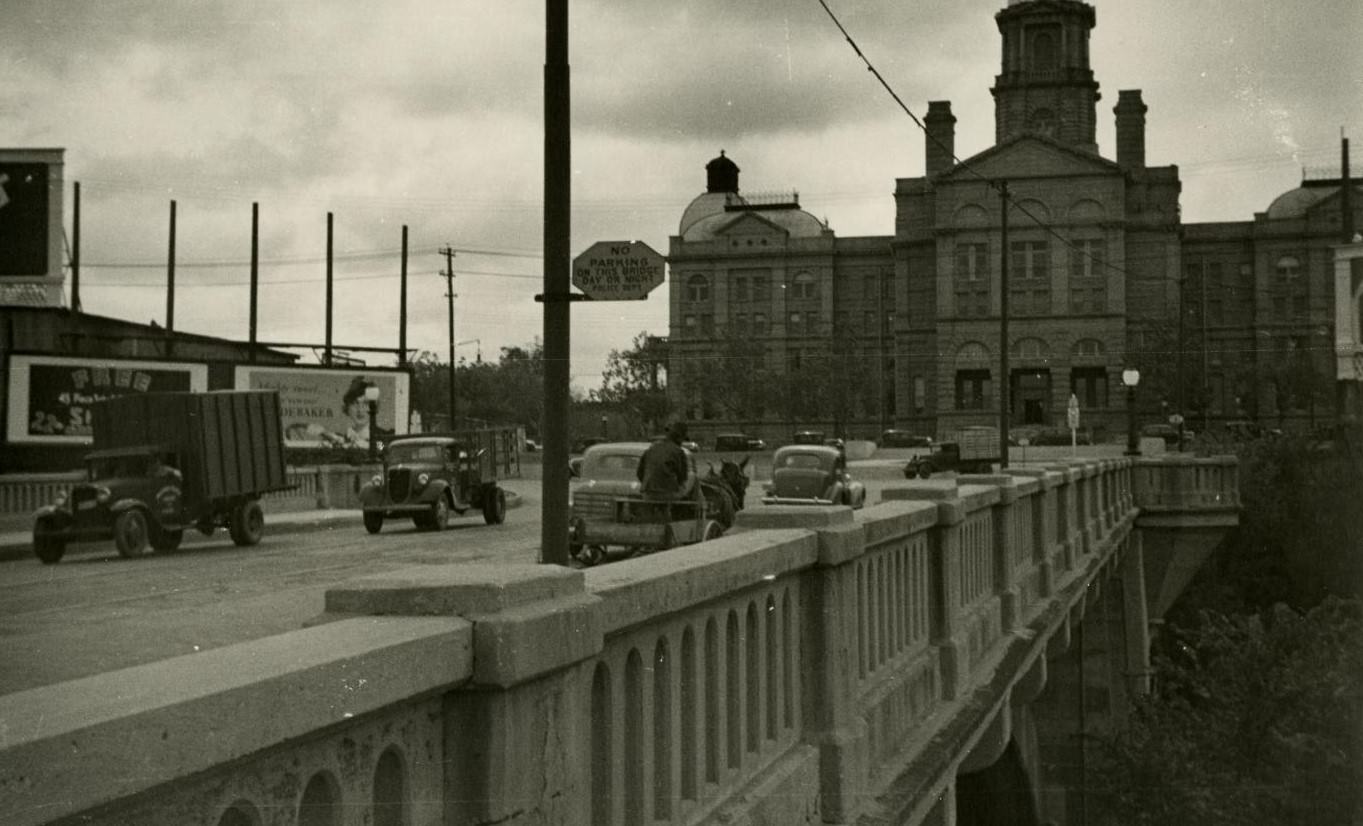
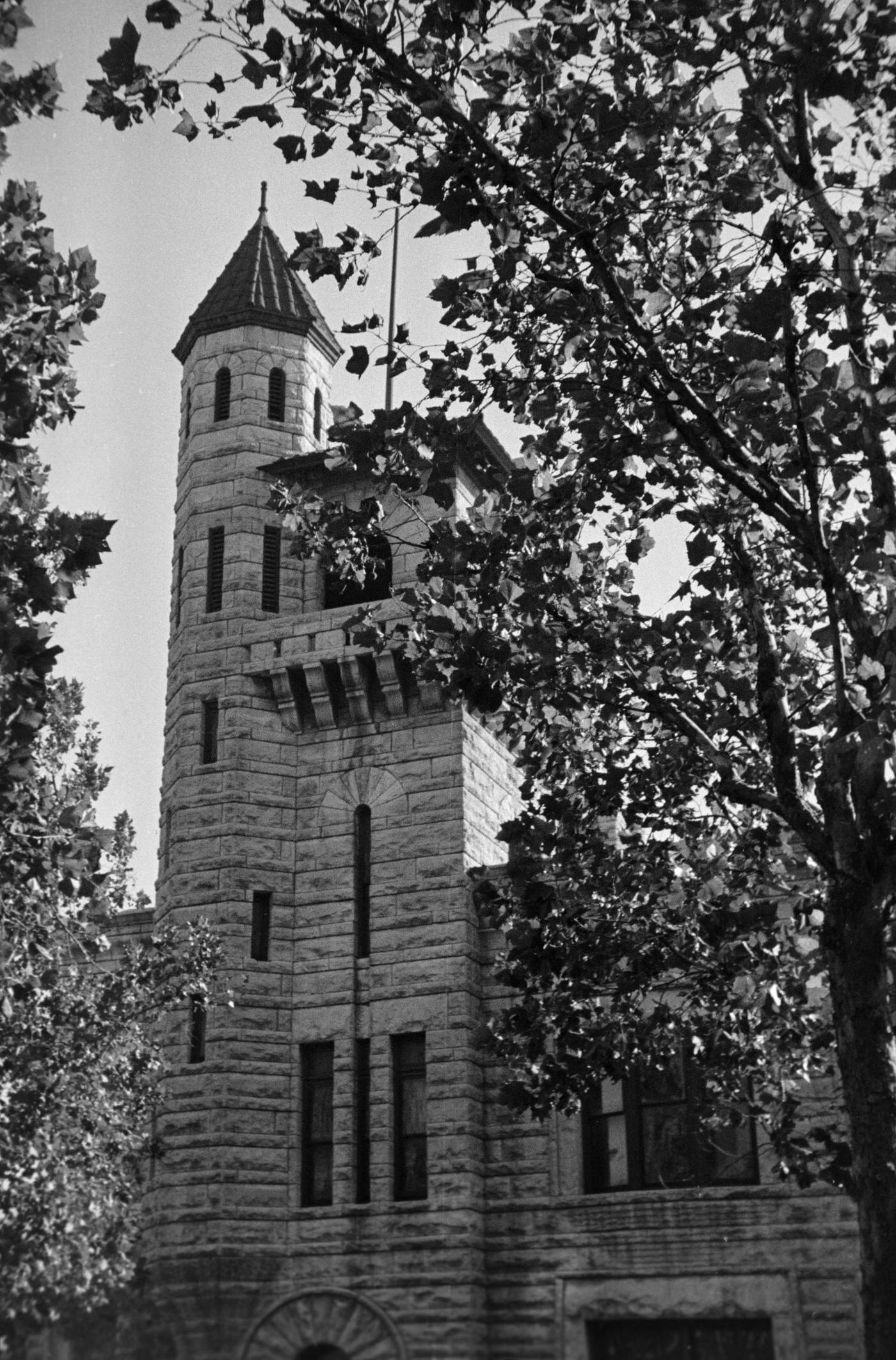
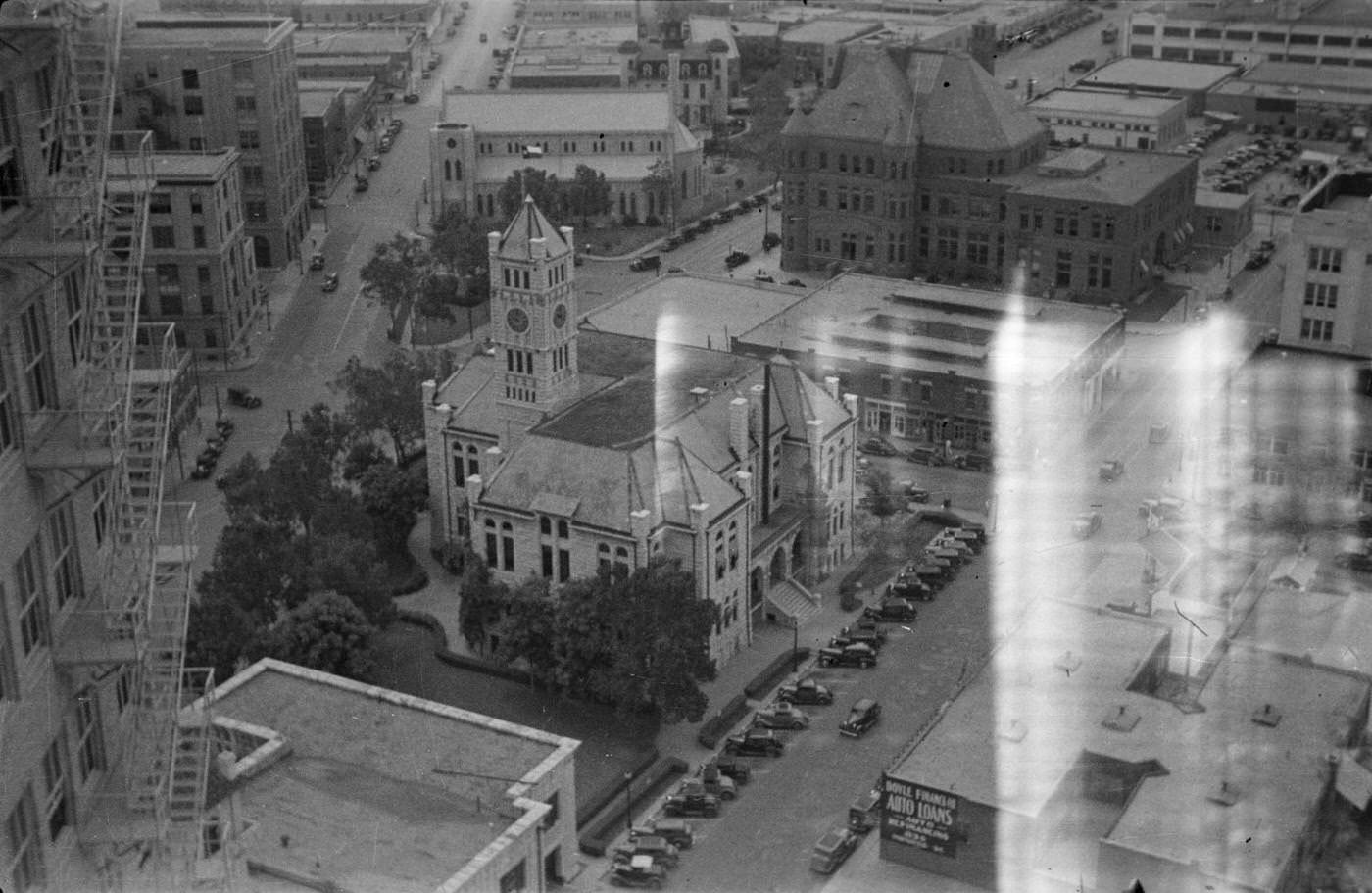
The Tarrant County courthouse and Main Street, Fort Worth, Texas, 1930s-1940s.
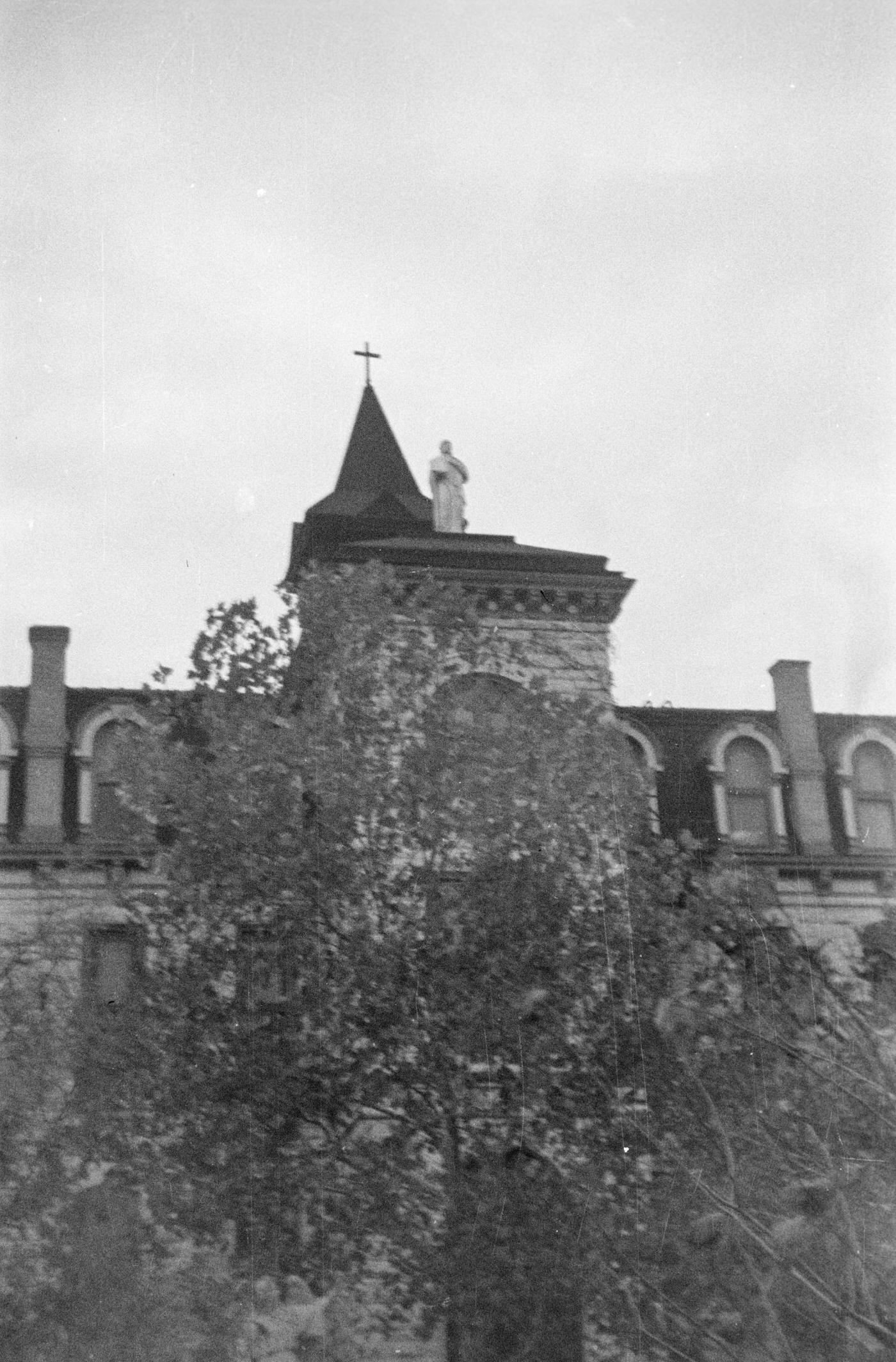
St. Patrick's Cathedral in Fort Worth, Texas, 1930s.
St. Patrick’s Cathedral in Fort Worth, Texas, 1930s.
Fort Worth Public Library, 1939
Texas Wesleyan College, Fort Worth, 1938
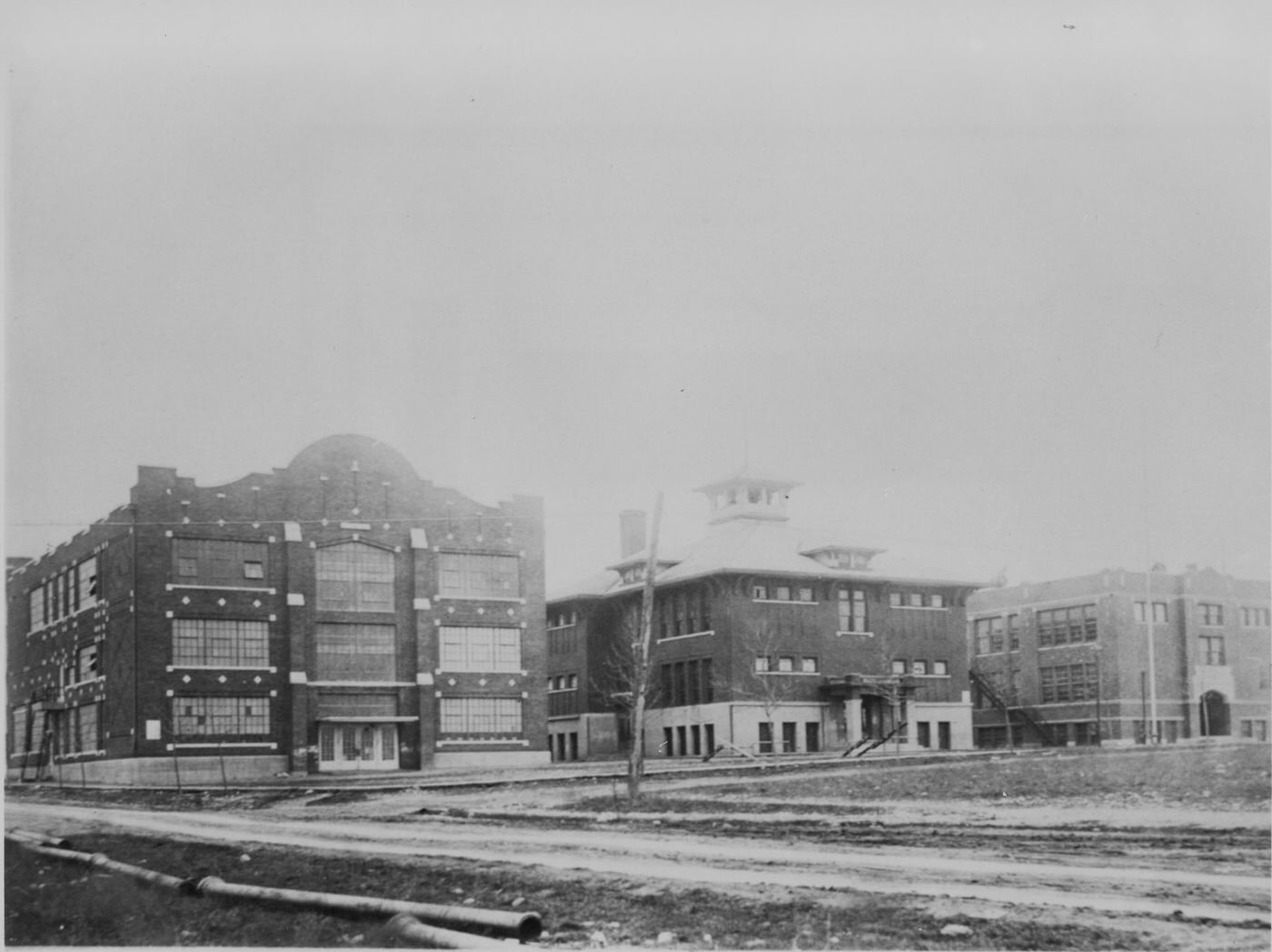
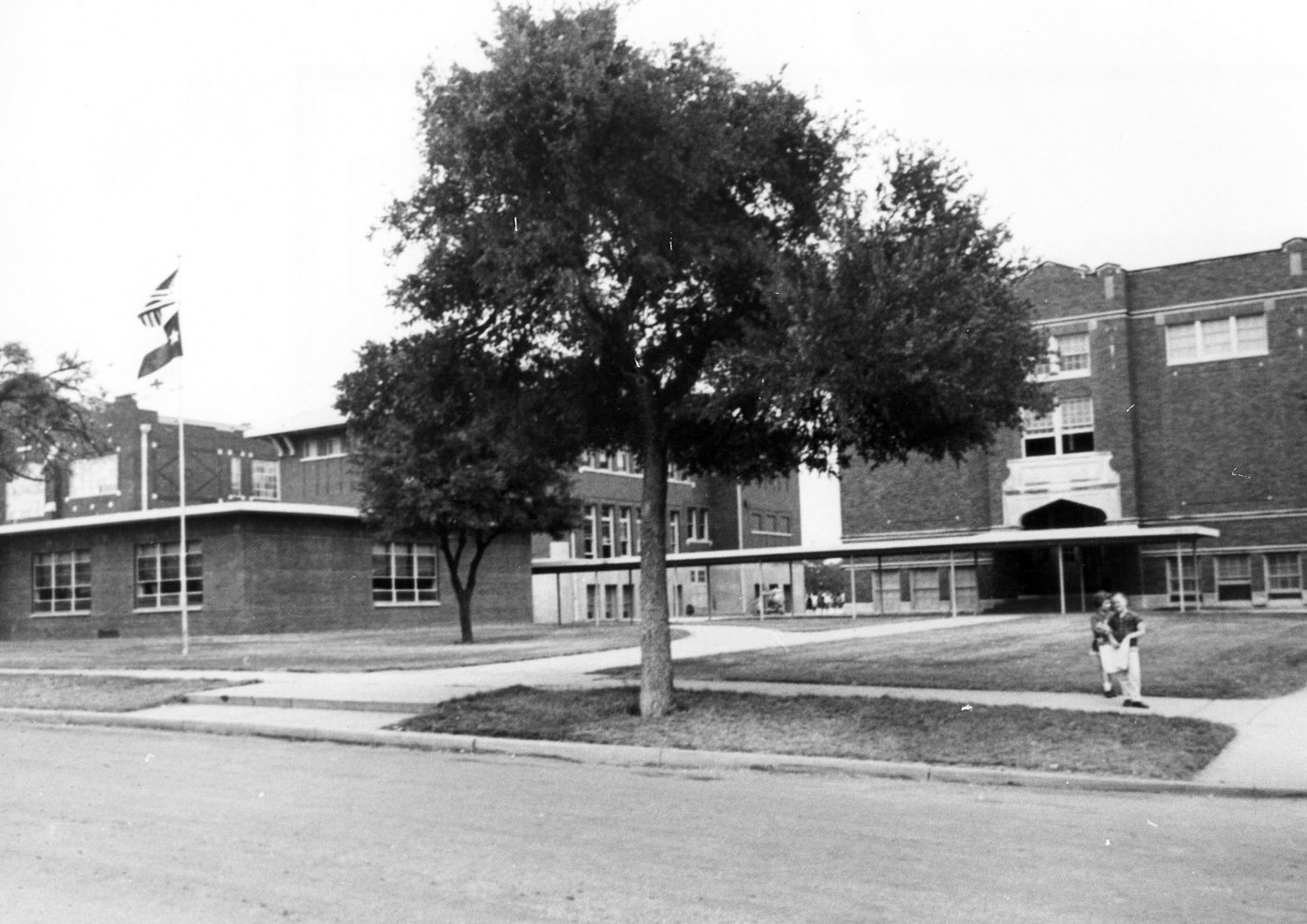
Diamond Hill School, Fort Worth, Texas, 1938.

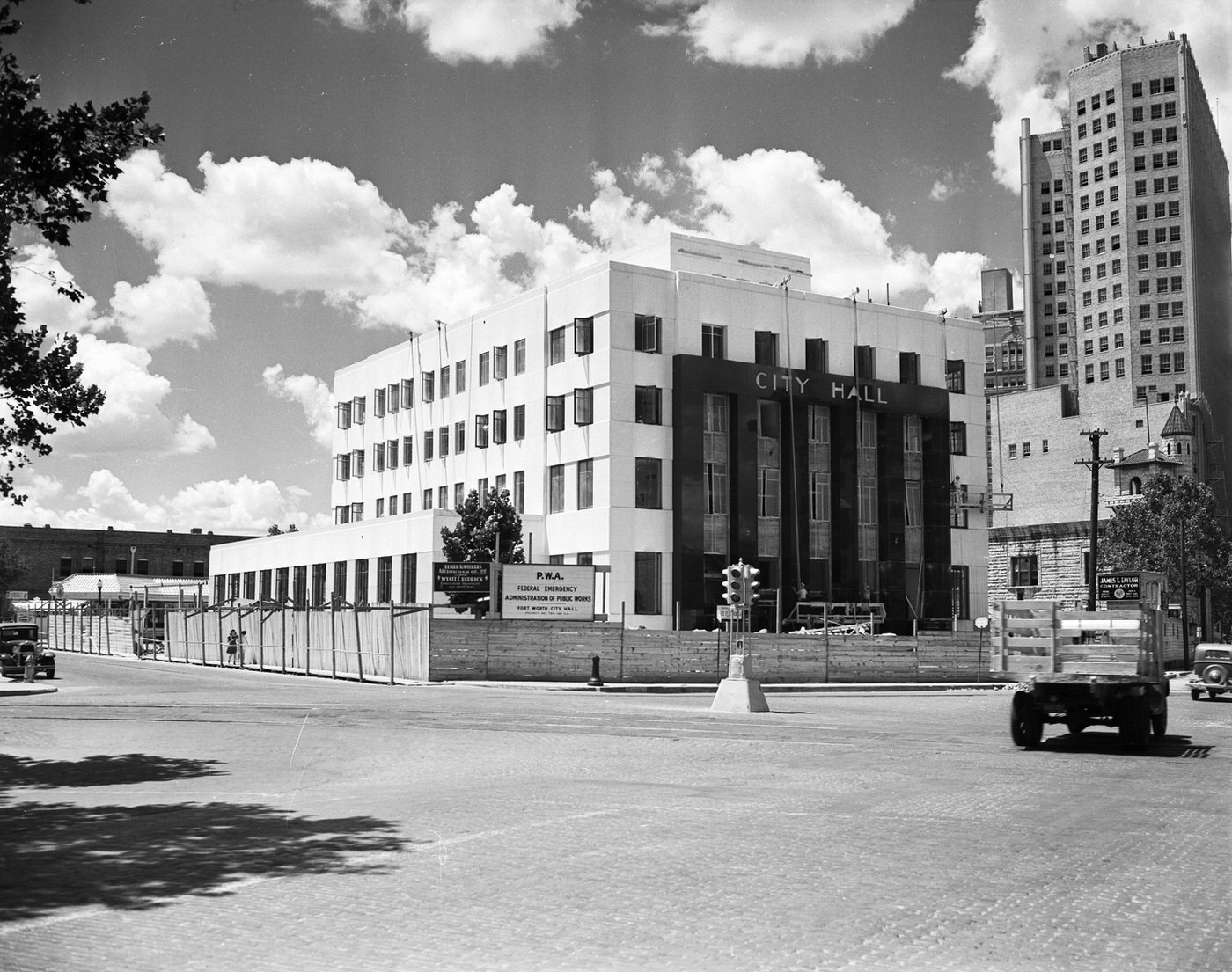
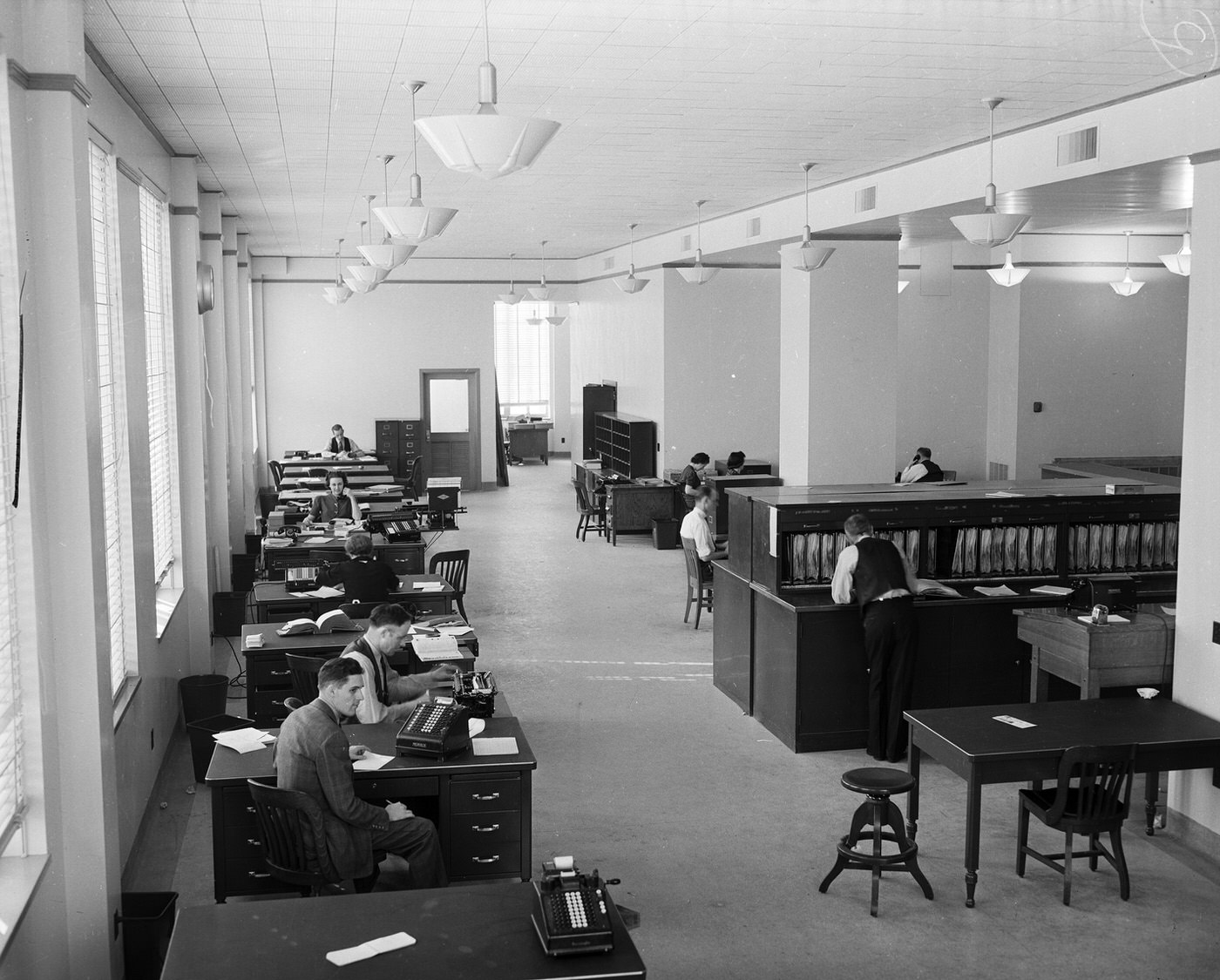
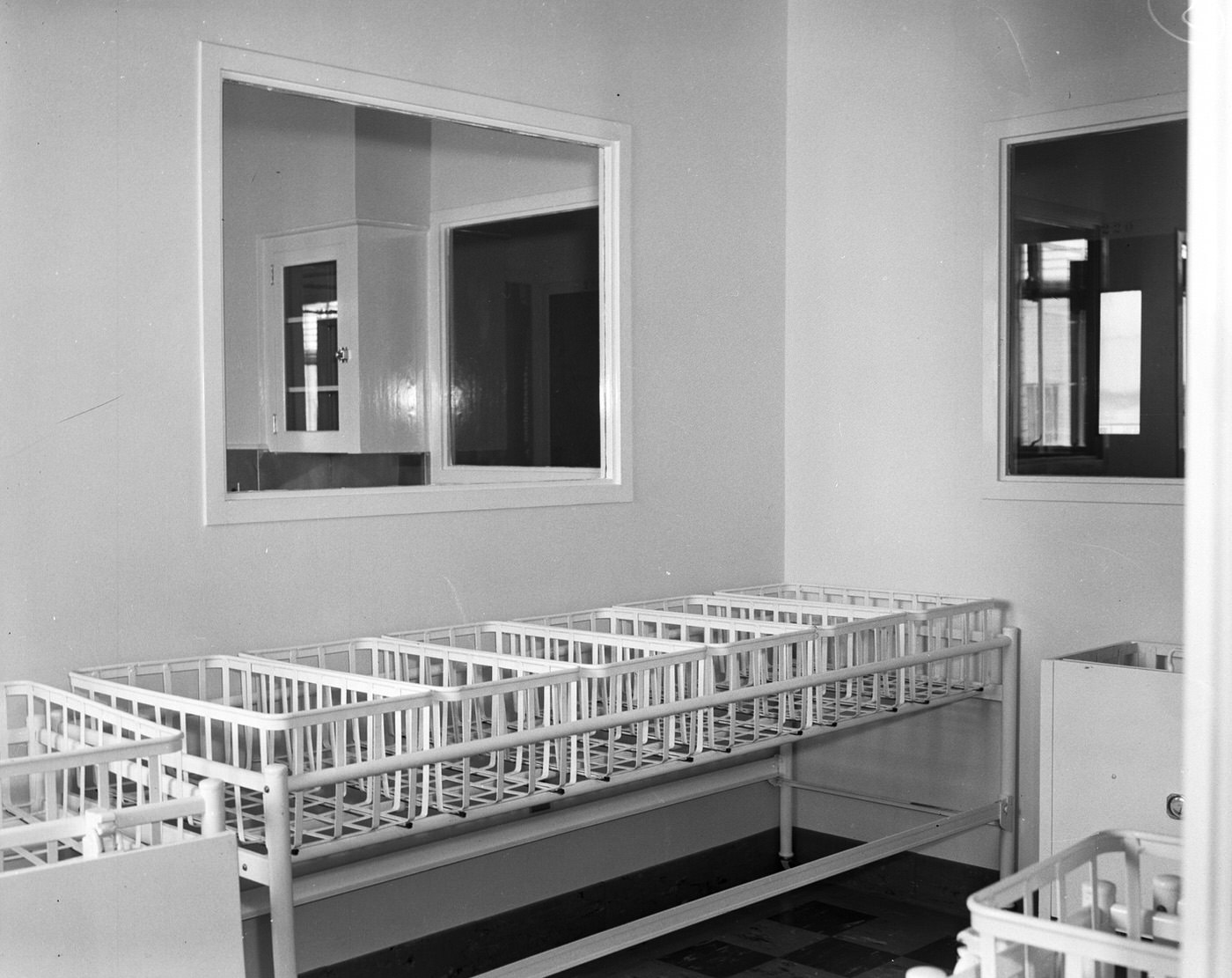
By the end of the 1930s, Fort Worth was building toward something bigger. The new City-County Hospital — later named John Peter Smith Hospital — was under construction in 1939, complete with a modern nursery ward. City Hall managed a growing municipal operation. Tax offices filled with clerks working at rows of desks. New bridges replaced old ones across the Trinity’s forks. The Fort Worth of 1939 looked noticeably different from the Fort Worth of 1930, not because the Depression had passed, but because the city had pushed forward through it, block by block.

Construction of new City-County Hospital (John Peter Smith Hospital), Fort Worth, 1939
Nursery, New City-County Hospital (later John Peter Smith Hospital), Fort Worth, Texas, 1939
Fort Worth City Hall, 1938
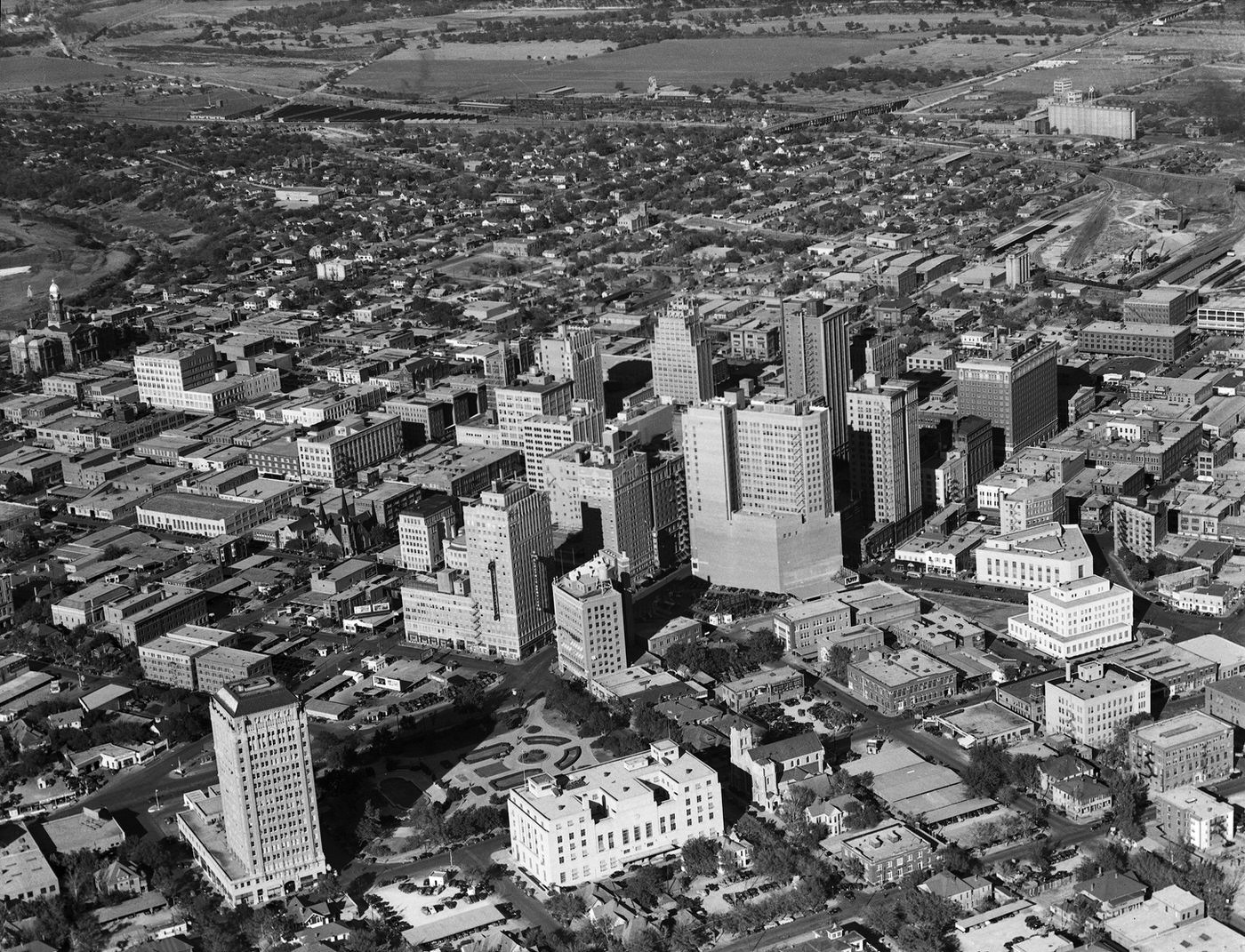
Aerial view of downtown Fort Worth, 1939
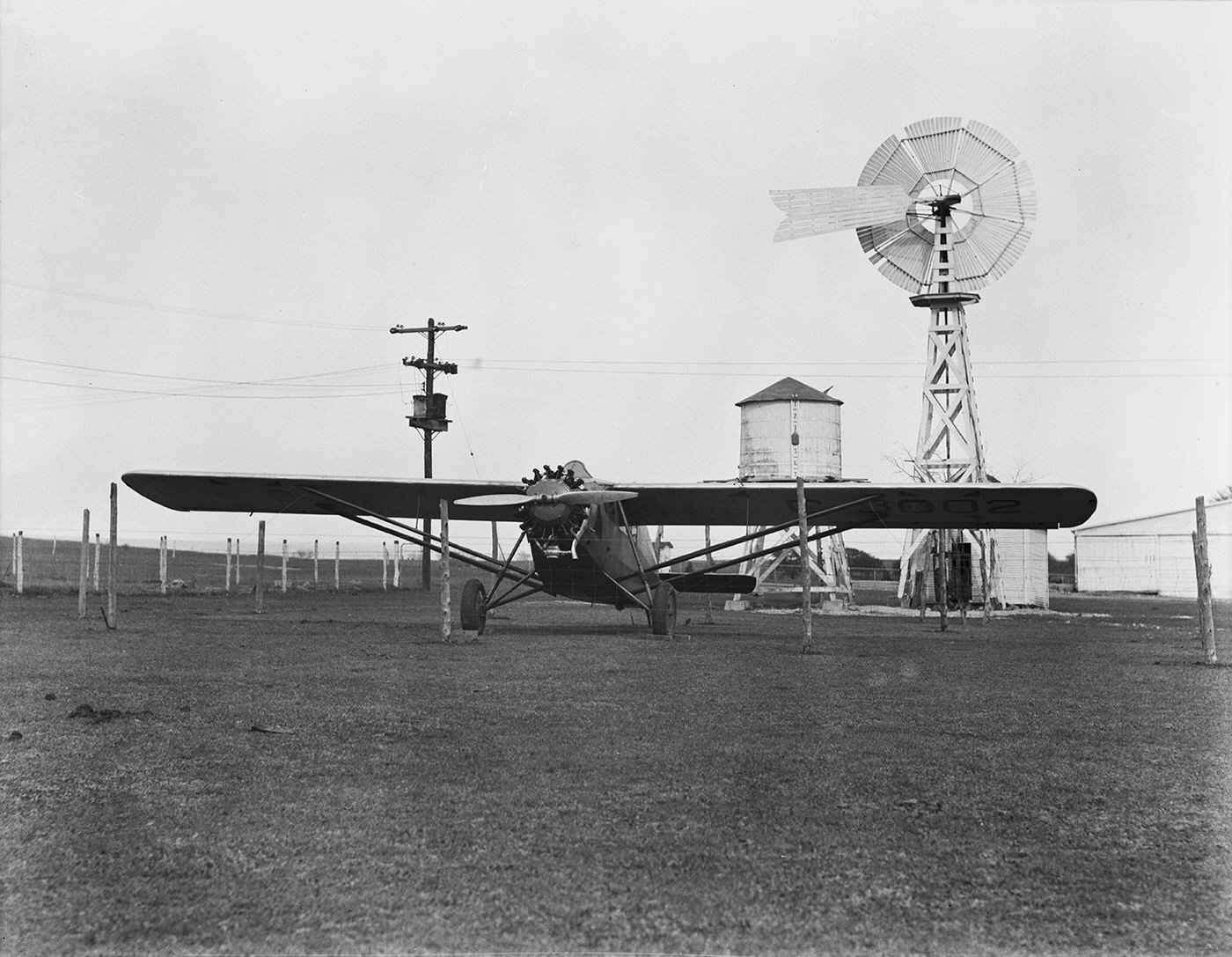
National Air Transport plane at Shady Oak Farm, 1931
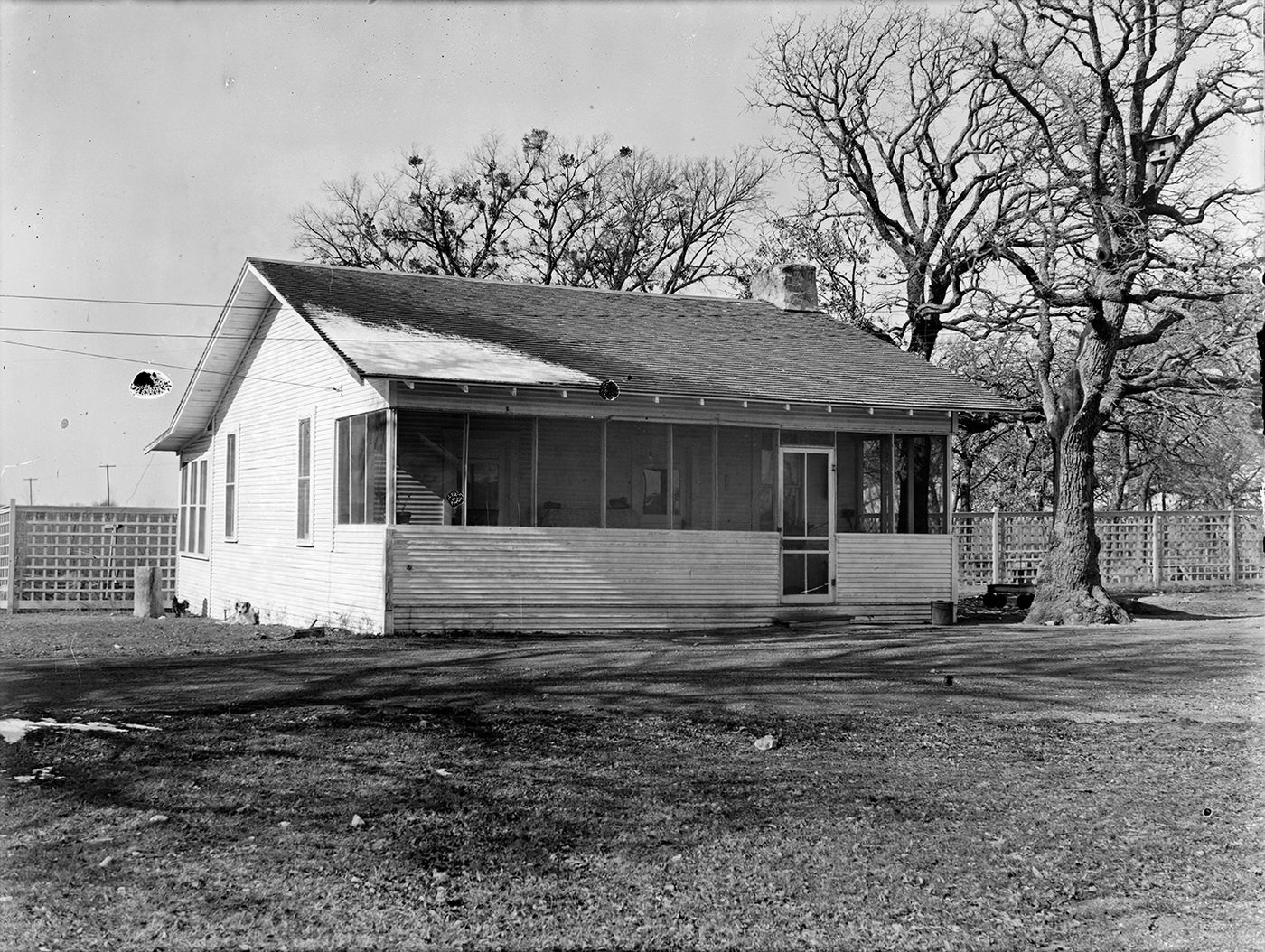
Shady Oak Farm exterior with snow, 1930
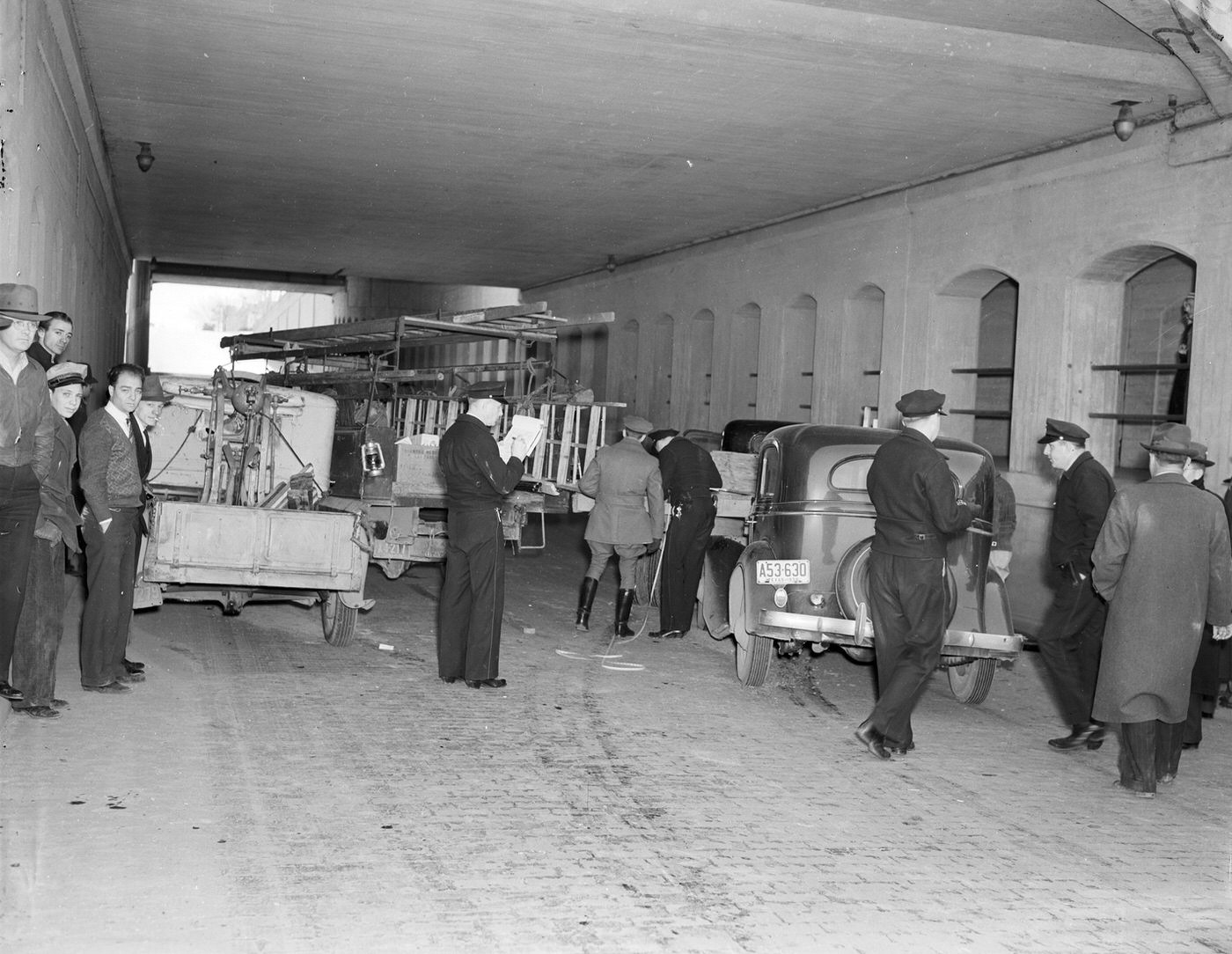
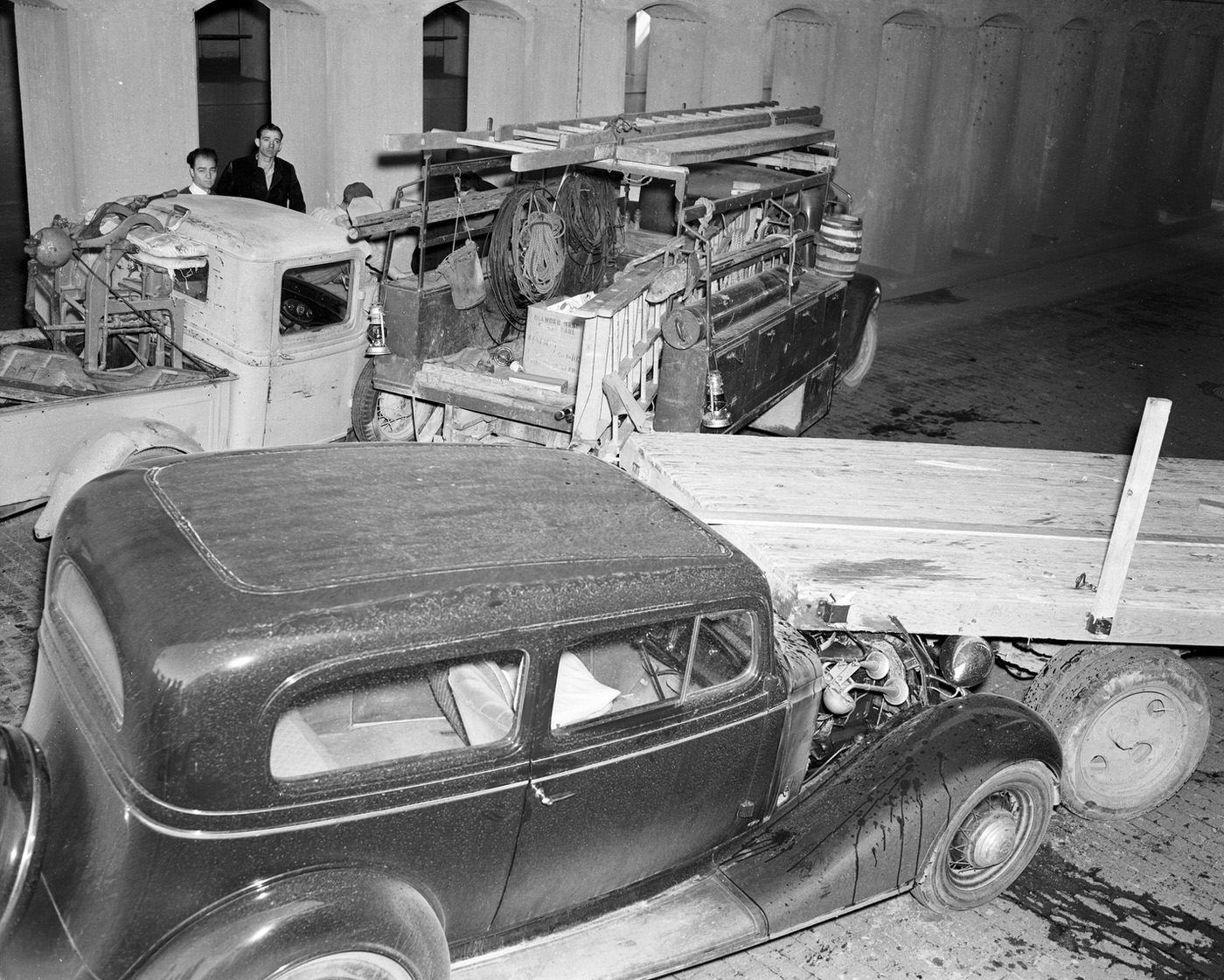
Vehicle pile-up at Henderson Street underpass, Fort Worth, 1939
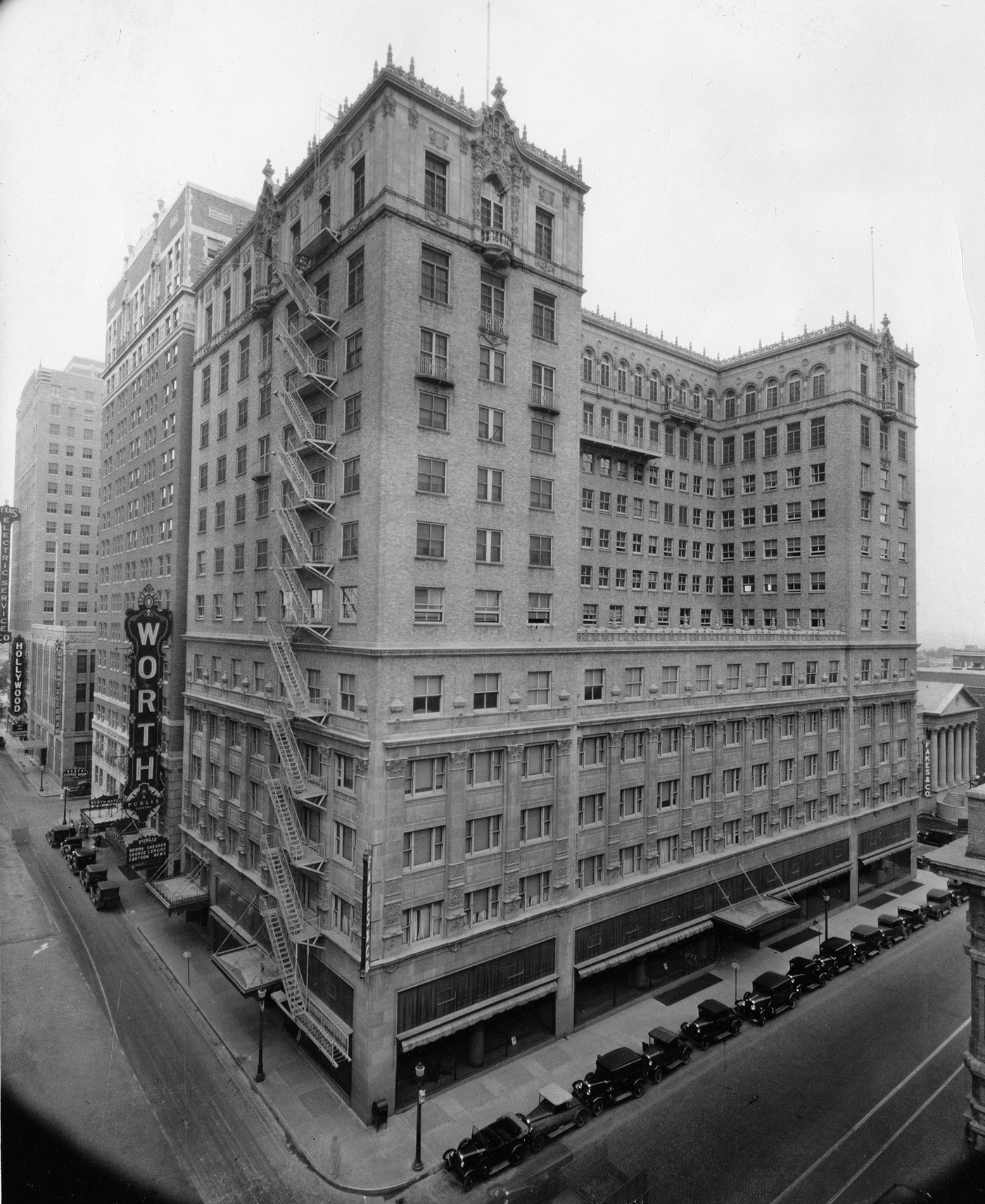
Fort Worth Club, showing Worth and Hollywood Theaters, 1930s
Vehicle pile-up at Henderson Street underpass, Fort Worth, 1939
Shady Oak Farm exterior in the snow, 1930
Shady Oak Farm exterior, 1930
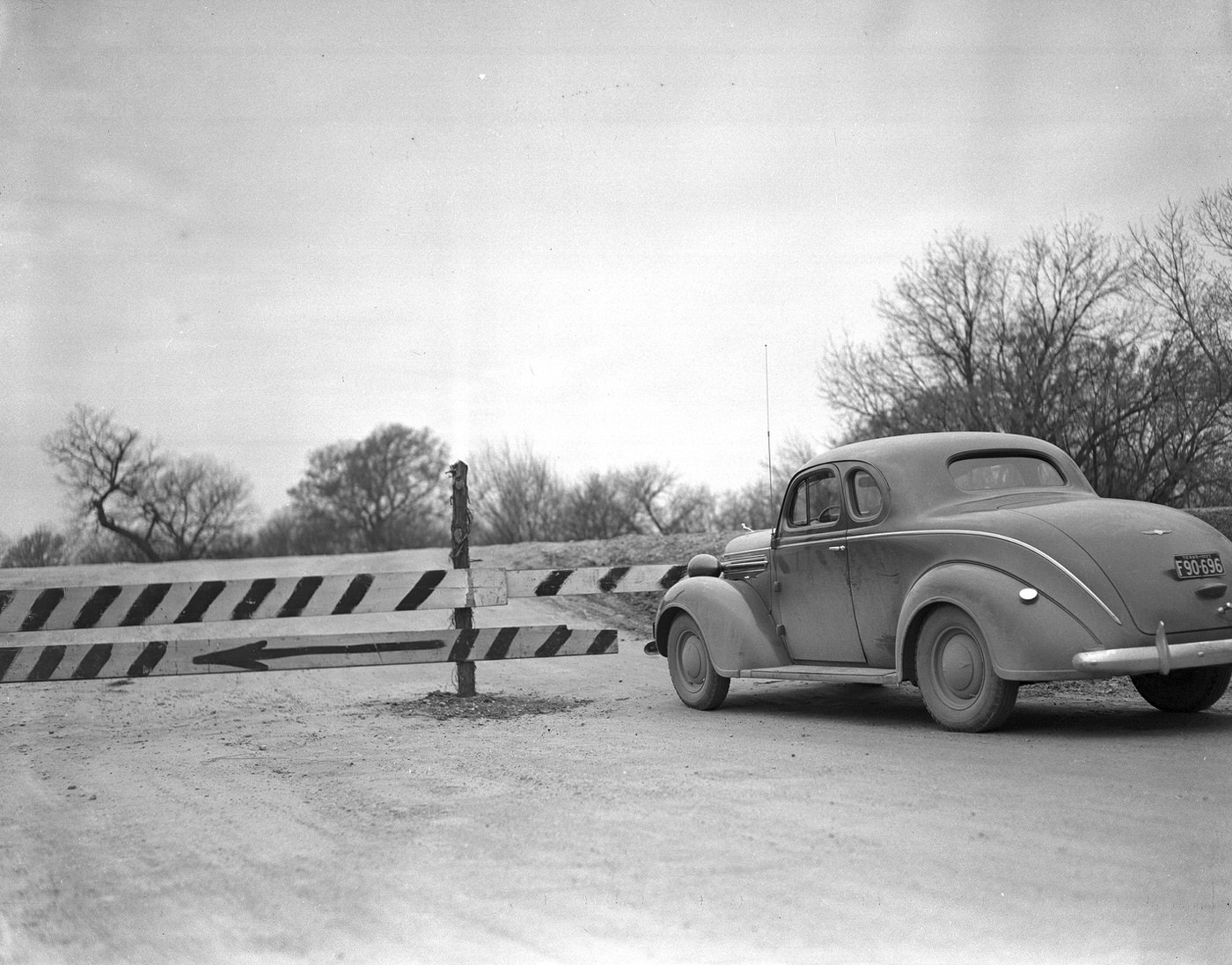
Traffic barricade on Burleson Street, Fort Worth, 1938
New Burleson Street bridge over Clear Fork of Trinity River, Fort Worth, 1938
Casa Manana remodeling, Fort Worth Frontier Fiesta, 1937
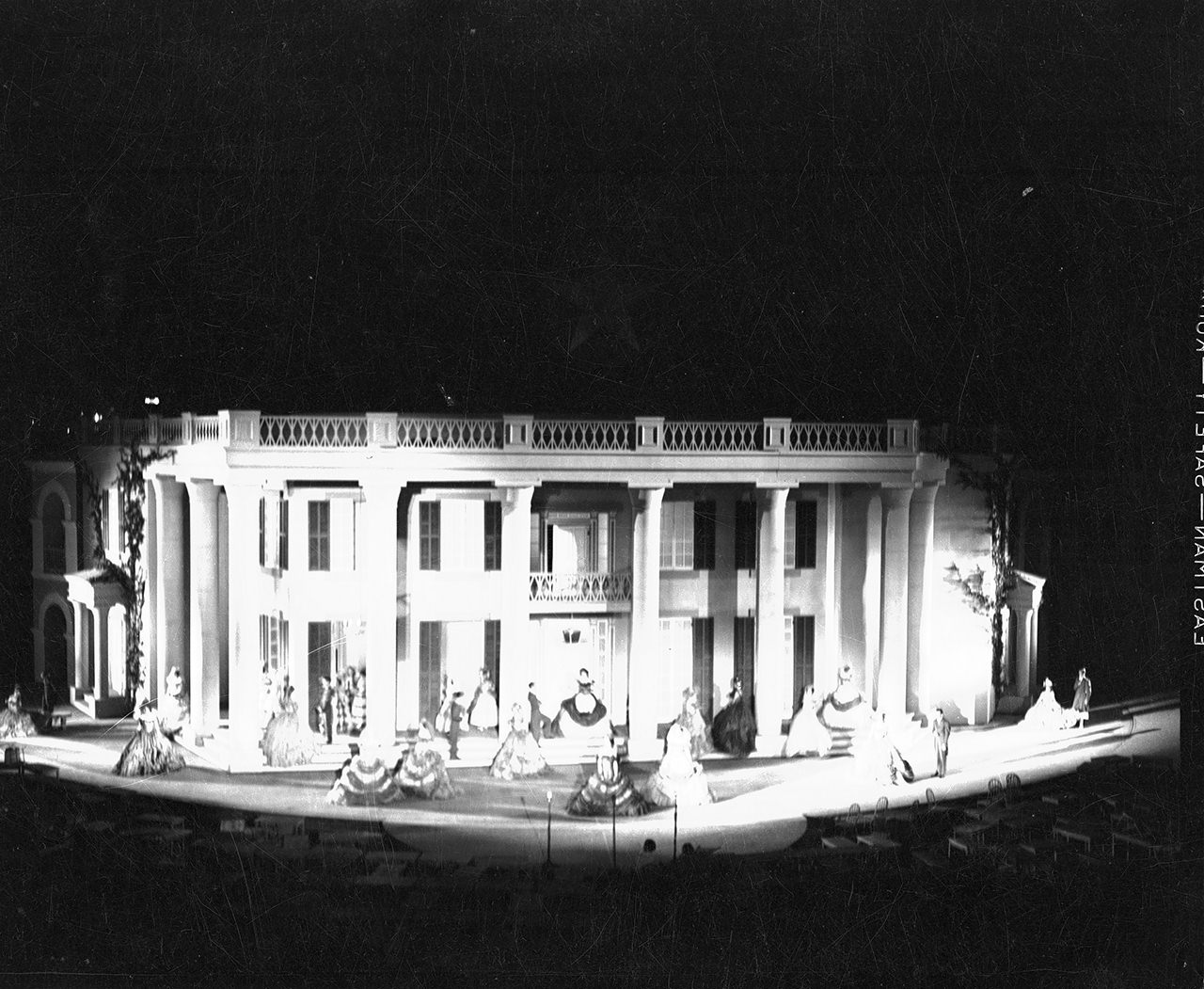
Casa Manana "Gone with the Wind" scene in snow, Fort Worth, 1937
Casa Manana “Gone with the Wind” scene in snow, Fort Worth, 1937
Frozen lake at Shady Oak Farm, 1930
Golden Gloves boxing match, Fort Worth, 1938
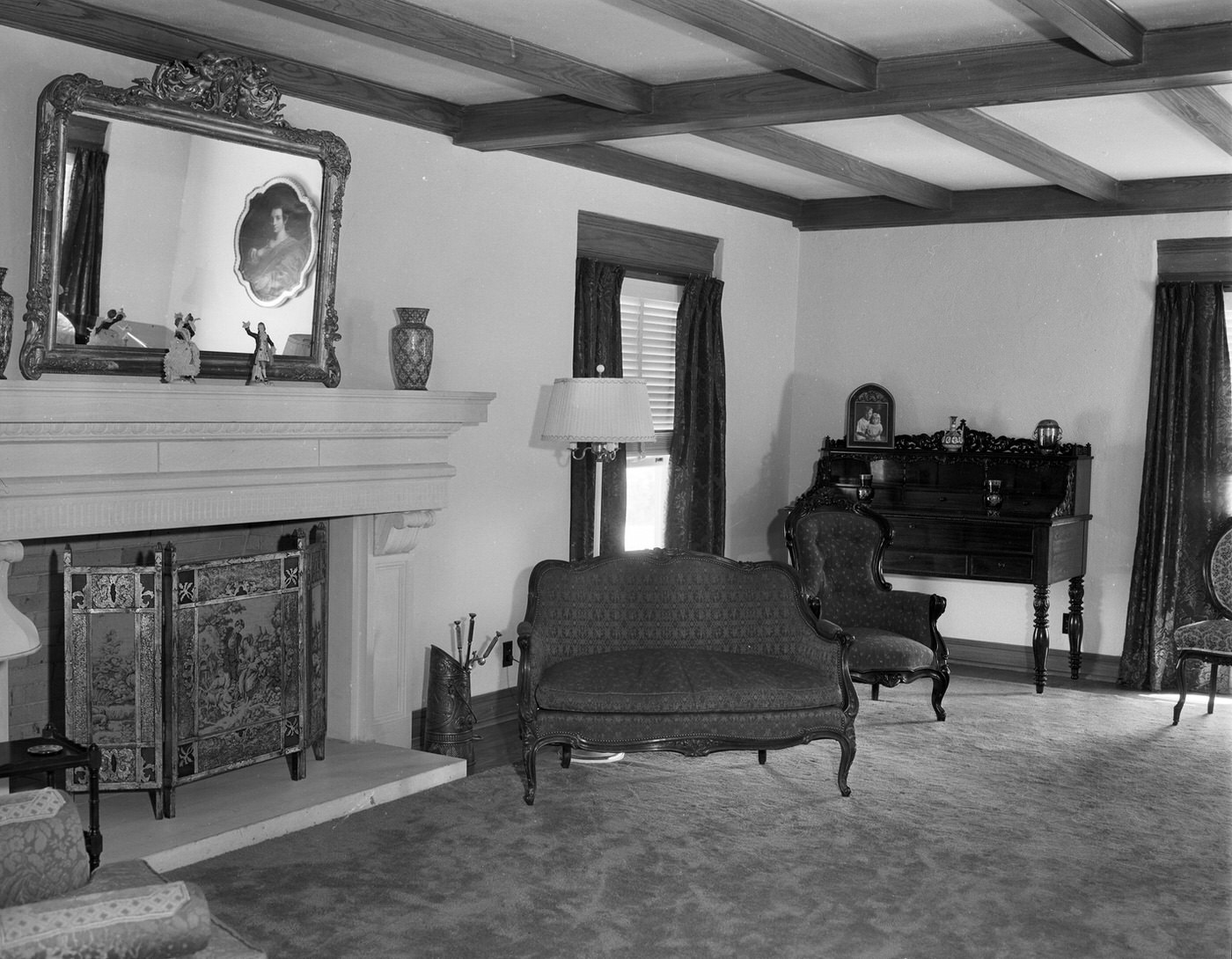
Interior of Mr. and Mrs. W.E. McMahon's home, Fort Worth, 1939
Interior of Mr. and Mrs. W.E. McMahon’s home, Fort Worth, 1939
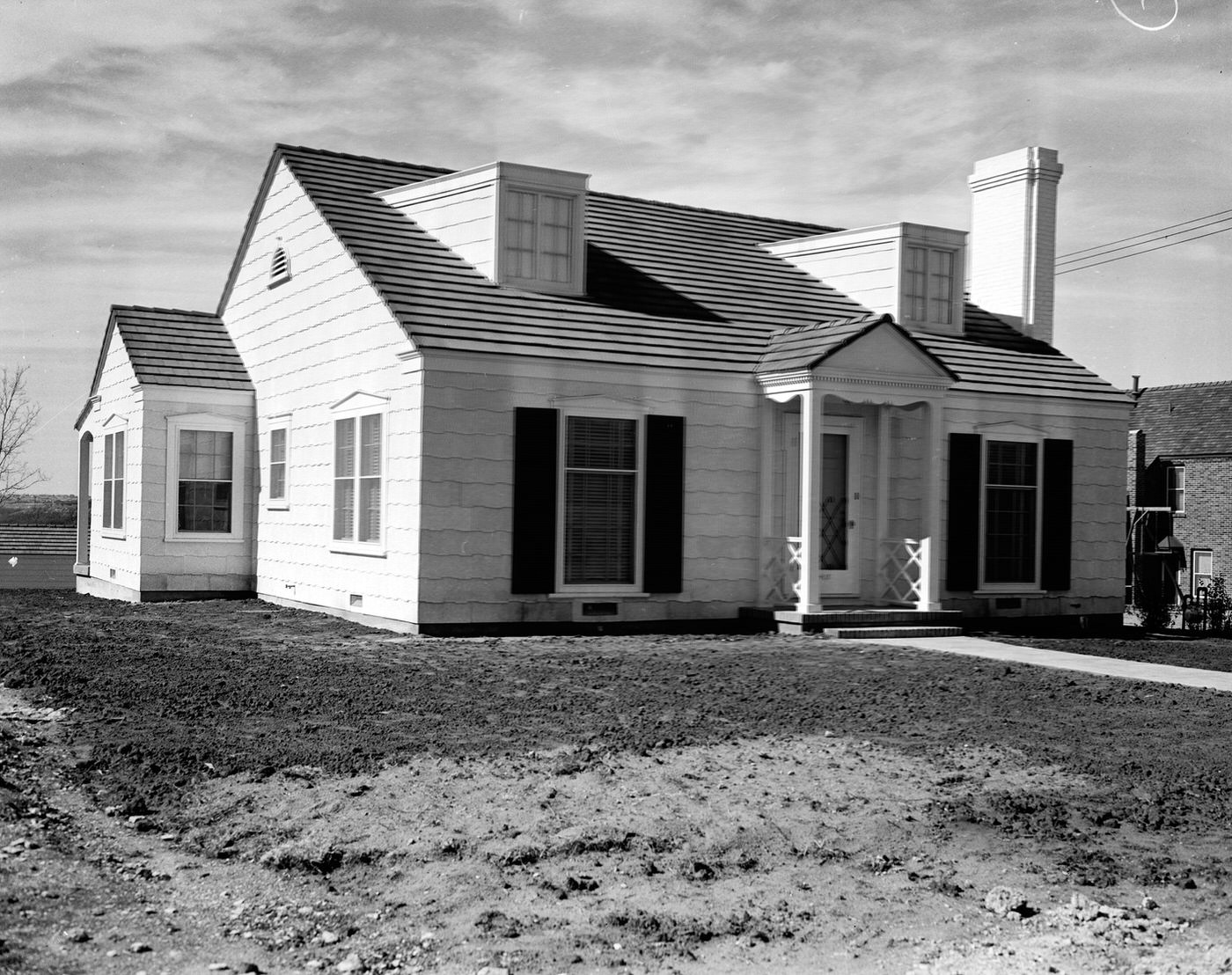
Exterior of Mr. and Mrs. Claude Ward Jr.'s home, Fort Worth, 1939
Exterior of Mr. and Mrs. Claude Ward Jr.’s home, Fort Worth, 1939
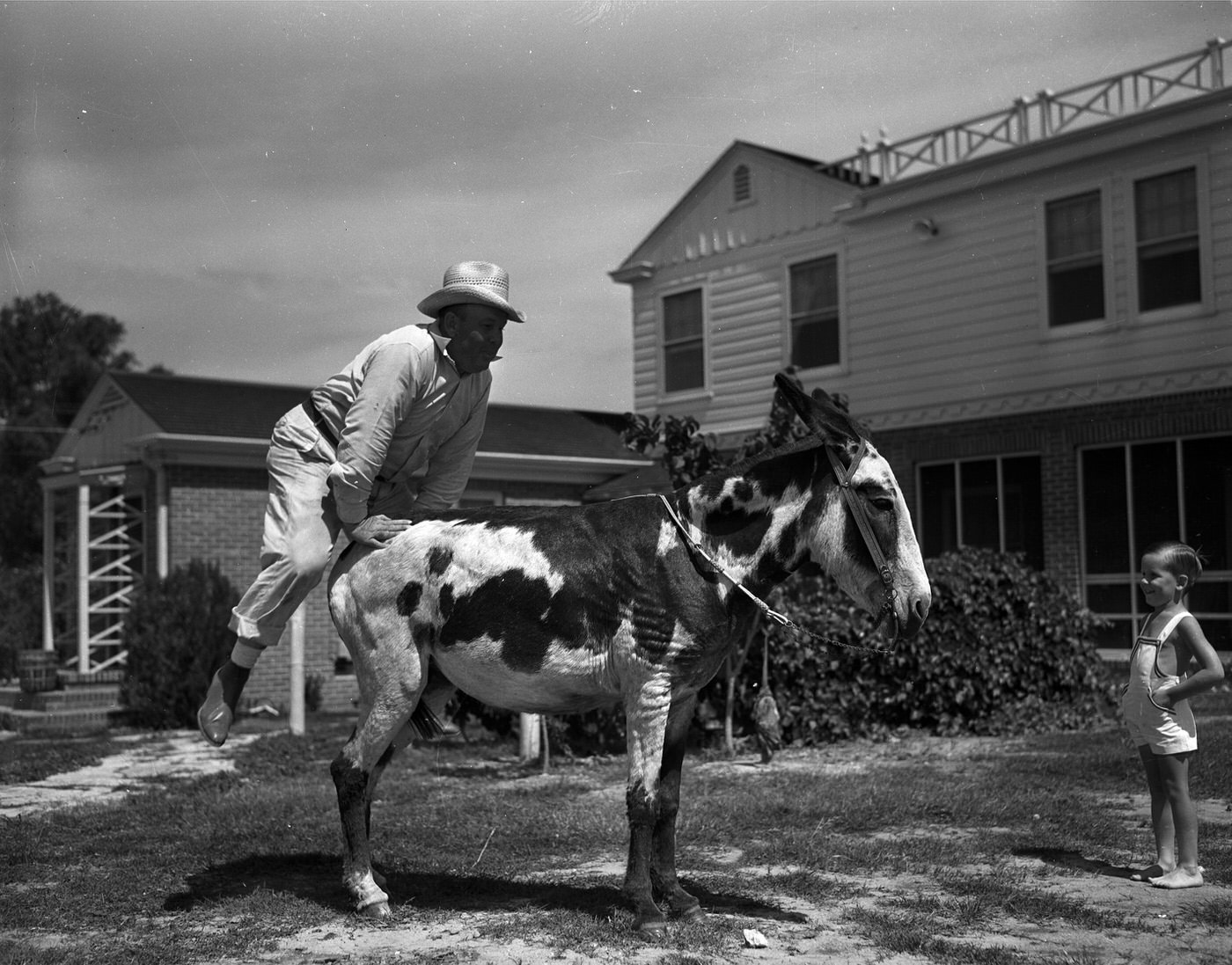
W.R. Watt and family's donkey, Fort Worth, 1939
W.R. Watt and family’s donkey, Fort Worth, 1939
Intersection of East Lancaster Avenue and Riverside Drive, Fort Worth, 1938
Blockaded entrance of Texas Christian University Administration Building, 1938
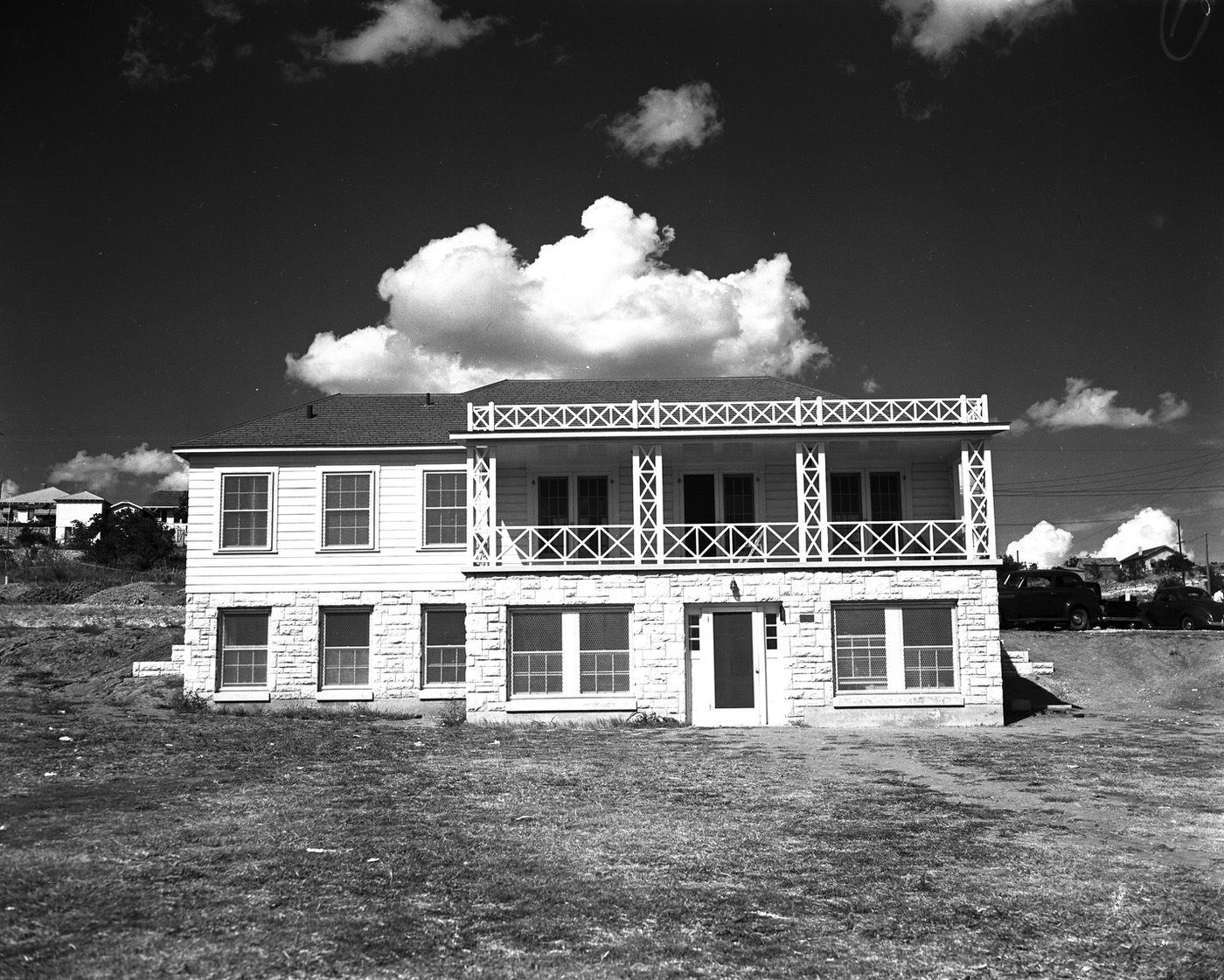
Clubhouse at Rockwood golf course, Fort Worth, 1939
Fort Worth public school cadets leaving for Camp Dallas, 1939
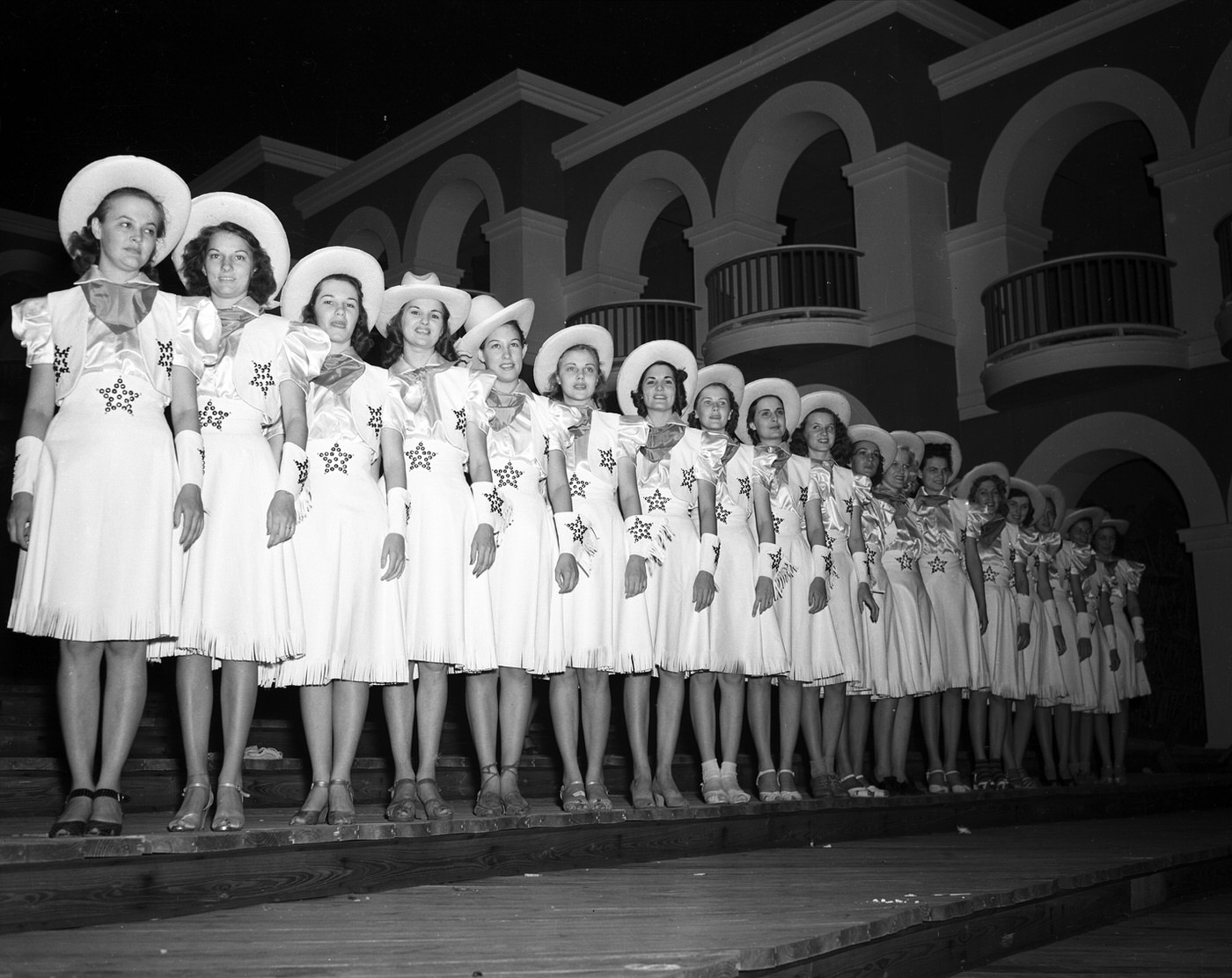
Show girls at Casa Manana, Fort Worth, 1939
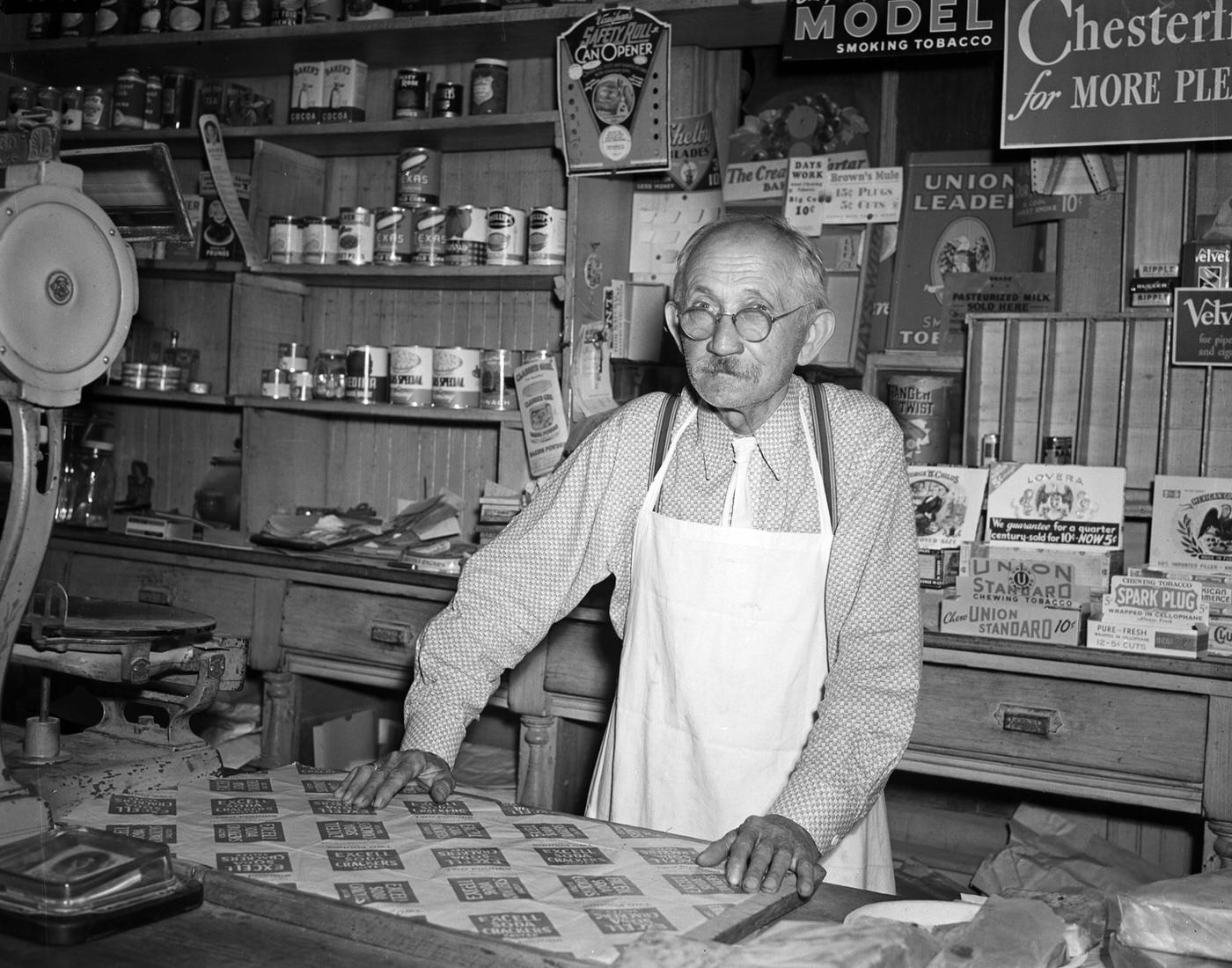
Louis Haberzettle's grocery store, Fort Worth, 1939
Louis Haberzettle’s grocery store, Fort Worth, 1939
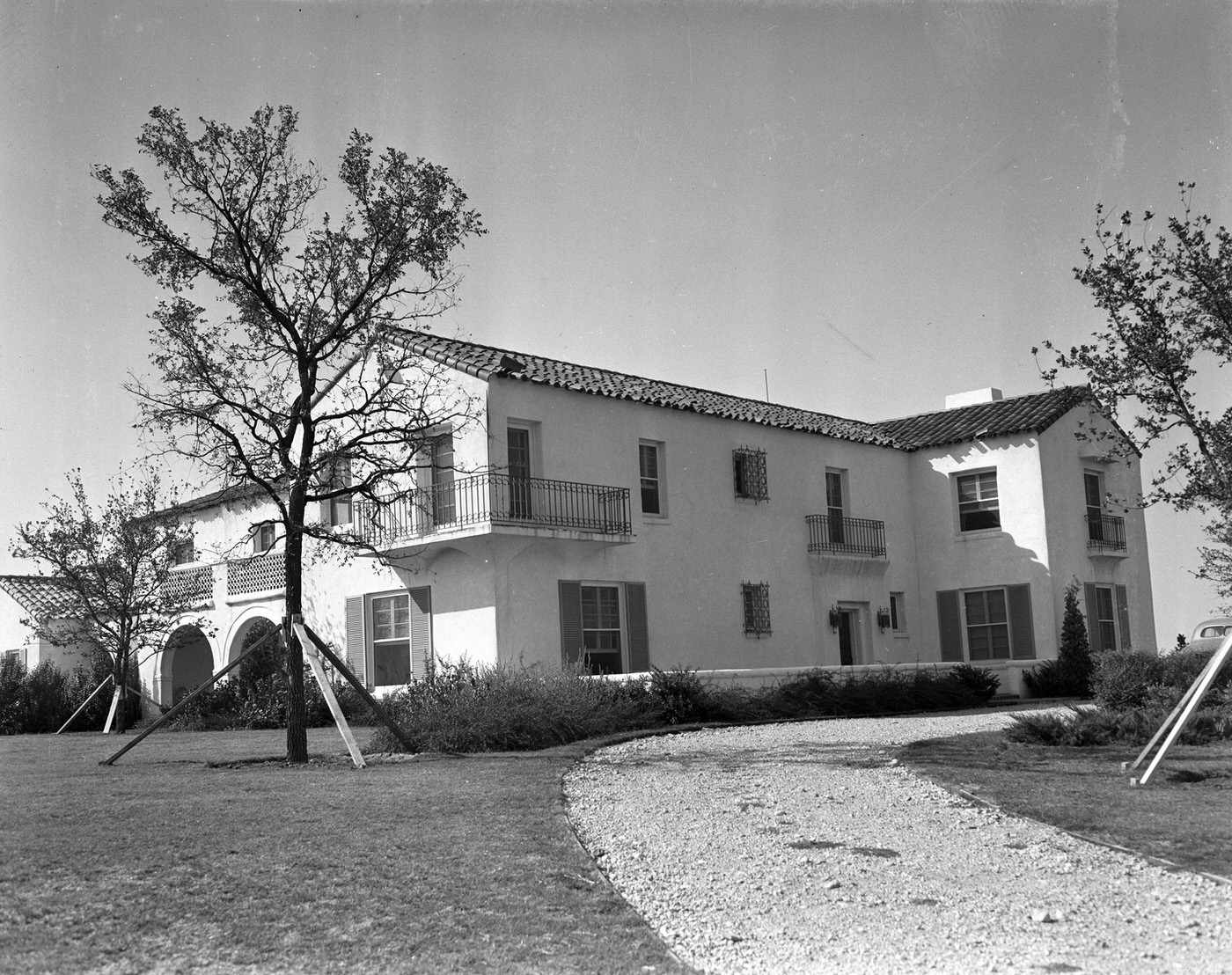
Exterior of Mr. and Mrs. W.E. McMahon's home, Fort Worth, 1939
Exterior of Mr. and Mrs. W.E. McMahon’s home, Fort Worth, 1939
Home of Rev. W. Douglas Hudgins, Fort Worth, 1938
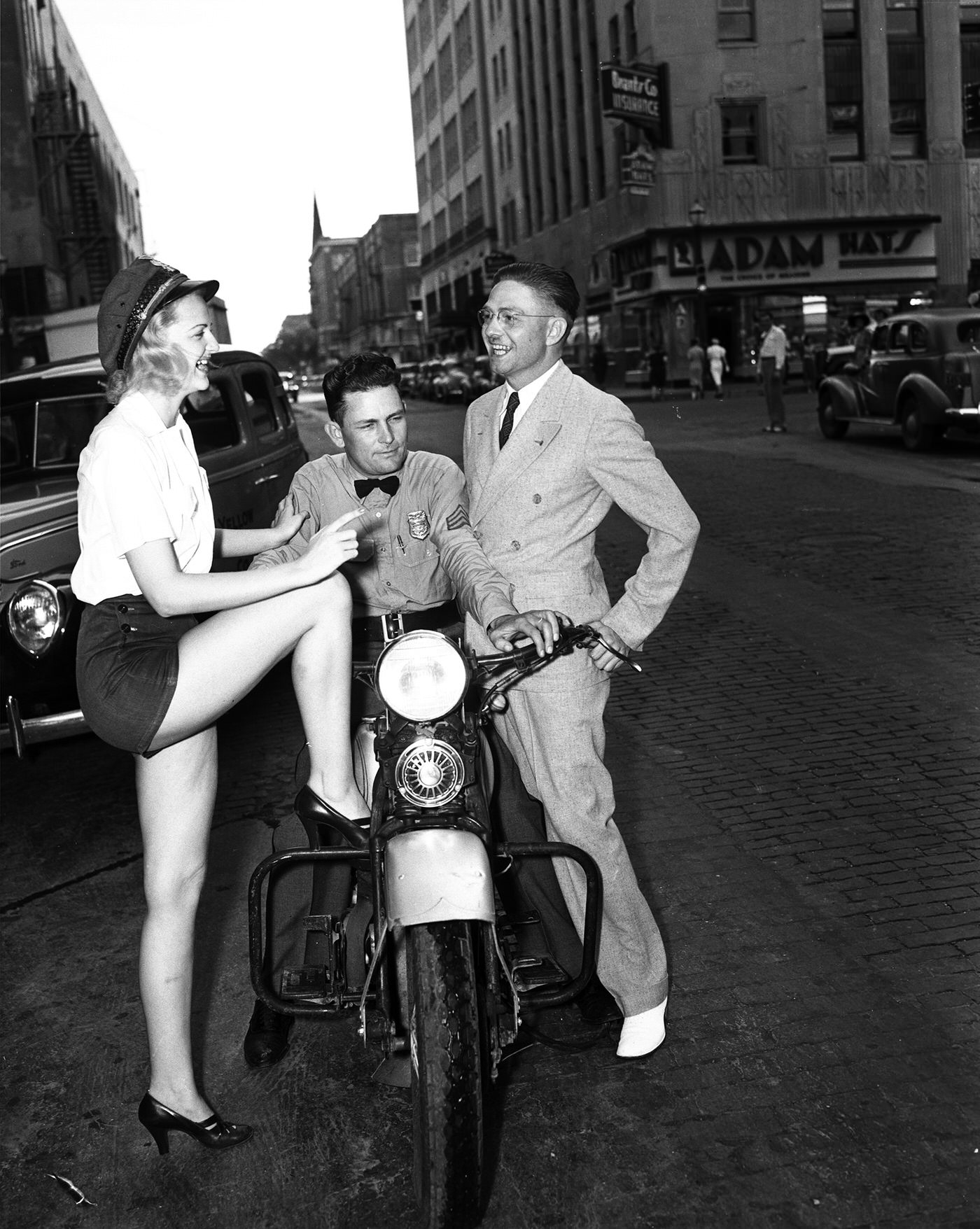
Christine Harris, Dr. Marshall Harvey, and motorcycle officer Kennedy in Fort Worth, 1939
Working desks at Fort Worth City Tax Offices, 1939
Fort Worth Park Department tree trimming, 1938
Fort Worth Park Department traffic hazard reduction, 1939
West 7th Street and University Drive, Fort Worth, 1930s
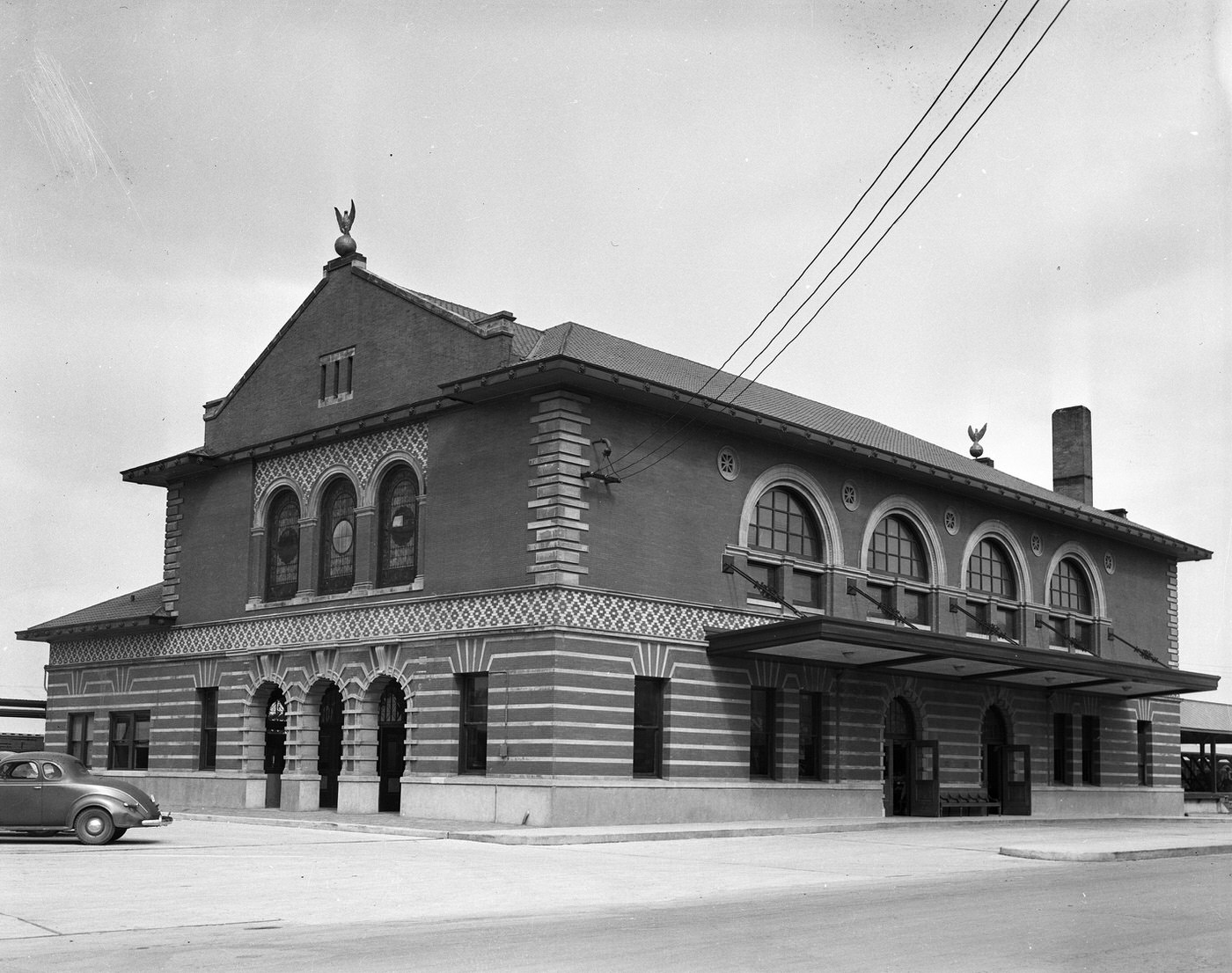
Fort Worth Union Passenger Station, Santa Fe Railroad, 1938
Interior of Fort Worth Public Library, 1939
Researcher in Fort Worth Public Library reading room, 1939
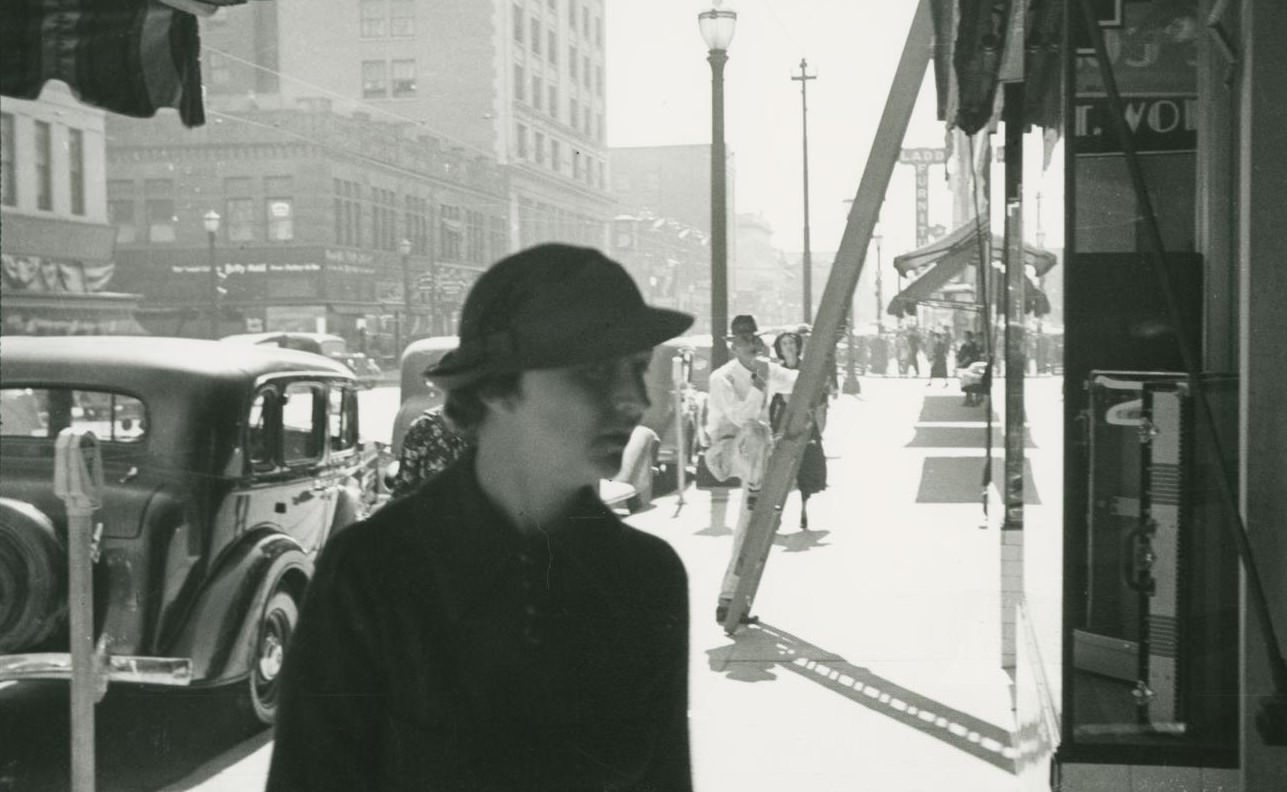
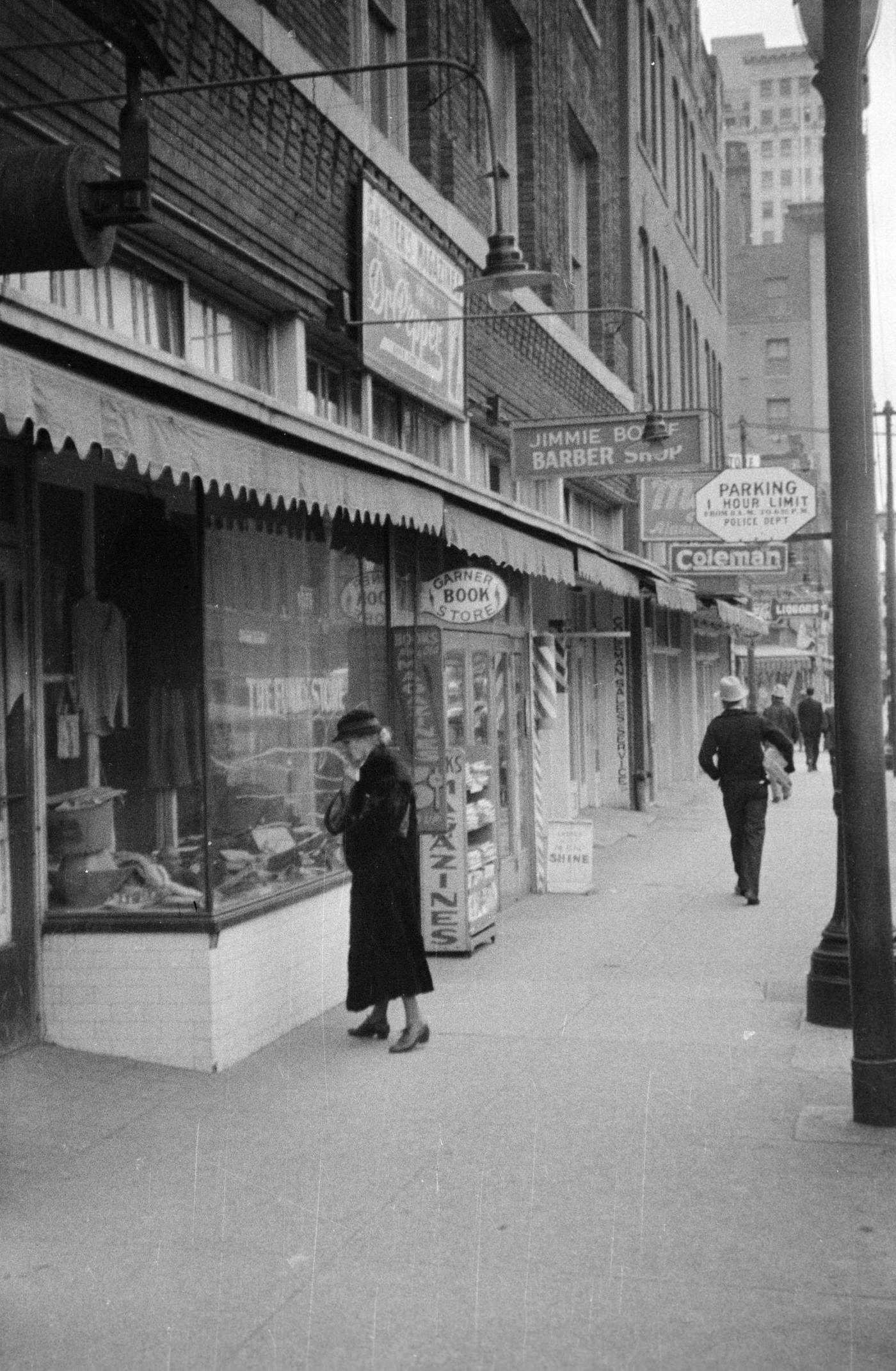
A woman looks at a storefront window in Fort Worth, Texas, 1936.
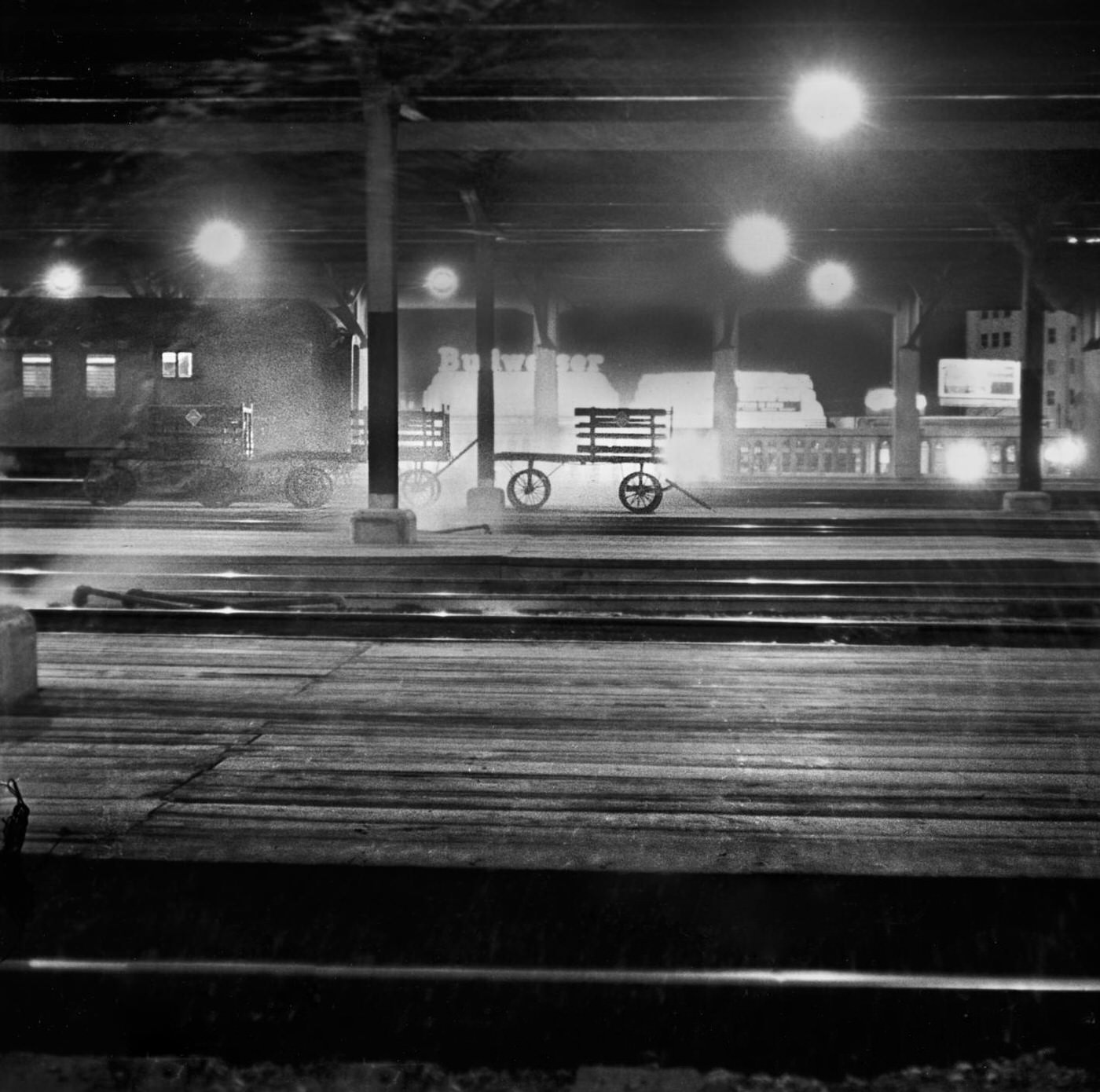
An empty train station in Fort Worth, Texas, 1930s.
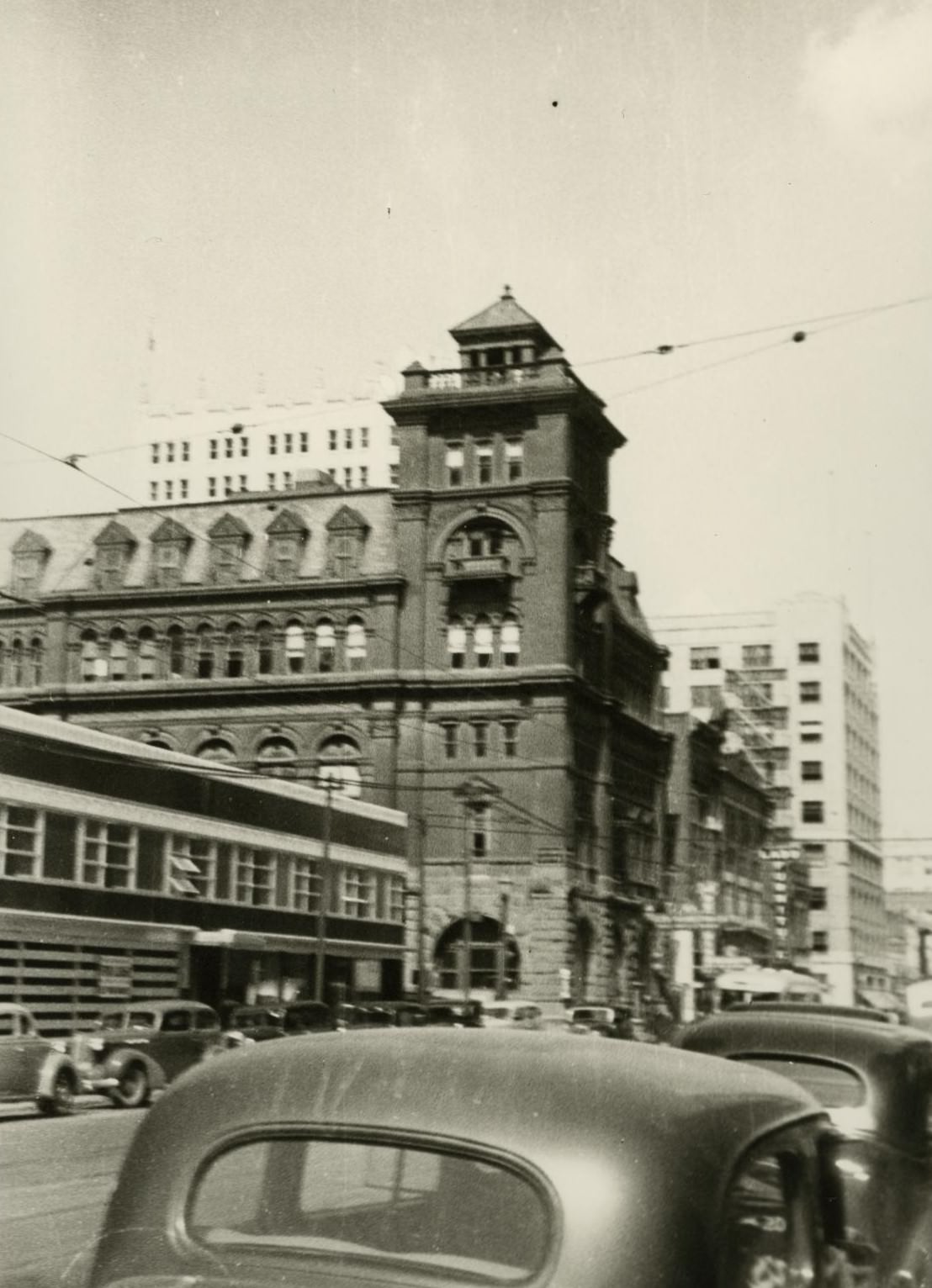
An unidentified building in downtown Fort Worth, Texas, 1930s.
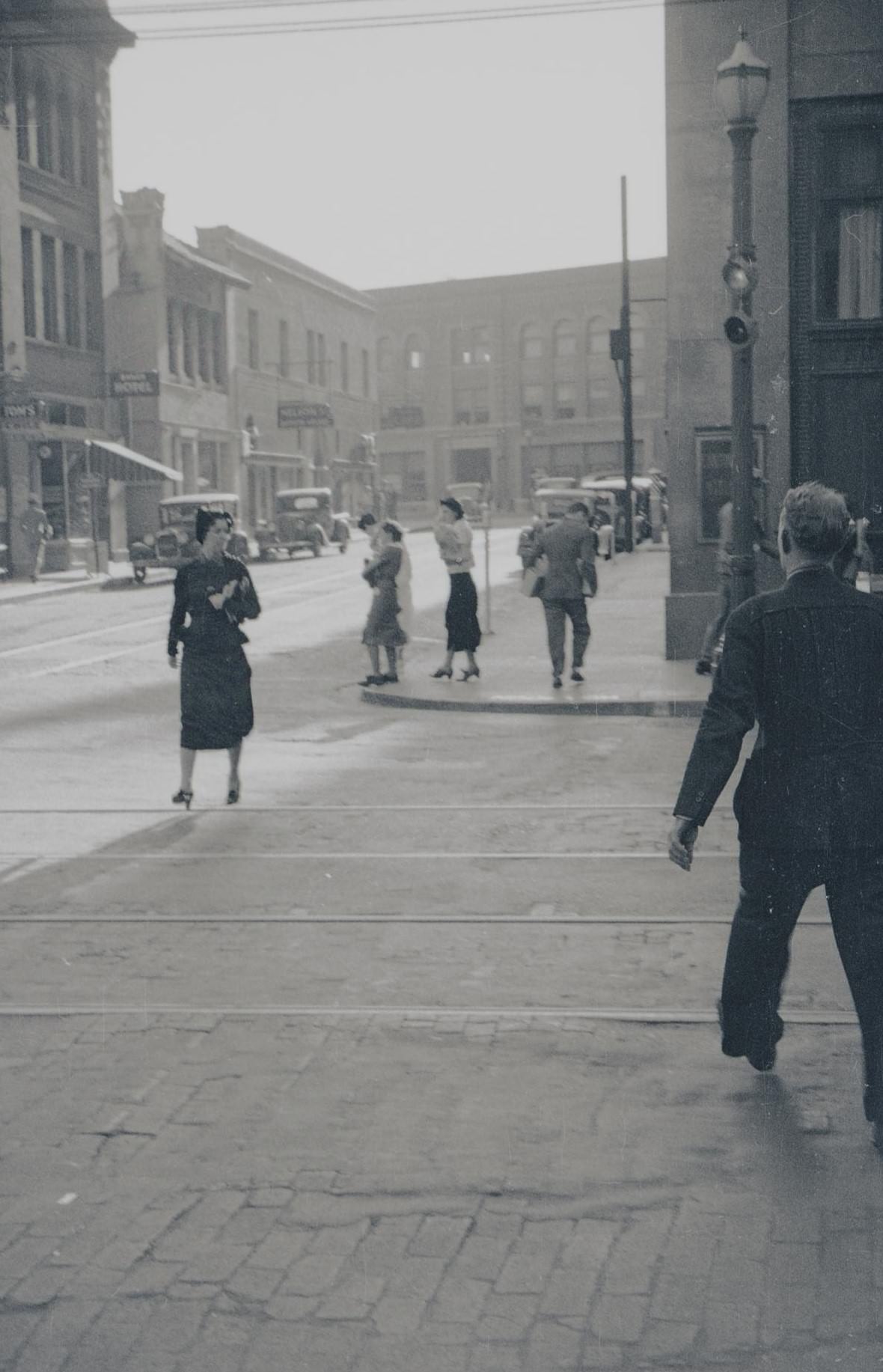
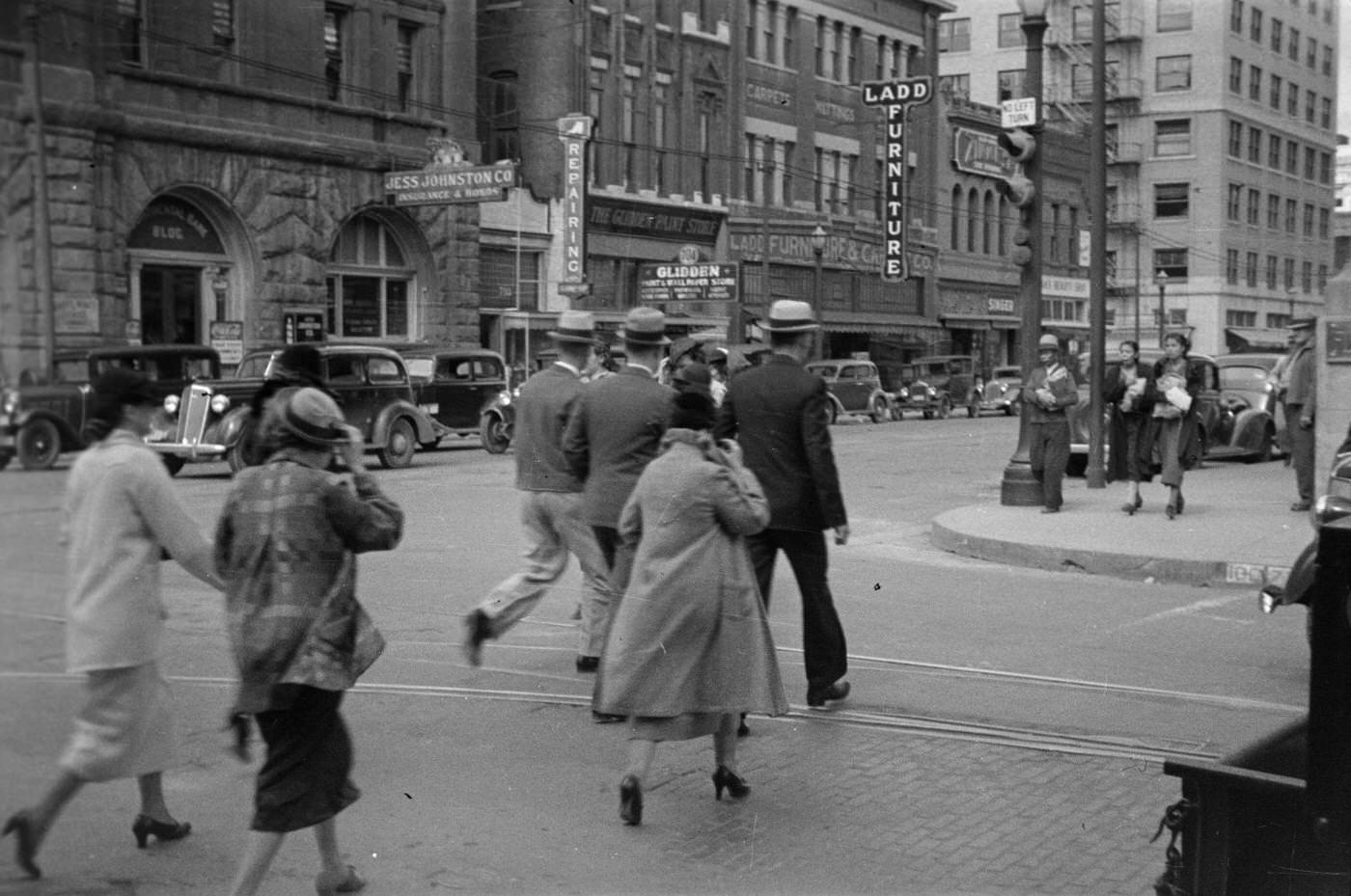
Pedestrians walking and crossing an intersection in Fort Worth, Texas, 1930s.
St. Andrew's Episcopal Church and the Eldon B. Mahon United States Courthouse, Fort Worth, Texas, 1930s.
St. Andrew’s Episcopal Church and the Eldon B. Mahon United States Courthouse, Fort Worth, Texas, 1930s.
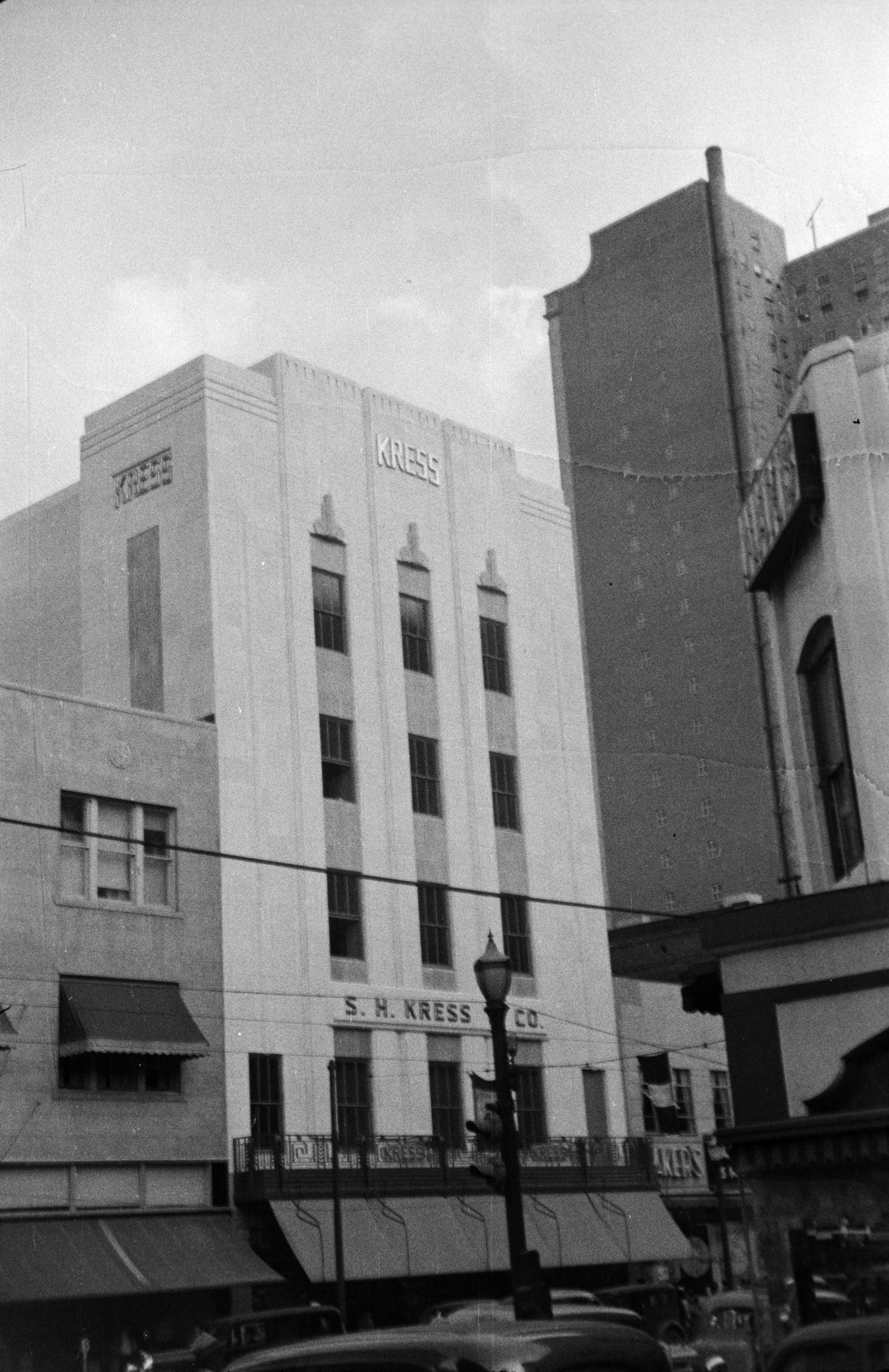
The S.H. Kress & Co. building in Fort Worth, Texas, 1930s.
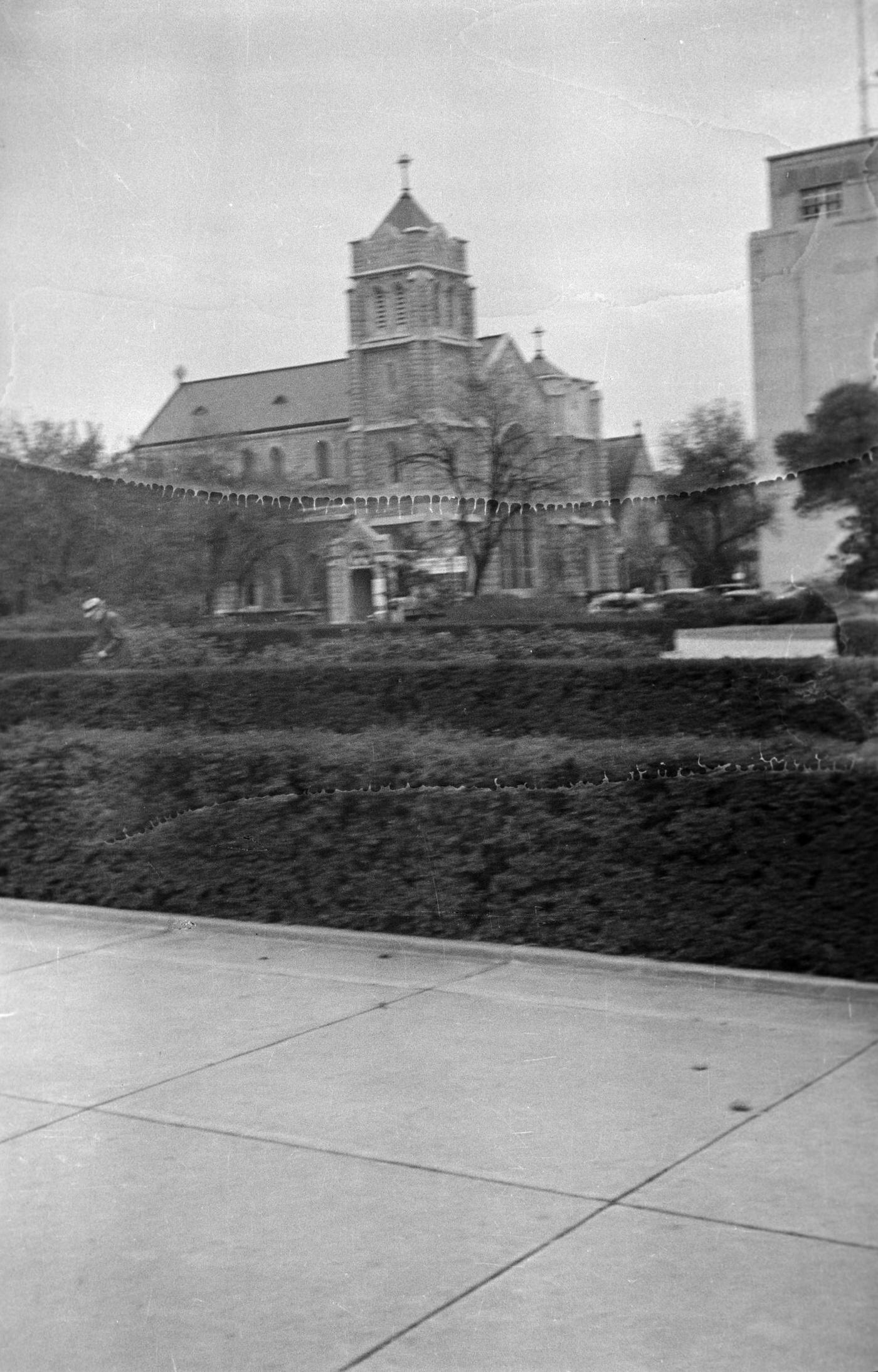
A church in downtown Fort Worth, Texas, 1930s
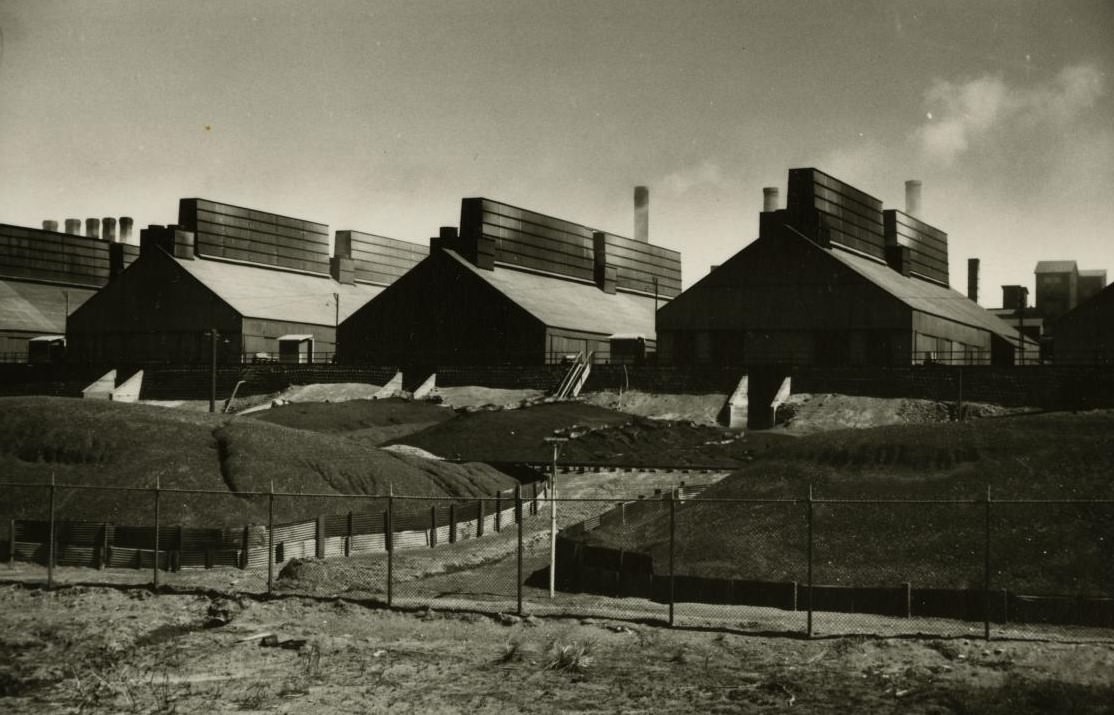
Three uniformed warehouses in Fort Worth, Texas, 1930s.
An unidentified building in downtown Fort Worth, Texas, 1930s.
An empty street by a large stone building in Fort Worth, Texas, 1930s.
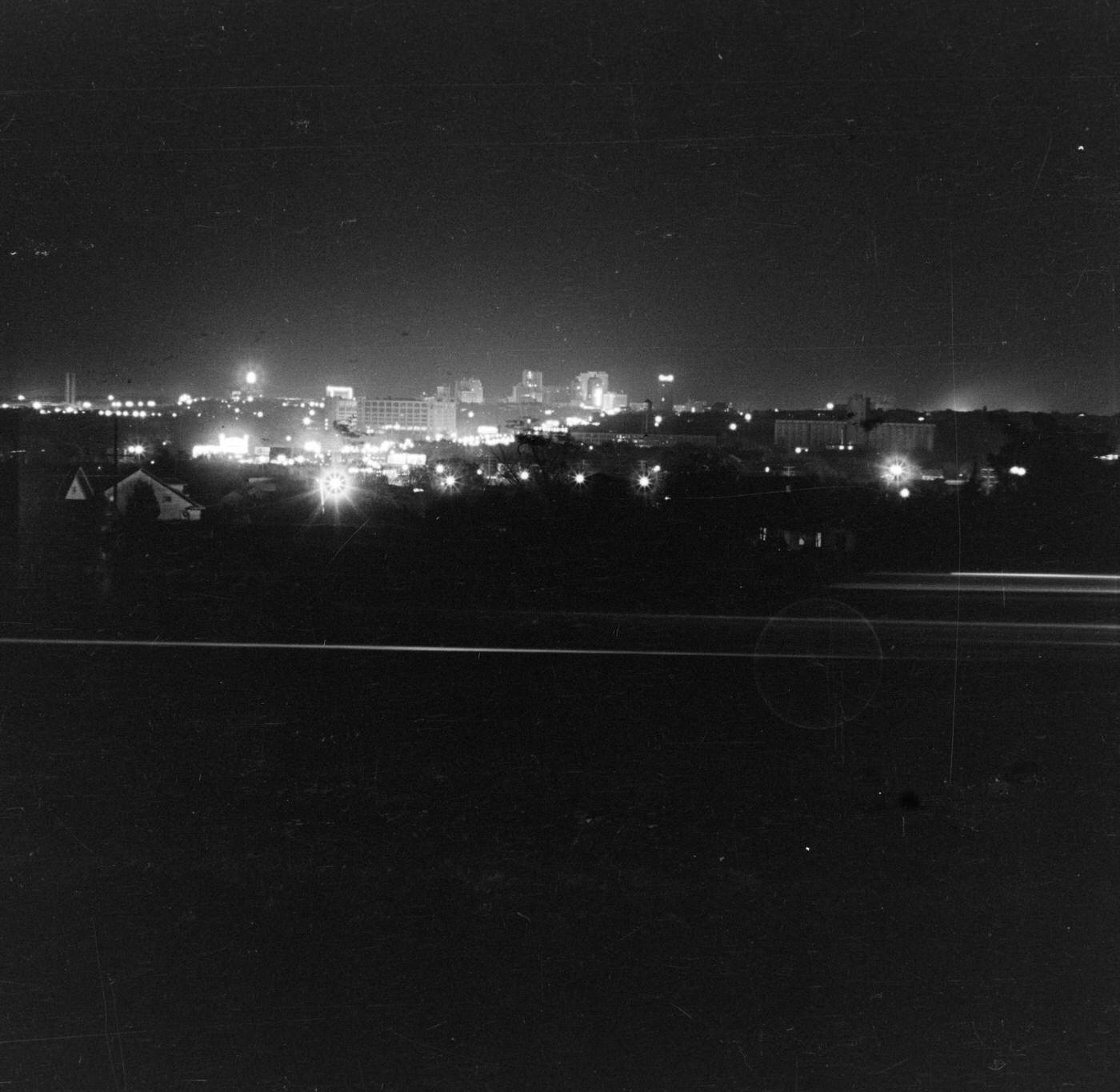
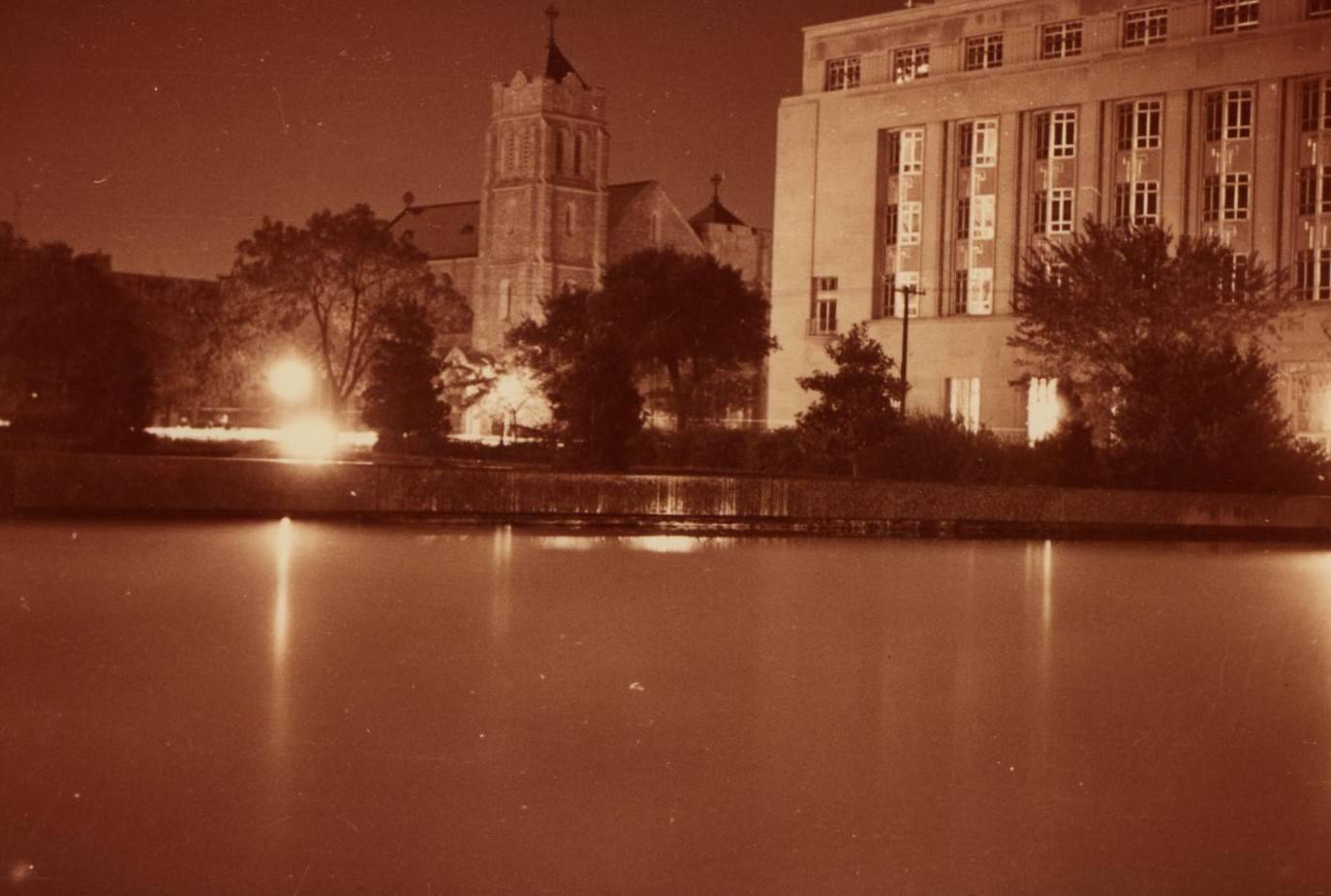
Downtown Fort Worth, Texas at night, 1930s.
A busy street corner in downtown Fort Worth, Texas, 1937.
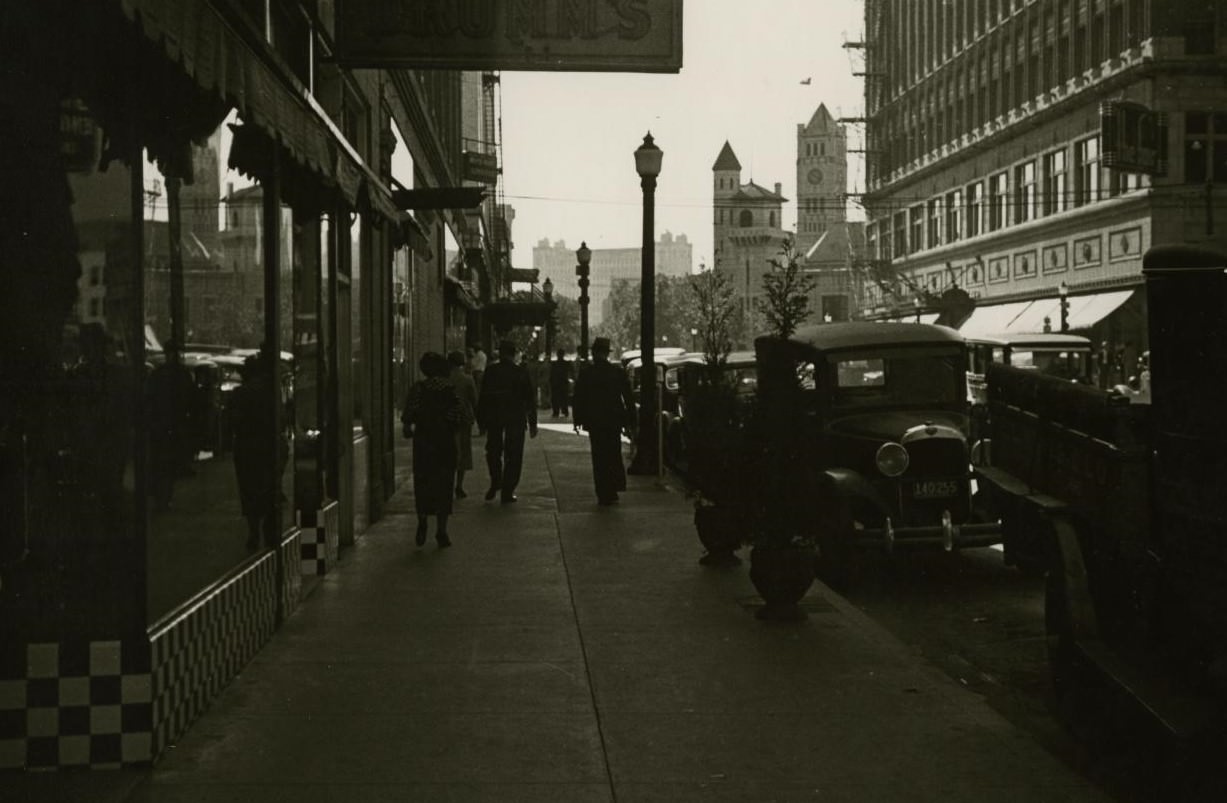
Pedestrians on a sidewalk in downtown Fort Worth, Texas, 1930s.
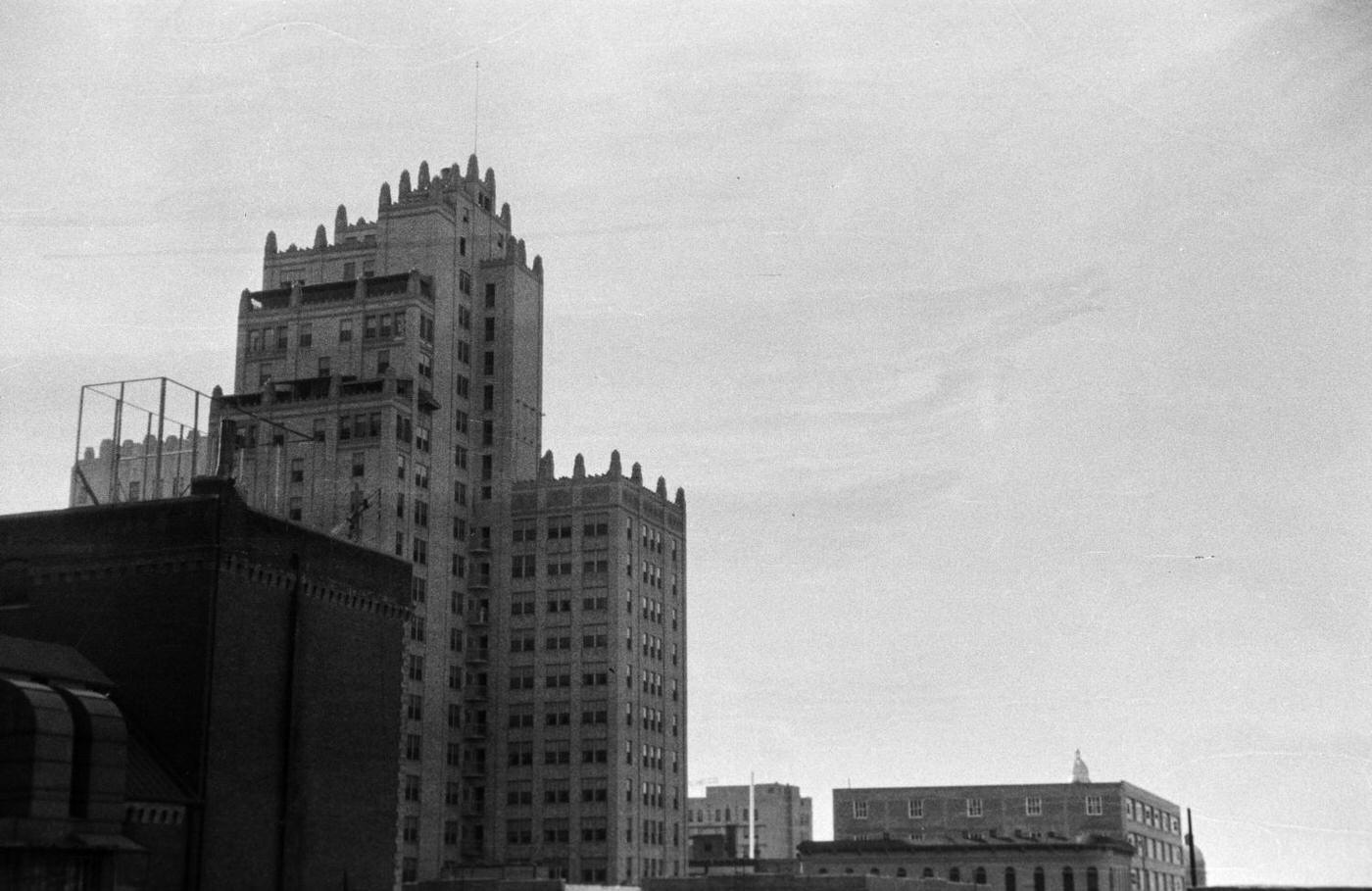
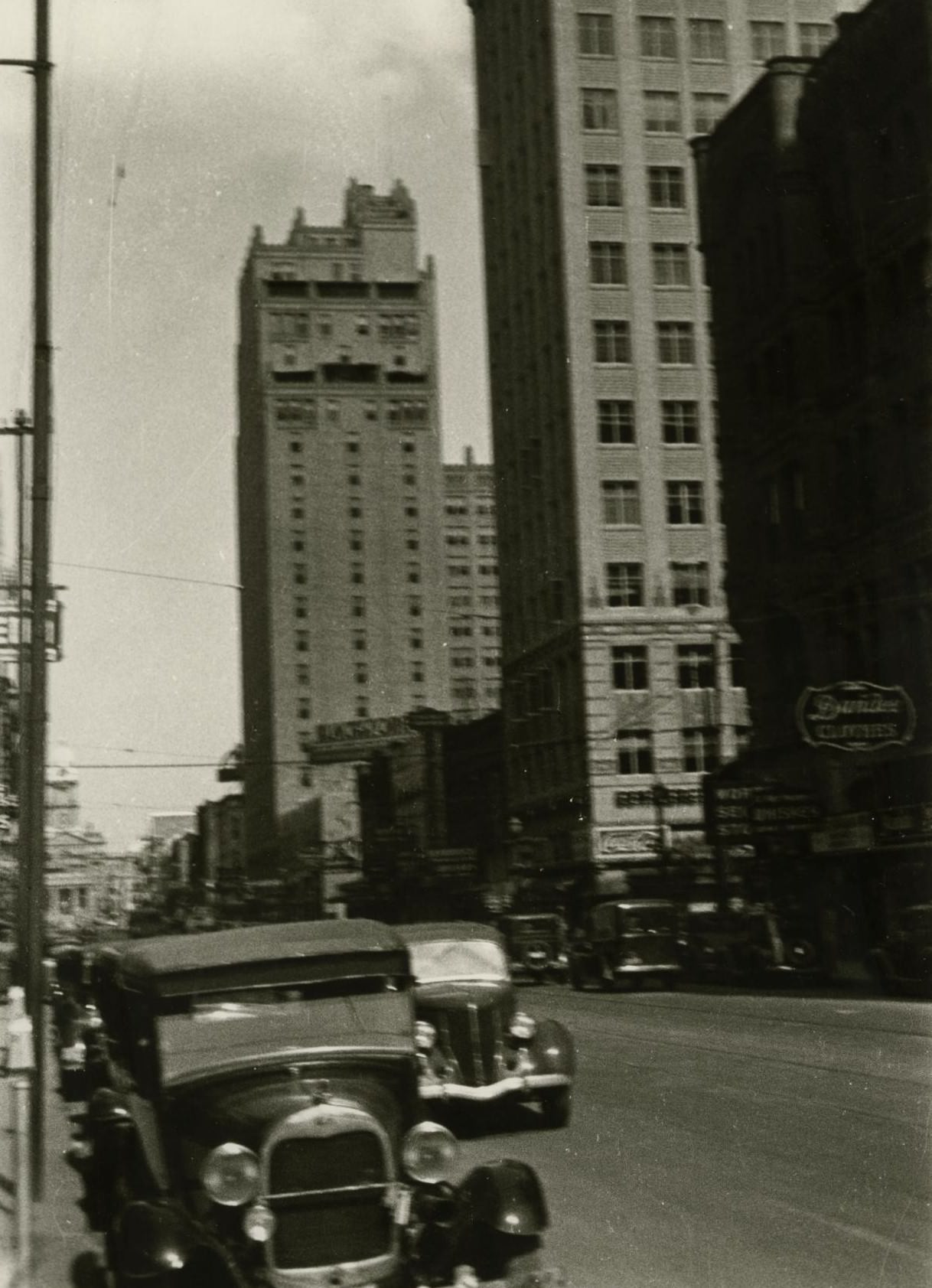
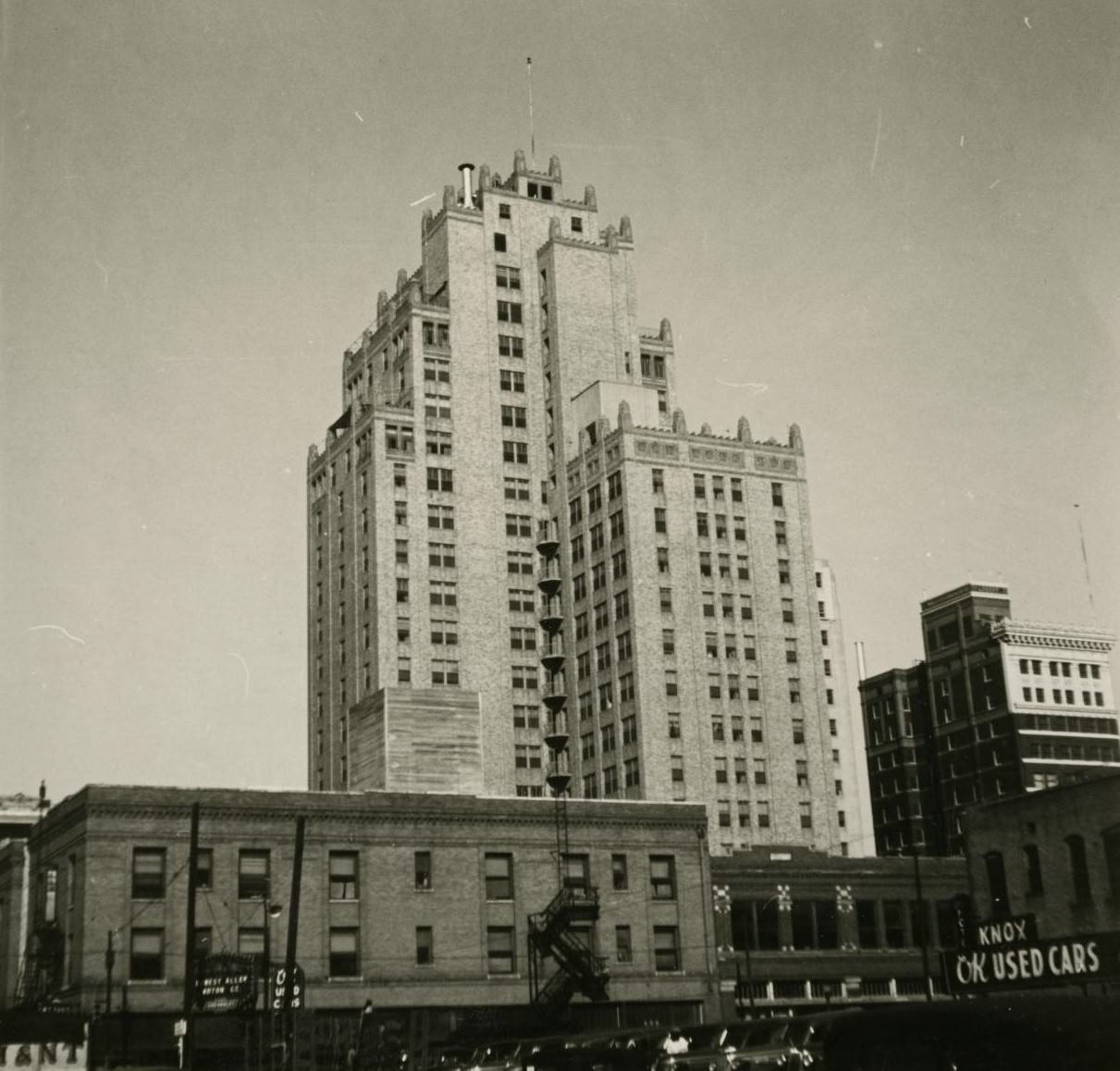
Tall buildings in downtown Fort Worth, Texas, 1930s.
Individuals crossing a busy street in downtown Fort Worth, Texas, 1937.
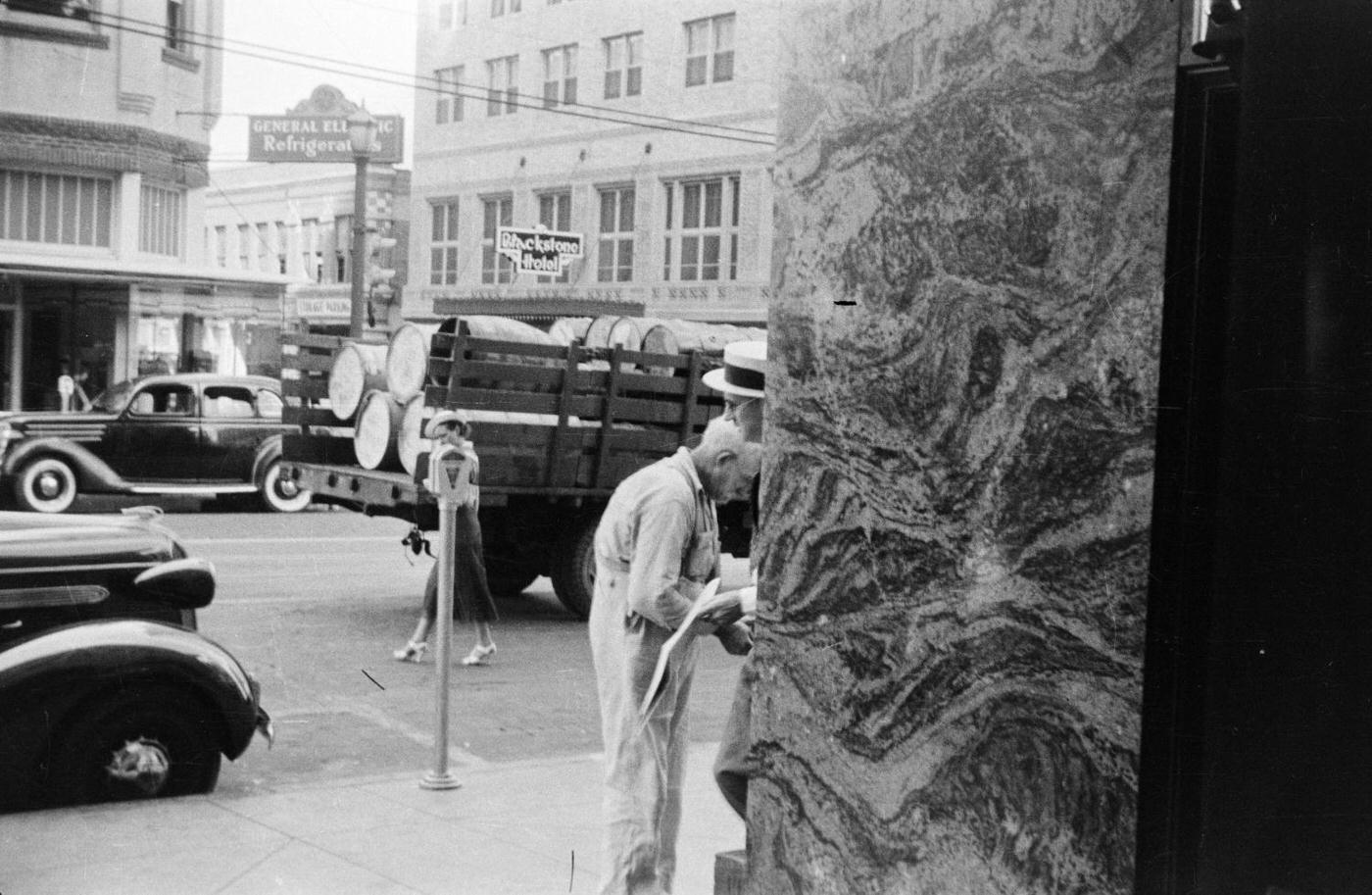
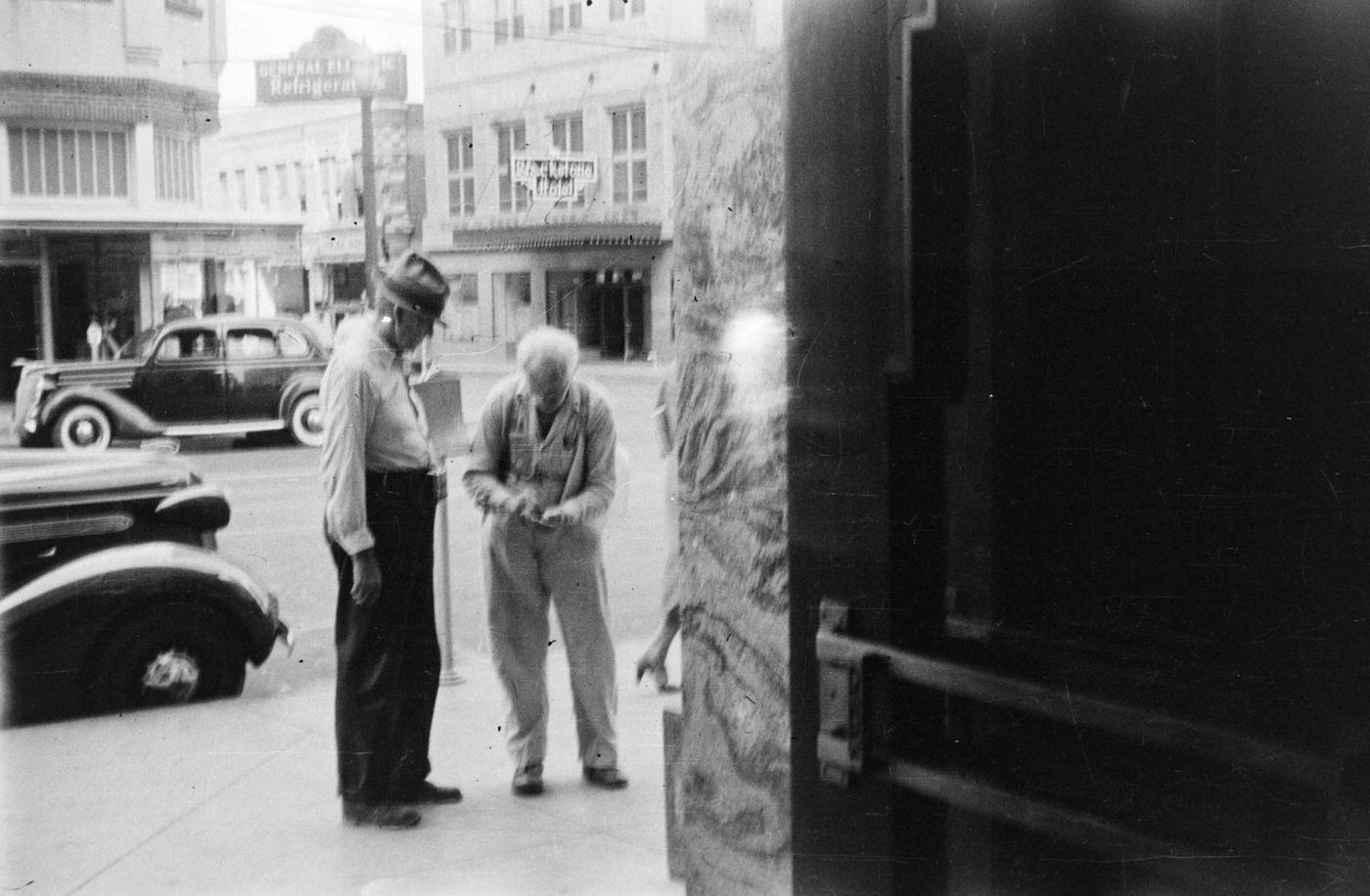
Two elderly men talking on a sidewalk in downtown Fort Worth, Texas, 1937.
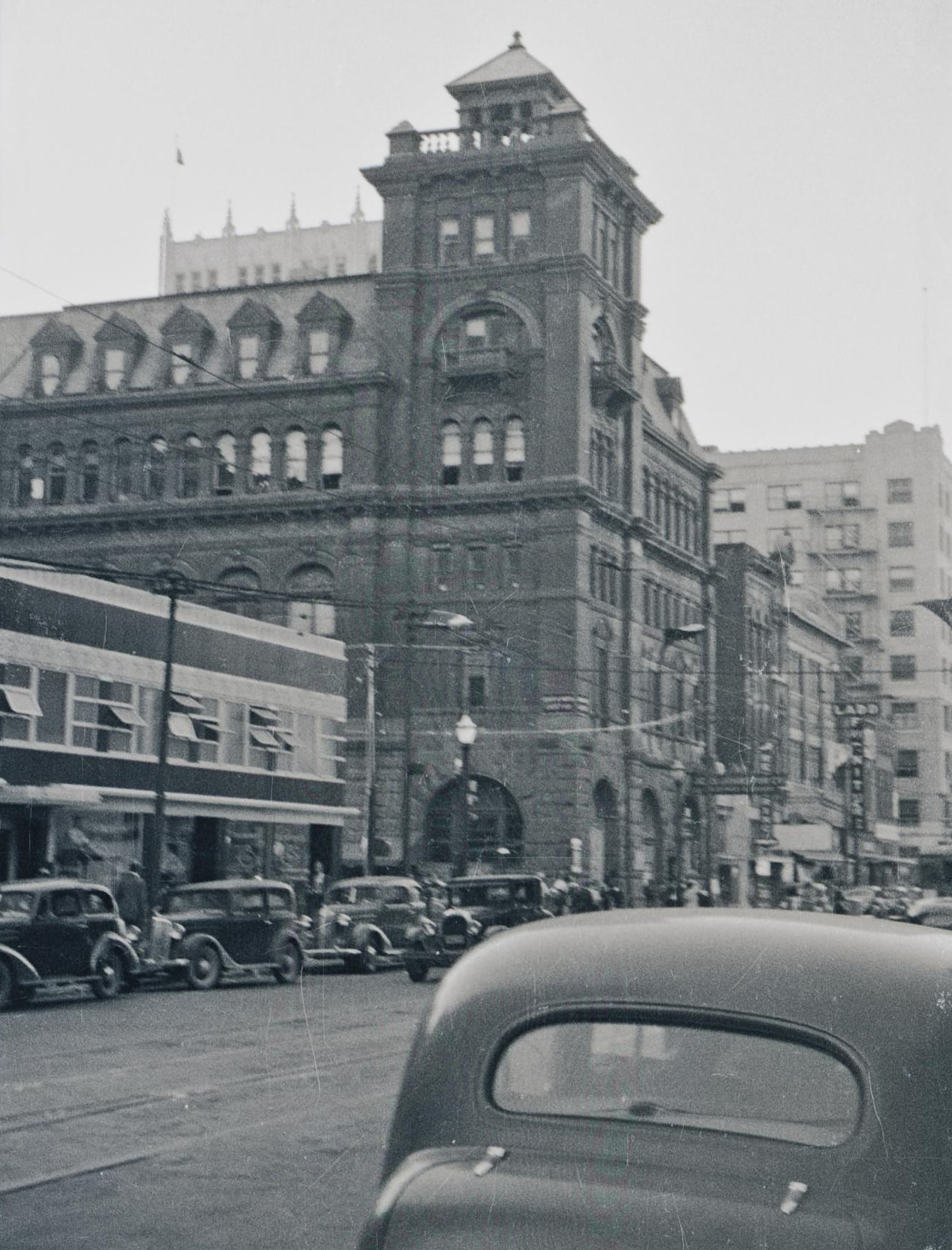
The Central Fire Station in Fort Worth, Texas, 1930s.
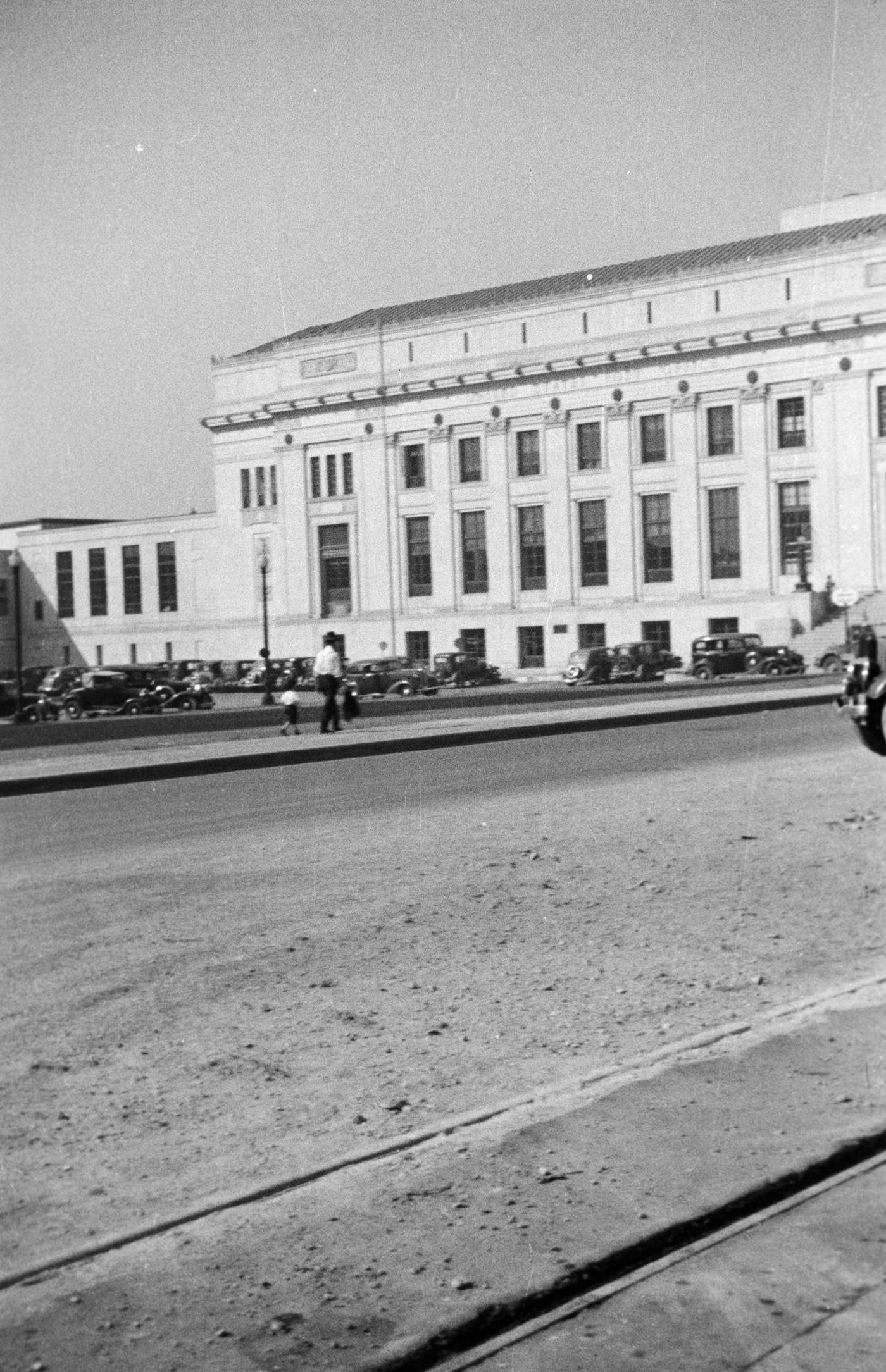
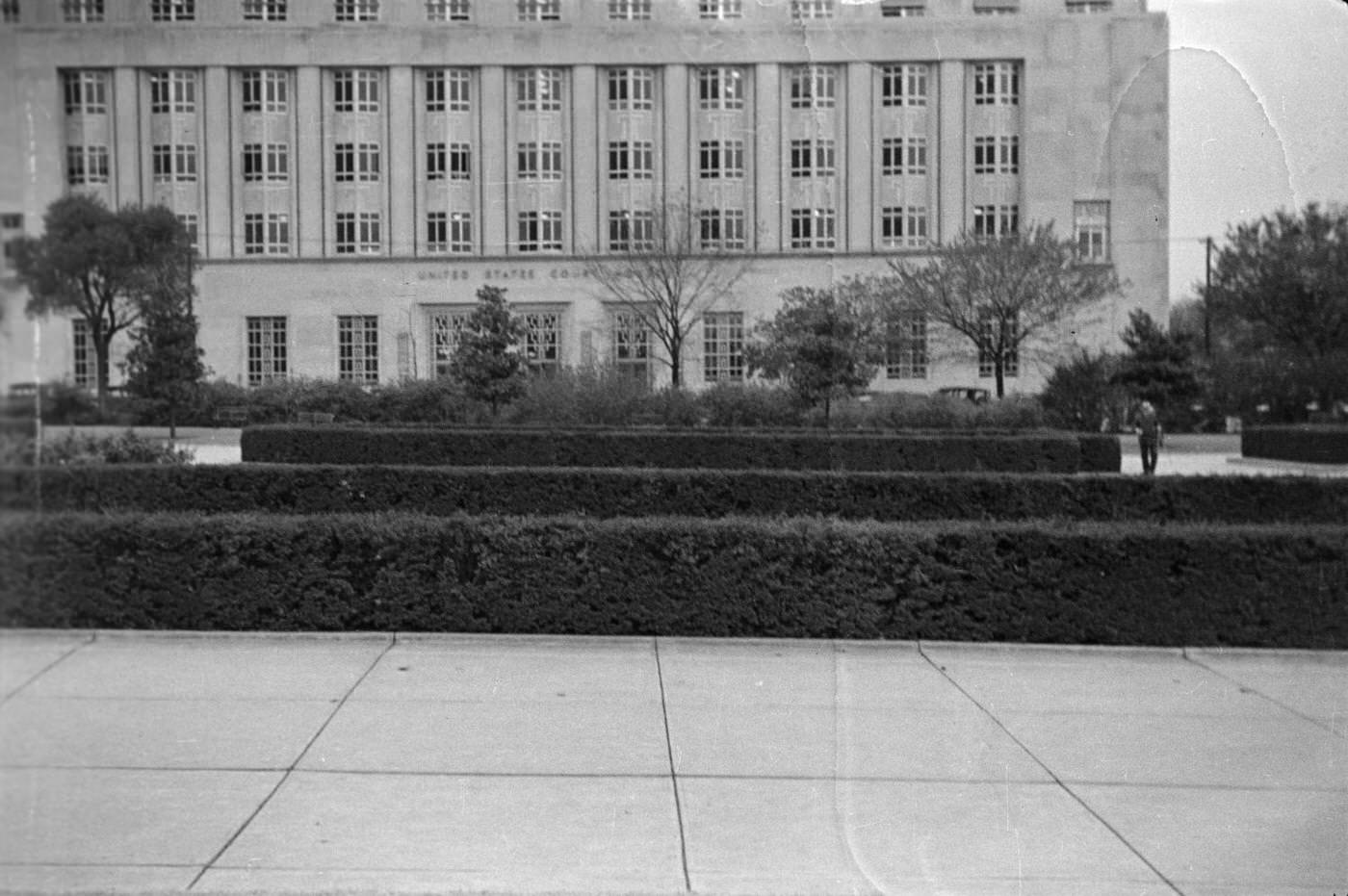
The Eldon B. Mahon United States Courthouse in Fort Worth, Texas, 1930s.
Main Street at 7th Street in Fort Worth, Texas, 1930s.
A street overlooking downtown Fort Worth with trolley tracks, 1930s.
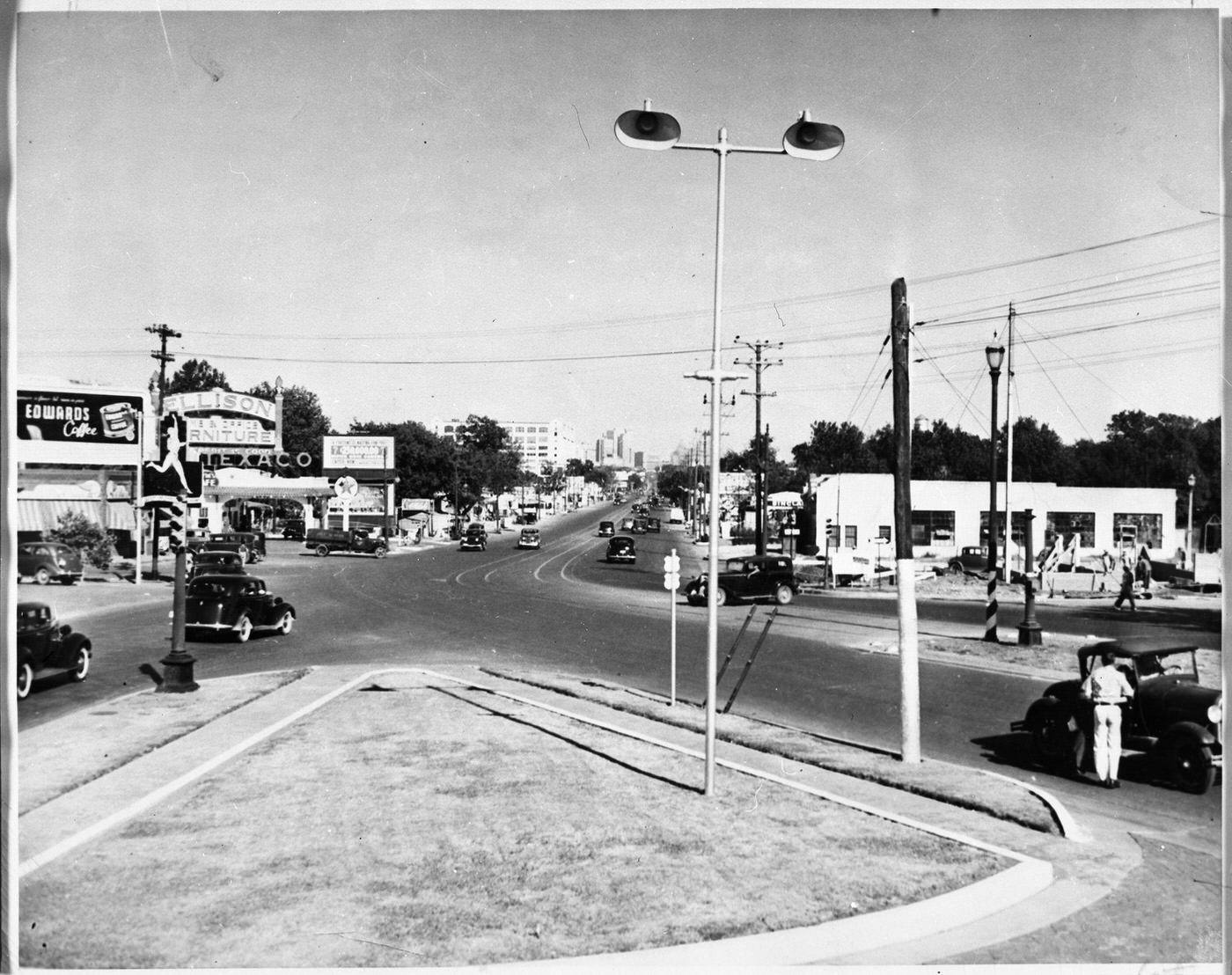
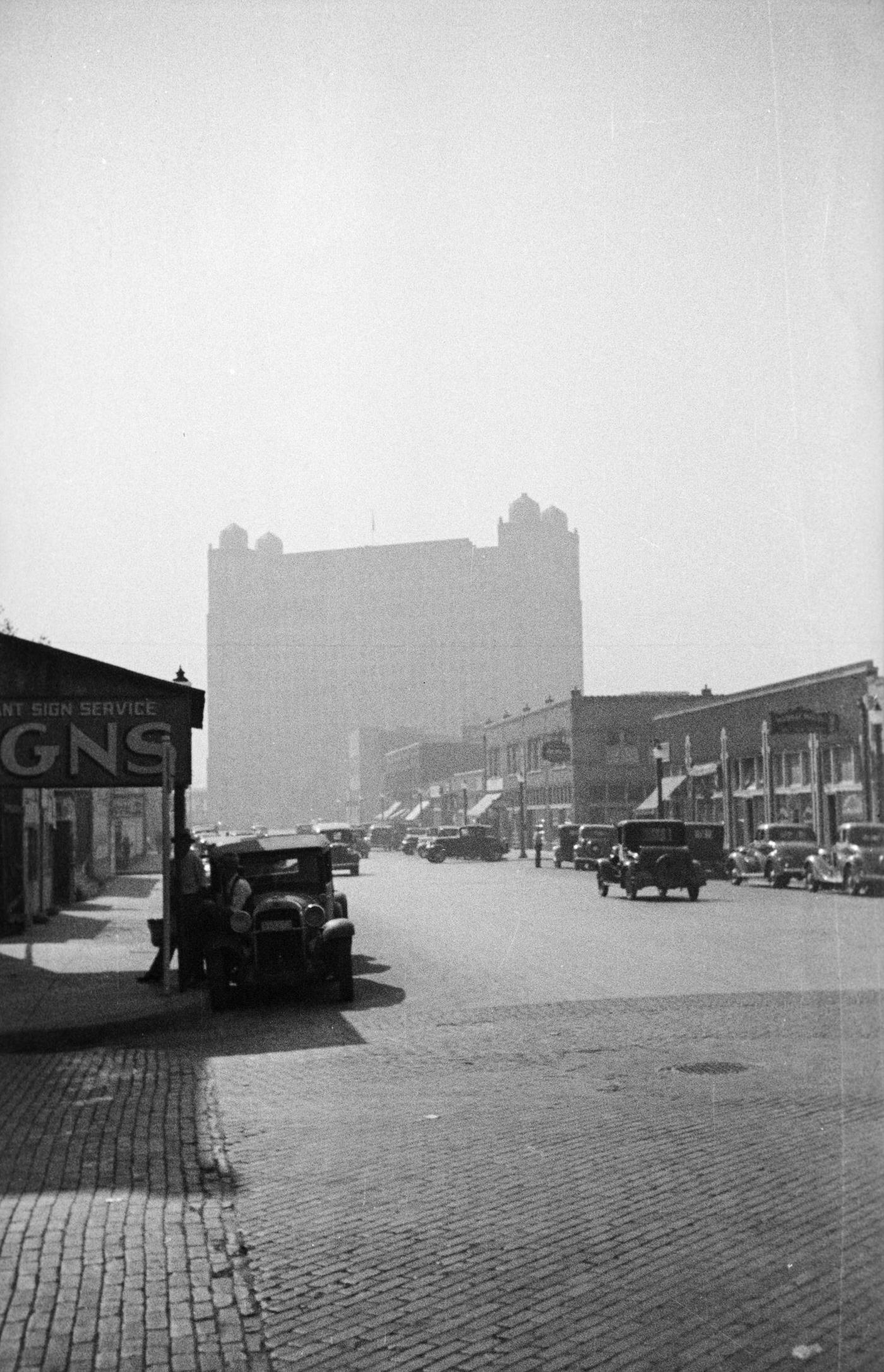
A busy street lined with businesses in Fort Worth, Texas, 1930s.
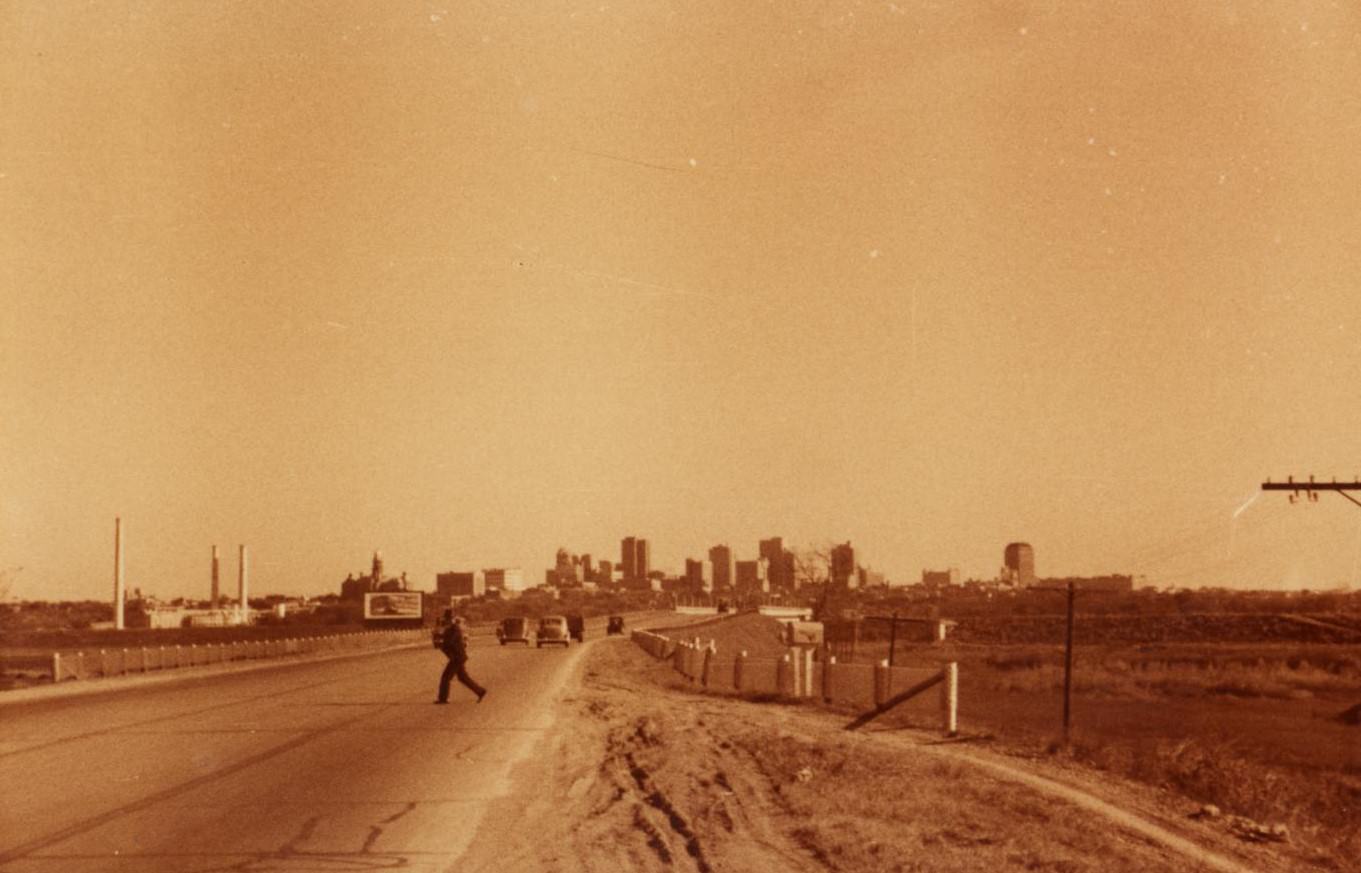
The Fort Worth horizon from a roadside, 1930s.
Downtown Fort Worth where Throckmorton and Tenth Street meet, 1937.
The United States Courthouse and St. Andrew's Episcopal Church, Fort Worth, Texas, 1930s.
The United States Courthouse and St. Andrew’s Episcopal Church, Fort Worth, Texas, 1930s.
A boy in an alleyway in downtown Fort Worth, Texas, 1937.
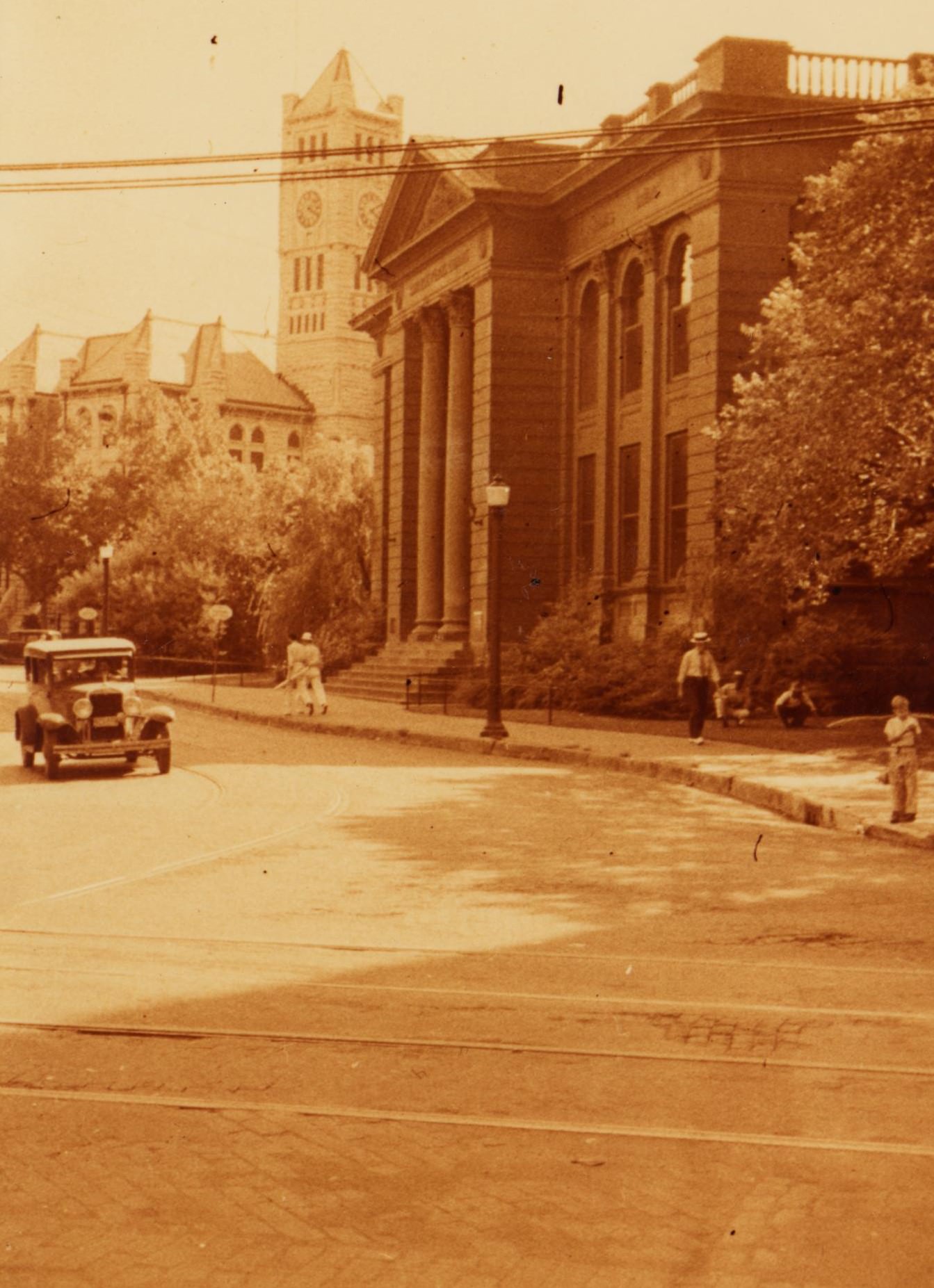
The Carnegie Public Library in Fort Worth, Texas, 1930s.
Downtown Fort Worth, Throckmorton Street and Jennings Avenue, 1937.
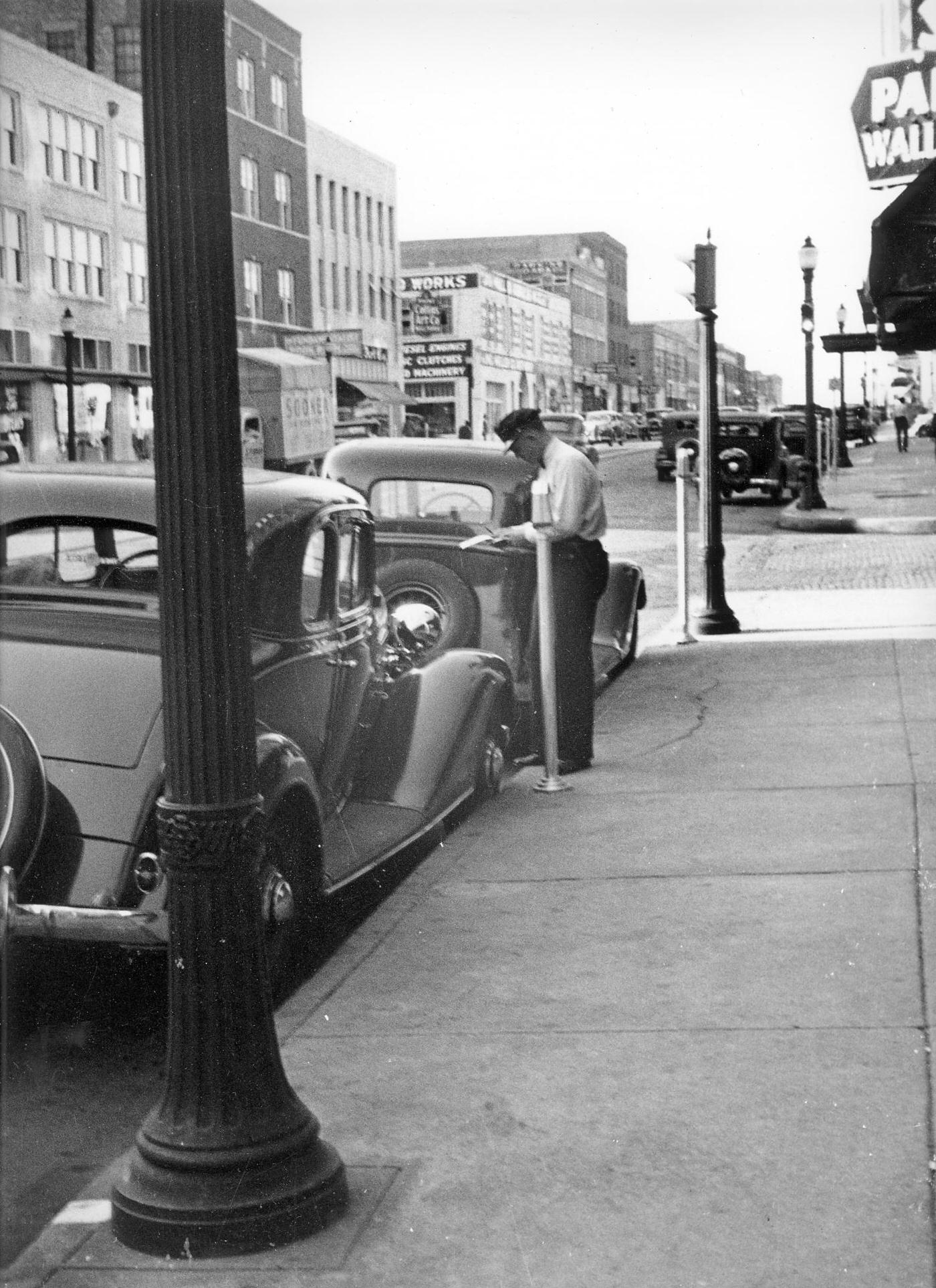
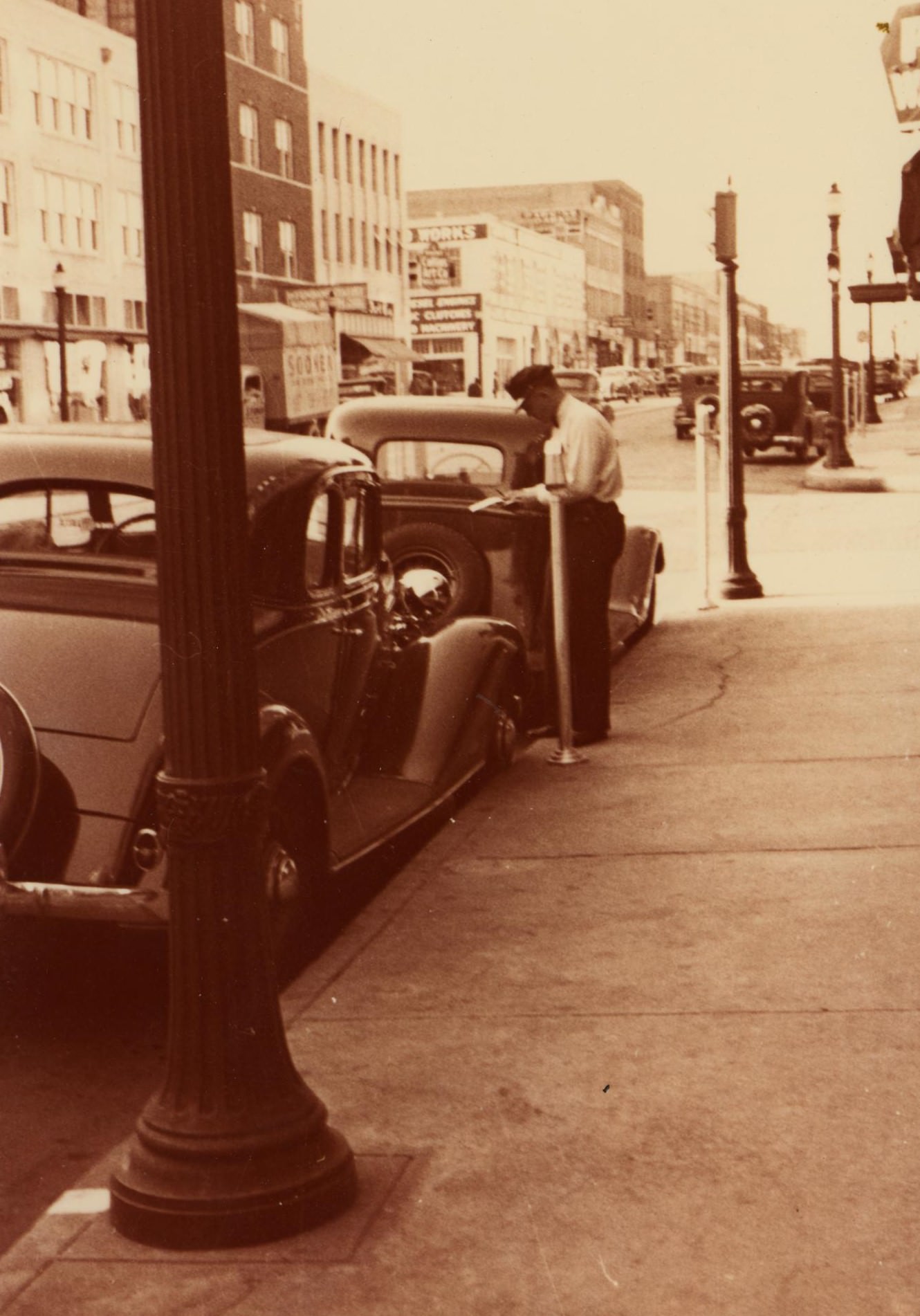
A police officer writing a parking ticket, 1930s.
The Blackstone Hotel (Courtyard by Marriott Fort Worth), Fort Worth, Texas, 1930s.
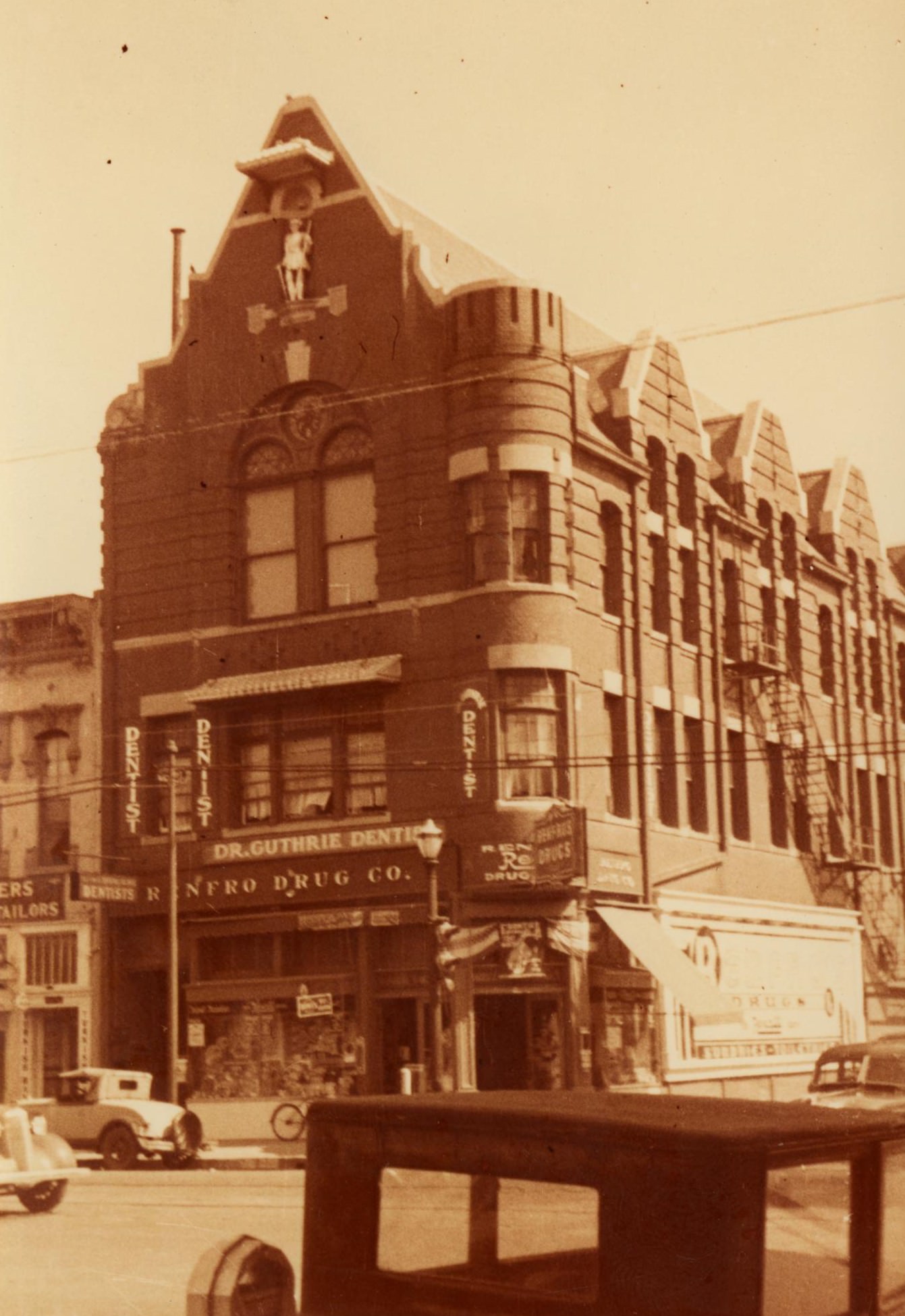
The Renfro Drug Company building in Fort Worth, Texas, 1930s.
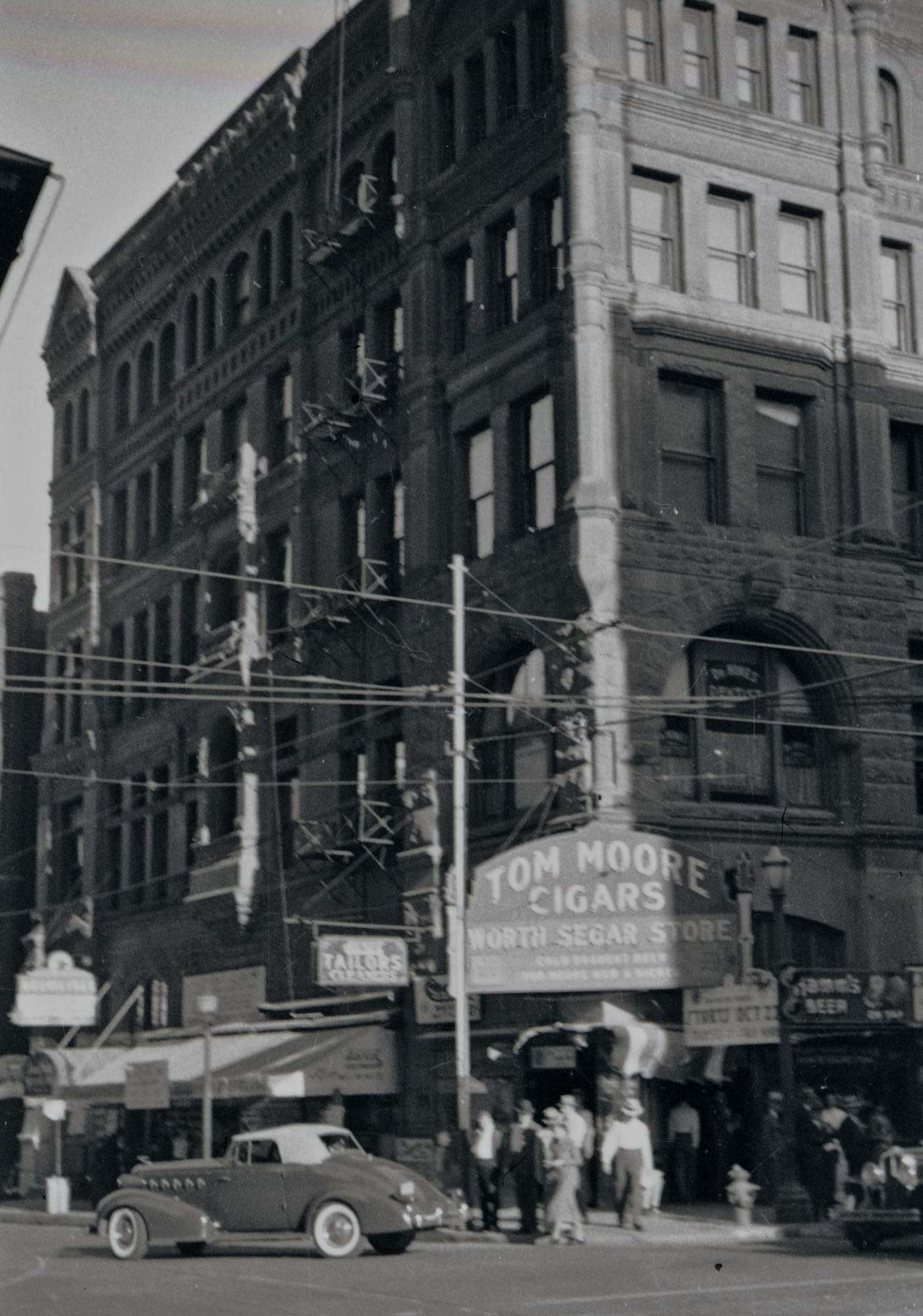
Tom Moore Cigar's storefront in Fort Worth, Texas, 1930s.
Tom Moore Cigar’s storefront in Fort Worth, Texas, 1930s.
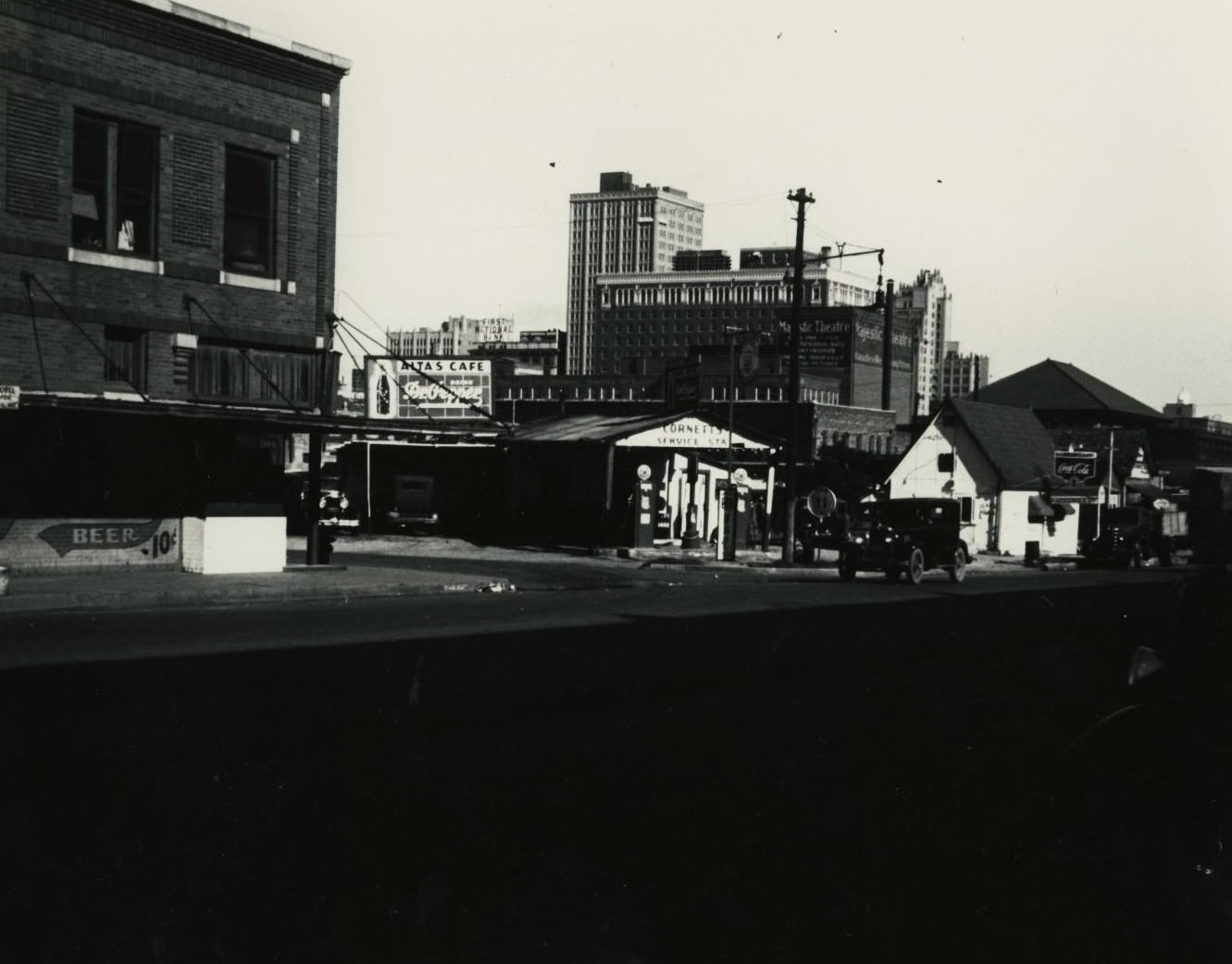
A gas station in downtown Fort Worth, Texas, 1930s.
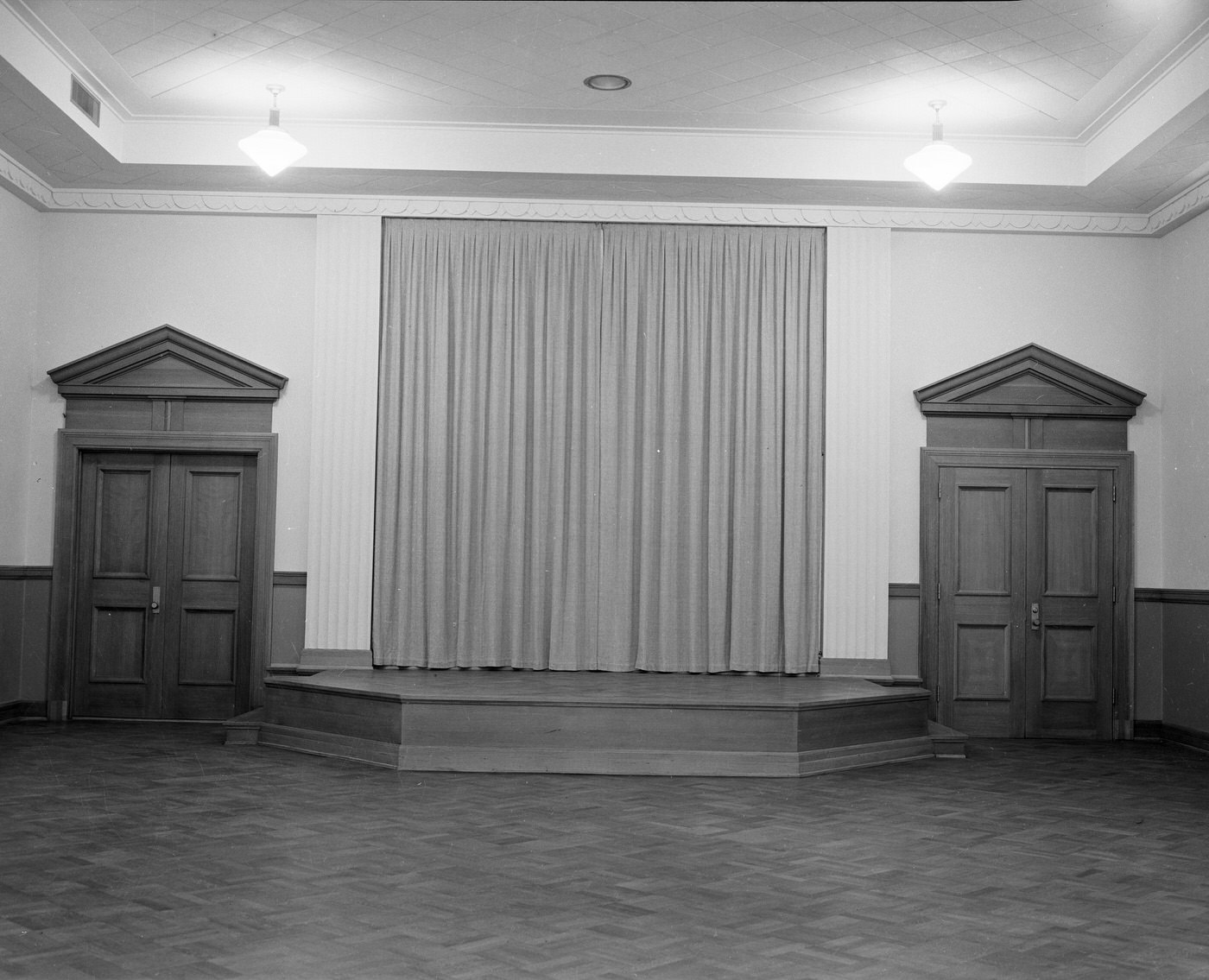
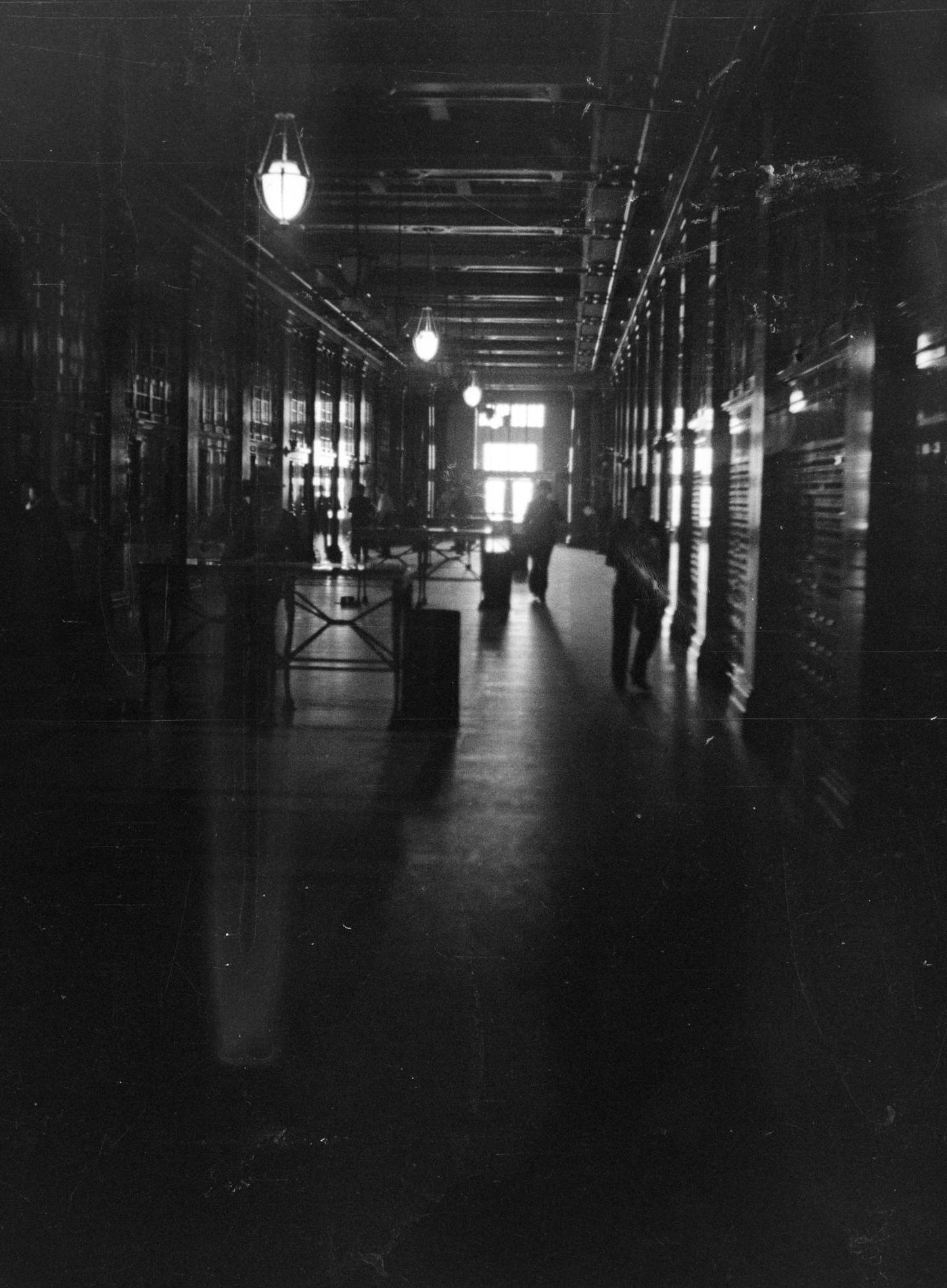
A hallway in a building in Fort Worth, Texas, 1937.
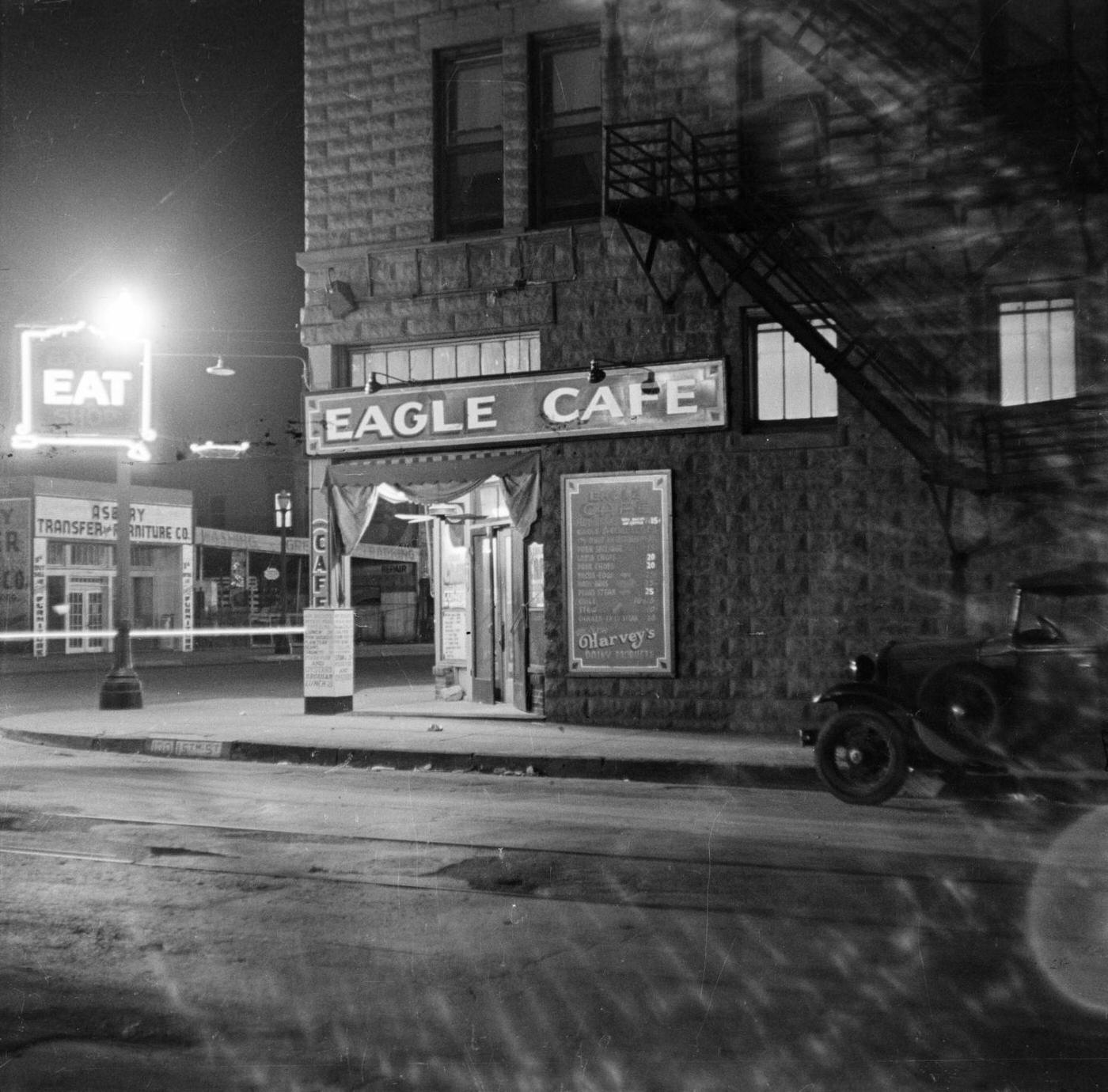
The Eagle Cafe in downtown Fort Worth, Texas, 1930s.
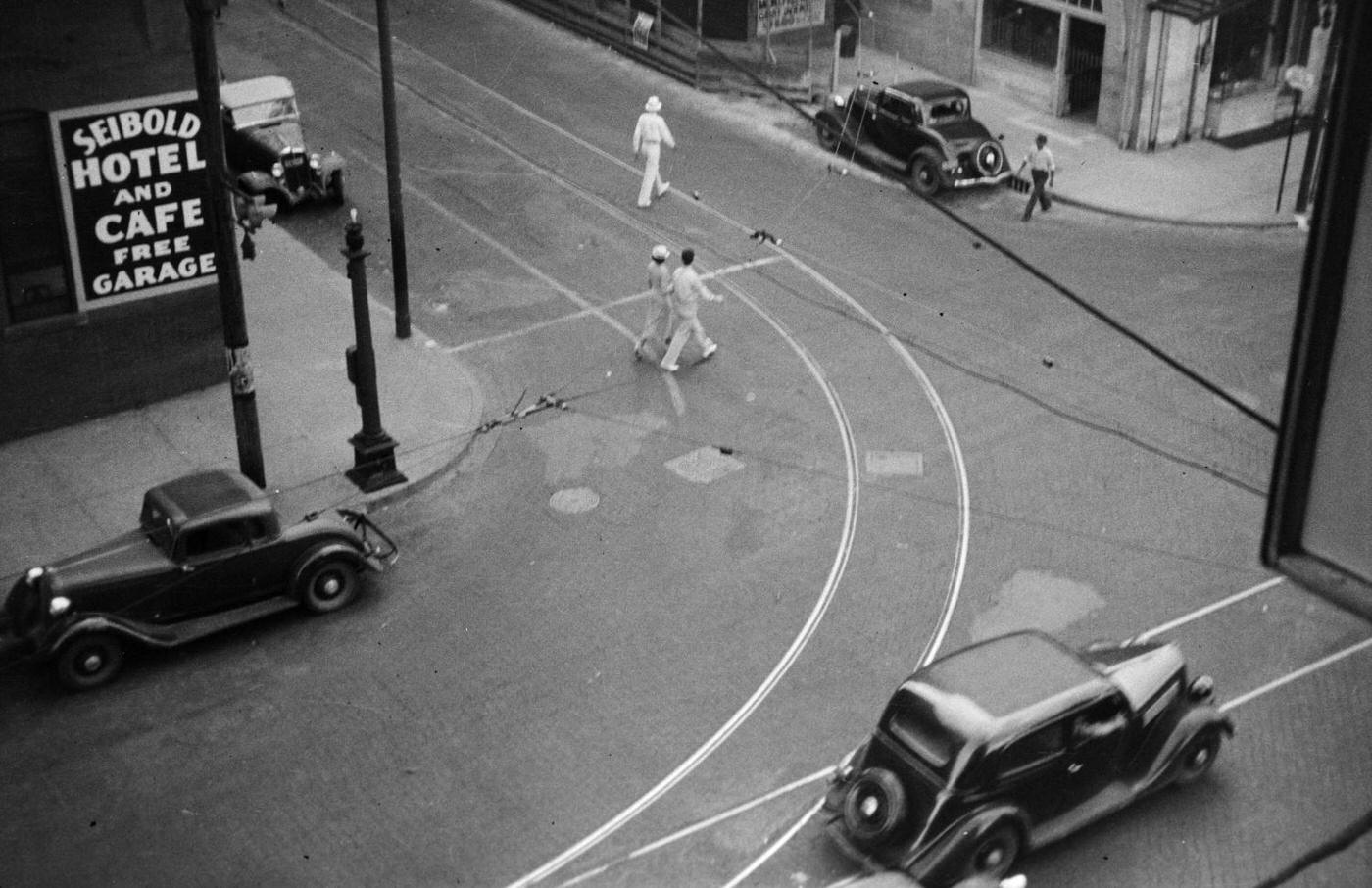
A street corner near the Seibold Hotel in Fort Worth, Texas, 1936.
Pedestrians on a sidewalk in Fort Worth, Texas, 1930s.
Diamond Hill School, North Fort Worth, 1938.
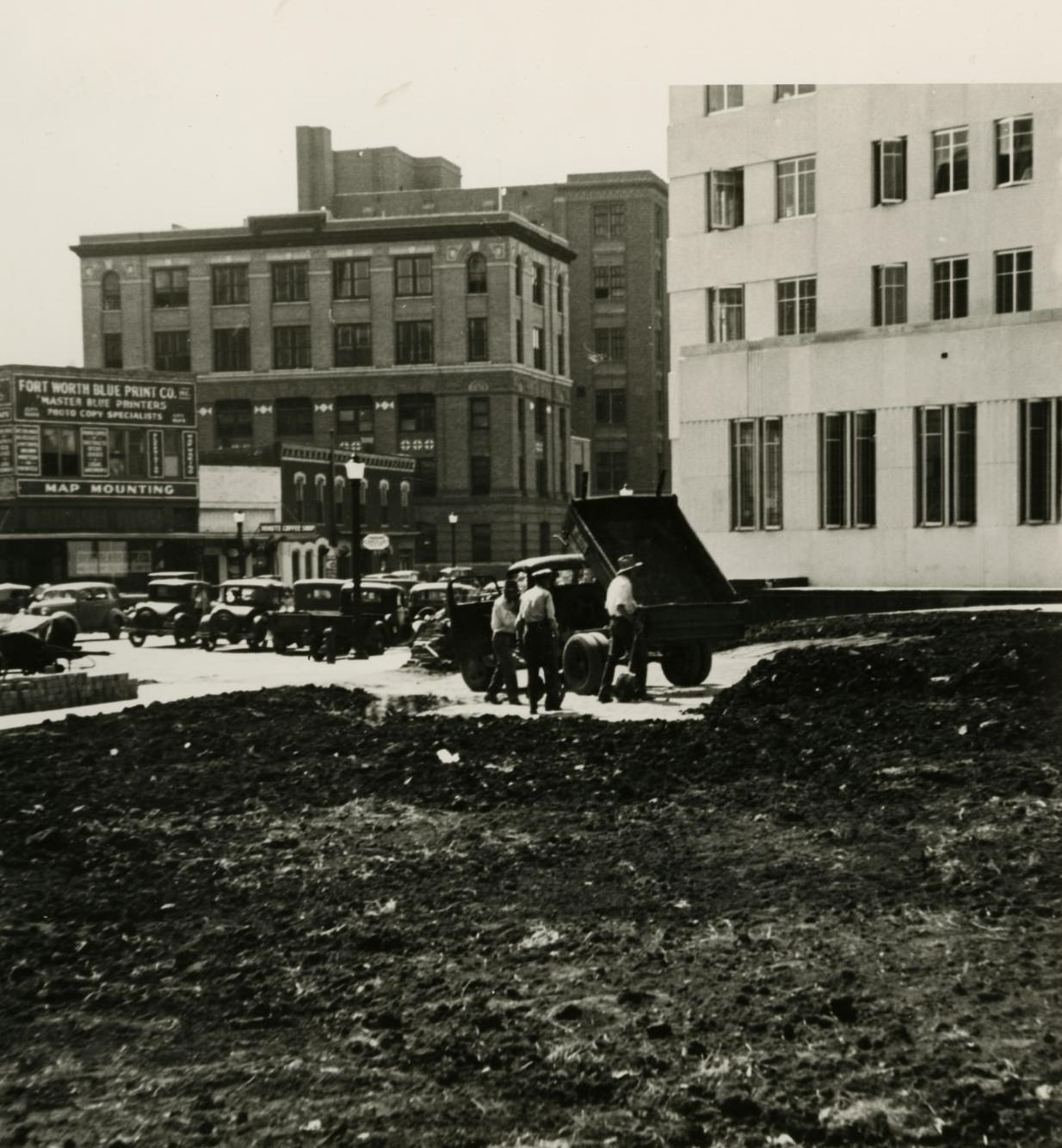
Construction workers on a site across from the Fort Worth Blue Print Co., 1930s.
A crowd at the Hollywood Theatre in Fort Worth, Texas, 1938.
A police officer writing a parking ticket, 1930s.
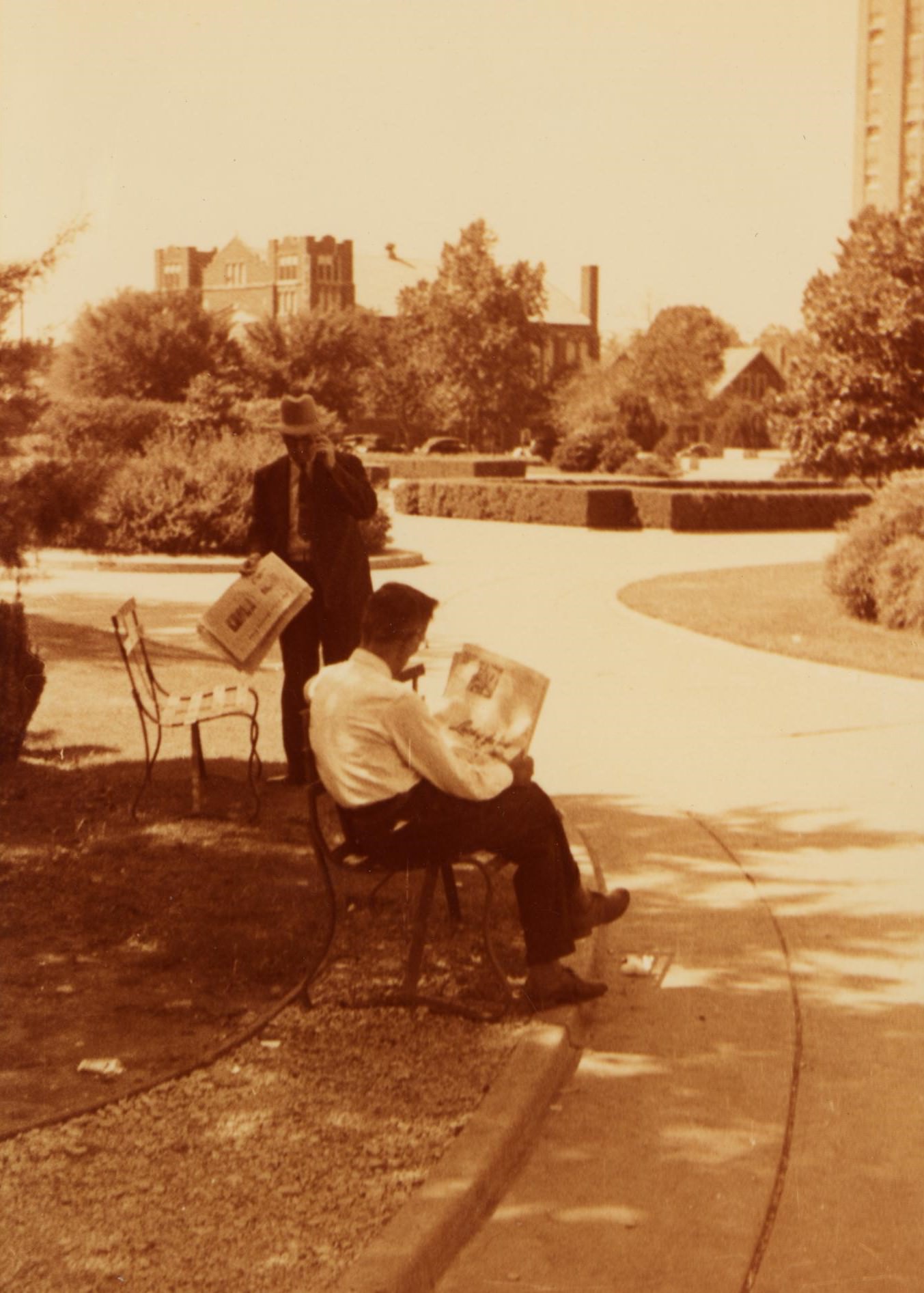
Two men reading a newspaper in a park, 1930s.
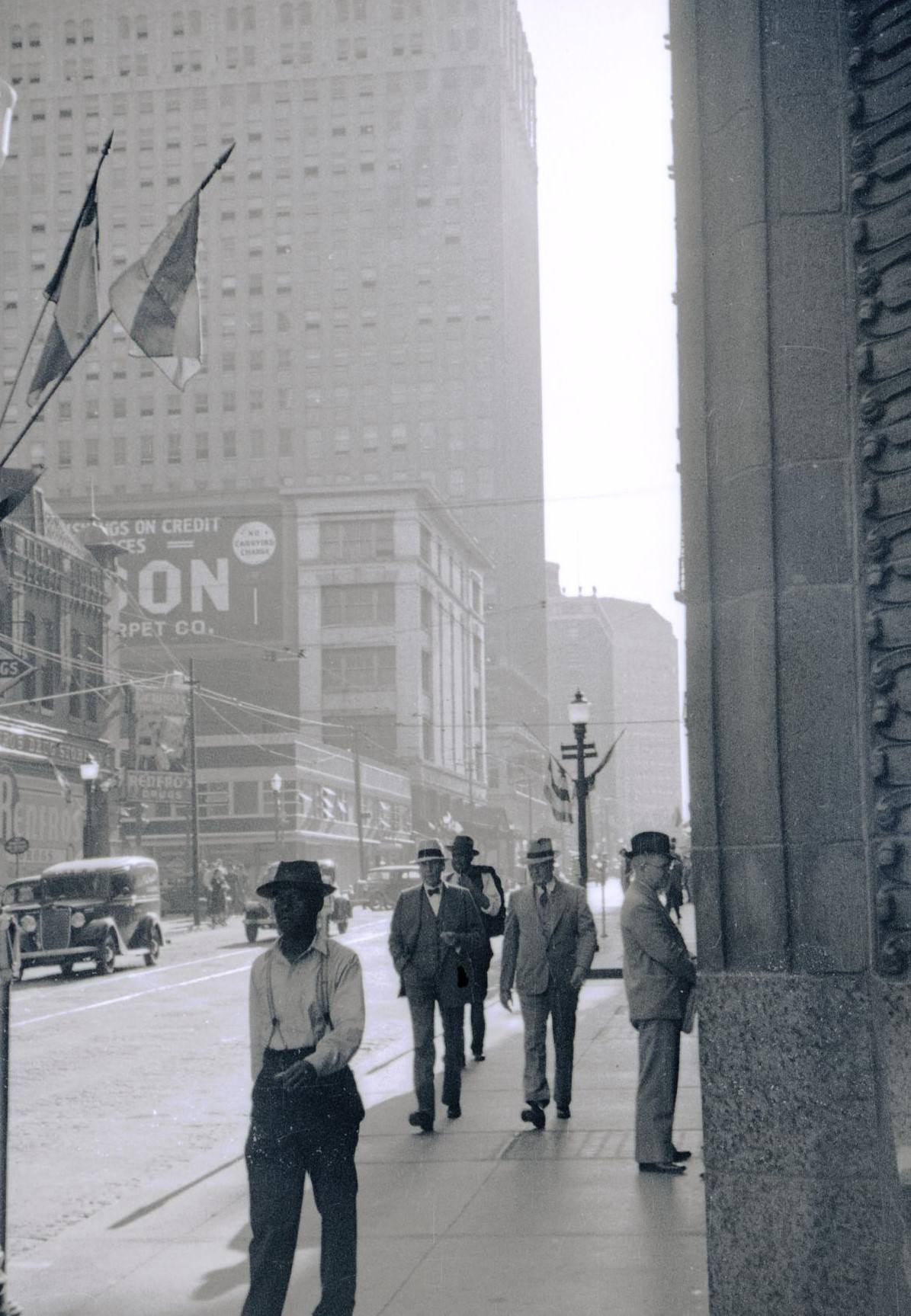
Men walking on the sidewalk at 7th & Main in Fort Worth, Texas, 1936.
Enjoyed this post? Get new ones in your inbox.

2 thoughts on “What Fort Worth, Texas looked like in the 1930s”

    1. Probably a college frat prank

      Photo 70 is the US Post Office along Lancaster Avenue

      Love the old Casa Manana Art Deco design

      My Dad’s Aunt Vera’s husband worked at the Old Firestone building on Henderson street in the 1920s-40s. He was a manager there

Leave a Comment

Your email address will not be published. Required fields are marked *

Share this Post 🥺

Please take a moment to share this content. Your support is greatly appreciated! 🙌🙏

Share this Post 🥺

Please take a moment to share this content. Your support is greatly appreciated! 🙌🙏
Scroll to Top
 
Hey Friend, Before You Go.. Please like & follow for more interesting content