At the turn of the 20th century, Eastman Kodak transformed photography from a complicated, expensive craft into something any family could enjoy. Before Kodak, taking a photo required serious technical skill and a lot of equipment. Kodak stripped that barrier away with simpler, affordable cameras designed for everyday use.
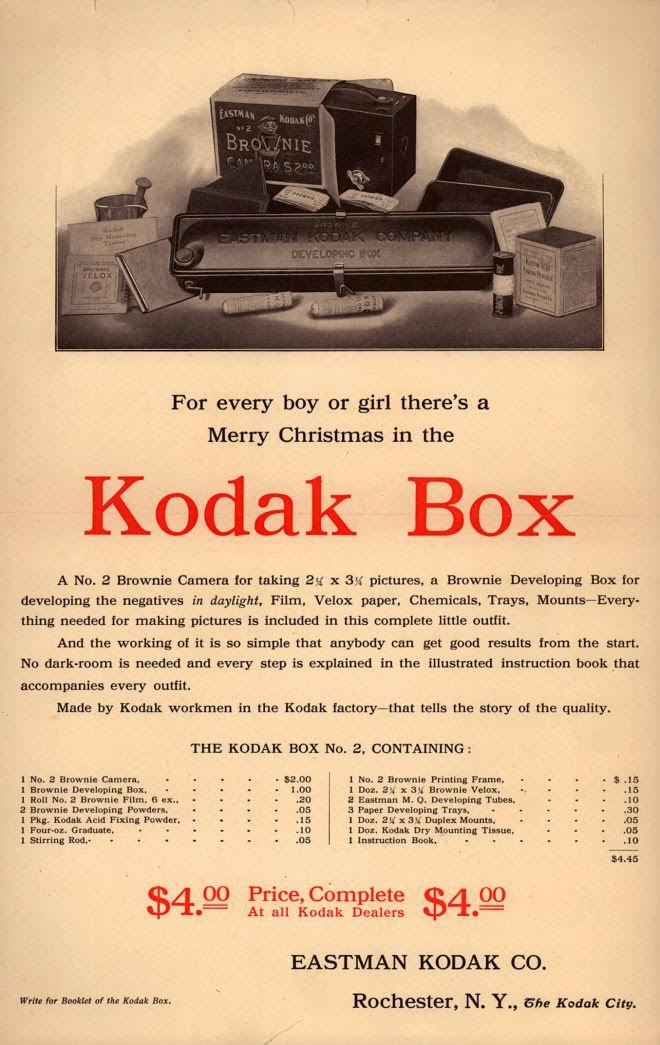
Kodak’s business model was clever. Cameras were sold at low prices, but every owner then needed a steady supply of Kodak film, chemicals, and paper to develop their photos. That repeat purchasing was where the real profit came from. Putting cameras into homes was the first step.
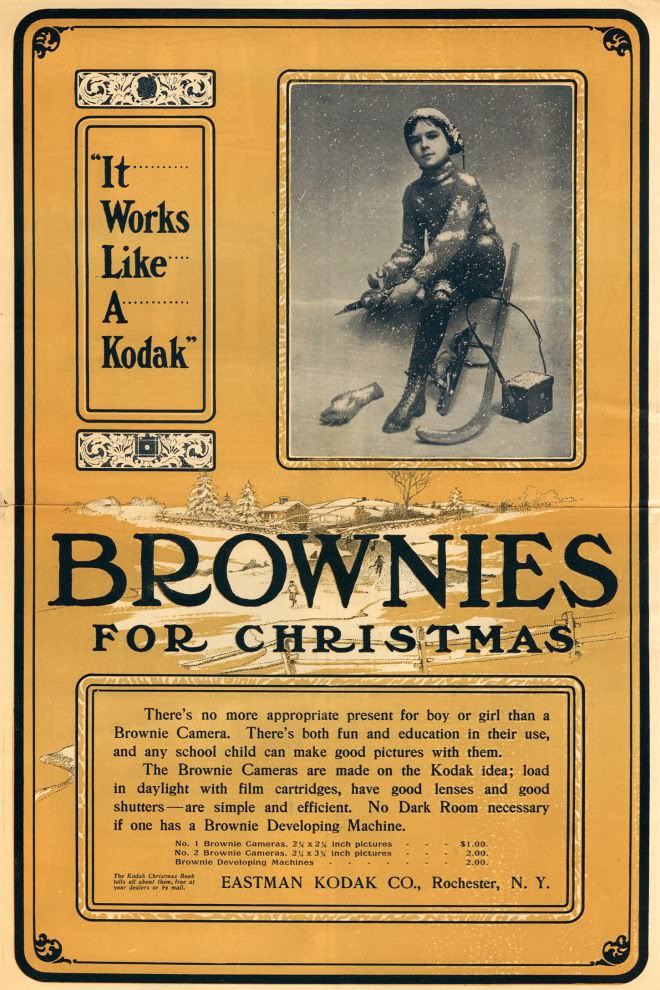
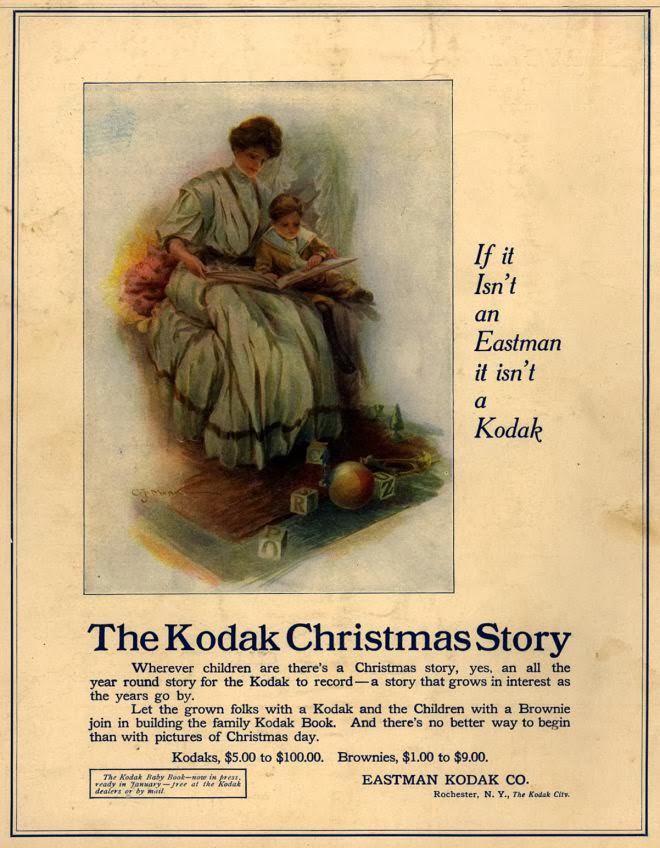
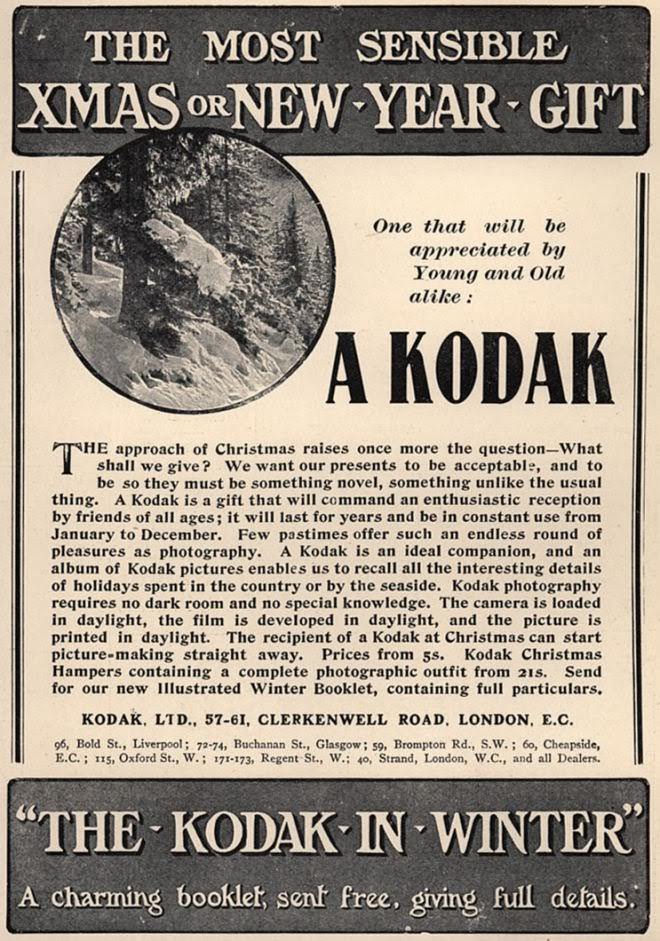
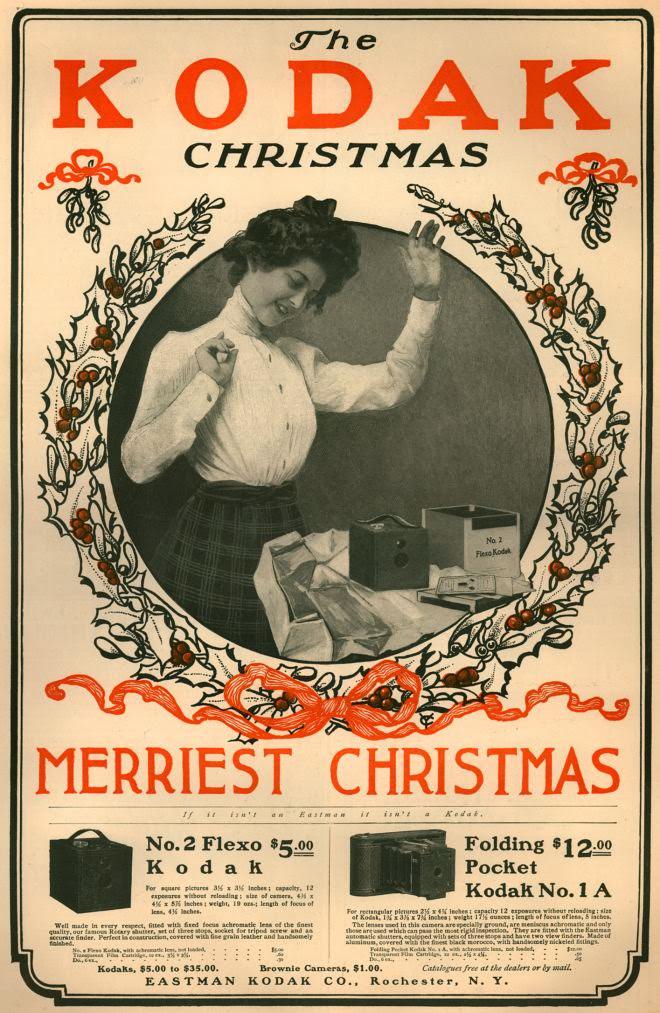
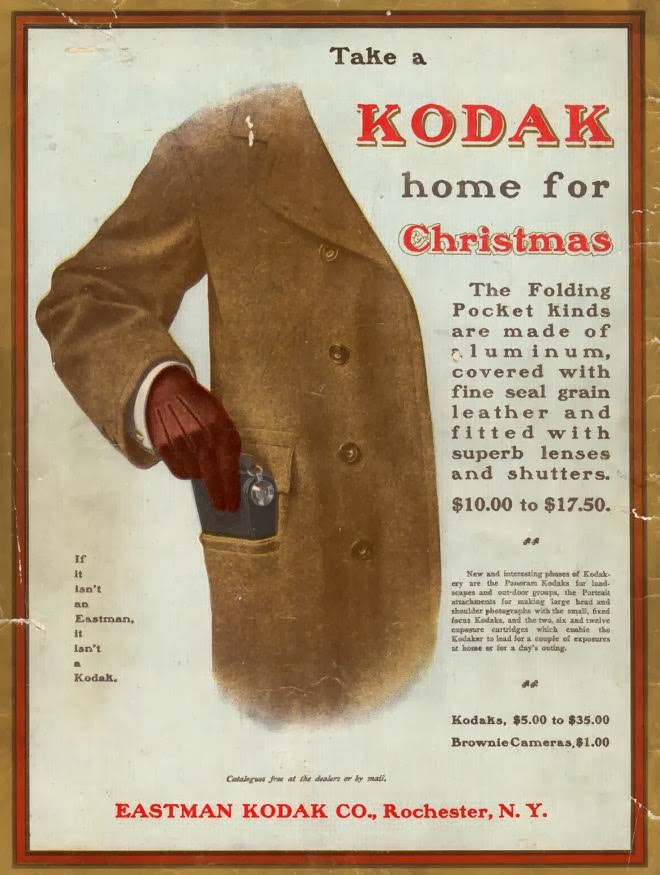
To drive holiday sales, Kodak ran Christmas advertisements in popular magazines and newspapers starting as early as 1900. These ads skipped the technical specs and focused entirely on emotion — happy families, festive gatherings, and photo albums filled with moments worth keeping.
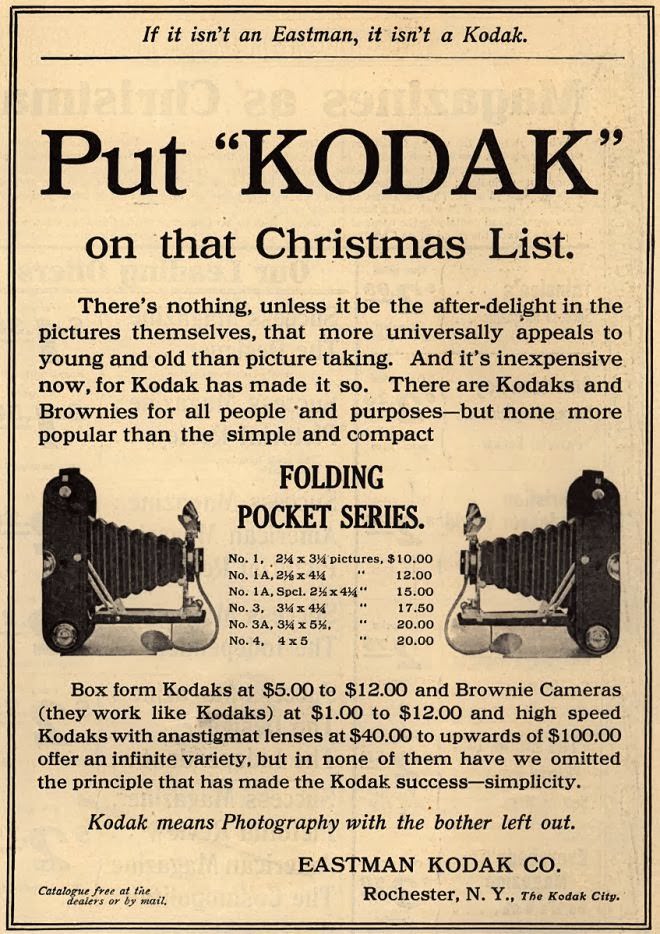
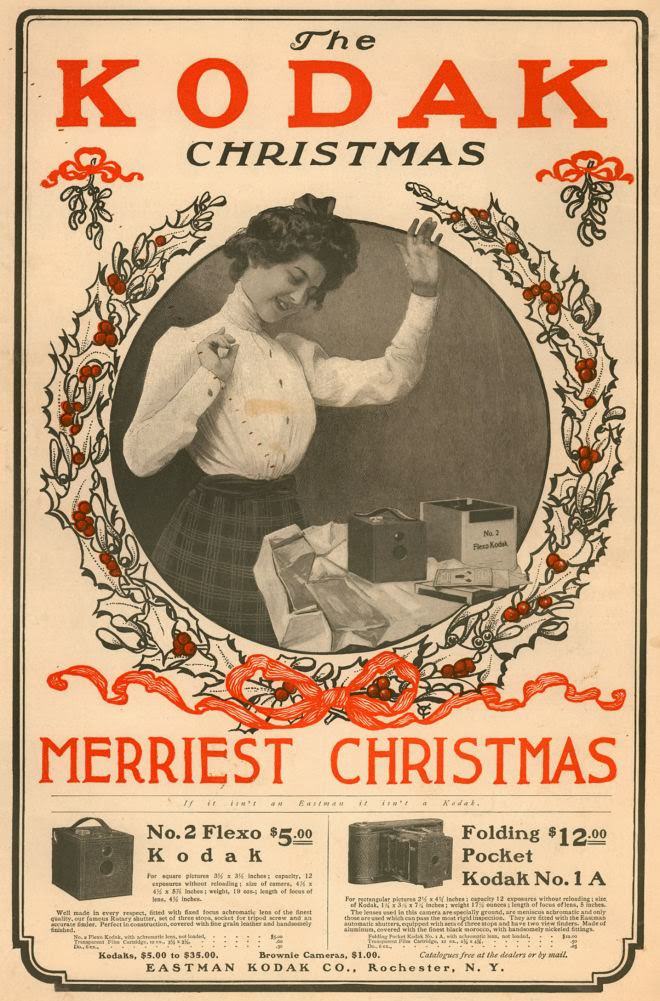
The ads positioned a Kodak camera as more than a gadget. It was a gift that preserved Christmas morning, family dinners, and children’s faces — moments that would otherwise disappear. That idea resonated deeply with gift-givers looking for something meaningful.
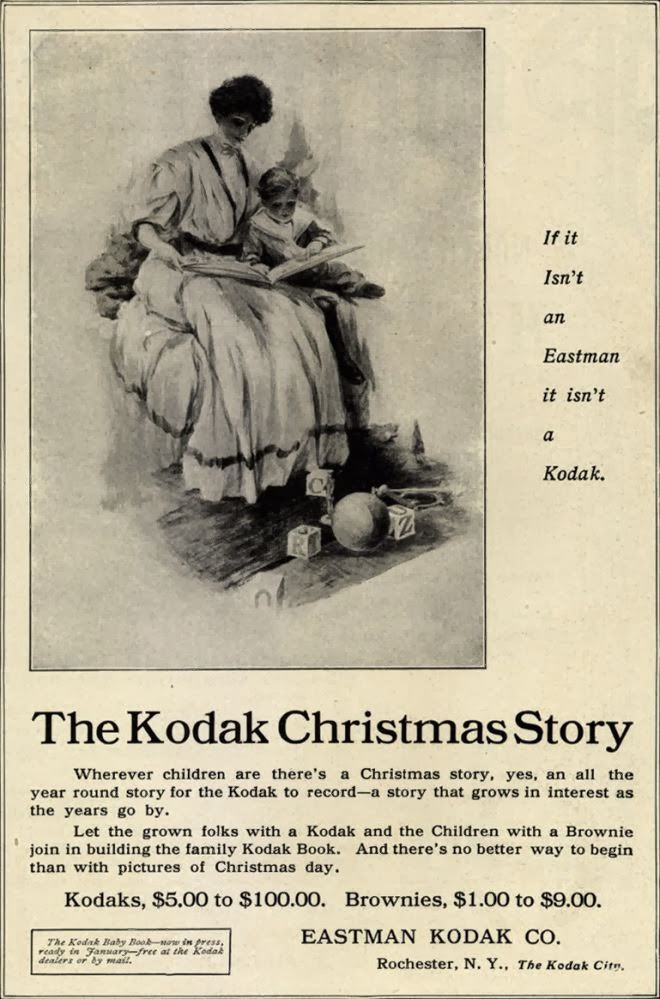
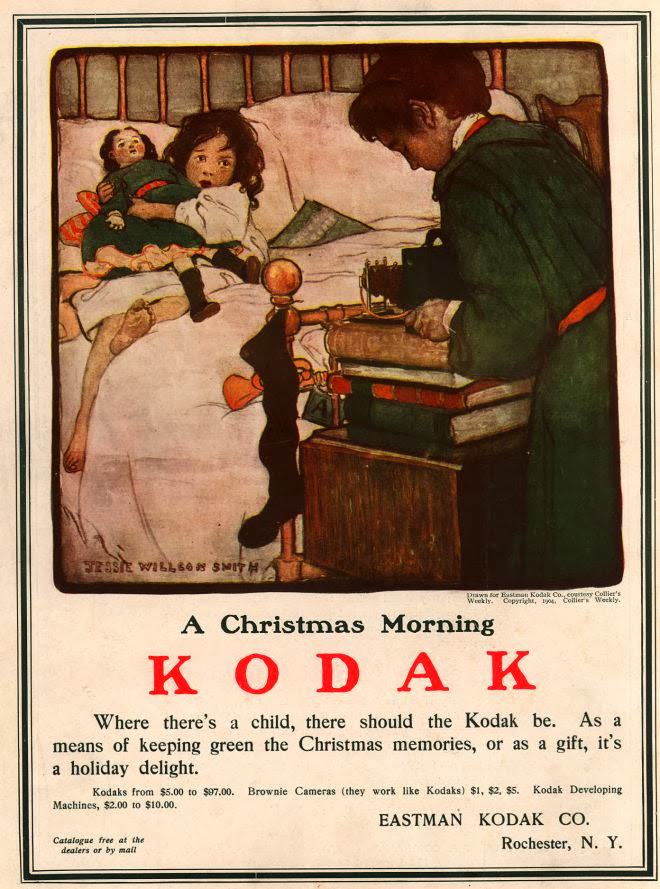
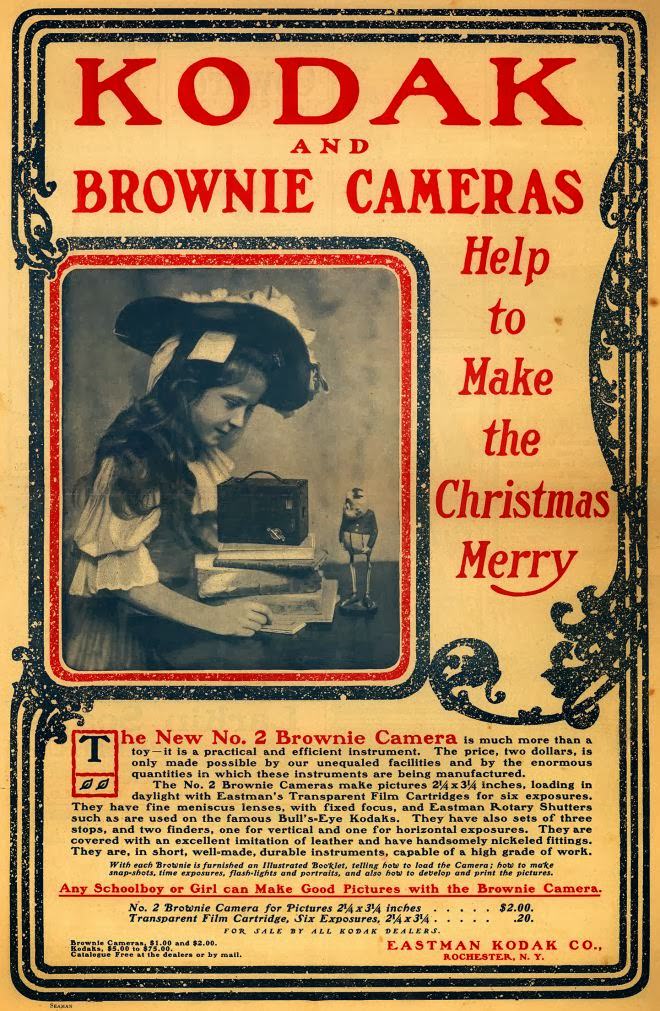
Kodak also targeted children directly, marketing its affordable Brownie camera as a gift any boy or girl would love to unwrap. These campaigns ran year after year throughout the decade, each one reinforcing the same message: a Kodak under the tree meant memories that lasted a lifetime.