September 16th marks the day in 1810 when Mexico launched its fight for independence from Spanish rule. In Fort Worth, Texas, the Mexican-American community turned this date into one of the year’s biggest celebrations. Throughout the 1970s, the festivities drew people of all ages into the streets with flags, music, and deep cultural pride.

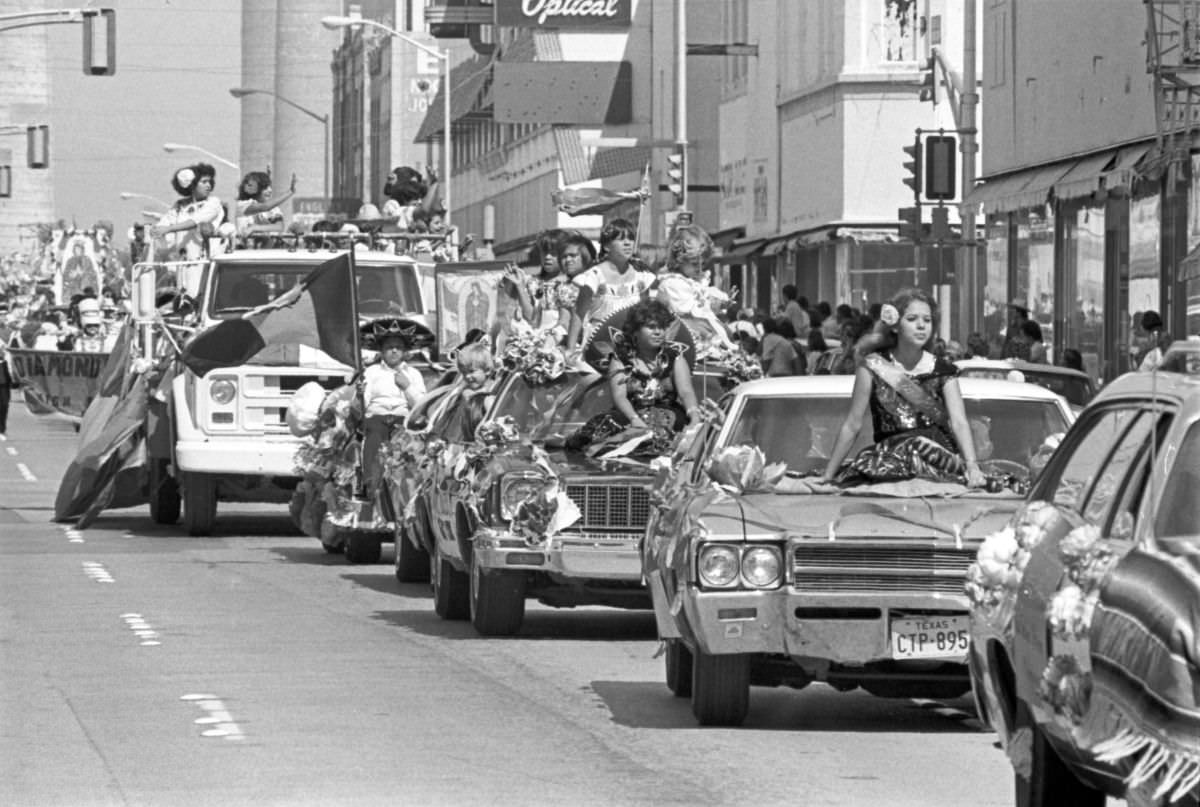
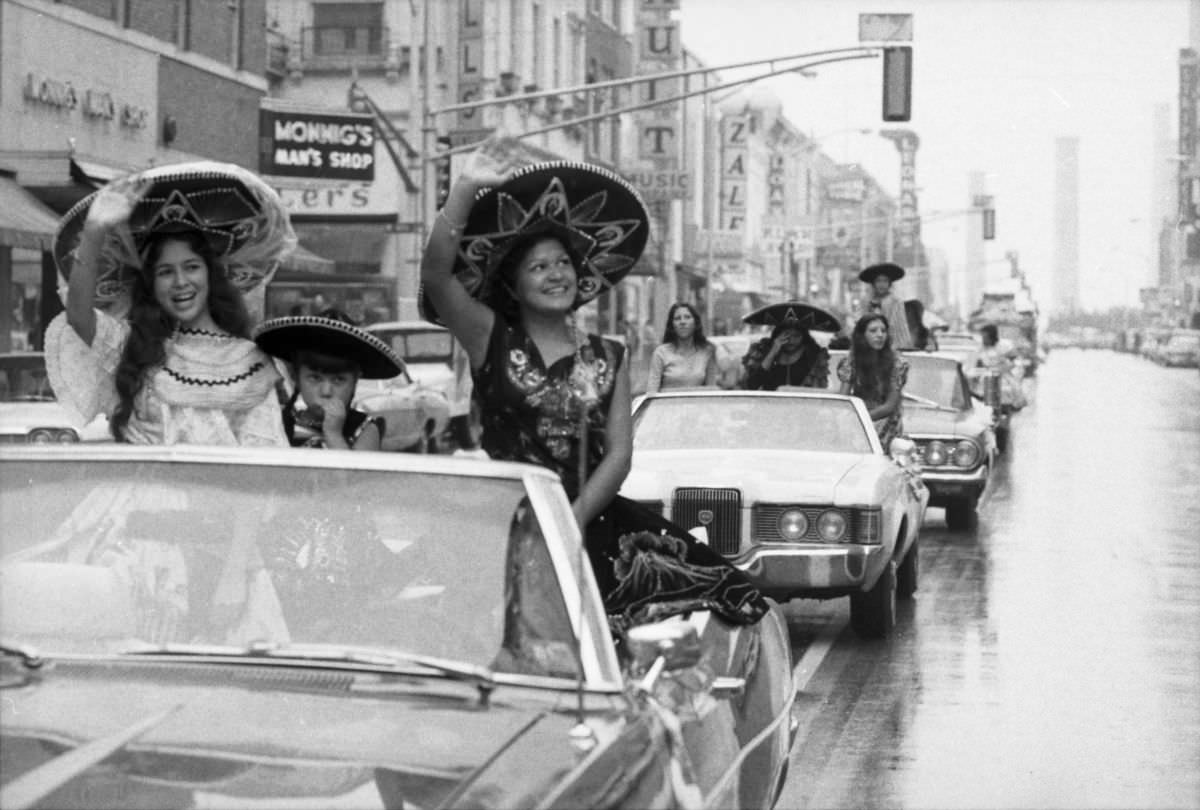
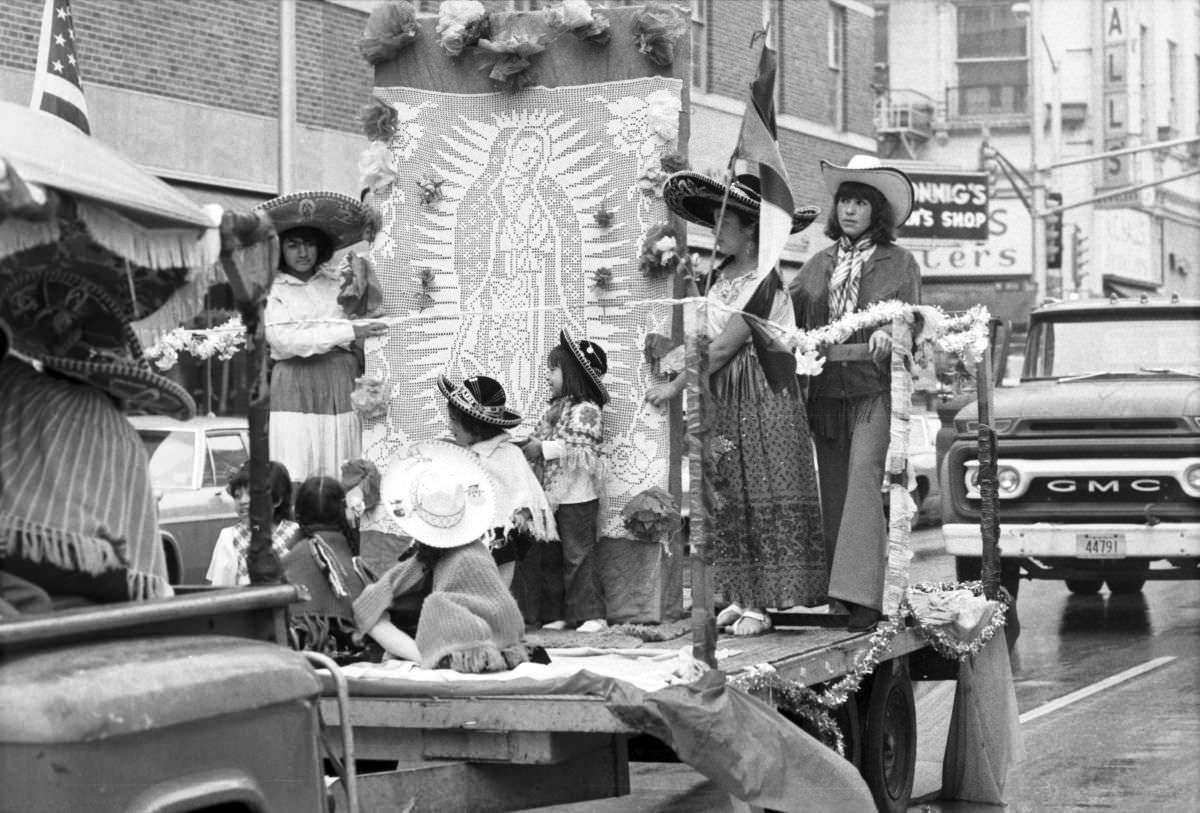
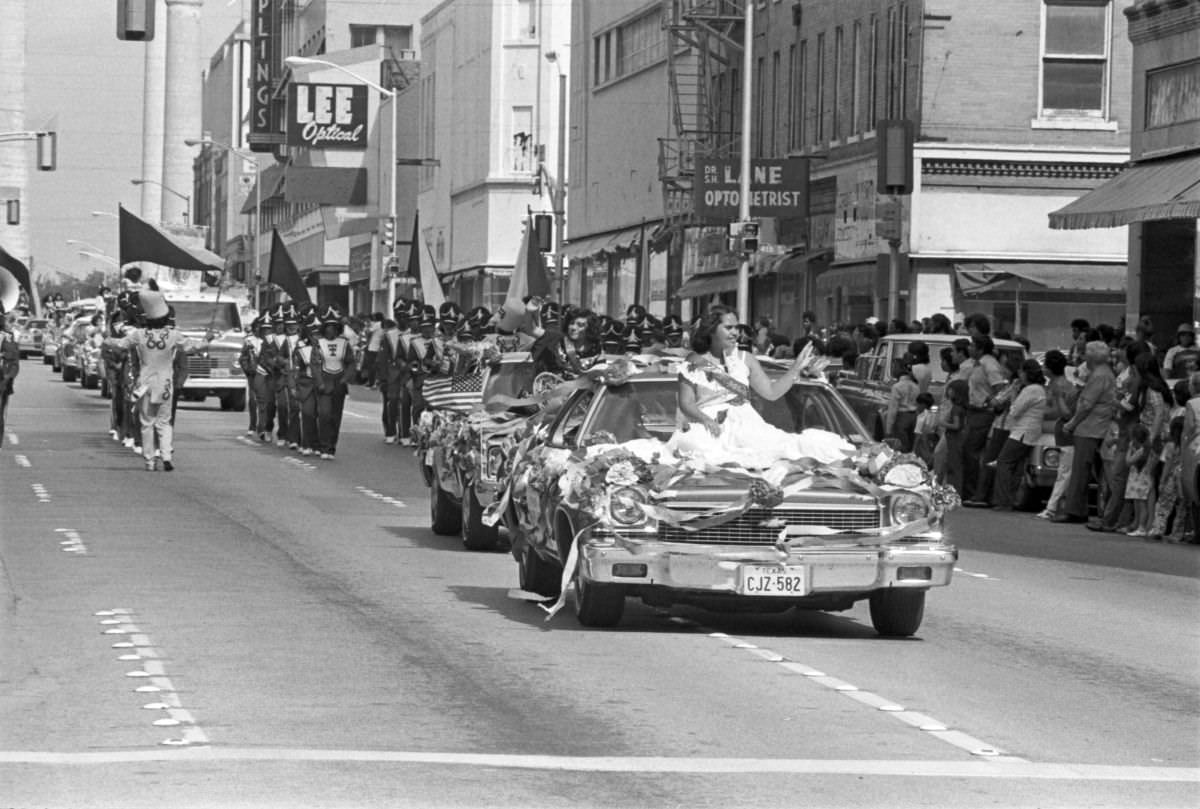
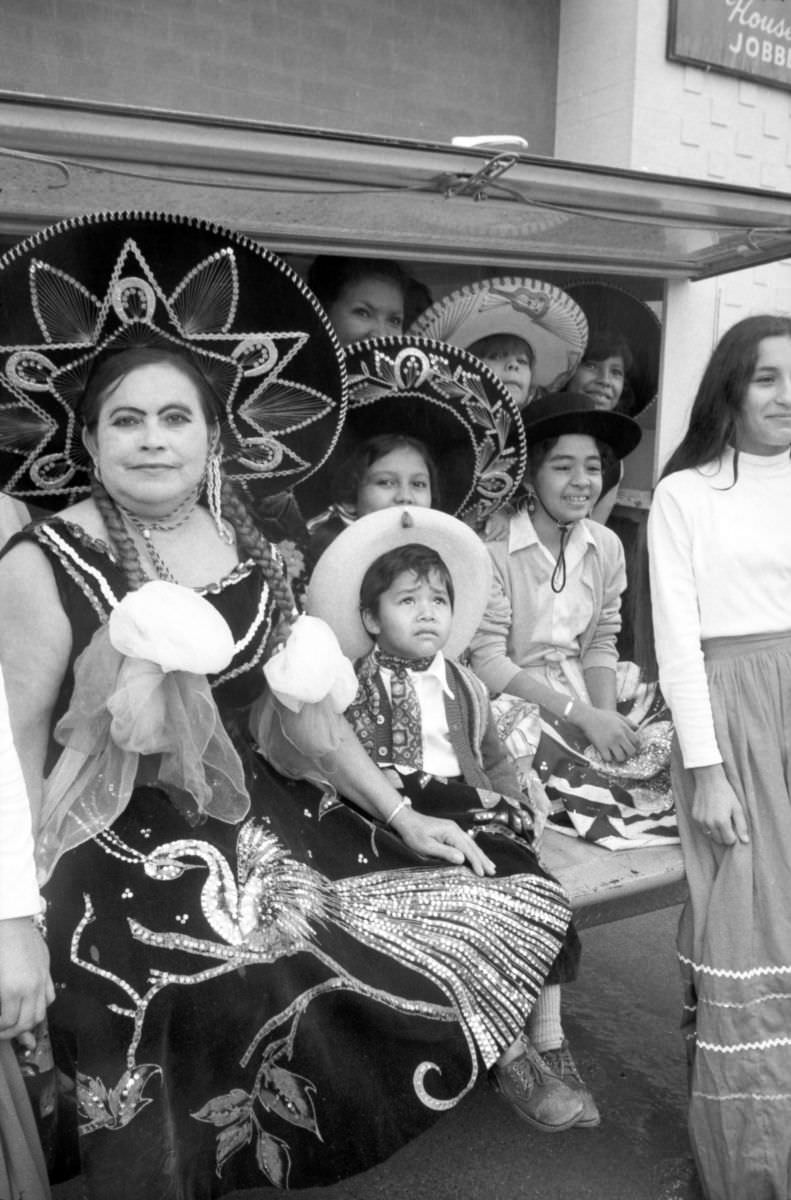
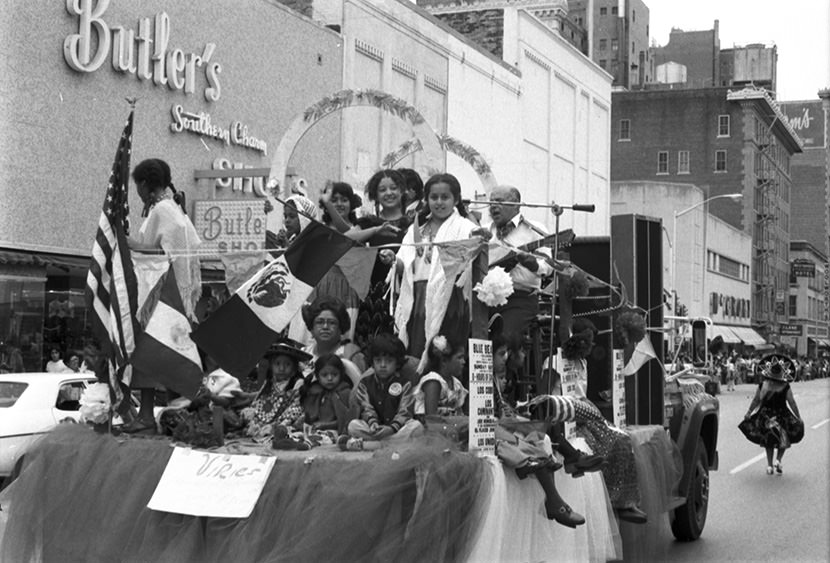
Parades were a centerpiece of the celebration. Floats rolled through downtown Fort Worth decorated in bold colors, carrying community members dressed in traditional Mexican clothing. Marching bands kept the energy high, while spectators and participants alike waved red, white, and green Mexican flags along the route.
Floats often featured powerful cultural imagery. Religious iconography, including Our Lady of Guadalupe, appeared prominently, reflecting the deep faith woven into Mexican heritage.
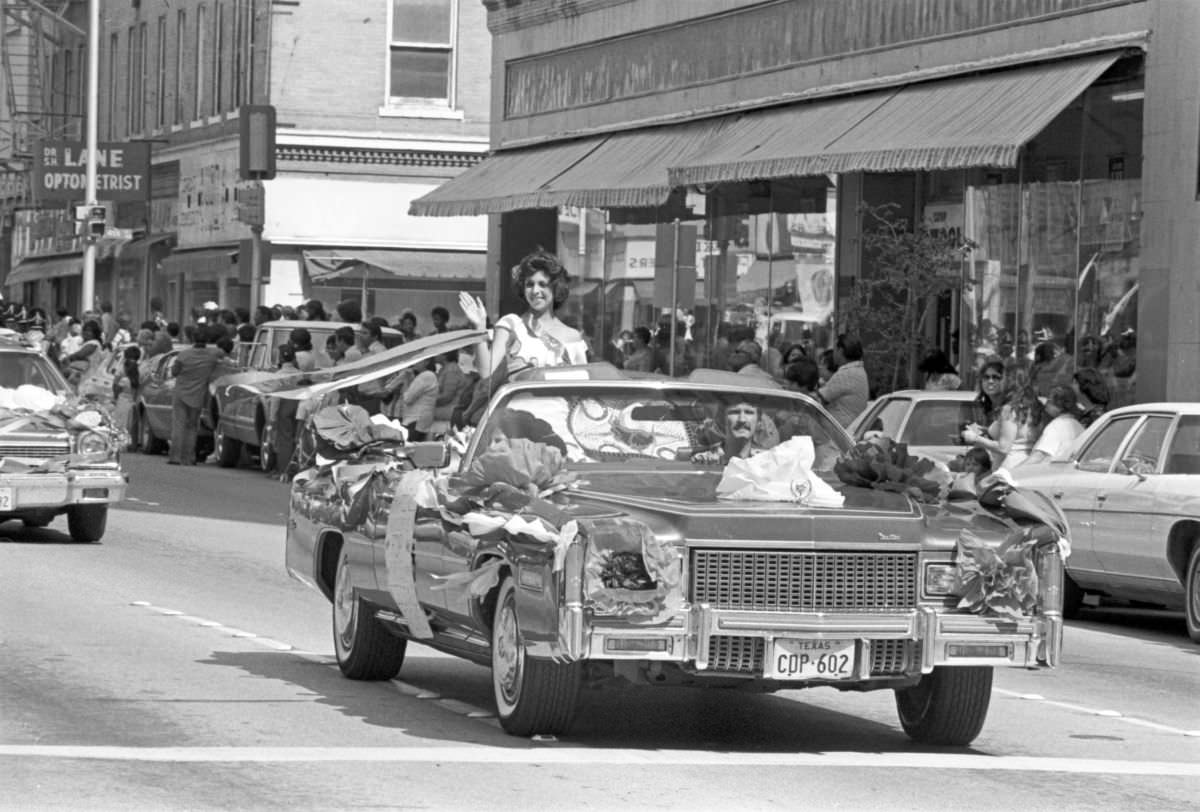
A Fiesta Queen contest added another layer of pageantry to the celebrations. Candidates rode through the parade route in convertibles, waving to crowds gathered along the streets of Fort Worth.
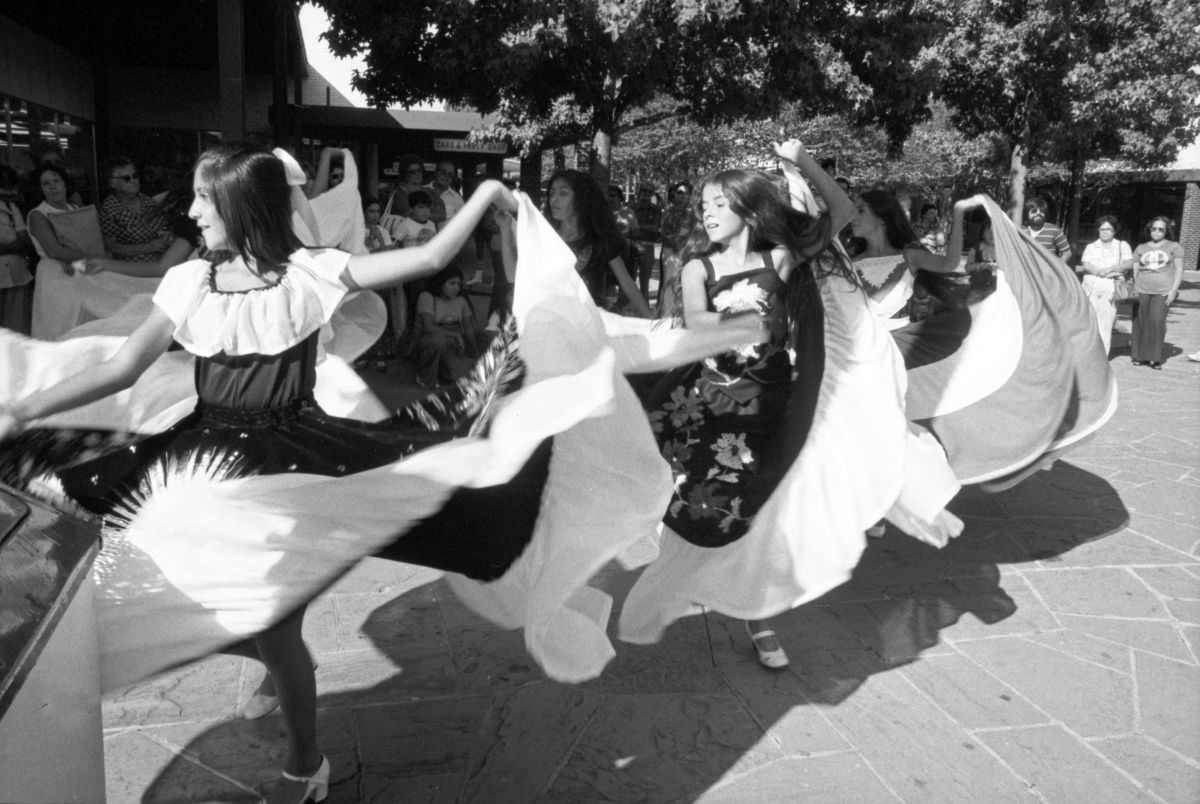
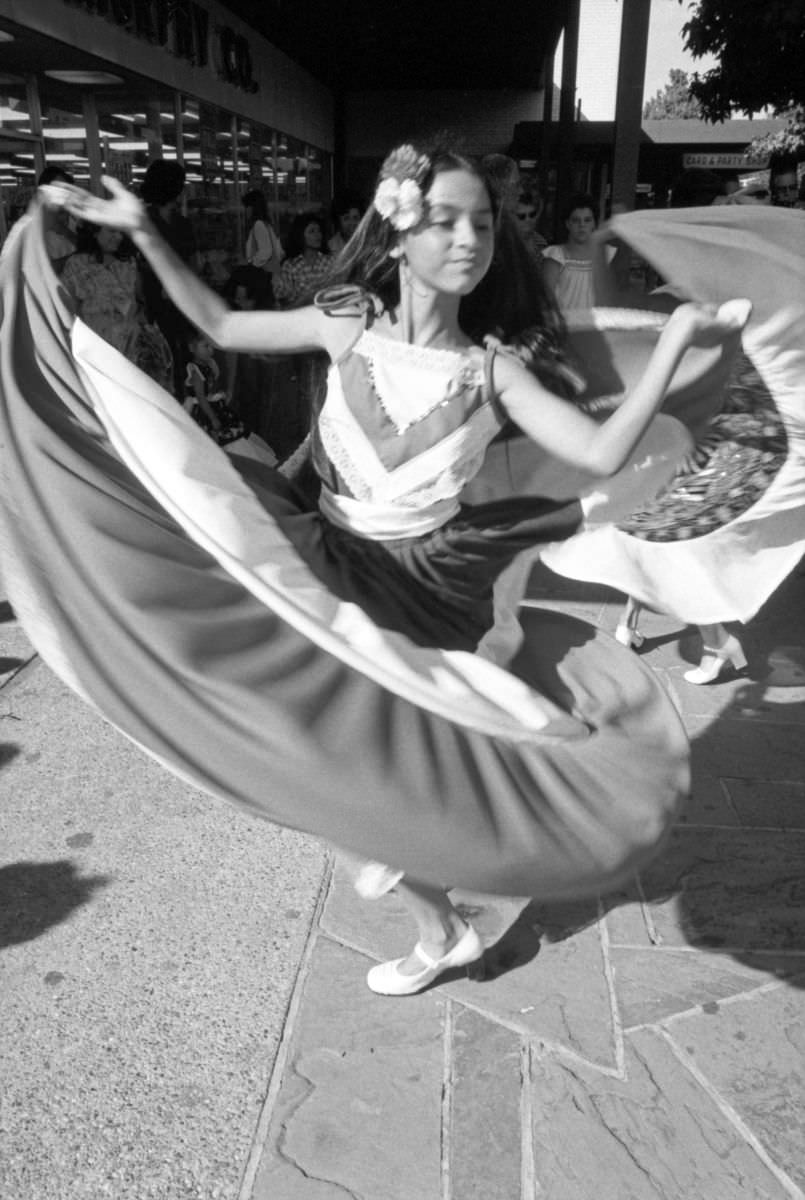
Folklorico dance troupes performed throughout the festivities. Dancers in vibrant, region-specific costumes executed precise, lively routines that represented different states of Mexico. Performers like Cecilia Galindo drew large, enthusiastic crowds at venues across the city.
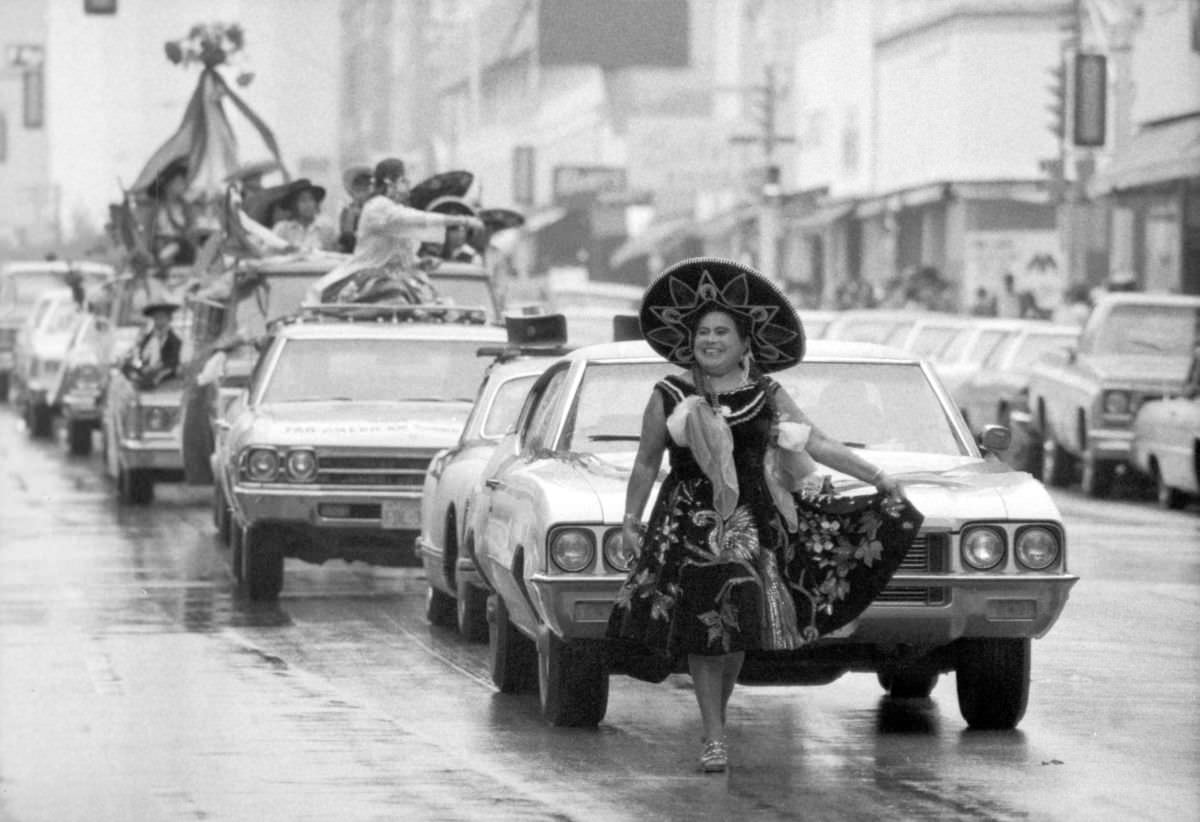
Downtown Fort Worth hosted parade floats year after year, with the tradition growing stronger through the mid-1970s.
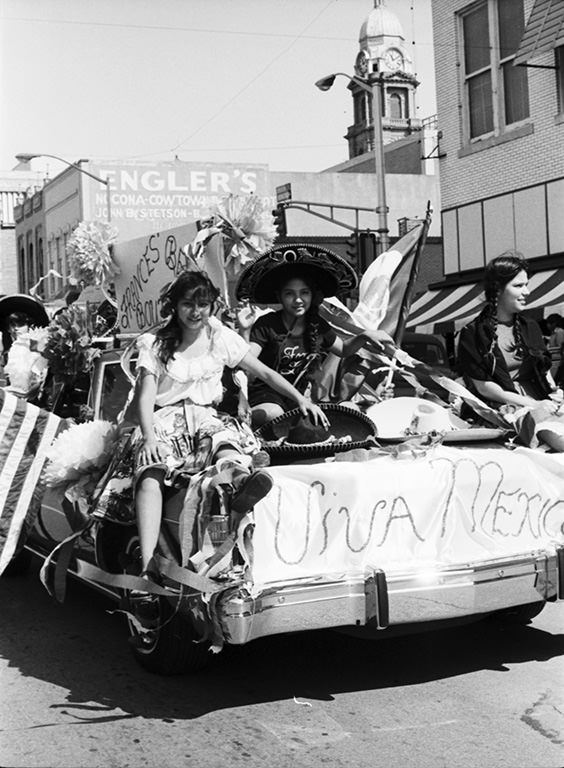
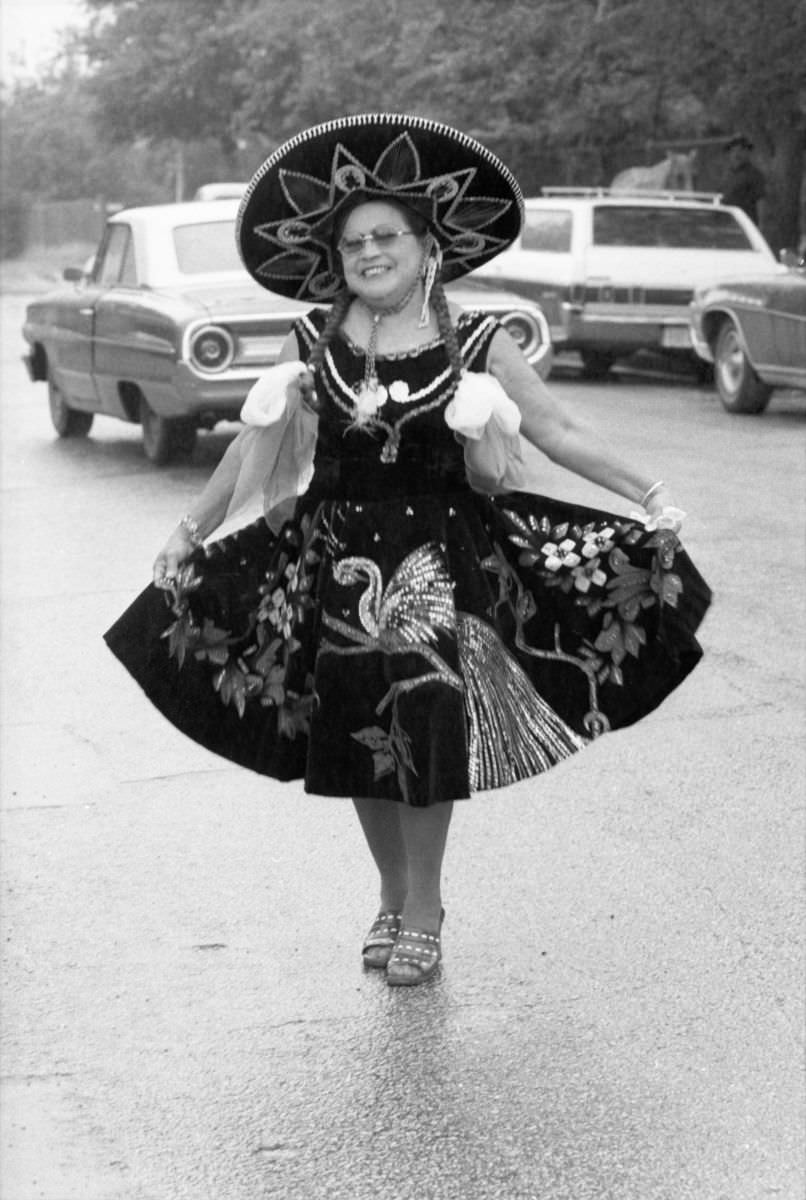
Families turned out together, many wearing traditional dress to honor their roots. The Cerda family was among those who lined the streets in 1974, representing the community spirit that defined these annual gatherings.
Mariachi bands filled the air with horns, violins, and guitars throughout the events. Live music ran alongside the parades and dance performances, keeping the festive atmosphere alive from morning into the evening hours.