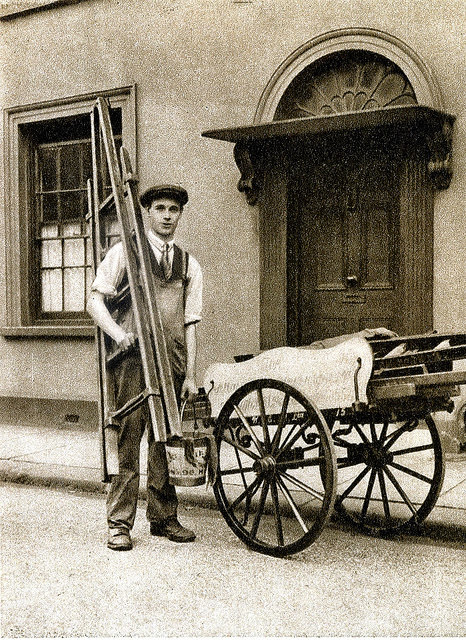
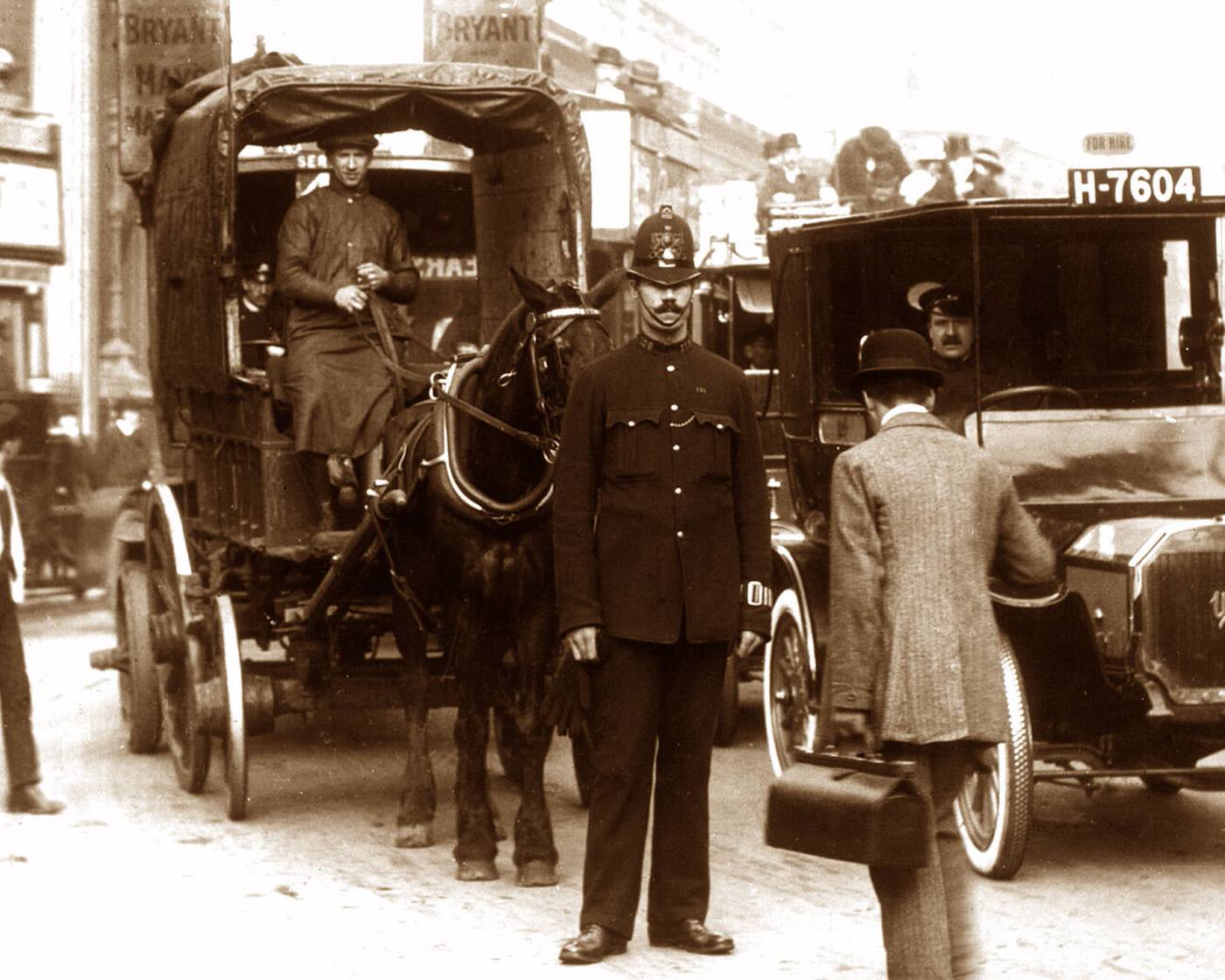
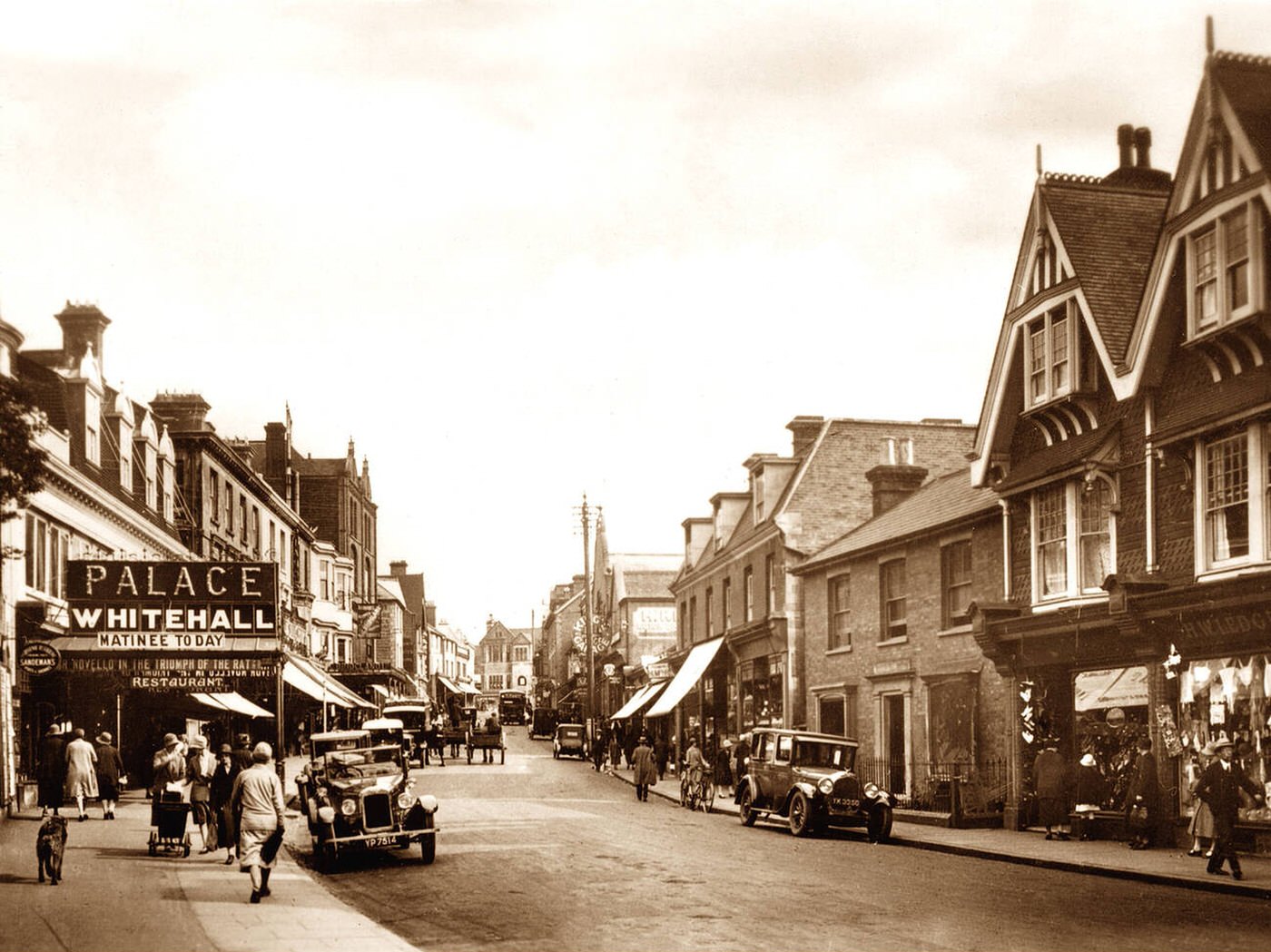
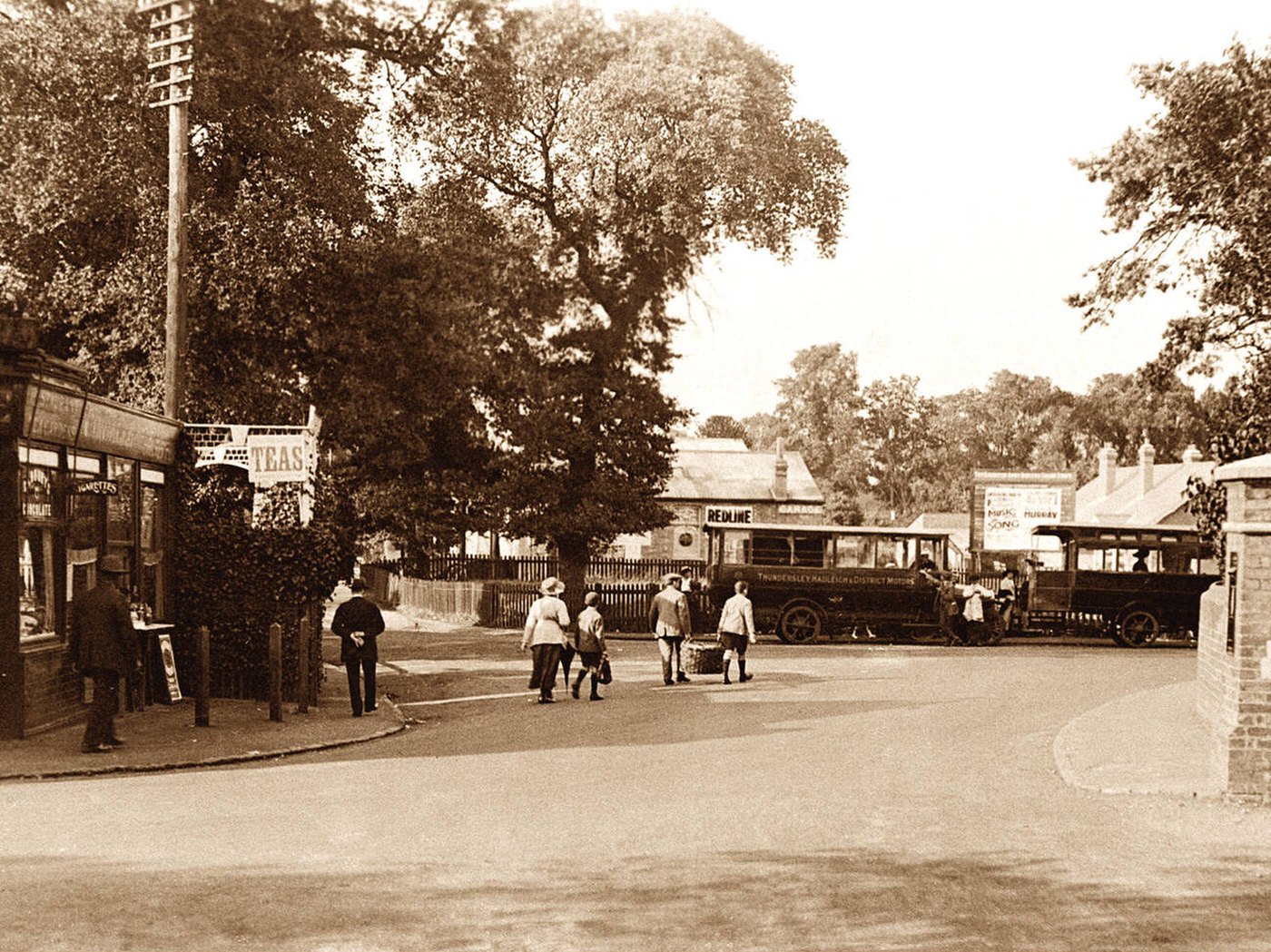
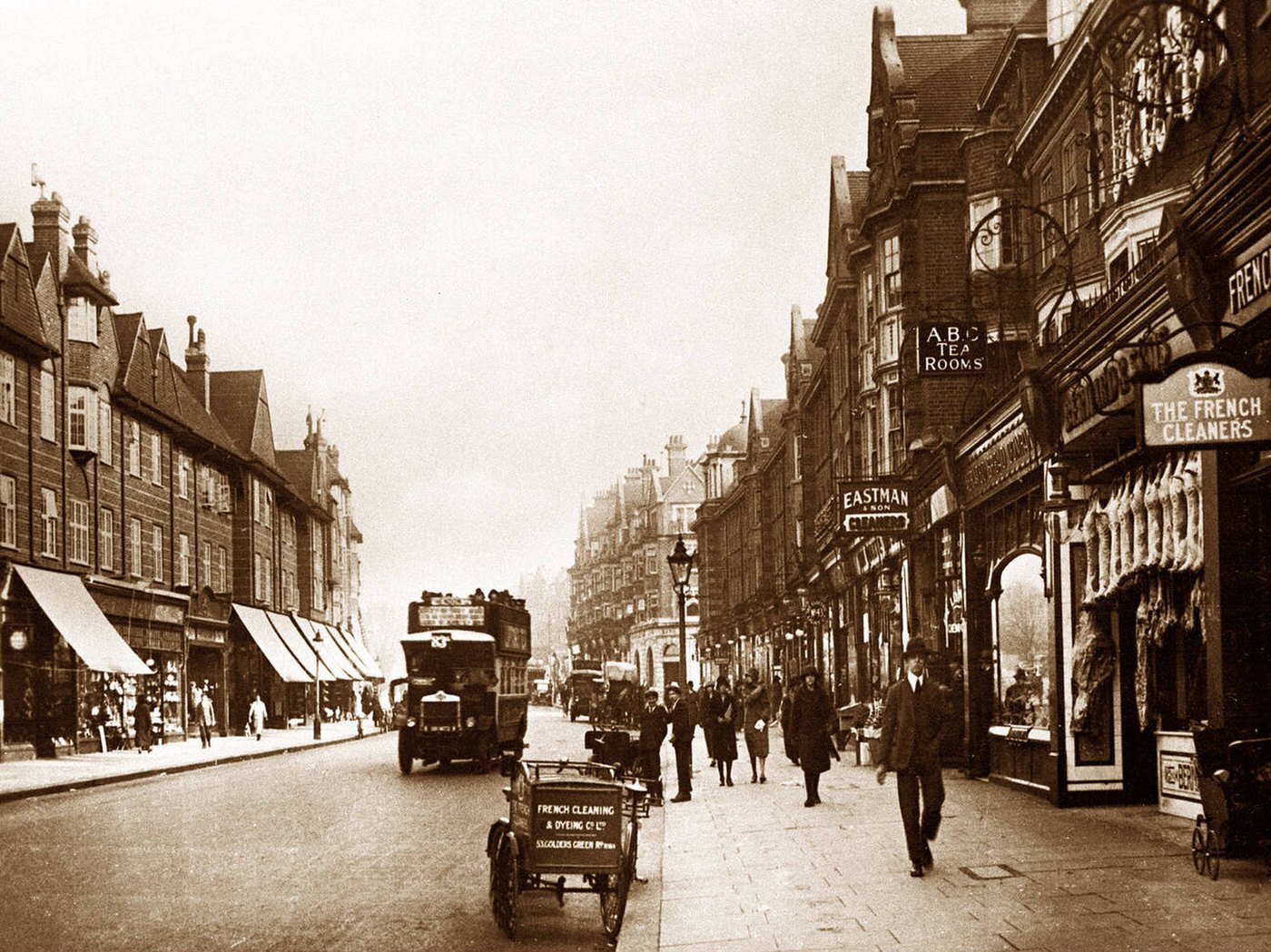
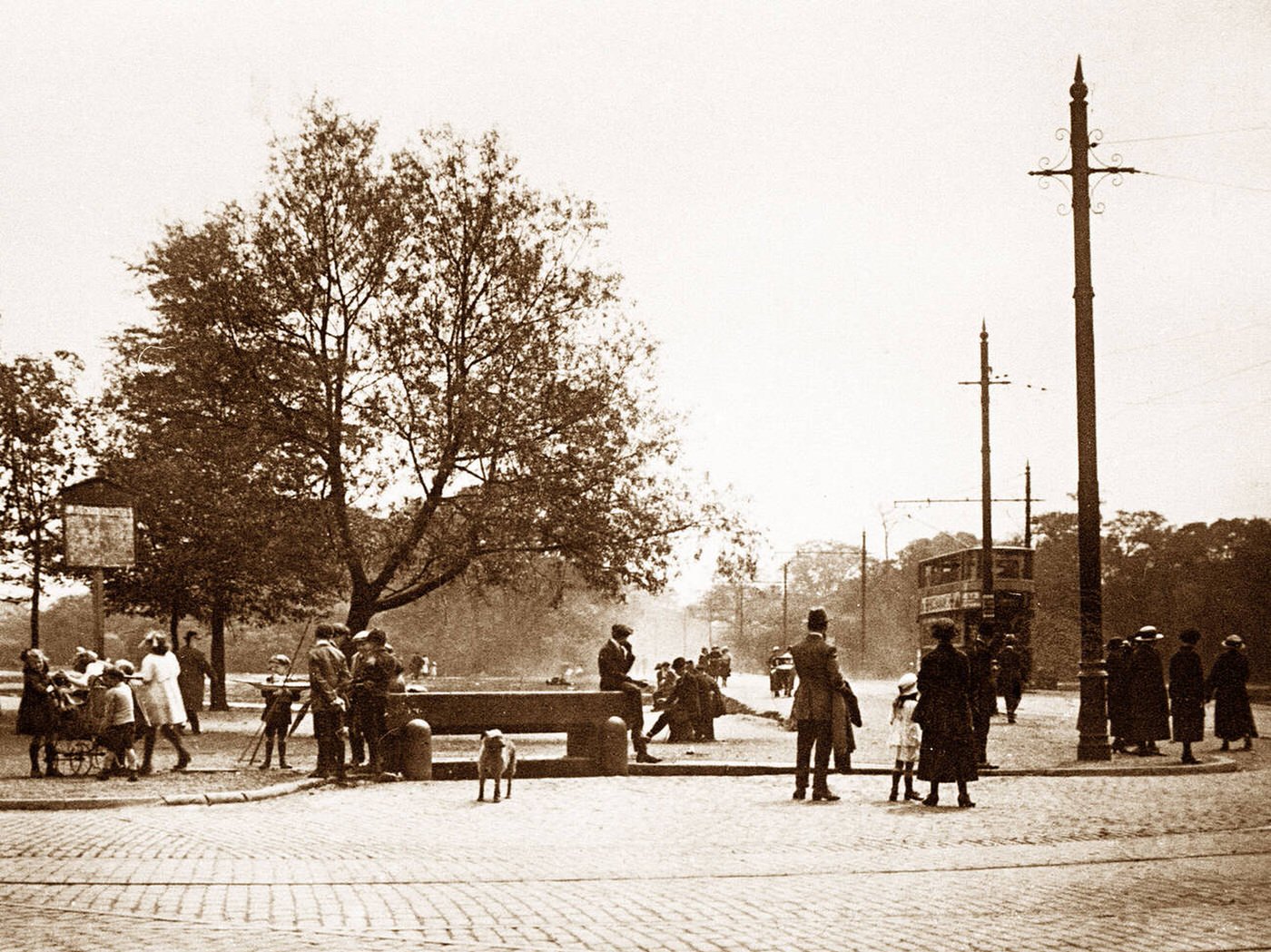
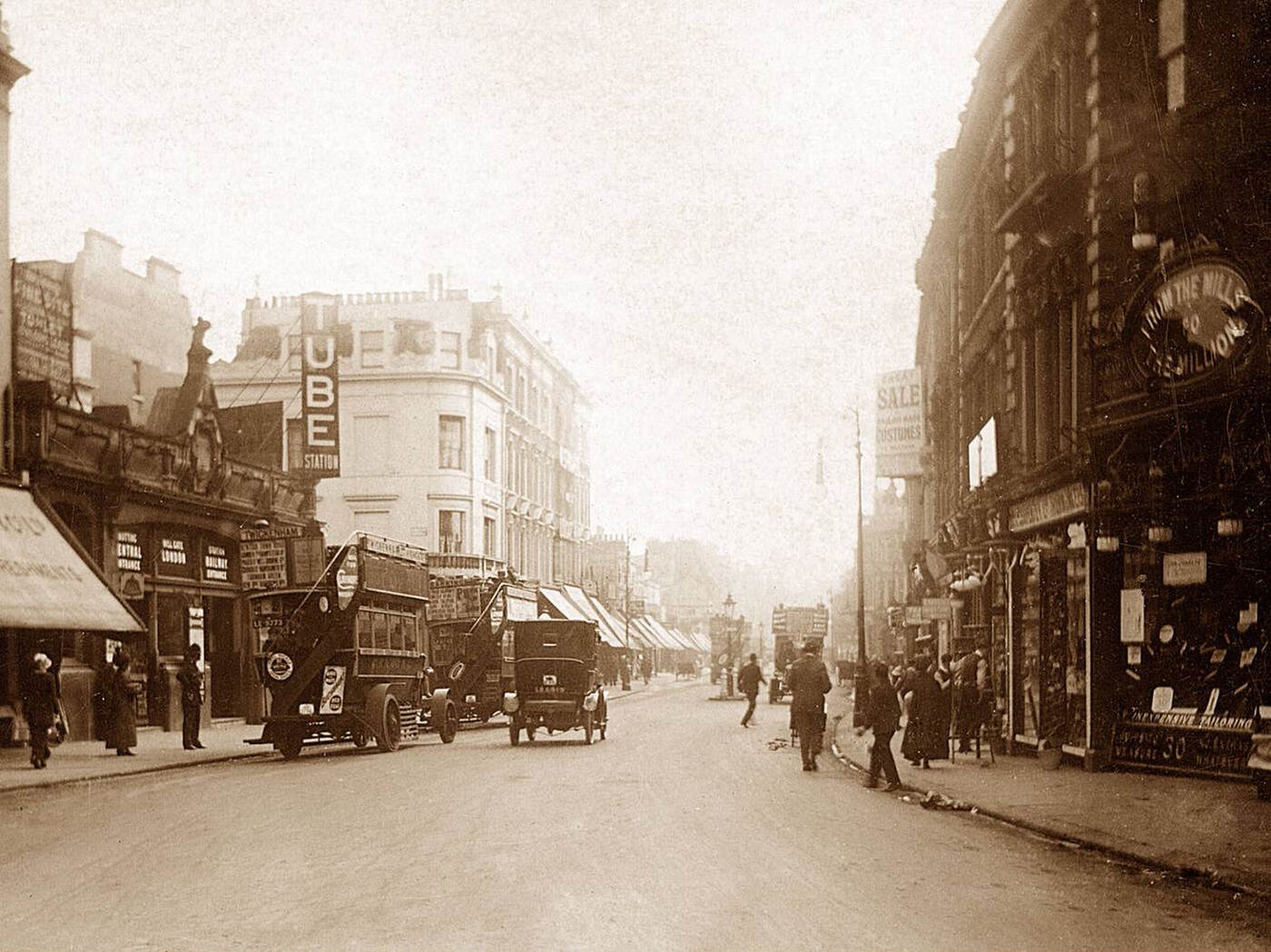
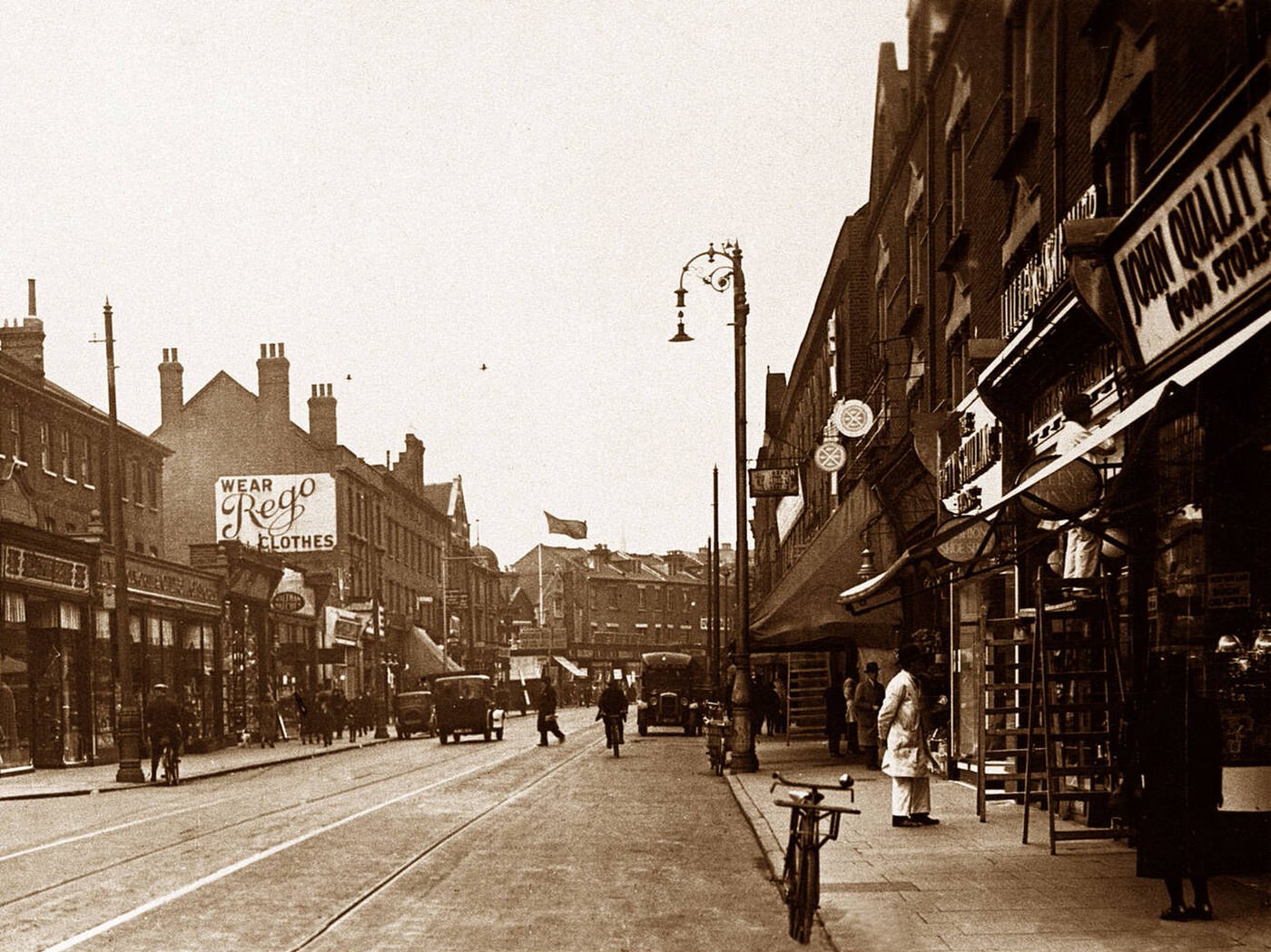
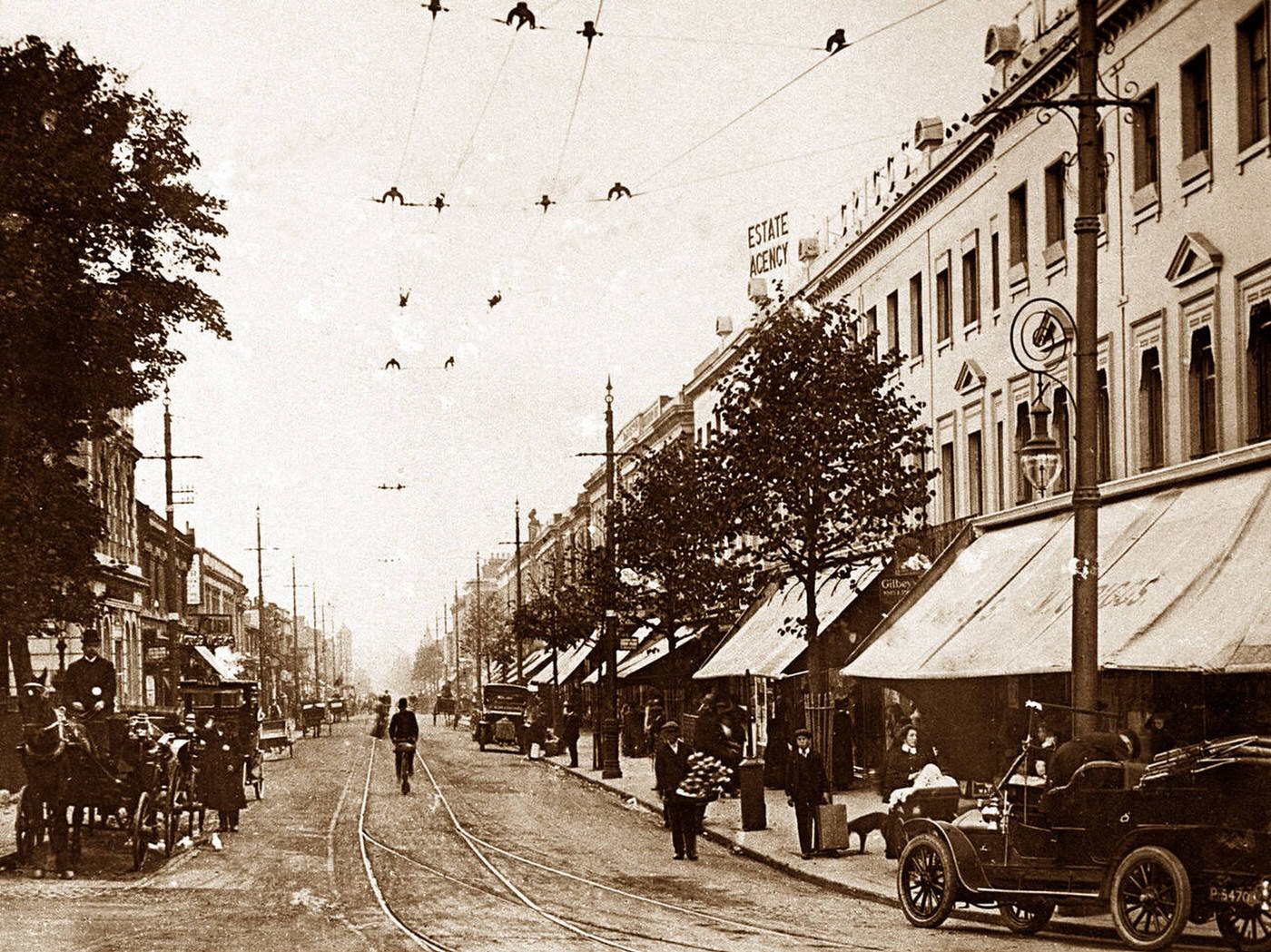
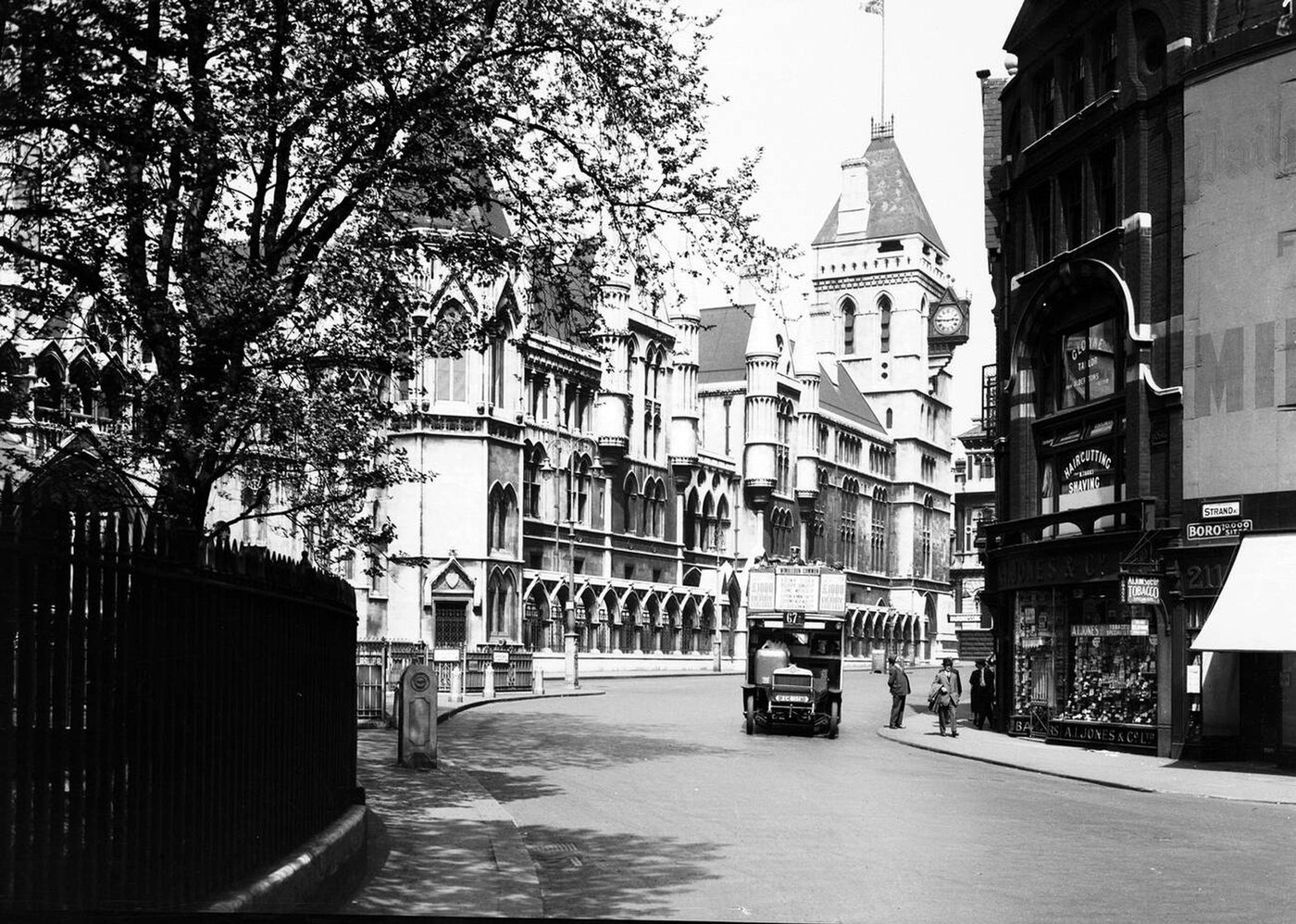
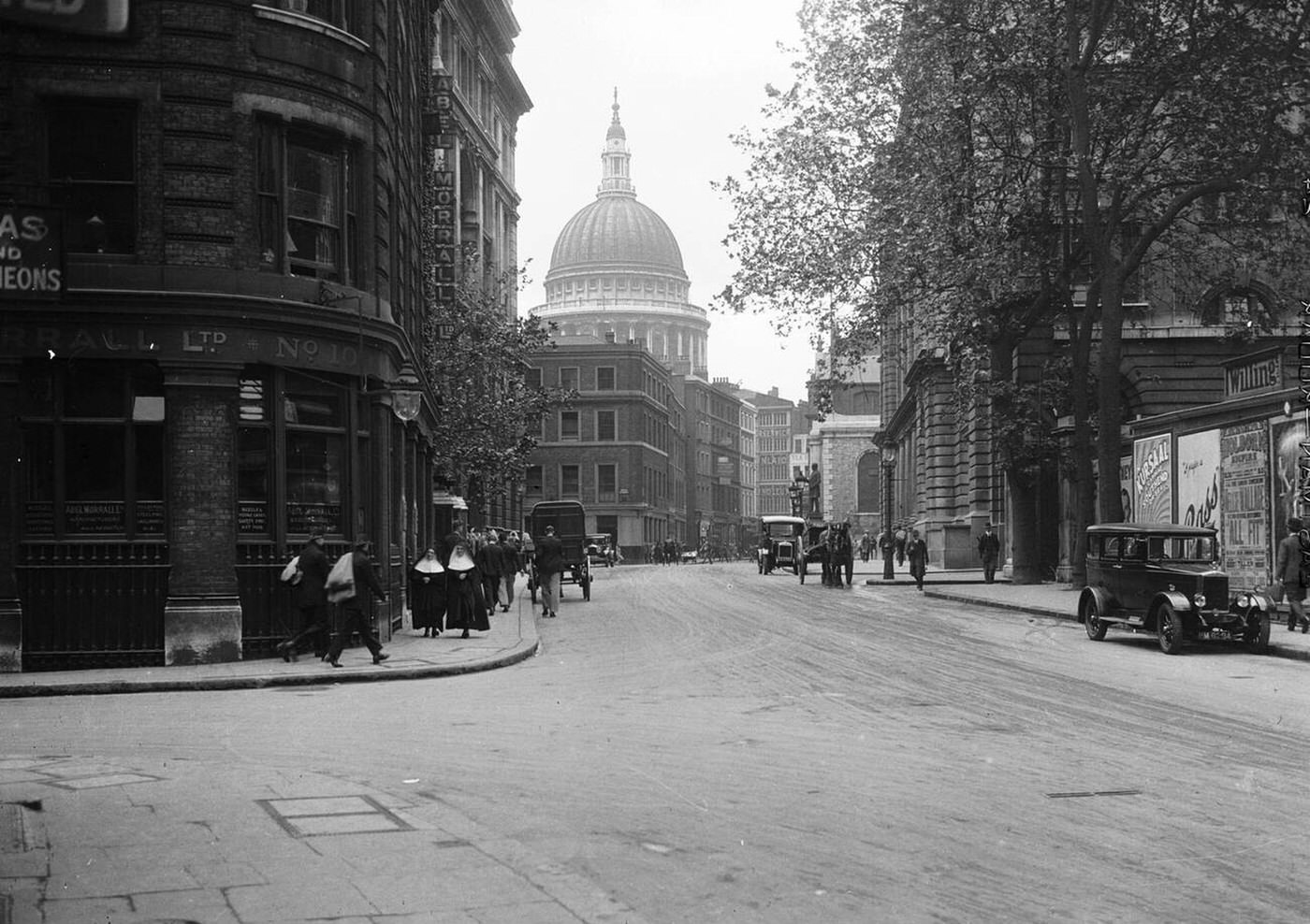
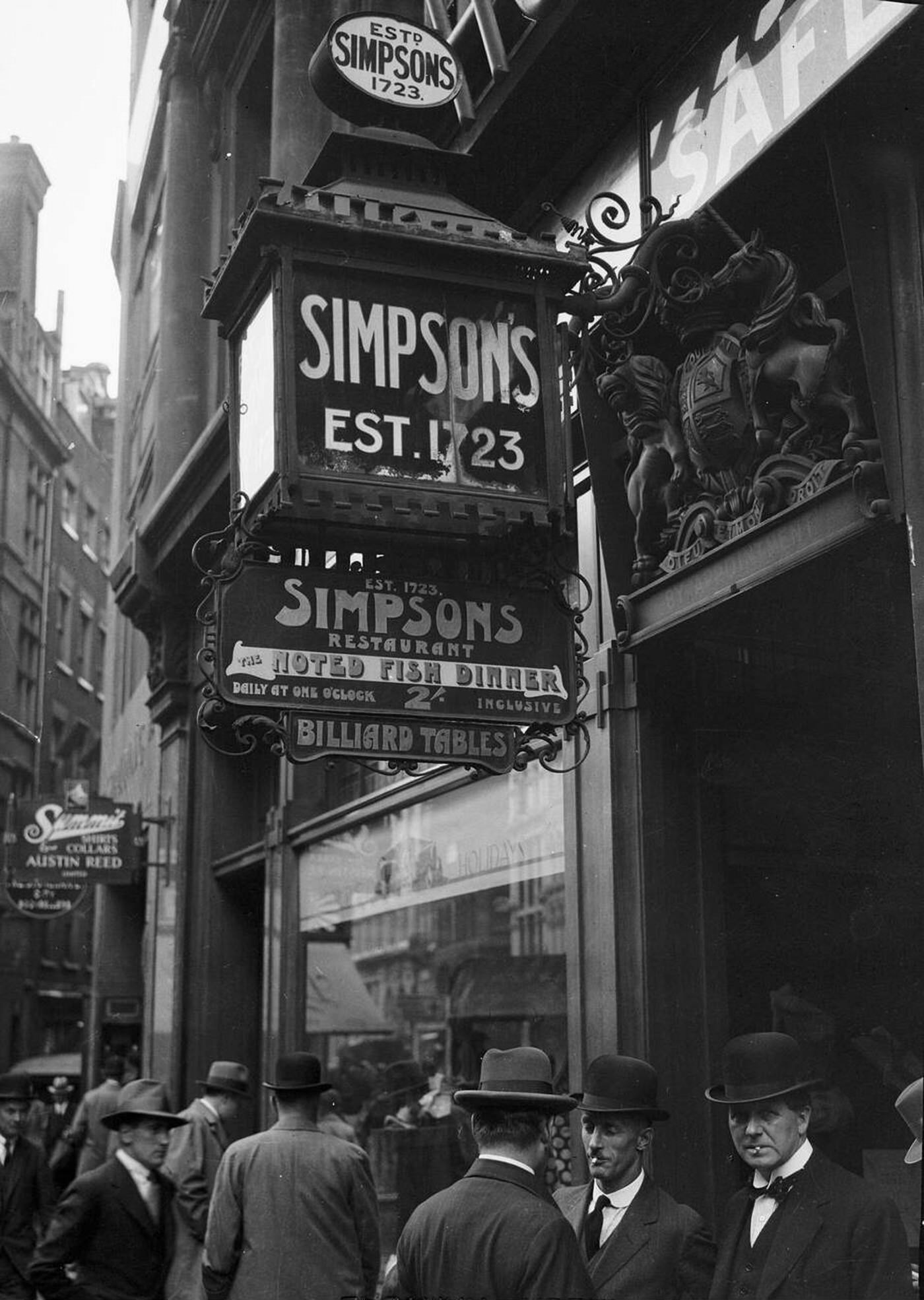
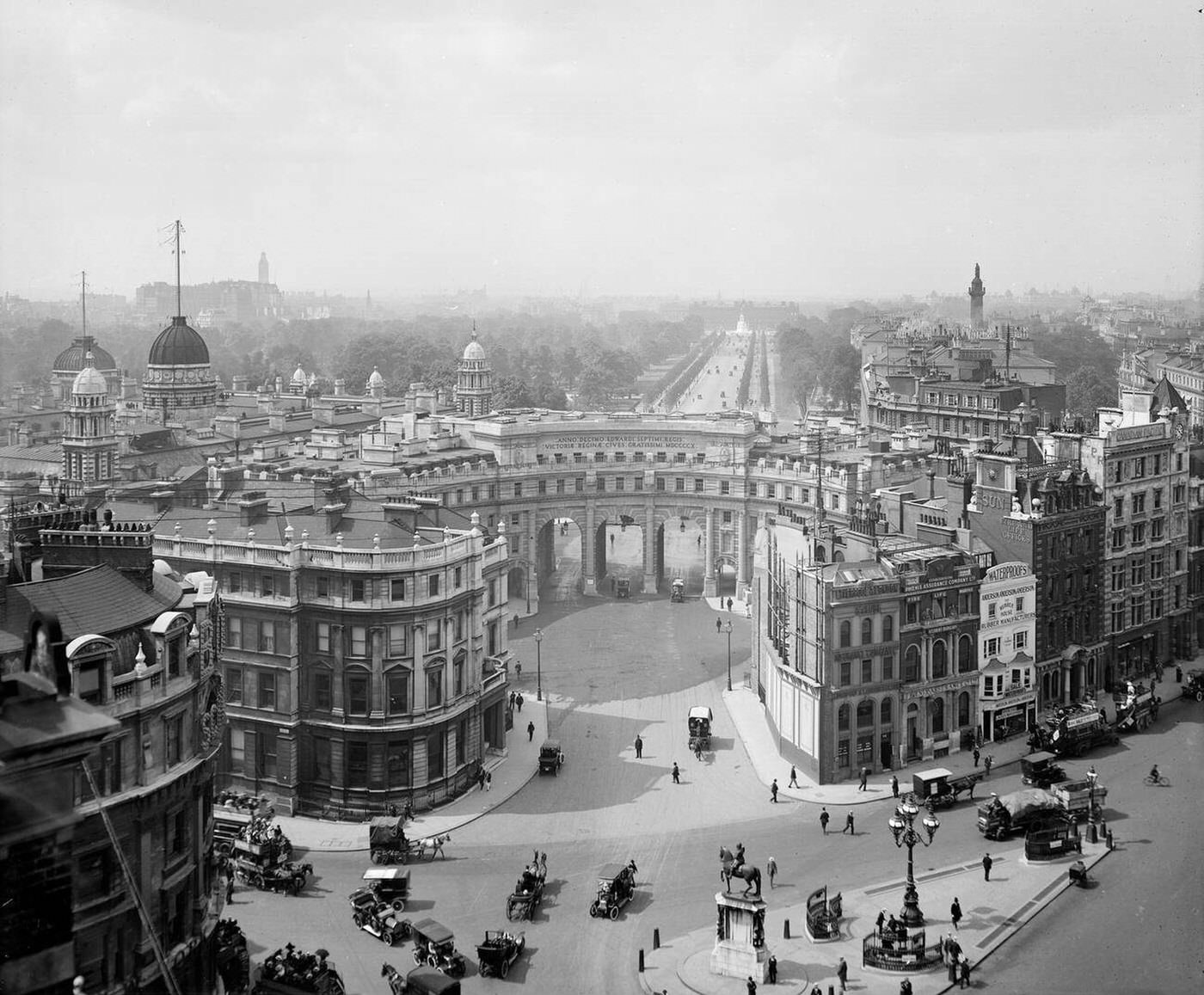
London in the 1920s was a city still carrying the weight of the Great War while charging headlong into a new era. The streets buzzed with a mixture of old trades and modern energy. Horse-drawn delivery carts shared roads with motor taxis and the growing fleet of red double-decker buses. The London Underground was expanding rapidly, giving workers a faster way to cross the city each morning and evening.
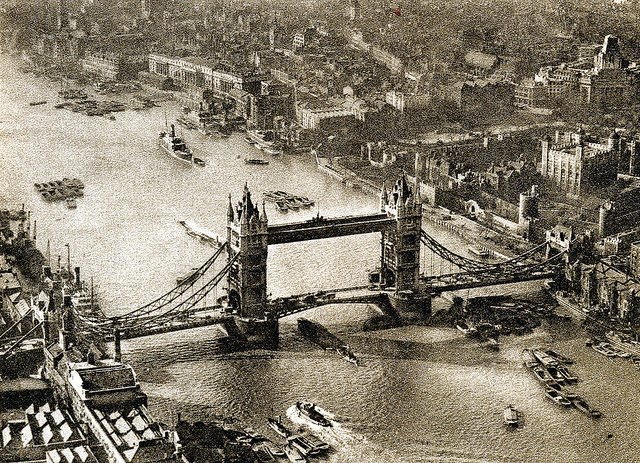
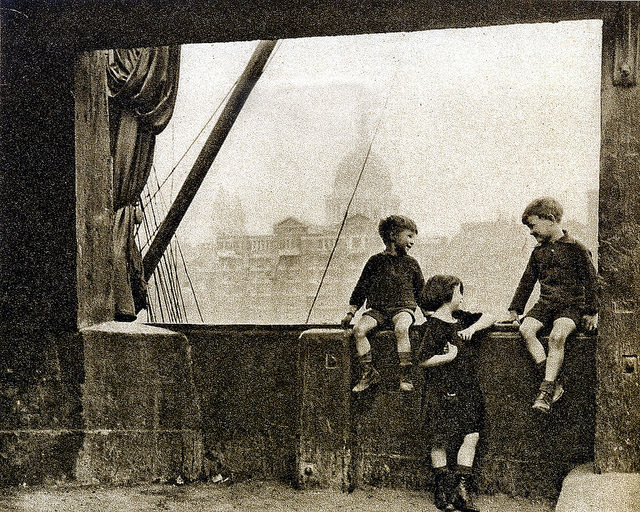
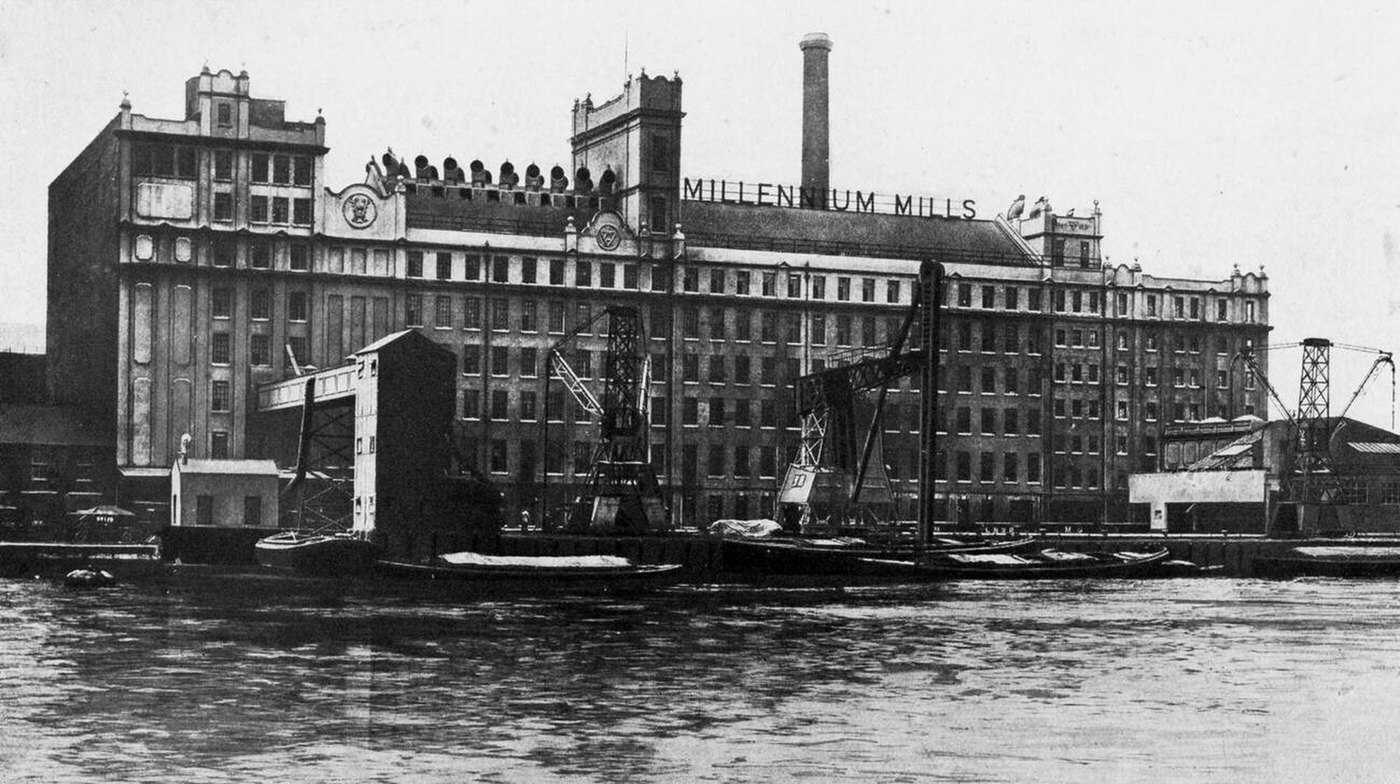
The River Thames remained the backbone of London’s commercial life. Goods moved along it constantly, and the docks at areas like Poplar and the Royal Victoria Docks kept thousands of workers employed. Markets like Billingsgate handled fish before dawn, and traders at Covent Garden and the East End set up stalls that drew locals every day of the week.
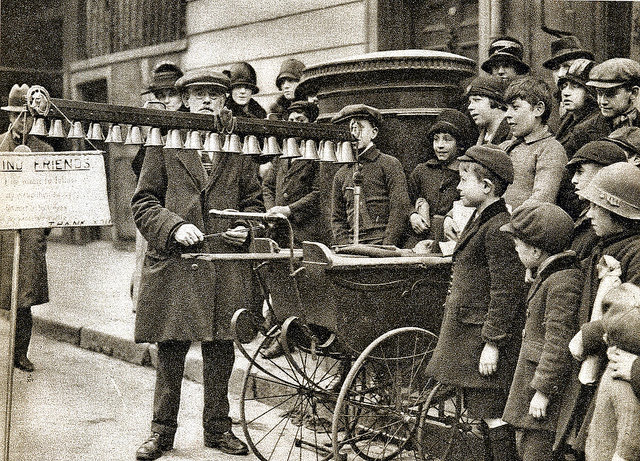
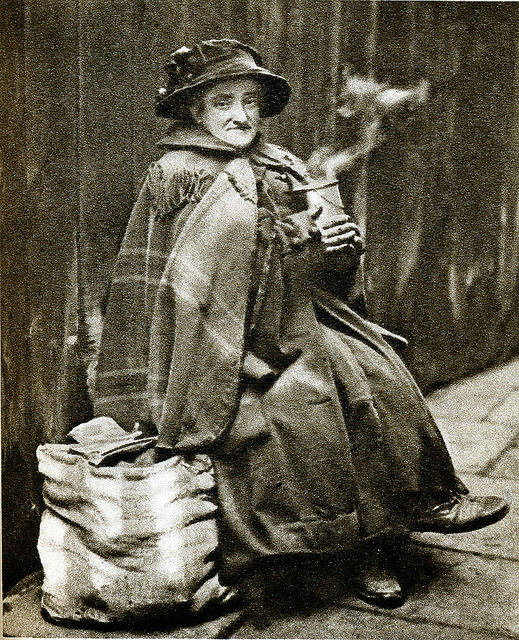
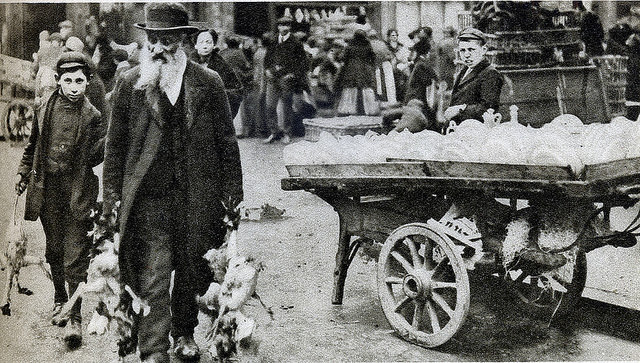
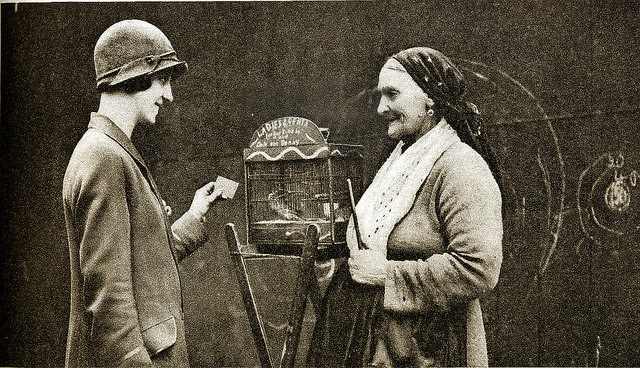
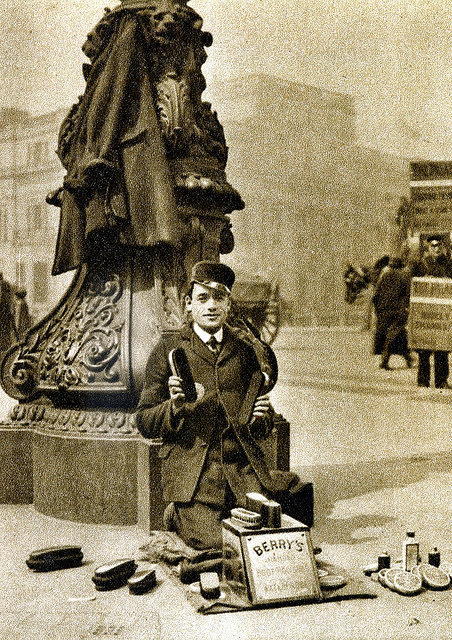
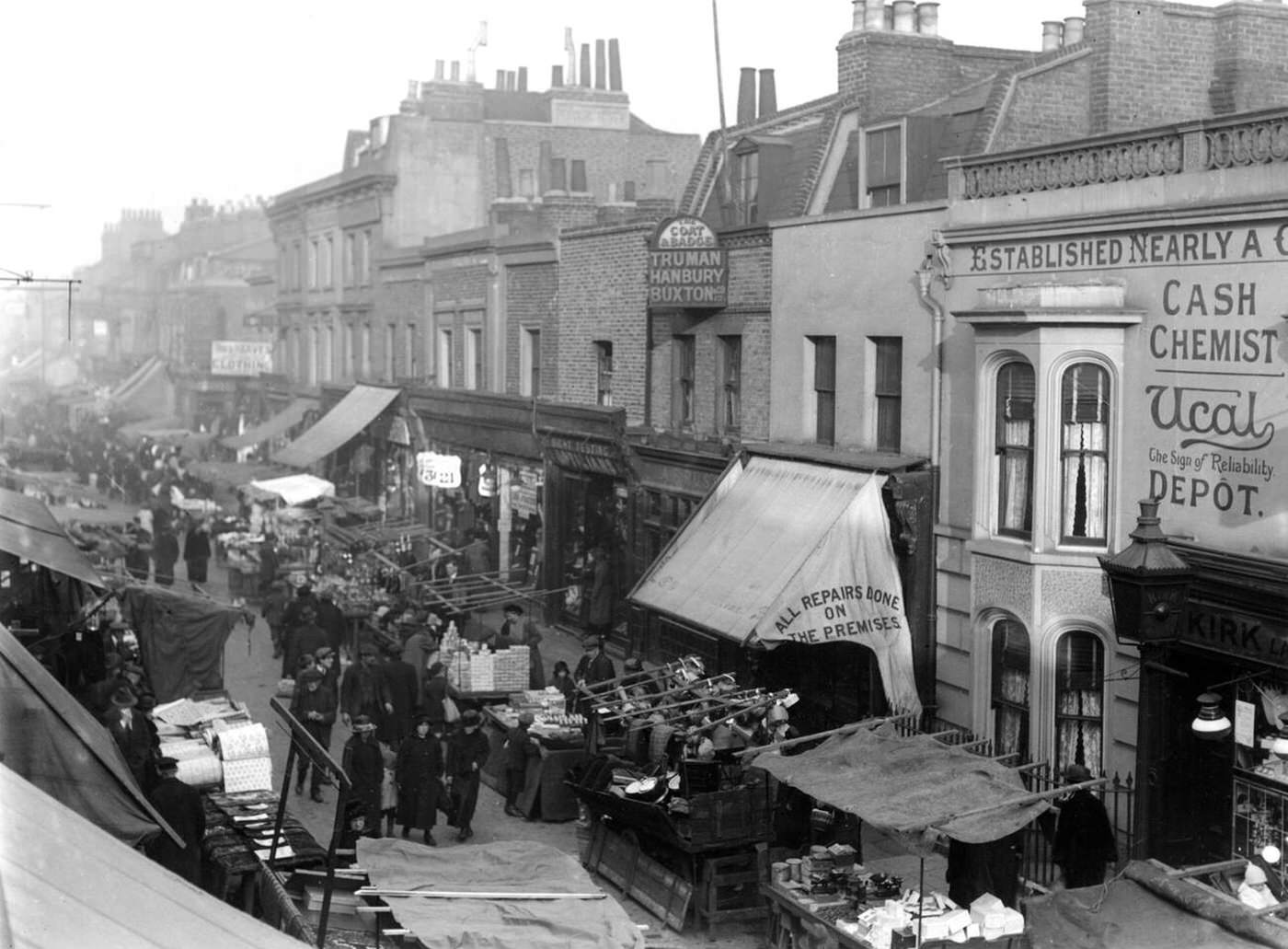
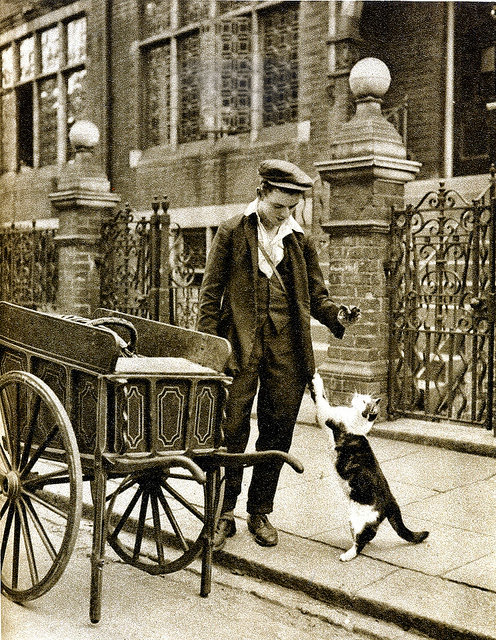
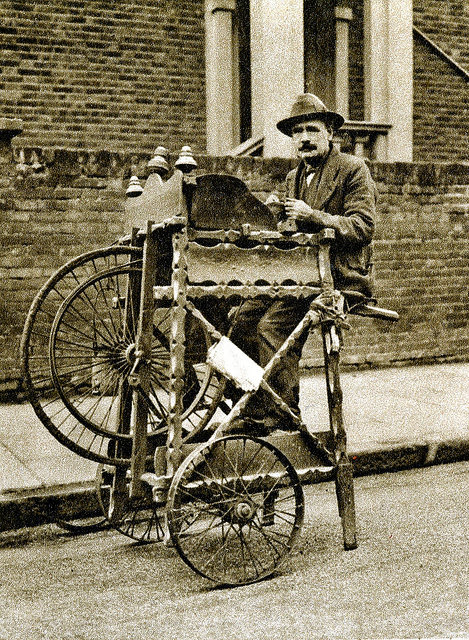
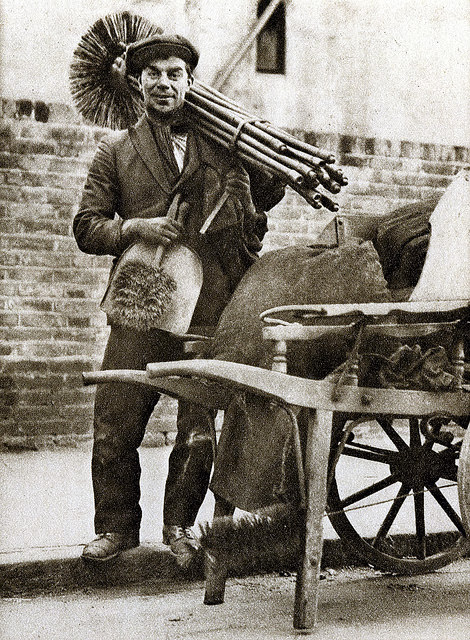
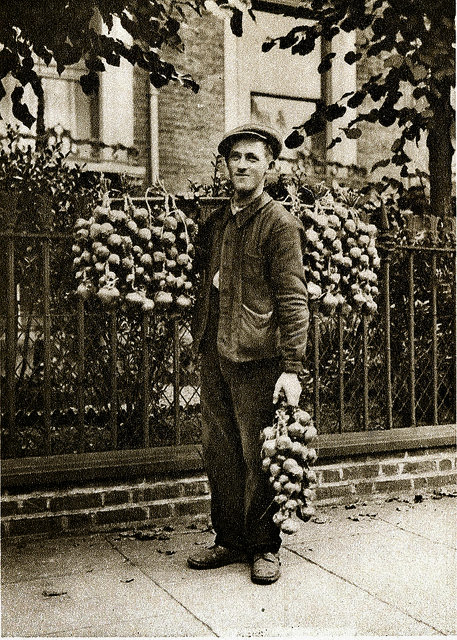
Street life was vivid and full. Vendors with specific trades moved through neighborhoods on set routes. The cats-meat man sold scraps of cooked horse meat door to door for household pets. Knife grinders pushed their wheeled sharpening tools through back streets. Chimney sweeps worked their way across rooftops. Breton onion sellers, who had crossed from France, cycled through London with strings of onions hanging from their handlebars.
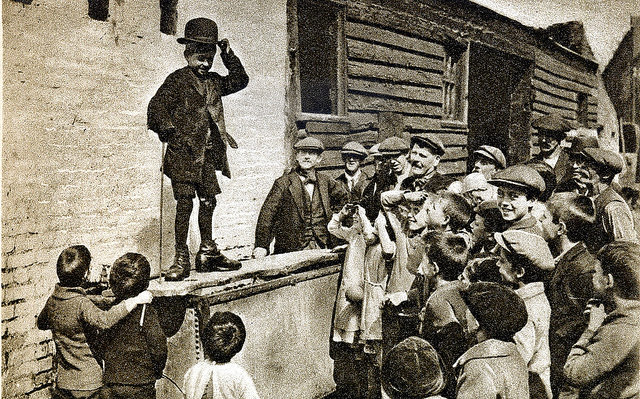
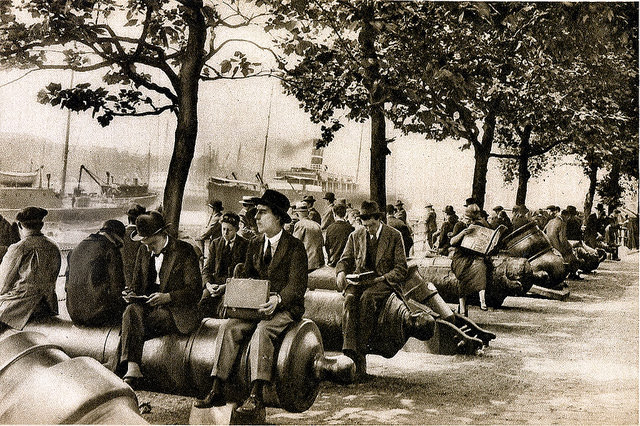
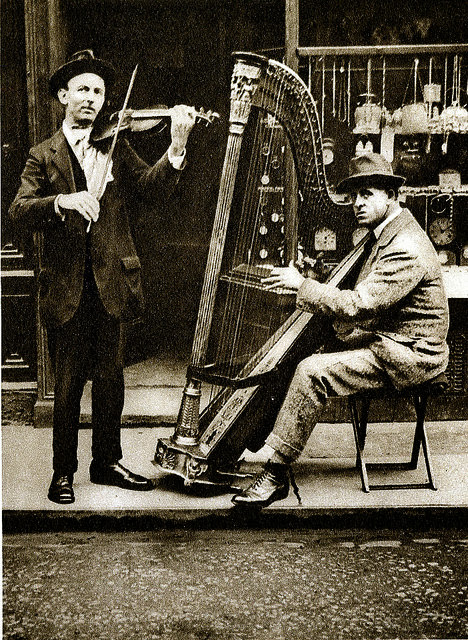
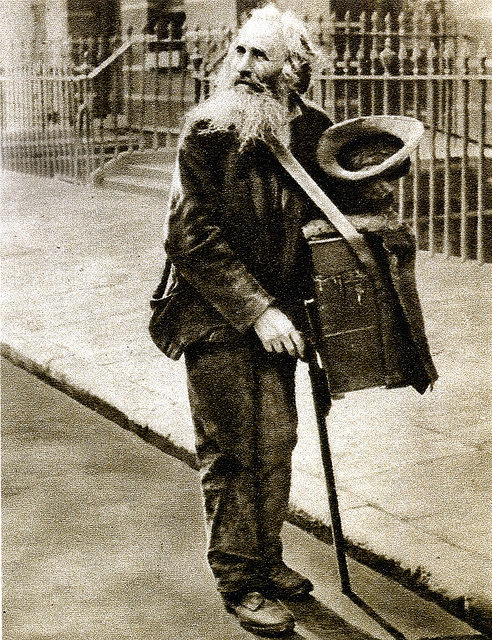
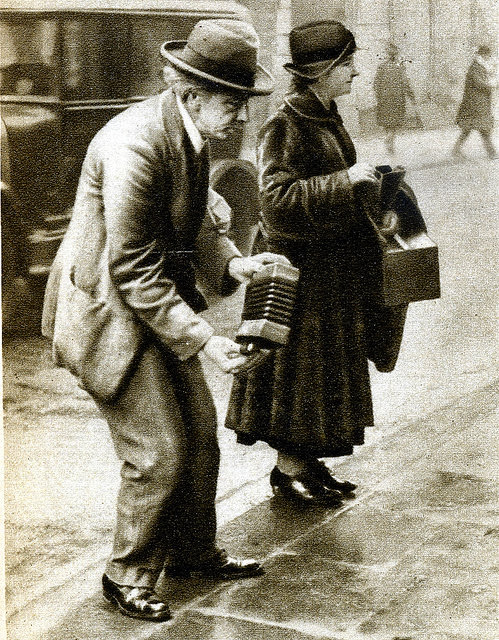
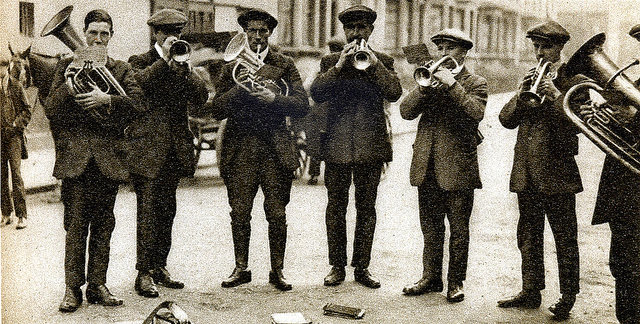
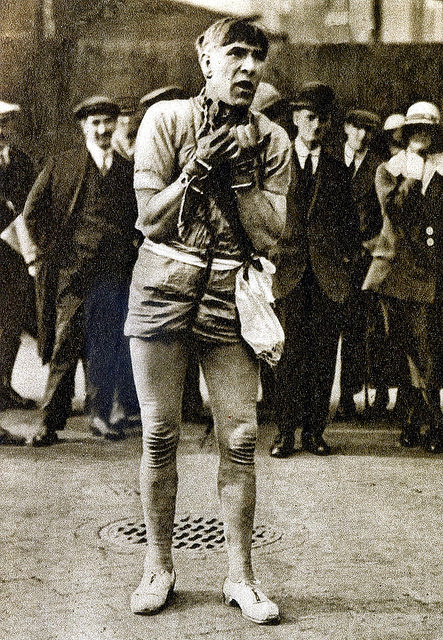
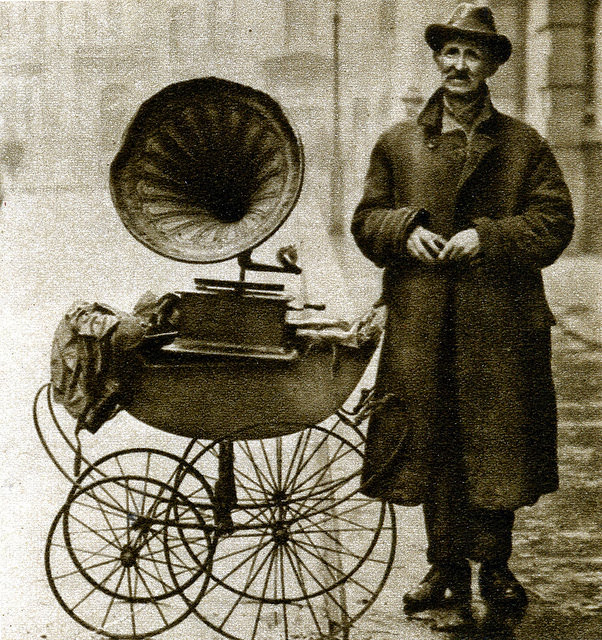
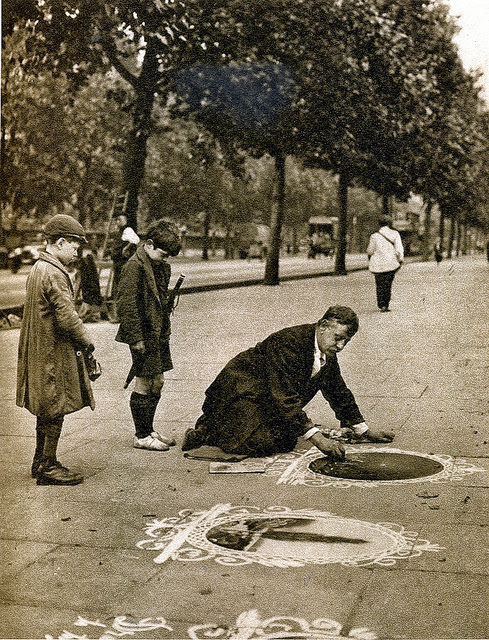
Entertainment on the street was just as lively. Brass bands, organ grinders, and street musicians performed at corners across the city. Escapologists drew crowds on busy pavements. Pavement artists worked along the Victoria Embankment, drawing portraits or scenes on the stone for passing pennies. A gramophone player could stop a crowd simply by cranking up a record in the open air.
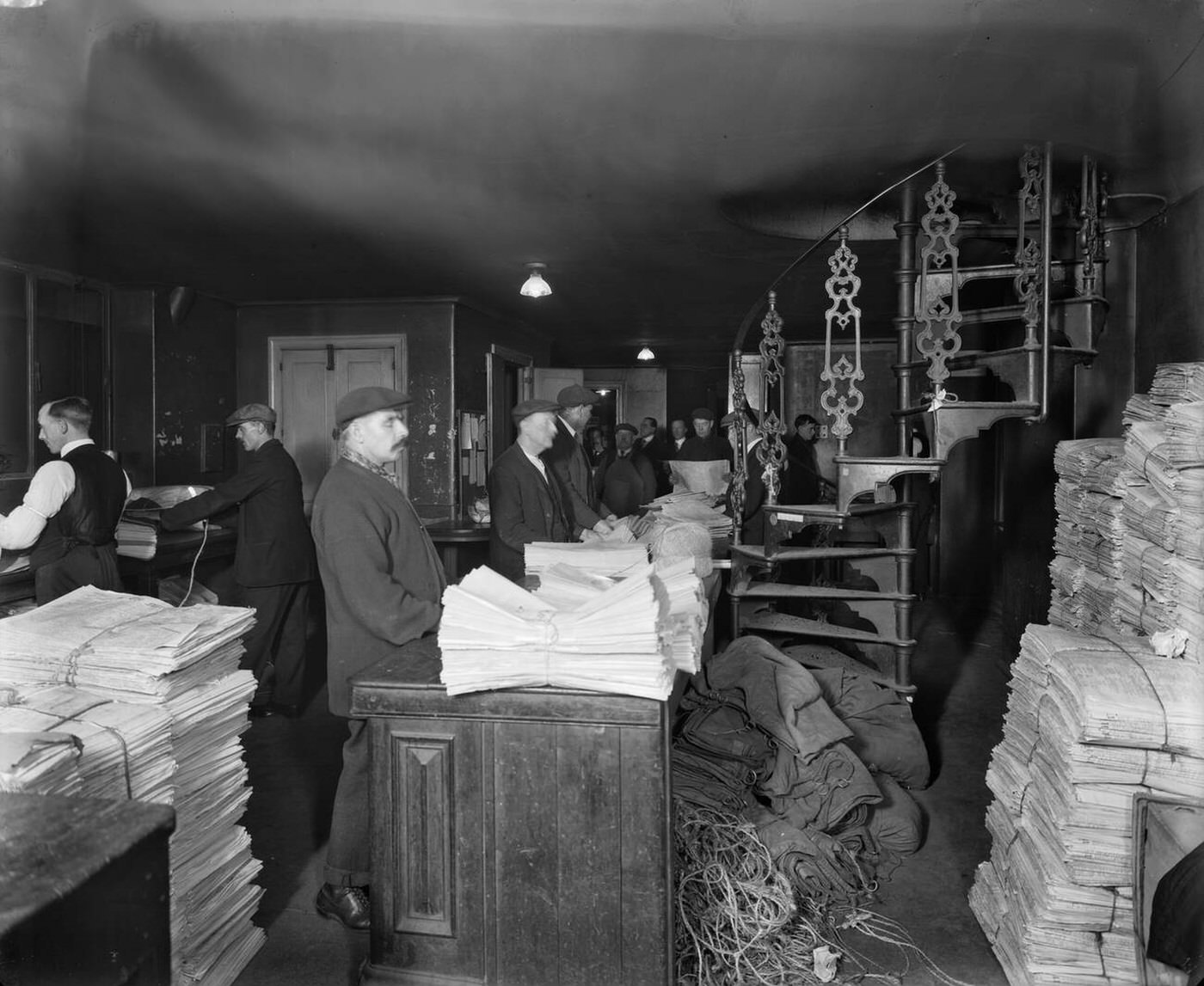
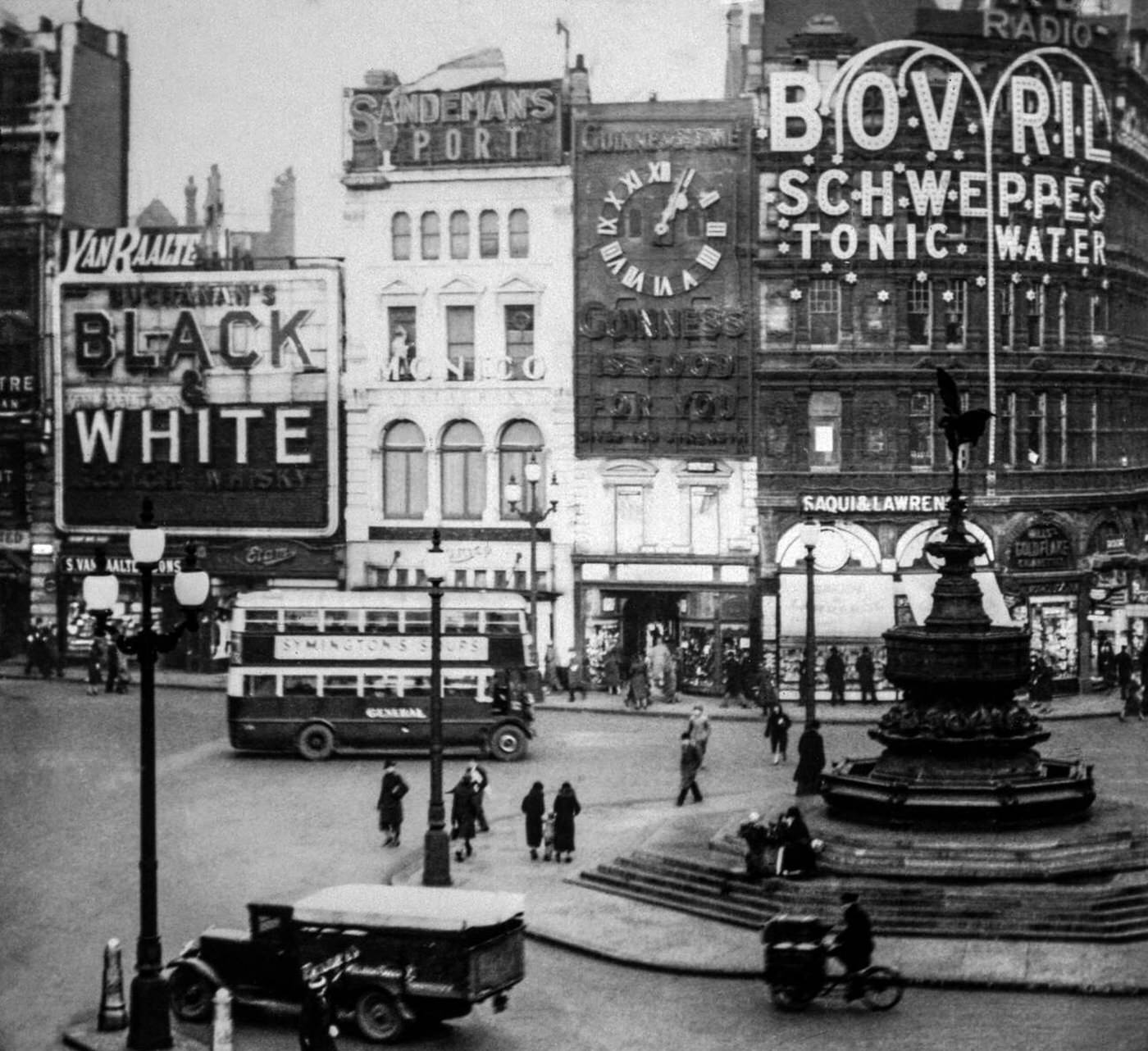
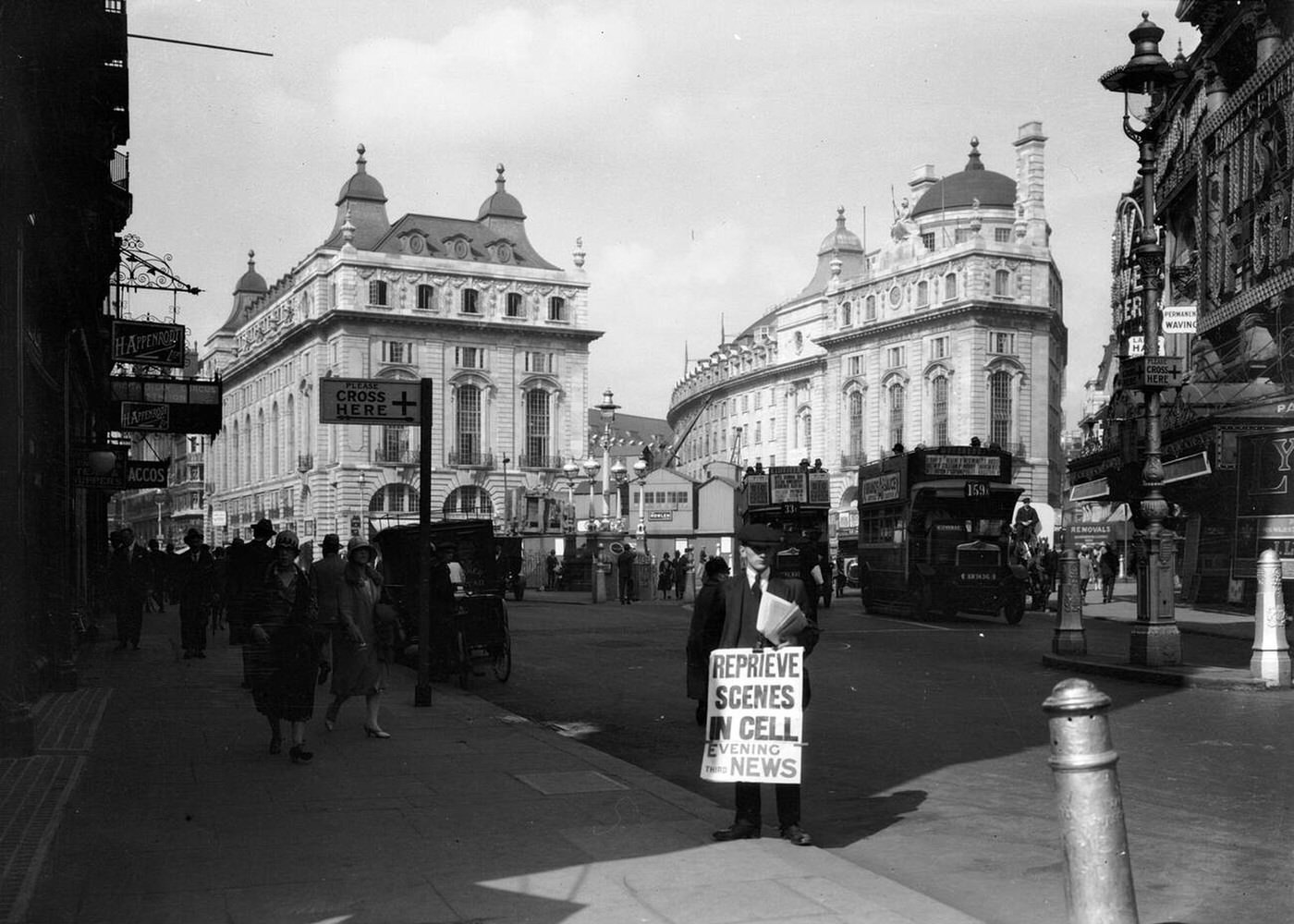
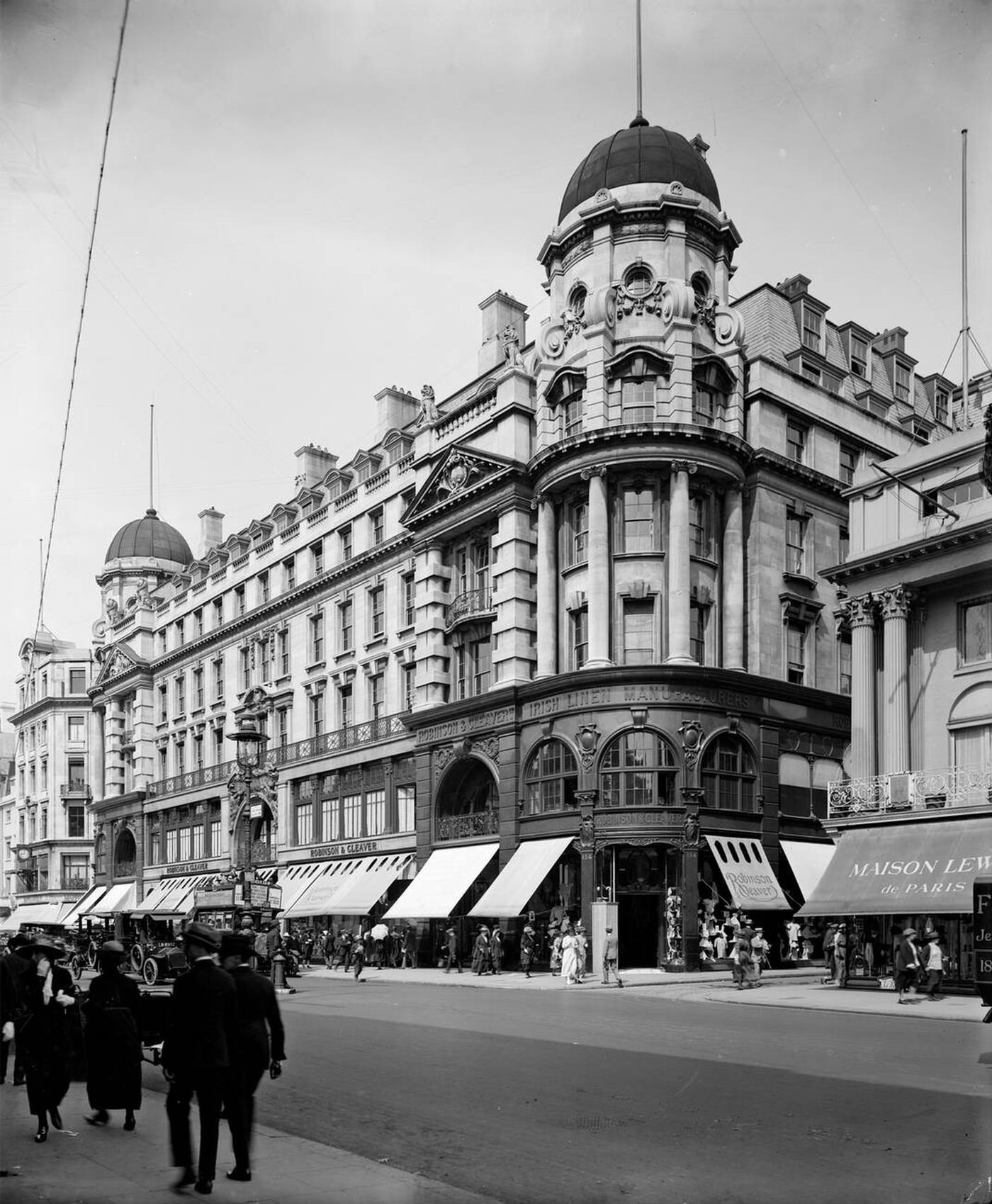
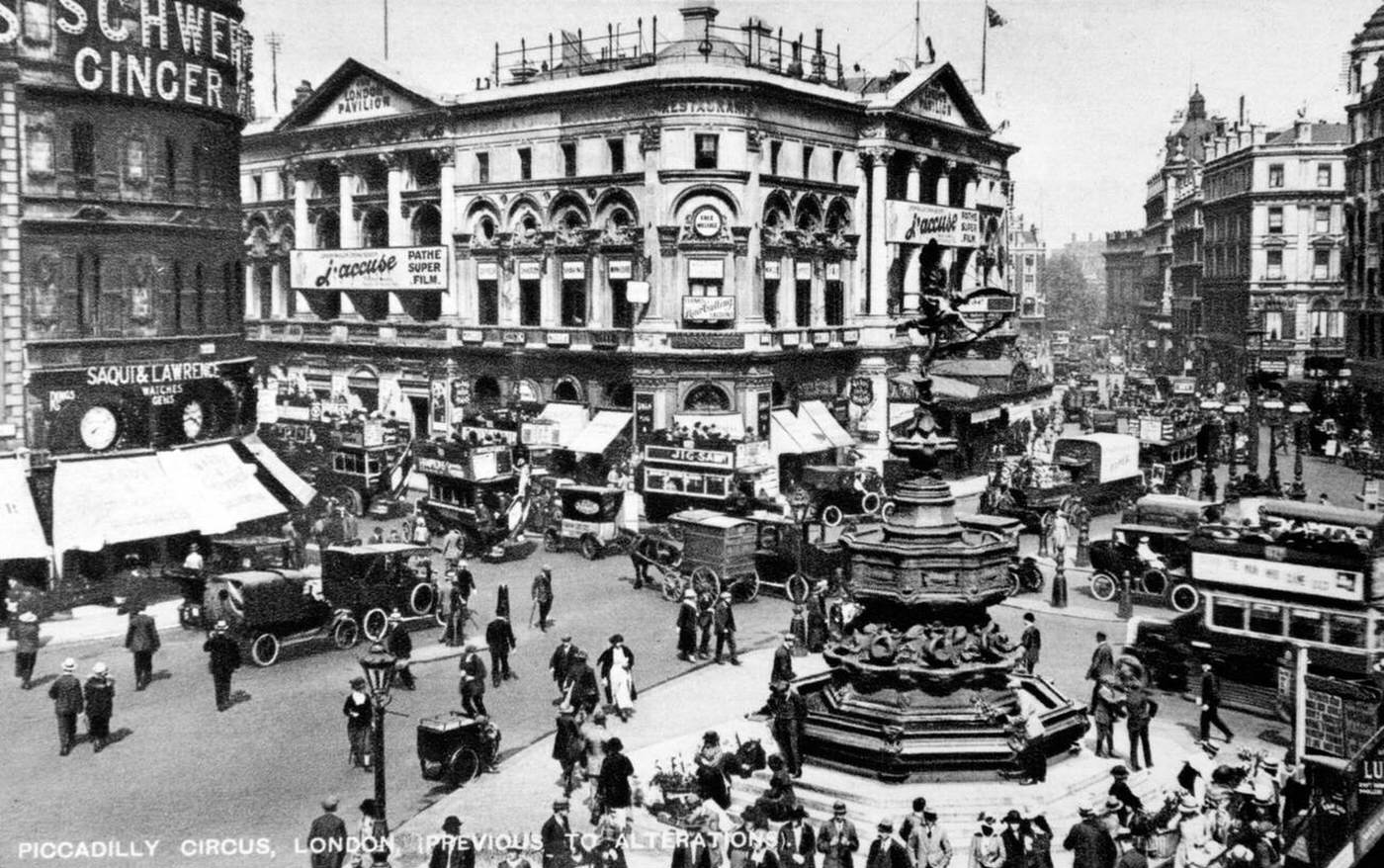
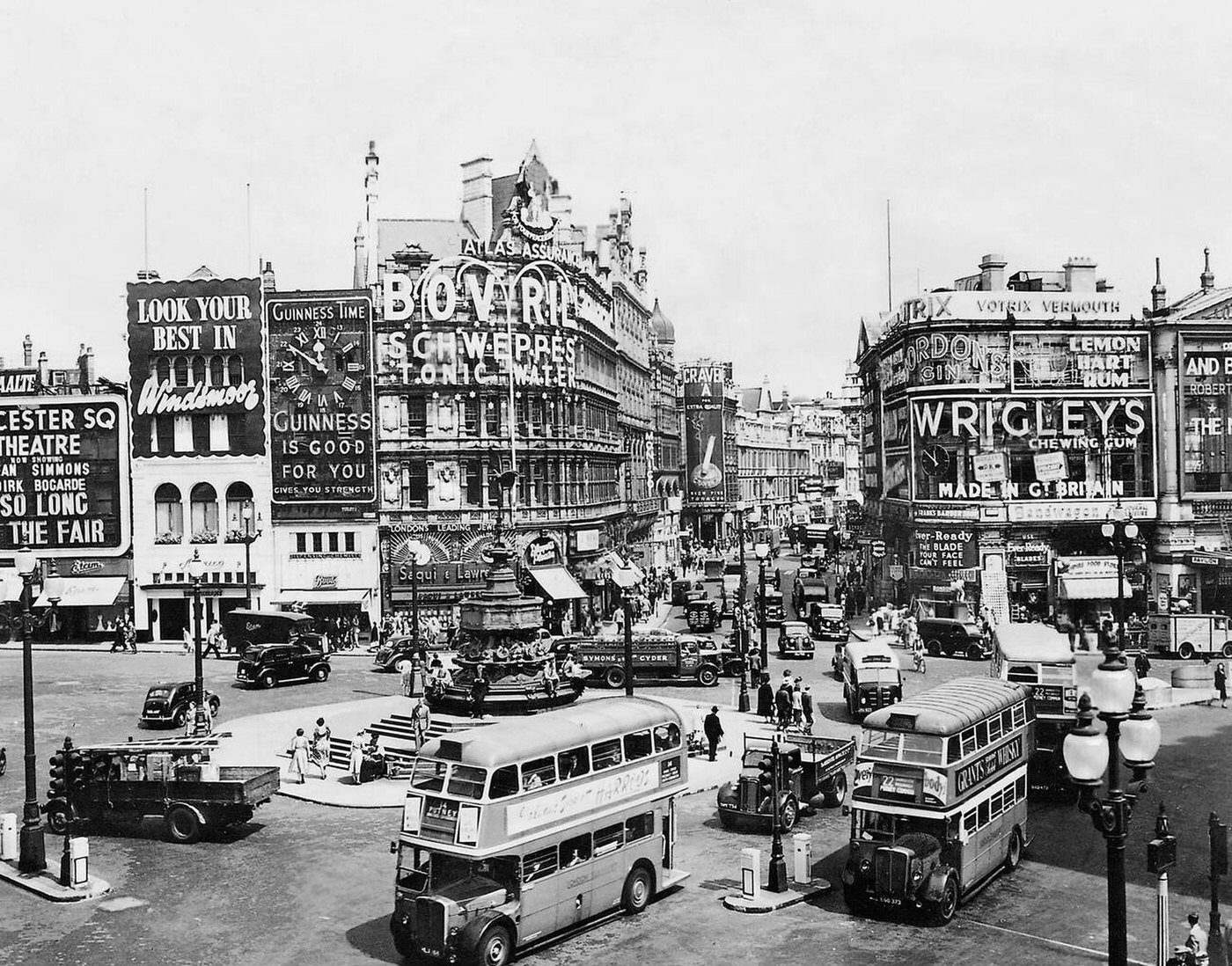
Piccadilly Circus sat at the heart of London’s commercial and entertainment world. The Eros statue fountain marked the center of one of the busiest squares in the city. Cinema hoardings advertised the latest films, including French productions shown at the London Pavilion. Newspaper hawkers shouted headlines from The Evening News on nearby corners, and shoppers moved in and out of department stores on Regent Street.
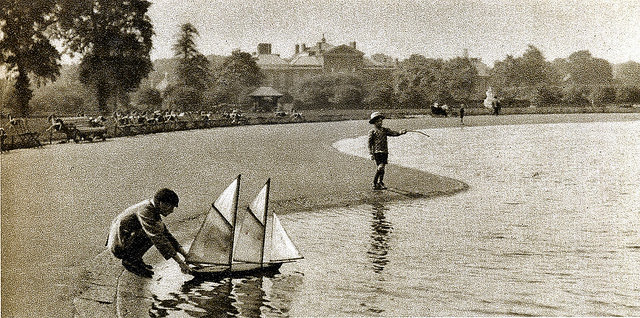
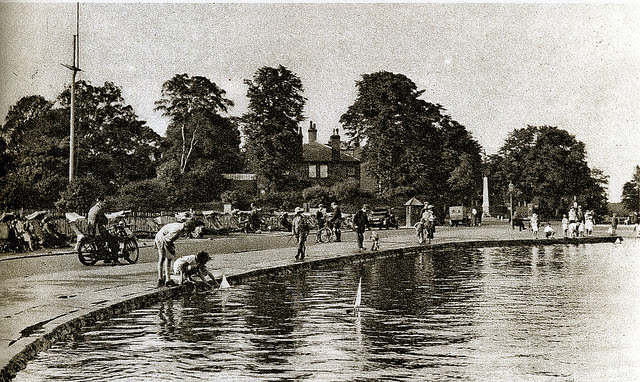
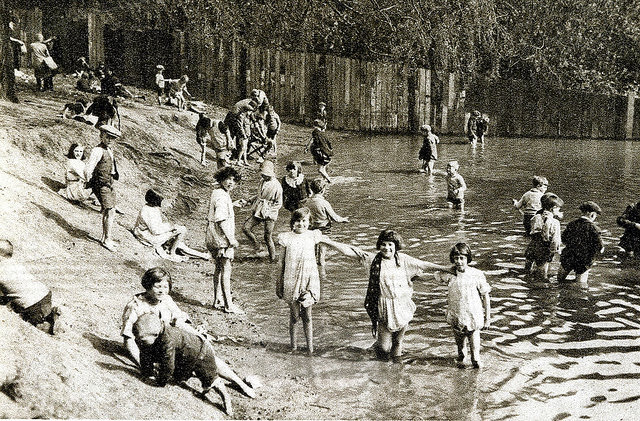
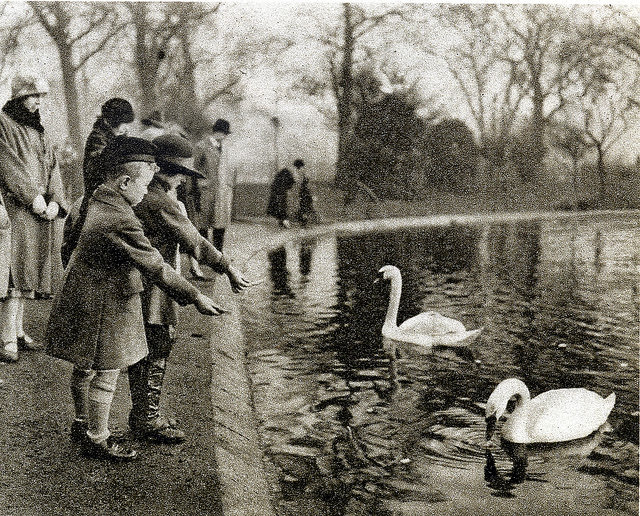
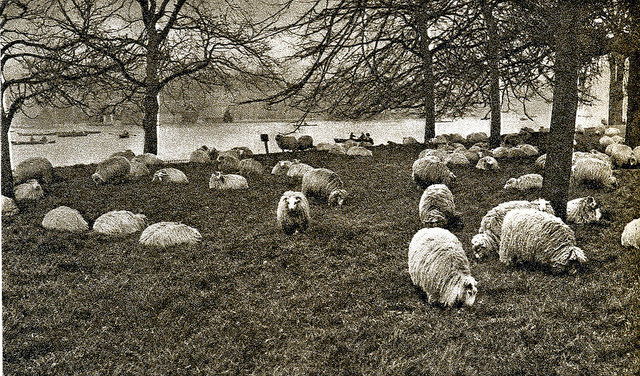
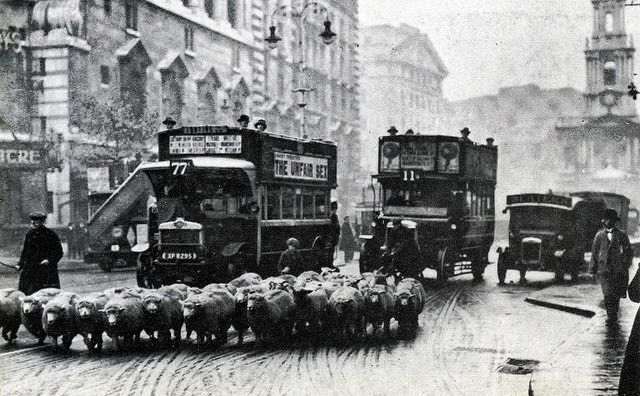
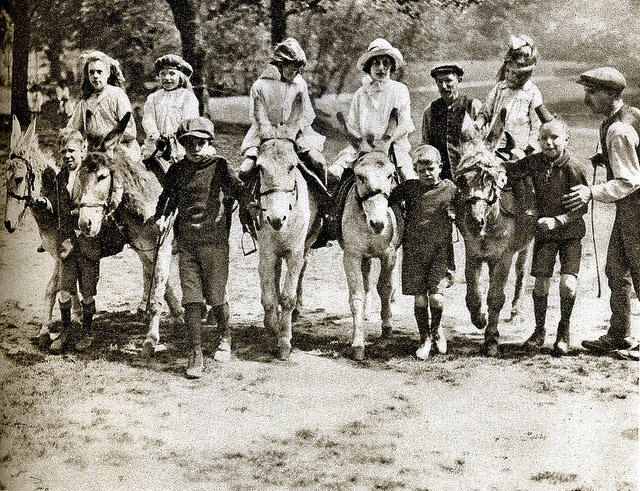
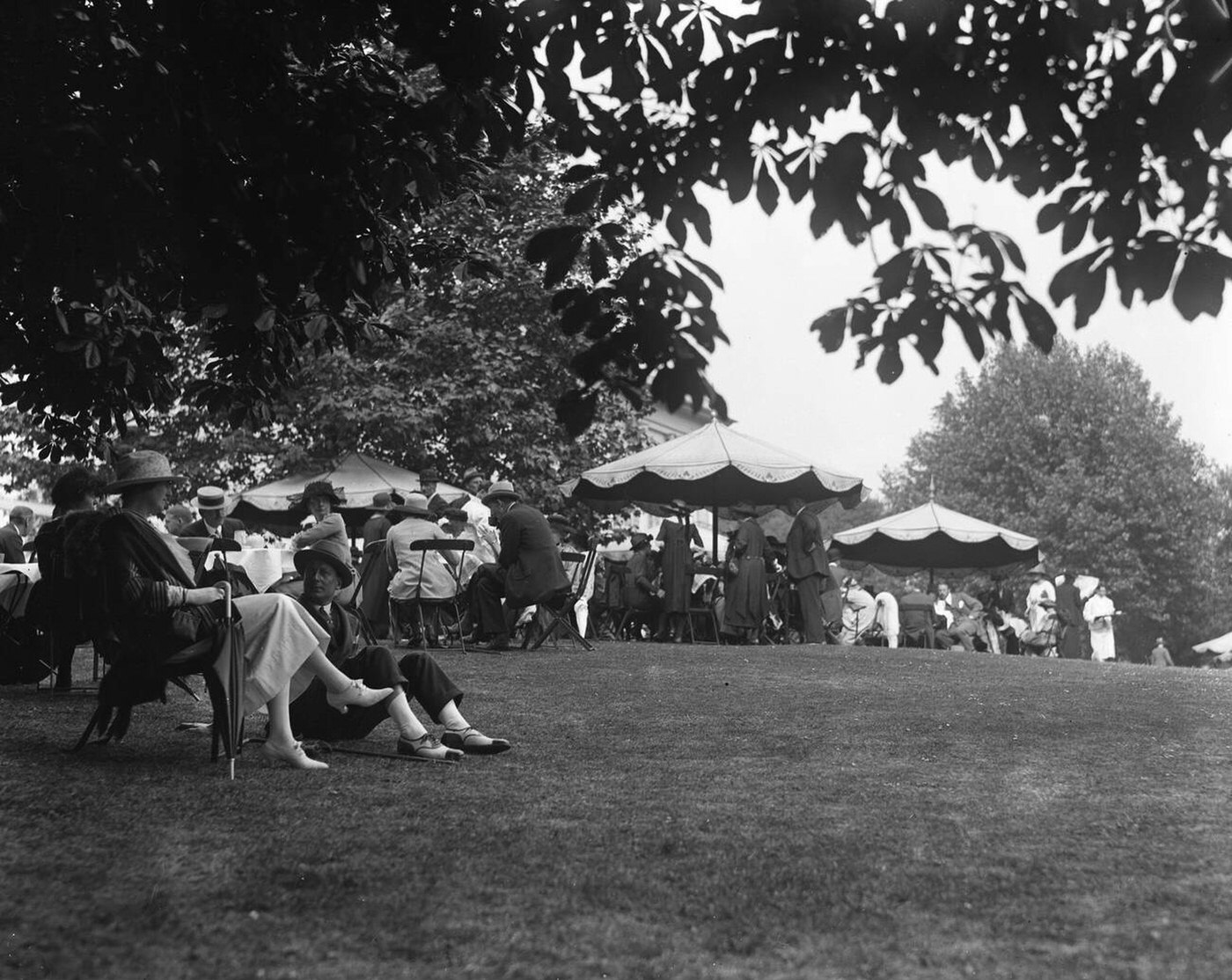
Parks were central to daily life for Londoners of all classes. Hyde Park’s Serpentine drew people for walks and boating. Sheep grazed in several green spaces across the city, including beside the Serpentine itself and along the Strand, a practice that continued well into the decade. Hampstead Heath offered donkey rides for children, cricket on Parliament Hill Fields, and open ponds for swimming.
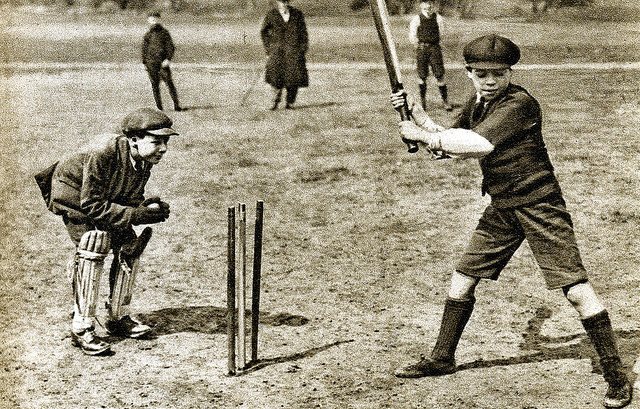
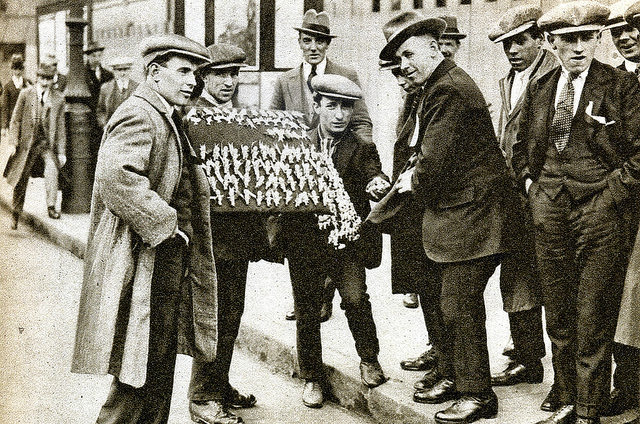
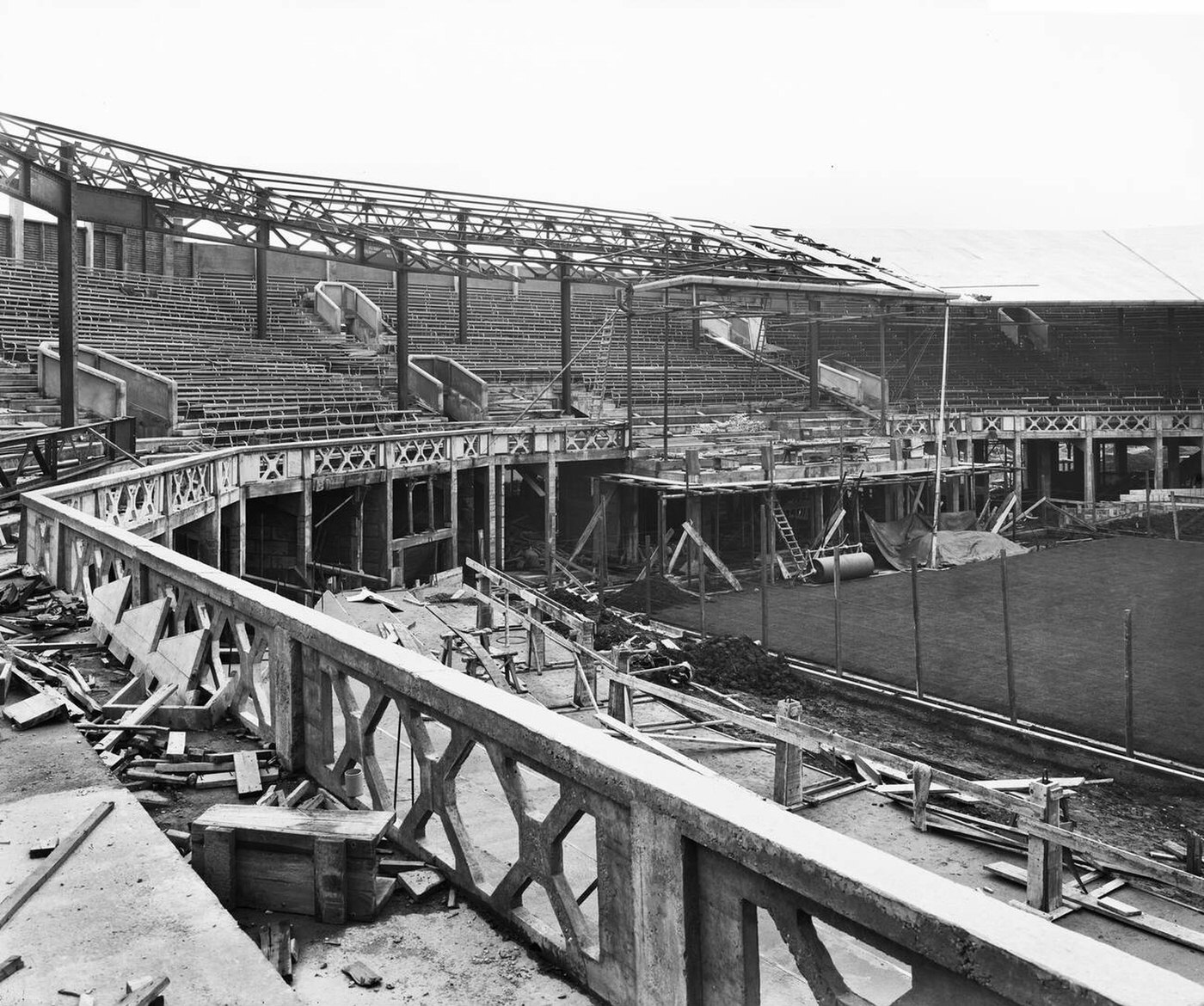
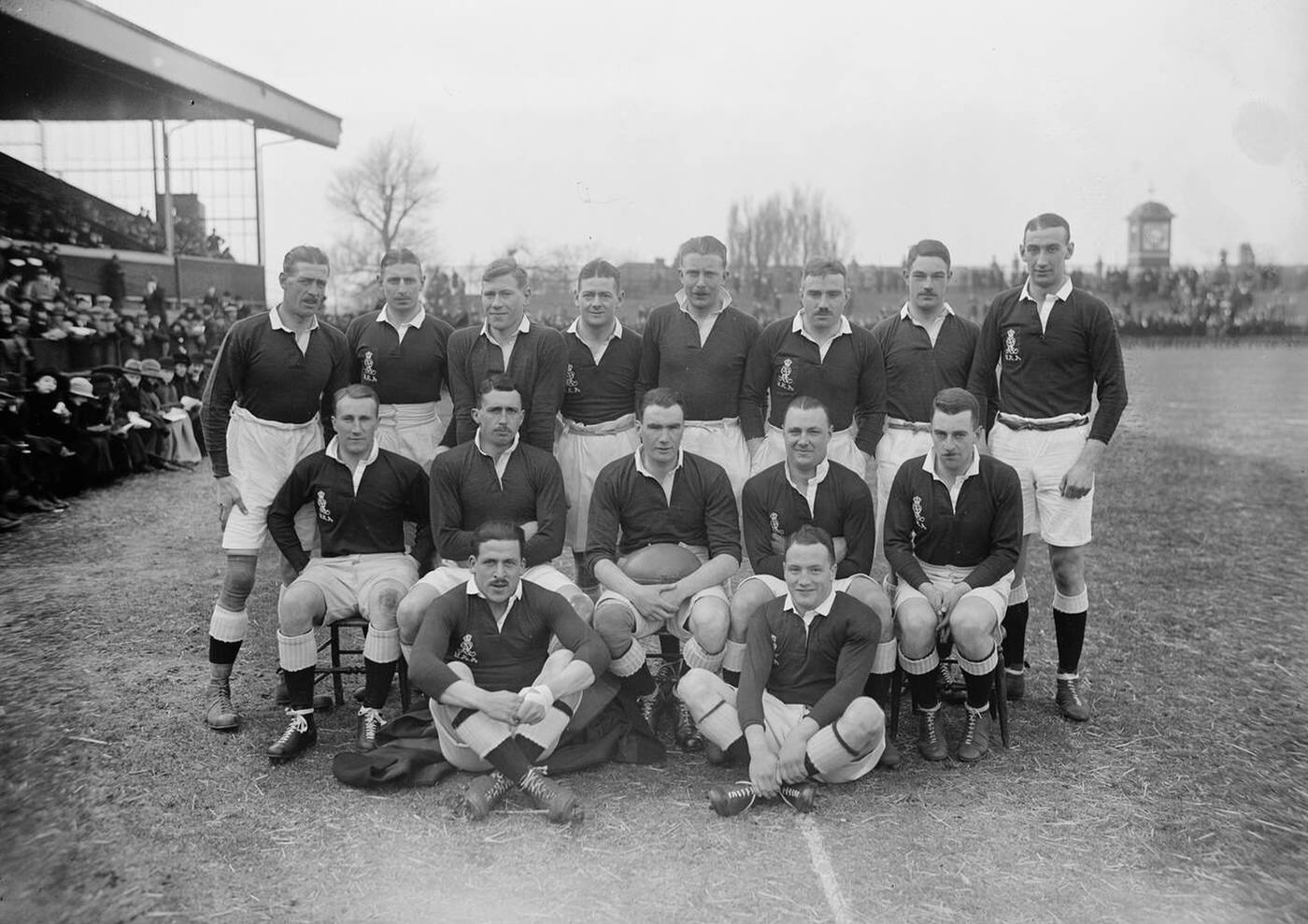
Sport was a regular fixture in the working-class calendar. Football matches in the East End drew enthusiastic local crowds. Outside Chelsea Football Club, street sellers hawked programmes and favours on match days. The Hurlingham Club hosted polo for wealthier Londoners, while the Army played the Navy in rugby at Twickenham. The Centre Court at Wimbledon was still under construction in 1922, expanding to meet growing demand for tennis.
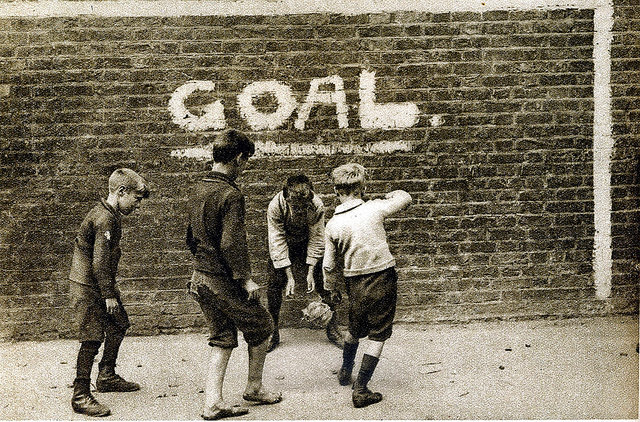
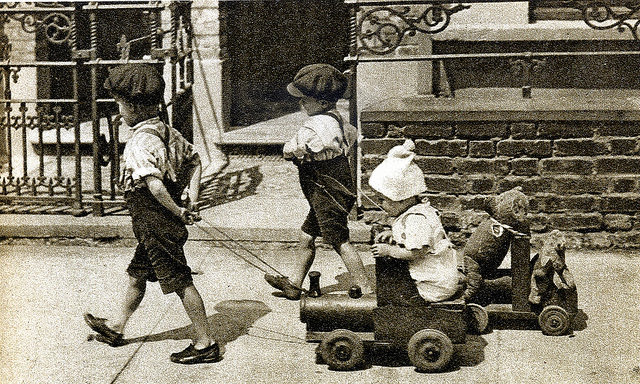
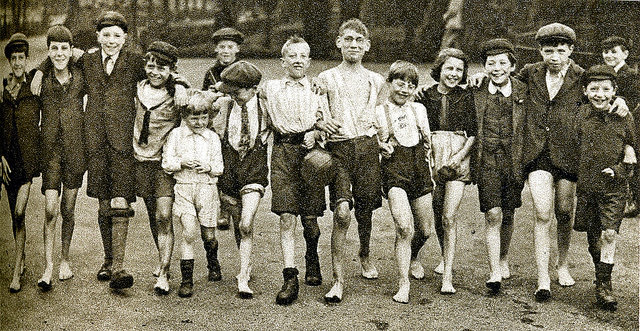
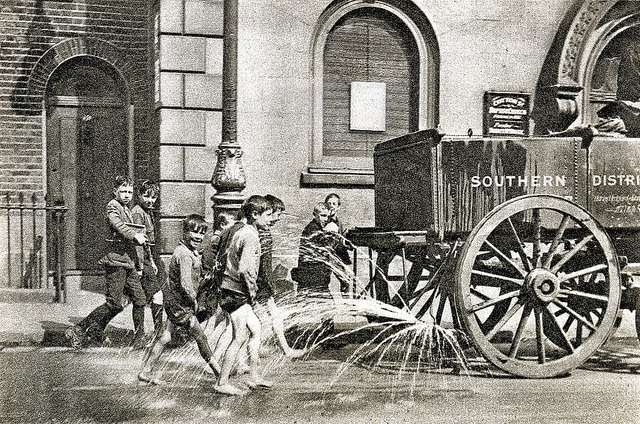
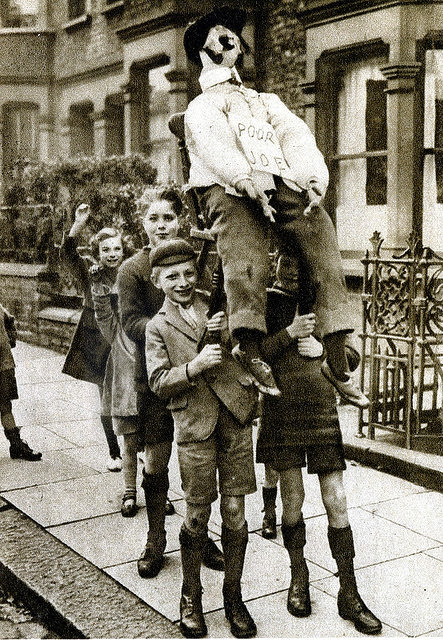
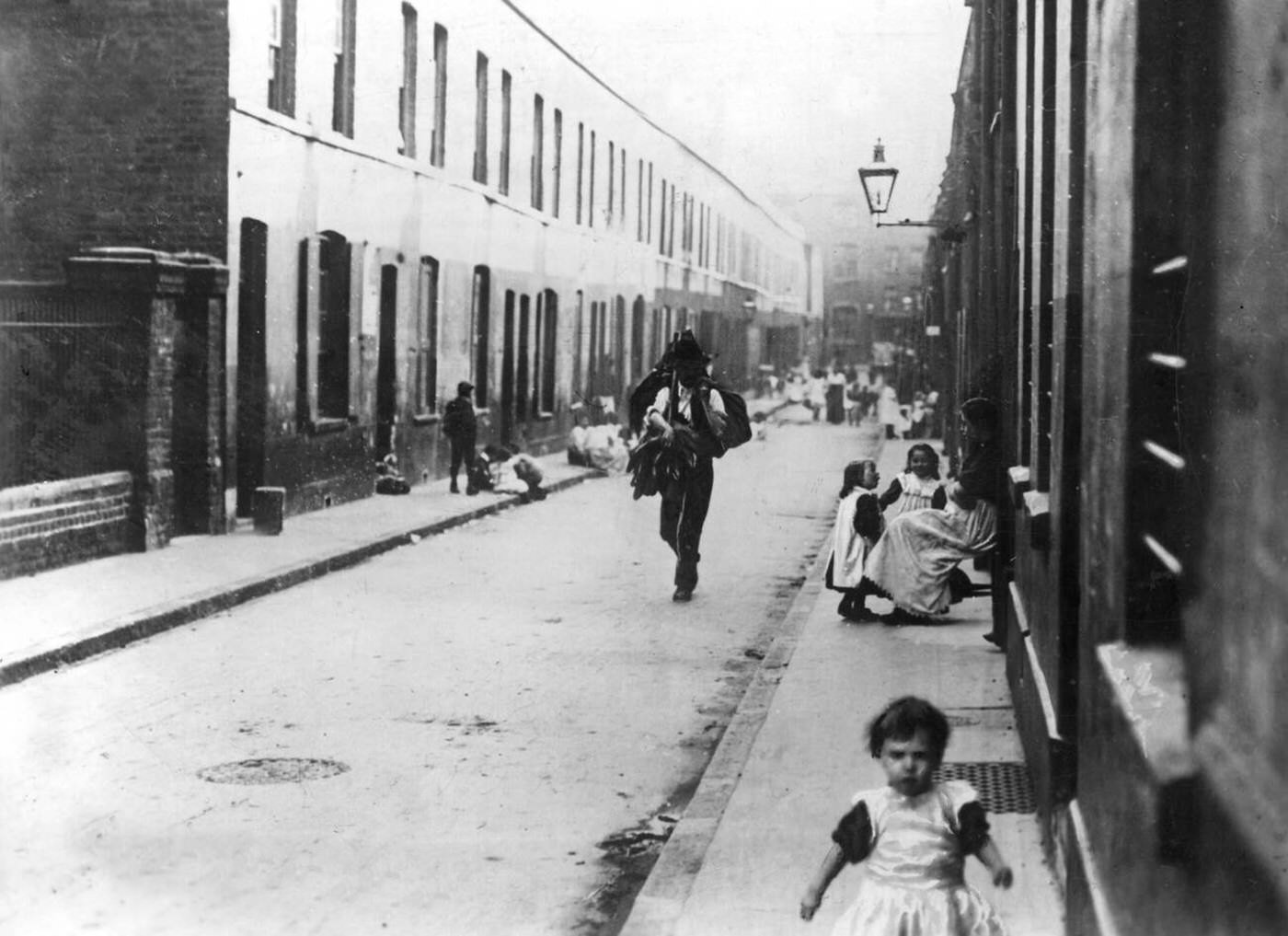
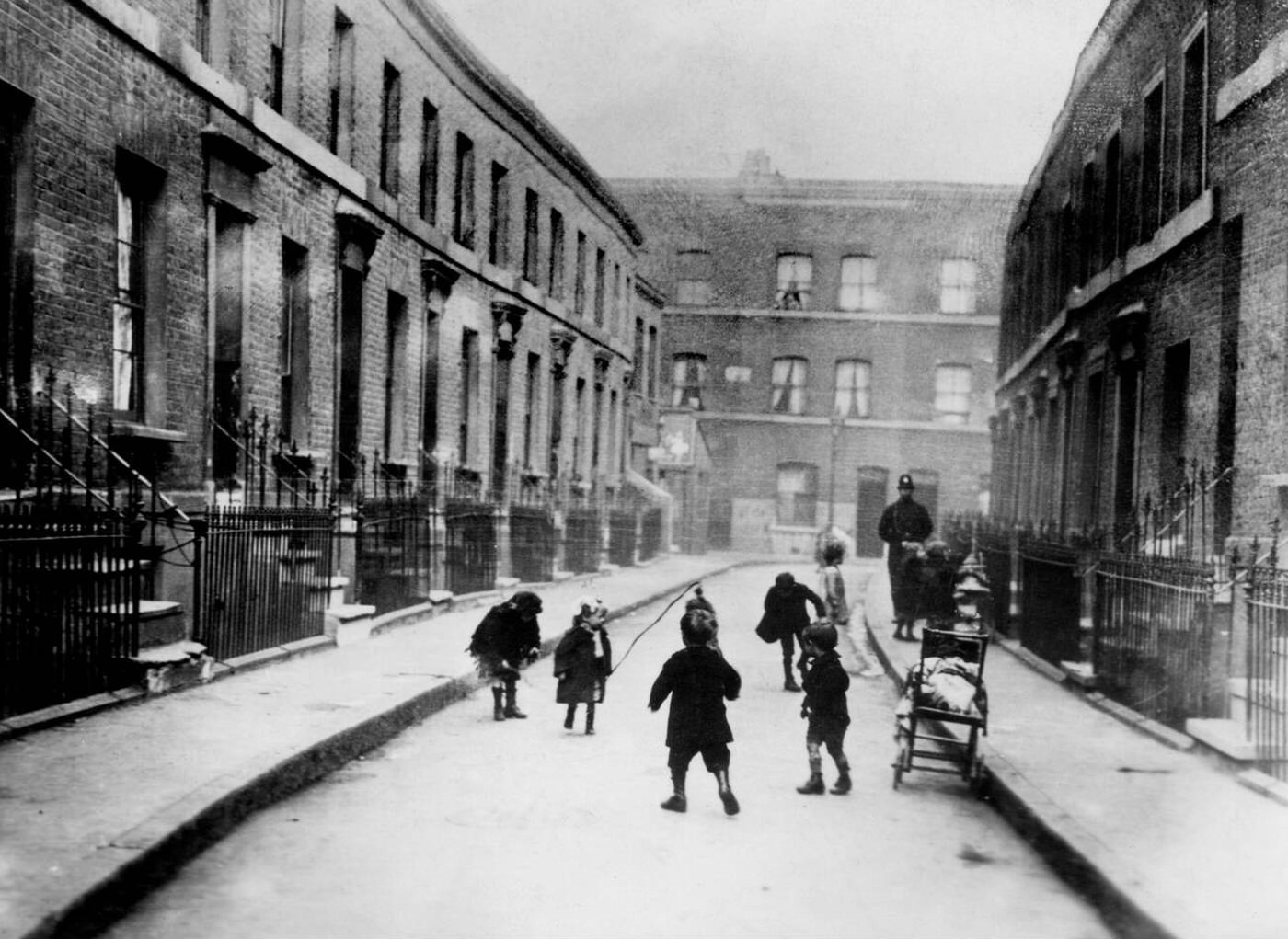
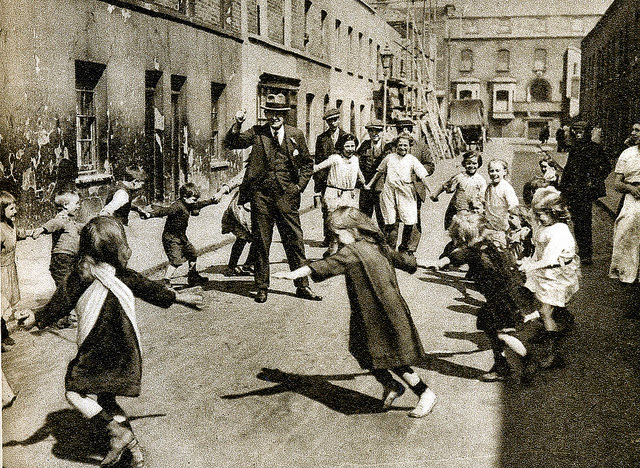
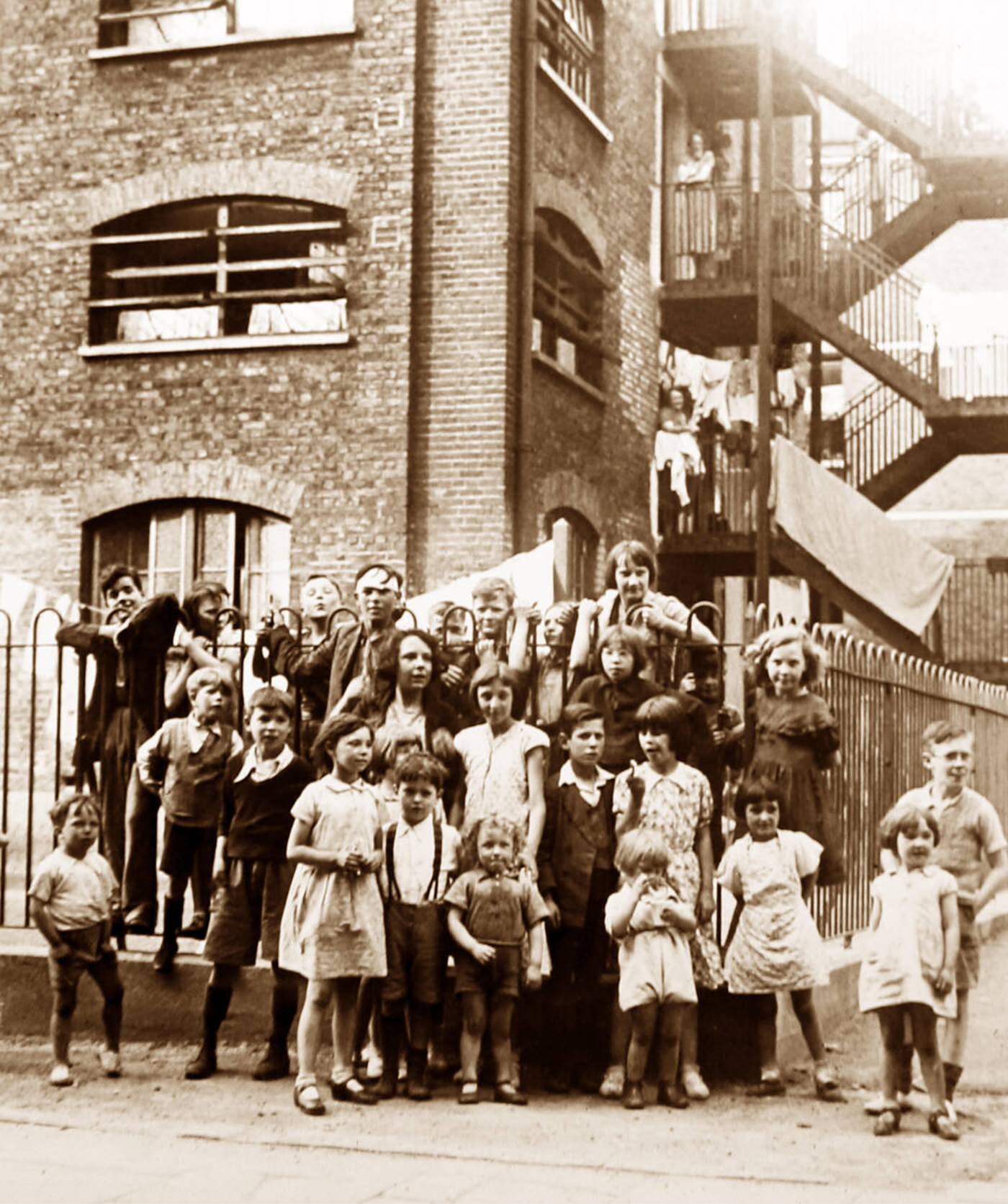
Children played wherever space allowed. In poorer districts like Shoreditch, kids spilled out onto the cobblestones in front of their slum dwellings. Housing in these areas was cramped and overcrowded, with multiple families sharing buildings that lacked adequate sanitation. In contrast, newer housing schemes built outside the central core gave some working-class families access to small gardens and cleaner streets.
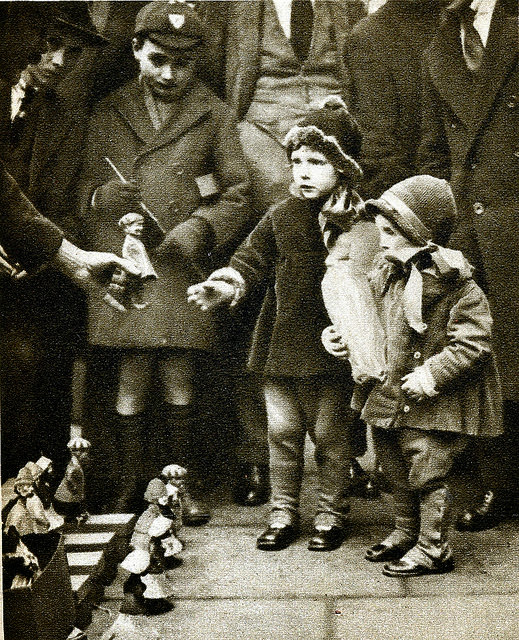
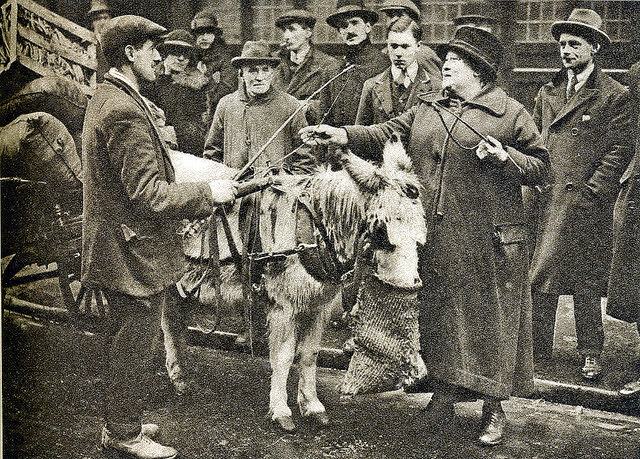
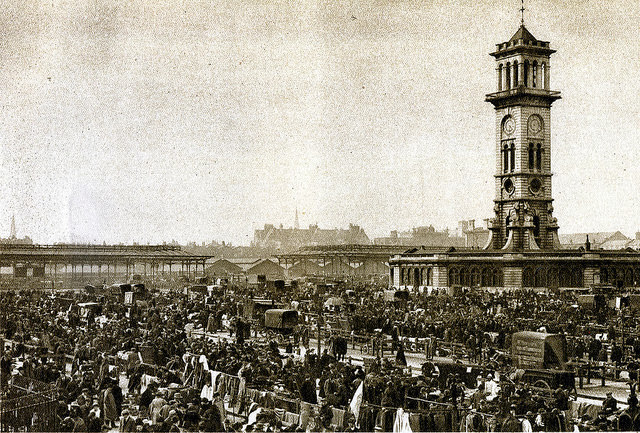
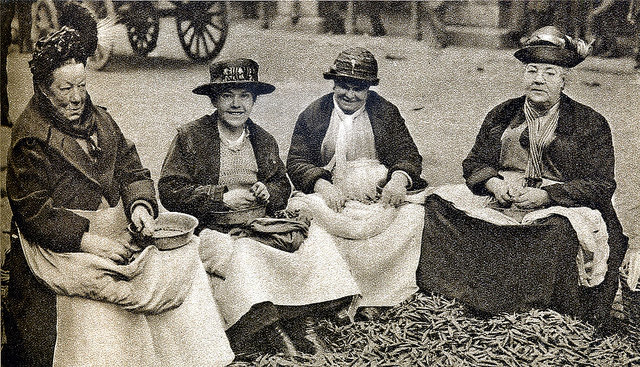
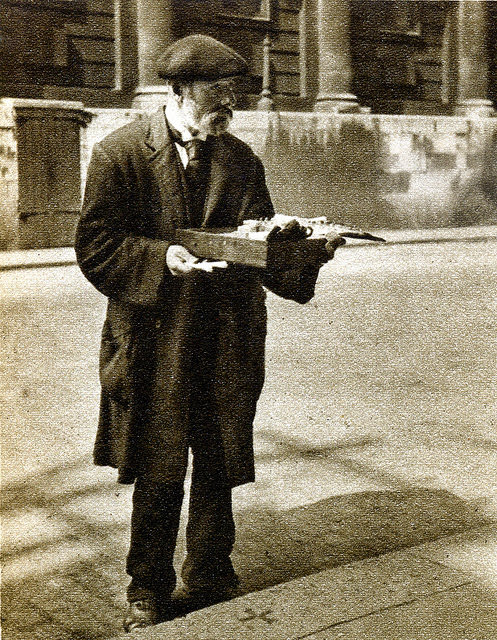
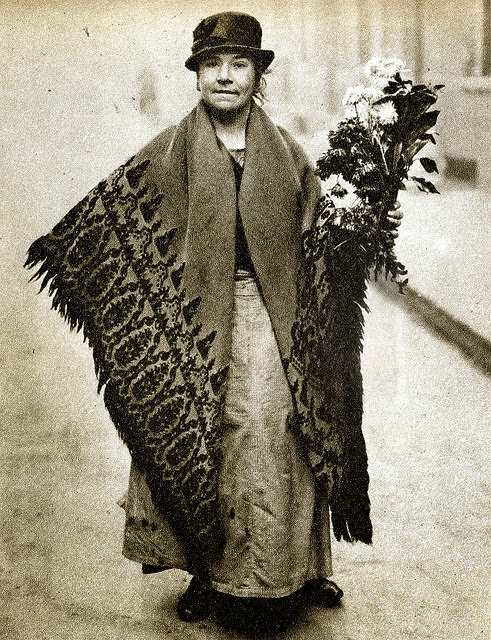
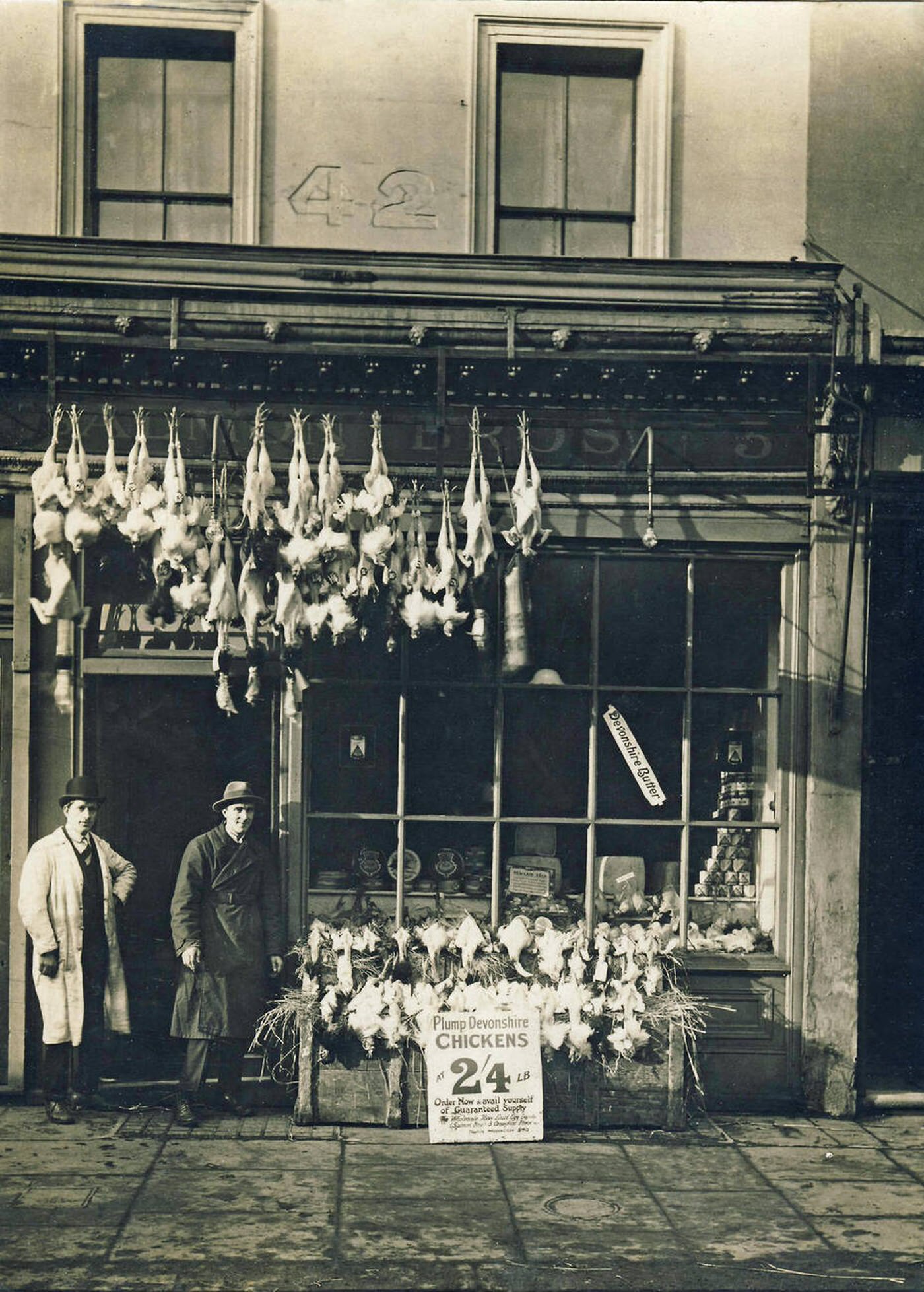
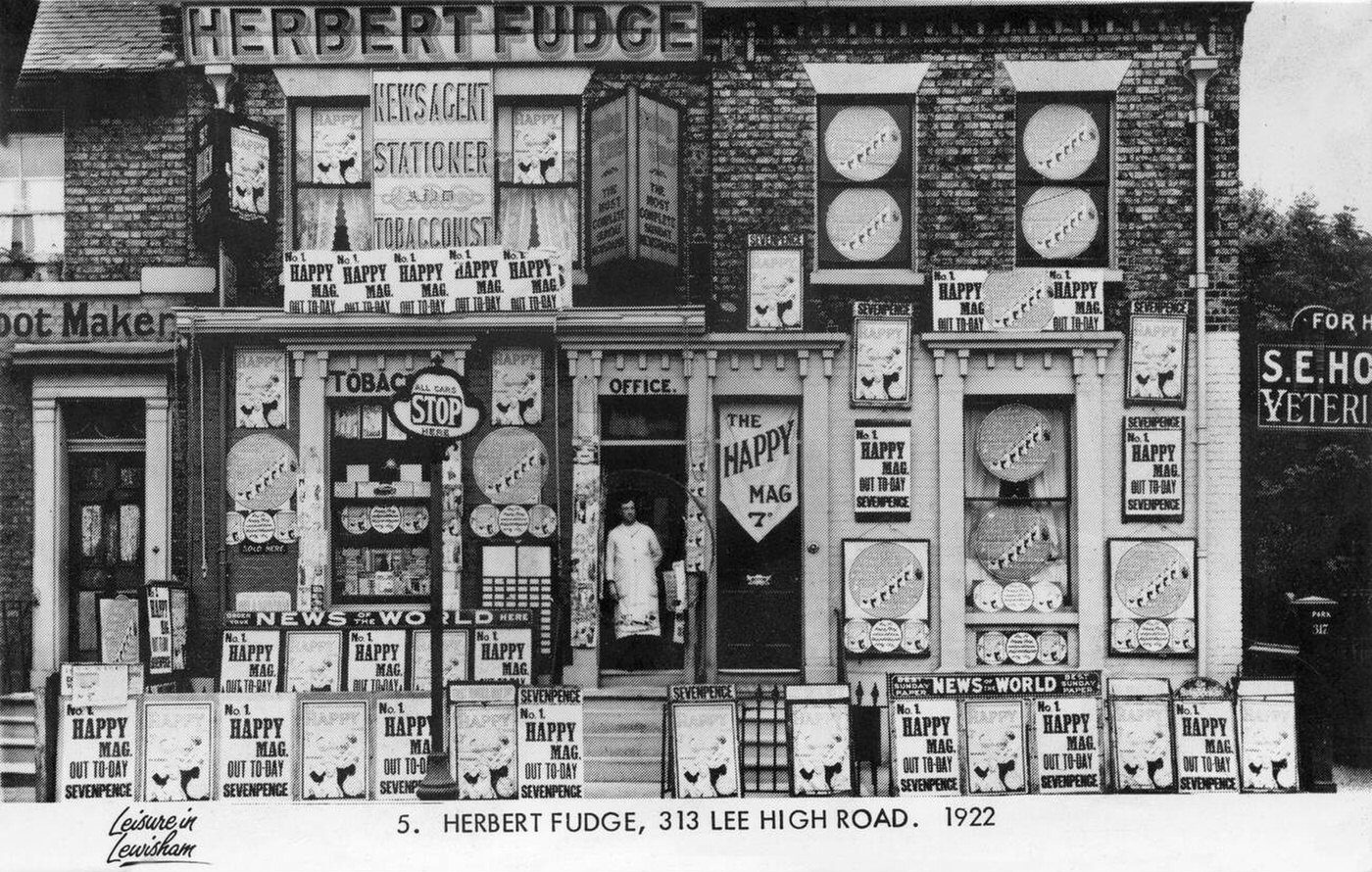
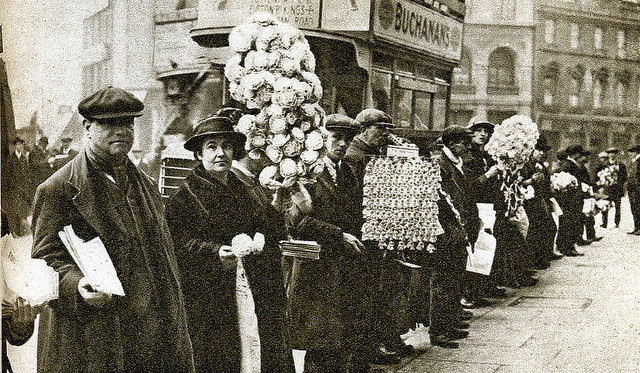
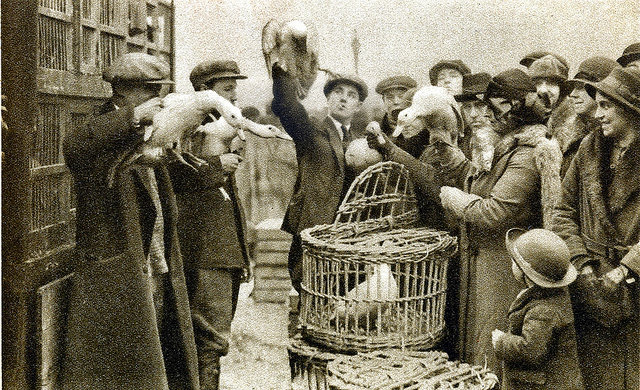
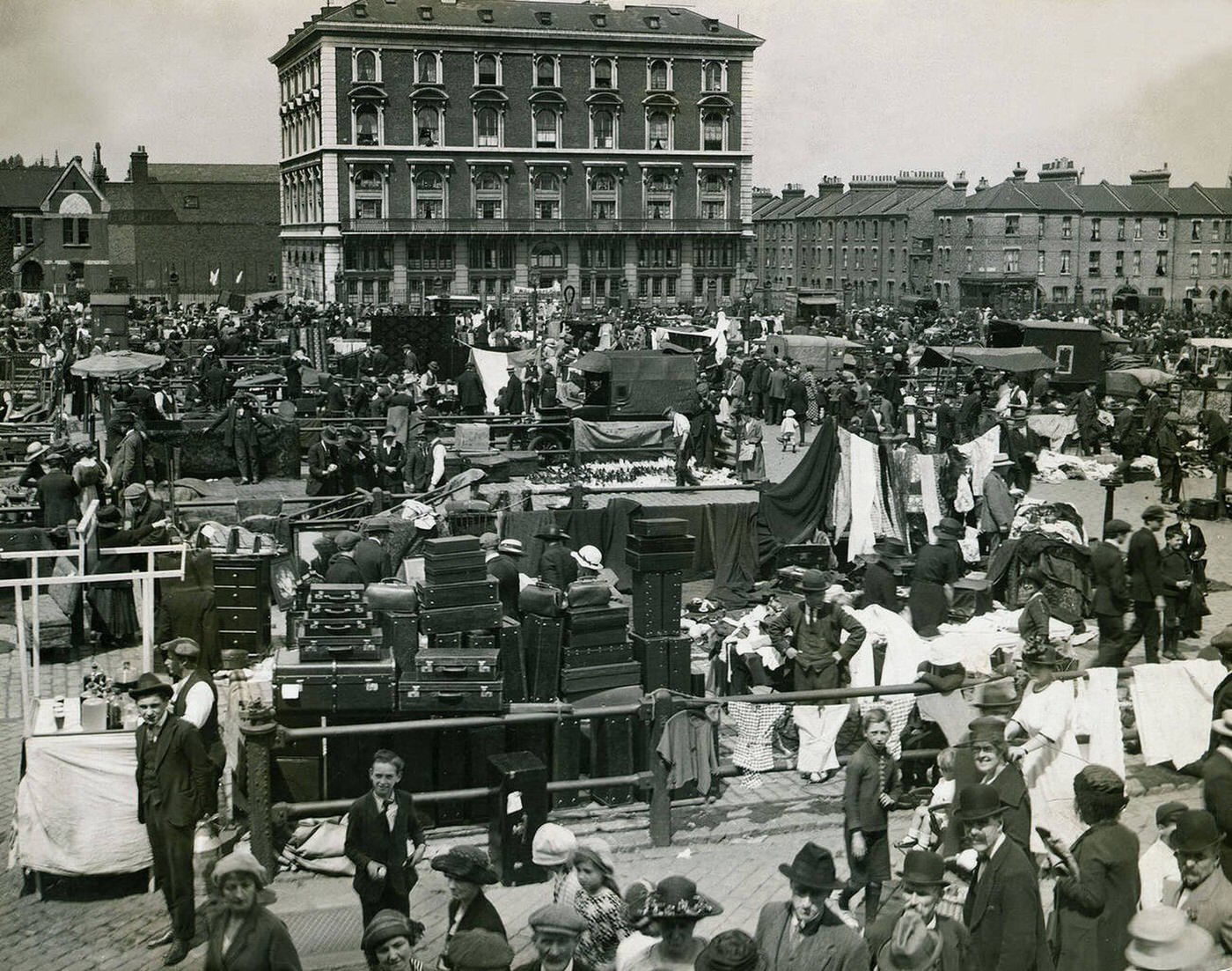
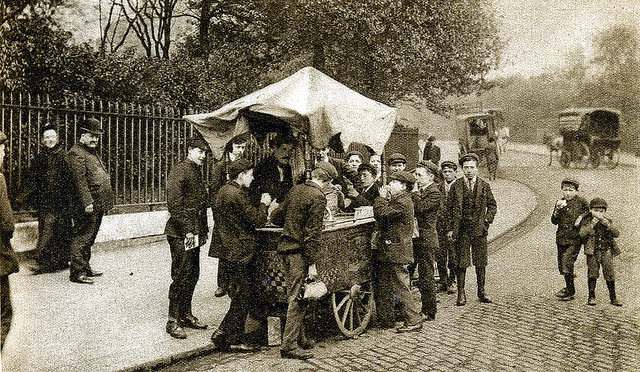
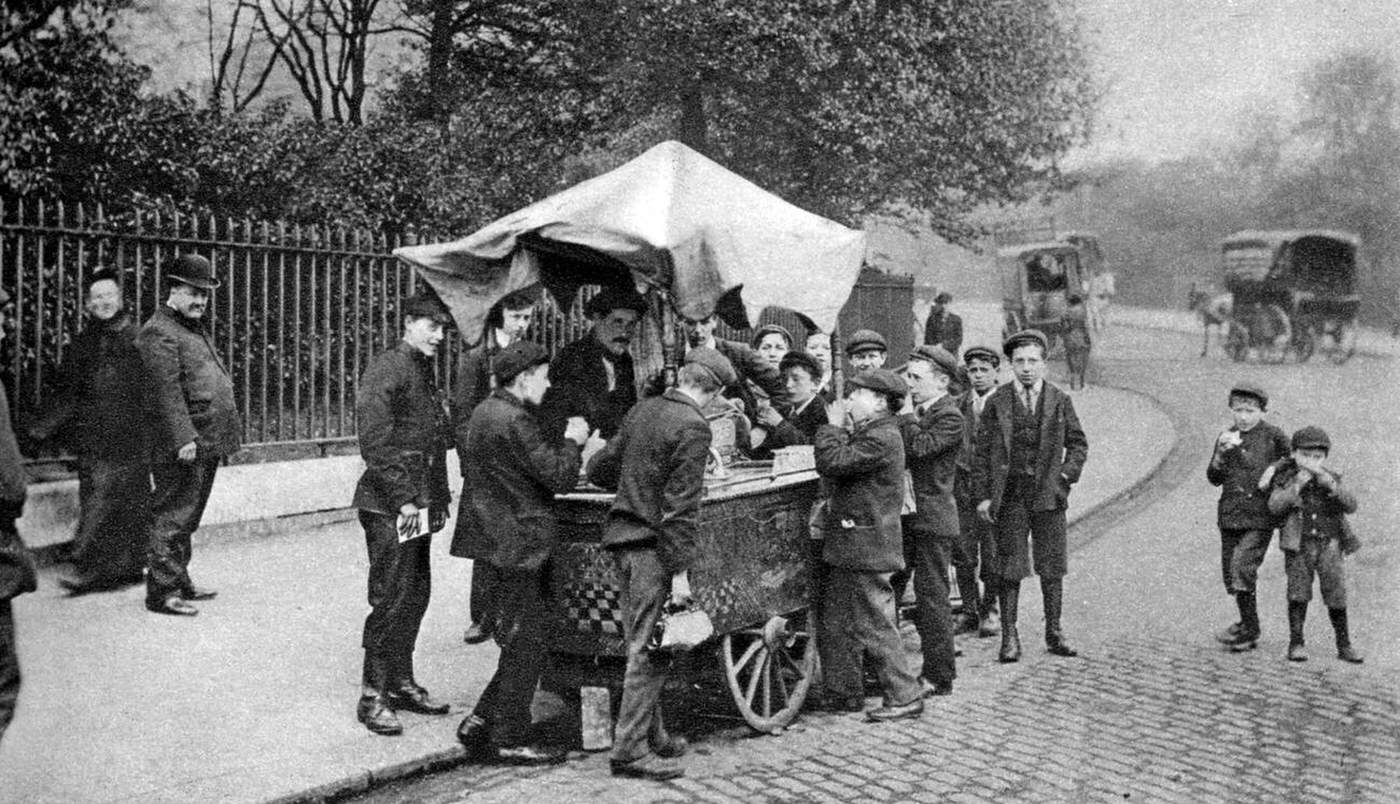
Trade and commerce shaped the rhythm of the day. The Caledonian Market near King’s Cross, London’s oldest street market, packed in vendors selling everything from second-hand goods to fresh produce. Street hawkers worked corners in areas from Holborn to King’s Cross, selling toys, flowers, and food. Ice cream sellers, including Italian vendors who had settled in the city, were a popular sight on warmer days.
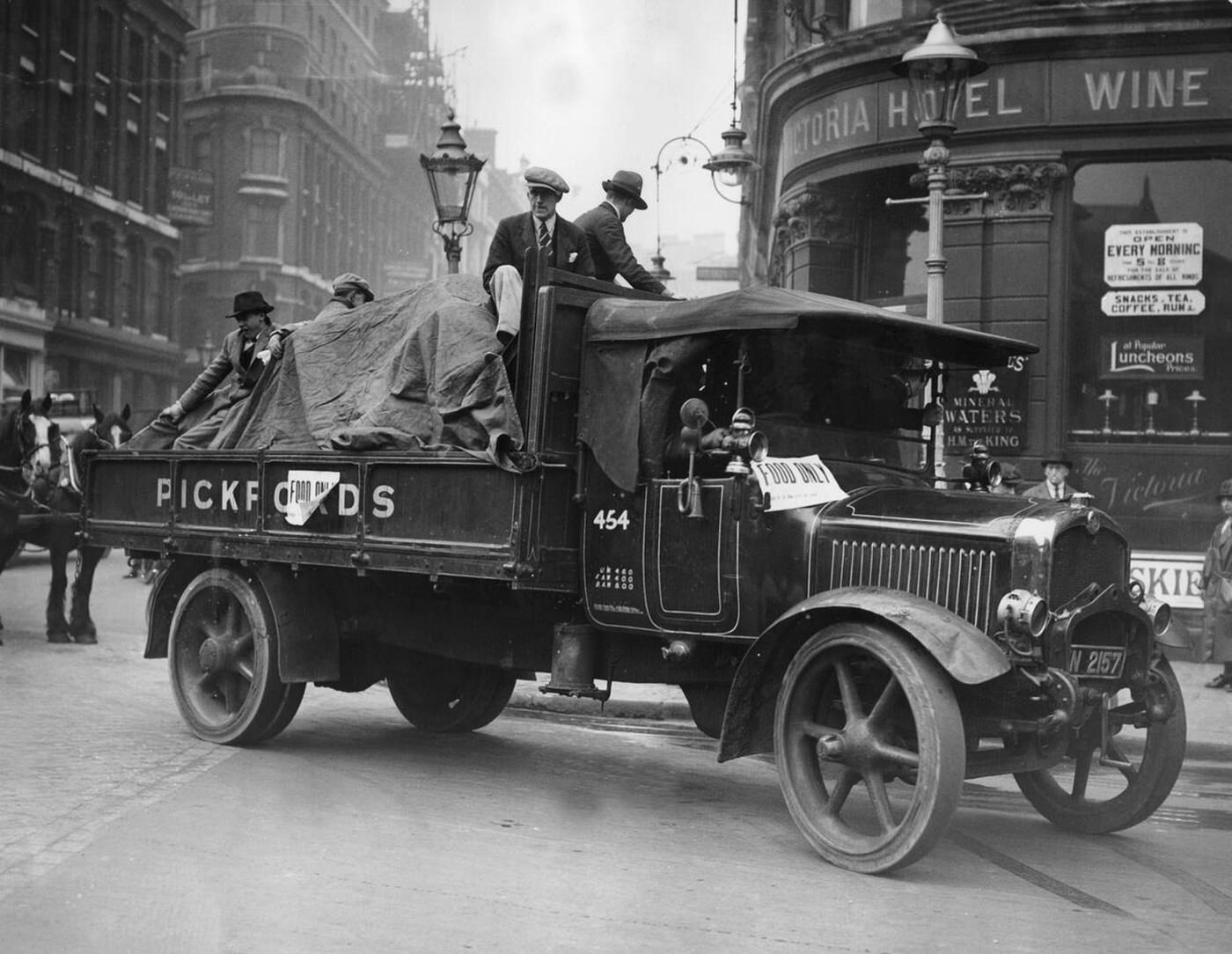
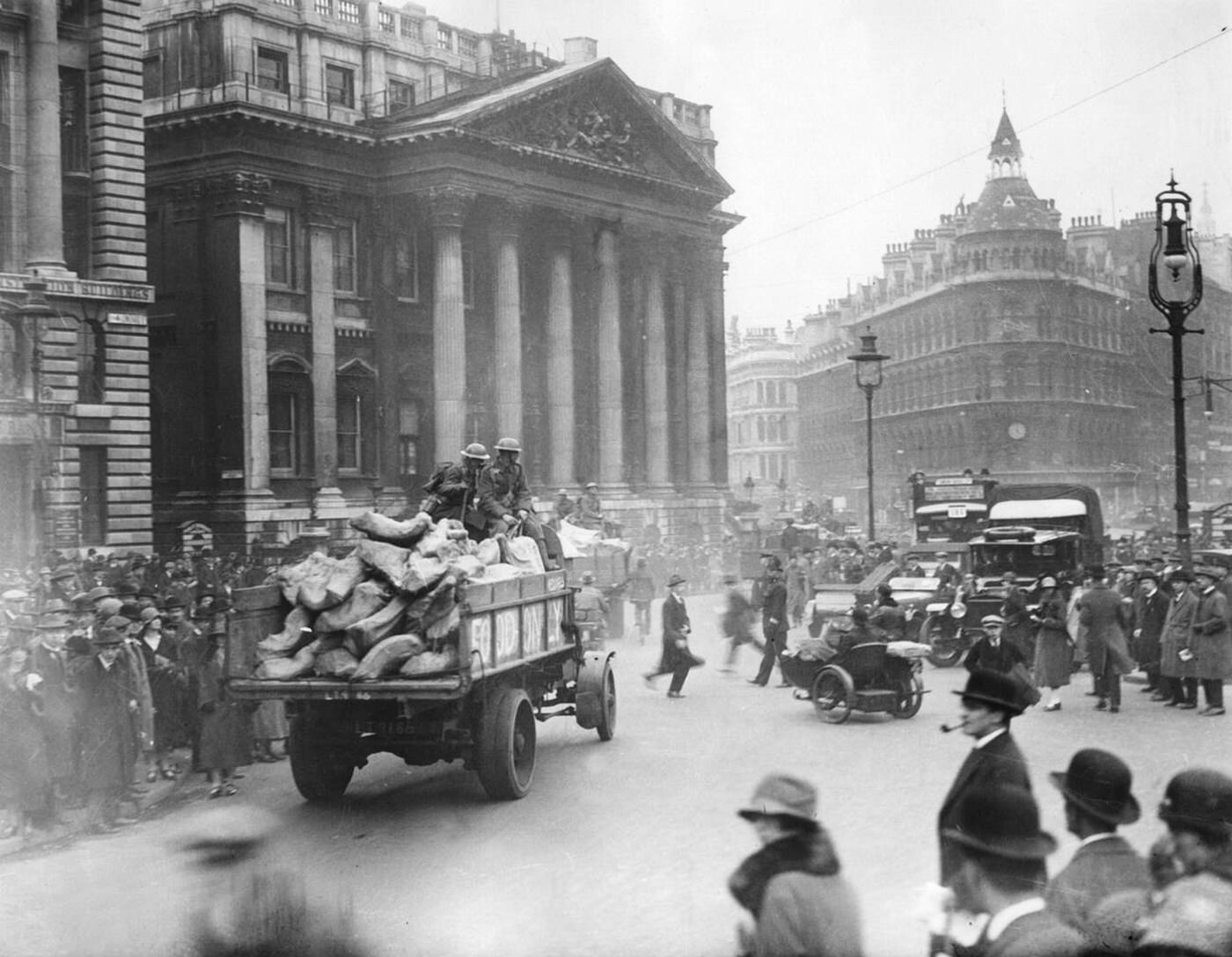
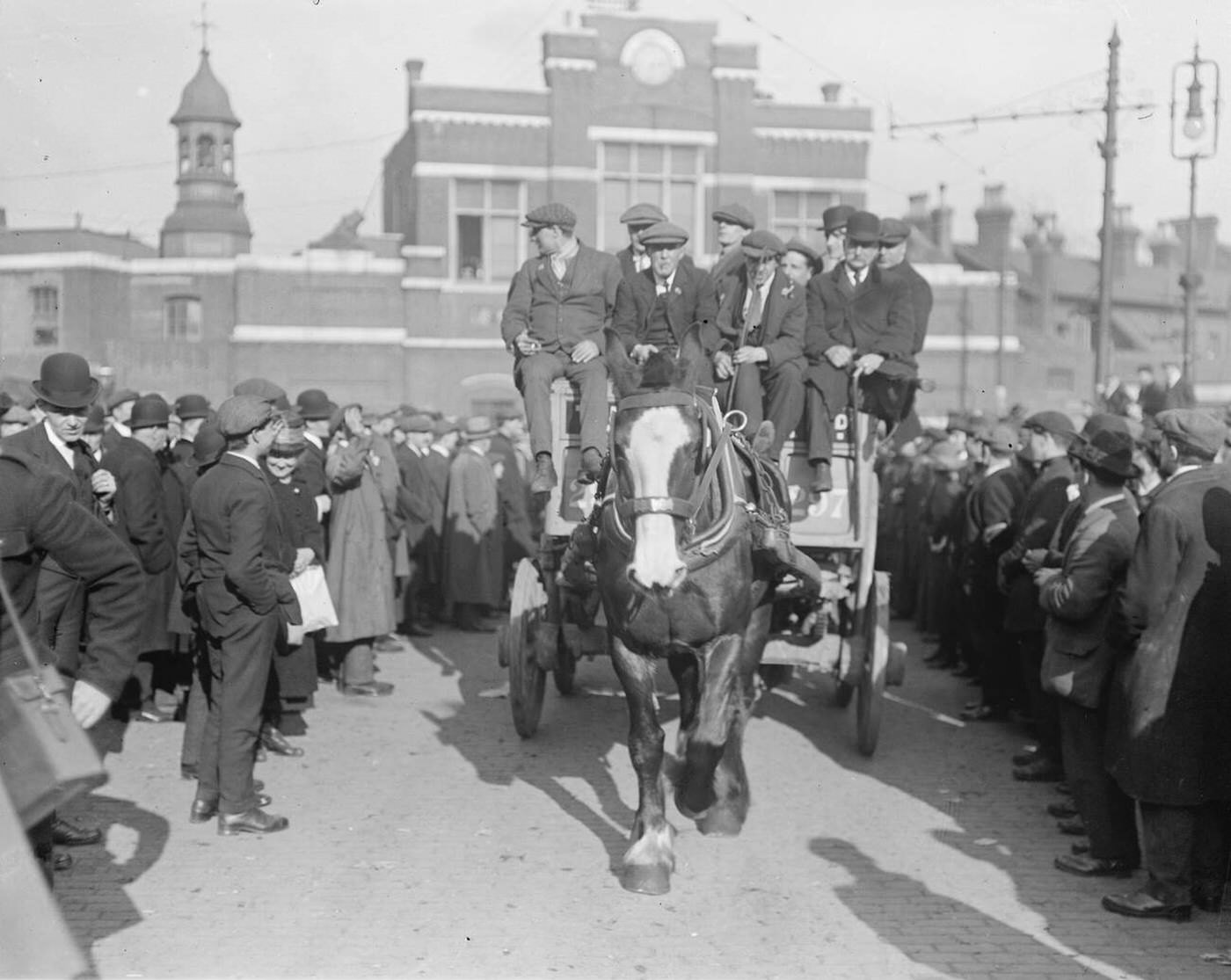
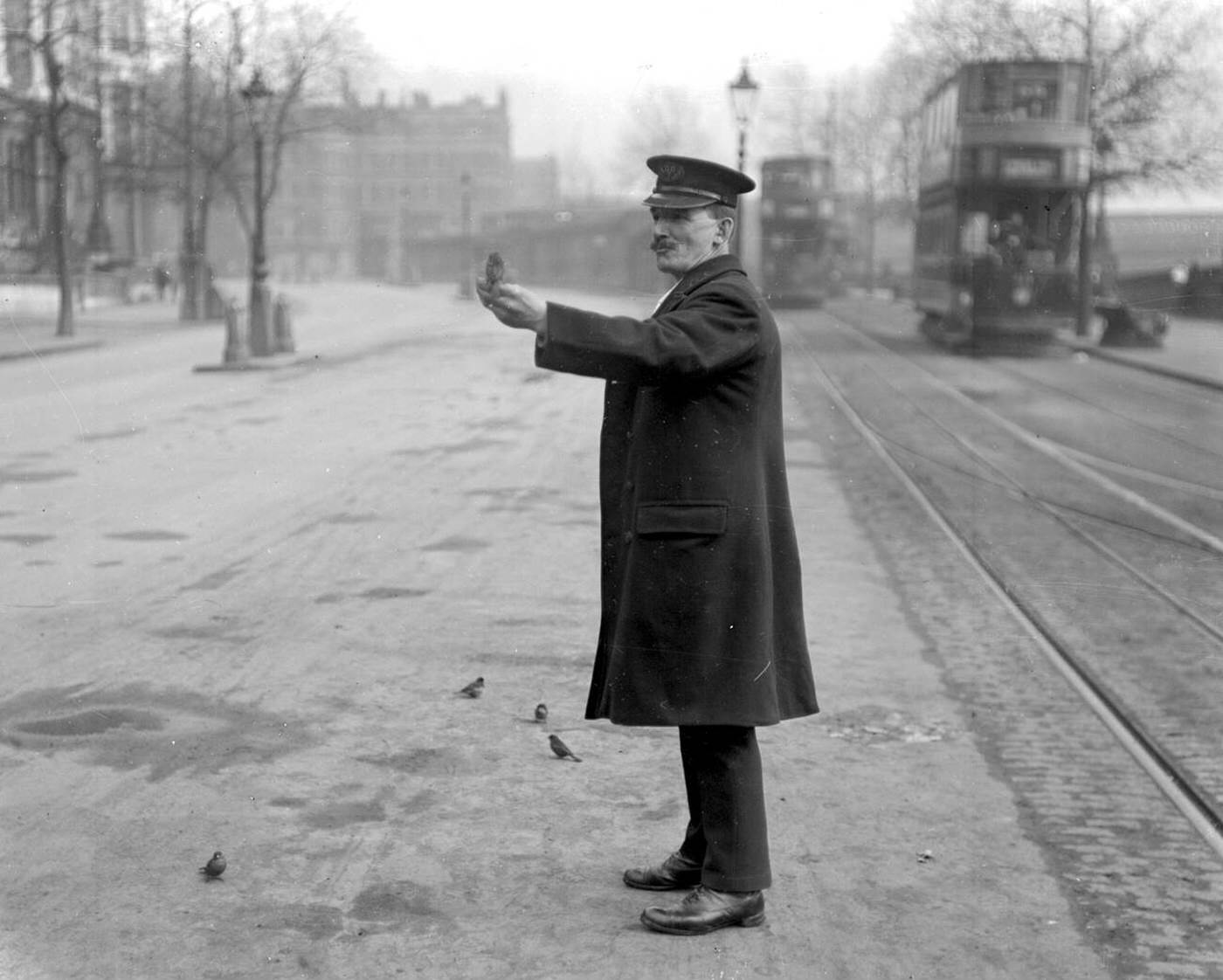
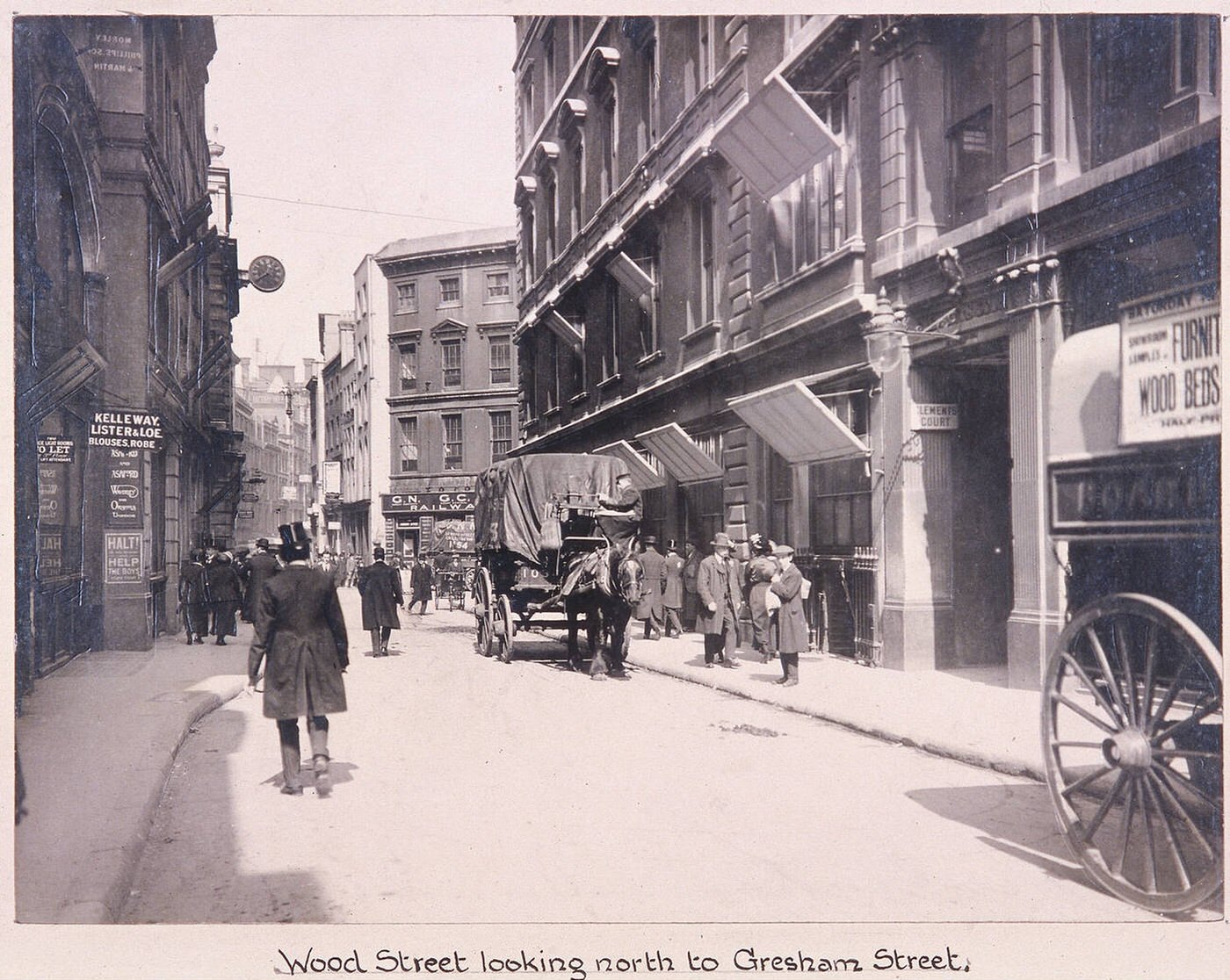
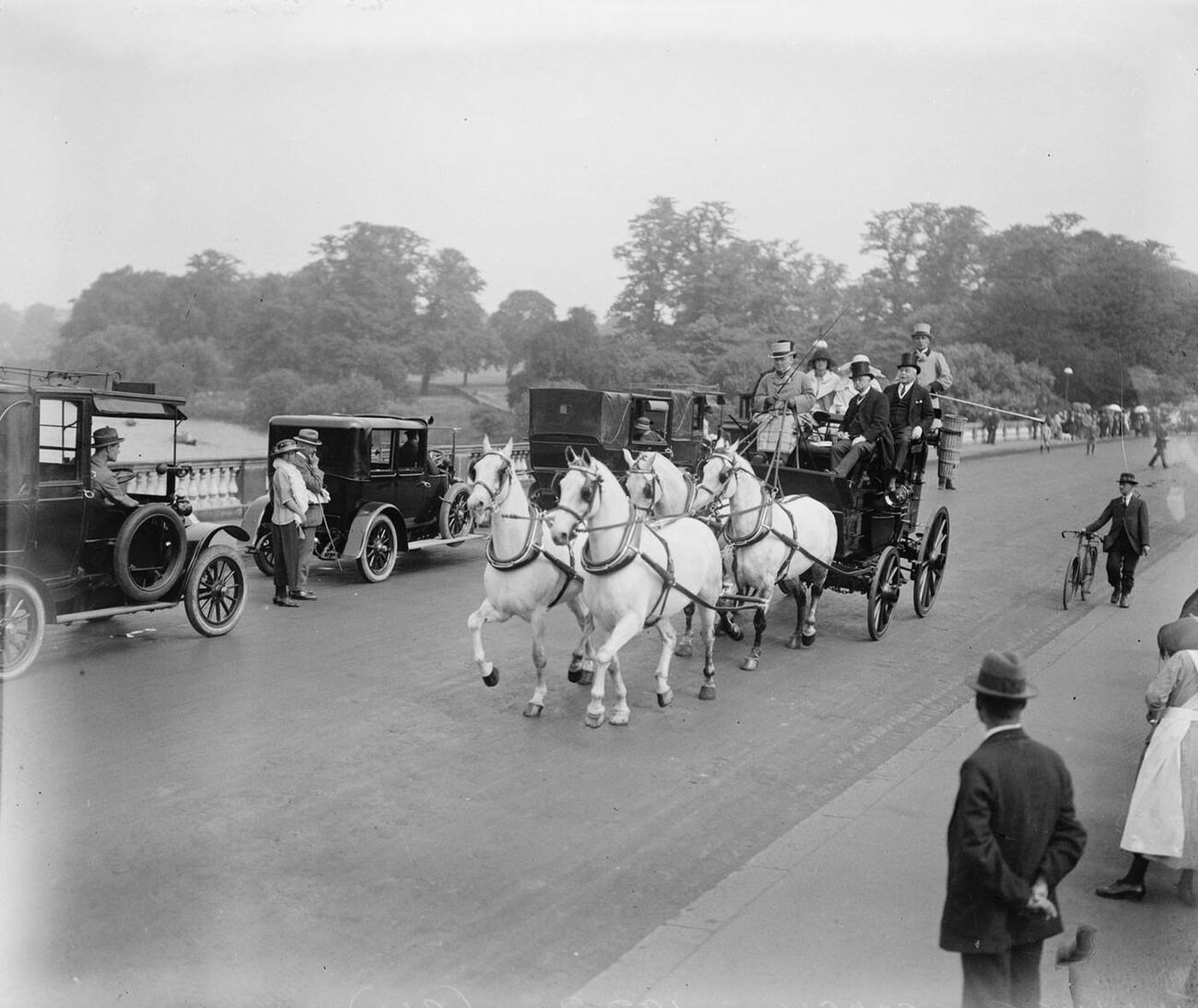
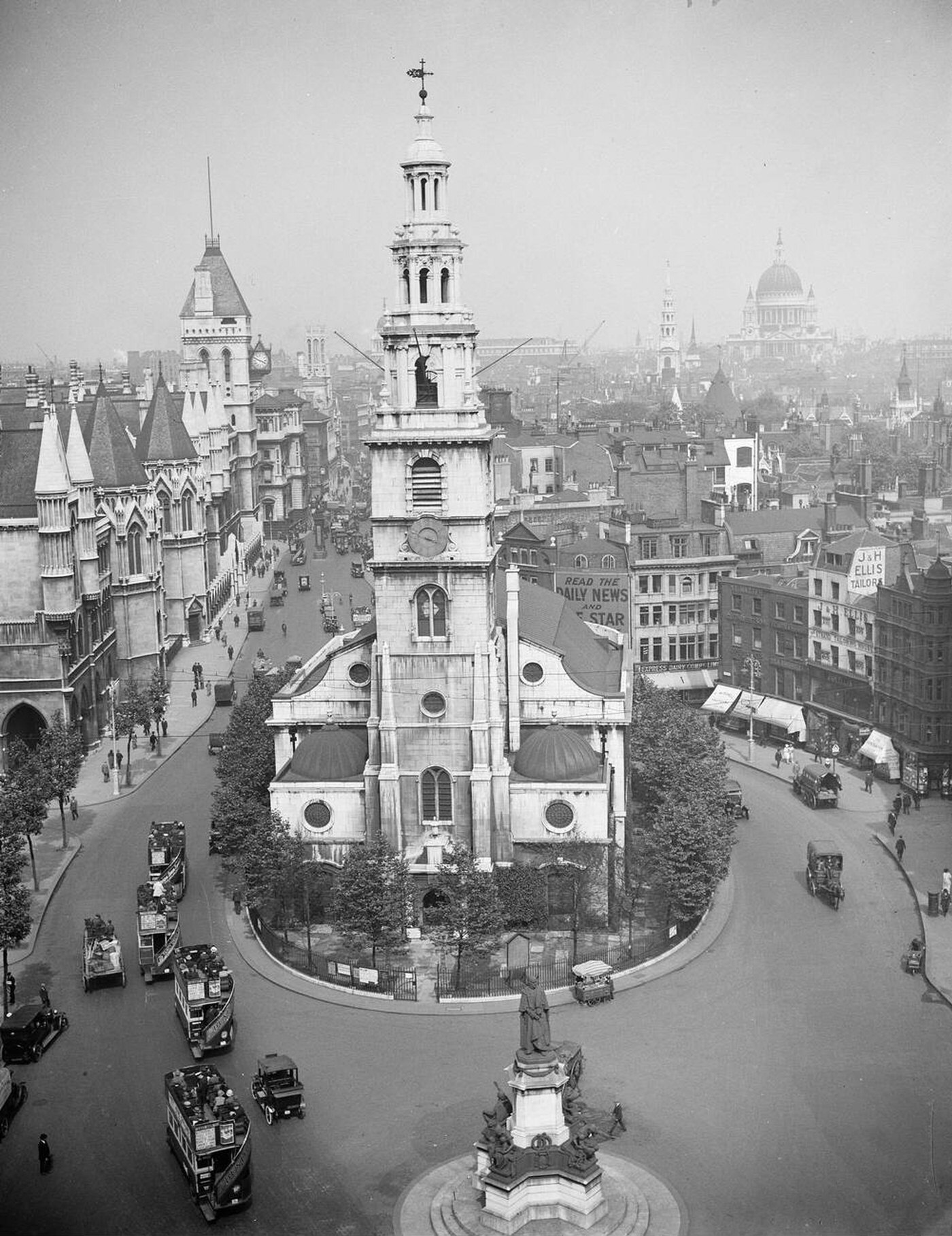
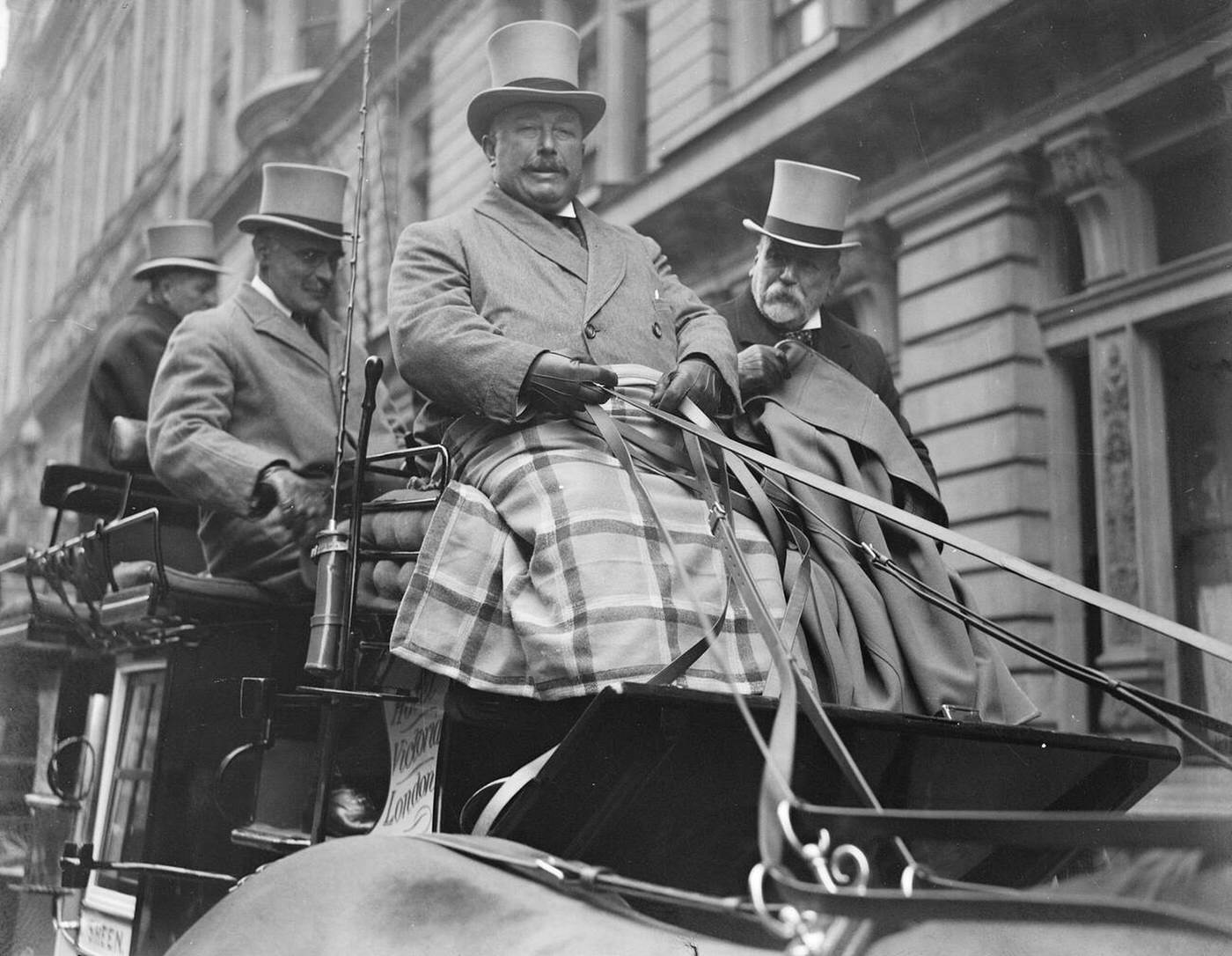
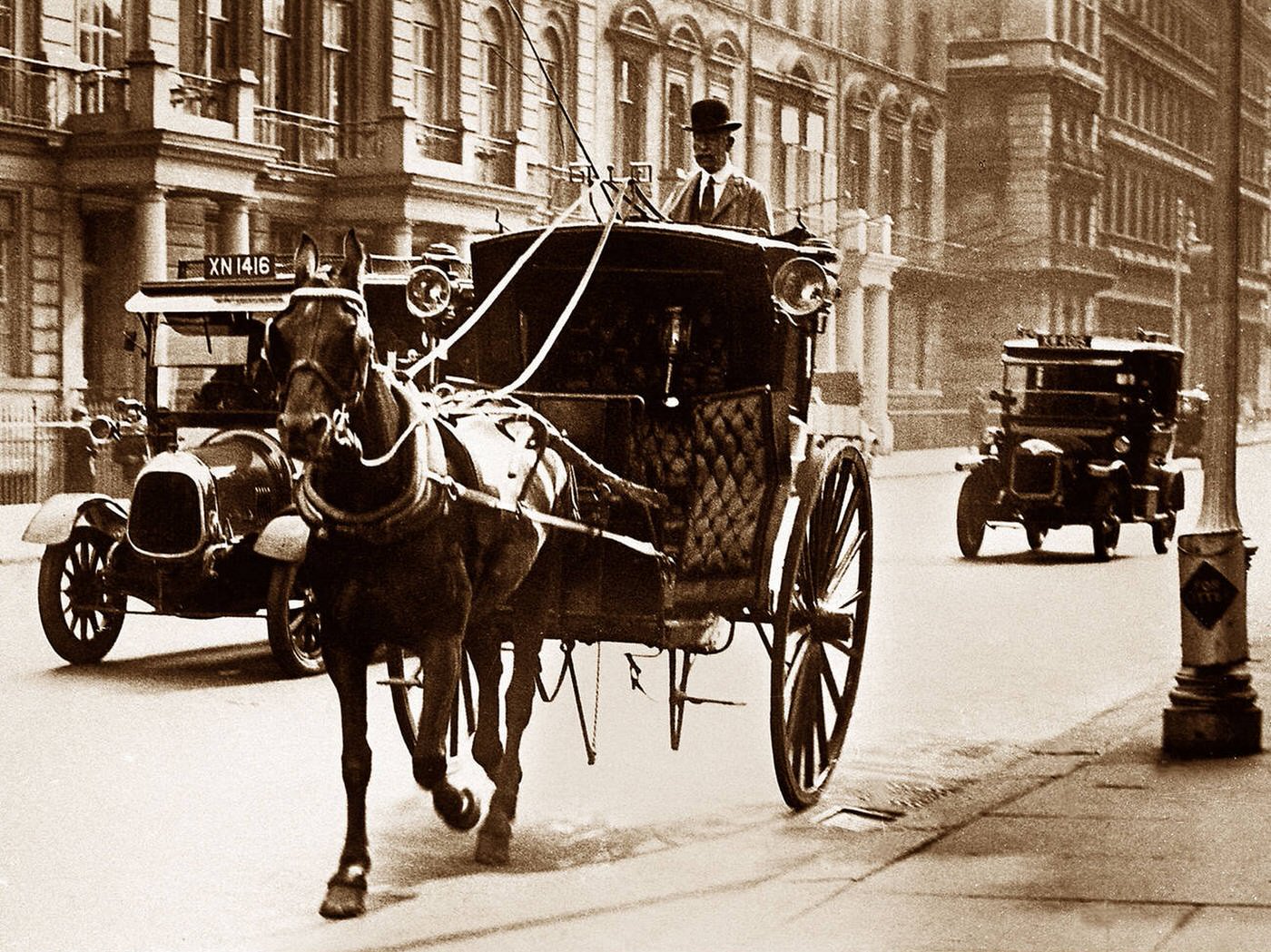
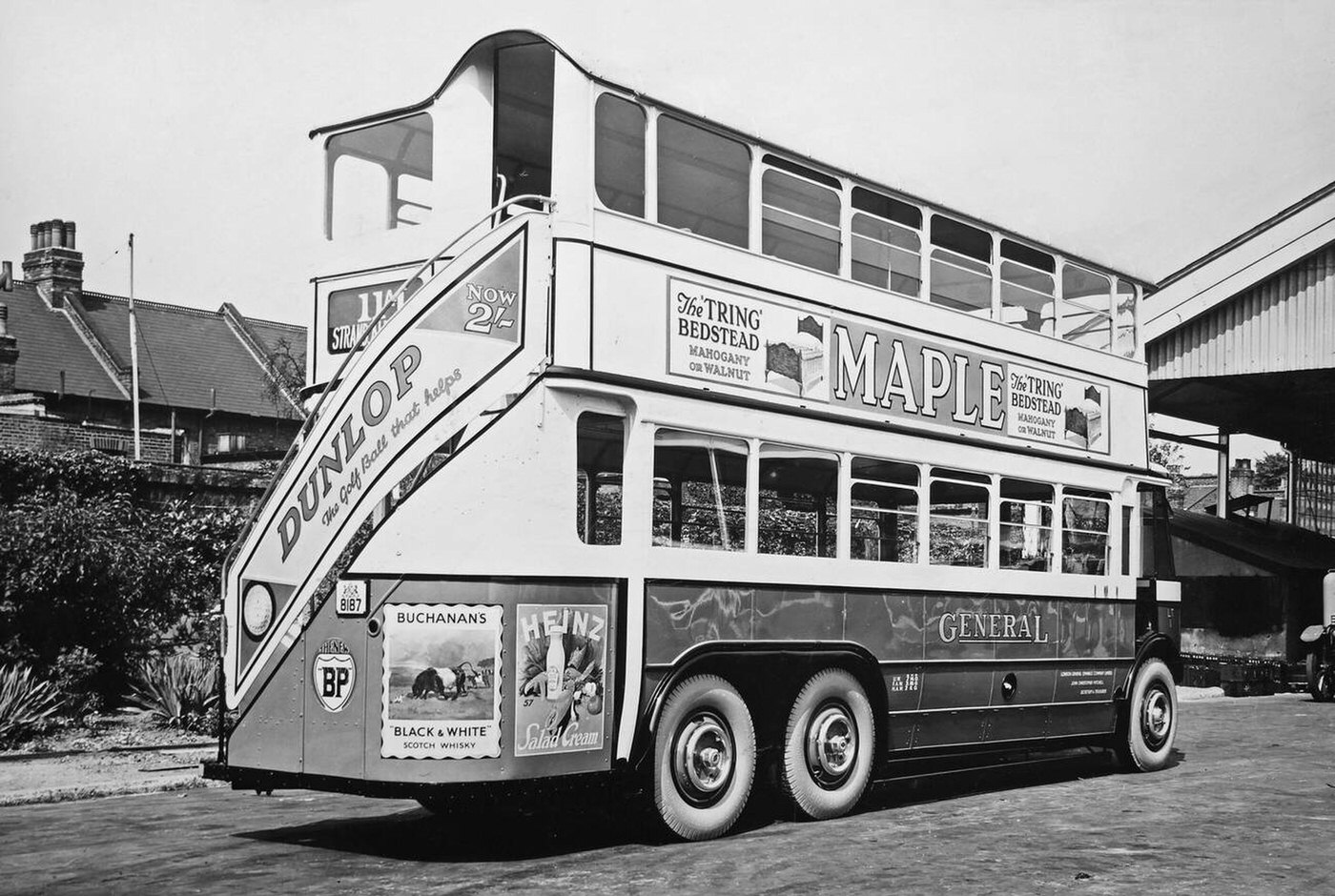
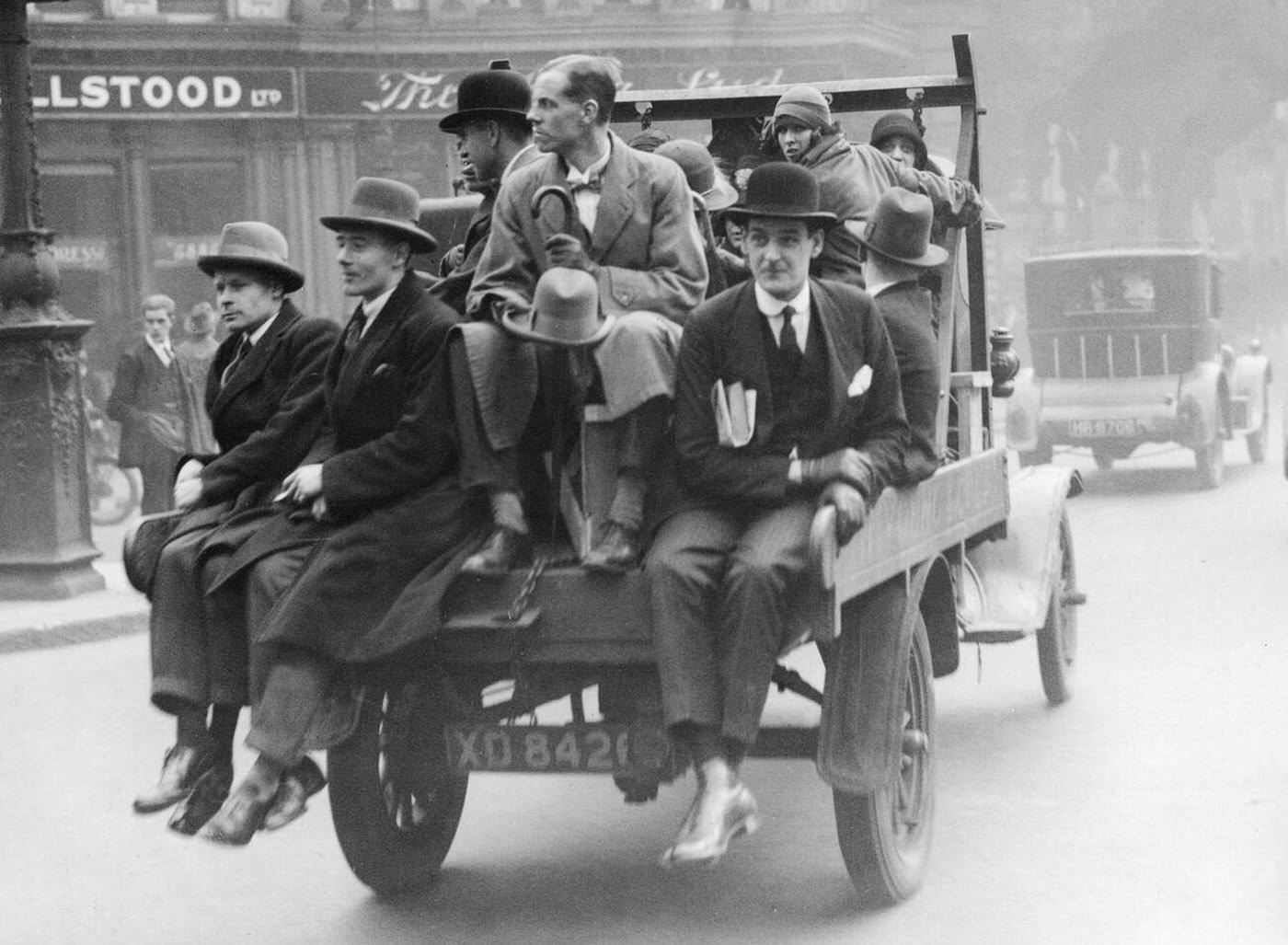
The city’s transport mix was still in transition. Horse cabs and motor taxis operated side by side. The London General Omnibus Company ran the famous red buses across major routes. During a transport strike, businessmen were photographed riding on the backs of trucks to reach their offices in the City. Getting to work was never taken for granted.
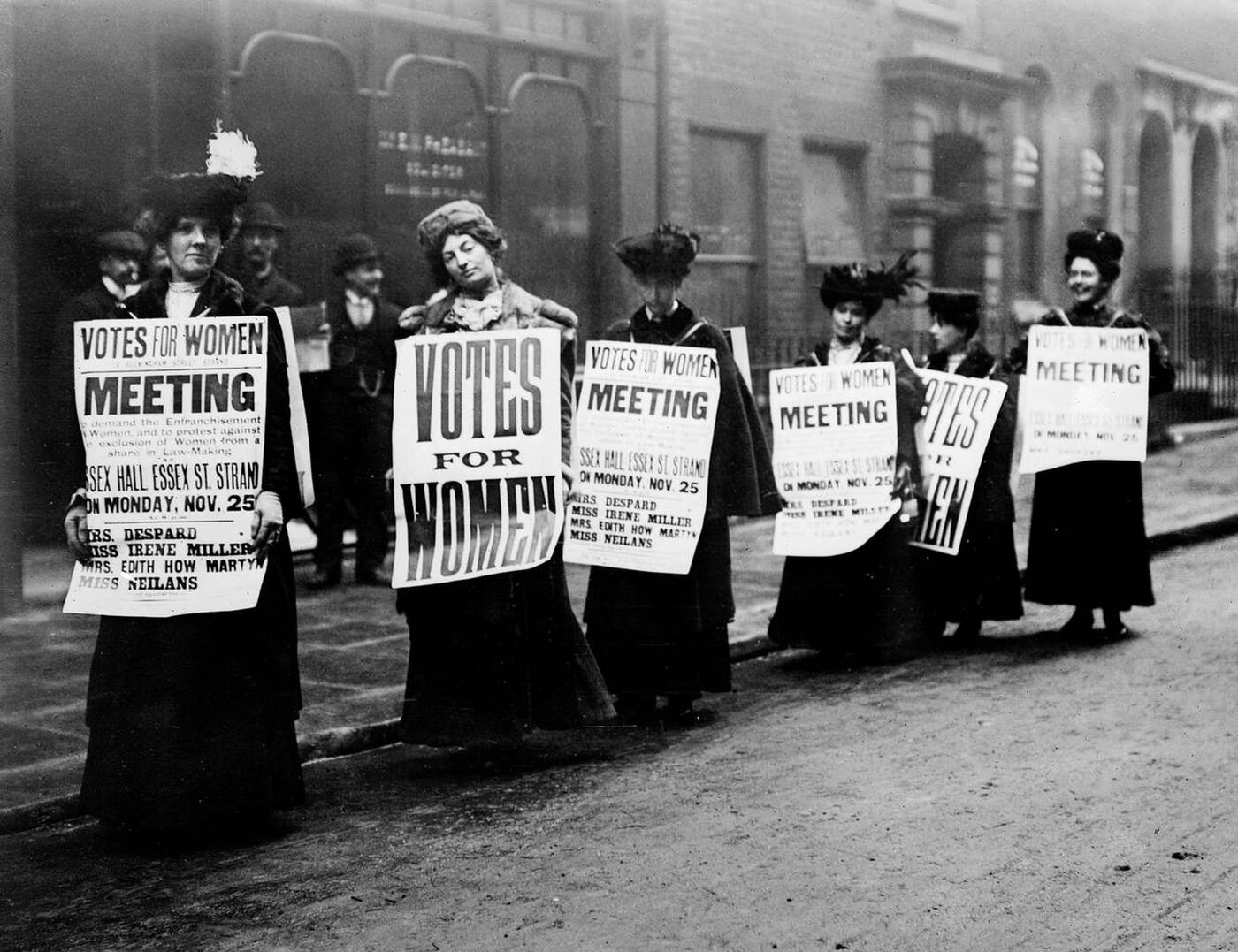
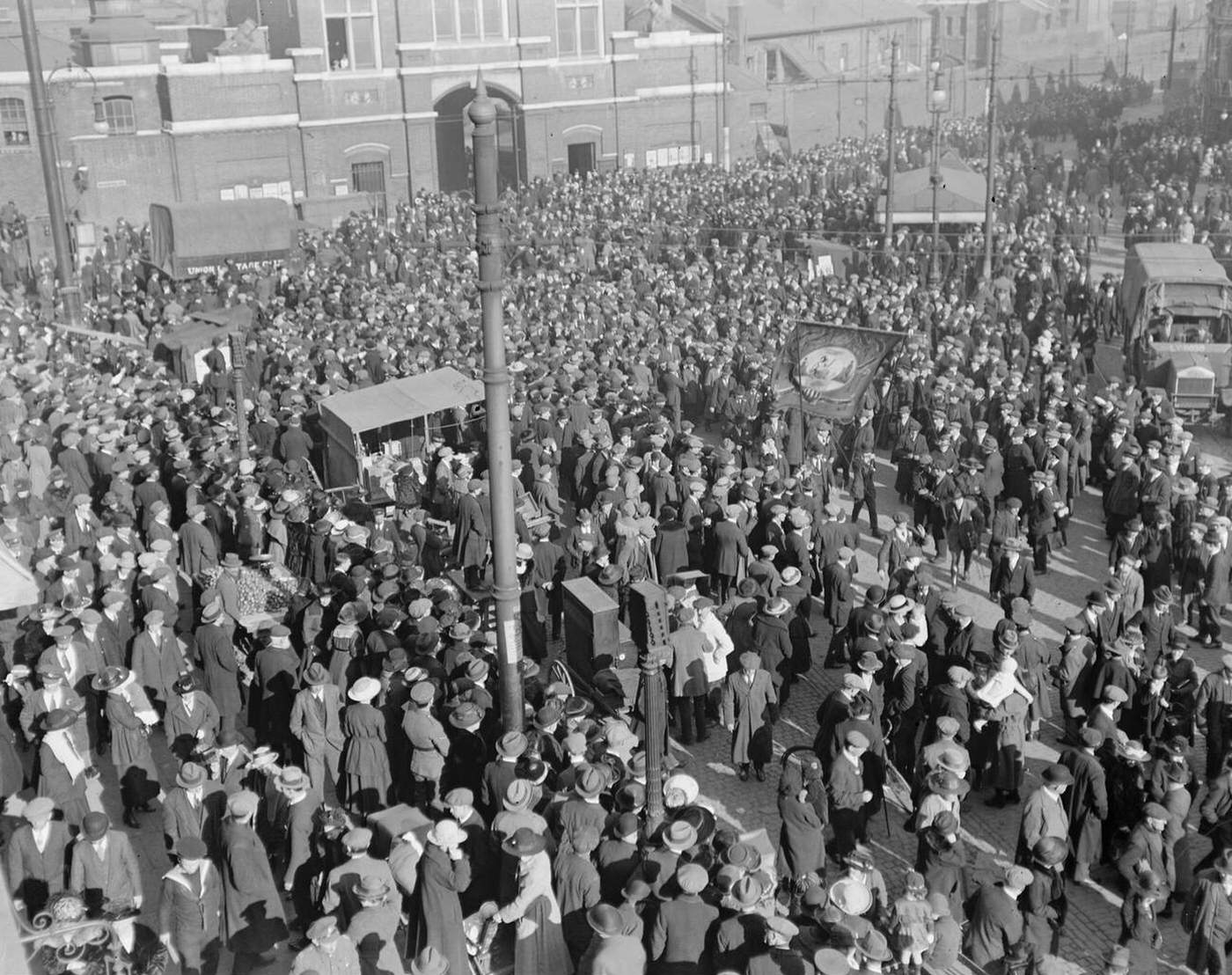
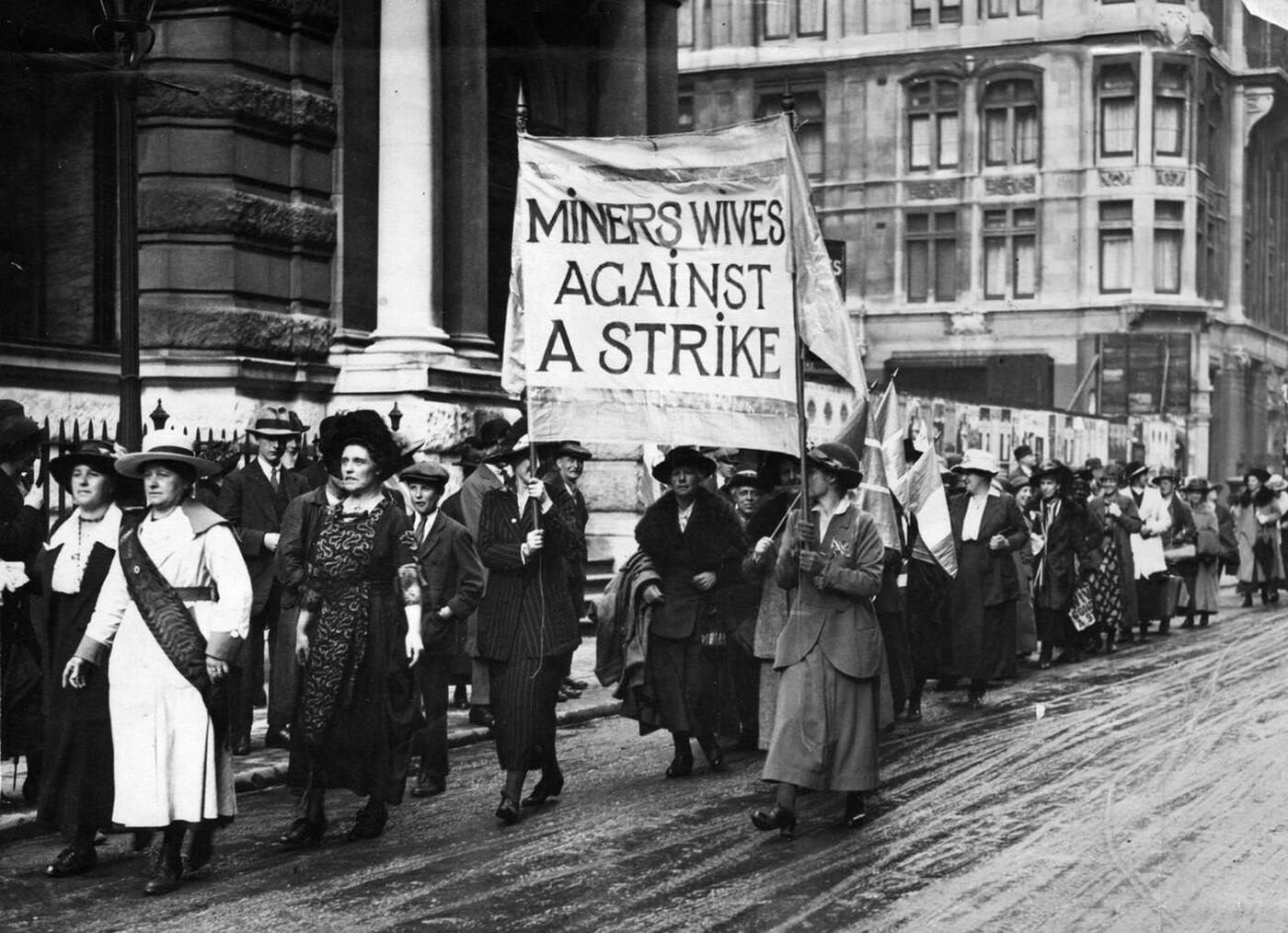
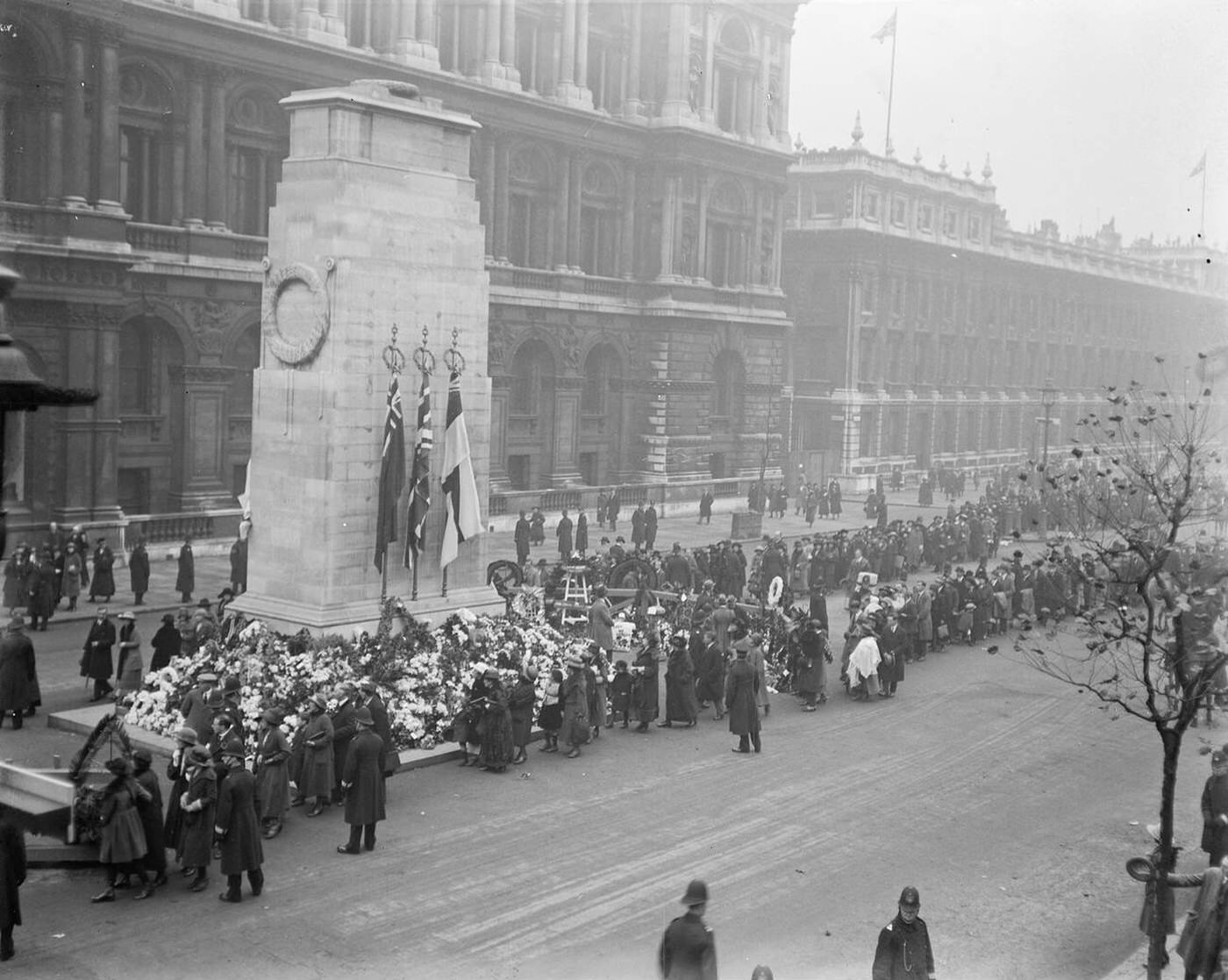
Political tensions ran through the decade from its earliest days. In 1920, 10,000 ex-soldiers marched from Woolwich Arsenal to meet the Prime Minister, some of them wounded and riding in carts. Miners’ wives marched through King Street to protest against a threatened strike. The Armistice Day pilgrimage past the Cenotaph drew thousands each November, a solemn annual act of remembrance for the war dead.
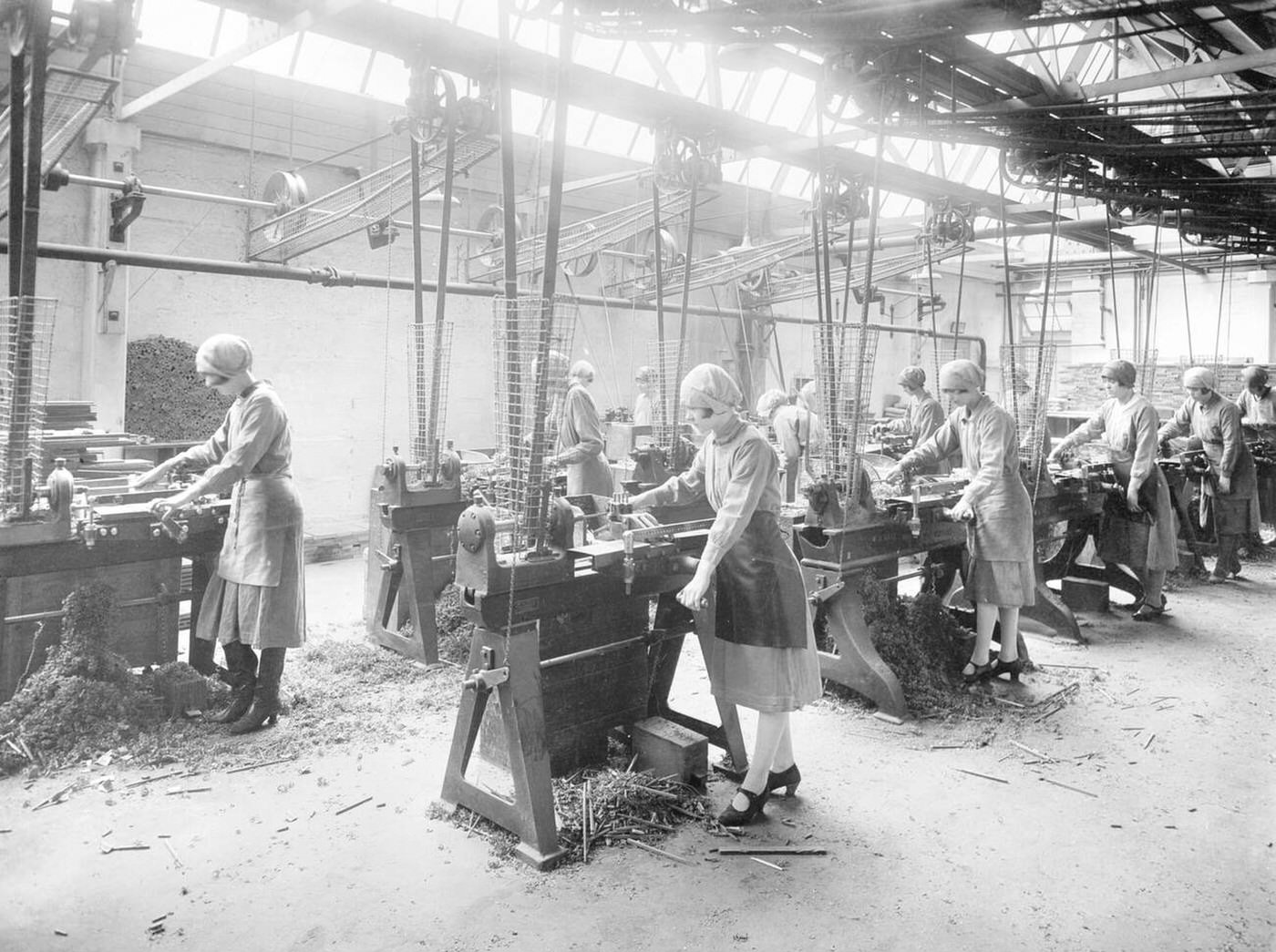
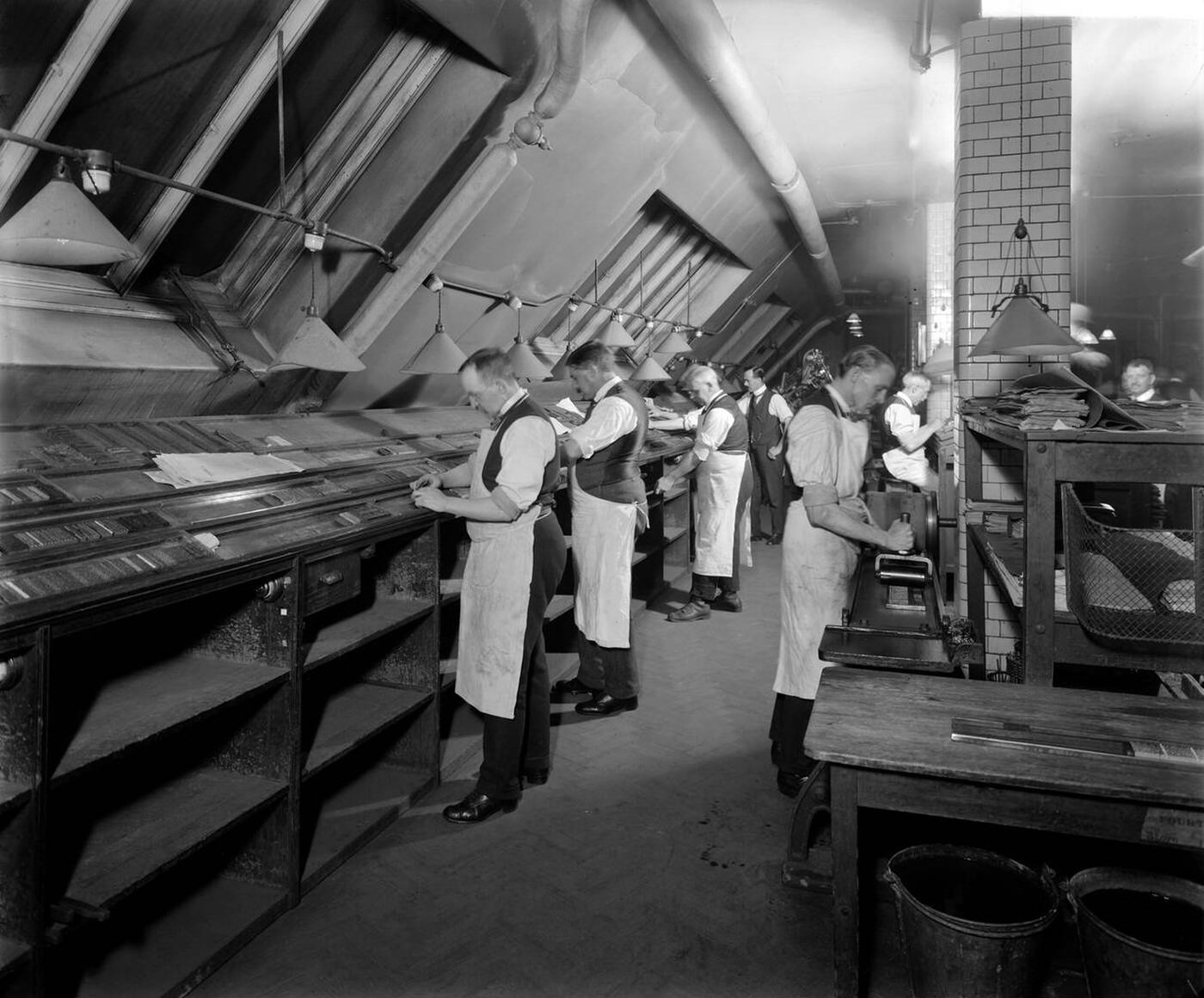
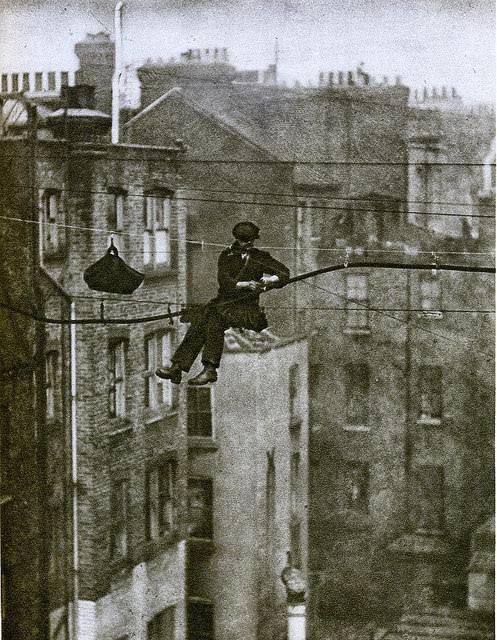
Technology was quietly reshaping how people lived and worked. Telephone engineers were a new presence in wealthier areas like Mayfair, running lines into homes and businesses. Gas mantle works continued to produce lighting for homes that had not yet converted to electricity. Radio broadcasting began in the early 1920s, and by mid-decade, owning a wireless set had become common enough to change how Londoners spent their evenings at home.

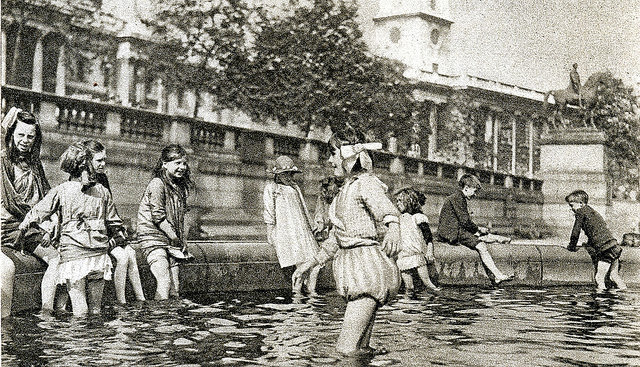
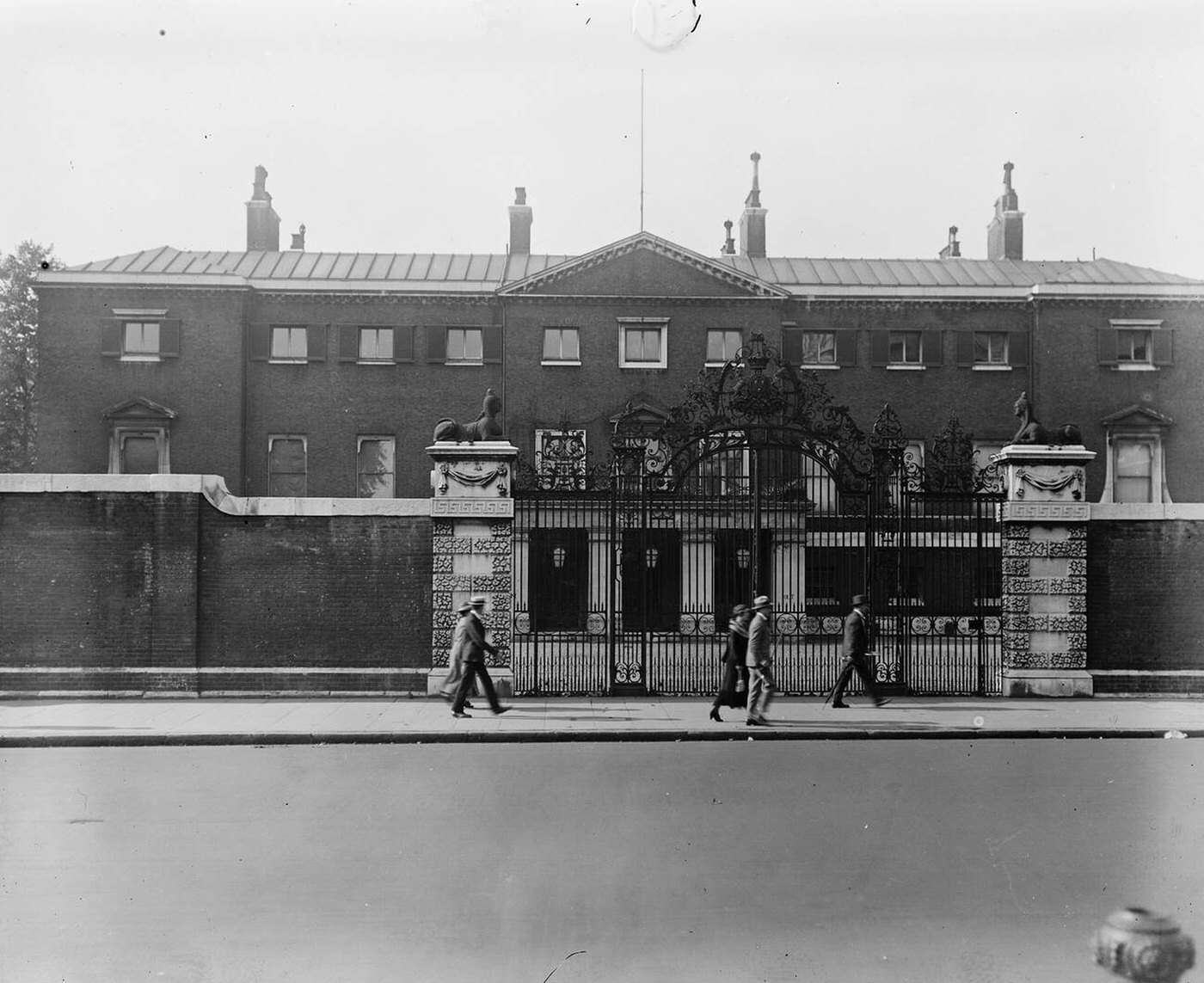
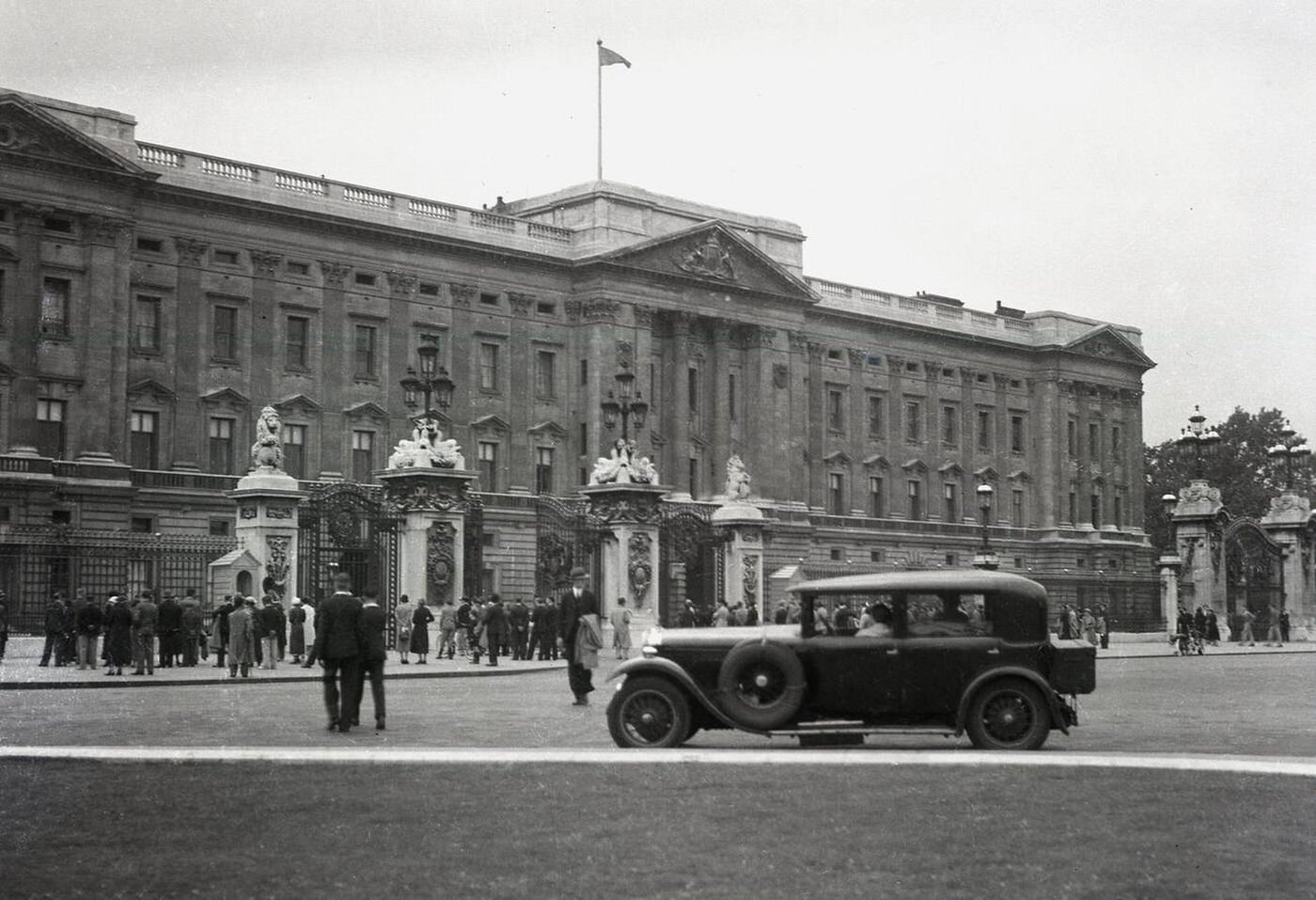
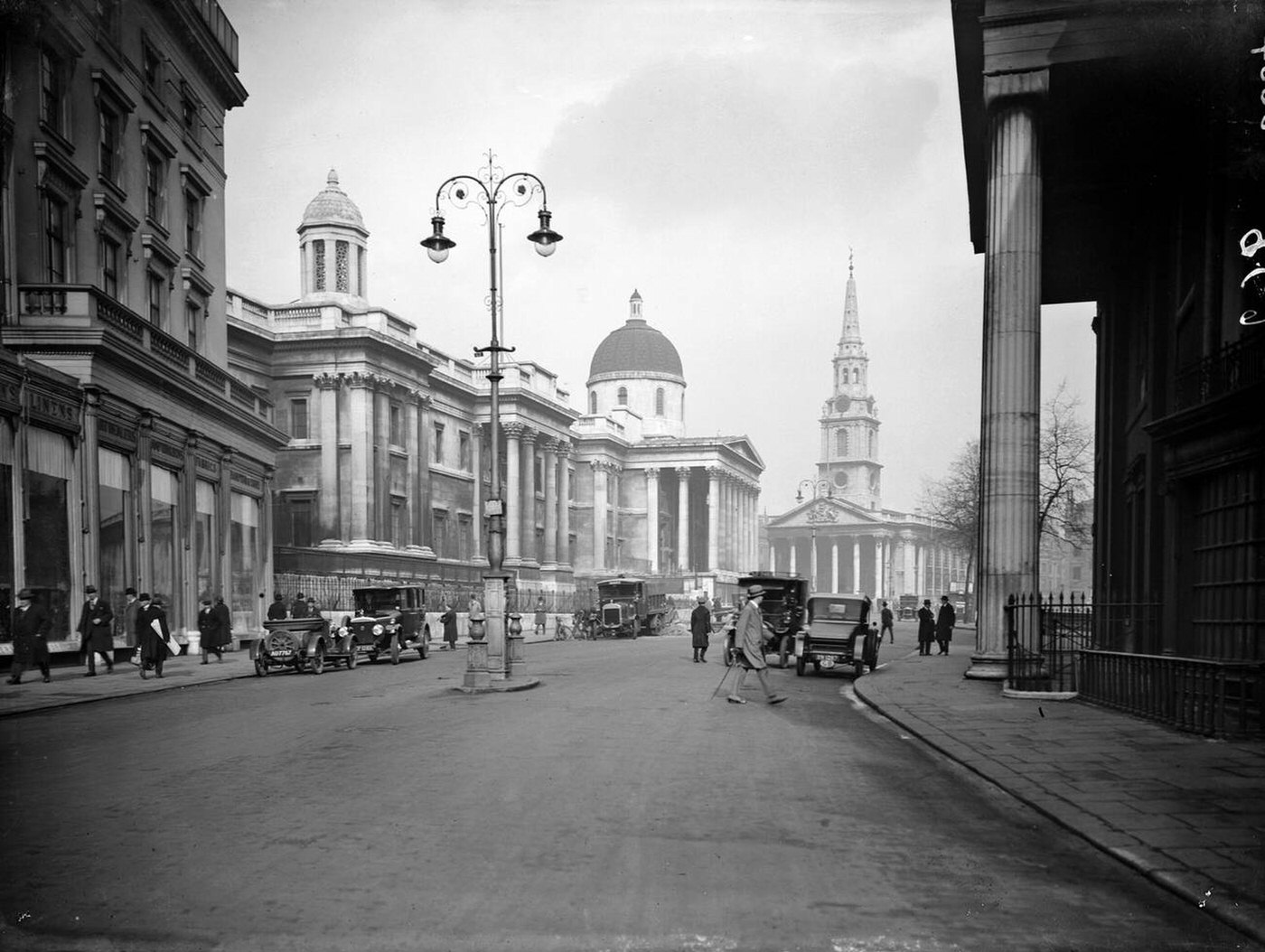
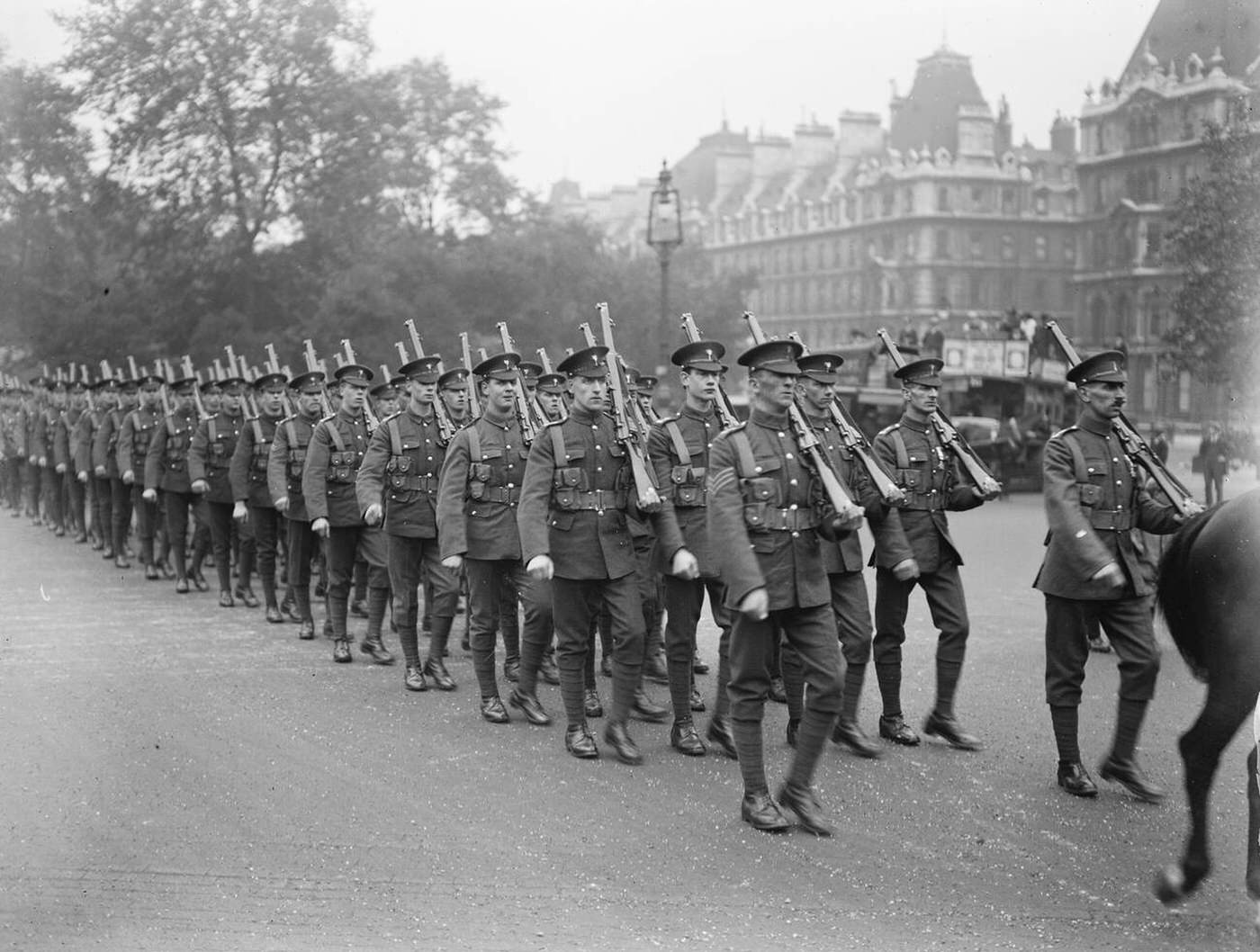
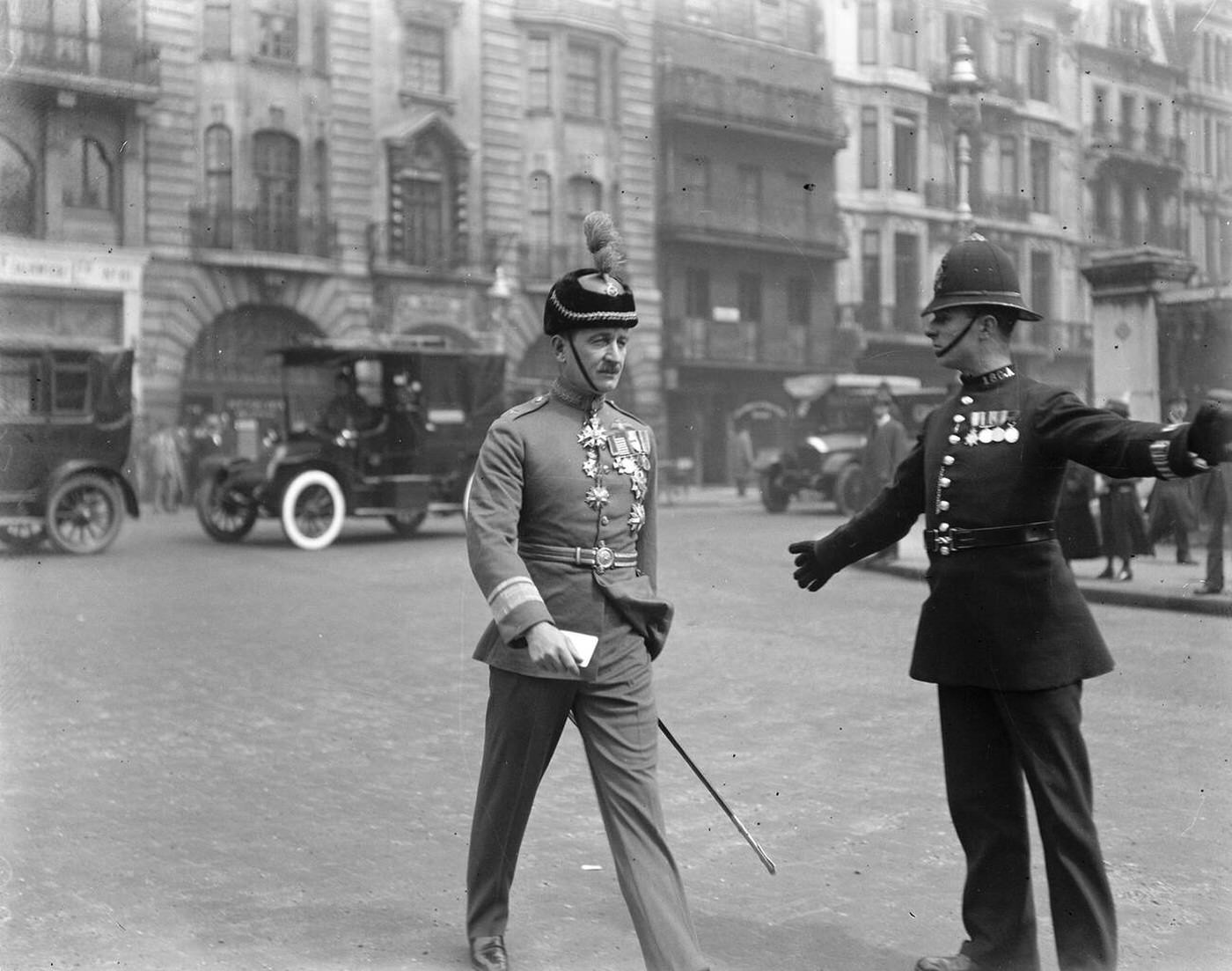
Public ceremony and ritual gave London much of its visible identity. The Welsh Guards marched to Hyde Park for the Trooping of the Colours. The King held his levee at St James’s Palace. Military and royal events drew large crowds to the streets. Trafalgar Square served as both a gathering place and a symbol of the city’s civic life, overlooked by the Church of St Martin-in-the-Fields and framed by the grand buildings of Westminster.
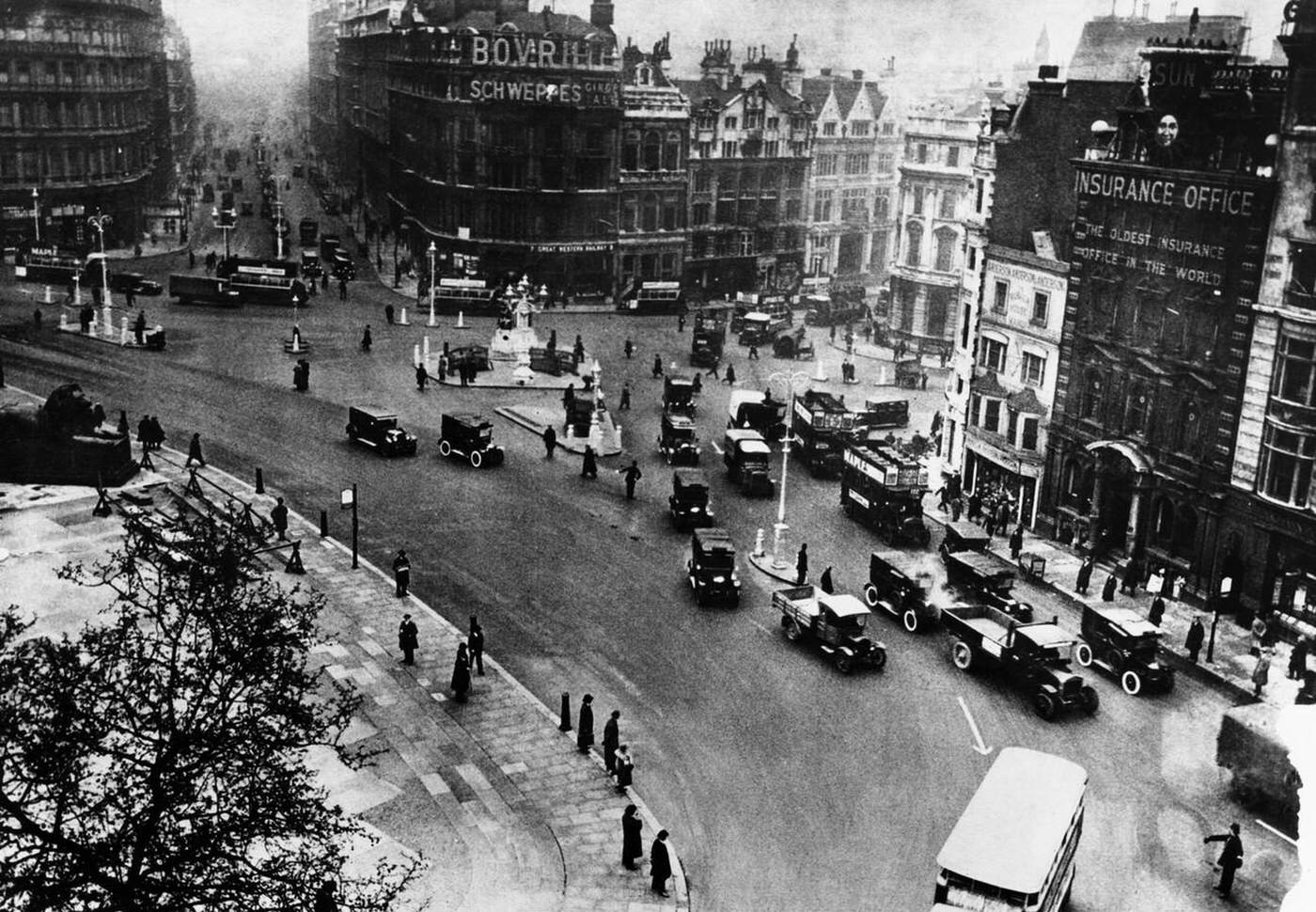
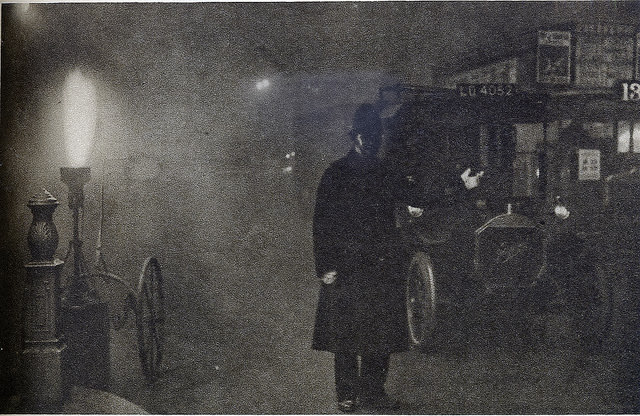
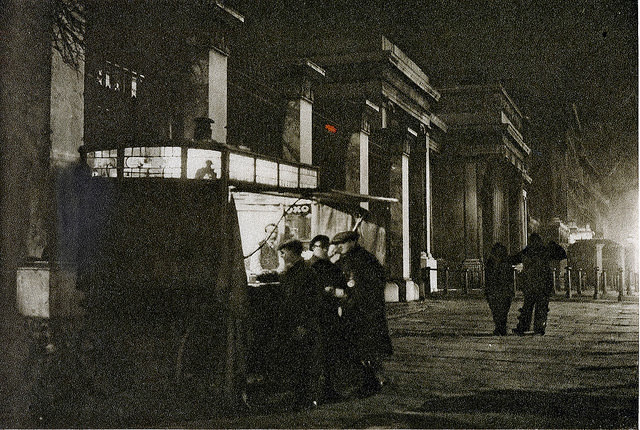
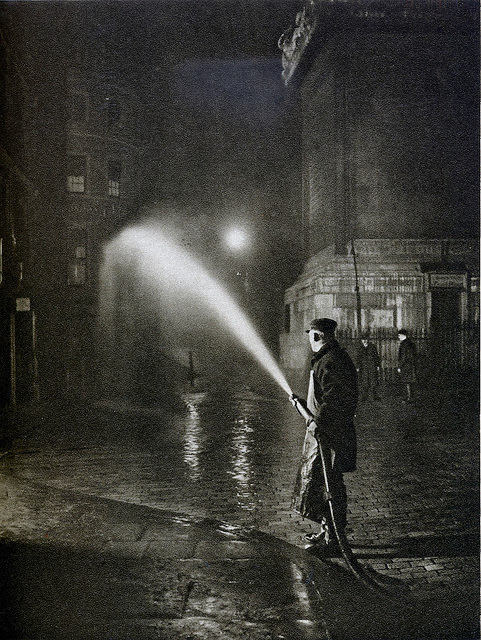
Fog was a defining feature of London’s atmosphere, particularly around Charing Cross and the Thames. The dense coal smoke that settled over the city in cold months turned afternoons into near darkness. Workers, street sellers, and commuters moved through it regardless. Life in 1920s London did not slow down for the weather — it simply carried on.