By 1910, New York City’s population had surged past five million people. Immigration was the engine driving that growth, with hundreds of thousands arriving each year from Southern and Eastern Europe — Italy, Russia, and the Austro-Hungarian Empire chief among them. Their first sight of America was the Statue of Liberty, followed by the inspection halls of Ellis Island, where medical and legal screenings determined who could stay.
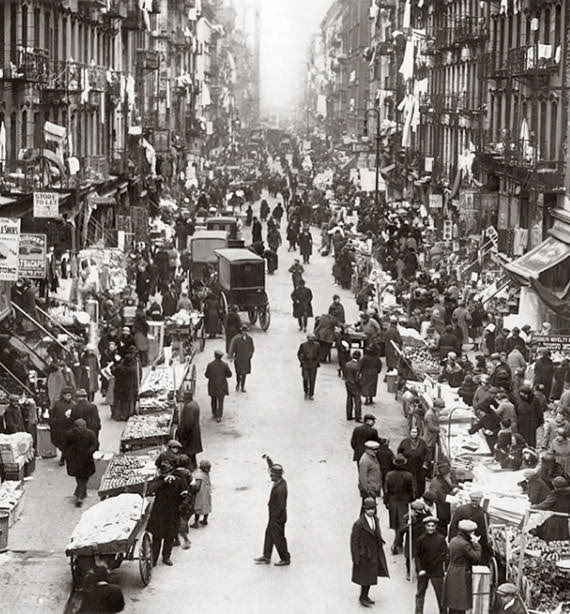
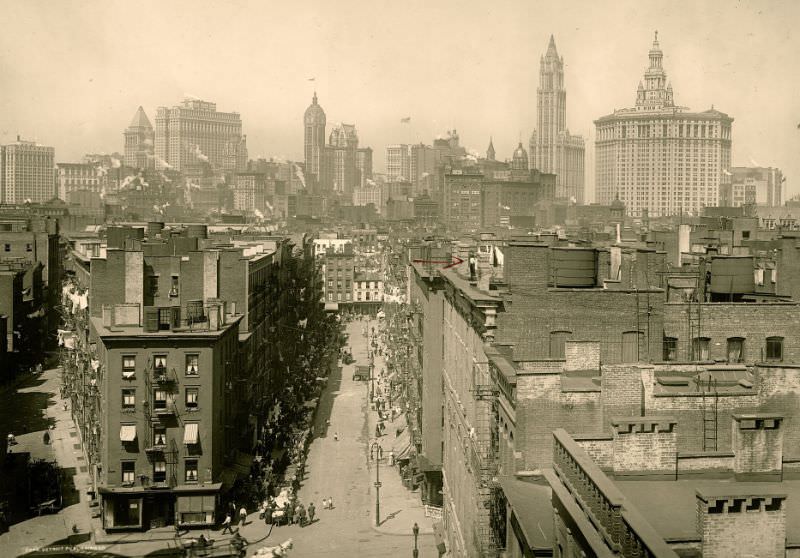
Those who passed the inspections settled into the city’s ethnic enclaves. The Lower East Side became home to waves of new arrivals crowded into tenement apartments — small, dark rooms shared by entire families, often without proper ventilation or private sanitation. The streets outside functioned as everything: marketplace, social hub, and playground. Pushcart vendors lined the sidewalks, and a dozen languages filled the air on any given block.
Work was an immediate necessity for new arrivals. Men took jobs on construction sites or in factories. Women and children worked in the garment industry, which dominated swaths of lower Manhattan. The conditions in these so-called sweatshops were notoriously dangerous. On March 25, 1911, that danger became undeniable. A fire broke out on the upper floors of the Triangle Shirtwaist Factory near Washington Square Park. Exit doors were locked. Fire escapes were inadequate. One hundred and forty-six workers — most of them young immigrant women — died.
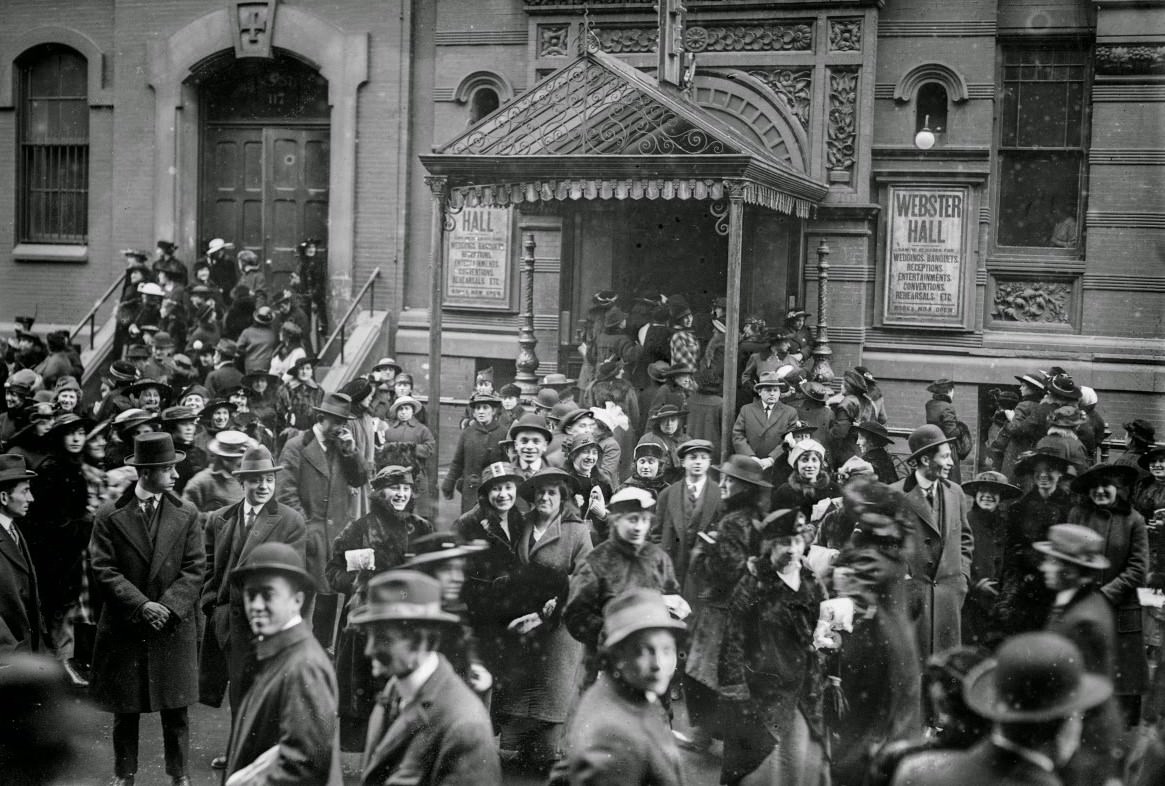
The tragedy shocked the nation and pushed lawmakers into action. New legislation followed, improving factory safety standards, limiting working hours, and strengthening labor laws. The disaster had permanently changed the conversation about workers’ rights in New York.
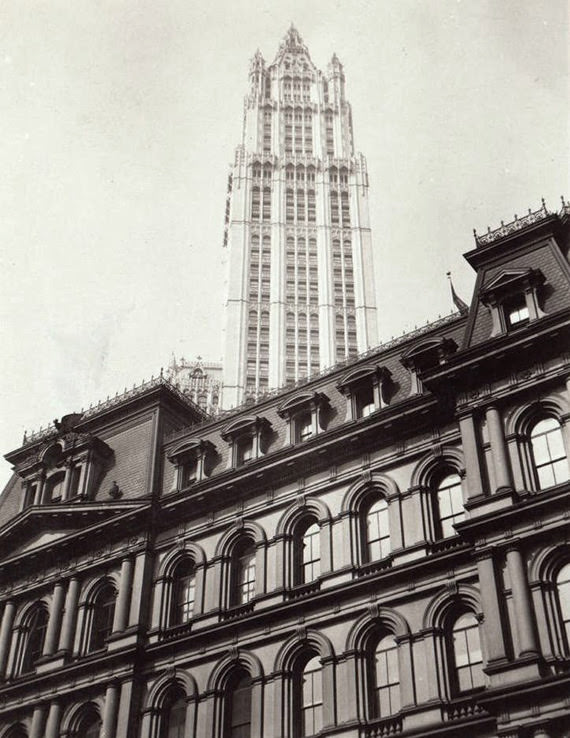
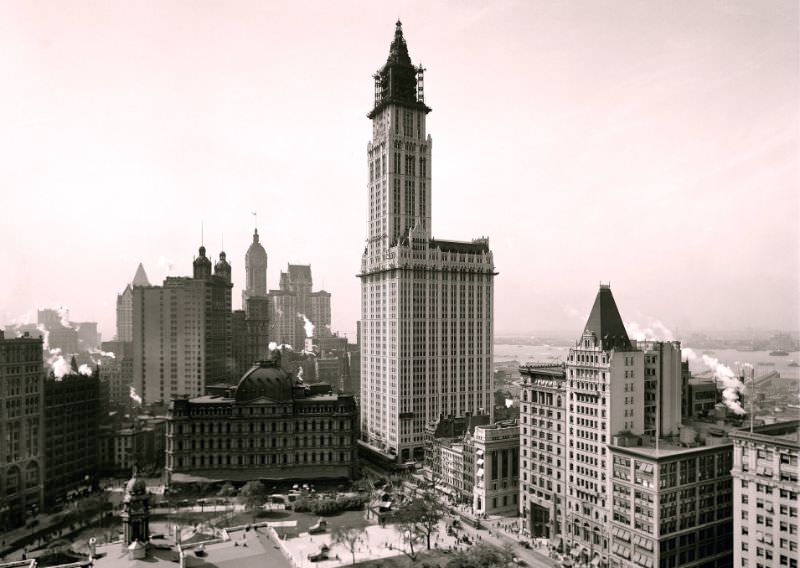
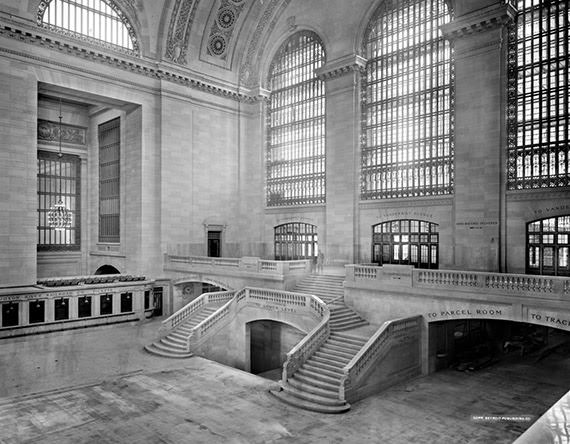
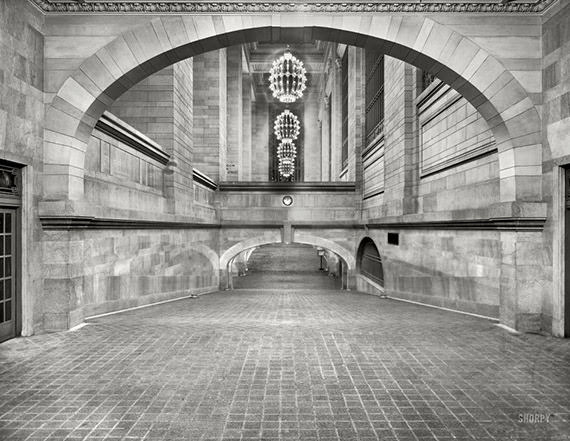
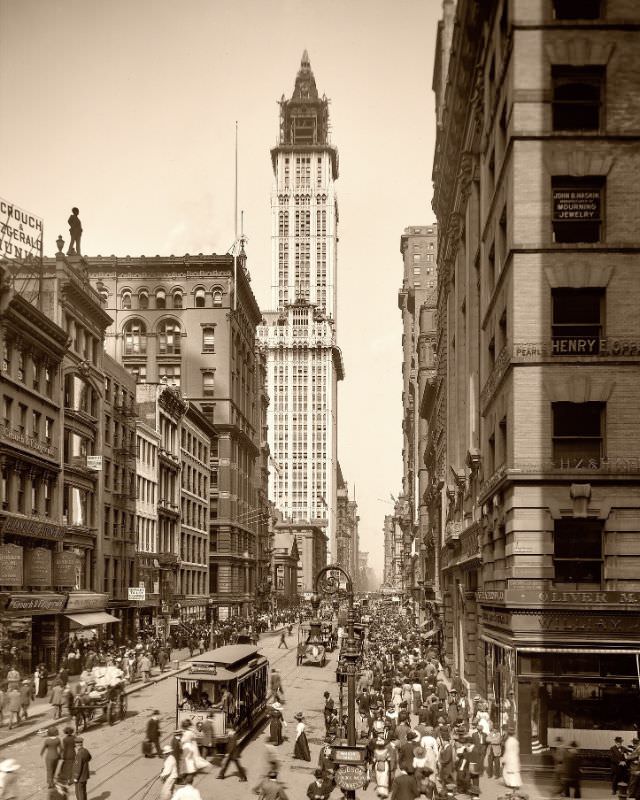
While the streets below churned with daily life, the skyline above was reaching unprecedented heights. In 1913, the Woolworth Building opened on Broadway in Lower Manhattan. At 792 feet tall, it was the tallest building in the world. Its Gothic-style design earned it the nickname “Cathedral of Commerce.” That same year, Grand Central Terminal opened on February 2nd, replacing an older station with a grand civic space featuring a celestial-painted ceiling, marble staircases, and ramps instead of stairs.
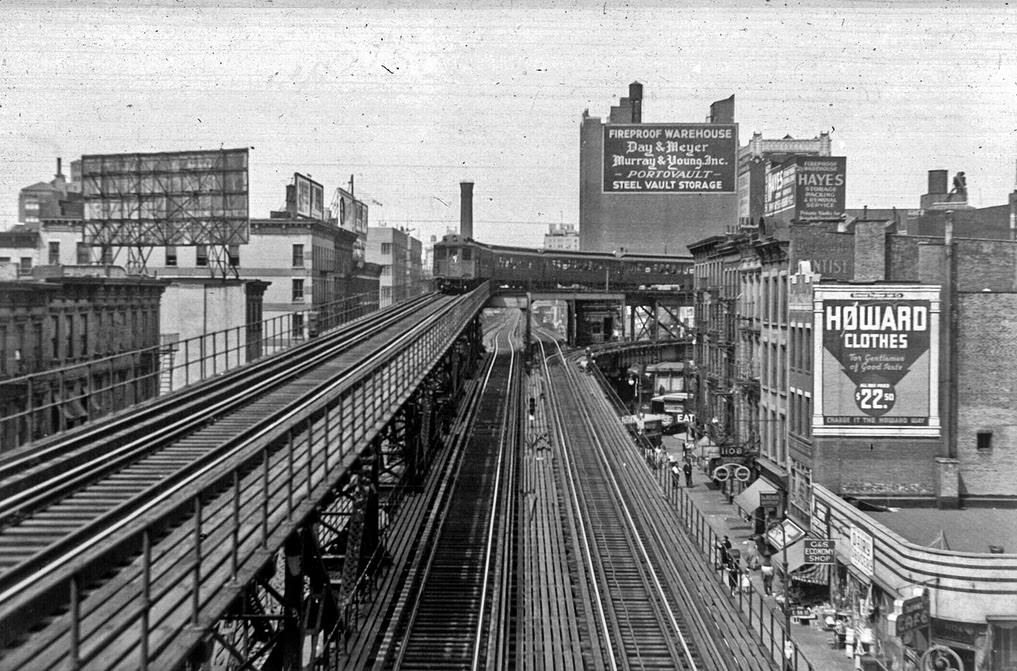
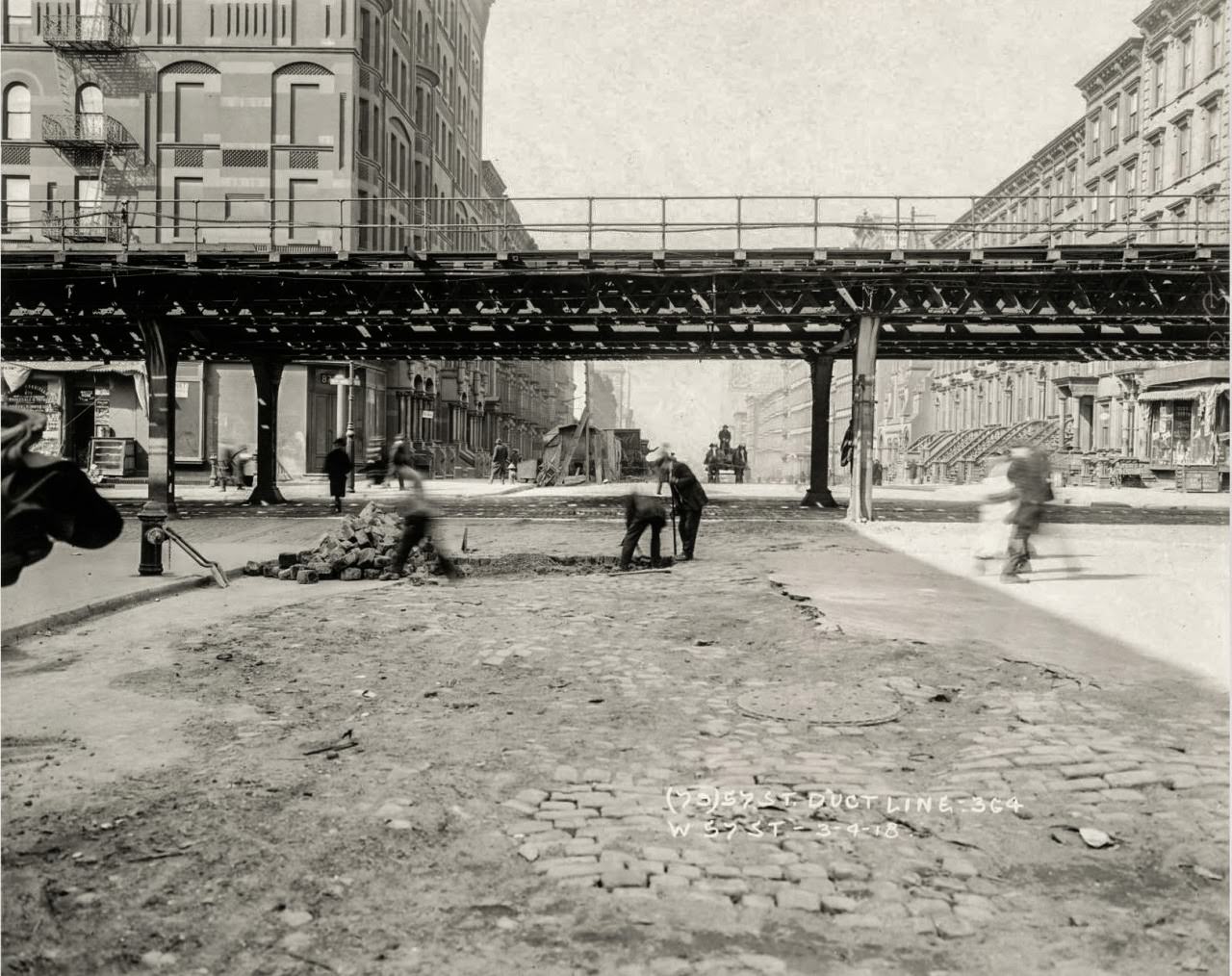
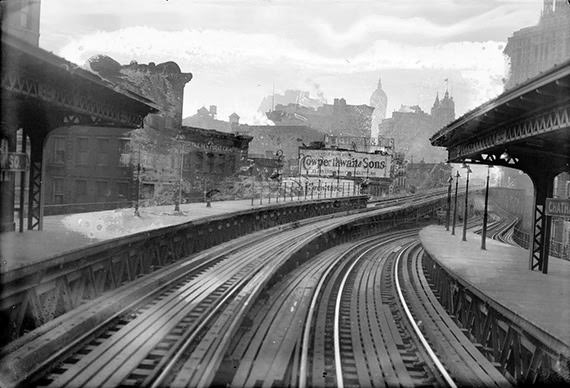
Underground, the subway system was expanding fast. The Dual Contracts of 1913 — an agreement between the city and two private operators — funded hundreds of miles of new track, connecting the Bronx and Brooklyn to the commercial core of Manhattan. Elevated lines threaded through neighborhoods that the subway hadn’t yet reached.
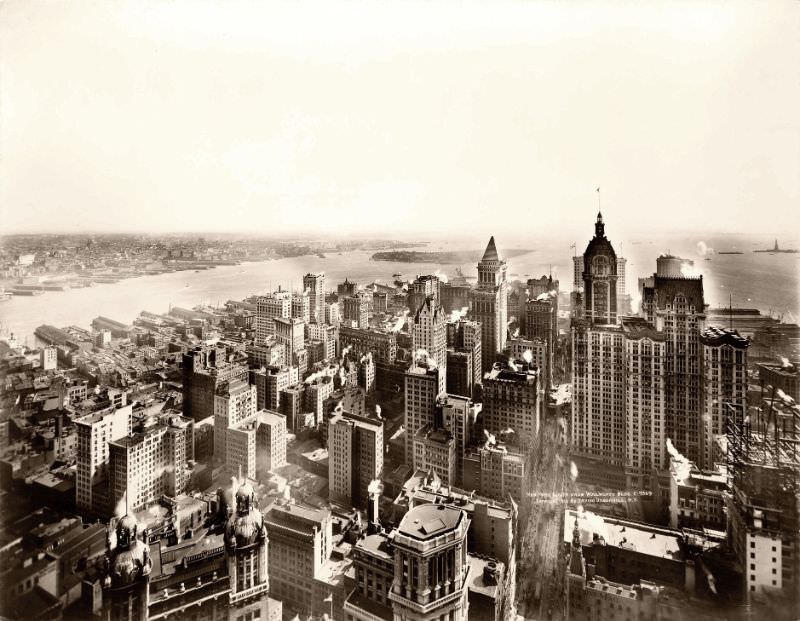
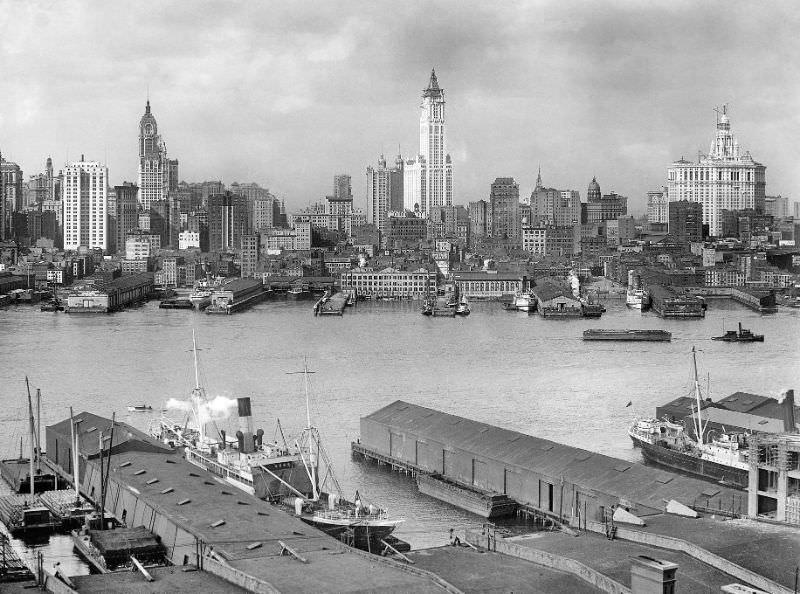
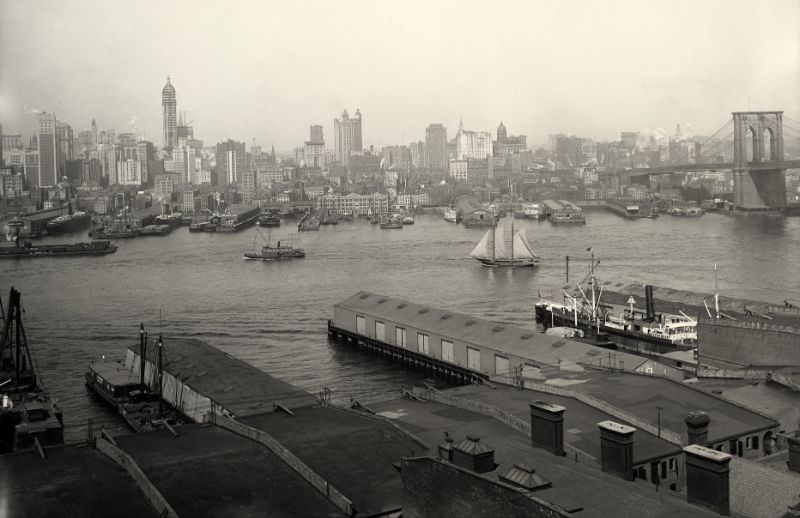
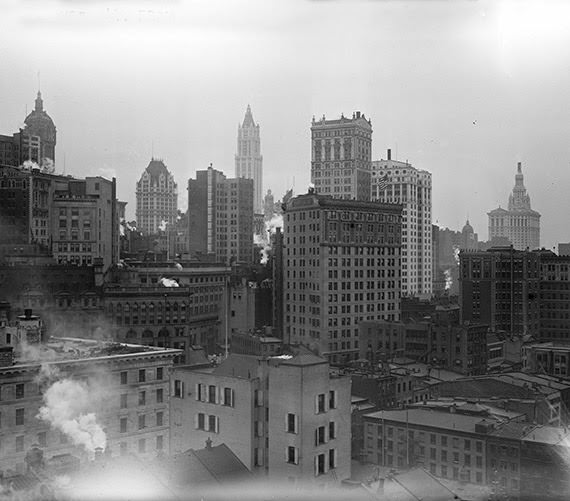
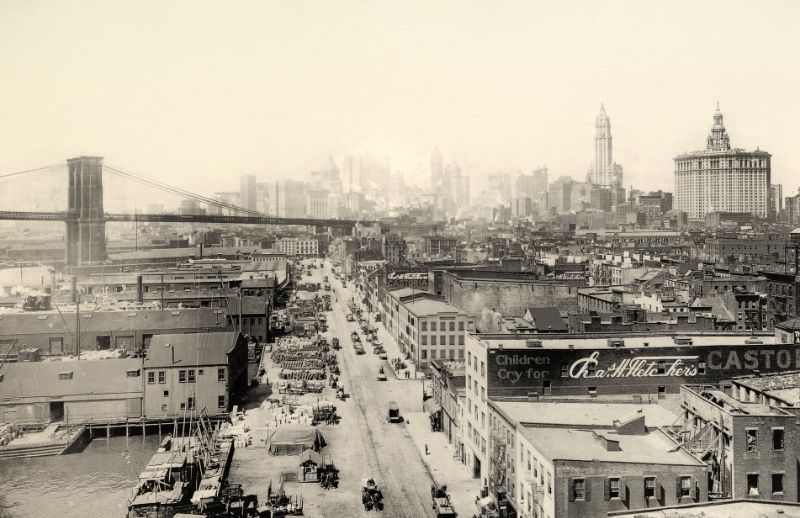
The Manhattan skyline was becoming one of the most recognizable in the world. Looking across from Brooklyn, observers could see the Singer Building, the Woolworth tower, and the newly completed Municipal Building all rising above the dense fabric of lower Manhattan.
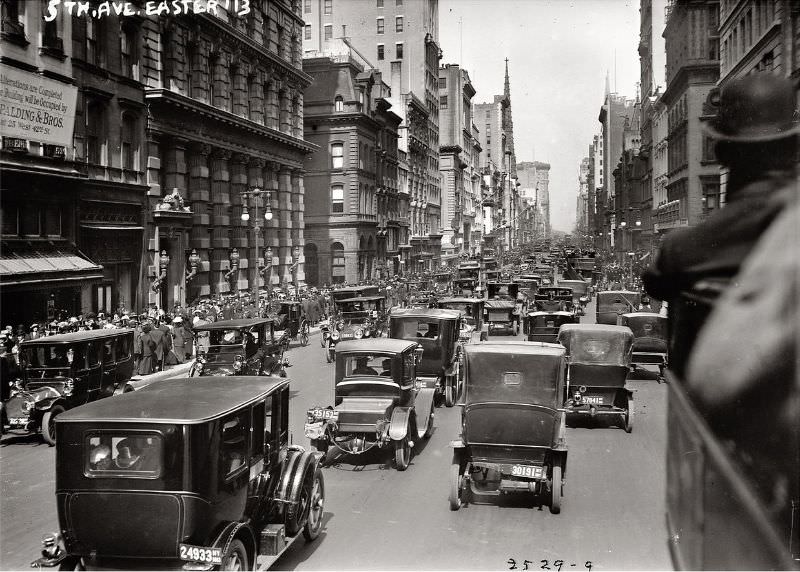
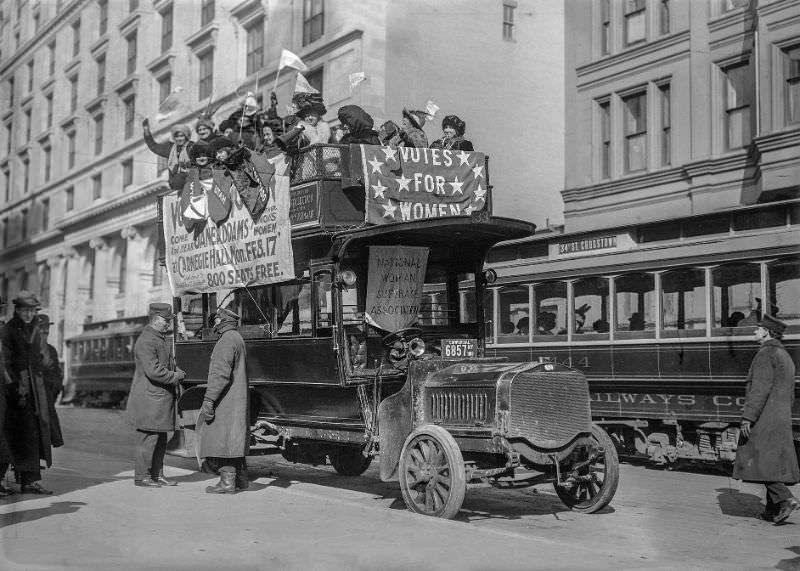
Fifth Avenue was the city’s most prominent social stage. On Easter Sunday 1913, the avenue filled with well-dressed New Yorkers parading in their finest clothes. The same street became a platform for political action, as suffragists organized large-scale marches demanding the right to vote. New York women won that right in 1917.
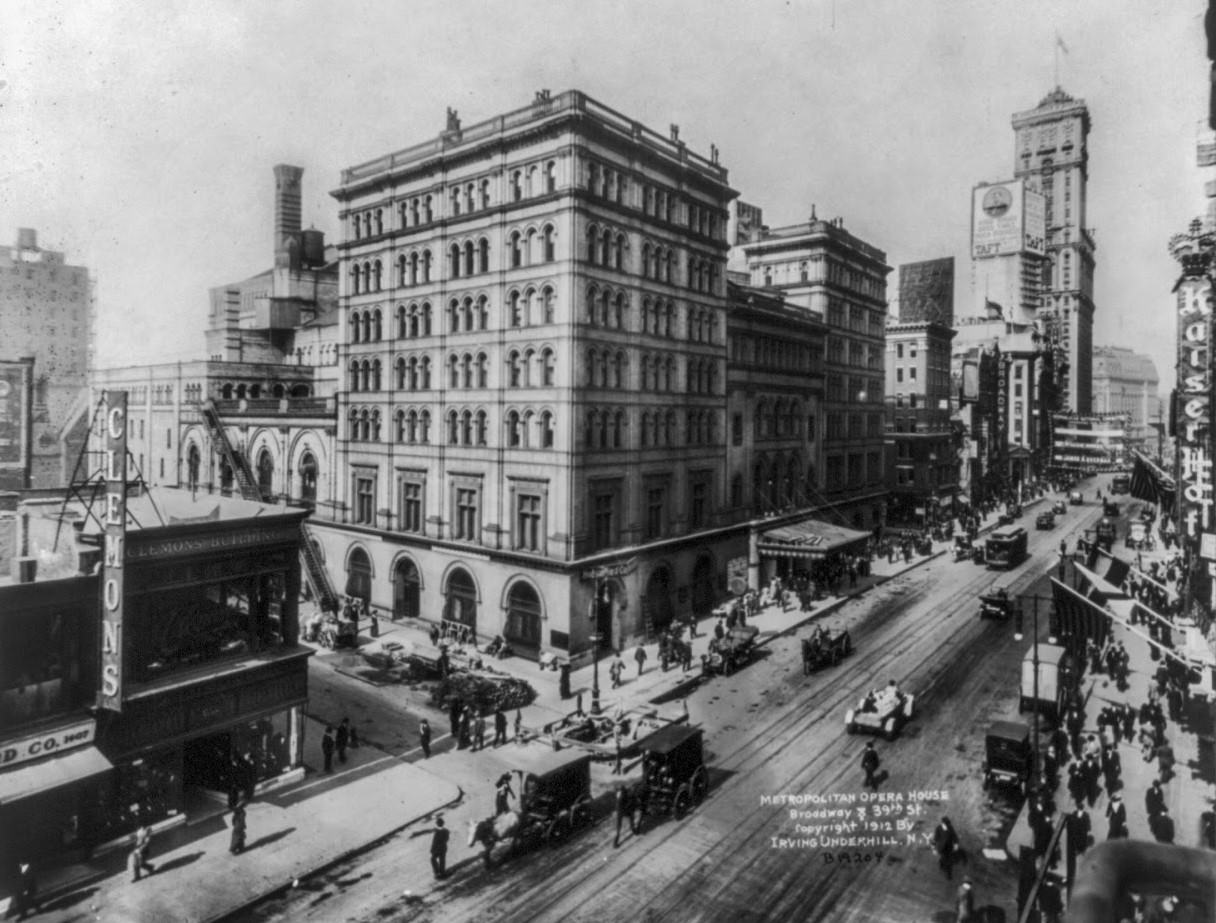
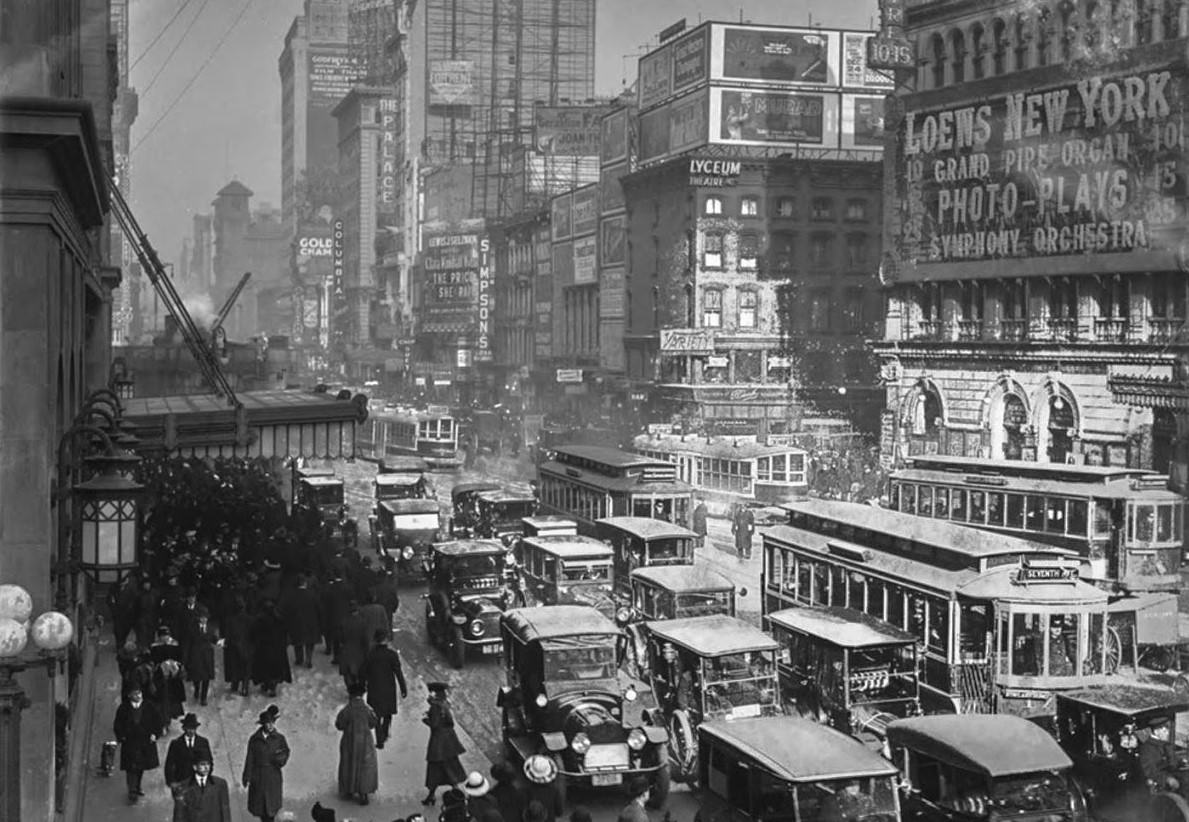
Culture was shifting rapidly across the city. Around West 28th Street, Tin Pan Alley hummed with songwriters and song pluggers producing sheet music sold nationwide. Broadway staged lavish theatrical productions for a growing middle-class audience. In 1913, the Armory Show — formally the International Exhibition of Modern Art — introduced New Yorkers to European modernism. Works by Picasso, Matisse, and Marcel Duchamp stunned and baffled the public in equal measure, forcing a confrontation with entirely new ideas about what art could look like.
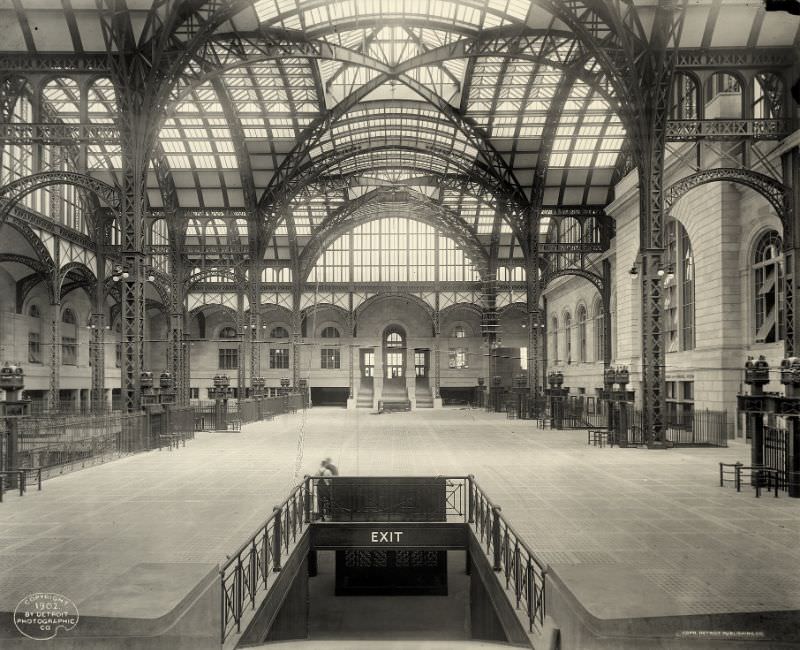
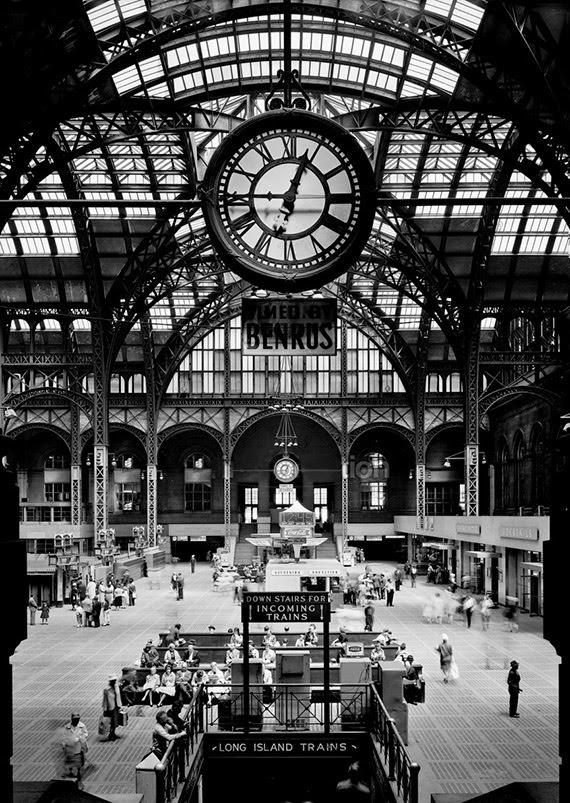
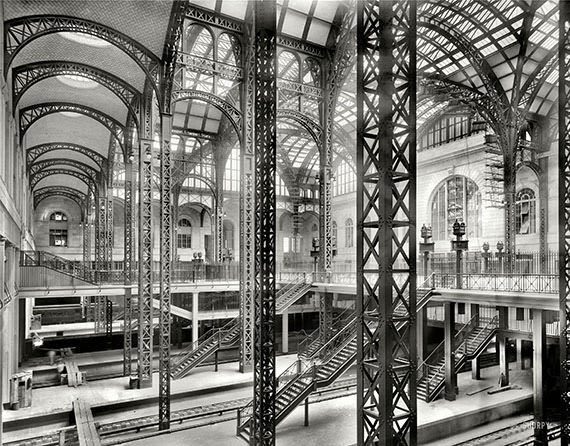
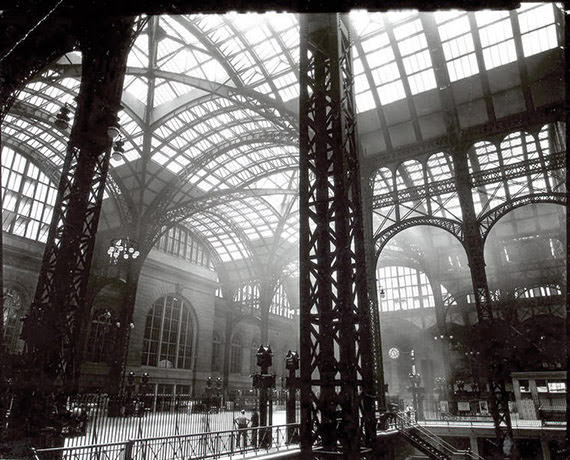
Pennsylvania Station, which had opened in 1910, rivaled Grand Central in scale and ambition. Its enormous concourse — flooded with light through iron and glass — processed millions of travelers moving in and out of the city each year. Meanwhile, bridges and elevated railways stitched the outer boroughs into the city’s daily rhythms.
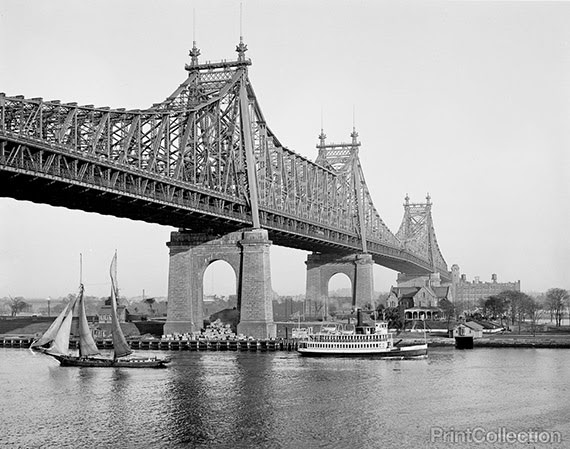
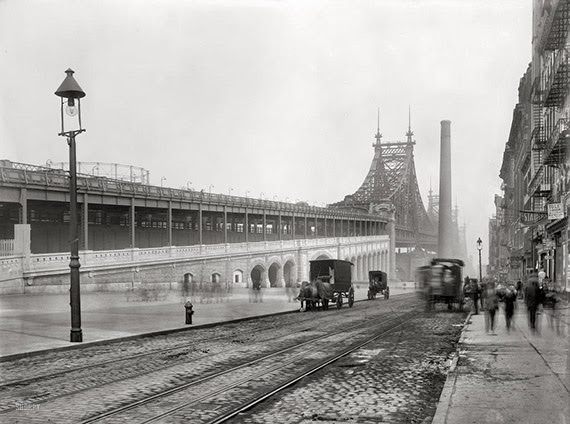
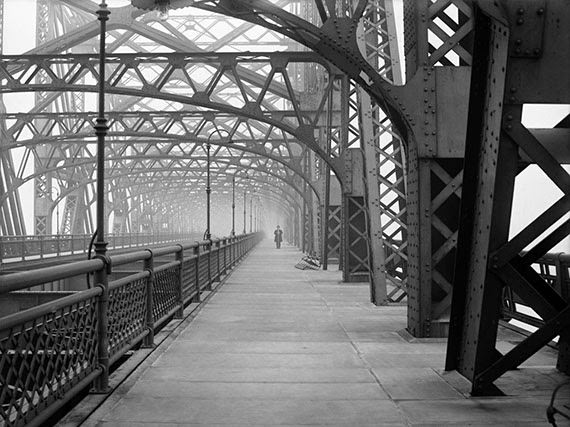
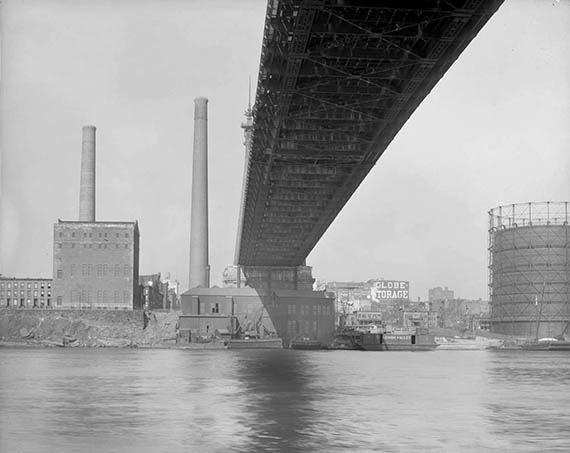
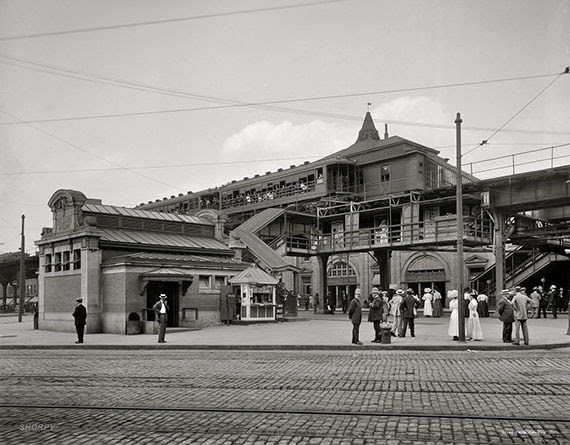
The Queensborough Bridge connected Manhattan to Queens, and the elevated lines that crossed it carried passengers above the rooftops of the city. Below the streets, new subway stations were opening regularly, each one pulling more of the outer boroughs into the orbit of midtown and lower Manhattan.
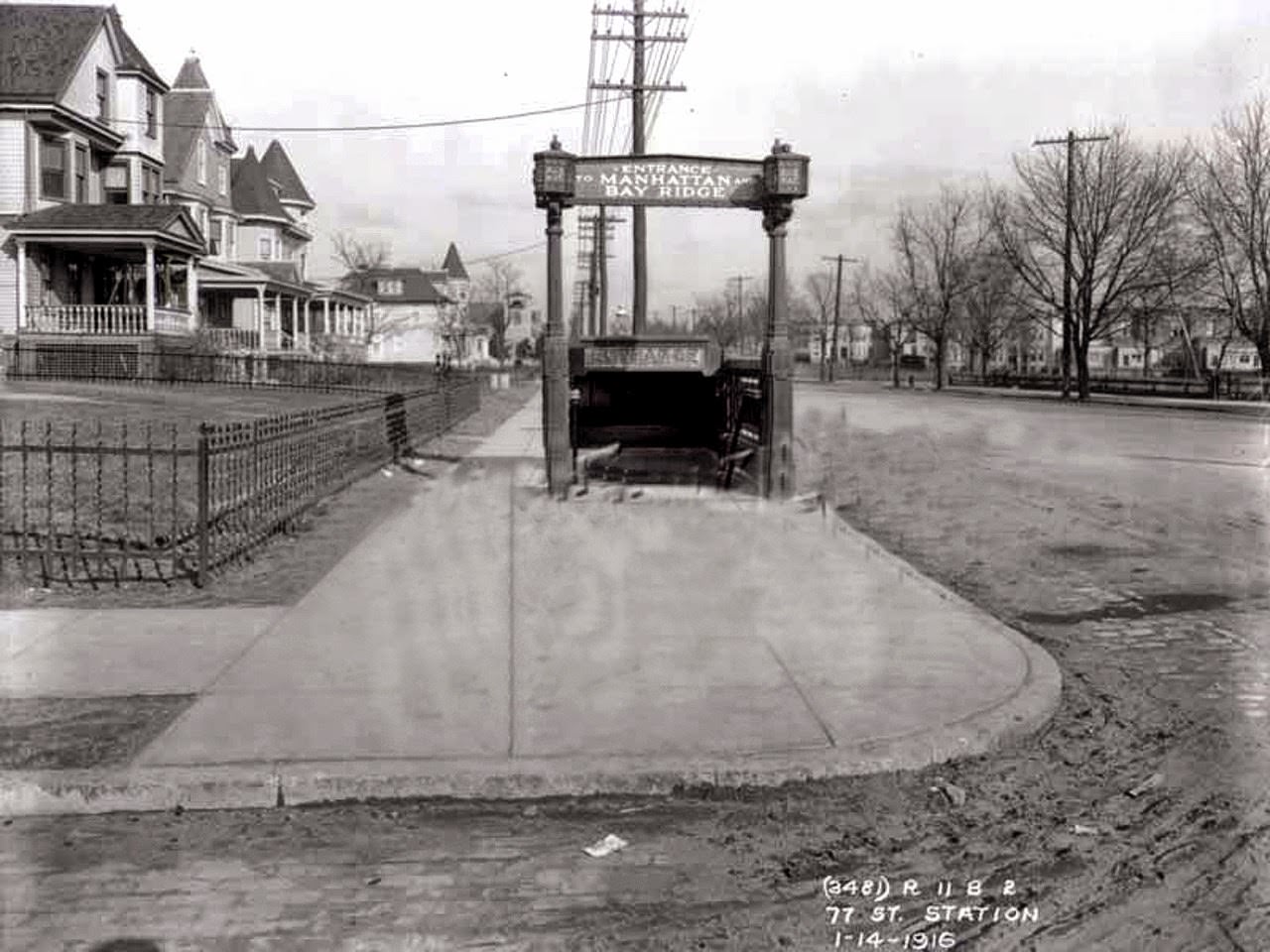
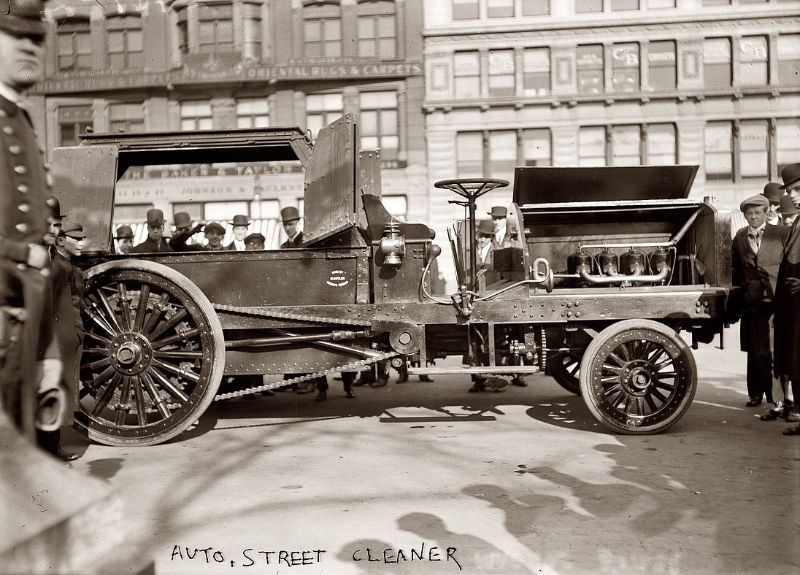
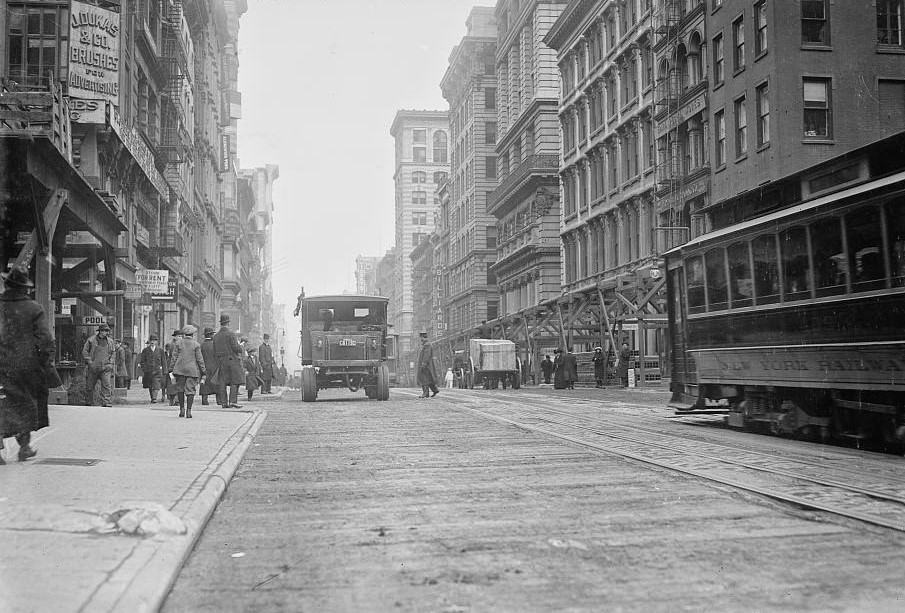
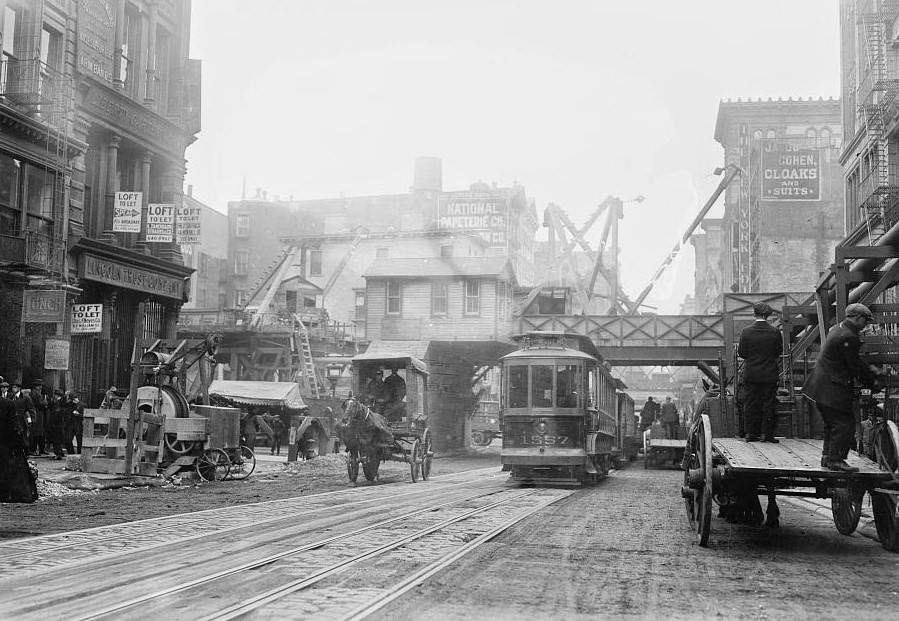
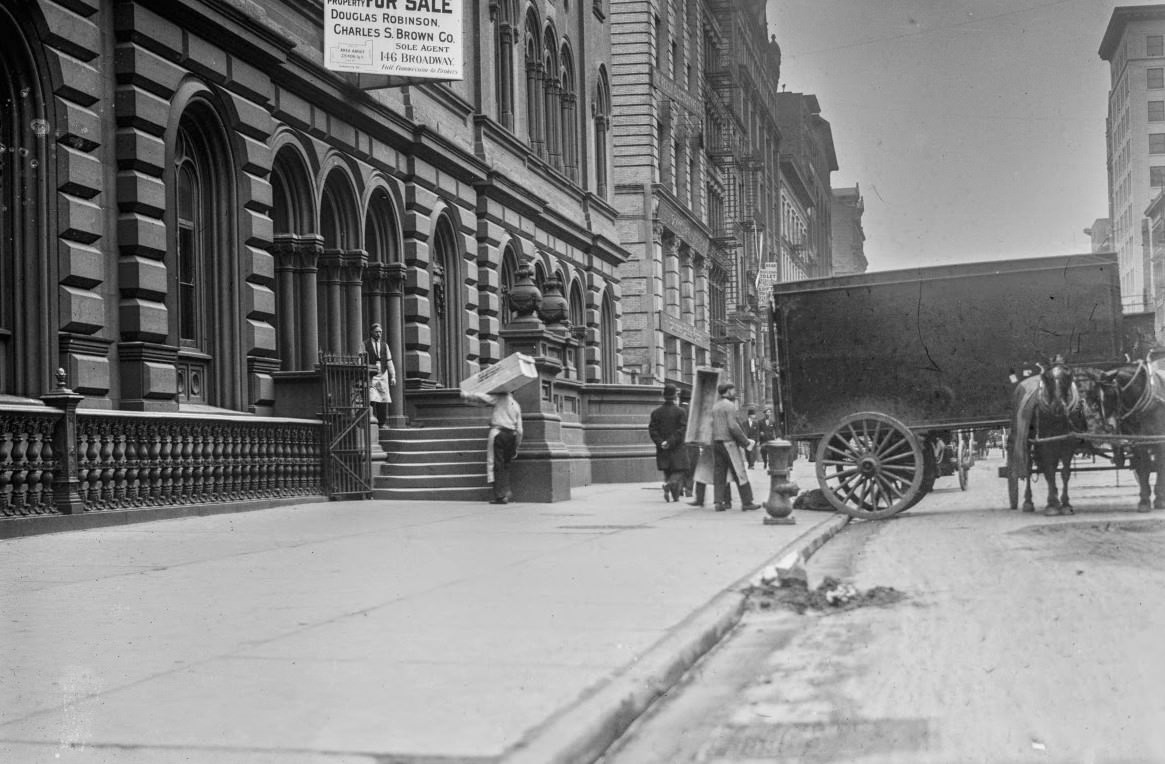
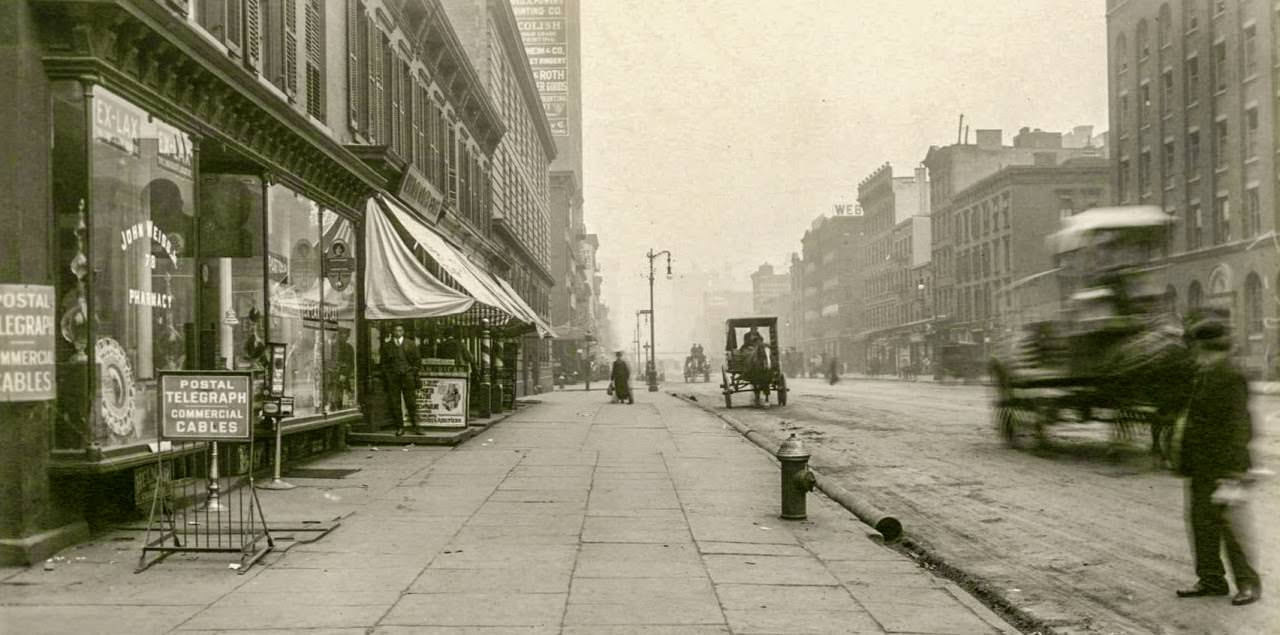
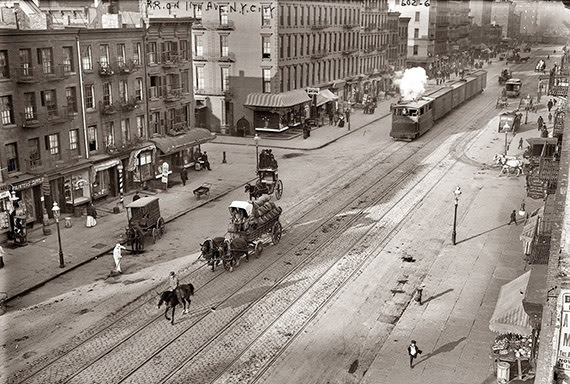
Street-level New York was a world of constant motion. Streetcars, automobiles, horse-drawn wagons, and pedestrians competed for space on the same roads. Auto street cleaners replaced older manual methods of keeping the busiest avenues clear. Road repair crews worked on major thoroughfares throughout the decade.
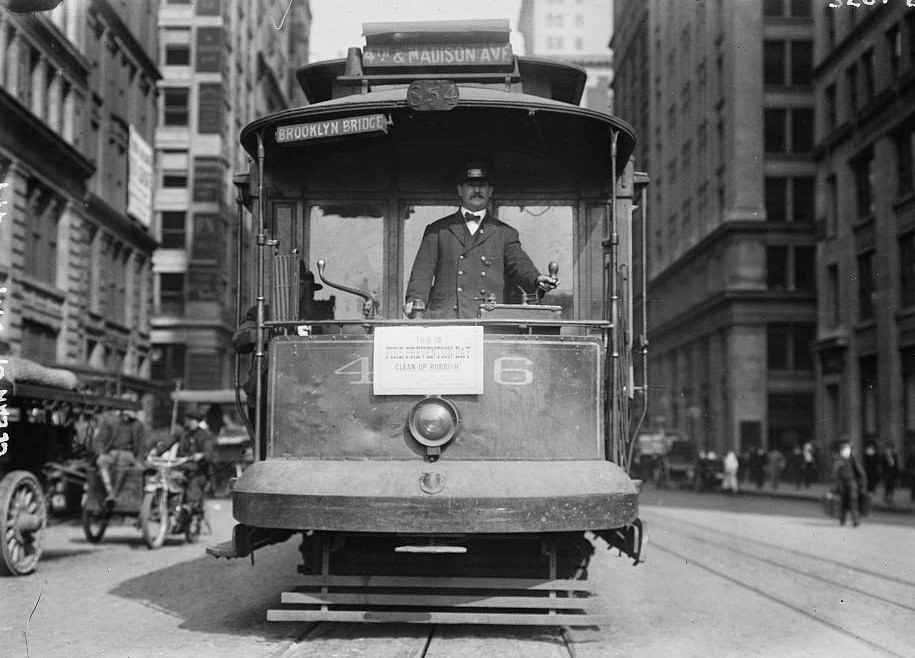
Broadway was the spine of the city, running from the tip of lower Manhattan all the way north through the boroughs. Along its length, it passed through some of the city’s most distinct neighborhoods — from the busy commercial blocks near Cortlandt Street, through the theater district, and up toward Washington Heights.
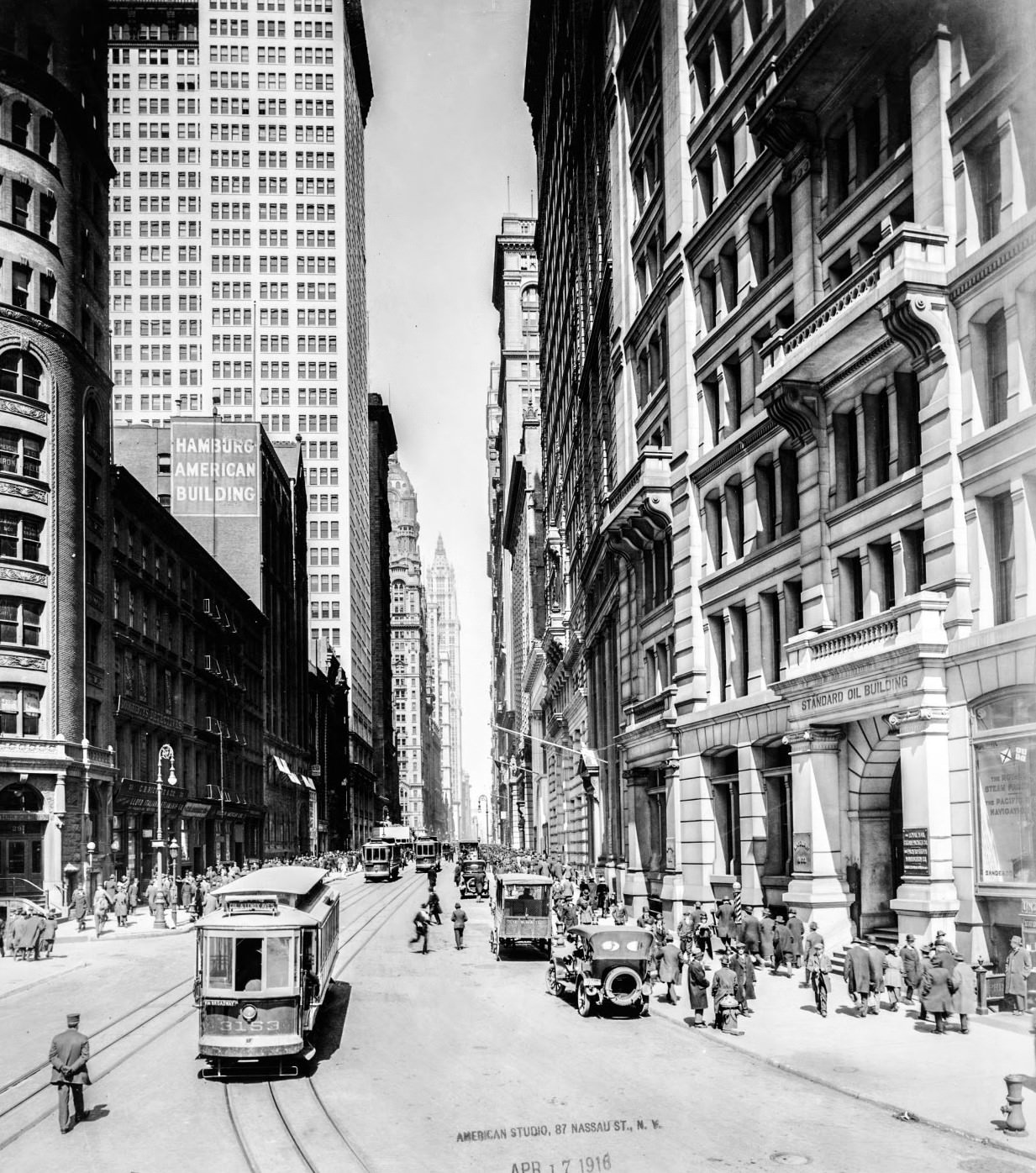
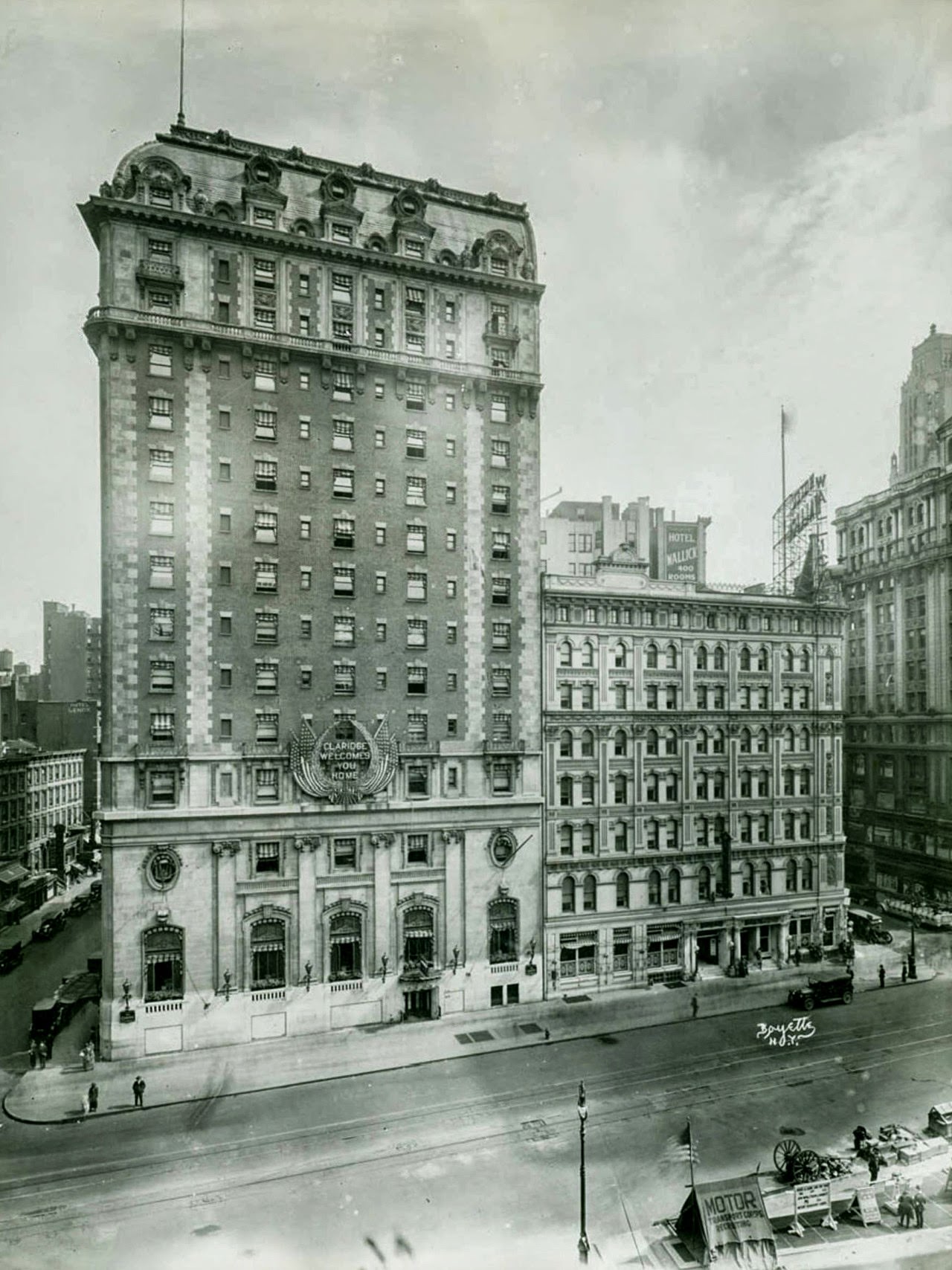
Midtown was growing fast, with hotels, office buildings, and entertainment venues rising along the avenues. The area around 42nd Street and Fifth Avenue had become the commercial and cultural center of the city, drawing shoppers, theatergoers, and businesspeople from across the region.
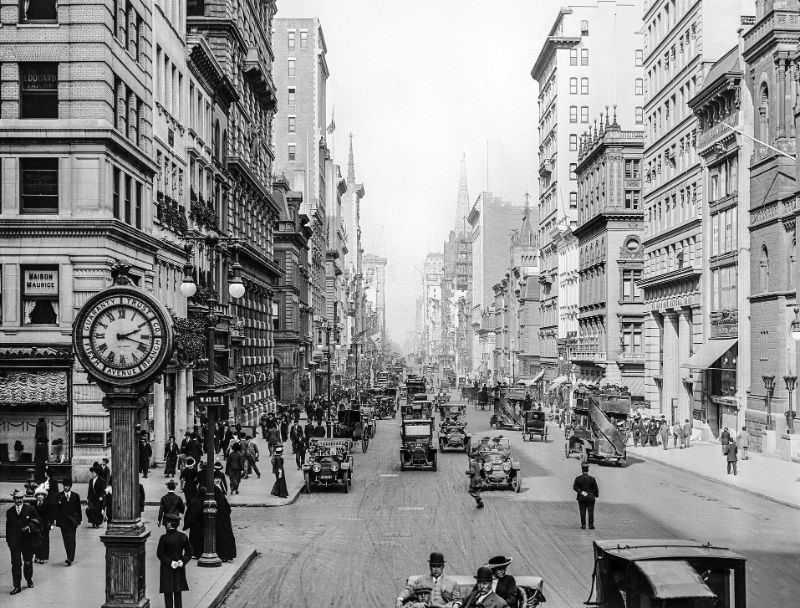
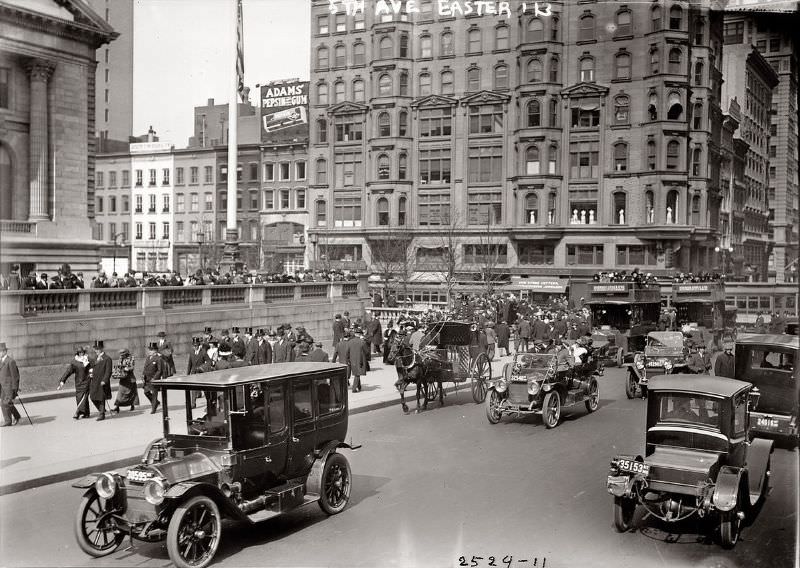
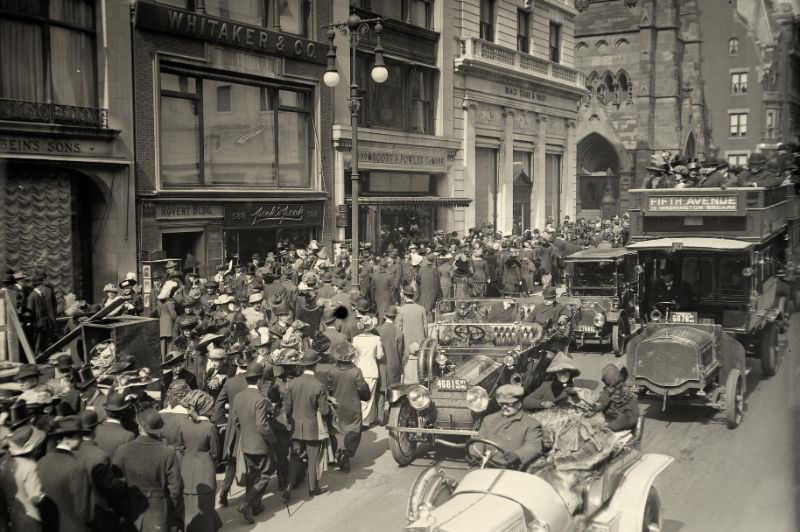
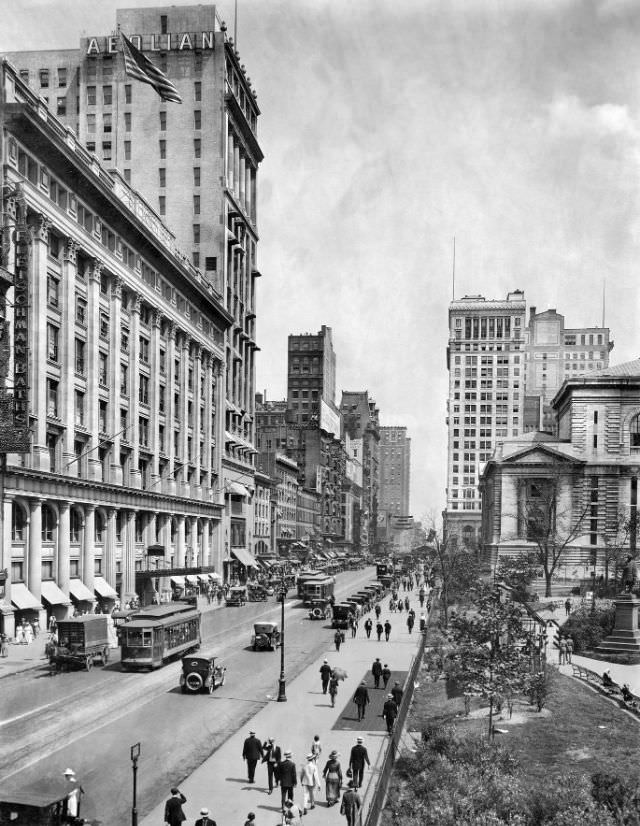
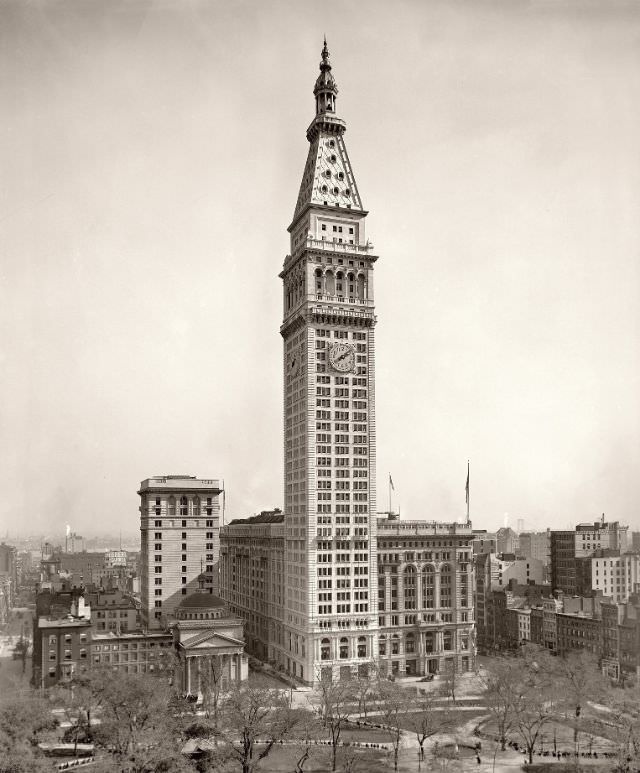
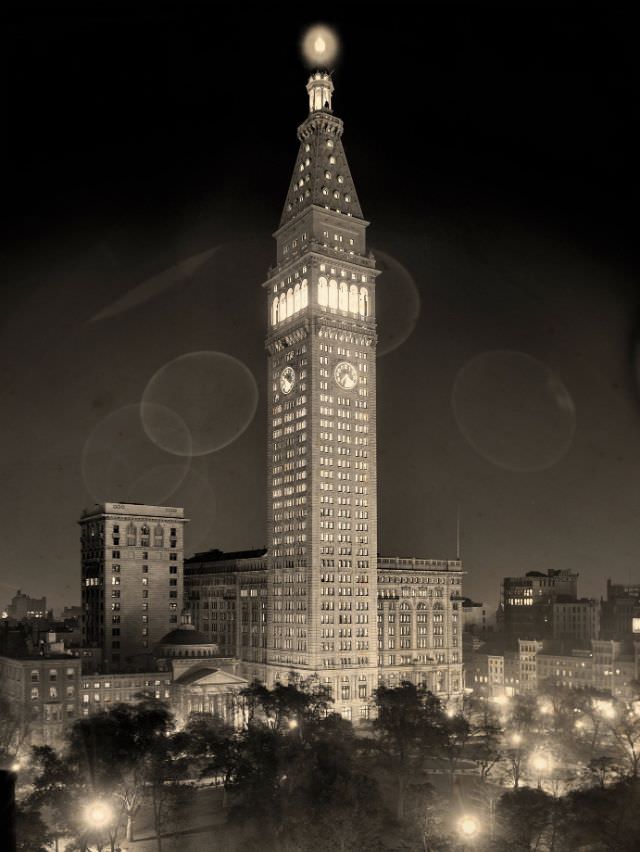
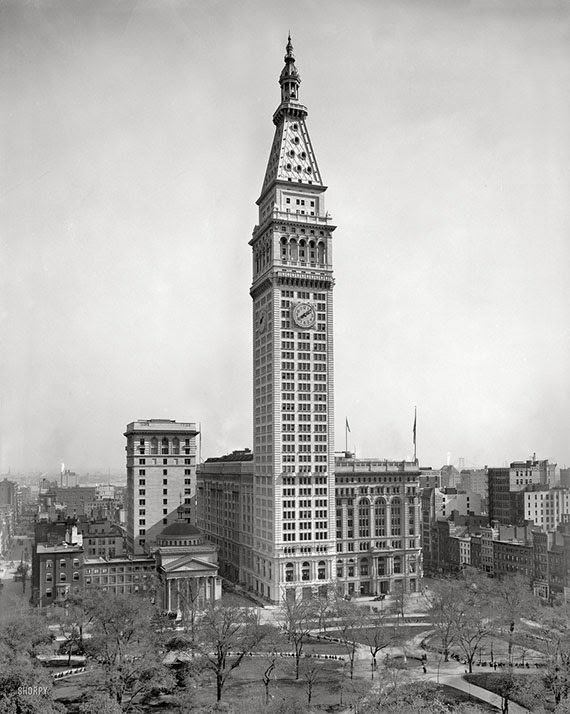
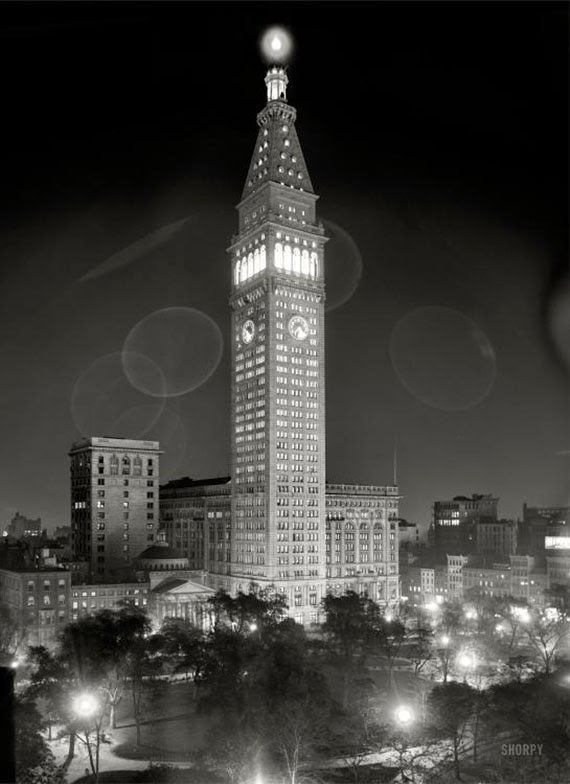
The Metropolitan Life Building at Madison Square was one of the most recognizable structures in the city, its tower clock visible for miles. At night, it lit up the surrounding streets. Madison Square itself remained one of the city’s most fashionable addresses well into the decade.
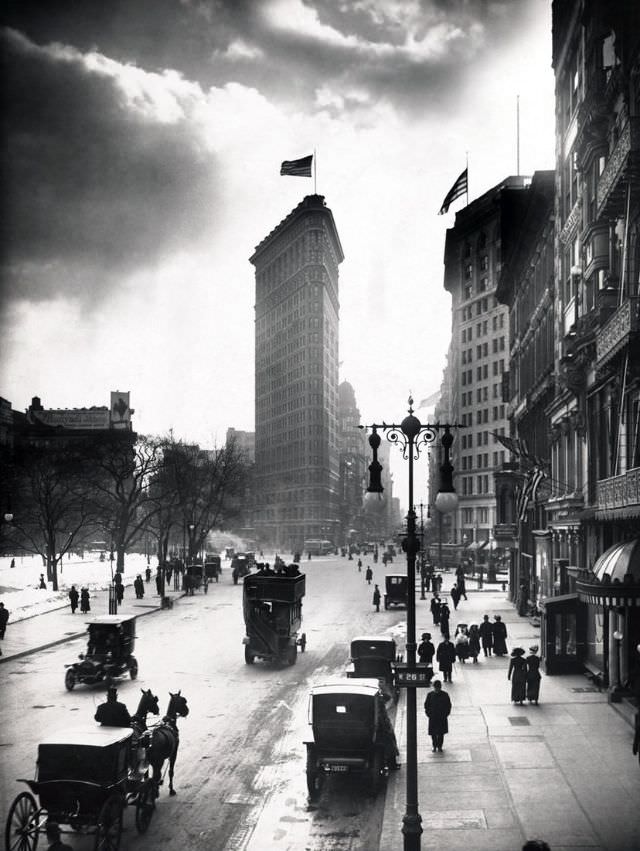
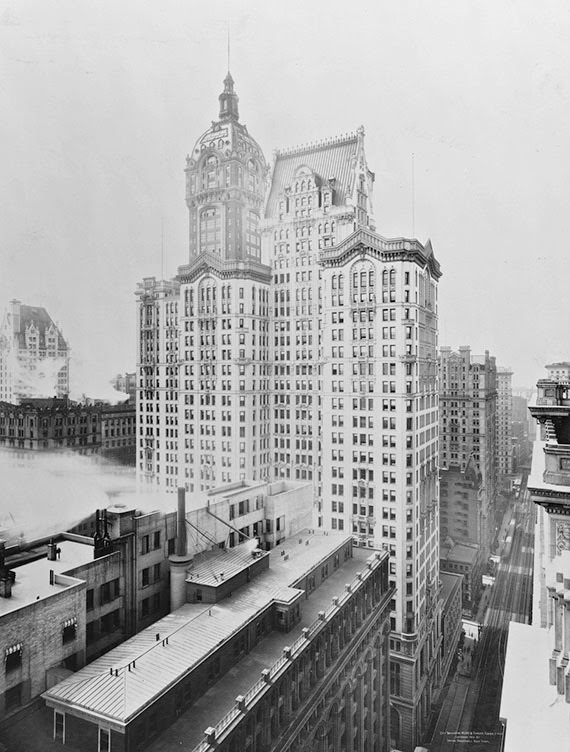
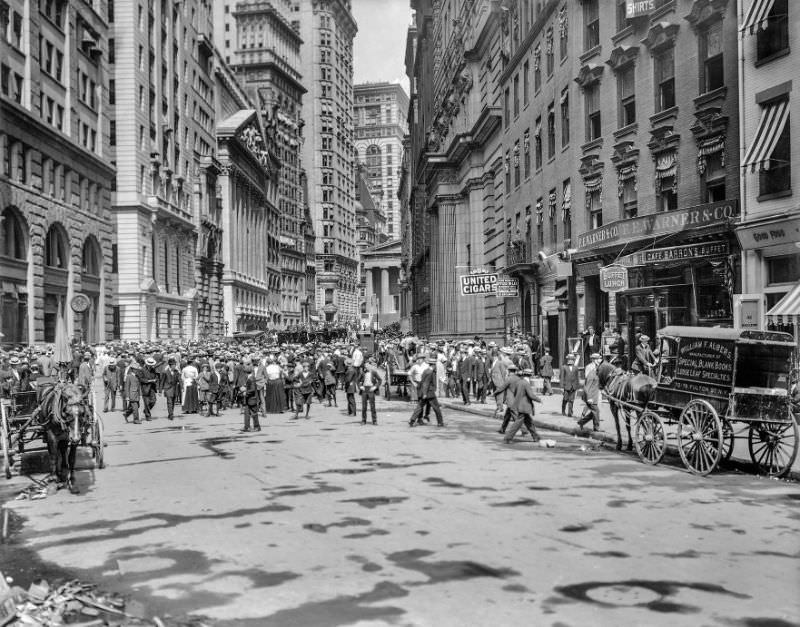
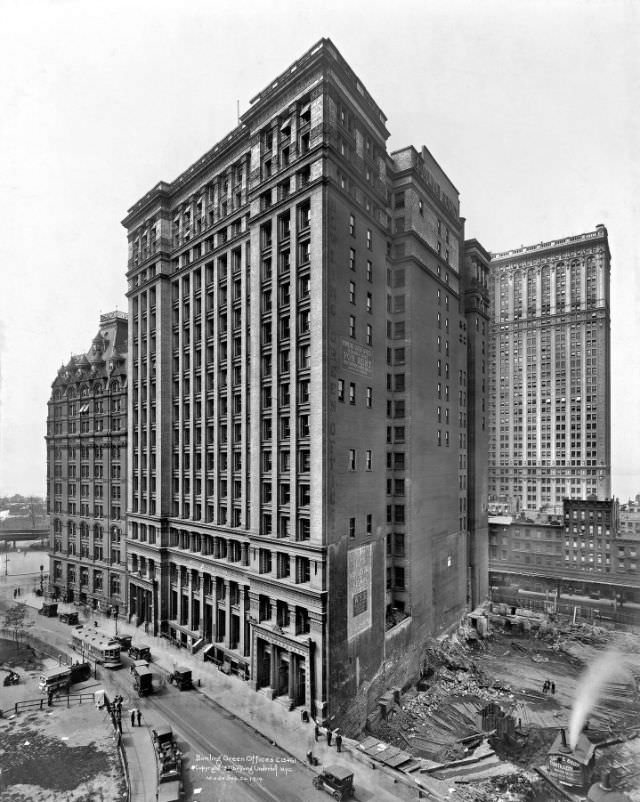
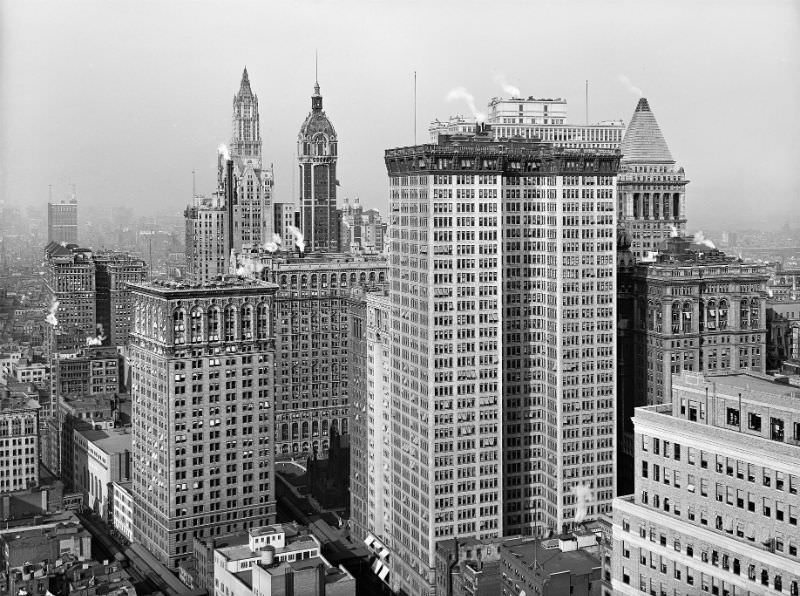
Lower Manhattan remained the city’s financial and civic core. The Flatiron Building, the City Investing Building, and the Surrogate’s Courthouse were among the landmarks anchoring its dense streetscape. The Curb Market on Broad Street — where brokers literally traded stocks outdoors — was a daily spectacle.
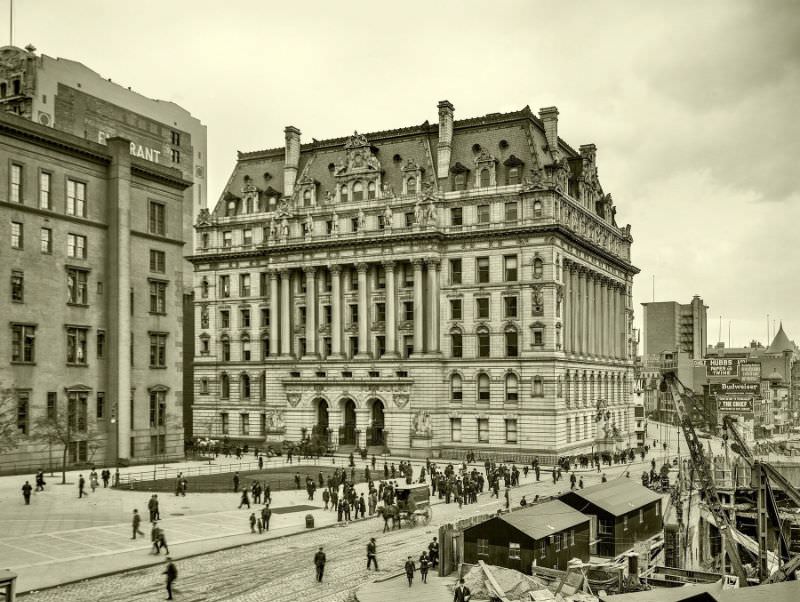
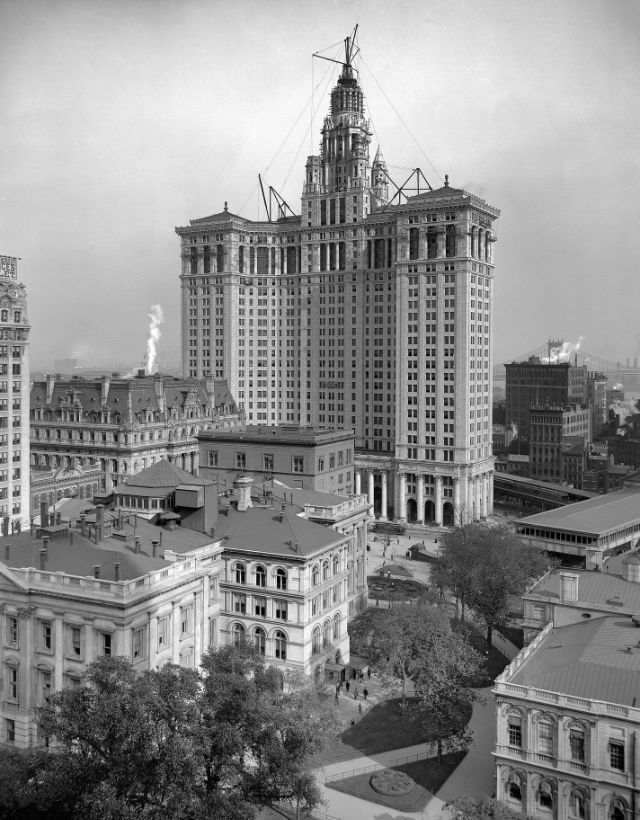
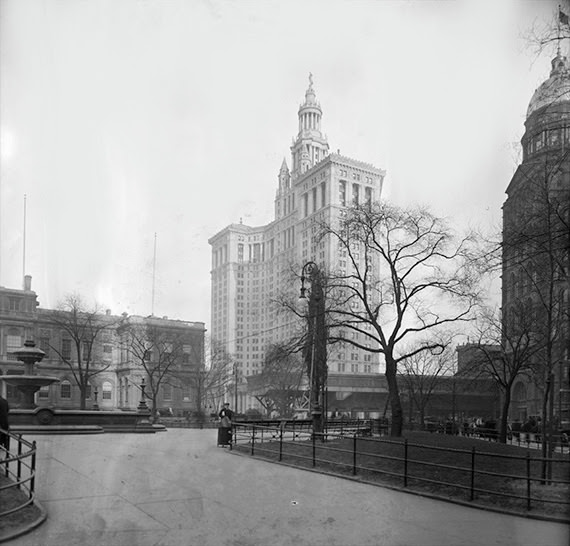
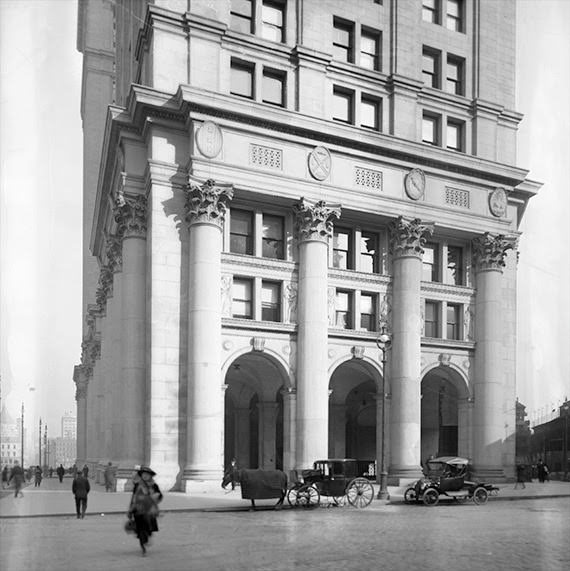
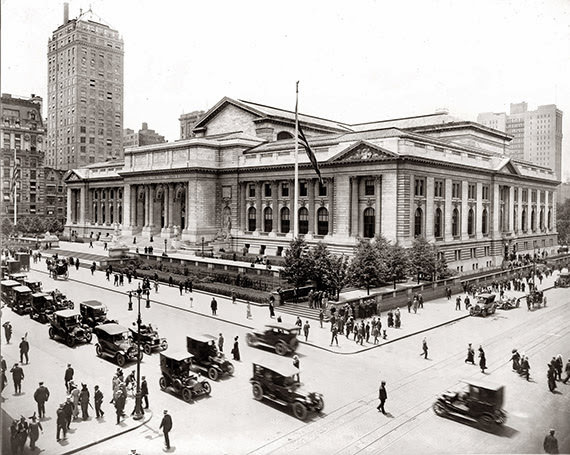
The Municipal Building, completed in 1914, loomed over City Hall Park and became an instant landmark. Nearby, the New York Public Library — its main branch having opened in 1911 — stood on Fifth Avenue as one of the city’s grandest civic institutions. Books had been moved there from the old Astor Library that same year.
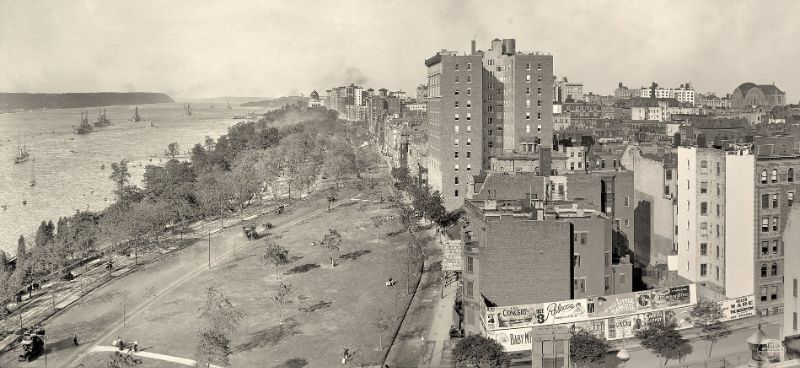
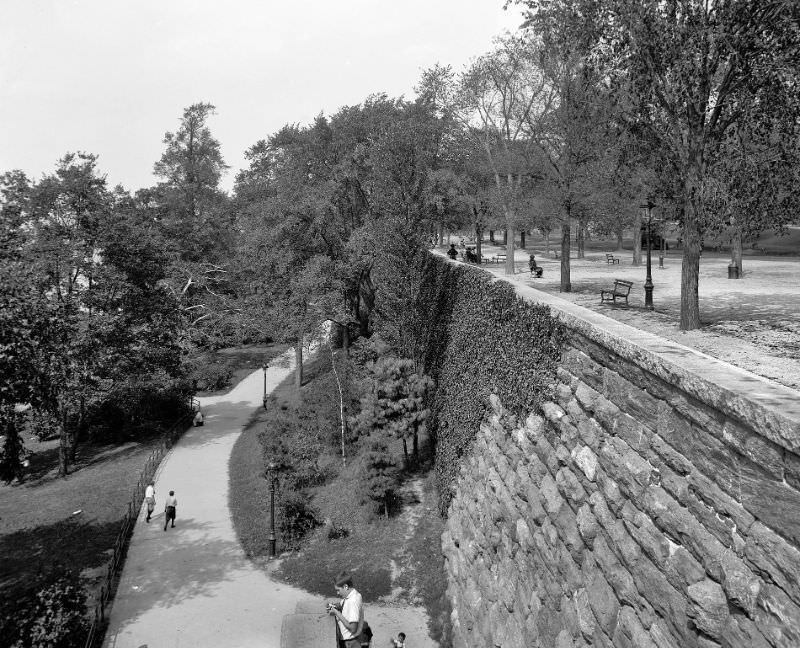
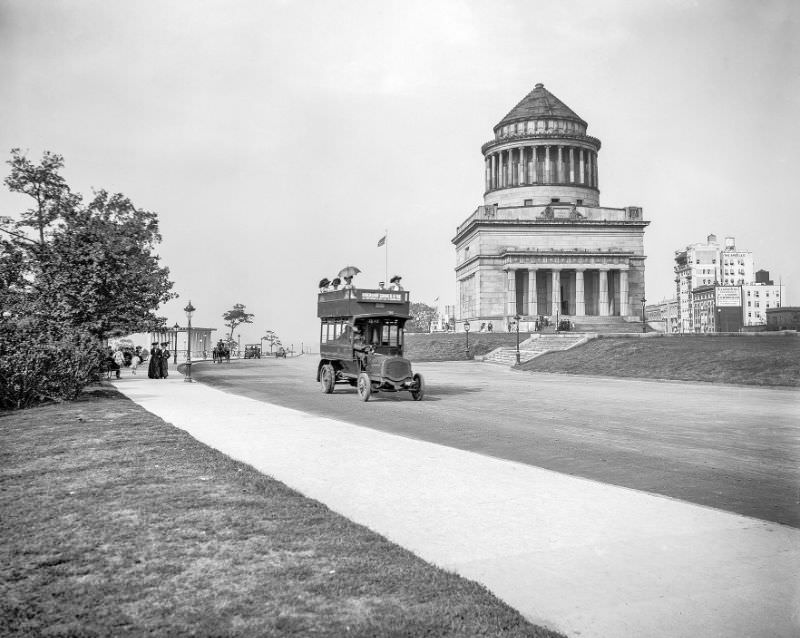
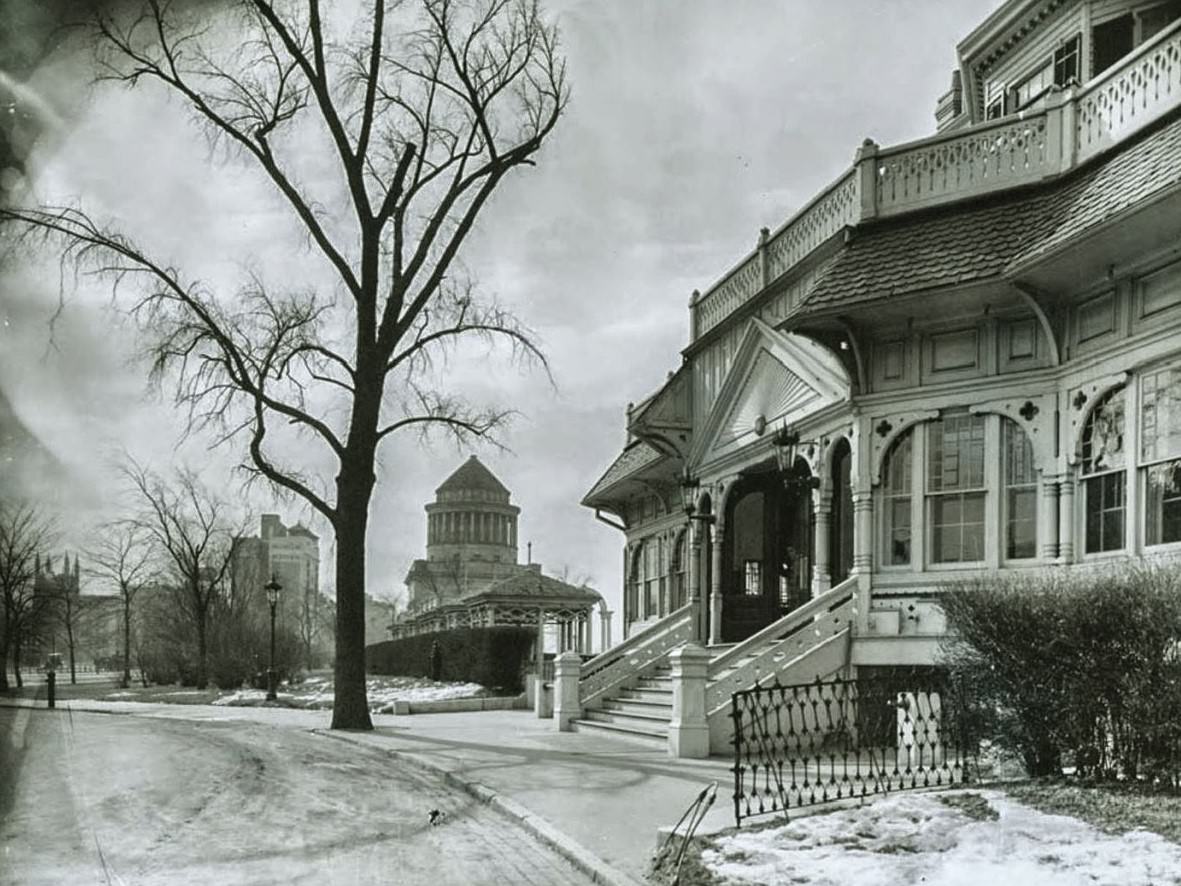
Riverside Drive and Riverside Park offered New Yorkers a quieter side of the city. The park ran along the Hudson River’s edge, and Grant’s Tomb anchored its upper stretch. Sightseeing automobiles — known as “rubber-neck autos” — carried tourists along the drive.
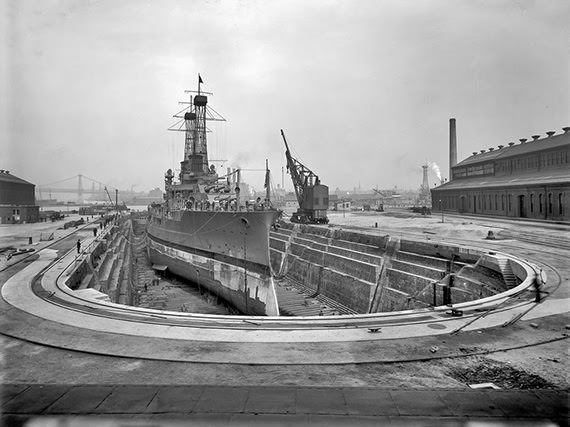
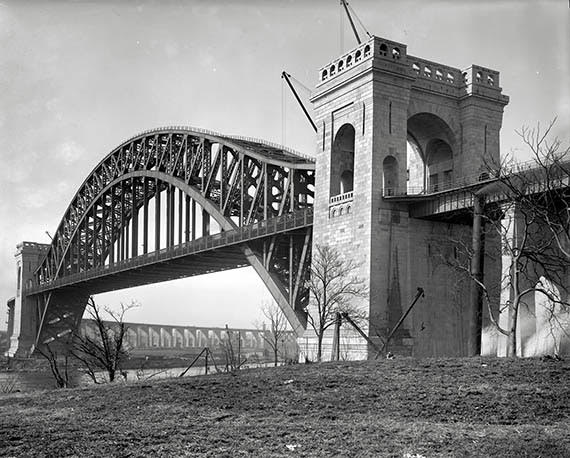
Brooklyn was a city unto itself, absorbed into greater New York in 1898 but still developing its own neighborhoods and infrastructure. Its navy yard, its elevated lines, and its busy commercial avenues all reflected the borough’s industrial scale. The Hell Gate Bridge, completed in 1916, linked the Bronx to Queens and carried rail traffic across the East River.
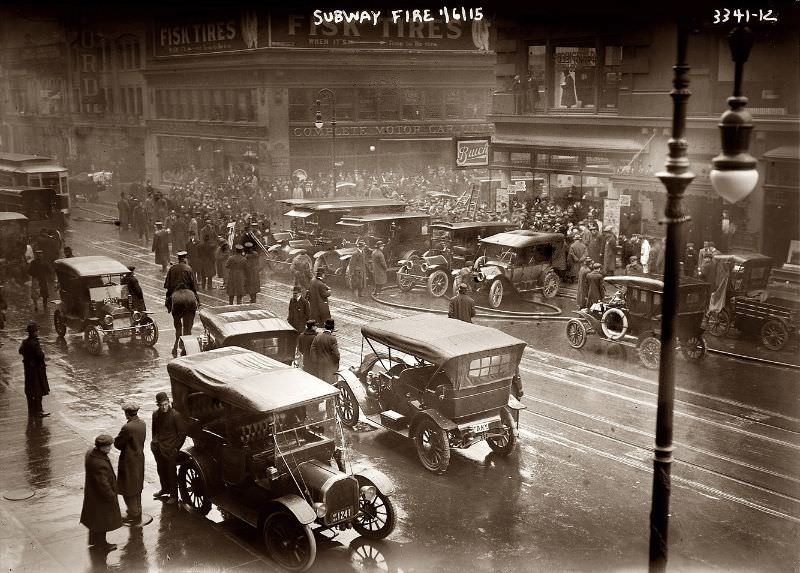
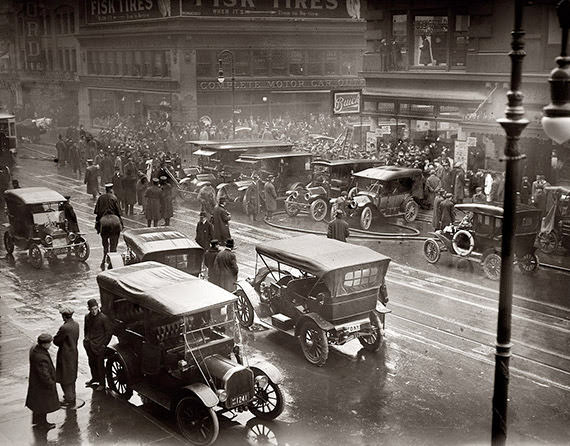
The subway system was not without its dangers. In 1915, a fire broke out in the subway beneath Broadway at West 55th Street, drawing firefighters and city officials to the scene. Subway fires were a genuine risk in a system that was expanding faster than safety standards could always keep pace with.
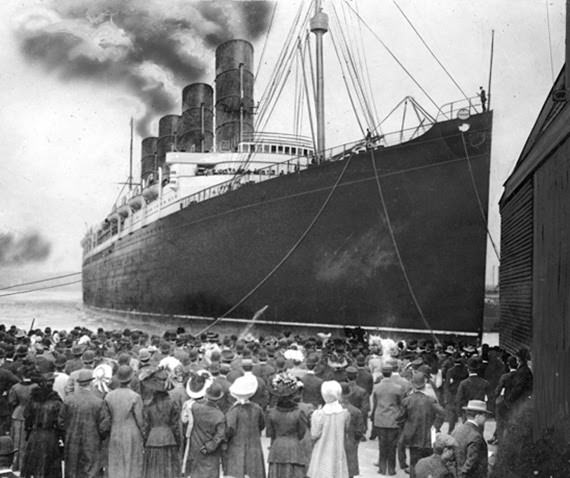
The city’s waterfront was still deeply connected to maritime trade. South Street in lower Manhattan was lined with ships, and the piers along the Hudson handled freight and passenger liners alike. In May 1915, the RMS Lusitania departed New York on what would become its final voyage, sunk by a German submarine with the loss of nearly 1,200 lives.
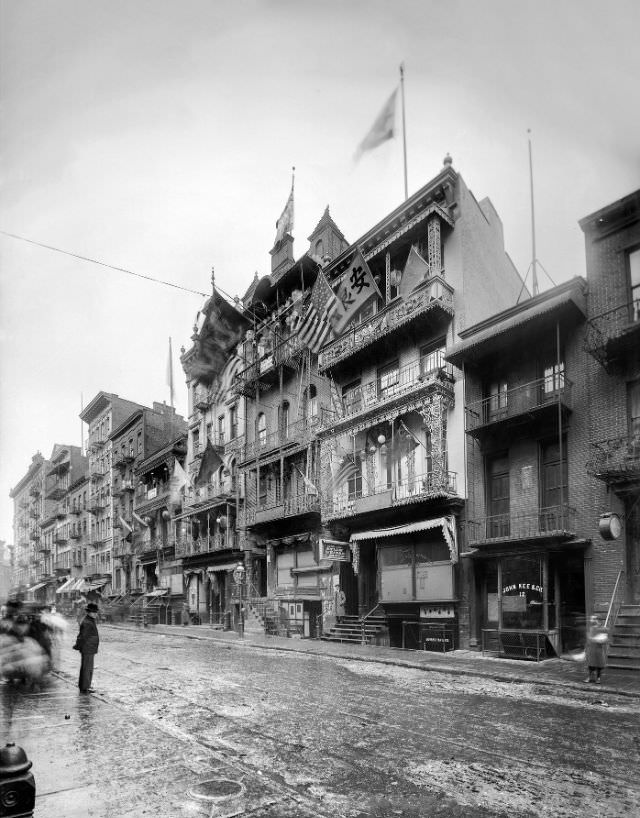
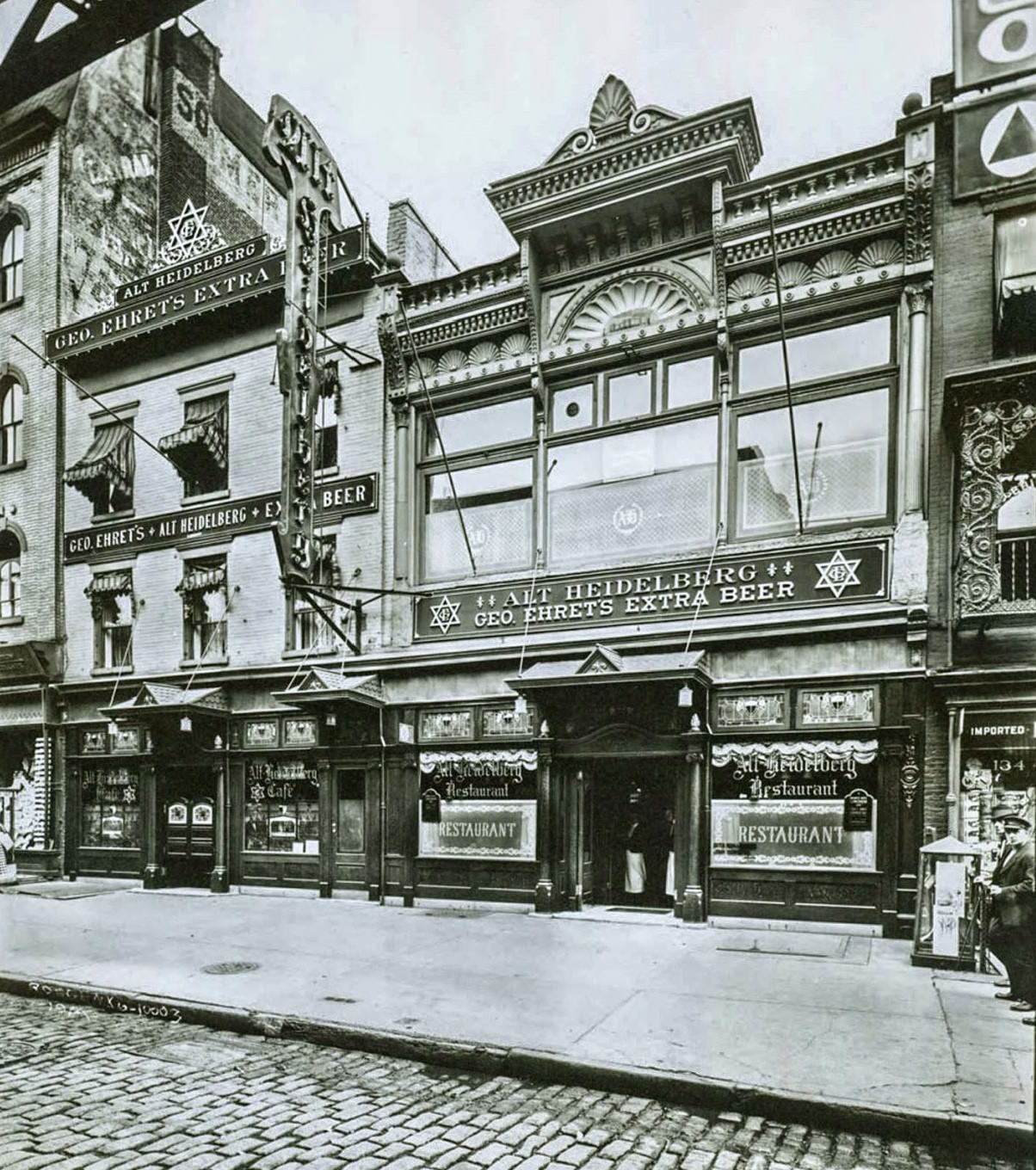
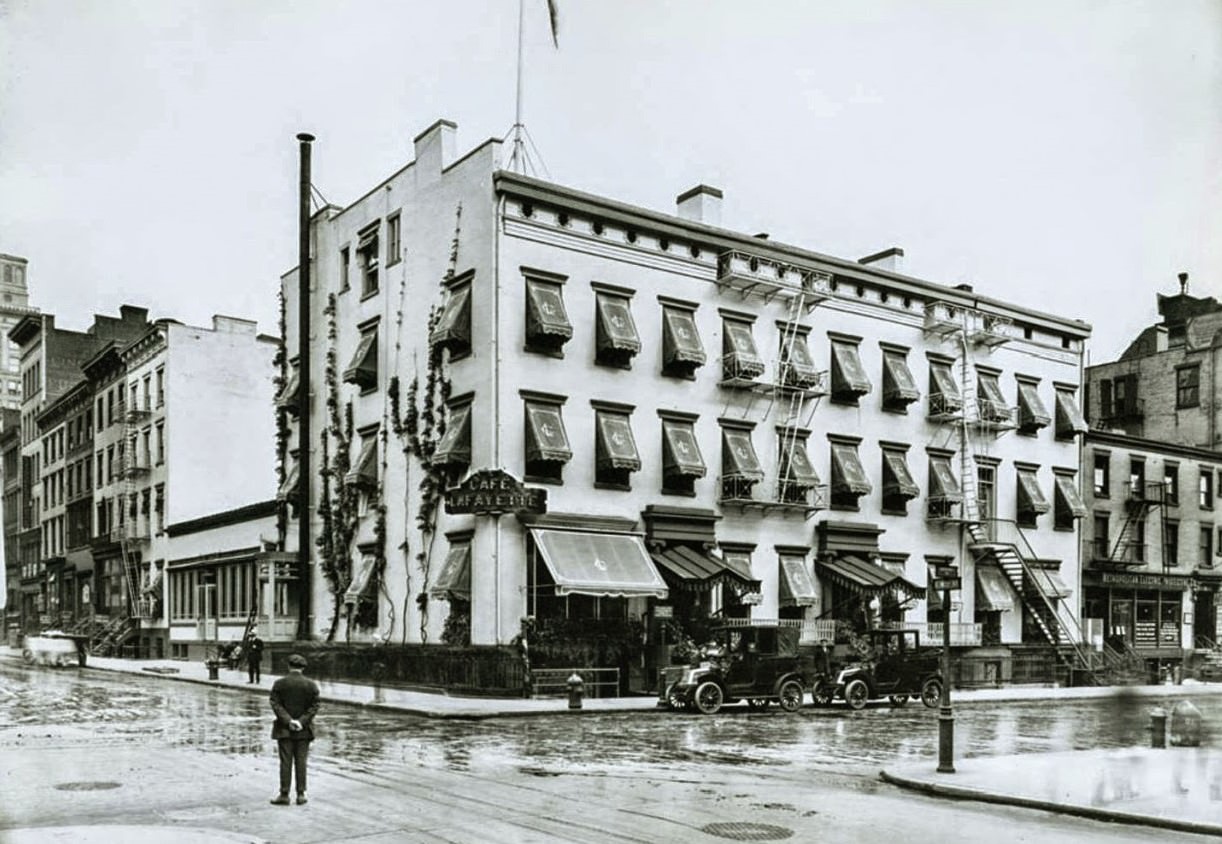
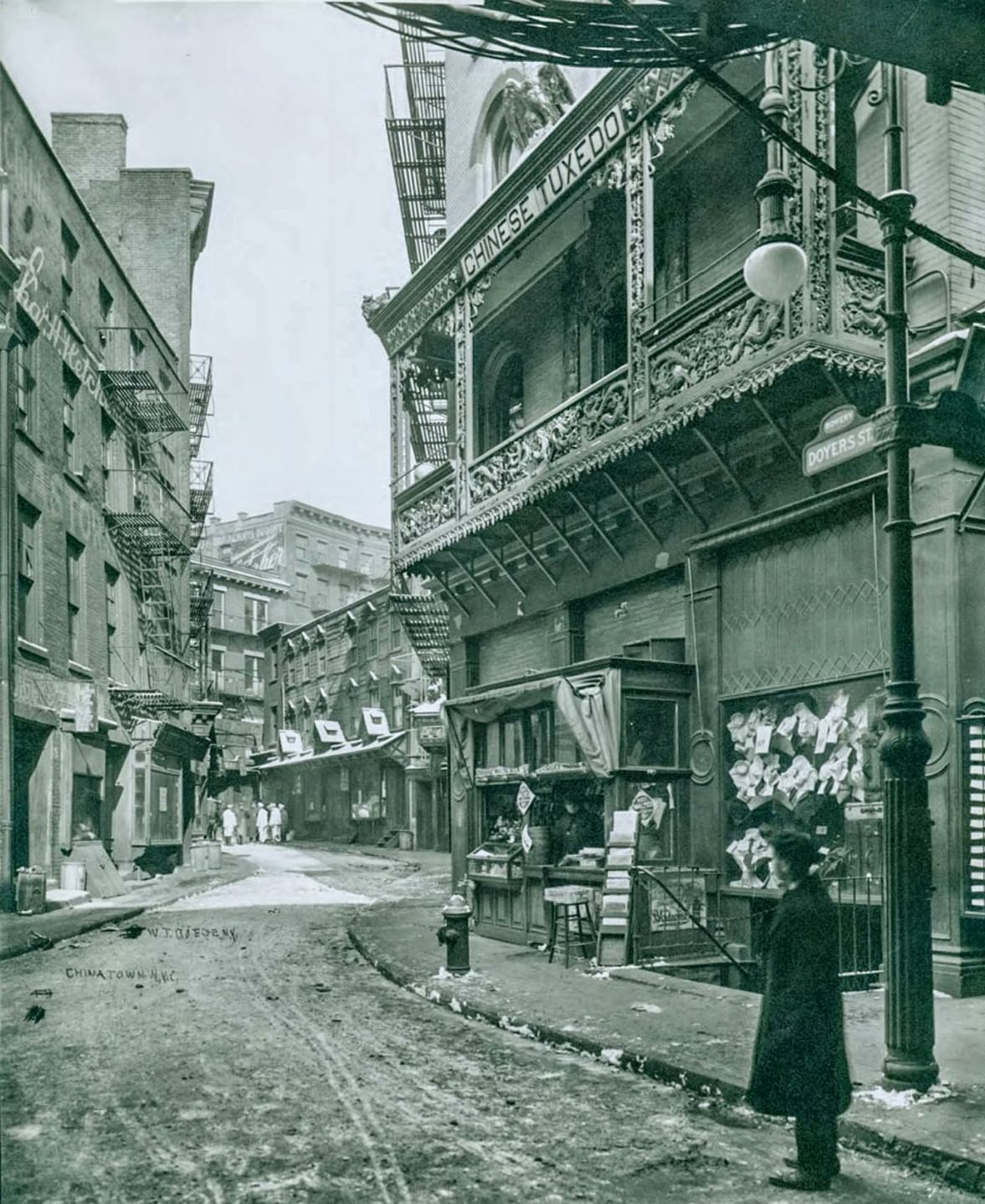
Restaurants, taverns, and cafes served the city’s diverse population. On Third Avenue, establishments like the Alt Heidelberg Restaurant catered to German immigrants. In Greenwich Village, the Cafe Lafayette drew artists and intellectuals. Mott Street in Chinatown was home to small businesses serving Chinese residents who had built one of the city’s most distinct communities.
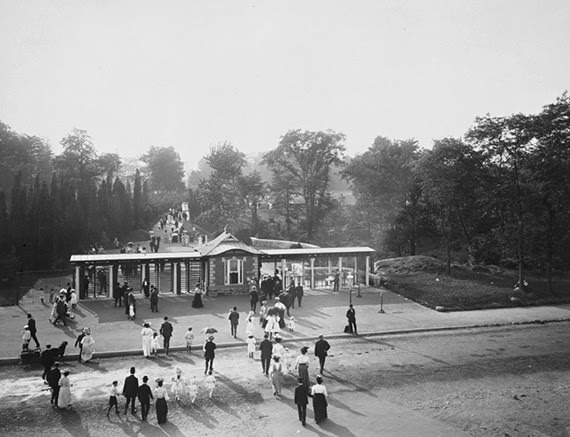
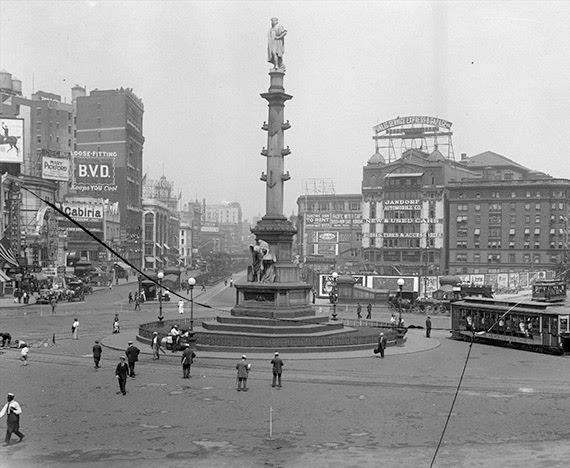
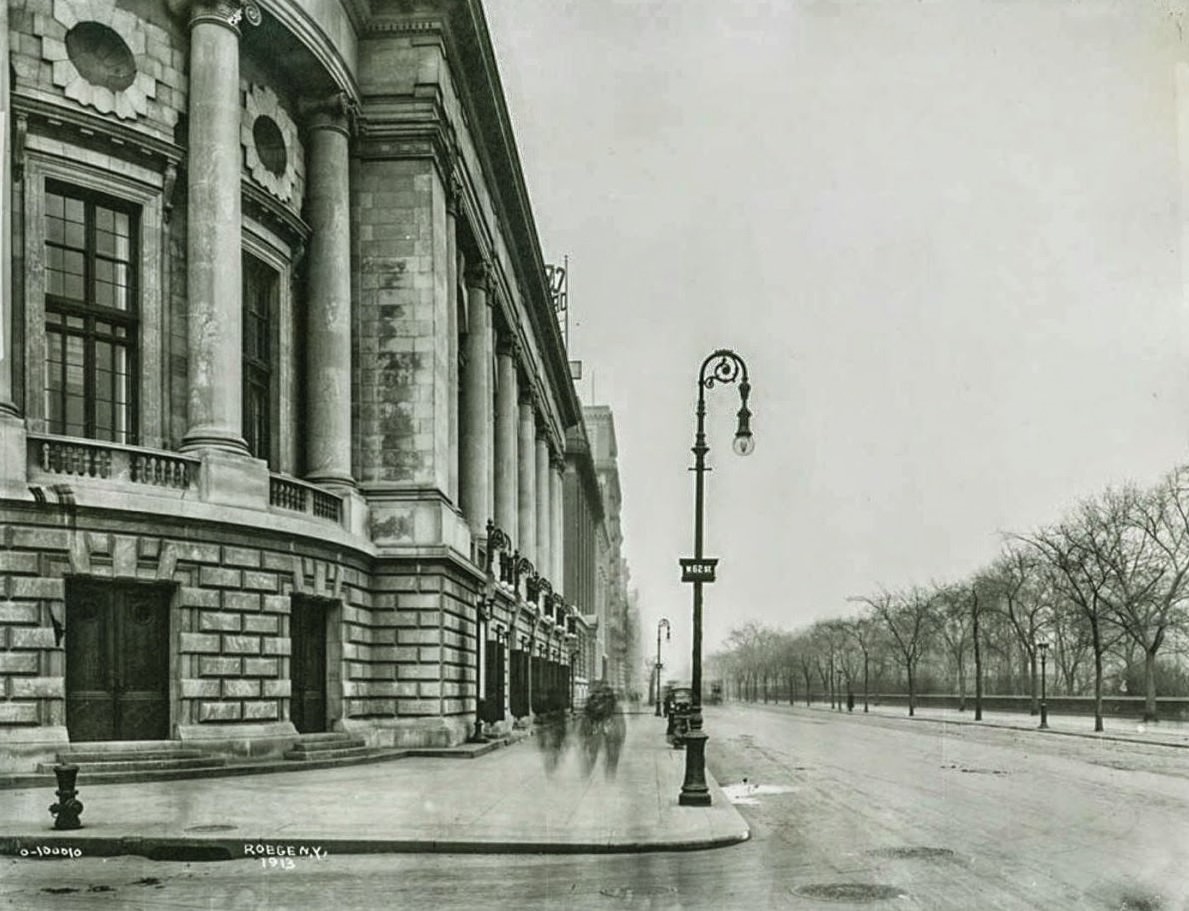
The Bronx Zoo was one of the city’s major public attractions, offering residents access to animals from around the world. Columbus Circle marked the southwest corner of Central Park and served as a major traffic hub. Central Park West itself was lined with some of the city’s most prestigious apartment buildings.
Sports were a regular part of city life. The Polo Grounds in upper Manhattan hosted both the New York Giants baseball team and the Yankees. Coney Island in Brooklyn drew massive summer crowds to its beaches, amusement parks, and boardwalk.
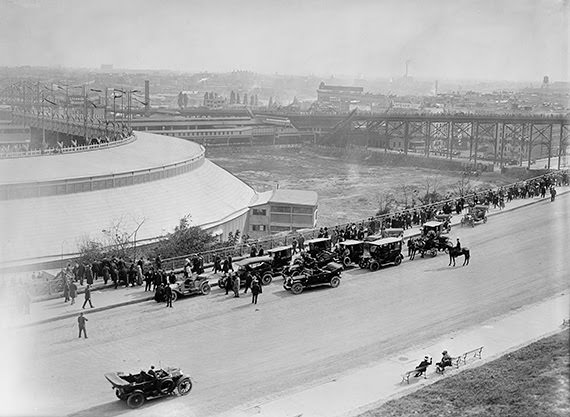
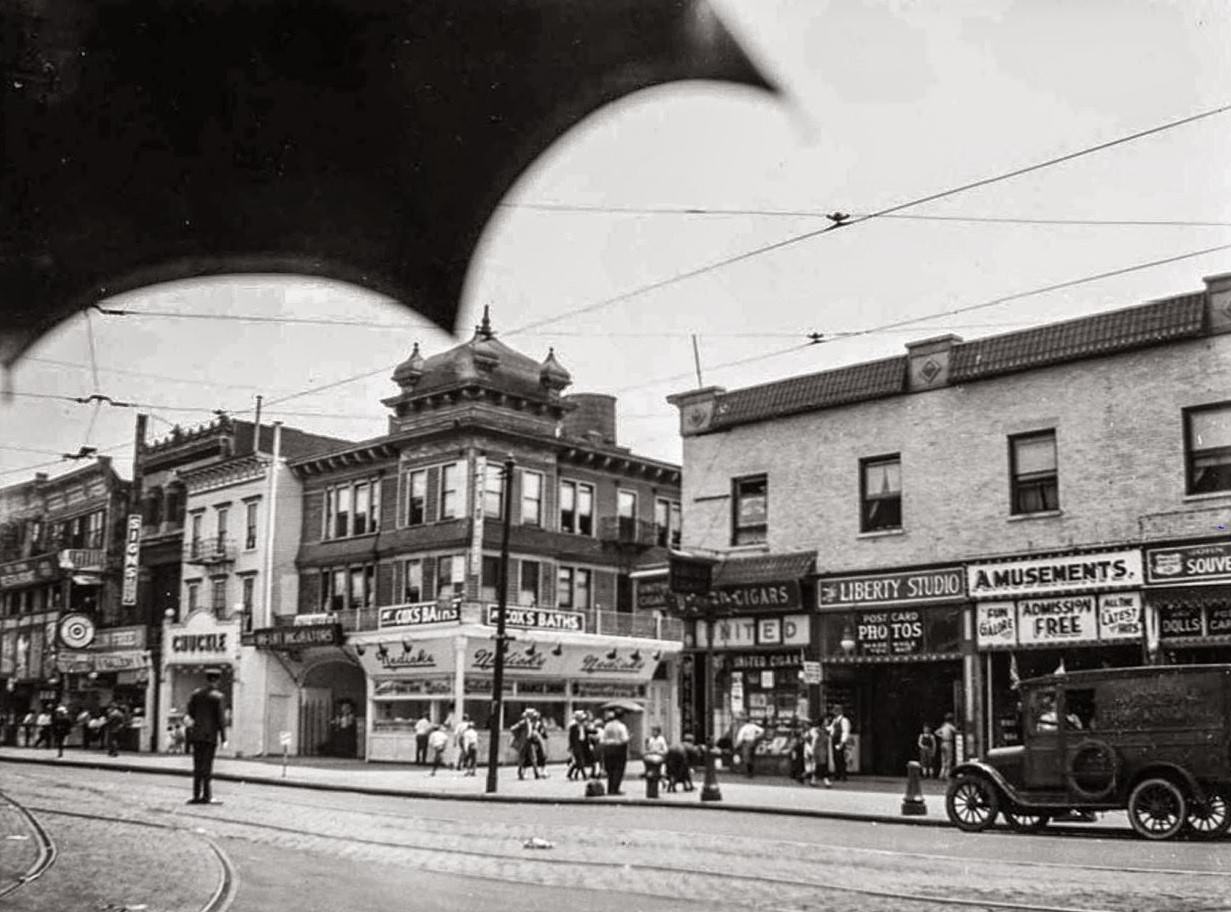
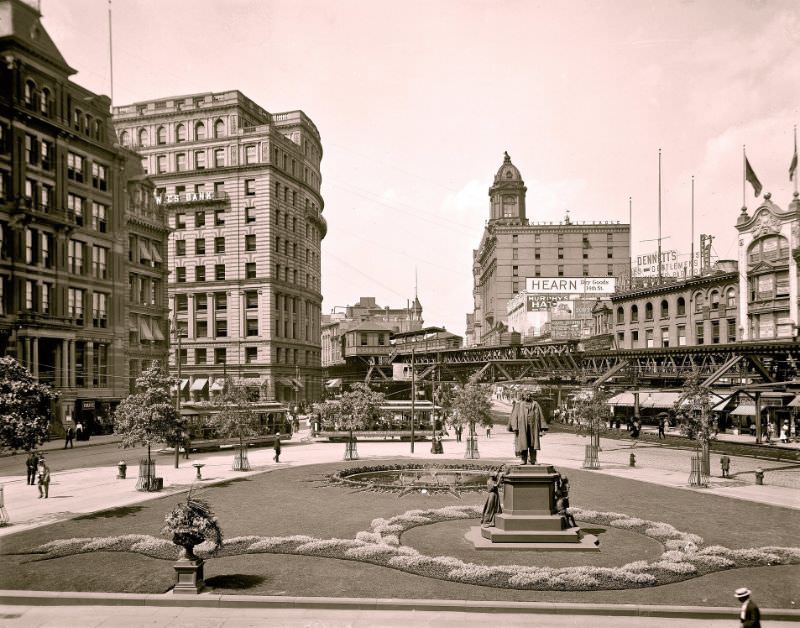
The skyline continued to evolve throughout the decade. The Times Building stood at the heart of what was becoming Times Square. The Third Avenue Elevated rattled through Chatham Square in lower Manhattan, carrying passengers above the street-level chaos below.
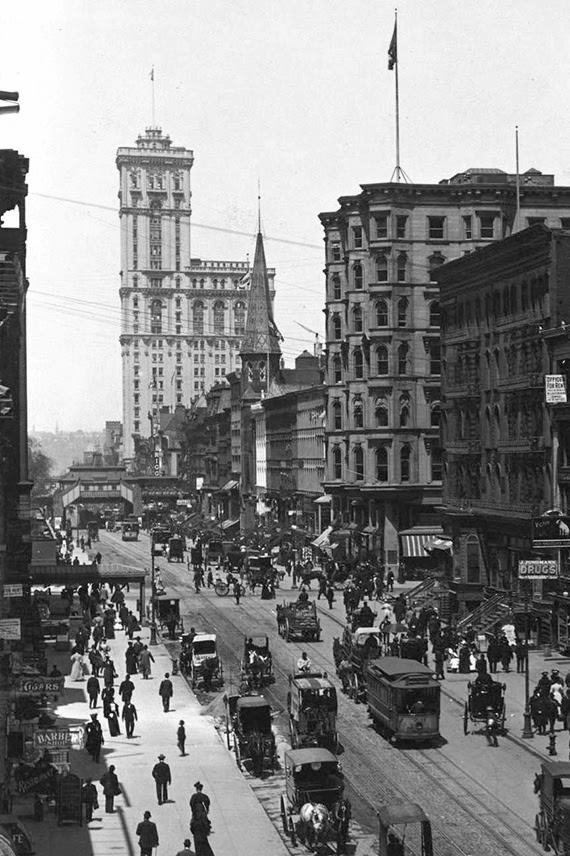
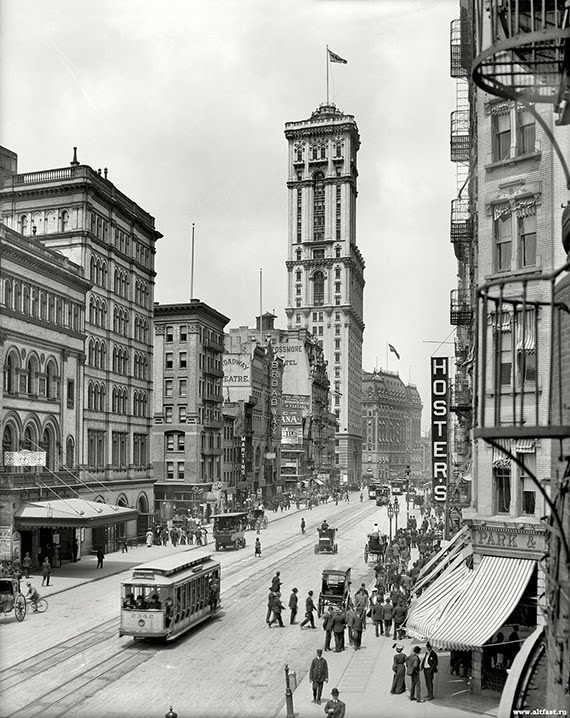
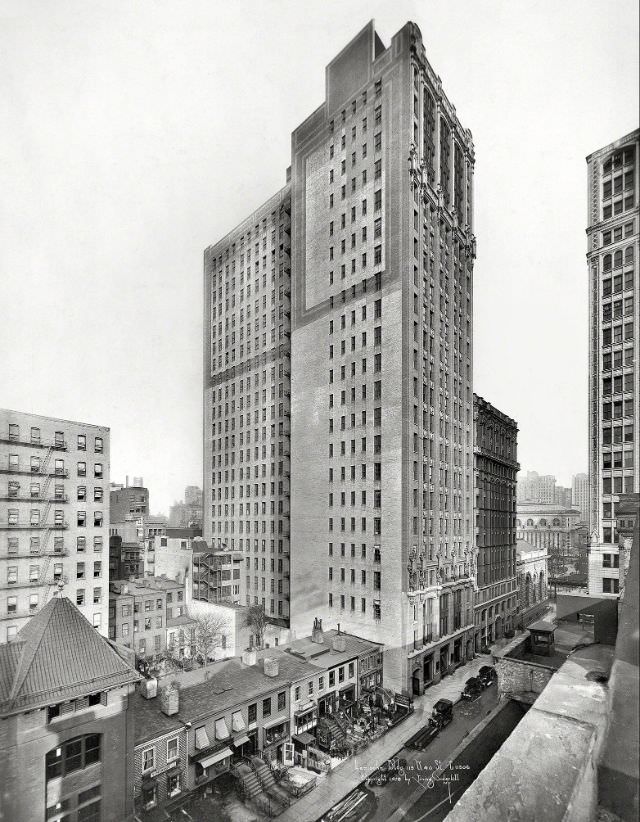
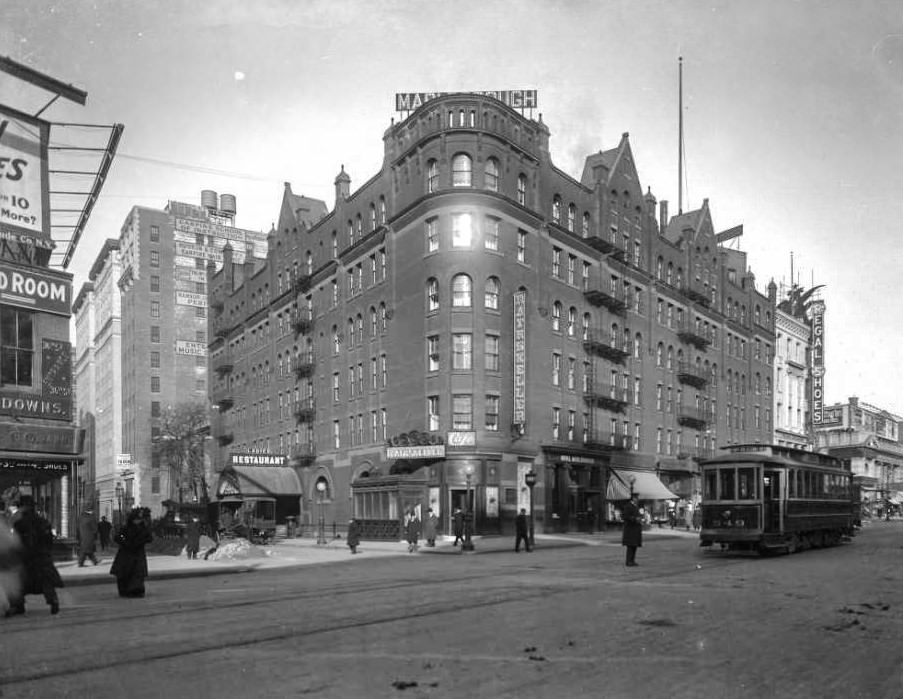
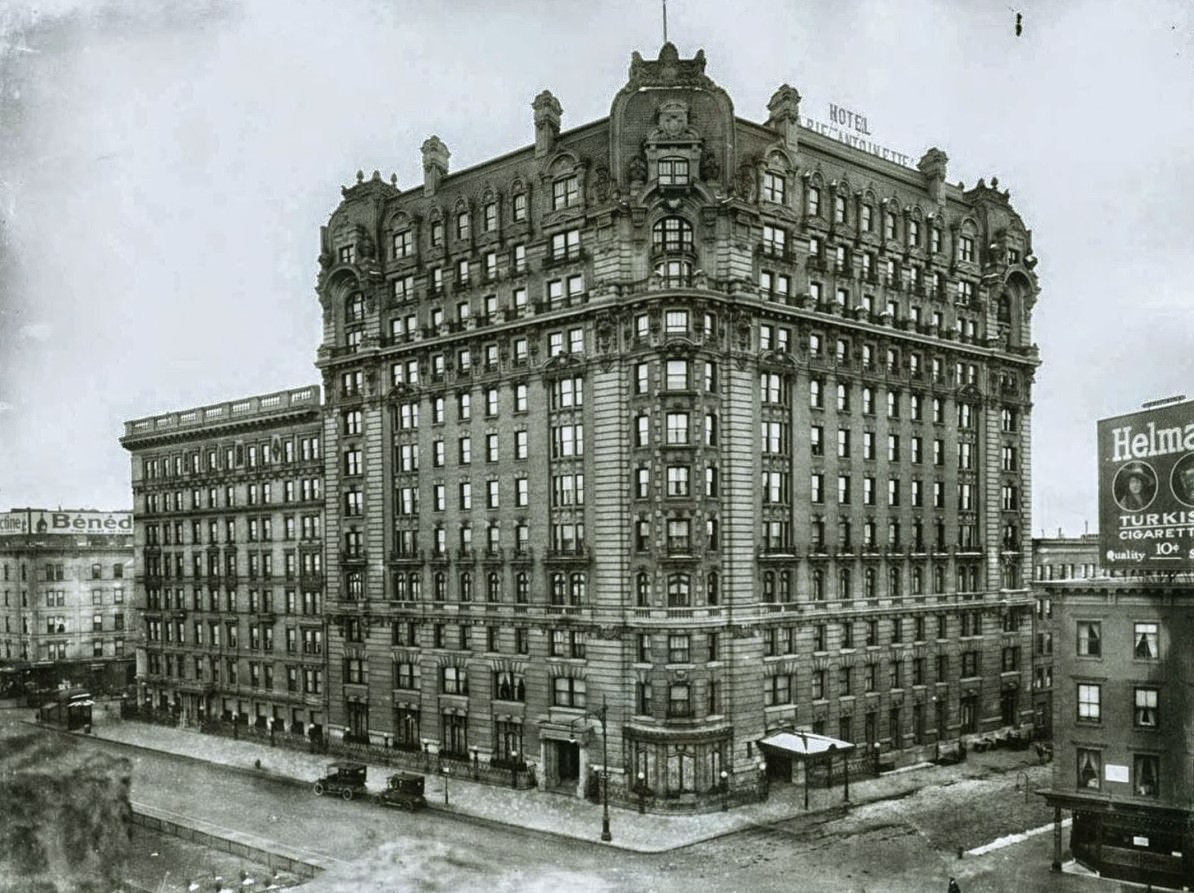
Office buildings and hotels multiplied across midtown. New towers like the Lewisohn Building on West 40th Street added to a streetscape that changed nearly every year. Older hotels like the Marlborough and the Marie Antoinette remained landmarks along Broadway, even as newer competitors rose around them.
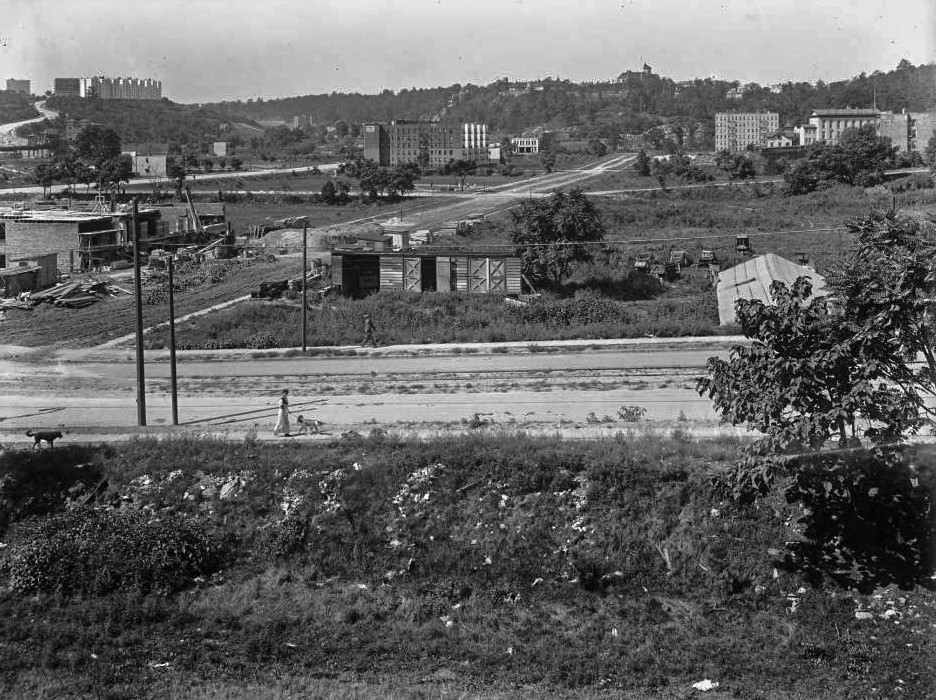
Residential neighborhoods in upper Manhattan, like the blocks around West 207th Street, were being built out rapidly as the subway made distant parts of the island accessible. Streets that had been empty lots a decade earlier were filling with apartment buildings housing thousands of new residents.
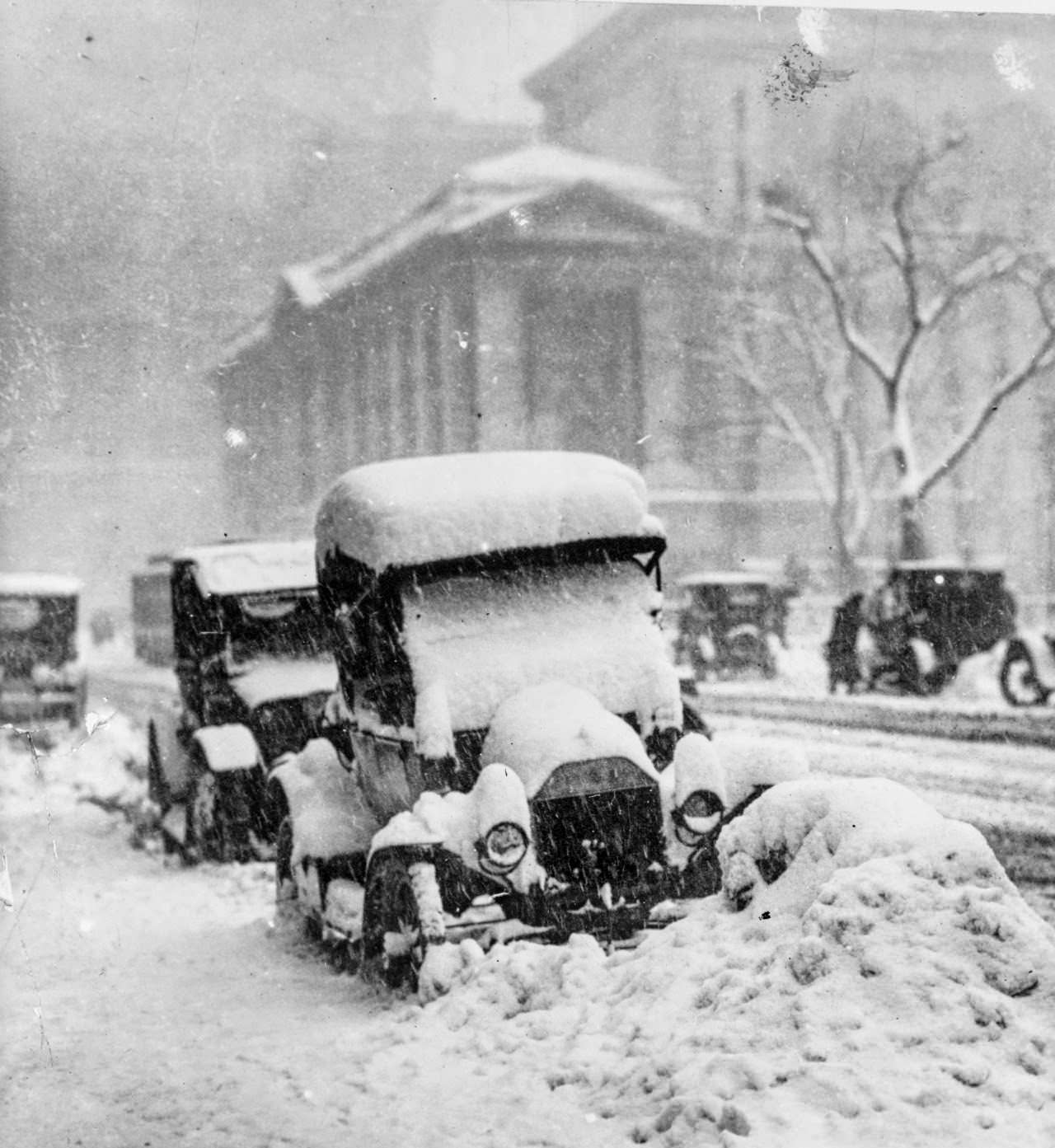
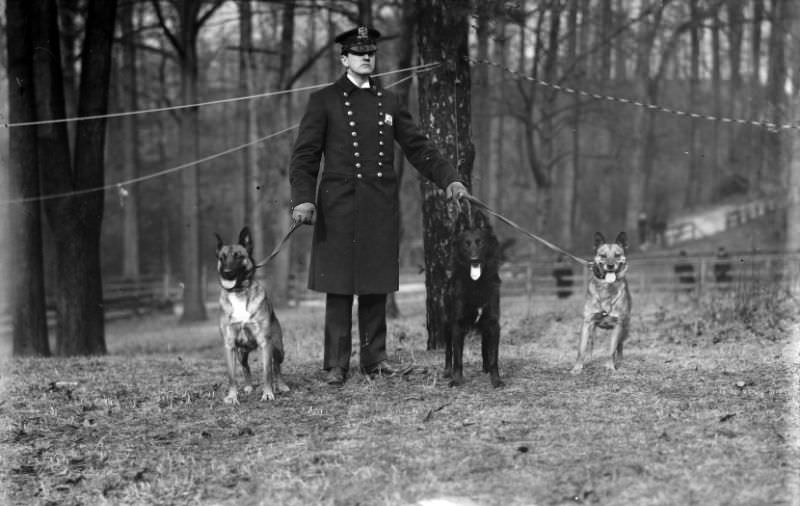
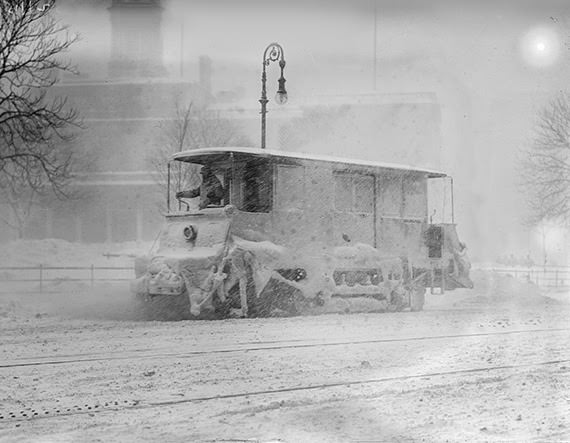
Policing the city required new tools and methods. A 1912 photograph captured officers alongside police dogs, a relatively new addition to law enforcement. Meanwhile, snow removal had become a municipal operation, with plows deployed during blizzards to keep the city’s critical arteries moving.
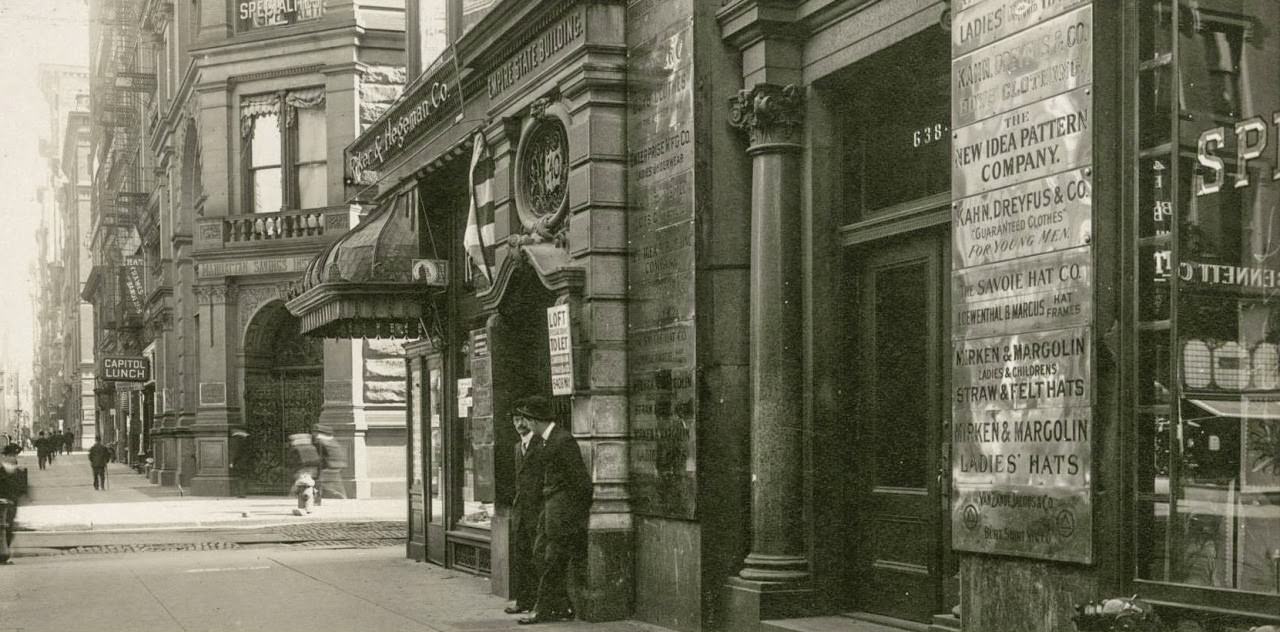
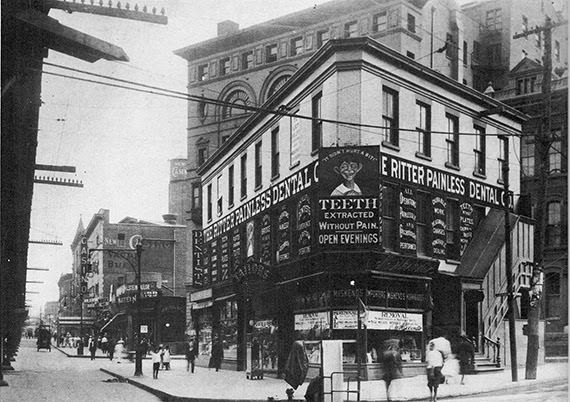
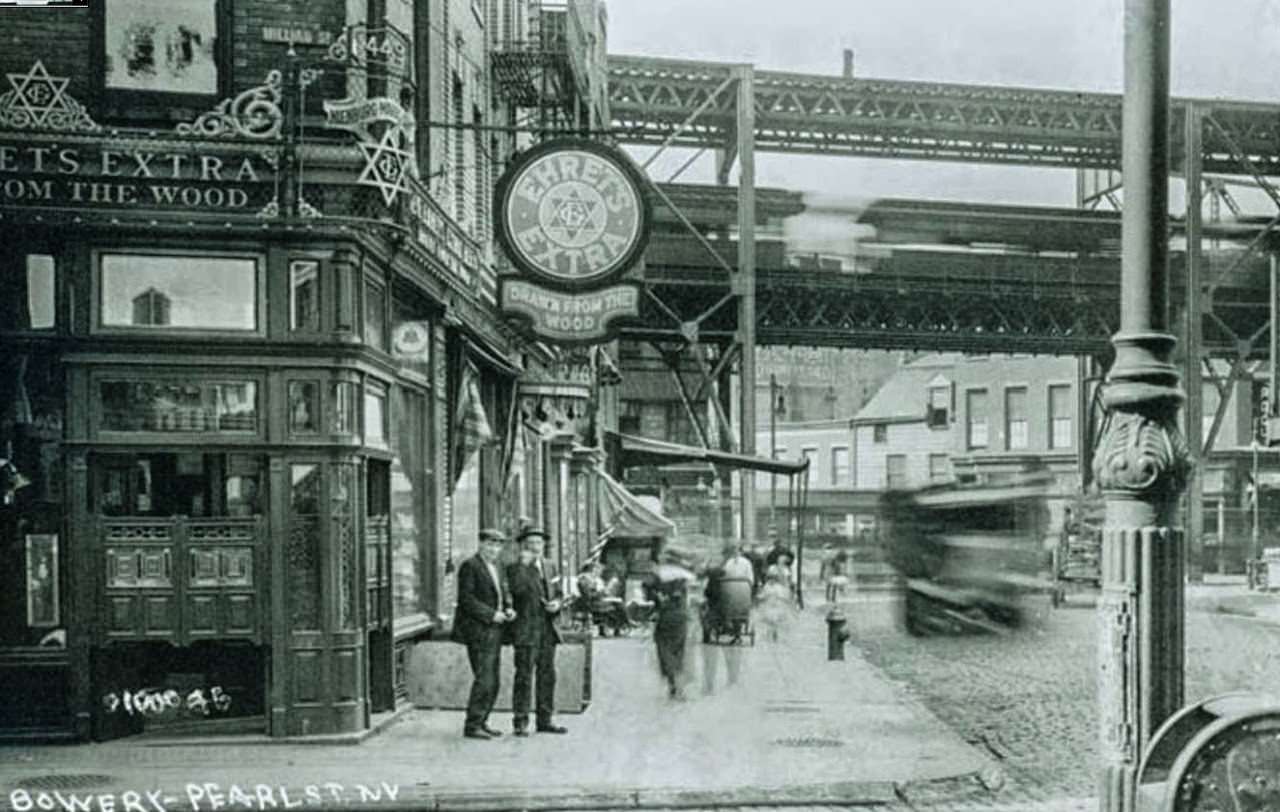
New York’s waterfront streets, like Pearl Street near the financial district, were vital commercial corridors. Goods moved constantly between warehouses, ships, and the markets and factories that kept the city running.
By the end of the decade, New York had been physically transformed. New stations, new towers, new bridges, and new laws had reshaped the city in just ten years. The population kept growing, the skyline kept rising, and the streets kept filling with the noise and energy of millions of people building their lives in America’s largest city.