Hey There! Before You Go. 😧
Get the best vintage content straight into your inbox!

Don't worry, we don't spam

Russia vs. the Alliance: Rare Historic Photos from the Crimean War (1853-1856)

The Crimean War ran from October 1853 to February 1856, pitting the Russian Empire against one of the most powerful military alliances of the 19th century. On the other side stood the French Empire, the British Empire, the Ottoman Empire, and the Kingdom of Sardinia. Four nations with different languages, armies, and ambitions — united by a single goal: stopping Russia.

The roots of the conflict stretched back decades. The Ottoman Empire, once a dominant force across three continents, was weakening. European powers watched closely, each angling for influence over the territories it might leave behind. Russia wanted access to the Mediterranean Sea and saw Ottoman lands as the path to get there. Britain and France wanted to keep Russia in check and preserve the existing balance of power in Europe. The immediate spark was a dispute over who held the right to protect Christian holy sites in Ottoman-controlled Palestine. That argument pushed already tense relations over the edge.
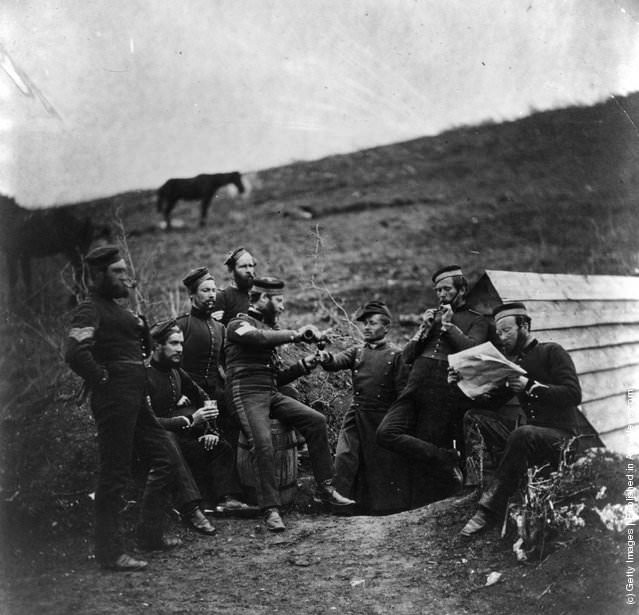
English and French soldiers sharing a drink in the trenches before Sebastopol during the Crimean War, 1850s.

Although fighting broke out in the Caucasus Mountains, along the Baltic Sea, and even in the Pacific and White Seas, the Crimean Peninsula became the war’s central stage. This strip of land jutting into the Black Sea held Sevastopol, the home of Russia’s Black Sea Fleet and its most important naval base in the south. Taking Sevastopol became the alliance’s primary military objective.
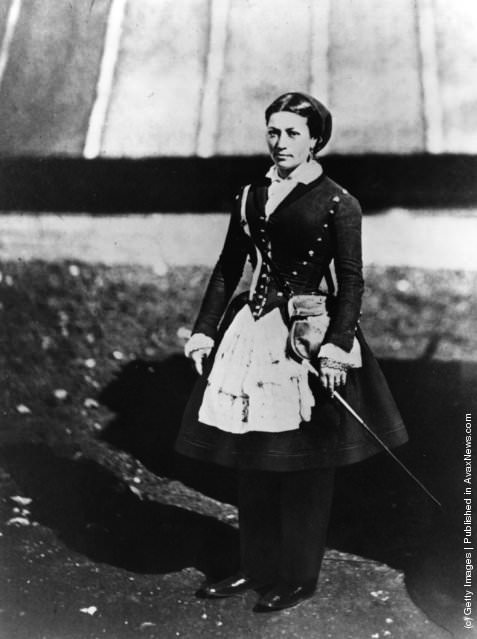
A vivandière, a female soldier selling provisions and spirits, with the Allied forces during the Crimean War, 1850s.

The allied forces landed on the peninsula in September 1854 and immediately clashed with Russian troops at the Battle of Alma. They pushed the Russians back and began advancing toward Sevastopol. What followed was a siege that lasted nearly a year. Allied artillery pounded Russian defenses while troops dug miles of trenches to inch closer to the city’s walls.
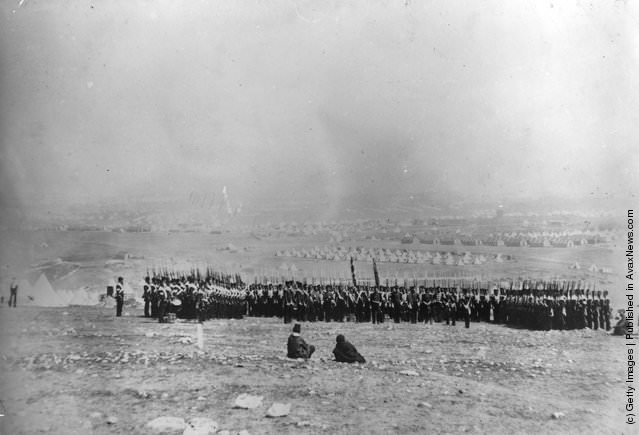
Colonel Shadforth and the 57th Regiment during the Crimean War, 1850s.
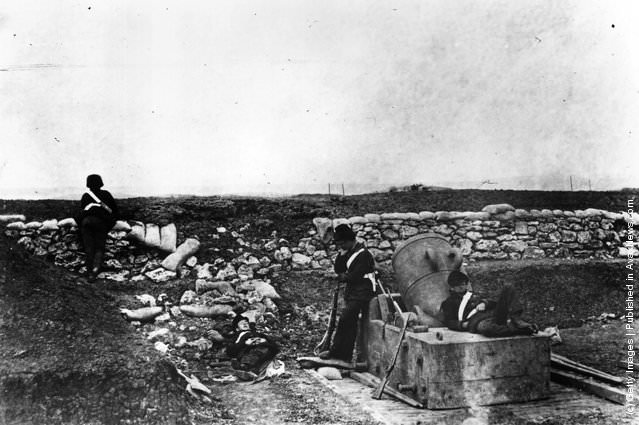
Mortar teams resting during the siege of Sebastopol in the Crimean War, 1850s.

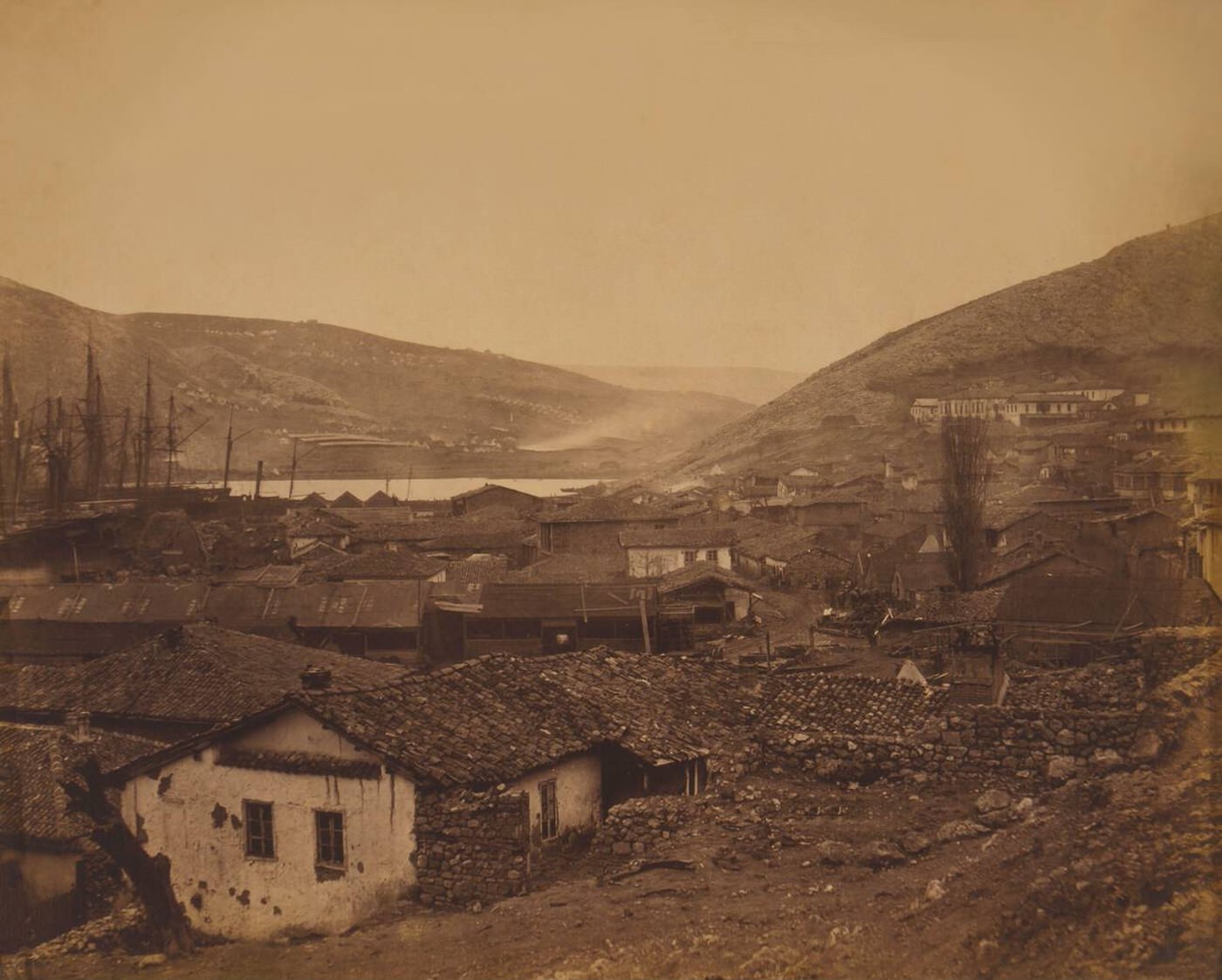
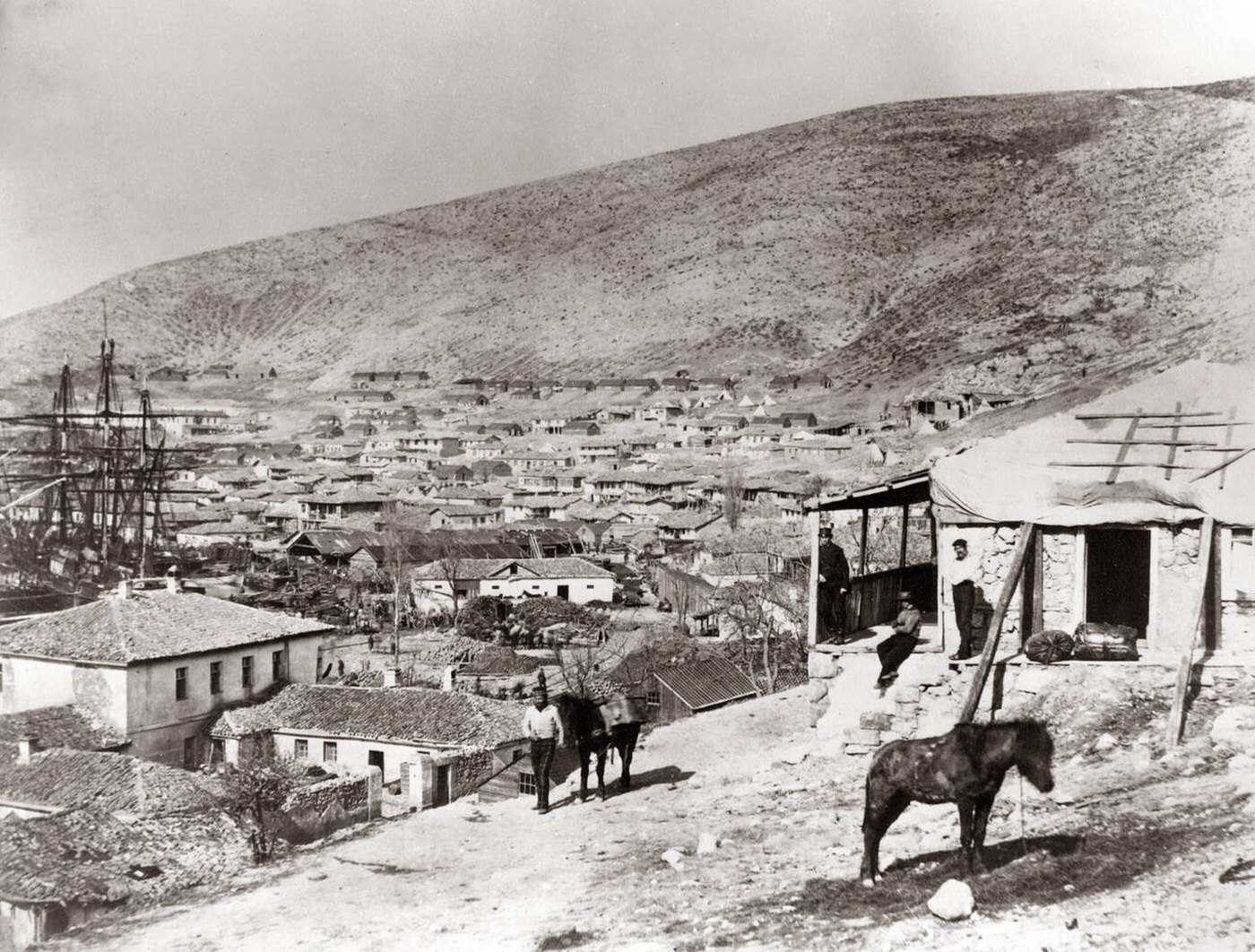
Balaclava, a small harbor town on the peninsula’s southern coast, served as the main British supply base throughout the siege. Ships packed the port, offloading ammunition, food, and troops. The town’s name became permanently linked to one of the war’s most remembered events — the Charge of the Light Brigade on October 25, 1854. A miscommunication in orders sent a British cavalry brigade charging directly into Russian artillery fire. The losses were devastating. French General Pierre Bosquet, watching from a nearby hill, summed it up plainly: “C’est magnifique, mais ce n’est pas la guerre” — It is magnificent, but it is not war.
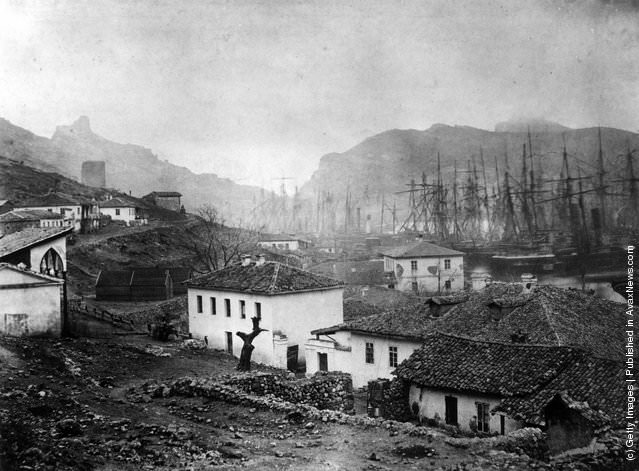
Balaklava harbor crowded with sailing ships; the British headquarters during the Crimean War, 1855.
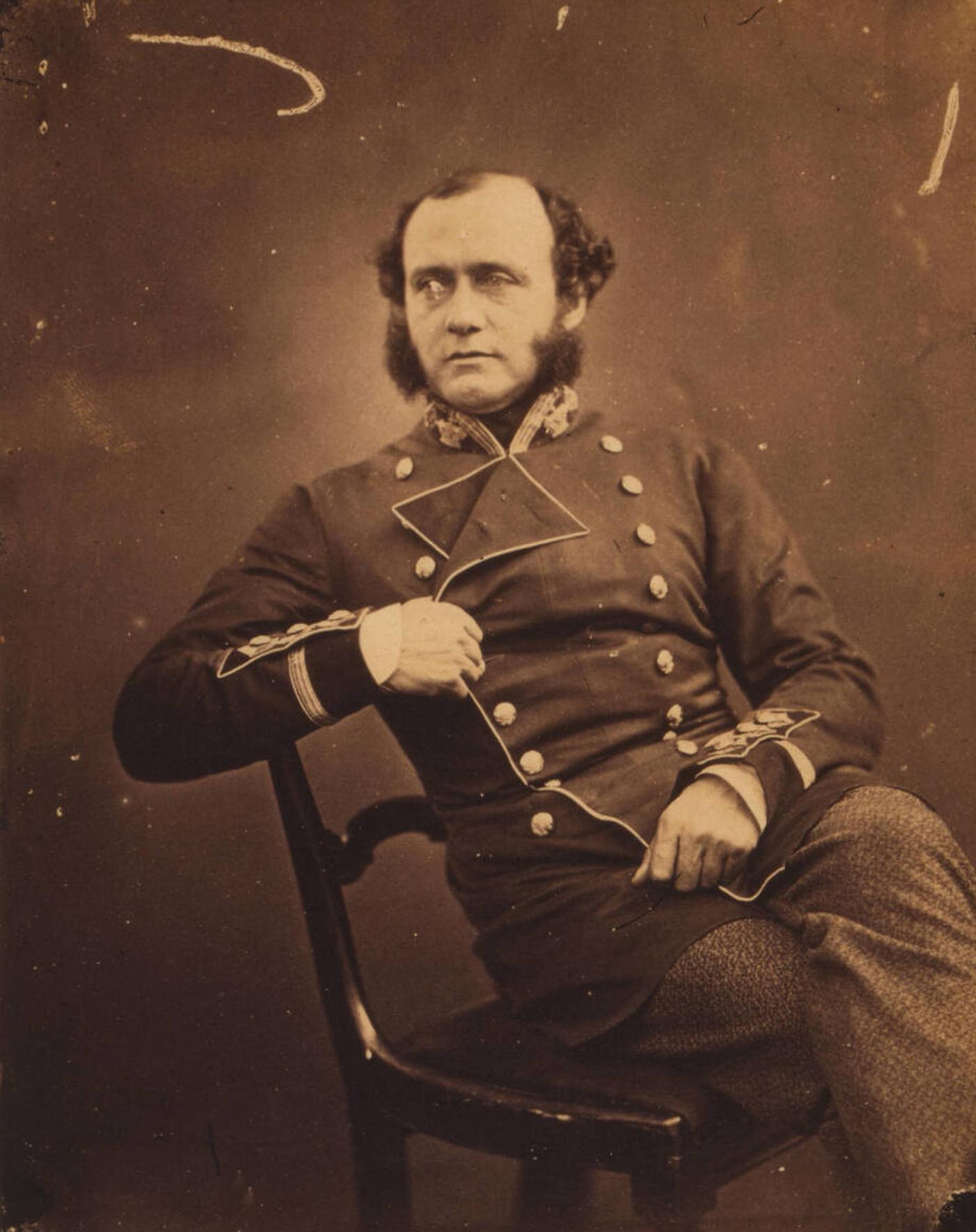
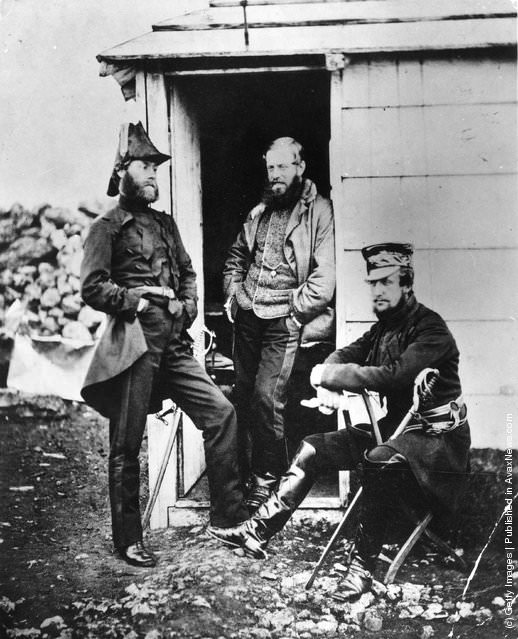
Officers on the staff of Lt. General Sir G. Brown during the Crimean campaign, 1850s.
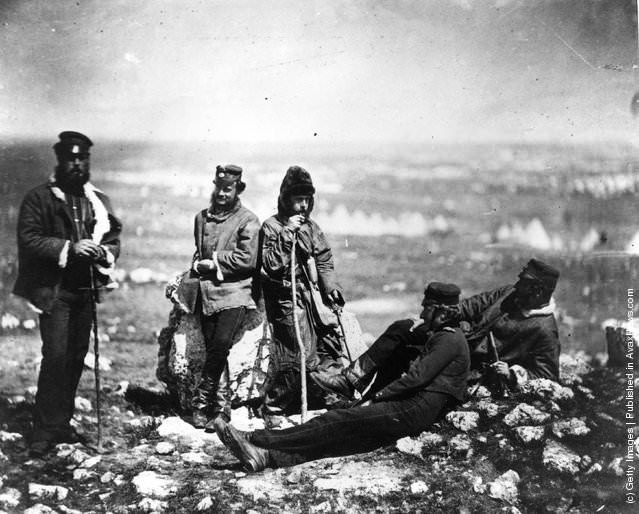
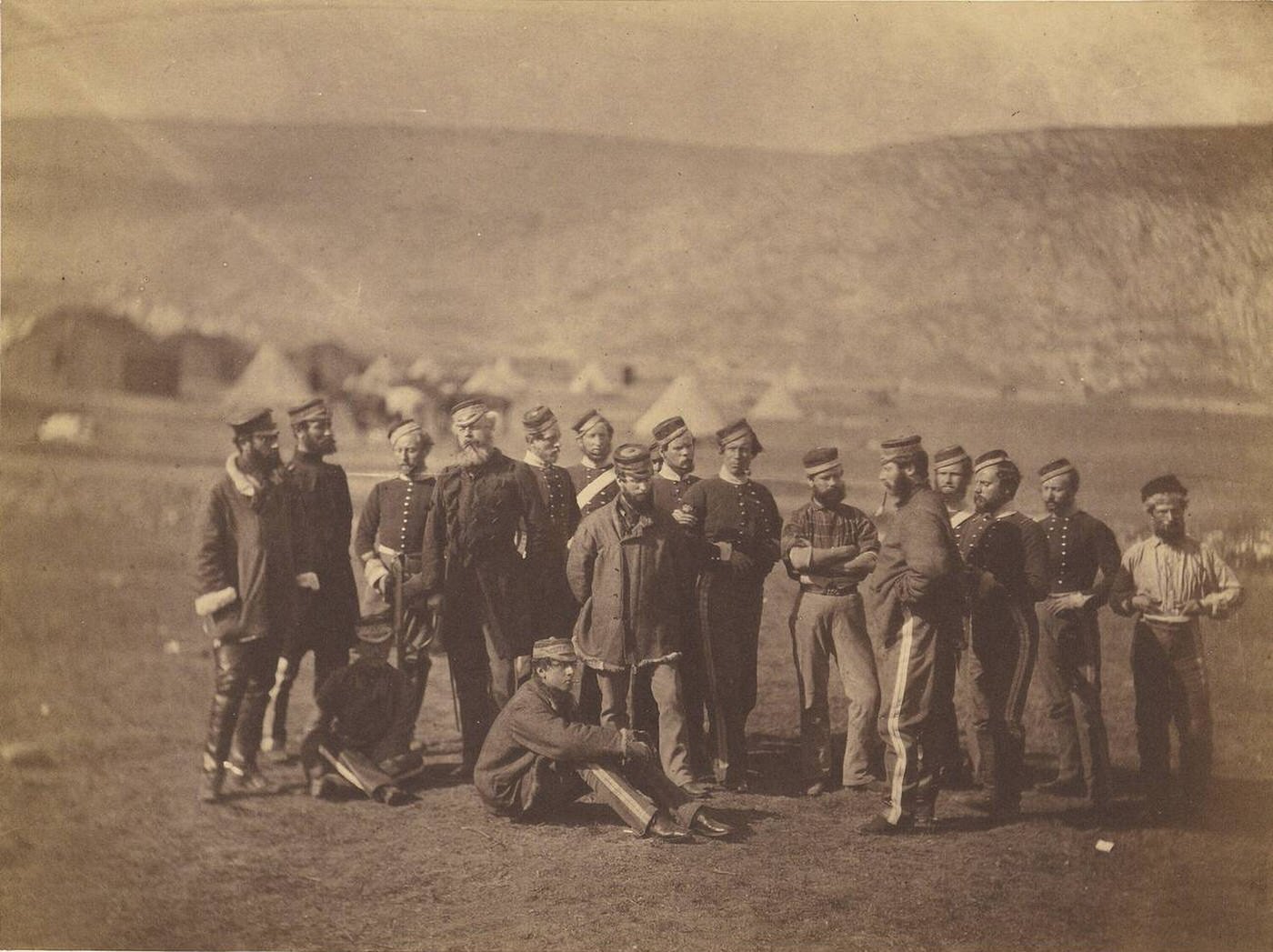
Officers of the 89th Regiment at Cathcart's Hill in Crimea, 1850s.
Officers of the 89th Regiment at Cathcart’s Hill in Crimea, 1850s.
General Pierre Bosquet witnessing the British charge of the Light Brigade at Balaklava, remarking "C'est magnifique, mais ce n'est pas la guerre," 1856.
General Pierre Bosquet witnessing the British charge of the Light Brigade at Balaklava, remarking “C’est magnifique, mais ce n’est pas la guerre,” 1856.

The Battle of Inkerman in November 1854 was another brutal engagement. Russian forces launched an early morning surprise attack through heavy fog, hoping to break the allied grip on the peninsula. The fighting was close and chaotic, with small groups of soldiers clashing across rough terrain. The allies held their ground, but at great cost.
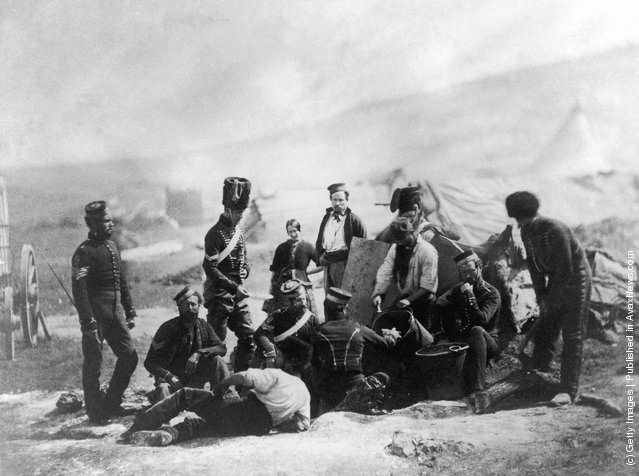
8th Hussars soldiers preparing a meal during the Crimean War, 1855.

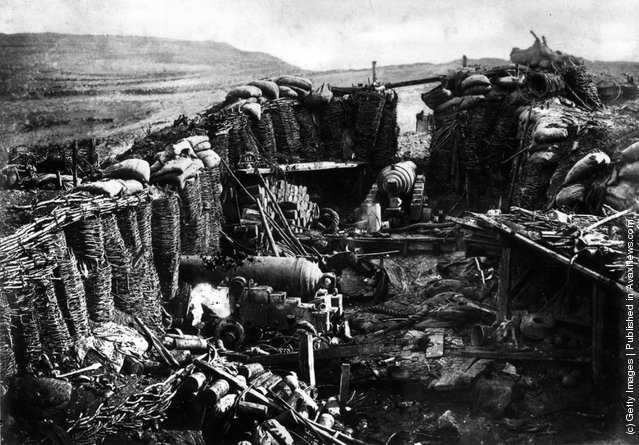
Inside Sevastopol, Russian engineers built a network of defensive structures — earthen forts, gun emplacements, and fortified positions called redans. The Malakhov and the Redan became the two most heavily contested strongpoints. After months of bombardment and failed assaults, French troops finally stormed the Malakhov on September 8, 1855. With that position gone, Russia could no longer hold the city and abandoned Sevastopol the following day.
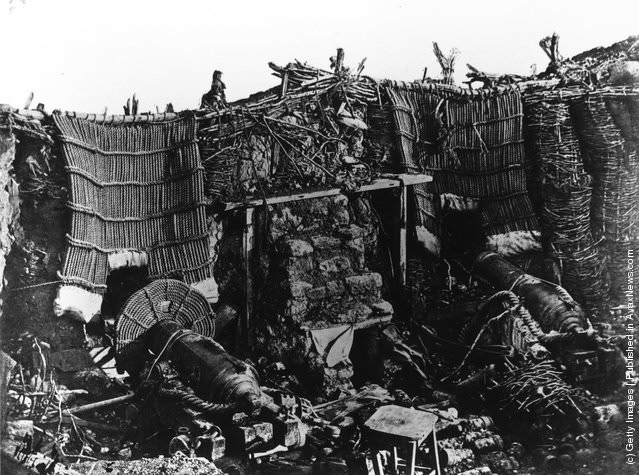
The interior of a redan, Russian fortifications at Sebastopol, after its fall to British and French troops, 1850s.

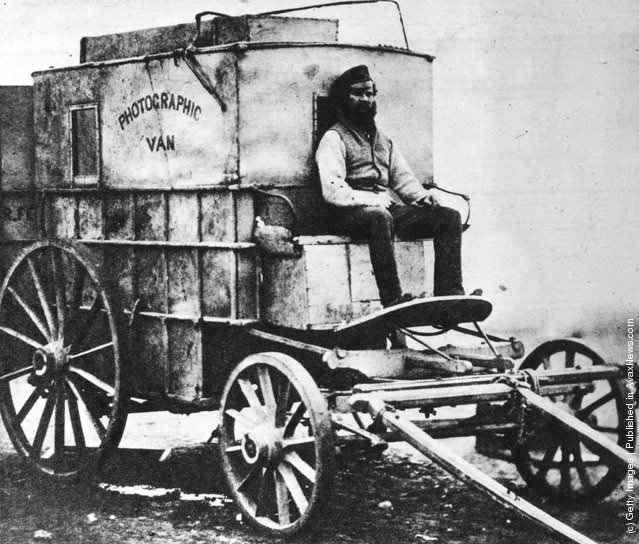
The Crimean War was one of the first conflicts to be documented through photography. Roger Fenton traveled to the peninsula in 1855 and produced over 360 photographs — landscapes, officers, camp life, and the shattered landscape around Sevastopol. He hauled his equipment in a converted wine merchant’s wagon that served as a mobile darkroom, operated with the help of his assistant, Marcus Sparling.
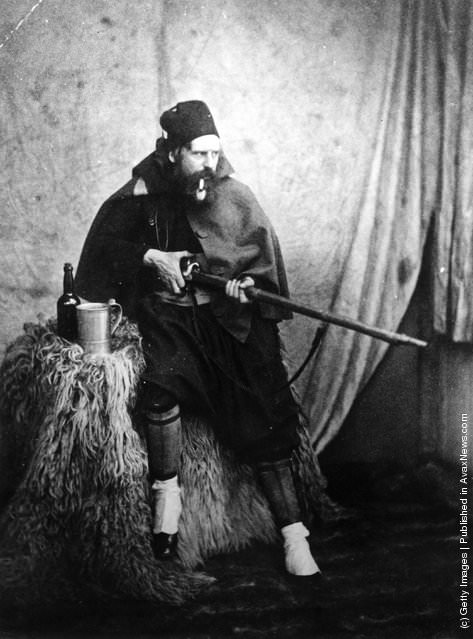
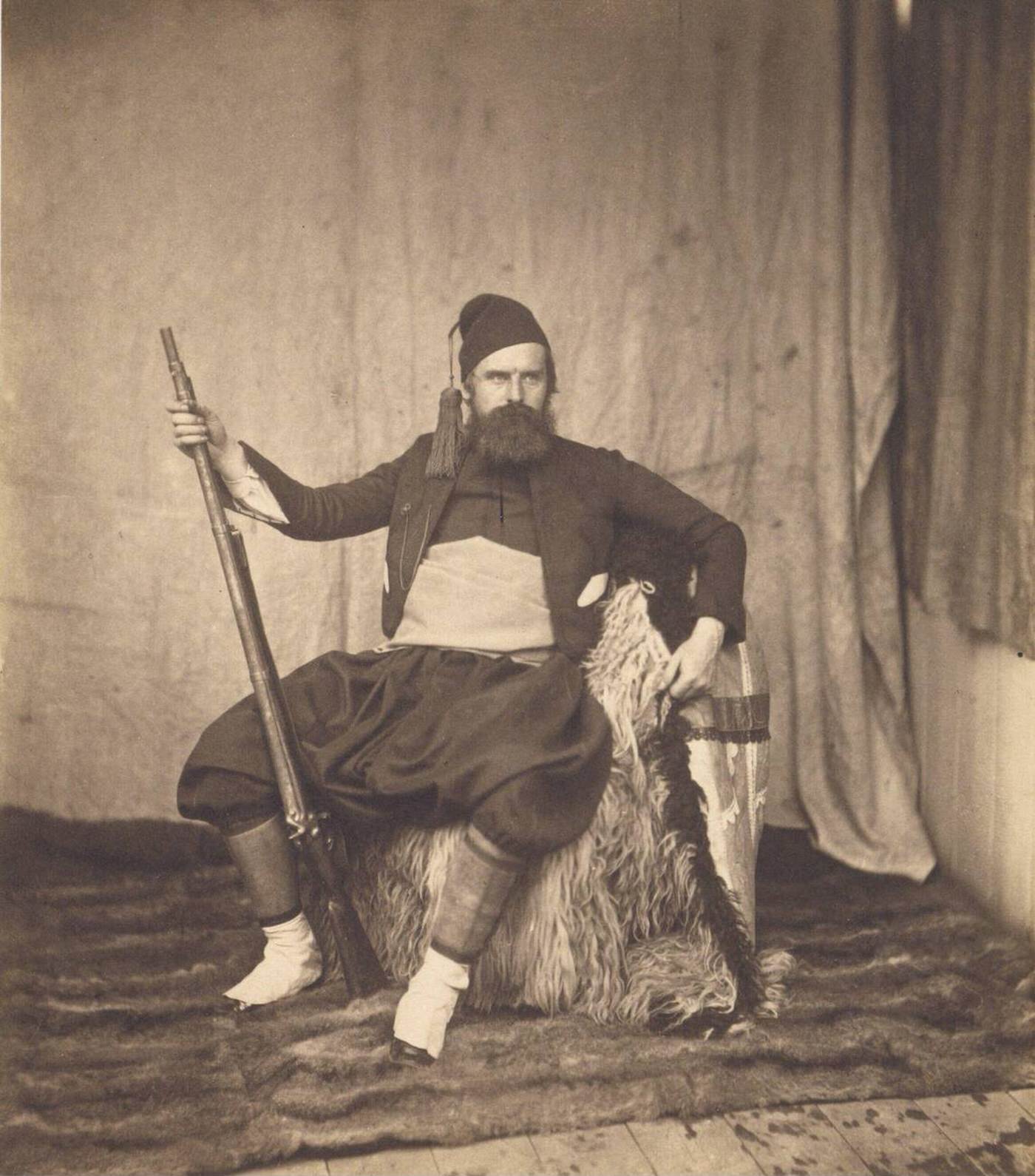
War photographer Roger Fenton in a Zouave soldier's uniform, 1850s.
War photographer Roger Fenton in a Zouave soldier’s uniform, 1850s.
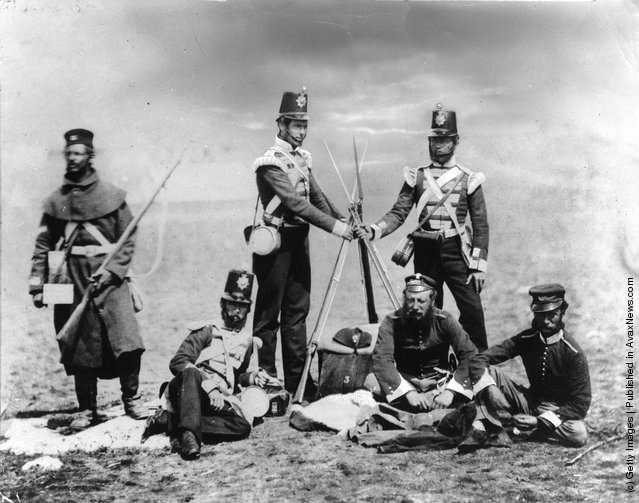
British soldiers during the Crimean War, 1850s.
Captain Brown, Colonel Lowe, and Captain George in their Crimean War camp, 1850s.

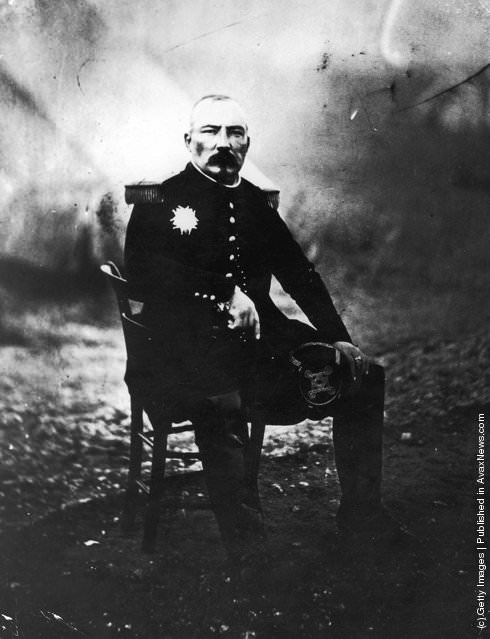
Command of the allied forces required constant coordination between three very different armies. Lord Raglan led the British, Omar Pasha commanded the Ottomans, and General Pélissier headed the French after replacing his predecessor mid-campaign. Their cooperation was often strained, but the alliance held together long enough to achieve its main objective.
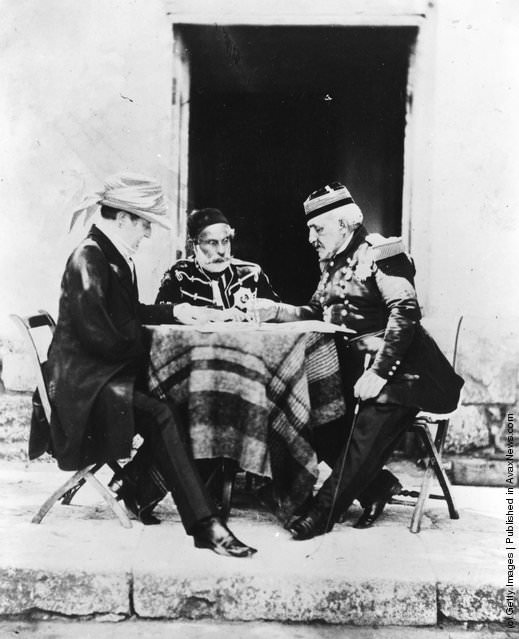
The Allied commanders-in-chief, Lord Raglan, Omar Pasha, and General Pelisier, meeting during the Crimean War, 1850s.

Disease killed far more soldiers than enemy weapons. Cholera and dysentery tore through camps on both sides, spreading rapidly through contaminated water and poor sanitation. Hospitals were overwhelmed and undersupplied. Florence Nightingale arrived at the British military hospital in Scutari in November 1854 and found filthy wards, inadequate supplies, and dying men packed into corridors. She reorganized sanitation procedures, improved supply chains, and dramatically reduced the death rate among patients. She later became the first woman to receive the Order of Merit for her work during the war.
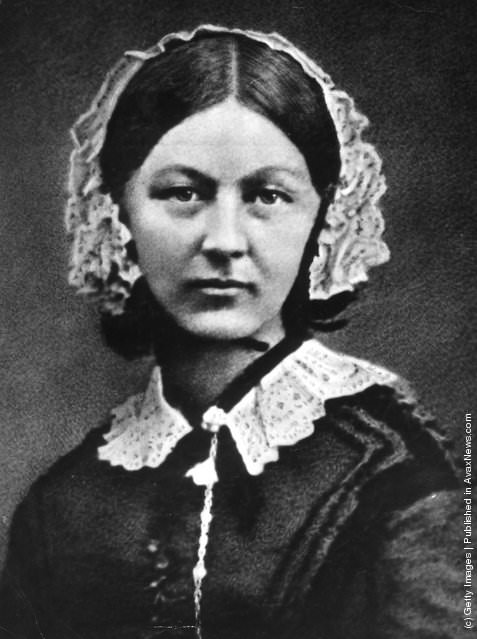
Florence Nightingale, the first woman to receive the Order of Merit for her Crimean War efforts, 1850s.
Roger Fenton's mobile darkroom during the Crimean War; his assistant, Marcus Sparling, is seated. 1850s.
Roger Fenton’s mobile darkroom during the Crimean War; his assistant, Marcus Sparling, is seated. 1850s.

Back in Britain, the public followed the war’s progress through newspaper dispatches. William Howard Russell of The Times filed detailed reports from the front lines, including blunt accounts of mismanagement, supply failures, and the suffering of ordinary soldiers. His reporting put the war’s failures directly in front of the public and contributed to political pressure for reform.
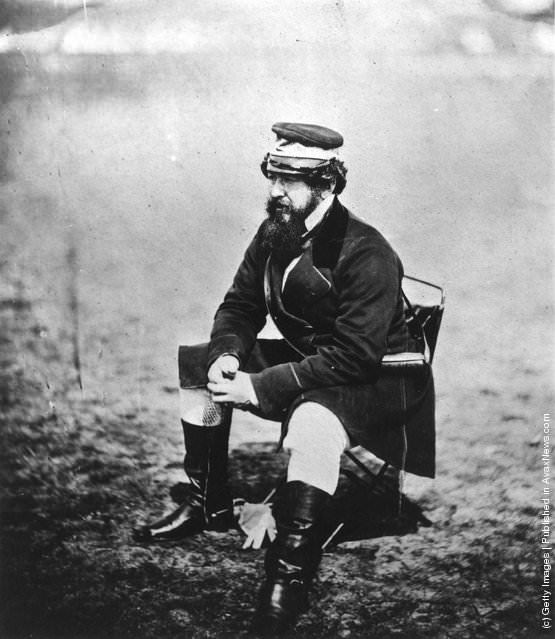
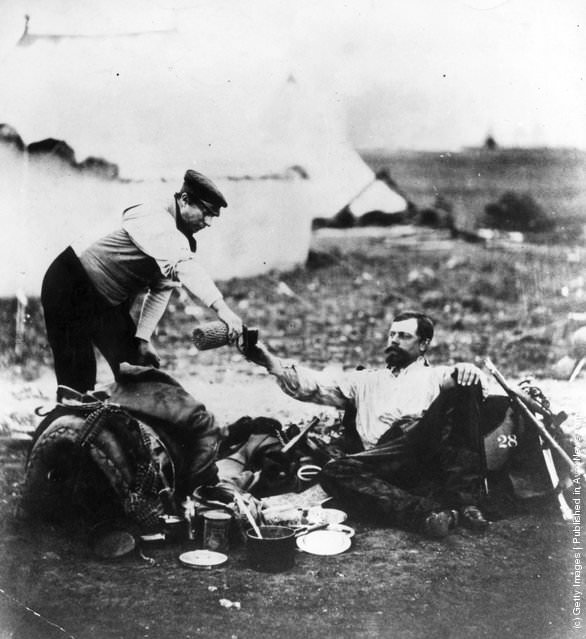
Sir William Howard Russell, war correspondent of "The Times," 1850s.
Sir William Howard Russell, war correspondent of “The Times,” 1850s.
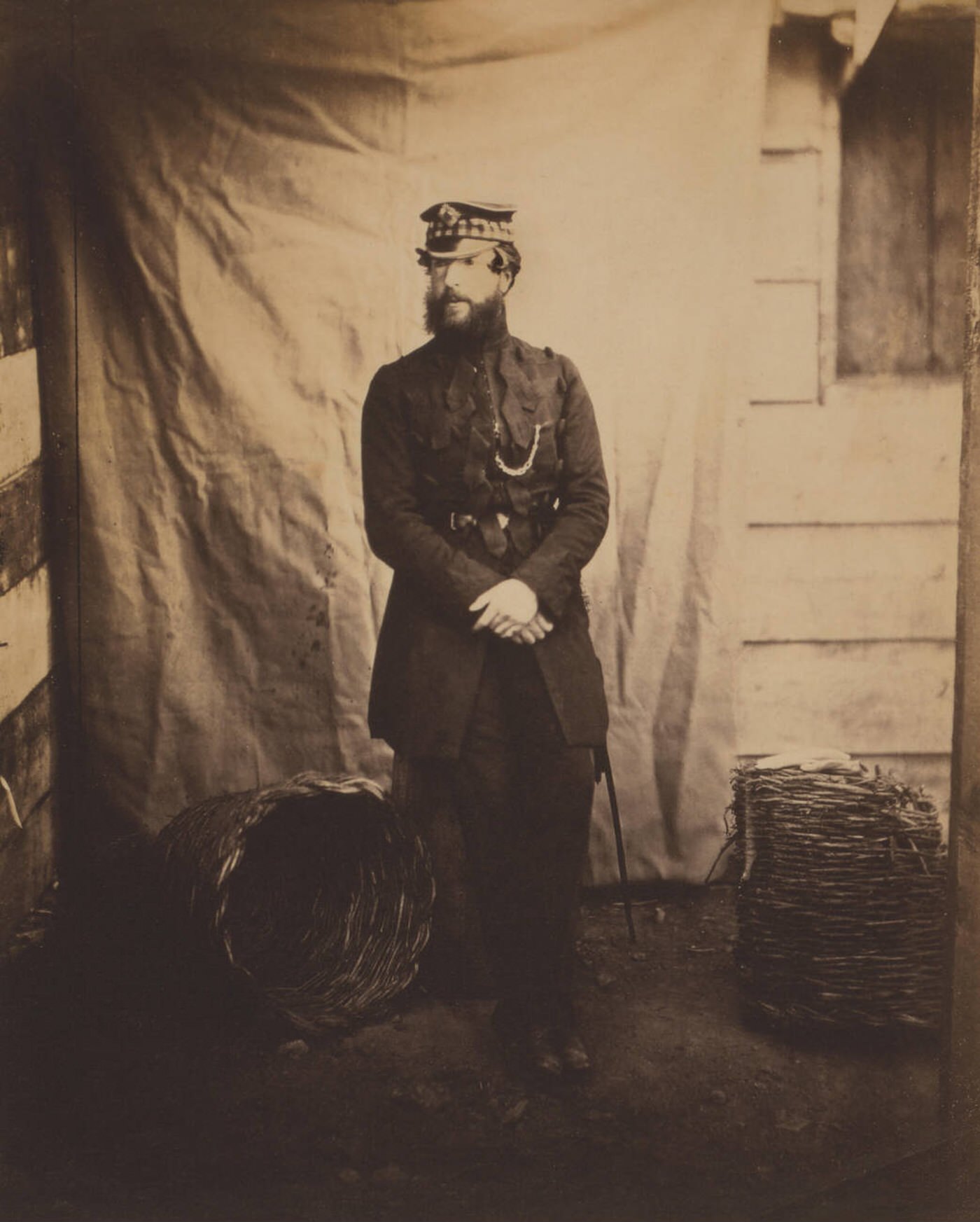
Lieutenant Colonel Halliwell at an army camp in Russia during the Crimean War, 1855.
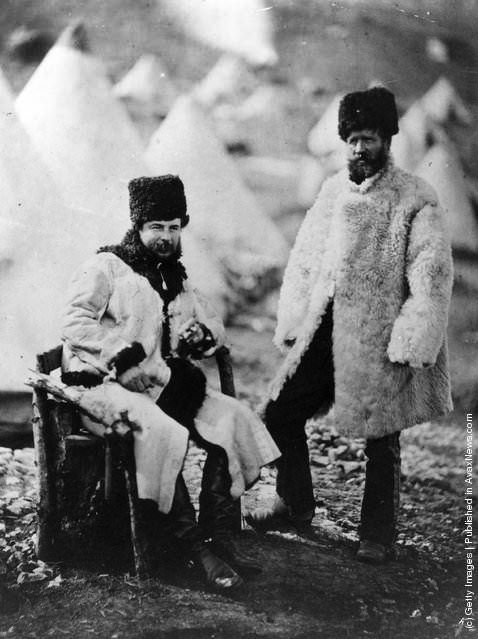
Captain Brown of the 4th Light Dragoons and his servant in winter dress in Russia, 1850s.

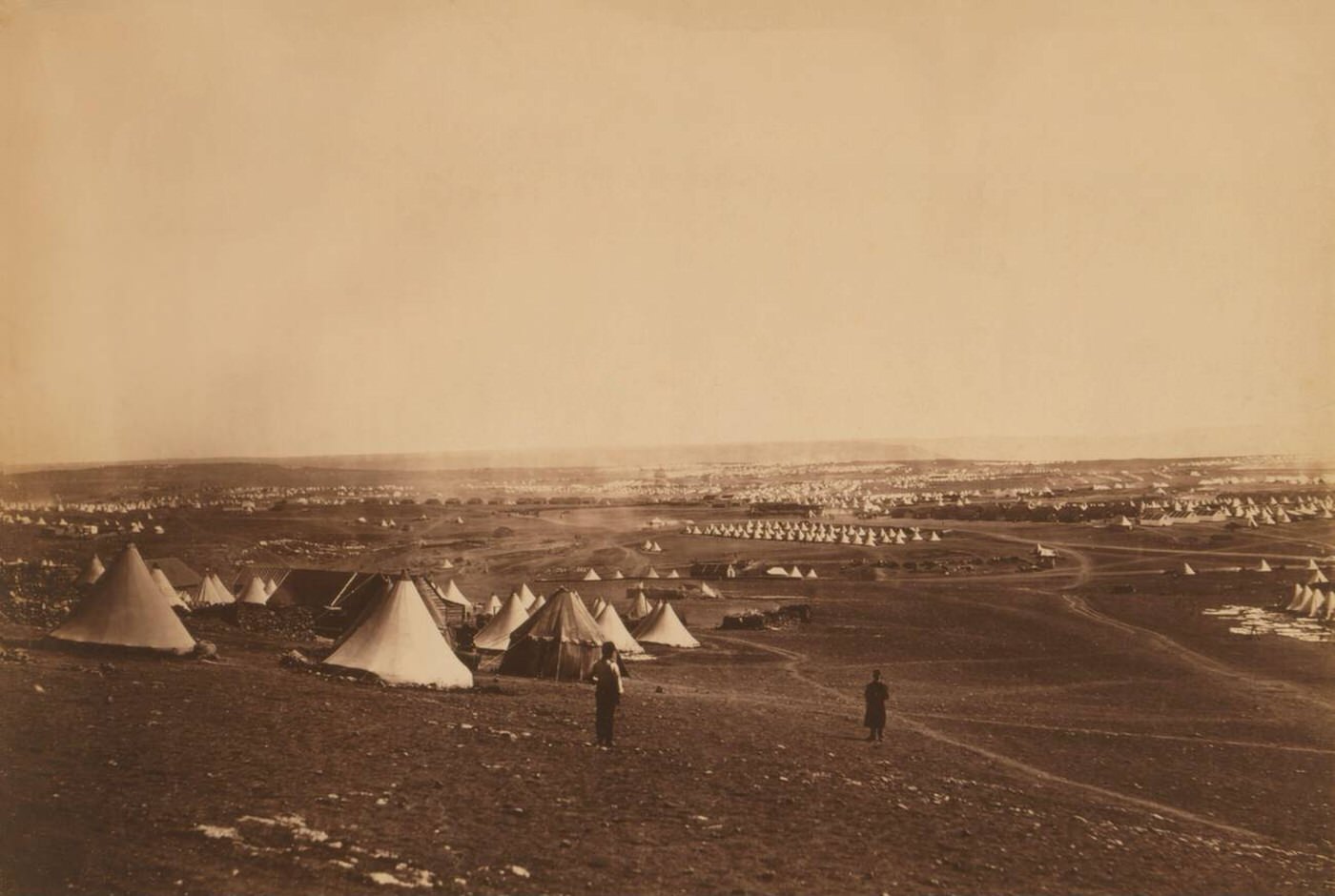
The winters on the Crimean Peninsula were harsh. Soldiers who survived combat still faced freezing temperatures, inadequate clothing, and supply shortages. Units like the 4th Light Dragoons — already weakened from the Charge of the Light Brigade — spent months in frozen camps, waiting for supplies that often arrived late or incomplete.
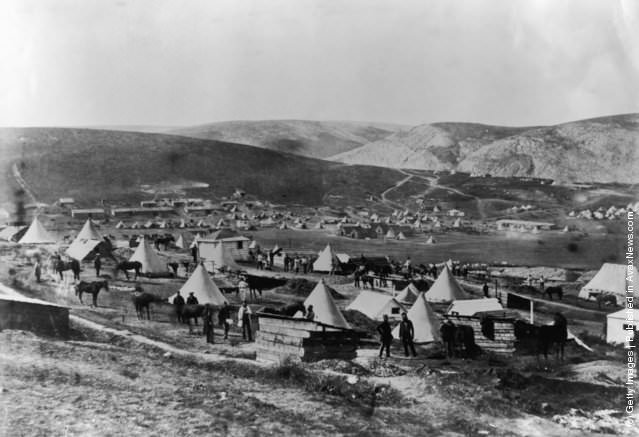
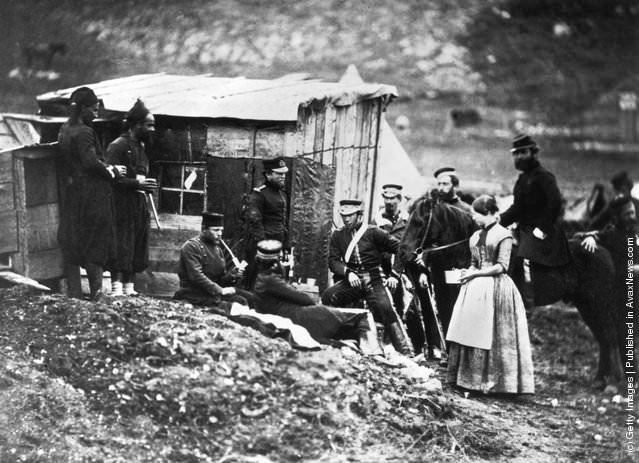
The British 4th Light Dragoons encamped in Crimea, 1850s.
Members of the 4th Light Dragoons at camp in Crimea, 1850s.
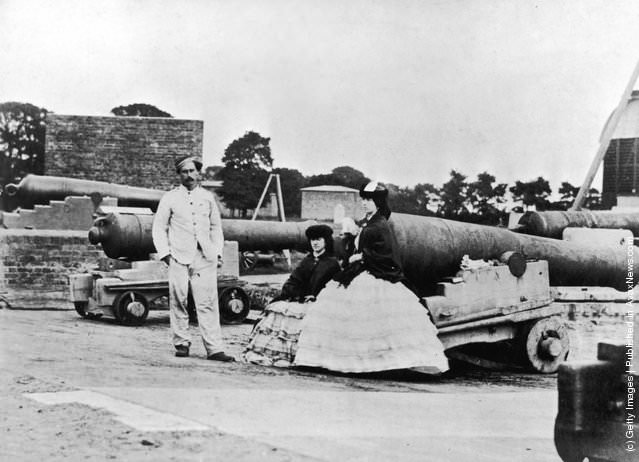
A soldier and two women posing next to cannons during the Crimean War, 1850s.

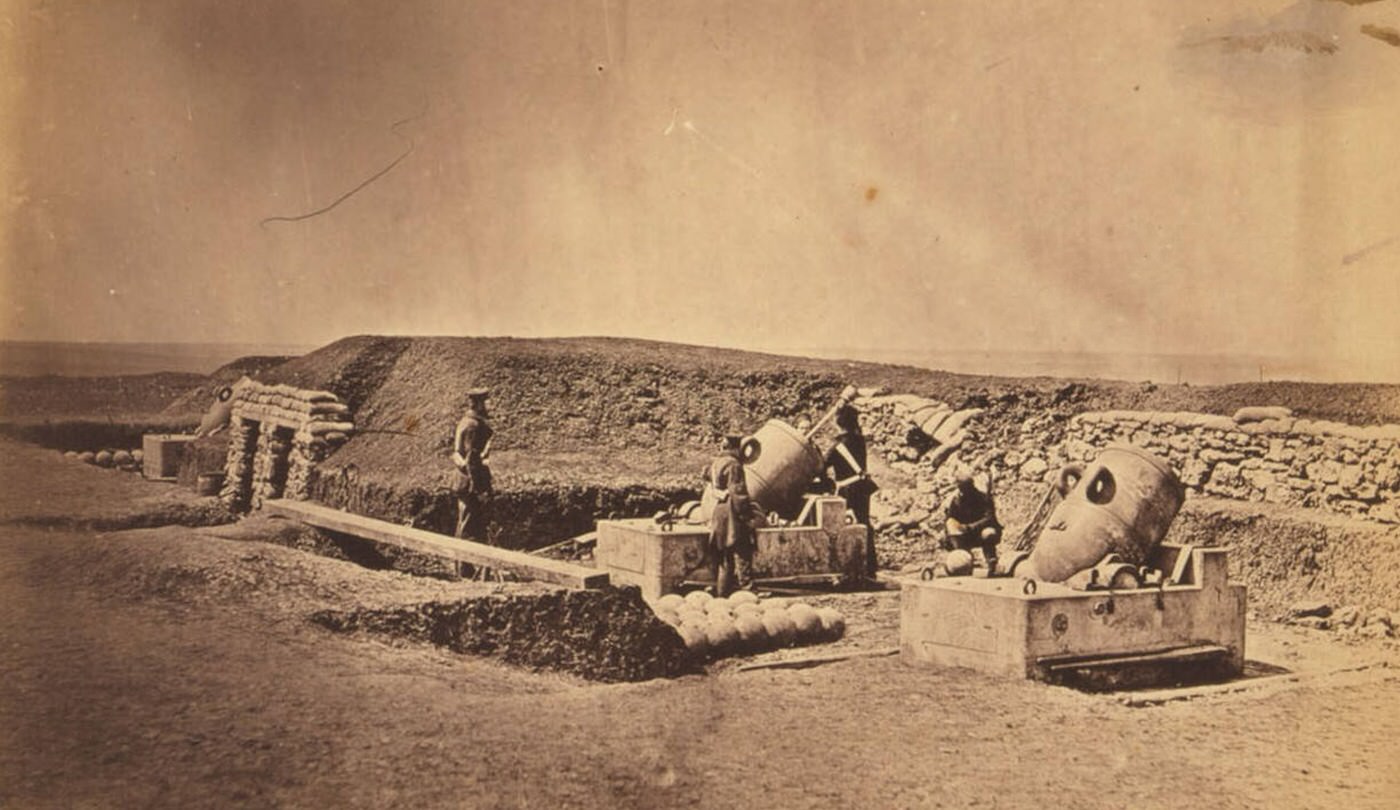
As the siege of Sevastopol dragged on, artillery became the defining weapon of the campaign. Mortar batteries fired at Russian fortifications day and night, while allied engineers worked constantly to extend and fortify trench lines. When Sevastopol finally fell, the allies began the process of clearing out Russian weapons and equipment — including heavy cannon hauled onto ships bound for Britain.
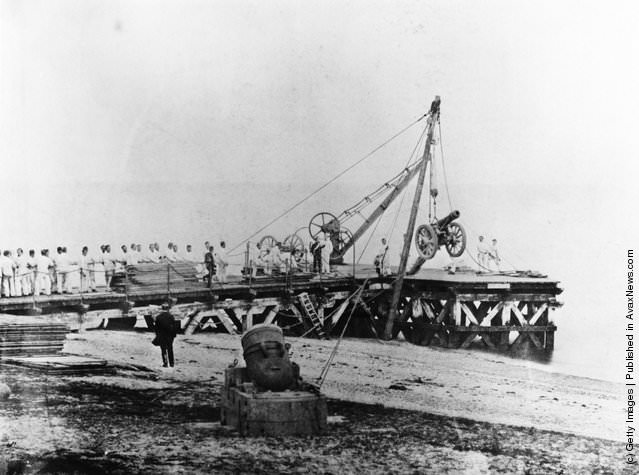
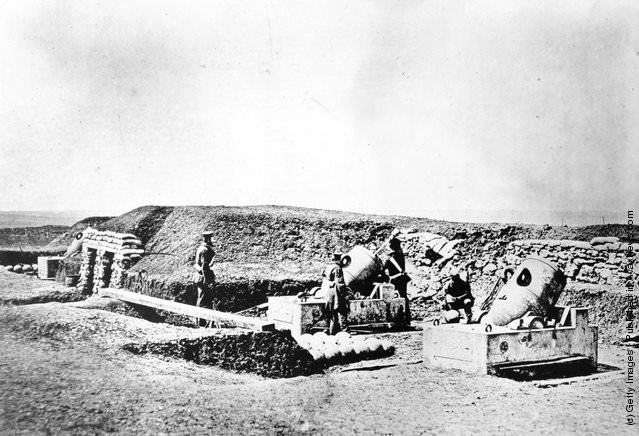
A British cannon being loaded onto a ship at Sevastopol, 1855.
Mortar batteries in front of Picquet House, Light Division, during the Crimean War, 1850s.
Russia vs. the Alliance: Rare Historic Photos from the Crimean War (1853-1856)
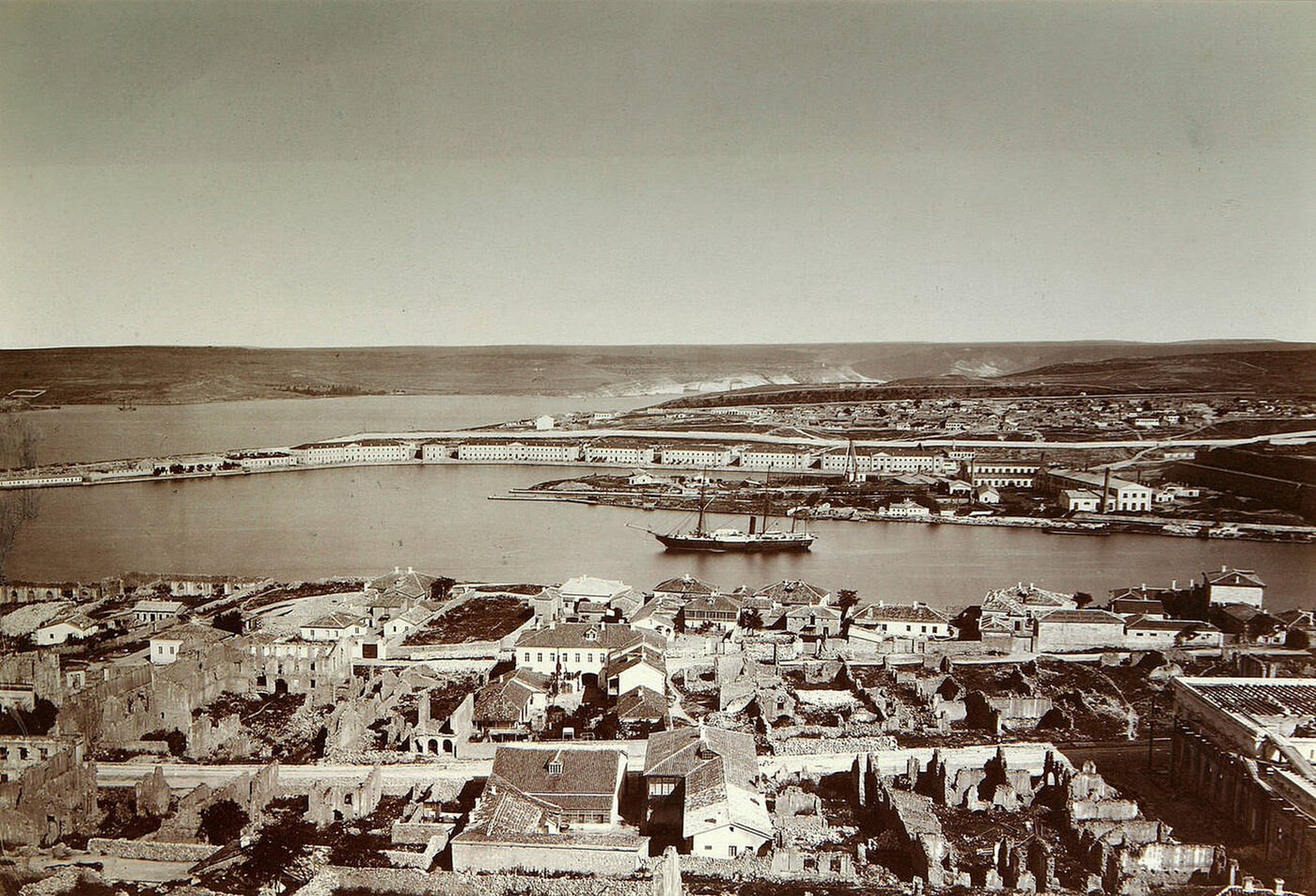
The South Bay and Cape Paul, Sevastopol, Crimea, 1850s.

Senior officers on all sides occupied a visible and well-documented role. Fenton photographed dozens of commanders, staff officers, and regimental leaders — capturing a record of the war’s leadership that newspapers and illustrated magazines could distribute to the public at home.
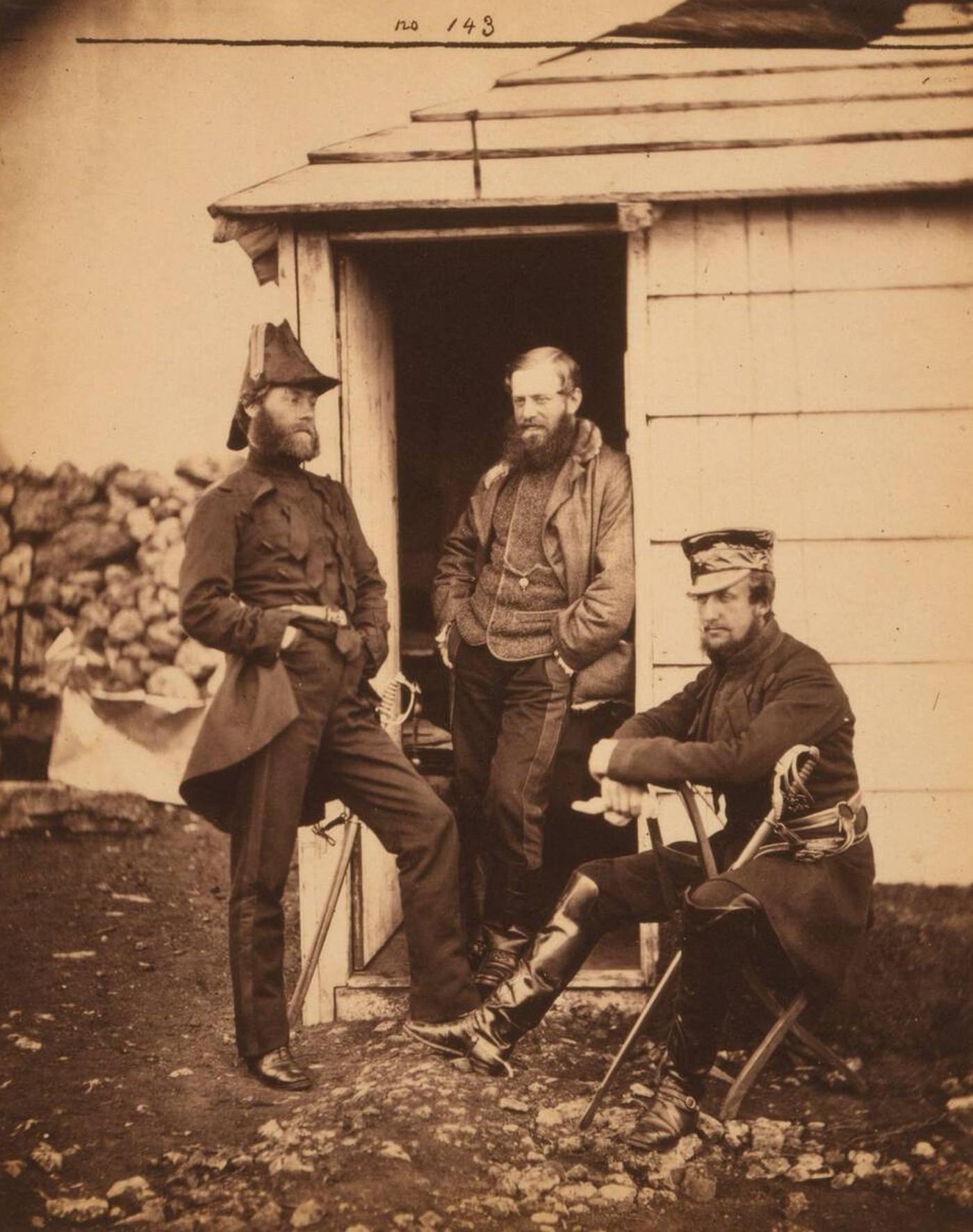
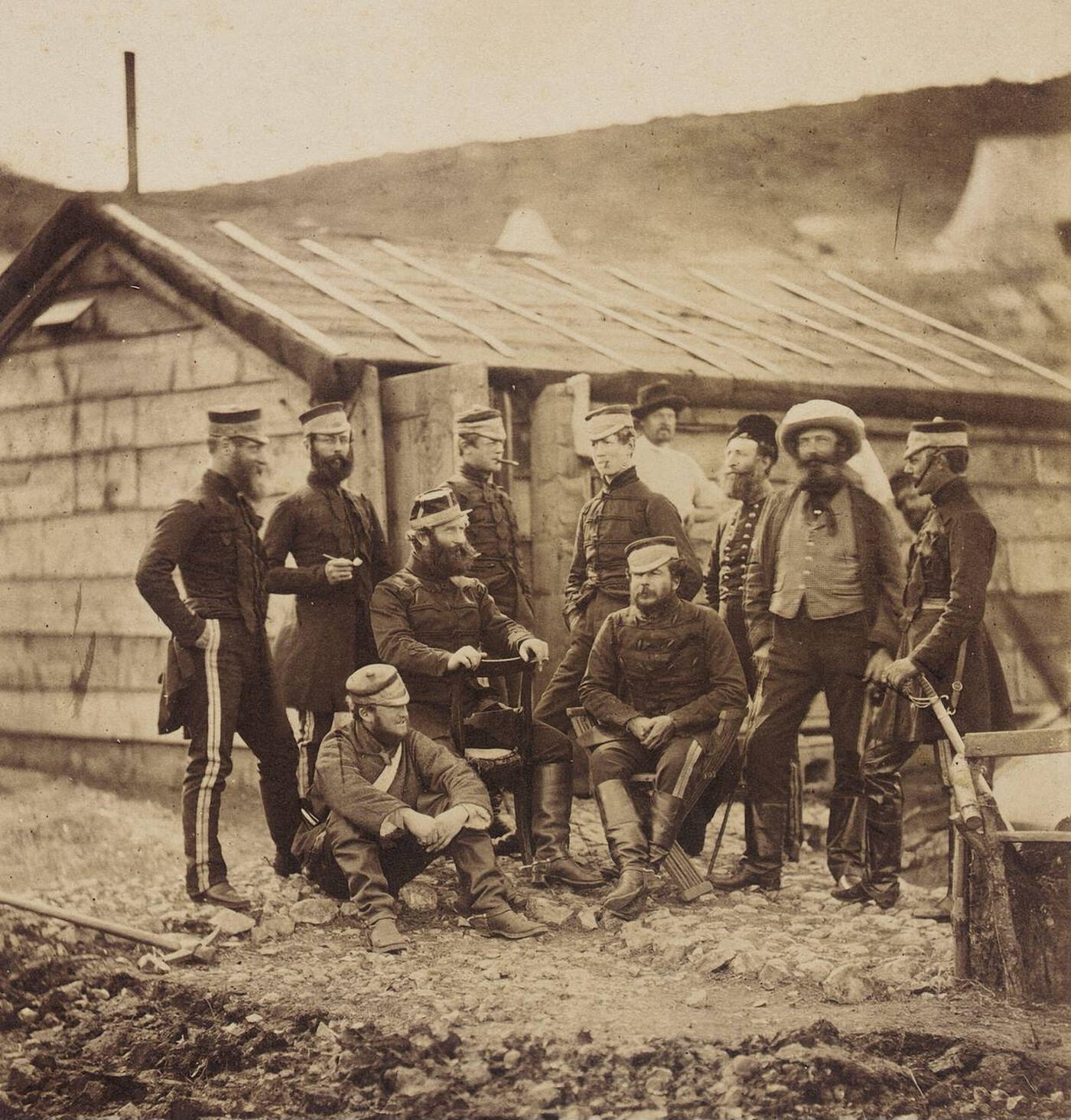
Captains Ponsonby, Pearson, and Markham of Sir George Brown's staff during the Crimean War, 1855.
Captains Ponsonby, Pearson, and Markham of Sir George Brown’s staff during the Crimean War, 1855.
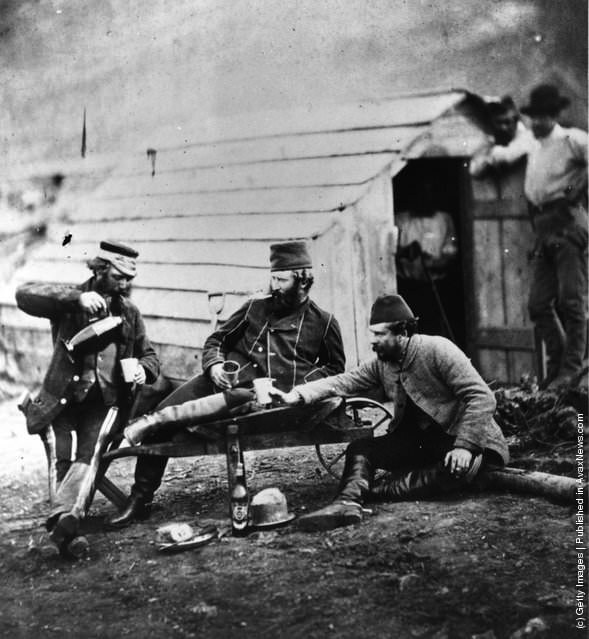
Officers of the 4th Light Dragoons relaxing by a building during the Crimean War, 1855.
British mortar batteries positioned in front of Picquet House during the Crimean War, 1850s.
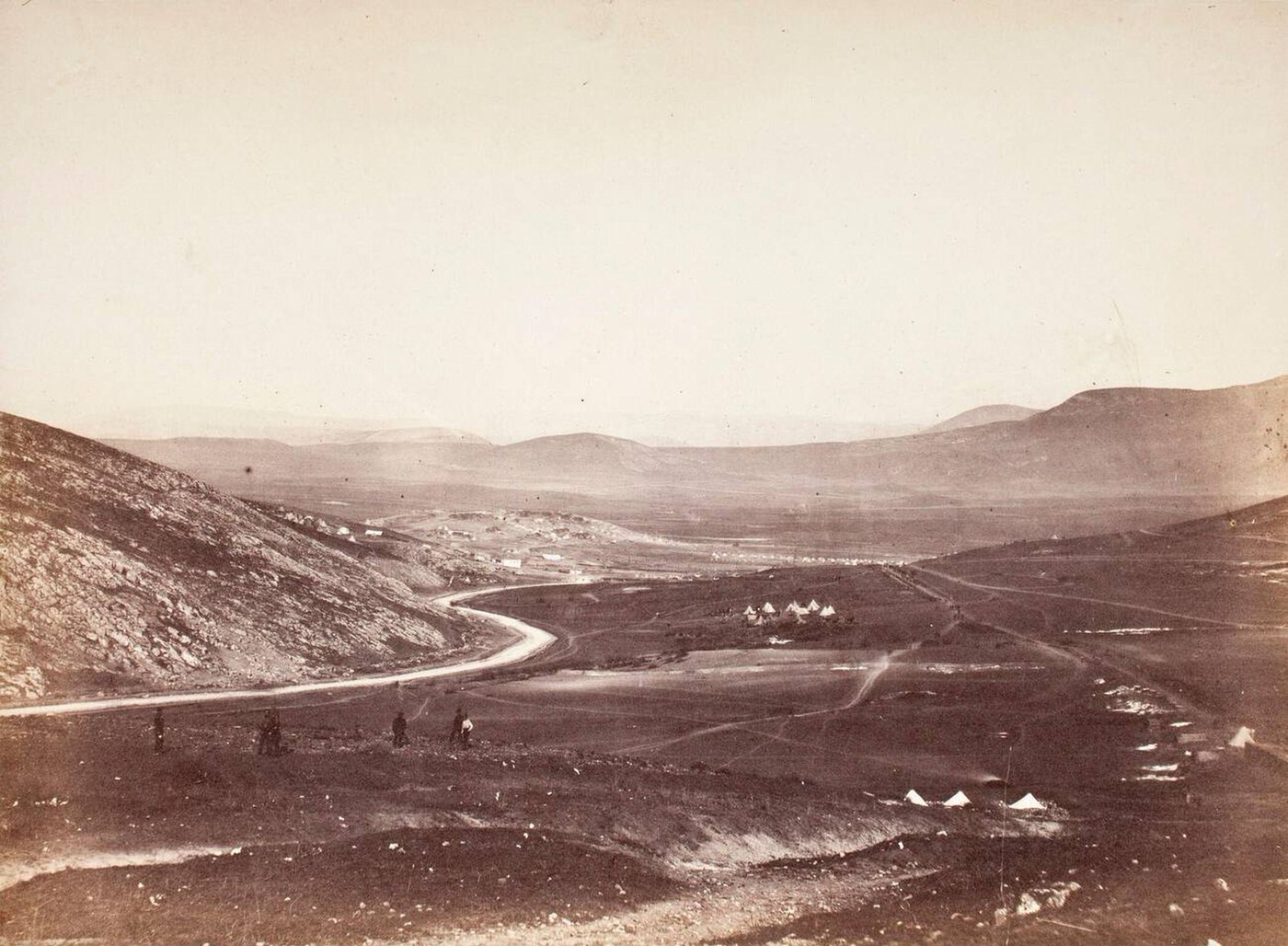
Kadikoi, from the Camp of Horse Artillery, 1856.
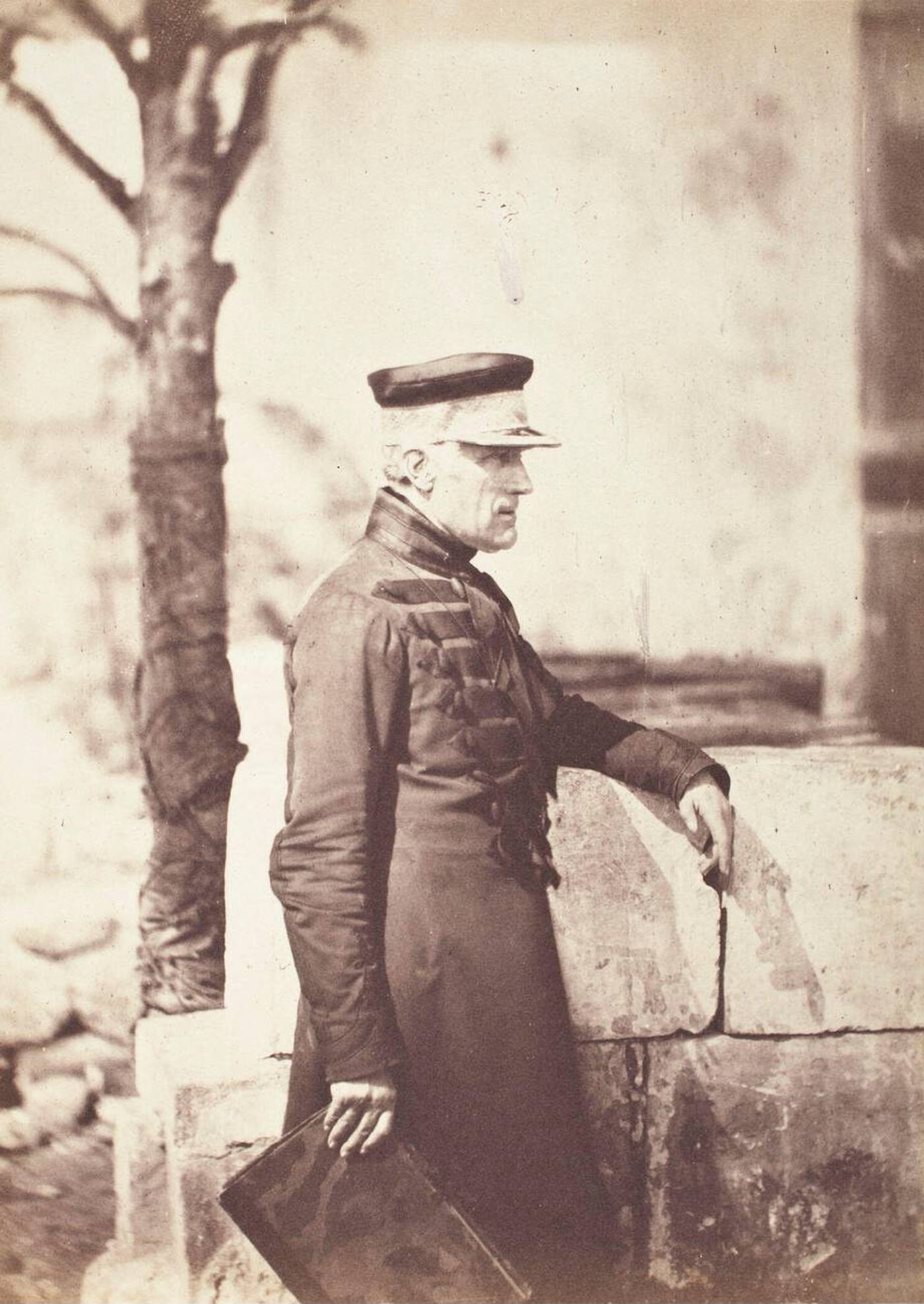
Lieutenant General Sir Harry Jones, 1856.

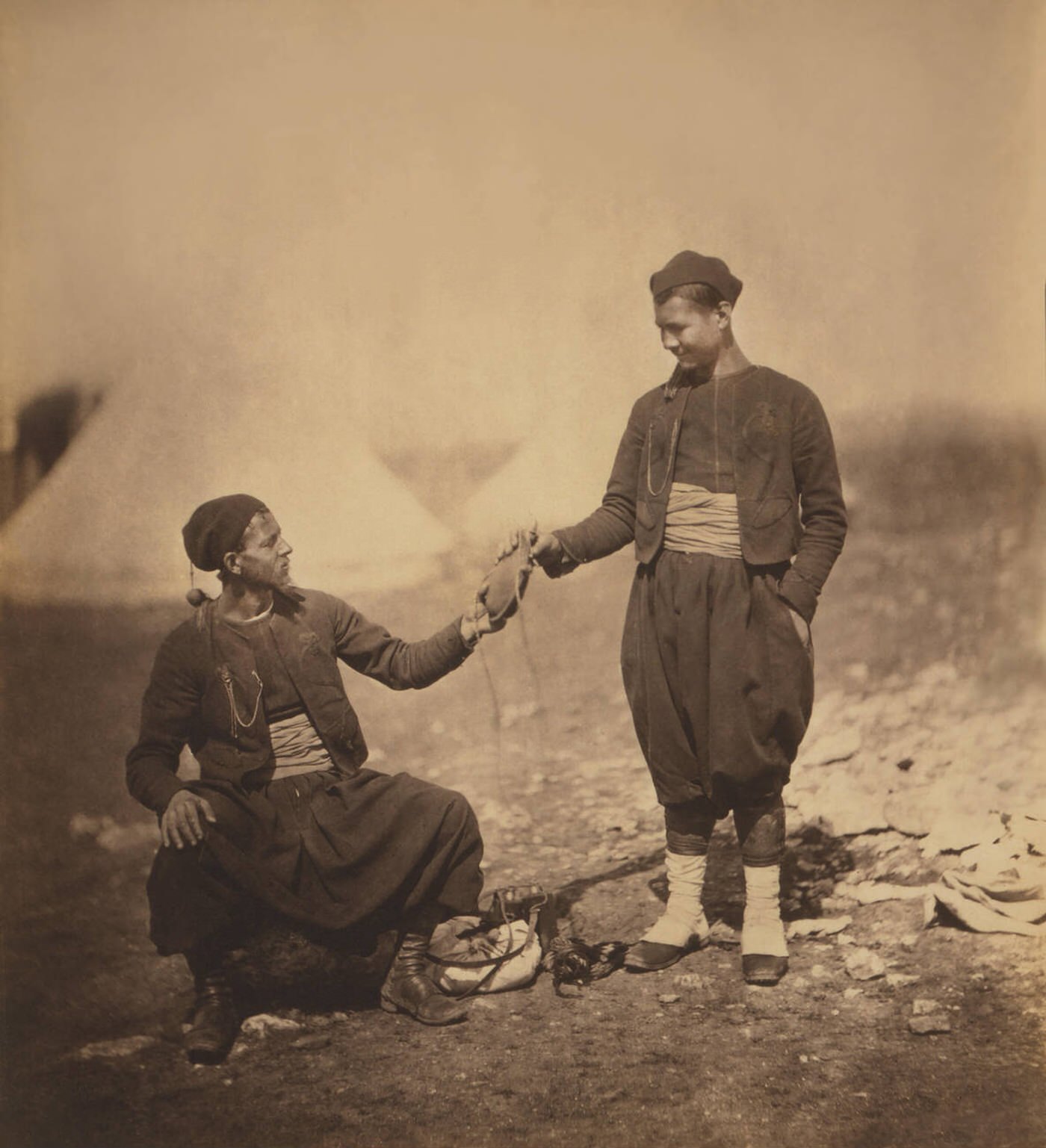
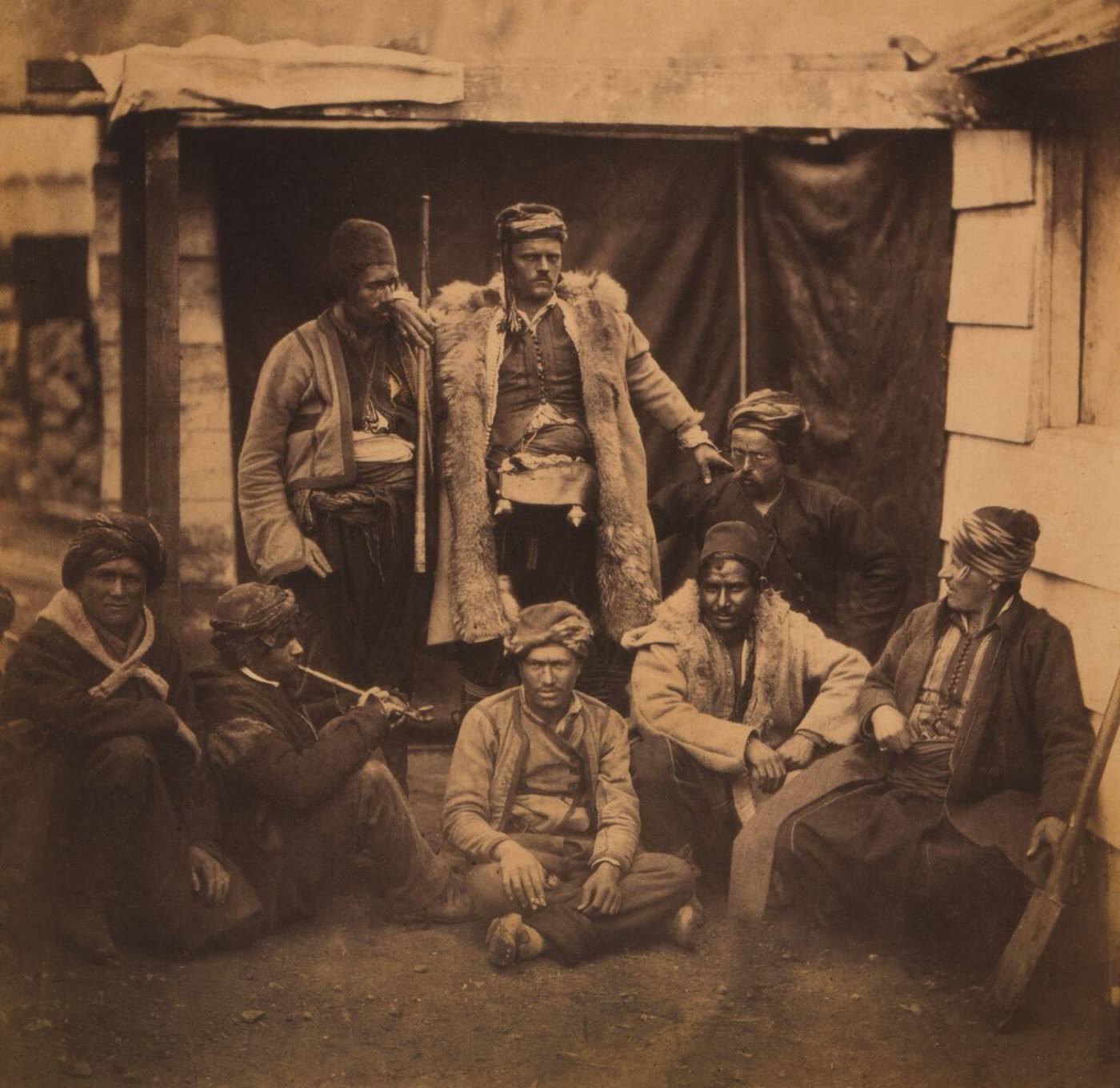
The allied armies were diverse. French Zouave regiments — originally raised in North Africa — brought a distinctive fighting style and uniform to the peninsula. Cantinières, women attached to French regiments, distributed food and drink to soldiers in the field. Tartar and Croat laborers performed much of the heavy work behind the lines, digging earthworks and moving supplies.
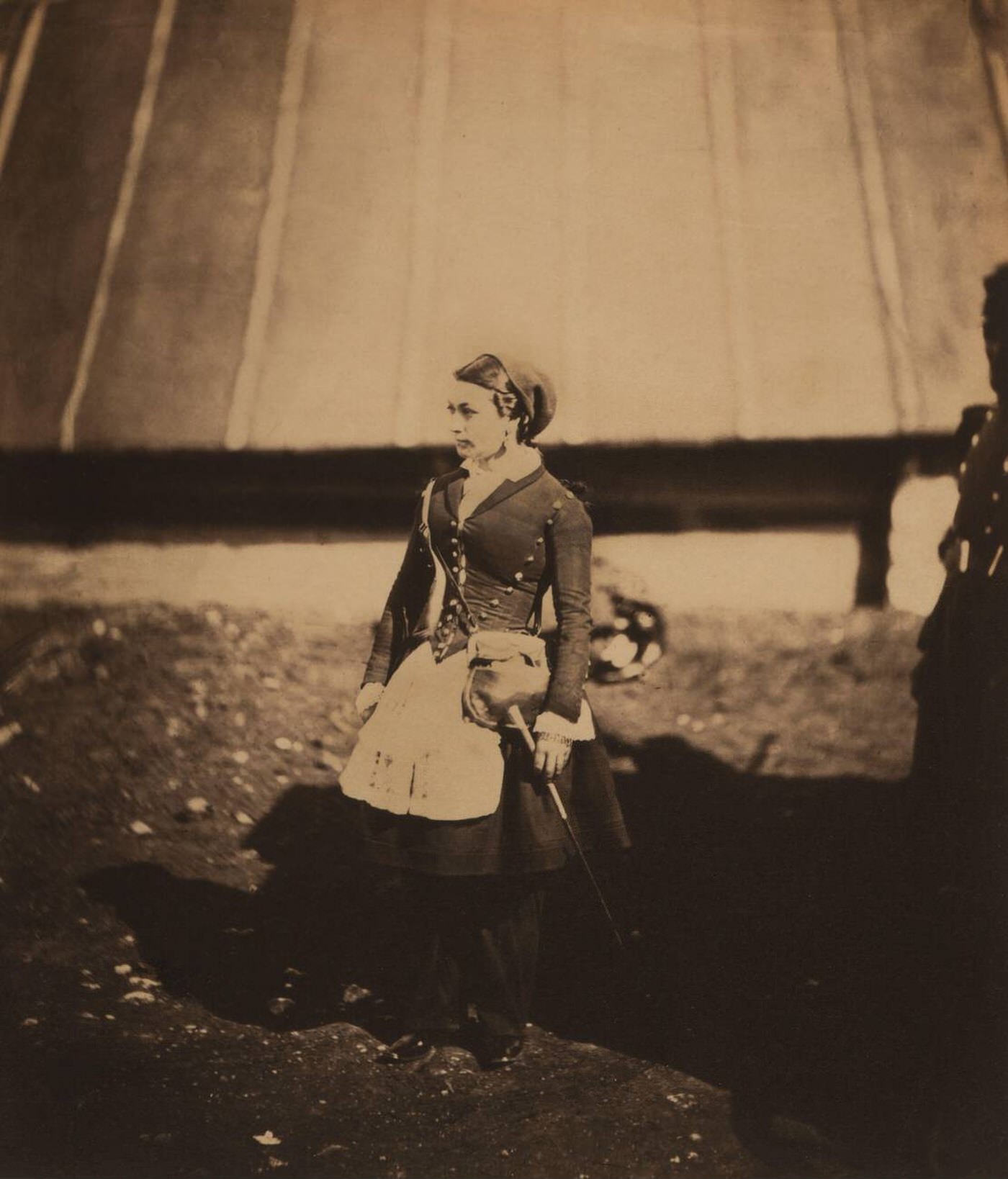
A French cantinière in Zouave Regiment dress during the Crimean War, 1855.
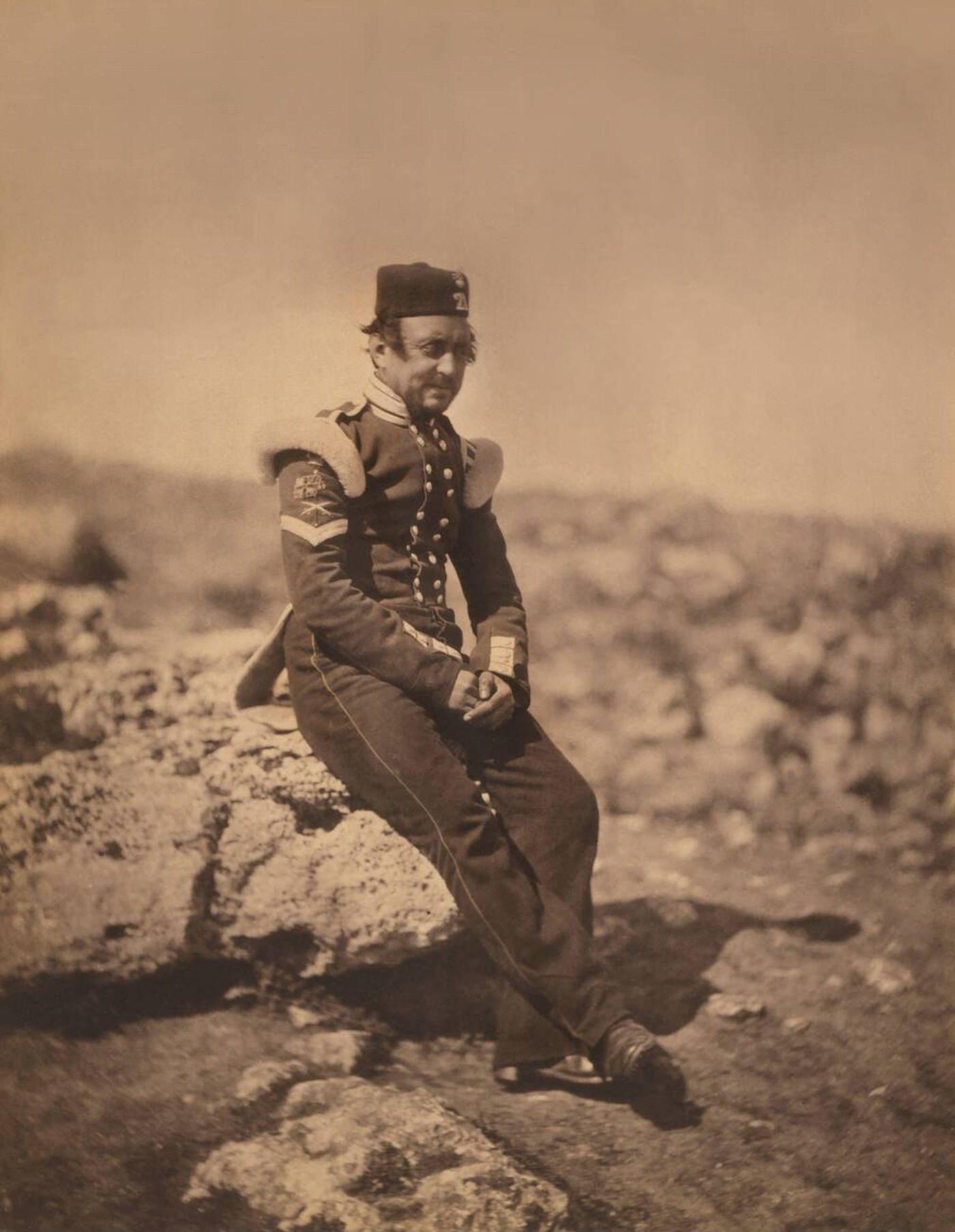
A British Light Infantry sergeant during the Crimean War, 1855.
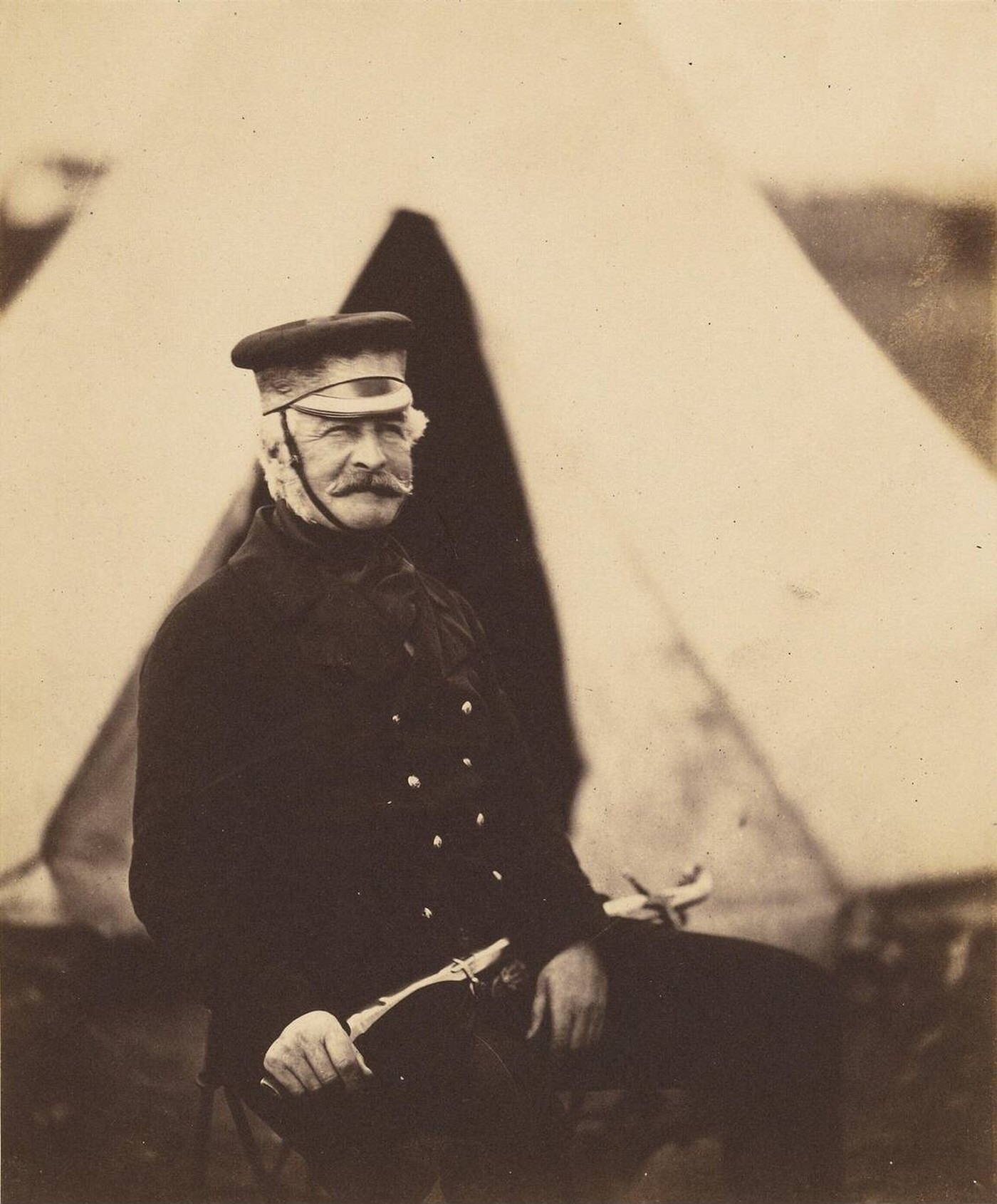
Lieutenant General Sir Richard England, 1855.
Major General Charles Ashe Windham.
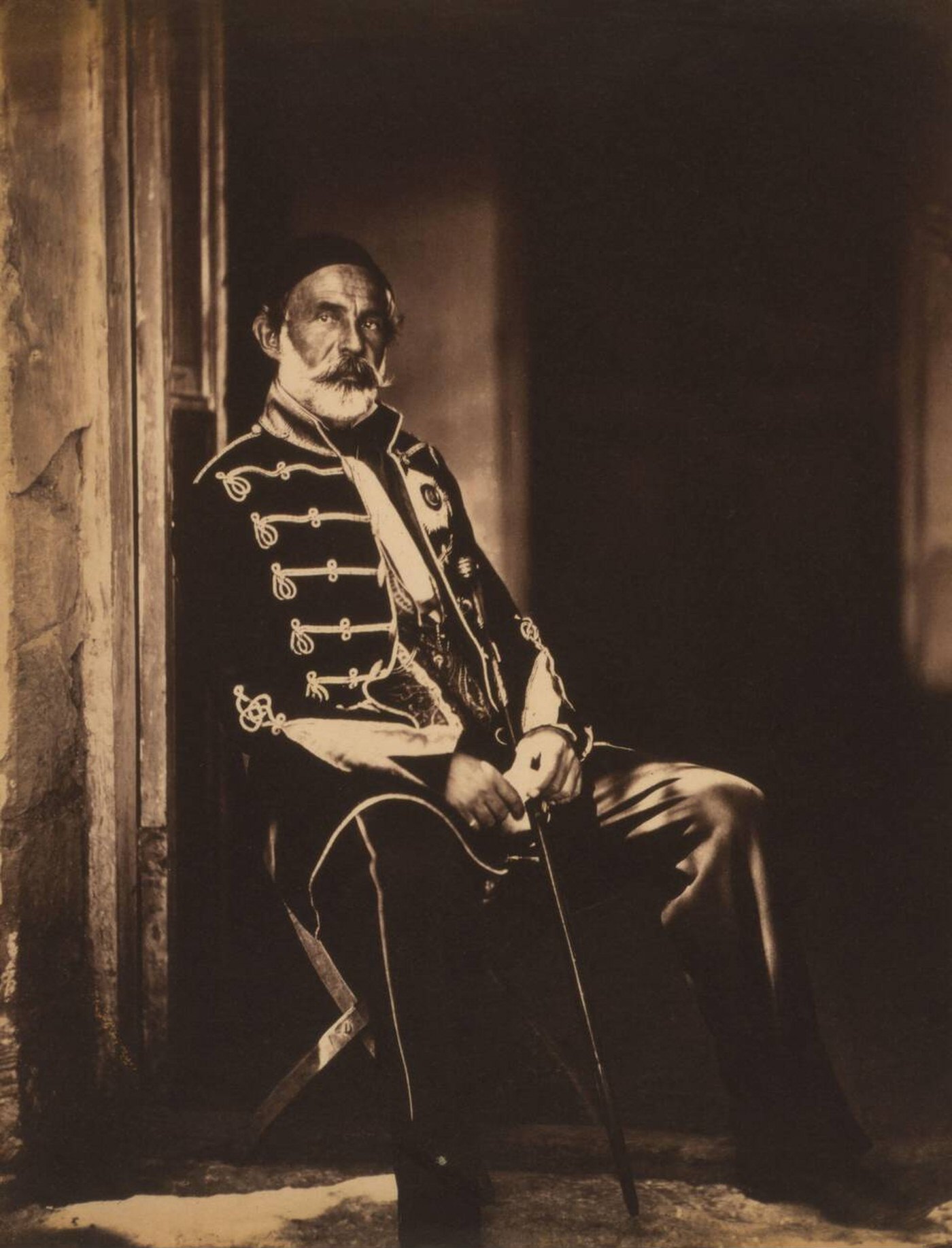
Ottoman Field Marshal Omar Pasha during the Crimean War, 1855.
Colonel Doherty, officers, and men of the 13th Light Dragoons, 1855.
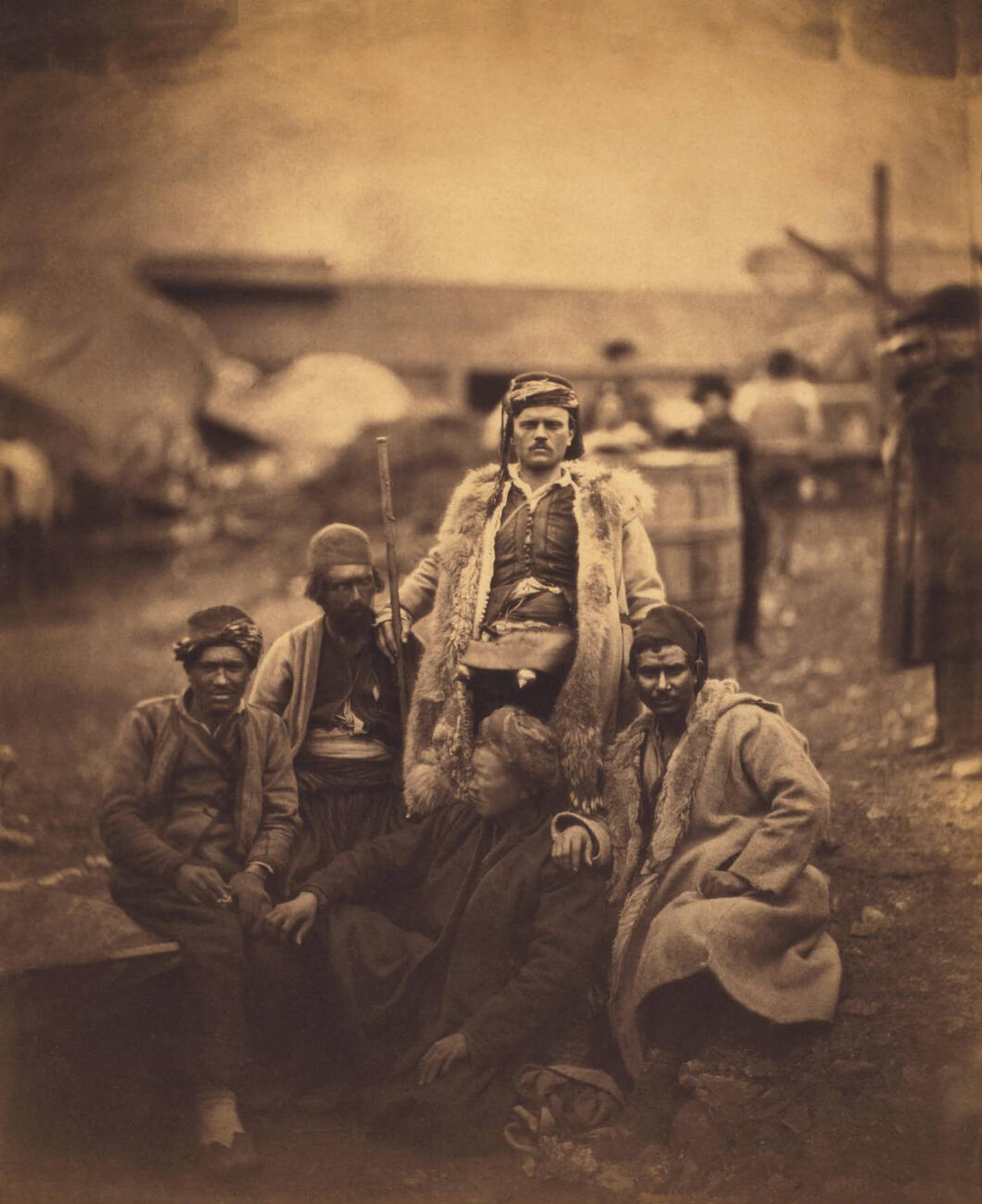
A group of Croats during the Crimean War, 1855.
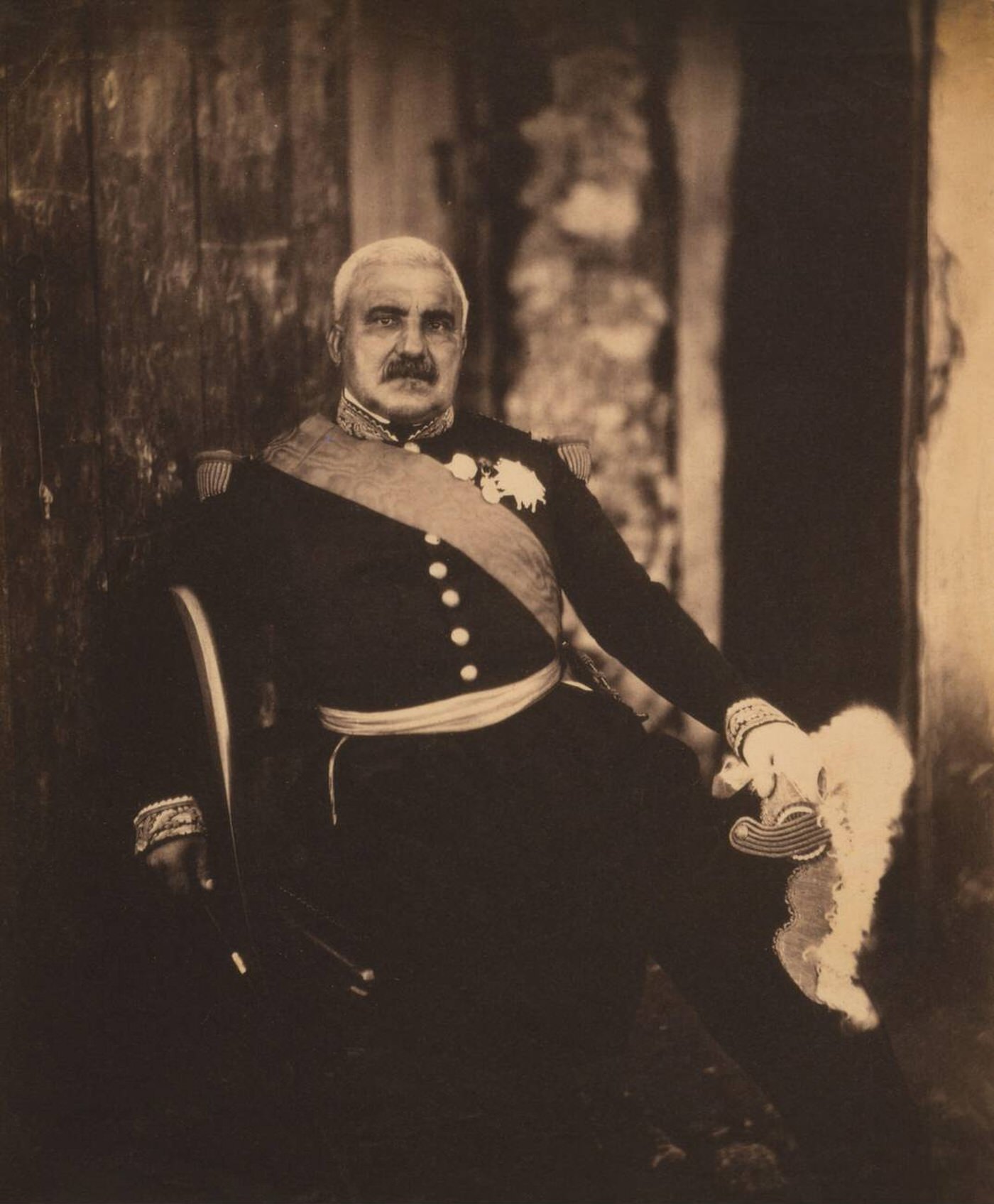
French Marshal Aimable-Jean-Jacques Pélissier during the Crimean War, 1855.
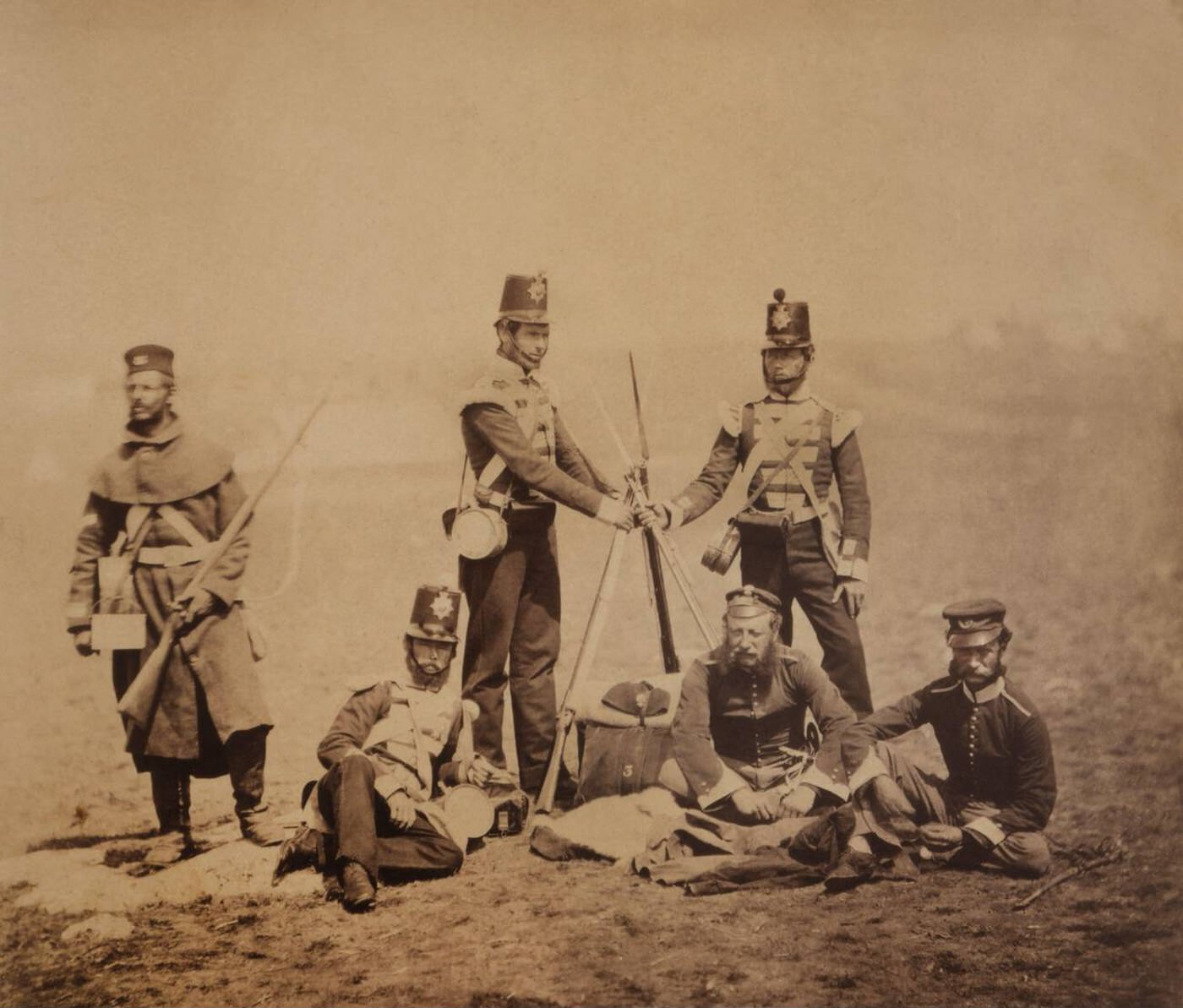
English private soldiers and officers of the 3rd East Kent Regiment piling arms during the Crimean War, 1855.
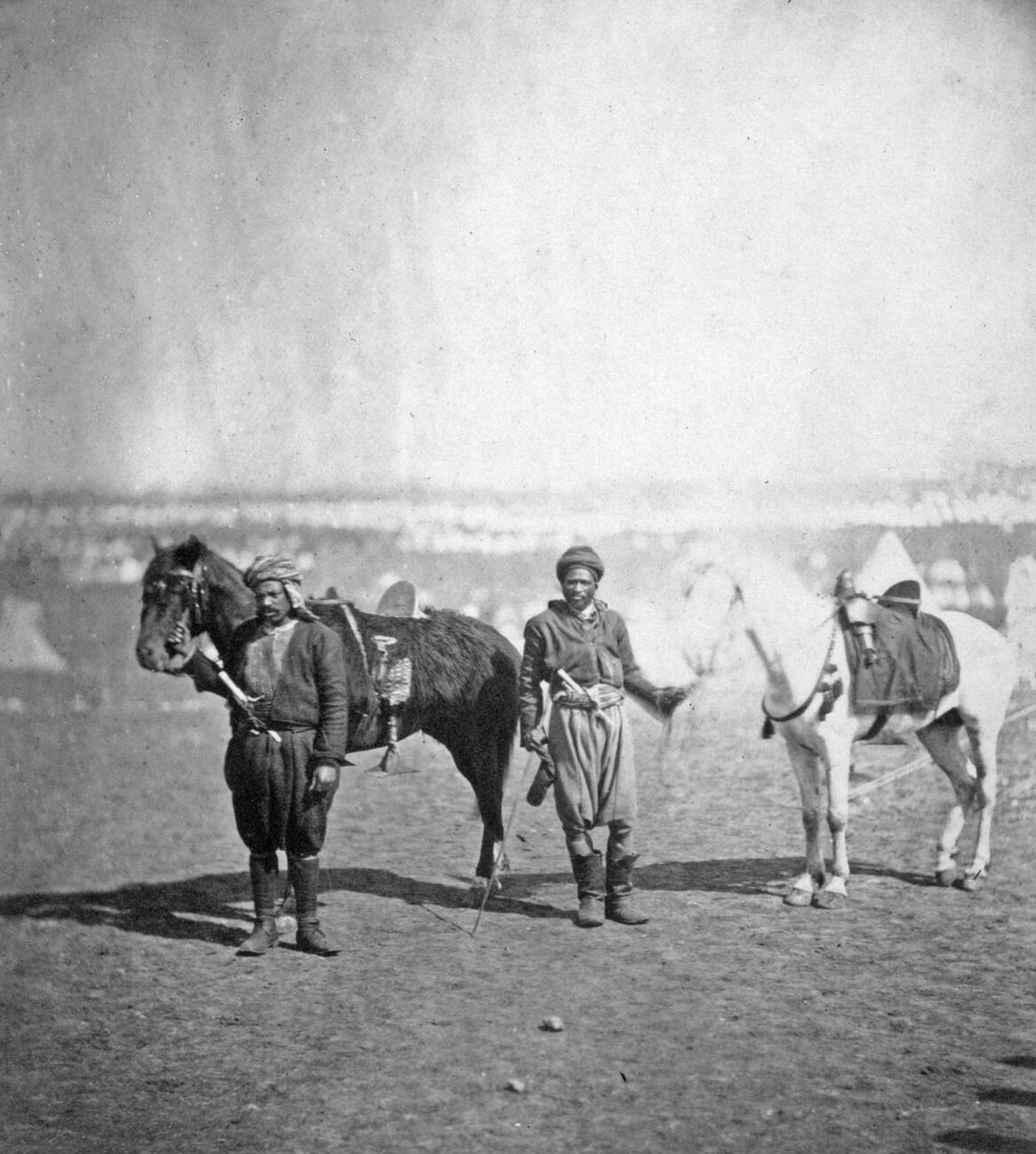
Nubian servants and horses during the Crimean War, 1855.
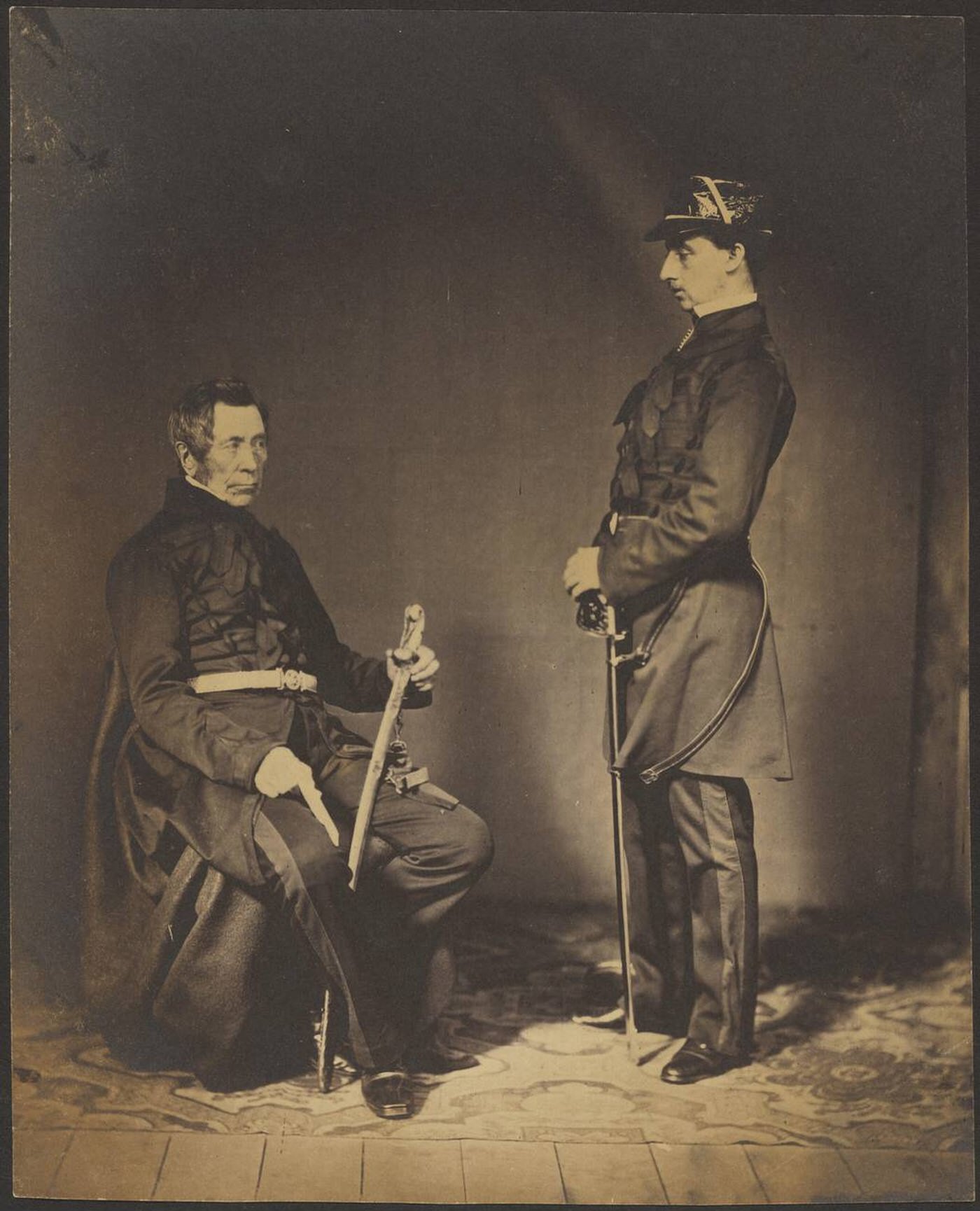
Lieutenant General Sir Burgoyne and his aide during the Crimean War, 1855.

The town of Balaclava, though small, functioned as the logistical heart of the British operation. Its harbor connected the front lines to supply ships arriving from Britain and Turkey. The town’s Russian Orthodox church still stood amid the activity of an army at war — a reminder of the civilian world that the conflict had swallowed whole.
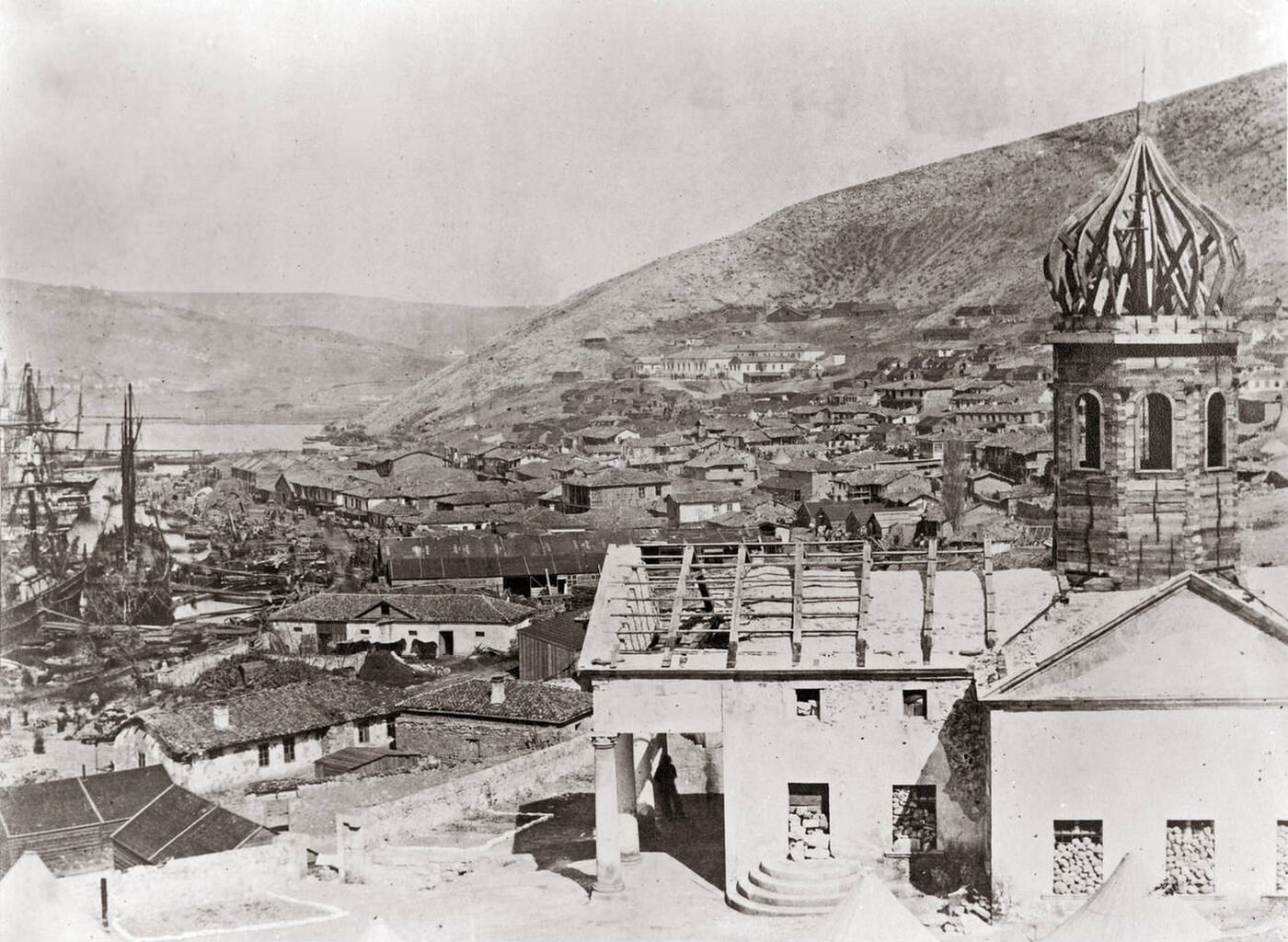
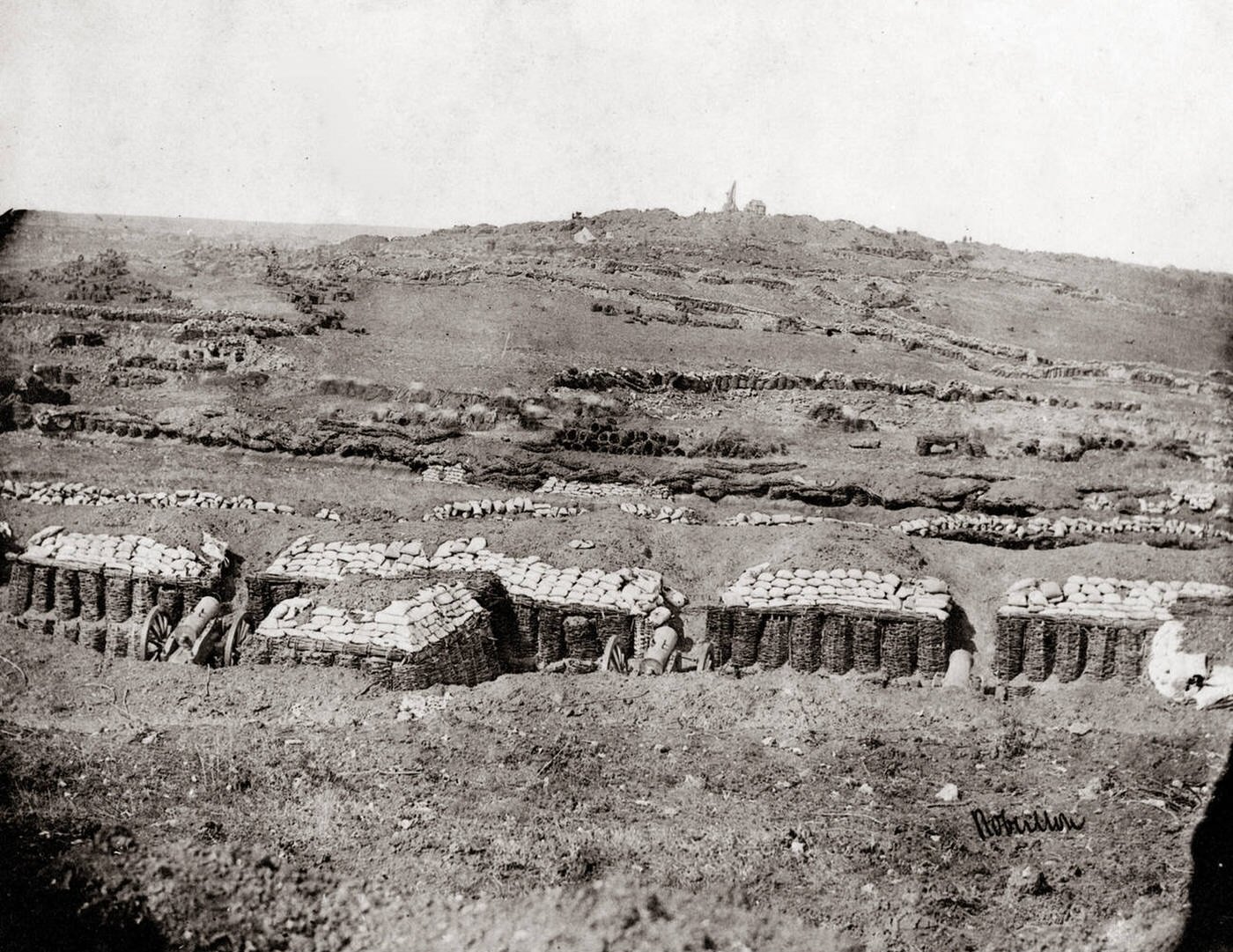
The Russian Church and town of Balaclava during the Crimean War, 1850s.
The Malakoff and trench approaches during the Crimean War, September 1855.
Two French Army Zouaves during the Crimean War, 1855.
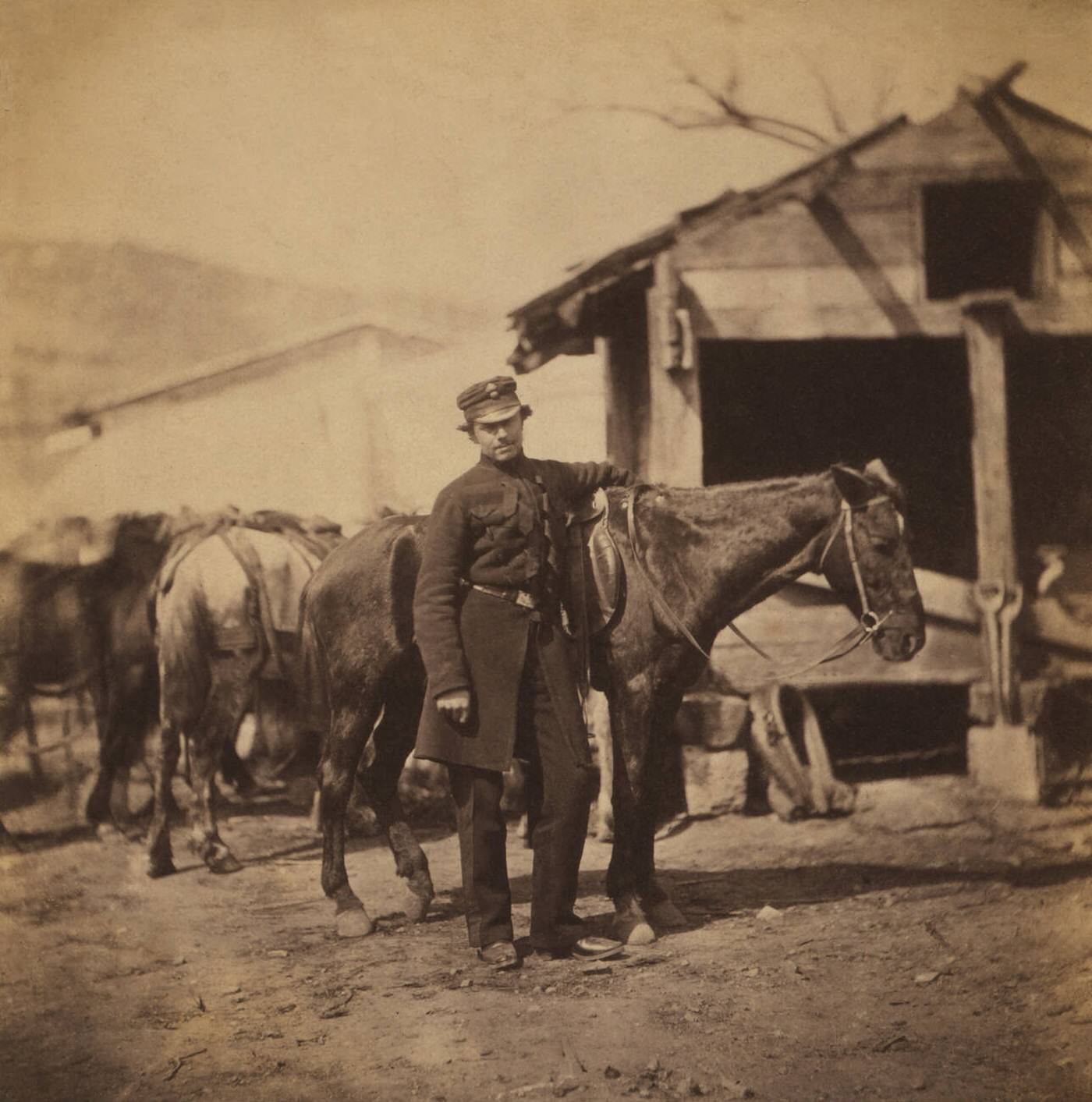
British Captain Charles Holder during the Crimean War, 1855.
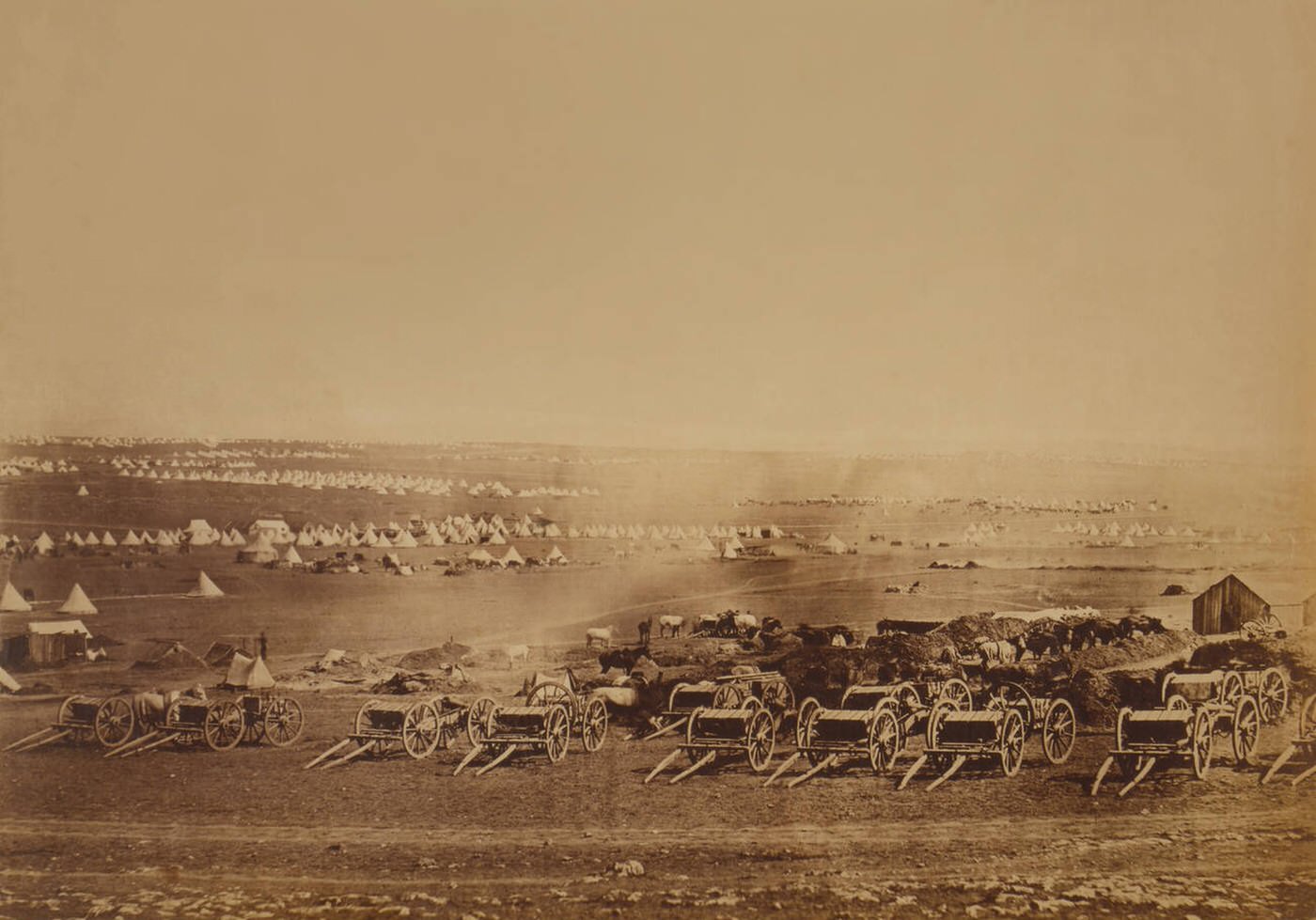
Caissons with British military tents in the background during the Crimean War, 1855.

Fenton’s photographic wagon became one of the most recognized images of the entire war. The converted vehicle allowed him to coat, expose, and develop glass-plate negatives in the field — a technically demanding process that required speed and precision under uncomfortable conditions. Marcus Sparling, his assistant, appears in several photographs alongside the wagon.
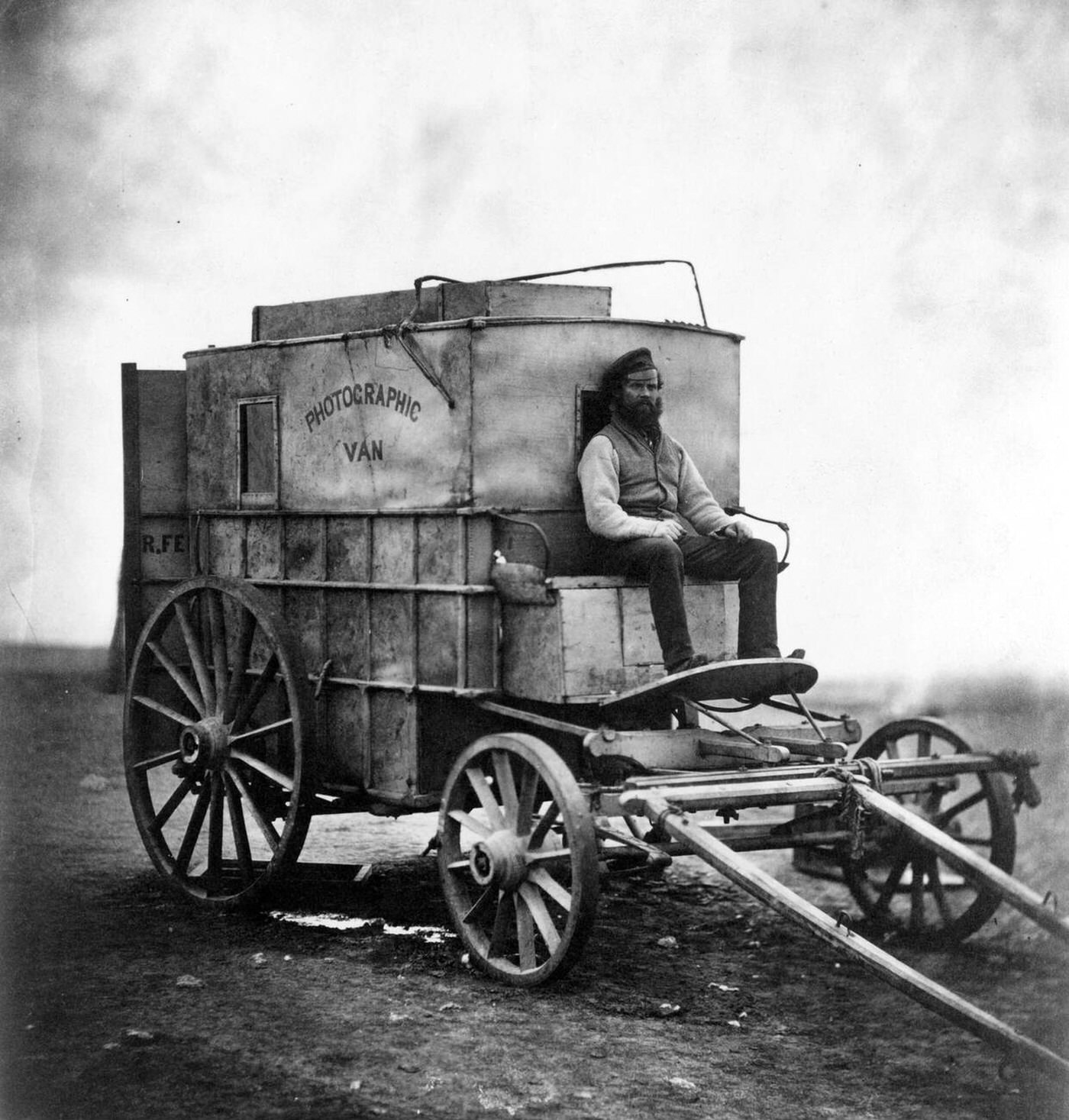
Roger Fenton's photographic darkroom on wheels used in the Crimean War; his assistant, Marcus Sparling, is pictured, 1850s.
Roger Fenton’s photographic darkroom on wheels used in the Crimean War; his assistant, Marcus Sparling, is pictured, 1850s.
The town of Balaclava during the Crimean War, 1850s.

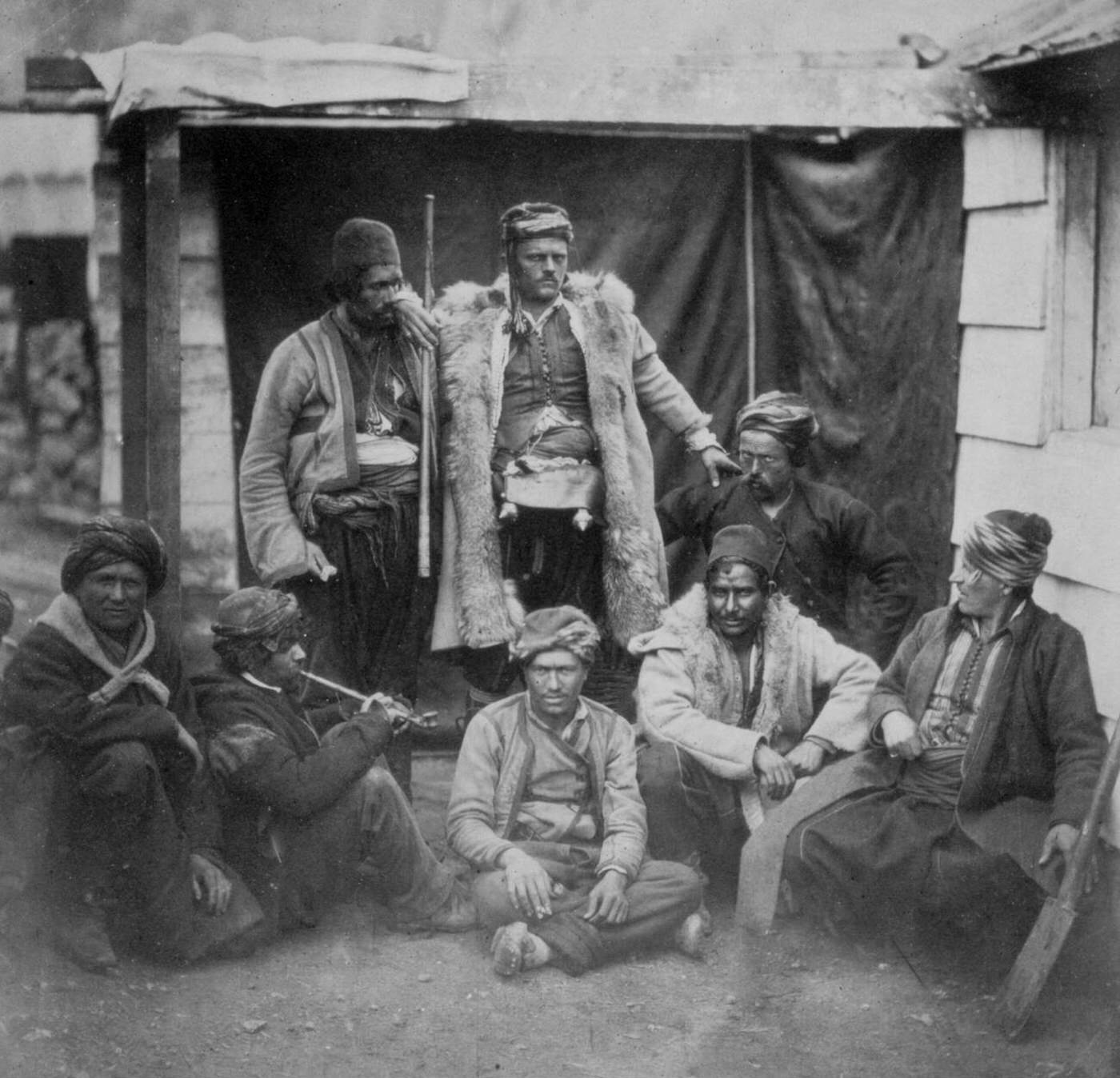
The workforce sustaining the allied siege came from across the region. Tartar and Croat laborers dug trenches, built roads, and moved heavy equipment under the supervision of military engineers. Without this labor force, the months-long siege operation would have been impossible to sustain.
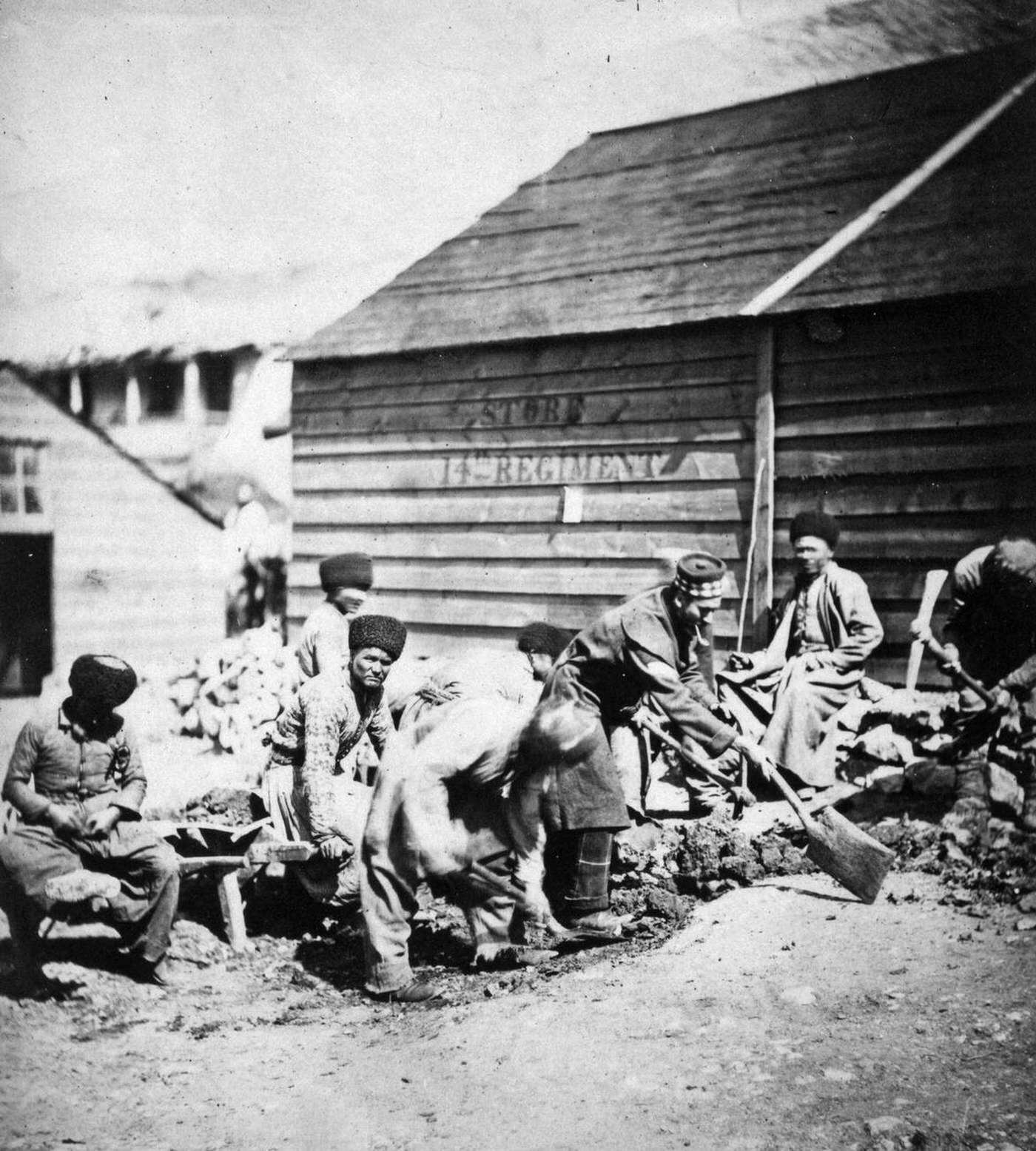
Tartar laborers during the Crimean War, 1855.
A group of Croat laborers during the Crimean War, 1855.
A general view of Balaklava, with a hospital on the right, during the Crimean War, 1855.
Roger Fenton's self-portrait in a Zouave uniform, 1855.
Roger Fenton’s self-portrait in a Zouave uniform, 1855.
British Captain Frederick Bathurst during the Crimean War, 1855.
A group of Croat laborers during the Crimean War, 1855.

The war ended with the Treaty of Paris in March 1856. Russia gave up its claim to a protectorate over Orthodox Christians in the Ottoman Empire, surrendered control of territory near the Danube River, and agreed to limit its naval presence in the Black Sea. The alliance had achieved its core objective of halting Russian expansion, though the cost in lives — on every side — was enormous. Estimates place total deaths, from combat and disease combined, at over 500,000 across all nations involved.

Enjoyed this post? Get new ones in your inbox.

Leave a Comment

Your email address will not be published. Required fields are marked *

Share this Post 🥺

Please take a moment to share this content. Your support is greatly appreciated! 🙌🙏

Share this Post 🥺

Please take a moment to share this content. Your support is greatly appreciated! 🙌🙏
Scroll to Top
 
Hey Friend, Before You Go.. Please like & follow for more interesting content