in

The World of Spanish and Italian Crime Comics (Fotonovelas) from the 1960s-70s: Stories Told with Sensational Photographs

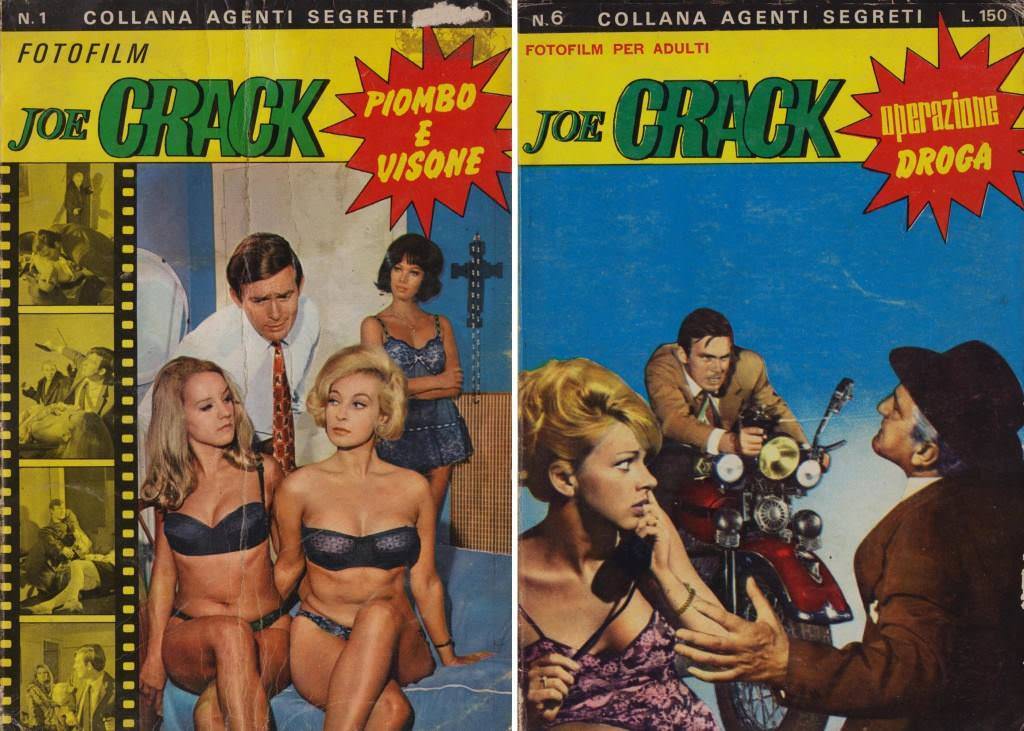
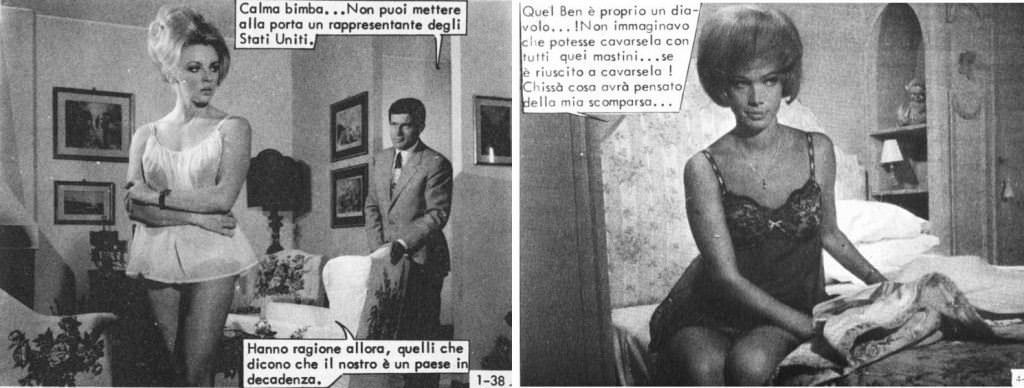
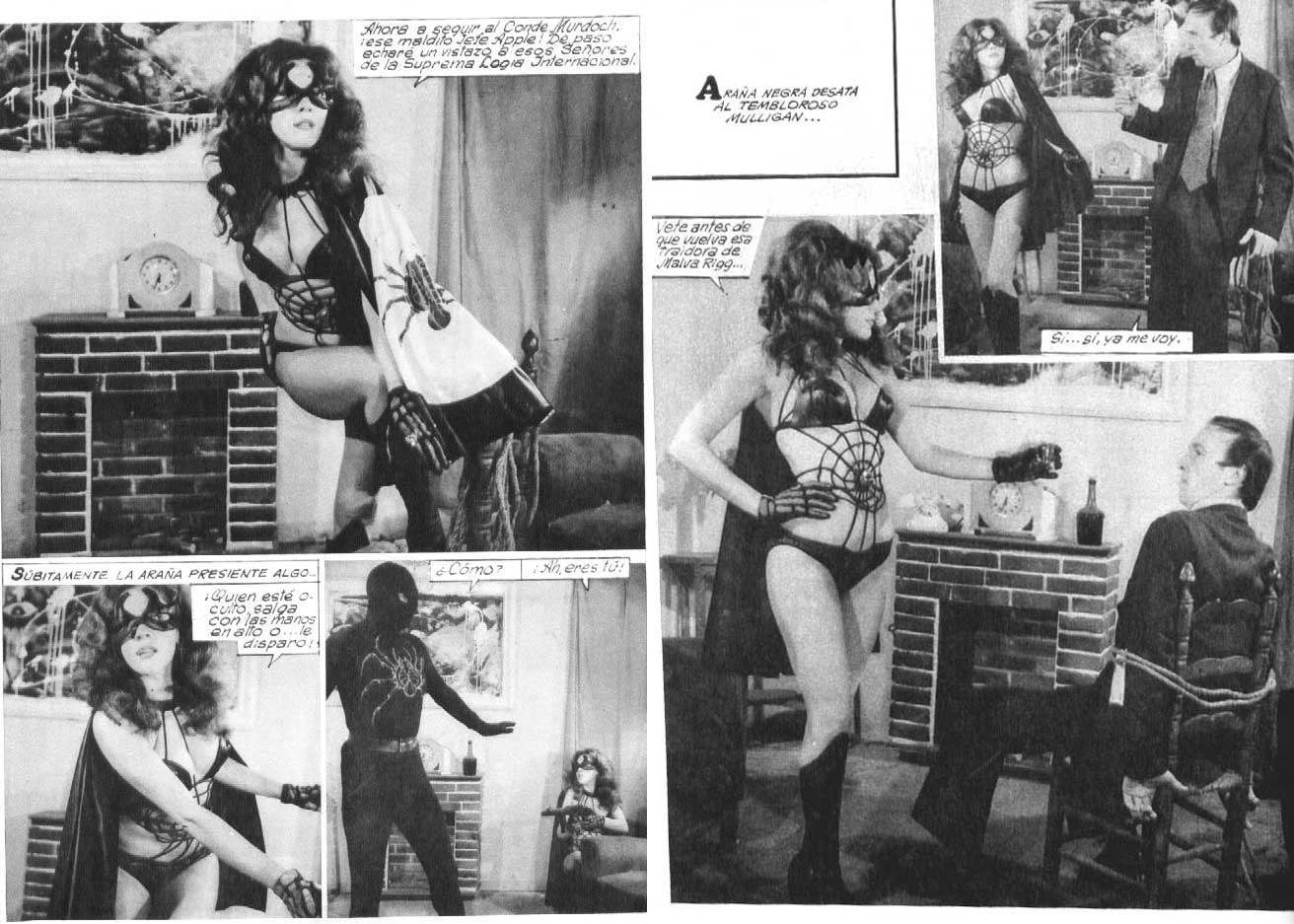
In the 1960s and 1970s, readers in Italy and Spain had access to a bold and unusual form of crime fiction: the fotonovela. Rather than using hand-drawn panels like a traditional comic book, fotonovelas told their stories entirely through real photographs. Actors were staged and shot in scenes, and the resulting prints were laid out in comic-book-style panels on the page.
The World of Spanish and Italian Crime Comics (Fotonovelas) from the 1960s-70s: Stories Told with Sensational Photographs

Speech bubbles were placed directly over the photos, just as they would appear in a drawn strip. The result looked something like a film frozen into print — part movie stills, part comic strip. Crime was the dominant genre. Plots revolved around investigations, confrontations, and high-stakes action sequences designed to pull readers from one panel to the next.
The World of Spanish and Italian Crime Comics (Fotonovelas) from the 1960s-70s: Stories Told with Sensational Photographs

The stories moved fast and rarely slowed down. Characters were photographed in dramatic poses — tense standoffs, shadowy streets, and urgent moments of danger. Because real people appeared in these scenes, the stories carried a raw, immediate energy that drawings simply couldn’t replicate.
The World of Spanish and Italian Crime Comics (Fotonovelas) from the 1960s-70s: Stories Told with Sensational Photographs

The content was often mature. Crime fotonovelas dealt openly with violence, deception, and dark subject matter — standard territory for the genre. Publishers made no effort to soften the tone. That was part of the appeal.
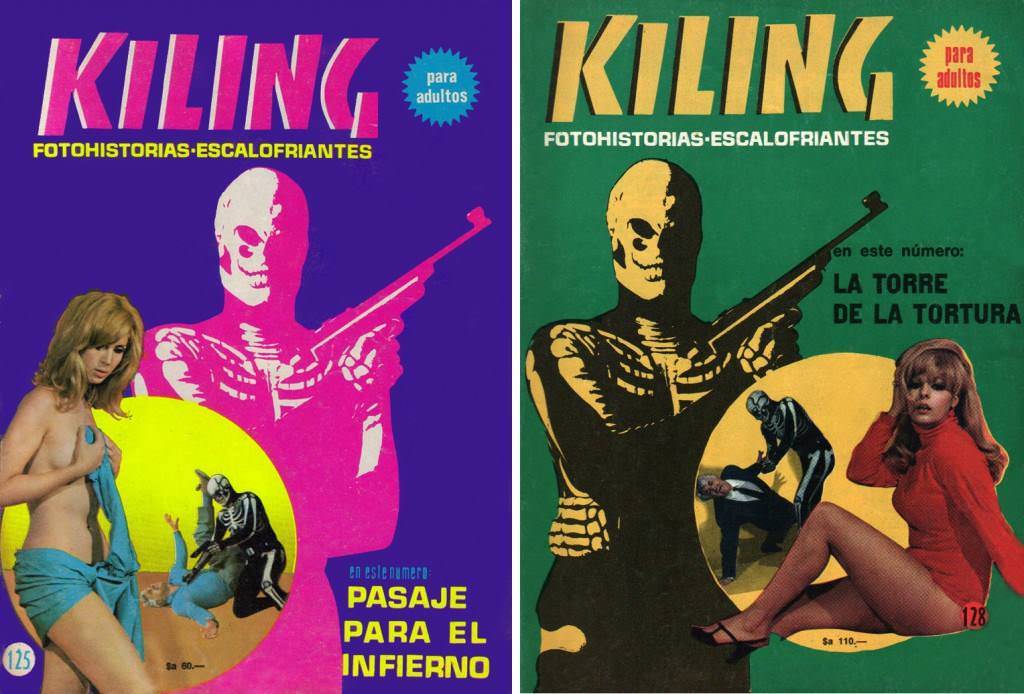
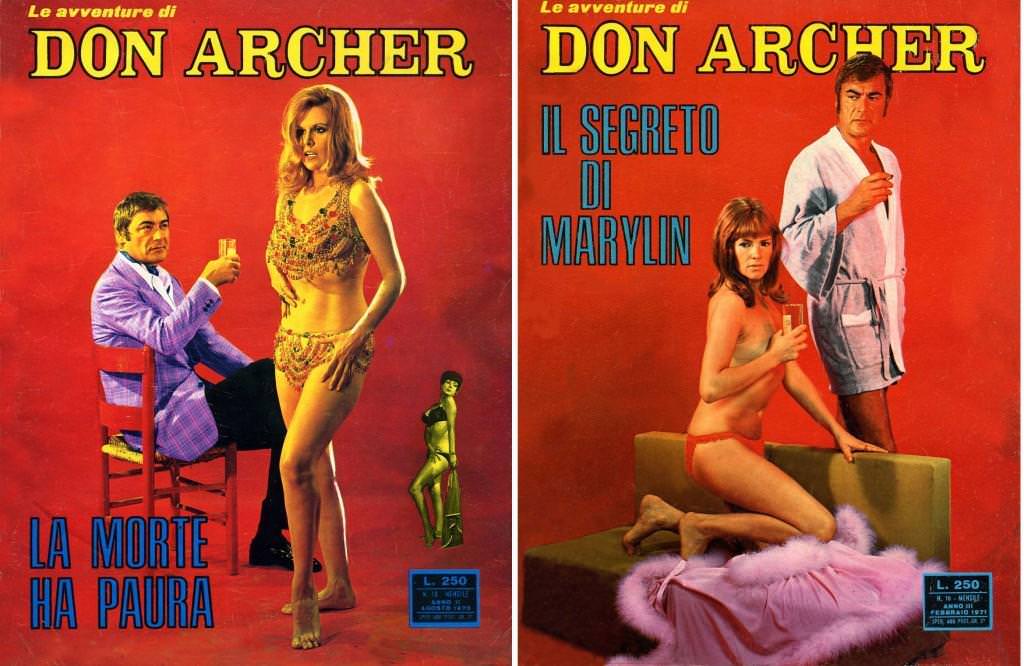
The World of Spanish and Italian Crime Comics (Fotonovelas) from the 1960s-70s: Stories Told with Sensational Photographs

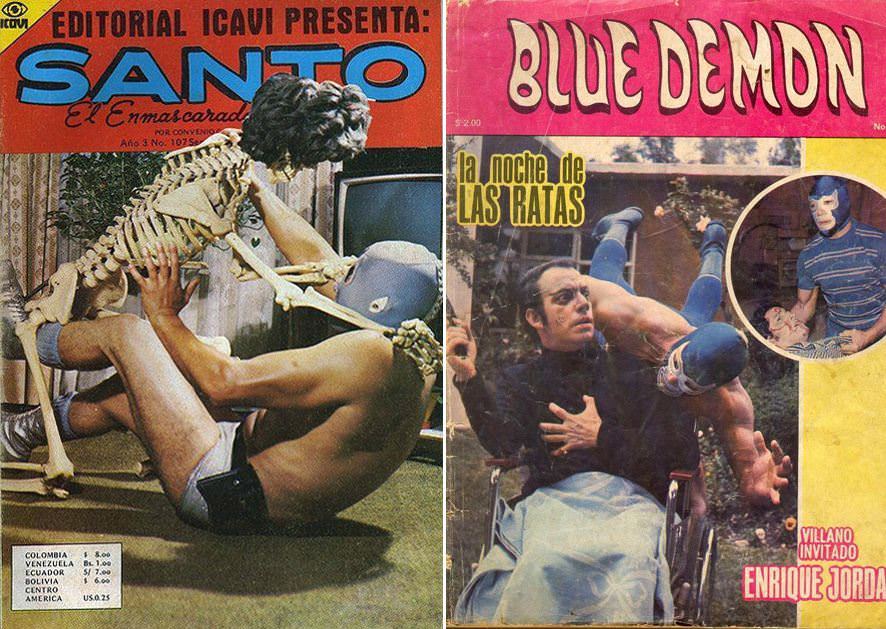
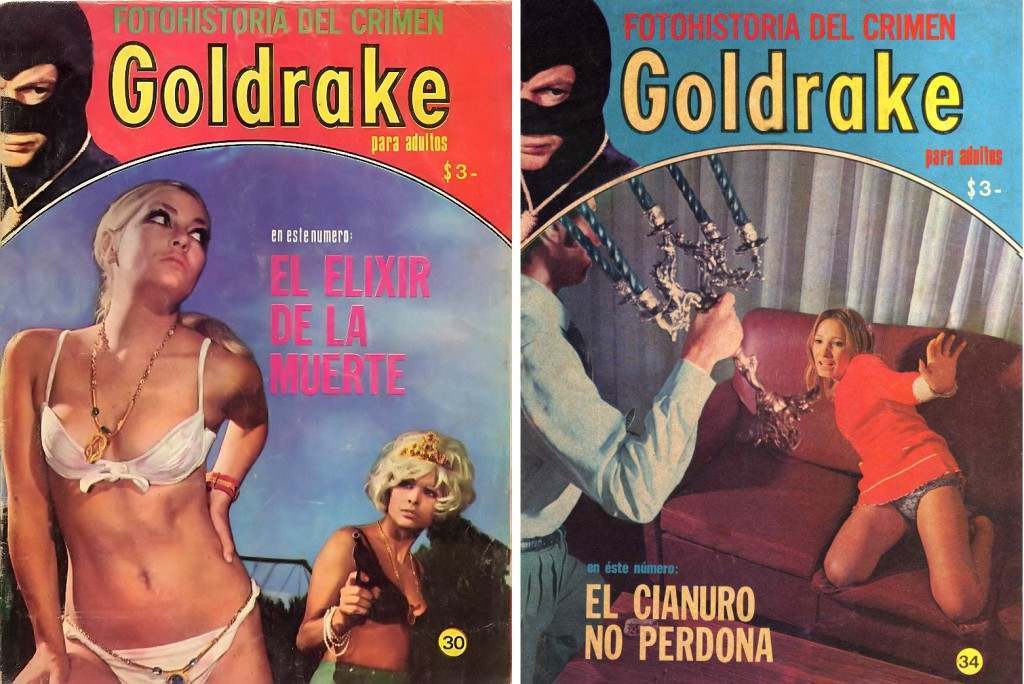
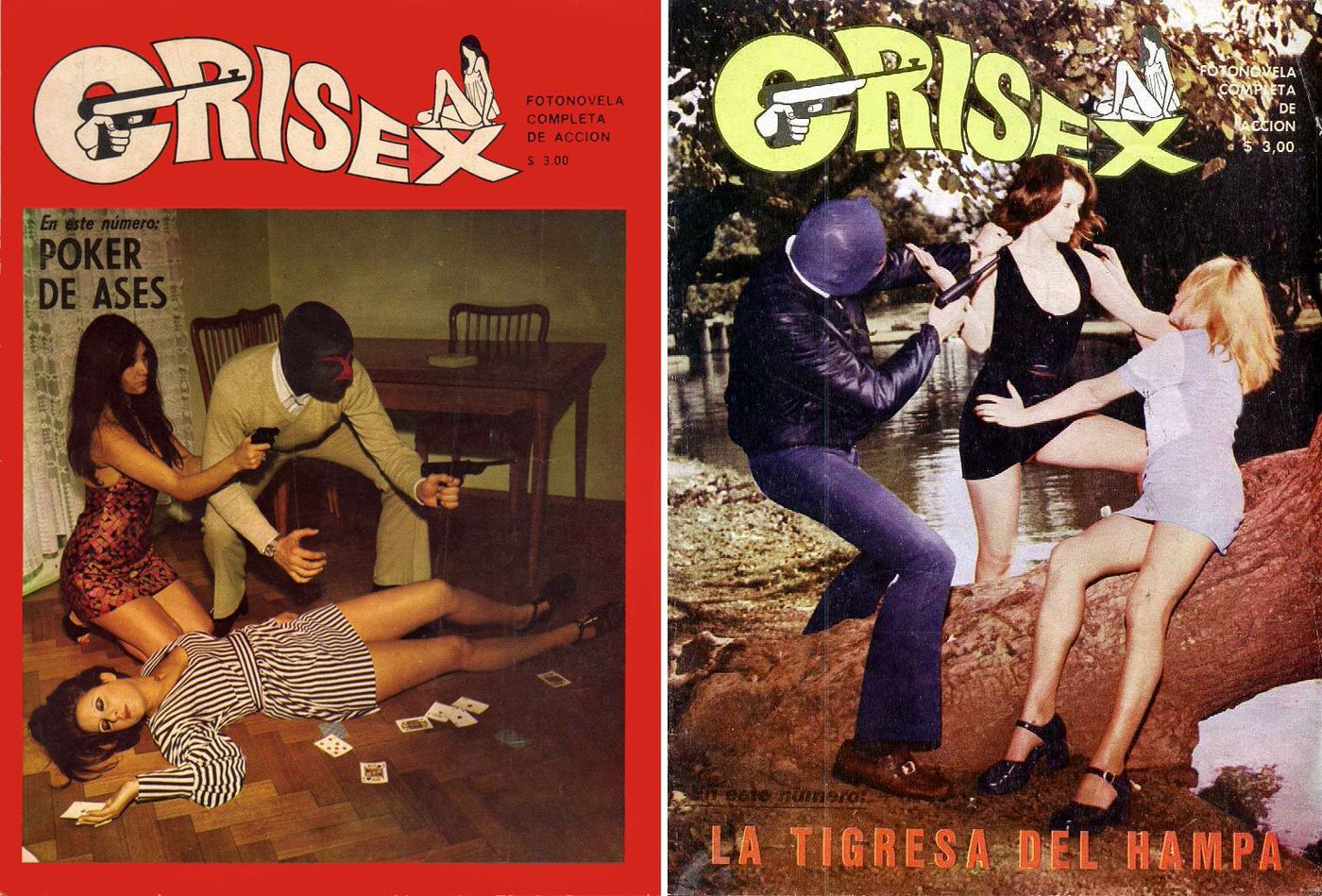
Covers were engineered to sell. Newsstand competition was fierce, and publishers responded with bold typography, vivid action shots, and provocative imagery pulled straight from the story inside. A strong cover promised readers exactly the kind of thrill they were looking for.
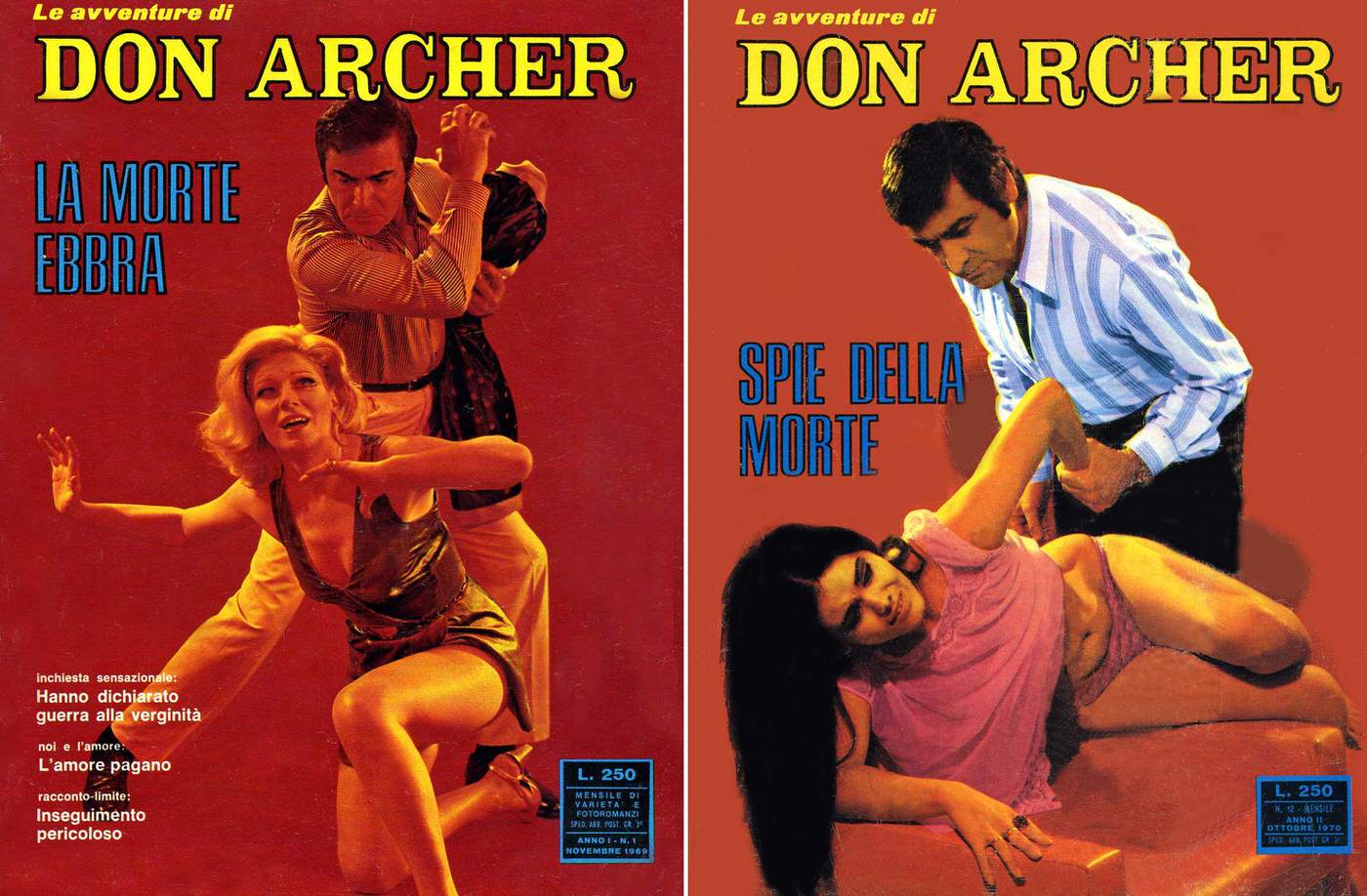
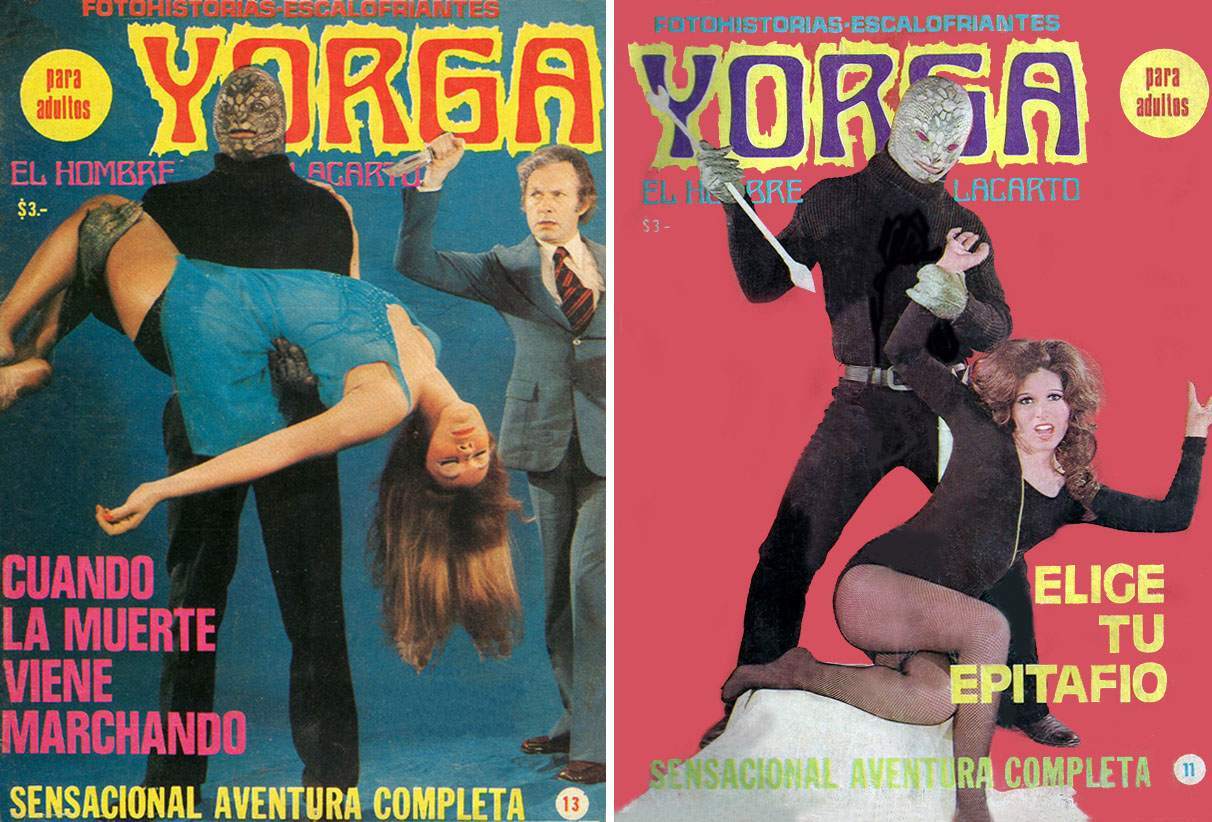
The World of Spanish and Italian Crime Comics (Fotonovelas) from the 1960s-70s: Stories Told with Sensational Photographs

Titles were printed large and loud. Taglines teased the plot without giving it away. Every design choice on the cover was made to stop a browsing reader in their tracks and make them reach for their wallet.
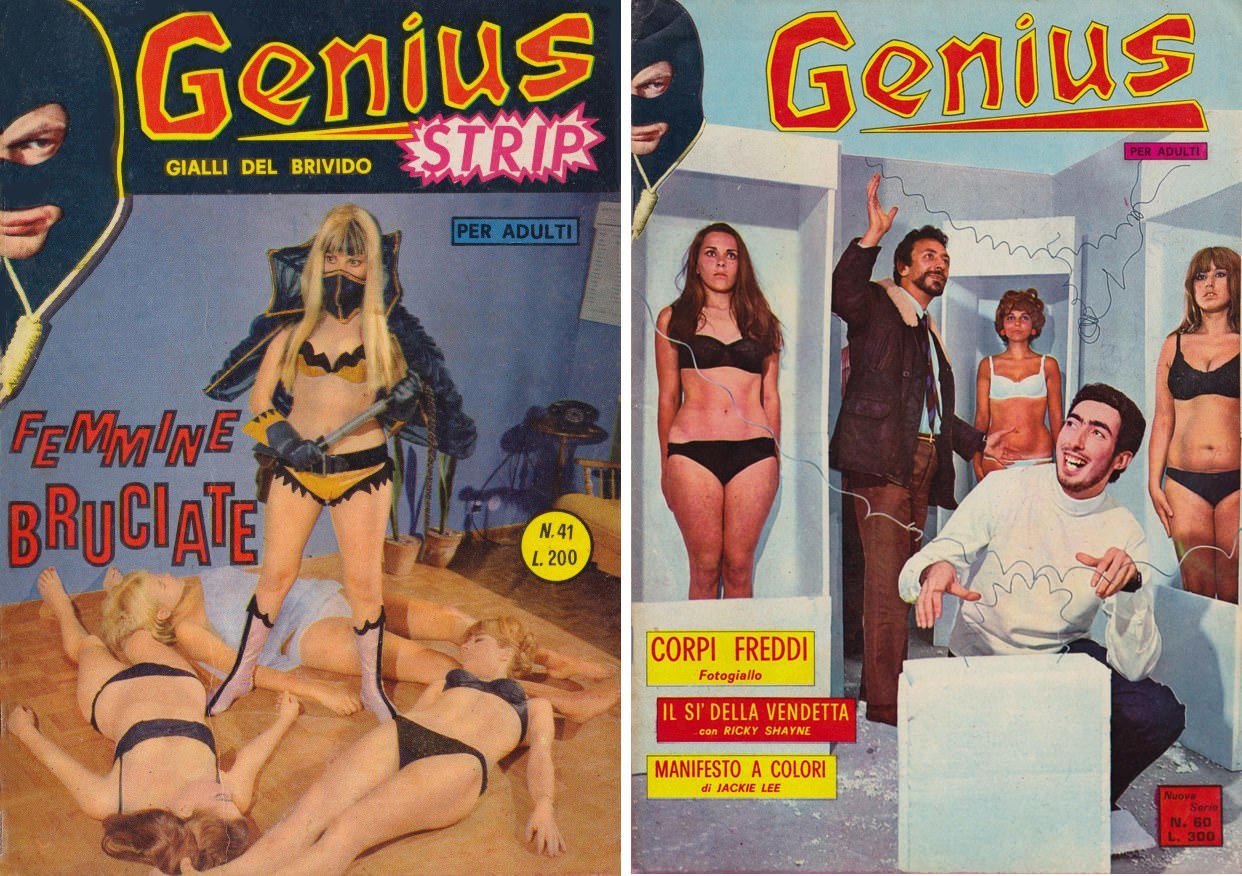
The World of Spanish and Italian Crime Comics (Fotonovelas) from the 1960s-70s: Stories Told with Sensational Photographs

At their peak, these publications moved in enormous numbers across Spain and Italy. They were cheap, portable, and consumed quickly — the paperback thrillers of their format. Each issue delivered a complete crime story in photographs from cover to cover.
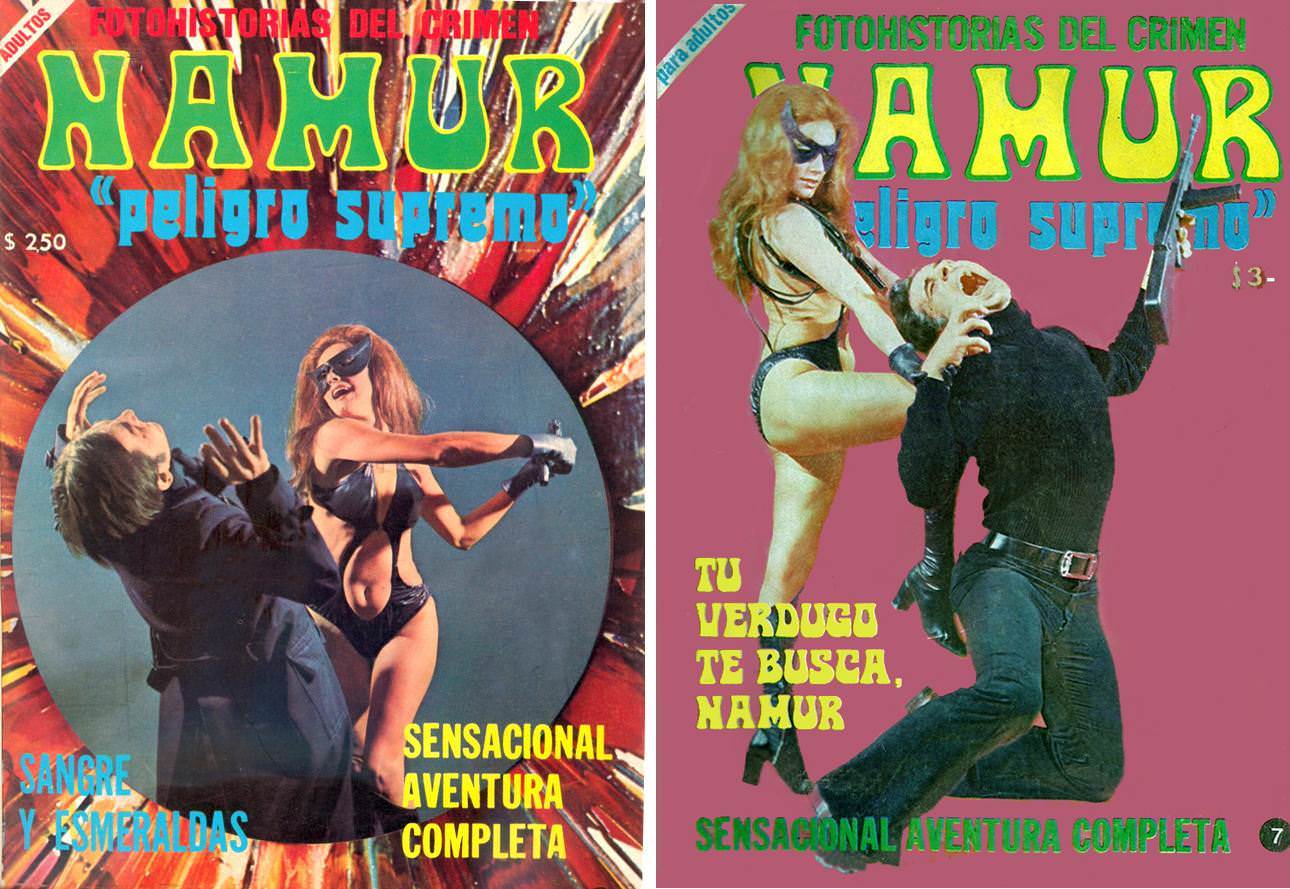
The World of Spanish and Italian Crime Comics (Fotonovelas) from the 1960s-70s: Stories Told with Sensational Photographs
Enjoyed this post? Get new ones in your inbox.
Avatar of Michael Rodriguez

Written by Michael Rodriguez

Michael Rodriguez is a content creator and historian who specializes in creating viral listicles and other engaging content about historical photos and events. He has a passion for history in a fun and accessible way, curating interesting and informative lists that showcase the lesser-known stories and significance behind famous historical events and figures.

Leave a Reply

Your email address will not be published. Required fields are marked *