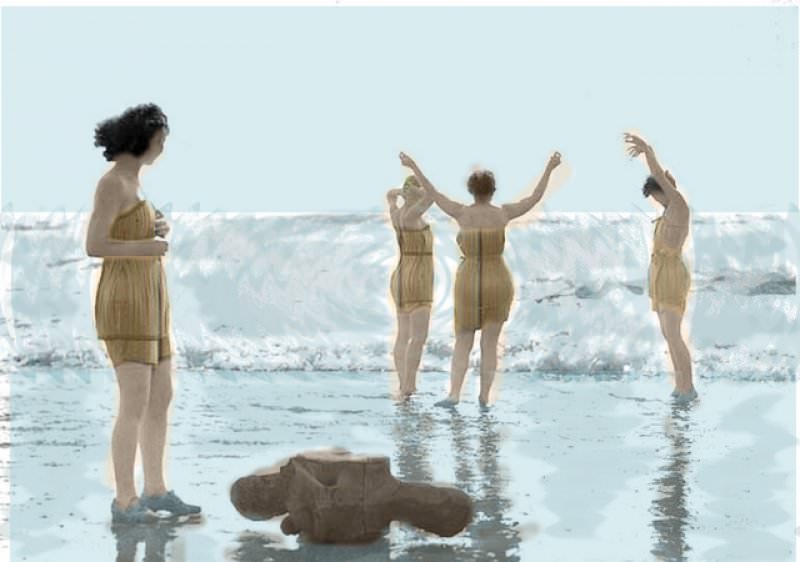
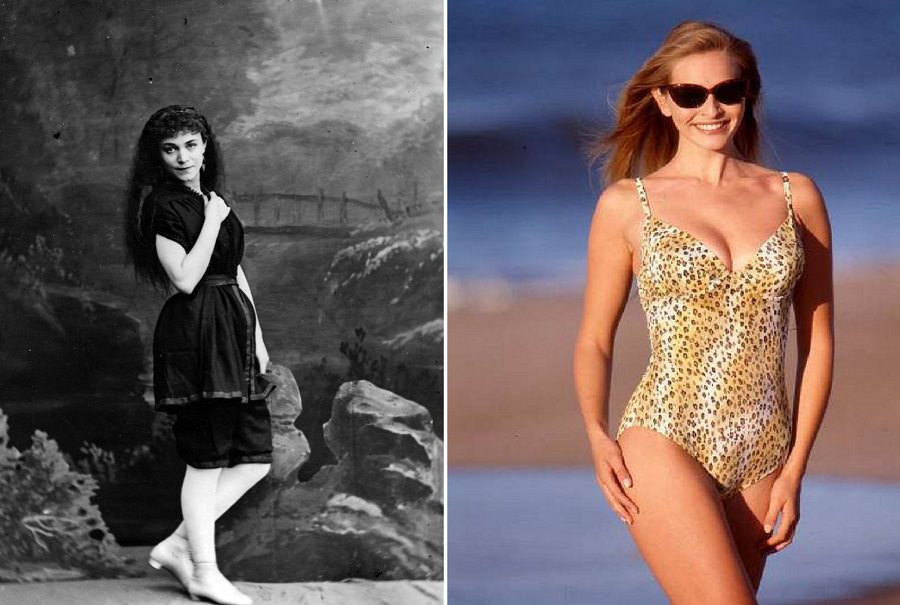
In the late 1920s, swimwear took one of its strangest turns in history. The Grays Harbor lumber industry in Hoquiam, Washington came up with a promotional stunt that doubled as a flotation device: bathing suits made entirely from thin sheets of spruce wood. The goal was straightforward — wood floats, so why not wear it in the water?
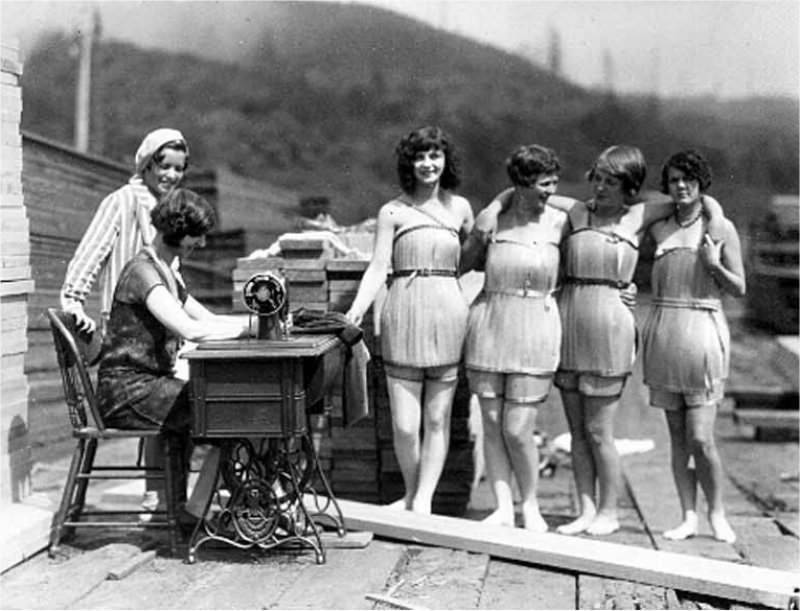
The suits were built for people who struggled in the water. Wearing a rigid wooden frame around the body was meant to keep a nervous swimmer afloat. But the lumber companies had a second motive. These suits were a marketing tool, created to showcase wood’s versatility during a promotional event called “Wood Week” around 1929.
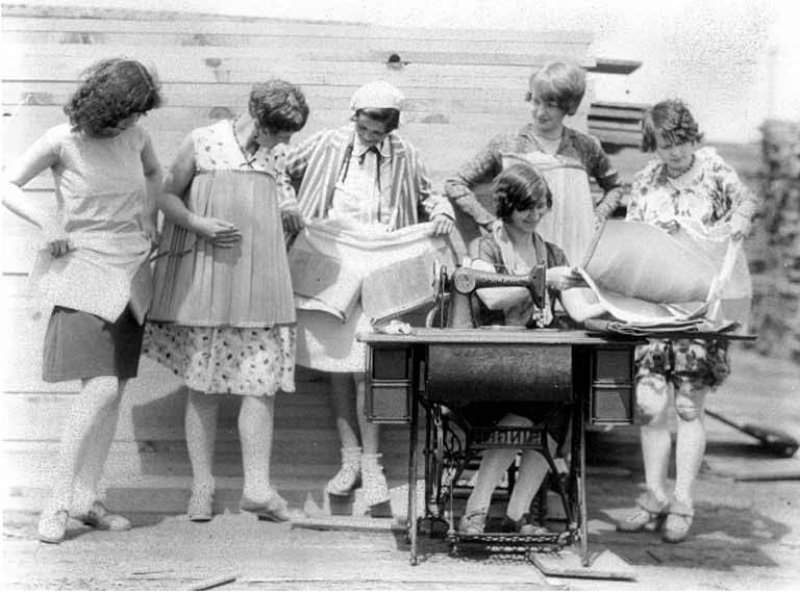
Women chosen for the campaign were called “Spruce Girls.” They posed on the beach in the boxy, stiff suits, which were photographed and distributed as part of the lumber industry’s promotional effort. The suits looked nothing like the fitted swimwear of the era — they were rigid, angular, and far from flattering.
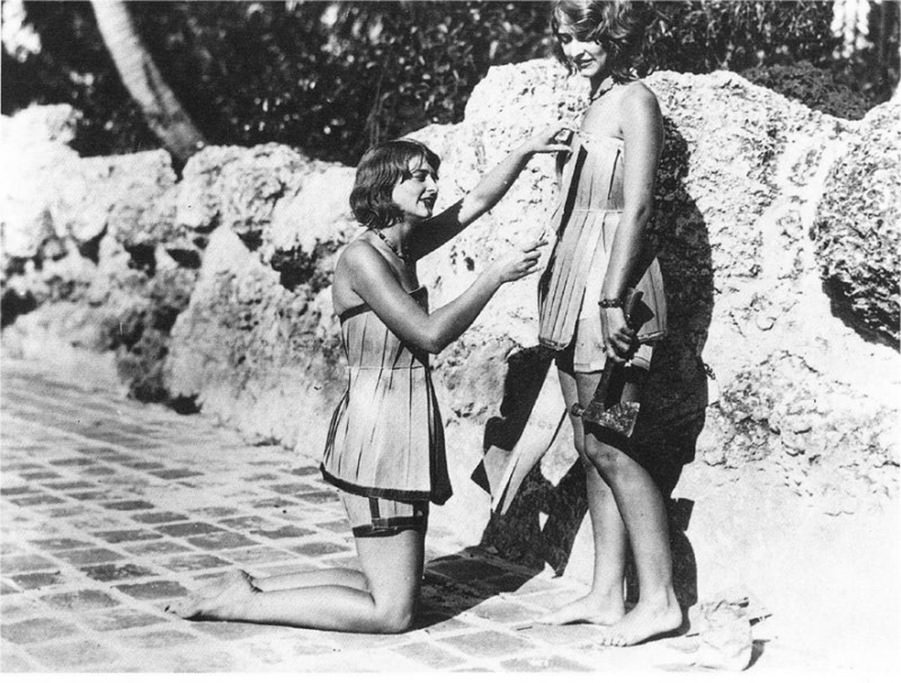
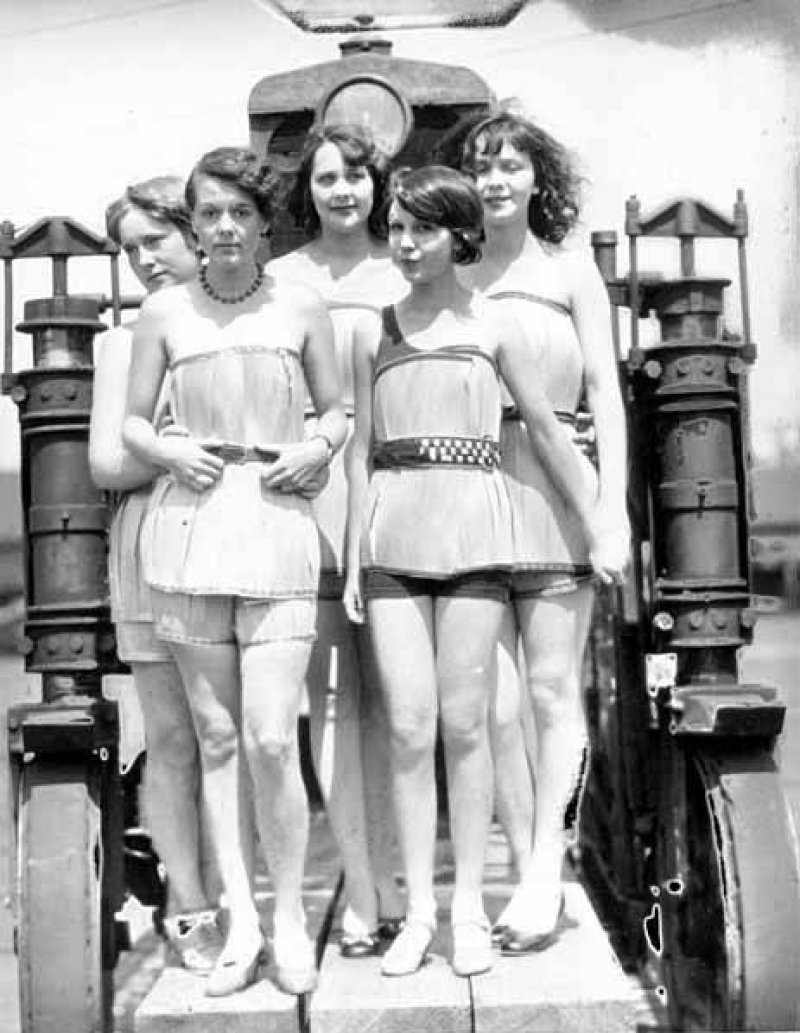
Meanwhile, across the Atlantic, Germans were experimenting with their own low-tech flotation method. Around the mid-1920s, people wrapped old bicycle tires around their bodies to stay afloat. It was a different solution to the same problem — and equally short-lived.


The wooden suits never caught on with the general public. They were bulky and uncomfortable, and they didn’t move with the body at all. Function was the only priority — style was not part of the equation.
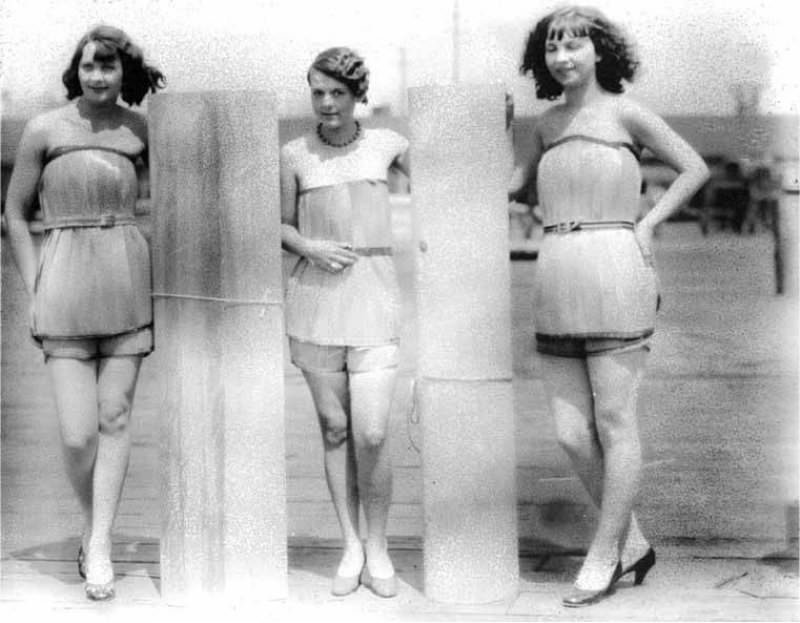
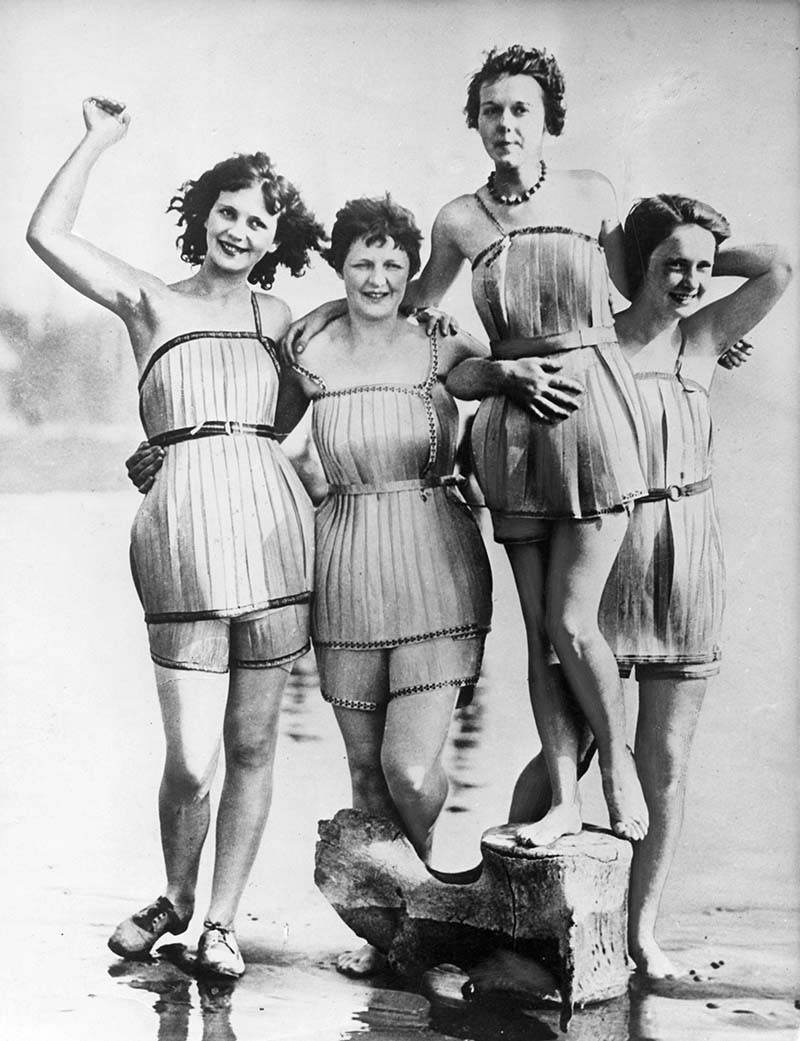
The photographs from Wood Week remain a rare record of this odd chapter in both swimwear and American industrial marketing. They show the Spruce Girls standing stiffly on the shore, wearing what the lumber industry hoped the world would see as proof of wood’s endless uses.