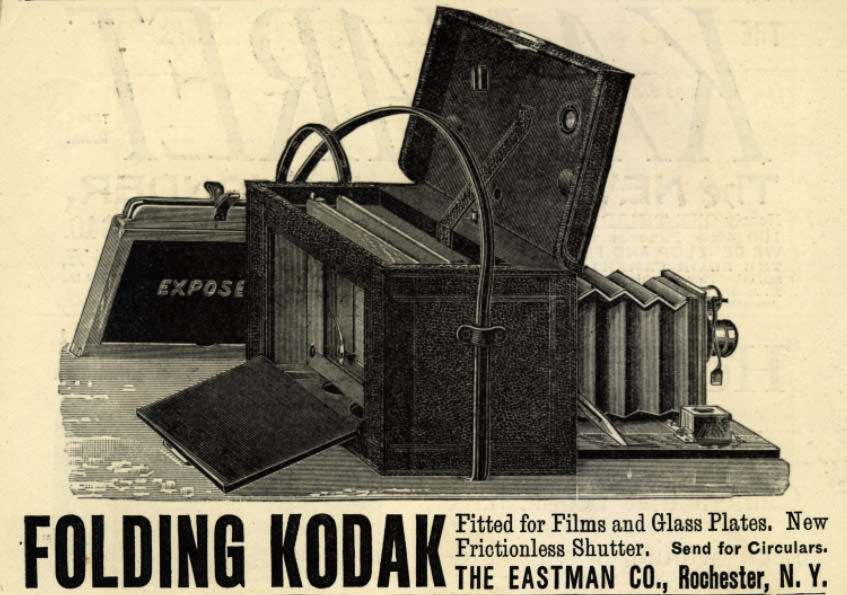
Before Kodak, taking a photograph was not a casual hobby. It required heavy glass plates, complex chemicals, and a level of technical skill that kept cameras firmly in the hands of professionals. George Eastman wanted to change that. His goal was straightforward: make photography something anyone could do, not just experts. Eastman’s path to that goal started long before the Kodak name became famous. In 1879, he developed a dry plate method that was a major step forward from the messy wet plate process that photographers had been using for decades. By 1881, he had founded the Eastman Dry Plate Co. in Rochester, New York. Then in 1882, working with William Walker, he invented flexible roll film — a development that eliminated the need for those cumbersome glass plates entirely.

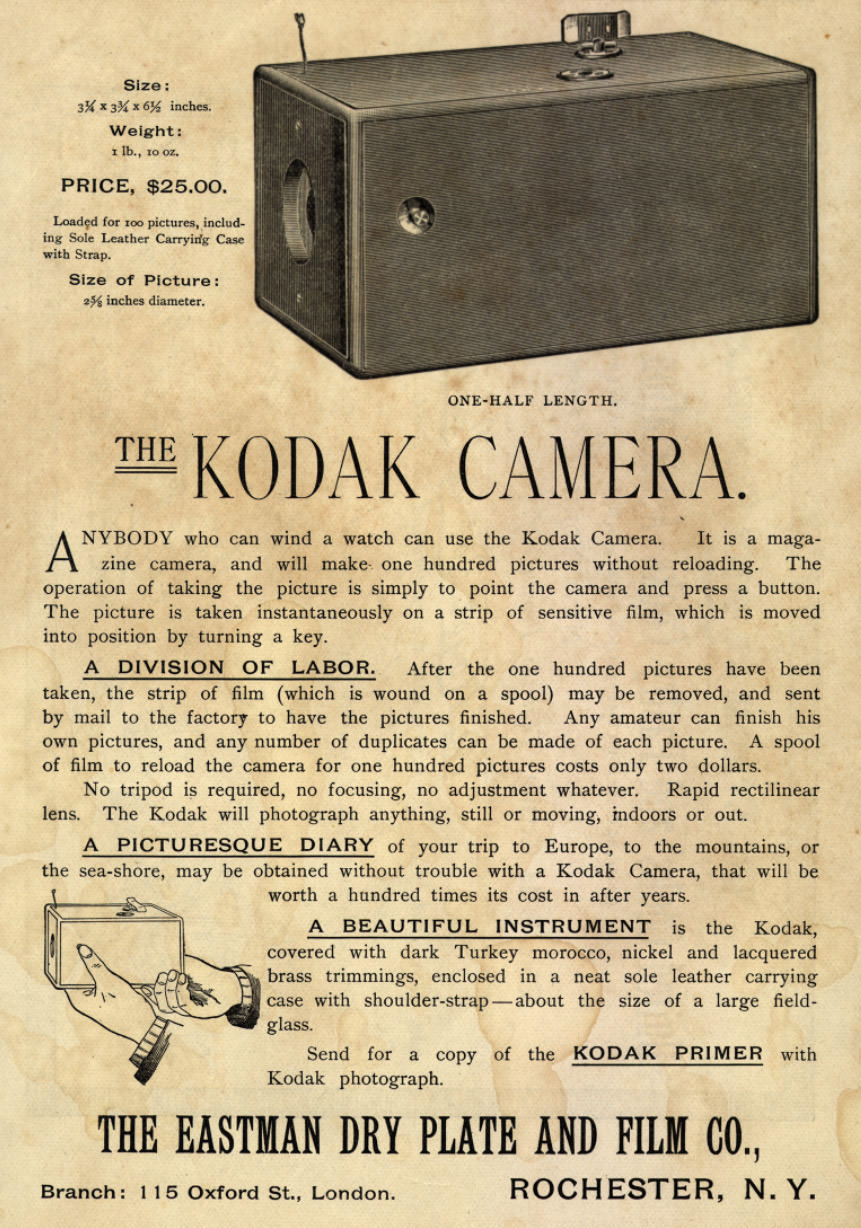
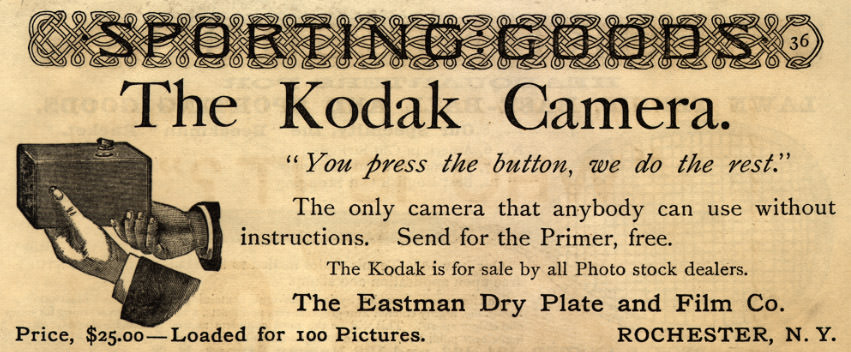
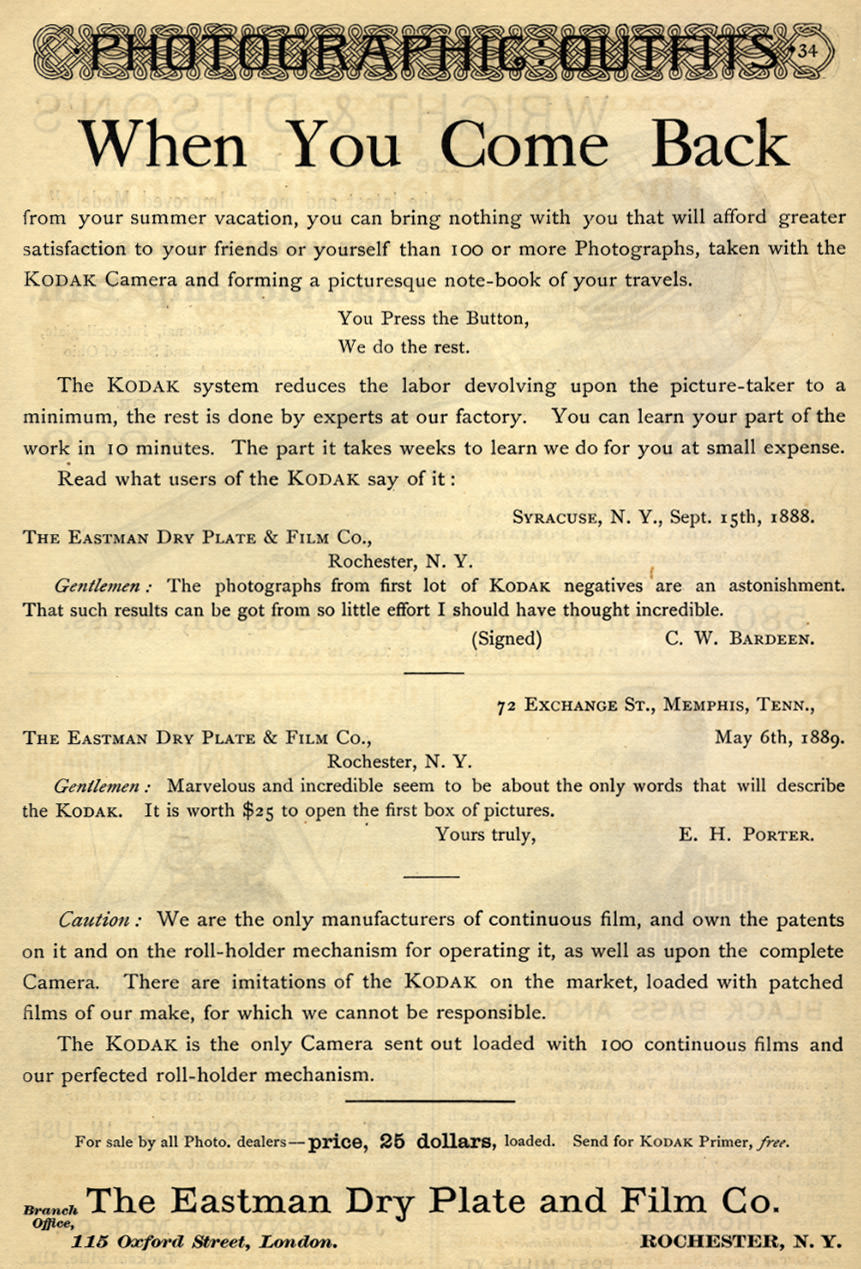
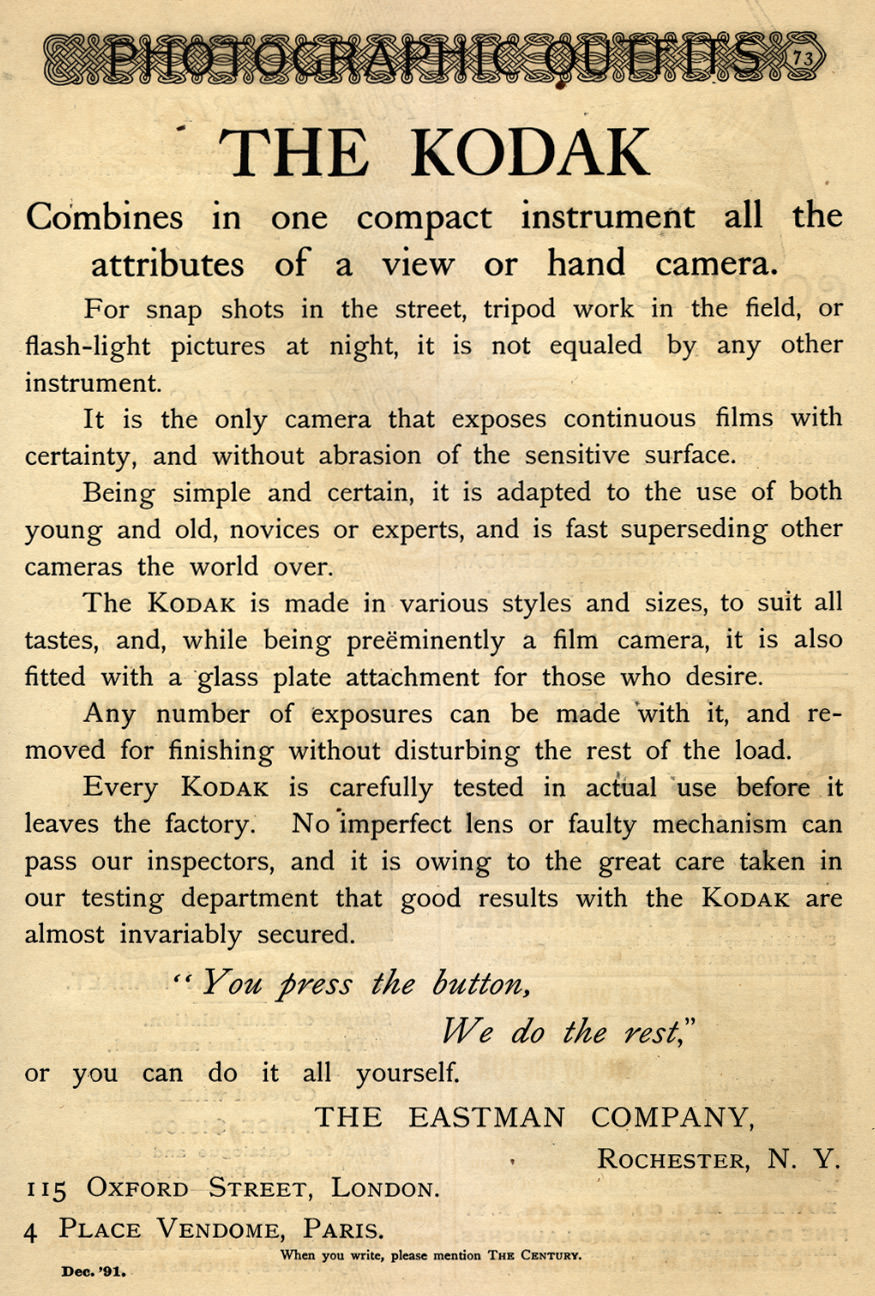
In 1888, Eastman released the first Kodak camera. It sold for $25 and came pre-loaded with enough film for 100 exposures. The camera was a simple, fixed-focus box — small enough to carry, easy enough for anyone to operate. When the roll was finished, the customer mailed the entire camera back to the Kodak factory. Technicians there developed the film, printed the photos, reloaded the camera with fresh film, and sent everything back. Kodak summed up the whole system in one of the most memorable advertising slogans in American history: “You press the button, we do the rest.”
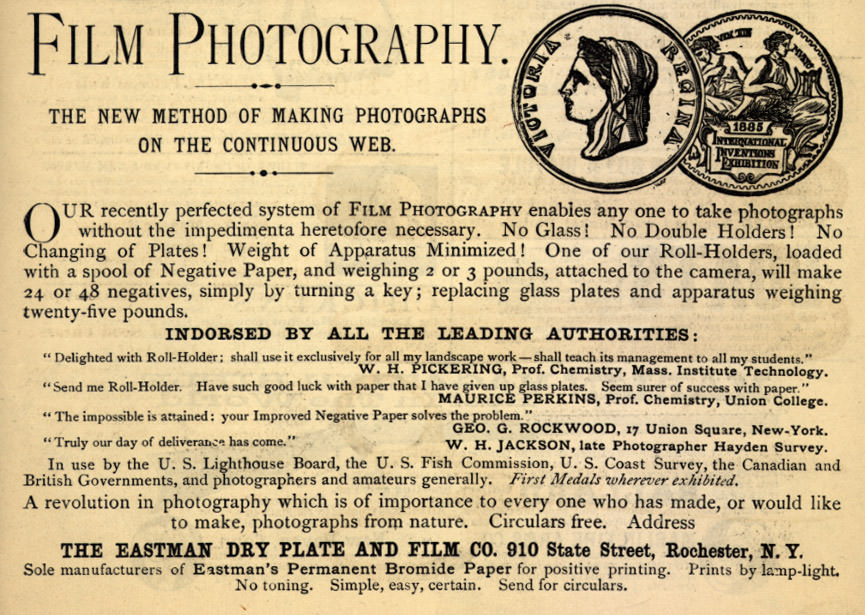
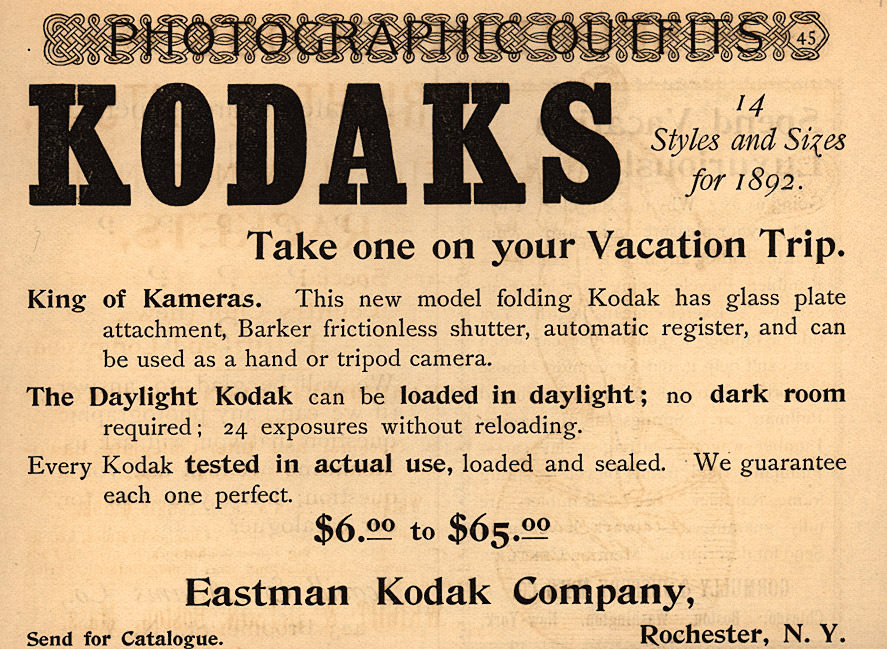
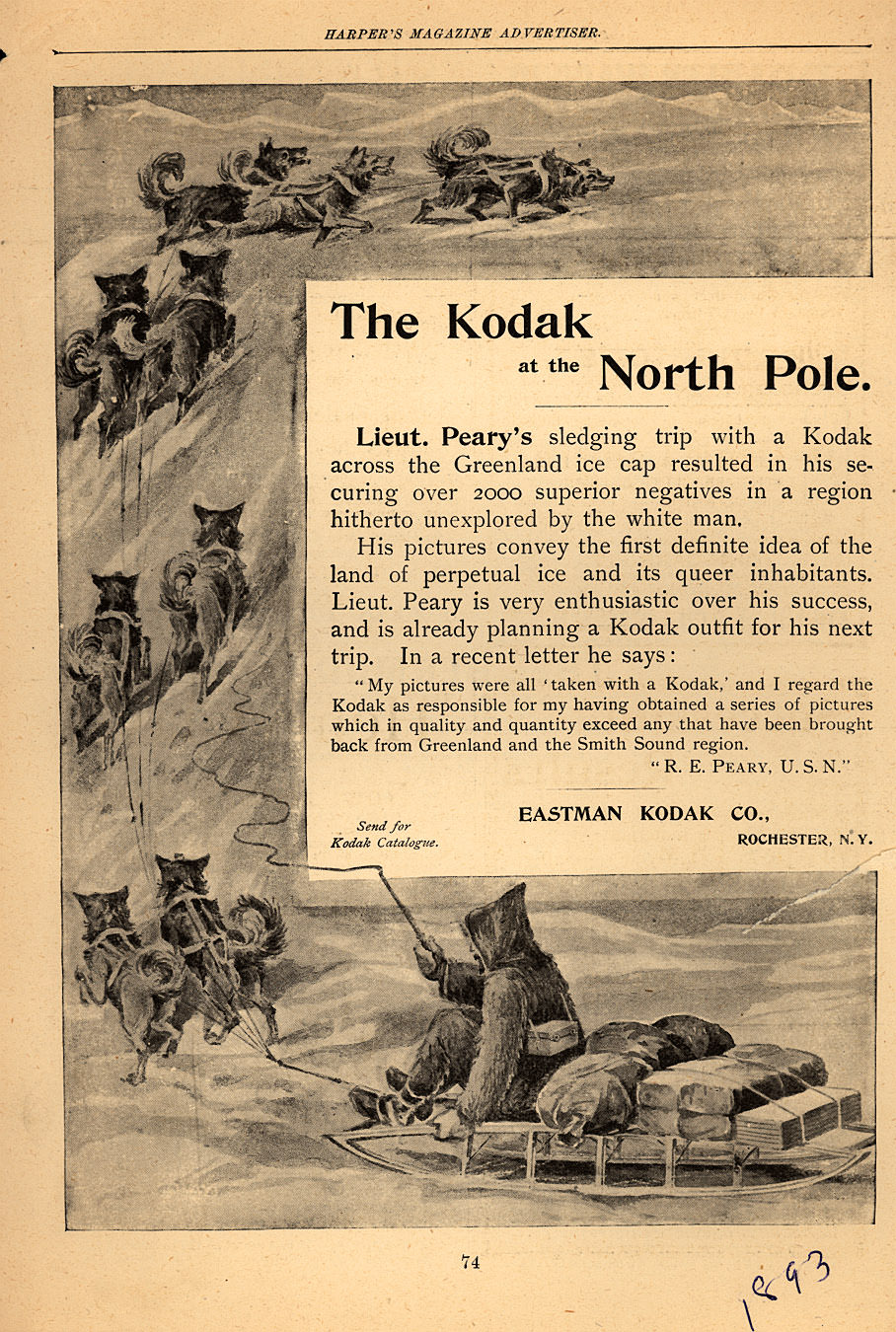
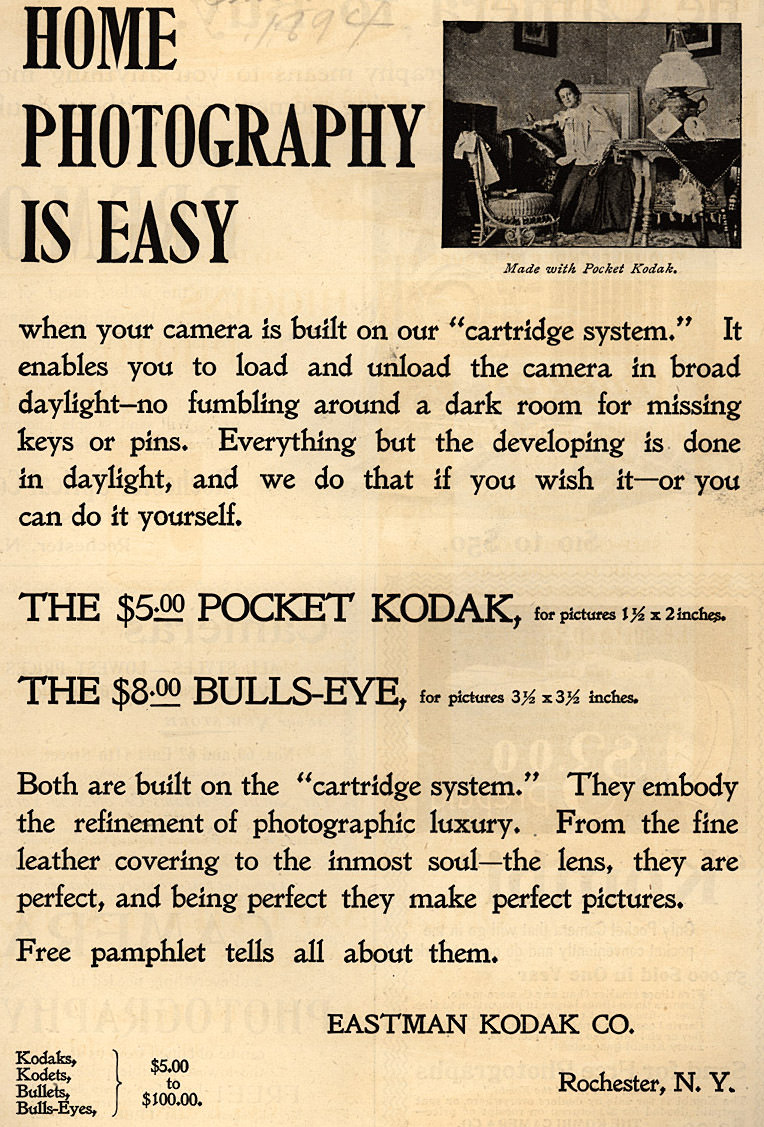
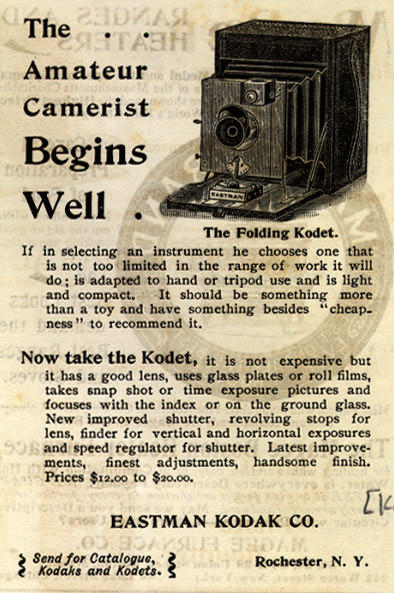
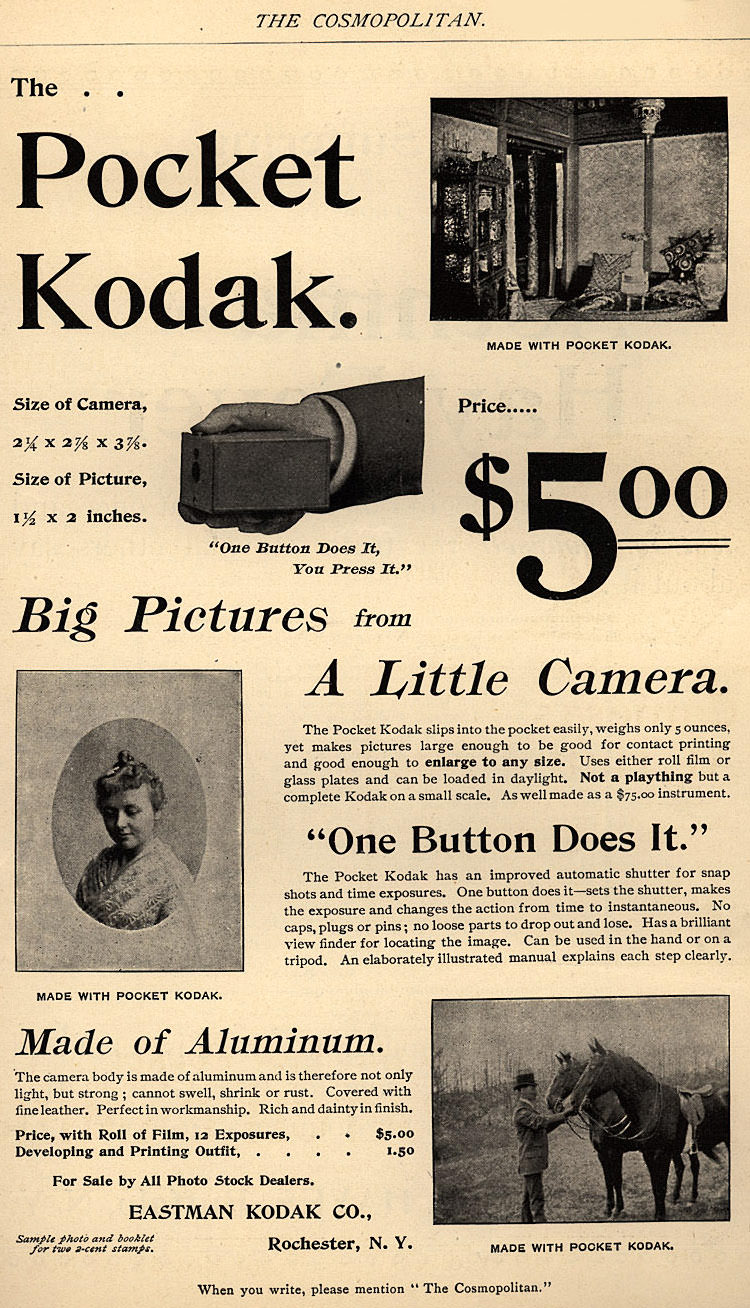
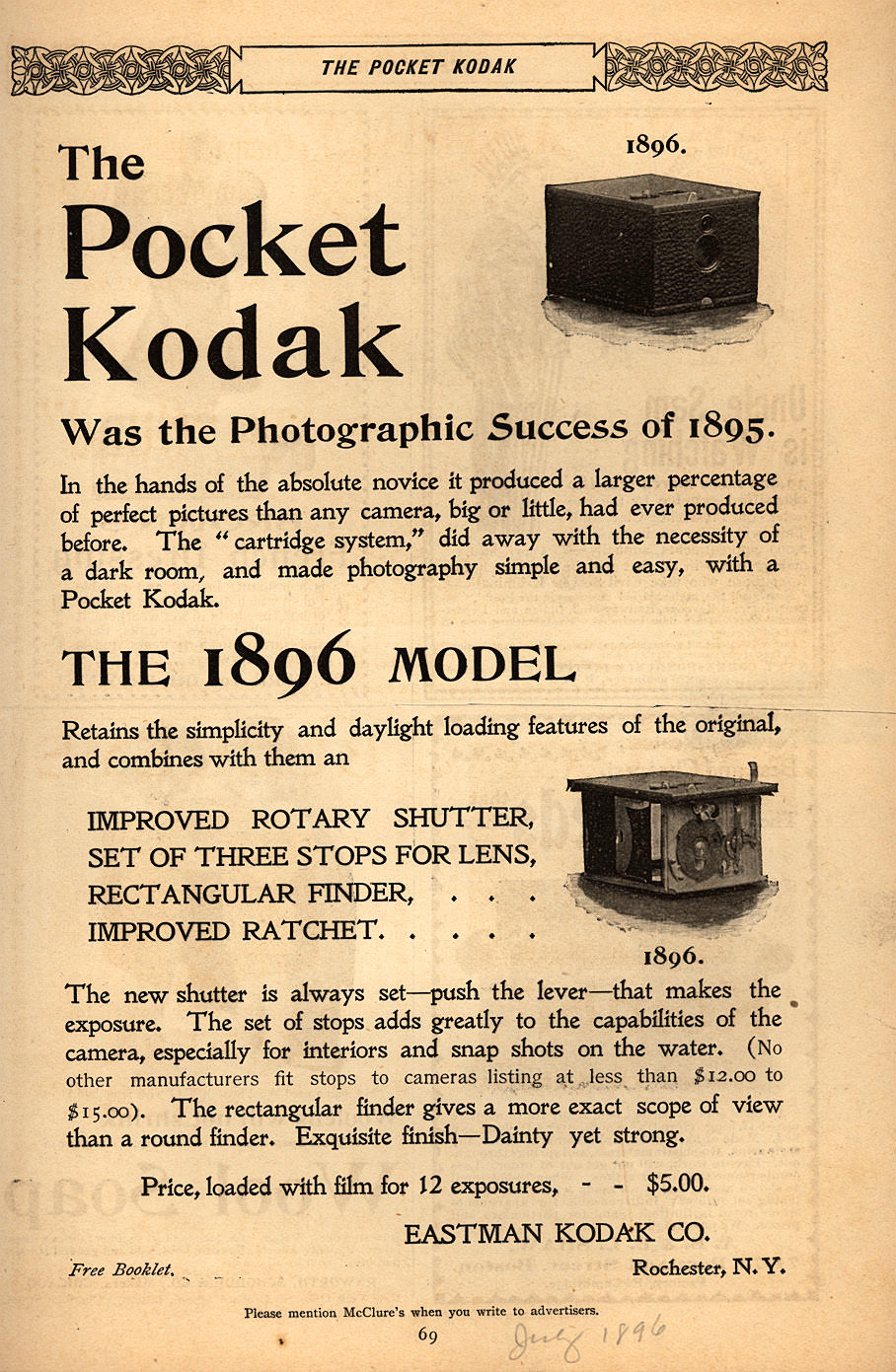
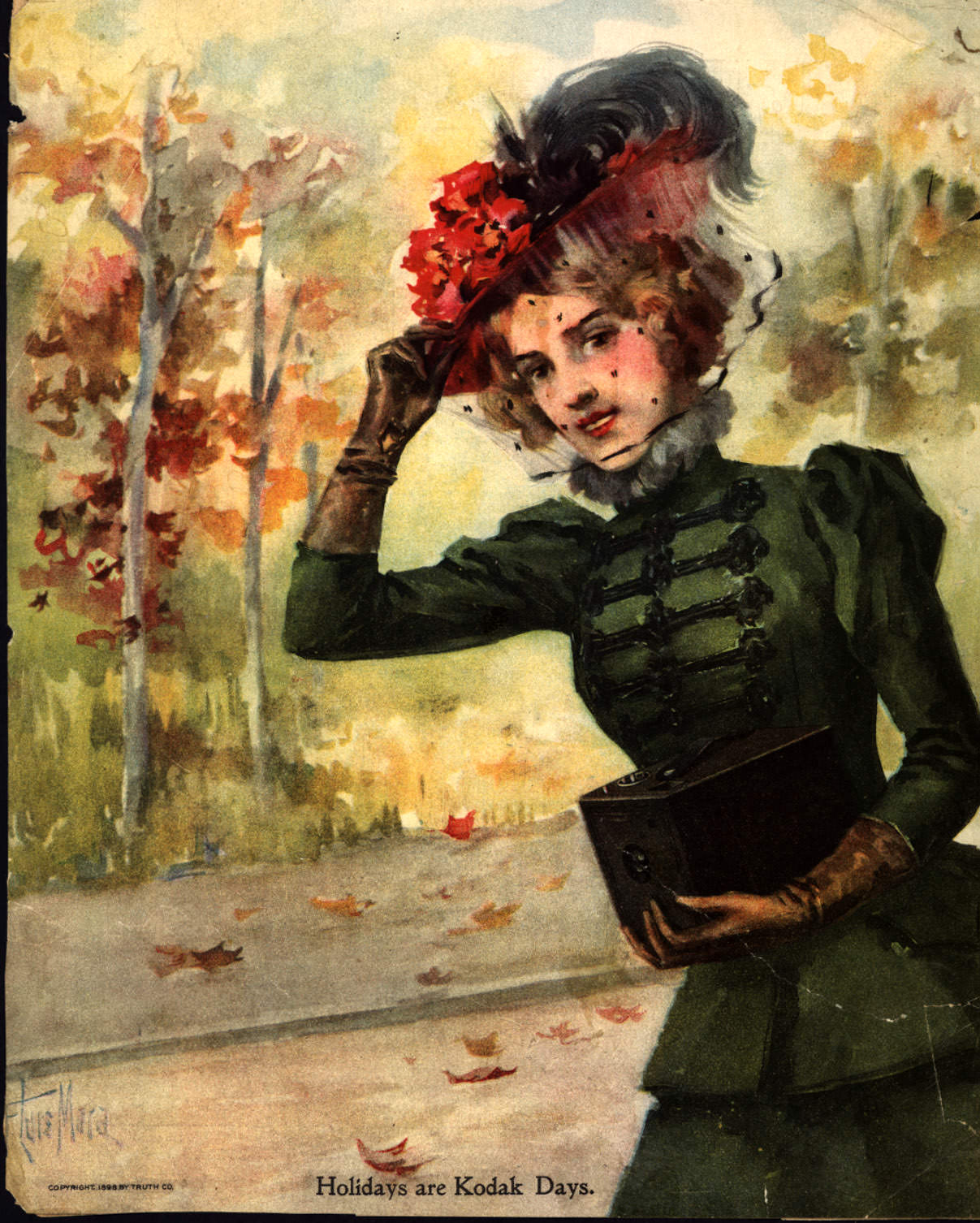
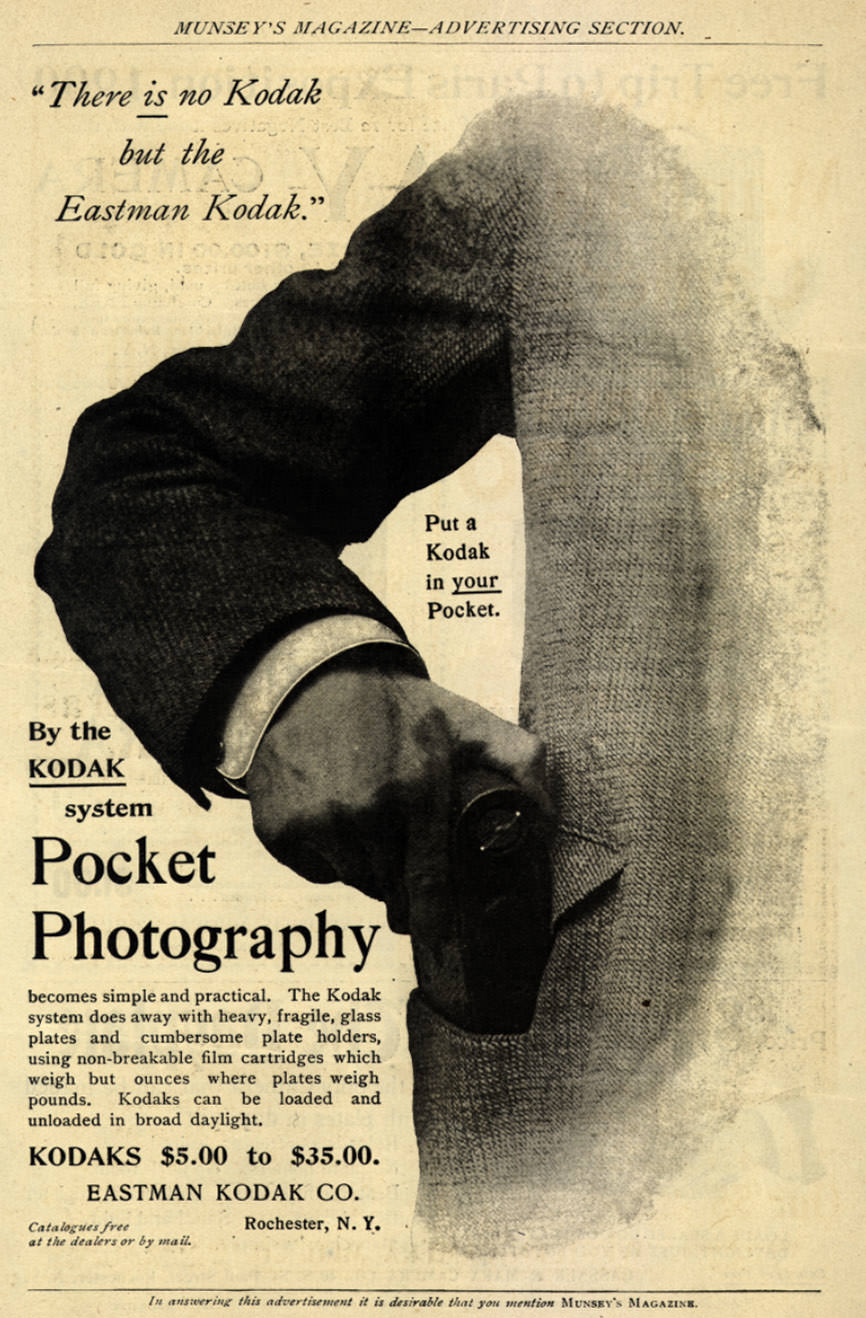
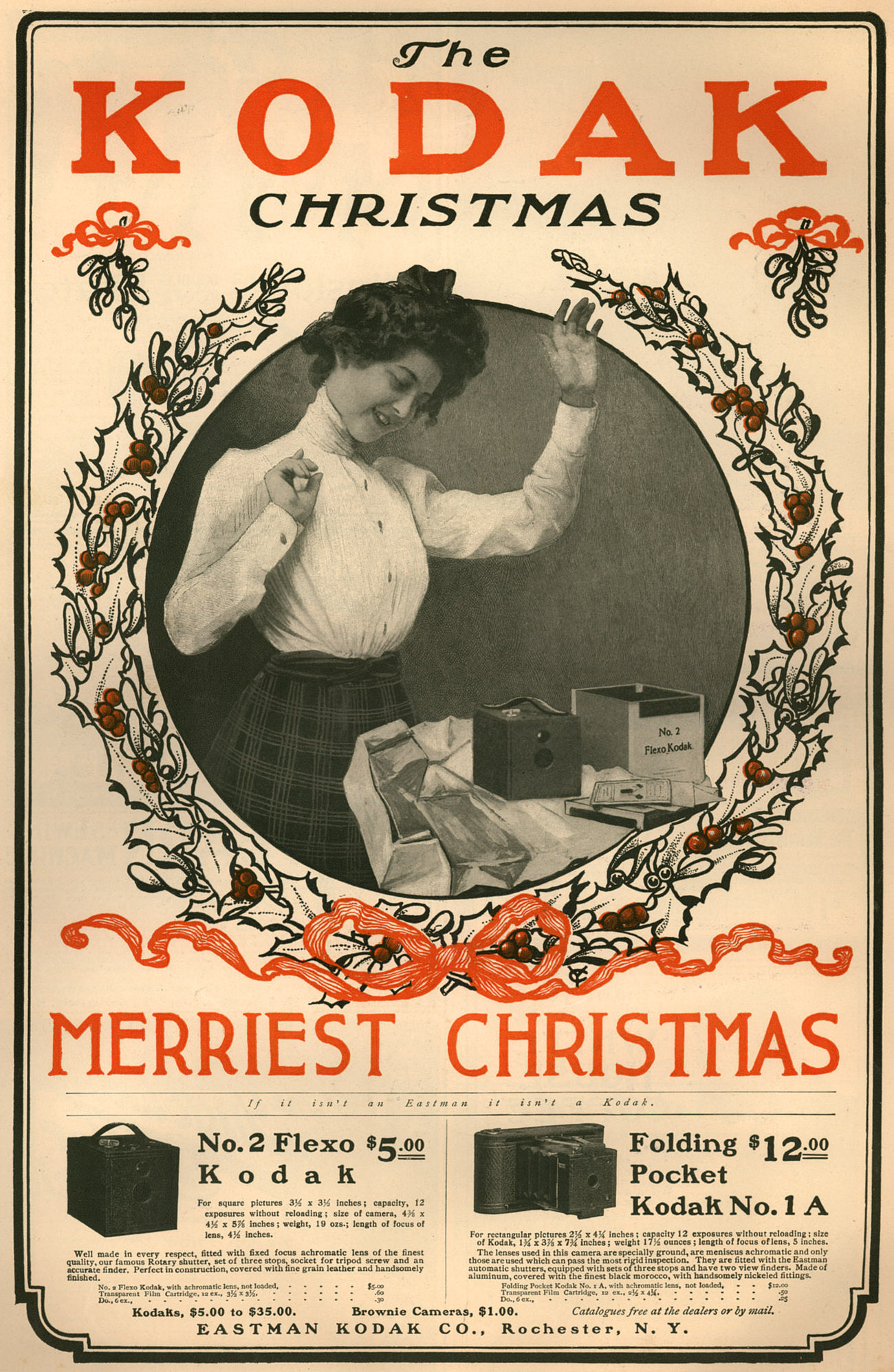
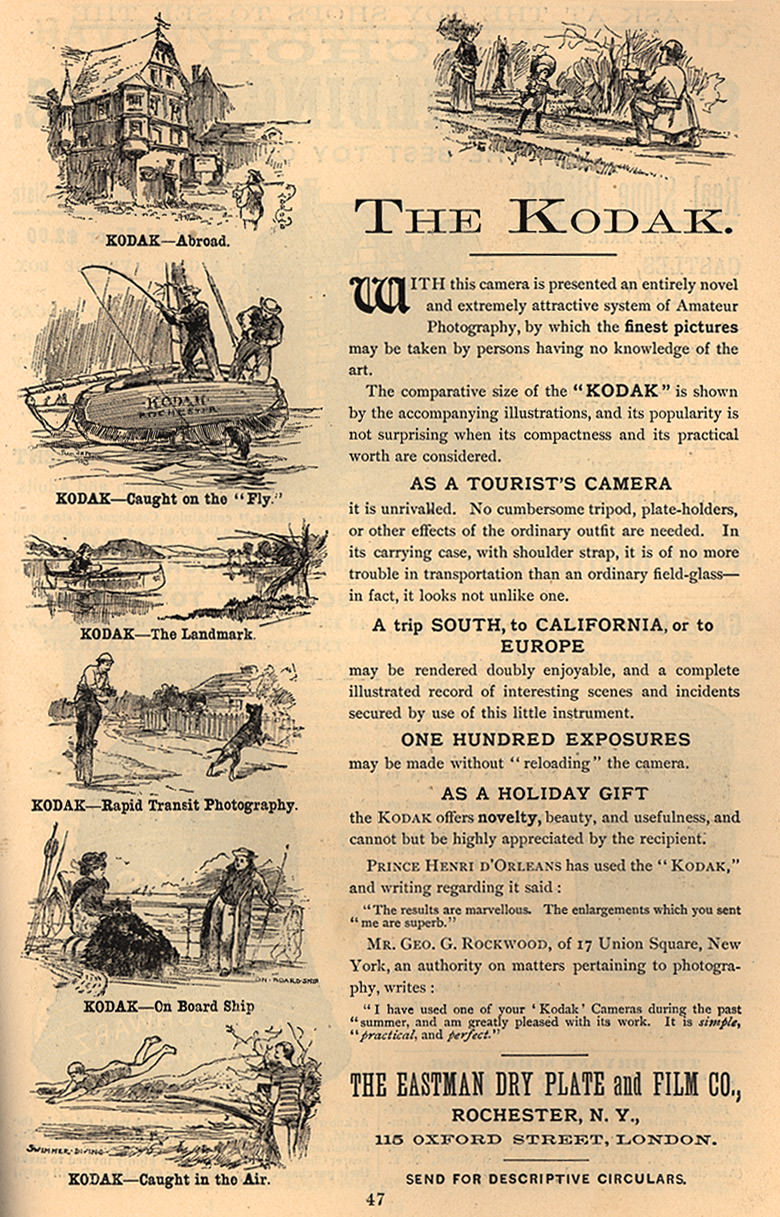
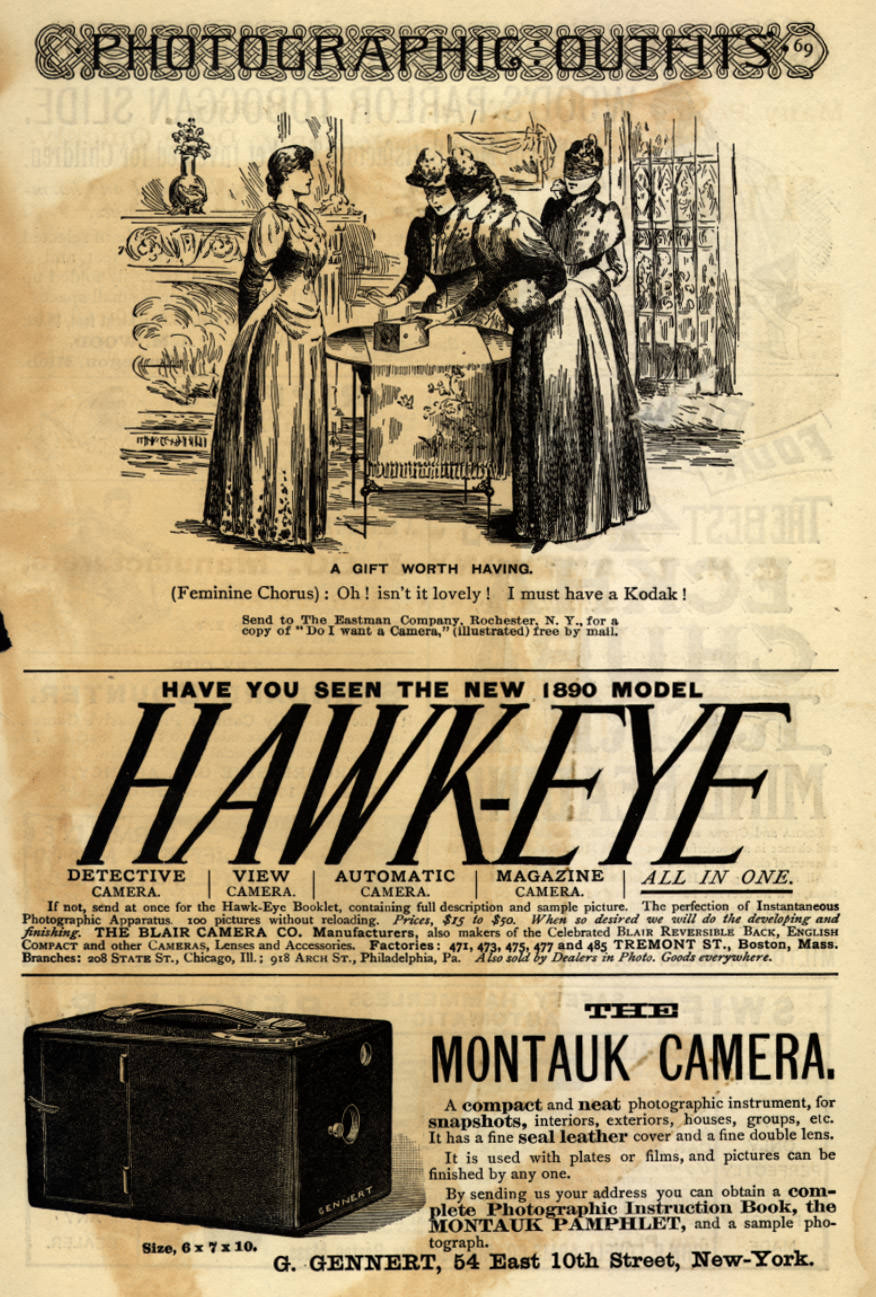
The ads Kodak ran in the late 1800s were deliberately simple. They showed ordinary people — families, children, people outdoors — using cameras in everyday moments. There was no technical jargon. The message was always about ease, fun, and memory-making. This approach worked because it spoke directly to people who had never considered owning a camera before. By 1893, the price of Kodak cameras had settled into a range that more Americans could afford.

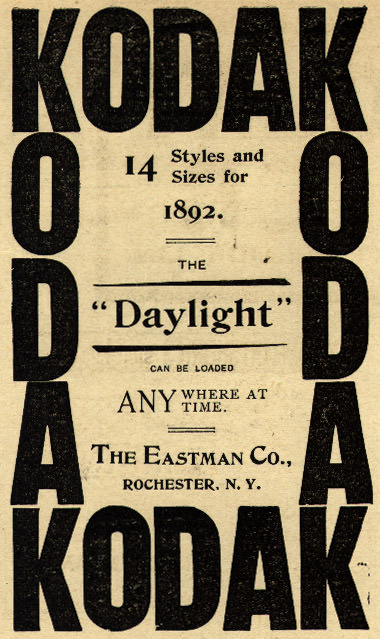
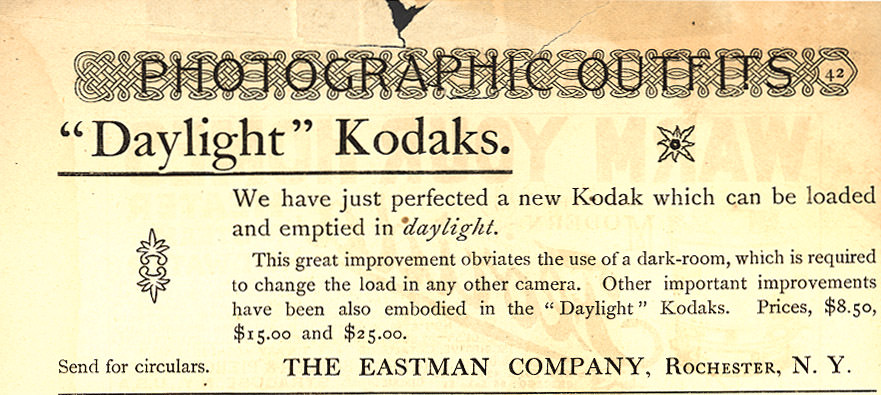
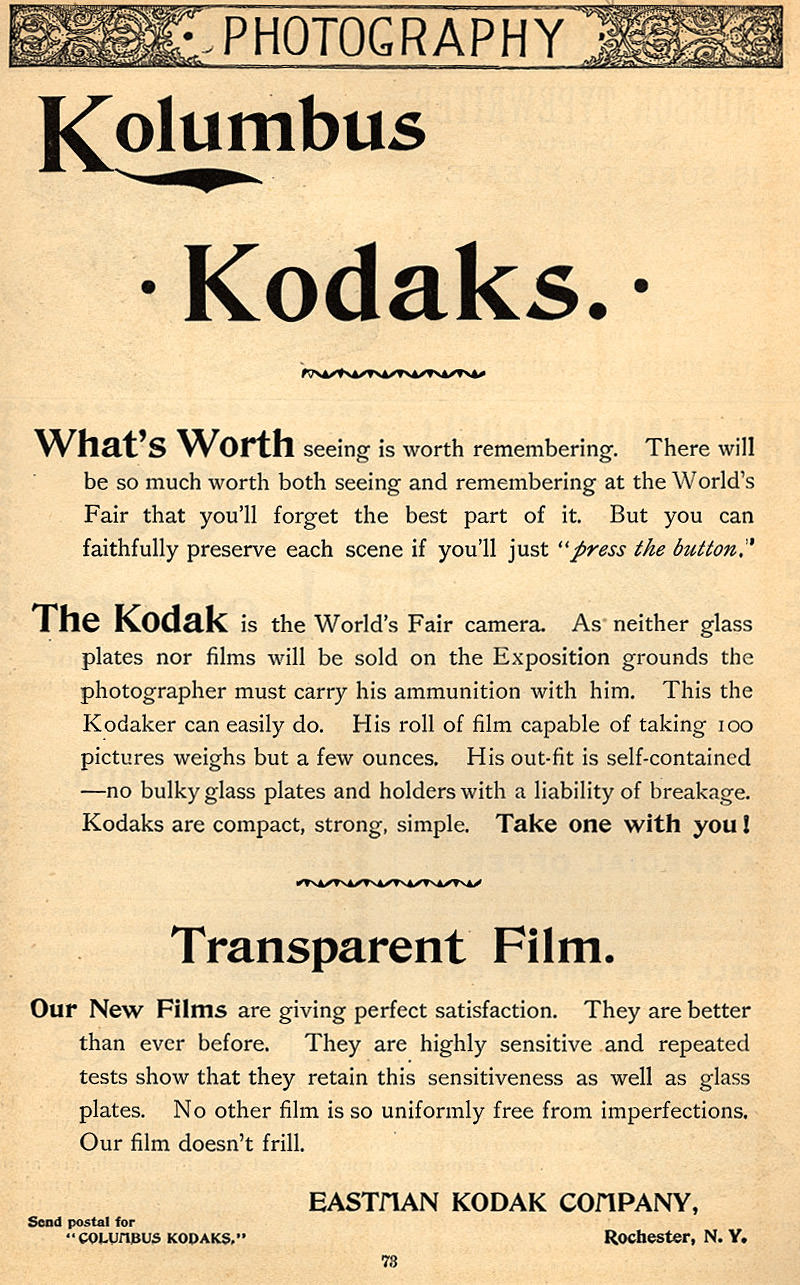
That year, Kodak seized on a massive opportunity: the 1893 Columbian Exposition, better known as the Chicago World’s Fair. The Daylight Kodak camera — a compact 4″ by 5″ model priced around $25 — required no developing equipment at all, thanks to its daylight film. Thousands of fair-goers picked up cameras for the first time, and a significant portion of them were women. The fair turned photography from a novelty into a widespread pastime almost overnight.
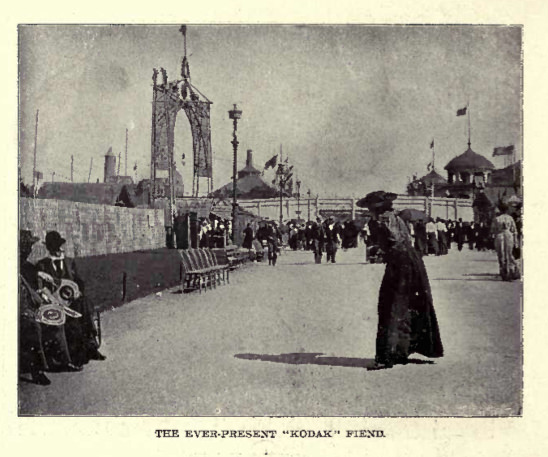
Female photographers at the fair were so novel and so numerous that they earned the nickname “Kodak fiends.” Public photography was still uncommon in 1893, and no social rules existed yet for how to behave when a woman pointed a camera at you. Kodak’s marketing had helped make this moment possible by targeting a broad audience that included women from the start.
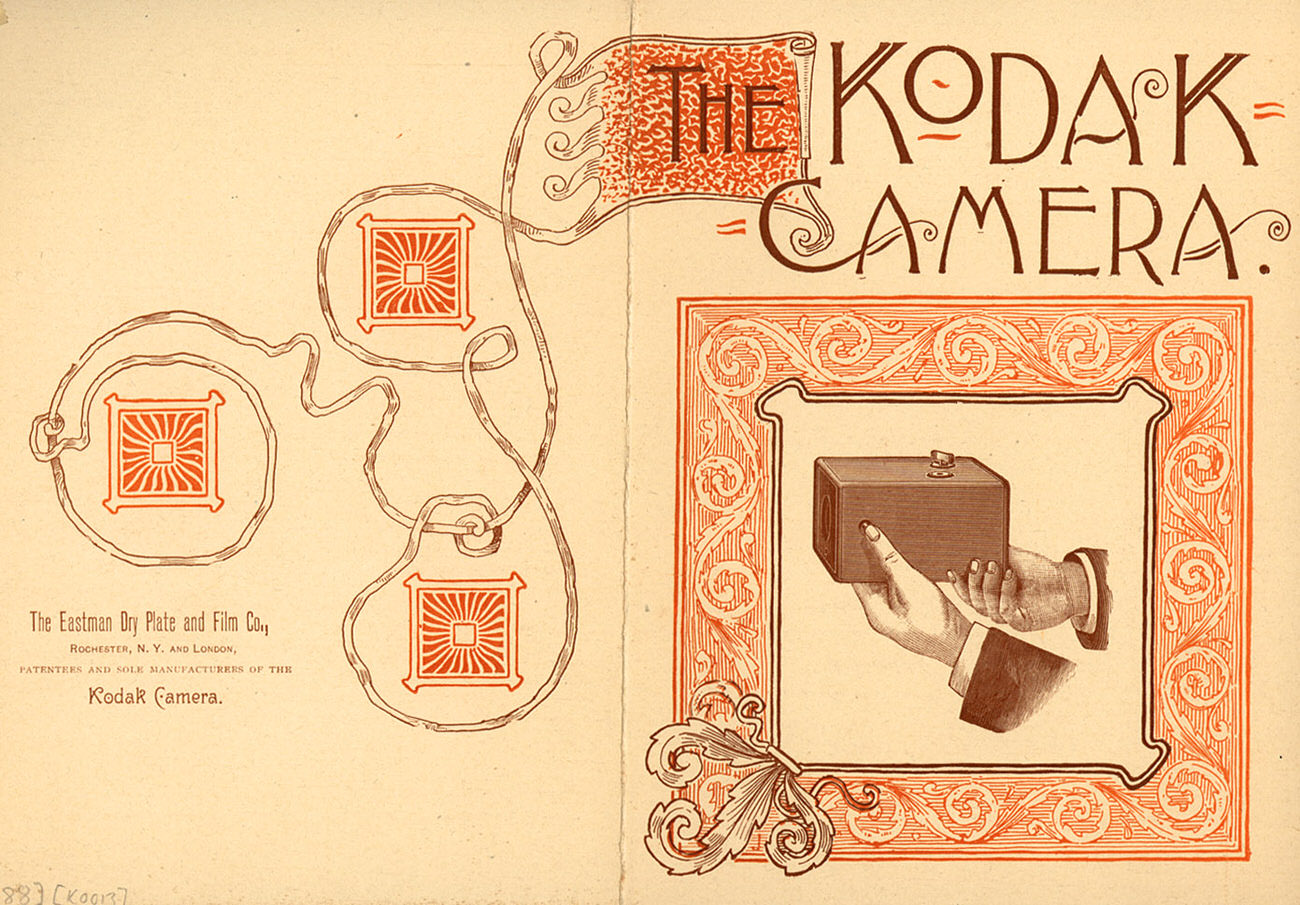
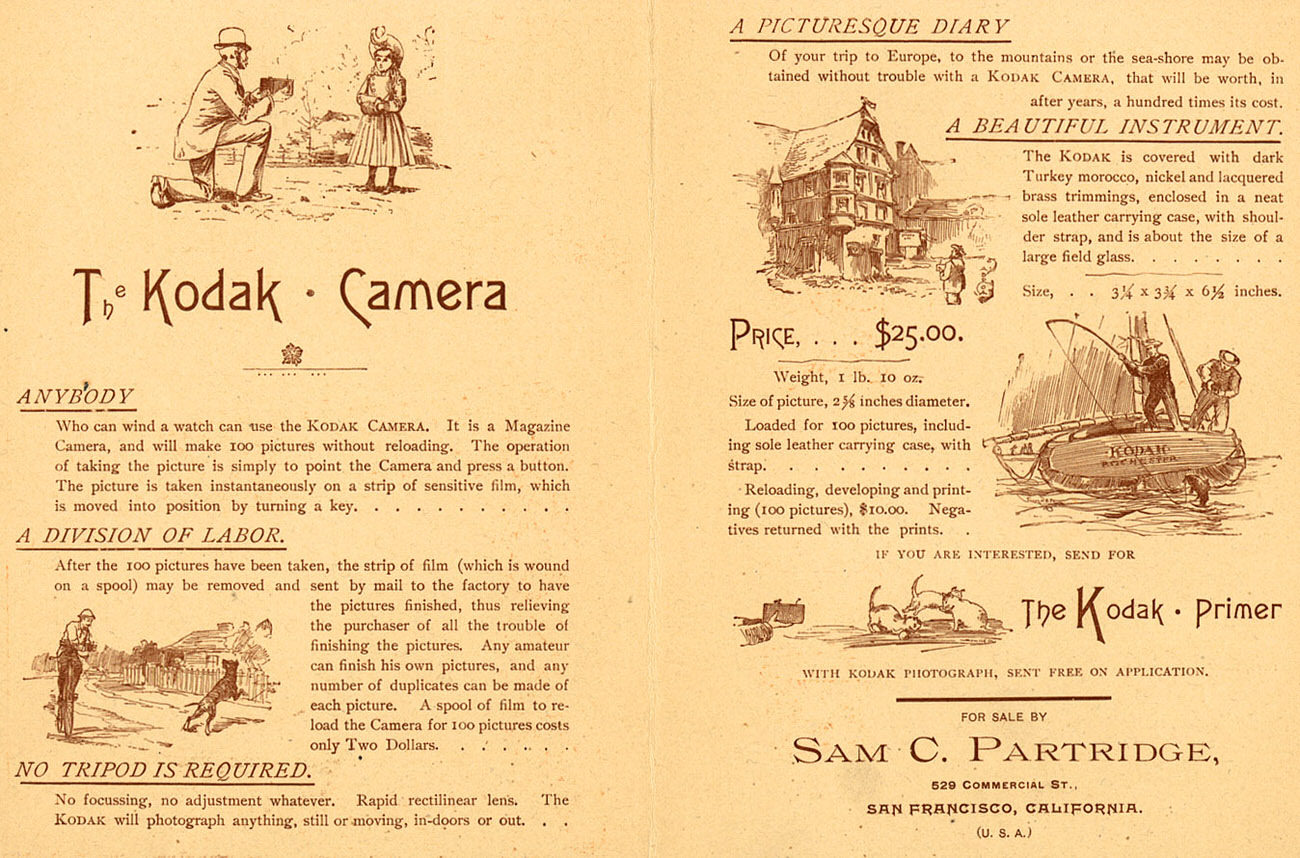
The ads from this period are a direct window into how Kodak was reshaping public life. They didn’t just sell cameras — they sold the idea that your own life was worth documenting. A birthday, a trip, a family gathering: these were moments worth capturing, and Kodak was telling people that capturing them was now within reach.
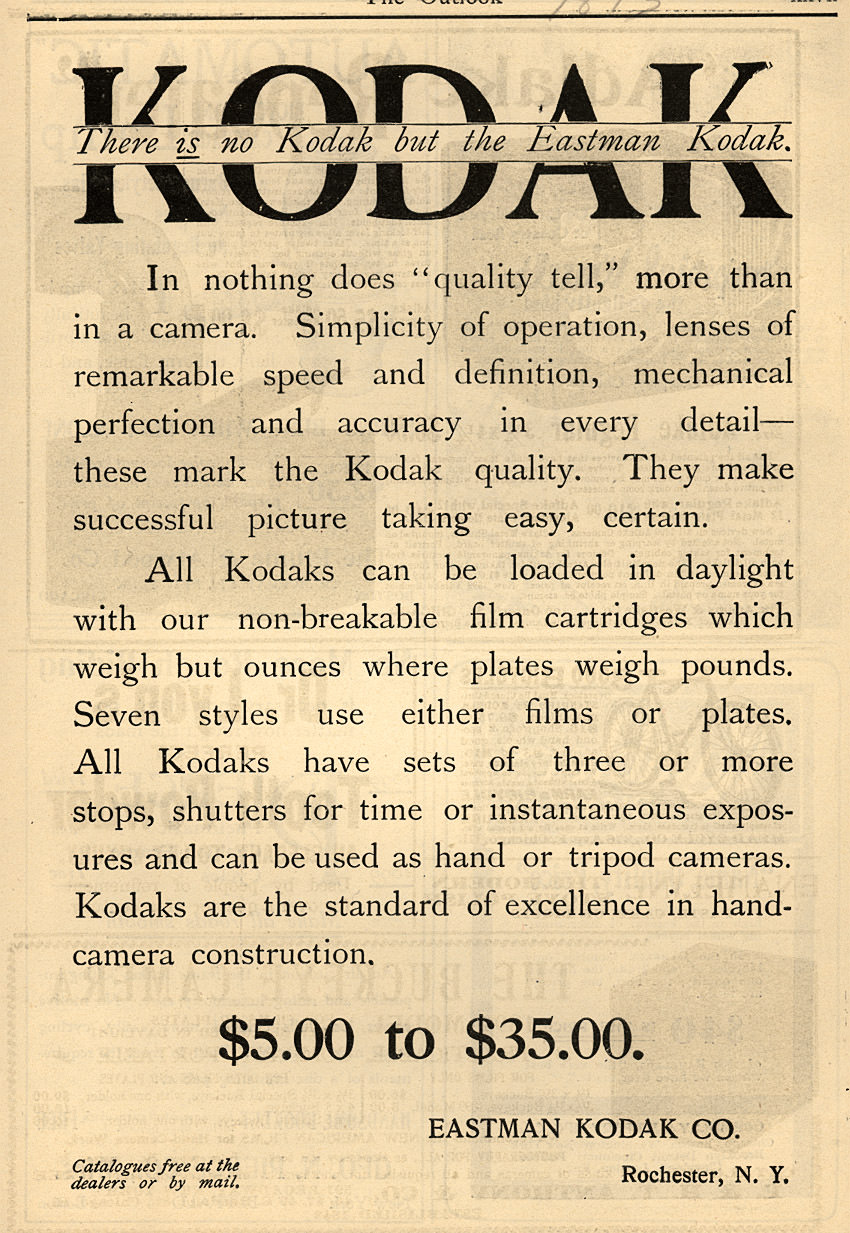
Kodak’s advertising also leaned heavily on quality. The ads pointed to the sharpness and clarity of Kodak prints, giving customers confidence that the photos they received back from the factory would actually look good. That assurance mattered for people who had no way to judge film quality on their own.
In 1900, Kodak introduced the Brownie camera, priced so low that even children could be the target market. The Brownie used roll film, which was lighter and easier to handle than anything that had come before it. Kodak’s family-friendly brand identity, built through years of smart advertising, made the Brownie a natural fit for households across the country.