During the Second World War, Great Britain housed hundreds of thousands of enemy combatants captured across the battlefields of Europe and North Africa. Camps popped up rapidly in rural fields and industrial towns alike, turning empty farmland, fairgrounds, and old textile mills into secure military compounds. Glen Mill in Oldham held captured troops as early as 1940, establishing a facility that housed hundreds of men under armed guard.
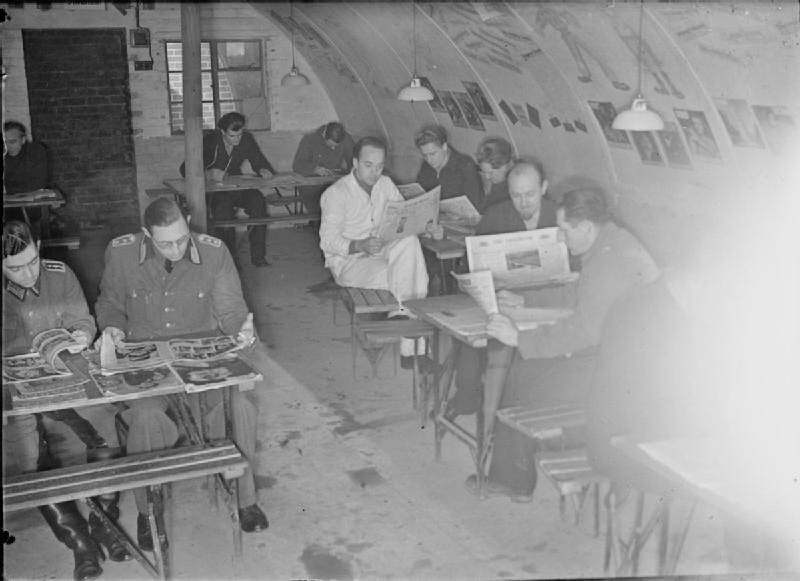
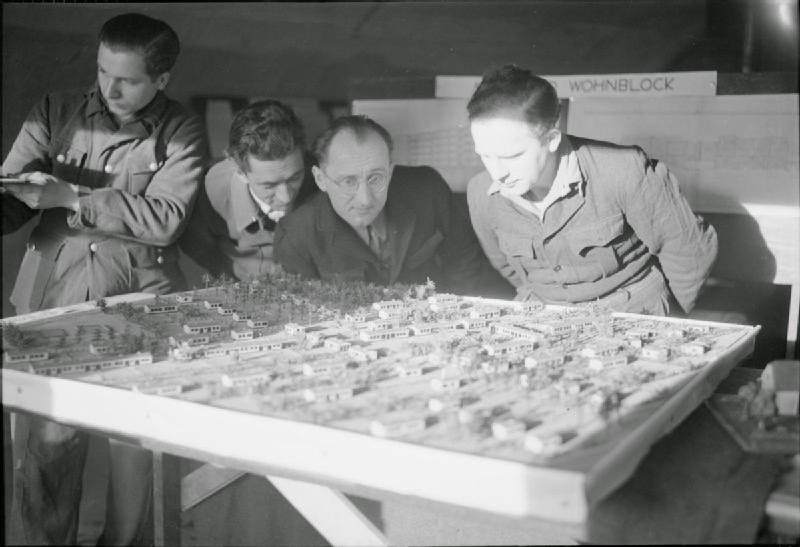
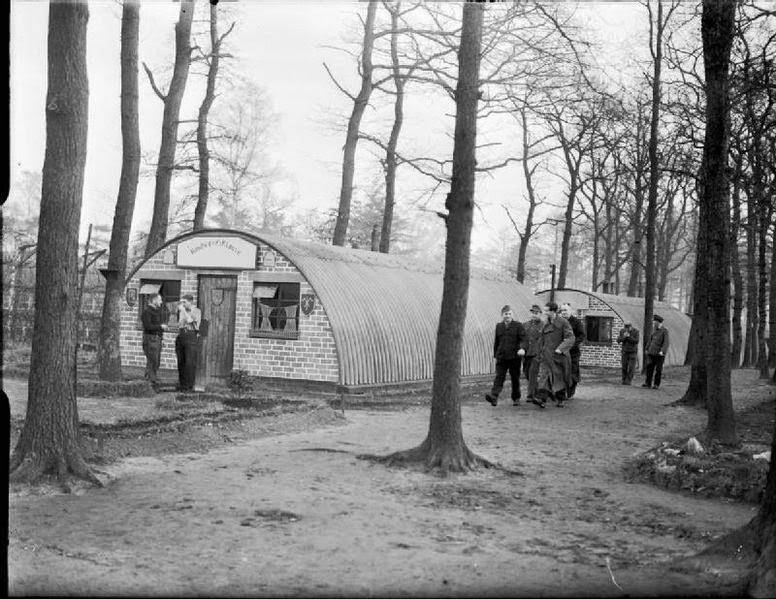
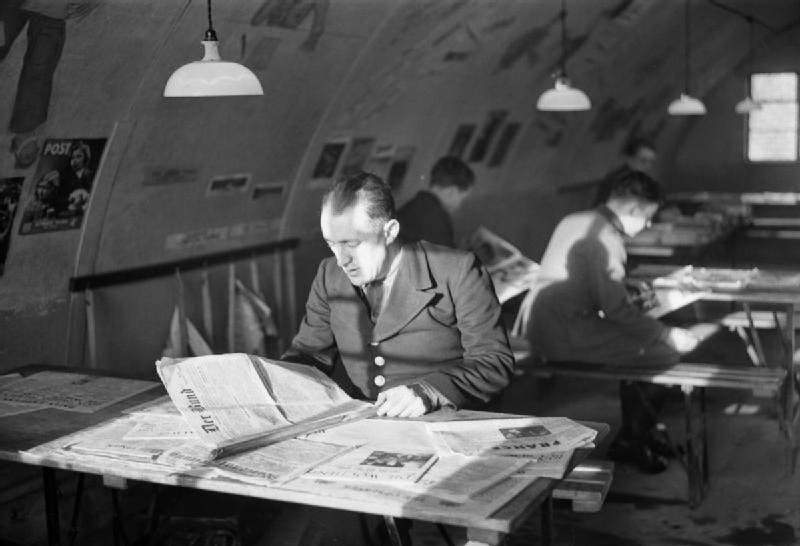
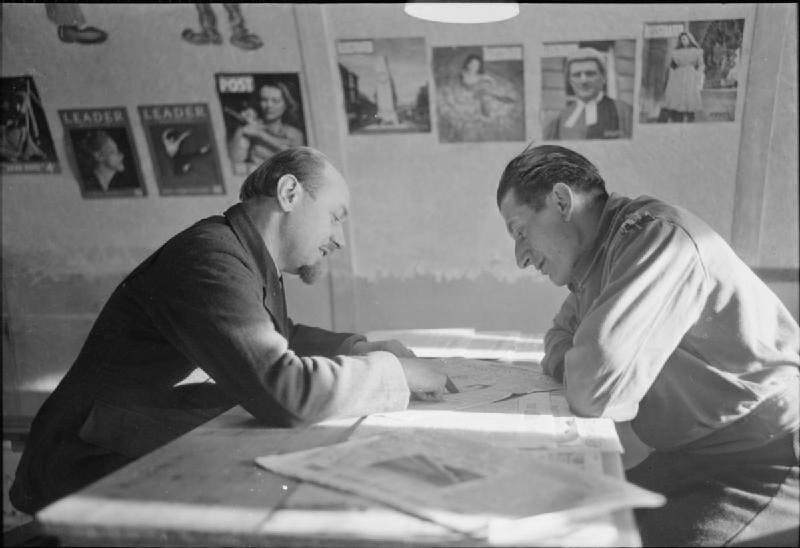
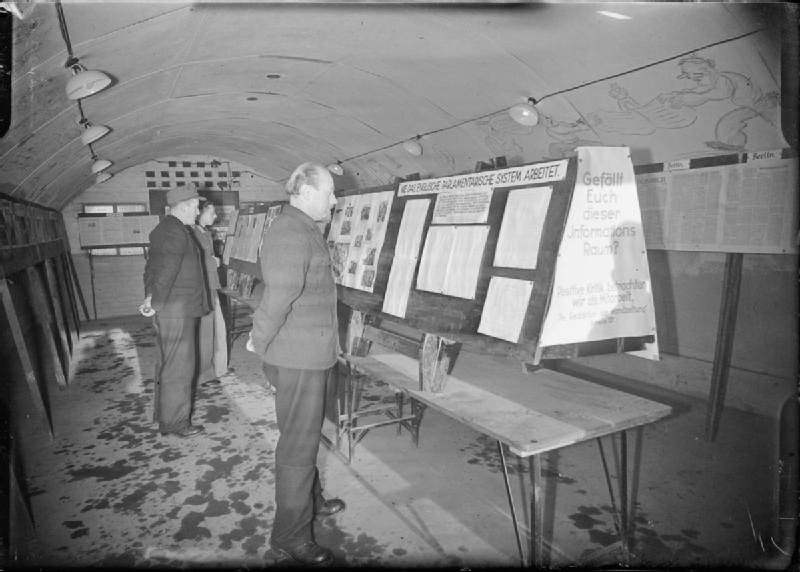
Inside these barbed wire boundaries, prisoners organized daily routines to combat the heavy monotony of captivity. Authorities converted curved Nissen huts into recreation spaces, setting up reading rooms where men gathered to review newspapers, periodicals, and books shipped from neutral countries. Literacy classes, language courses, and debate clubs filled the evening hours. Some inmates constructed physical models of rehousing schemes, carefully gluing cardboard and wood to plan future European city layouts.
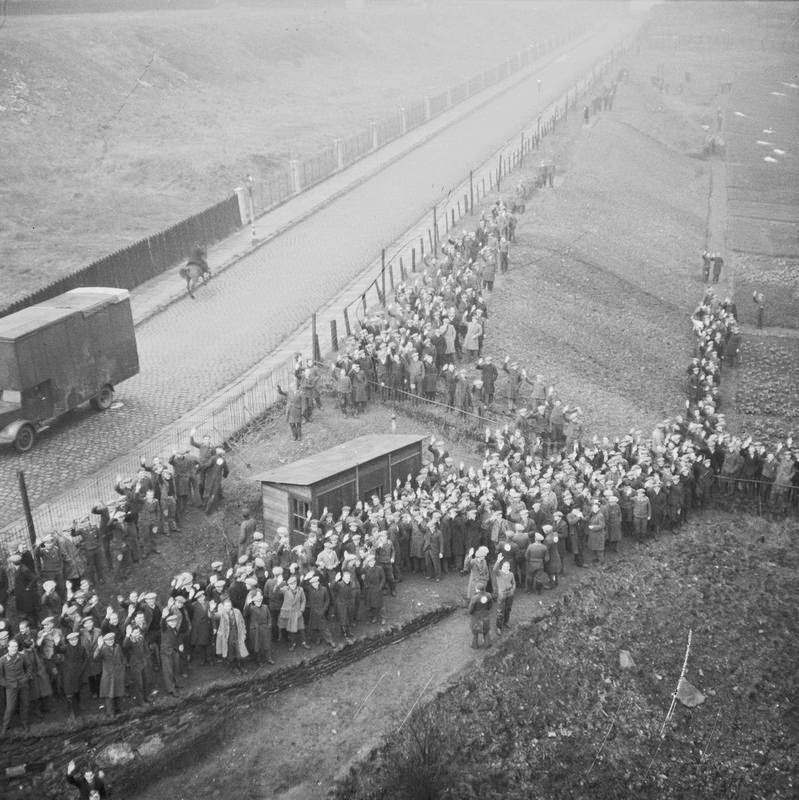
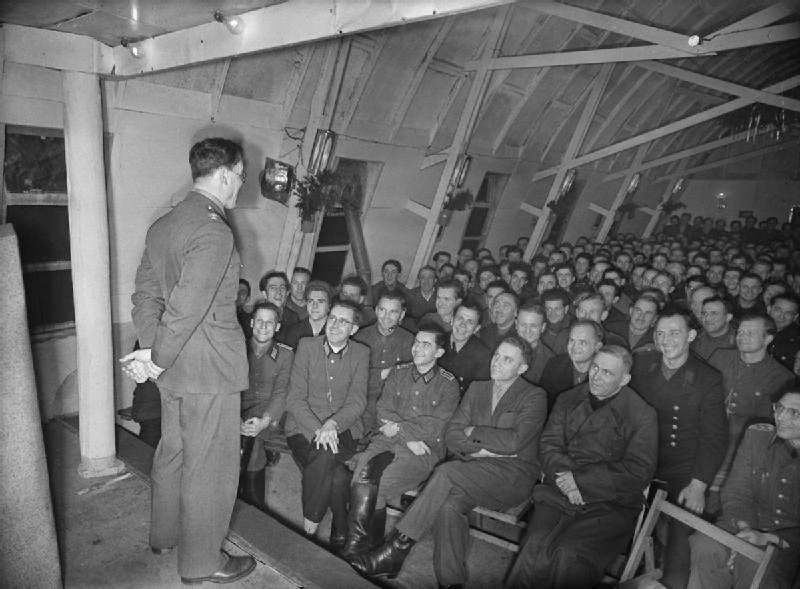
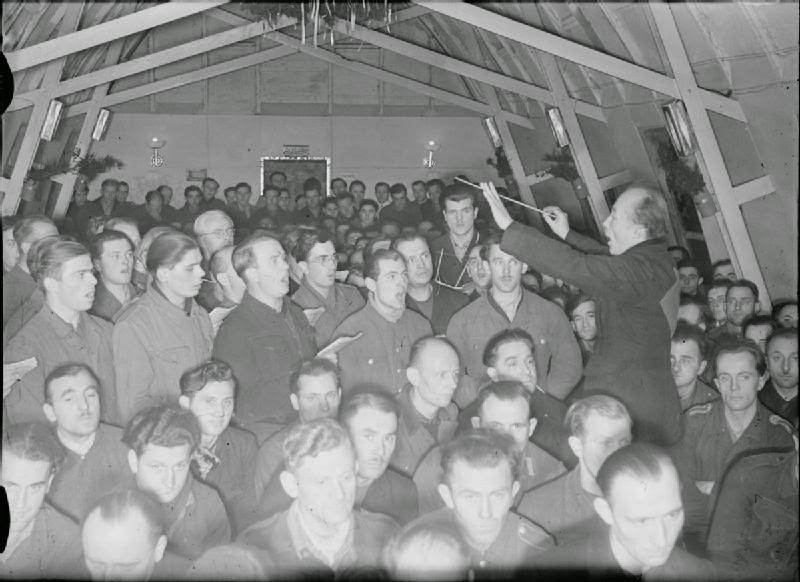
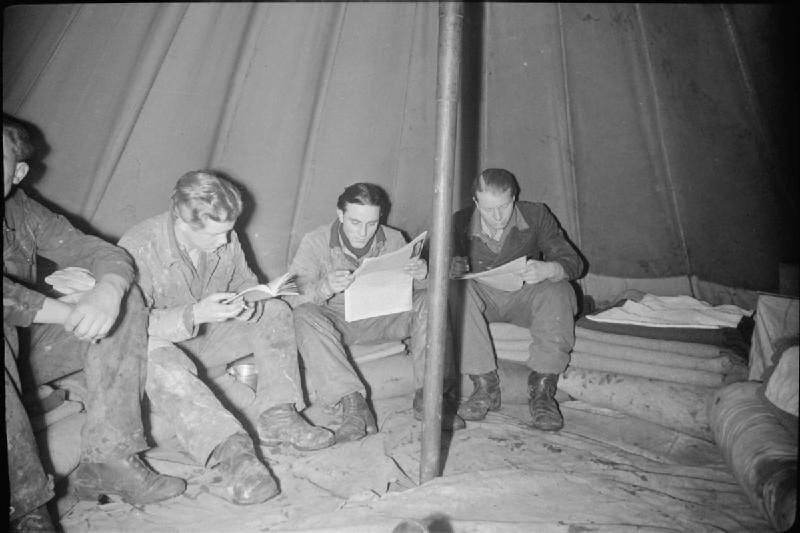
Reading materials arrived regularly through humanitarian channels, giving inmates access to outside perspectives on the global conflict. Men sat silently for hours under corrugated iron roofs, turning the pages of foreign journals and illustrated magazines. Camp commandants periodically interrupted these quiet routines to deliver formal administrative addresses. Lieutenant Colonel Faulk spoke directly to assembled prisoners inside recreation halls, outlining strict camp rules and disciplinary measures.
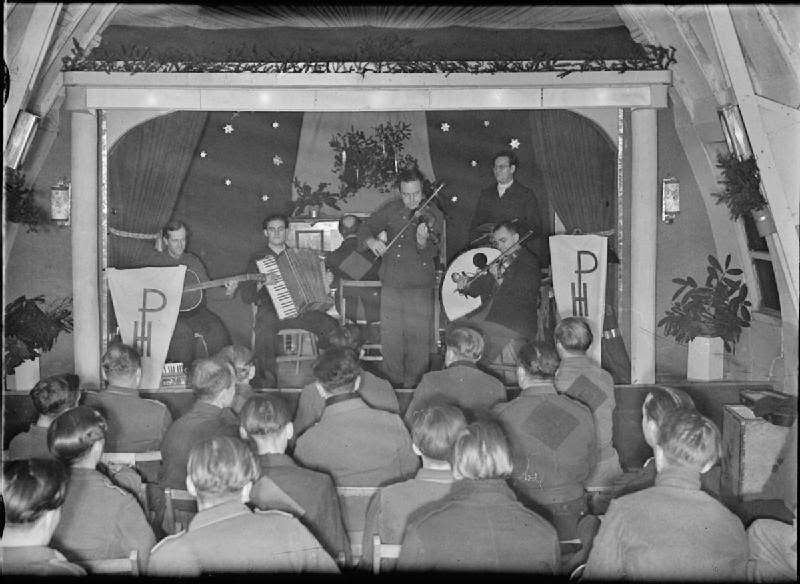
Cultural life persisted despite the physical barriers of barbed wire and watchtowers. Choirs formed inside the compounds, rehearsing complex vocal harmonies under the direction of musically inclined prisoners. These groups performed weekend concerts on rough wooden stages, drawing large audiences of fellow inmates who sought brief mental relief from indefinite confinement and family separation.
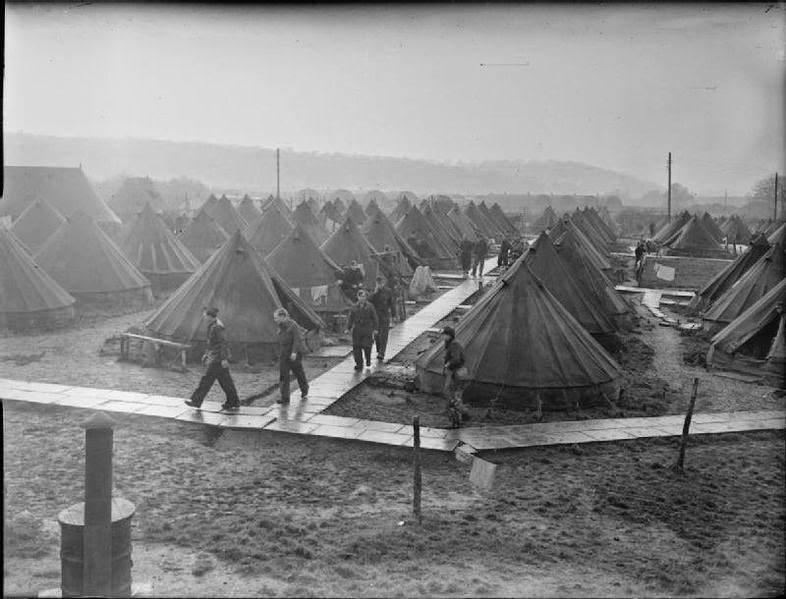
Information boards lined the walls of dedicated administrative huts, detailing daily labor assignments, international news updates, and official camp notices. When Nissen huts ran out of floor space, military authorities erected large canvas bell tents to house overflow populations during peak capture periods. Rooms inside the huts and tents often grew extremely crowded, forcing men to sleep in tight circles around the central wooden poles.
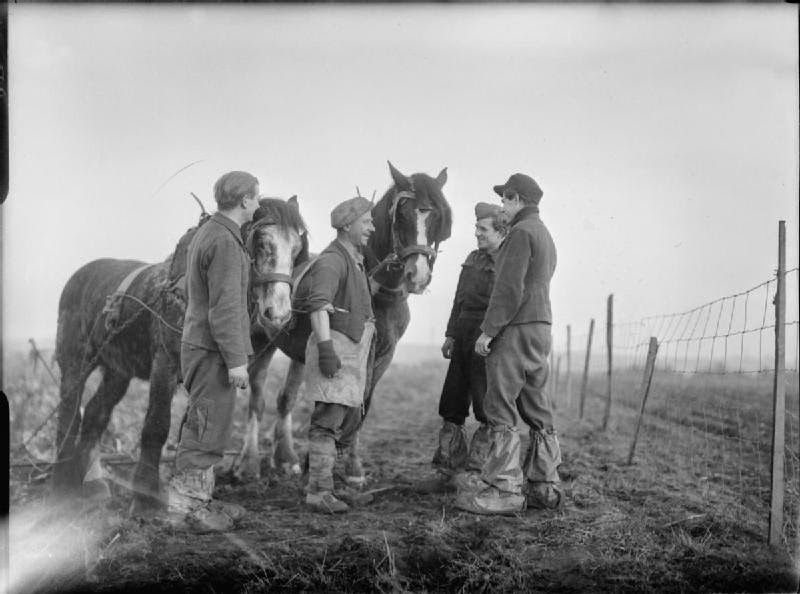
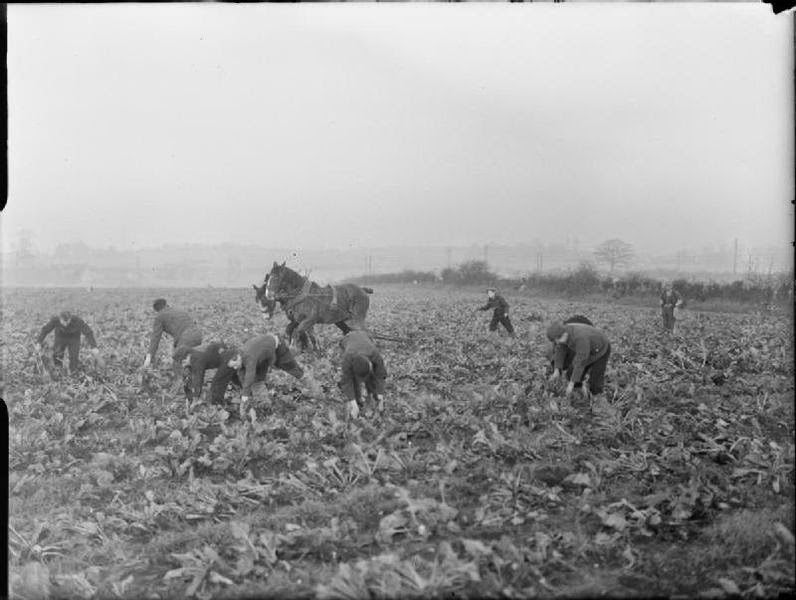
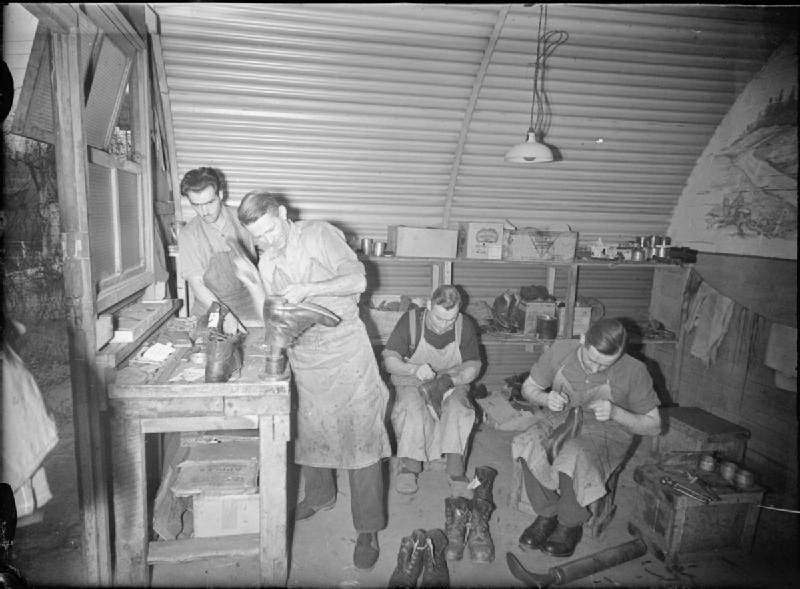
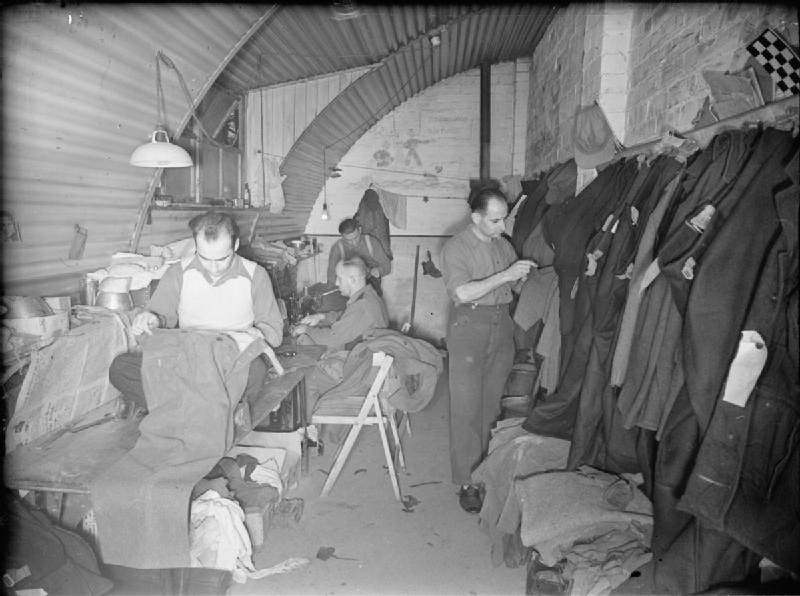
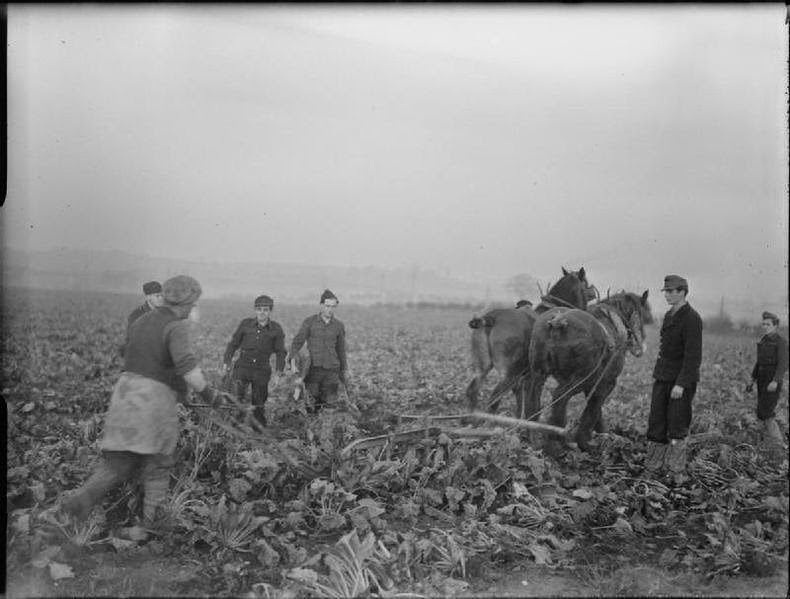
Manual labor formed the absolute backbone of the daily prisoner experience. Guards escorted work parties out of the gates every morning to assist local farmers with seasonal duties. Men bent over muddy furrows to harvest root vegetables, pulling heavy swedes from the cold dirt during damp autumn seasons. Back inside the camp compound, specialized trade shops operated continuously throughout the week. Expert shoemakers repaired worn leather boots at wooden workbenches using hand tools, while tailors patched torn wool uniforms using simple sewing machines and scrap fabric.
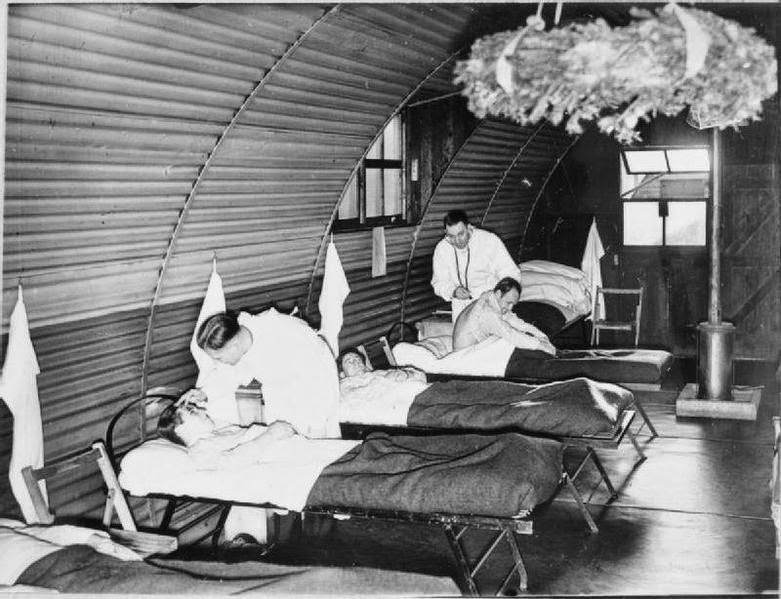
Medical needs required dedicated internal facilities. Camp hospitals treated routine injuries and serious illnesses, staffed by captured German medical personnel who examined patients under British military supervision. When clothing wore down completely past the point of repair, camp tailors measured and cut replacement garments in drafty workshops, ensuring basic standards of dress were maintained within the wire.
Weekend variety shows brought temporary distraction from exhausting physical labor. Actors and musicians staged theatrical productions inside decorated recreation huts, using salvaged cardboard and paint for props and costumes. Beyond the perimeter fence, agricultural work continued unabated through rain and shine. British farmers drove tractors alongside German laborers, coordinating daily planting tasks in the wide fields surrounding the compounds.
Local farmers interacted regularly with their assigned workers, often stopping to discuss crop yields, soil conditions, and family backgrounds. These civilian encounters broke the rigid isolation of military imprisonment. As the war finally concluded in 1945, temporary tent cities and wooden hut encampments slowly emptied out. British authorities began the massive, multi-year repatriation process, returning surviving German prisoners to their home country by December 1948.