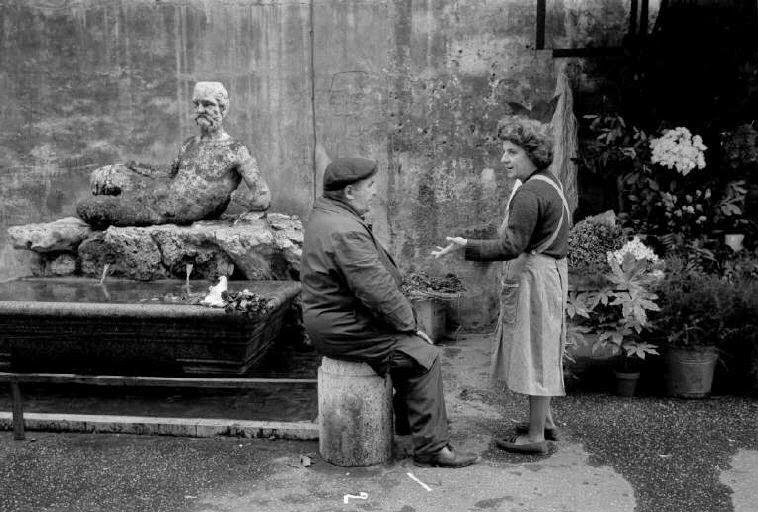
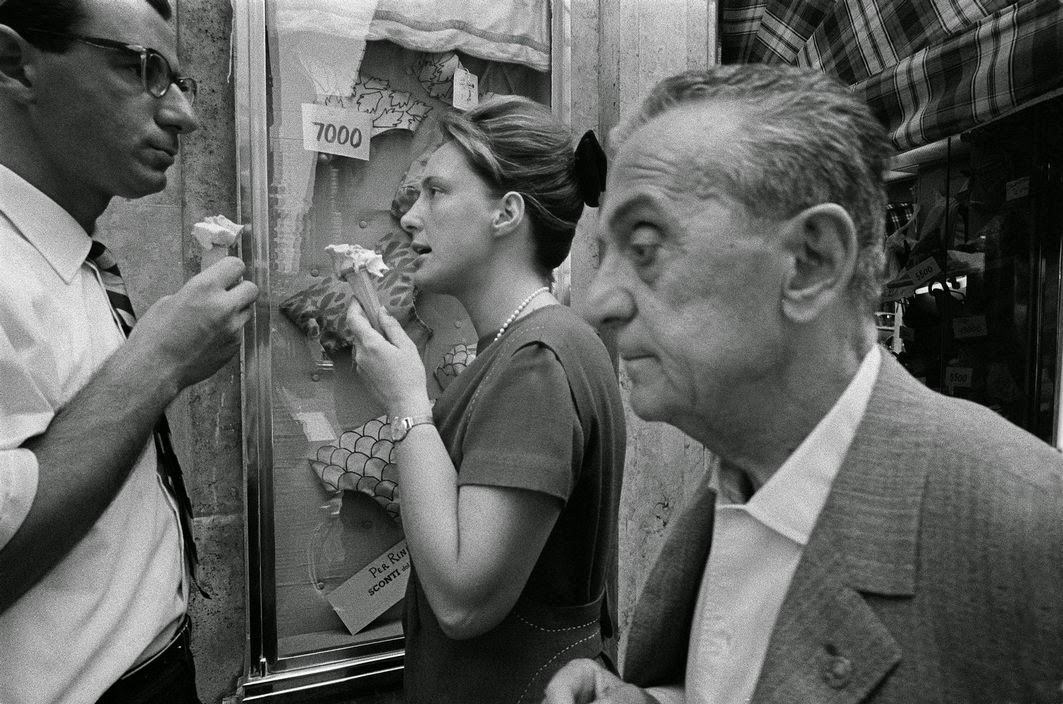
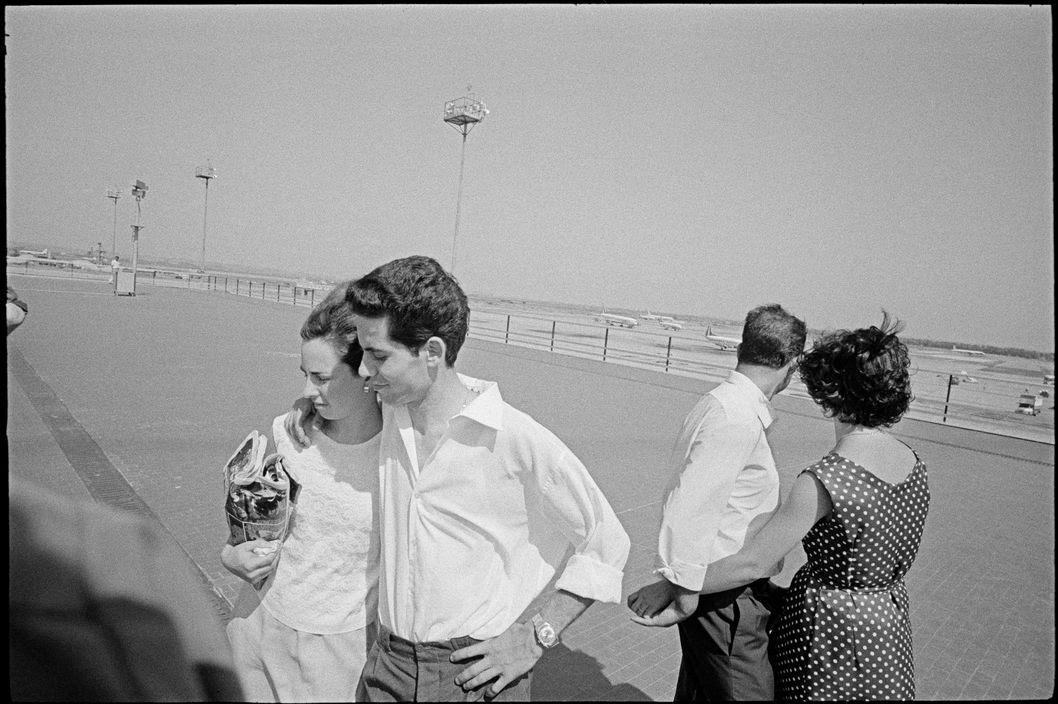
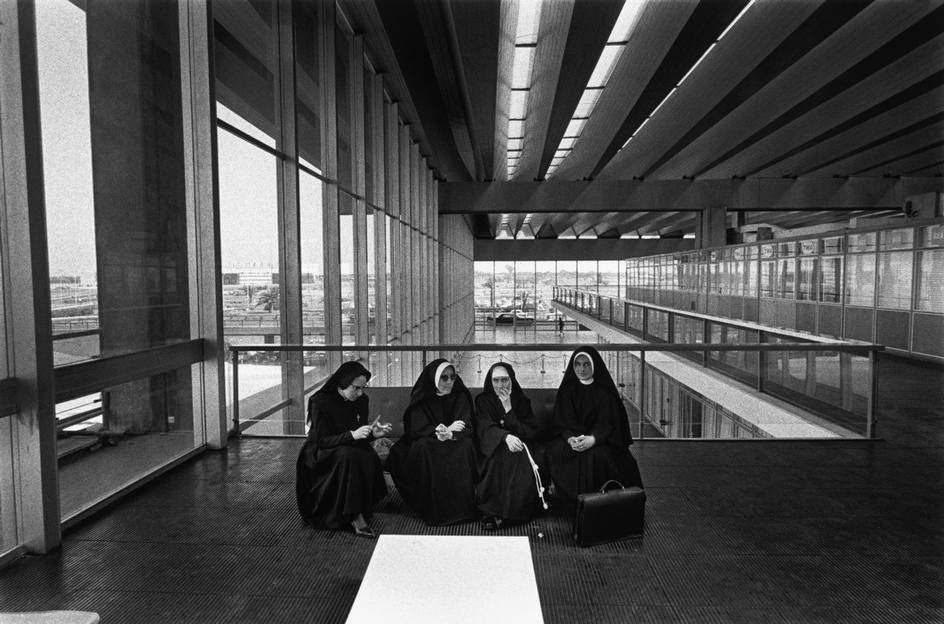
Rome experienced a massive economic boom in the early nineteen-sixties. Thousands of people moved from the countryside into the capital city every single month.
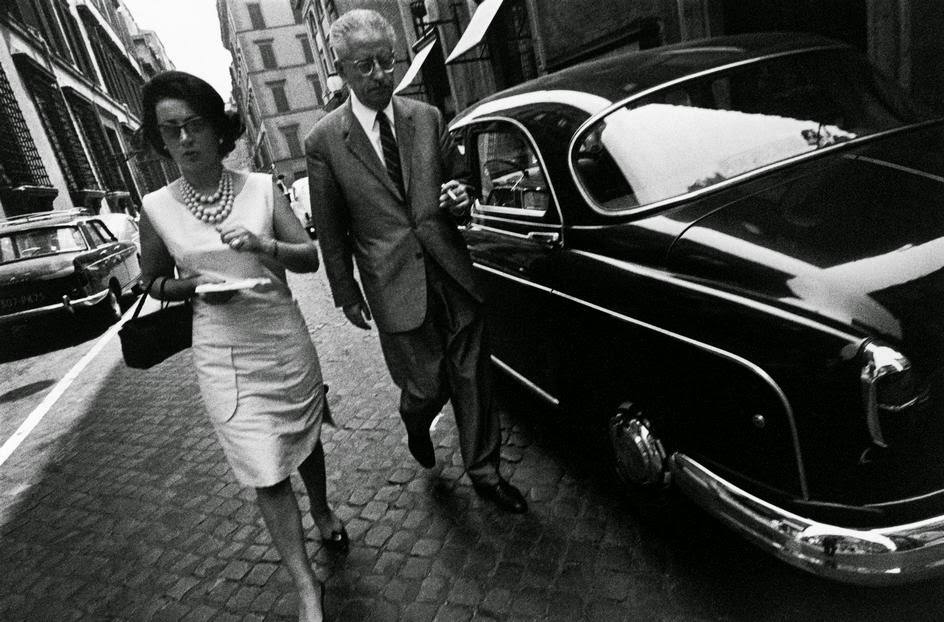
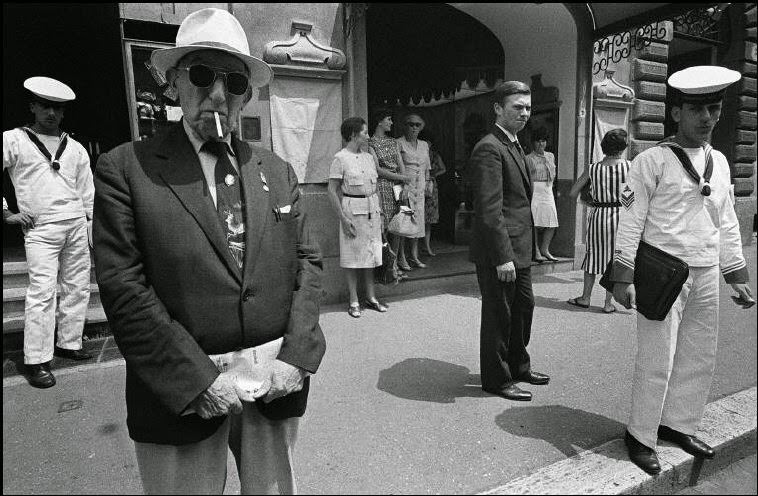
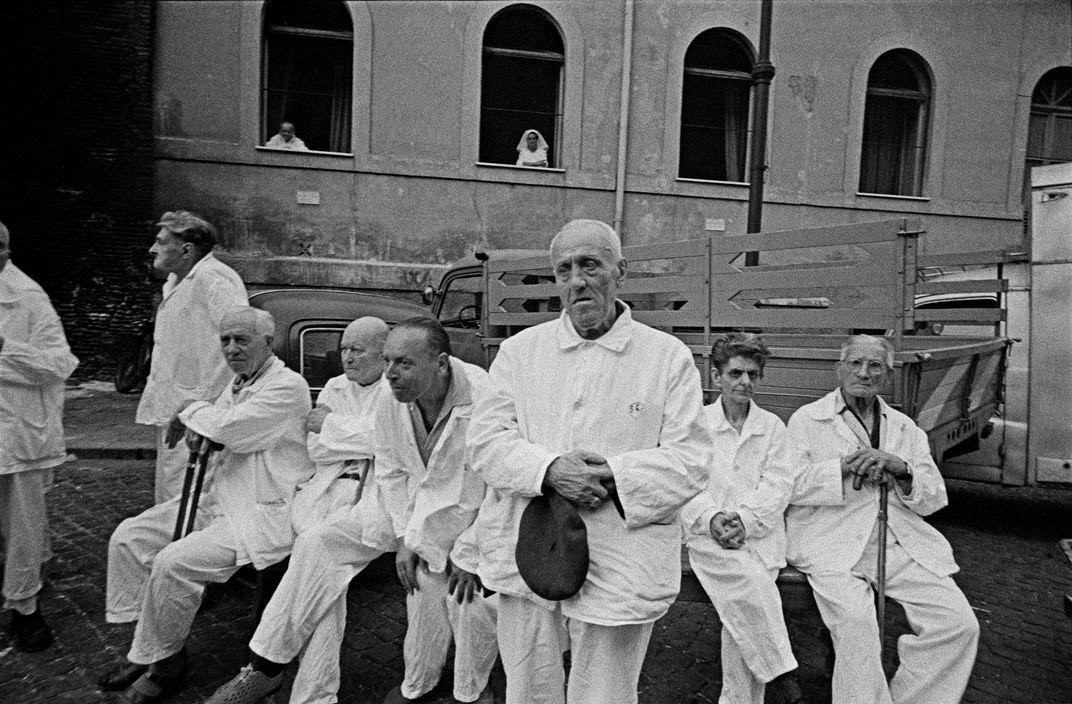
Traffic clogged the ancient cobblestone streets completely. Drivers honked horns while navigating narrow alleys designed centuries ago for horse carts.
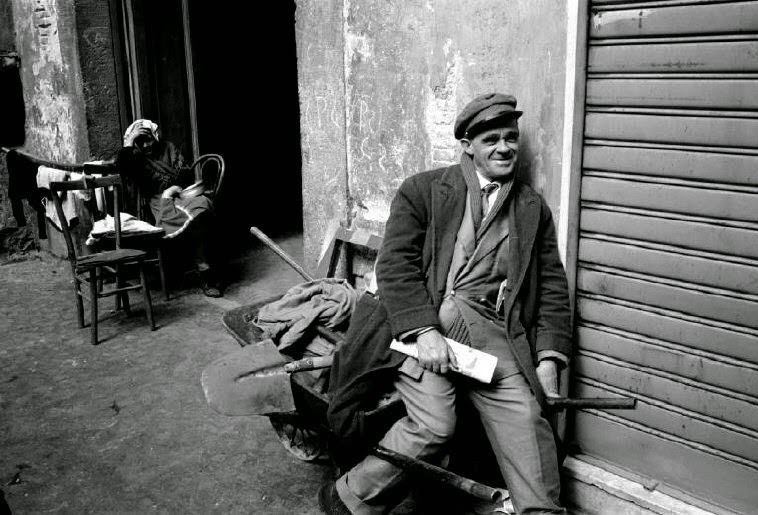
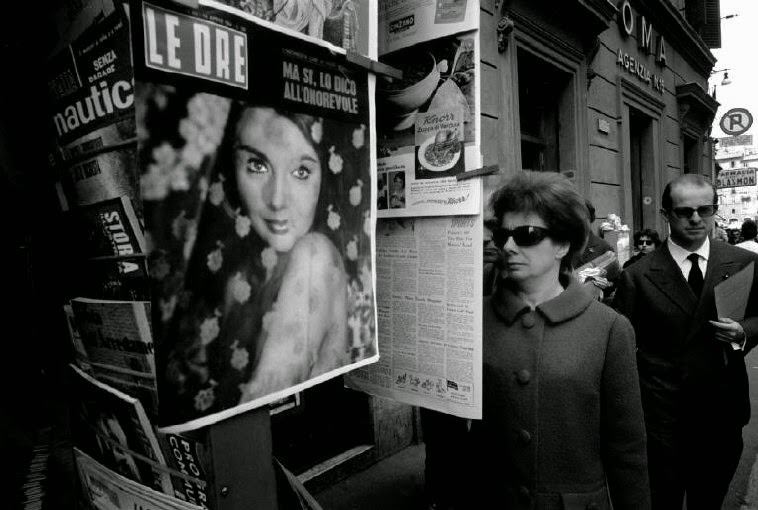
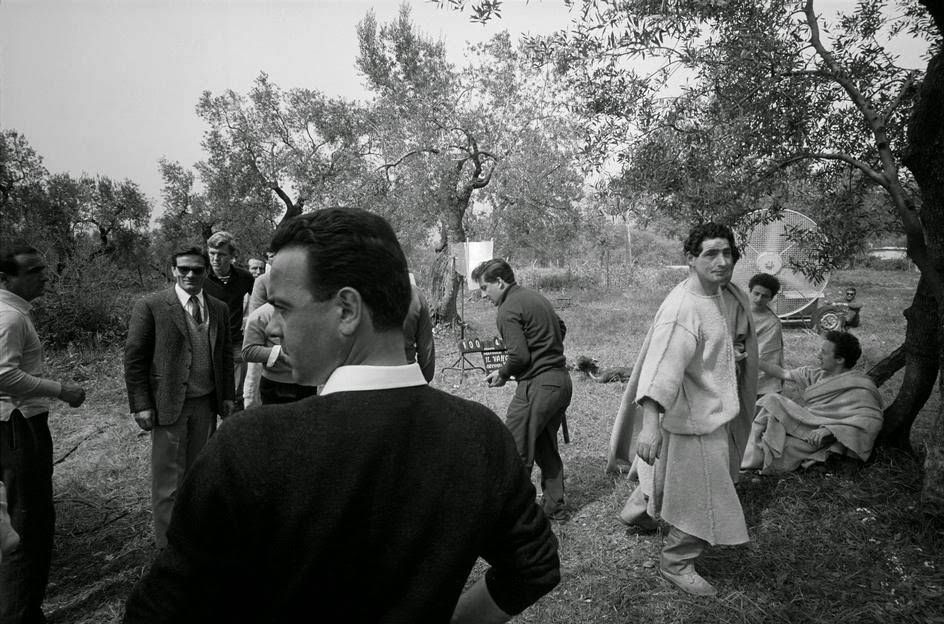
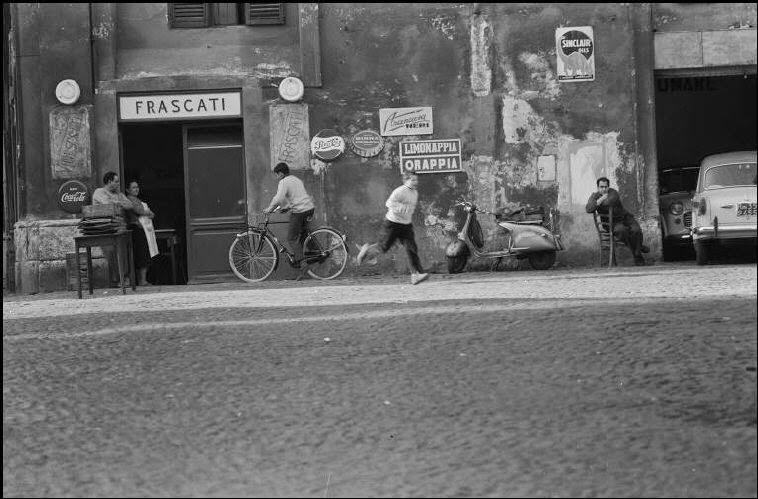
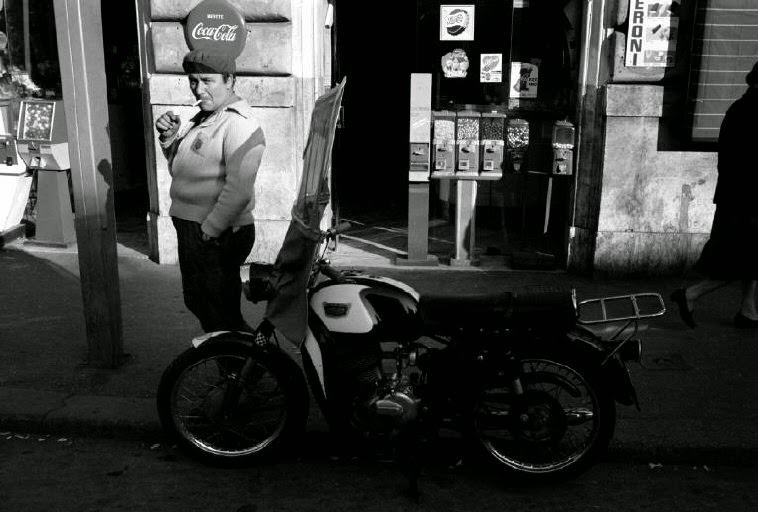
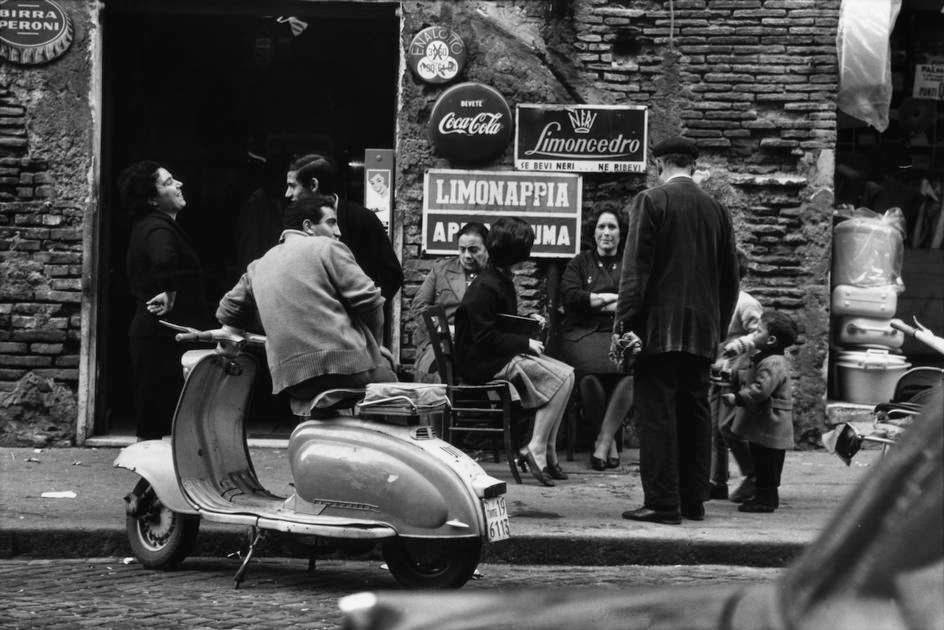
Vespa scooters zipped past stalled buses and large delivery trucks. Riders wore sharp tailored suits and expensive sunglasses without safety helmets.
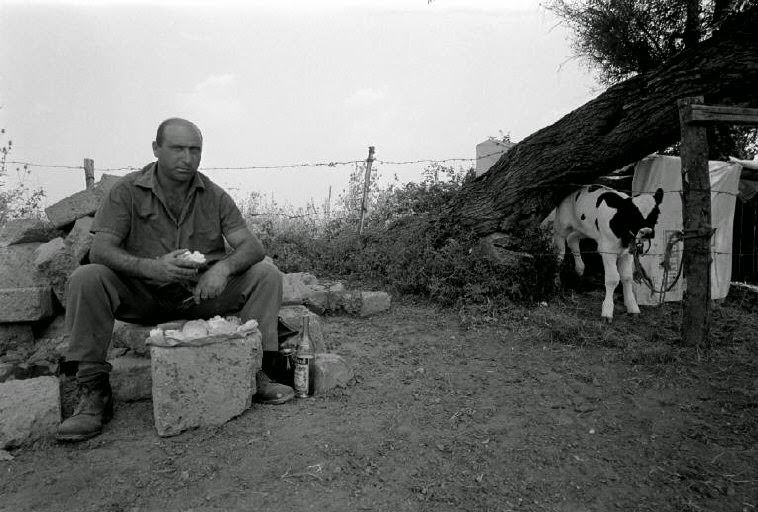
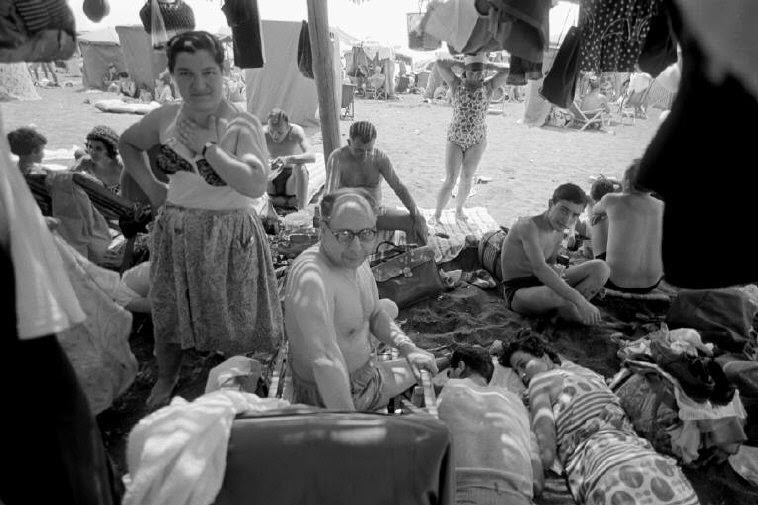
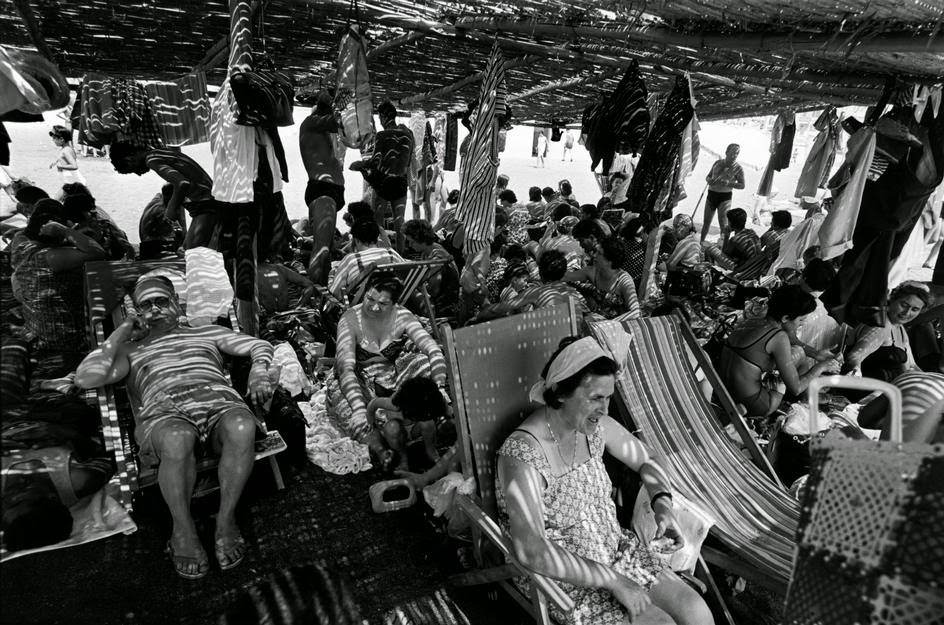
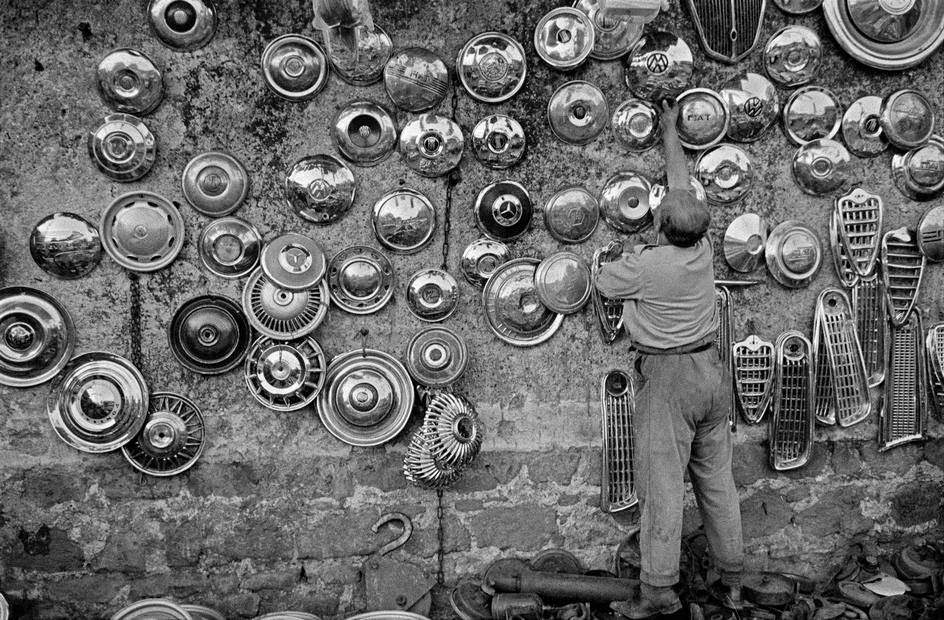
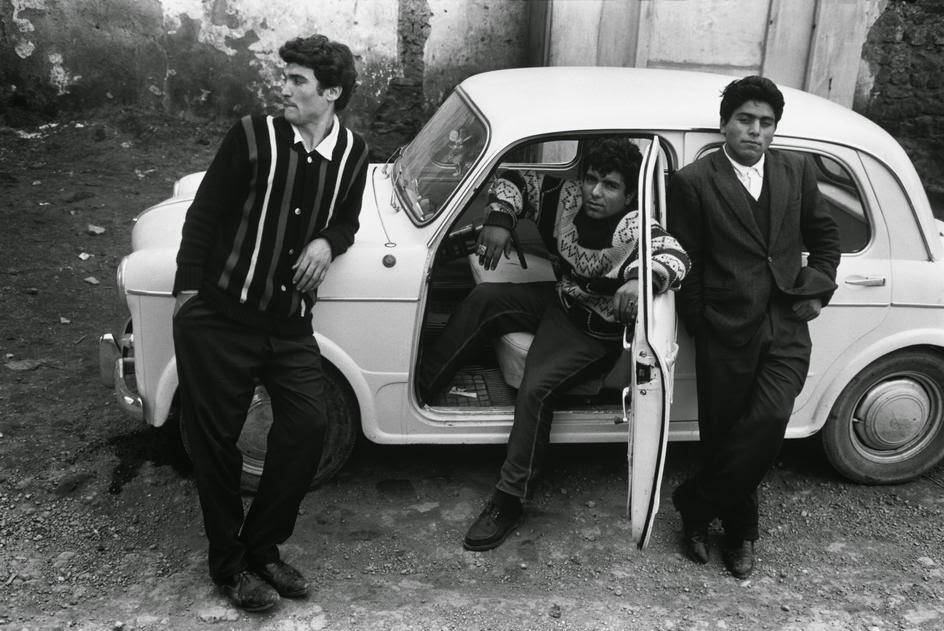
Fiat five hundred cars parked bumper to bumper along every available curb. Mechanics worked outdoors in small garages with open metal doors.
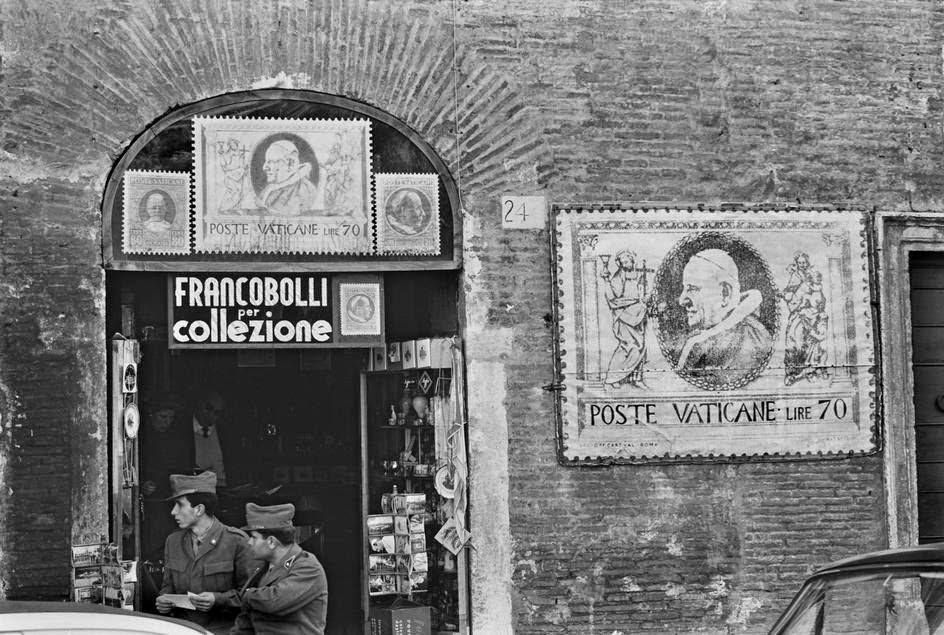
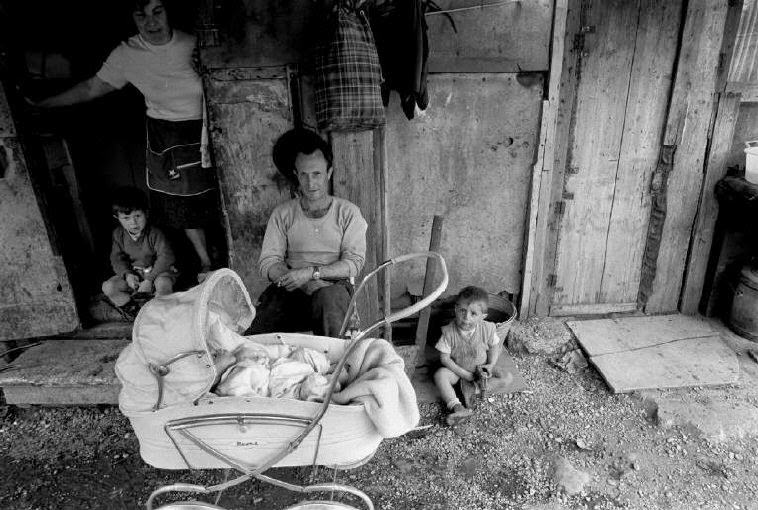
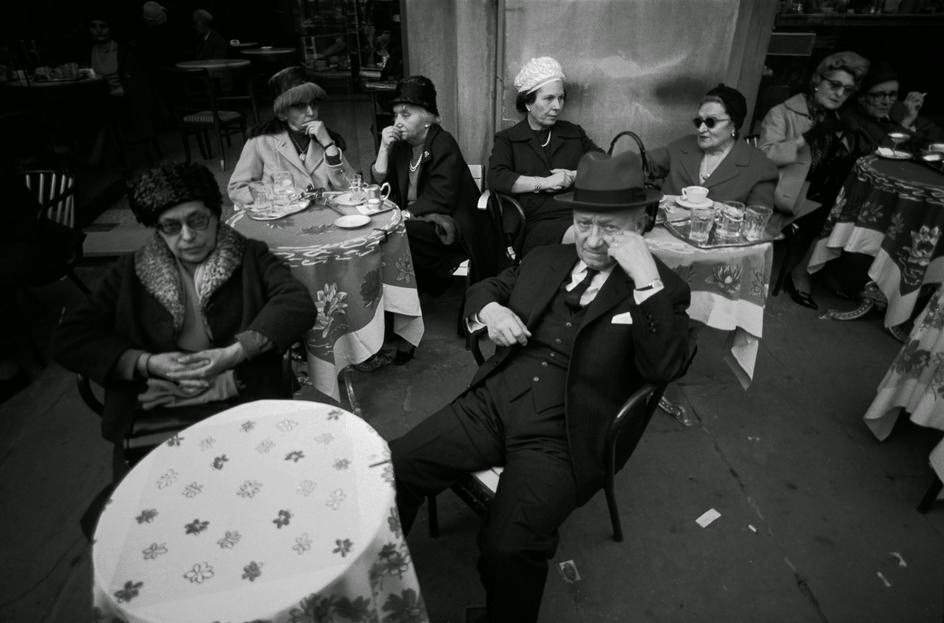
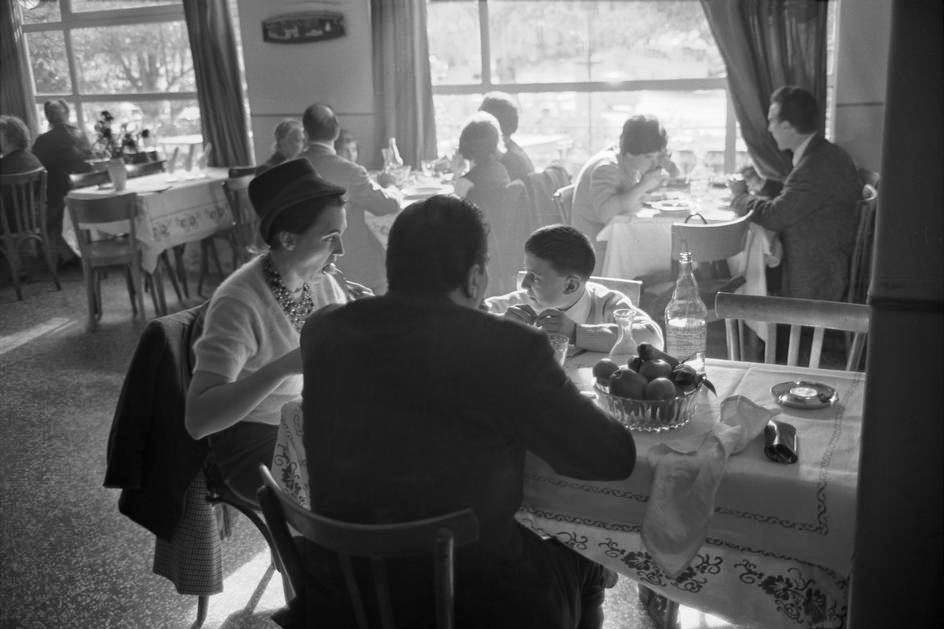
Outdoor cafes filled wide sidewalks on Via Veneto and Piazza Navona. Waiters carried heavy silver trays loaded with espresso cups and pastry plates.
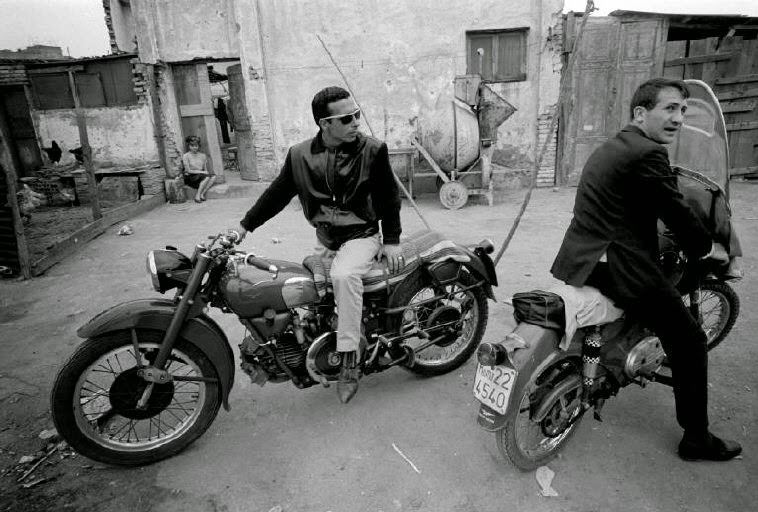
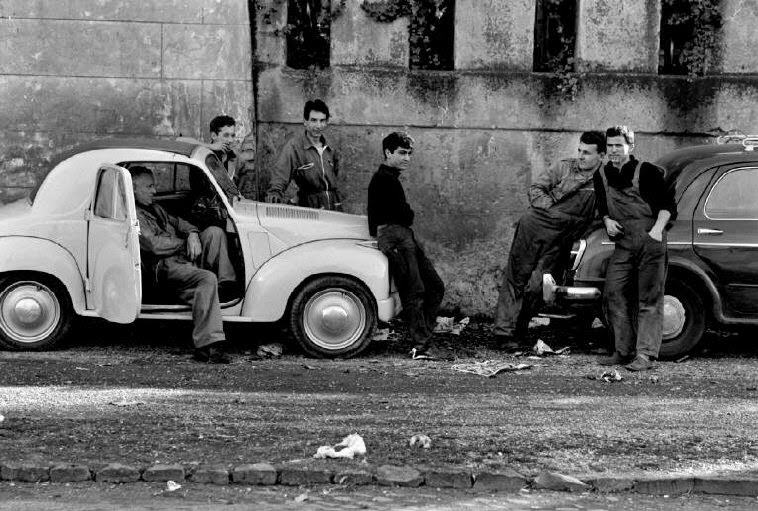
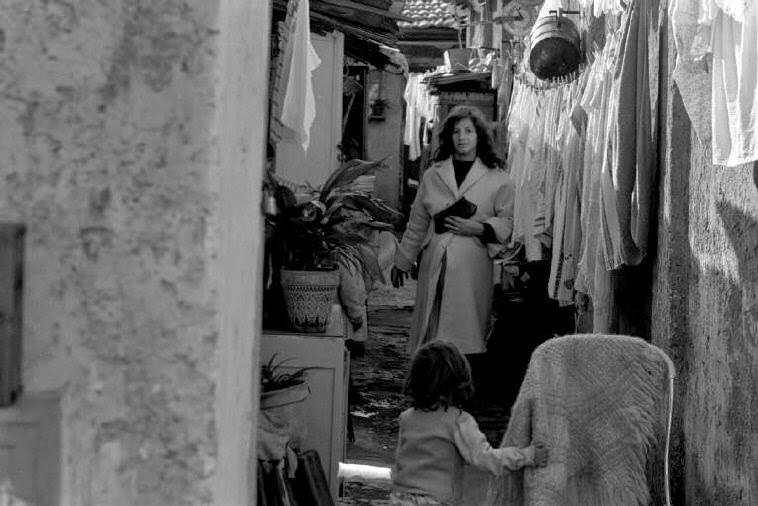
Wealthy tourists sat at outdoor tables wearing silk scarves and wide hats. Photographers chased movie stars down busy avenues hoping for a quick snapshot.
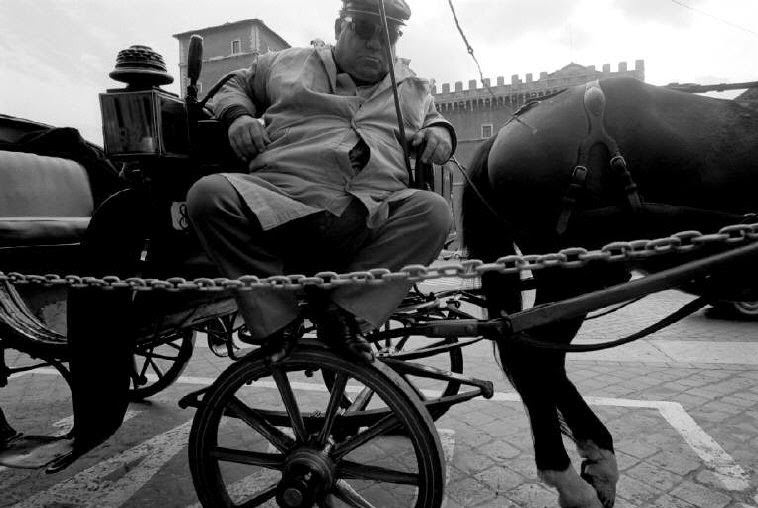
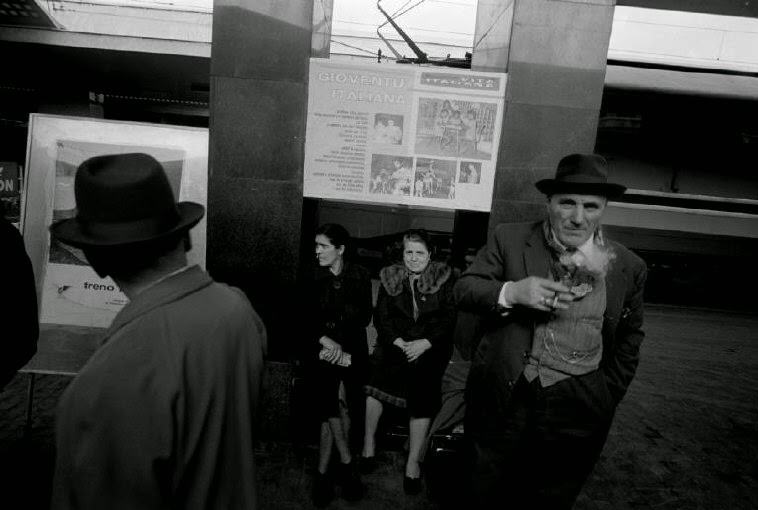
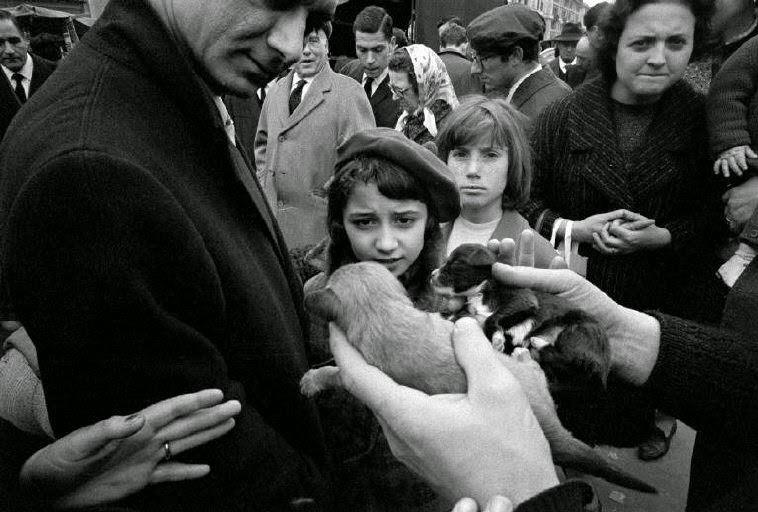
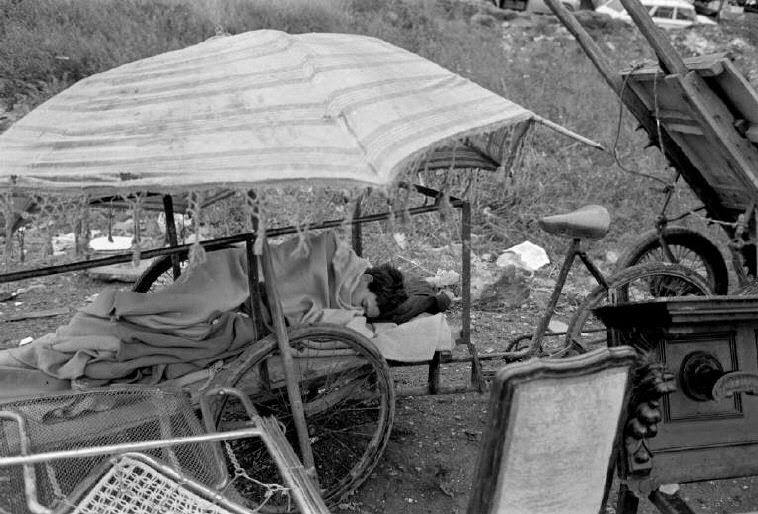
Street vendors sold roasted chestnuts and fresh oranges from wooden pushcarts. Children played soccer matches against old stone walls in neighborhood alleys.
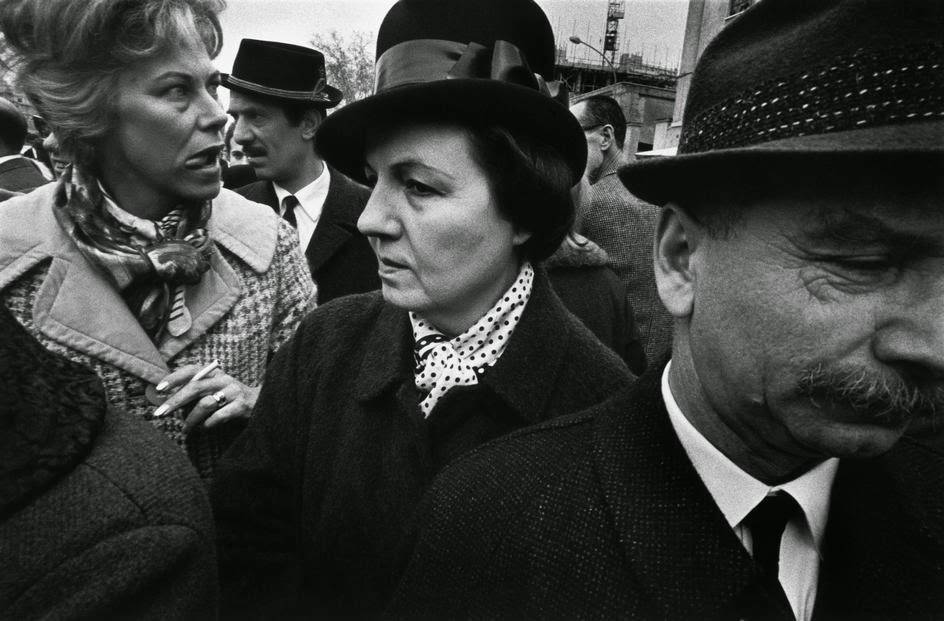
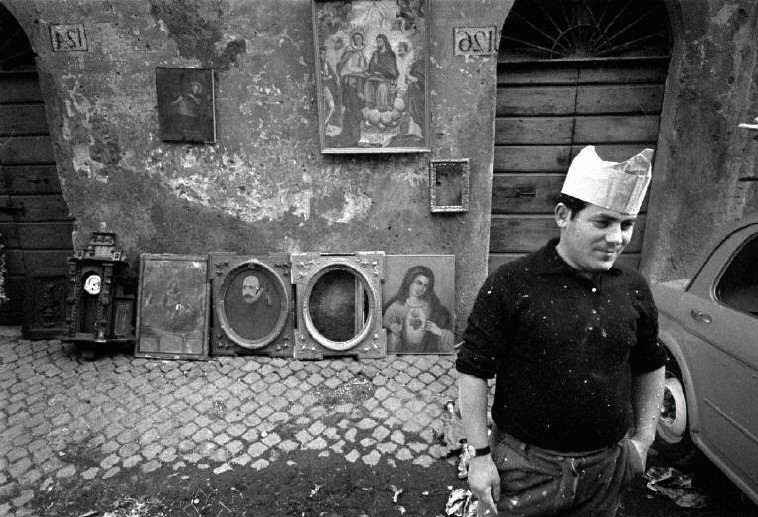
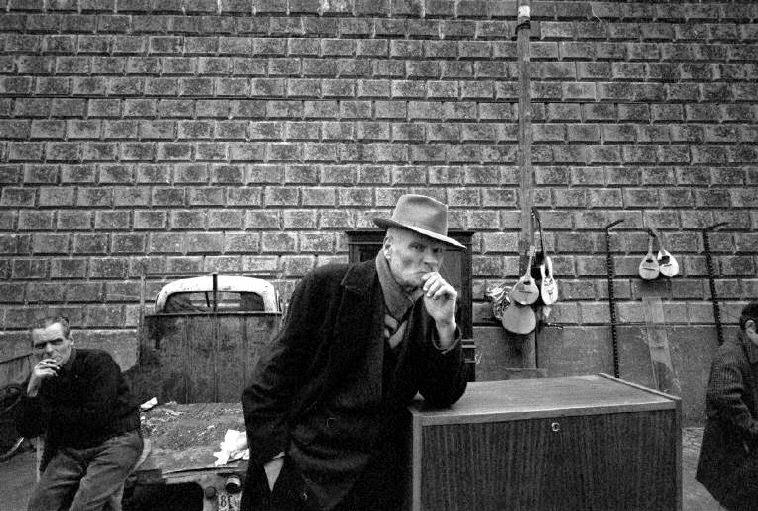
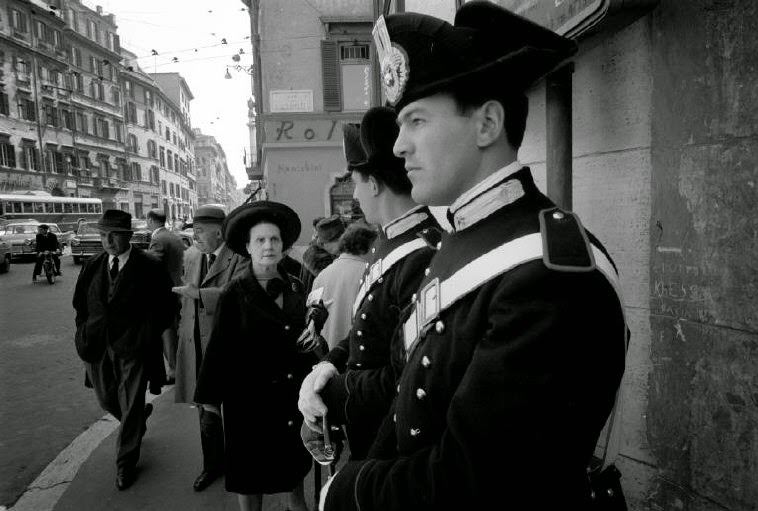
Police officers directed chaotic intersections wearing white helmets and dark uniforms. Summer heat radiated off ancient marble columns and brick facades.
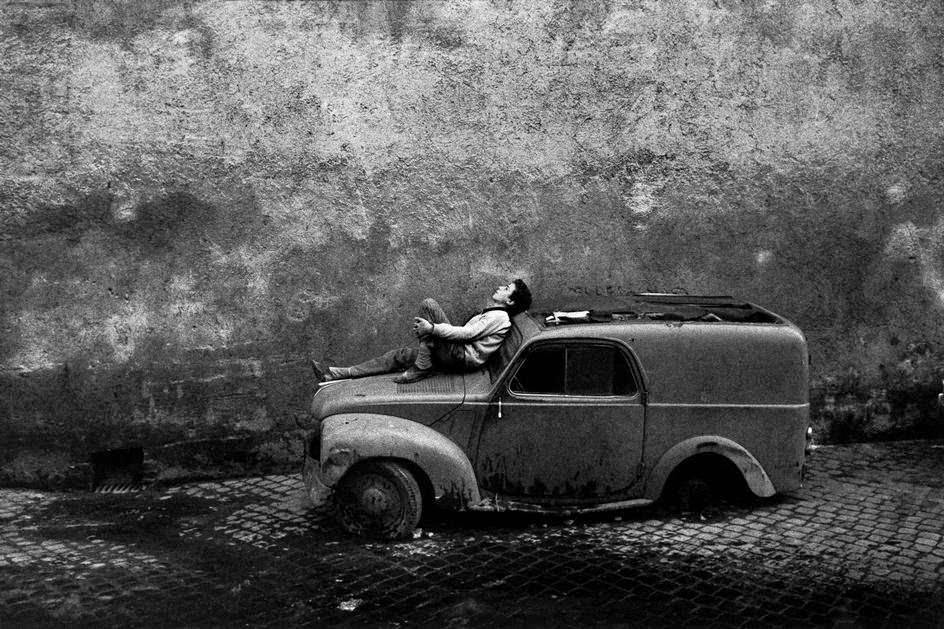
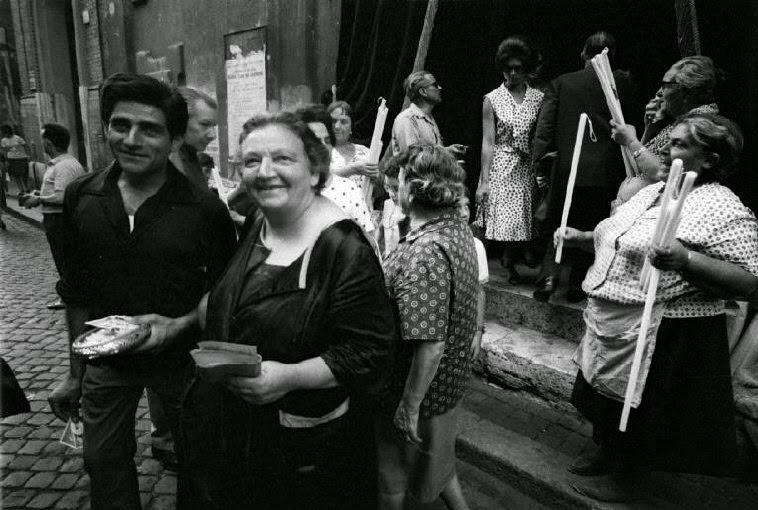
Cinematic production crews transformed ordinary intersections into outdoor movie sets daily. Actors in vintage costumes smoked cigarettes between scheduled camera takes.
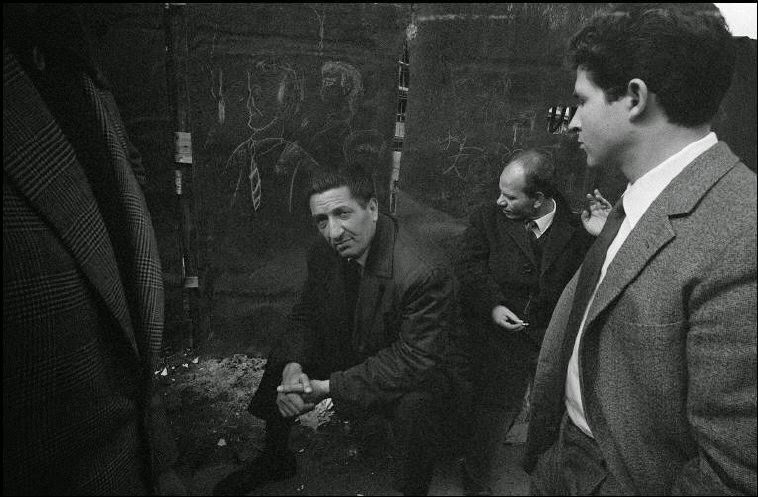
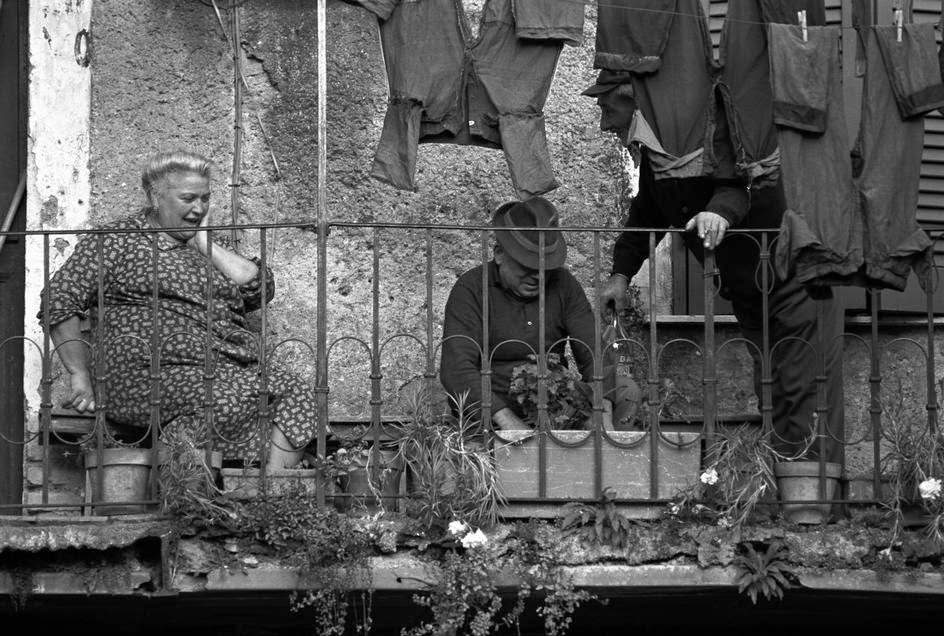
Local residents shopped for bread and cheese at small corner grocery stores. Shopkeepers shouted prices across crowded counters while weighing fresh tomatoes.
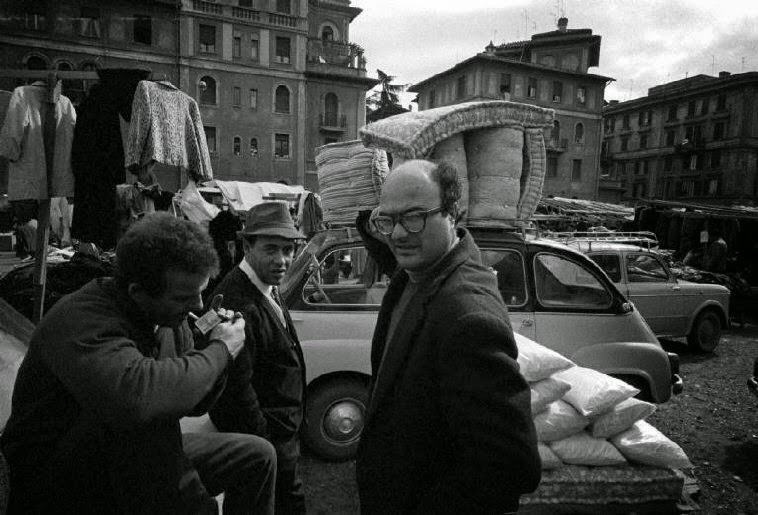
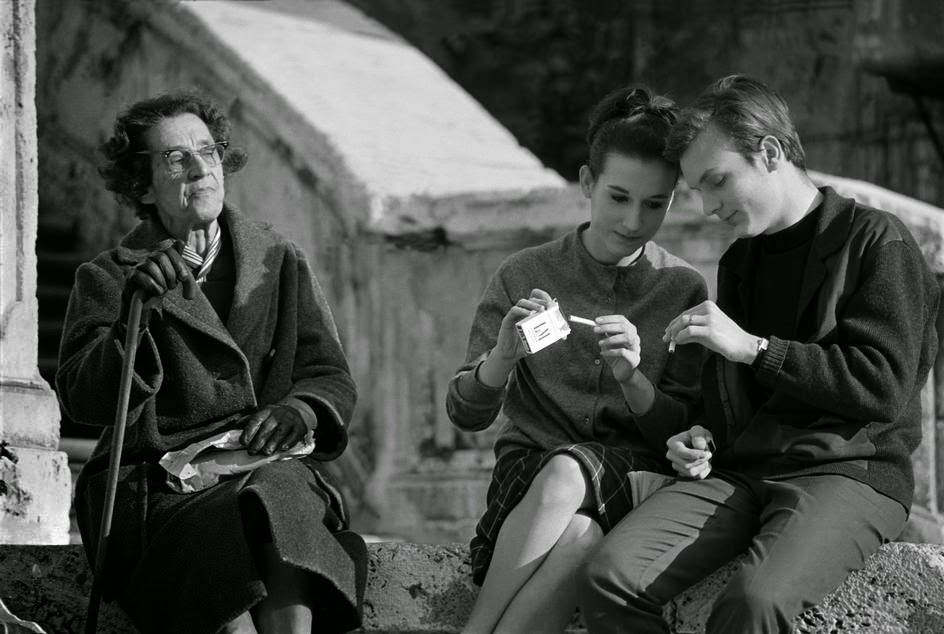
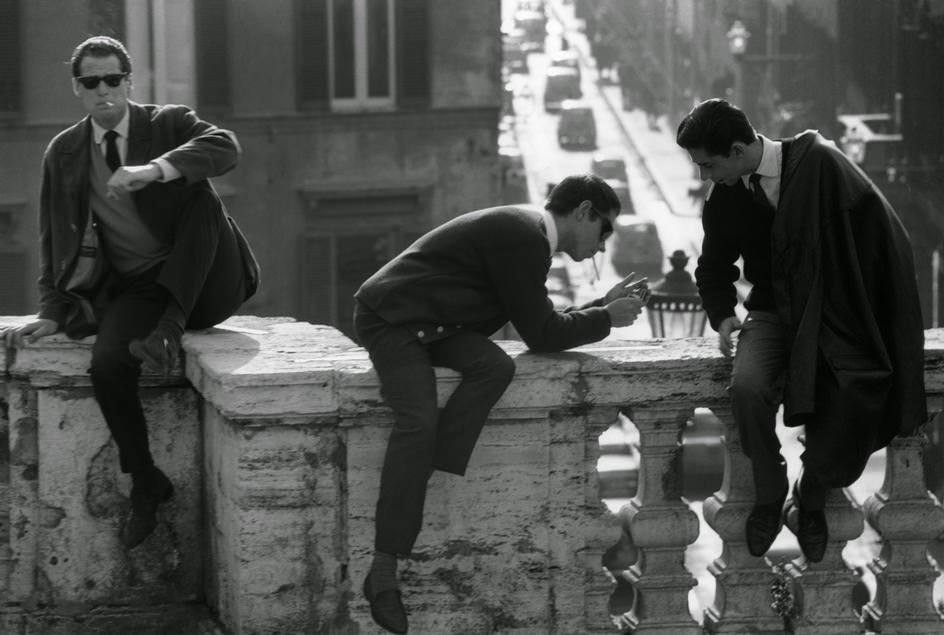
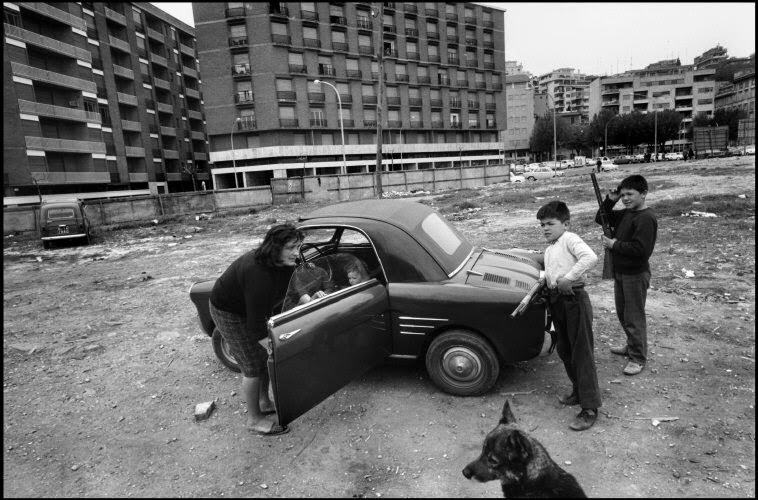
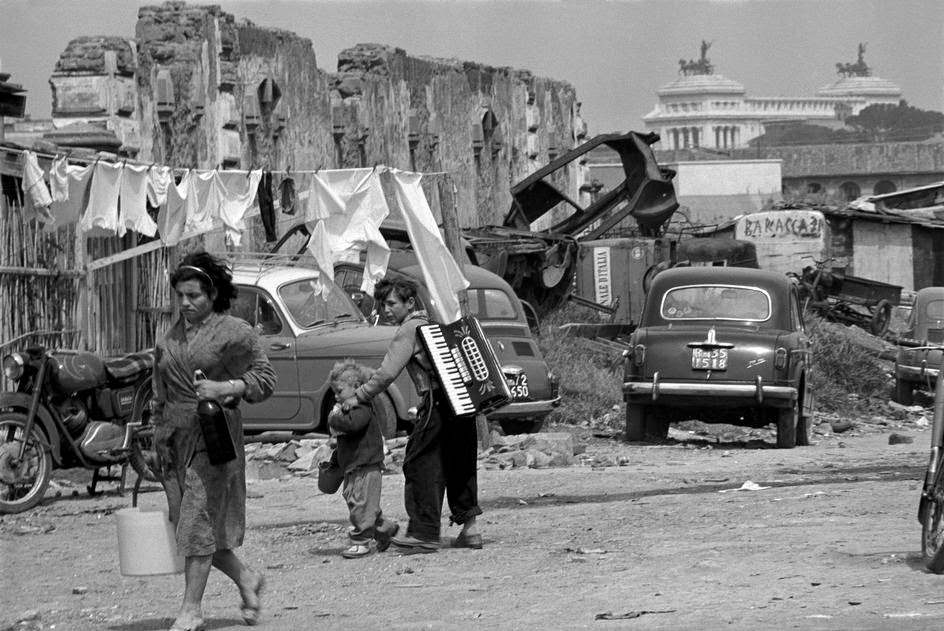
Construction workers built modern apartment blocks on the outer edges of Rome. Cranes lifted steel beams above dusty roads choked with exhaust fumes.
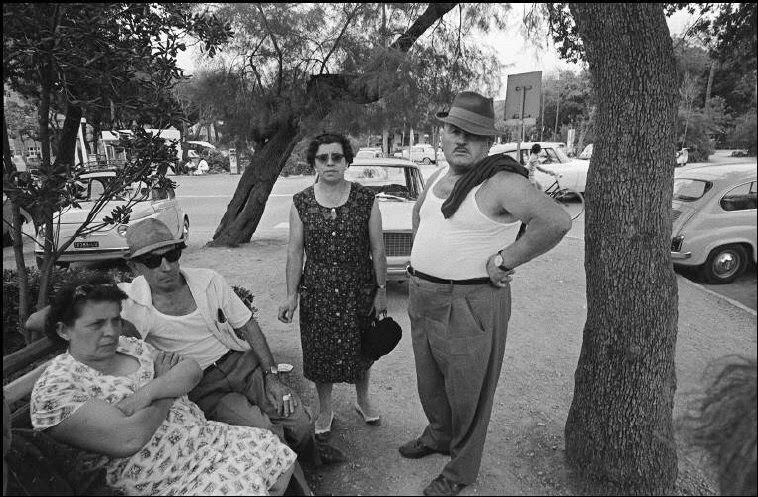
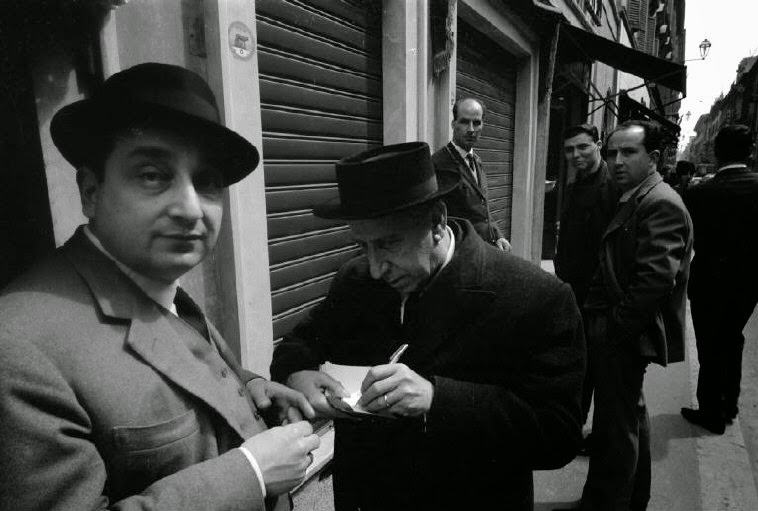
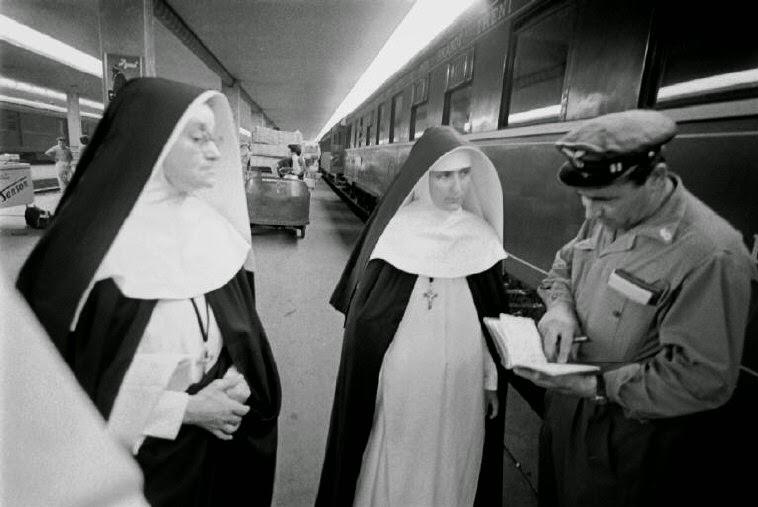
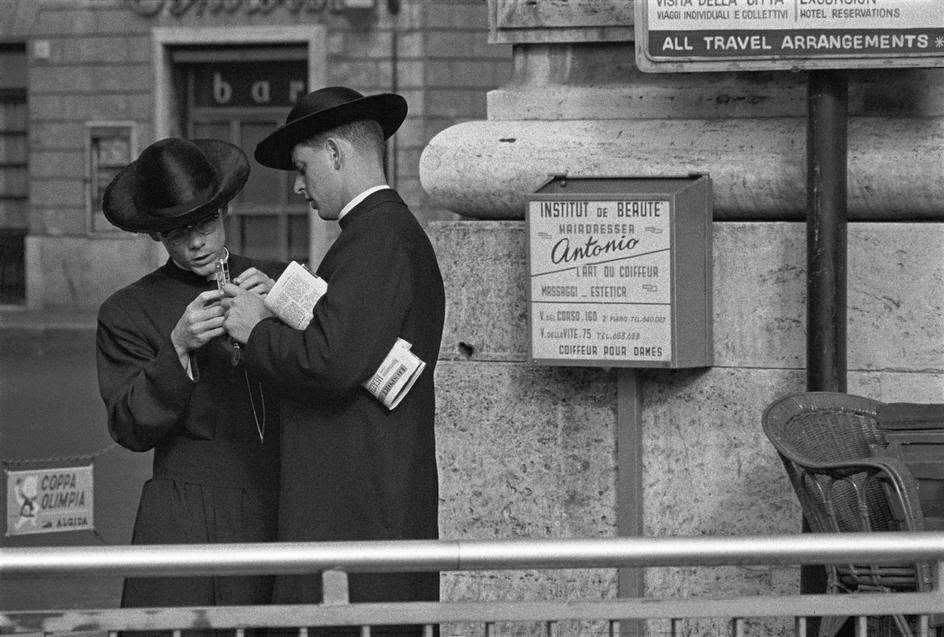
Nuns in black habits walked quickly past noisy outdoor market stalls. Priests in long cassocks read newspapers outside neighborhood coffee shops.
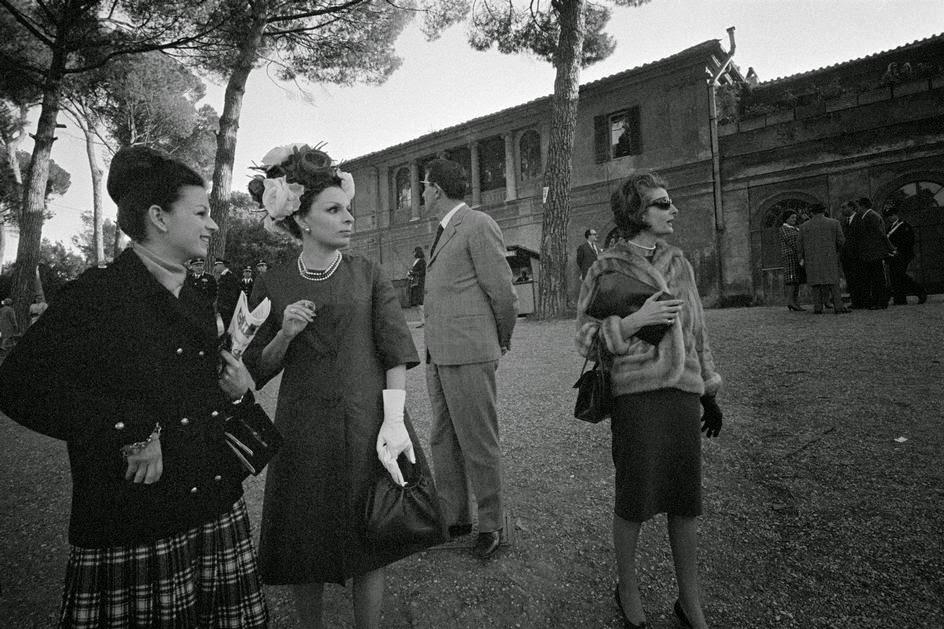
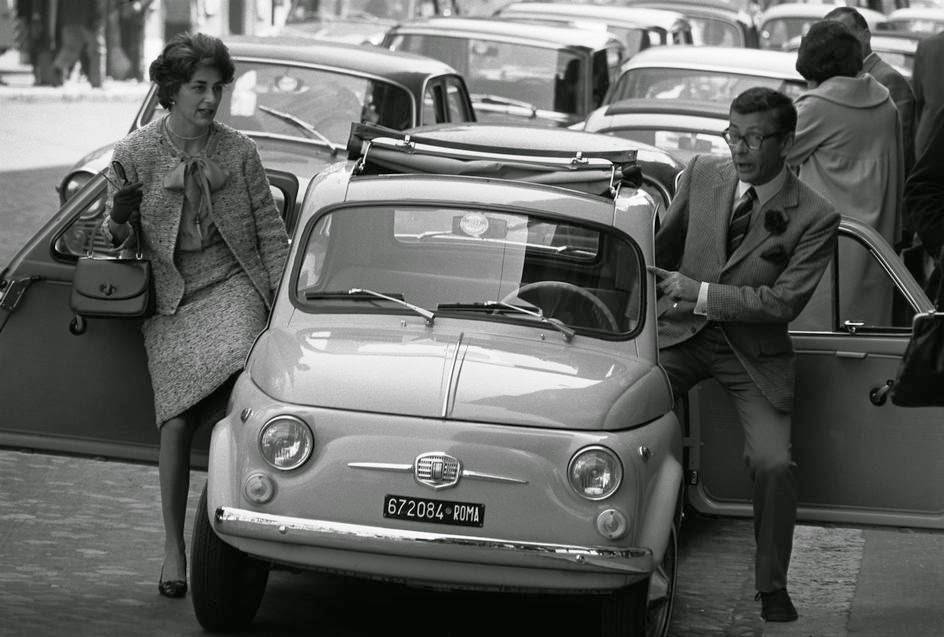
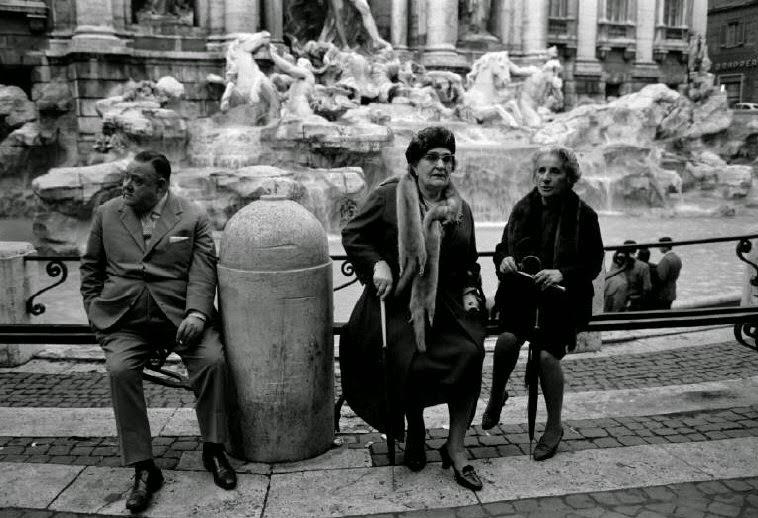
Evening crowds filled the grand piazzas as the sun went down. Neon signs lit up movie theaters showing American and Italian films.
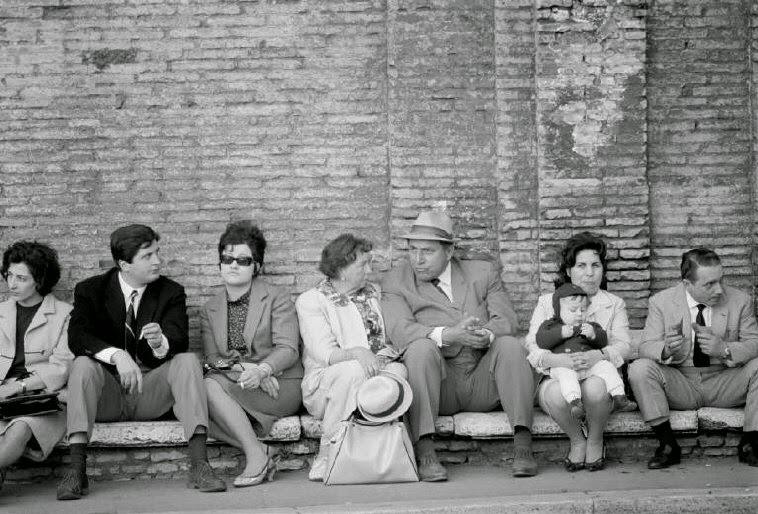
Couples walked arm in arm along the Tiber River retaining walls. Street lamps cast yellow light over lovers sharing quiet benches.
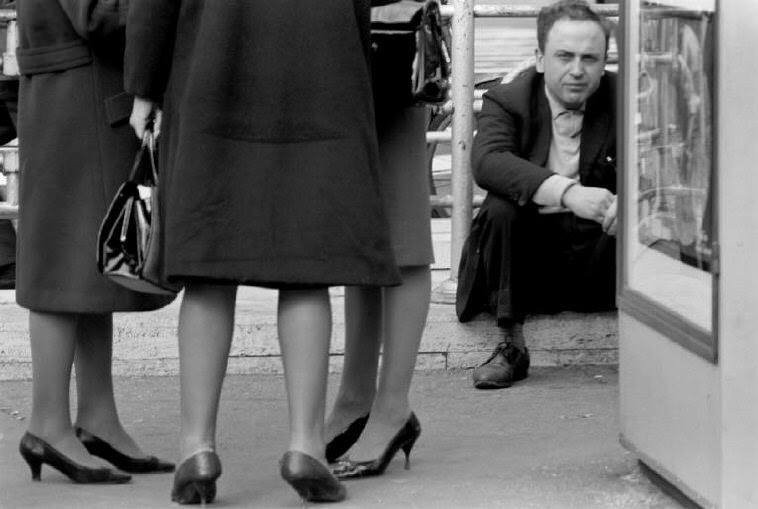
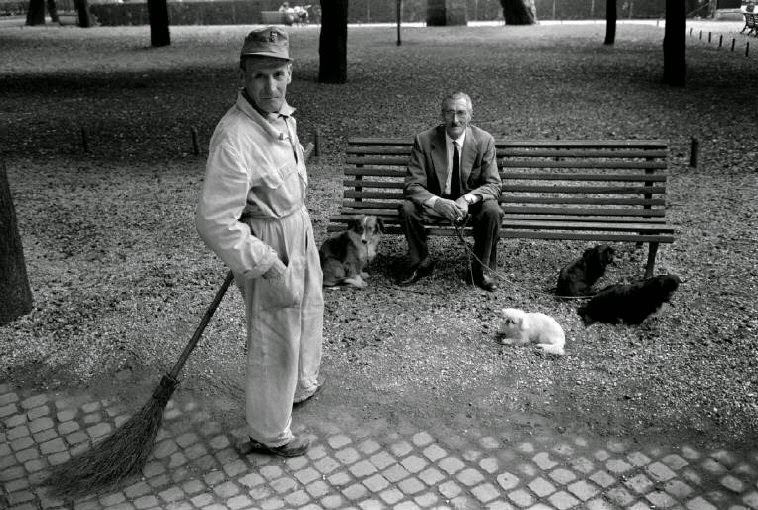
Public fountains splashed water onto marble steps crowded with tired teenagers. Street sweepers cleared dust and paper wrappers from public squares.
Newspapers hit local kiosks reporting the latest political scandals and sports scores. Delivery boys pedaled heavy cargo bicycles loaded with morning papers.
Art students set up easels near ancient ruins to paint afternoon shadows. Stray cats prowled around broken columns left untouched by city planners.
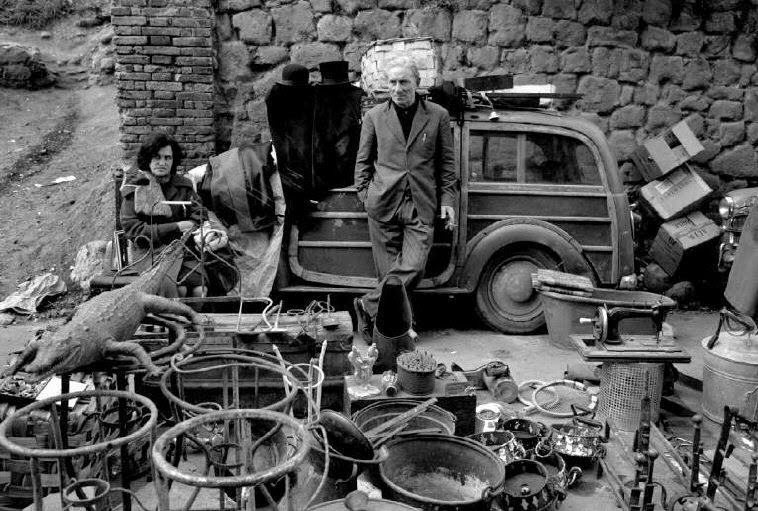
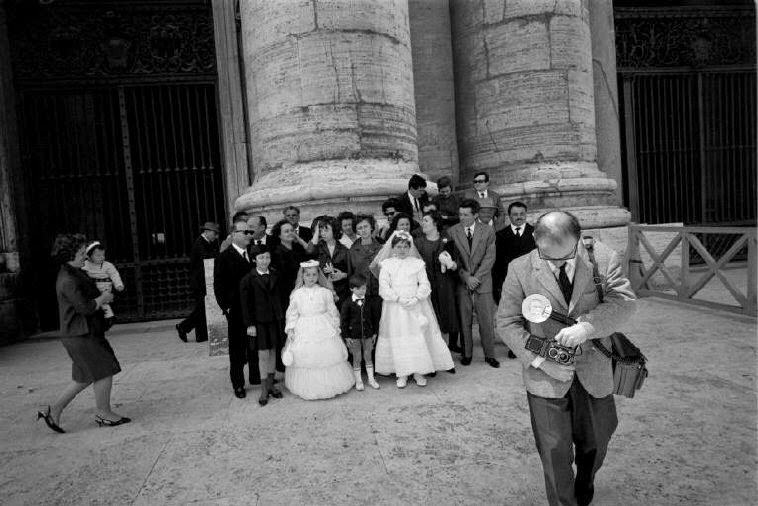
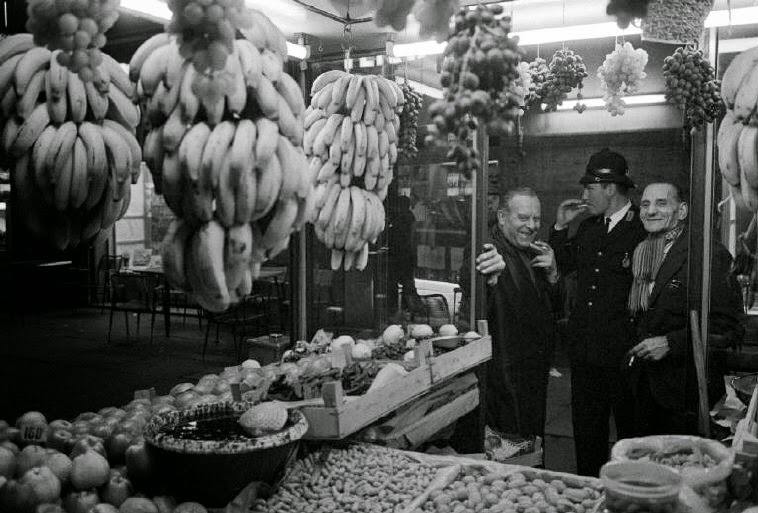
Tourist buses parked outside the Colosseum and St Peter Square. Guides held colored umbrellas high in the air to herd large tour groups.
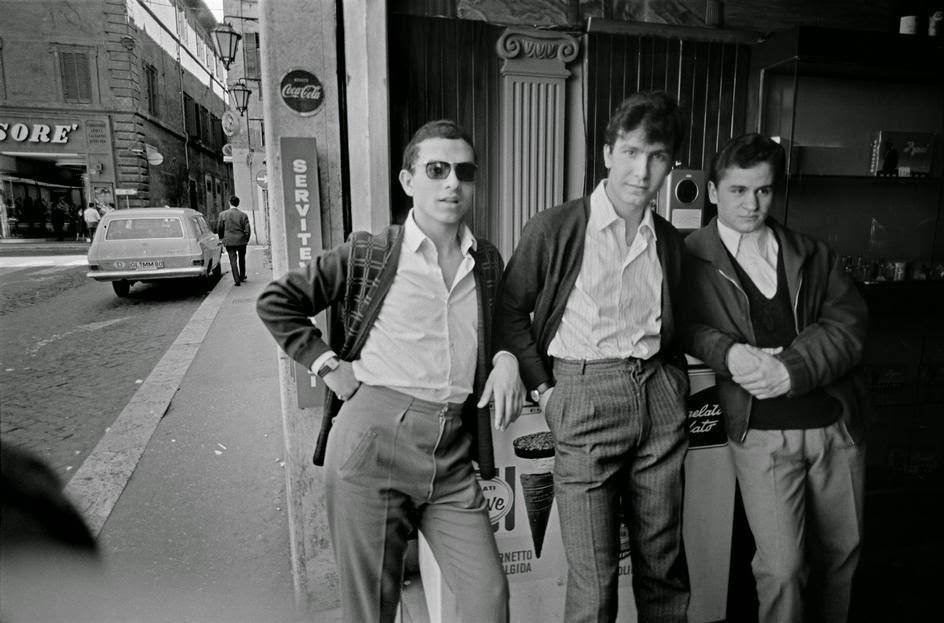
City council members debated public transit budgets inside nineteenth-century municipal buildings. Officials signed paperwork approving new subway line extensions beneath ancient ruins. Municipal workers repaired broken water pipes beneath cracked asphalt streets. Nighttime street life continued past midnight in neighborhoods like Trastevere.