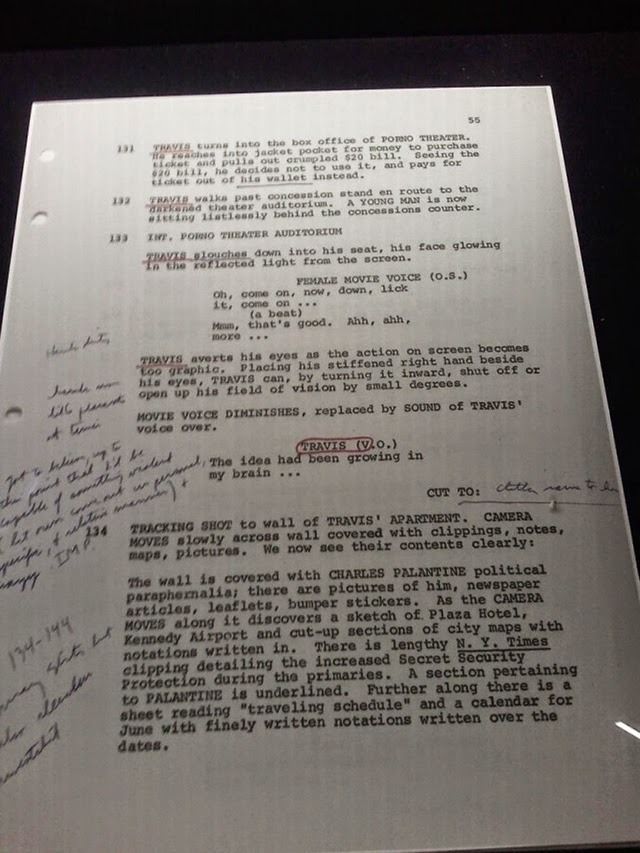
Screenwriter Paul Schrader wrote the gritty script for Taxi Driver in a tiny apartment in Los Angeles during a period of deep personal isolation. He drew heavy inspiration from his own life when he spent weeks living entirely out of his compact car after a painful divorce and a bleeding ulcer that nearly killed him.
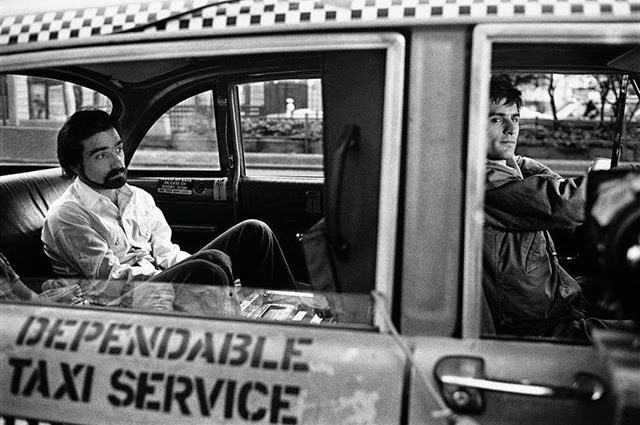
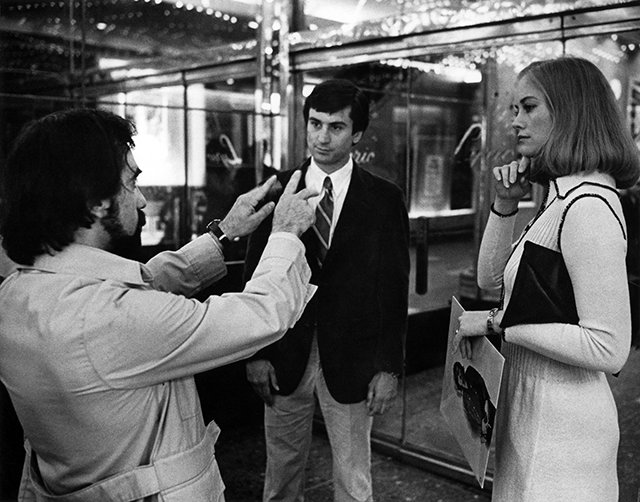
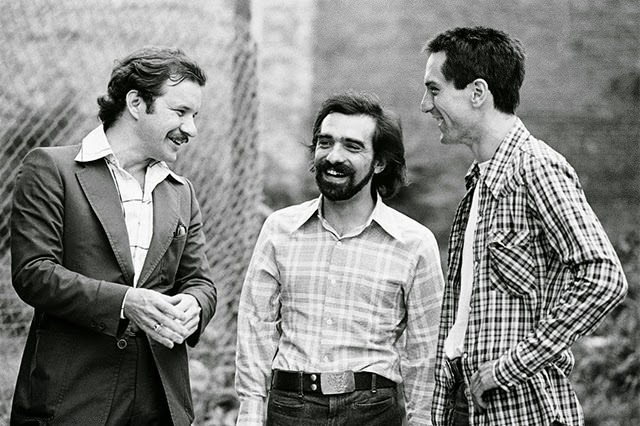
Director Martin Scorsese read the completed screenplay and immediately wanted to bring the dark vision to the screen. He took the project directly to Columbia Pictures, securing a modest production budget of 1.9 million dollars to shoot entirely on location in New York during the stifling summer months.
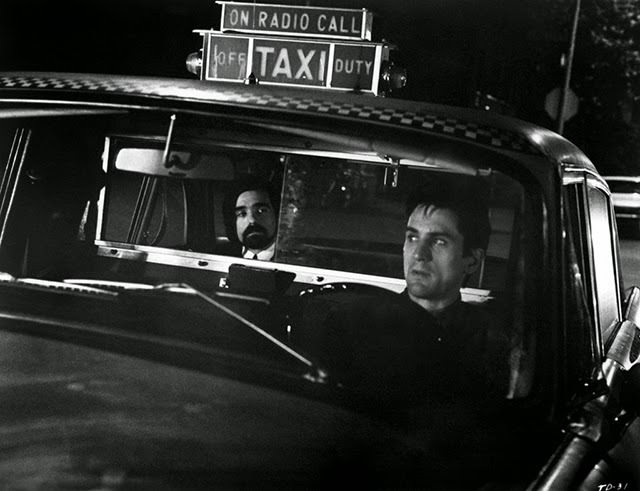
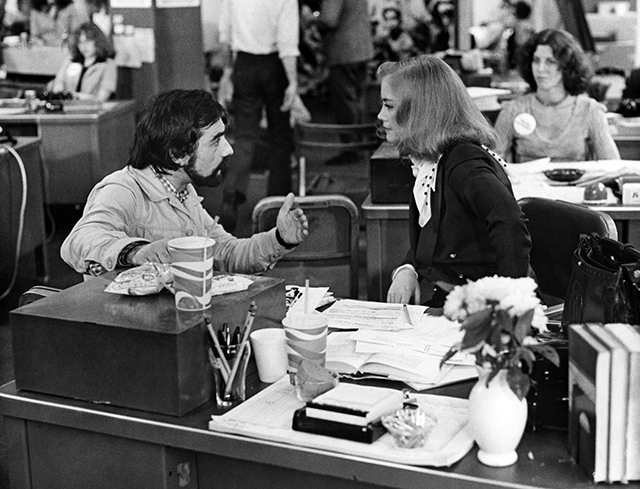
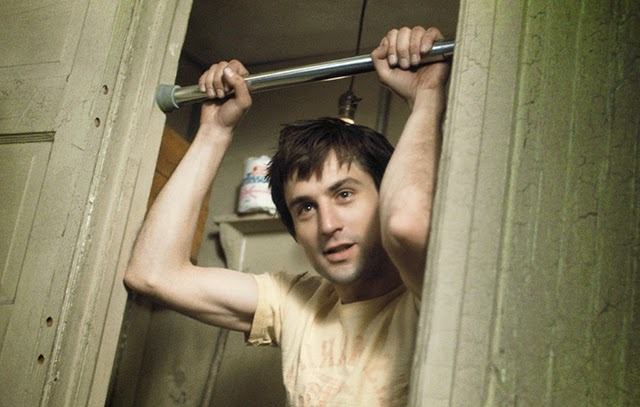
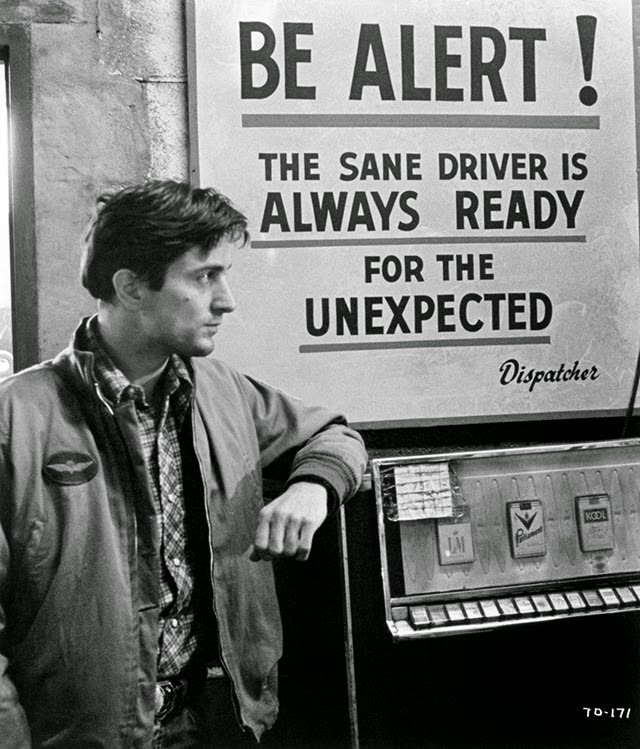
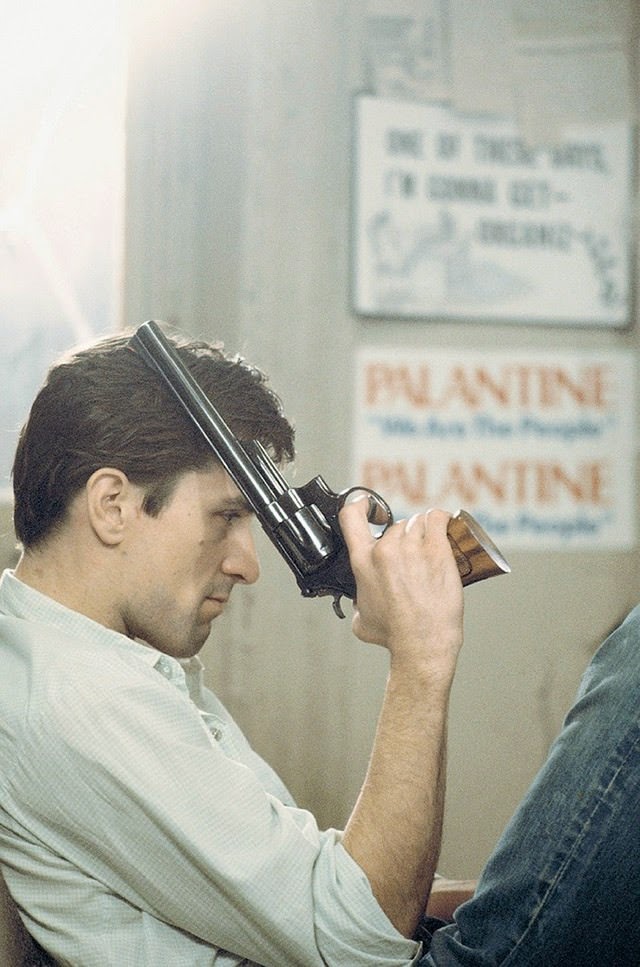
Robert De Niro signed on to play Travis Bickle, an insomniac veteran returning from the Vietnam War with severe mental scars and mounting social alienation. De Niro wanted to deeply understand the psychological weight of working long night shifts in a massive, uncaring metropolis.
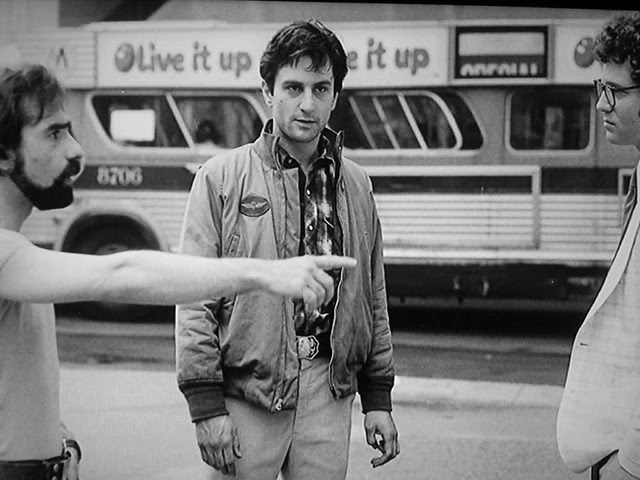
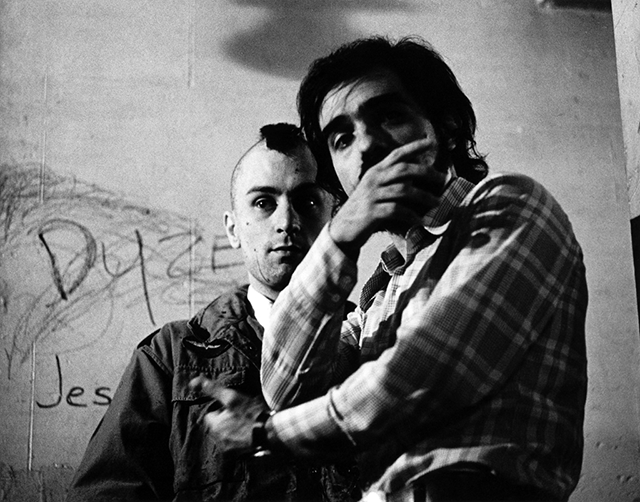
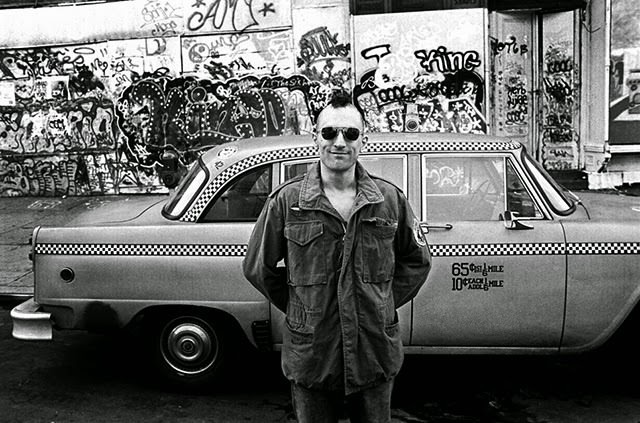
The actor spent weeks obtaining a valid hack license and driving around New York City in a yellow cab during his off hours.
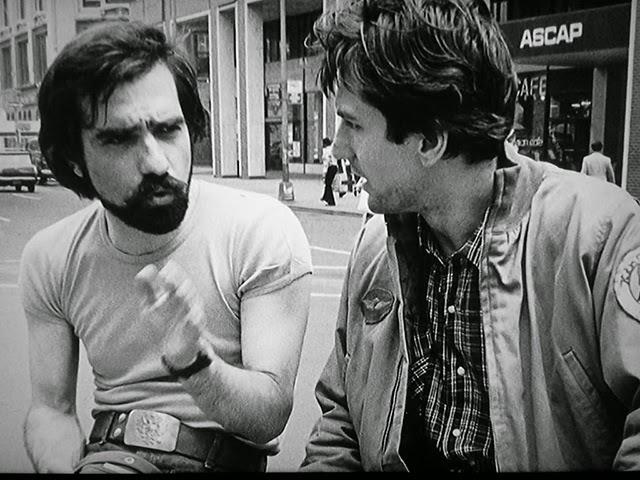
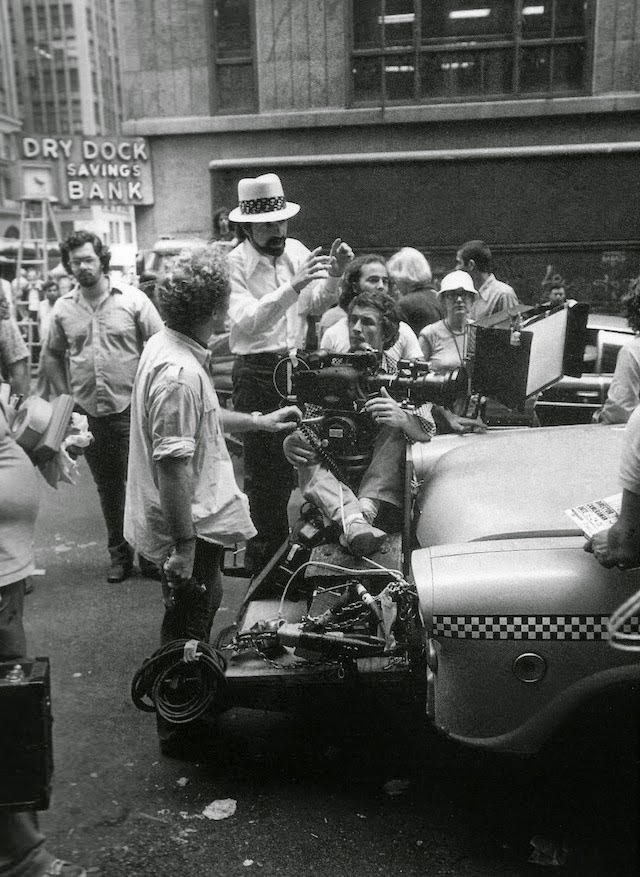
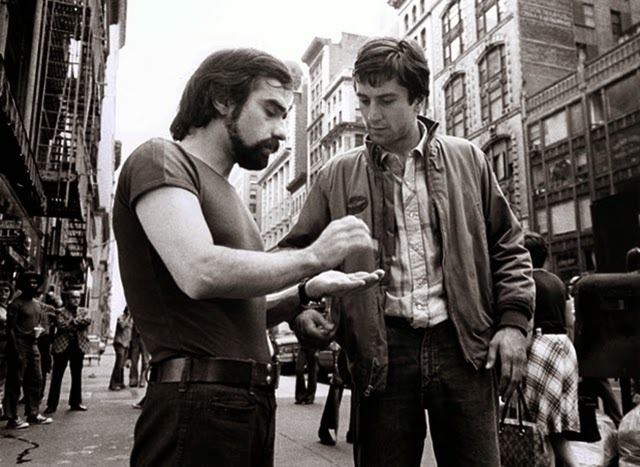
Principal photography began on the hot streets of Manhattan in the middle of a brutal summer heatwave in 1975.
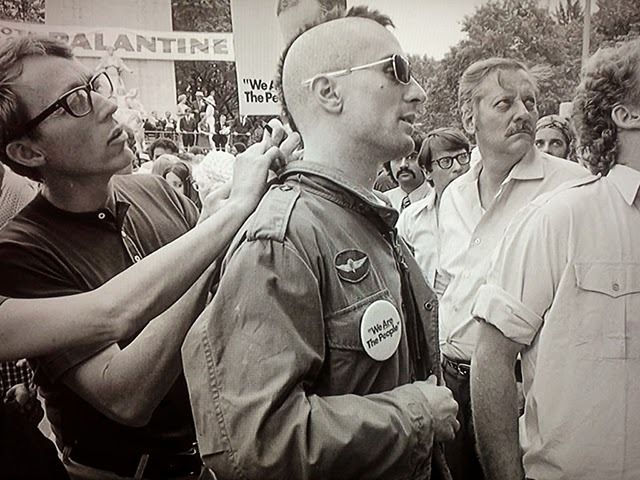
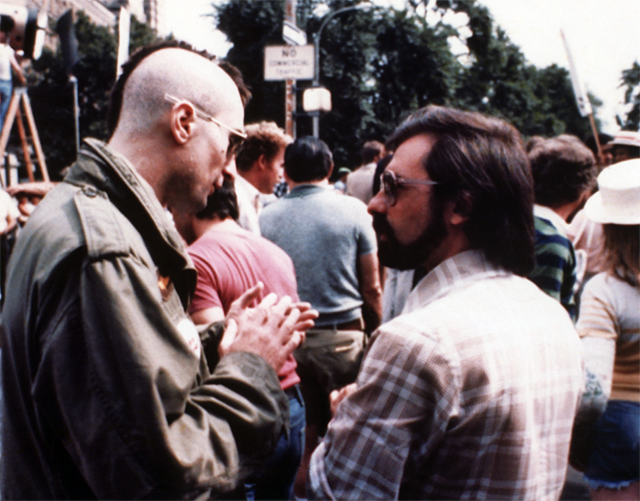
New York City was suffering through a massive municipal sanitation strike at the exact same time, leaving towering piles of rotting garbage high on the baking sidewalks.
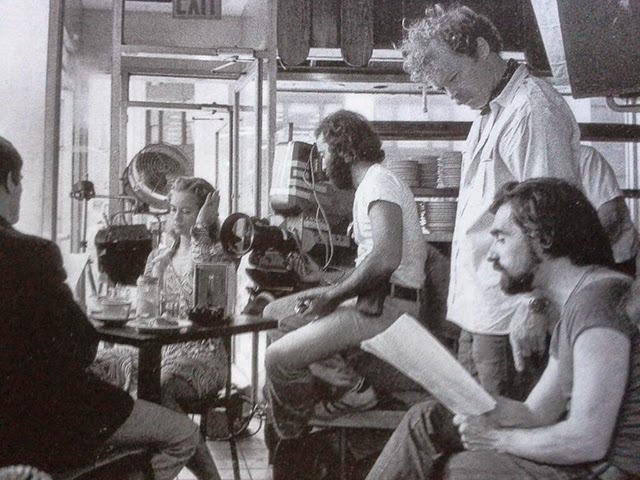
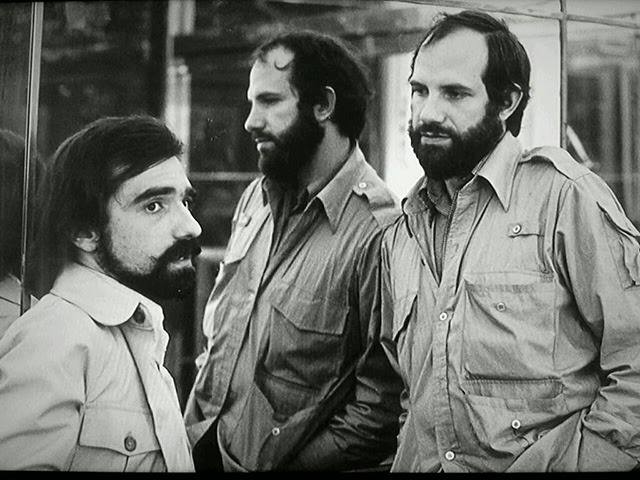
Scorsese wanted the visual style of the movie to mirror the lonely interior life of his disturbed main character.
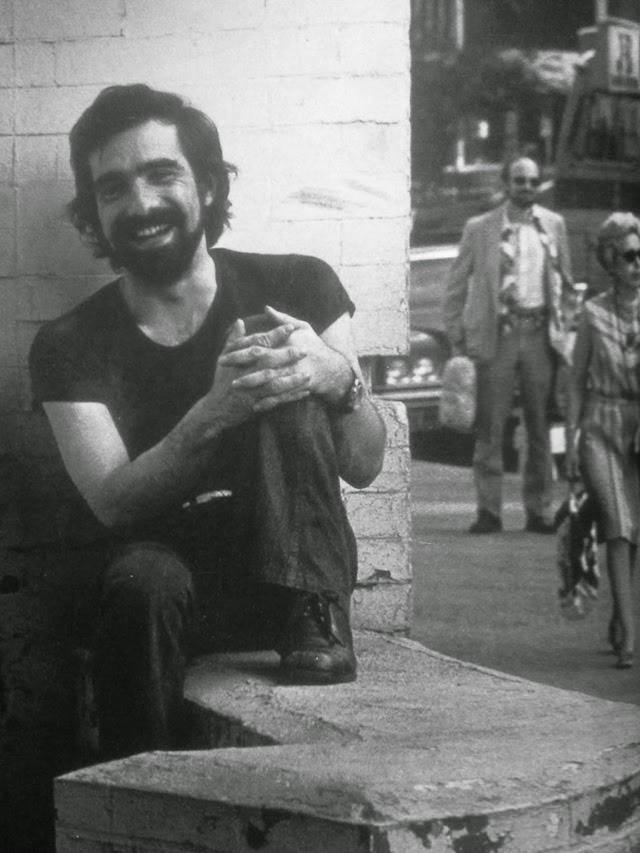
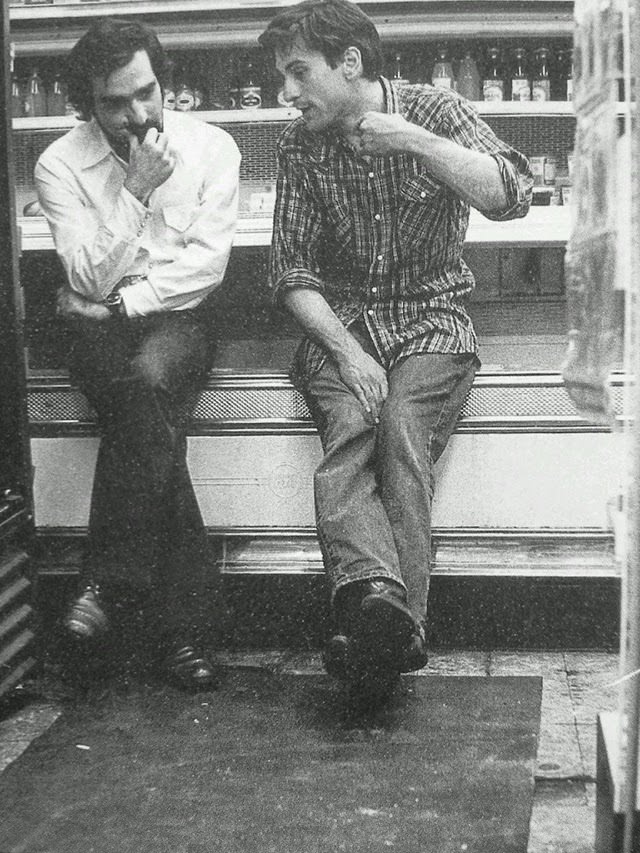
Cinematographer Michael Chapman utilized neon signs, thick steam rising from underground manholes, and harsh streetlights to light the moody night scenes.
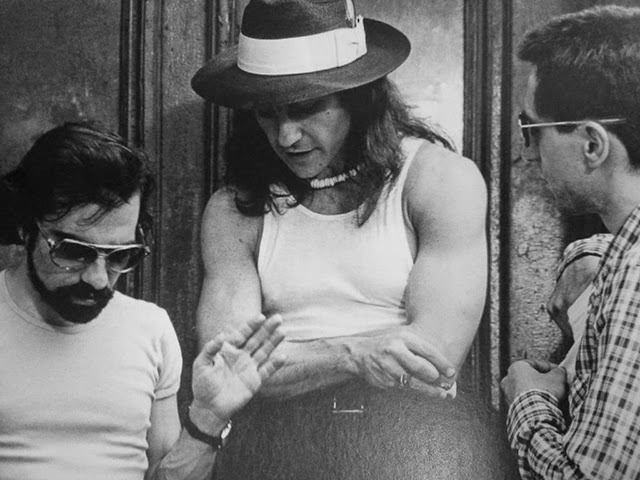
Robert De Niro lost thirty pounds to make his face look sickly, gaunt, and completely starved.
He also studied archival news footage of political assassins to build his nervous physical ticks and awkward posture.
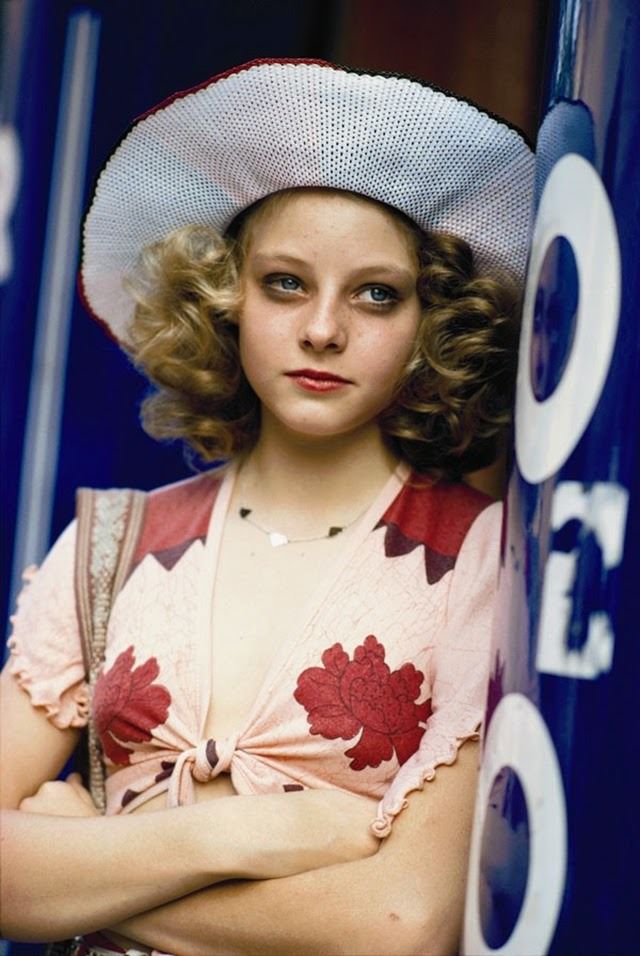
Jodie Foster was only twelve years old when she auditioned to play Iris, the young runaway caught up in the harsh sex trade.
Strict child welfare laws required licensed social workers to remain present on set during all of Foster's working hours.
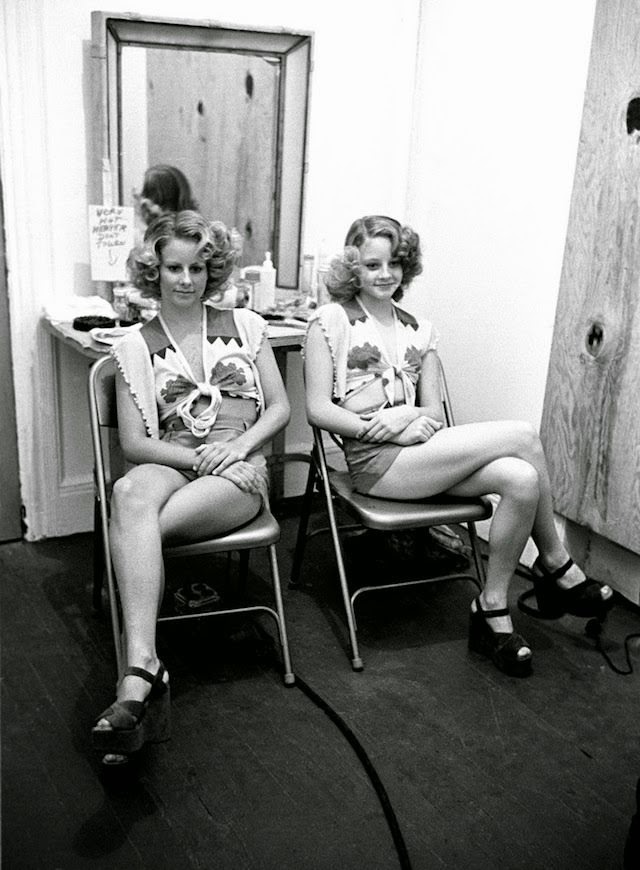
Her older sister Connie acted as her stand-in for the more mature parts of the script.
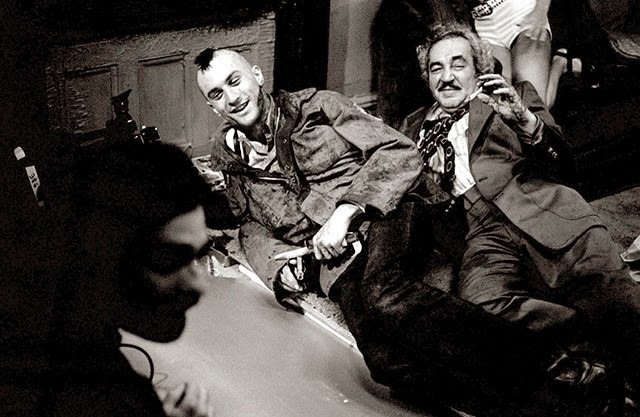
Harvey Keitel stepped into the role of Matthew, known on the streets as Sport, a local pimp.
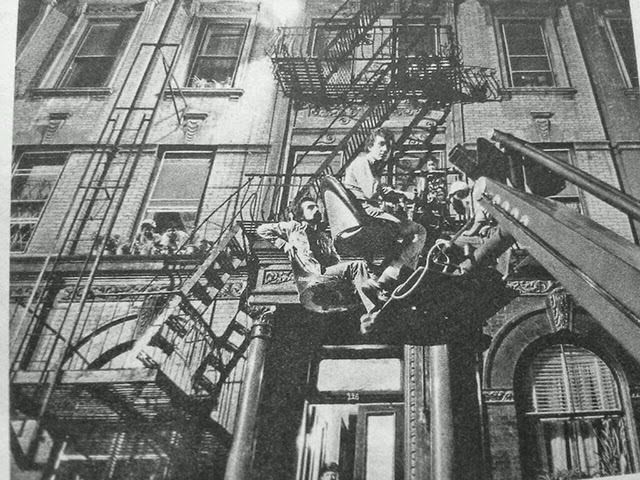
Keitel spent considerable time hanging out with real street hustlers in Times Square to learn how they talked, walked, and dressed.
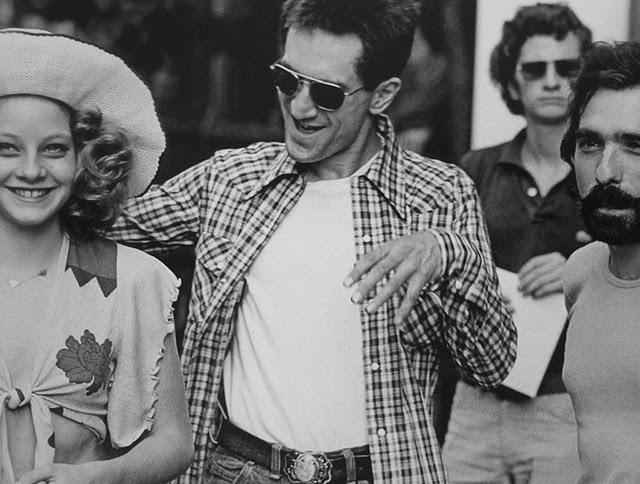
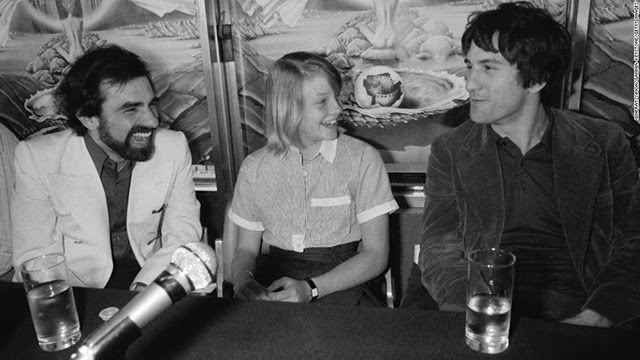
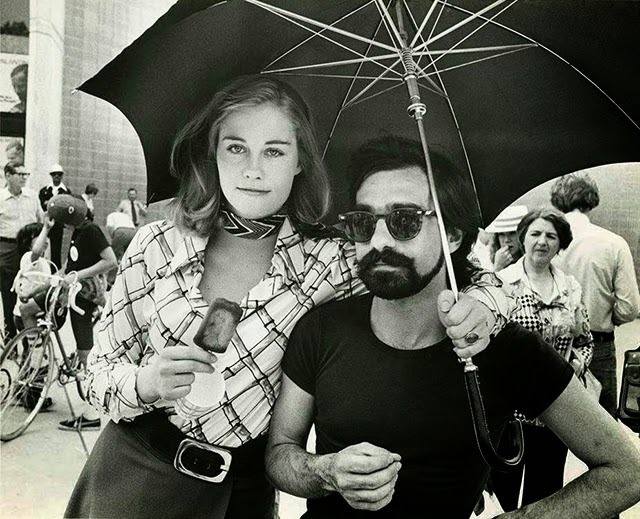
Cybill Shepherd portrayed Betsy, the clean-cut political campaign worker who ultimately rejects Travis after a disastrous date at a pornographic theater.
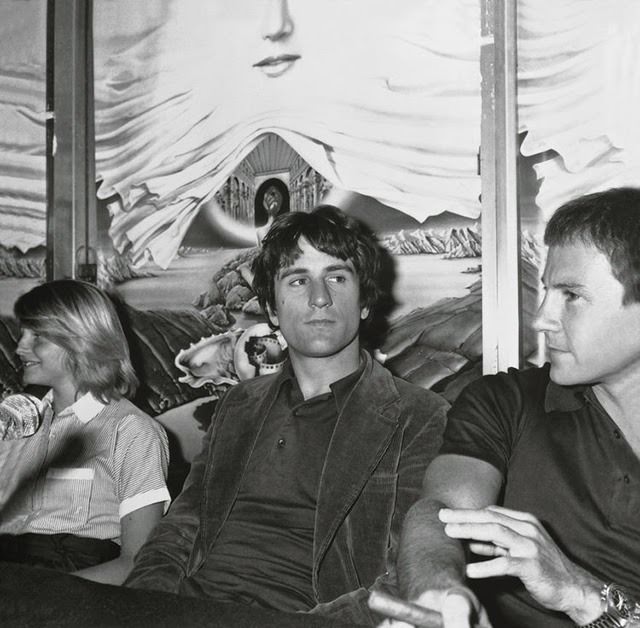
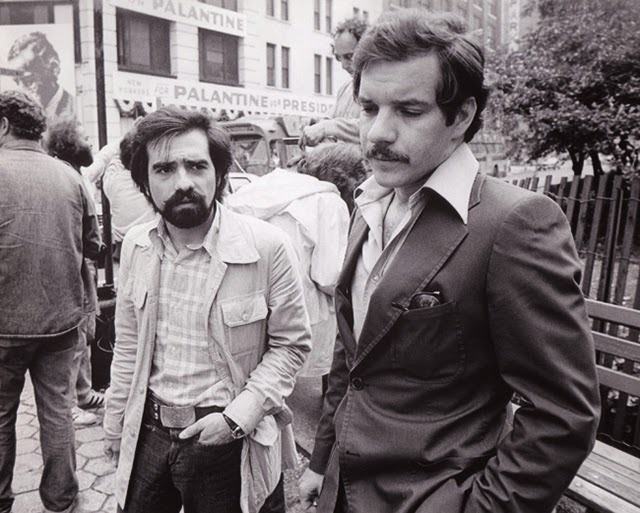
Peter Boyle played Wizard, an older veteran cab driver who offers confused life advice during diner coffee breaks.
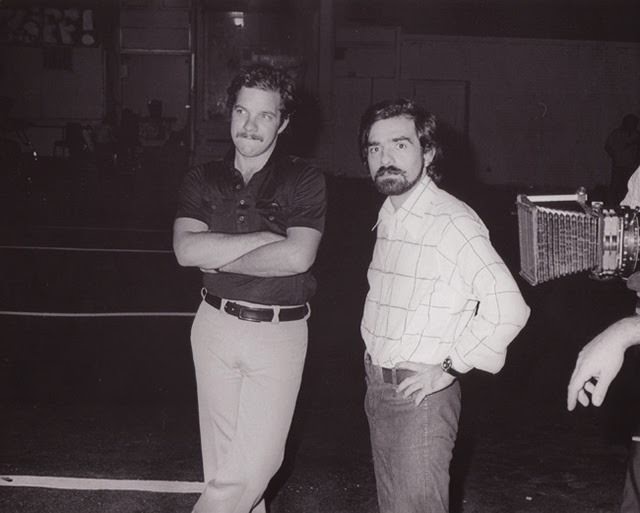
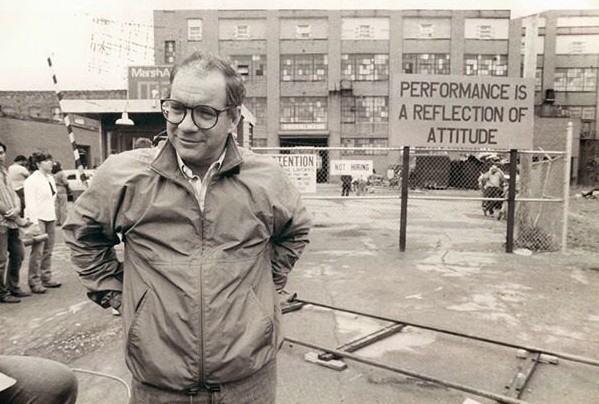
The production crew worked grueling long hours in gritty neighborhoods across the Upper West Side and the Bowery.
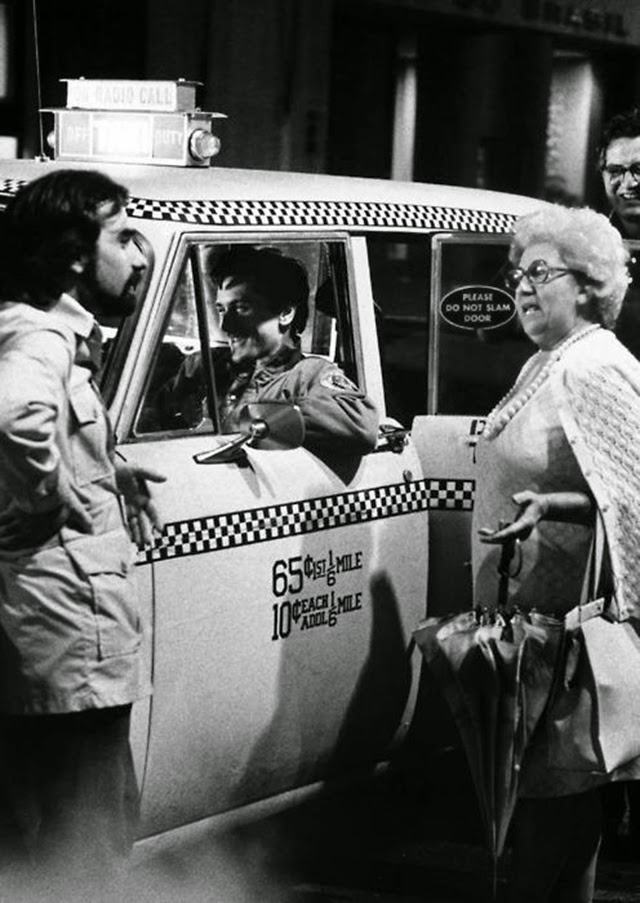
Local residents often crowded tightly behind police barricades just to watch the cameras roll on real city blocks.
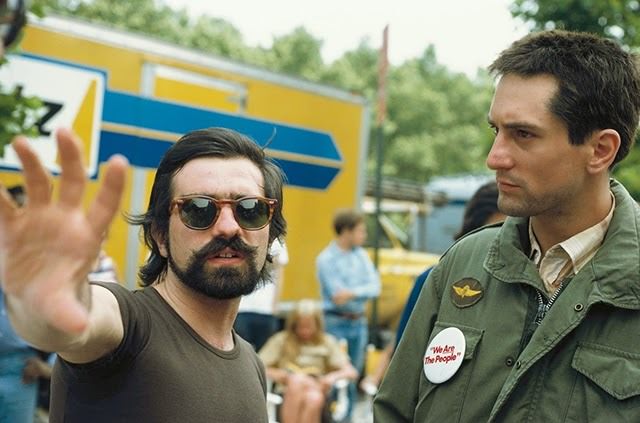
Martin Scorsese even made a memorable cameo appearance as a deranged passenger in Travis's cab who plans to murder his unfaithful wife.
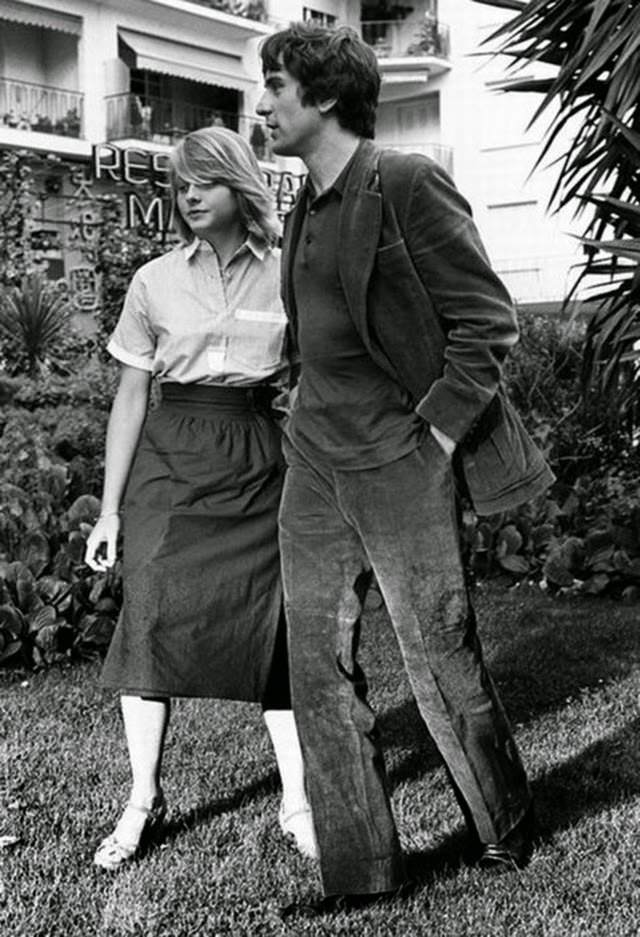
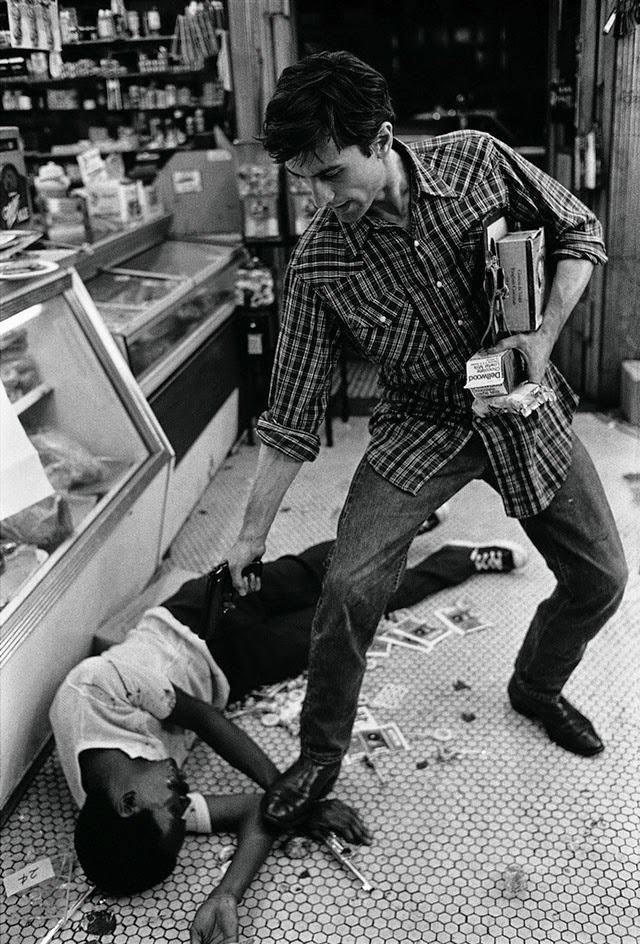
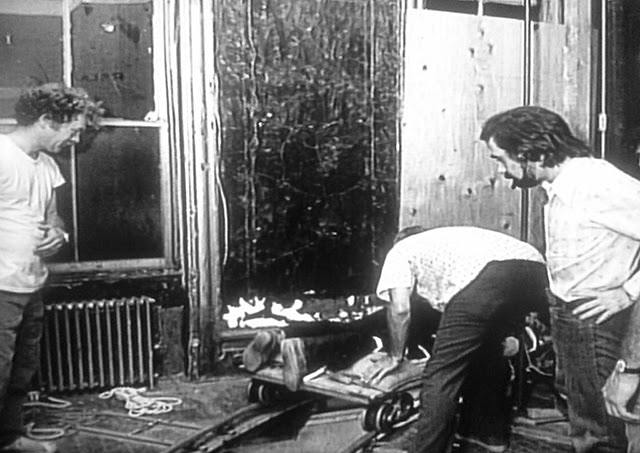
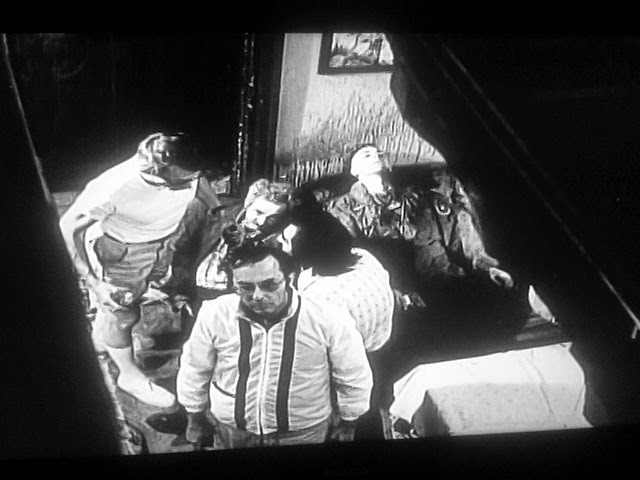
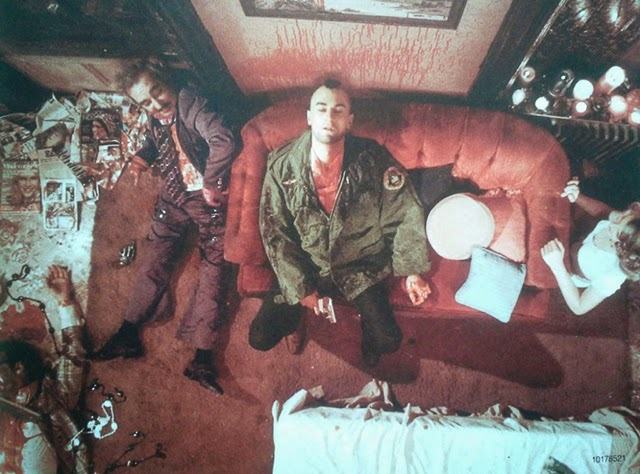
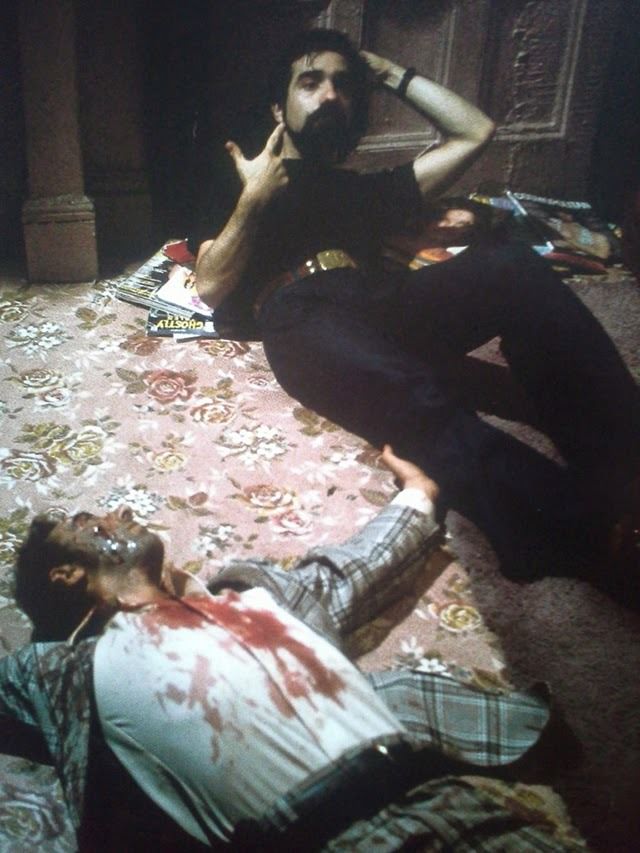
The bloody climax inside the seedy apartment building required rigorous planning from the special effects department.
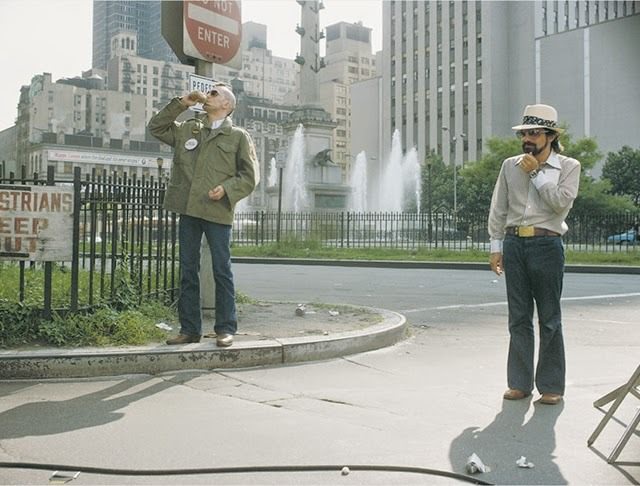
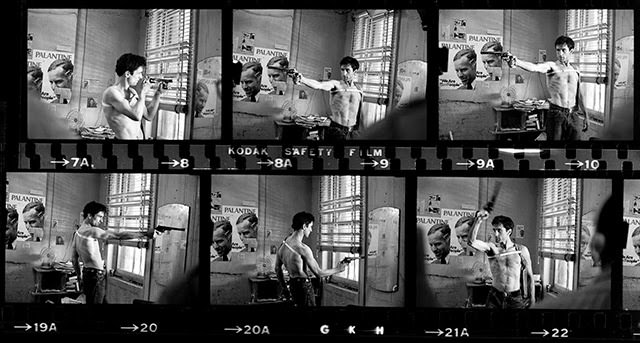
Makeup artist Dick Smith designed the realistic prosthetics and mixed gallons of dark fake blood used in the final shootout.
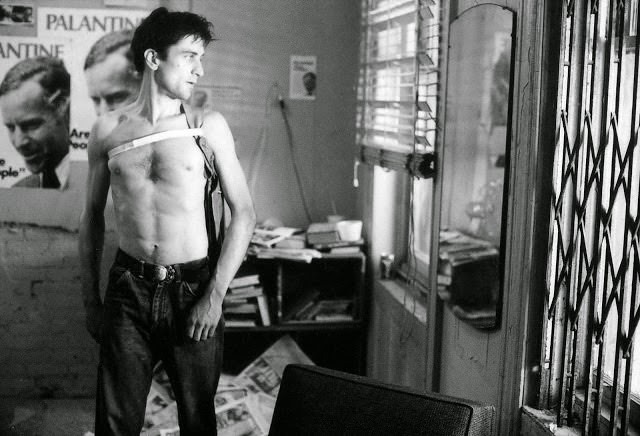
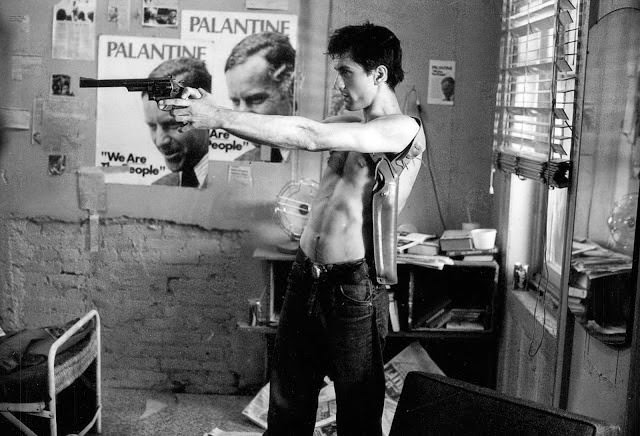
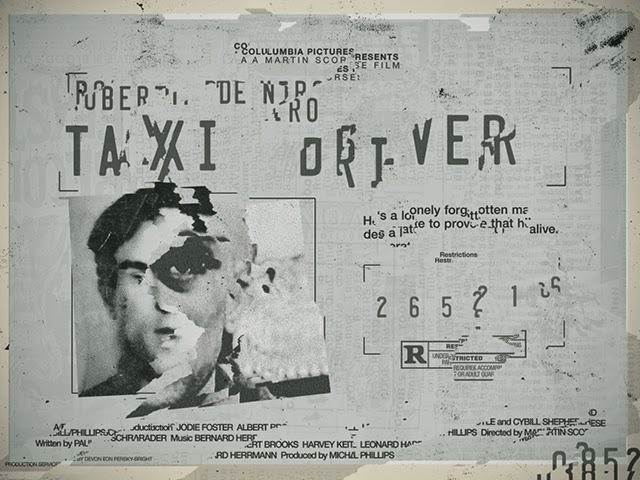
Executives at the Motion Picture Association of America demanded severe cuts to the violence to avoid giving the film an X rating.
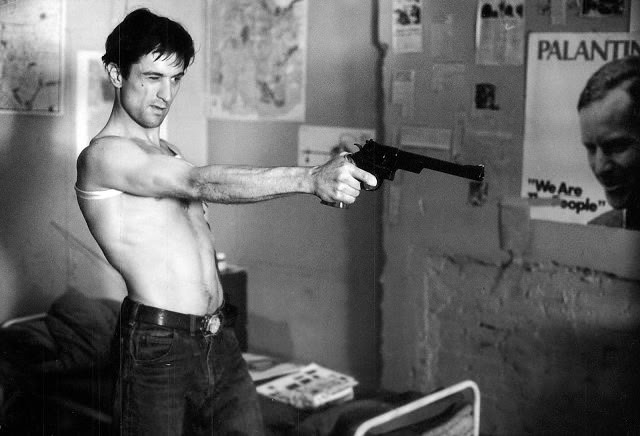
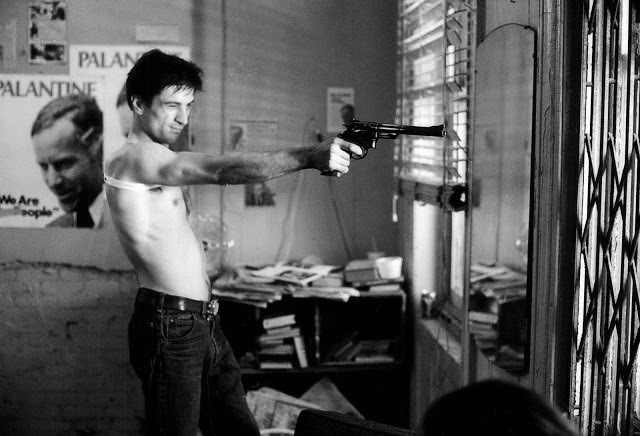
Scorsese cleverly desaturated the color of the blood tones in the final scene to satisfy the nervous ratings censors.
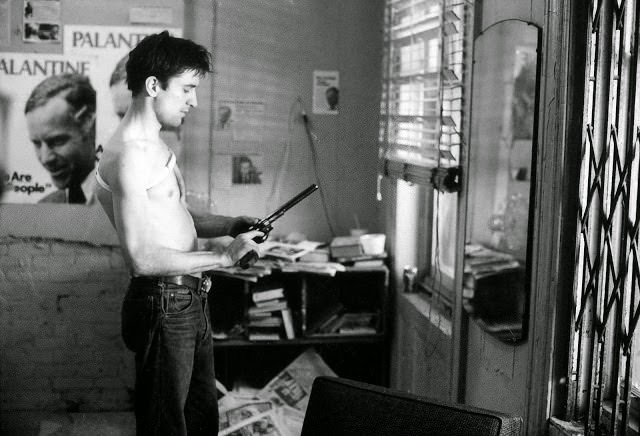
Composer Bernard Herrmann wrote the jazzy, ominous score just before he died in December 1975.
The completed film premiered in theaters across the United States on February 8, 1976.
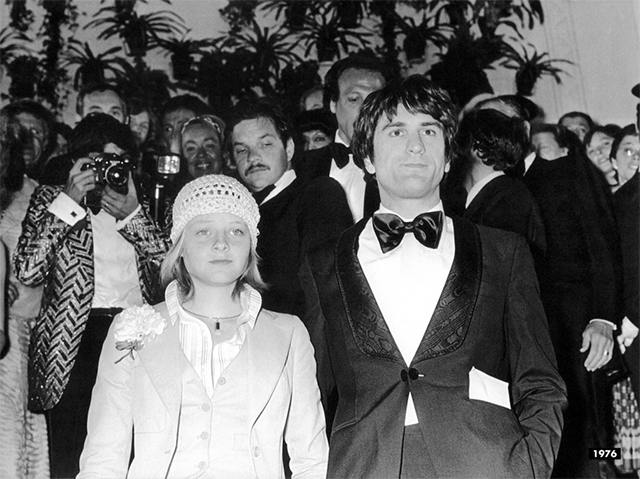
It won the prestigious Palme d'Or at the Cannes Film Festival later that same year.