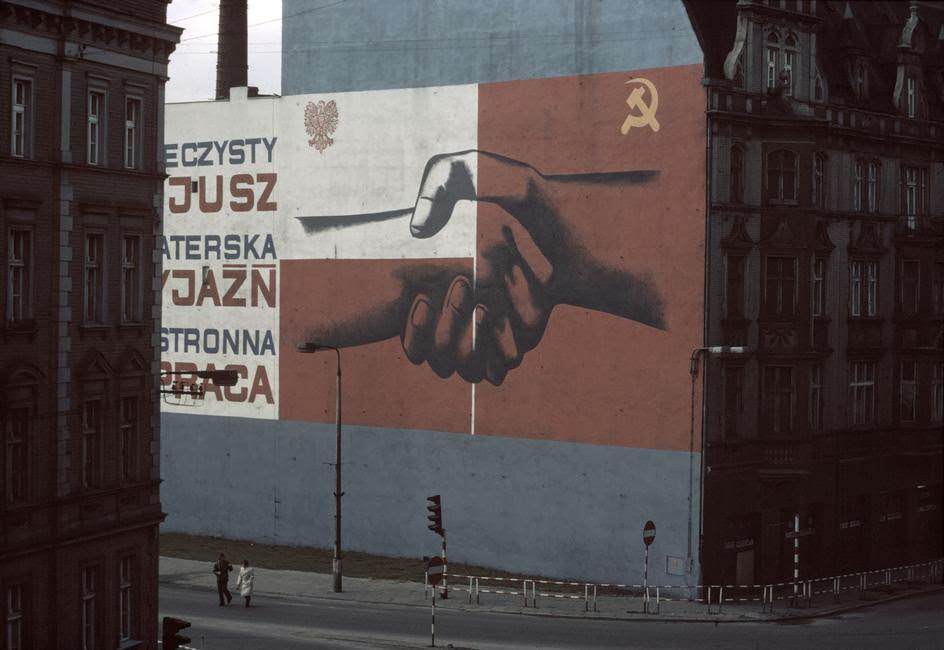
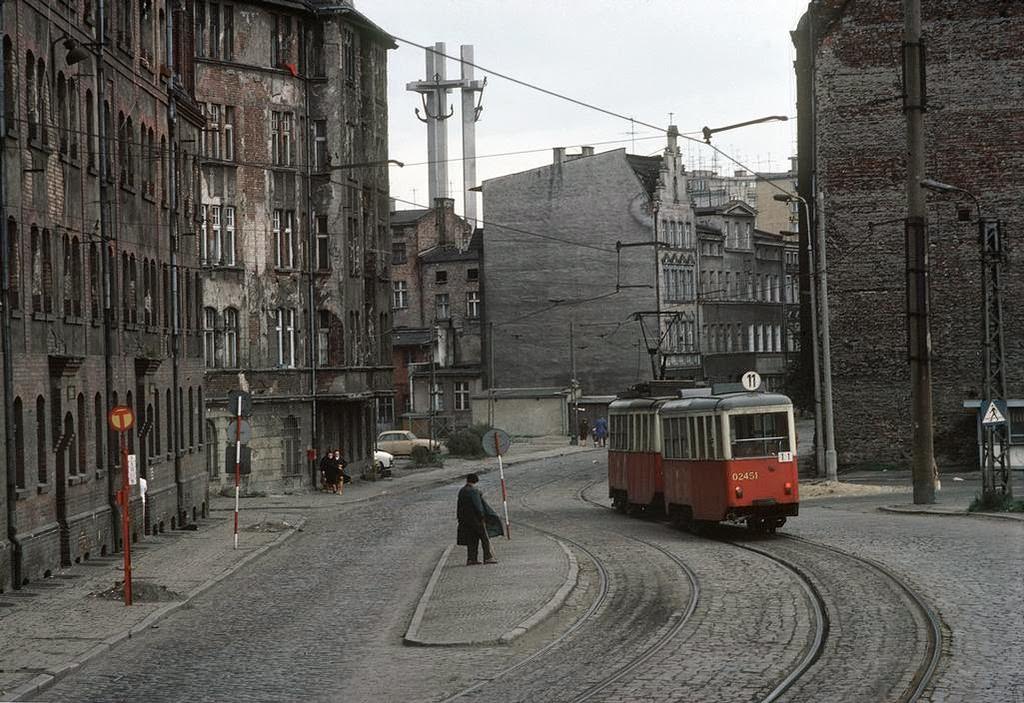
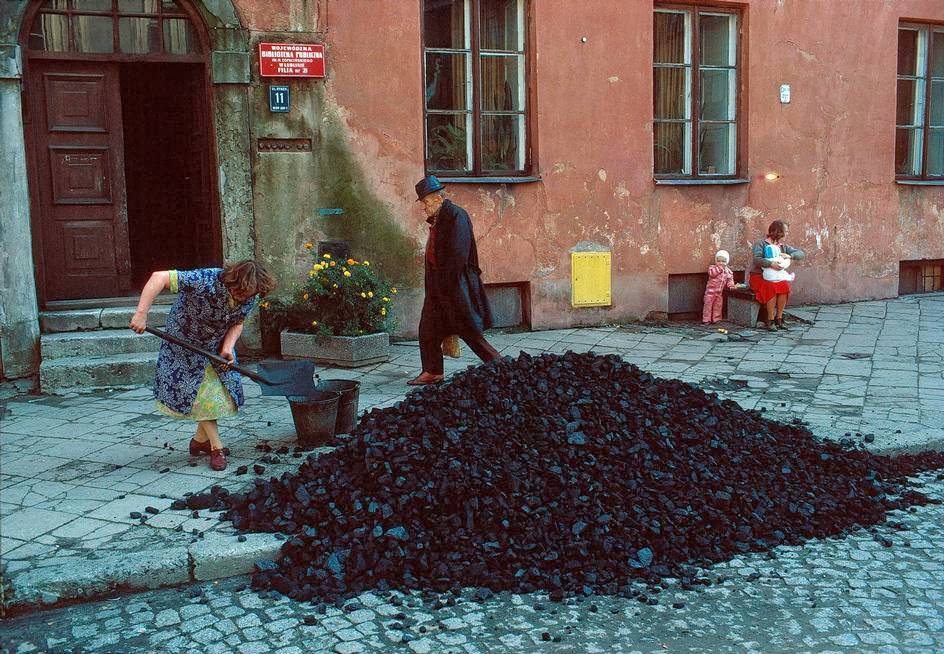
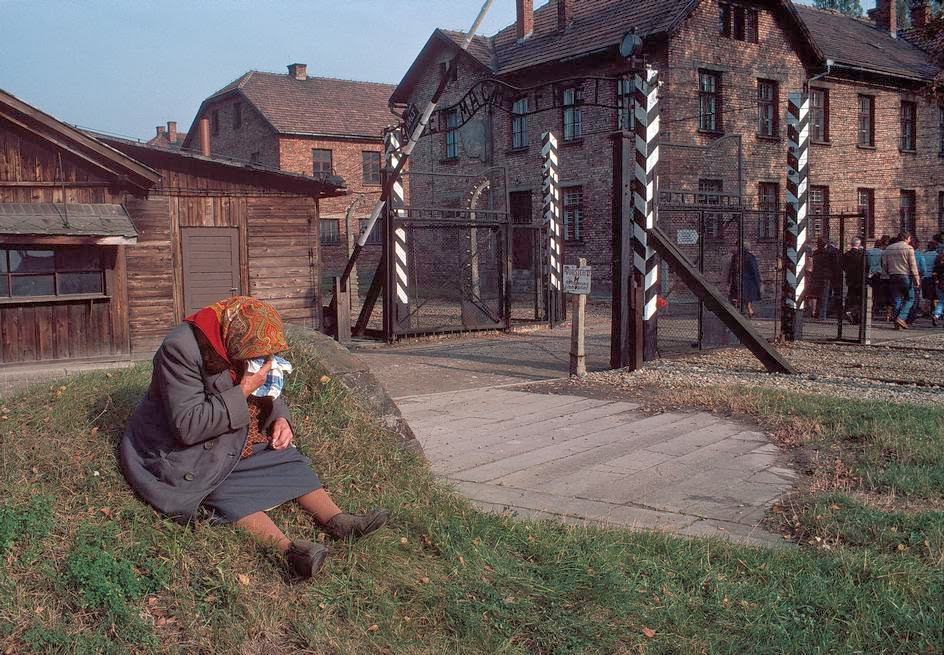
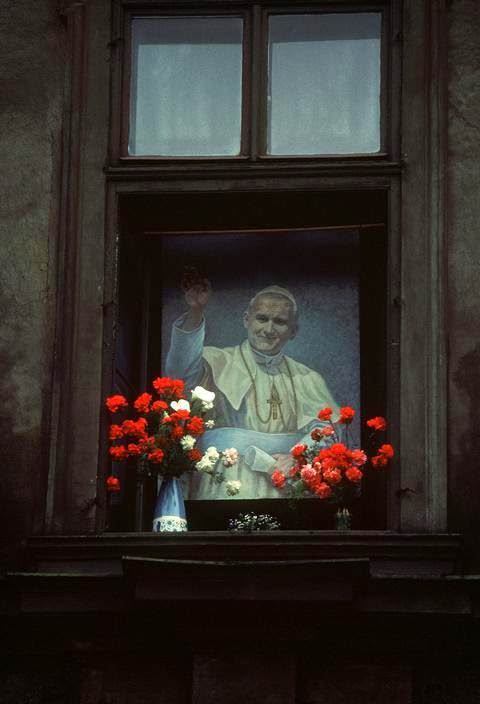
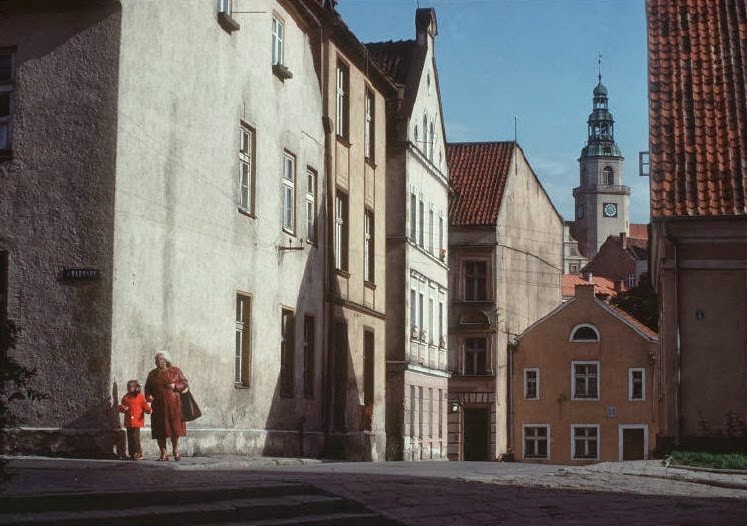
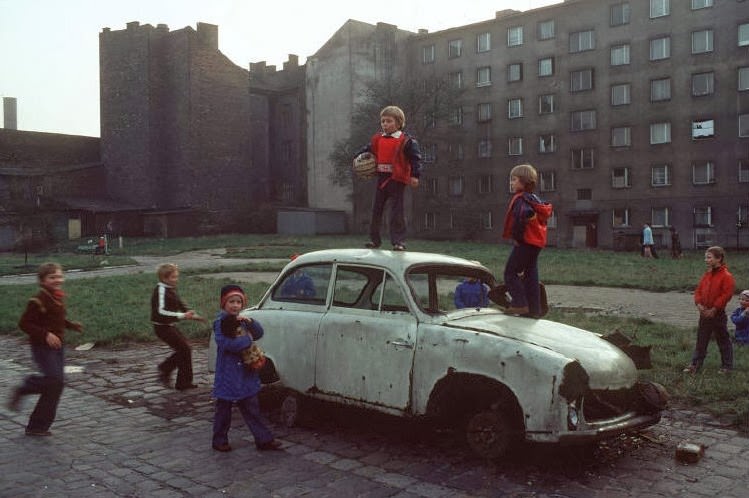
In the early 1980s, Poland was gripped by economic failure and political crisis. As a communist state inside the Eastern Bloc, its government controlled the entire economy — and that system was breaking down. Store shelves sat empty, and basic goods like meat, sugar, butter, flour, and gasoline were scarce.
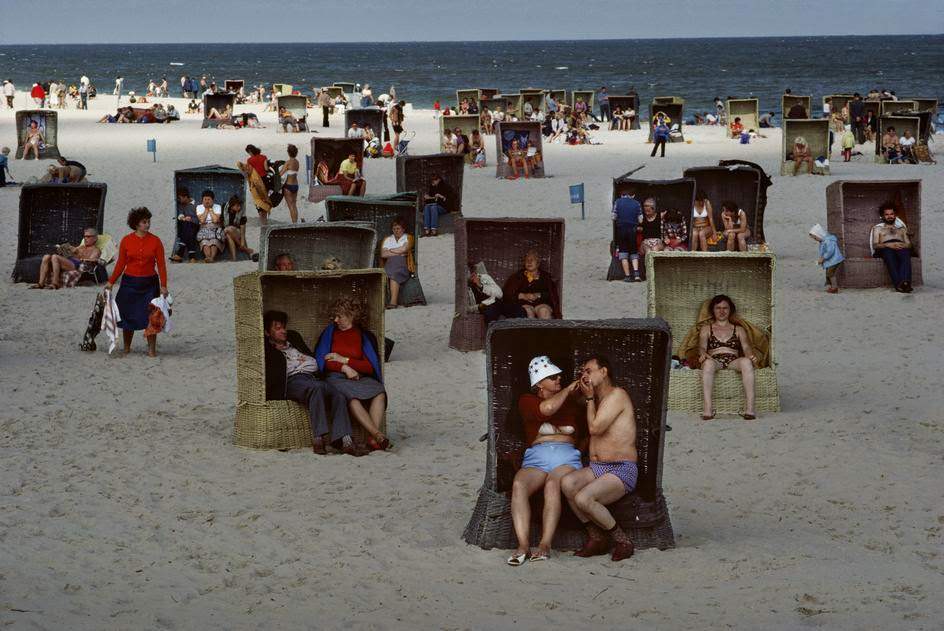
To manage the shortages, the government issued ration cards called “kartki.” Every citizen received one, and it set strict monthly limits on what they could buy. Having money was not enough — without the right coupon, you could not make a purchase.
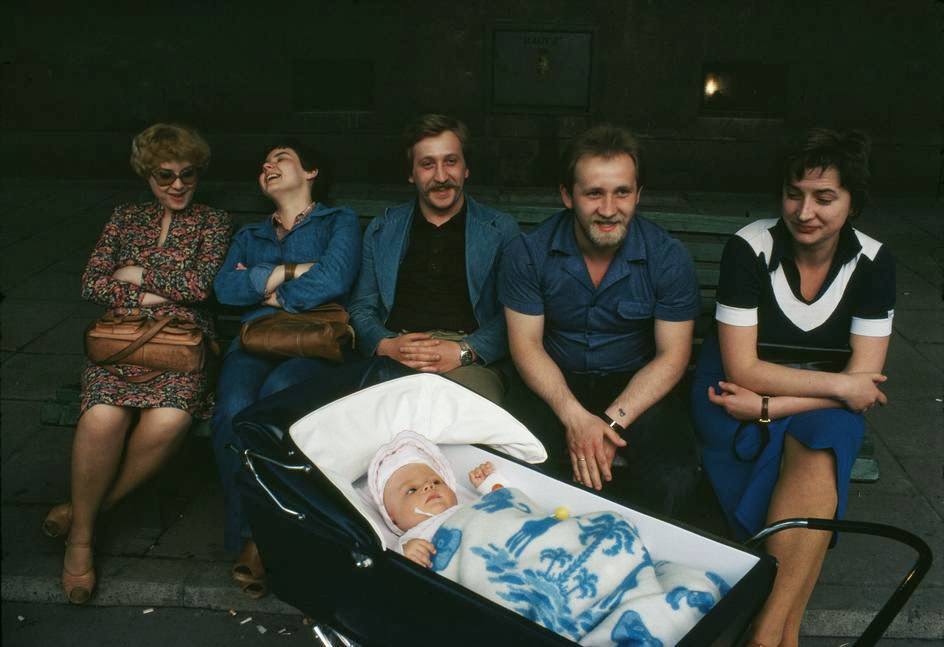
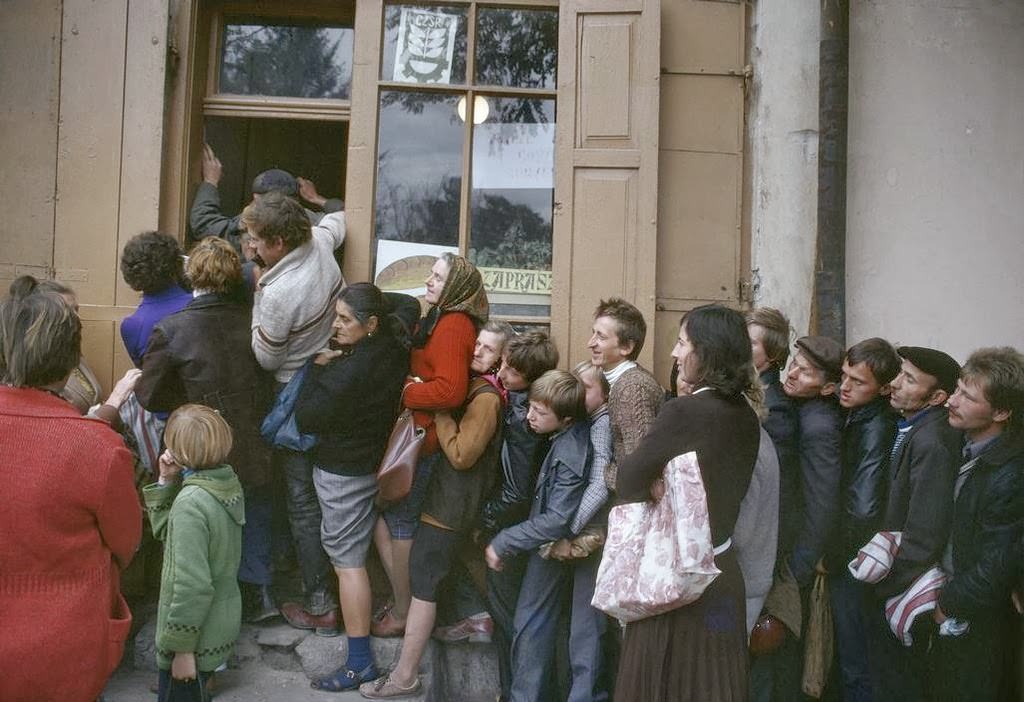
The most visible result of rationing was the queue, known in Polish as the “kolejka.” People lined up outside shops for hours, often without knowing what goods would arrive that day. The lines had their own social rules — it was common to hold a spot for a neighbor or friend.
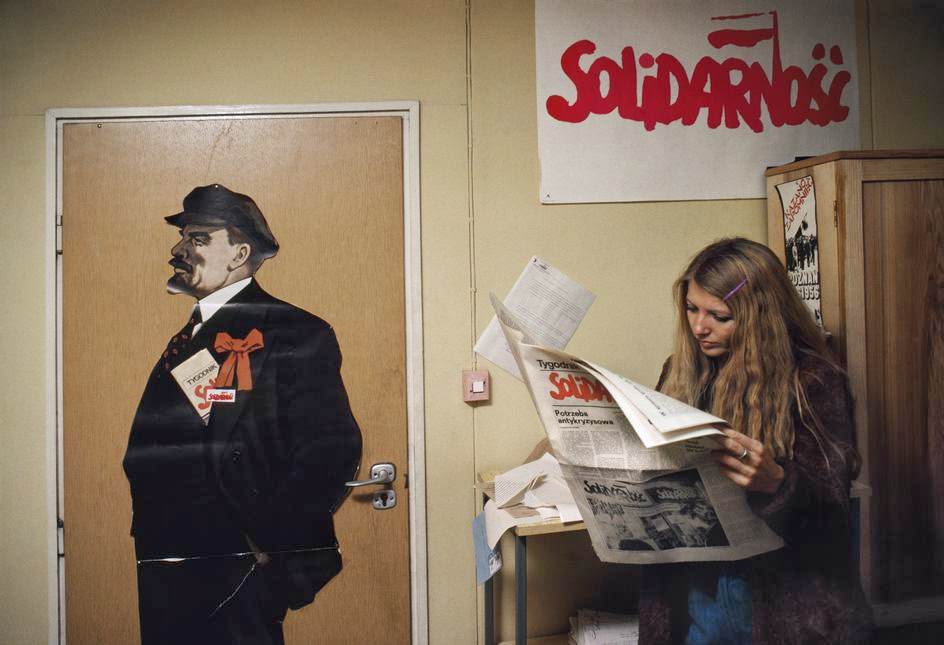
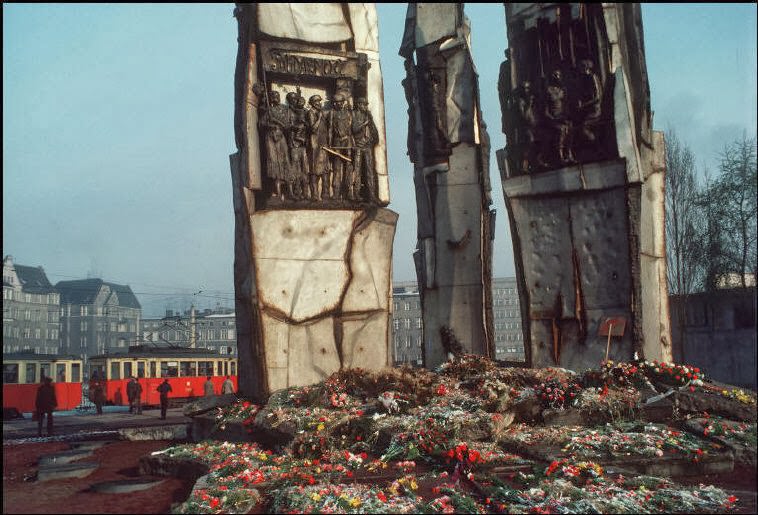
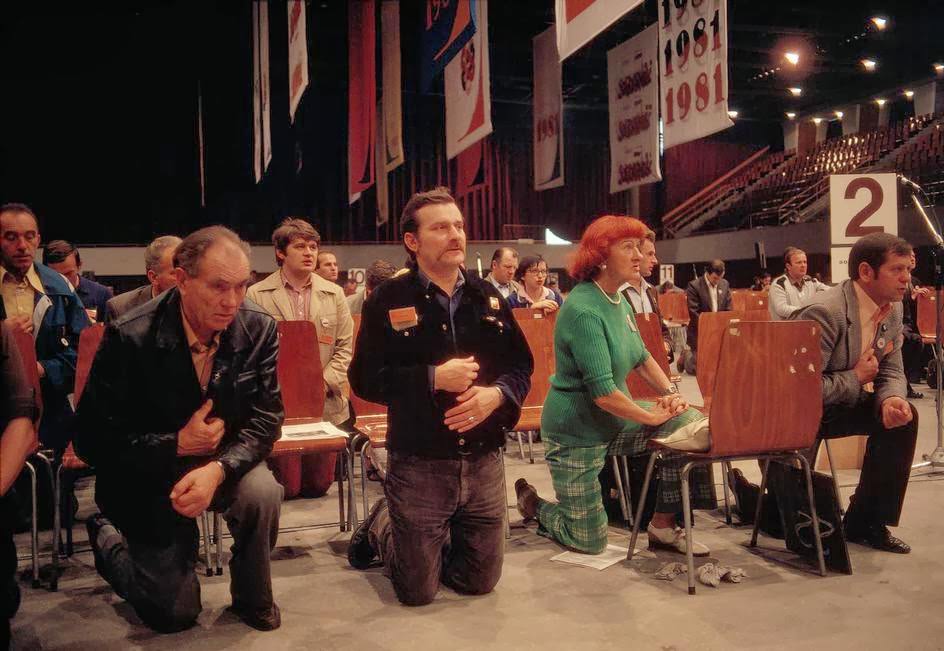
While daily life was defined by scarcity, the political scene was equally turbulent. The decade opened with a surge of energy around the Solidarity movement — Solidarność in Polish. Led by electrician Lech Wałęsa, it became the first independent trade union in any Soviet-bloc country.
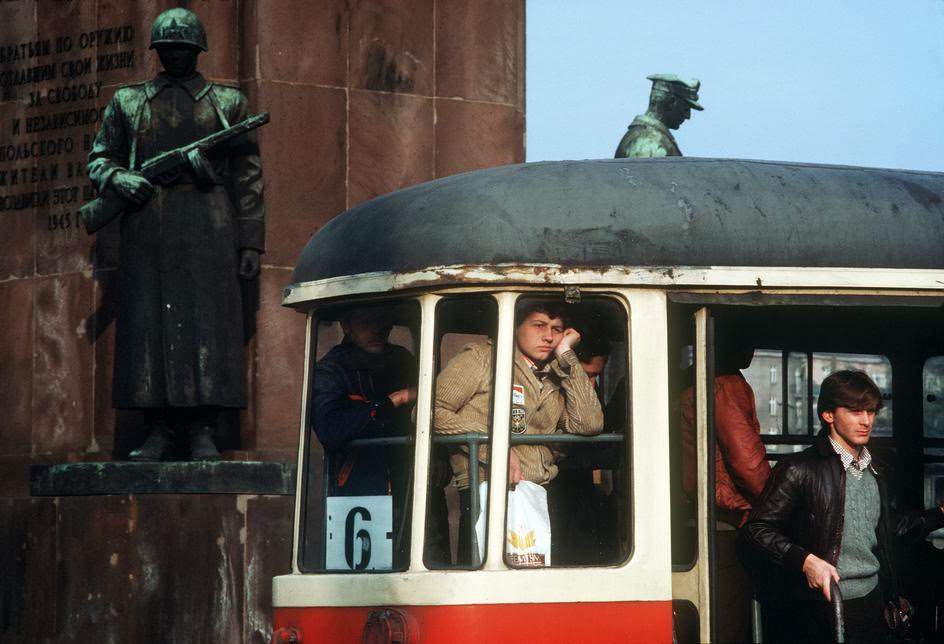
Solidarity grew to millions of members who demanded economic and political reforms. Strikes and mass demonstrations swept across the country, putting enormous pressure on the communist government.
The government’s response was swift and severe. On December 13, 1981, General Wojciech Jaruzelski declared martial law, placing the country under full military control. Tanks and armored vehicles rolled into the streets of Warsaw, Gdańsk, and other major cities.
A strict curfew forced citizens indoors by 10 p.m. Thousands of Solidarity activists were arrested and held without trial. Telephone lines were monitored, and mail was censored.
The government deployed special riot police units called ZOMO — the Motorized Reserves of the Citizens’ Militia. Armed with batons and shields and dressed in heavy gear, they broke up any attempts at public gathering or protest.