Hey There! Before You Go. 😧
Get the best vintage content straight into your inbox!

Don't worry, we don't spam

A Look at Everyday Life in the American Southwest in the 1970s Through the Documerica Project

In the early 1970s, the U.S. Environmental Protection Agency launched the Documerica project — a sweeping effort to photograph the state of the nation. Photographers fanned out across the country to document environmental problems, industrial activity, and the texture of ordinary American life. The American Southwest offered some of the most striking contrasts: vast open landscapes sitting alongside open-pit mines, booming suburbs pressing into desert edges, and communities where centuries-old traditions were still very much alive.
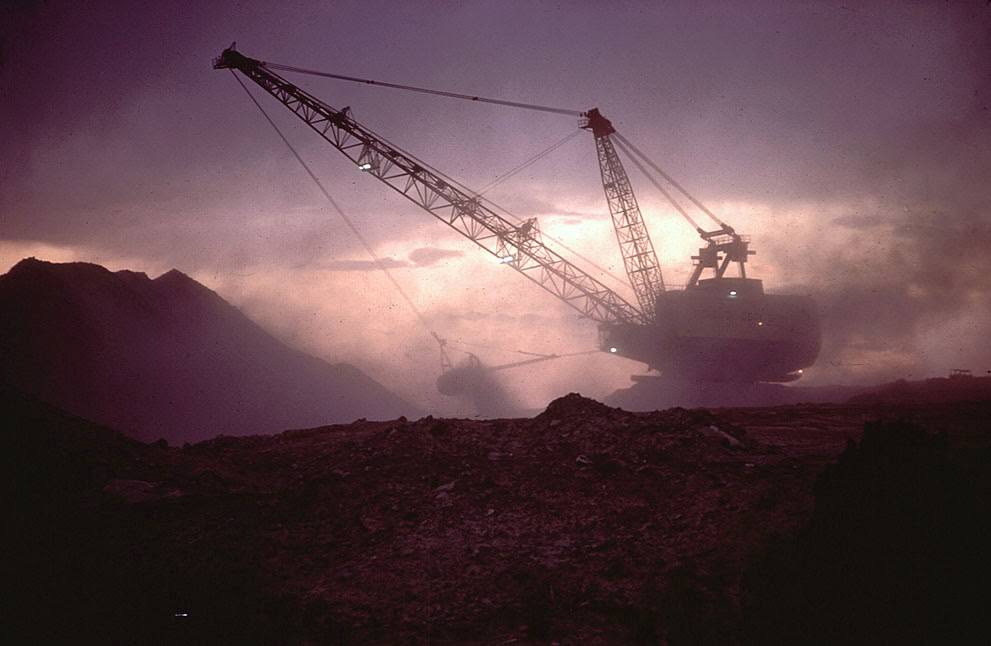
Mining operations at the Peabody Coal Company in the Black Mesa area of northeastern Arizona, 1973.

Industrial extraction left a heavy mark on the region. Coal mining operations like the Peabody mine at Black Mesa in Arizona carved deep into the earth, reshaping entire landscapes. Near Moab, Utah, signs openly advertised the area’s oil, uranium, and potash deposits, inviting further industrial development. These weren’t remote, invisible operations — they defined the economy and the terrain of much of the Southwest.
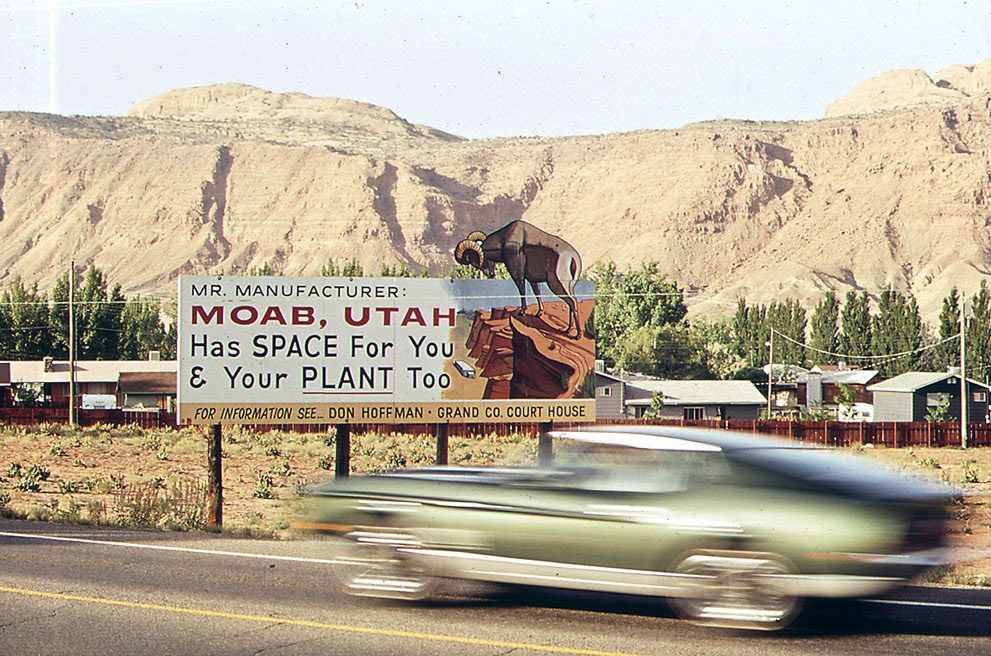
A sign outside Moab, Utah, invites industrial expansion to the region rich in oil, uranium, and potash, 1972.

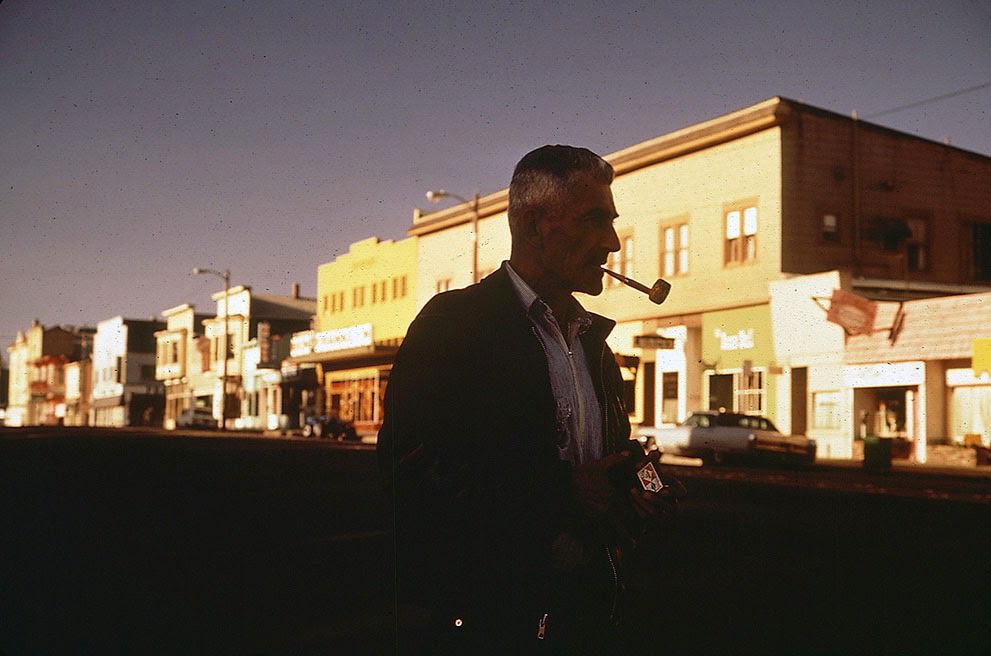
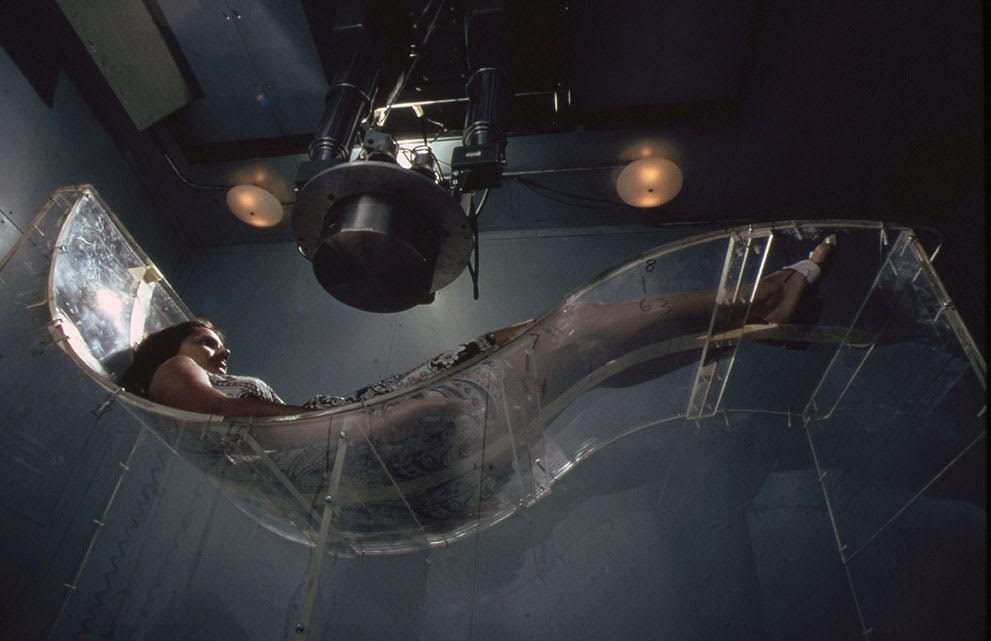
Environmental monitoring was a serious and active effort during this period. In Nevada, EPA laboratory monitors collected daily water and air samples near atomic test sites. General store owners in small towns like Alamo, Nevada, wore thermo-luminescent dosimeters to track their exposure to radioactive fallout from past nuclear tests. In Las Vegas, the EPA operated a whole body counter at its National Environmental Research Center to measure radiation levels in people living in the region.
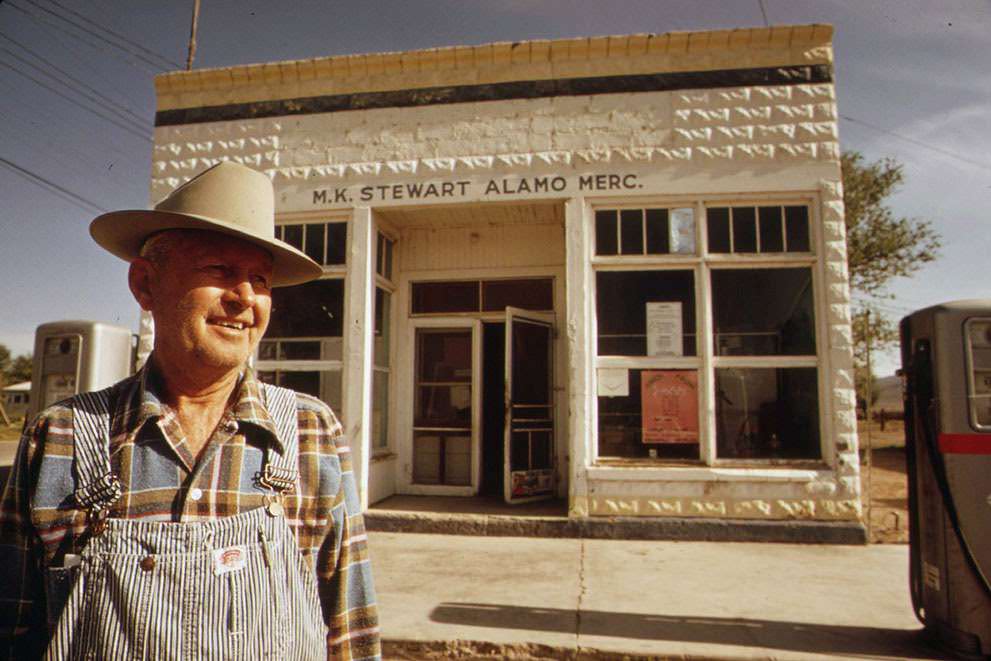
M.K. Stewart, owner of this general store in Alamo, Nevada, wears a TLD (thermo-luminescent dosimeter) to measure radioactive fallout from past atomic testing, 1972.
Whole body counter, used to test levels of exposure to radiation, at the EPA's Las Vegas National Environmental Research Center, Las Vegas, Nevada, 1972.
Whole body counter, used to test levels of exposure to radiation, at the EPA’s Las Vegas National Environmental Research Center, Las Vegas, Nevada, 1972.

Pollution took many forms across the region. Near Ogden, Utah, a five-acre pond filled with acid water and oil from abandoned vehicles and industrial debris required EPA-supervised cleanup. In New Mexico, empty steel cans piled up near Taos were repurposed as building materials for experimental homes. Oil spills on the San Juan River in Monument Valley, Utah, required draglines and cleanup crews working directly in the water.
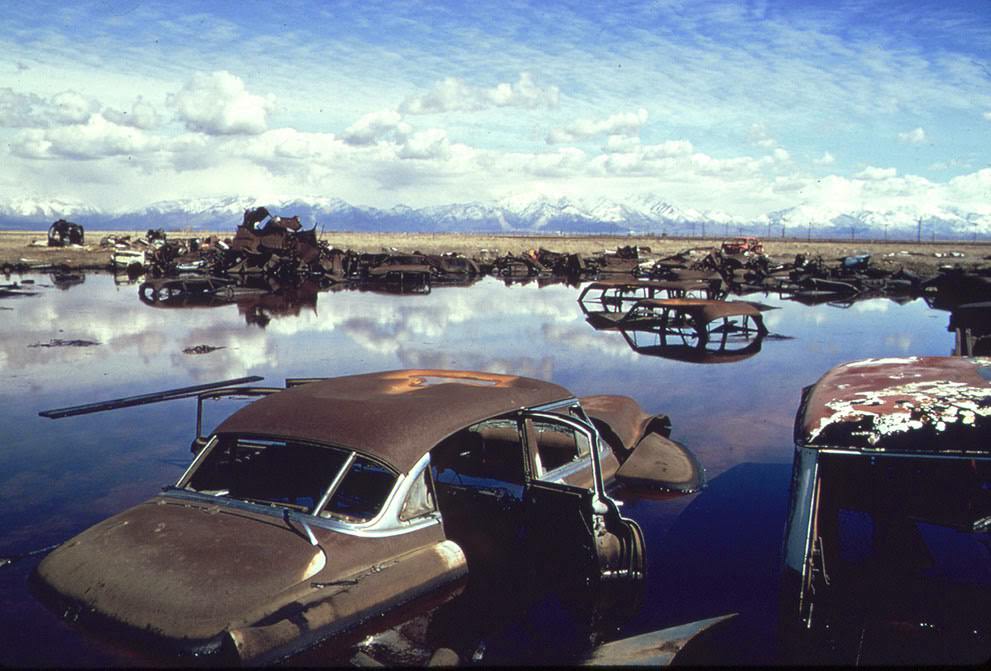
Abandoned automobiles and other debris clutter an acid water and oil-filled five acre pond near Ogden, Utah, which was cleaned up under EPA supervision, 1974.
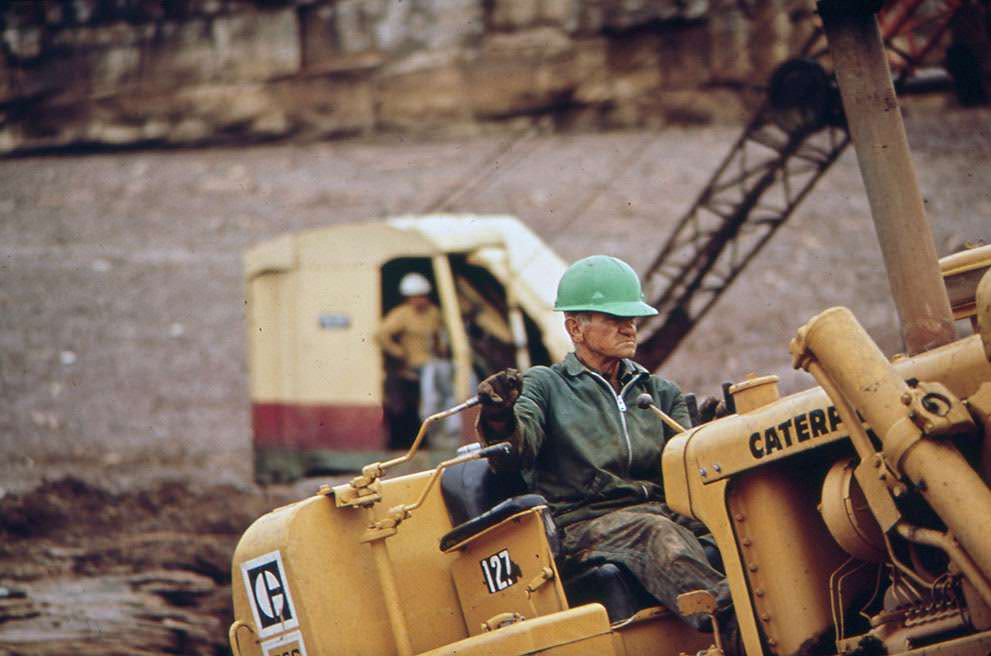
Dragline and workers at the site of an oil spill cleanup on the San Juan River in Monument Valley, Utah, 1972.

Away from the industrial sites, the Southwest held some of the most dramatic natural scenery in the country. Arches National Park in eastern Utah displayed geological formations shaped over millions of years. The Great Sand Dunes in Colorado rose sharply from the valley floor. These places weren’t just backdrops — they were actively used by residents and visitors alike for hiking, camping, and recreation.
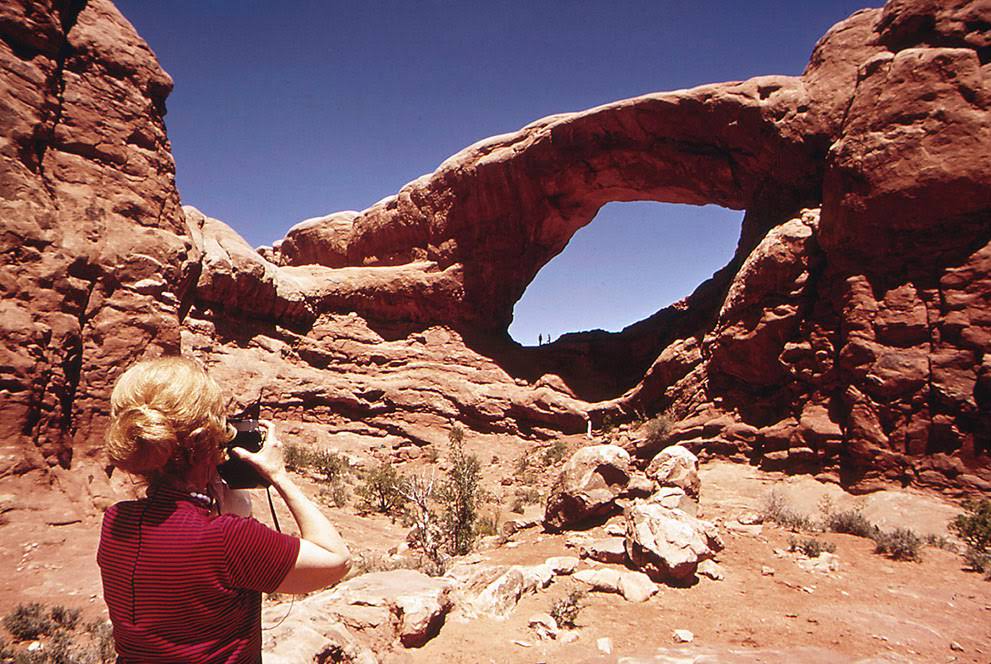
North Window Arch, Arches National Park, eastern Utah, 1972.
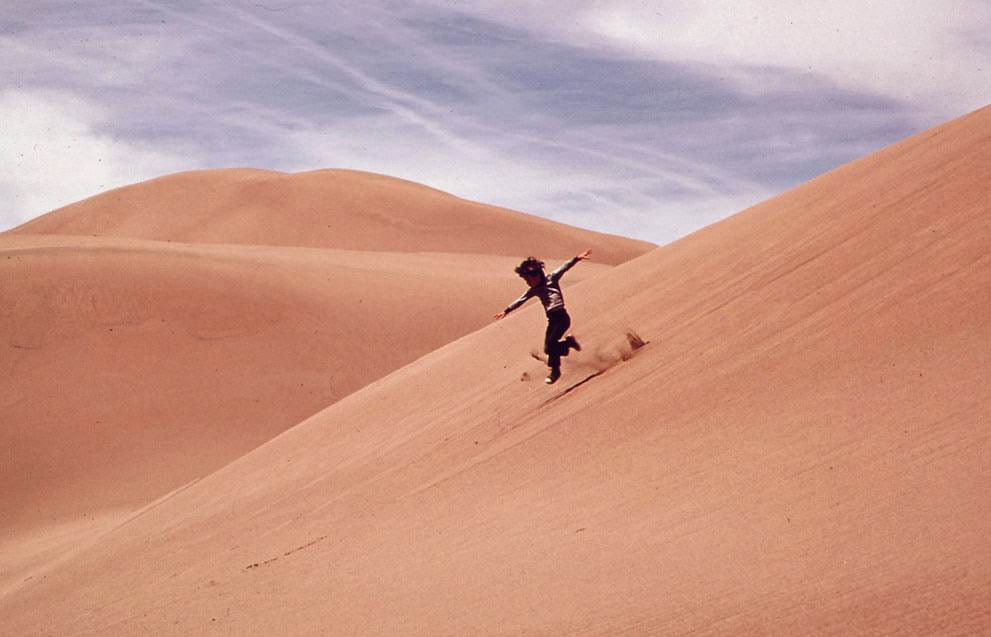
Great Sand Dunes National Monument, Colorado, 1972.

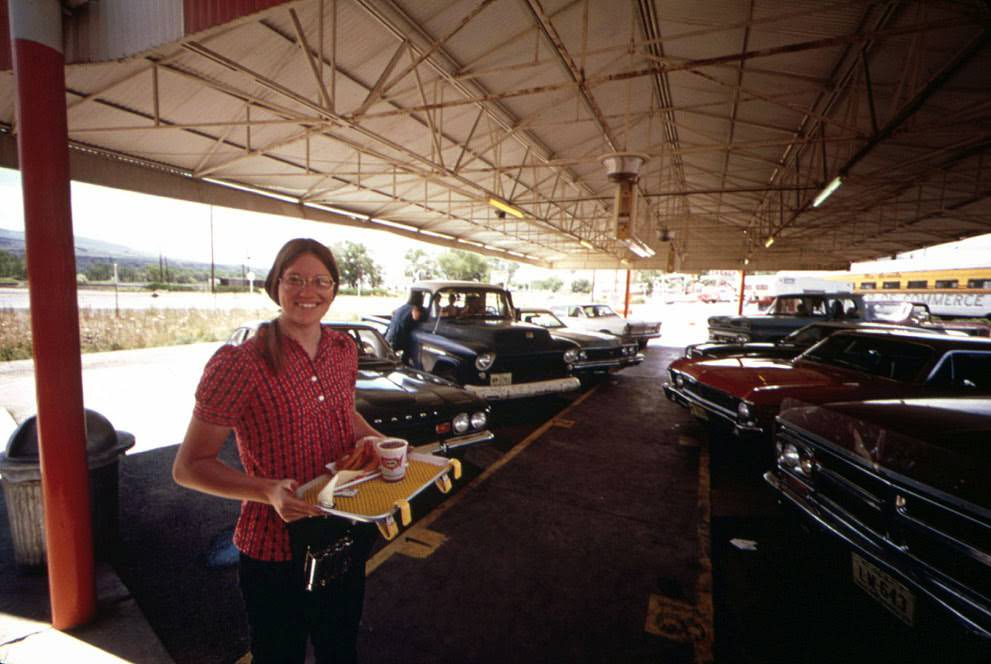
Recreation was woven into the everyday fabric of Southwestern life. Lake Havasu near Parker, Arizona, drew crowds for the annual Outboard World Championship boat race. Sand dunes east of Brawley, California, were a playground for dune buggy riders. Teenagers hung out at drive-ins, working summer jobs and saving for school. Hunters checked in their deer at state game stations in Colorado. Life moved at different speeds in different corners of the region.
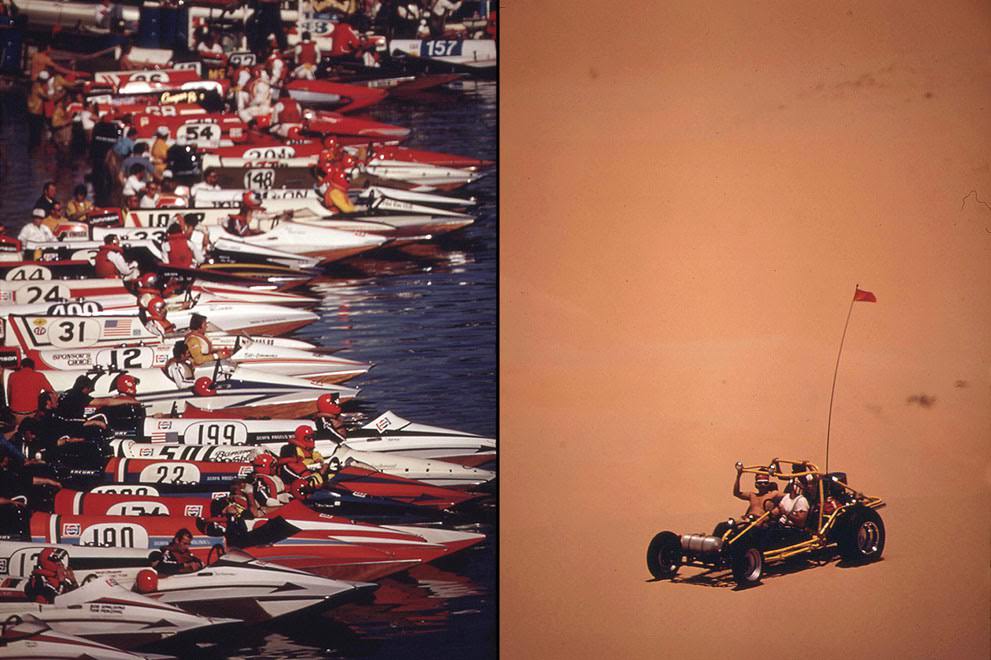
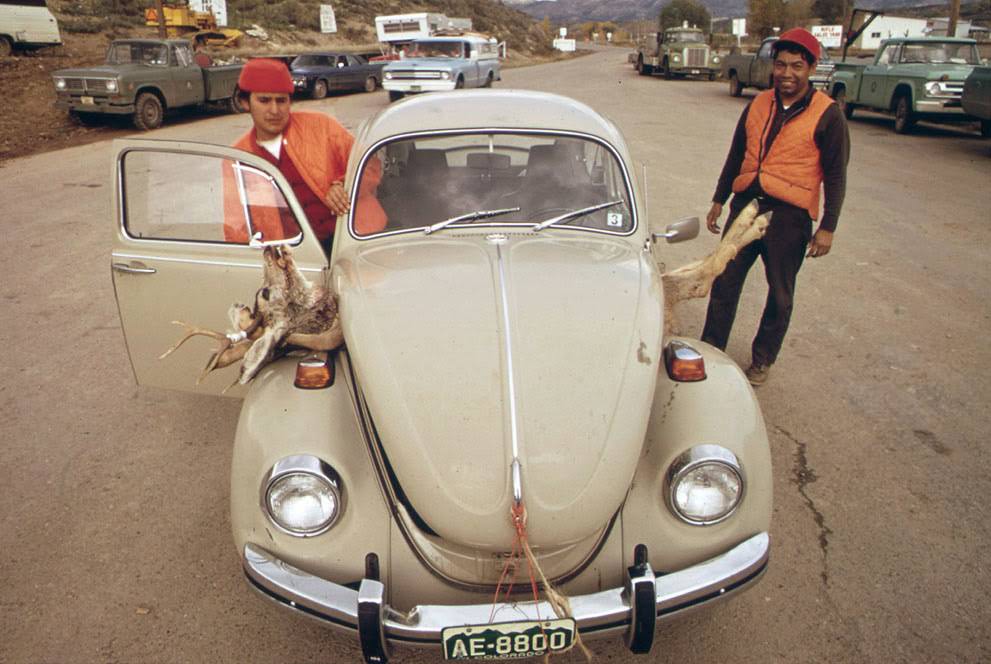
Left: The start of the annual Outboard World Championship boat race on Lake Havasu near Parker, Arizona; Right: A dune buggy on sand dunes east of Brawley, California, 1972.
Hunters stop at a check station north of Rifle, Colorado, where their deer is counted and examined by the Colorado Department of Fish and Game, 1972.

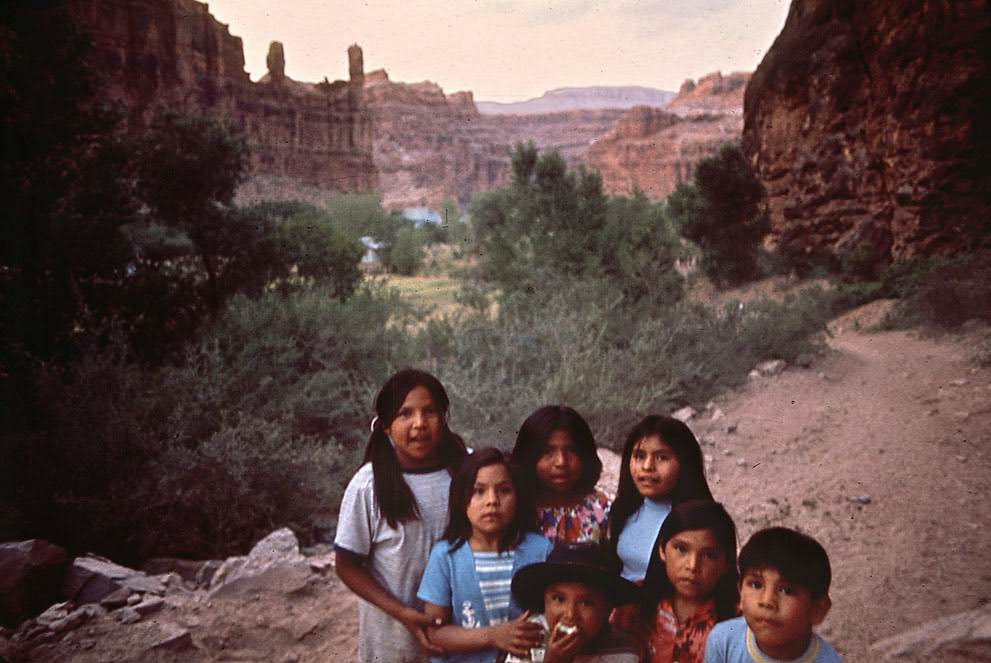
The Documerica photographers also turned their lenses on Native American communities across Arizona. On the Hopi Reservation, children played and went about daily life. Havasupai children were photographed in Arizona. On the Colorado River Indian Reservation in Parker, a junior rodeo drew performers who kept traditions alive for younger generations.
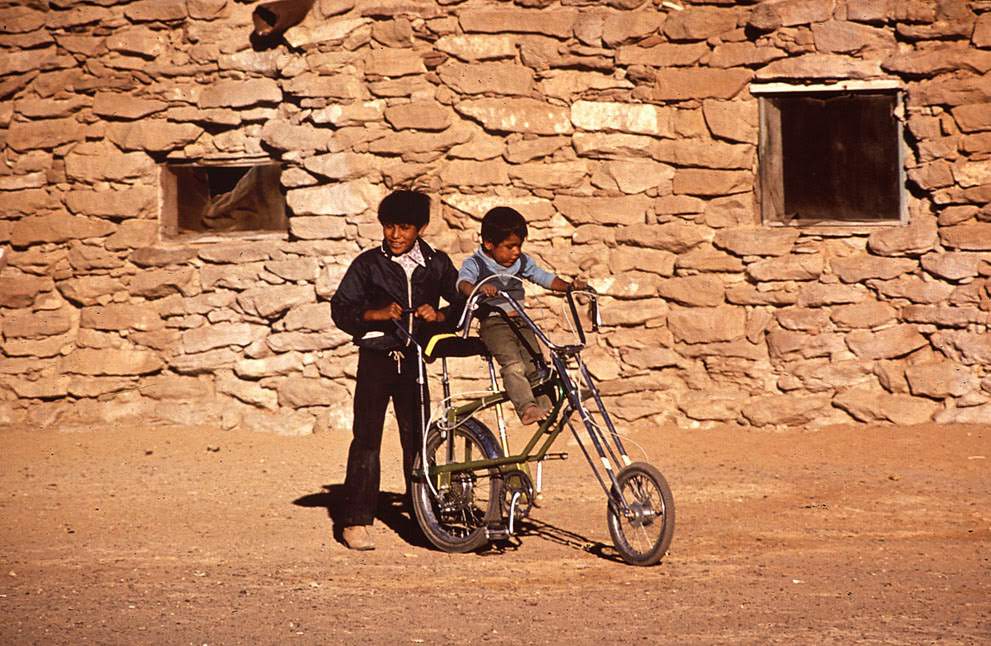
Boys play on a bicycle on the Hopi Reservation in Arizona, 1972.
Havasupai children, Arizona, 1972.
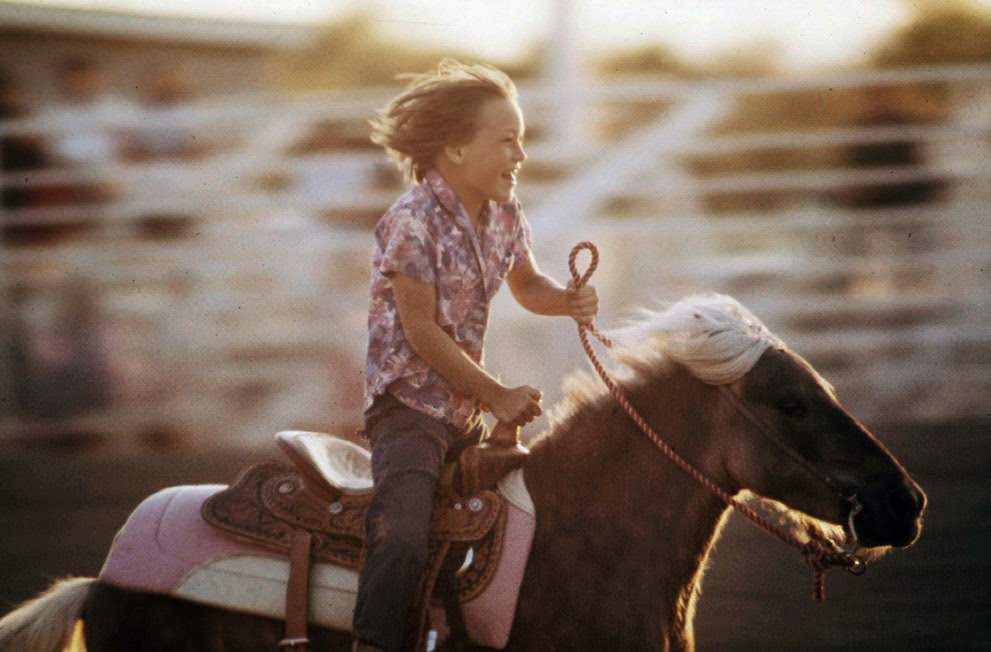
A performer at the annual Junior Rodeo held on the Colorado River Indian Reservation, Parker, Arizona, 1972.

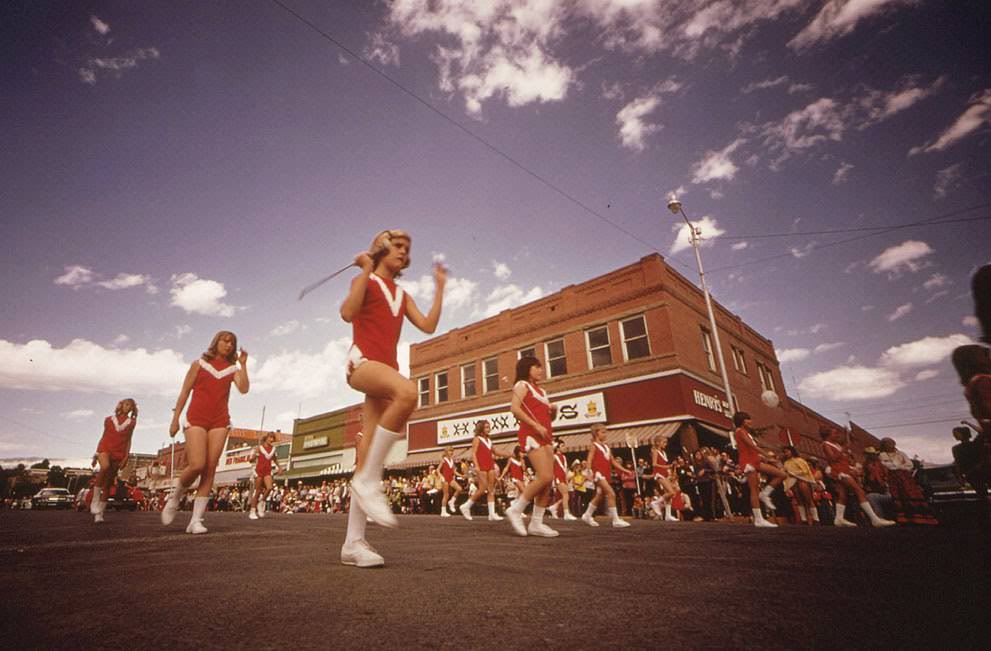
In Colorado’s small towns and ranches, the pace of life was slower and deeply rooted. Frank Starbuck, described as the last of the old-time ranchers near Fairview, Colorado, still fed his livestock from a horse-drawn wagon, finding it more practical than a truck on his land. In Rifle, Colorado, the annual Garfield County Fair Parade filled the streets each Labor Day weekend, while residents hosted neighborhood parties and carried on with the routines of rural life.
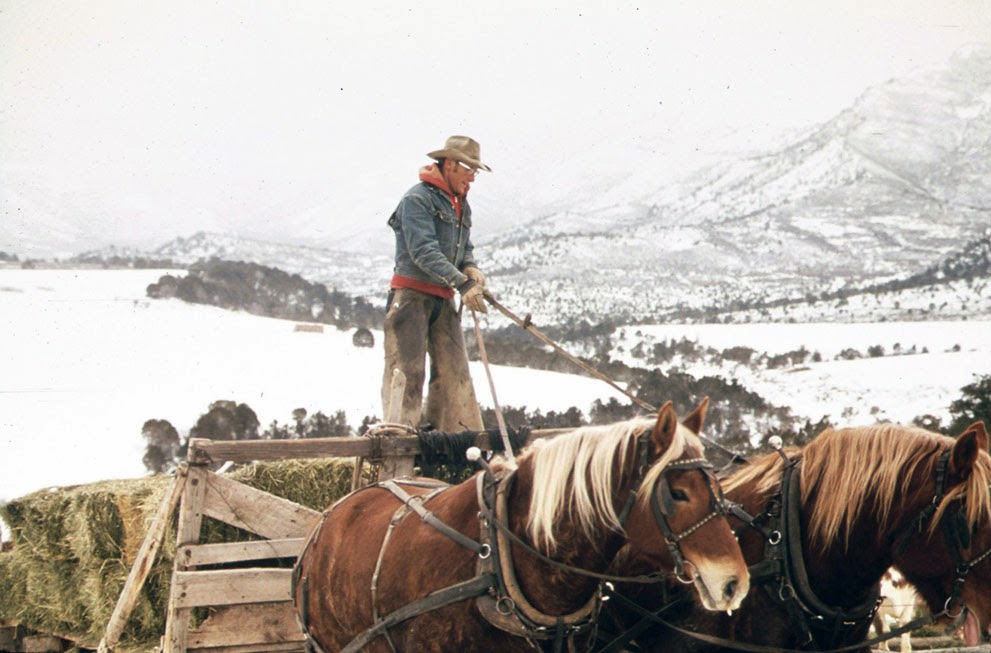
Frank Starbuck, the last of the old time ranchers near Fairview, Colorado, manages his spread alone, finding it easier to feed his livestock from a horse-drawn wagon or sled than from a truck or tractor, 1972.
Labor Day weekend brings the annual Garfield County Fair Parade in Rifle, Colorado, 1973.

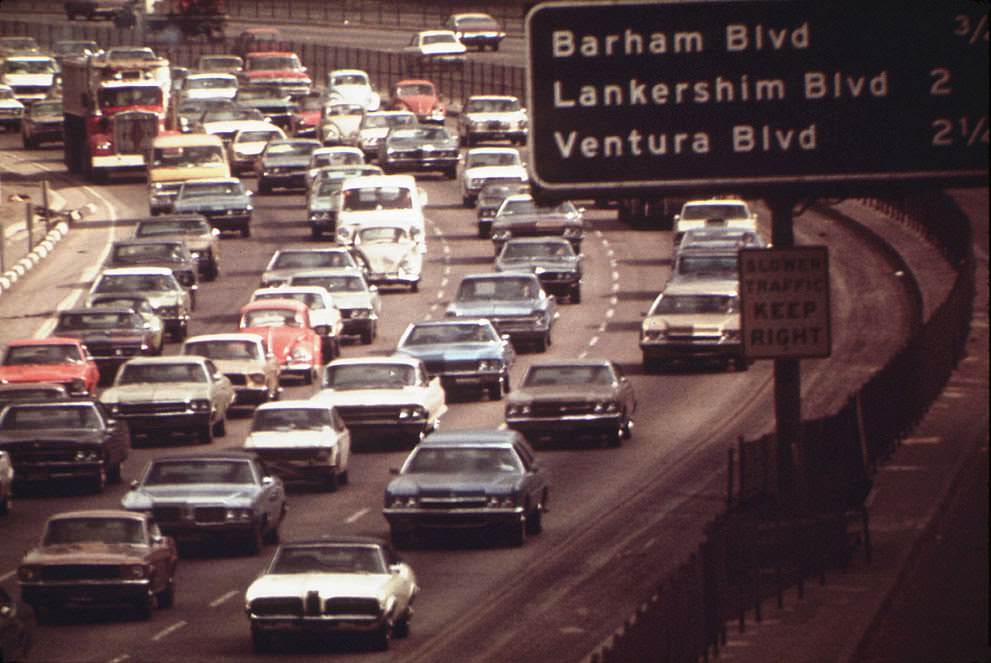
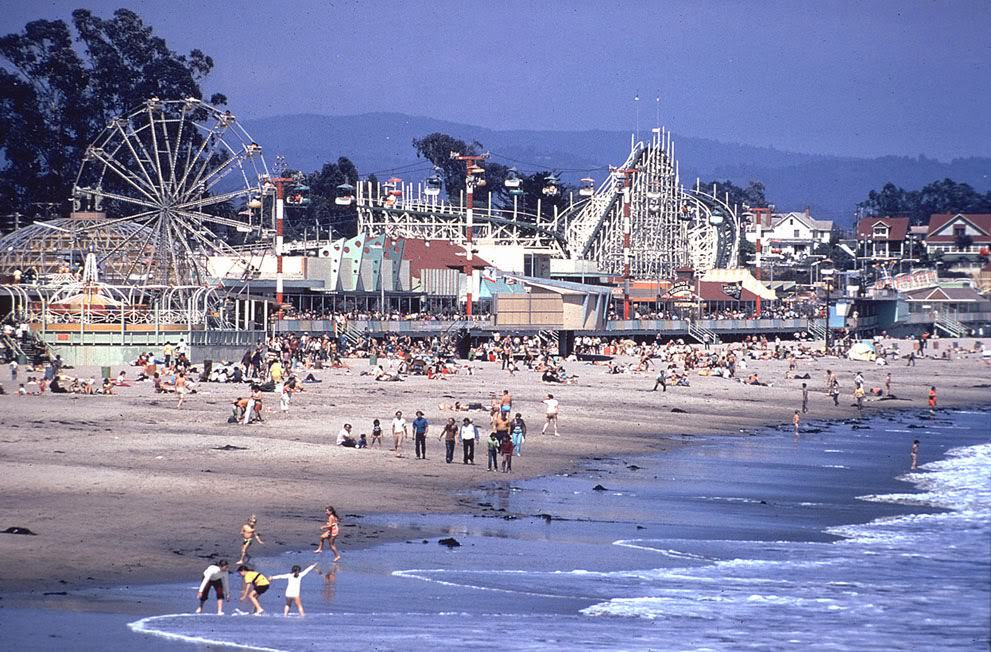
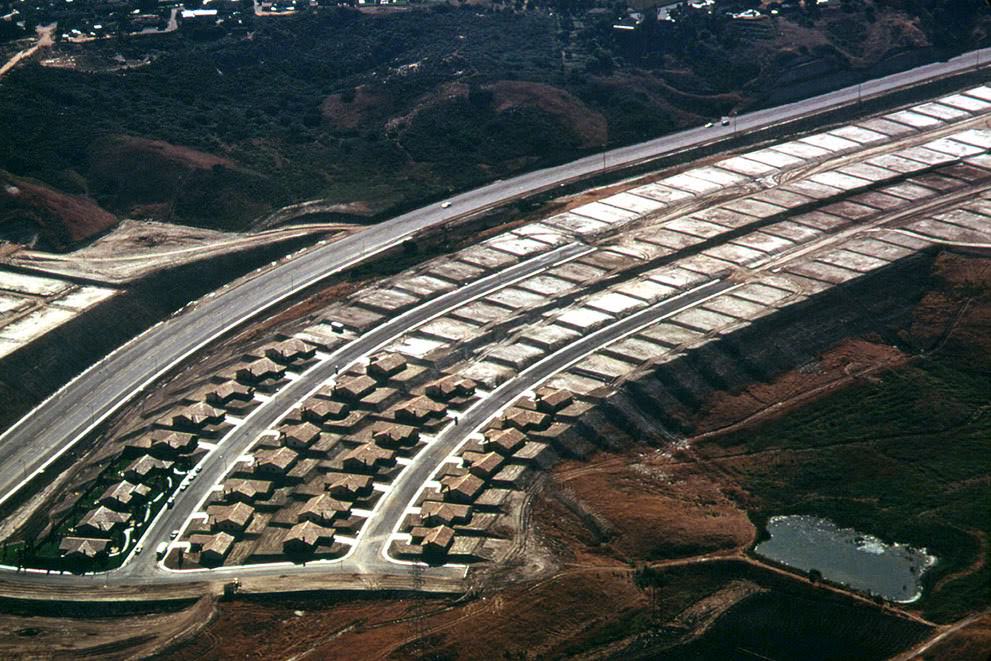
California, the most populous part of the broader Southwest, showed its own contradictions clearly. Sunbathers stretched out on Huntington Beach while oil platforms stood visible just offshore. New housing developments in San Diego spread across the hills in uniform rows. Freeways near Hollywood carried dense, slow-moving traffic. At Santa Cruz, the beach boardwalk and nearby amusement park drew crowds seeking an escape from the pressures of the decade.
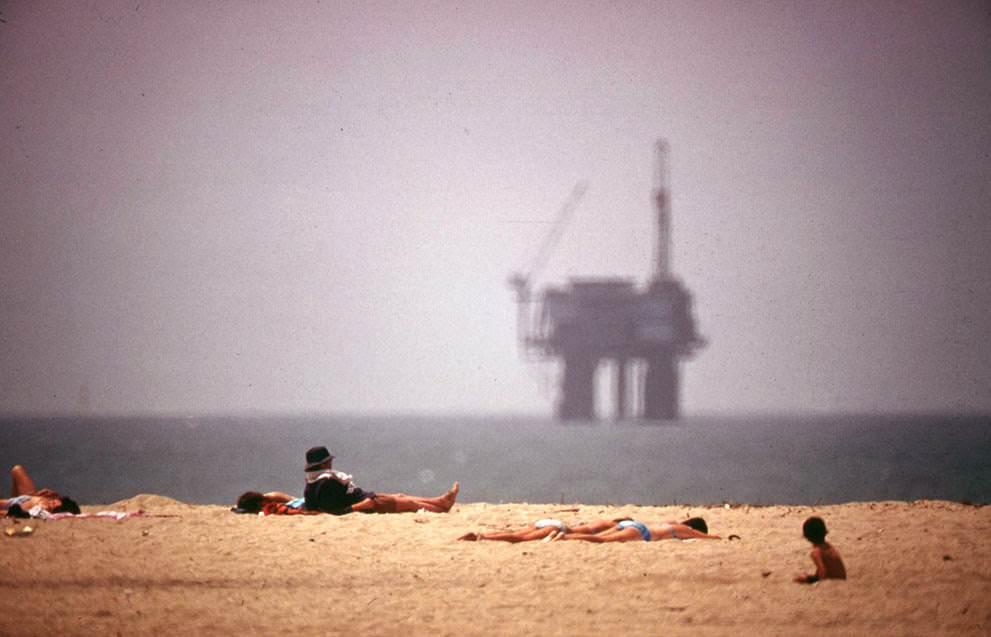
Sunbathers at Huntington Beach, California, with an oil platform visible in the distance, 1975.
Aerial view of a new housing development in San Diego, California, 1975.
Traffic on the Hollywood Freeway near Ventura Beach, California, 1972.
Santa Cruz Beach Boardwalk, California, 1972.
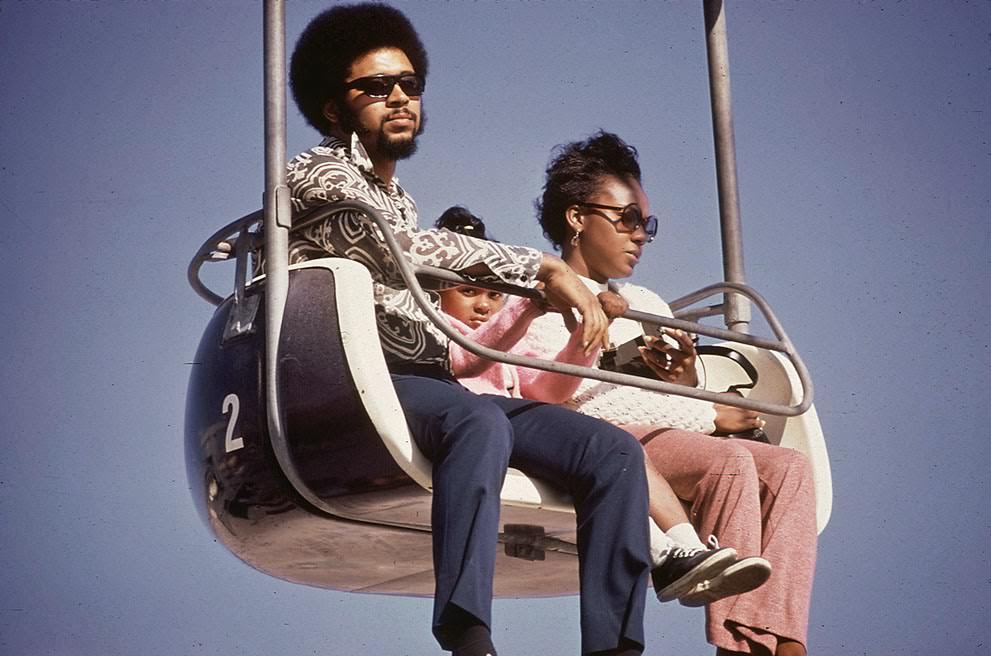
At an amusement park in Santa Cruz, California, 1972.

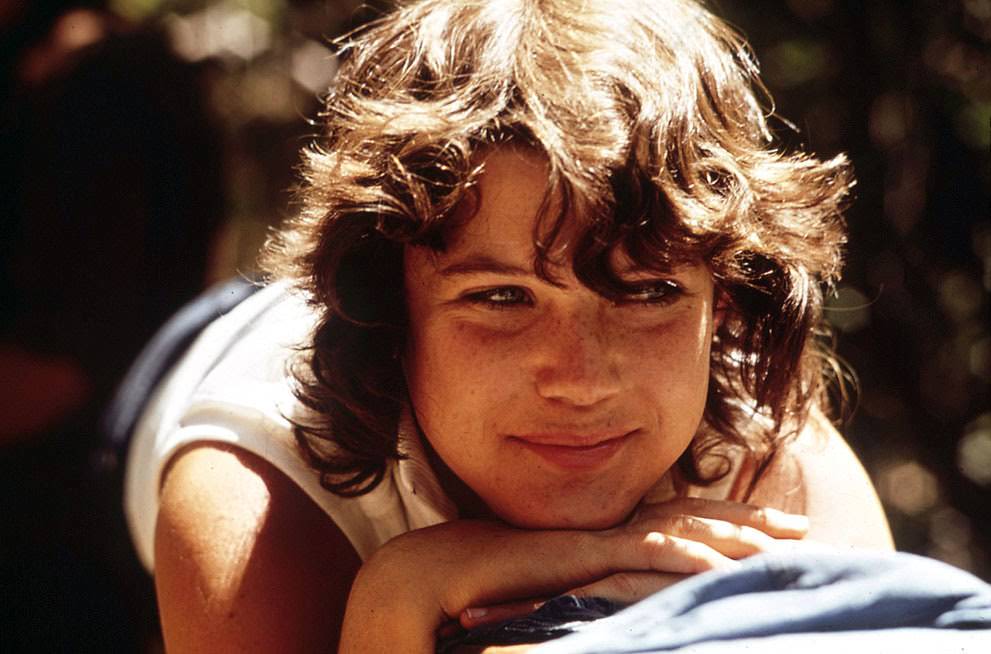
Agriculture in the region depended on intensive methods. Crop duster planes flew low over California’s Imperial Valley, spraying vast fields from the air. Young workers joined conservation corps programs — in Alta, Utah, a fifteen-year-old named Alaua James worked with the Alta Youth Conservation Corps in 1972. Storefronts in northern California captured the commercial rhythms of smaller towns removed from the big cities.
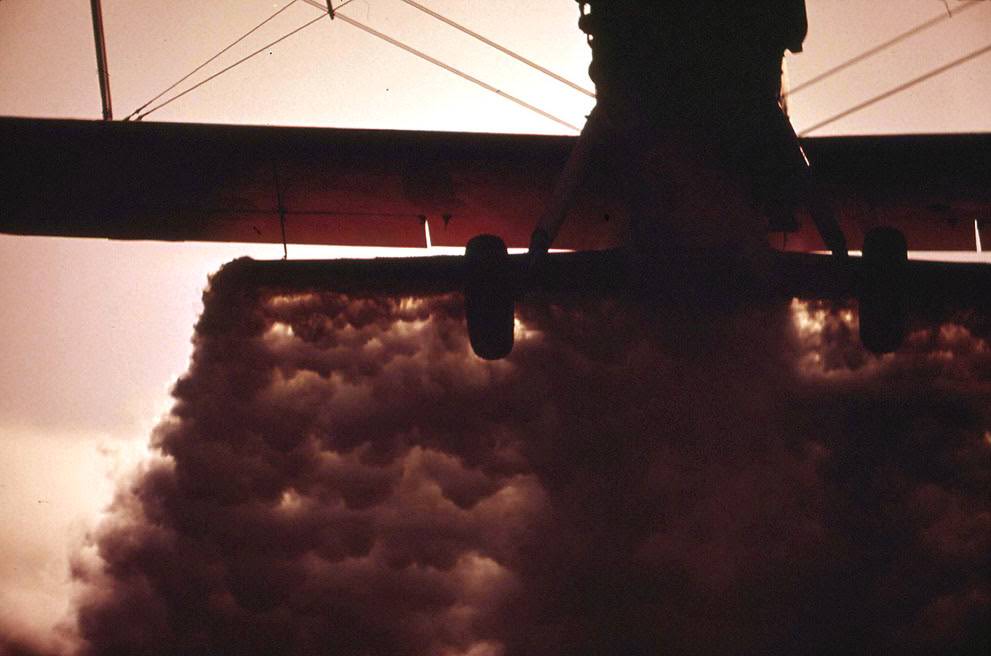
A crop duster plane flies low over a field in California's Imperial Valley, 1972.
A crop duster plane flies low over a field in California’s Imperial Valley, 1972.
Alaua James, 15, of the Alta Youth Conservation Corps, Alta, Utah, 1972.
Storefronts in Northern California, 1972.

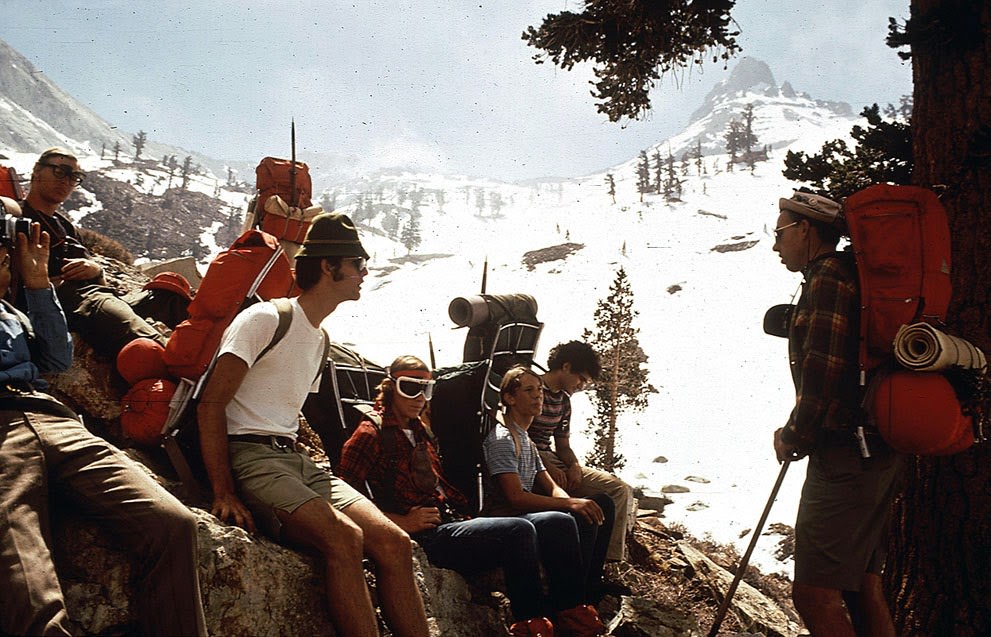
Nevada presented its own distinct picture. East Las Vegas streets showed the side of the city away from the casinos — ordinary neighborhoods, gas stations, and everyday commerce. Hikers from Los Angeles Explorer Post 397 climbed Mineral Peak in Nevada, far from the urban sprawl they came from. The EPA’s monitoring work in the state served as a constant reminder of how deeply the region had been affected by Cold War-era nuclear testing.
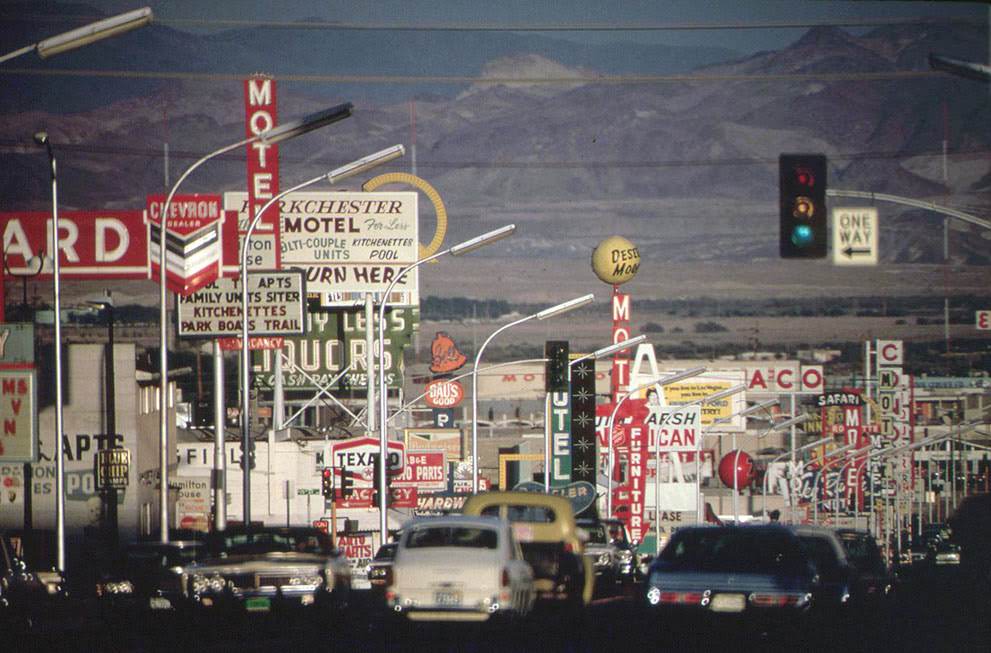
Street scene in east Las Vegas, Nevada, 1972.
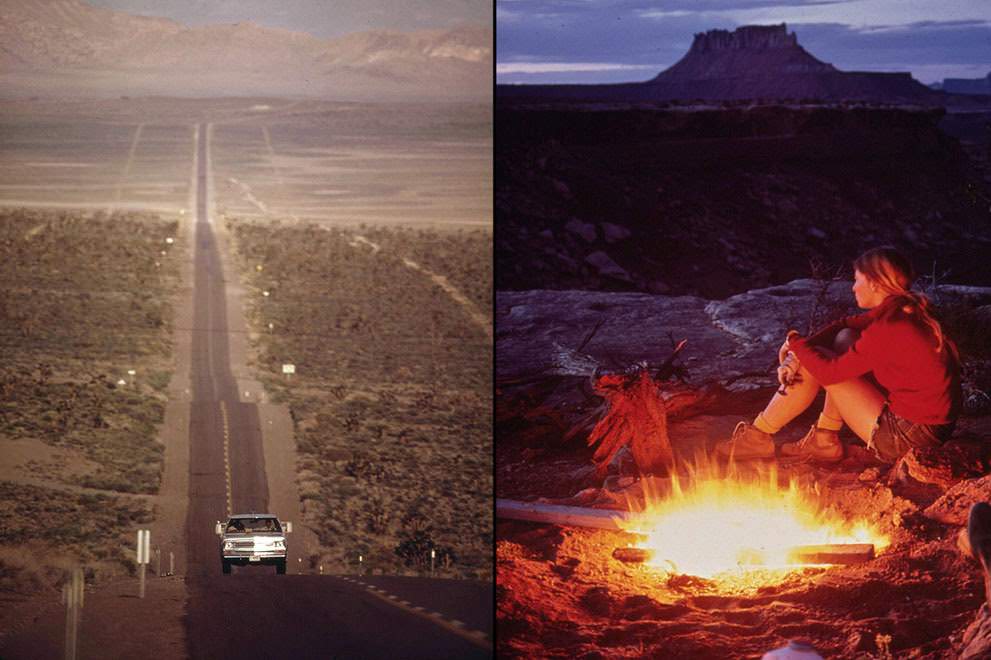
Left: EPA laboratory monitor Frank Reed makes daily collections of water and air samples from an atomic test site area in Nevada; Right: Camping in the Maze, a remote and rugged region in the heart of the Canyonlands, 1972.
Hikers from Explorer Post 397 of Los Angeles take a break during a hike on Mineral Peak, Nevada, 1972.
Empty steel beer and soft drink cans accumulated near Taos, New Mexico, to be used in building experimental houses, 1974.
A waitress at the local A&W Drive-In is saving her earnings for out-of-town schooling, 1973.
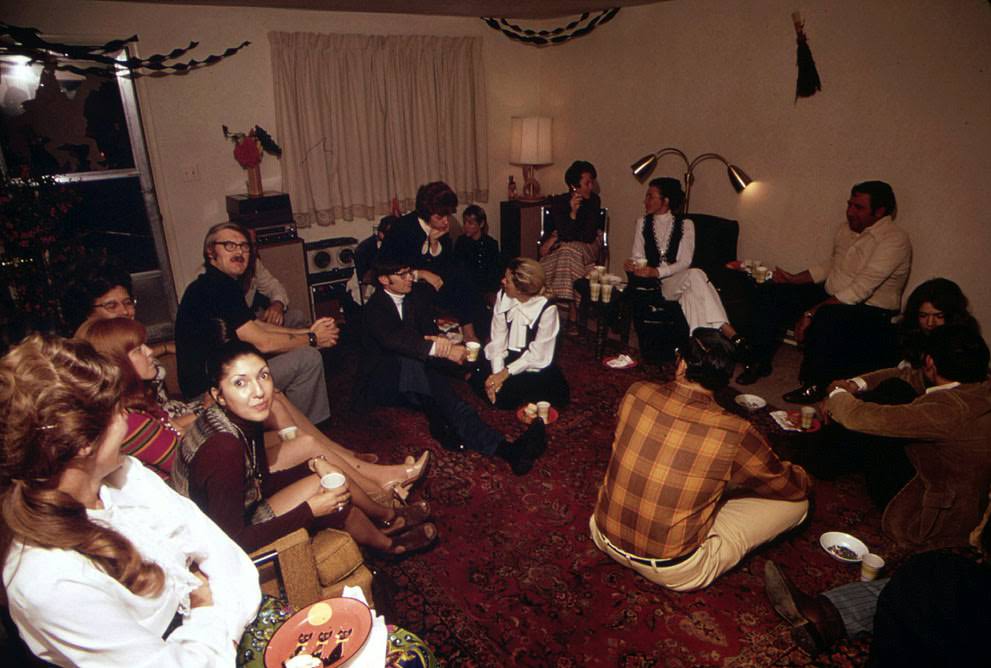
Rifle, Colorado, hospital administrator Bob Georgeson hosts a party at his home, 1972.
Enjoyed this post? Get new ones in your inbox.

Leave a Comment

Your email address will not be published. Required fields are marked *

Share this Post 🥺

Please take a moment to share this content. Your support is greatly appreciated! 🙌🙏

Share this Post 🥺

Please take a moment to share this content. Your support is greatly appreciated! 🙌🙏
Scroll to Top
 
Hey Friend, Before You Go.. Please like & follow for more interesting content