In the late 19th and early 20th centuries, photographers discovered that pictures of animals doing human things were wildly popular. These images spread quickly as postcards and book illustrations, delighting audiences across the world. Creating them took real skill — and a lot of patience.
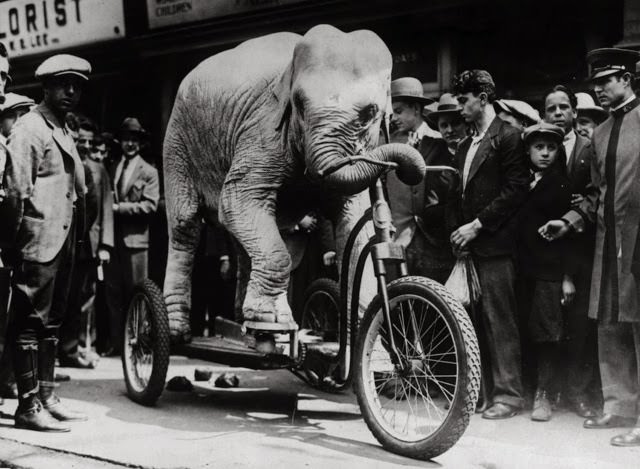
An elephant from the American vaudeville stage riding a specially constructed tricycle, 1918.
Animals were photographed doing all kinds of human jobs. A cat might peer through the viewfinder of a camera on a tripod. Puppies posed as construction crews, wearing tiny hard hats and holding tools. A cat dressed as a doctor tended to a doll patient. The scenes were carefully staged, but the results looked surprisingly convincing.
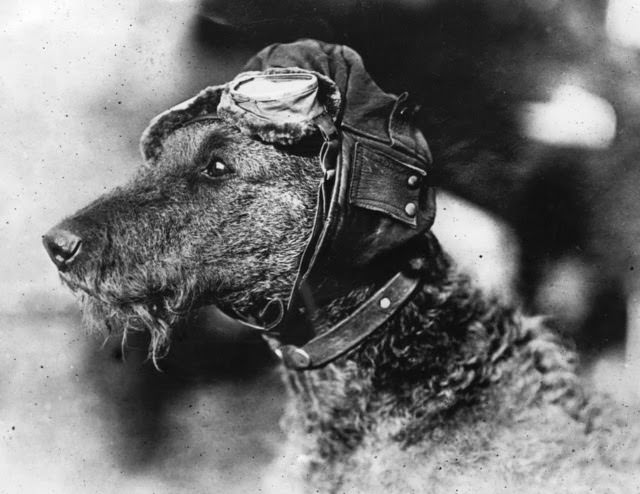
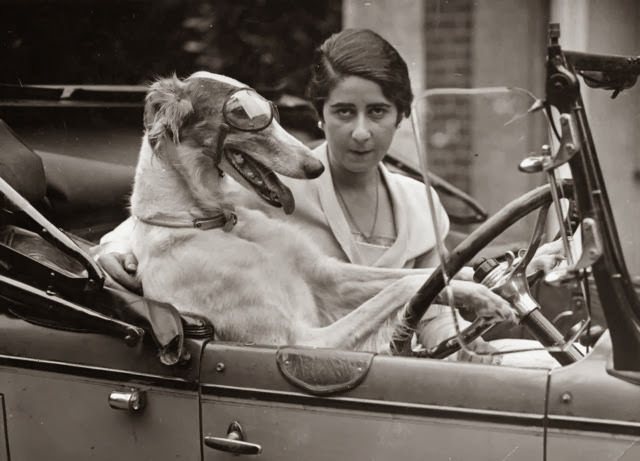
A close-up of Mike, the world’s only canine aviator, wearing flying cap and goggles in Chicago, c. 1920.
Leisure and recreation were just as popular as work scenes. Photographers staged animals playing musical instruments, competing in sports, and enjoying everyday hobbies that humans recognized from their own lives.
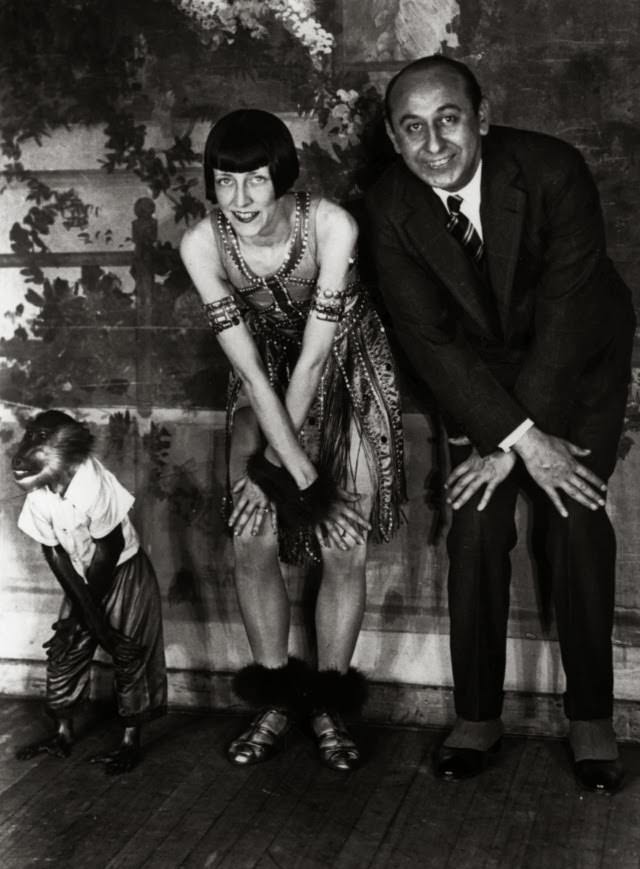
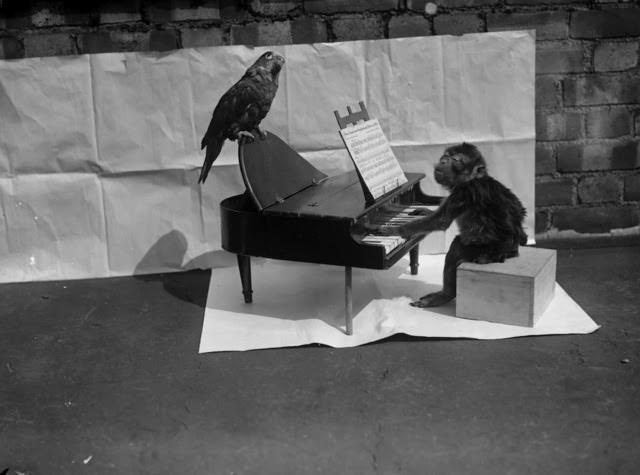
A monkey doing the ‘Charleston’ alongside a couple of dancers, 1922.A monkey ‘playing’ a toy piano on which is perched a thoughtful looking parrot, 1927.
Costumes were a key part of making these photos work. Photographers stiffened small outfits with starch so they held their shape on the animals. Getting the right pose meant working fast — animals don’t hold still for long. The photographer had to be ready to snap the shot at exactly the right moment.
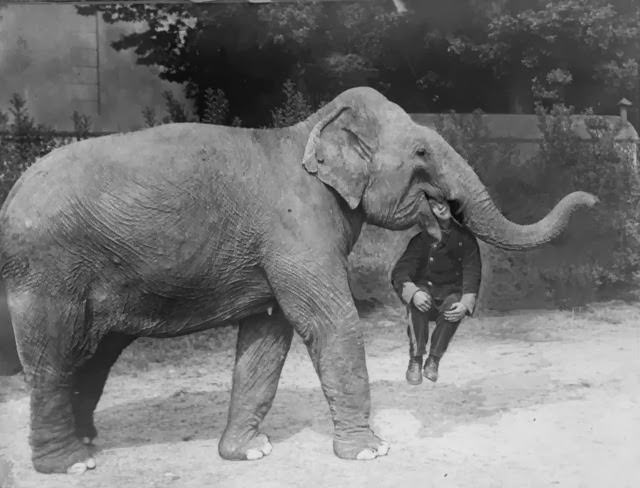
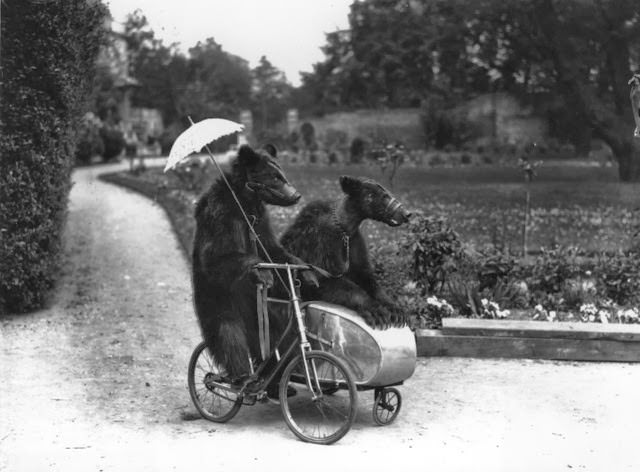
An elephant from Earl’s Court Circus with a man in its mouth, 1928.Two brown bears riding on a bicycle and side car, 1928.
By the late 1920s and into the 1930s, animals were photographed engaging with the newest technologies of the day — radios, automobiles, and musical instruments that reflected modern life.
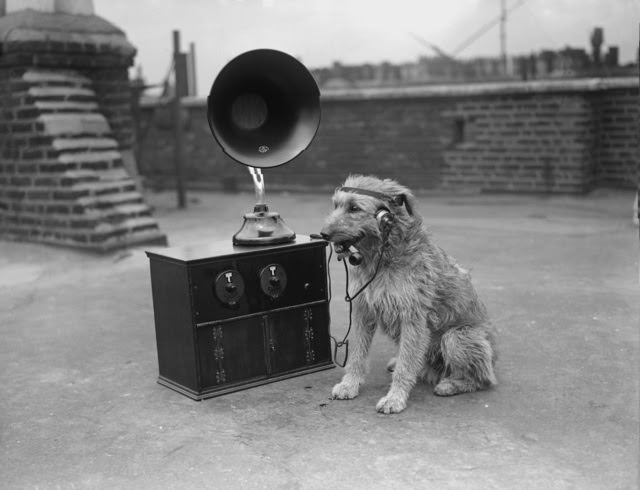
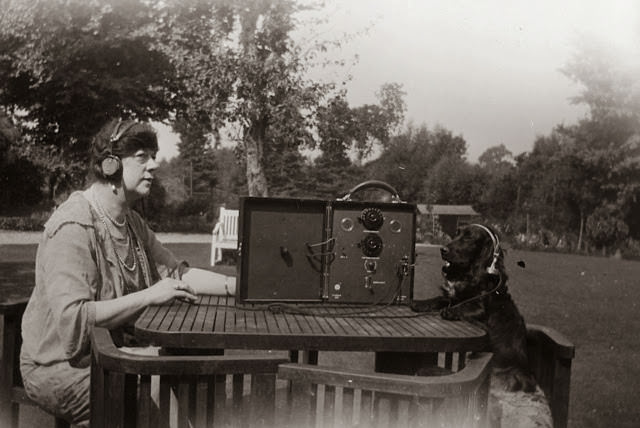
A dog listening to the radio with earphones, whilst smoking a pipe, 1929.Dame Clara Butt operating a communications radio with her dog, both wearing headphones, 1930.A new breed of chauffeur takes the wheel, 1930.
Circuses and zoos provided a steady stream of willing — or at least manageable — animal subjects. Elephants were especially popular, appearing in photographs that placed them in situations both absurd and oddly believable.
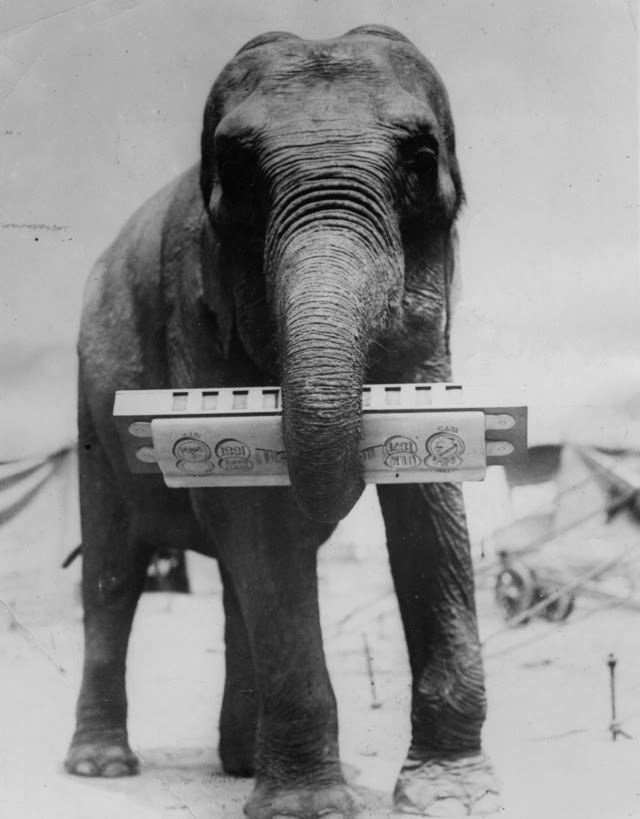
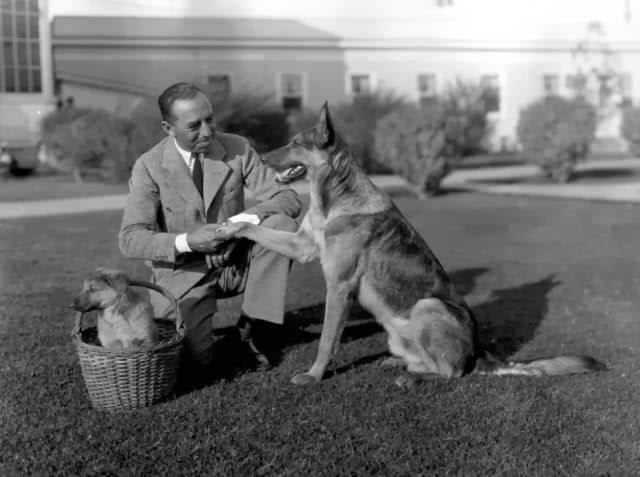
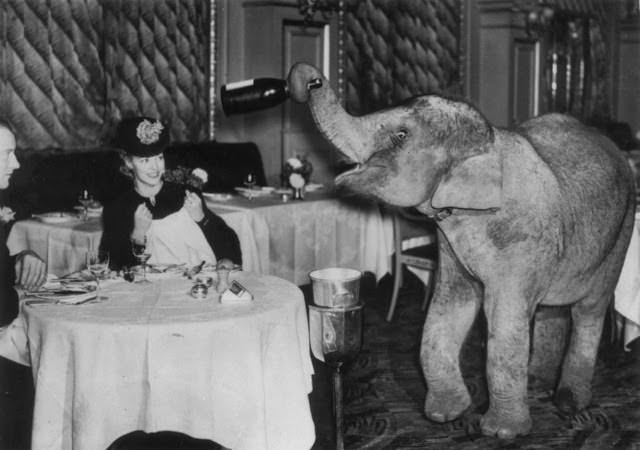
In New York, an elephant from the circus claims the prize for the largest harmonica player in the Universe, c. 1935.Peter the Great, the animal star, presenting film director Chester Franklin with a new puppy, c. 1935.Comet, an elephant from Chessington Zoo spends the weekend as a waiter at the Trocadero Restaurant in Piccadilly Circus, London, 1938.
The trend didn’t fade after the war years. Photographers kept finding new scenarios, placing animals into domestic settings, sporting events, and even professional workplaces.
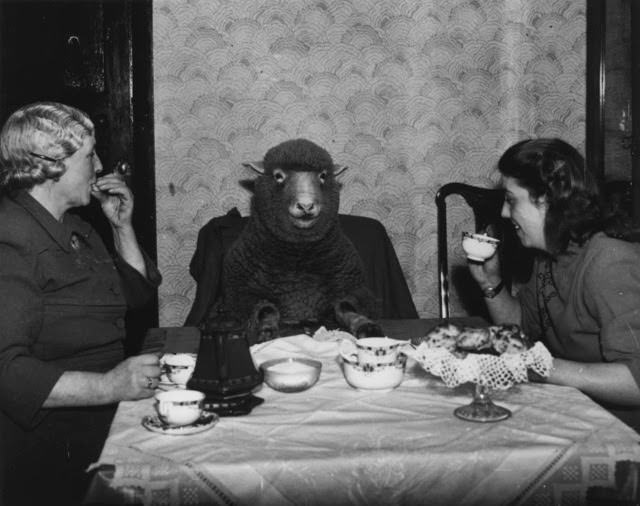
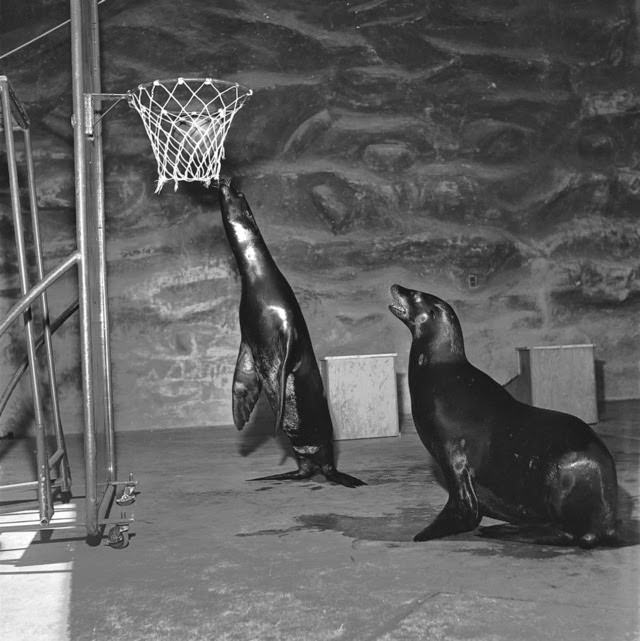
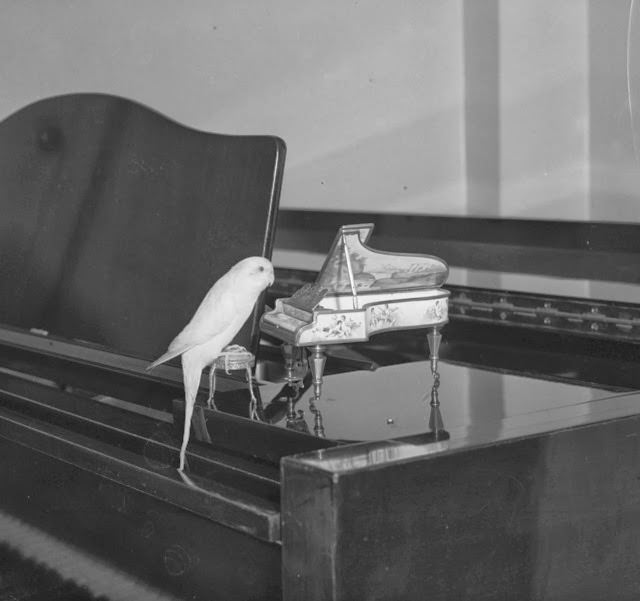
Farmer Mrs. Maud Lee and her daughter Pat enjoy elevenses at their farmhouse in Keynsham, near Bristol, with their pet lamb Betty, 1949.Two seals play basketball at San Diego zoo, c. 1950.A budgerigar pecks out a tune on a miniature piano, 1952.
Zoo animals became frequent stars of these photos throughout the 1950s. Chimpanzees in particular proved to be endlessly photogenic subjects, placed in scenes that ranged from casual home life to skilled trades.
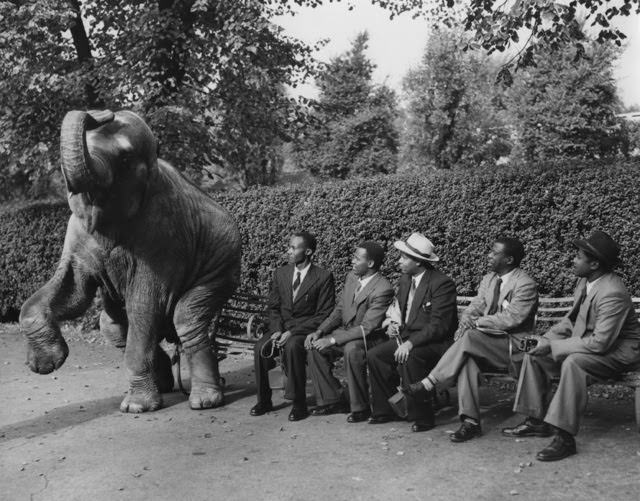
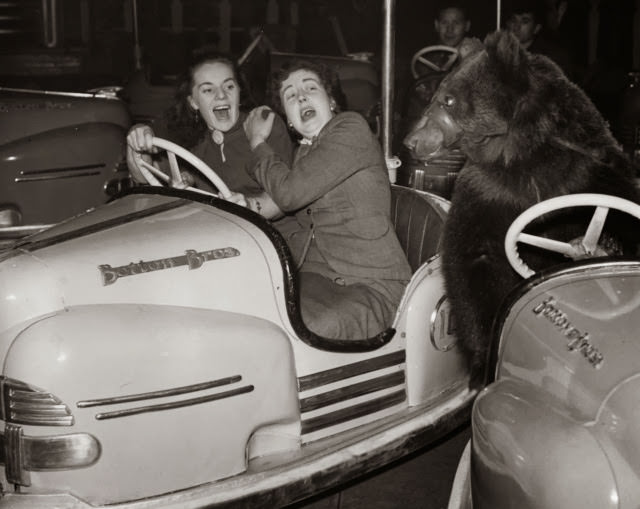
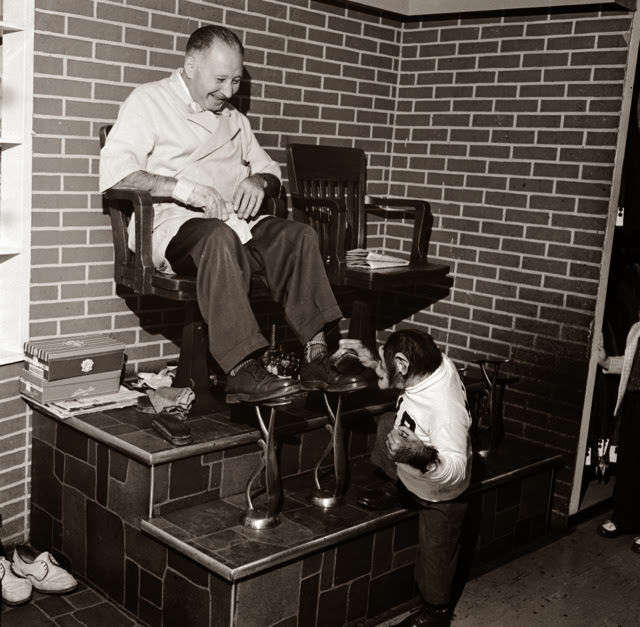
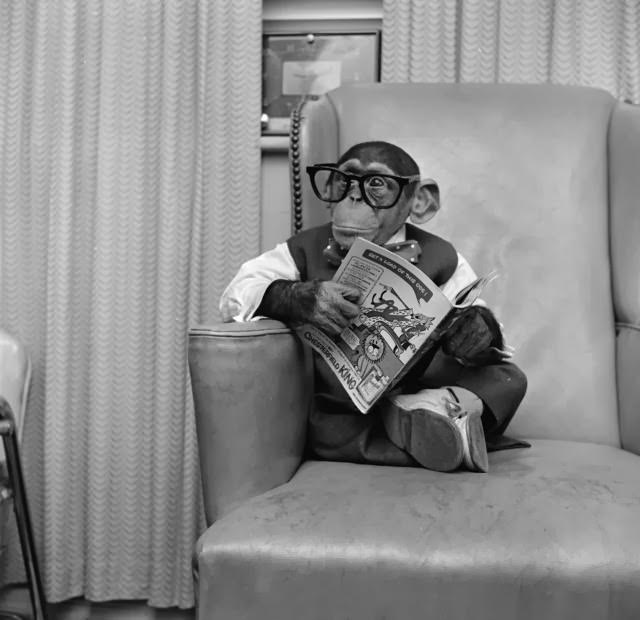
An elephant at the London Zoo, Regents Park, joining five African visitors for a rest on a bench, 1954.Two dodgem car passengers are surprised to see Susie the circus bear bumping into them at the fun fair attached to Bertram Mills Circus in Olympia, London, 1954.Zippy the chimpanzee polishes bootblack Tony Finizza’s shoes while Tony watches and laughs at the spectacle, 1955.Young chimpanzee Kokomo Jnr sits in a chair wearing glasses and holding a comic book at his owner’s apartment in New York City, 1955.
1955 was a particularly rich year for this kind of photography. Animals appeared in one staged scene after another, each image playing with the idea that the gap between human and animal behavior was narrower than anyone might expect.
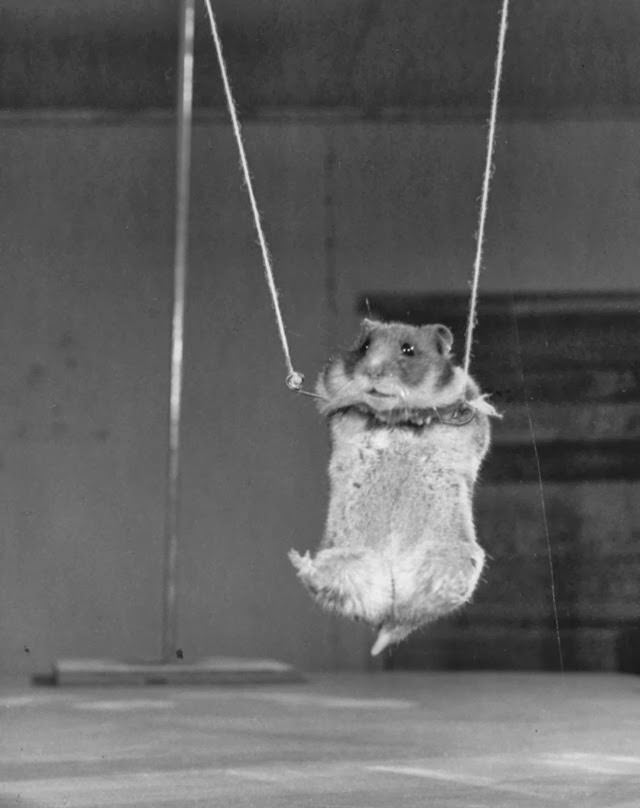
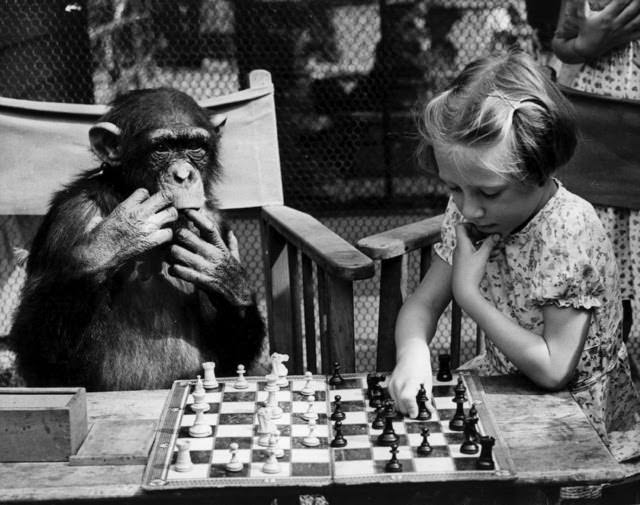
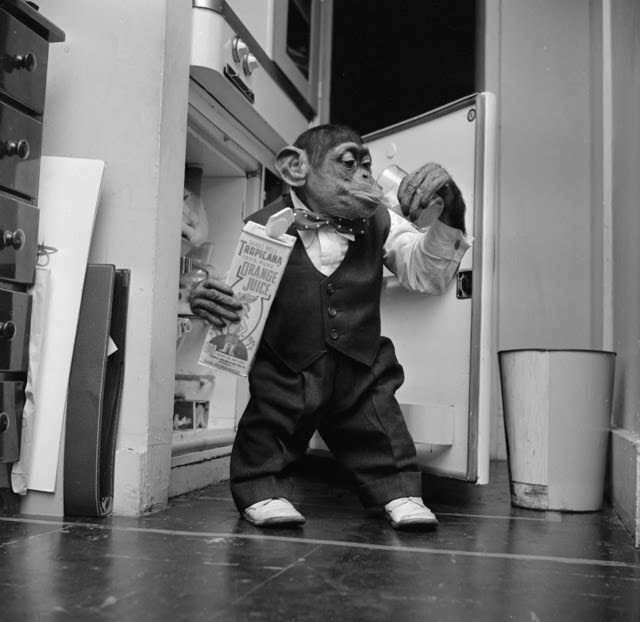
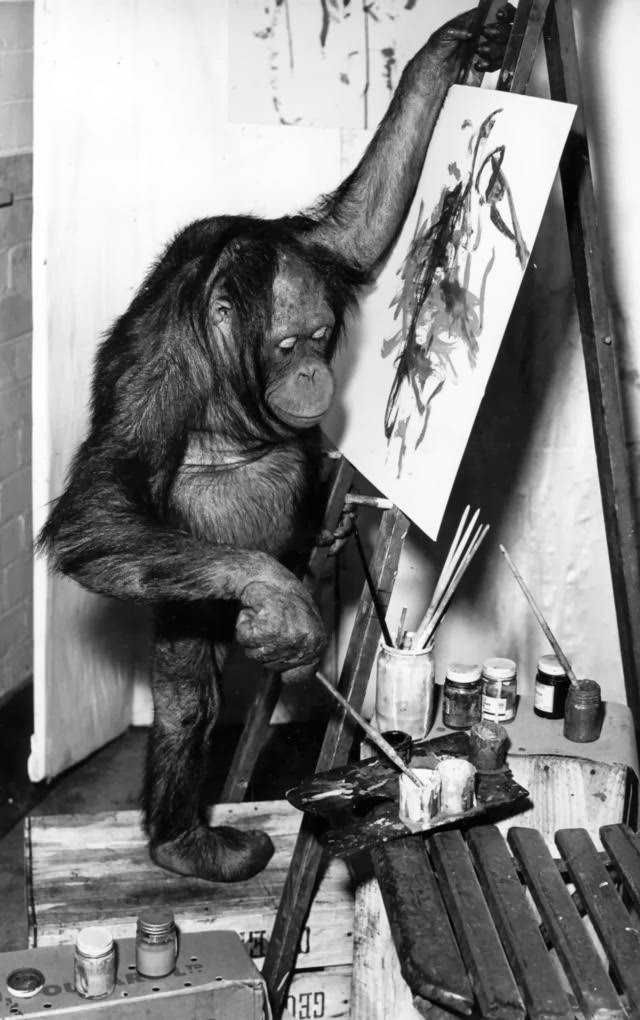
A hamster on a miniature trapeze, 1955.Fifi, the chimpanzee star of the famous Chimps Tea Party at London Zoo, plays a game of chess, 1955.Young chimpanzee Kokomo Jnr quenches his thirst with a glass of orange juice from the fridge at his owner’s apartment in New York City, 1955.An ape paints a picture, c. 1955.
Into the late 1950s and 1960s, the photographs kept pace with modern life. Animals were photographed operating espresso machines, driving vehicles, and even appearing on television programs watched by millions.
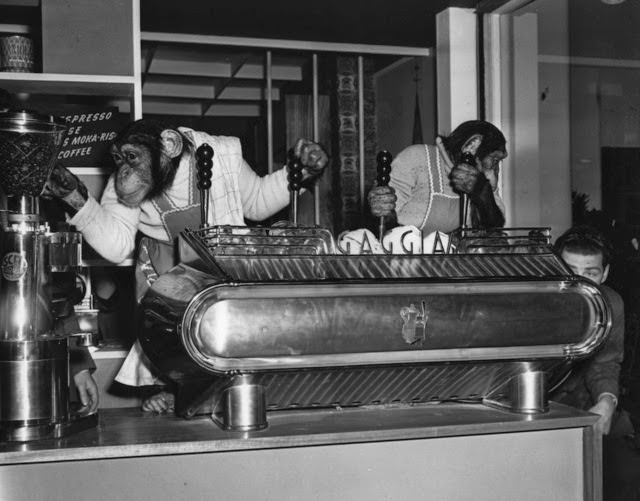
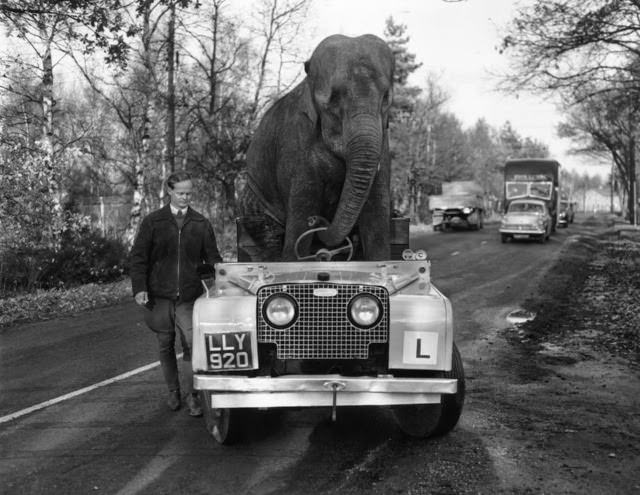
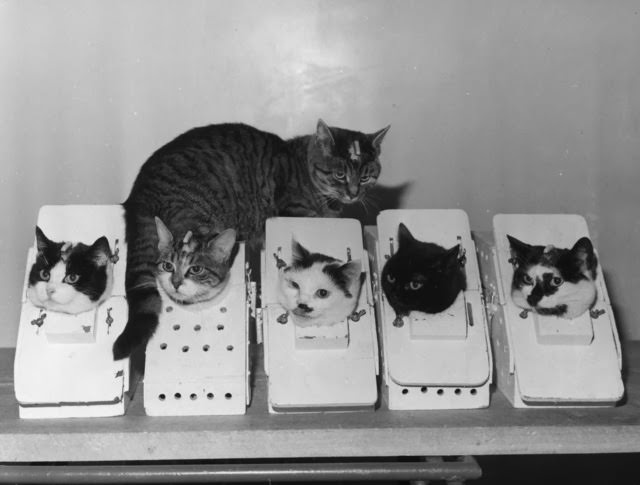
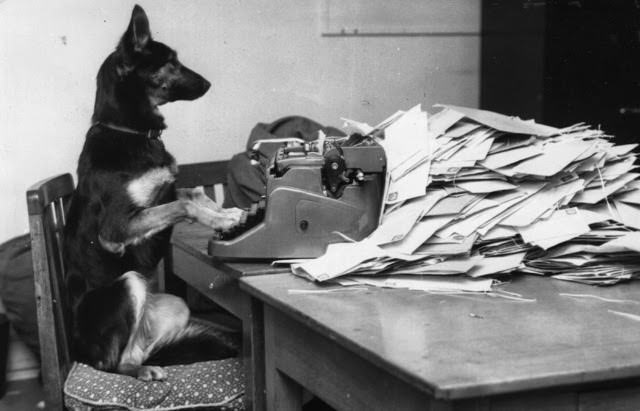
Chimpanzees Pepi and Janet try their hand at making espresso at the Hotel and Catering Exhibition at Olympia, London, 1956.‘Kam’, an elephant from Bertram Mills circus ‘drives’ a Land Rover along a road during training for the Christmas Show, 1959.At the Space Research Laboratories in Boulevard Victor, Paris, French cats are kept in boxes to train them in remaining still for long periods during rocket flights, 1963.Petra, the Alsatian dog from the BBC’s children’s program, ‘Blue Peter,’ answering her fan mail, 1964.
By the late 1960s and into the 1970s, the tradition remained alive. Animals sharing meals, watching television, or interacting with people still drew the same mix of amusement and wonder that the earliest photographers had first captured decades before.
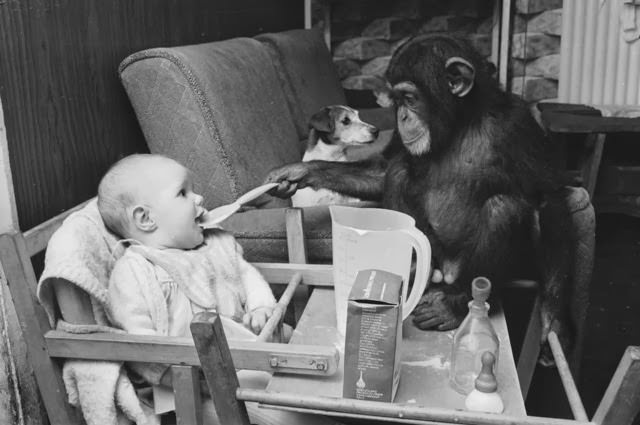
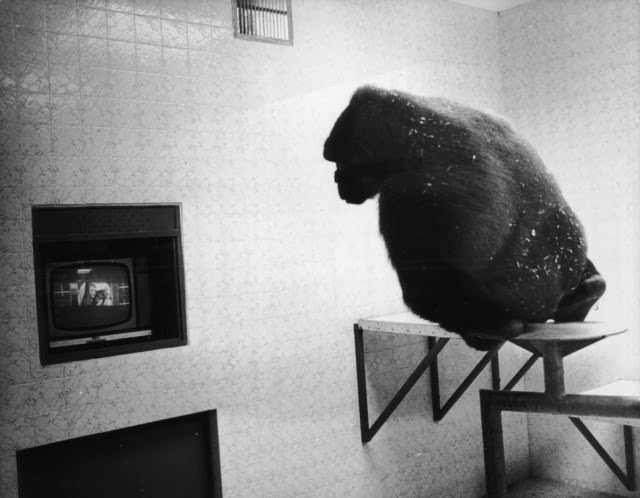
Judy, a two-year-old chimpanzee, feeding Tracey-Jane Clews in her grandparents’ home at Southam Farm Zoo, Warwickshire, 1968.Bongo, a west African lowland gorilla, watches the BBC test-card on a color television in his new luxury enclosure at Twycross Zoo in Warwickshire, 1971.
Sarah Johnson is a freelance writer and photographer with a passion for exploring the world. Her writing is both informative and engaging, offering unique perspectives on travel, food, and lifestyle.