William Gedney was born in New York in 1932 and moved to Brooklyn in 1951 to study at the Pratt Institute of Art. From that point on, the borough became both his home and his subject. His photography centered on three things: portraiture, street life, and the particular quiet of nighttime scenes. Together, these interests made him one of the sharpest observers of everyday urban life in mid-20th-century America.
Gedney did not achieve wide recognition during his lifetime. He died of AIDS in 1989, and it was only after his death that his body of work began to receive serious attention. Today, his photographs are regarded as an honest and intimate record of people and places that might otherwise have gone undocumented. Nowhere is this clearer than in his images of Brooklyn through the 1970s.
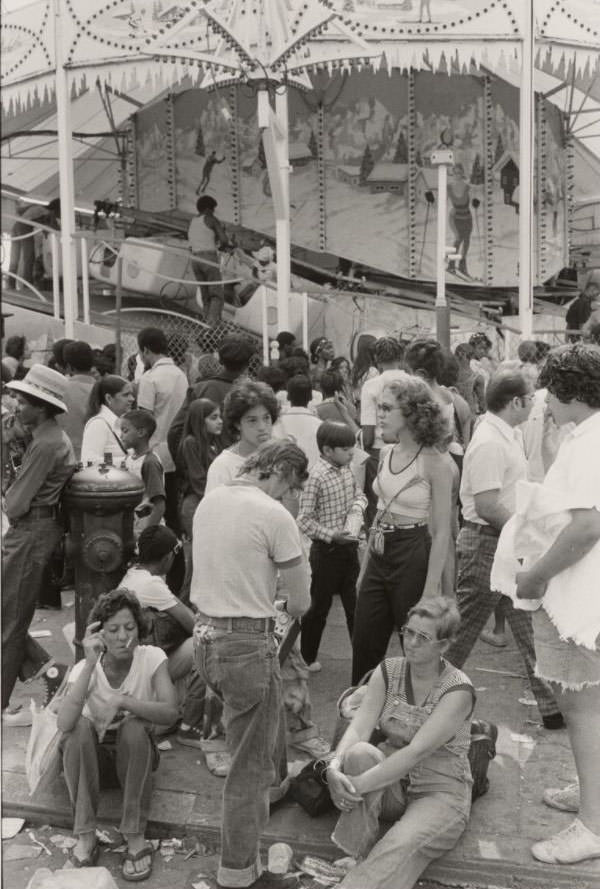
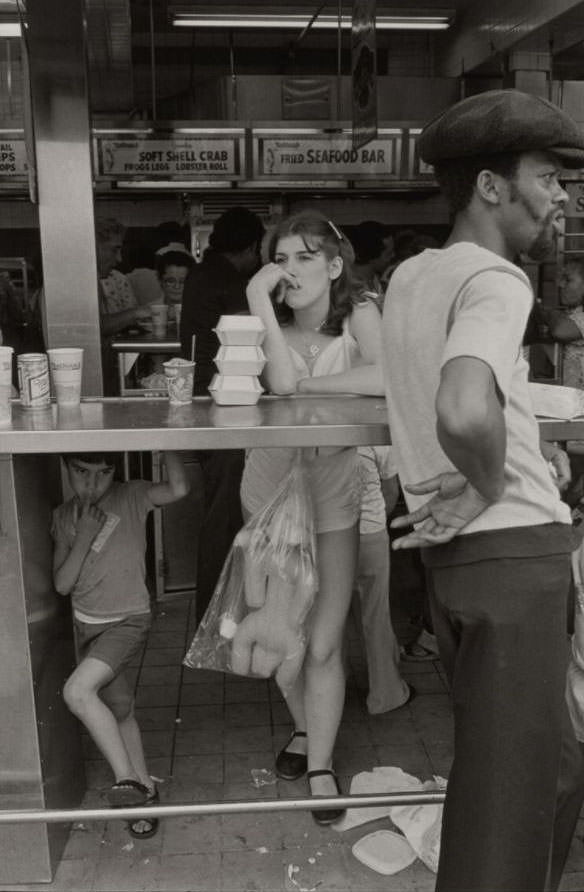
Coney Island was one of Gedney’s recurring subjects. In 1975, he photographed the crowds, the boardwalk energy, and the faces that filled the famous shoreline destination. His black-and-white frames strip away the color and noise, leaving behind the raw texture of the people who were actually there.
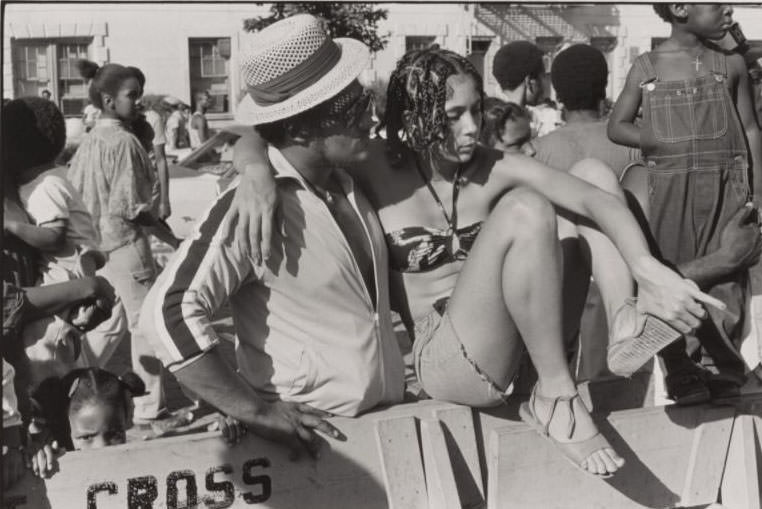
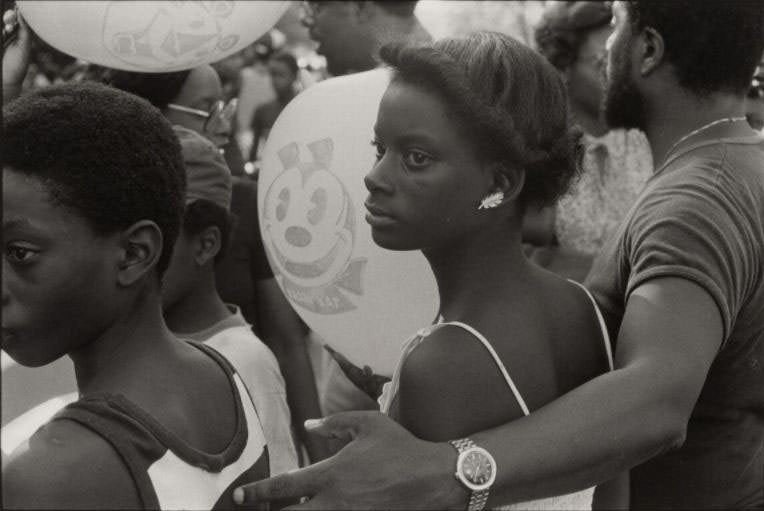
In September 1975, Gedney turned his camera toward Prospect Park for the West Indian Day celebrations. The annual event drew thousands of Brooklyn residents together in a display of Caribbean culture, music, and community pride. Gedney photographed the crowds with the same close, unhurried attention he gave all his subjects.
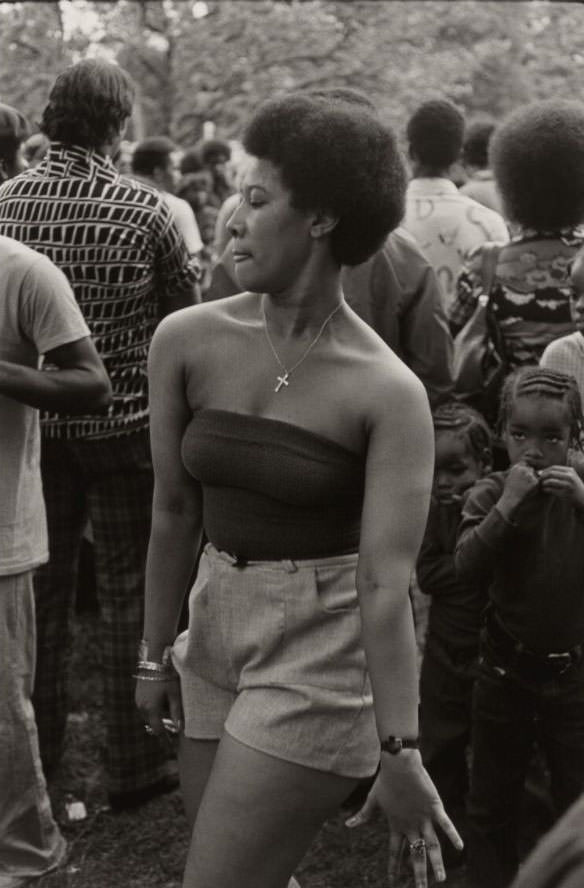
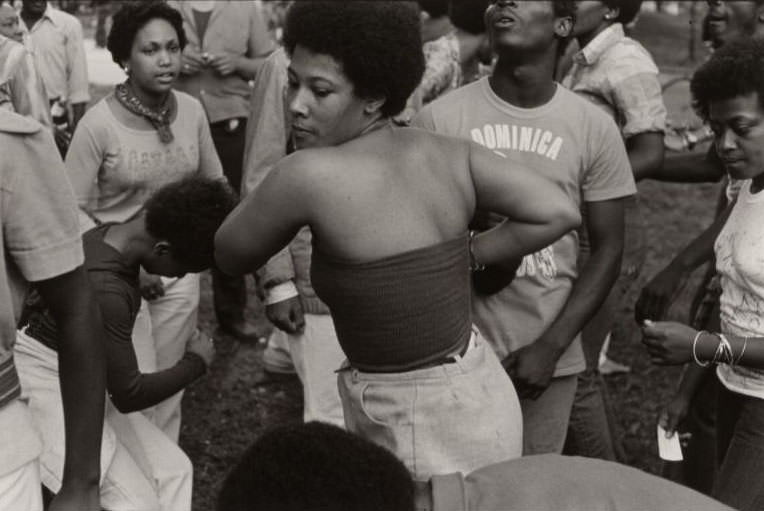
Beyond the parks and beaches, Gedney documented the streets of Brooklyn itself. His 1975 street photographs capture the borough’s working-class neighborhoods in the middle of an era marked by economic strain and social change. New York City was in financial crisis through much of the decade, and the effects were visible on the streets Gedney walked.
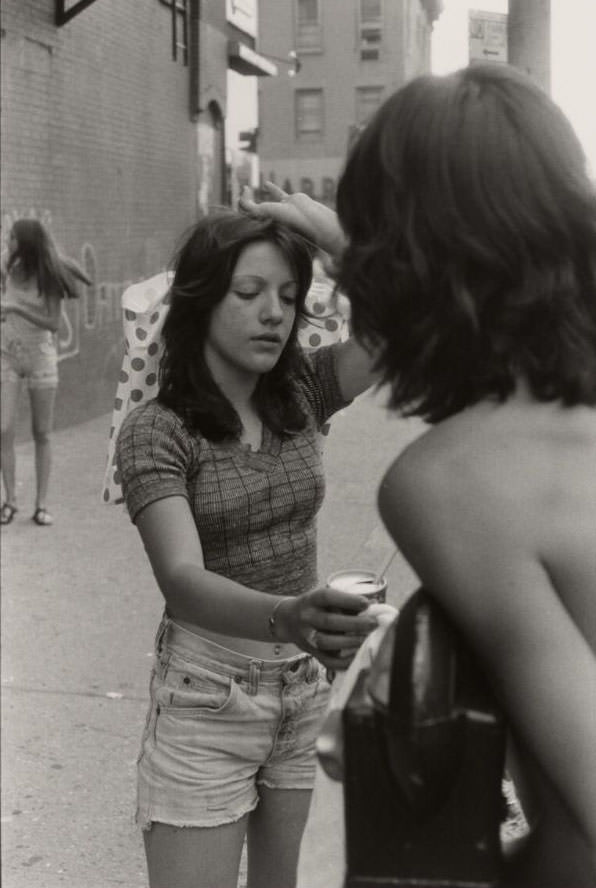
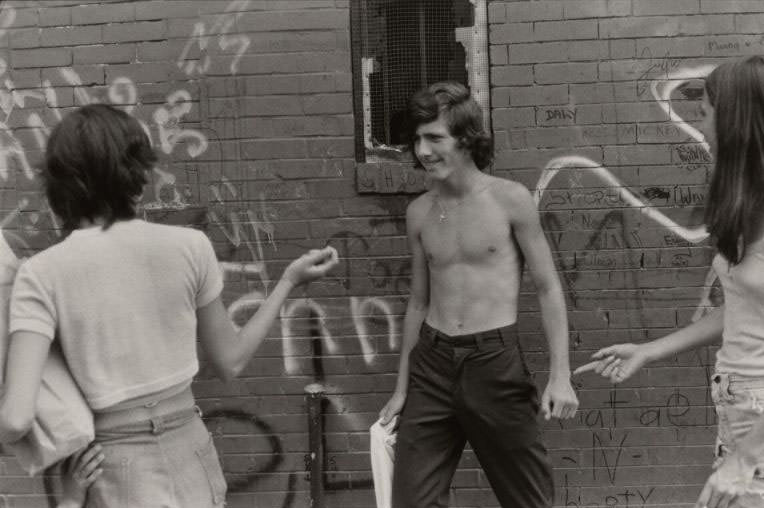
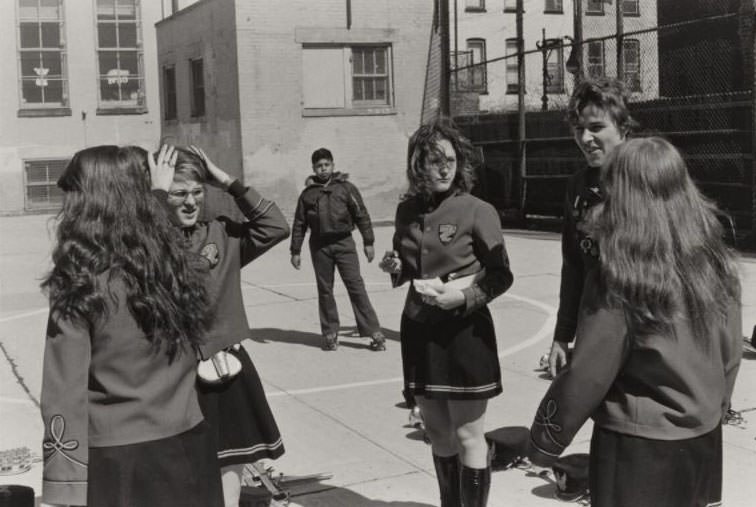
Around 1977, Gedney photographed young people taking part in an annual march through the Bay Ridge neighborhood. Bay Ridge, located in the southwestern corner of Brooklyn, was home to a tight-knit community with strong ethnic and civic traditions. The march was a regular fixture in the neighborhood calendar, and Gedney’s photograph places the youth participants squarely at its center.
Gedney returned to Prospect Park for the West Indian Day celebration again in September 1978. Three years on from his first visit, the event had continued to grow as a defining cultural moment for Brooklyn’s Caribbean community. His photographs from this second visit show the same vibrancy and density of crowd life he had captured before.
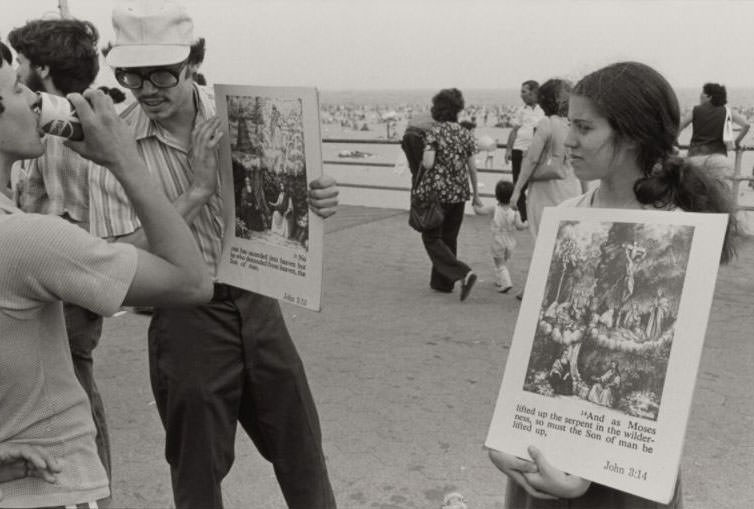
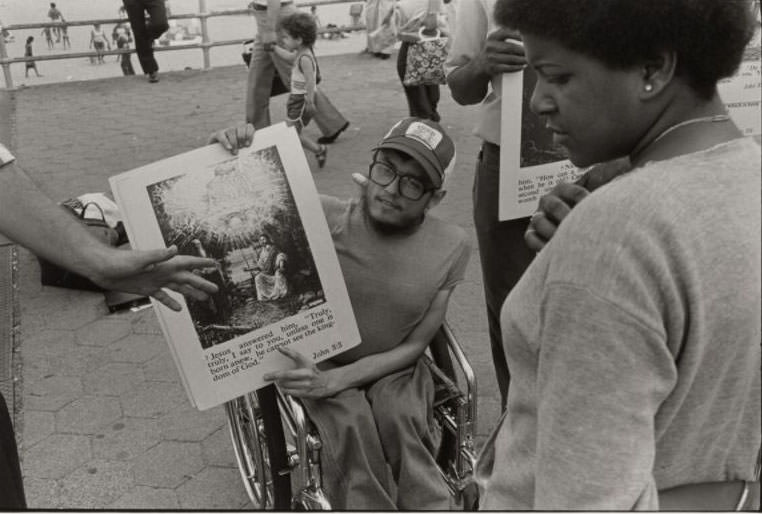
In 1979, Gedney photographed a religious group gathered at Coney Island. The beach, typically associated with leisure and summer crowds, took on a different character in his frames. The group’s presence against the familiar backdrop of the shoreline gave the images a quiet, striking contrast between the sacred and the everyday.