Linda Ronstadt became one of the most celebrated voices in American music, moving effortlessly across country, rock, Latin, and light opera. Over the course of her career, she released more than 30 studio albums, won 10 Grammy Awards, and sold 100 million records worldwide. Multiple albums reached number one on the US Billboard Pop Albums Chart. Author Andrew Greeley, writing in his book “God in Popular Culture,” called her “the most successful and certainly the most durable and most gifted woman Rock singer of her era.” These photos capture her at her brightest — young, bold, and at the center of American popular music.

Ronstadt’s professional journey began in 1967 when she joined the Stone Poneys, a folk-rock trio based in Los Angeles. The group scored a notable hit with “Different Drum,” written by Michael Nesmith of The Monkees. That early exposure gave Ronstadt a platform to develop her stage presence and sharpen a voice that could handle nearly any genre. By 1969, she stepped away from the band and released her debut solo album, “Hand Sown … Home Grown,” marking the start of one of the most productive solo careers in pop music history.


In 1970, she released her second solo album, “Silk Purse,” which earned her first Grammy nomination. The recognition confirmed that she was more than a one-hit act. She continued recording through the early 1970s, building a loyal following before breaking through in a big way. Her 1974 fifth studio album, “Heart Like a Wheel,” became a massive commercial success. It earned her the first of her many Grammy Awards and launched her into the top tier of rock and pop stardom.


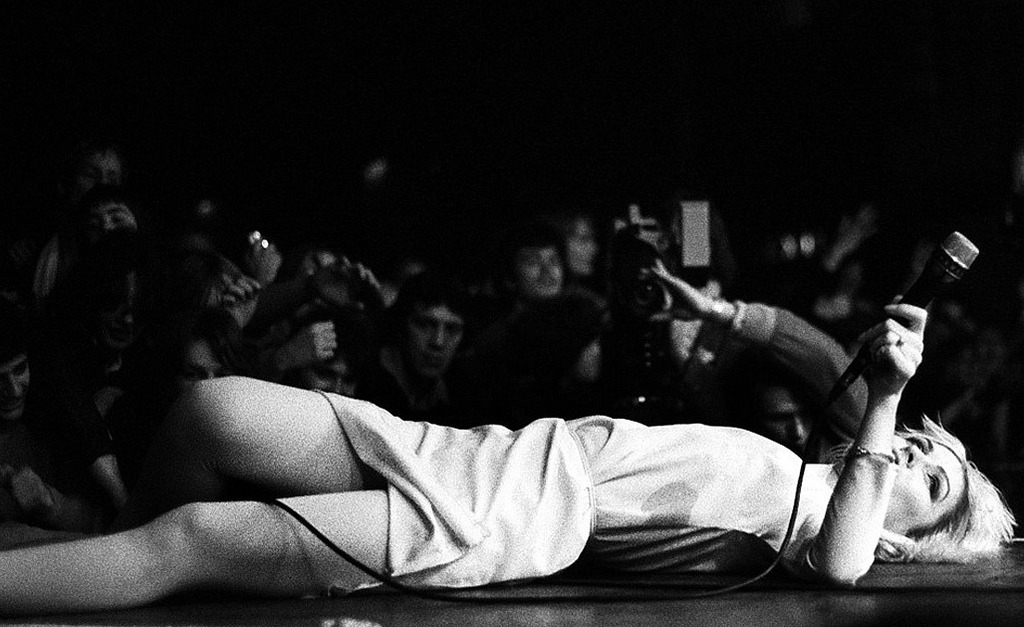
Throughout the 1970s, Ronstadt performed in concert halls and arenas across both the United States and England. Her live performances became known for their raw energy and vocal power. She packed venues on both sides of the Atlantic, drawing fans who came for her chart-topping singles as much as for her commanding stage presence. Her concerts were not polished spectacles built on special effects — they were built entirely around her voice.


Off stage, Ronstadt’s life drew public attention as well. She was frequently photographed at industry events, relaxing in Los Angeles, and traveling abroad. Her style shifted with the times — from the earthy, casual look of the early 1970s to more defined, polished appearances by the latter part of the decade. She was photographed by top publications including Life Magazine and collaborated on album covers shot in Los Angeles that became instantly recognizable images of the era.


Ronstadt attended and performed at major events throughout the 1970s. In January 1977, she took part in rehearsals for the Jimmy Carter Inaugural Gala, a high-profile event that underscored her standing in American culture. She also appeared on television programs like The Johnny Cash Show in 1970 and Dick Clark’s New Year’s Rockin’ Eve in 1974, reaching millions of viewers beyond the concert circuit.


By the late 1970s and into the 1980s, Ronstadt expanded her musical range even further. She recorded with Dolly Parton and Emmylou Harris, forming one of country music’s most admired vocal trios. She also crossed paths and performed alongside major names in rock, cementing friendships and professional ties that spanned genres. Her willingness to step outside genre boundaries kept her relevant long after many of her peers had faded from the charts.


Ronstadt’s personal life during the 1970s included a widely covered relationship with California Governor Edmund Brown. The two were photographed together on multiple occasions, including a 1980 trip to Kenya for a safari. Her public profile extended well beyond music, making her one of the most recognizable women in America throughout the decade. She was photographed by some of the most respected names in photography, including Michael Ochs, whose archives preserve many of the most iconic images of her early career.


Later in life, Ronstadt was diagnosed with progressive supranuclear palsy, a rare neurological condition that took away her ability to sing. She publicly disclosed the diagnosis and in 2013 published her autobiography, “Simple Dreams: A Musical Memoir,” which gave readers an intimate account of her life and career. The photographs from the 1960s and 1970s collected here stand as a record of a singer at the peak of her powers — before any of that was lost.