When Singapore separated from Malaysia on August 9, 1965, it did so without a plan. There was no blueprint for independence — just a small island of roughly 1.6 million people, squeezed into a landmass 27 miles long and 14 miles wide, suddenly left to fend for itself. Prime Minister Lee Kuan Yew wept during his televised announcement. The challenges were immediate and severe: an unemployment rate between 10 and 12 percent, a severe shortage of decent housing, poor sanitation, and no natural resources to fall back on. The international media questioned whether the new nation could survive.
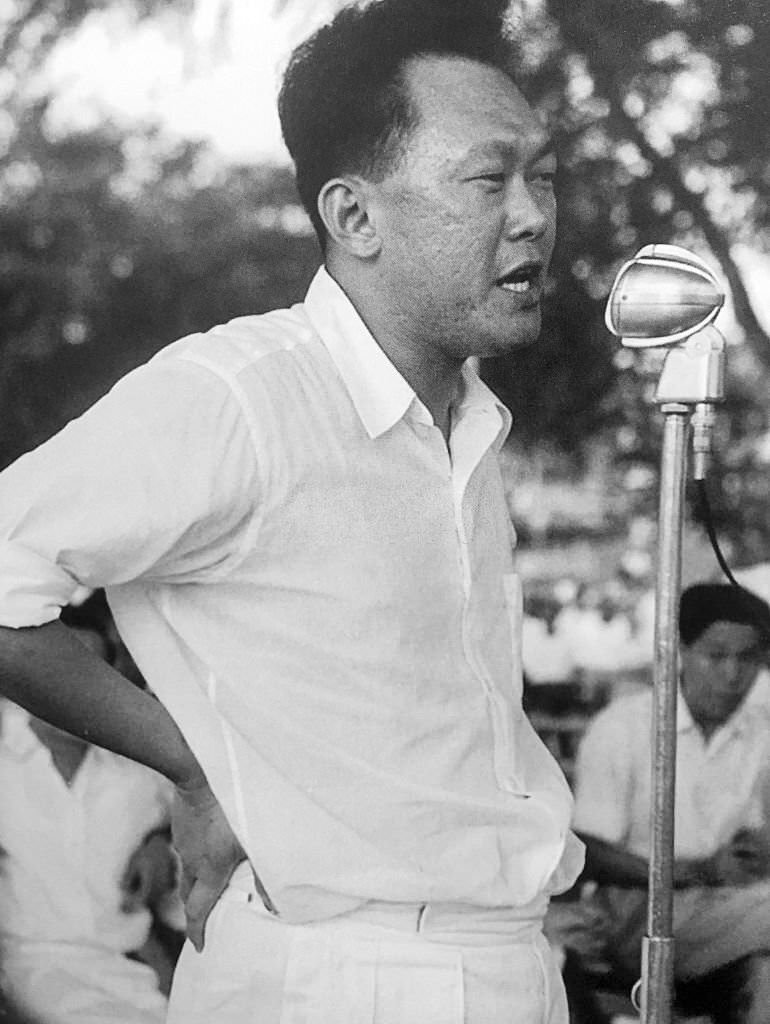
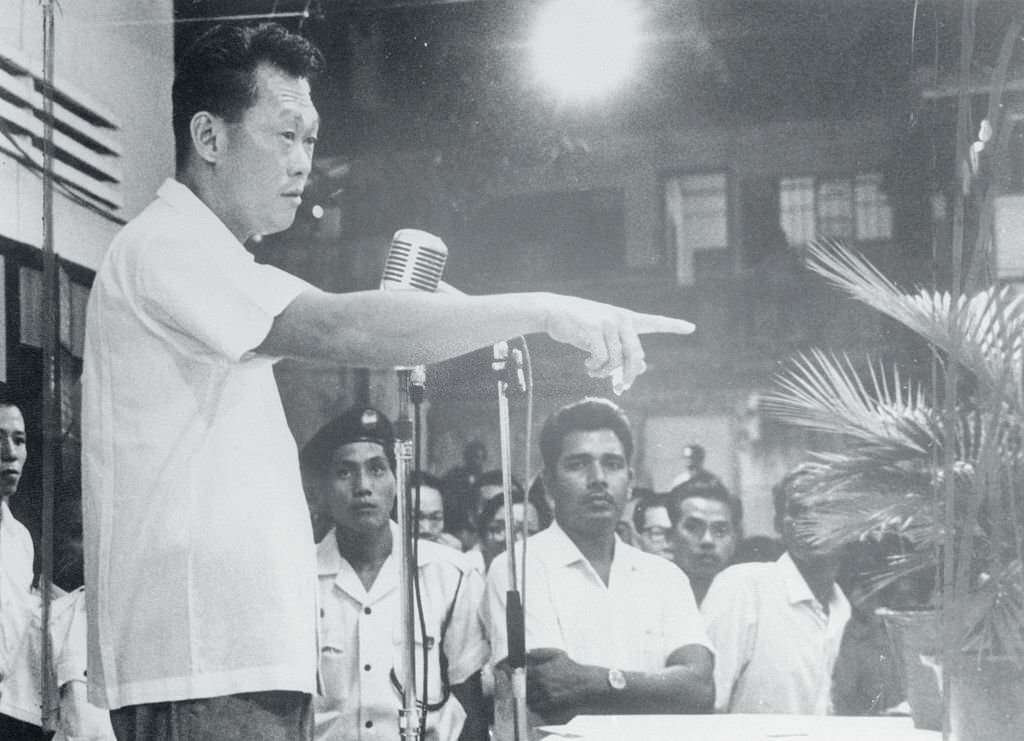
Lee Kuan Yew, first Prime Minister of Singapore, 1960
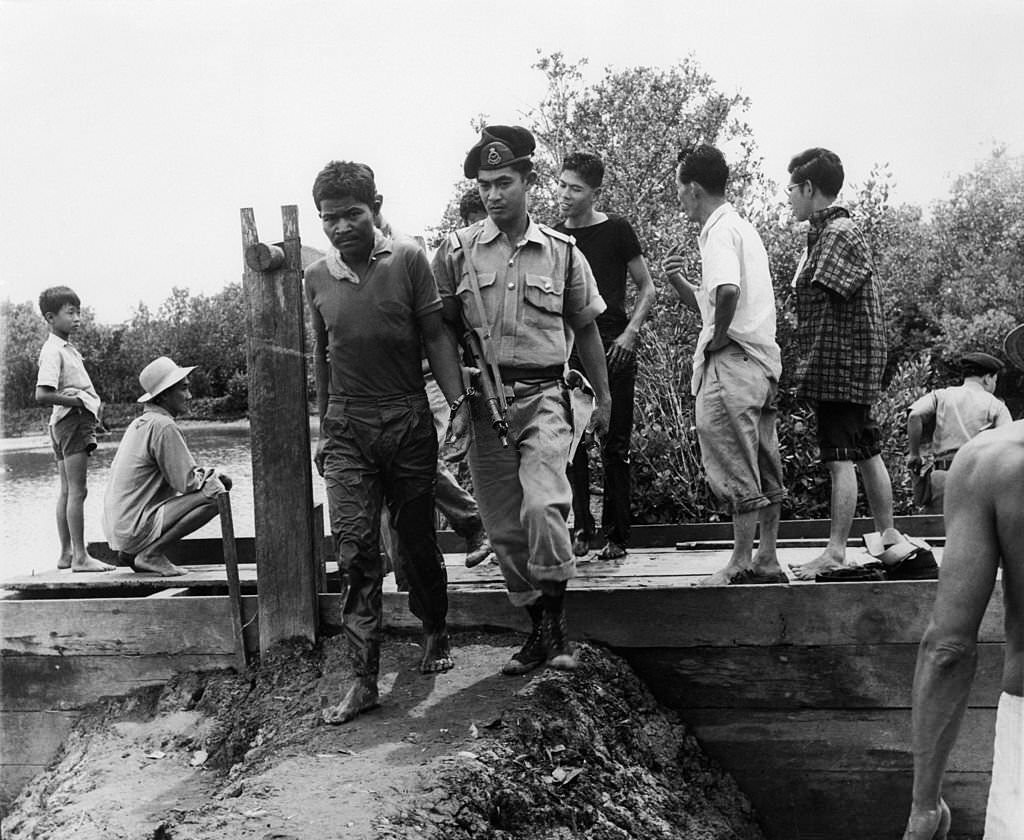
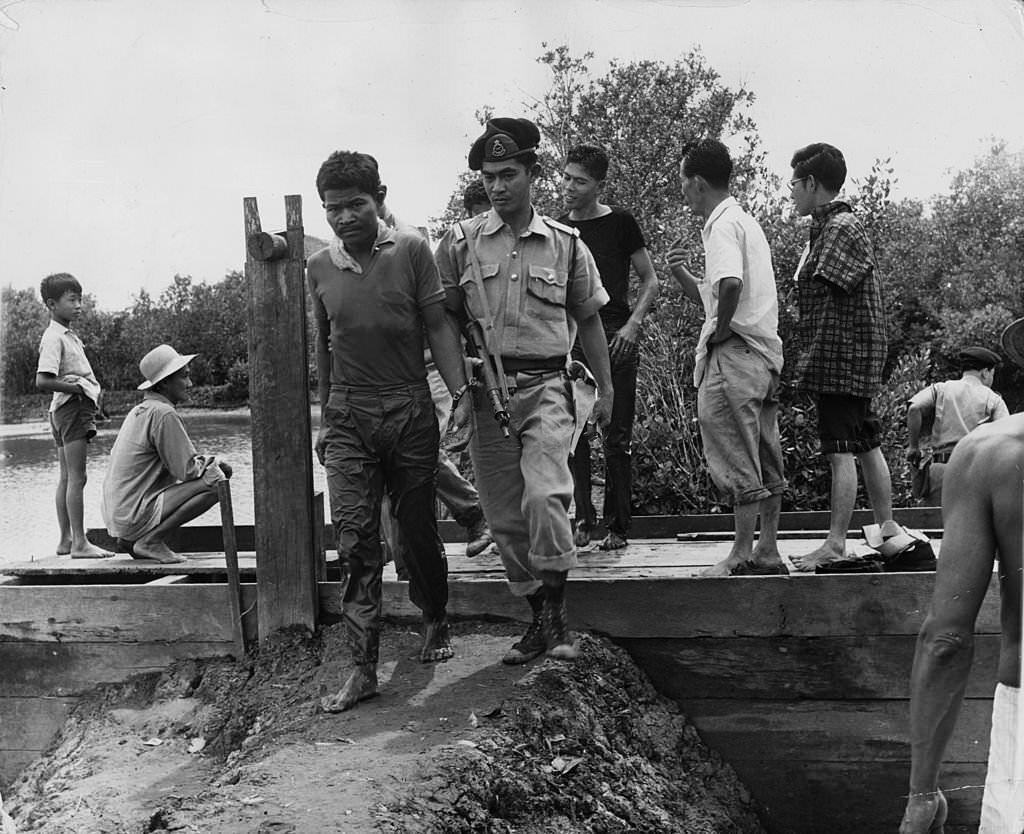
Singapore’s political position was also precarious. The Konfrontasi — Indonesia’s military confrontation with Malaysia — was still active, and Indonesian forces viewed Singapore as a target. In January 1965, armed Indonesian raiders were captured on Singapore Island after a villager spotted their boat moored on the west coast. The conservative UMNO faction in Malaysia opposed the separation and pushed for terms that would draw Singapore back into the federation under unfavorable conditions. Despite all of this, the international community moved quickly to recognize Singapore’s sovereignty. On September 21, 1965, Singapore joined the United Nations as its 117th member, and in October it joined the Commonwealth.
A Malaysian Policeman Holding An Indonesian Prisoner caught in a Little Island to the East of Singapore On January 4, 1965.A group of Indonesians being led away for interrogation by the police after their capture on Singapore Island, 1964
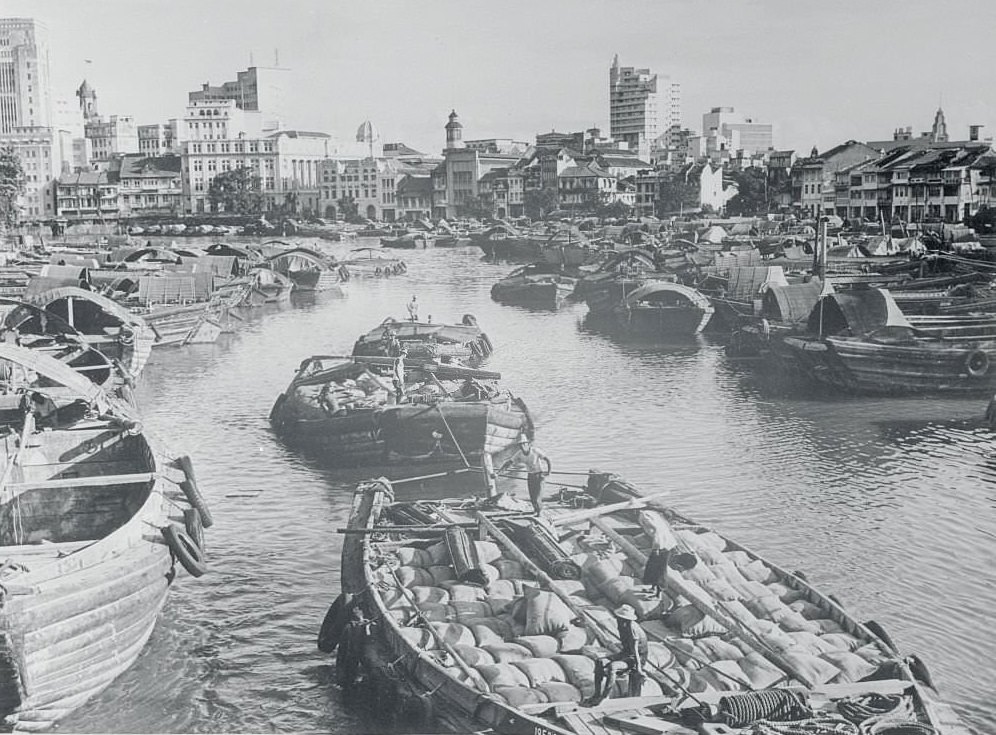
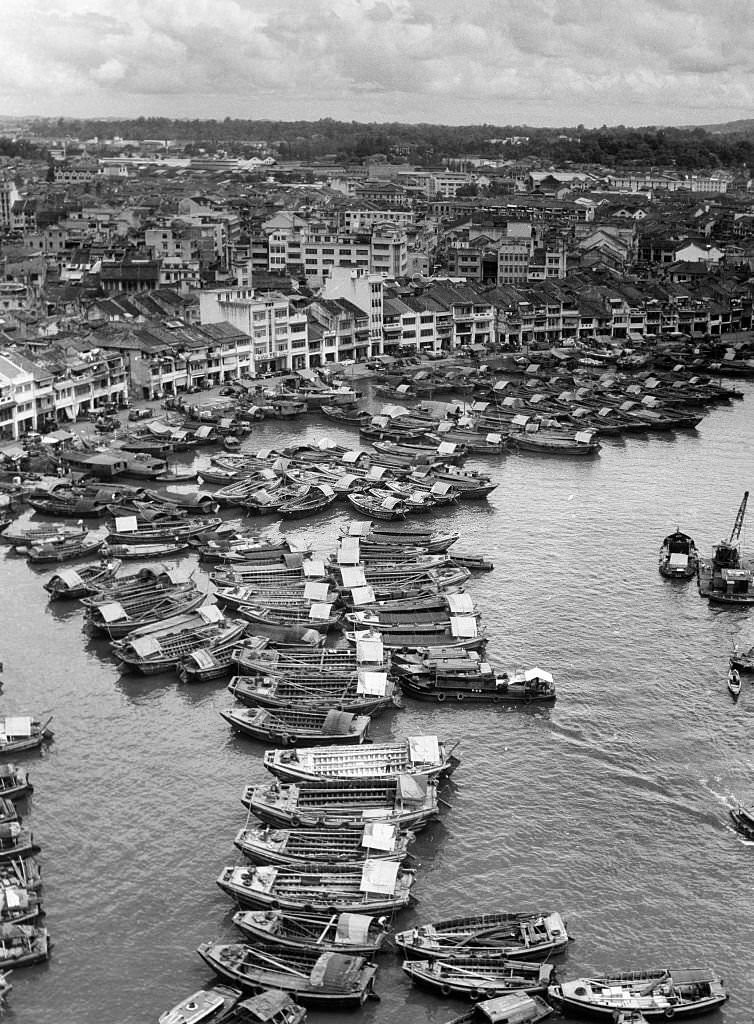
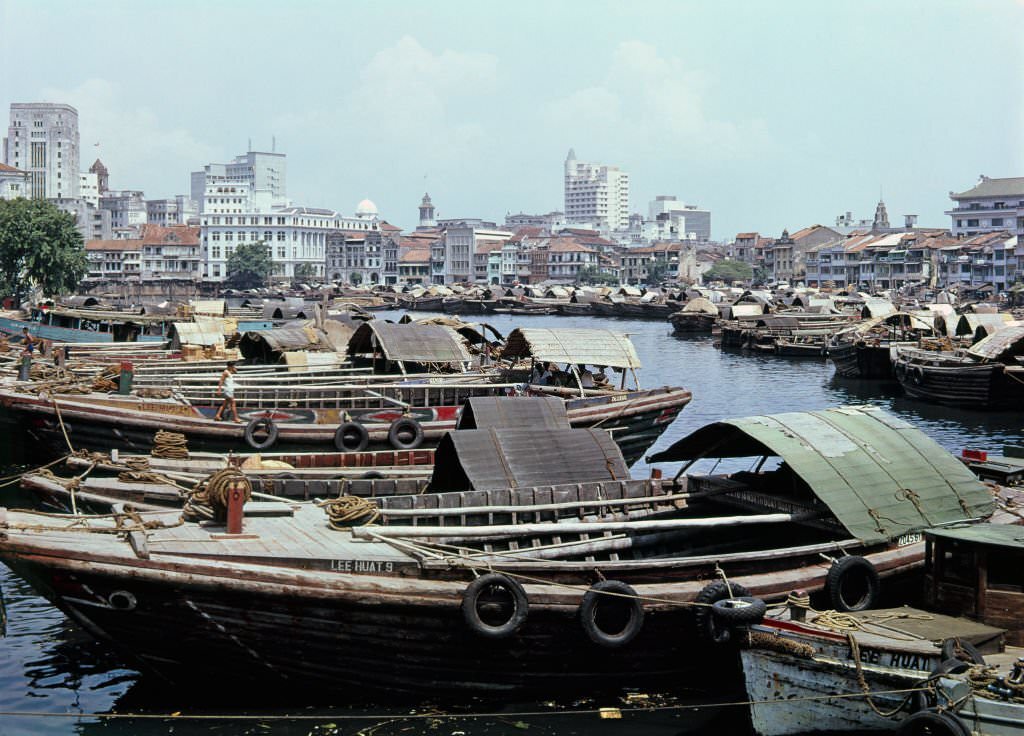
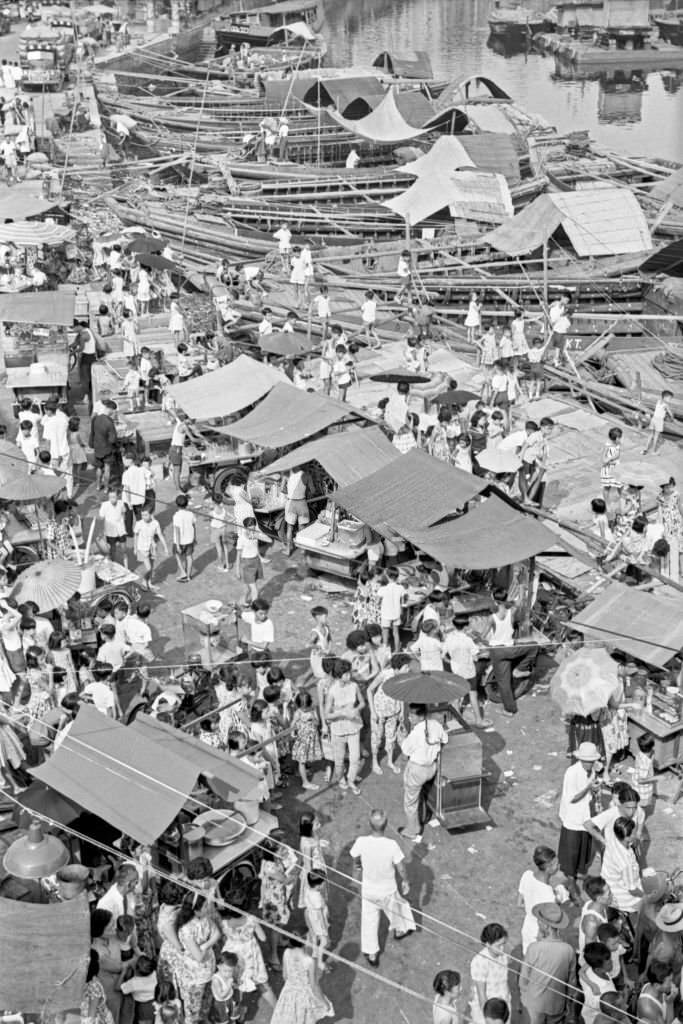
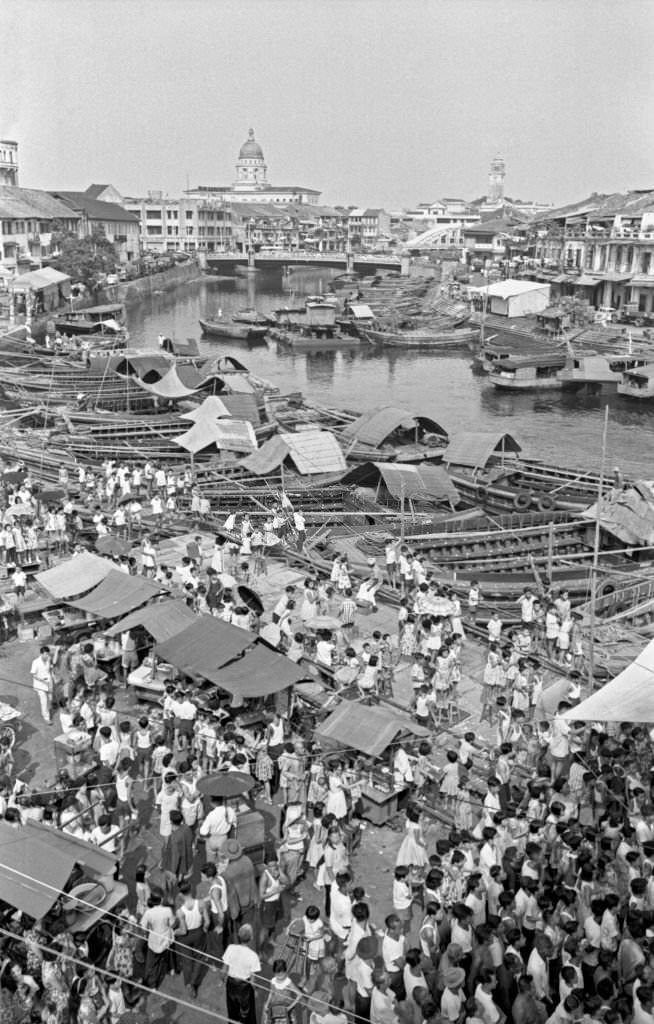
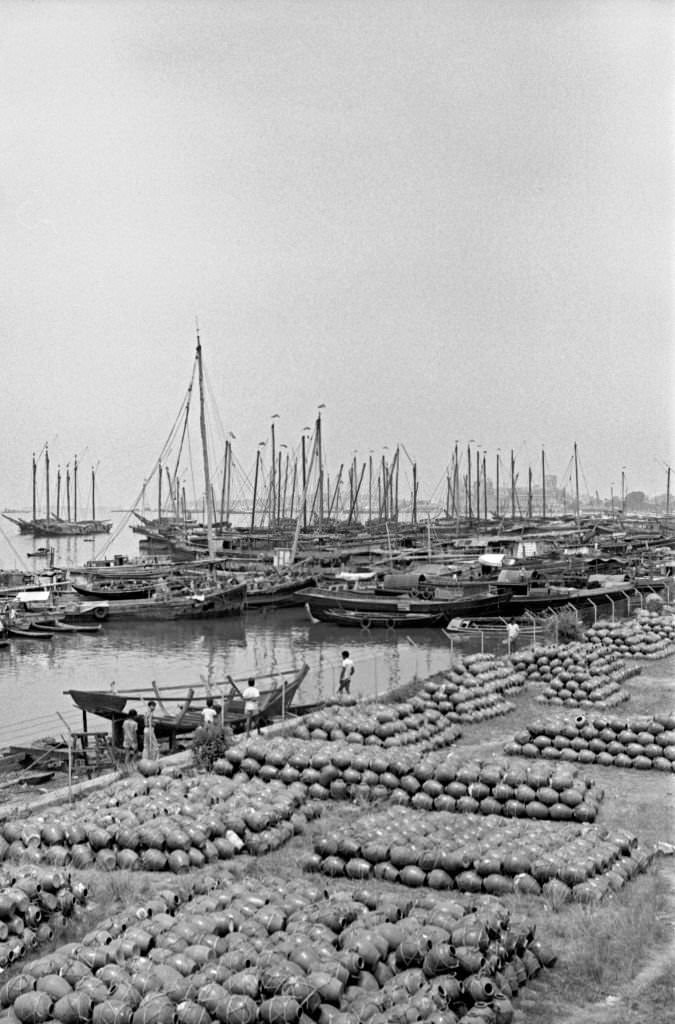
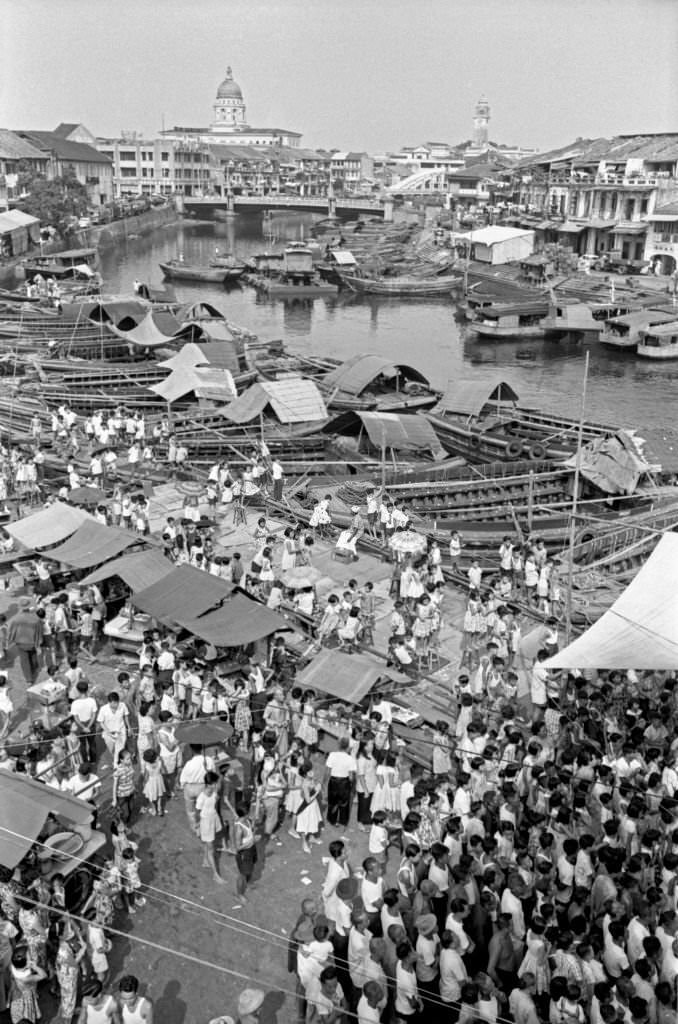
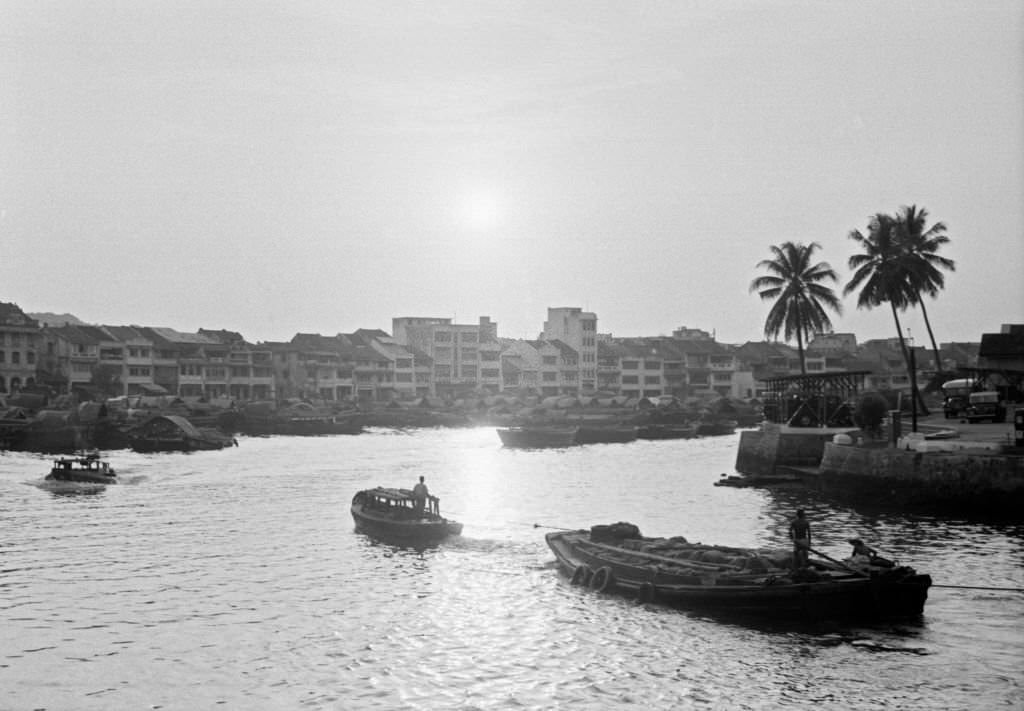
Under the Constitution Amendment Act of 1965, which took effect on December 22, 1965, the Head of State became the President, and the country was officially renamed the Republic of Singapore. The government’s first priority was economic survival. In 1961, the Economic Development Board had already been formed to drive industrialization. Tax incentives attracted foreign investment, and industrial estates were built up — most notably in Jurong. Manufacturing shifted toward higher-value goods, and the port’s growing shipping traffic helped stimulate a wider service industry. The Singapore River was central to all of this commerce, with thousands of Chinese motorized barges moving goods up and down its waters daily.
A typical Singapore River scene with the large commercial houses in the background, 1960sView of the Singapore River, transhipment point for freight, 1960
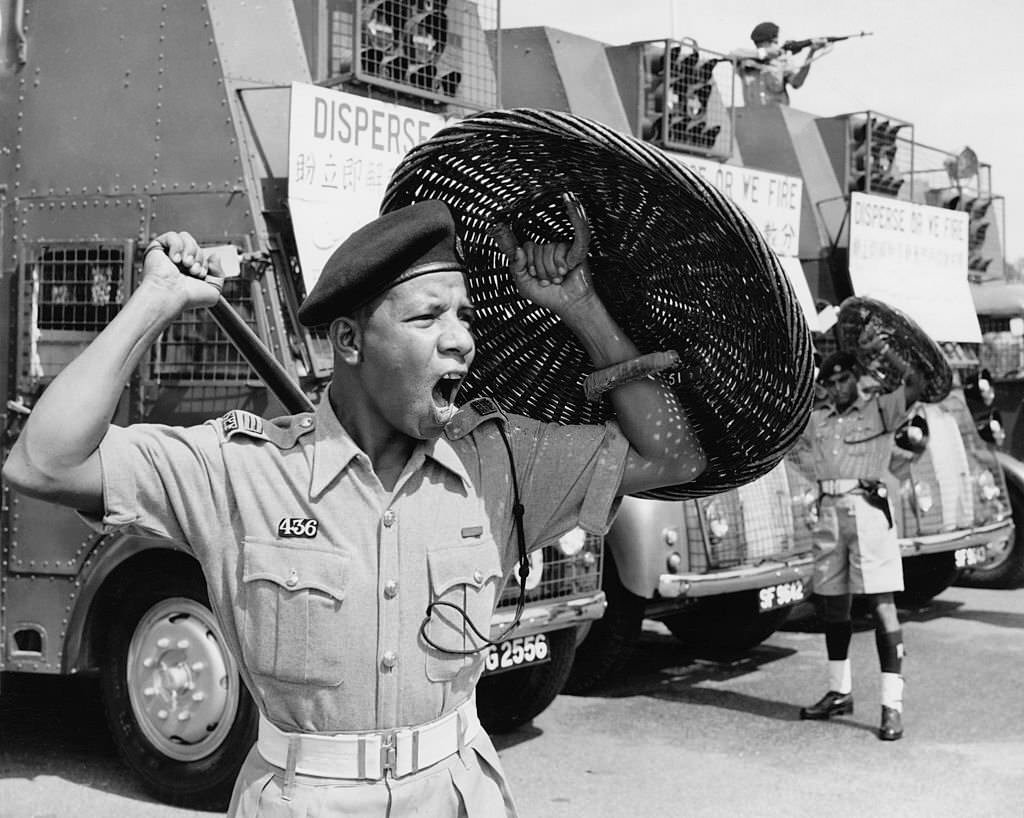
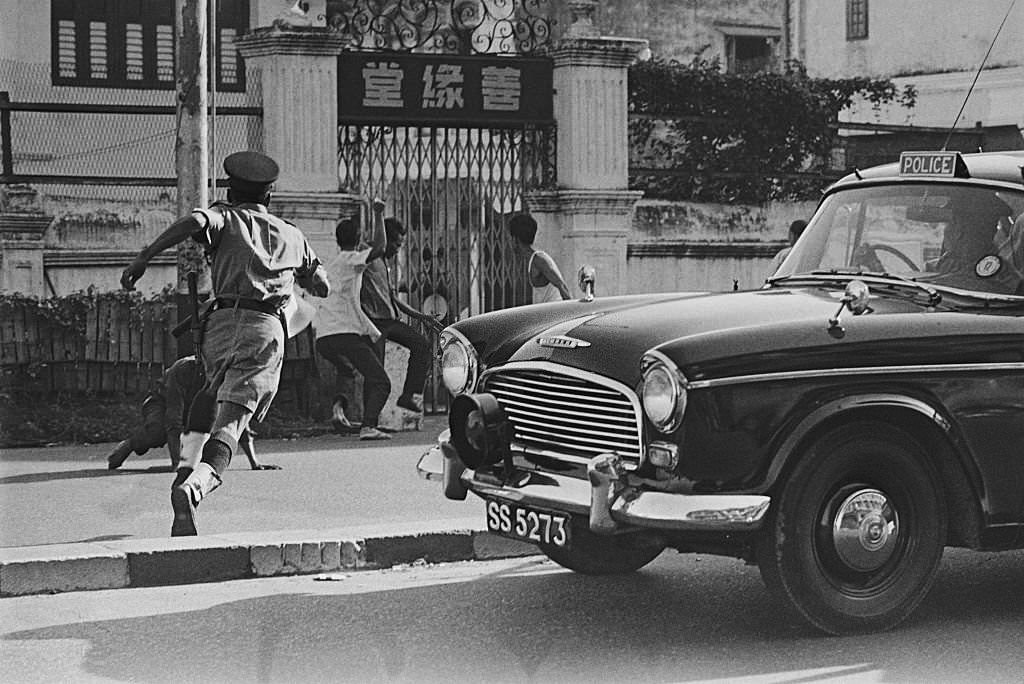
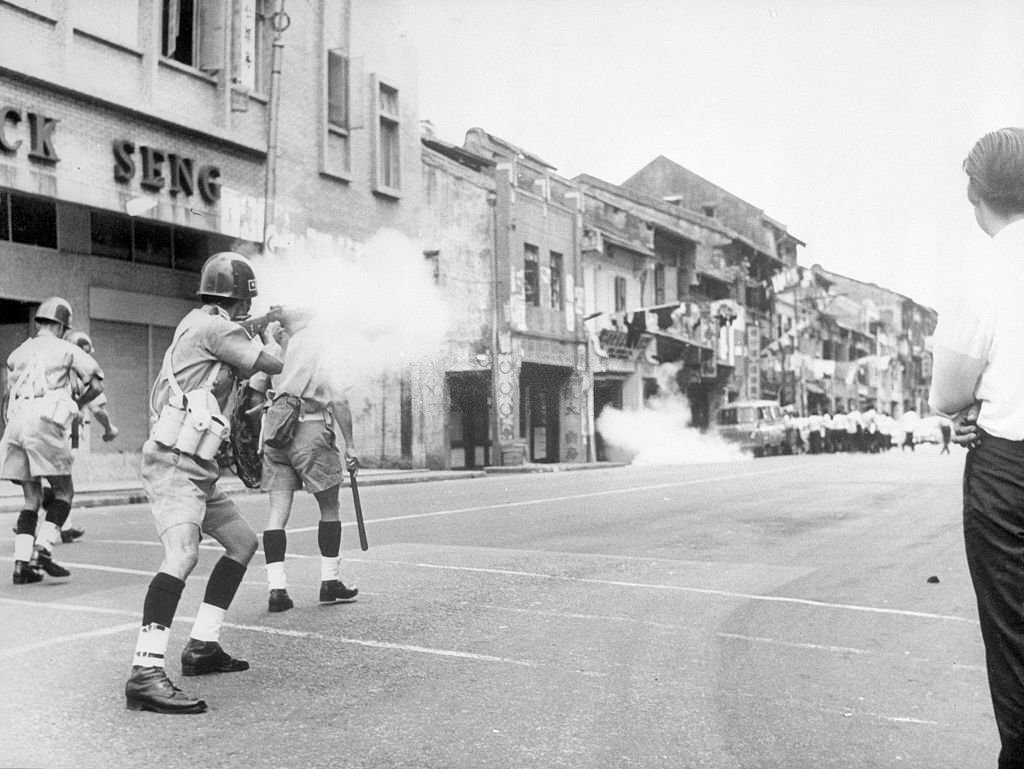
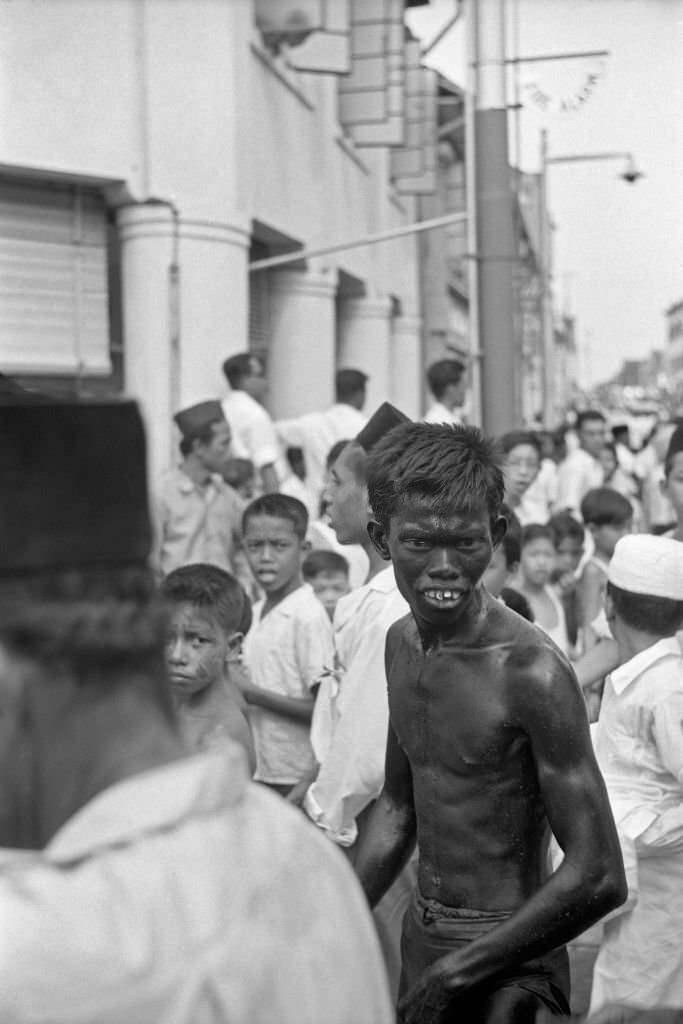
Social conditions in the early 1960s were difficult. Squatter settlements had spread across the island, creating fire hazards and overcrowding. In 1961, the Bukit Ho Swee Fire killed four people and left 16,000 homeless. Crime and health problems were tied directly to the lack of adequate housing and sanitation. Racial tensions simmered beneath the surface and periodically erupted into open violence. In 1964, race riots broke out between Chinese and Malay communities. The Singapore Police Riot Squad was deployed with truncheons and wicker shields. The violence of July 1966 was worse — a four-day clash between Chinese and Malay residents left 19 dead, 451 injured, and 1,463 arrested.
Members of the Singapore Police Riot Squad armed with truncheons and wicker riot shields during race riots between Chinese and Malay groups in Singapore, 1964.Police Trying to Control Street Riot in Singapore, 1966
Student unrest added to the tension. In 1965, Singapore police fired tear gas to break up a group of student demonstrators attempting to march on City Hall. Most of those involved had been dismissed from a university for taking part in rowdy protests against proposed changes to their academic curriculum. The government’s response to public disorder was firm and swift throughout the decade.
Police Break Up Sudent rioting in Singapore, 1965
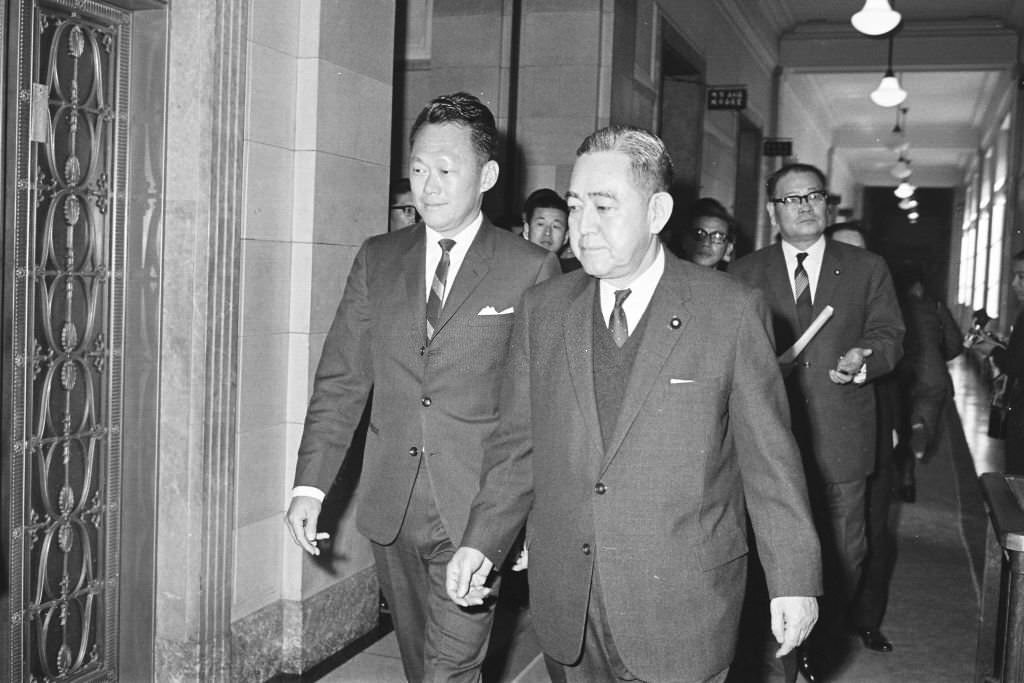
Lee Kuan Yew governed with authority during this period. He traveled internationally to build diplomatic ties and secure investment. In March 1967, he walked the corridors of Japan’s parliament building alongside Japanese Prime Minister Eisaku Sato, part of an ongoing effort to strengthen regional relationships.
Singapore Prime Minister Lee Kuan Yew and Japanese Prime Minister Eisaku Sato walk a corridor of the Diet on March 20, 1967Lee Kuan Yew Speaking at a Meeting.
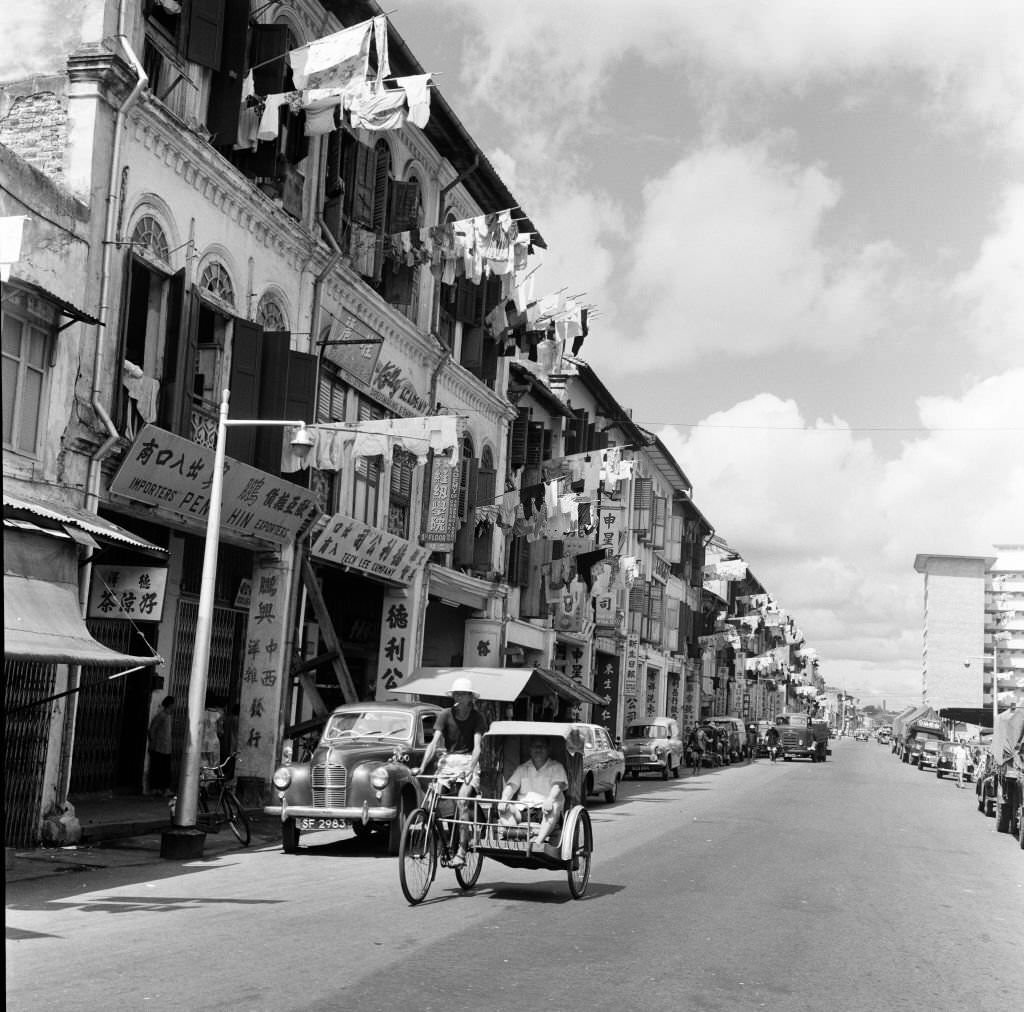
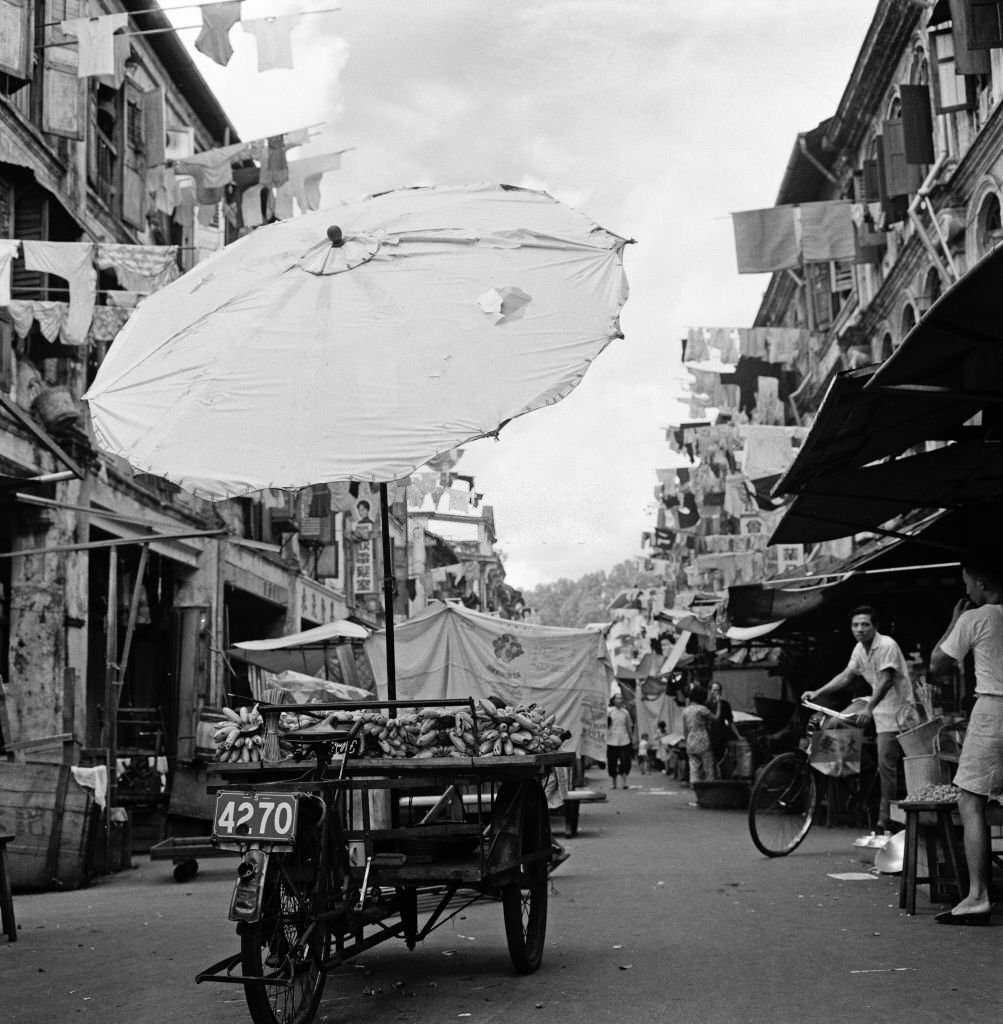
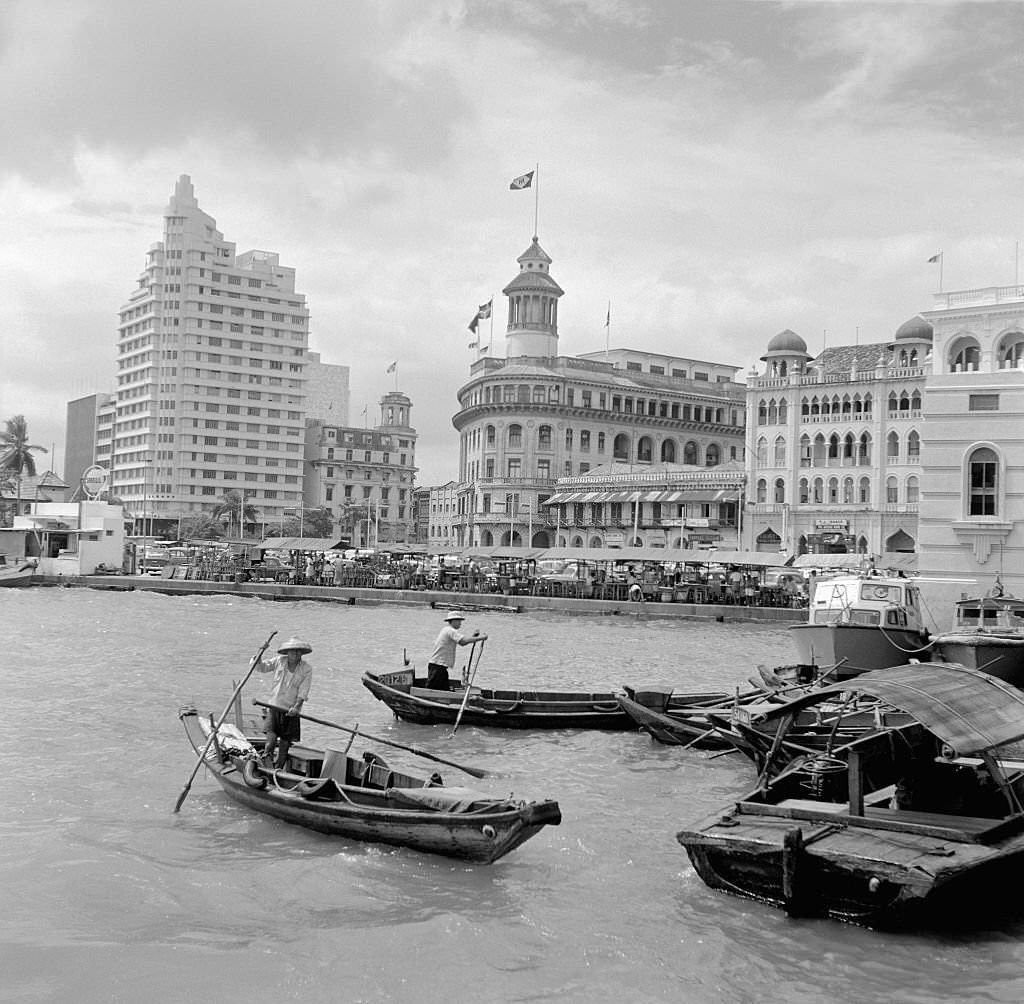
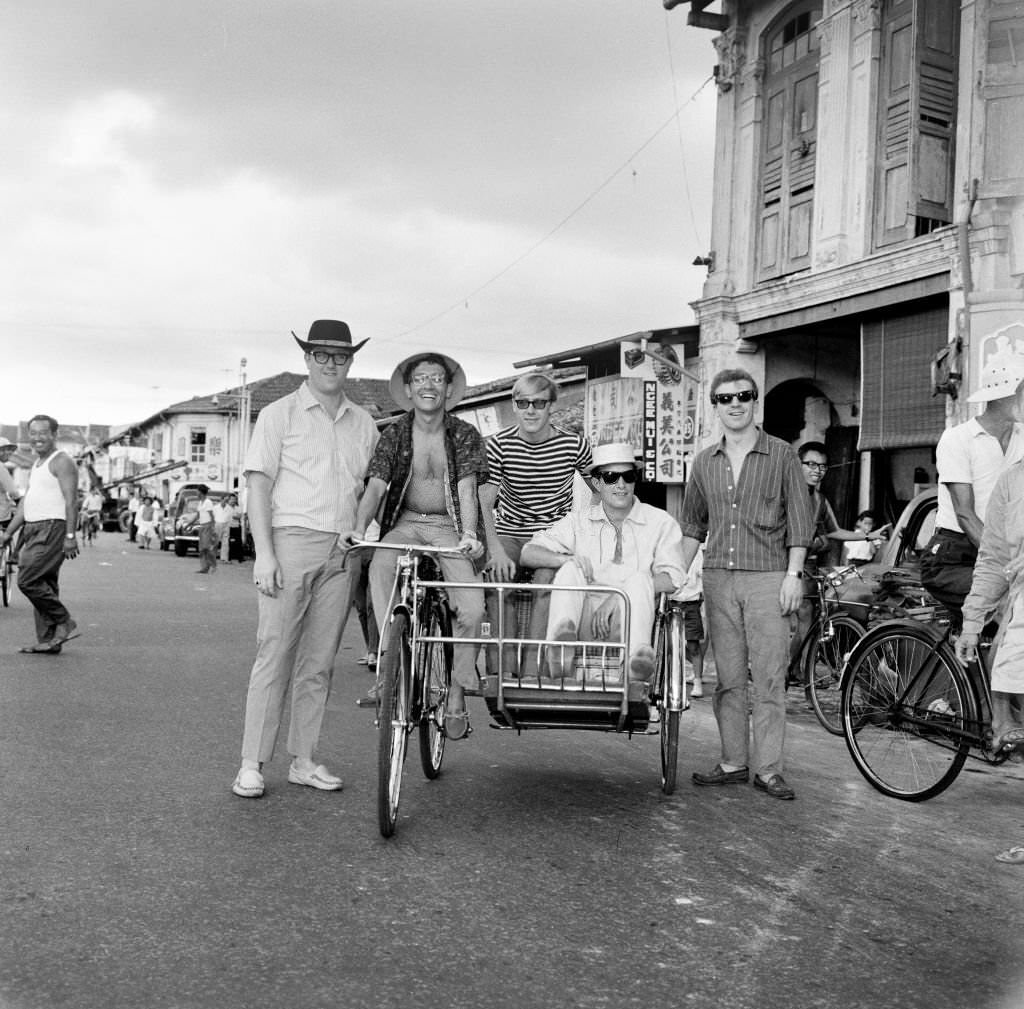
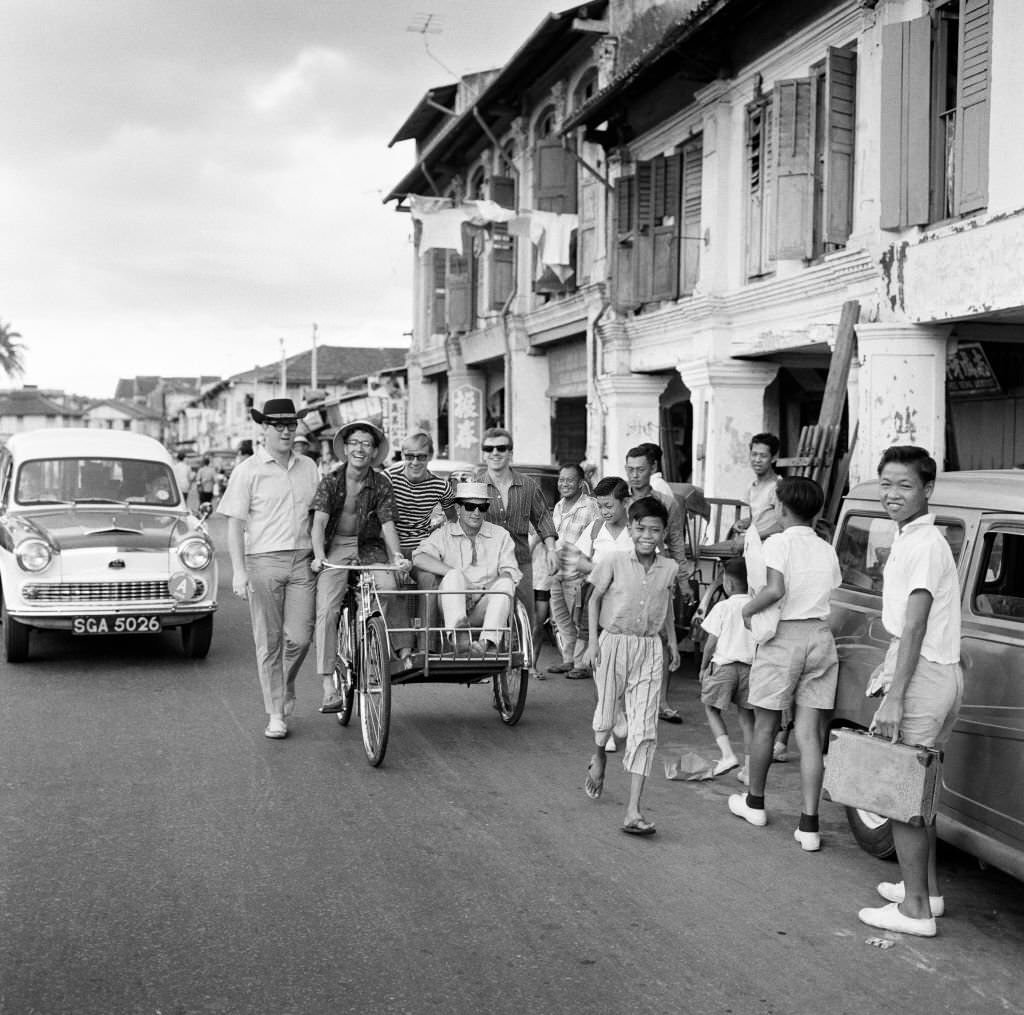
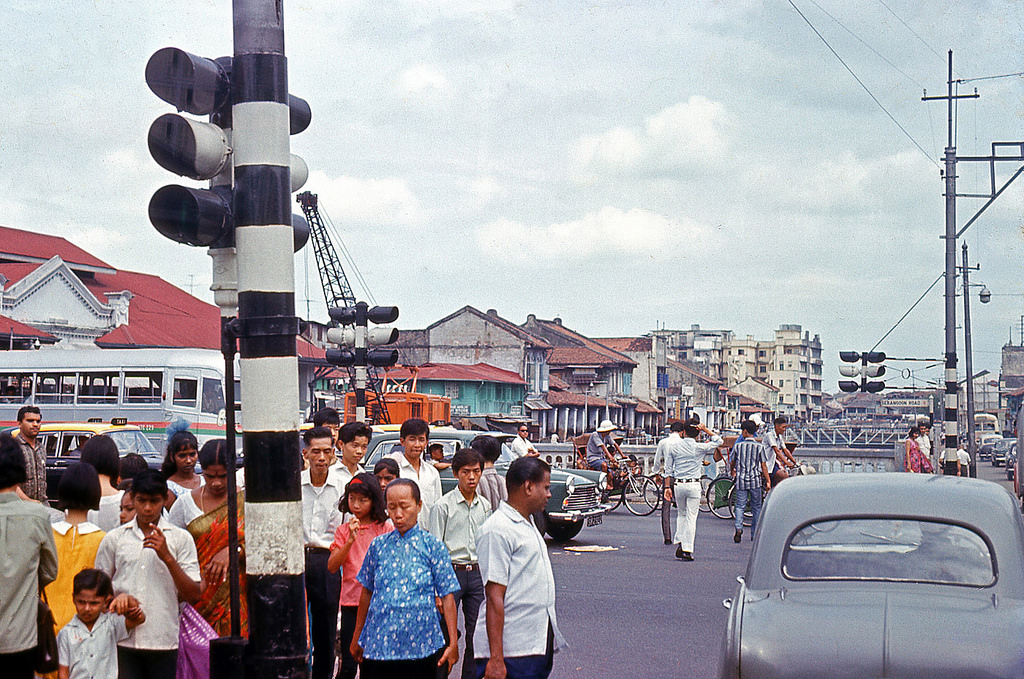
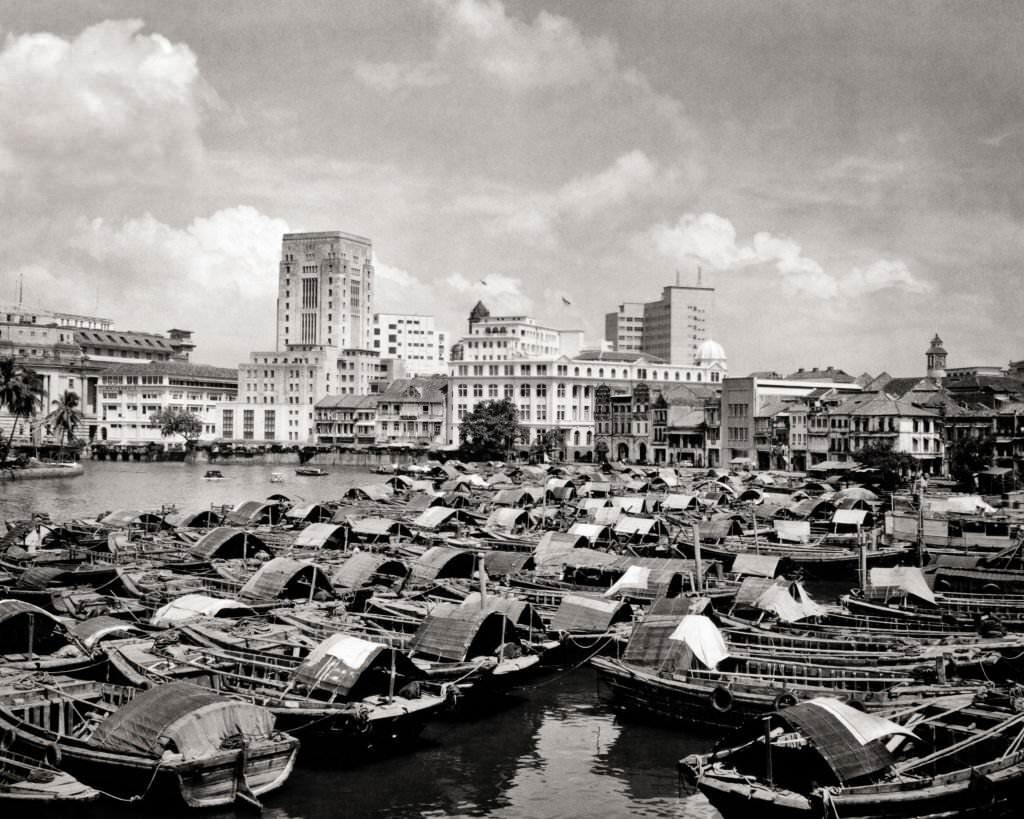
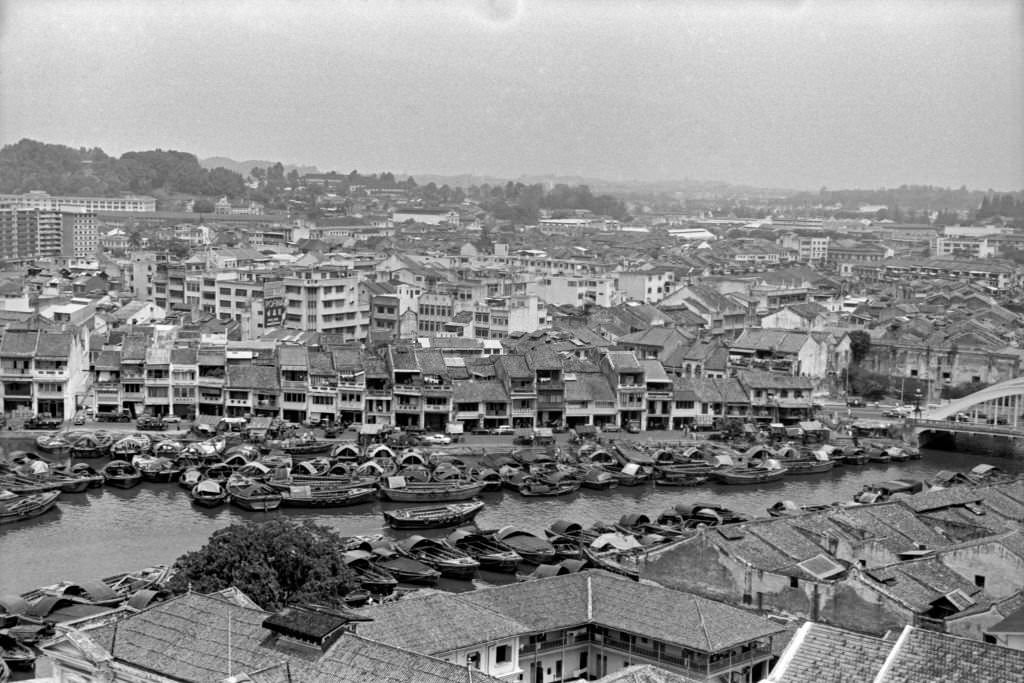
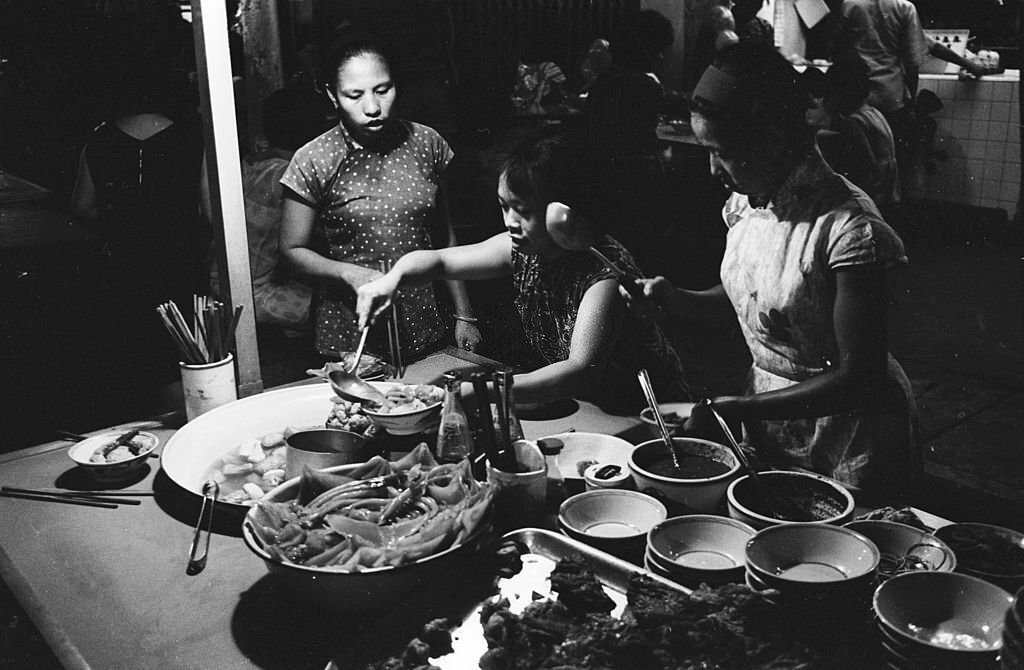
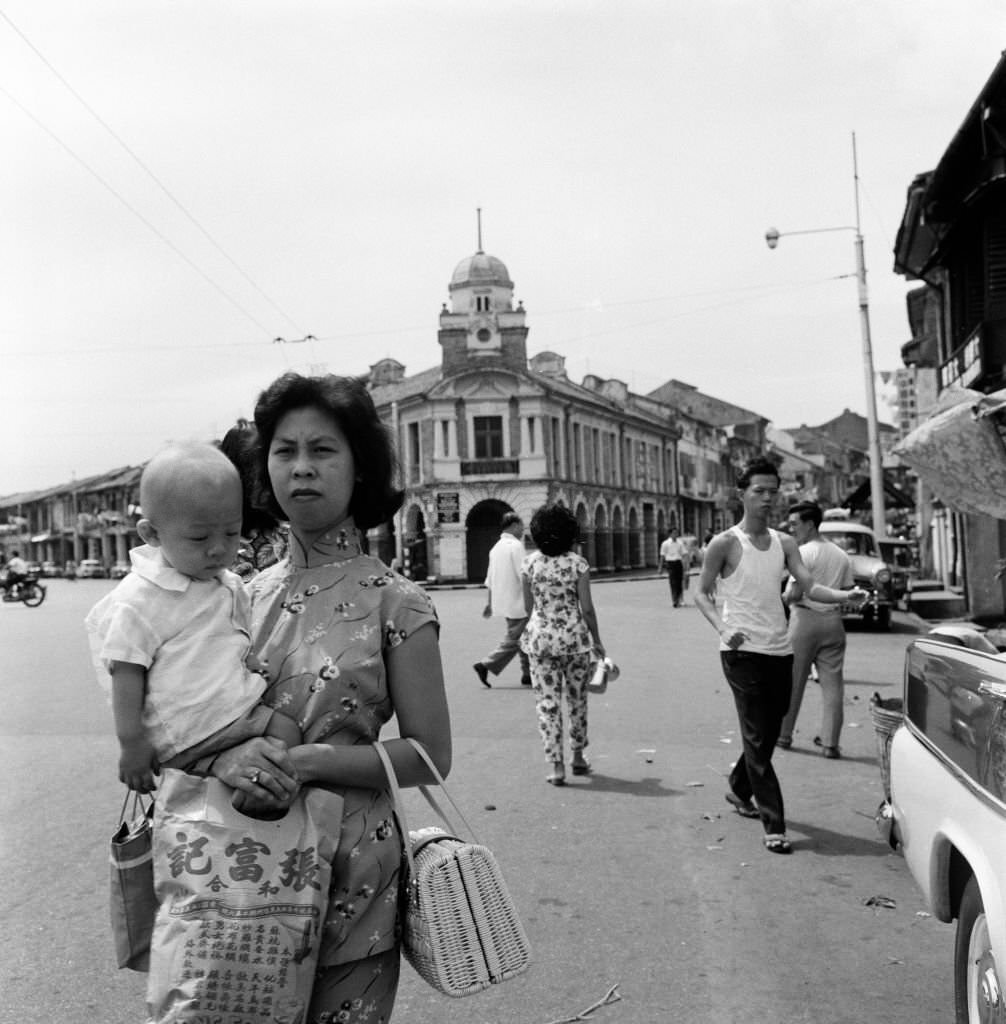
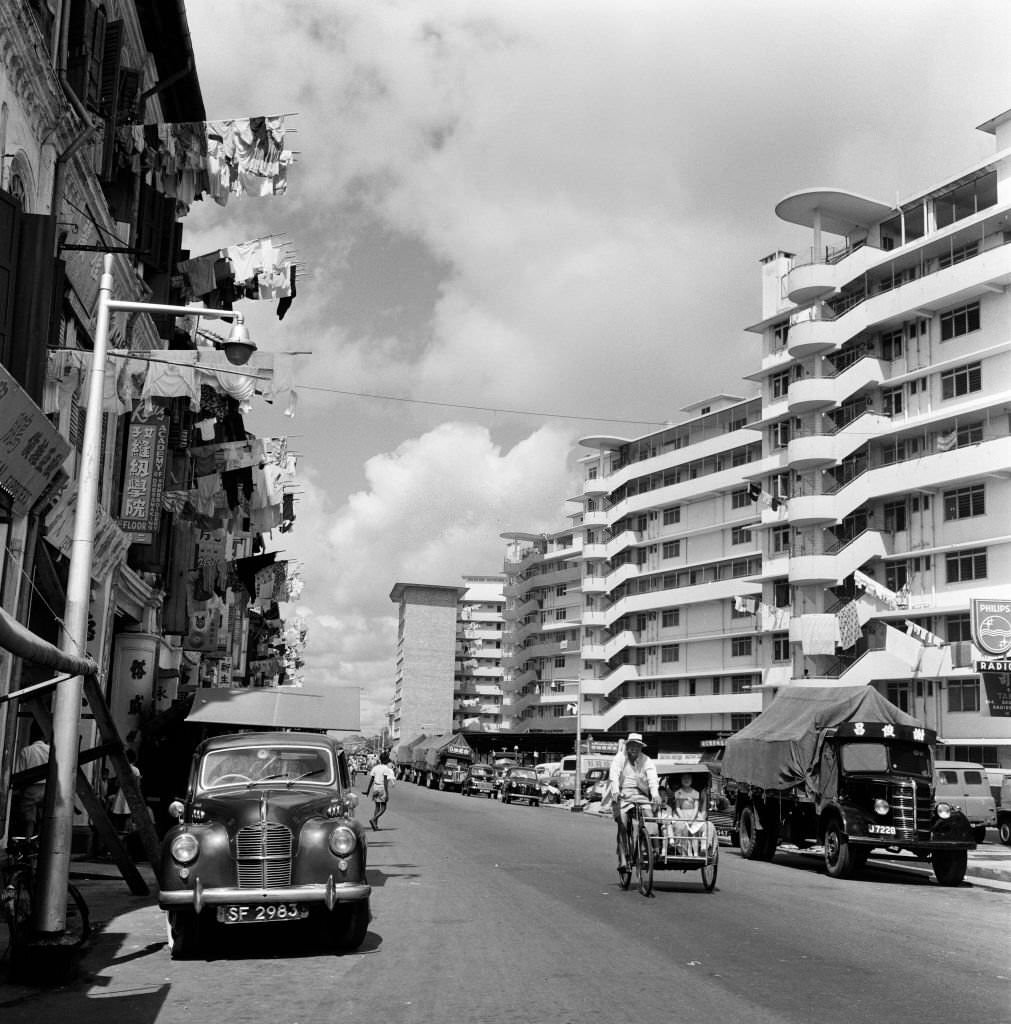
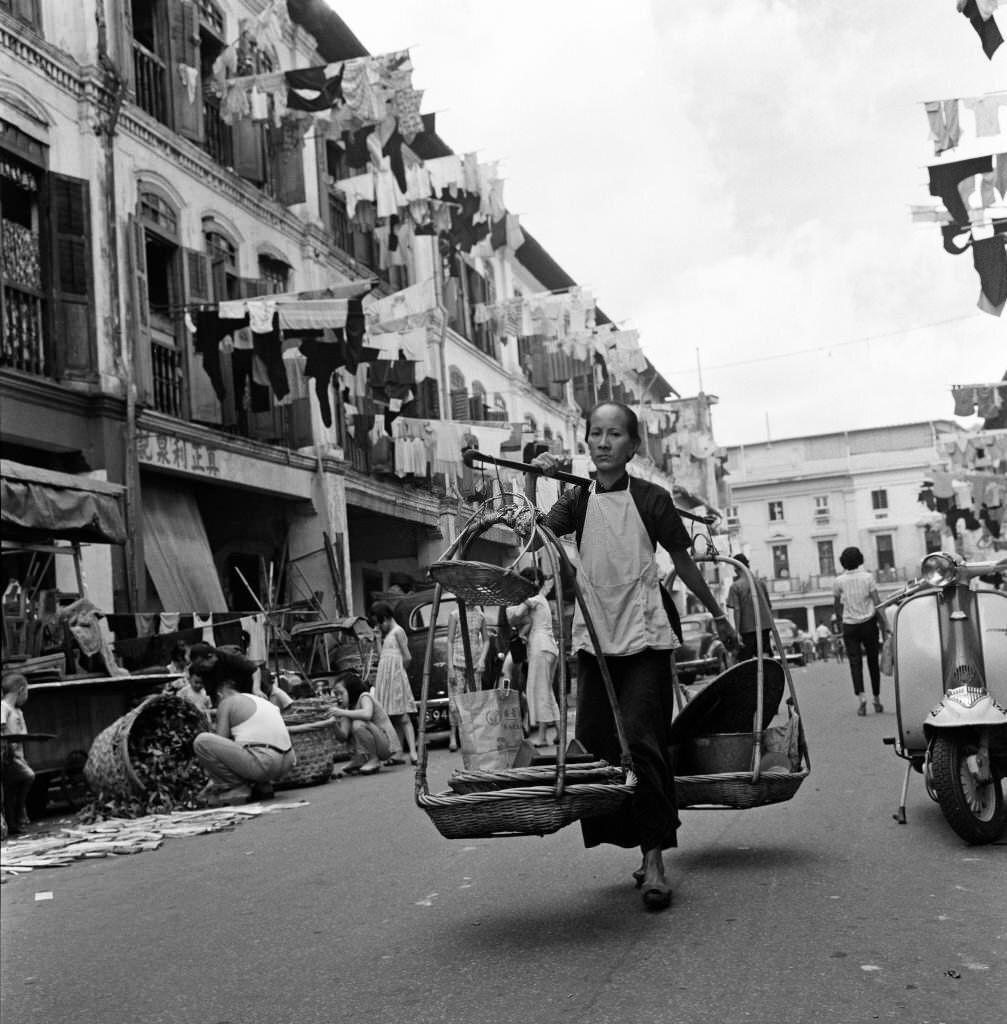
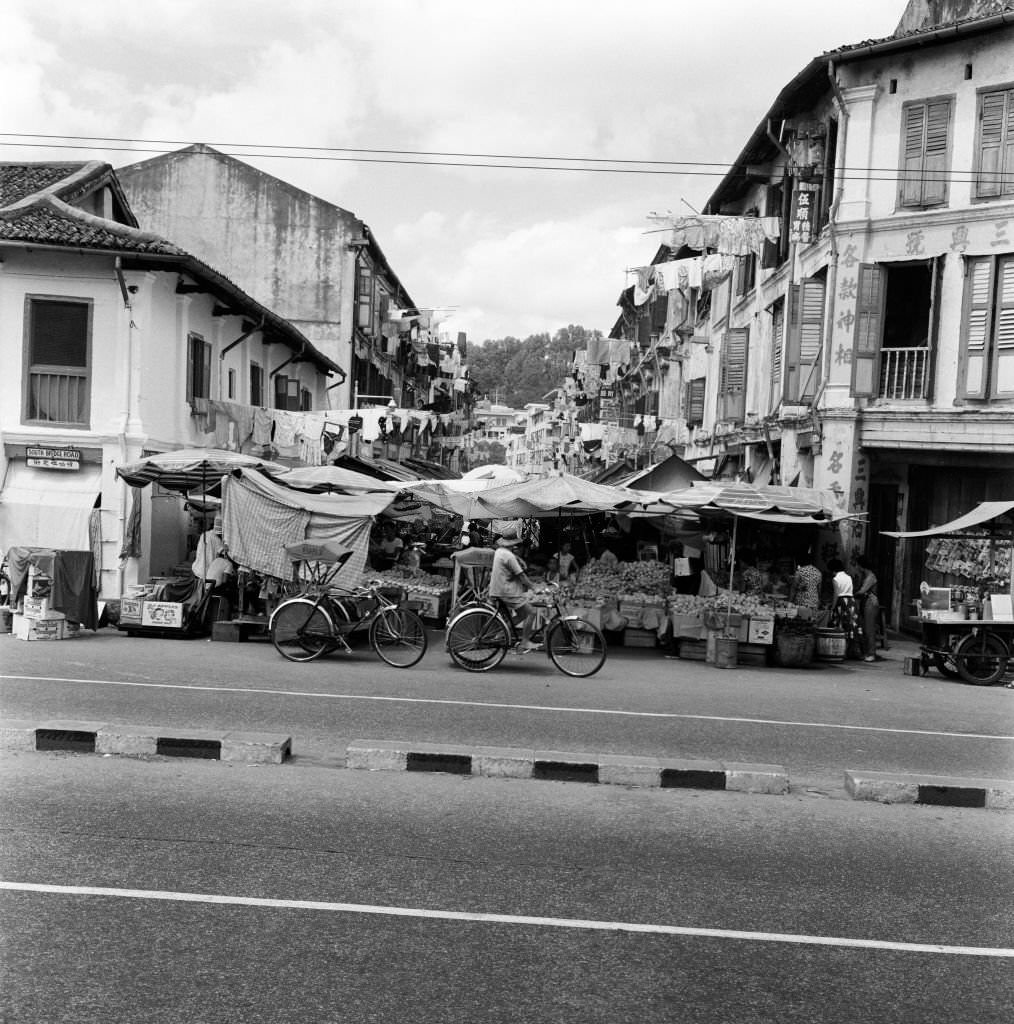
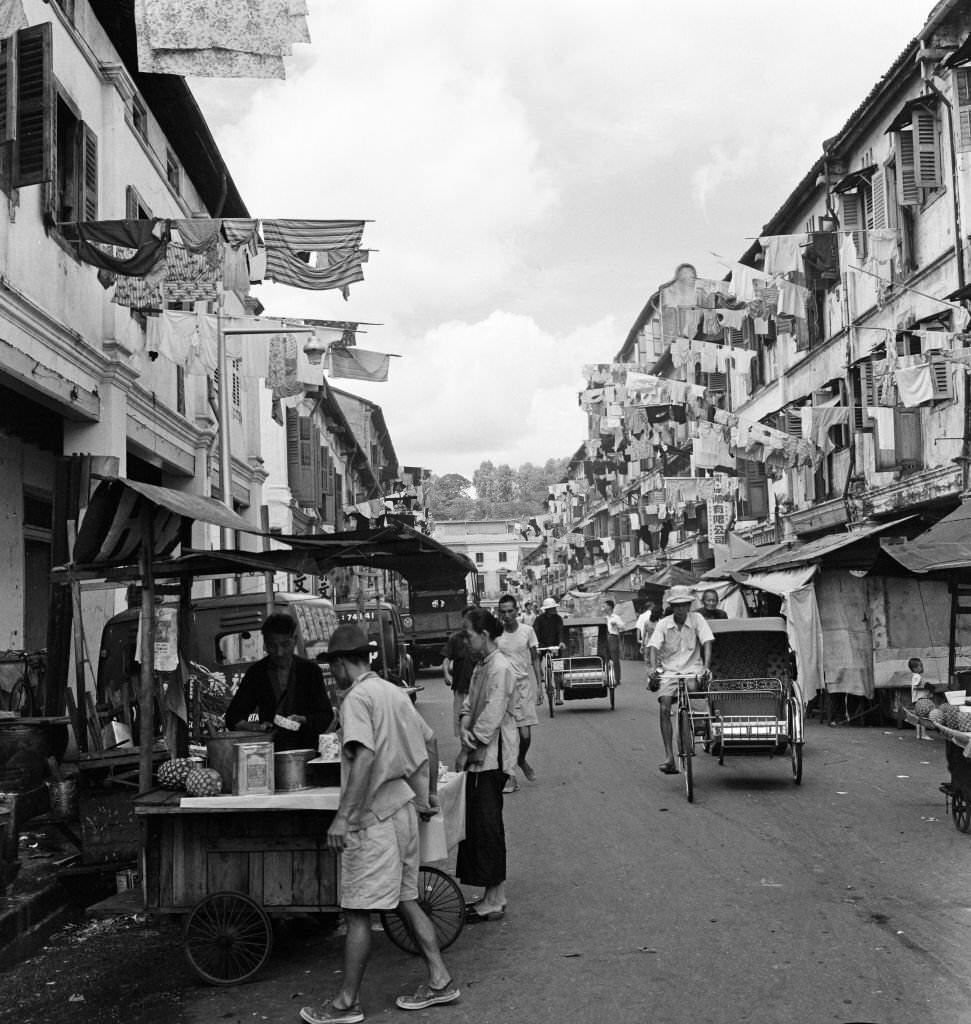
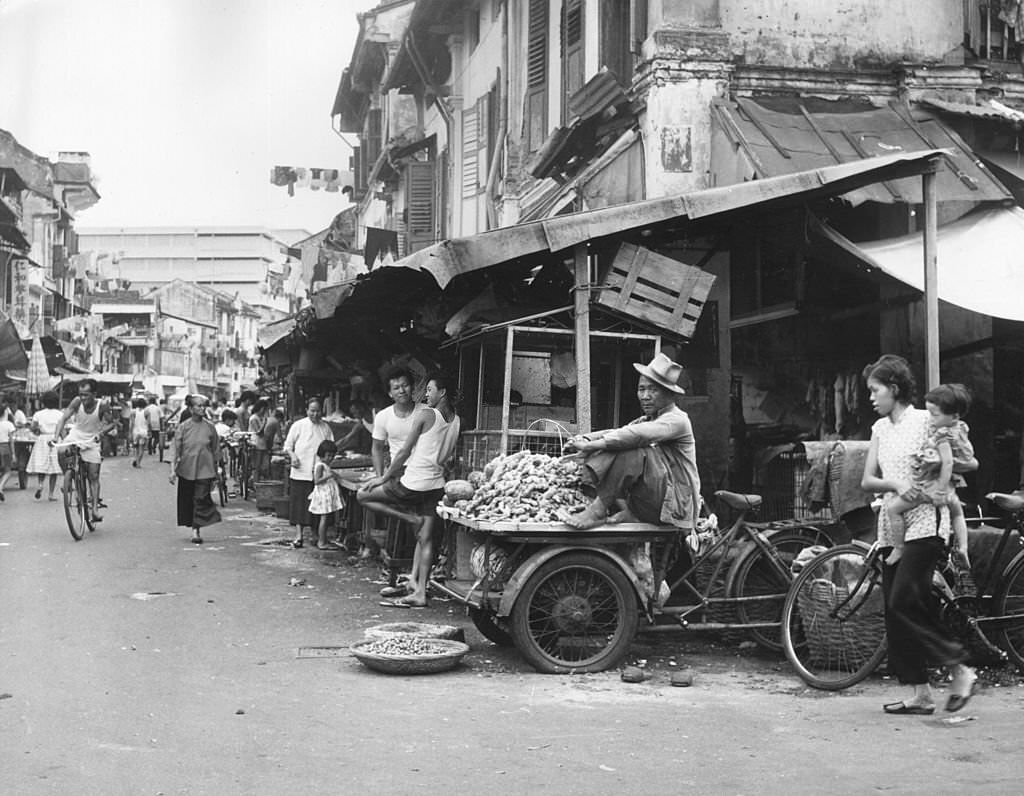
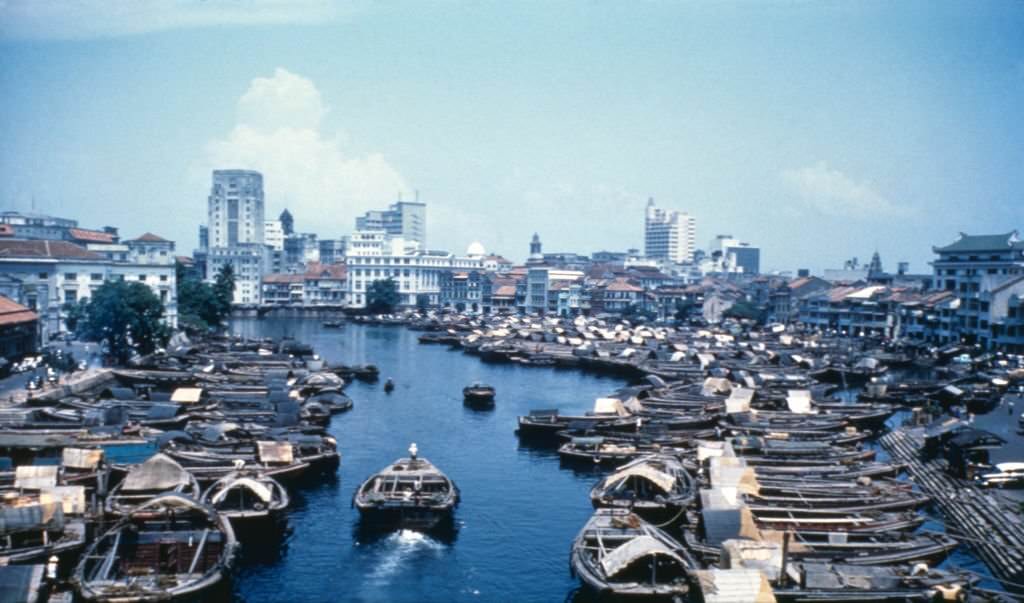
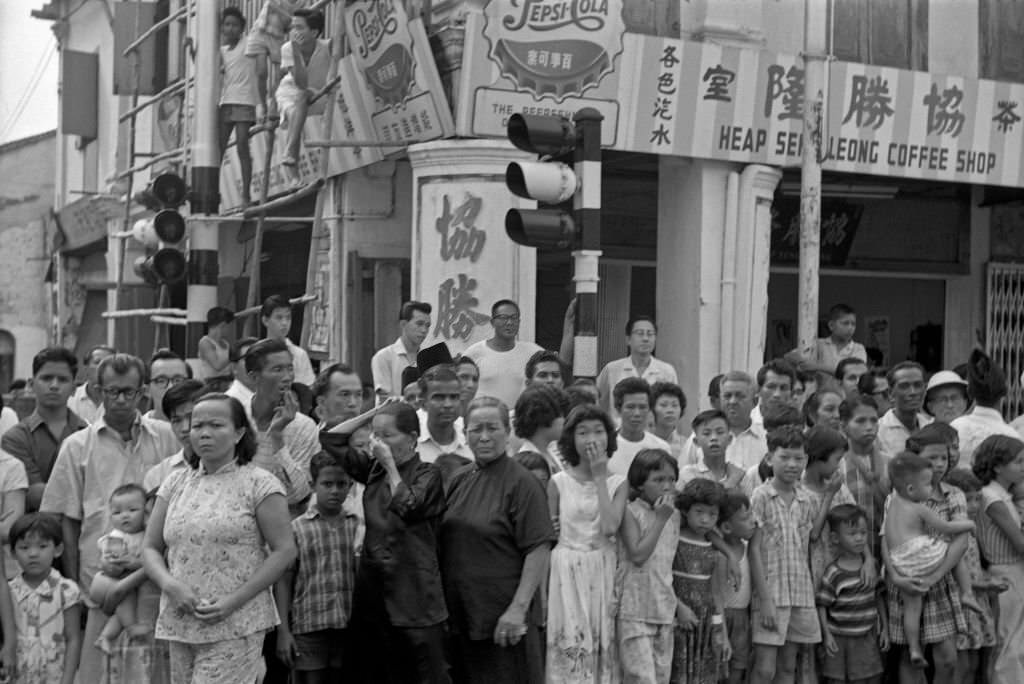
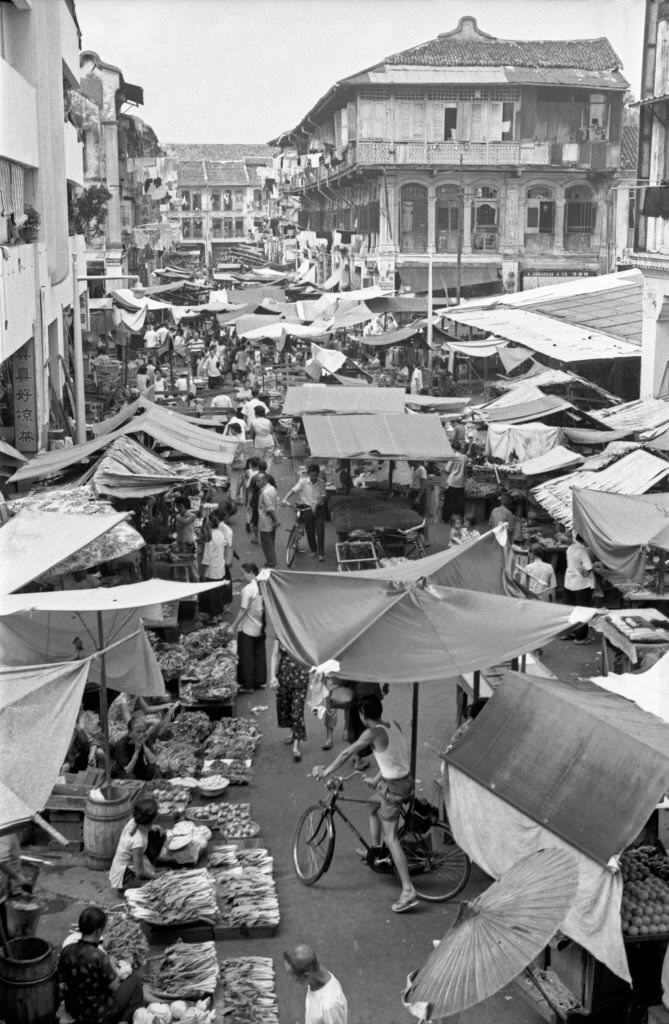
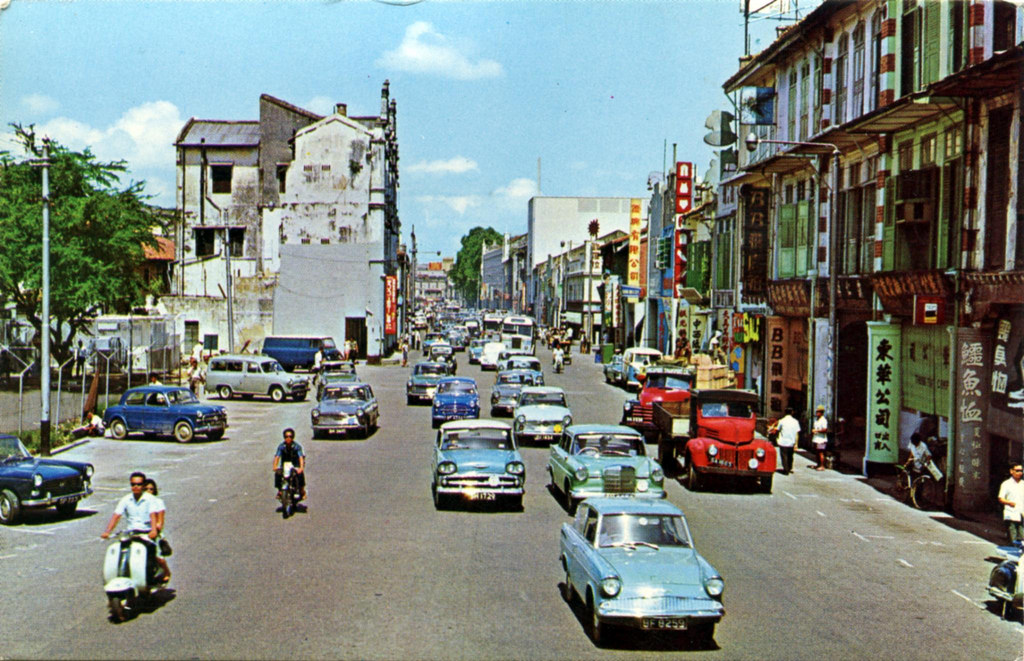
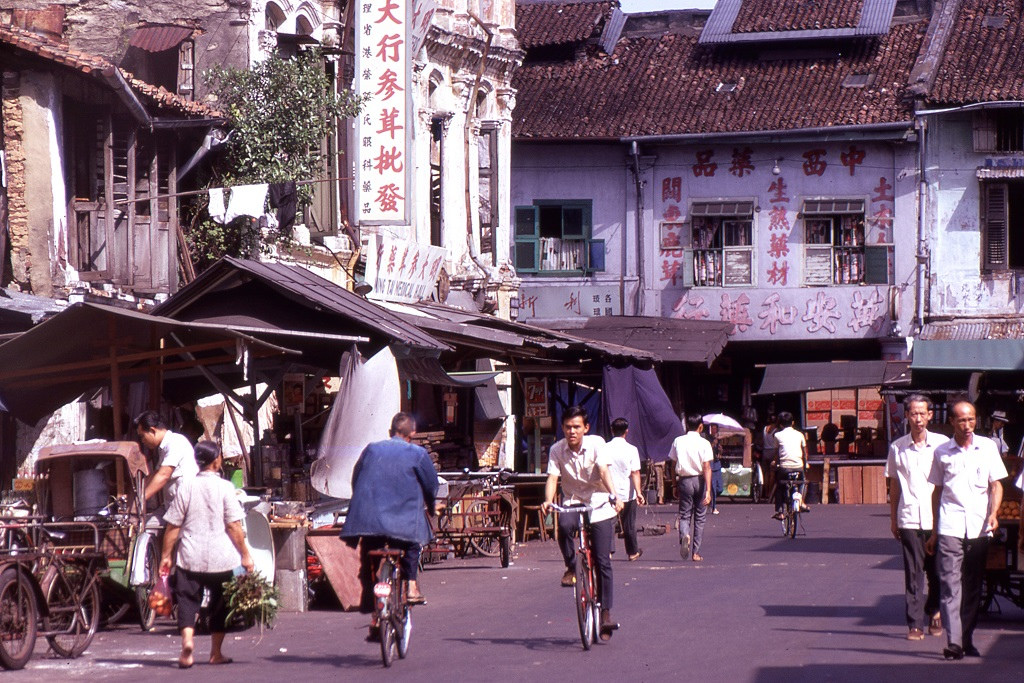
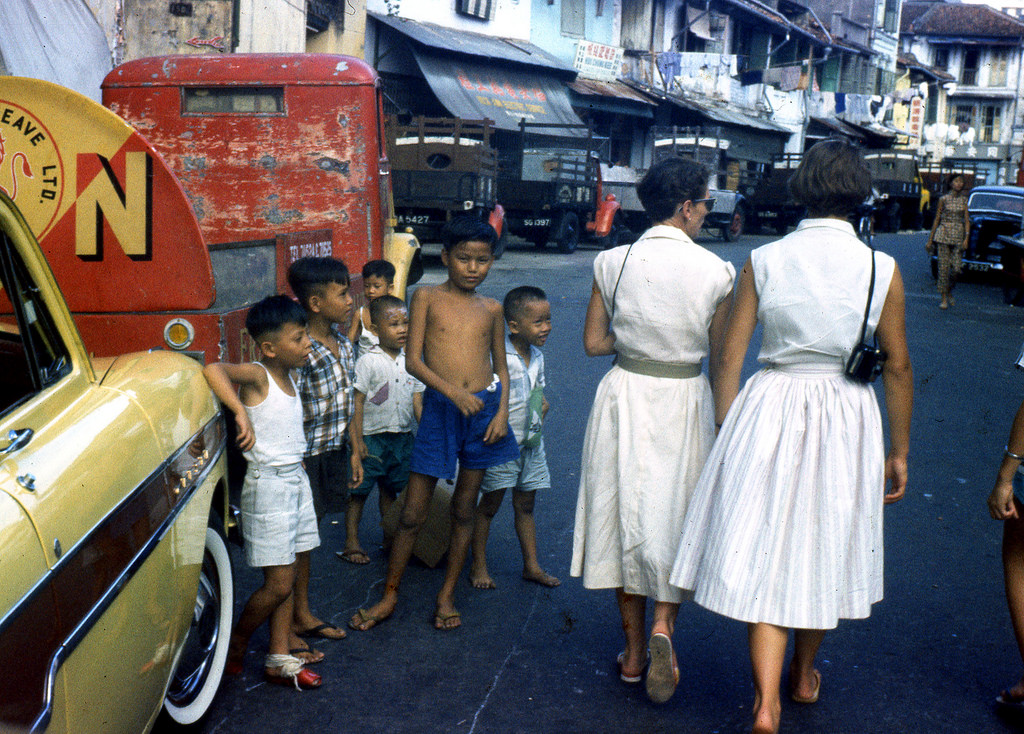
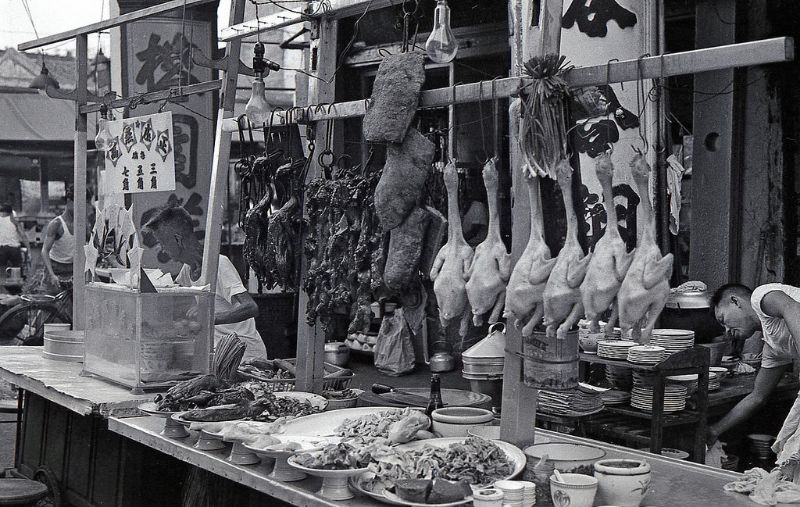
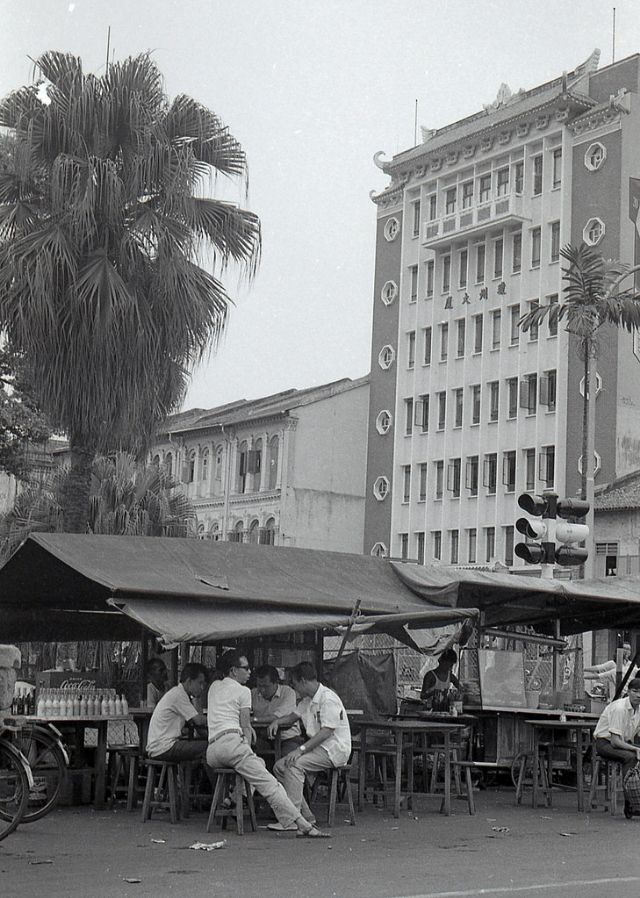
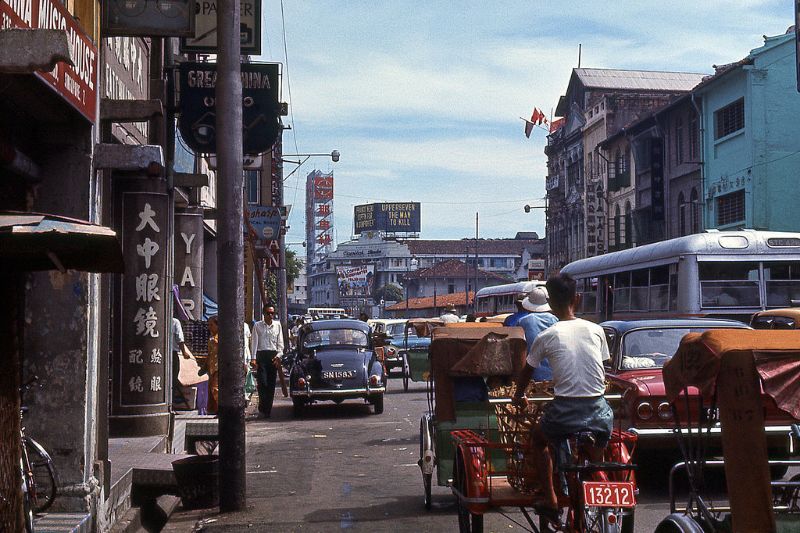
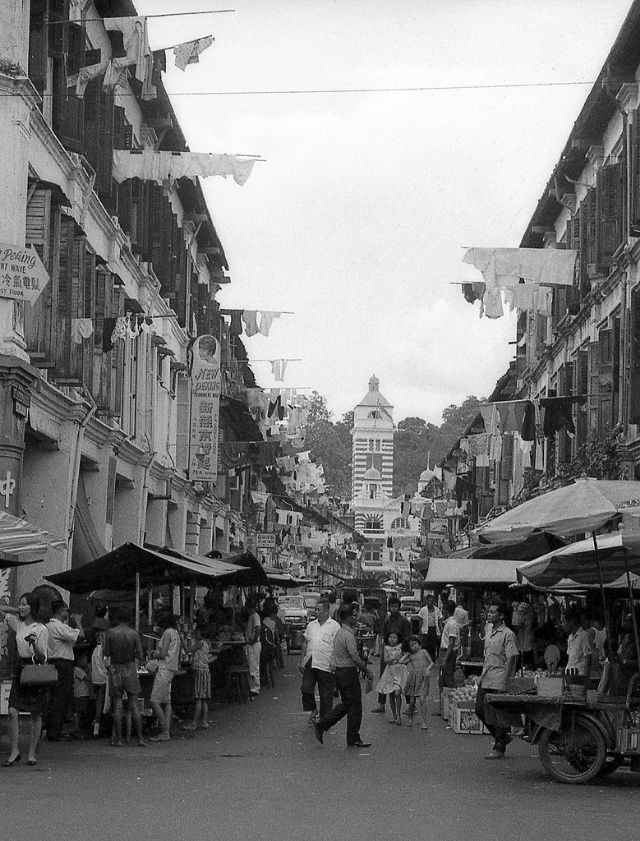
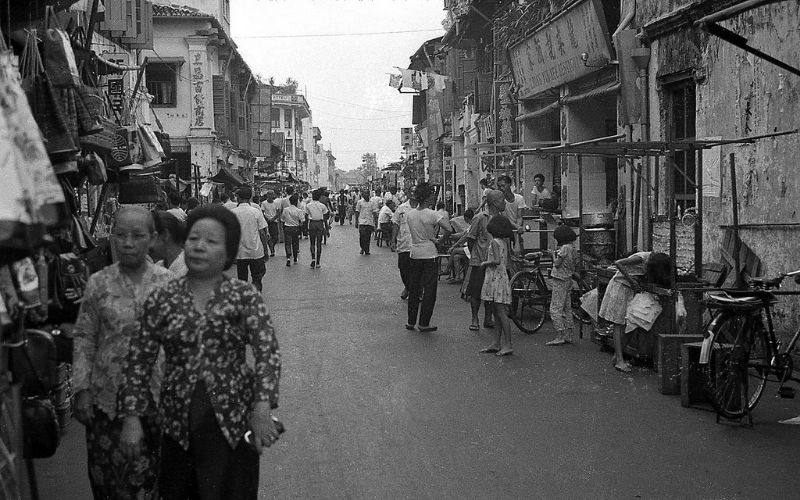
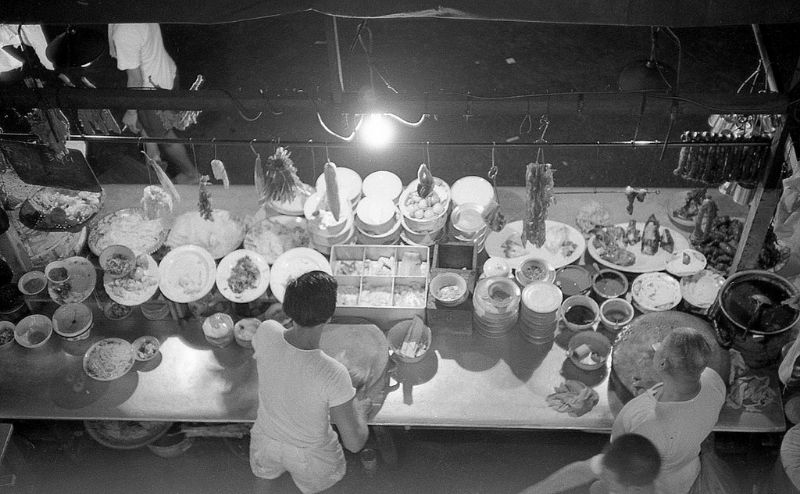
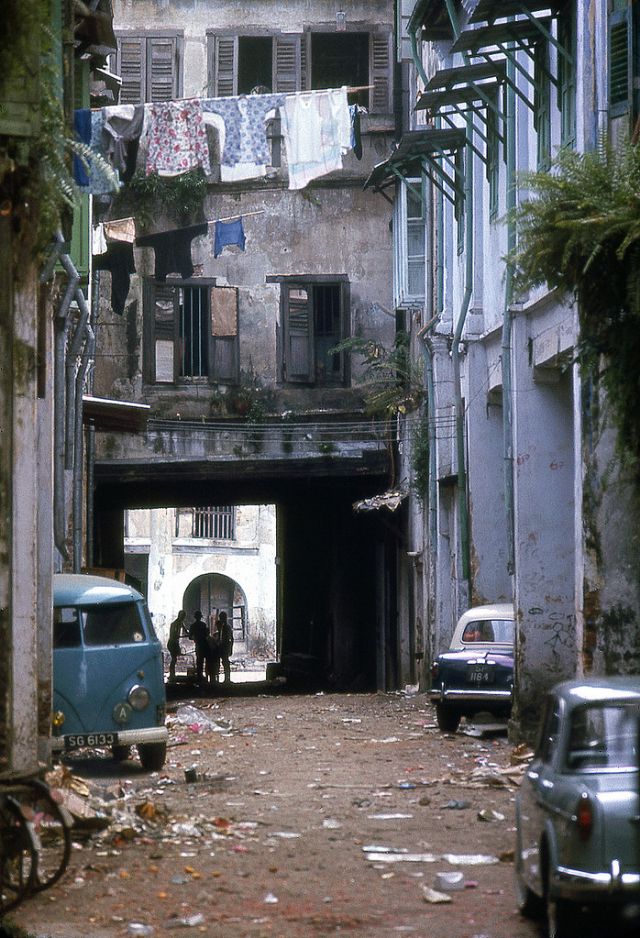
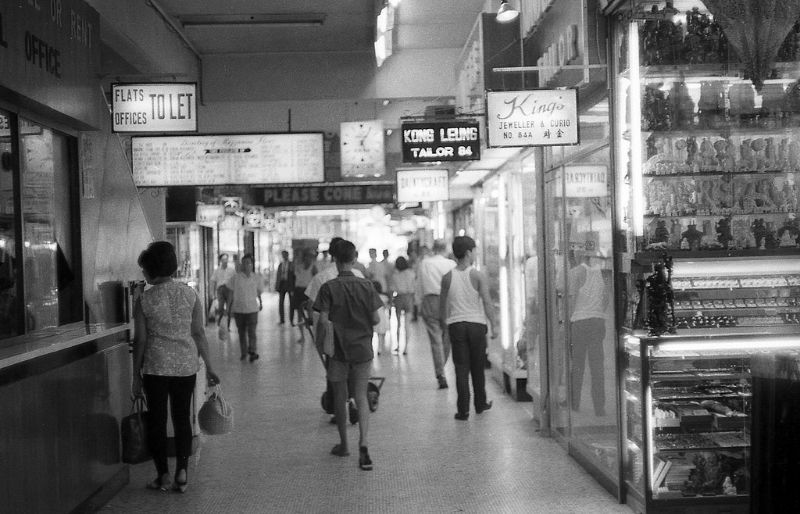
Life on the streets of Singapore in the early 1960s was colorful and crowded. Chinatown was a dense mix of old shophouses and newer buildings, with laundry hanging from windows above streets where trishaws and sleek limousines navigated the same lanes. Outdoor markets drew large crowds, street vendors sold everything from fruit to cuttlefish soup, and hawker stalls served as the dining rooms of the working class. Along the Singapore River, sampans and primitive rowboats shared the harbor with motorized launches, while the modernistic Asia Insurance Building — the city’s tallest — rose above the older colonial structures nearby.
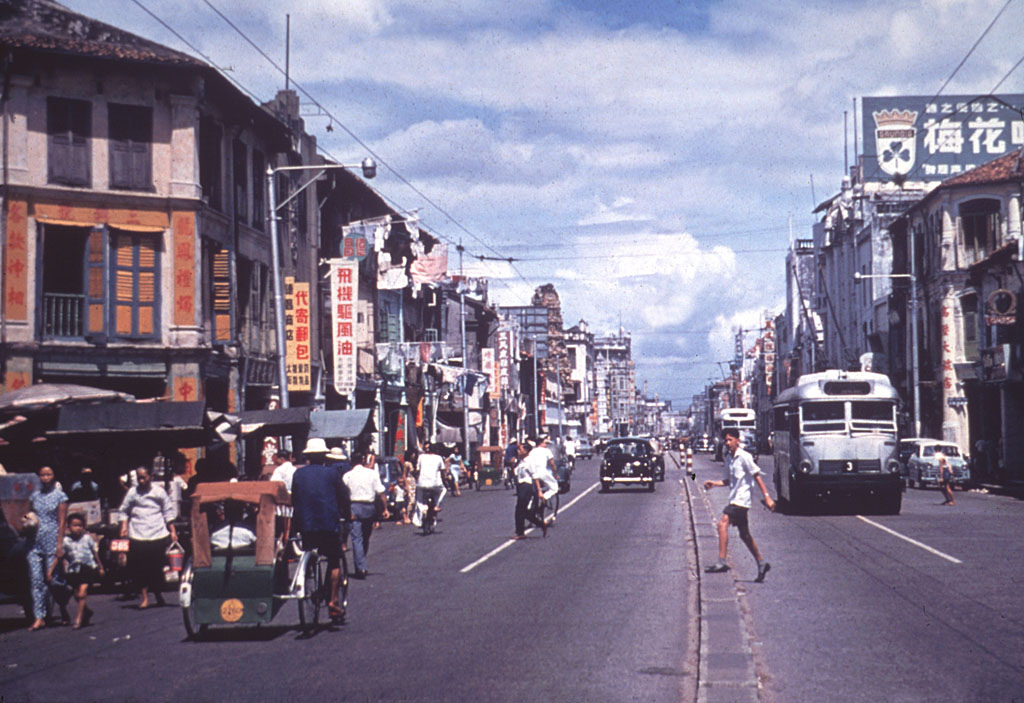
Scenes in Chinatown, Singapore, Upper Hokien Street, where old meets new, 1962Chinatown, Singapore, 1962Boats in Waters of Singapore, 1960sThe sampans, the typical houseboats, moored on the River Singapore. Singapore, March 1962
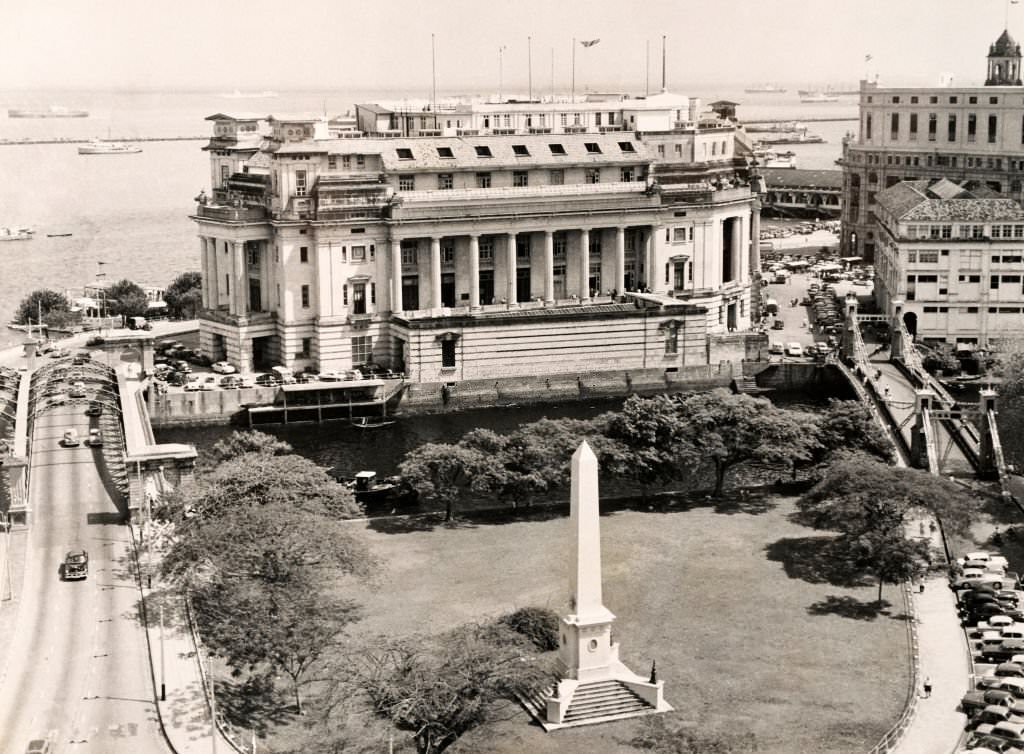
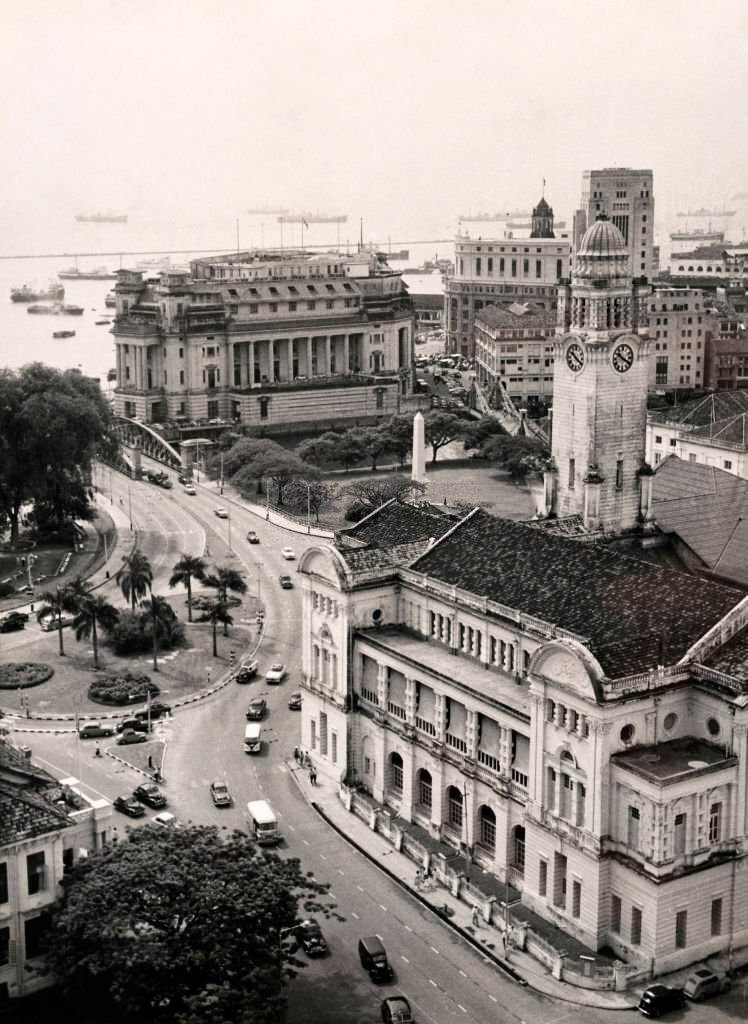
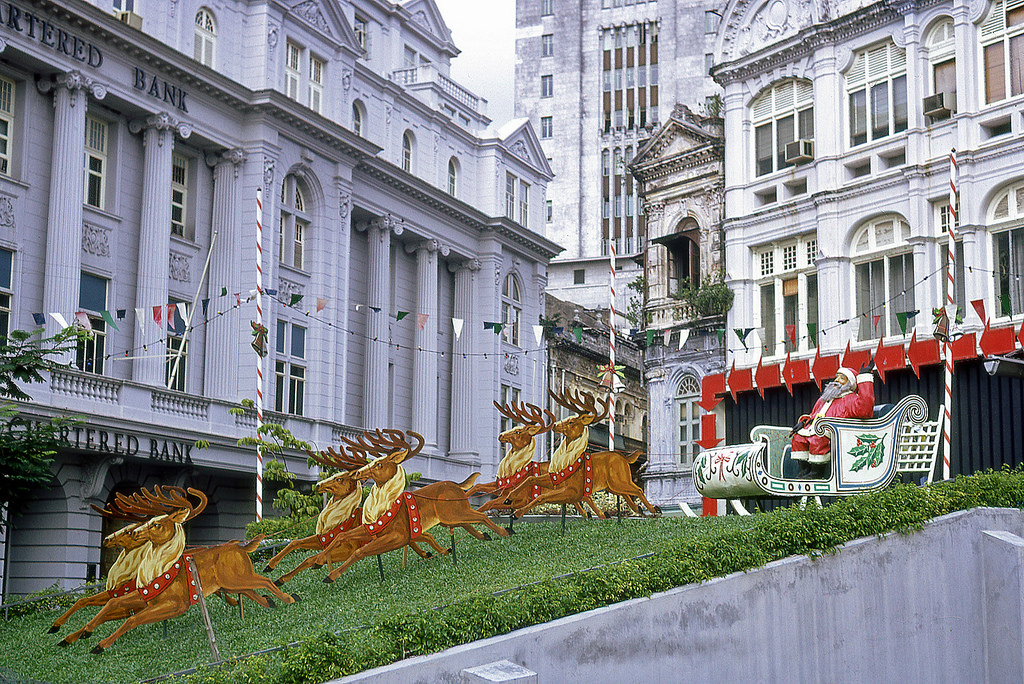
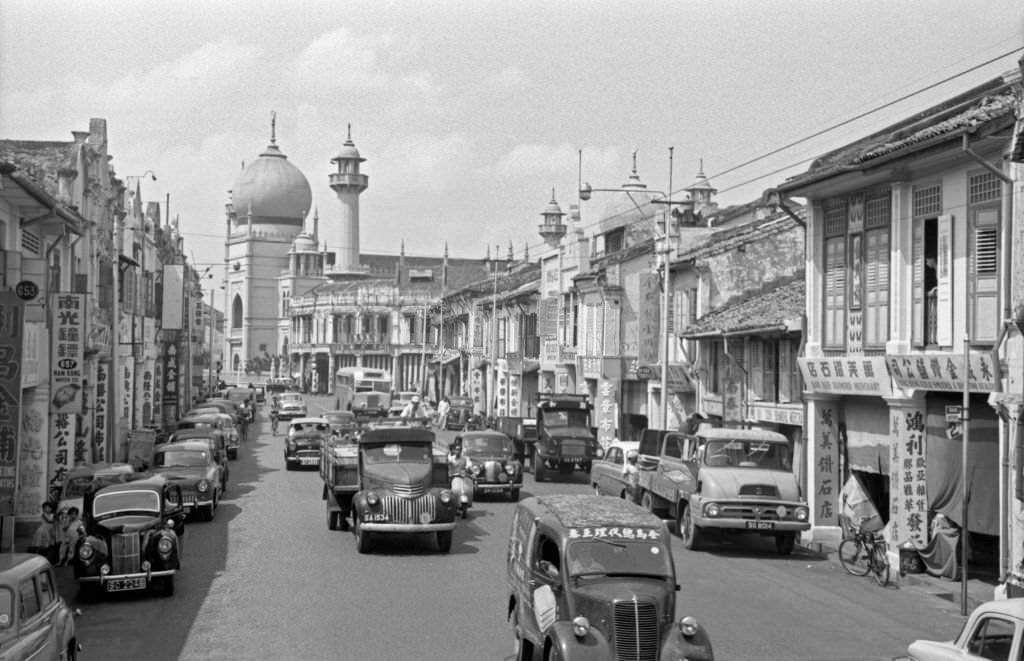
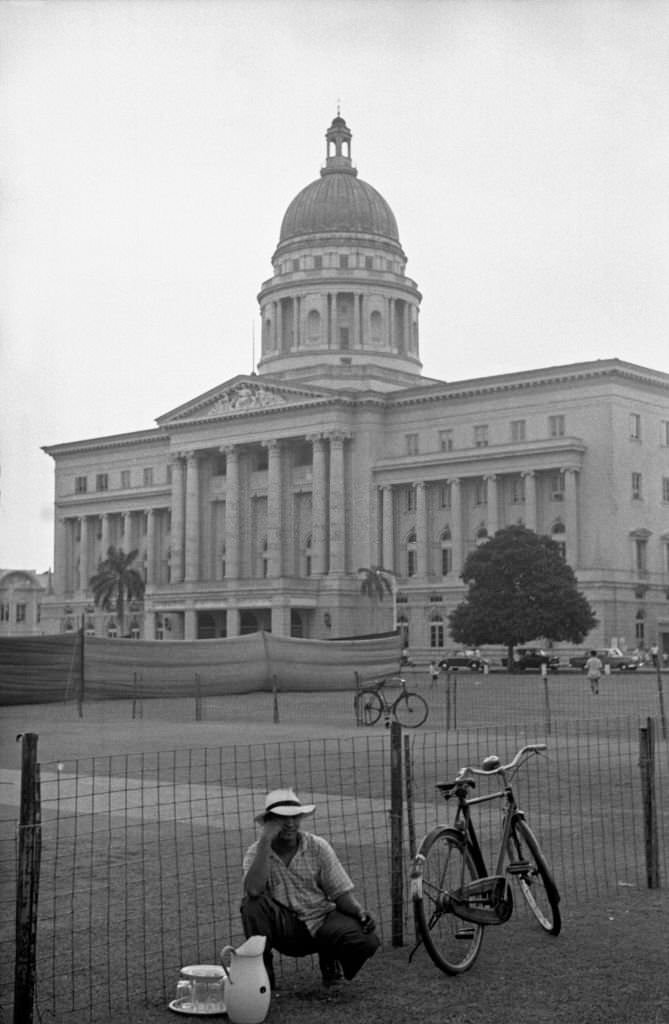
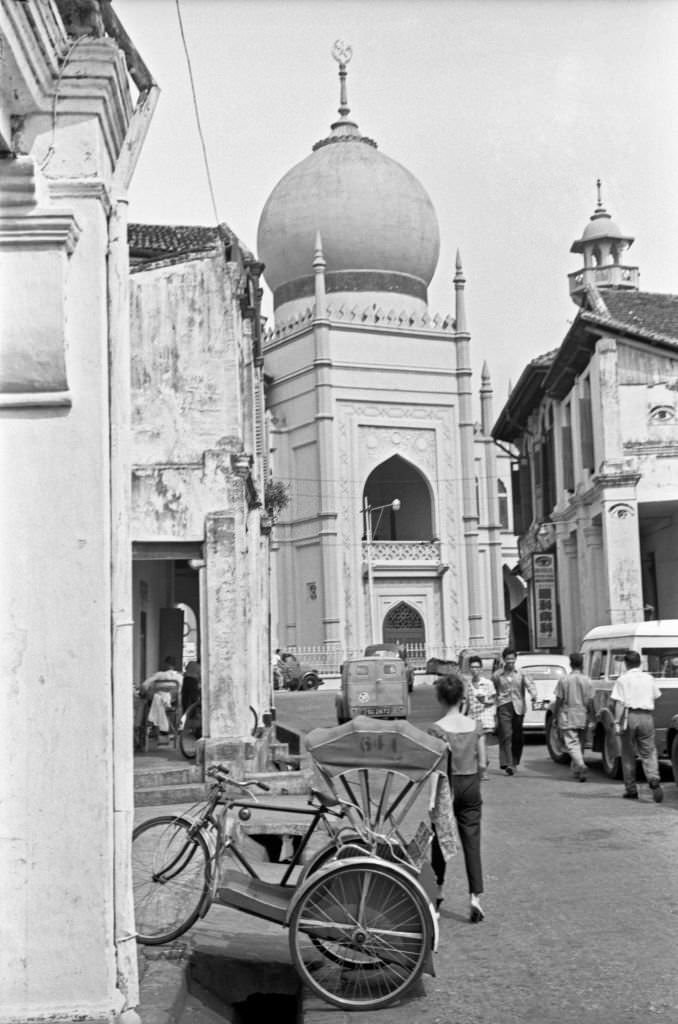
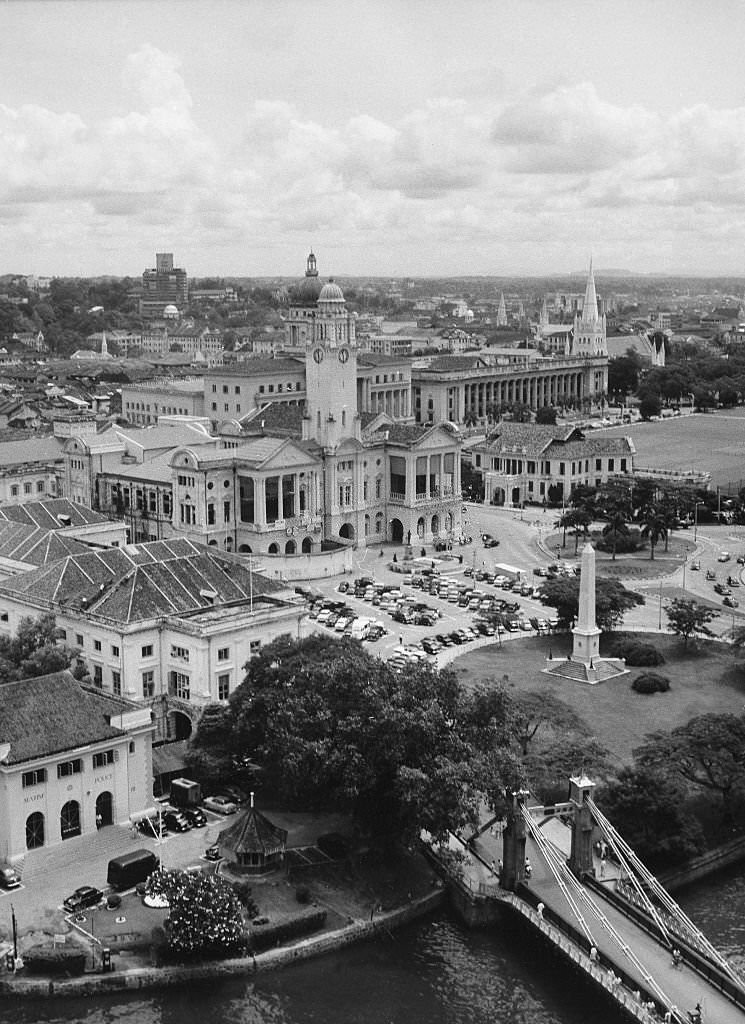
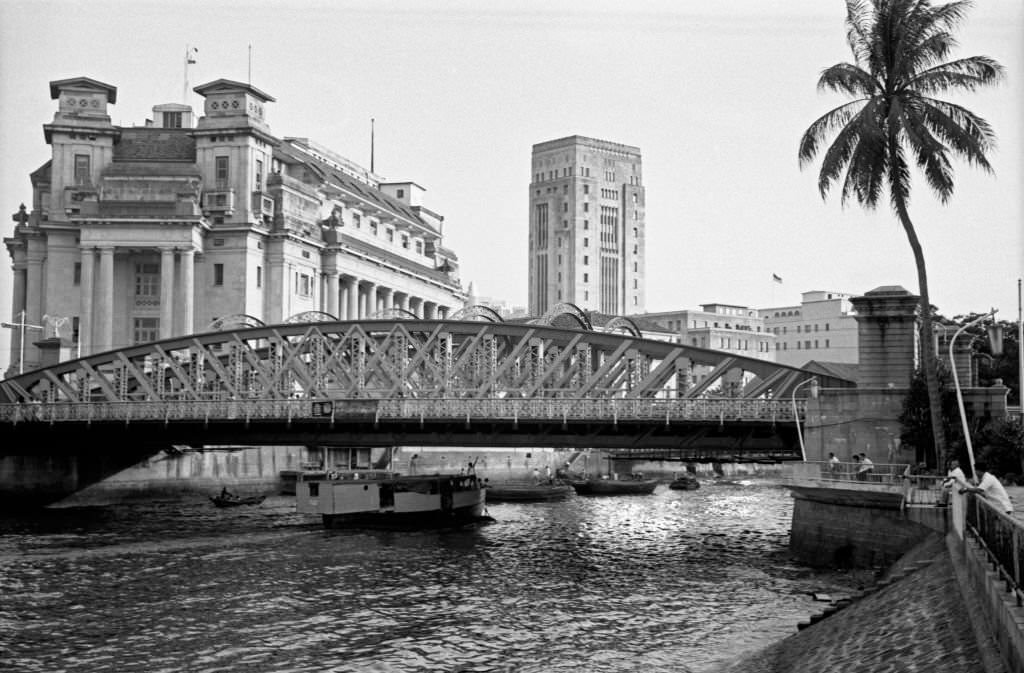
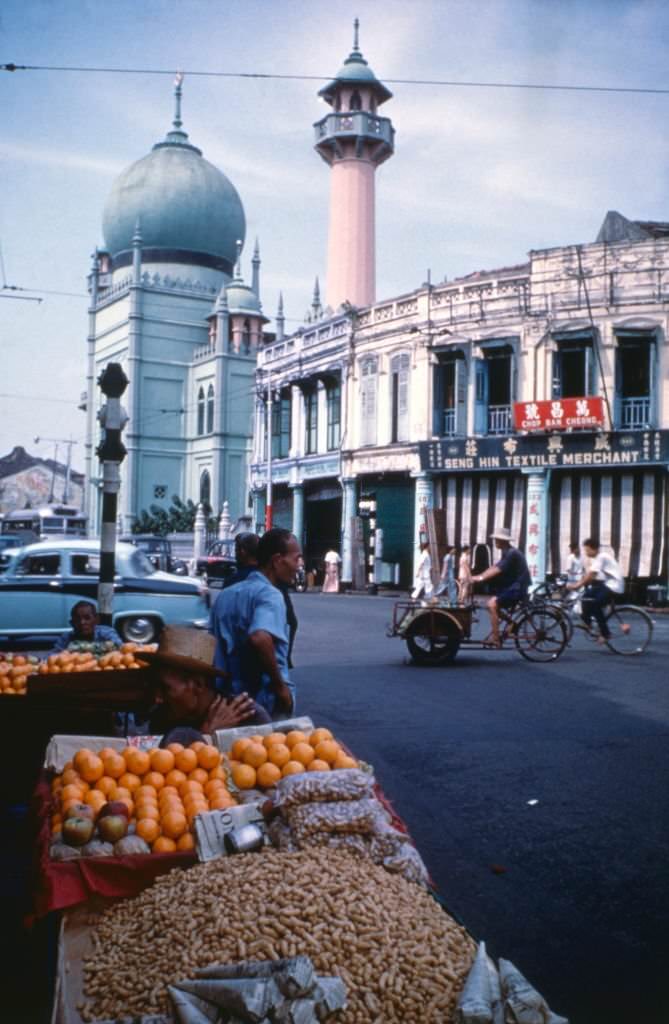
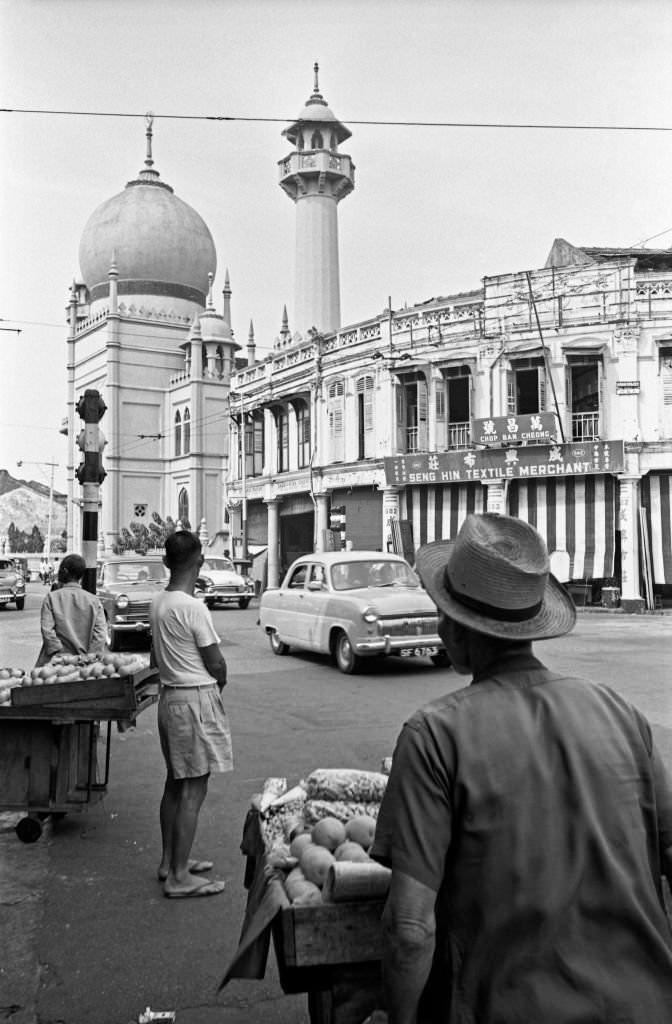
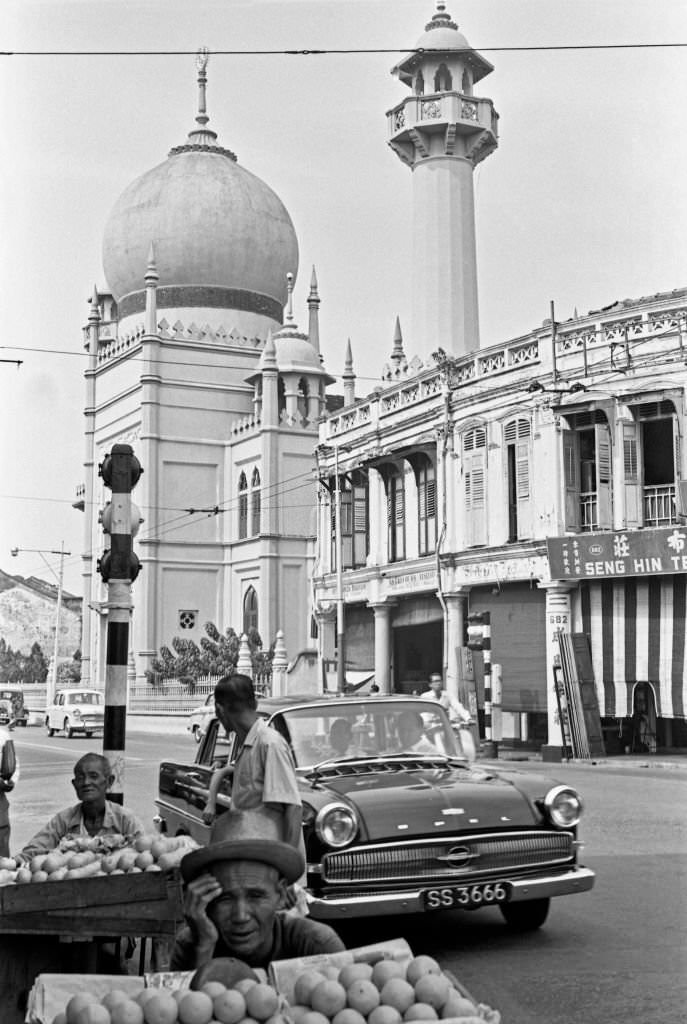
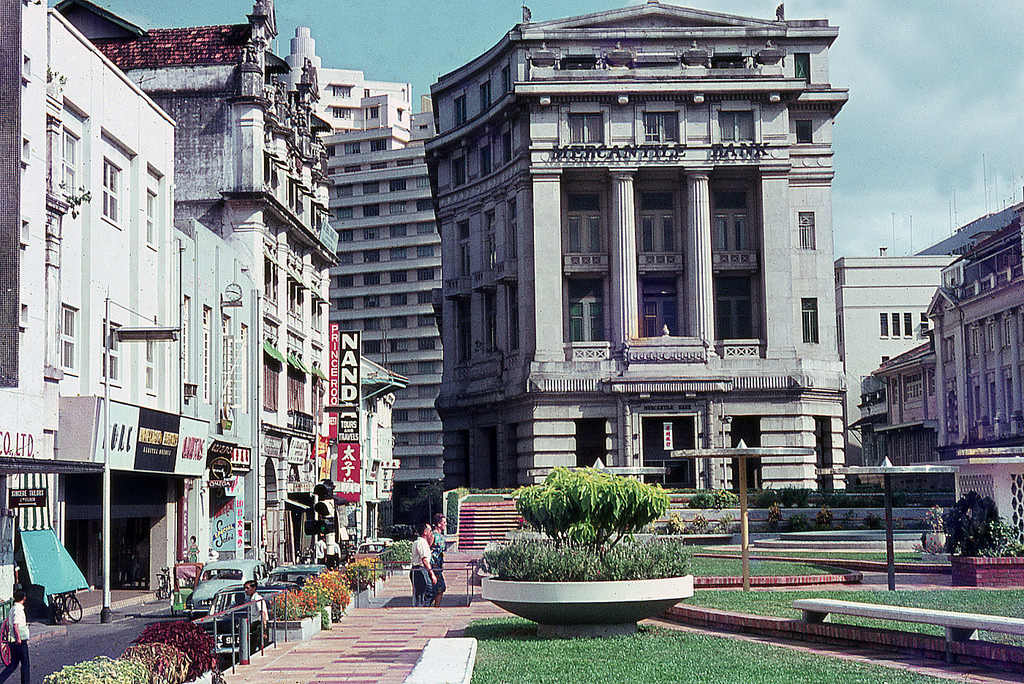
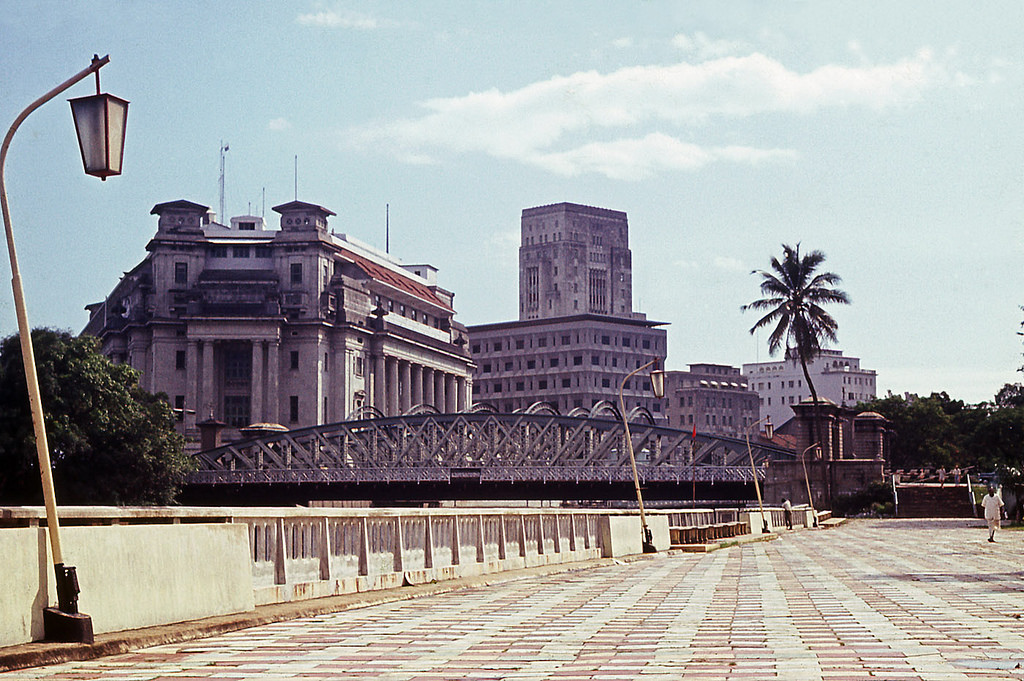
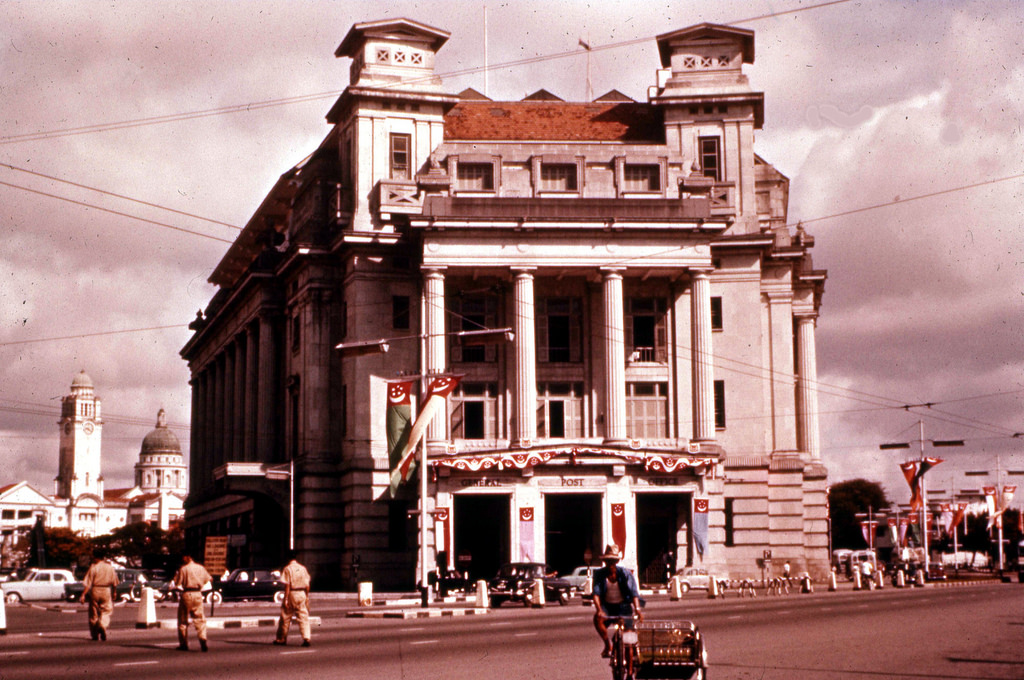
The city’s landmarks anchored daily life. The Fullerton Building, which served as the General Post Office, stood prominently on the Singapore River alongside the Victoria Memorial Hall. Raffles Place was the commercial heart of the city, lined with department stores like John Little, decorated with Christmas lights in December, and surrounded by banking buildings like the Mercantile Bank. The Sultan Mosque on Muscat Street drew street vendors and worshippers alike to its surrounding lanes, while the Old Supreme Court building stood as a reminder of British colonial governance.
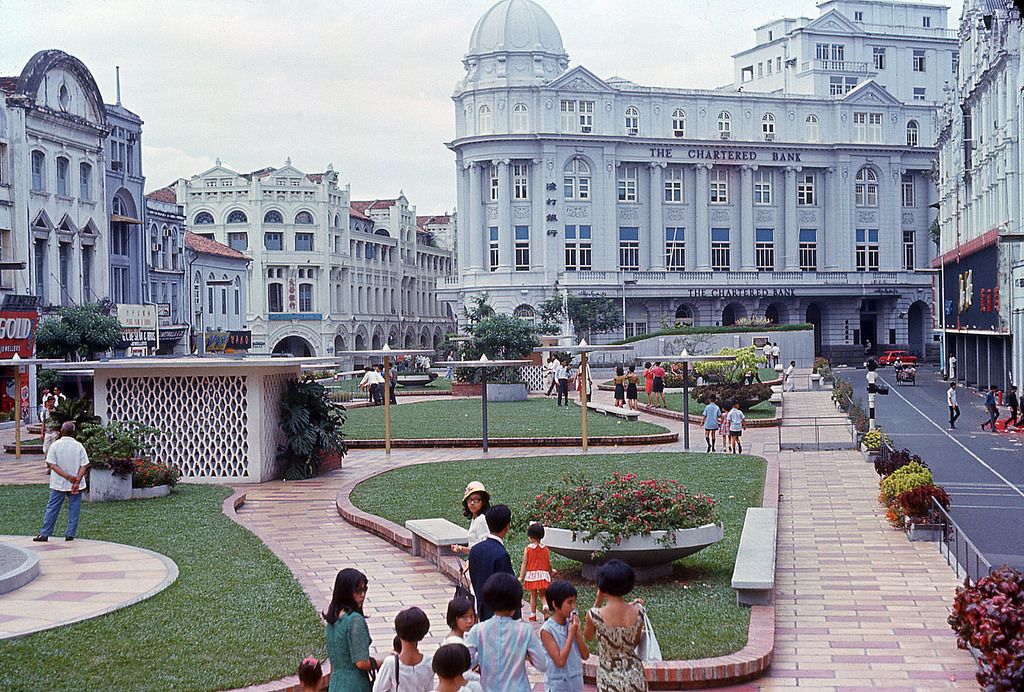
An aerial view of the Fullerton Building, originally an office building, then the General Post Office and latterly a five-star hotel, on the Singapore River, 1966Victoria Memorial Hall in the foreground with the Fullerton Building, originally an office building, then the General Post Office and latterly a five-star hotel (behind), on the Singapore River, 1962The central square of Raffles Place – Singapore’s commercial district formed in the early 19th century, 1966Christmas decorations in central Raffles Place, in front of the John Little department store, 1966.Sultan Mosque facing a crowded street, Singapore, 1962The Old Supreme Court of Singapore, 1962
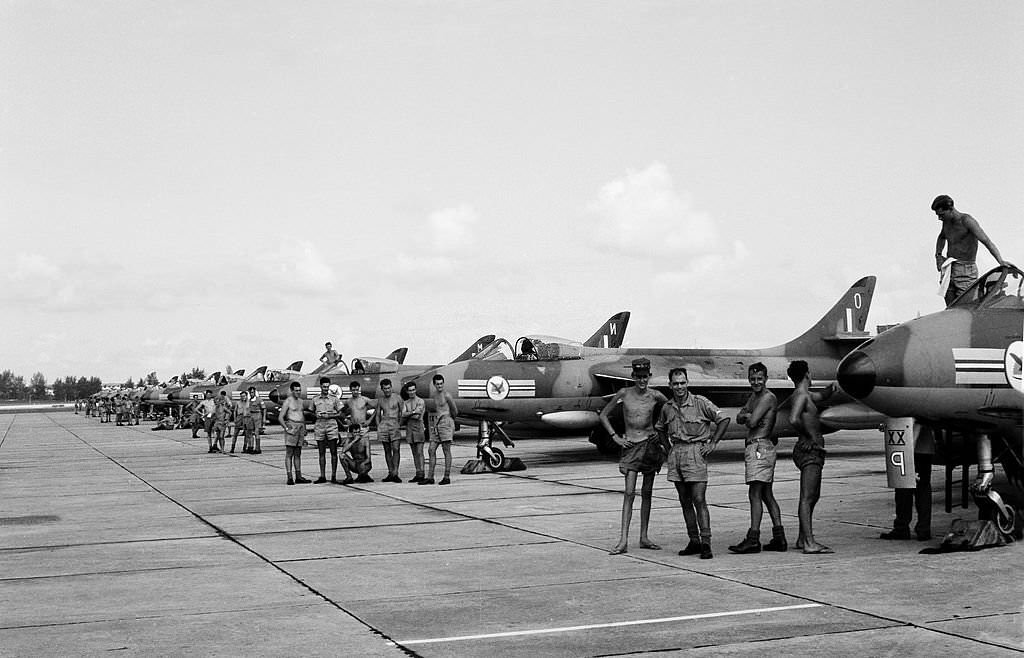
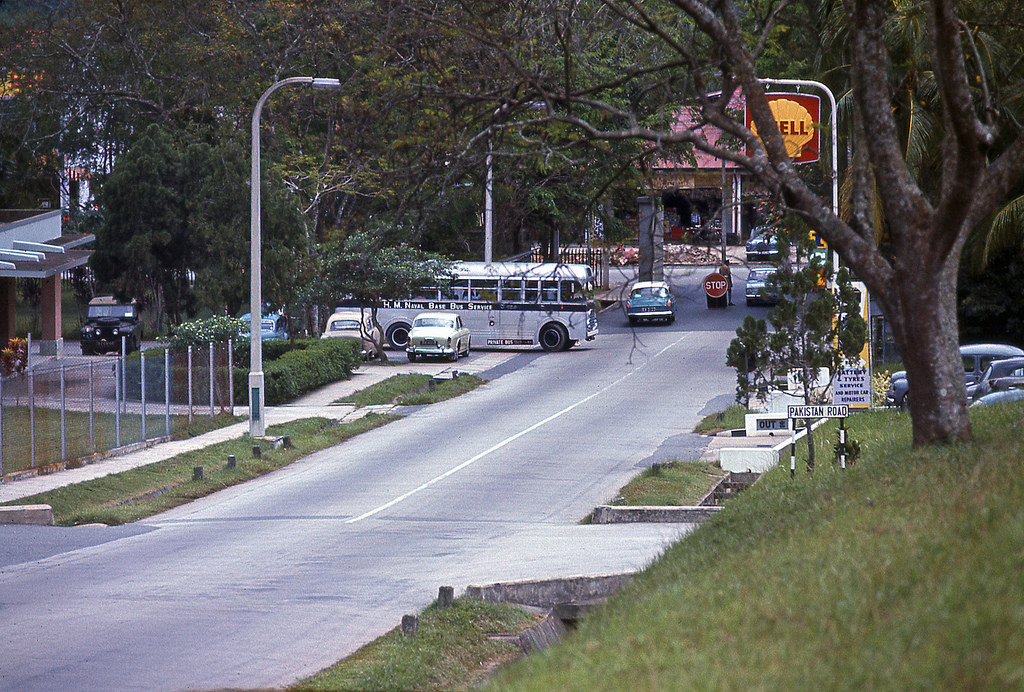
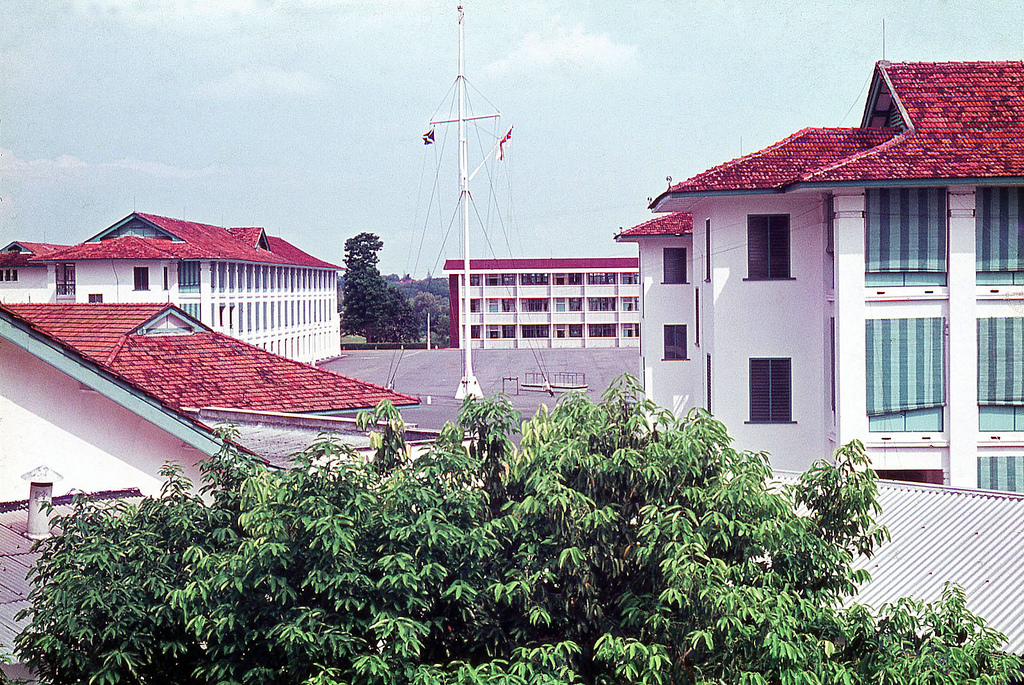
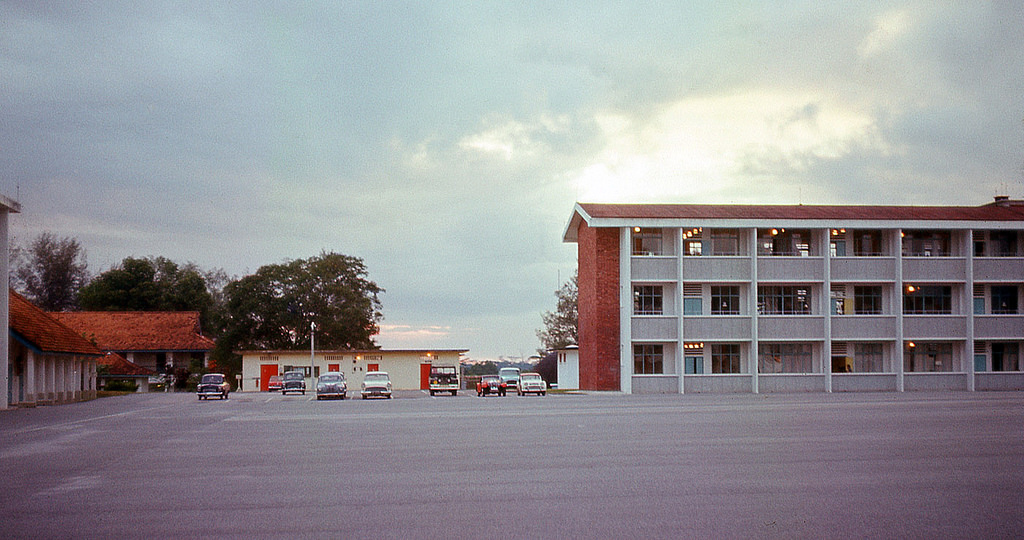
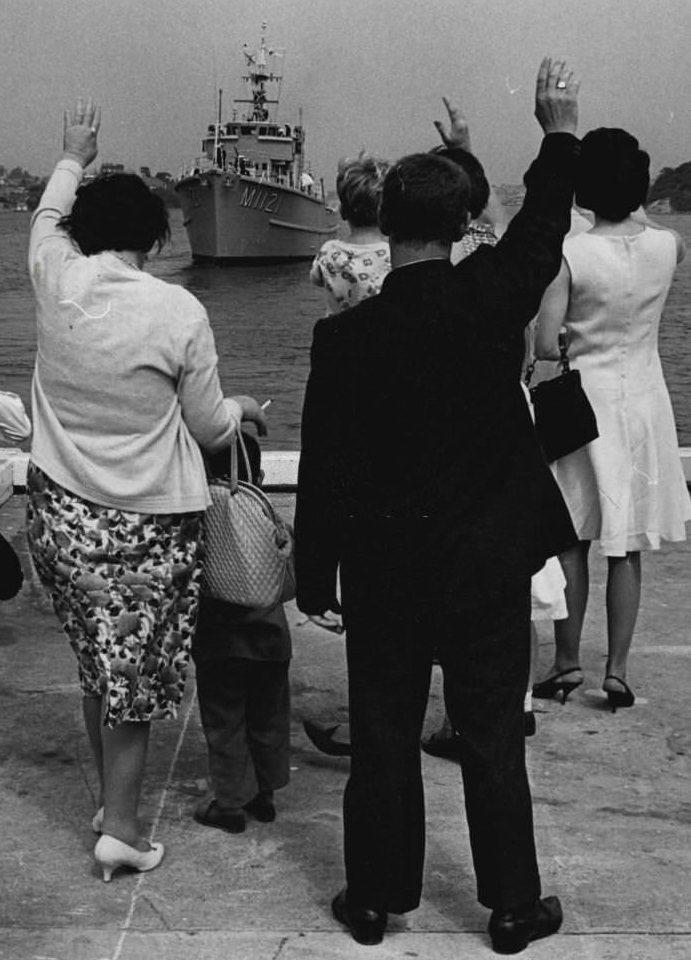
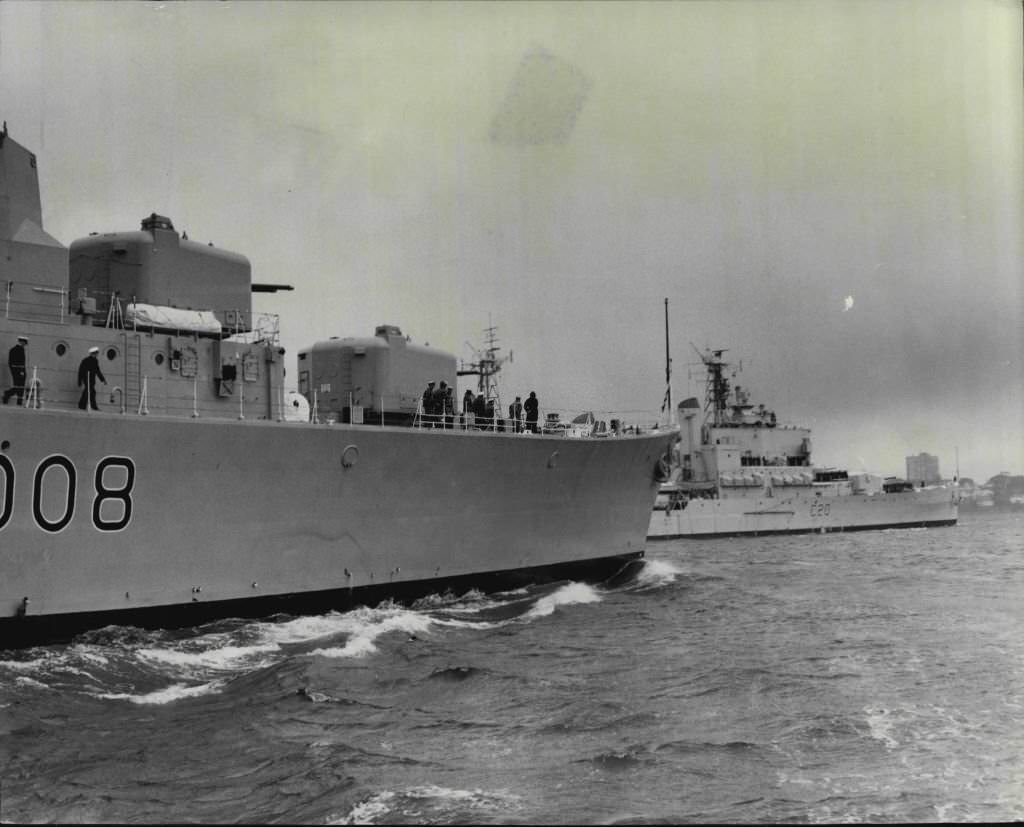
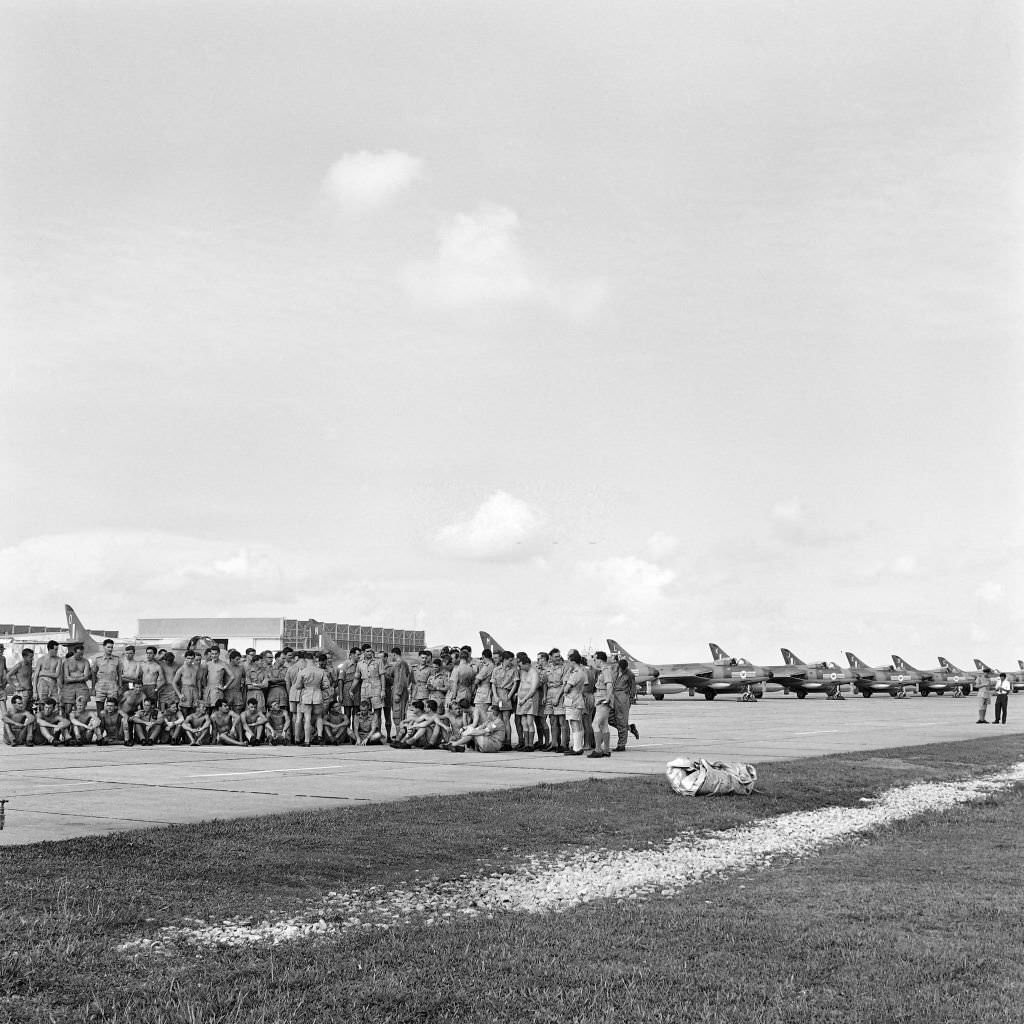
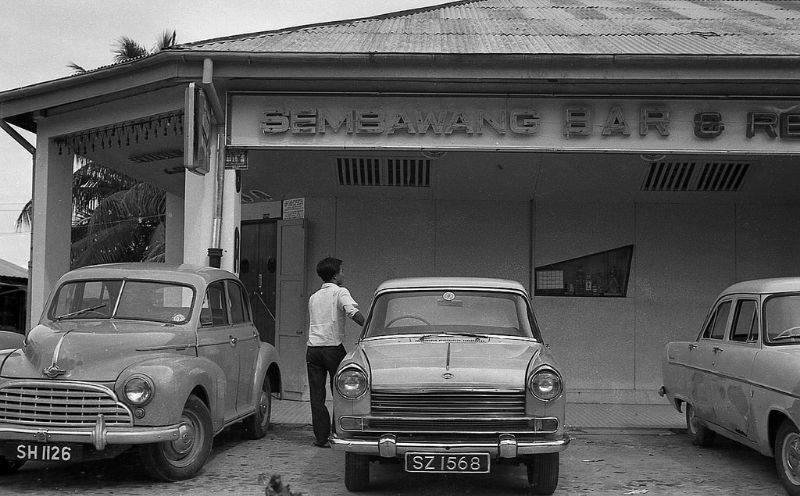
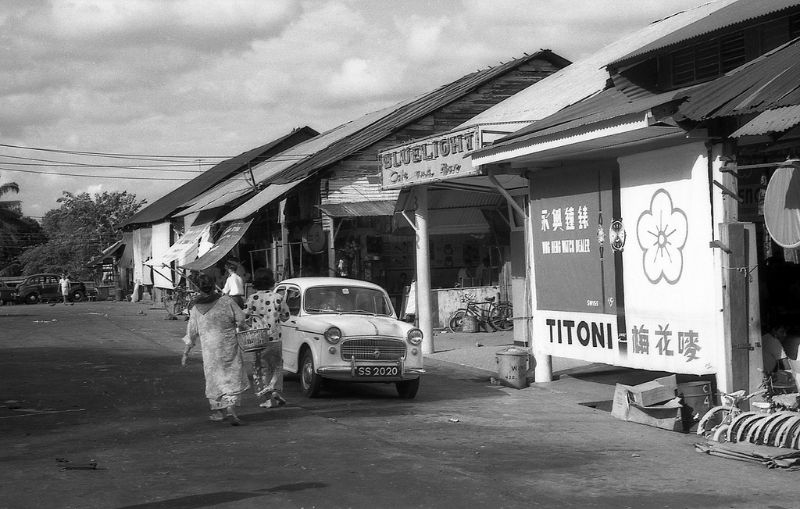
The military presence on the island was visible and significant. British forces maintained a major naval base at Sembawang in the north, with barracks, a dockyard, and an adjacent community of bars and food stalls that catered to servicemen. The RAF’s Number 20 Squadron stationed 12 Hunter Mk 9 fighter jets at Tengah airfield. In May 1962, troops from that squadron were readied to move toward Thailand. The Royal Australian Navy also operated from the region, with ships like HMAS Curlew departing for Strategic Reserve Duty based out of Singapore in 1965.
RAF Number 20 Squadron with 12 Hunter Mk 9 fighter jet aircraft pictured at their base with ground crew personal by each plane, Singapore, 1962Sembawang Gate, which leads to Singapore’s Sembawang naval base, 1966.British colonial buildings in the Singapore naval base, 1966.Barracks in the Sembawang base, 1966.Minesweeper Departs For North — Here friends and relatives wave farewell as the ship pulls out from its berth, 1965
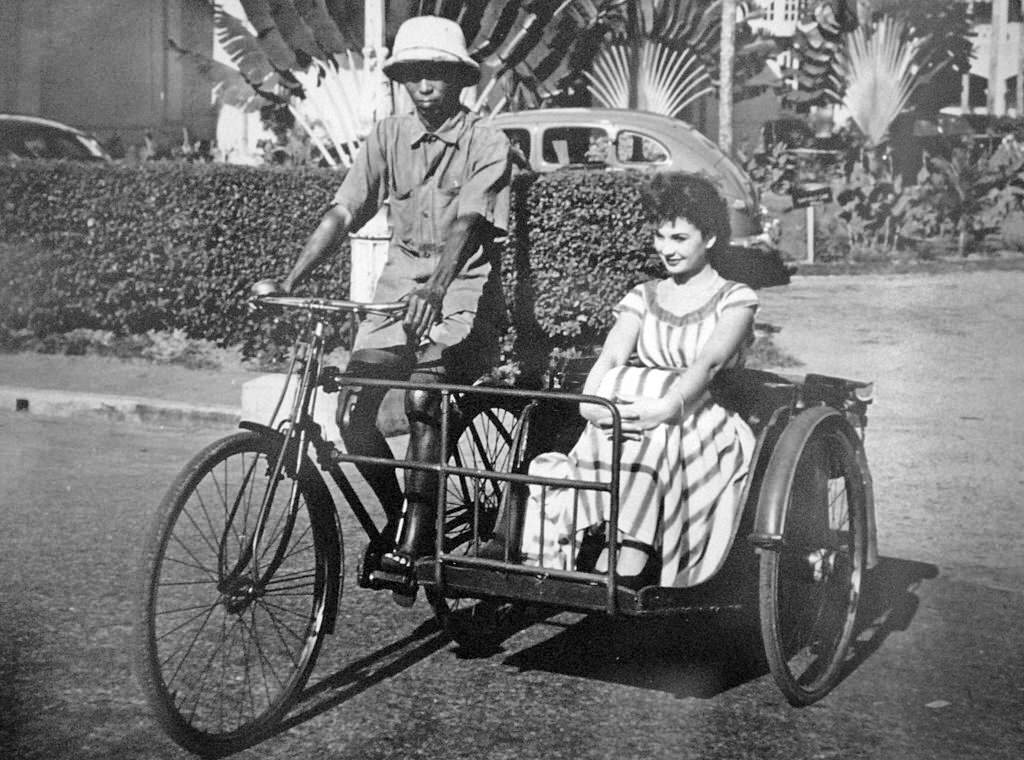
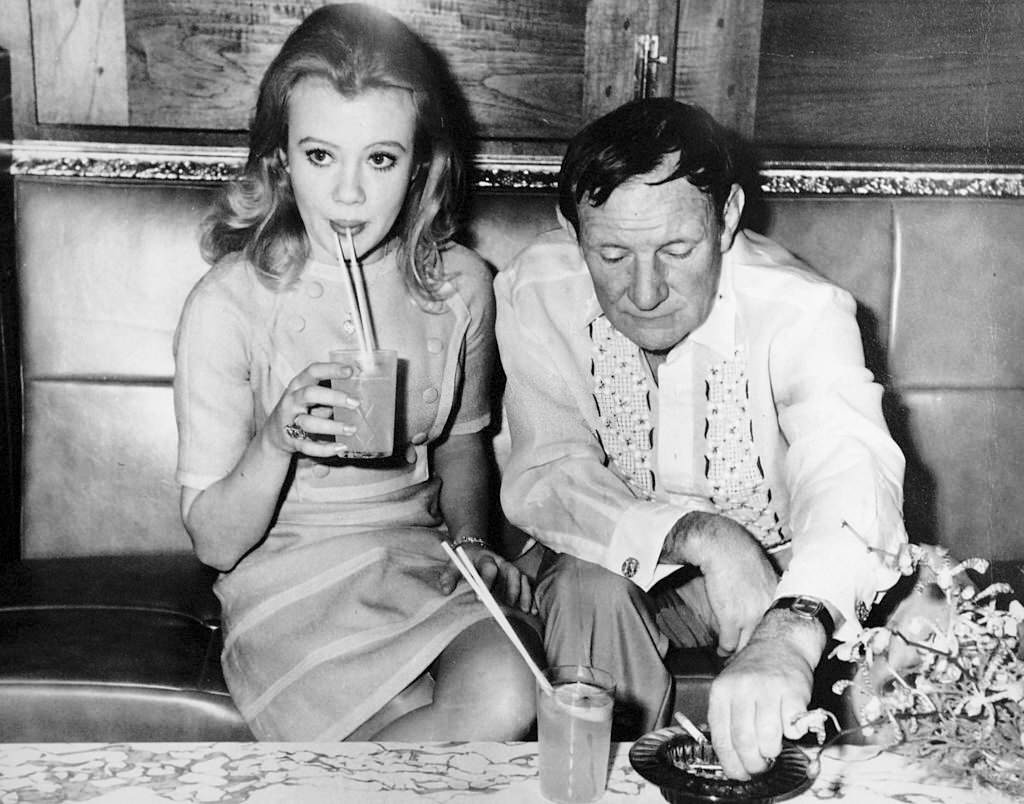
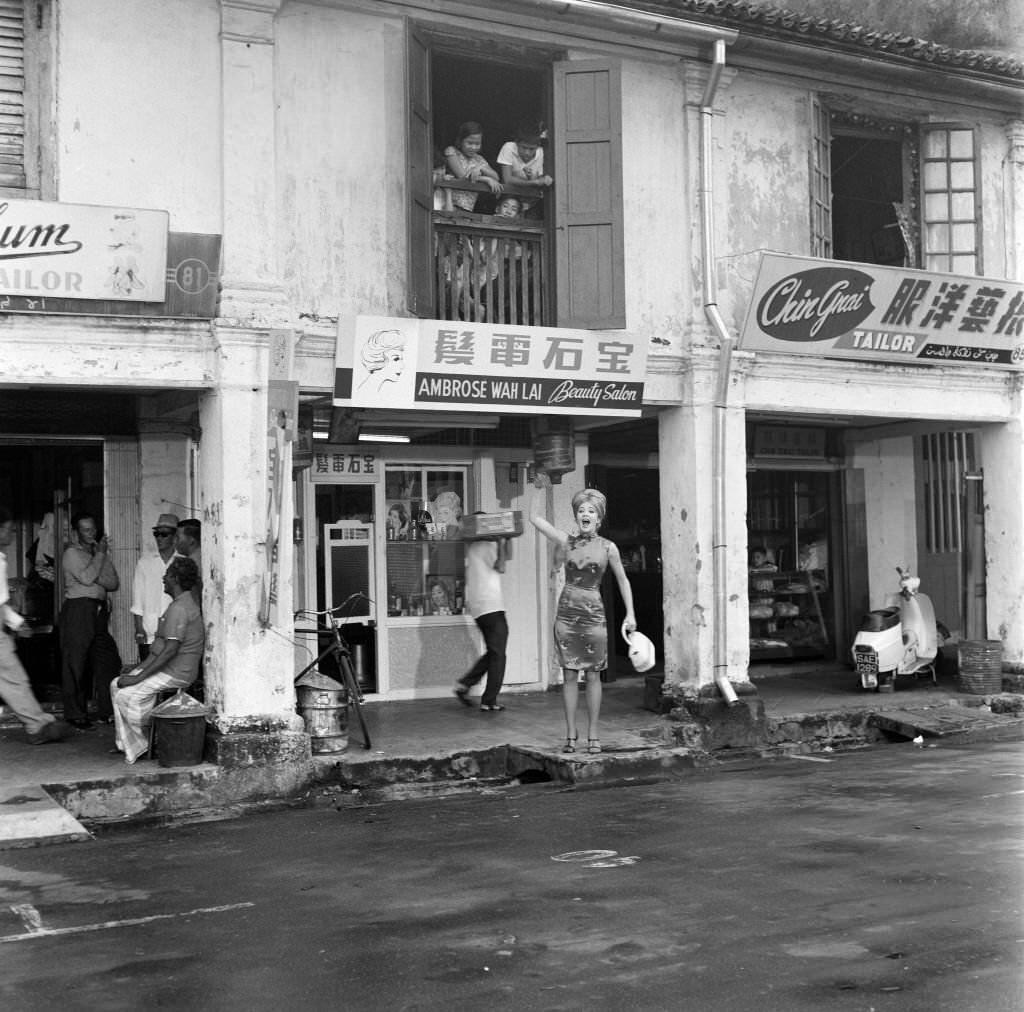
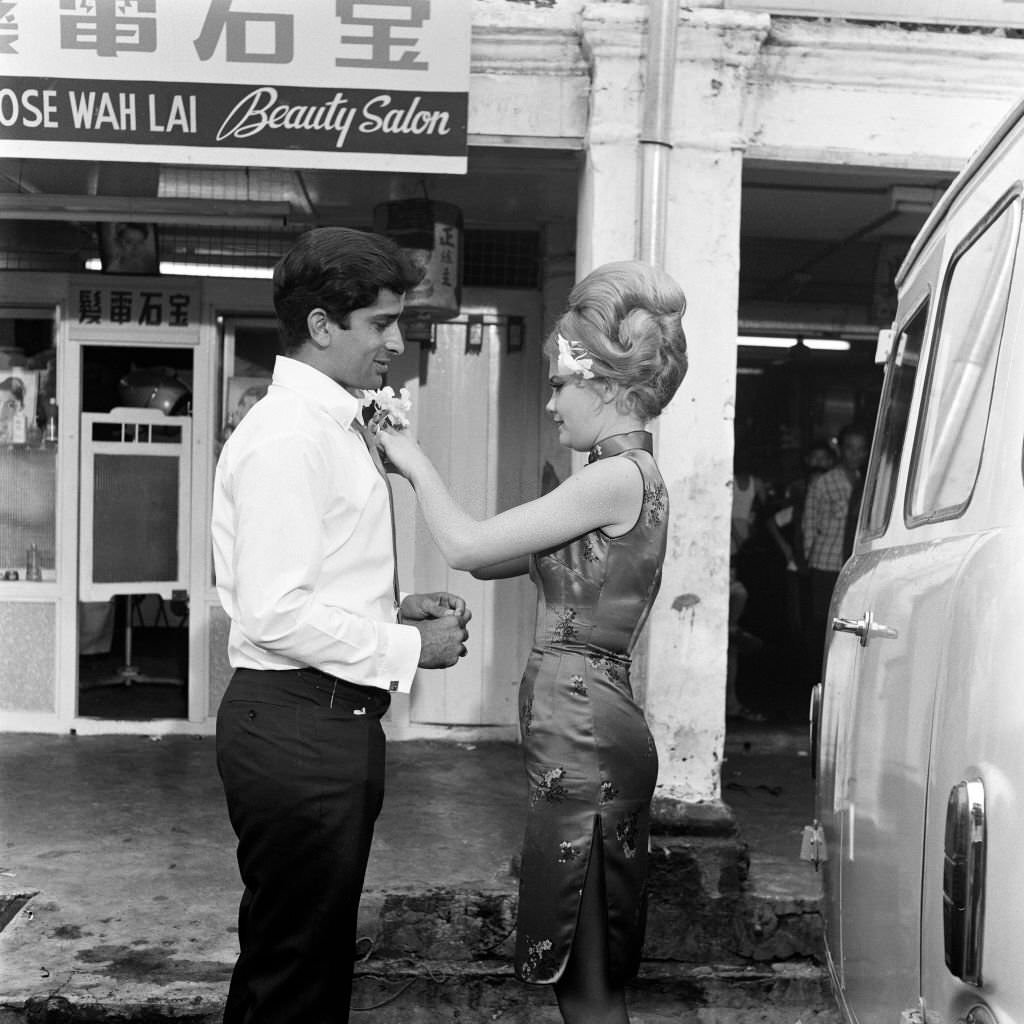
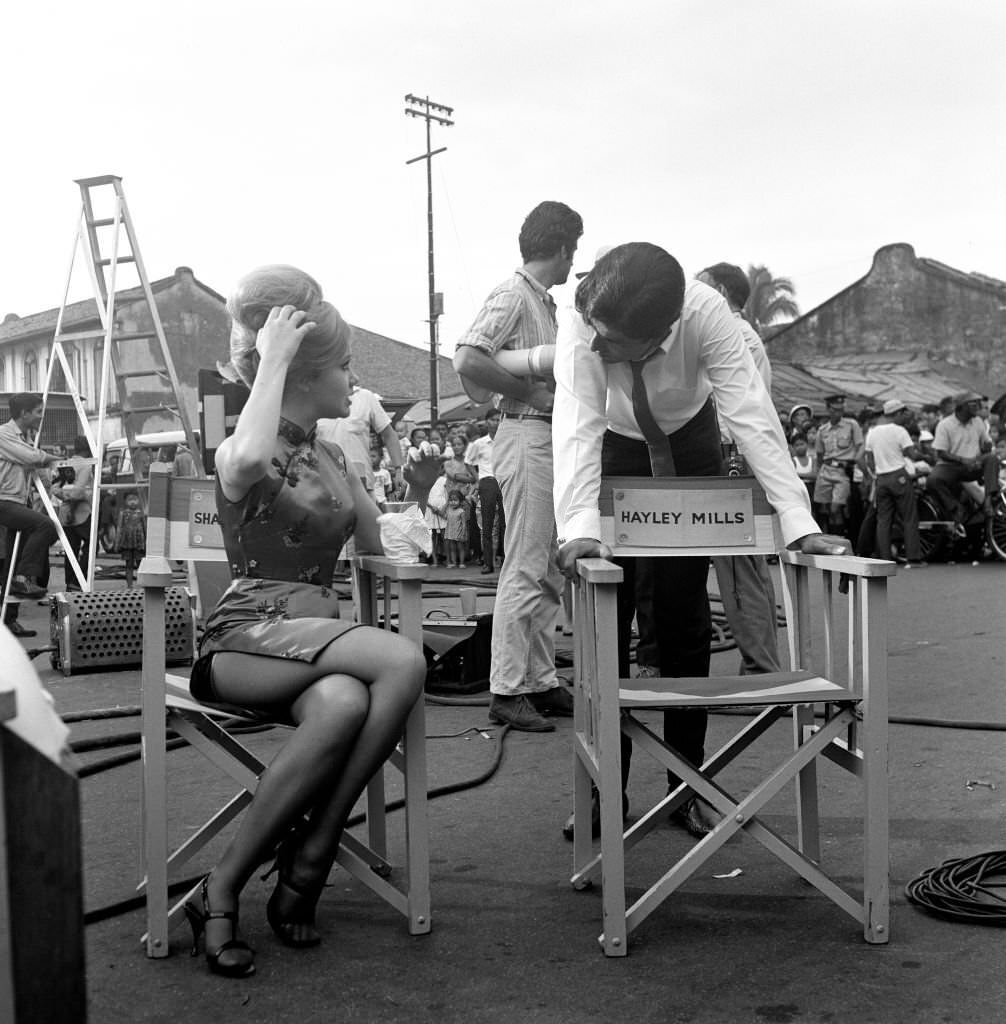
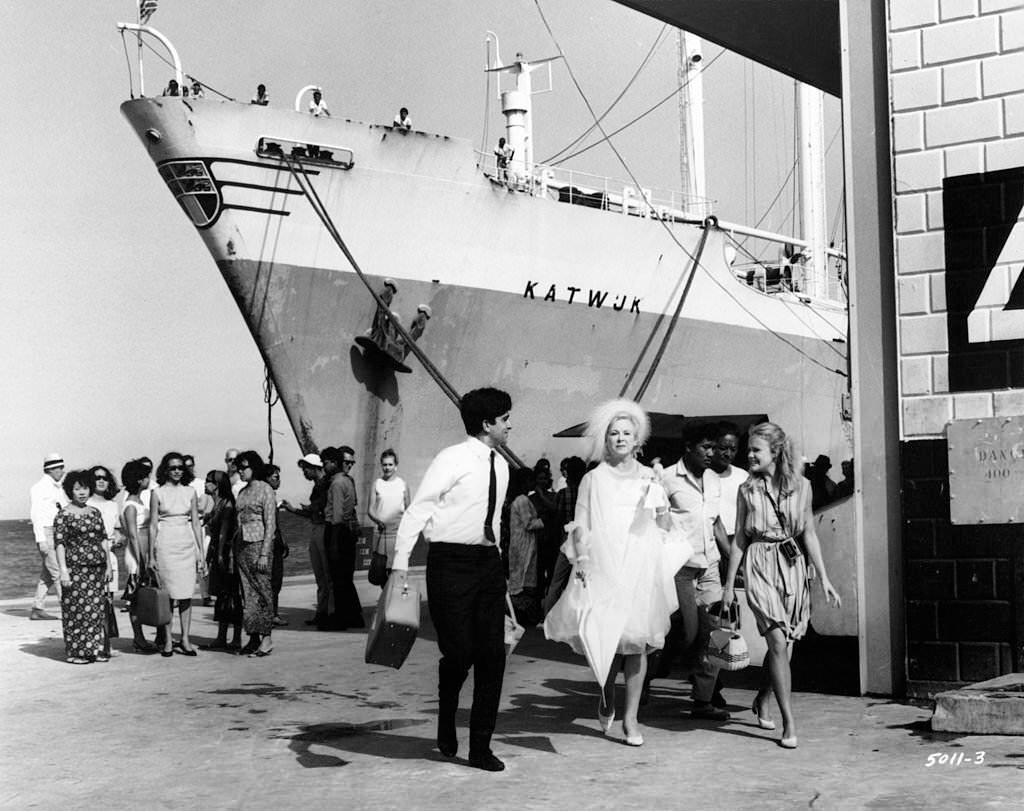
The Raffles Hotel, one of Singapore’s most famous buildings, continued to attract international visitors throughout the decade. British actress Jean Simmons was photographed there in March 1960. In April 1967, actors Hayley Mills and Trevor Howard used the hotel as a backdrop during the filming of Pretty Polly, a British comedy shot partly on location in Singapore. Mills appeared in several scenes wearing a cheongsam and Chinese makeup.
Actress Jean Simmons has Raffles Hotel of Singapore in March 1960Hayley Millets and Trevor Howard with the Raffles Hotel of Singapore for the film Pretty Polly in April 1967A new-look Hayley Mills in Chinese Make-up and a cheongsam on location in Singapore, for her new film ‘Pretty Polly’, 20th March 1967.A new-look Hayley Mills in Chinese Make-up and a cheongsam on location in Singapore, for her new film ‘Pretty Polly’, 1967A new-look Hayley Mills in Chinese Make-up and a cheongsam on location in Singapore, for her new film ‘Pretty Polly’.As Brenda de Banzie and Hayley Mills disembark from a cruise ship at Singapore, they are met by Shashi Kapoor in a scene from the film ‘A Matter Of Innocence’, 1967.
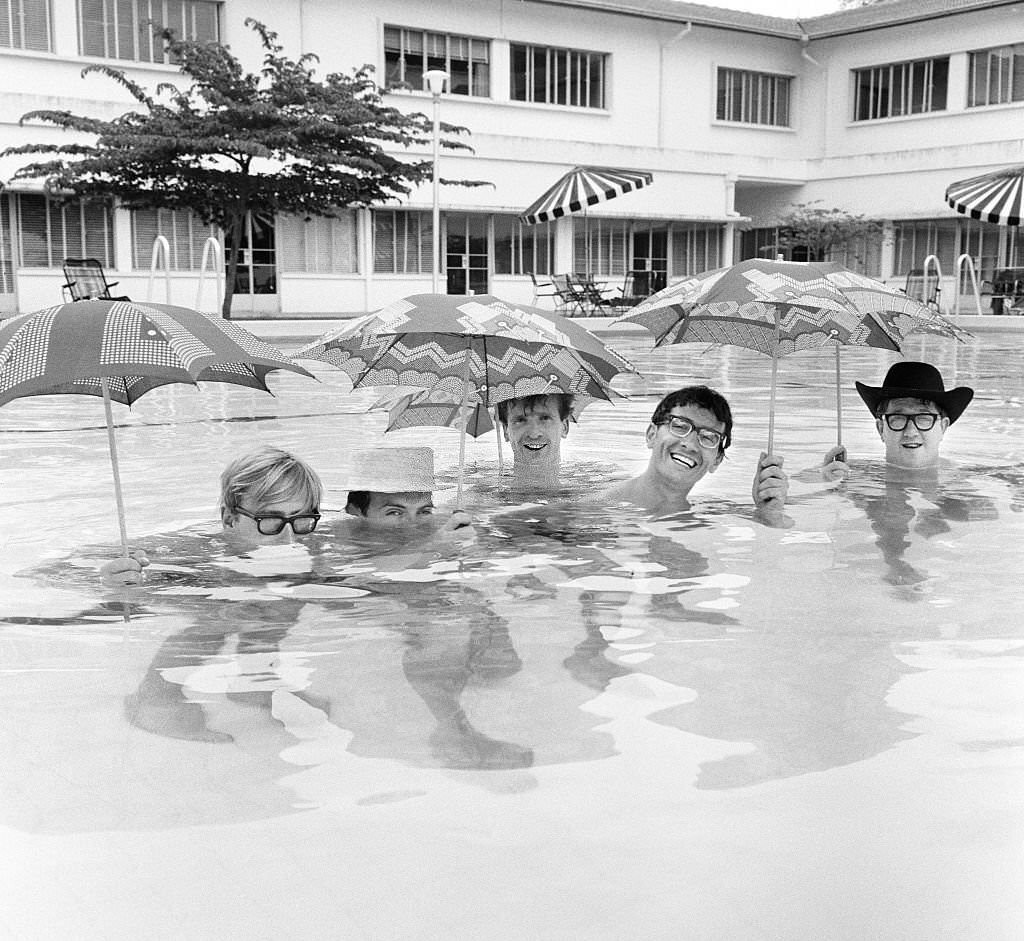
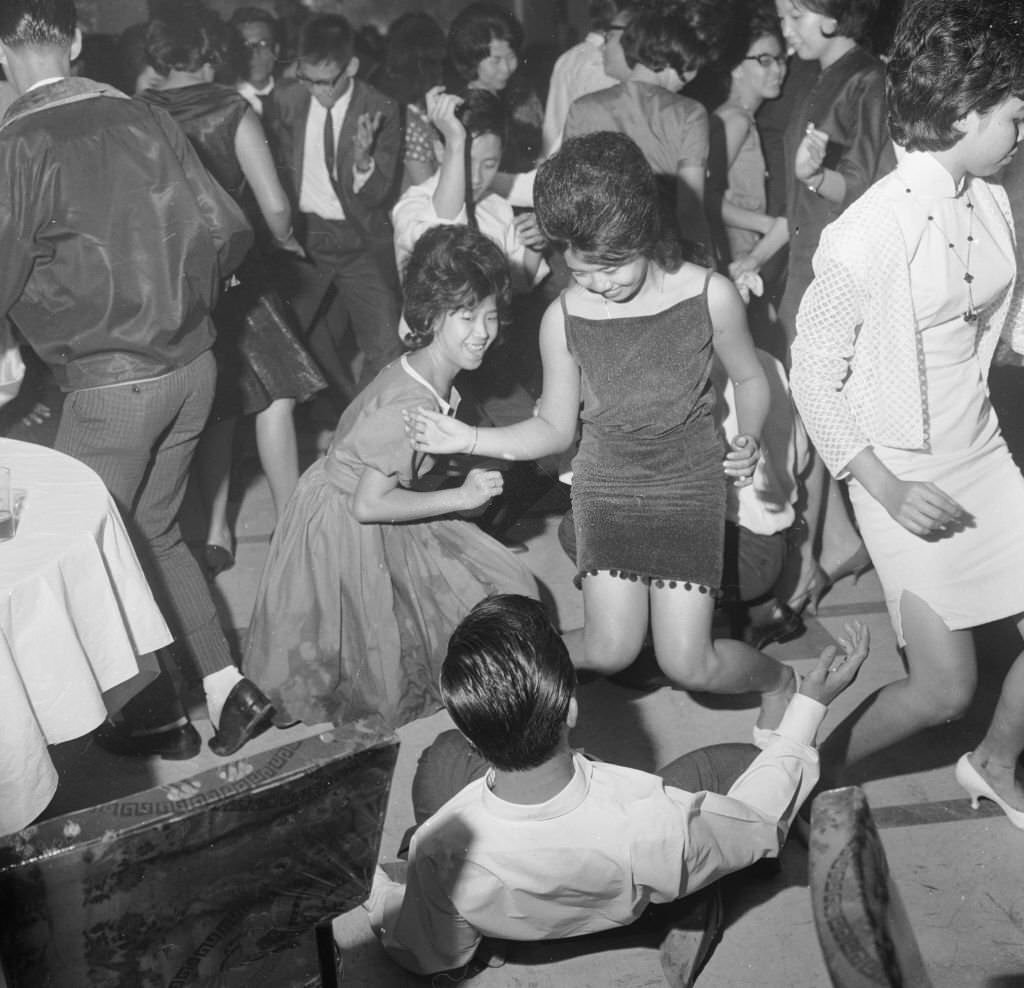
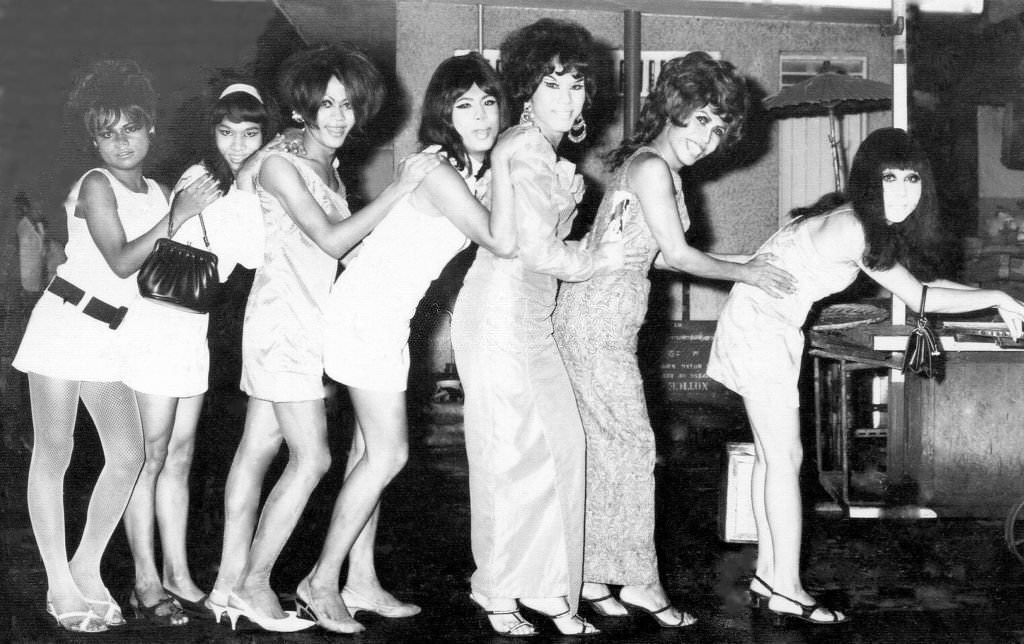
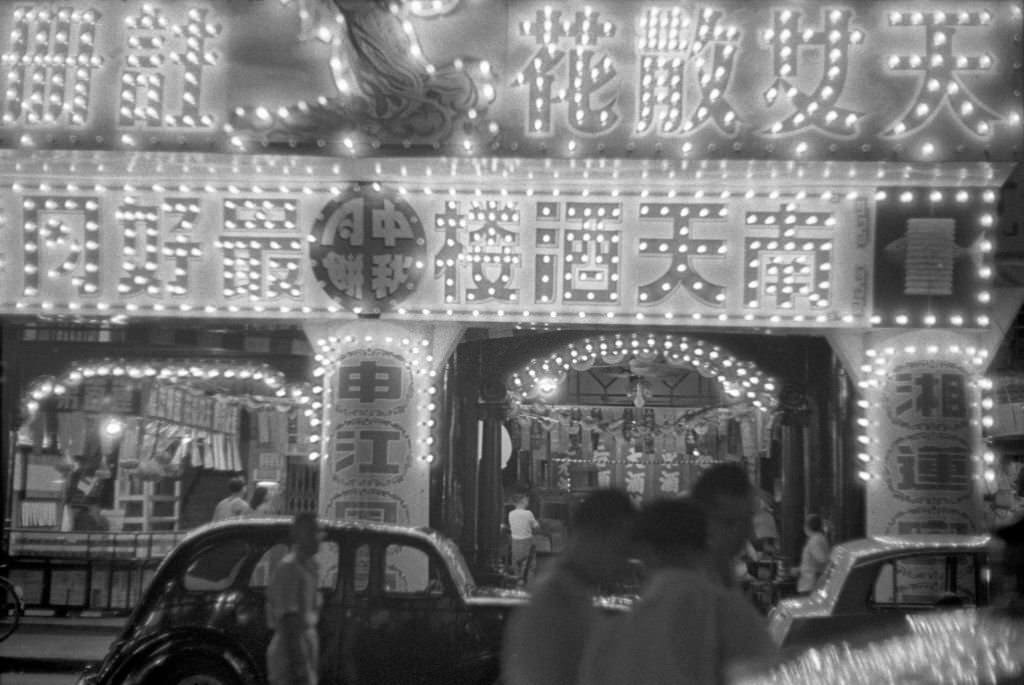
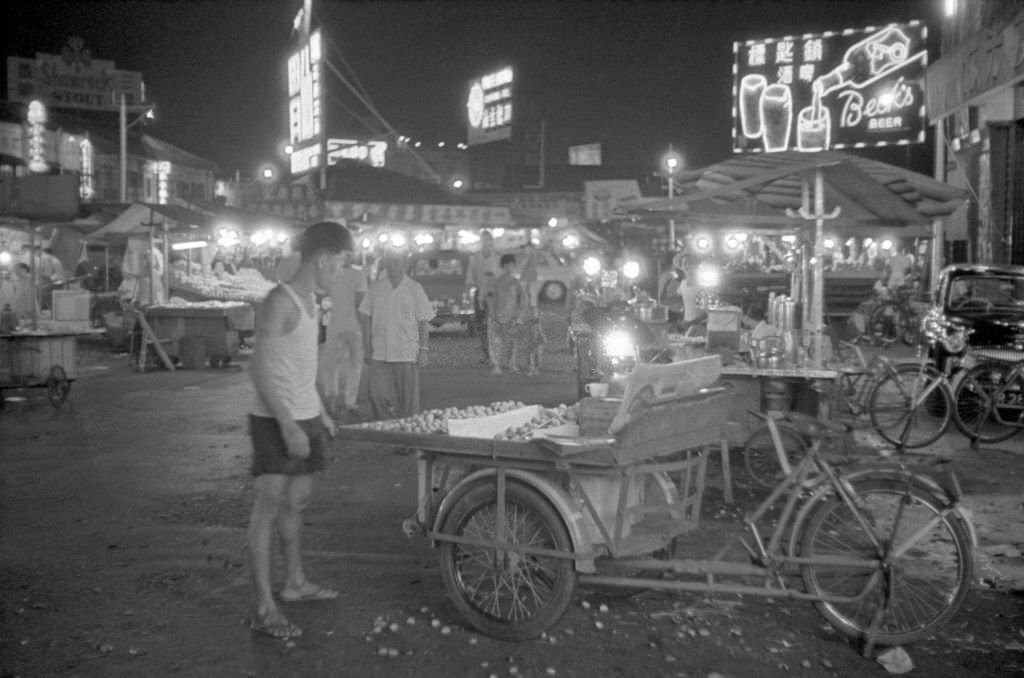
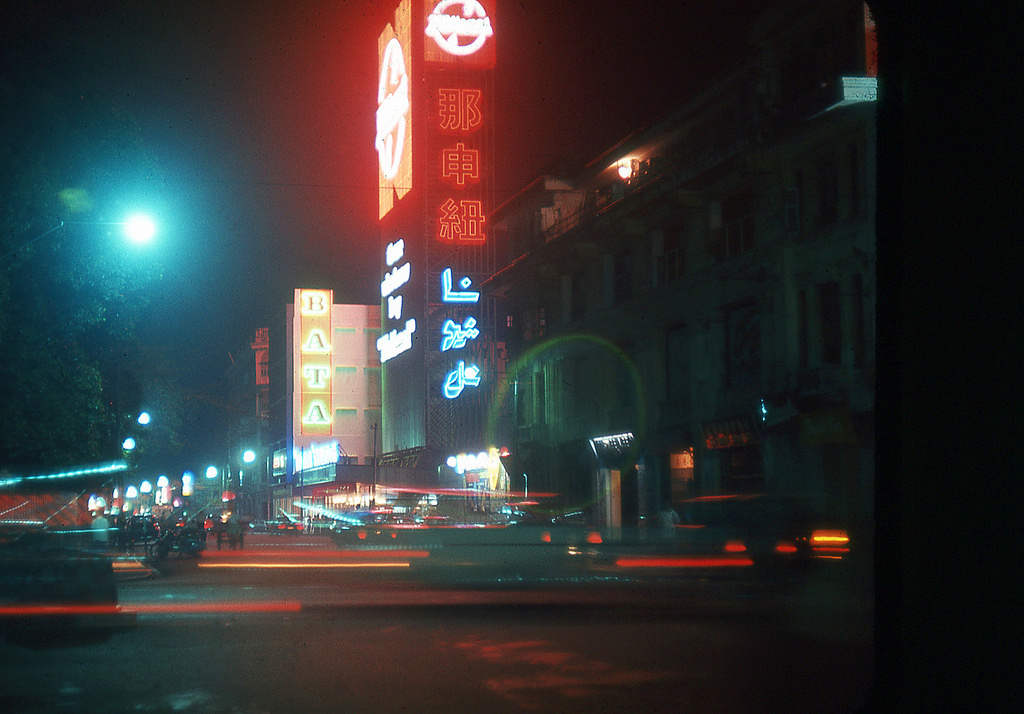
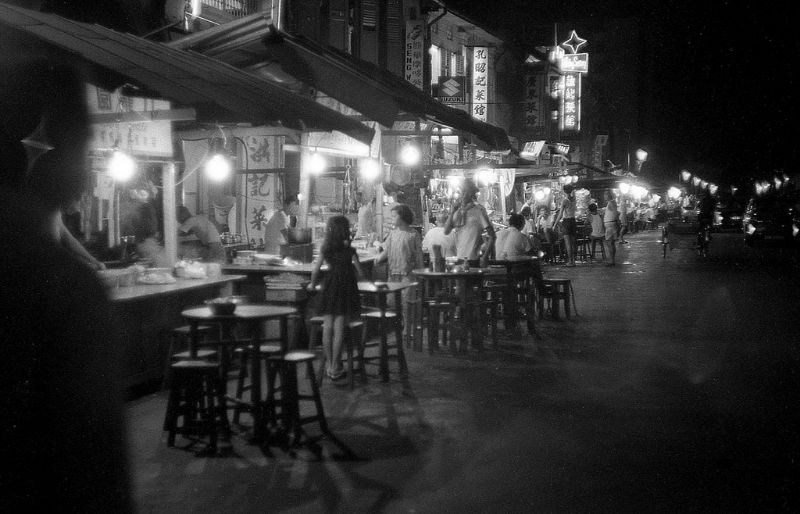
Singapore also attracted touring musicians. In 1965, Manchester pop group Freddie and the Dreamers stopped in Singapore as part of their world tour, bringing a taste of the British Invasion to the island. The city’s nightlife had its own energy — the Celestial Room at Amber Mansion hosted dancers doing the twist in 1963, neon signs lit up club fronts along city streets, and Bugis Street drew a different kind of crowd, known across Southeast Asia for its nighttime scene and its community of transvestites who gathered there openly throughout the decade.
Manchester pop group Freddie and the Dreamers in Singapore during their world tour, 1965Manchester pop group Freddie and the Dreamers in Singapore during their world tour, 1965Manchester pop group Freddie and the Dreamers in Singapore during their world tour, 1965People dancing the twist in the Celestial Room of the Amber Mansion, a nightclub in Singapore, 1963A group of transvestites on Bugis Street, 1960s
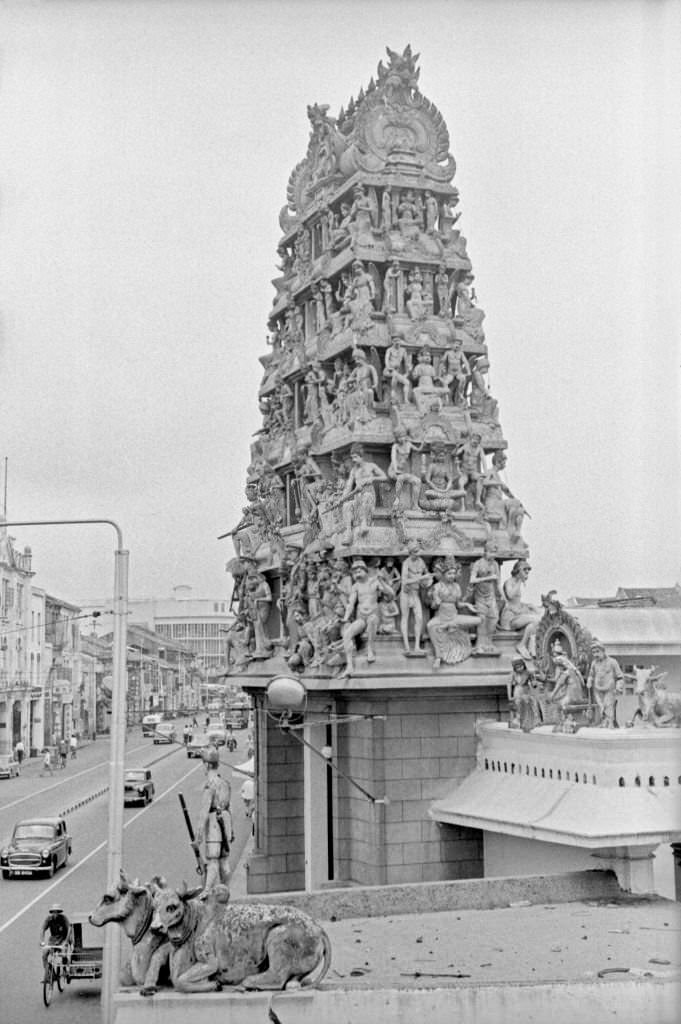
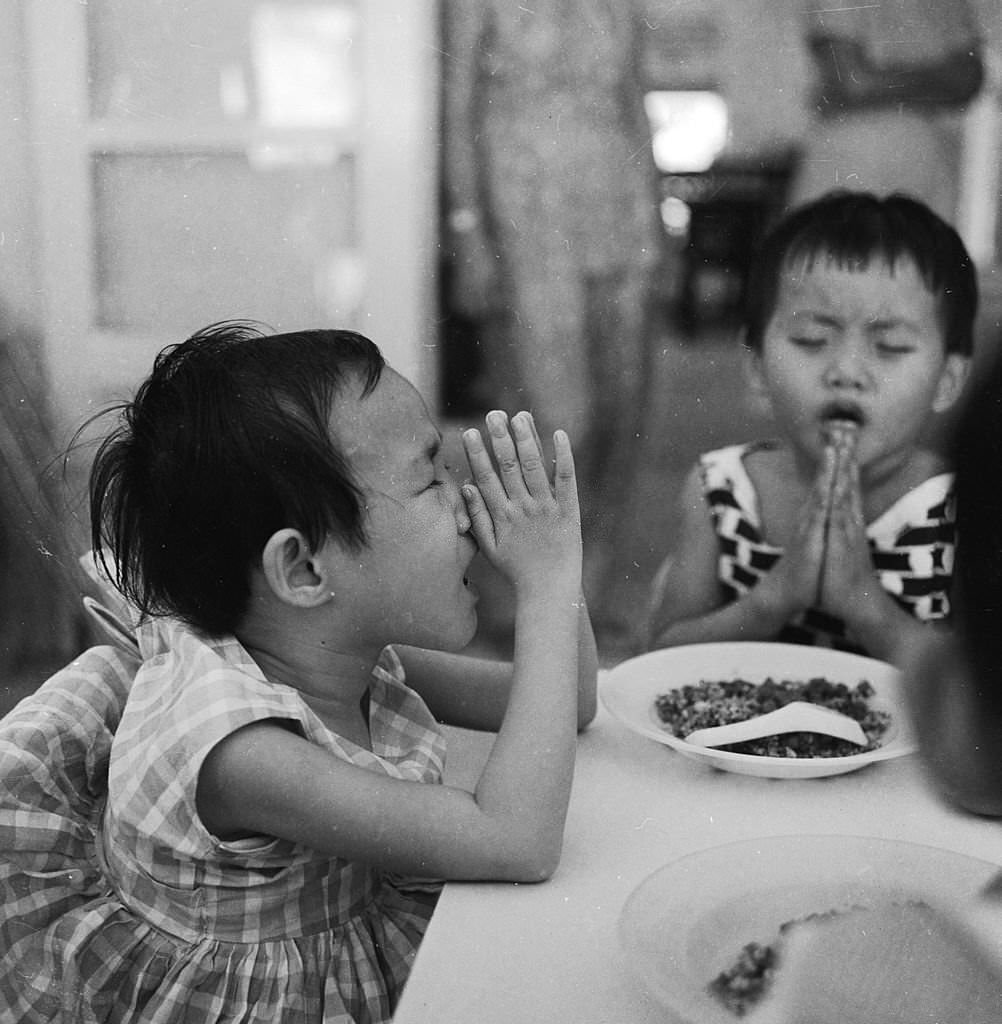
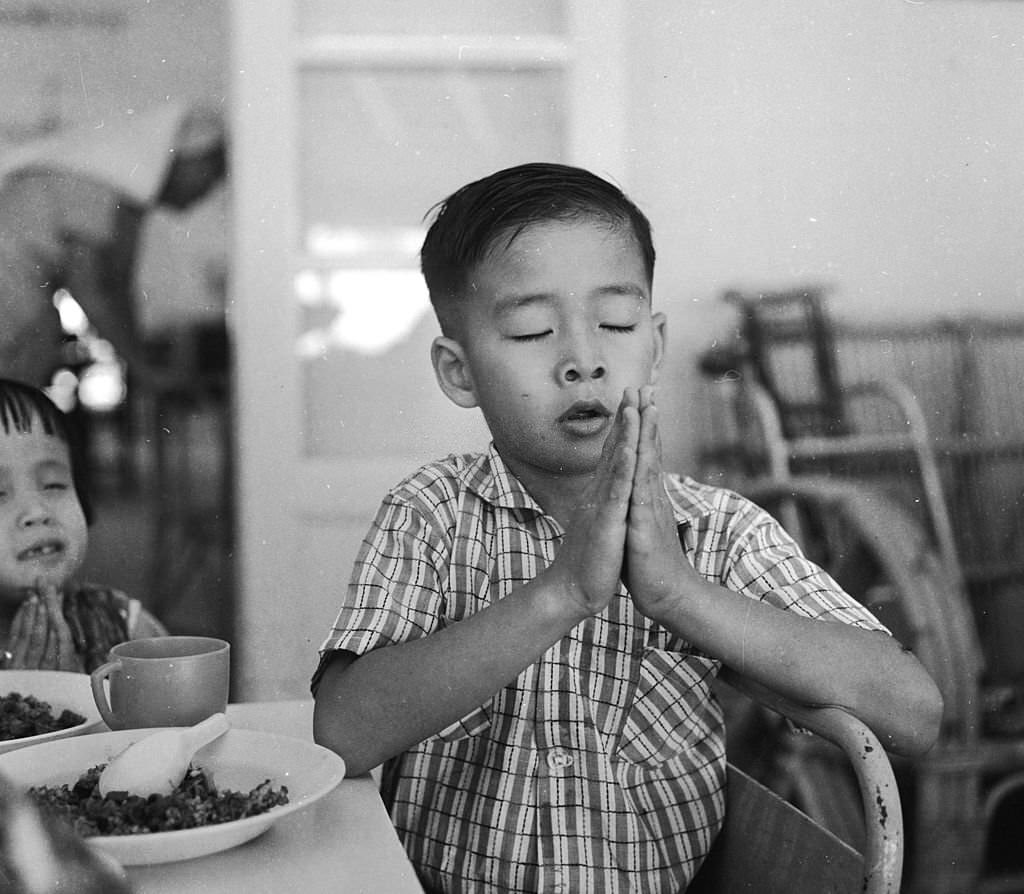
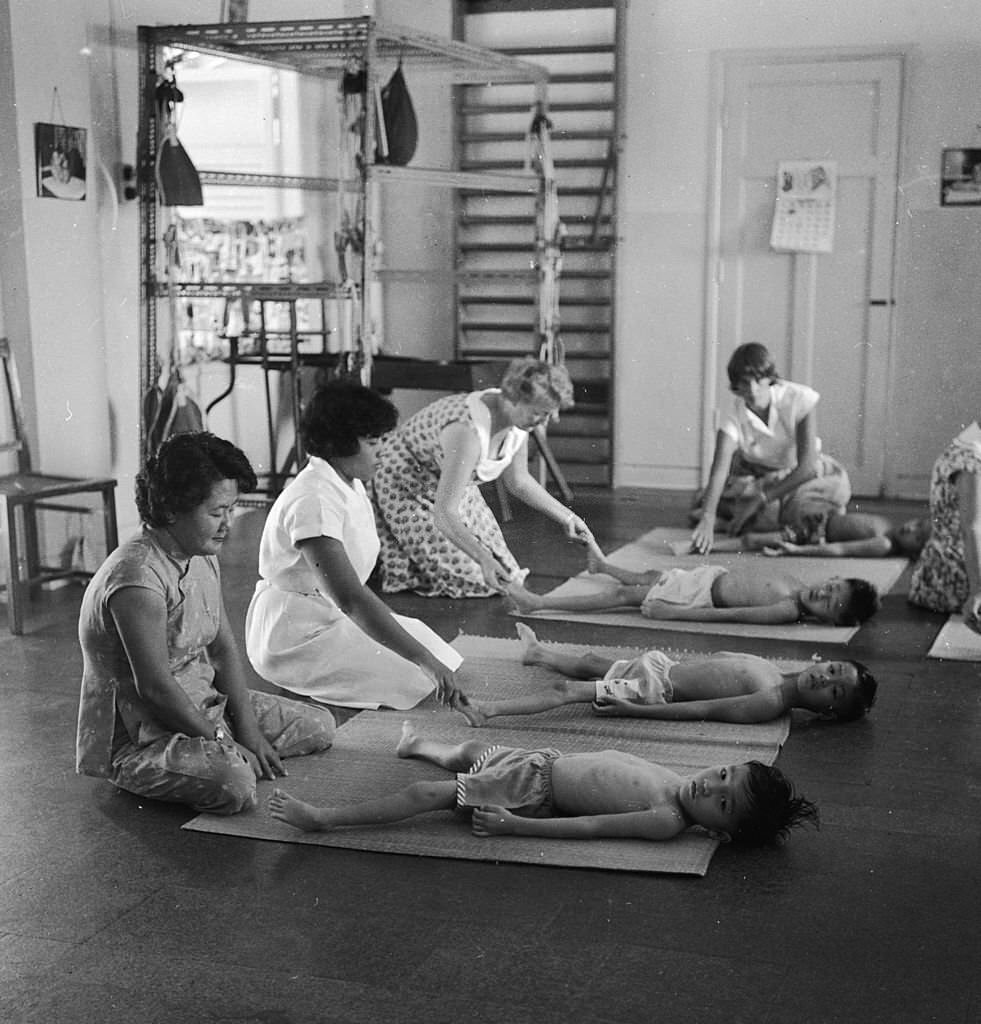
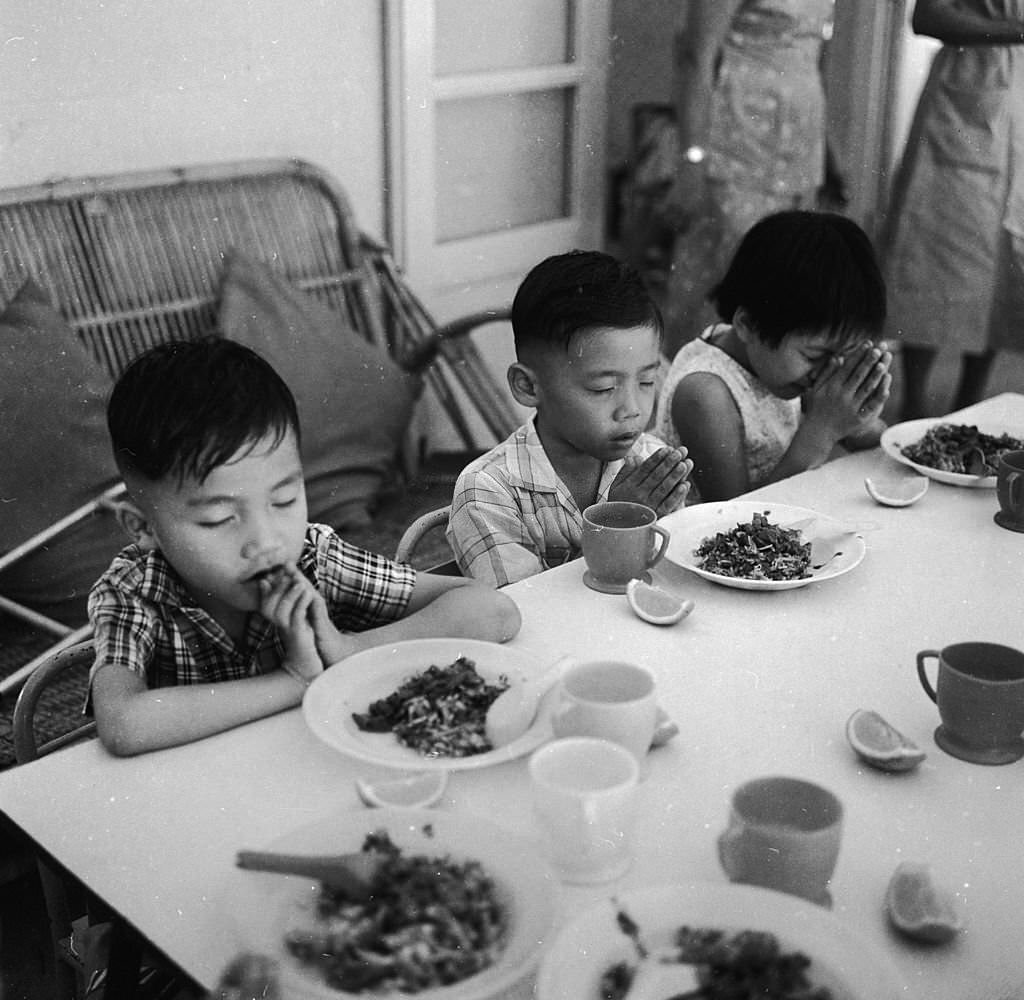
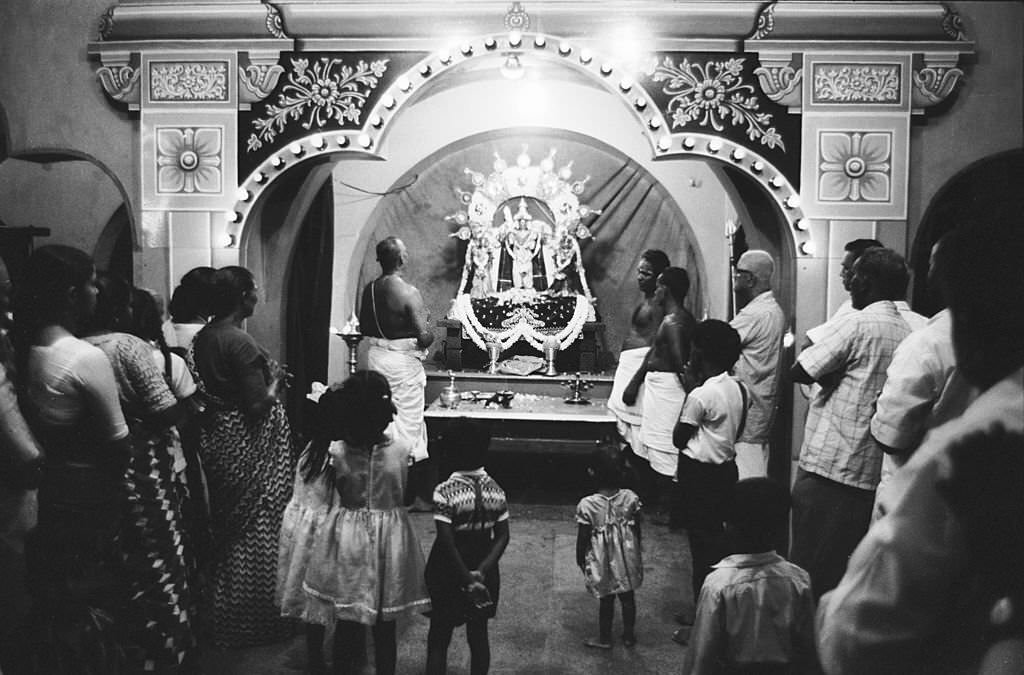
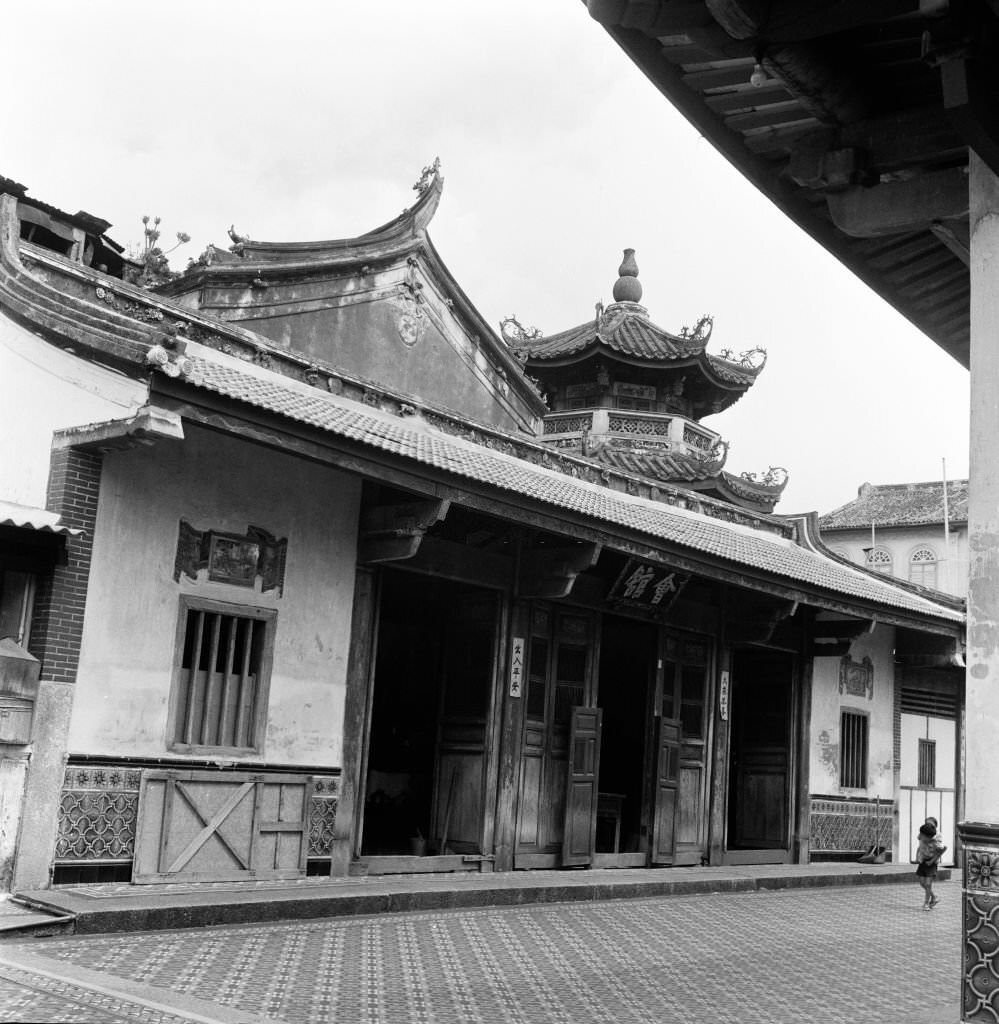
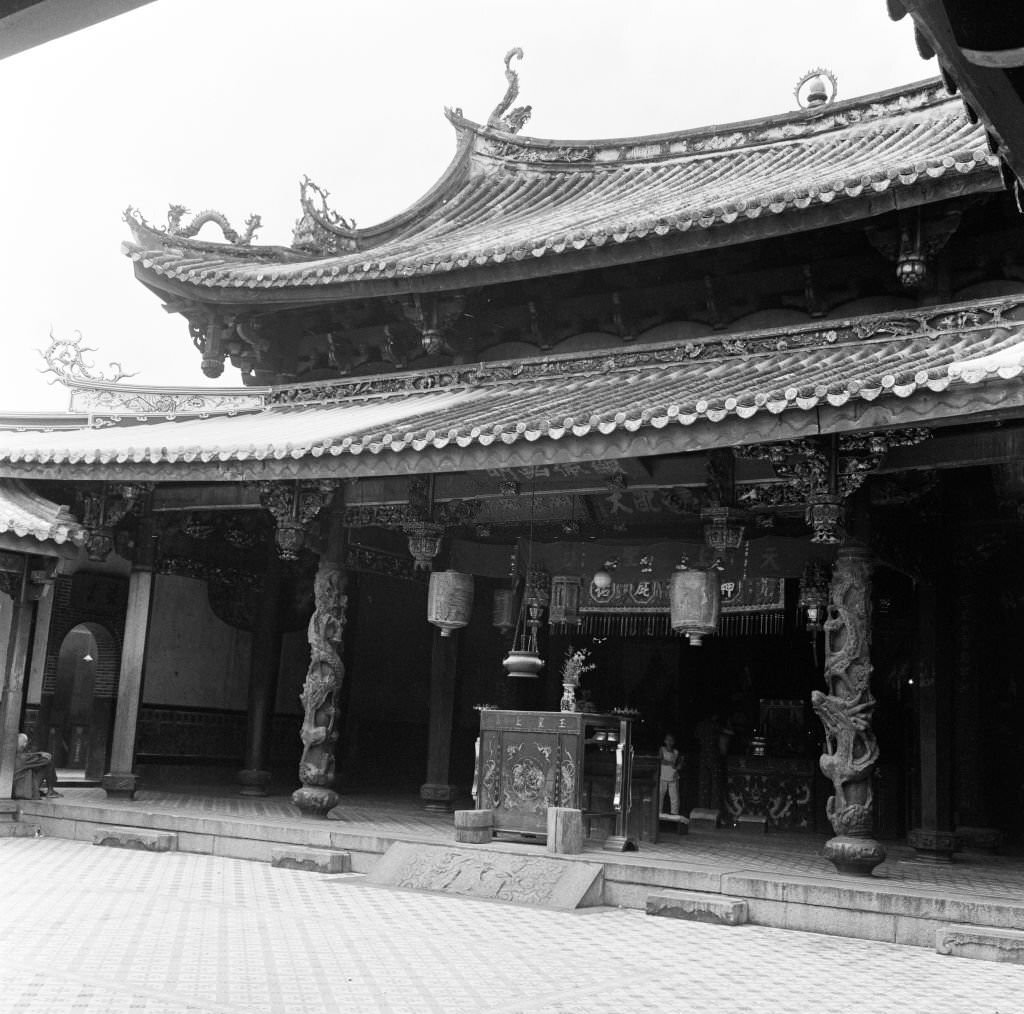
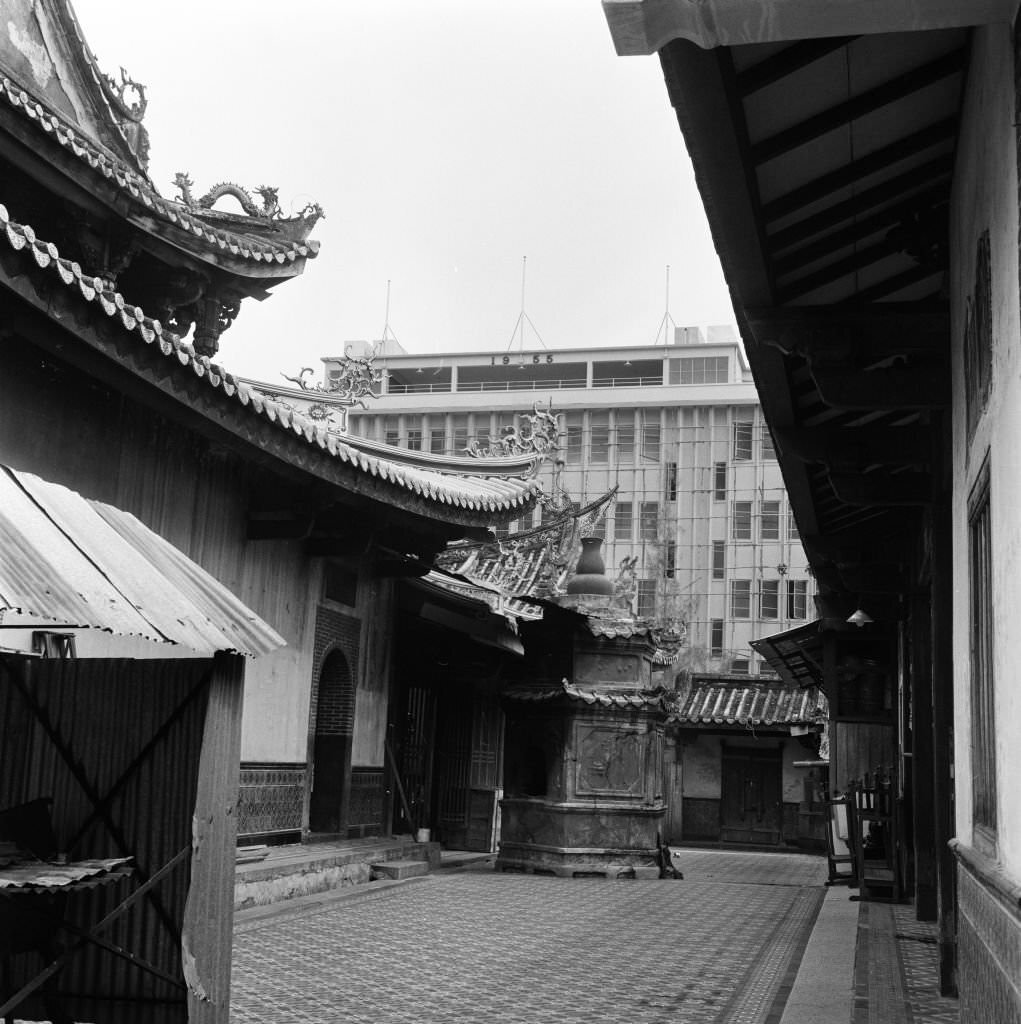
The island’s population of over 1.6 million was made up of many different races and religions. Eighty percent were Chinese, but Malay, Indian, and other communities shaped everyday life. Hindu temples stood alongside mosques and Buddhist shrines. On Serangoon Road, Indian traders lined the street. Red Cross schools for disabled children operated quietly in the background, where volunteers led children through daily exercises and meal-time prayers.
Hindu temple in Singapore, 1962
Sultan Mosque in Singapore in Singapore, 1962
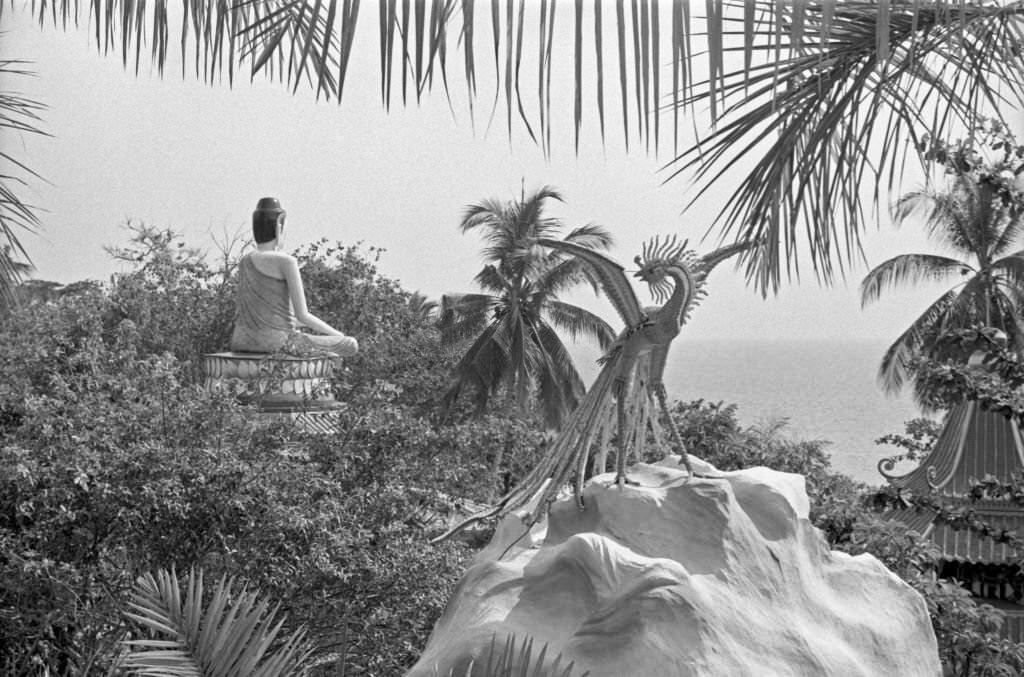
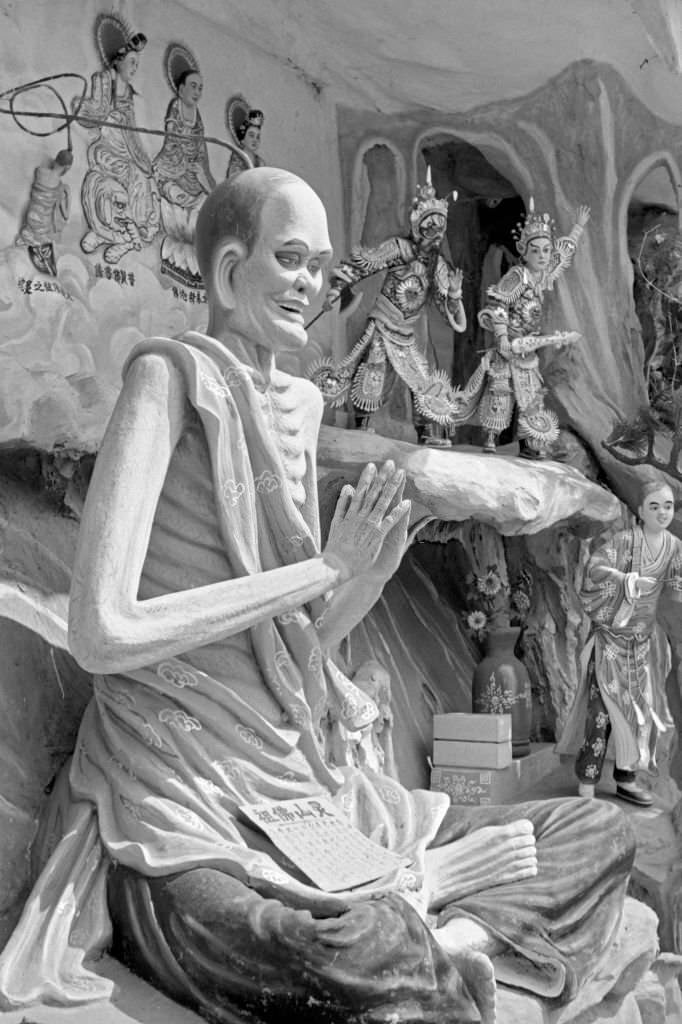
Traditional Buddhist holy statues in Singapore, 1962On Serangoon Road in 1966.A young girl prays before eating her meal at a Red Cross run school for disabled children in Singapore, 1964A young boy prays before eating his meal at a school for disabled children in Singapore, run by the Red Cross, 1964Children going through their daily exercises with the assistance of volunteers at a Red Cross school for disabled children in Singapore, 1964Three children in Singapore in prayer before a meal at a Red Cross school for disabled children, 1964
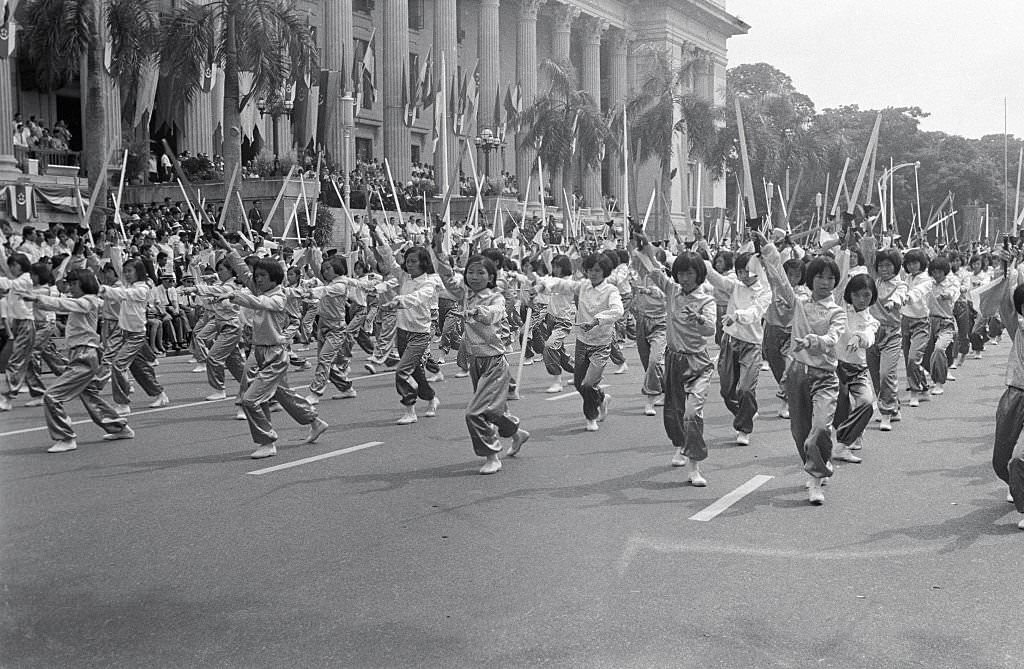
The second Independence Day anniversary in 1967 was marked with a massive parade outside City Hall involving around 25,000 participants. Young girls performed a colorful sword dance as part of the celebration. It was a public display of confidence for a nation that had spent its first two years simply trying to stay afloat.
The Island Republic of Singapore celebrated its second Independence Day Anniversary with a mammoth parade before City Hall by some 25,000 persons. Here, young girls perform a colorful sword dance, Singapore, 1960s
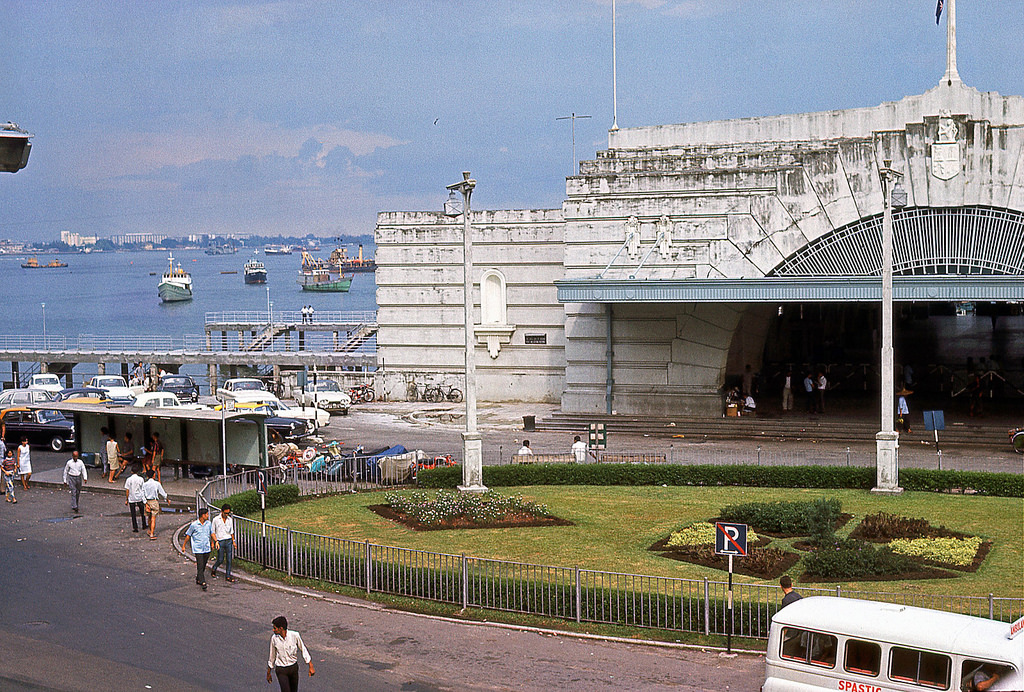
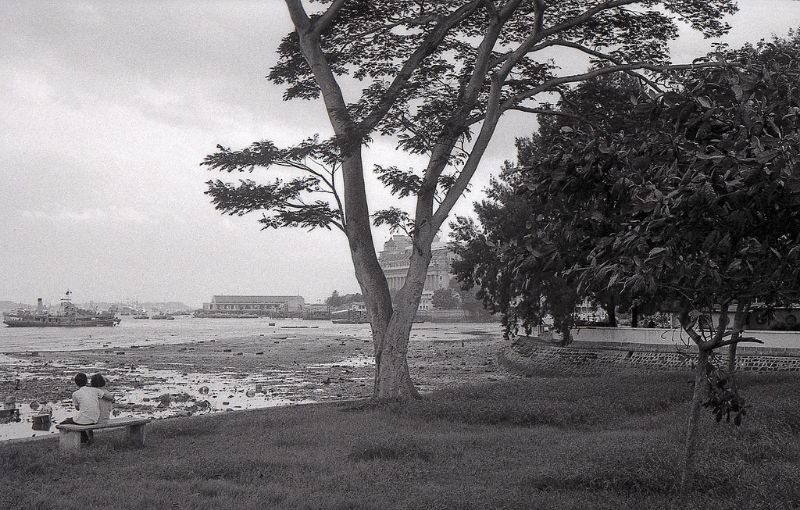
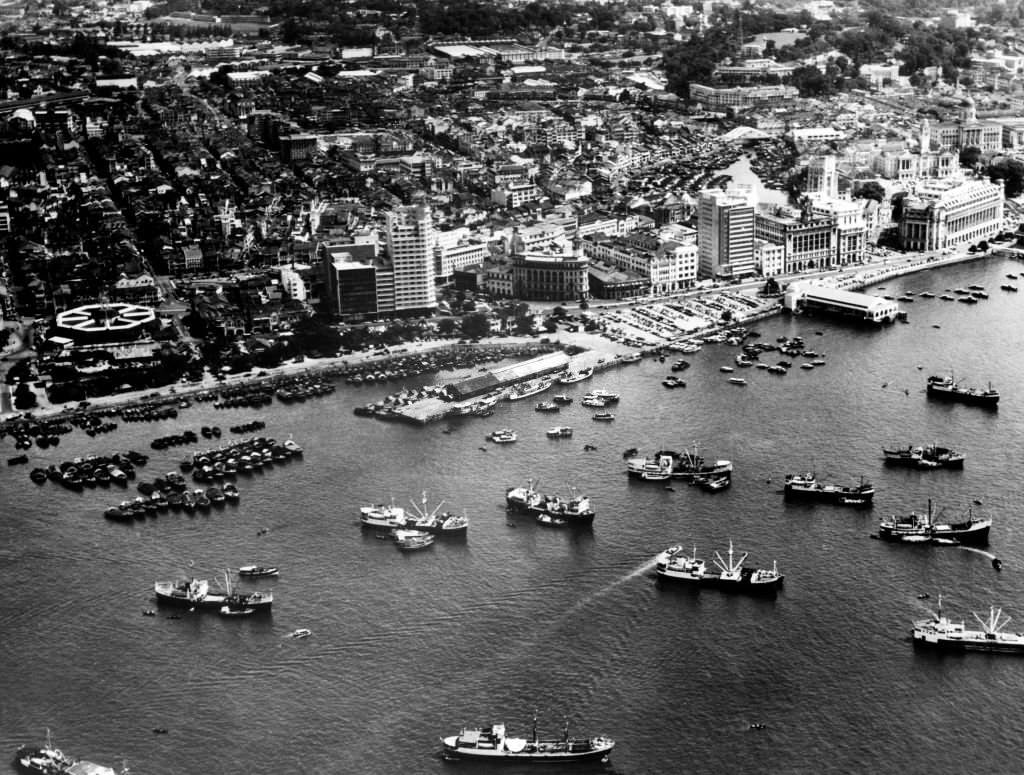
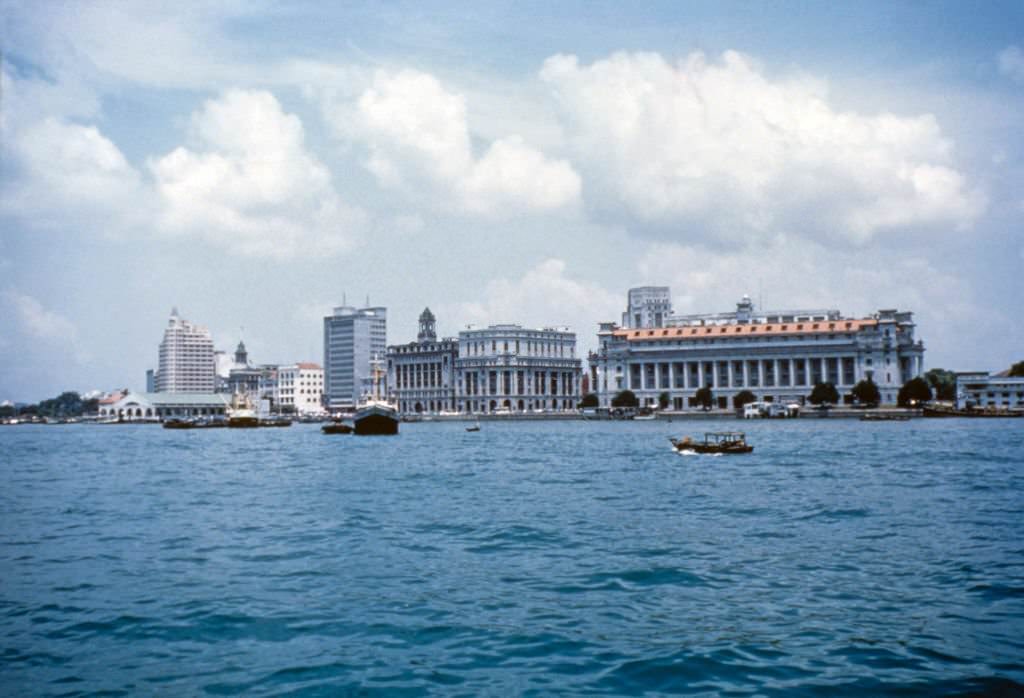
Across the decade, the city’s waterfront remained one of its defining features. Clifford Pier served as the main point of arrival for immigrants and sea passengers. From the harbor, the skyline showed a city in transition — cargo barges moored alongside modern buildings, colonial structures standing next to new commercial towers. The port was busy, the streets were busy, and the people navigating both were doing so in the middle of one of the most dramatic political and economic transformations in modern Asian history.
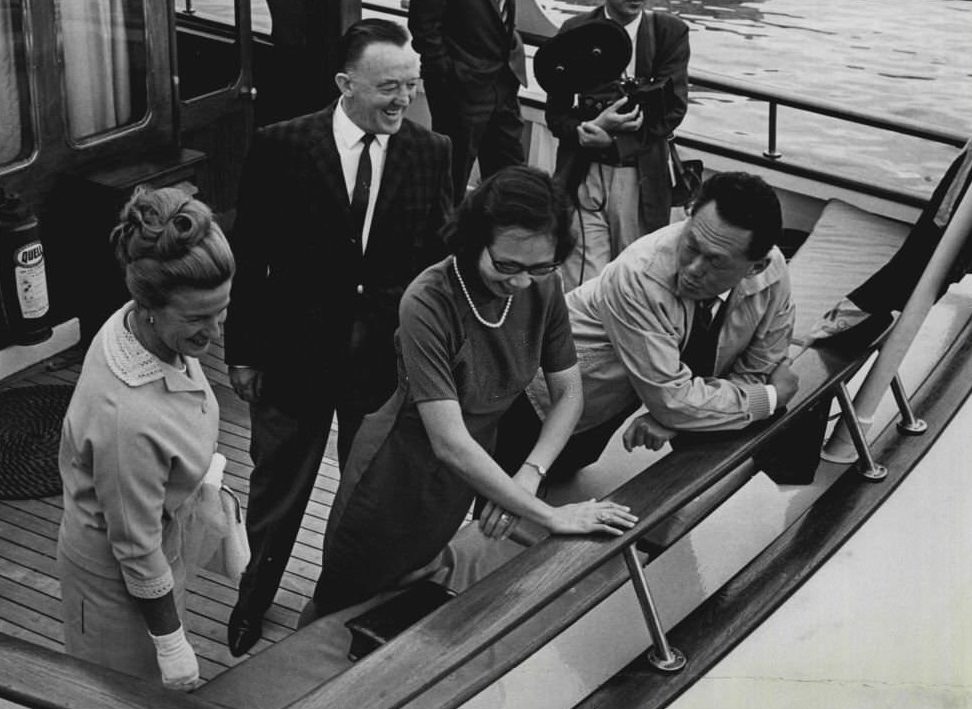
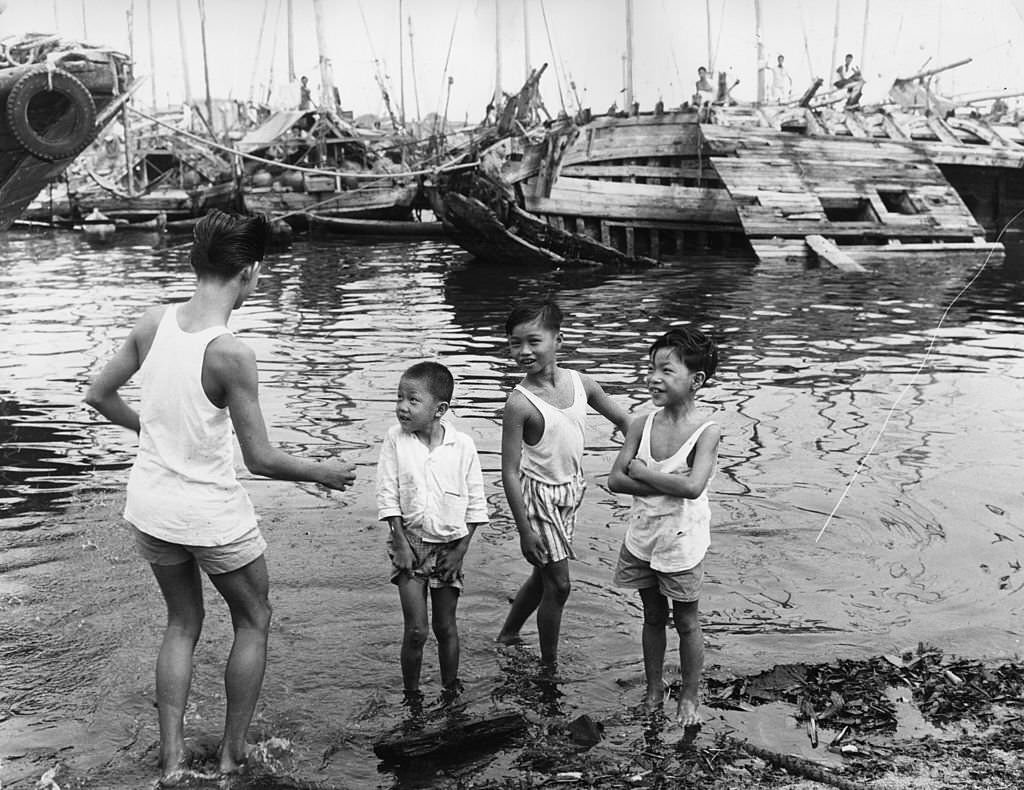
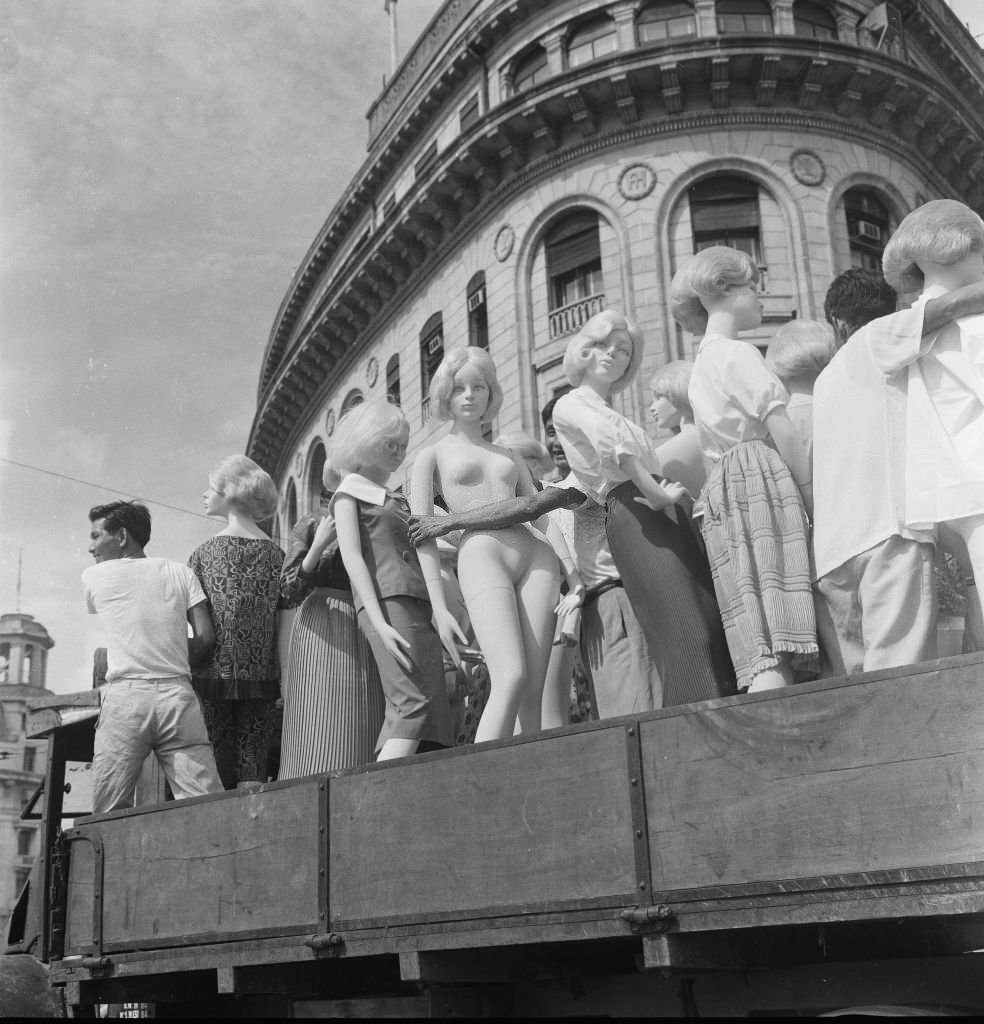
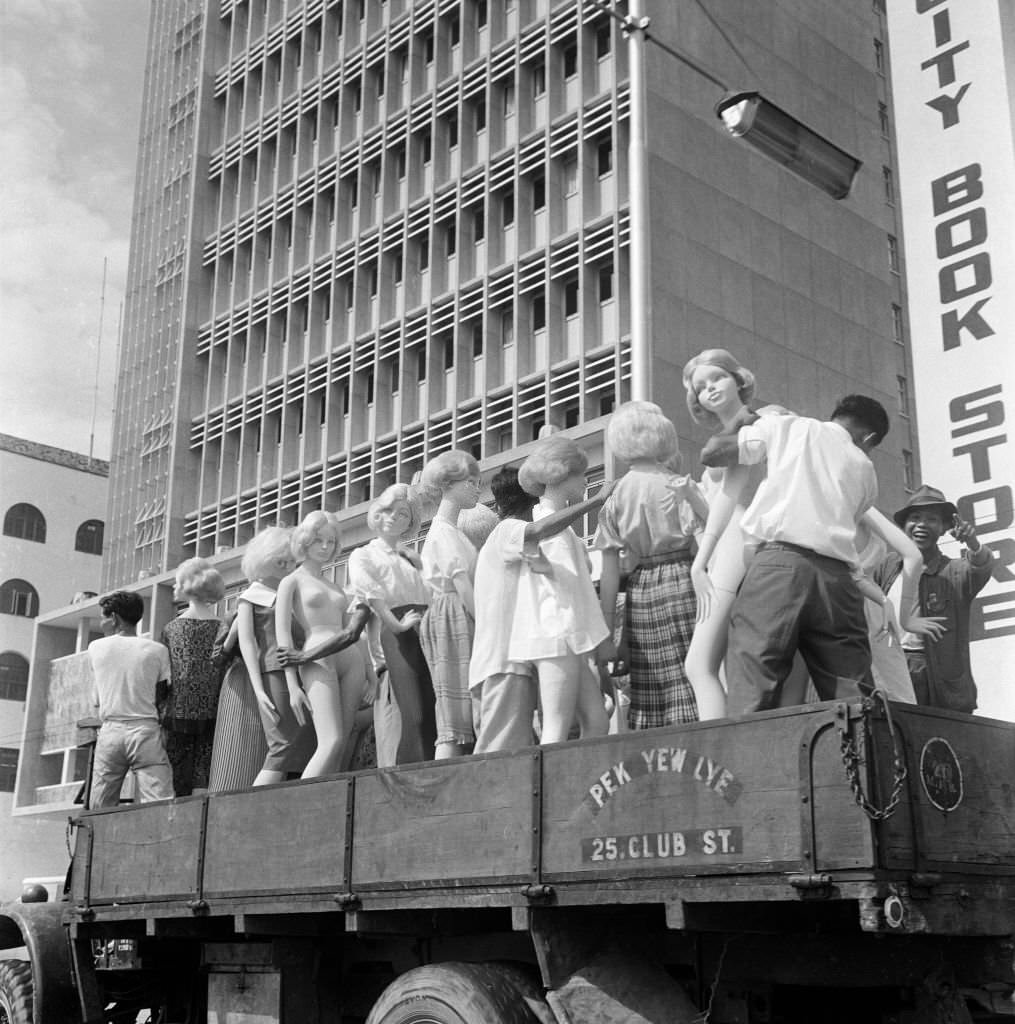
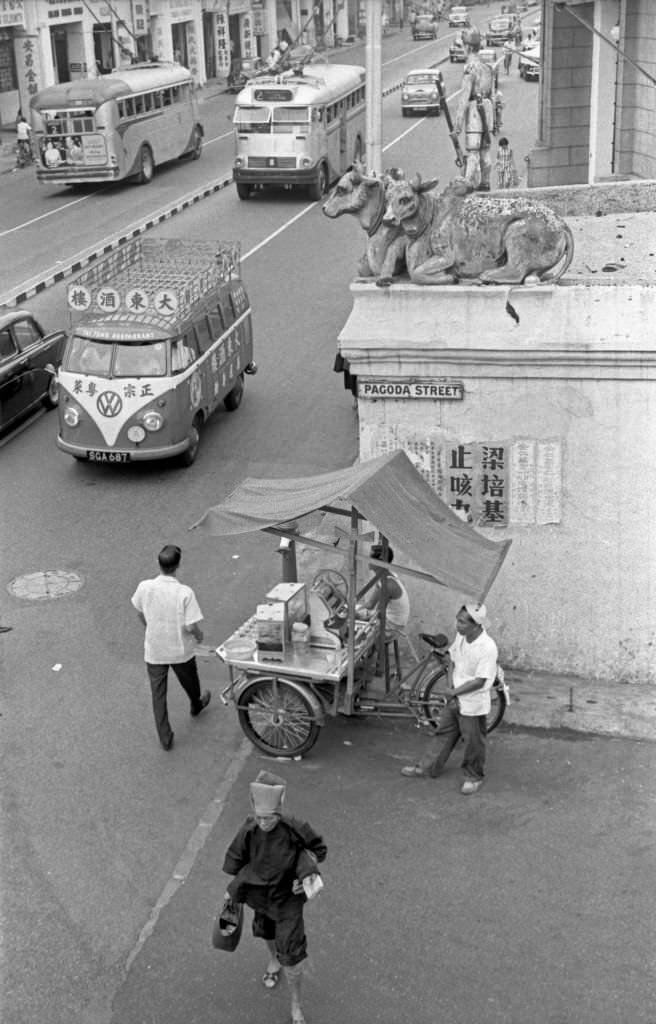
Clifford Pier, the destination of immigrants and sea passengers in Singapore in 1966.City Buildings Skyline Seen Across Bumboat Cargo Barges Moored in Harbor Singapore, 1960Singapore waterfront; in the distance is Clifford Pier, 1960sView of the island and the port, 1964.View of Singapore, 1960Panoramic view of the city of Singapore, 1962A stall selling cuttlefish soup and noodles to mourners in Saigo Lane in the Chinese quarter of Singapore, 1966Singapore Prime Minister See Harbour, 1966The Island quaint little shops can be found in the most unexpected places and inside them is crammed, clothing, cameras, Transistor radios, Tape recorders watches and fascinating Toys.Singaporean children play in the harbour, while behind them there is little activity on the boats, 196310 RAN ships today entered Sydney Harbour after completing a week’s anti-submarine exercise “Tuckerbox” in the Coral Sea.Singapore Ffrmers Arrives By Junk, 1960sTroops of the NR20 squadron of the Royal Air Force are stationed at Tengah airfield, Singapore, ready to embark, on May 25, 1962, to move towards Thailand.Scenes in Chinatown, Singapore, 6th February 1962.Scenes in Chinatown, Singapore, Upper Hokien Street, where old meets new, 1962Chinatown, Singapore, 1962Chinatown, Singapore, 1962Chinatown, Singapore, 1962Chinatown, Singapore, 1962Chinatown, Singapore, 1962A truck load of dummies as the driver makes his way through the traffic in the heat of the morning sun on its way to the fine Asia Insurance building, 1962Chinatown, Singapore, 1962Chinatown, Singapore, 1962A truck load of dummies in Chinatown, Singapore, 1962A bustling street in Singapore, 1962
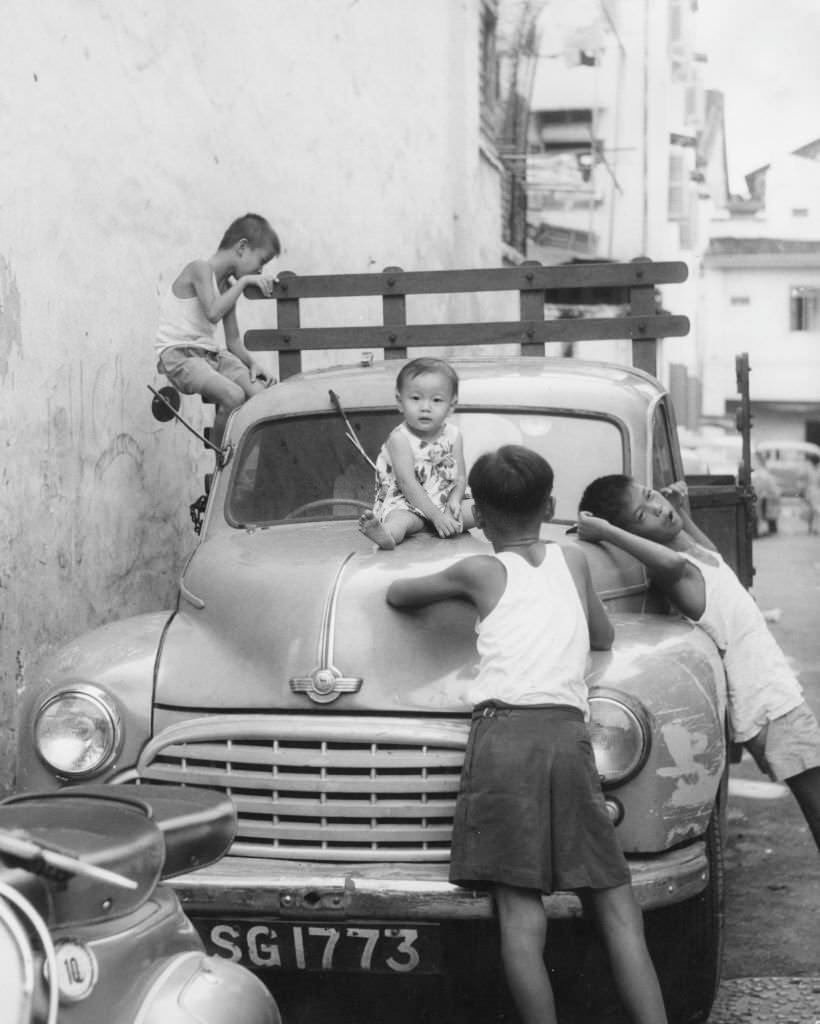
Children in Singapore clamber over a parked van, 1962
People crowding an outdoor market, Singapore, 1962
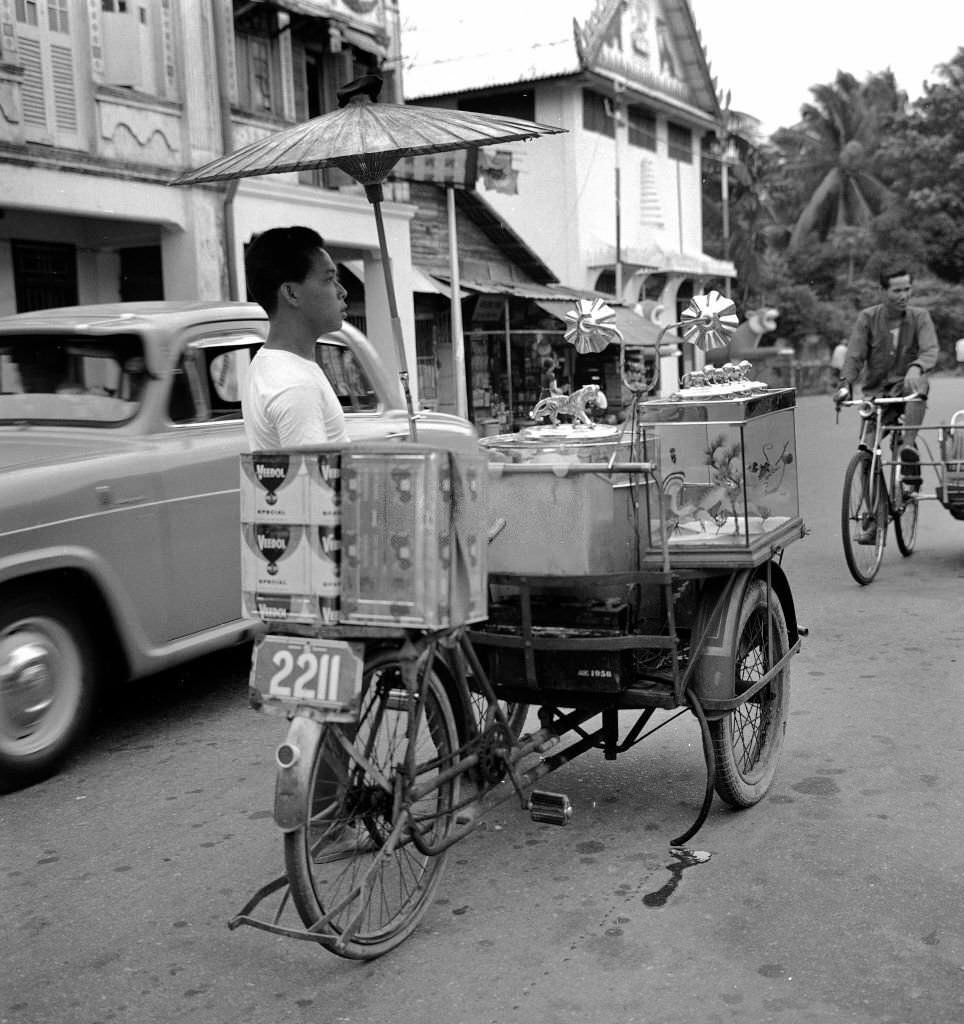
Buildings on the river Singapore, 1962Ice-cream seller, Singapore, January 1962
Street vendor in Singapore, 1962
Two Asian men resting on their bicycles chatting in the street. Singapore, 1962
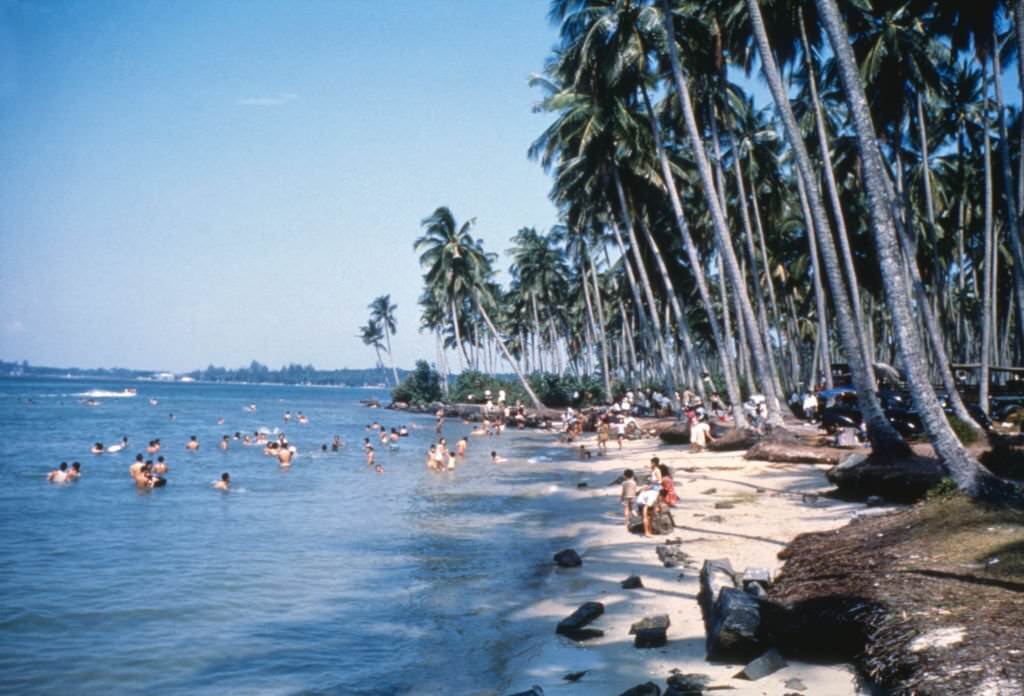
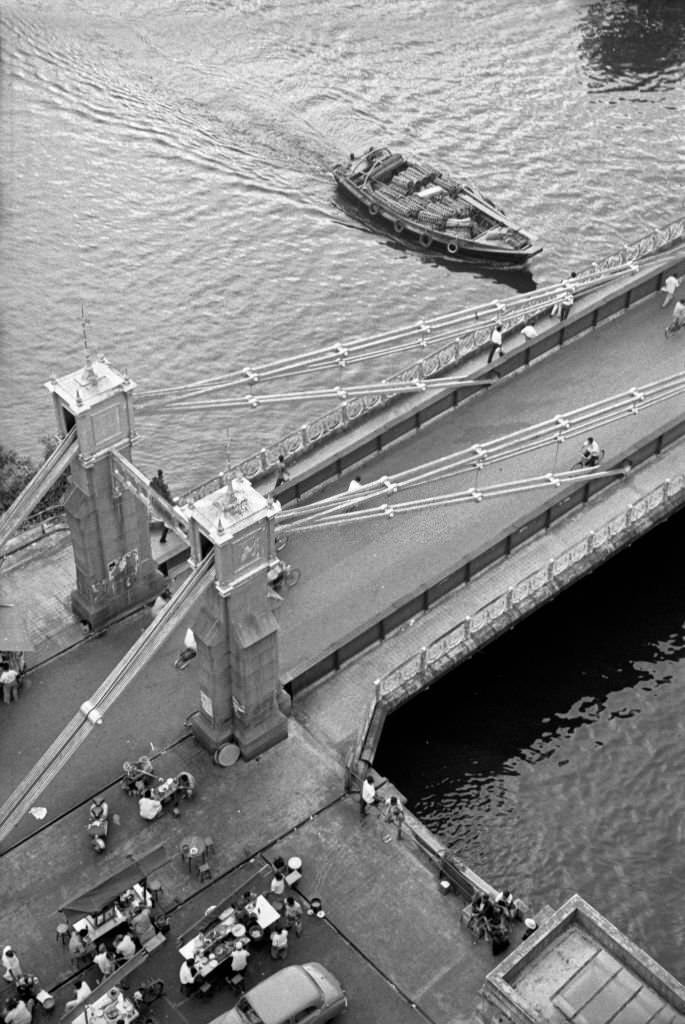
Bridge across the River Singapore, 1962People crowding an outdoor market, Singapore, 1962Boats sailing the River Singapore, 1962People relaxing on a Singapore beach, 1962
Street vendors outside the Sultan Mosque in Singapore, 1962
Singapore Harbour, 1962
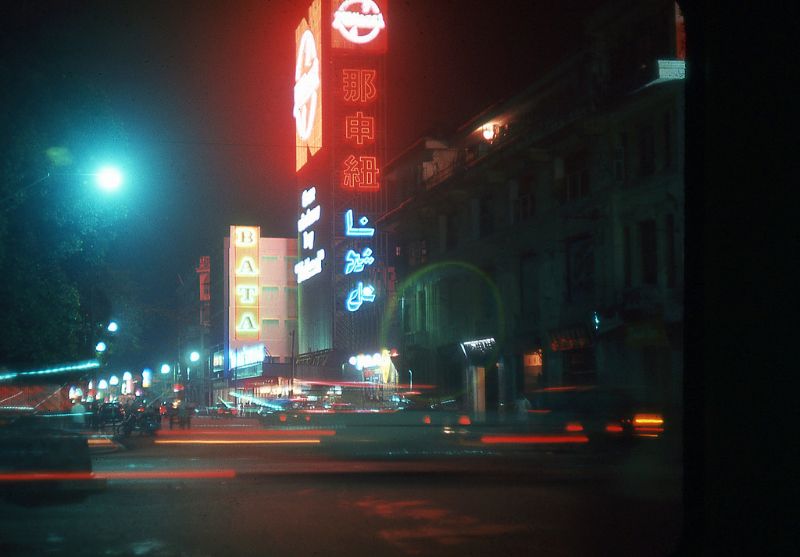
Holy statue praying, Singapore, 1962Neon signs of a club in Singapore, 1962
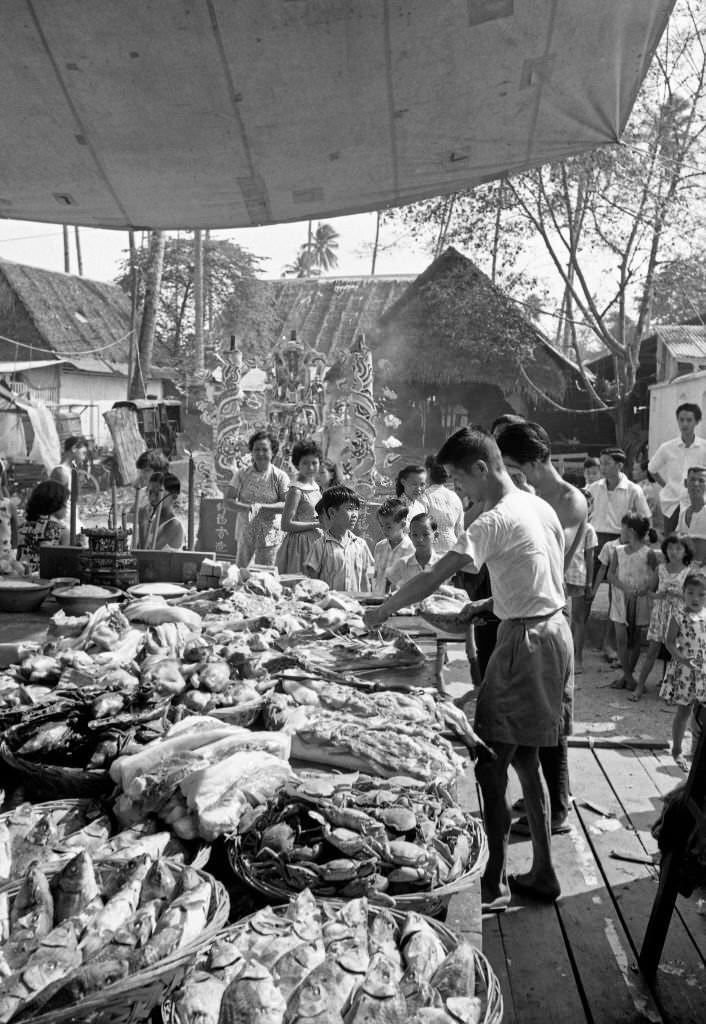
People waiting in a line in front of a fish stall, Singapore, 1962
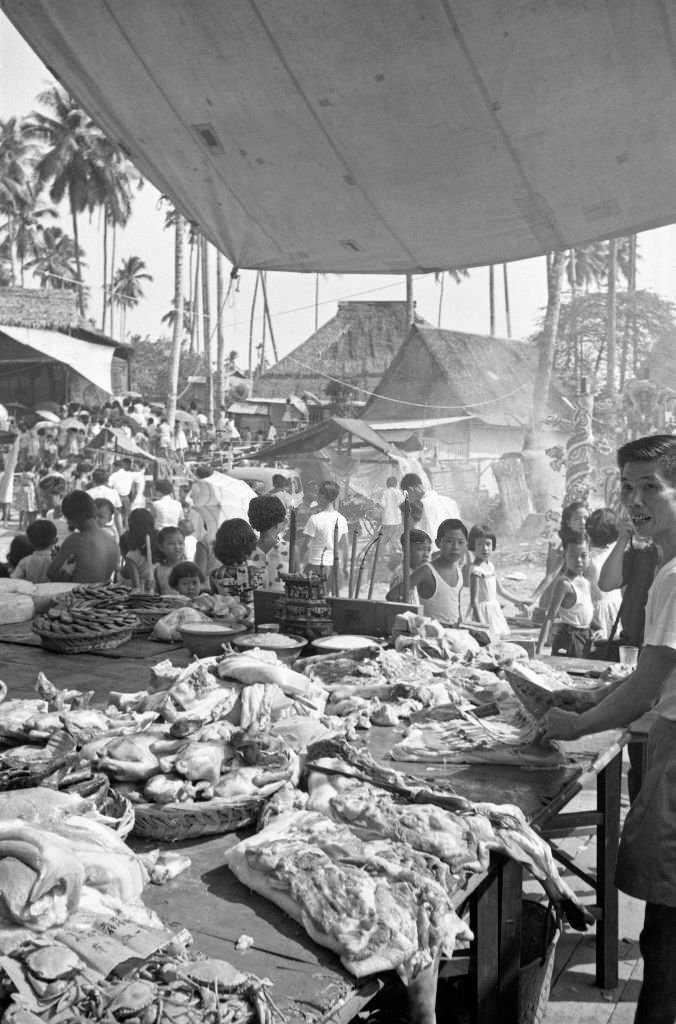
Man cutting the meat displayed on his stall, Singapore, 1962
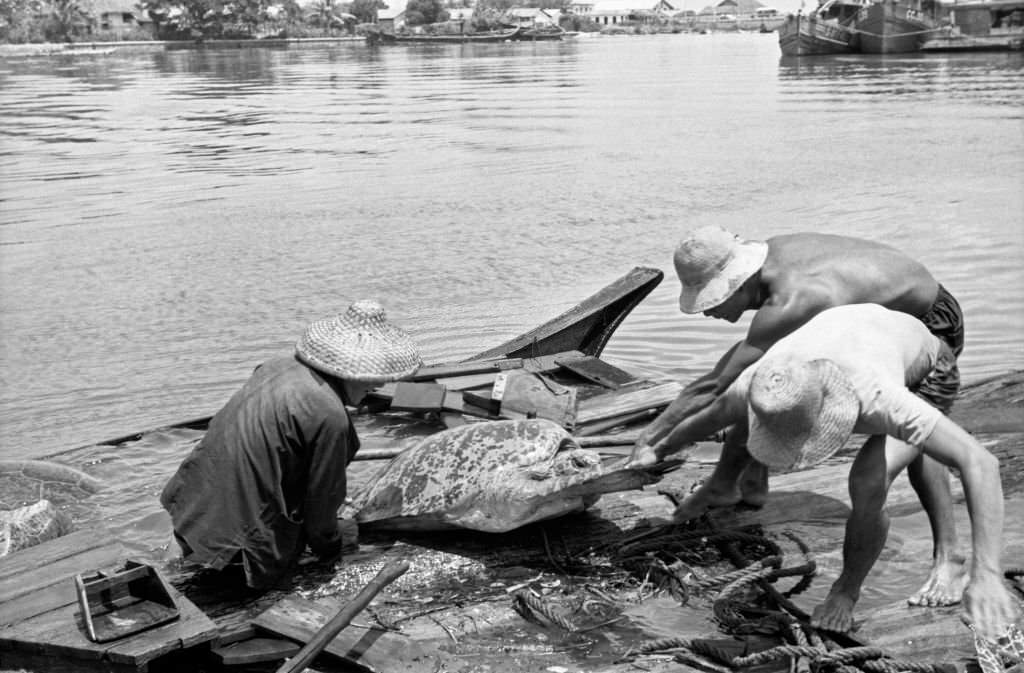
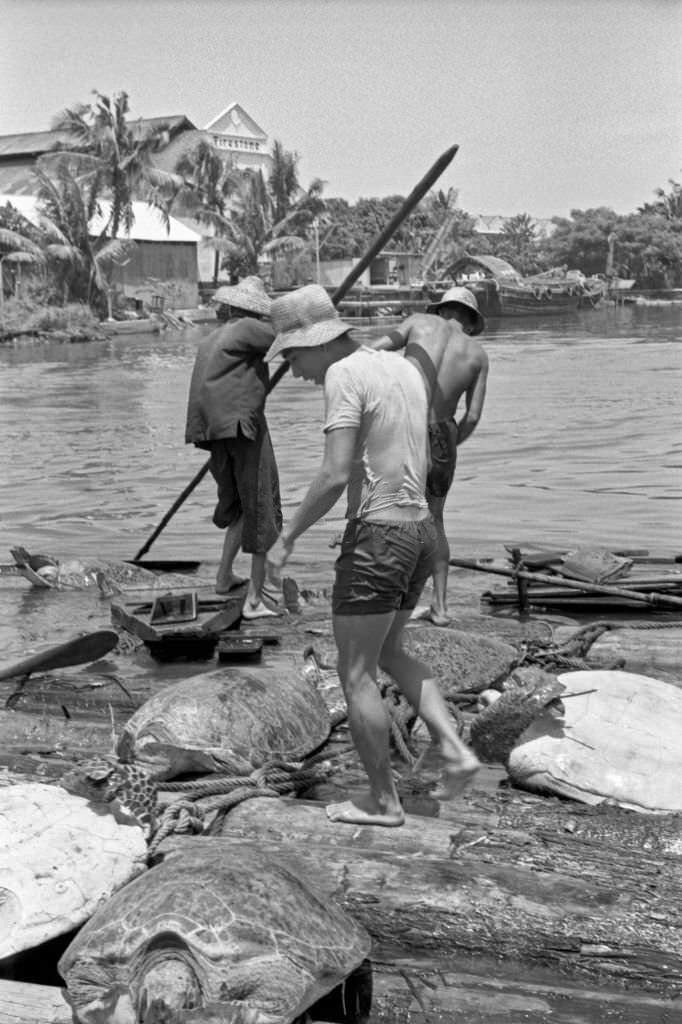
Fishermen drawing on the ground the turtles they just fished, Singapore, 1962Fishermen drawing on the ground the turtles they just fished, Singapore, 1962
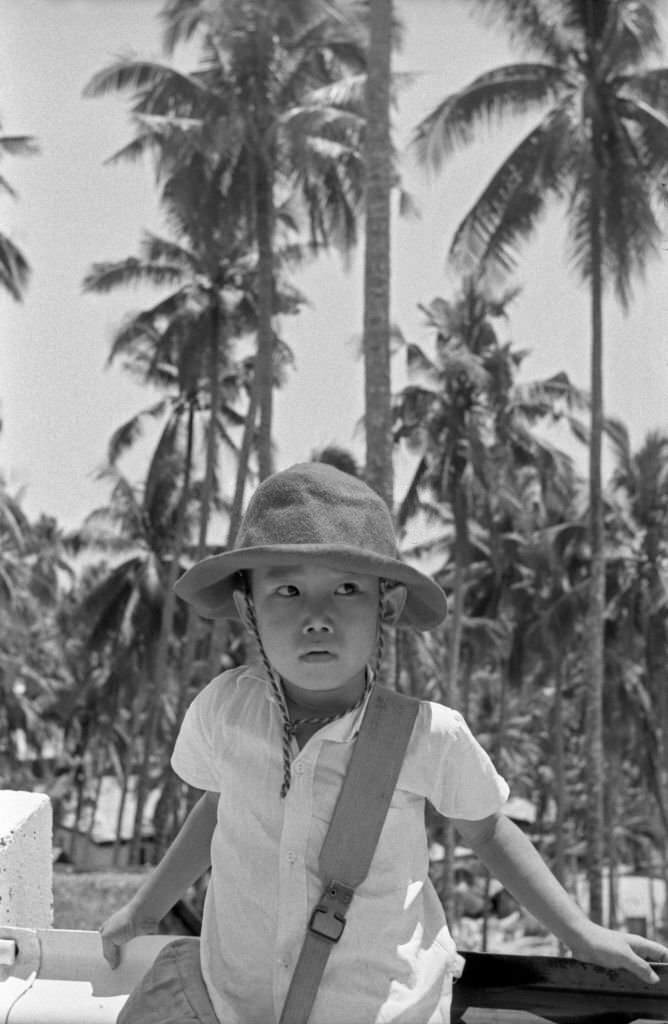
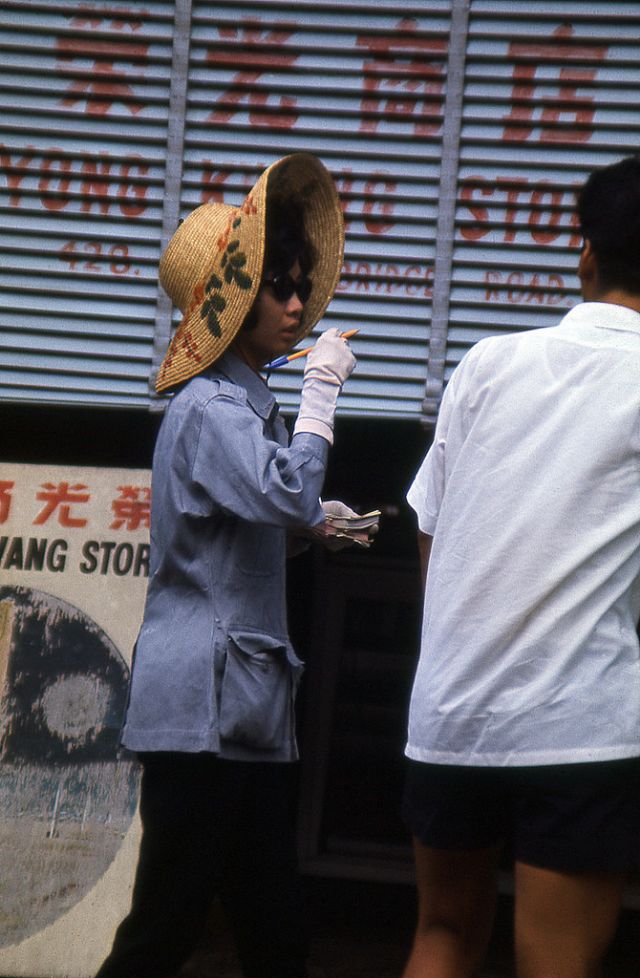
Asian child wearing a broad-brimmed hat. Singapore, 1962
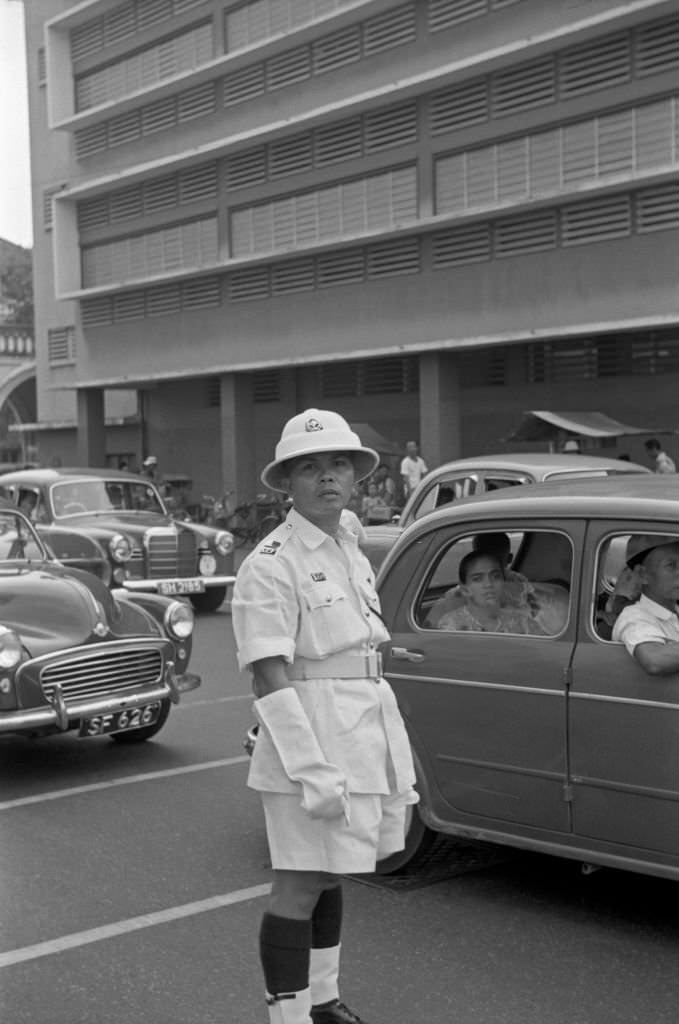
Traffic policeman directing traffic in a street of Singapore, 1962
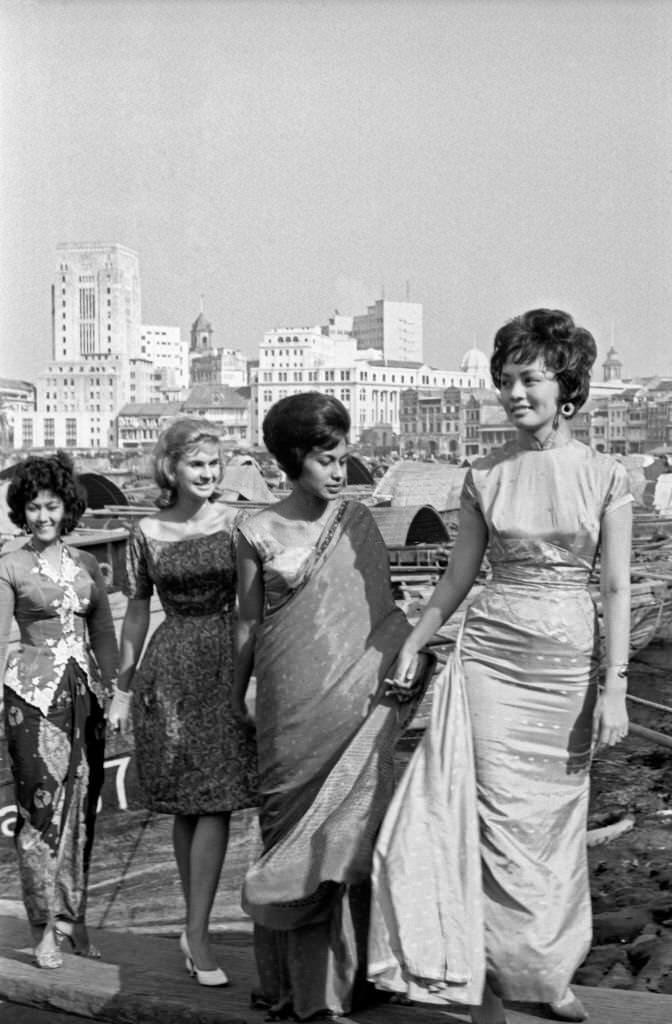
Models hand in hand, Singapore, 1962
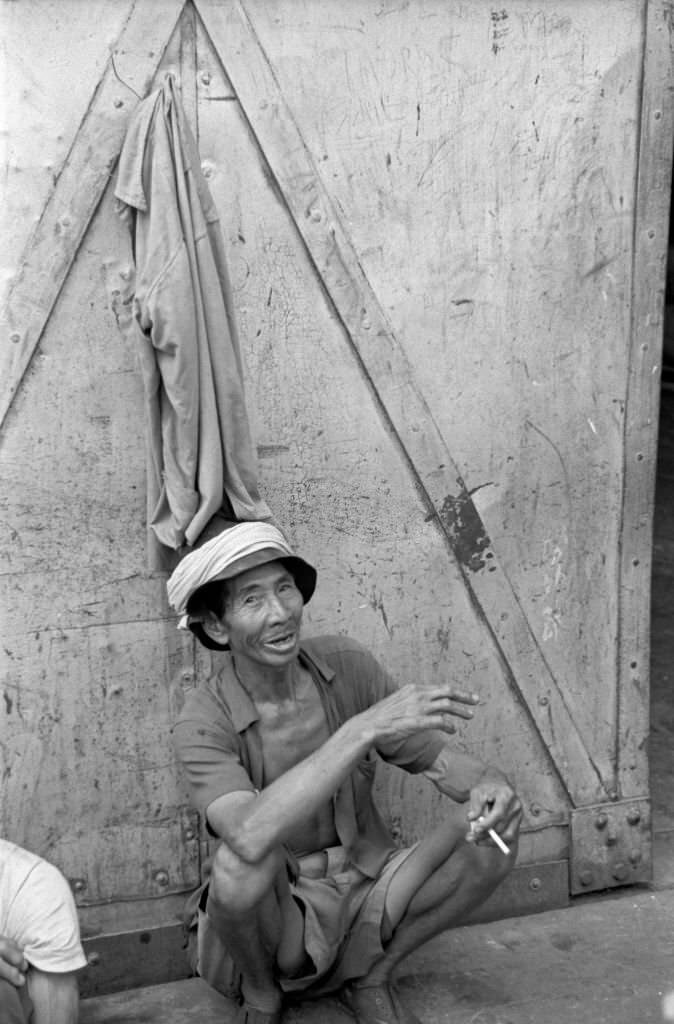
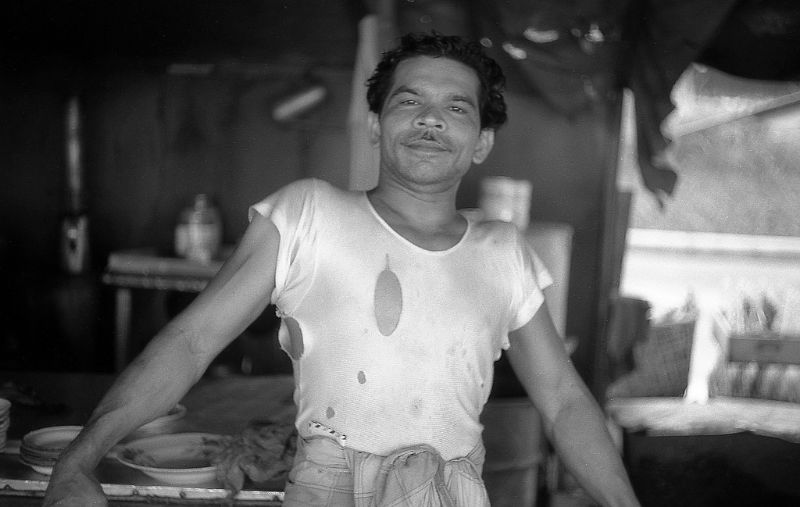
Asian man posing smiling with a cigarette in the hand. Singapore, 1962
Boy in the streets of Singapore, 1962
Street vendors outside the Sultan Mosque in Singapore, 1962
Singapore citizens in a street. Singapore, 1962
Street vendors outside the Sultan Mosque in Singapore, 1962
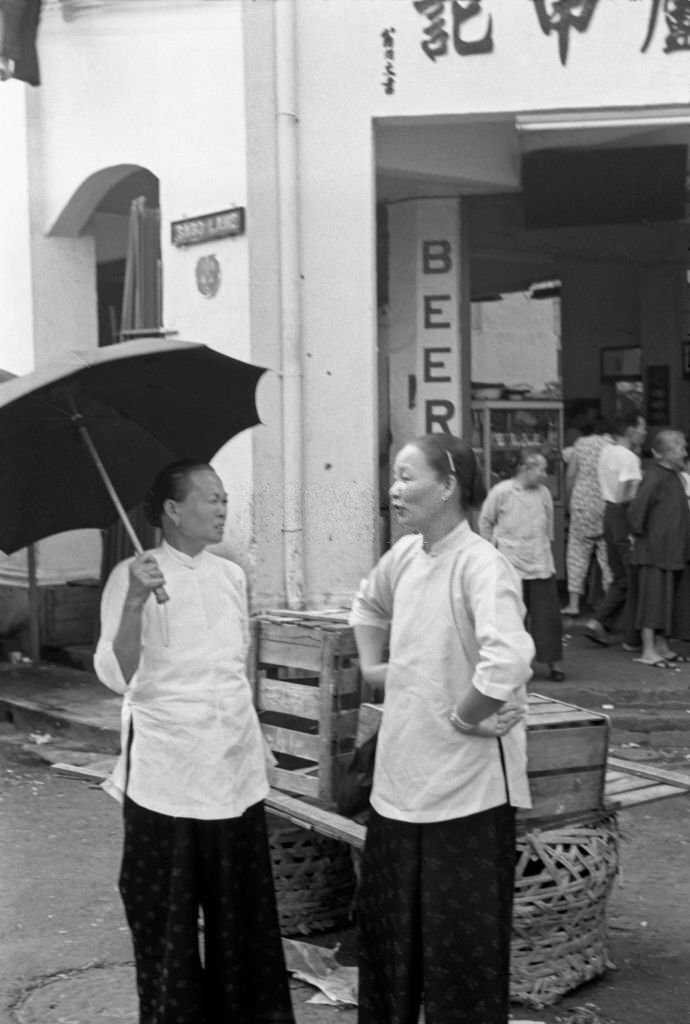
Two Asian women chatting outside a shop in Singapore, 1962
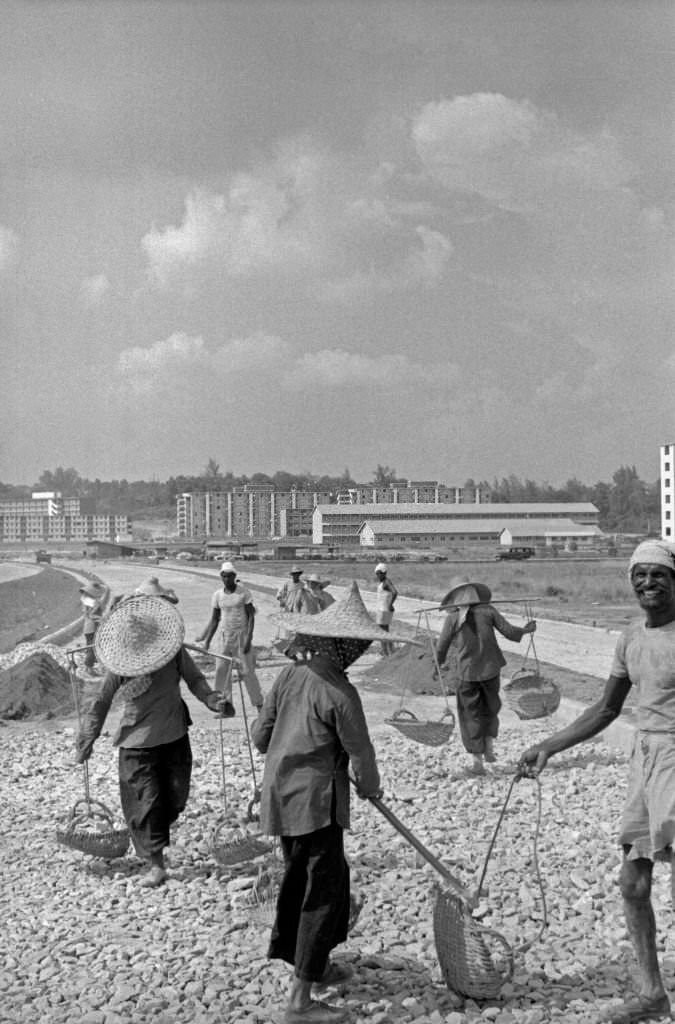
Men and women building a street, Singapore, 1962
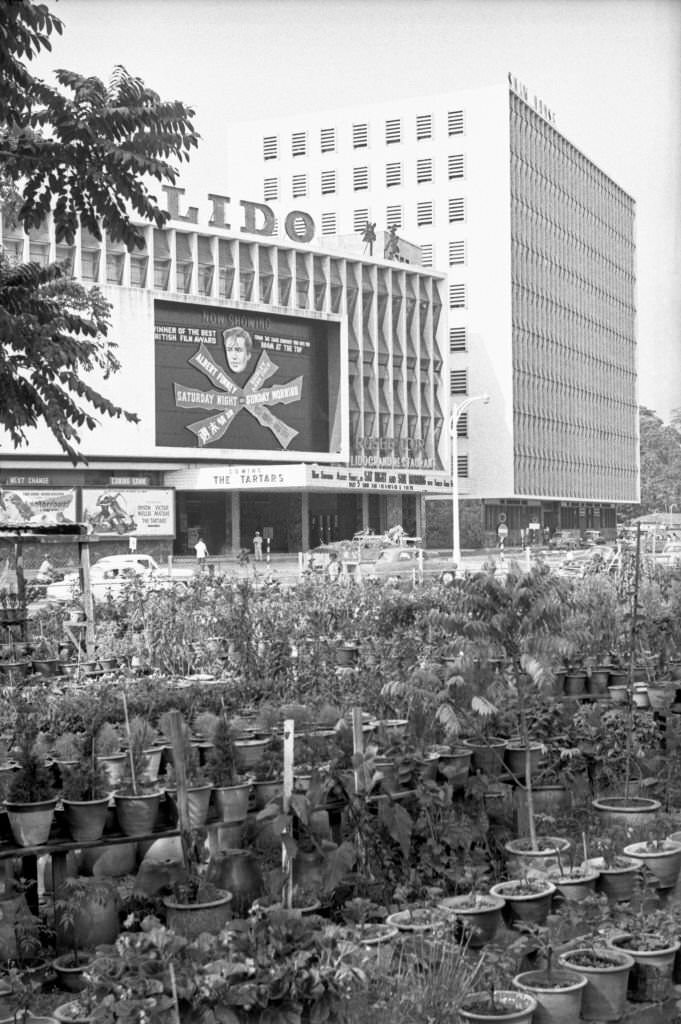
Vases of plants and flowers outside the cinema Lido, Singapore, 1962
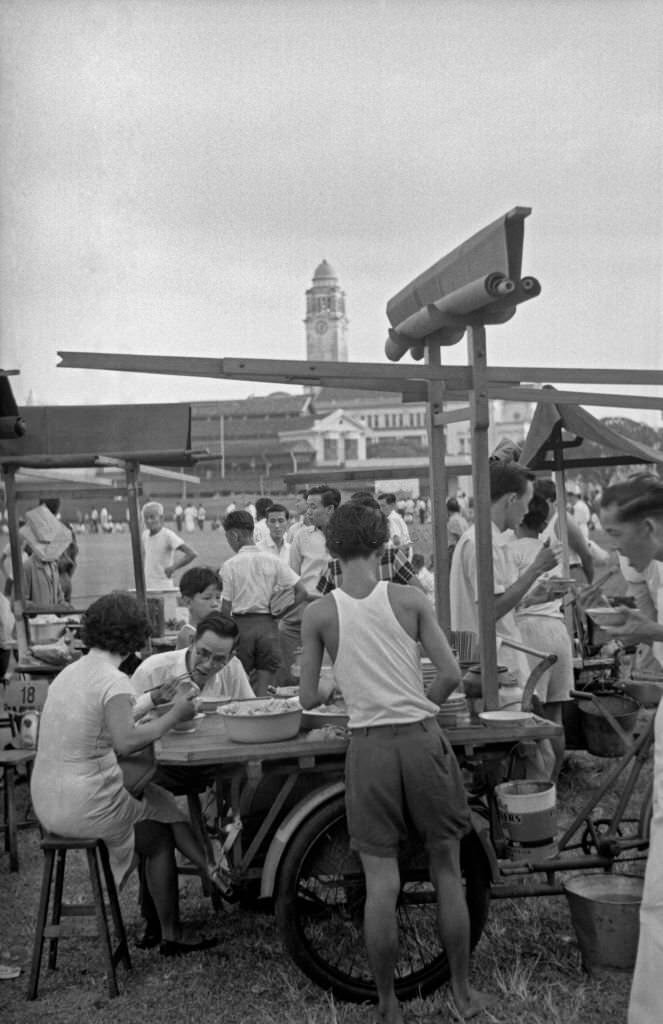
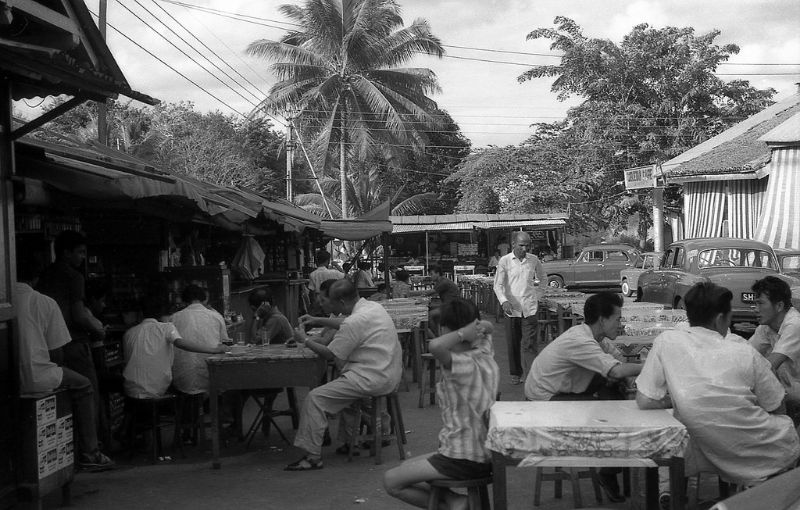
People eating street food sitting at a kiosk, Singapore, 1962
People crowding an outdoor market. Singapore, 1962
Aerial view of the bridge across the river Singapore, 1962
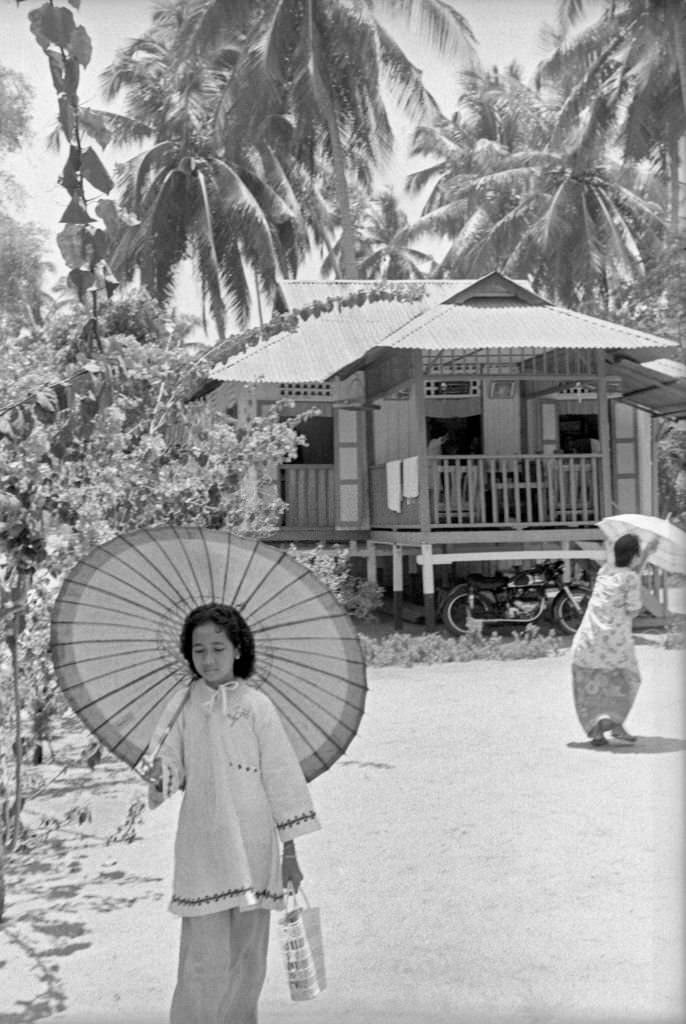
Asian little girl walking protecting herself from the sun under a parasol, Singapore, 1962
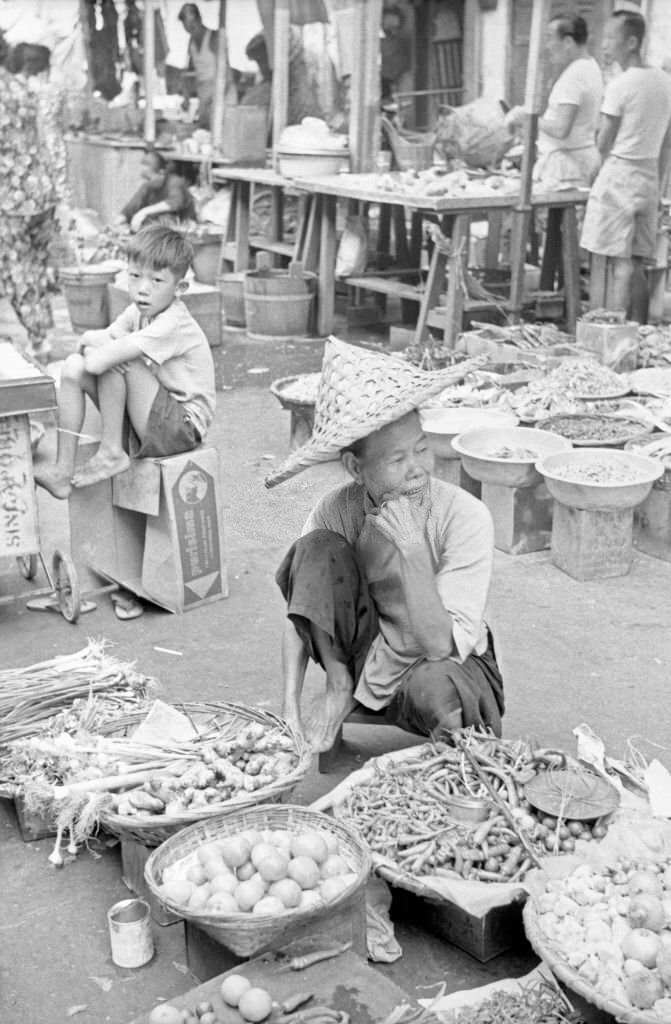
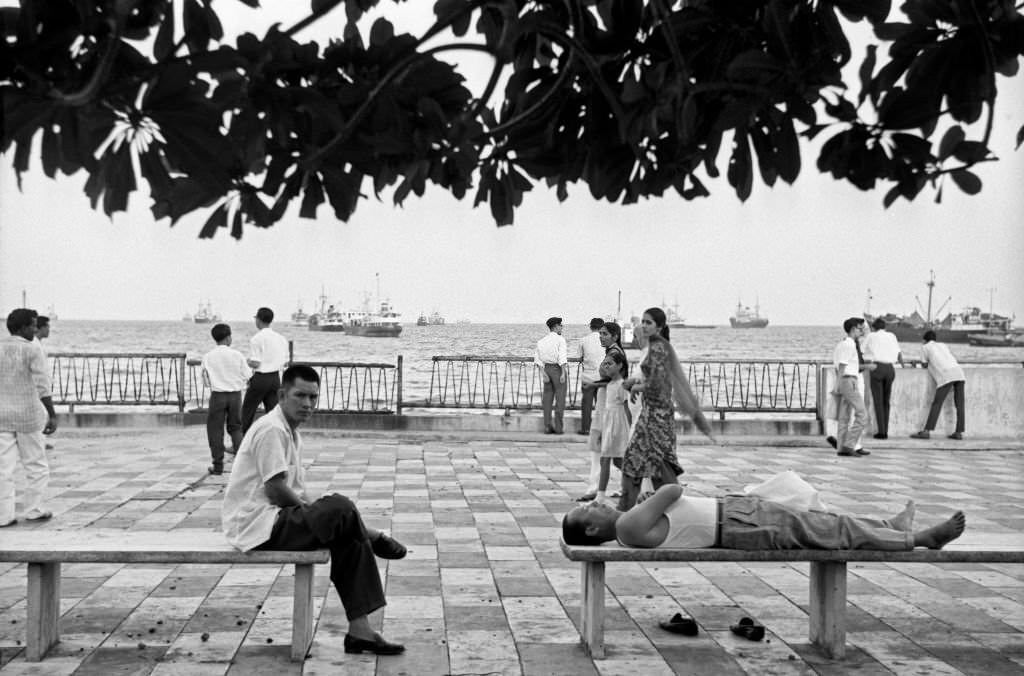
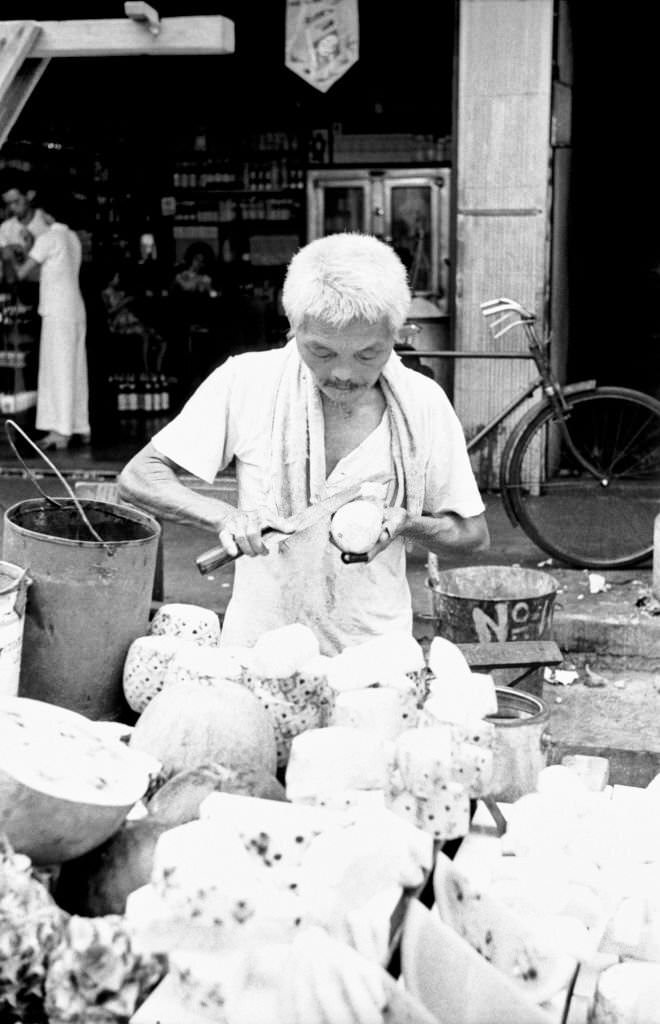
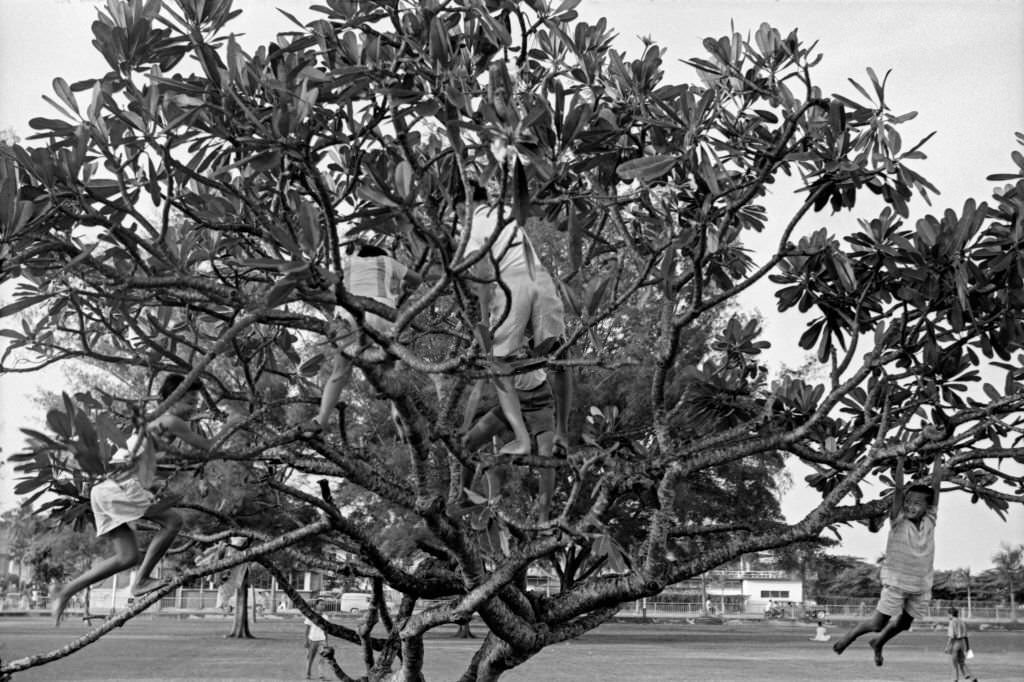
Street vendor displaying his goods in an outdoor food market, Singapore, 1962People walking and relaxing on a look-out facing the Indian Ocean, Singapore, 1962Street vendor peeling fruits in an outdoor food market, Singapore, 1962Children climbing a tree, Singapore, 1962
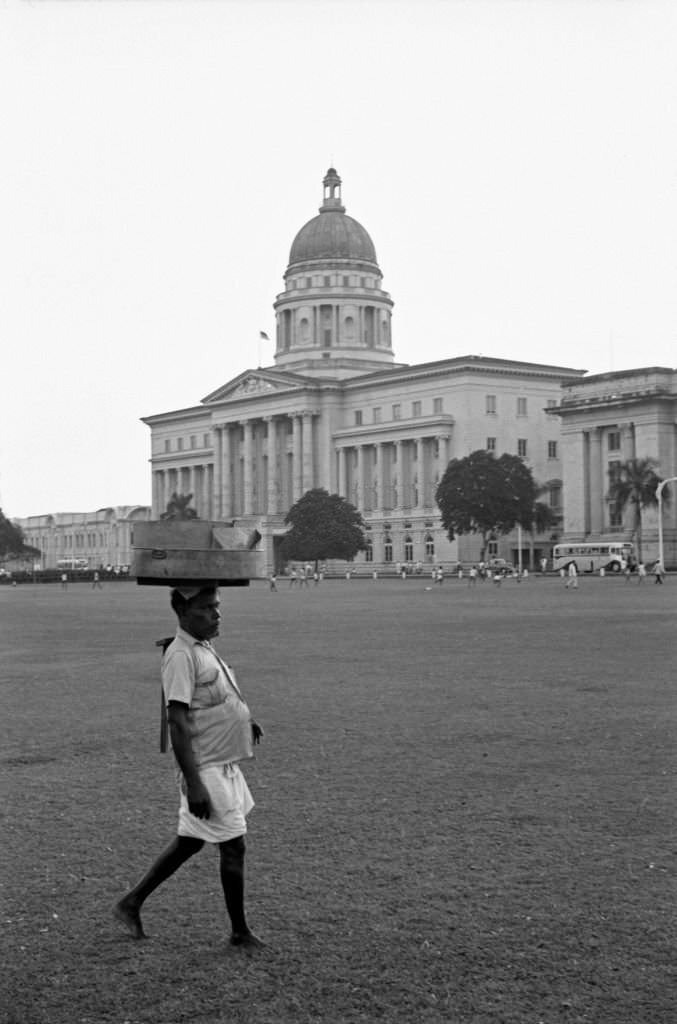
Man carrying items on the head at the park nearby the Old Supreme Court of Singapore, 1962
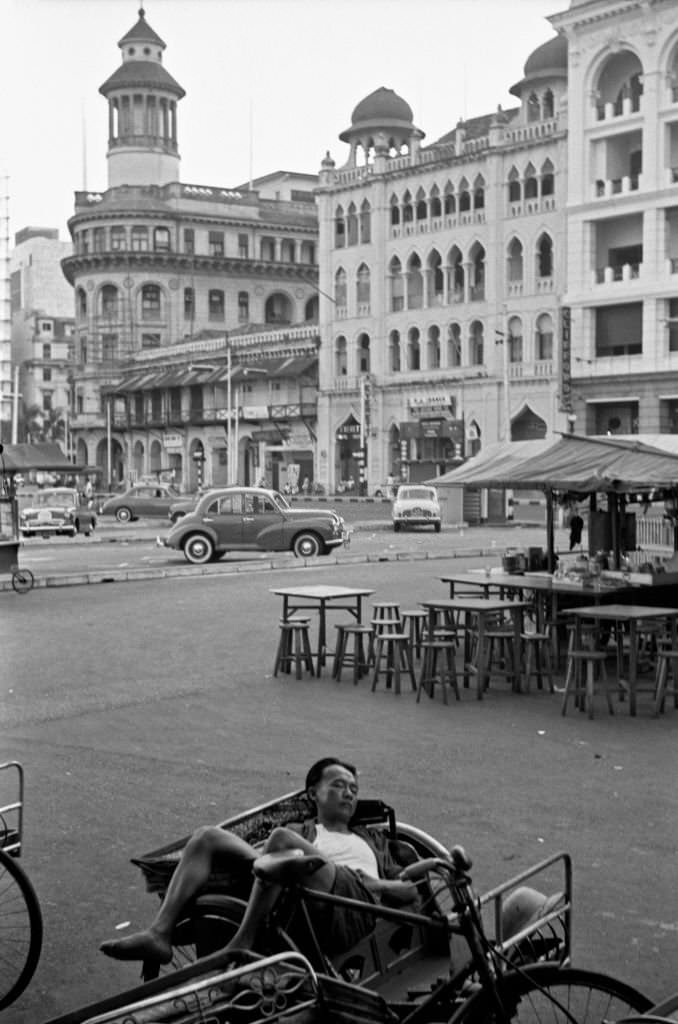
Asian man sleeping lying into his rickshaw, Singapore, 1962
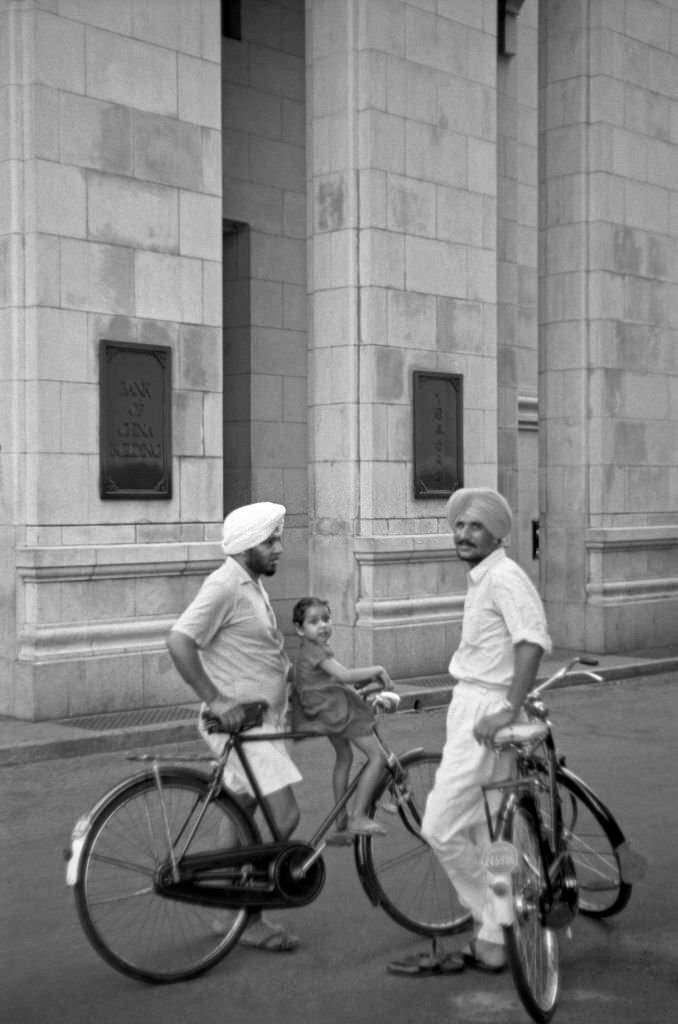
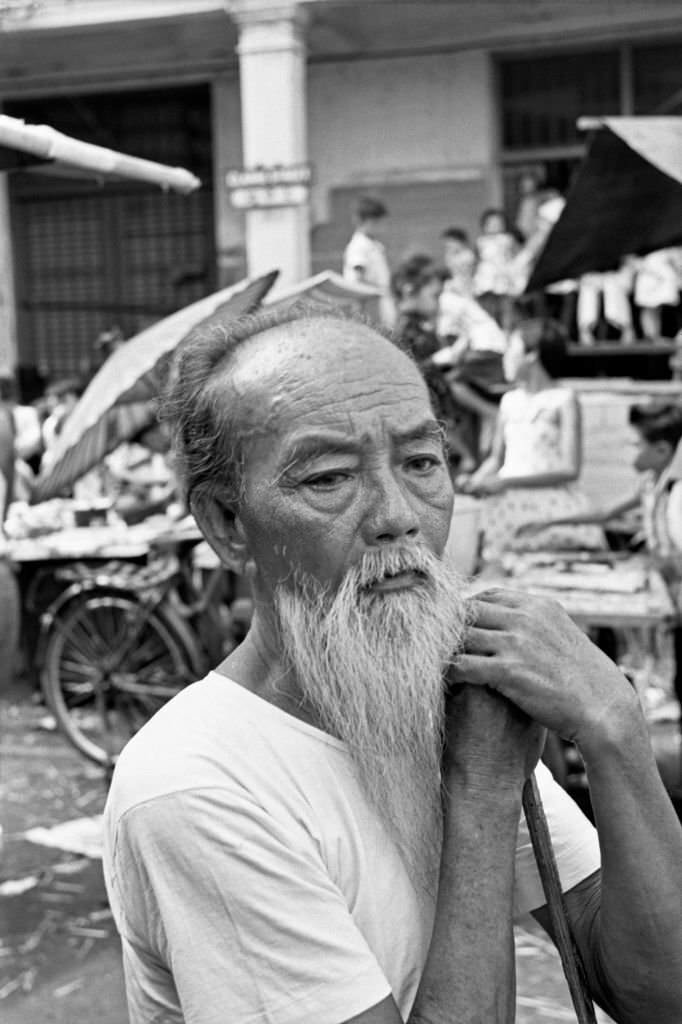
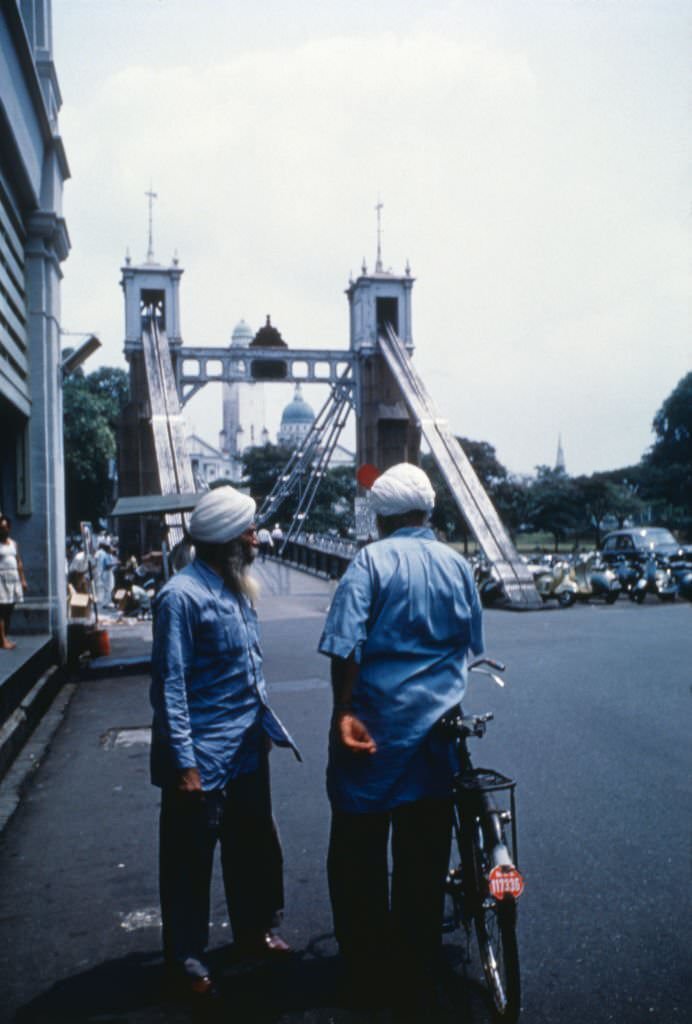
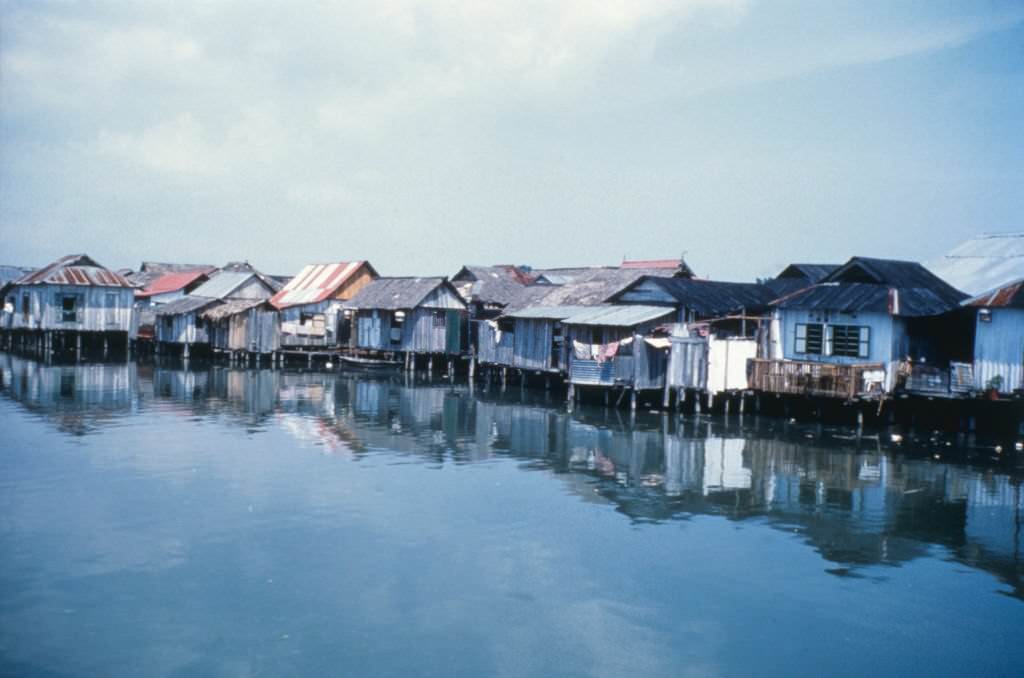
An old man living in Singapore, 1962Boats sailing the River Singapore, 1962Two men with turban chatting in the street, Singapore, 1962Palafittes along the River Singapore, 1962People walking at the outdoor market of Singapore, 1962
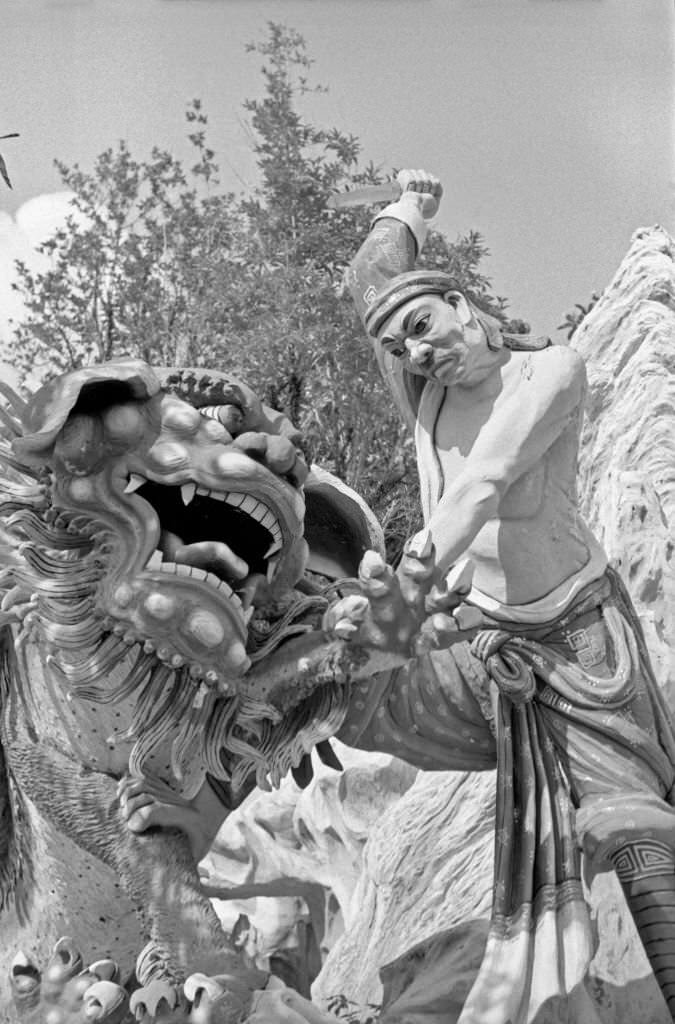
Holy statues ib Singapore, 1962
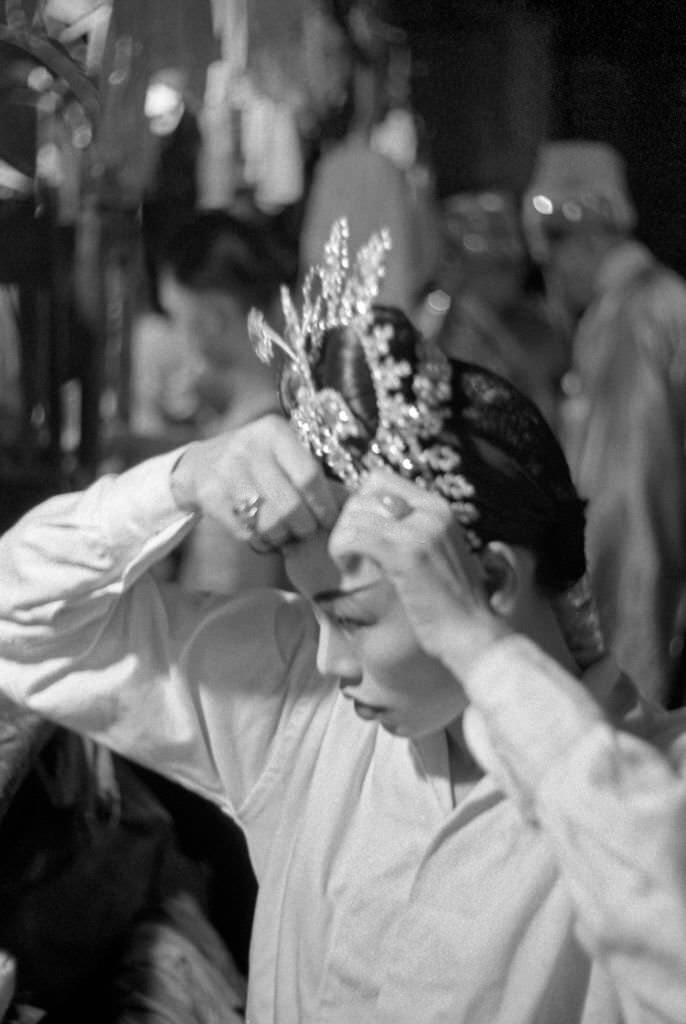
Asian girl wearing a little crown in Singapore, 1962
Street across the river in Singapore, 1962
People crowding an outdoor market in Singapore, 1962
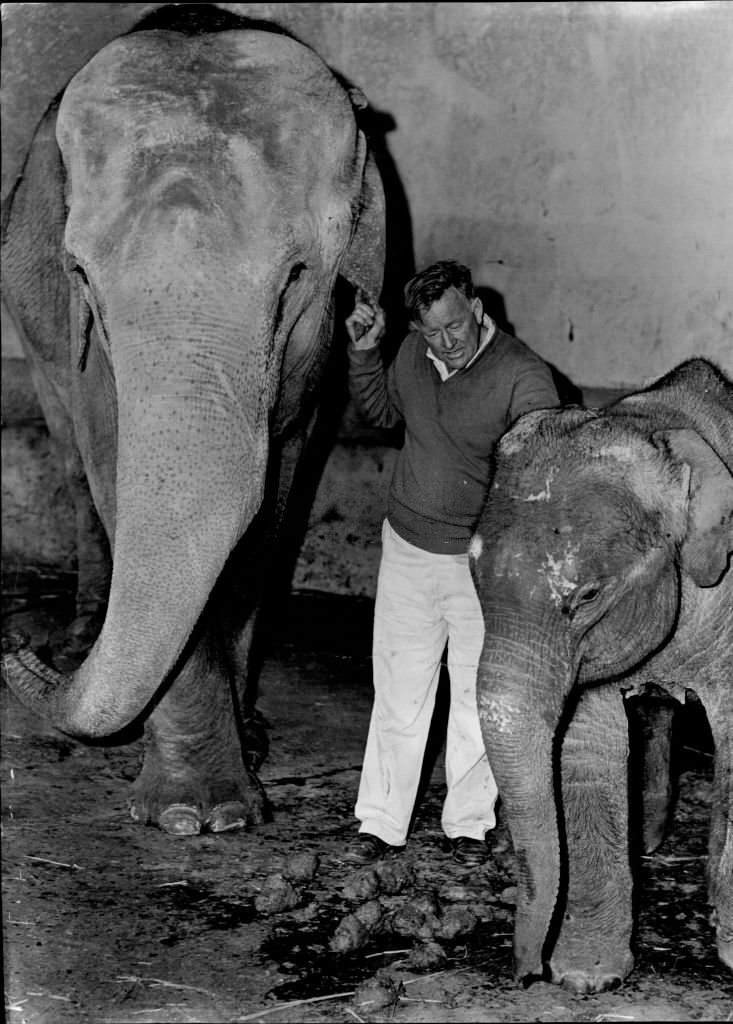
6 Elephants arrived by the Straat Banks from Singapore today for Bullen’s circus and were taken straight to the Zoo for quarantine.
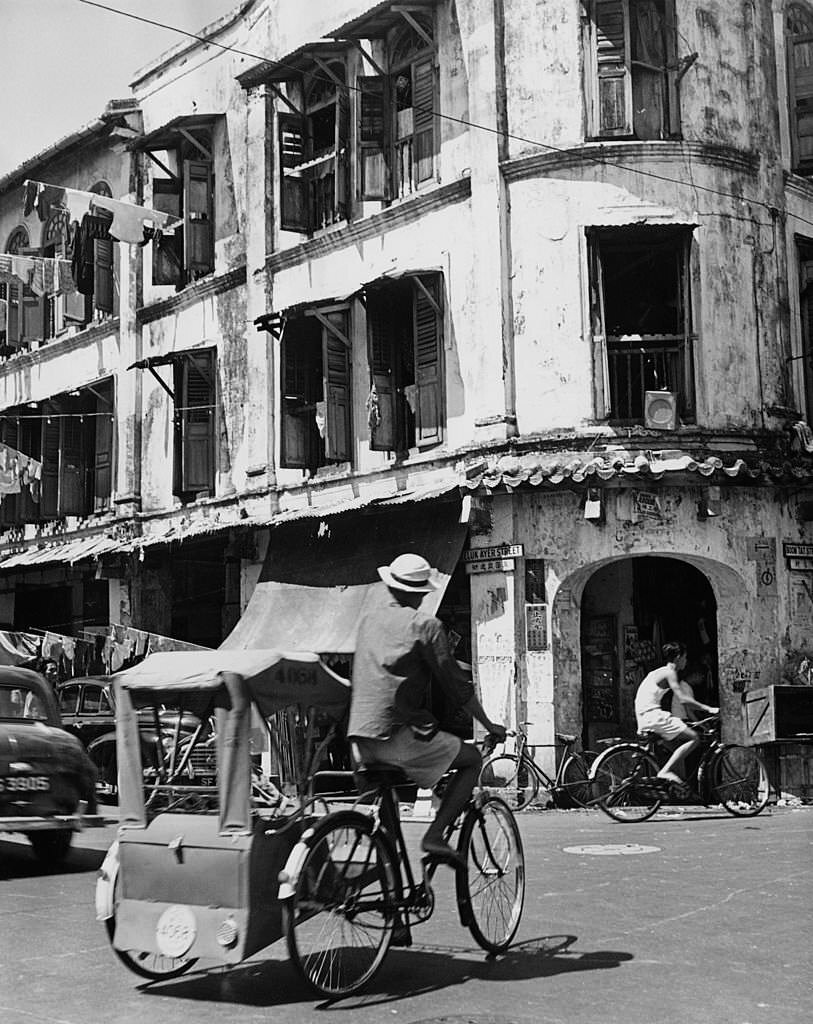
A rickshaw at the corner of Telok Ayer Street and Boon Tat Street, Singapore, November 1960.
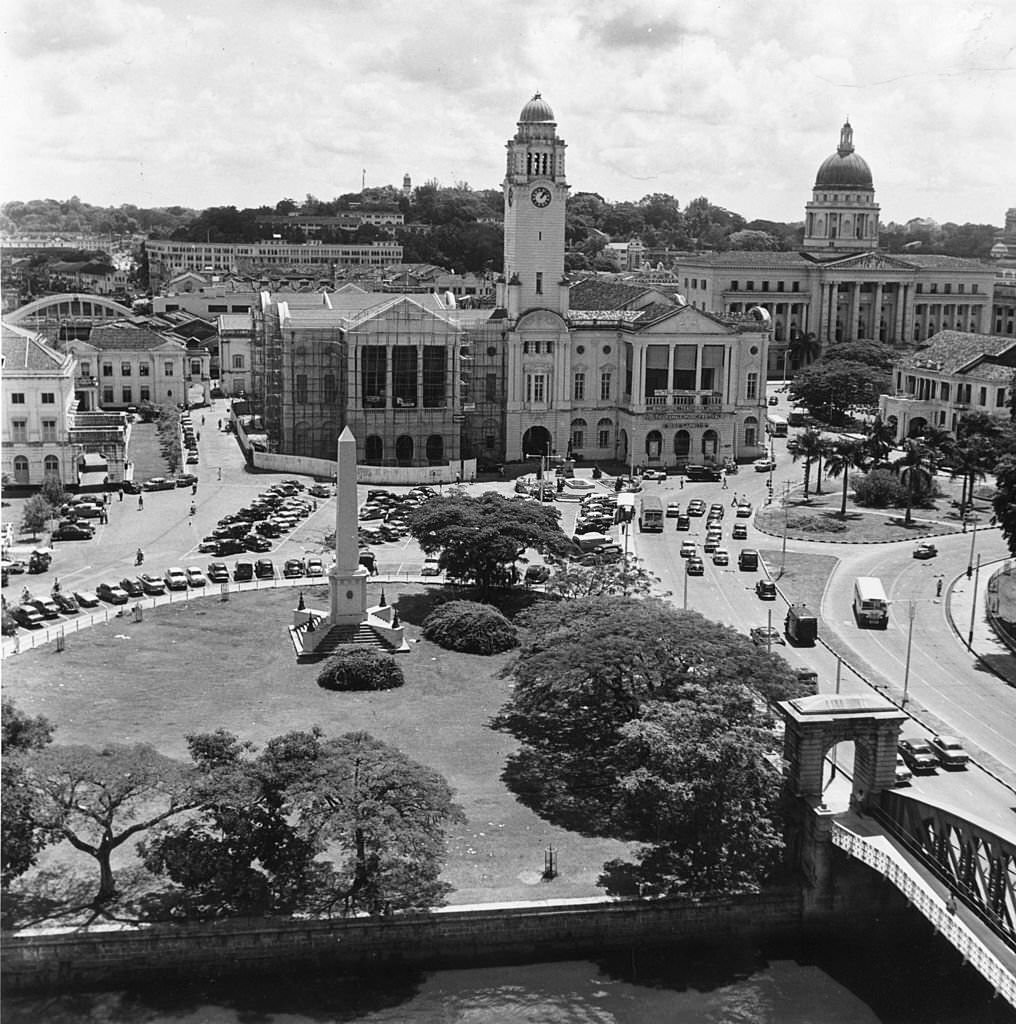
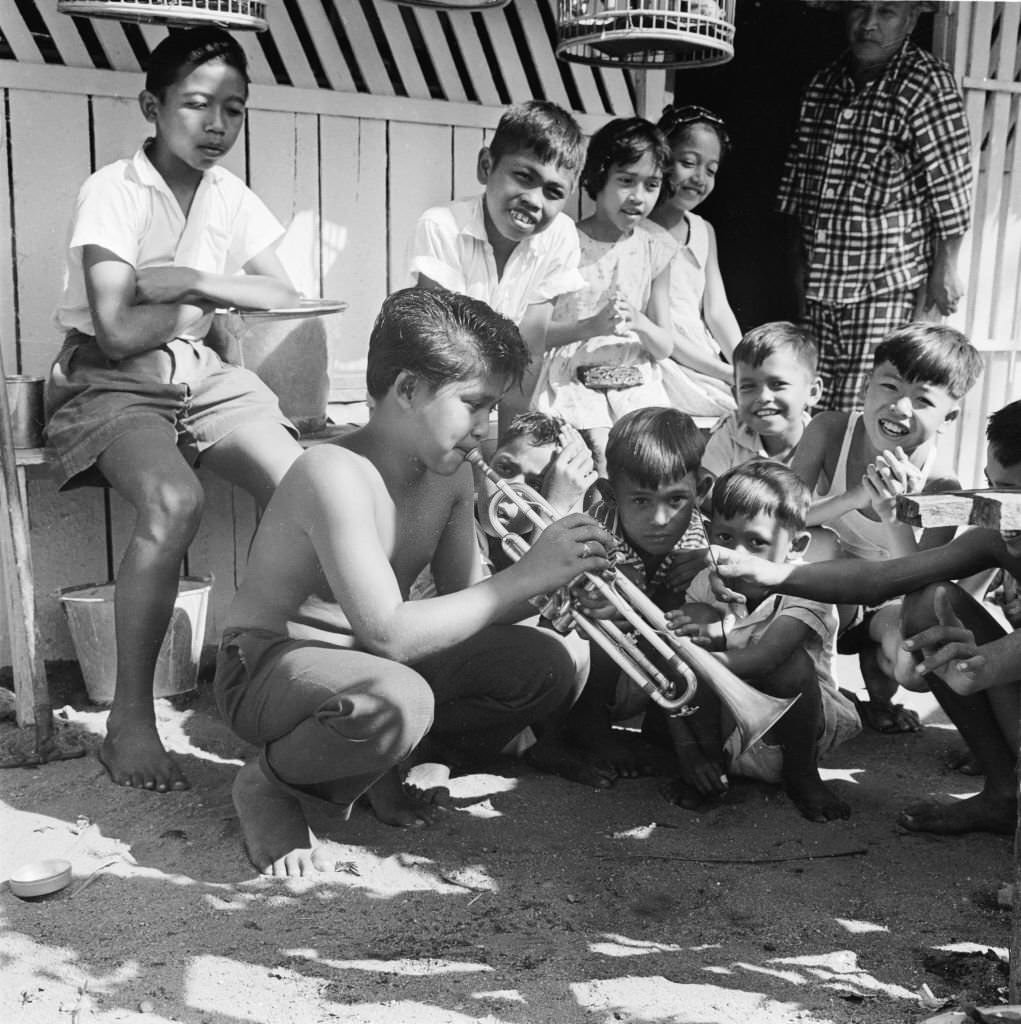
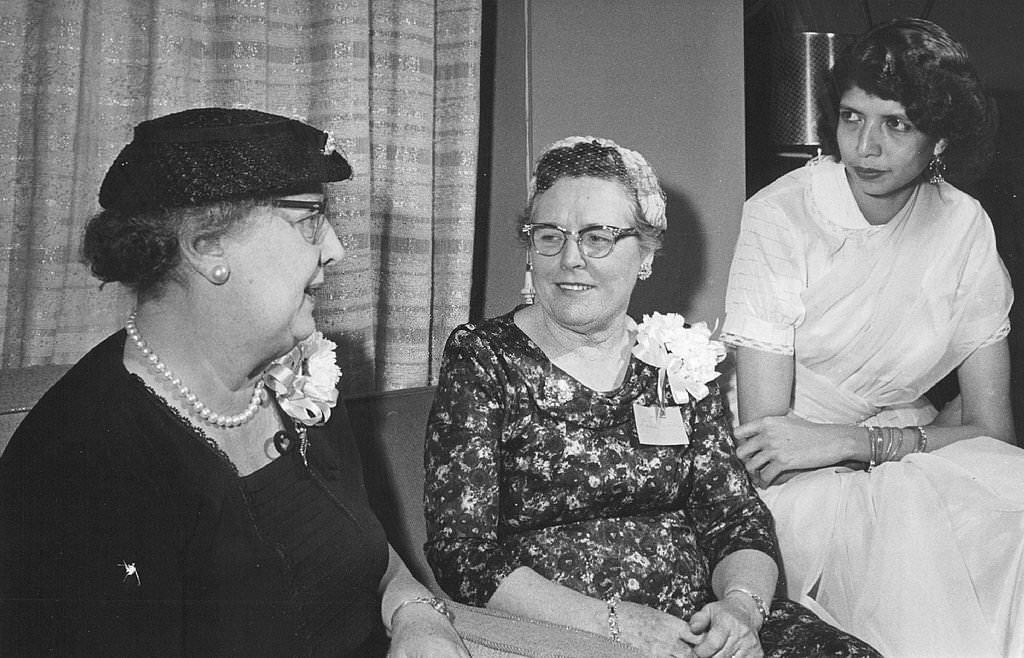
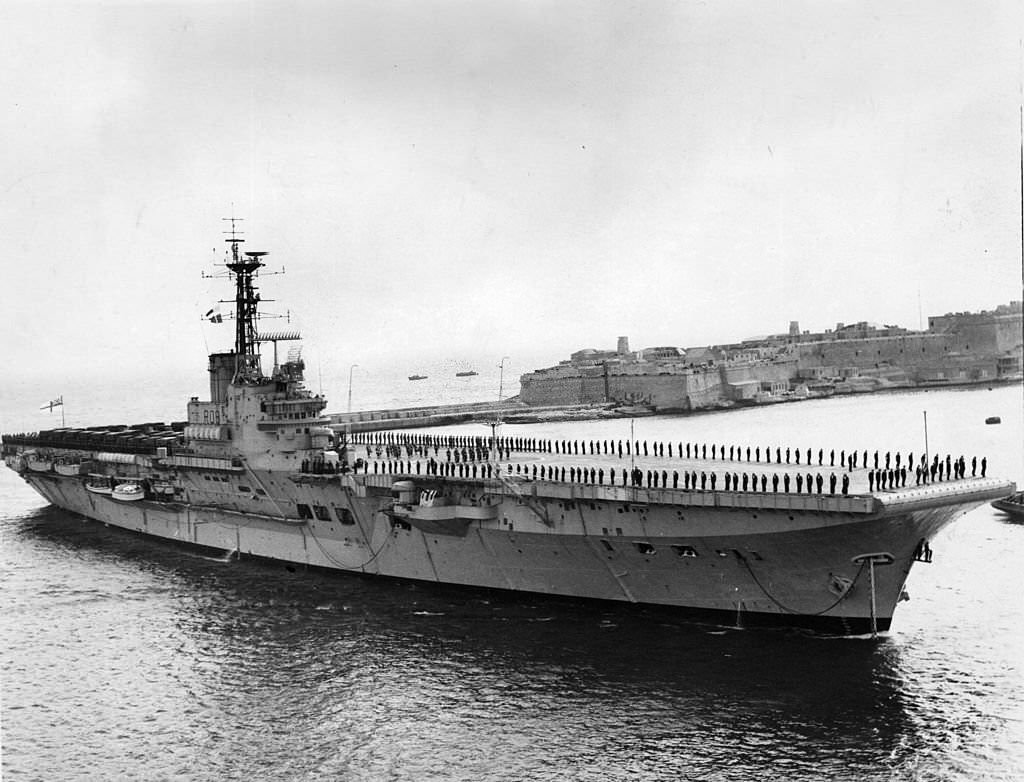
Victoria Memorial Hall in Singapore, 1960A 13 year old Antonio Castillo Jnr the son of jazz musician Don Castillo, entertains his friends with a tune on the trumpet that was a birthday gift from his father, 1960Singapore students at five Colorado colleges, 1960HMS Bulwark, Britain’s first commando carrier, entering the Grand Harbour, Malta, carrying 42 Royal Marine Commandos.
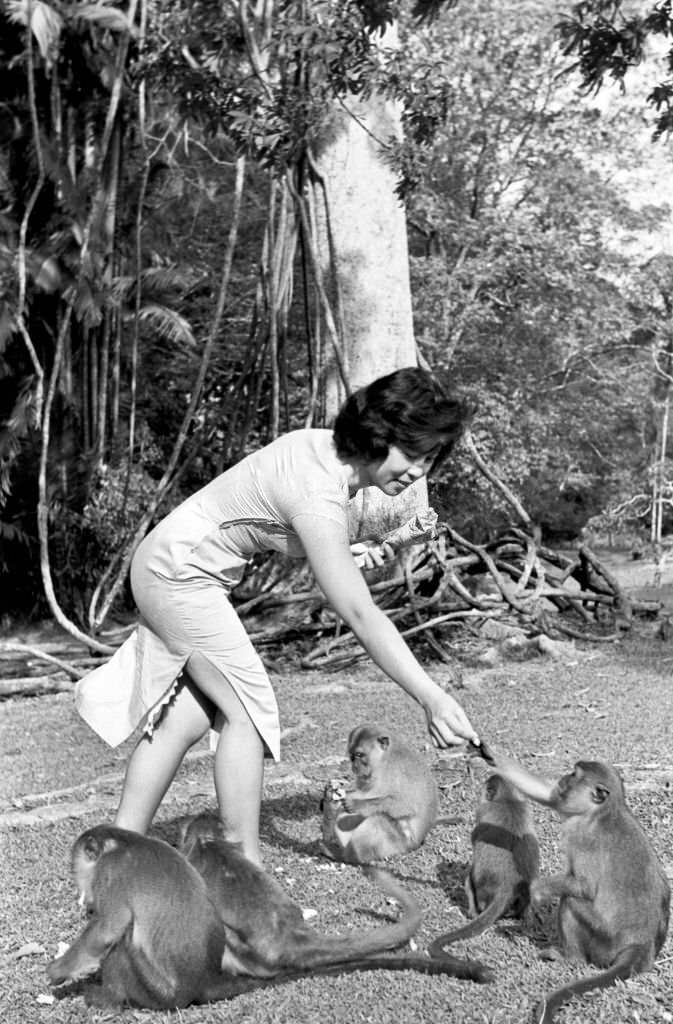
An Asian woman feeding a group of monkeys in Singapore, 1960s
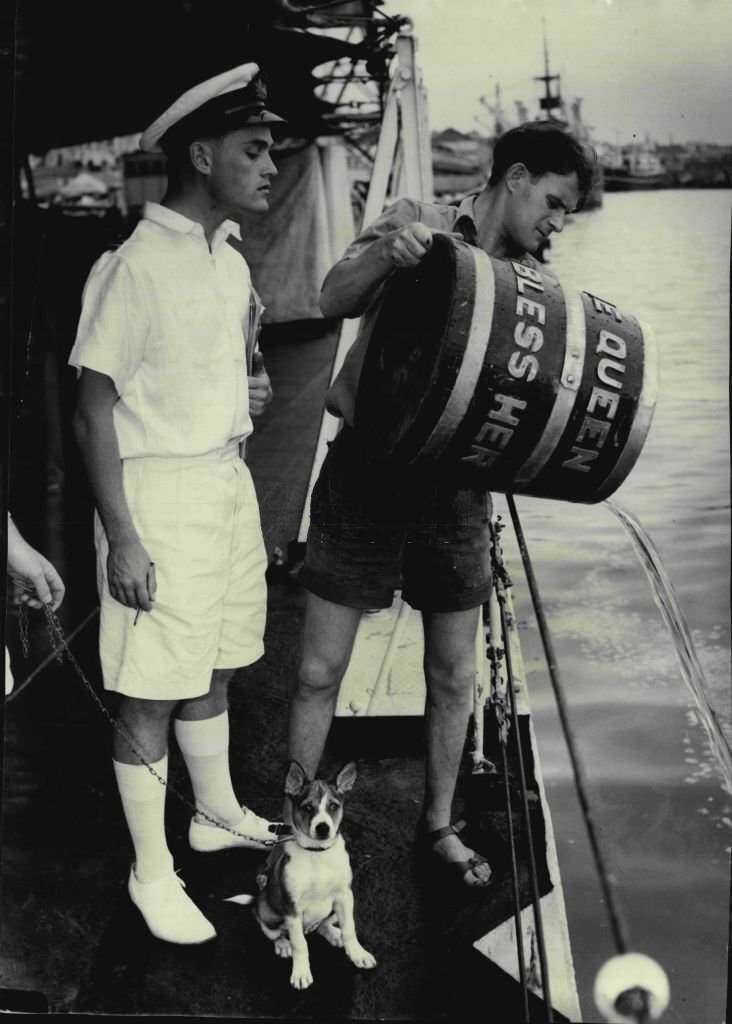
Rum Issue Aboard Visiting English Frigate, 1960s
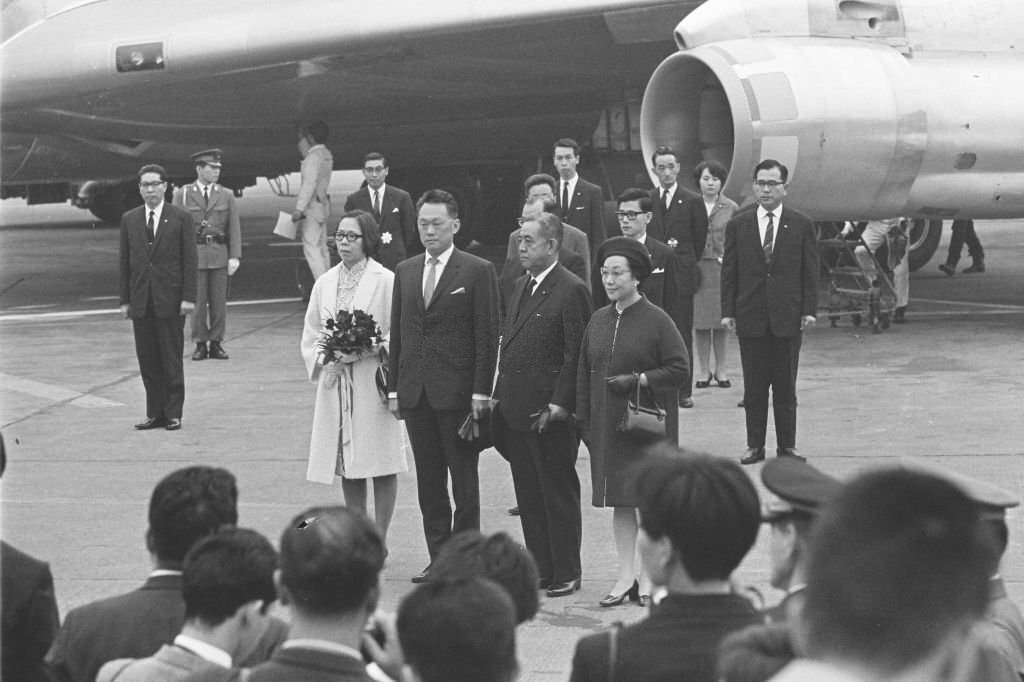
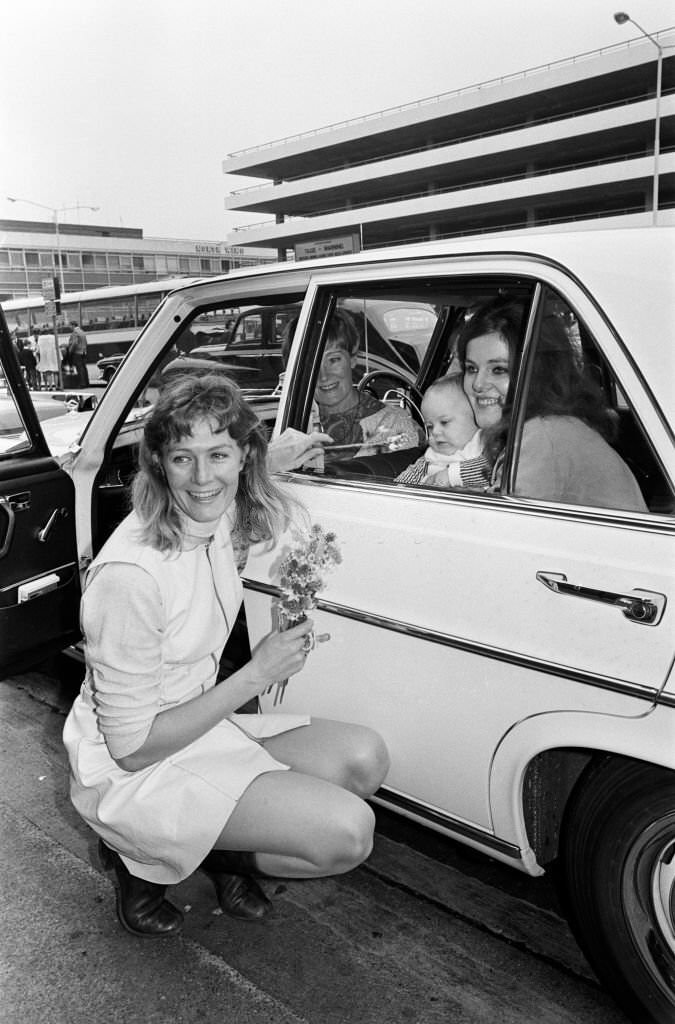
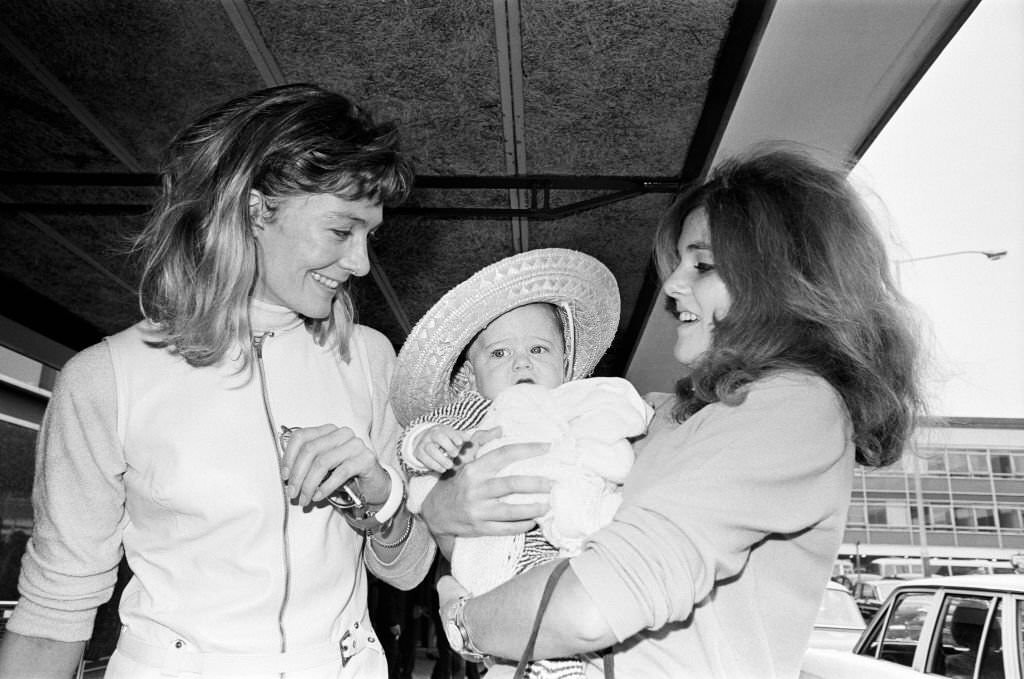
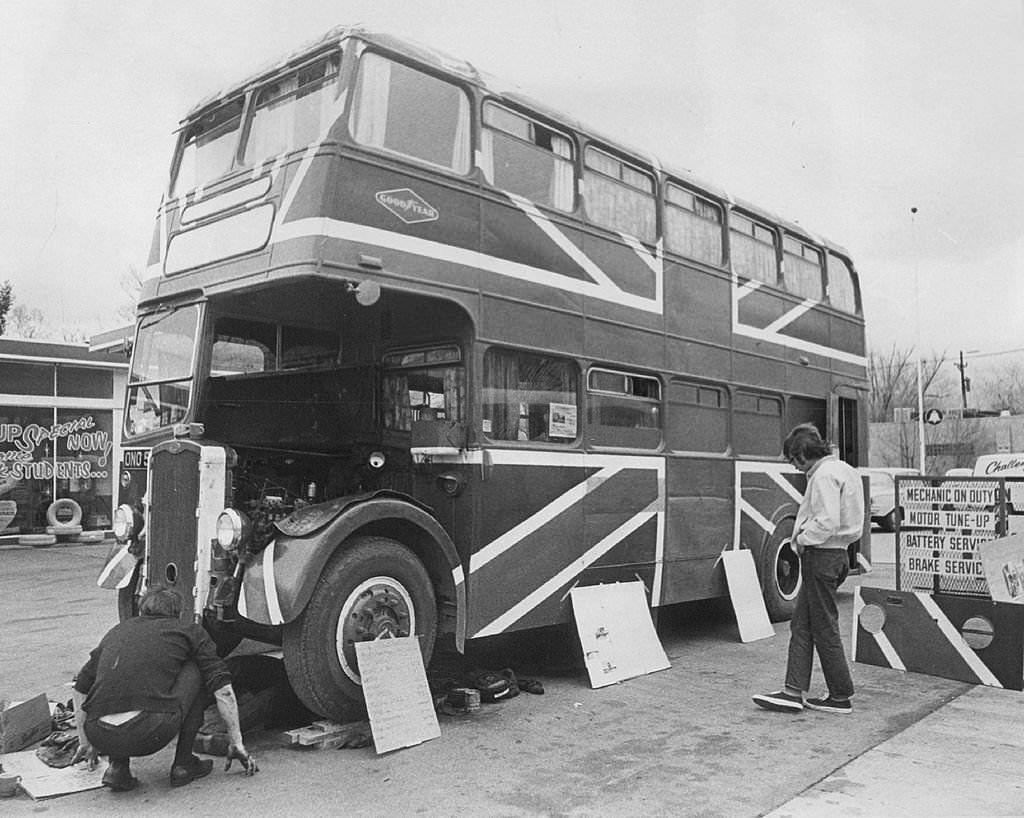
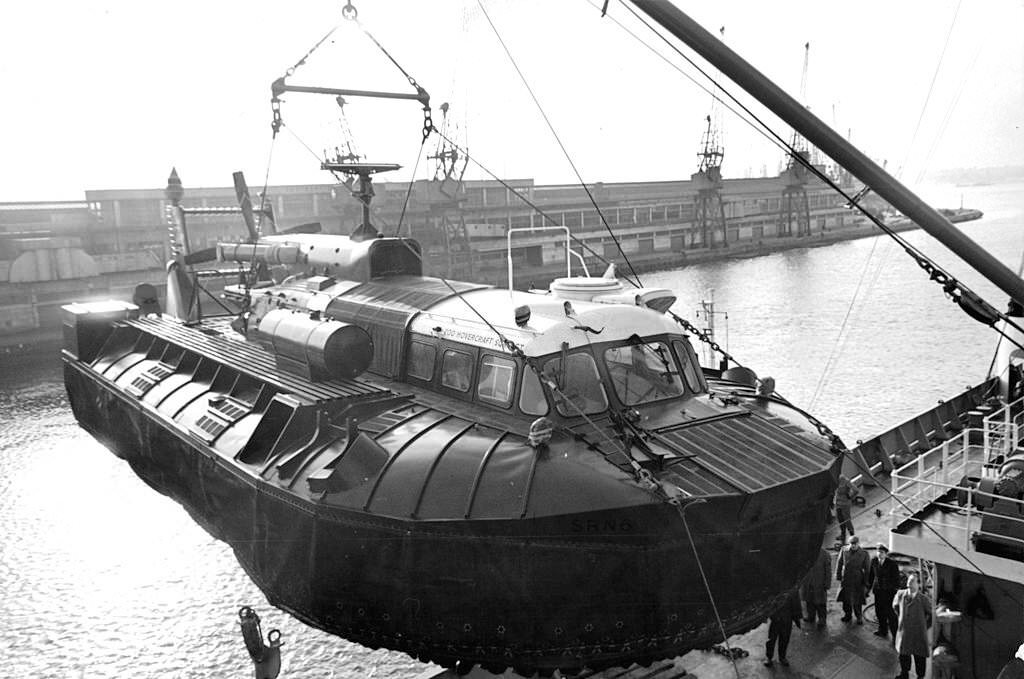
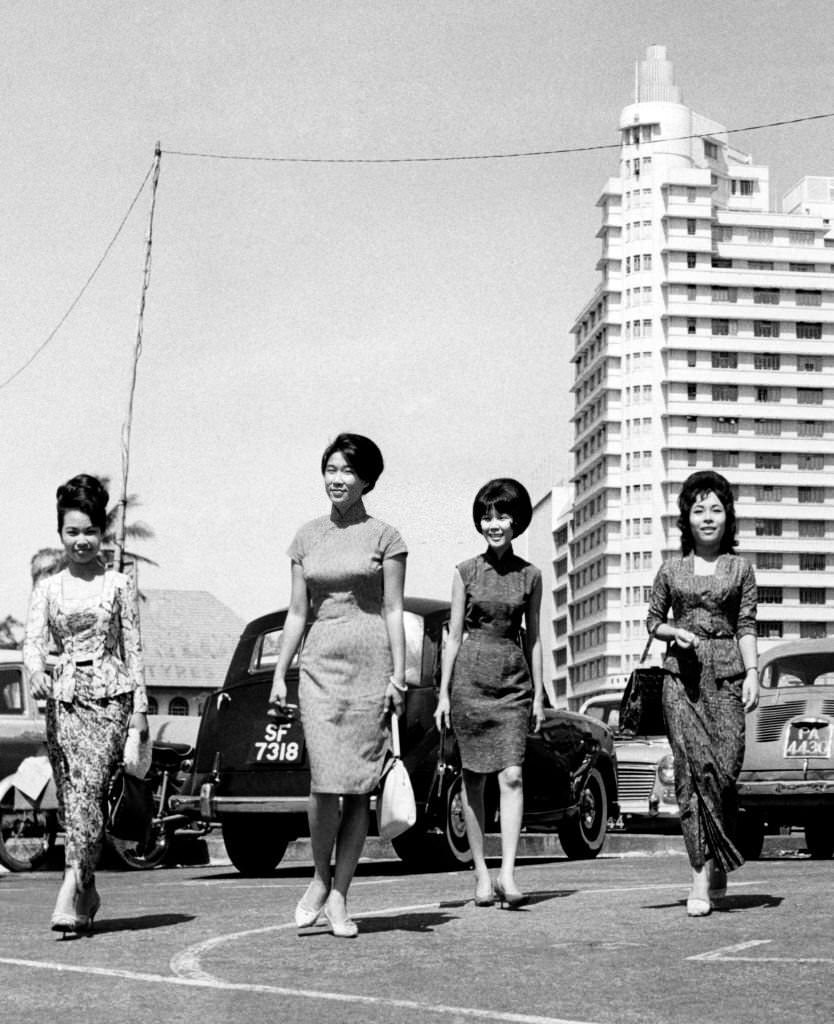
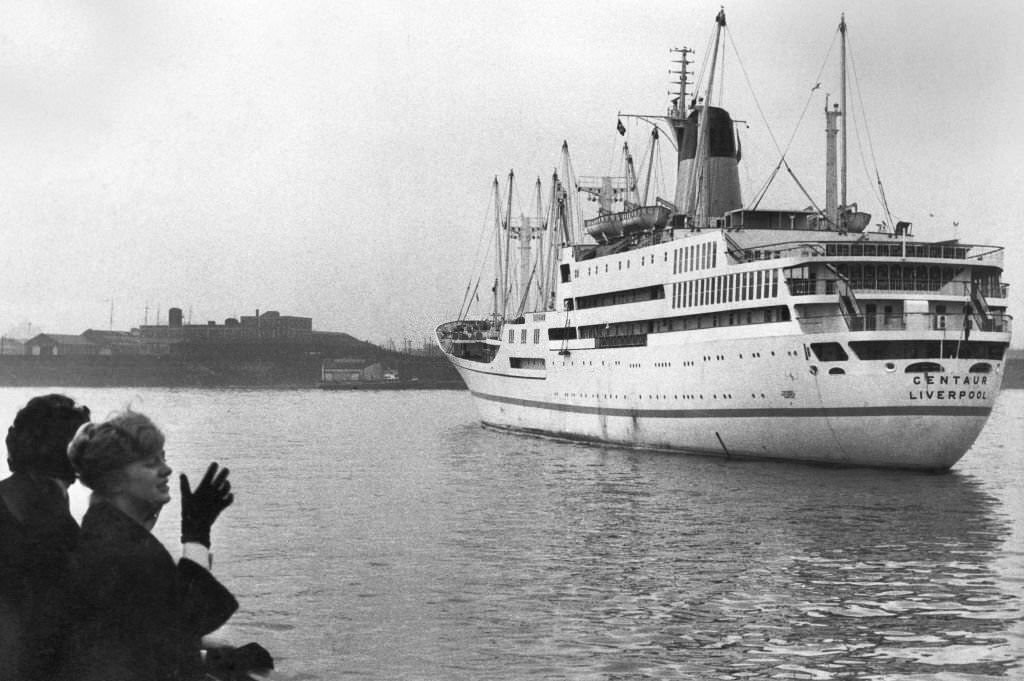
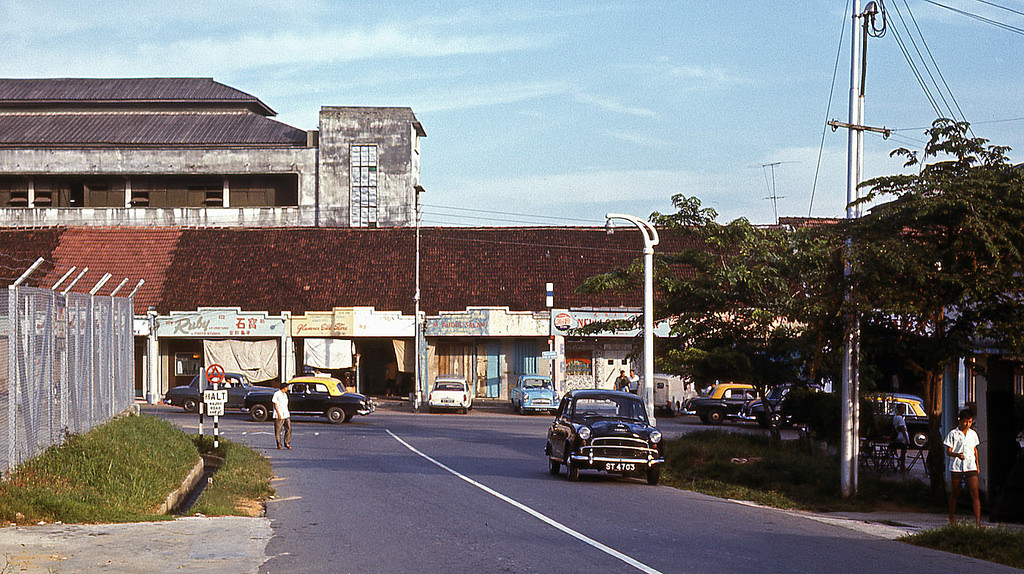
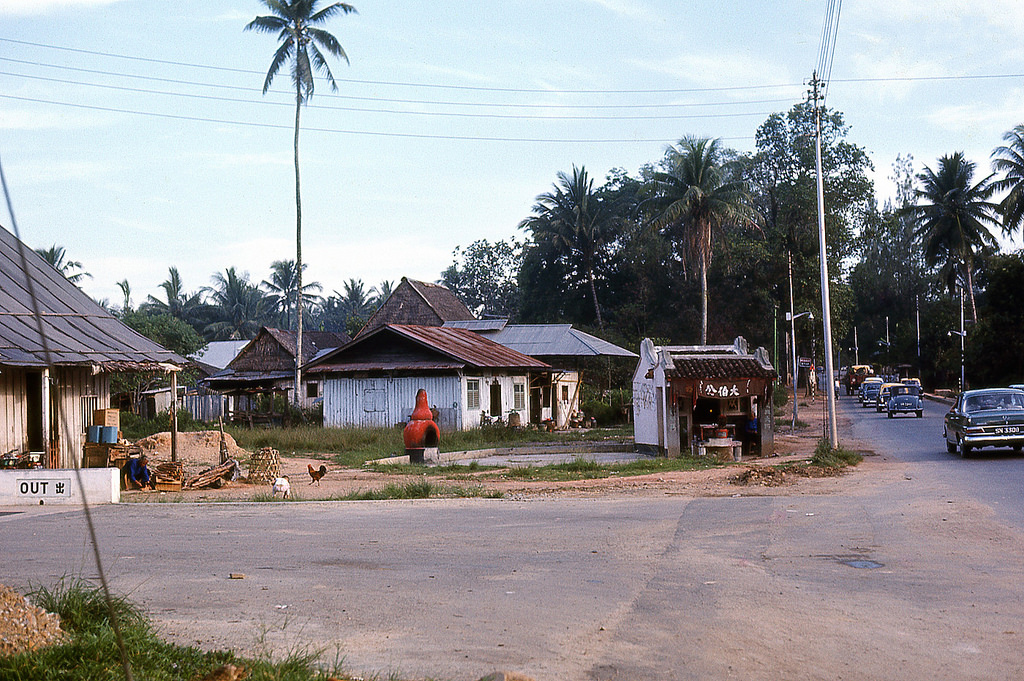
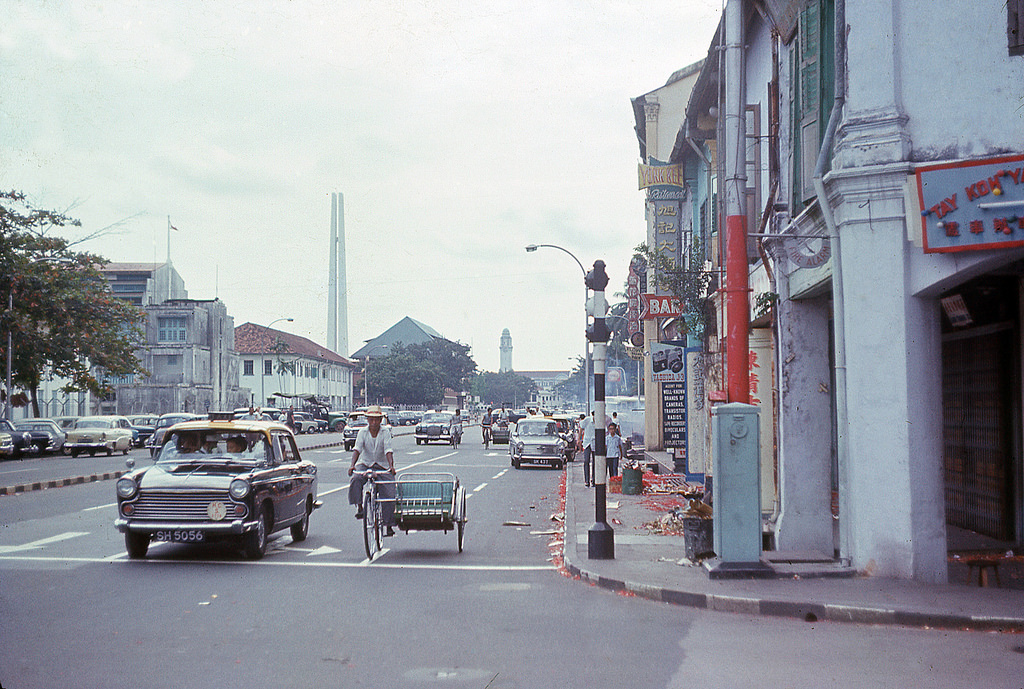
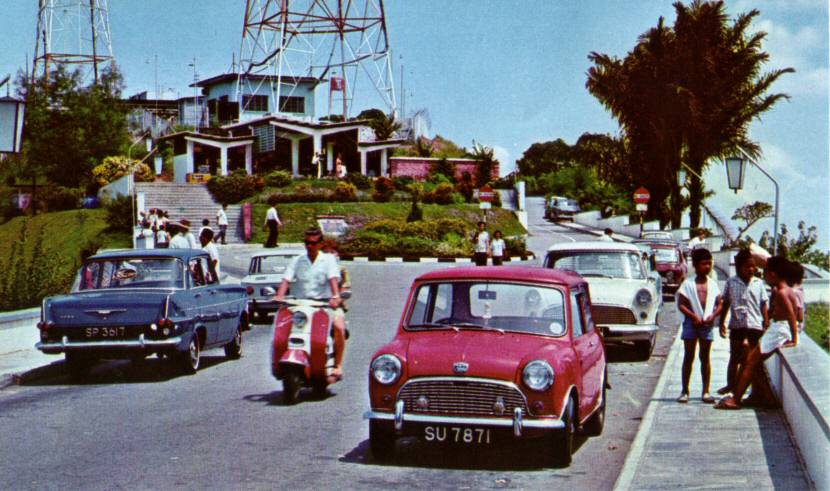
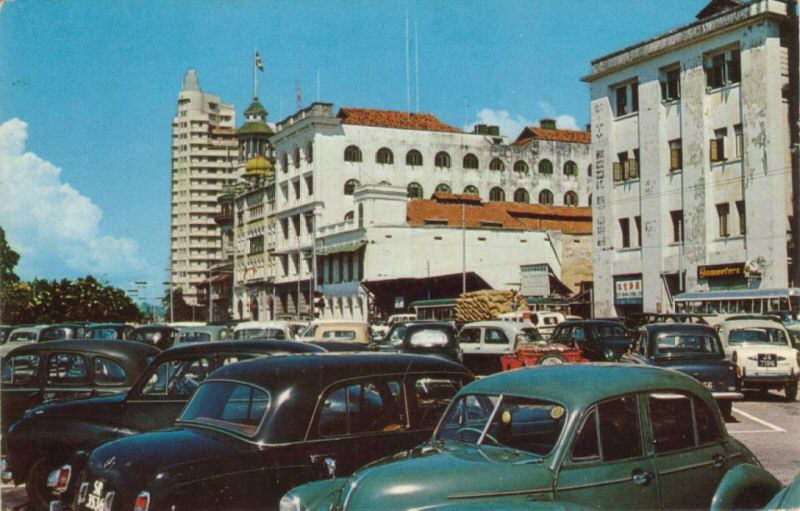
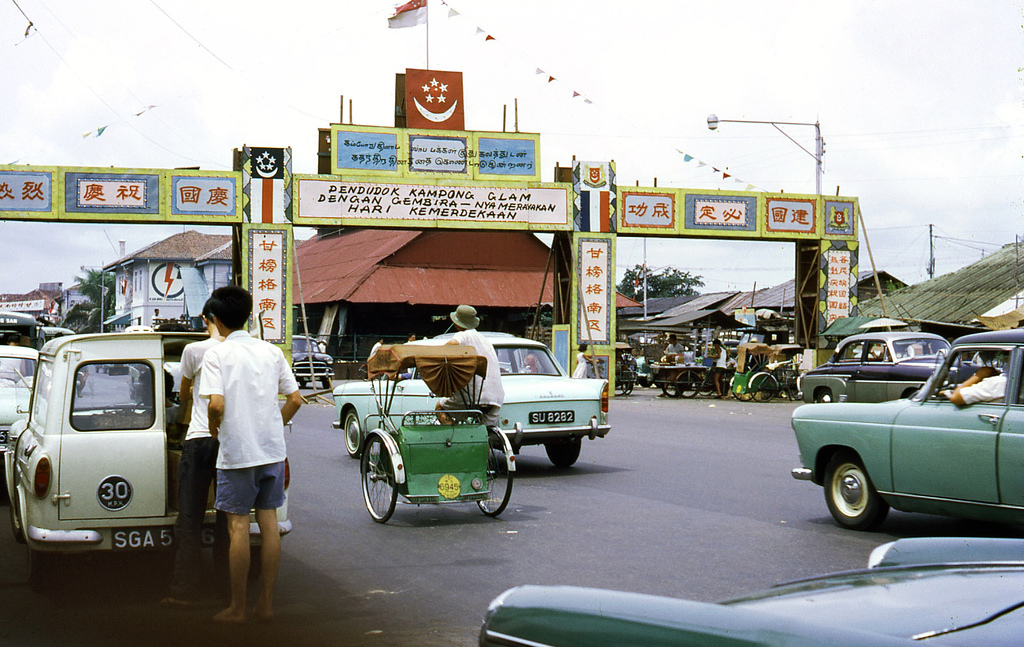
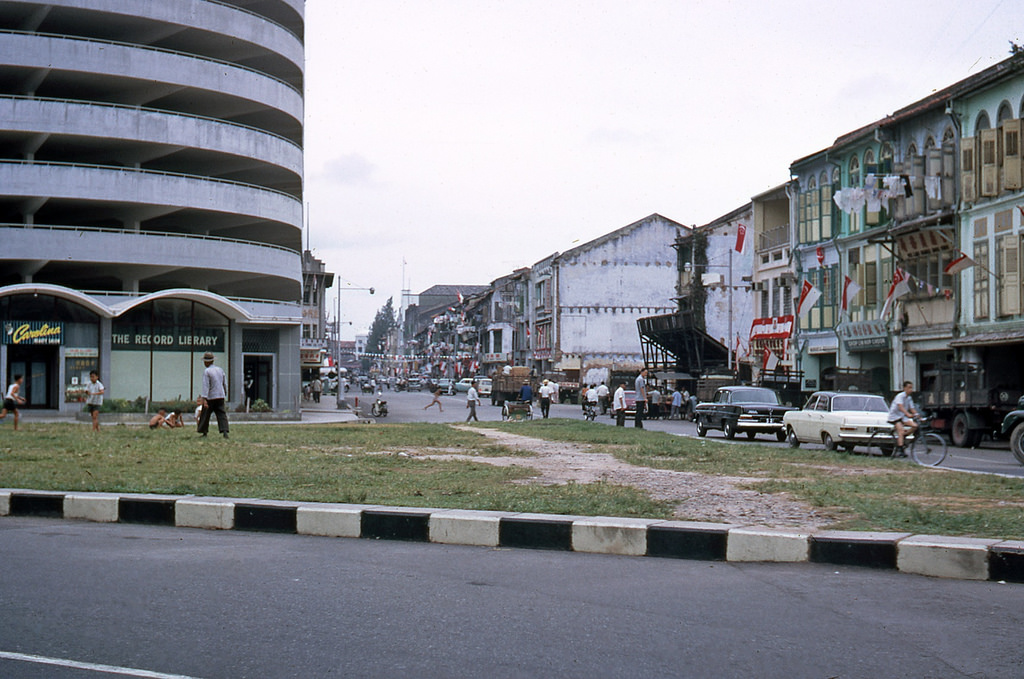
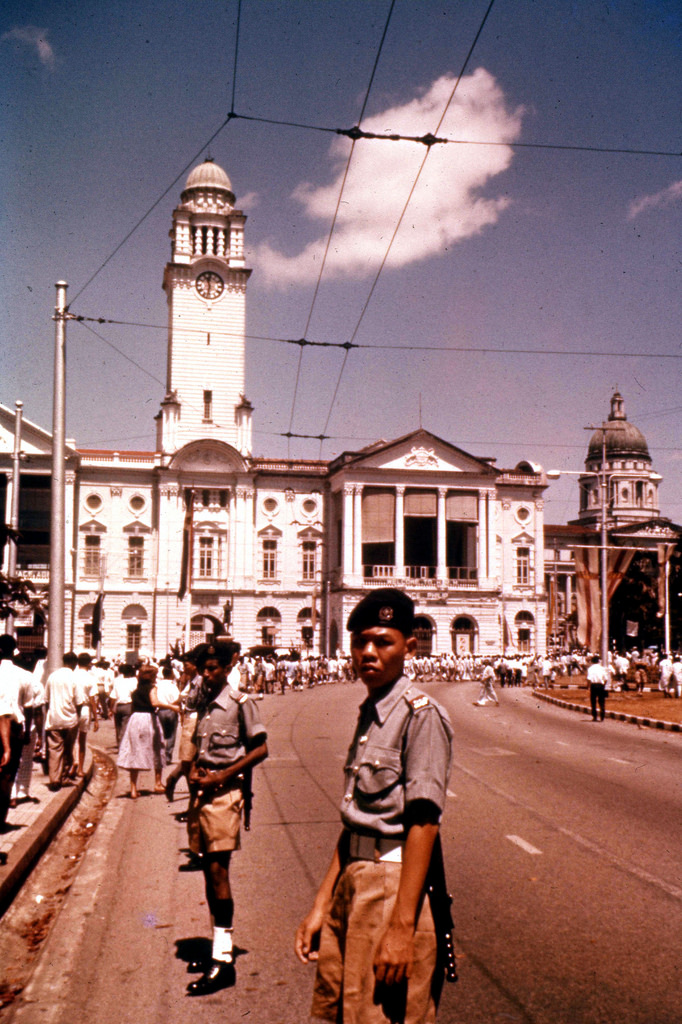
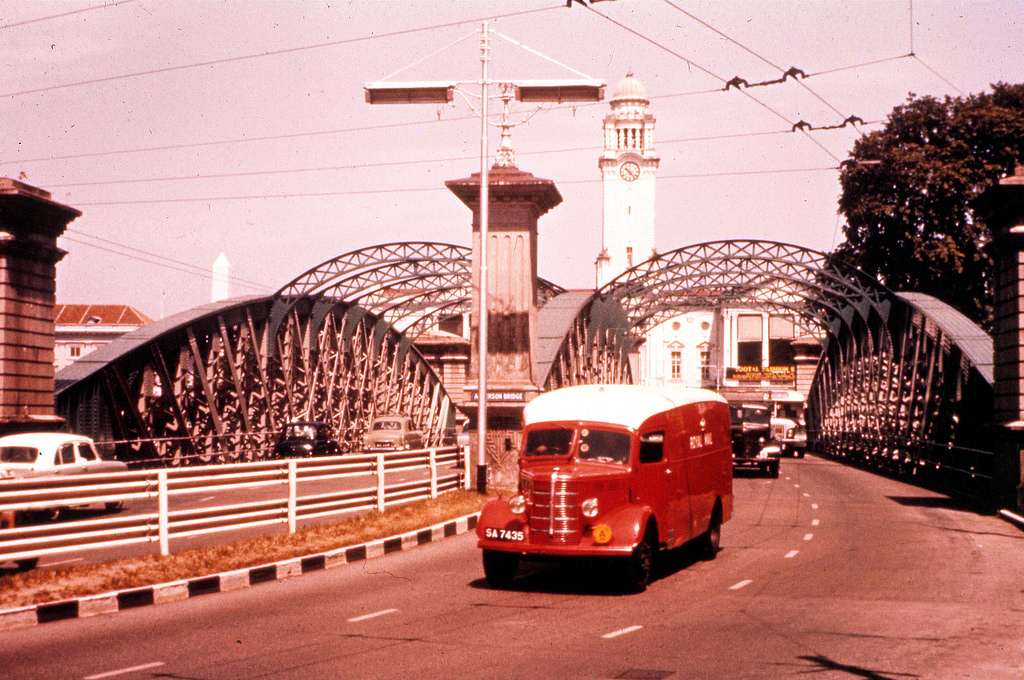
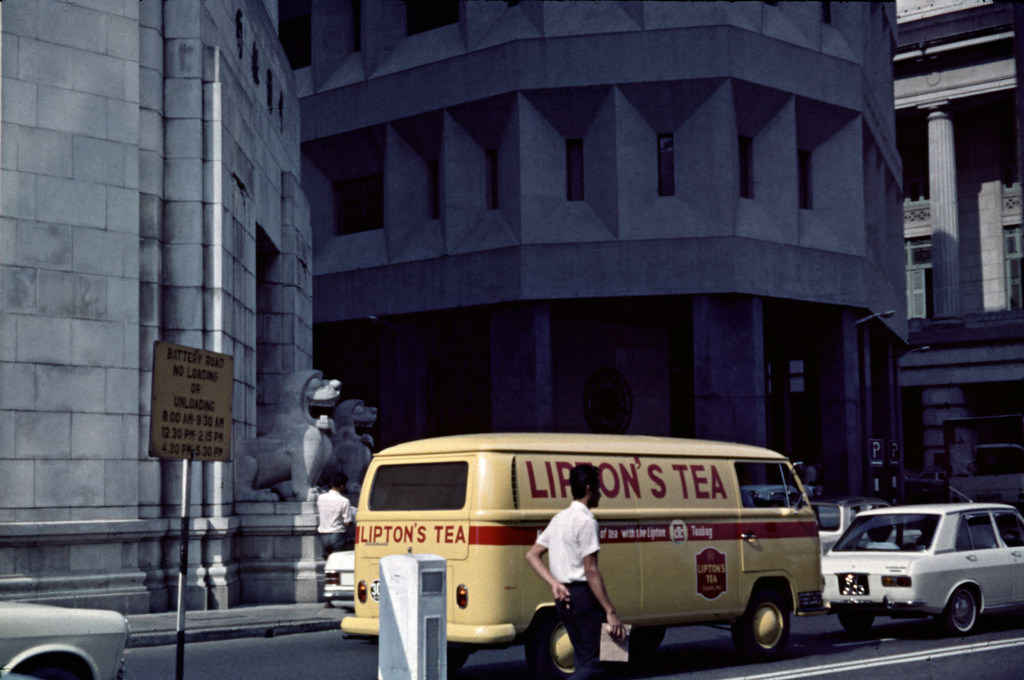
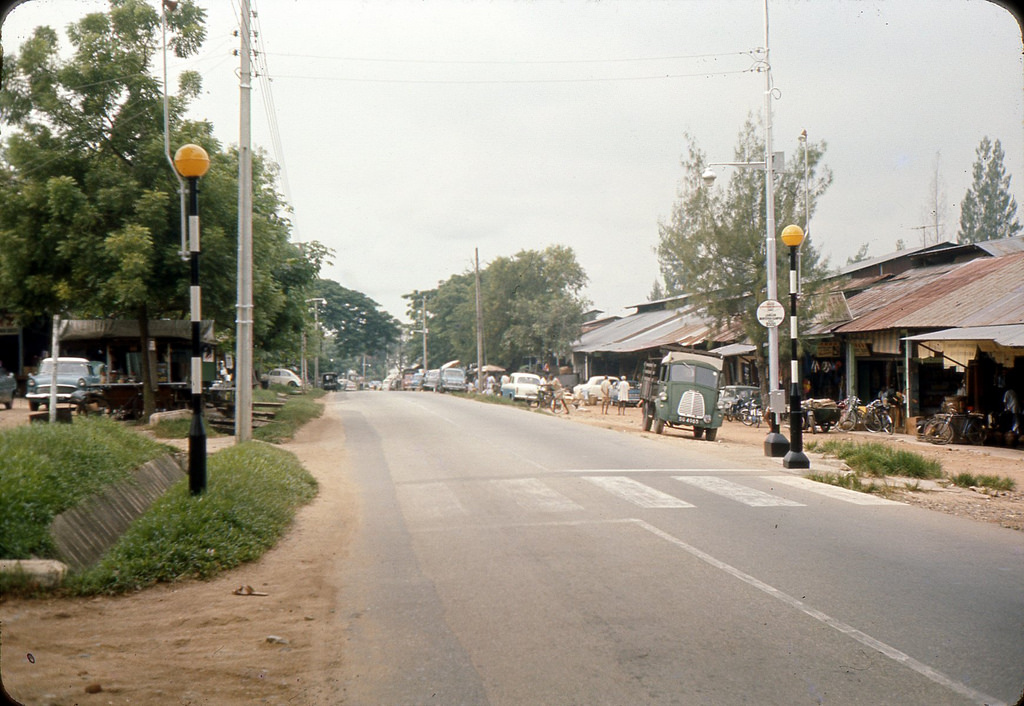
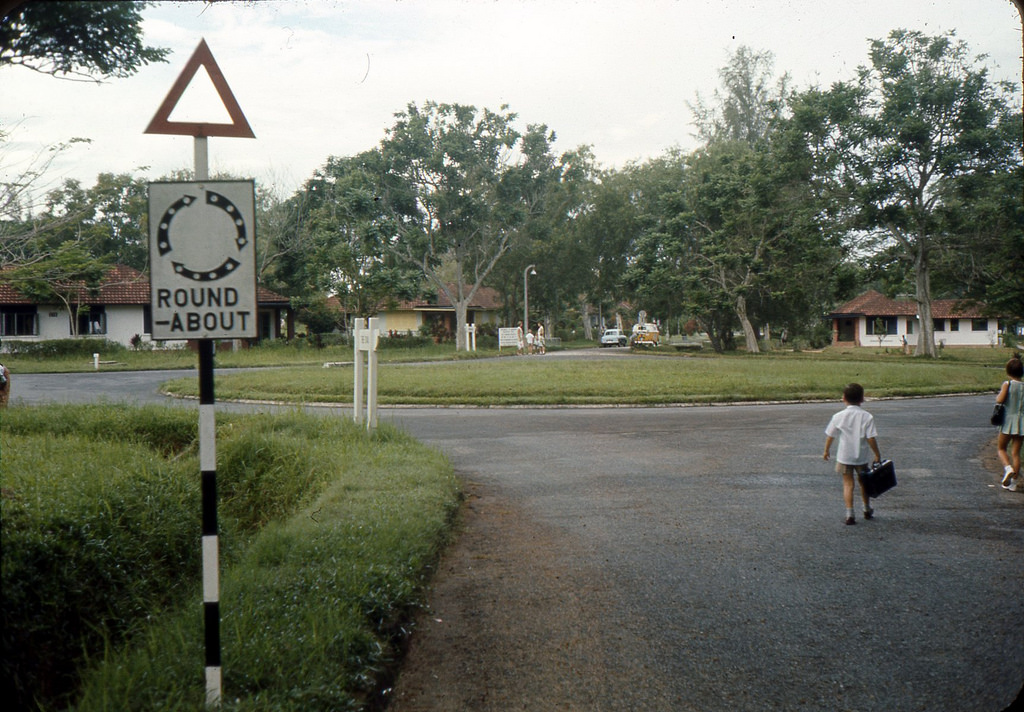
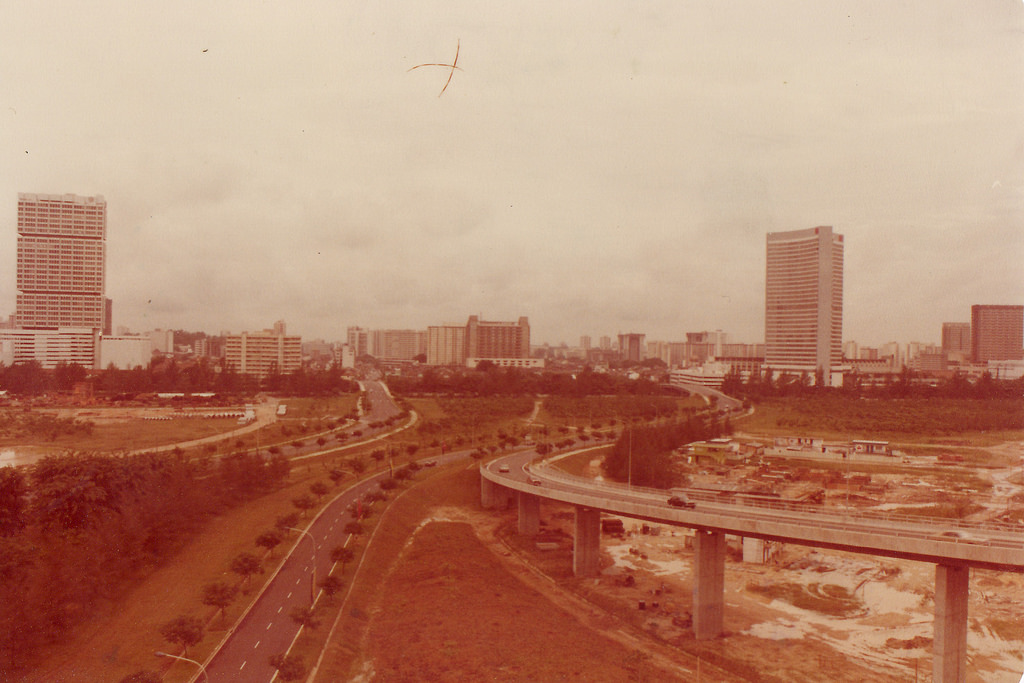
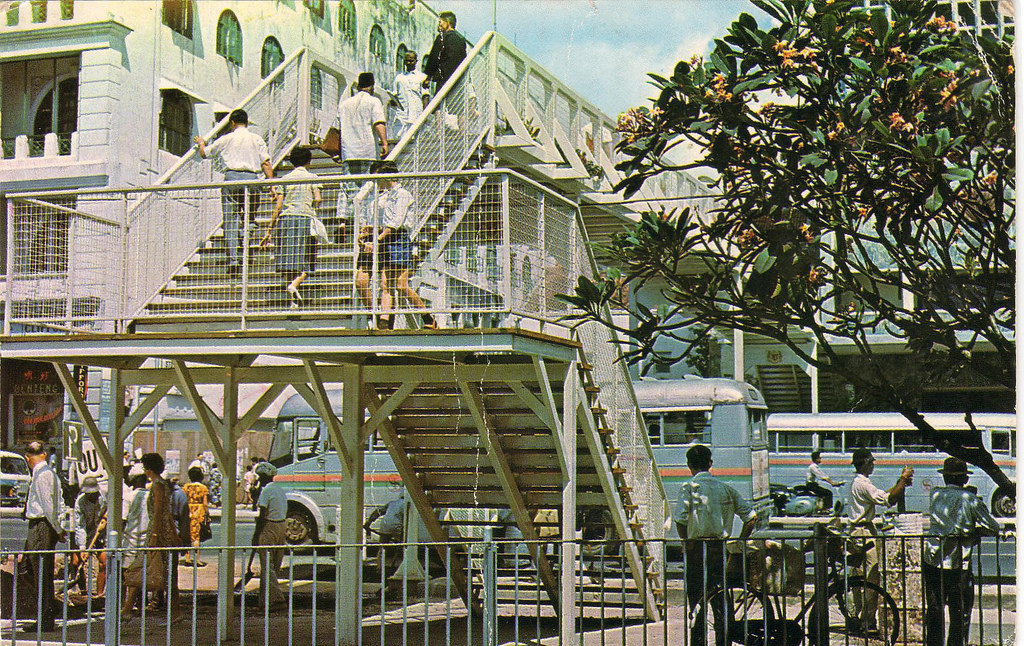
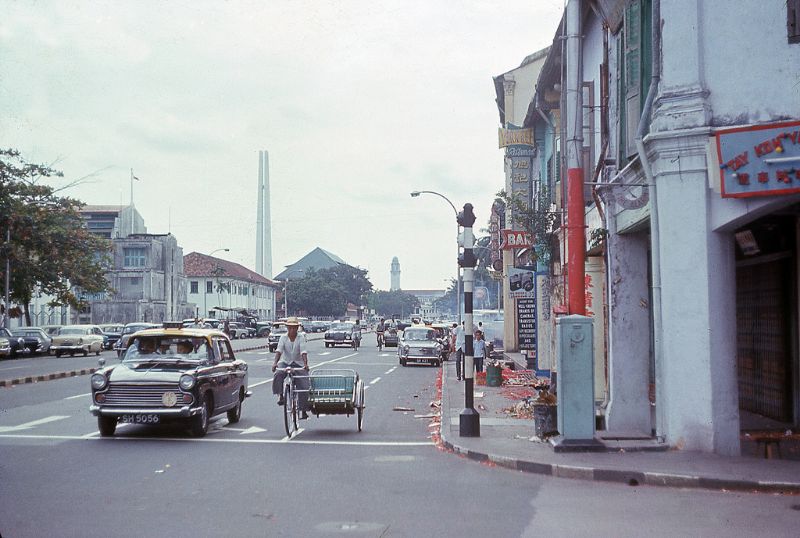
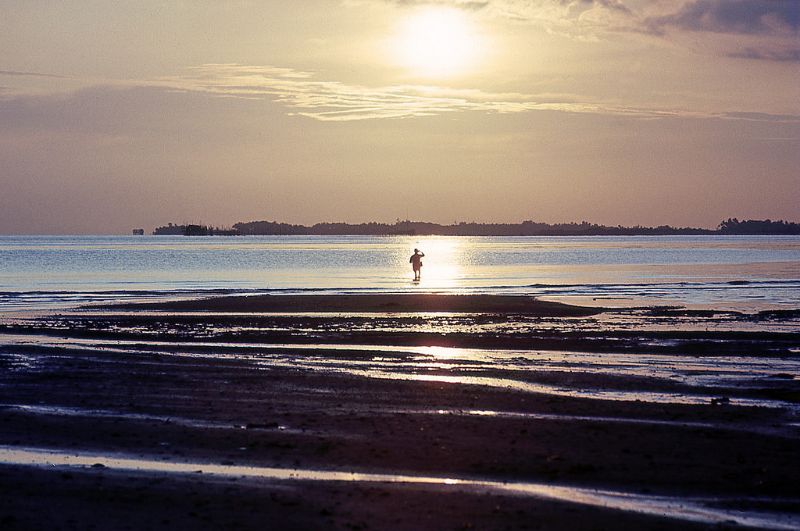
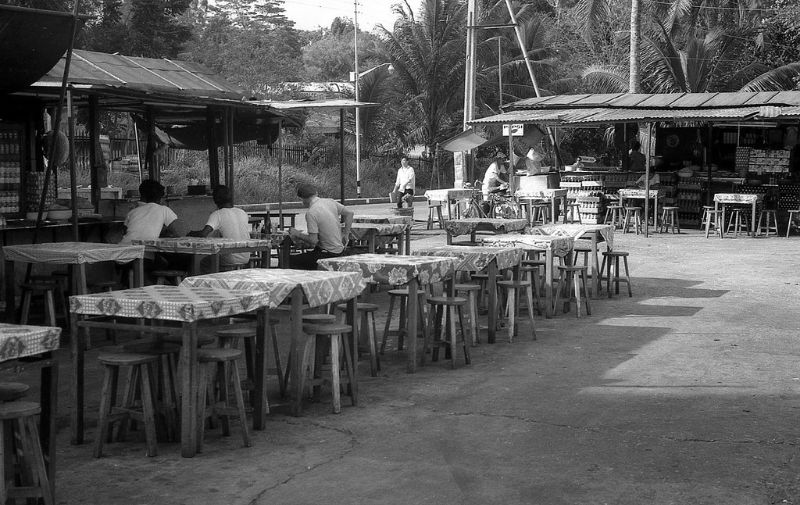
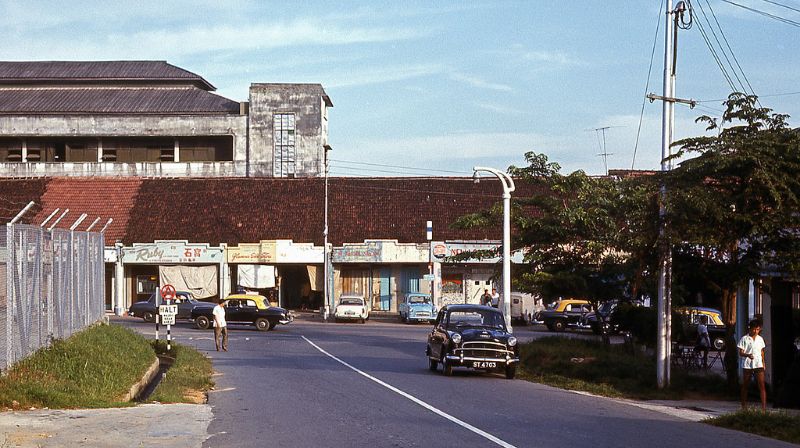
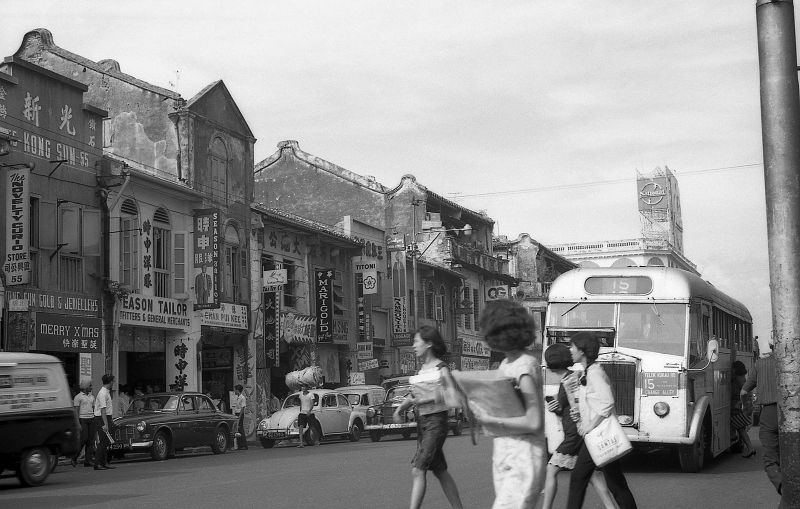
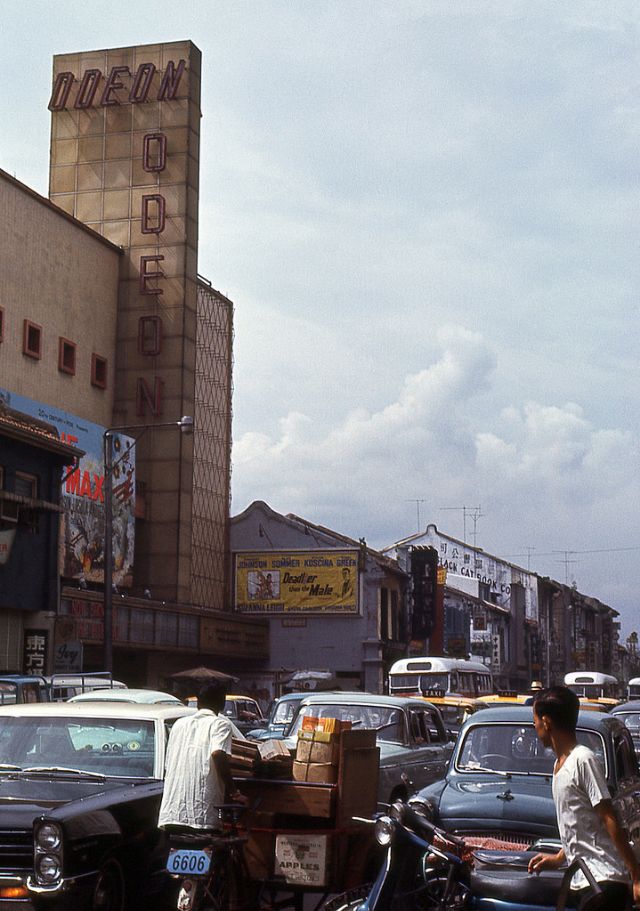
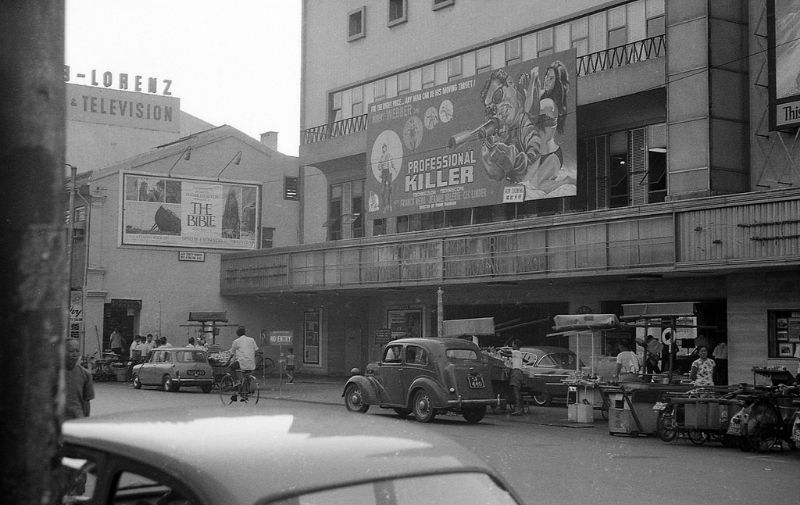
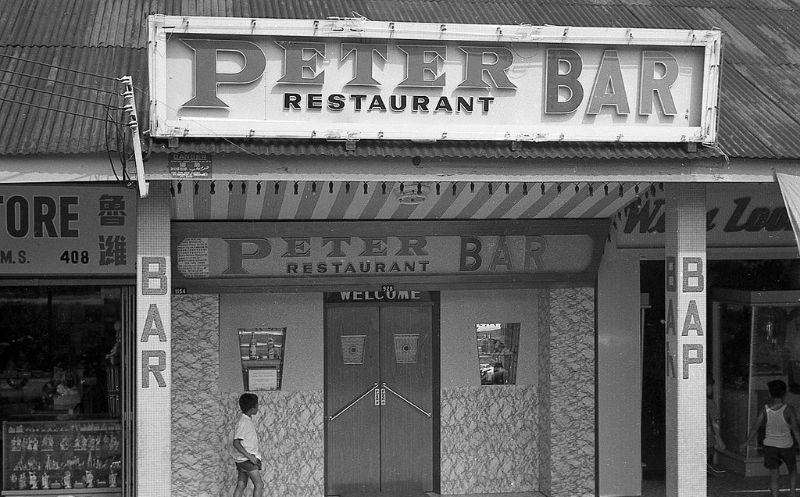
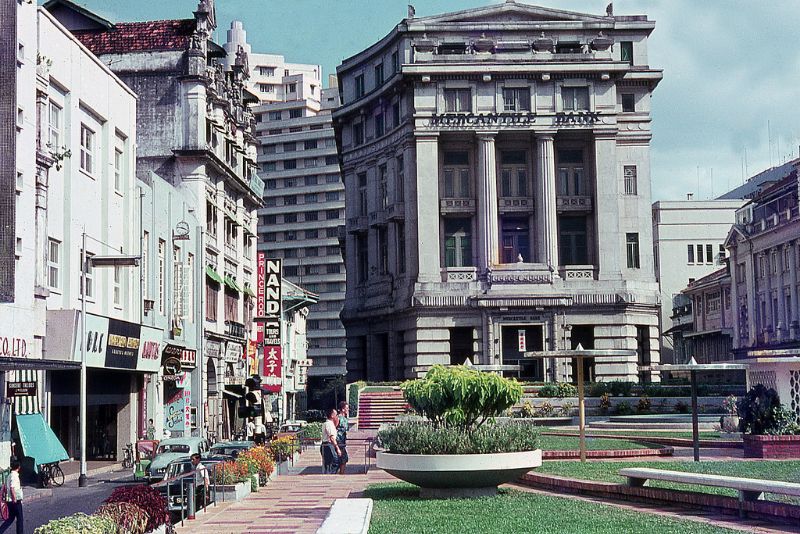
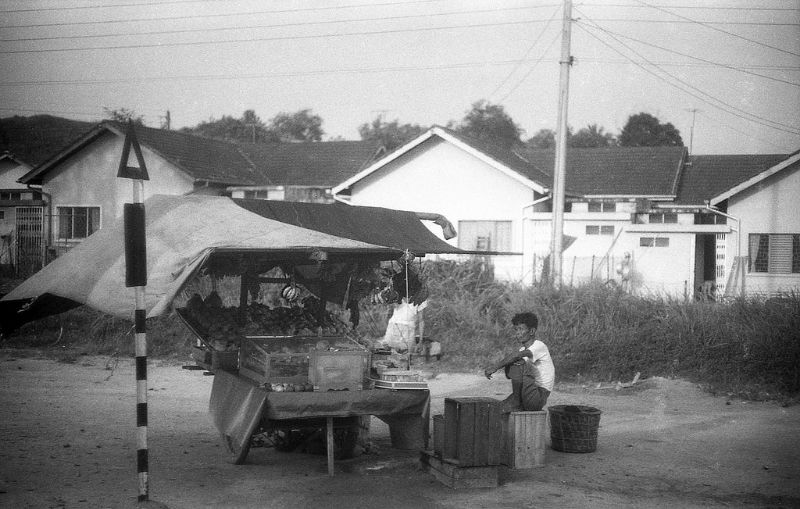
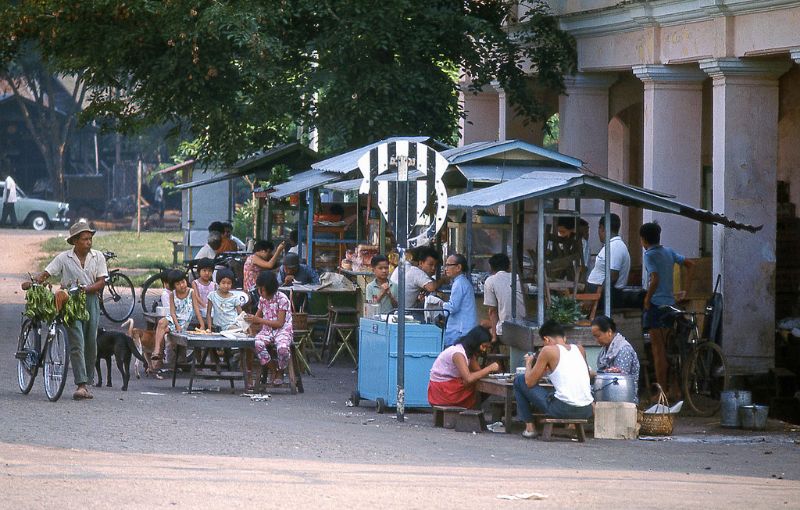
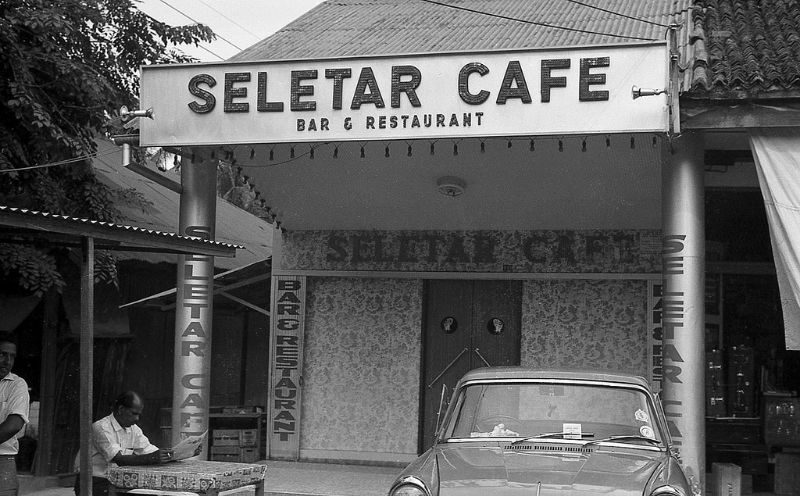
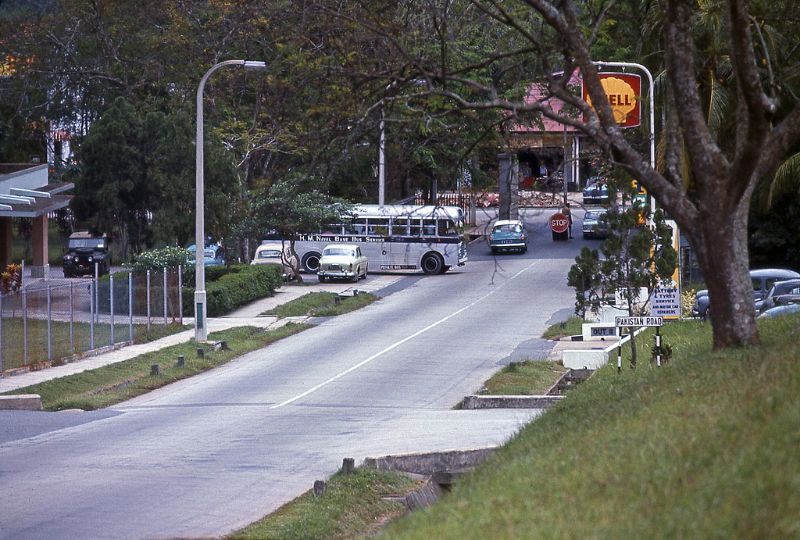
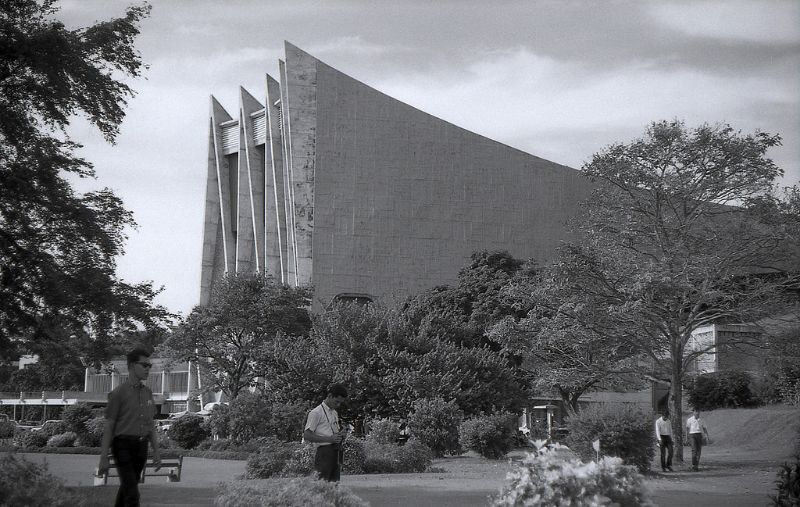
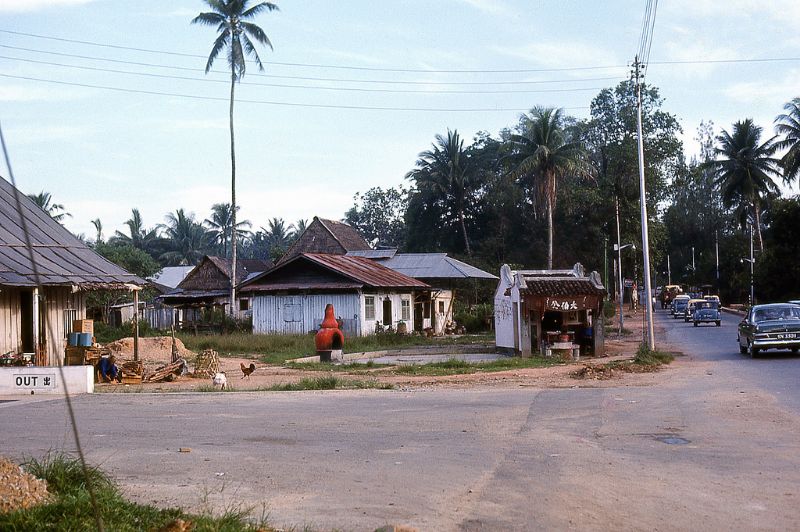
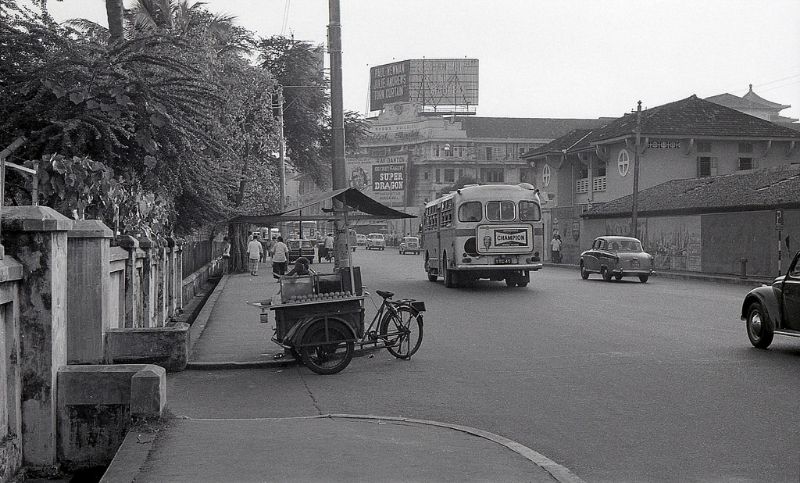
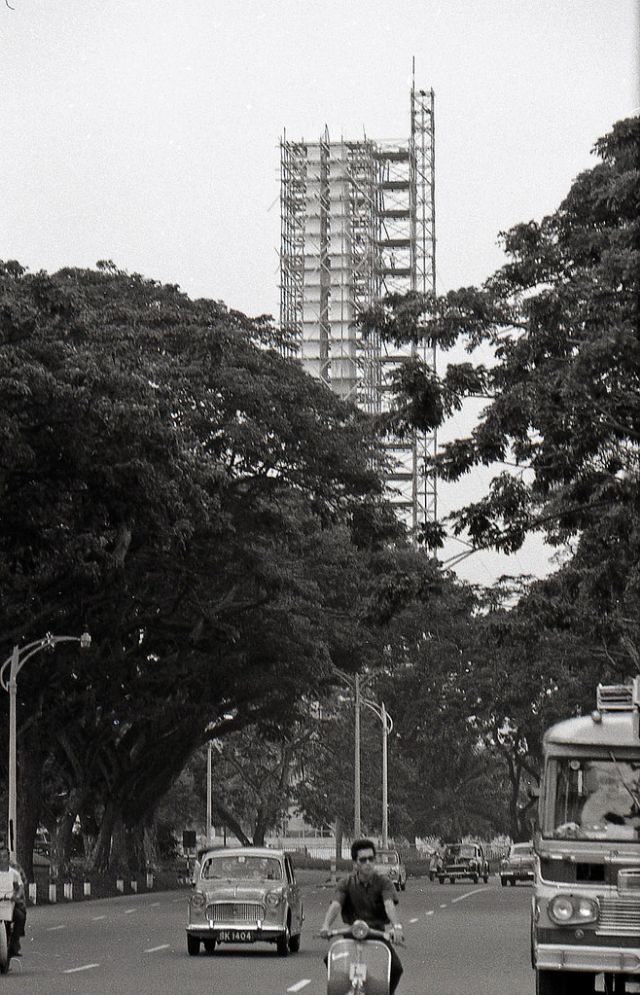
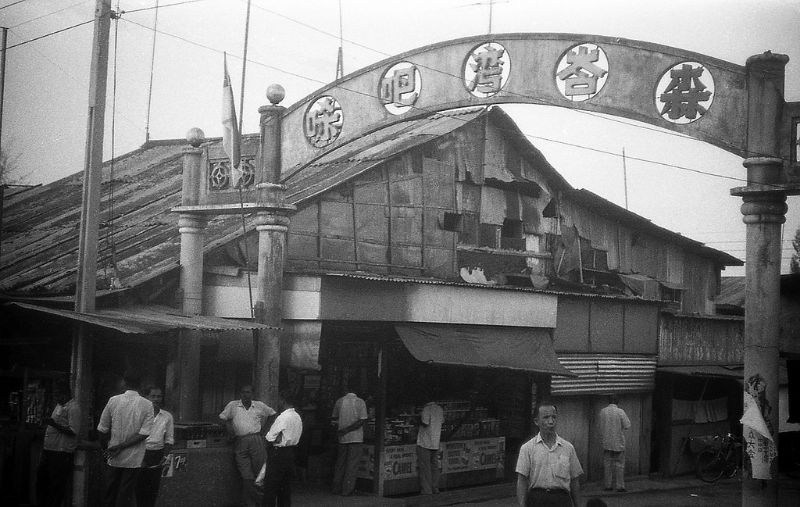
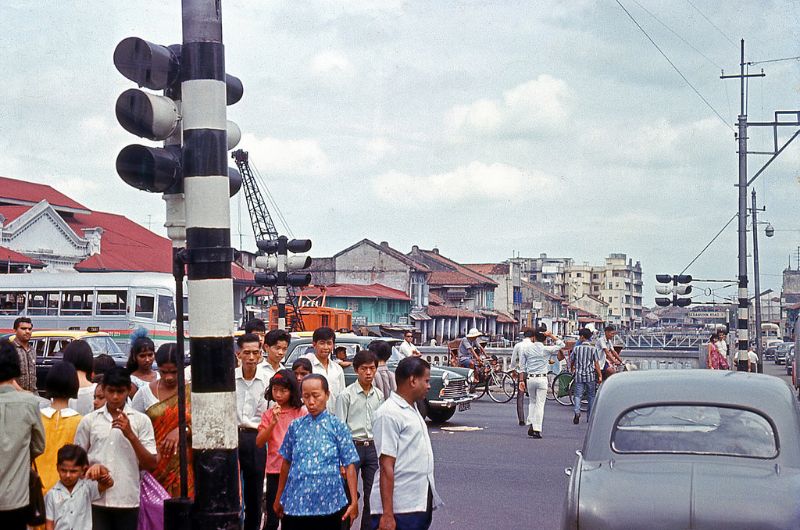
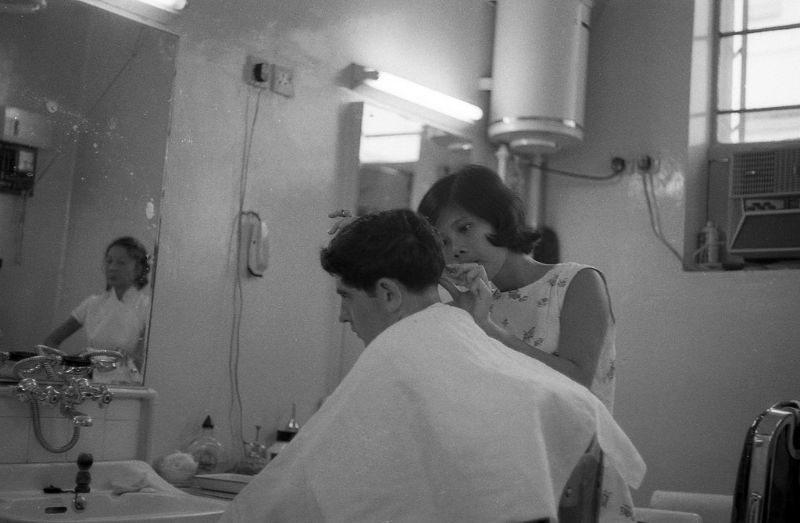
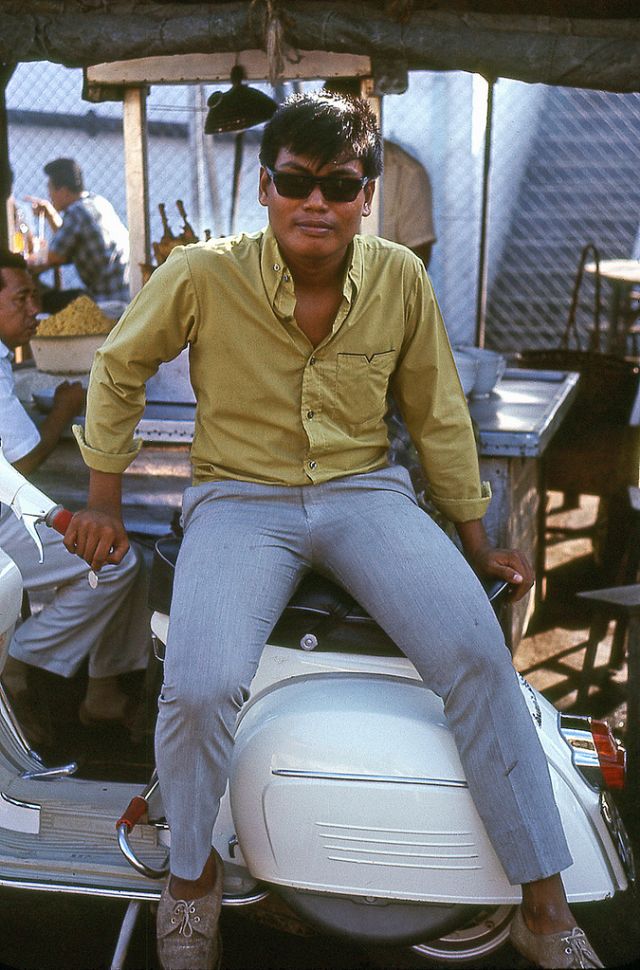
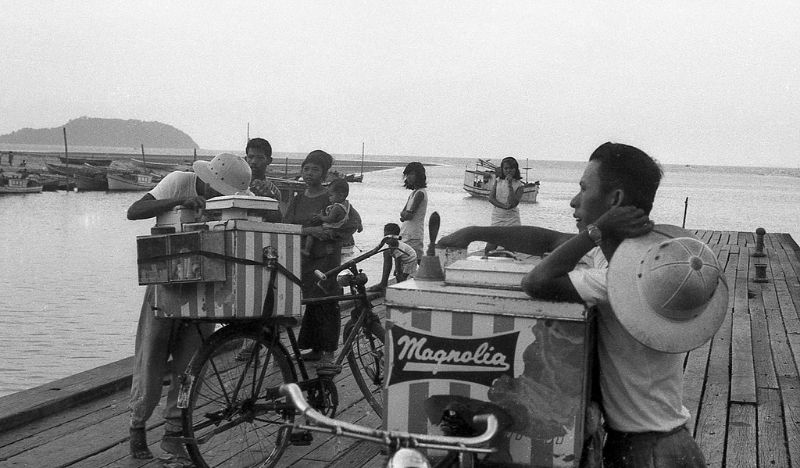
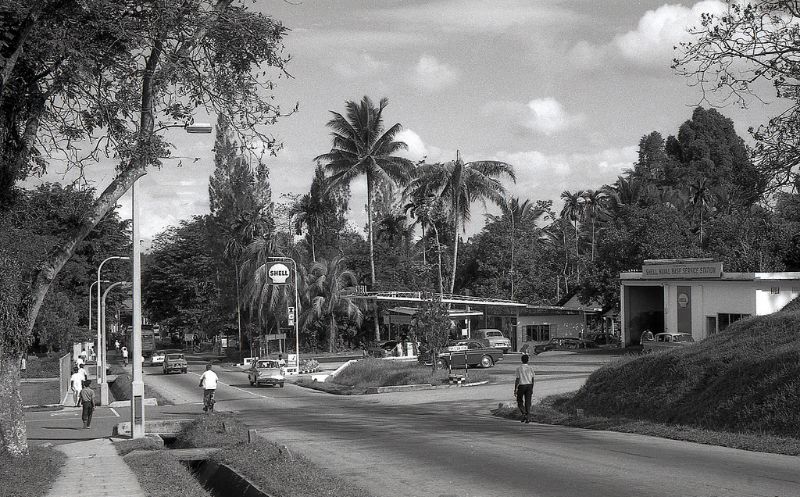
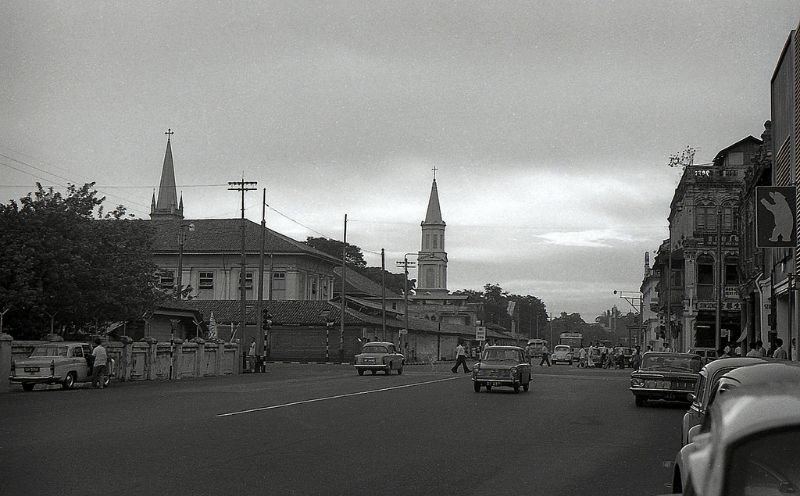
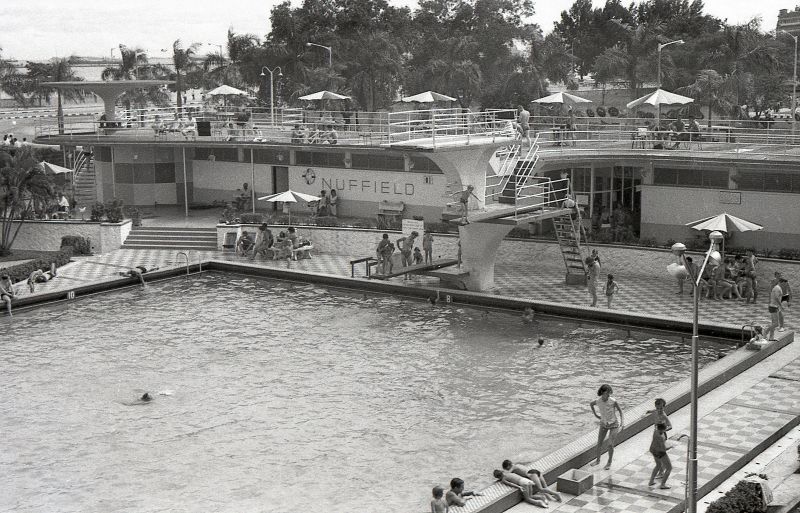
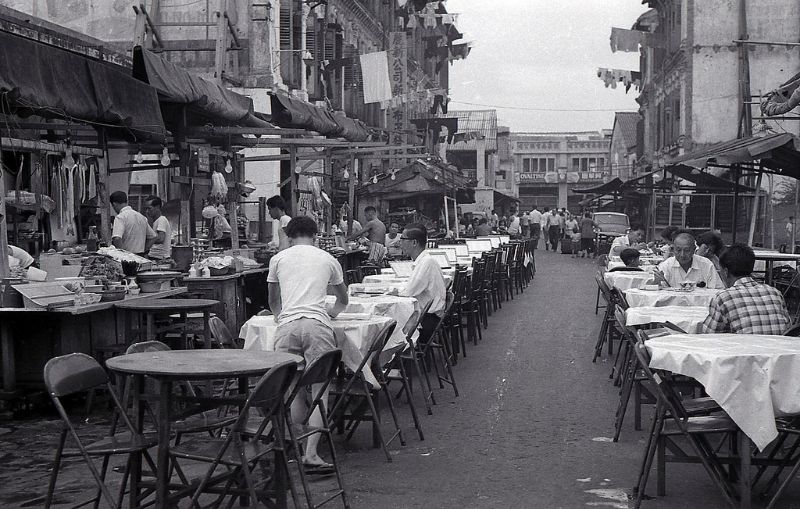
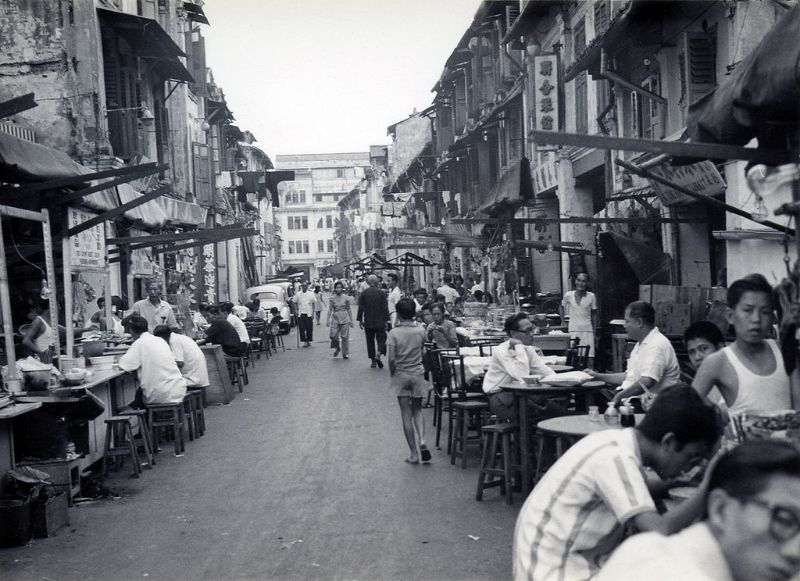
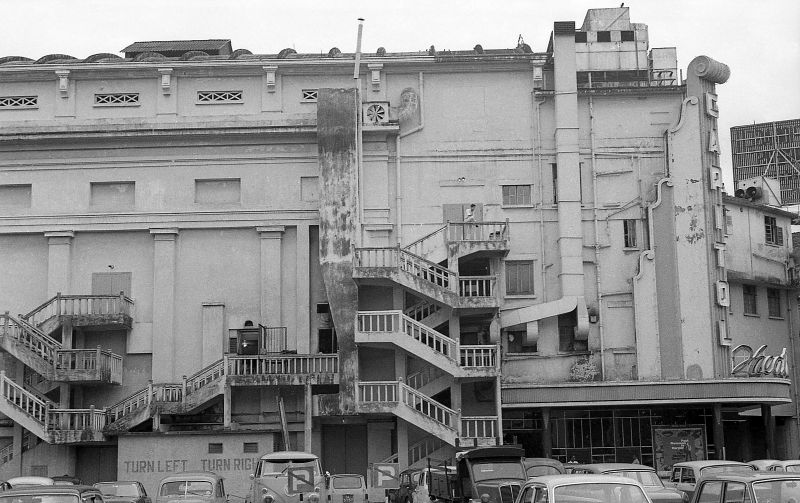
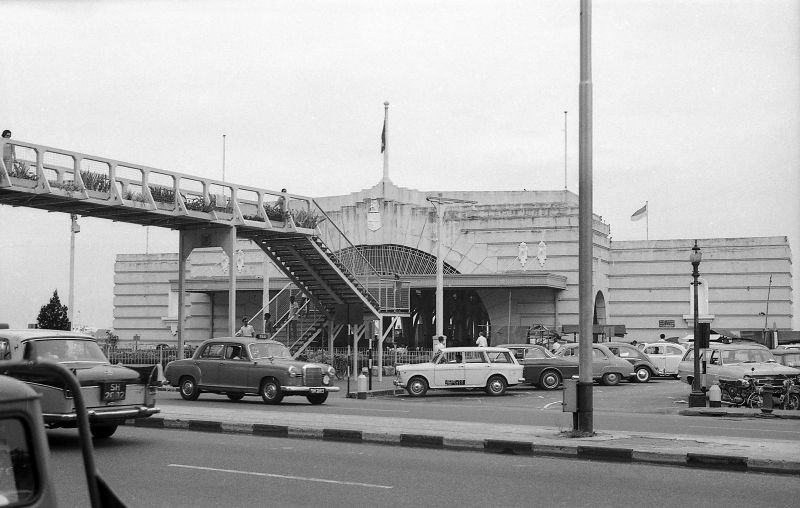
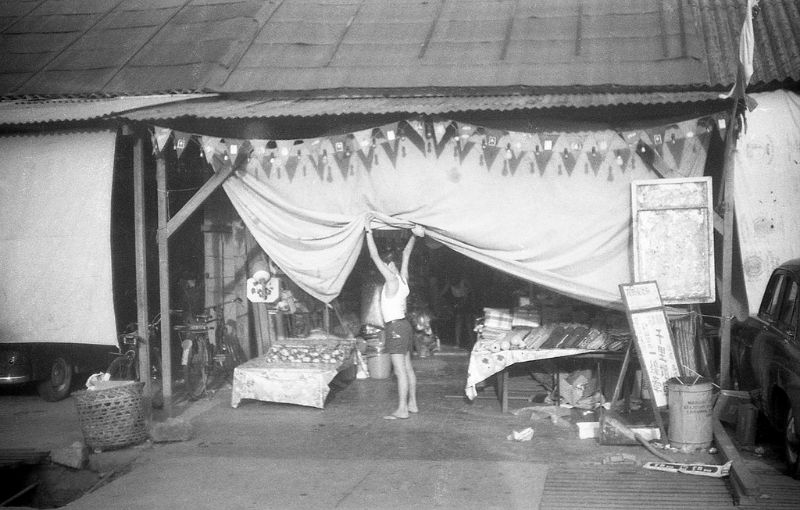
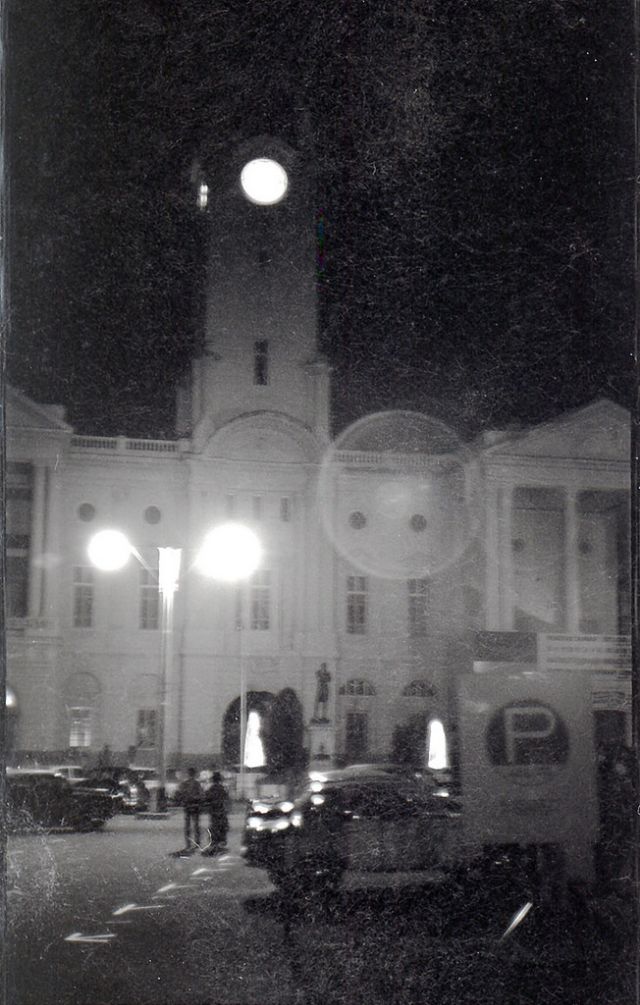
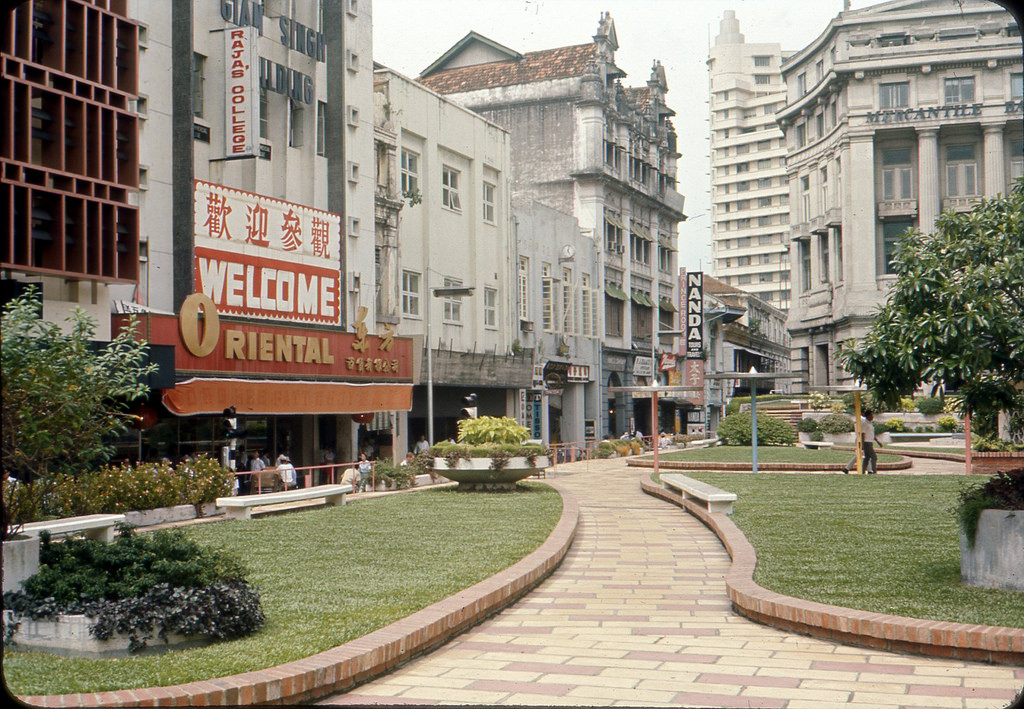
Singapore Prime Minister Lee Kuan Yew Visits Japan, 1968Vanessa and Lynn Redgrave, 1960Vanessa and Lynn Redgrave in Singapore, 1960Hospital Staff Members, Singapore, 196826-Foot-long Double-Deck Bus in Singapore, 1969A view as a Army SRN -6 hovercraft is loaded onto the ship bound for Singapore, 1968Elegant women in a central street, Singapore, 1968.City of Winchester cargo ship, 1969The Mercantile Bank Building in Raffles Place.North Bridge Road, Singapore 1960sThe Fullerton Building (on the left, originally used as the Central Post Office, now a five-star Fullerton hotel) and the Bank of China building (middle) – Singapore’s tallest building in 1966.The Fullerton Building in 1960.Chinatown in Singapore in 1969.A corner of Nee Soon (now Yishun) area, where many bars of Singapore are concentrated, 1966.A residential area on the outskirts of Singapore in 1966.Evening in the central area of Singapore in 1967.Beach Road in central Singapore in 1967.On Mount Faber Hill, Singapore in the 1960s.Parking lot on Collyer Quay, central Singapore in the early 1970s.Welcome gate in front of a market in Singapore in 1966.A street corner in Singapore in 1966.On South Bridge Street in 1965.Traffic police in Singapore 1960.Postal vans cross a bridge in central Singapore in 1960.On Batterry Street in the late 1960s.Jalan Kayu Road in 1968.The Oval in the Selatar area in 1968.Singaporean children in 1961.The wilderness in what would become Singapore’s Suntec City, 1960s.Pedestrian overpass in Singapore in the 1960s.Singapore coastal road in 1965.Corner of Beach Road and Middle Road; on the right was the Tay Koh Yat ticketing office; about four shops back is the York Kee barDockyard workers going home from Sembawang dockyard, 1960sEvening fishing on the south coast of Singapore, 1960sFood stall on Albert Street, 1960sHawker stall (the first Satay Club); the building is Singapore Hainan Hwee Kuan (Hui Guan) at the junction of Beach Road and Middle RoadIn Sembawang village outside the Naval Base, 1960sLooking towards the Capitol Theatre, 1960sNee Soon, 1960sNorth Bridge Road, 1960sOdeon Cinema, 1960sOdeon Theatre, along North Bridge Road, 1960sOne of the stallholders on the food stalls at Sembawang village, 1960sPeter Bar in Sembawang, 1960sRaffles Place, just visible on the right is the John Little shopping centre, 1960sRaffles Place, 1960sRoadside fruit stall, 1960sRoadside stalls, 1960sSeletar Bar in Sembawang, 1960sSembawang Bar near to the Naval Base entrance, 1960sSembawang food stalls, 1960sSembawang Gate, 1960sSingapore by night, 1960sSingapore National Theatre, 1960sStreet scene in Sembawang, 1960sStreet scene in Sembawang, 1960sStreet scene in Sembawang, 1960sStreet scene in Sembawang, 1960sStreet scene in Sembawang, 1960sStreet scene in Sembawang, 1960sThe ‘chopsticks’ civilian war memorial being constructed, 1960sThe entrance to Jalan Sendudok at Chong Pang Village, 1960sThe junction of Serangoon Road, Selegie Road and Bukit Timah Road, 1960sThe Naafi barber shop, 1960sThe proud owner of his motor scooter at the roadside in Sembawang, 1960sA couple of ice cream sellers on a jetty in Northern Singapore, possibly Sembawang, 1960sA minor street in downtown Singapore, 1960sA traffic warden in Singapore, 1960sAdmiralty Road, close to the Sembawang gate of the Naval Base, 1960sAlbert Street stall, 1960sAlbert Street, 1960sAn alley in Singapore, 1960sAt a Singapore arcade, 1960sBluelight Bar in Sembawang, 1960sBras Basah Road; steeple and building on the left is the town convent, 1960sBrittania Club Pool, 1960sBugis Street, 1960sBugis Street, 1960sCapitol Theatre, 1960s
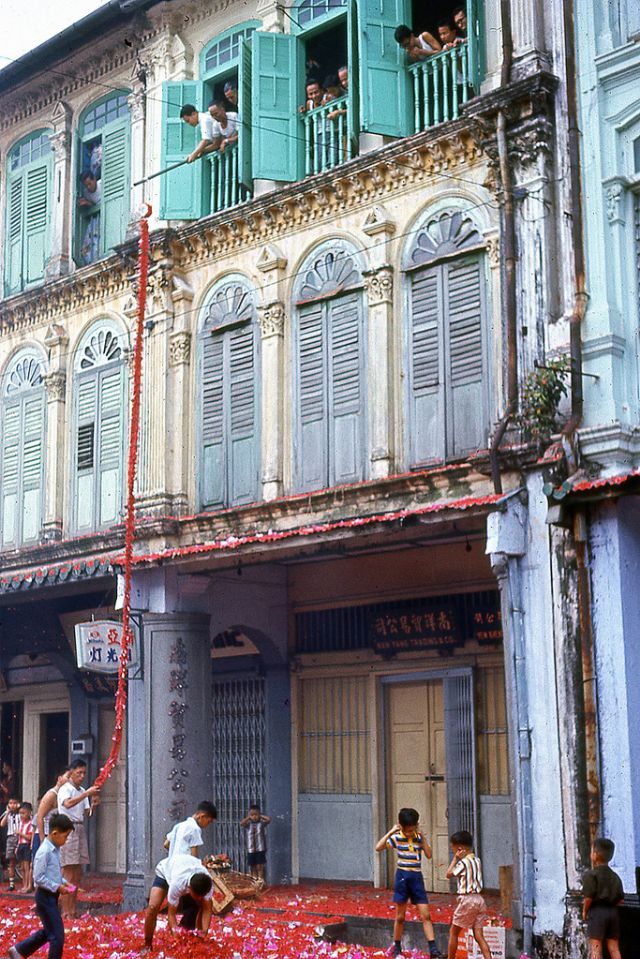
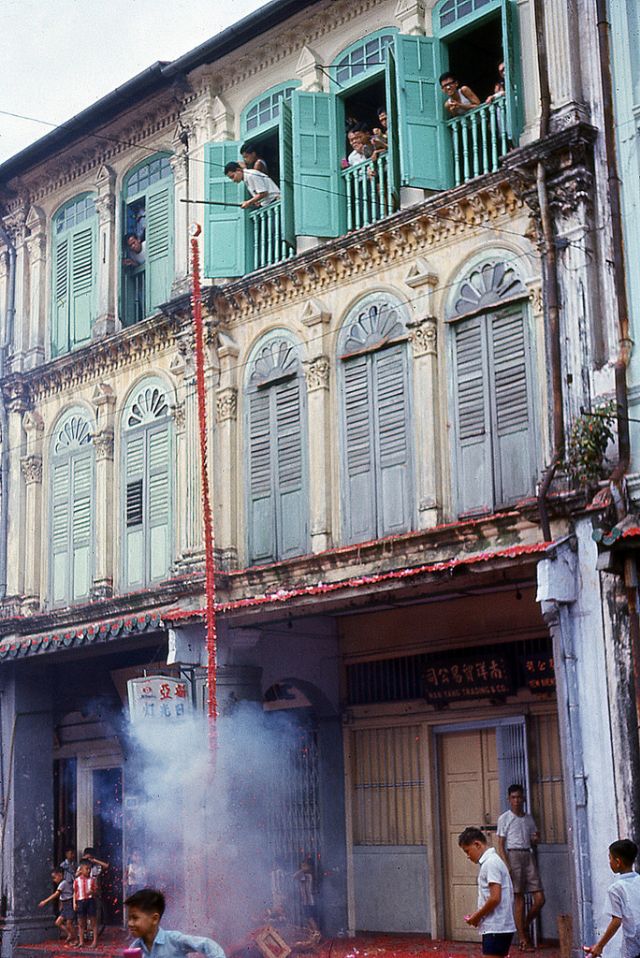
Chinese firecrackers, 1960s
Chinese firecrackers, 1960s
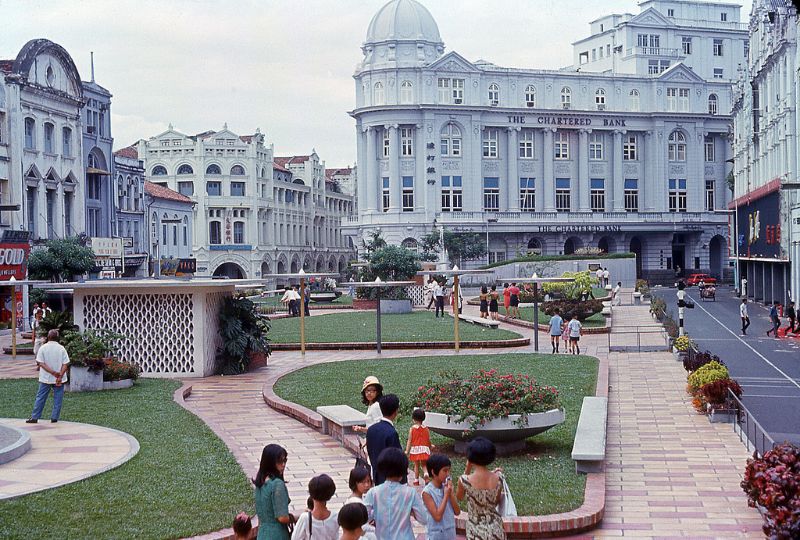
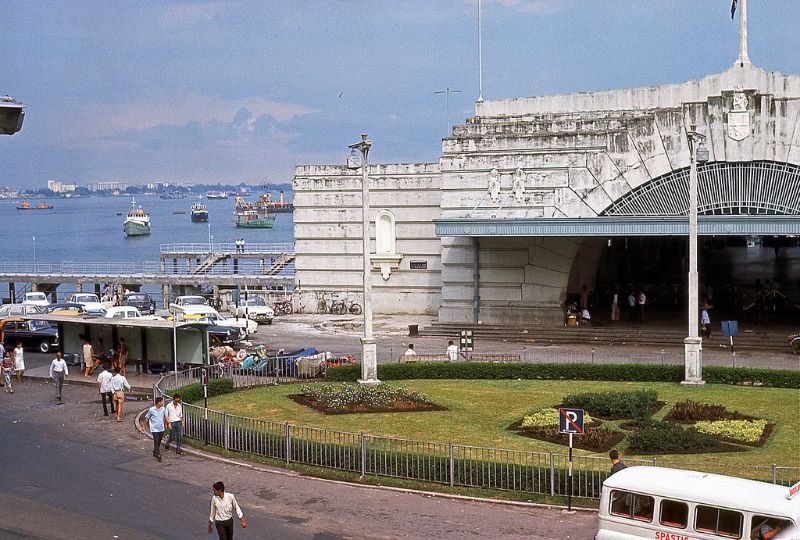
Clifford Pier, 1960sClifford Pier, 1960sCloth shop, probably Sembawang, 1960sConcert Hall at night, 1960sView of the central square of Raffles Place in the 1960s. ảnh: Kit Rabson






Stunning – must combat the sleepy fishing village nonsense narrative
It’s often foolish to take things too literally without considering the context and underlying meaning.
Stunning images!
loved it..
This picture where? Henderson Road?
We need more of these historical photos of Singapore.