

Cleveland in the 1960s and 1970s was a city caught between its industrial past and an uncertain future. Steel mills and manufacturing plants had long defined the local economy, but cracks were forming. Neighborhoods were changing, tensions were rising, and the city’s skyline itself was being remade. These vintage photographs capture Cleveland during one of the most turbulent and transformative stretches in its history — streets, storefronts, bridges, theatres, and everyday moments frozen in time.
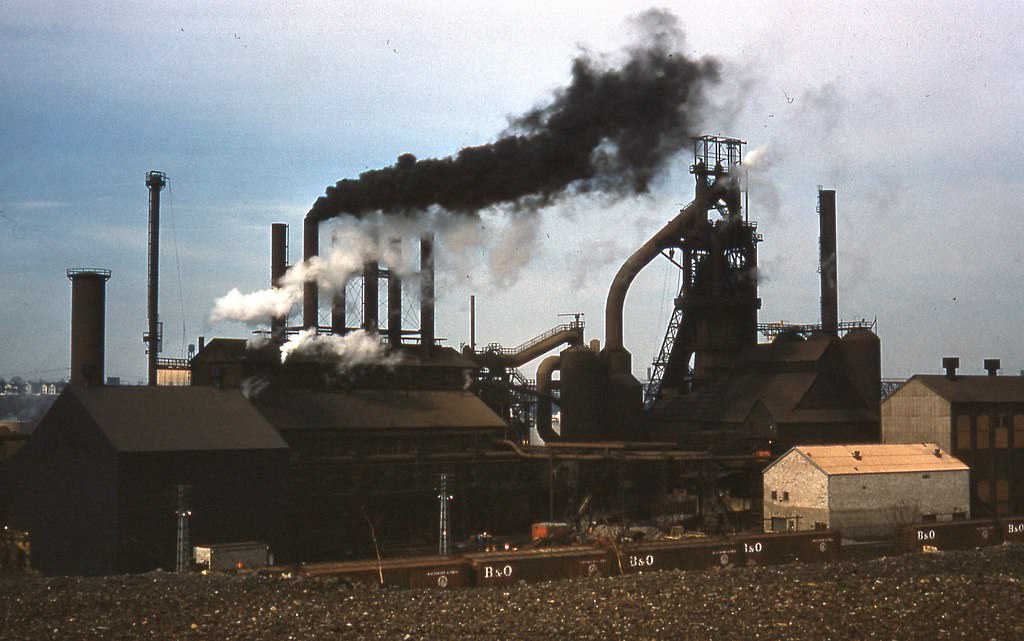
At the start of the 1960s, Cleveland’s economy still leaned heavily on iron, steel, and machinery production. Factories employed tens of thousands of workers, and the city’s identity was closely tied to what it made. But even in 1961, the signs of a coming slowdown were visible. White families were beginning to move out to the suburbs, reshaping Cleveland’s neighborhoods and schools. The city that had once drawn migrants from across the country was starting to lose residents.
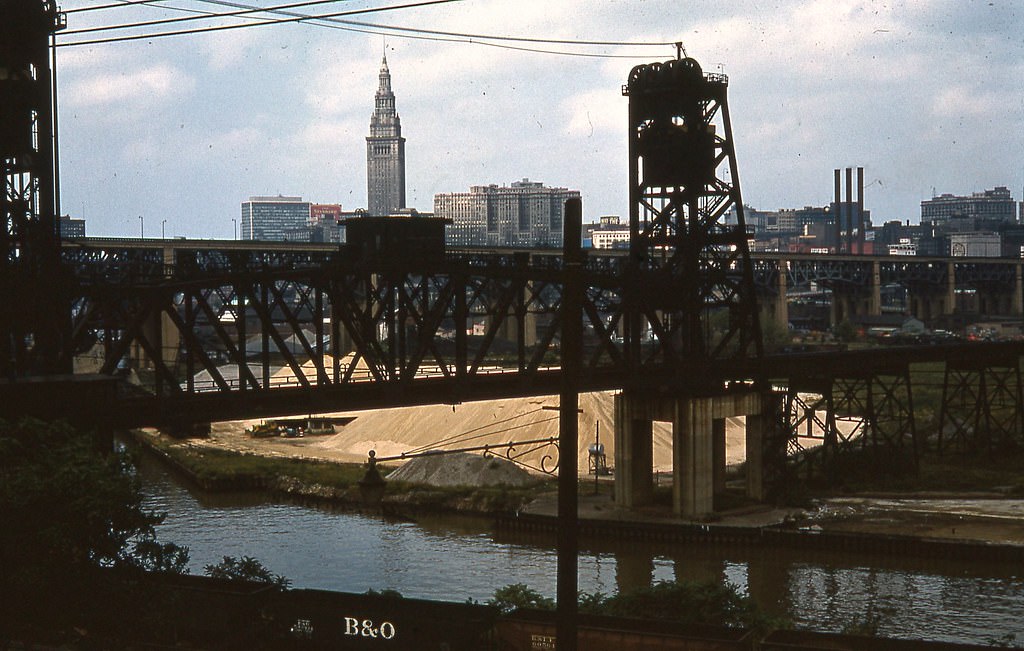
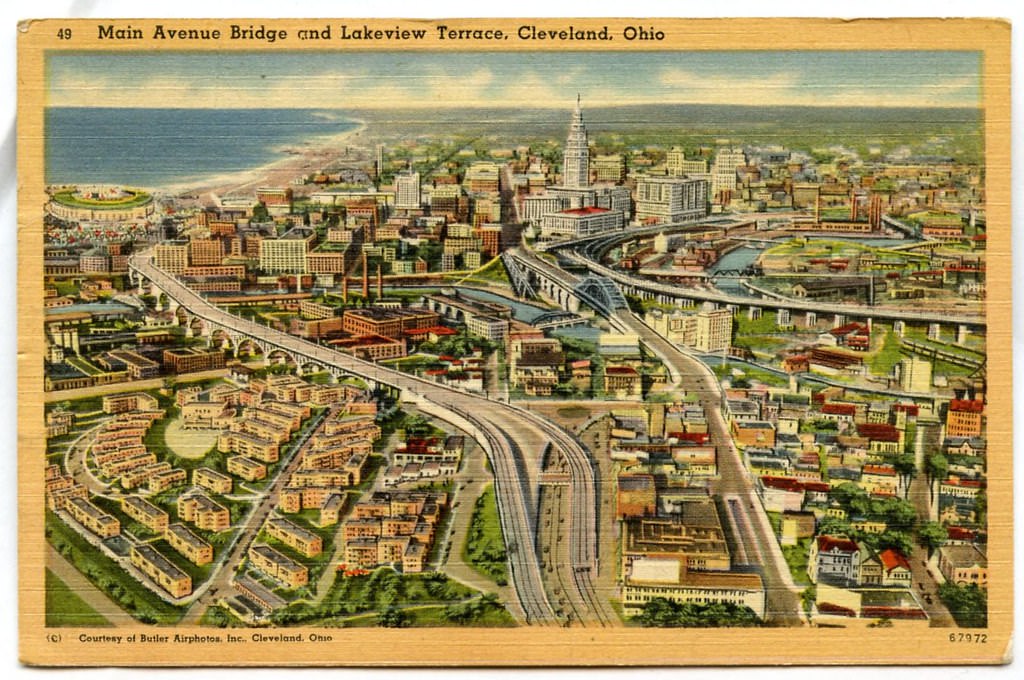
From elevated vantage points, the city’s density was striking — a tightly packed grid of buildings, smoke stacks, and streets stretching toward Lake Erie. Burke Lakefront Airport, sitting right on the waterfront, was already a fixture of that lakeside identity by the early 1960s.
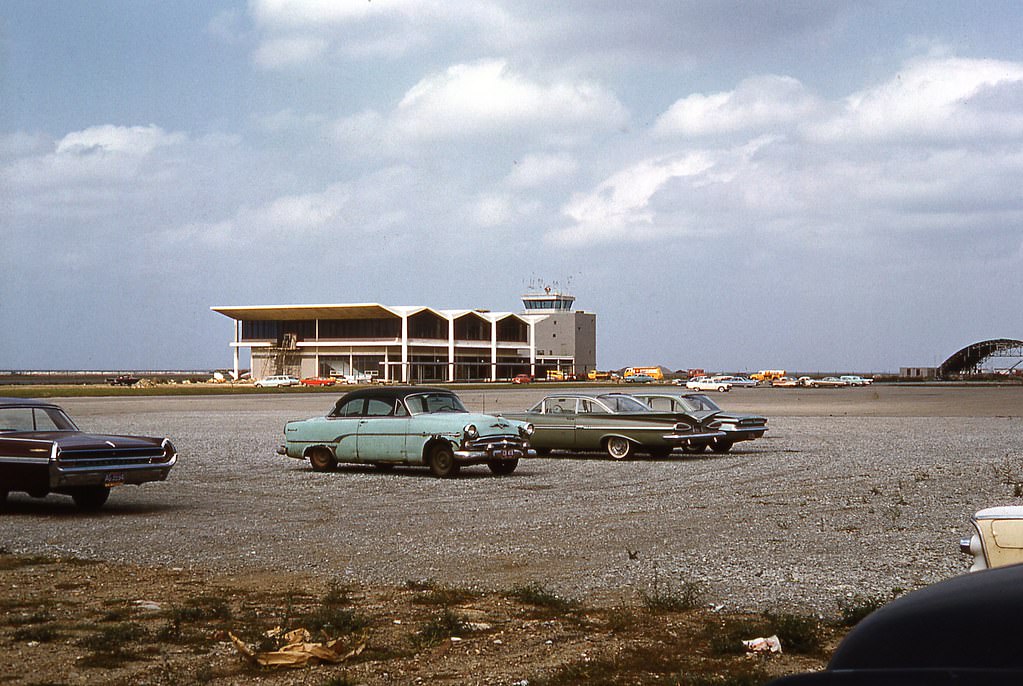
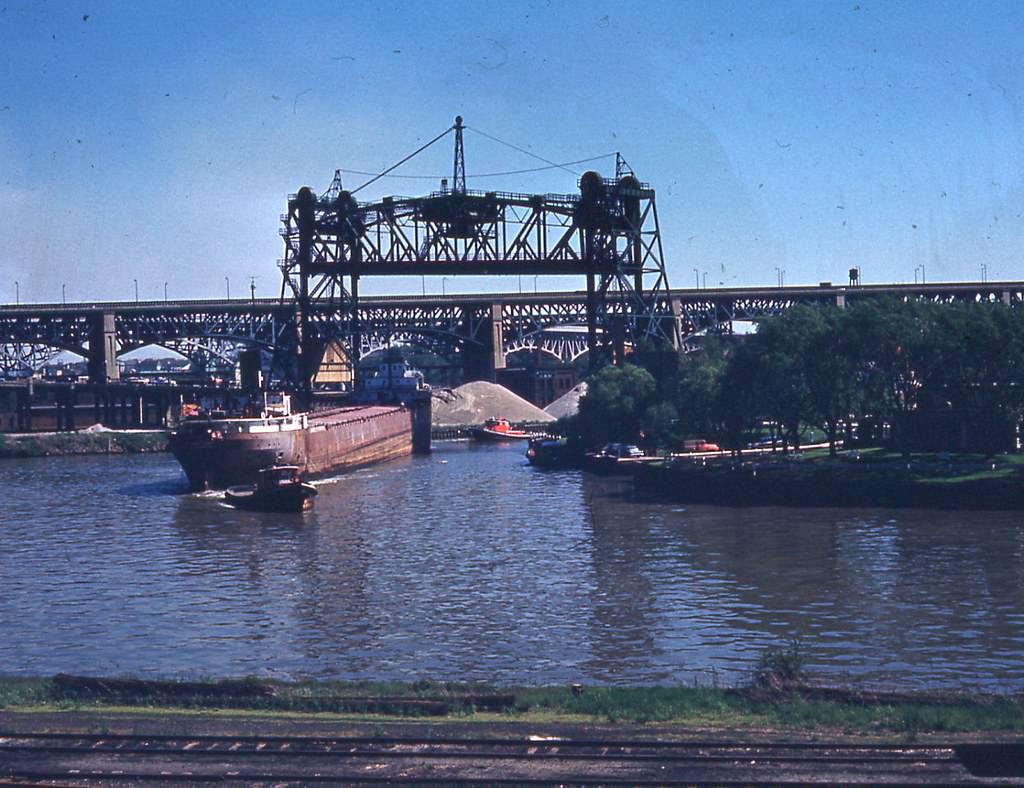
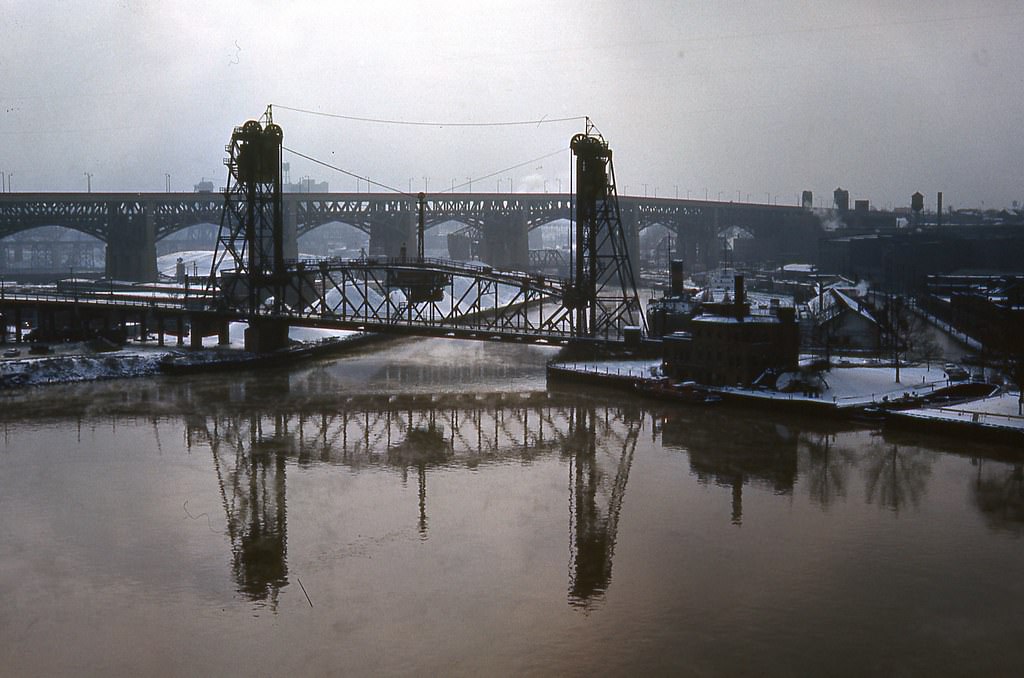
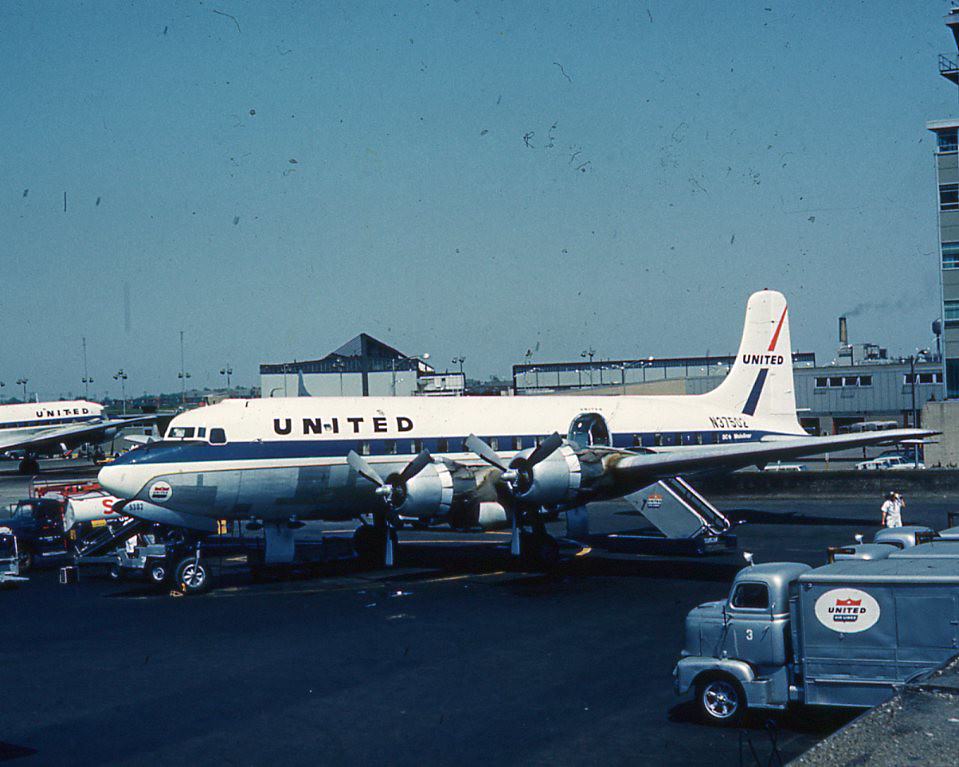
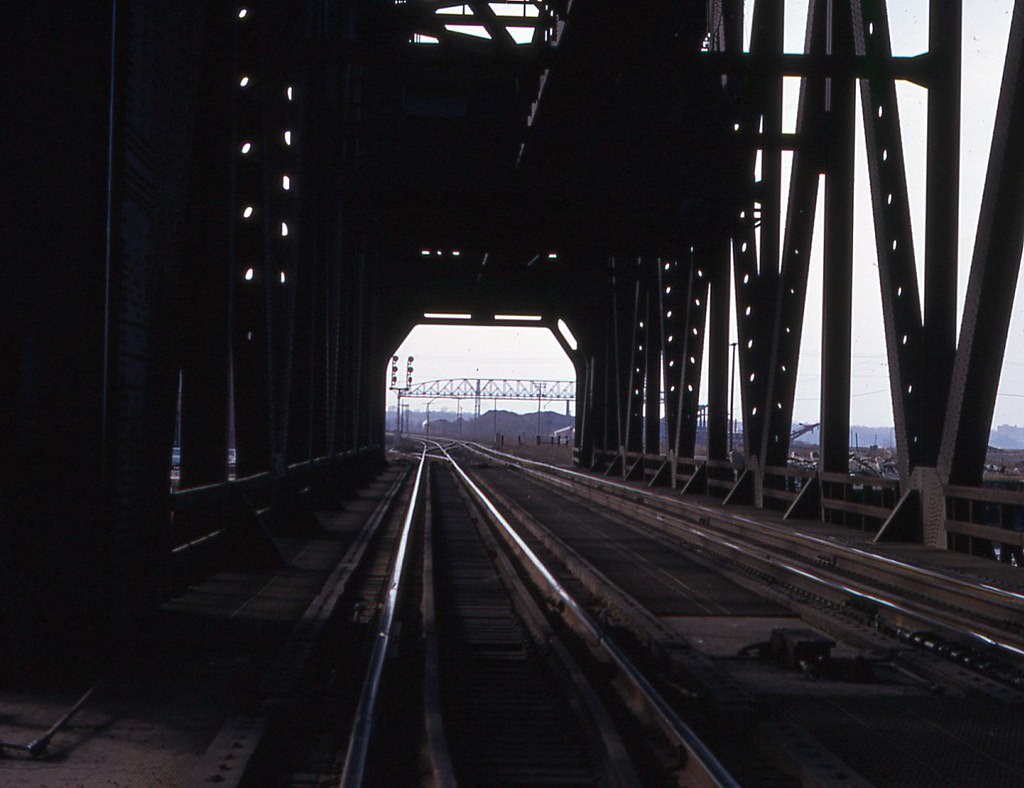
Cleveland’s bridges were essential connectors across the Cuyahoga River valley. The Eagle Street Bridge appeared in photographs from both 1962 and 1963, its steel frame a symbol of the industrial infrastructure that held the city together. That same year, Cleveland Hopkins Airport was growing into a major regional hub.
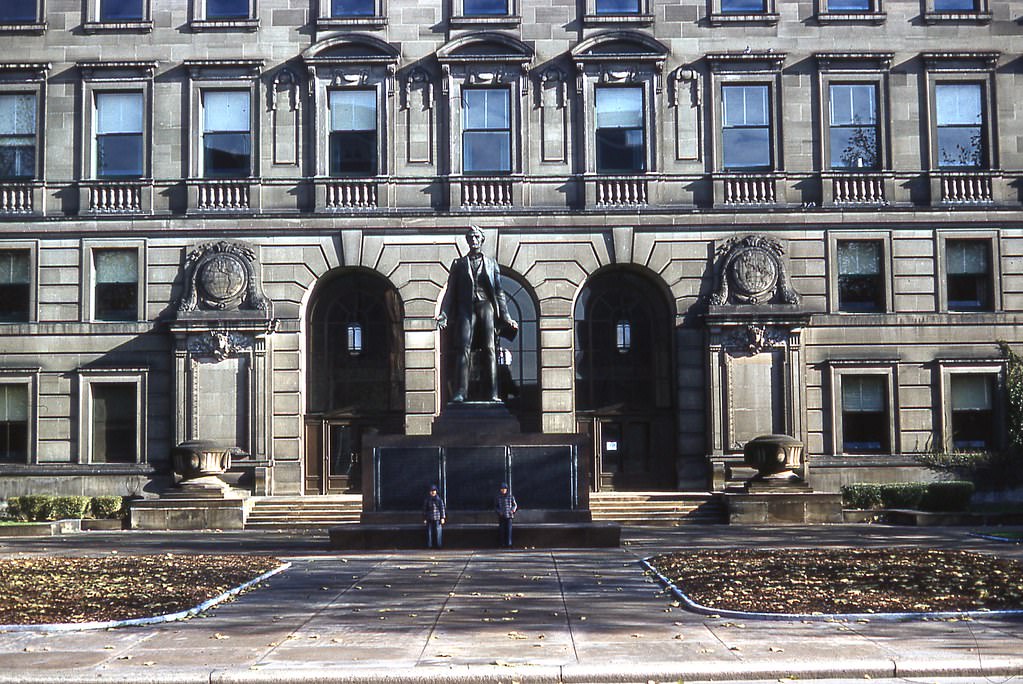
The Cleveland Board of Education building stood as an official anchor of the city’s public institutions in 1961. What it represented, however, would become deeply contested. By 1976, a federal judge ruled that the Cleveland Public Schools were unconstitutionally segregated. The court ordered a busing plan to integrate the schools, and the community’s resistance to that order made it one of the most divisive issues of the decade. Busing began in the late 1970s, transporting students across neighborhoods to achieve racial balance.
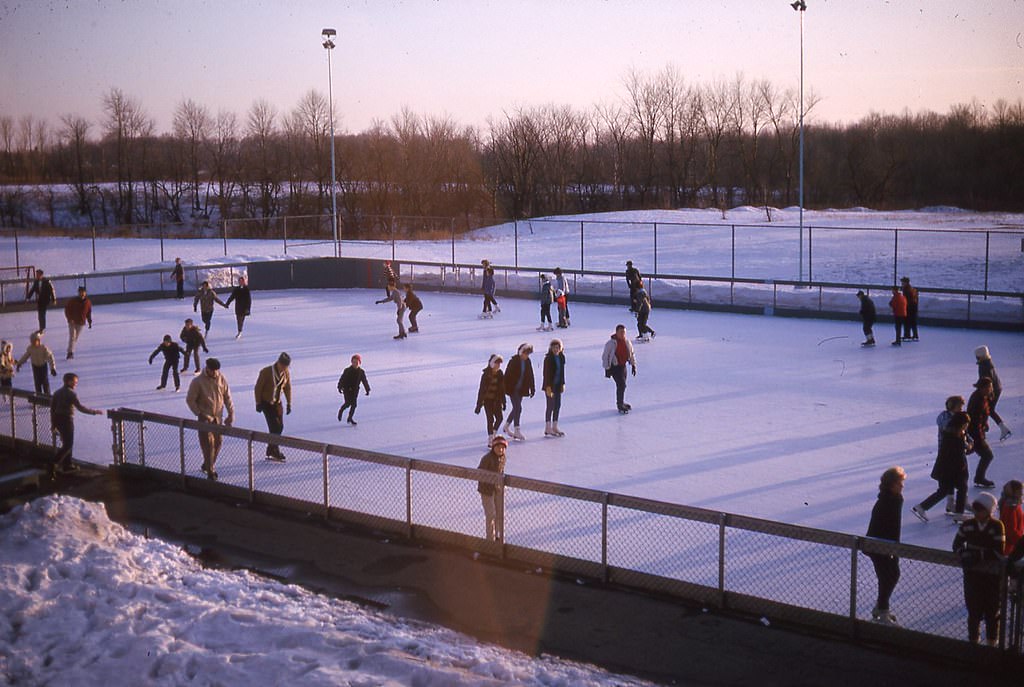
Outside the city, suburban life in places like Maple Heights had its own rhythm. Ice rinks, Fourth of July parades, and community gatherings were regular parts of life for families who had relocated from Cleveland’s urban core. The 1964 Maple Heights ice rink photo captures the kind of ordinary leisure that defined the suburbs during this era.
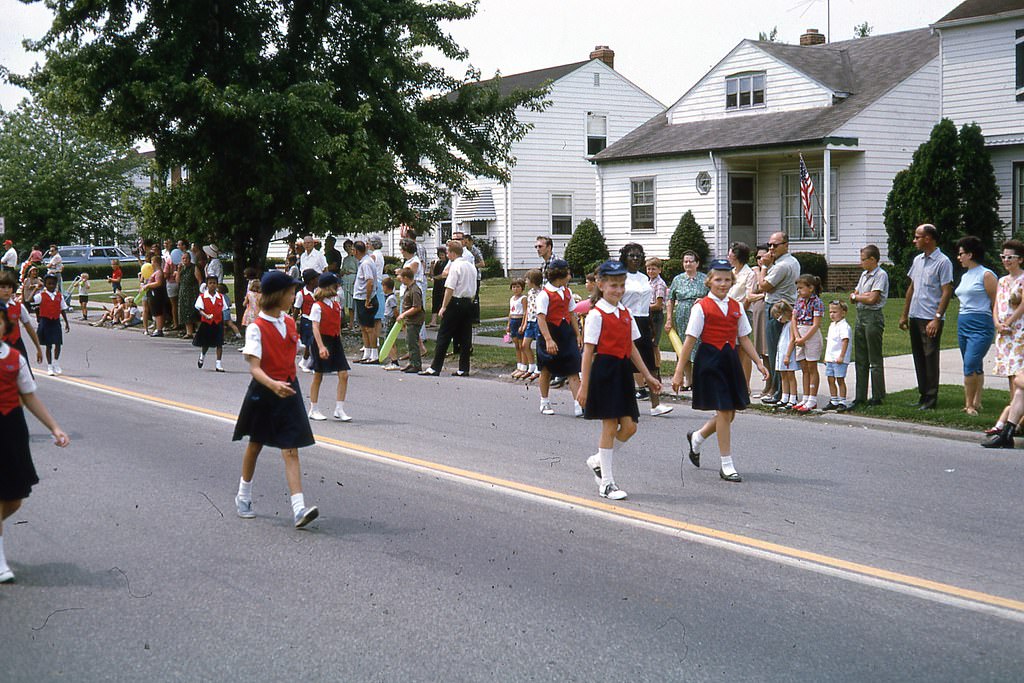
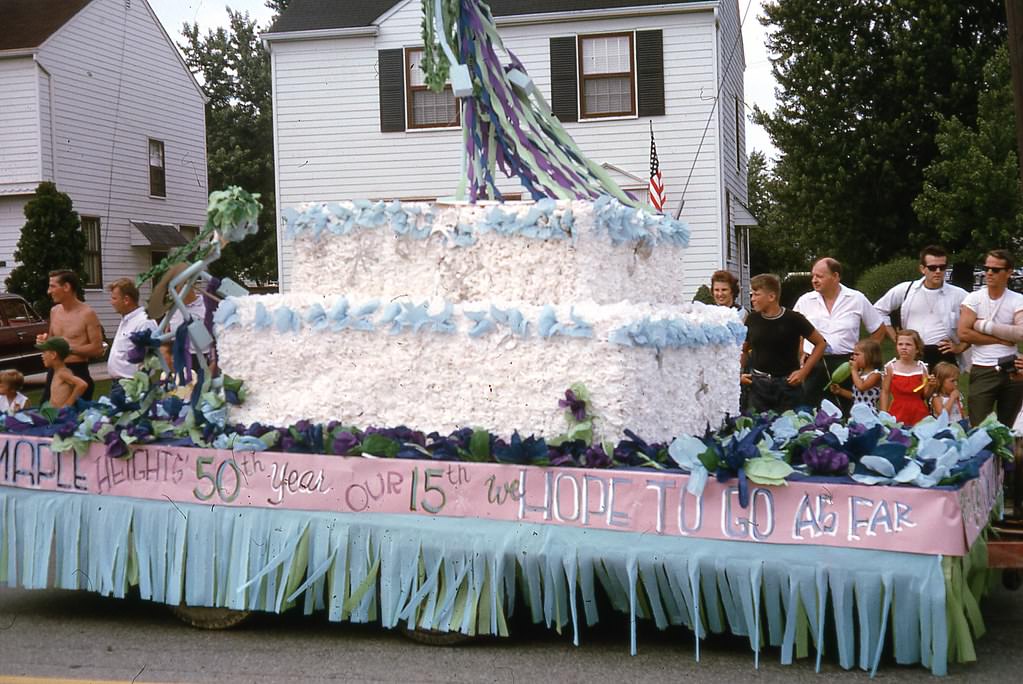
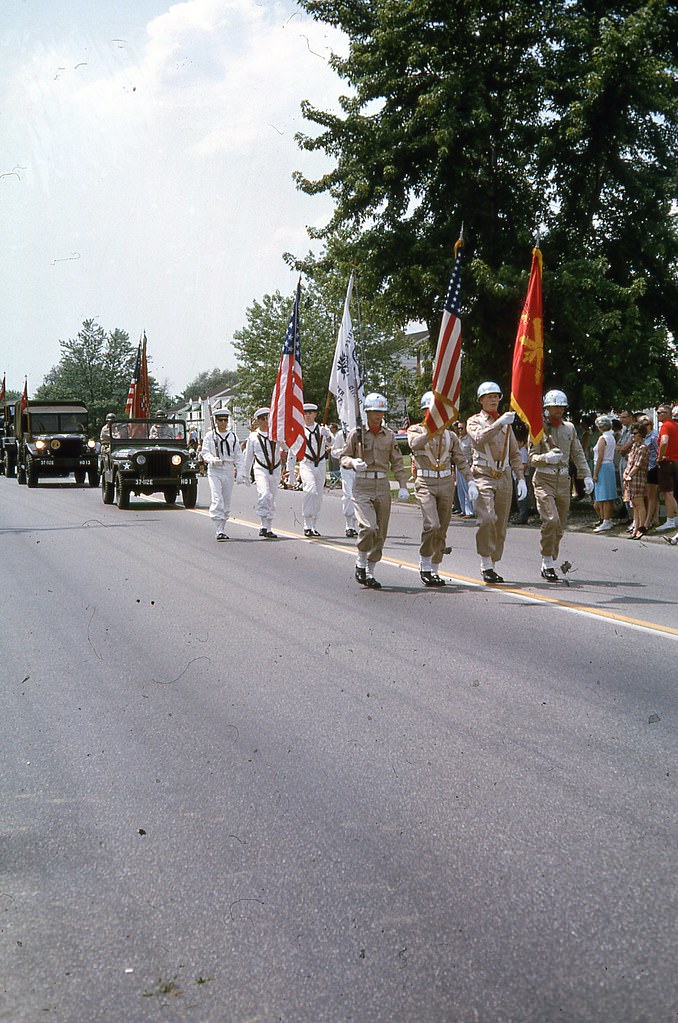
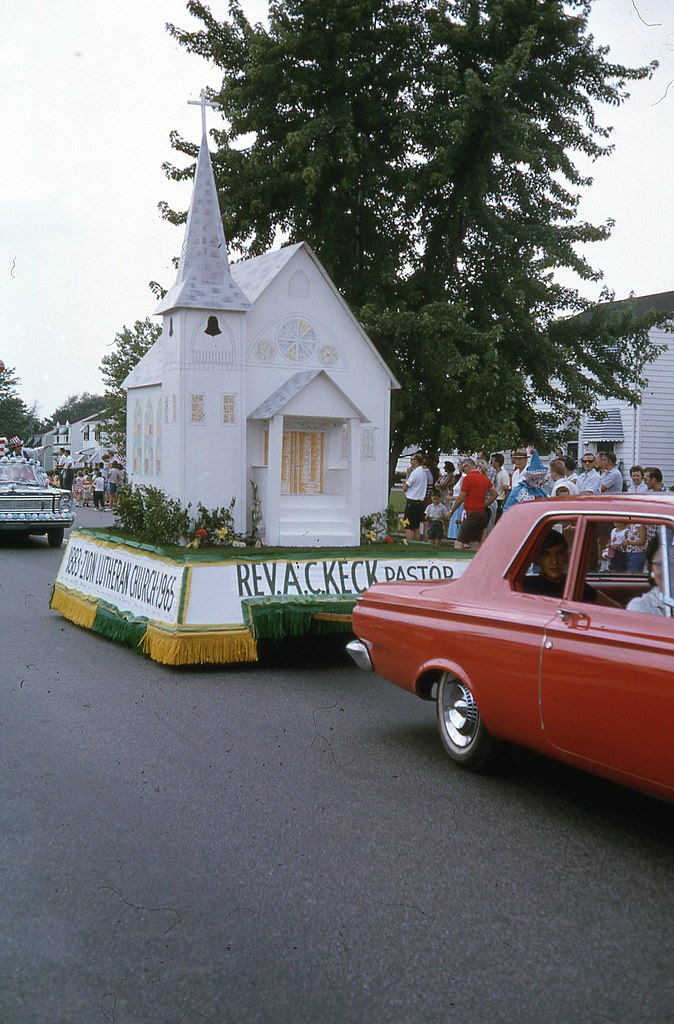
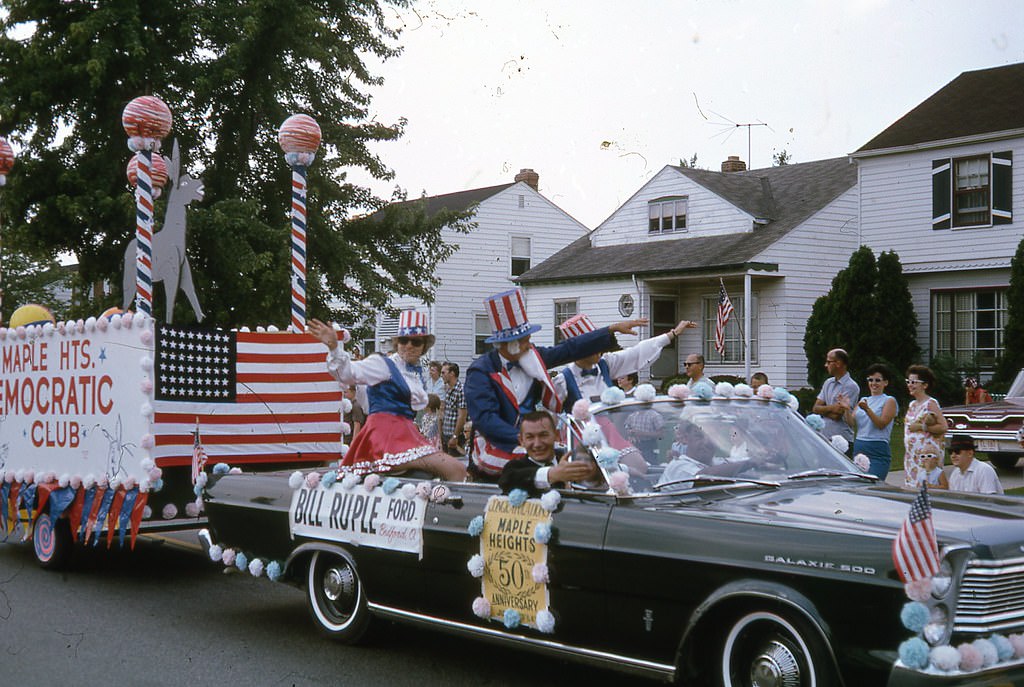
The 1965 Fourth of July parade in Maple Heights drew veterans, Campfire Girls, and city officials alike. Crowds lined Libby Road as the mayor rode through. These images stand in sharp contrast to what was happening just a few miles away in Cleveland proper, where racial and economic pressures were building toward a breaking point.
In July 1966, the Hough neighborhood erupted in riots. The unrest lasted for several days and resulted in deaths, injuries, and widespread property destruction. The riots put Cleveland on the national news and forced a reckoning with the racial and economic conditions the city had long ignored. Two years later, in 1968, a shootout between police and a Black nationalist group in the Glenville neighborhood added another violent chapter to the decade.
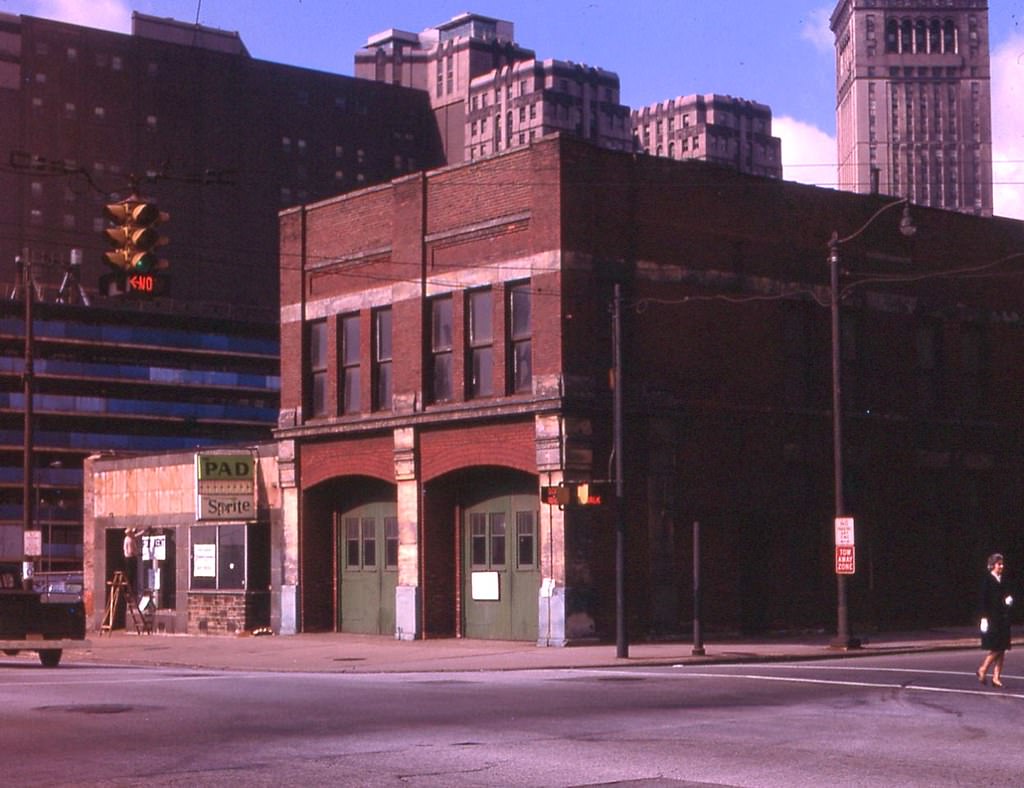
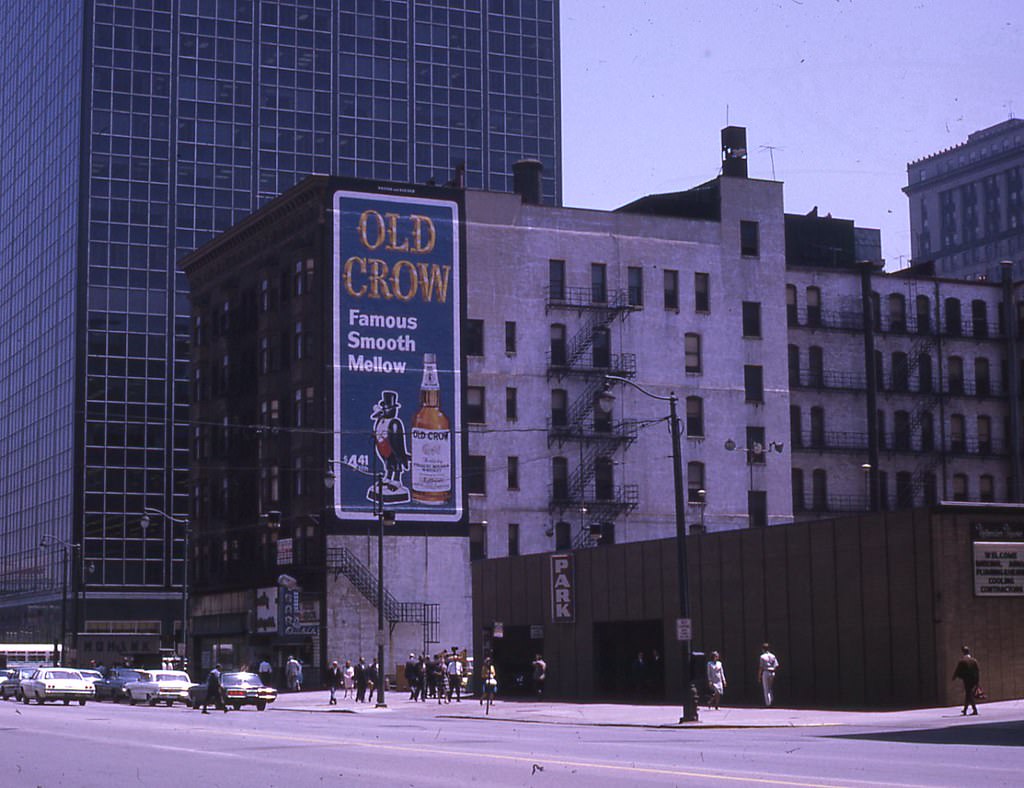
The Ellington Apartments were photographed in 1967 just before they were razed — a pattern that repeated itself across Cleveland as urban renewal and redevelopment reshaped entire blocks. The Firehouse at 4th and Huron, also photographed in 1967, was one of many civic structures that defined the city’s built environment during this period.
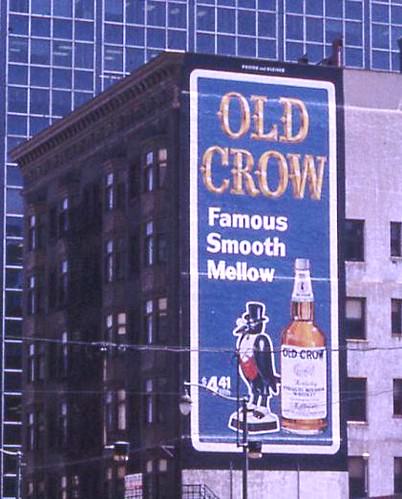
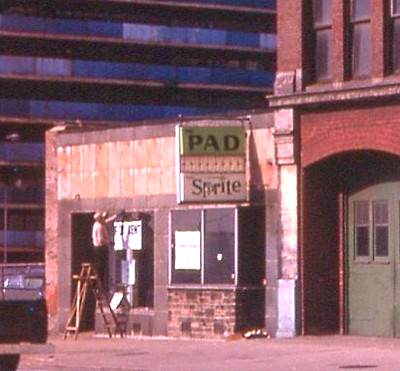
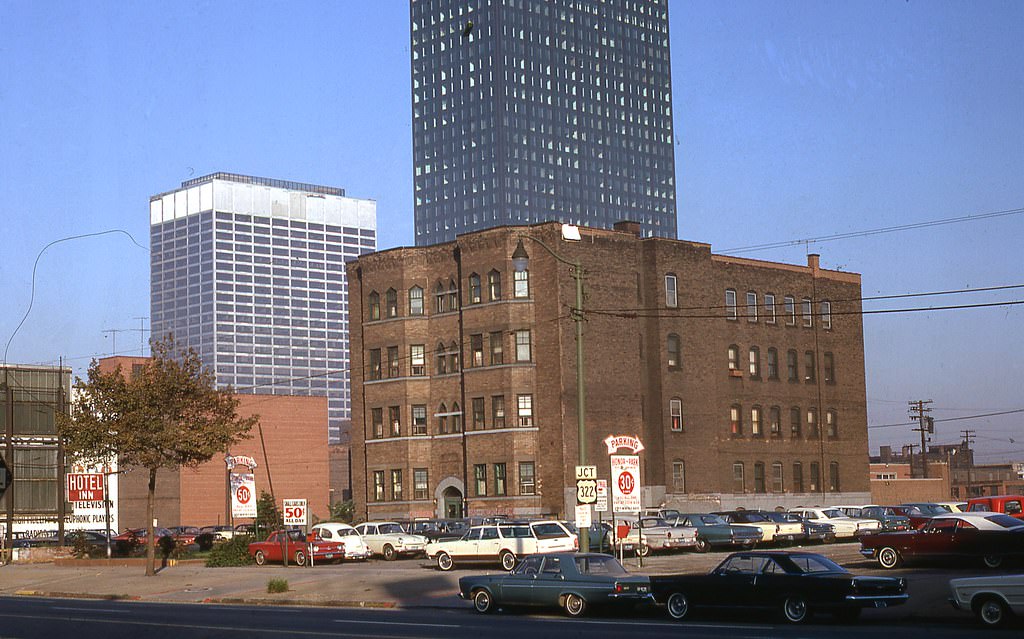
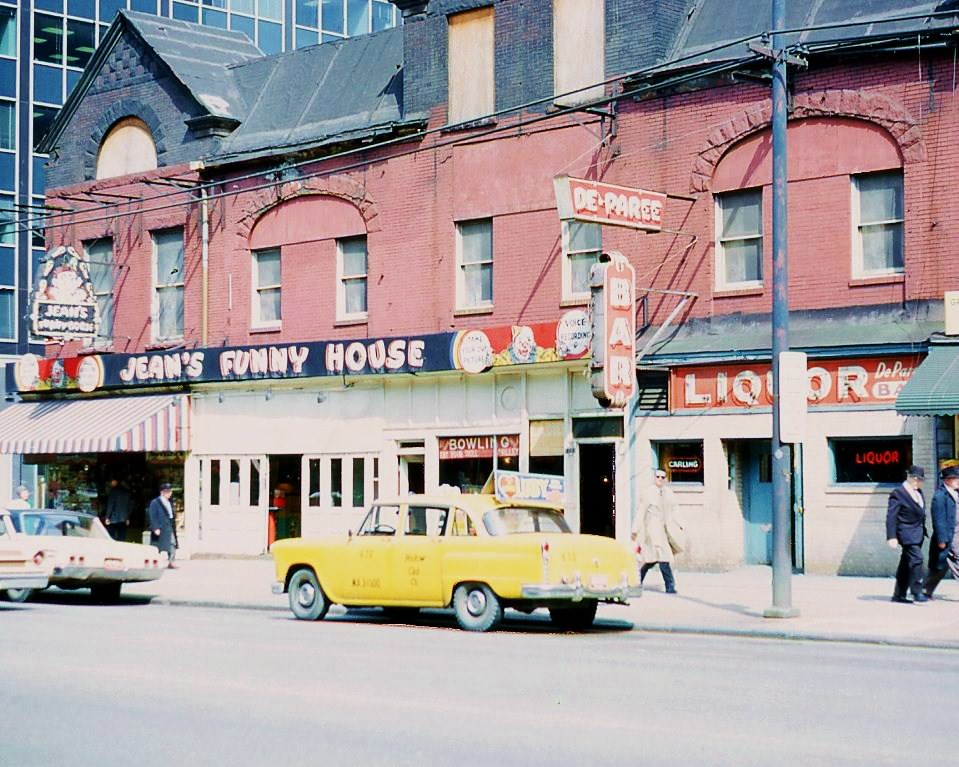
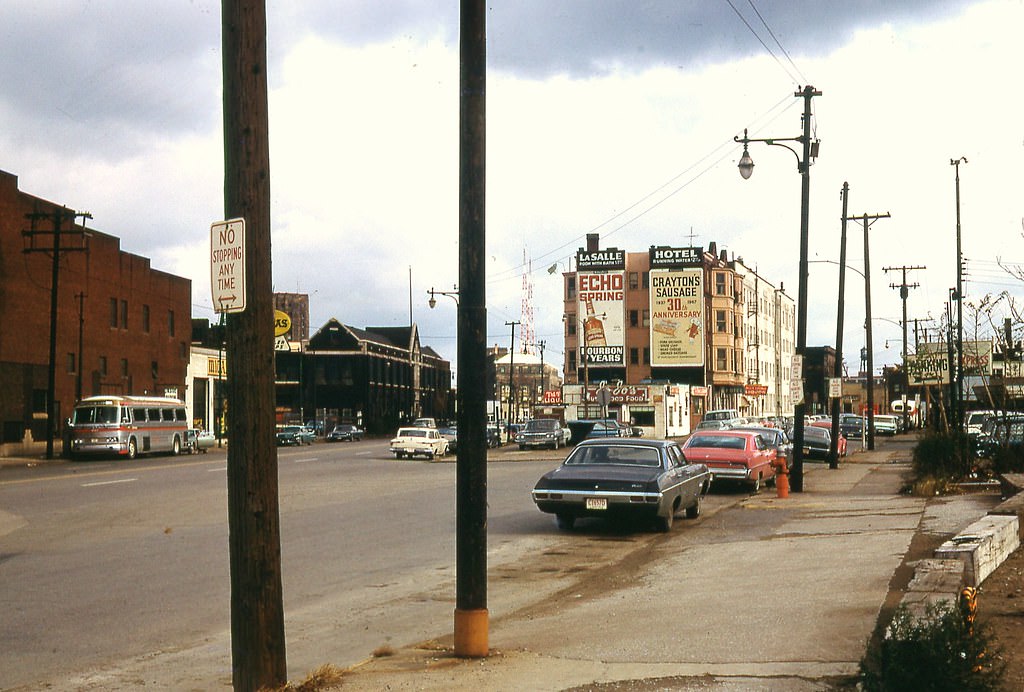
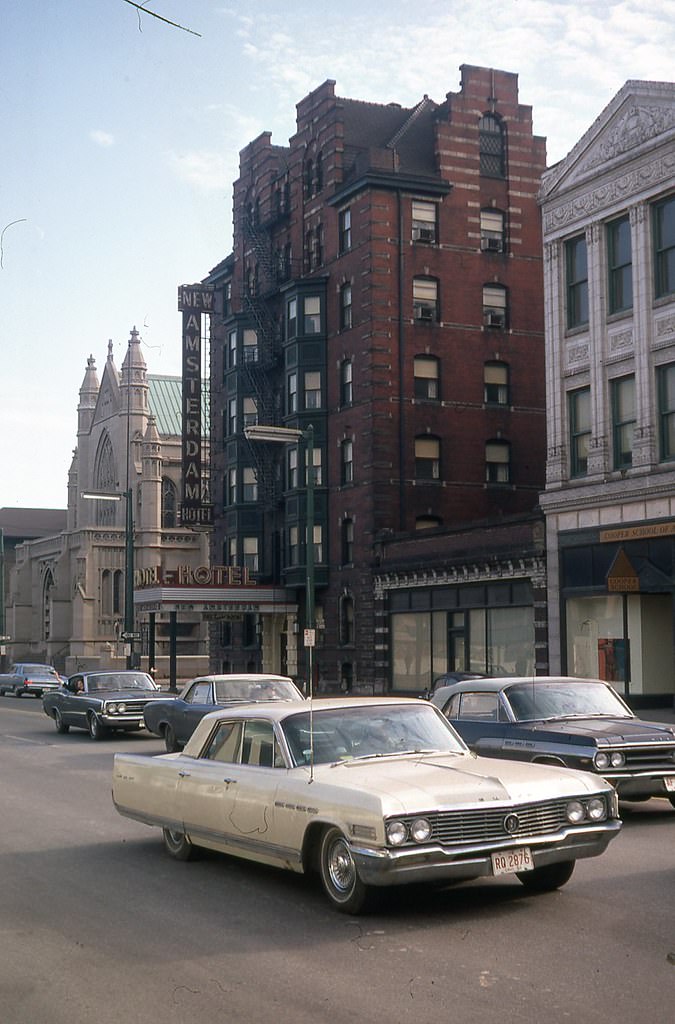
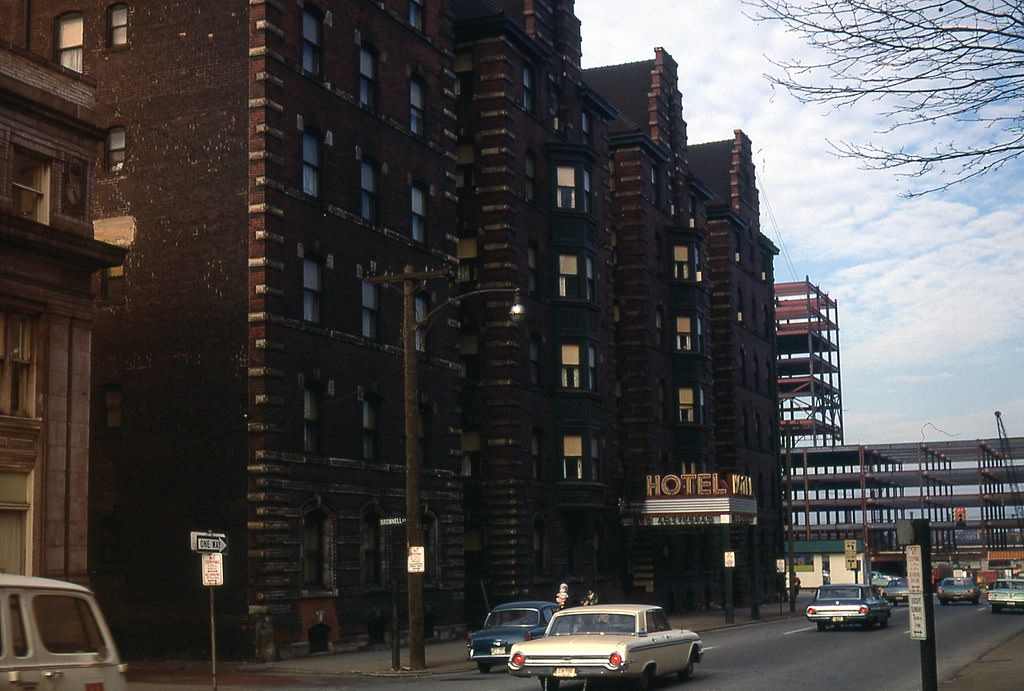
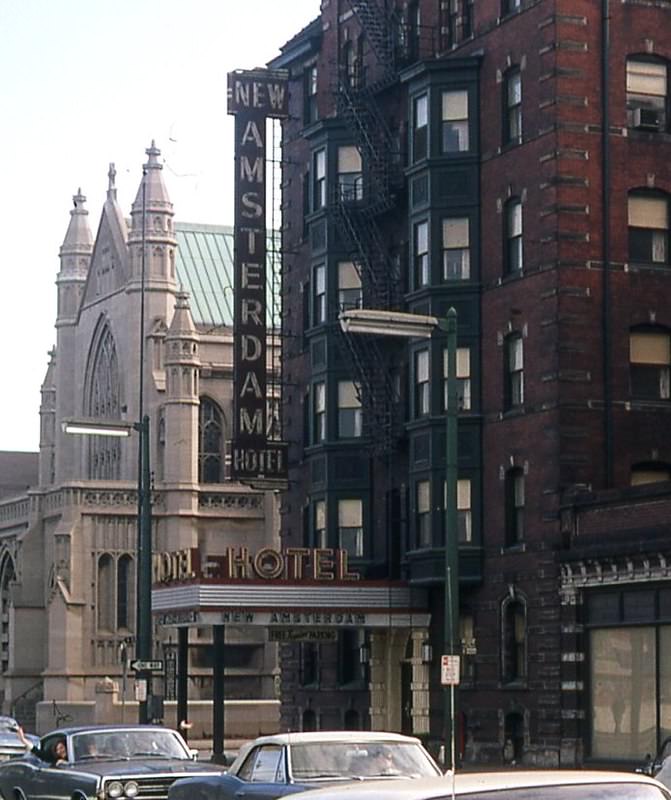
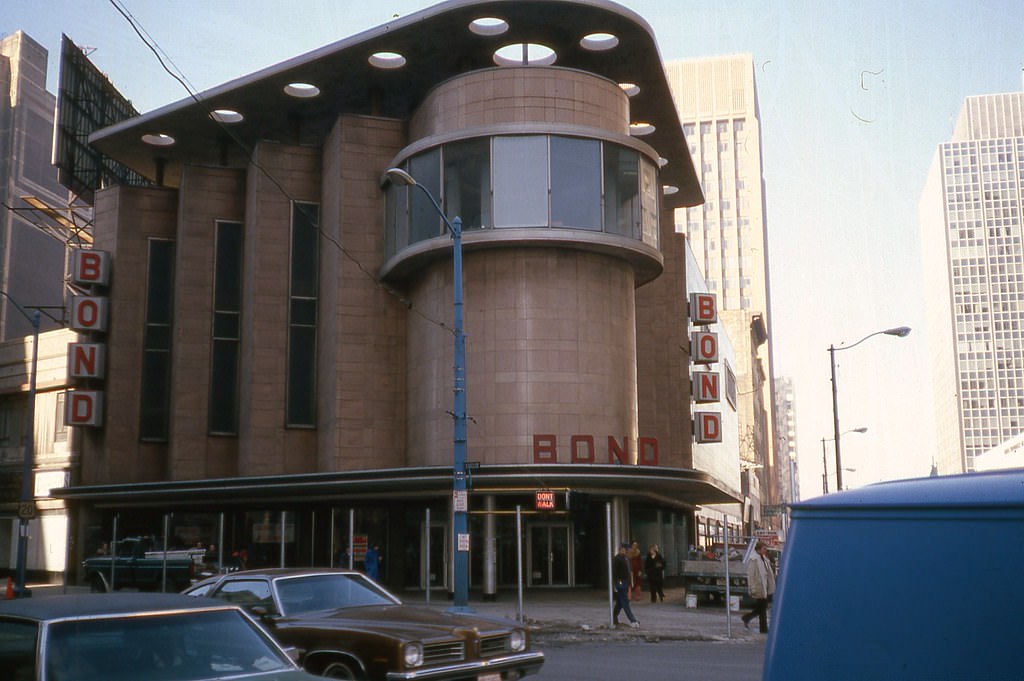
In 1967, Carl Stokes was elected mayor of Cleveland, becoming the first African American mayor of a major American city. His victory was historic. Stokes opened city government jobs to Black residents and women, and launched the Cleveland: NOW! program to fight poverty through investment in jobs, housing, and healthcare. The same year, street-level photography captured the texture of daily commercial life — advertising signs, hotel facades, and storefronts that filled Cleveland’s corridors.
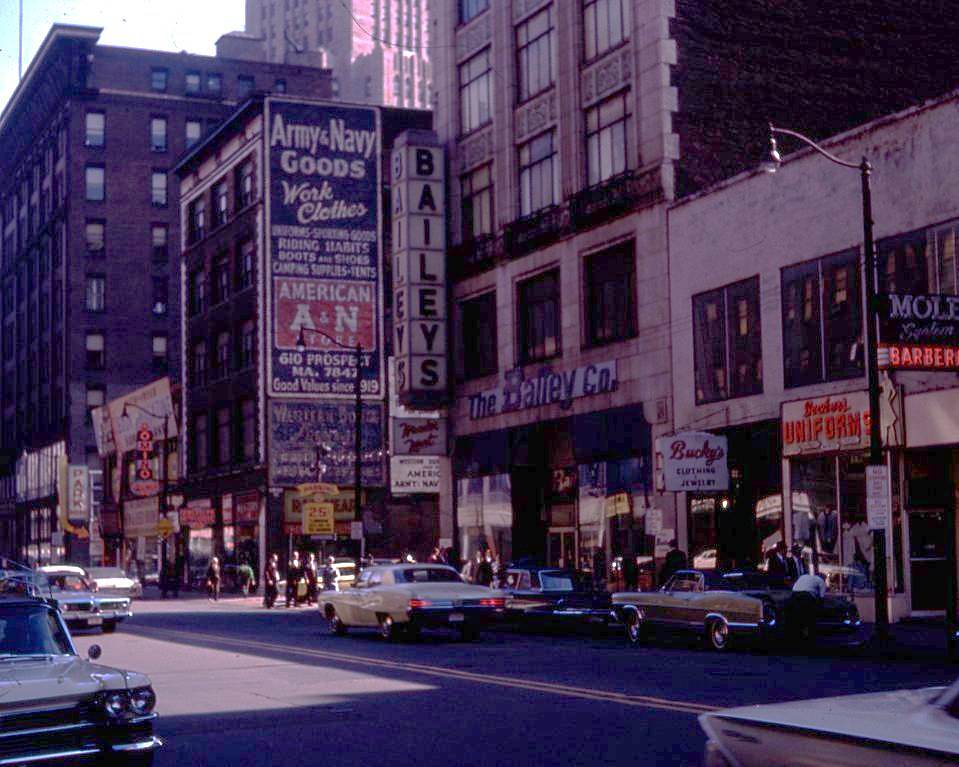
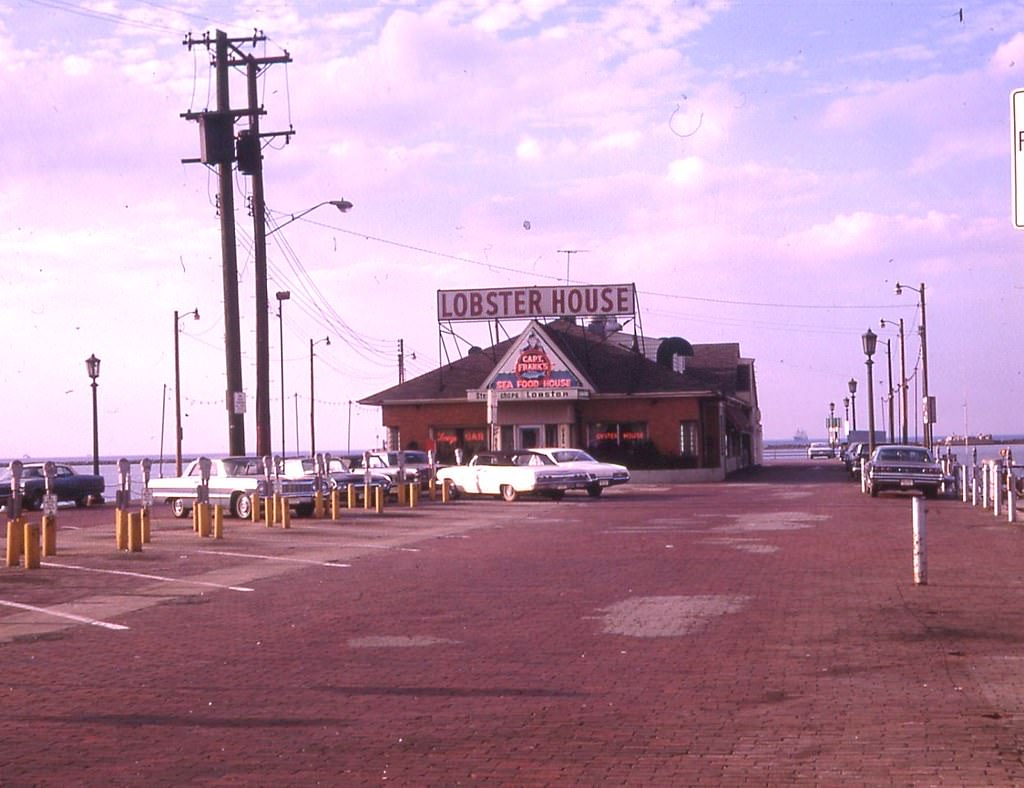
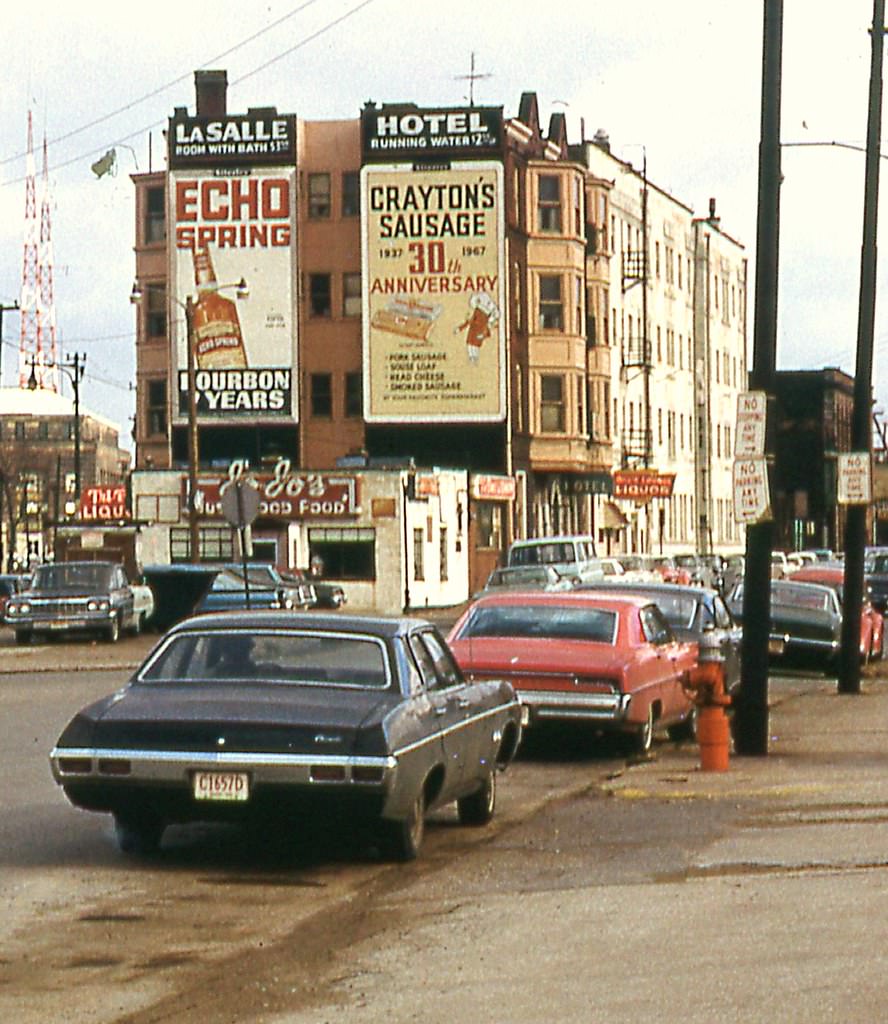
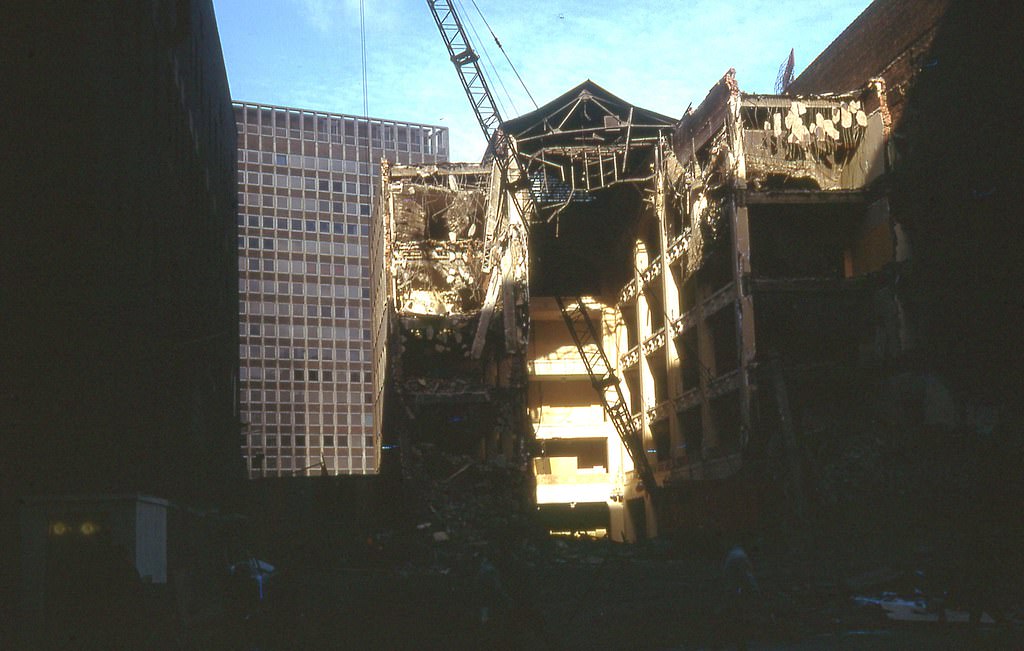
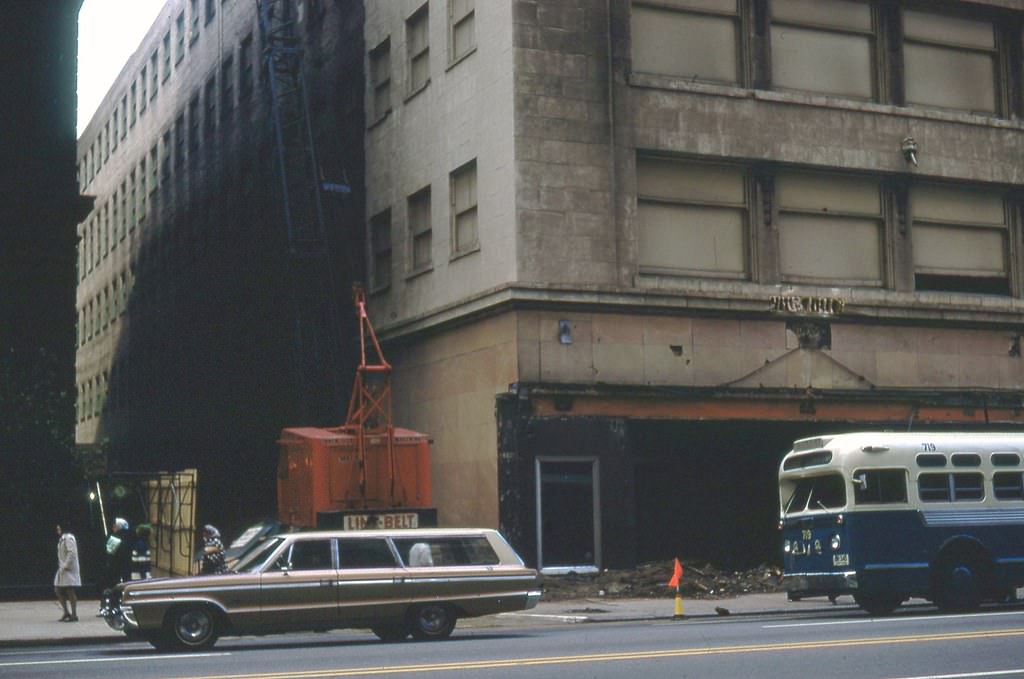
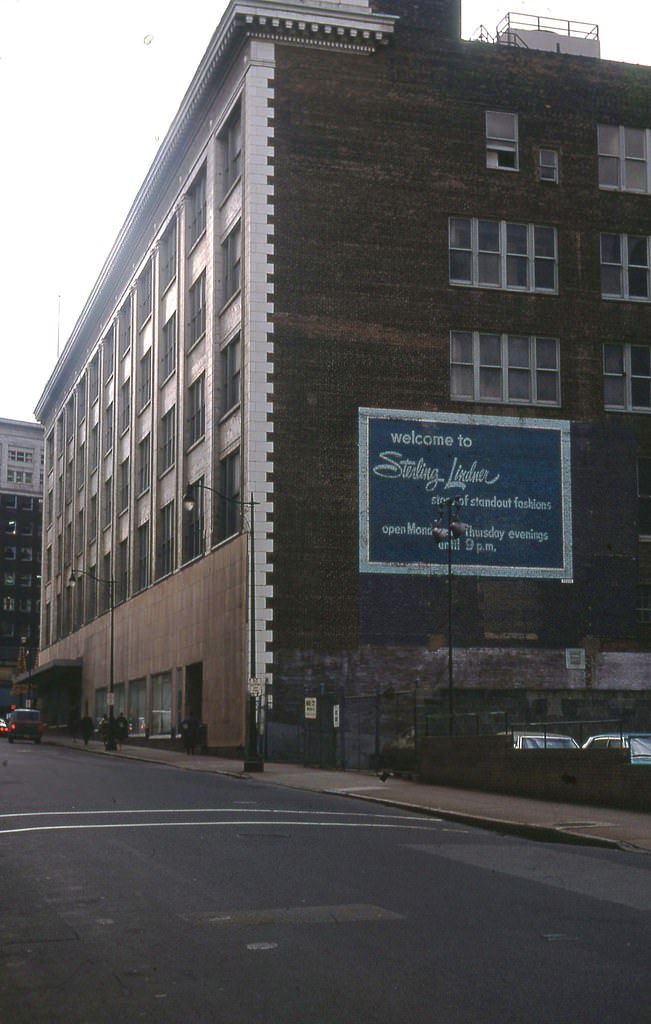
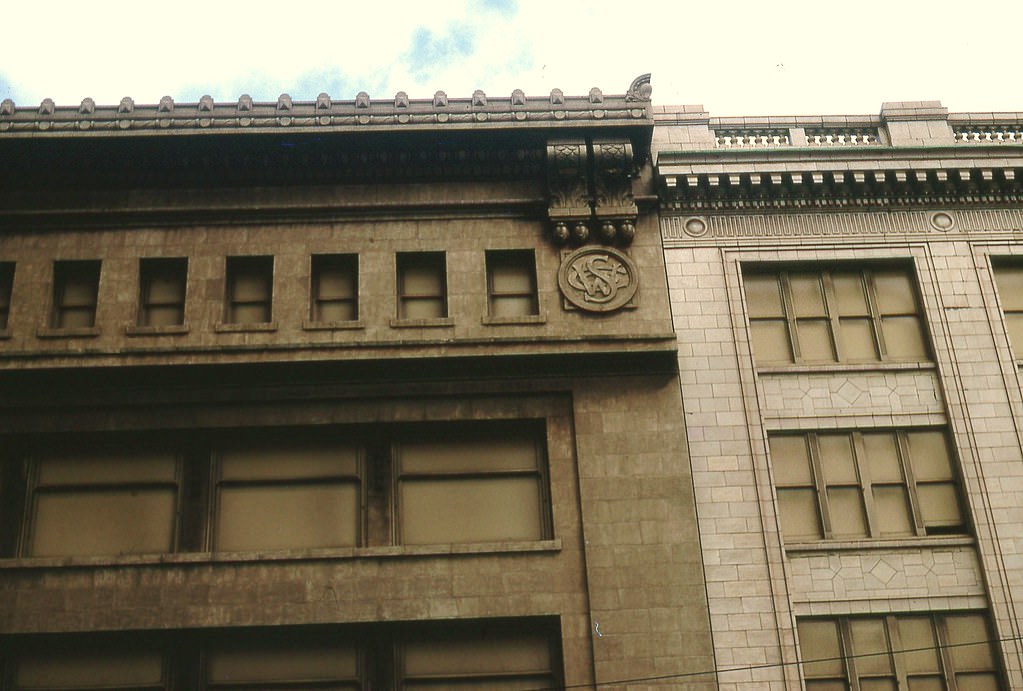
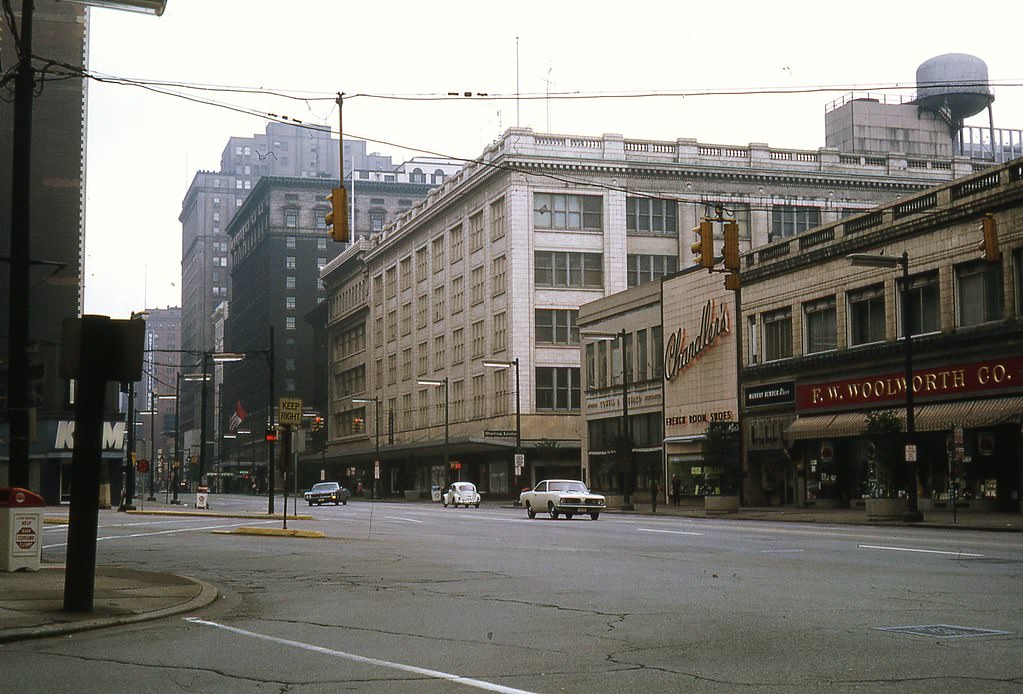
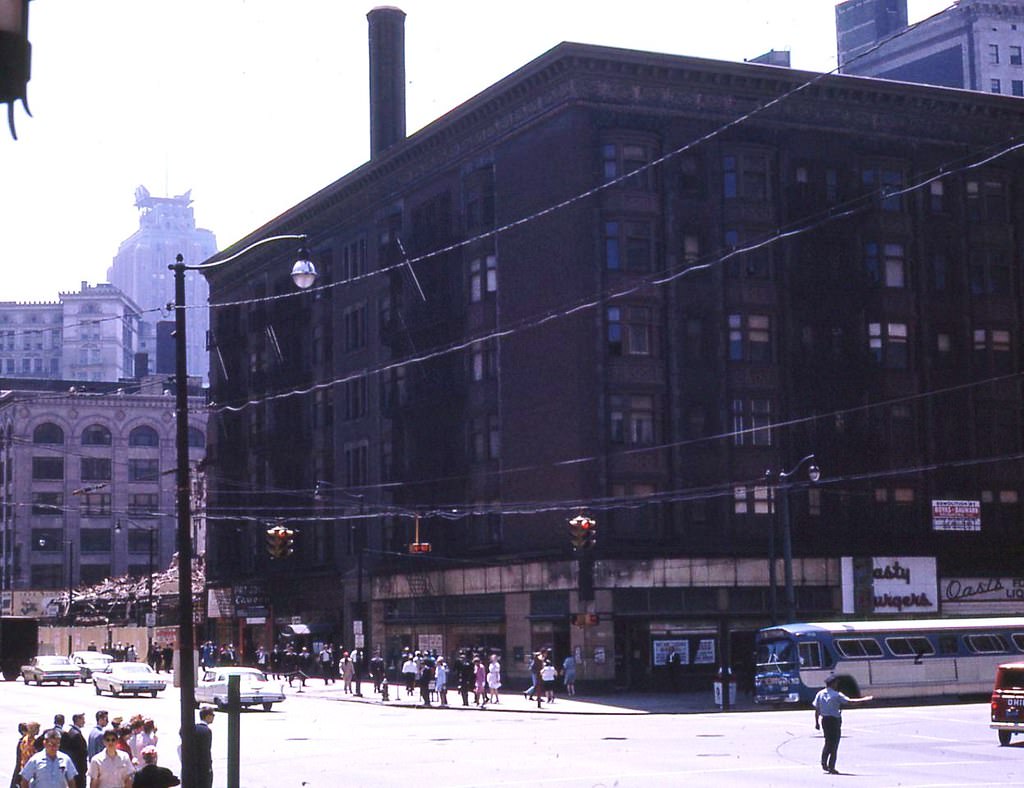
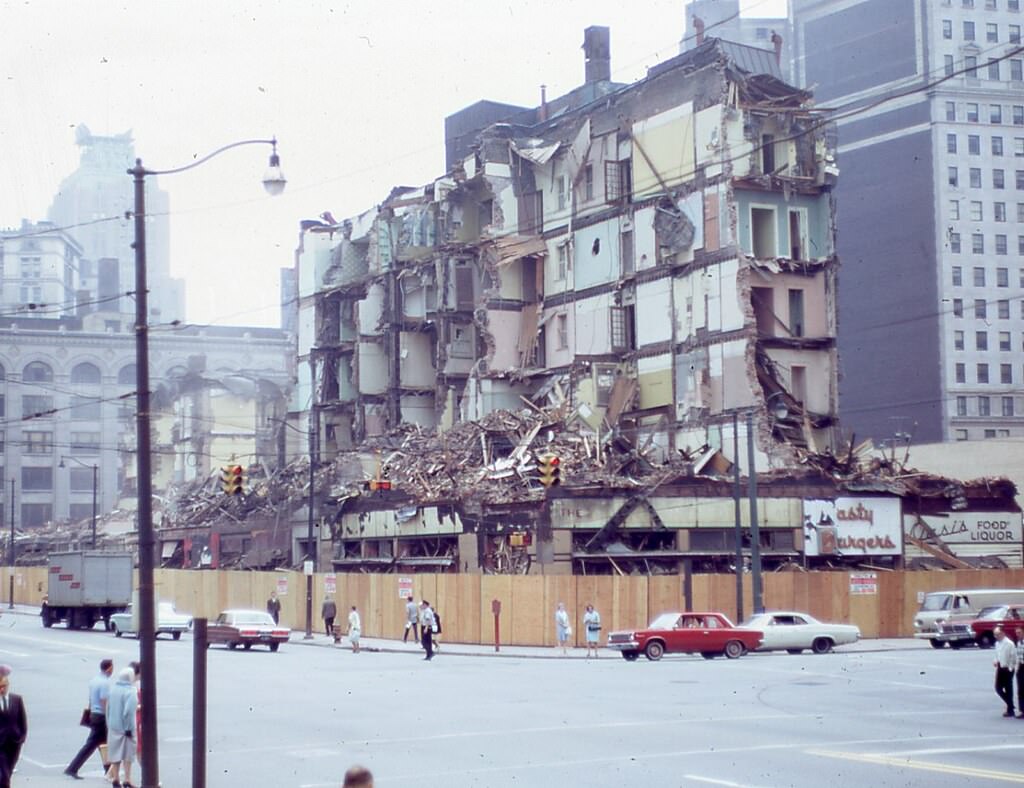
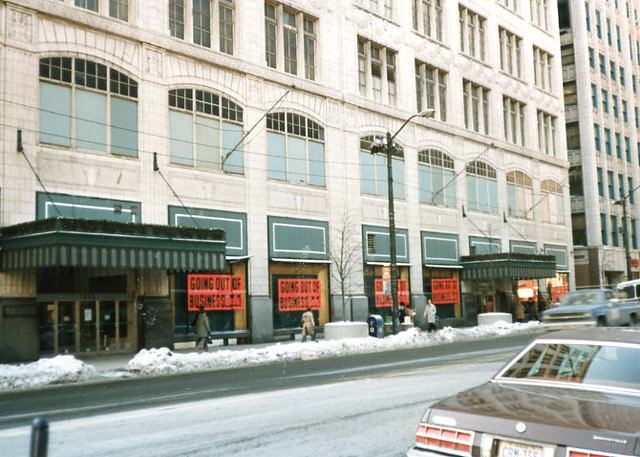
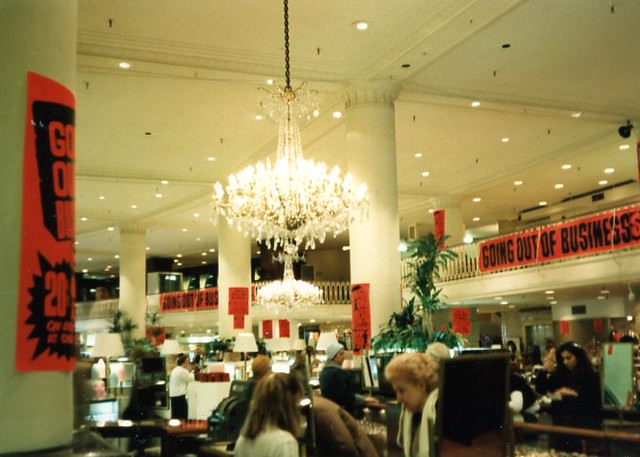
The Sterling Linder Davis department store met its end in 1968. Multiple photographs document the building at various stages — its exterior on E. 13th Street, its recognizable logo, and finally the demolition itself. These images record the loss of a downtown retail anchor that once drew shoppers from across the region. Captain Frank’s restaurant and the LaSalle Hotel were other well-known spots photographed that same year, each a piece of a changing downtown landscape.
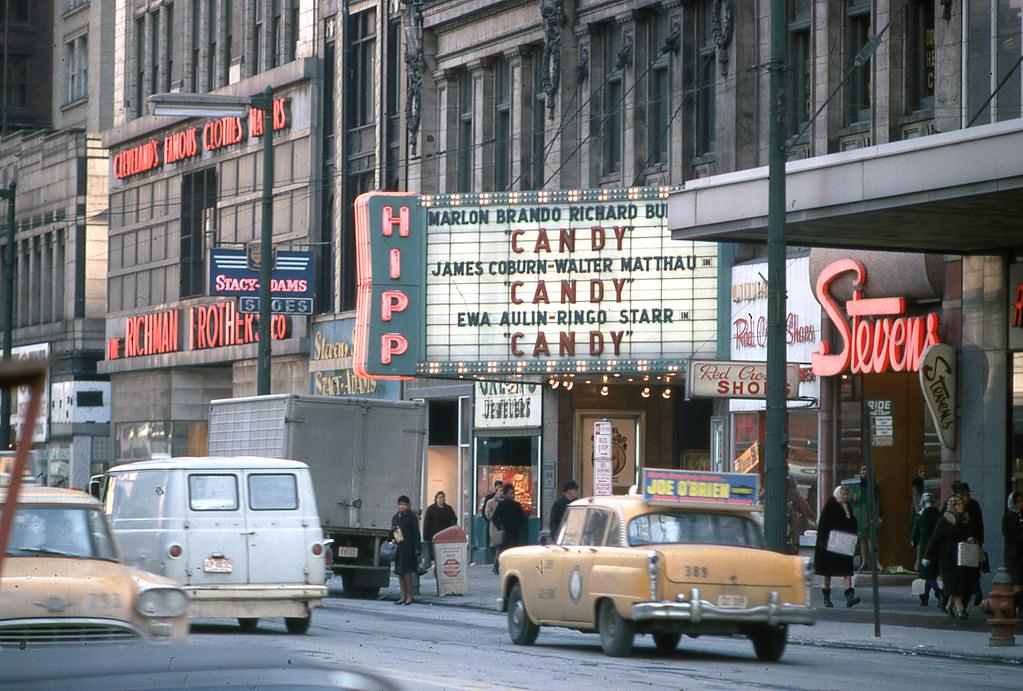
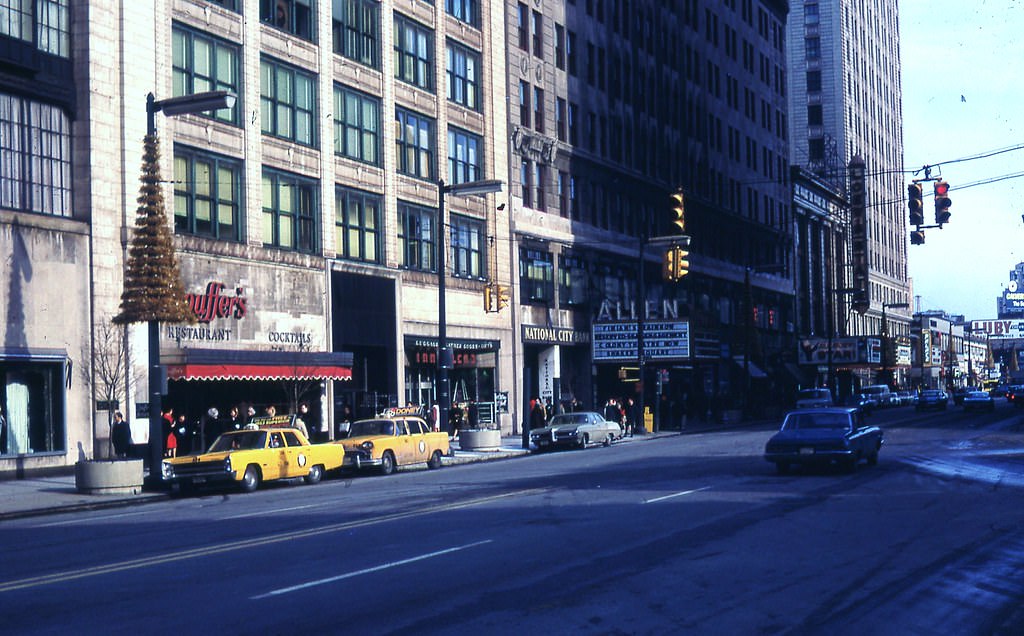
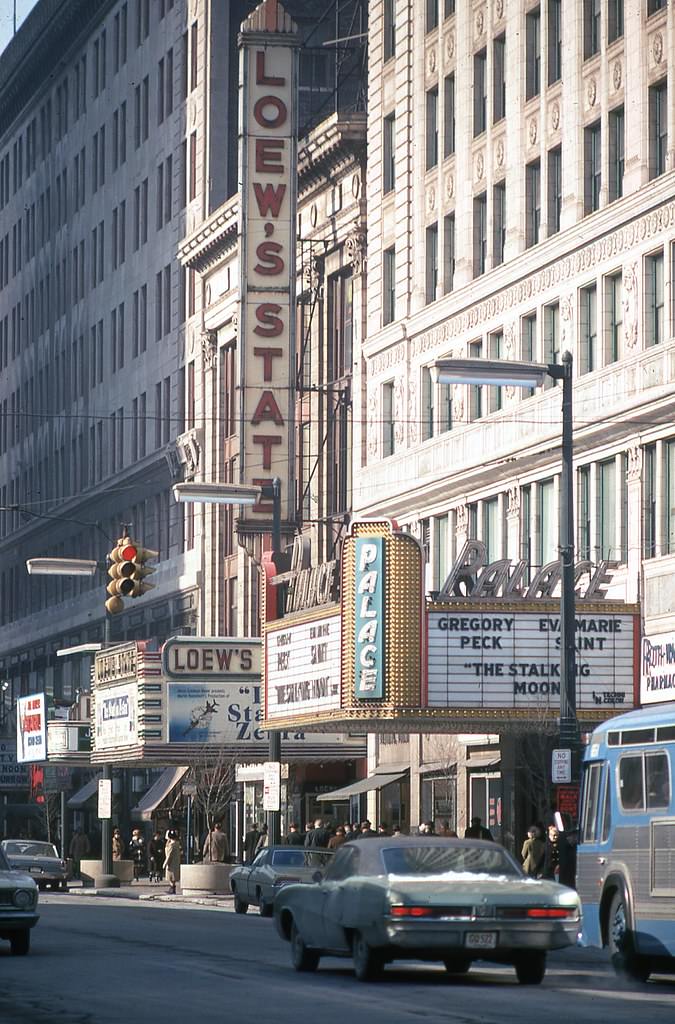
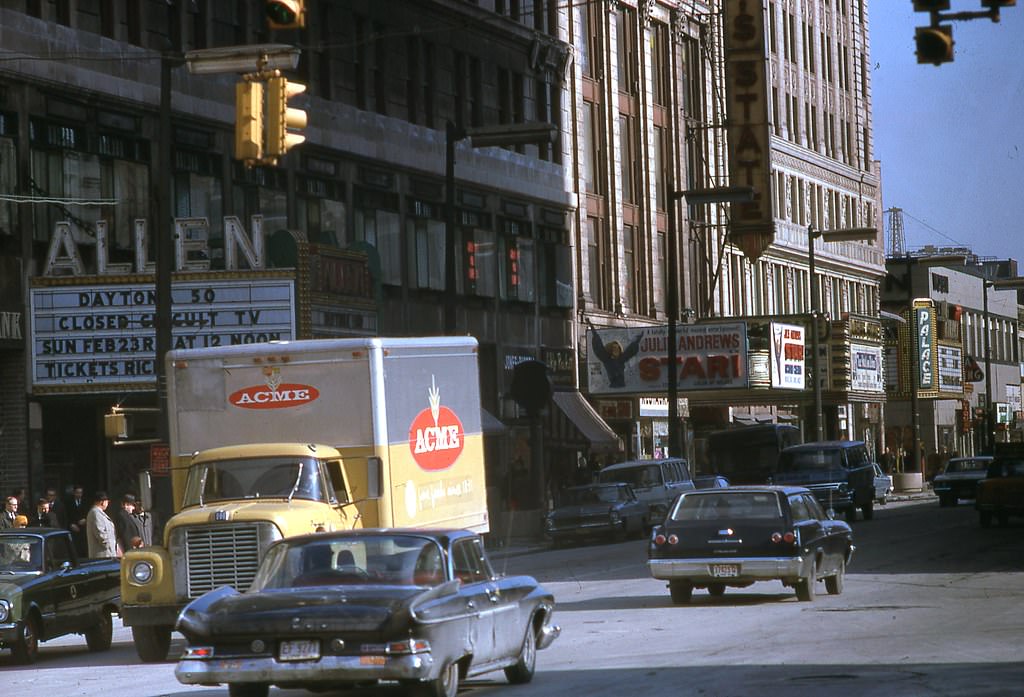
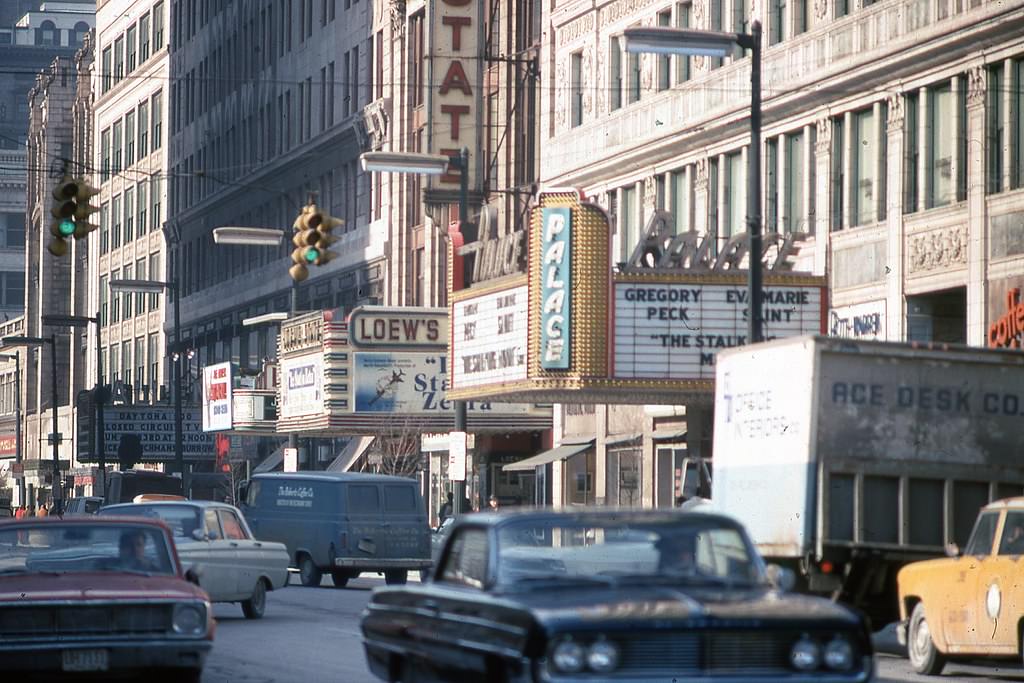
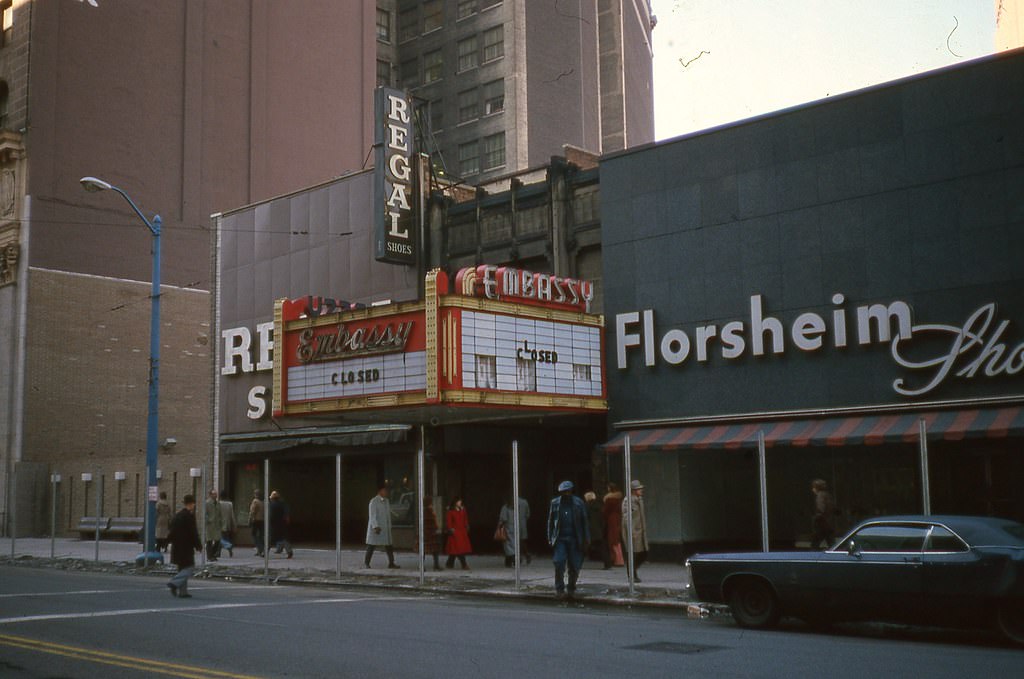
By 1969, Playhouse Square was still standing — the Hippodrome, Loew’s Allen, and Loew’s State theatres all photographed in the same year. These grand venues, built during Cleveland’s earlier boom decades, were now showing wear. That same year brought one of Cleveland’s most infamous moments: in June 1969, the heavily polluted Cuyahoga River caught fire. Industrial waste had accumulated in the water to such a degree that the river itself became flammable. The fire drew national attention and became a defining image of the American environmental crisis.
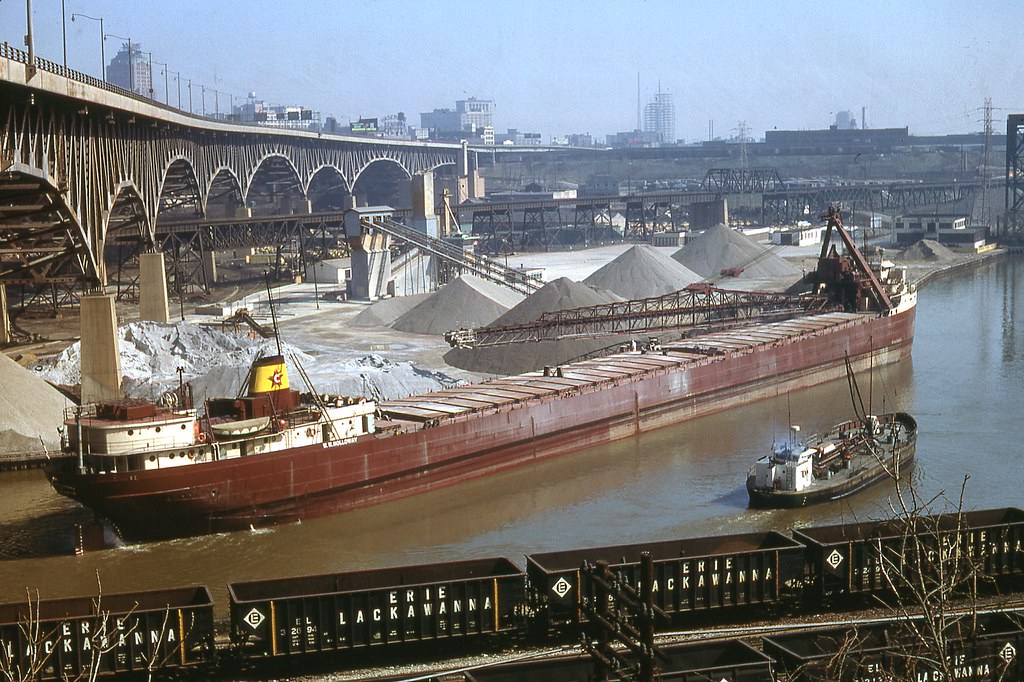
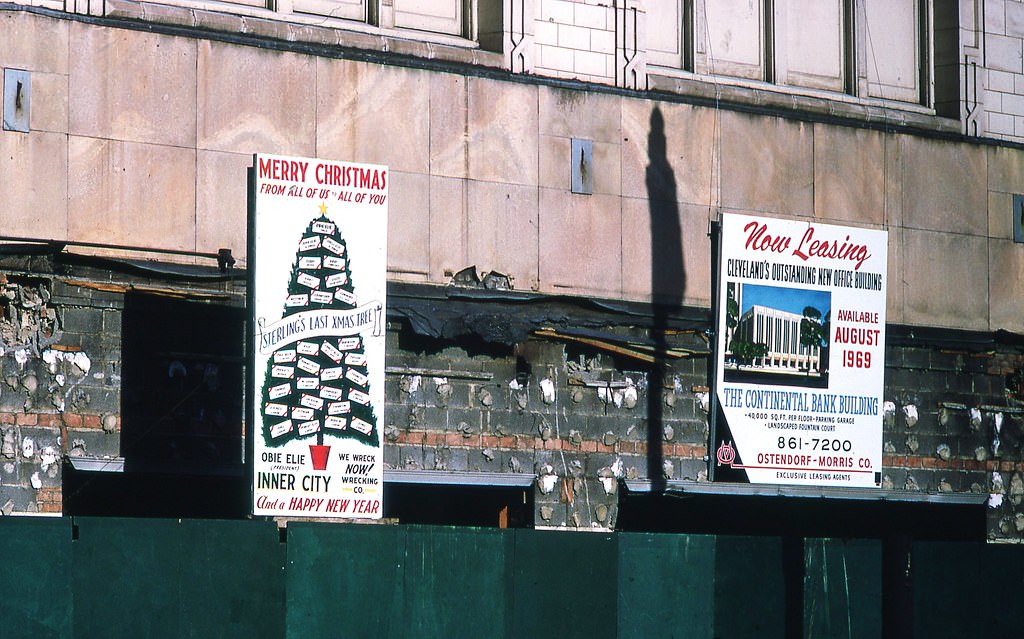
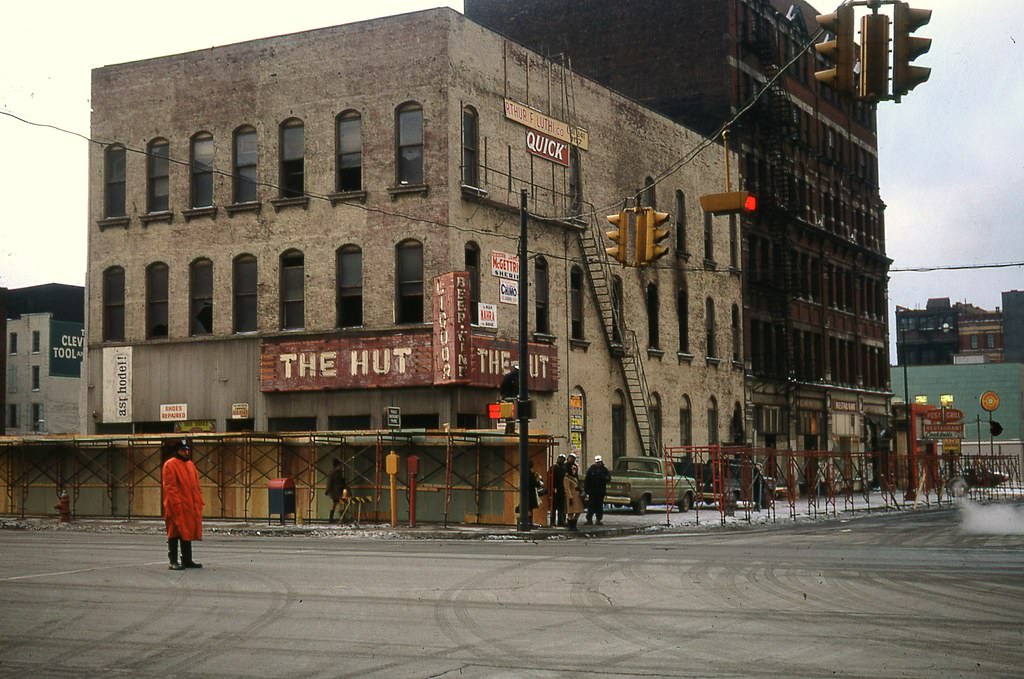
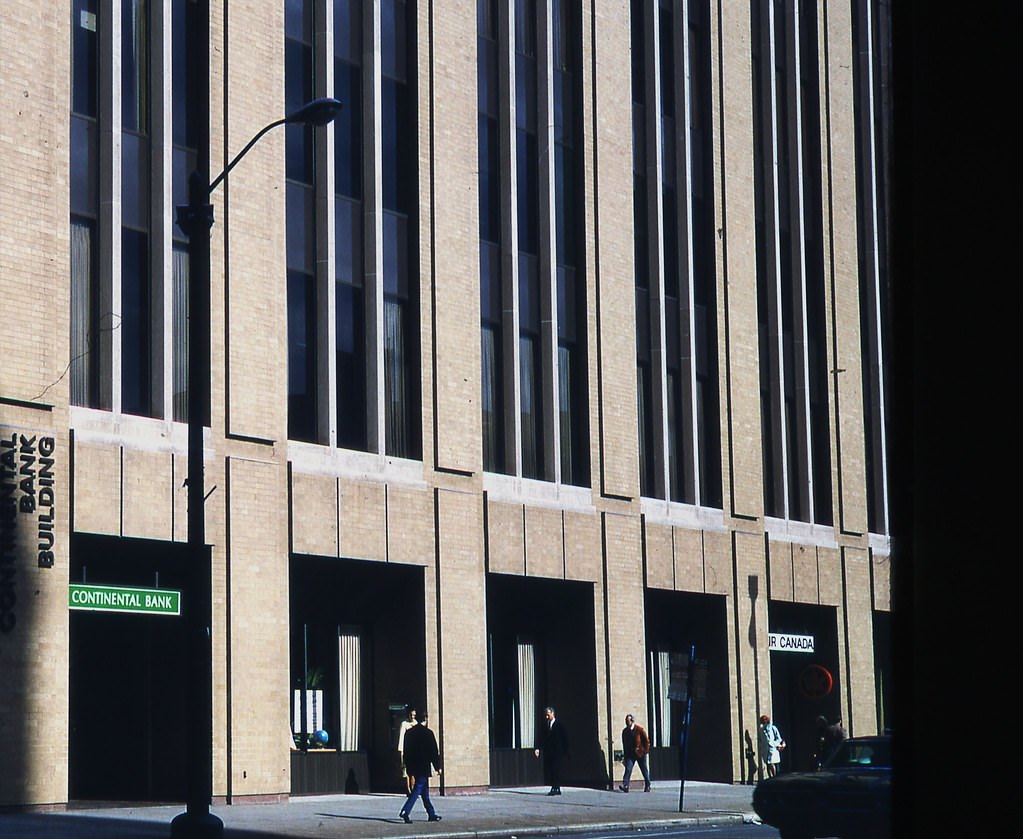
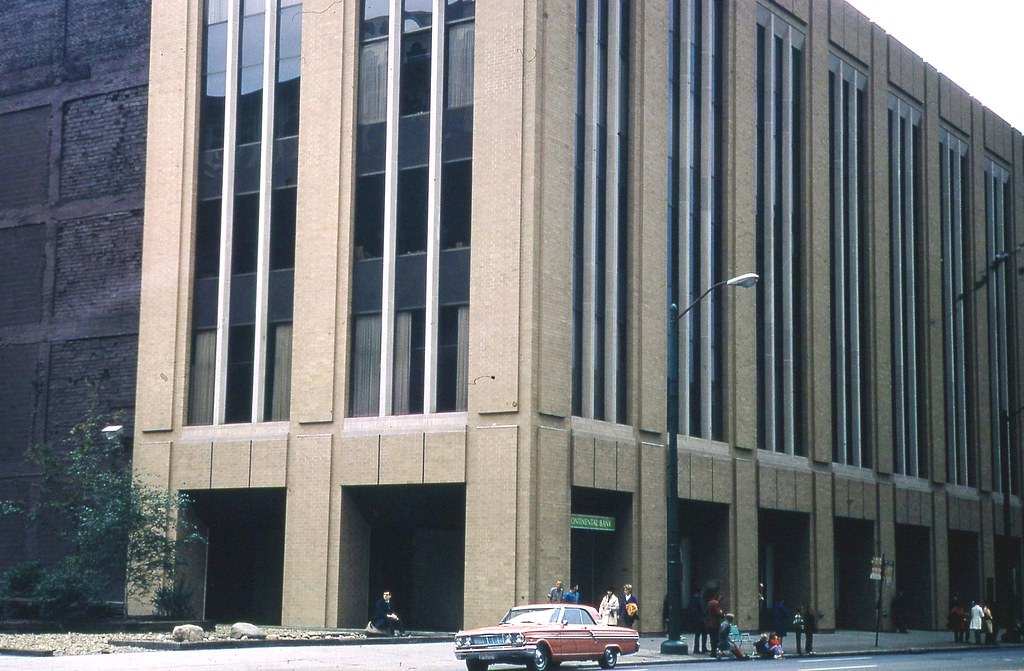
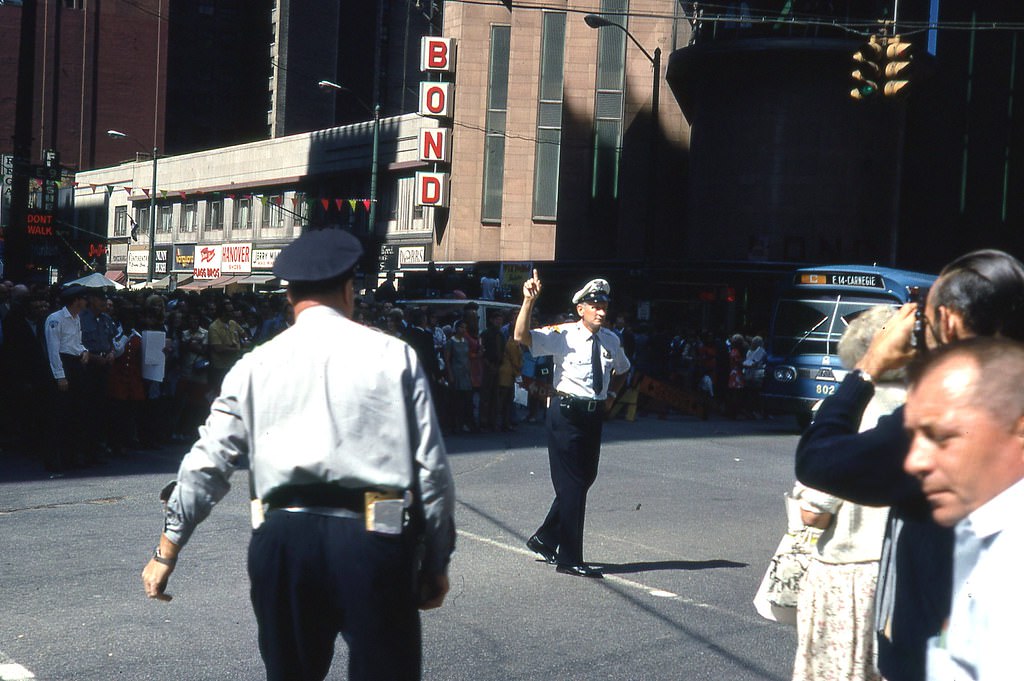
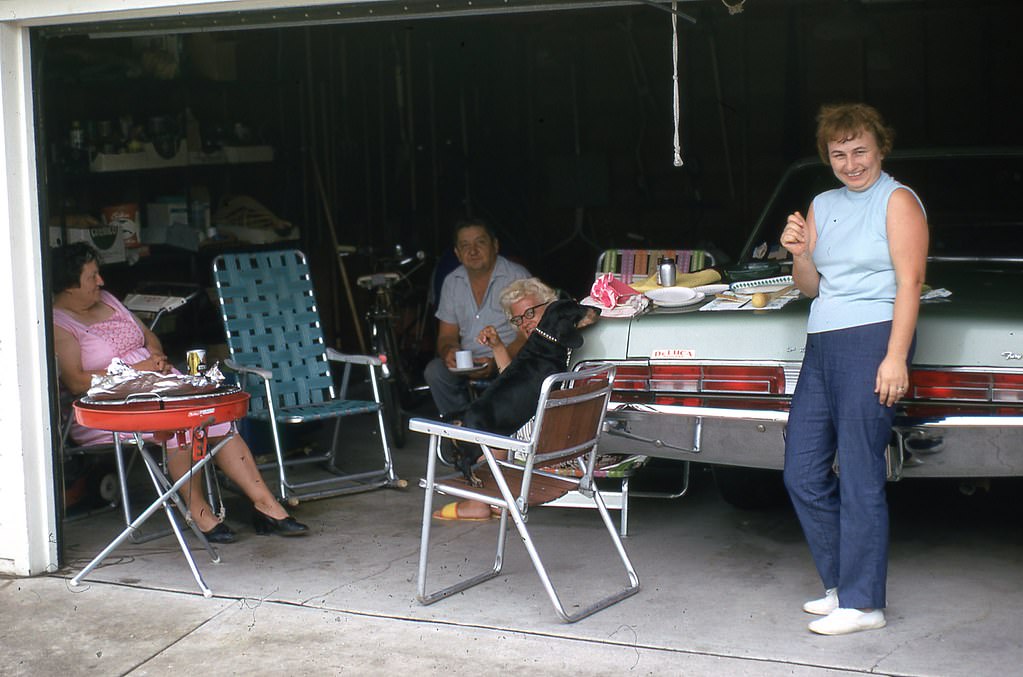
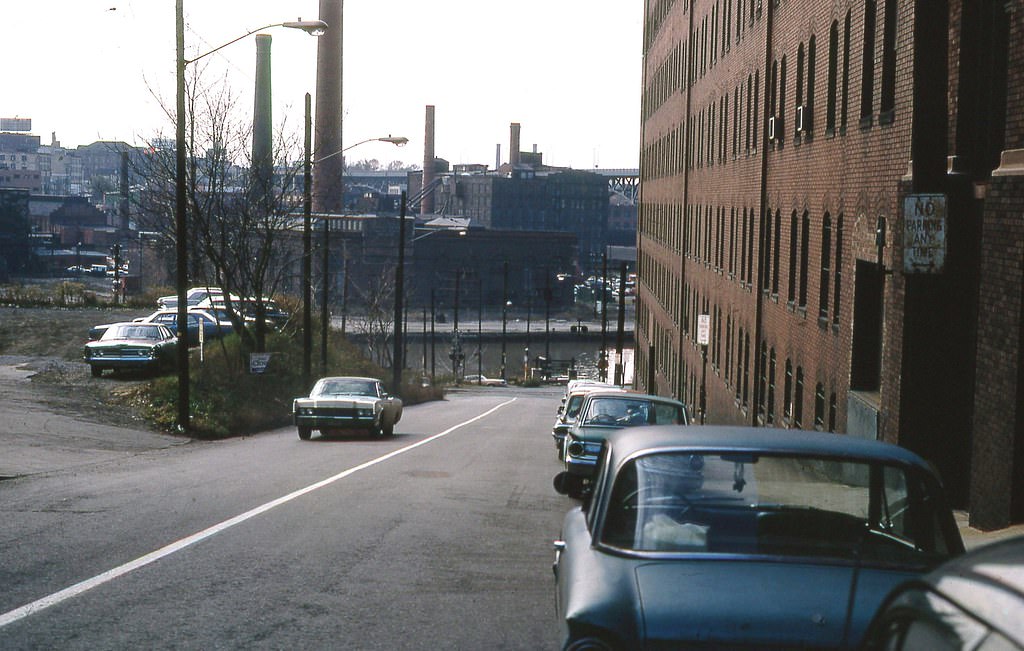
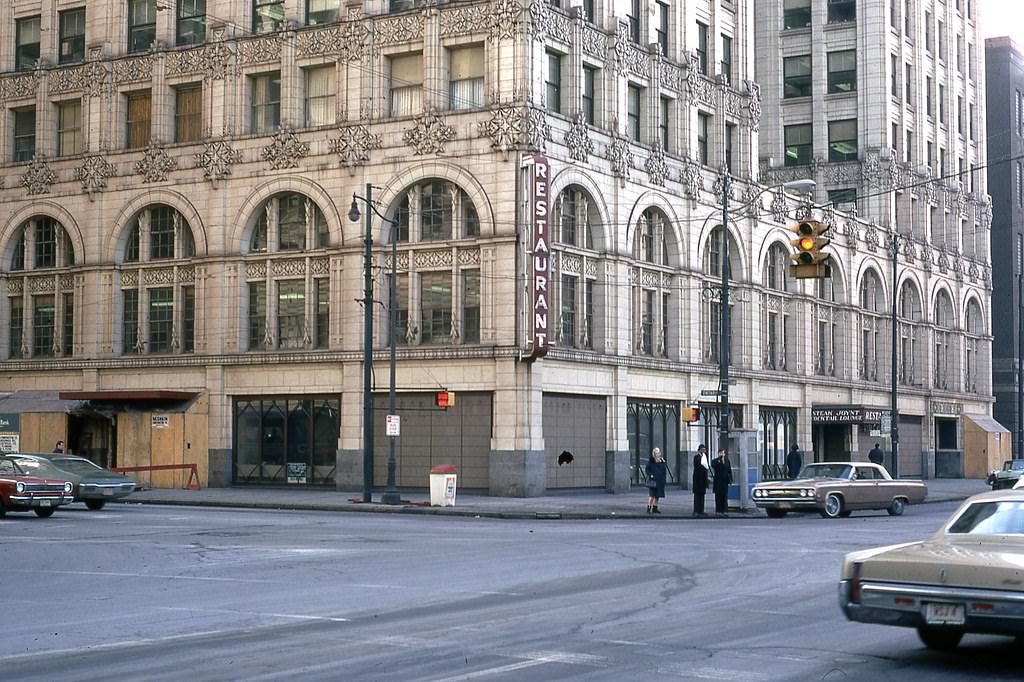
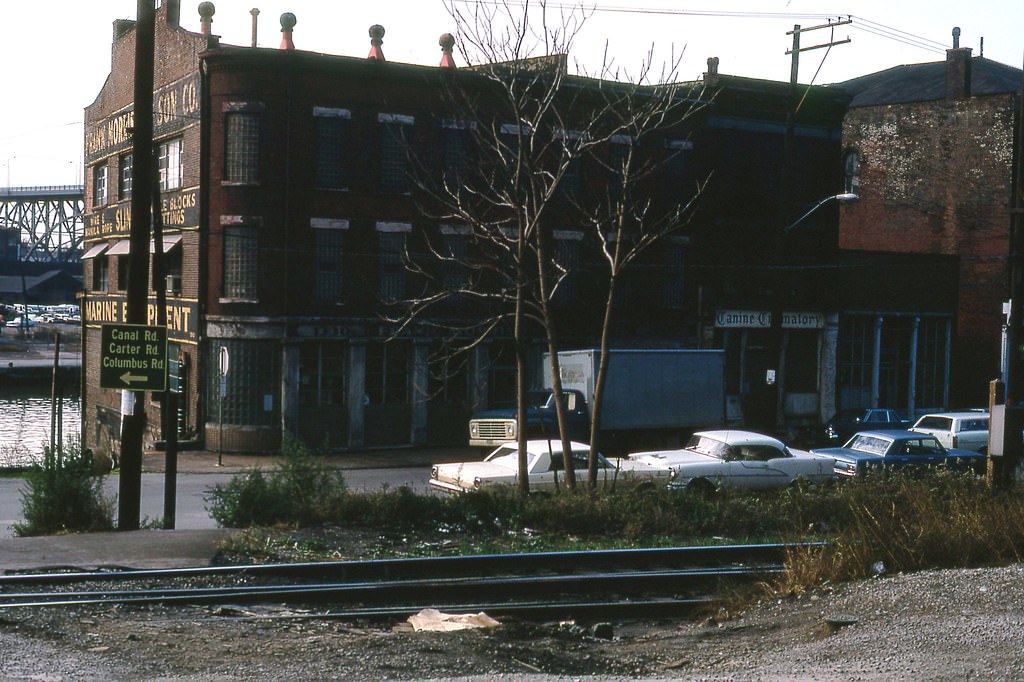
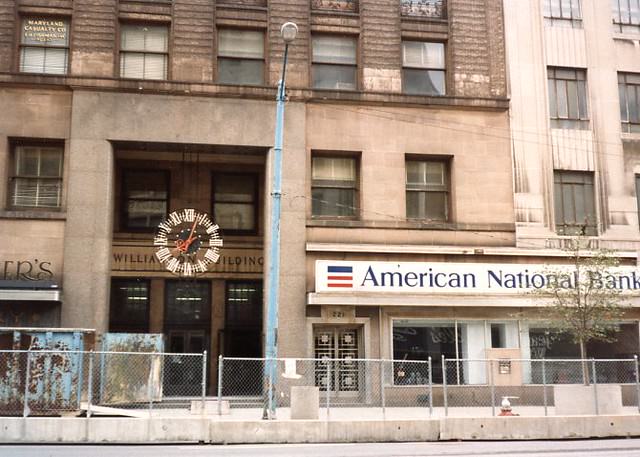
The 1970s opened with Cleveland already deep in economic trouble. Manufacturing jobs were disappearing at an accelerating rate — a process called deindustrialization — leaving workers unemployed and draining the city’s tax revenue. Photos from 1970 show familiar corners like St. Clair and 11th, street-level cops, and the Continental Bank building, all part of a city still functioning but under growing strain.
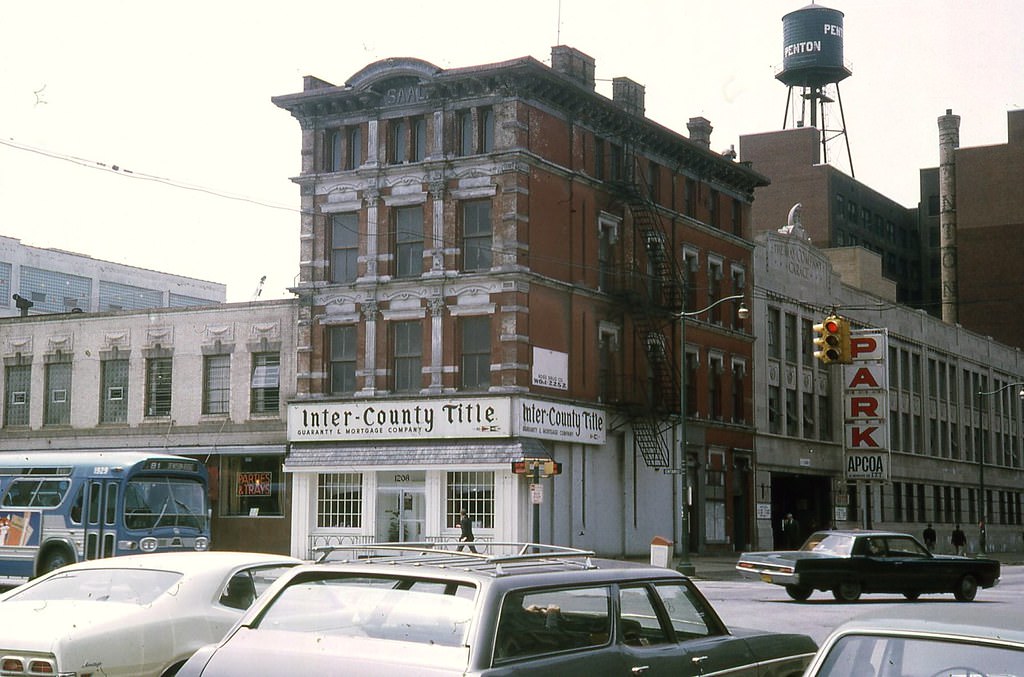
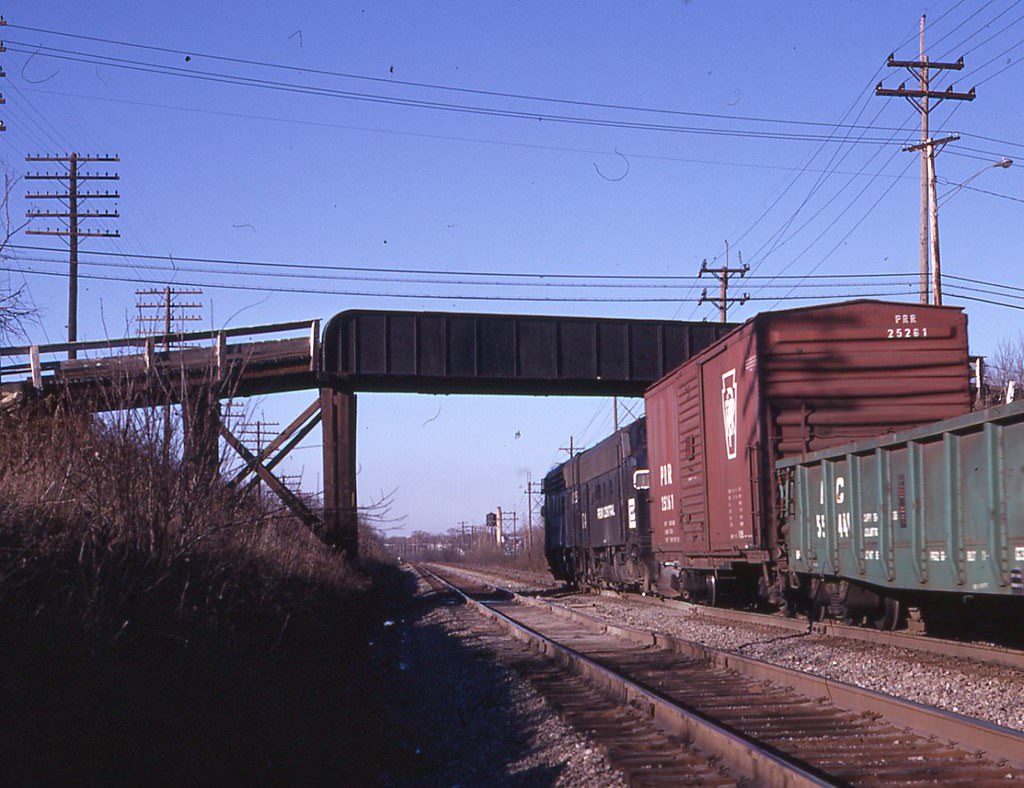
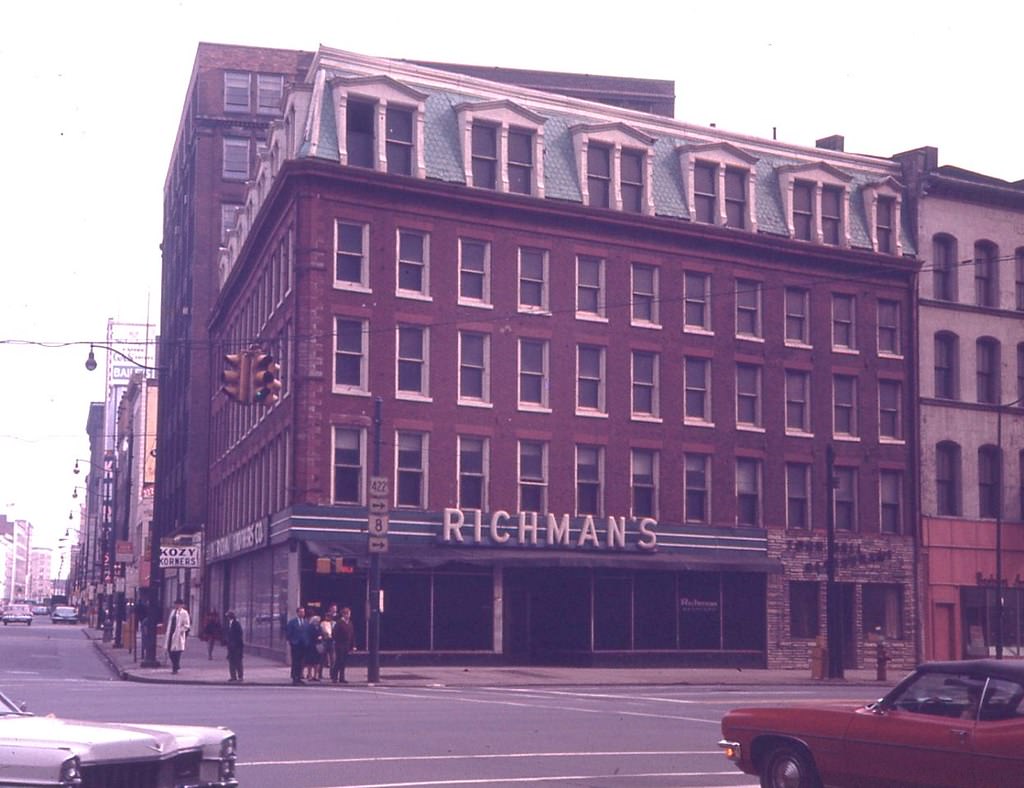
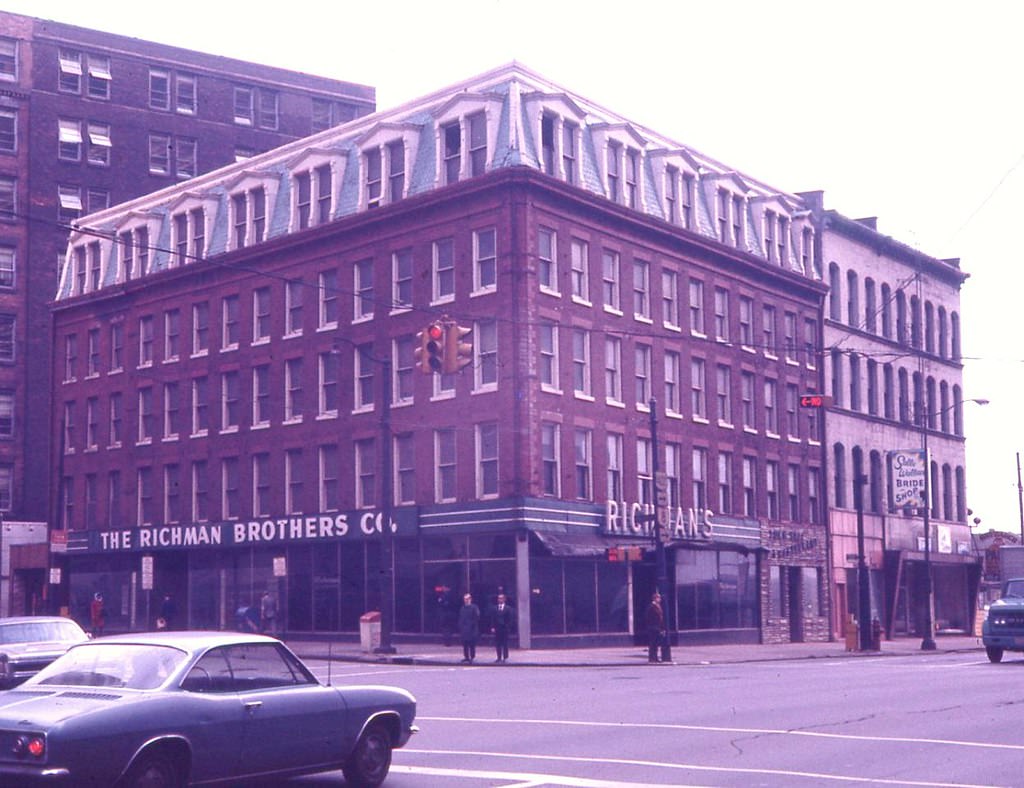
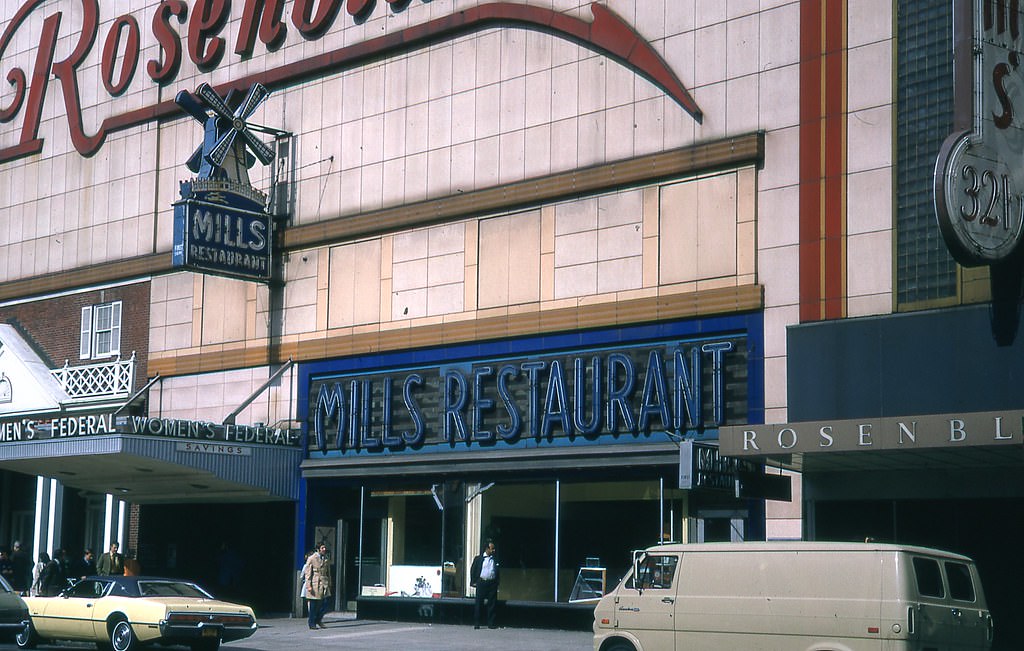
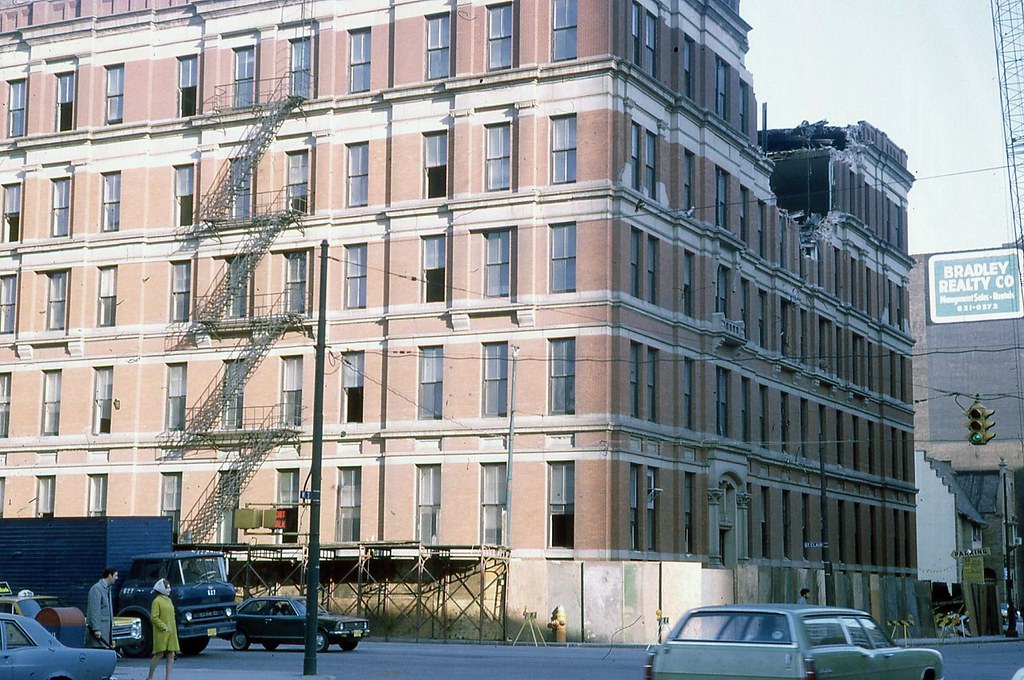
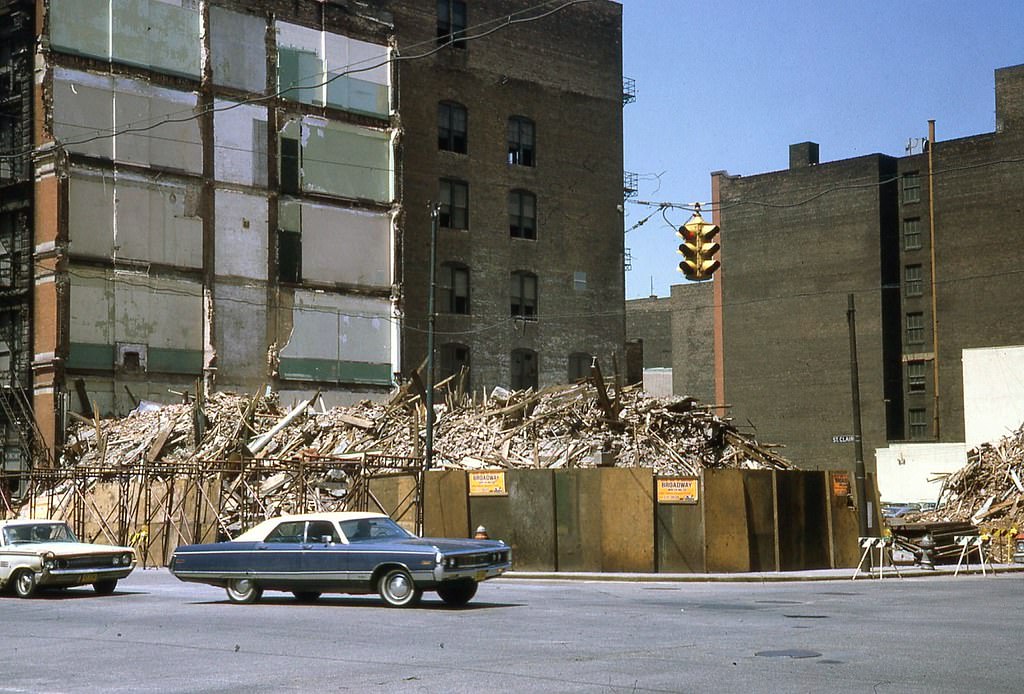
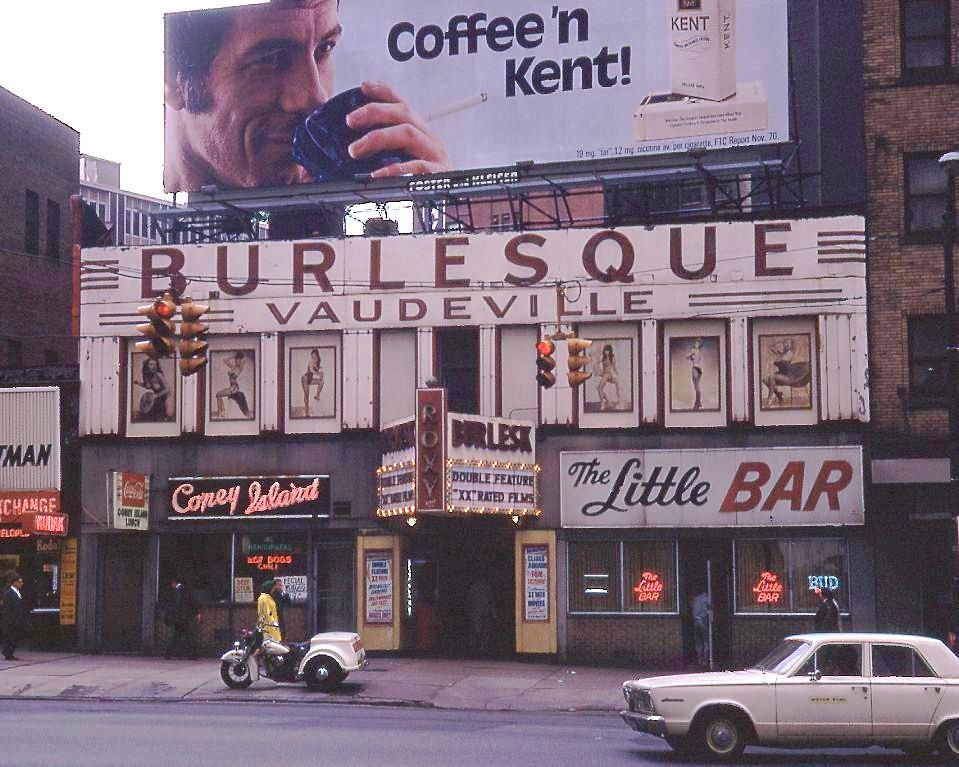
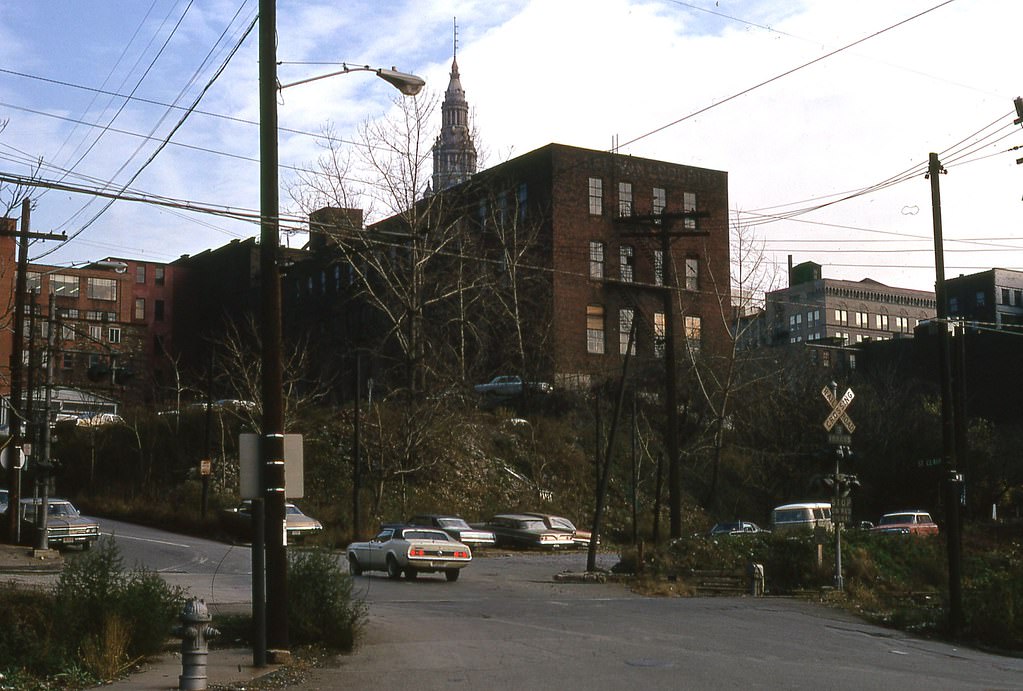
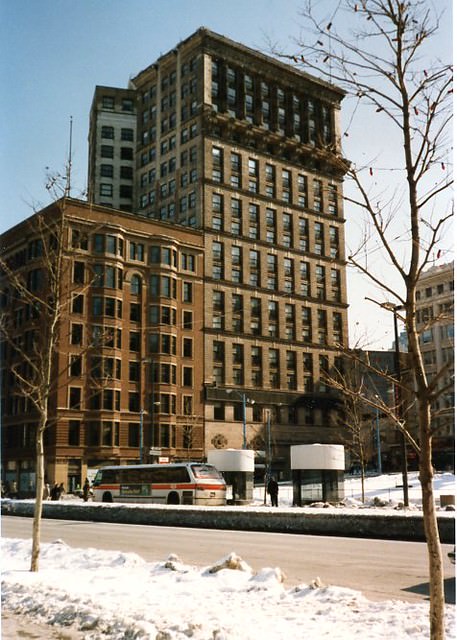
In 1971, the NYC building was photographed both standing and in ruins, demolished like so many other downtown structures during this era. The Roxy Theatre and Mills Restaurant on Euclid Avenue were still operating, but the tide was going out on Cleveland’s commercial downtown. The Mechanics Block Building — originally constructed in 1838 — was documented in 1970, a rare surviving piece of the city’s earliest architectural history.
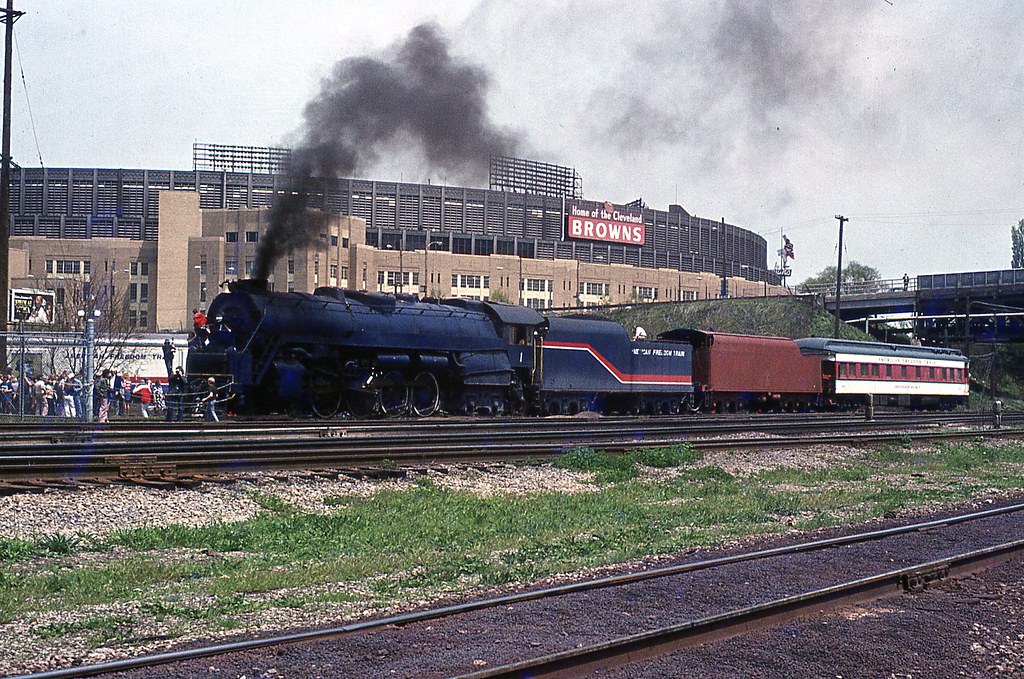
The American Freedom Train rolled through Cleveland in 1975 as part of the country’s lead-up to its bicentennial celebration. It was a moment of national reflection, even as Cleveland itself was facing a financial collapse. By 1978, the city became the first major American city since the Great Depression to default on its financial obligations — unable to repay $14 million in loans to local banks.
Dennis Kucinich was elected mayor in 1977 at just 31 years old. His tenure was immediately combative. Kucinich refused to sell Muny Light, the city’s public electric utility, to a private company — a position that put him against powerful business interests and most of the city council. A recall election in 1978 tested his hold on office, and he survived it by a narrow margin.

Love looking into the history of the CLE. At a point only NYC was busier. Cleveland has a pretty amazing past.
Awesome photos.
The federal government’s Urban Renewal programs in the early 60s and 70s erased so much of Cleveland’s character and architecture. Really a shame so many historic areas were lost to projects that didn’t live up to expectations.
Im just waiting for someone to bring the Coney Island Dog place back.
Love historic pictures and seeing what the area was like before the automobile killed it. I know people love their nostalgia but America kinda looked dingy, dirty and shitty back in the day. Sometimes I feel like I’m the only one appreciating today and the future