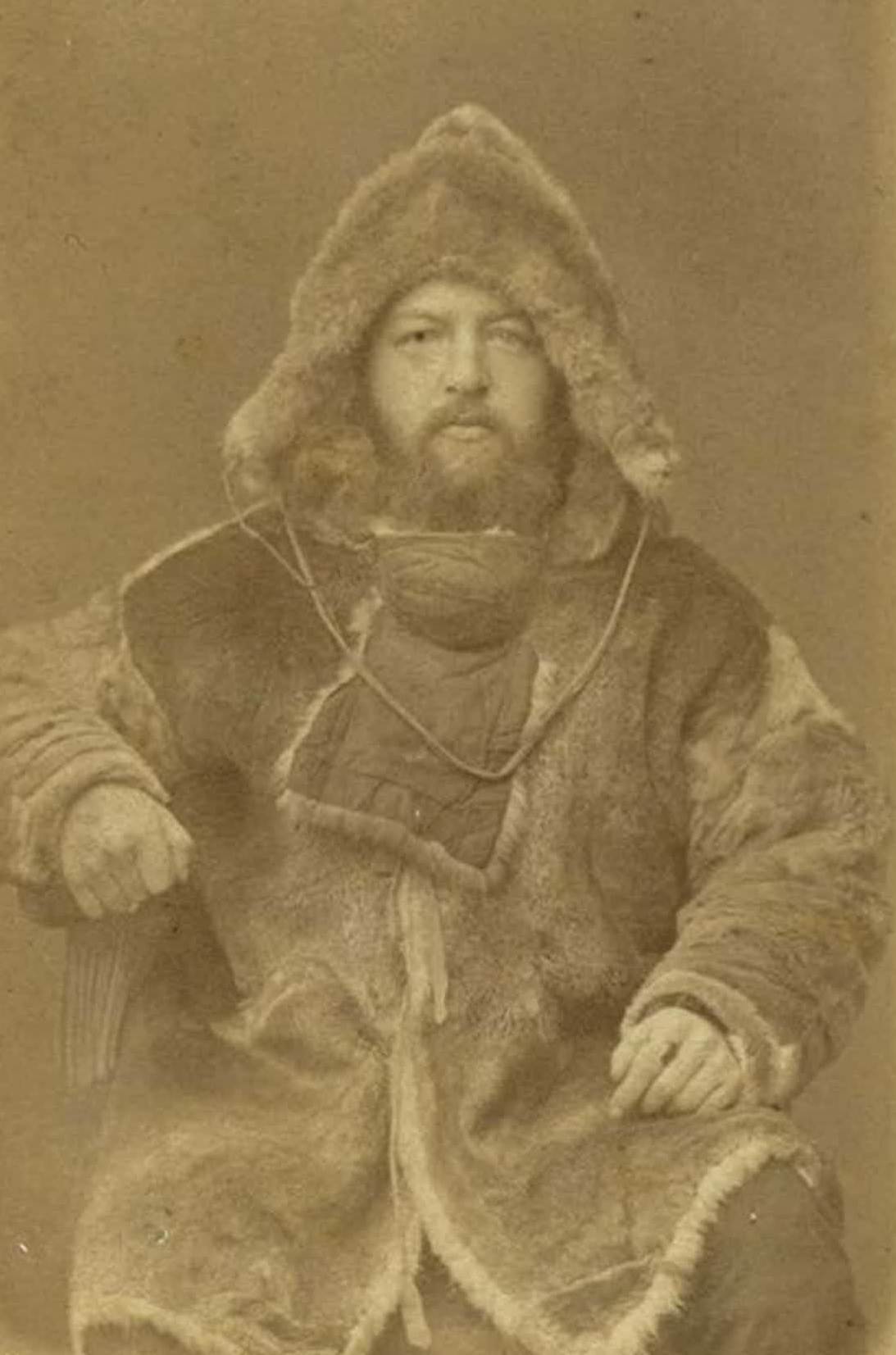
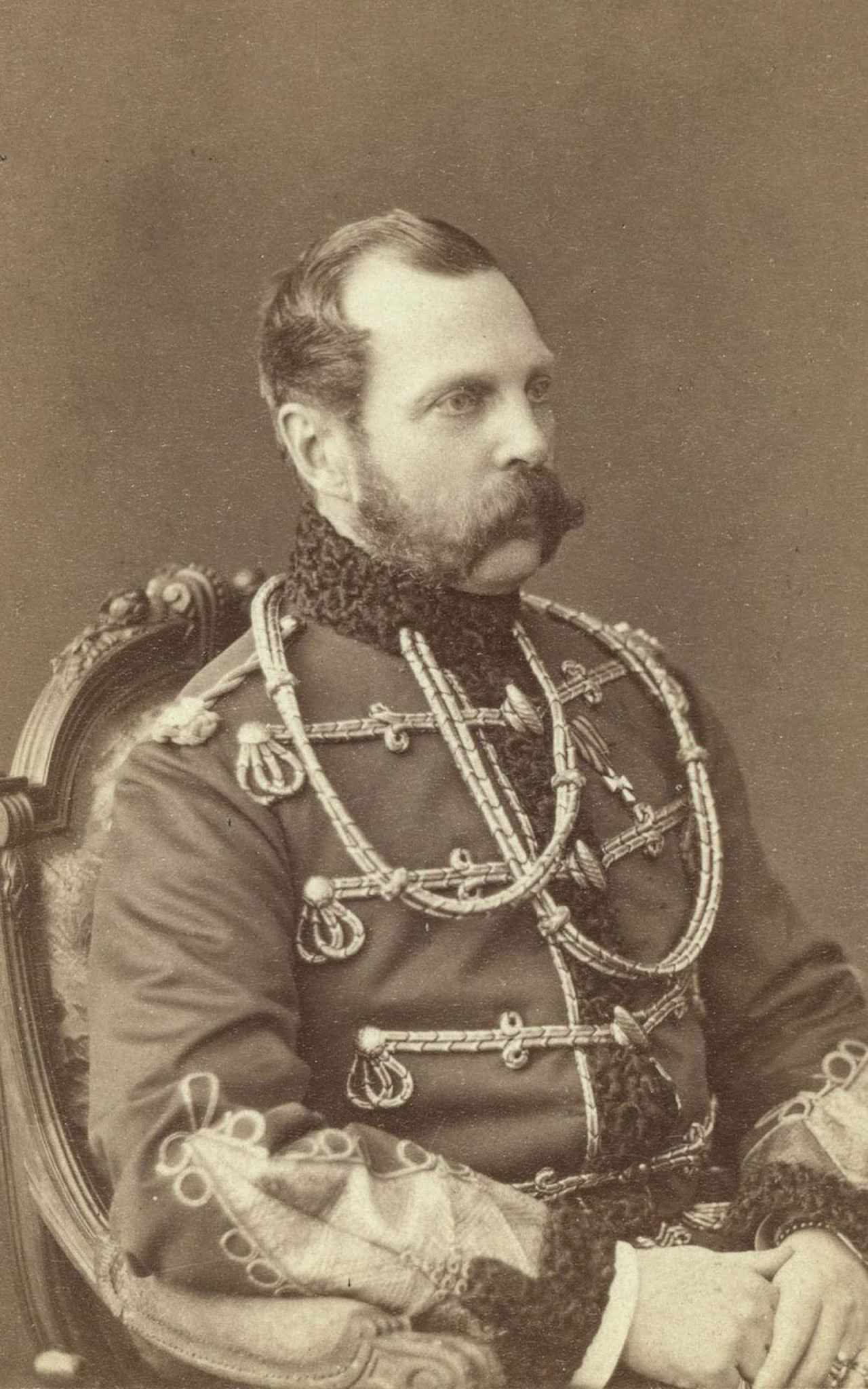
George Kennan was born in Norwalk, Ohio, in 1845, and from a young age he was drawn to adventure and distant places. His family’s financial situation forced him into work early — at twelve years old, he was employed at a railroad company’s telegraph office. That early experience with telegraph technology would end up shaping the entire course of his life. In 1864, he joined the Russian American Telegraph Company, which sent him on a mission to survey a proposed overland telegraph route through Siberia and across the Bering Strait.
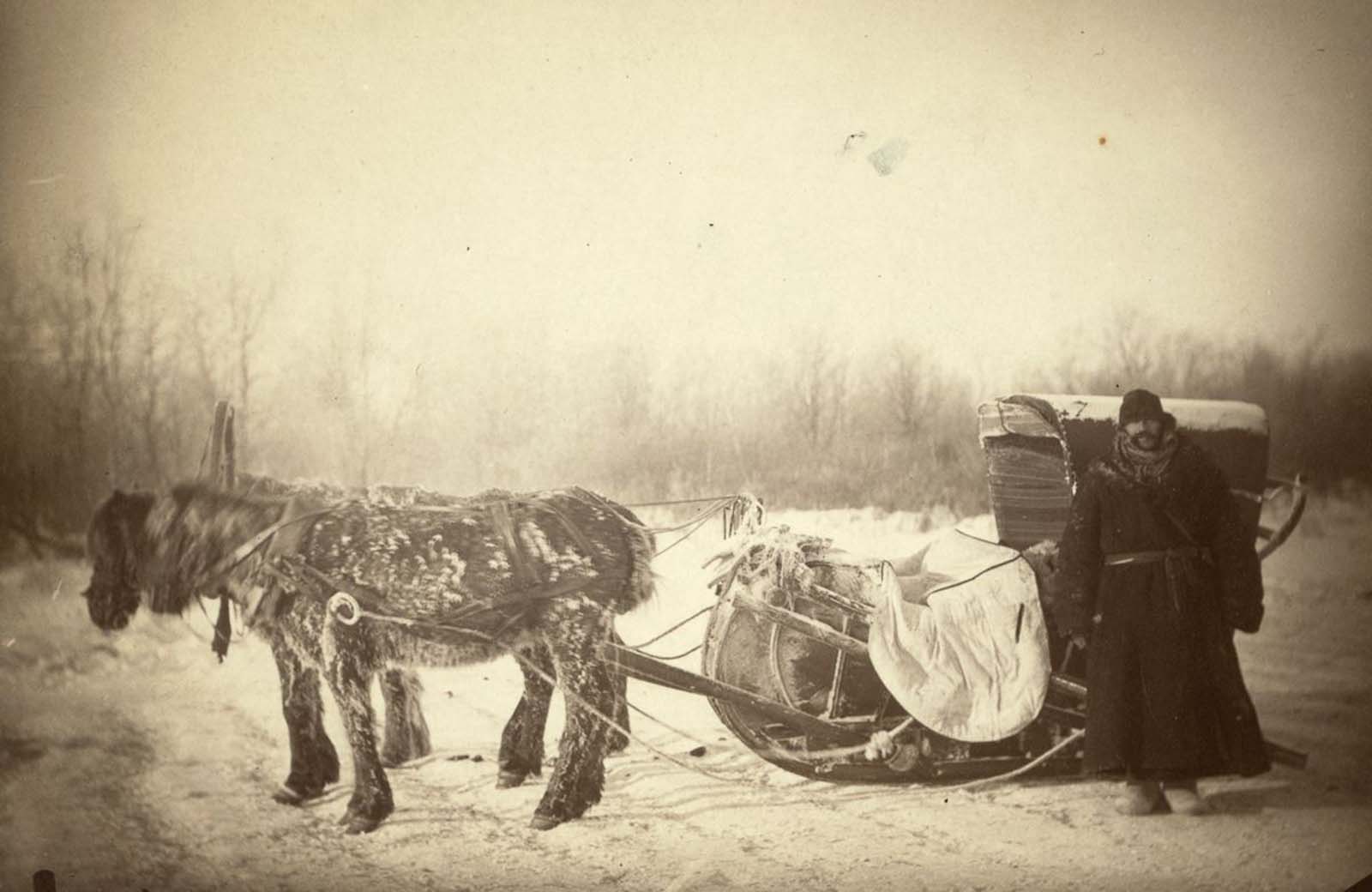
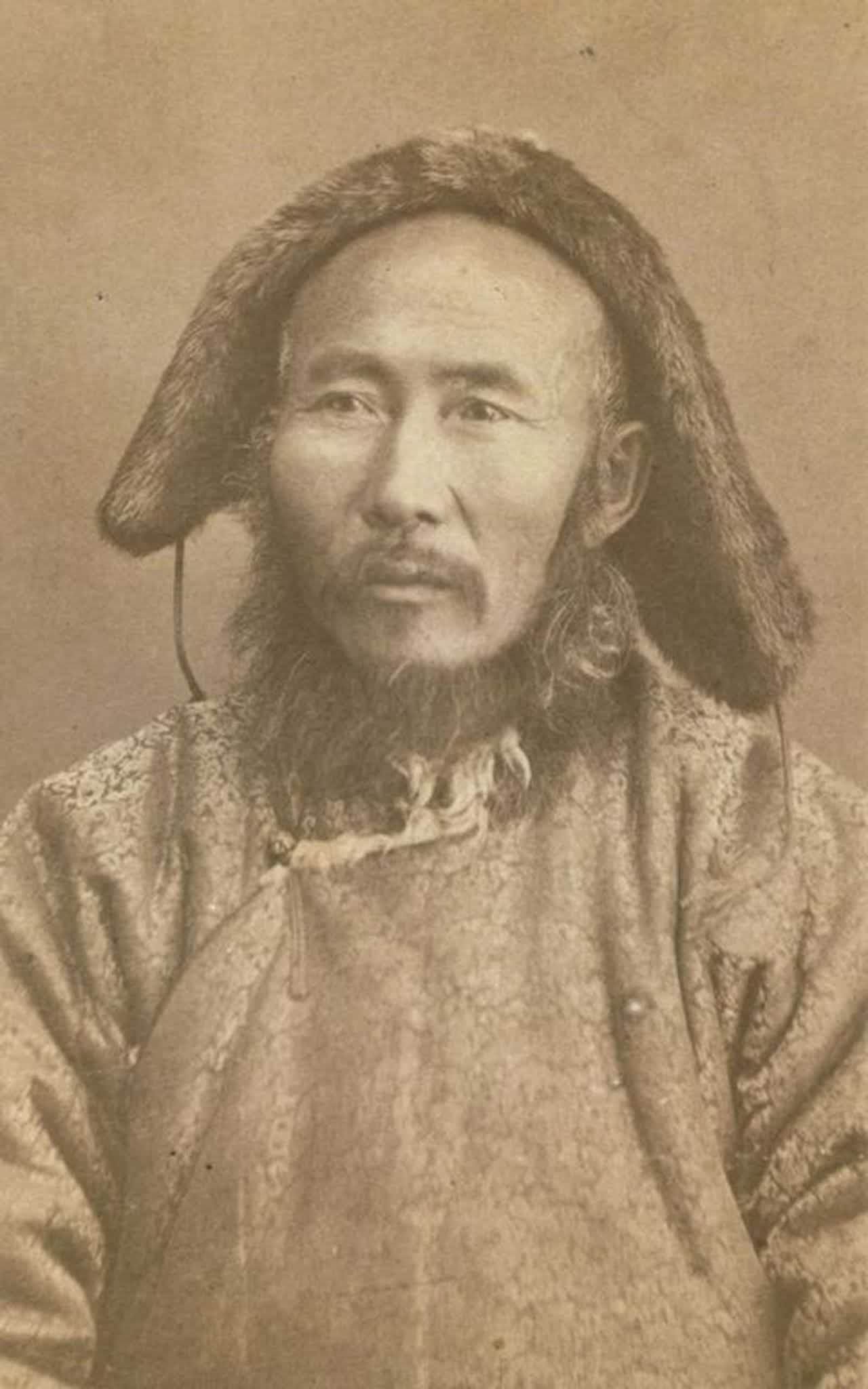
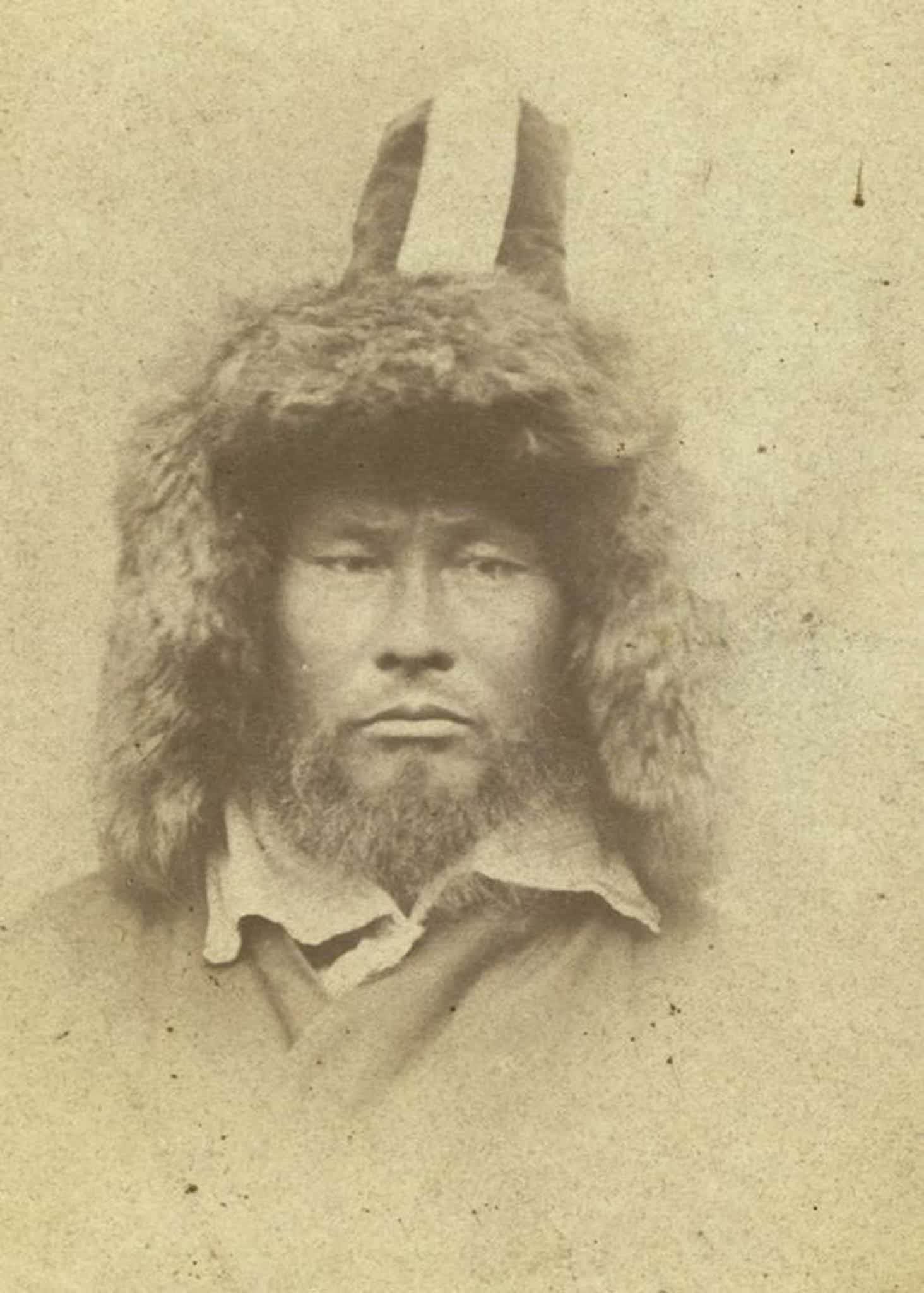
The expedition ultimately failed, but what Kennan gained from it was irreplaceable. He spent two years in the wilderness of Kamchatka, living alongside the indigenous peoples of the region. He documented their languages, customs, and ways of life with the attention of an ethnographer. The groups he studied included the Koryak, the Itelmen (also called Kamchadals), the Chukchi, the Yukaghir, the Yakuts, and several others. His writings on these Native Siberian peoples remain valuable historical references to this day. After leaving Siberia, he traveled through St. Petersburg before returning to Ohio.
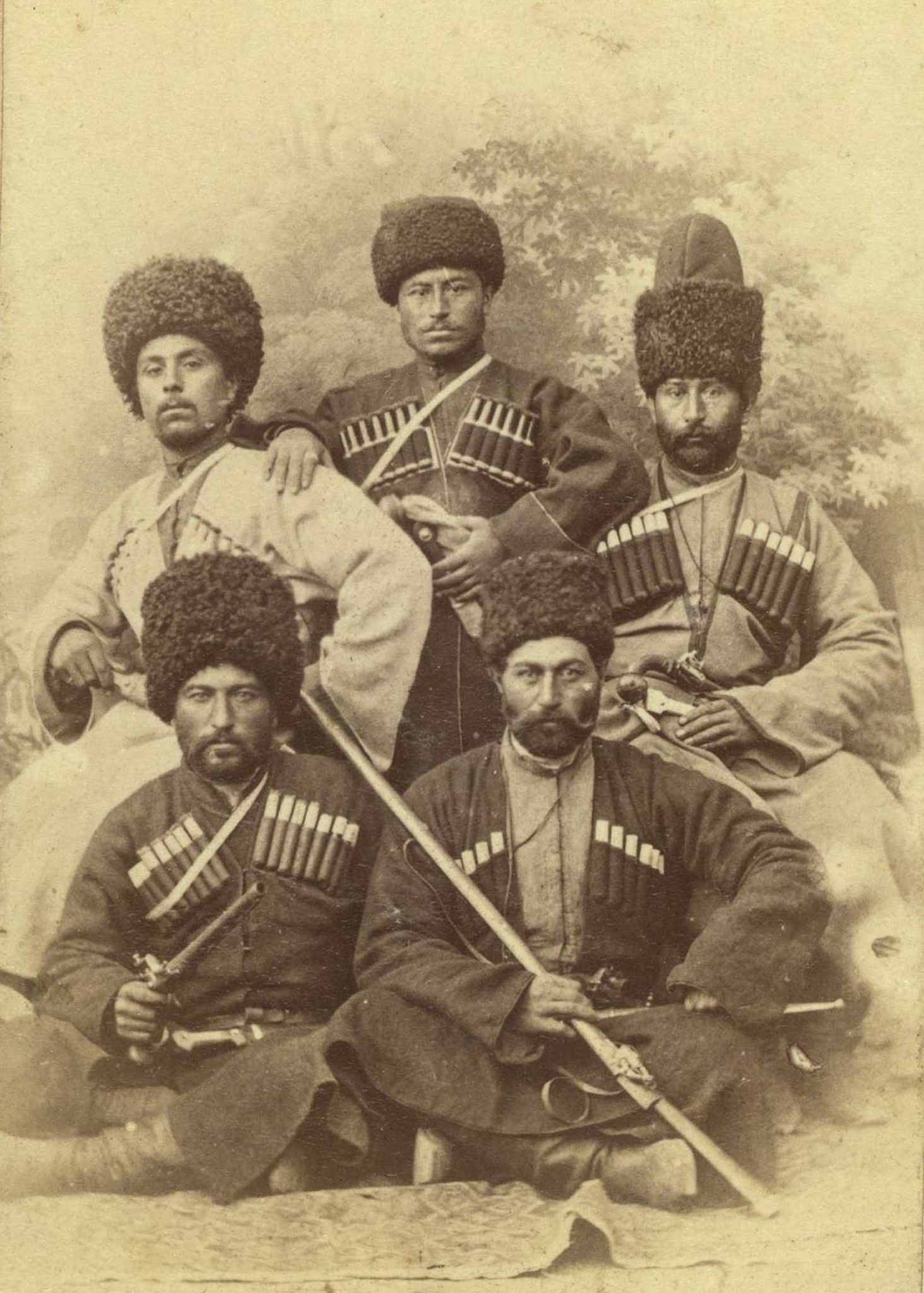
Back in the United States, Kennan quickly built a reputation as a writer and public speaker. Before radio and television, lectures were a primary form of public entertainment and education, and Kennan was in constant demand. He spoke about his Siberian adventures, the diverse peoples of Russia, and the harsh realities of the Tsarist exile system. His knowledge of the Russian language and his scholarly approach to analysis earned him respect on both sides of the Atlantic — a rare achievement for an American of his era.
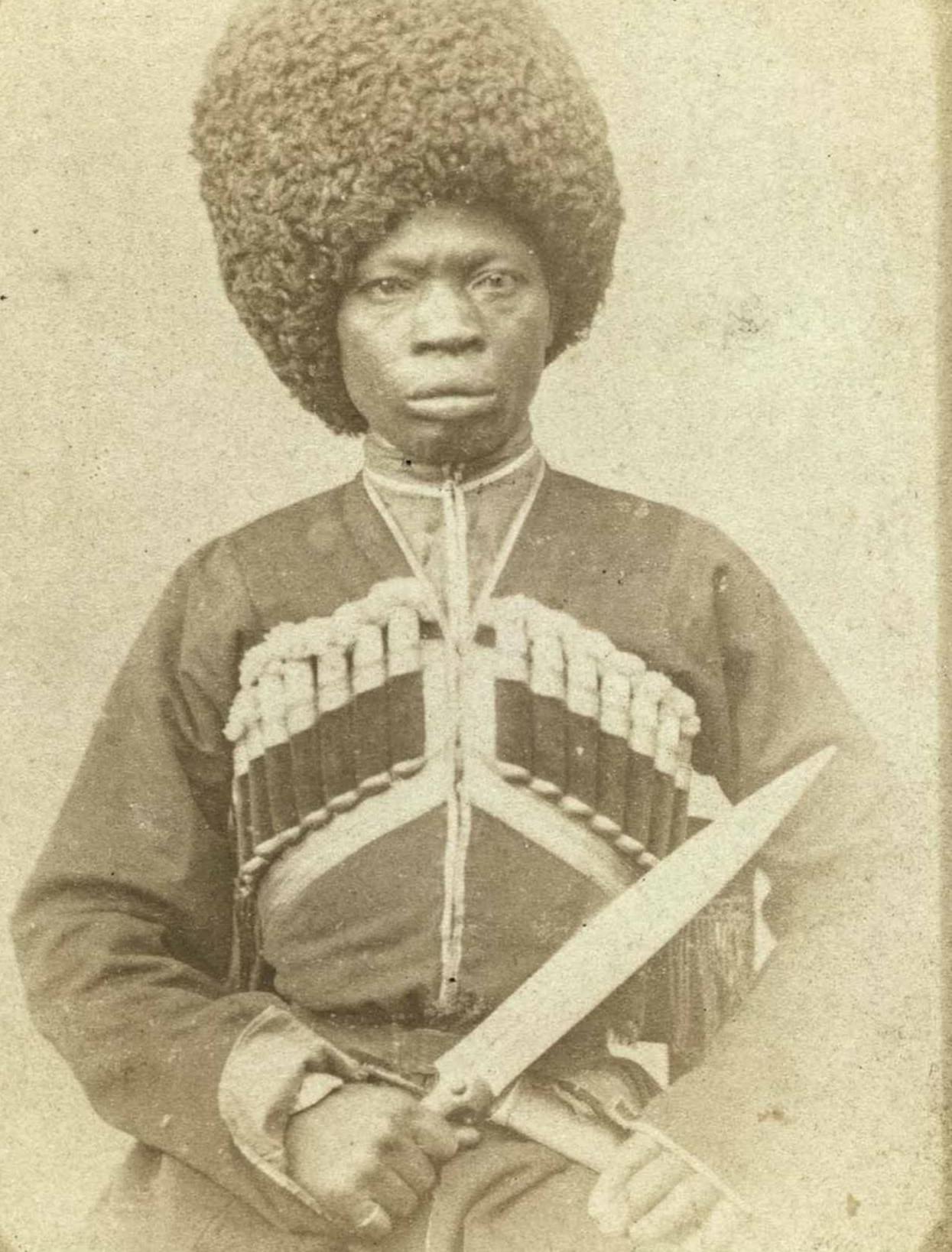
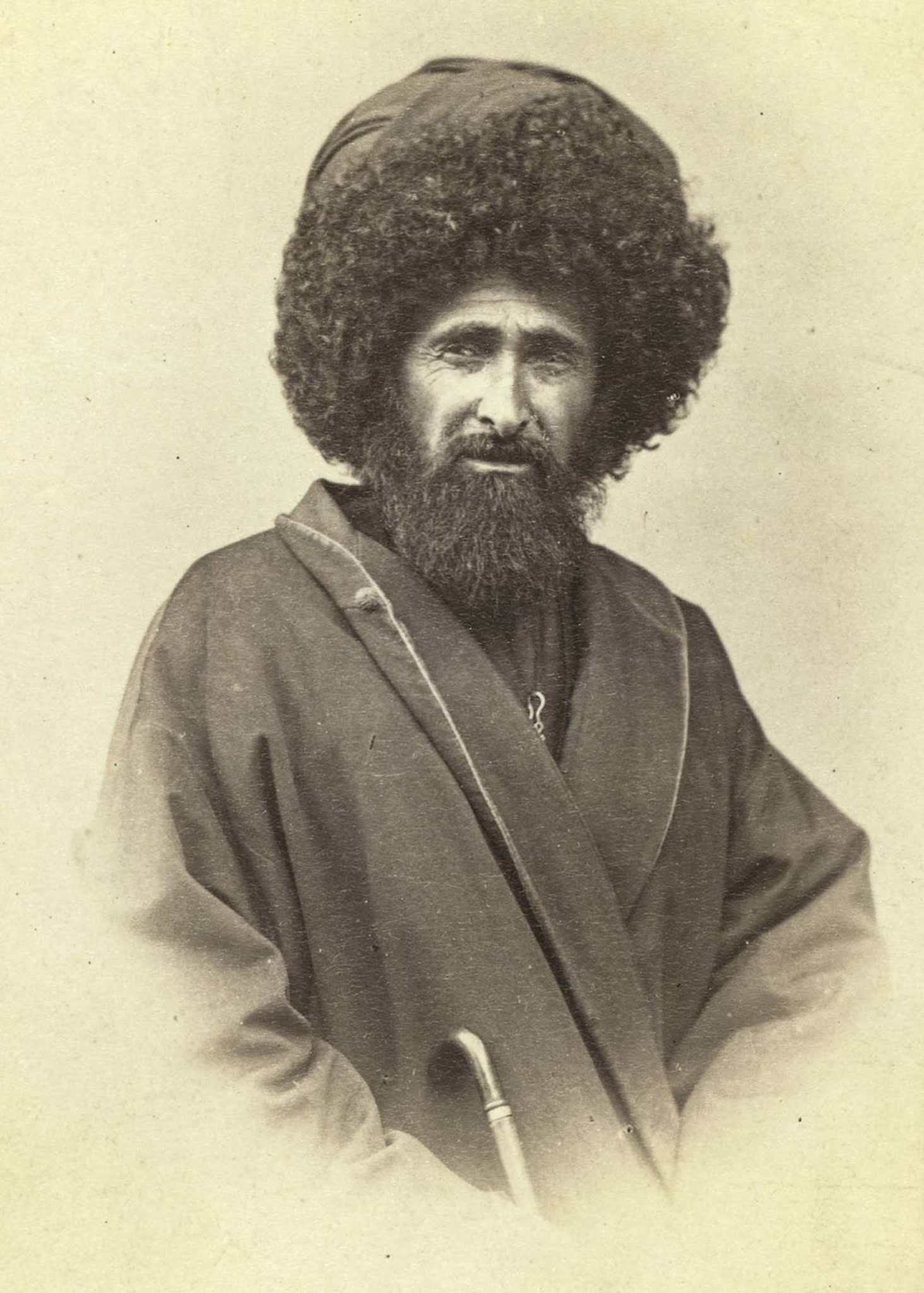
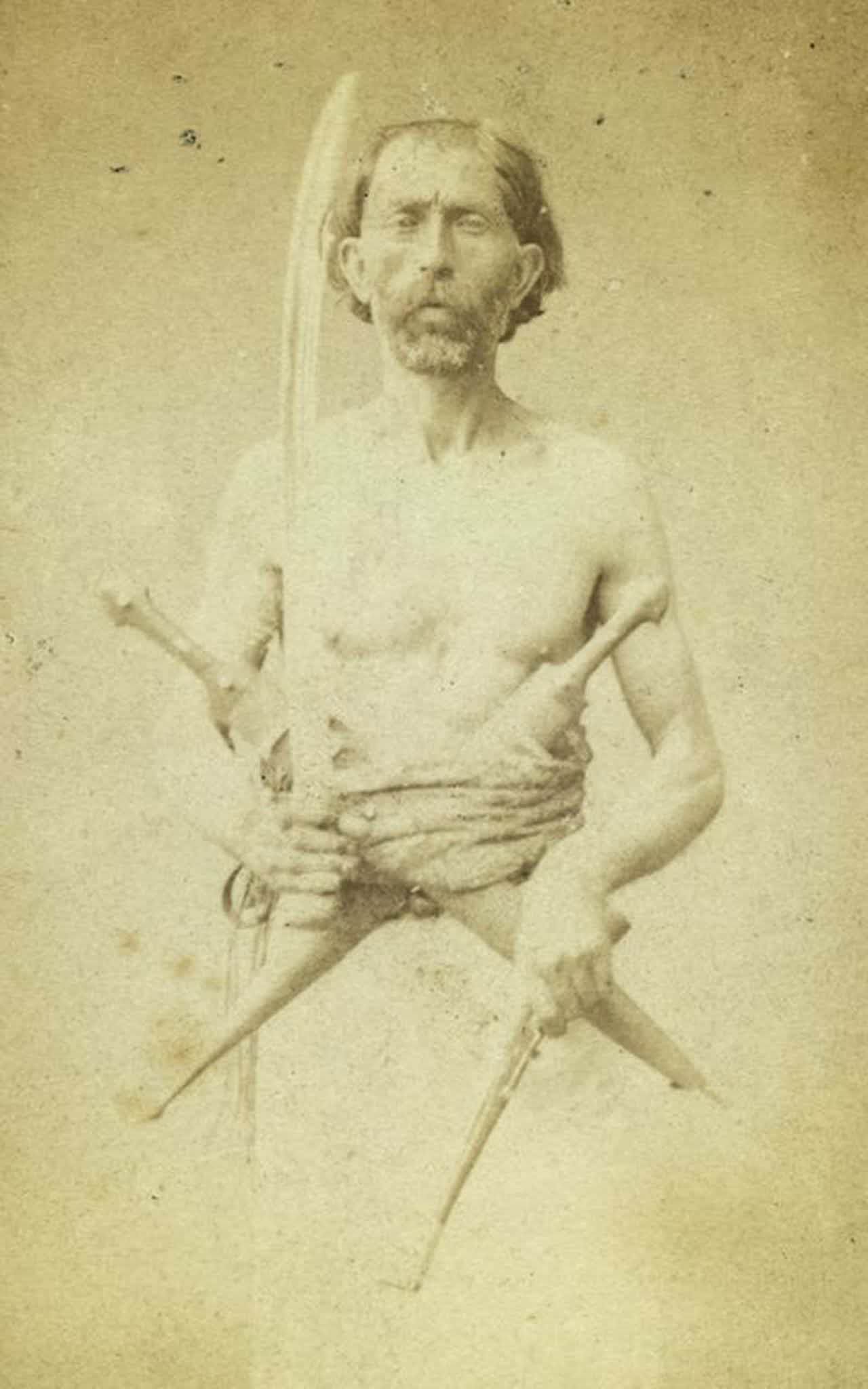
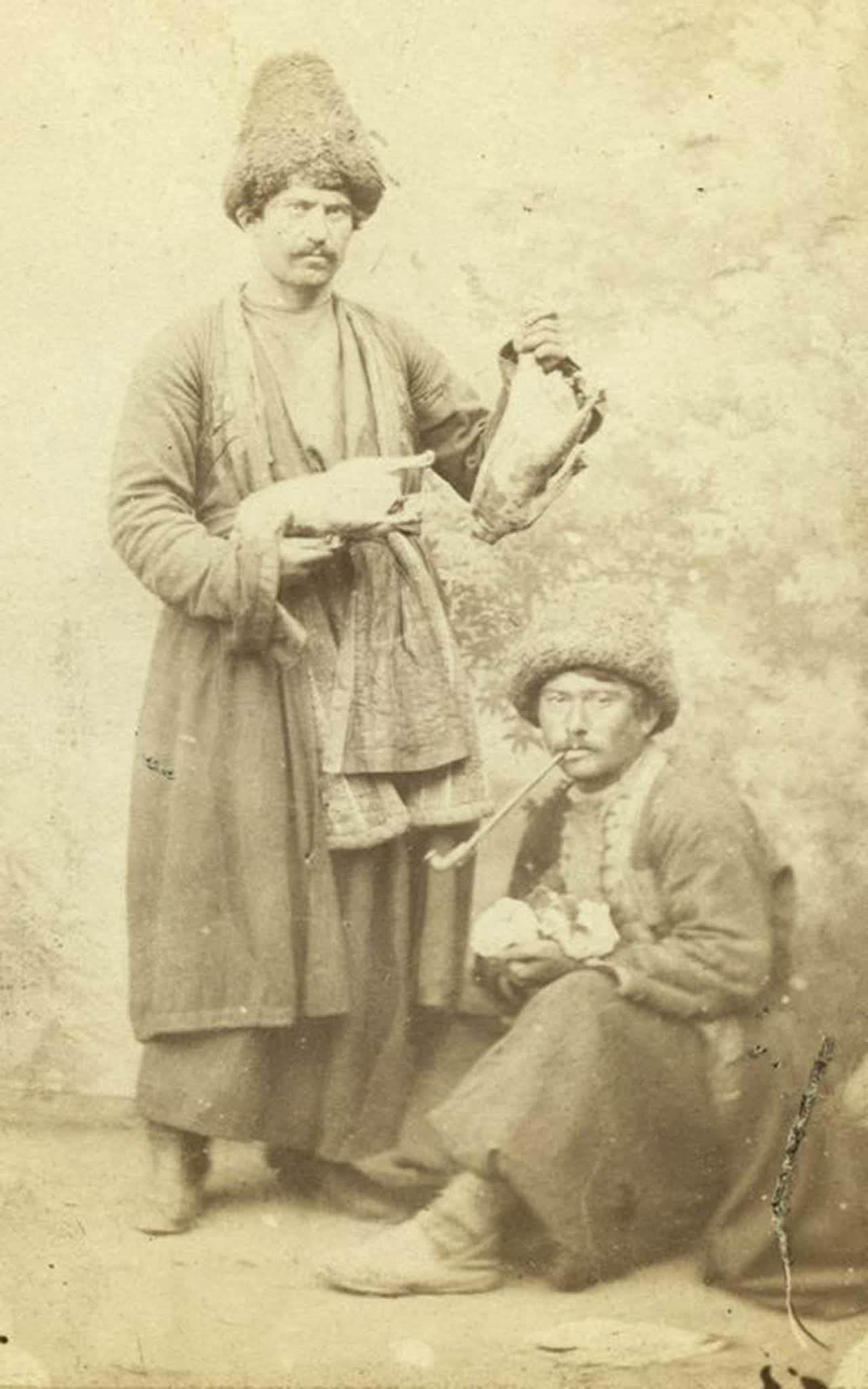
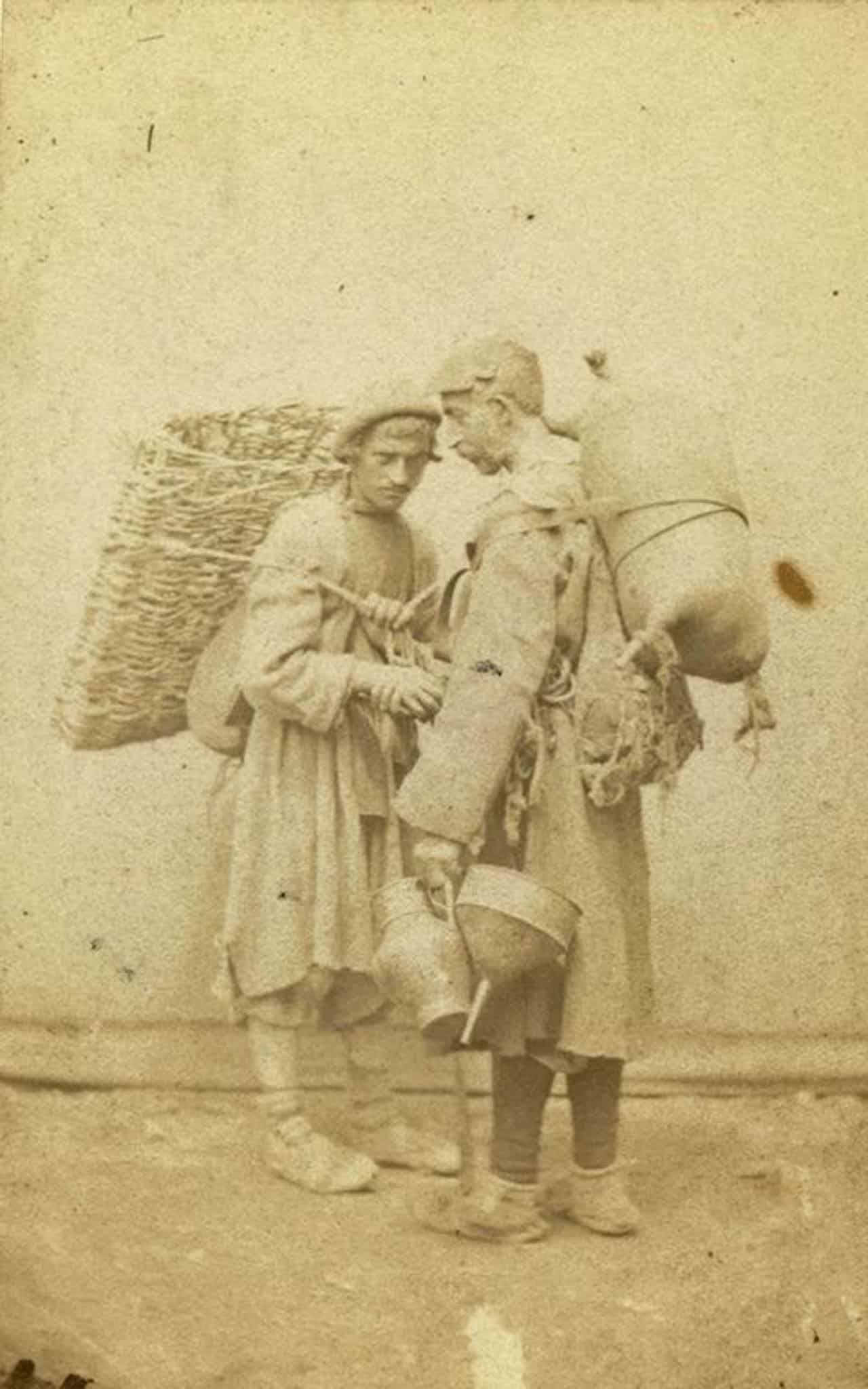
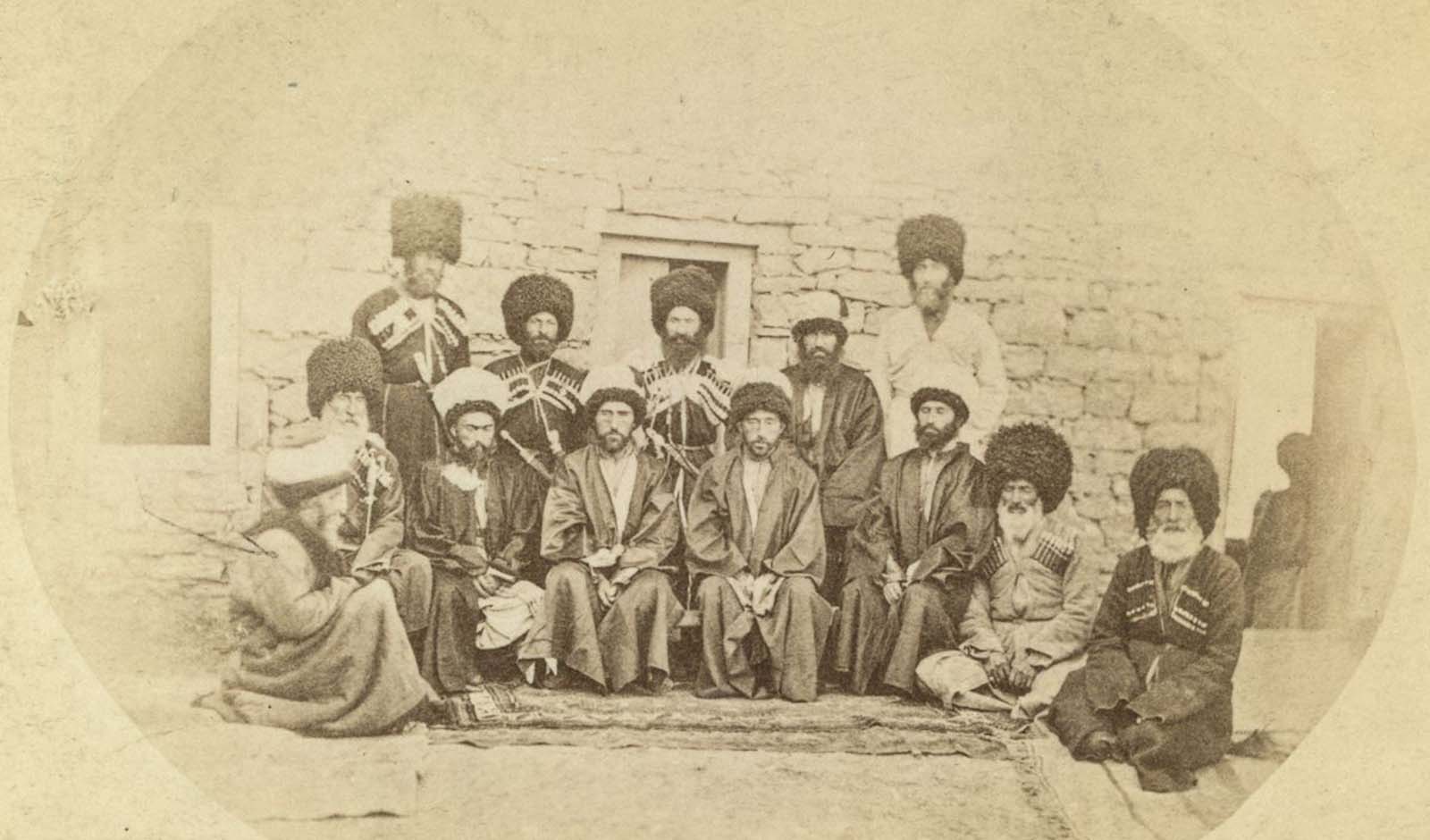
In 1870, Kennan returned to the Russian Empire and traveled to Dagestan, a mountainous region in the Caucasus that Russia had only seized about a decade earlier. The highlands there were home to Muslim communities with deeply rooted traditions. During his journey through this remote area, Kennan encountered herders tending livestock across steep terrain, silversmiths crafting intricate metalwork, and carpet-weavers producing textiles using techniques passed down through generations. His travels then took him through the northern Caucasus, with stops in Samashki and Grozny, before he returned to the United States in 1871.
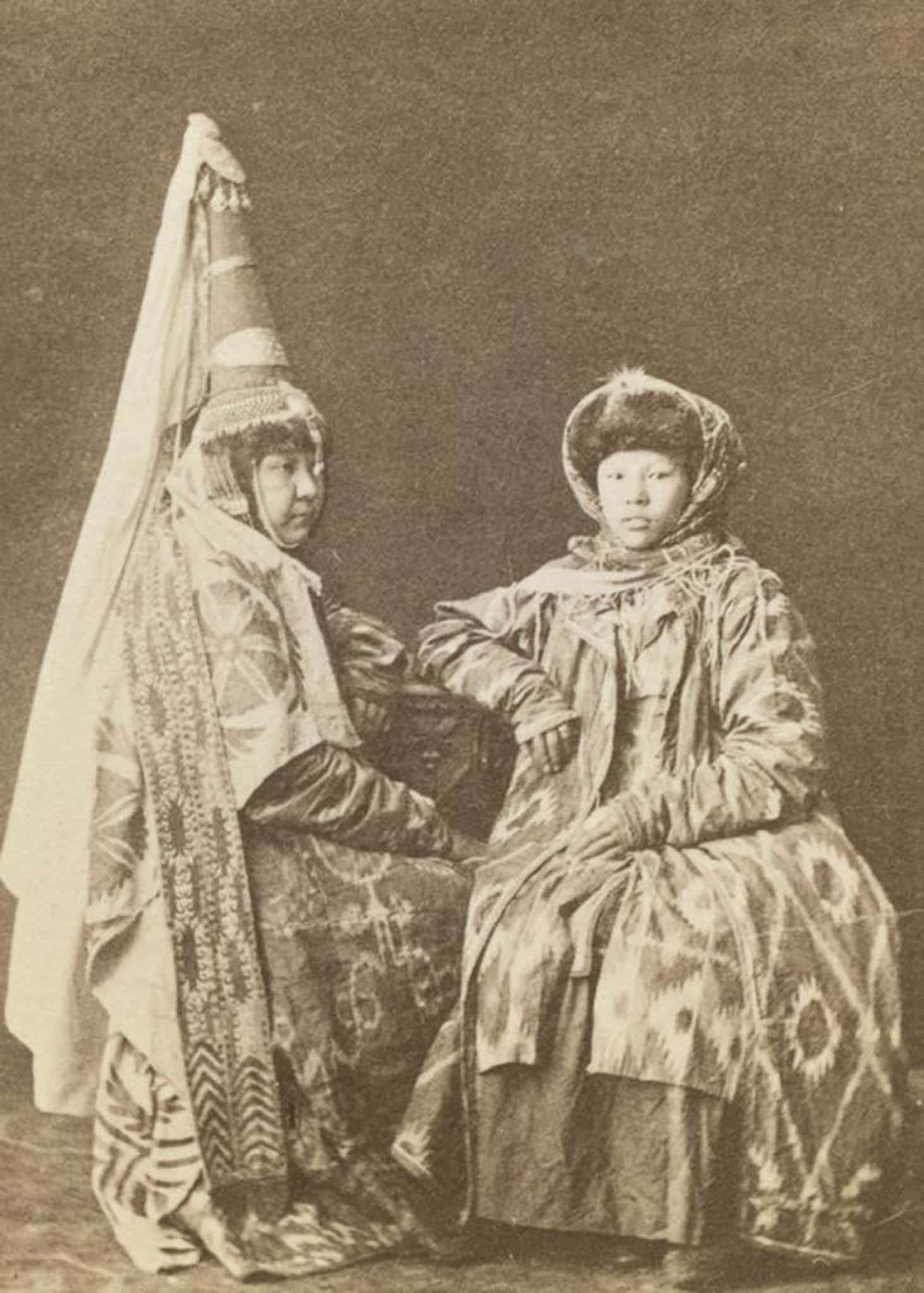
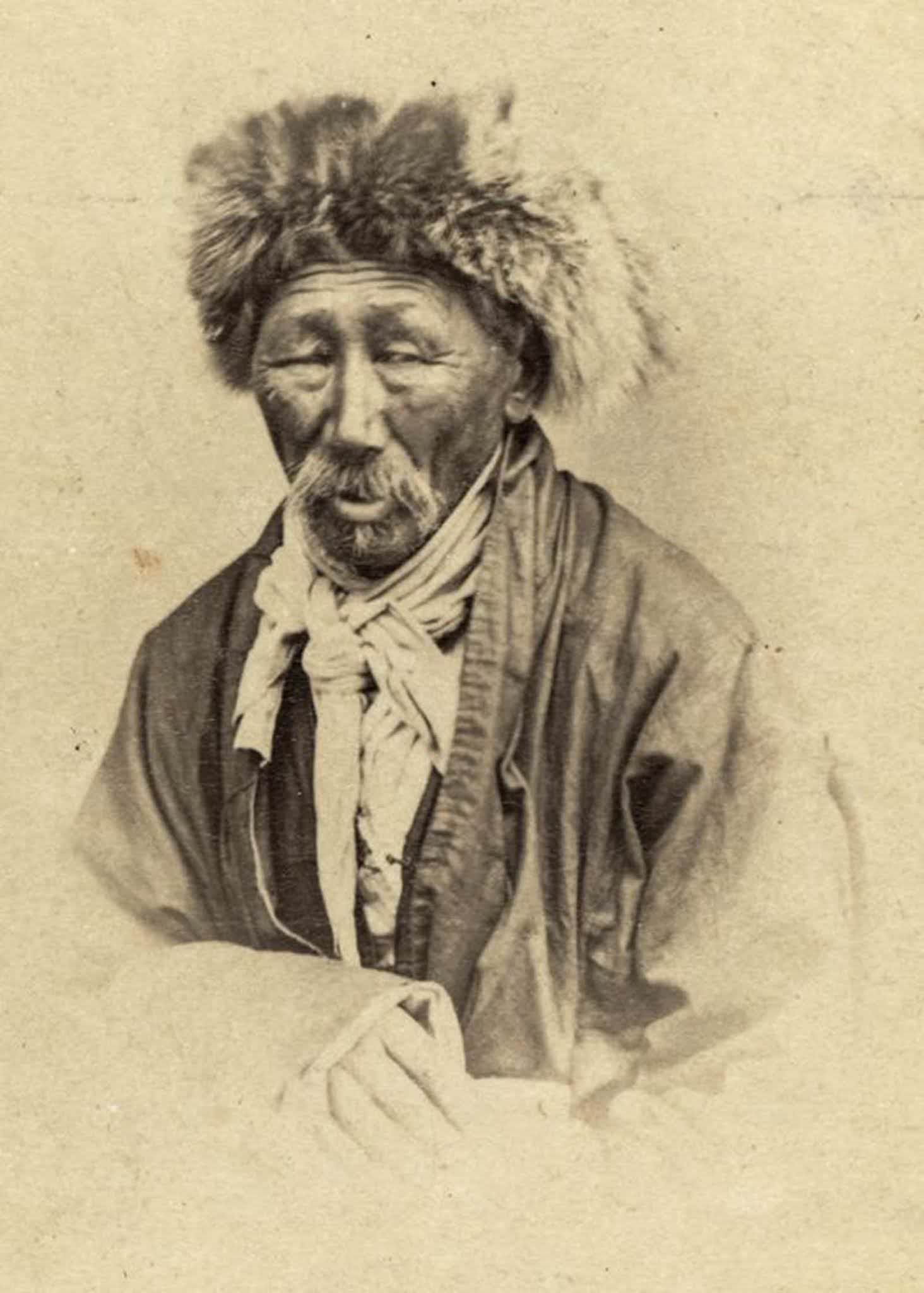
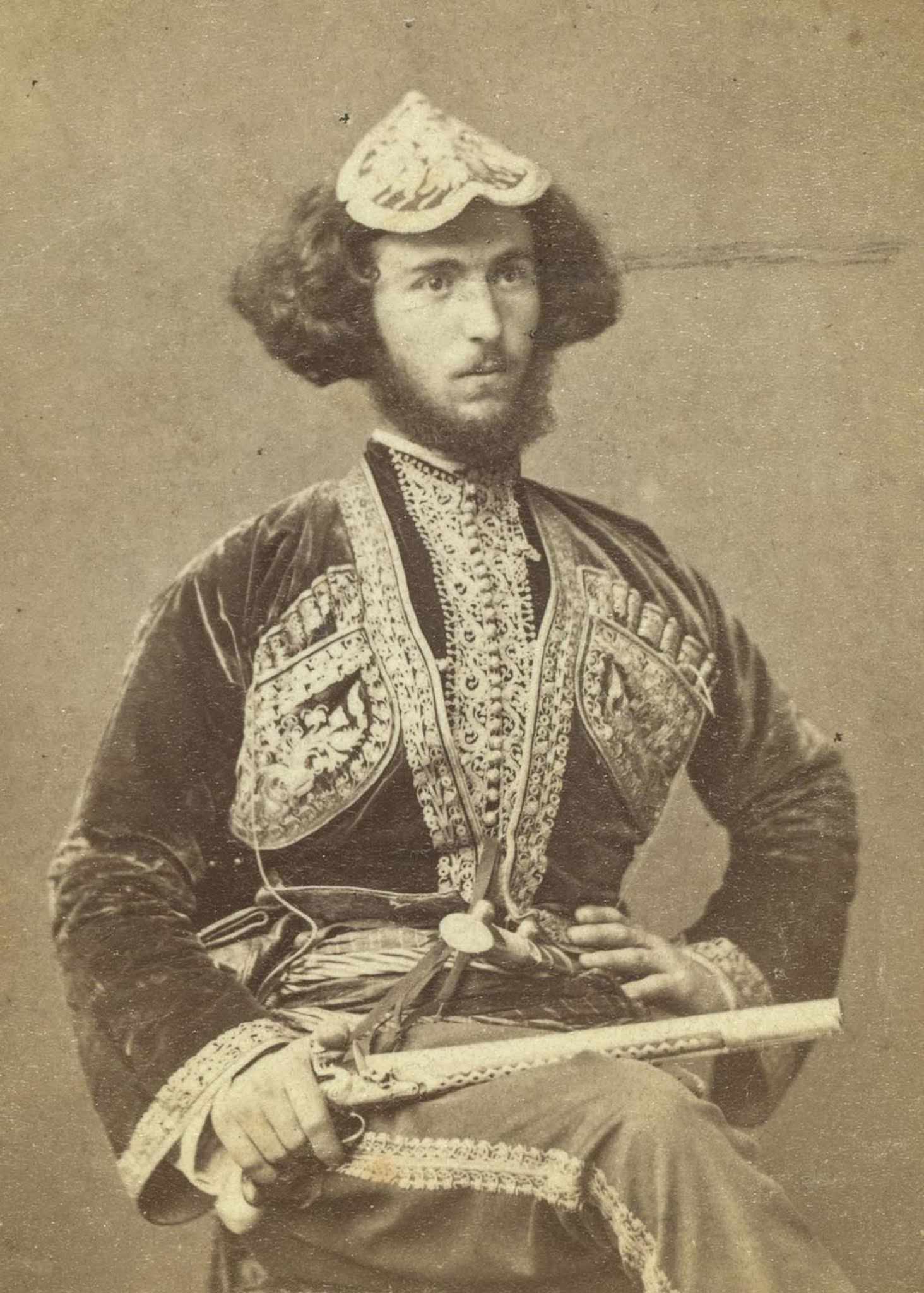
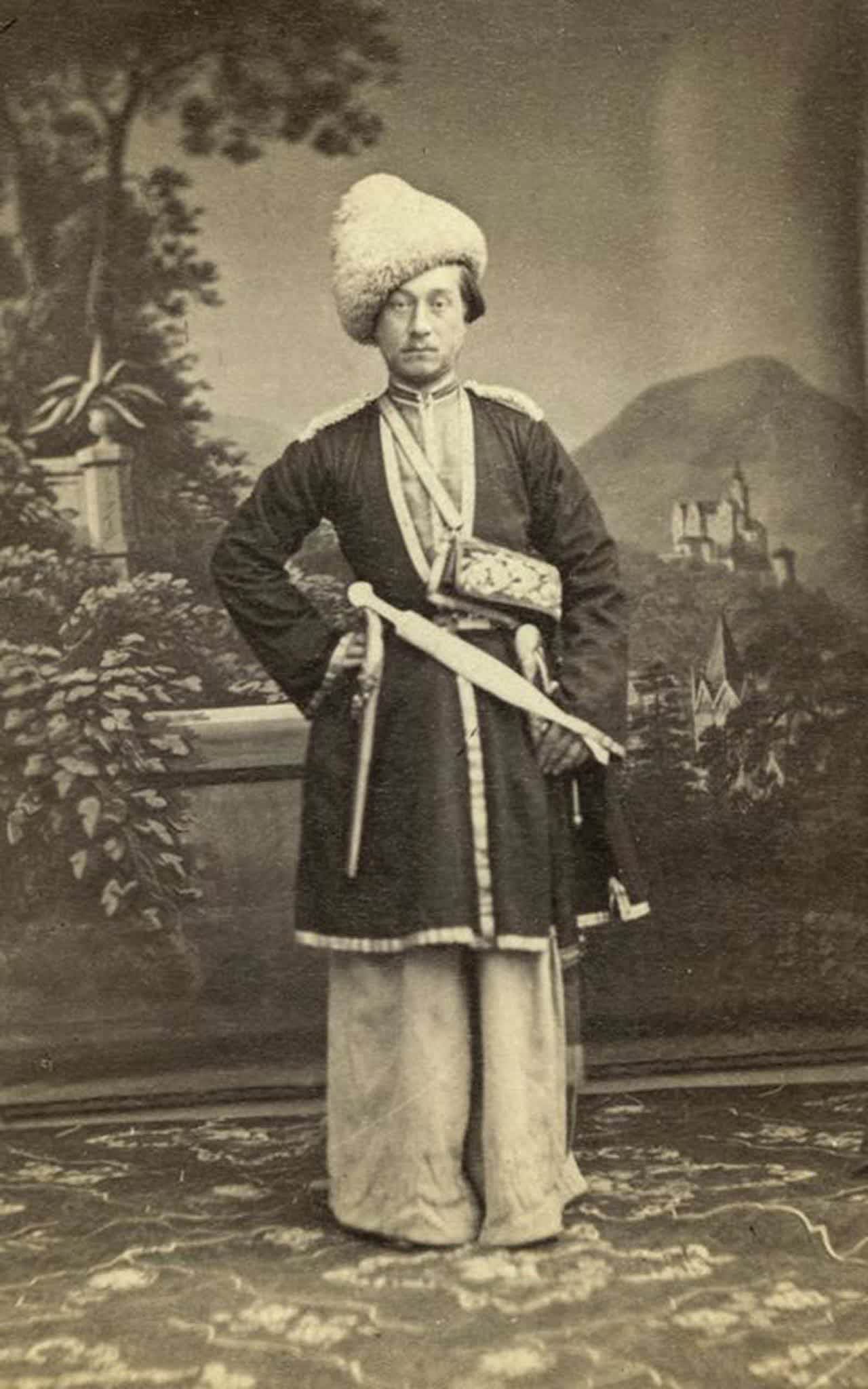
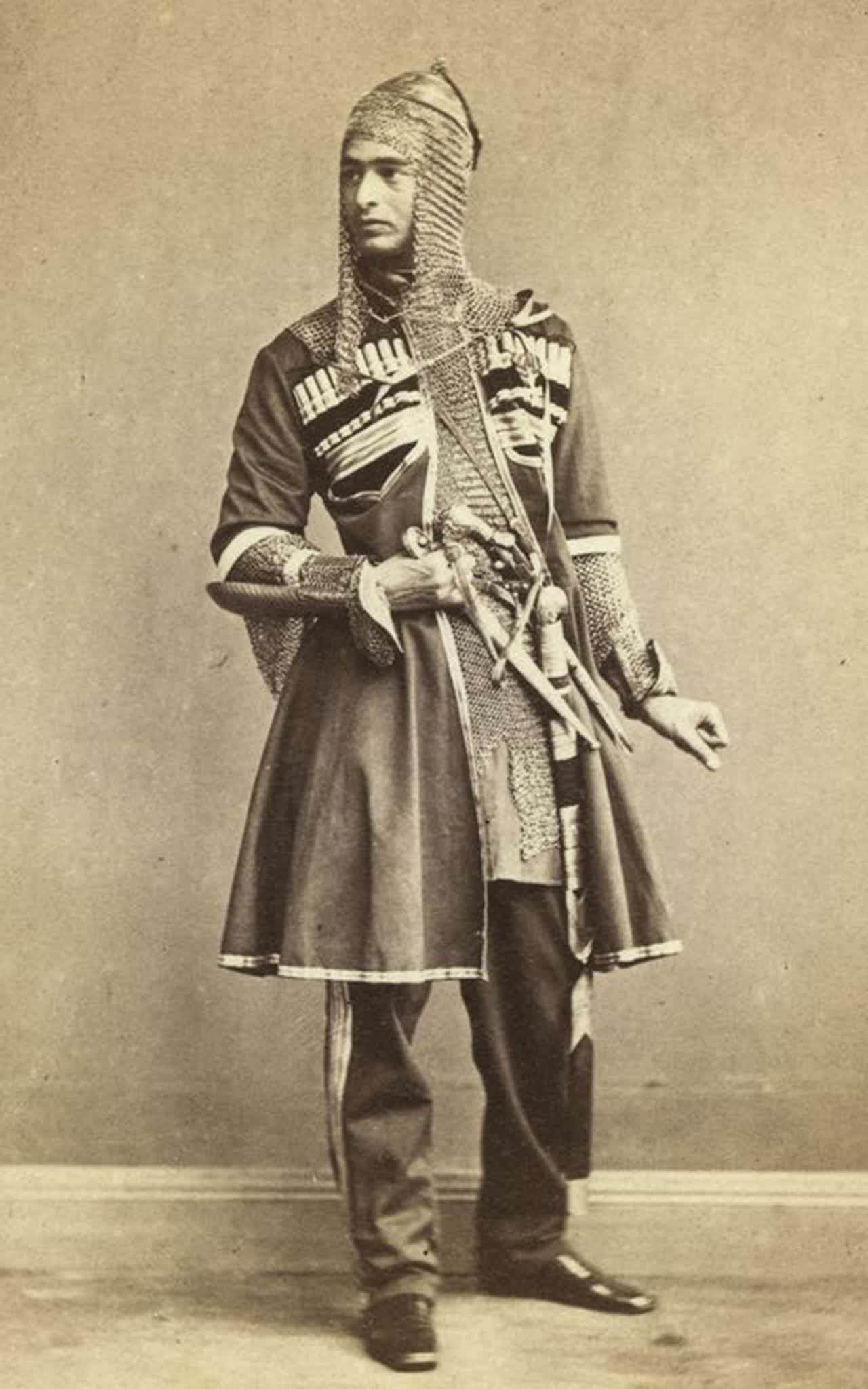
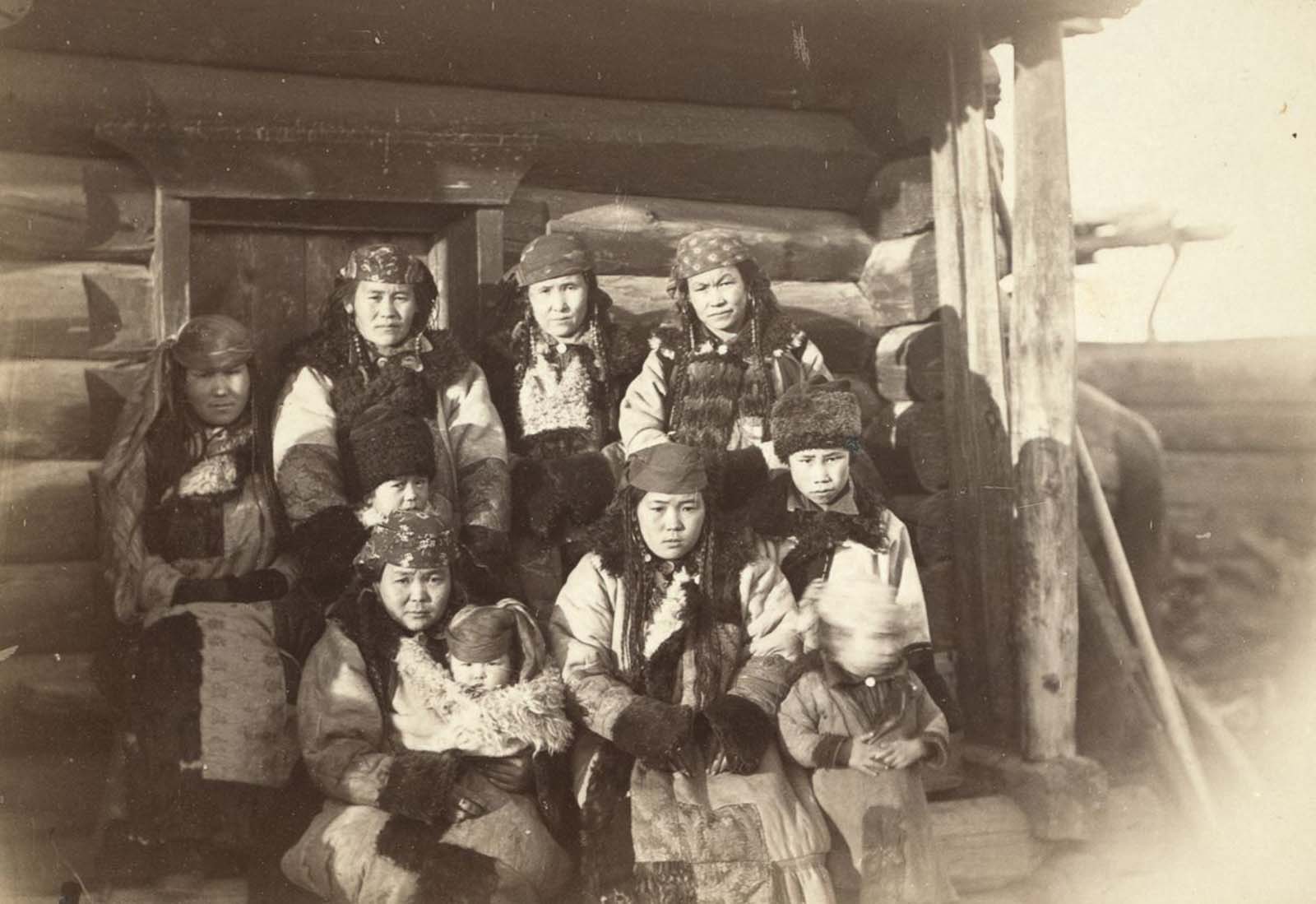
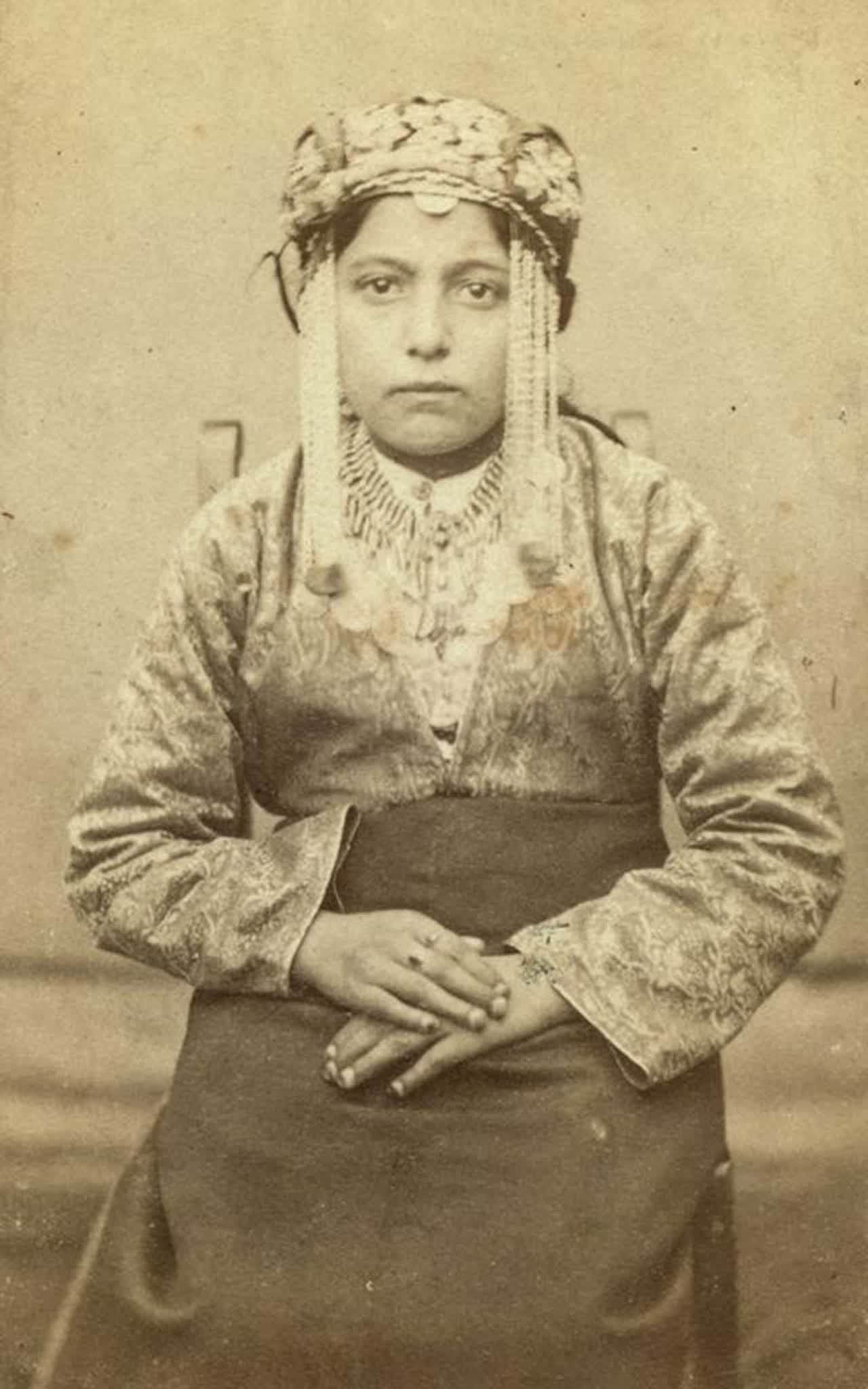
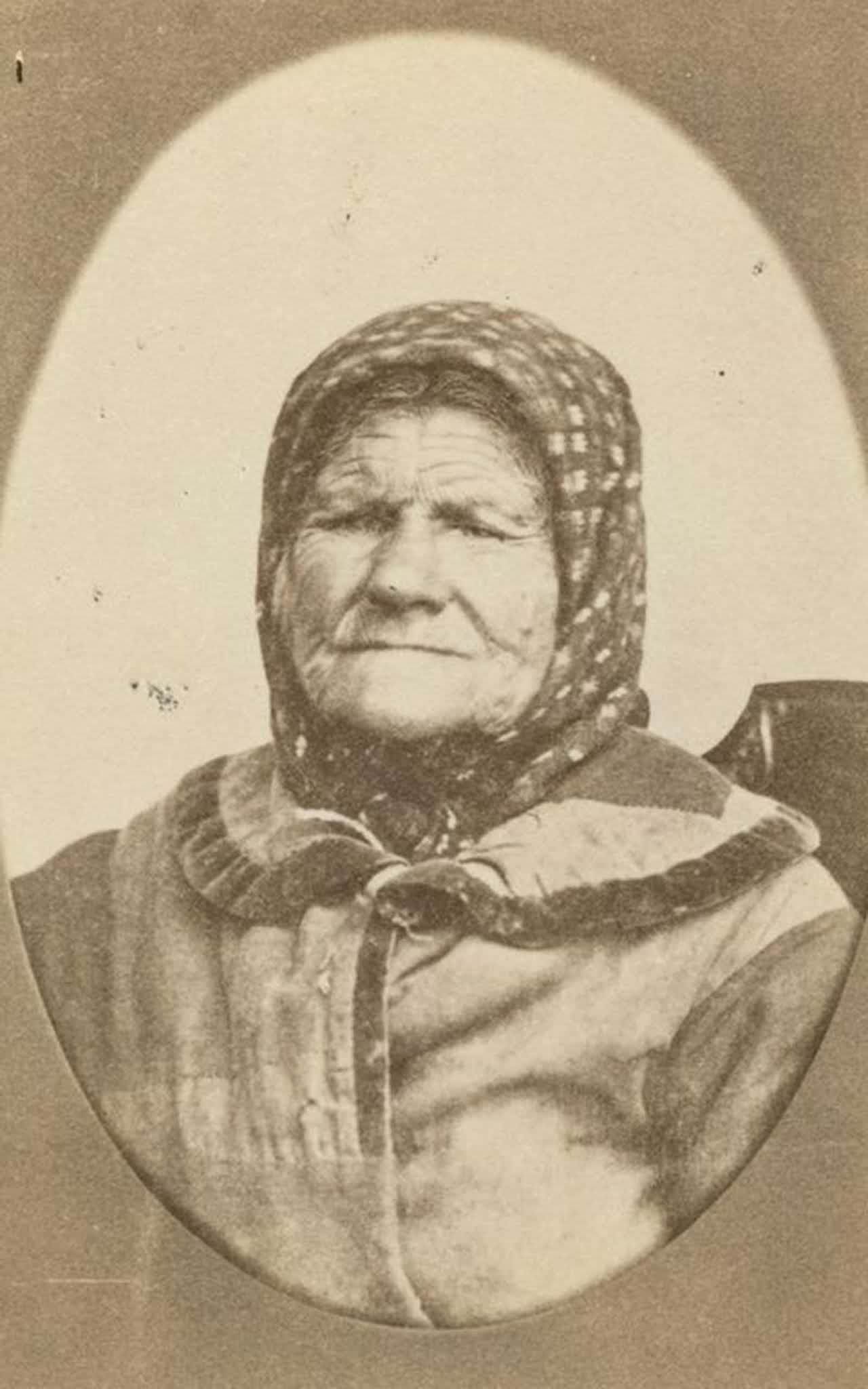
The photographs Kennan took and collected between 1870 and 1890 document the extraordinary ethnic and cultural diversity within the Russian Empire. The empire at that time stretched from Eastern Europe across Central Asia to the Pacific, encompassing hundreds of distinct peoples. Kennan’s images capture faces and scenes that would otherwise be almost entirely unknown to Western audiences — Kazakh horsemen on the steppe, Georgian women in traditional dress, Tatar villagers in central Russia, and Buryat couples from the Lake Baikal region.
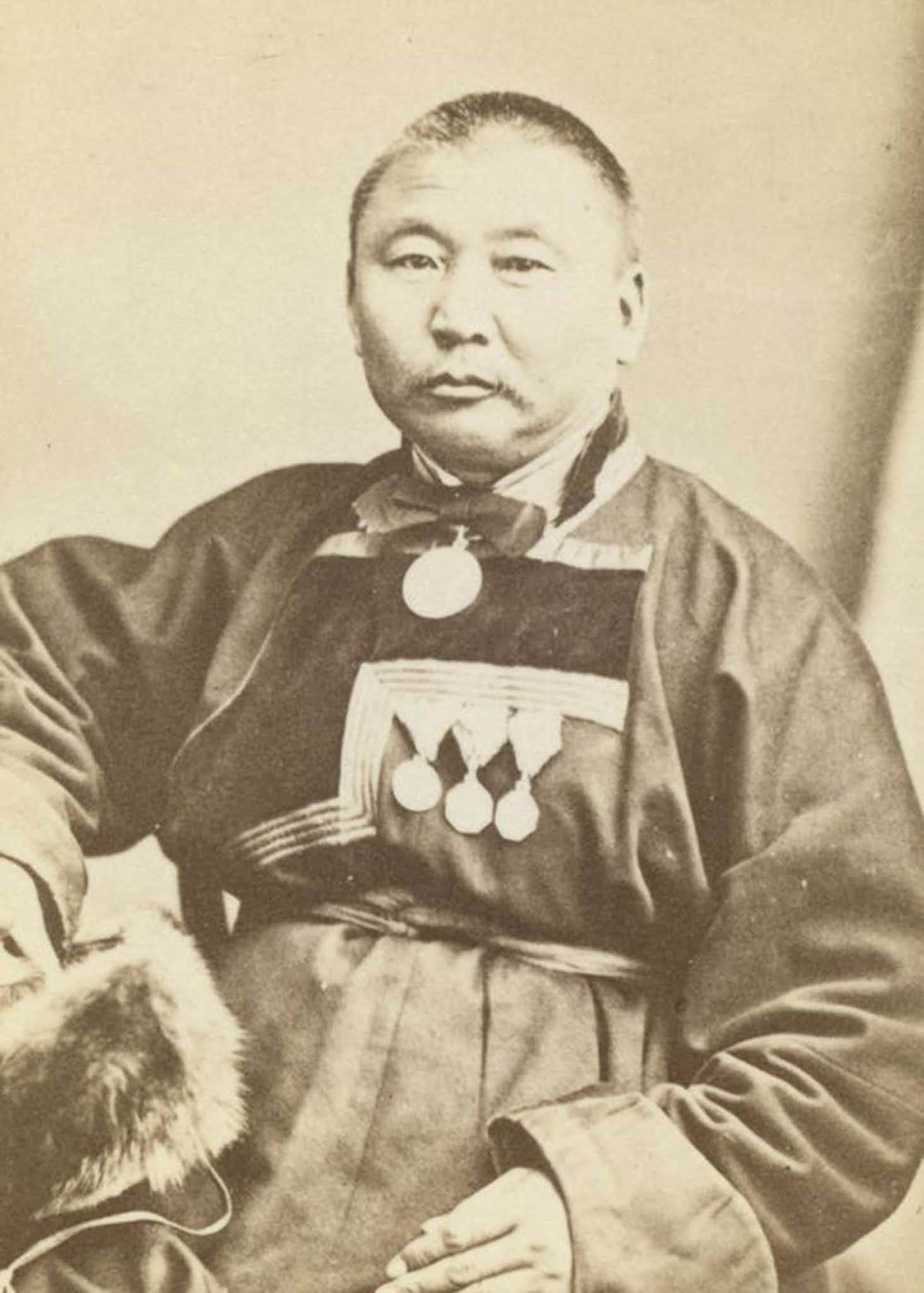
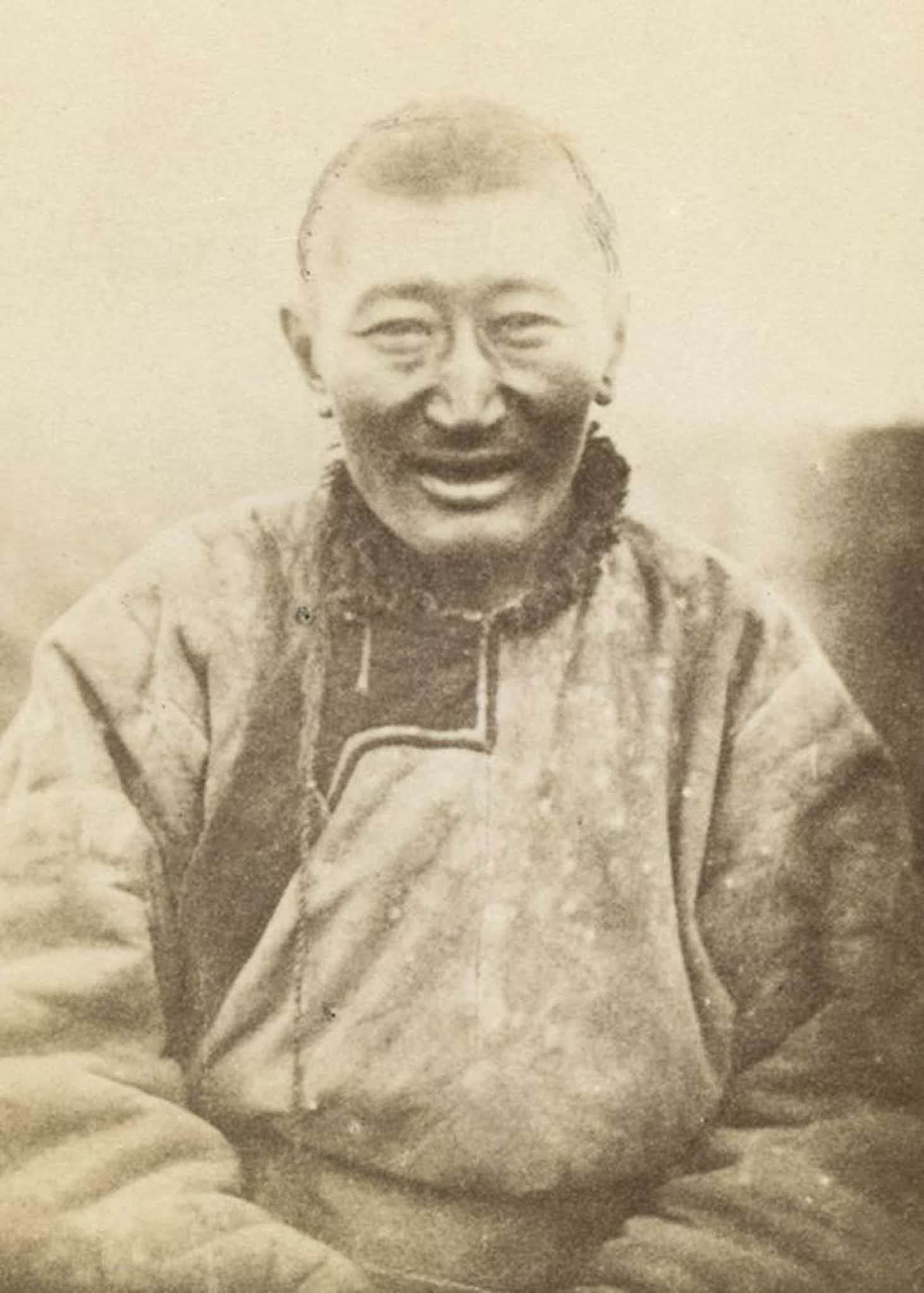
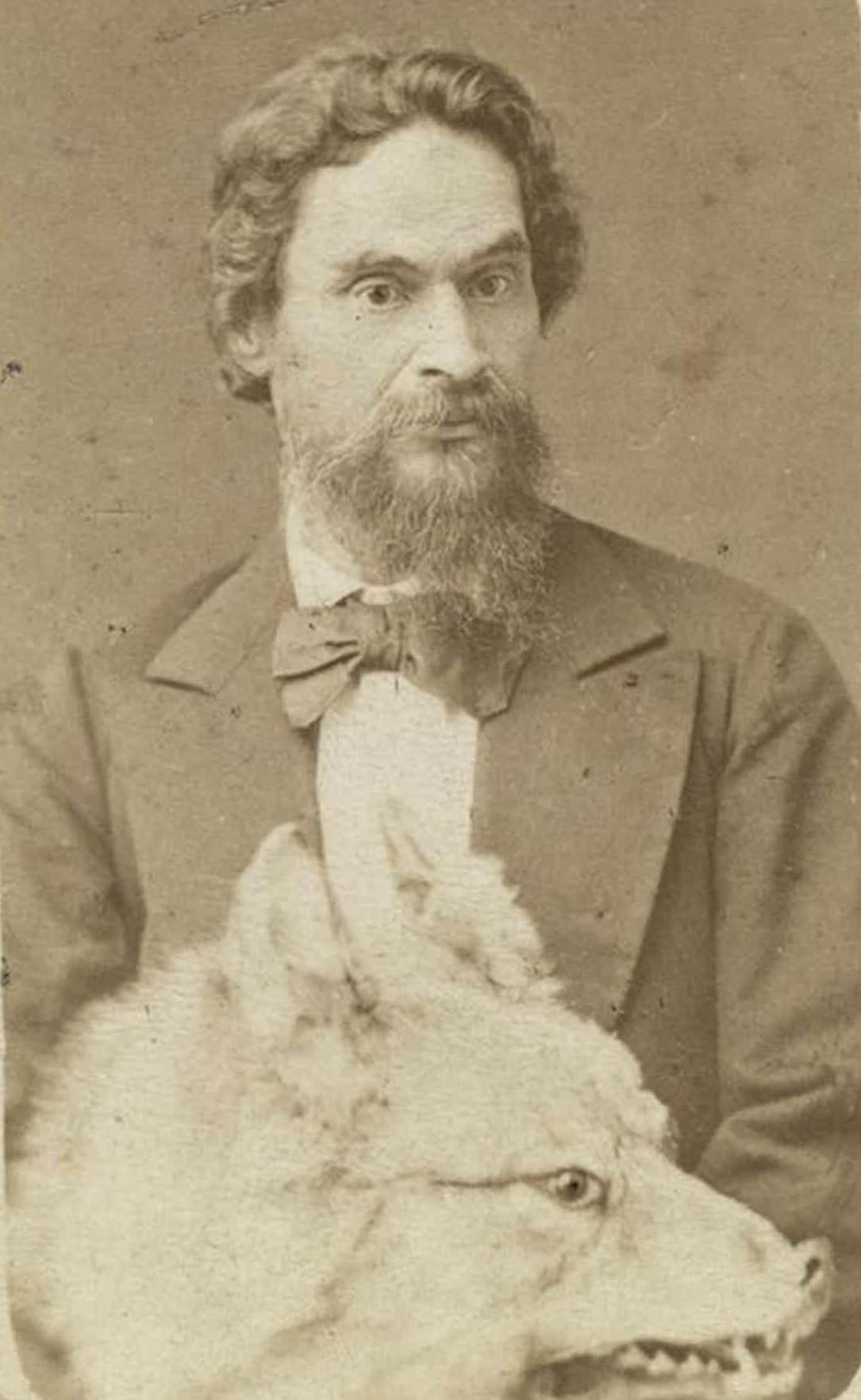
Central Russia’s Minusinsk region appears in several of Kennan’s photographs. The area, situated along the Yenisei River in Siberia, was home to Tatar communities as well as Russian administrators and officials. One striking image shows Mr. Znamenskii, the chief of police in Minusinsk, posed with a stuffed wolf’s head — a detail that speaks to the frontier character of Siberian governance in this period. Another shows Tatars in a small village nearby, their clothing and surroundings reflecting a life shaped by the Siberian climate and local tradition.
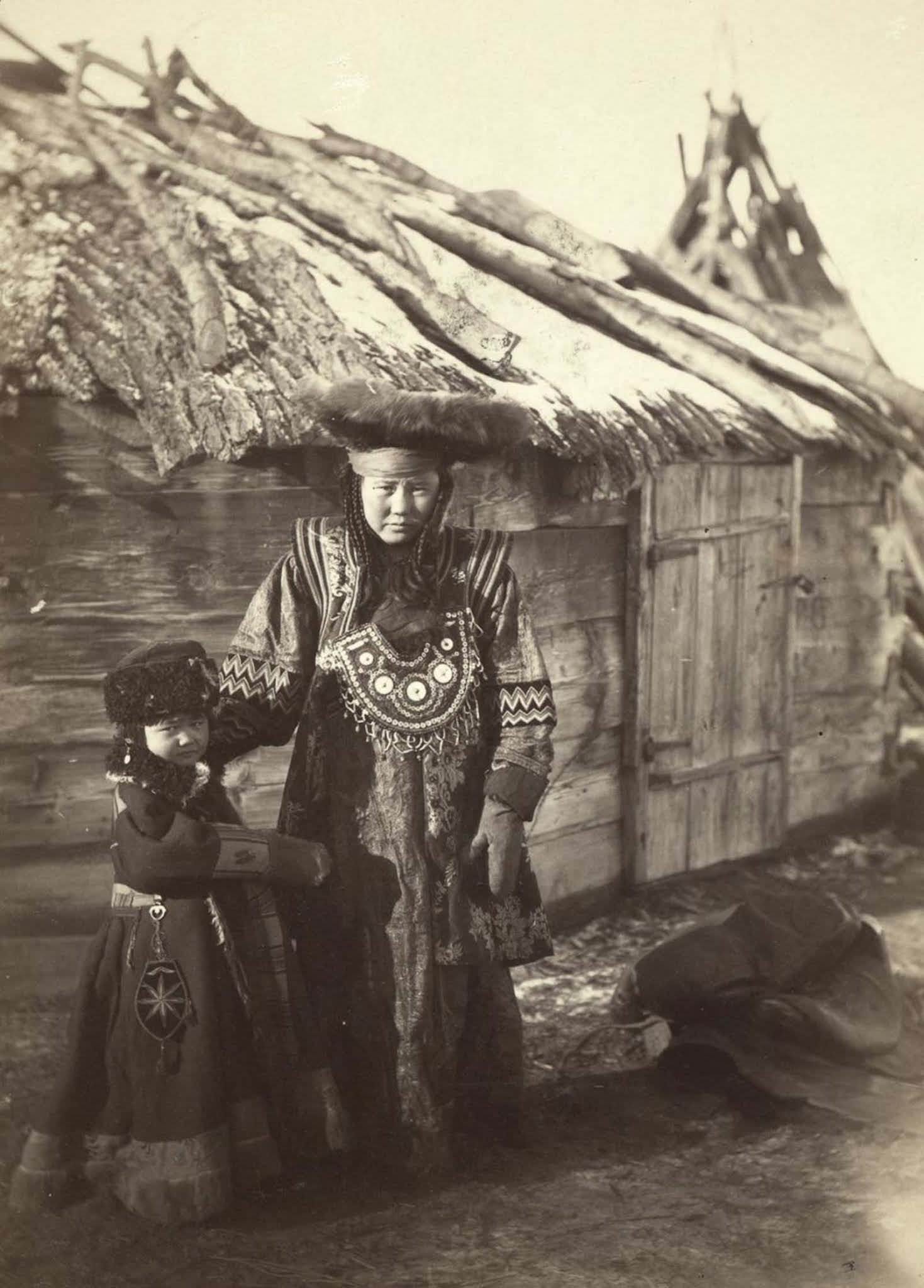
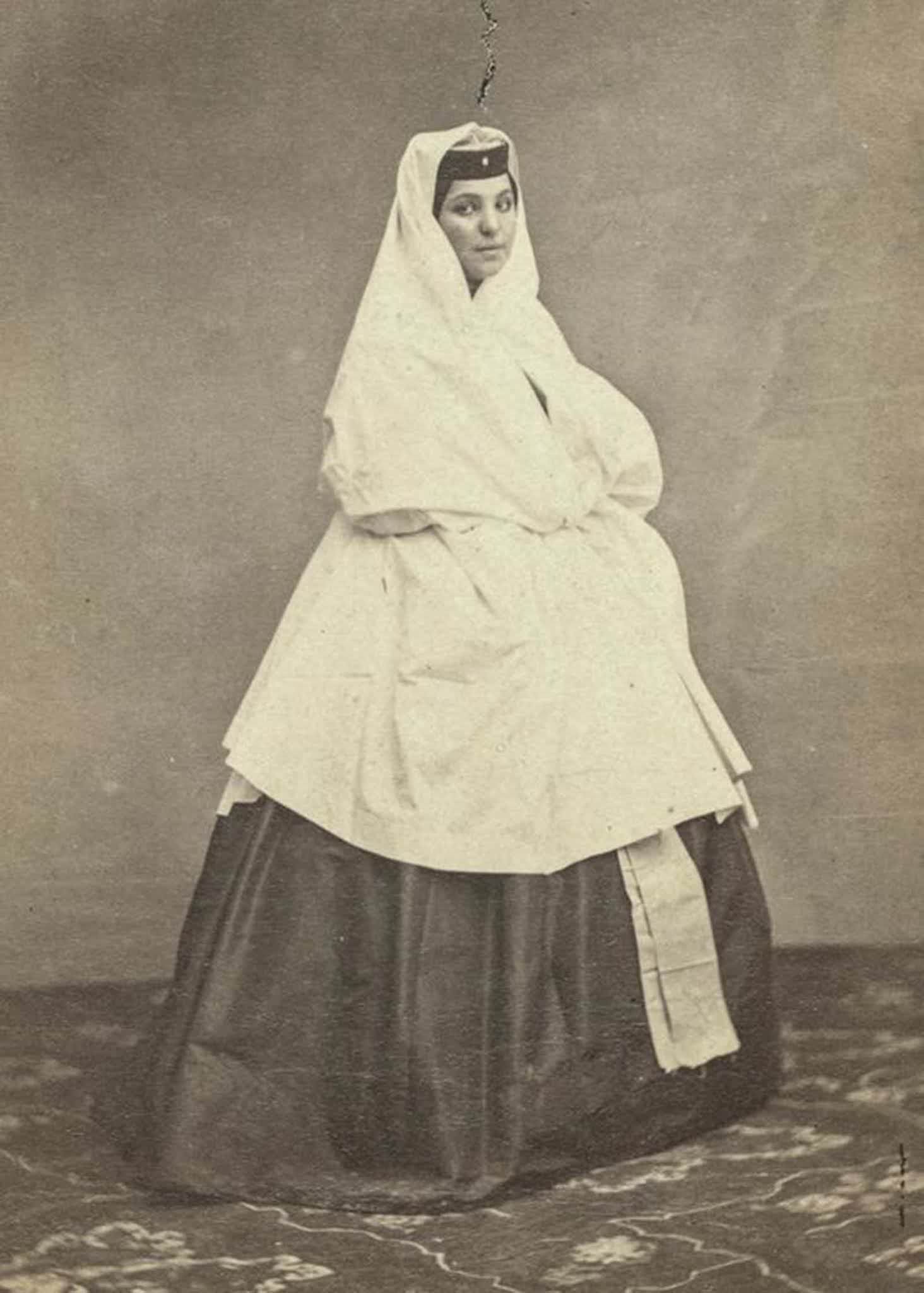
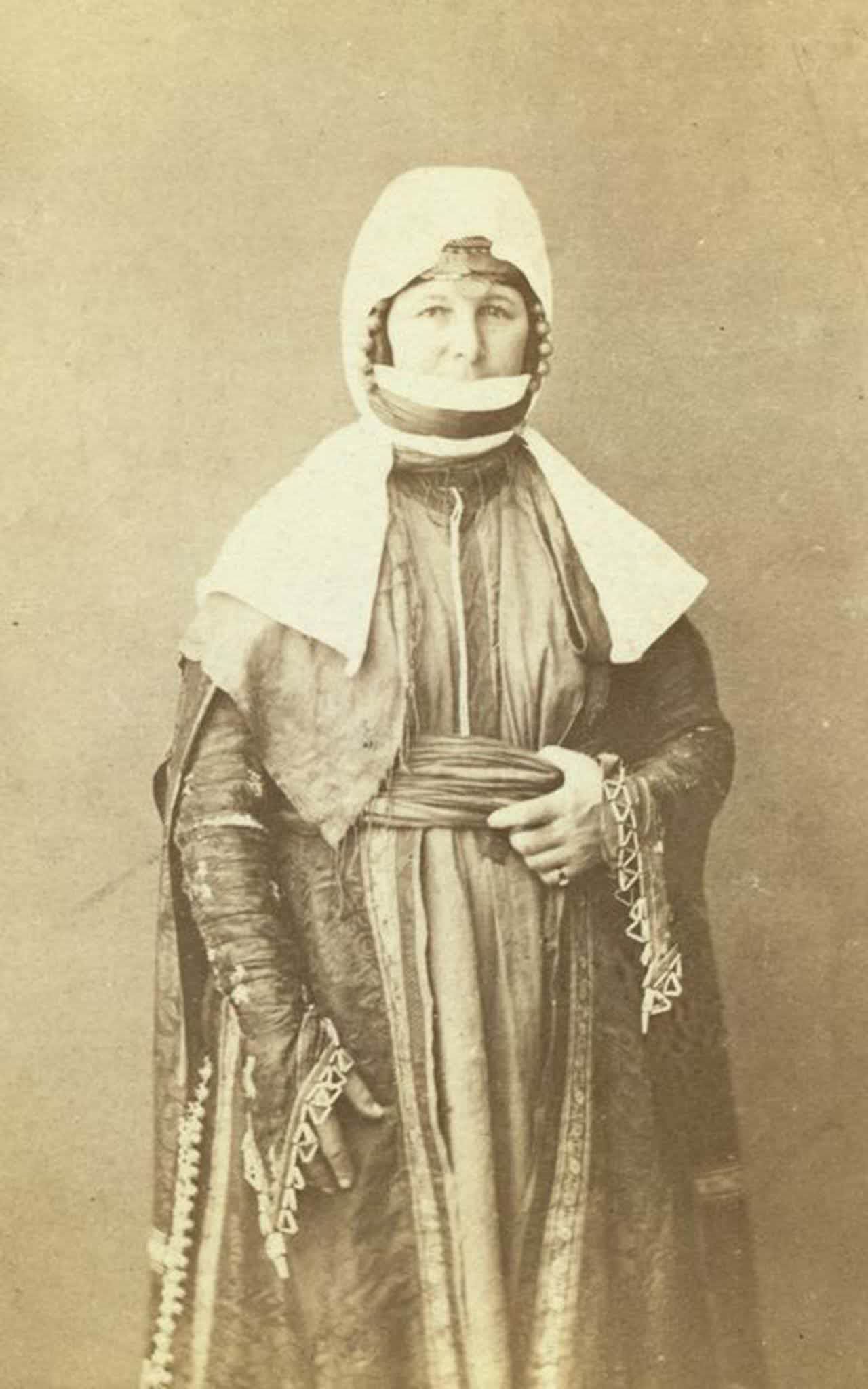
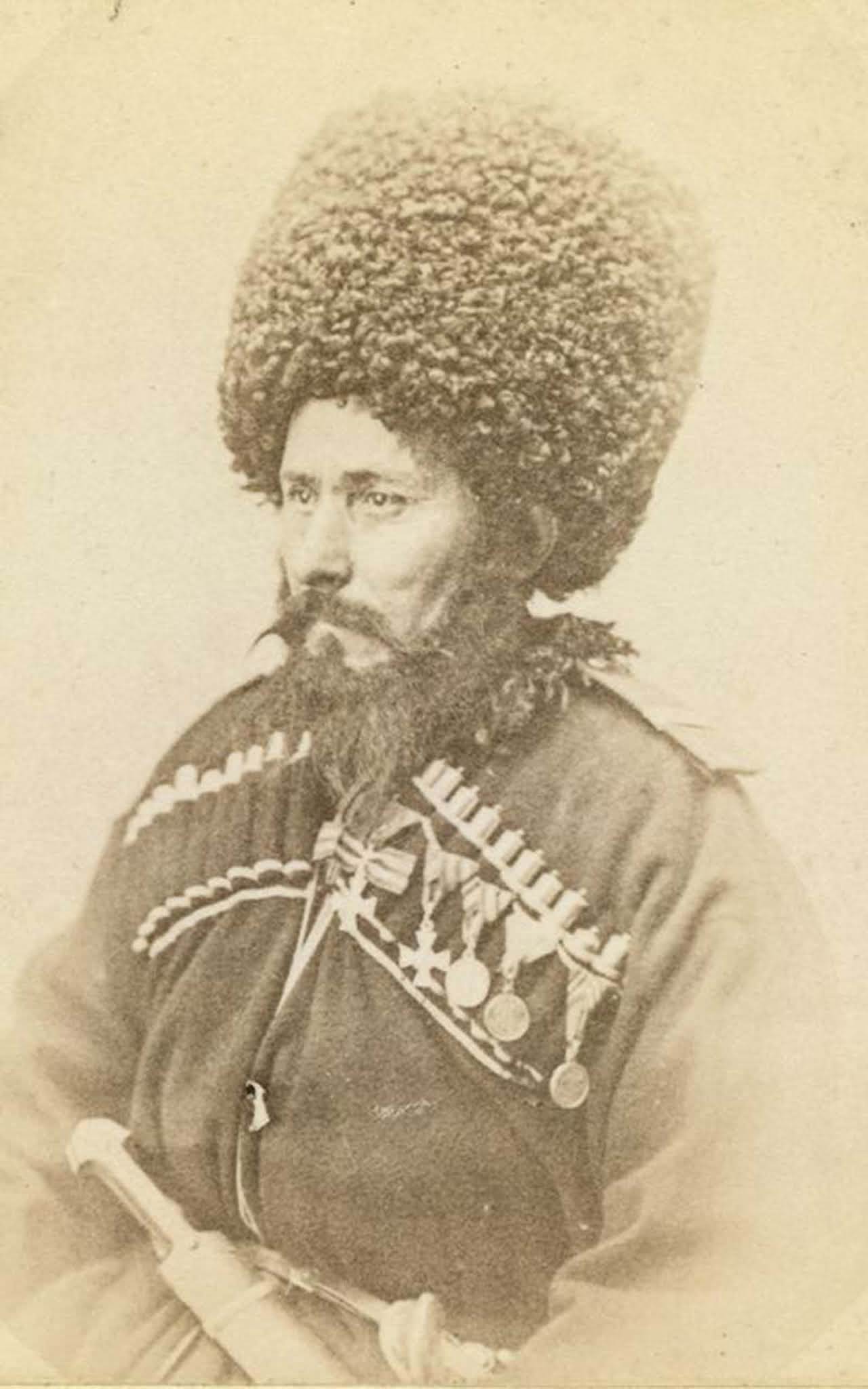
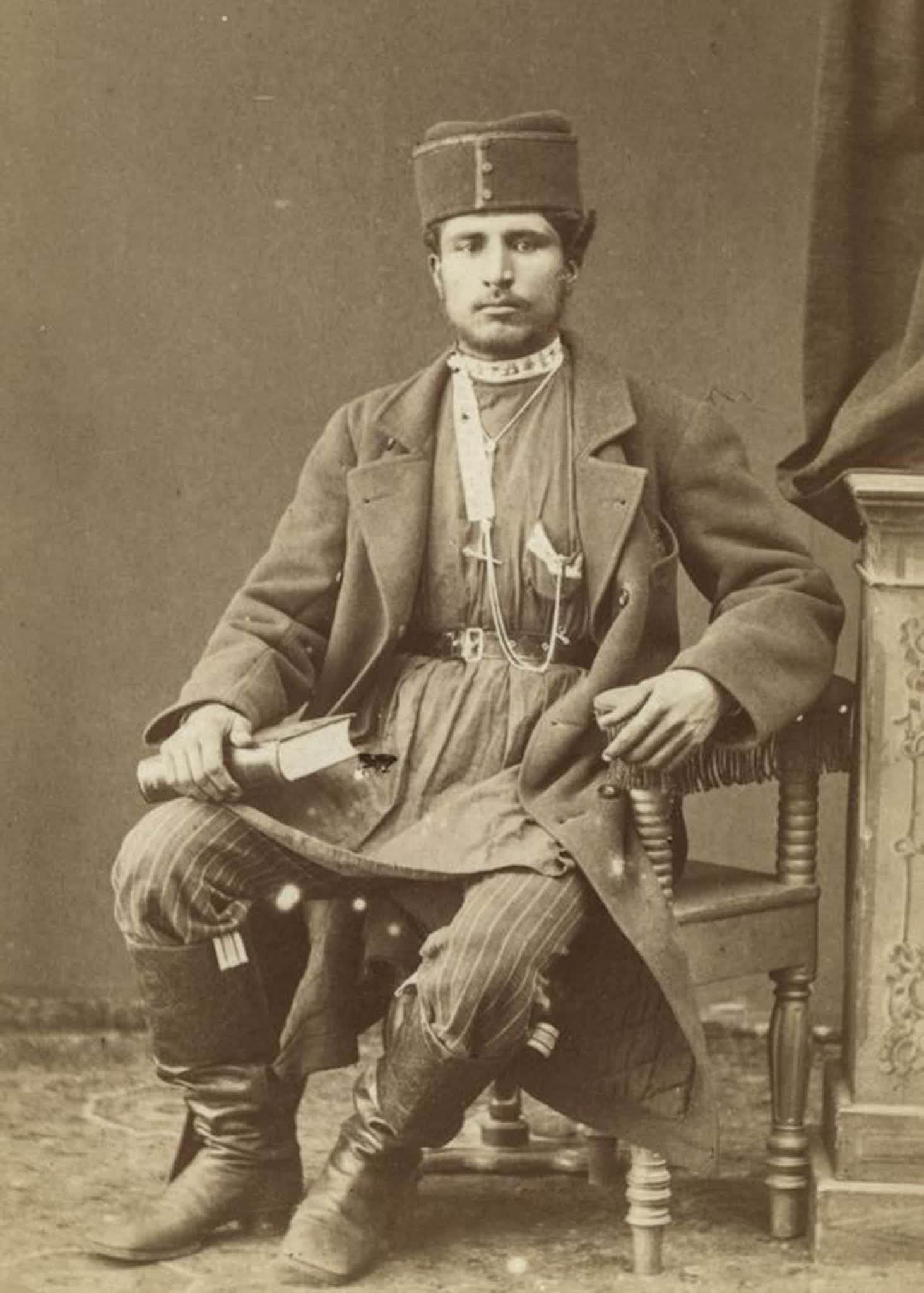
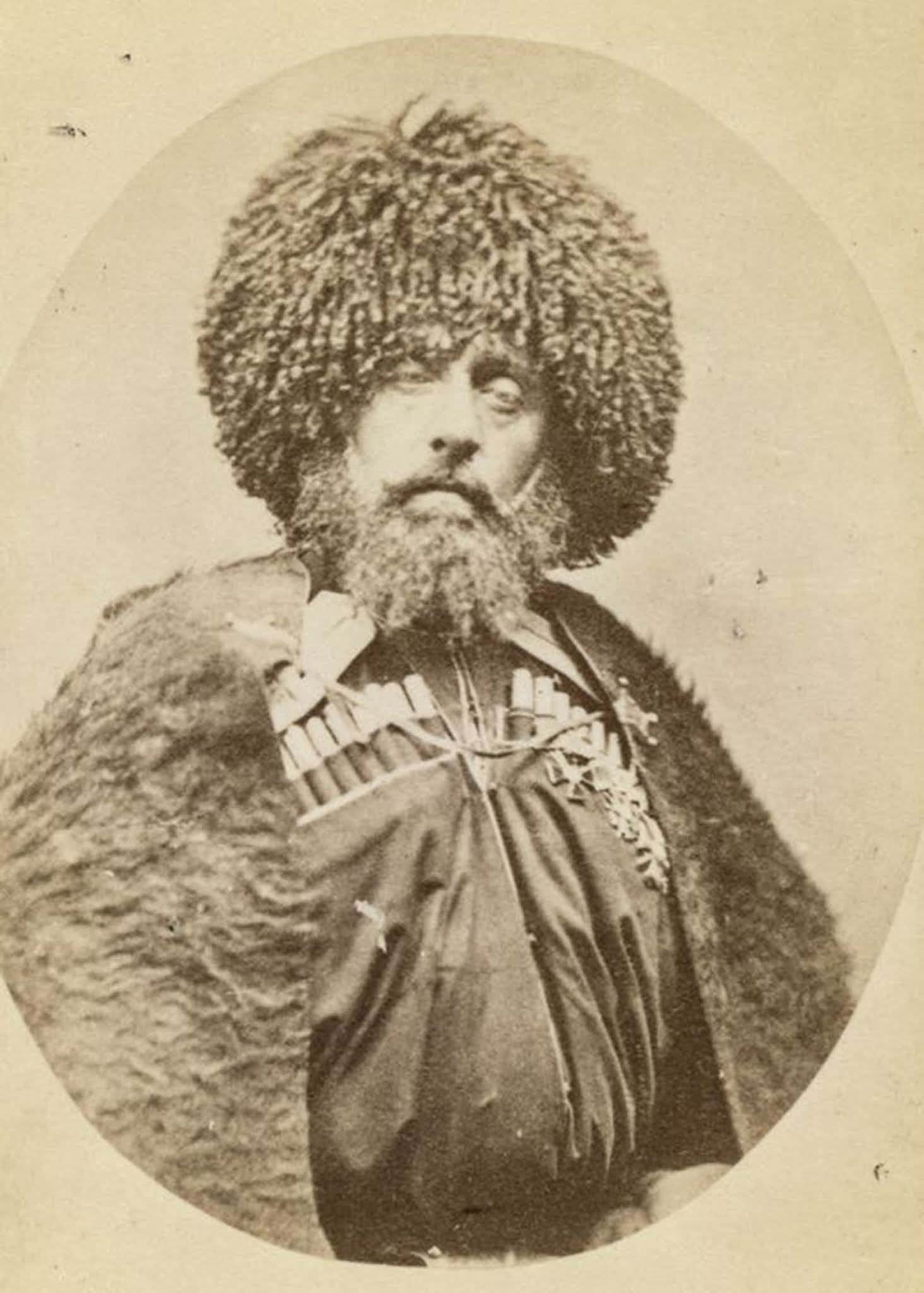
The Caucasus region produced some of Kennan’s most visually striking portraits. Georgia, Armenia, and the broader Transcaucasus were home to peoples with ancient histories and distinct identities that existed long before Russian imperial control. Kennan photographed Georgian men and women, Armenian men and women, Transcaucasian men, and Dagestani mountaineers. He also photographed the muezzin — the prayer caller — of a mosque in Tbilisi, Georgia’s capital city, capturing a moment of religious life in a city where Orthodox Christianity and Islam existed side by side.
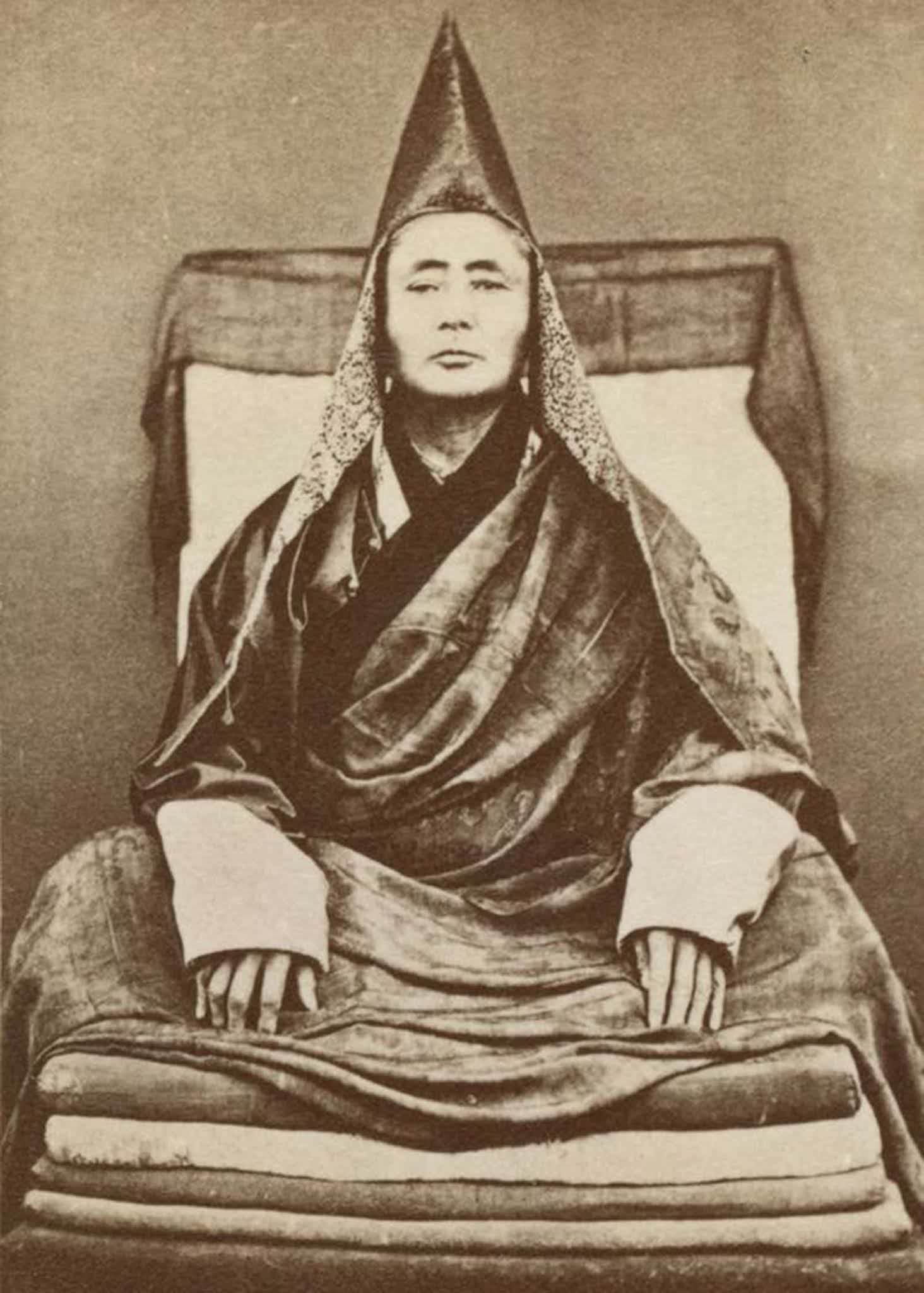
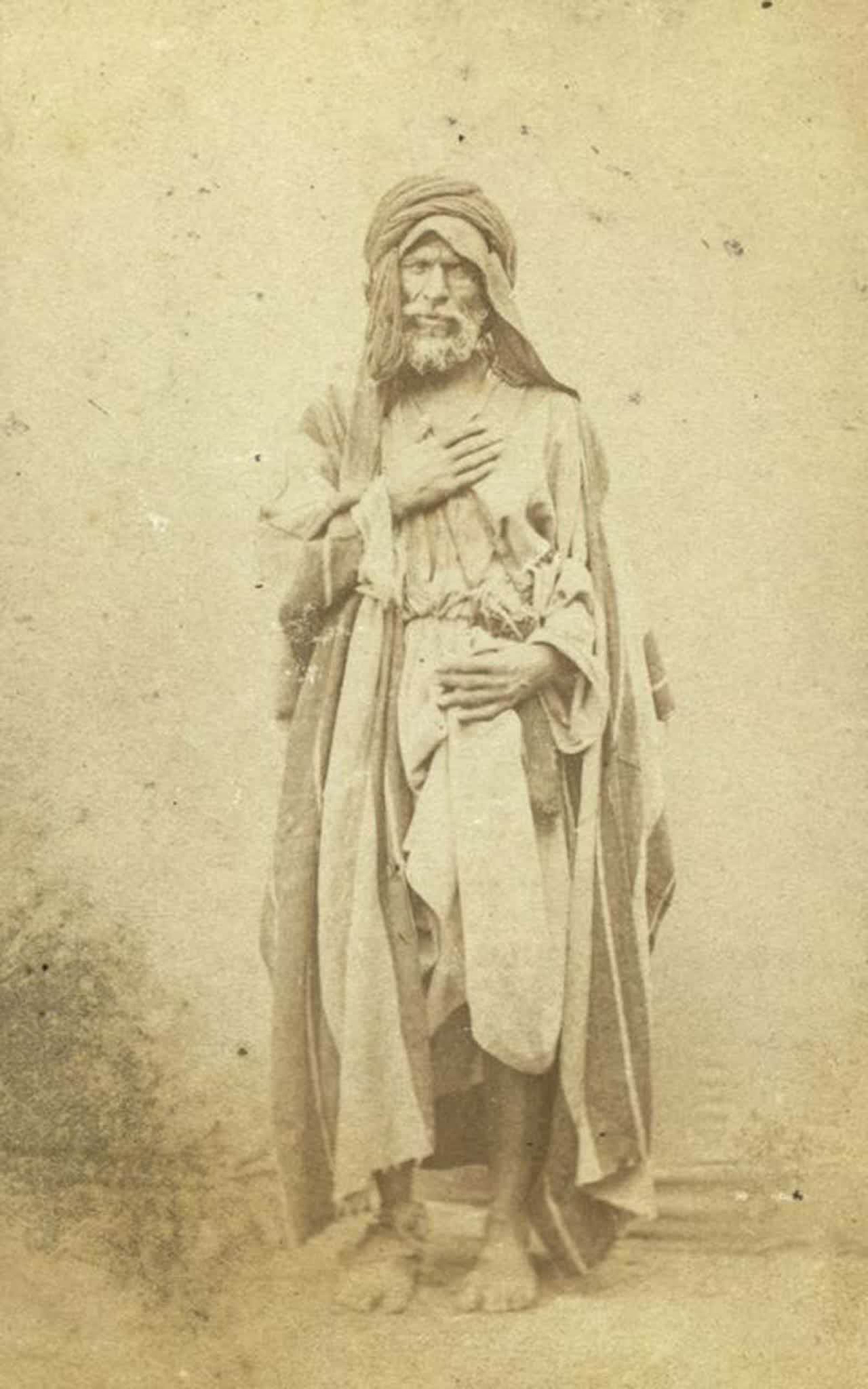
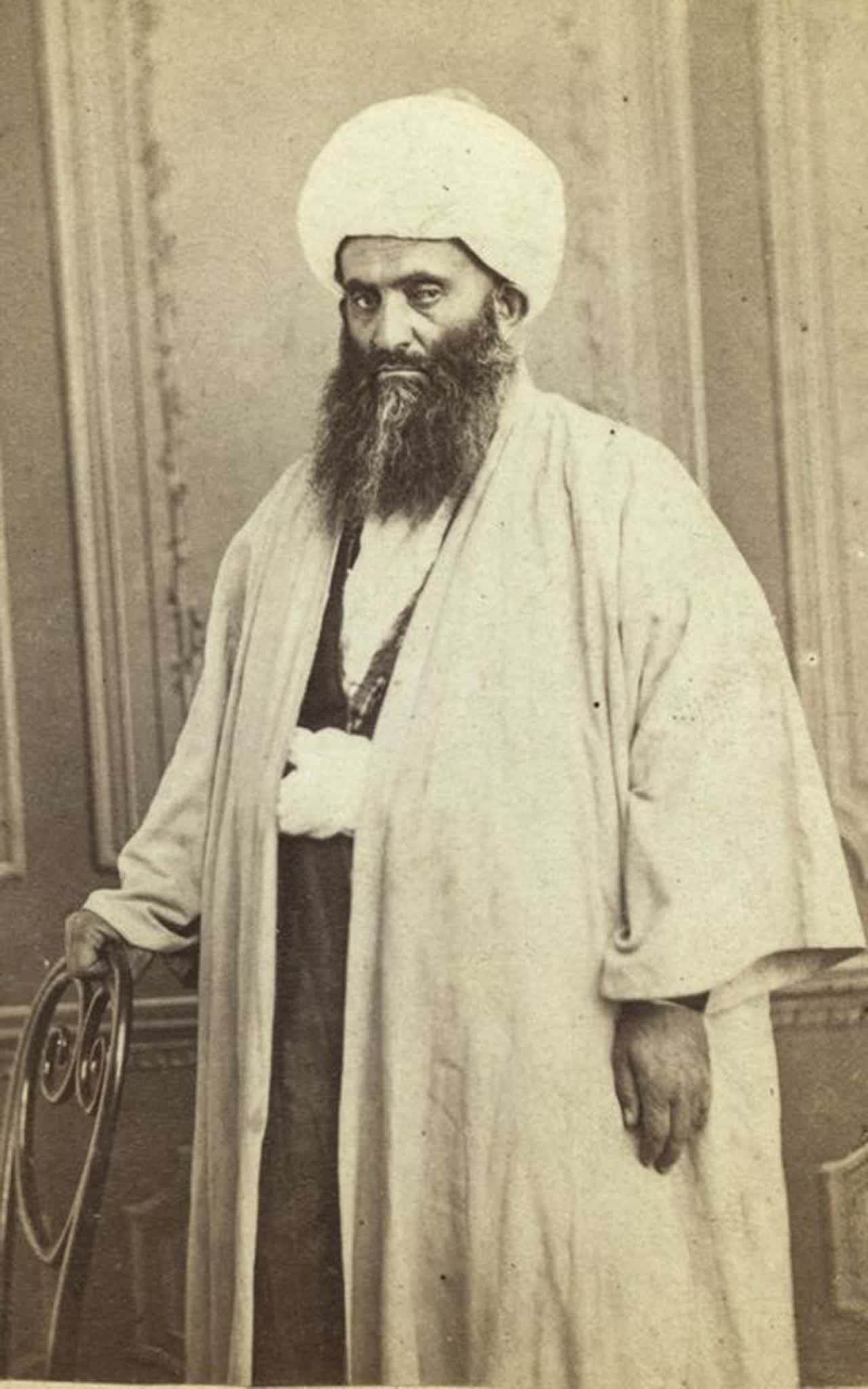
Kennan’s photographs also reflect the empire’s connections to neighboring cultures. A Persian man, an Arab man from Jerusalem, and a so-called “Caucasian gipsy” all appear in his collection, pointing to the flow of people and trade that moved through these border regions. The grand lama of the Selenginsk lamasery, a Buddhist religious figure photographed near the Mongolian border, represents the Buryat people’s Tibetan Buddhist traditions — a faith that the Russian Empire tolerated while keeping under close watch.
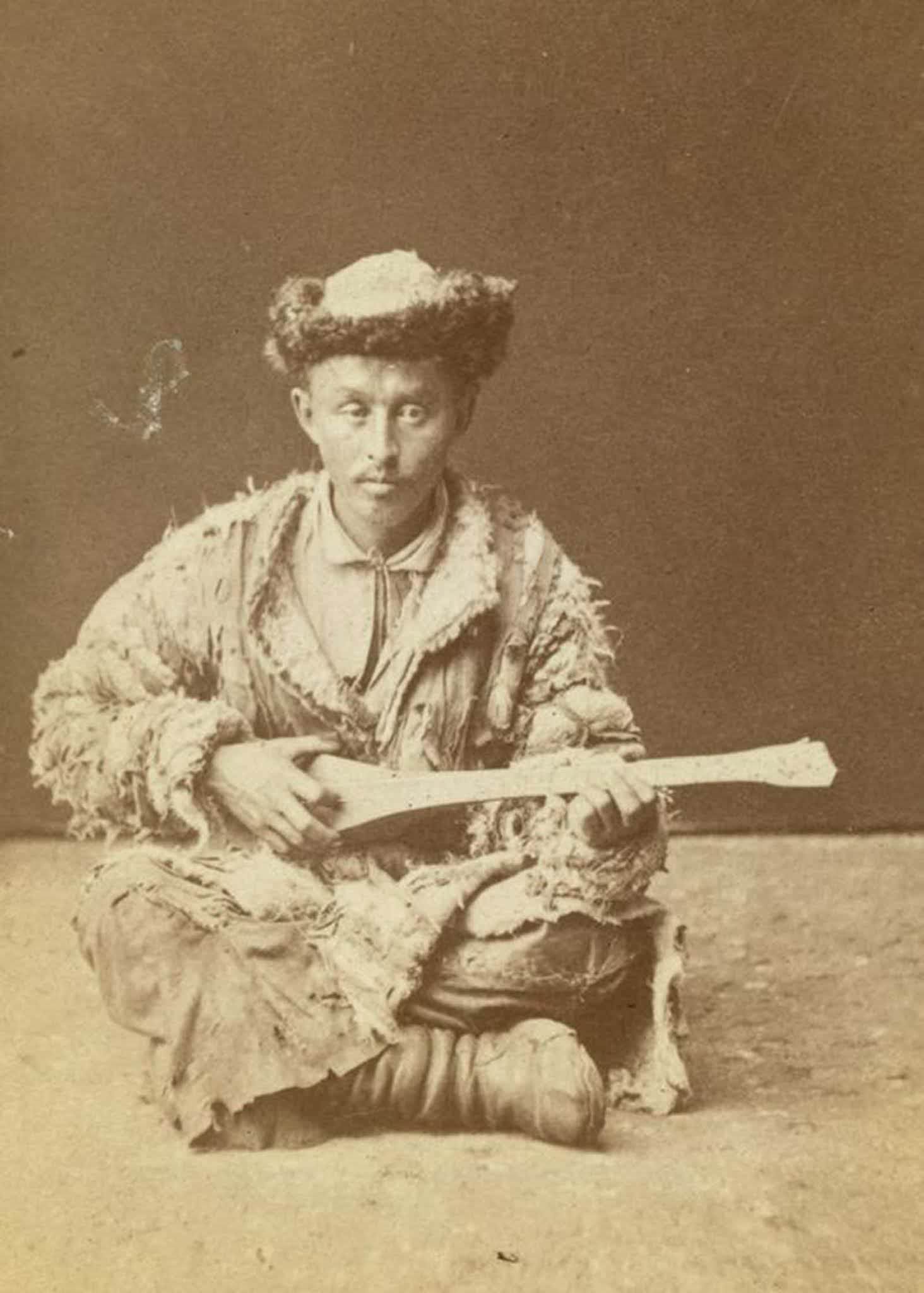
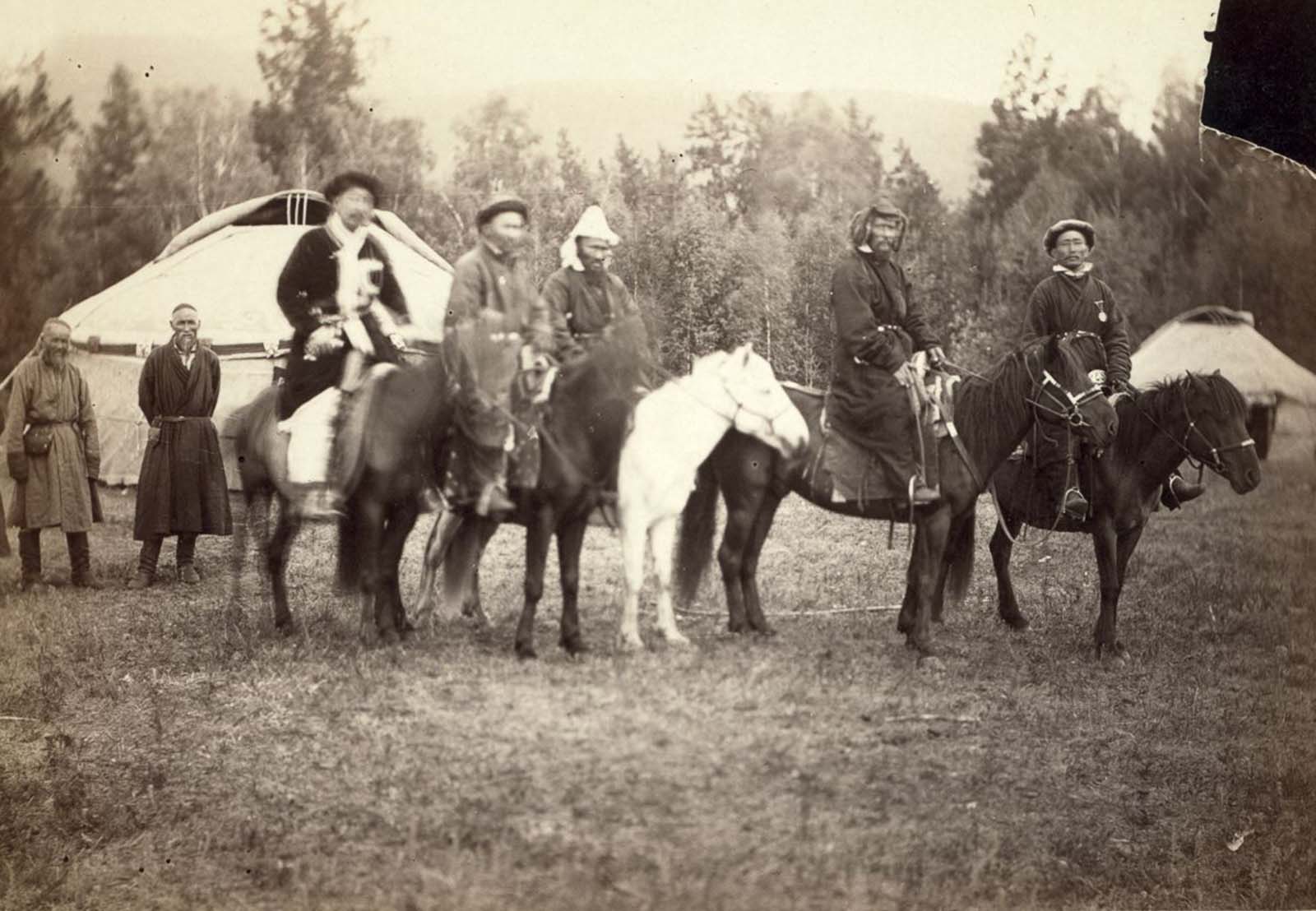
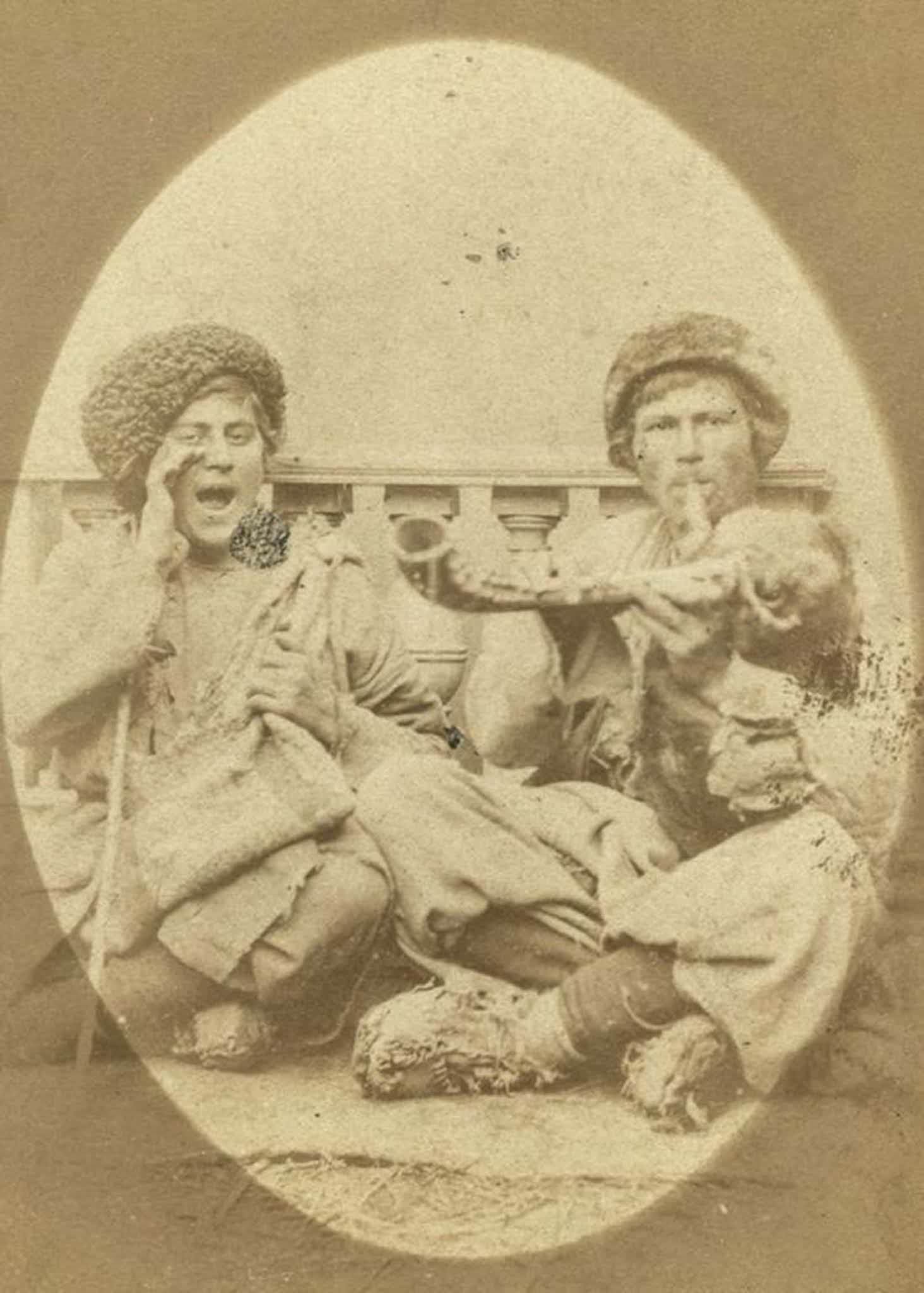
Music and daily life also found their way into Kennan’s lens. A Kazakh musician plays a dombra — a long-necked string instrument central to Kazakh musical culture. Two musicians appear together in another frame. A mullah at a wedding and Chechen men at a celebration show that Kennan was present not just for formal portraits but for real community events. These images give the collection a lived quality that purely posed studio photographs cannot replicate.
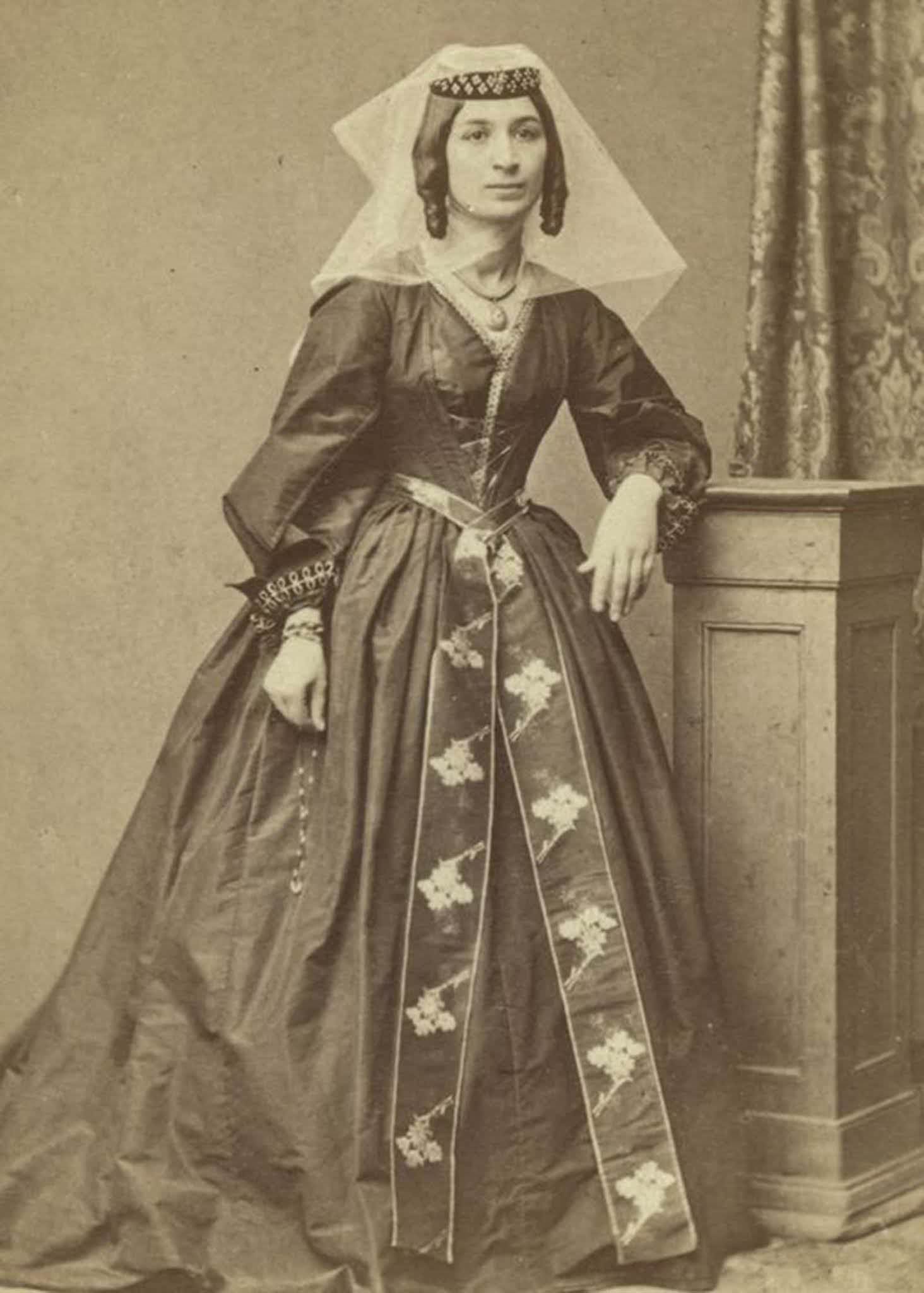
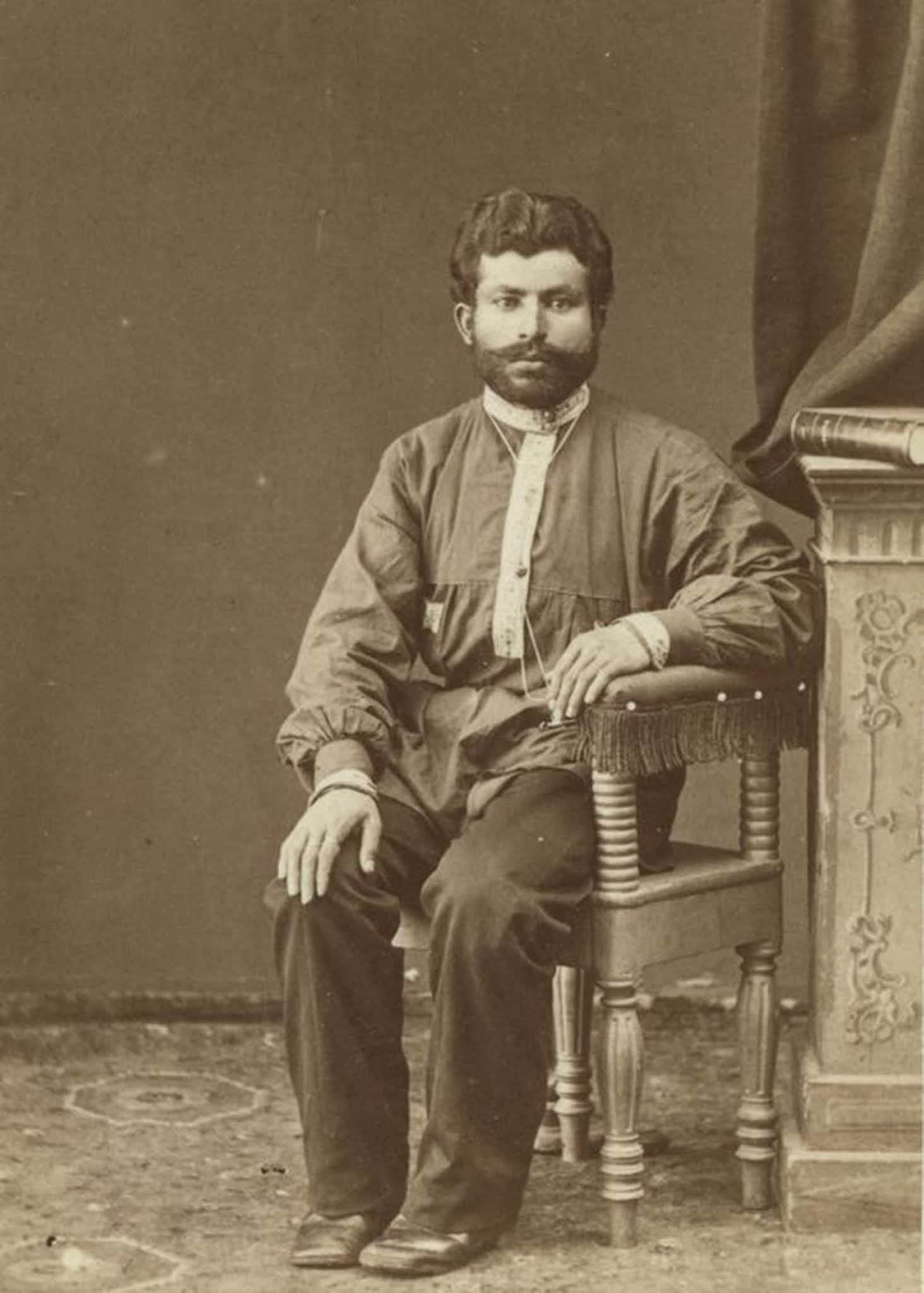
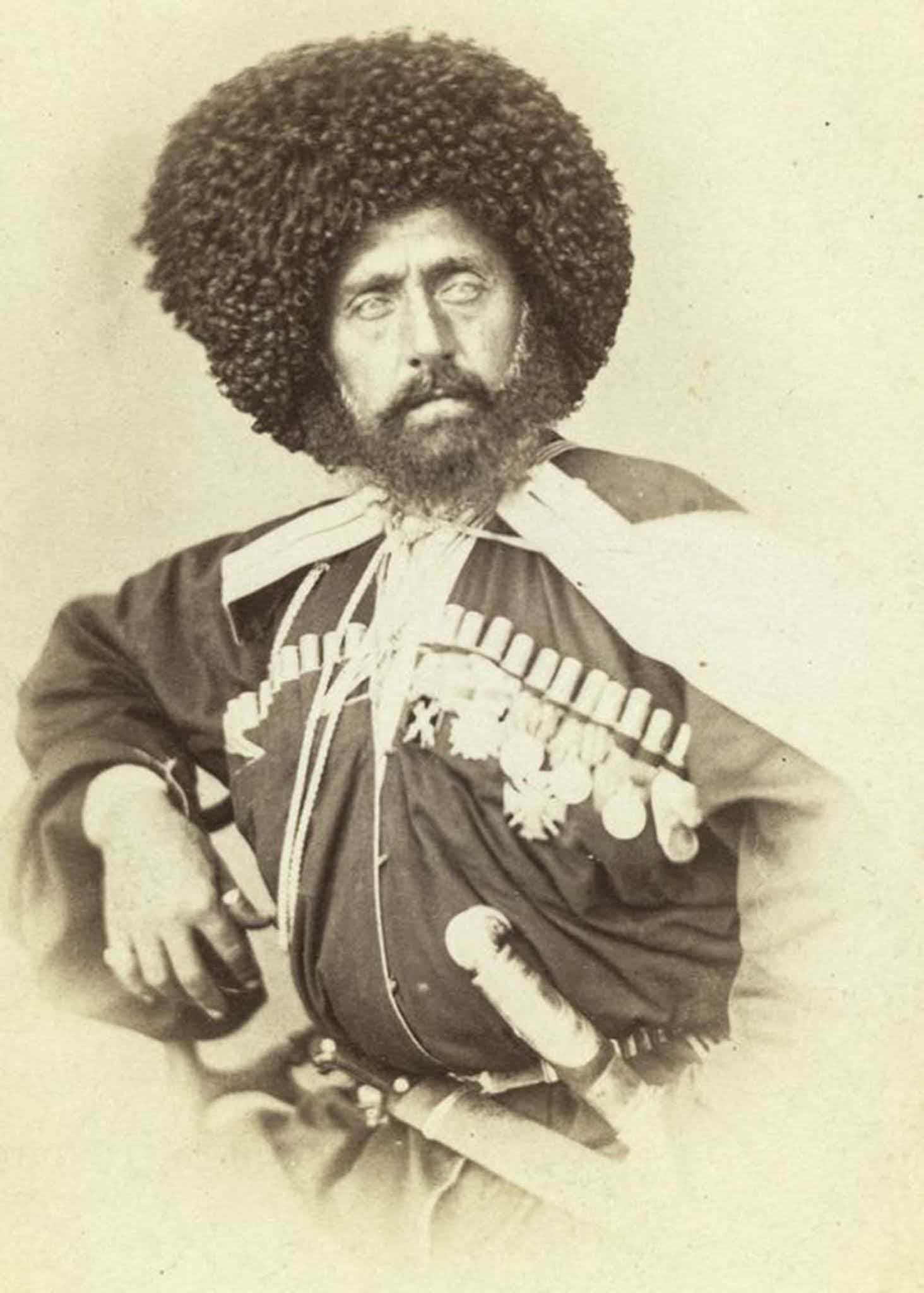
Kennan’s growing criticism of the Tsarist government’s exile and prison system — which he wrote about extensively after a later research trip in the 1880s — eventually made him an enemy of the Russian state. His articles and books exposed the brutal conditions under which political prisoners were transported to Siberia and forced to live there. The Russian government grew increasingly hostile to his work. In 1901, when Kennan attempted to re-enter Russia, he was arrested at the border and expelled on grounds of “political untrustworthiness.” He never returned.
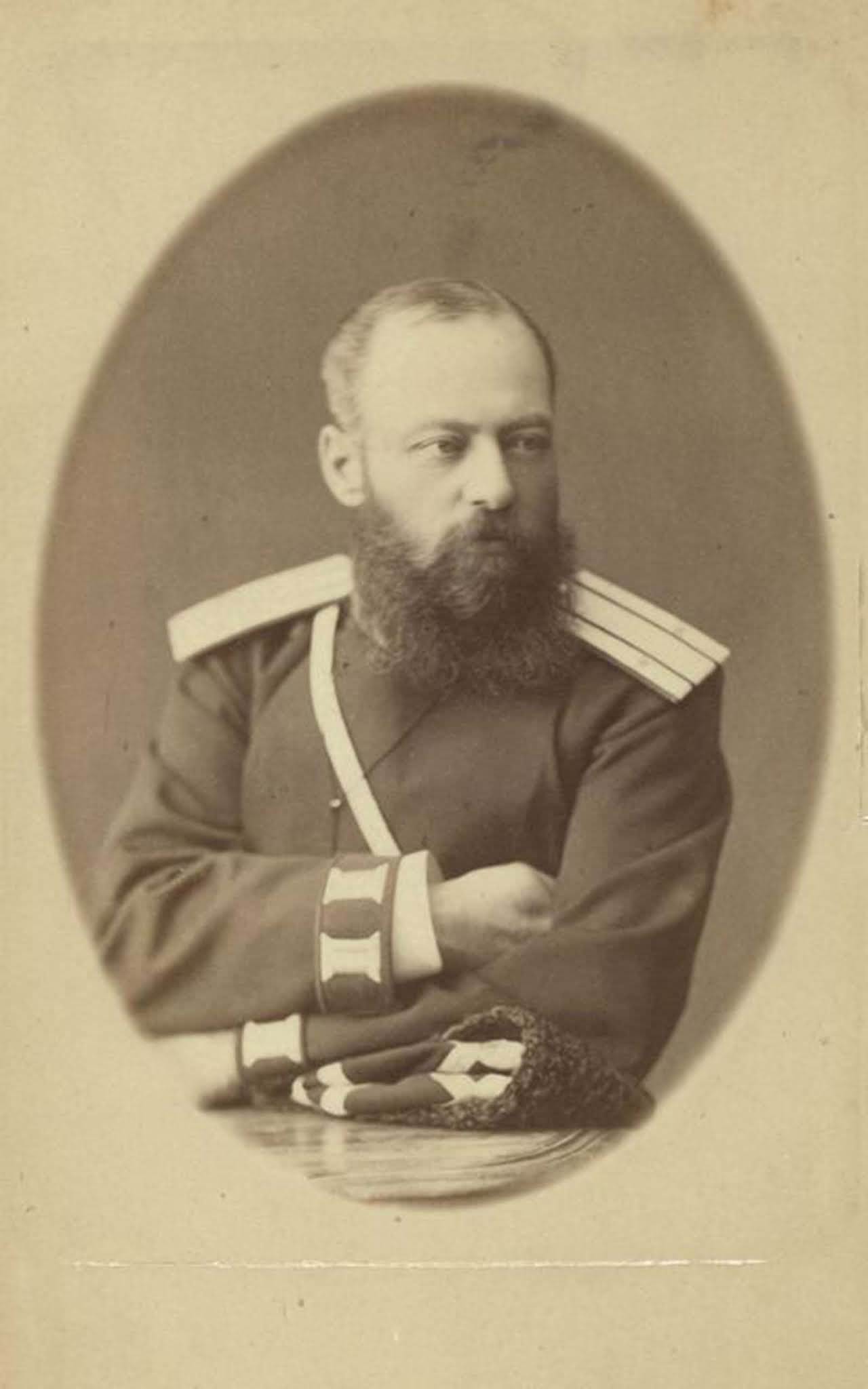
Among the officials Kennan documented was Christopher Fomich Makofskii, the chief of police of Irkutsk — one of Siberia’s largest and most important cities. Irkutsk served as a major administrative hub for the region, and its police chief held significant power over the lives of both local residents and the exiles who passed through. Aleksander Bek of Ingushetia in the North Caucasus also appears in Kennan’s collection, representing the local leadership figures the empire relied upon to maintain control in newly absorbed territories.
Scientists and explorers connected to Russian imperial expansion also appear in the collection. Dr. Aleksander Aleksandrovich Bunge was an Arctic explorer who participated in expeditions to the far north of Siberia. His portrait in Kennan’s archive connects the photographic record to the broader scientific enterprise that accompanied Russian territorial expansion. Dr. Sama, another figure in the collection, appears without further context but was clearly part of the network of professionals Kennan encountered during his travels.
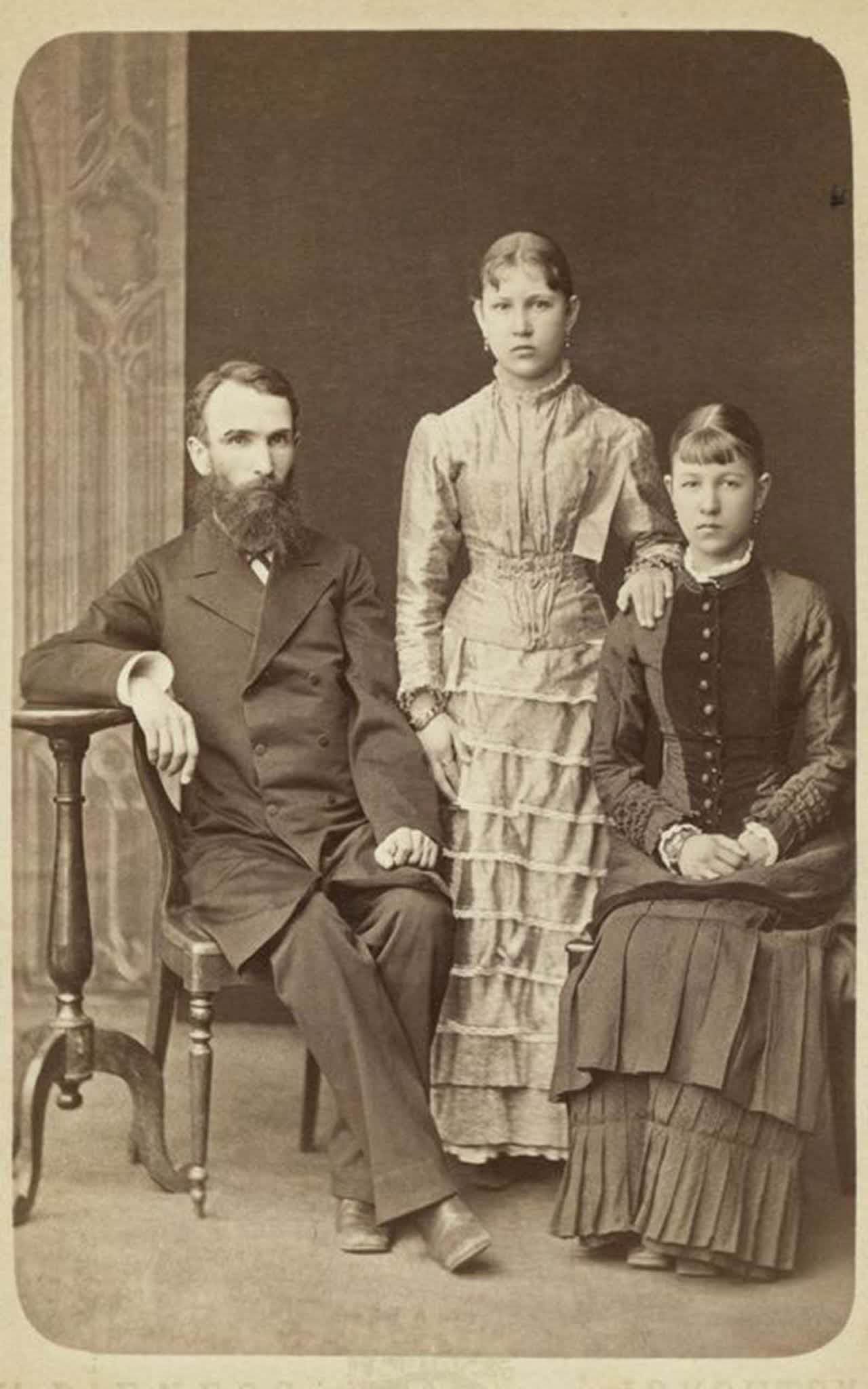
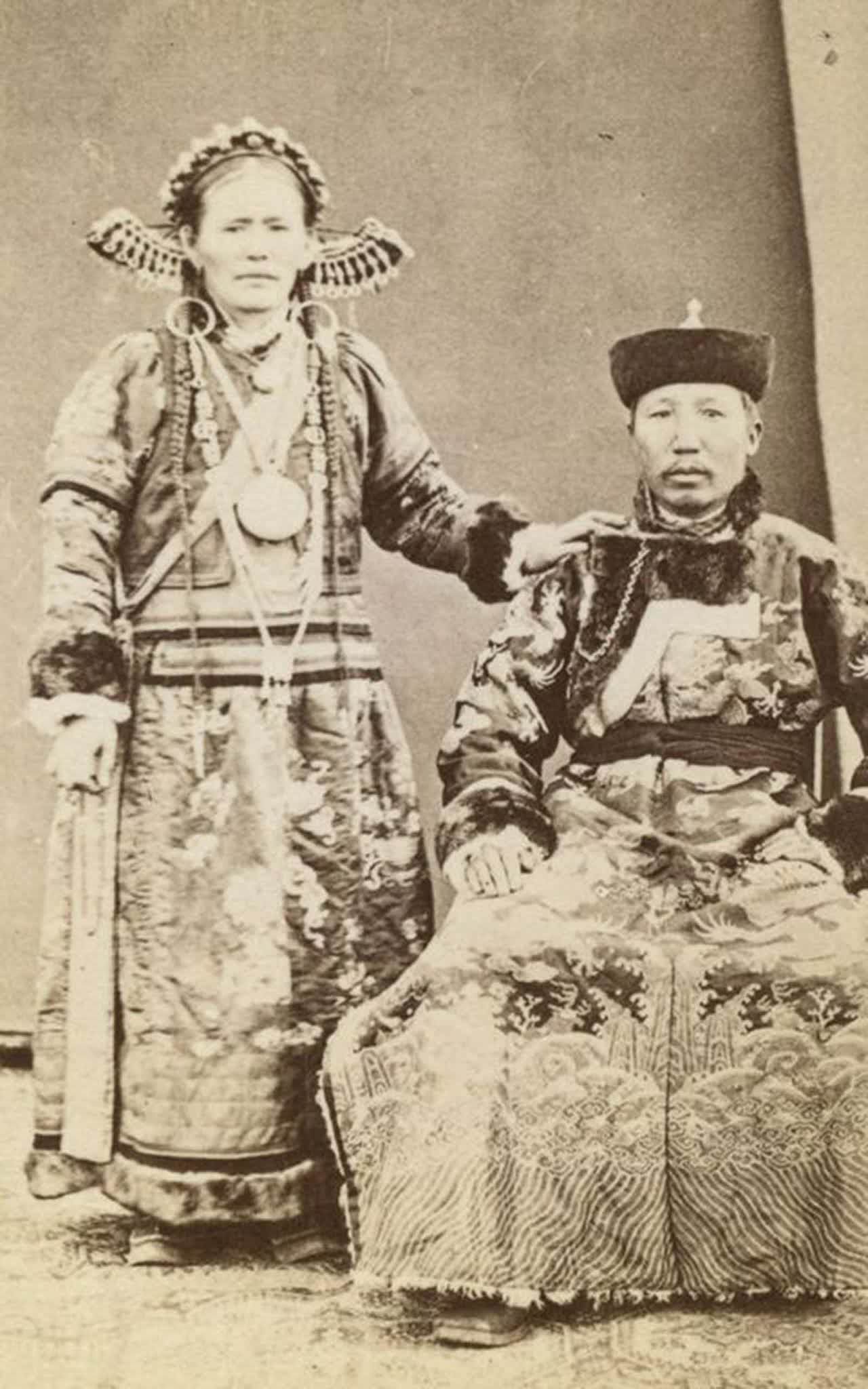
The military presence of the empire also features in Kennan’s work. An officer of a Sesghian regiment, photographed in St. Petersburg, represents the imperial army’s role in maintaining control across the empire’s vast and often restless frontiers. These regiments drew soldiers from conquered and incorporated peoples, binding them into the imperial military structure. At the top of the entire system sat Tsar Alexander II, who ruled from 1855 until his assassination in 1881. Kennan photographed or collected an image of the emperor himself, placing it alongside the portraits of the herders, craftsmen, and villagers who lived under his authority.
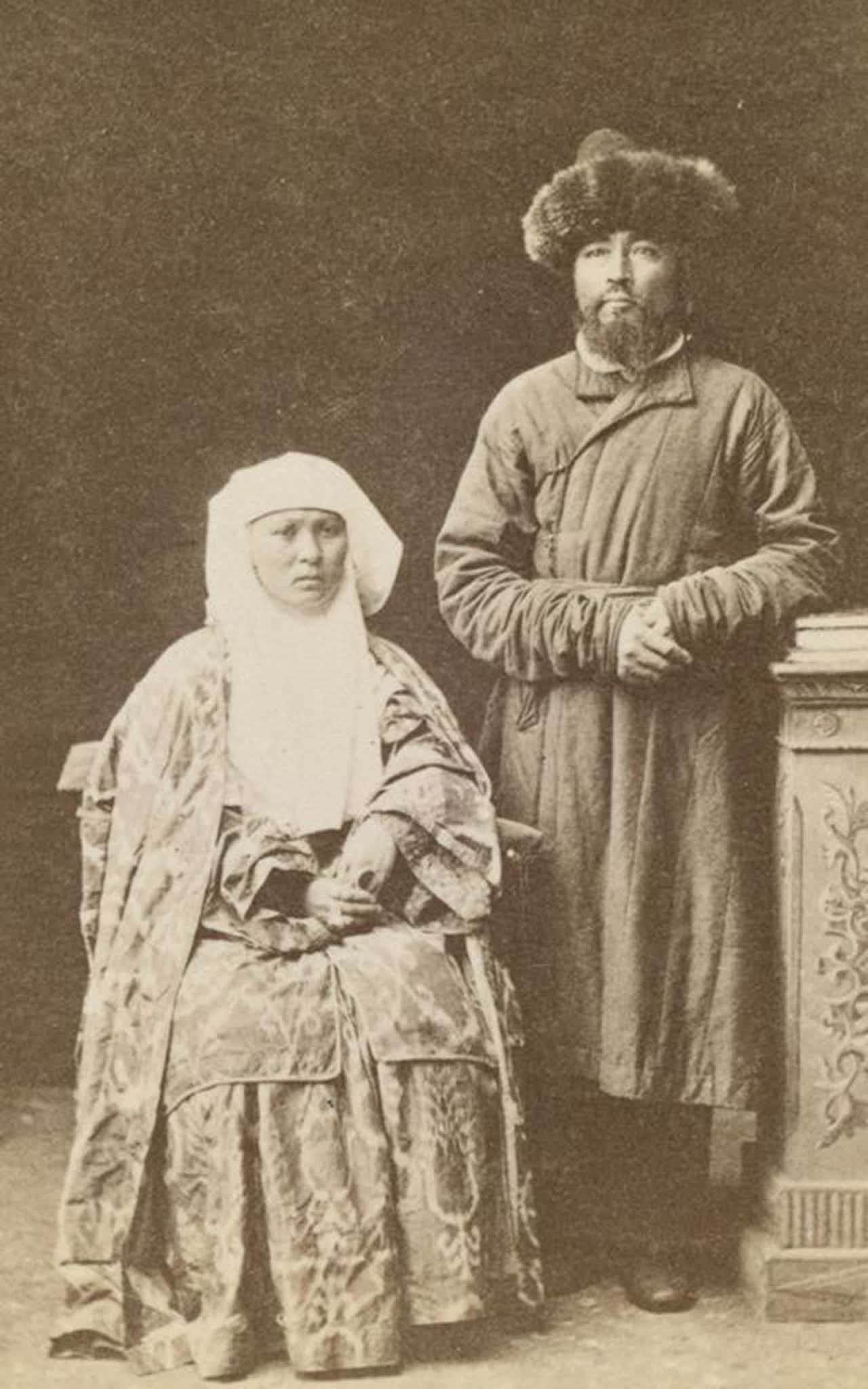
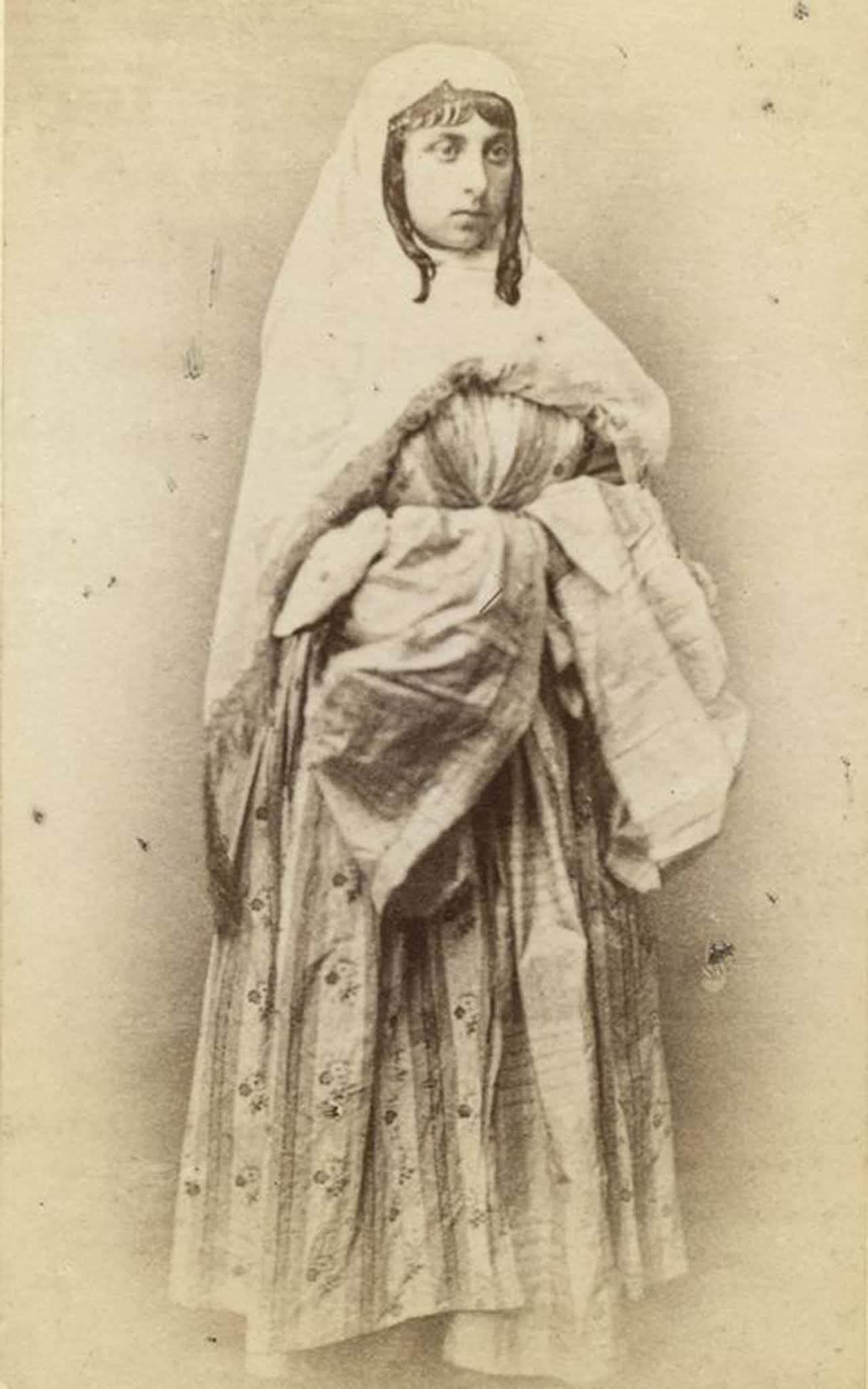
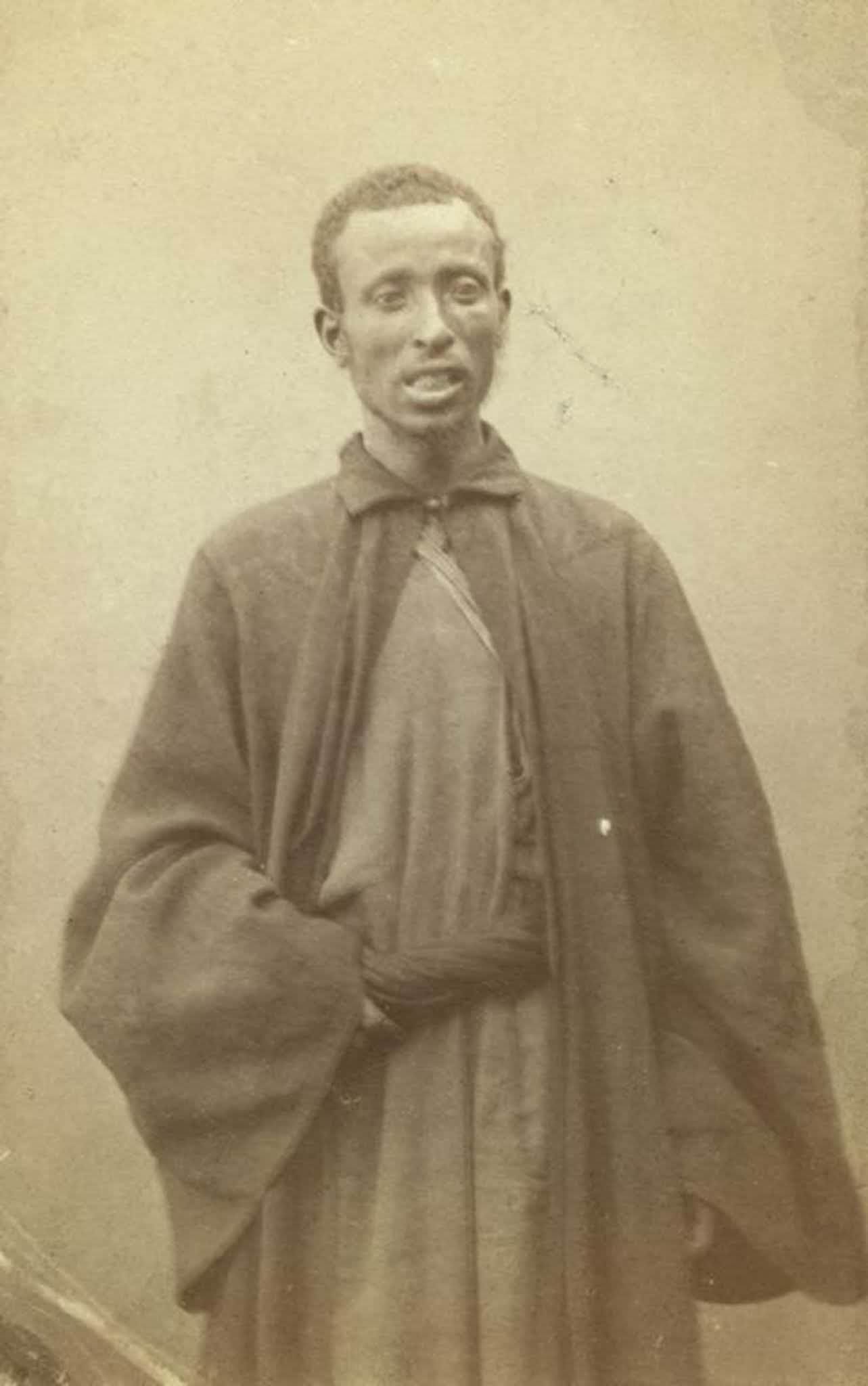
What makes Kennan’s photographic collection so historically significant is the sheer range of people it covers. In a single archive, you find a Gor-ai-itz Christian mountaineer, a Persian man carrying weapons, a wealthy Buryat couple, a Kazakh bride, and Chechen wedding guests — all subjects of the same empire but living entirely different lives. The Russian Empire was not a monolithic entity. It was a patchwork of cultures, religions, languages, and traditions held together by imperial force, and Kennan’s camera captured that complexity with unusual honesty.