
New York City in the 1970s was in freefall. A severe fiscal crisis gutted public services, unemployment climbed, and entire neighborhoods deteriorated into open-air drug markets and crime zones. For the men and women of the NYPD, this wasn’t background noise — it was their daily workplace. Robberies, assaults, overdoses, and homicides weren’t rare events. They were the rhythm of every shift.
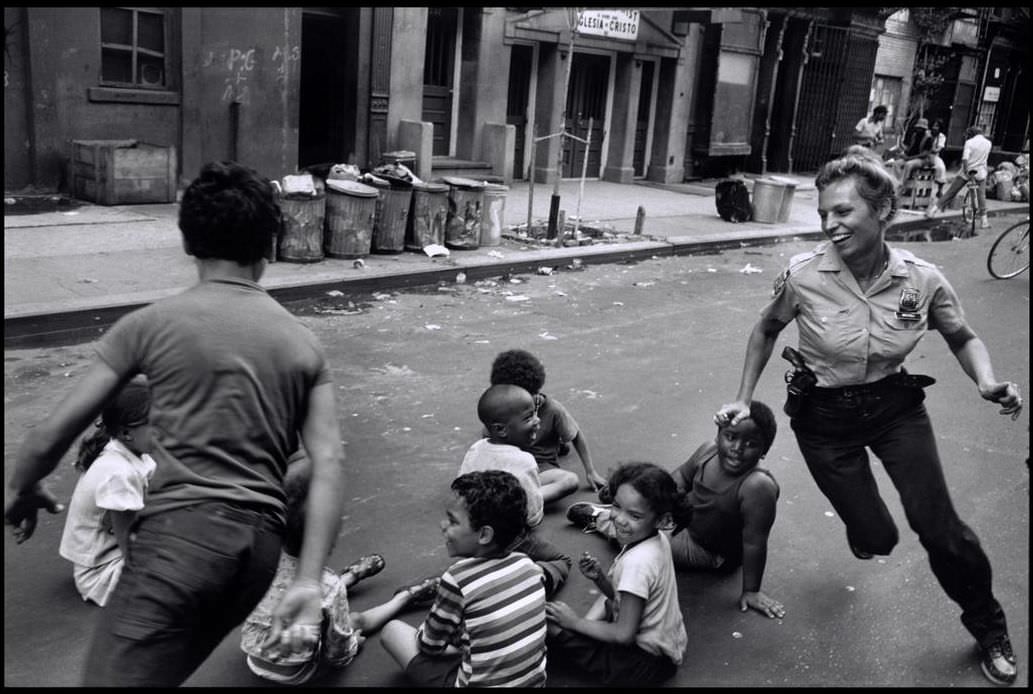
The city’s budget cuts hit the NYPD hard. Thousands of uniformed officers were laid off or not replaced as the decade wore on. Those who remained were stretched thin, covering beats that once had twice the manpower. The 911 system funneled a nonstop stream of calls, and officers went from one incident to the next with barely a pause. Proactive policing — walking a beat, building relationships, deterring crime before it happened — gave way almost entirely to reaction.
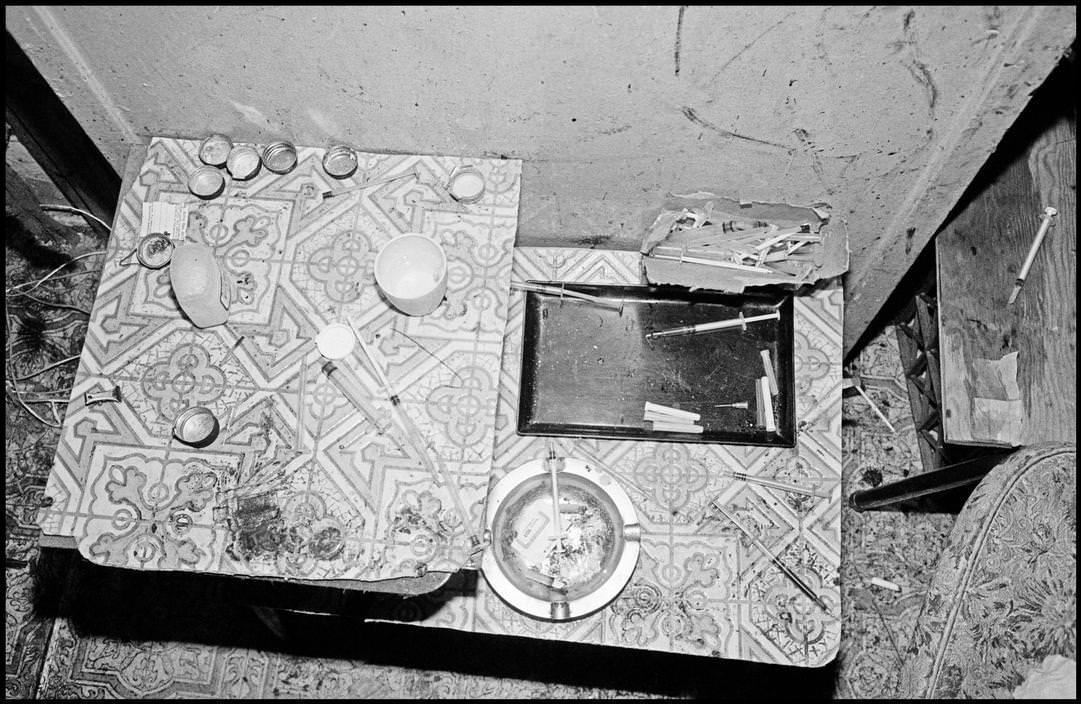
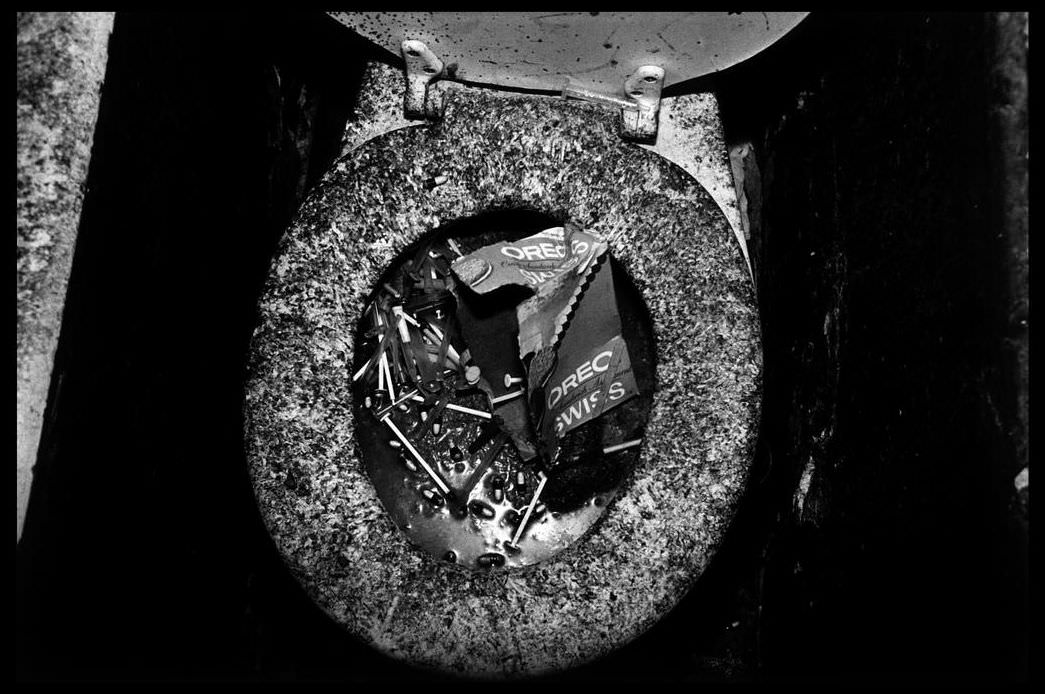
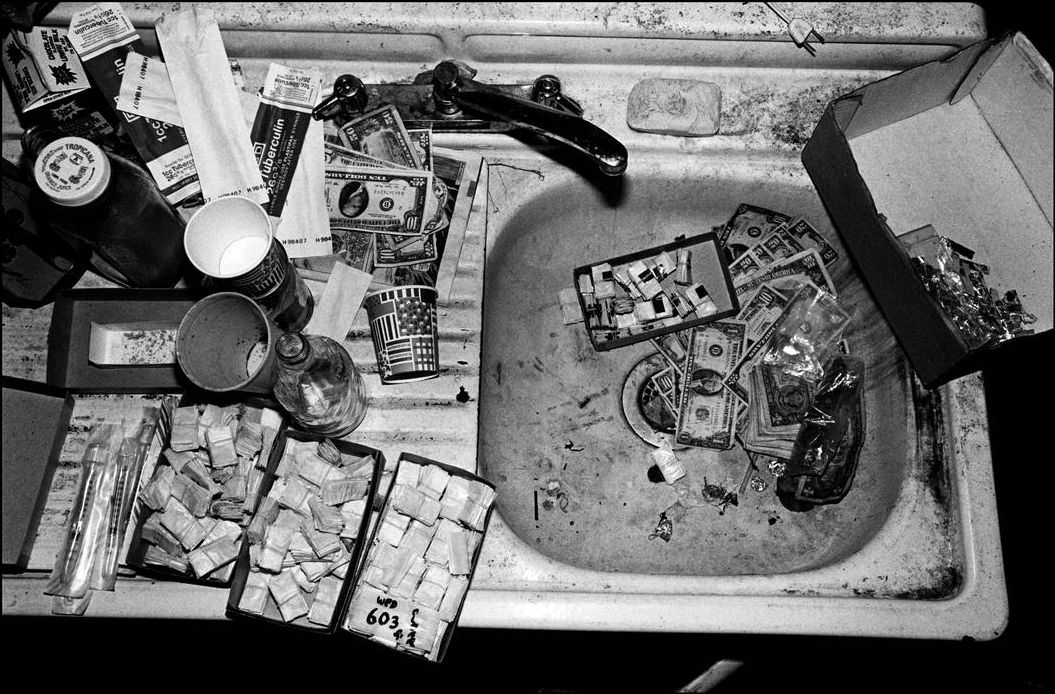
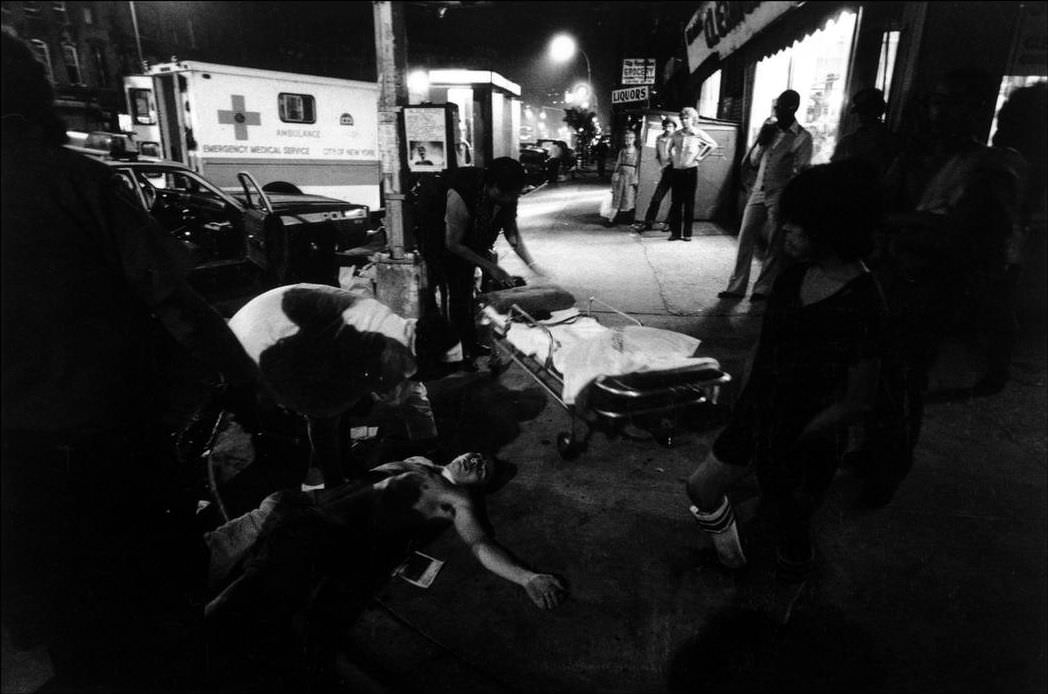
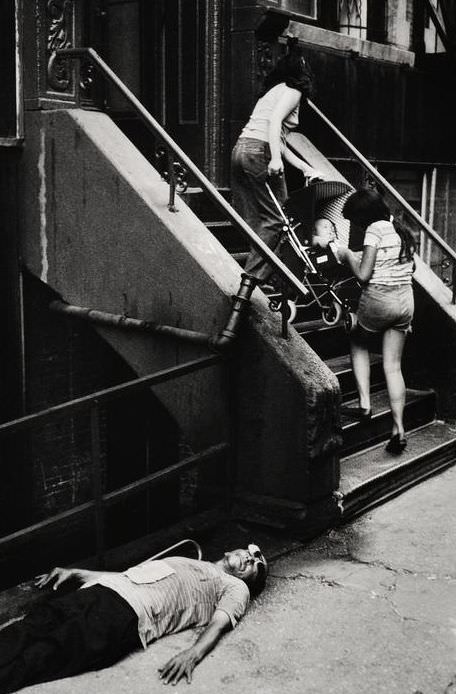
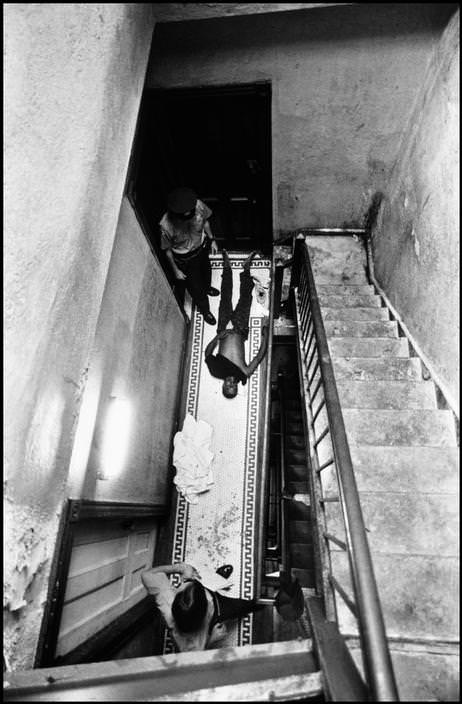
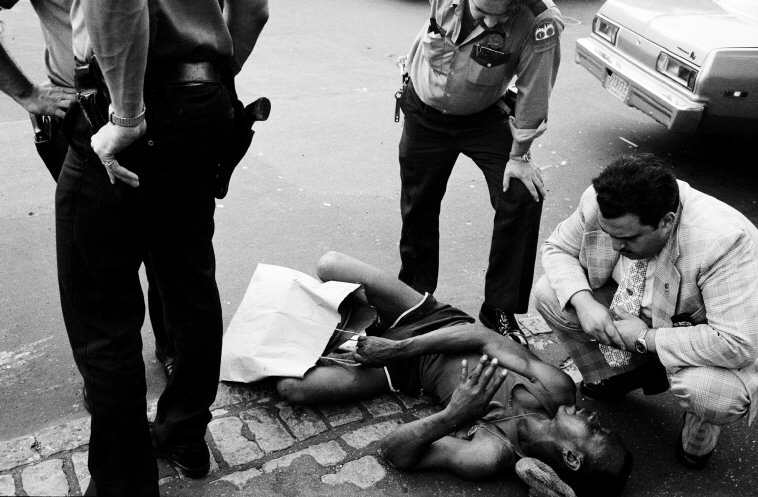
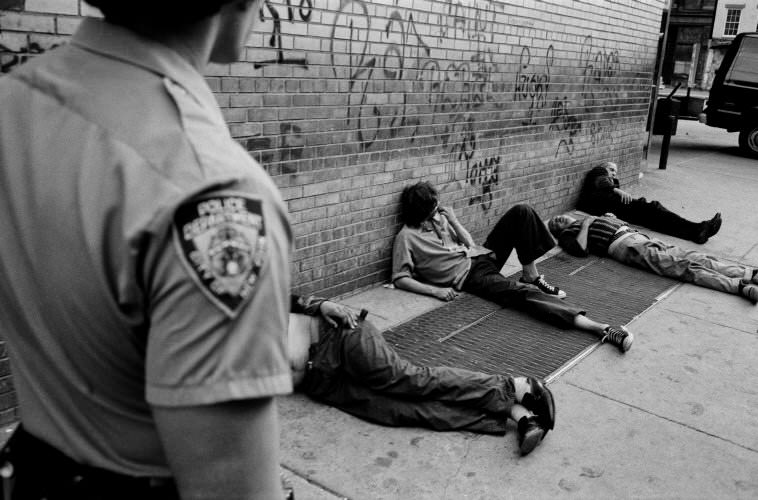
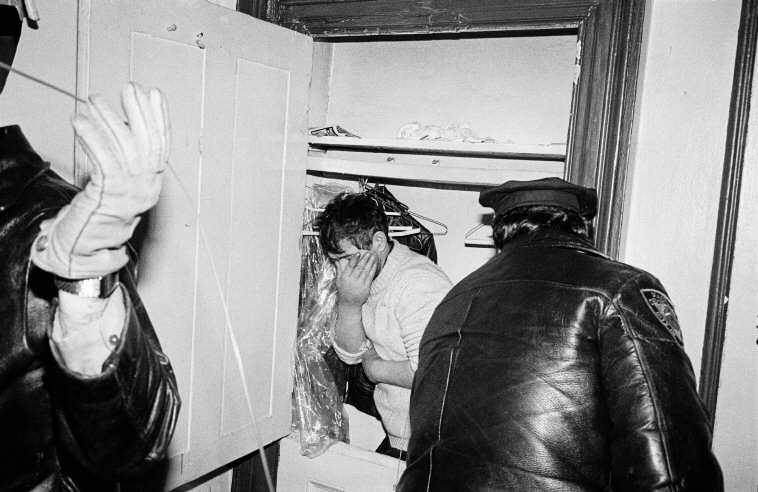
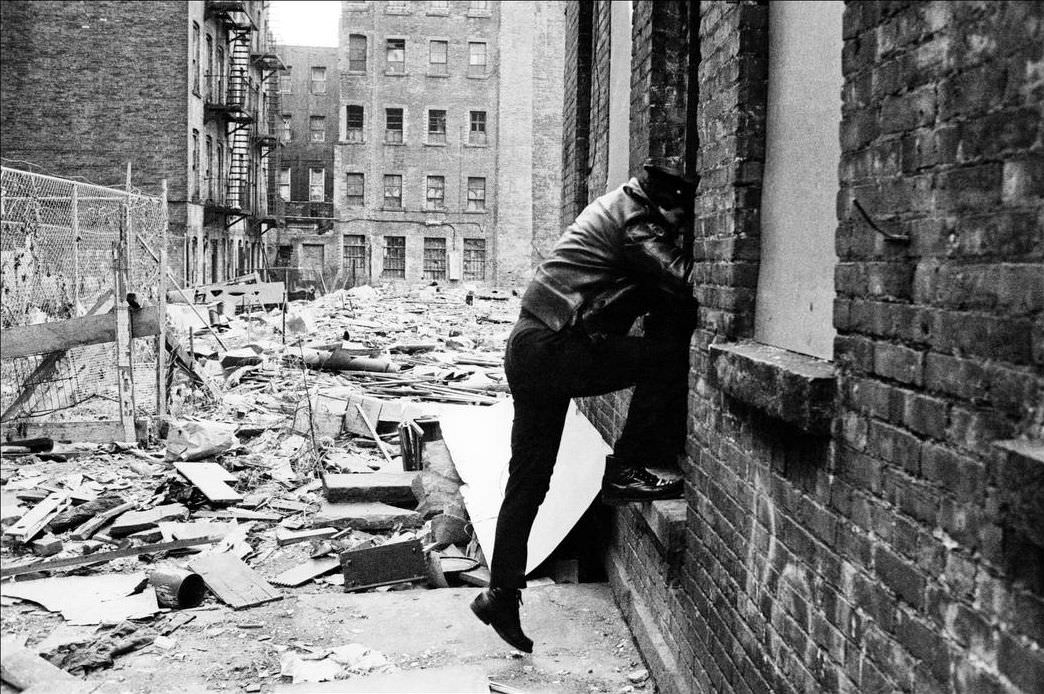
Drug addiction ravaged neighborhoods across all five boroughs. Officers encountered overdose victims in stairwells, on sidewalks, and in abandoned buildings used as shooting galleries — spaces where addicts gathered to inject heroin. These locations were well known to police and were patrolled regularly, though the scale of the problem made any lasting impact difficult.
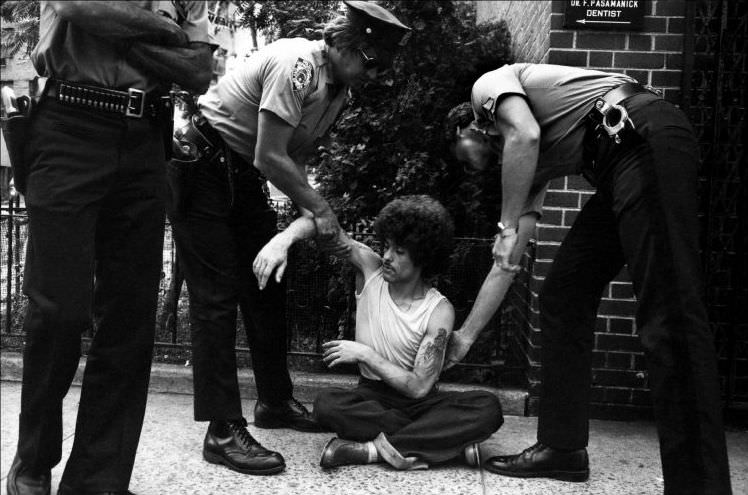
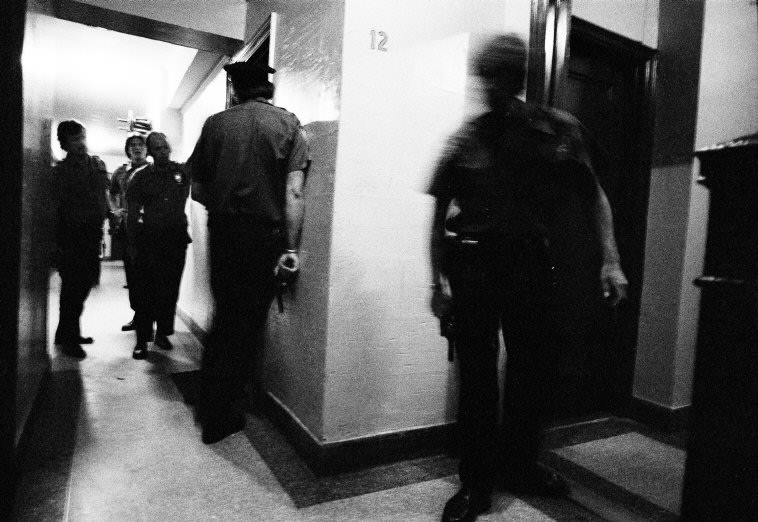
Domestic disputes were a constant call. Arguments inside apartments could turn violent fast, and officers walked into volatile, unpredictable situations with no guarantee of what waited on the other side of the door. Sometimes they found armed men. Other times, a family eating dinner. The uncertainty was a defining feature of the job.
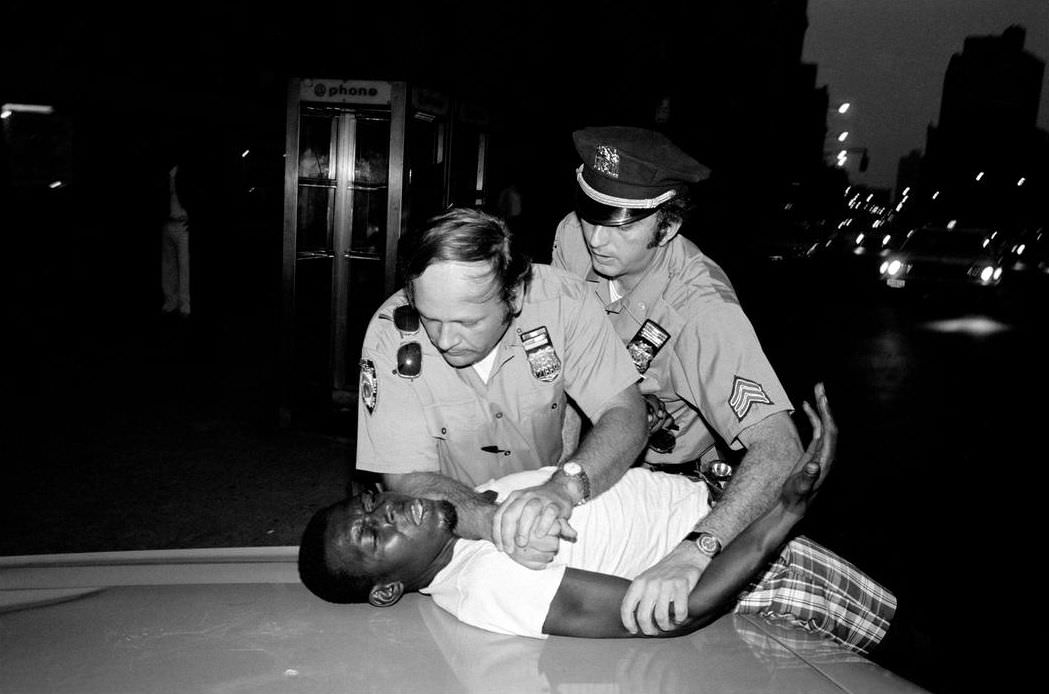
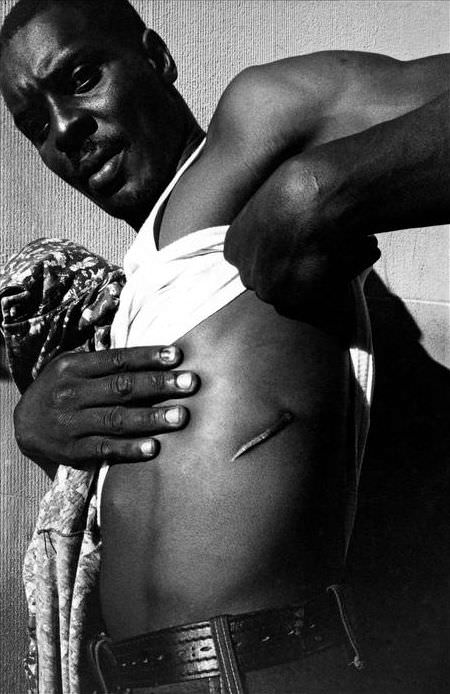
The drug trade brought with it a steady current of violence. Street-level dealers carried weapons and settled disputes with blades and guns. Some precincts reported officers carrying two firearms while on patrol in the most dangerous districts, a direct response to the level of threat they expected to encounter. The scars on those living in these neighborhoods told the story plainly.
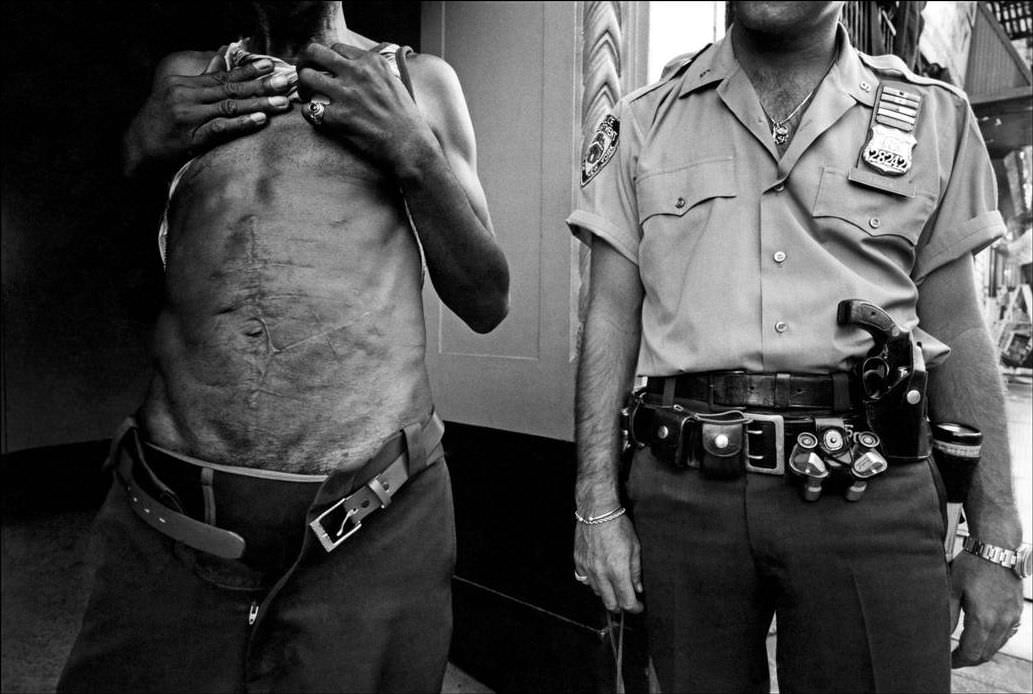
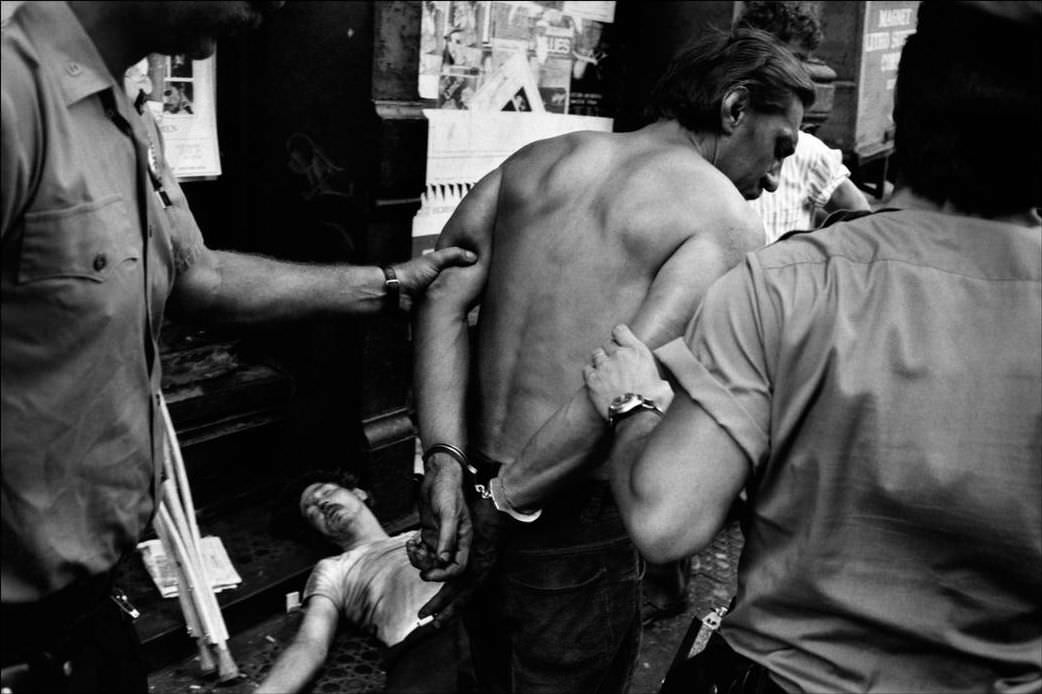
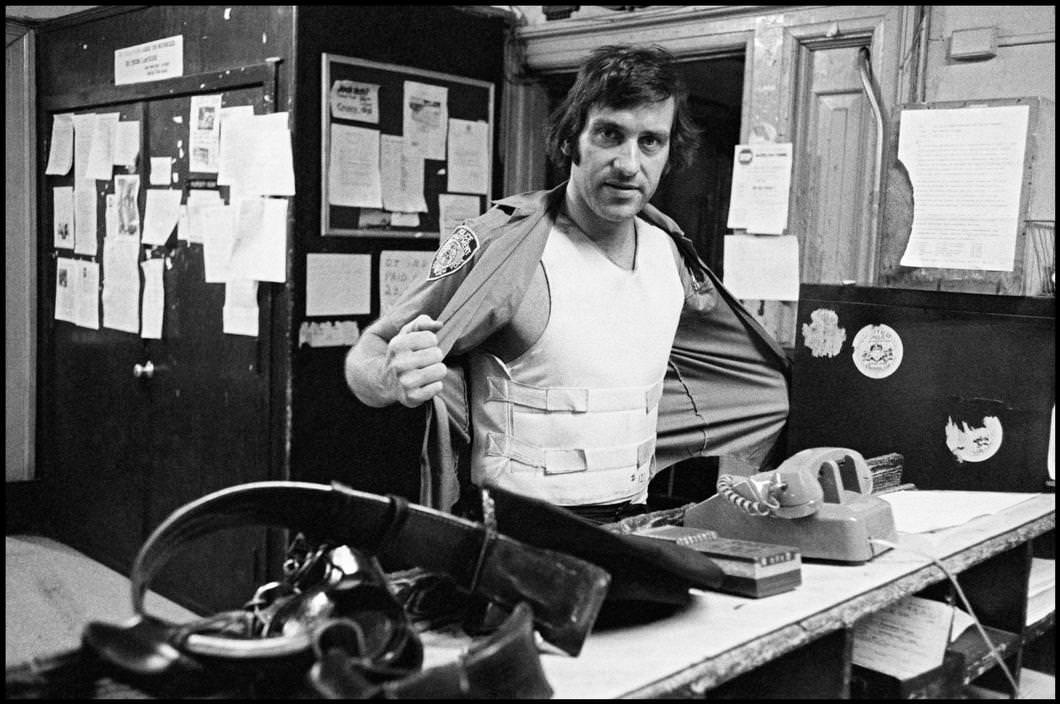
The personal toll on officers was real. Working nights in a city this dangerous meant worrying about more than just the shift ahead. Officers with families carried that anxiety home — and back again. Donning a bulletproof vest before heading out for patrol was a routine step, not an exceptional one.
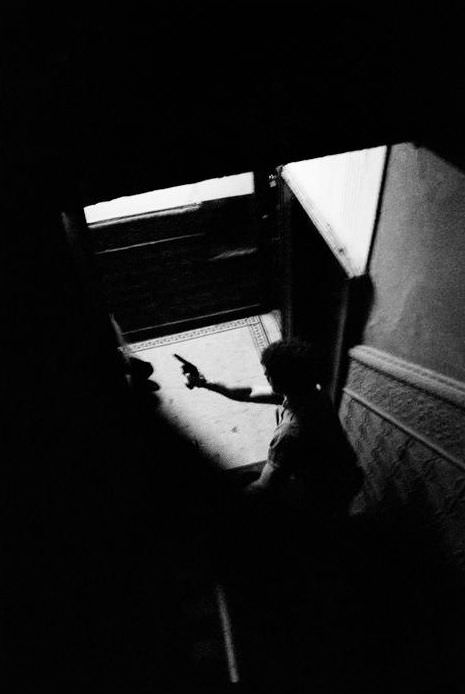
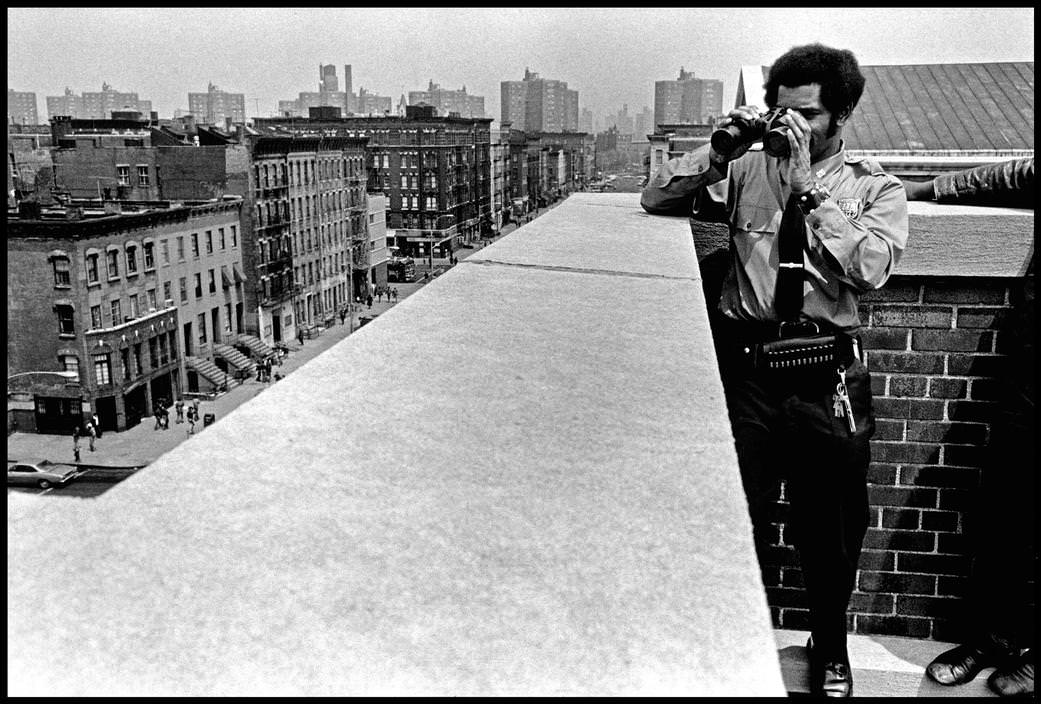
Drug dealers targeting schoolchildren was not an isolated occurrence. Officers conducted surveillance from rooftops, watching transactions happen in broad daylight near school buildings. Informants helped police build cases, but that work carried fatal risks. At least one informant died from a drug overdose in a hotel room during this period — a grim reminder of how close officers’ sources lived to the dangers they were reporting on.
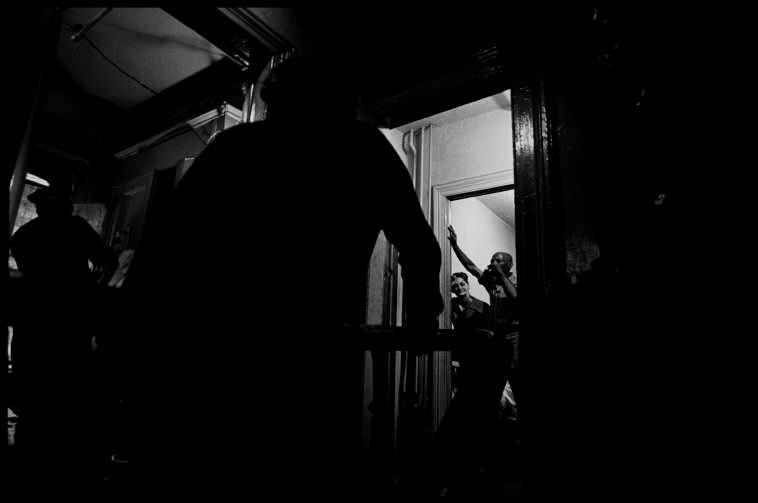
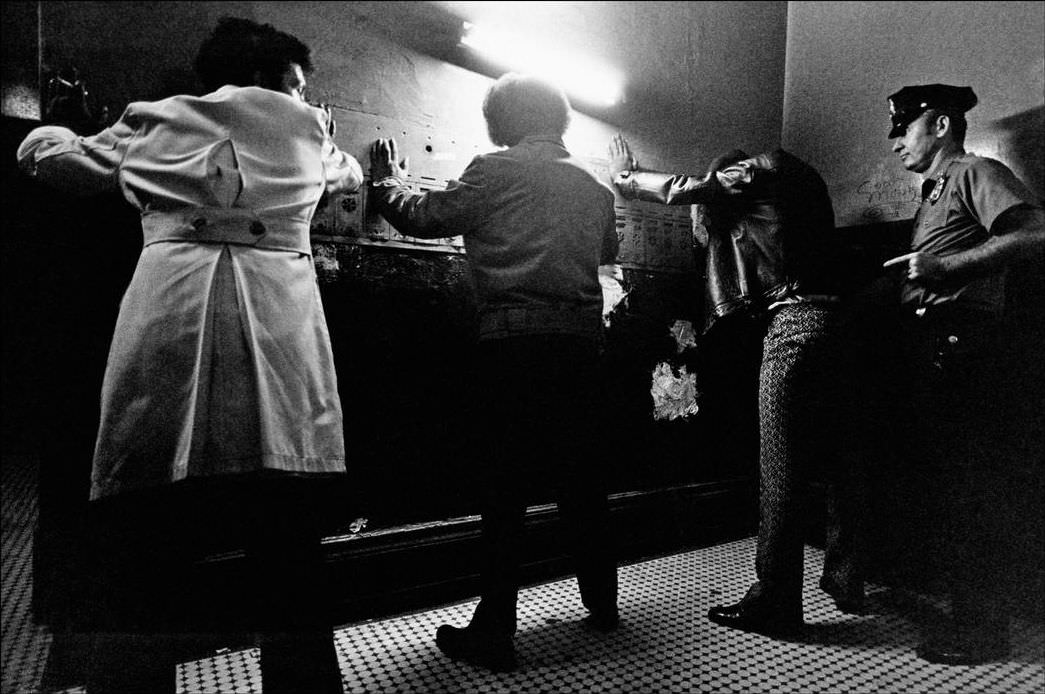
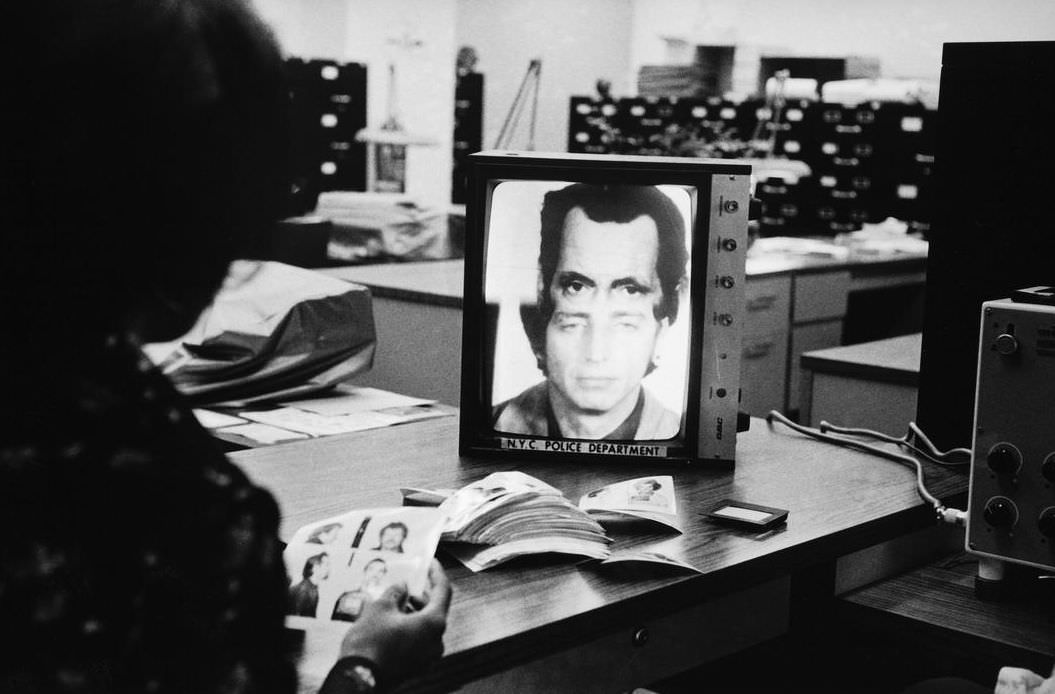
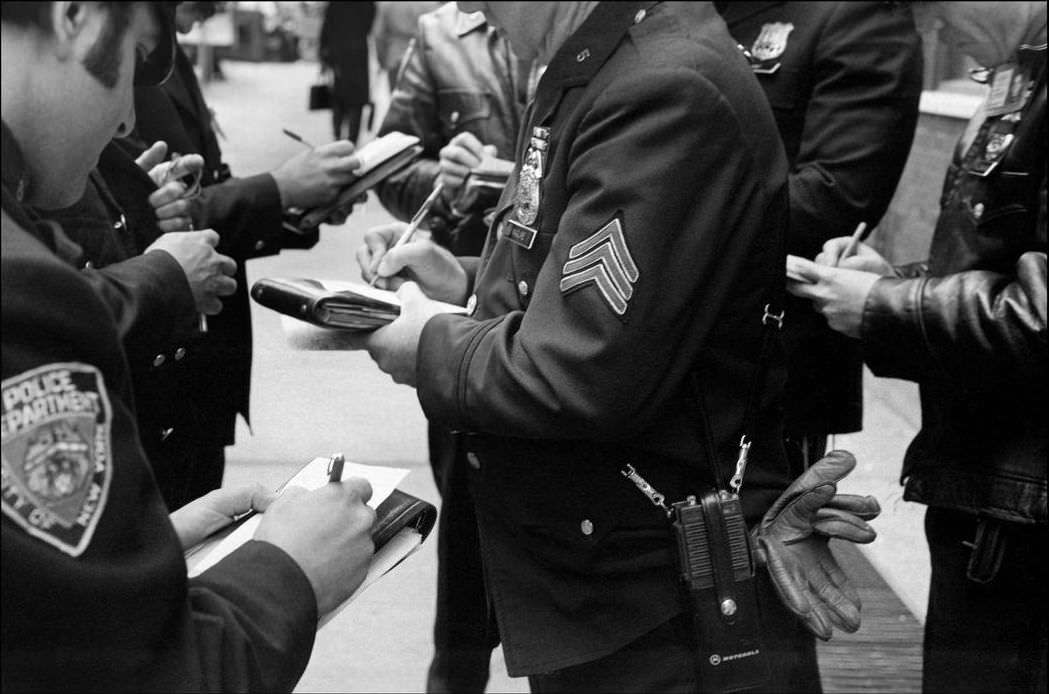
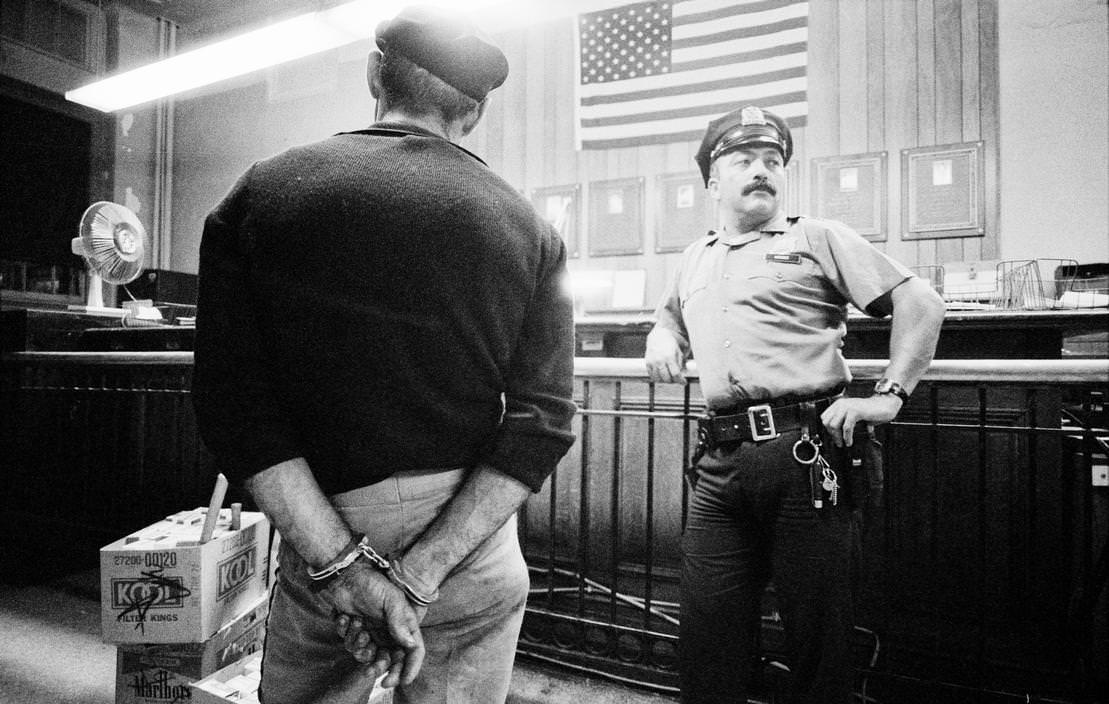
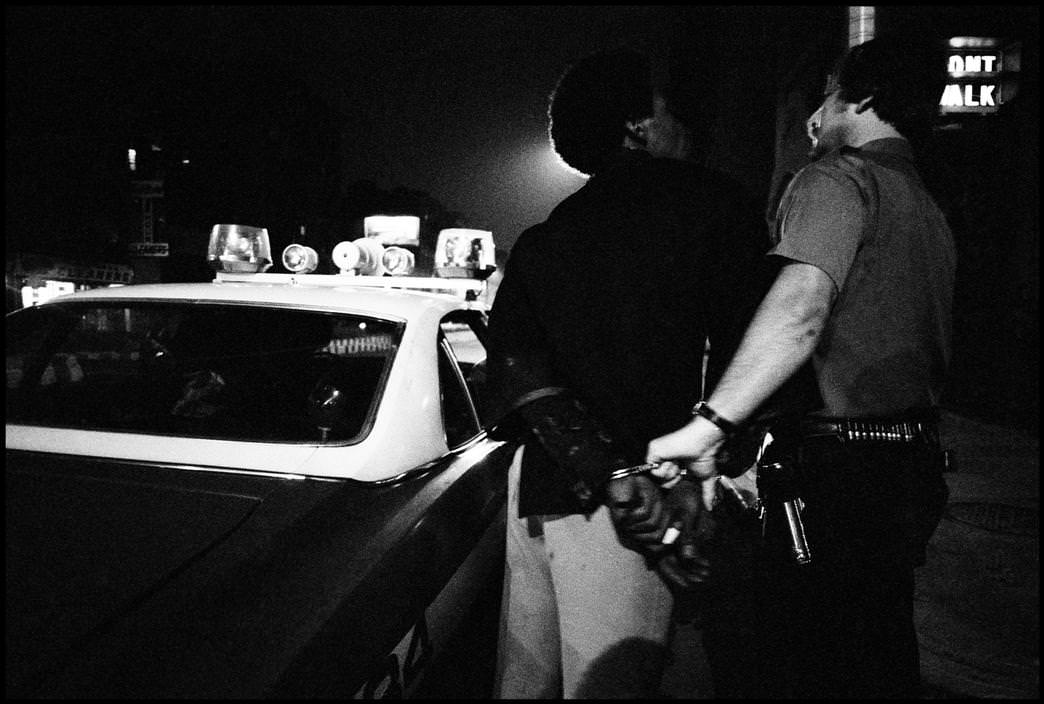
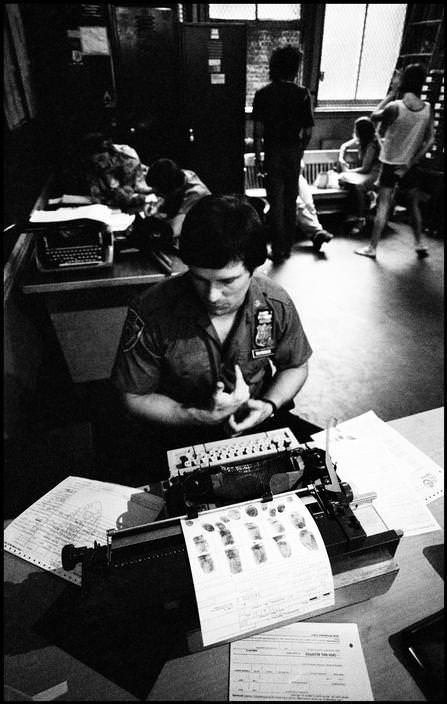
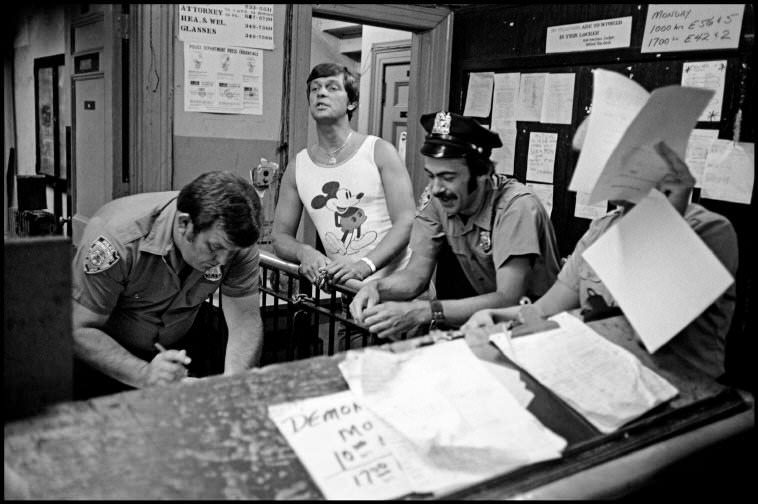
Officers processed a staggering number of suspects through the system. Booking, photographing, and documenting arrests was a bureaucratic grind that consumed hours after the street work was done. Police headquarters maintained photo identification records for the department’s own growing roster, even as the force was shrinking from budget cuts.
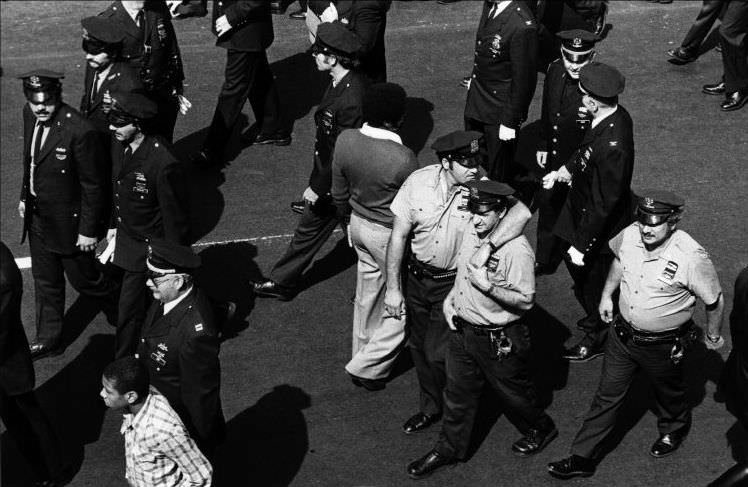
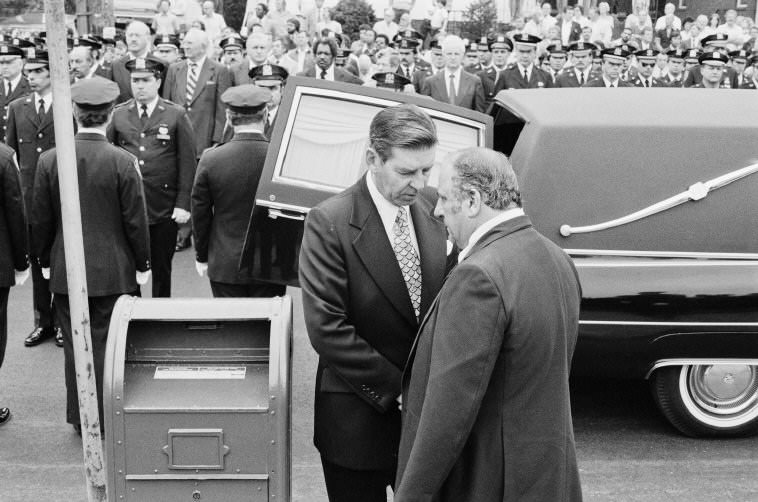
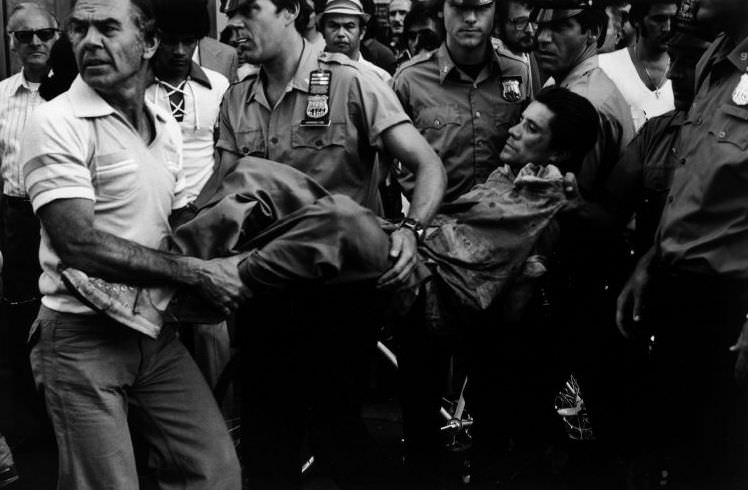
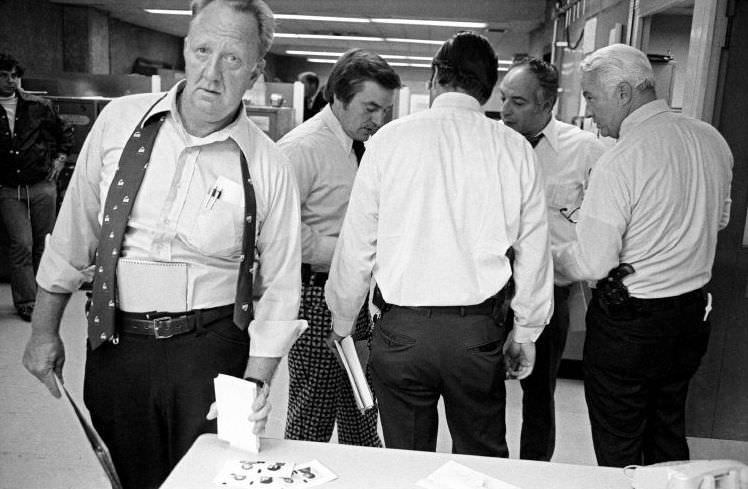
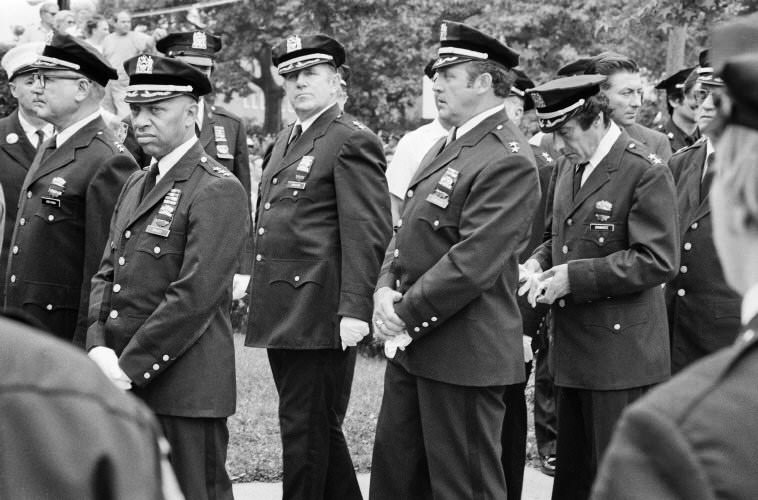
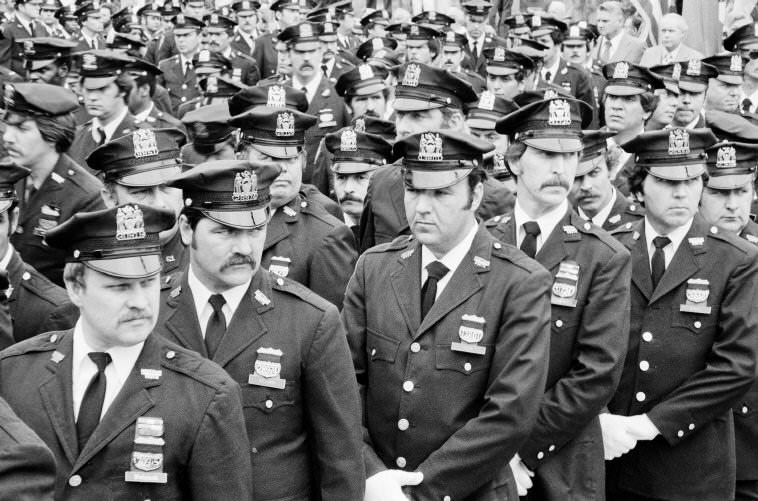
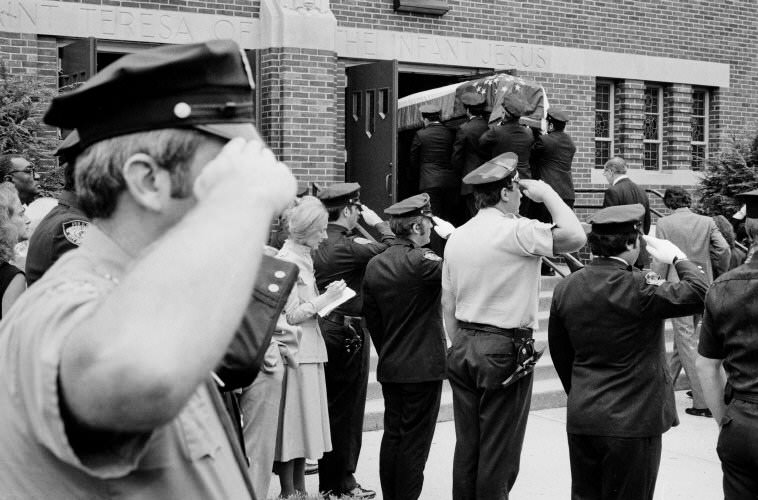
Line-of-duty deaths were a painful reality. Officers were killed, and their funerals drew colleagues from across the city. When two officers were murdered, entire squads worked around the clock to close the case. The loss of a fellow officer hit hard in a department already under immense strain.
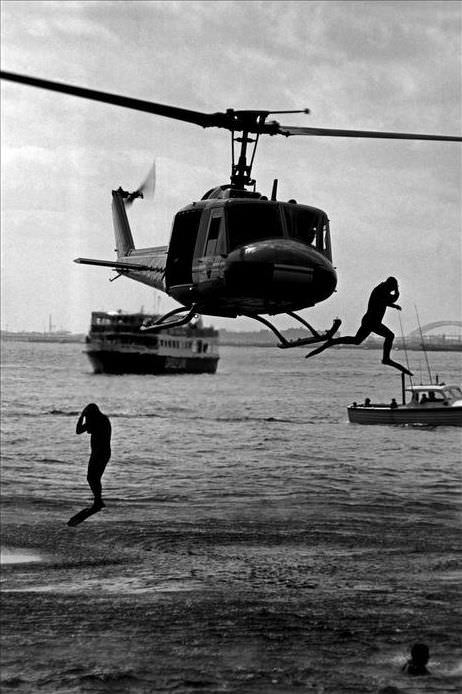
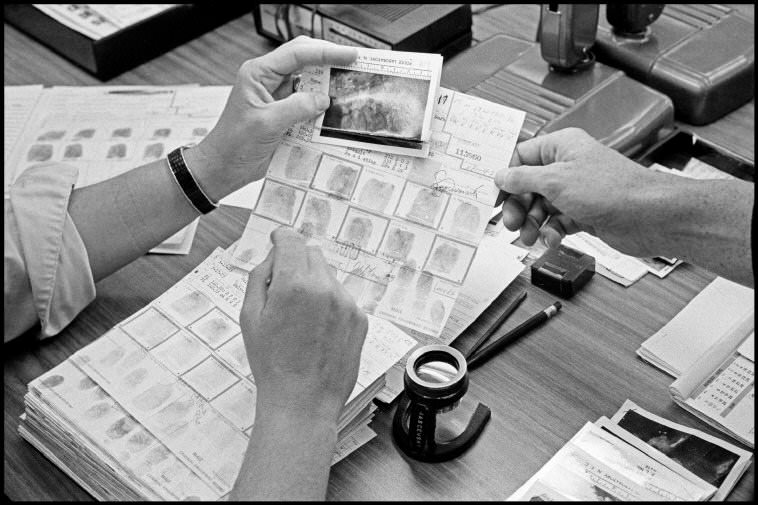
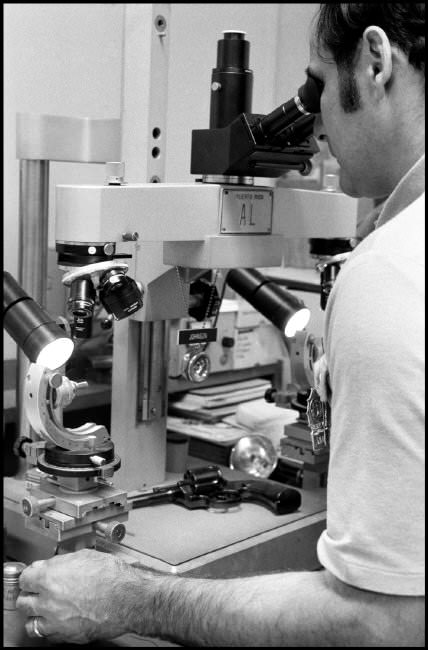
The NYPD deployed specialized units across the city — divers, mounted officers, forensic teams. Ballistics experts examined bullets and casings. Fingerprint analysts worked the morgue when victims couldn’t be identified any other way. The investigative machinery behind the street work was vast, even when resources were tight.
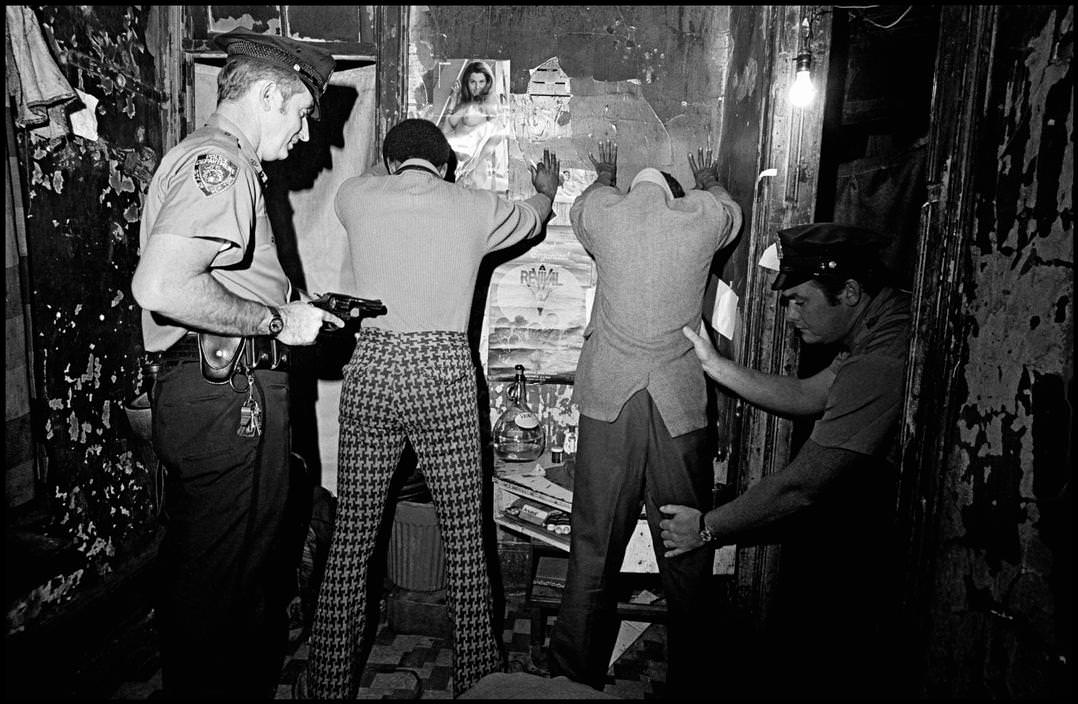
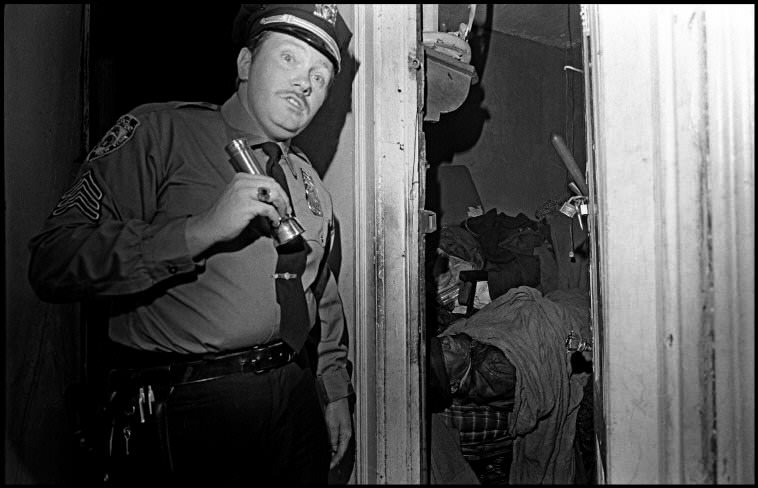
Shooting galleries — abandoned buildings where addicts injected drugs — were fixtures of certain blocks. Officers raided these locations regularly, finding syringes, gelatin capsules, and the physical wreckage of addiction. Apartments used as drug stash houses turned up large quantities of narcotics during raids.
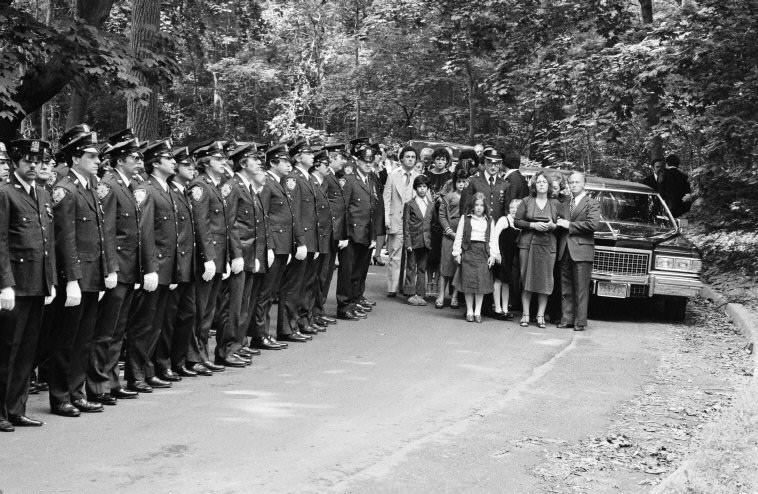
Officers were also laid to rest with ceremony and mourning throughout the decade. The funerals of officers killed in the line of duty were attended by hundreds of colleagues in uniform, a public display of grief and solidarity in a city that was grinding them down.
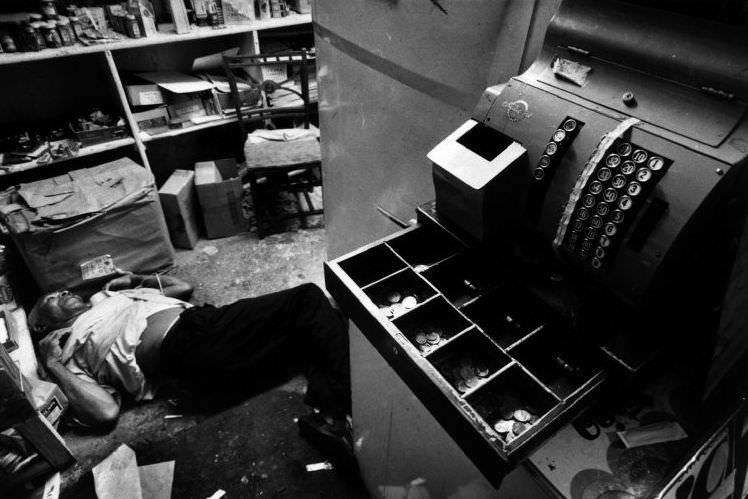
Robbery-related homicides were among the most jarring calls. Store workers killed for the cash in the register. Men found dead on sidewalks with handwritten notes asking passersby to call police. The randomness of the violence was part of what made the decade feel so lawless to those living and working through it.
Corruption had long been a problem inside the NYPD, and by the 1970s its shadow lingered over everyday policing. Officers were aware that arrests — even minor ones — could attract scrutiny. The Knapp Commission earlier in the decade had exposed systemic graft, and the fallout changed how some officers approached their work, sometimes making them hesitant to act.
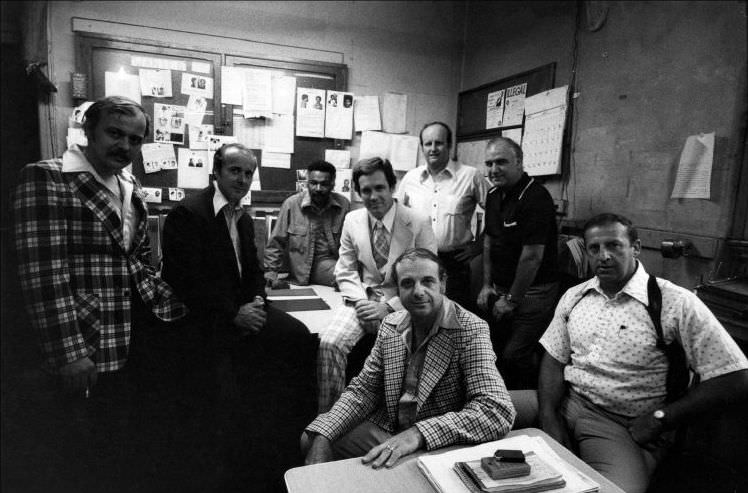
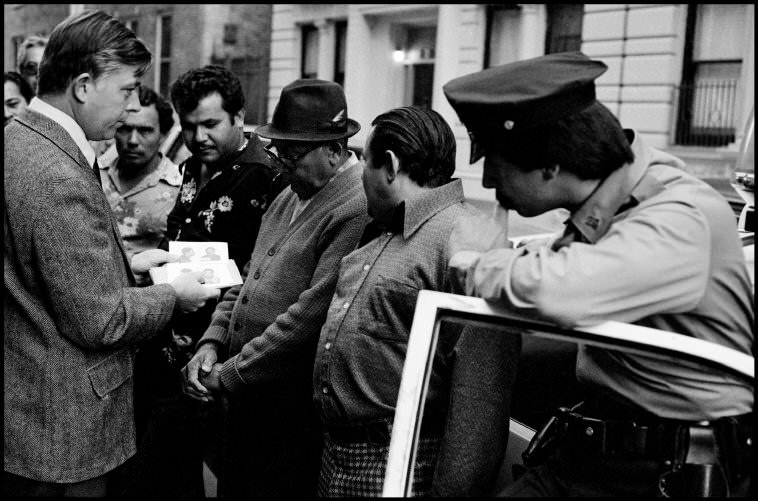
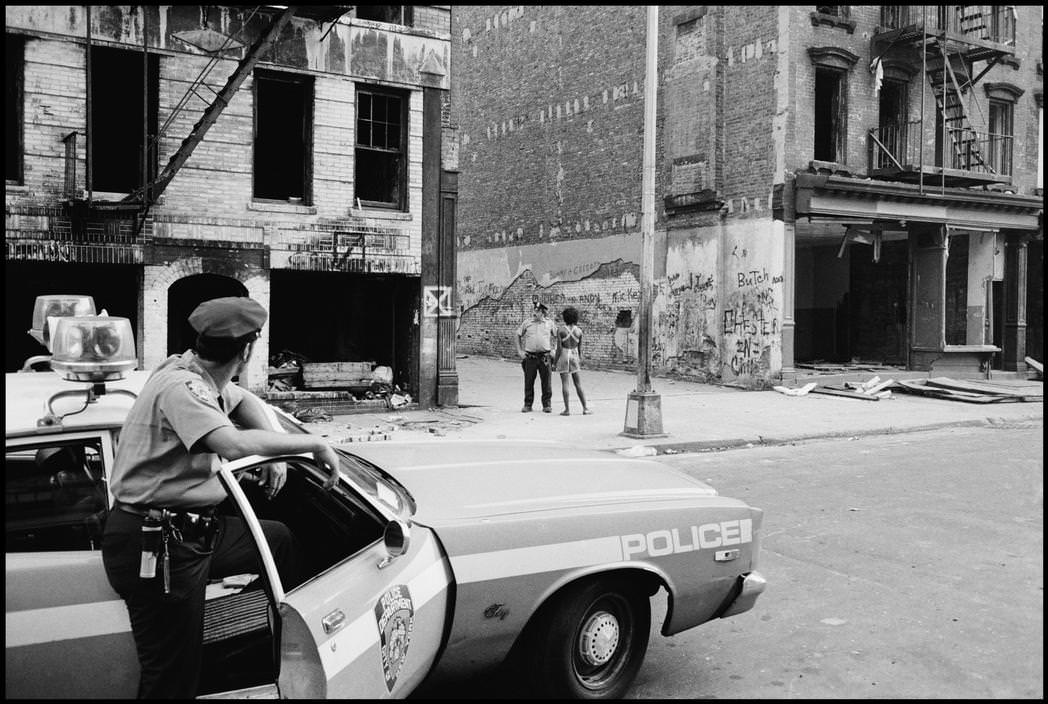
Harlem, the Lower East Side, the South Bronx — these areas concentrated the worst of what officers faced. Overdose deaths in Harlem were common enough to be treated as routine. Homicide investigators canvassed buildings, showing suspect photos to residents who were often reluctant to talk.
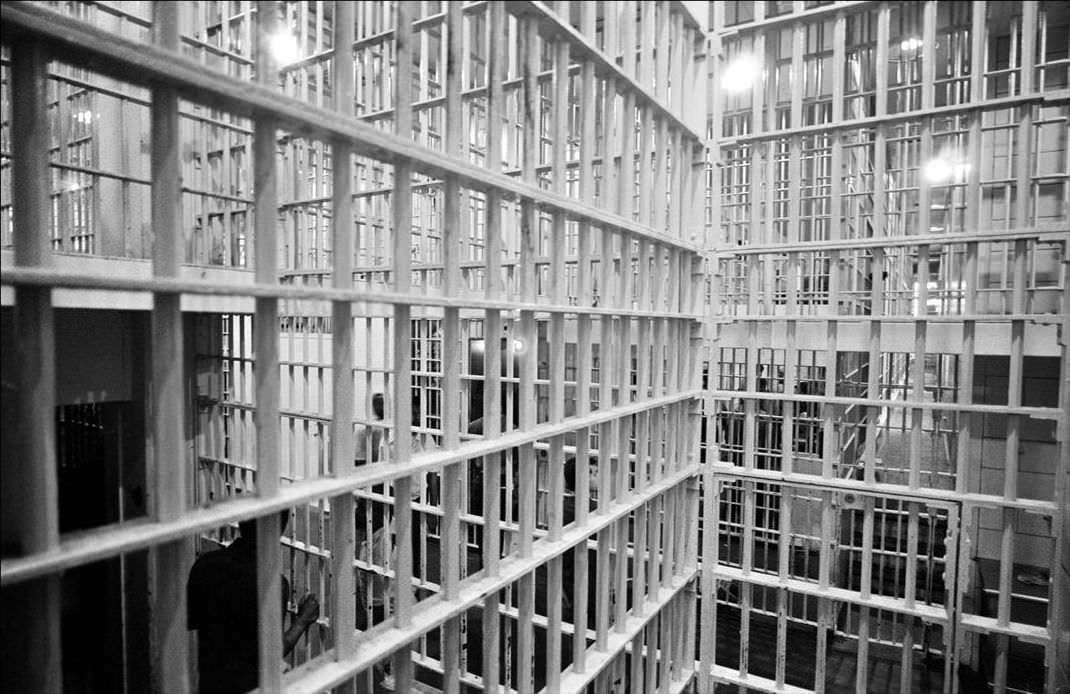
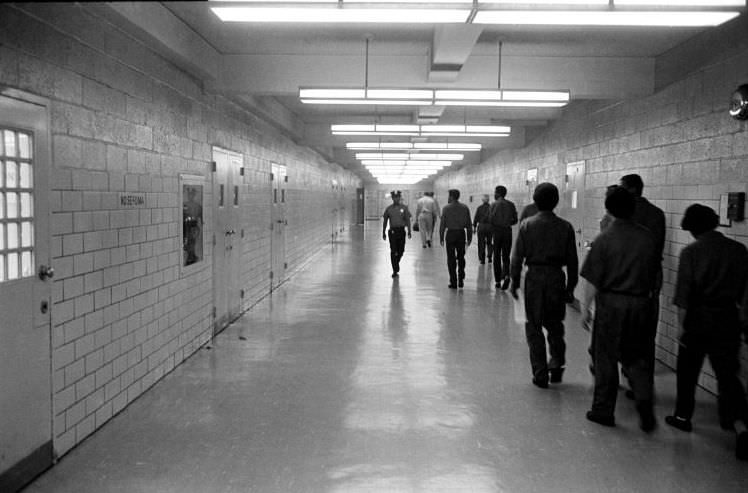
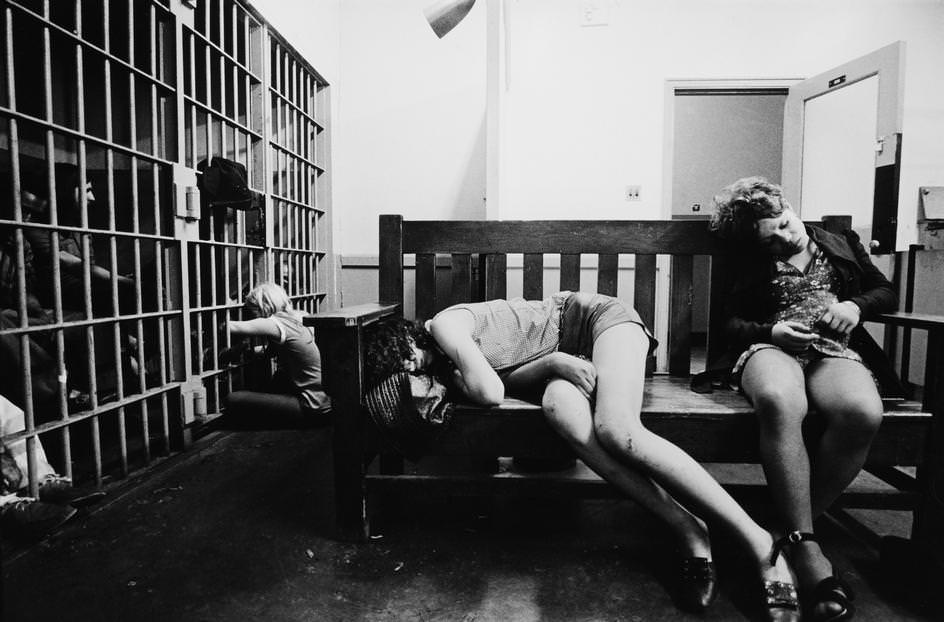
The justice system itself was overloaded. Underground passages connected precinct holding cells to courthouses, funneling a constant stream of the arrested into the legal process. Prisons and detention facilities were packed. The pipeline from street arrest to courtroom to cell was well-worn by the middle of the decade.
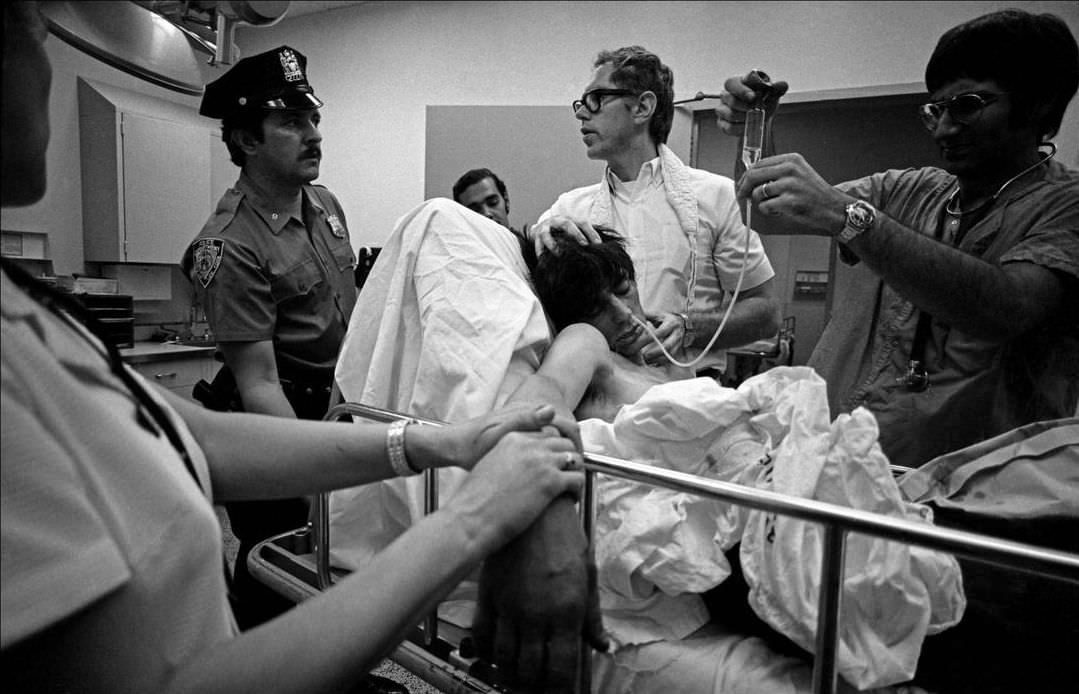
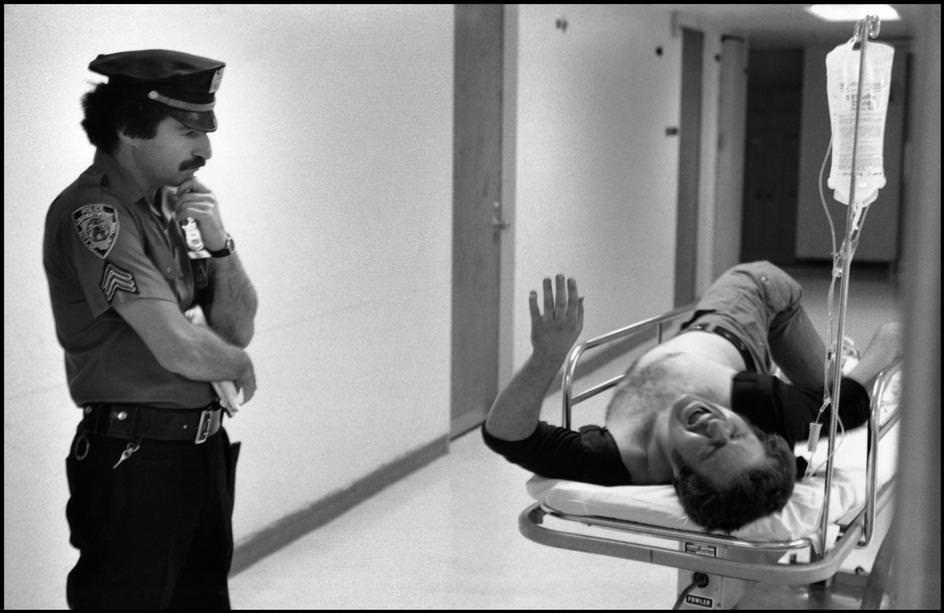
Hospital waiting rooms regularly held overdose patients brought in by officers. Emergency rooms and police worked in tandem on a near-nightly basis. Forensic units processed evidence methodically — fingerprints lifted from crime scenes, bullets analyzed in labs, suspects photographed and catalogued.
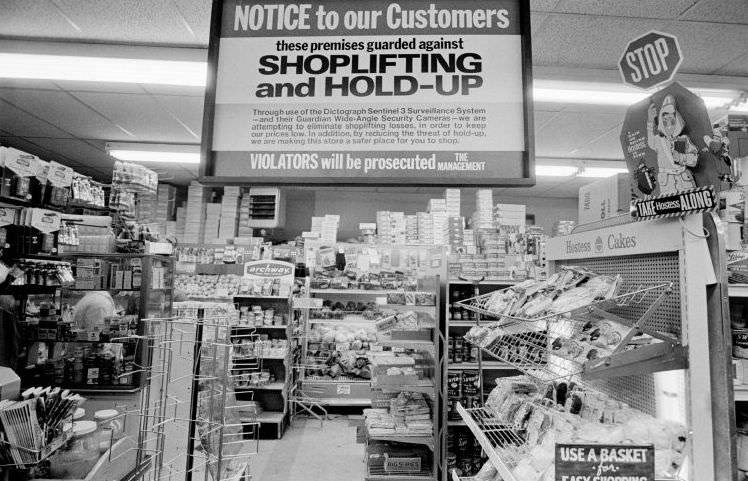

Even civilian businesses adapted to the crime climate. Security guards became a fixture in retail stores. Shop owners reinforced walls and doors. One burglary suspect was caught breaking through a store wall and immediately asked for his tools back. The audacity of petty crime in this era reflected how normalized lawbreaking had become.
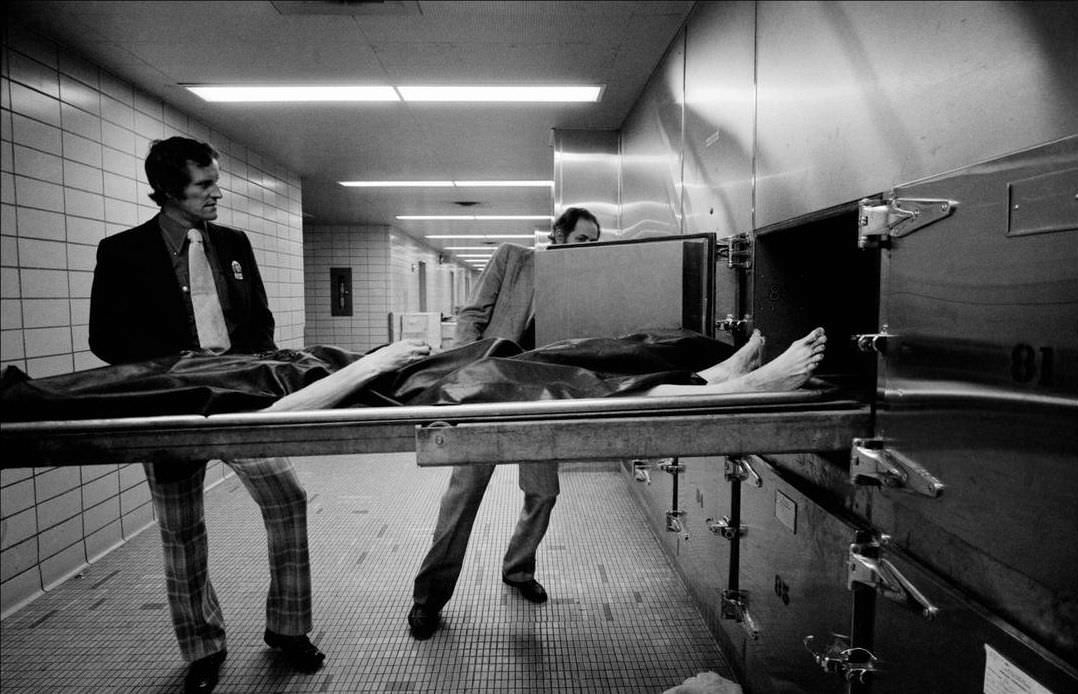
When officers were killed, the department’s response was total. Investigators worked in shifts around the clock, driven by a code that demanded justice for fallen colleagues. The murders of two officers in 1972 triggered exactly that kind of exhaustive effort.
Before heading out on patrol, officers like Steve Kreychi made a simple but telling preparation: putting on a bulletproof vest. By the late 1970s, this had become standard practice in many precincts. The vest was a practical acknowledgment of what was waiting outside.
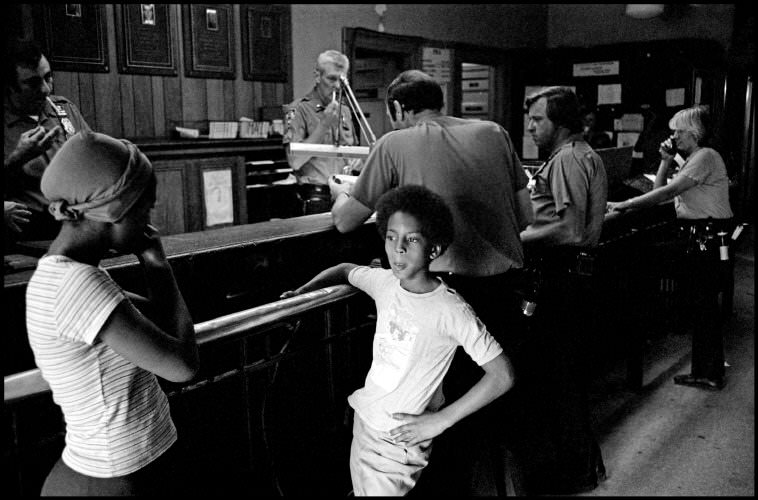
Not every call was violent. Children showed up at precinct houses lost or abandoned. Teenagers fought in the street and had to be physically separated. A young man crashed a car and needed to explain himself to an officer. The full range of human chaos passed through the doors of a New York precinct on any given day.
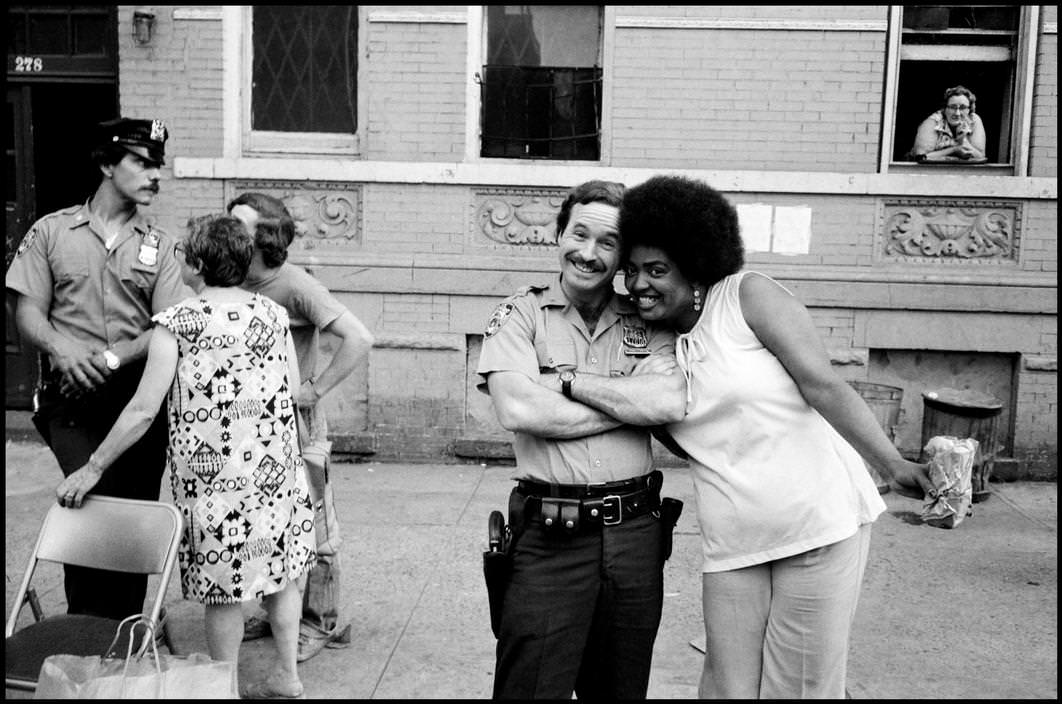

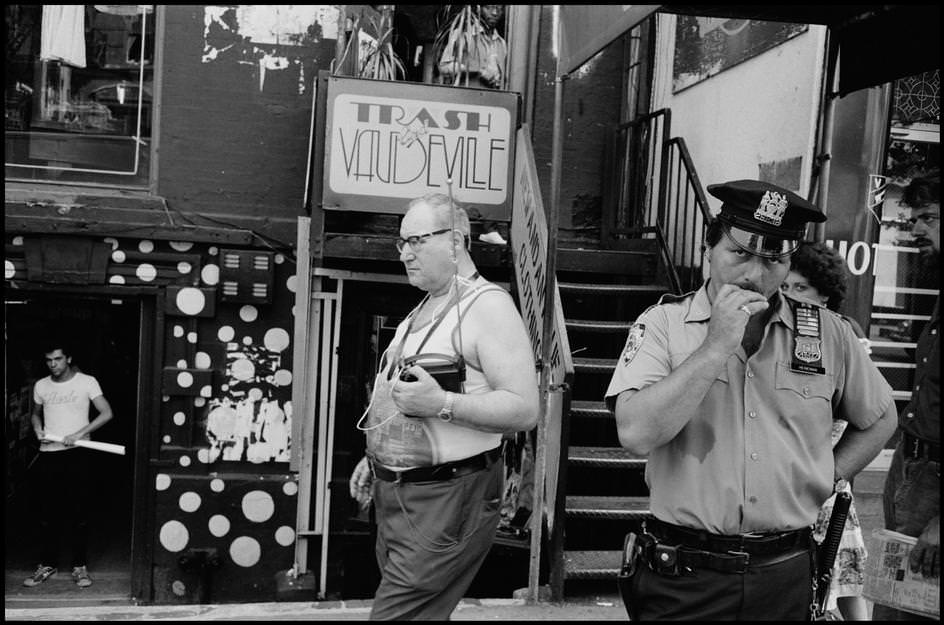
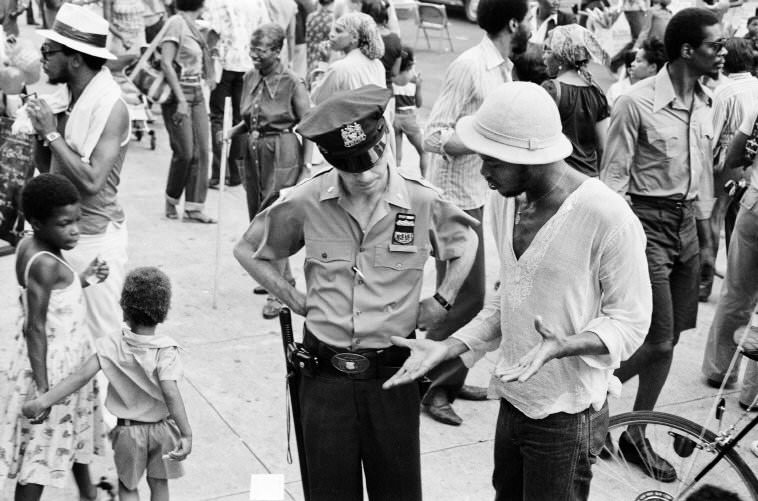
A significant portion of patrol time was simply watching — standing at a corner, observing the block, reading the street. Officers learned to distinguish a normal crowd from one about to turn. That kind of situational reading came only with time on the job, and in the 1970s, it came fast.
The 1977 blackout collapsed whatever thin equilibrium existed. Looting broke out across the city within hours of the lights going out. Officers, already outnumbered on a normal night, were overwhelmed as entire blocks were stripped bare. It lasted one night, but the images it produced defined the decade.
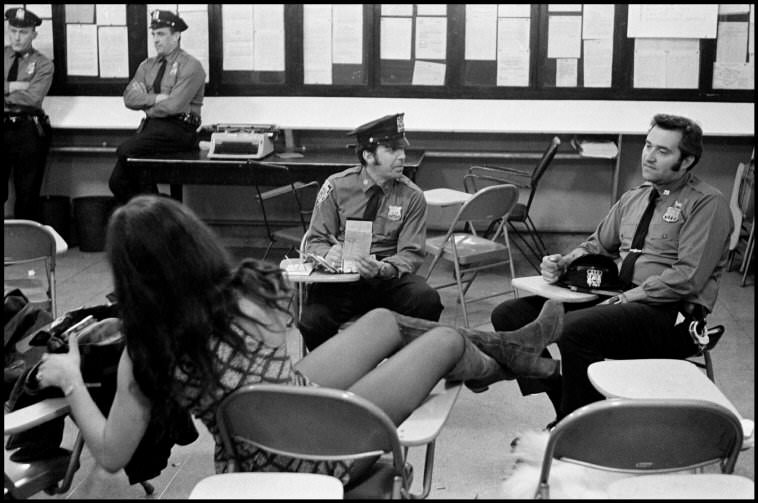
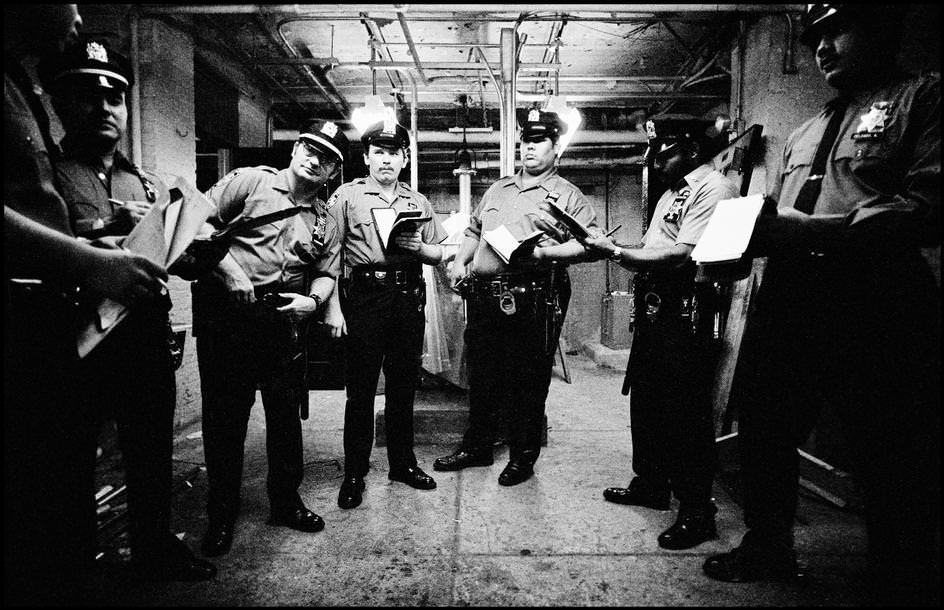
Auxiliary police volunteers supplemented the depleted force, receiving instruction in precinct basements before heading out alongside regular officers. They were unpaid, unarmed in most cases, and willing to stand on corners that many civilians avoided after dark. Their involvement reflected just how stretched the department had become.
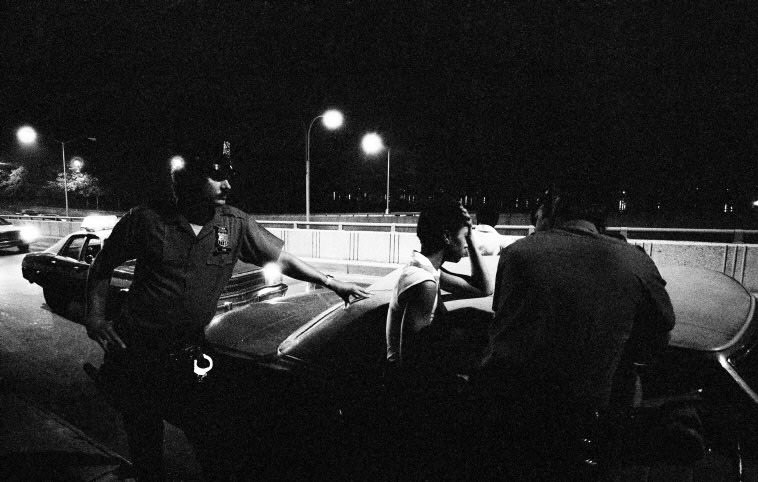
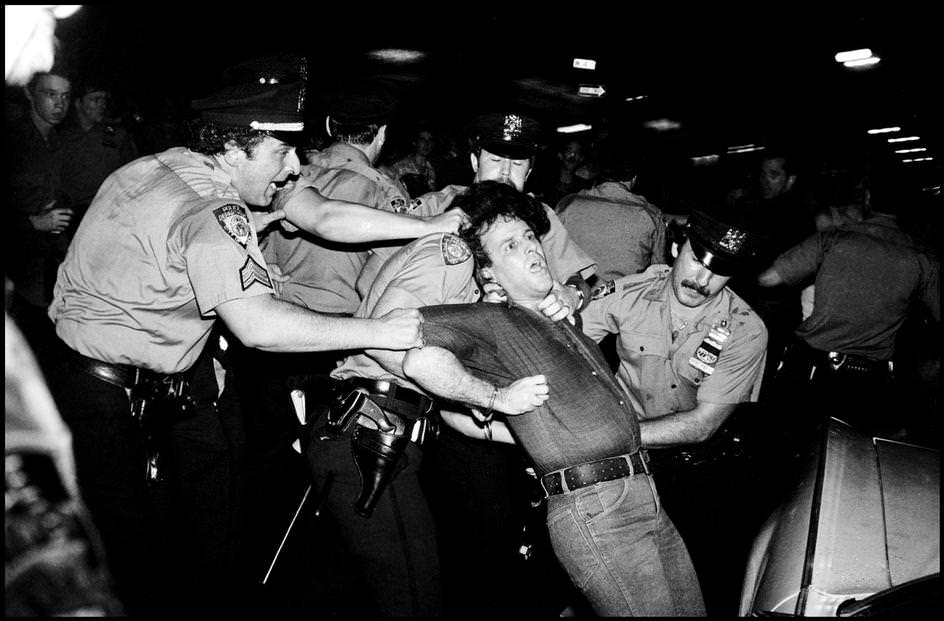
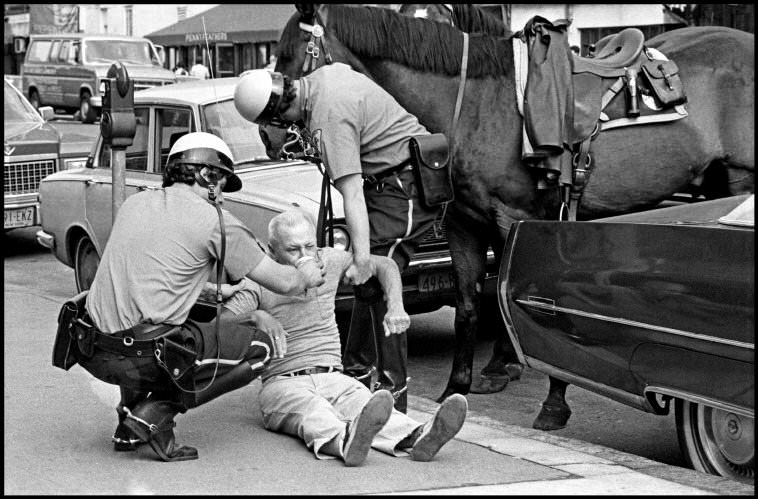
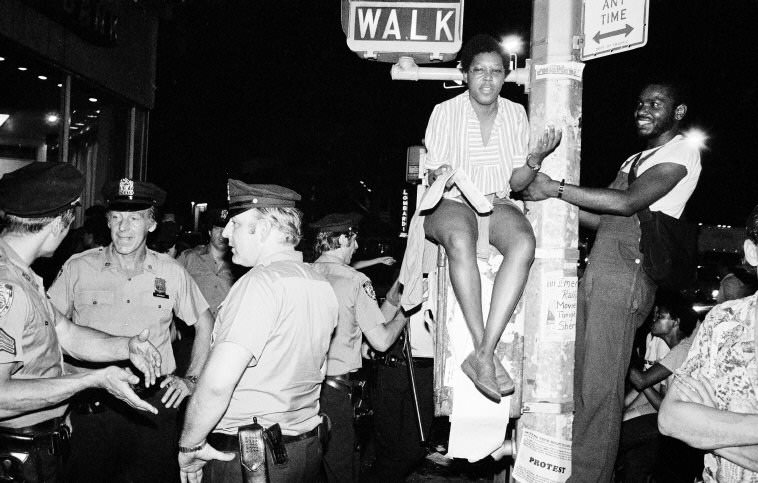
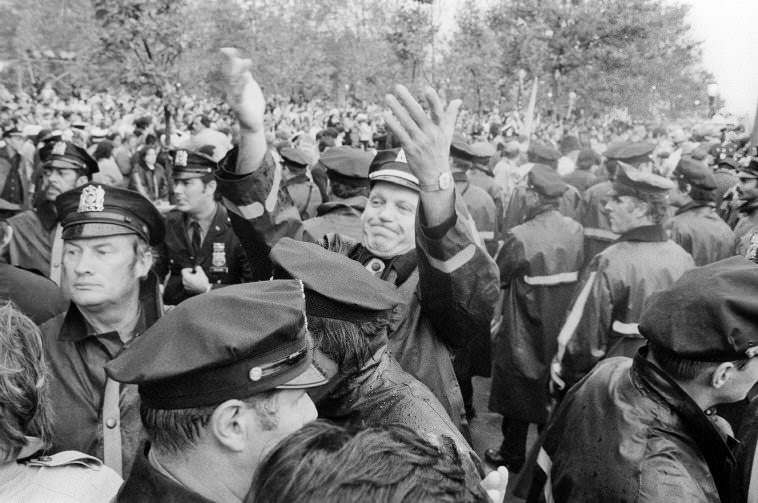
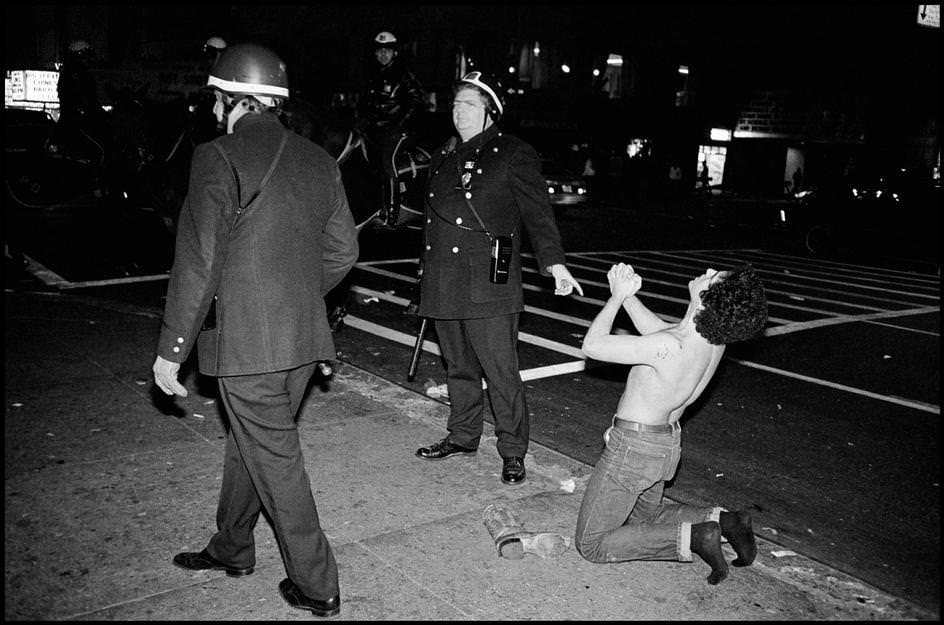
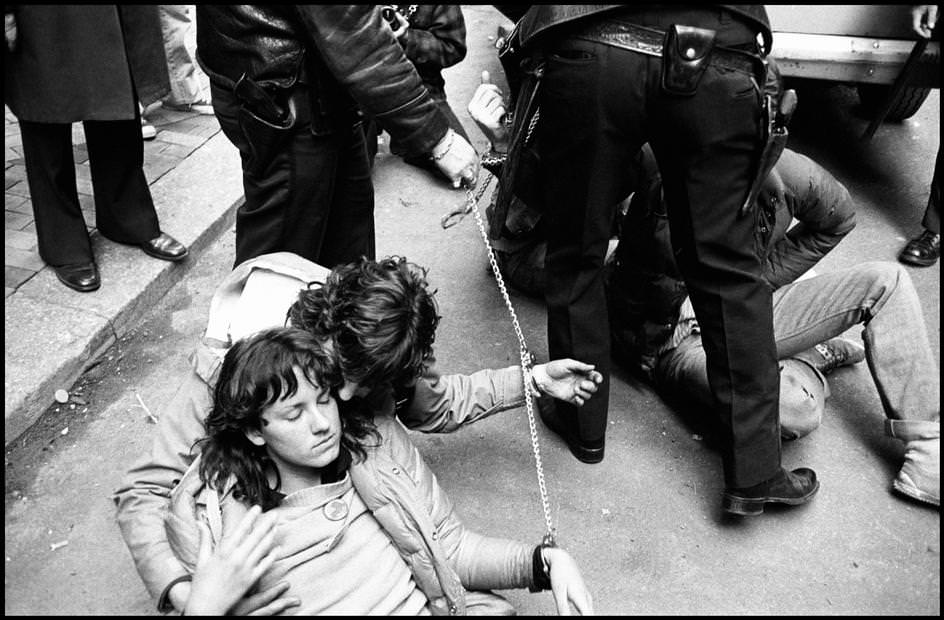
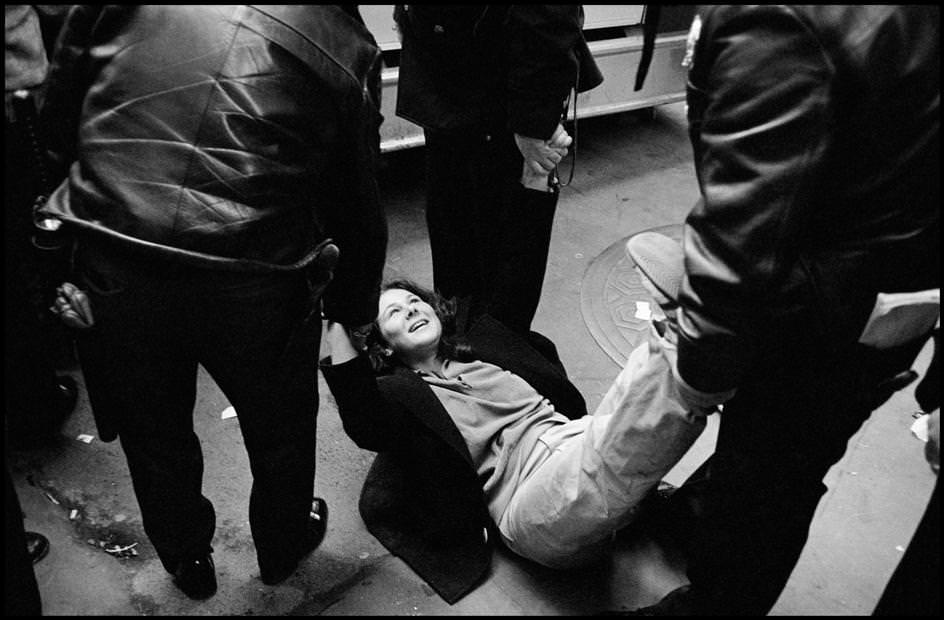
Officers also handled protests and demonstrations, sometimes removing people from roadways by force when they refused to move. Anti-war demonstrations drew police in large numbers. Managing public unrest was layered on top of everything else officers were already absorbing.
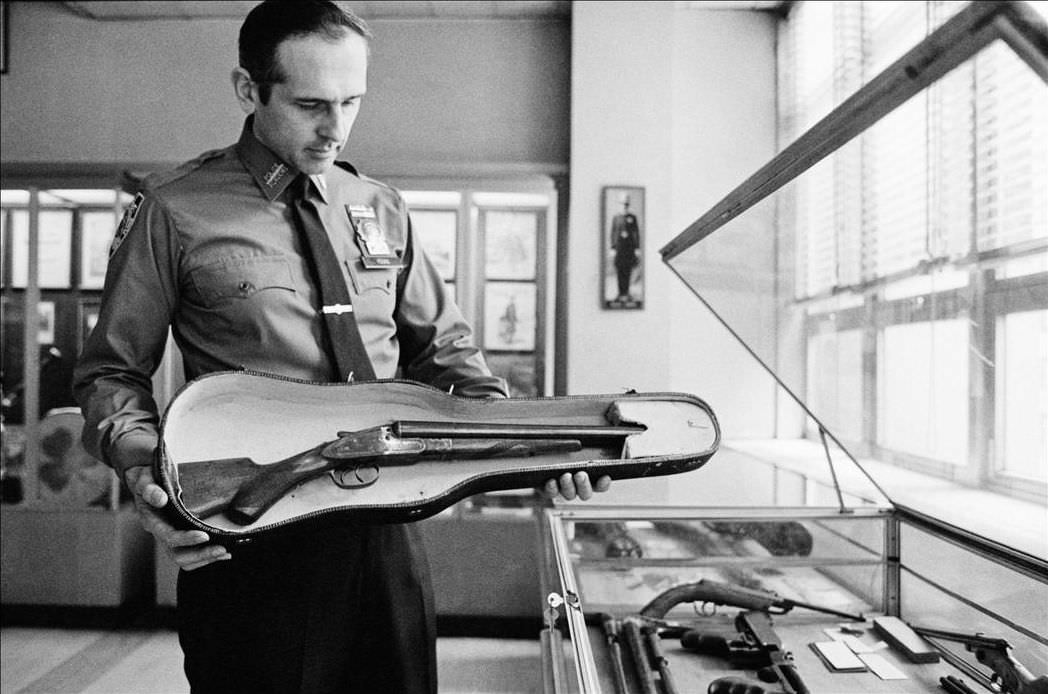
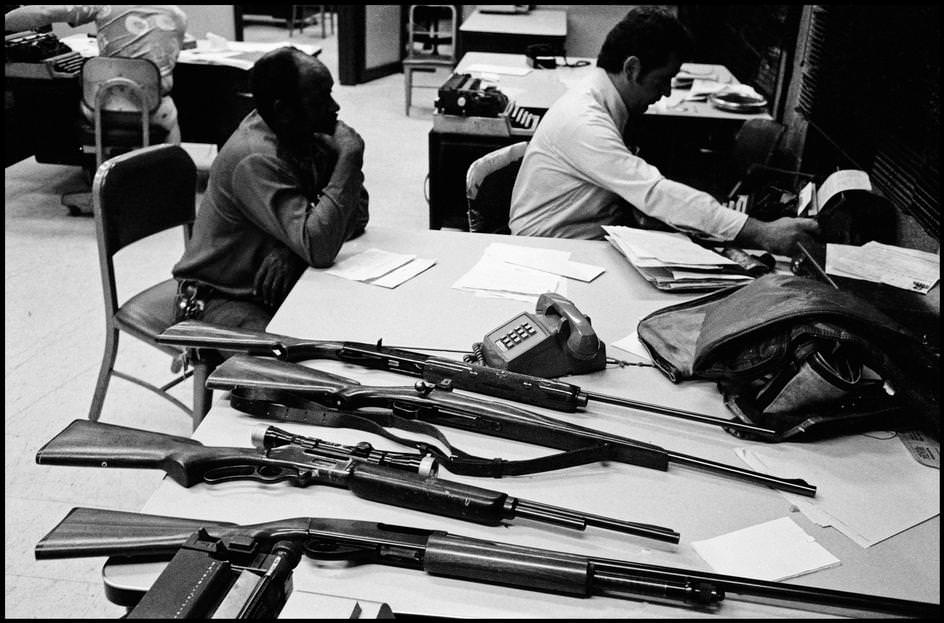
Confiscated weapons told their own story. Detectives inventorying guns seized in raids sorted through handguns, rifles, and other firearms collected from a single operation. The volume of illegal weapons circulating in the city made every street encounter a potential armed confrontation.
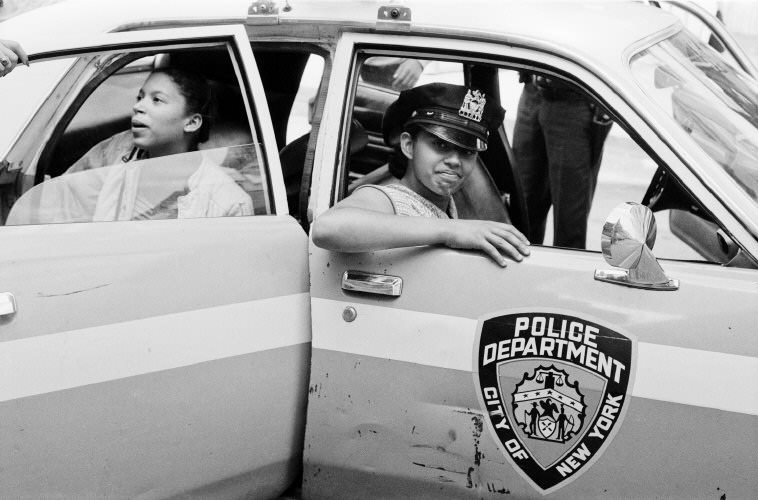
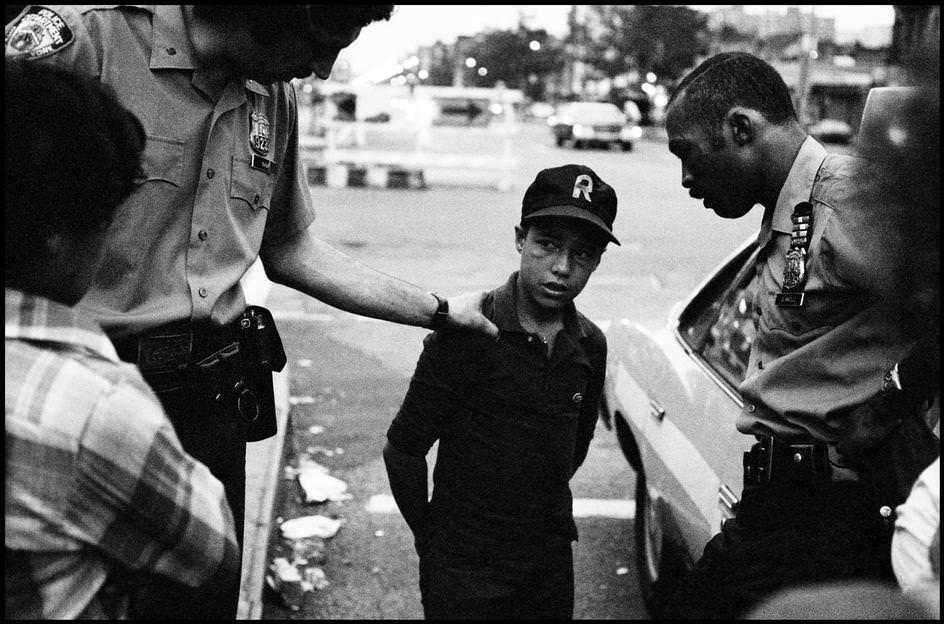
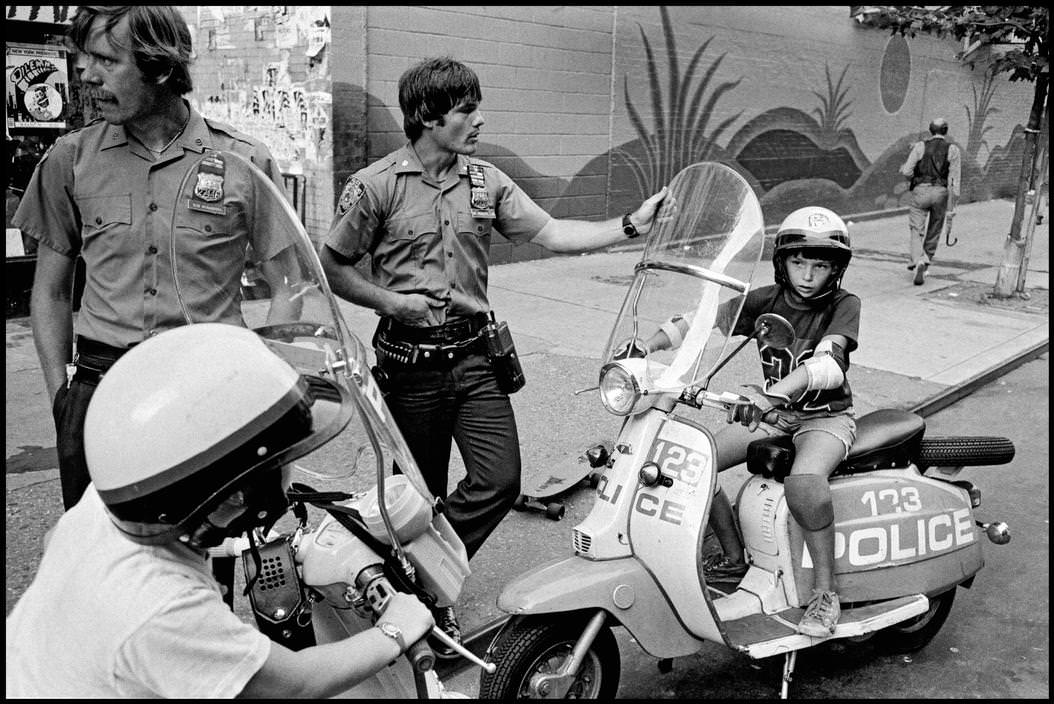
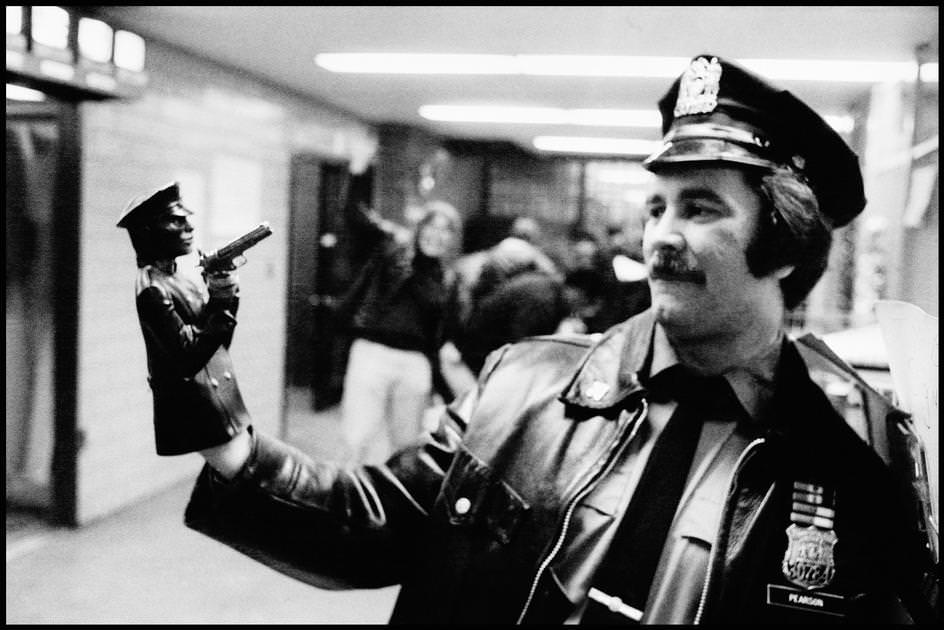
Community contact existed alongside all the hardship. Officers let children climb into patrol cars on hot summer days. They played with kids in Harlem. These weren’t staged moments — they were part of the texture of neighborhood policing, happening in the same precincts that were also processing rape victims, overdose deaths, and murder scenes.
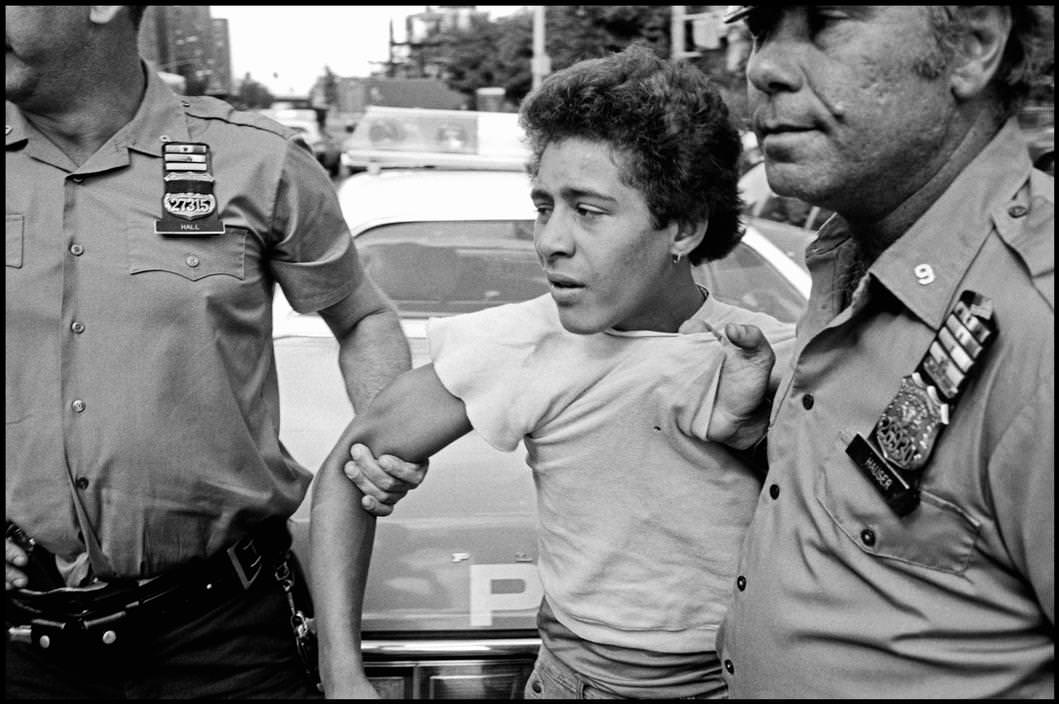
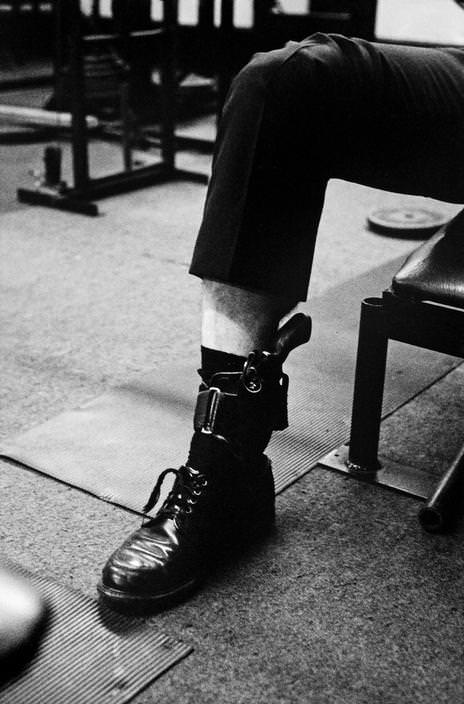
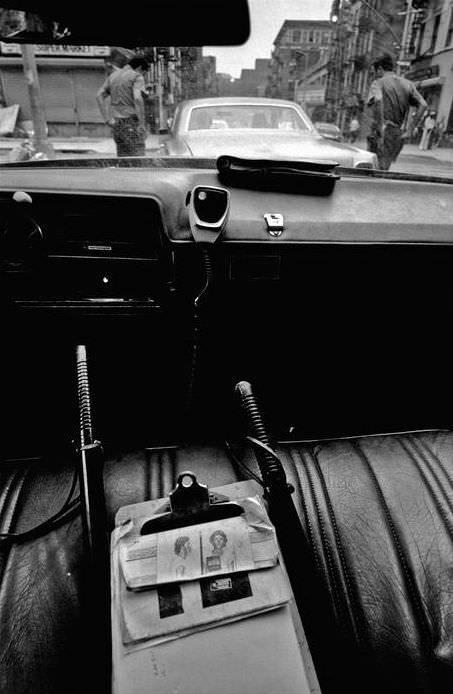
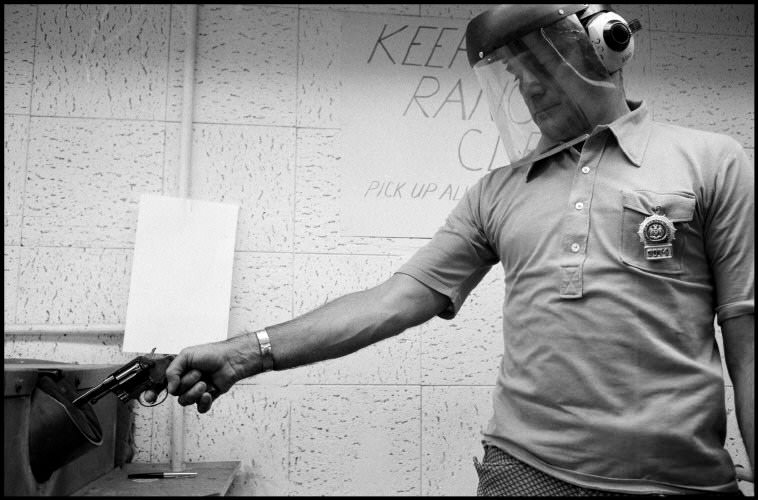
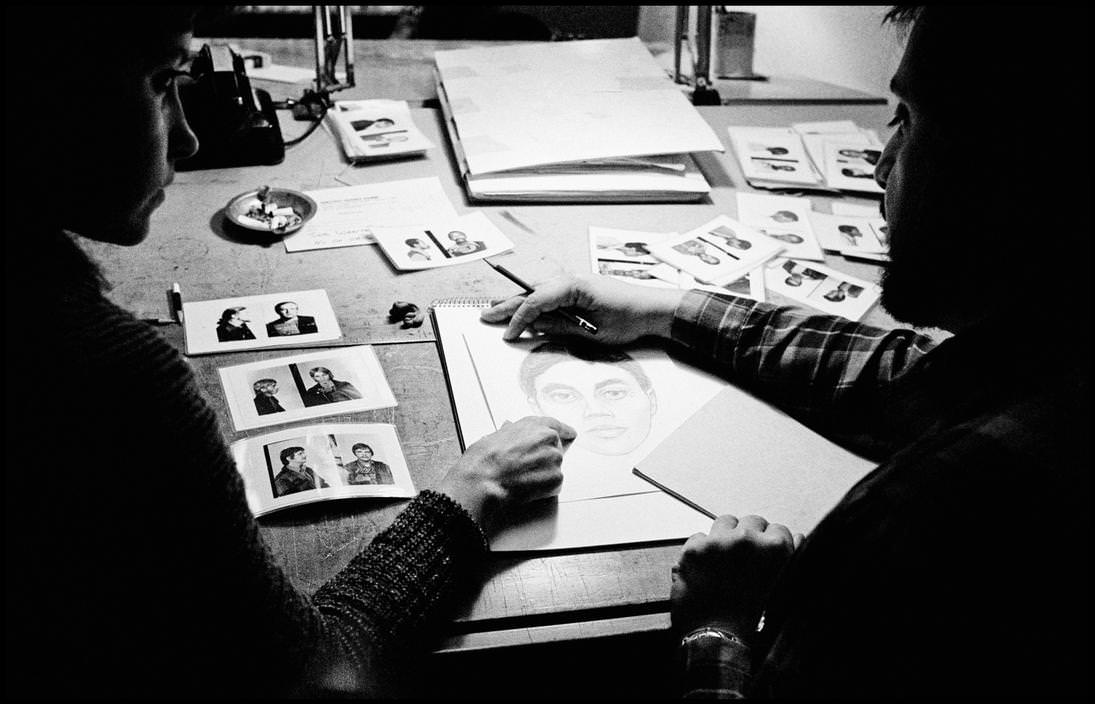
Training and preparation continued even as the city deteriorated. Officers practiced at shooting ranges before shifts. Police artists sketched suspect portraits based on witness descriptions. Polaroid cameras photographed suspects on the spot. The tools were low-tech by later standards, but the investigative work was thorough.
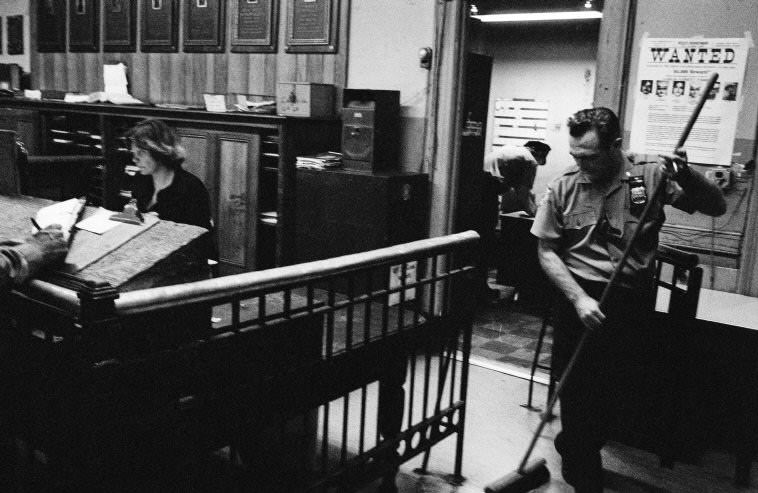
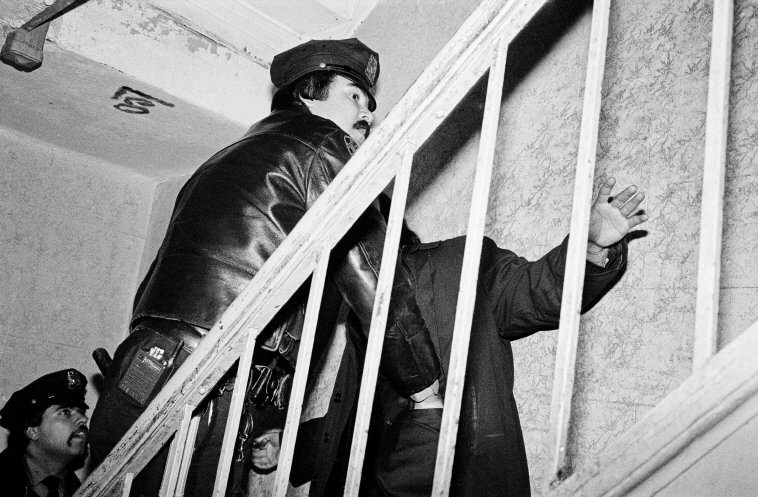
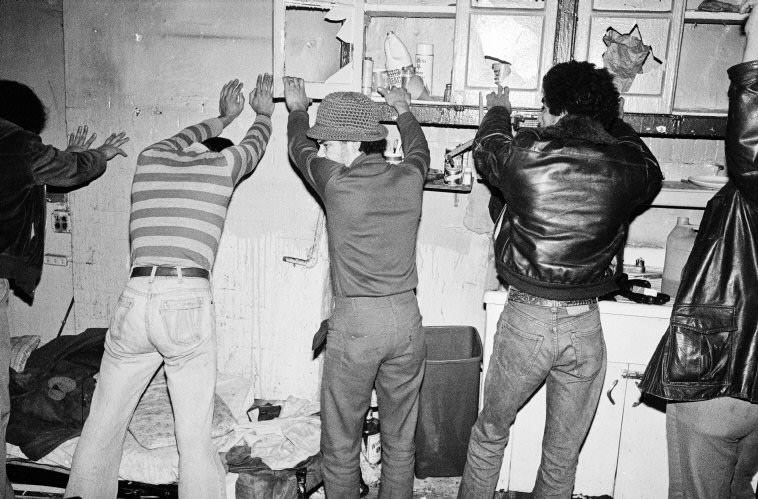
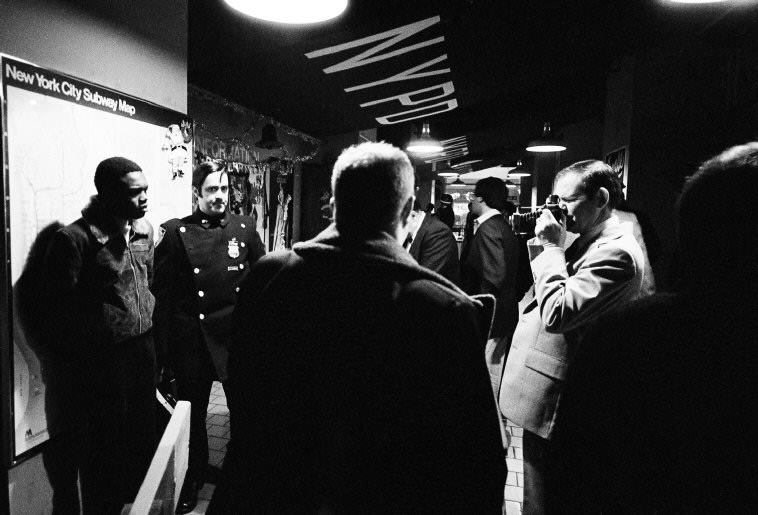
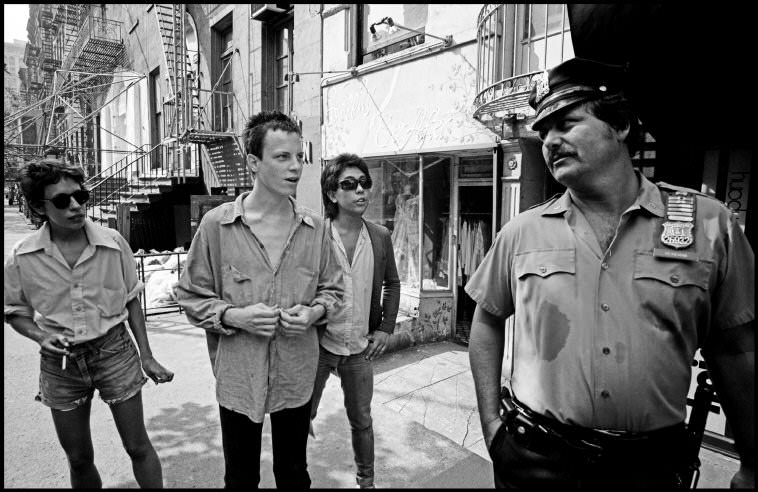
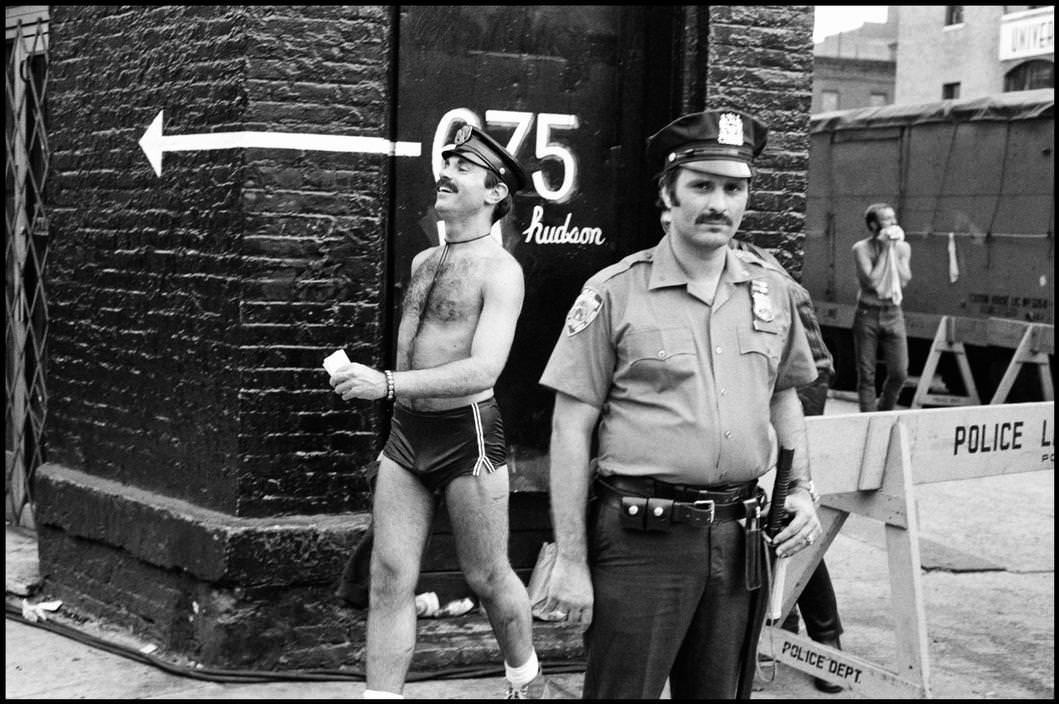
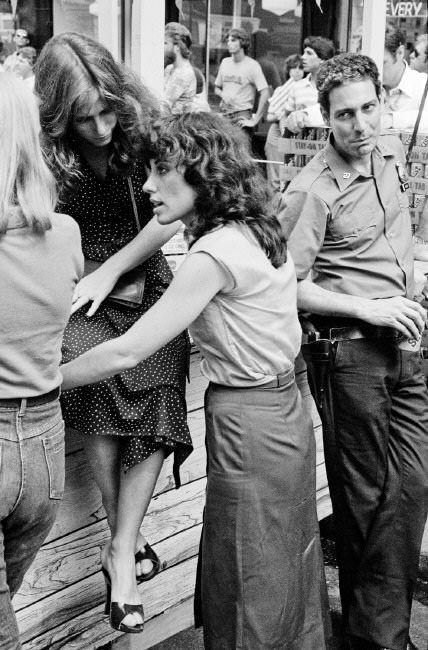
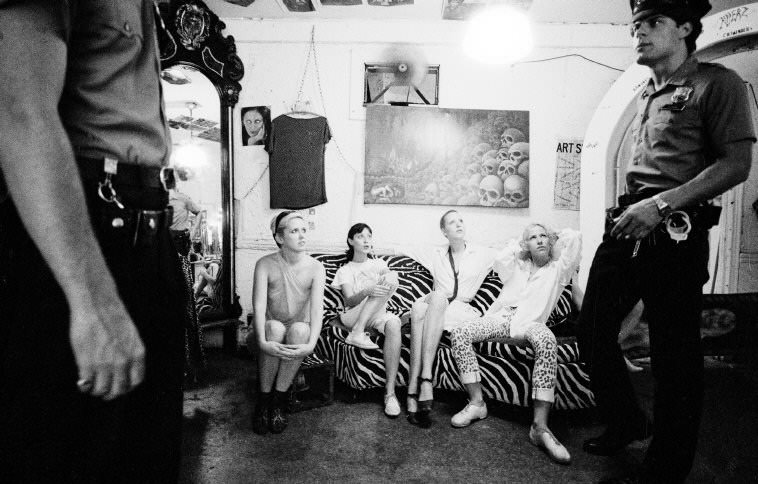
Officers encountered the city’s countercultural scene, visiting boutiques and street fairs as part of their beats. On Halloween, the streets filled with costumes and crowds that needed managing. On New Year’s Eve, Times Square became a massive logistical challenge. The NYPD held together a city that was testing every limit it had.
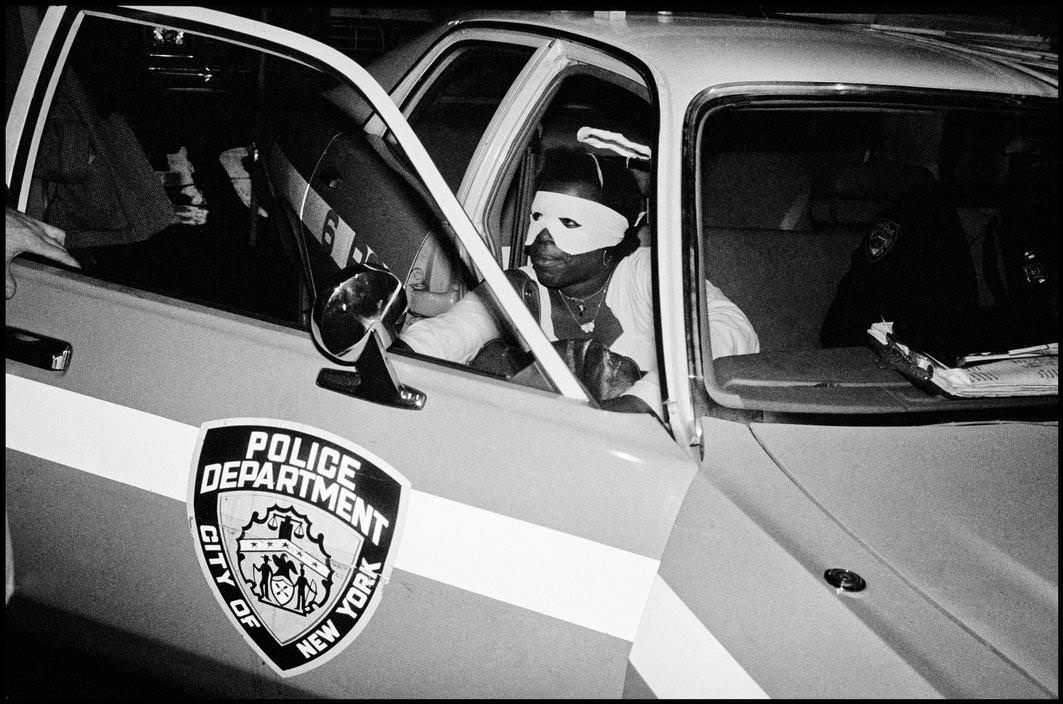
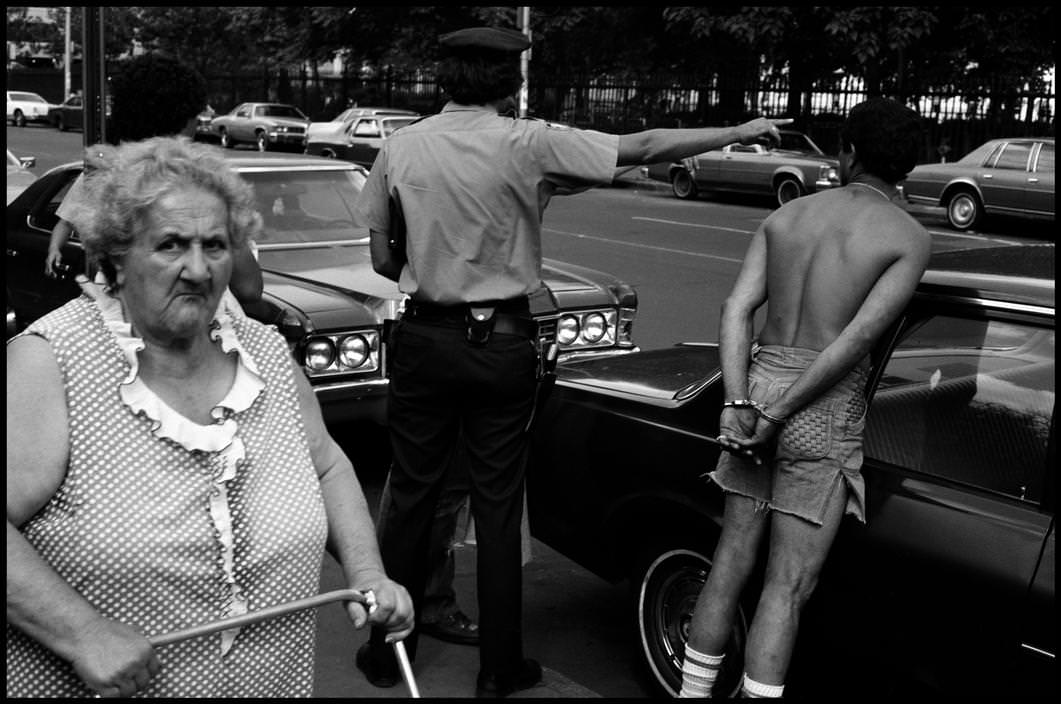
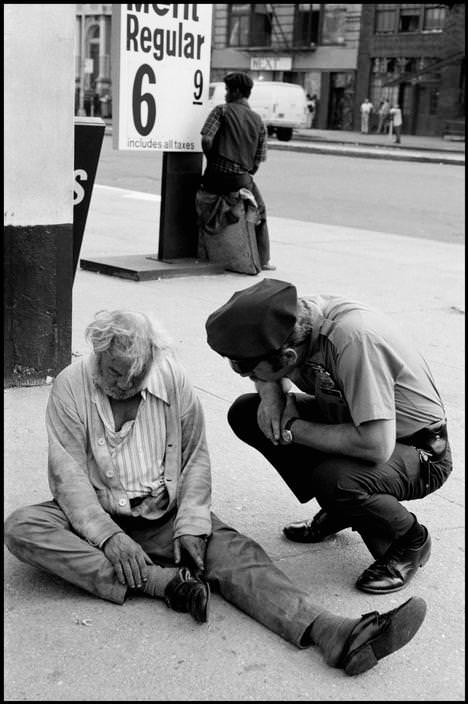
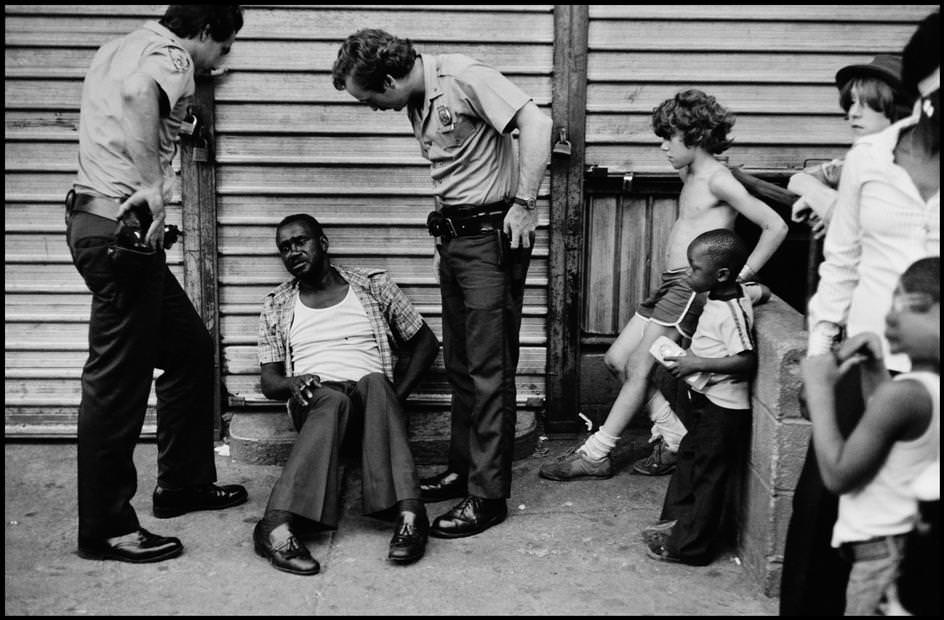
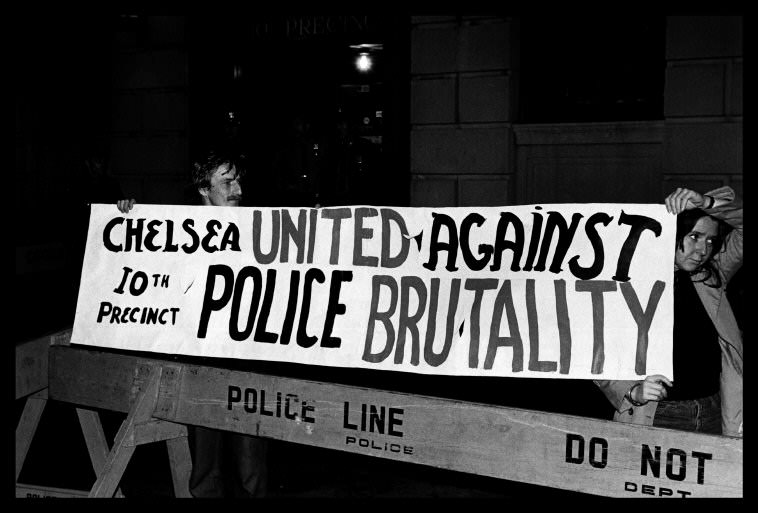
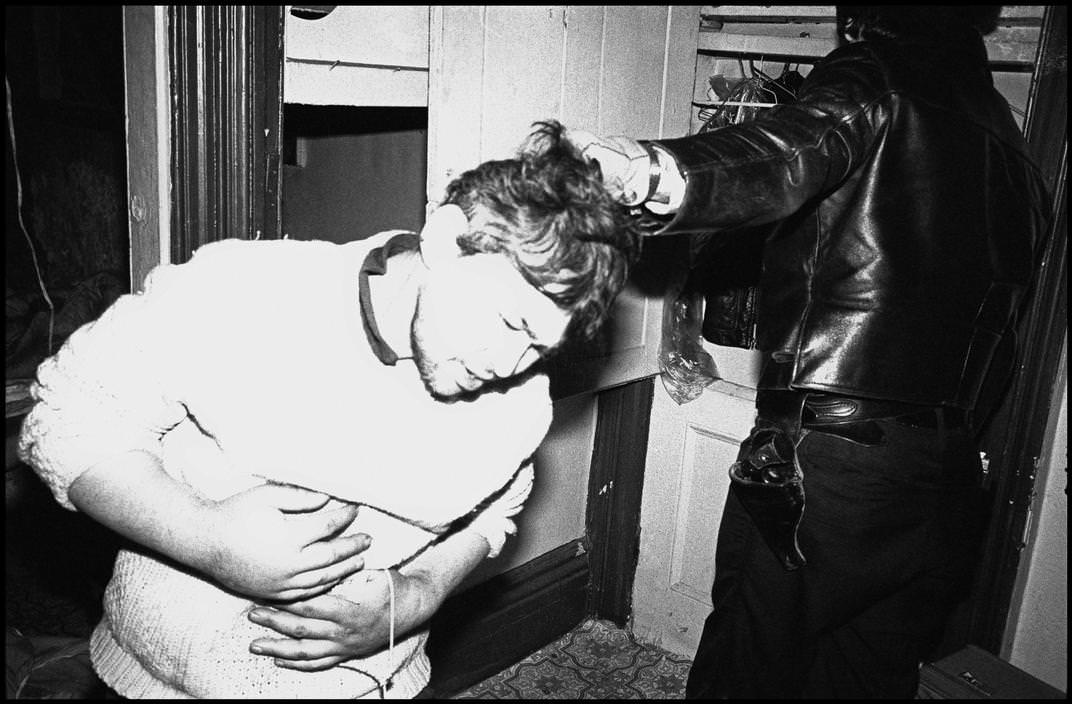
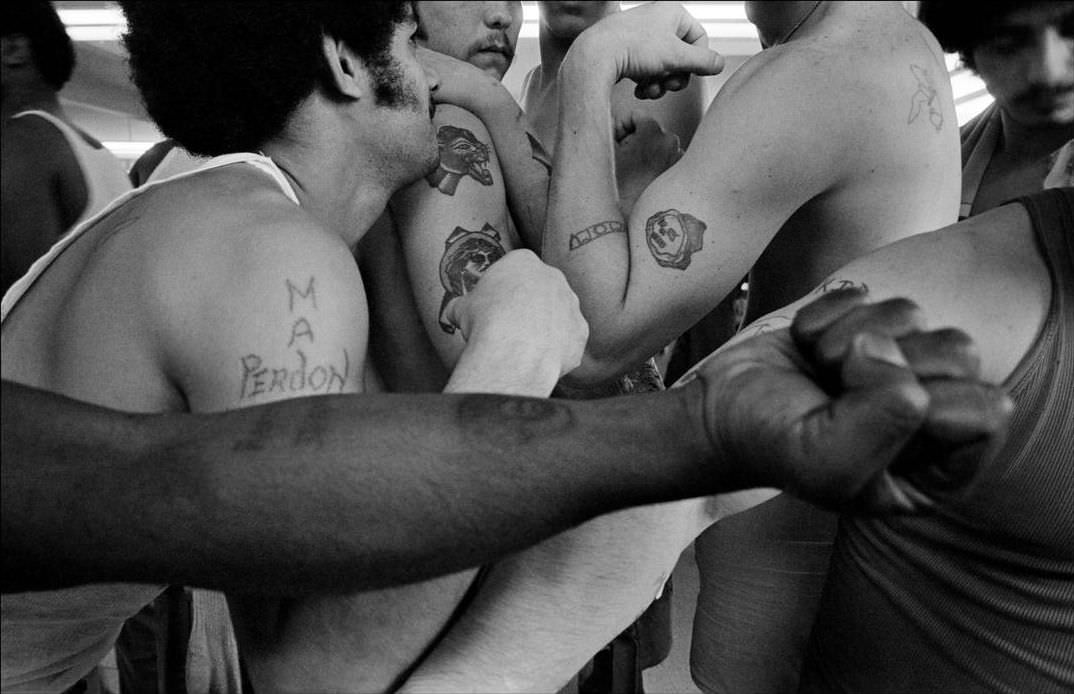
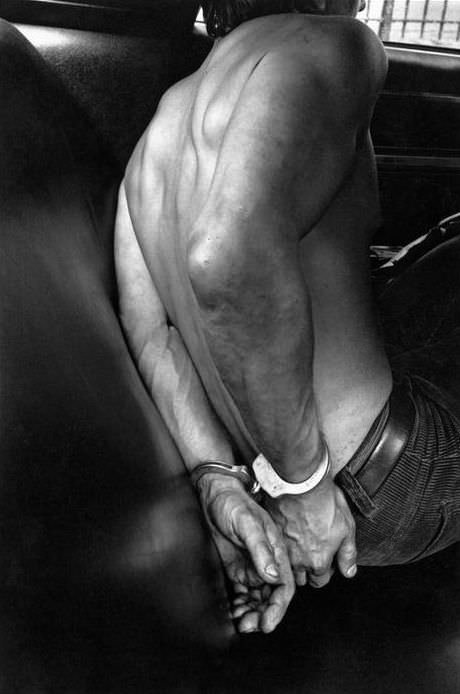
Inside the station house, tensions between officers and detainees were visible and constant. Accusations of mistreatment in holding areas surfaced from residents in multiple precincts. The relationship between the department and the communities it policed was fractured in many neighborhoods, shaped by years of mutual suspicion running in both directions.
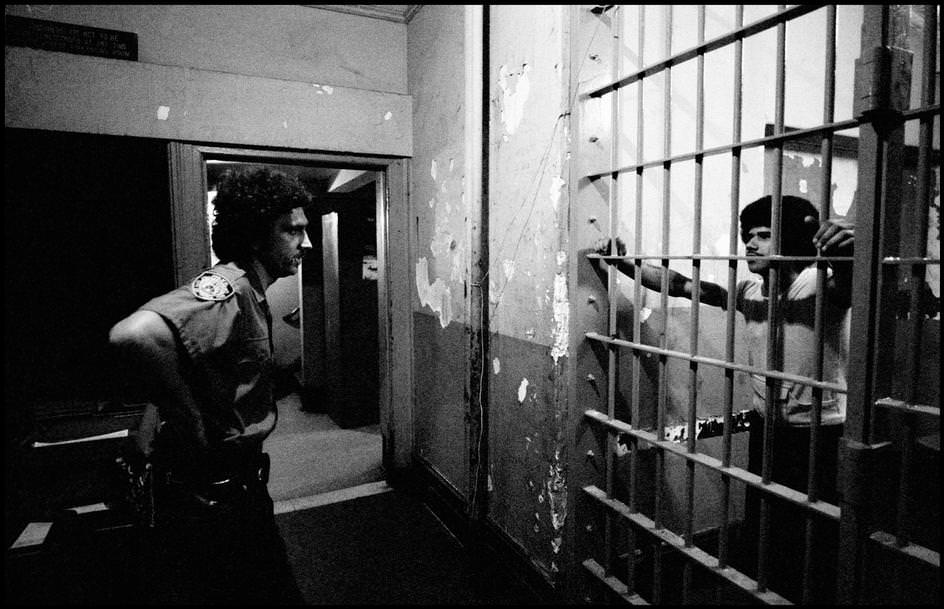
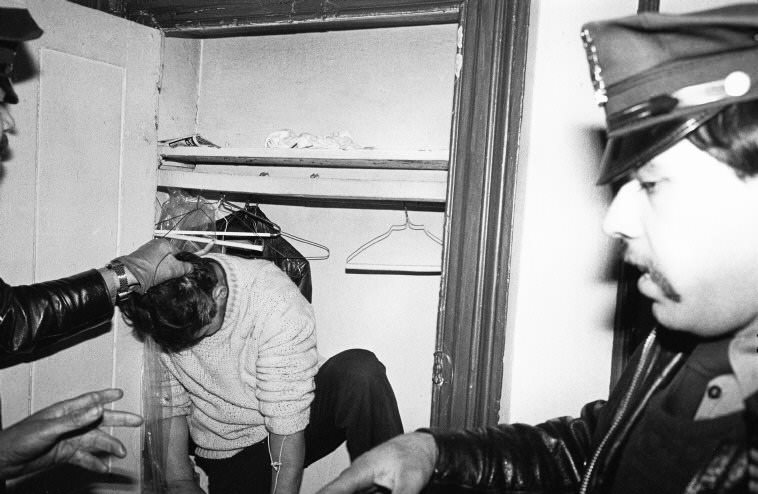





If you’ve never heard someone who was NYPD in the 70s tell stories, oh boy.
Nypd has a well earned reputation for corruption and violence down to the street level from the 50’s to 70’s Zero sympathy for the troubles they caused and brought on themselves. This shit lasted through the 70’s to today. Ask Michael Dowd or serpico. People hated and mistrusted the cops for very good reasons.