
Ernest C. Withers spent decades pointing his camera at everyday life in Memphis, Tennessee. He photographed proms and funerals, street protests and record shops, musicians and schoolchildren. Taken together, his images form one of the most complete visual records of Black life in the mid-20th century American South.
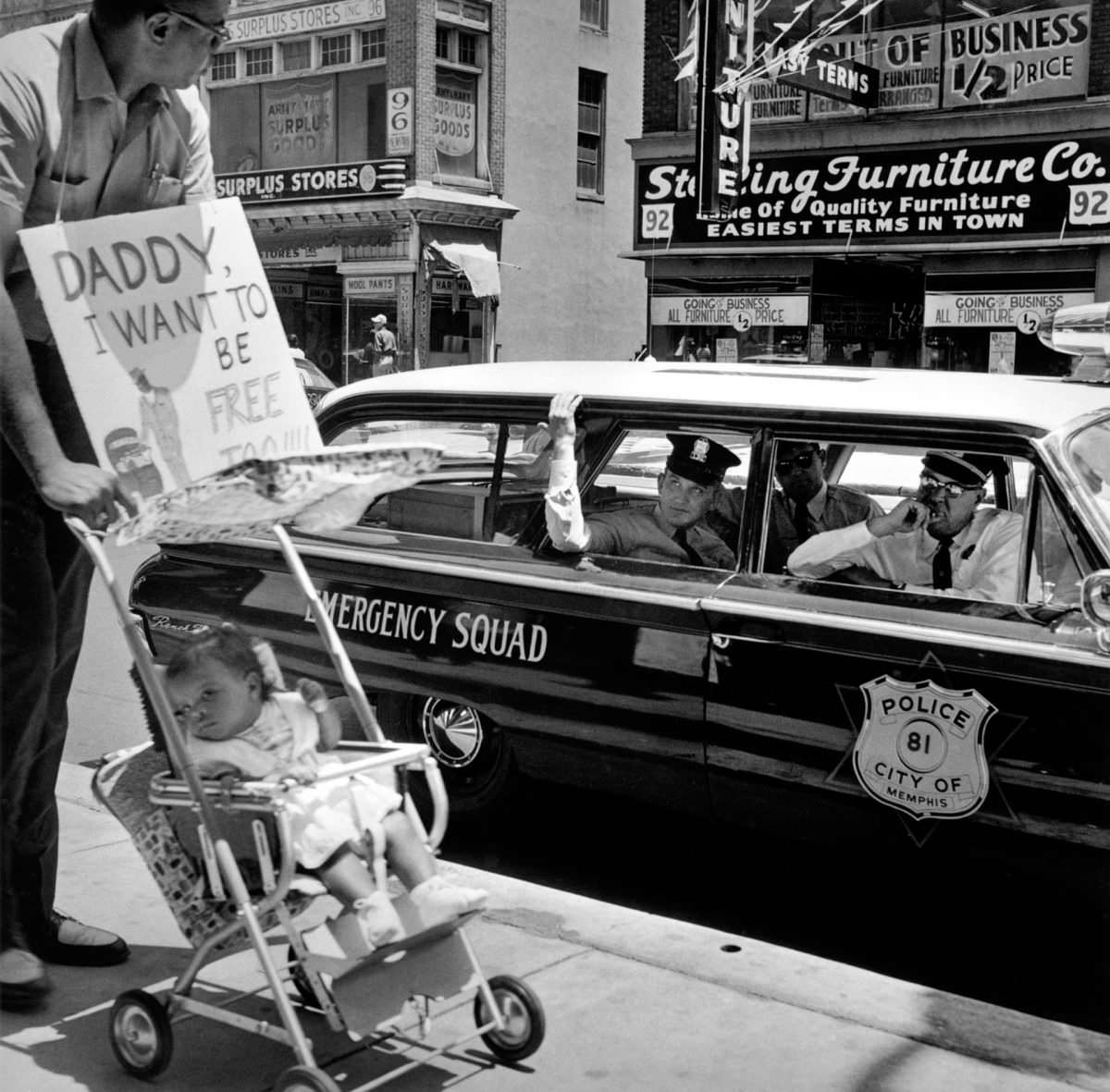
Withers was born in Memphis in 1922. During World War II, he trained at the Army School of Photography, which gave him a solid technical foundation. After the war, he returned home and became one of Memphis’s first African-American police officers. He left the force to pursue photography full time, opening his studio on Beale Street — the cultural heart of Black Memphis.
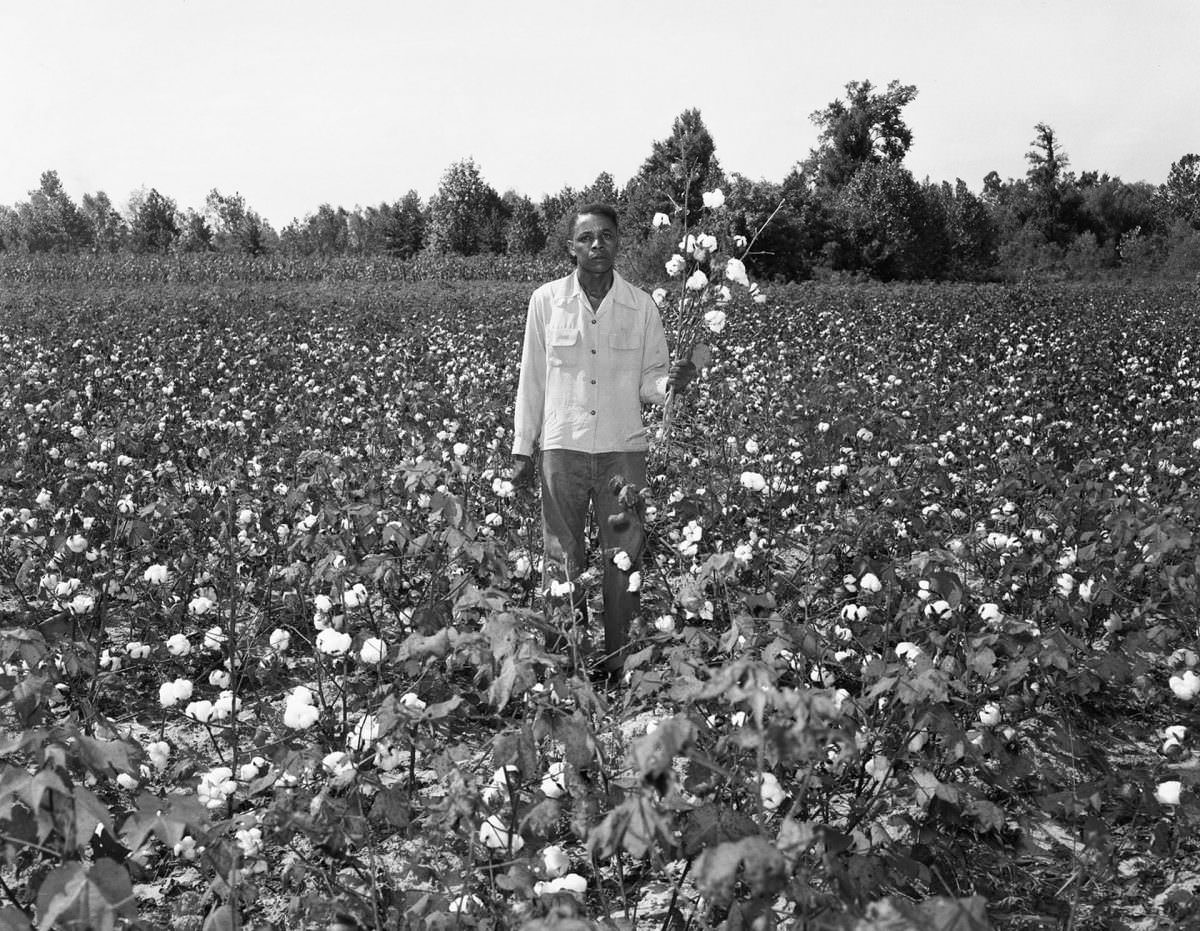
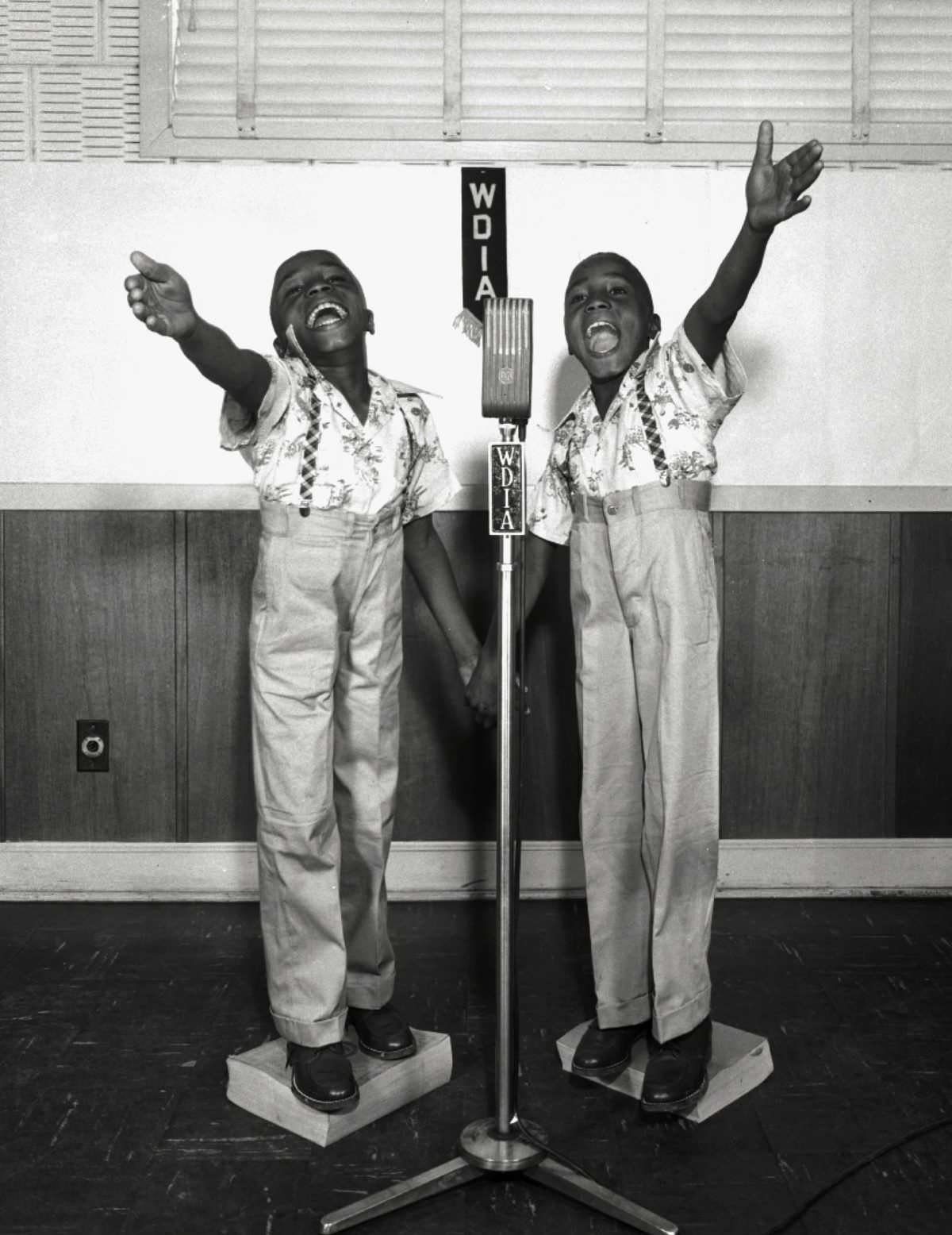
His first major institutional client was WDIA, a Memphis radio station that launched all-Black programming in the late 1940s. The station hired Withers as its staff photographer. He later became the official photographer for Stax Records and contributed work to Time Magazine. His career placed him inside the music industry, the Civil Rights Movement, and the broader rhythms of Memphis street life all at once.
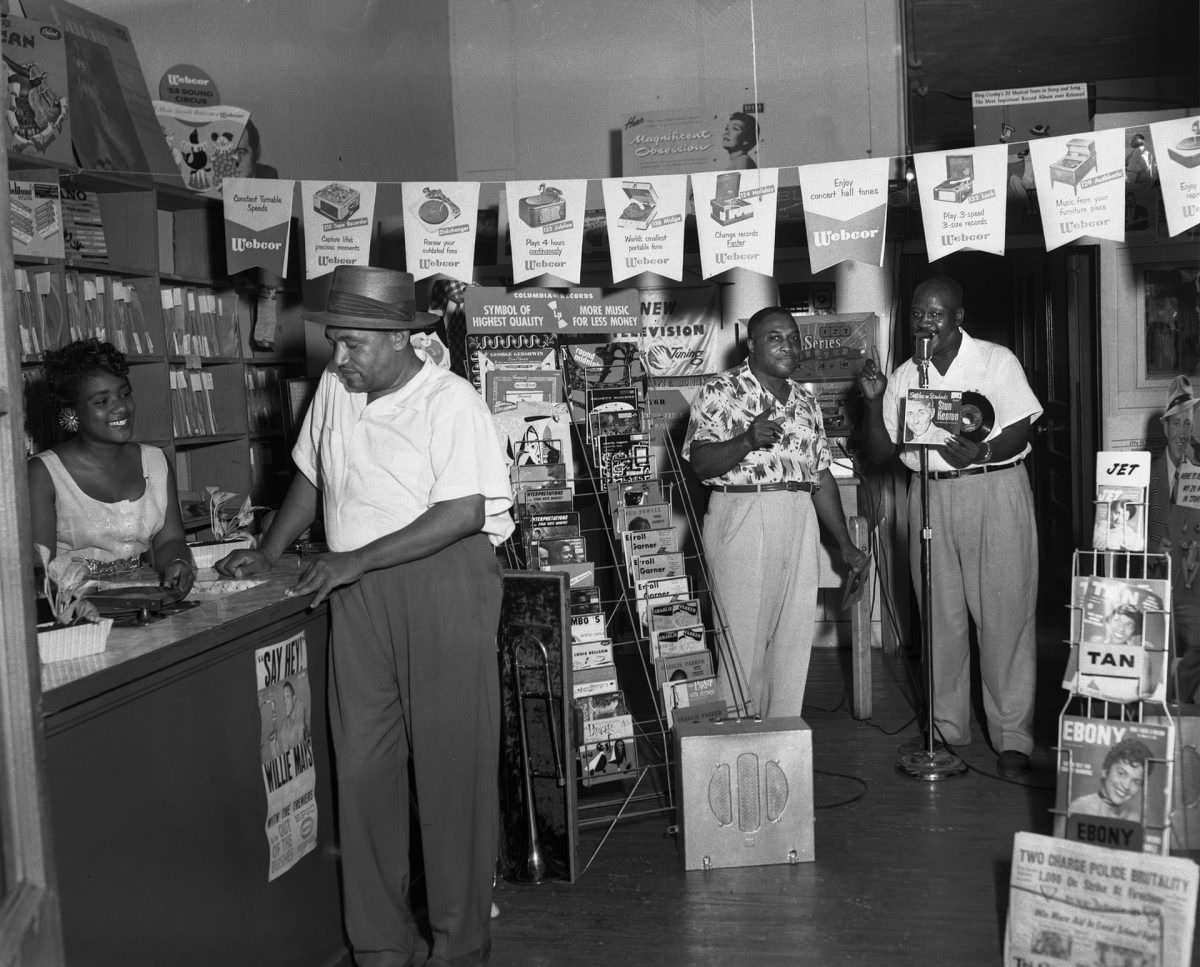
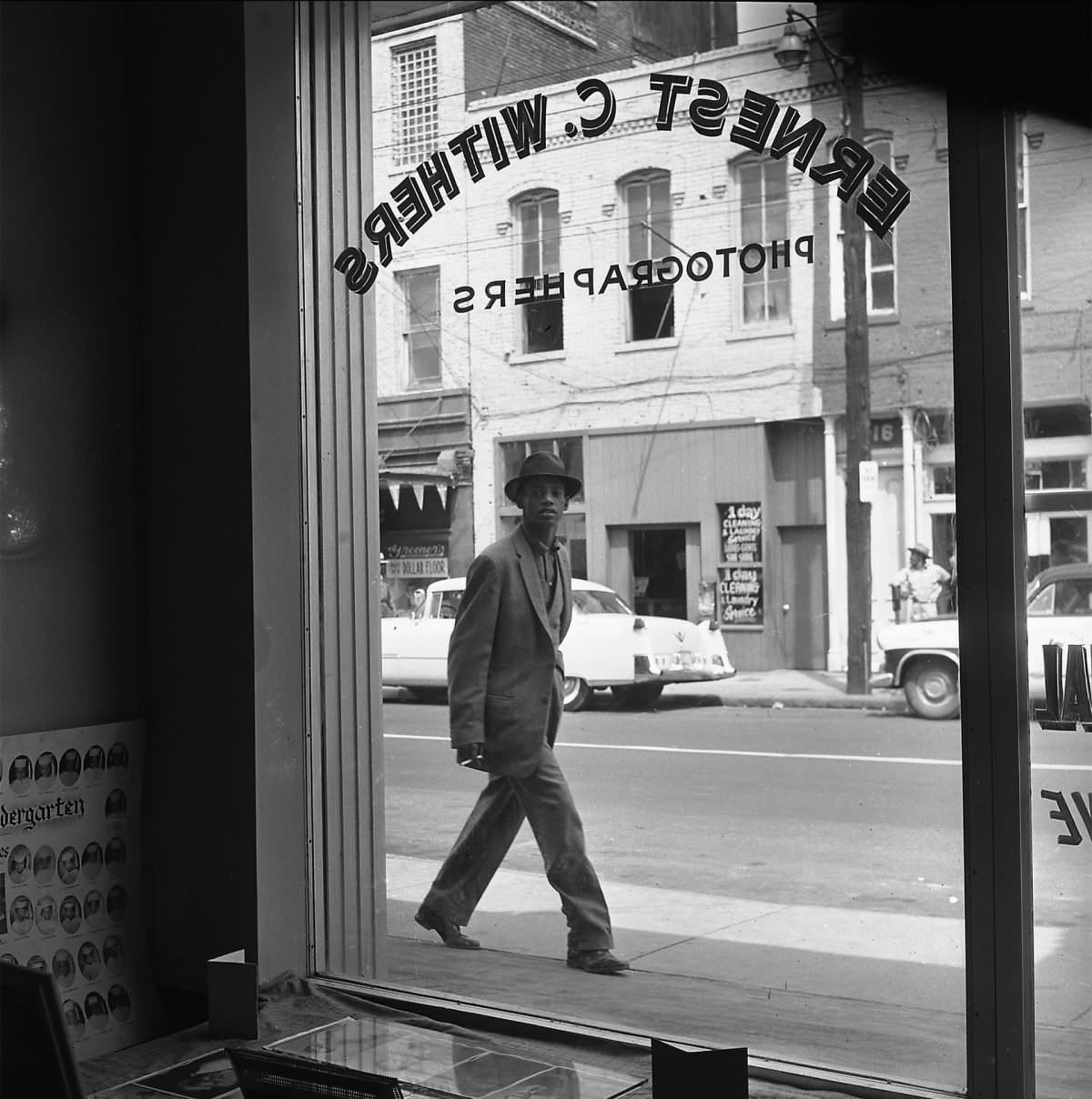
Withers had a sharp eye for moments that defined an era. His work for WDIA brought him close to the artists who shaped the Memphis sound in its earliest years. The station drew performers from across the region, and Withers was there to document them.
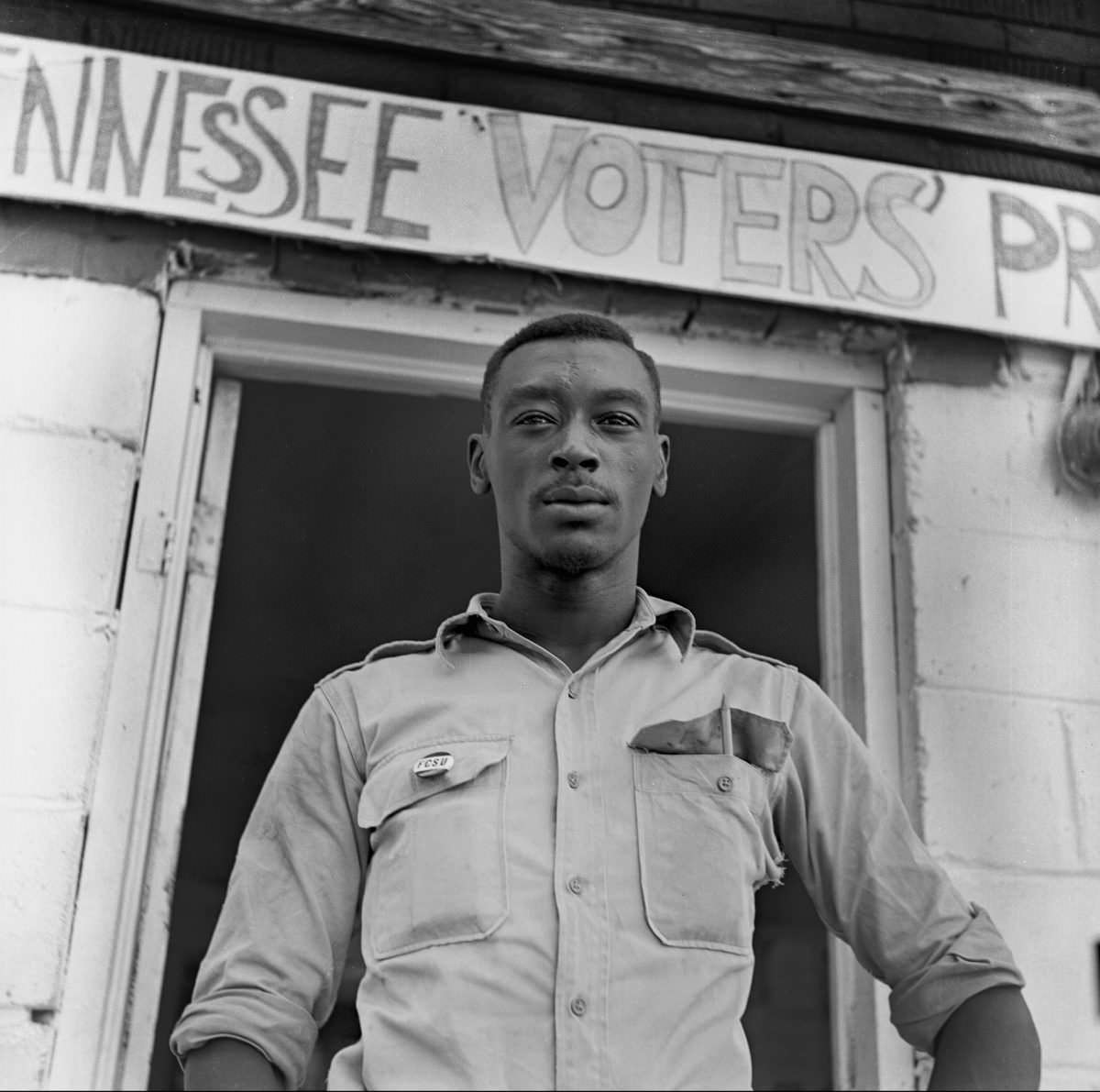
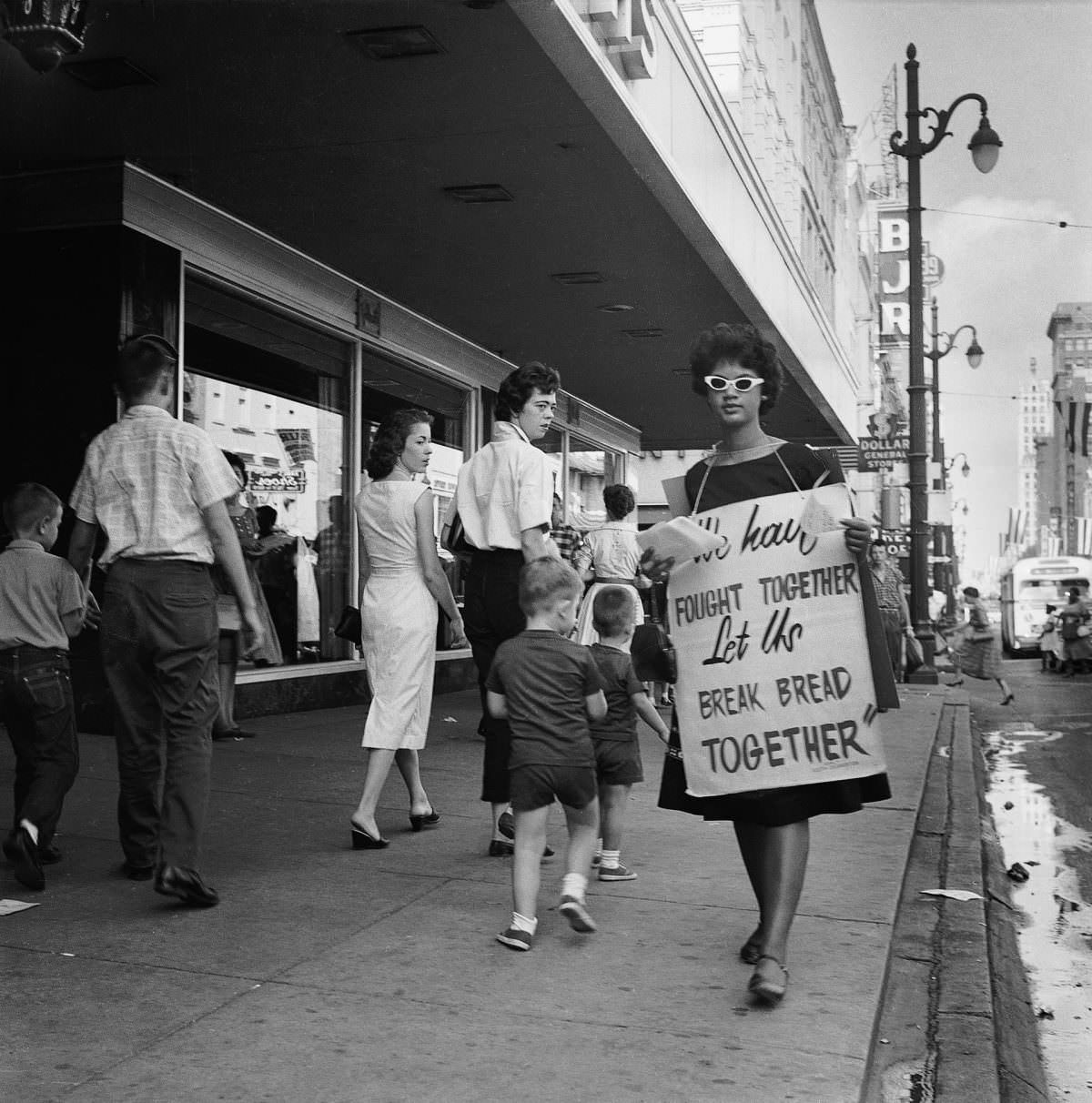
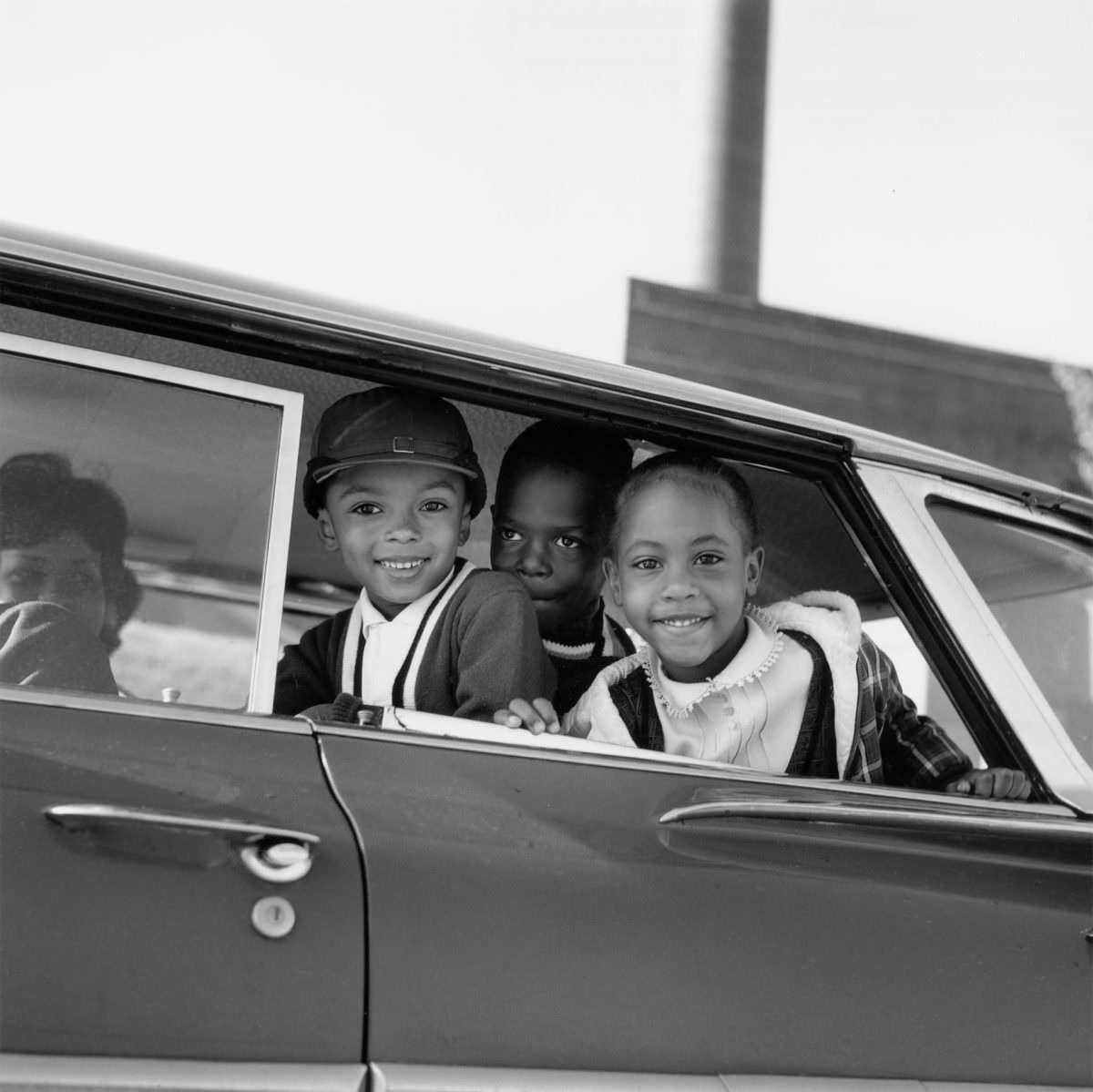
As the Civil Rights Movement gained force in the 1950s and 1960s, Withers was present at its key moments across the South. He documented voter registration drives, student-led demonstrations, and the slow, difficult push to desegregate public institutions. In 1961, he photographed the first day of school integration in Memphis, capturing children navigating a historic and tense transition.
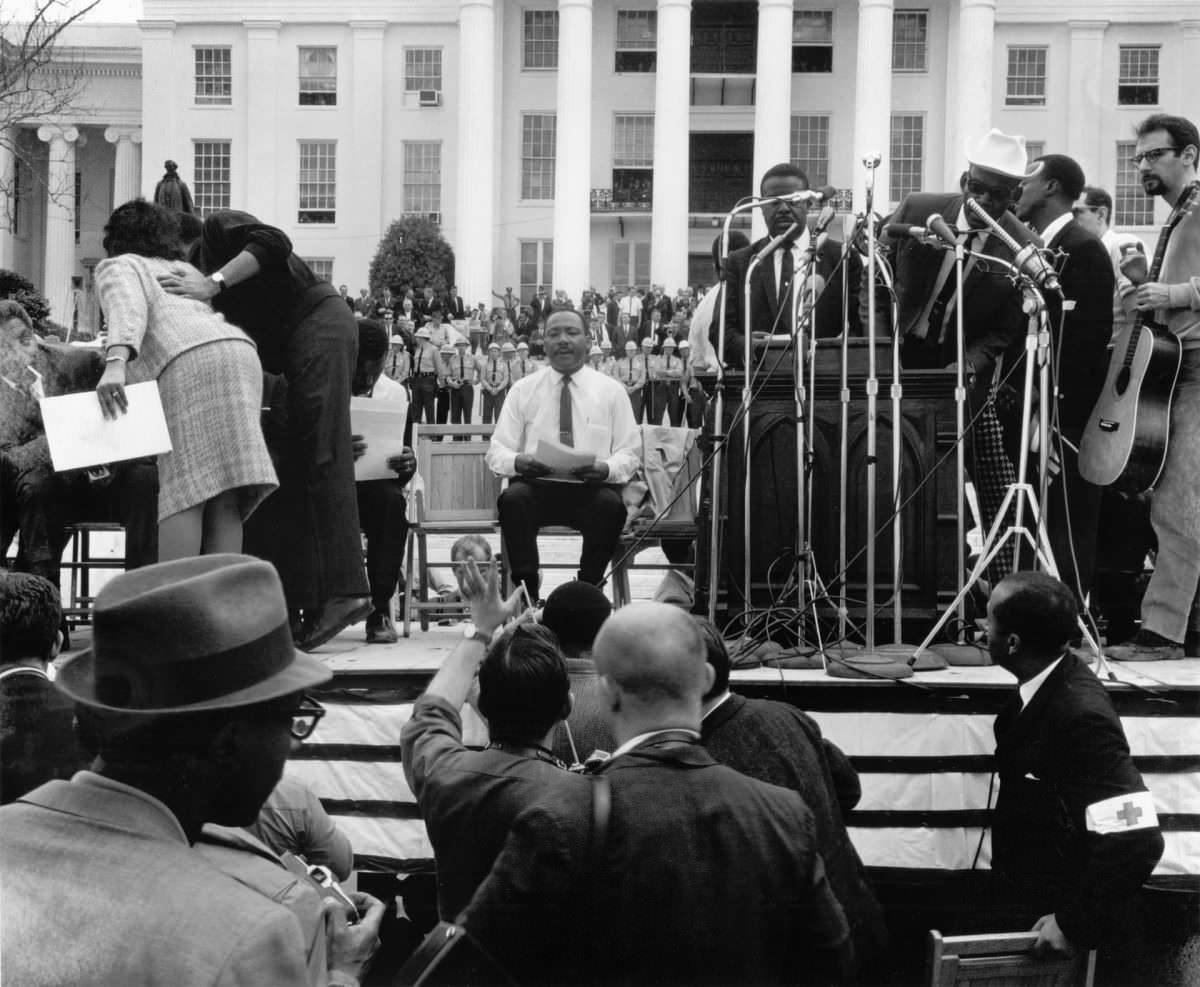
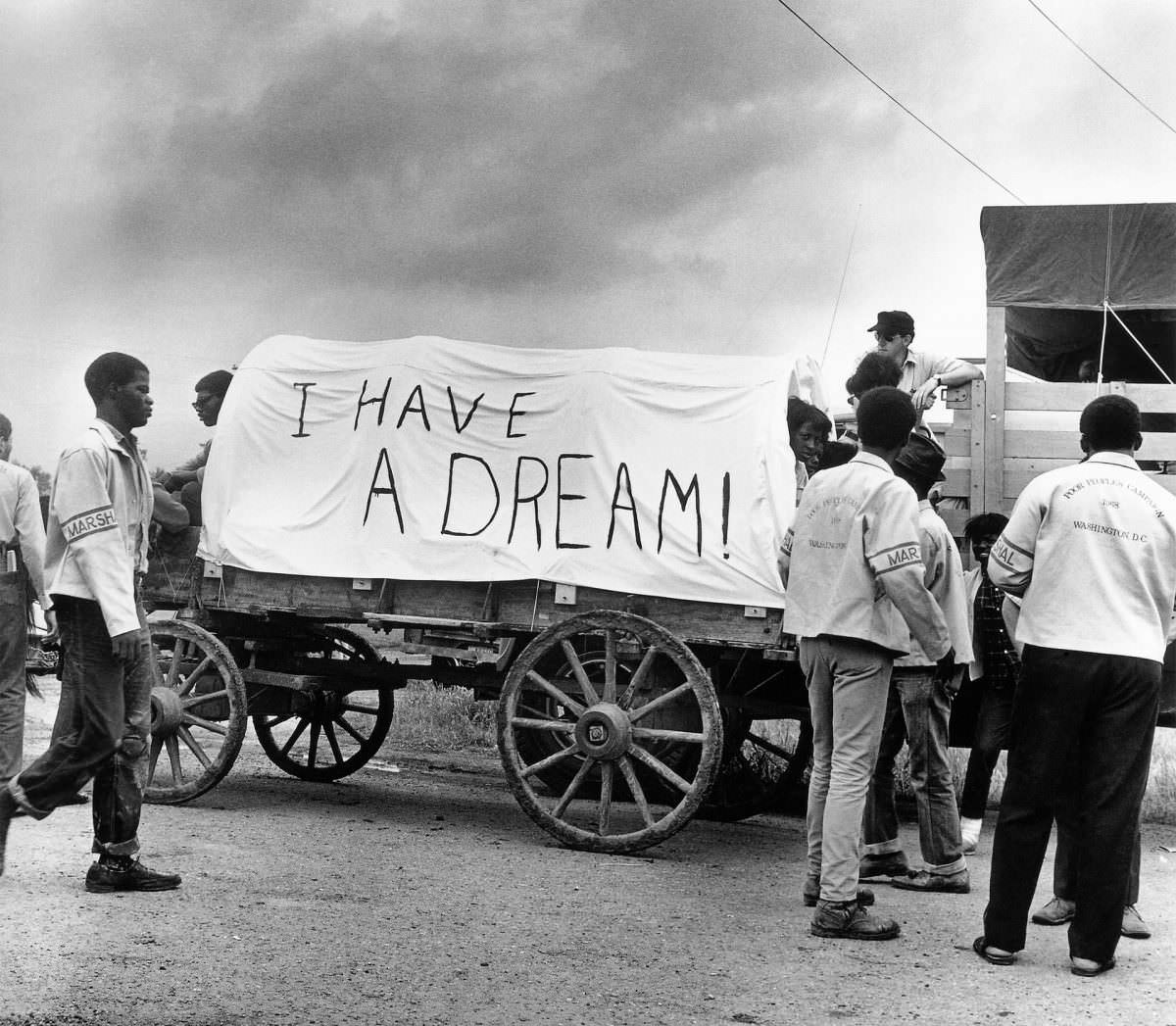
Withers followed Martin Luther King Jr. through some of the movement’s most defining events. He was present in 1965 when King led the 54-mile march from Selma to Montgomery, Alabama, and captured King waiting to speak at the Alabama Capitol. Three years later, Withers photographed the Poor People’s Campaign’s mule train as it departed Marks, Mississippi, bound for Washington, D.C.
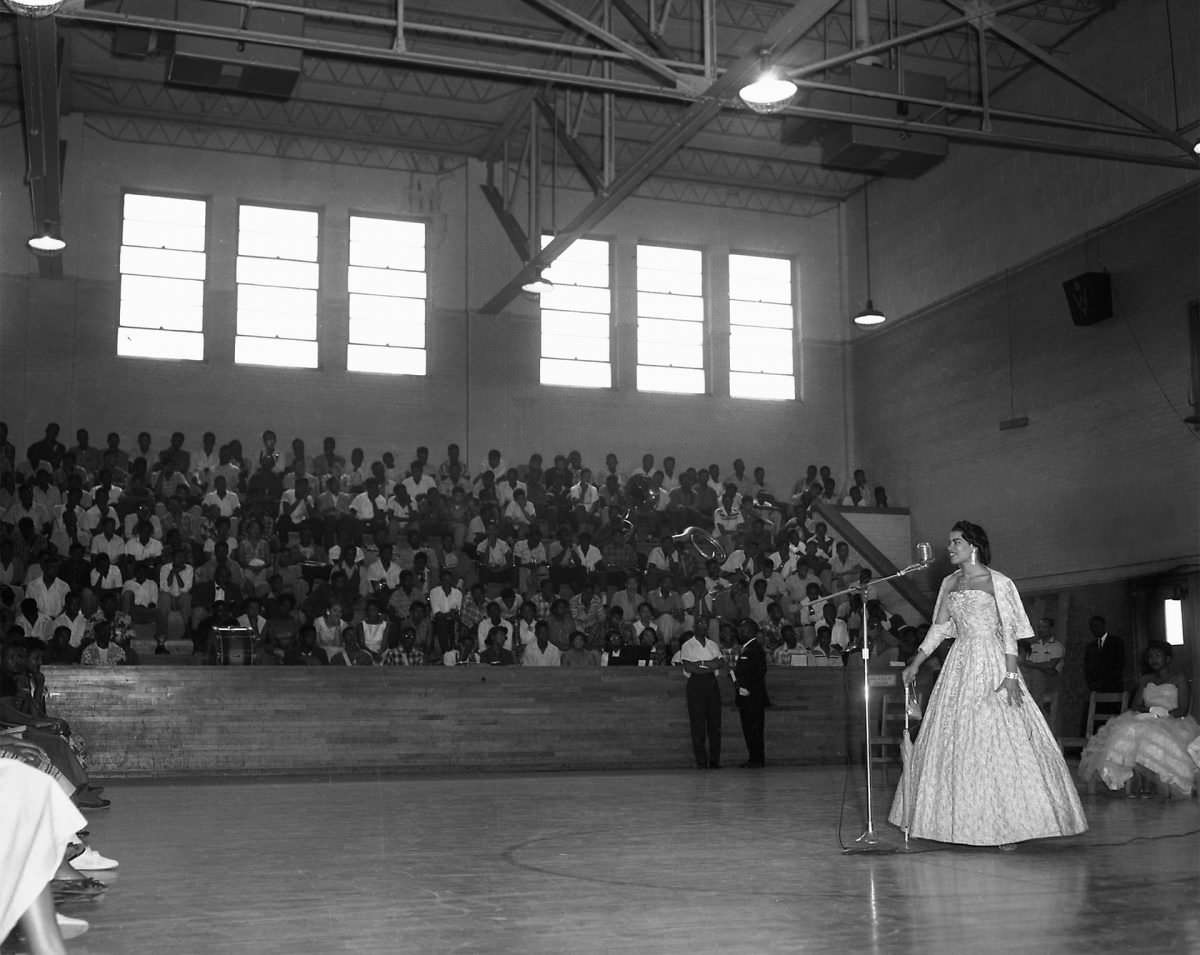
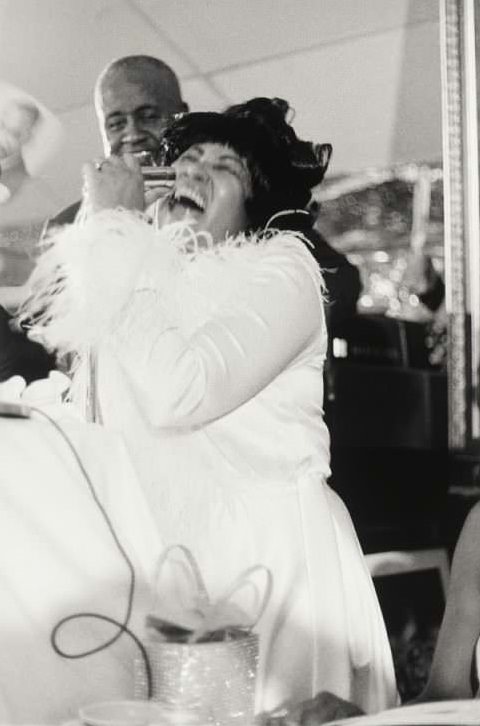
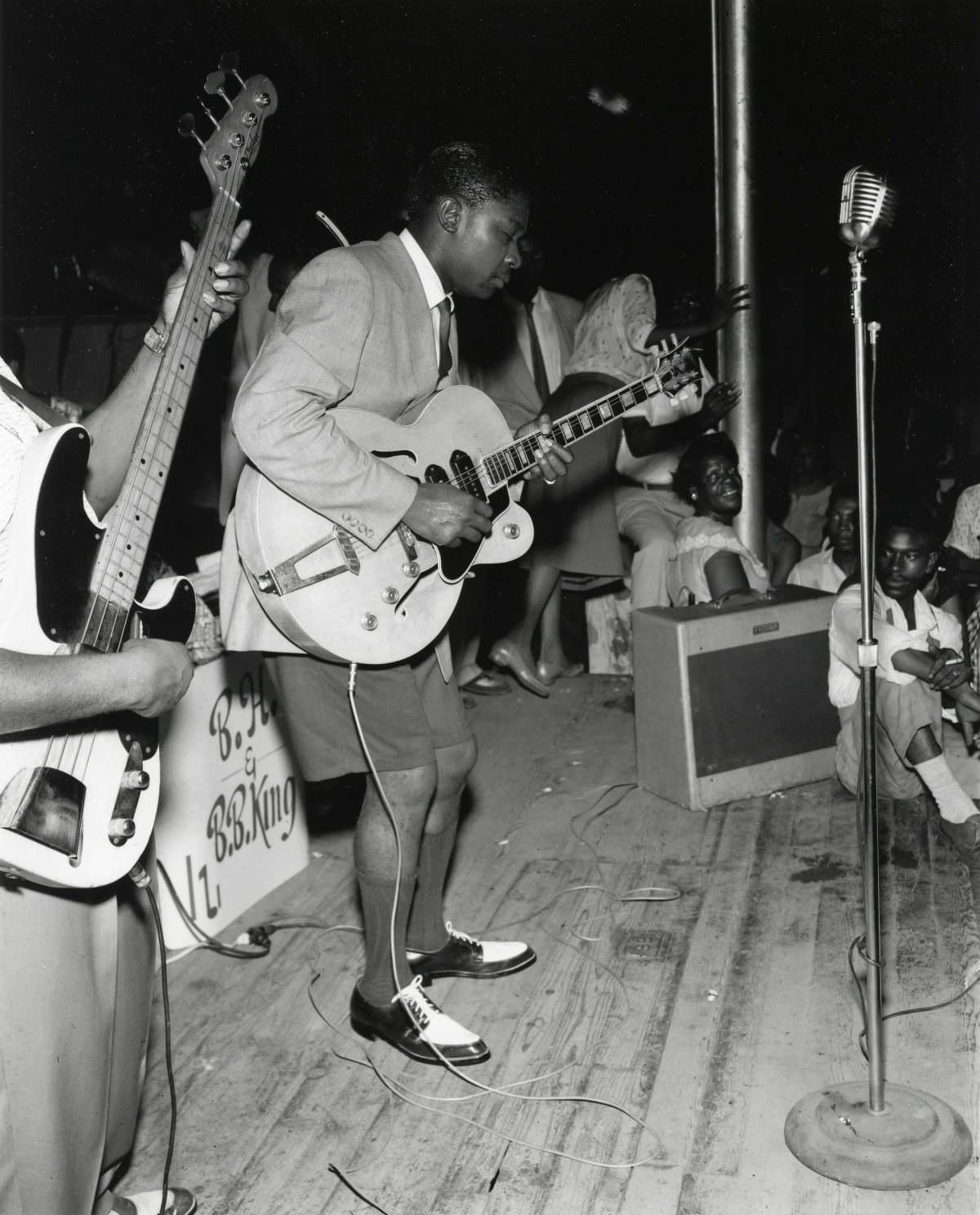
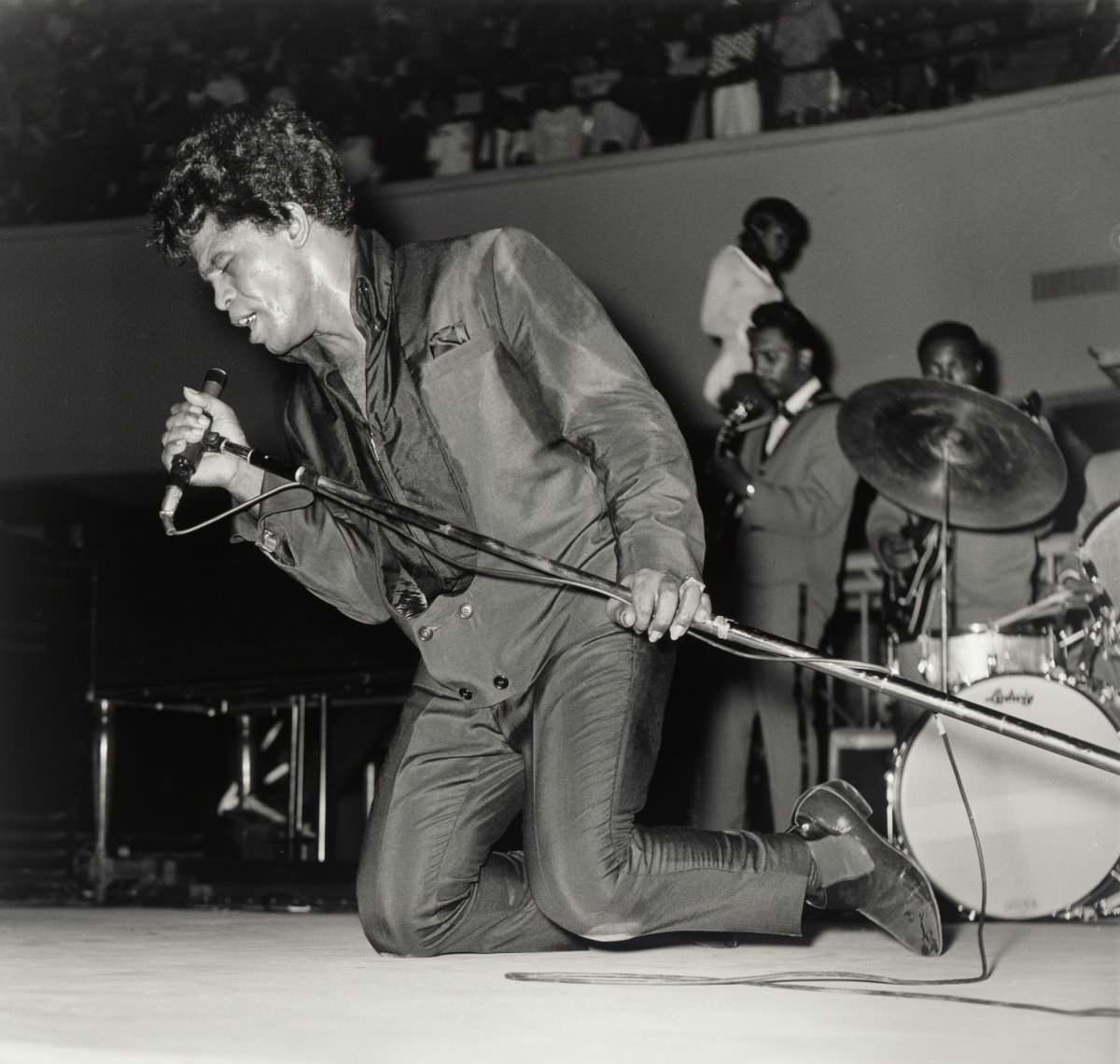
Back in Memphis, Withers documented school life, community assemblies, and the city’s vibrant music scene. Beale Street gave him direct access to performers who would become legends. He photographed BB King on stage at the Hippodrome and captured James Brown performing at the Mid-South Coliseum. Aretha Franklin also sat in front of his lens.
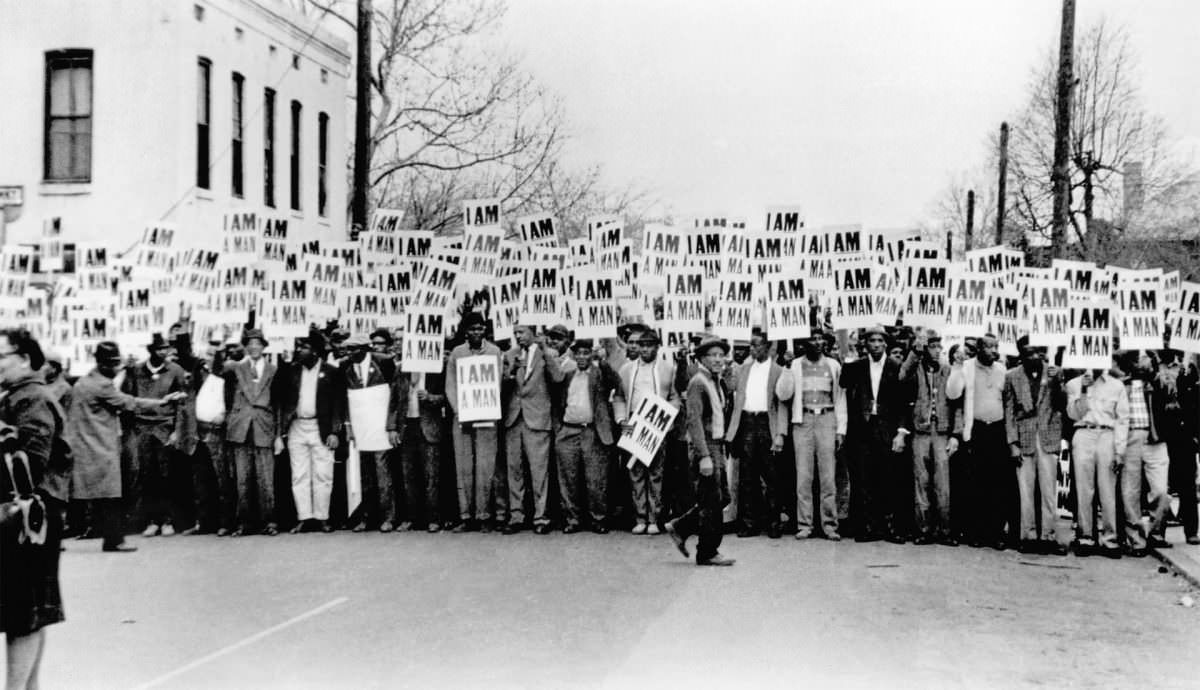
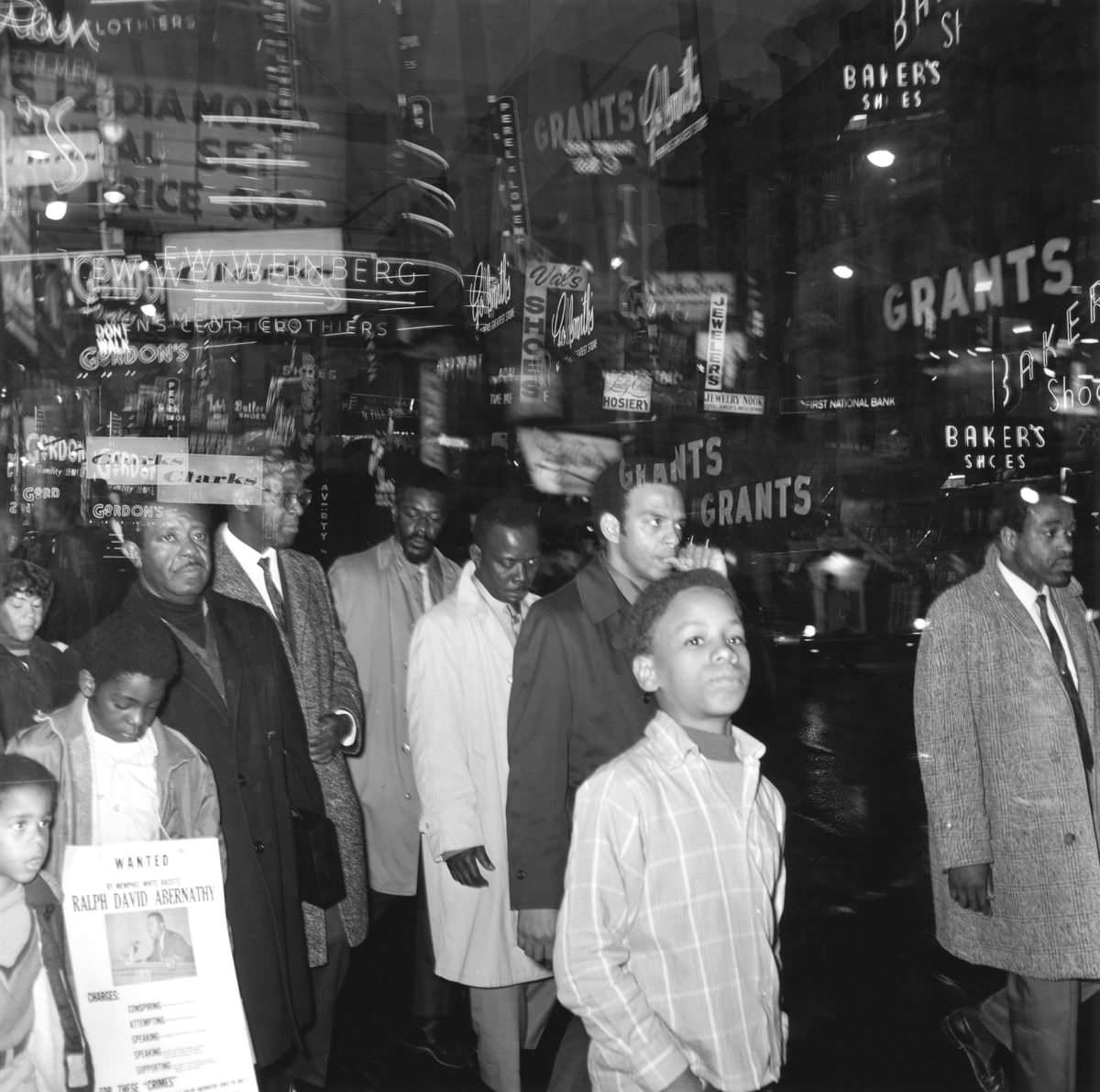
In 1968, Memphis became the center of a national crisis. Sanitation workers went on strike, marching through downtown with signs reading “I Am a Man.” Withers was there, camera in hand. That same year, Martin Luther King Jr. was assassinated in Memphis on April 4th. Withers documented the weeks surrounding King’s death, including the nighttime marches that filled the city’s streets with grief and defiance.
Years after his death in 2007, it was revealed that Withers had been a paid FBI informant during the Civil Rights era. He provided the bureau with information about the activists he photographed, including details about King and his associates. The revelation added a complicated layer to his life’s work — a man who documented a movement while simultaneously reporting on it to federal authorities.
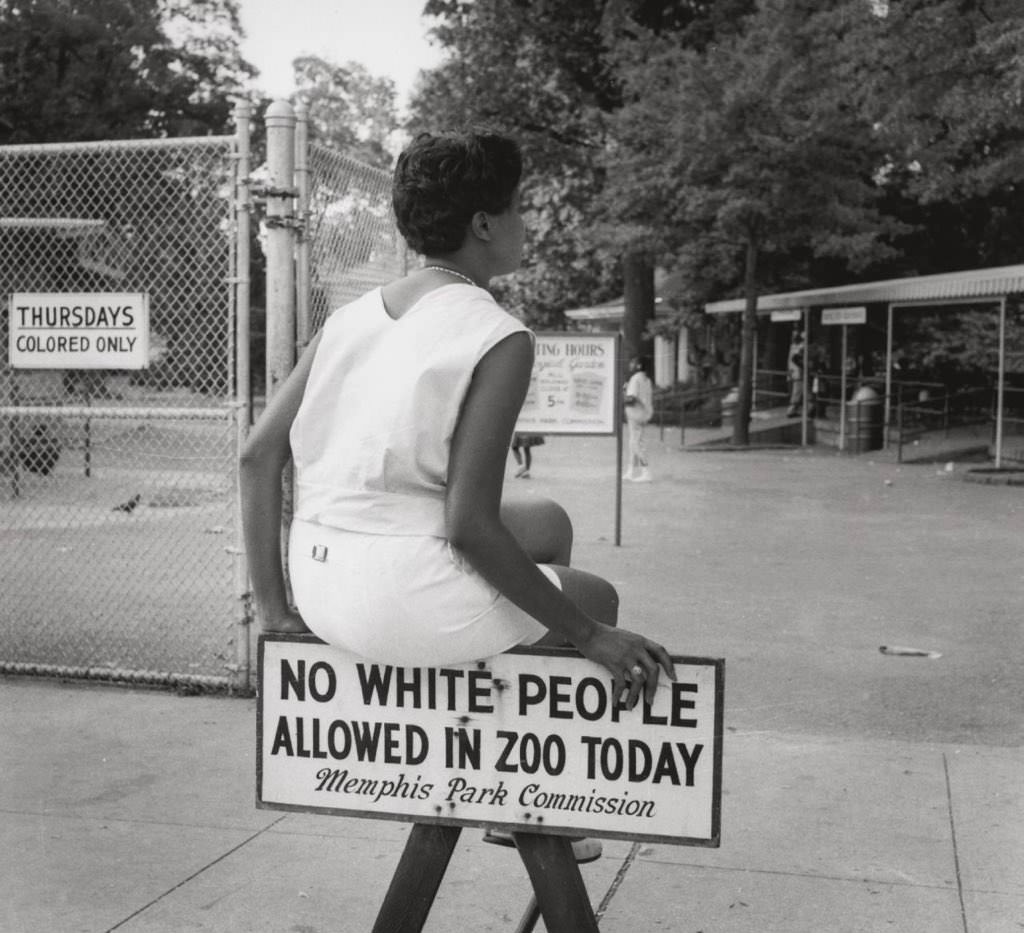
Withers once described photographers as “collectors and recorders of present evidence, which after a given length of time becomes history.” His archive of more than a million images does exactly that — it preserves the faces, streets, and struggles of Memphis across four decades of extraordinary change.



Amazing! The stuff there is exciting. I like the shots of the stage and the protests.
Stunning. I could sense the struggle of African Americans and the pride of being such during such a difficult time. It is near impossible to thank you enough, Withers, sir, but I truly appreciate you
The FBI paid Ernest Withers to follow Martin Luther King Jr.
At the time, the federal government called him a Communist: https://www.bbc.com/news/world-us-canada-41871956
I appreciate you sharing this blog post. Thanks Again. Cool.
Keep up the coolest work.
I like the efforts you have put in this, regards for all the great content.
Fabulous photos