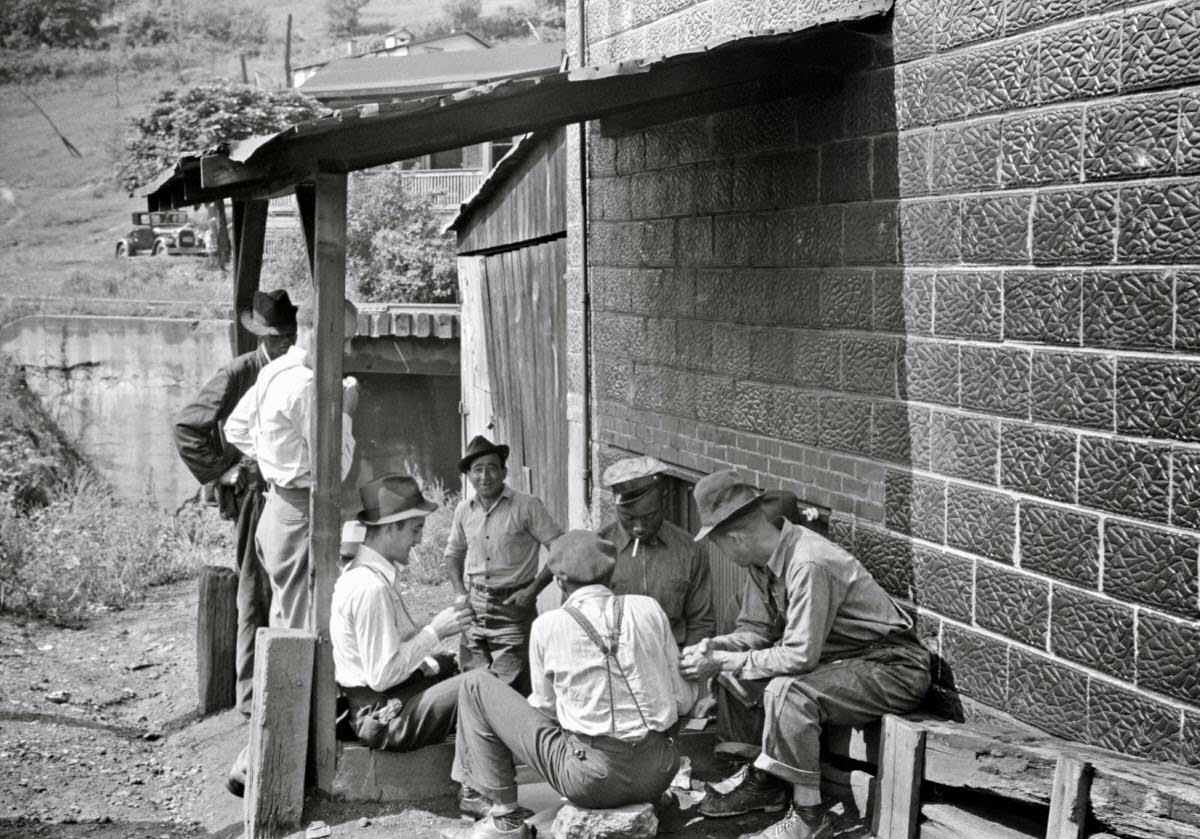
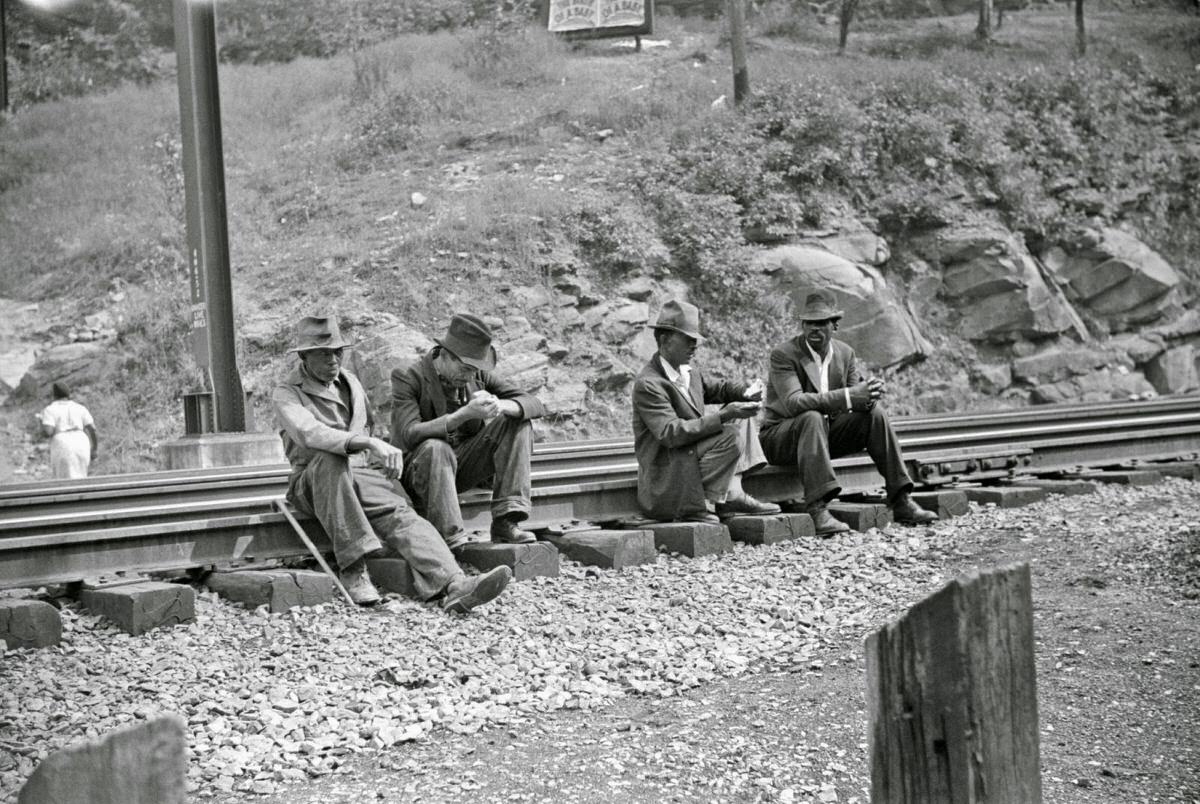
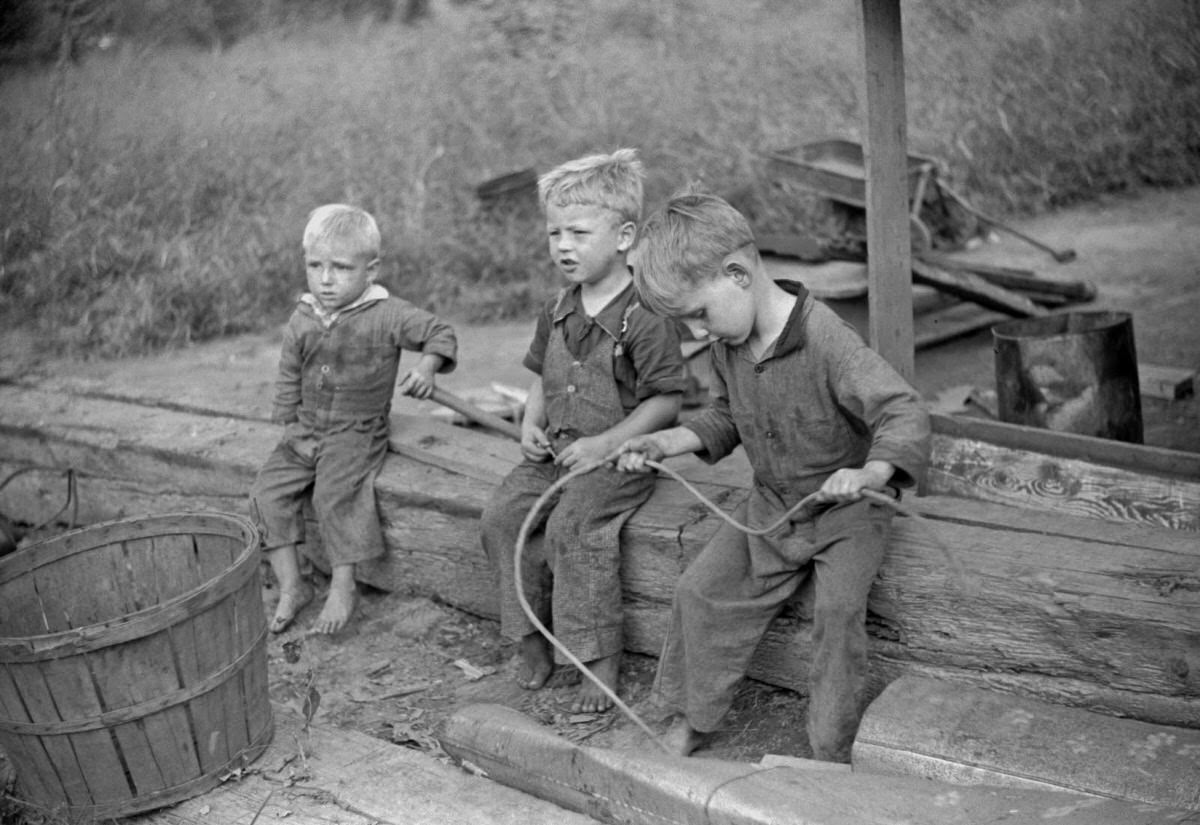
In the 1930s, West Virginia’s mountain hollows were lined with coal towns owned entirely by mining companies. Companies built rows of identical wooden shacks along the hillsides. The walls were thin, plumbing was nonexistent, and rent was deducted straight from a miner’s paycheck before he ever touched his wages.
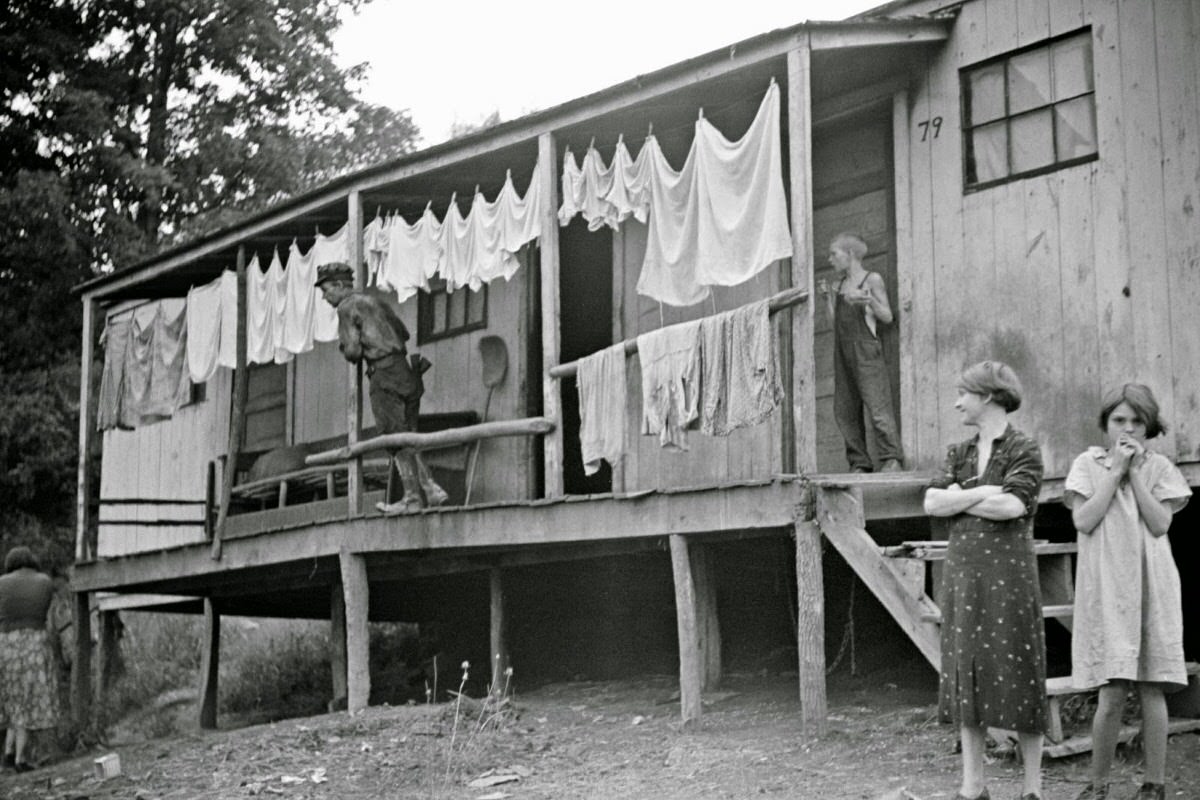
Miners were often paid in “scrip” — private currency usable only at the company store. Prices there ran far higher than in outside towns, and families had no other way to buy groceries, clothing, or mining tools. Many ended each month deeper in debt than when it started.
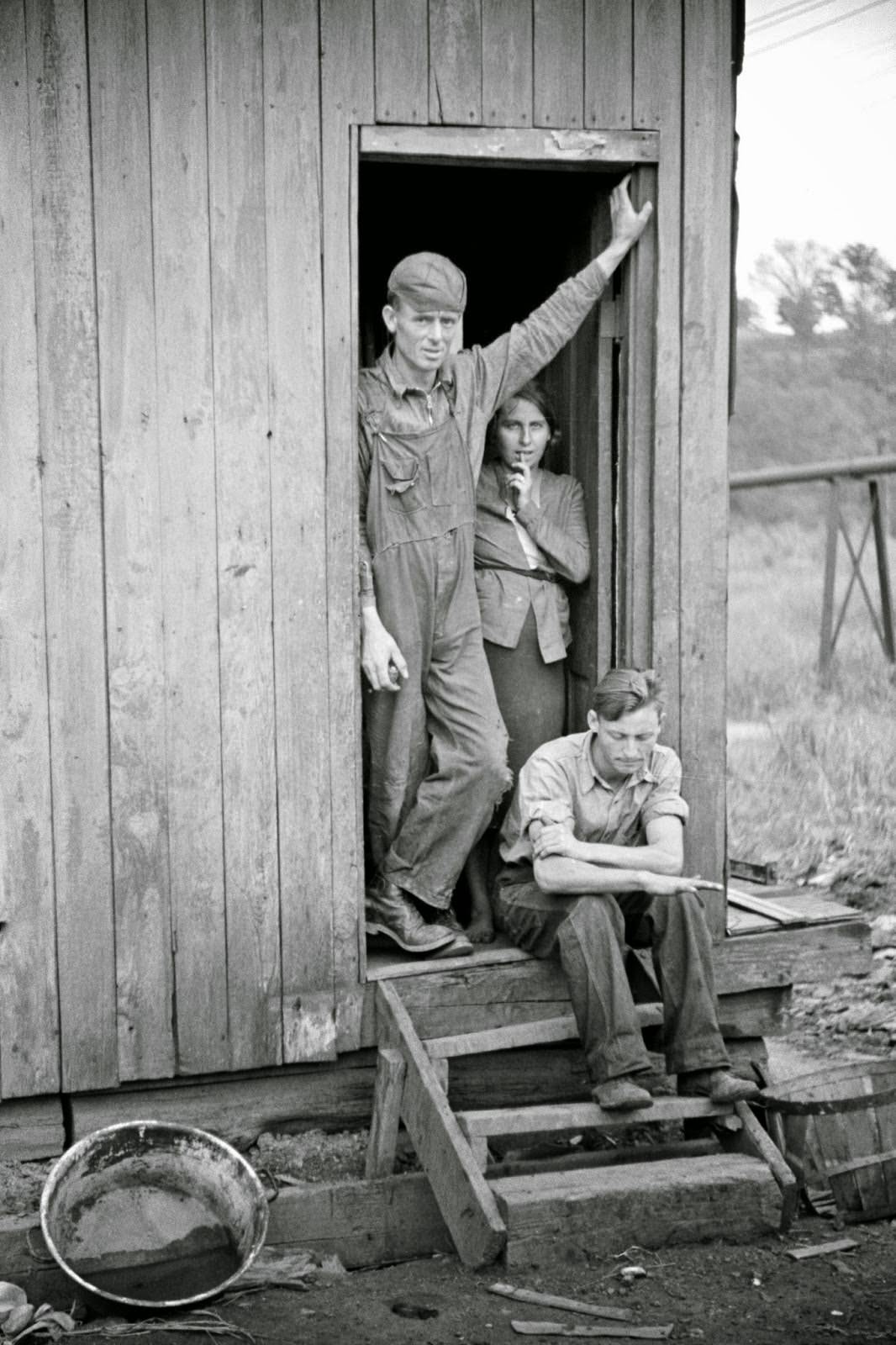
Inside the mines, men worked ten to twelve hours a day in narrow, dark tunnels. They loaded tons of coal by hand using pickaxes and shovels. Coal dust filled the air constantly, causing chronic lung disease. Explosions and cave-ins were real dangers on every single shift.
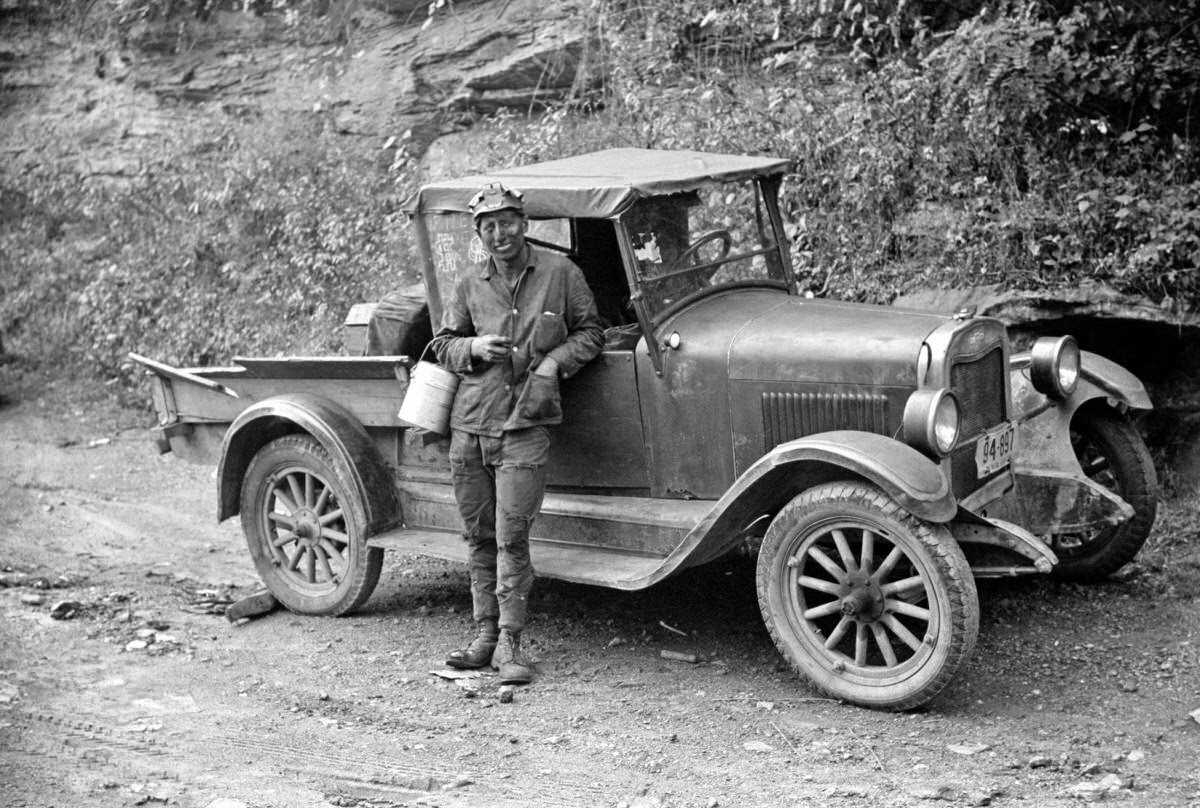
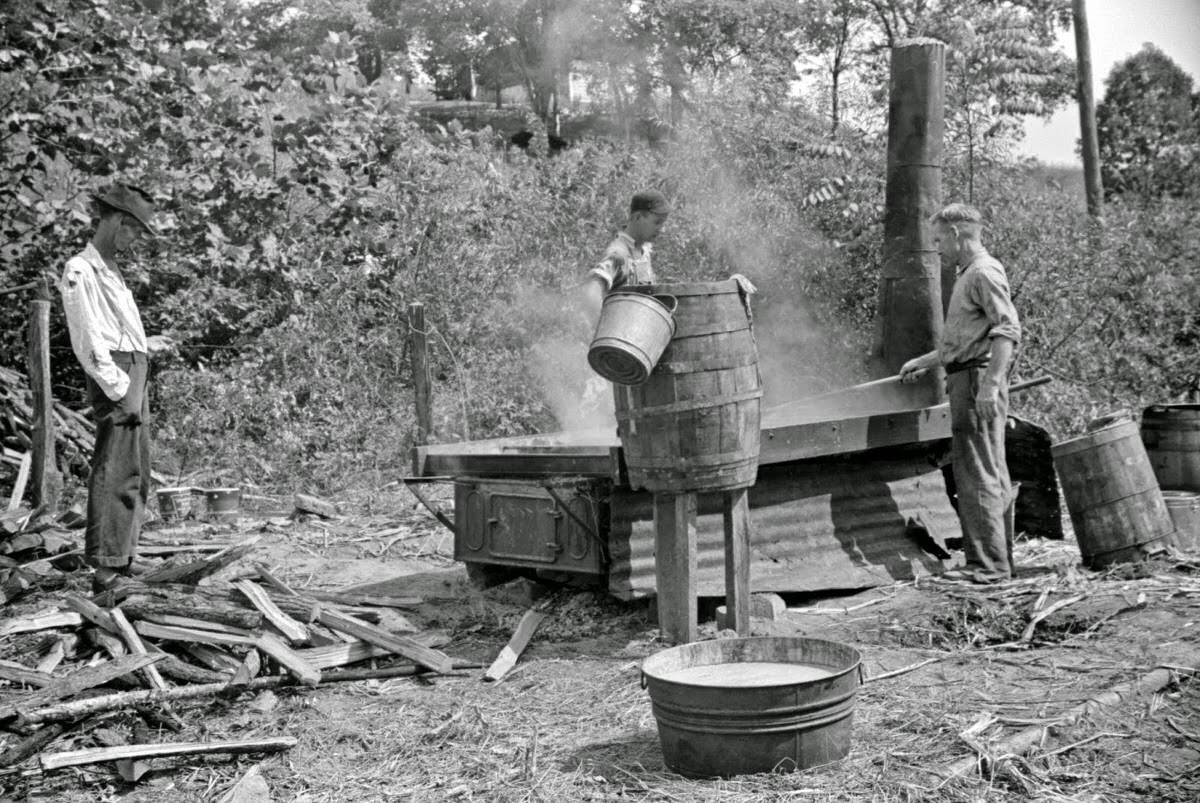
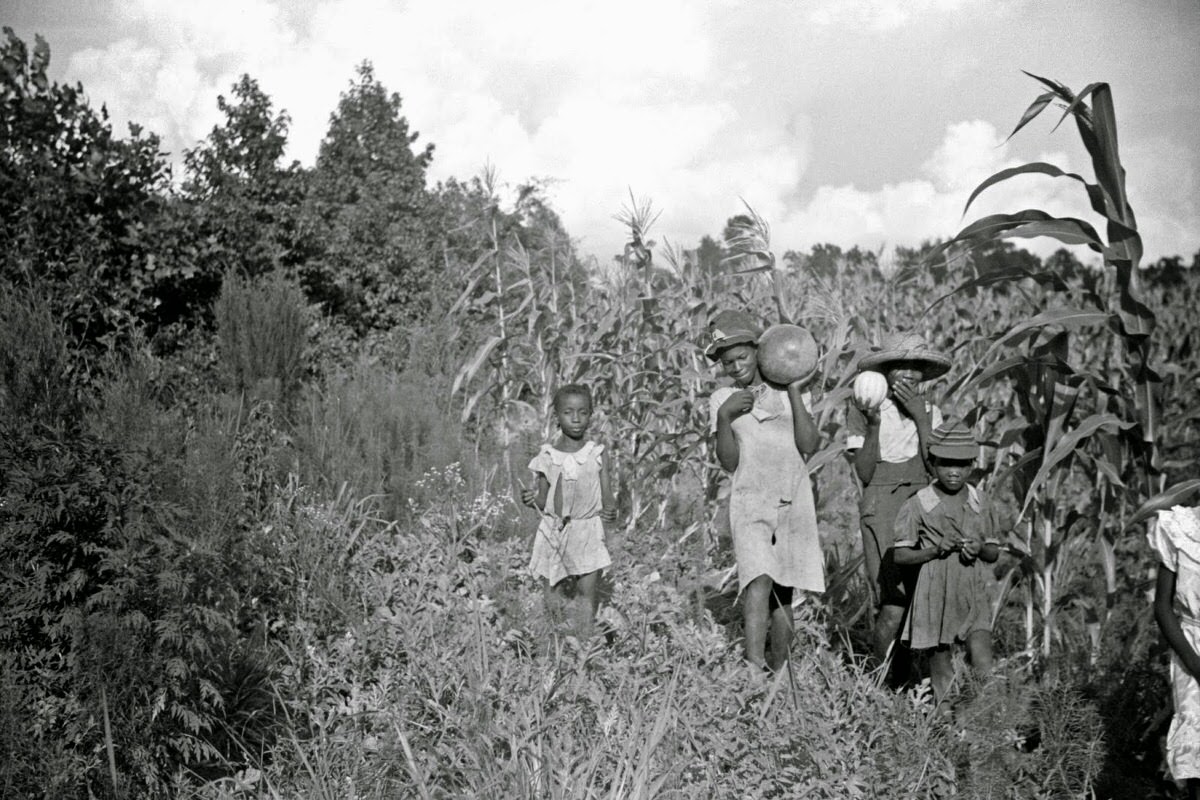
Families found every way they could to stretch resources. Women kept gardens and raised livestock to fill the gaps left by the overpriced company store. Some families supplemented their diet by boiling homegrown crops into staples like sorghum molasses.
Children carried water from communal pumps and gathered loose coal scraps to heat the stove. Every hand in the household was put to work.
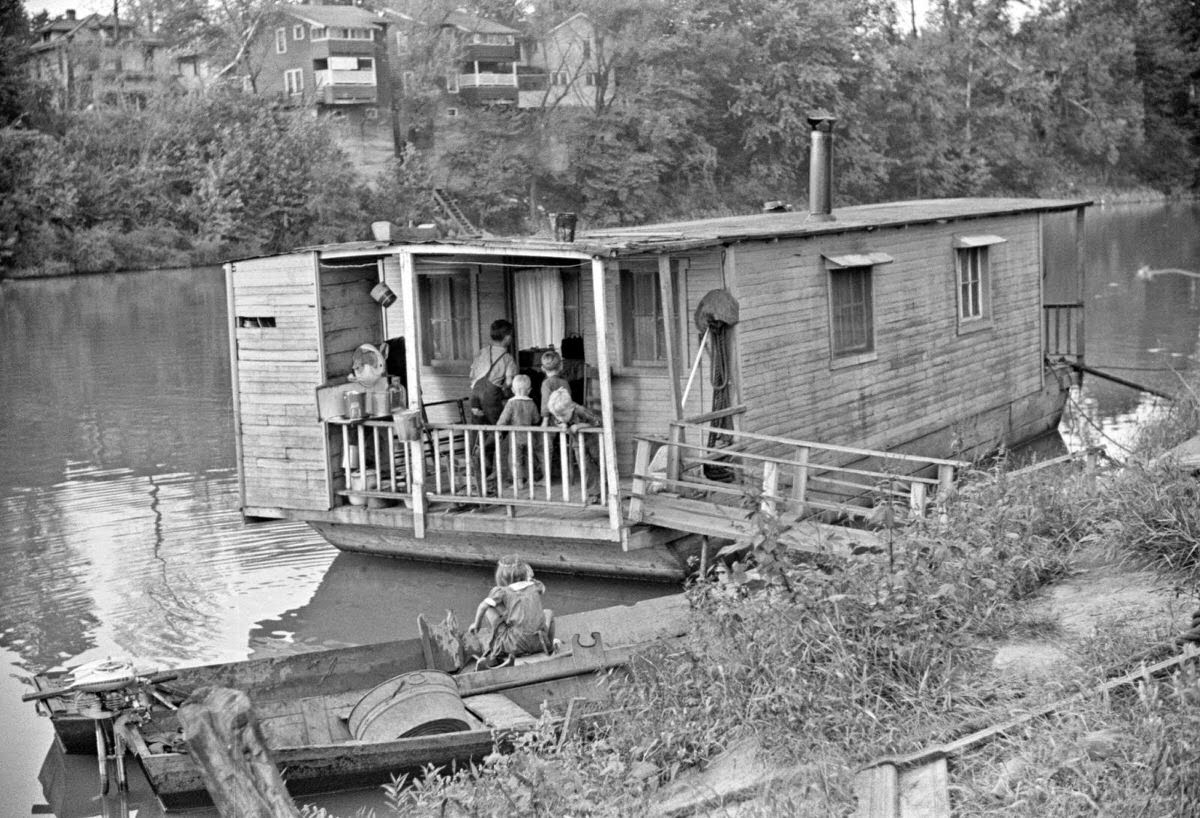
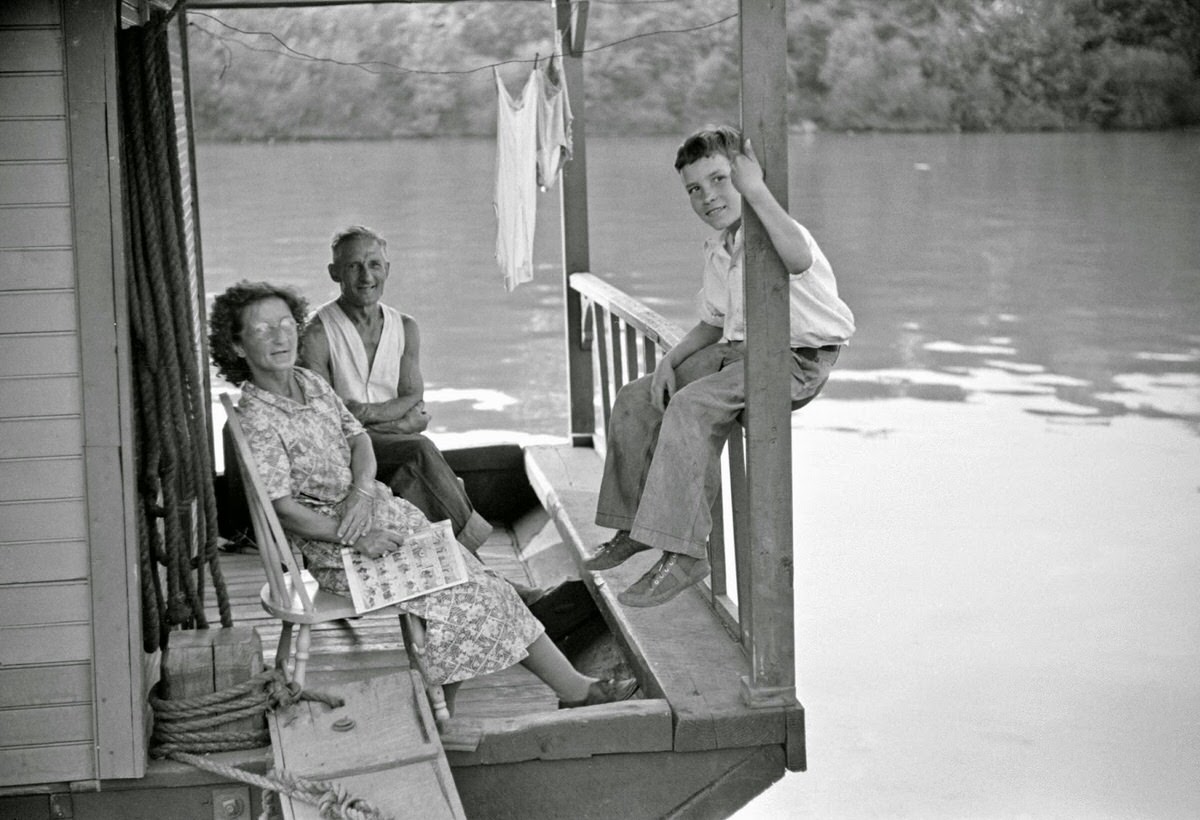
Not all mining-region families lived in company housing. Some settled on the rivers, living aboard houseboats that drifted along the waterways of Appalachia.
In the rare moments away from work and chores, men gathered in town. Small pleasures — a card game, idle conversation — offered brief relief from the grind.