Shirley Temple was born on April 23, 1928, in Santa Monica, California. Her mother spotted her talent almost immediately. By the time Shirley was three years old, she was already enrolled in dance classes. Teachers quickly noticed her natural sense of rhythm and her total ease in front of an audience. A talent scout discovered her during one of those lessons, and her career began almost at once.
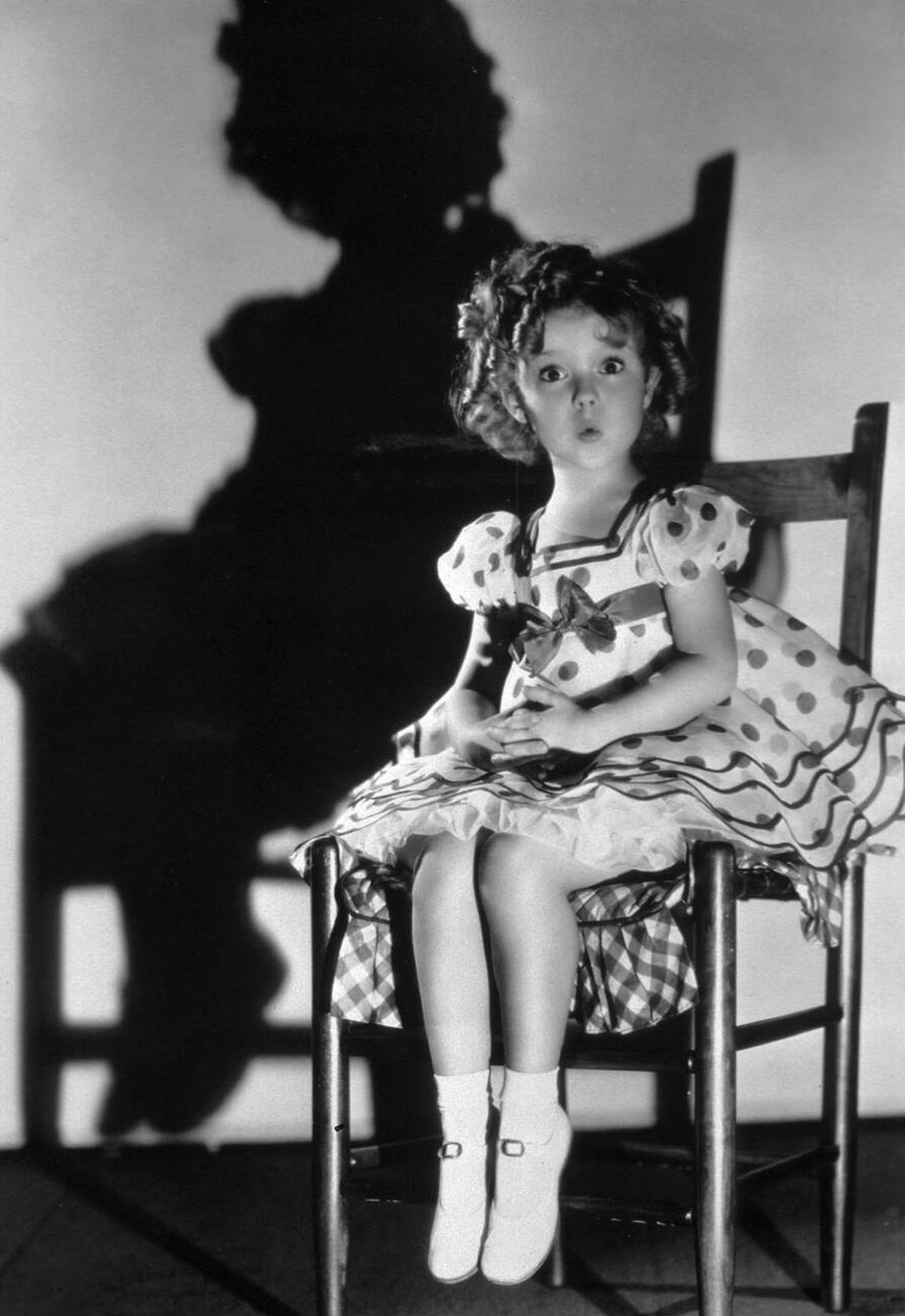
Her first appearances were in a series of short films called “Baby Burlesks.” These used young children to parody popular adult movies. Even as a toddler, Temple stood out for her precise timing and expressive face. Major studios took notice, and by 1934 she had moved into full-length features.
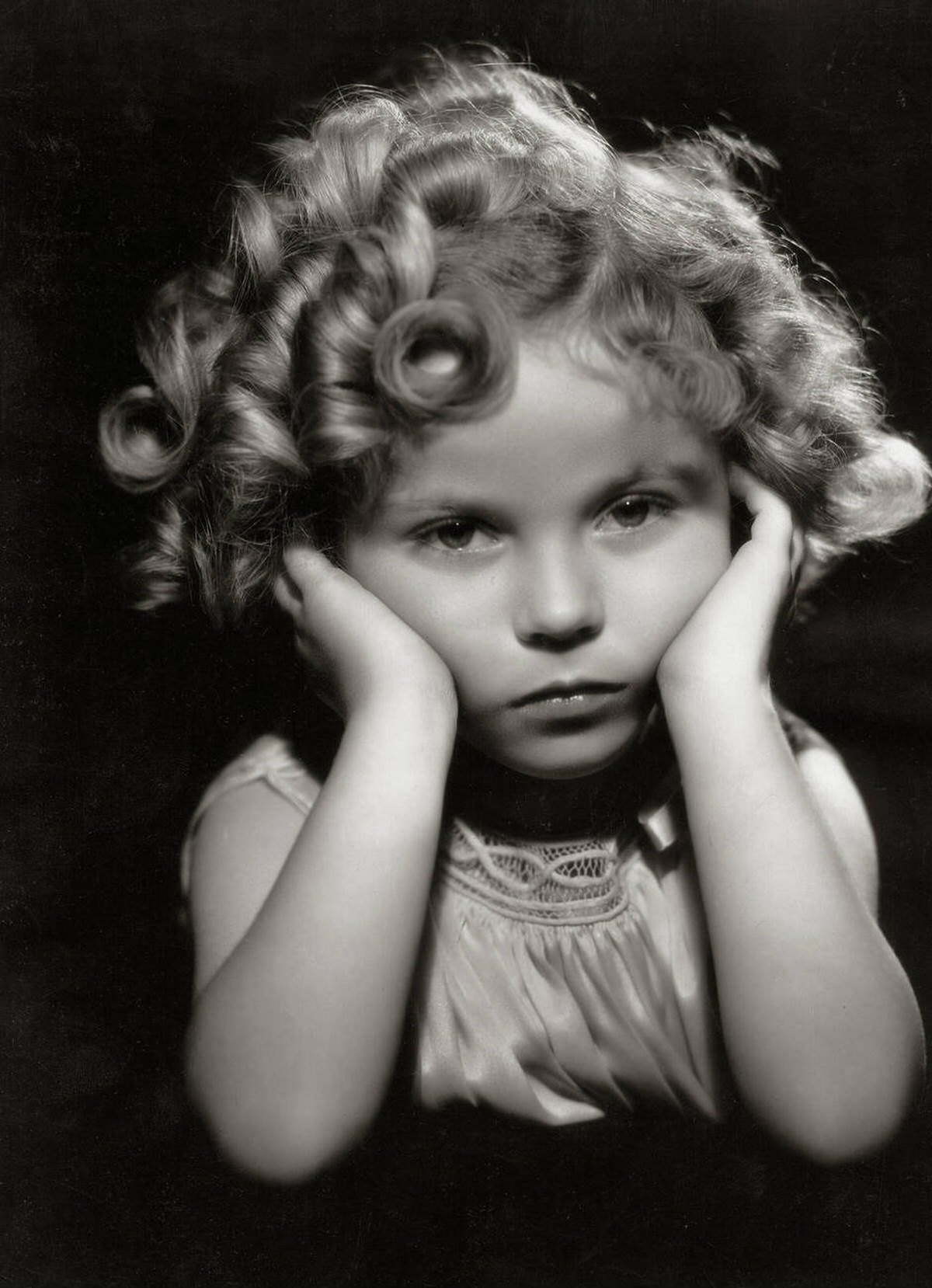
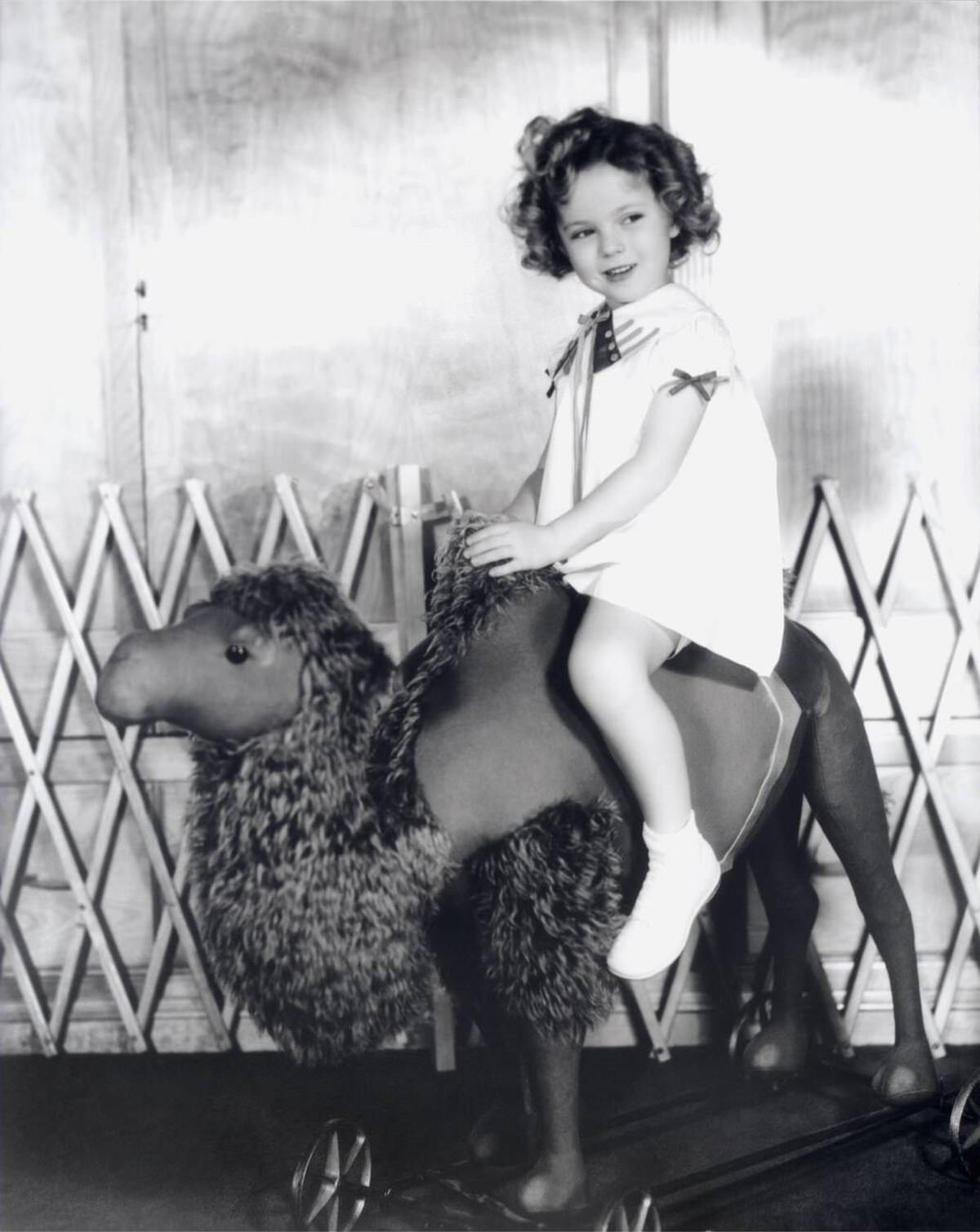
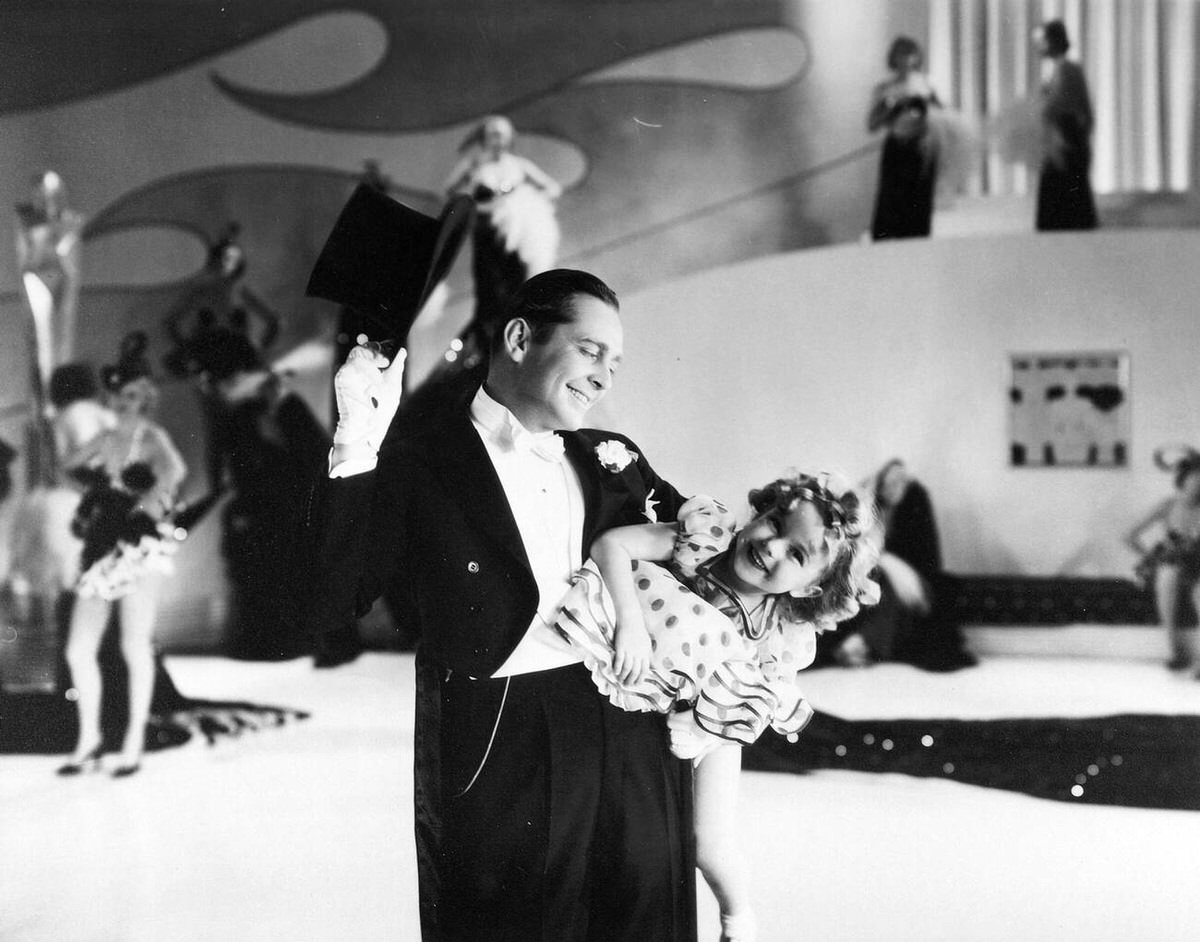
In 1934, Temple appeared in Stand Up and Cheer!, performing the musical number “Baby Take a Bow” alongside actor James Dunn. Audiences were immediately captivated. Studio executives recognized she possessed a rare quality — the kind of star power that had nothing to do with age.
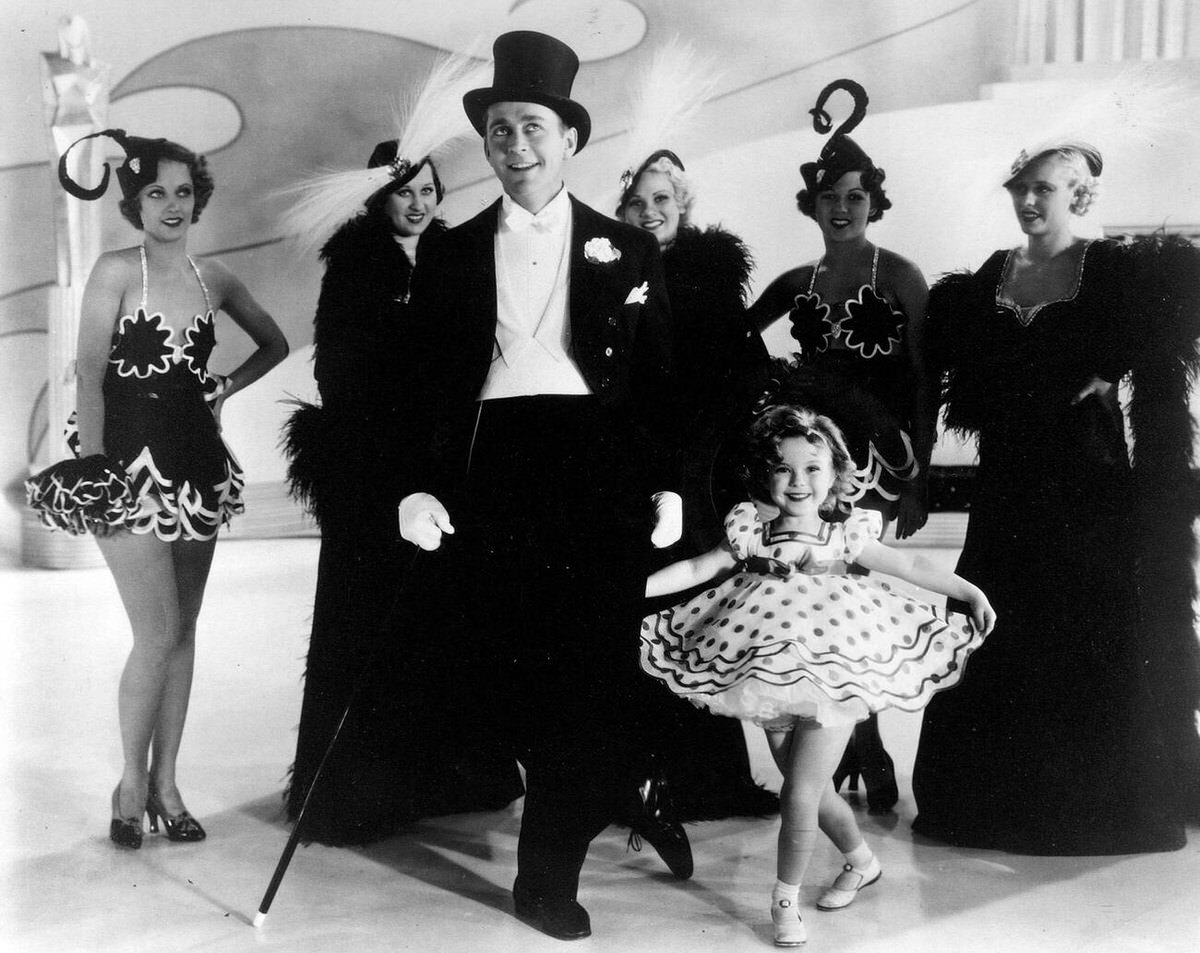
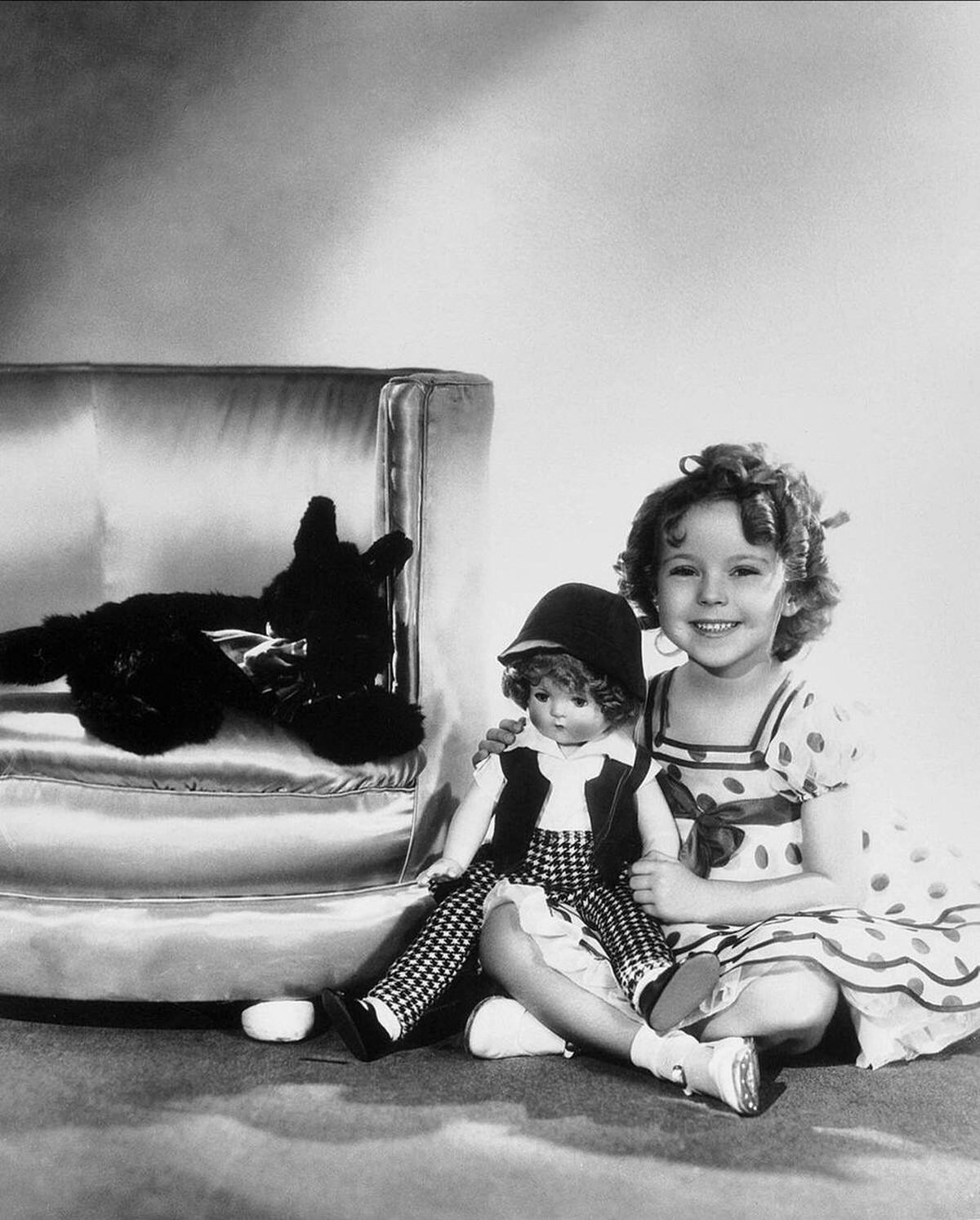
That same year, she starred in Bright Eyes, which featured her signature song “On the Good Ship Lollipop.” The scene showed Temple singing and dancing aboard an airplane while dressed in a pilot’s outfit. The performance became one of the most recognized moments in 1930s cinema.
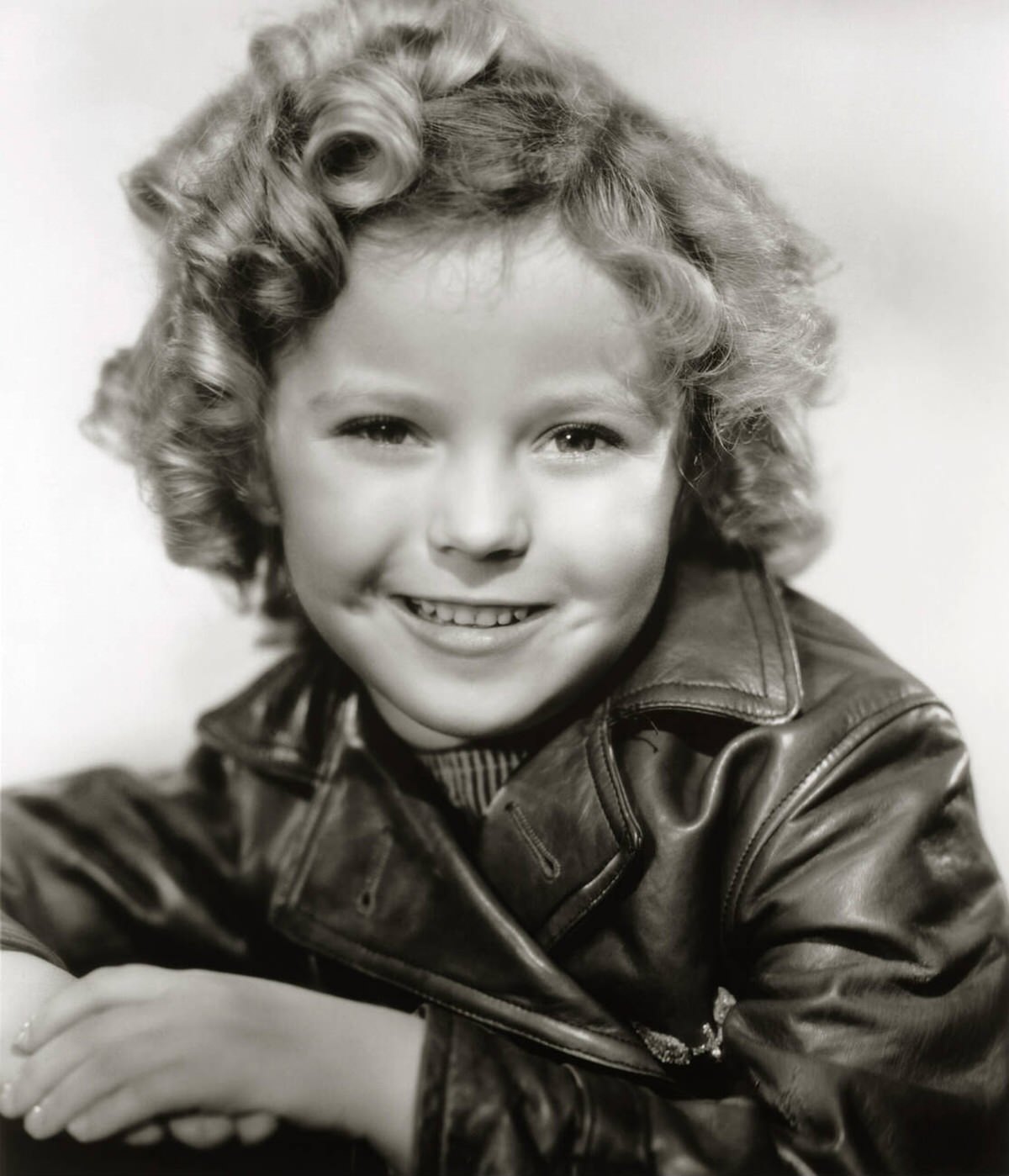
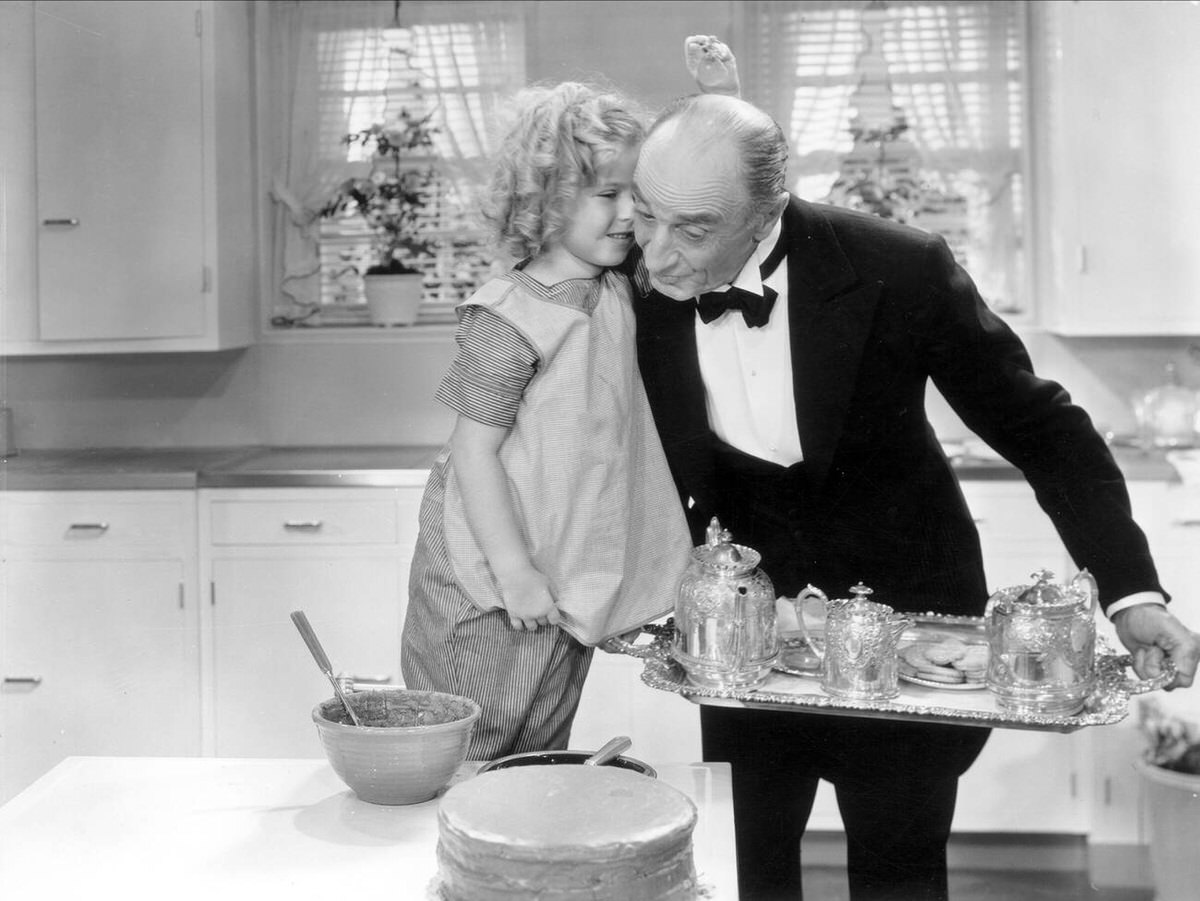
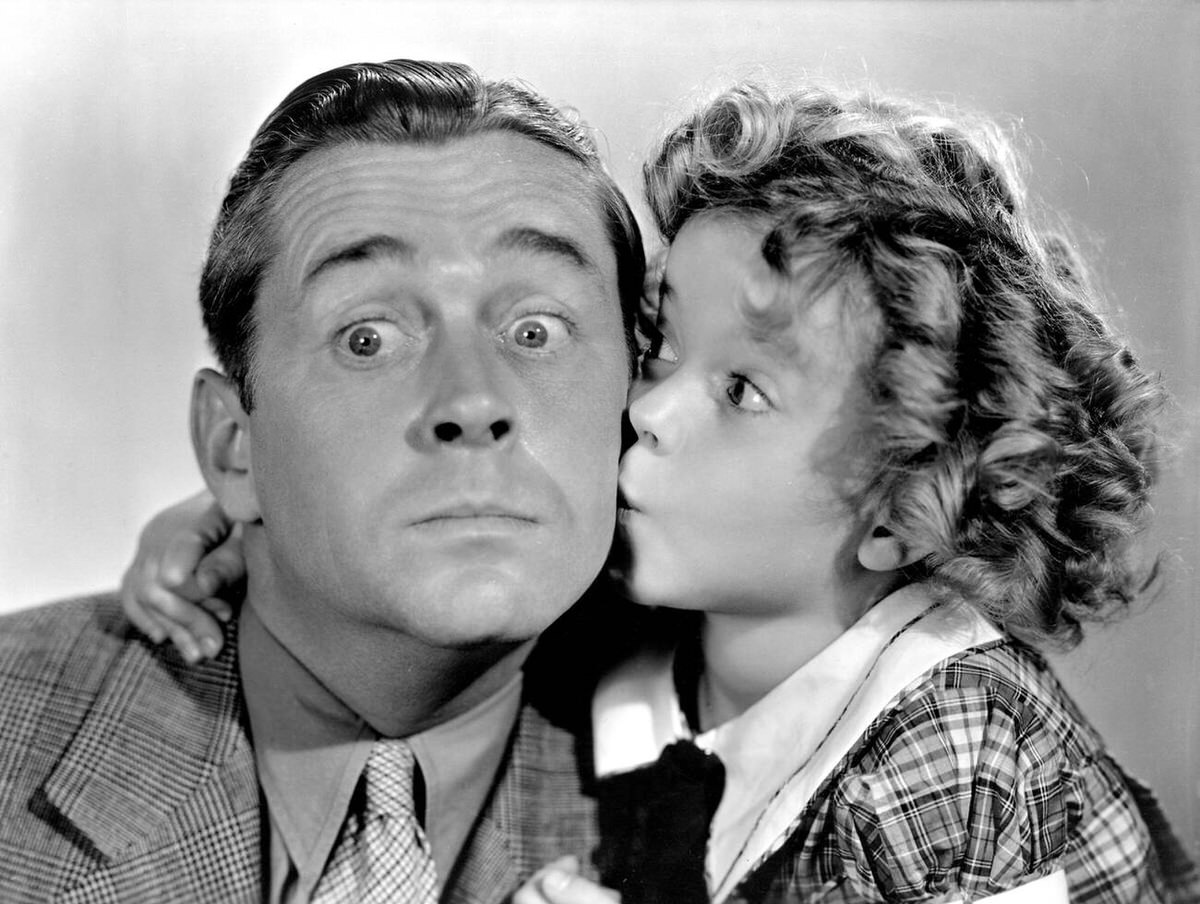
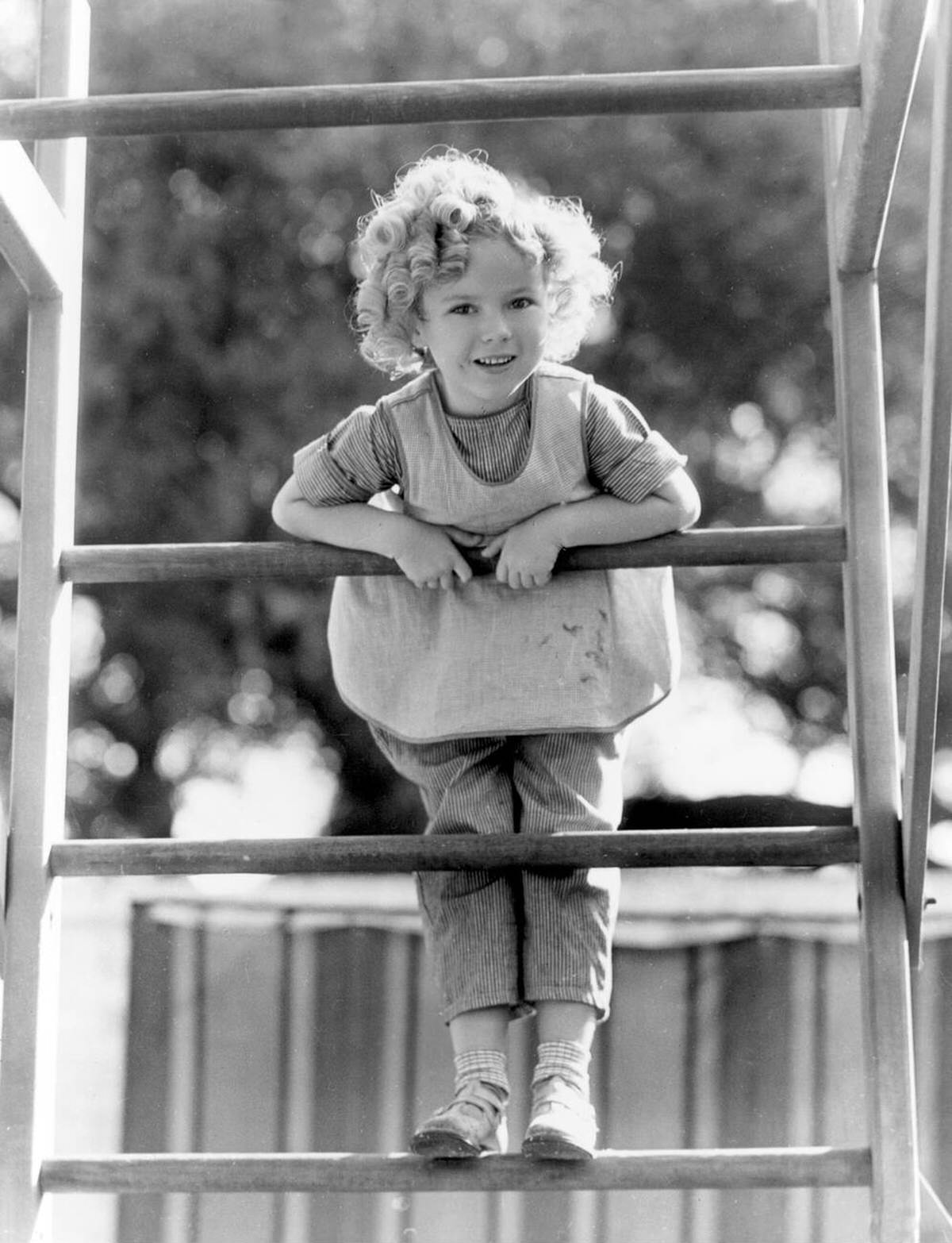
Also in 1934, Temple appeared in Now and Forever alongside Gary Cooper and Carole Lombard. The production placed her alongside two of Hollywood’s biggest adult stars, and she held her own on screen throughout.
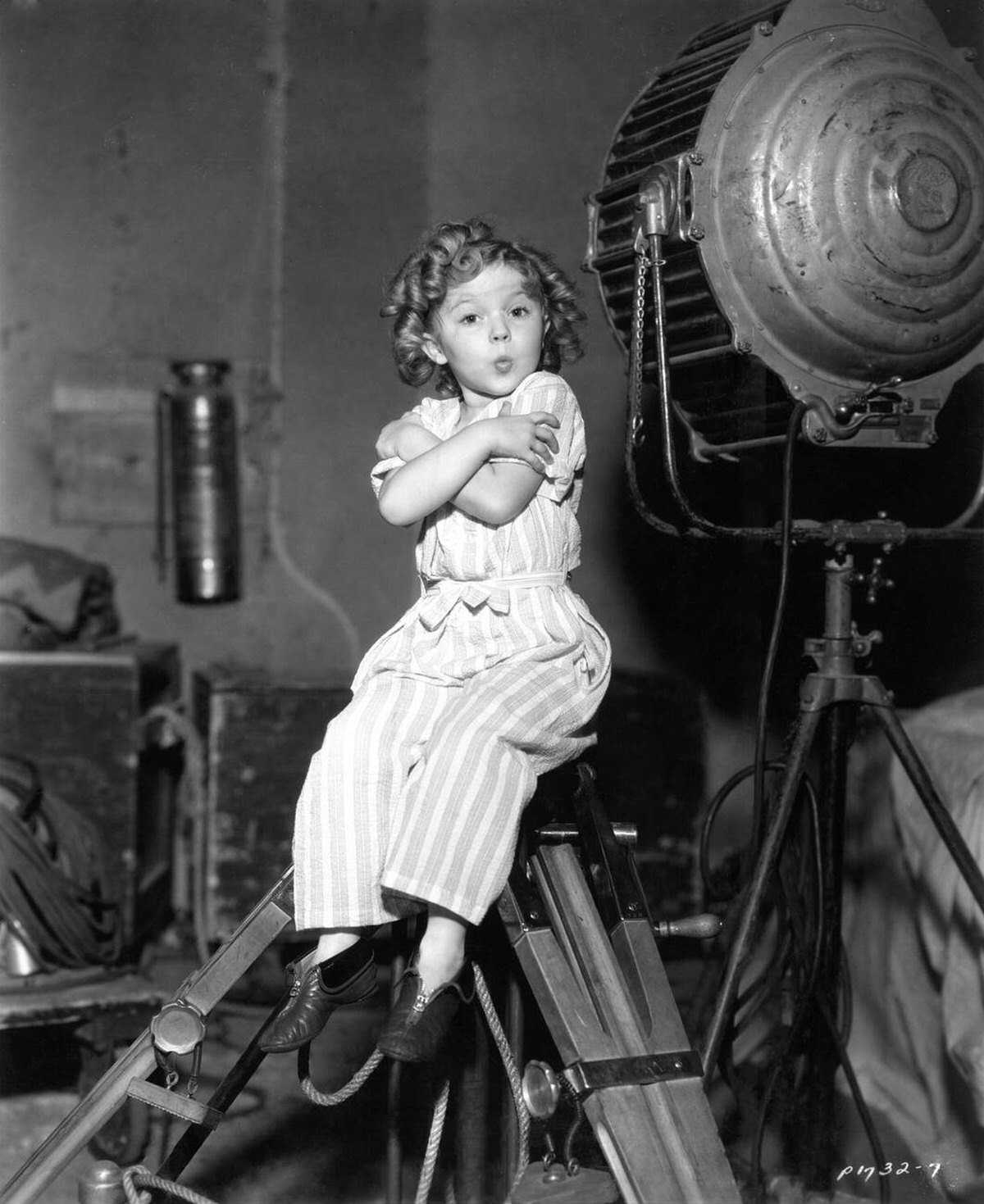
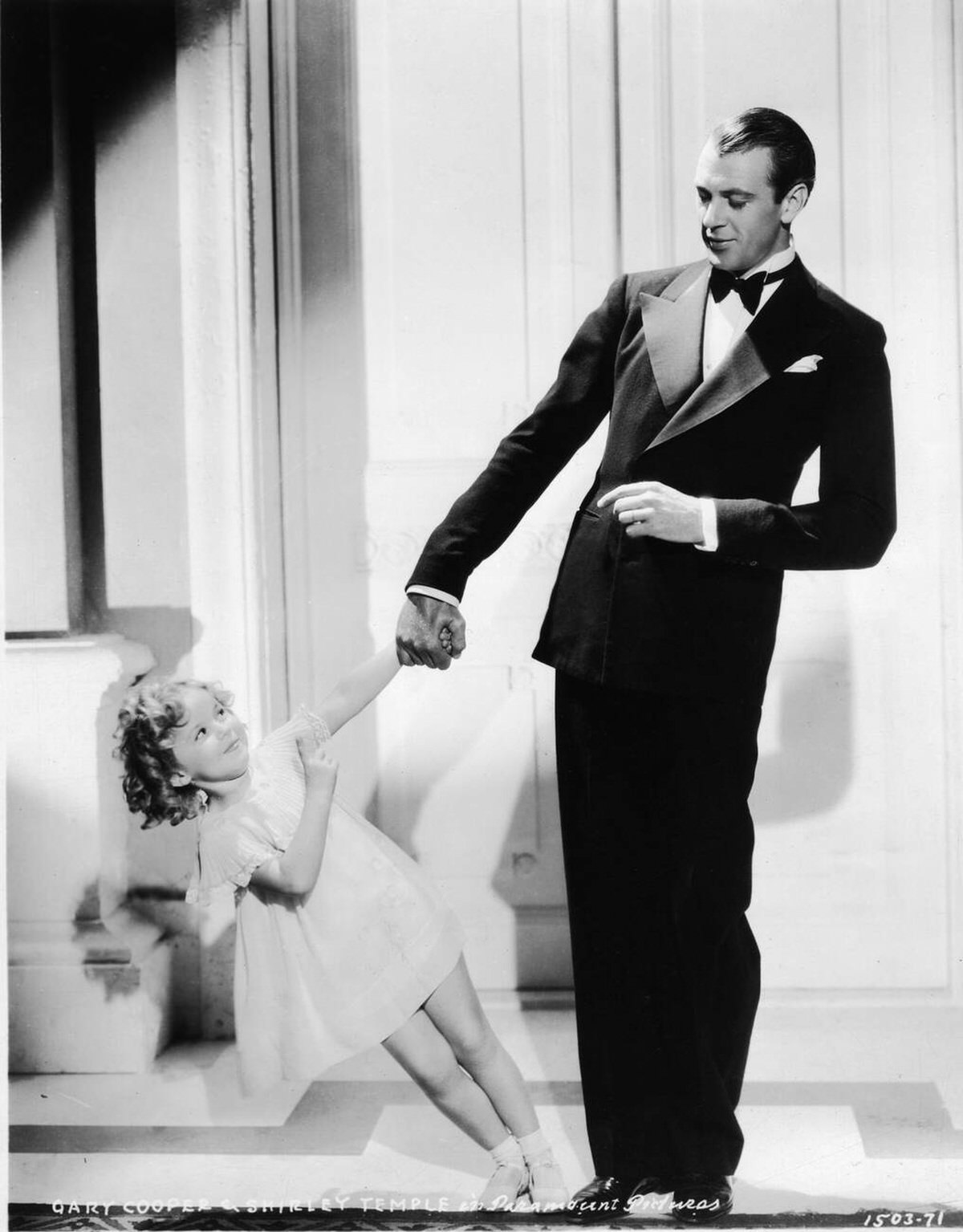
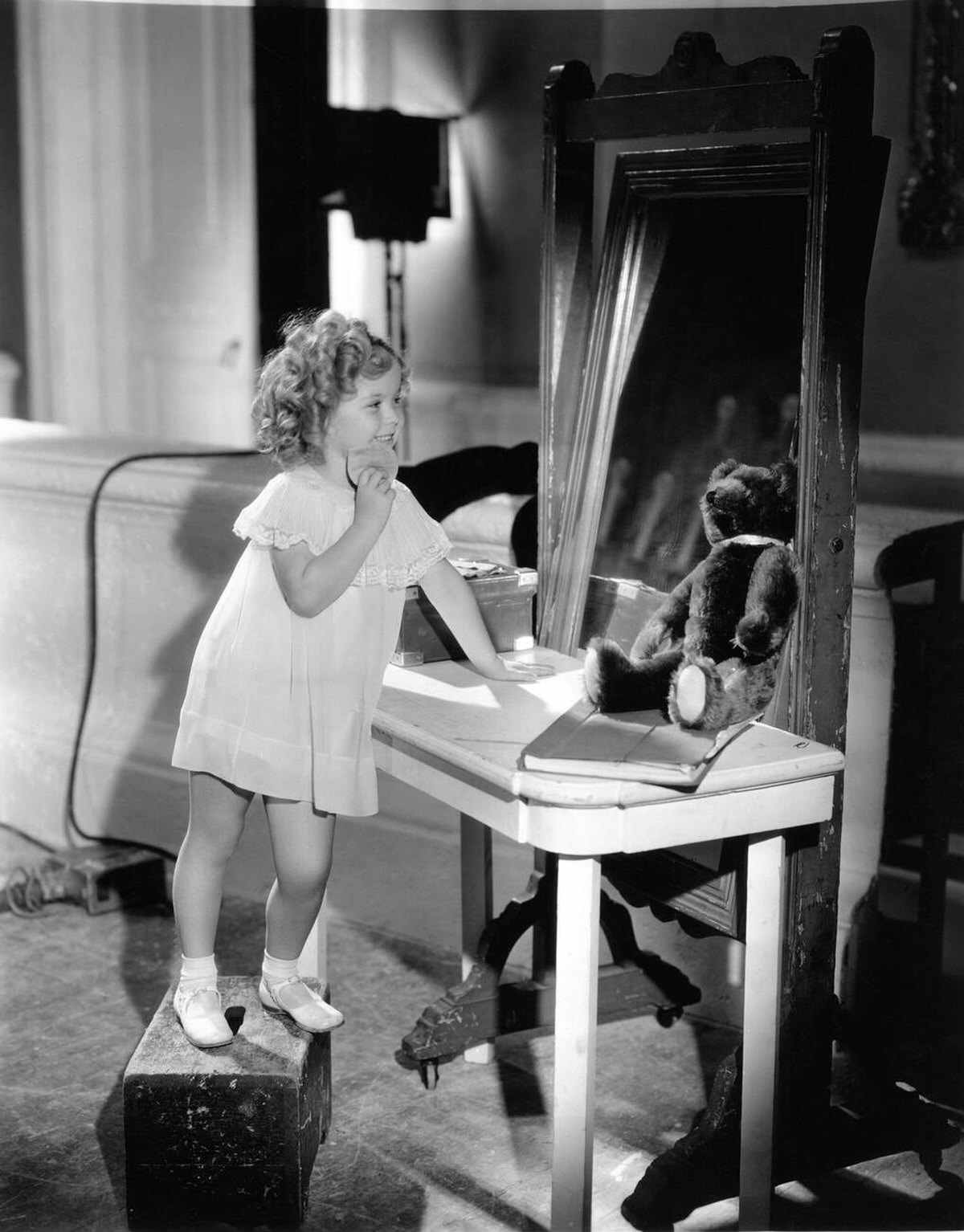
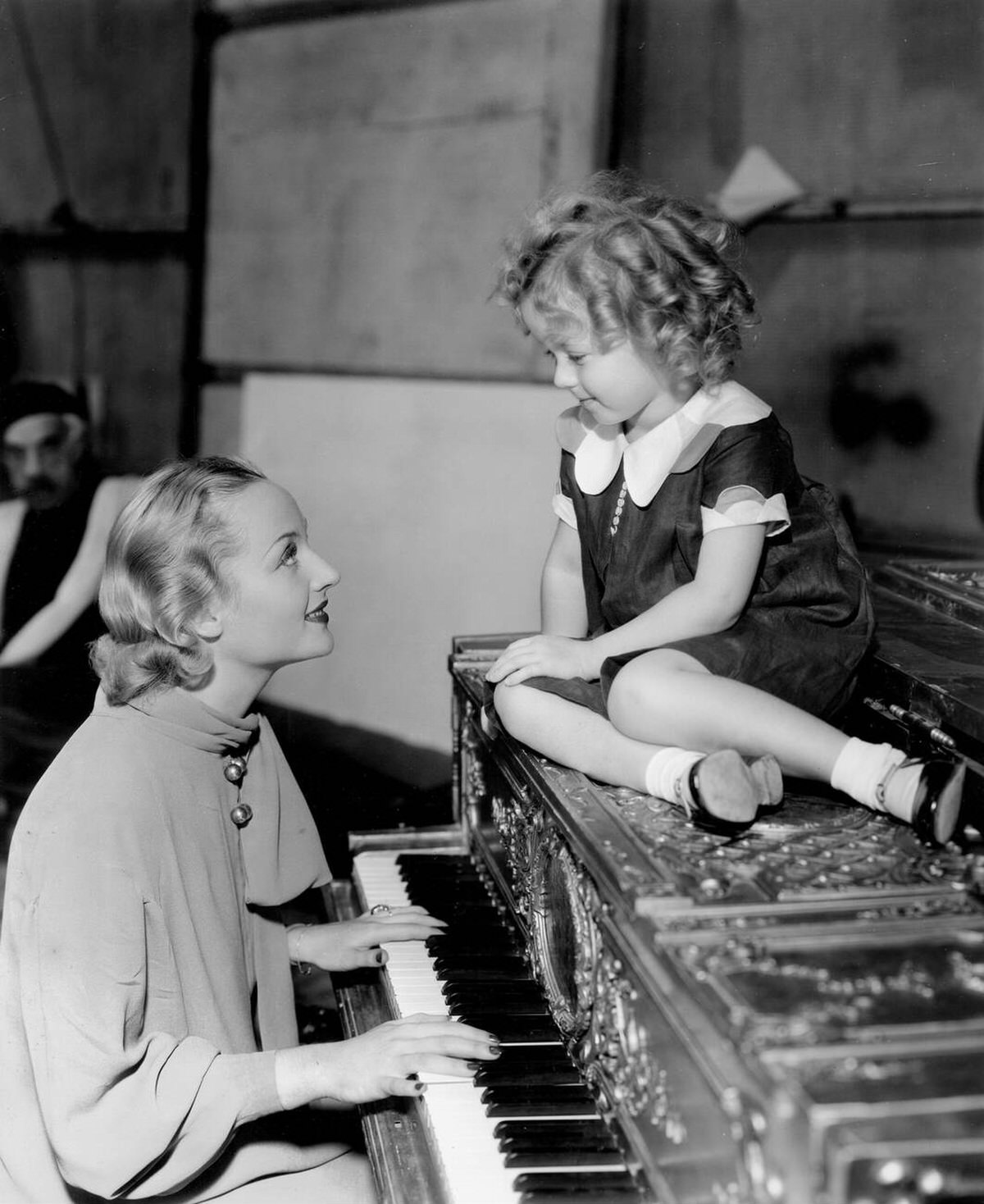
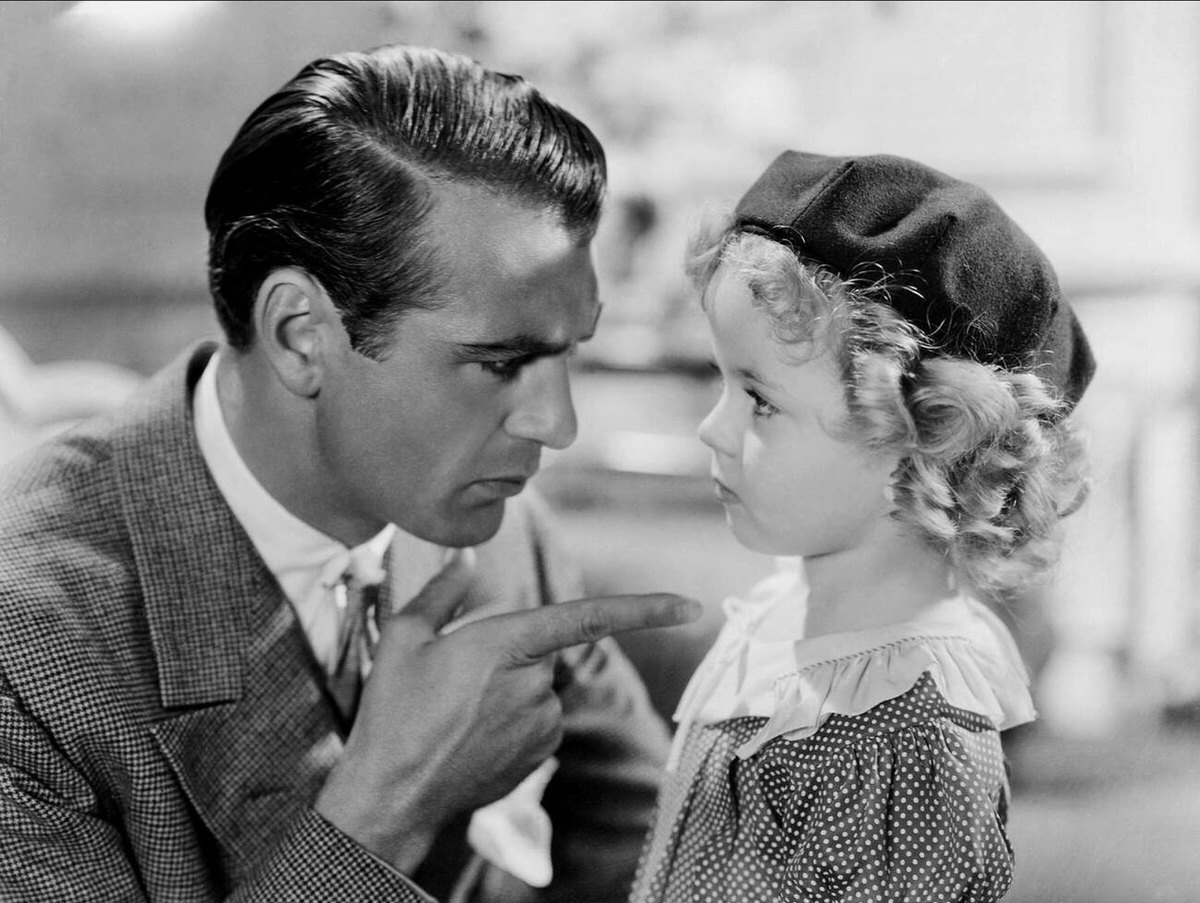
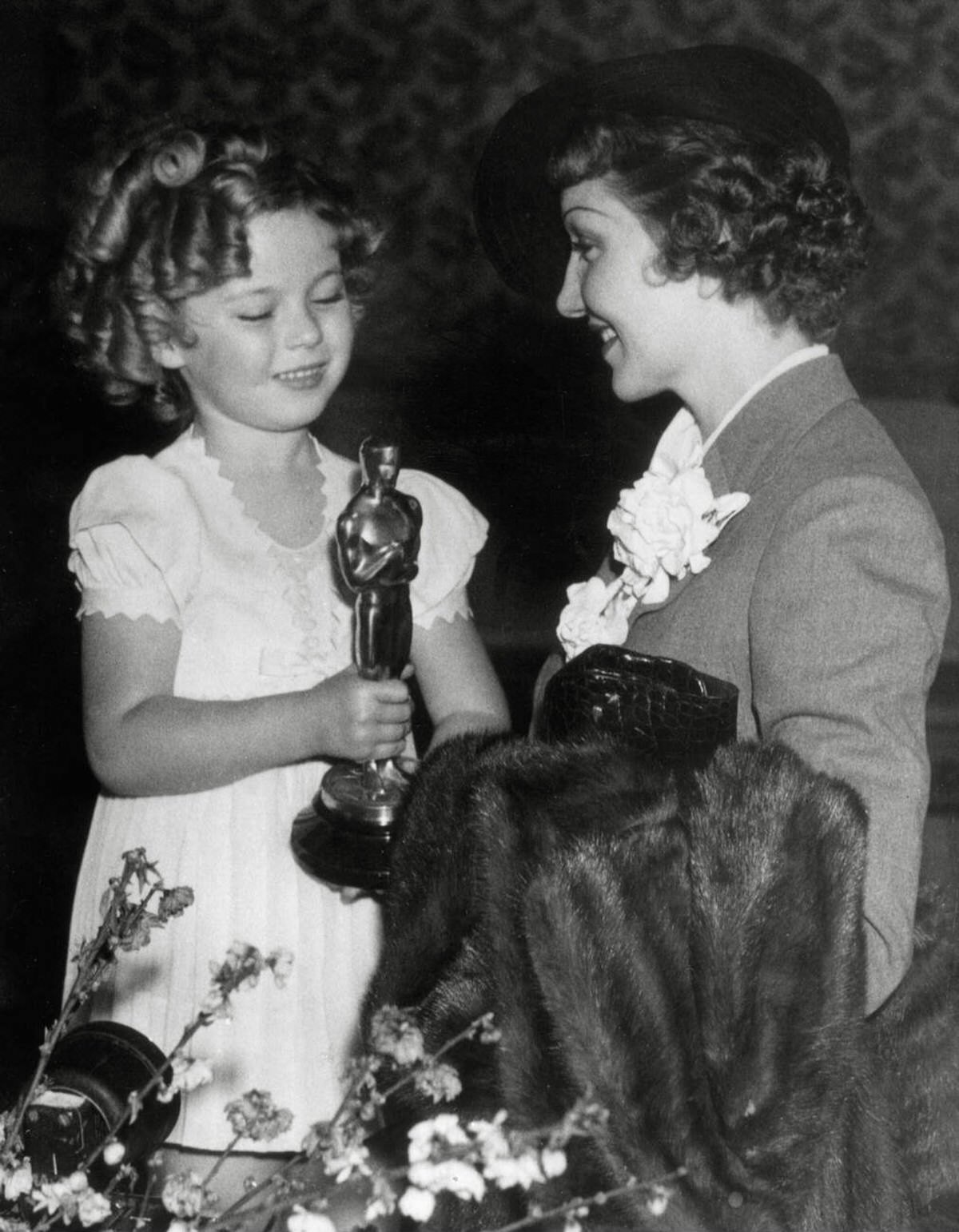
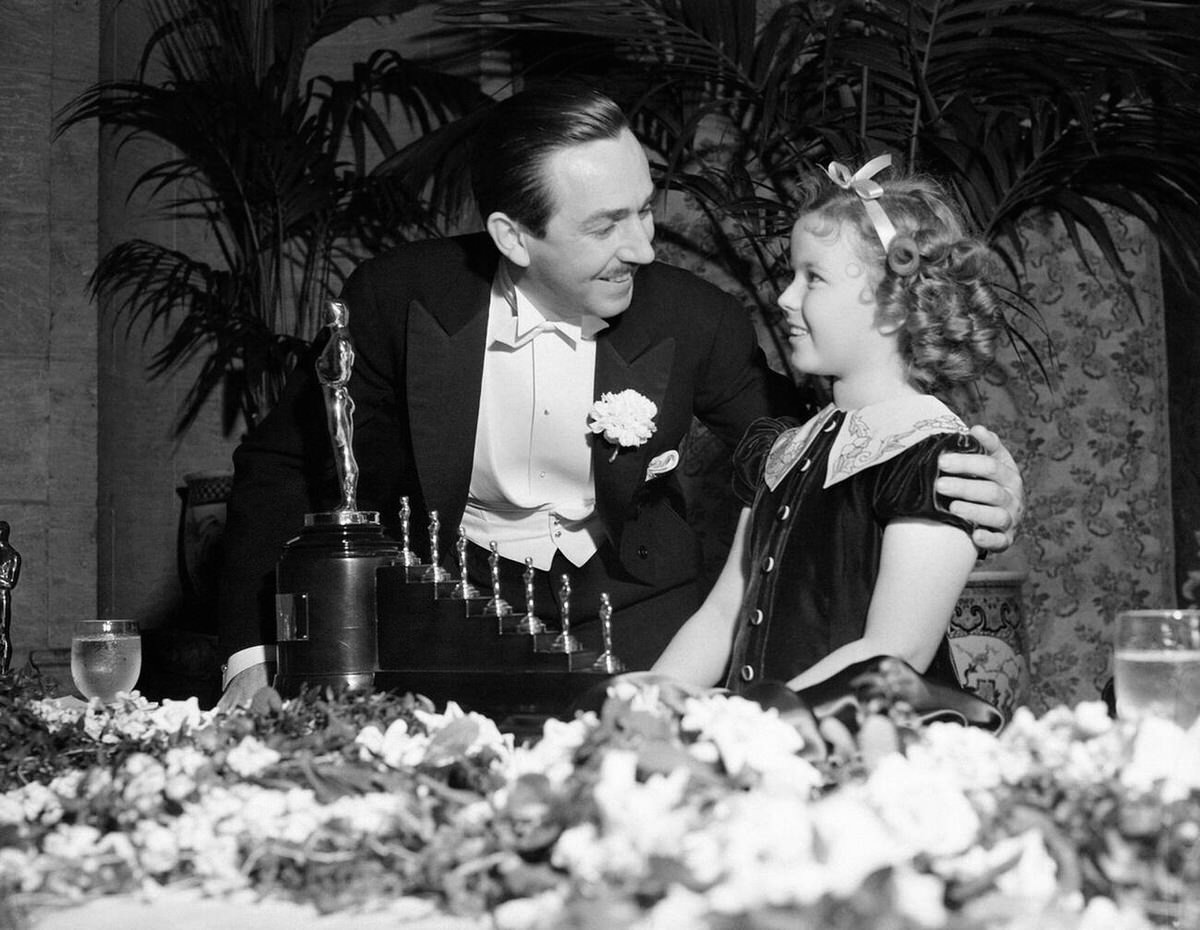
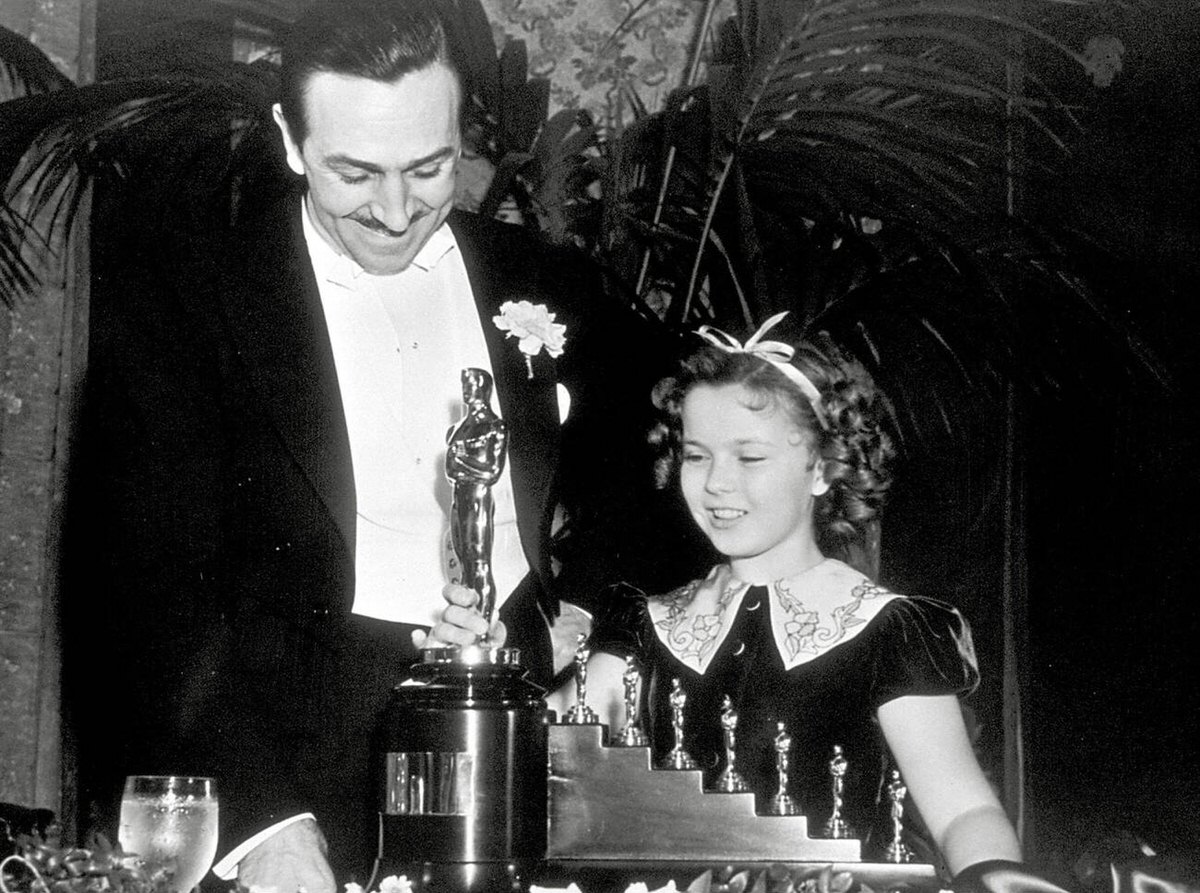
1934 was also the year Temple received an Honorary Academy Award — a miniature Oscar presented in recognition of her extraordinary contribution to the screen at just six years old. She also appeared at the Academy Awards ceremony, where she mingled with the biggest names in the industry.
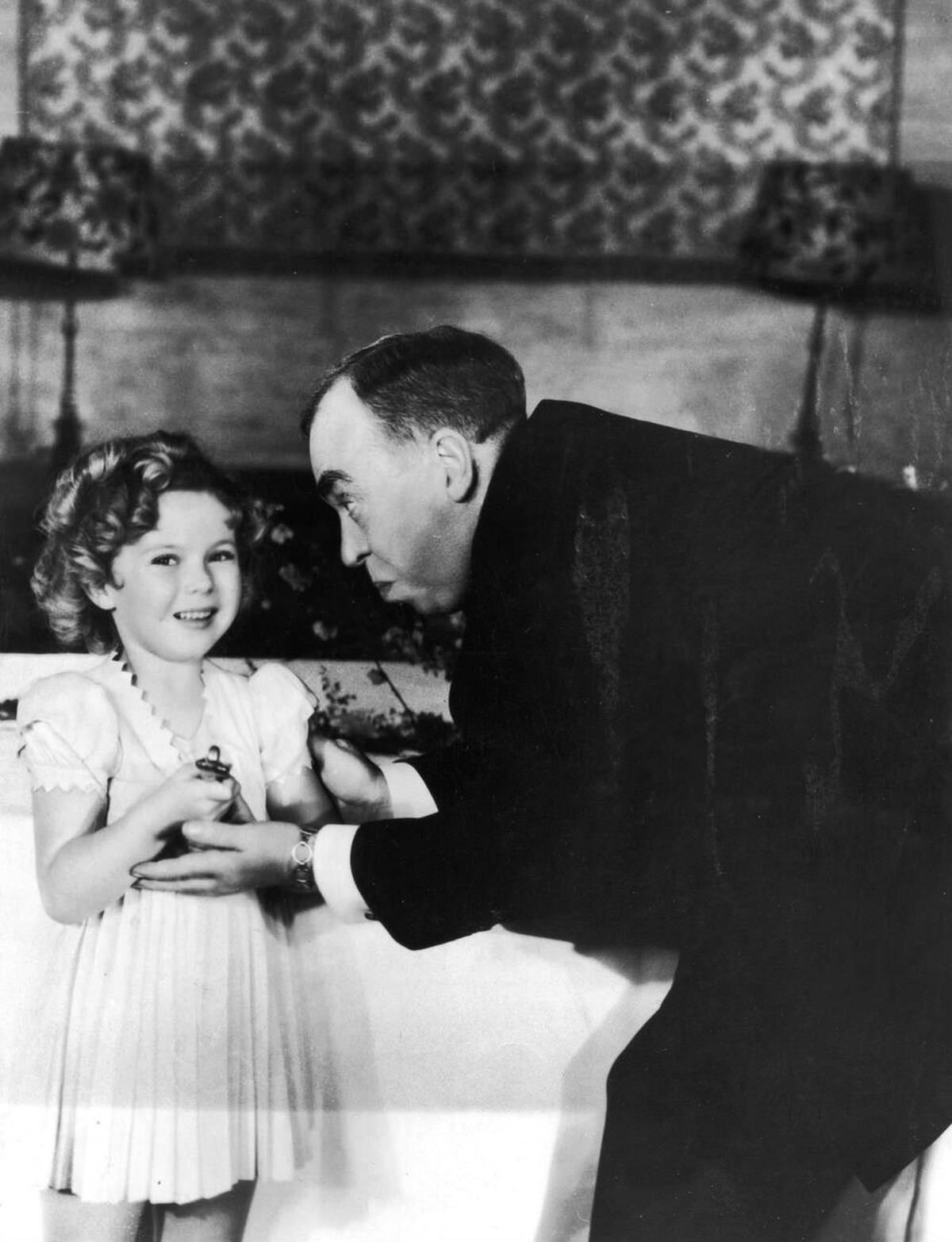
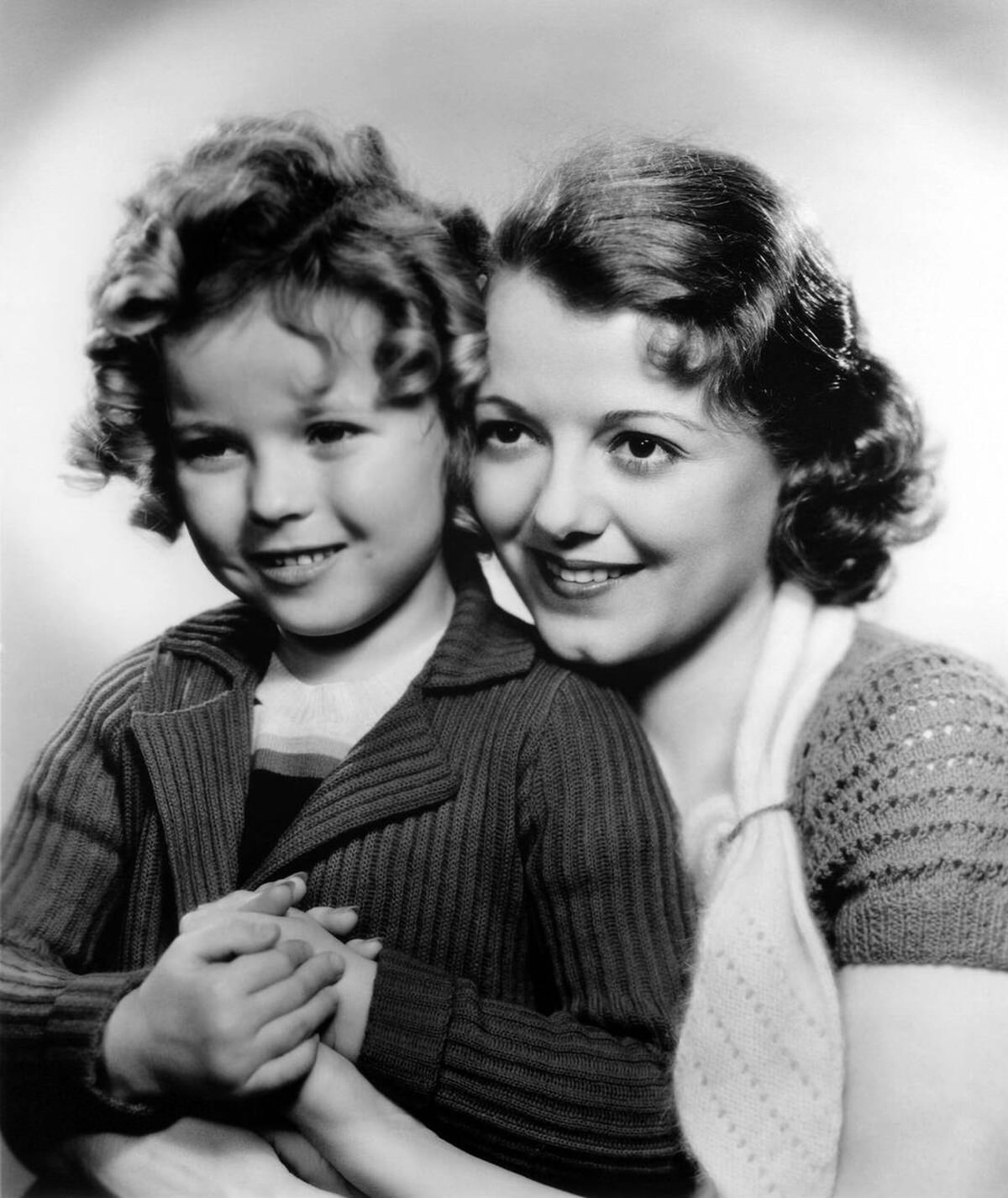
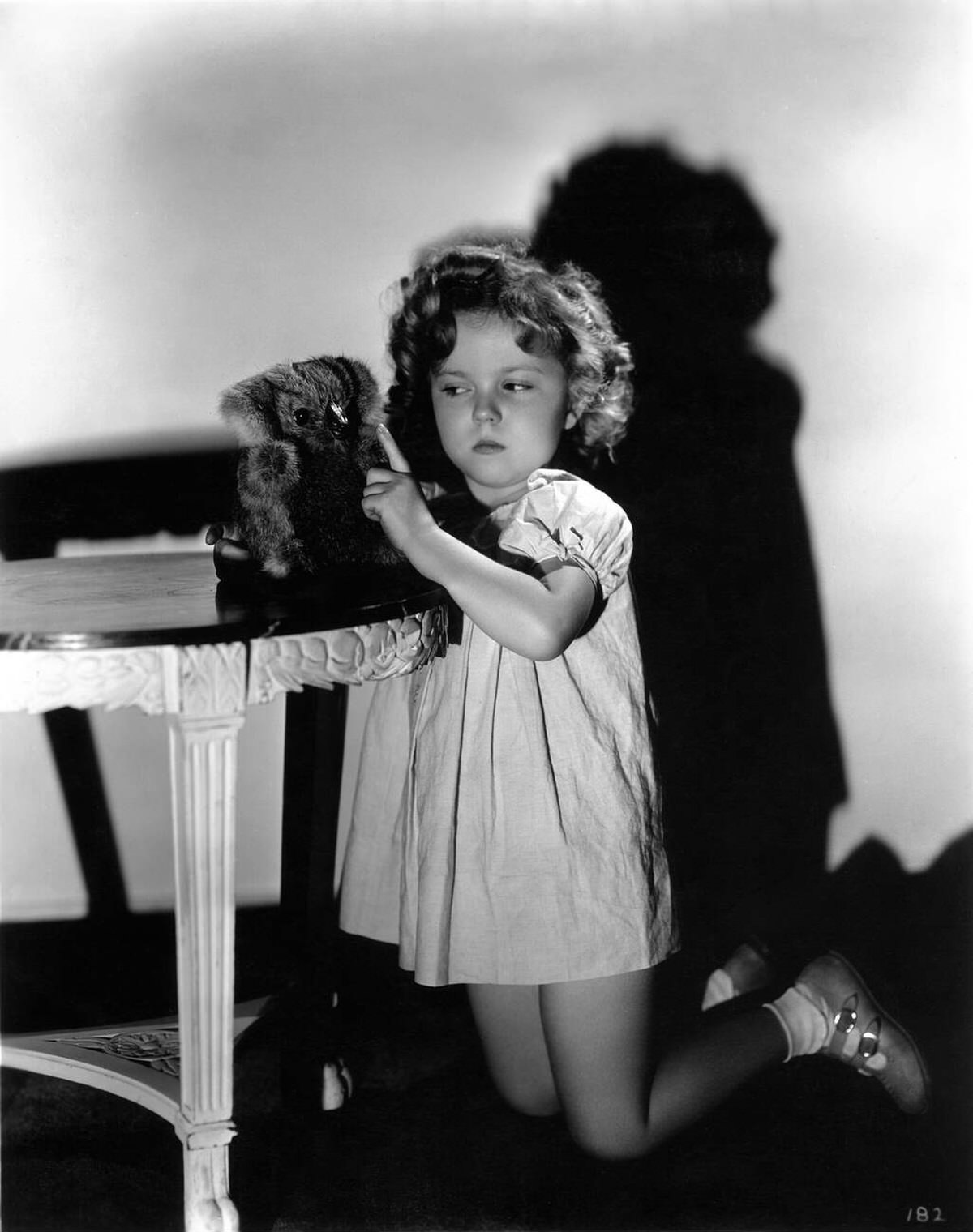
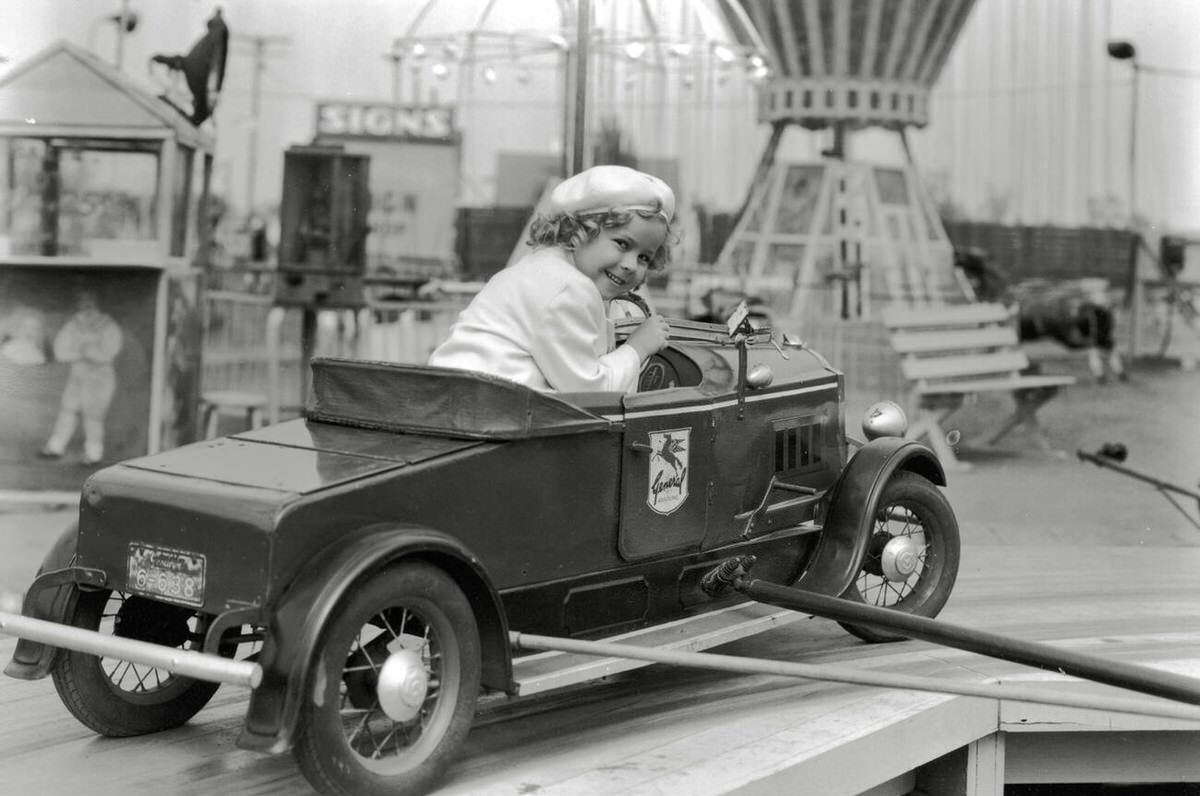
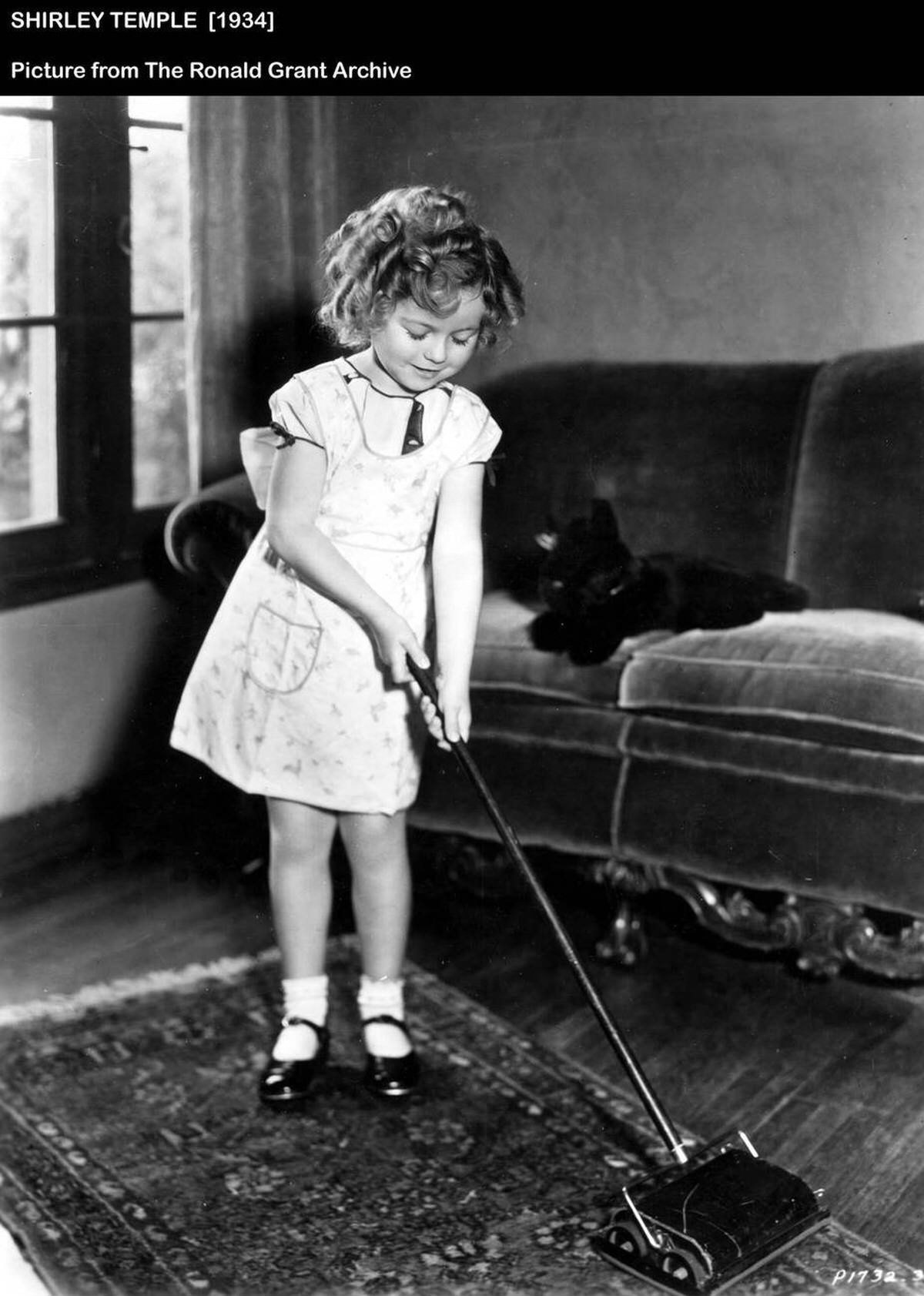
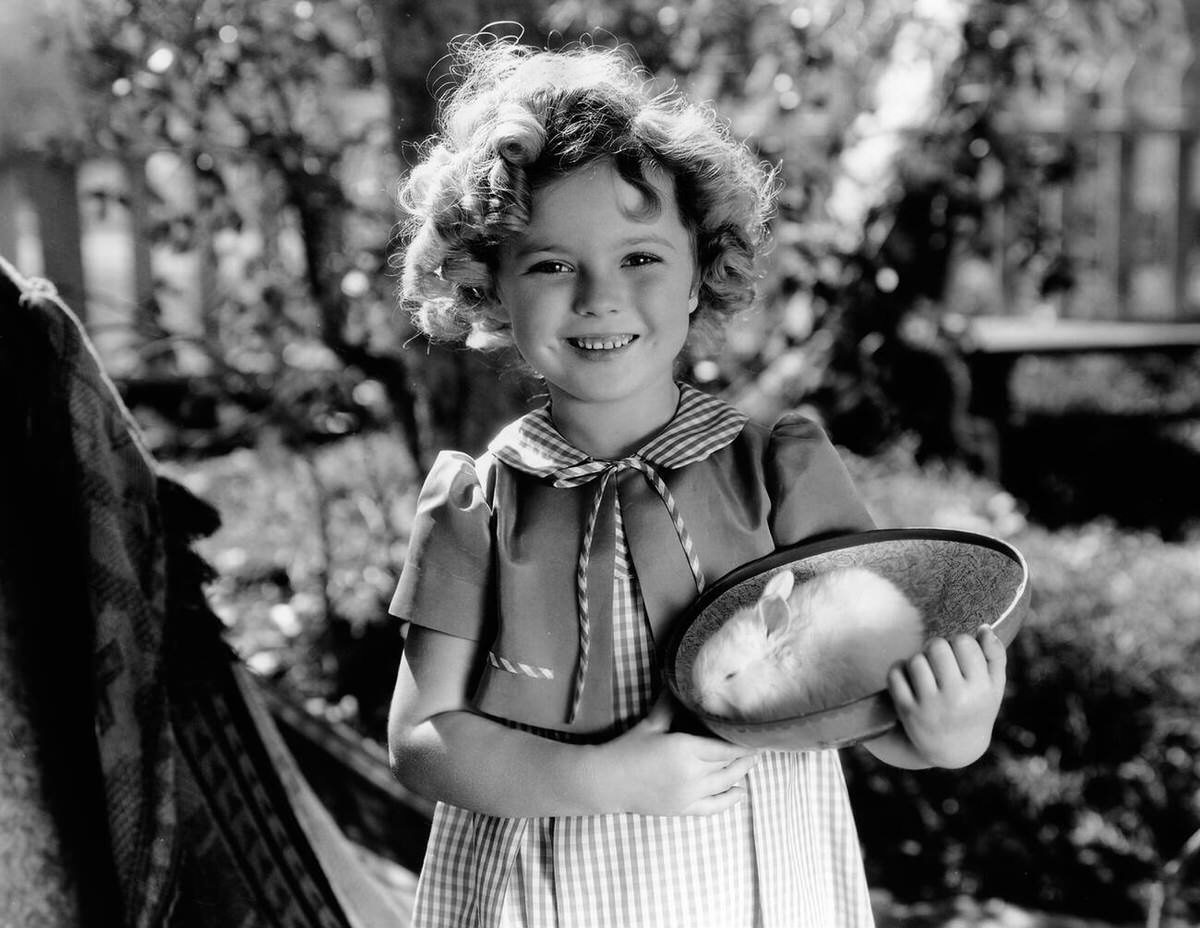
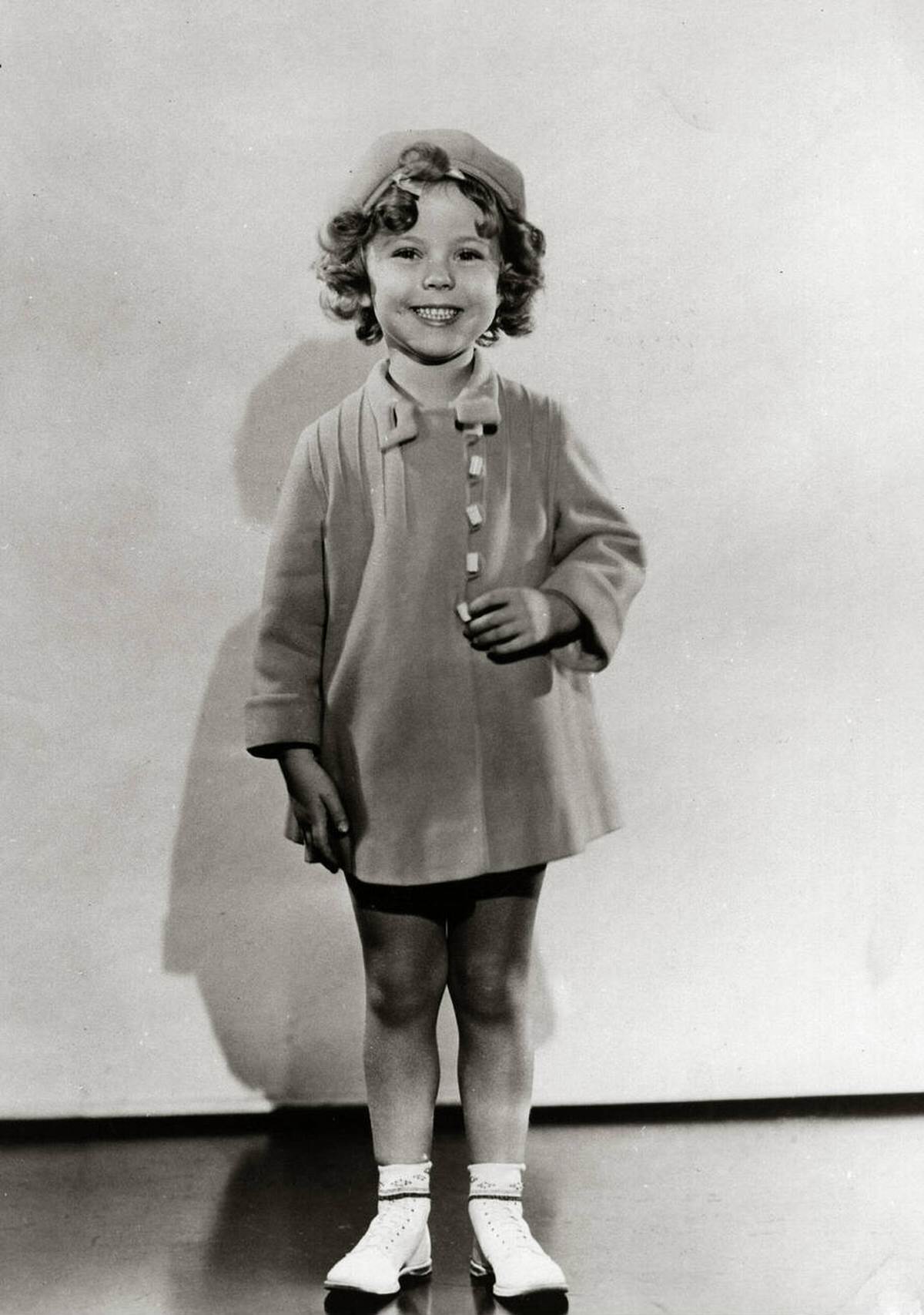
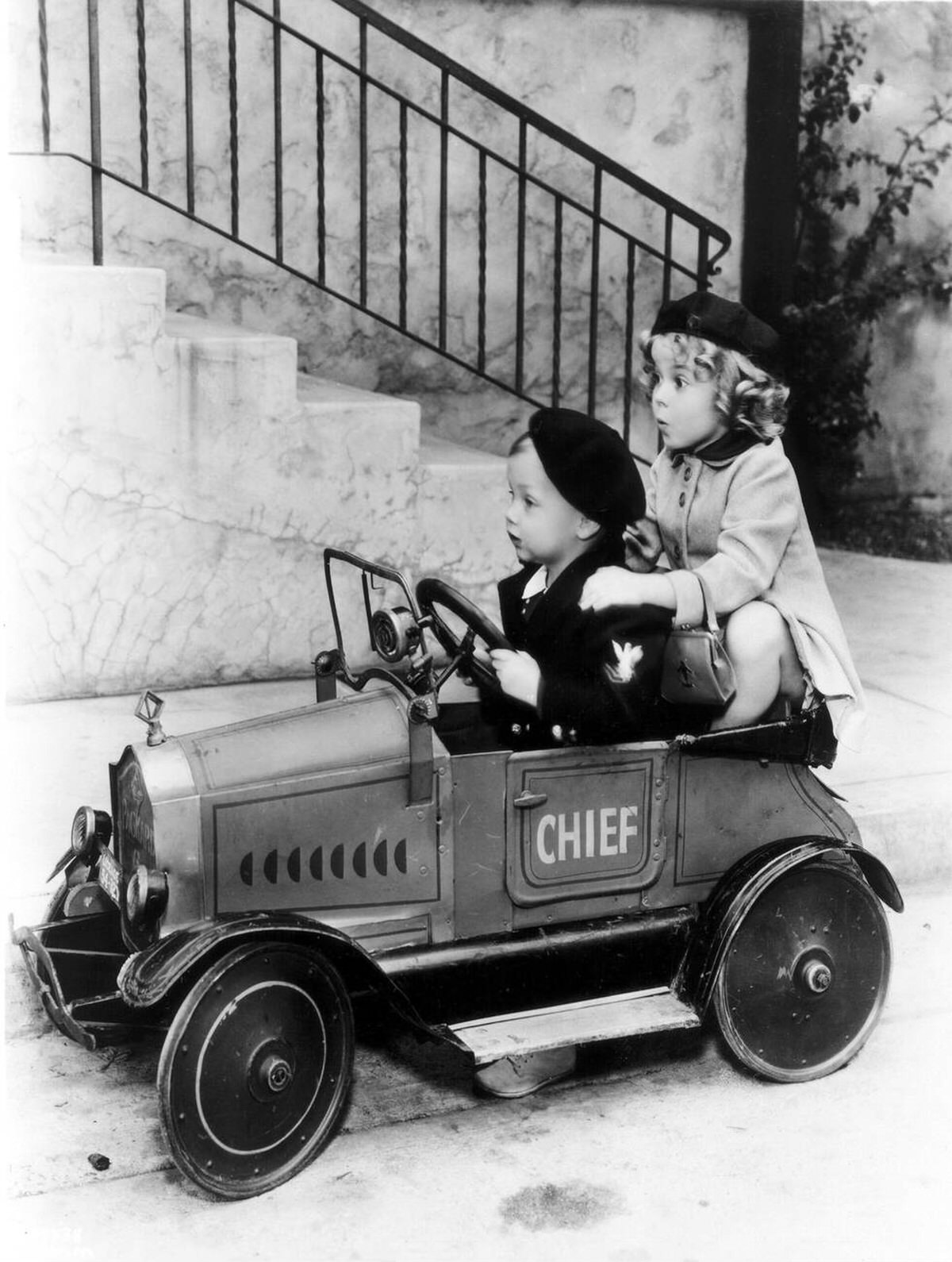
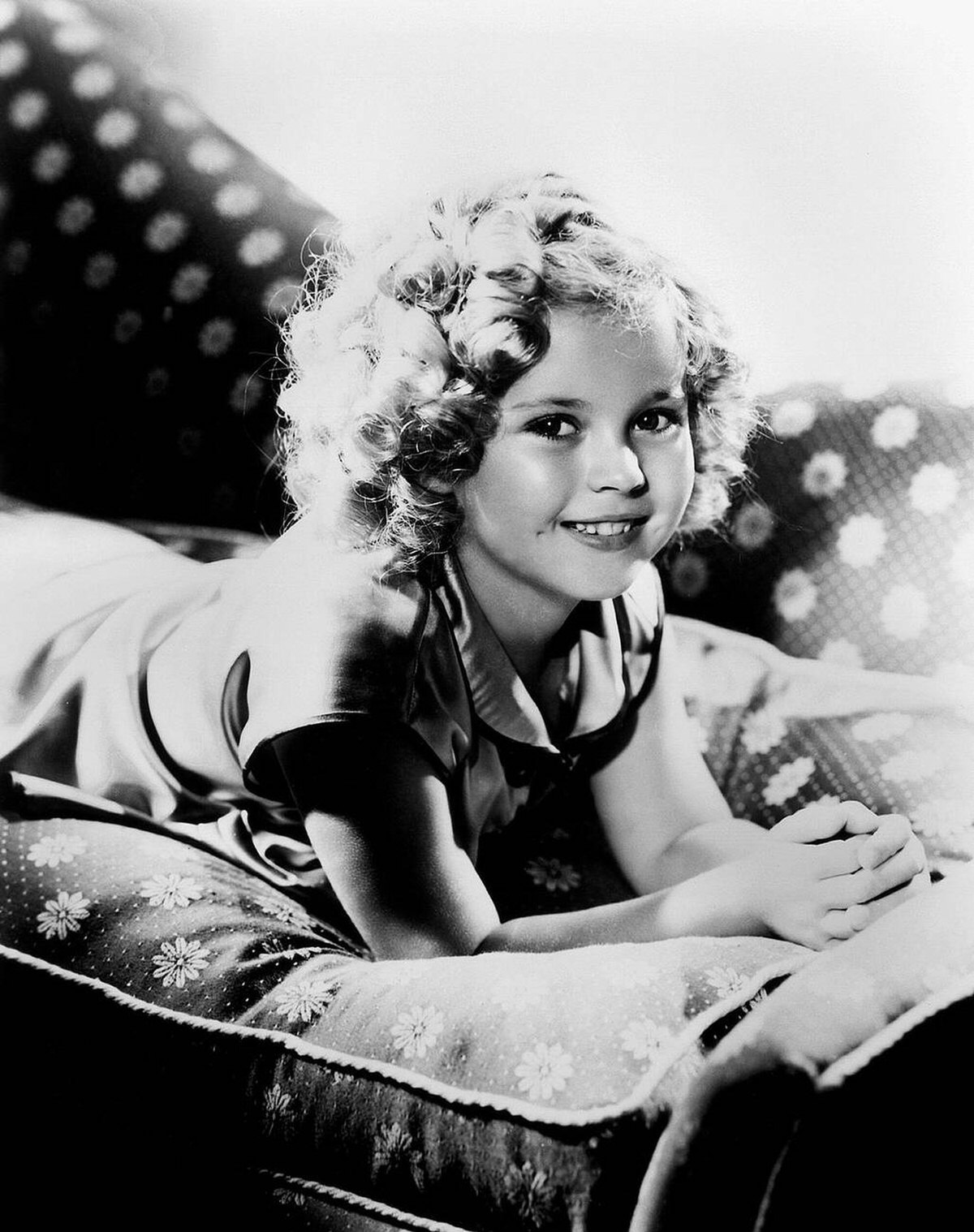
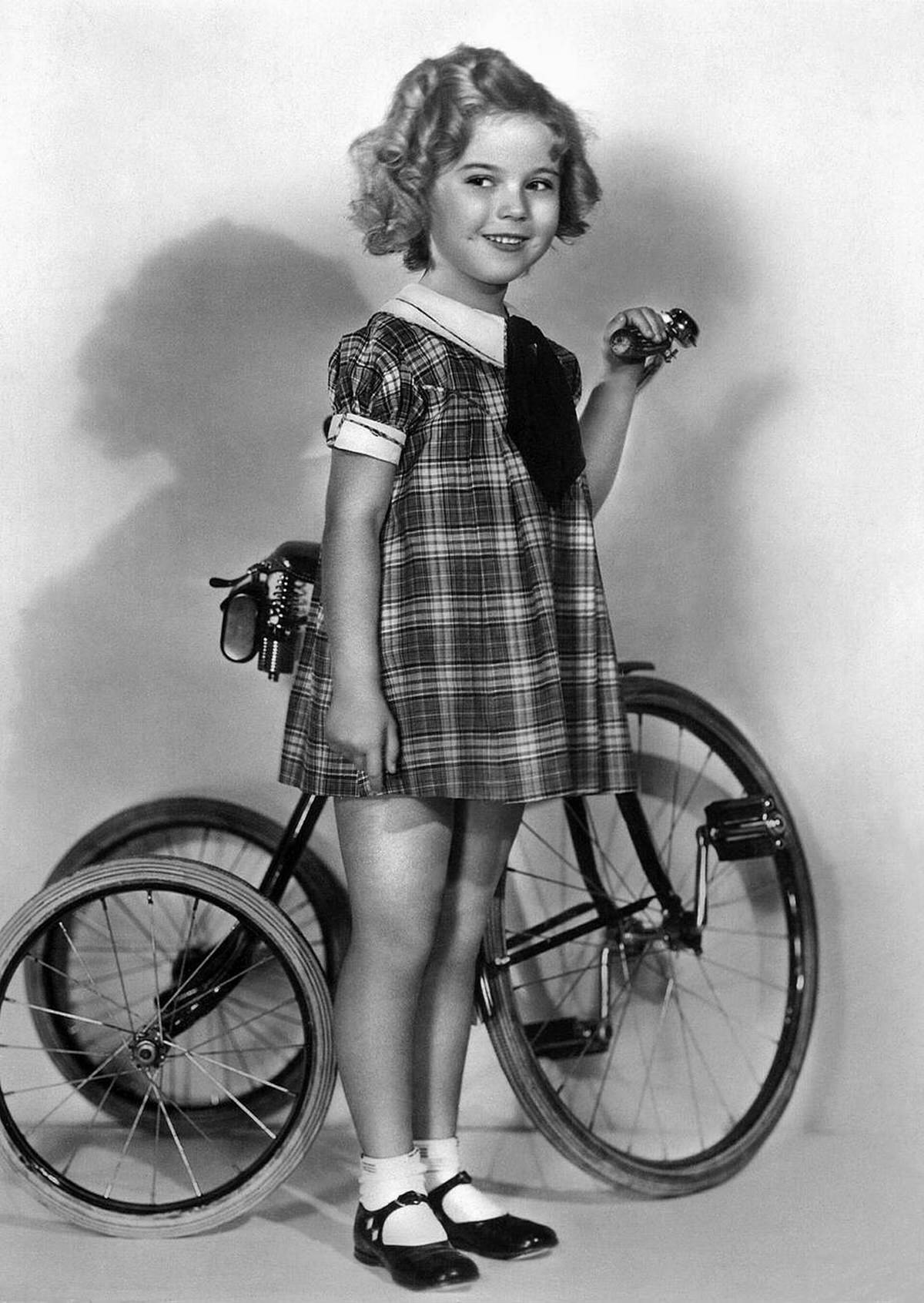
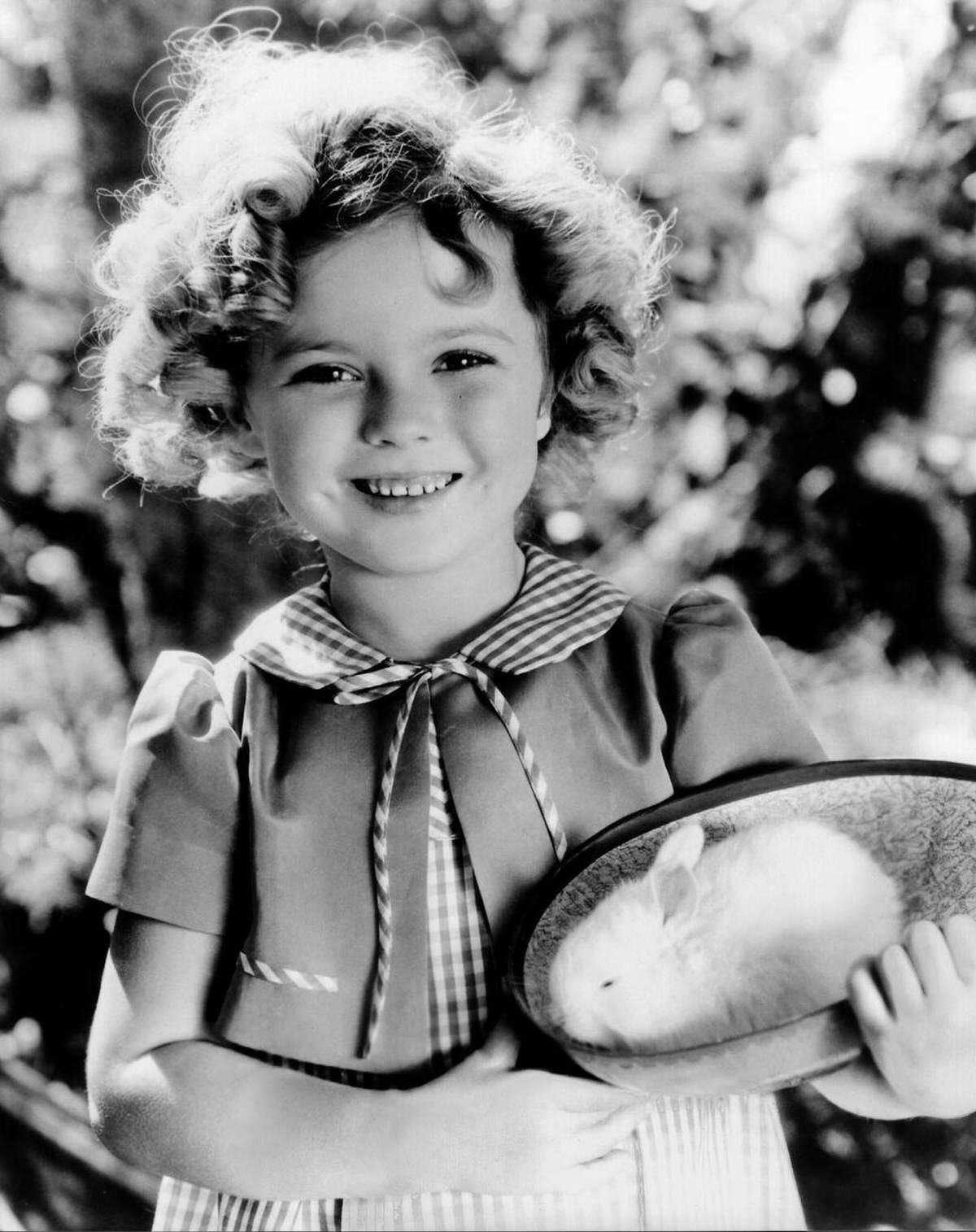
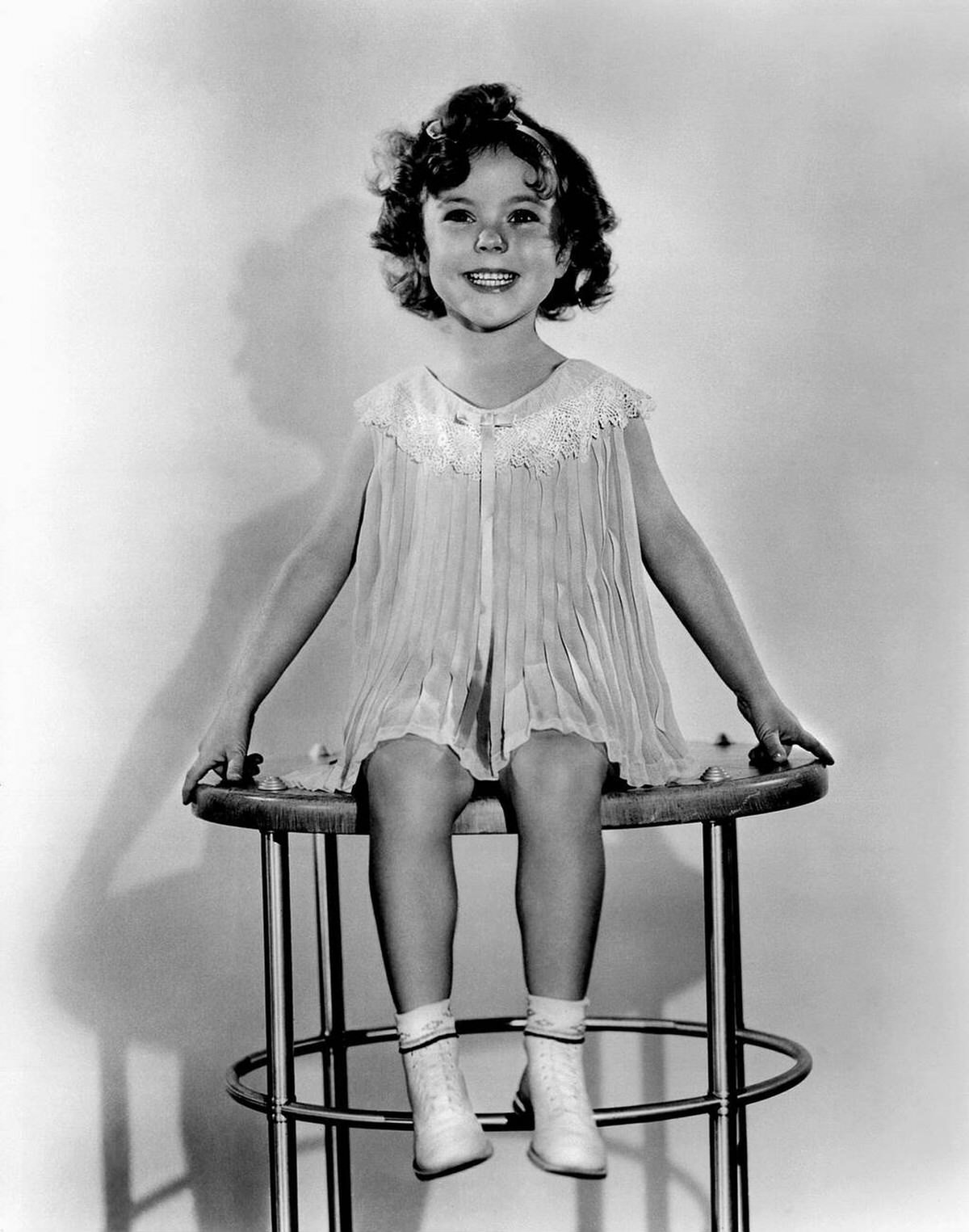
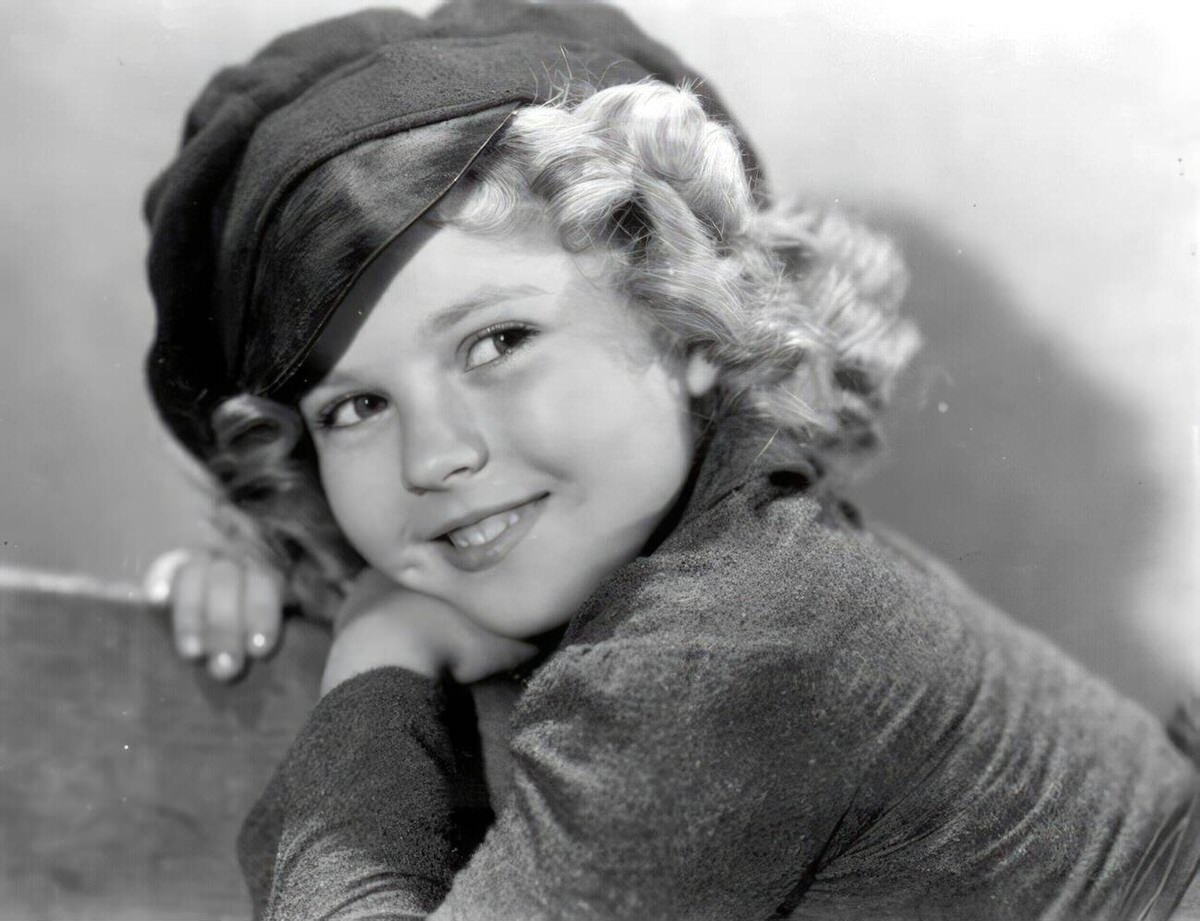
By the mid-1930s, Temple was the top box office star in the United States — outranking every adult actor in Hollywood. Most of her films followed a clear formula: a cheerful girl facing hardship who ultimately brings warmth and kindness to the adults around her. During the Great Depression, that formula connected deeply with audiences who were struggling financially and looking for relief.
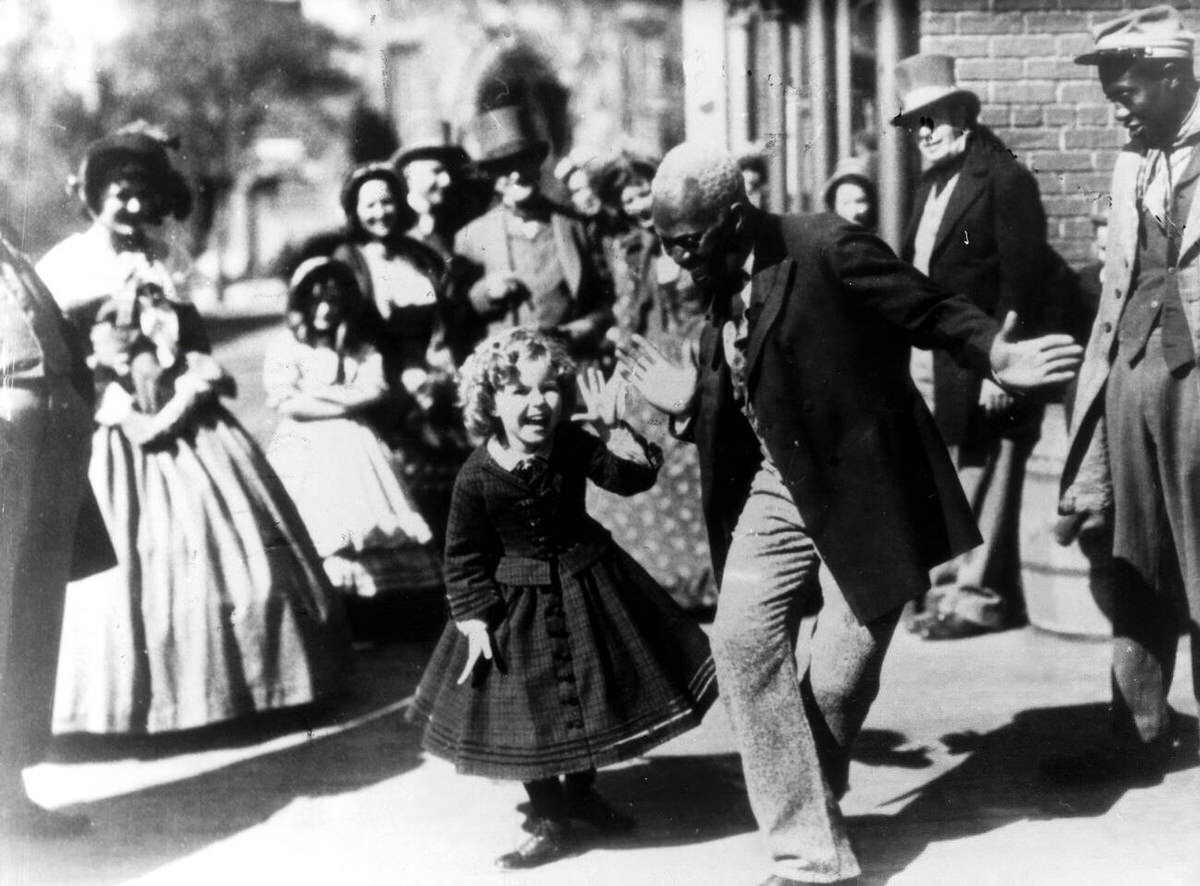
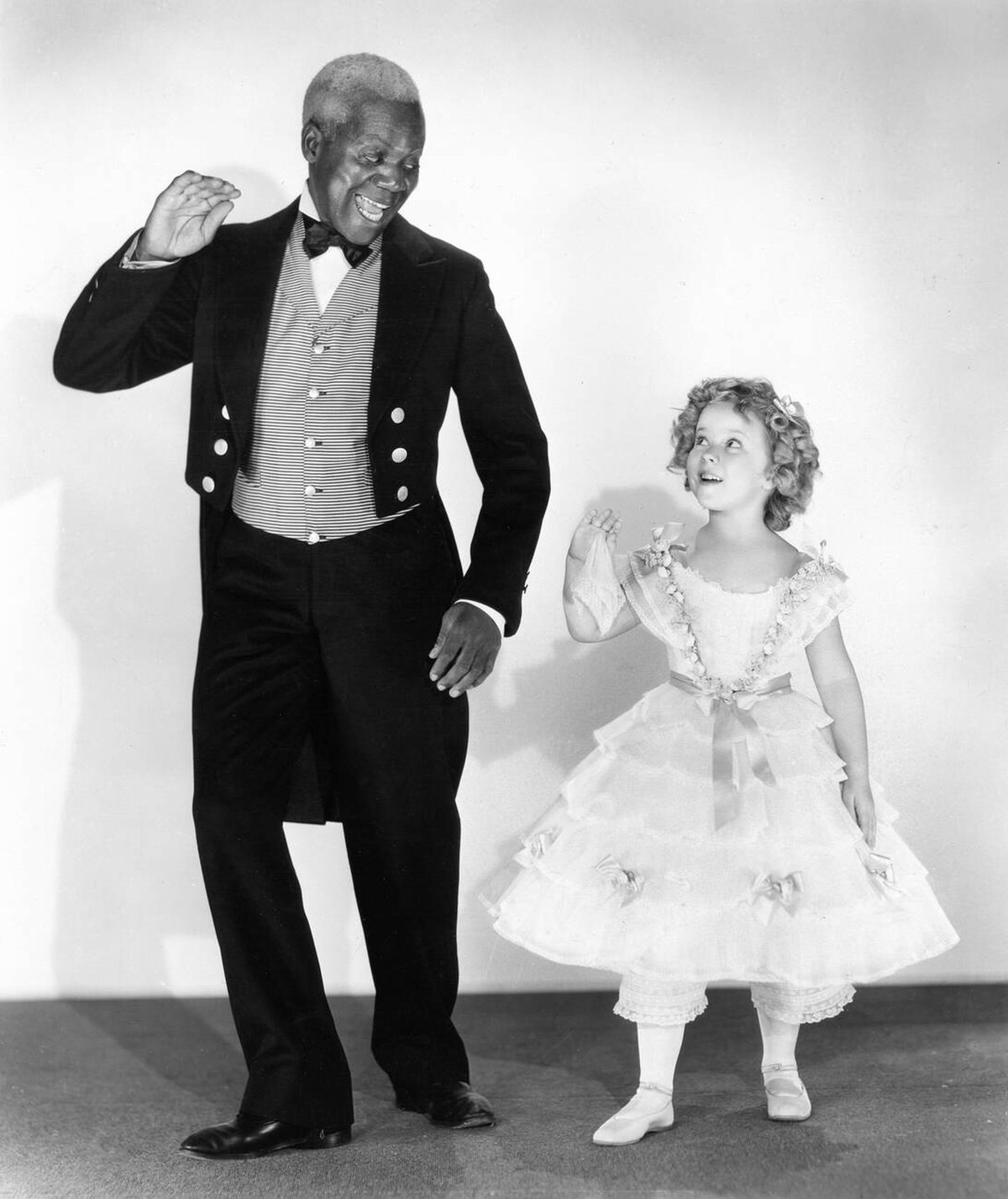
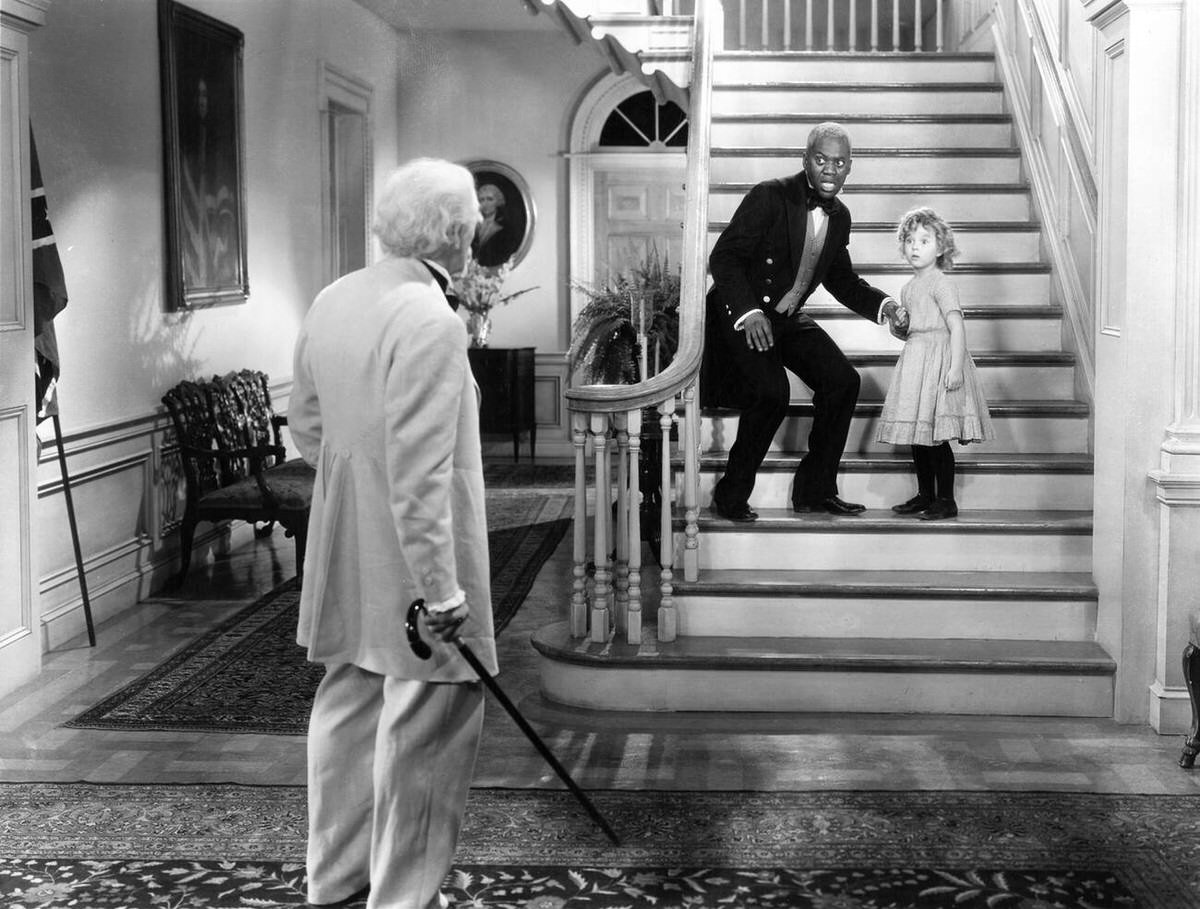
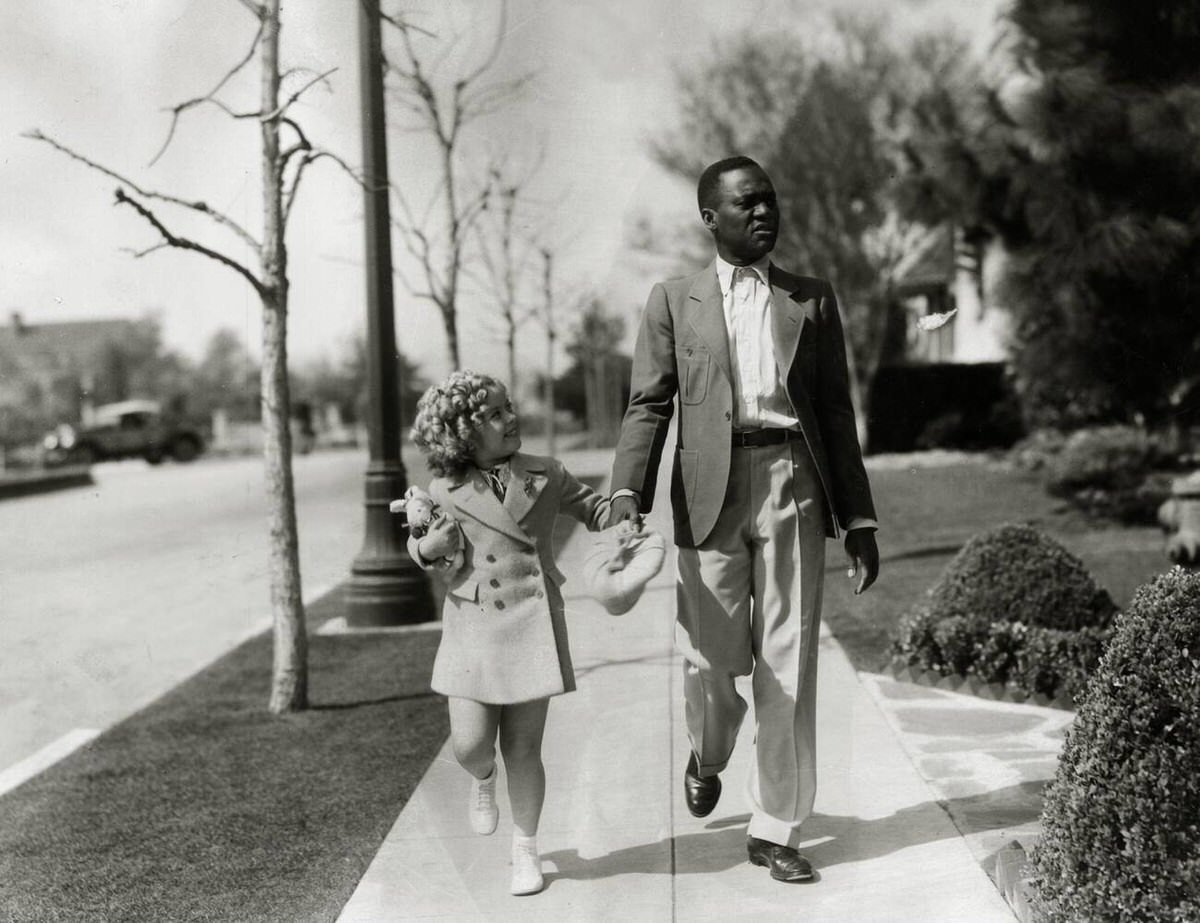
In 1935, Temple starred in The Little Colonel, which featured her famous staircase dance with Bill Robinson — known on stage as Bojangles. The two moved in perfect rhythm, smiling throughout the entire scene. At a time when racial segregation was still common across the United States, their on-screen partnership broke barriers that most of Hollywood refused to cross.
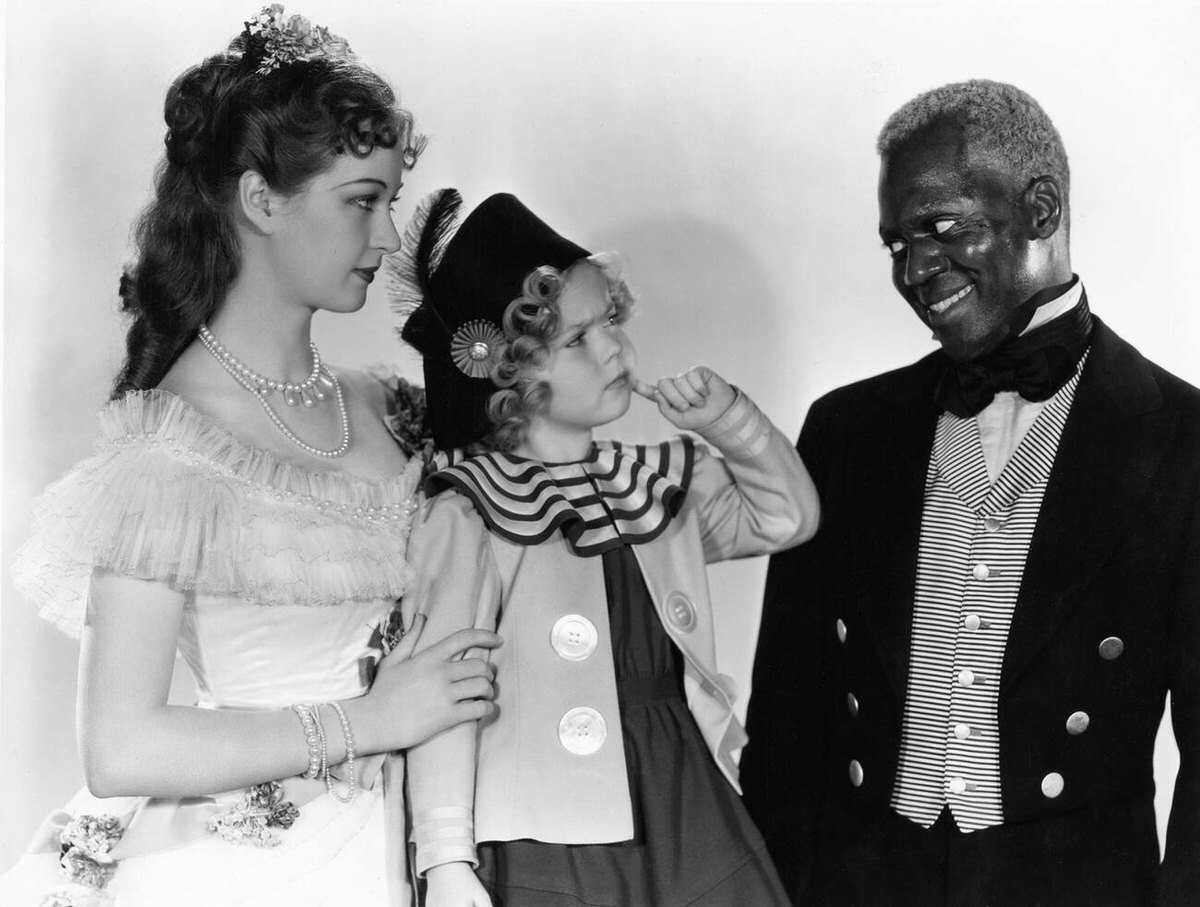
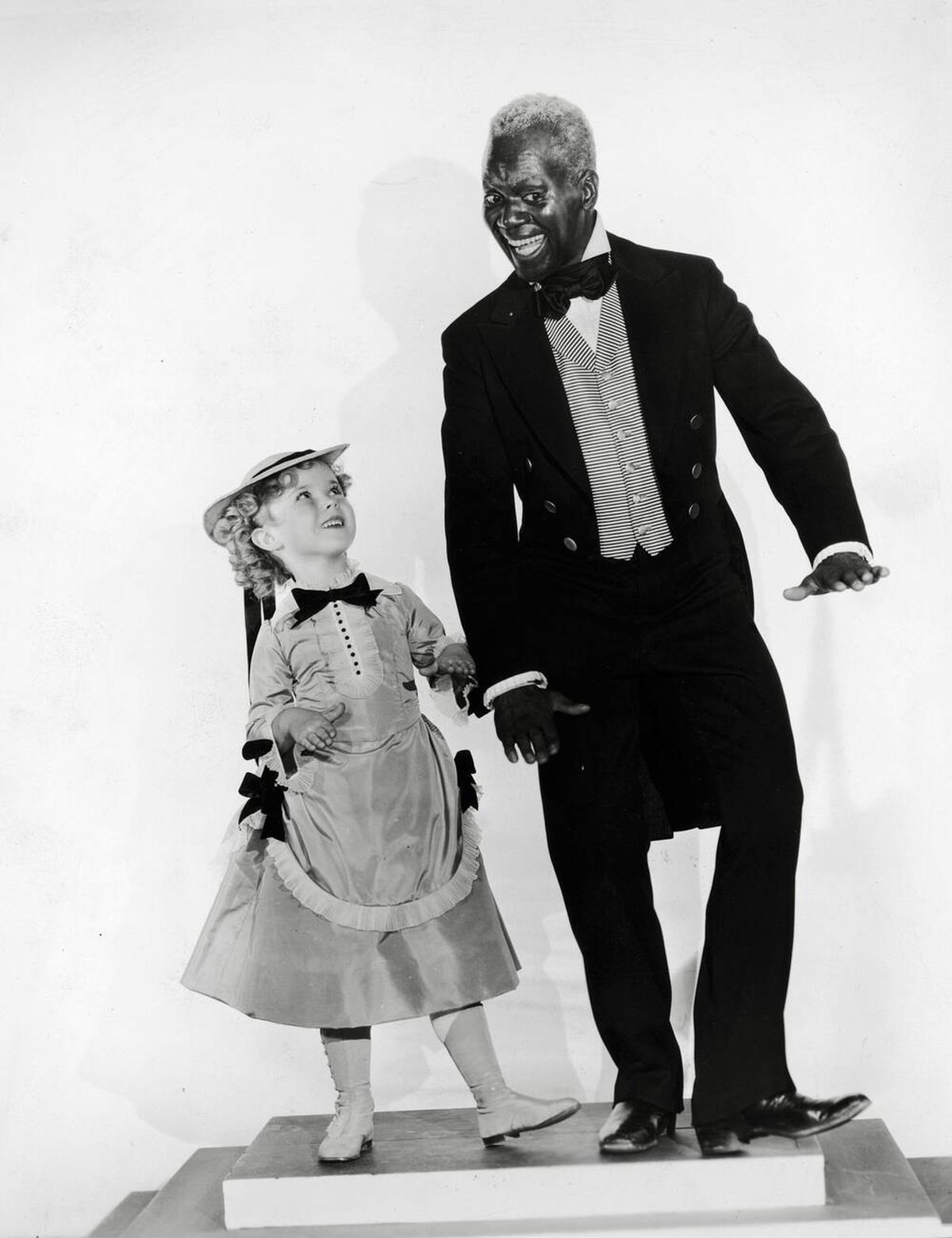
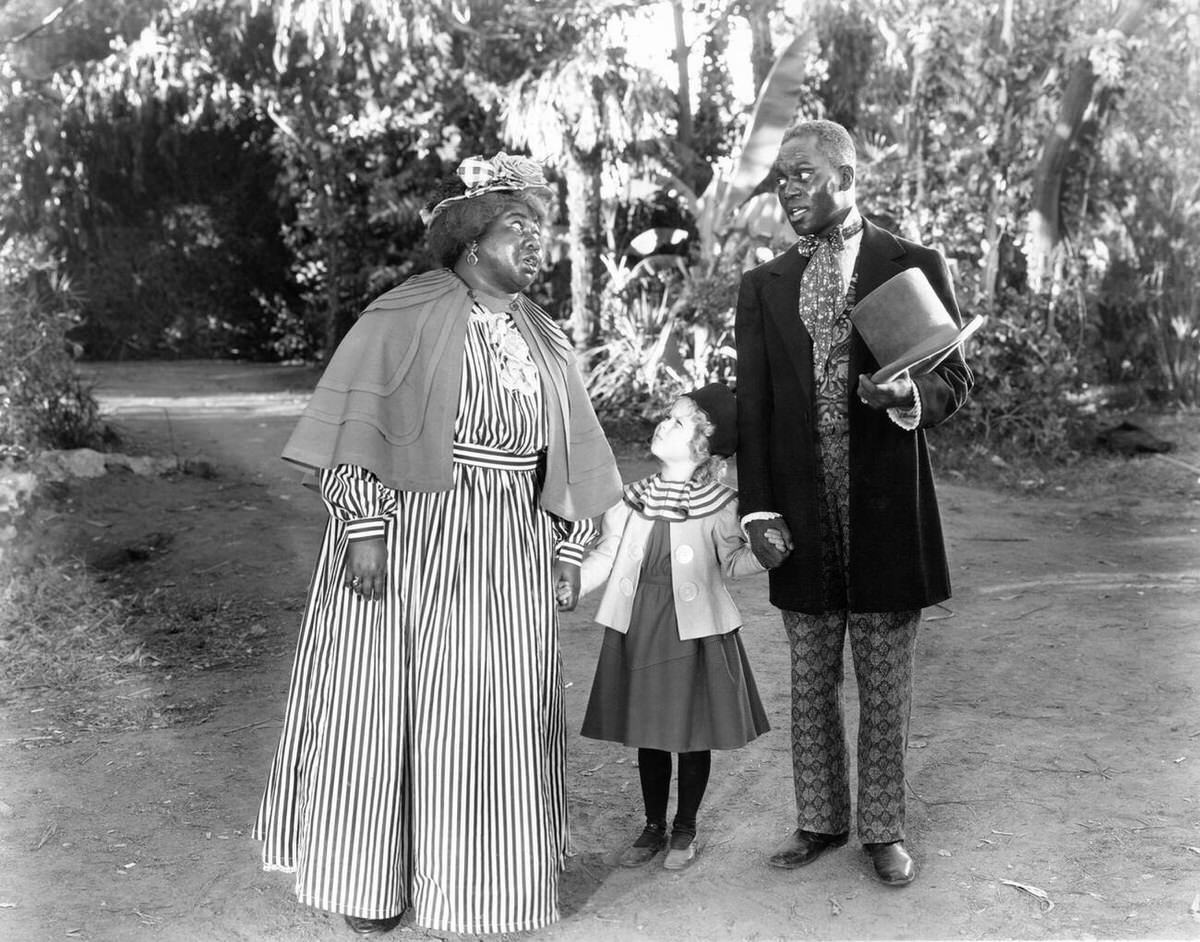
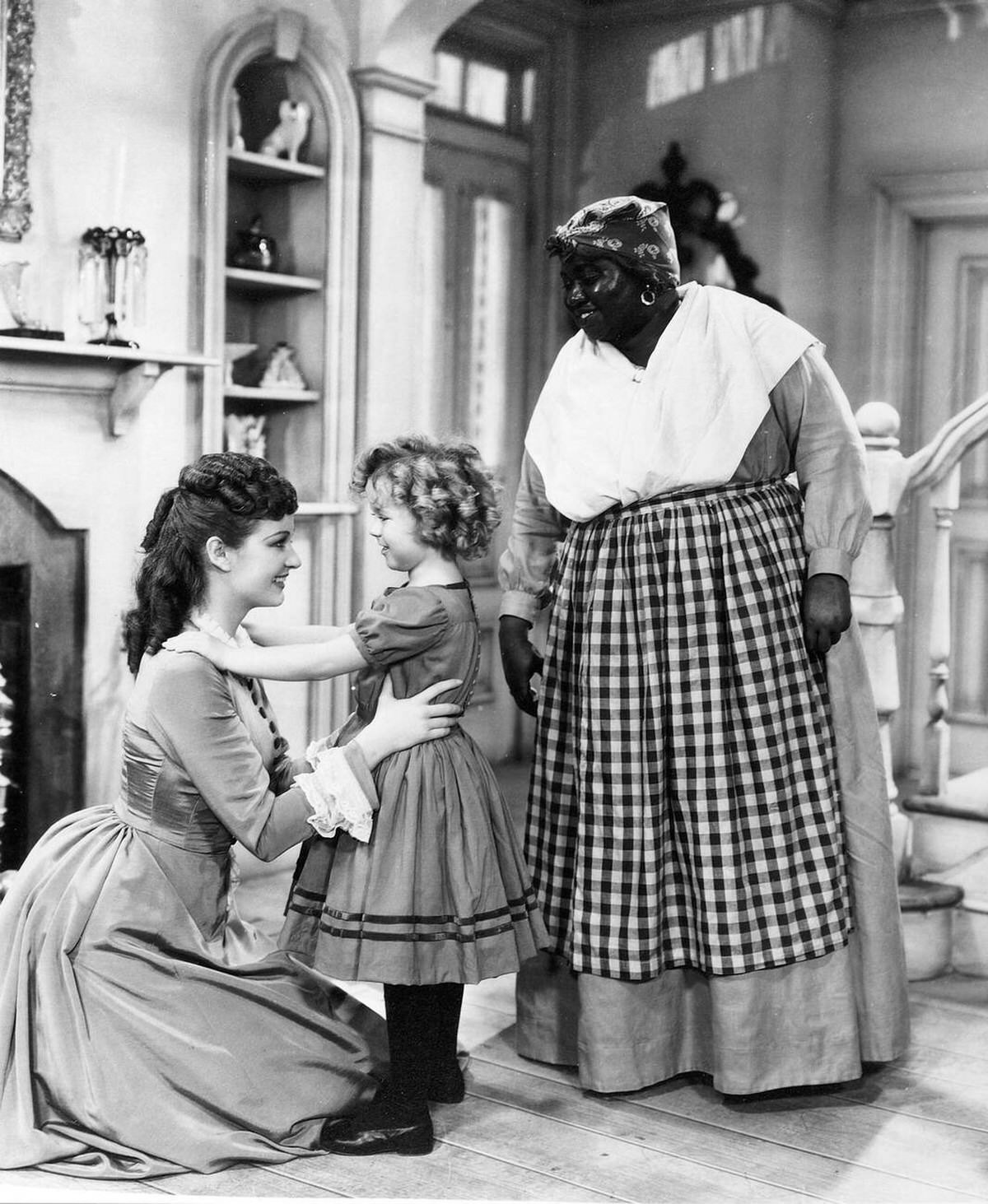
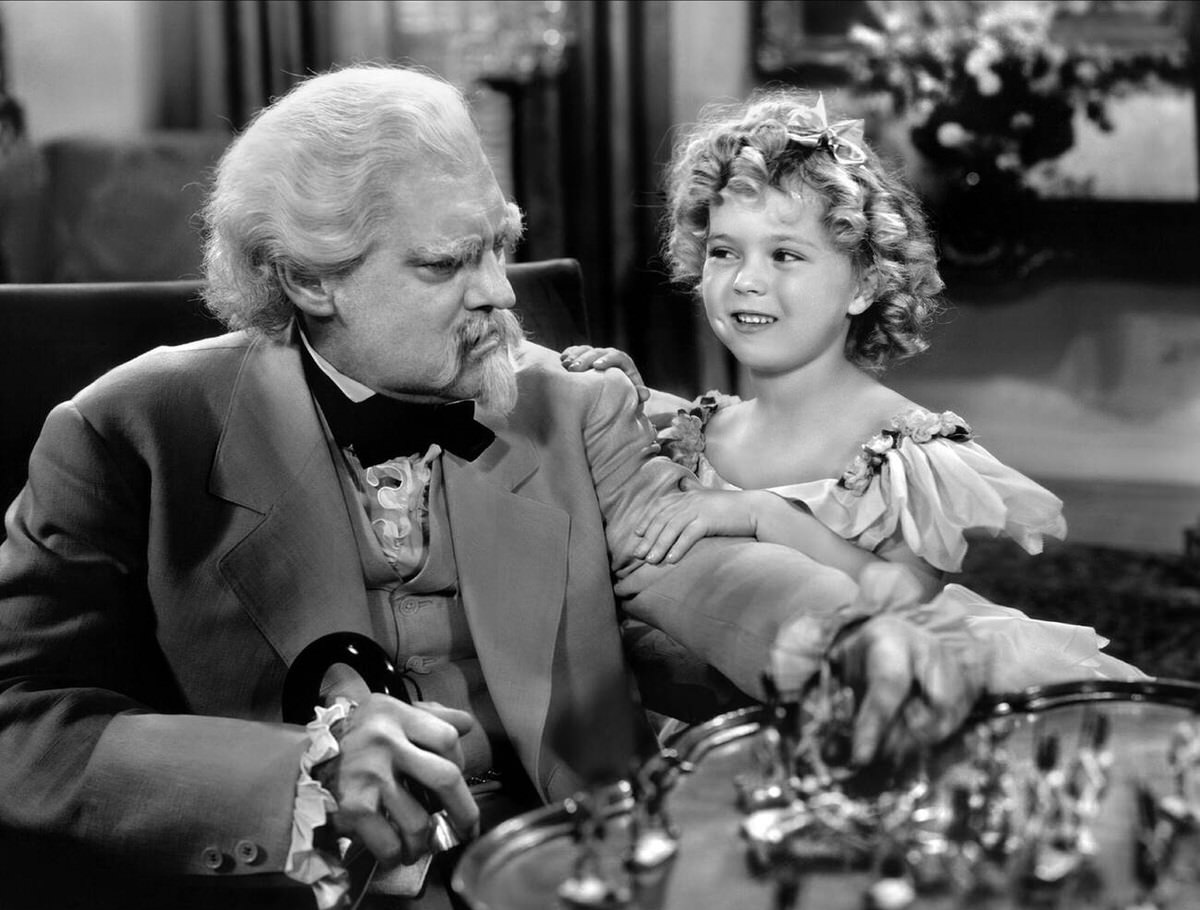
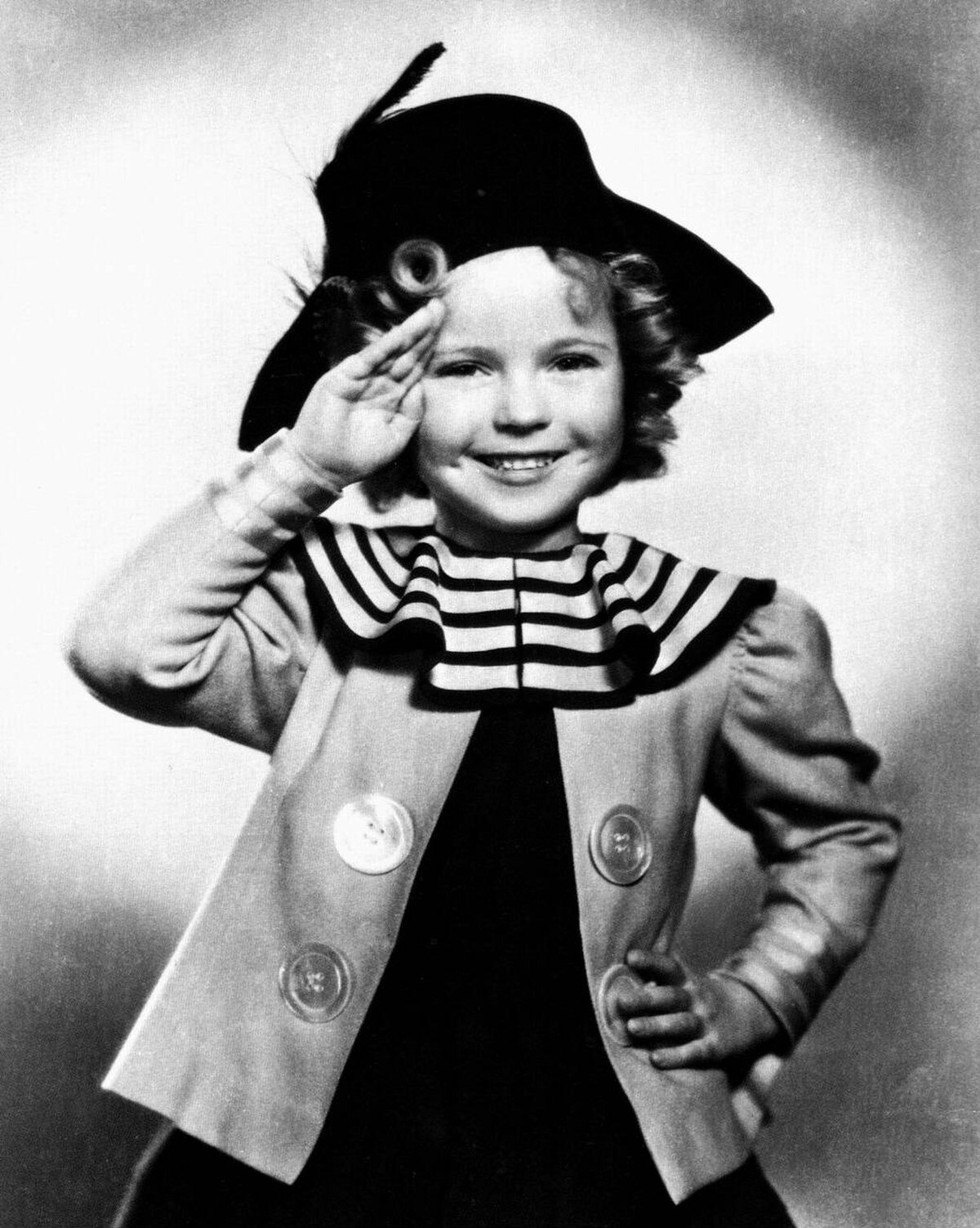
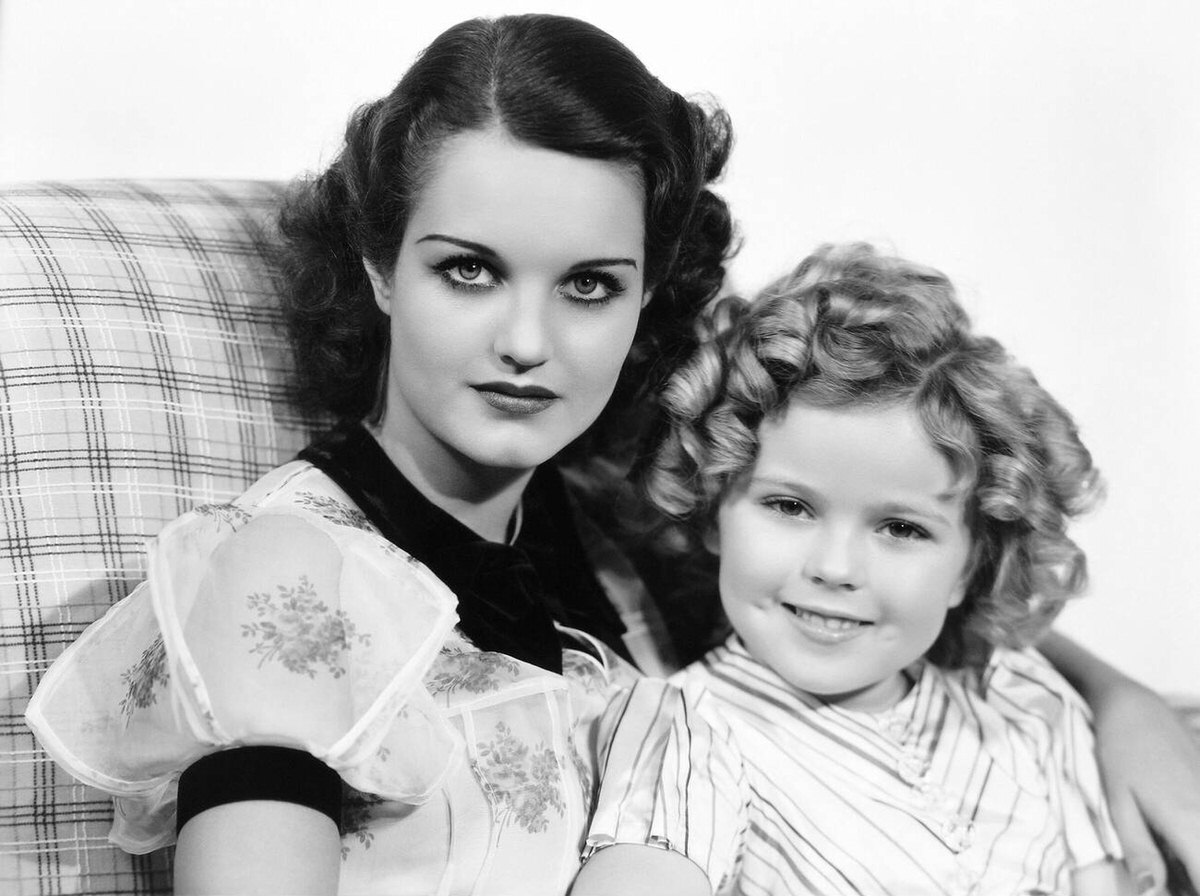
Also in 1935, Temple appeared in Curly Top, playing an orphan who brings joy into the lives of wealthy adults. Her on-screen chemistry with co-star Rochelle Hudson added warmth to the film’s emotional core. That same year, she attended the Academy Awards, where she was photographed alongside Walt Disney — two of the era’s most beloved entertainers sharing the same stage.
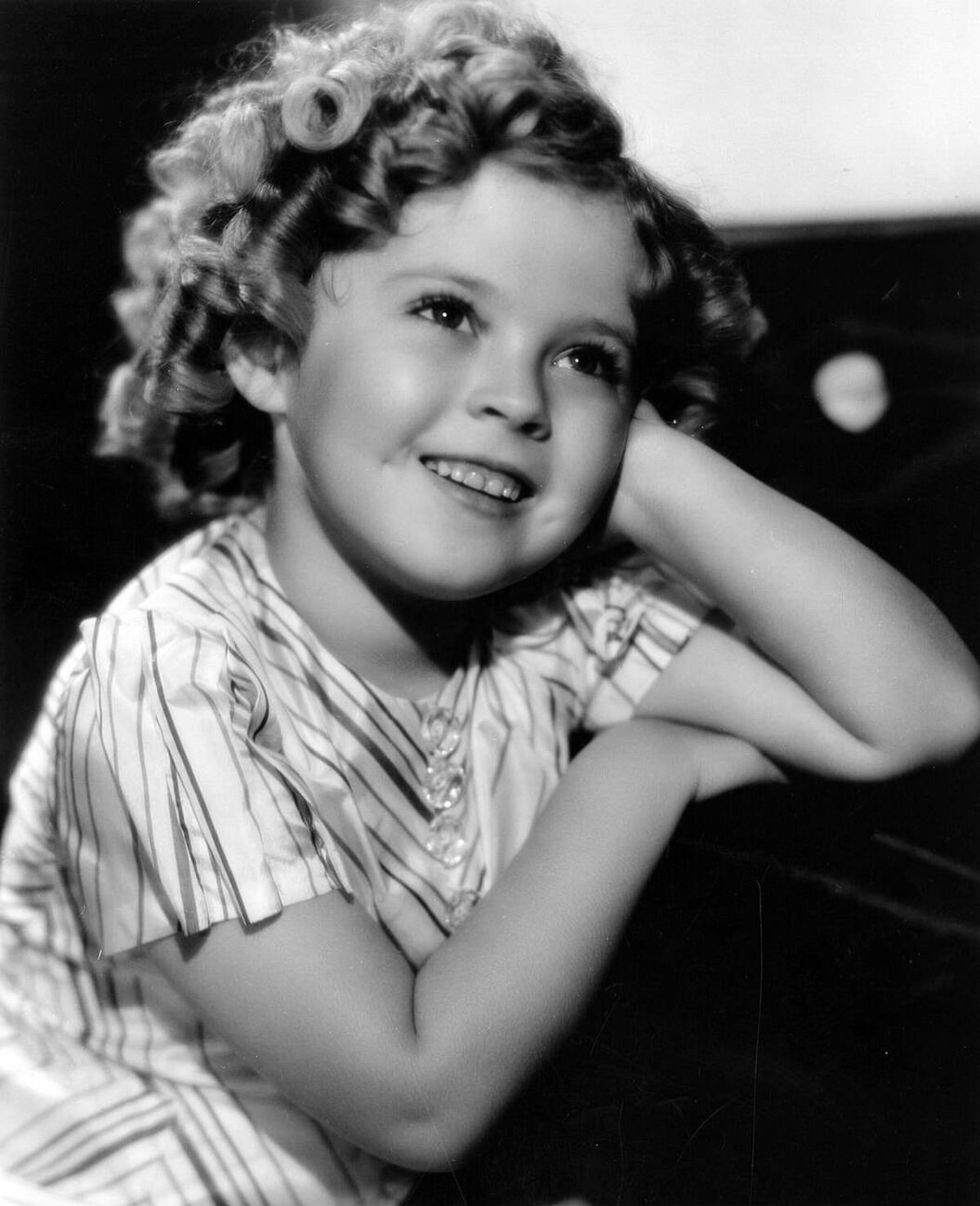
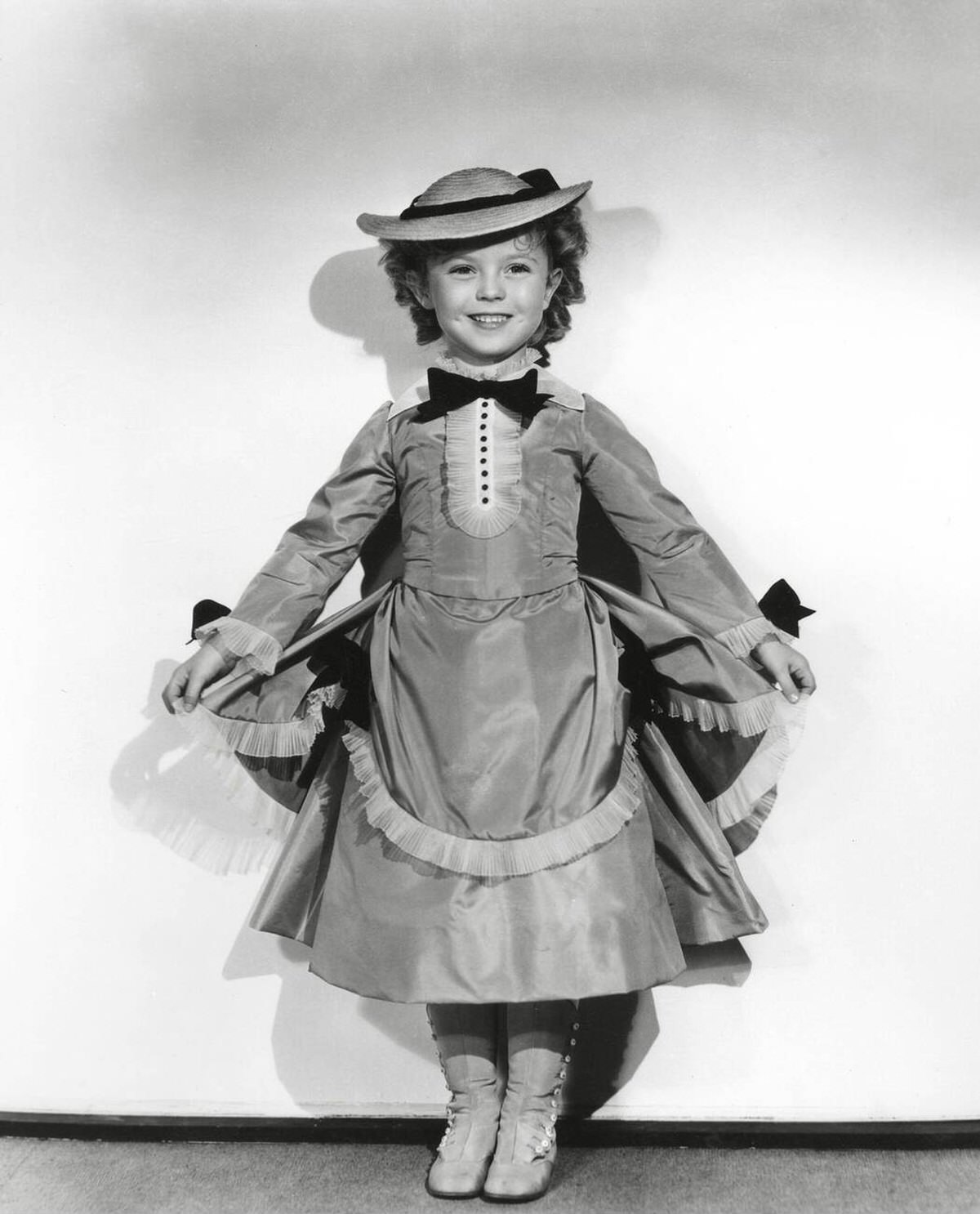
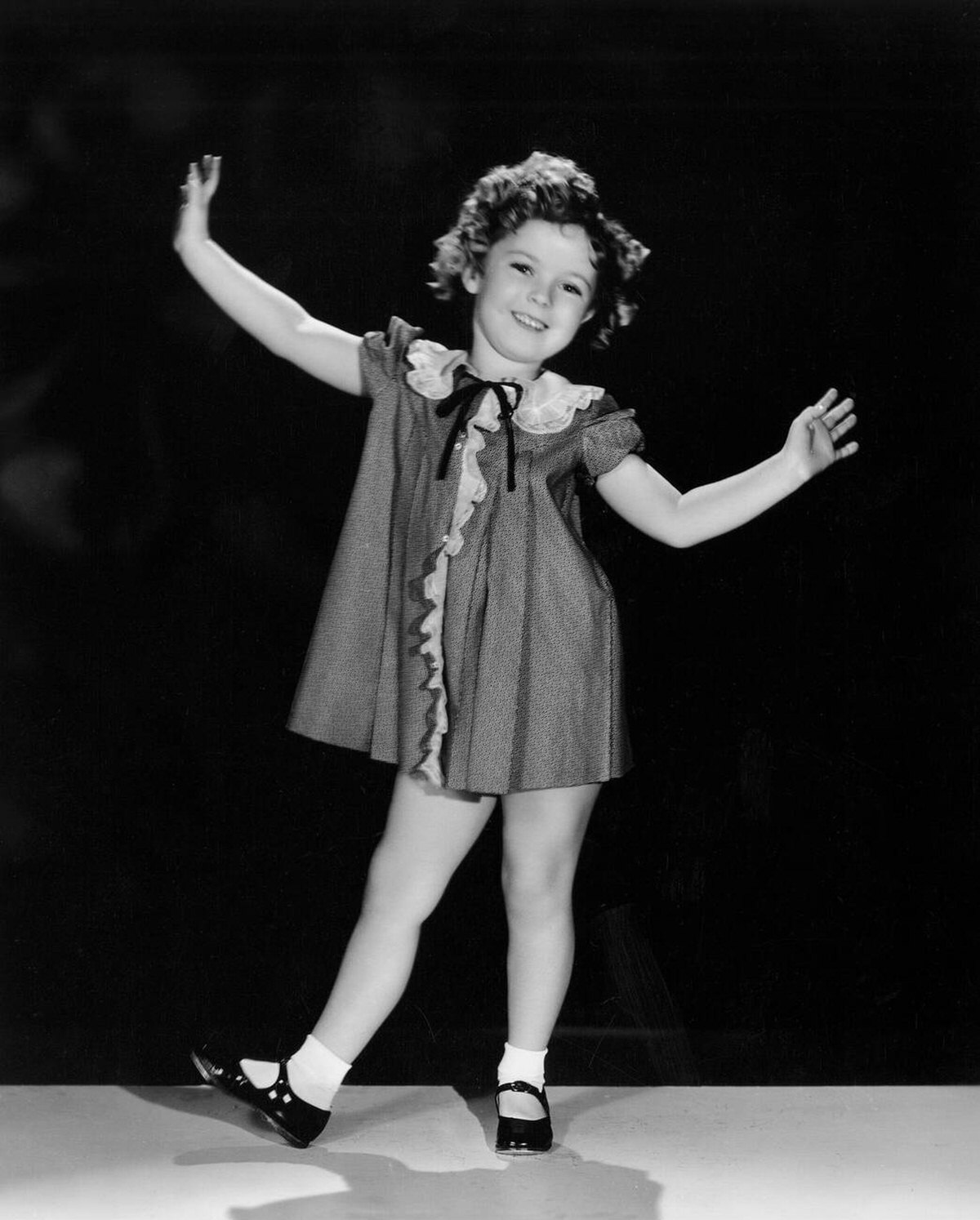
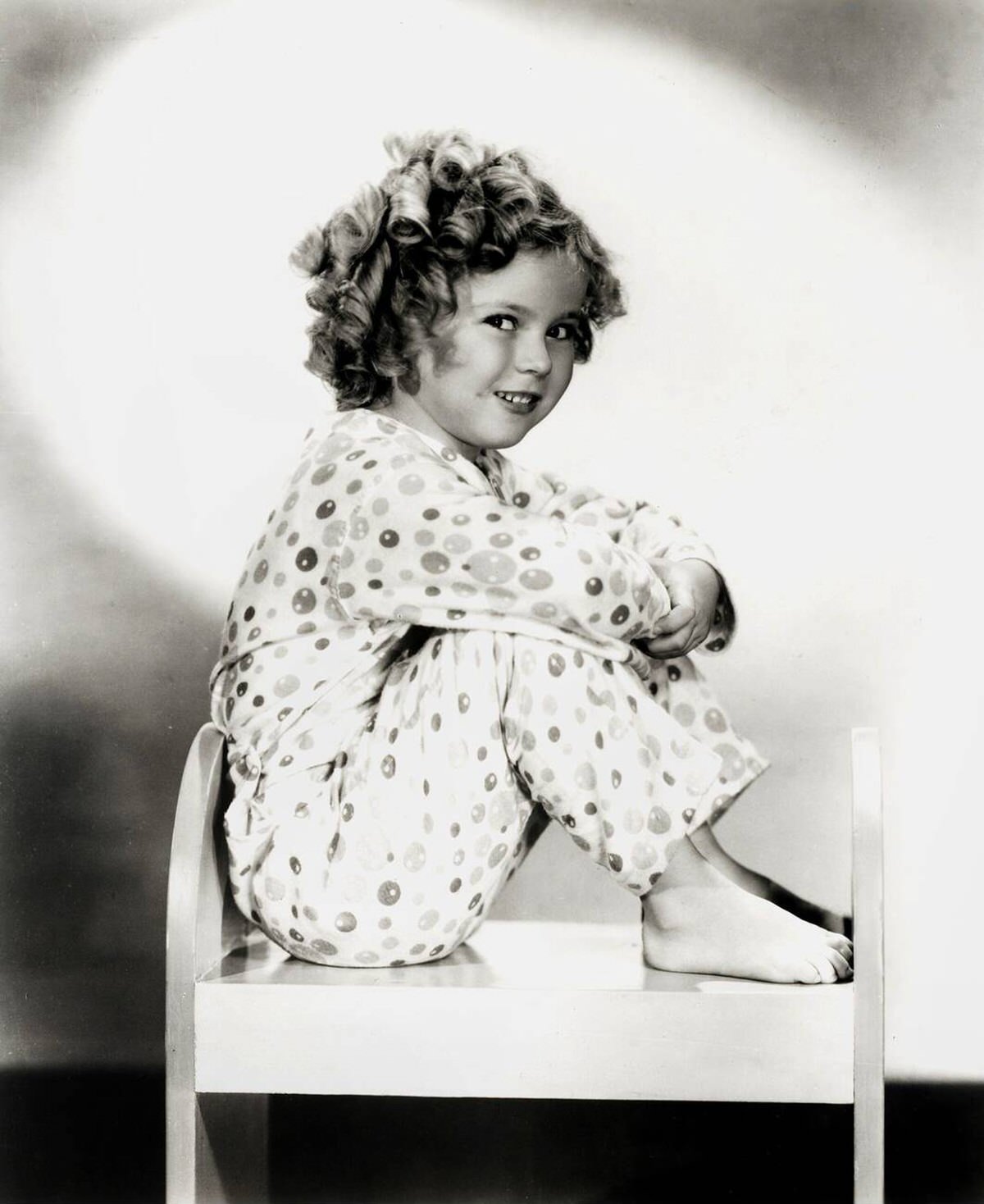
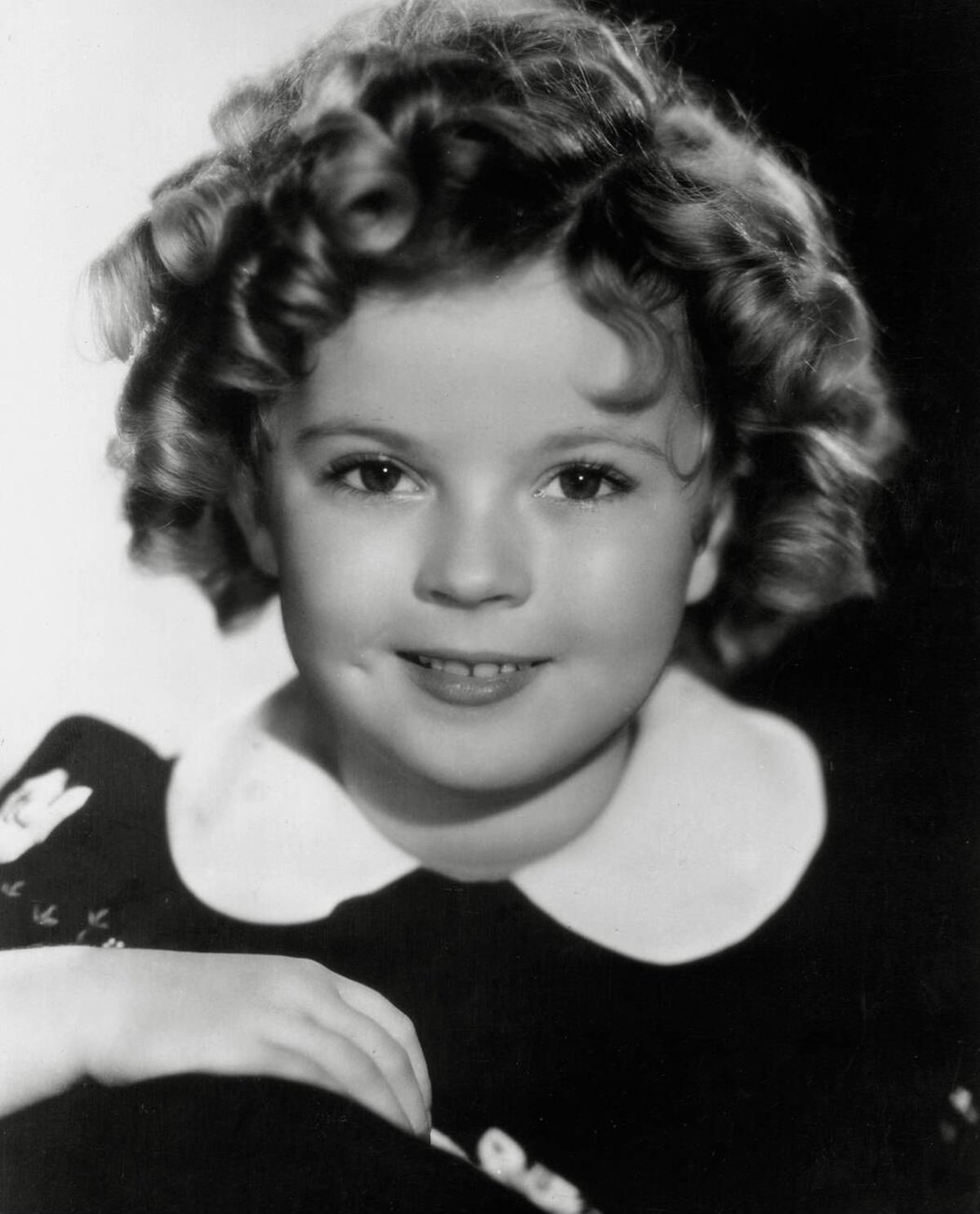
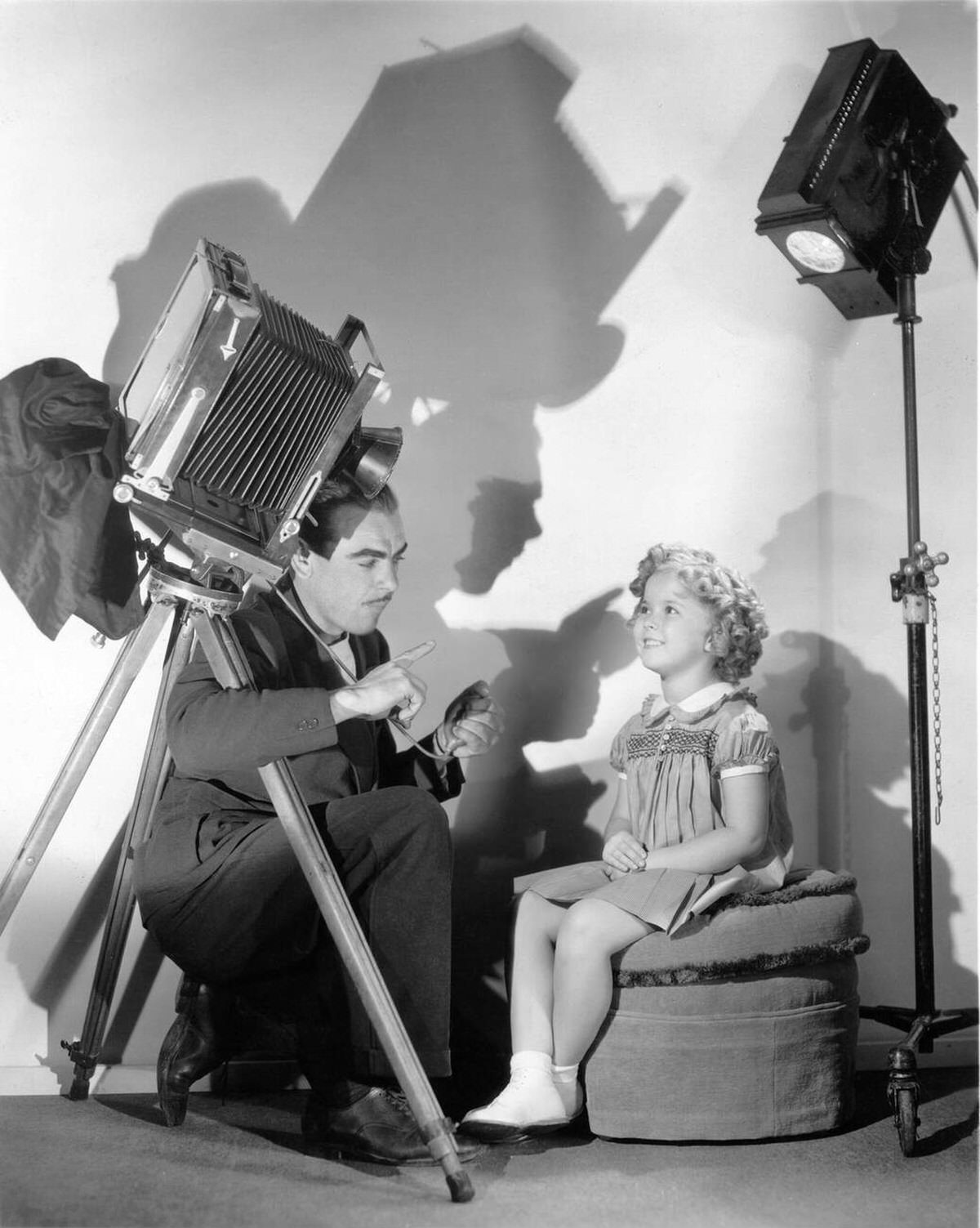
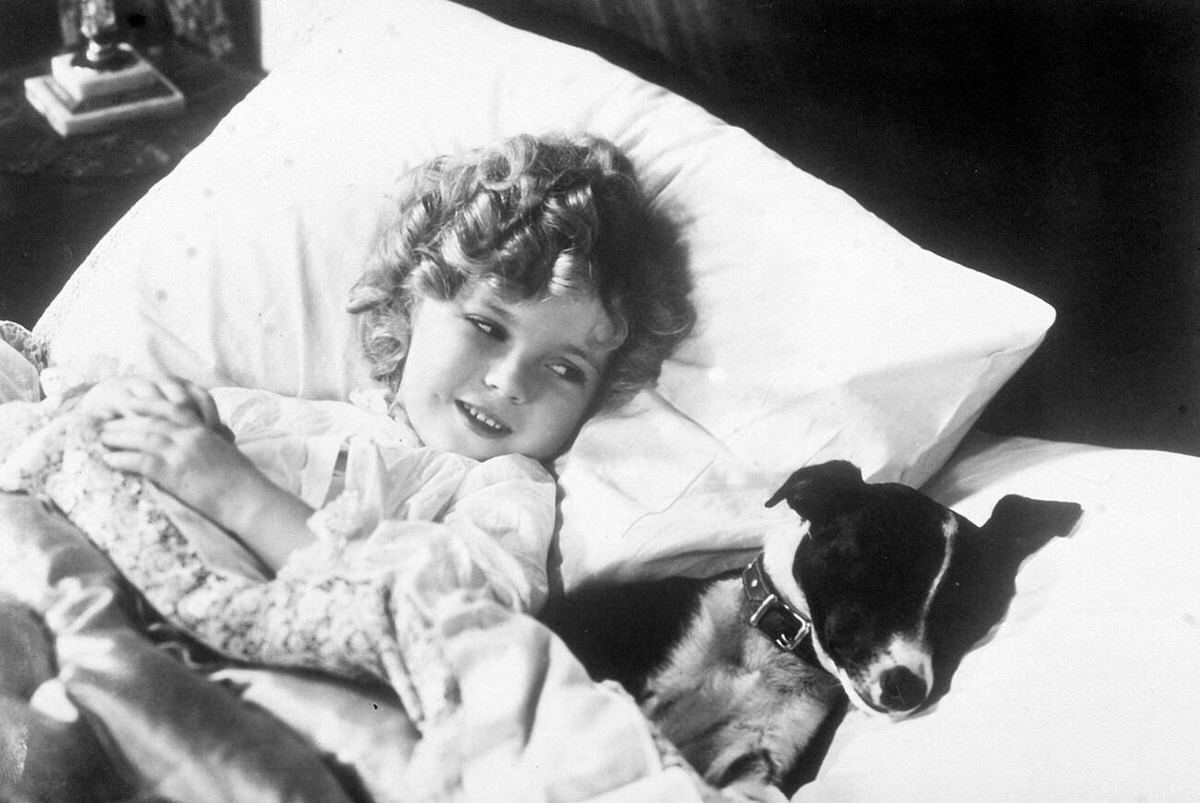
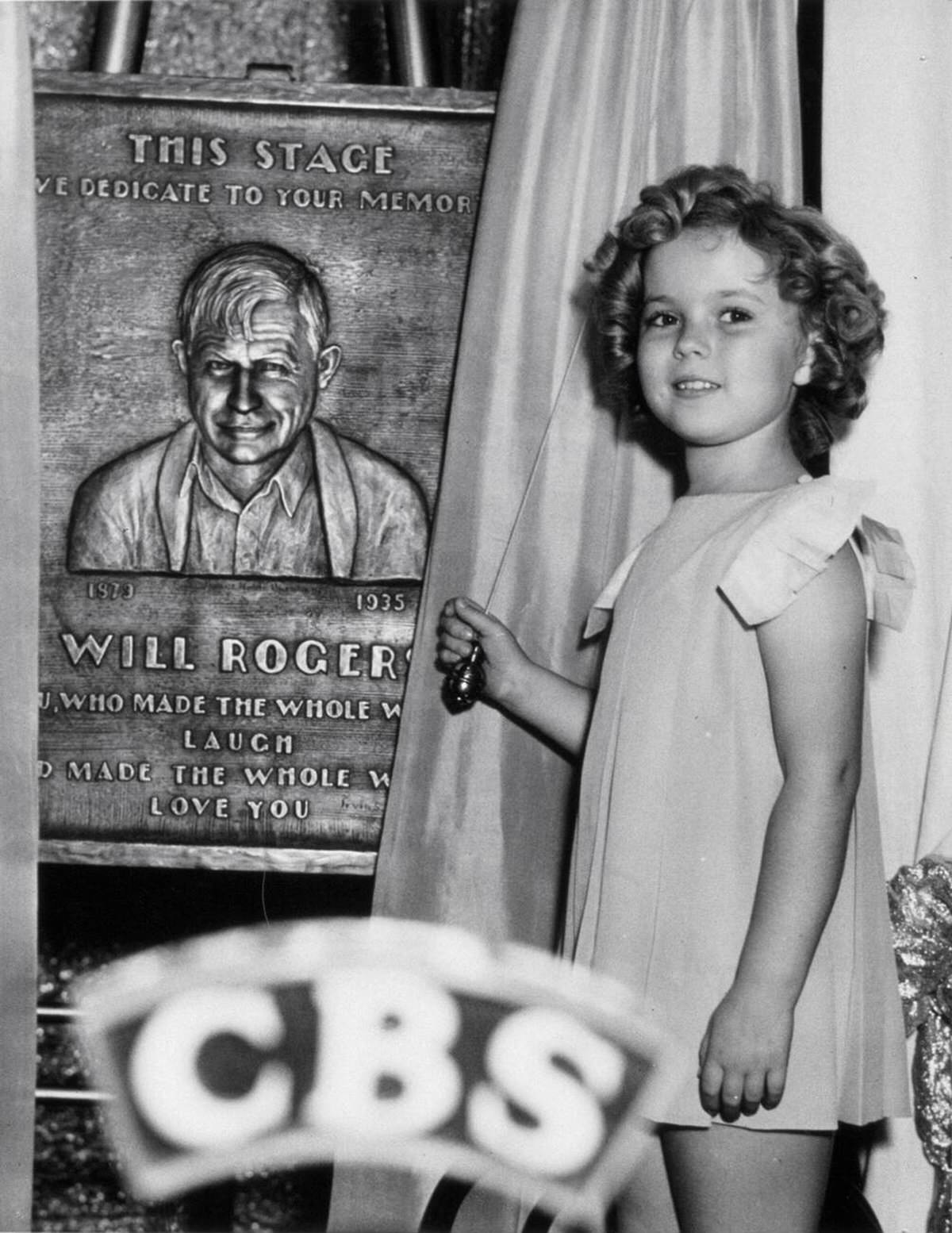
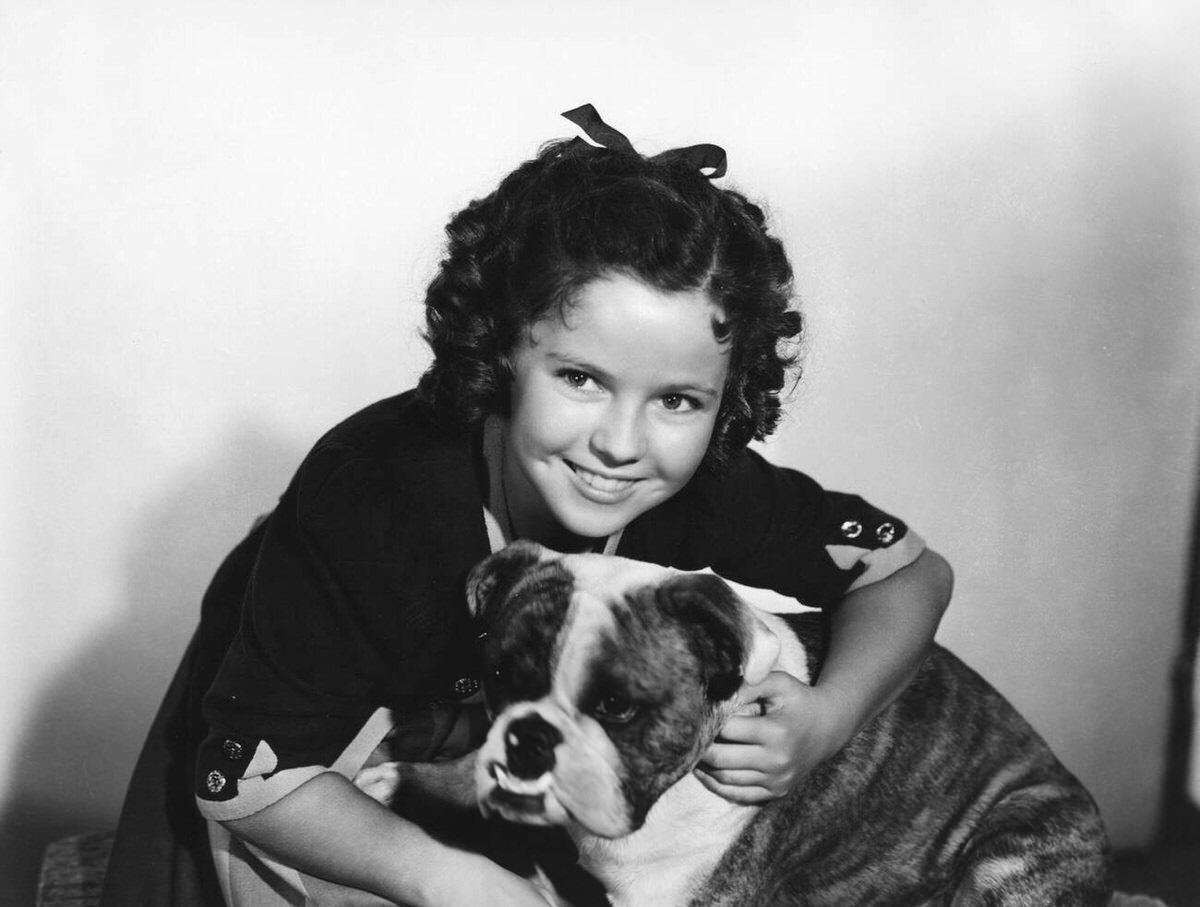
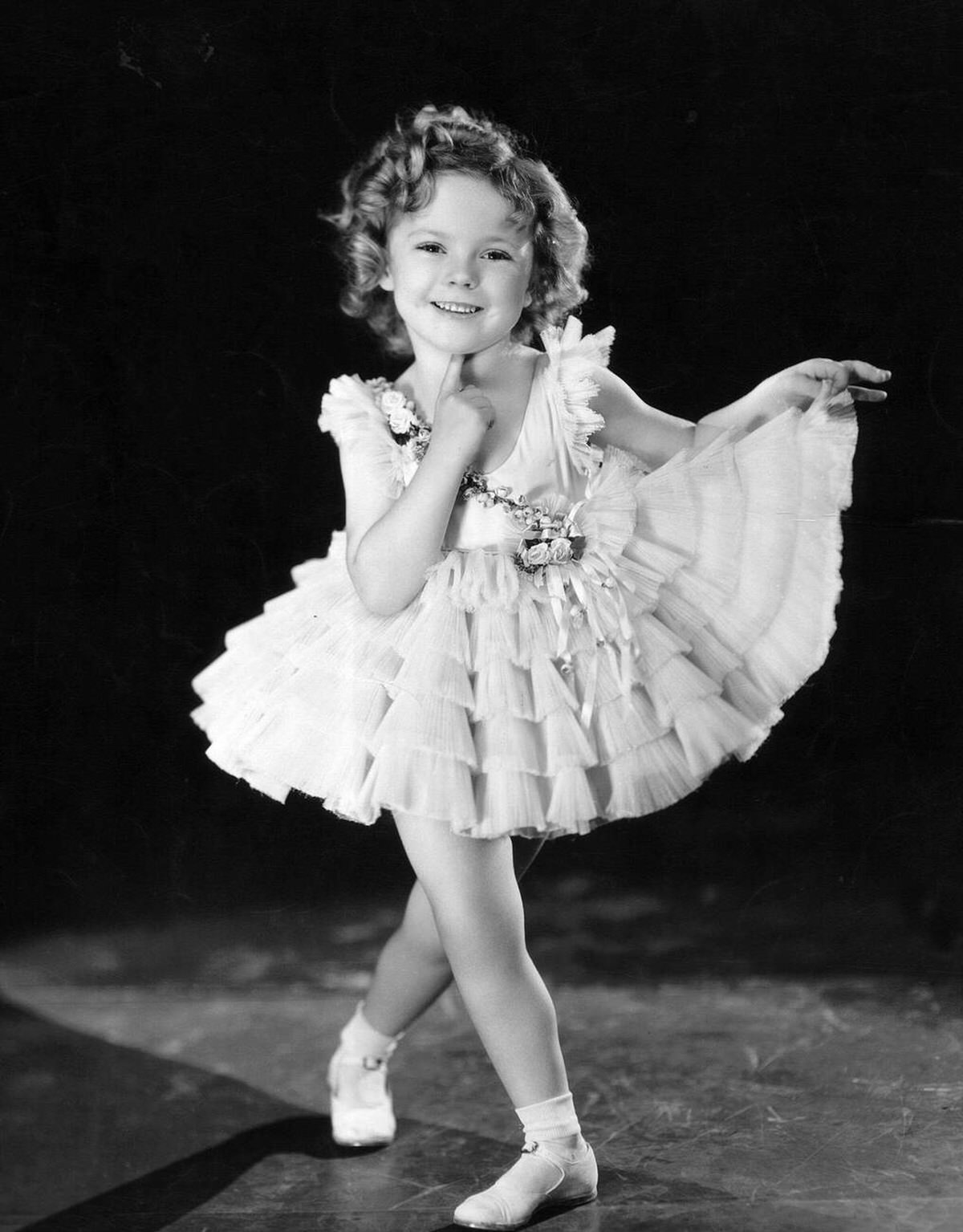
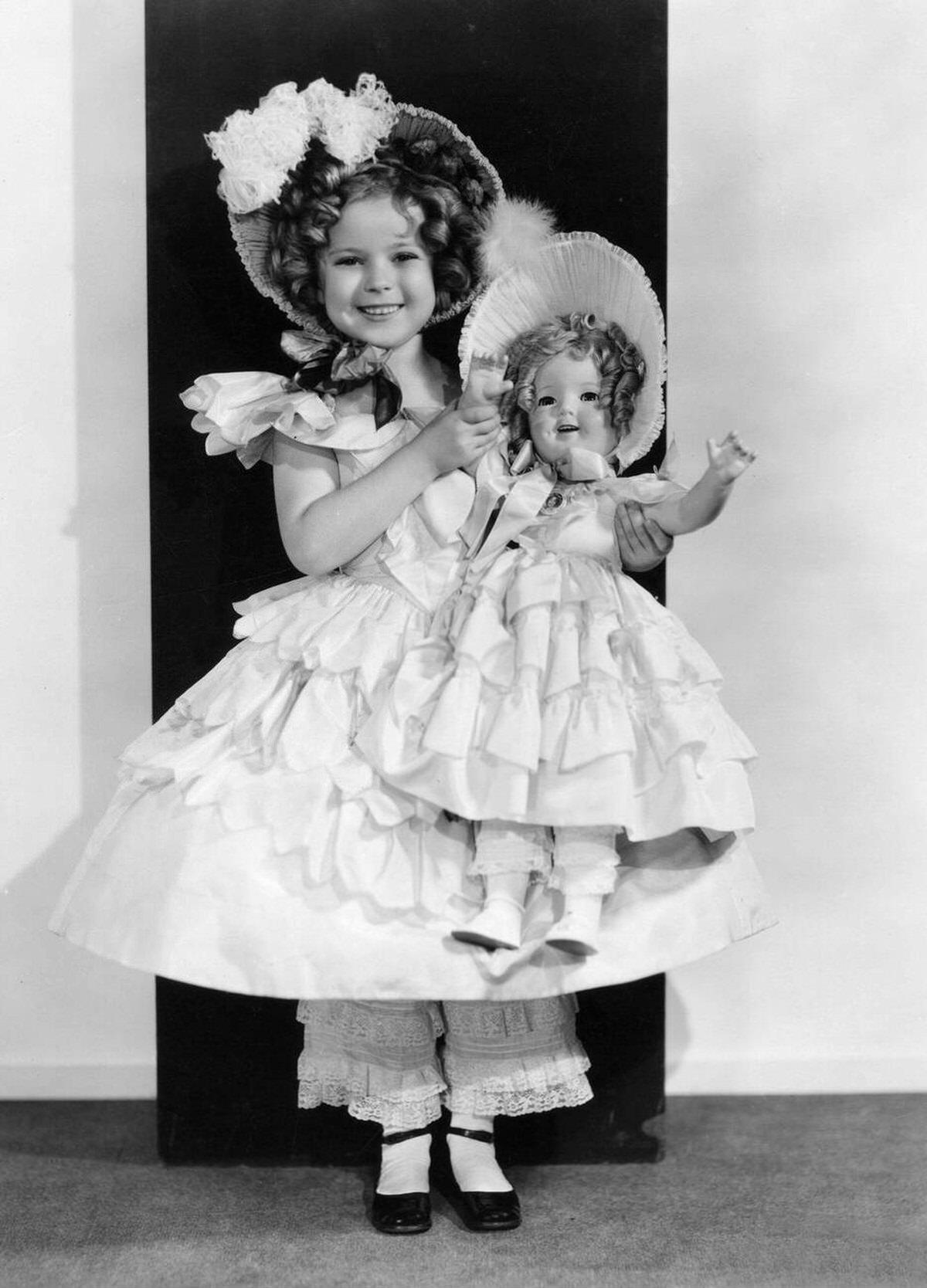
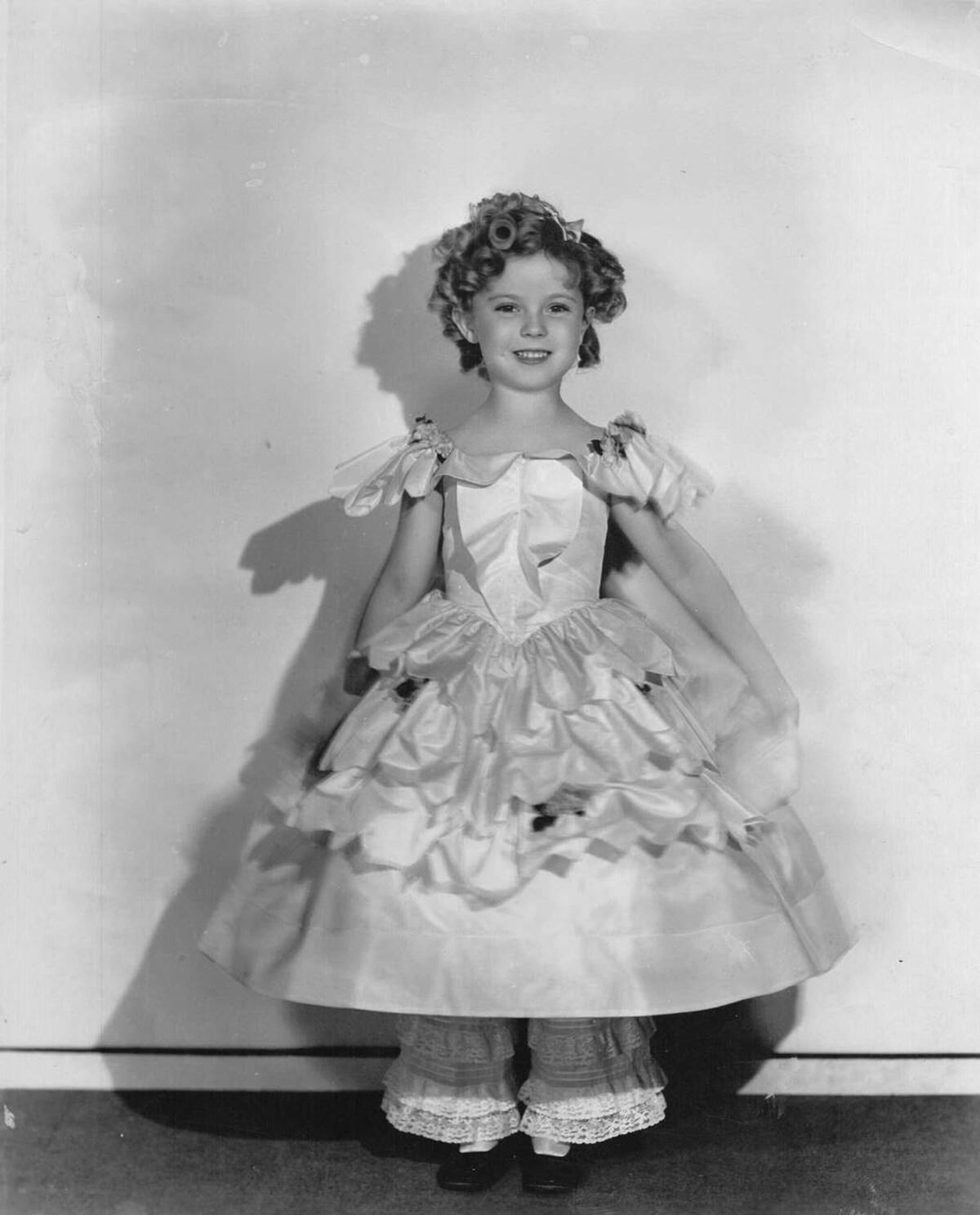
Hollywood studios built their marketing strategies around Temple’s image. Her mother styled her hair into dozens of ringlets before every public appearance, and those curls became her most recognizable trademark. Toy companies, clothing brands, and book publishers all sold products bearing her likeness. 20th Century Fox built entire productions around her talents, relying on her box office returns during some of the studio’s most financially uncertain years.
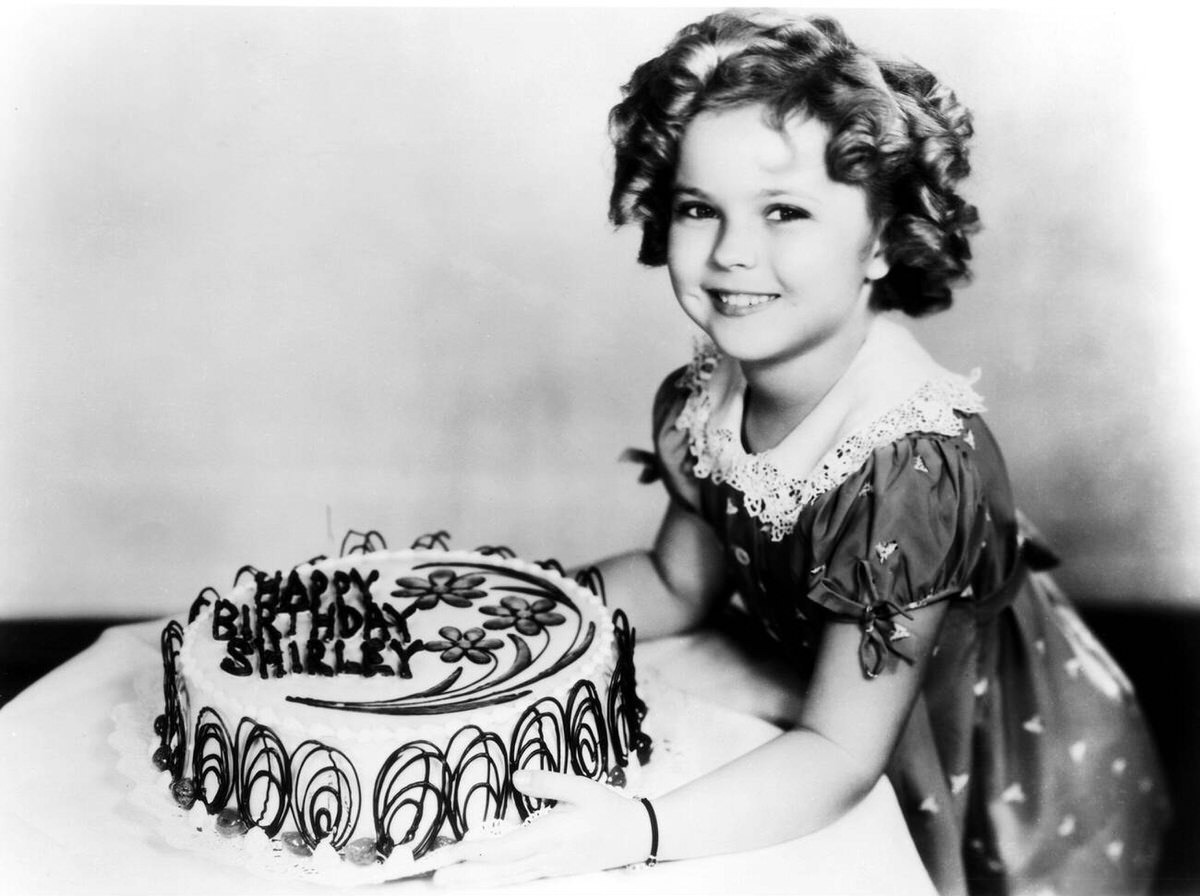
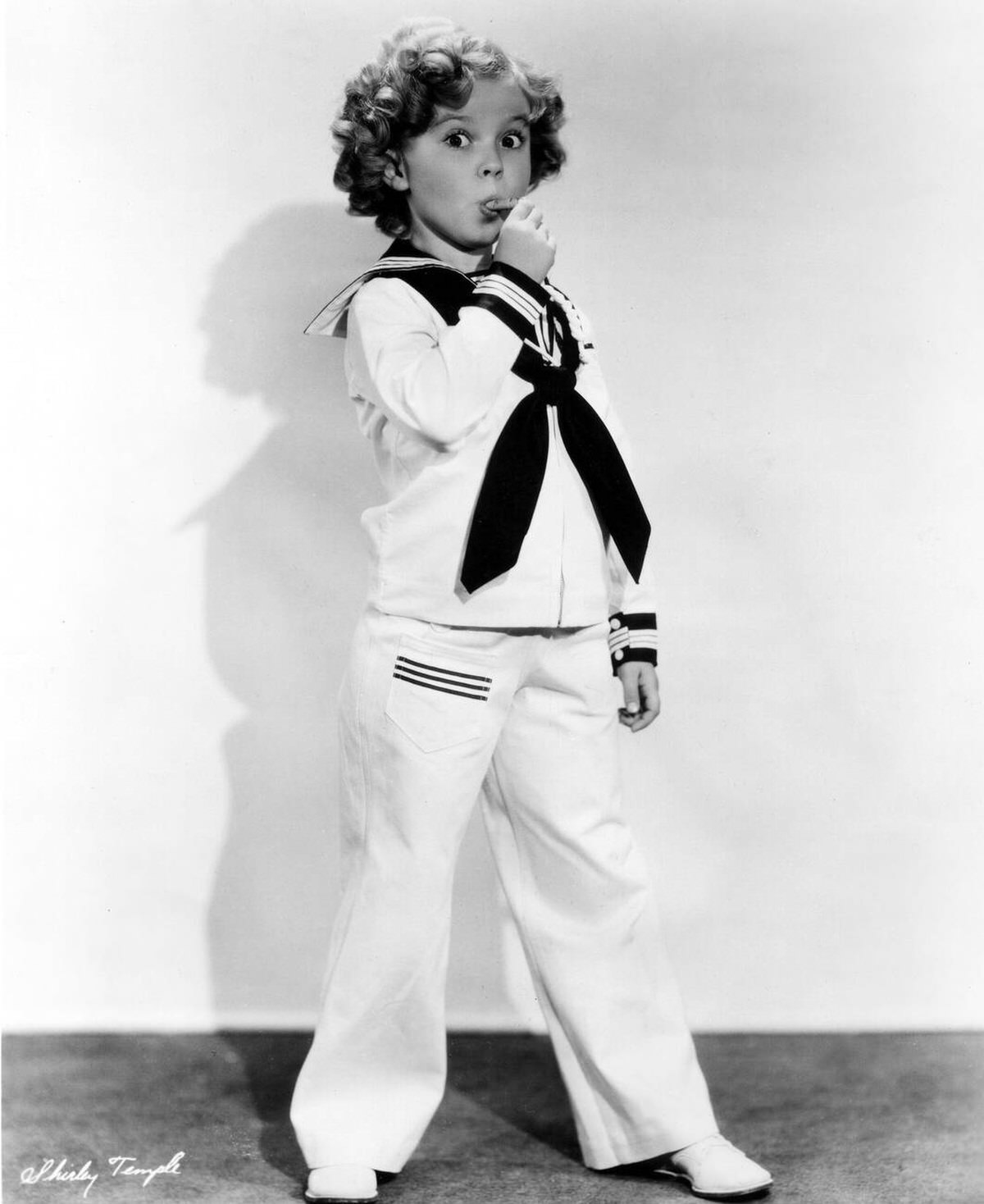
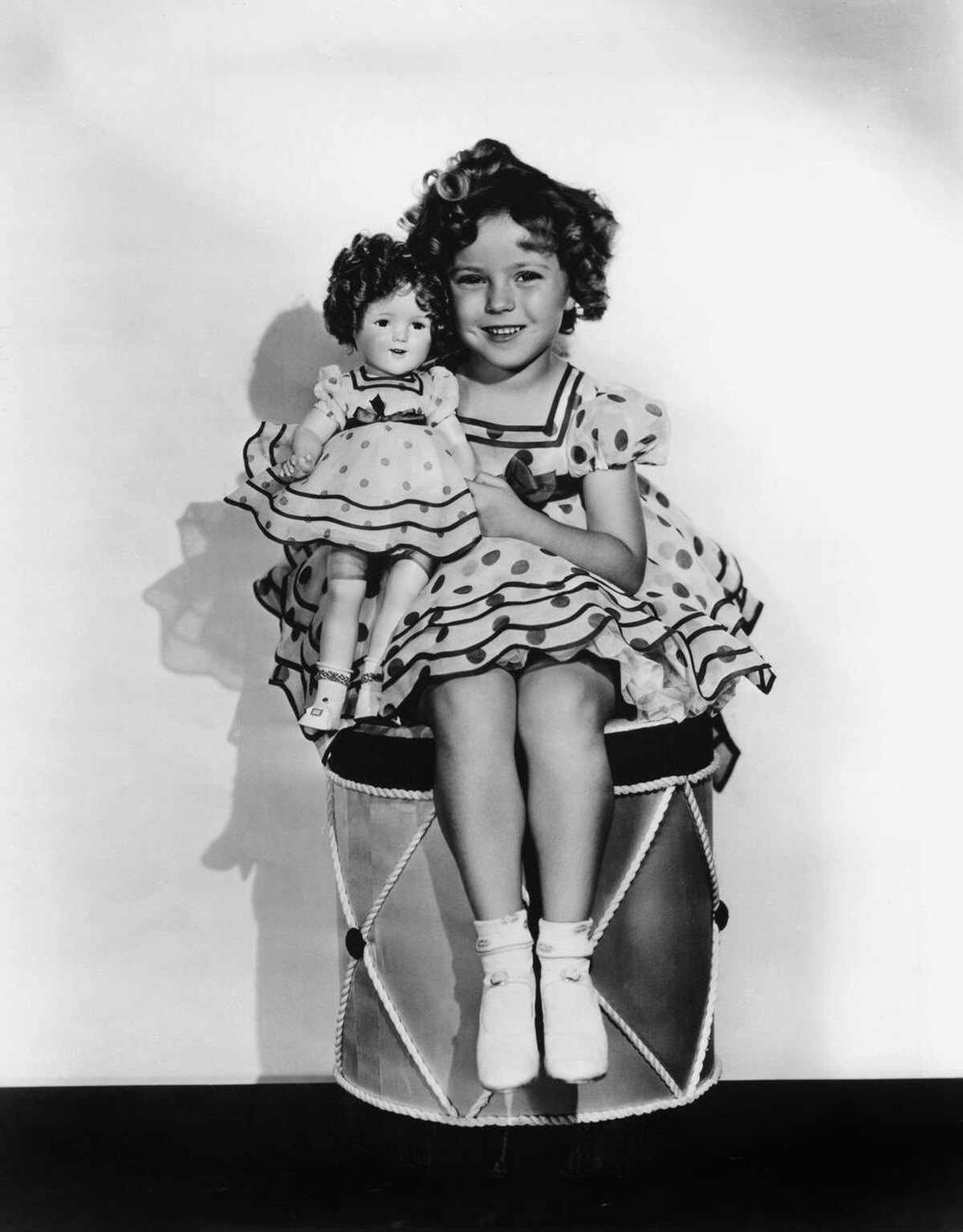
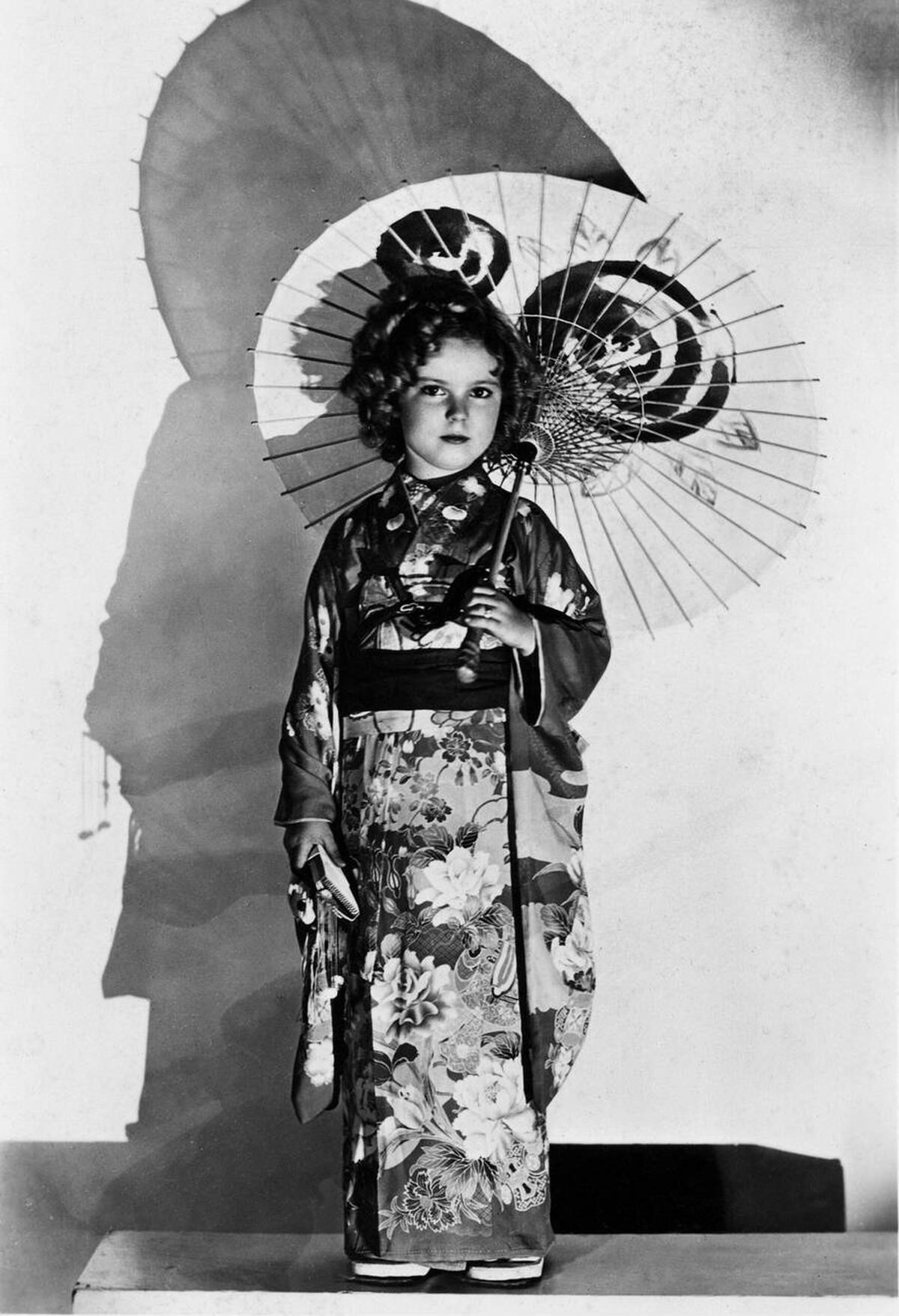
Temple worked under strict schedules that combined film shoots with school lessons on set. Coworkers consistently described her as disciplined and professional. Fans sent thousands of letters to her every week, and her fame stretched well beyond the United States into Europe and Latin America. Behind every smiling performance was a demanding daily routine that few adults could have maintained.
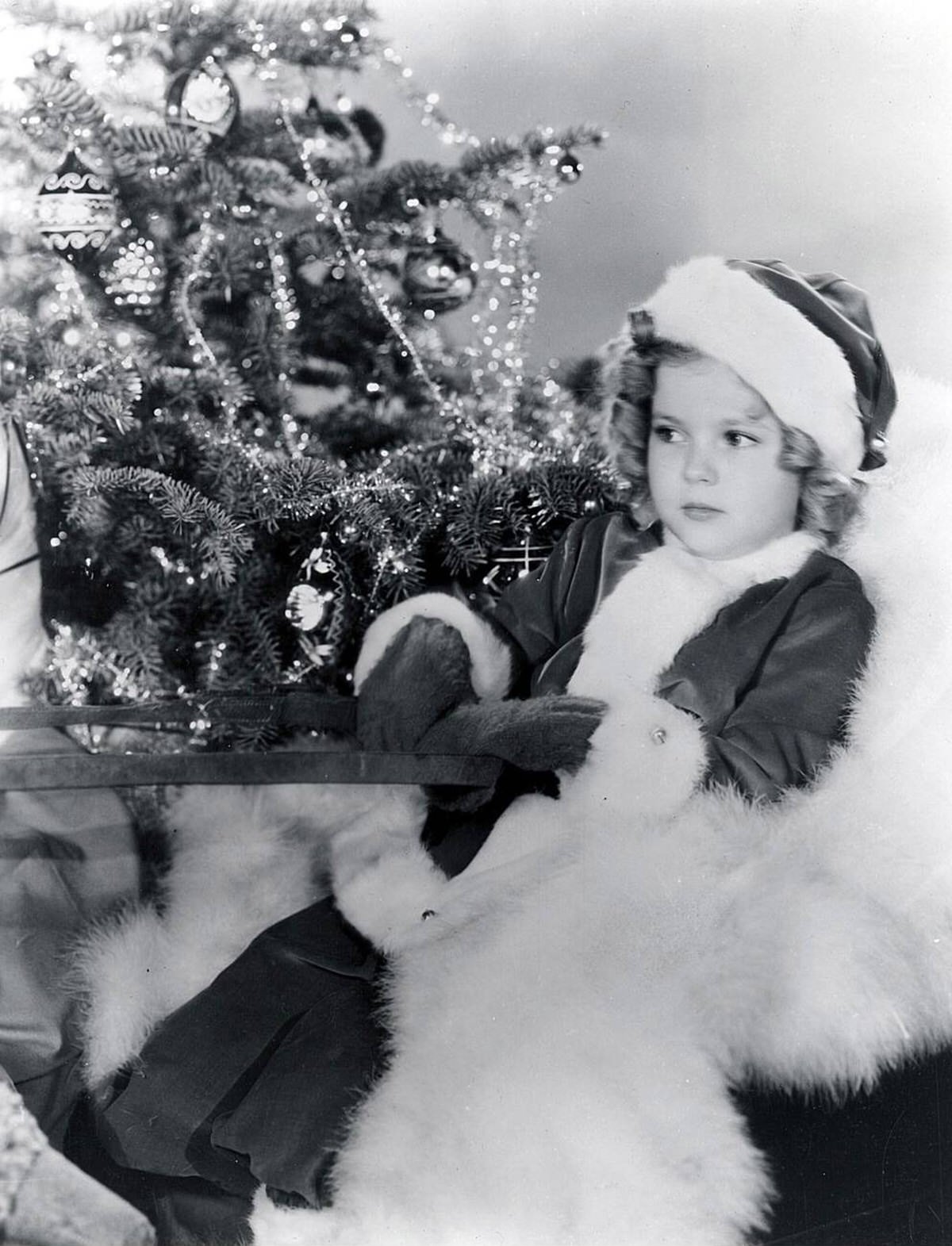
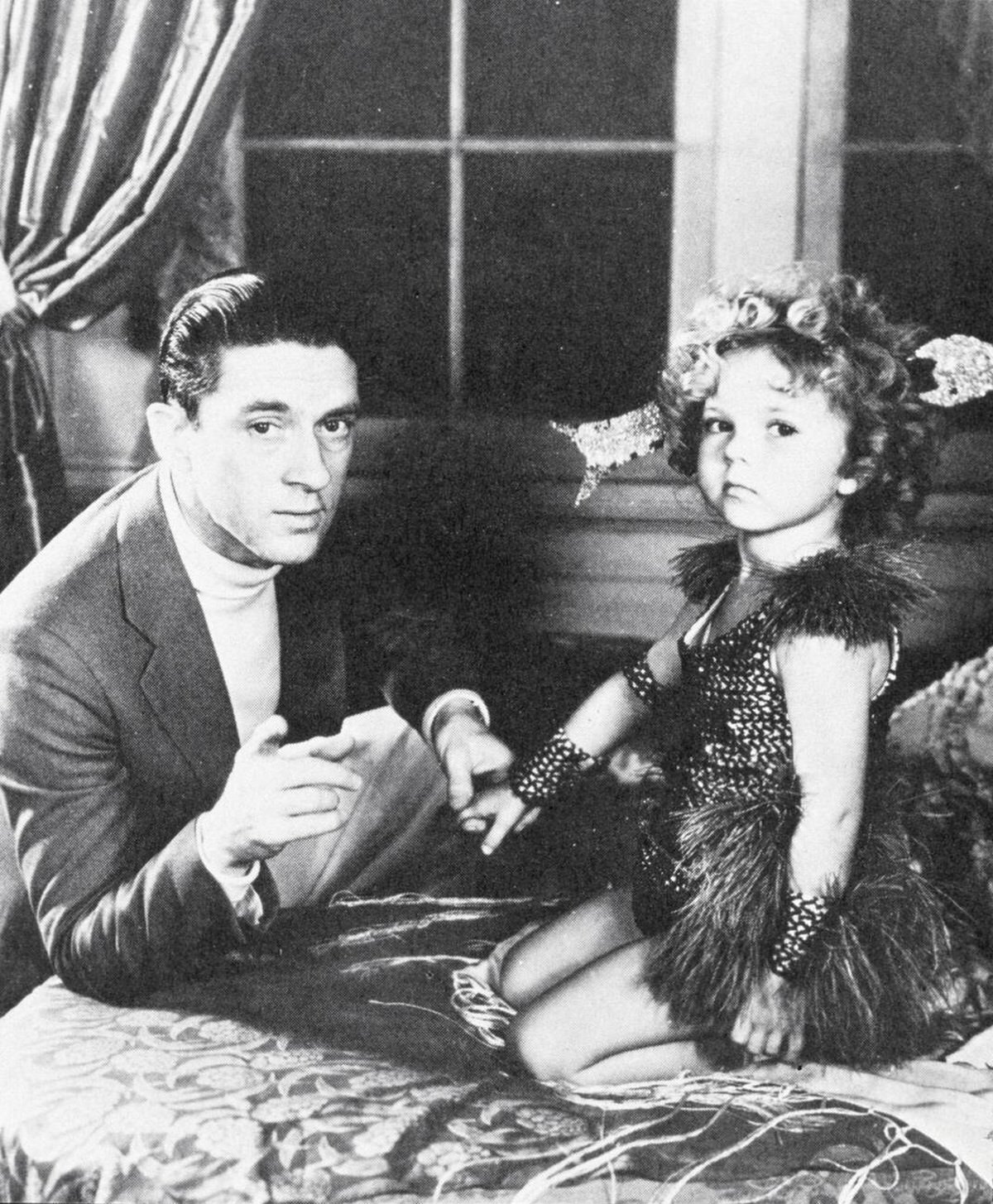
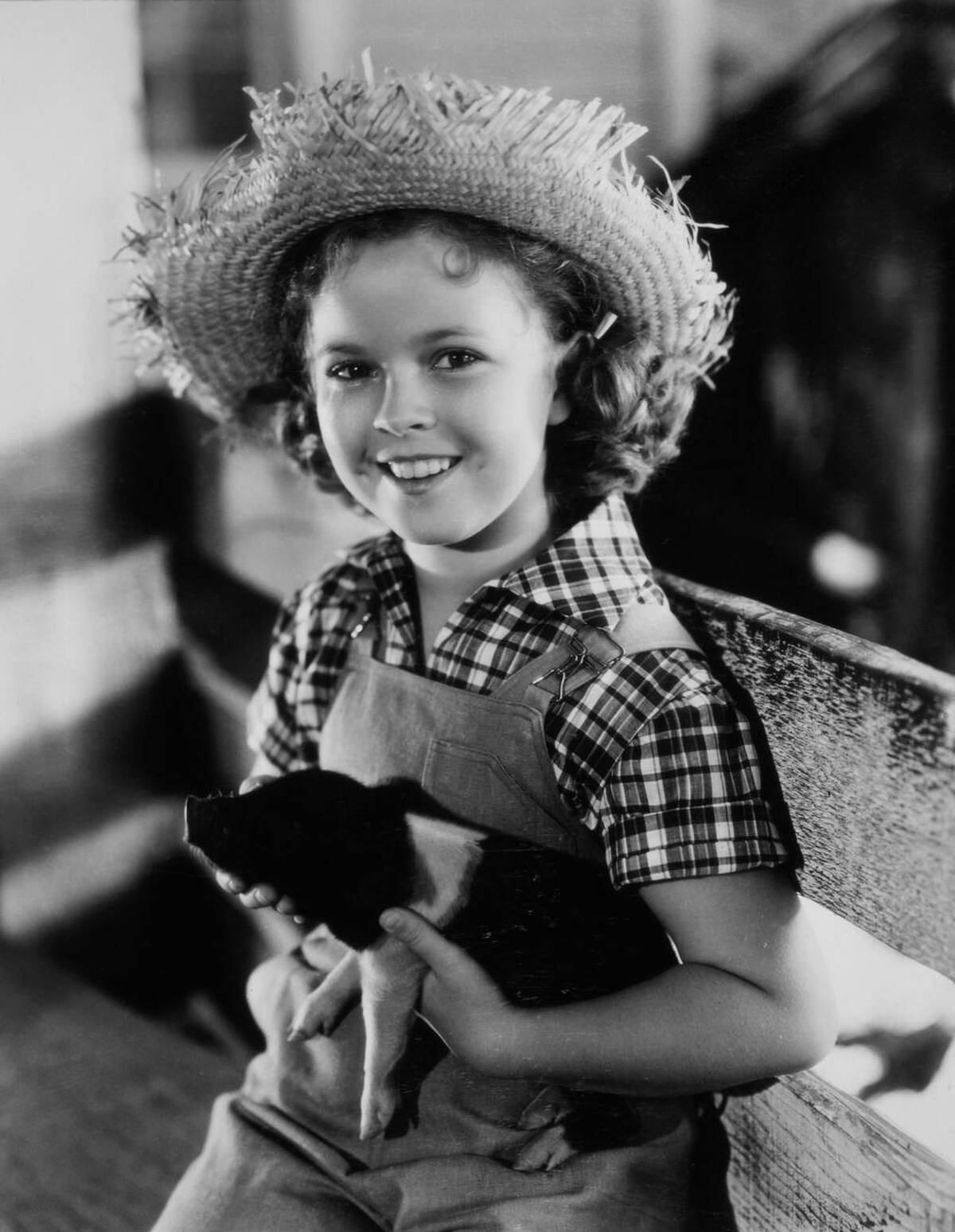
Temple’s film Heidi, adapted from the classic Swiss children’s novel, showcased her ability to carry a dramatic role. In 1938, she appeared on the set of Rebecca of Sunnybrook Farm, another title that kept her at the center of Hollywood’s most commercially successful productions. By the end of the decade, she had become one of the most photographed people on Earth.
As the 1930s closed, studios began struggling to adjust her image for older audiences. One notable turning point came when studio leaders considered Temple for the role of Dorothy in The Wizard of Oz before ultimately casting Judy Garland. By 1940, her film The Blue Bird reflected the industry’s attempts to transition her into more complex roles, though audiences remained most strongly attached to the child star they had grown up watching.