in

Stunning Vogue Covers of the 1930s That Defined an Era of Elegance

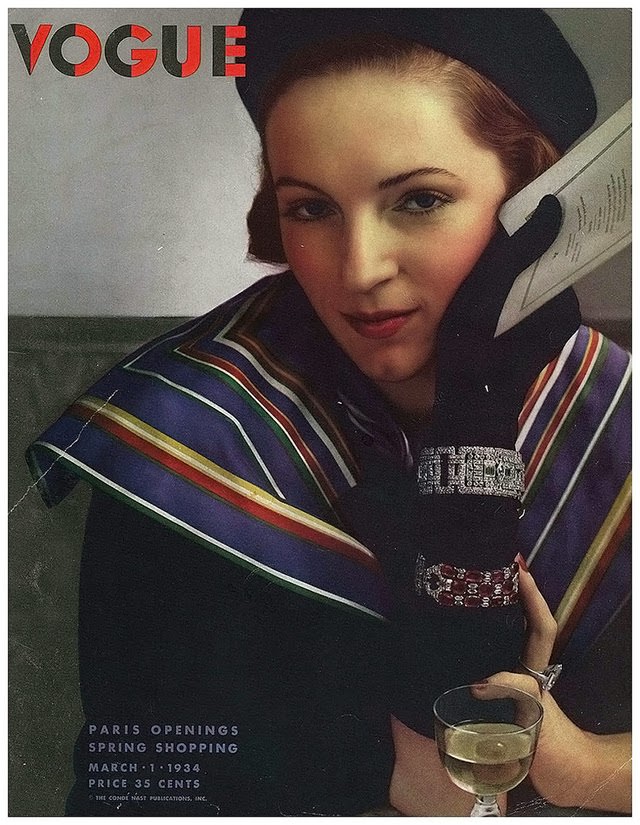
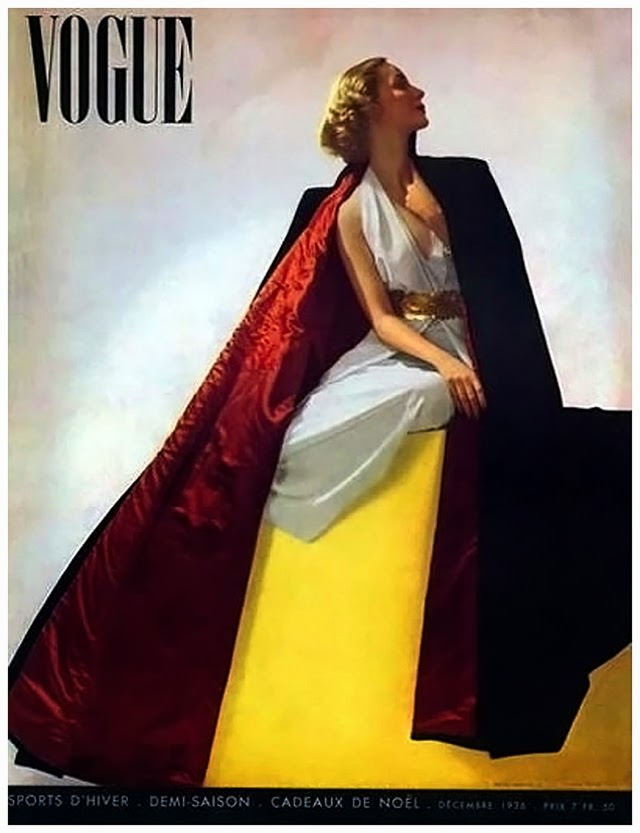
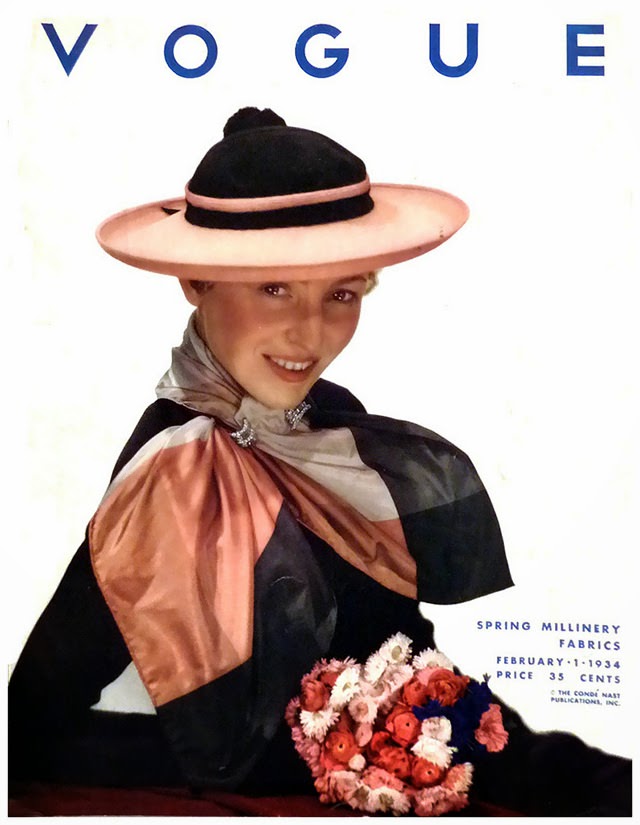
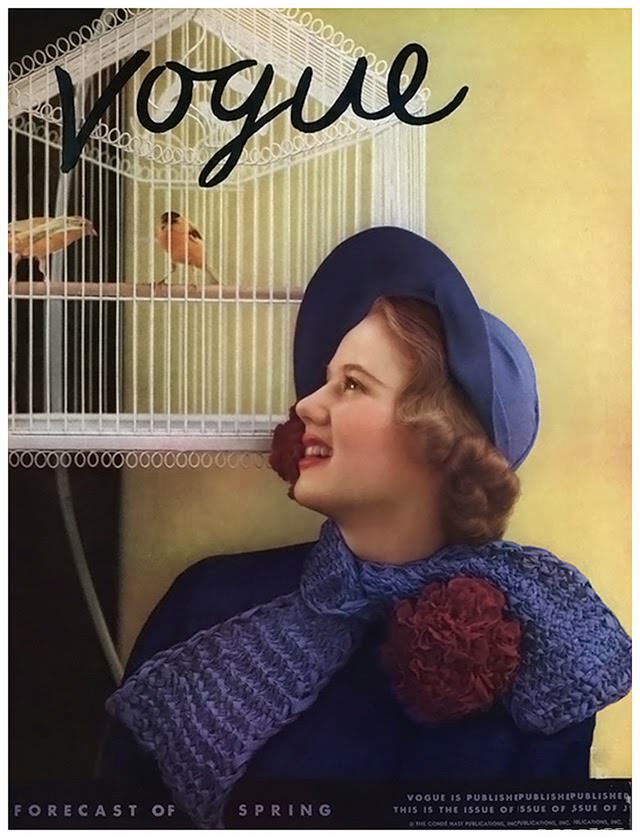
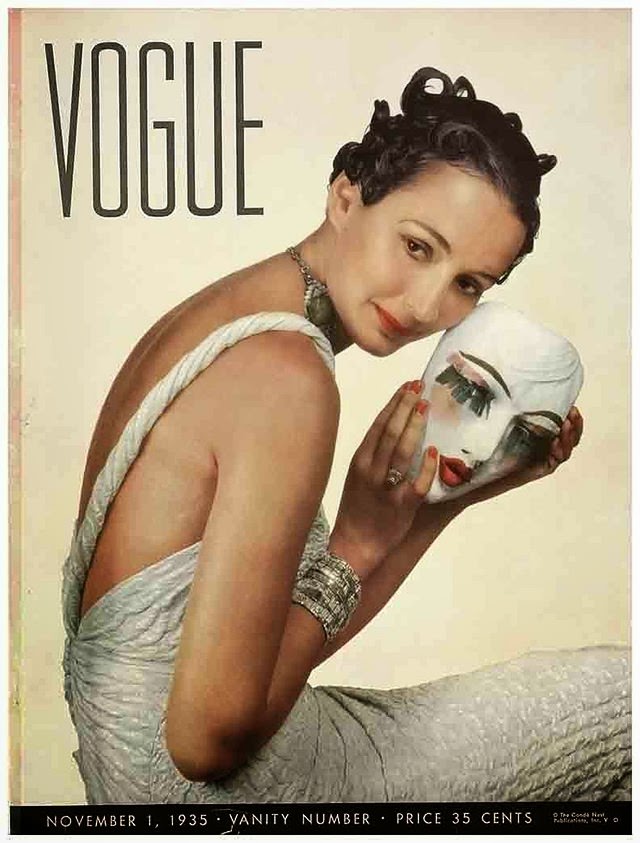
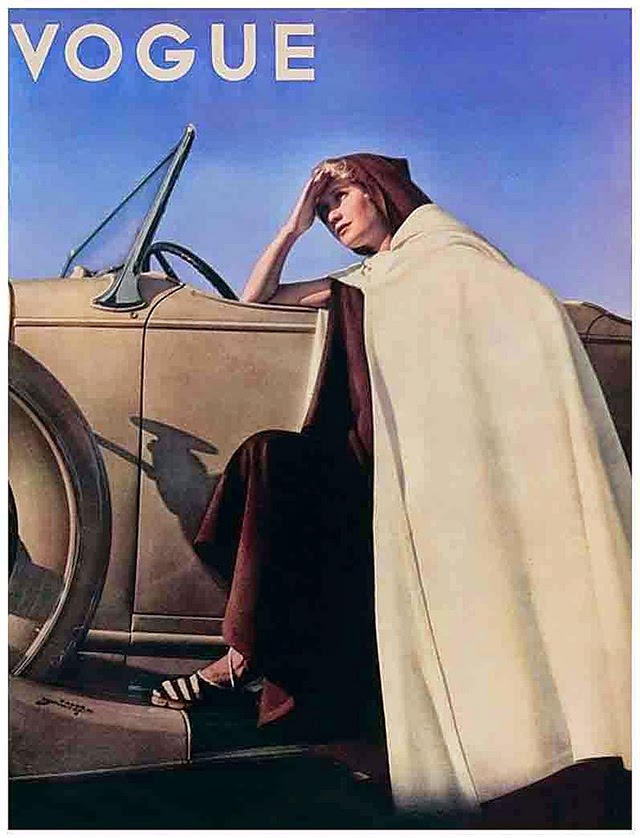
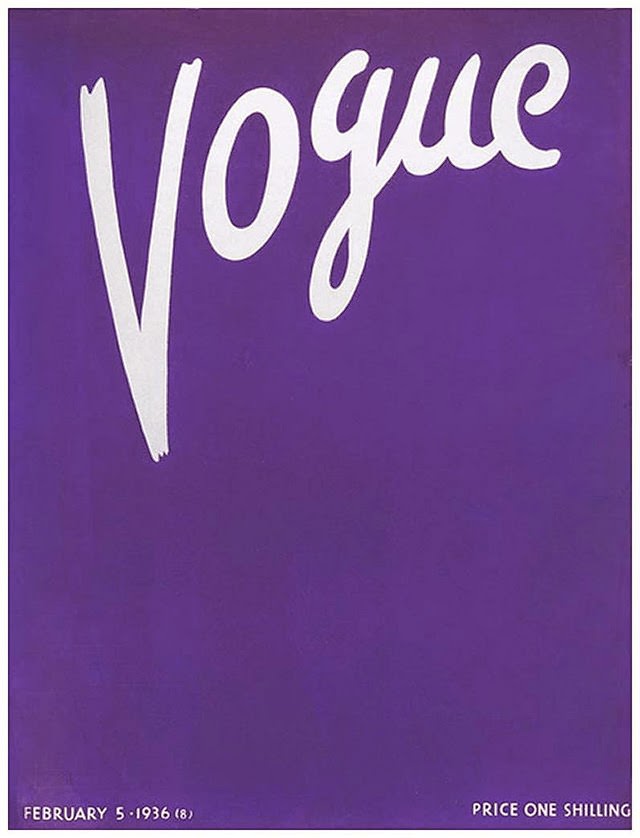
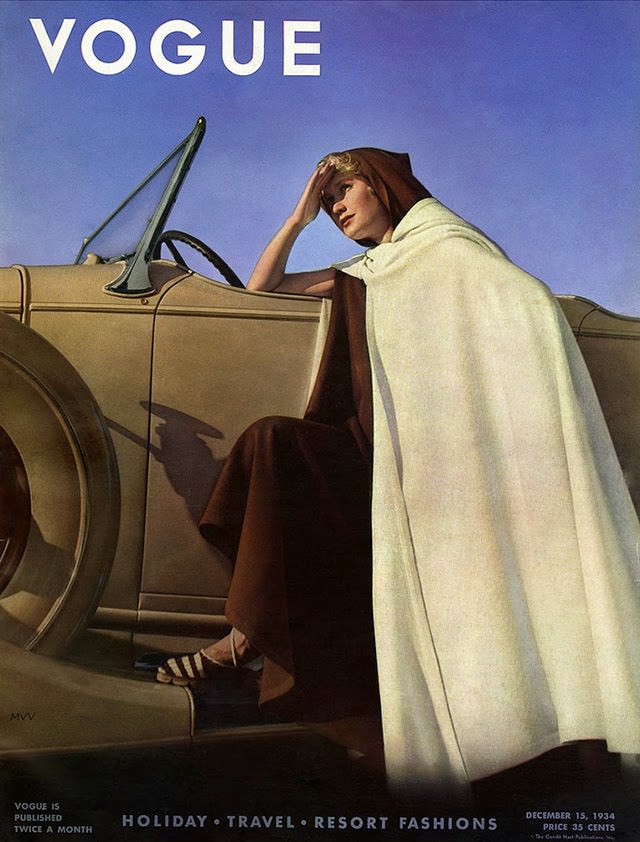
The 1930s was a decade defined by deep contradictions. Outside the window, the Great Depression had cast a long, gray shadow over the global economy, and the drums of war were beginning to beat in Europe. Yet, pick up a copy of Vogue from any newsstand between 1930 and 1939, and you would find a world of shimmering satin, surrealist art, and sun-drenched Mediterranean beaches.

For Vogue, the 1930s wasn’t just a decade of survival; it was a decade of profound technological and artistic revolution. It was the era when the magazine transitioned from the “Golden Age of Illustration” to the modern age of photography.

The Twilight of Illustration: Art Deco’s Last Stand

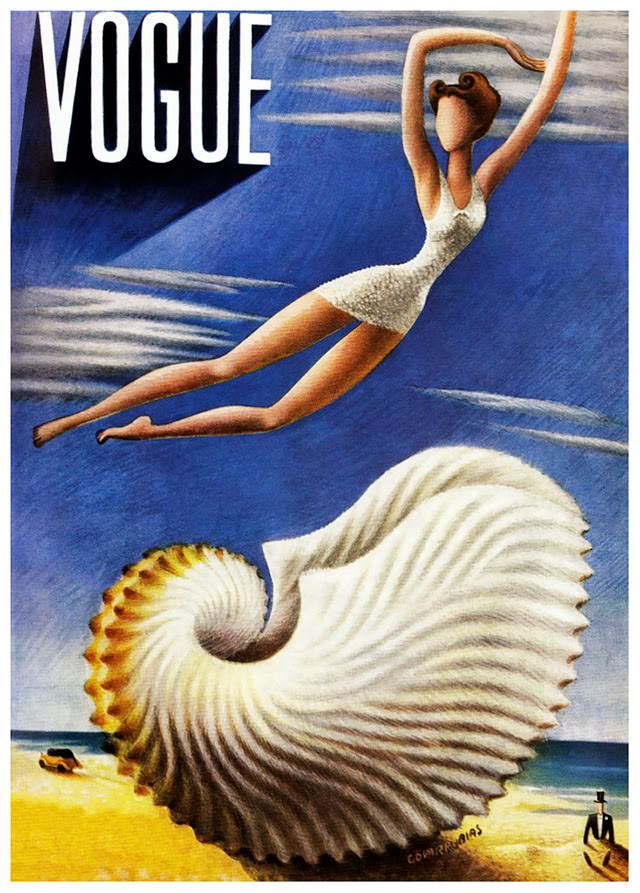
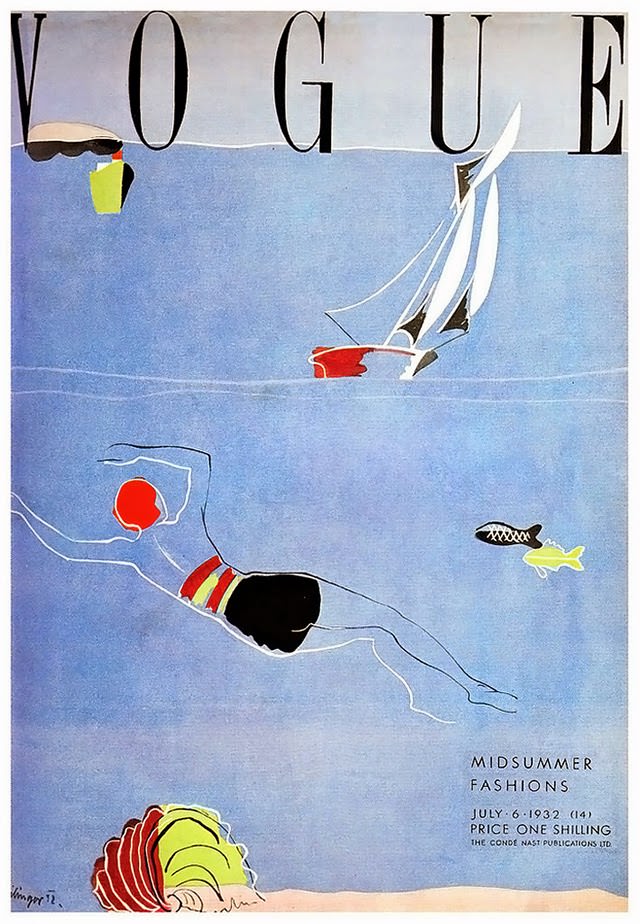
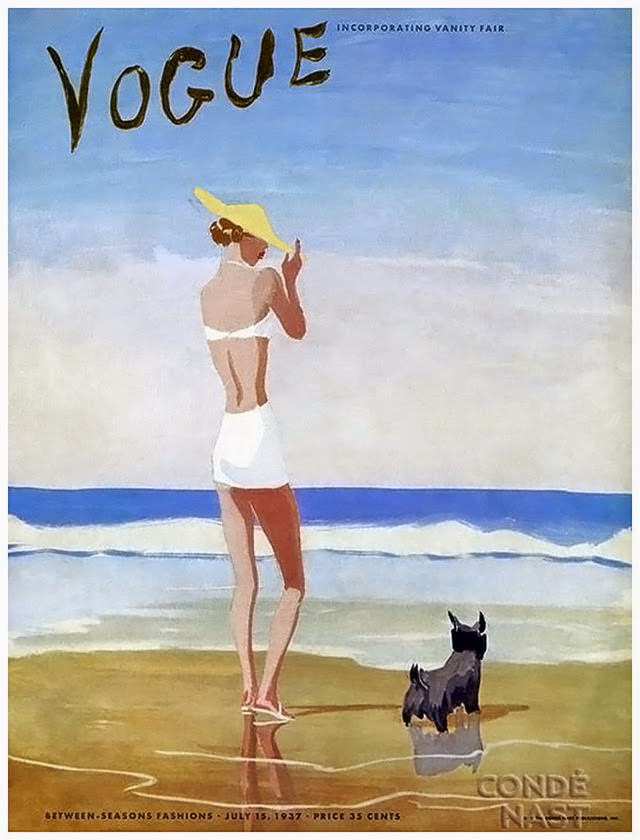
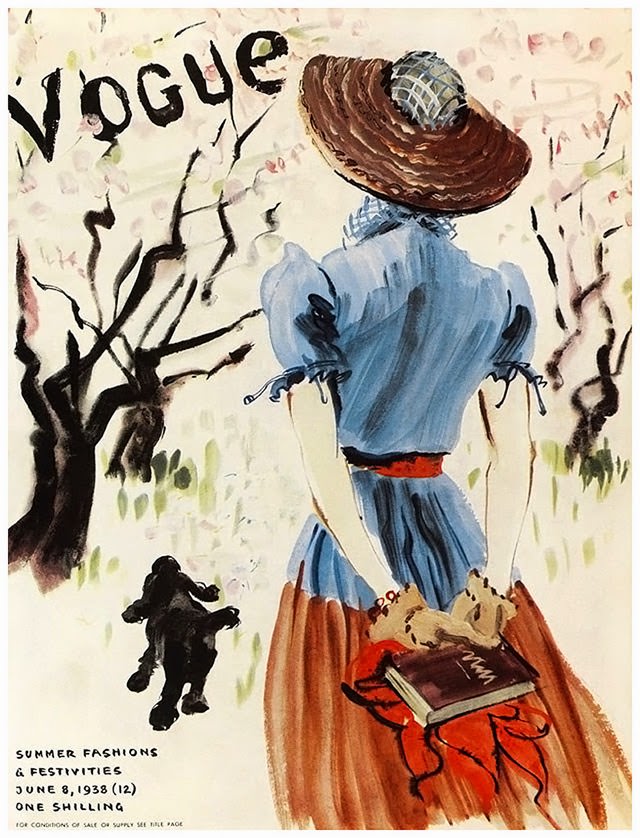
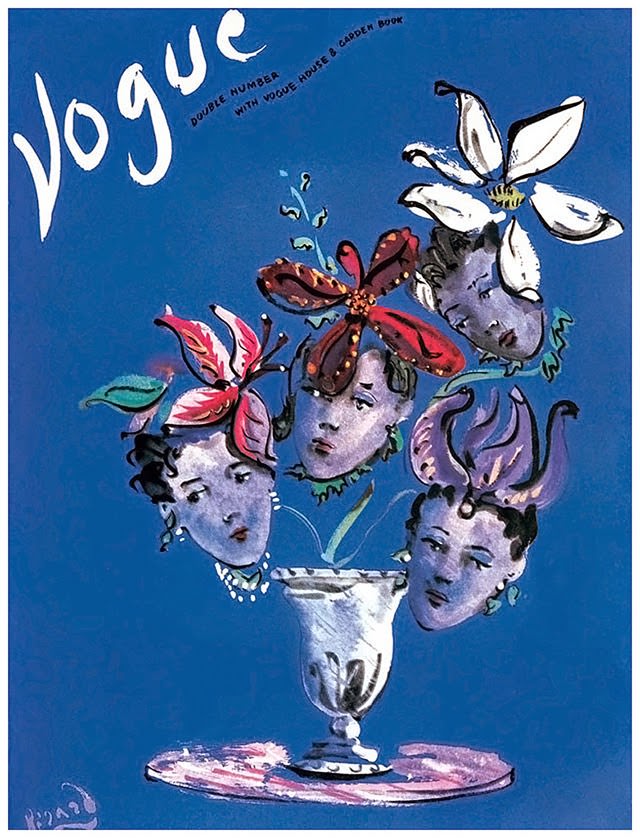
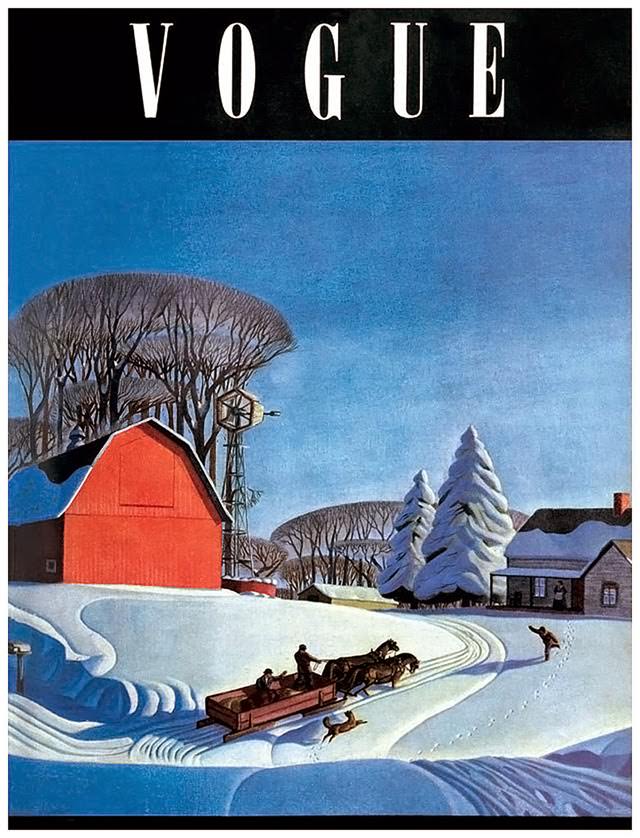
As the decade began, Vogue covers were still dominated by the stylized, graphic elegance of illustrators like Eduardo Benito, Georges Lepape, and Pierre Mourgue. These covers were masterpieces of the Art Deco movement—characterized by bold geometric shapes, elongated figures, and a sense of “flat” perspective that felt more like fine art than commercial media.

Read more..

Benito’s covers, in particular, often featured women with doll-like faces and swan-like necks, wearing the cloche hats and drop-waist silhouettes that lingered from the late 1920s. However, as the 30s progressed, the fashion changed. The boyish “flapper” look was replaced by a more mature, feminine silhouette: the bias cut, longer hemlines, and a focus on the back. Illustrations had to adapt, becoming more fluid and romantic to match the draped silk gowns of designers like Madeleine Vionnet.

1932: The Photograph That Changed Everything

If there is a single “big bang” moment in the history of fashion media, it occurred on July 1, 1932. For the first time in its history, Vogue featured a color photograph on its cover.

Taken by the legendary Edward Steichen, the cover featured a model in a bright orange swimsuit, holding a beach ball against a stark blue sky. To a modern eye, it looks simple, but in 1932, it was a radical departure. Until that point, photography was considered a medium for “reality,” while illustration was for “aspiration.” Steichen’s color photograph proved that a camera could capture glamour just as effectively as a pen—and with a new, startling sense of immediacy.

By the mid-30s, the battle was over. While illustrations would continue to appear sporadically, photography became the primary language of Vogue.

The Titans of the Lens: Steichen, Horst, and Beaton

The shift to photography brought a new breed of artists to the forefront. These weren’t just “picture-takers”; they were architects of light and shadow.

Edward Steichen: He brought a clean, modernist sensibility to the magazine. His covers were sharp, well-lit, and focused on the garment as a piece of sculpture.

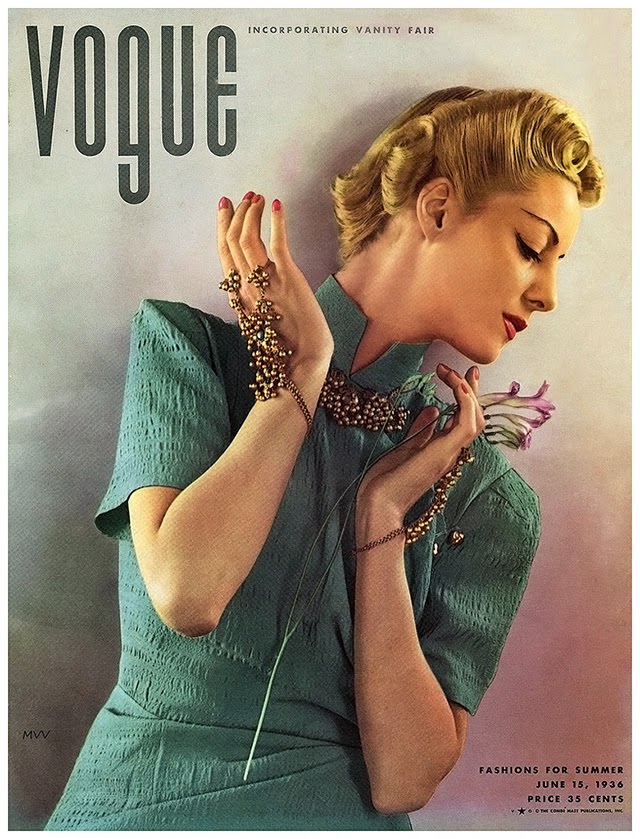
Horst P. Horst: A master of chiaroscuro, Horst created covers that felt like classical Greek statues come to life. His work was meticulously lit and often featured models in dramatic, athletic poses.

Cecil Beaton: If Horst was the sculptor, Beaton was the stage designer. His covers were often ornate, romantic, and theatrical, reflecting his background in set and costume design. He was the favorite of the British aristocracy and captured the “Bright Young Things” in all their decadent glory.

The Surrealist Influence: Dalí and Schiaparelli

Perhaps the most fascinating trend of the late 1930s was the marriage of high fashion and Surrealism. Led by the provocative designer Elsa Schiaparelli, fashion began to play with the subconscious and the absurd.

In 1939, Vogue took this to its logical conclusion by commissioning Salvador Dalí to design a cover. The result was a haunting, dream-like landscape featuring a skeletal structure and draped fabrics—a far cry from the “pretty” covers of the early 30s. This era proved that Vogue was more than a shopping guide; it was a curator of the avant-garde. The covers reflected a world that was becoming increasingly fractured and strange as the decade drew to a close.

Escapism and the “Vogue” Woman

Why did Vogue thrive during the Depression? The answer lies in escapism. The 1930s covers portrayed a woman who was “splendidly healthy” (much like the West Coast youth celebrated in other media of the time) and utterly unbothered by the bread lines of the city.

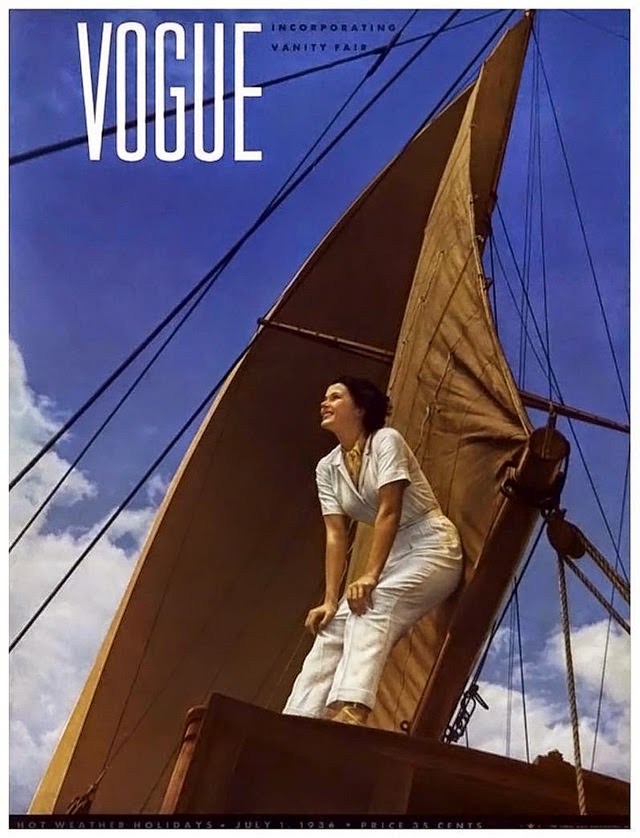
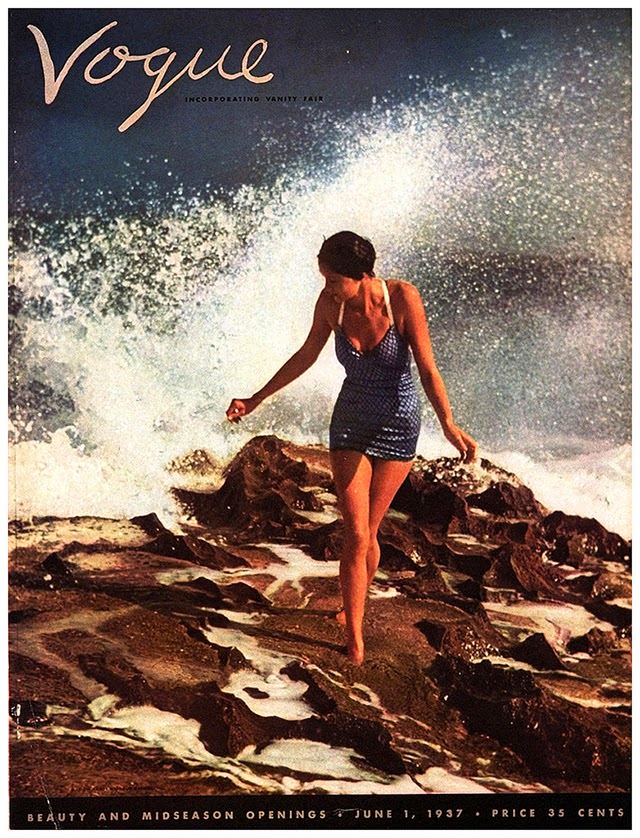
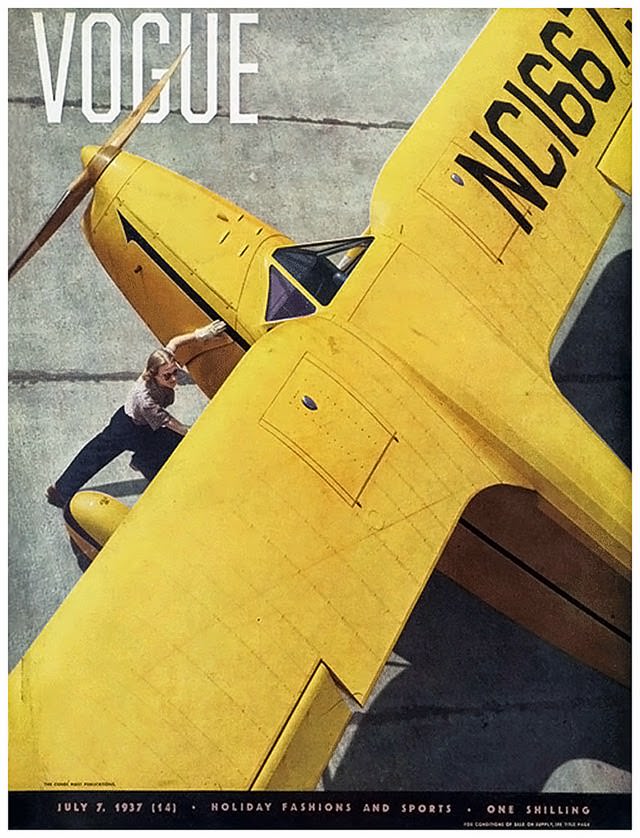
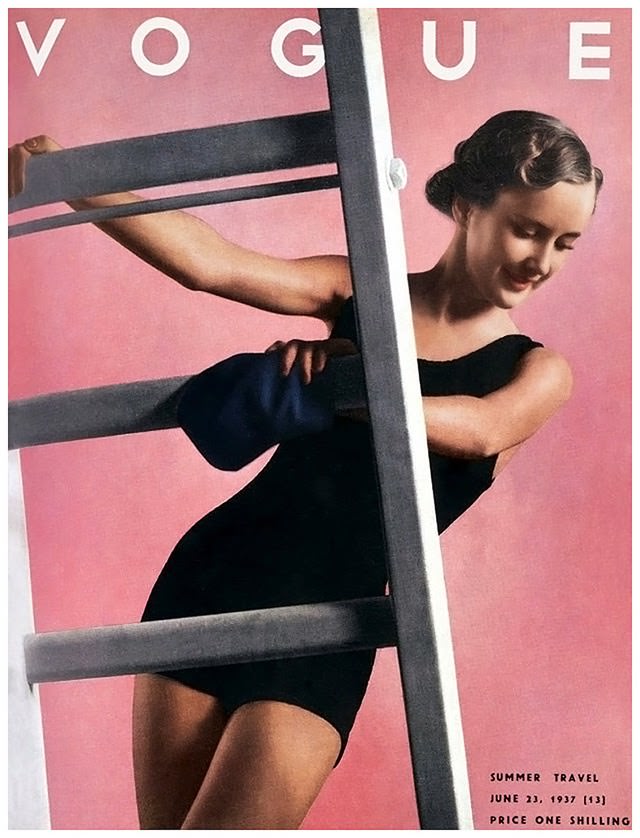
She was often depicted in the “great outdoors”—on the decks of luxury liners, on the ski slopes of St. Moritz, or under the California sun. This was the “New Race” of the 1930s: athletic, poised, and impeccably dressed. Vogue offered its readers a window into an impossible world, a place where the only “inconvenience” was choosing between a silk crepe afternoon dress or a velvet evening gown.

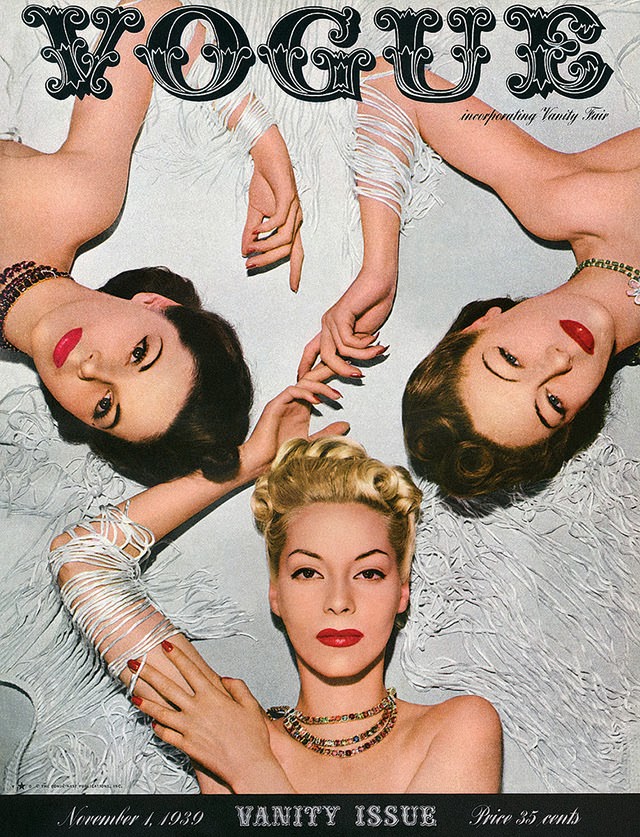
#1 Vogue, November 1, 1939 Photographed by Horst P. Horst

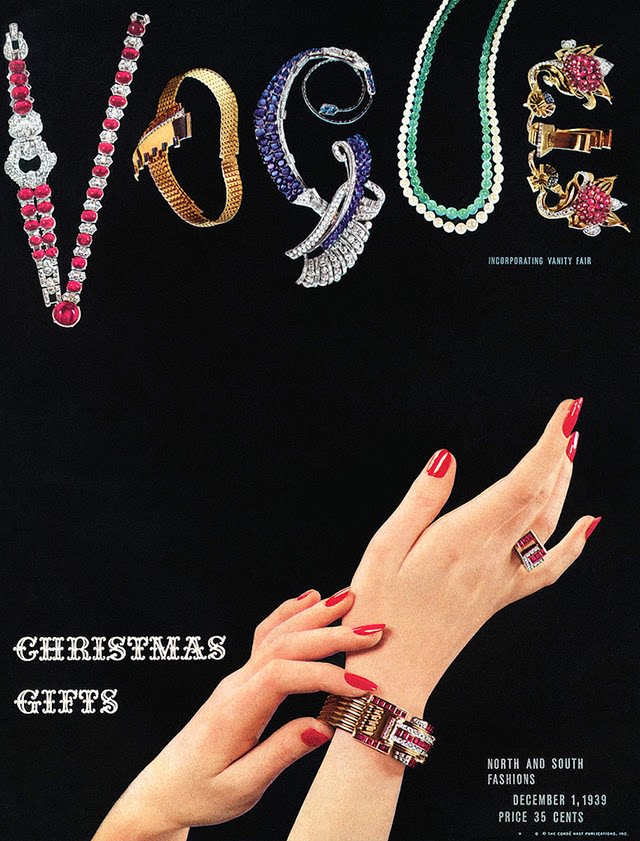
#2 Vogue, December 1, 1939 Photographed by Anton Bruehl

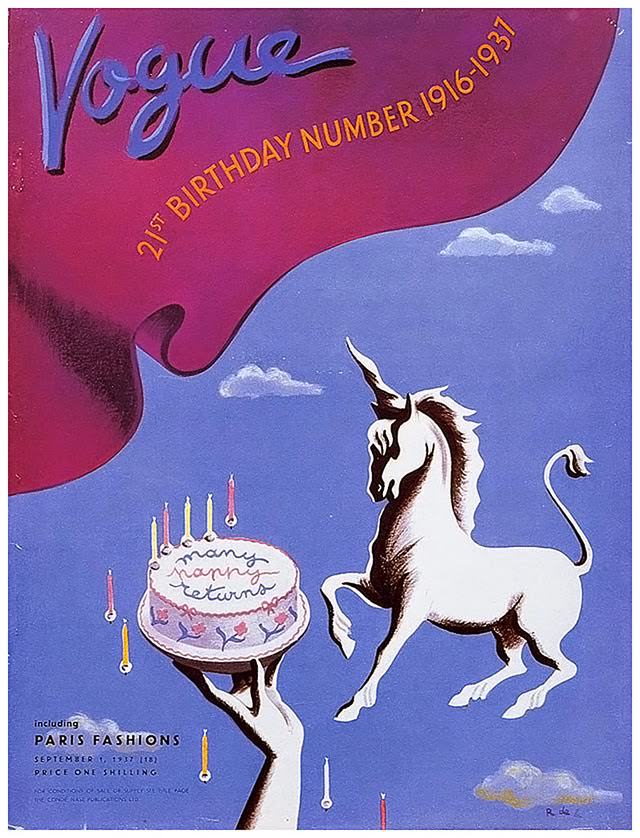
#5 1937 fashion illustration by Miguel Covarrubias vogue

1937 fashion illustration by Miguel Covarrubias vogue

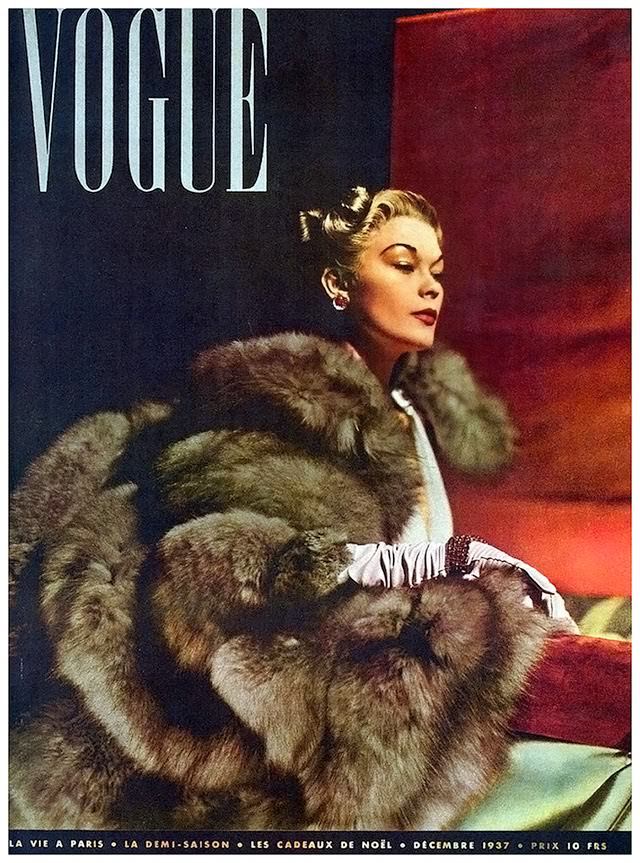
#6 1937 Paris Vogue cover by Horst P. Horst of his favorite model Lud, December 1937

#10 Vogue august 1937

Vogue august 1937

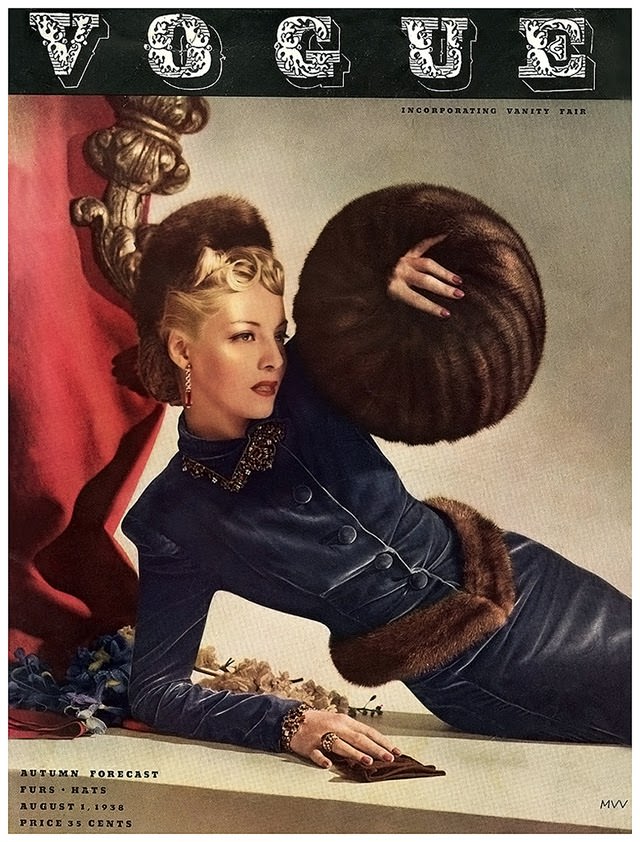
#13 Vogue August 1938 – photo by Horst Helen Bennet wearing a velvet suit by Russeks

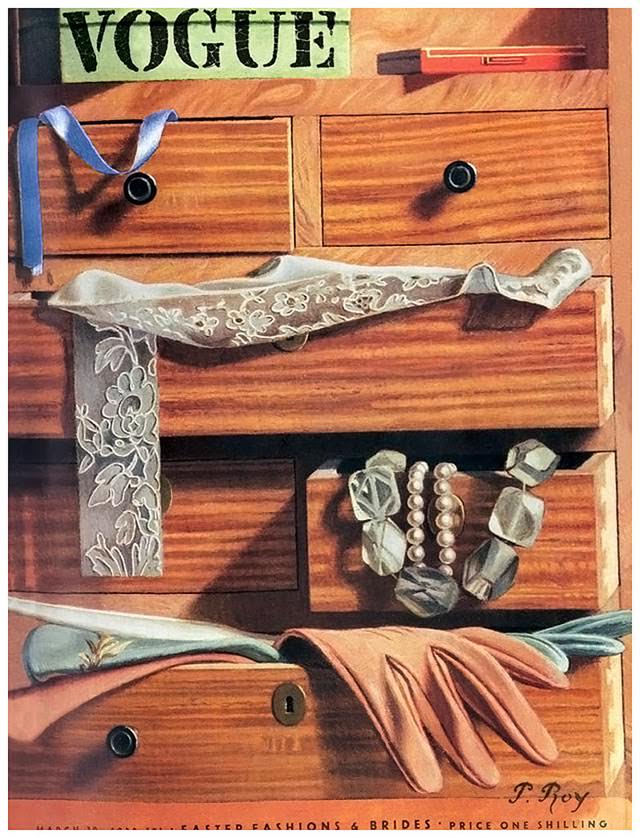
#15 Vogue June 1938

Vogue June 1938

#18 1934 American Vogue cover by Anton Bruehl, January 1, 1934

#20 1934 Photo of Edward Steichen – January 1934

1934 Photo of Edward Steichen - January 1934

#21 1935 American Vogue cover by Edward Steichen, Nov

1935 American Vogue cover by Edward Steichen, Nov

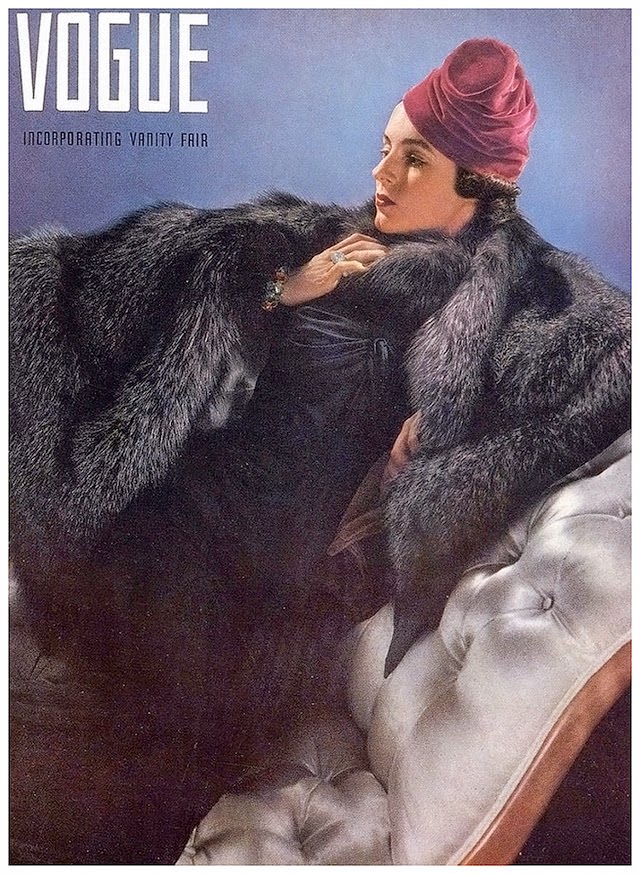
#24 1936 Model in silver fox cape and velvet hat by Lilly Dachè, American Vogue cover by Edward Steichen, August 1, 1936

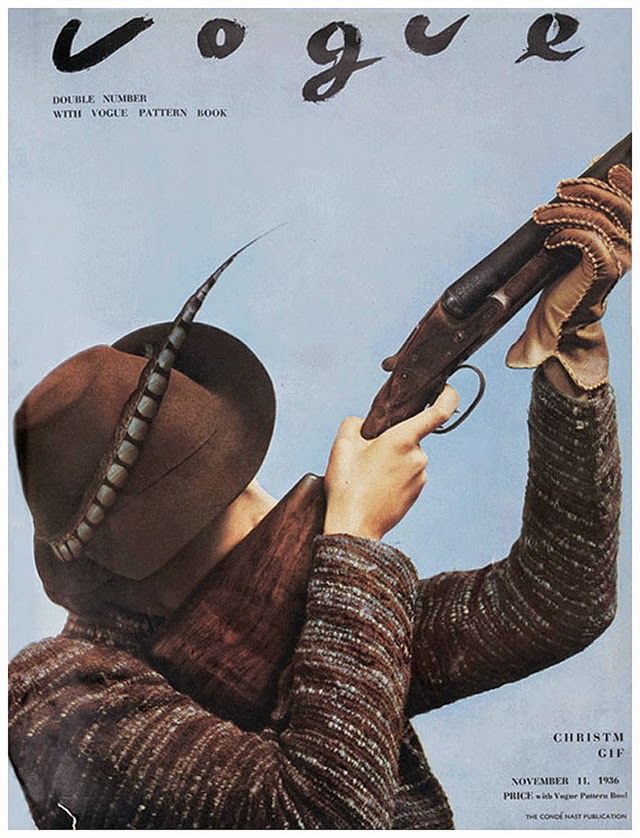
#25 1936 Nov Vogue Cover “Girl With Gun”, the Bruehl-Bourges

1936 Nov Vogue Cover "Girl With Gun", the Bruehl-Bourges

#28 1936 Vogue June – photo by Edward Steichen Helen Bennet wearing dress by Jessie Franklin Turner

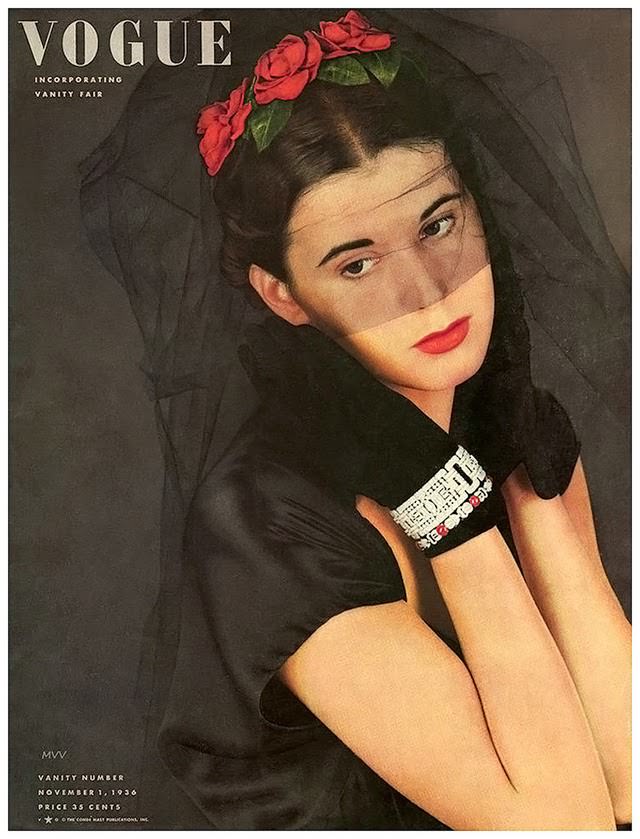
#30 Vogue November 1936

Vogue November 1936

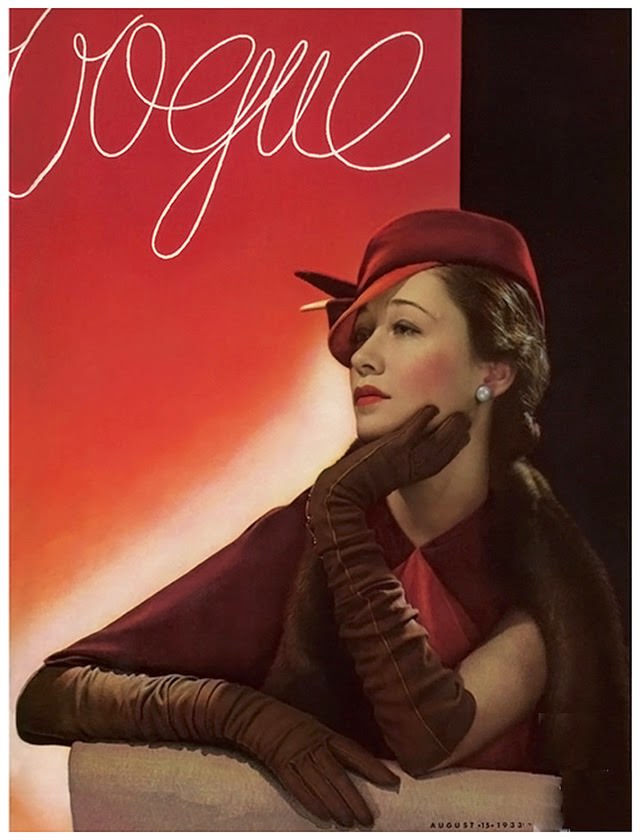
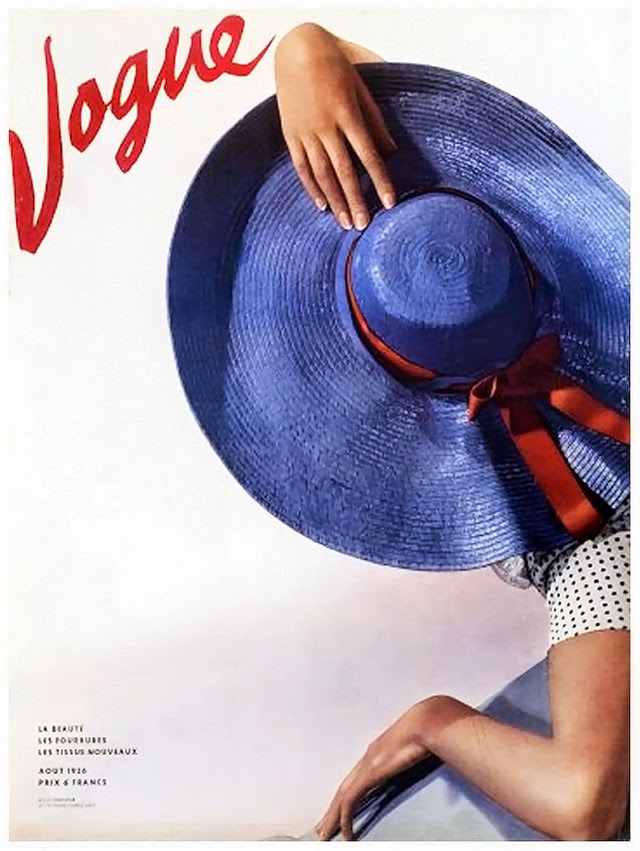
#32 VOGUE COVER – AUGUST 1933 George Hoyningen-Huené

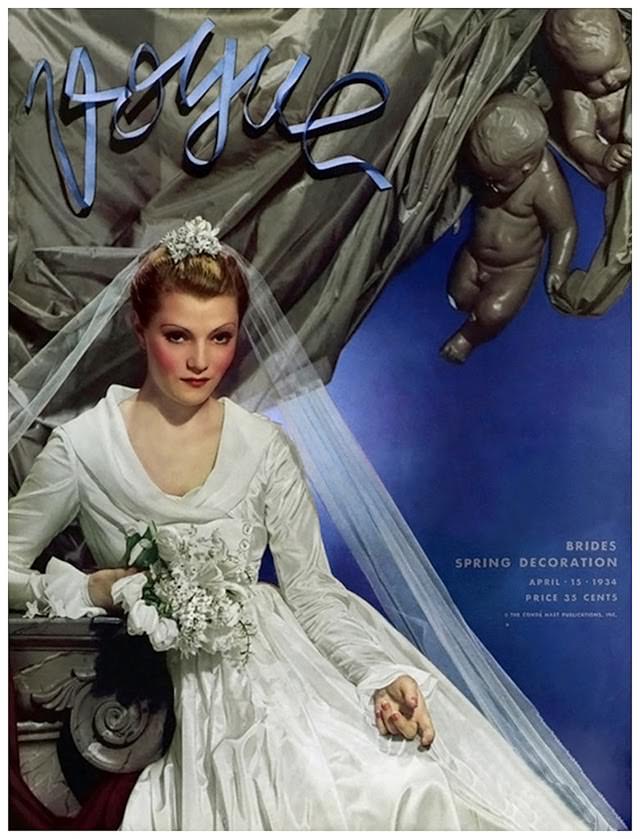
#33 VOGUE COVER – April 1934 George Hoyningen-Huené

Enjoyed this post? Get new ones in your inbox.
Avatar of Rachel Mitchell

Written by Rachel Mitchell

Rachel Mitchell is a vintage fashion enthusiast with a passion for all things retro. She is interested vintage fashion styles, trends, and accessories, and provides tips and tricks for incorporating vintage pieces into modern wardrobes.

Leave a Reply

Your email address will not be published. Required fields are marked *