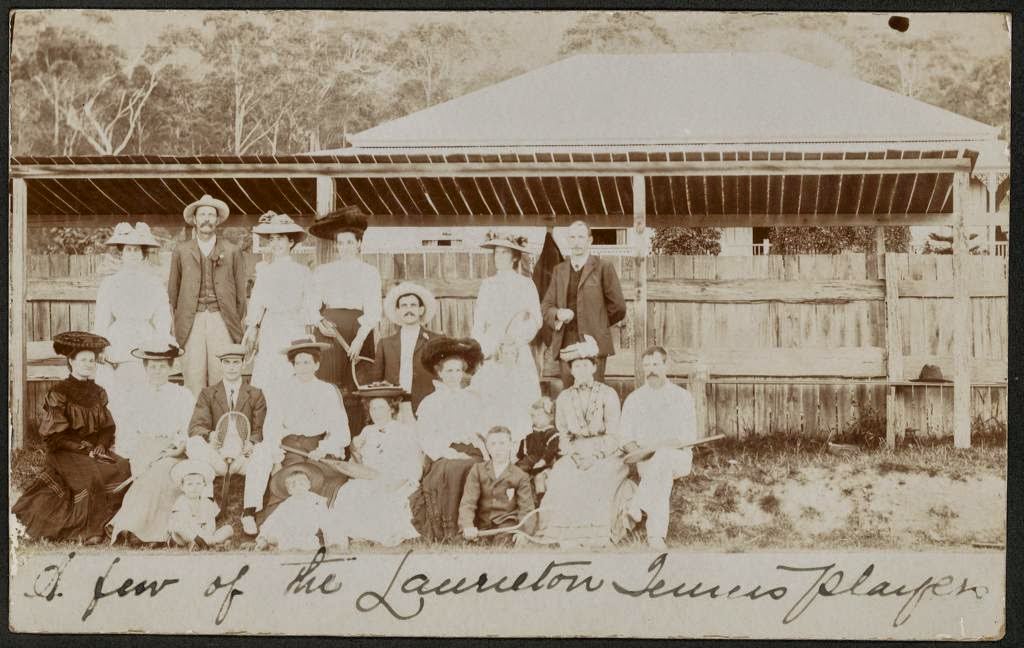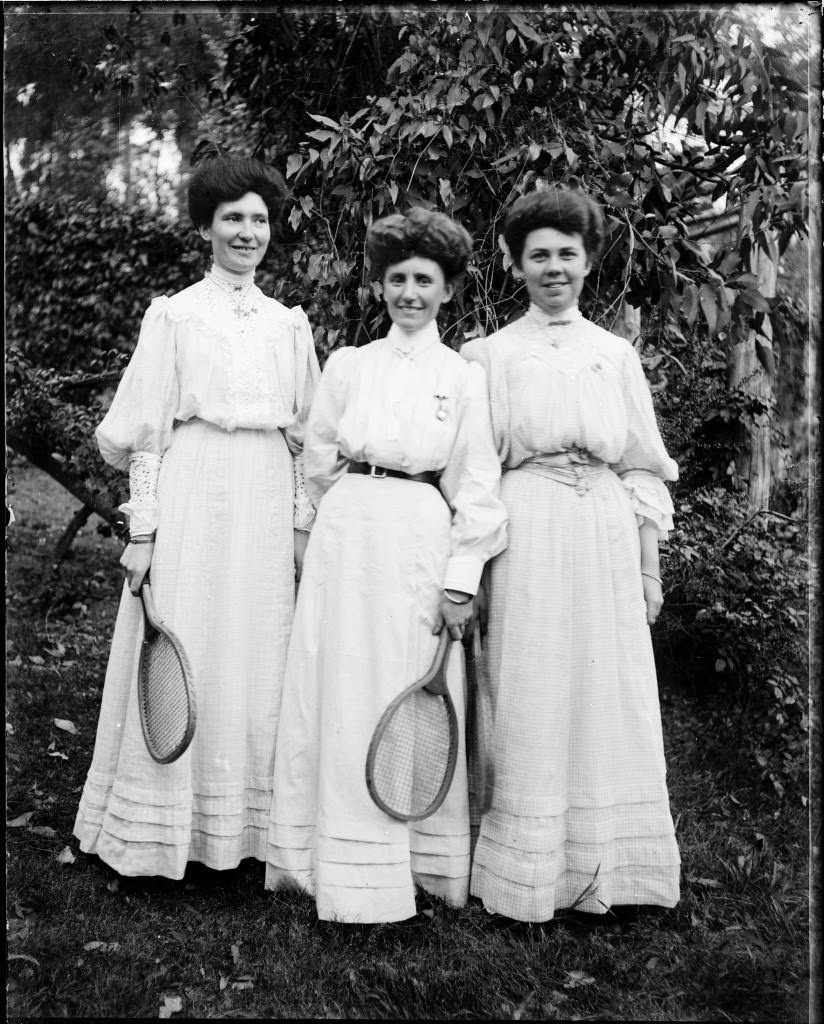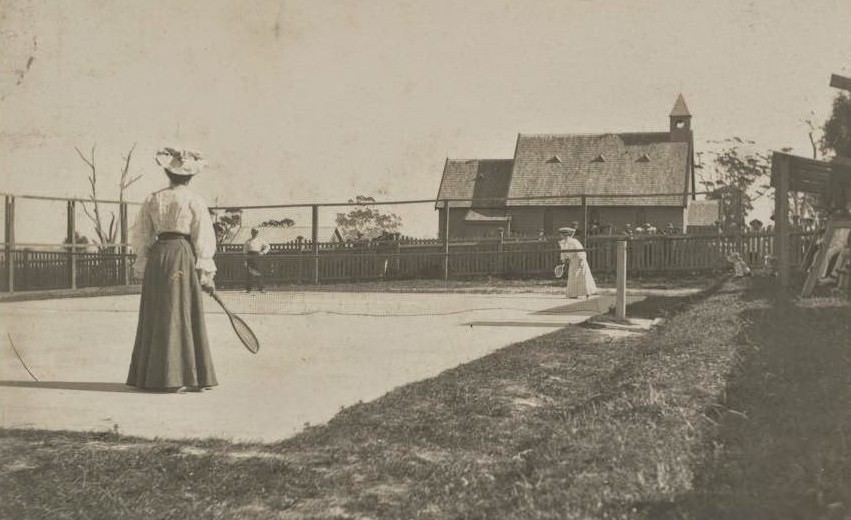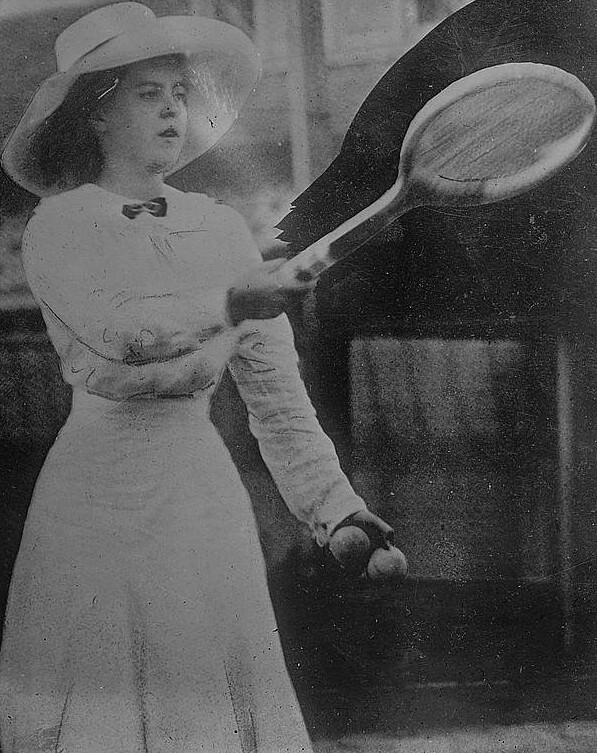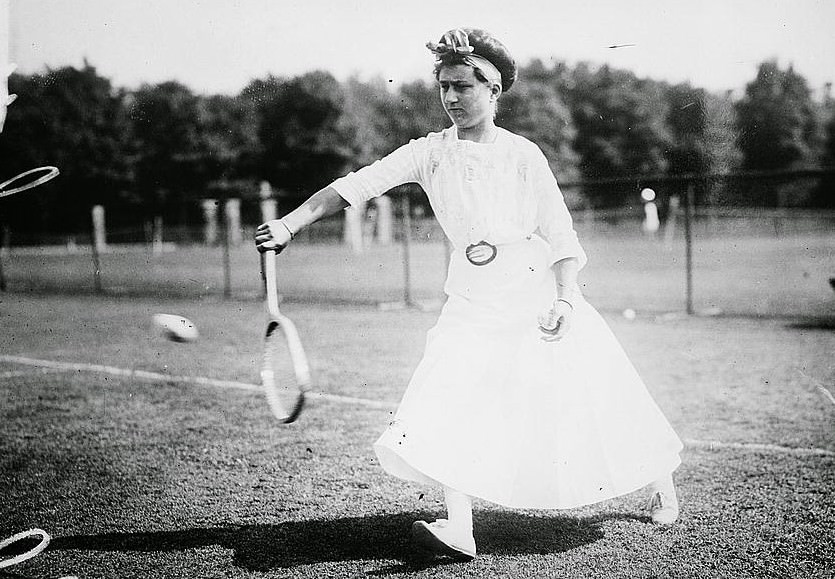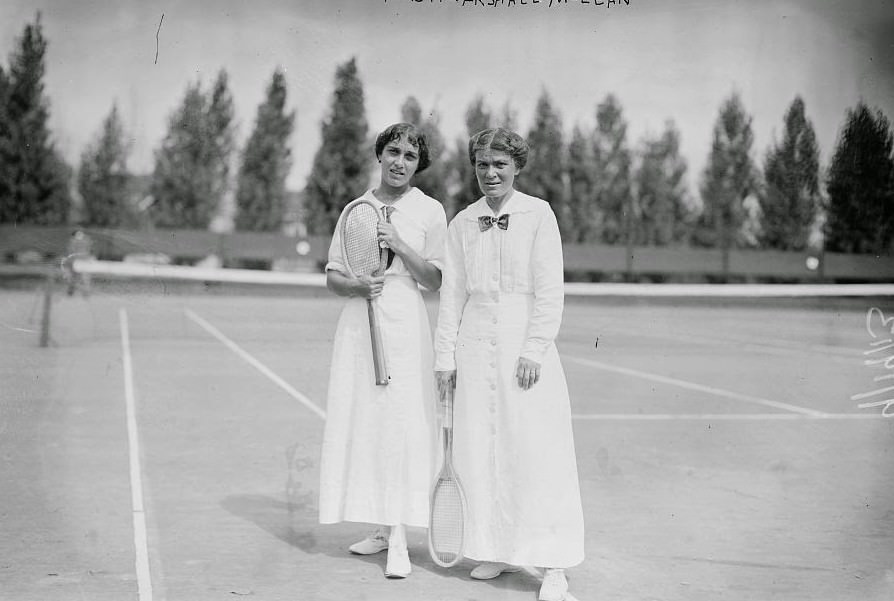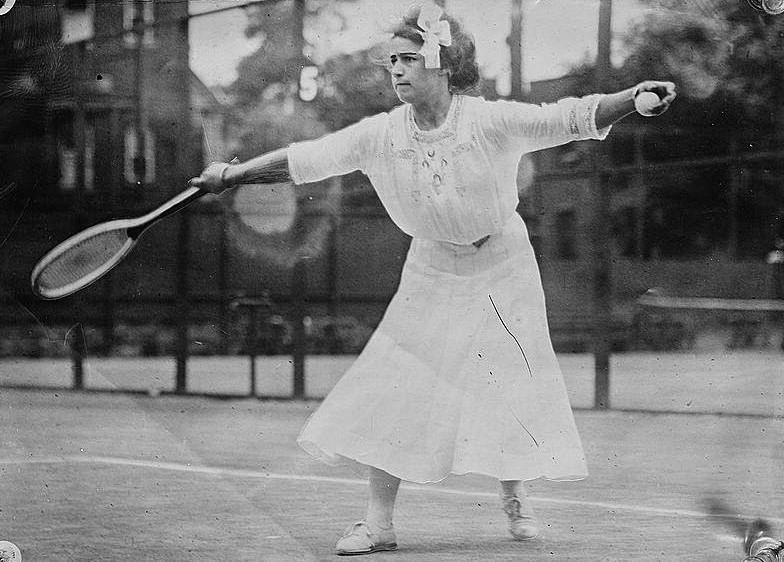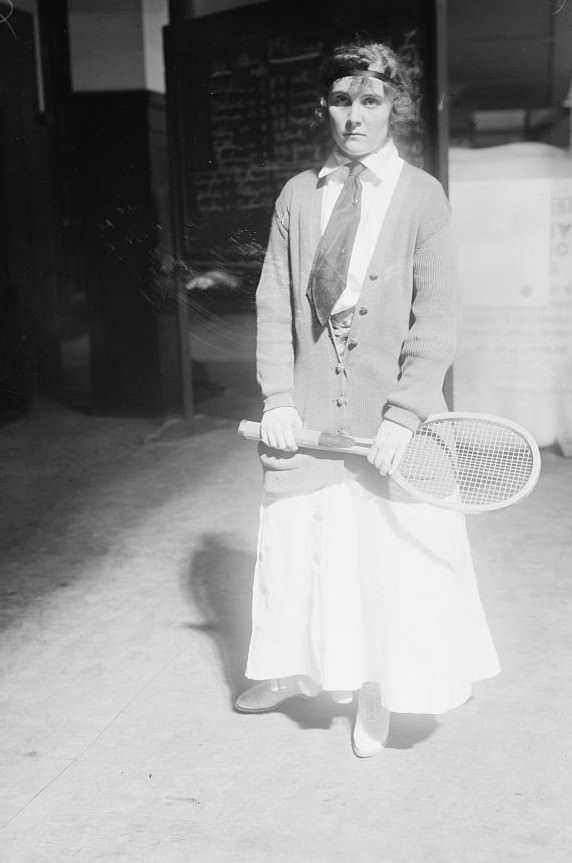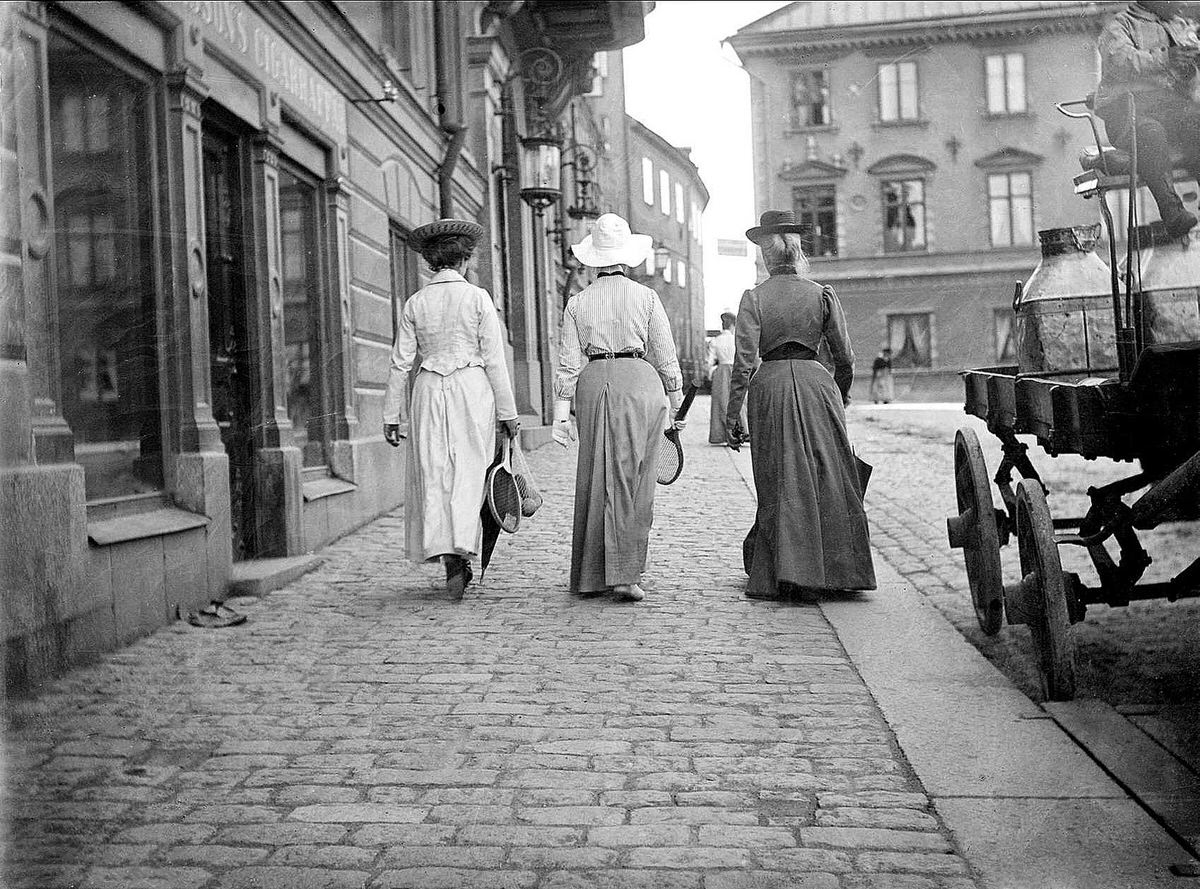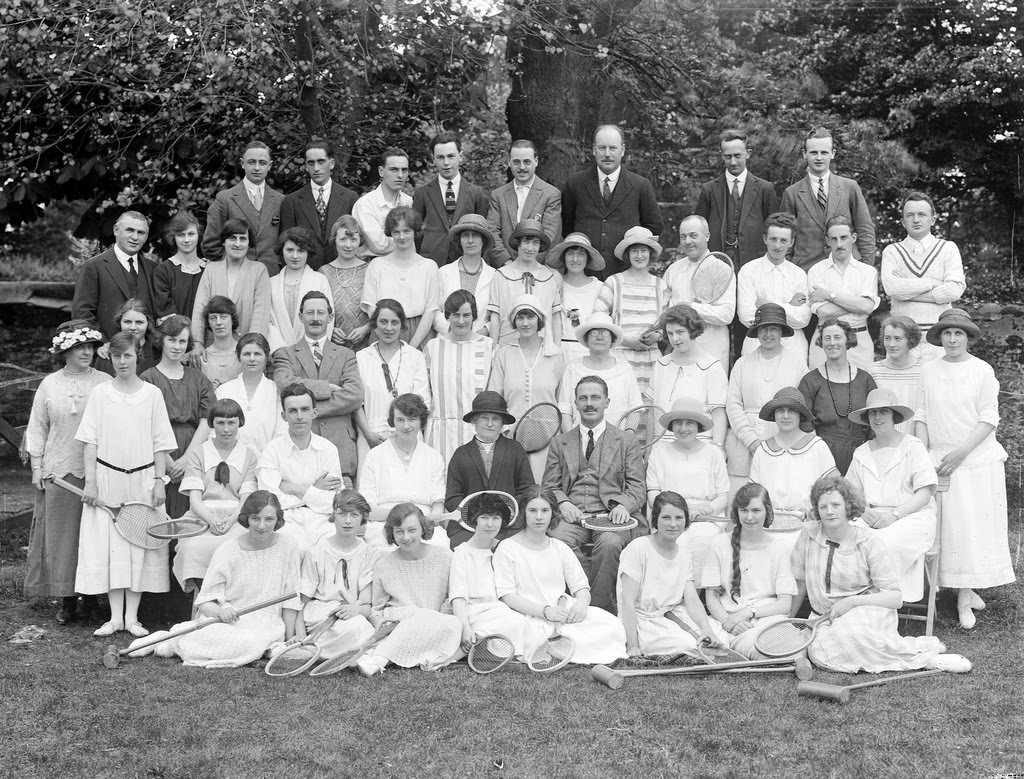

In the early 1900s, women’s tennis style was defined by extreme formality rather than athletic performance. Players appeared on the grass courts wearing floor-length skirts made of heavy white linen or cotton. These skirts were supported by stiff petticoats that added significant weight and restricted movement. Underneath their outfits, women wore tight corsets that made deep breathing difficult during a match. High-collared blouses with long sleeves and neckties were mandatory for every tournament. Most players even wore wide-brimmed hats pinned to their hair. This clothing reflected the high social status of the sport during the Edwardian era.
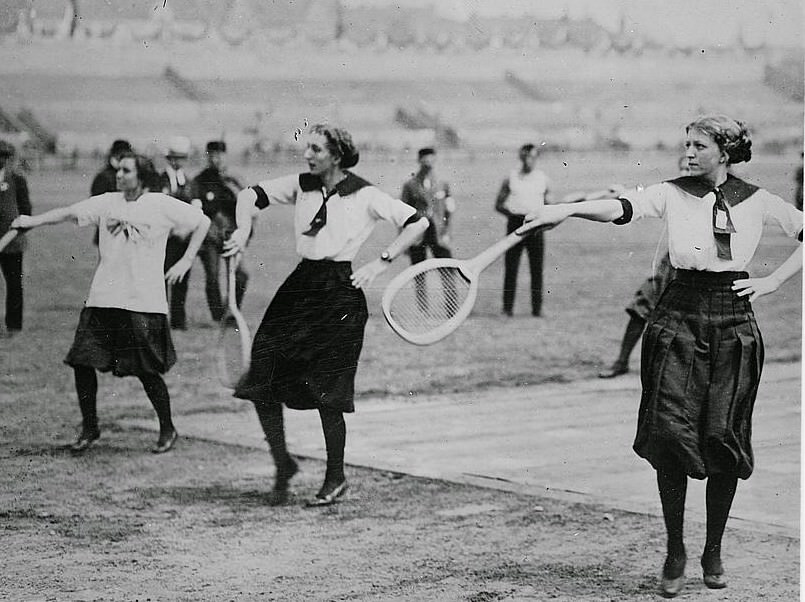
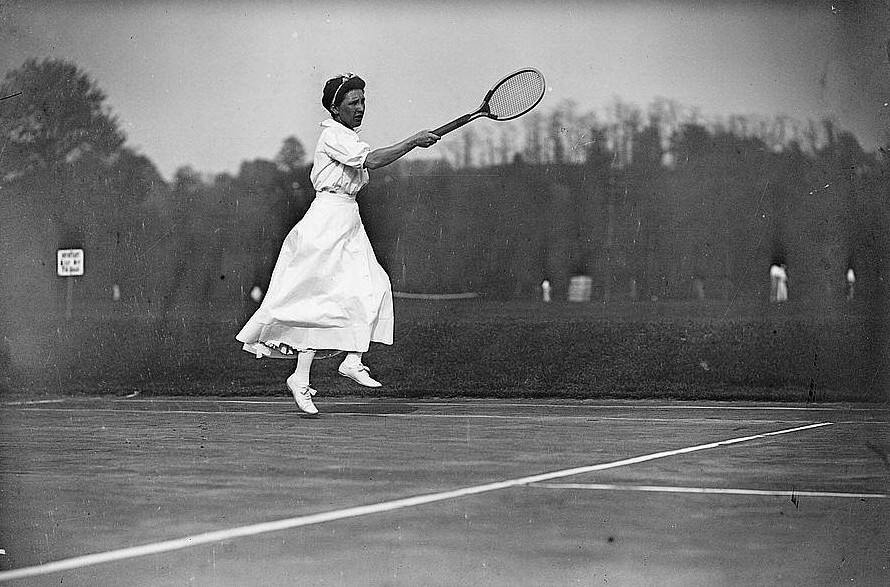
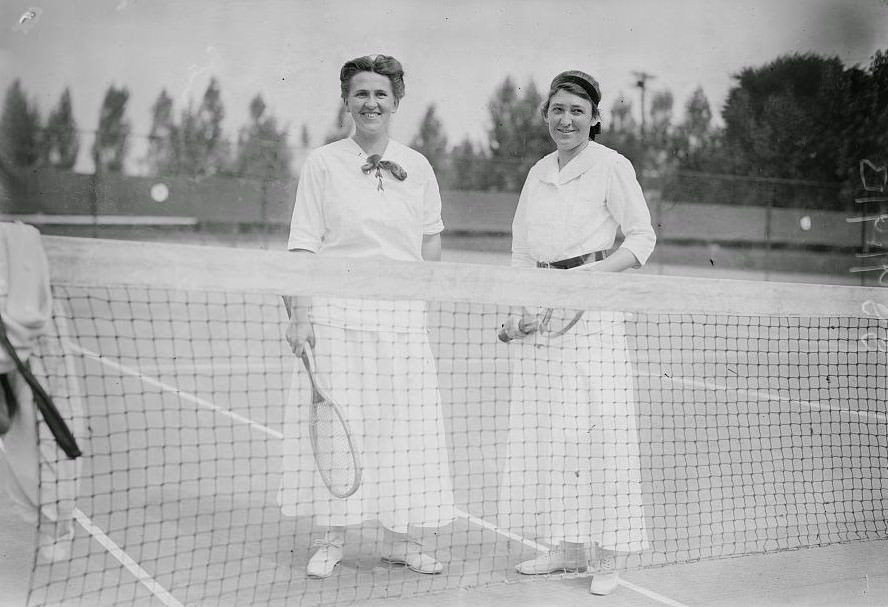
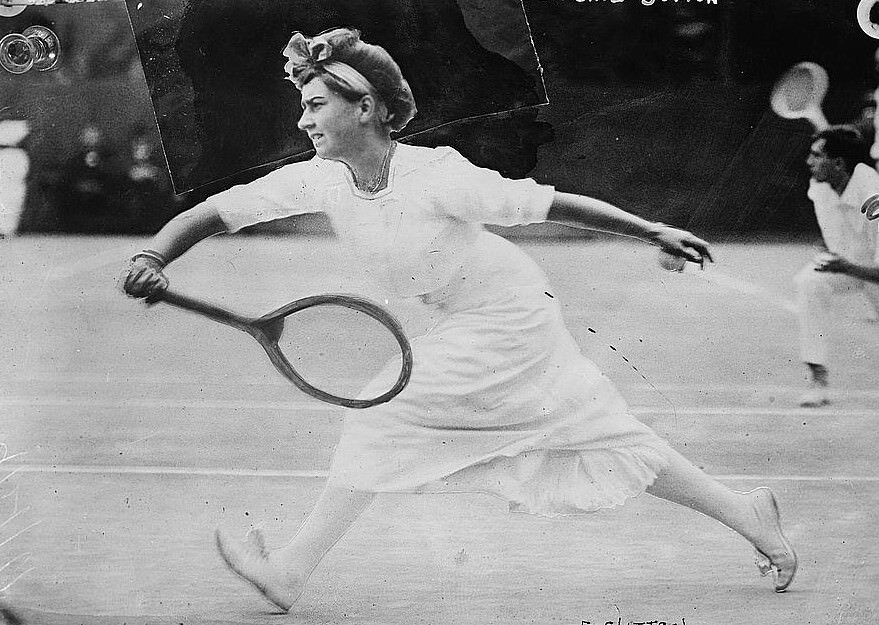
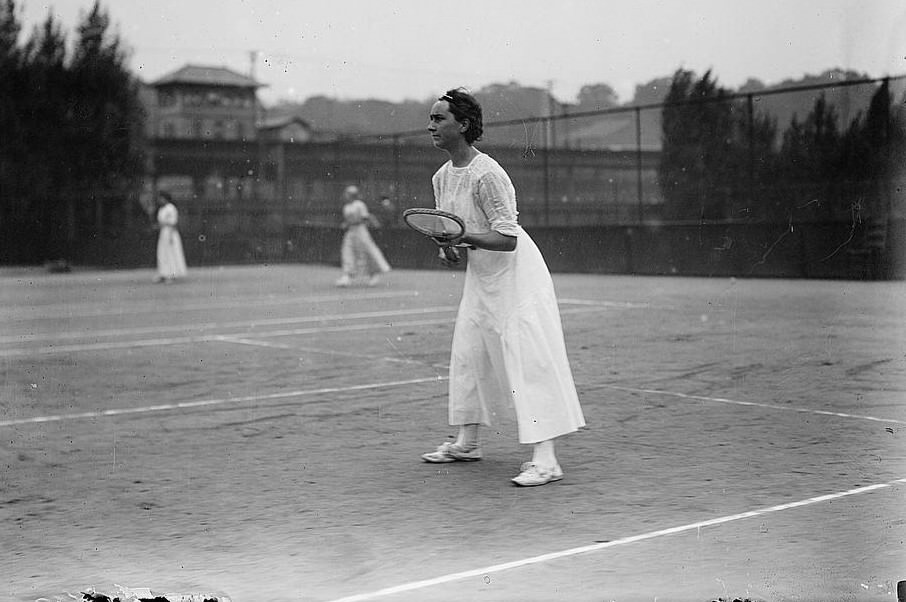
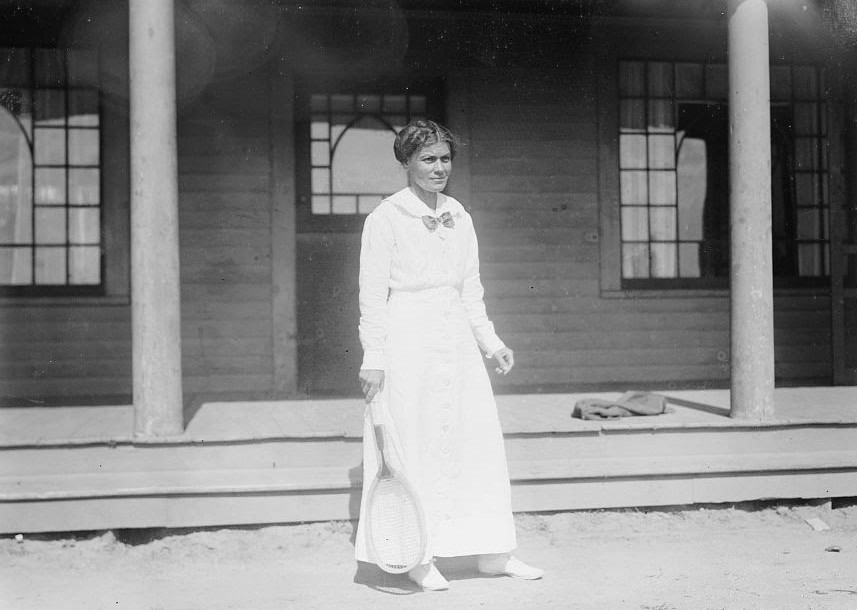
The 1910s brought small changes as women began to seek more freedom on the court. Hemlines rose slightly to expose the ankles, which reduced the risk of tripping during a serve. Fabric became lighter, allowing for better airflow in the summer heat. However, the requirement for modesty remained strict. Players still wore long sleeves and stockings even in high temperatures. The style was a compromise between the restrictive Victorian era and the modern athletic needs of the players. Every match was a test of endurance against the heat and the weight of the formal garments.
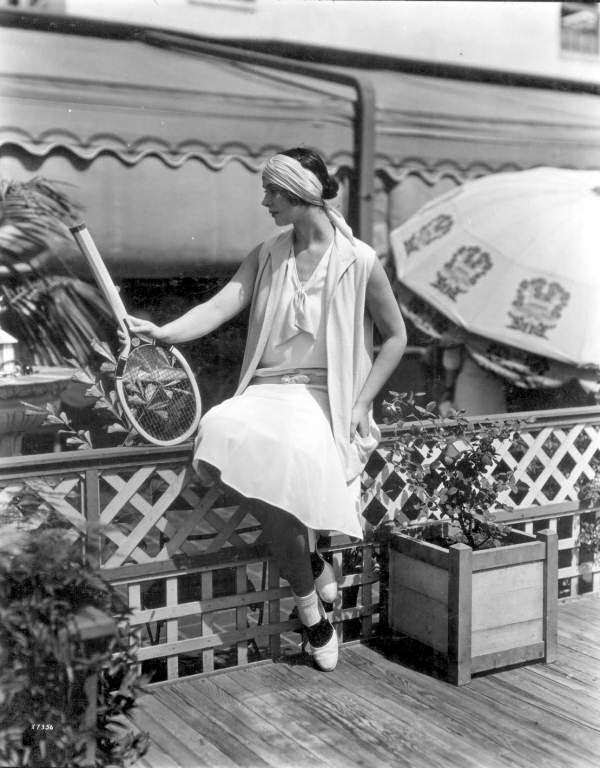
The 1920s saw a total revolution in tennis fashion led by French star Suzanne Lenglen. She appeared at Wimbledon in a knee-length pleated skirt and a sleeveless top. This allowed her to run, jump, and reach for shots that were impossible in the older styles. She replaced traditional hats with a simple silk headband known as a “Lenglen bandeau.” This accessory kept her hair out of her eyes without adding unnecessary weight. Her clothing was made of lightweight silk or fine wool that moved with her body.
By the end of the 1920s, the “flapper” style dominated the courts. Traditional corsets were discarded in favor of loose-fitting tunics and elastic waistbands. White remained the standard color because it hid perspiration and reflected the sun. Footwear also changed from heavy leather boots to light canvas sneakers with rubber soles. These shoes provided the grip needed for quick movements on grass and clay surfaces. The transition from the 1900s to the 1920s moved the focus from formal appearance to athletic