Whittier, California entered the 20th century as a tight-knit Quaker community nestled in the hills southeast of Los Angeles. The city had officially incorporated in 1898, and by 1900 its population stood at about 1,500 people. From the start, it was a place shaped by faith, farming, and a strict ban on alcohol that was written directly into local law.
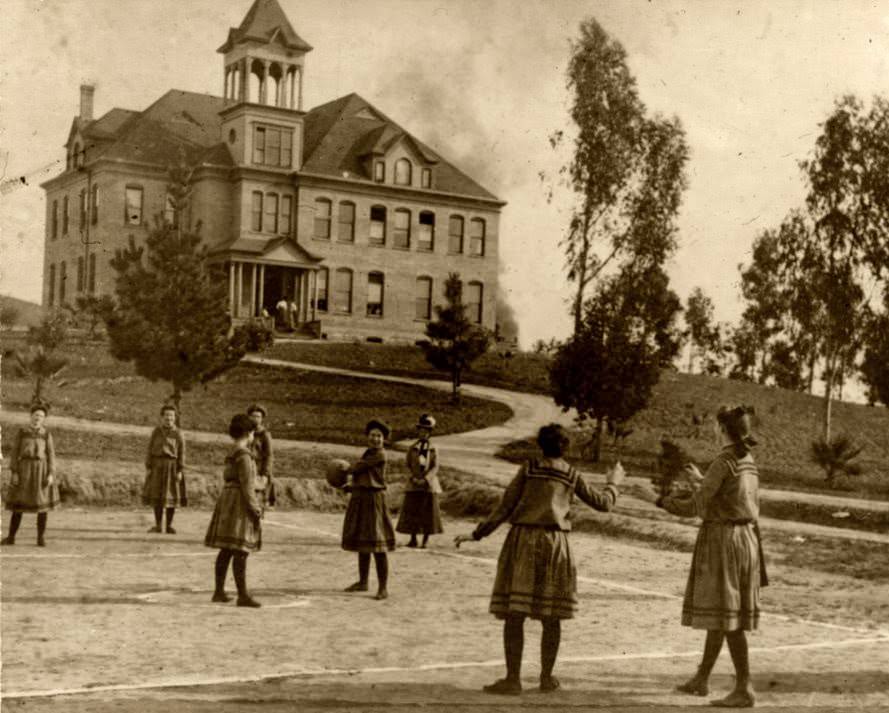
Whittier College was central to the community’s identity. It received its state charter in 1901, and students attended classes in Founders Hall, a building perched on a hill with a clear view over the town. Athletics were already part of campus life from the very beginning, as this early photo shows.
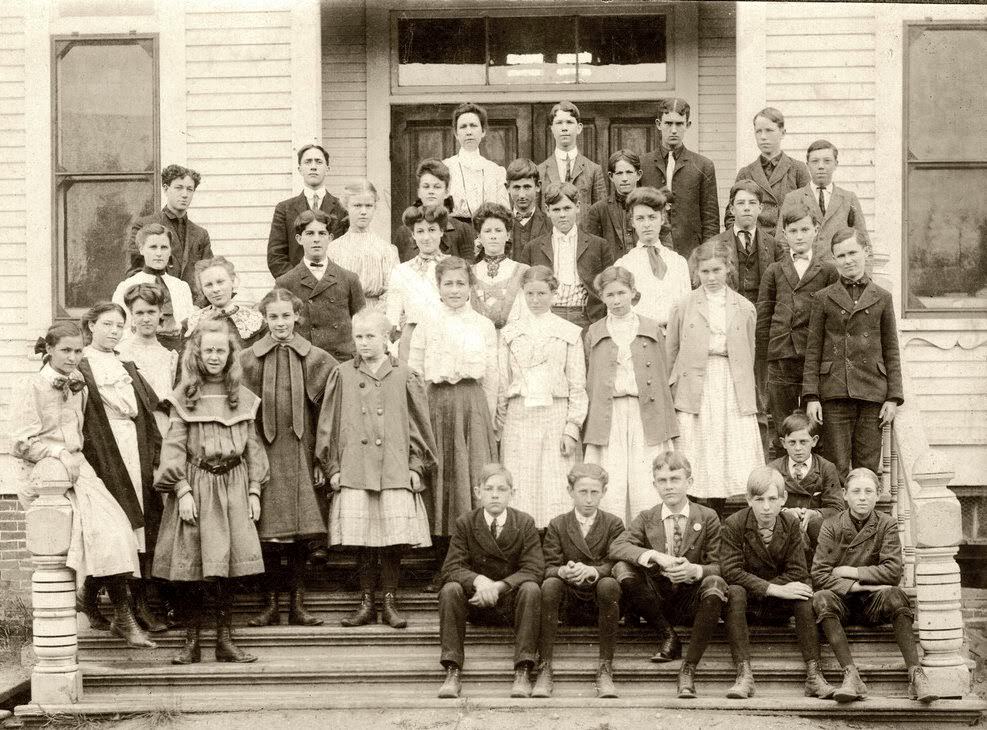
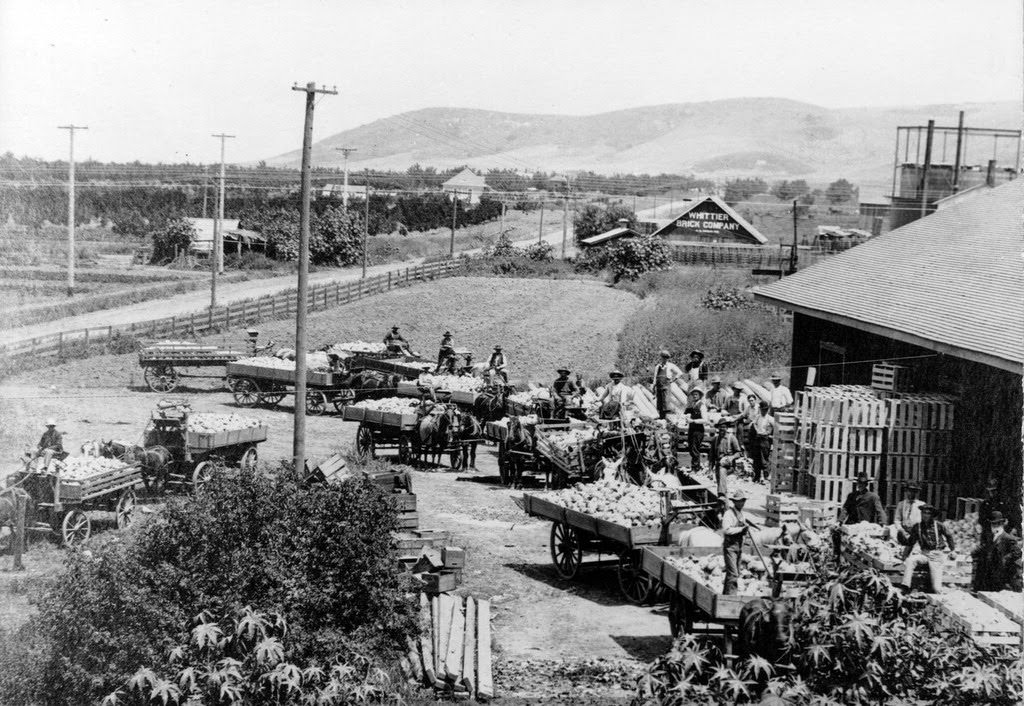
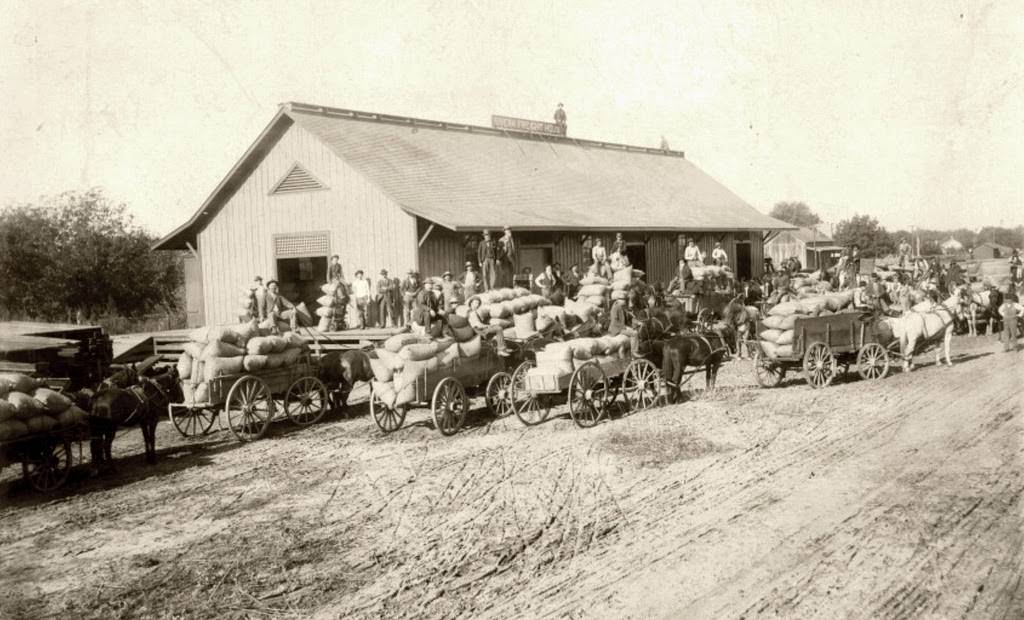
Agriculture defined the local economy. Valencia orange and lemon groves blanketed the surrounding landscape, but it was walnuts that gave Whittier its biggest claim to fame. The city earned a reputation as the walnut capital of the world. In 1904, the Whittier Walnut Growers Association formed to manage the massive annual harvests, with workers processing thousands of pounds at packing houses near the railroad tracks.
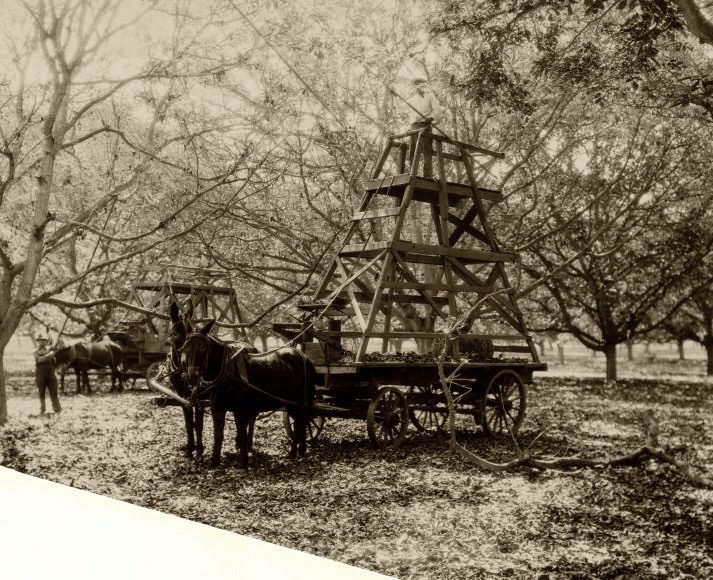
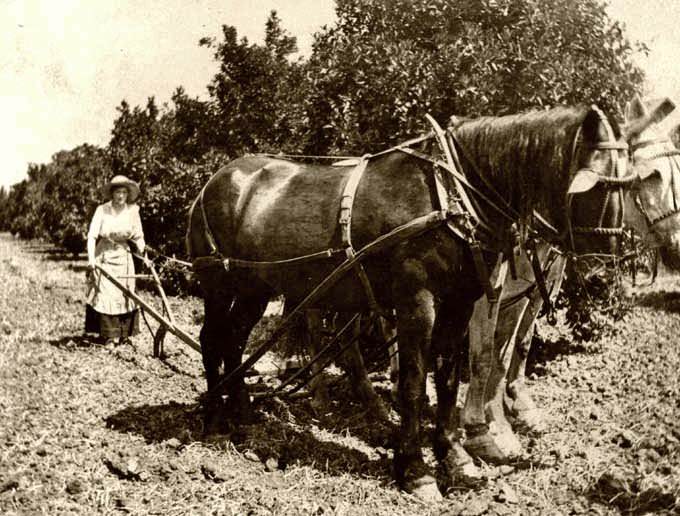
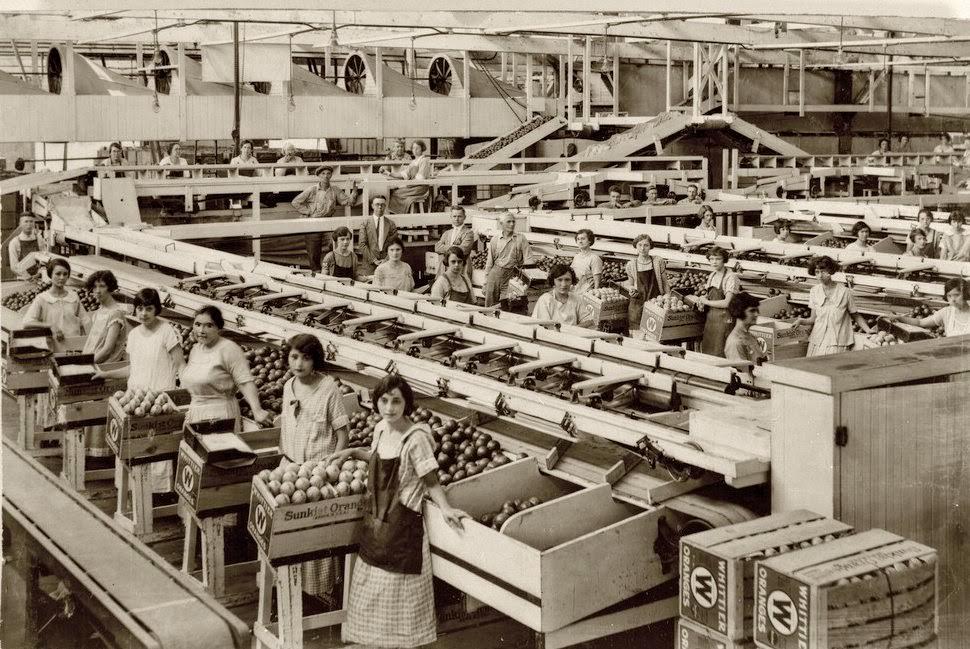
Citrus packing was another major industry. Crews sorted and packed fruit by hand in large warehouse facilities, carefully preparing shipments for markets across the country. The arrival of the Pacific Electric Railway in 1904 made it far easier for farmers to move their products. The famous “Red Cars” ran along Philadelphia Street, ending at a depot near Greenleaf Avenue, and connected Whittier directly to downtown Los Angeles.
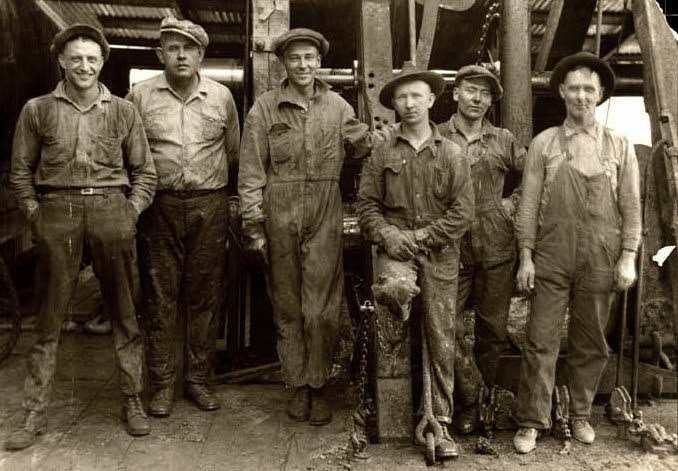
While farming flourished on the flatlands, oil was changing the hills. The Central Oil Company began drilling in the late 1890s, and by 1903 wooden derricks and pumping equipment crowded the Whittier Hills. The Murphy Oil Company controlled a large share of this land. These wells collectively produced over a million barrels of oil per year during the first decade of the century, drawing new workers and new money into the region.
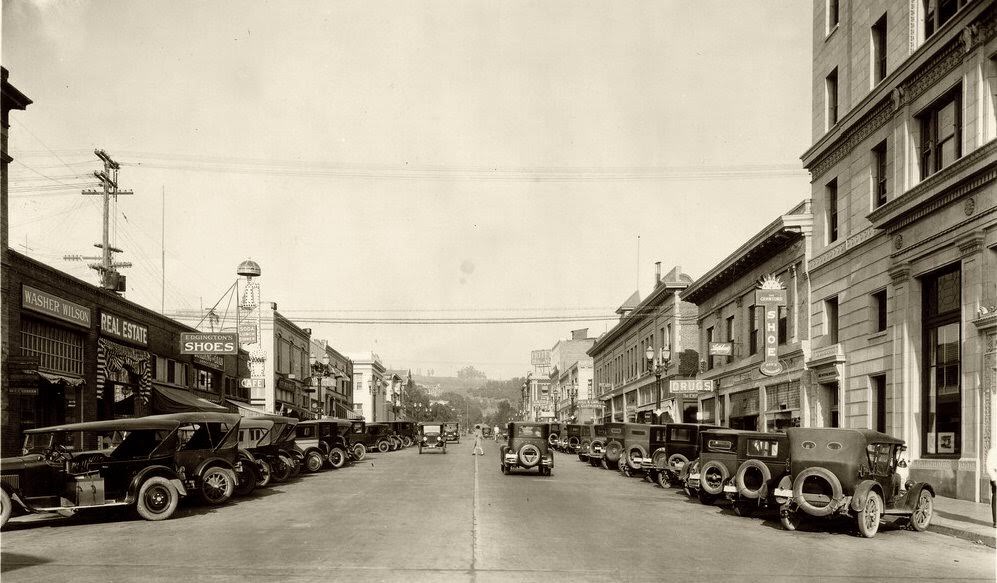
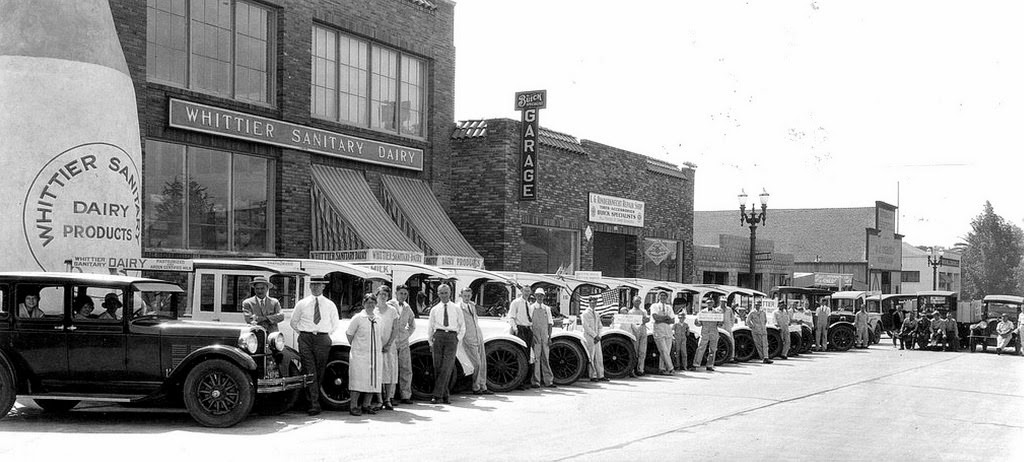
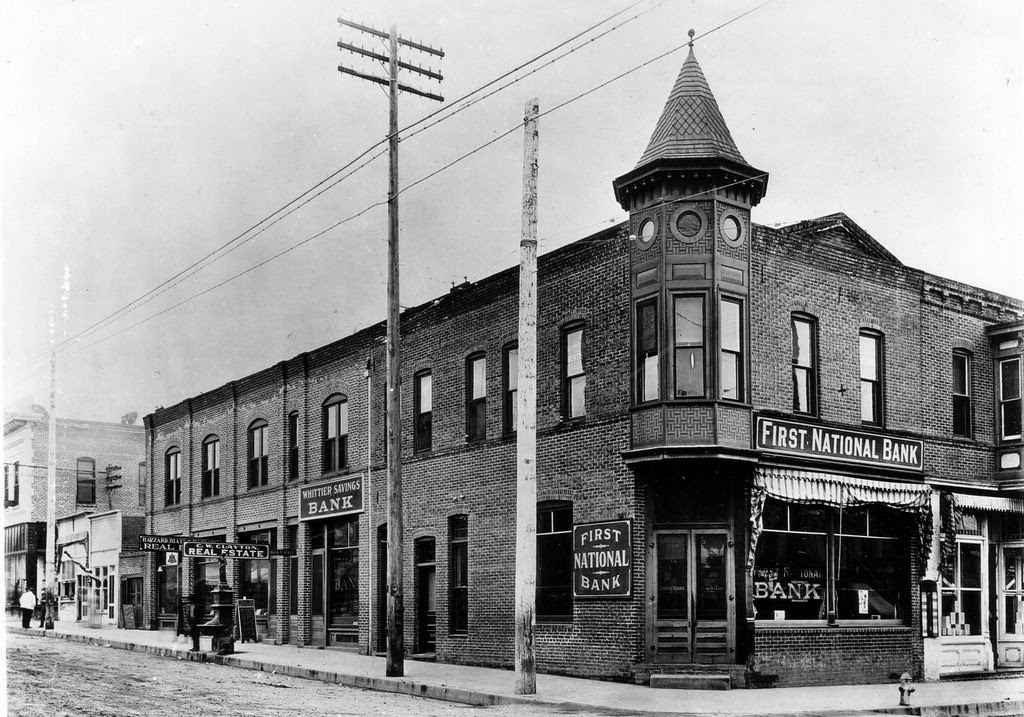
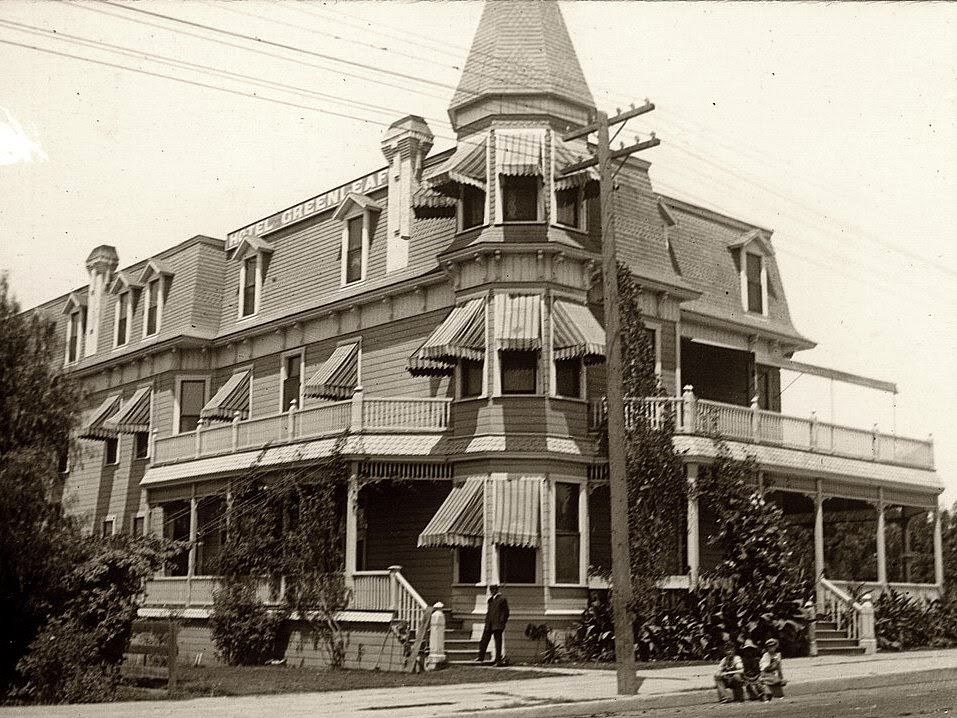
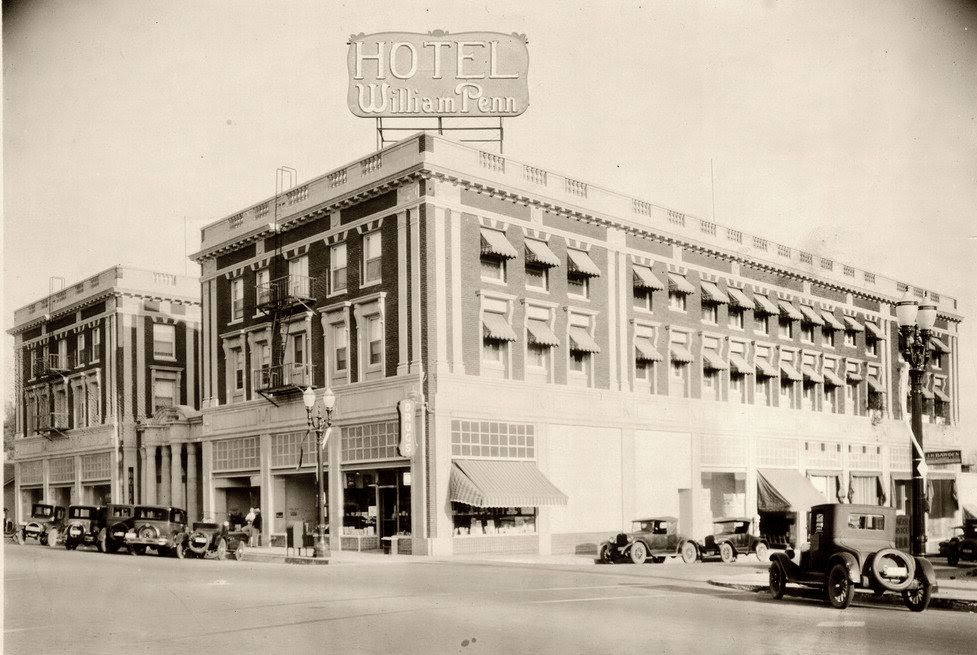
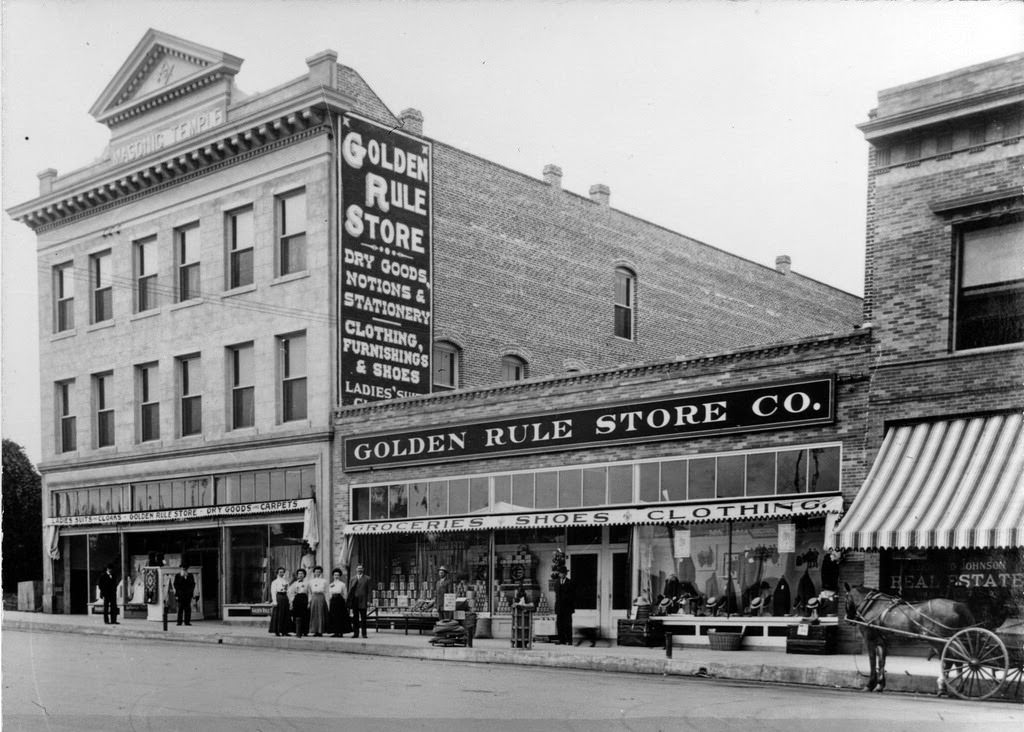
Downtown Whittier grew up around the intersection of Greenleaf Avenue and Philadelphia Street. Banks, hotels, and retail shops filled the blocks, serving a population that grew from 1,500 in 1900 to nearly 8,000 by 1920. The National Bank of Whittier and the Berryman Building were key anchors in the commercial district.
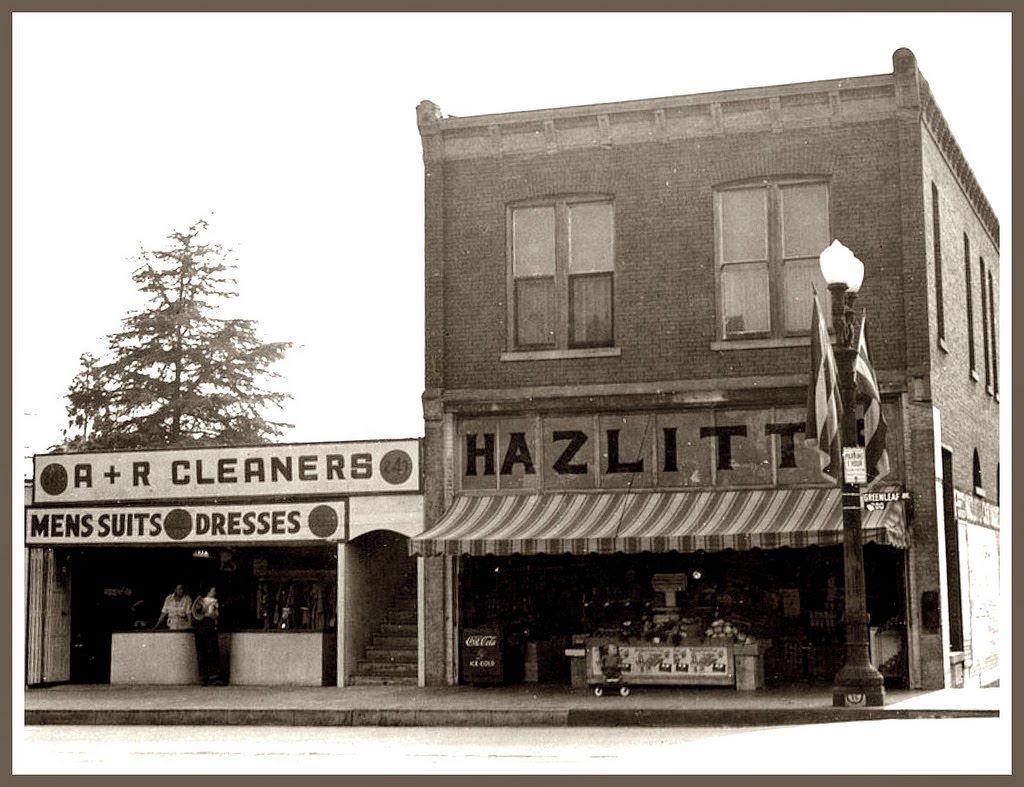
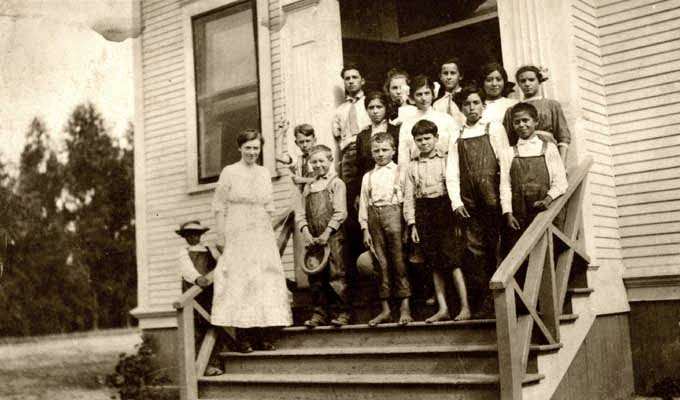
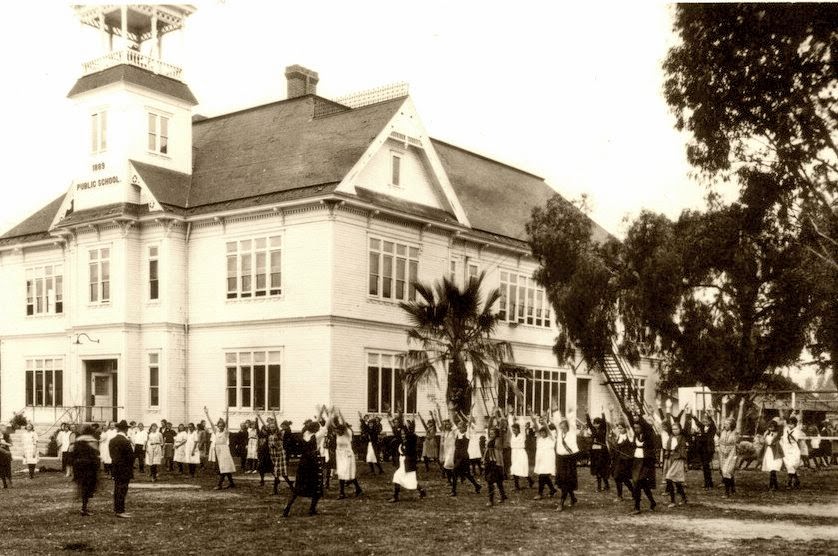
Public infrastructure expanded to match the city’s growth. Workers installed electric streetlights along the main roads, laid telephone lines, and built out a municipal water system. New schools opened to serve the growing number of families, including Whittier Union High School, which opened its first permanent building in 1900.
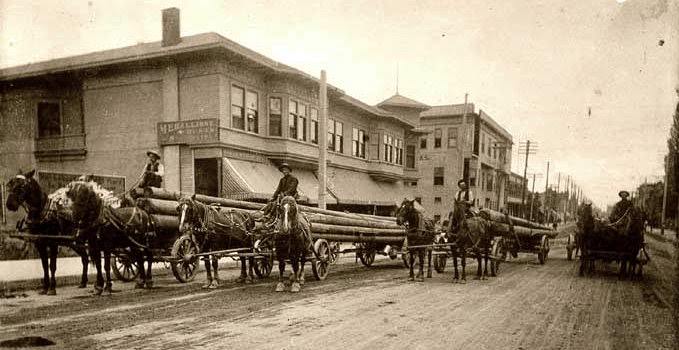
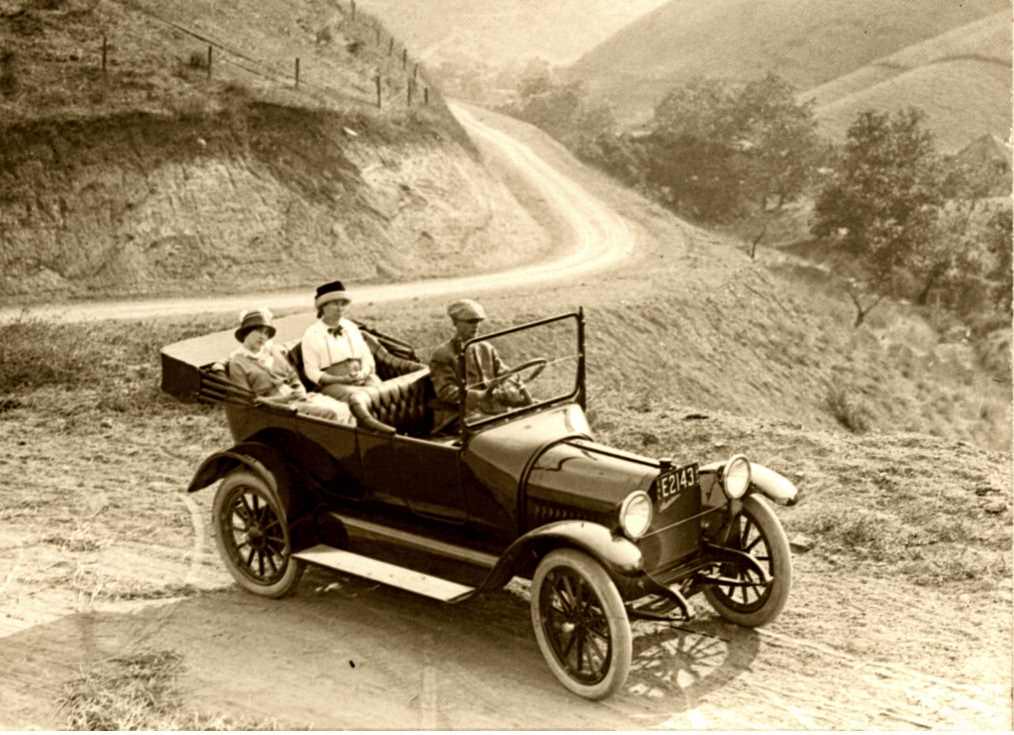
Road-building also became a priority during this era. The construction of Turnbull Canyon Road was a celebrated achievement, connecting Whittier to the surrounding hills and opening new routes for travel and commerce.
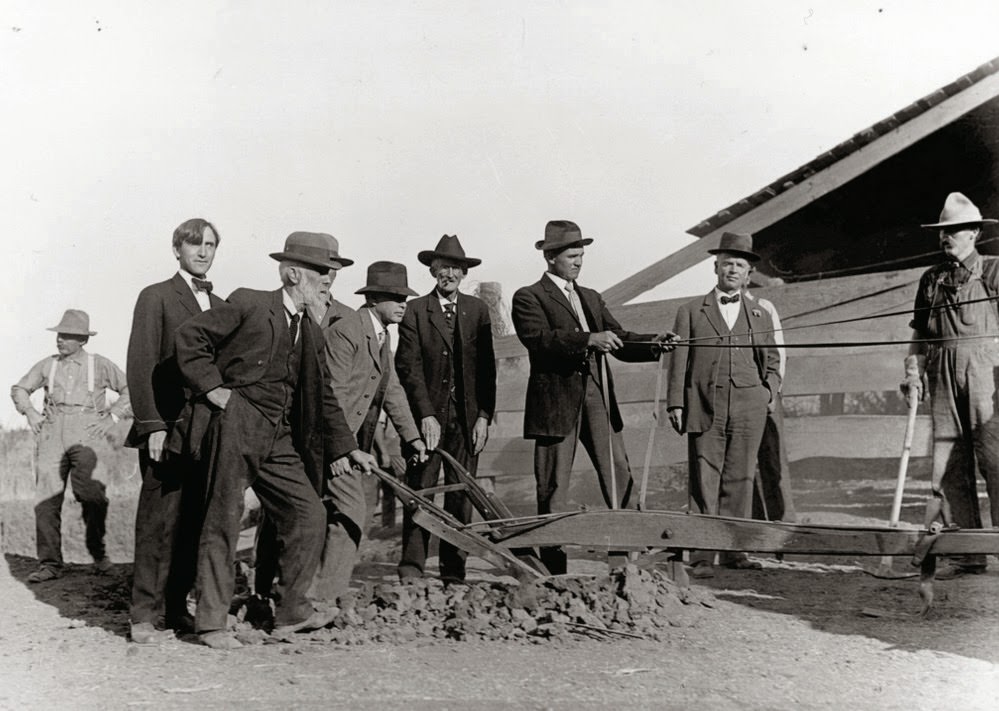
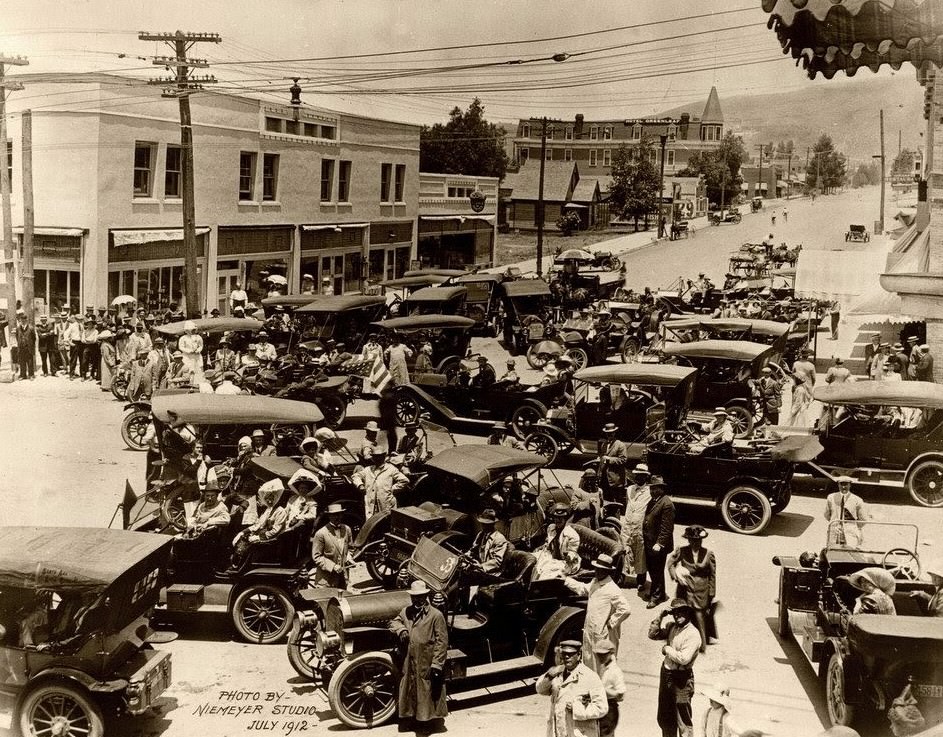
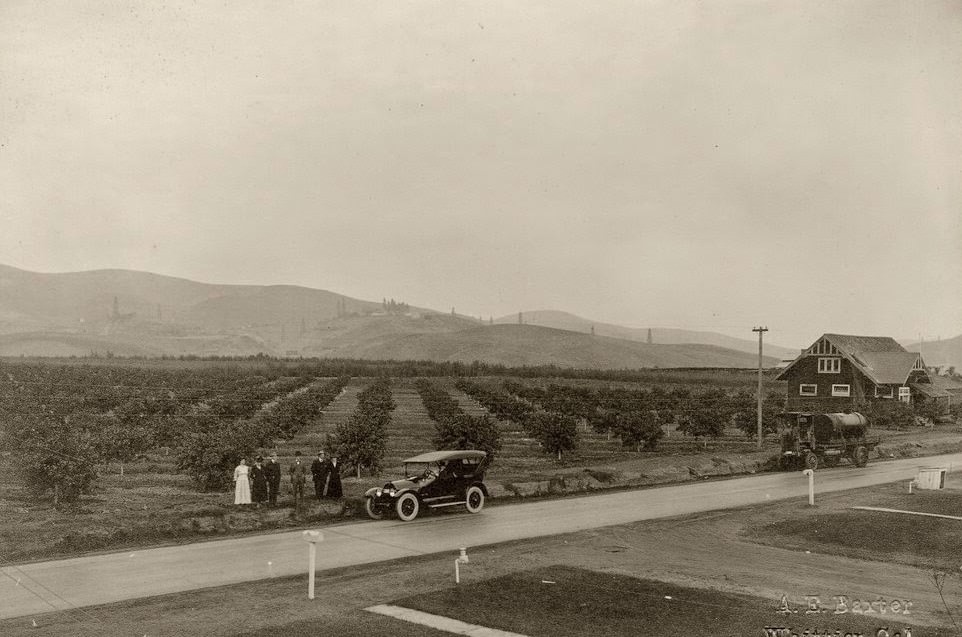
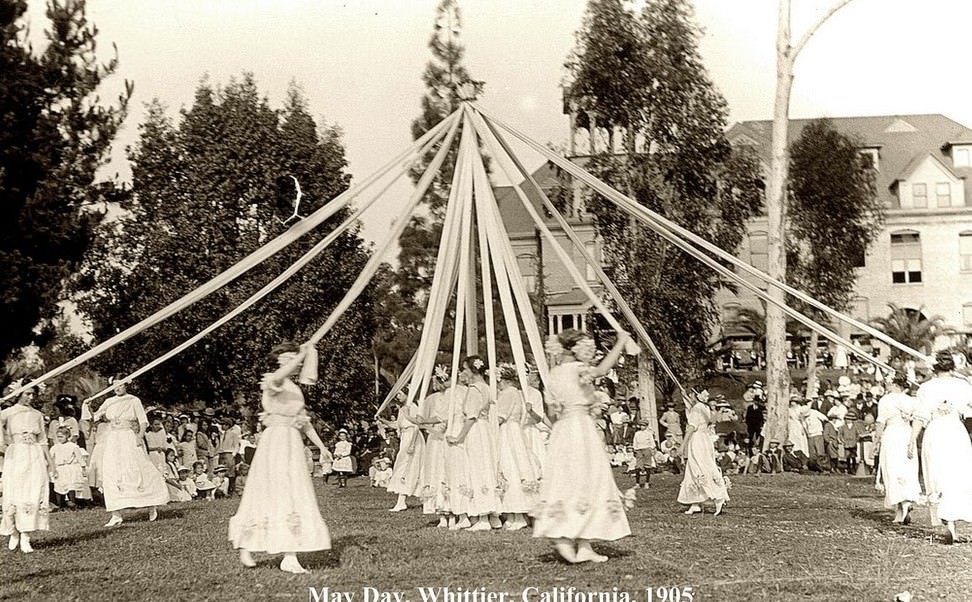
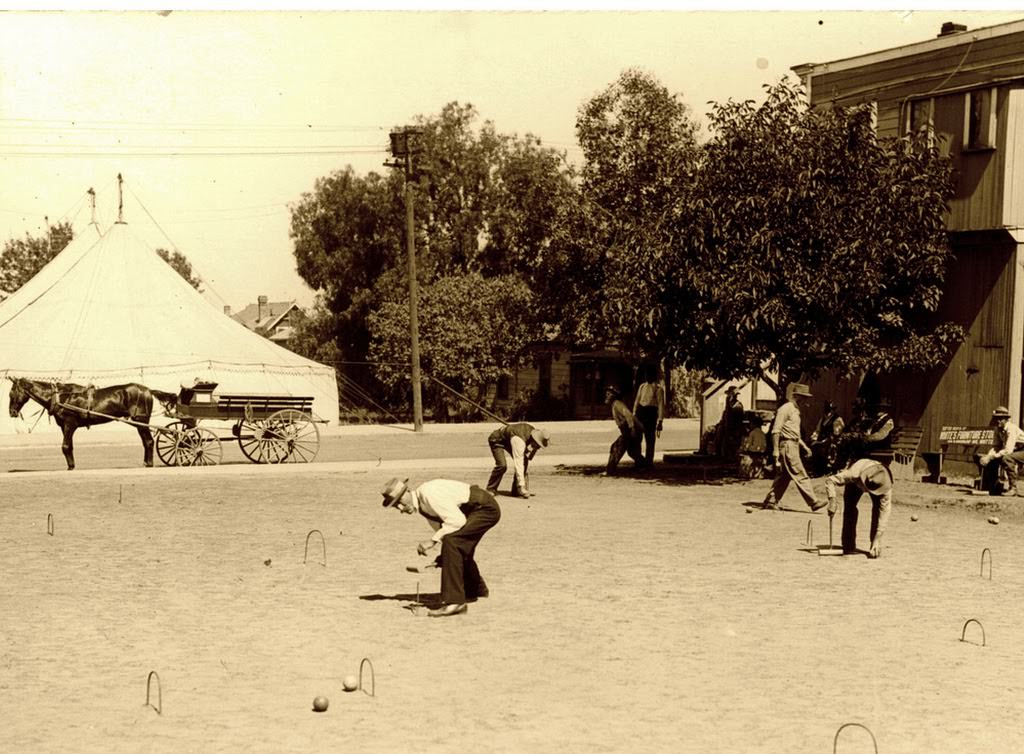
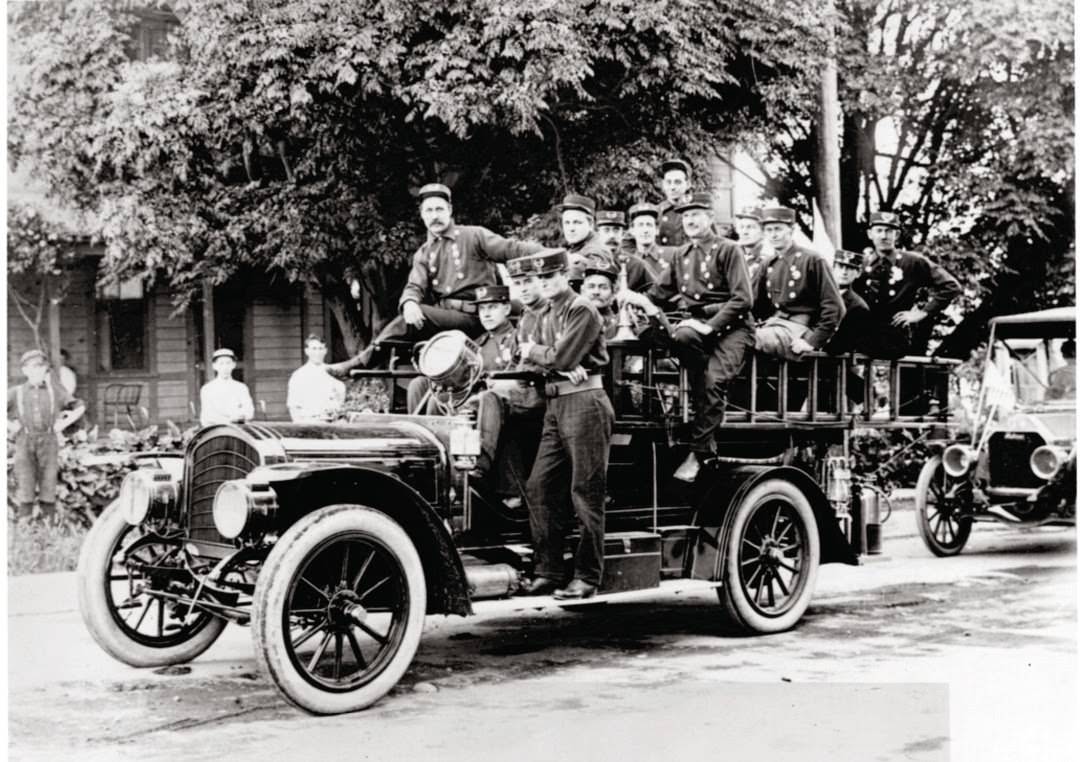
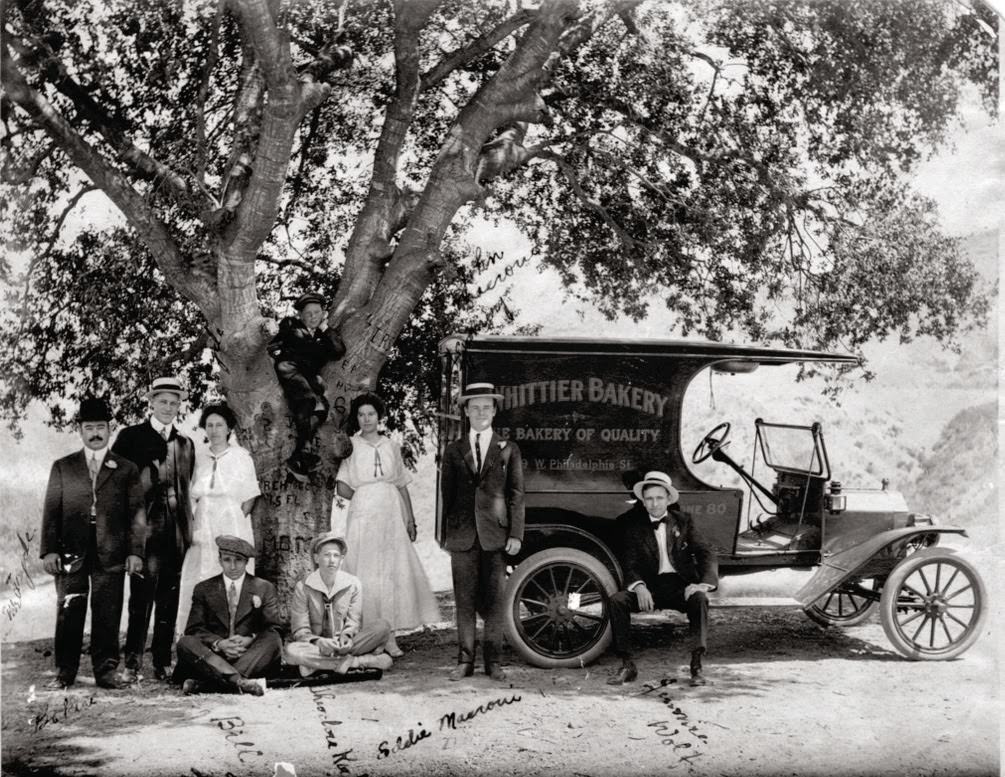
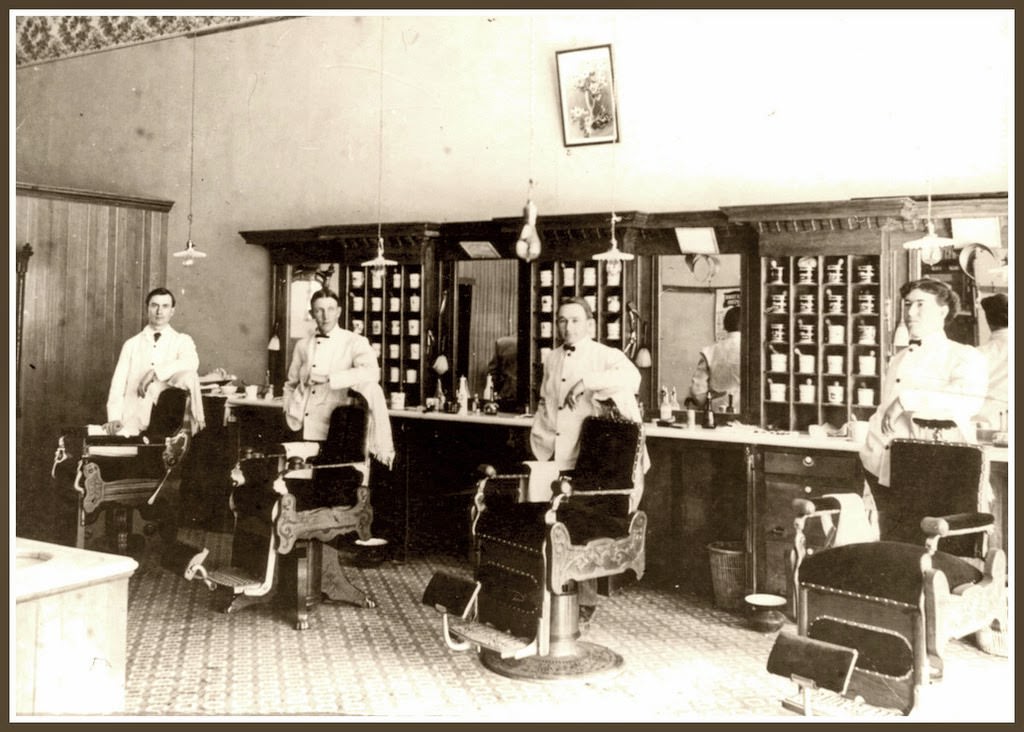
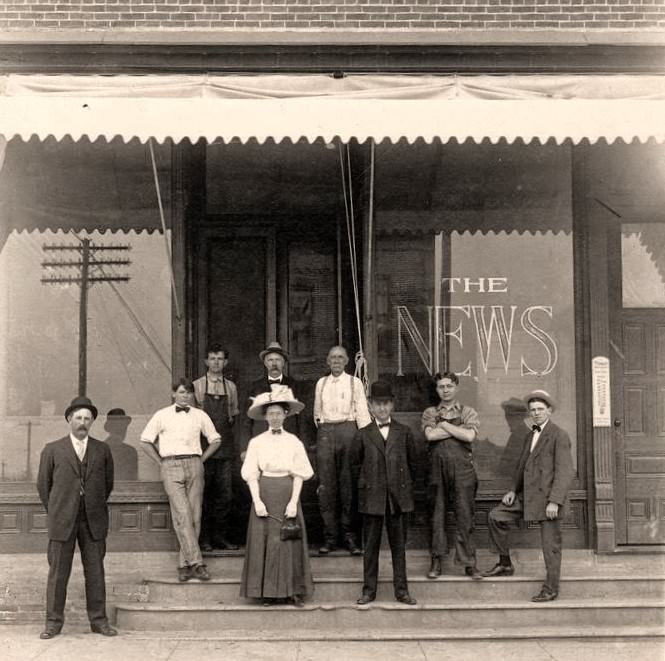
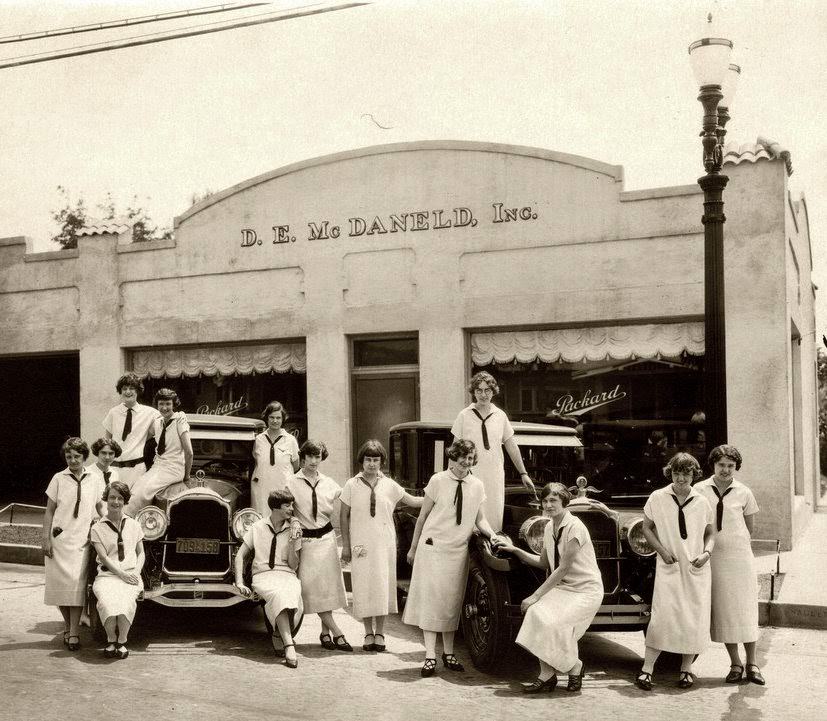
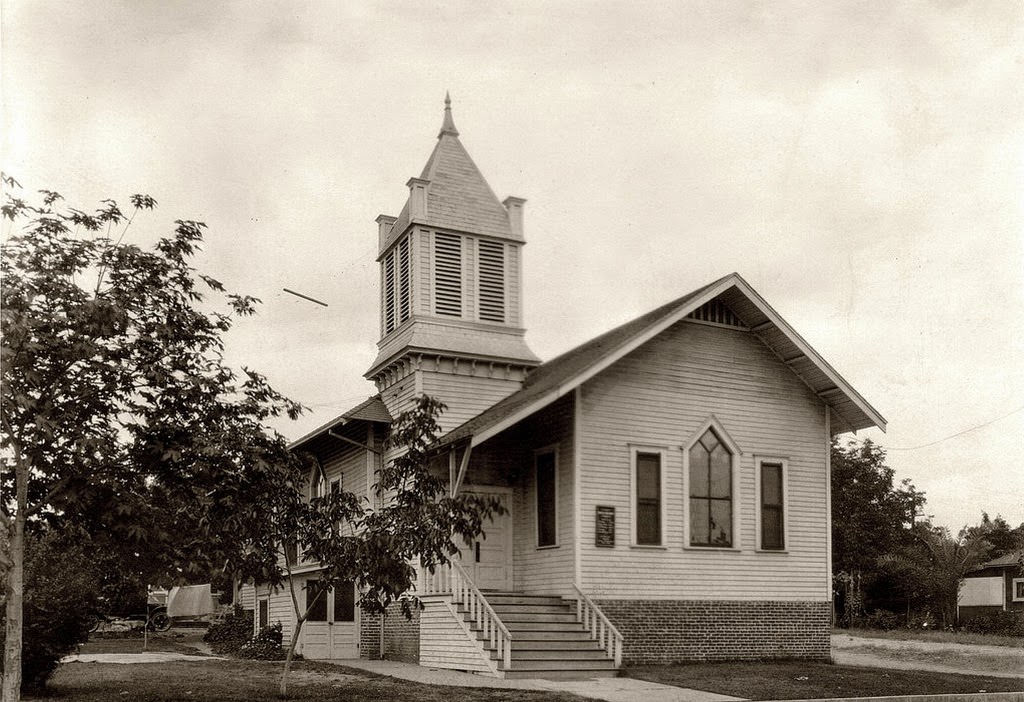
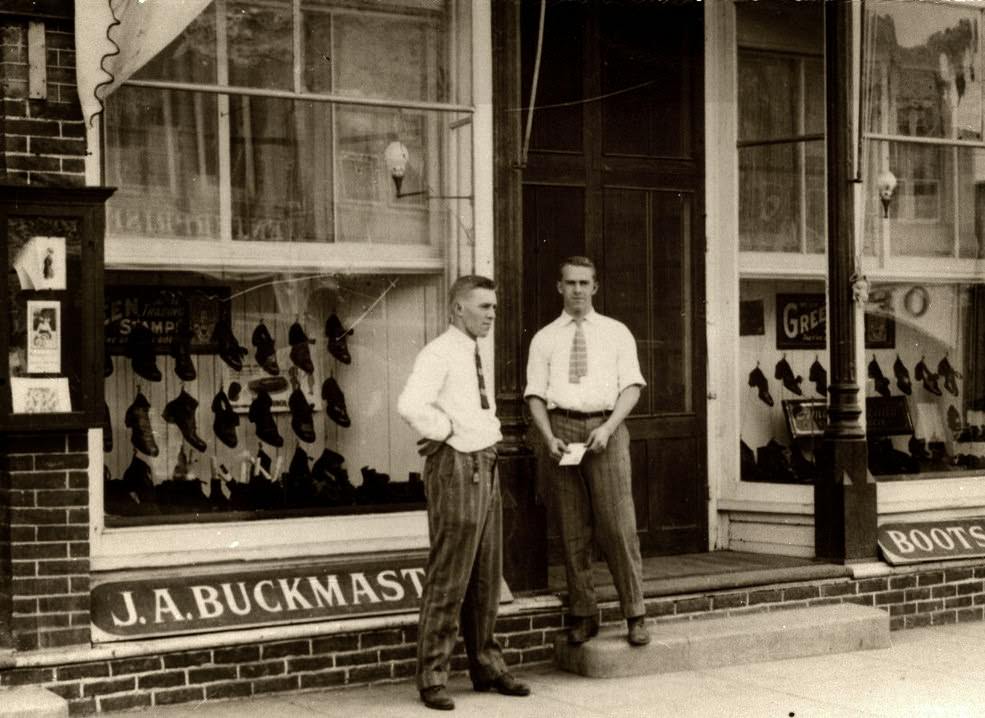
Daily life in early Whittier was community-oriented. Residents gathered for celebrations, games, and local events. The Harvey Apartments offered modern housing for newcomers, while long-time residents lived in Victorian and Craftsman-style homes on streets carved out of former orchards. Local businesses of every kind filled the commercial blocks, from bakeries to fire departments to newspaper offices.