Christmas advertising in the 1940s was bold, direct, and sometimes surprising. Companies used Santa Claus, snowy scenes, and bright colors to push everything from cigarettes to television sets. The decade opened with brands leaning on holiday warmth to sell everyday products — and they held nothing back.
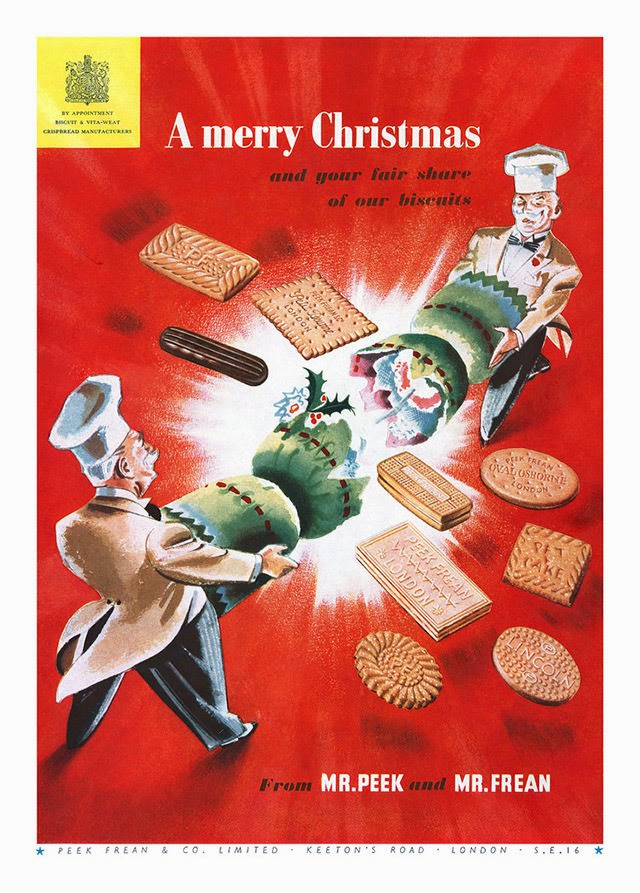
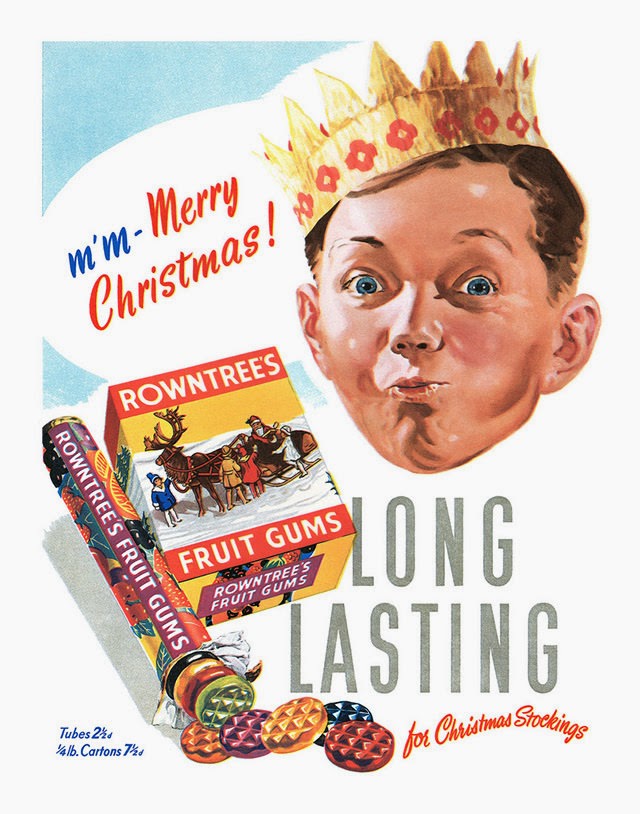
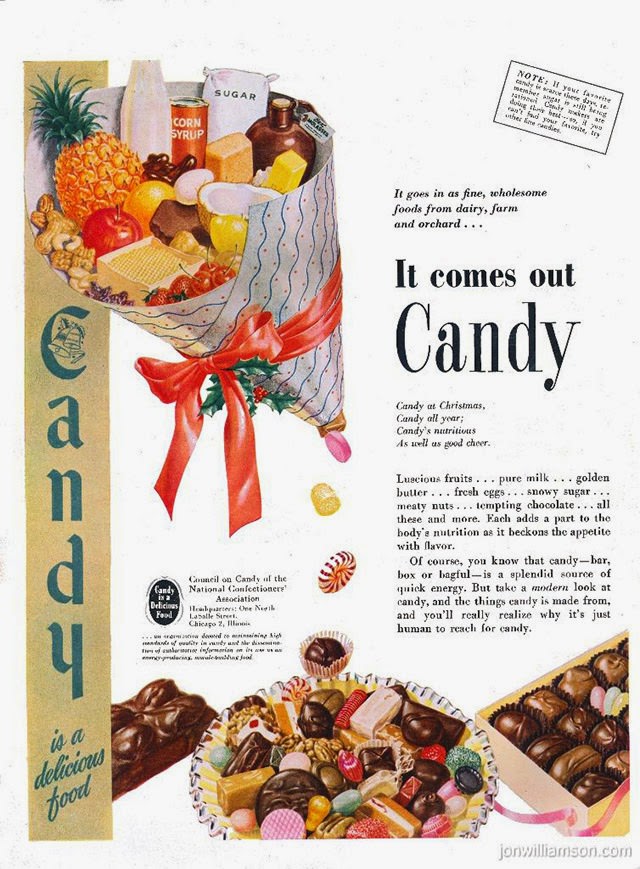
Sweet treats and snacks were natural holiday sellers. Biscuit and candy brands ran cheerful ads that tied their products directly to Christmas celebrations. Confectionery companies knew the season gave them a built-in reason to advertise.
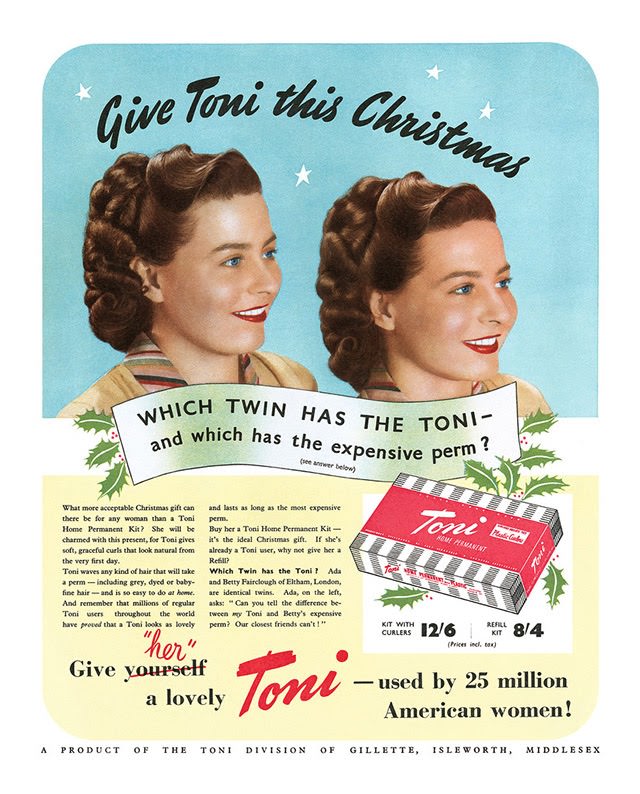
Personal care was a big theme in 1949. Toni ran ads for home hair kits, promising salon-quality results at a fraction of the salon price. It was a practical gift aimed squarely at women looking for an affordable treat.
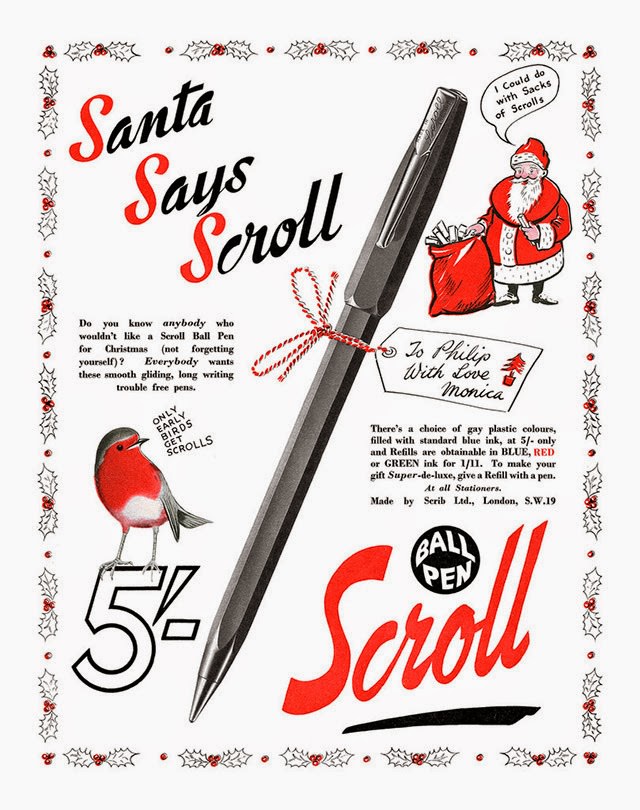
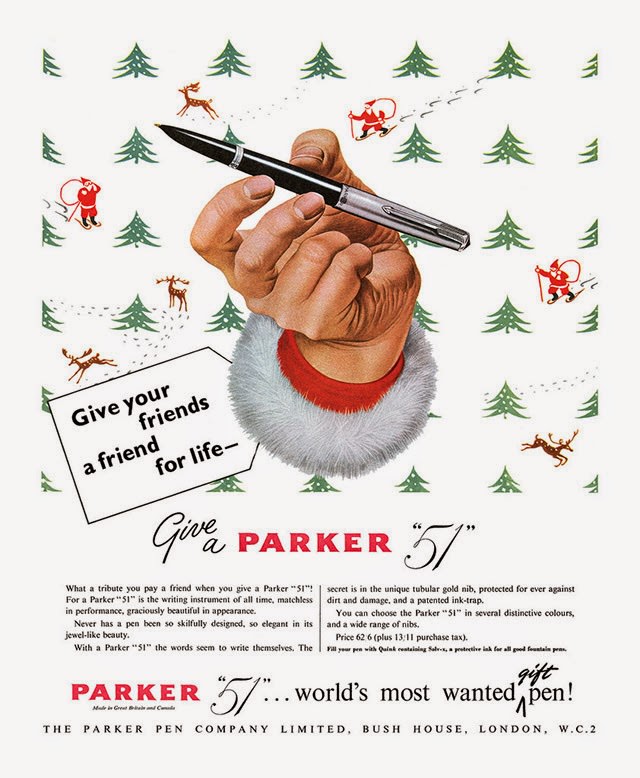
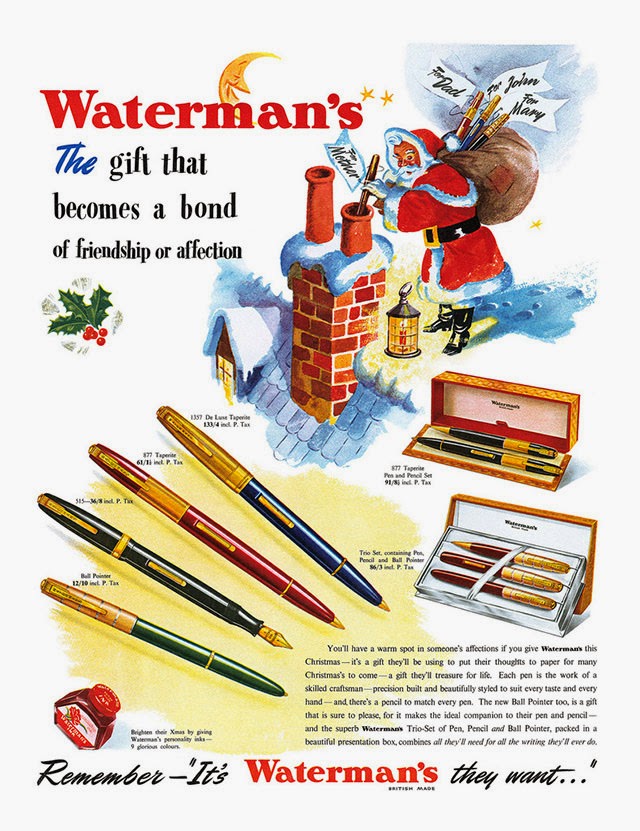
Pens were one of the decade’s most popular gift items. Multiple brands competed for the same holiday shoppers, each claiming their pen wrote smoother or lasted longer than the rest.
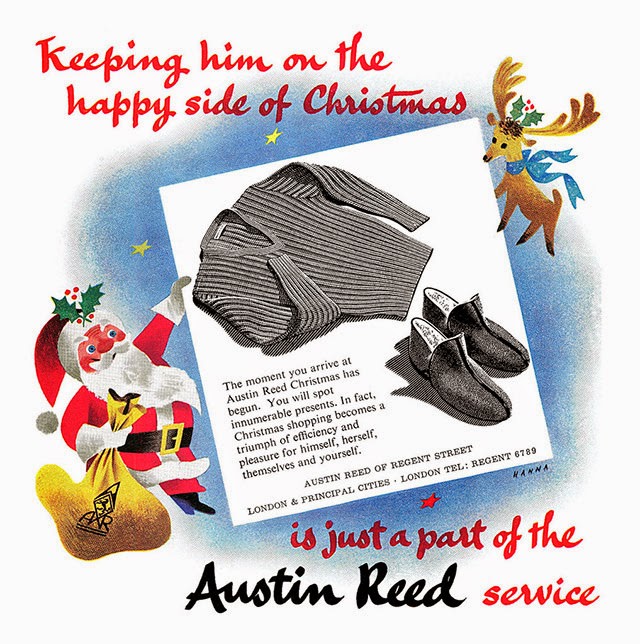
Men’s fashion and clothing brands also targeted Christmas shoppers. Austin Reed promoted tailored styles for the well-dressed man, framing quality clothing as a gift worth giving.
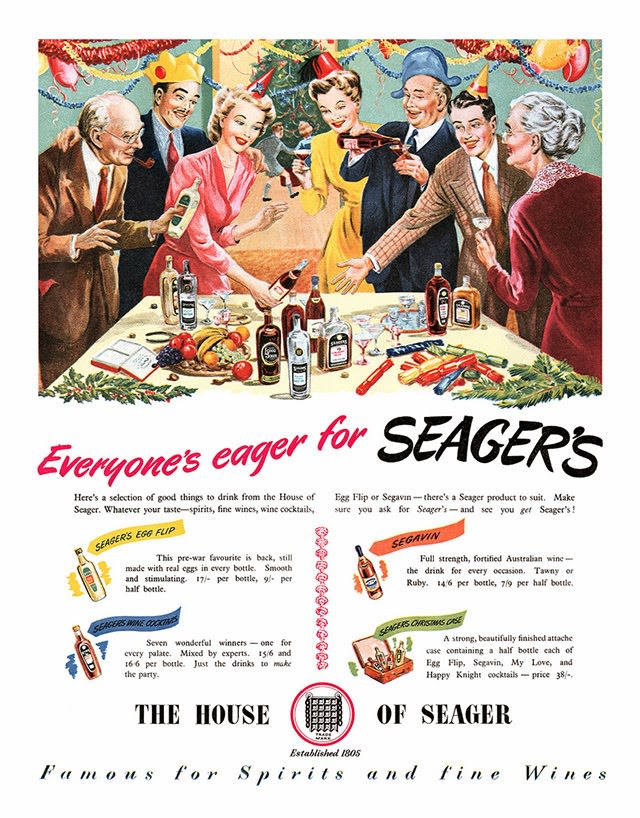
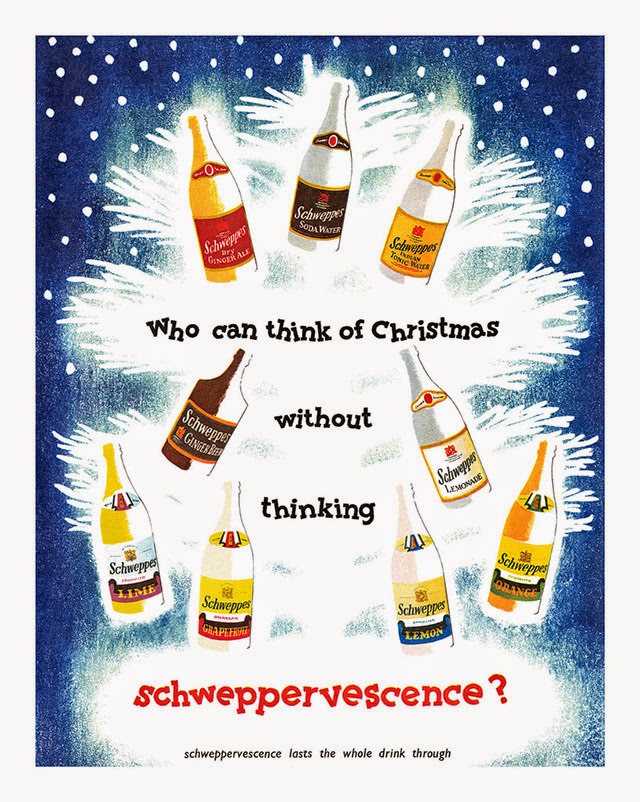
Spirits and mixers were central to holiday entertaining. Seager’s and Schweppes both advertised their products as essential additions to any festive gathering, positioning their bottles as hosts’ best friends.
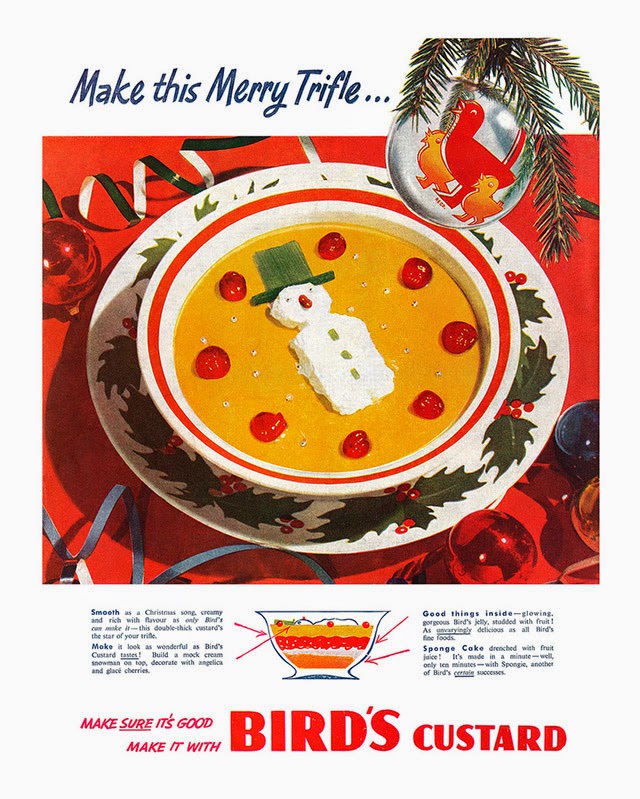
Food brands made sure their products appeared on Christmas tables. Bird’s Custard promoted itself as the perfect companion for holiday desserts, a staple no British household should be without.
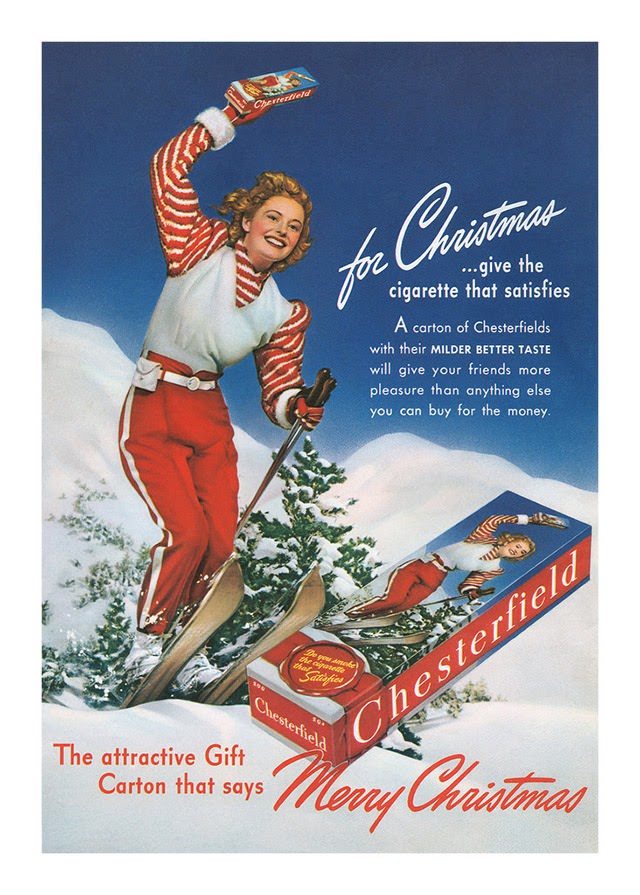
One of the decade’s most striking early ads came from Chesterfield in 1940. Their Christmas campaign featured Santa Claus holding a bag stuffed with cartons of cigarettes — tobacco was openly marketed as a cheerful holiday gift.
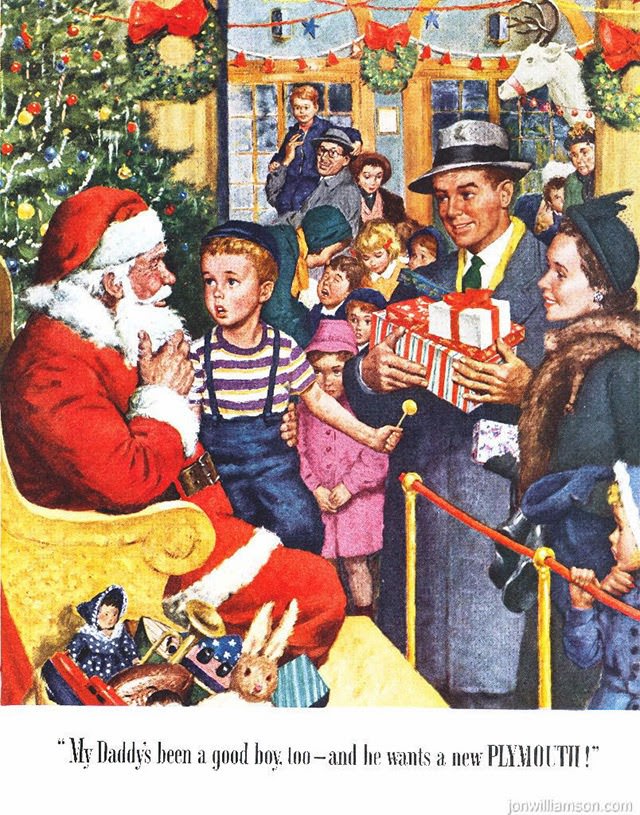
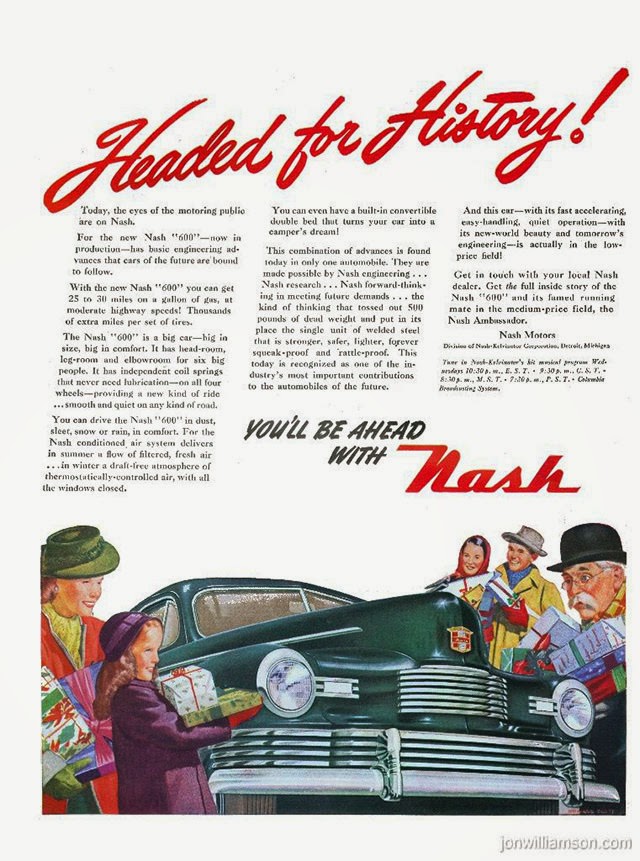
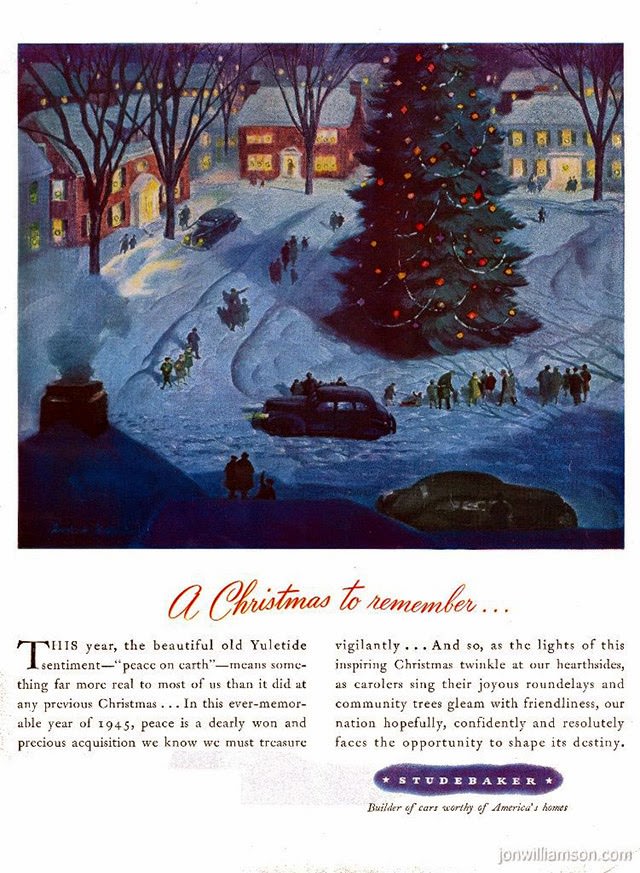
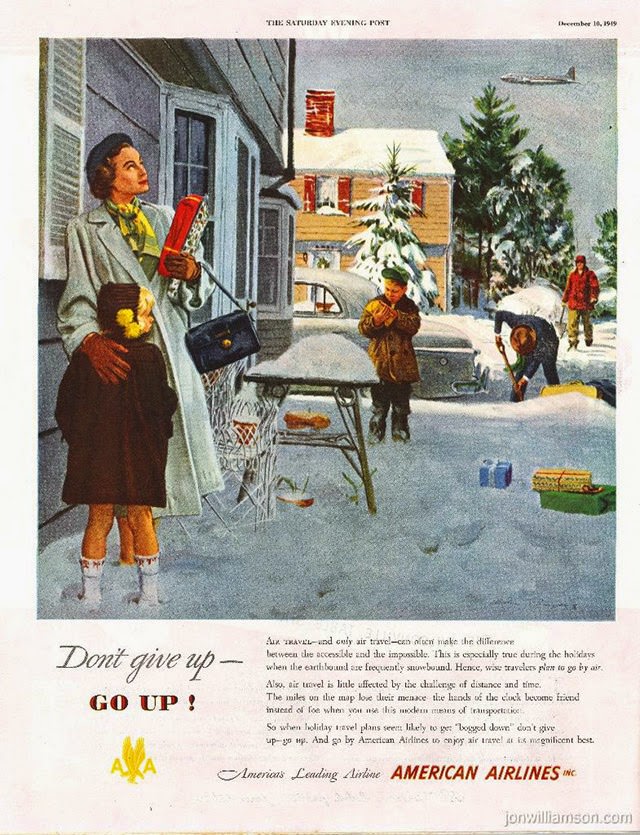
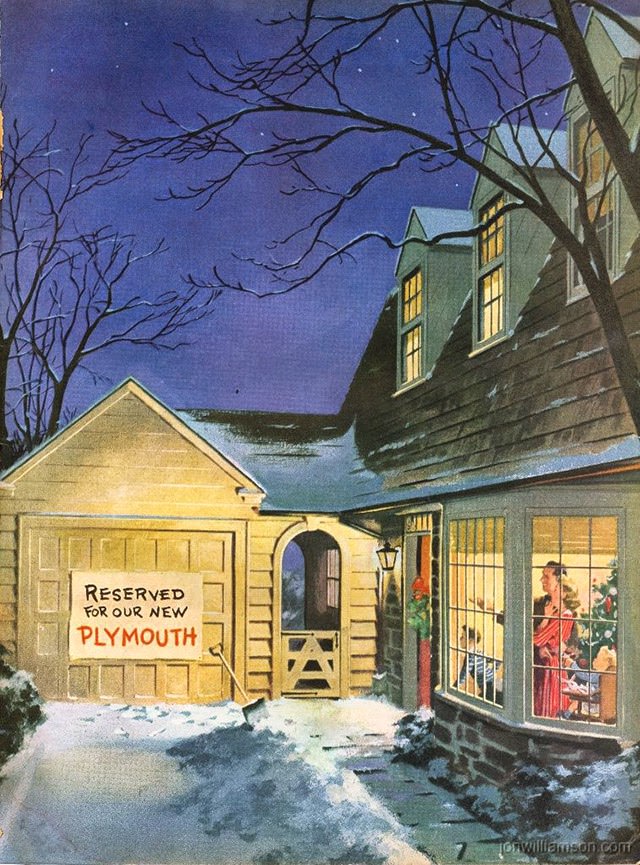
Car brands leaned into winter settings to sell reliability. Plymouth, Nash, and Studebaker all used snowy backdrops to show their vehicles handling cold weather with ease.
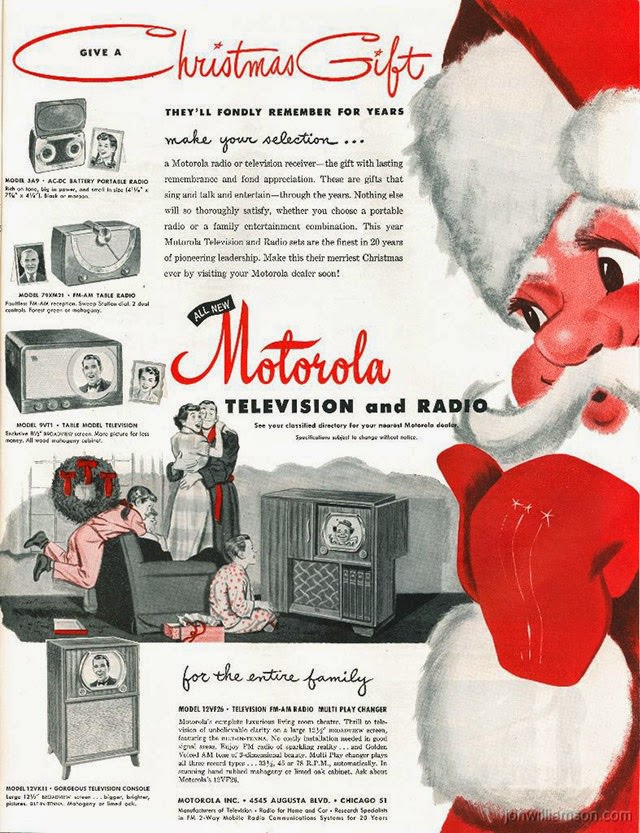
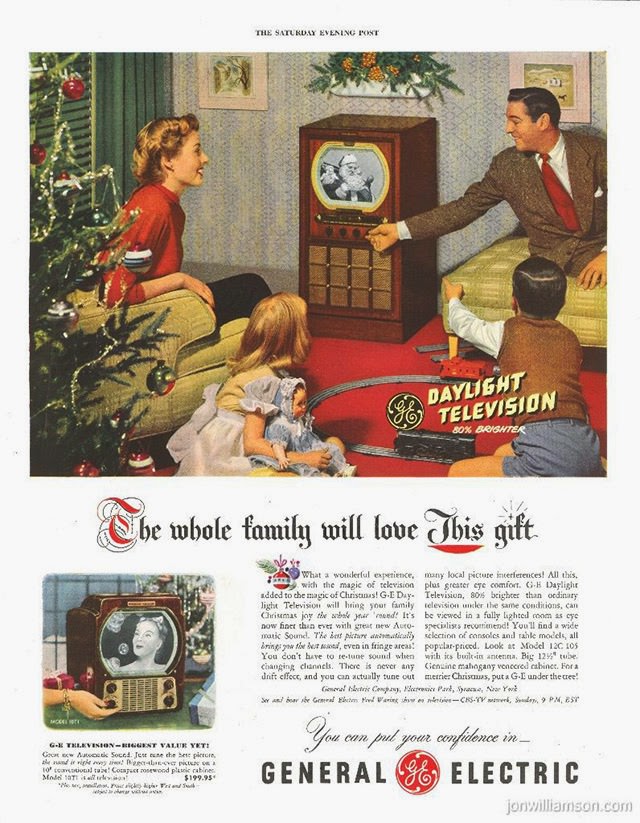
By 1949, television was the ultimate status gift. Motorola advertised large TV sets as the centerpiece of modern family life, promising hours of shared entertainment under one roof.
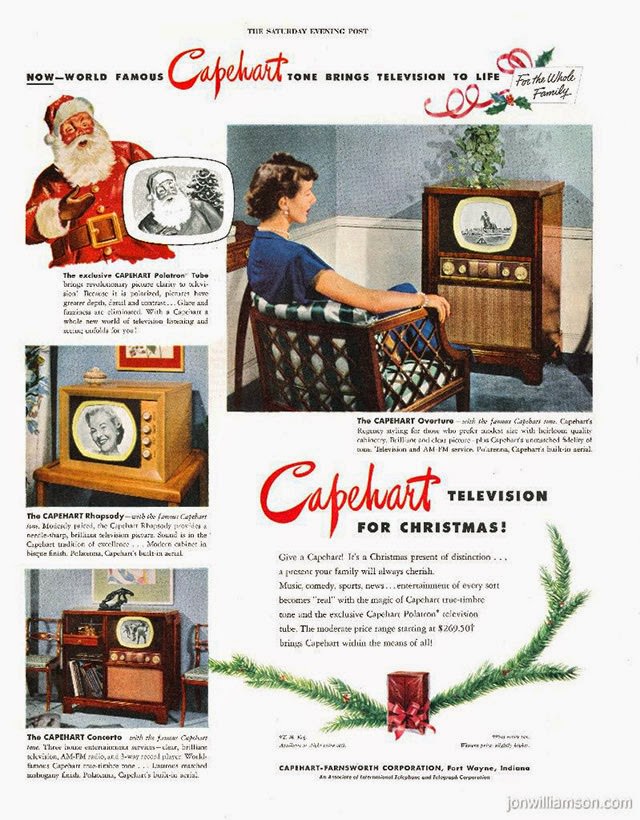
Capeheart Television took a different approach, marketing their sets as elegant furniture pieces that blended into any living room. Owning one was as much about style as it was about entertainment.
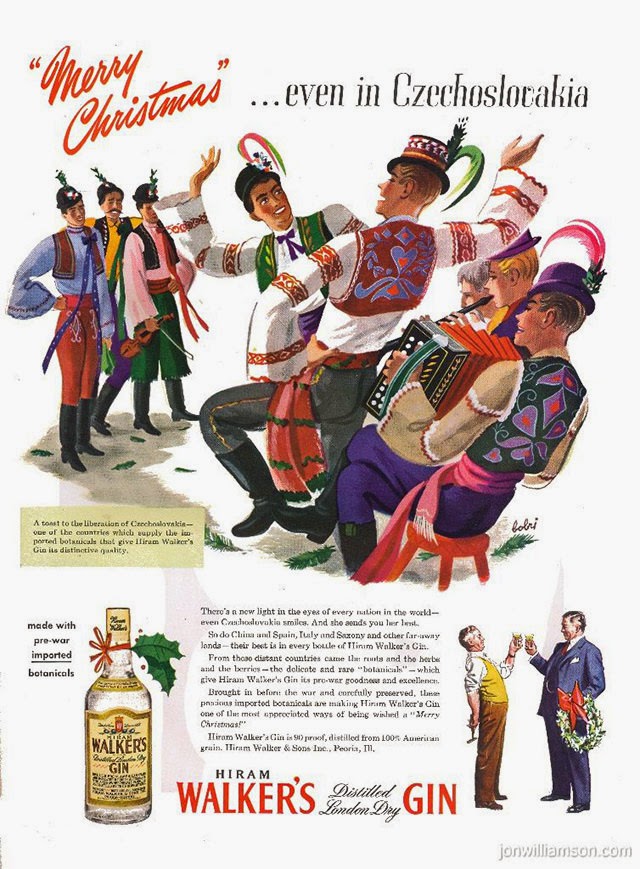
Gin and spirits brands kept pace with the festive mood. Walker’s Gin ran holiday ads that put their bottle front and center at the Christmas table, tied neatly to the social rituals of the season.
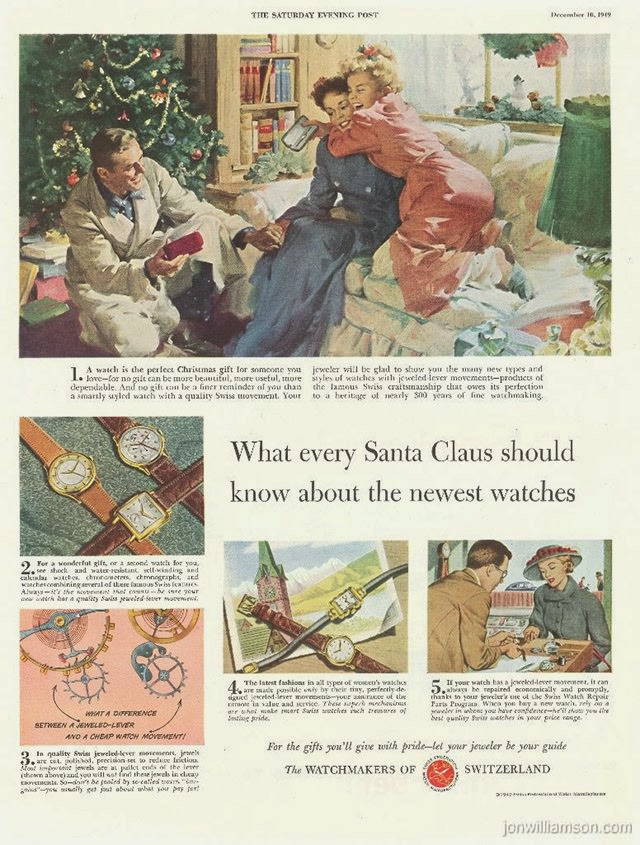
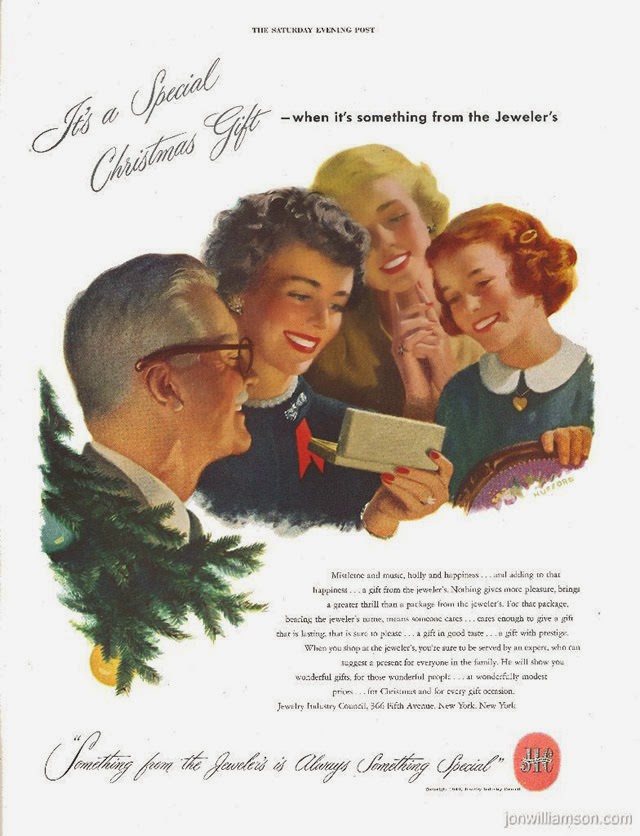
Luxury gift categories also included Swiss watches and fine jewelry. The Watchmakers of Switzerland and the Jewelry Industry Council both pushed campaigns encouraging shoppers to choose lasting, meaningful gifts from local jewelers.
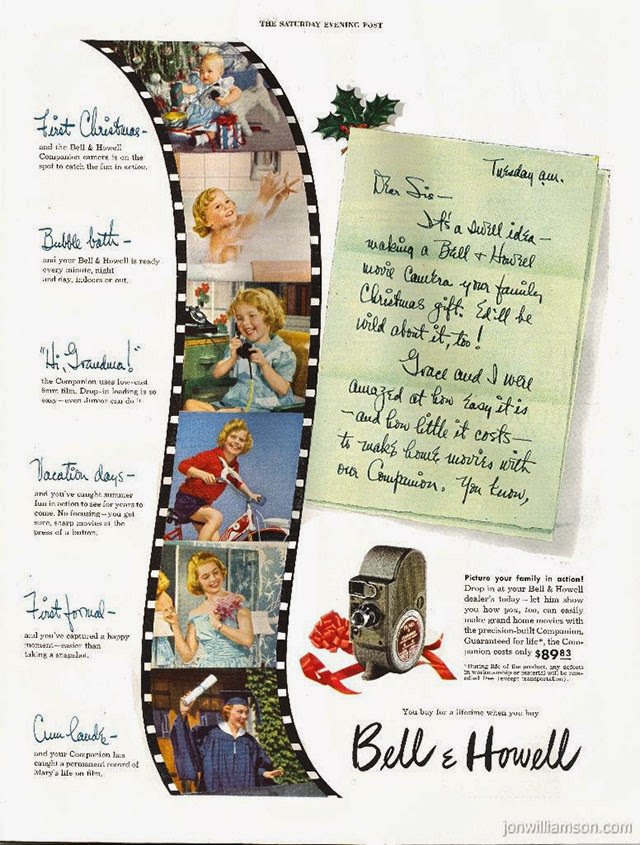
Bell & Howell marketed home movie cameras as a way for families to record their own Christmas memories. It was a forward-thinking pitch — capturing the holiday on film was still a novelty for most households.
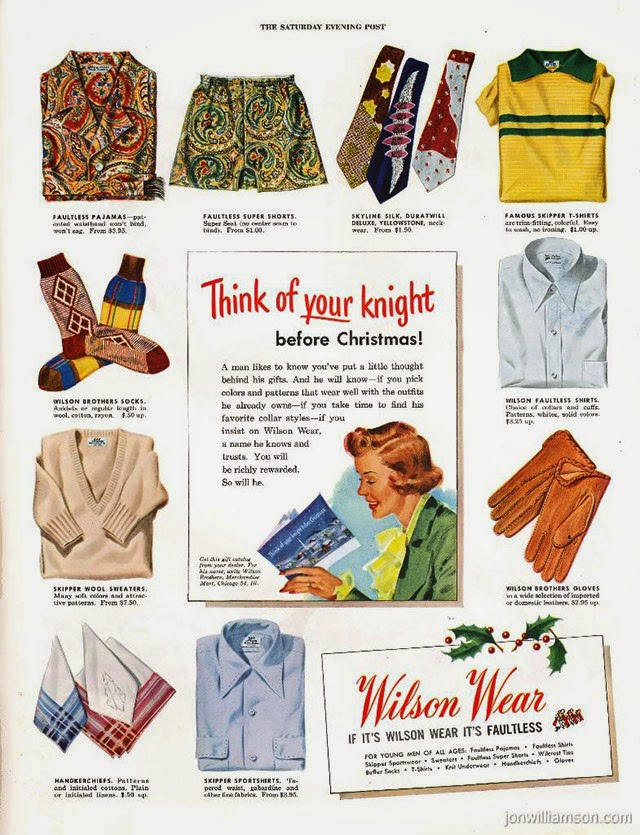
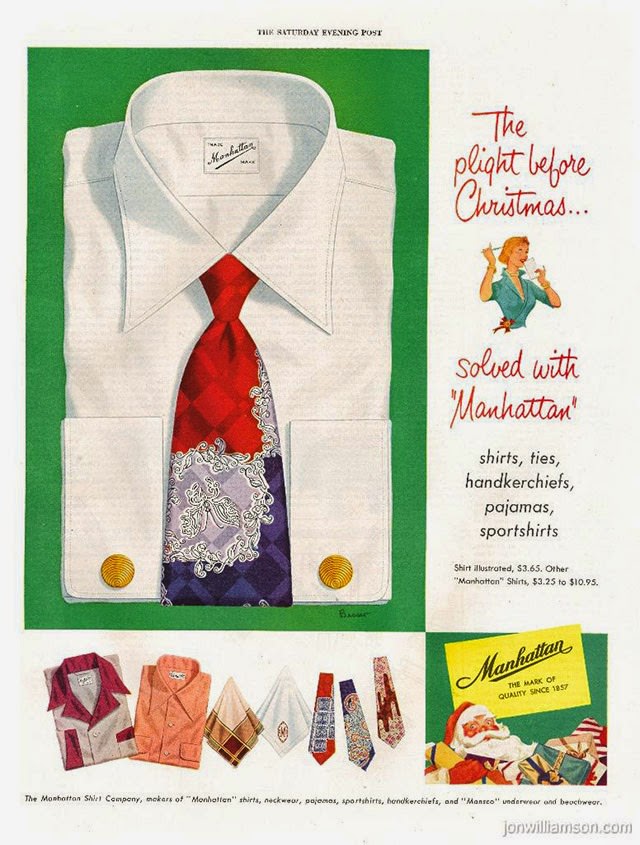
Men’s shirts and ties were reliable holiday standbys. Wilson Wear and Manhattan both ran ads highlighting high-quality fabrics and modern cuts, targeting shoppers who wanted a practical yet stylish gift.
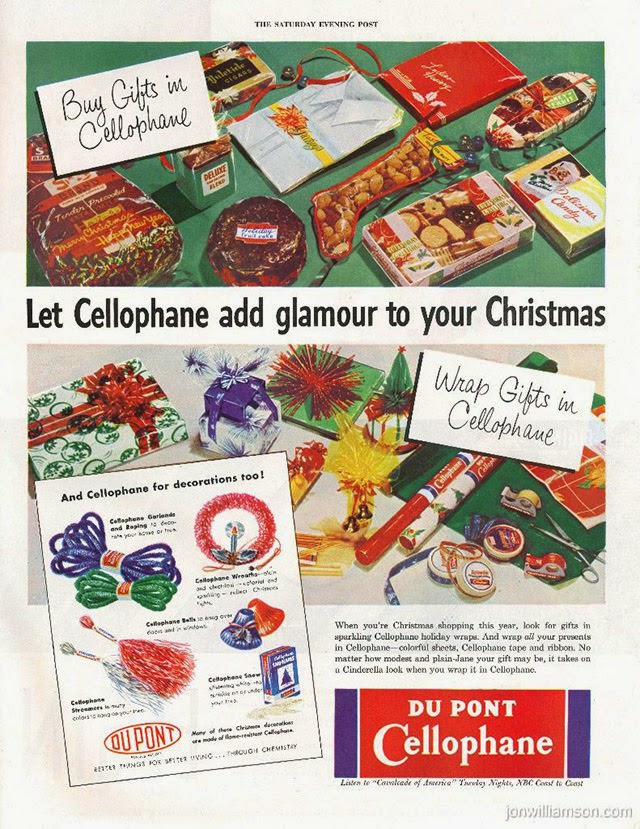
DuPont Cellophane used Christmas in a clever, eye-catching way. Their ad showed Santa’s face peering through a clear layer of cellophane, demonstrating how well the wrap kept food fresh and gifts visible.
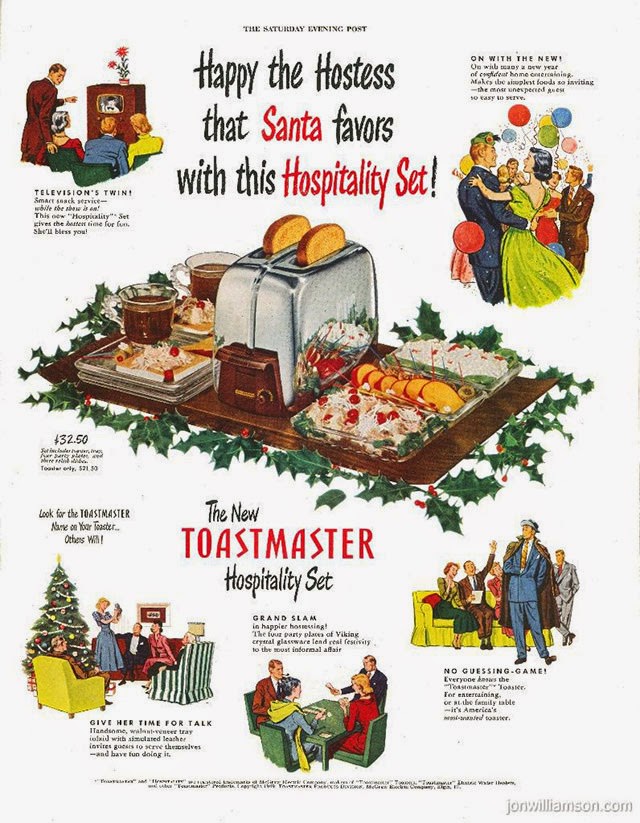
In the kitchen, the Toastmaster automatic toaster was sold as a time-saving gift for the modern home. It was practical, affordable, and easy to wrap — a marketer’s dream product for the holiday season.
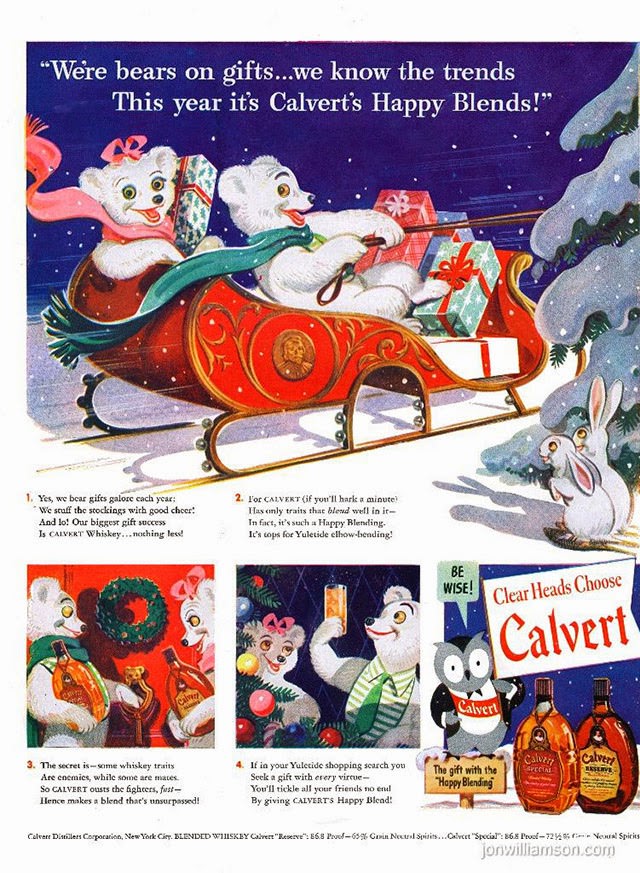
Calvert’s 1942 ads placed their beverages at the heart of family holiday gatherings, reflecting how alcohol brands used warmth and togetherness to sell through even the war years.