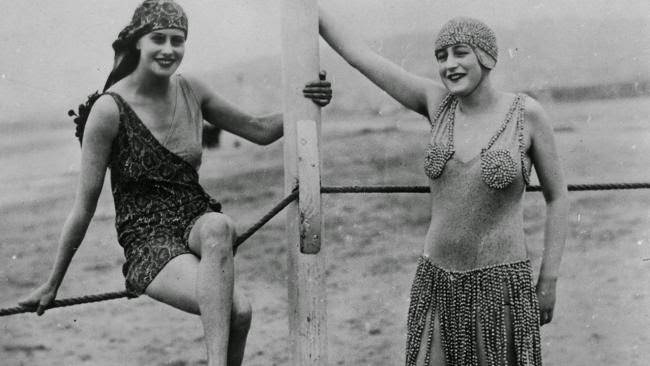
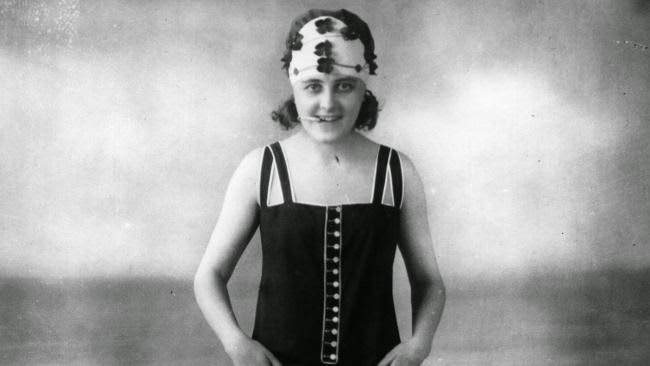
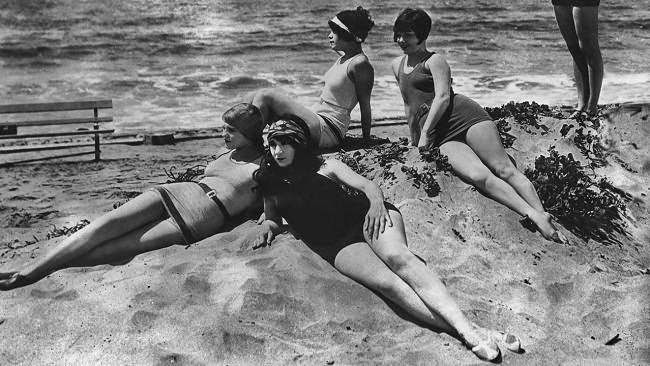
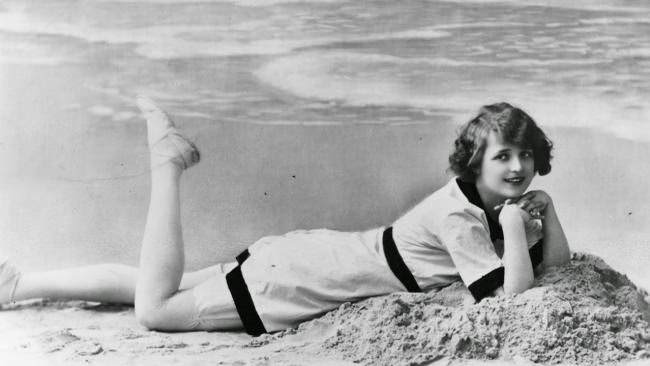
Swimwear changed fast during the 1920s. In 1921, Mack Sennett’s bathing belles stepped onto public beaches in shorter, more athletic suits that broke from the heavy styles of the decade before.
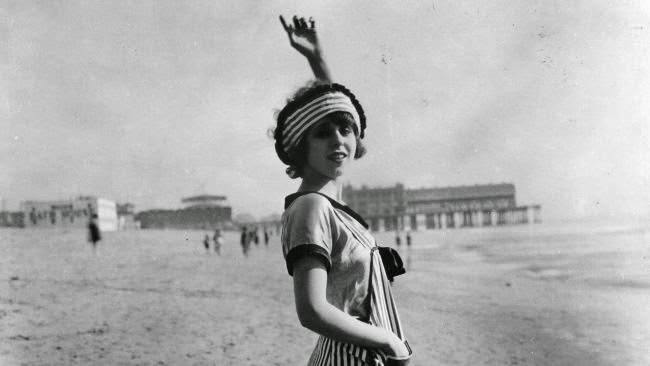
By 1922, photo shoots relied heavily on props. Models posed on large inflatable beach balls or relaxed under oversized parasols to project a carefree, leisure-focused image.
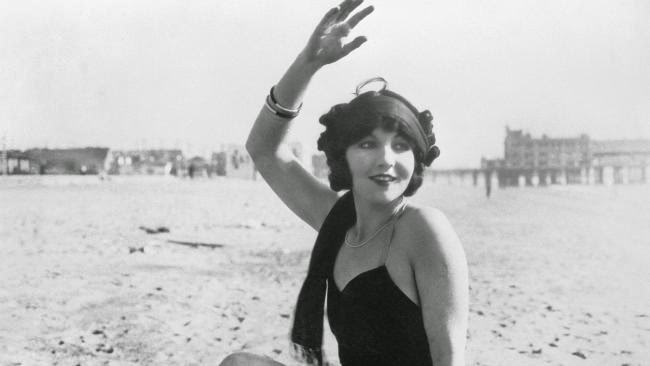
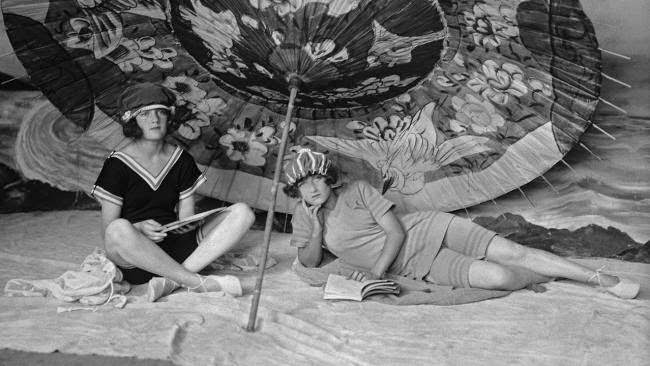
Fabric choices depended on purpose. Wool was standard for actual swimming because it held its shape when wet. Fashion-forward suits used finer materials. In 1928, actress Ann Evors wore a satin and latex top paired with a fishnet skirt.
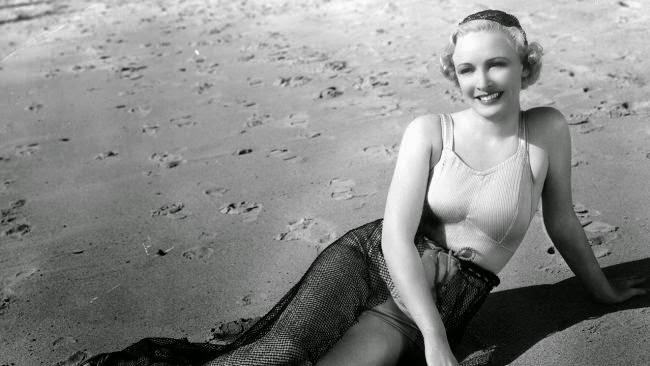
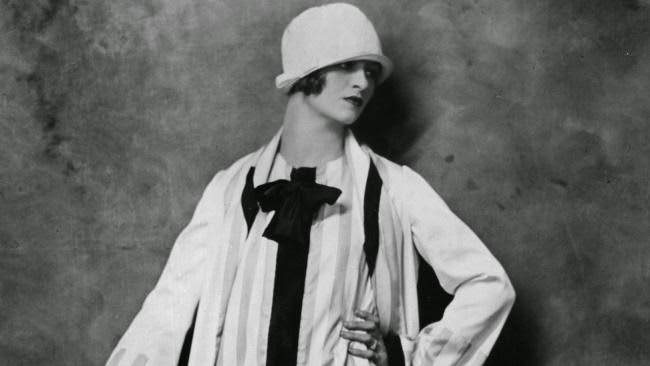
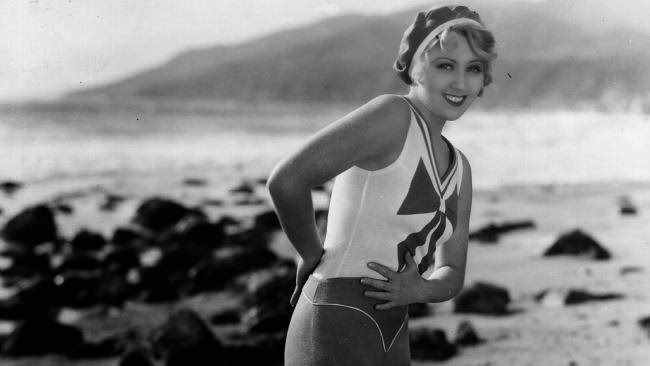
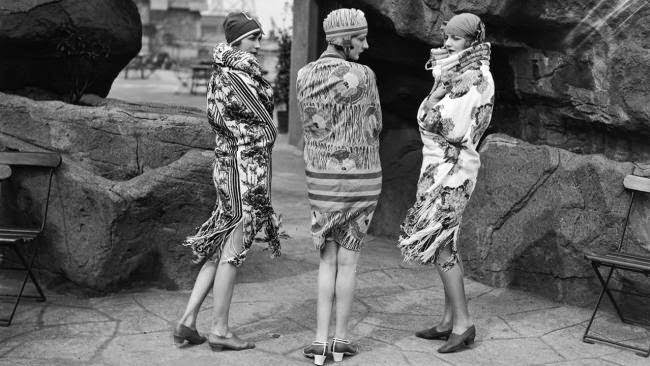
Other models wore vivid striped taffeta ensembles built strictly for walking on sand, never the water. Bold patterns on late-decade suits stood out sharply against the white beach.

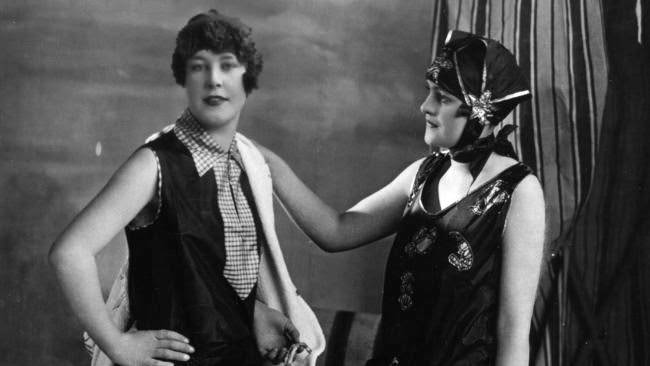
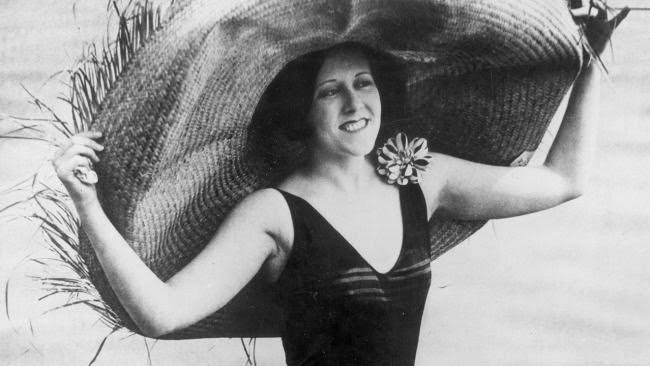
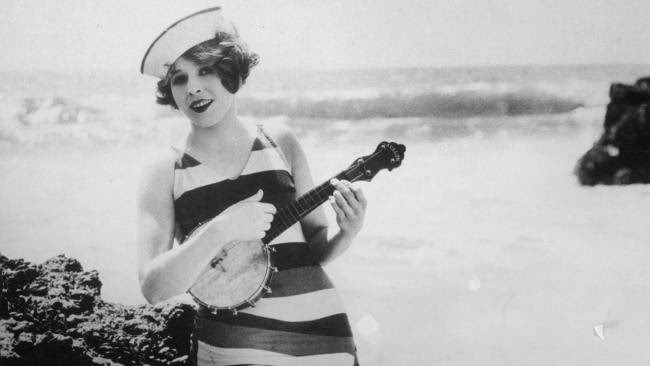
Accessories completed the look. Large straw hats shielded skin from the sun, while rubberized bathing hats kept hair dry. Sailor hats matched nautical striped themes. In 1923, one model posed with a banjo to tie beach life to music and entertainment.
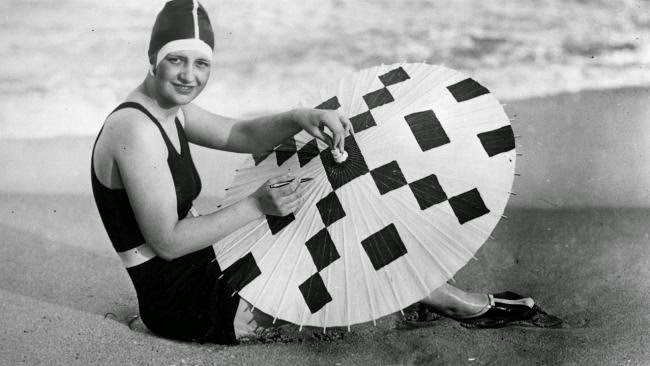
Parasols were a staple for sun protection on both sides of the Atlantic. At Palm Beach in 1925, one model decorated her parasol with a hand-drawn crossword puzzle design, nodding to that year’s biggest gaming craze.
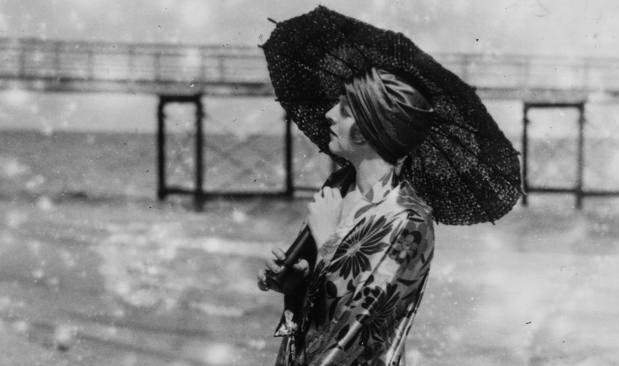
Location shaped how swimwear was shown to the public. In April 1928, London models displayed brightly colored wraps and rubberized bathing hats on a rooftop on Oxford Street, posing beside giant beach balls.

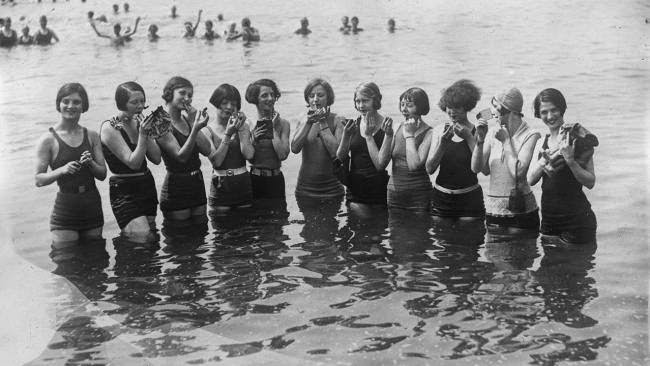
In Florida, the “new look” meant running trunks, which Lillian Steele modeled in 1925. That same year in England, photographers captured models applying makeup on the beach, marking swimwear’s growing role in the beauty industry.

Across the ocean in August 1926, women modeled the latest styles on the beach at Deauville, France. Actresses like Joan Blondell also hit the sand to promote trends, with photos spreading through postcards and fashion magazines.