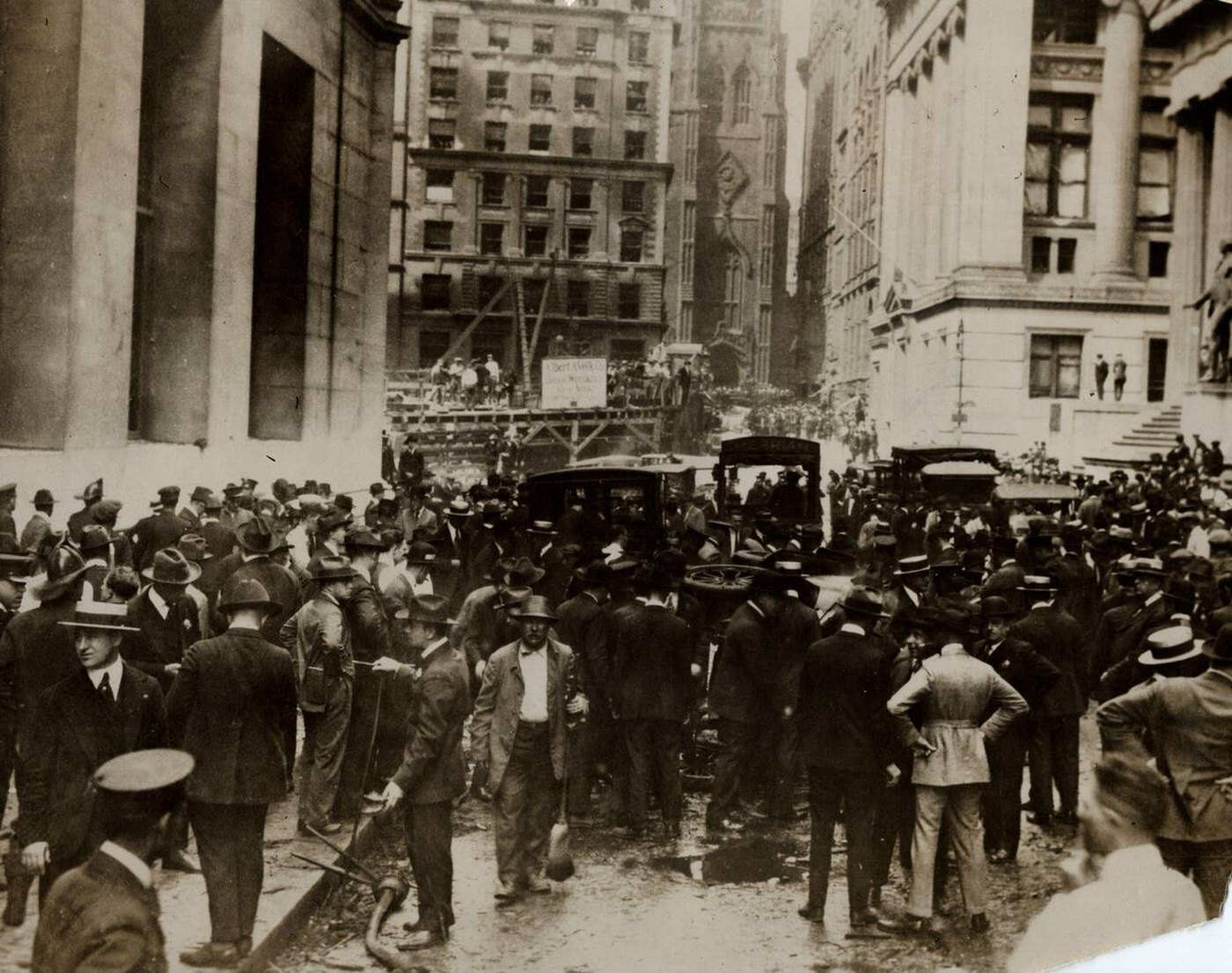
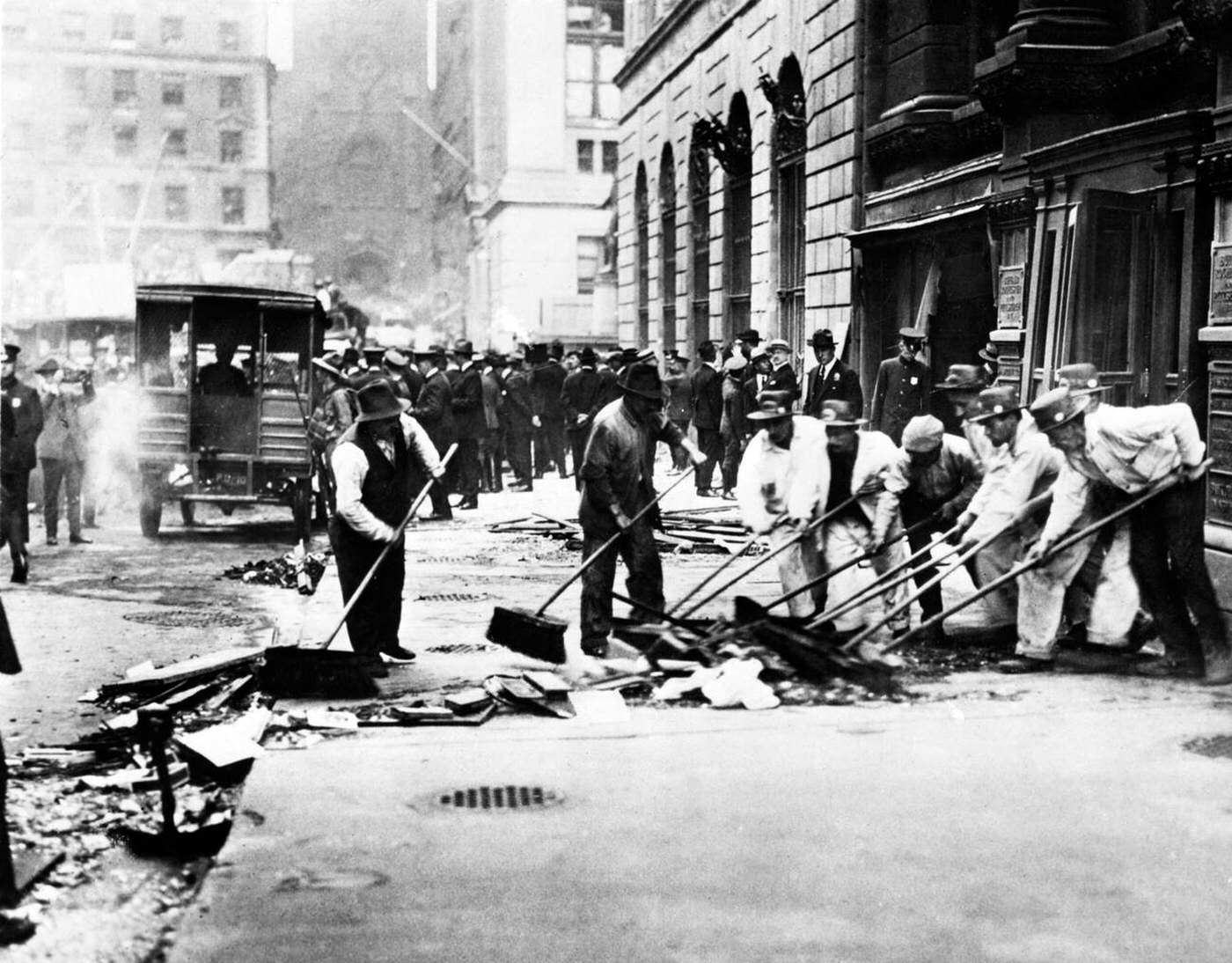
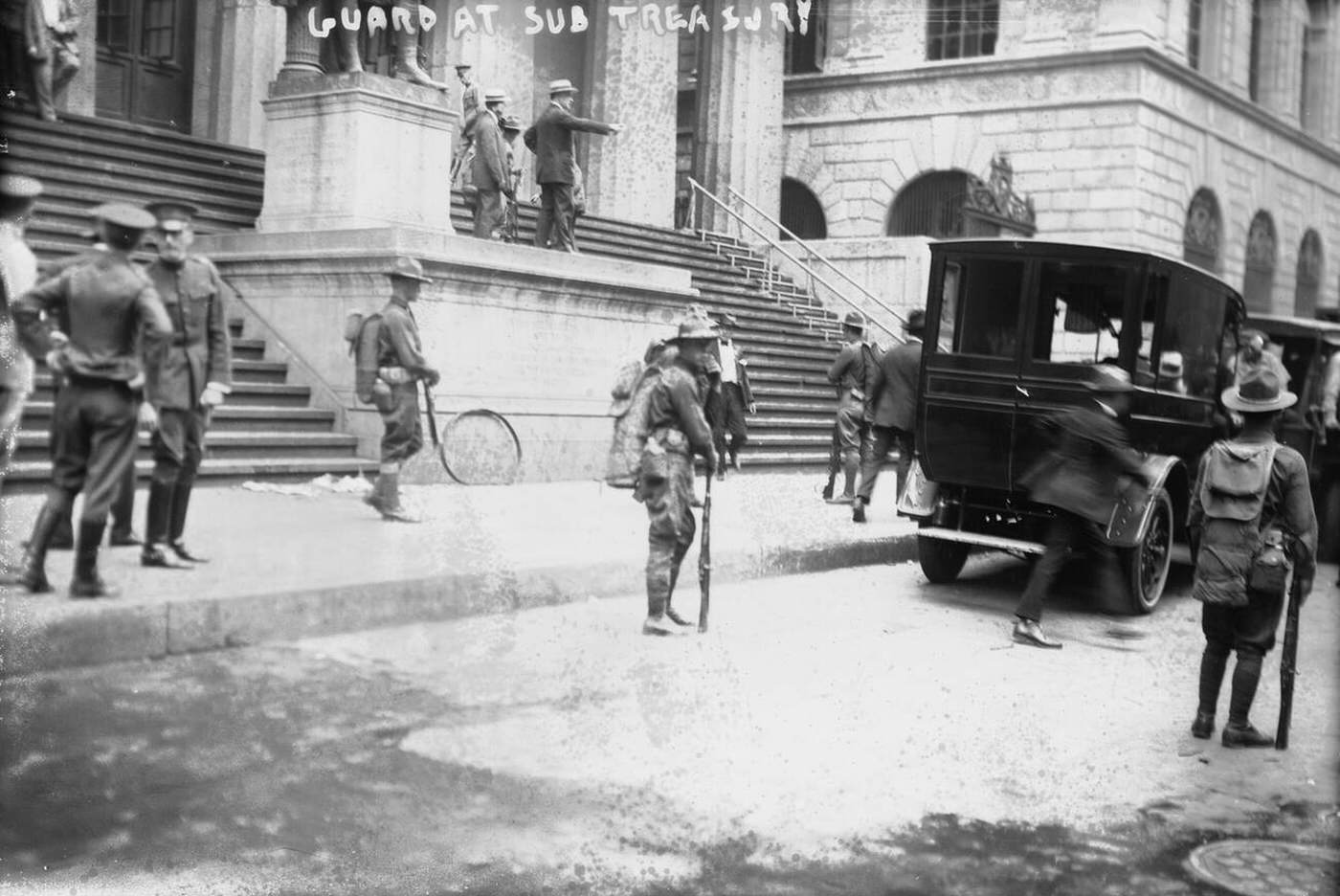
At 12:01 p.m. on Thursday, September 16, 1920, a horse-drawn wagon sat parked on Wall Street, directly across from the J.P. Morgan & Co. building near the corner of Broad Street. The lunch hour had filled the sidewalks with workers and pedestrians. Without warning, the wagon detonated in a massive explosion that sent a shockwave tearing through one of the world’s most important financial districts.
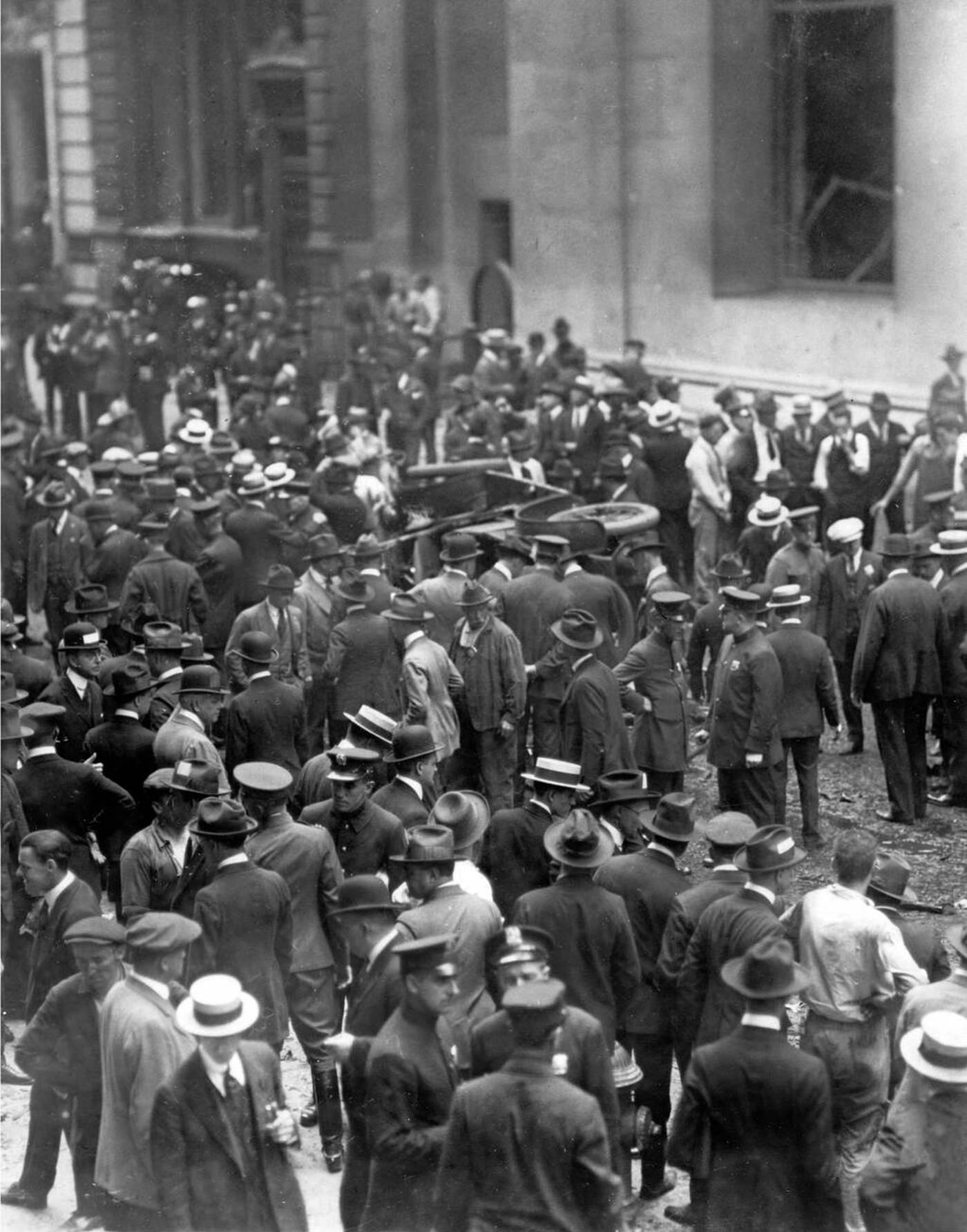
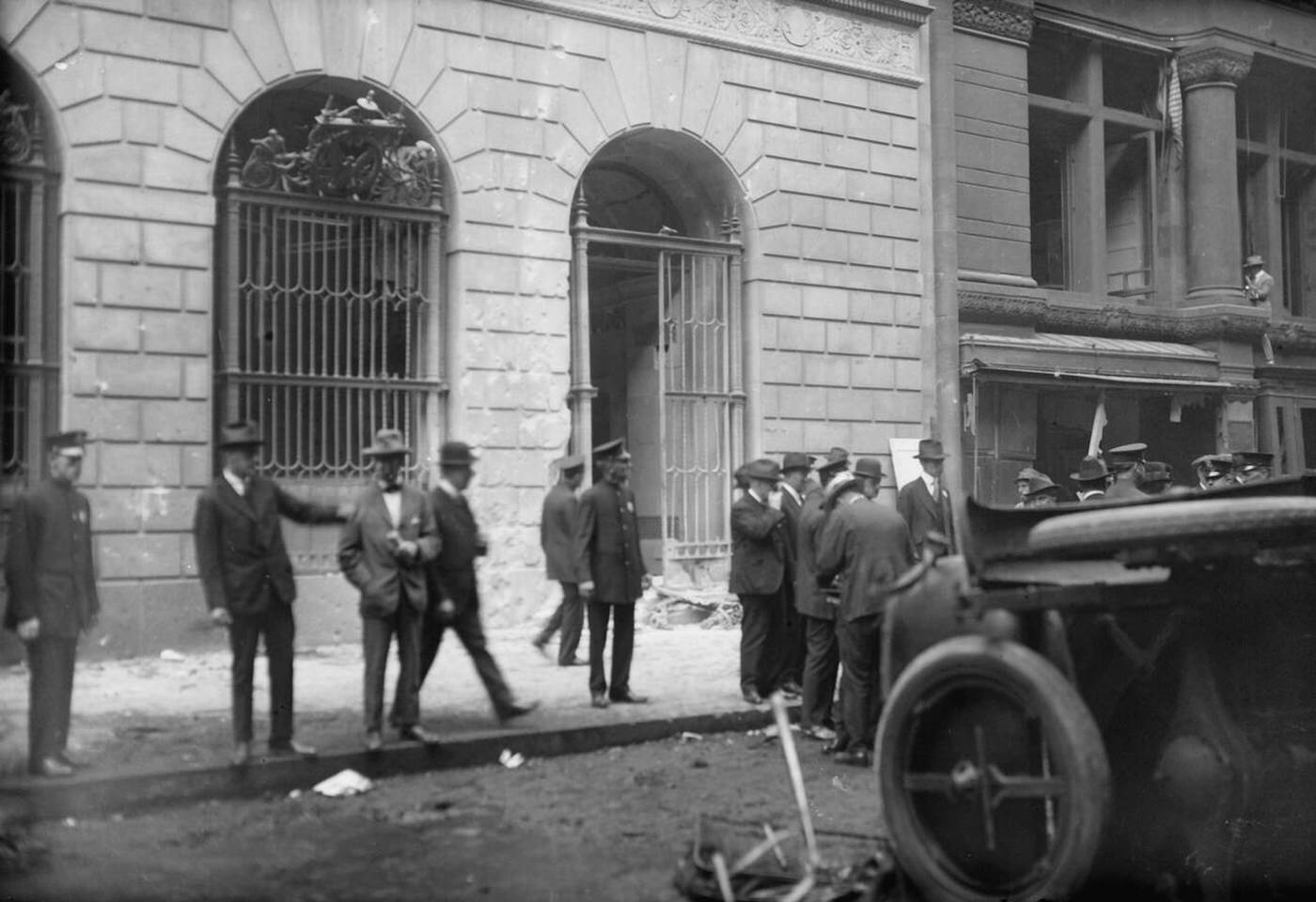
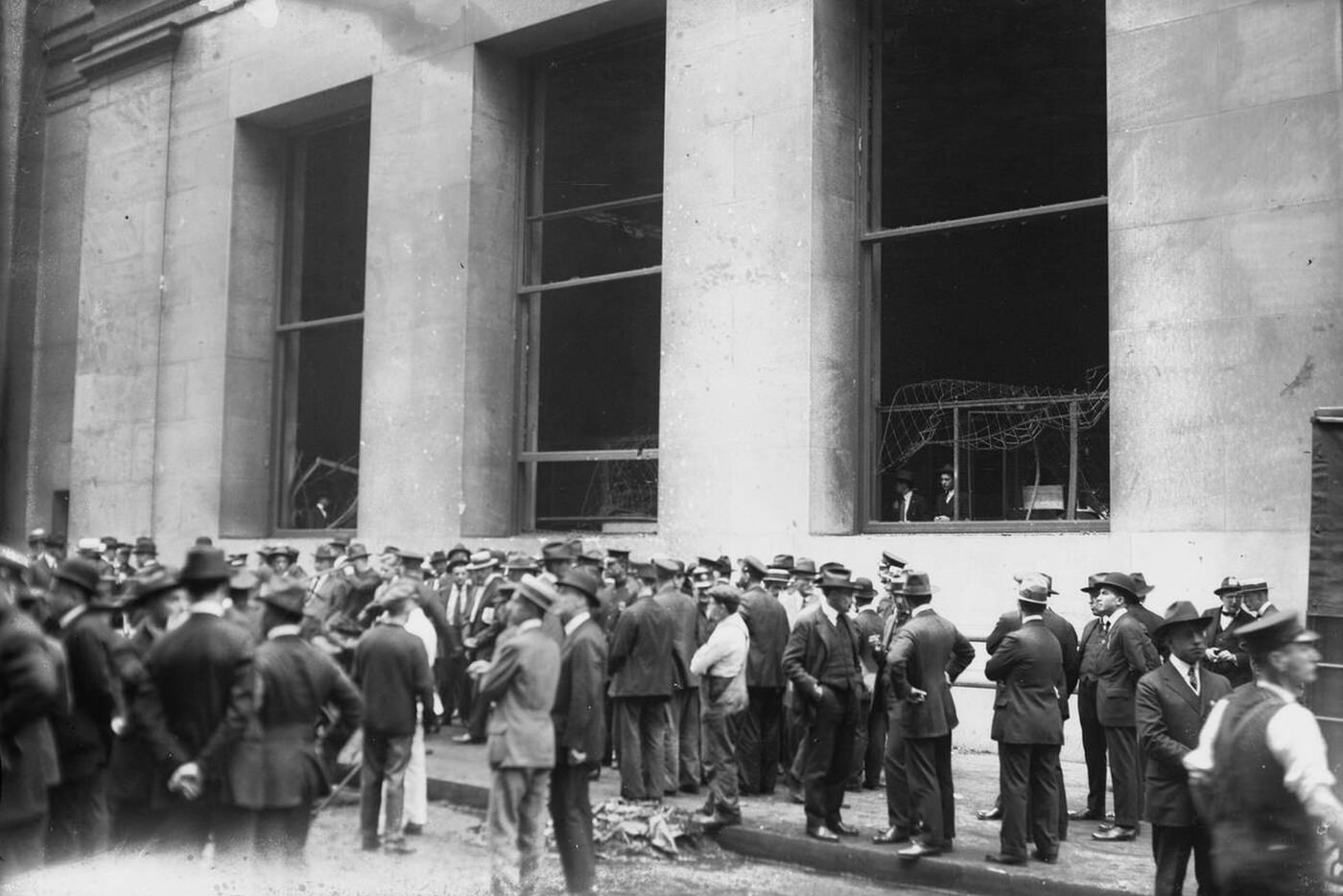
The bomb contained roughly 100 pounds of dynamite packed alongside 500 pounds of cast-iron sash weights — the kind normally used in window frames. Those weights were deliberately included to act as shrapnel, turning the wagon into a killing machine aimed at the crowded street. Windows across nearby buildings shattered instantly, sending glass in every direction. The stone facade of the J.P. Morgan building was left permanently pockmarked by flying metal fragments.
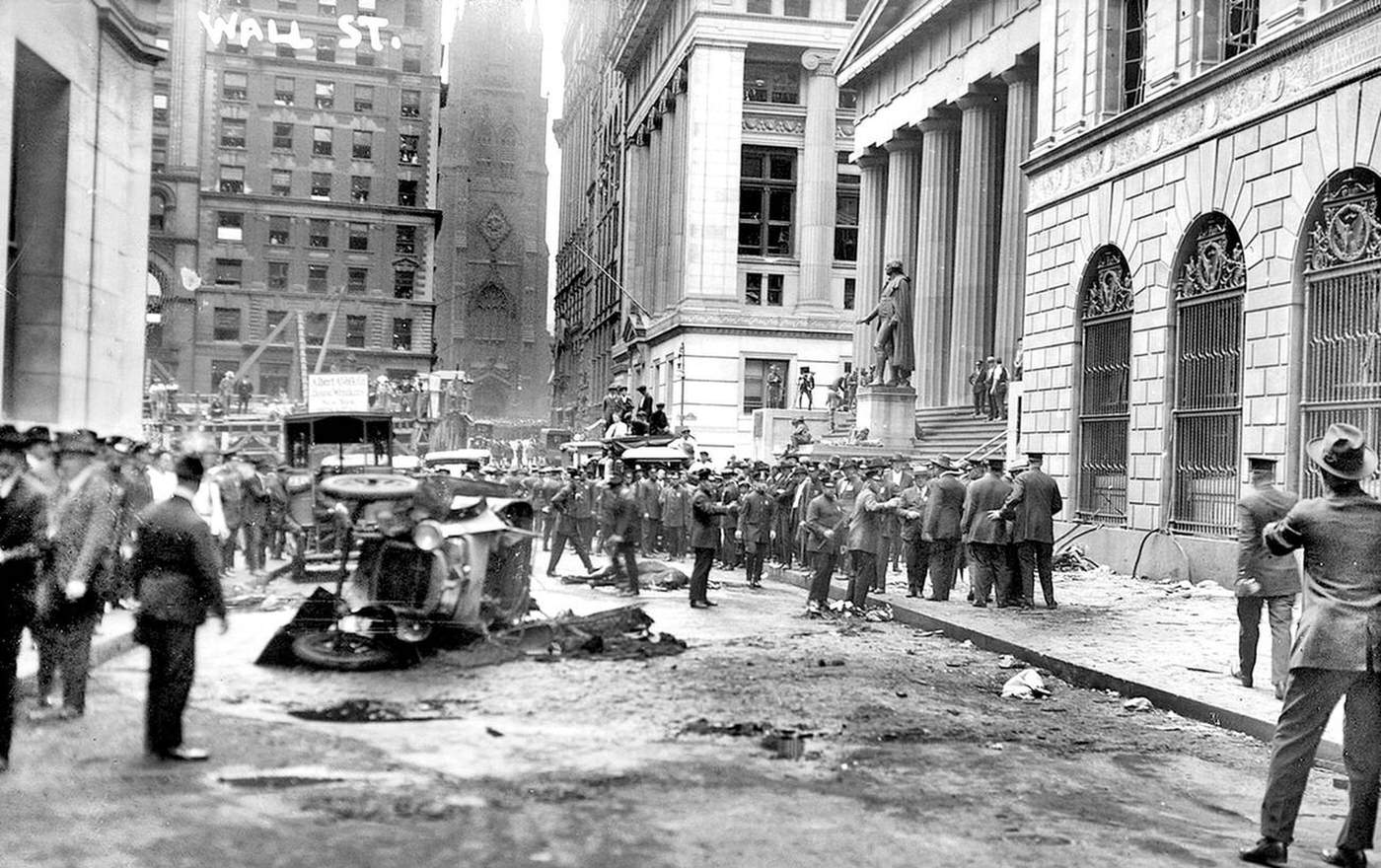
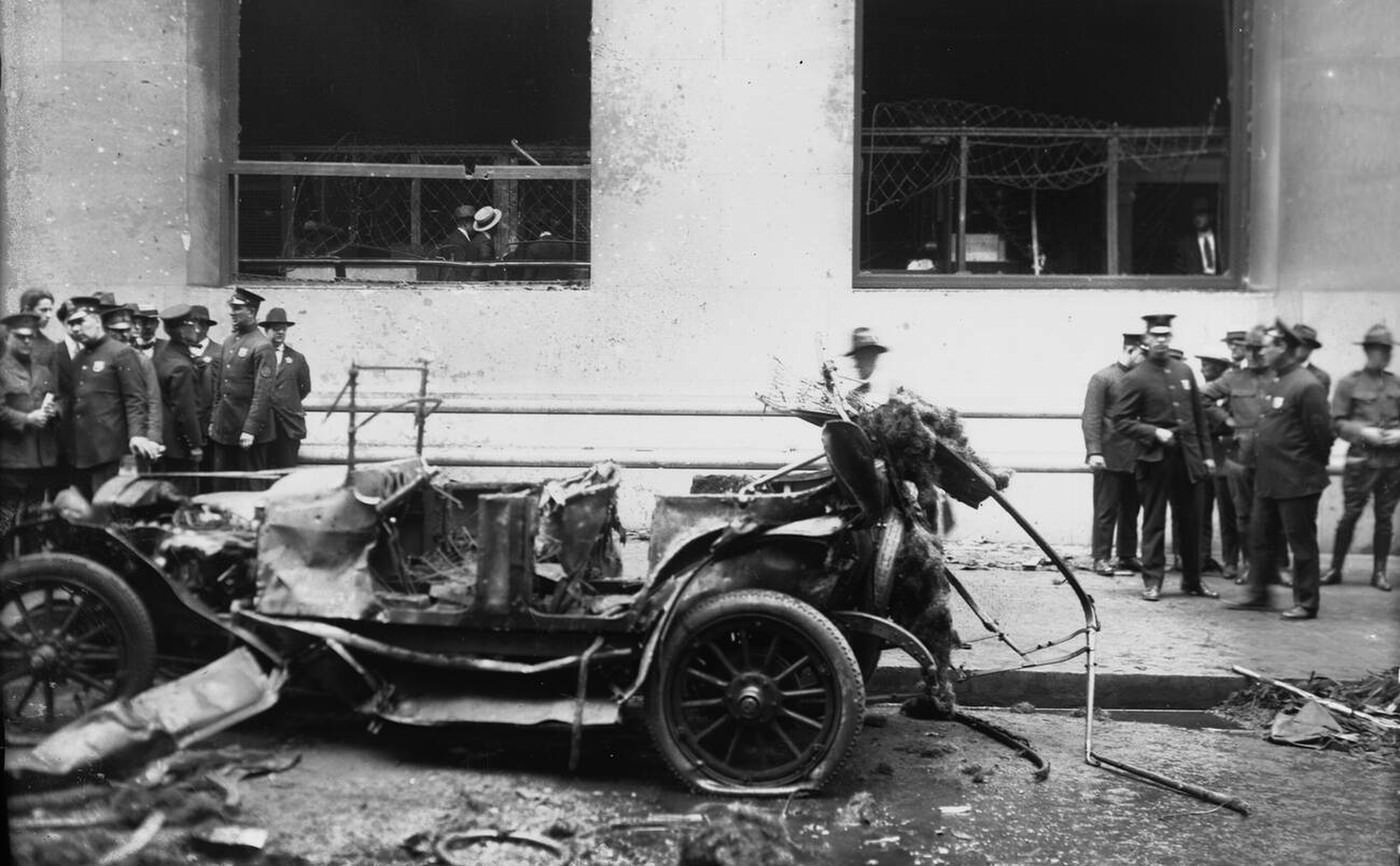
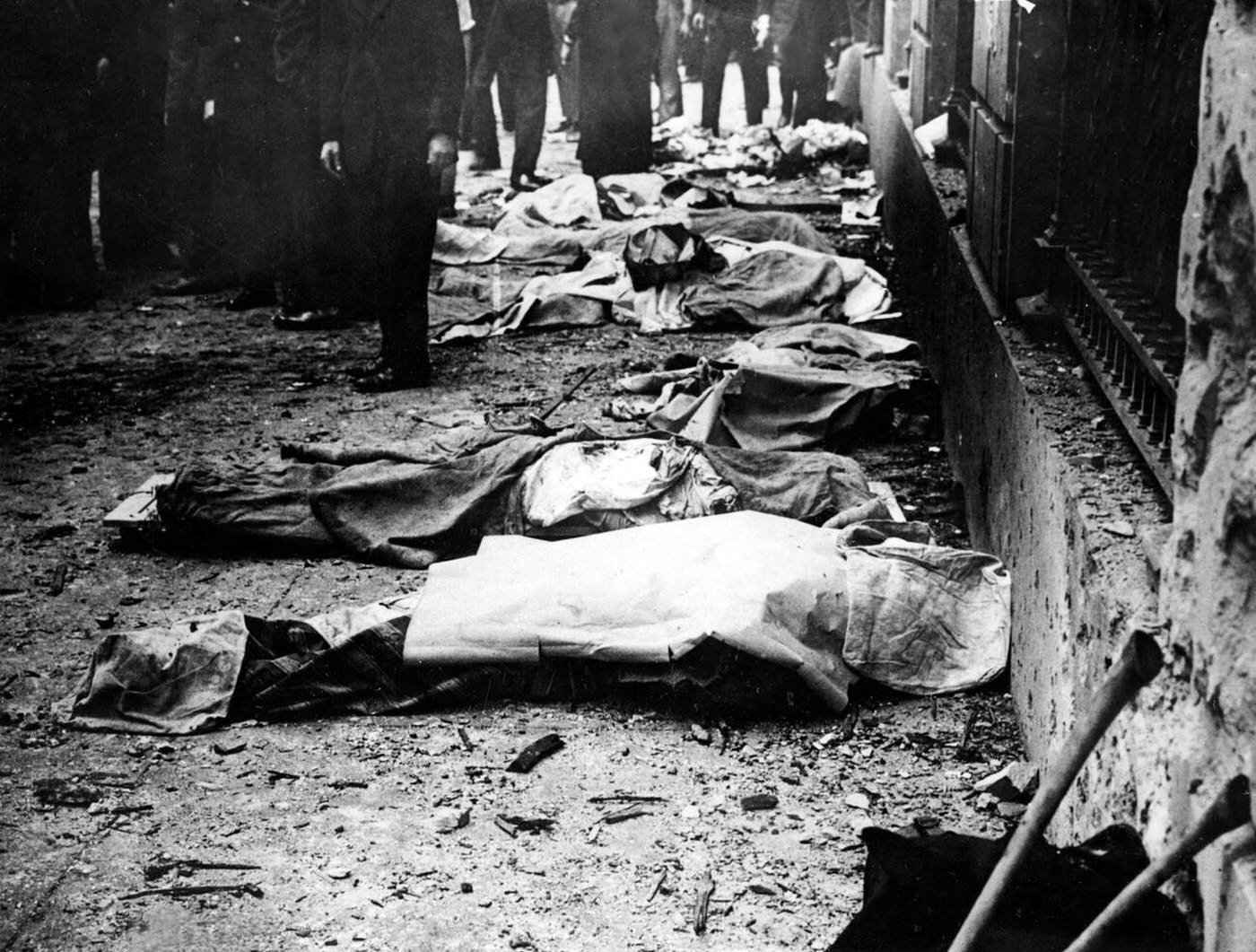
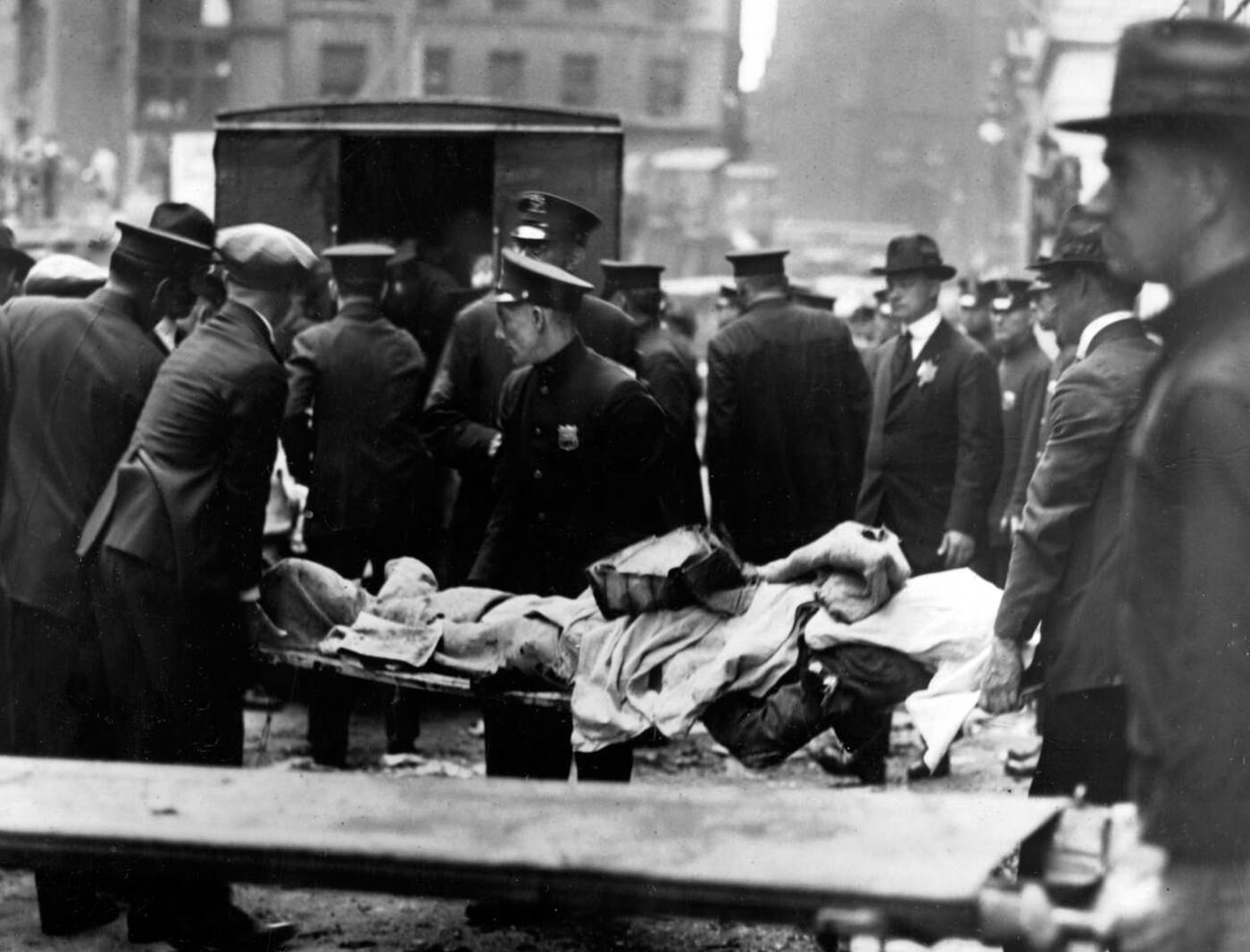
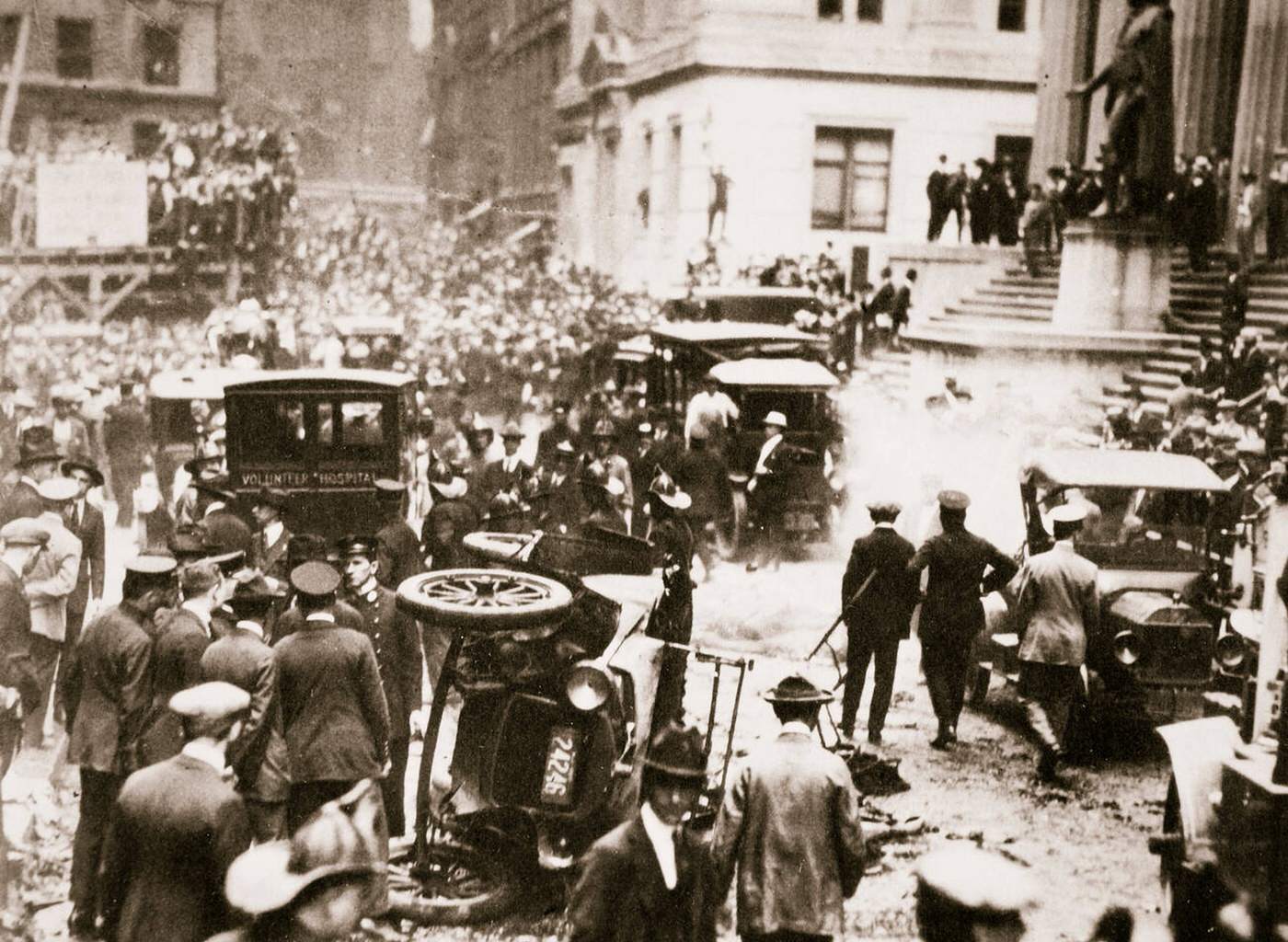
Thirty people died at the scene or within hours of the blast. Nine more died later from their injuries, bringing the total death toll to 39. Hundreds of others were wounded, many severely, by shrapnel, debris, and shattered glass. Horses pulling nearby wagons were also killed by the force of the explosion.
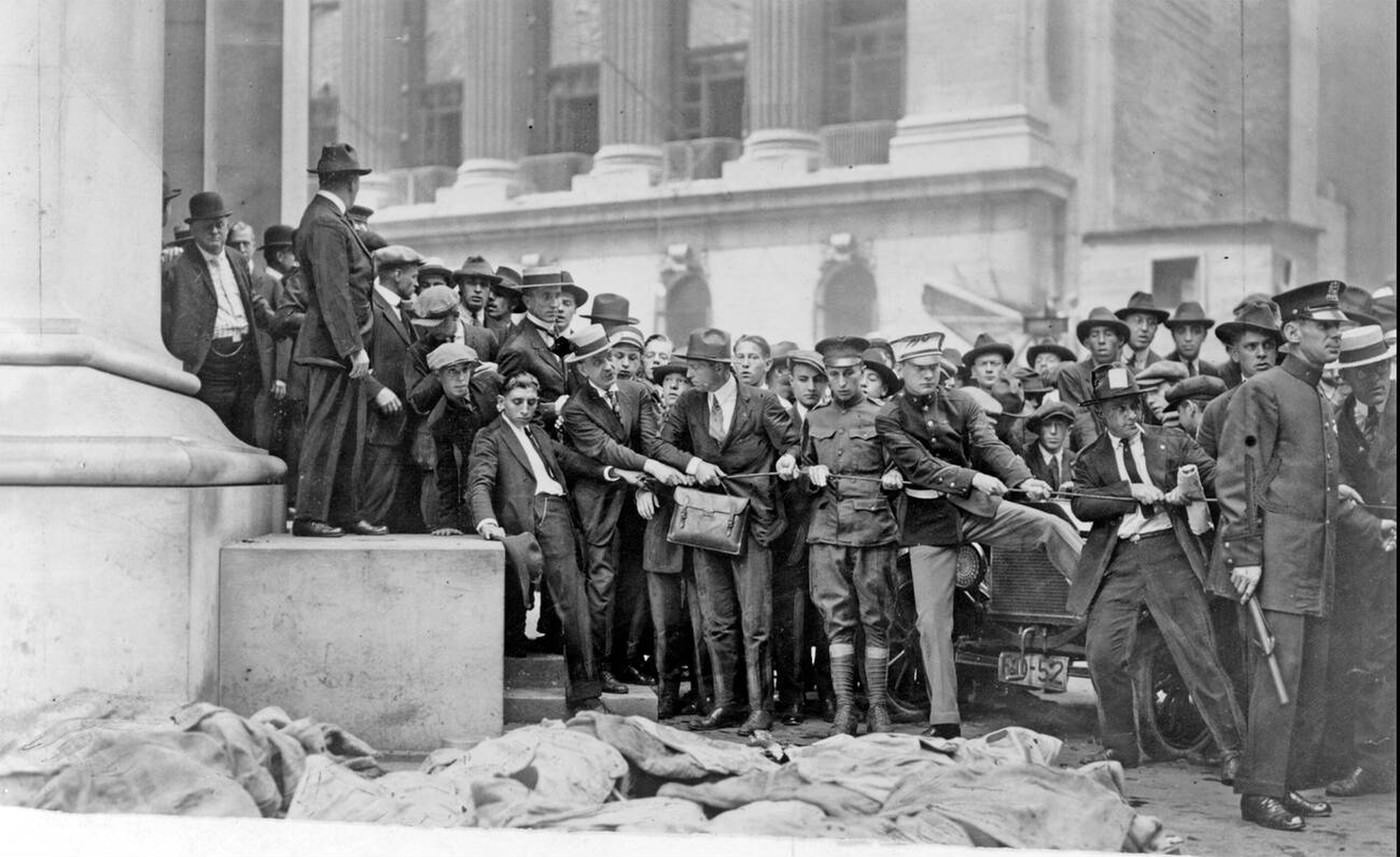
In the chaos that followed, survivors pulled the wounded from the rubble. Police officers, firefighters, and medical staff arrived quickly, using doors and wooden planks as improvised stretchers. Ambulances and taxis rushed the injured to nearby hospitals. The scene was overwhelming even for experienced first responders.
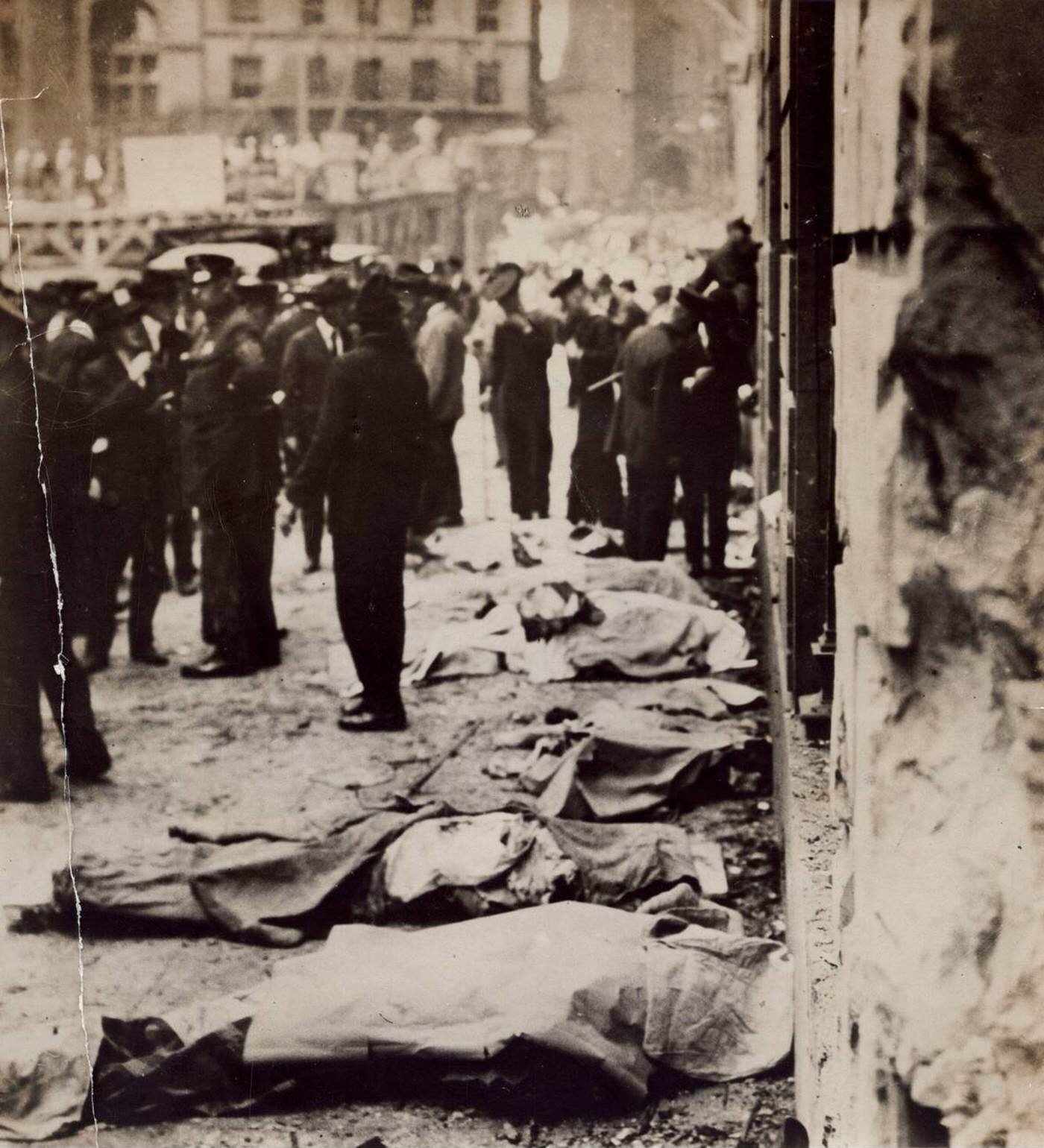
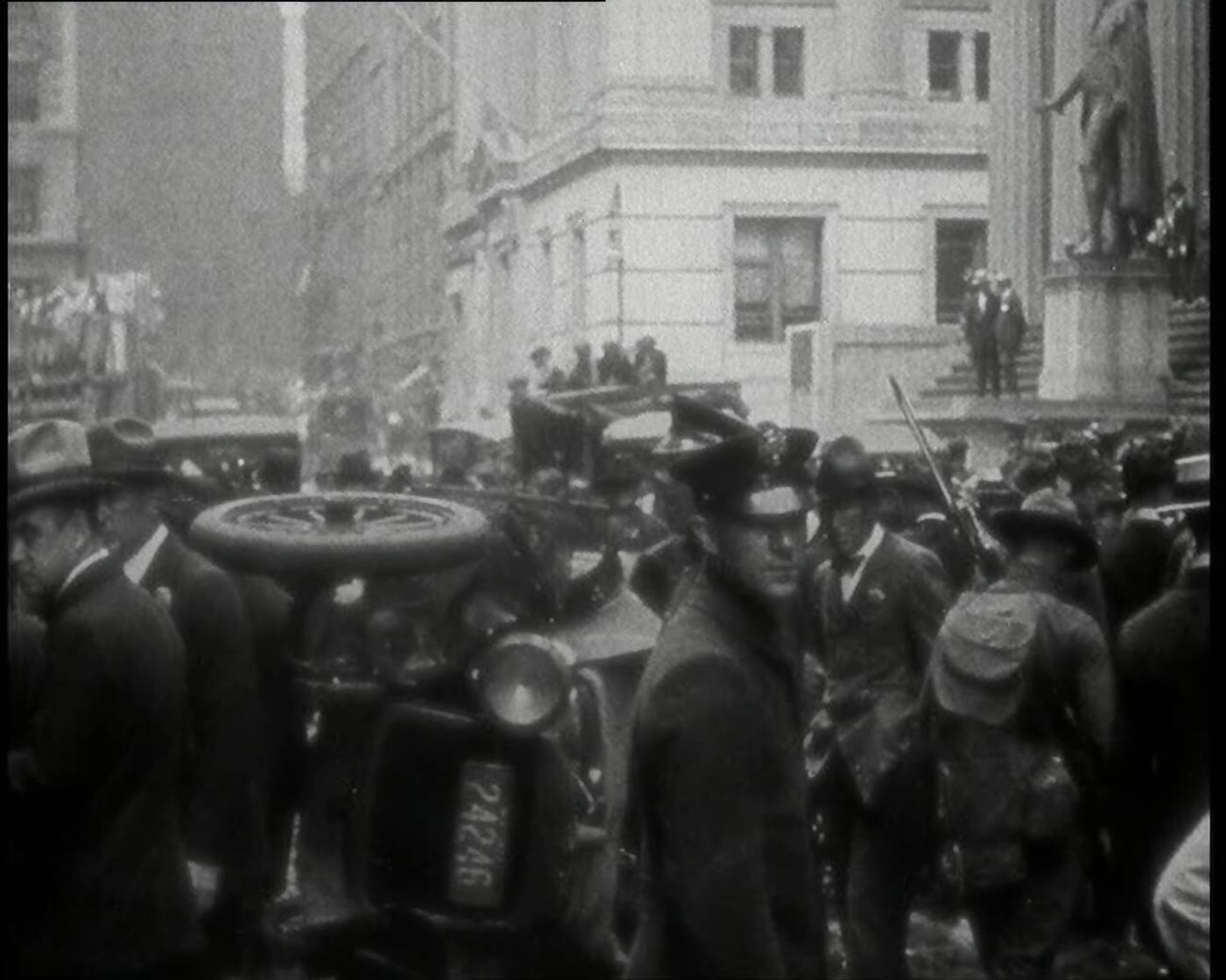
Investigators from the New York City Police Department and the Bureau of Investigation — the forerunner to the FBI — launched an immediate search for clues. Found shortly before the blast in a nearby mailbox were anarchist flyers warning of an impending event. This pointed investigators toward radical political groups, who had carried out bombings across the country in previous years.
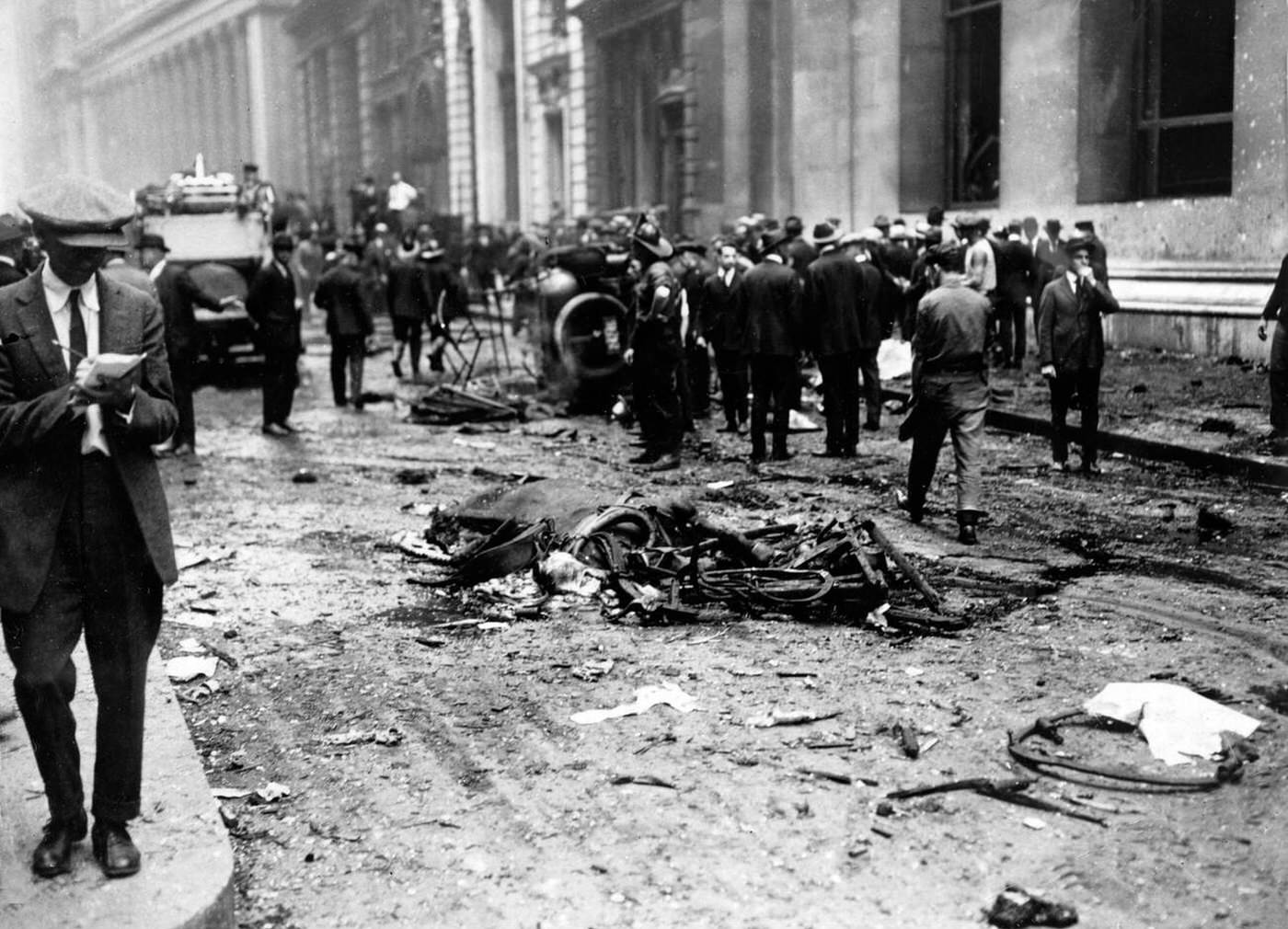
The investigation faced serious obstacles. The explosion had destroyed most of the physical evidence tied to the wagon. Witnesses gave conflicting accounts, and tracing a single horse-drawn cart among the thousands in New York City proved nearly impossible. Authorities developed strong suspicions that Italian anarchists were responsible, possibly linked to a network behind earlier attacks, but no one was ever arrested or charged for the Wall Street bombing.