in

A Look Back: Boeing’s Soaring Planes from the 1930s to the 1970s

Few companies have shaped the history of flight the way Boeing has. From the early 1930s through the 1970s, Boeing built aircraft that defined whole eras — military bombers that helped win a world war, jetliners that turned long-distance travel into a routine experience, and a jumbo jet that made flying accessible to millions. The story begins with some remarkably forward-thinking designs long before jet engines existed.
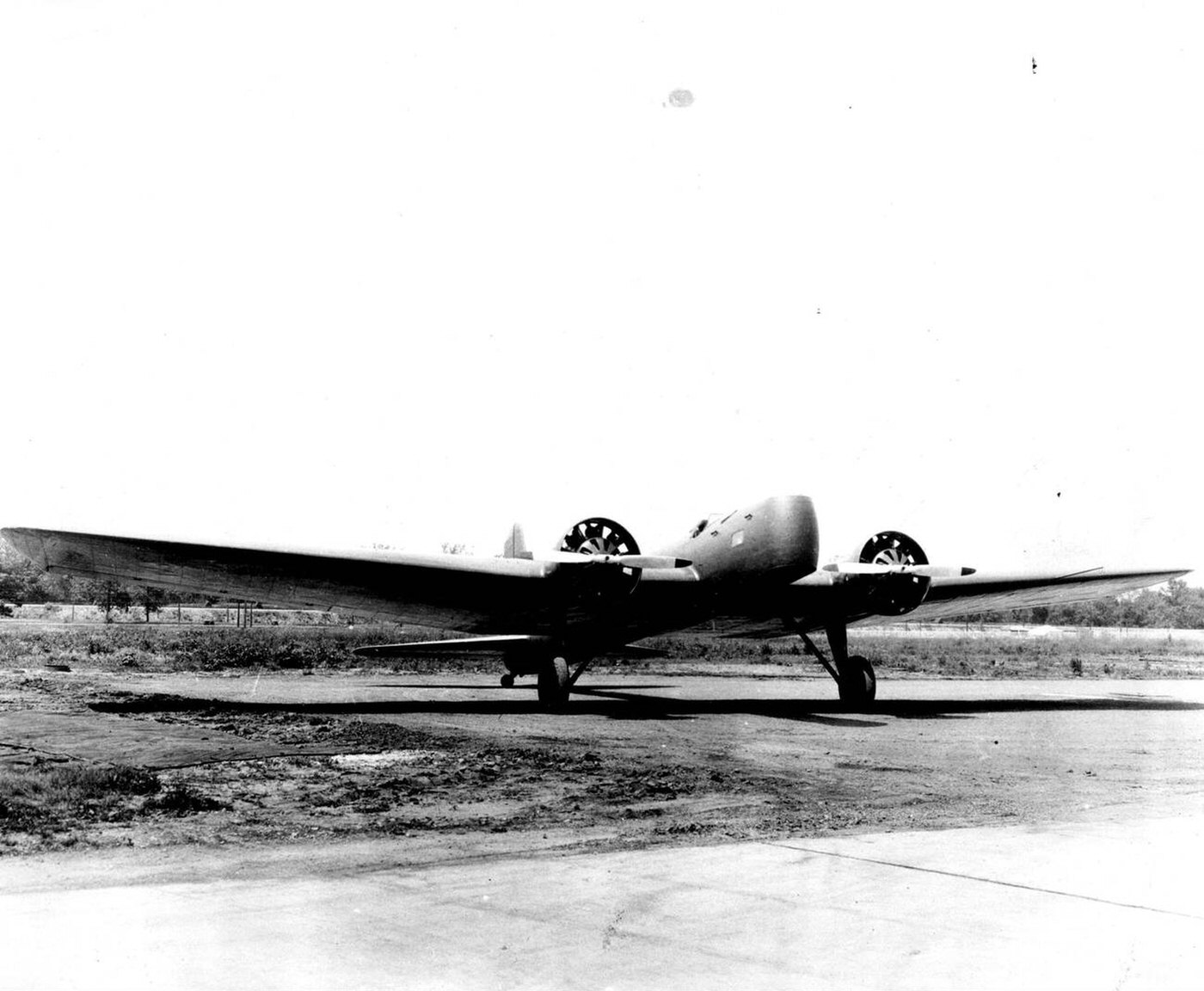
A Boeing monoplane bomber (Model 8-9), 1931.

In the 1930s, Boeing pushed commercial aviation forward with aircraft like the Model 247, a twin-engine airliner that was faster and safer than most passenger planes of the day. It featured retractable landing gear and de-icing boots on the wings — technologies that are still standard today. Around the same time, Boeing was also developing the Stratoliner, one of the first pressurized passenger aircraft, which allowed flights at higher altitudes above turbulent weather.
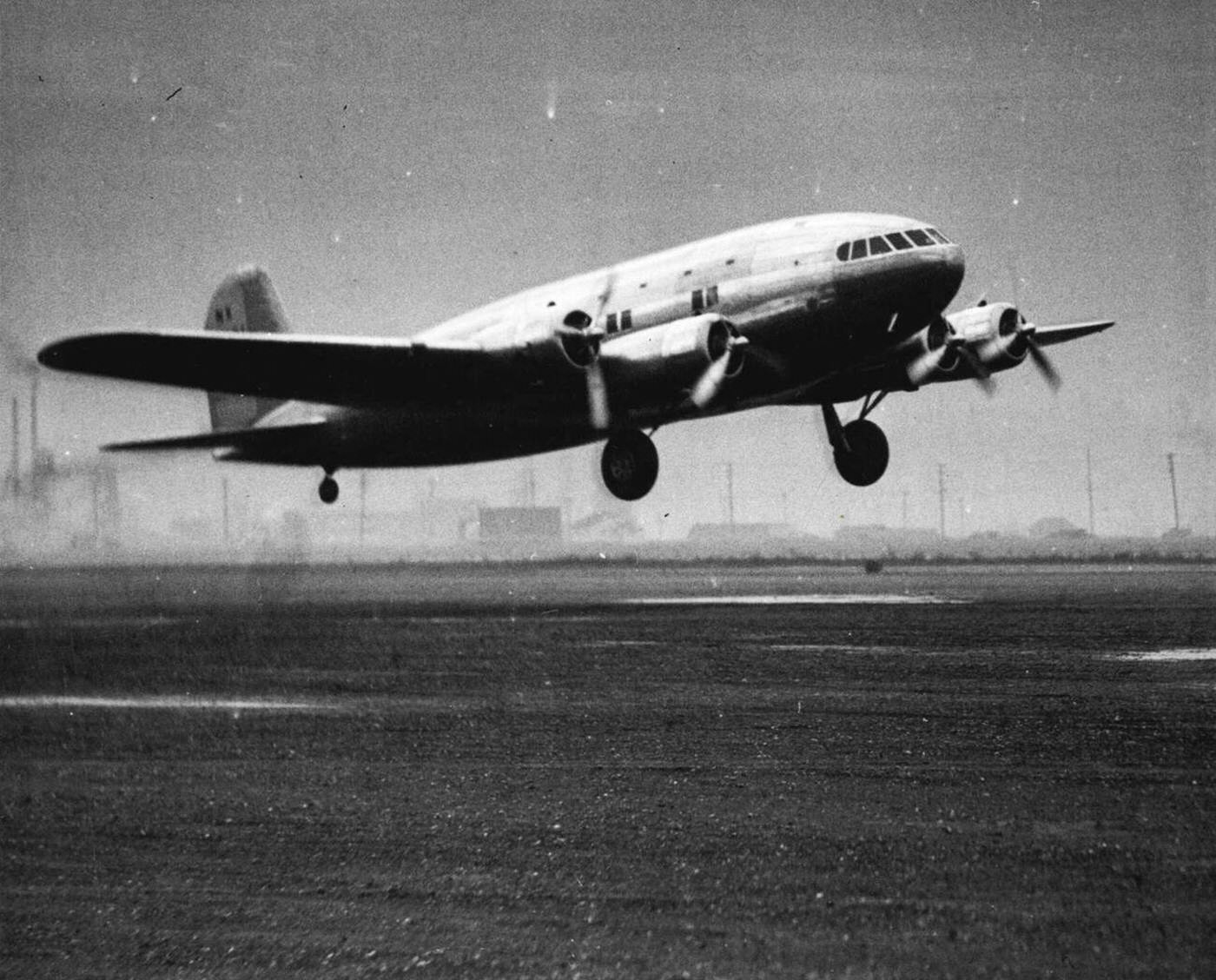
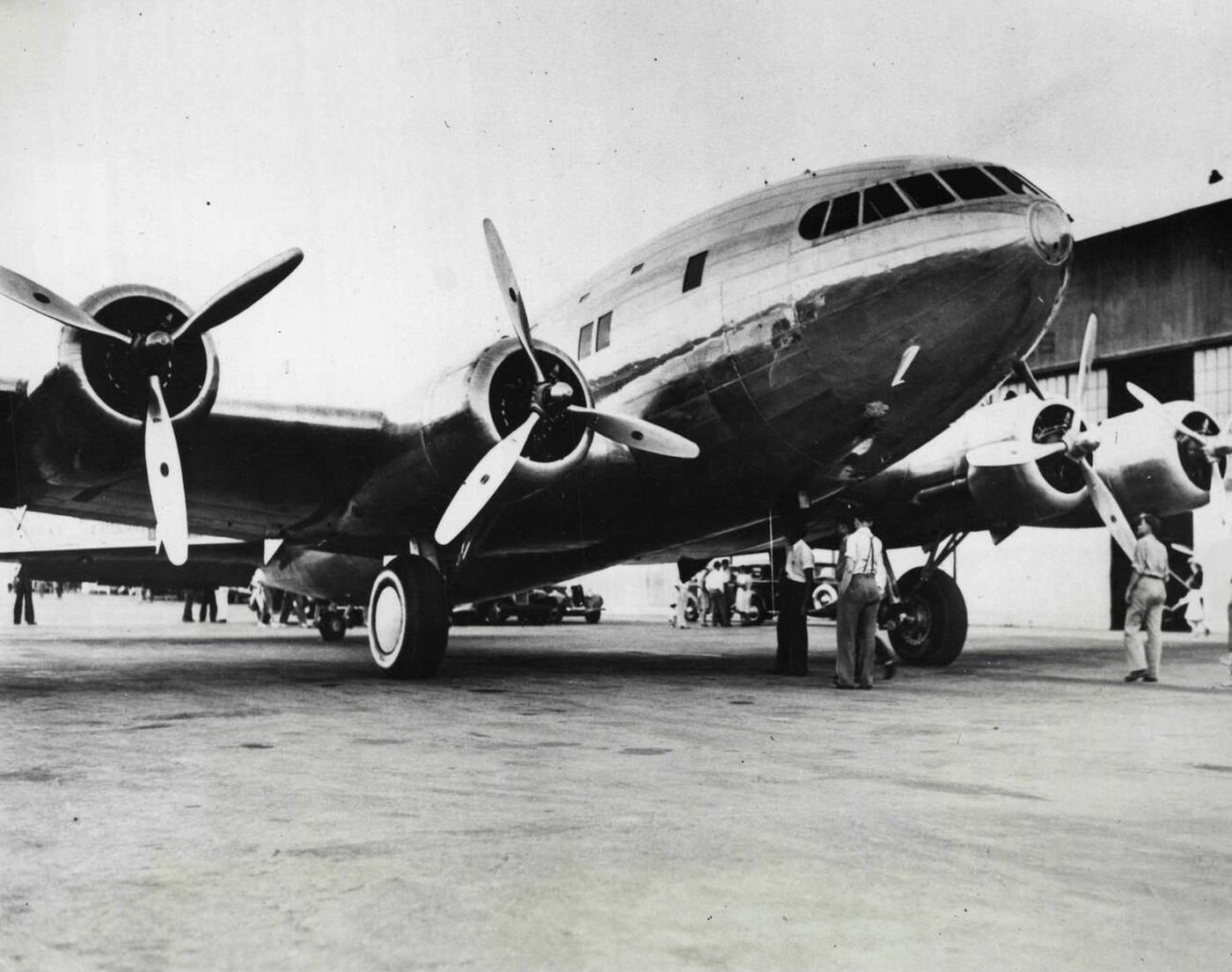
Test pilot Edmund T. Allen testing a new Boeing Stratoliner, 1939.
Howard Hughes flying the Boeing Stratoliner after its arrival at Grand Central Air Terminal, 1939.
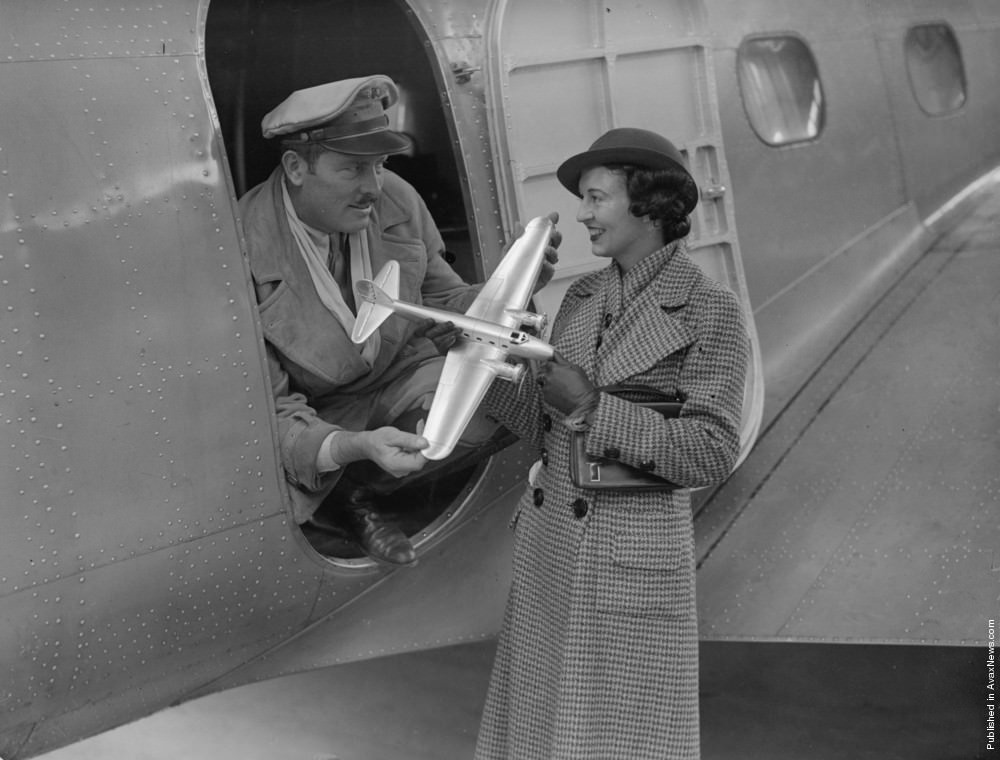
Colonel Roscoe Turner showing his wife a model airplane at Mildenhall airfield, 1934.
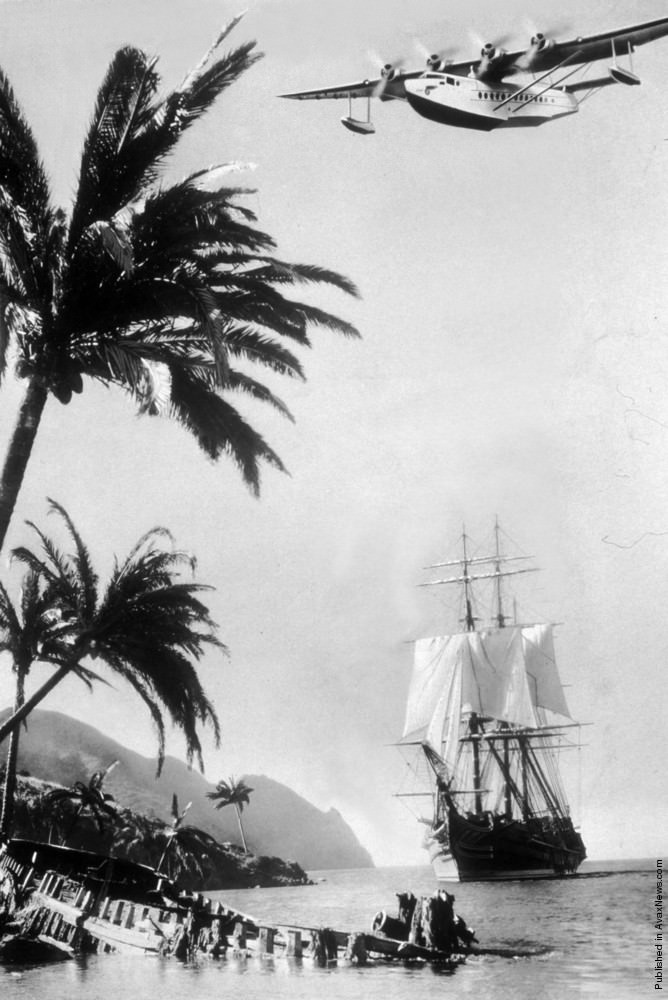
A Pan American Airways flying boat over a clipper ship on the Spanish coast, 1938.

The 1940s shifted Boeing’s focus almost entirely to the war effort. The B-17 Flying Fortress became one of the most recognized aircraft of World War II. Built to absorb punishment and keep flying, it was a workhorse of Allied bombing campaigns over Europe. Winston Churchill visited a demonstration of the aircraft in 1940, a sign of how seriously military leaders on both sides of the Atlantic took its potential.
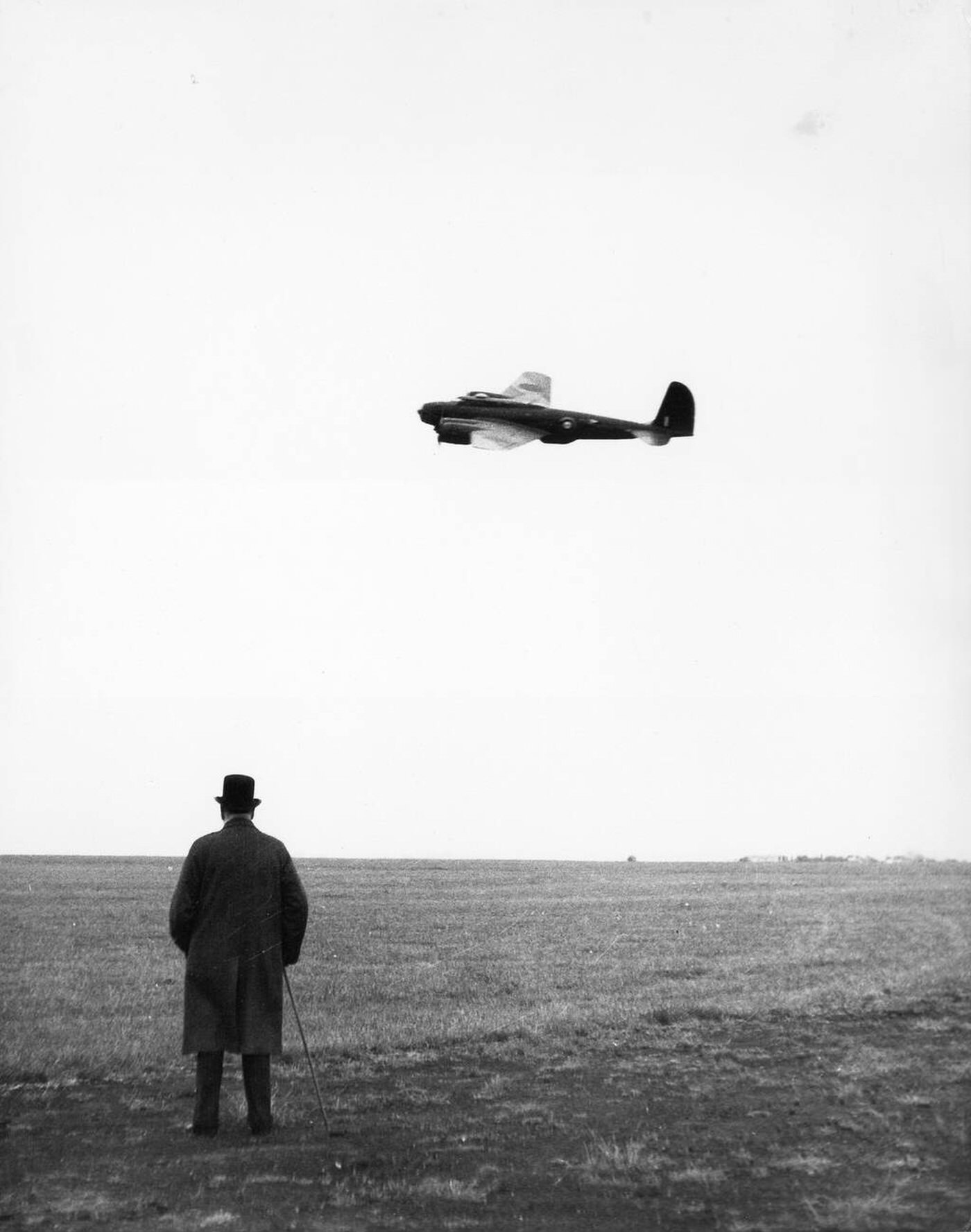
Winston Churchill at a demonstration of a Boeing B-17 "Flying Fortress", 1940.
Winston Churchill at a demonstration of a Boeing B-17 “Flying Fortress”, 1940.
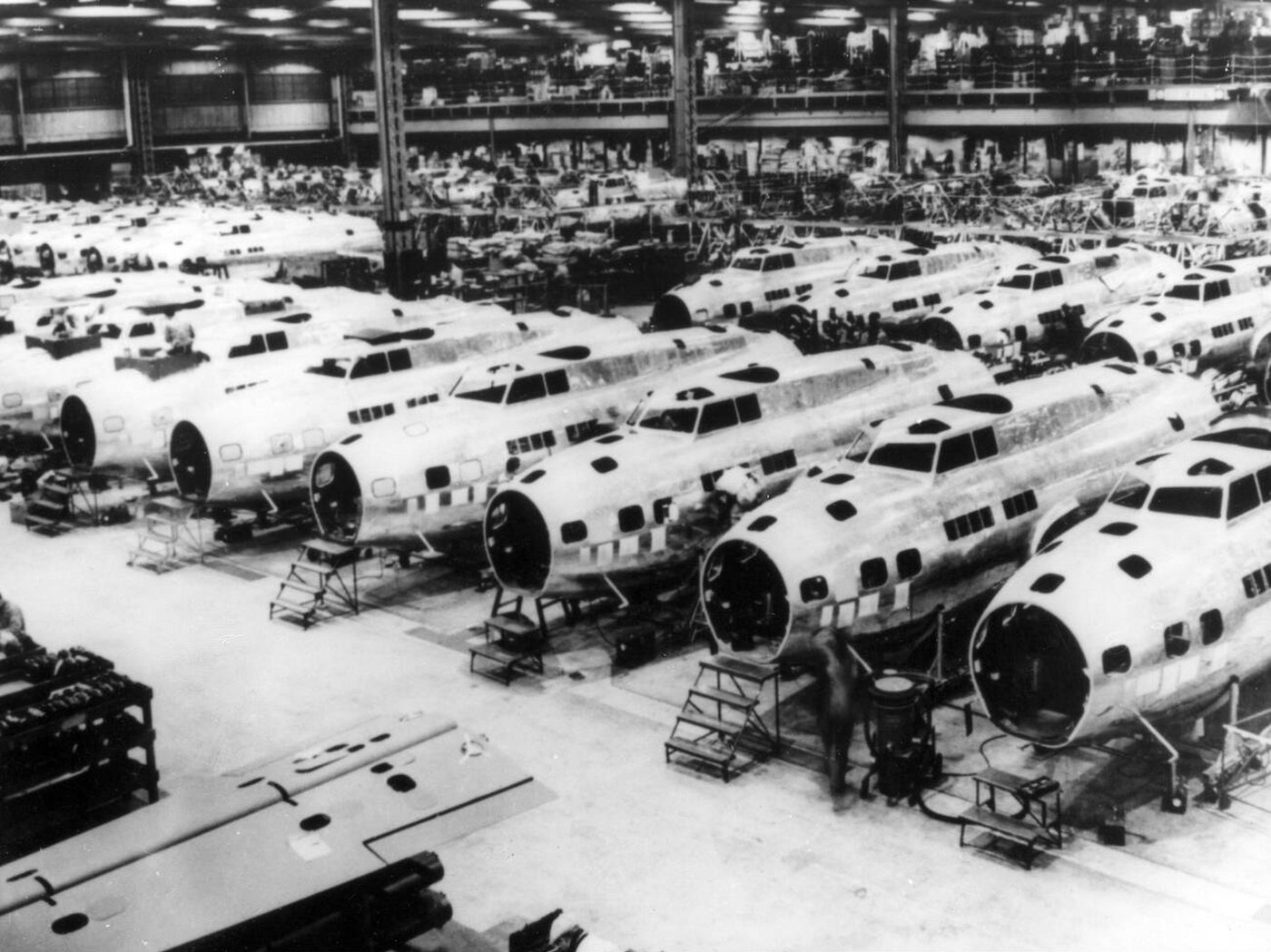
Production of Boeing B-17E Flying Fortress bombers at the Boeing factory in Seattle, Washington, 1942.
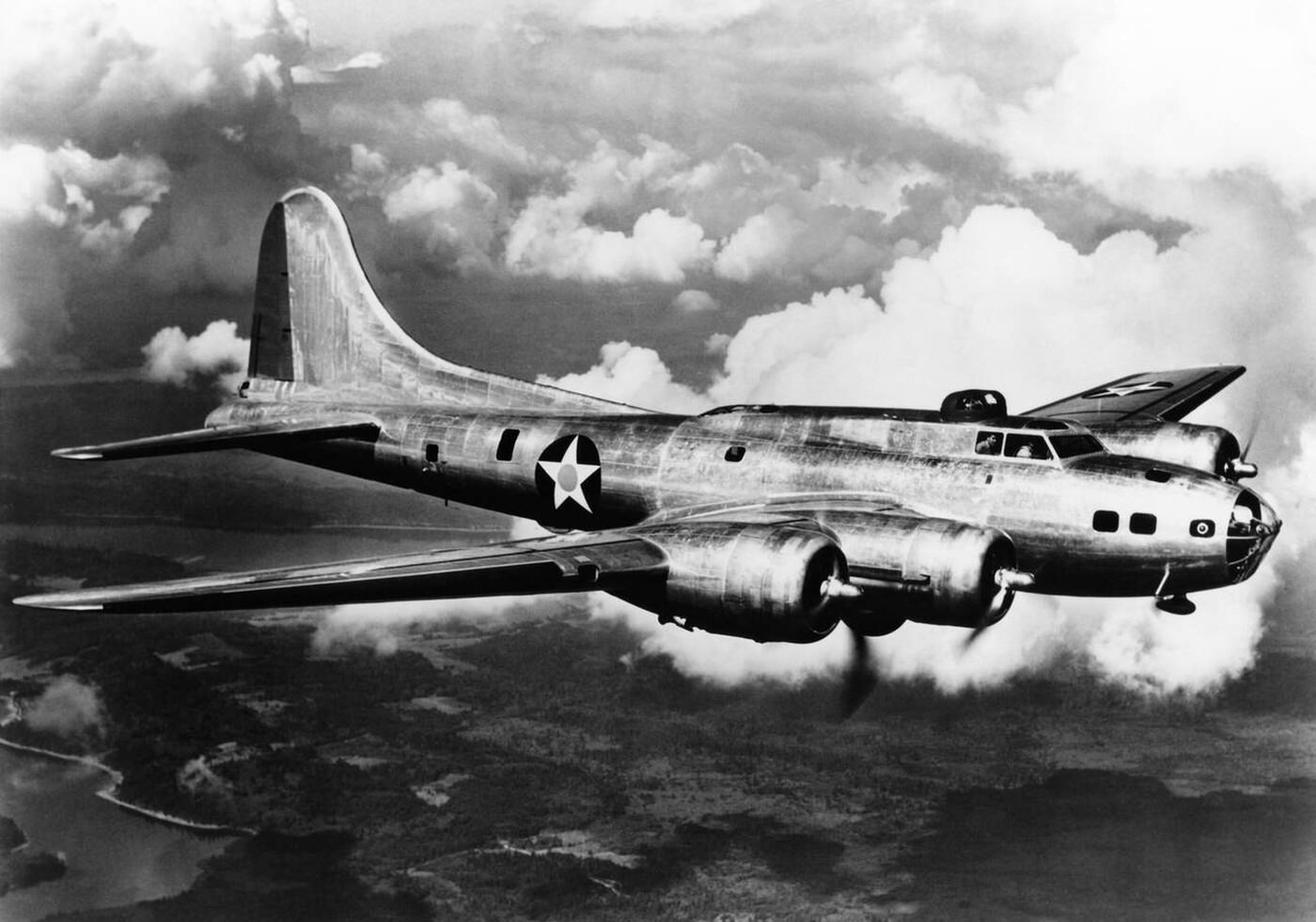
A Boeing B-17E bomber flying through clouds, 1940s.
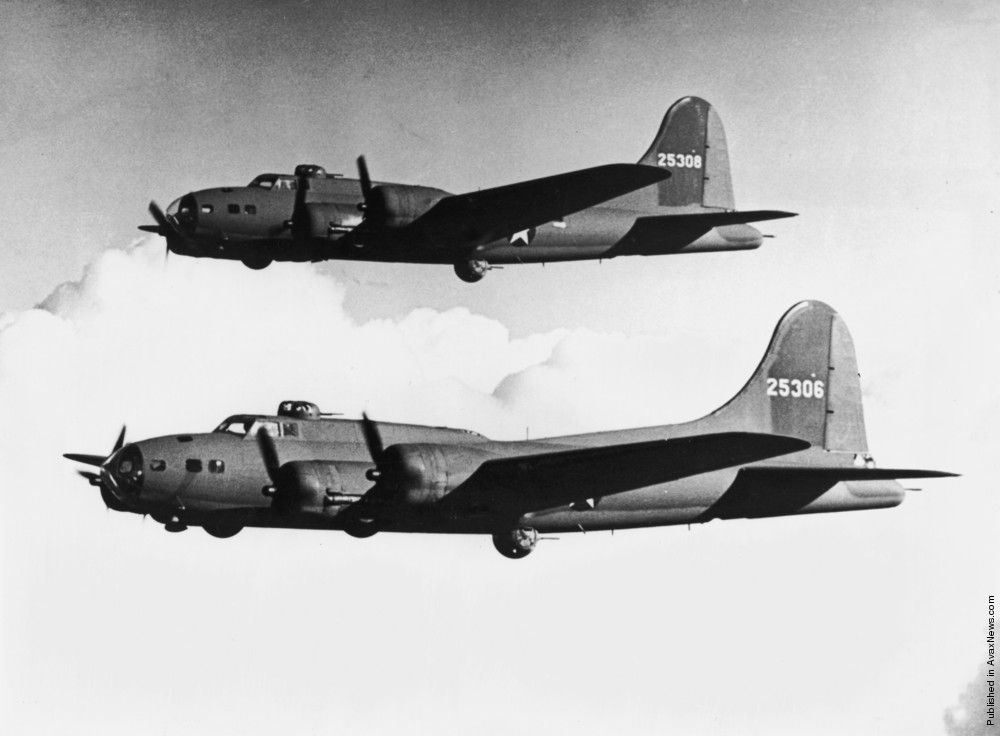
Two U.S. Boeing B-17 Flying Fortress bombers in flight near Seattle, 1944.

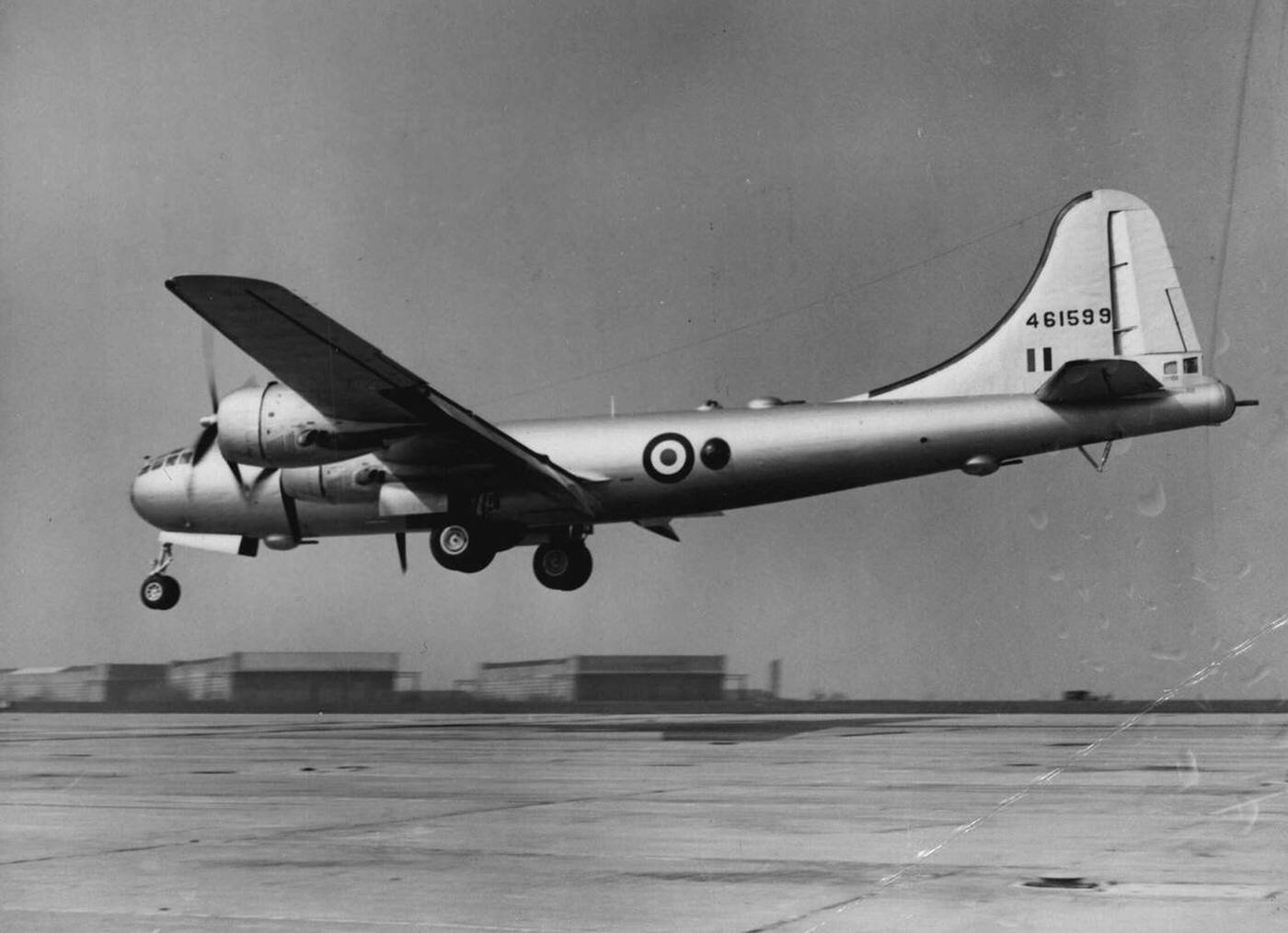
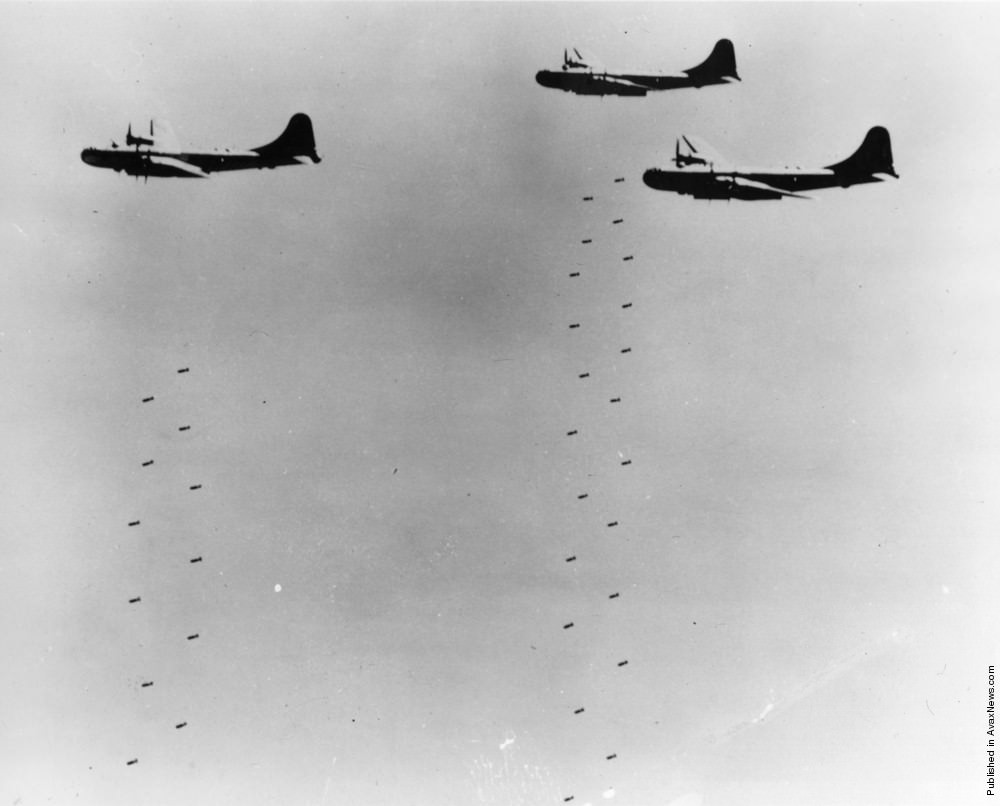
Alongside the B-17, Boeing developed the B-29 Superfortress — a bomber that flew higher and faster than its predecessors. The B-29 saw extensive use in the Pacific Theater during World War II and continued to serve into the Korean War, where formations of B-29s carried out bombing runs over North Korea as late as 1952.
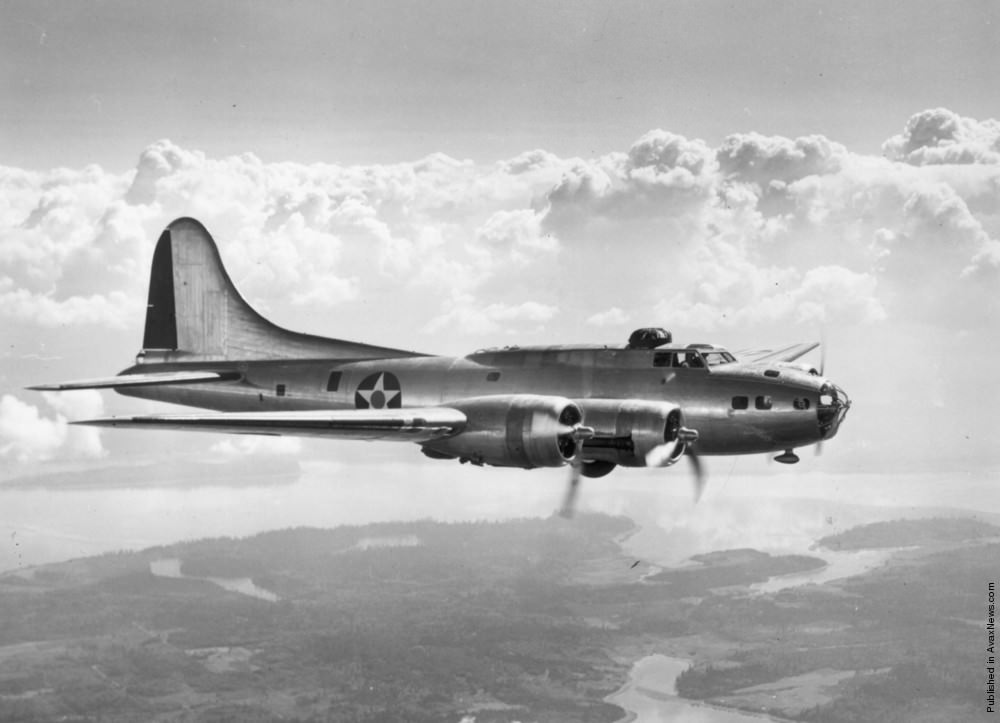
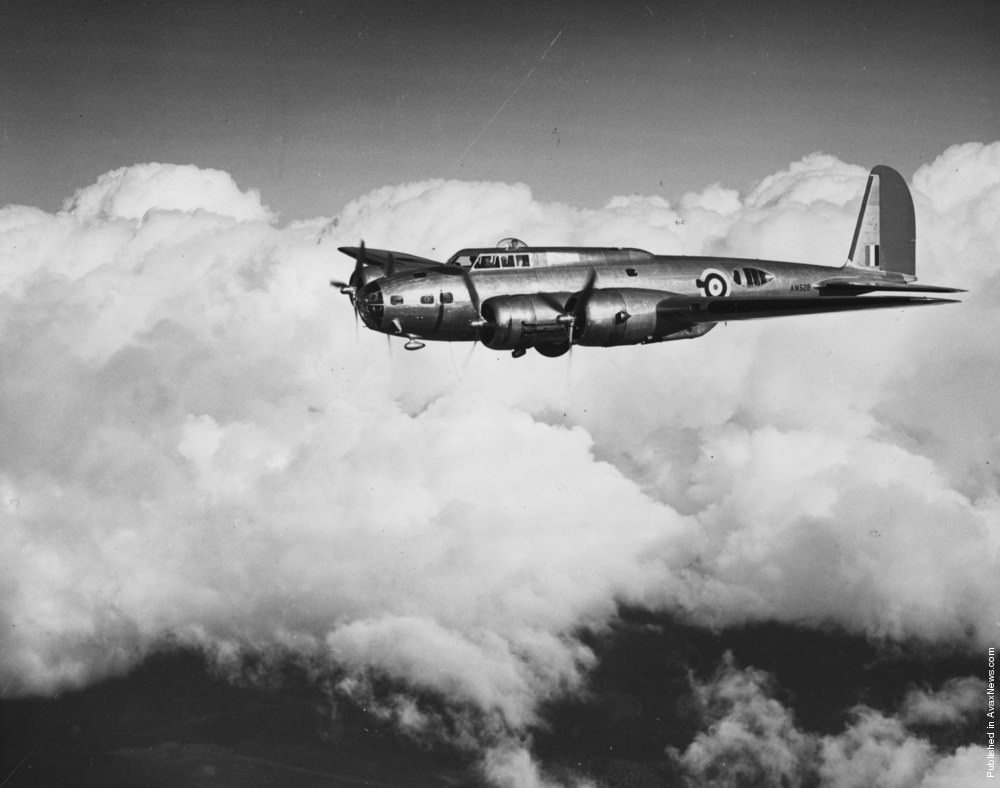
A U.S. Boeing B-17e Flying Fortress bomber, 1946.
A Boeing B-17-C-type Flying Fortress bomber in flight, 1950.
Four B-29 Superfortresses landing at an air base in Britain, 1950.
Three Boeing B-29 Superfortress bombers dropping bombs over North Korea, 1952.
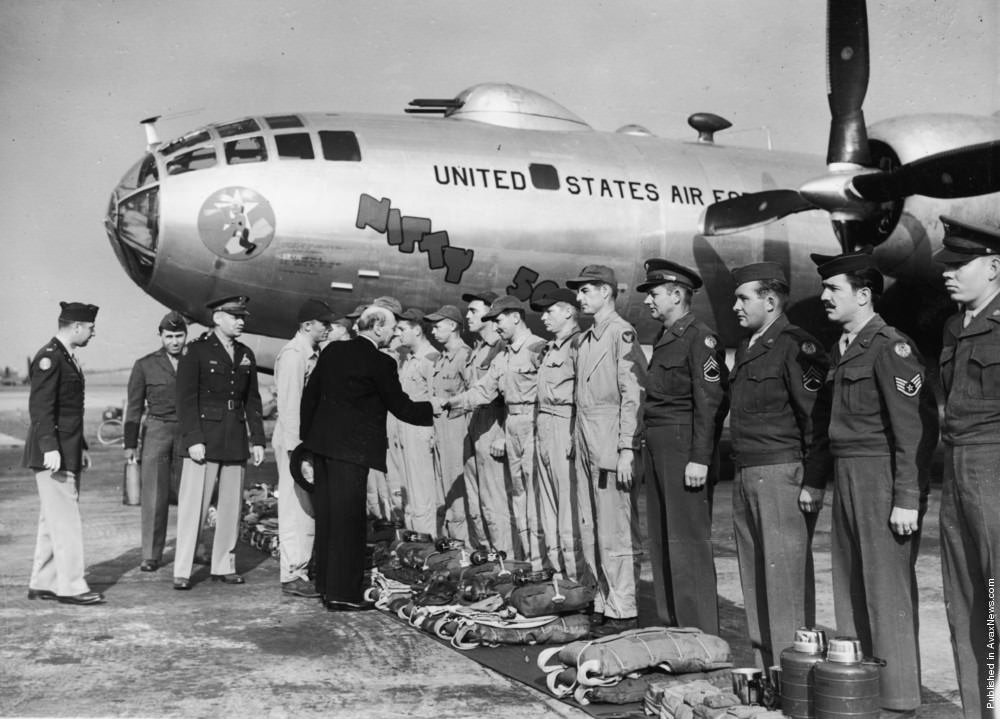
British Prime Minister Clement Attlee inspecting the crew of a Boeing B-50 Superfortress bomber, 1949.
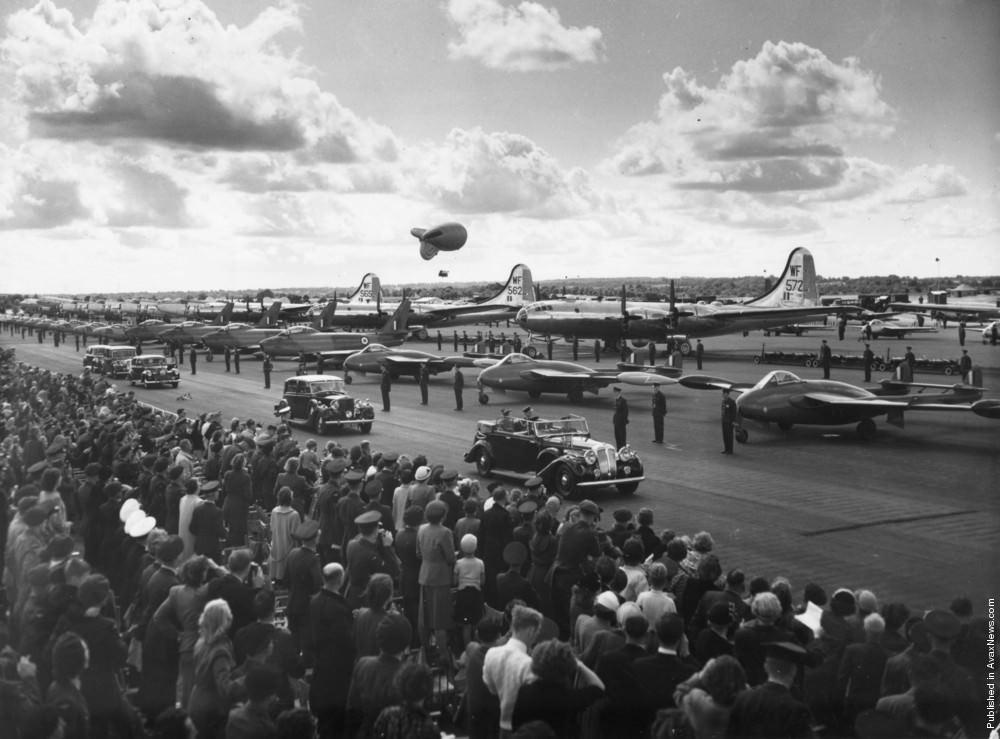
Queen Elizabeth II at the Coronation Review of the RAF at Odiham, Hampshire, inspecting aircraft including de Havilland Venoms, B-29 Superfortresses, and F-86 Sabres, 1953.

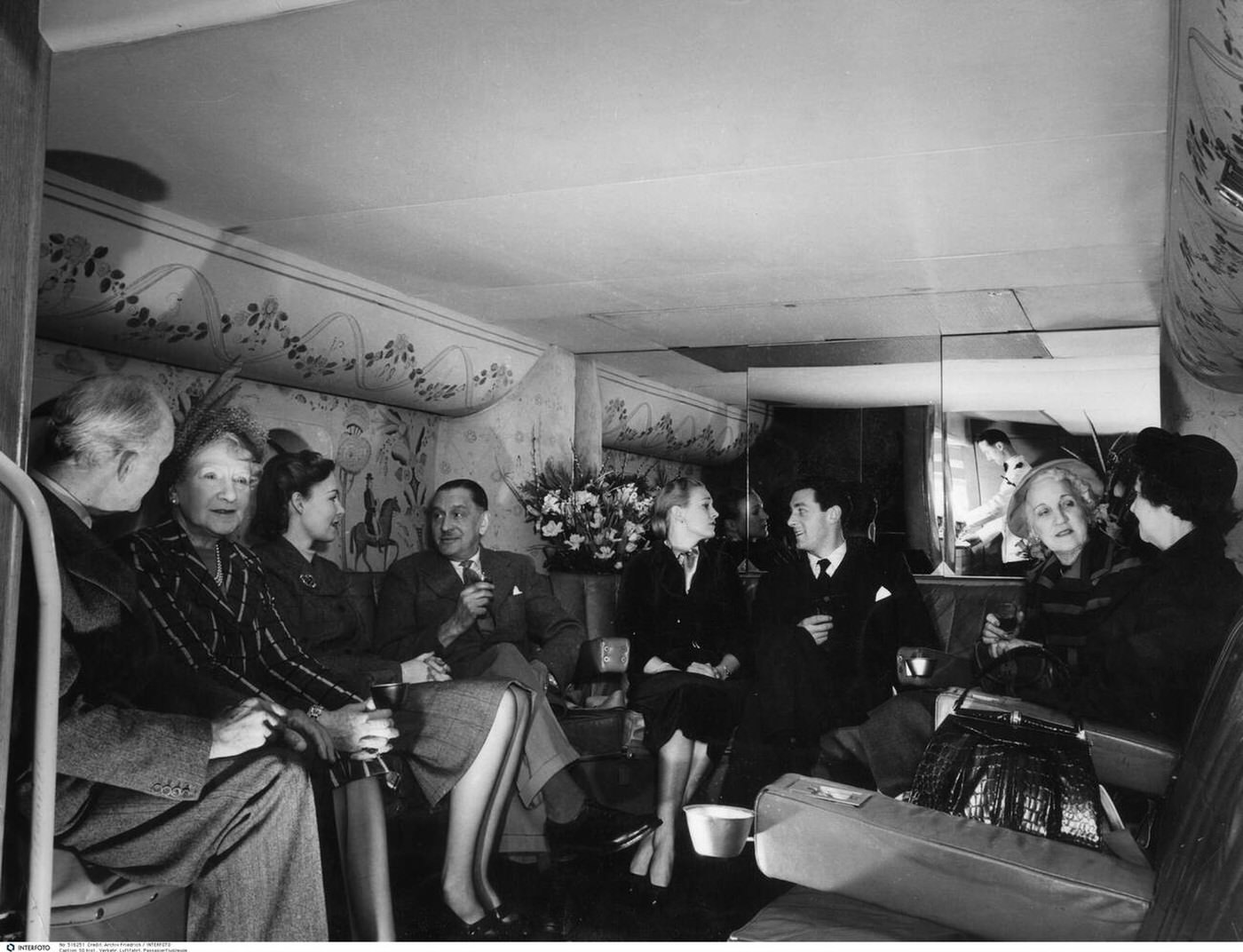
While the military programs dominated the 1940s, Boeing never abandoned civilian aviation. The Model 377 Stratocruiser, a large double-deck airliner, offered passengers a lower-deck lounge bar — a level of comfort that few aircraft before or since have matched on commercial routes. Airlines like BOAC operated the Stratocruiser across the Atlantic throughout the late 1940s and into the 1950s.
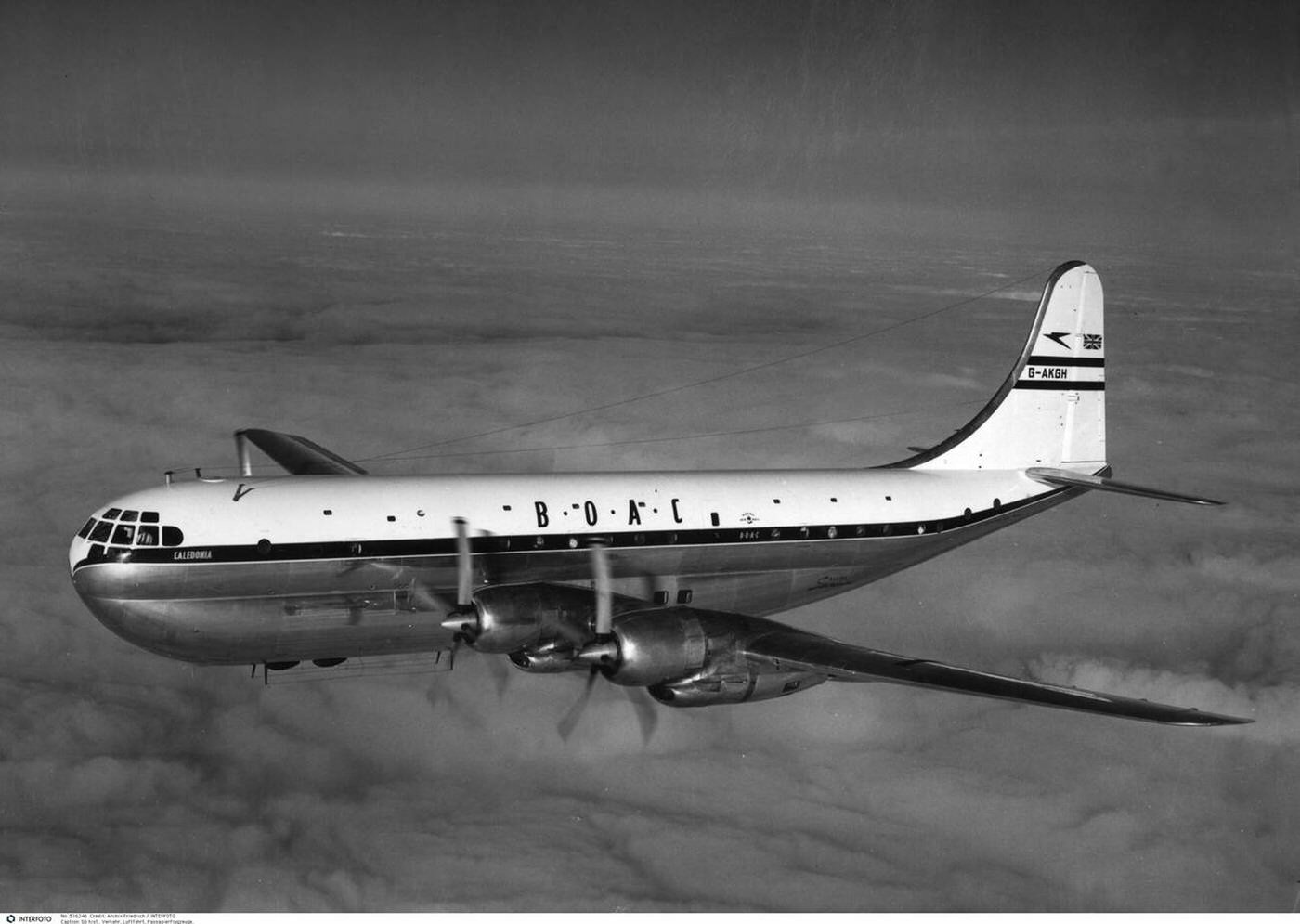
A BOAC Boeing 377 "Stratocruiser" flying over clouds, 1940s.
A BOAC Boeing 377 “Stratocruiser” flying over clouds, 1940s.
Passengers at the bar on the lower deck of a BOAC Boeing 377 "Stratocruiser", 1940s.
Passengers at the bar on the lower deck of a BOAC Boeing 377 “Stratocruiser”, 1940s.
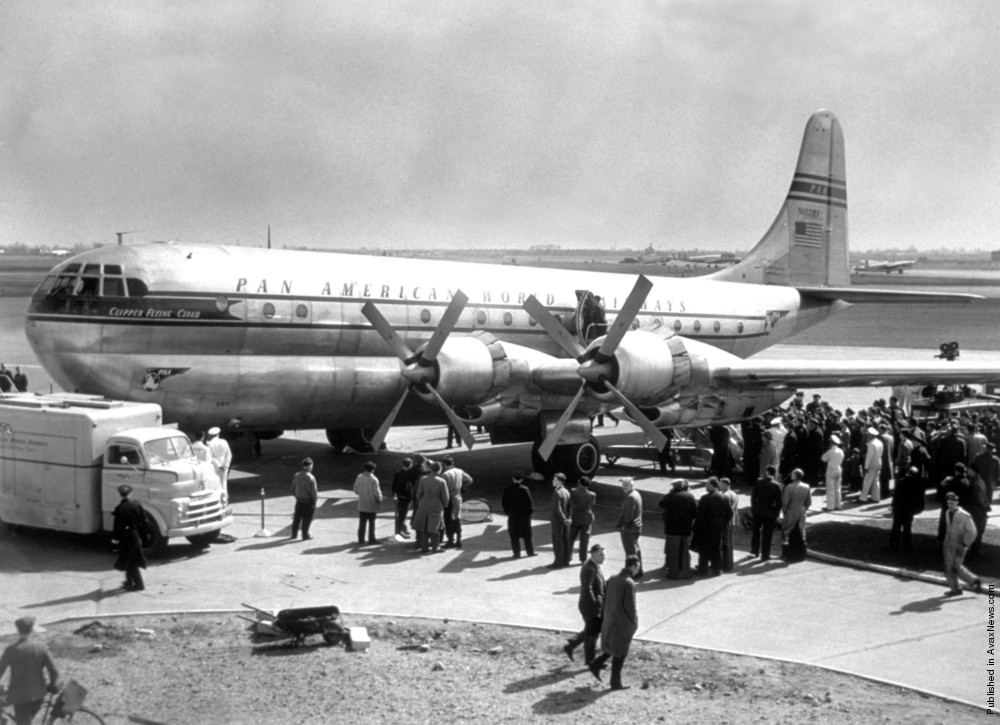
The Pan-American World Airways clipper "Flying Cloud", the first of a fleet flying between New York and London, 1949.
The Pan-American World Airways clipper “Flying Cloud”, the first of a fleet flying between New York and London, 1949.
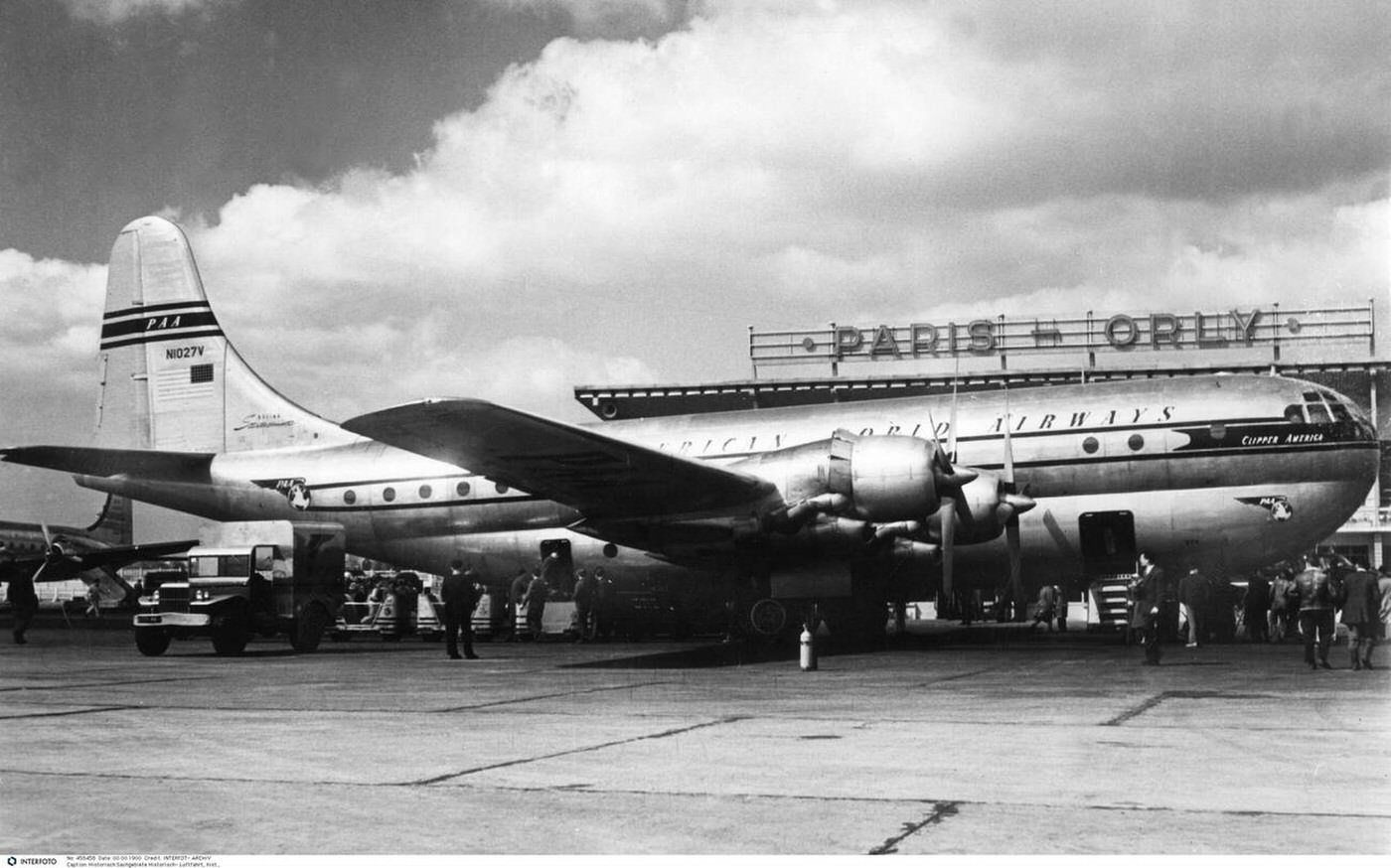
A Boeing 377 "Stratocruiser" at the Orly Airport, Paris, 1949.
A Boeing 377 “Stratocruiser” at the Orly Airport, Paris, 1949.
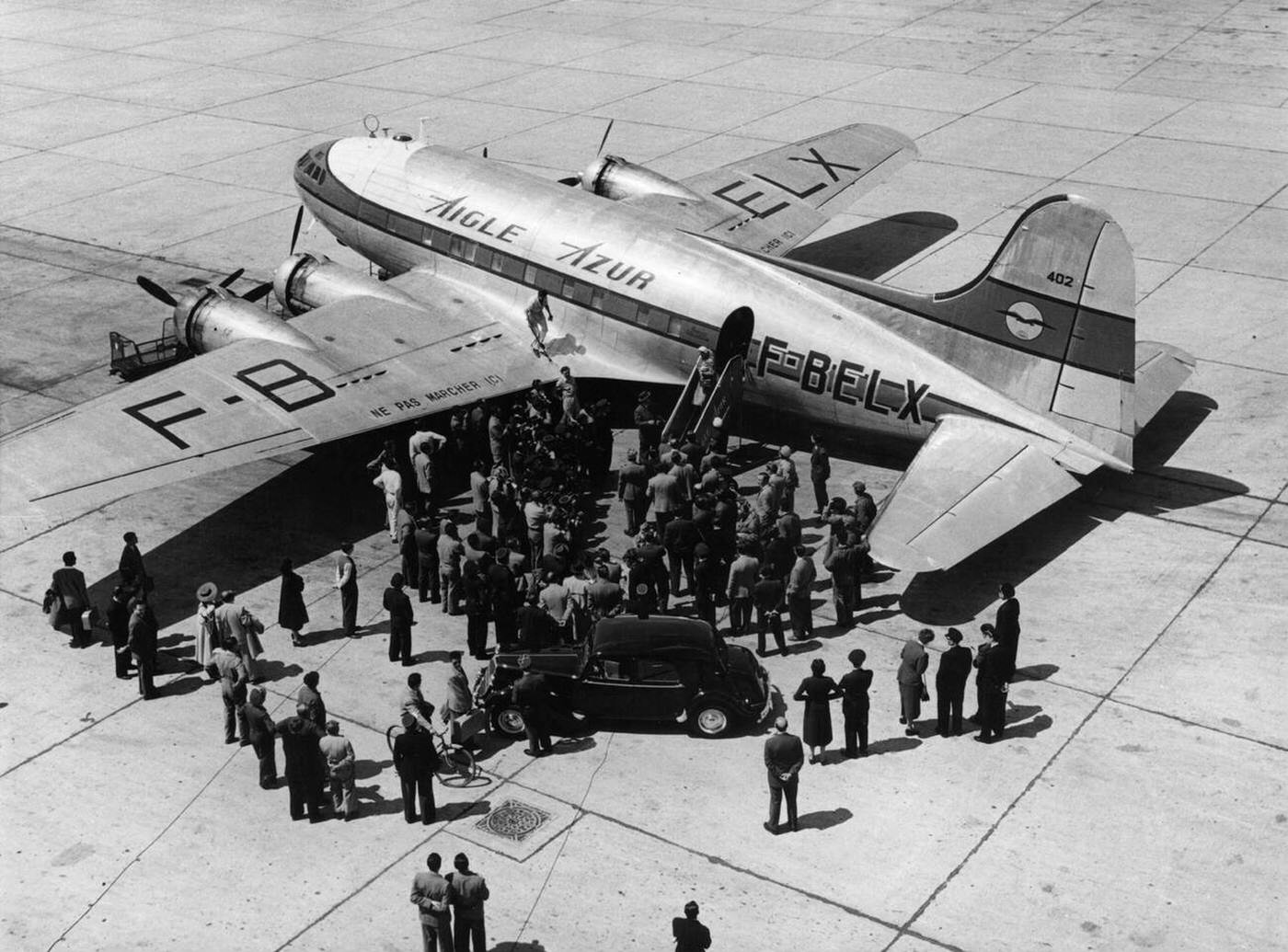
A Boeing 307 "Stratoliner" at Le Bourget Airport, Paris, 1950s.
A Boeing 307 “Stratoliner” at Le Bourget Airport, Paris, 1950s.

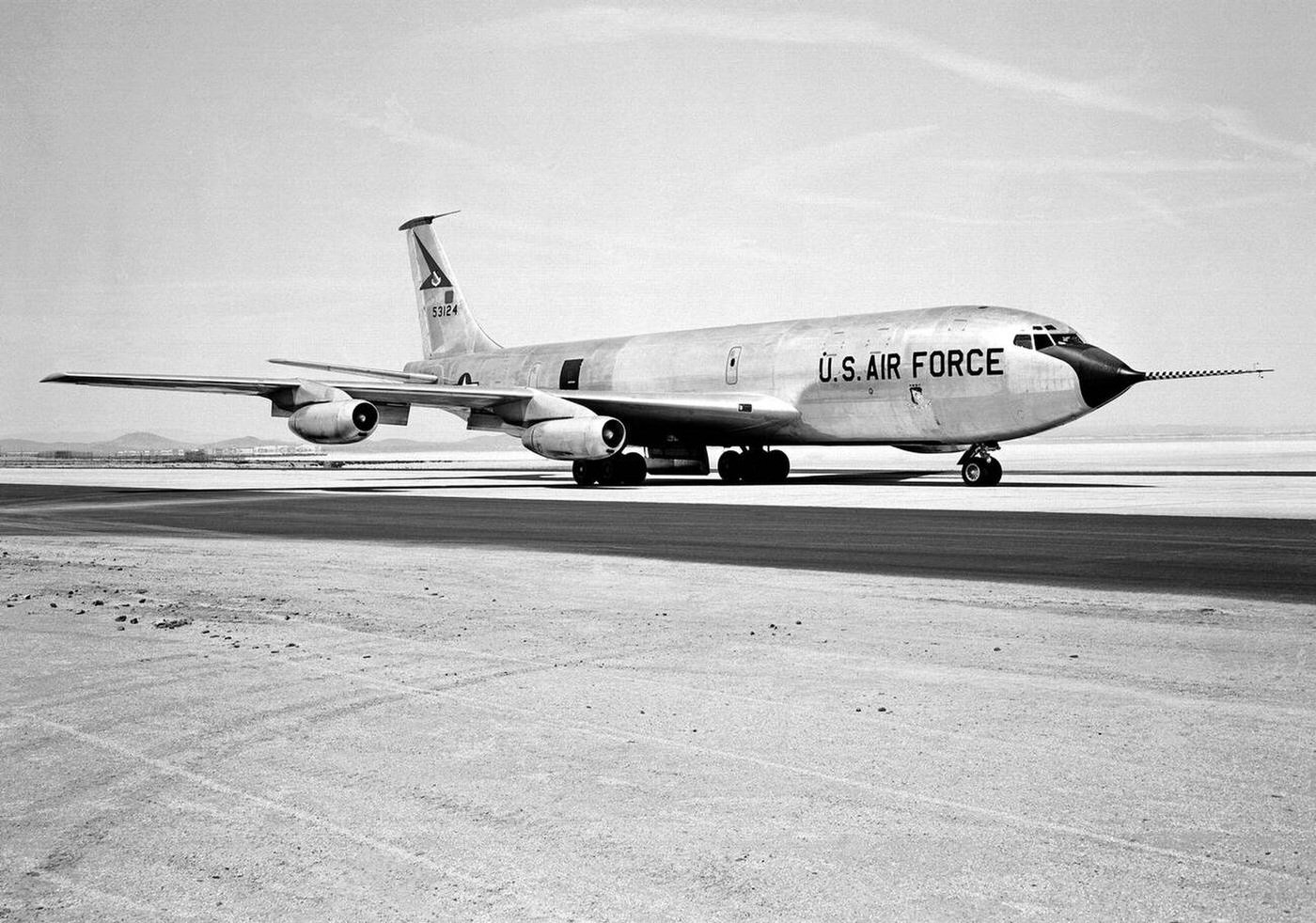
The 1950s brought the jet age to both military and commercial aviation. Boeing developed the swept-wing B-47 Stratojet and the massive B-52 Stratofortress for the U.S. Air Force, giving America a long-range nuclear strike capability. On the tanker side, the KC-135 Stratotanker — first unveiled in prototype form in 1954 and flying its maiden operational flight in 1956 — allowed jet bombers and fighters to refuel in mid-air, extending their range dramatically.
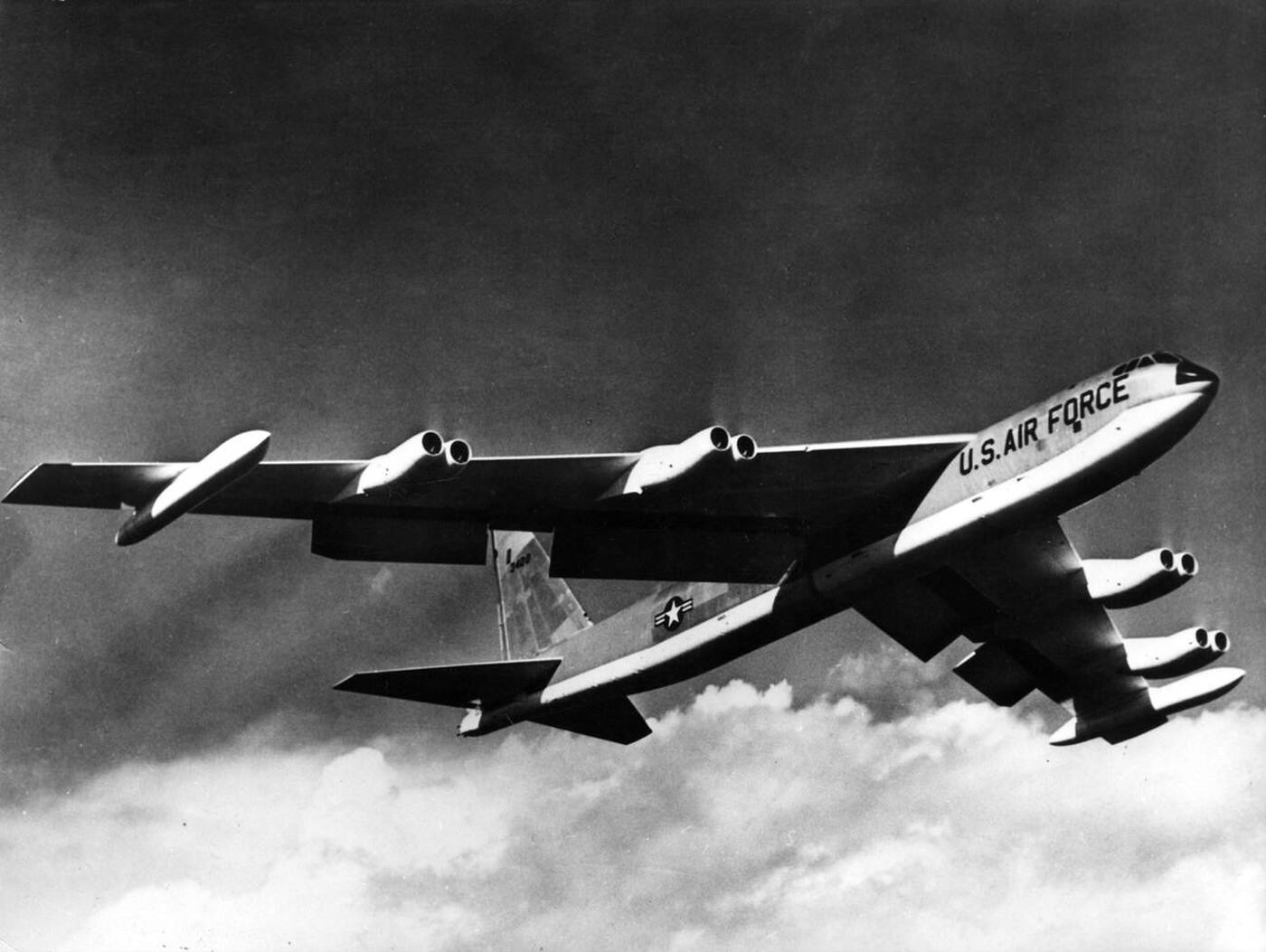
A Boeing B-52 "Stratofortress" in flight, 1950s.
A Boeing B-52 “Stratofortress” in flight, 1950s.
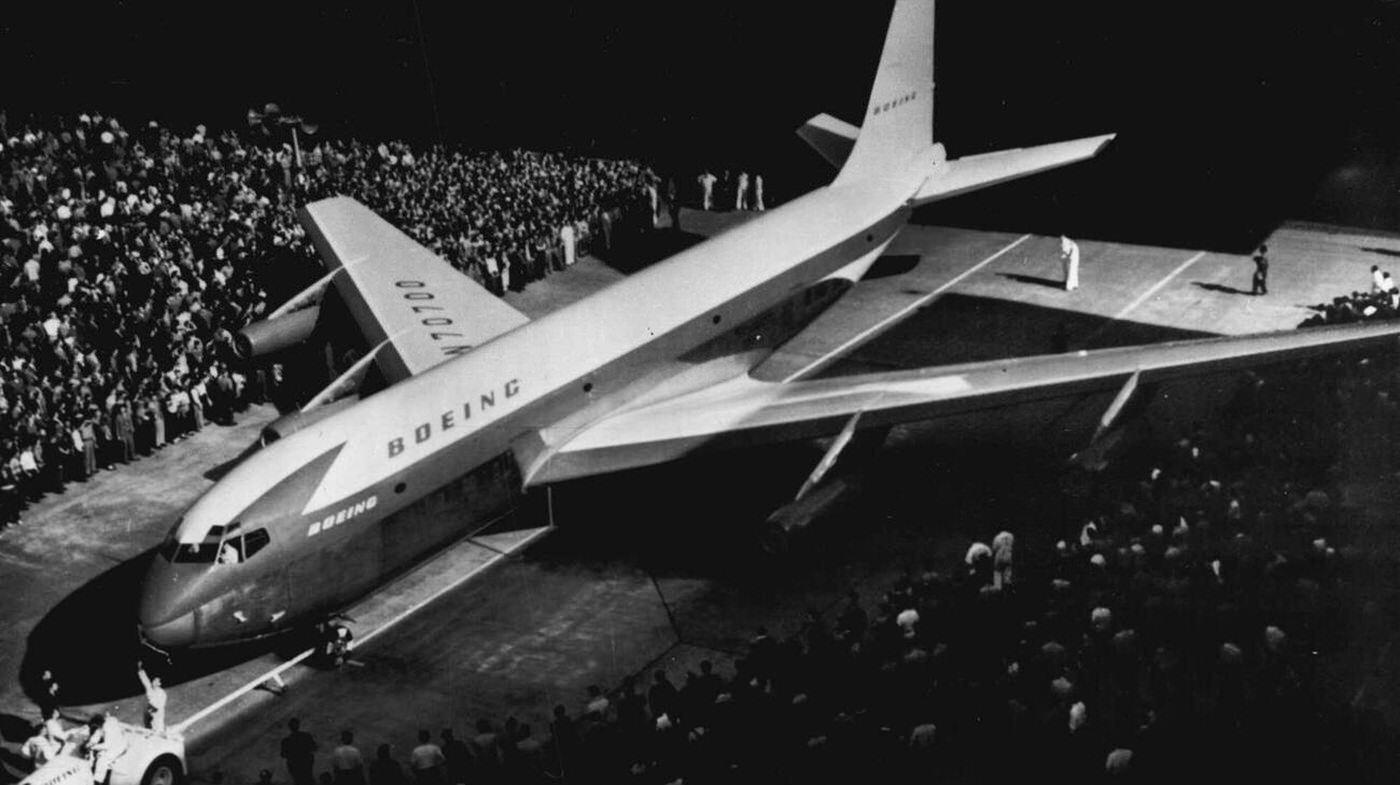
The unveiling of a Boeing KC-135 Stratotanker prototype, 1954.
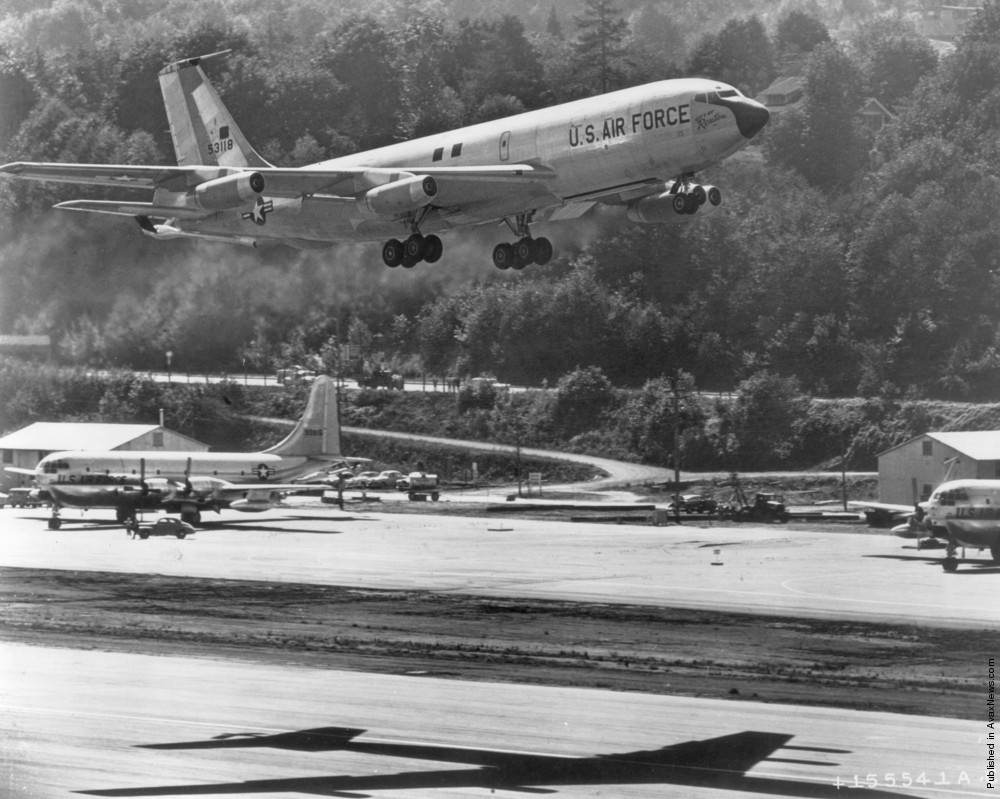
U.S. Air Force Boeing KC-135 Stratotanker "City of Renton" on its maiden flight, 1956.
U.S. Air Force Boeing KC-135 Stratotanker “City of Renton” on its maiden flight, 1956.
The Boeing KC-135 Stratotanker at the NASA Dryden Flight Research Center, Edwards, California.

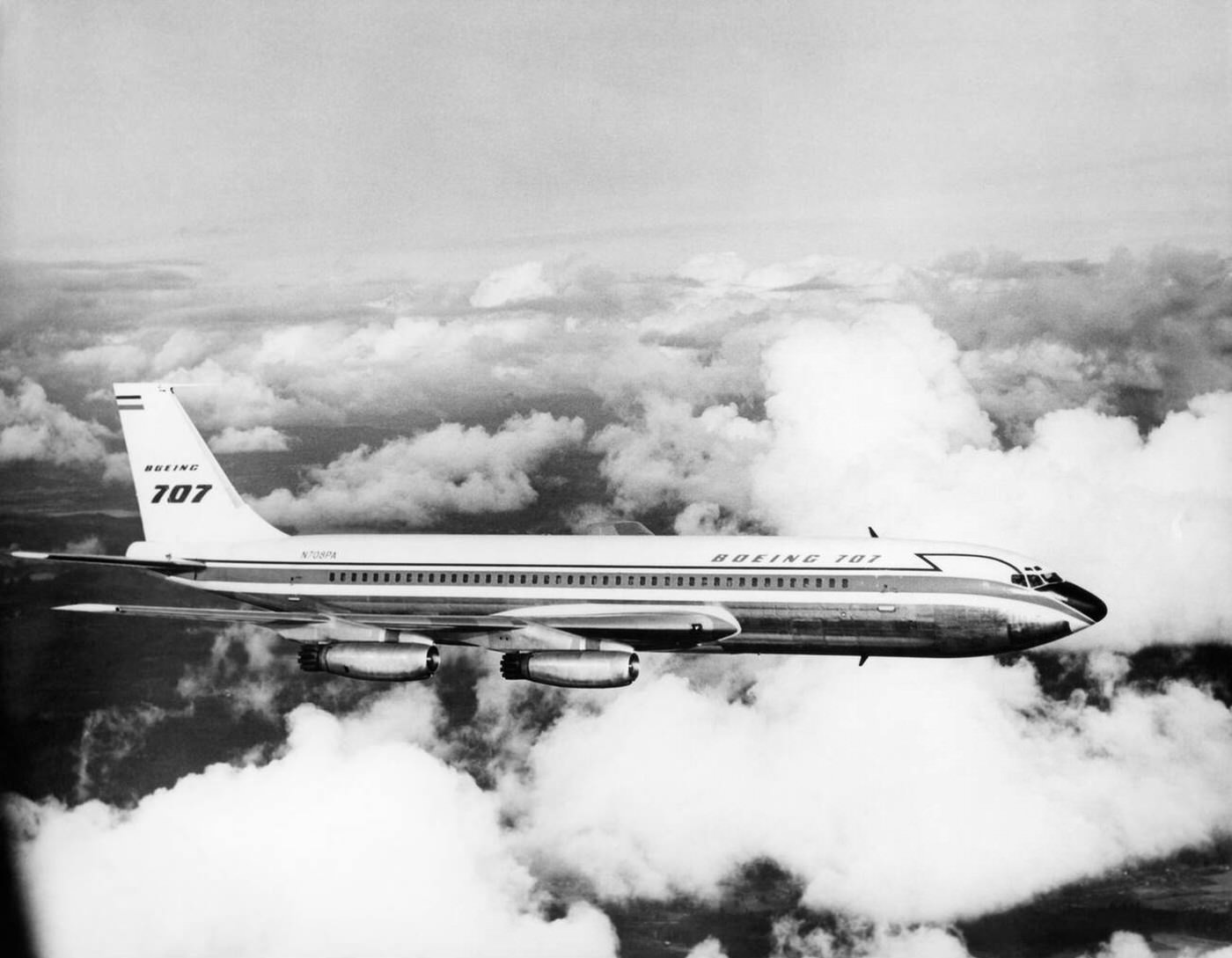
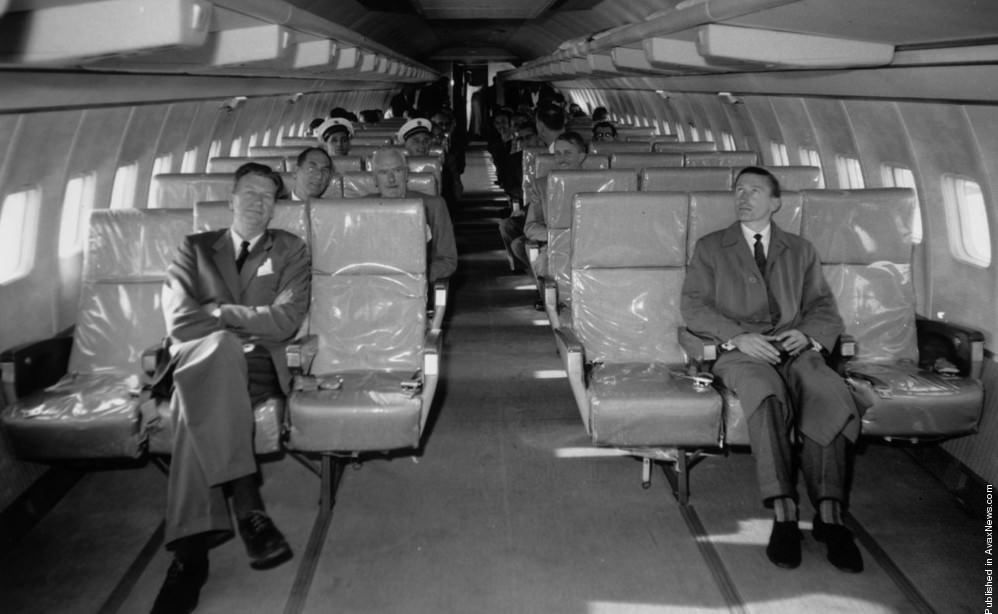
The Boeing 707 was the aircraft that truly launched the jet age in commercial aviation. By 1958, the first 707s were entering service with airlines like Pan Am, cutting transatlantic travel times in half compared to propeller-driven aircraft. Passengers stepped into a sleek, modern cabin that felt nothing like what had come before.
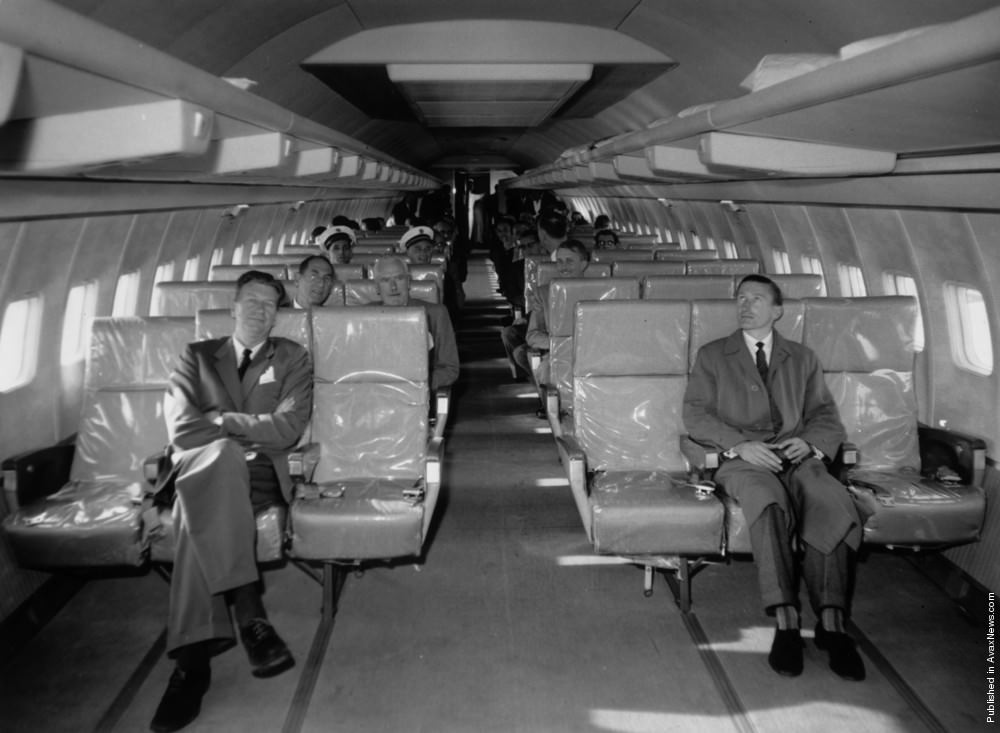
Interior of a Pan Am Boeing 707 jet airliner, 1958.
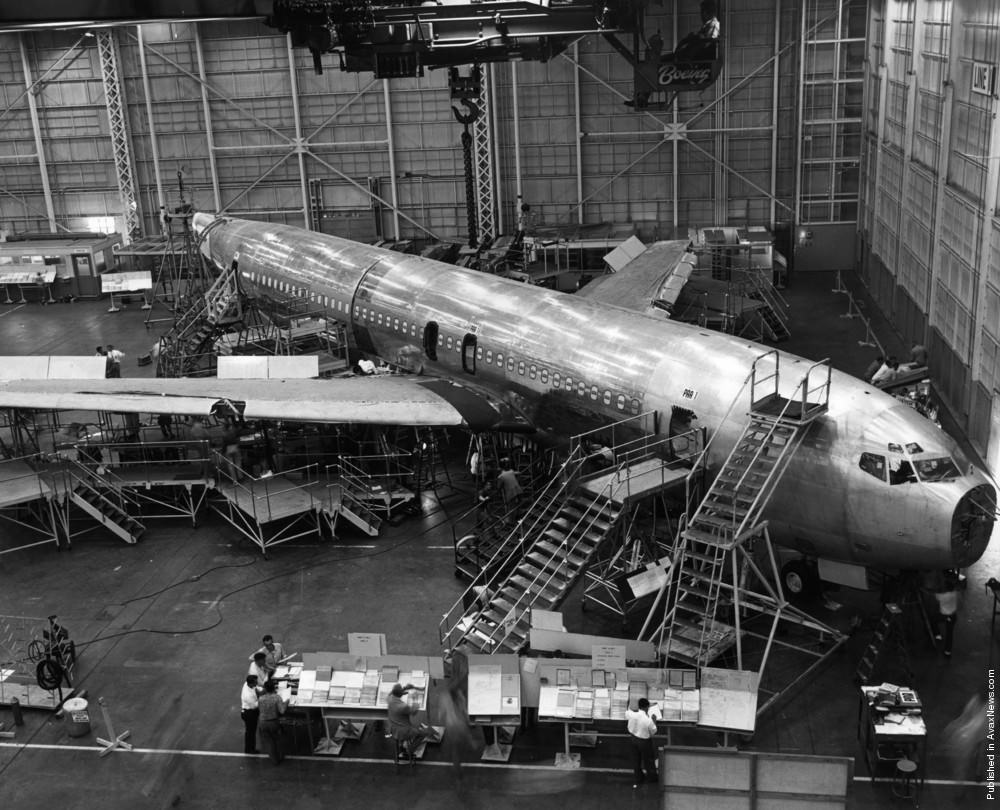
Boeing 707 Jet Stratoliner Number One under construction at Boeing's Transport Division in Renton, Washington, 1958.
Boeing 707 Jet Stratoliner Number One under construction at Boeing’s Transport Division in Renton, Washington, 1958.
A Boeing 707 passenger jet flying through clouds, 1950s.
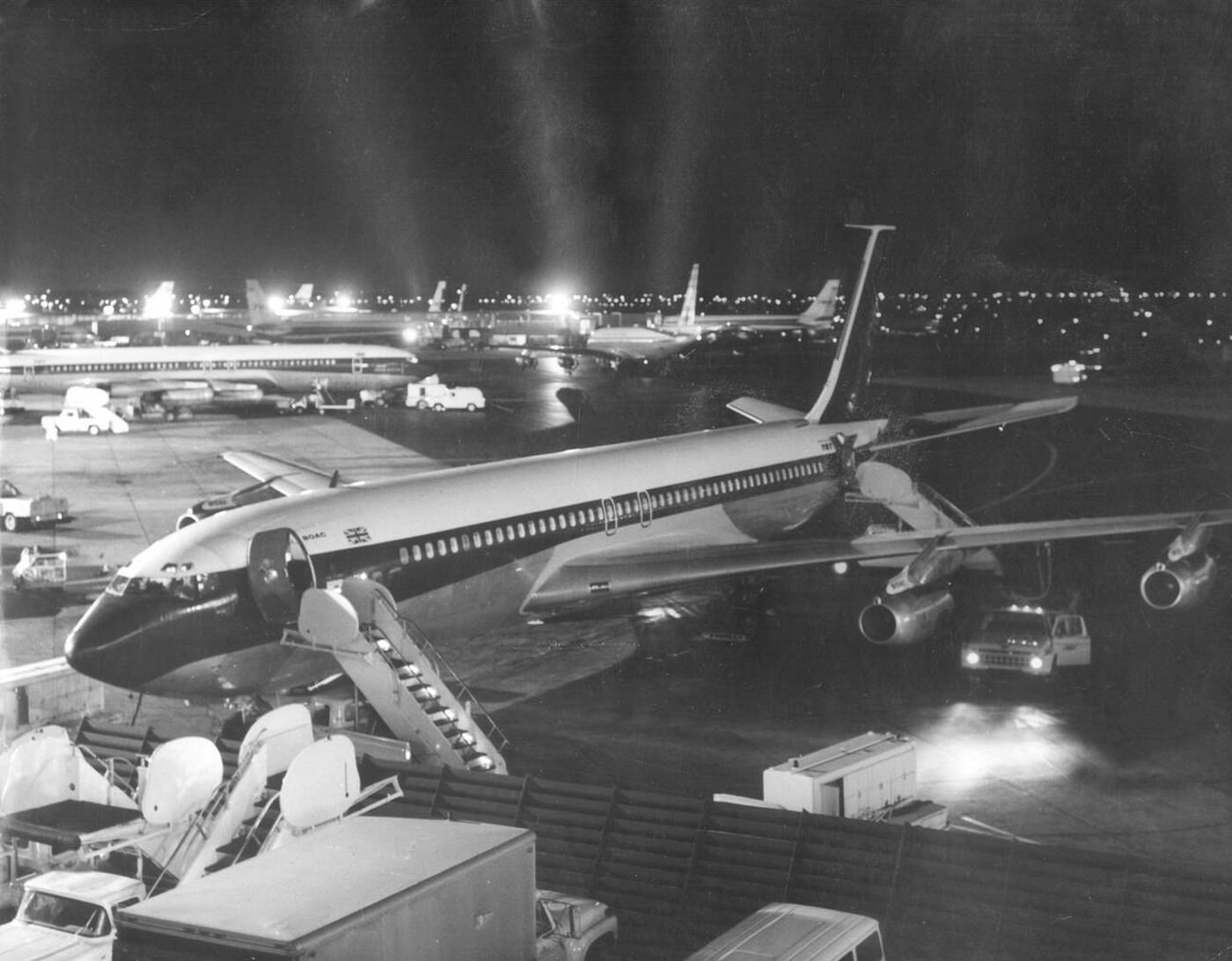
A Boeing 707 at night,

The 707’s success opened a decade of rapid expansion in commercial aviation. By the early 1960s, air travel was reaching people who had never previously considered flying. Boeing also built high-altitude simulation equipment at its Seattle facilities, used for purposes as varied as training mountaineers preparing to climb peaks in Alaska.
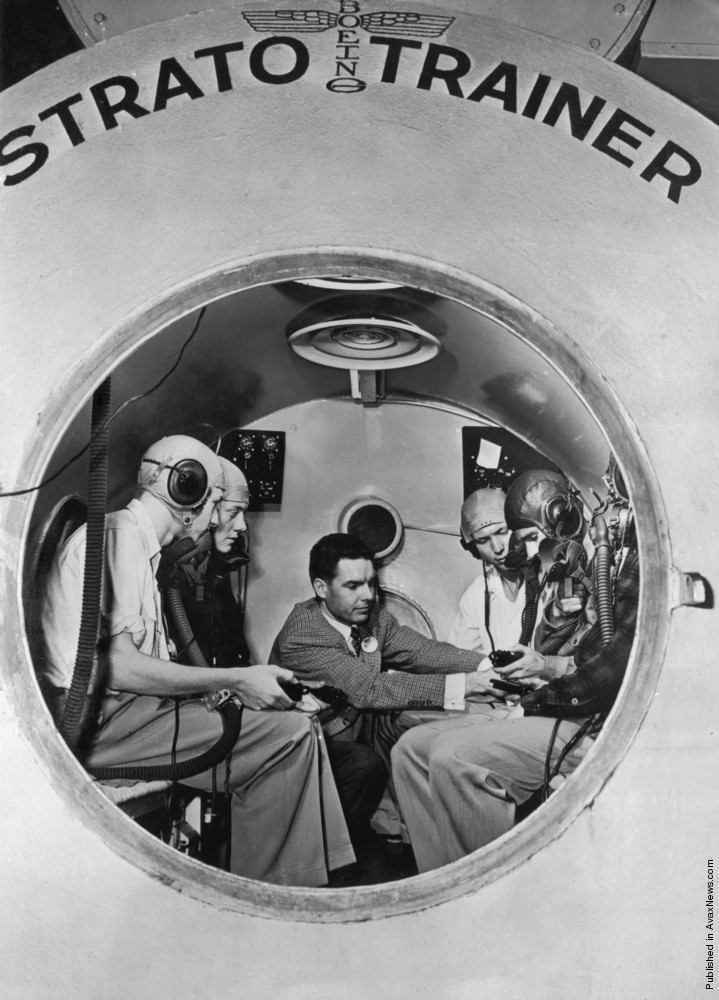
Five mountaineers in a Boeing Strato-Trainer altitude simulator in Seattle, planning an ascent of King peak in Alaska, 1952.
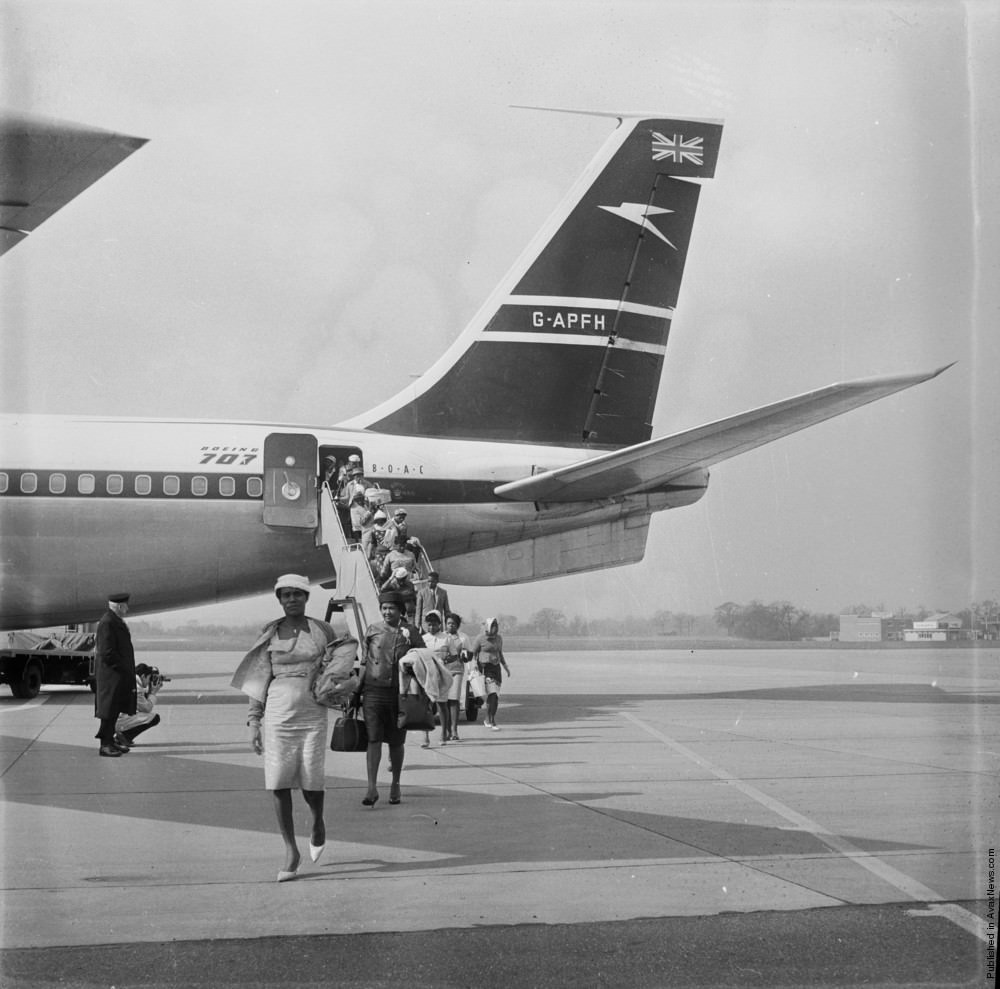
Jamaican immigrants arriving at Gatwick Airport, 1962.
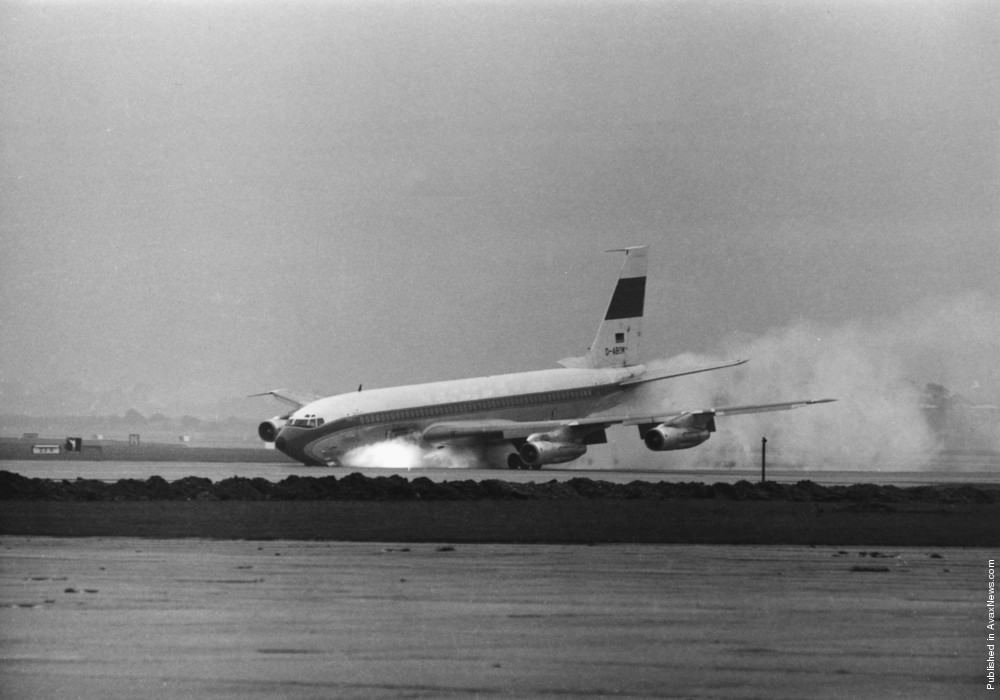
A Boeing 720 crash-lands with a faulty nosewheel, 1962.

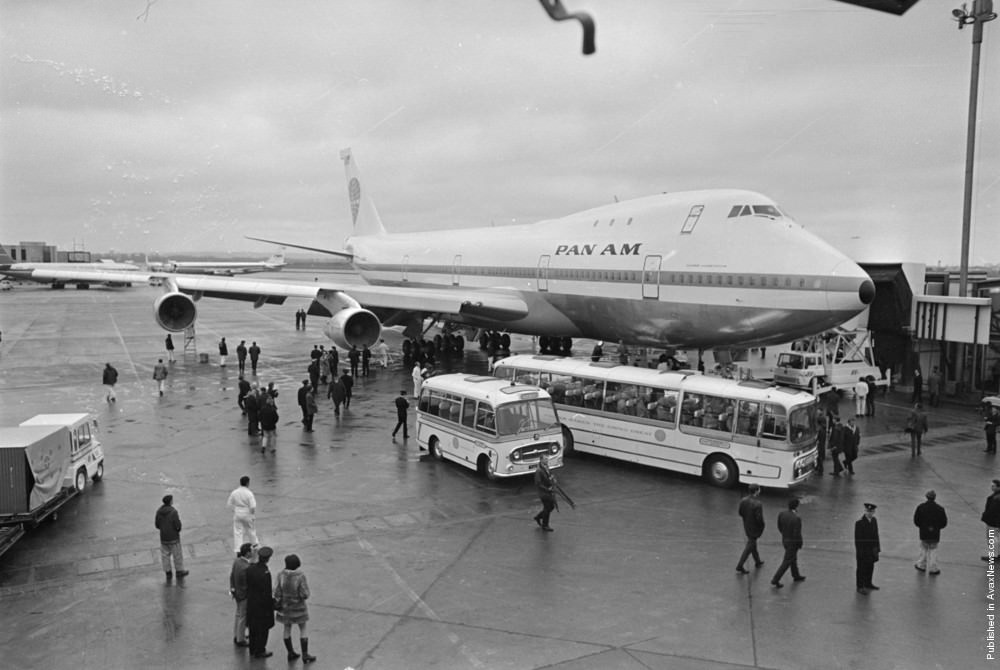
Boeing followed the 707 with the 727, a three-engine jet designed for shorter and medium-range routes that became a fixture at airports across the world. In the late 1960s came the 737, built for short routes and smaller airports. The 737 went on to become the best-selling commercial jet aircraft in history. But the defining aircraft of the era was still to come. The Boeing 747, introduced at the turn of the 1970s, was the world’s first wide-body jumbo jet. Its distinctive upper-deck hump became one of the most recognized shapes in aviation. A Pan Am 747 landed at Heathrow in 1970 carrying 380 passengers — a new world record at the time. The sheer size of the 747 drove down the cost of flying, putting long-haul travel within reach for far more people.
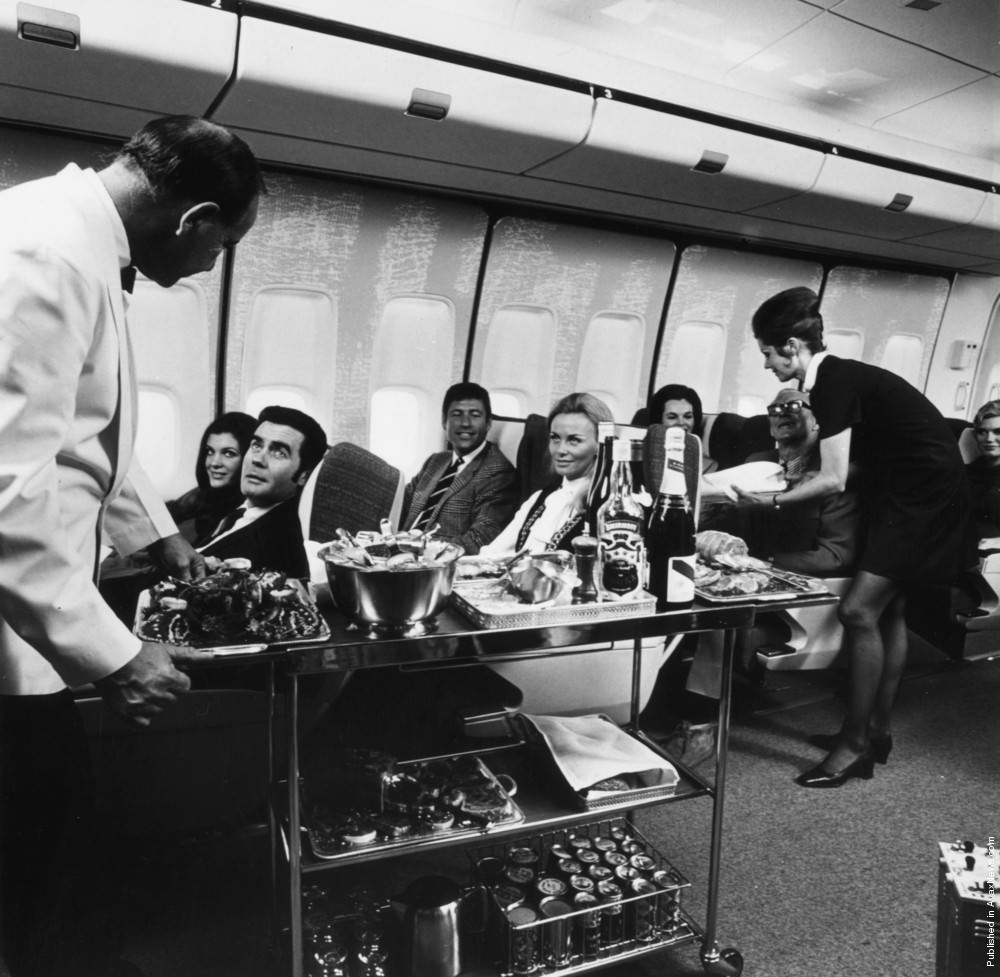
A steward and stewardess serving first-class passengers on a Boeing 747, 1970.
A Pan-American 747 jumbo jet at Heathrow Airport after carrying 380 people, a new world record, 1970.
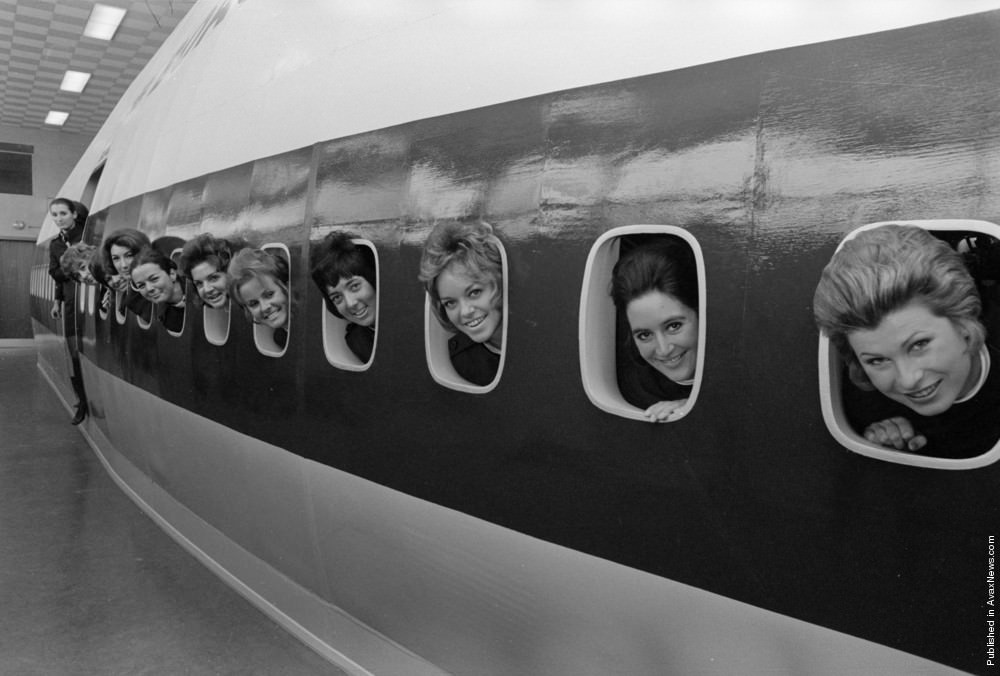
BOAC stewardesses training for transatlantic Jumbo flights at Heathrow Airport, 1971.

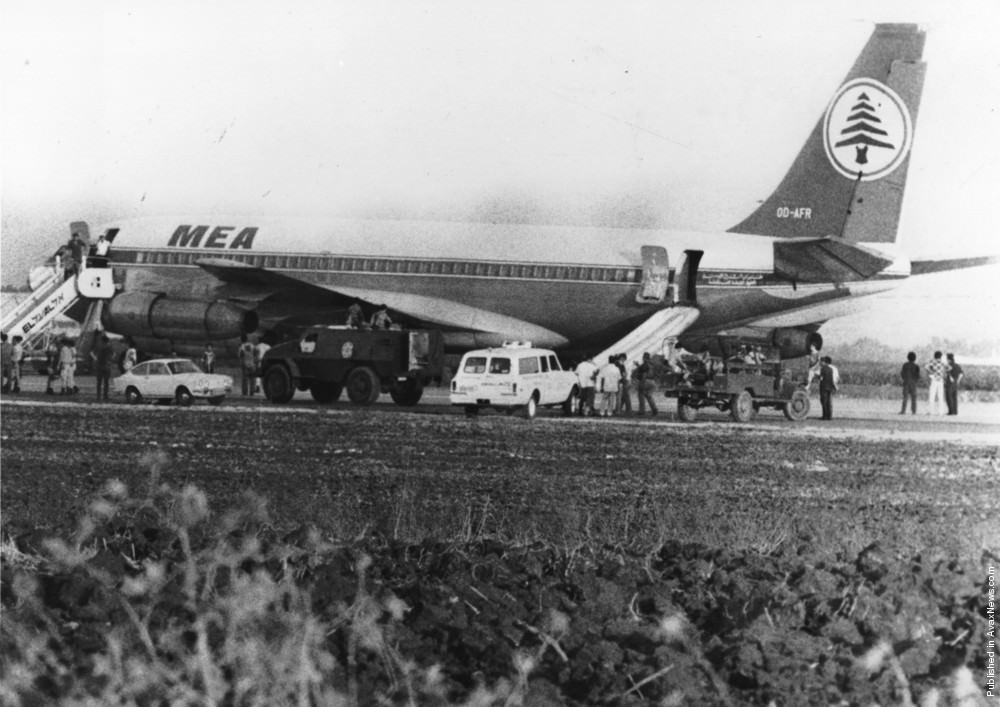
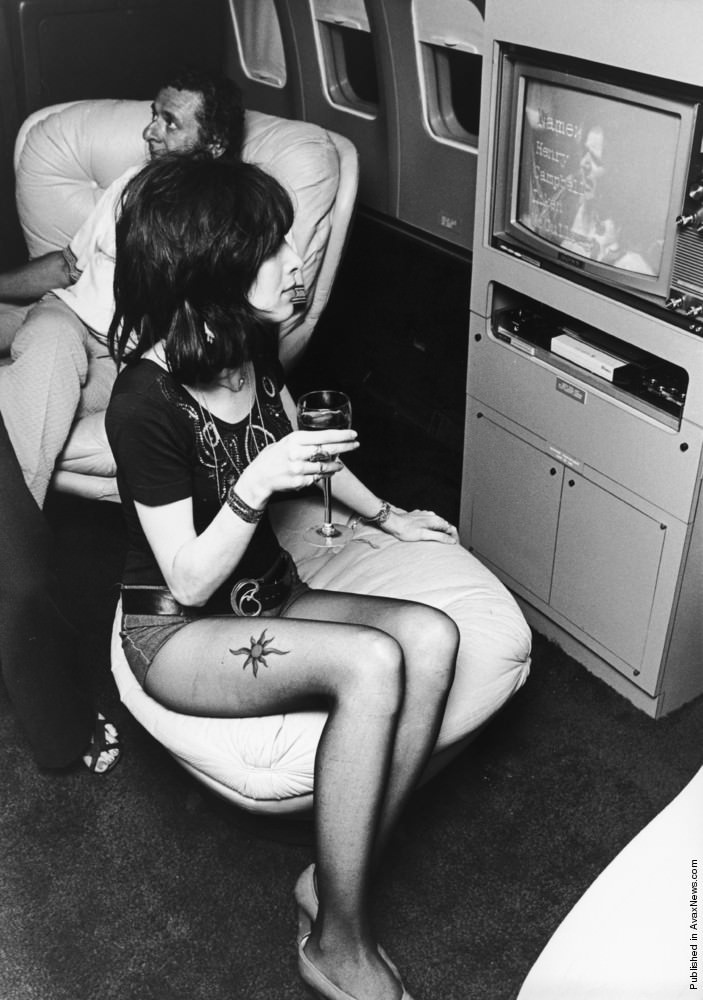
Not all Boeing aircraft stayed in the hands of airlines. By the early 1970s, the Boeing 720B — a variant of the 707 — had entered a very different kind of service. Led Zeppelin chartered a customized 720B they named ‘The Starship’ for their 1973 North American tours, outfitting it with a bar, a bedroom, and an organ for bassist John Paul Jones. The aircraft became a symbol of rock-and-roll excess at its peak. That same year, a very different event unfolded when a Middle East Airlines Boeing 707 was hijacked and diverted to Lydda Airport in Israel, a reminder that the aircraft filling the world’s skies were not immune to the dangers of the era.
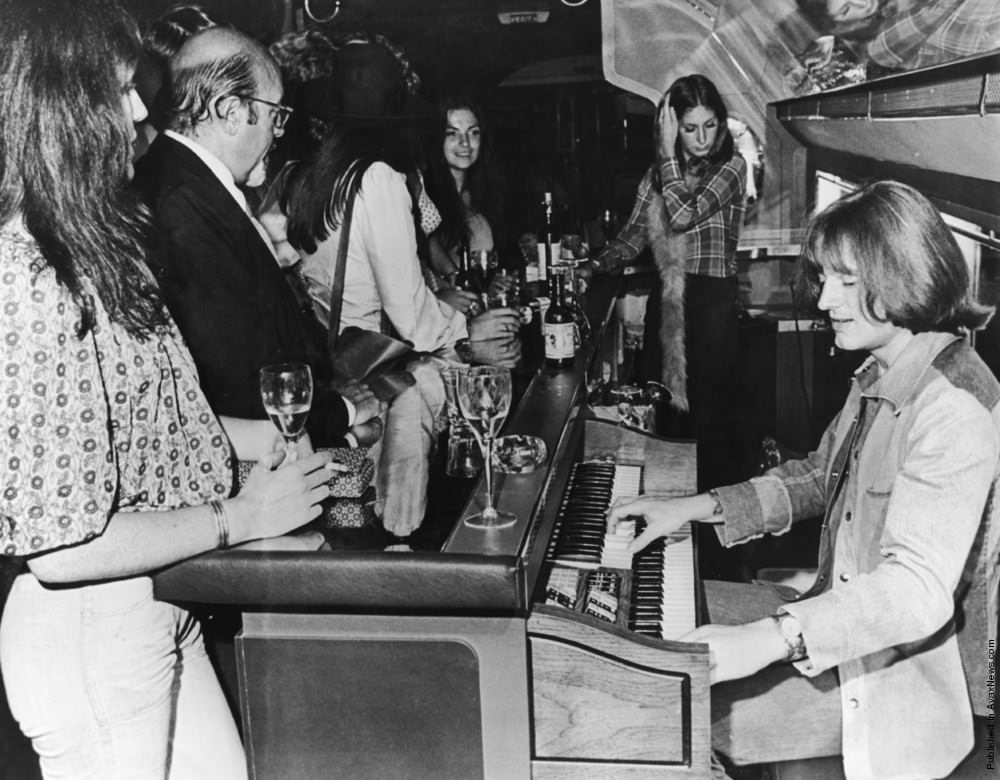
John Paul Jones of Led Zeppelin playing an organ on board their Boeing 720B "The Starship", 1973.
John Paul Jones of Led Zeppelin playing an organ on board their Boeing 720B “The Starship”, 1973.
A young woman watching a video on board Led Zeppelin's Boeing 720B "The Starship", 1973.
A young woman watching a video on board Led Zeppelin’s Boeing 720B “The Starship”, 1973.
A hijacked Middle East Airlines Boeing 707 at Lydda Airport, Israel, 1973.

Boeing’s reach extended well beyond fixed-wing aircraft. By the mid-1970s, Boeing Vertol Chinook helicopters were in service with military forces around the world, including the Japanese Defence Force, which used them in large-scale manoeuvres near Mount Fuji in 1977. The CH-47 Chinook remains in active service with dozens of militaries to this day.
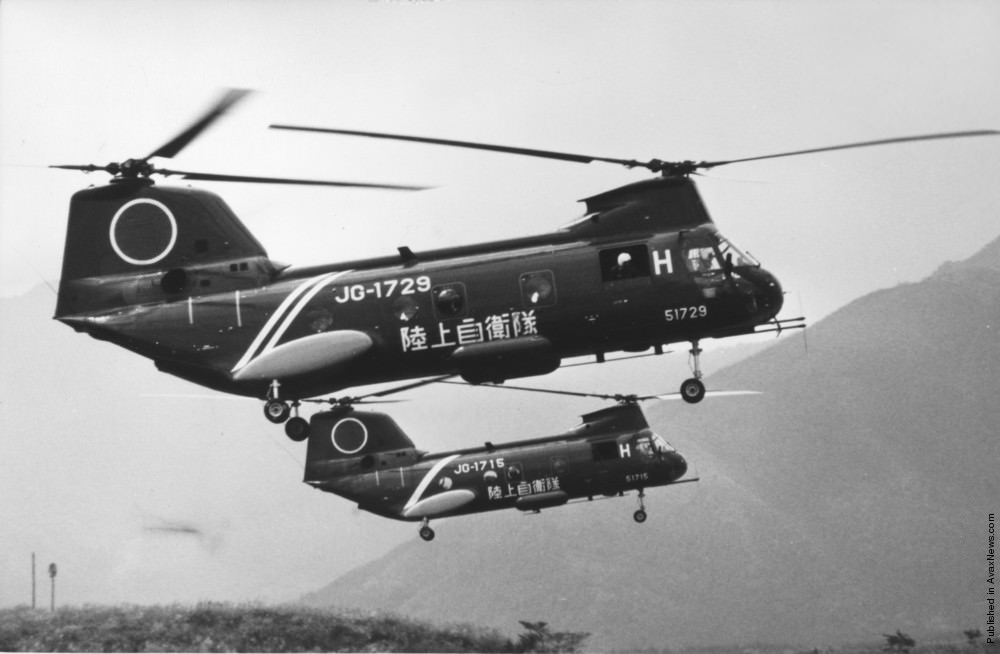
Boeing Chinook V-107 helicopters in Japanese Defence Force manoeuvres at Mount Fuji, 1977.
A Look Back: Boeing's Soaring Planes from the 1930s to the 1970s
Enjoyed this post? Get new ones in your inbox.
Avatar of Michael Rodriguez

Written by Michael Rodriguez

Michael Rodriguez is a content creator and historian who specializes in creating viral listicles and other engaging content about historical photos and events. He has a passion for history in a fun and accessible way, curating interesting and informative lists that showcase the lesser-known stories and significance behind famous historical events and figures.

Leave a Reply

Your email address will not be published. Required fields are marked *