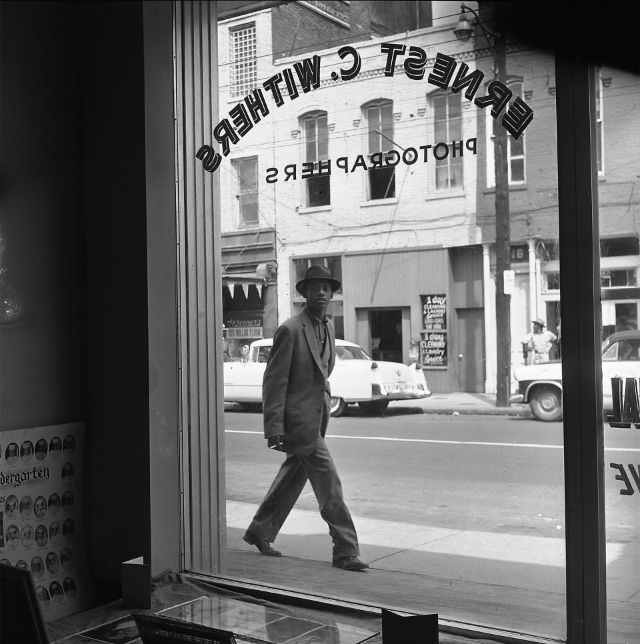
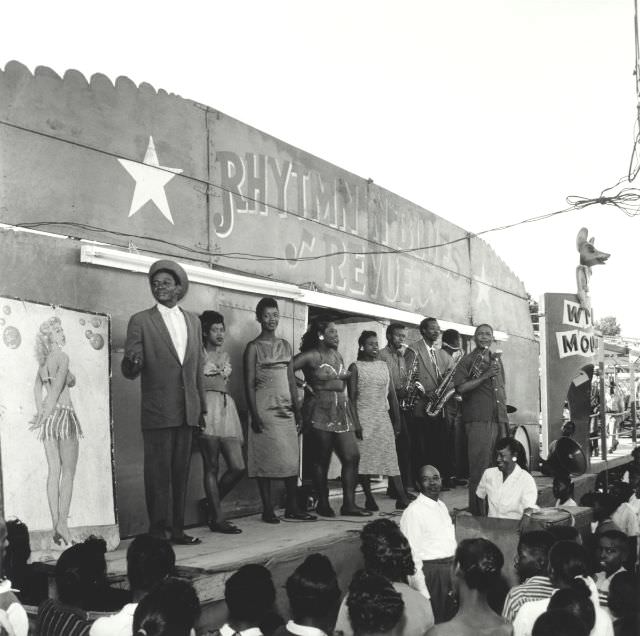
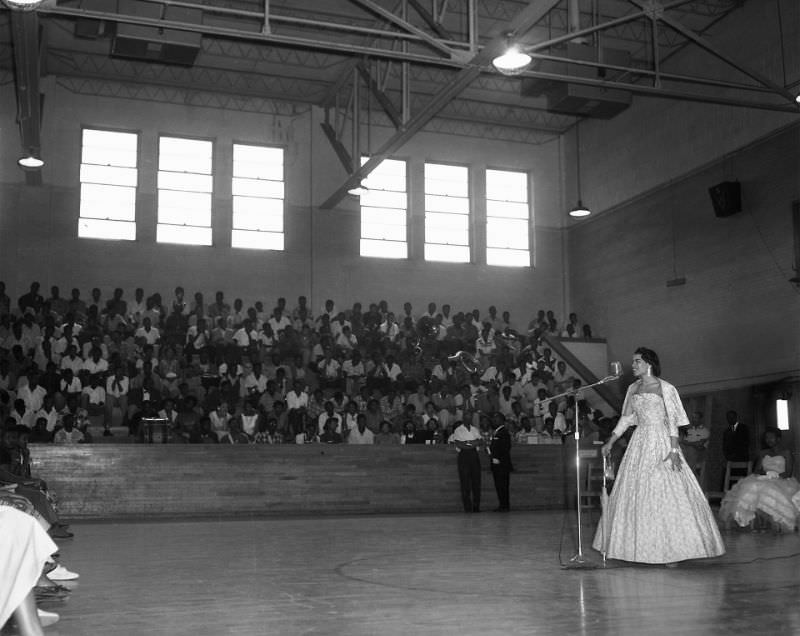
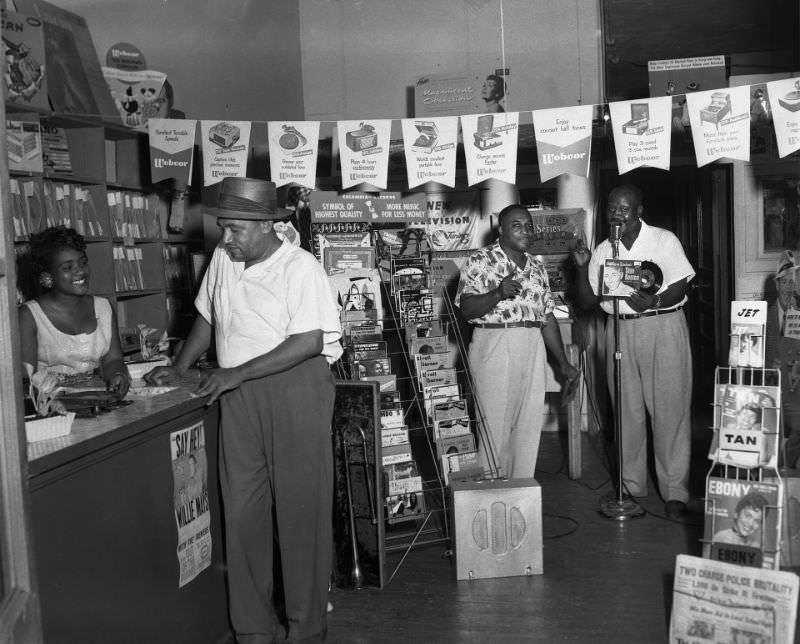
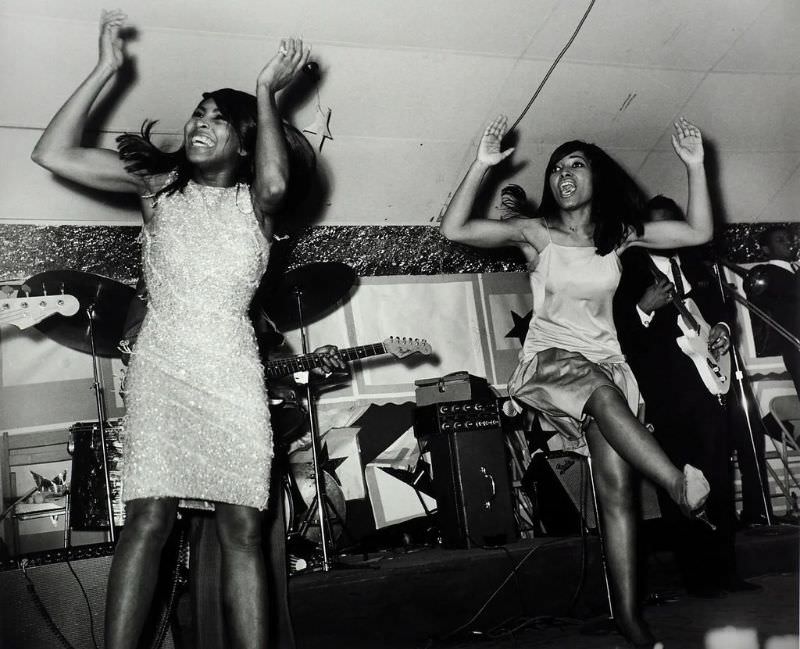
Ernest C. Withers spent decades on the streets of Memphis with a camera, building one of the most complete visual records of Black life in the American South. From the 1940s through the 1960s, he photographed everything — Civil Rights marches, neighborhood gatherings, school assemblies, and concert halls. His work was not distant or clinical. It was close, personal, and rooted in the community he lived in.
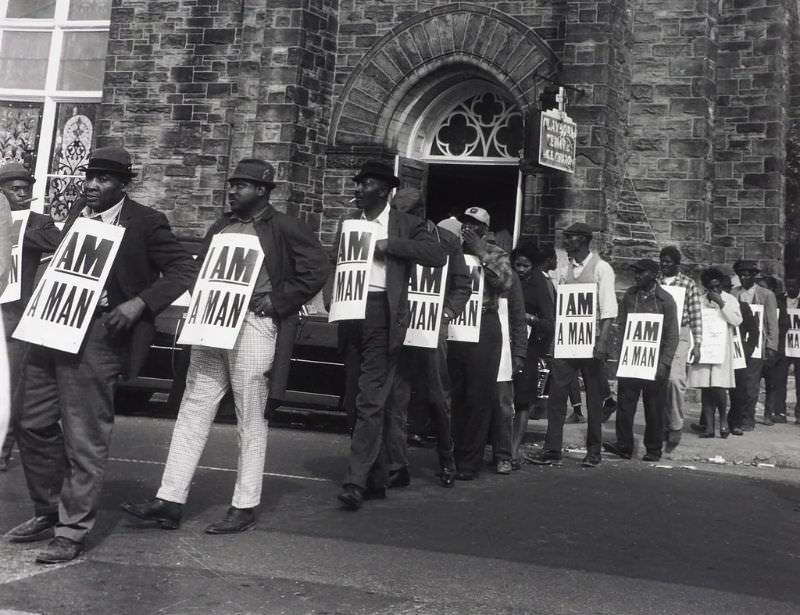
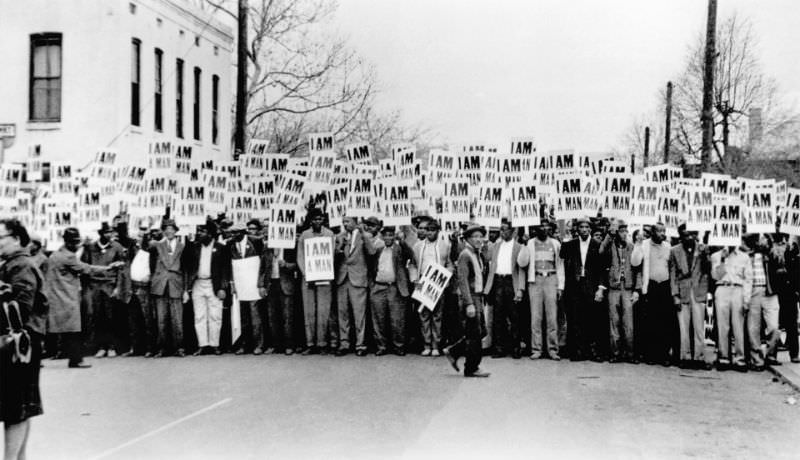
Withers documented the 1968 Memphis Sanitation Strike from the inside. Workers — mostly Black men — walked off the job after two of their coworkers were crushed to death by a garbage truck. They carried signs reading “I Am a Man” and marched through the city demanding fair wages and union recognition. Withers was there at every stage, capturing both the discipline of the marchers and the tension in the streets.
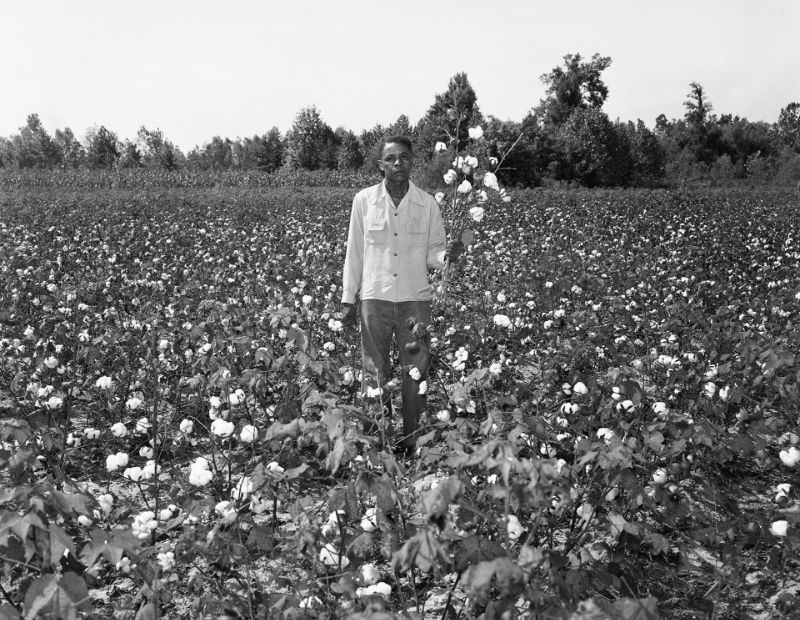
But Withers’ lens wasn’t fixed only on protest. He photographed ordinary Black Tennesseans going about their lives — working the land, raising children, celebrating at community events. These images matter just as much as the march photos, because they show people as full human beings, not just as victims of a system.
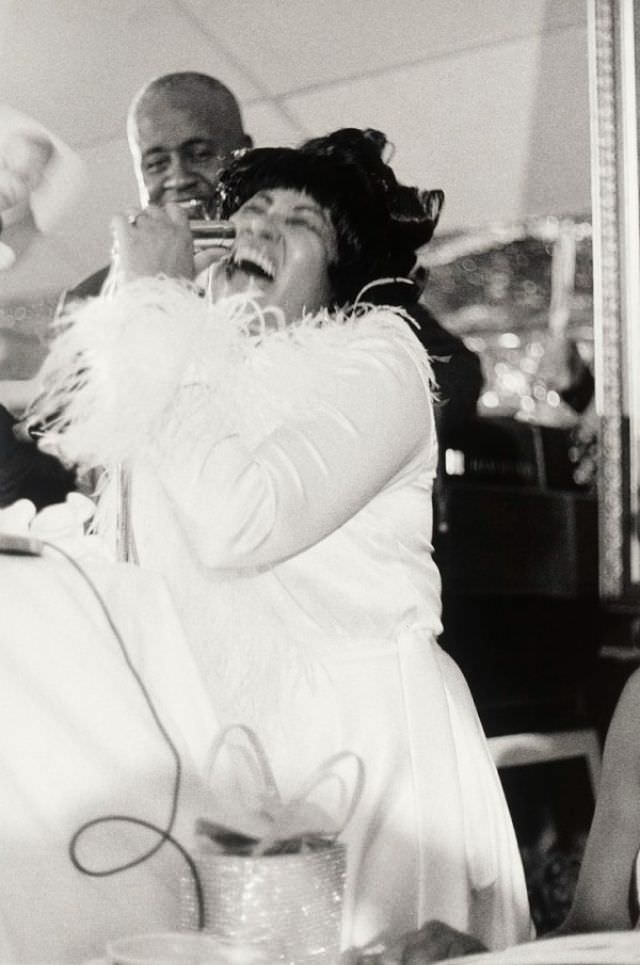
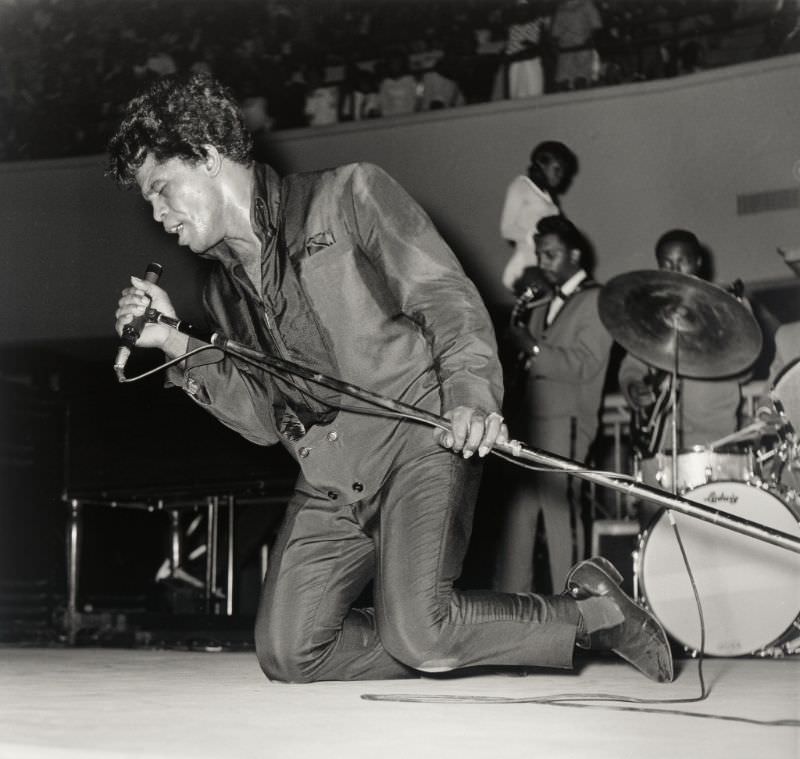
Memphis in the late 1940s and early 1950s was a hub of Black music and culture, even under the weight of segregation. WDIA, the first American radio station programmed entirely for a Black audience, launched in 1948. Withers was there to photograph the personalities tied to it.
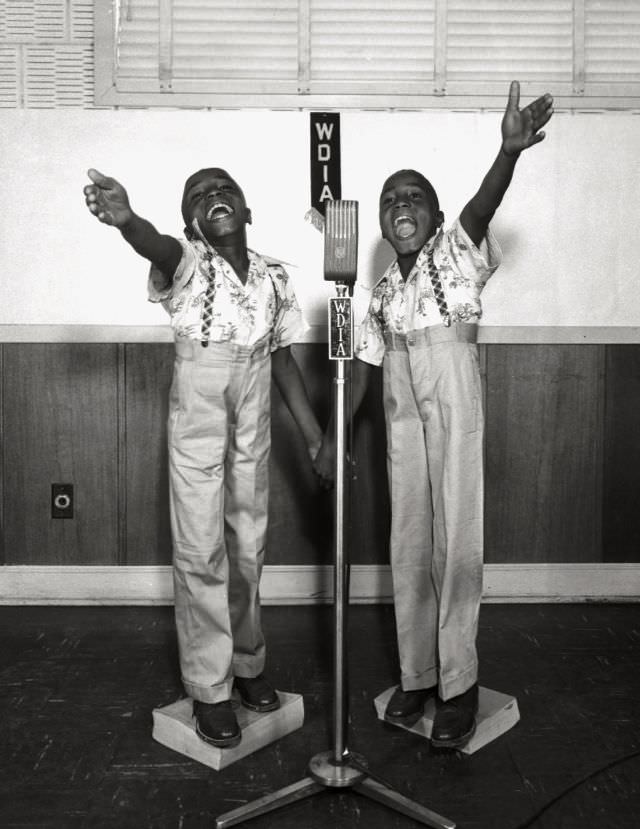
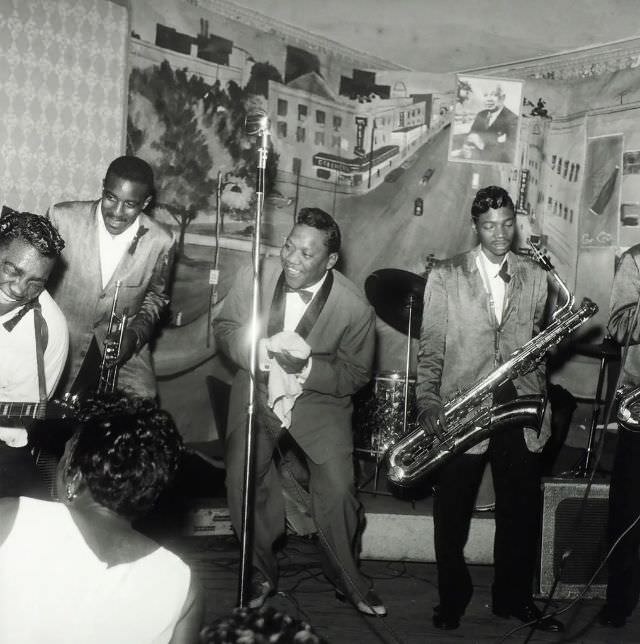
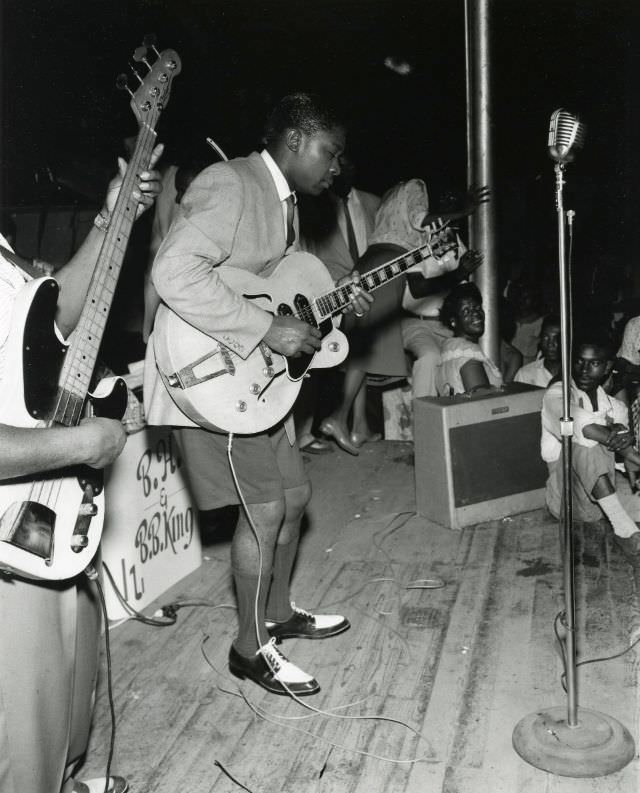
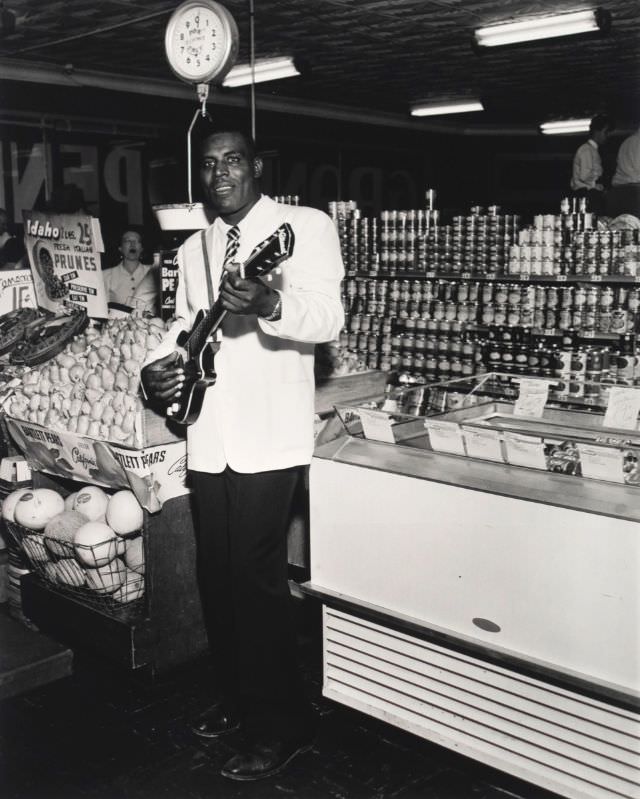
Beale Street was the center of that musical world. Withers had his own studio on the street and used that position to photograph the artists who performed there, as well as the audiences who filled the venues. BB King, Howlin’ Wolf, Bobby “Blue” Bland — he photographed them all in their prime.
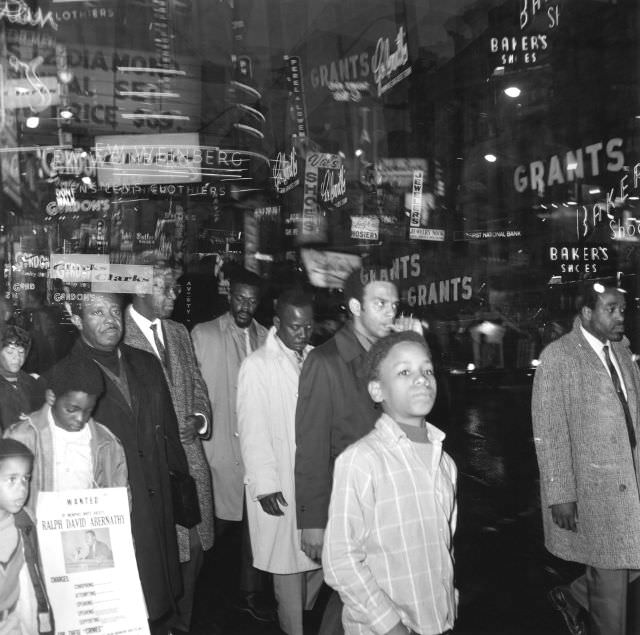
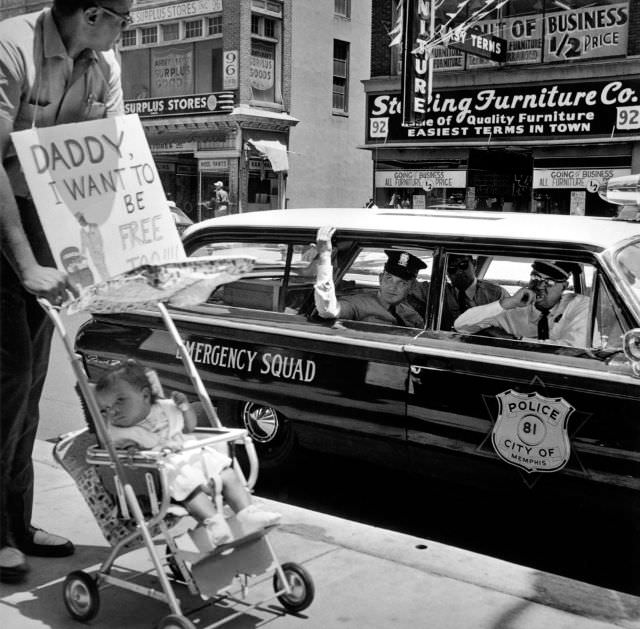
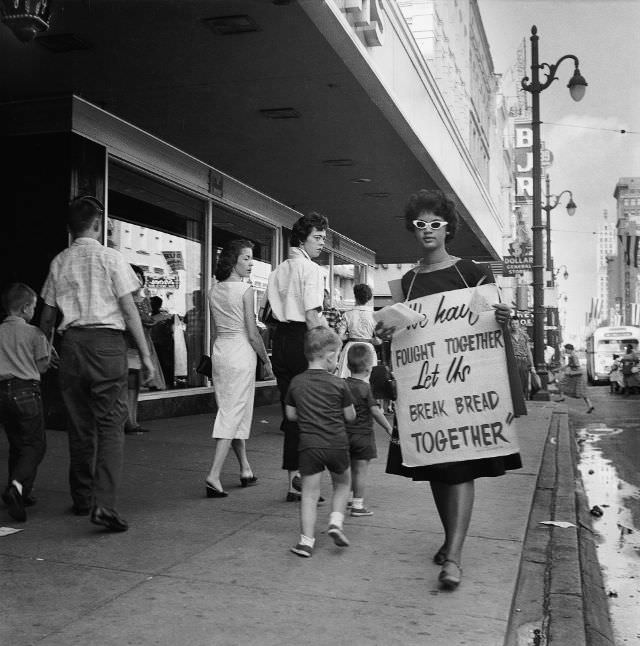
Withers photographed protests along Main Street in Memphis during a period when Black residents were pushing back against segregated public spaces — stores, buses, parks, and schools. Some of those protesters were teenagers. Sixteen-year-old Junienne Briscoe joined the picket lines, one of many young people who made themselves visible in the fight.
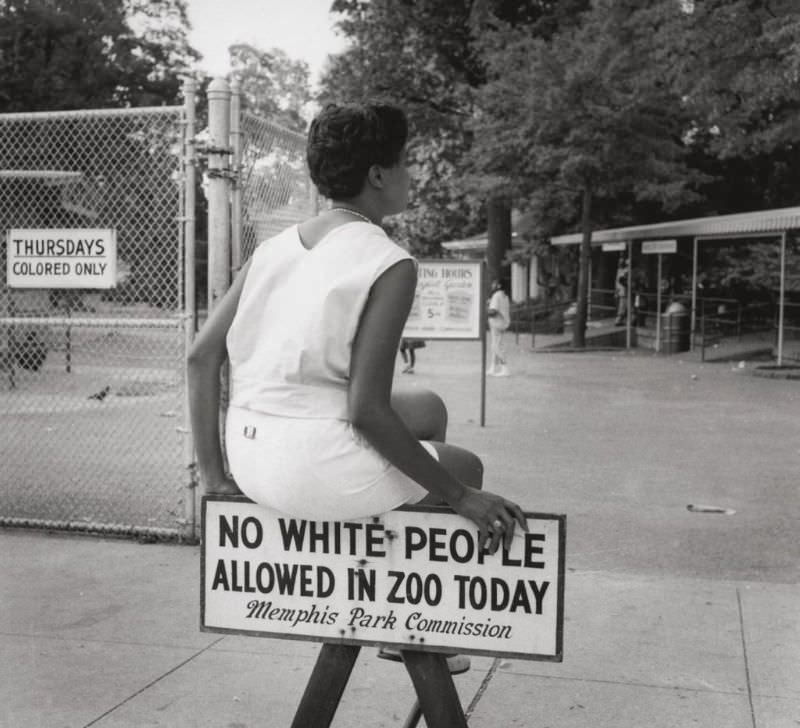
Racial segregation in Memphis extended into public spaces like the zoo, where Black and white visitors were kept separate. Withers documented this too. His photographs of the Memphis Zoo under segregation are a direct record of how thoroughly the system was embedded in daily life — not just in law, but in the physical layout of shared spaces.
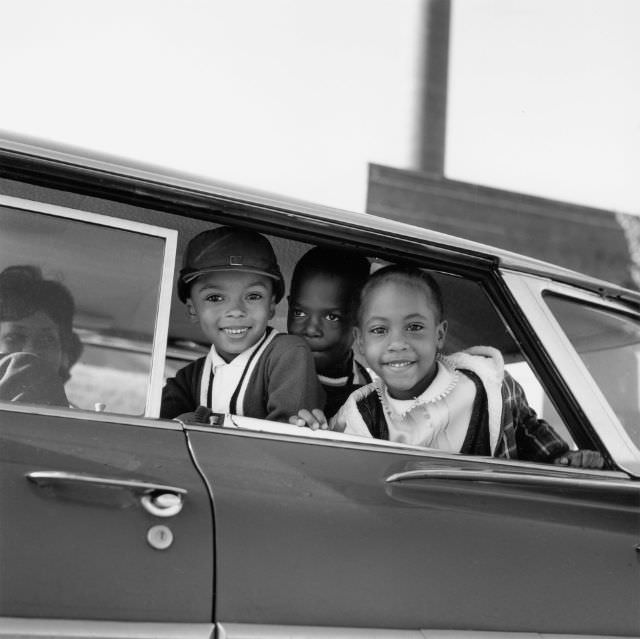
Schools were another front. In 1961, Memphis began integrating its public schools. Withers photographed children on that first day — their faces carrying the weight of what the moment meant, even if they were too young to fully understand it.
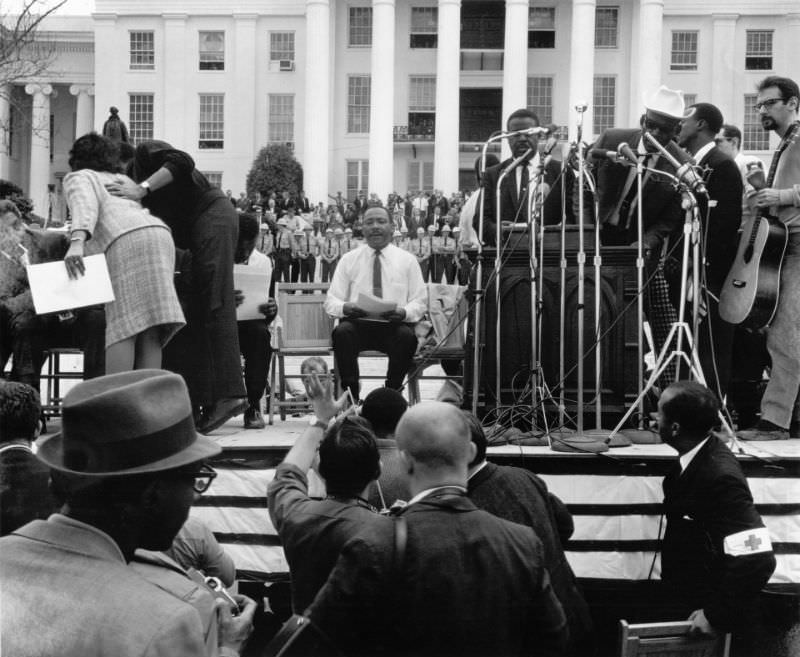
Withers had direct access to the leadership of the Civil Rights Movement. He photographed Martin Luther King Jr. at the Alabama Capitol after King led the 54-mile march from Selma to Montgomery in 1965. That march, which crossed the Edmund Pettus Bridge under threat of state violence, became one of the defining events of the movement.
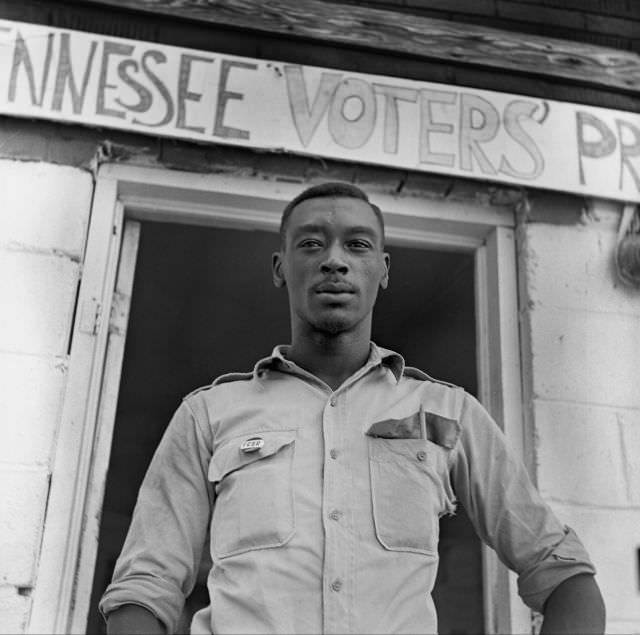
Voter registration drives in 1964 and 1965 brought student volunteers into Black communities across the South. Withers photographed those efforts in Tennessee, where local organizers and outside volunteers worked together to get Black citizens registered in the face of systematic barriers.
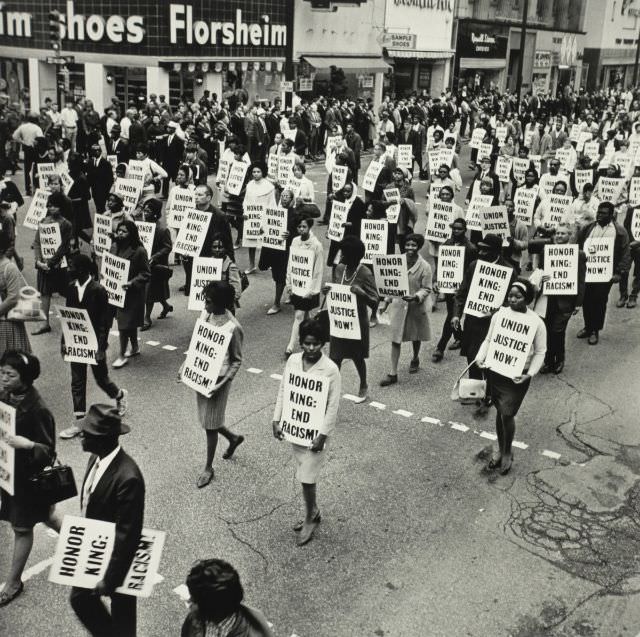
When King was assassinated in Memphis on April 4, 1968, the city erupted in grief. A memorial march moved down Main Street days later. Withers photographed it. He had photographed King alive, and now he photographed the thousands who walked in his memory through the same streets where the sanitation workers had marched just weeks before.
Throughout all of it — the marches, the music, the assemblies, the strikes — Withers kept working. He photographed nighttime demonstrations, high school gatherings, and cultural events like the Cottonmaker’s Jubilee on Beale Street. His studio sat at the center of Black Memphis life, and he used that position to document all of it with precision and consistency.