In the 1870s and 1880s, rigid social rules controlled how men and women could meet. Formal calling cards were the accepted tool for proper introductions — stiff, serious, and strictly by the book. But a livelier alternative existed for men who wanted to skip the ceremony and simply express interest in a woman they’d just spotted.
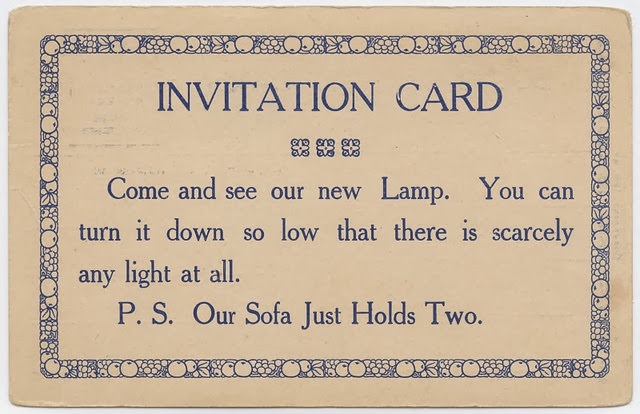
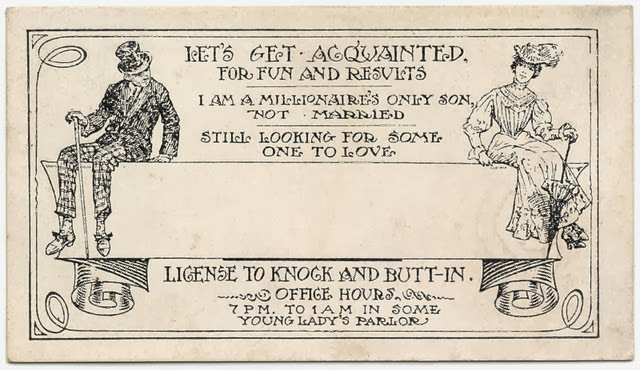
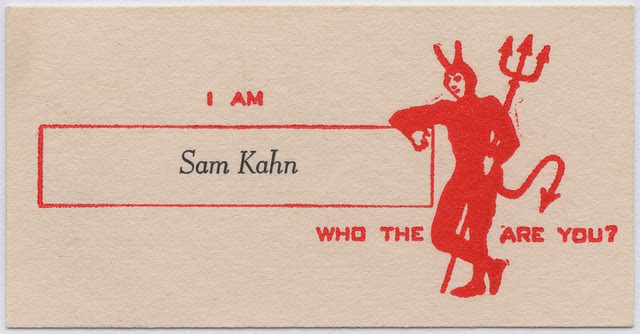
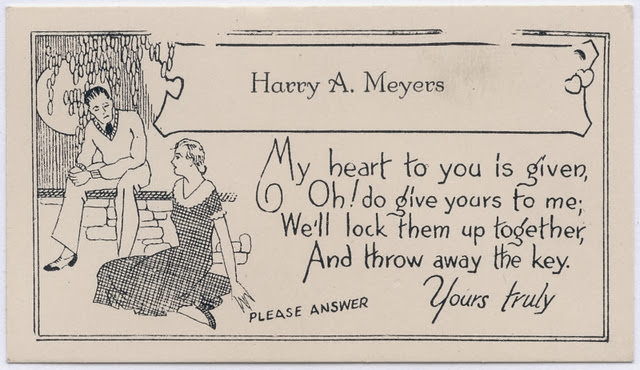
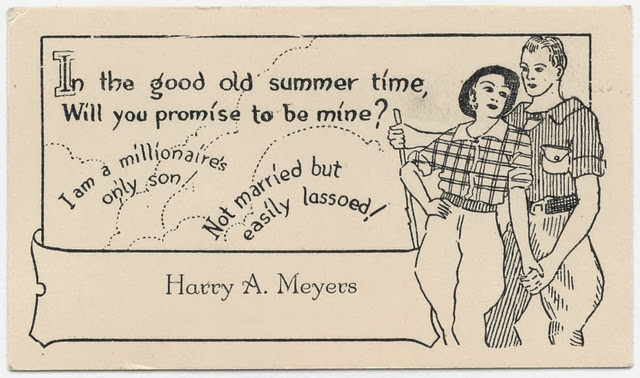
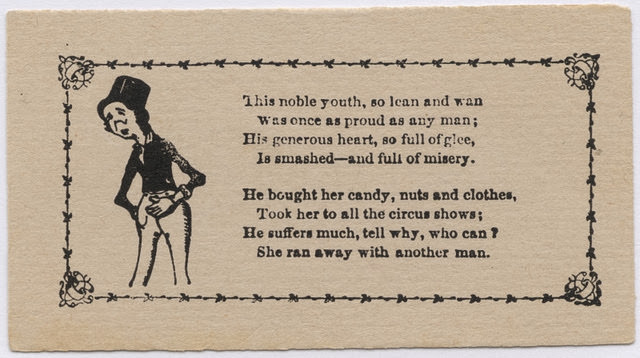
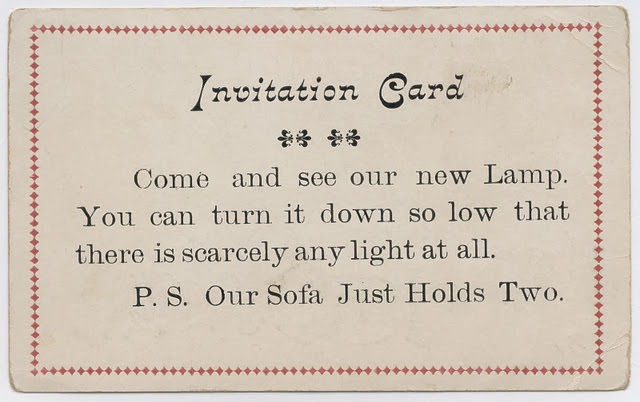
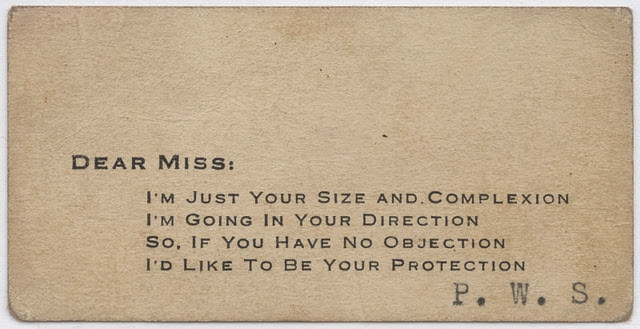
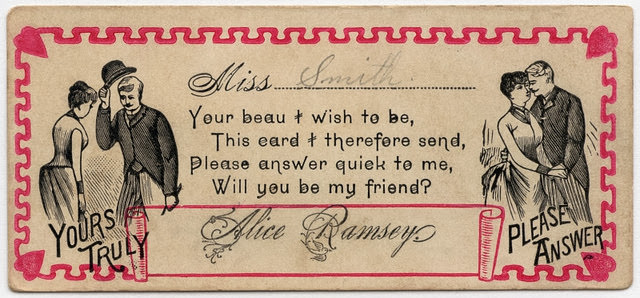
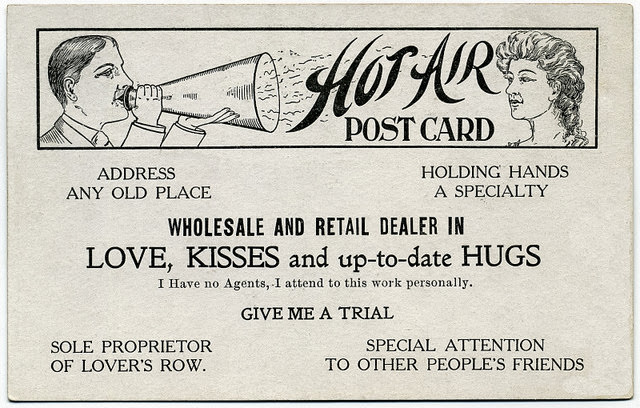
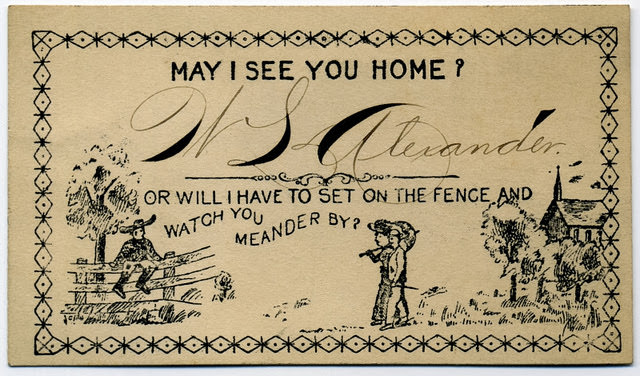
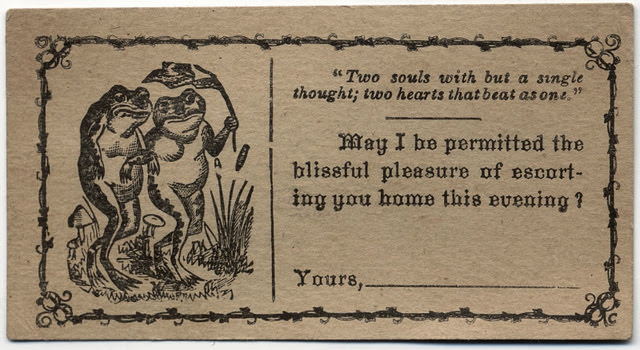
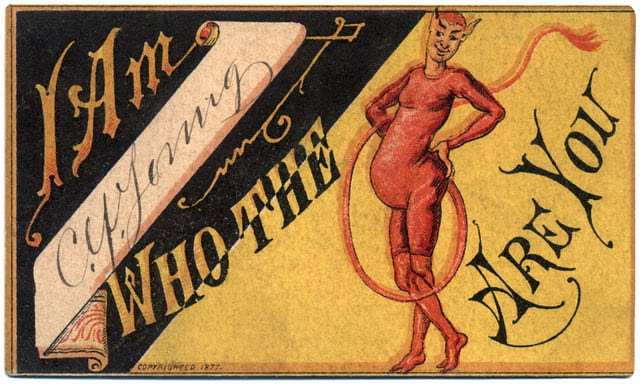
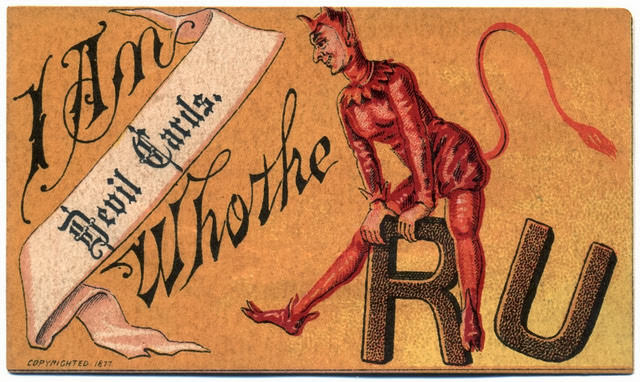
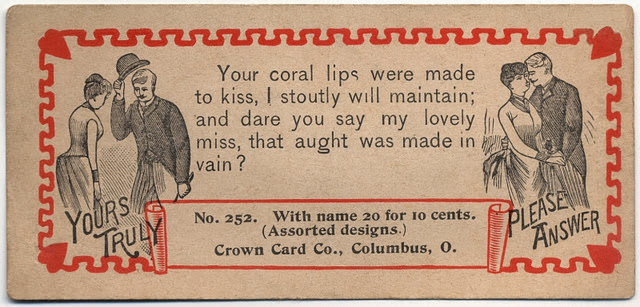
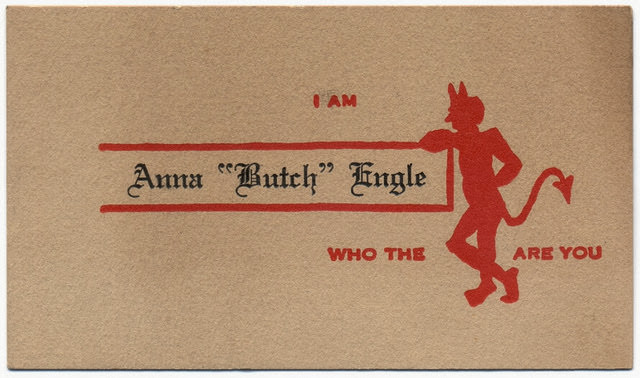
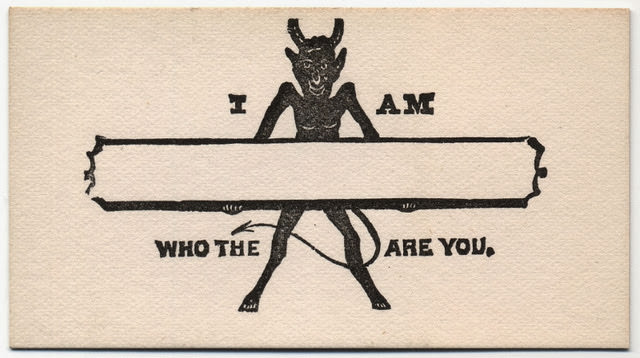
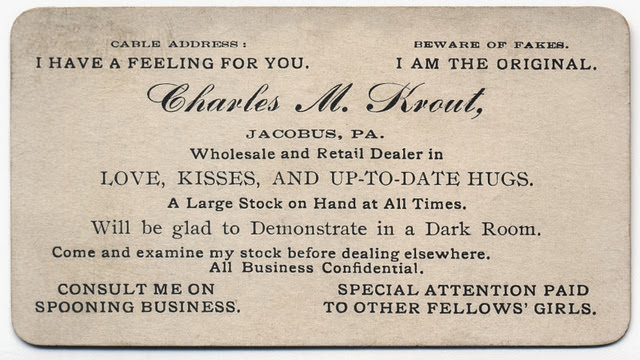
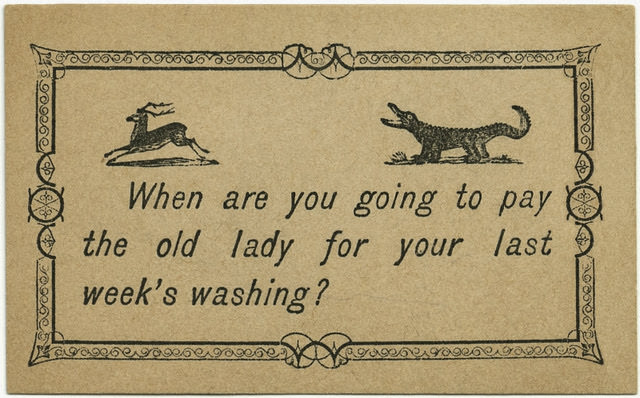
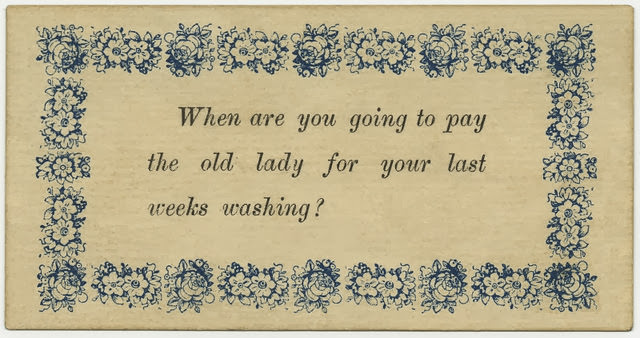
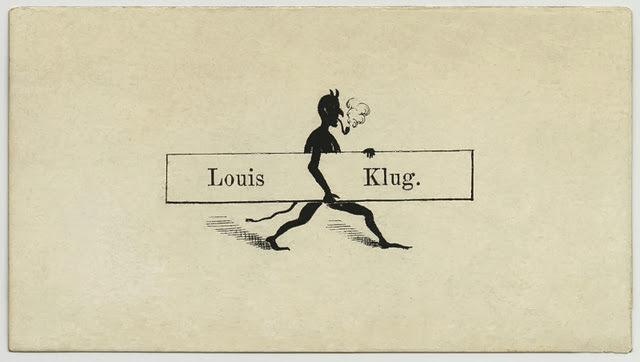
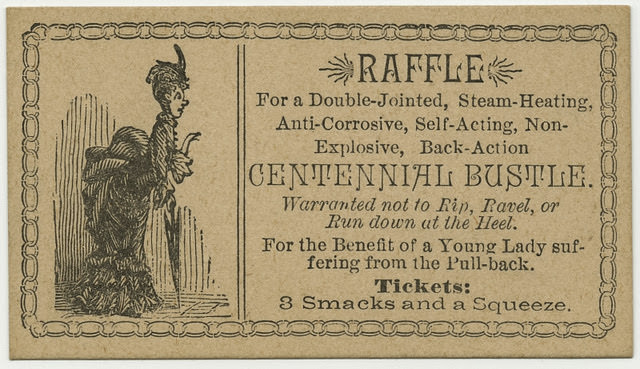
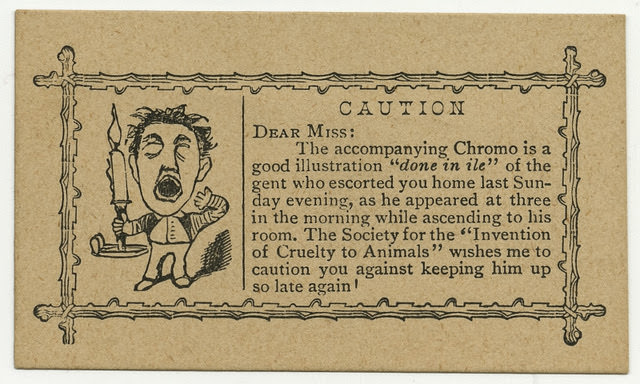
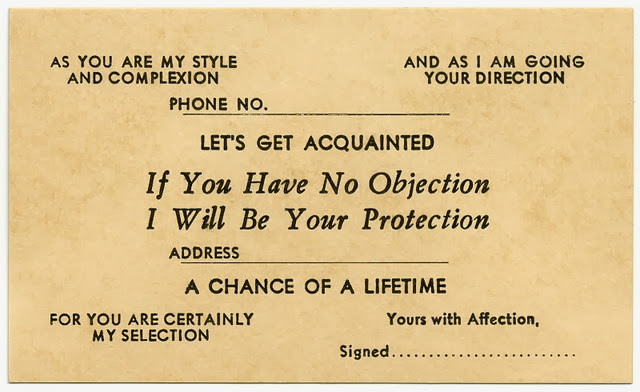
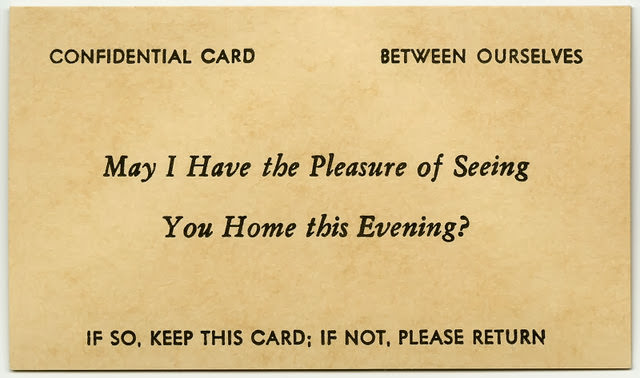
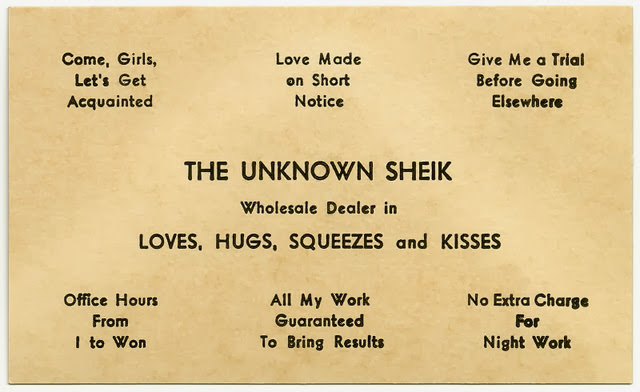
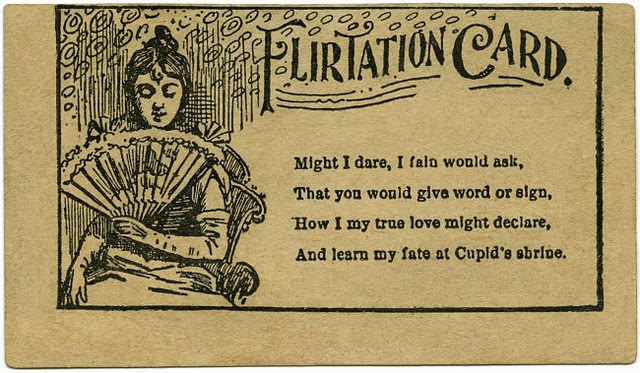
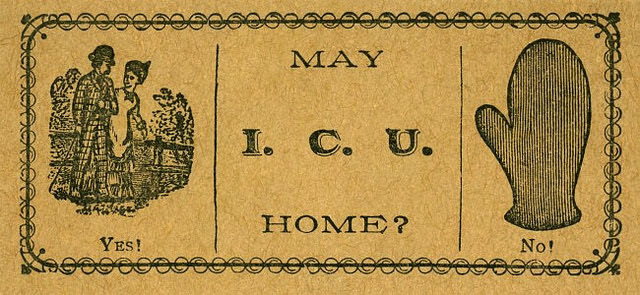
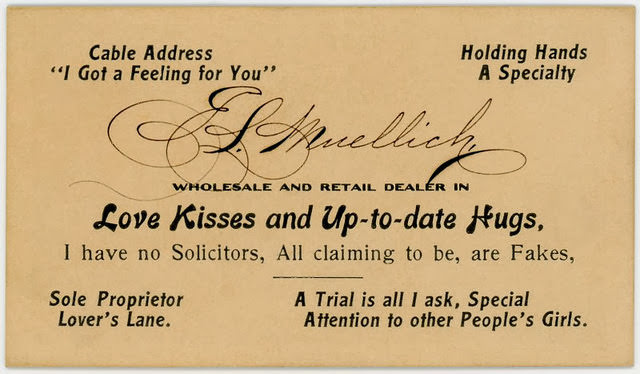
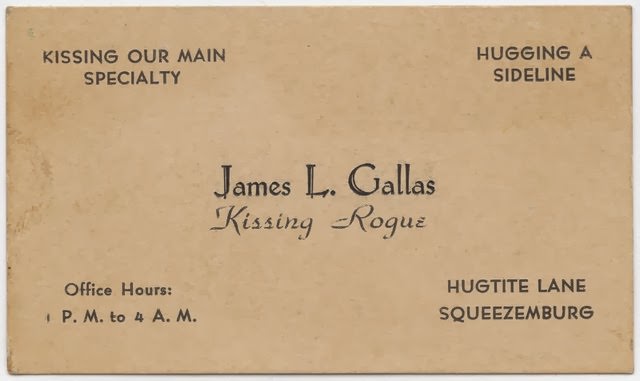
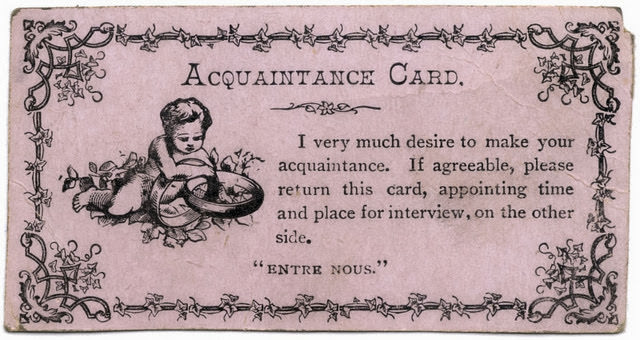
Acquaintance cards were small printed cards, usually carrying a humorous message and a simple illustration. A man would hand one directly to a woman who caught his eye. The messages were deliberately bold. Cards read things like “I am dying to know you” or “May I see you home?” — blunt lines that cut straight through the era’s tangled courting rituals.
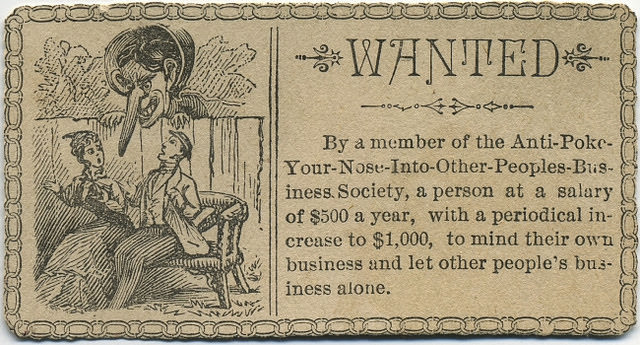
Some cards leaned into playful tricks. One popular example read, “May I have the pleasure of returning this card in person?” — a joke, since the woman already held it. Others stated, “If you are engaged, please have the kindness to return this card,” putting the recipient in the position of either accepting the advance or making a small, deliberate gesture of refusal.
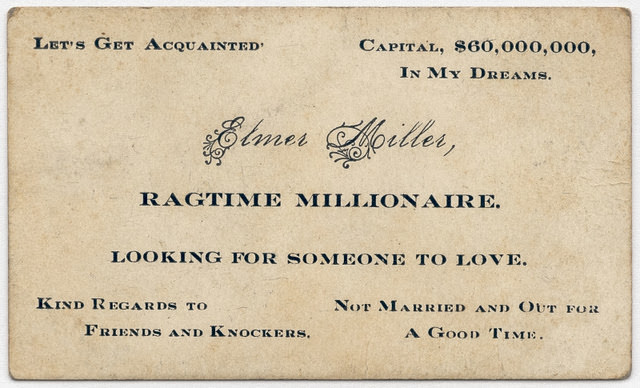
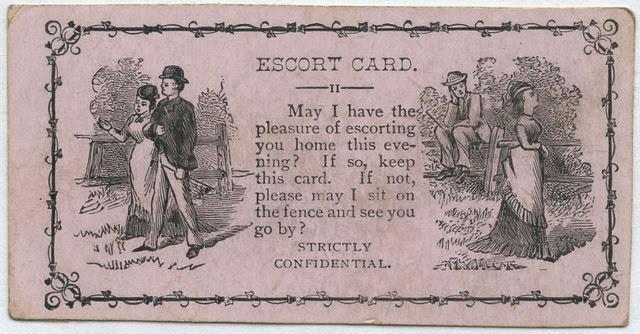
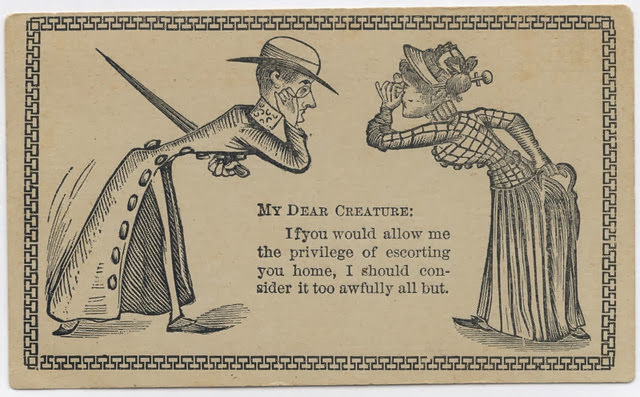
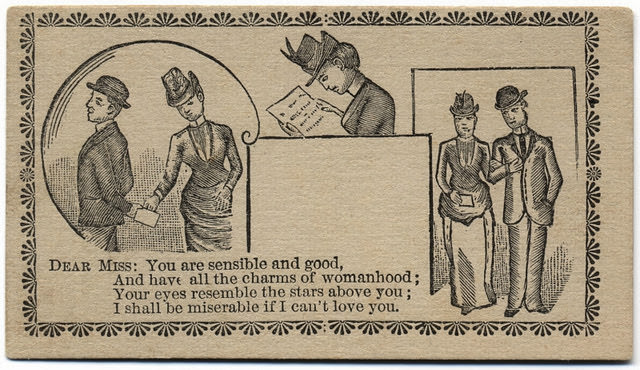
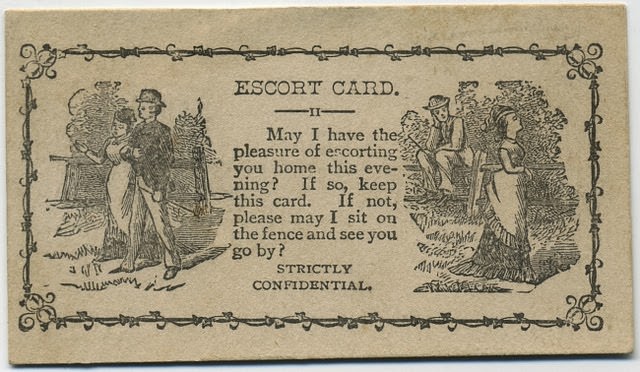
A large category of these cards offered escort services. At a time when women traveling alone was considered improper, a card stating “May I have the pleasure of escorting you to the Opera?” or “Permit me to be your escort” served a practical social purpose. These escort cards often featured line drawings of a man offering his arm to a woman.
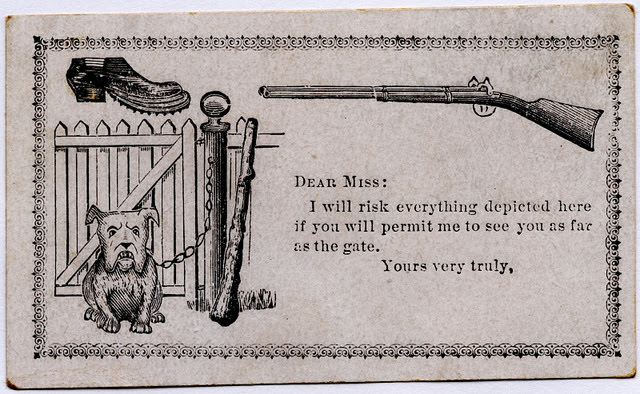
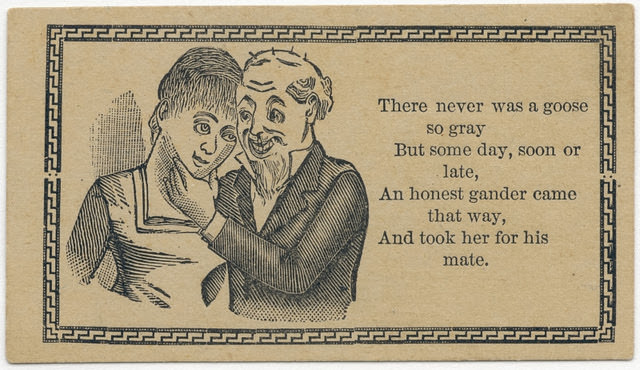
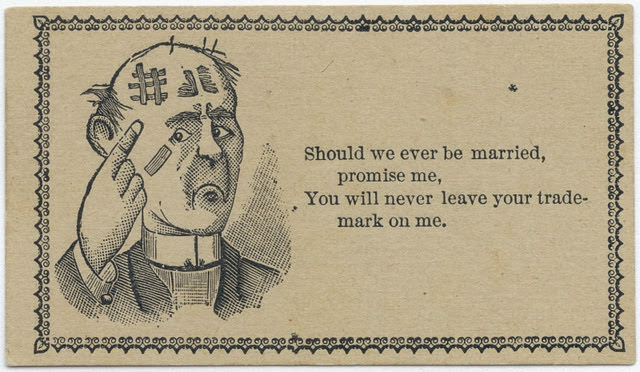
The humor worked because it was self-aware. Both parties understood the cards were novelty items — not formal declarations. The directness was the joke, and the joke made the approach far less awkward than navigating layers of formal introduction.