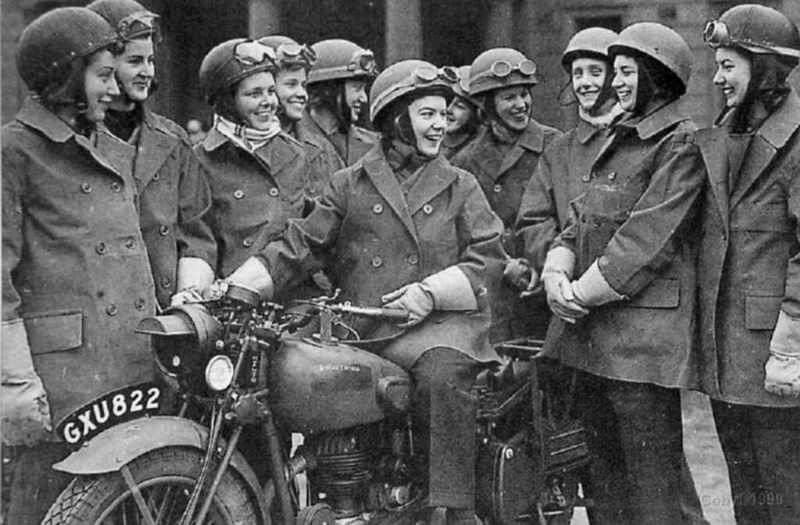
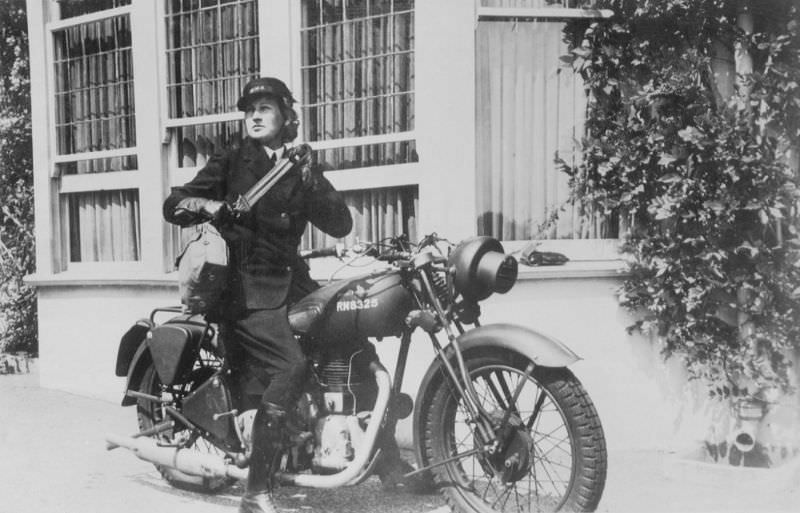
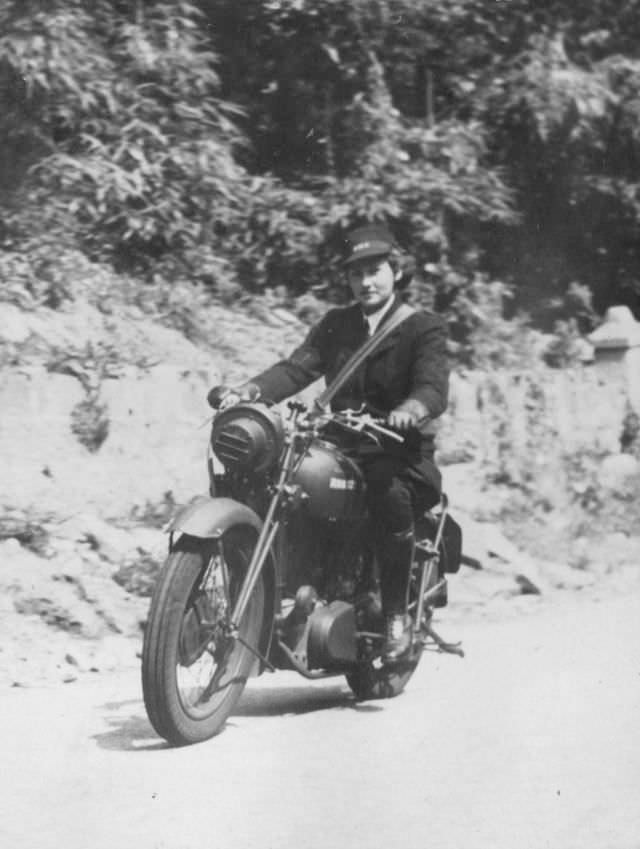
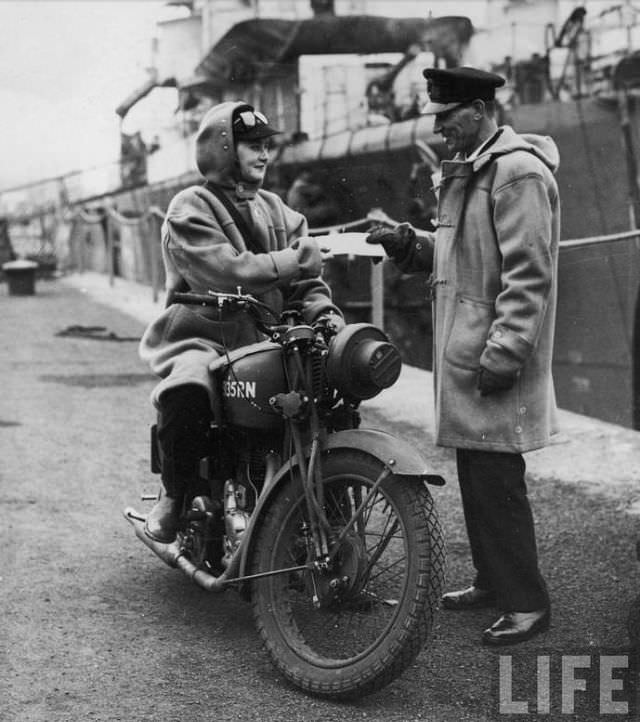
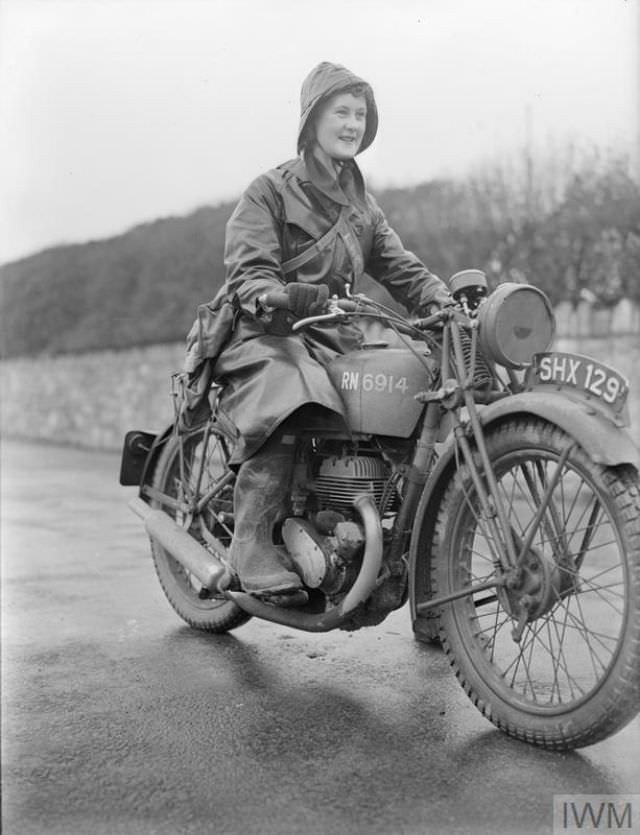
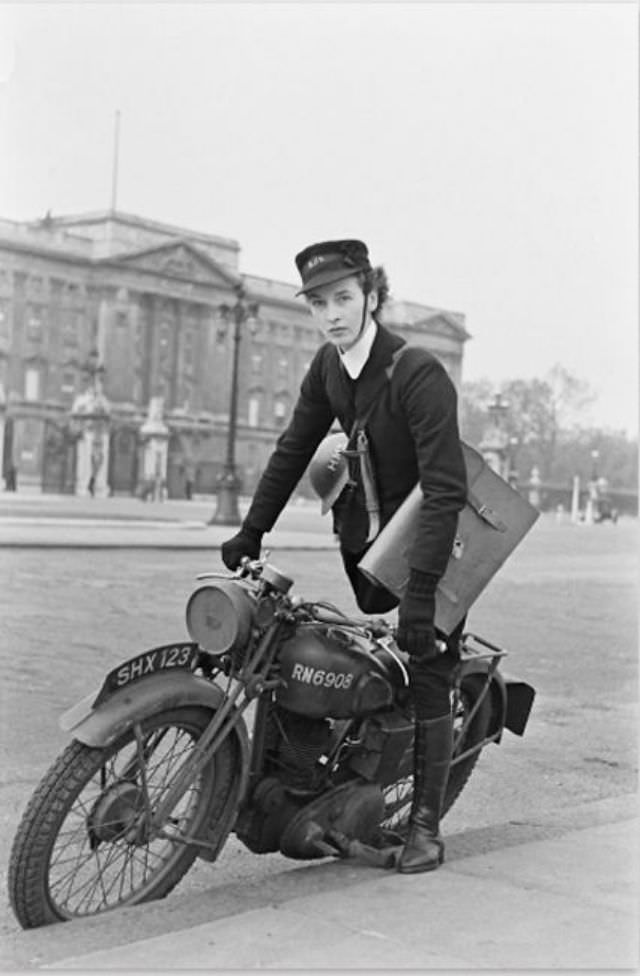
When telephone lines were bombed or considered too easy to intercept, Britain needed another way to move secret information fast. That job fell to motorcycle dispatch riders — and within the Women’s Royal Naval Service (WRNS), a select group of women answered the call. These women, known as Wrens, carried urgent messages, maps, and military orders between naval headquarters and command centers across the country.
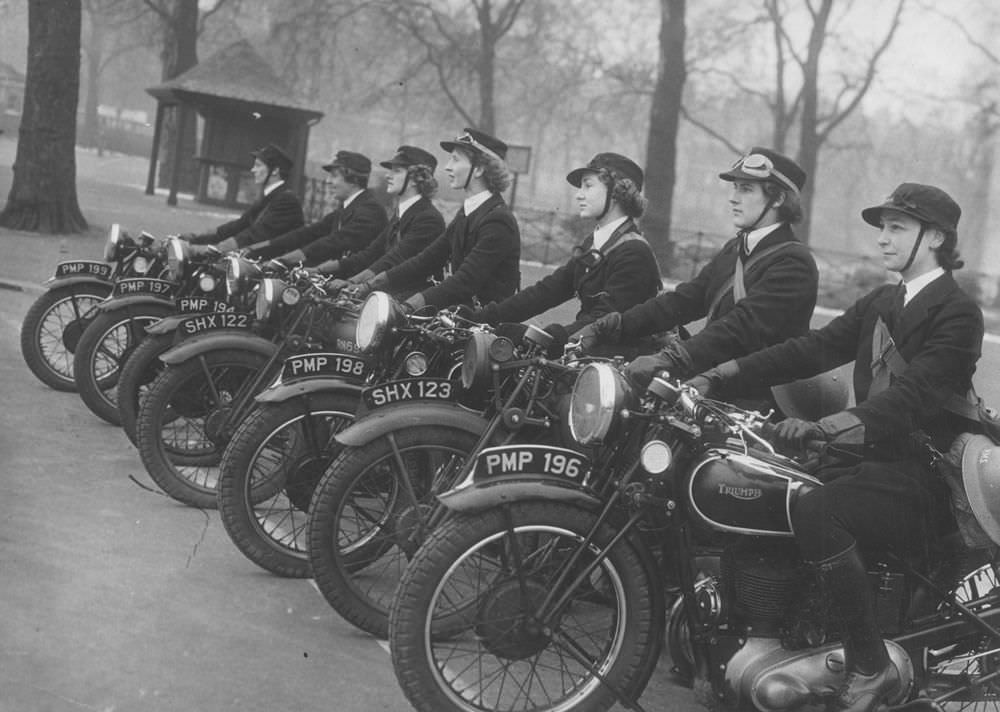
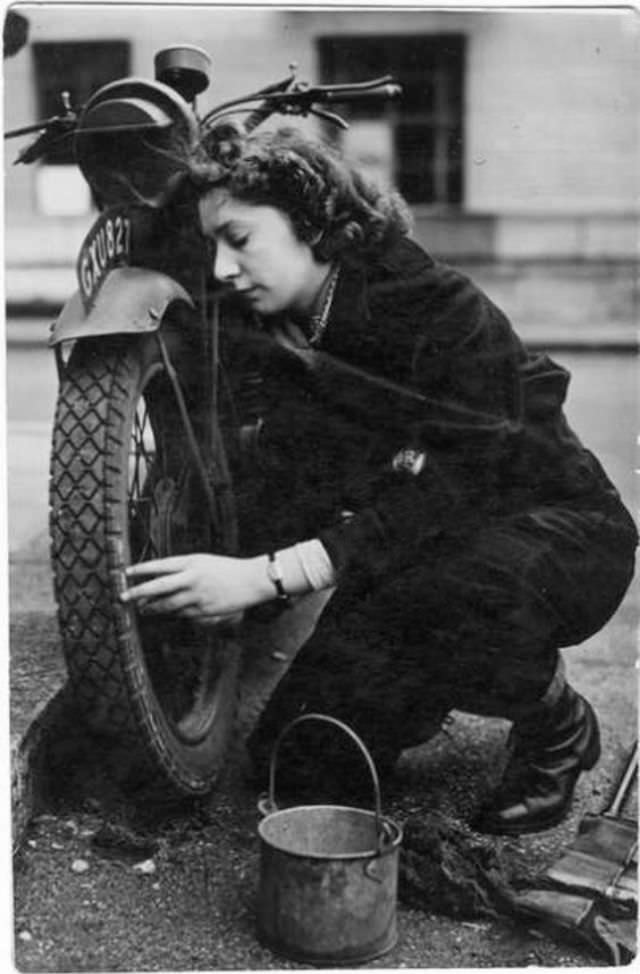
Many recruits came straight from competitive motorcycle racing. They already had the riding skills and mechanical knowledge the job demanded. Each rider was responsible for maintaining her own machine — typically a Matchless G3/L or a Norton 16H. Fixing a spark plug, repairing a drive chain, or changing a tire on the roadside were not optional skills. They were survival requirements.
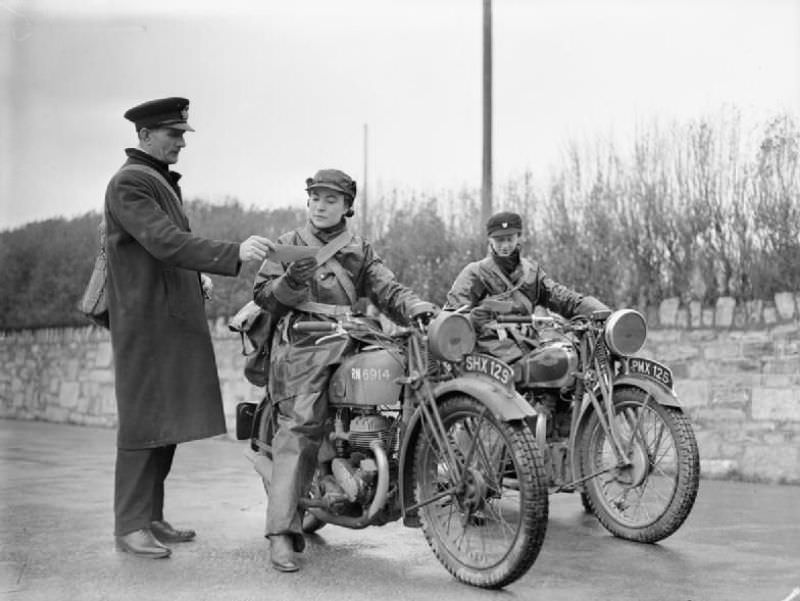
Riding through wartime Britain was dangerous at every turn. During the Blitz, London’s streets were filled with rubble, bomb craters, and sudden road closures. Wrens rode day and night, often during blackout conditions using only small, shielded headlights pointed downward.
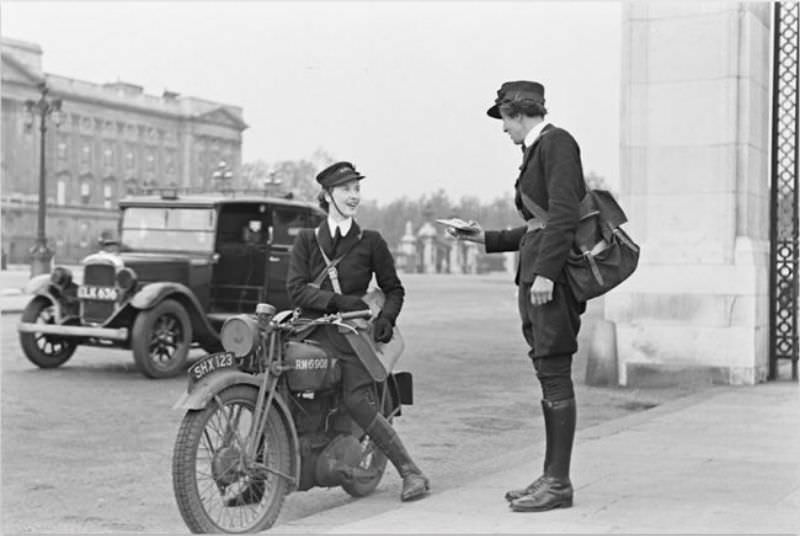
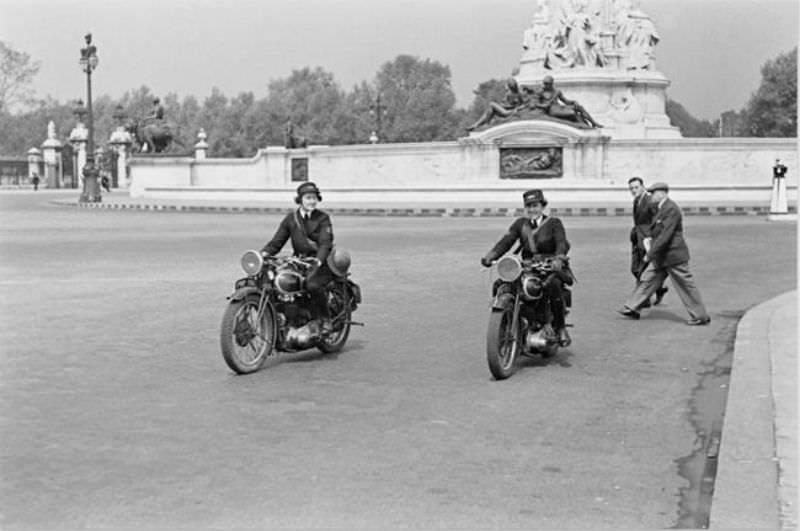
When Germany invaded the Low Countries in May 1940, London-based Wrens worked continuous eight-hour shifts to handle the surge in dispatches. During the Battle of Britain, they relayed critical raid warnings between airfields and command posts.
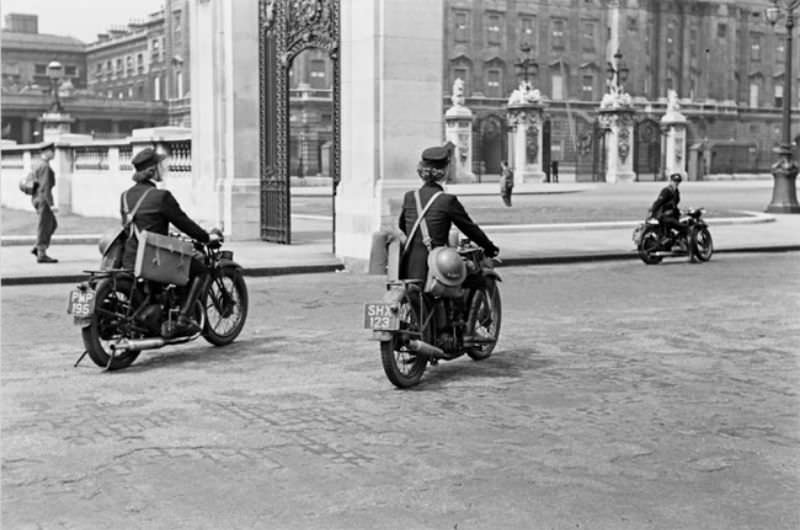
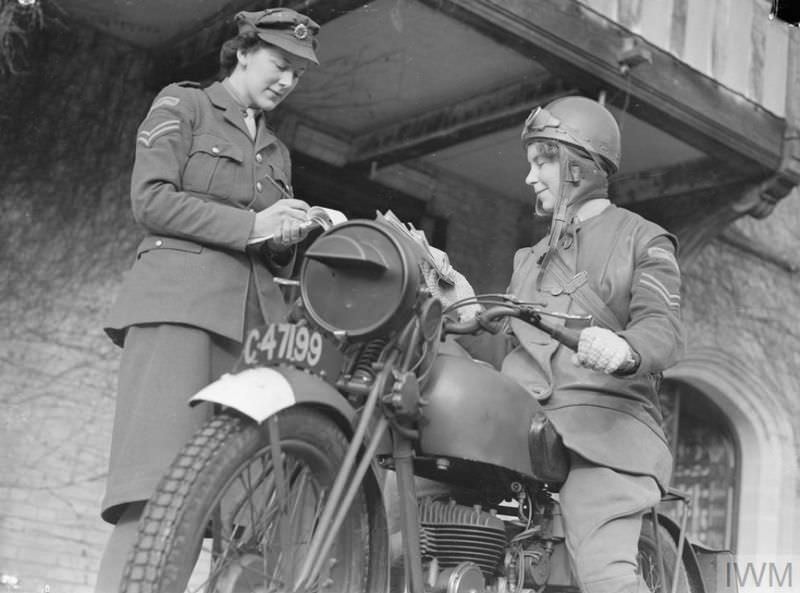
The threat of being caught in an active air raid was constant. Shrapnel-covered streets and general urban chaos were part of every shift. A delayed message carried real military consequences, and the riders knew it.
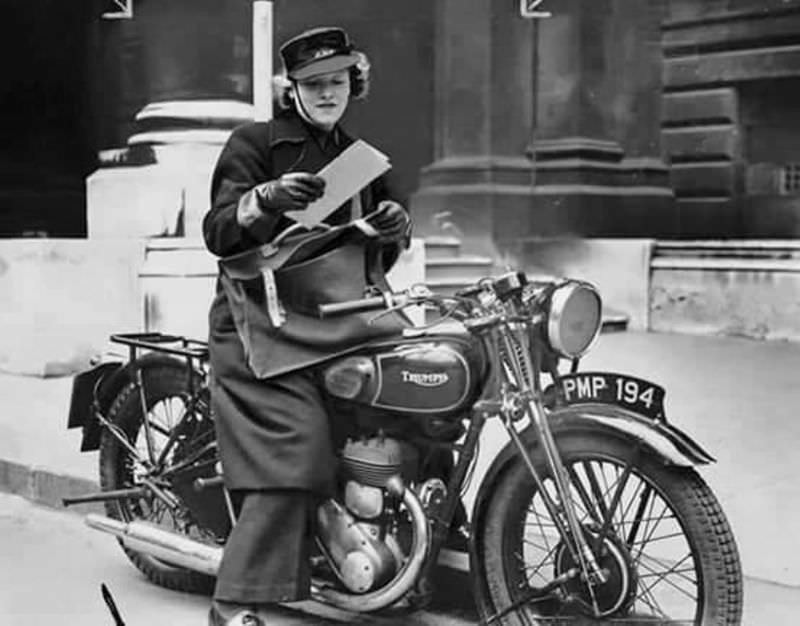
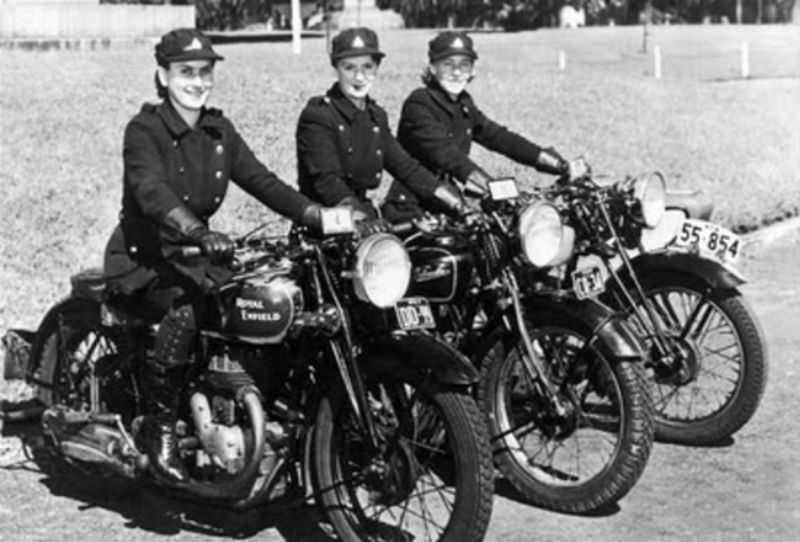
Their skill and nerve earned them genuine respect from male military colleagues and the wider public alike. Over the course of the war, more than 100 women in the WRNS died while serving — including those who rode through the most dangerous conditions Britain had to offer.