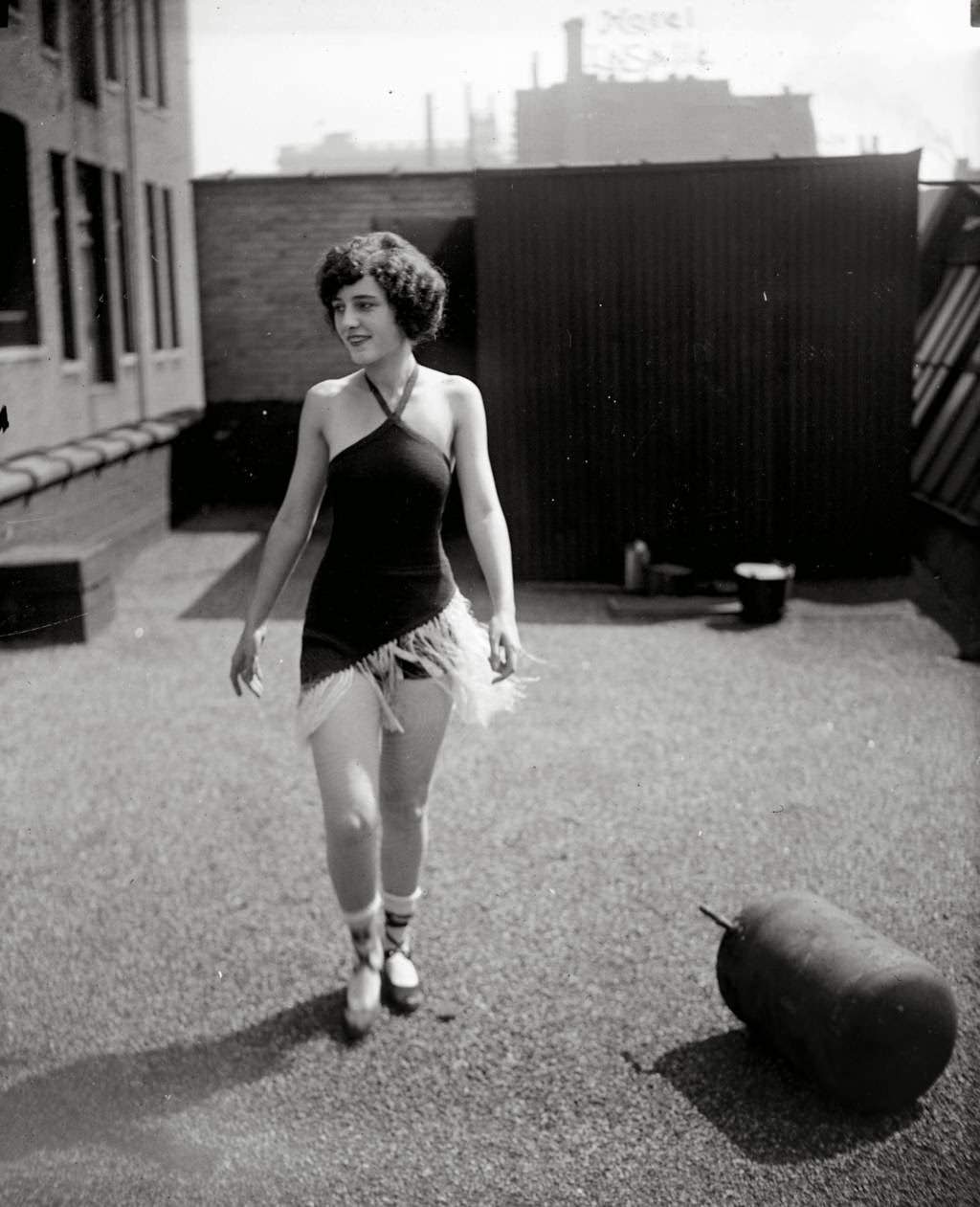
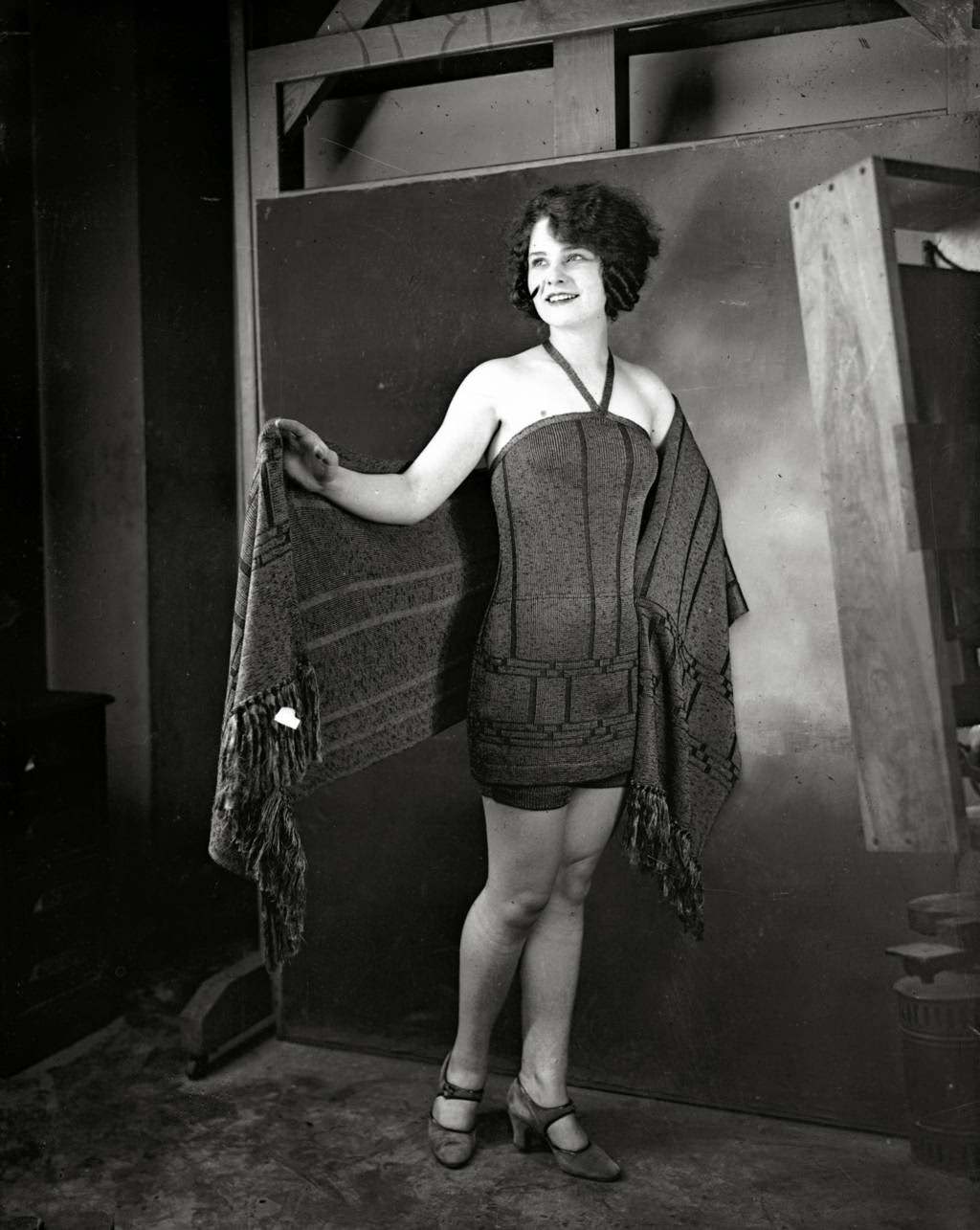
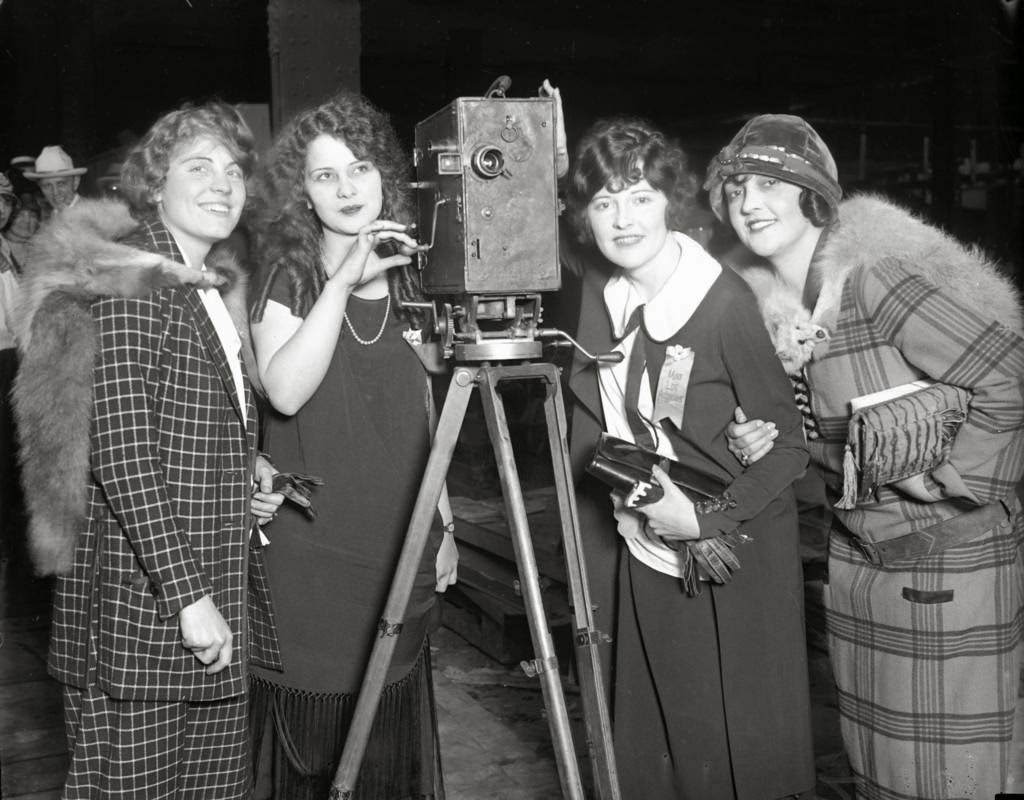
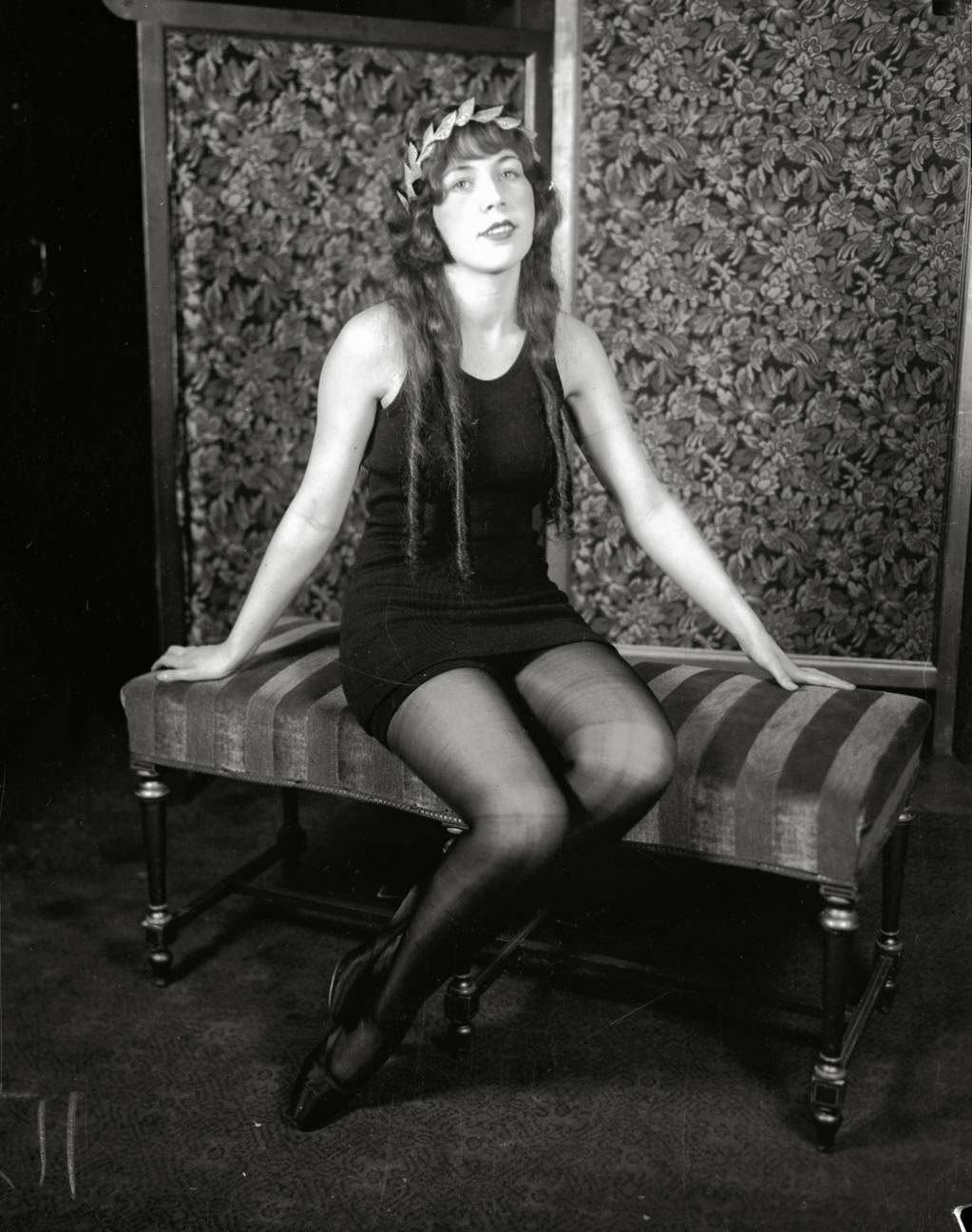
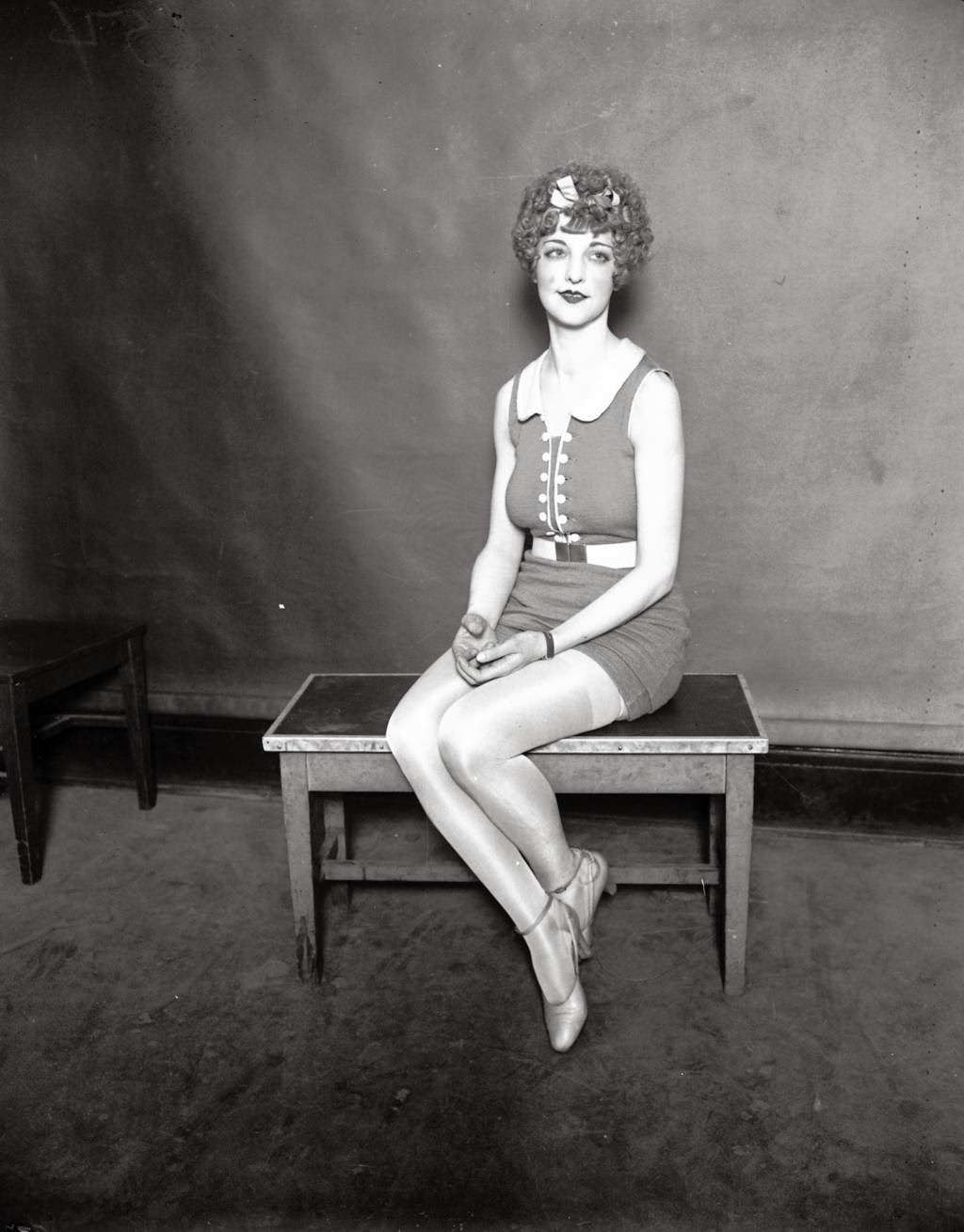
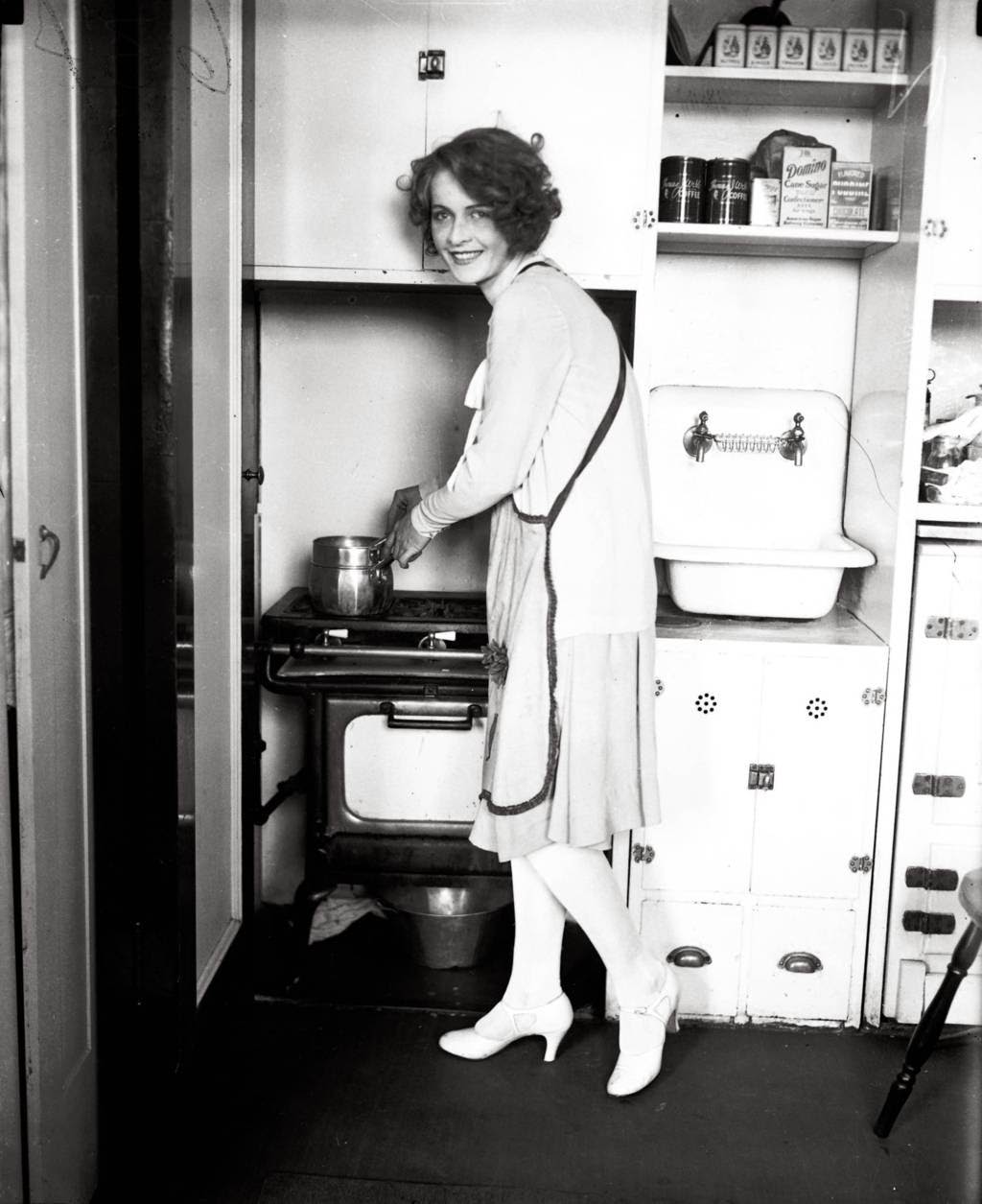
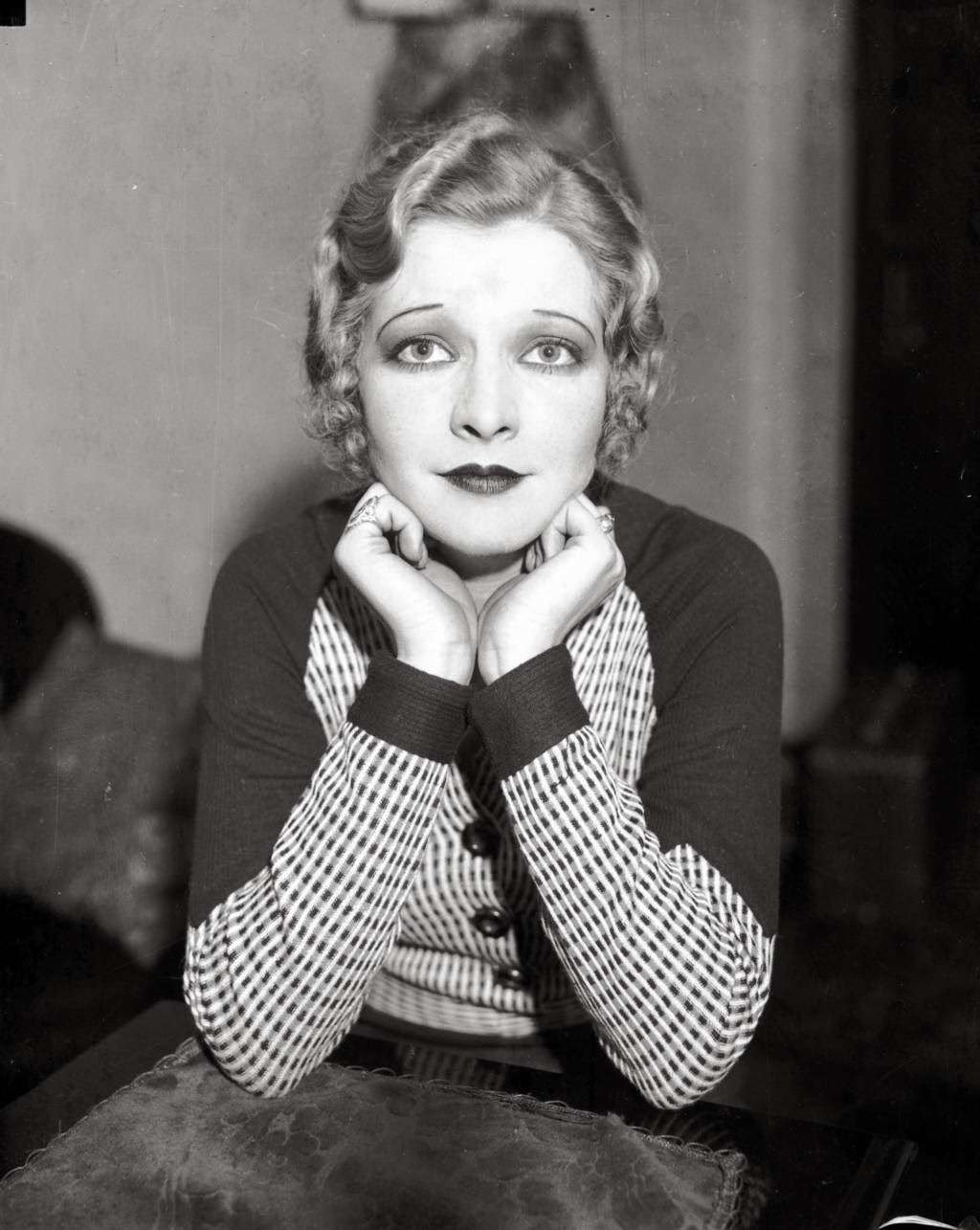
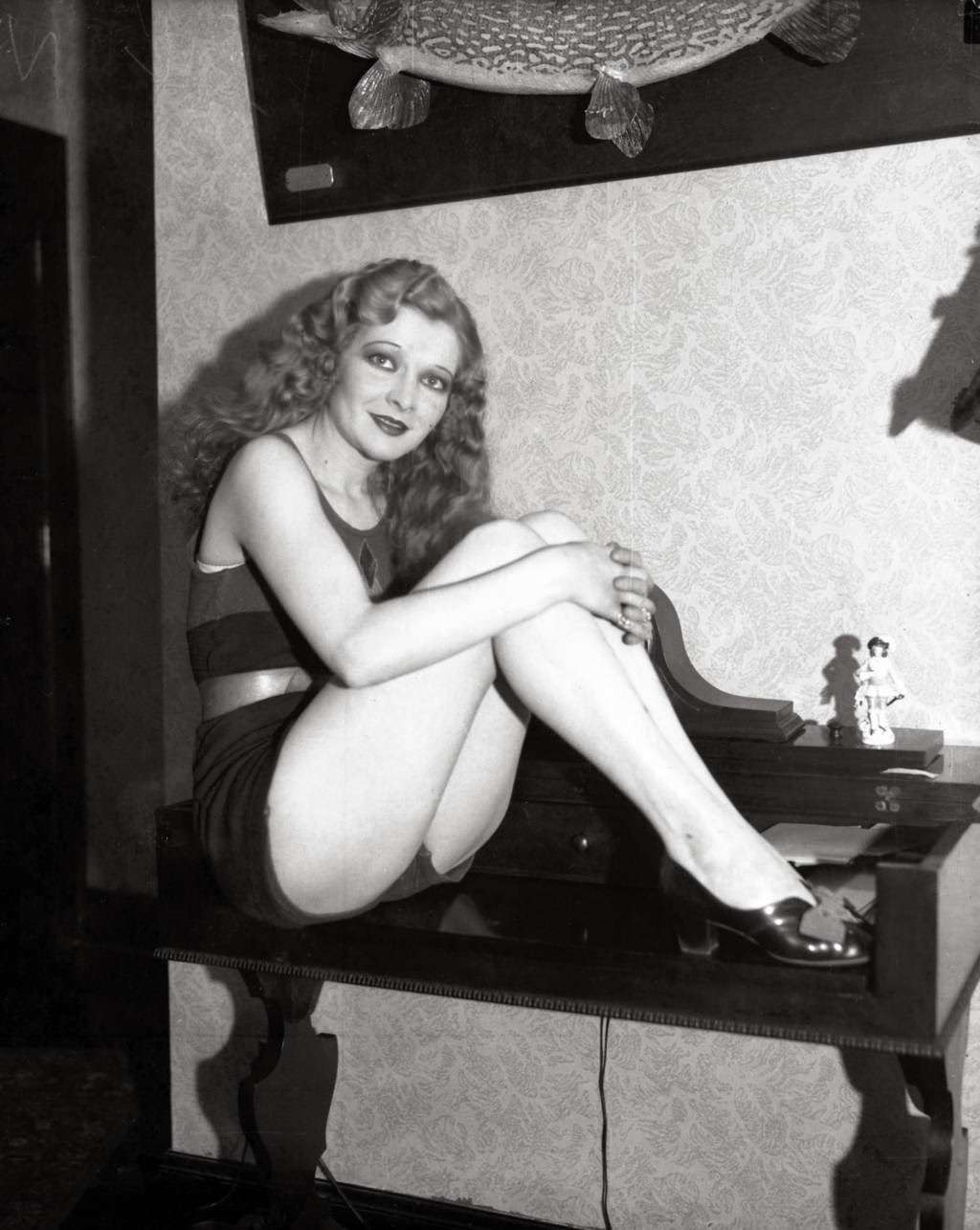
The 1920s reshaped what American women looked like — and nowhere was that shift more visible than Chicago. The flapper became the defining image of the decade: short bobbed hair, drop-waist dresses with hemlines at the knee, and bold makeup that would have been scandalous just ten years earlier. Eyebrows were plucked thin and penciled into a downward arch. Eyes were lined with dark kohl. Lips were painted deep red in a sharp cupid’s bow shape, all set against powdered, pale skin. It was a deliberate, theatrical look built for a modern city.
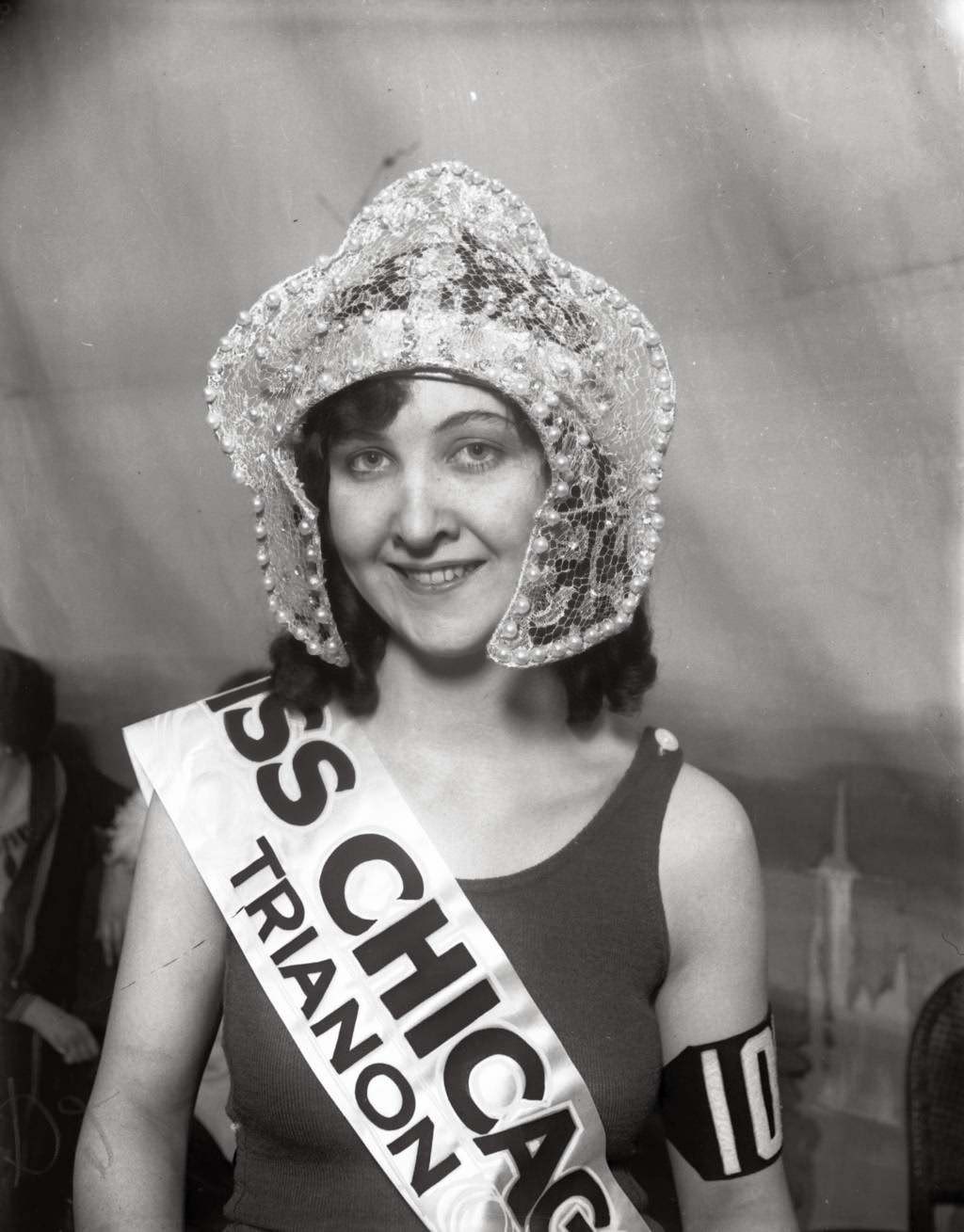
Chicago launched its own Miss Chicago pageant in 1922, just one year after the first Miss America contest in Atlantic City. The first winner made an immediate mark beyond the contest stage.
Miss Chicago Georgia Theodora Hale, from Englewood, won the first Miss Chicago contest in 1922 and became a silent movie star, with a notable role in Charlie Chaplin’s “The Gold Rush” and as Myrtle Wilson in the first film adaptation of “The Great Gatsby” in 1926.
Georgia Theodora Hale’s path from Miss Chicago to Hollywood set a template that later contestants would follow. The pageant grew quickly, drawing women from across the city and sending its winners to compete nationally. By 1924, Miss Chicago was placing at Atlantic City.
Miss Chicago Margaret Leigh came in fourth place at the Atlantic City Miss America beauty contest in 1924.Miss Milwaukee Clare Koehler, Miss Chicago Margaret Leigh, Miss Los Angeles Lillian Knight, and Miss Sioux City Alta Sterling at the Atlantic City Miss America beauty pageant, 1924.
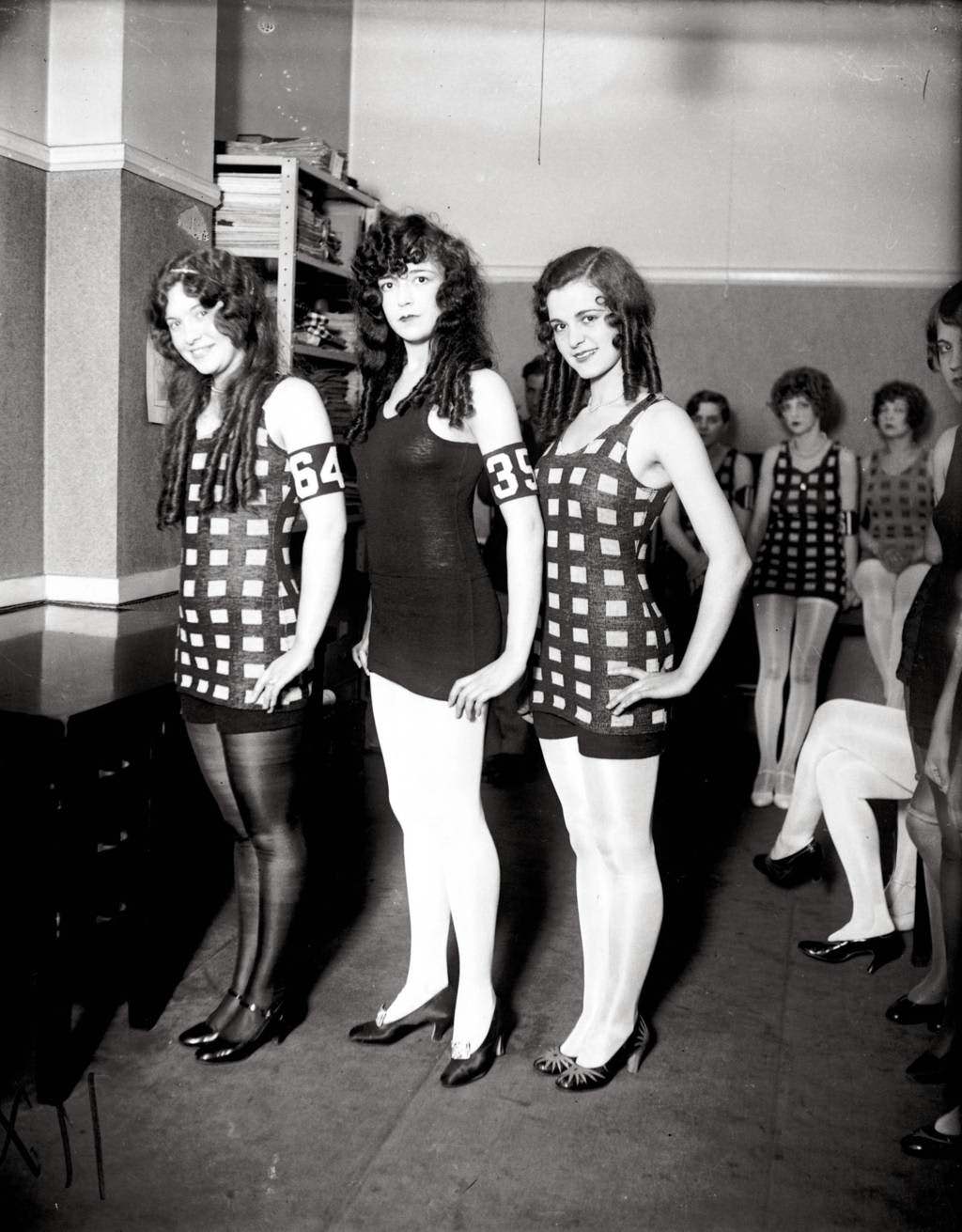
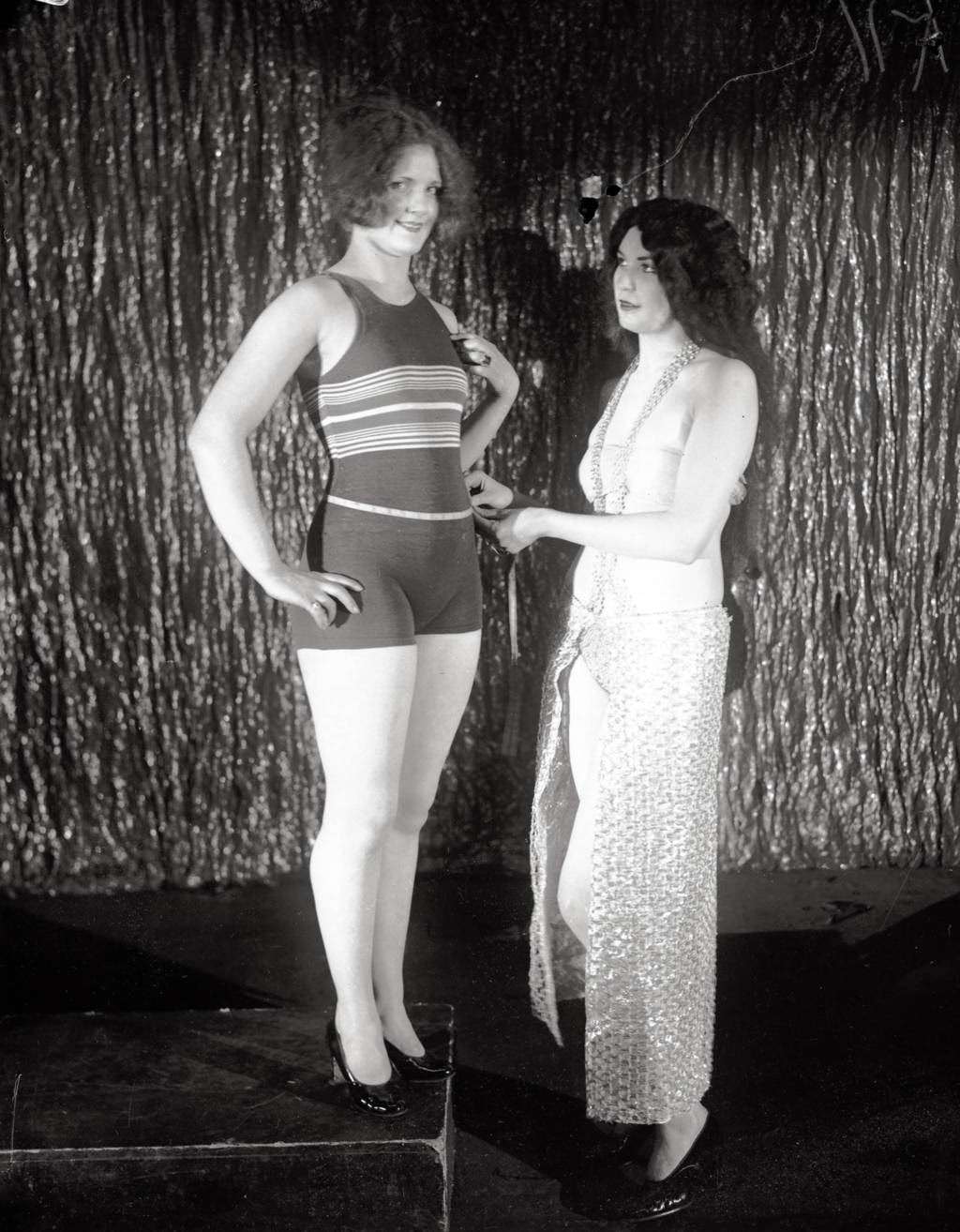
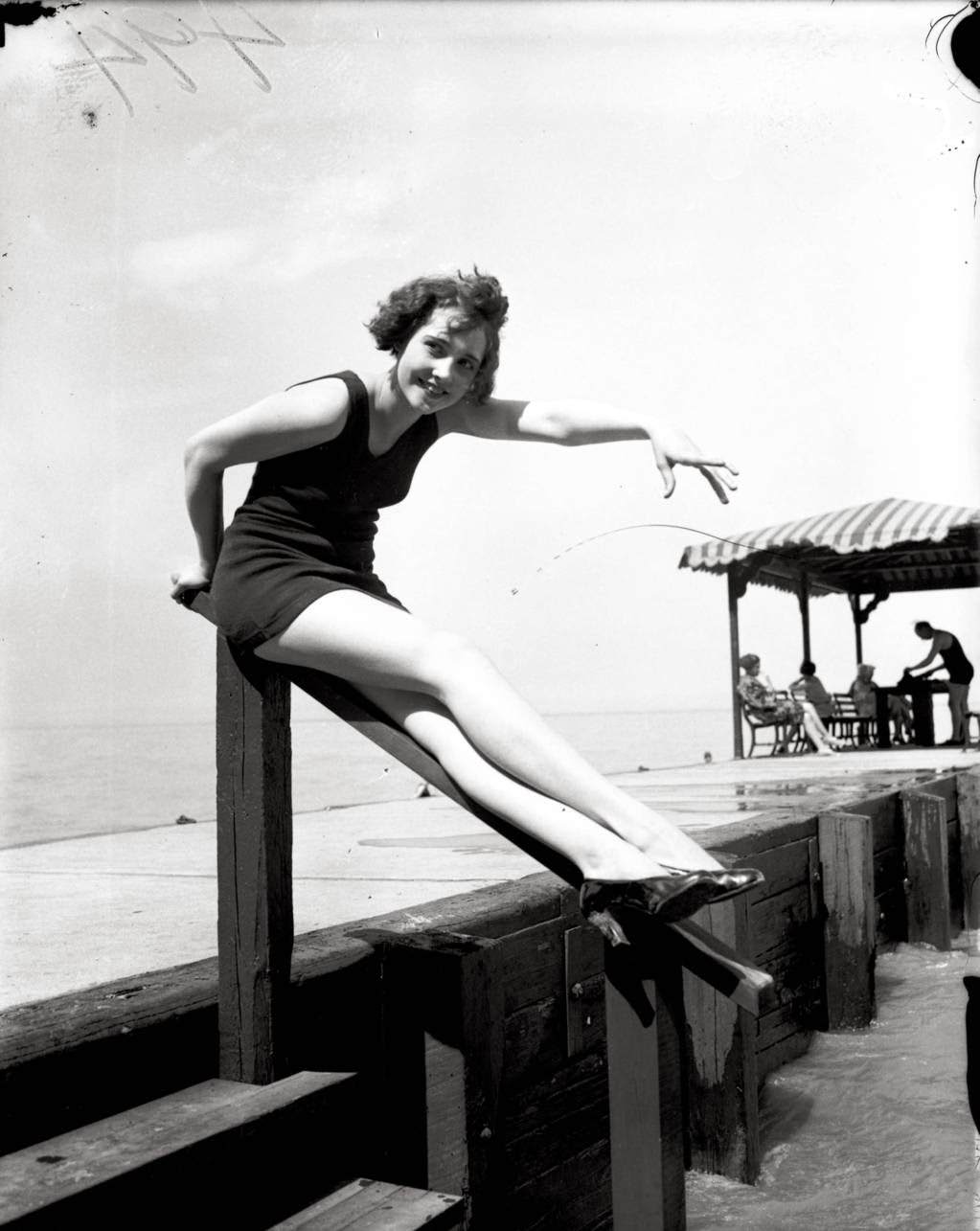
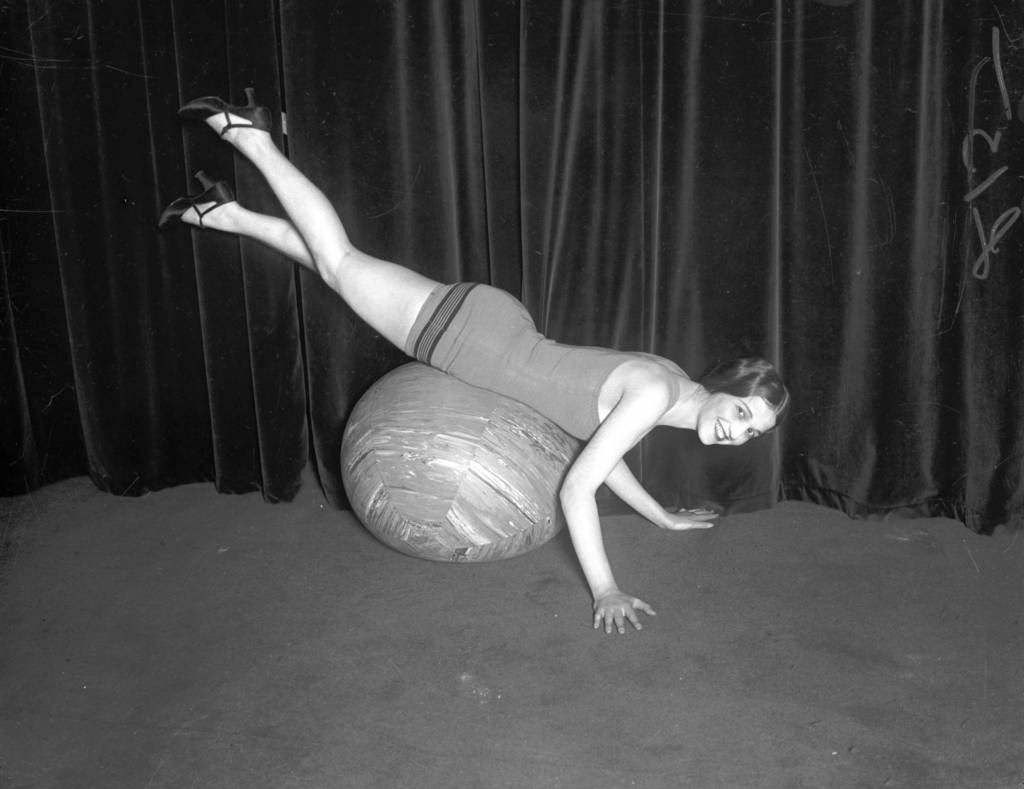
The swimsuits worn in these contests were themselves a statement. Wool jersey one-piece suits replaced the heavy, full-coverage bathing costumes of earlier decades. Arms and legs were exposed in ways that felt radical for the time. In 1925, Chicago sent Margarita Gonzales to Atlantic City, though she was eliminated in the first round.
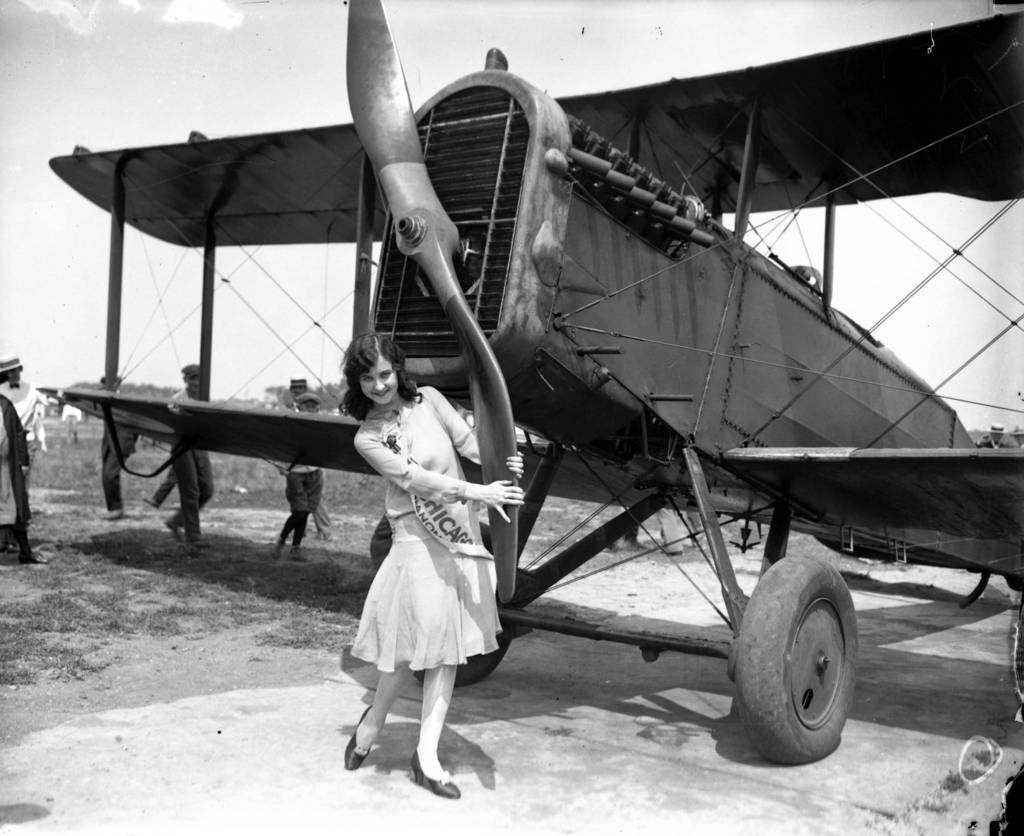
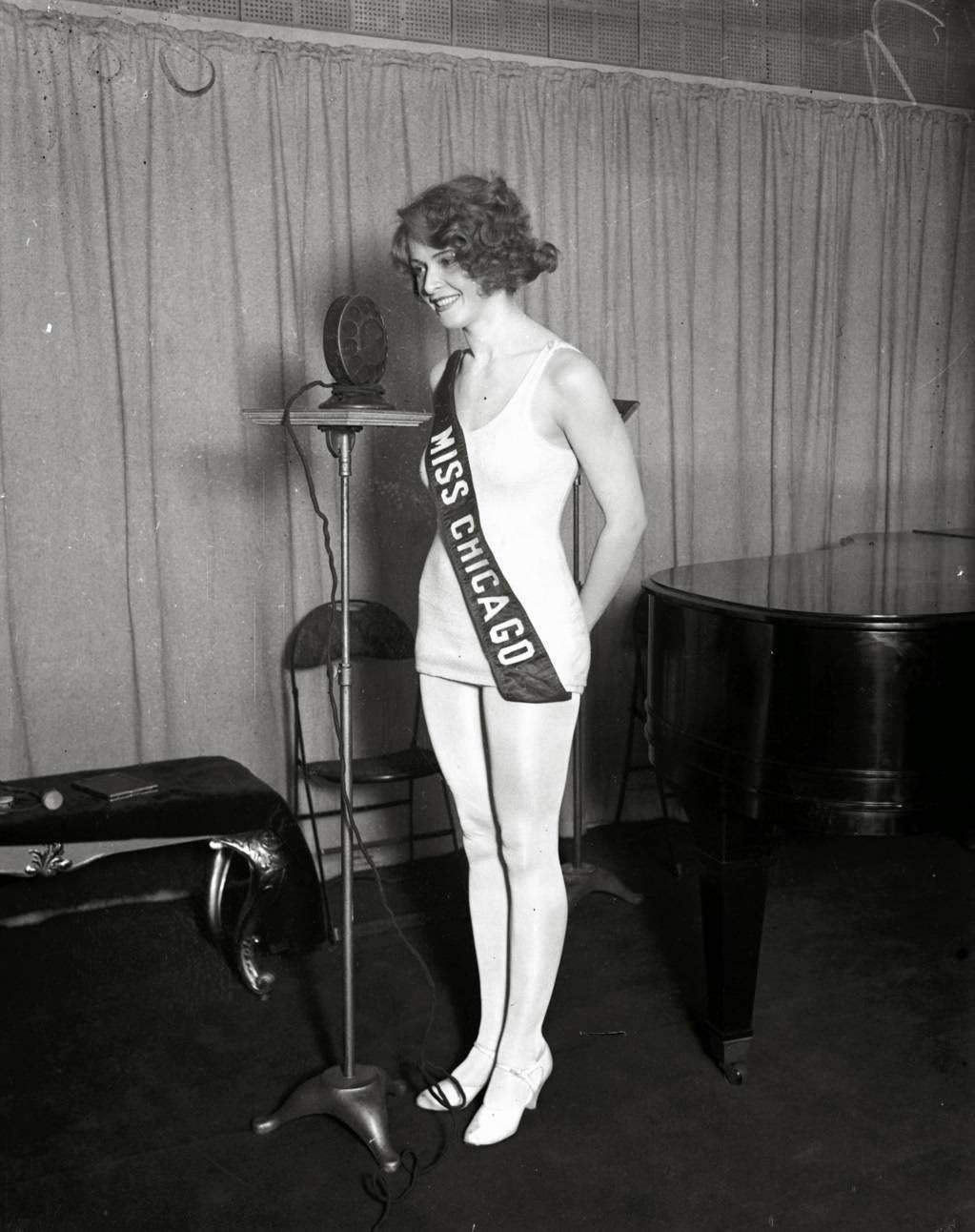
Miss Chicago of 1925, Margarita Gonzales, was a candidate for the national title at the Atlantic City beauty contest in 1925 but was eliminated in the first round.
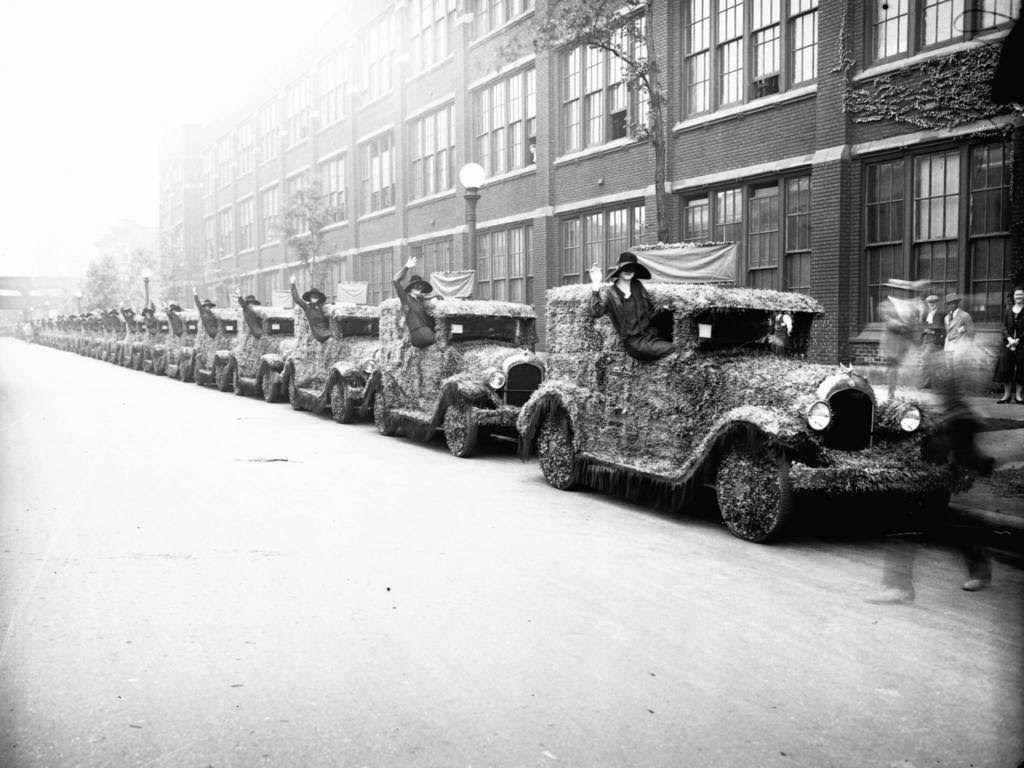
By 1926, the pageant had grown into a full civic event. Flower-covered cars, parades, and public ceremonies surrounded the competition.
Cars covered in flowers for a Chrysler Parade to honor beauty queens, 1926.
That year, Mae Greene was selected as Miss Chicago from a pool of 4,000 contestants — a number that shows how seriously Chicago took its pageant.
Mae Greene, 18, was chosen as Miss Chicago 1926 out of 4,000 rivals and went on to represent Chicago at the Atlantic City Miss America beauty pageant, 1926.Mae Greene, 18, was chosen as Miss Chicago 1926.
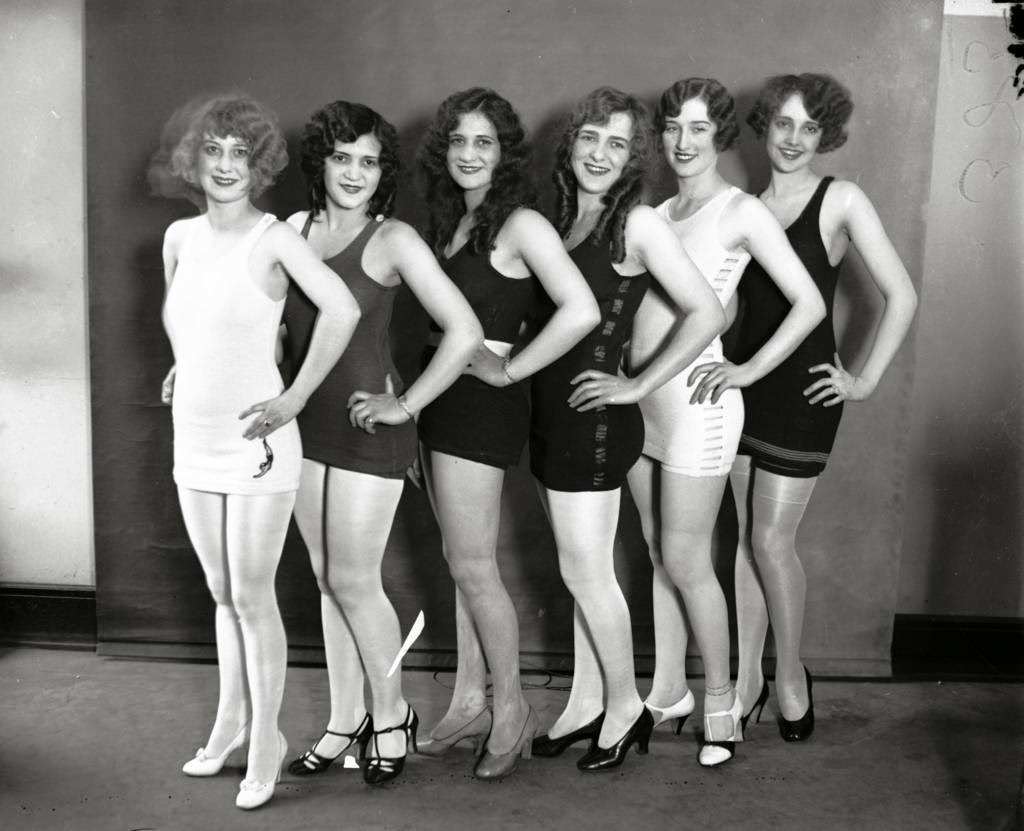
The 1926 contest drew contestants from across the city, each embodying the flapper aesthetic in their own way.
Margaret Knight and two other girls participate in the 1926 Miss Chicago contest.
Miss Chicago contestant Lucille Burgess with Betty Blythe, 1926.
Maebelle Soller at the Miss Chicago contest, 1926.
The 1927 pageant produced one of the stranger stories of the decade. Estelle Kosloff won the title but was disqualified when organizers discovered she was married. The crown passed to 17-year-old runner-up Myrtle Christine Valsted, who competed at Atlantic City and then left for Hollywood. She died one year later following surgery for appendicitis.
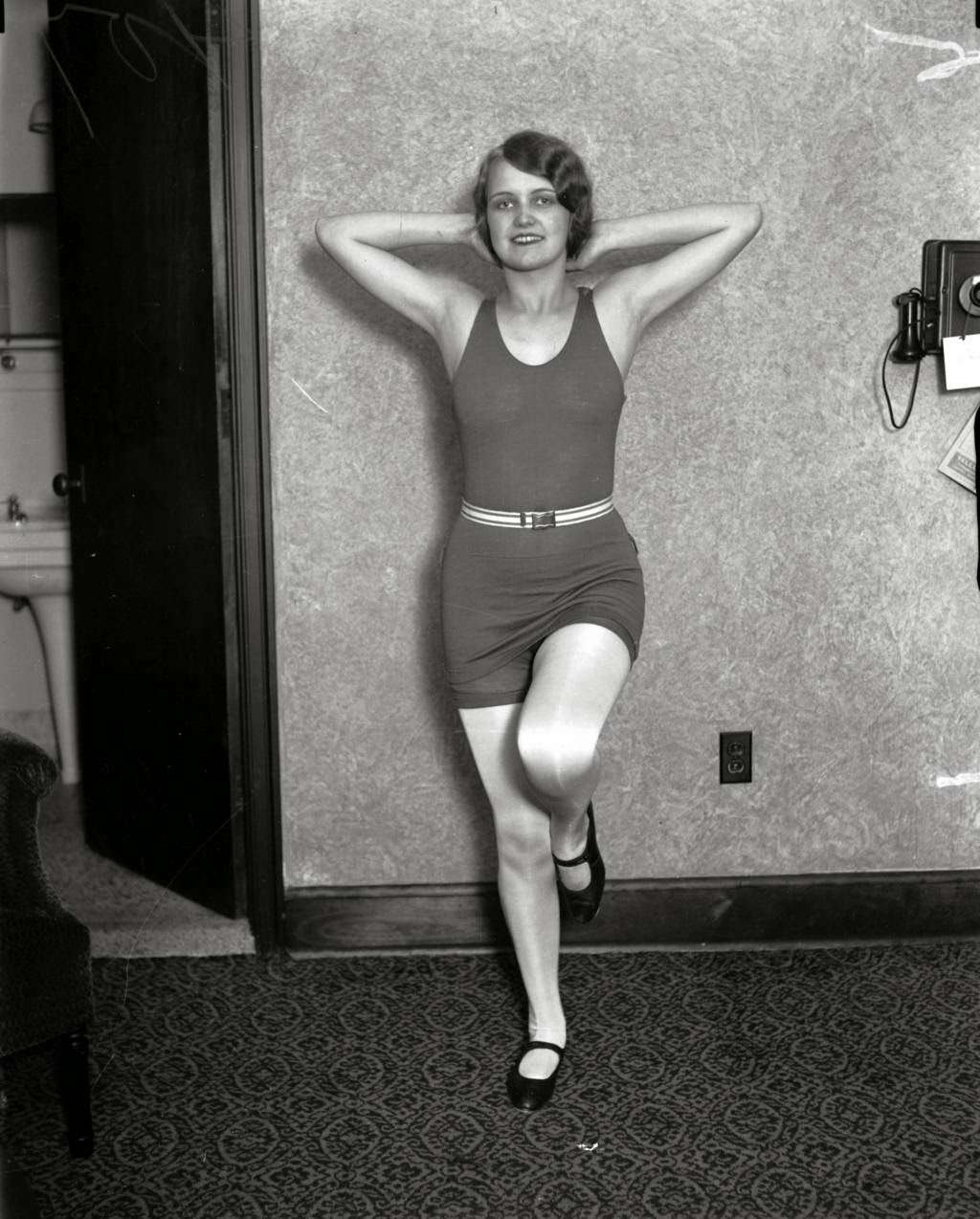
Myrtle Christine Valsted, 17, became Miss Chicago 1927 after the original winner was found to be married; Valsted competed in the Atlantic City pageant of 1927 and then moved to Hollywood to pursue an acting career, but died one year later following surgery for appendicitis.
Myrtle Christine Valsted, 17, was Miss Chicago in 1927.
Virgina Stonesifer, Betty Ann Savers, Doris Rutkin, Margaret Dorney, Novene LaRue, and Myrtle Christine Valsted in the Miss Chicago contest, 1927.
The beauty pageant world extended well beyond the competition floor. Social events, costume balls, and public appearances kept contestants and winners in the public eye throughout the year.
Mrs. Wallace Ford models a dress that she will wear to the Miss America costume for arts ball at the Stevens Hotel, 1927.
In 1927, Illinois also produced a Miss America winner. Lois Delander was just 16 years old when she took the national title.
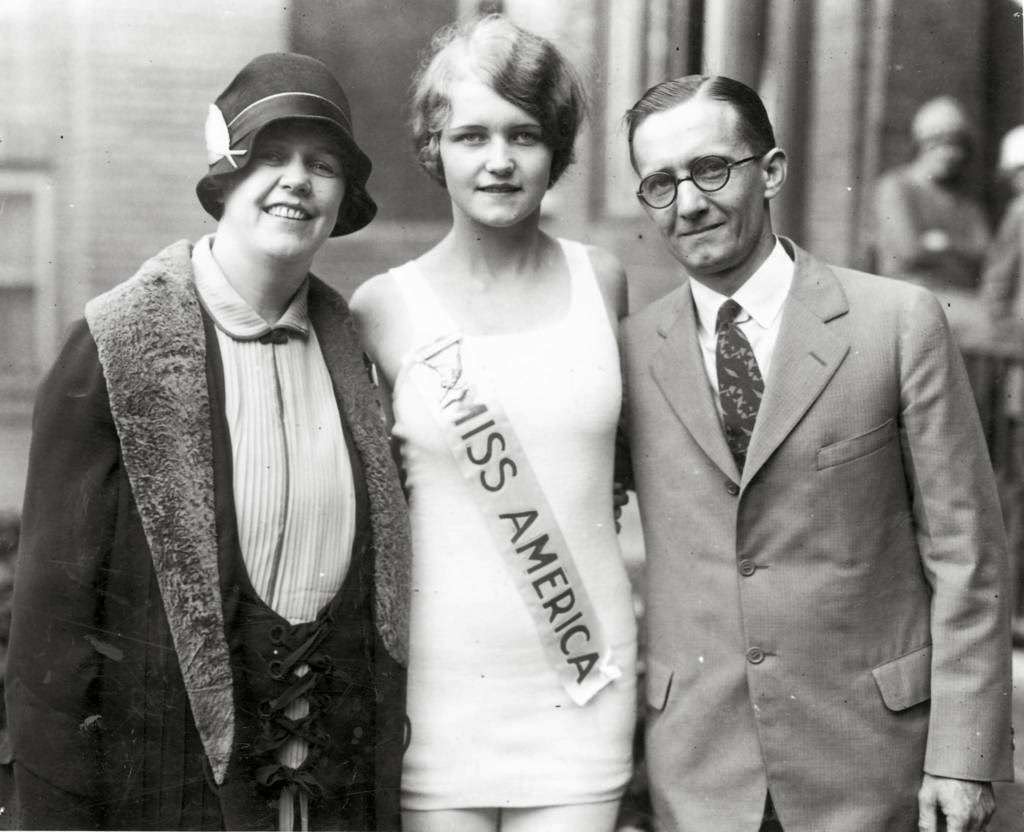
Miss America Lois Delander, 16, won the Miss Illinois contest and went on to compete in Atlantic City for the Miss America title, 1927.Miss America Lois Delander with her parents, 1927.Estelle Kosloff, 20, won the Miss Chicago beauty pageant in 1927 but was disqualified when the pageant found out she was recently married; Myrtle Christine Valsted, 17, was runner up and therefore became Miss Chicago 1927.
Chicago’s biggest beauty pageant triumph came in 1928, when Ella Van Hueson, 22, won the International Pageant of Pulchritude in Galveston, Texas — first named “Beauty Queen of the United States” and then crowned Miss Universe from a field of 32 contestants representing cities across the country.
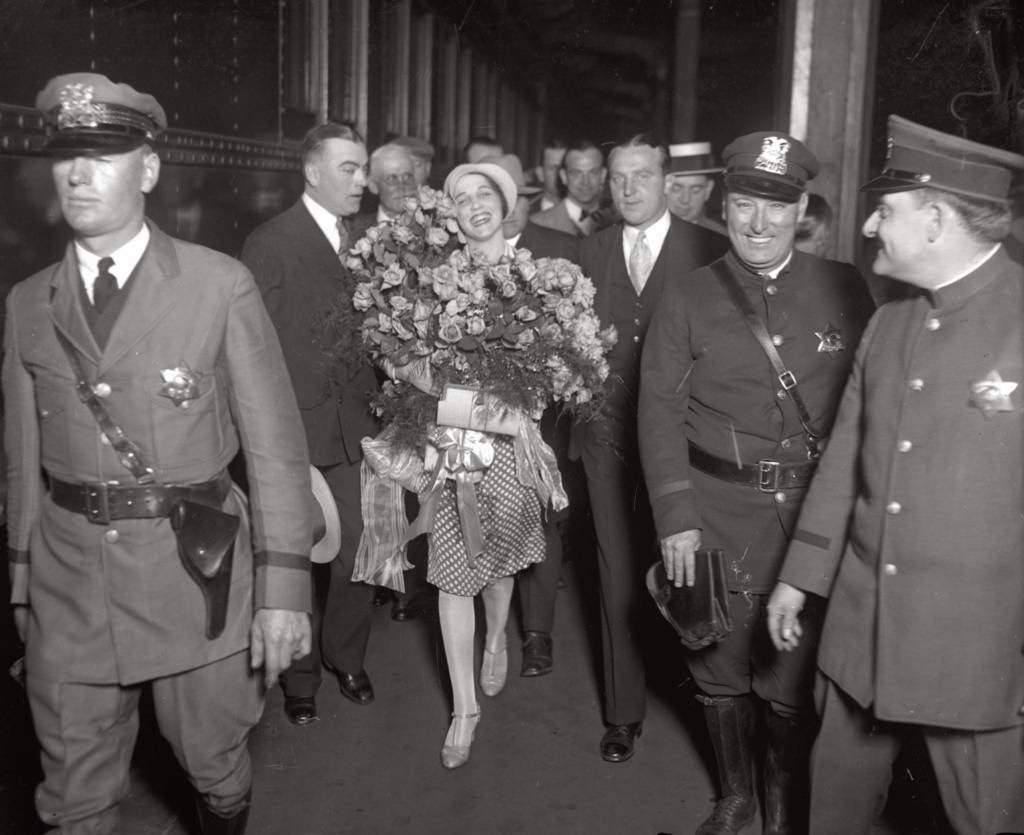
Ella Van Hueson, 22, was chosen as the most beautiful of 32 girls from various parts of the United States entered in the third annual International Pageant of Pulchritude in Galveston, Texas and was given the title of “Beauty Queen of the United States” before becoming Miss Universe, 1928.Miss Universe Ella Van Hueson, 22, arrived home in Chicago for a parade in her honor after winning the International Pageant of Pulchritude in Galveston, Texas, 1928.
Miss Universe Ella Van Hueson, 1928.
Ella Van Hueson, 1928.
Ella Van Hueson, 1928.
Chicago’s beauty contest scene continued into the early 1930s, with contestants like Evelyn Cushing carrying the tradition forward.
Beauty queen Evelyn Cushing, 24, won Miss Illinois in 1932 and went on to compete for Miss America.
Beauty queen Evelyn Cushing, 24, 1932.
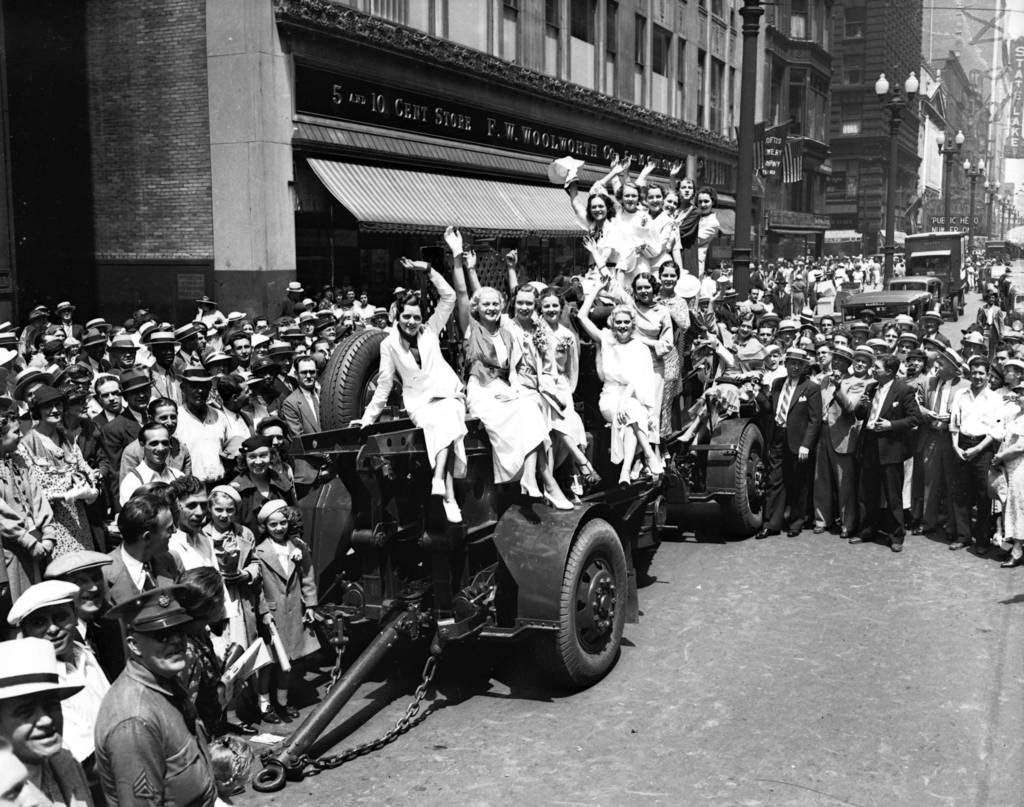
By the mid-1930s, new contests with new titles were drawing crowds to Chicago’s famous streets.
Candidates for the title of Miss Great Lakes on State Street, 1935.
Rachel Mitchell is a vintage fashion enthusiast with a passion for all things retro. She is interested vintage fashion styles, trends, and accessories, and provides tips and tricks for incorporating vintage pieces into modern wardrobes.