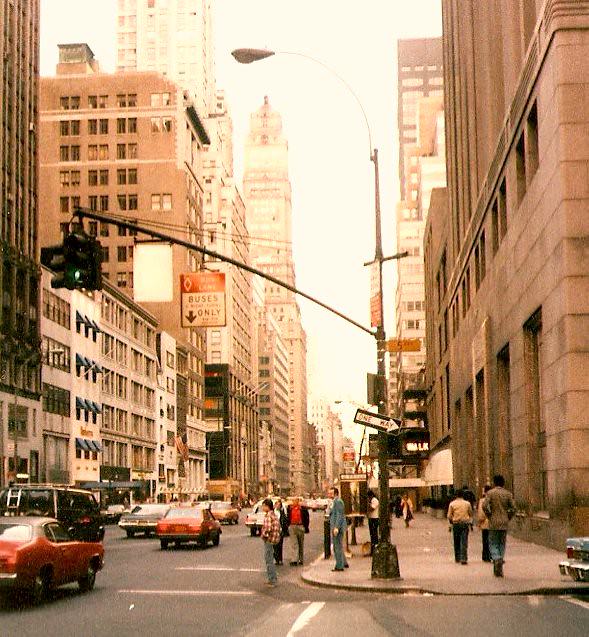
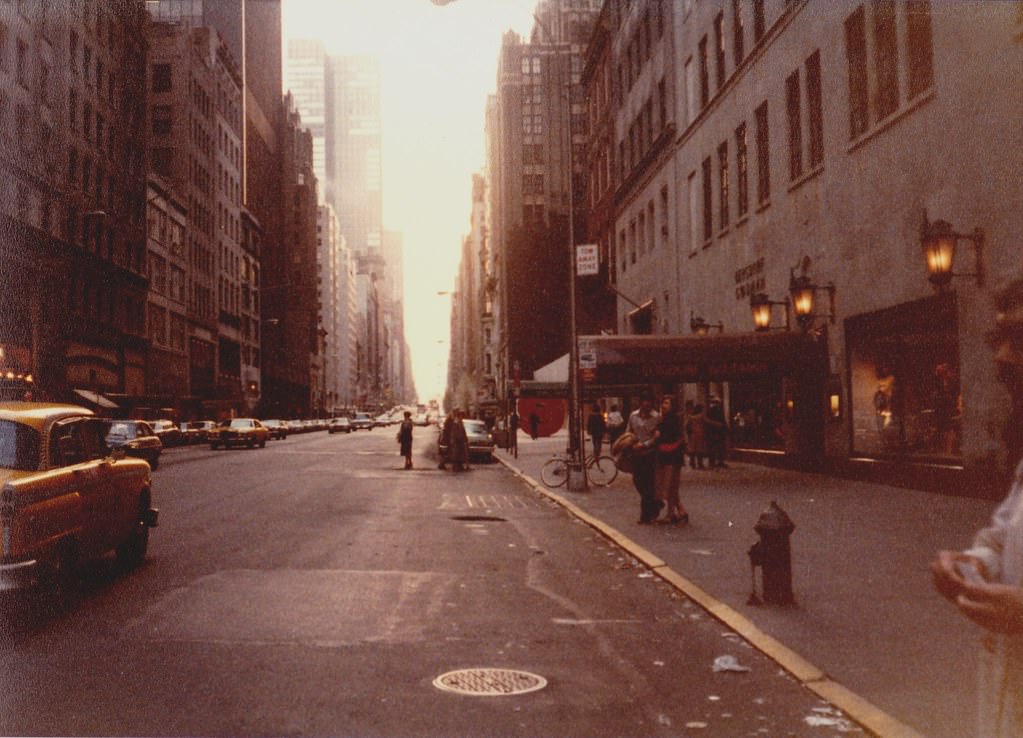
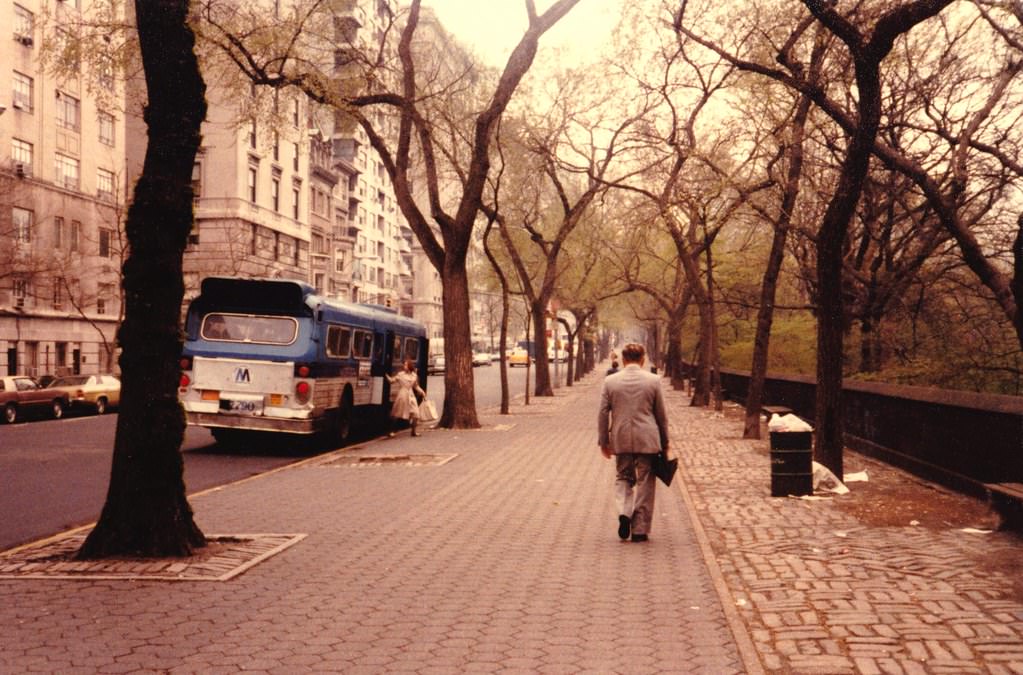
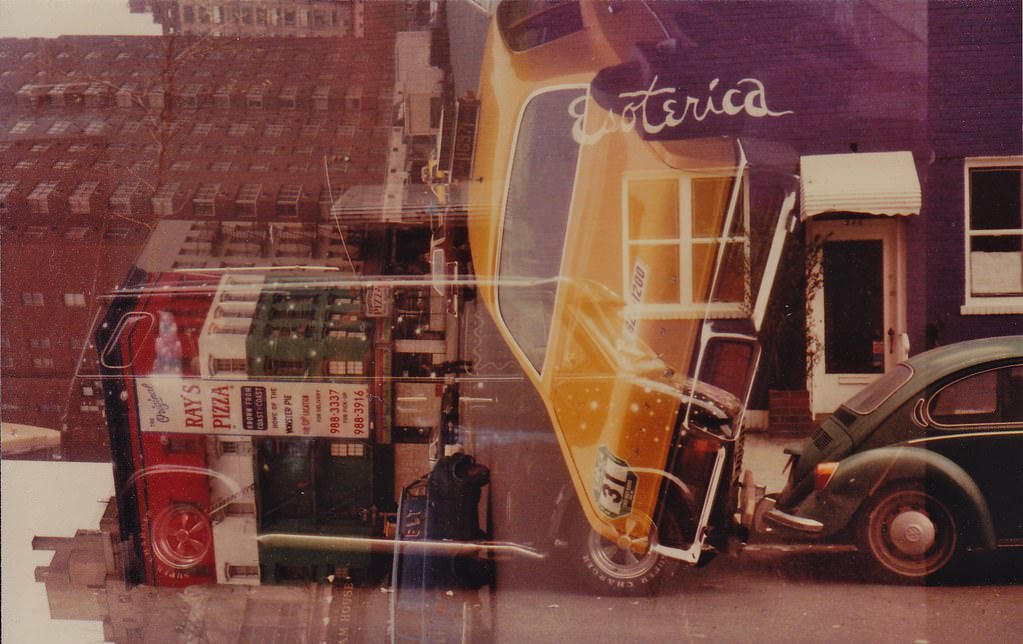
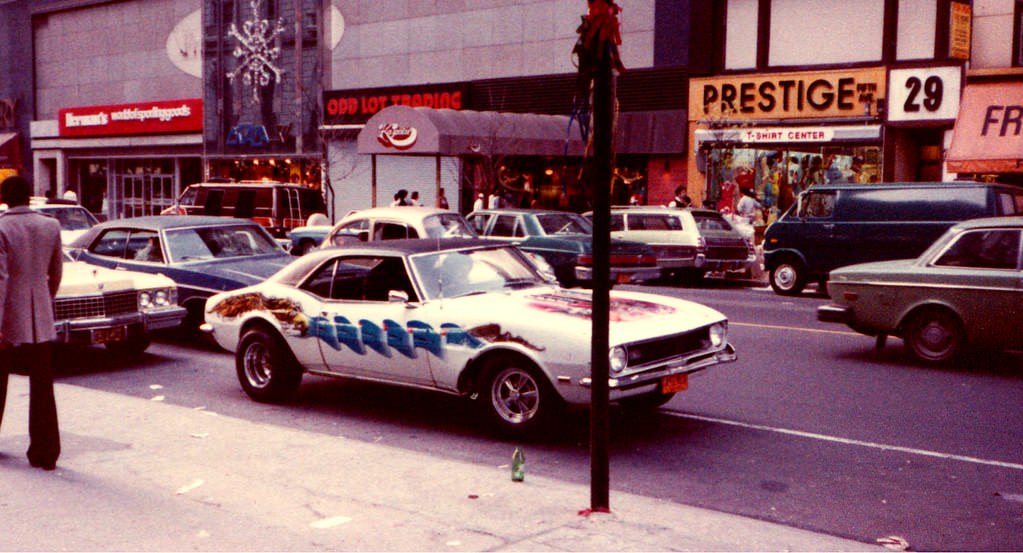
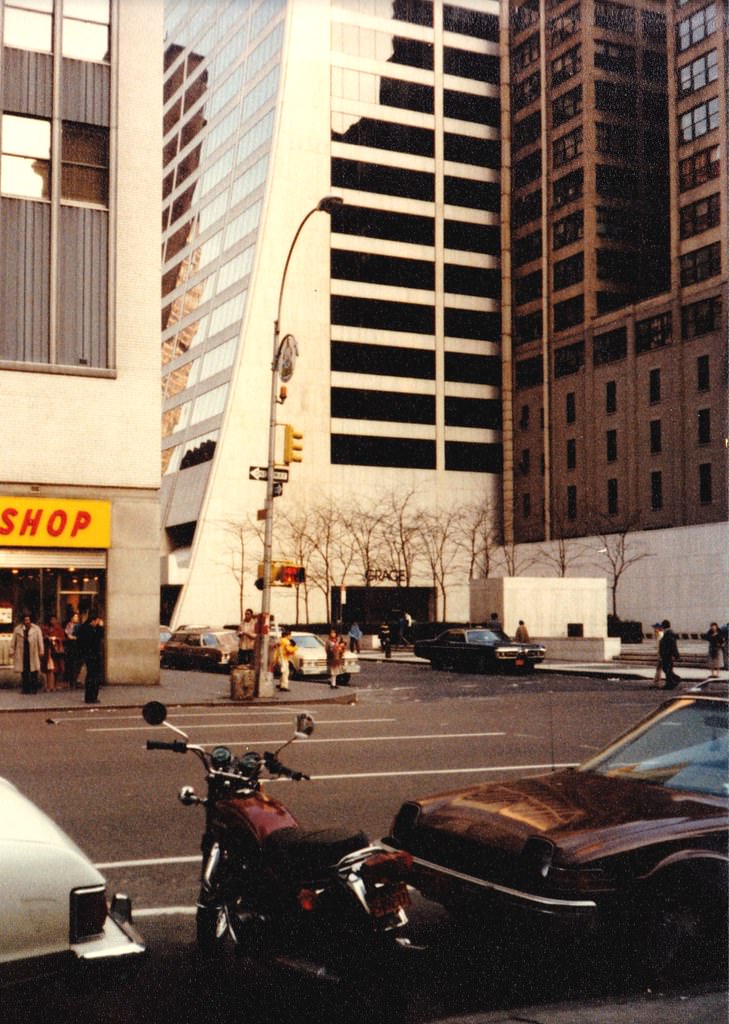
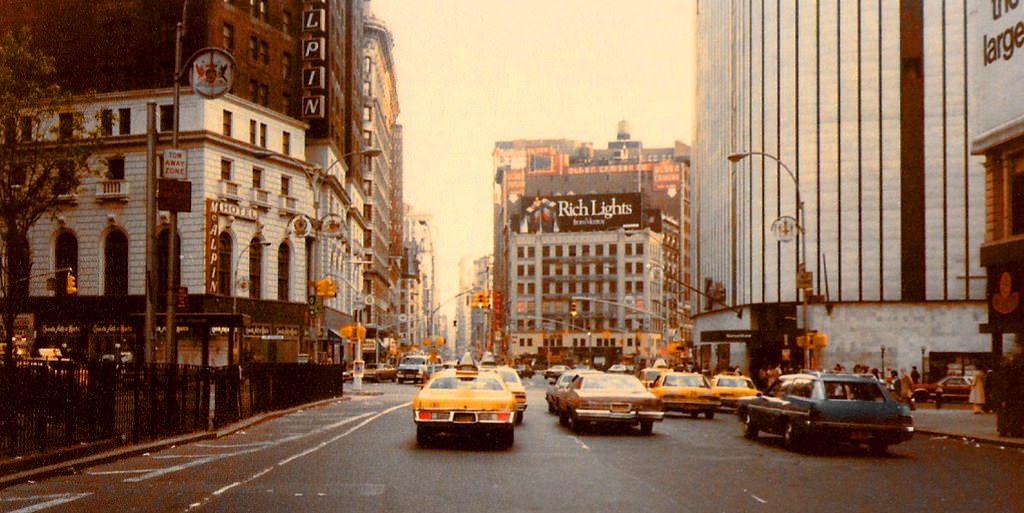
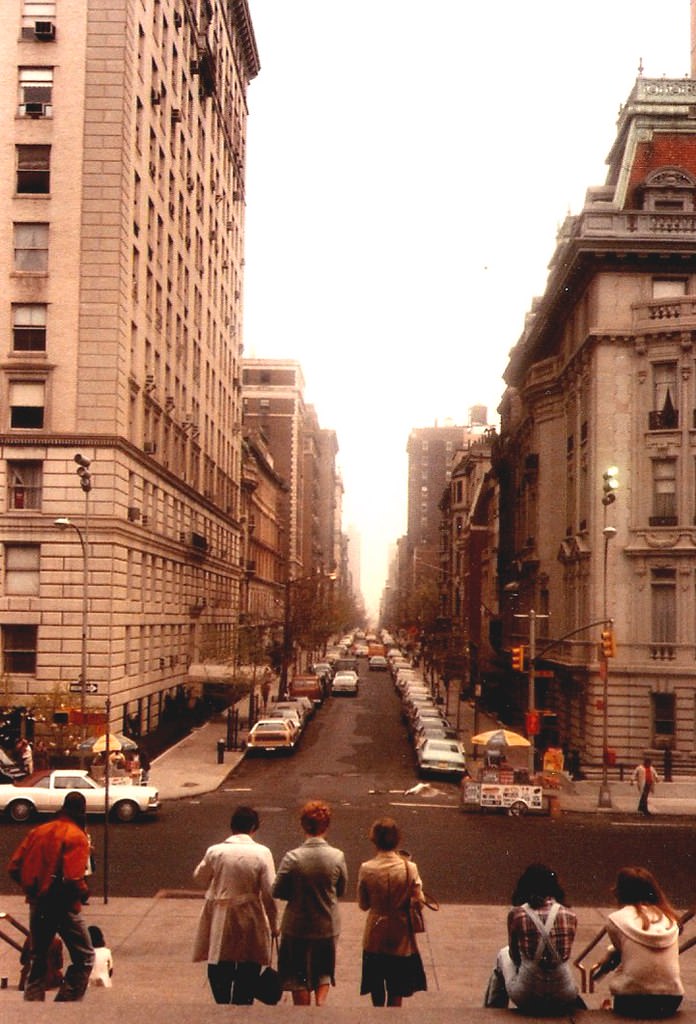
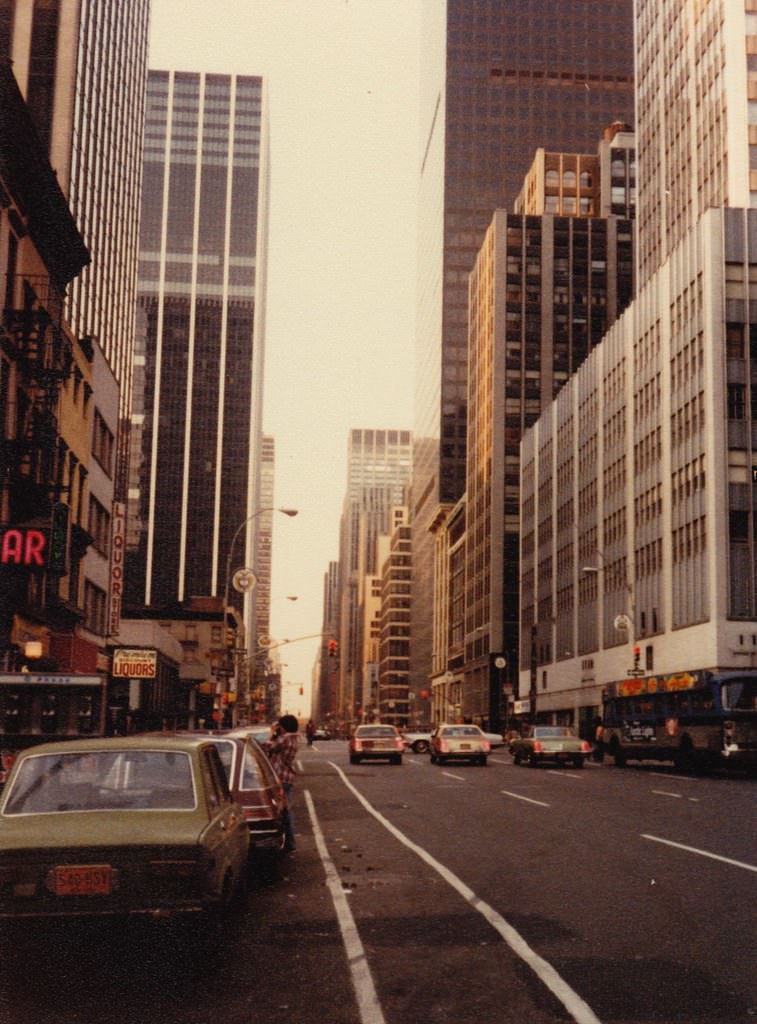
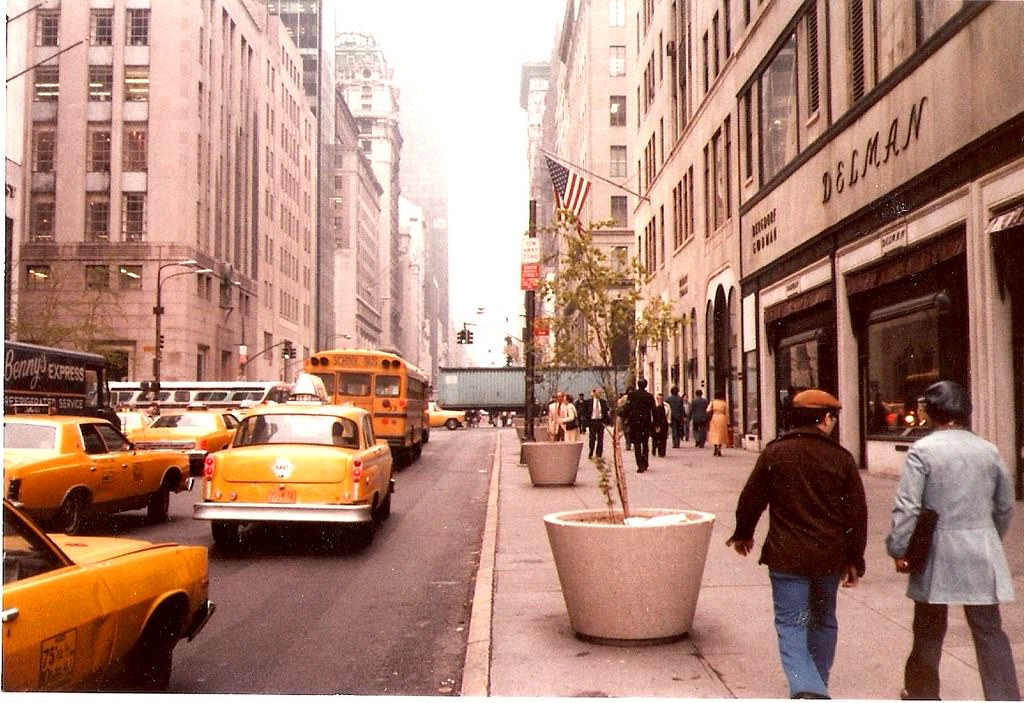
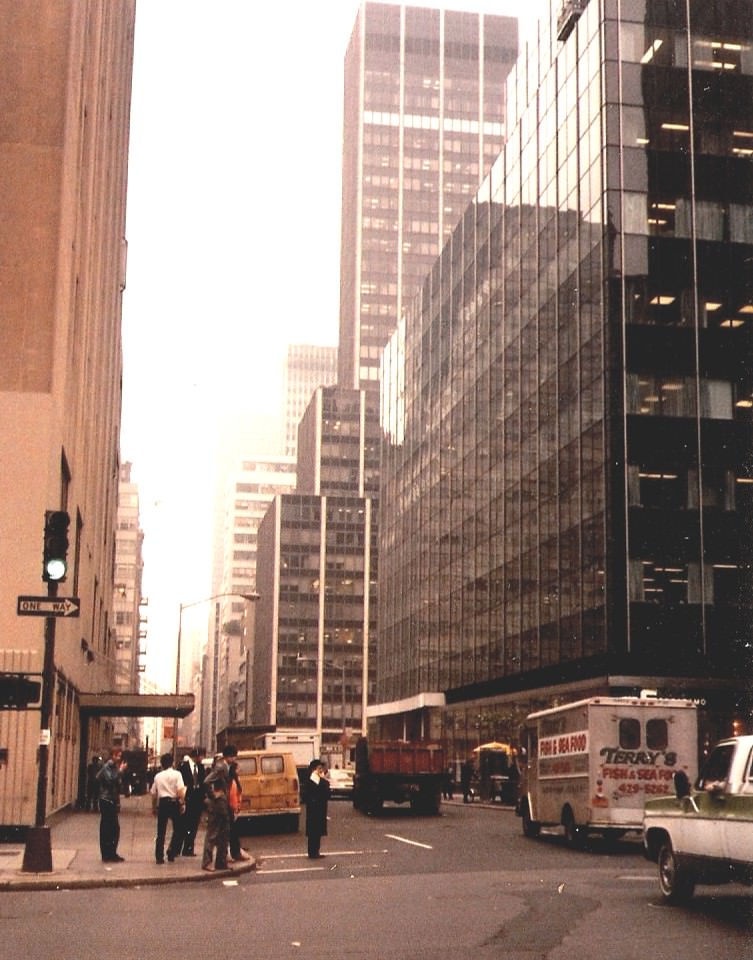
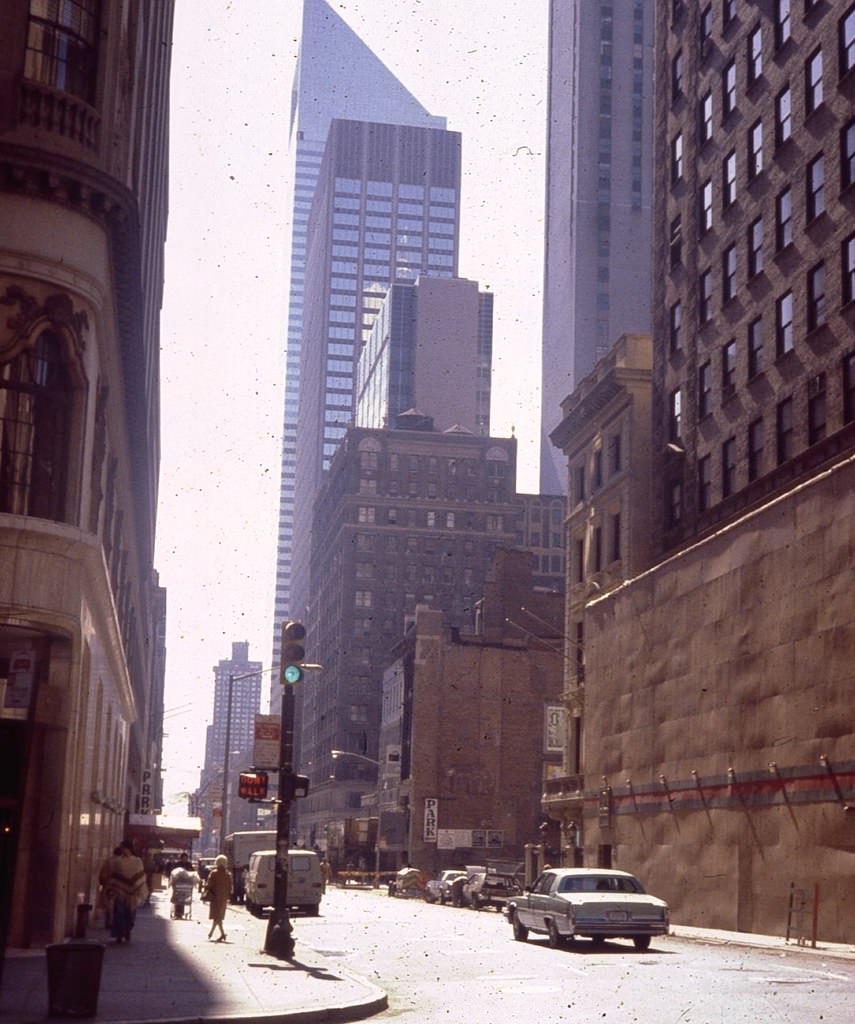
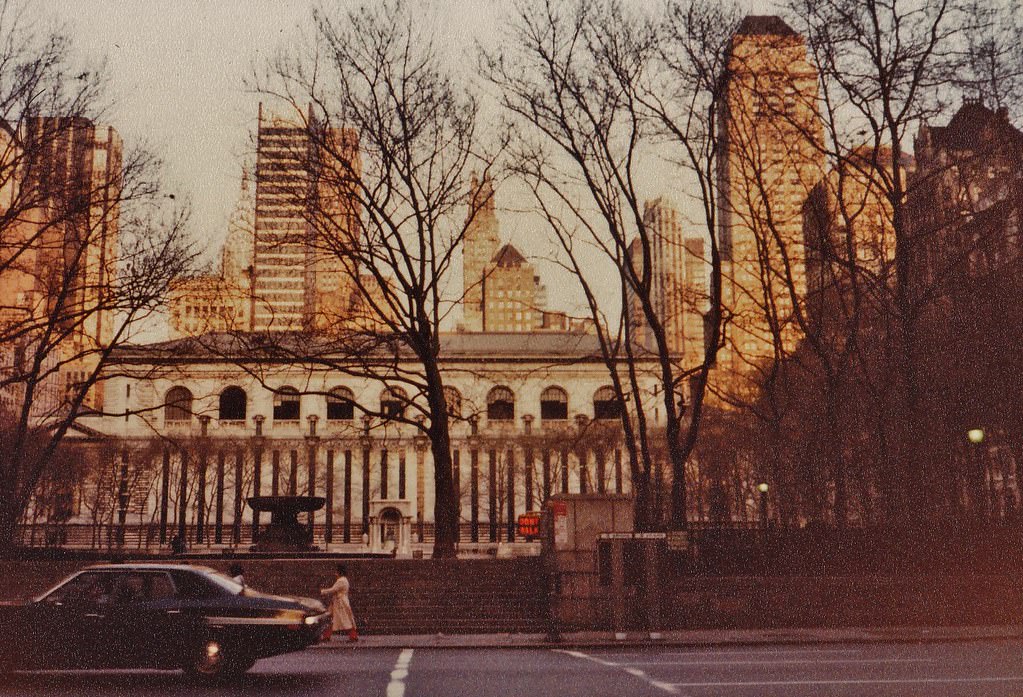
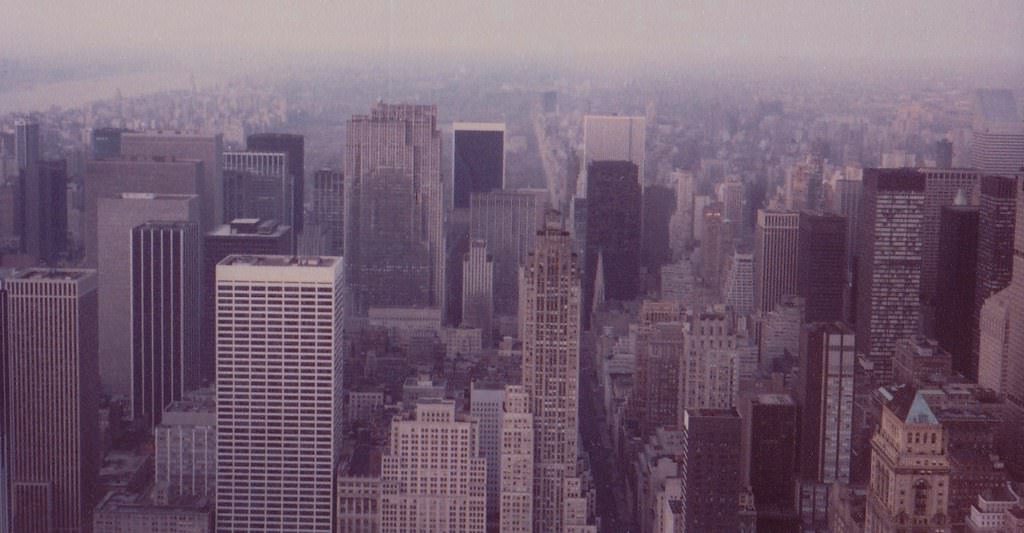
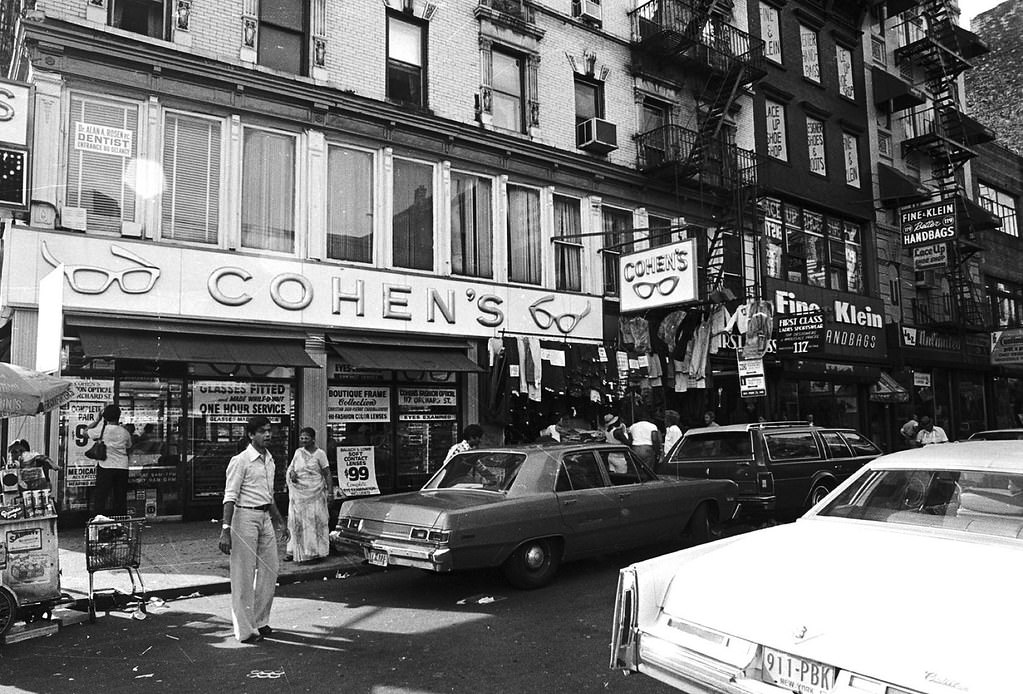
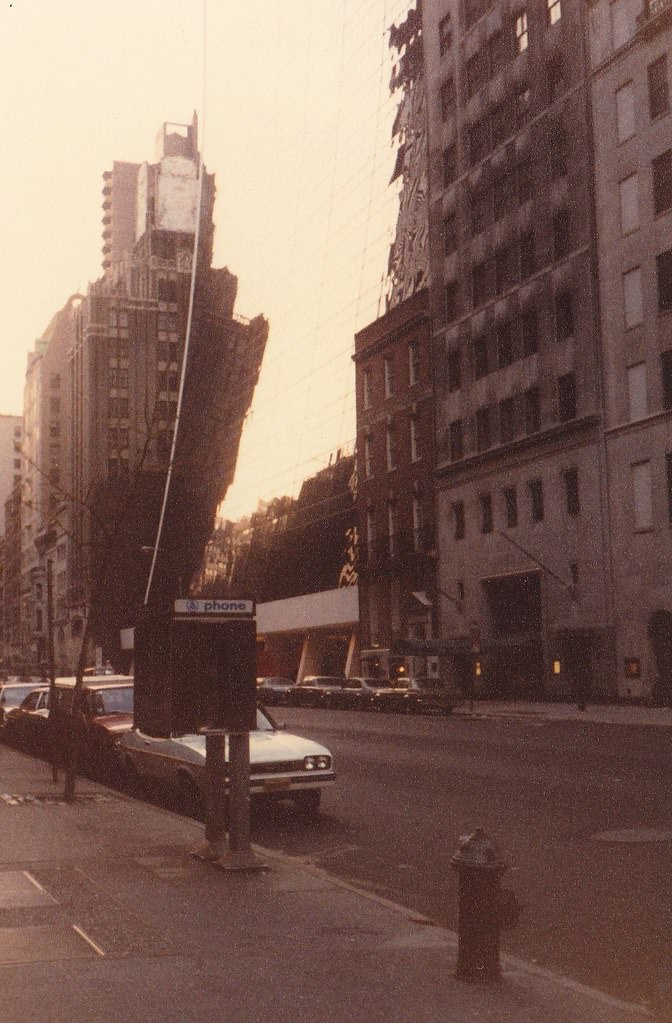
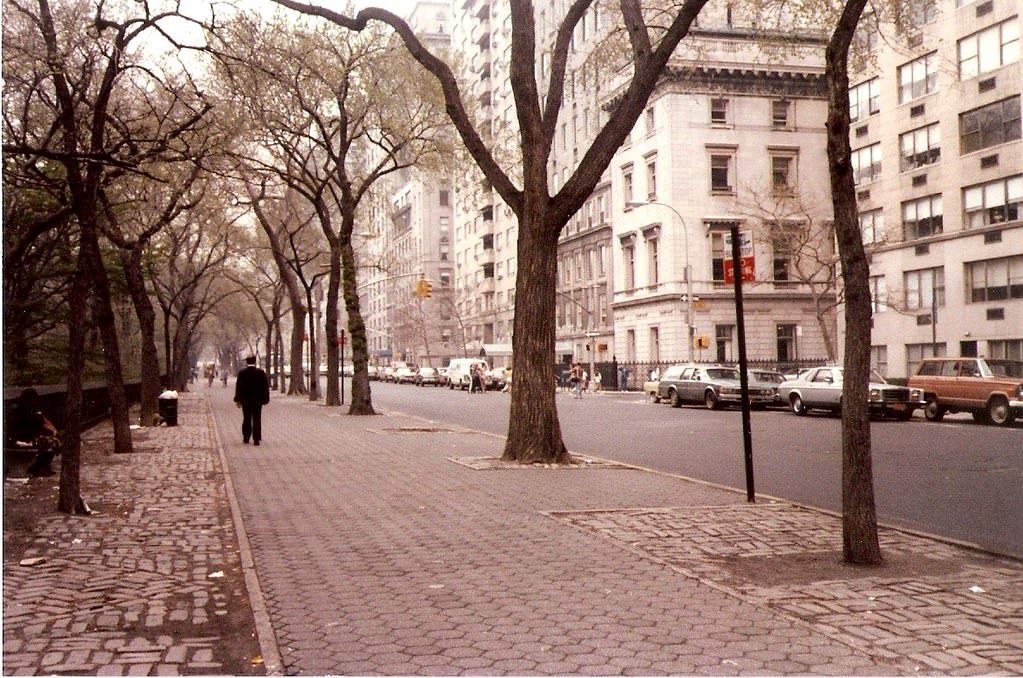
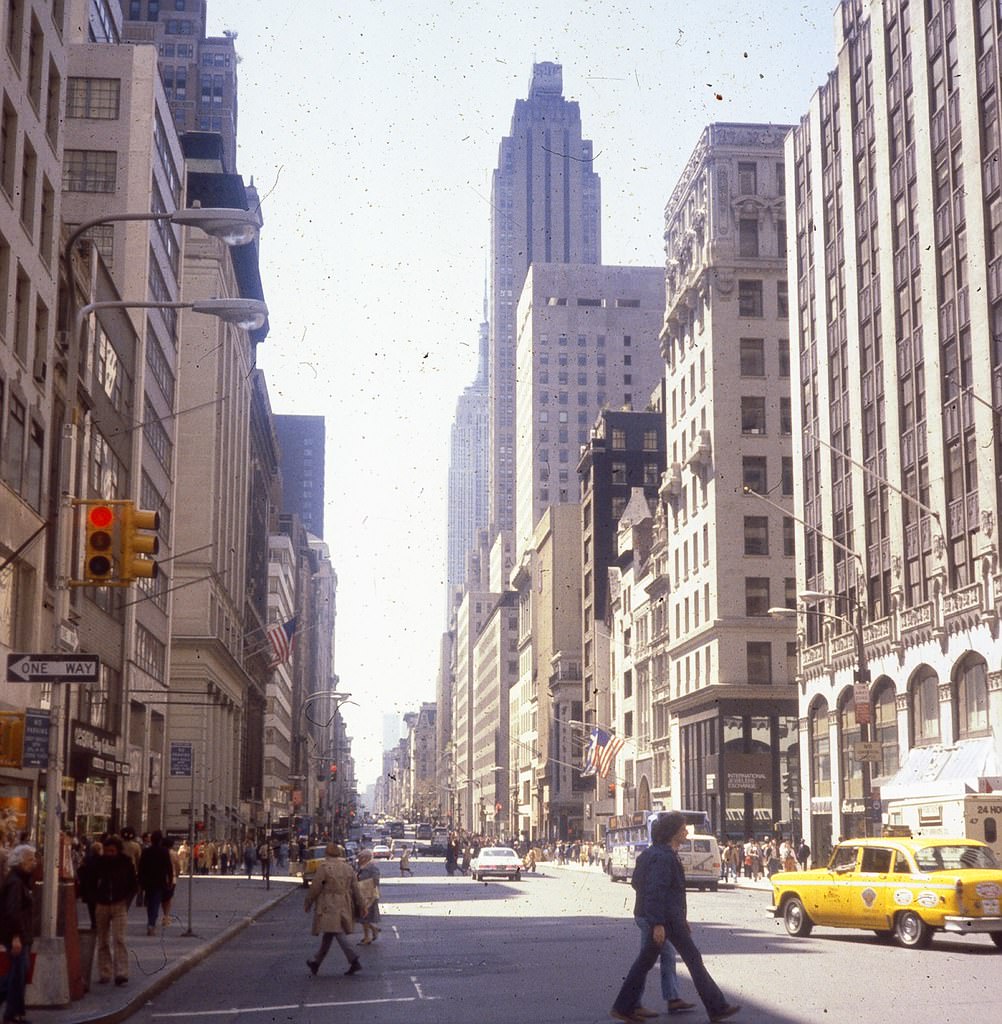
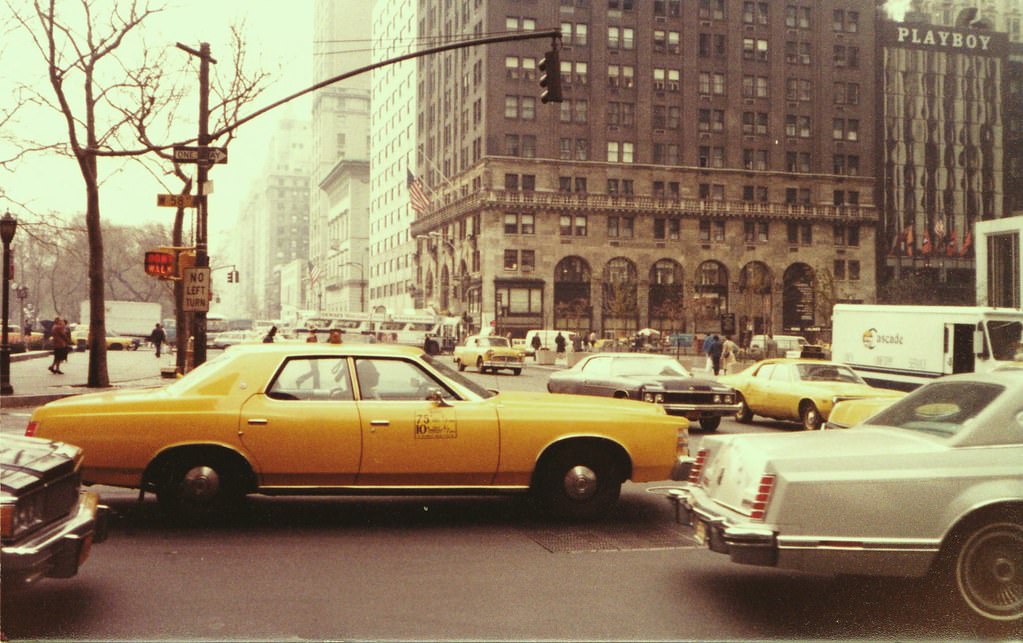
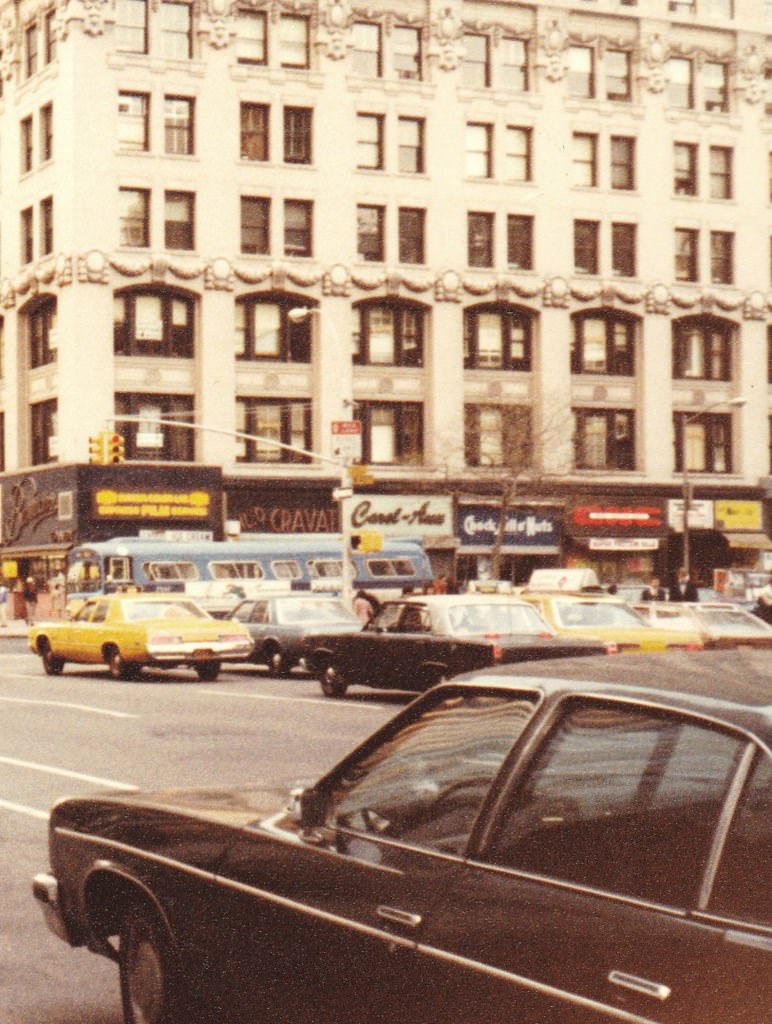
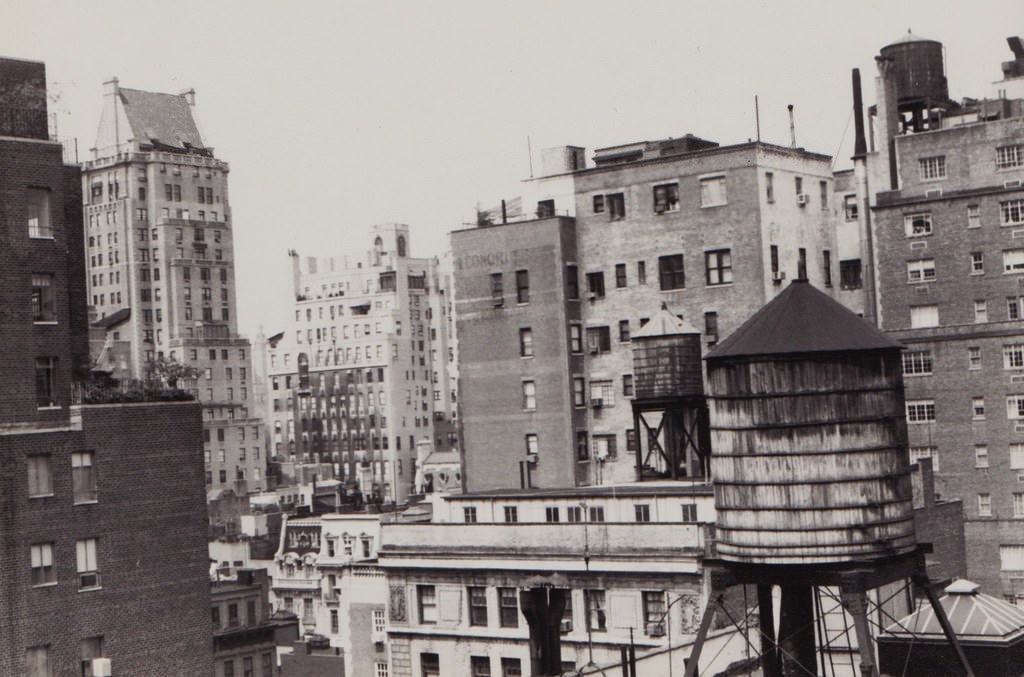
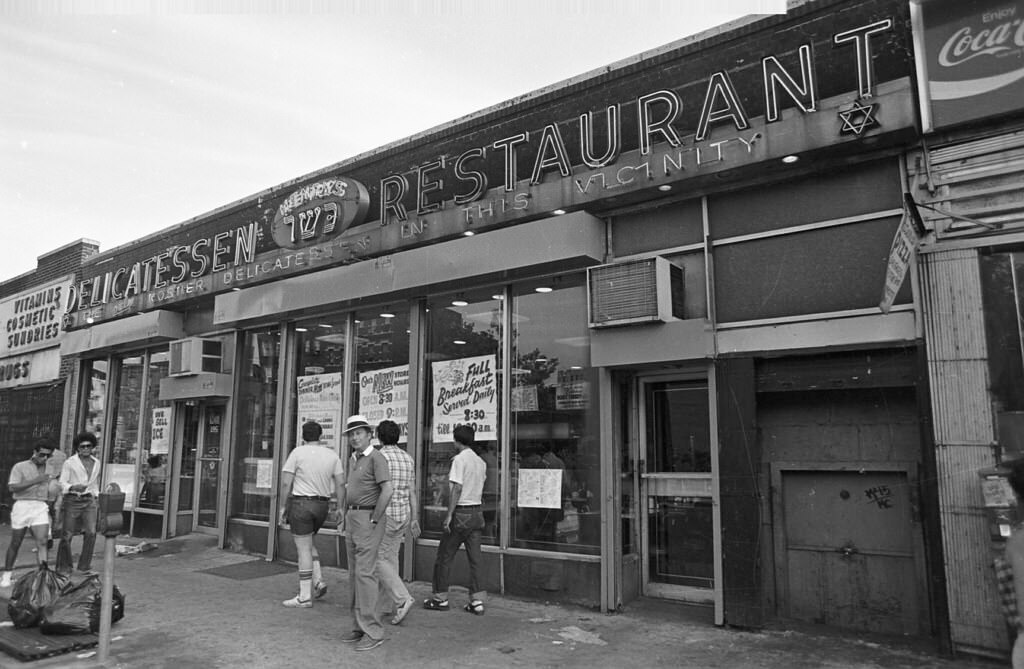
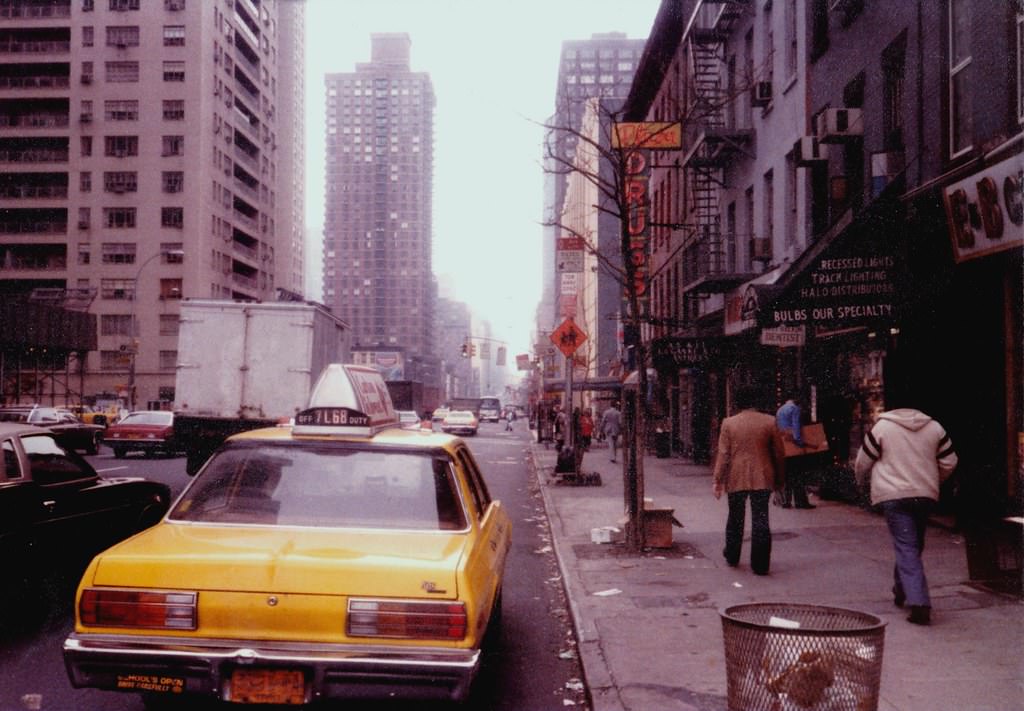
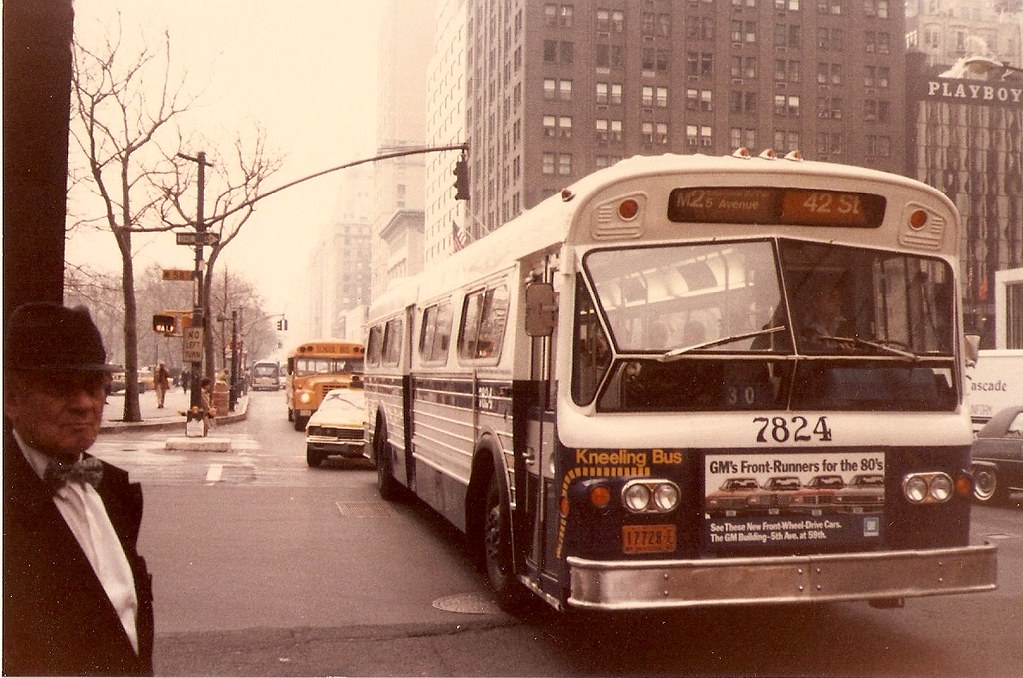
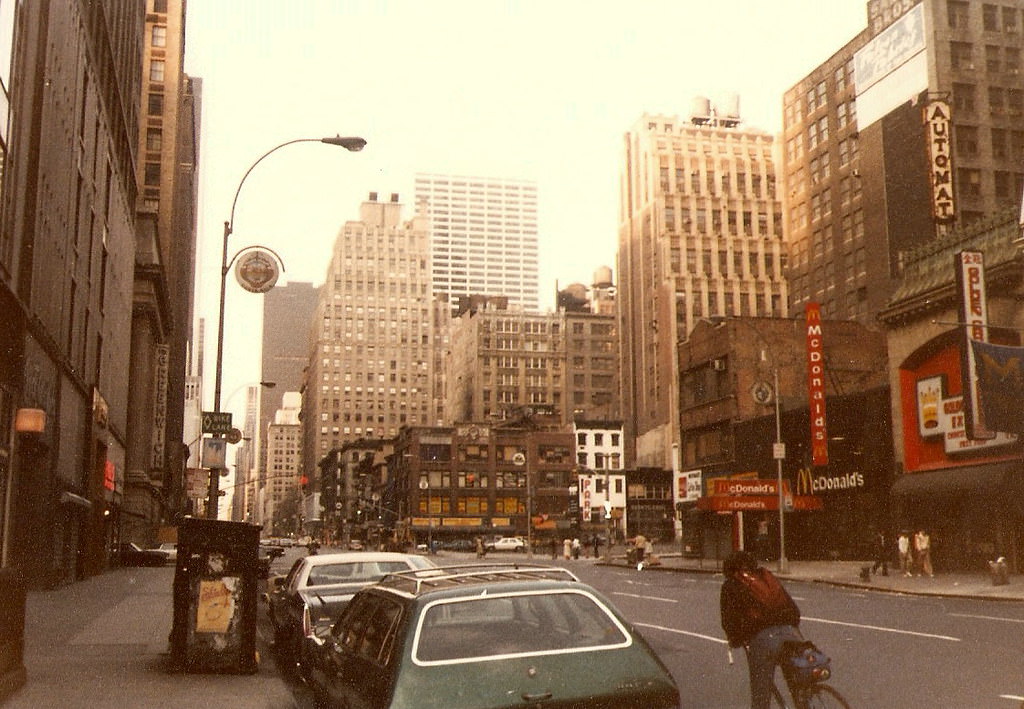
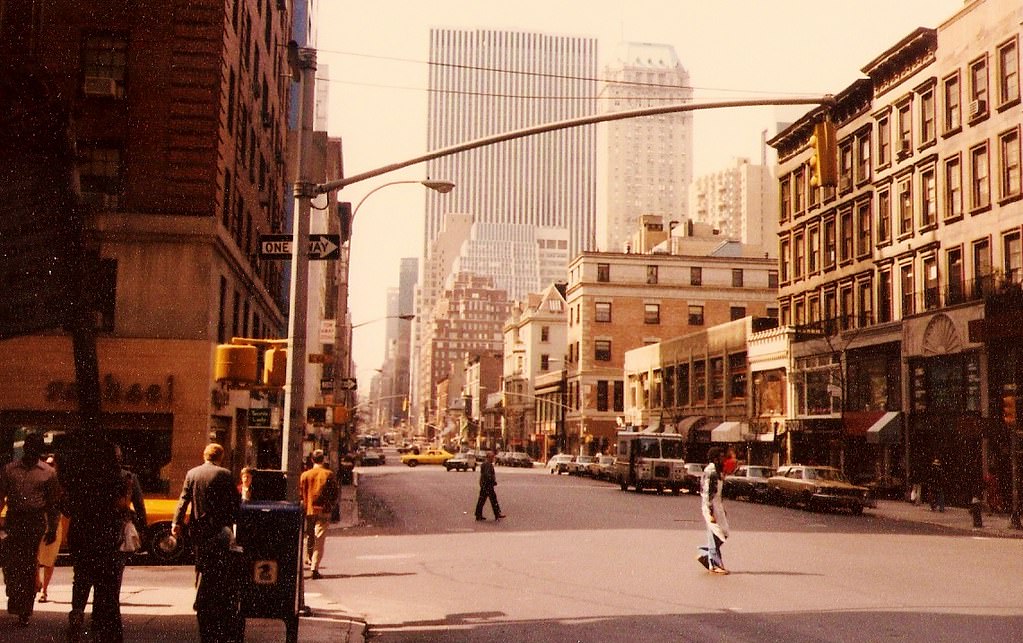
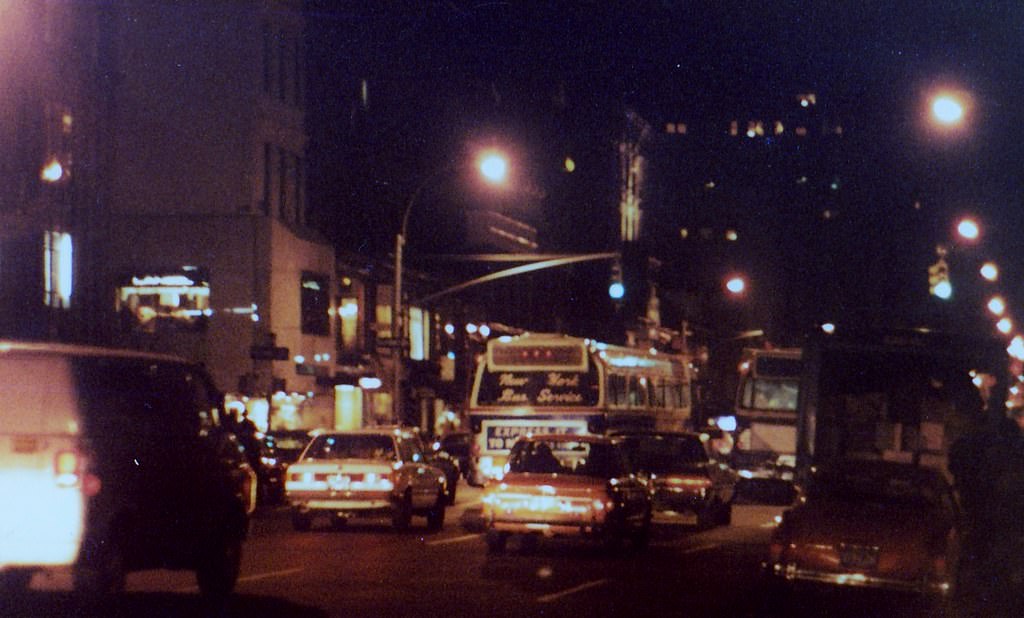
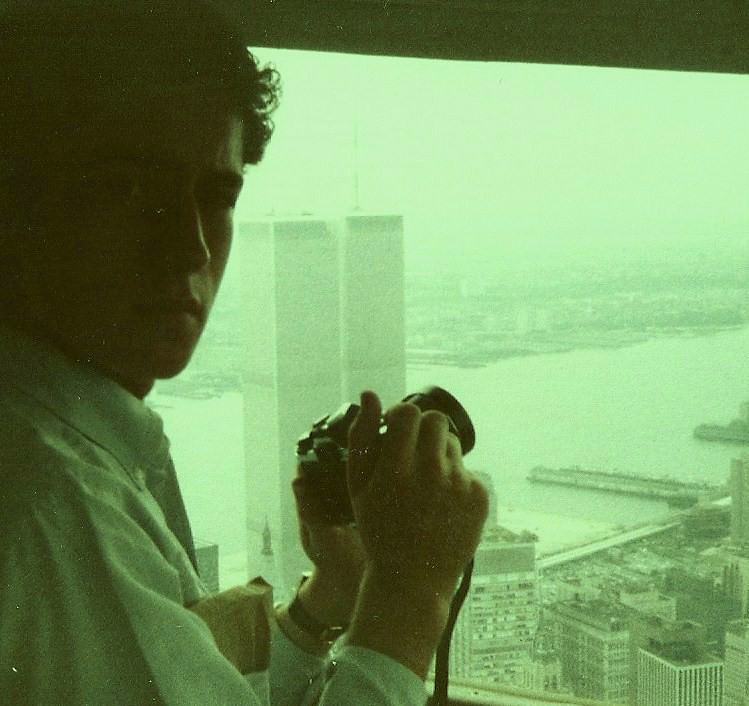
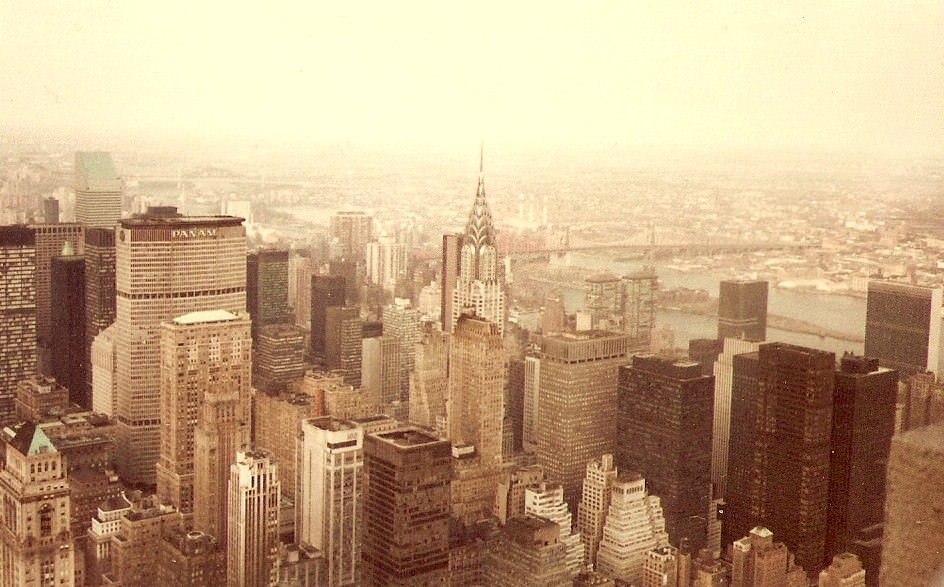
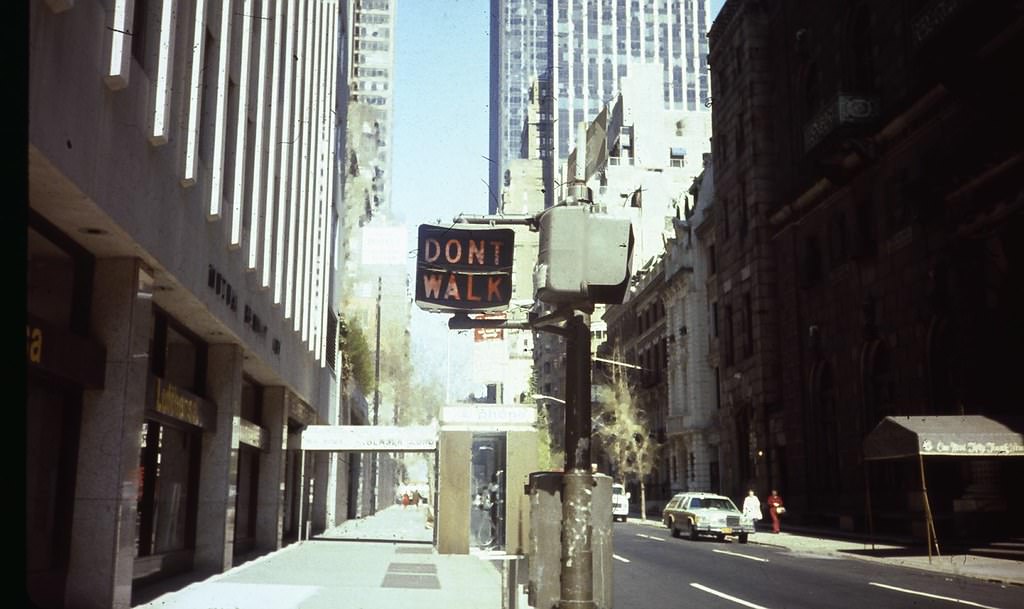
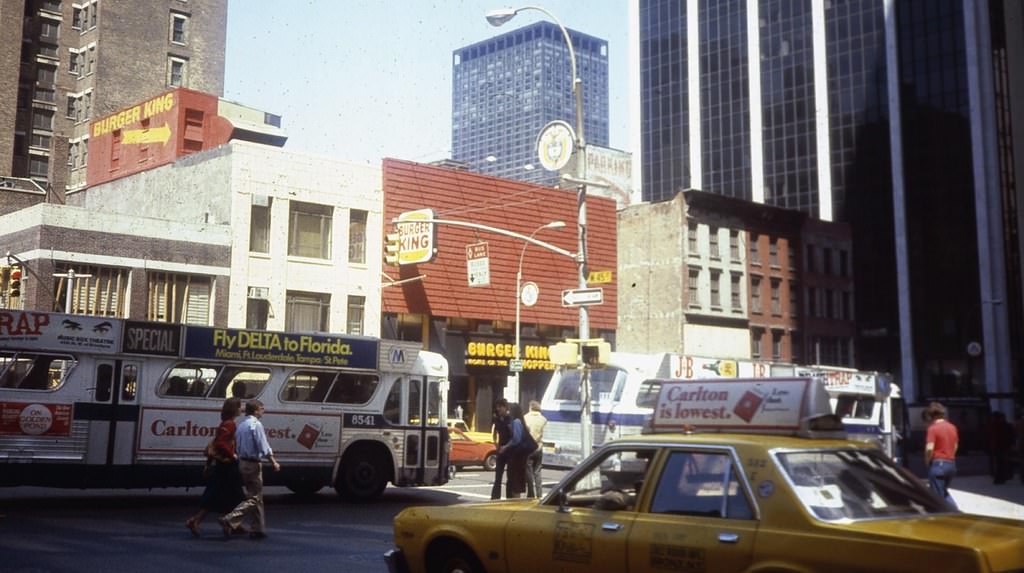
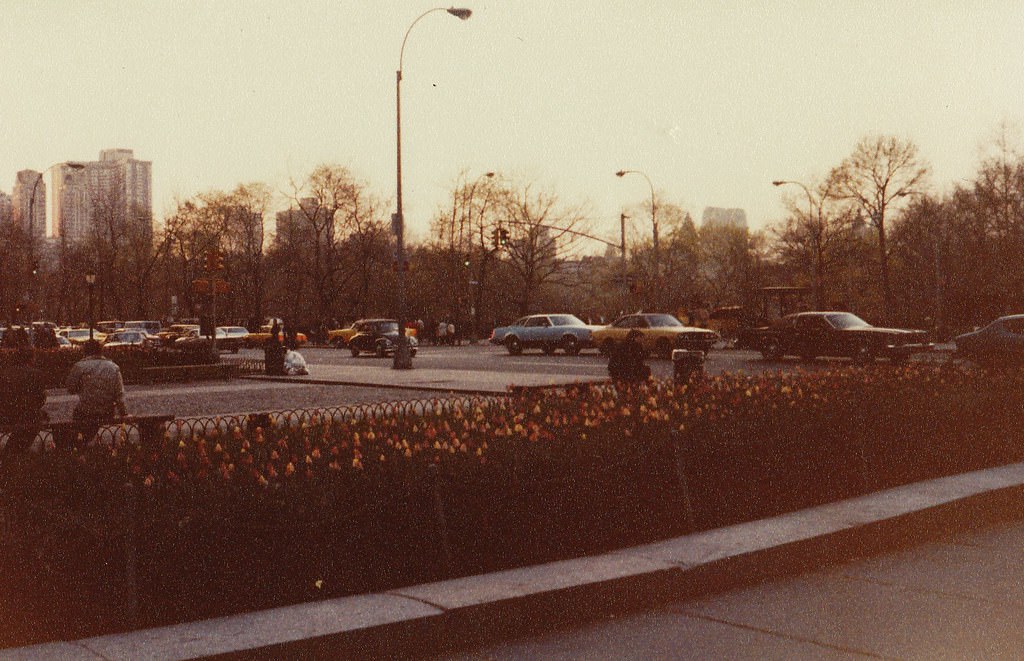
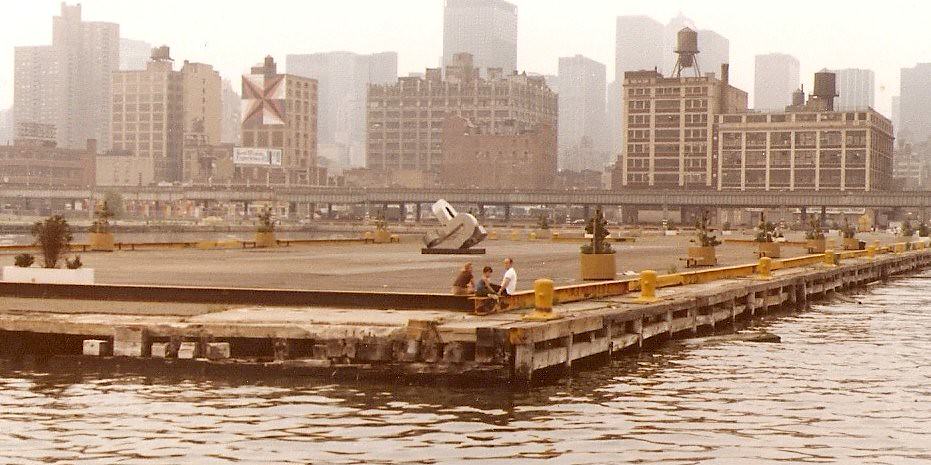
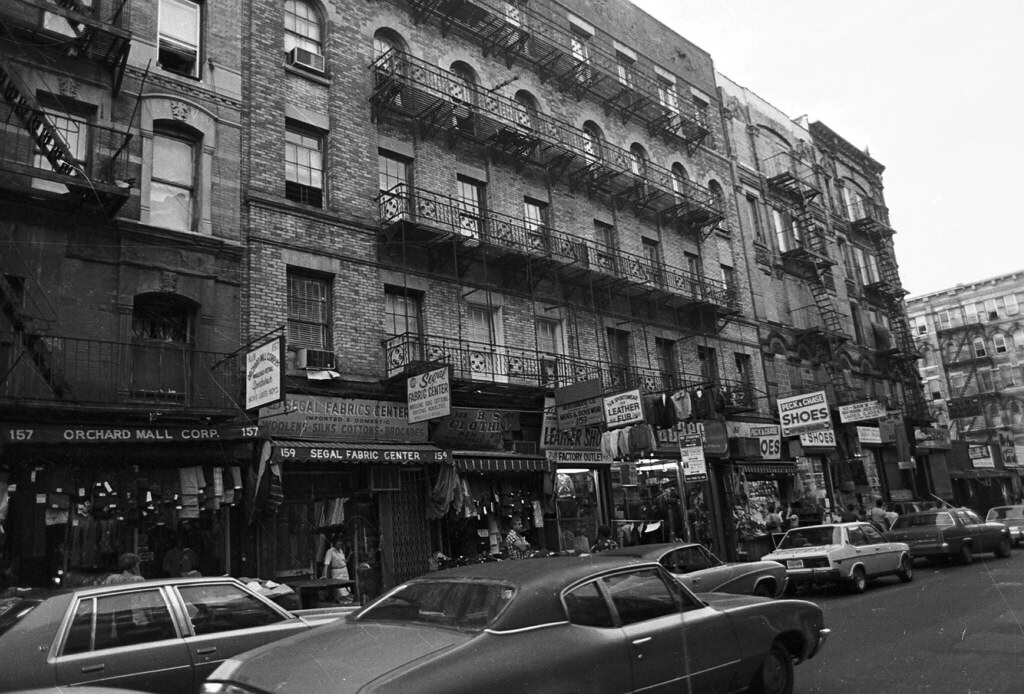
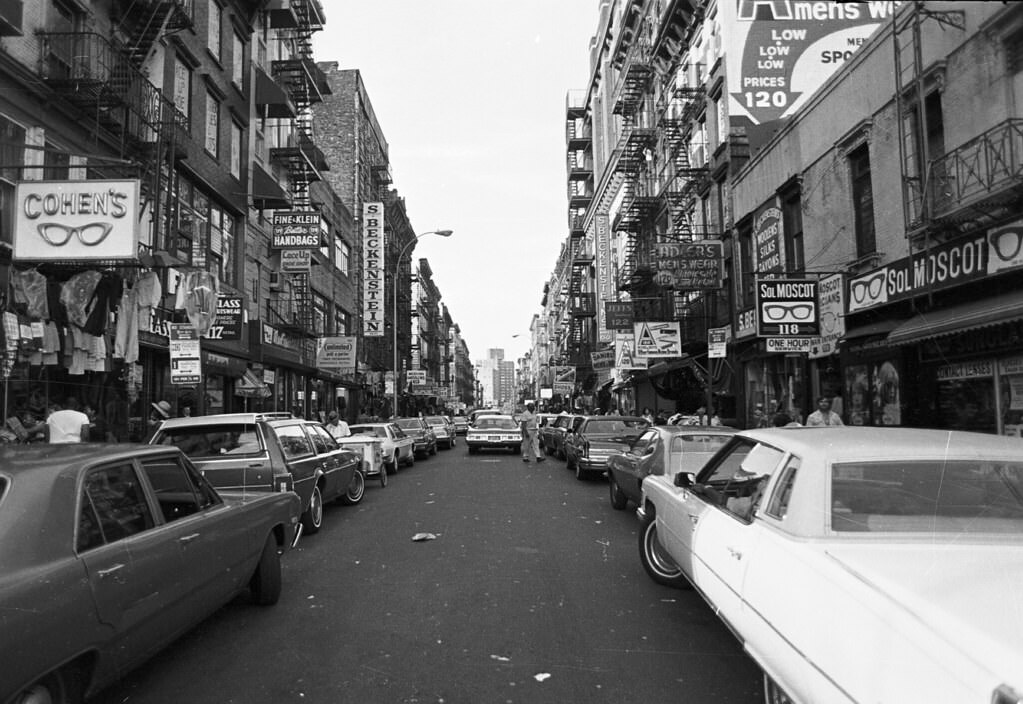
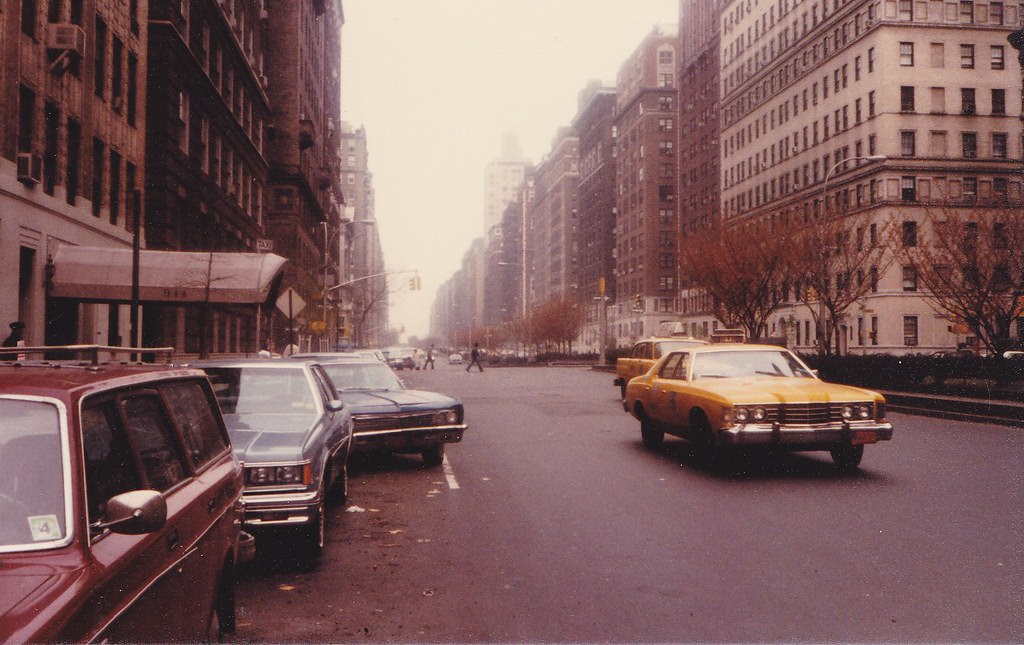
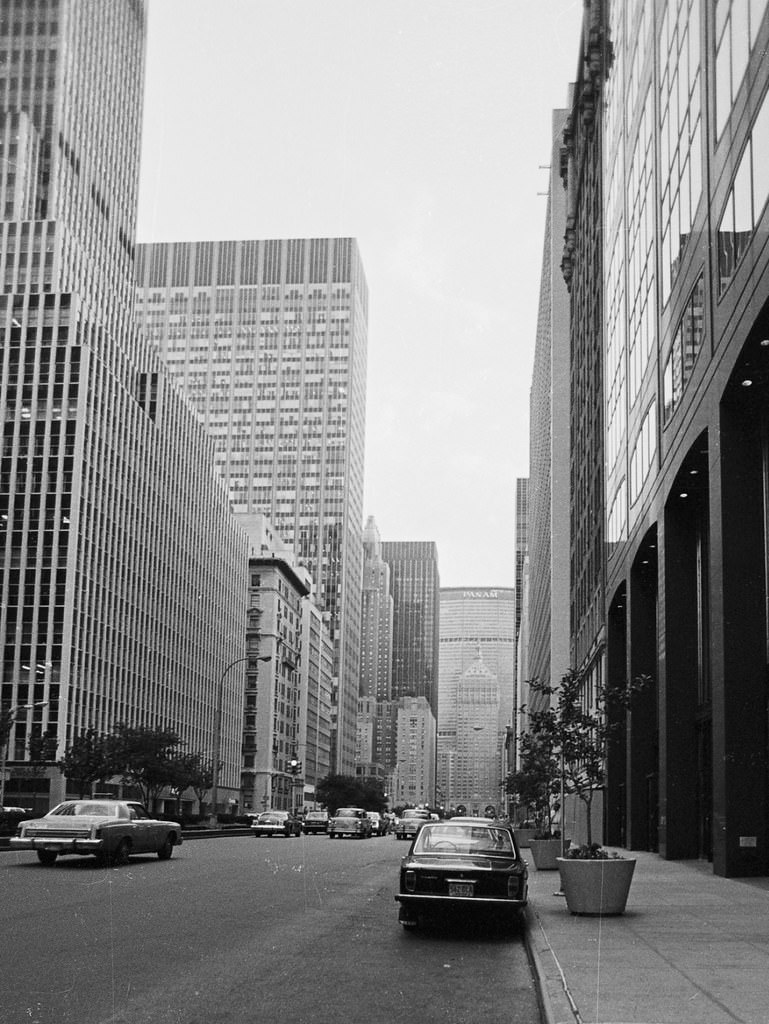
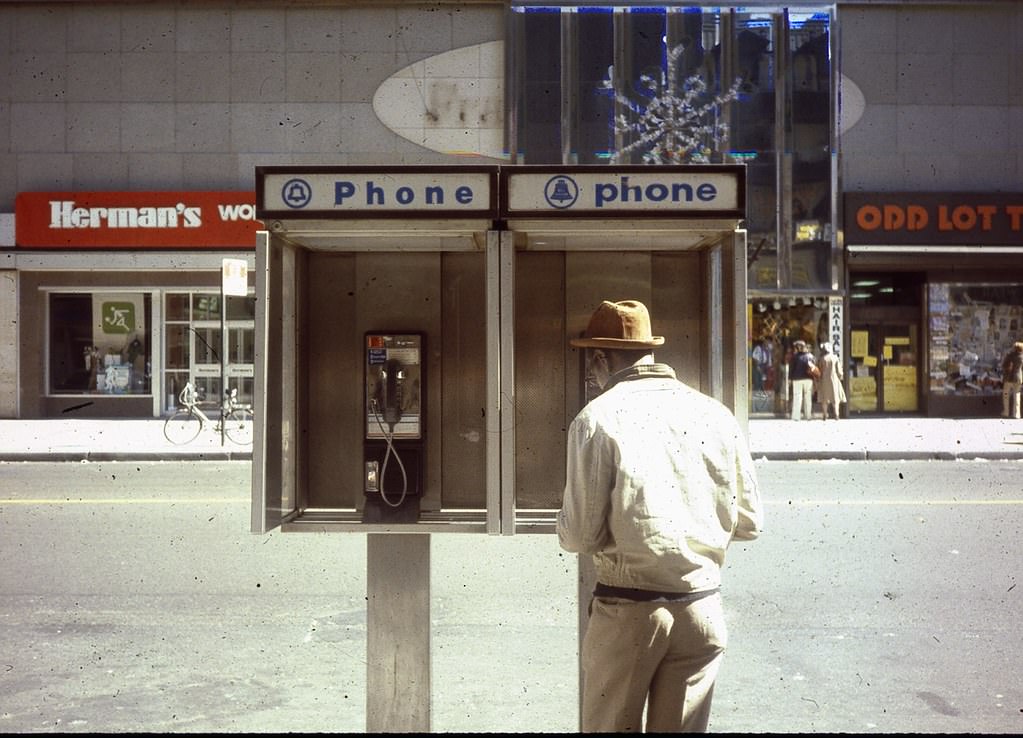
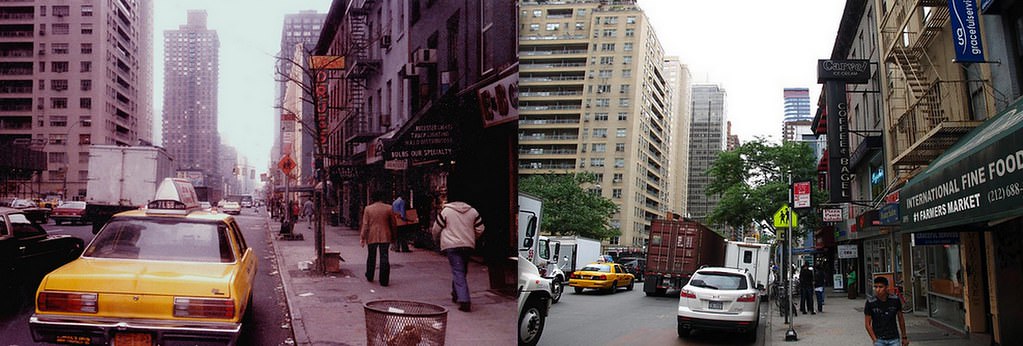
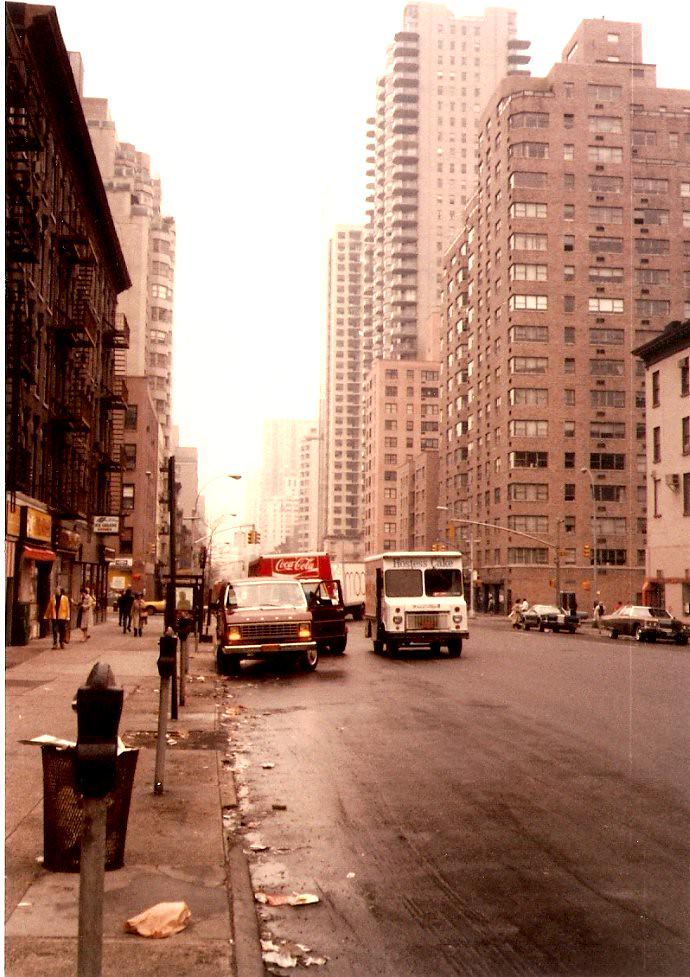
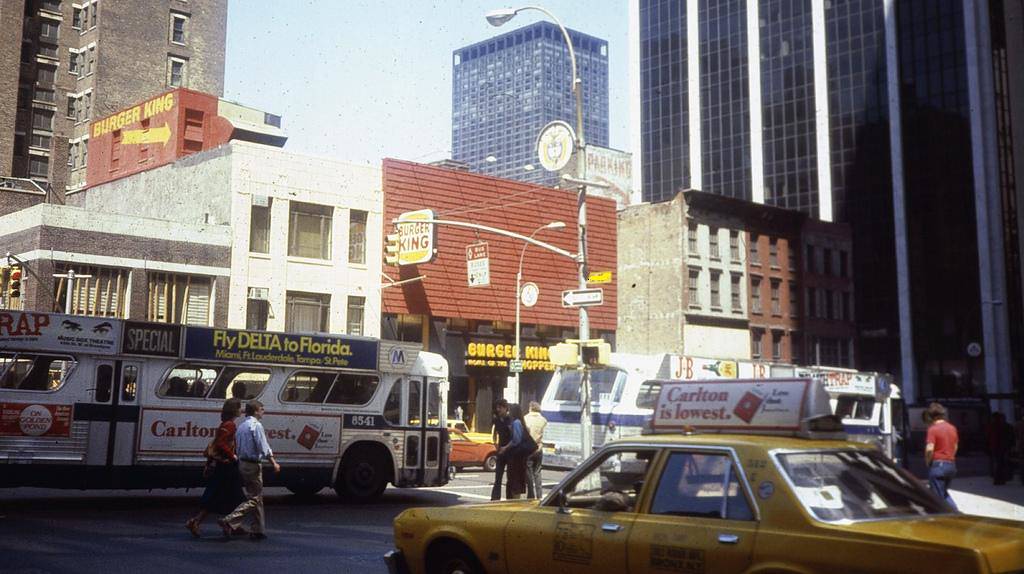
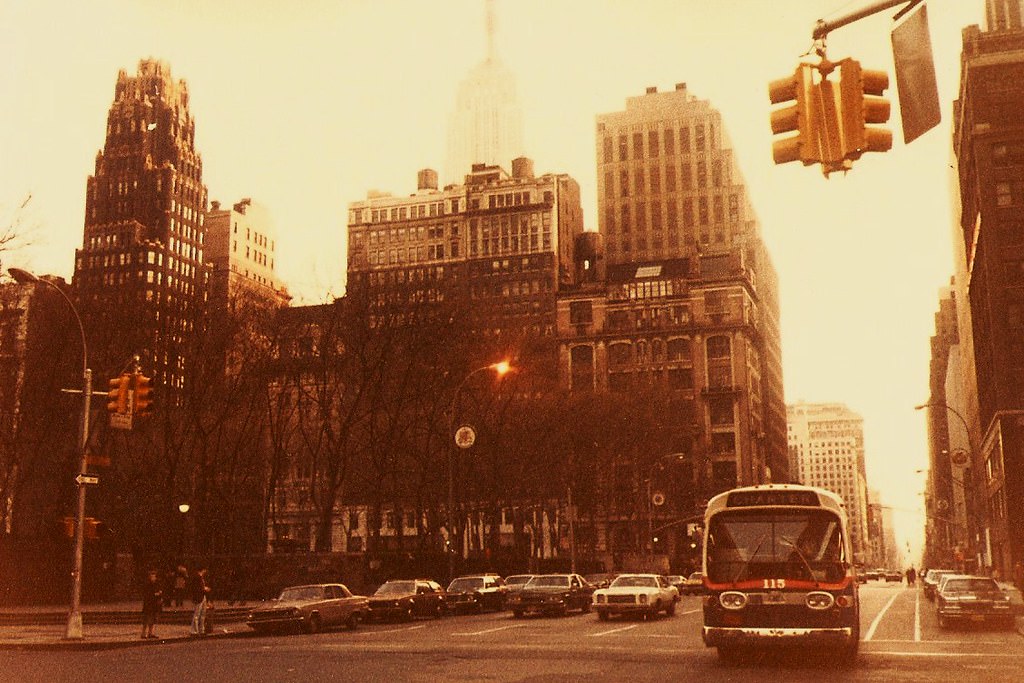
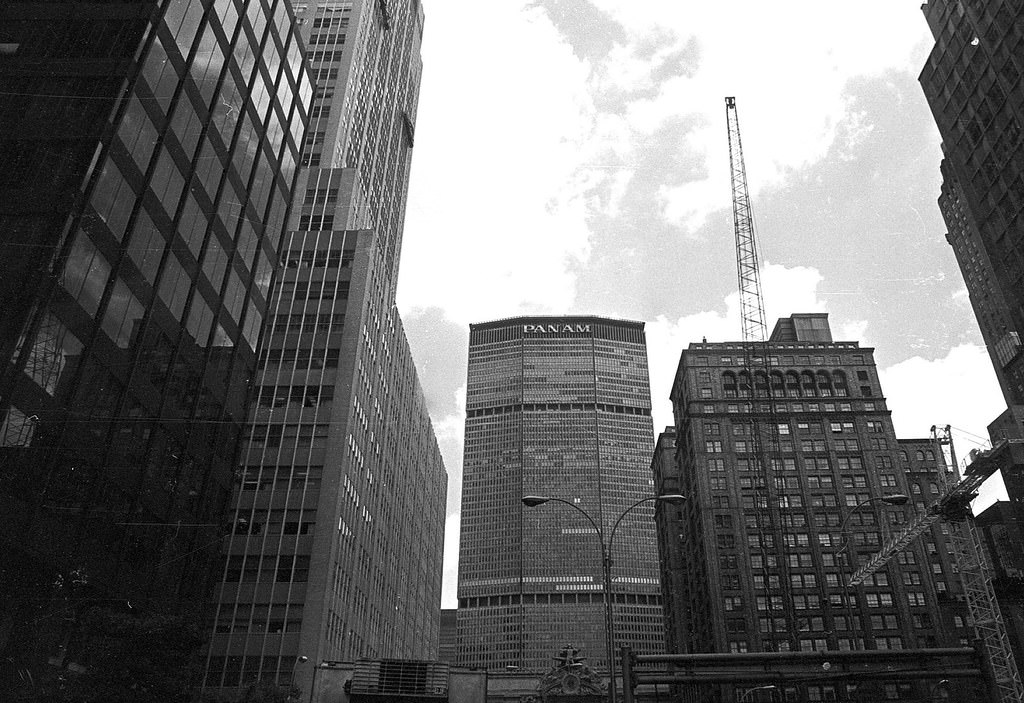
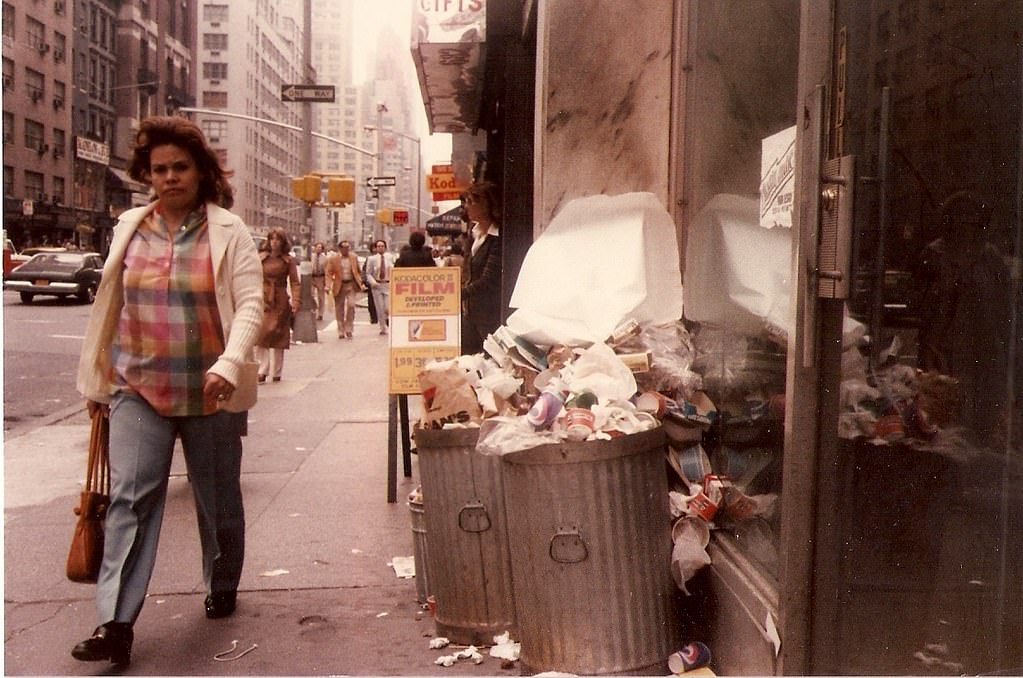
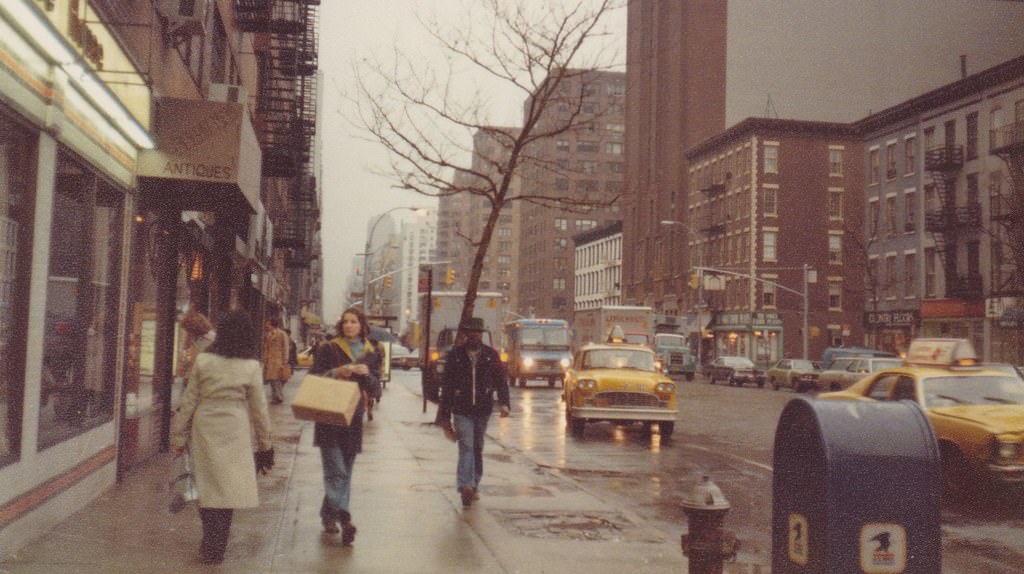
By the late 1970s, New York City was in serious trouble. The municipal government was running out of money, public services were being cut, and whole neighborhoods were falling apart. Garbage rotted on sidewalks, crime was rising, and the city’s streets and infrastructure showed the strain of years of neglect. Yet out of this decay came some of the most important music, art, and culture of the twentieth century. The two realities existed side by side — collapse and creation — and neither one made sense without the other.
The crisis had been building for years, but 1975 was when it became impossible to ignore. New York City formally teetered on the edge of bankruptcy, unable to meet its financial obligations. In response, the city slashed its budget and laid off thousands of workers — police officers, firefighters, sanitation workers. The effects hit every borough. With fewer cops on patrol and fewer firefighters on call, danger increased across the city. On October 30, 1975, the Daily News ran one of the most famous headlines in American newspaper history: “Ford to City: Drop Dead.” President Gerald Ford had made clear he would veto any federal bailout, leaving the city to fend for itself.
Then came the blackout. On the night of July 13, 1977, a lightning strike hit a power line and plunged the entire city into darkness. The outage lasted 25 hours. Within hours of the lights going out, looting and arson spread across the city. More than 3,700 people were arrested and over 1,000 fires were reported. Neighborhoods like Bushwick in Brooklyn and large swaths of the Bronx took the worst of it, with entire blocks burning or being stripped bare. The blackout laid bare just how close to the edge the city had come.
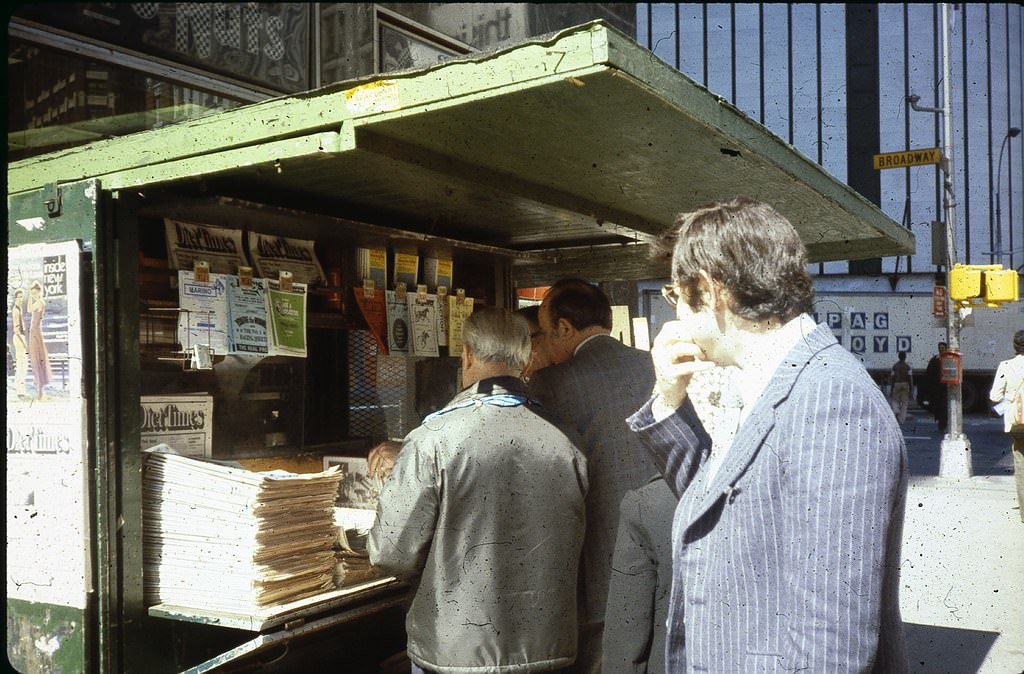
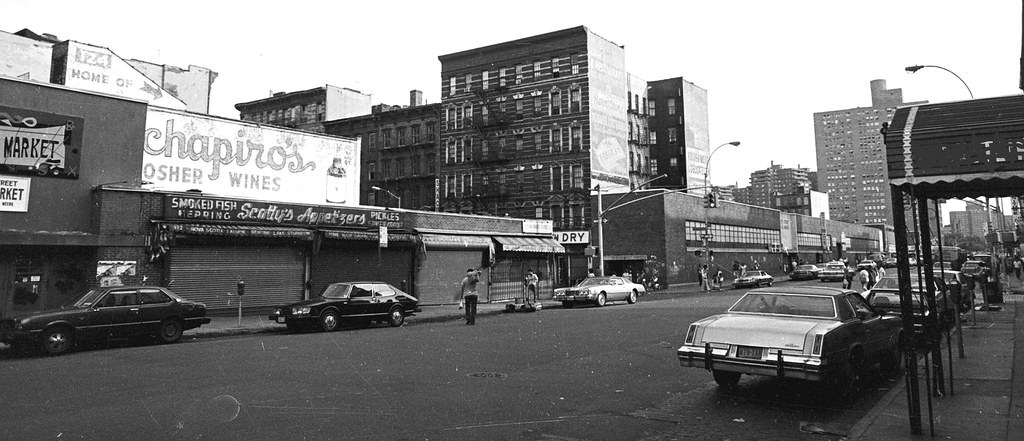
The South Bronx had been burning long before the blackout, though. Landlords, unable to collect rent or sell properties in neighborhoods that had been written off, hired arsonists to torch their own buildings for the insurance payouts. The destruction was widespread enough that sportscaster Howard Cosell used the phrase “the Bronx is burning” during a live broadcast of the 1977 World Series at Yankee Stadium. He was describing something real. Hundreds of buildings in the South Bronx were lost to fire and abandonment during this period, displacing thousands of residents.
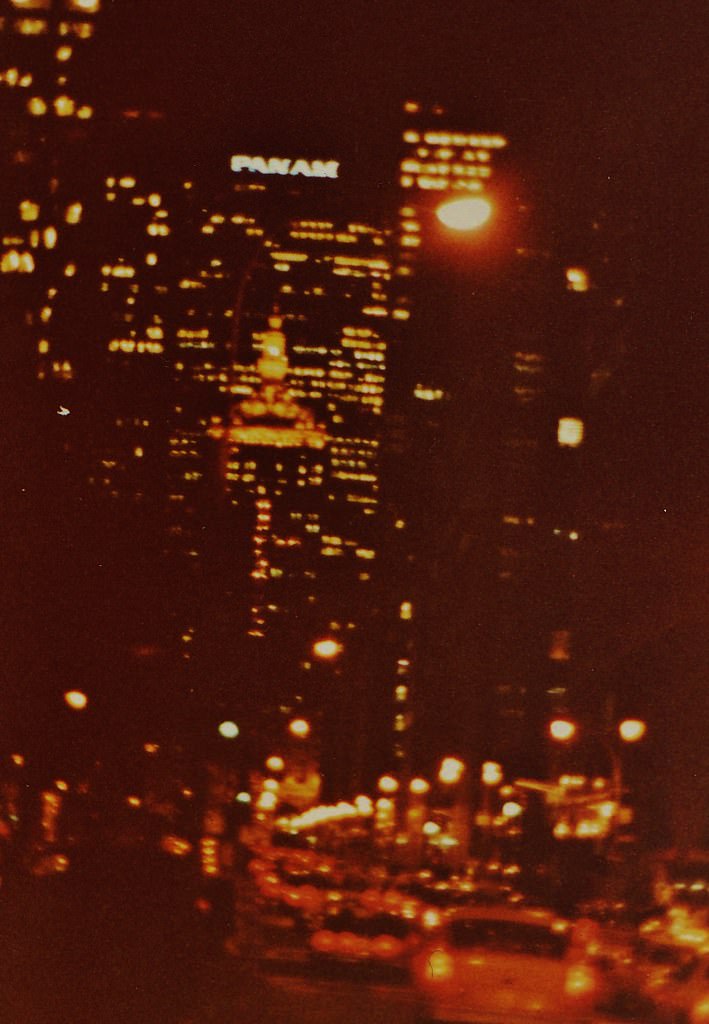
Out of those gutted blocks, something new was taking shape. Black and Latino teenagers in the Bronx were turning block parties into laboratories for a new kind of music. DJs like Kool Herc, Grandmaster Flash, and Afrika Bambaataa figured out how to use two turntables to isolate the “break” — the short, percussive instrumental section — from funk and soul records. By switching between two copies of the same record, they could extend that break indefinitely, giving dancers a continuous rhythm to move to. Dancers, called b-boys and b-girls, developed athletic, competitive styles of movement to match. Over those beats, MCs began speaking rhyming lines, which evolved into rapping. DJing, MCing, breakdancing, and graffiti art together formed the foundation of hip hop.
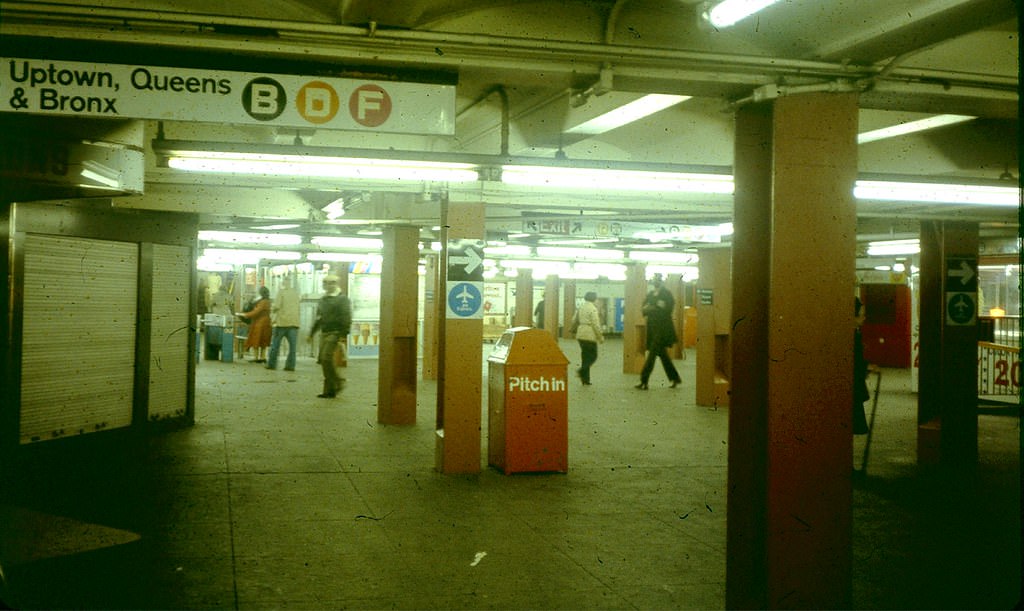
The subway system was a canvas as much as a mode of transport. Train cars were covered inside and out with elaborate graffiti — colorful, oversized letters and characters that young artists painted in rail yards overnight. The system itself was struggling, plagued by crime, delays, and mechanical breakdowns, but those painted cars carried new art through every borough every day.
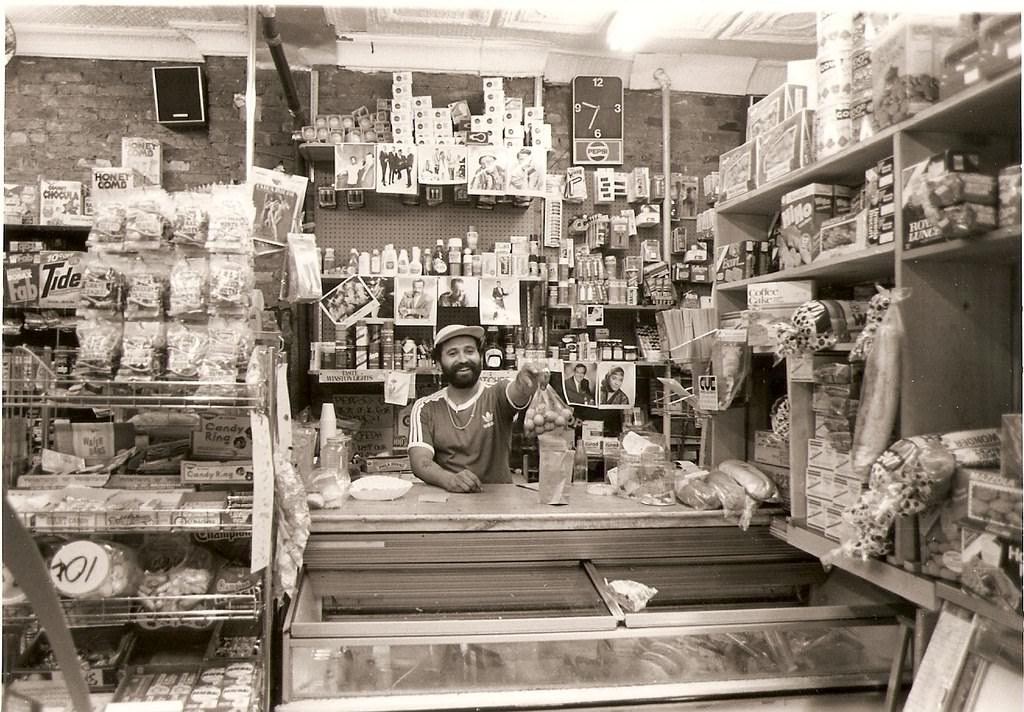
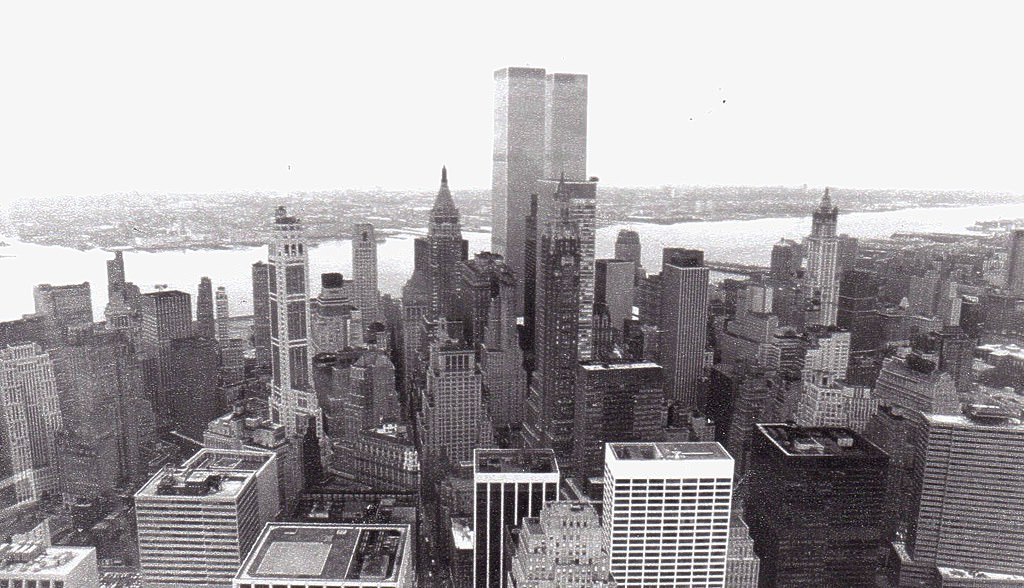
Downtown Manhattan was generating its own upheaval. In the East Village, a small, dirty club on the Bowery called CBGB became the center of New York’s punk rock scene. Bands like the Ramones, Blondie, and Talking Heads played there regularly, developing a stripped-down, fast, and loud sound that pushed back hard against the polished stadium rock dominating mainstream radio. The music was deliberately raw — short songs, minimal production, maximum energy. The club itself was cramped and famously grimy, which suited the scene perfectly.
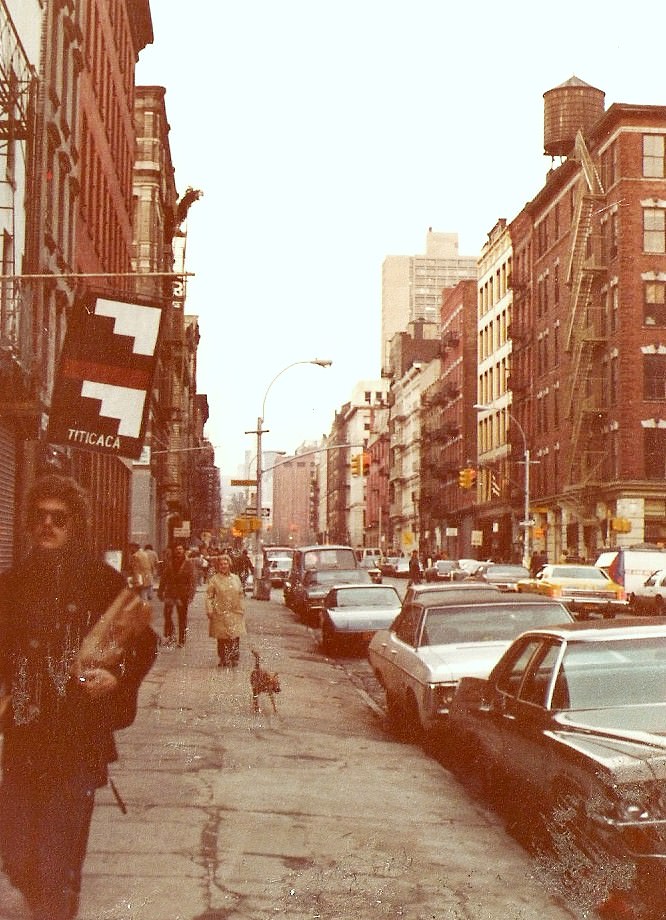
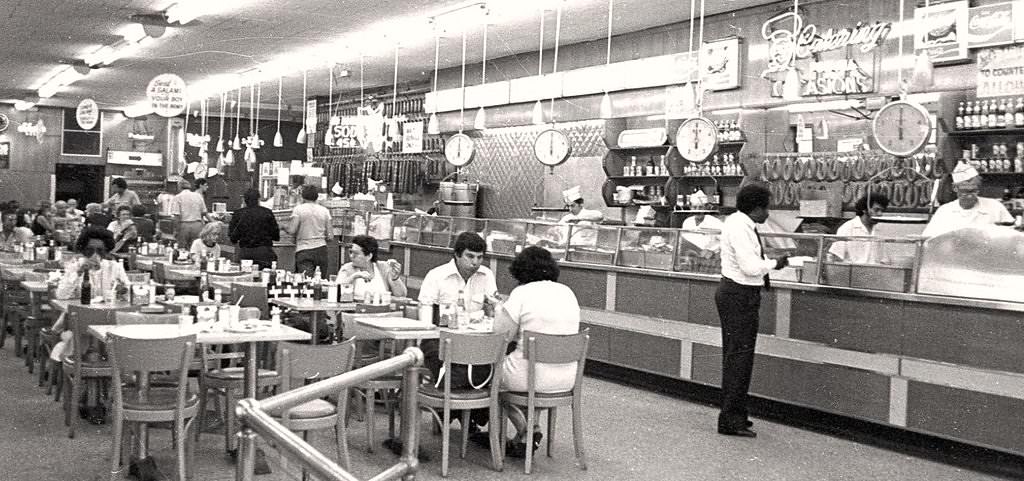
A few miles uptown, the mood was entirely different. Studio 54 opened in Midtown in 1977 and immediately became the most talked-about nightclub in the world. Its door policy was notoriously selective — even celebrities sometimes didn’t make the cut — which only increased its mystique. Inside, Andy Warhol, Liza Minnelli, and a rotating cast of cultural figures danced under mirror balls to the driving, relentless beat of disco music. The four-on-the-floor rhythm of disco filled dance floors across the city, offering a kind of glamorous escape from the grim reality just outside the door.
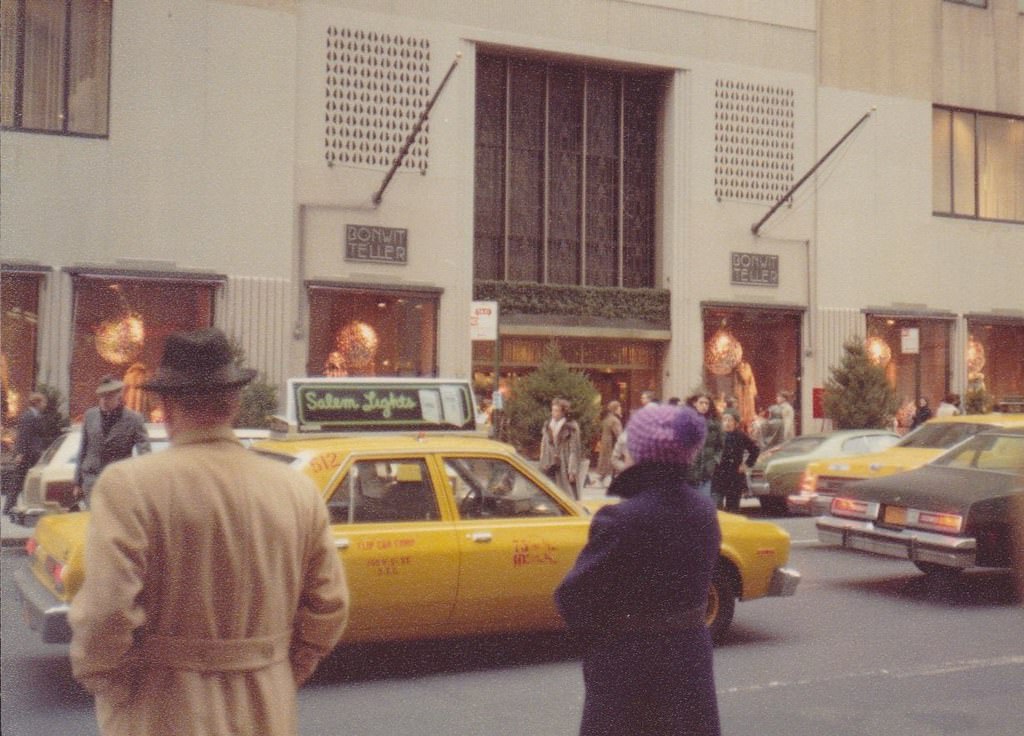
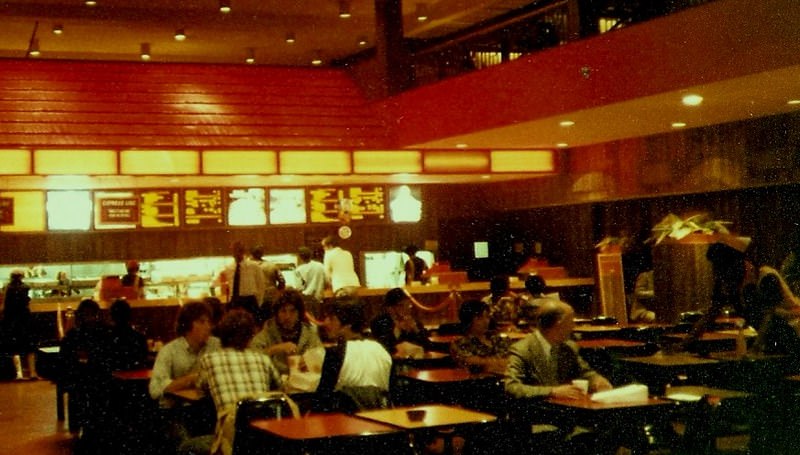
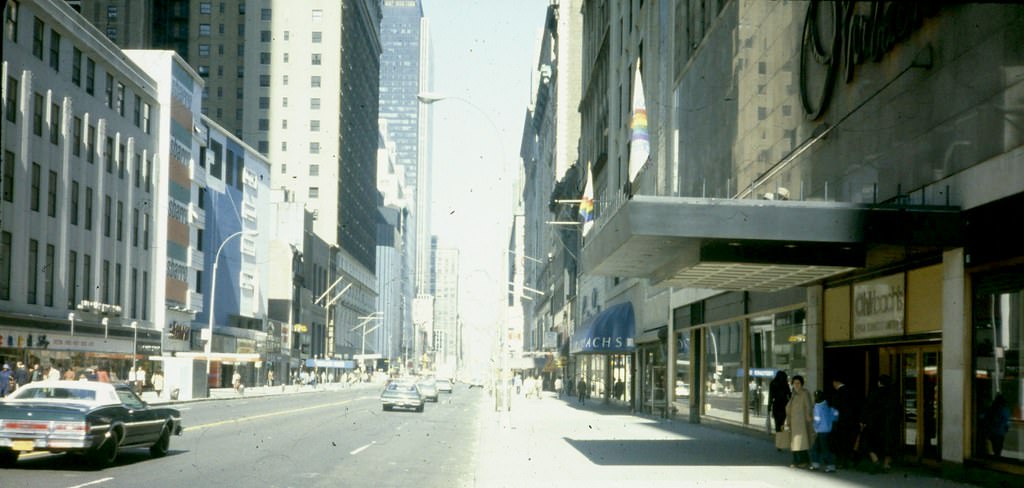
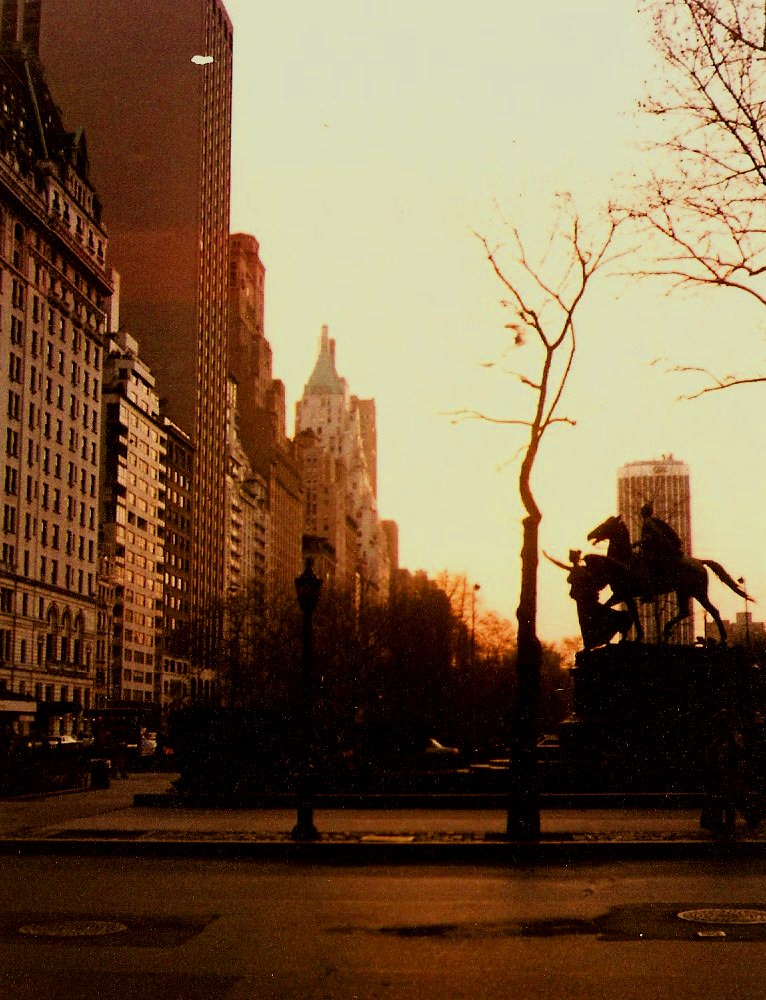
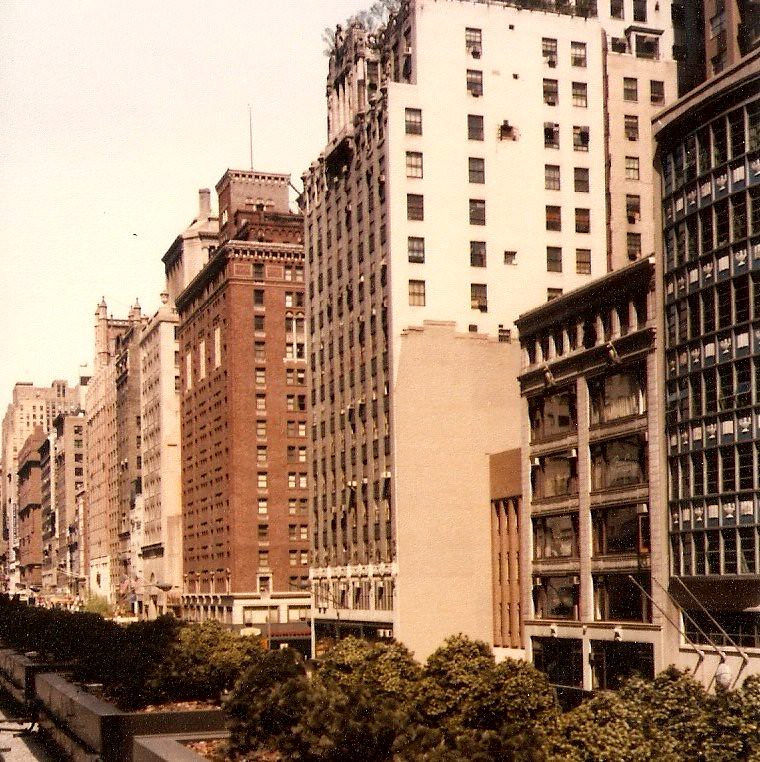
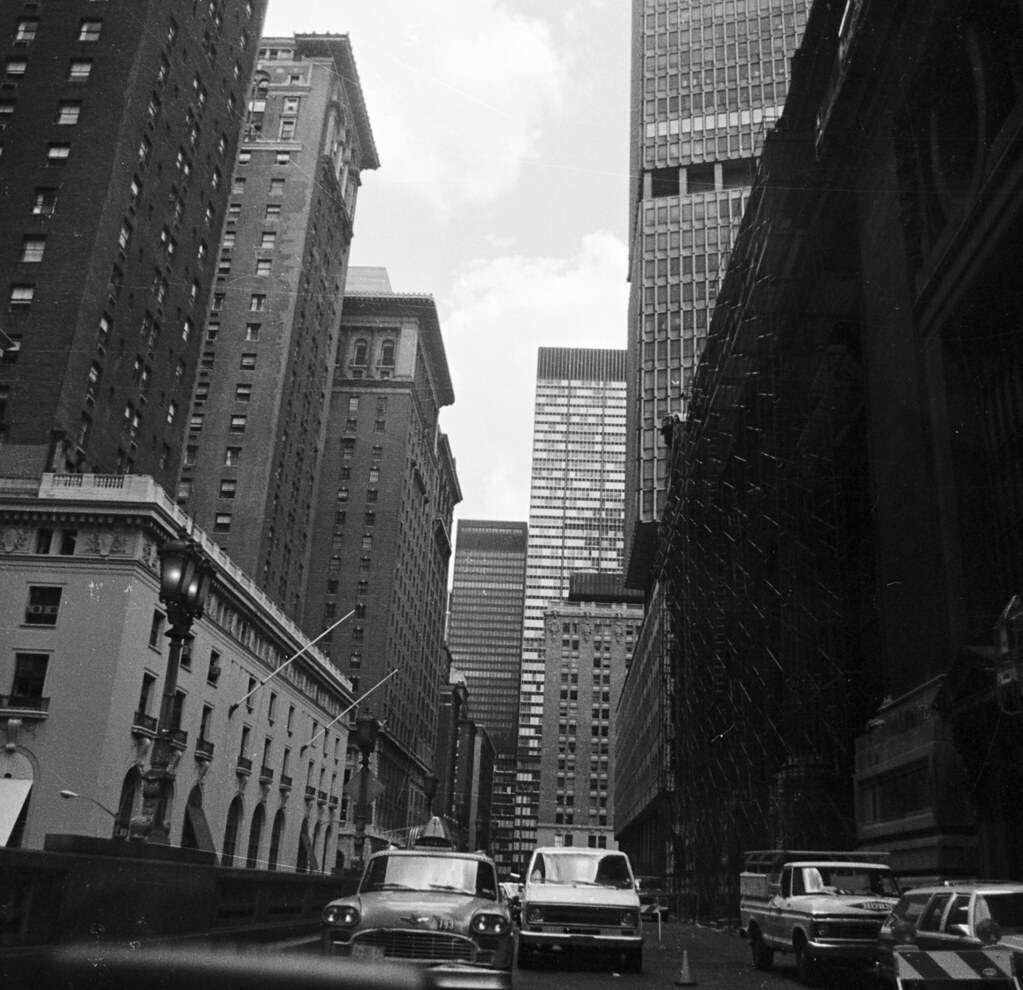
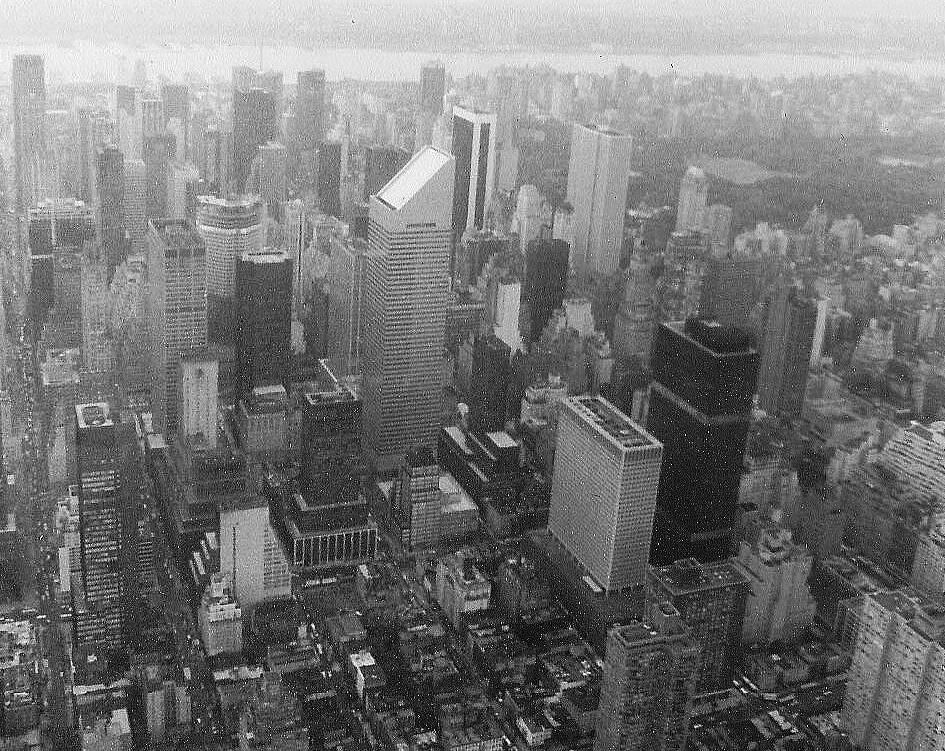
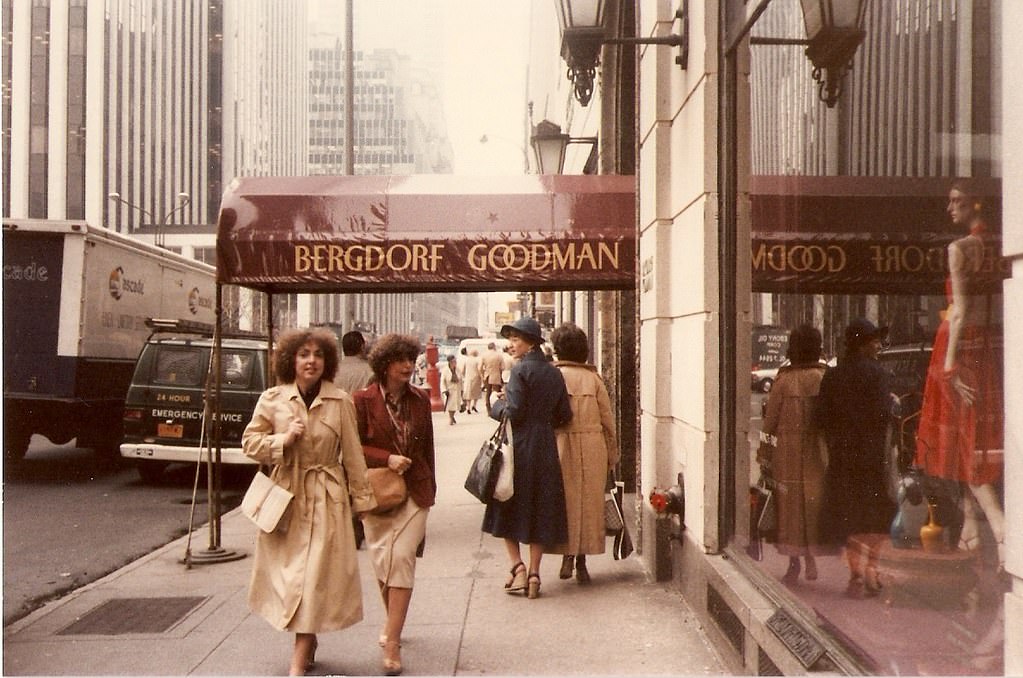
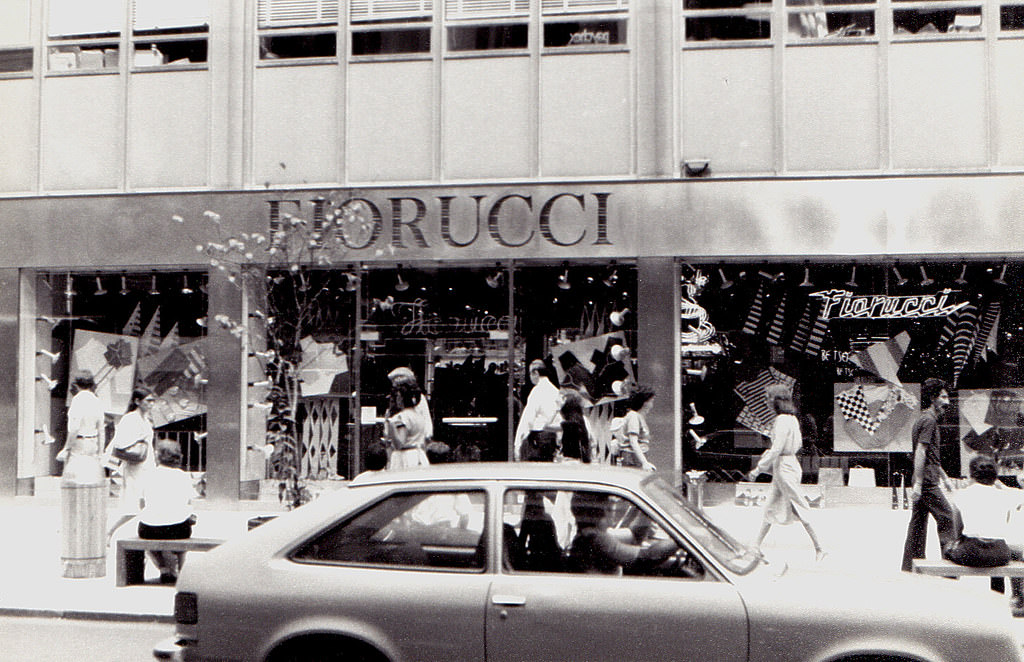
The contrast between uptown and downtown, between decay and extravagance, was one of the defining features of the city at this time. Fifth Avenue and Midtown kept their polish while other neighborhoods crumbled. Stores like Bergdorf Goodman and Bonwit Teller dressed their windows for Christmas while arson fires lit up the Bronx sky just miles away.