
In the early 1960s, actor Stanley Baker and director Cy Endfield formed a production company called Diamond Films with one goal: bring the story of the 1879 Battle of Rorke’s Drift to the big screen. The script came from a magazine article by historian John Prebble, and the two men secured a budget of roughly $3 million — a serious sum for a British film of that era. Baker would star as Lieutenant John Chard, the Royal Engineers officer who led the defense. What followed was a months-long shoot in South Africa that tested every member of the cast and crew.
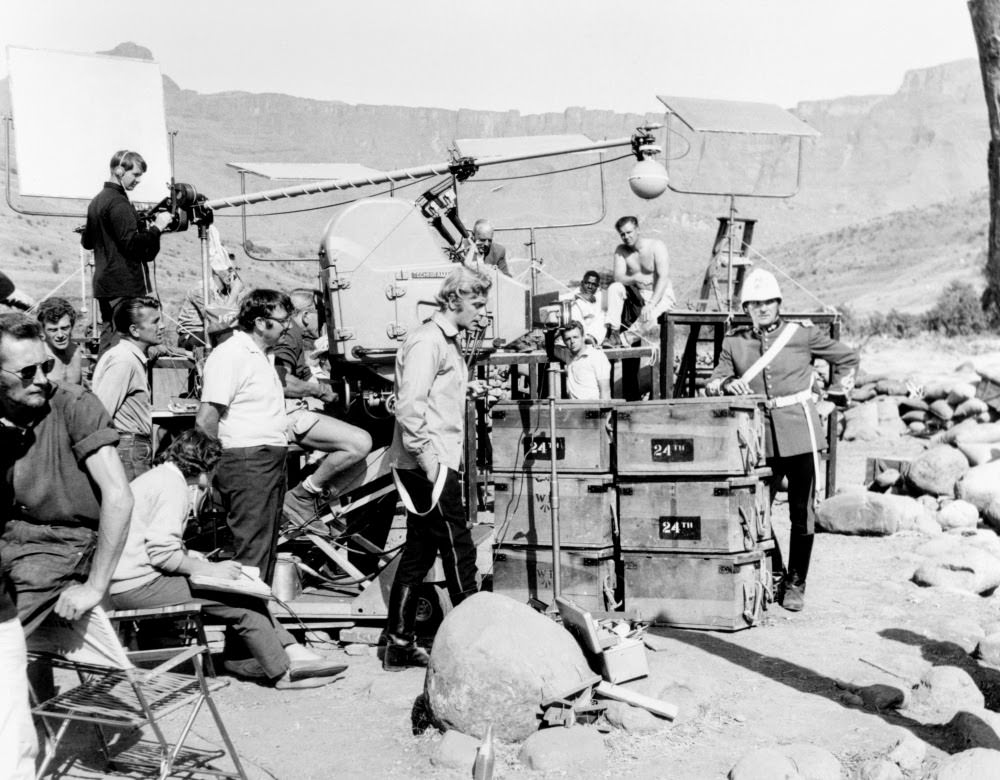
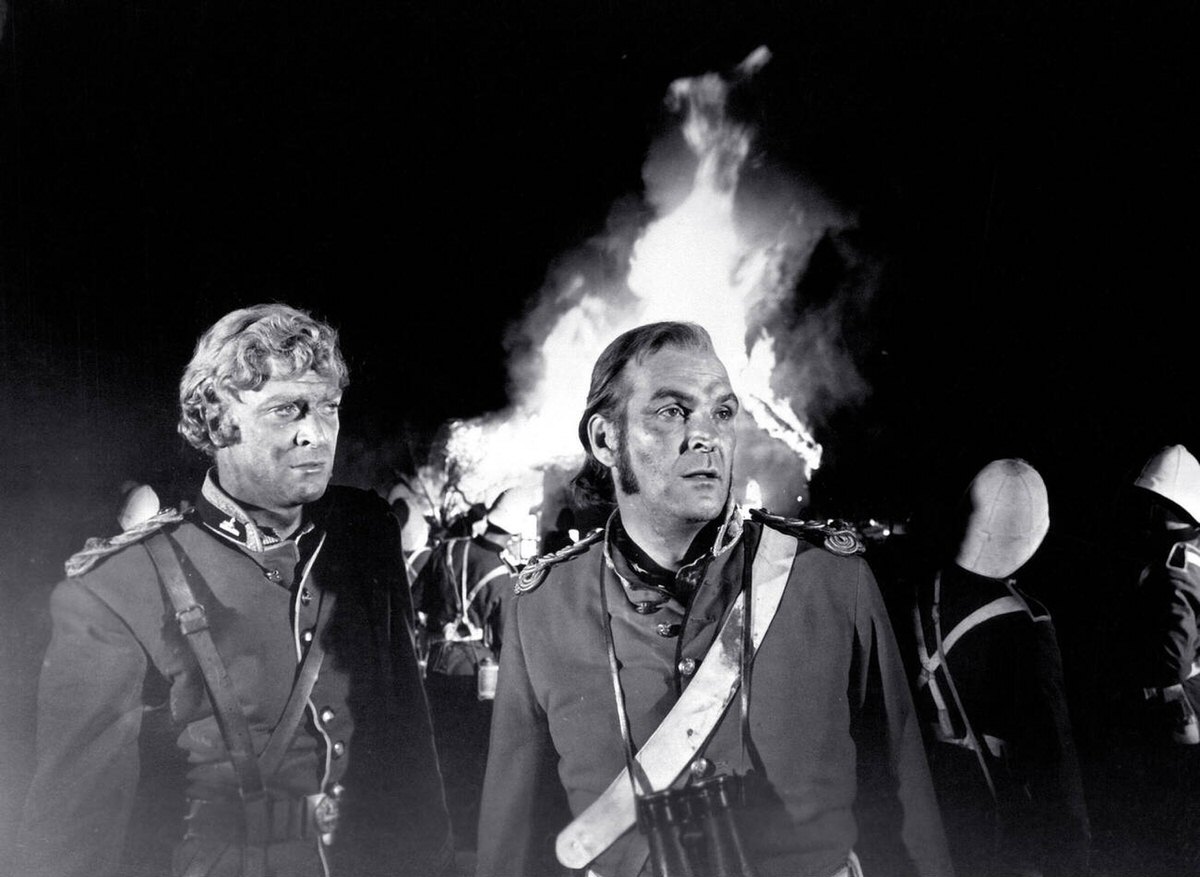
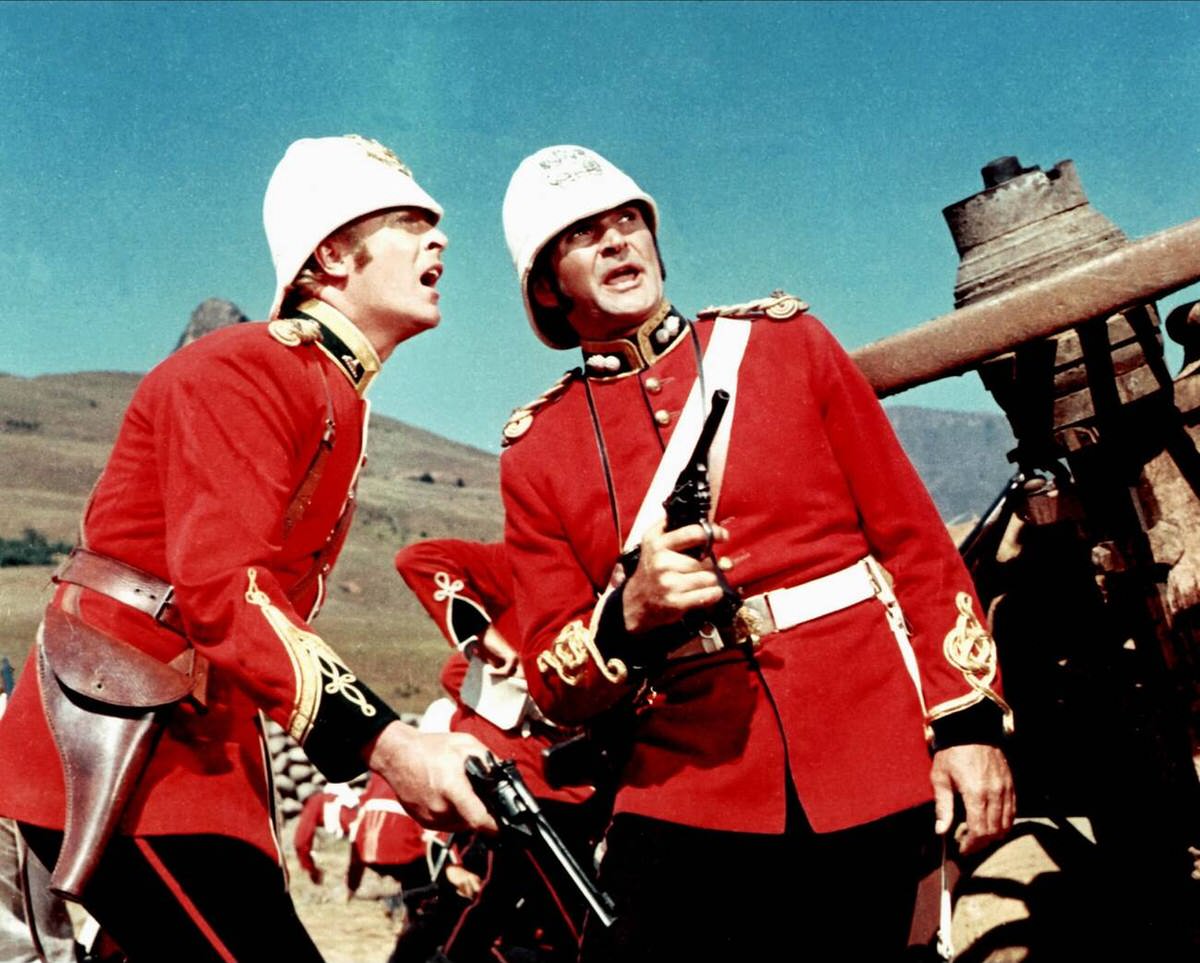
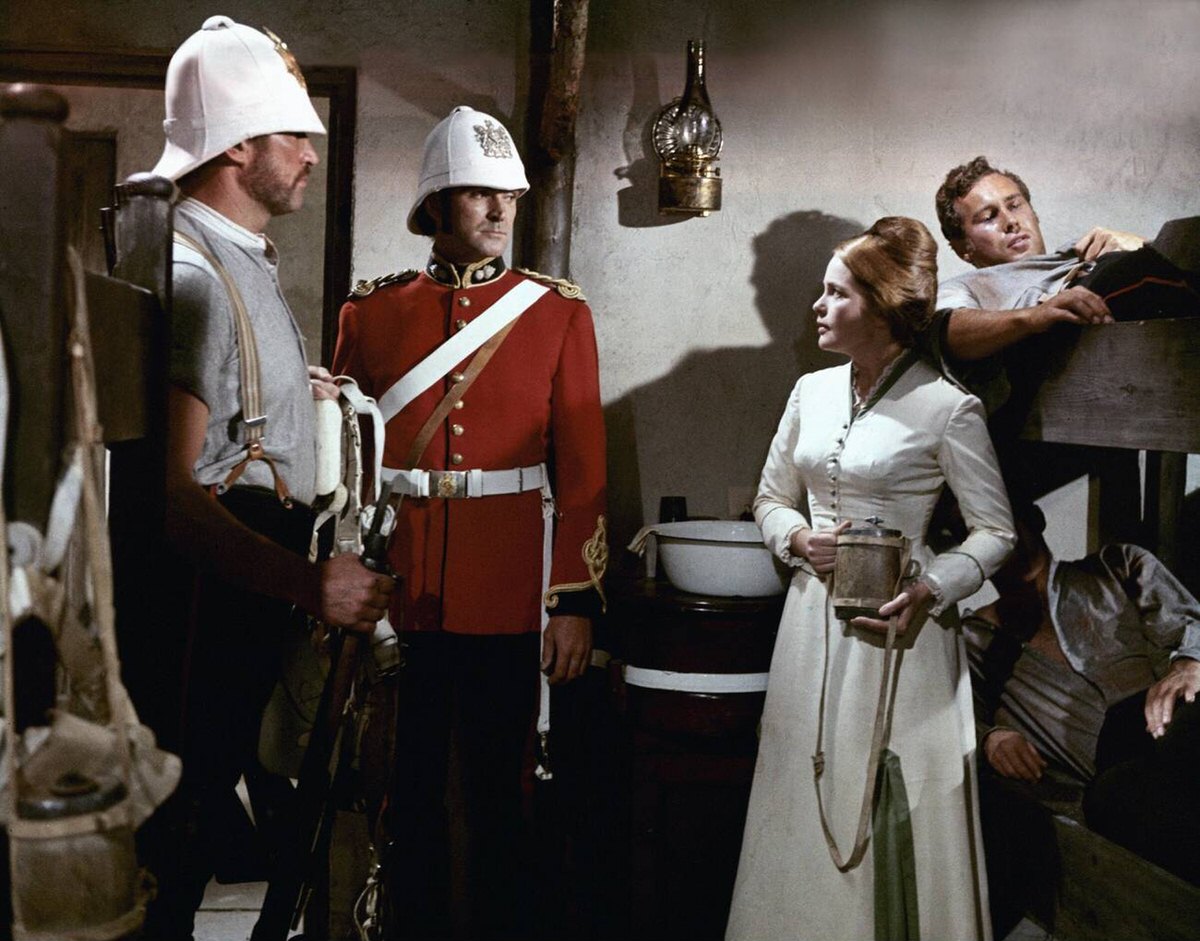
Before filming started, the production needed to fill its cast. Michael Caine, then a struggling actor with barely any film credits, auditioned for the role of Private Henry Hook — a rebellious, difficult soldier. Endfield decided Caine was wrong for the part. But he noticed something else: Caine was tall, carried himself well, and projected a natural authority on screen. Endfield offered him the role of Lieutenant Gonville Bromhead instead. There was just one problem. Caine spoke with a strong Cockney accent, and a British Army officer of the 24th Regiment of Foot required the clipped, upper-class tones of Received Pronunciation. Caine trained hard to get it right. Stanley Baker backed the decision even when the film’s financiers had doubts. James Booth was cast as Private Hook, the role Caine had originally wanted.
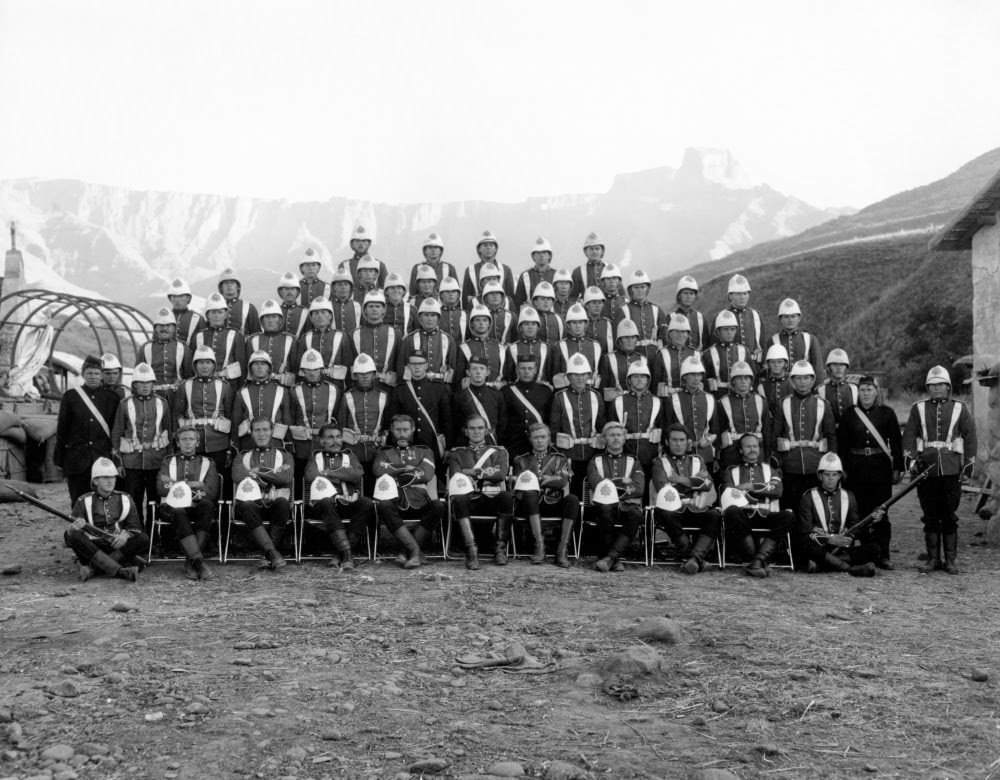
The production team chose the Royal Natal National Park in the Drakensberg Mountains as its main filming location. The actual site of the Battle of Rorke’s Drift sat about 60 miles away, but by the 1960s it had been modernized and looked nothing like the frontier outpost of 1879. The park offered dramatic cliffs, wide open plains, and unspoiled terrain. A full-scale replica of the Rorke’s Drift mission station was built on location, including the stone kraal, the storehouse, and the hospital. Construction workers used local materials to keep the buildings looking period-accurate, and they built them solidly — the set had to hold hundreds of actors during the battle sequences.
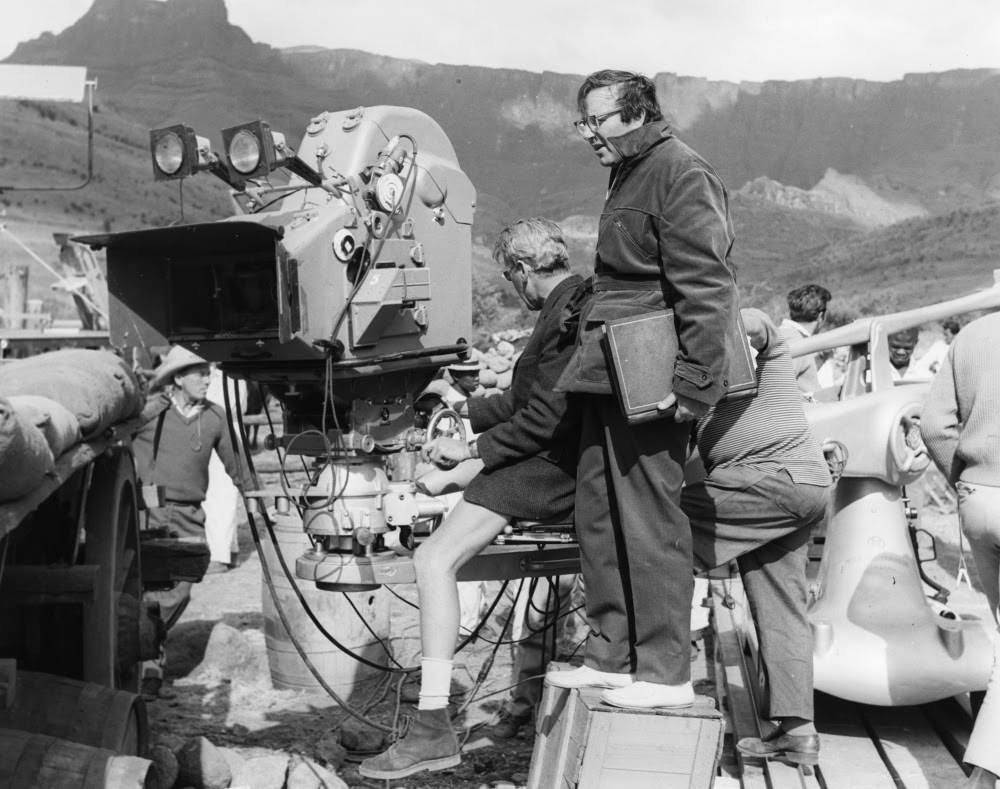
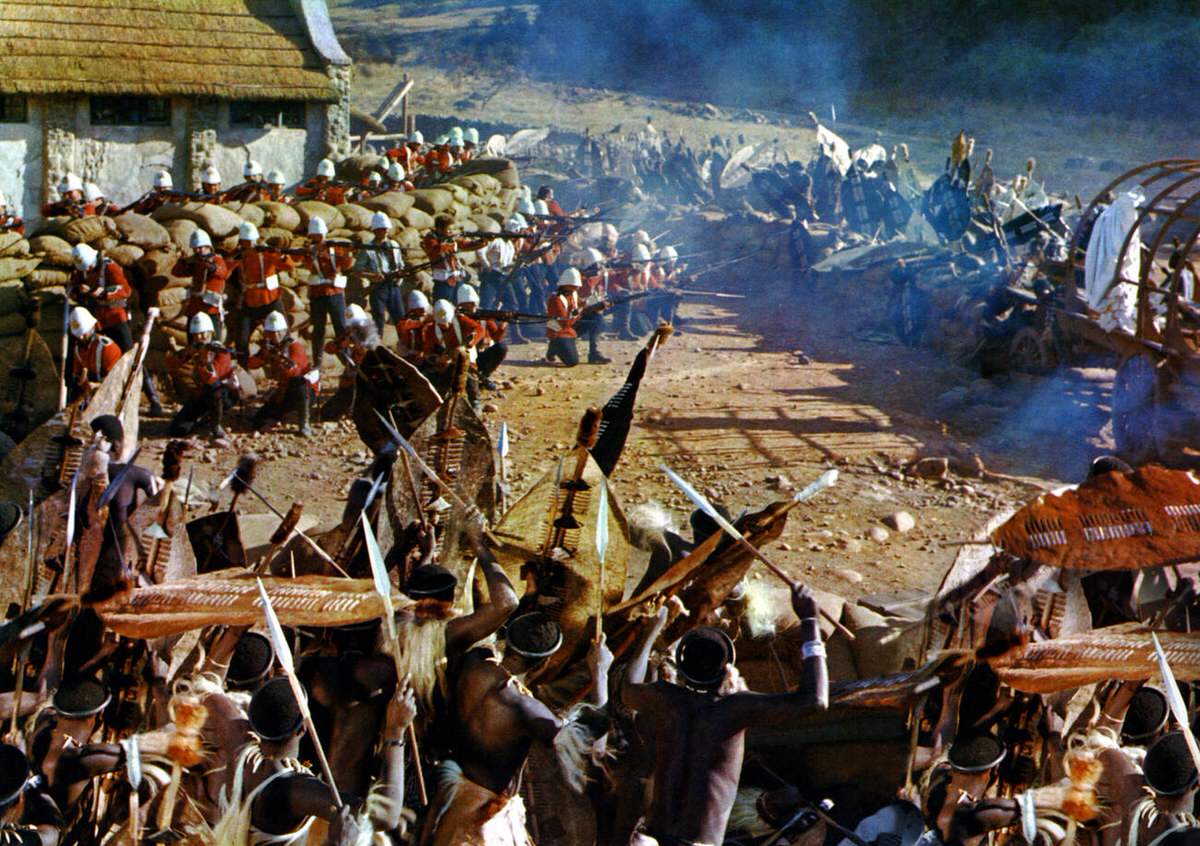
Cinematographer Stephen Dade shot the film in Super Technirama 70, a widescreen format that captured both the vastness of the landscape and the scale of the crowds. The cameras were large and complex pieces of equipment, and Dade used them to full effect — placing them at ground level during battle scenes to put the audience inside the walls of the mission station.
For Michael Caine, the role of Lieutenant Bromhead was a transformation. He appeared in uniform throughout most of the shoot, and the performance he delivered turned him into one of the most recognizable faces in British cinema almost overnight.
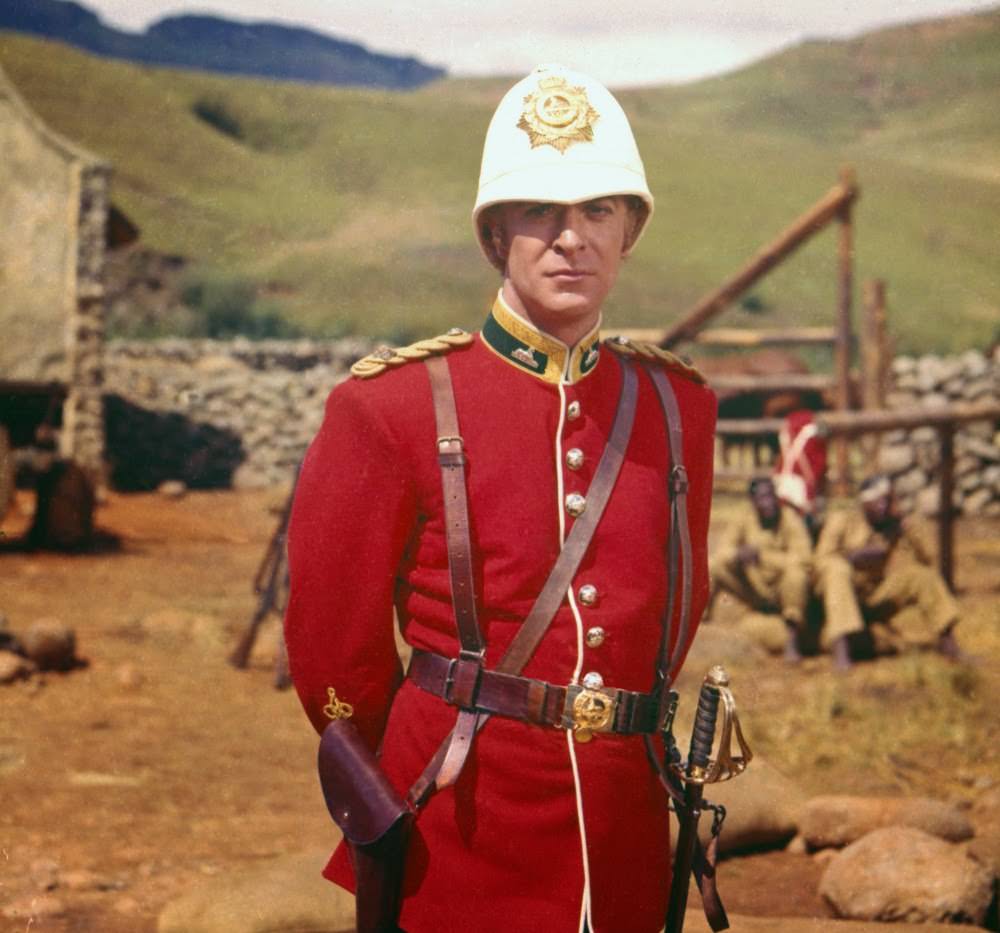
The cast extended well beyond Baker and Caine. Veteran character actor Jack Hawkins took the role of Reverend Otto Witt, a Swedish missionary stationed at Rorke’s Drift when the Zulu attack began.
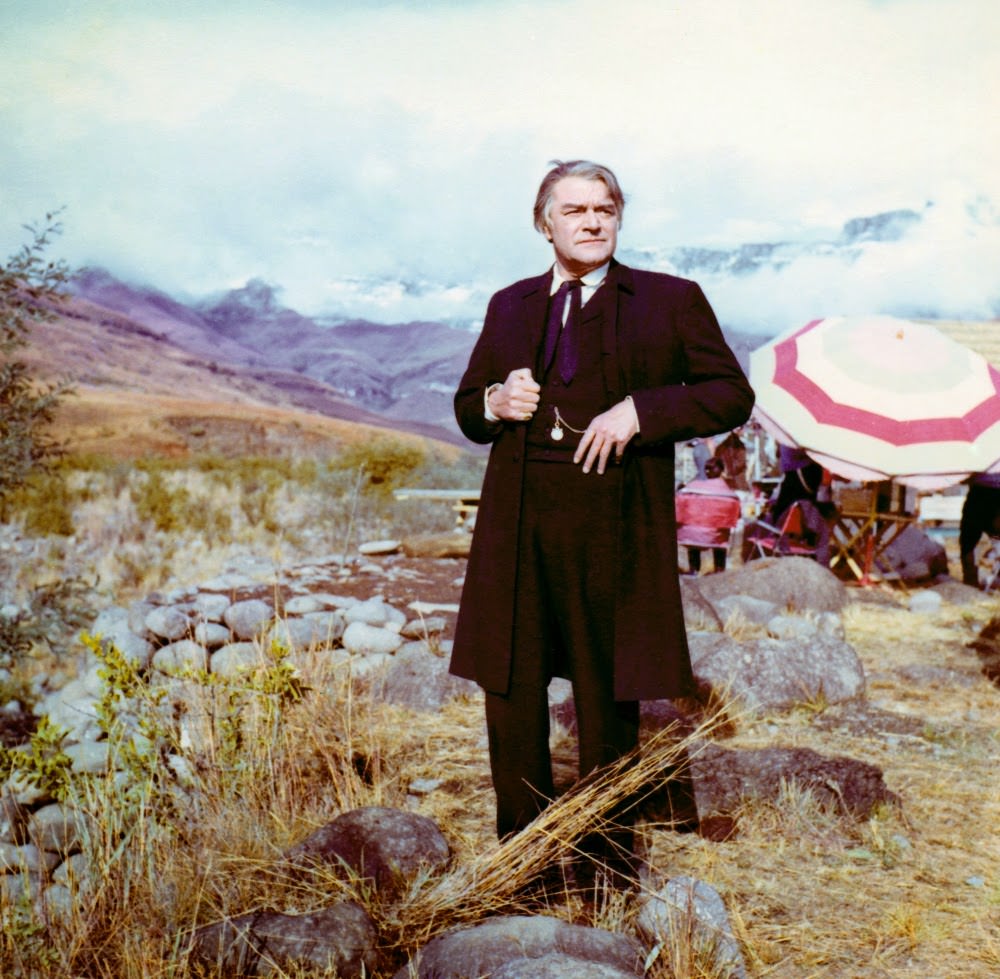
Stanley Baker was the driving force behind the project both on screen and off. As producer and lead actor, he was present on set every day, managing the enormous logistical demands of the production while also performing in the film’s most demanding scenes.
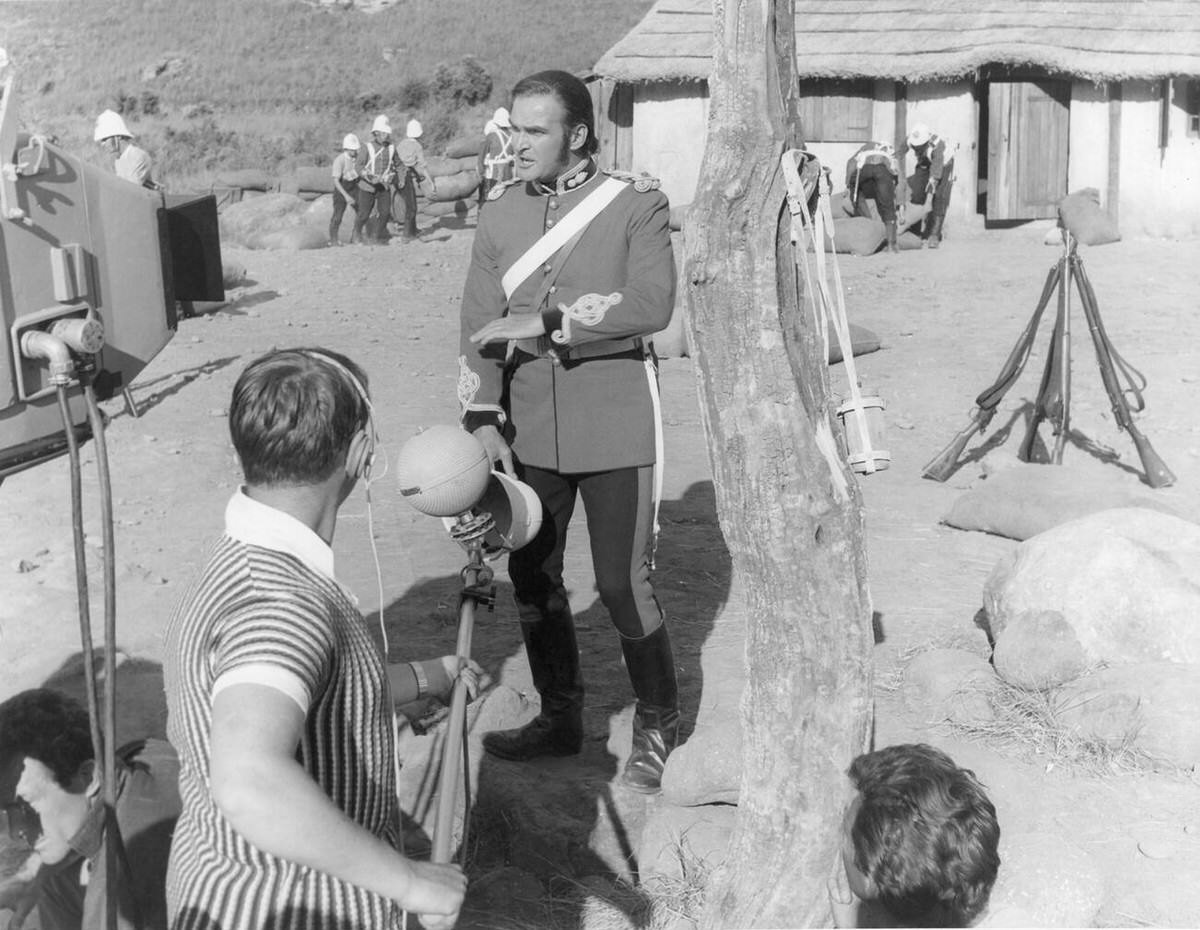
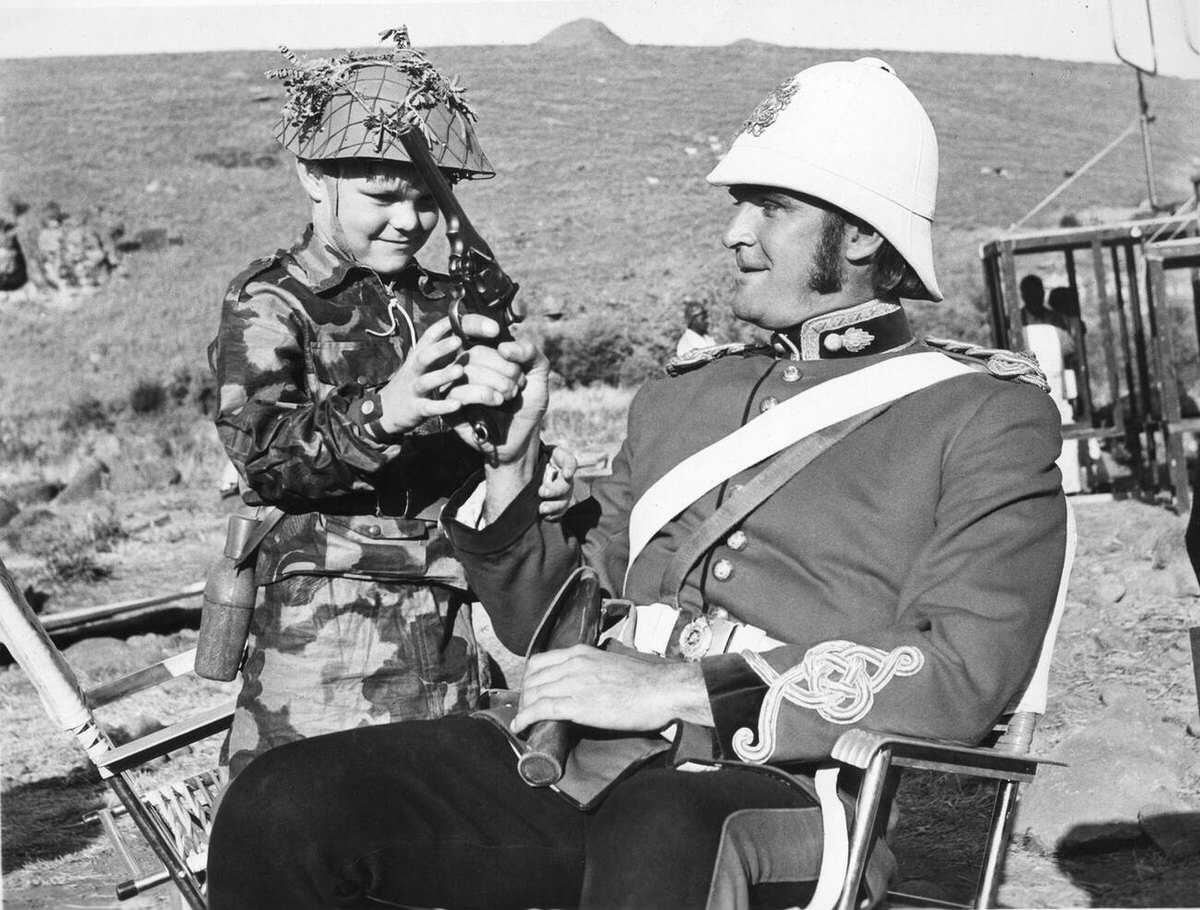
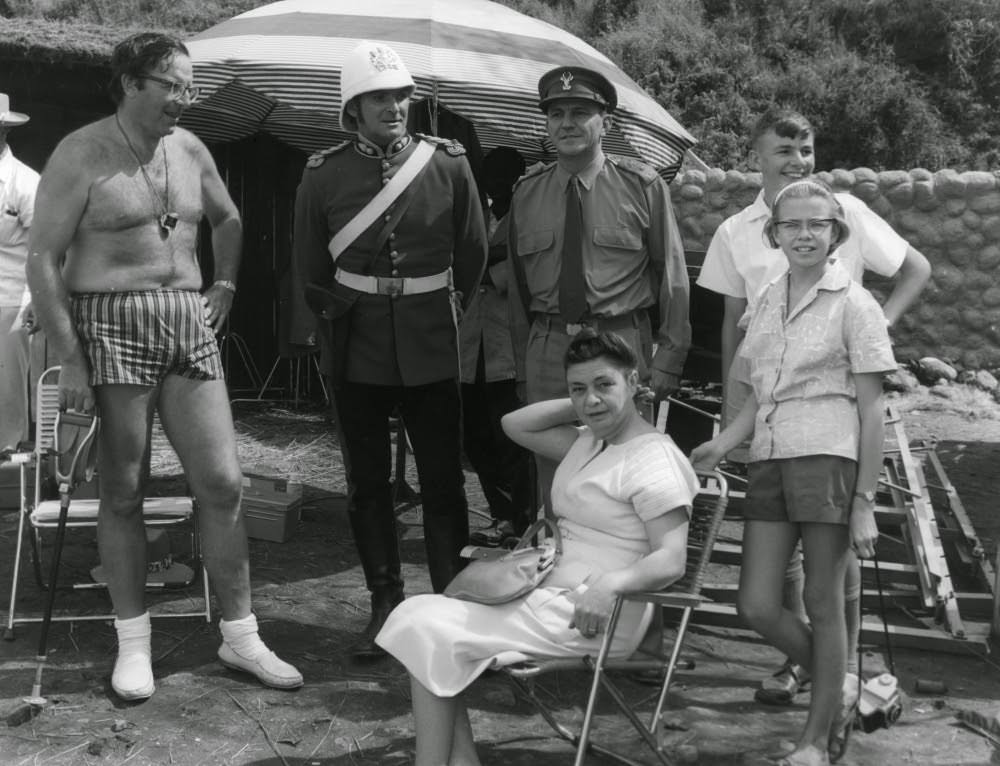
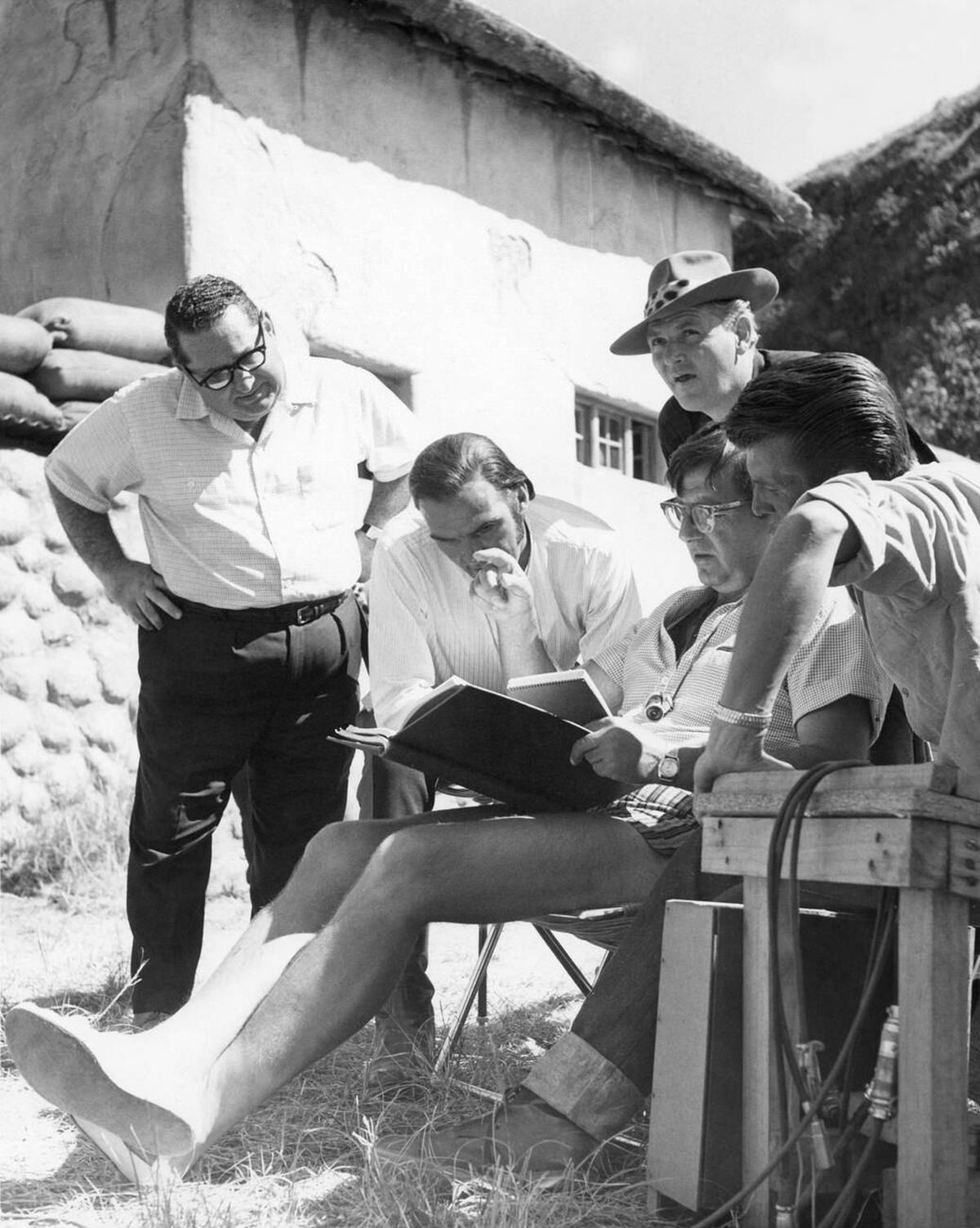
The production drew key figures from both the creative and business sides of filmmaking to its South African location. Producer Joseph E. Levine, who handled American distribution, visited the set along with other members of the production team.
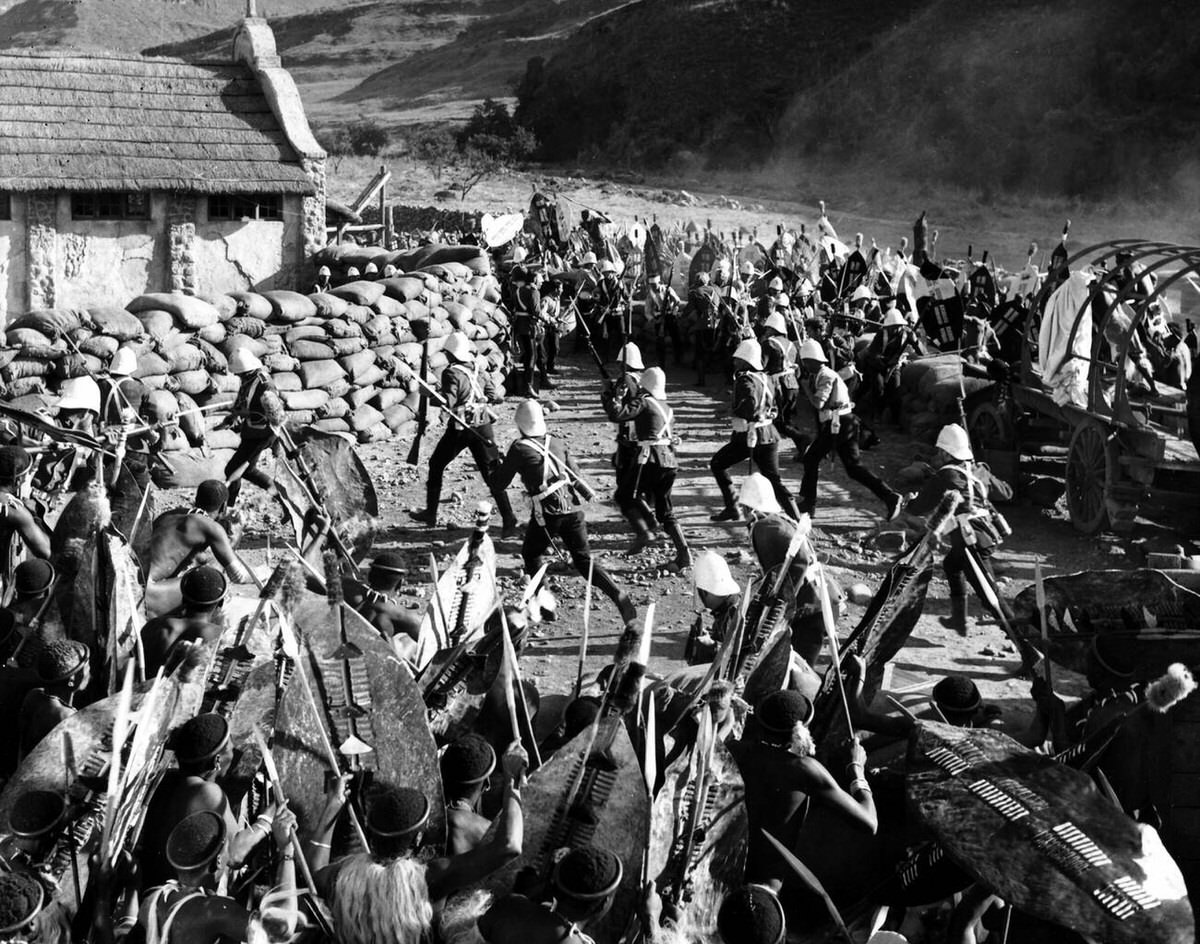
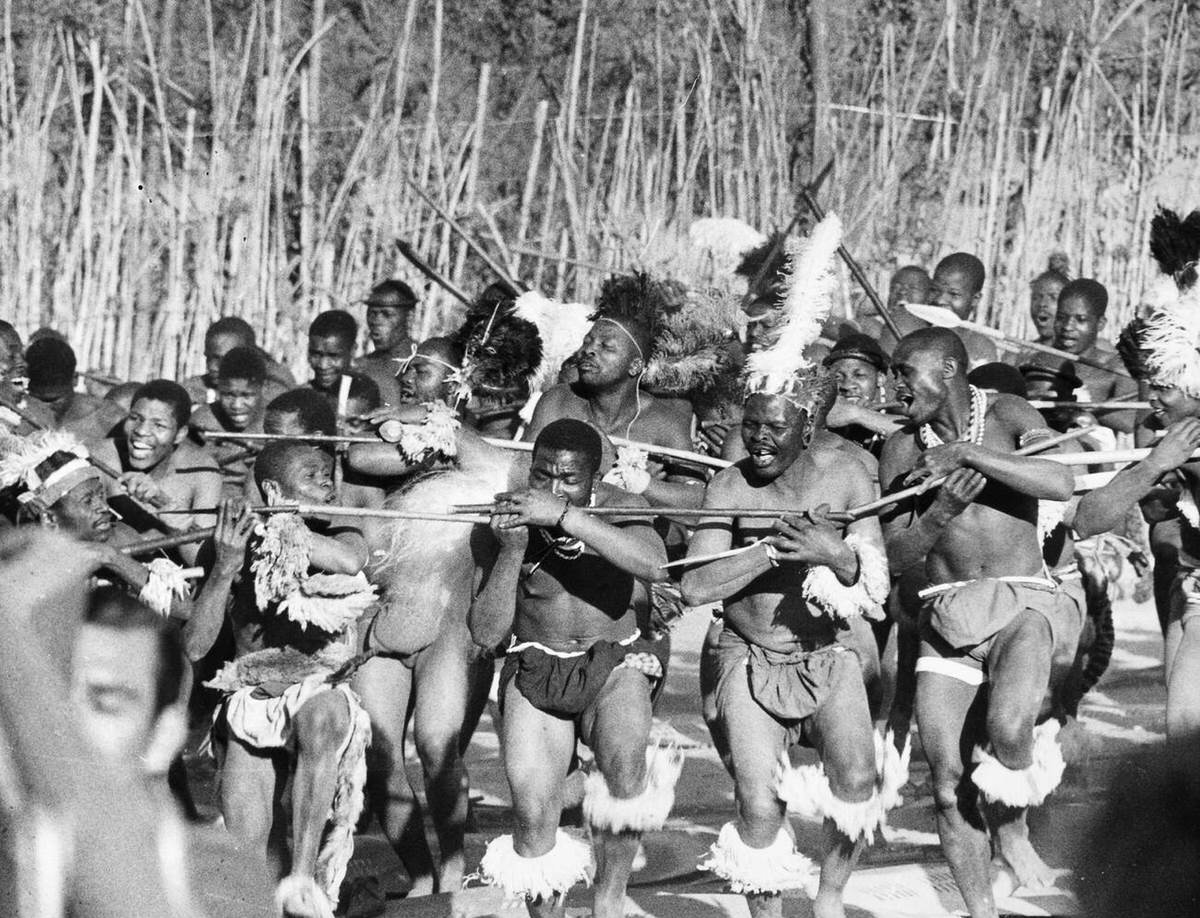
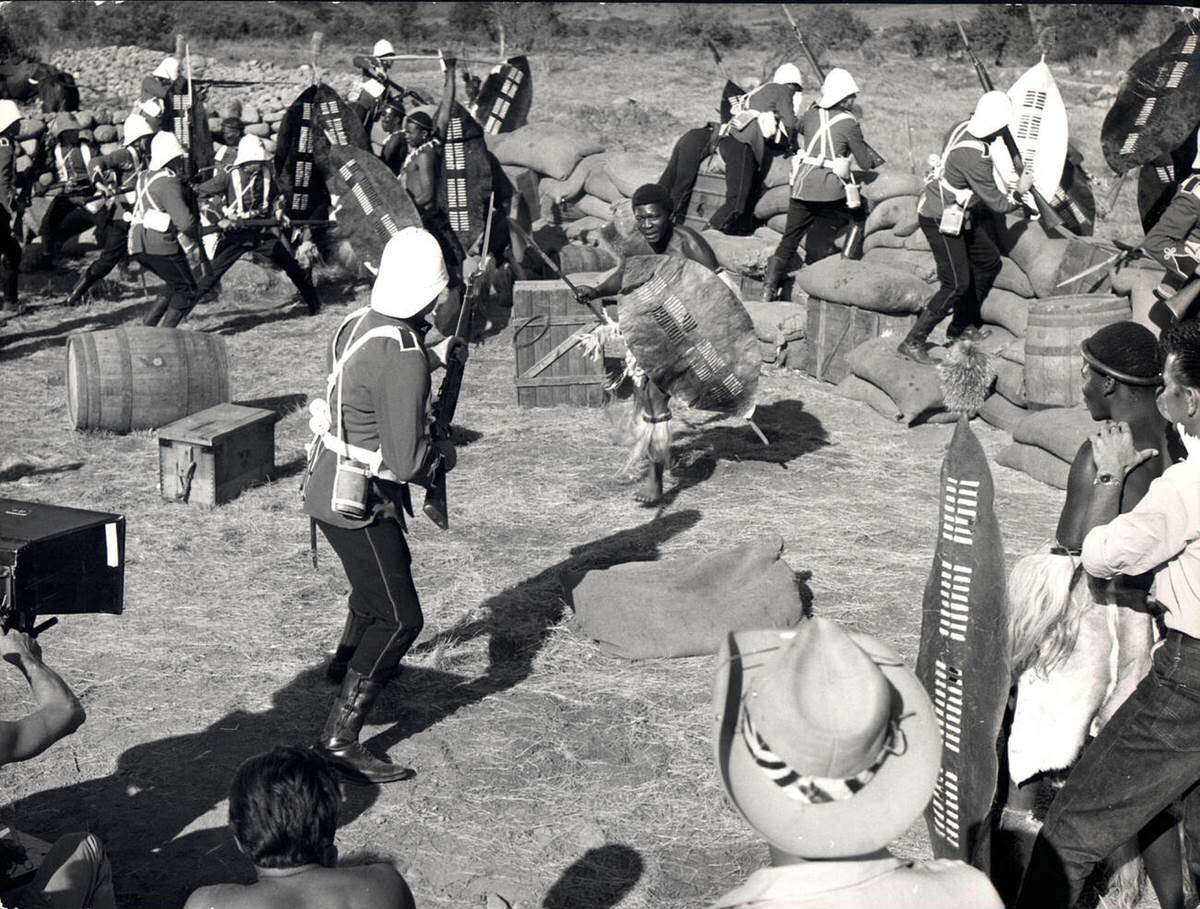
The production hired over 700 Zulu tribesmen to portray the warriors. Many of them were direct descendants of the men who had fought in the actual Anglo-Zulu War of 1879. Chief Mangosuthu Buthelezi, the great-grandson of Zulu King Cetshwayo, played his own ancestor in the film. Most of the Zulu extras had never seen a motion picture before the crew arrived. Cy Endfield solved this by setting up a projector and screening a Western film for them. Once they understood how a battle played out on screen, they became focused and disciplined performers, executing the complex battle maneuvers with precision. Because of Apartheid laws in South Africa, the production was legally barred from paying the Zulu extras the same wages as white actors. Baker and the crew responded by providing the community with cattle and funding local improvements.
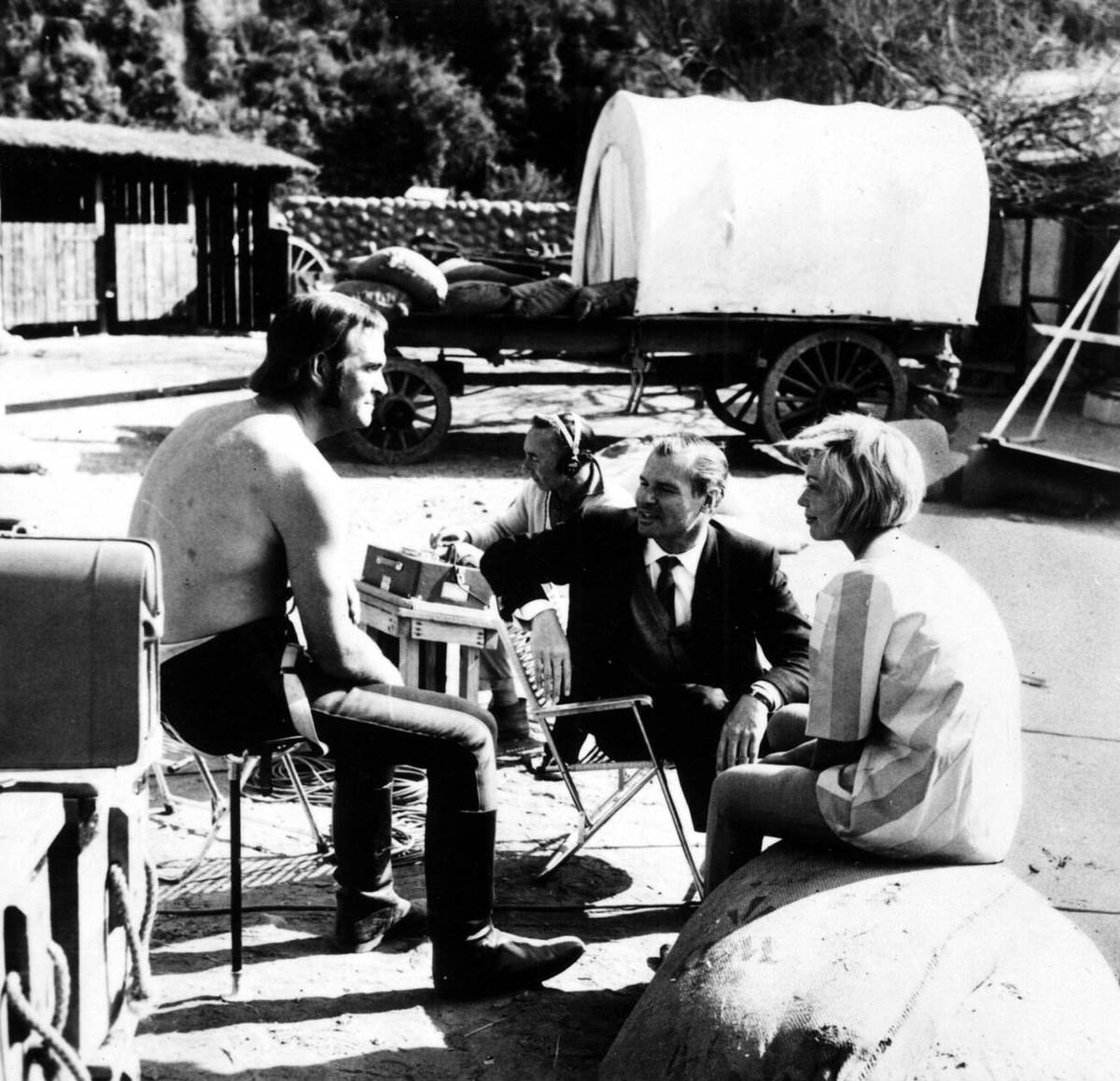
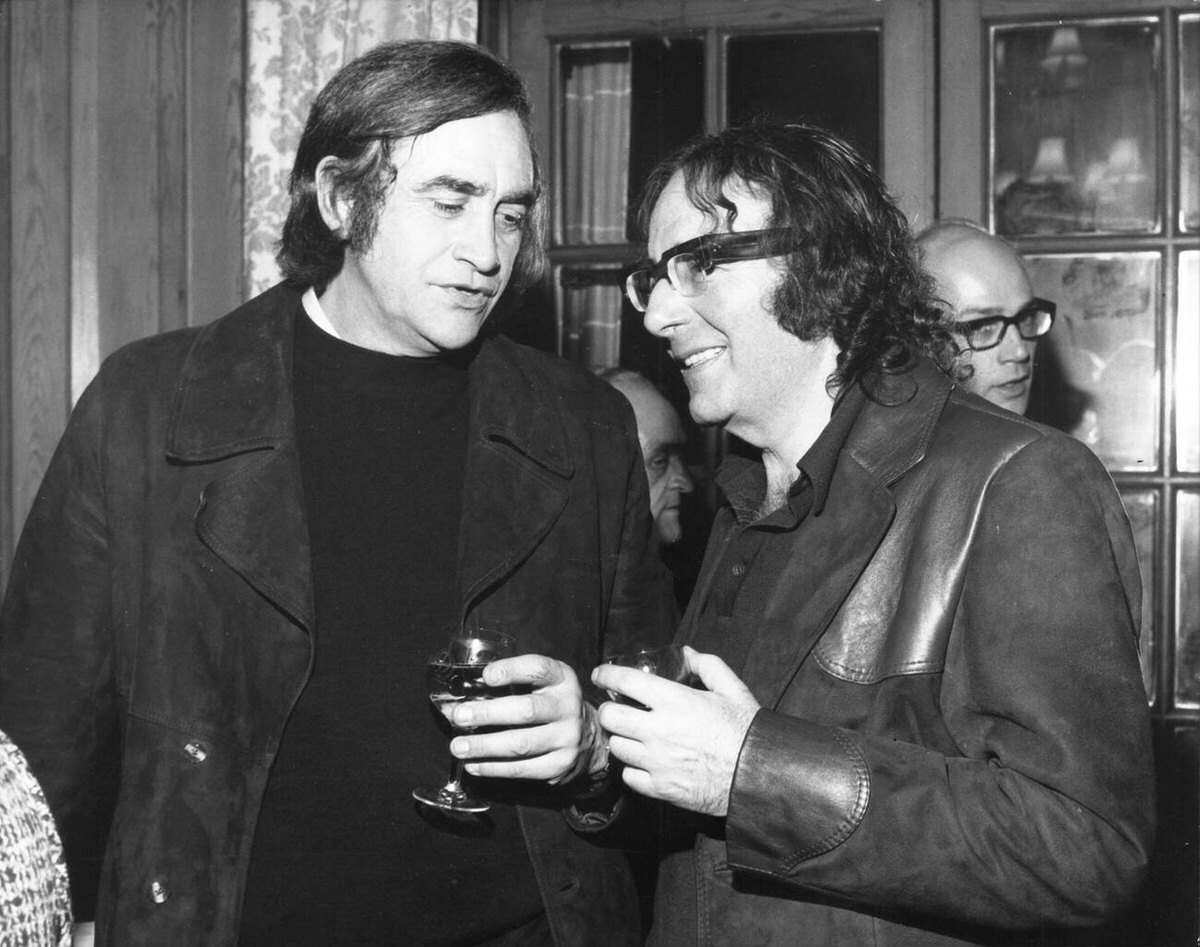
On set, Baker and Caine worked closely together throughout the shoot. Their characters share command of the garrison during the battle, and the two actors built a strong working relationship during the months of filming.
The Zulu warriors brought authenticity to the production that no stunt team could have replicated. Their rehearsals included the traditional dances and formations that would appear in the finished film.
The physical conditions on location were brutal. Temperatures in the Drakensberg Mountains regularly exceeded 100 degrees Fahrenheit. The British actors wore heavy wool uniforms designed for the European climate, and heat exhaustion was a constant problem. Violent hailstorms struck the set without warning, damaging buildings and shutting down filming for days at a time. The high altitude made physical exertion — including the battle sequences — significantly harder. Despite all of this, the production kept to its schedule.
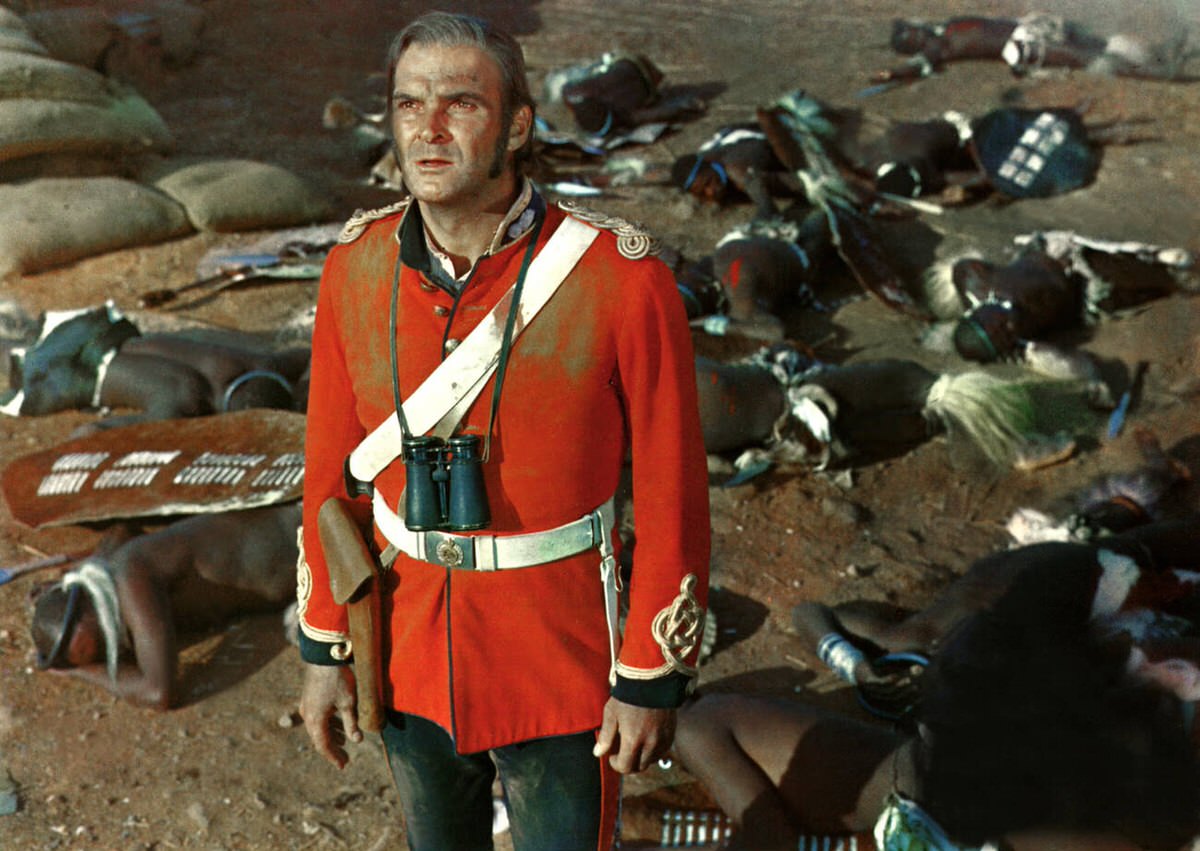
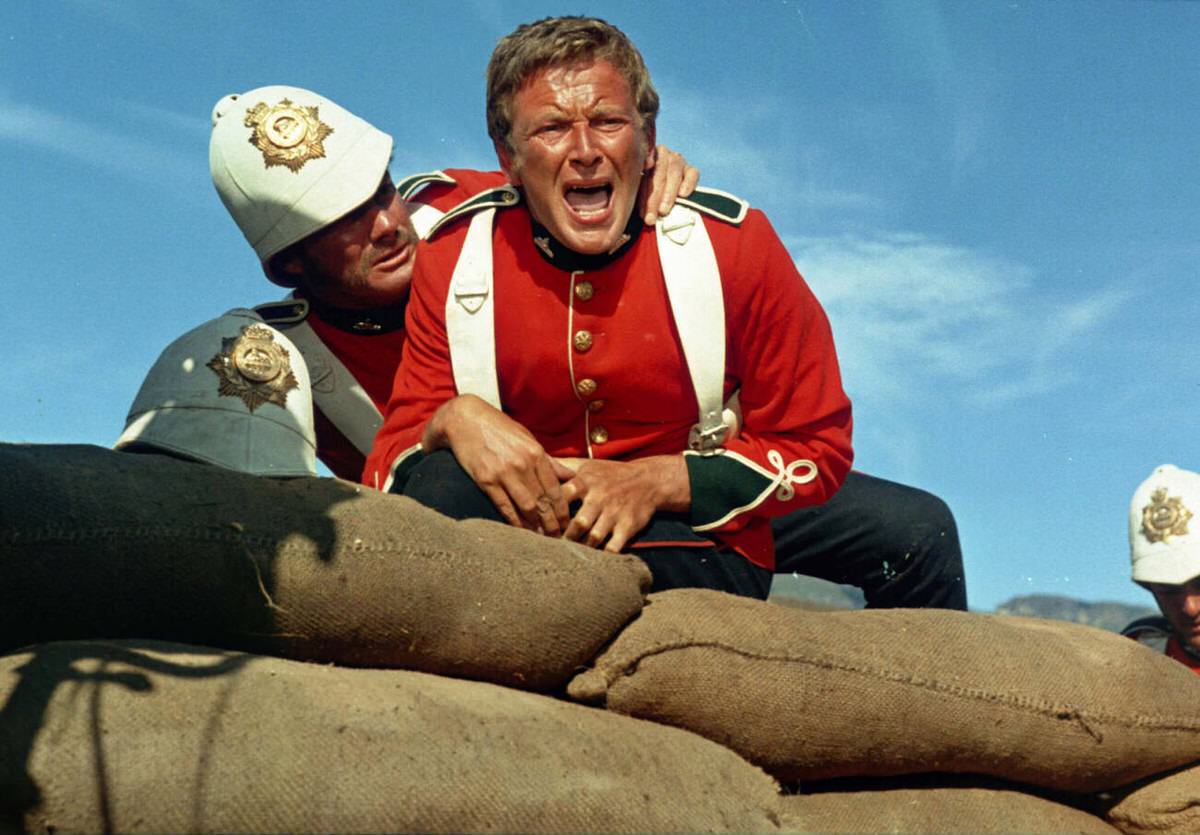
The battle choreography required months of rehearsal. Stunt coordinators trained both the Zulu extras and the British actors together. Thousands of dummy rifles were used alongside real spears with blunted tips. The shields were made from traditional cowhide, matching the actual equipment used in 1879. Camera units were positioned at multiple angles during the final charge to give the editors enough material to build an intense, fast-moving sequence. Blood effects were created using red dye mixed with syrup, the standard method of the period.
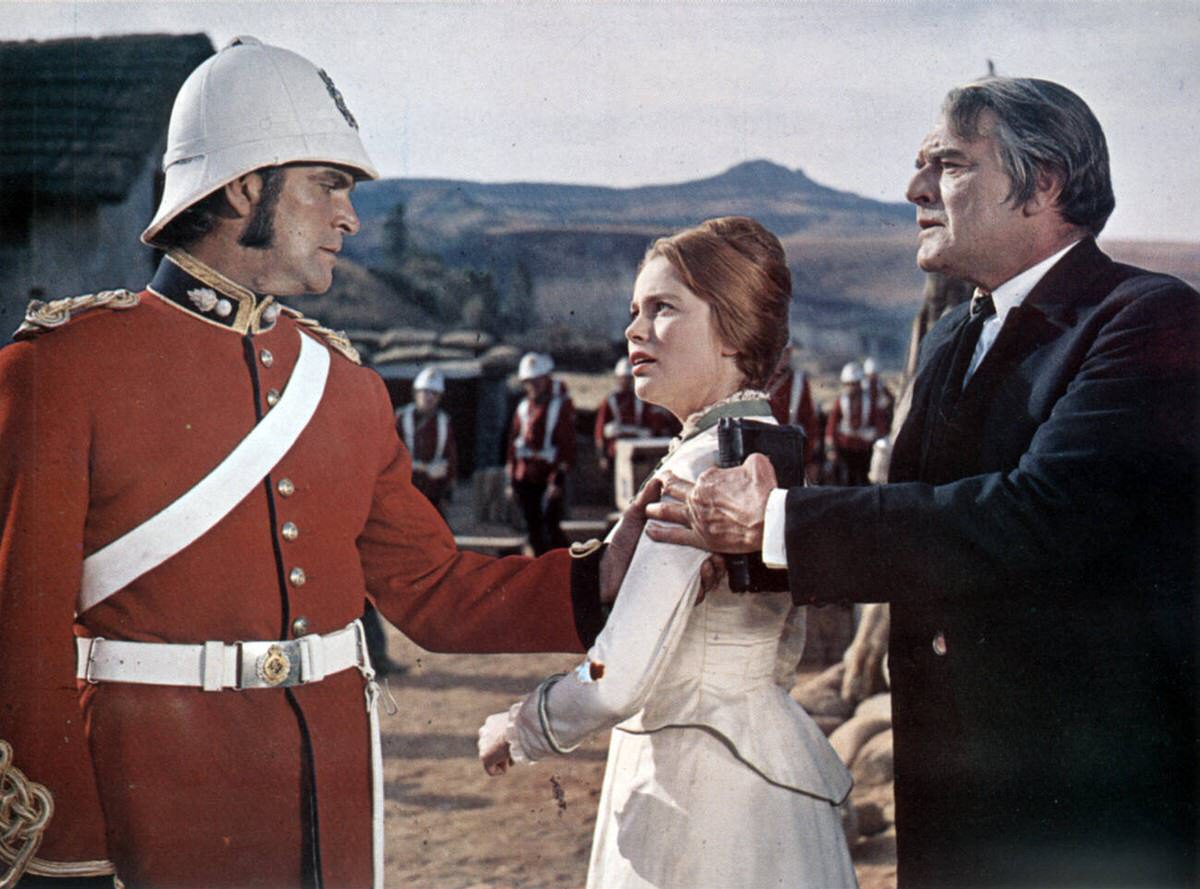
When filming wrapped in South Africa, the production moved to Twickenham Studios in London for post-production. Composer John Barry wrote the score, blending orchestral arrangements with heavy percussion that echoed the Zulu war drums. Richard Burton, a close friend of Stanley Baker, recorded the opening and closing narration, providing historical context about the Anglo-Zulu War and the list of Victoria Cross recipients. The final cut ran 138 minutes.

Britain had better take a clue from that movie and get to work inside their own country.