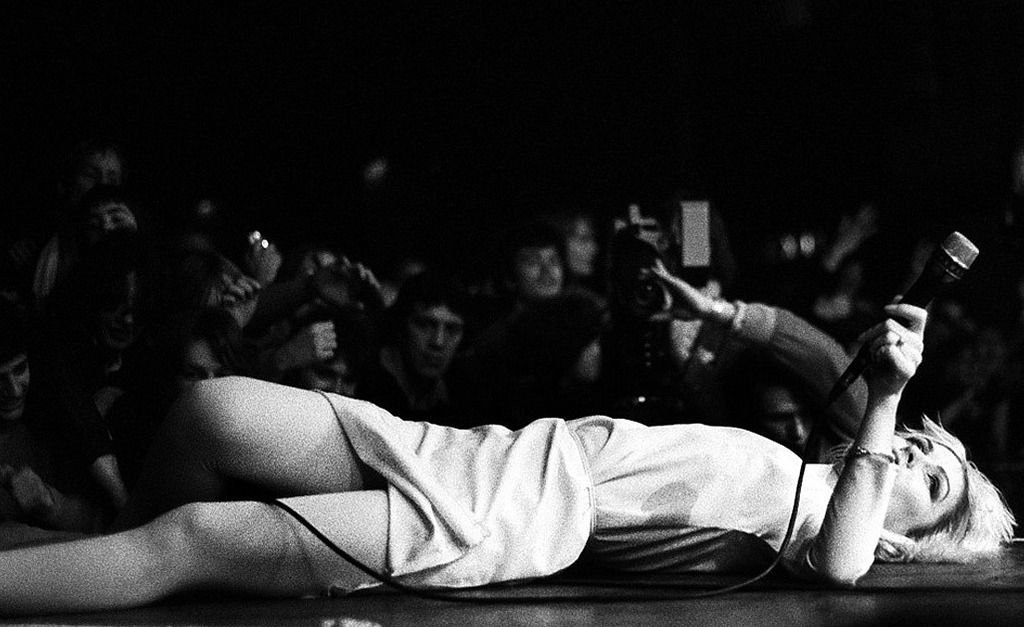
On March 1, 1969, Jim Morrison arrived in Miami, Florida, for what should have been a triumphant homecoming. He was born in Melbourne, Florida, and had attended St. Petersburg Junior College and Florida State University before heading to California to launch The Doors. Instead of a celebration, the night turned into one of the most controversial moments in rock history — and the beginning of a legal battle that would follow Morrison for the rest of his life.
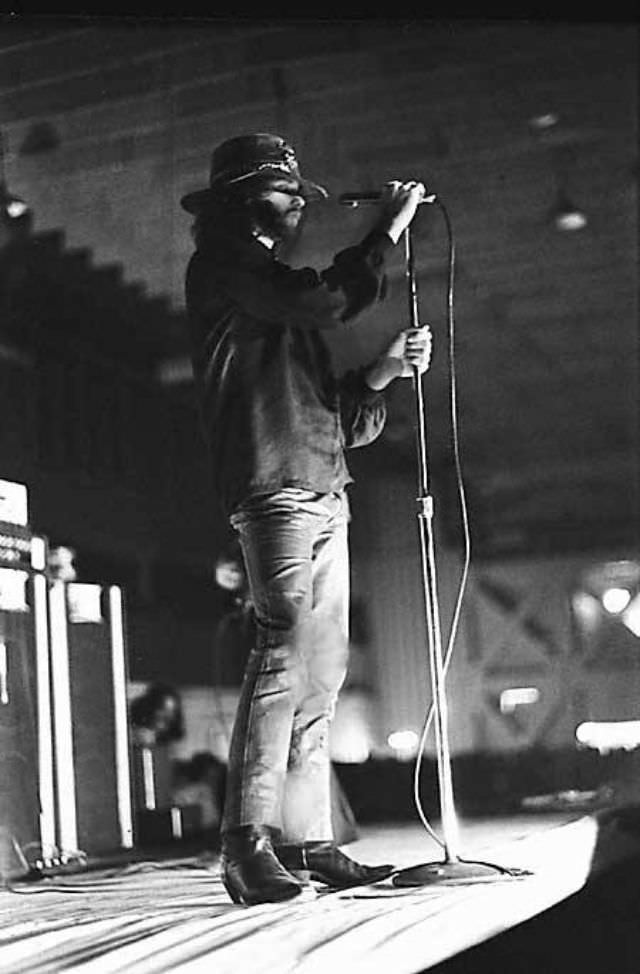
The concert was held at the Dinner Key Auditorium in Coconut Grove, a converted seaplane hangar not built for large crowds. Promoter Kenneth Collier had oversold the event to boost profits, cramming roughly 12,000 fans into a space designed to hold far fewer. The auditorium was stifling hot and dangerously packed before a single note was played. Morrison made the situation worse by missing his flight from Los Angeles, arriving late and visibly drunk. His manager, William Siddons, later confirmed that Morrison had been drinking heavily throughout the day.
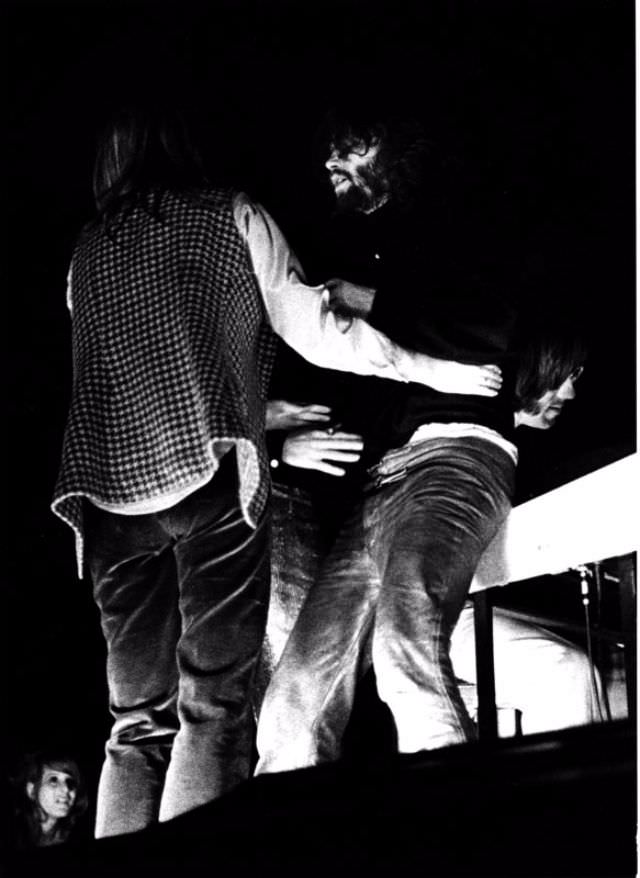
Once on stage, the performance fell apart almost immediately. Morrison struggled to get through songs, stopping mid-lyric to address the crowd in long, rambling speeches laced with profanity. He called for a revolution among the audience and directed insults at fans standing in the front rows. The crowd grew hostile, shouting back at him. Then, in the middle of the chaos, Morrison asked the audience whether they wanted to see a specific part of his body.
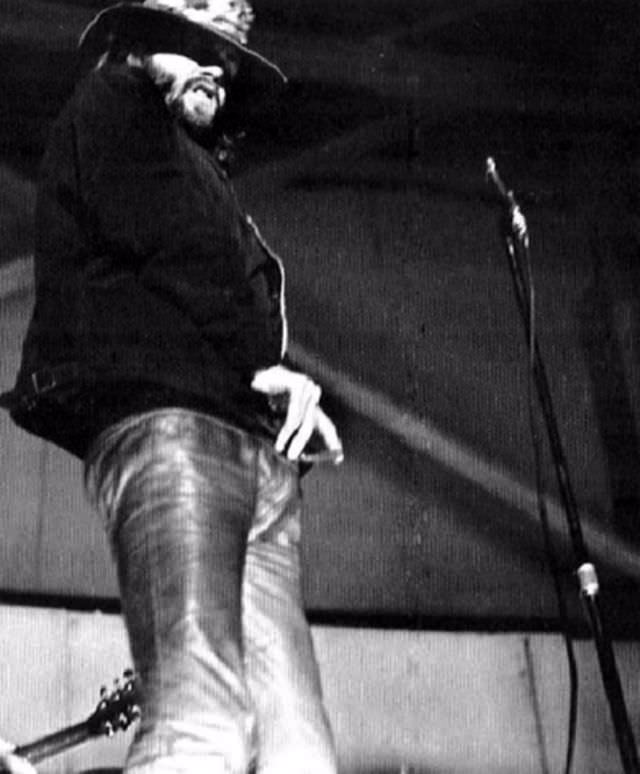
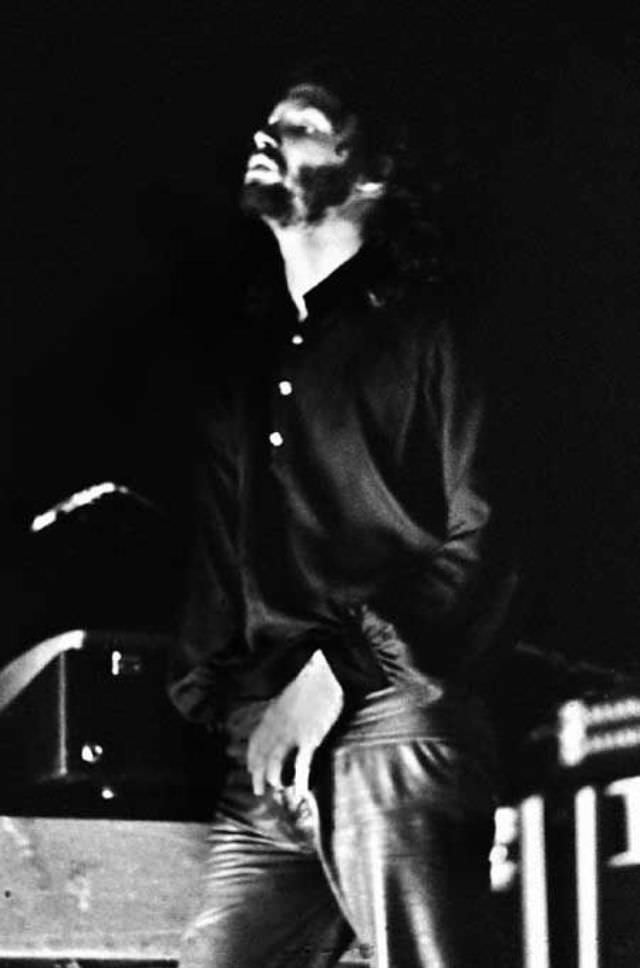
What happened next became the central question of a criminal trial. Theodore Jendry, an off-duty police officer working security at the event, stated that Morrison did expose himself — that the singer pulled his clothing aside and moved in a way that left no doubt. Other witnesses told a different story. David LeVine, a 25-year-old photographer positioned at the foot of the stage, said he never saw Morrison actually expose himself. LeVine had been there specifically to photograph the so-called “Lizard King,” and while he captured an image showing Morrison with his hand near the crotch of his pants, nothing in the photo confirmed indecent exposure. That photograph later became a key piece of evidence at trial.
The story might have stayed local if not for Larry Mahoney, a reporter at the Miami Herald. Two days after the concert, Mahoney published an article titled “Rock Group Fails to Stir A Riot.” He described Morrison screaming obscenities in front of high school girls, exposing himself on stage, and throwing a concert promoter into the crowd before being thrown into it himself. The article spread quickly and caught the attention of local politicians eager to appear tough on morality and public order.
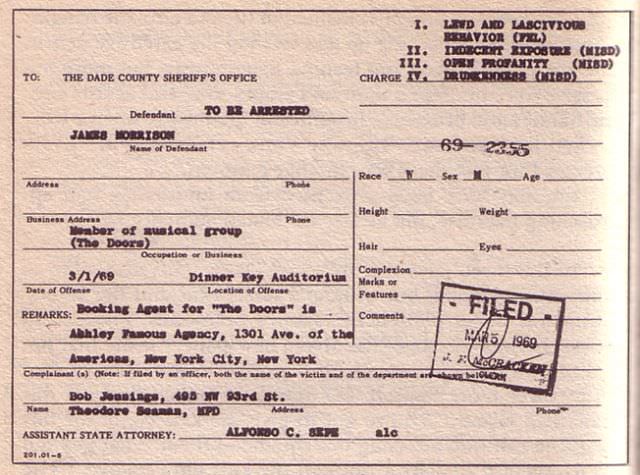
Four days after the concert, Miami officials issued six warrants for Morrison’s arrest. The charges included indecent exposure and open profanity. At the time, Morrison was on vacation in Jamaica with the rest of The Doors. After learning about the warrants, he traveled to Los Angeles and surrendered to the FBI. The reaction in Florida moved fast and with force. Local radio stations pulled Doors songs like “Light My Fire” and “Touch Me” from their playlists entirely.
A group of local teenagers, backed by the Archdiocese of Miami, organized a “Decency Rally” at the Orange Bowl. Thirty thousand people showed up to protest against the behavior of rock performers. Florida native and singer Anita Bryant attended the event. President Richard Nixon personally called the organizers to congratulate them for defending public morals. The concert had become a cultural flashpoint far beyond anything that happened inside the Dinner Key Auditorium.
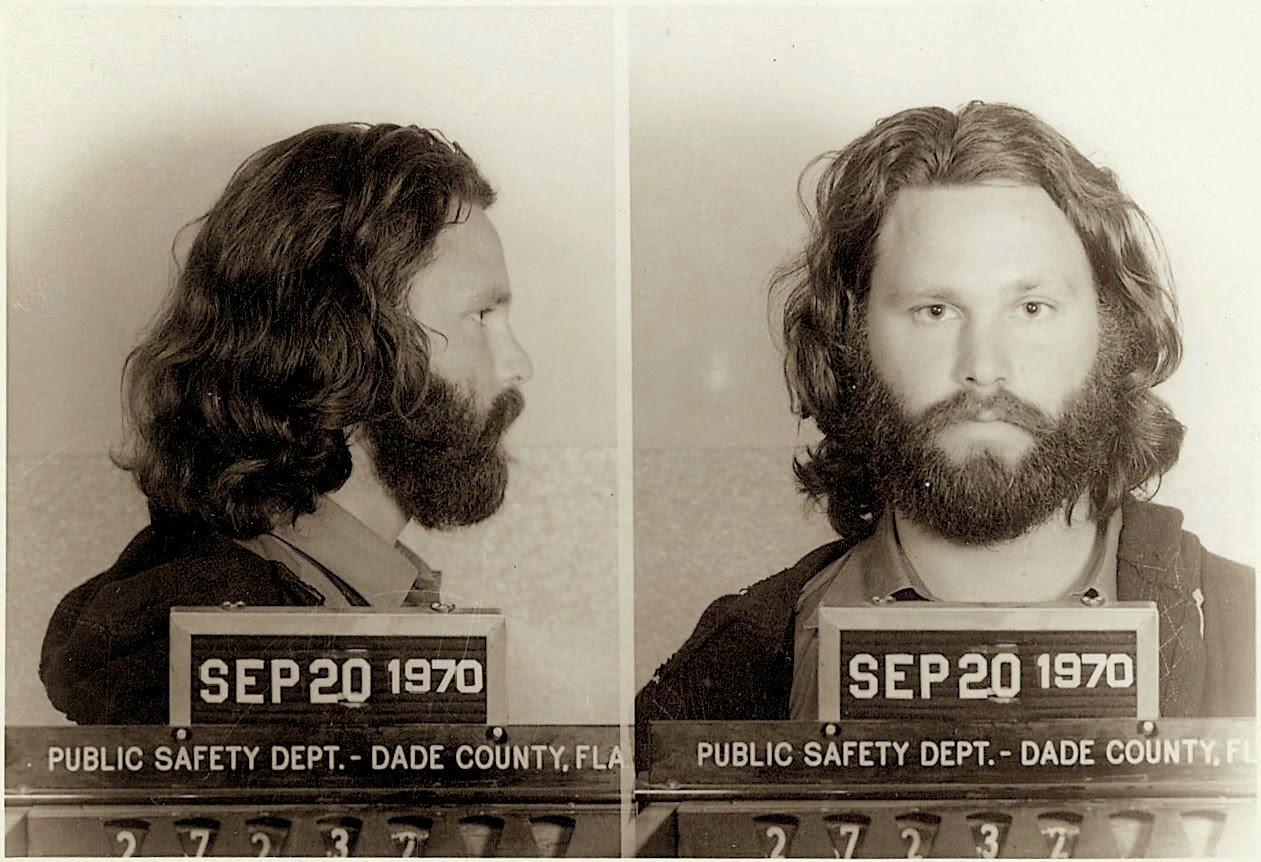
The trial, formally for James Douglas Morrison, did not begin until 1970. Morrison testified in his own defense, appearing at the Dade County courthouse with a thick beard and a noticeably more composed appearance than he had worn on the night of the show. The prosecution leaned on police officer testimony and Mahoney’s published accounts. The defense countered with LeVine’s photographs, arguing they showed no clear evidence that any exposure had taken place. On September 20, 1970, the jury returned its verdict.
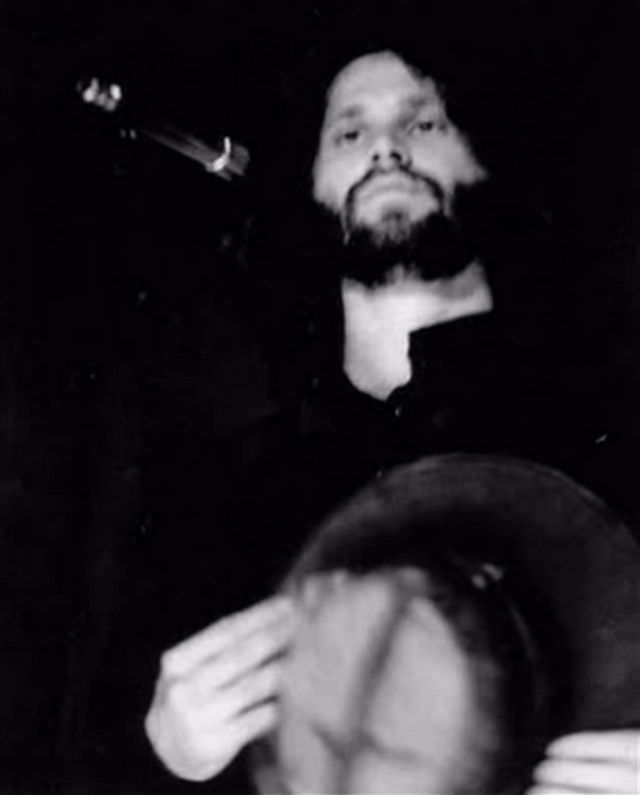
Morrison was found guilty of misdemeanor indecent exposure and open profanity. The jury acquitted him of the more serious felony charges. He was sentenced to six months in jail and a fine, but remained free while his lawyers appealed. Following the conviction, the Dade County Public Safety Department photographed him for a mugshot — a direct, bearded stare into the camera that became one of the most recognized images of his final years. William Siddons maintained that the entire Miami incident was a form of theater that had gone too far, and that the political climate of the South had driven a harsher legal response than the same behavior would have drawn elsewhere. The Miami fallout led venues across the United States to cancel or refuse future Doors bookings, cutting deeply into the band’s touring schedule during the final years of Morrison’s life.