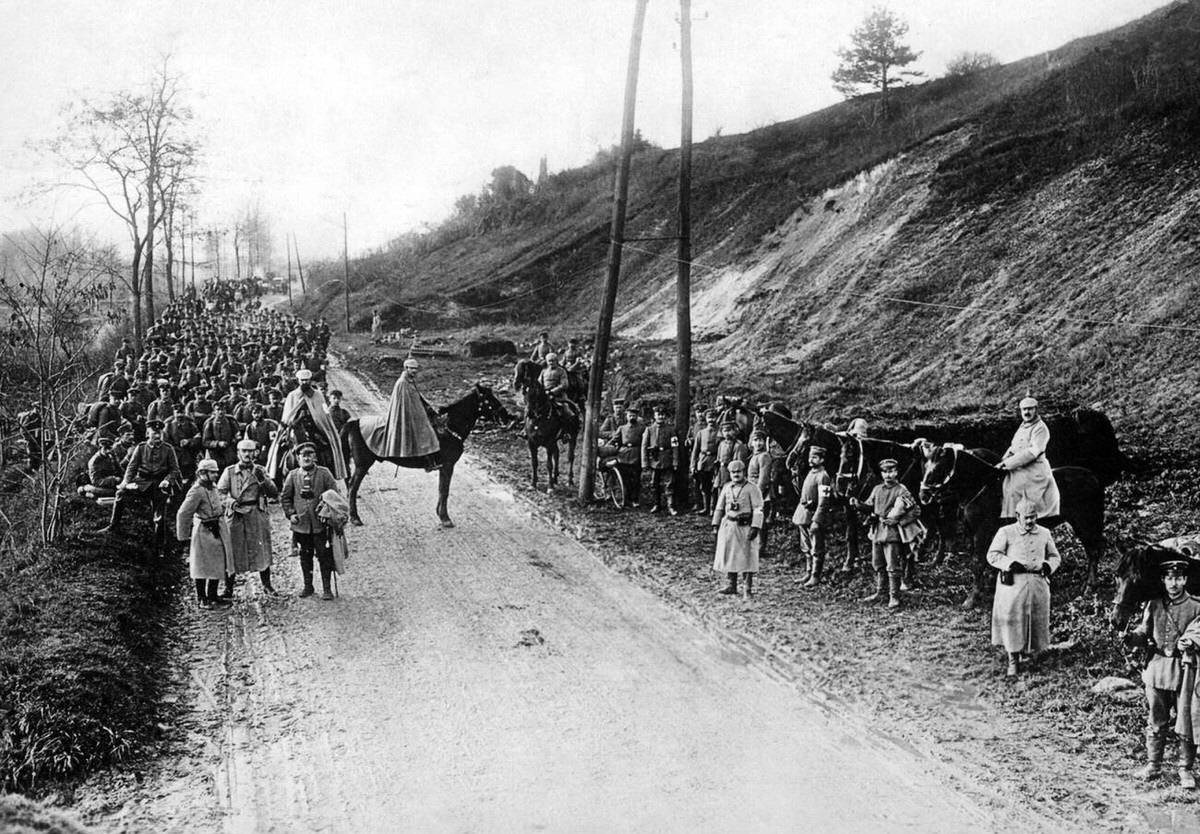
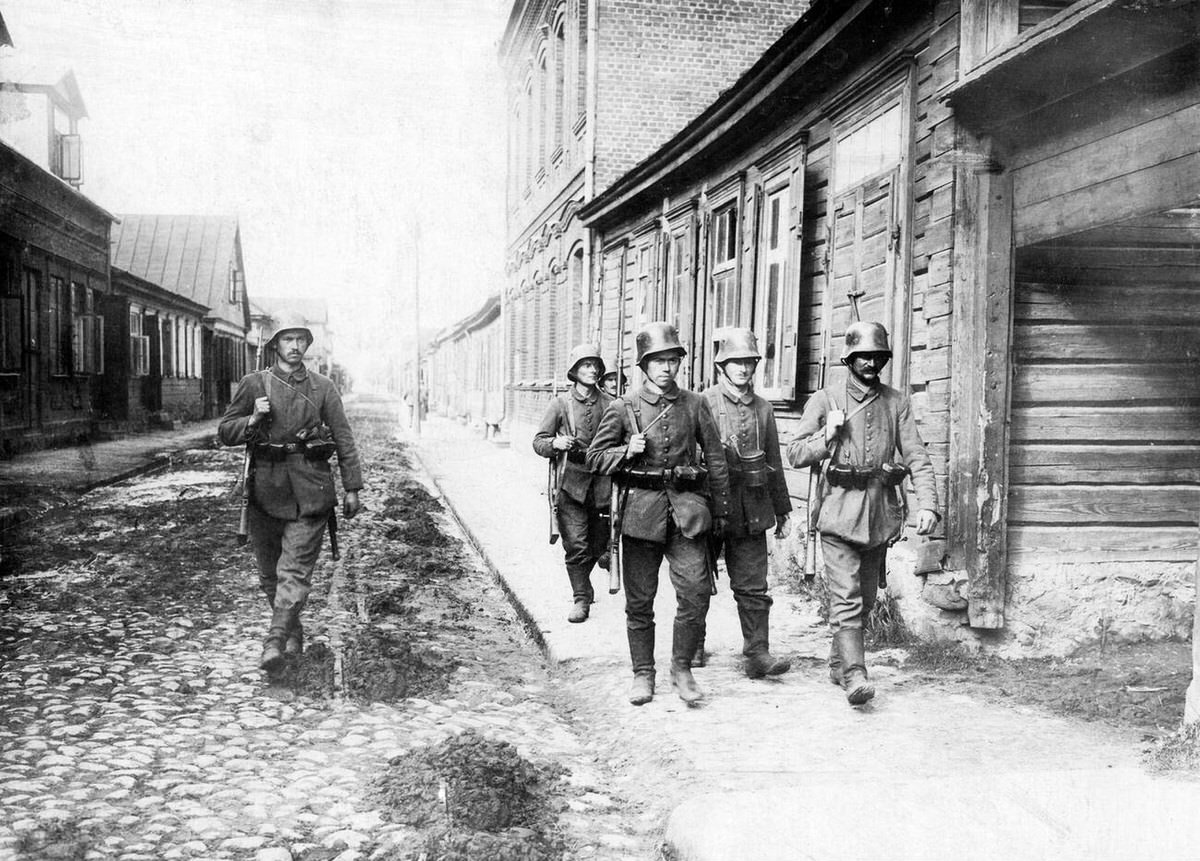
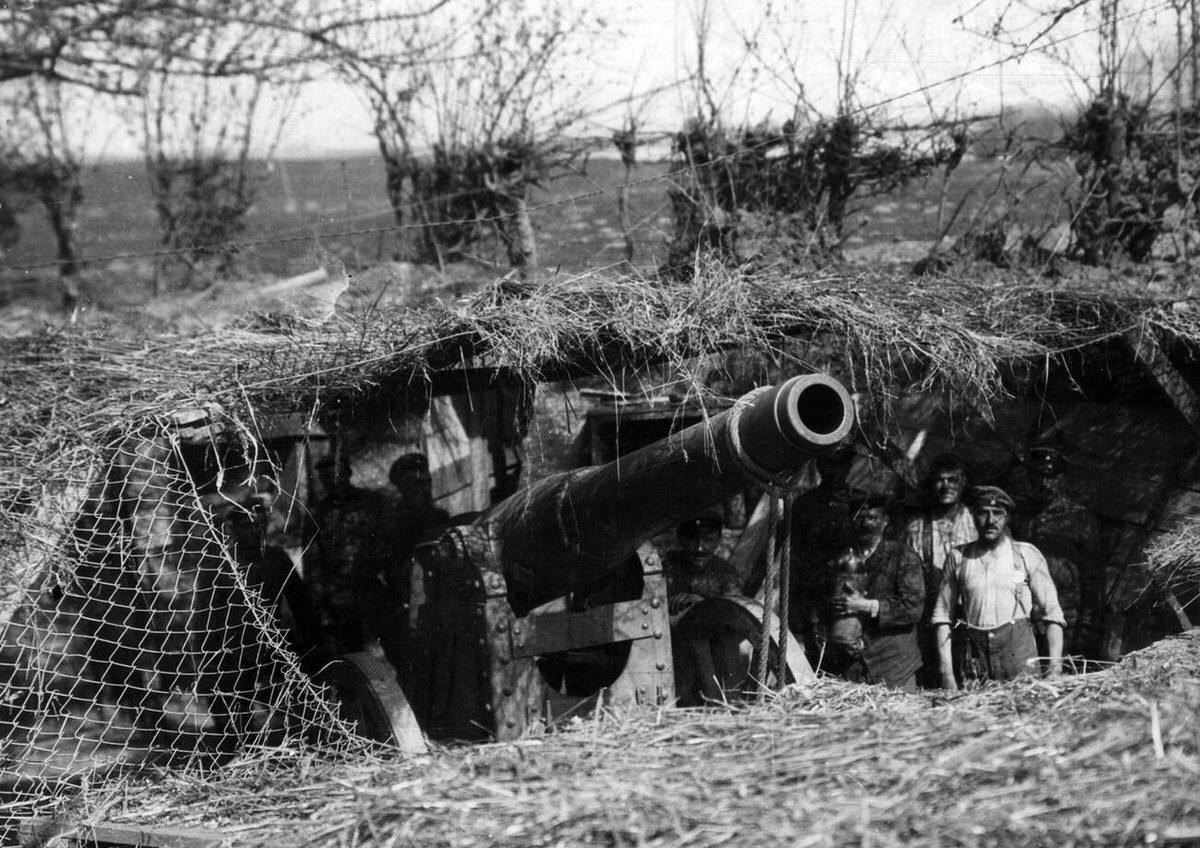
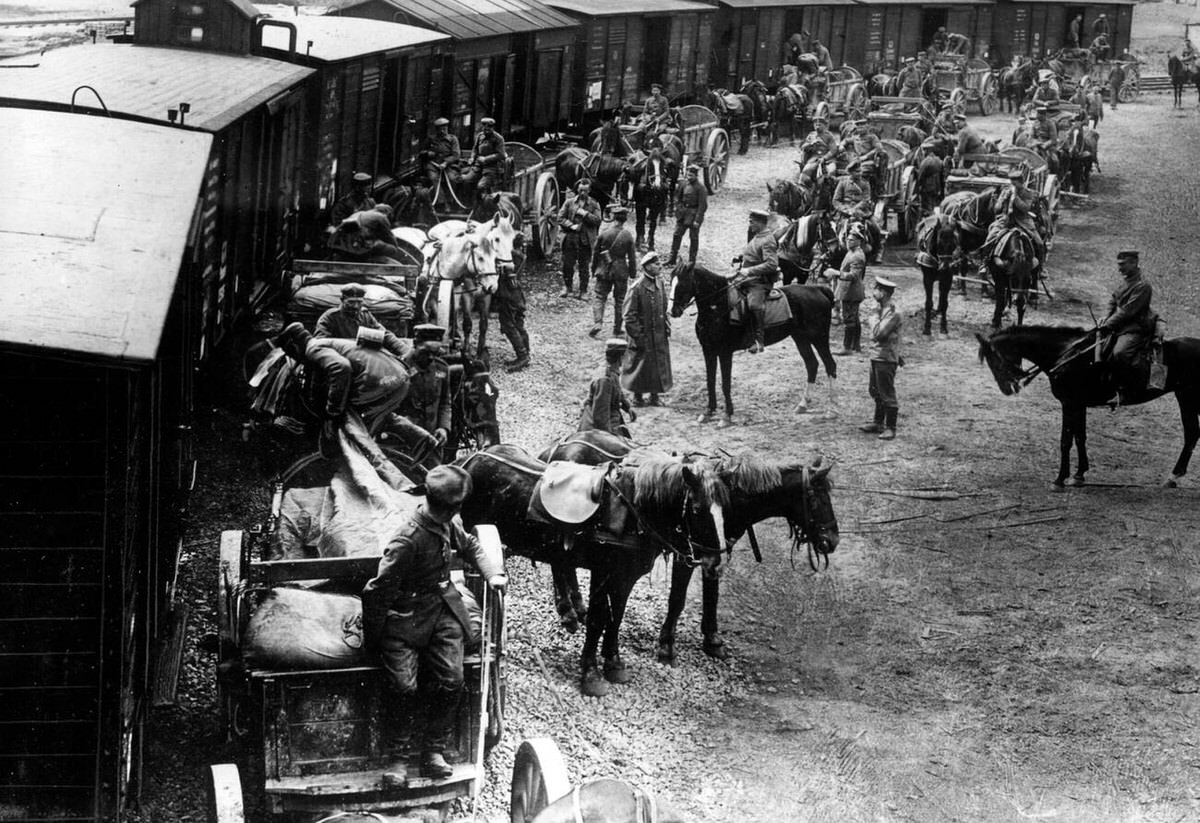
On June 28, 1914, a single gunshot in Sarajevo changed the world. Gavrilo Princip, a member of the Serbian nationalist group known as the Black Hand, assassinated Archduke Franz Ferdinand of Austria-Hungary. Within weeks, a web of political alliances pulled nation after nation into conflict. Austria-Hungary declared war on Serbia on July 28. Russia mobilized to defend Serbia. Germany declared war on Russia and France. When German troops marched through neutral Belgium to reach France, Great Britain declared war on Germany on August 4, 1914. The world had never seen a war like this before.
Assassination of Archduke Franz Ferdinand by Gavrilo Princip, 1914
The war split Europe into two opposing sides. The Allied Powers included Great Britain, France, Russia, Italy, and eventually the United States. Against them stood the Central Powers: Germany, Austria-Hungary, the Ottoman Empire, and Bulgaria. Fighting broke out on multiple fronts, but the Western Front — stretching through France and Belgium — became the war’s defining theater. When the German advance into France stalled at the Battle of the Marne in autumn 1914, both sides began digging. By the end of that year, a continuous line of defensive trenches ran 475 miles from the Swiss border to the North Sea.
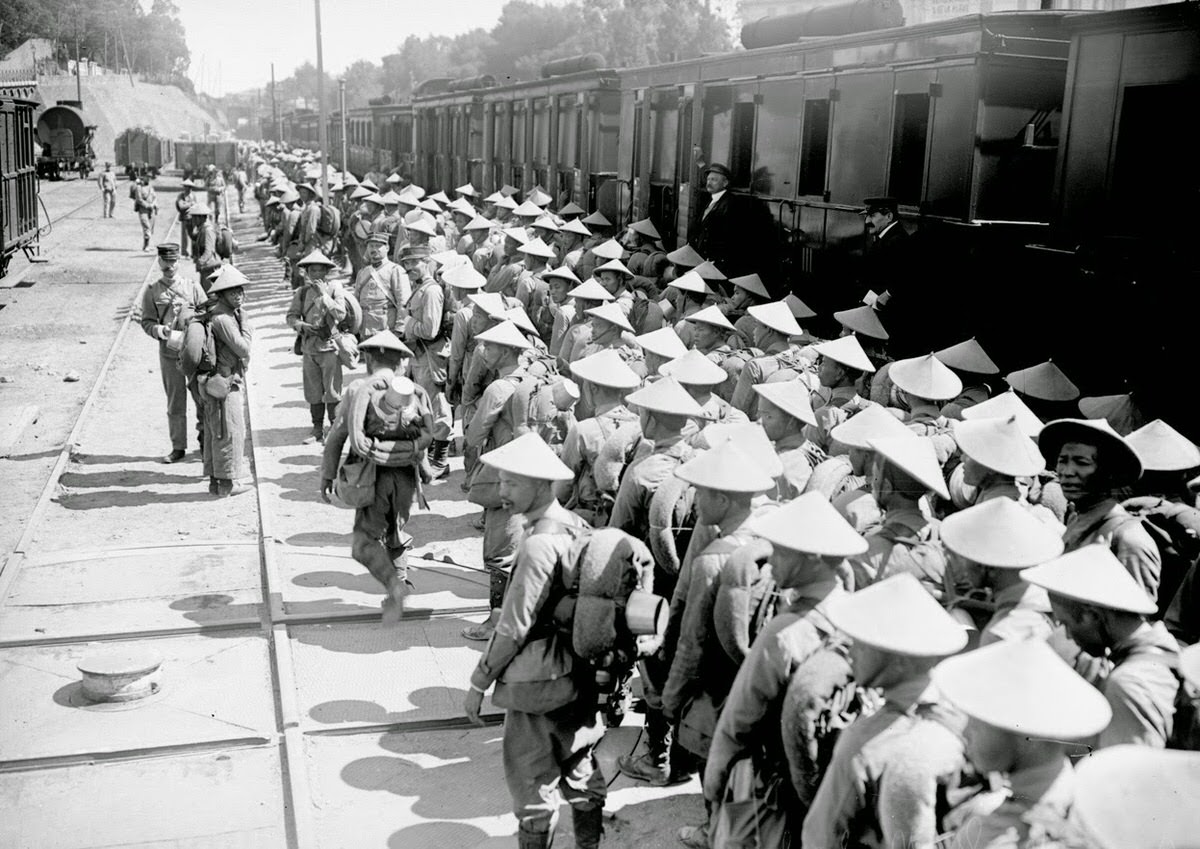
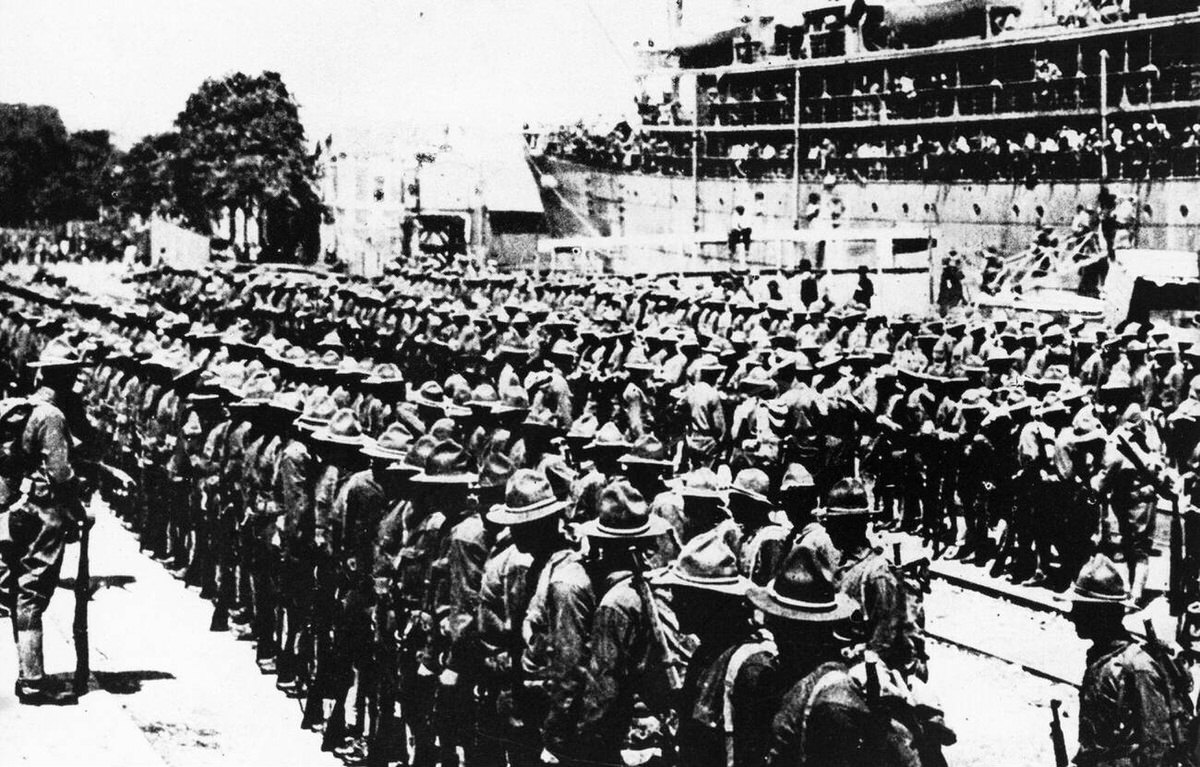
Annamese colonial troops from French Indochina disembarking at Camp Saint-Raphaël, 1914
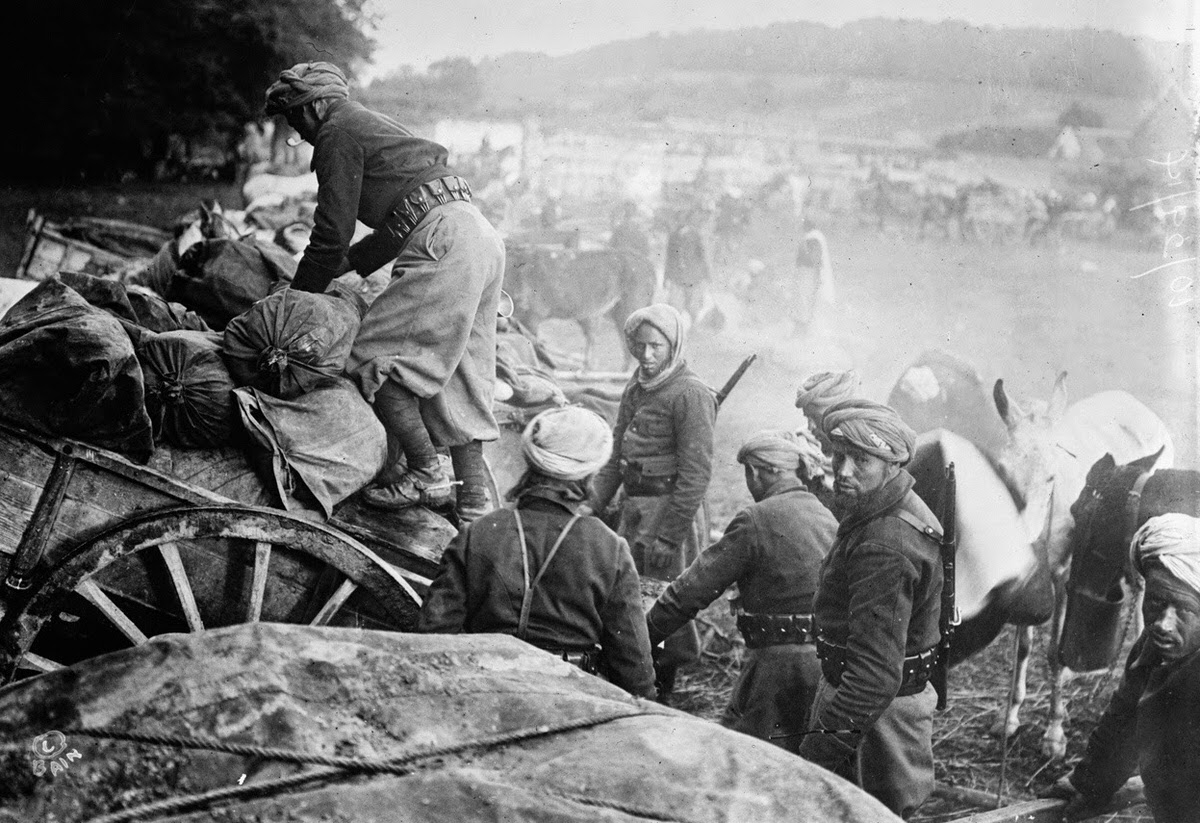
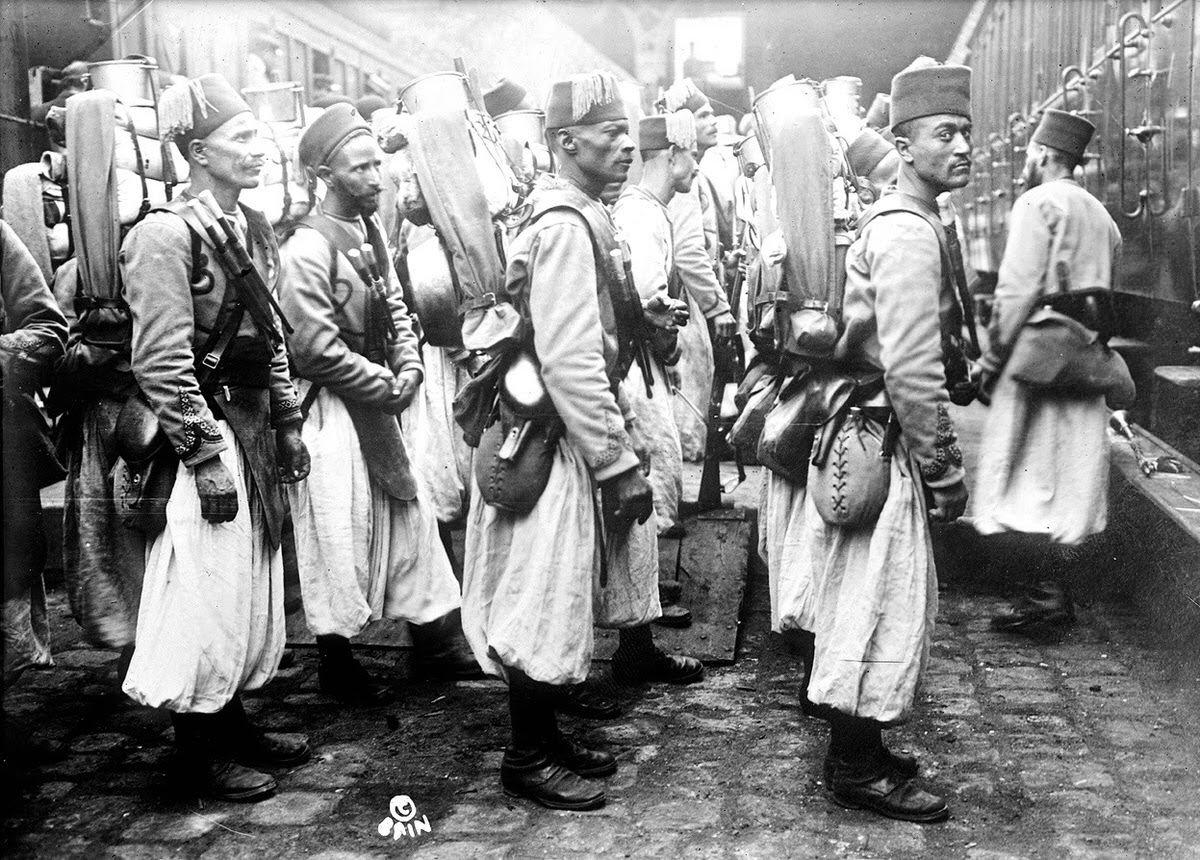
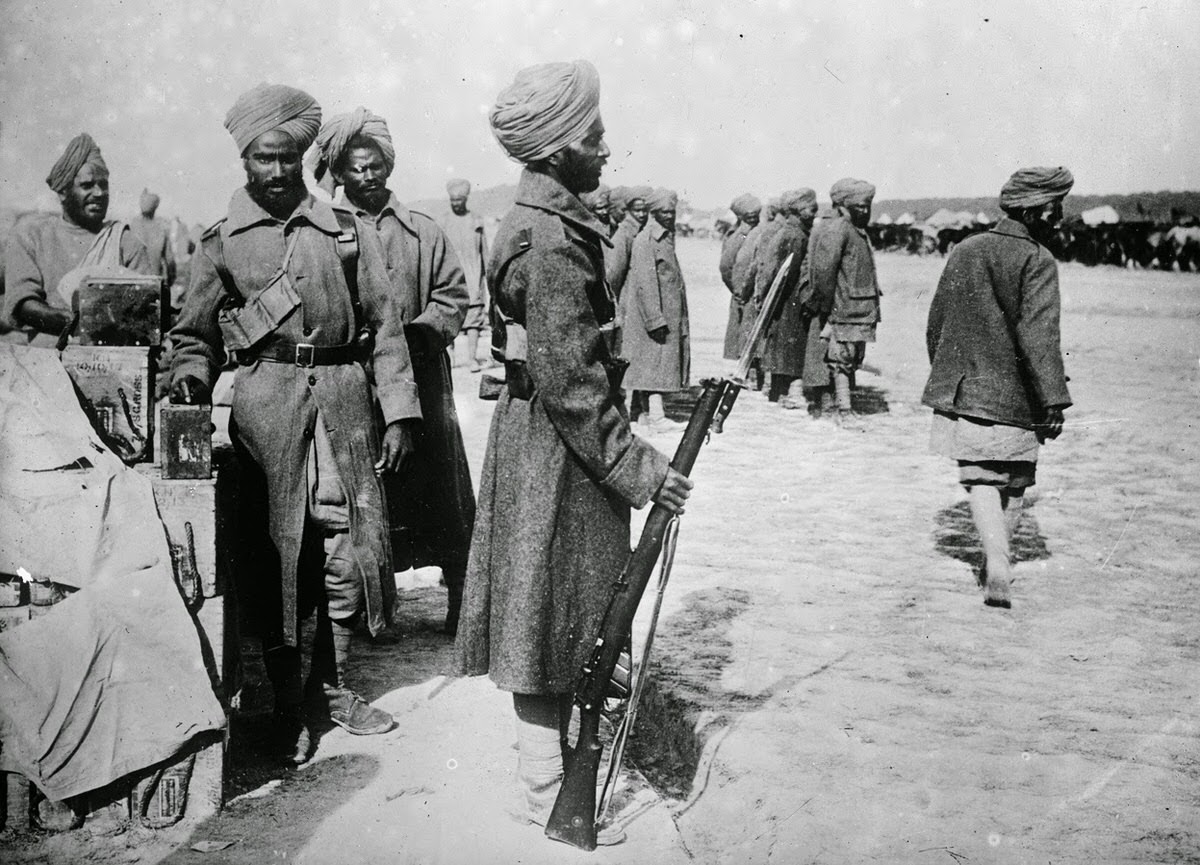
The war drew soldiers from across the globe. France mobilized troops from its colonies in Indochina, North Africa, and West Africa. Britain called on soldiers from India, Australia, New Zealand, and Canada. These men arrived in Europe speaking different languages and wearing unfamiliar uniforms, but they all faced the same mud, artillery, and machine gun fire.
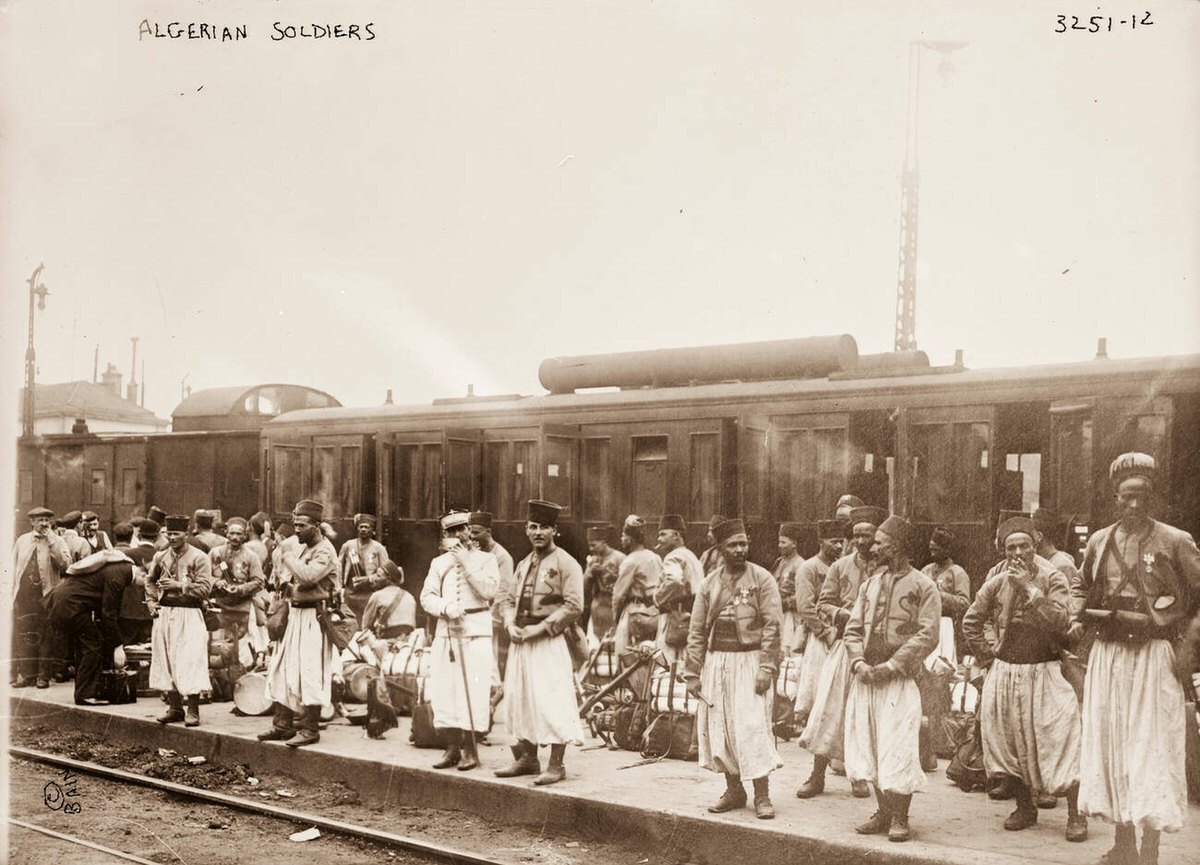
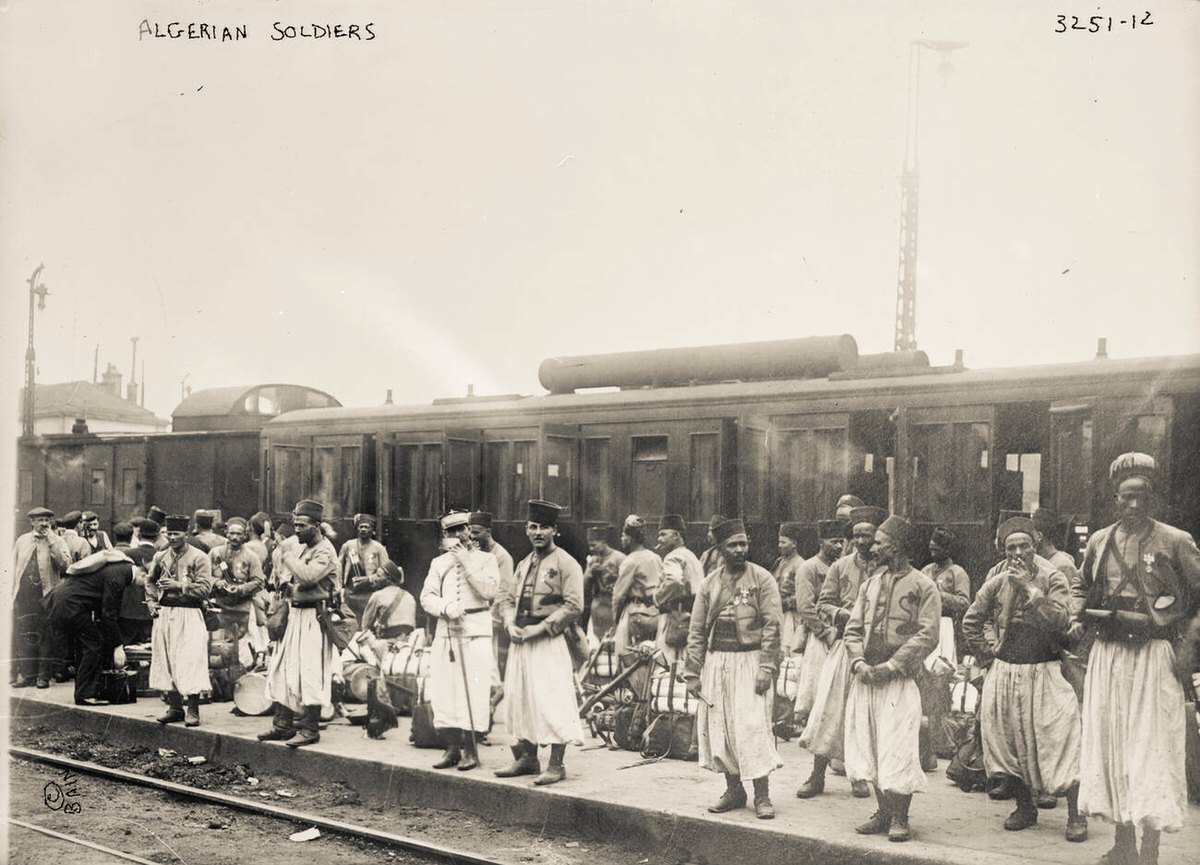
Convoy of Spahis North African light cavalry in Francport, France, 1914Algerian soldiers in Europe, 1914Indian soldiers serving in France, 1915
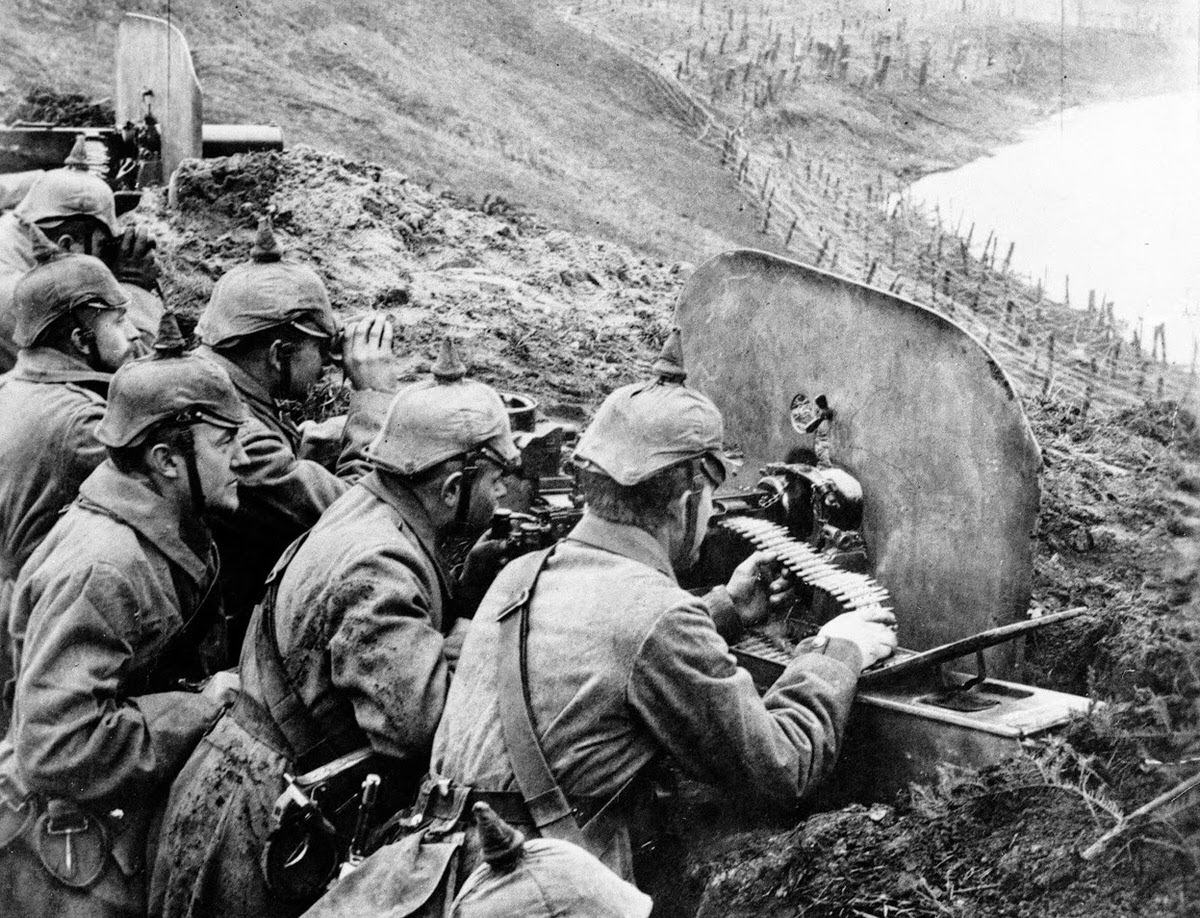
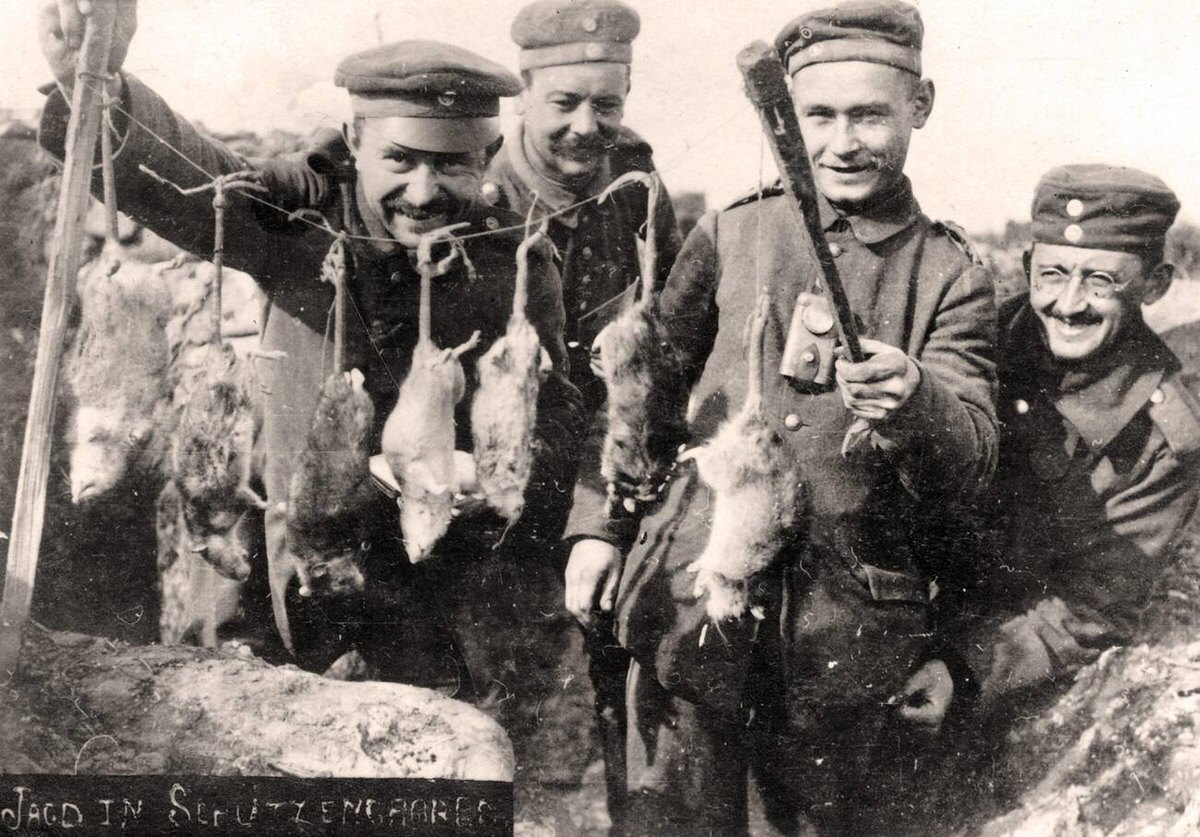
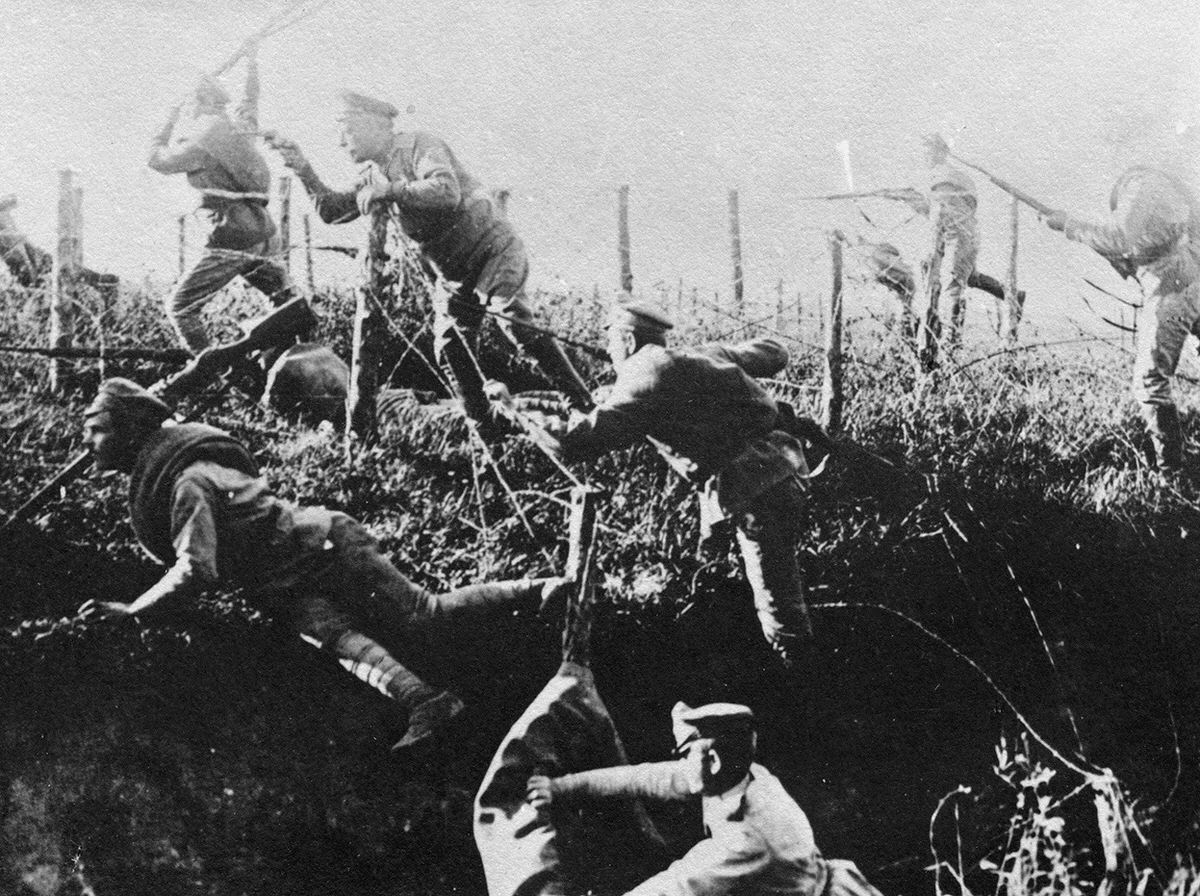
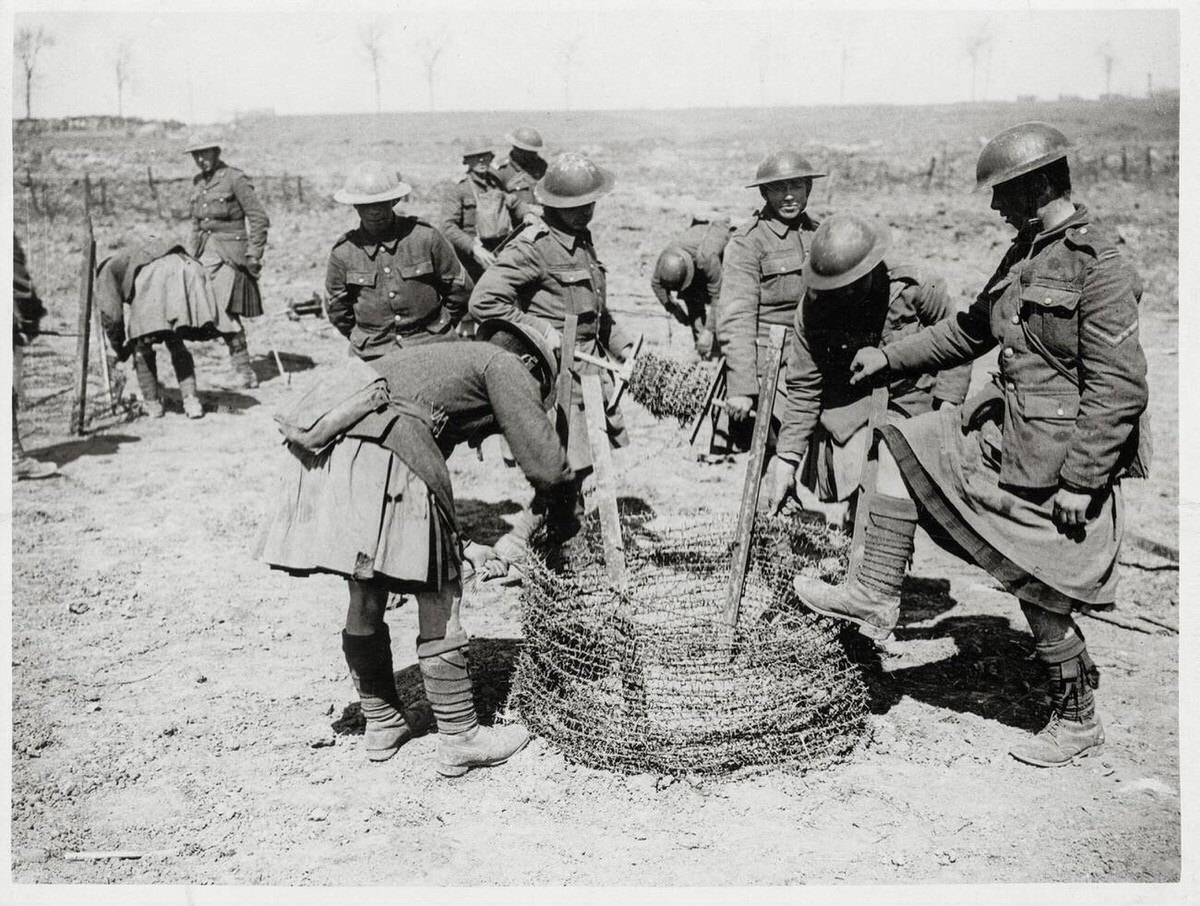
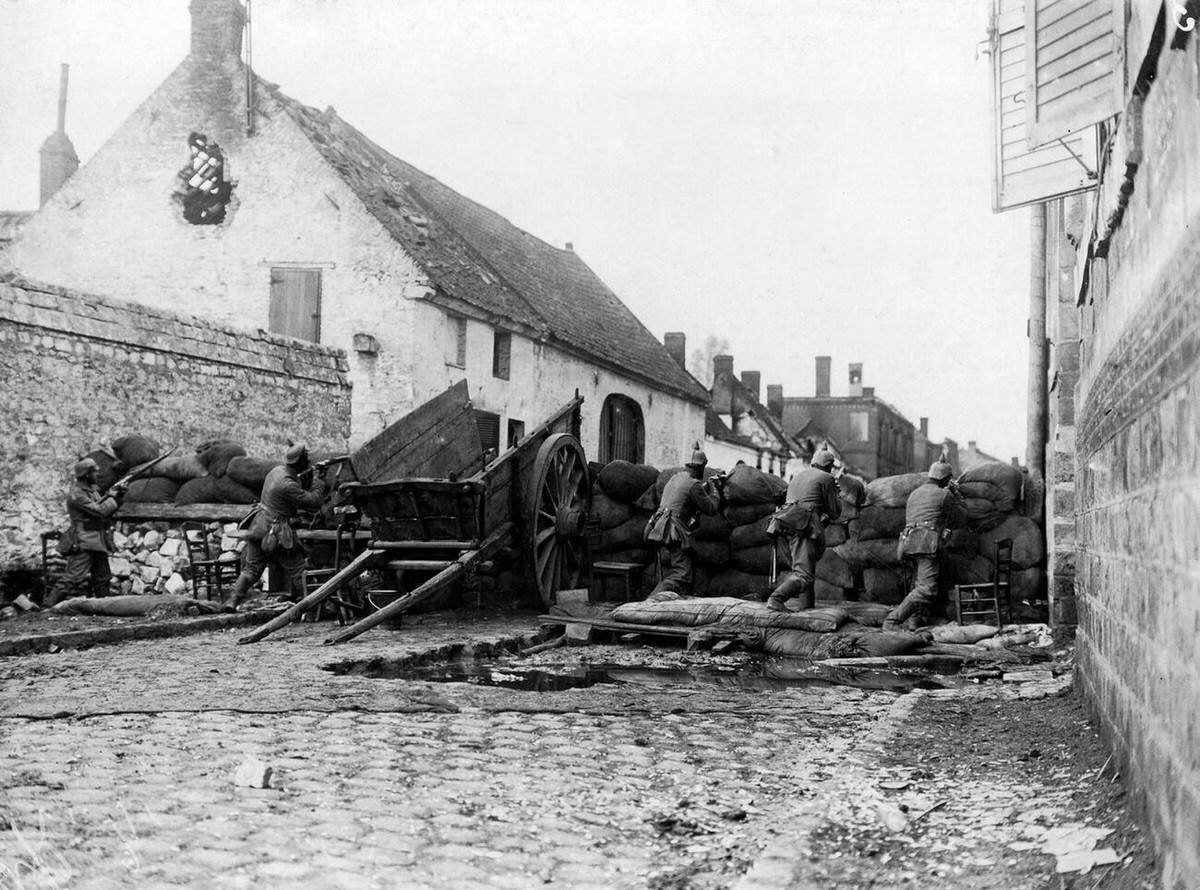
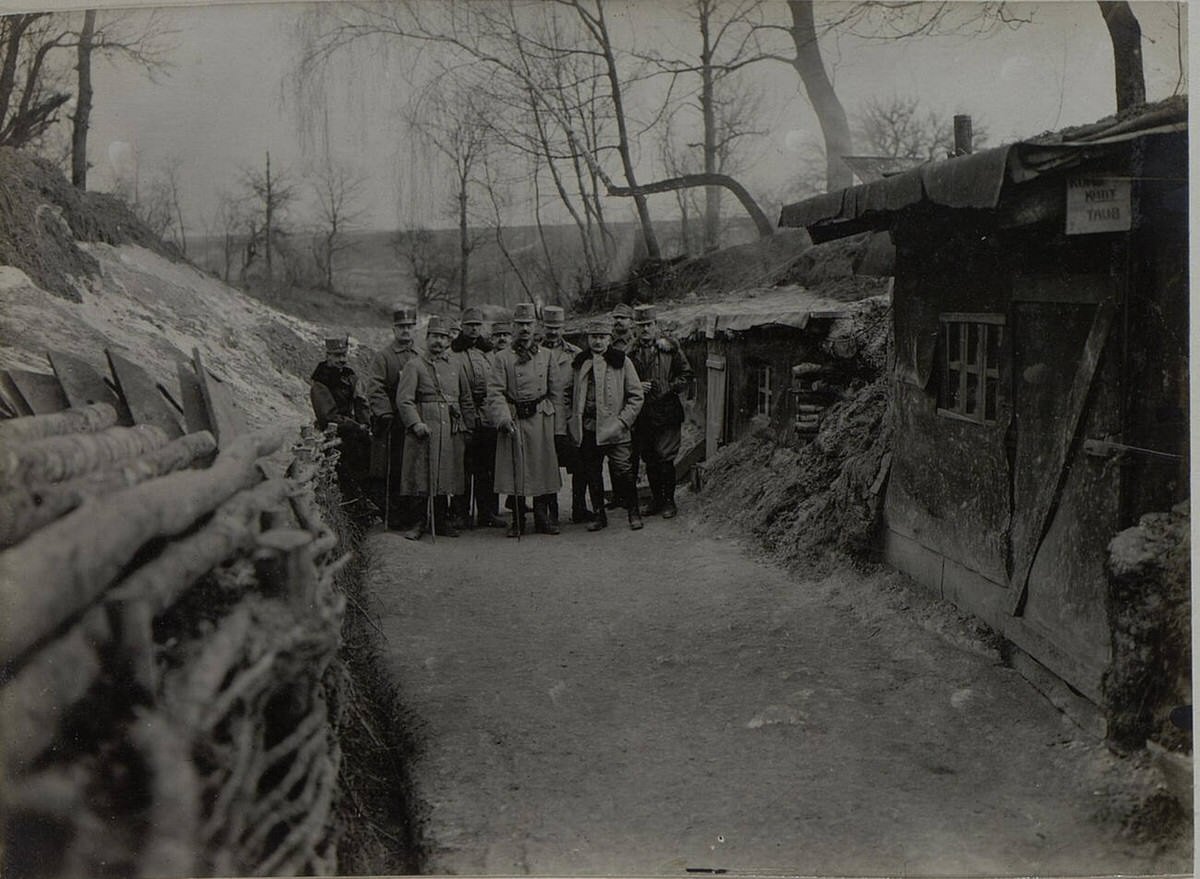
Life inside the trenches was relentless and brutal. The ditches were typically six to eight feet deep, dug into waterlogged ground that never fully drained. Mud and stagnant water were constant companions. Soldiers developed trench foot when their feet stayed wet for days, causing tissue to rot and sometimes requiring amputation. Rats infested the trenches and raided food supplies. Lice spread trench fever, a painful illness that kept men out of action for weeks. Between the opposing trench lines lay No Man’s Land — a ravaged stretch of shell craters and barbed wire where few men survived a direct charge.
German infantrymen aiming machine guns from a trench on the Vistula River, 1916German soldiers showing rats caught in the trenches, 1914Soldiers moving through a barbed wire entanglement, 1914
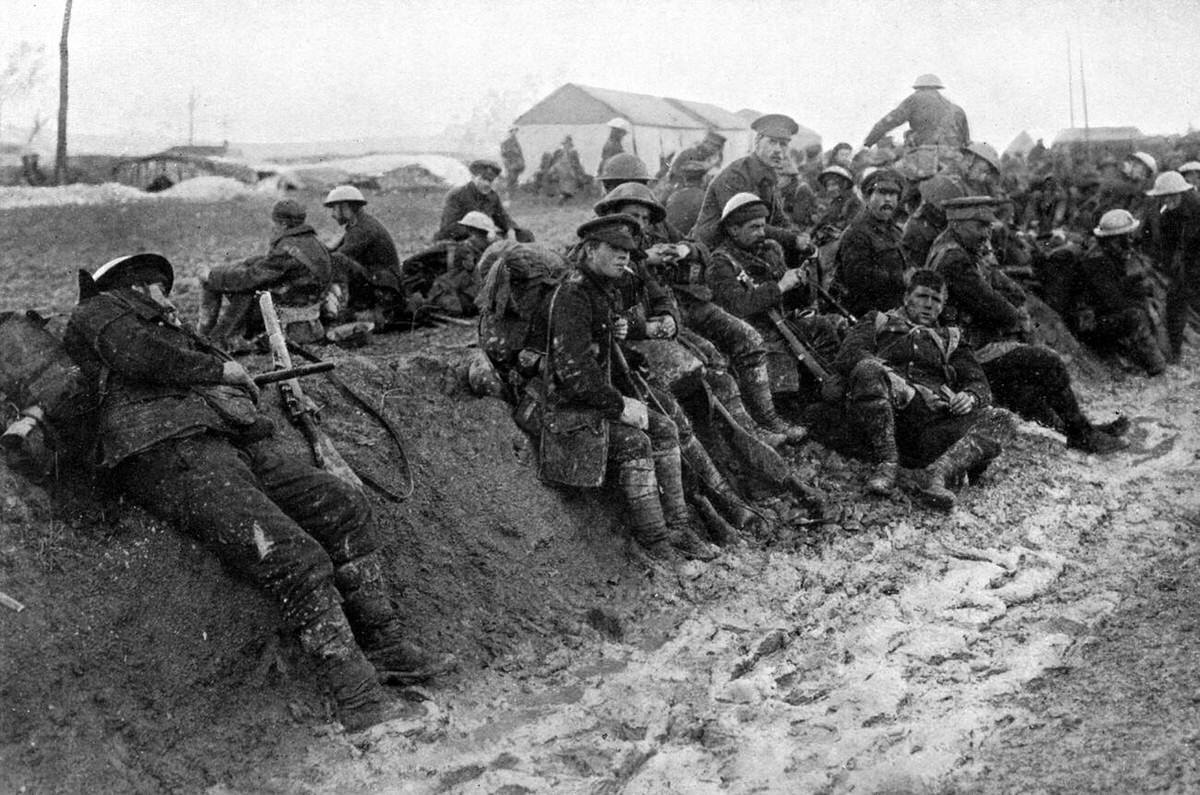
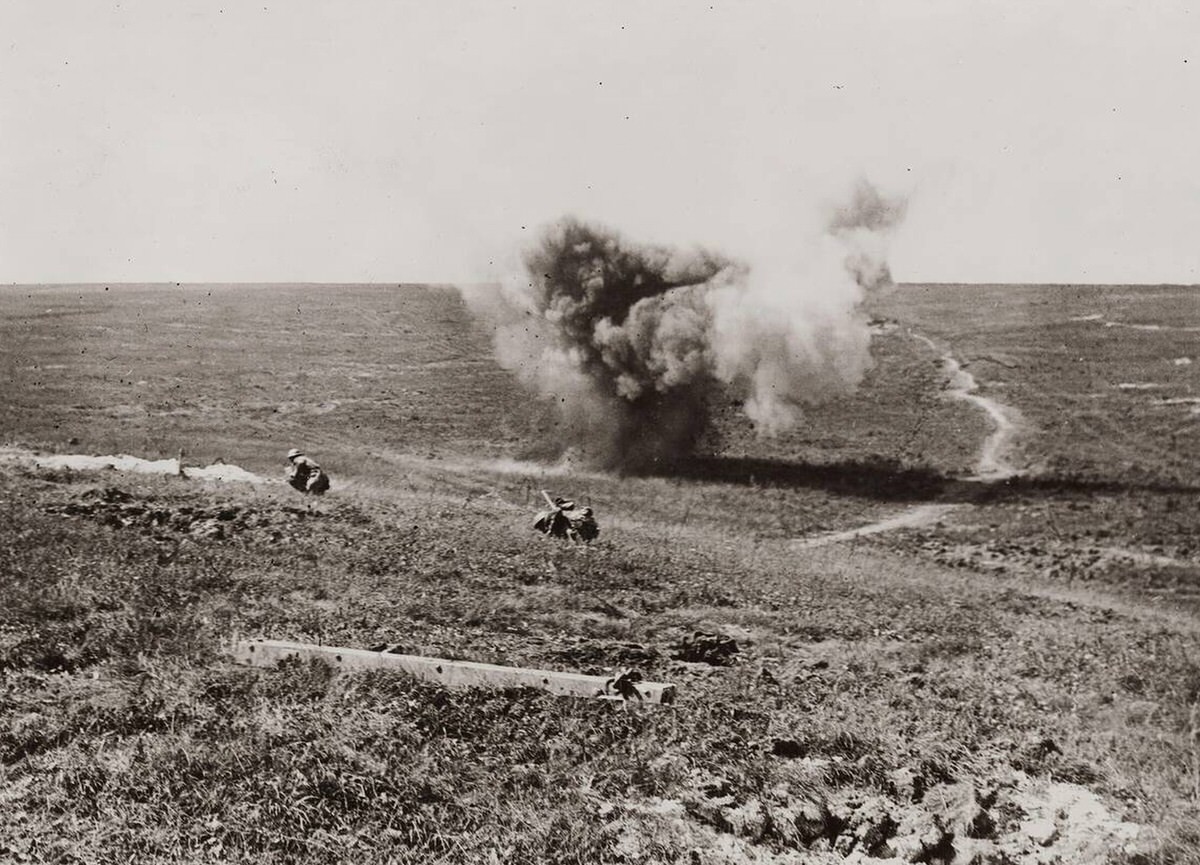
Attacking across No Man’s Land meant running into machine gun fire capable of 600 rounds per minute. The results were catastrophic. On the first day of the Battle of the Somme in July 1916, the British army suffered 57,000 casualties. By the time the battle ended in November, the Allies had gained only seven miles of ground. At Verdun, a battle that lasted ten months beginning in February 1916, over 700,000 soldiers were killed, wounded, or went missing. Germany had launched the Verdun offensive specifically to bleed the French army dry through attrition — and both sides paid an enormous price.
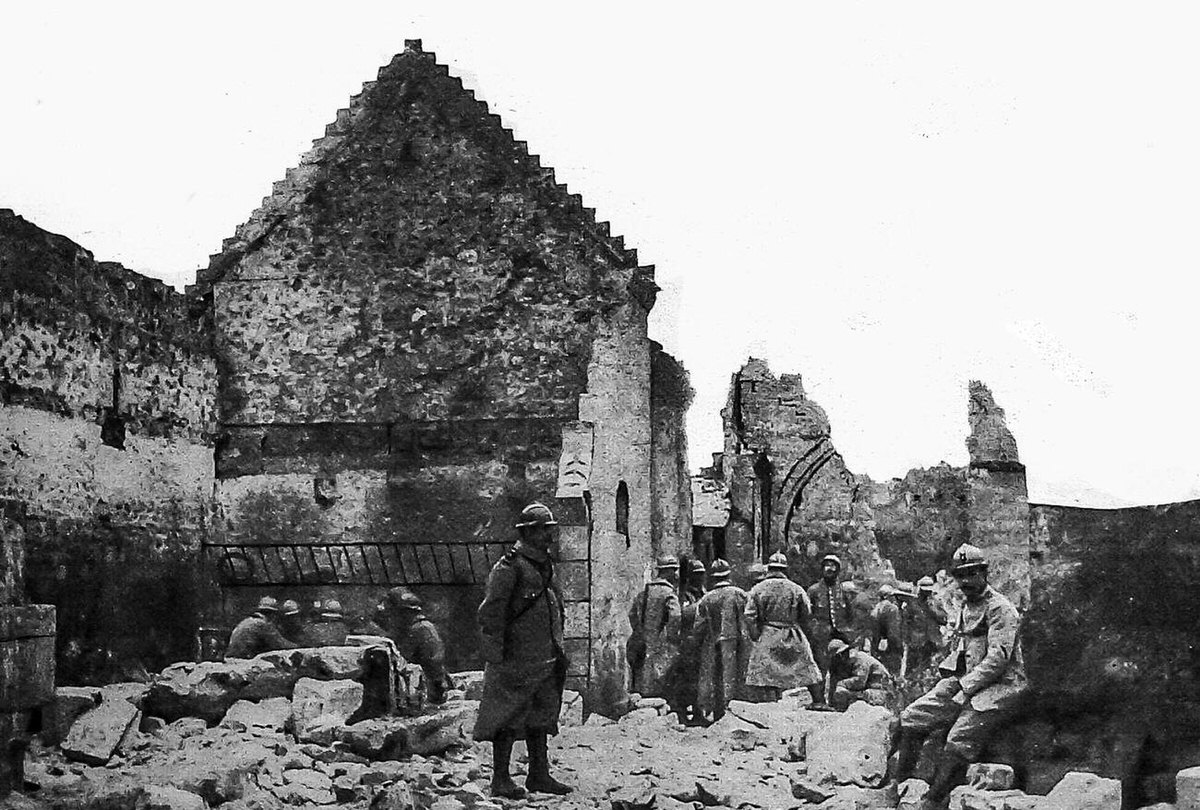
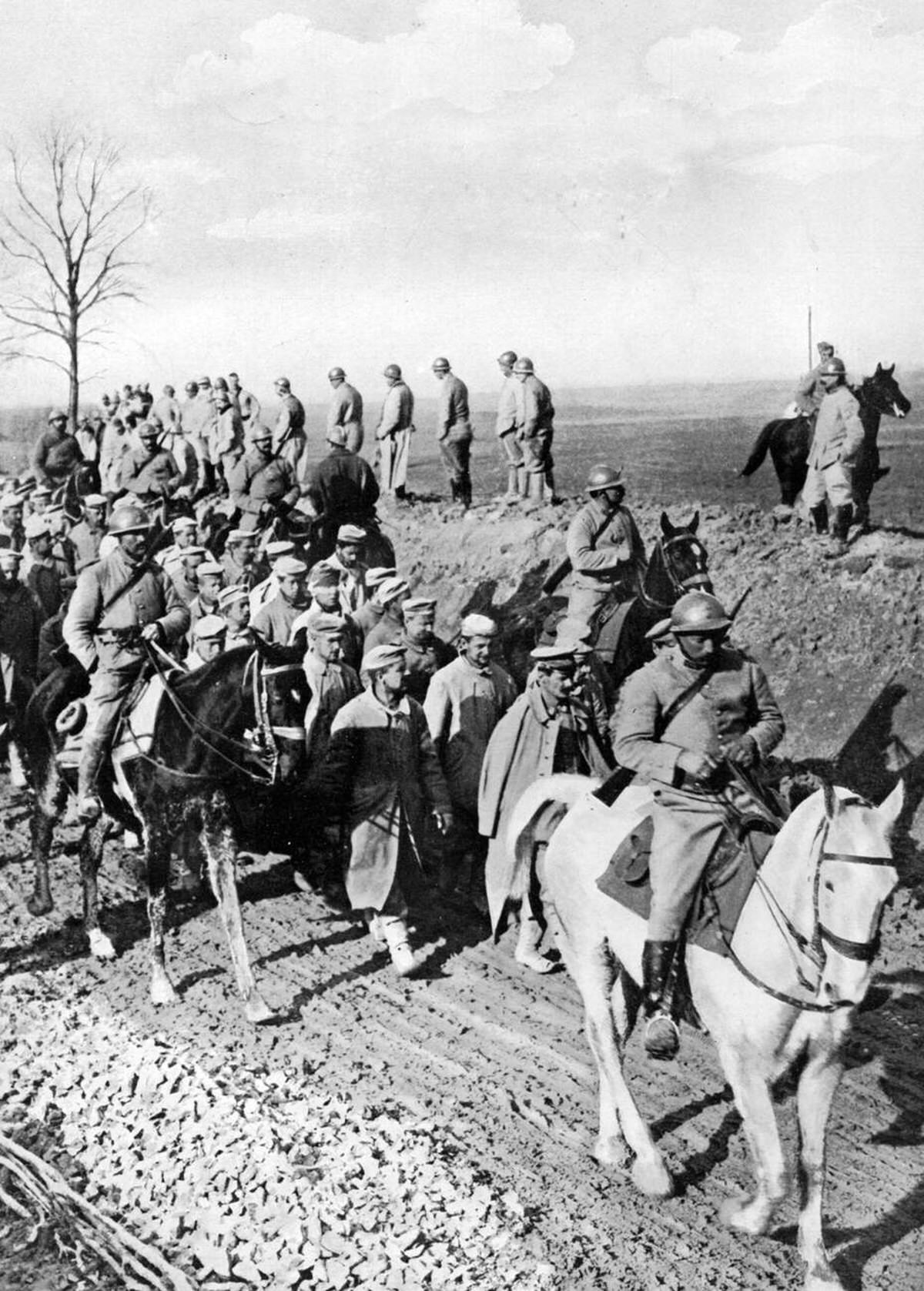
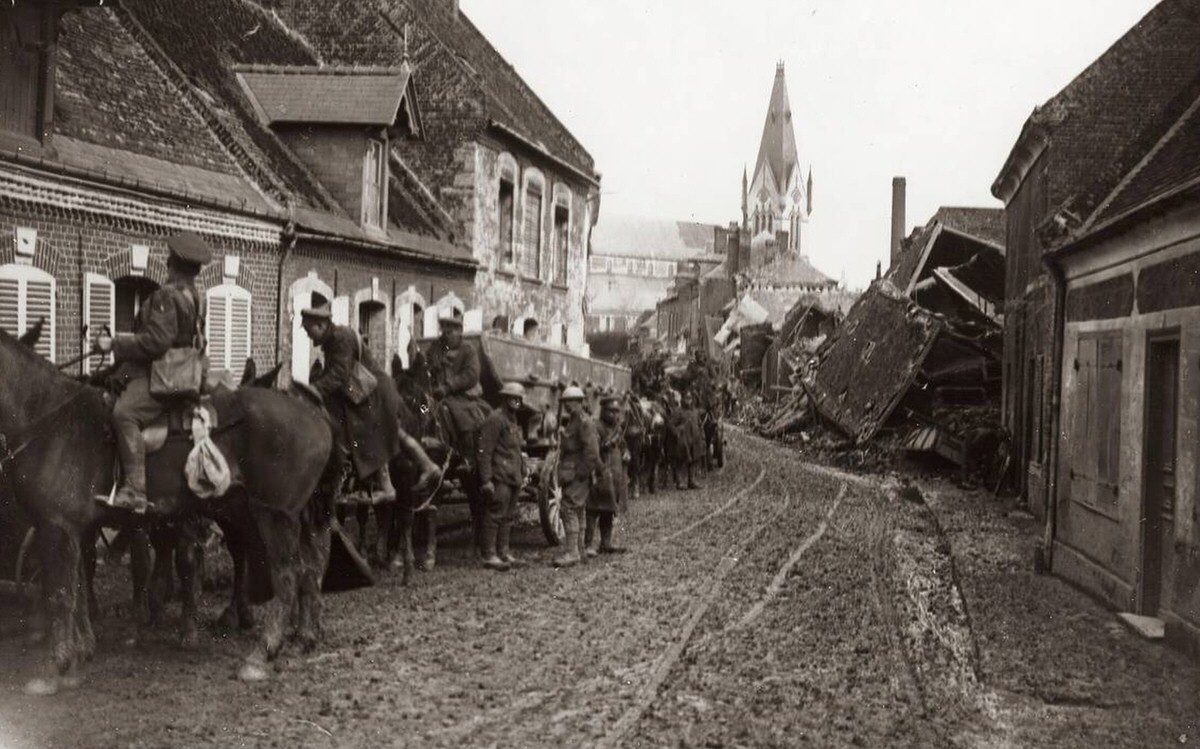
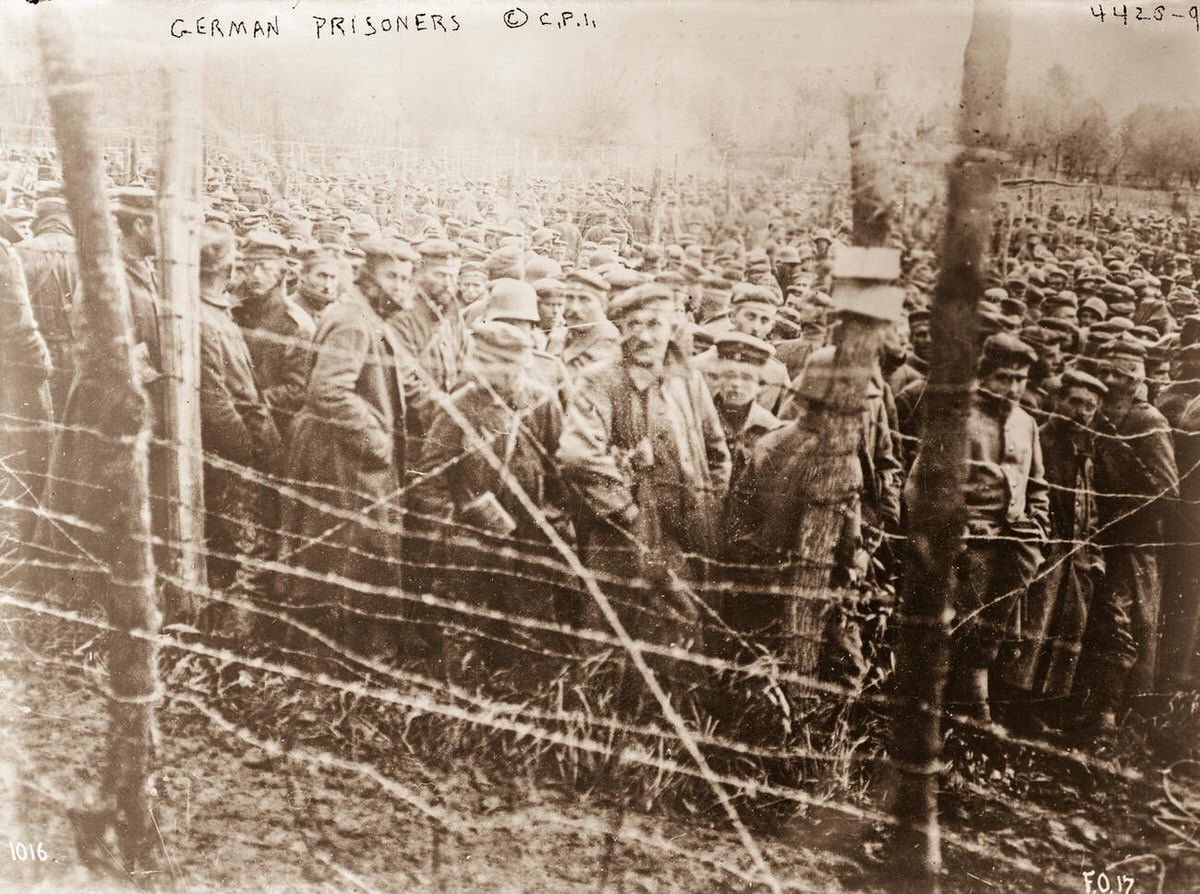
Soldiers from the Worcestershire Regiment resting in the mud on the Somme battlefield, 1916Men standing in the ruins of a building in northeastern France, 1916German prisoners from the Somme battlefield with a mounted escort, 1916
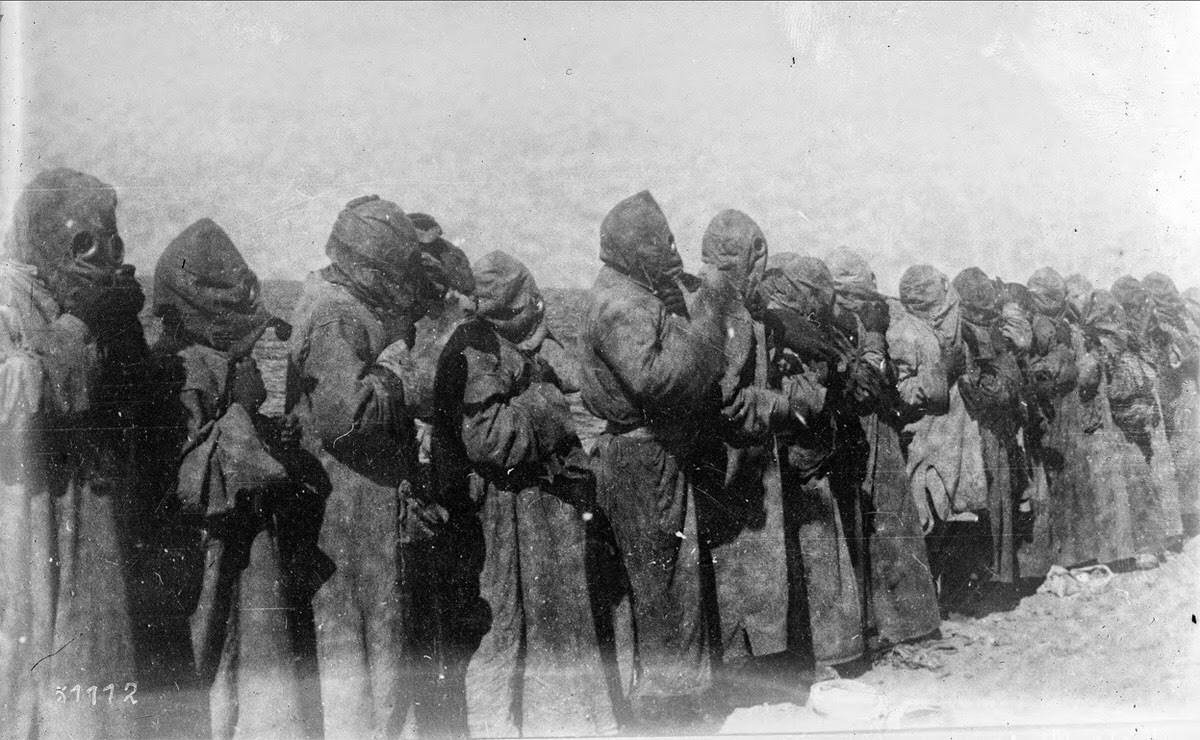
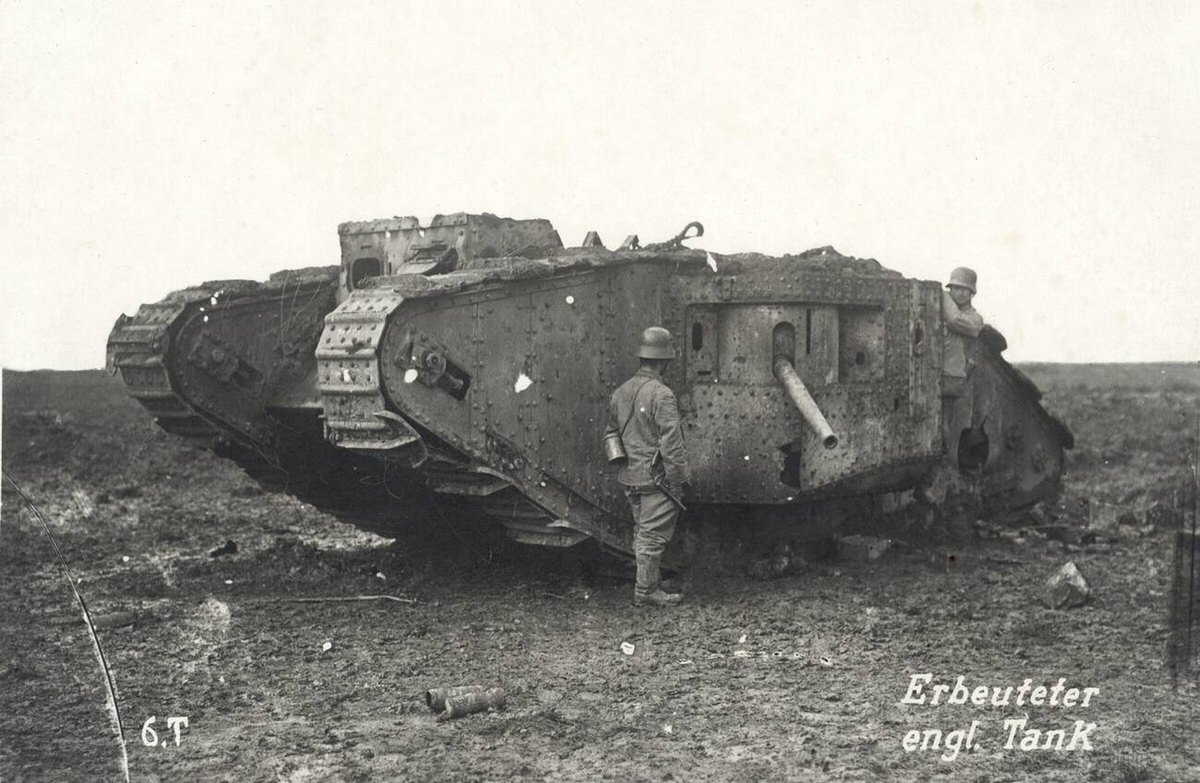
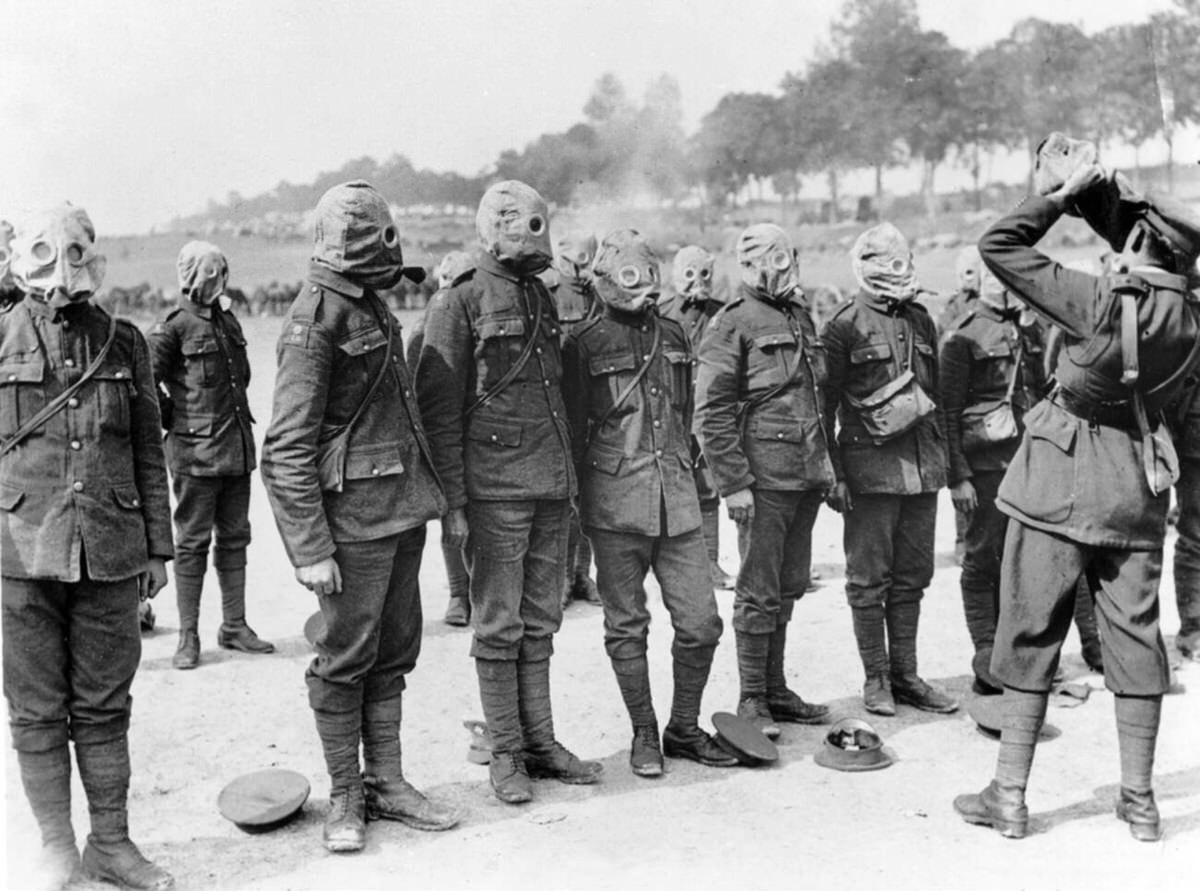
New weapons transformed warfare in ways no military strategist had anticipated. In 1915, German forces unleashed chlorine gas at the Second Battle of Ypres, causing victims to suffocate as the gas destroyed lung tissue. Both sides later deployed mustard gas, which was harder to detect and caused severe blistering on skin and inside the eyes. Soldiers were required to carry heavy rubber gas masks at all times. The British introduced tanks to break through barbed wire and cross No Man’s Land. The first model, the Mark I, crawled at just three miles per hour but offered protection against rifle fire that open infantry had no answer to.
Gas masks in use in Mesopotamia, 1918German soldiers with a captured British Mark tank, 1917
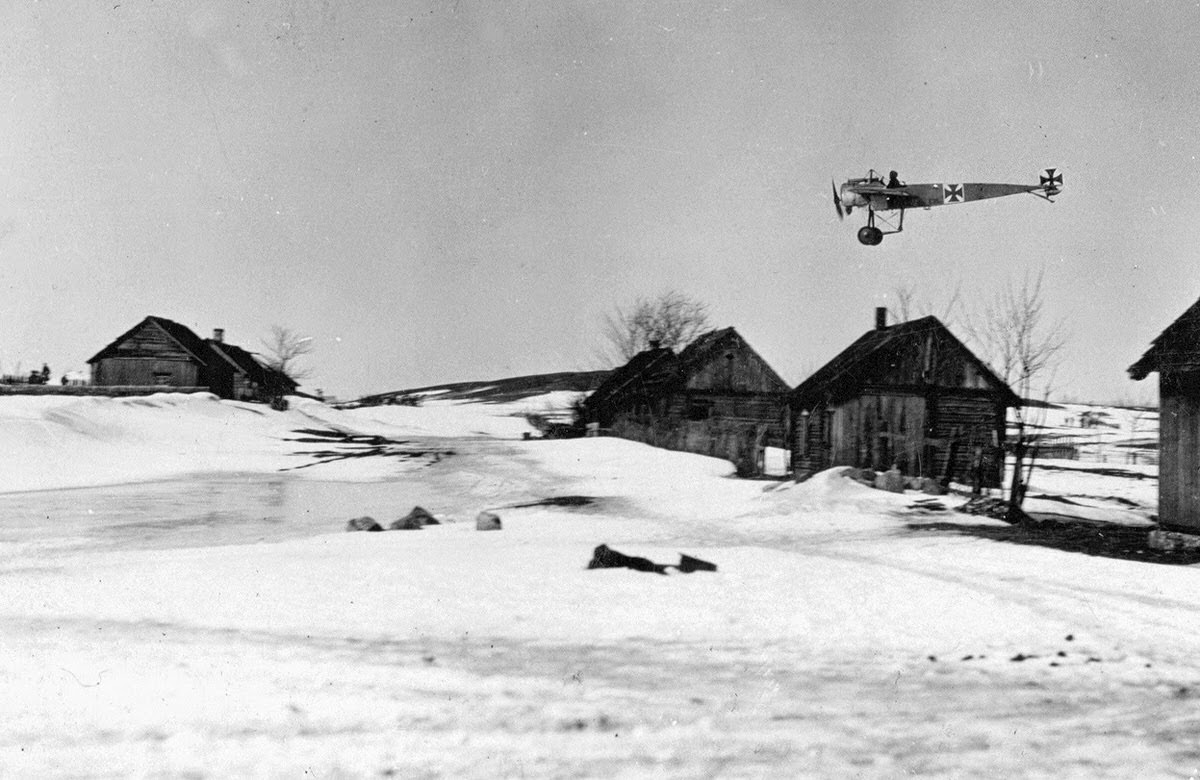
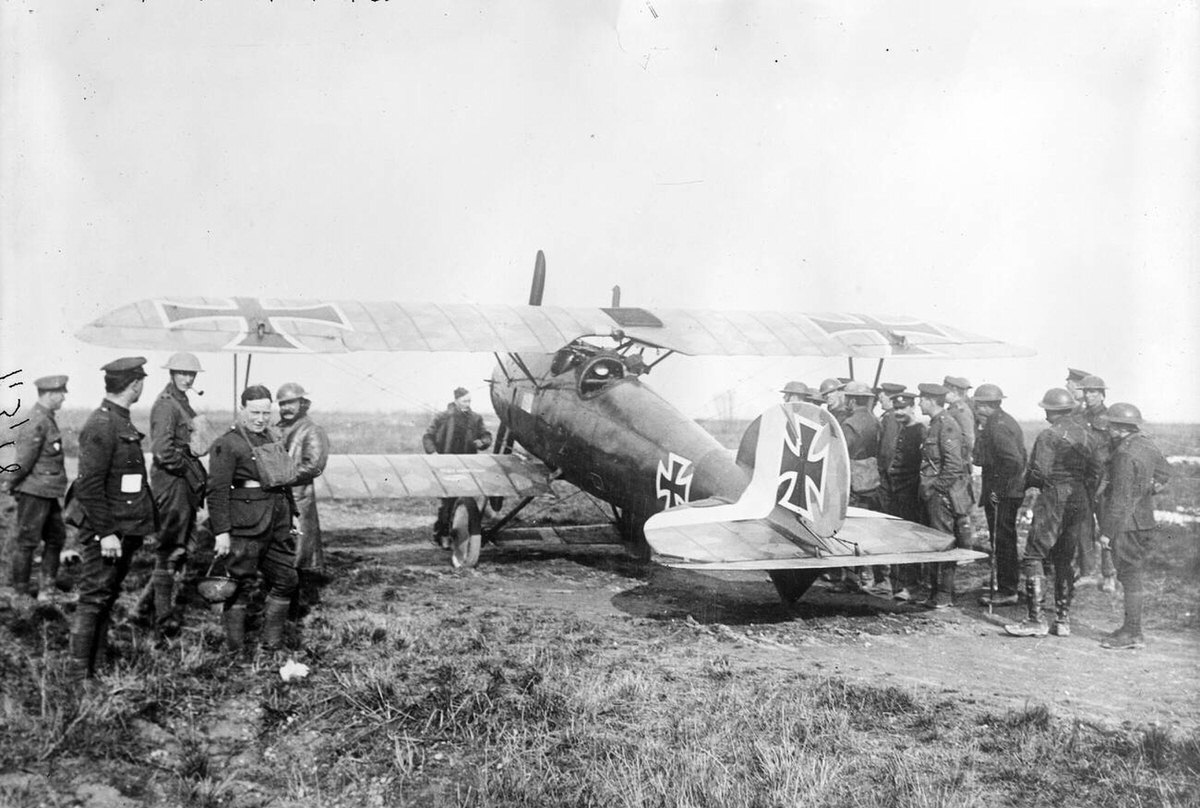
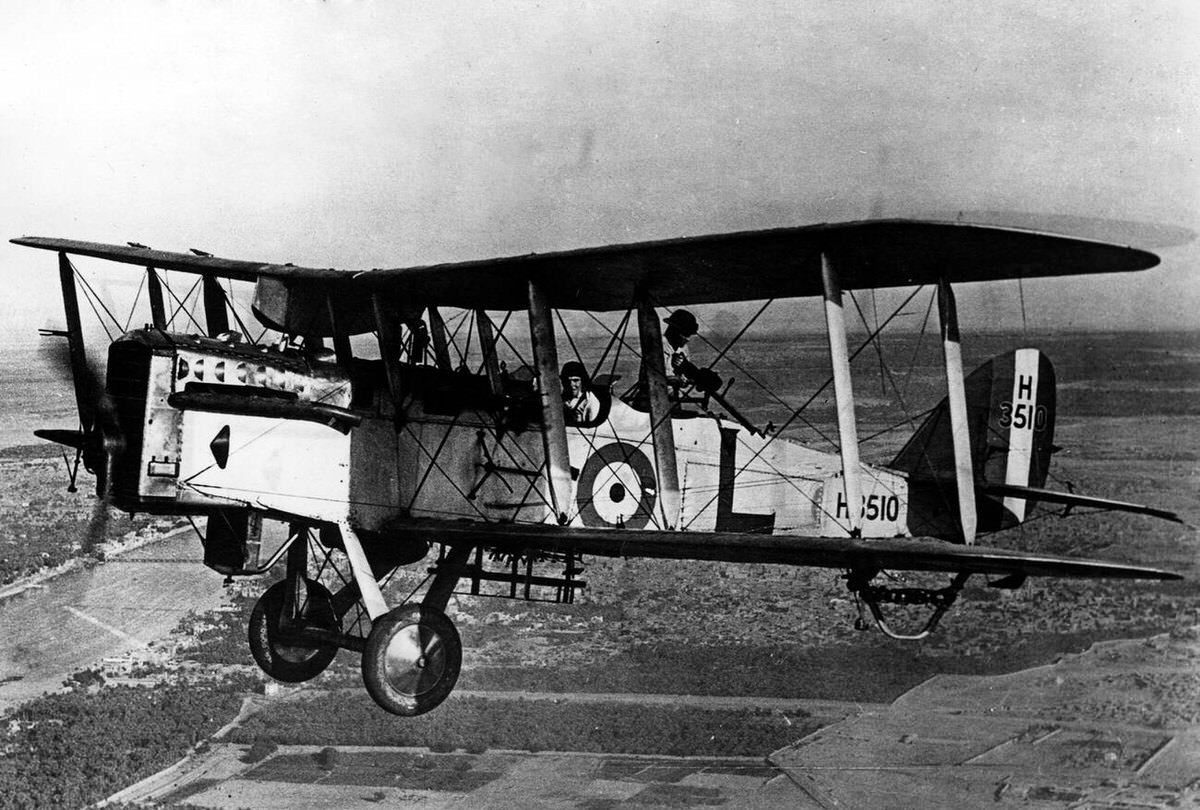
Aircraft were used from the war’s earliest days, at first only for scouting enemy positions. Pilots soon began mounting machine guns on their planes, turning the skies into battlegrounds. German Fokker fighters and Allied aircraft clashed in intense dogfights above the trenches. Germany also deployed hydrogen-filled Zeppelin airships to bomb British cities, bringing the war directly to civilian populations.
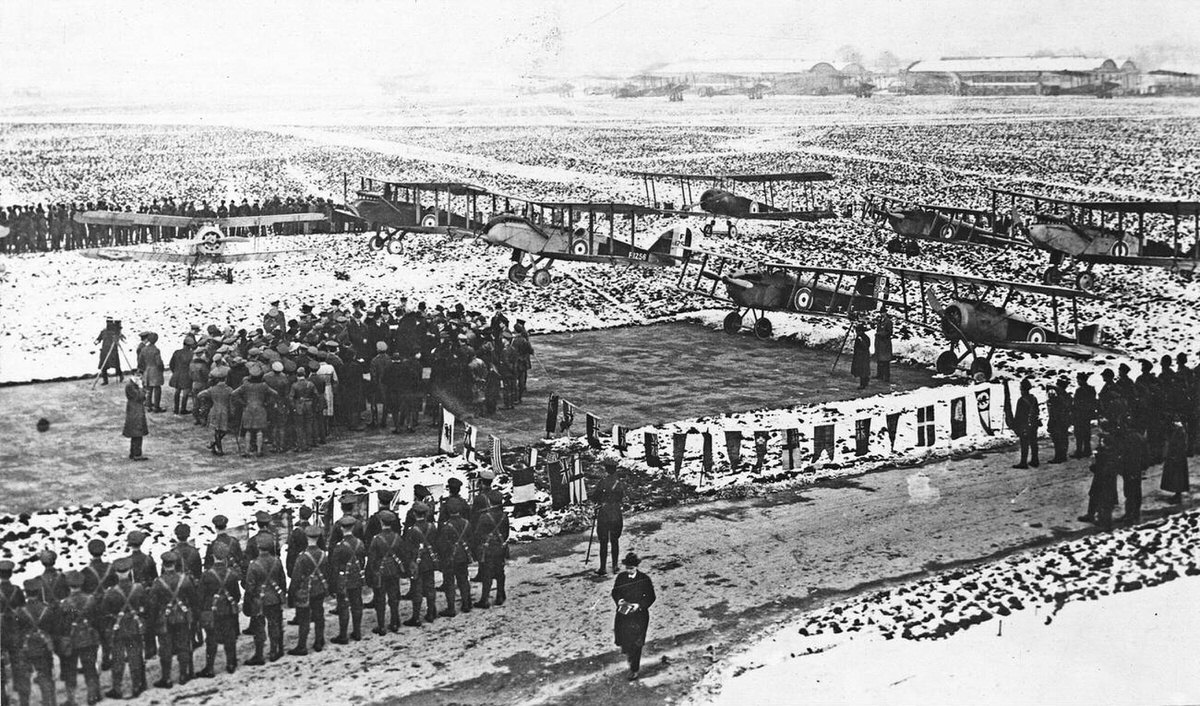
German Fokker E.II 35/15 flying low on the Eastern Front, 1915Captured Albatros German biplane, 1914Presentation of fifteen aeroplanes to Canadian military authorities at Hendon Aerodrome, 1914
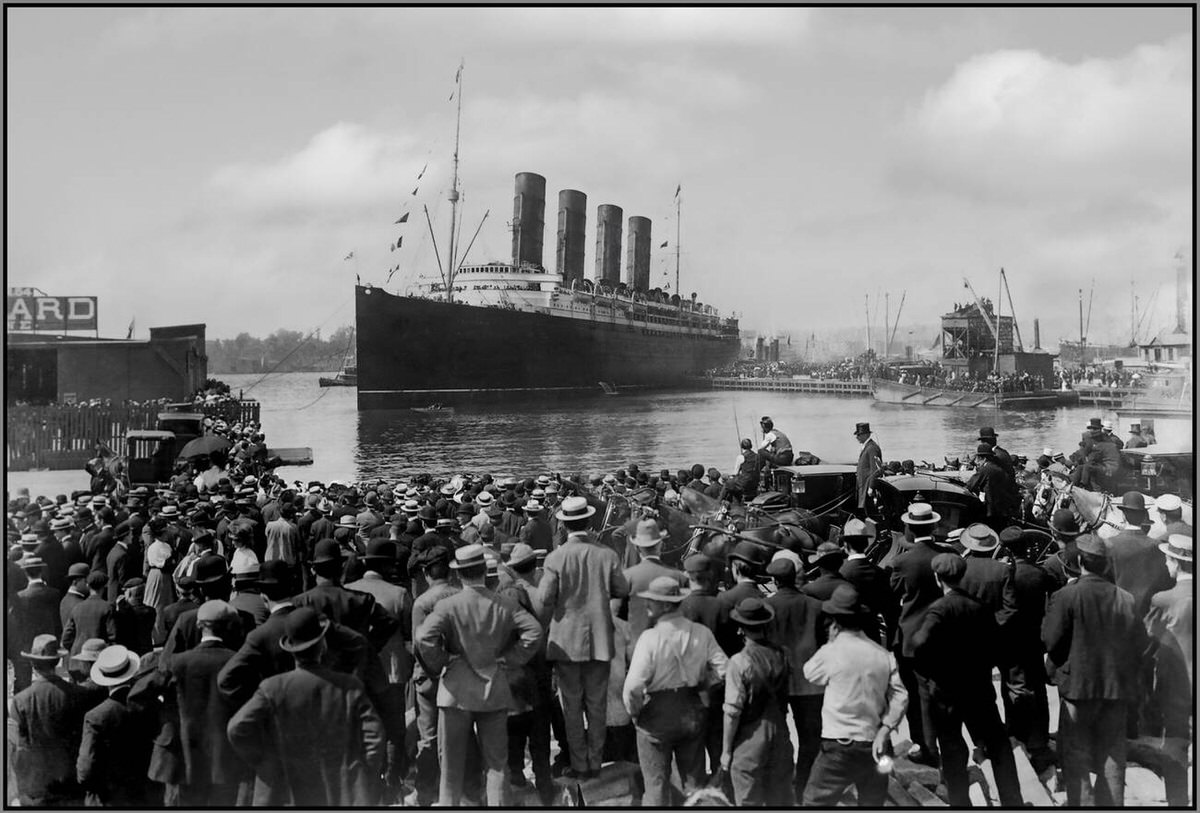
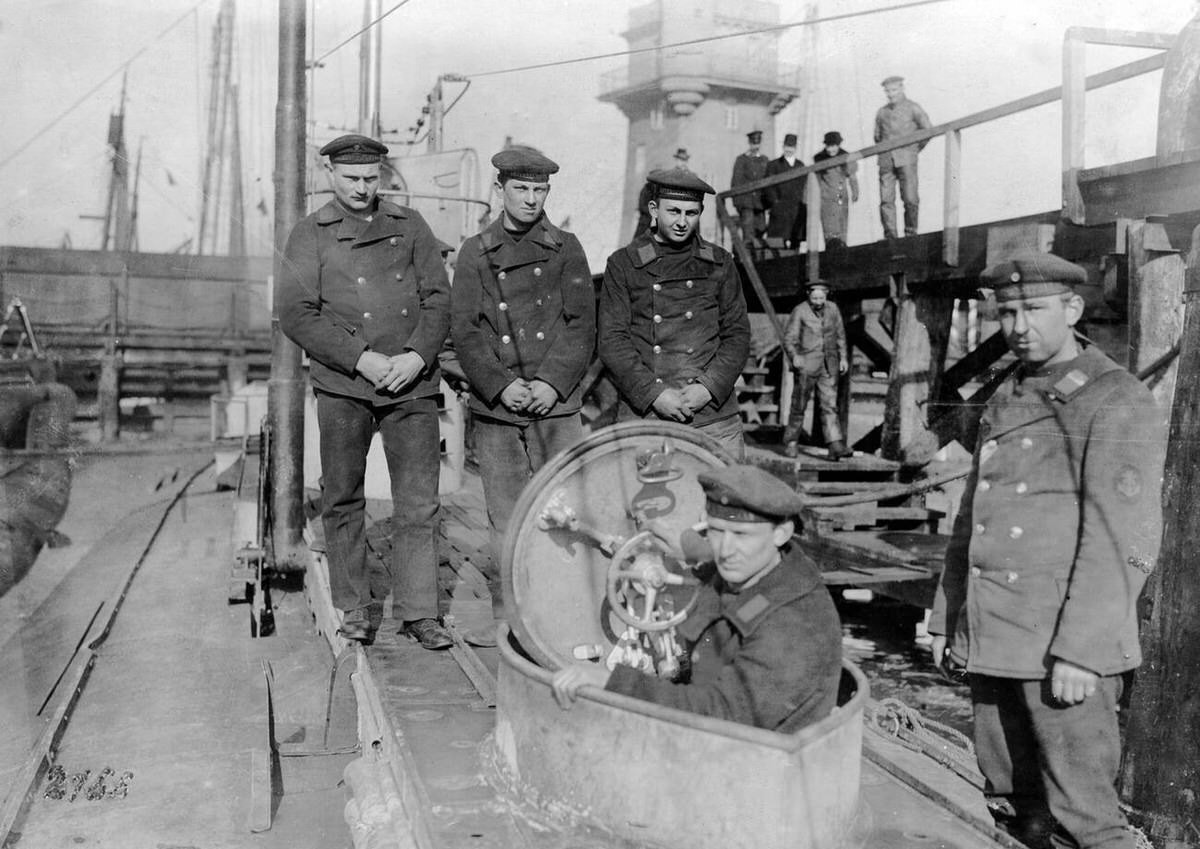
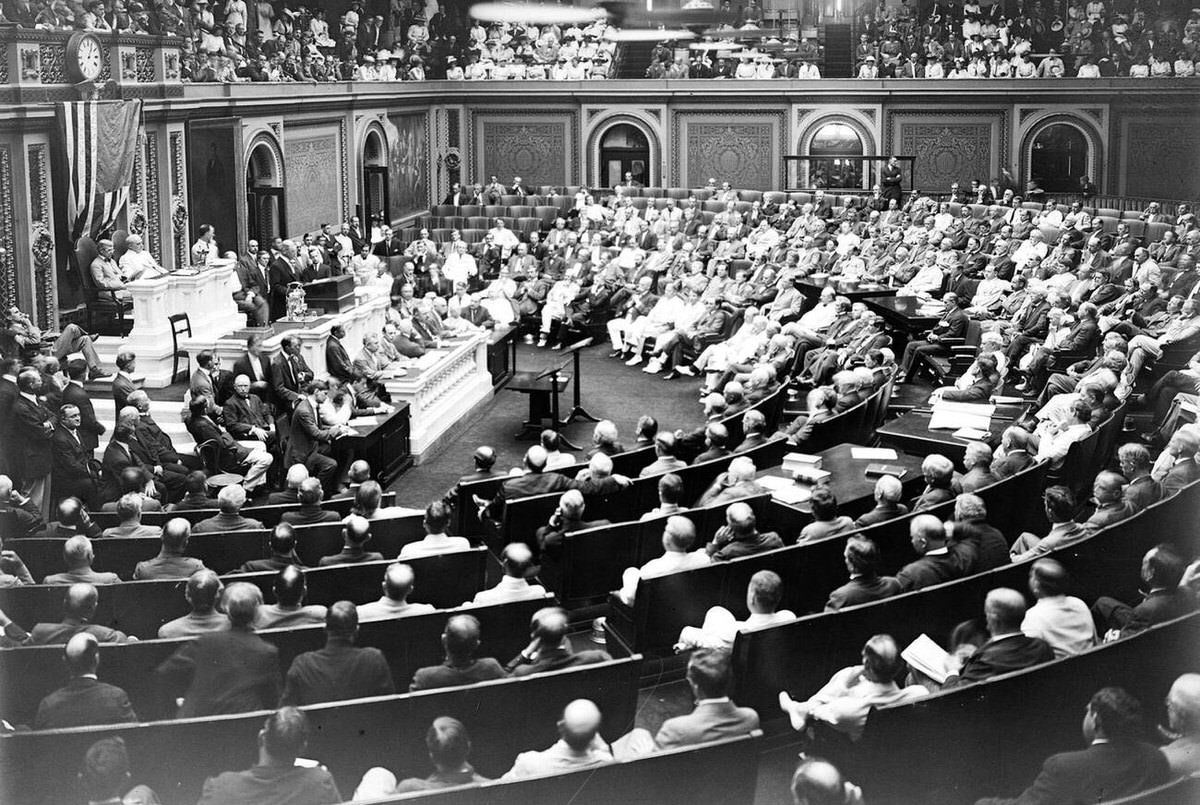
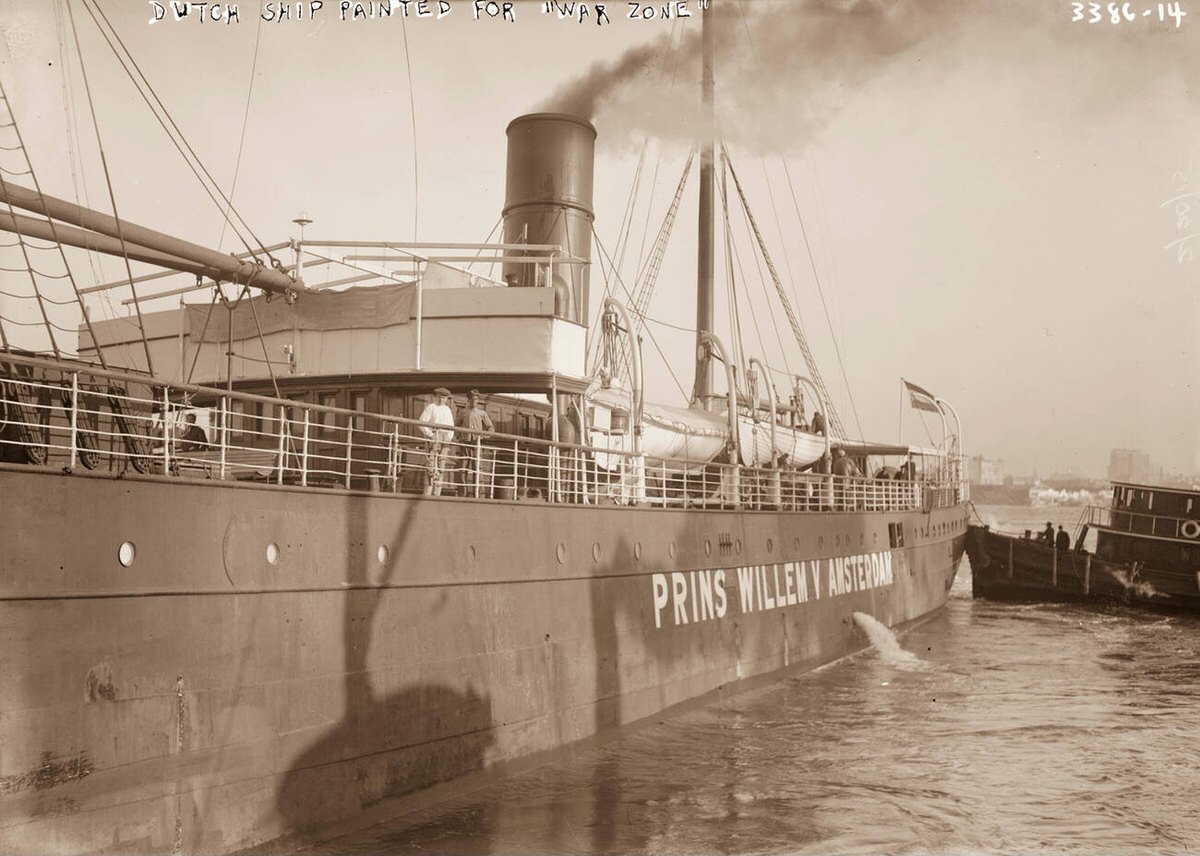
At sea, Germany used submarines — called U-boats — to strangle British supply lines. In May 1915, a German U-boat torpedoed the British passenger liner Lusitania, killing 1,198 people, including 128 Americans. The sinking intensified American public anger toward Germany. Early in 1917, British intelligence intercepted the Zimmermann Telegram, a secret German message offering Mexico assistance in reclaiming Texas, New Mexico, and Arizona in exchange for entering the war against the United States. Combined with Germany’s renewed unrestricted submarine warfare, this brought the United States into the conflict on April 6, 1917.
Sinking of the luxury ocean liner Lusitania after being torpedoed by a German submarine, 1915Training of a submarine crew, 1917President Woodrow Wilson addressing Congress on foreign affairs, 1917
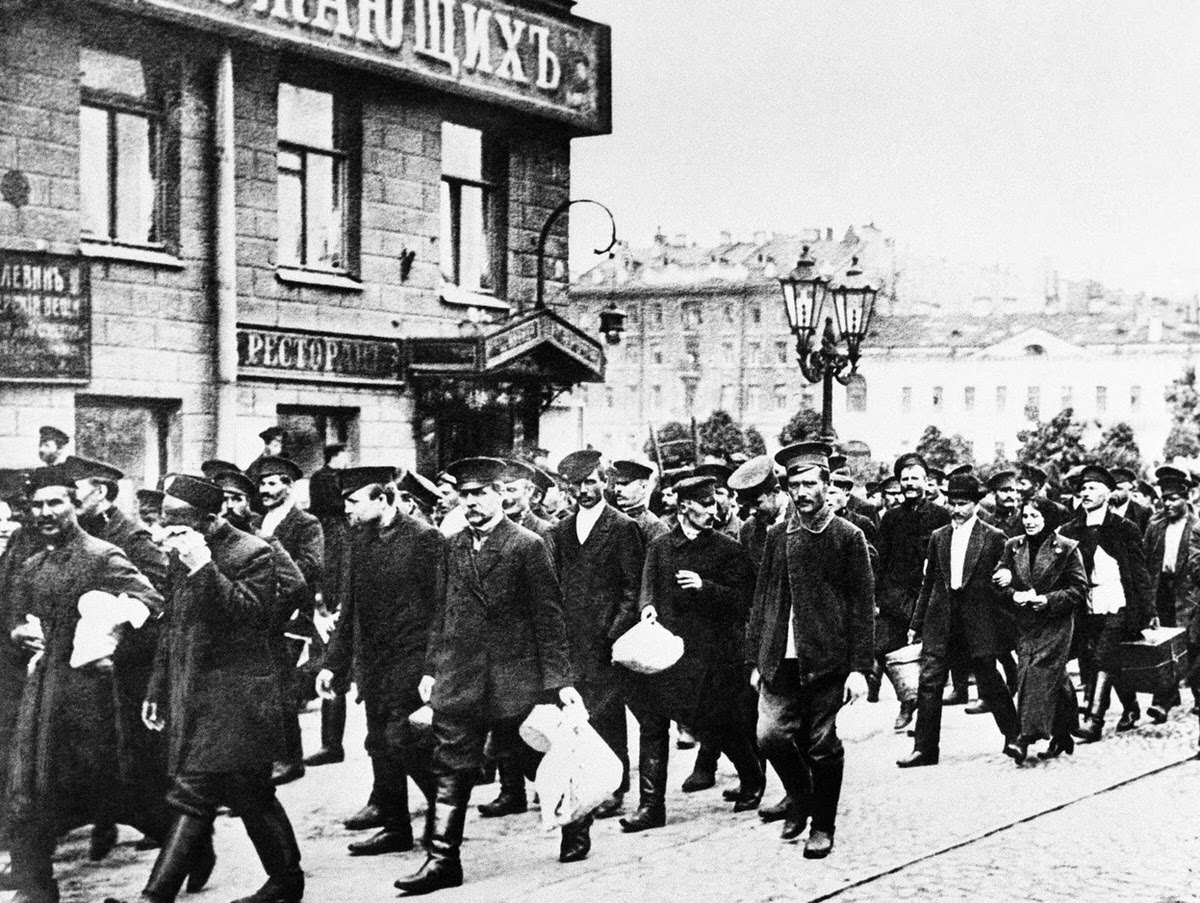
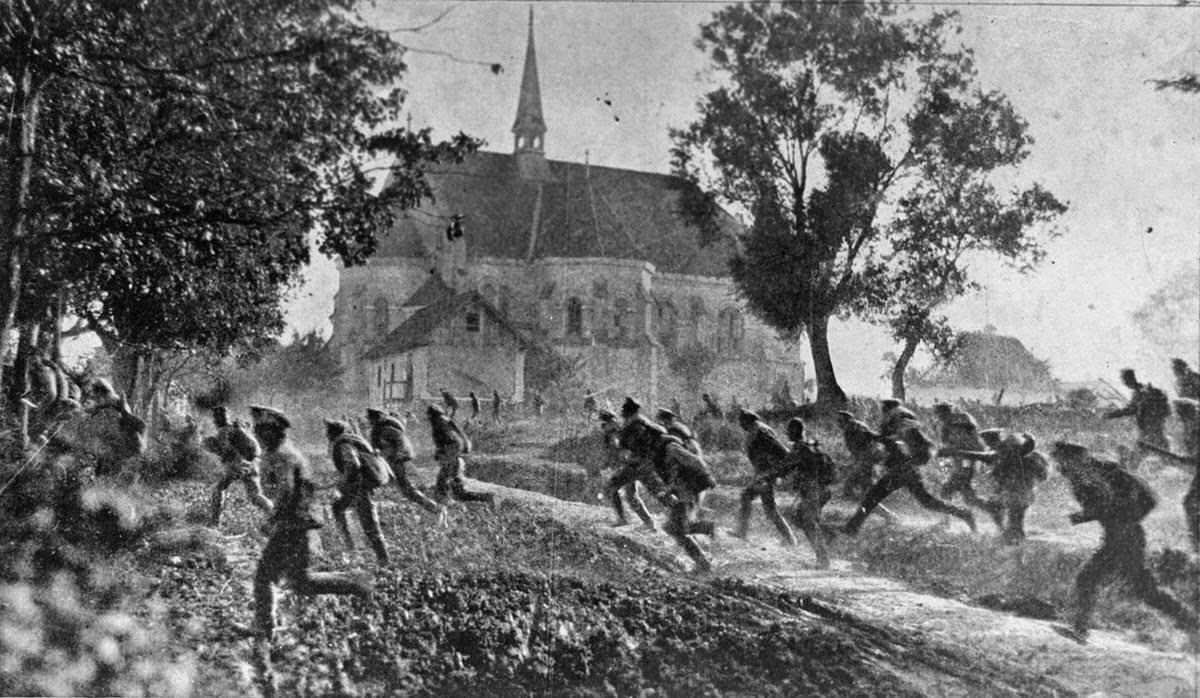
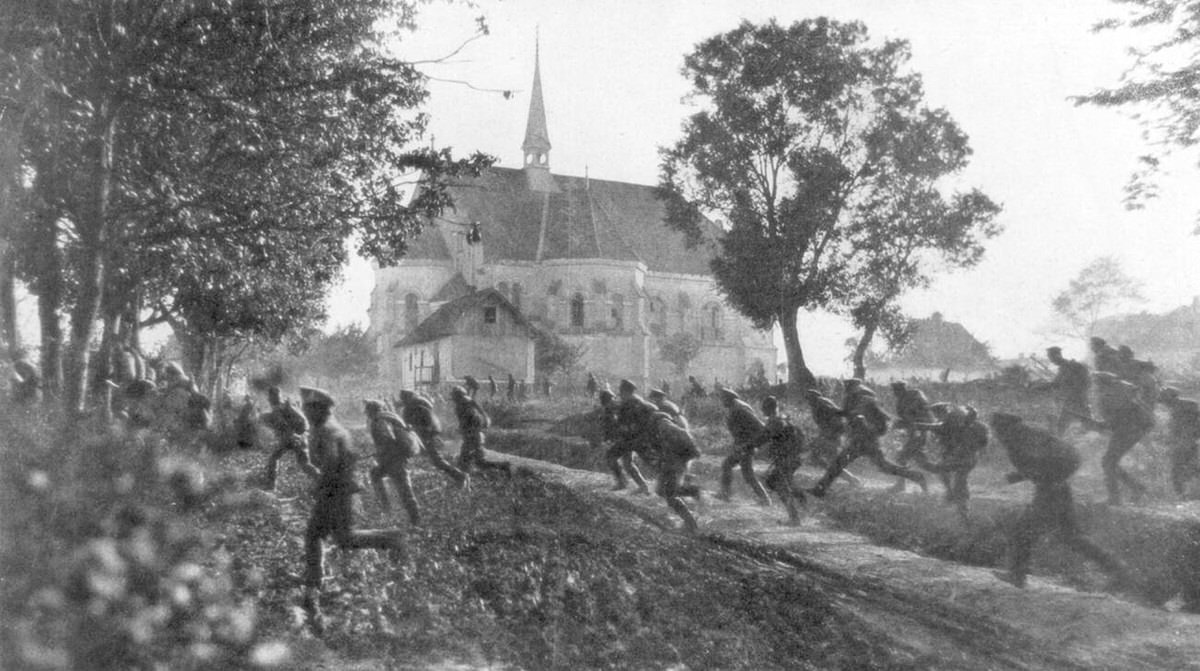
The Eastern Front operated very differently from the stalemate in the west. Russian forces pushed into German territory early in the war but suffered a catastrophic defeat at the Battle of Tannenberg in August 1914. The Russian army frequently lacked enough rifles and boots for its own soldiers. By 1917, food shortages and massive casualties had turned the Russian public against the war entirely. The Russian Revolution swept away the Tsar’s government, and the new Bolshevik leadership signed the Treaty of Brest-Litovsk with Germany in early 1918, withdrawing Russia from the war completely.
Reservists and relatives in St. Petersburg as the Russian army is assembled, 1914Slavic soldiers in a mad stampede on the Eastern Front, 1914Russian troops retreating in disarray in Ternopil, Ukraine, 1917
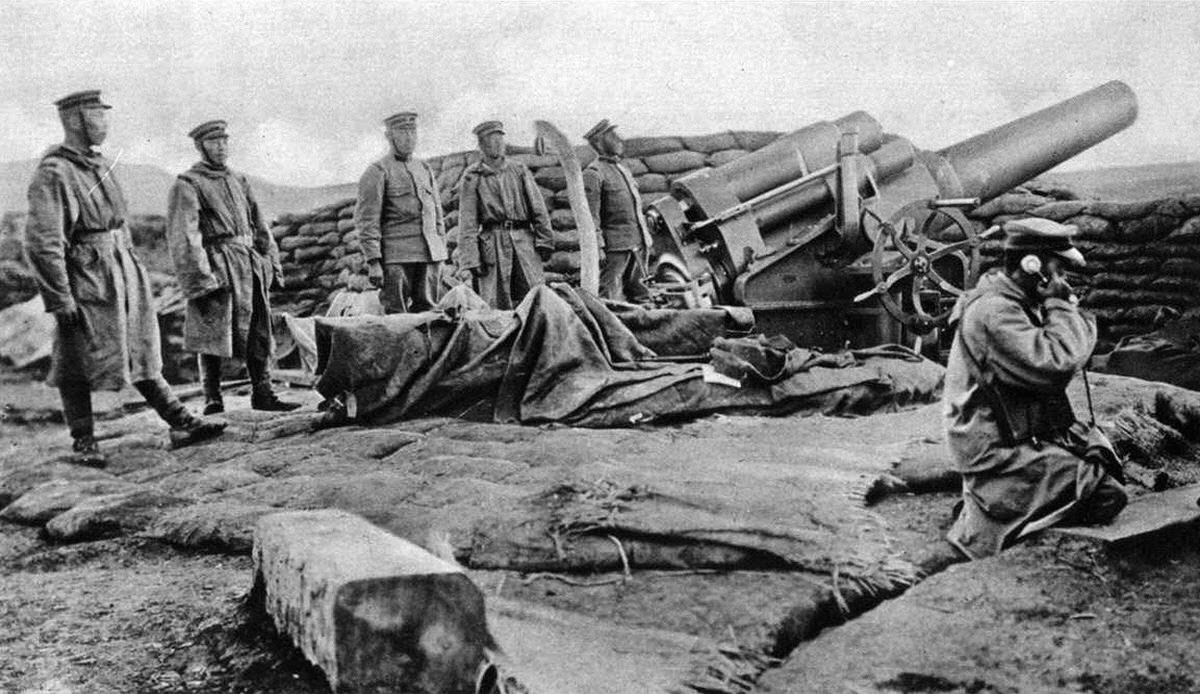
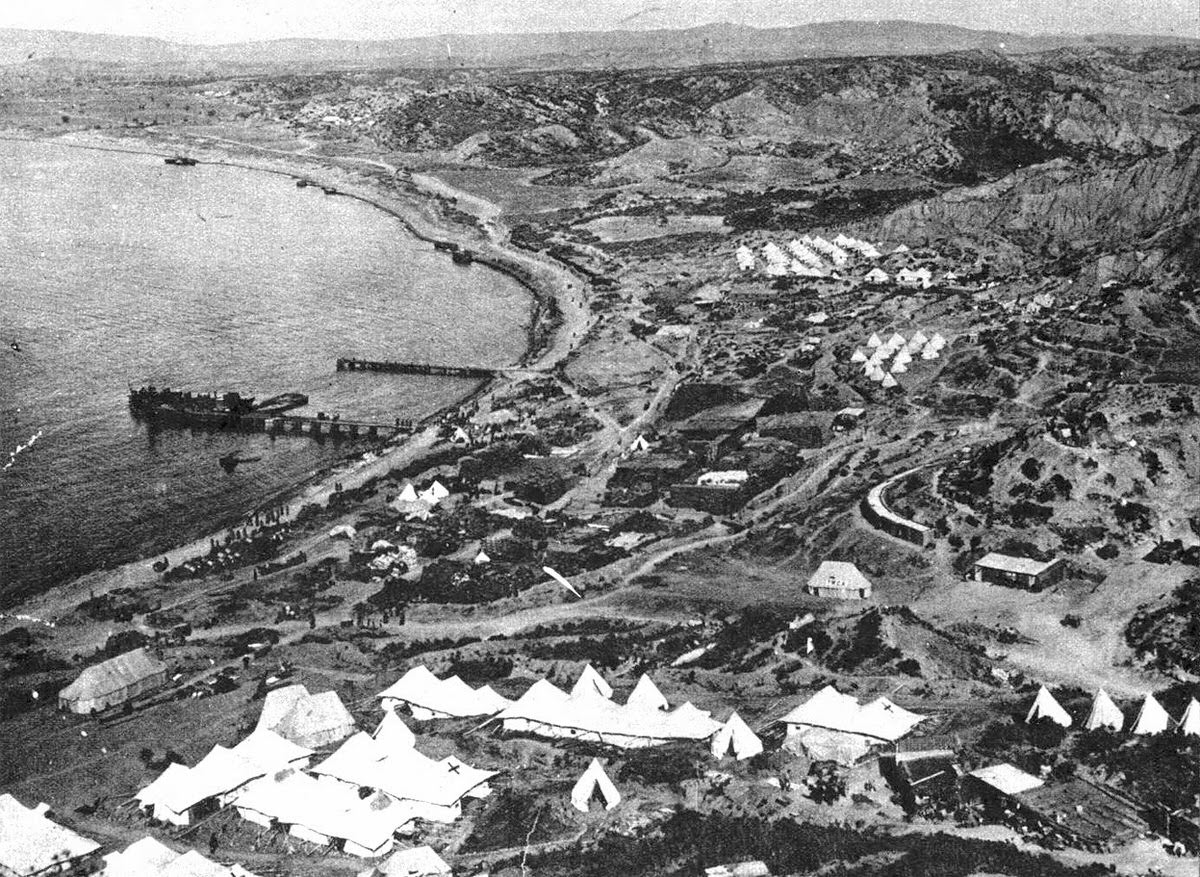
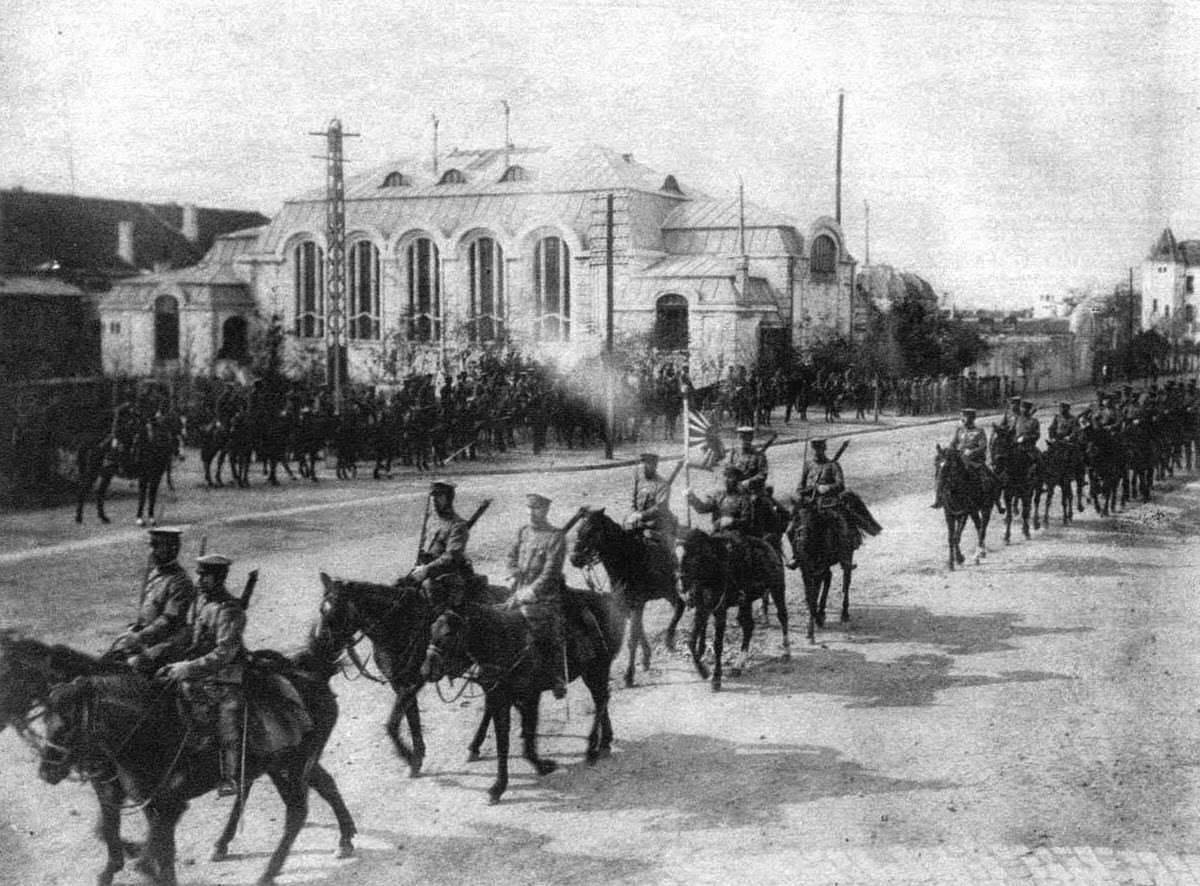
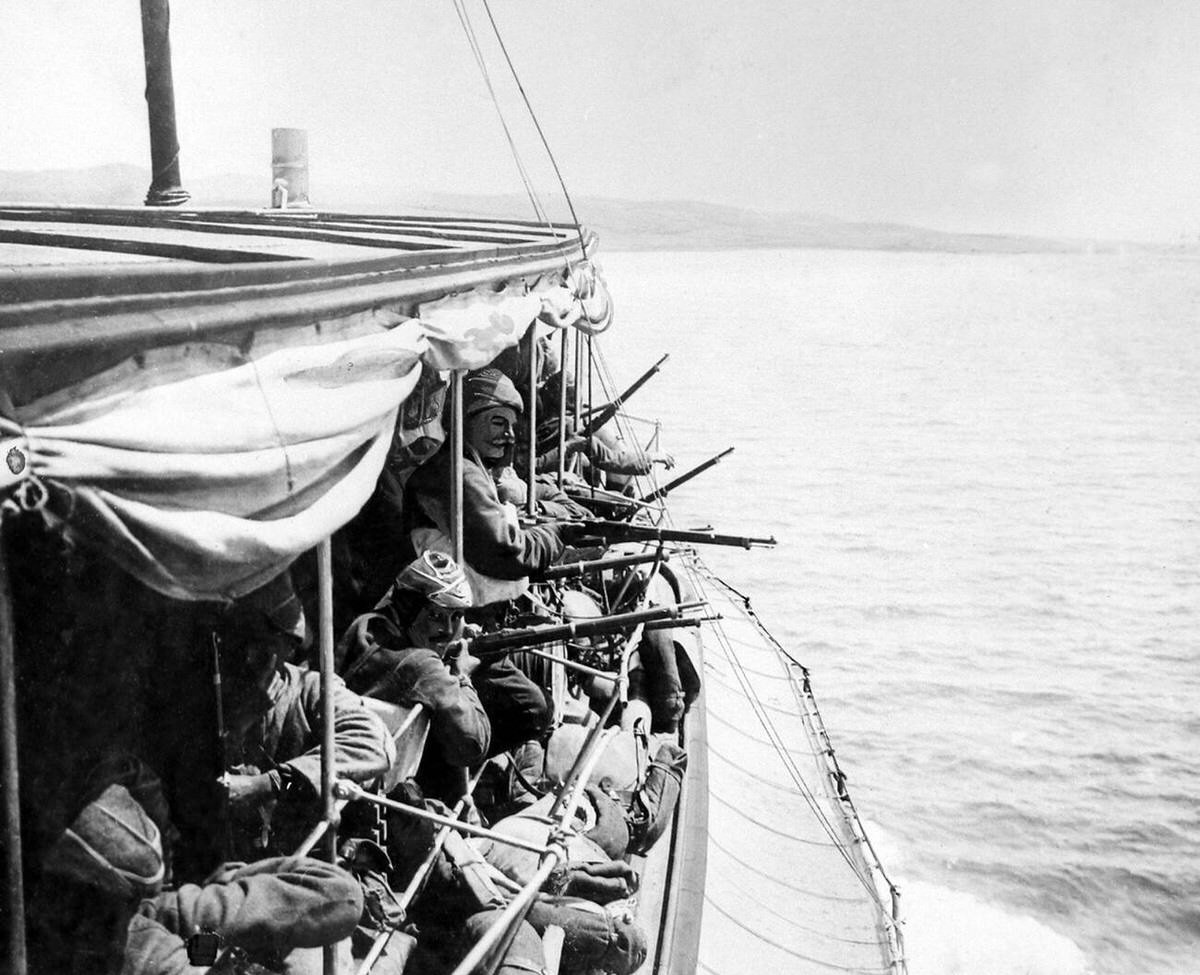
The war was also fought far beyond Europe’s borders. In 1914, Japanese forces — allied with Britain — laid siege to the German-held port of Tsingtao in China, using artillery bombardments and coordinated infantry assaults to capture it. British and Australian troops fought the Ottoman Empire in the Gallipoli campaign of 1915, landing under fire on the Dardanelles coast in an attempt to knock the Ottomans out of the war. The campaign failed after months of grinding combat, and Allied forces were evacuated in late 1915.
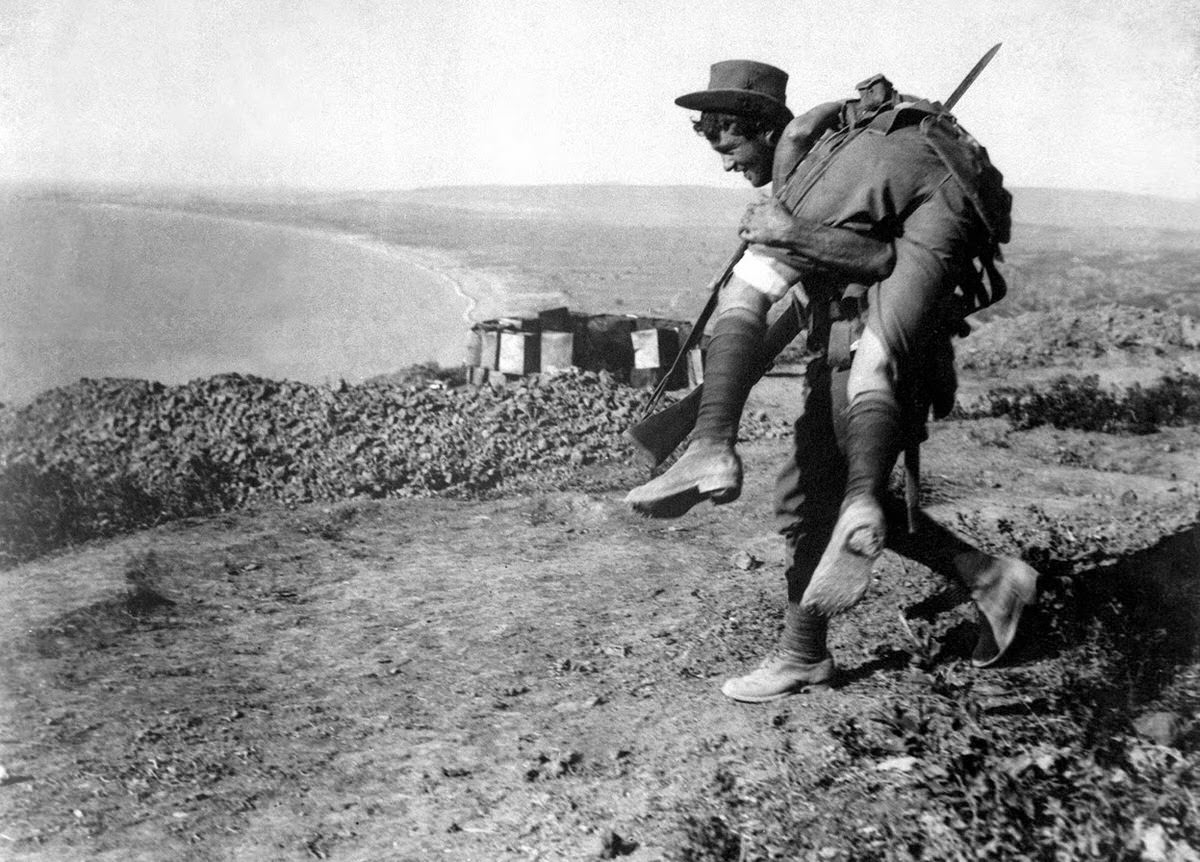
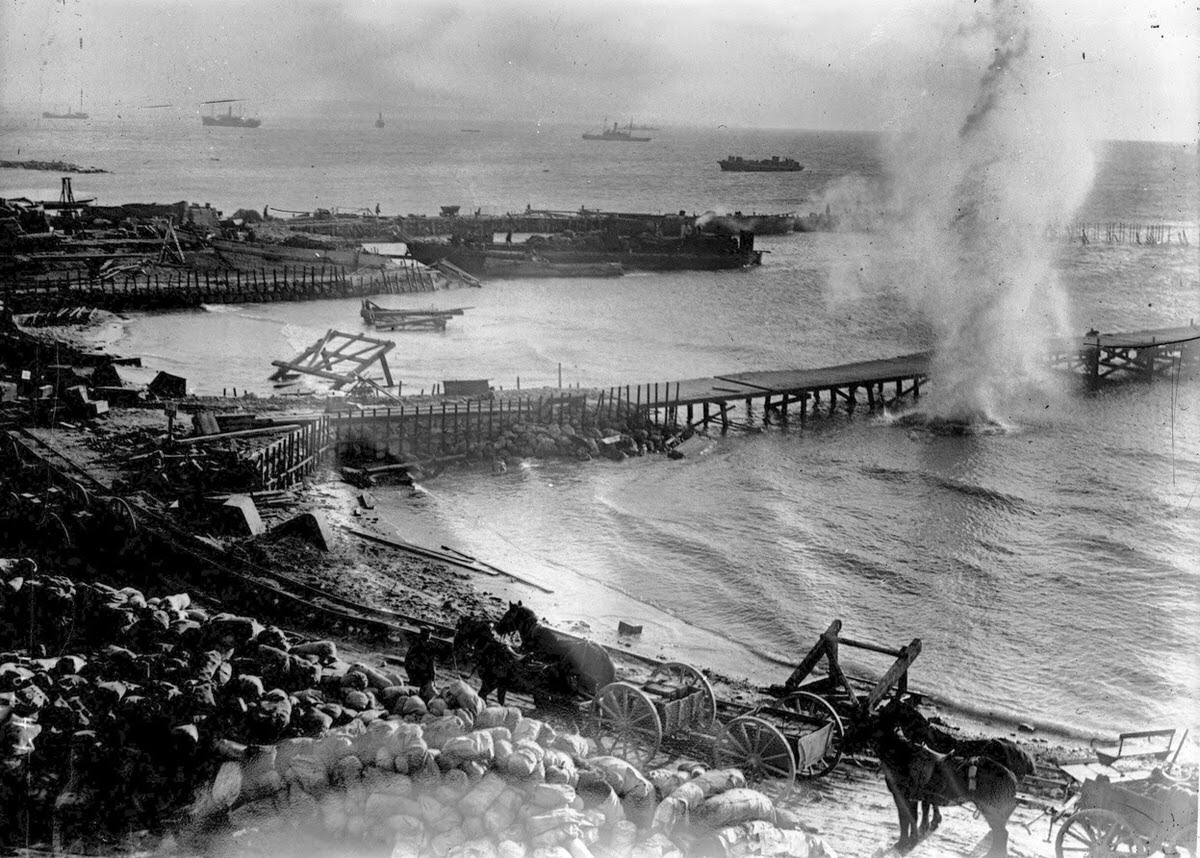
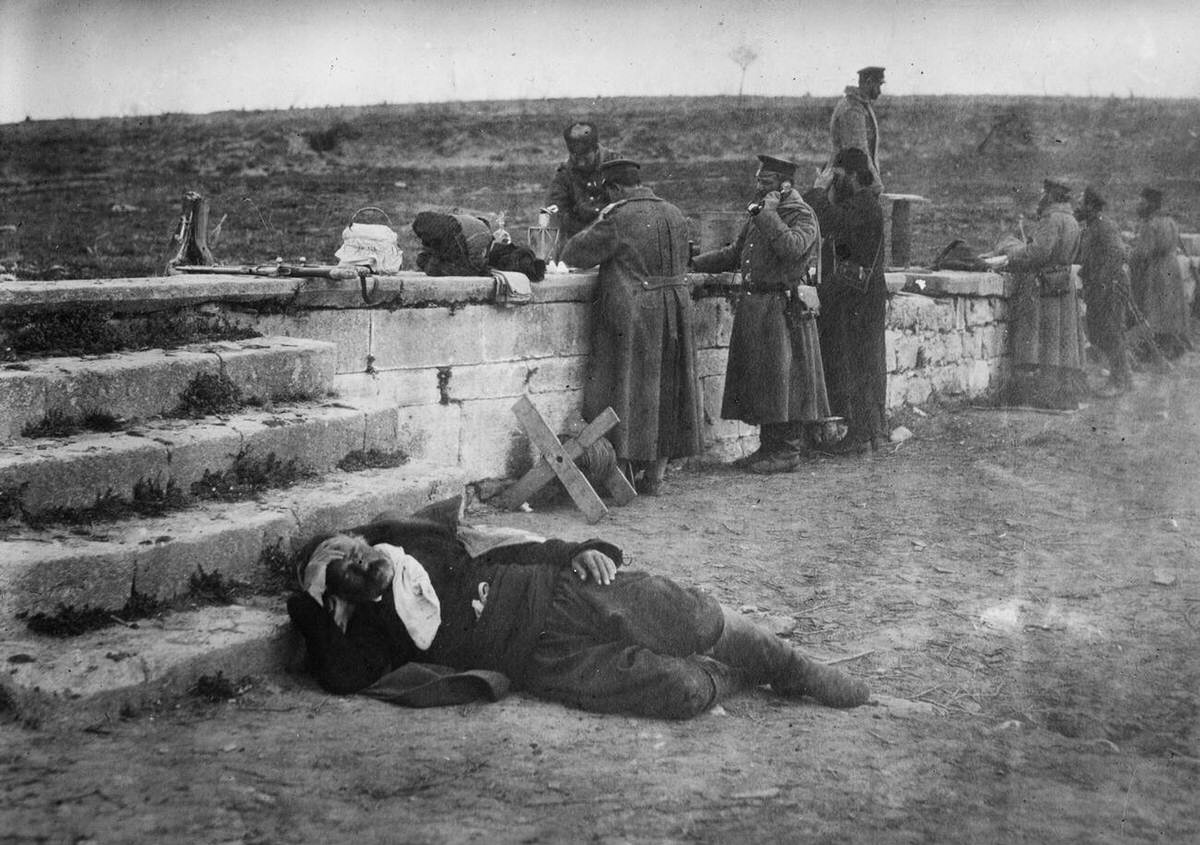
Japanese siege gun detachment receiving orders by telephone during the bombardment of Tsingtao, 1914Allied soldiers engaged with Ottoman forces in the Dardanelles during the Gallipoli campaign, 1915Australian soldier bringing a wounded comrade to a hospital during the Dardanelles campaign, 1915Evacuation of the Bay of Suvla during the Gallipoli campaign, 1915
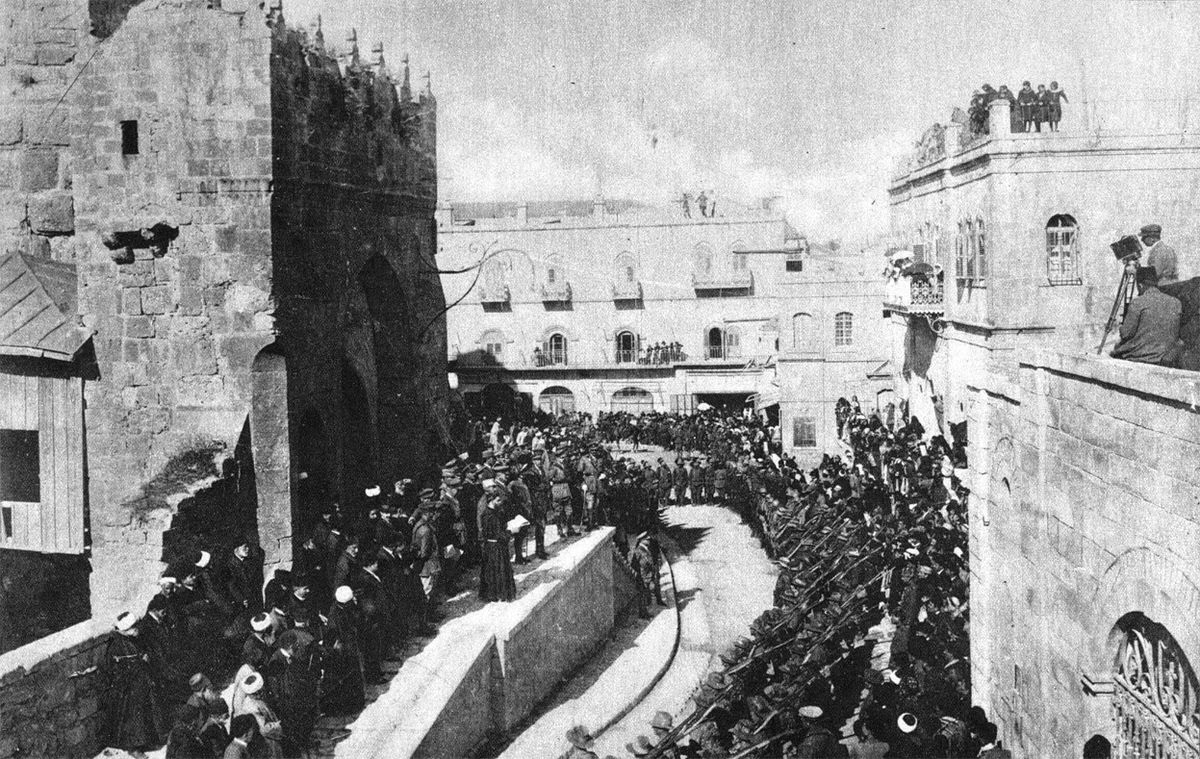
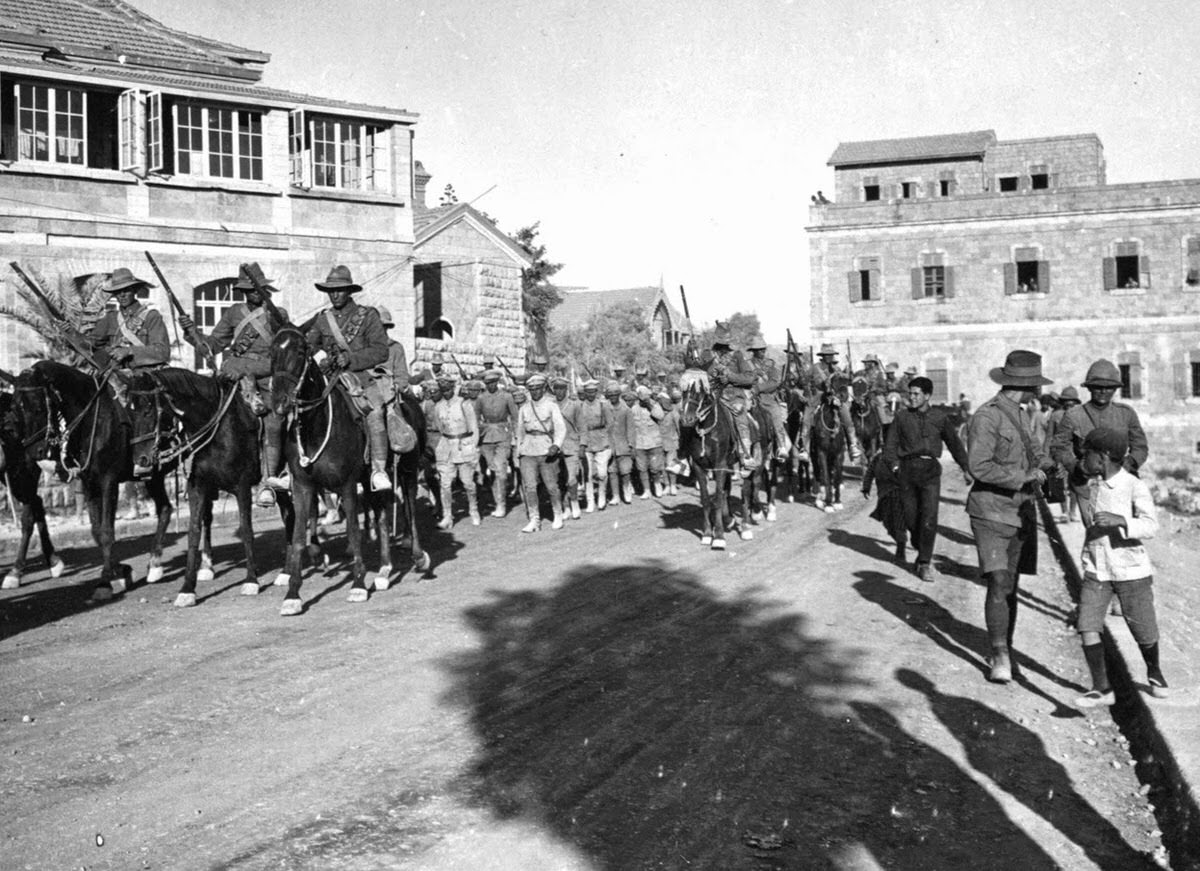
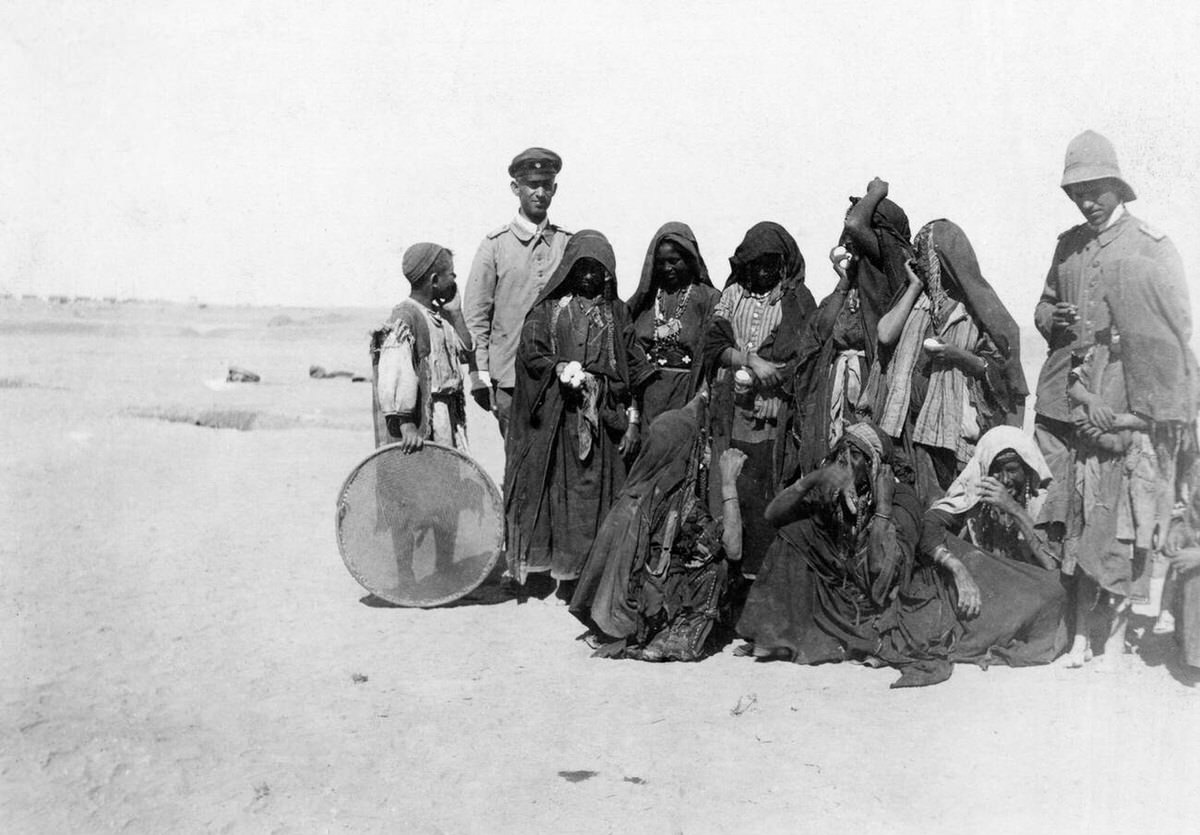
In the Middle East, Allied forces pushed deep into Ottoman territory. British and Commonwealth troops advanced through Palestine, capturing Jerusalem in 1917. New Zealand mounted riflemen guarded German prisoners near Jericho. The fall of Jerusalem marked a significant turning point in the campaign against the Ottoman Empire, which signed an armistice in October 1918.
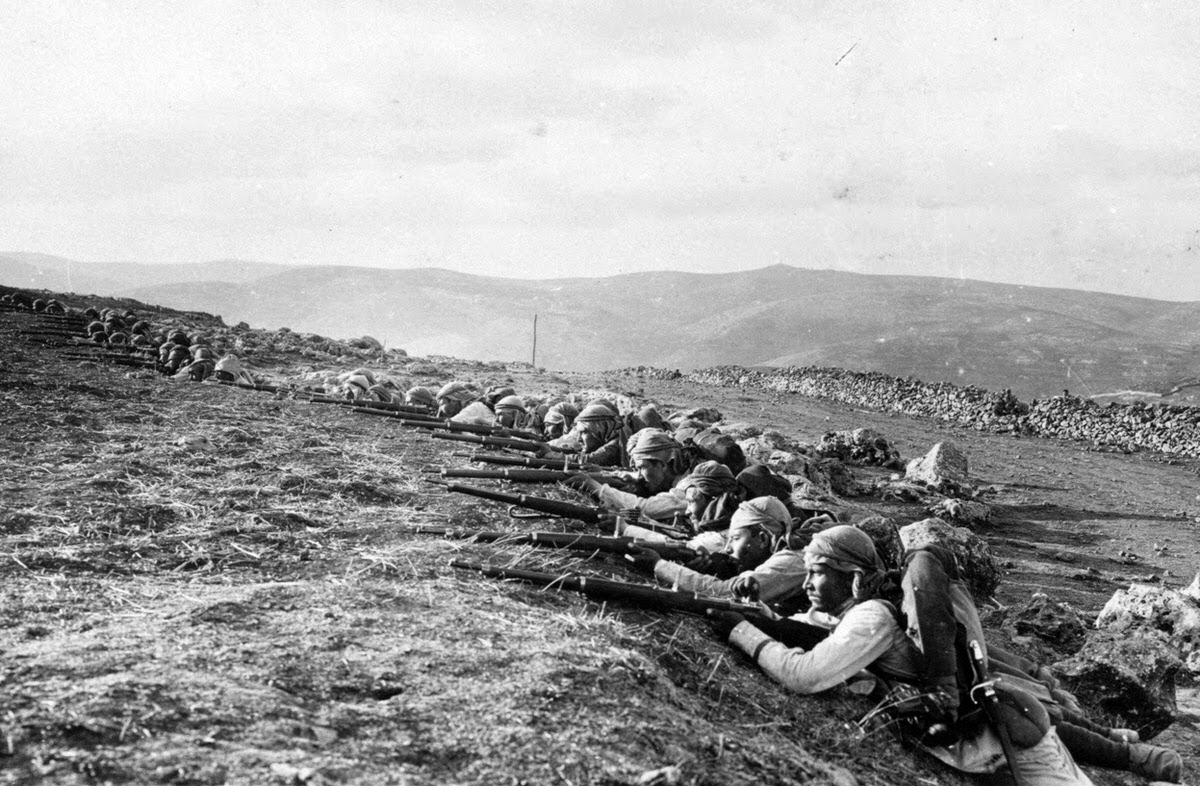
Infantry lines north of Jerusalem near Nebi Samuel, 1917Reading of a proclamation at the Tower of David in Jerusalem after the Ottoman surrender, 1917New Zealand Mounted Riflemen guarding German prisoners near Jericho, 1918
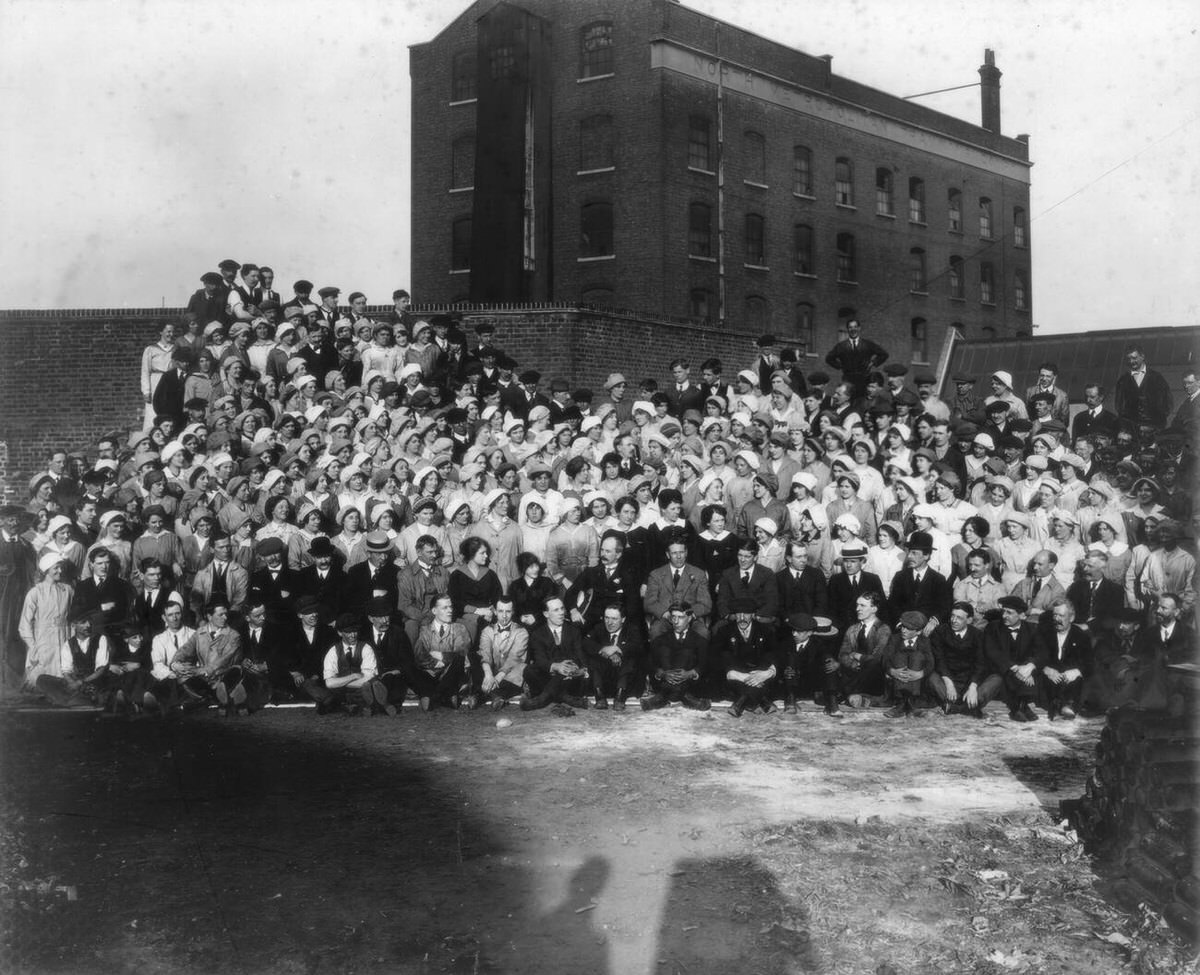
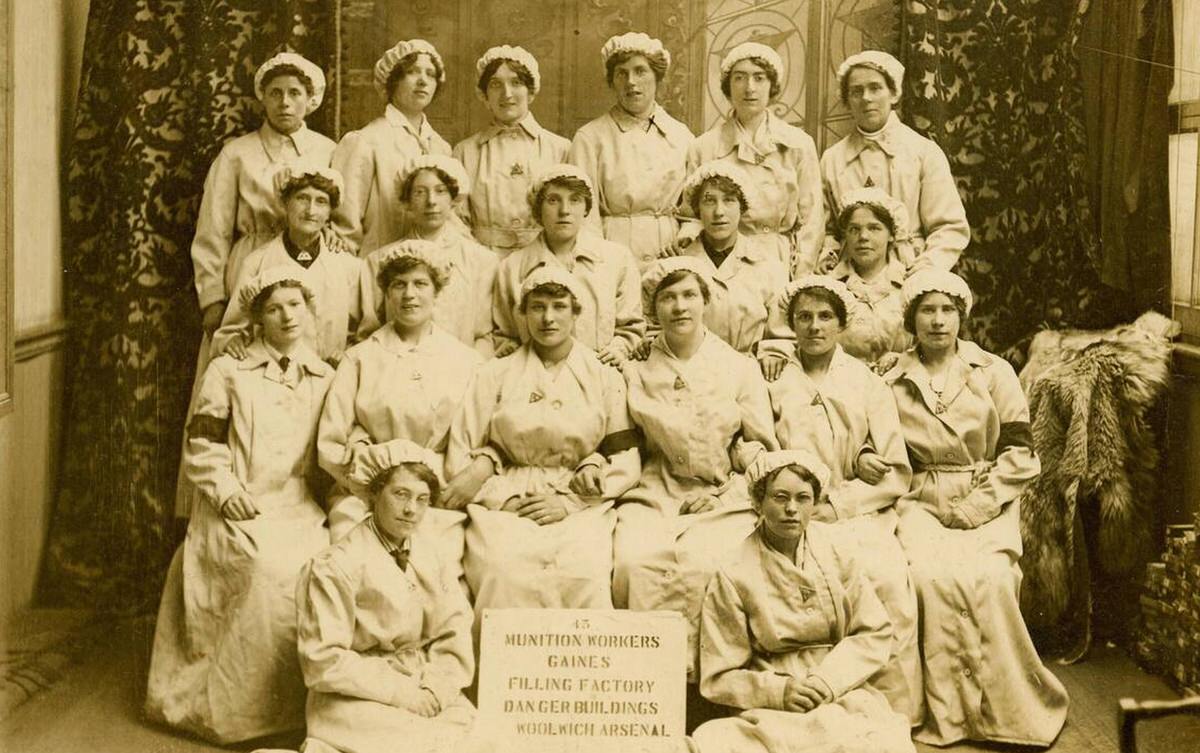
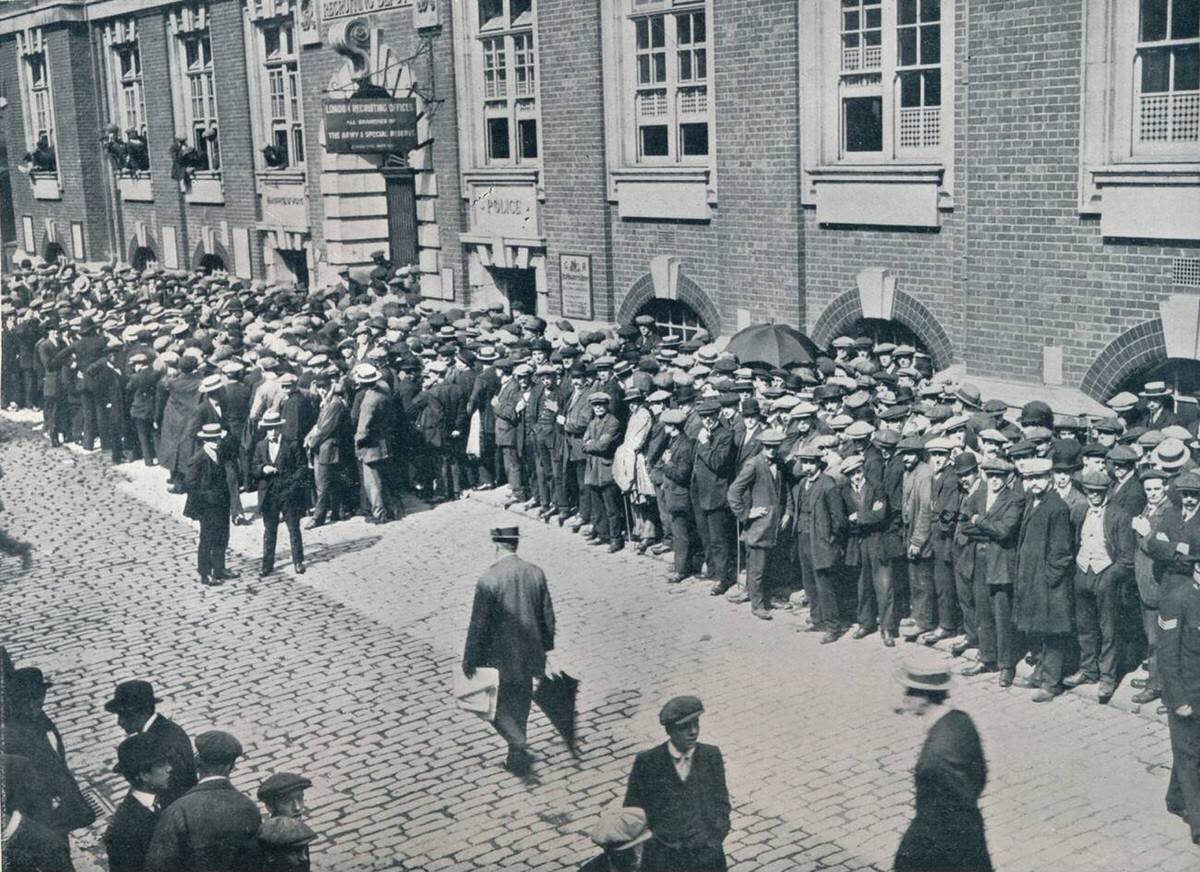
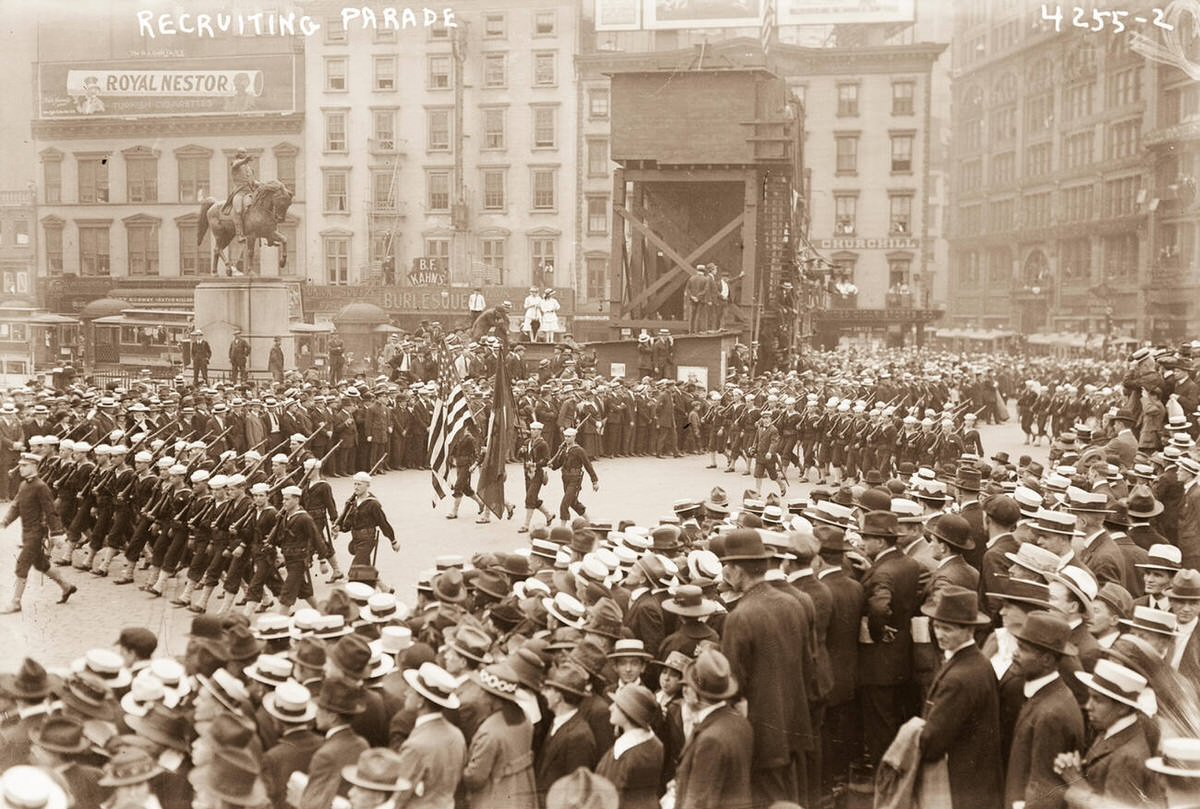
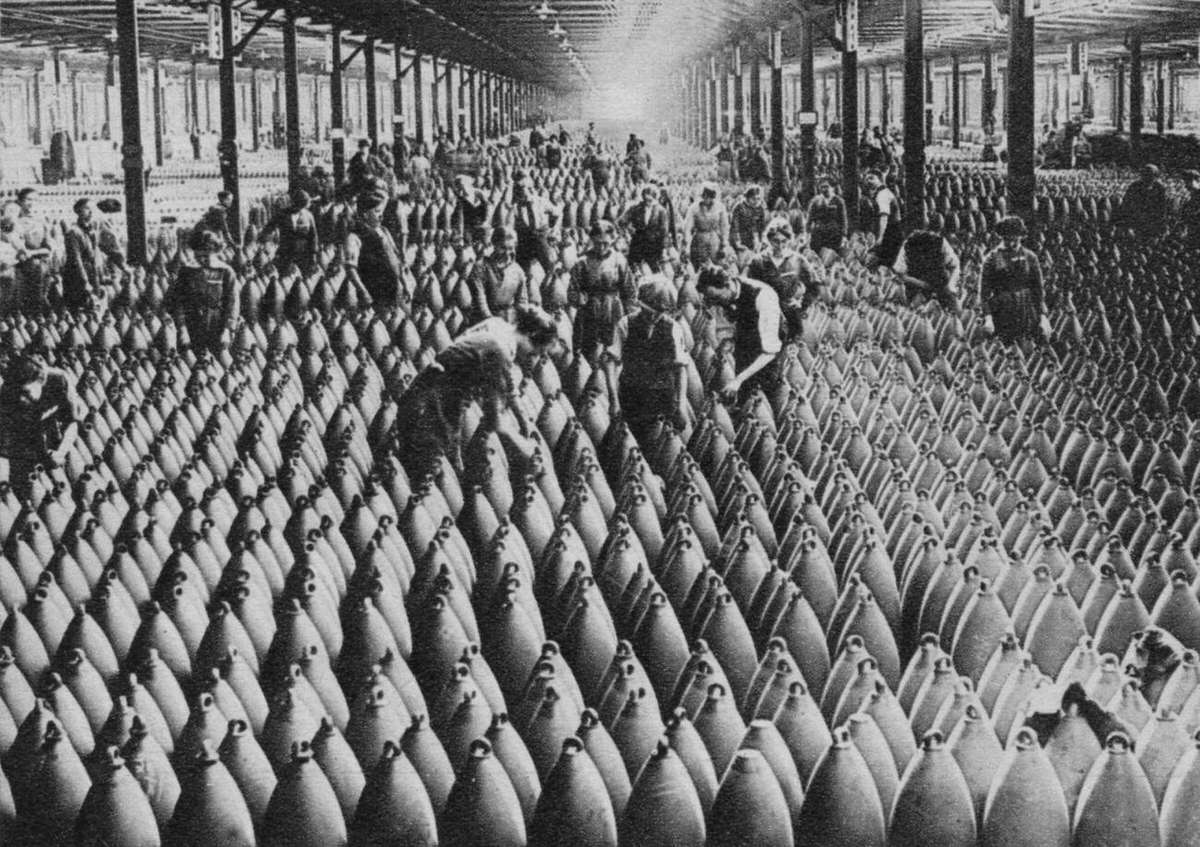
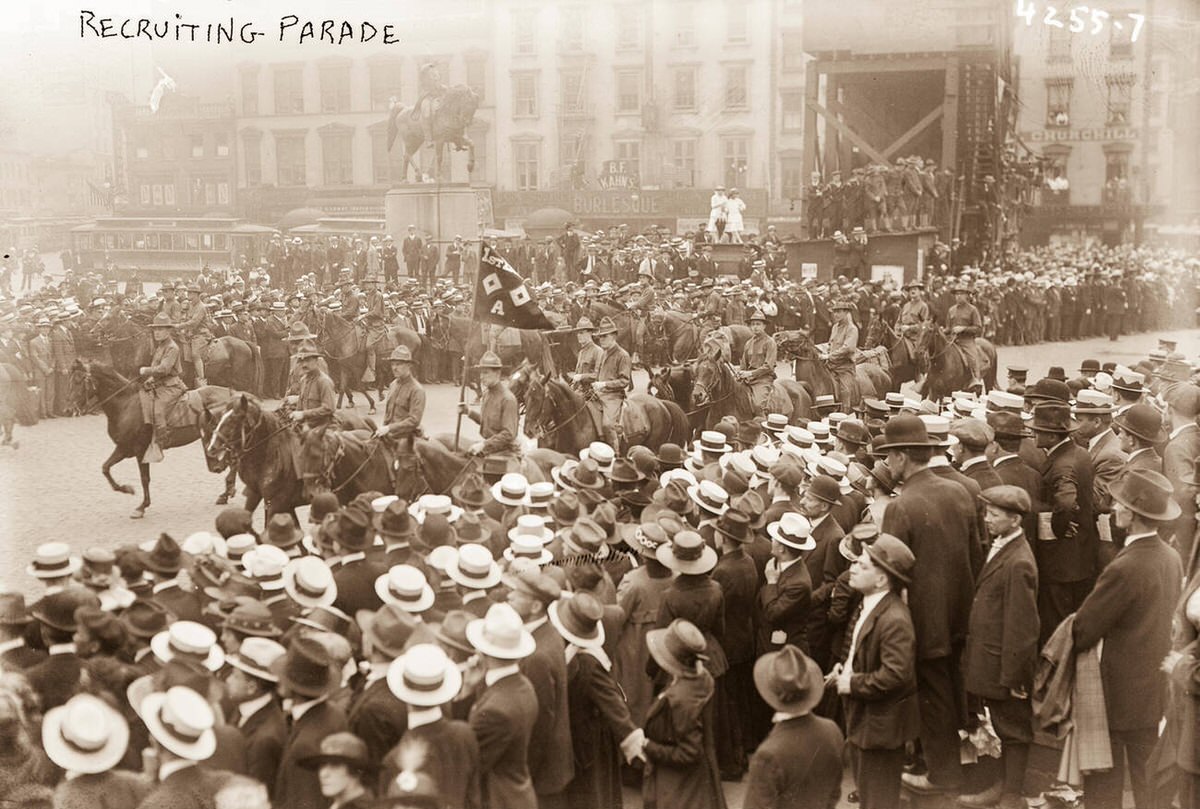
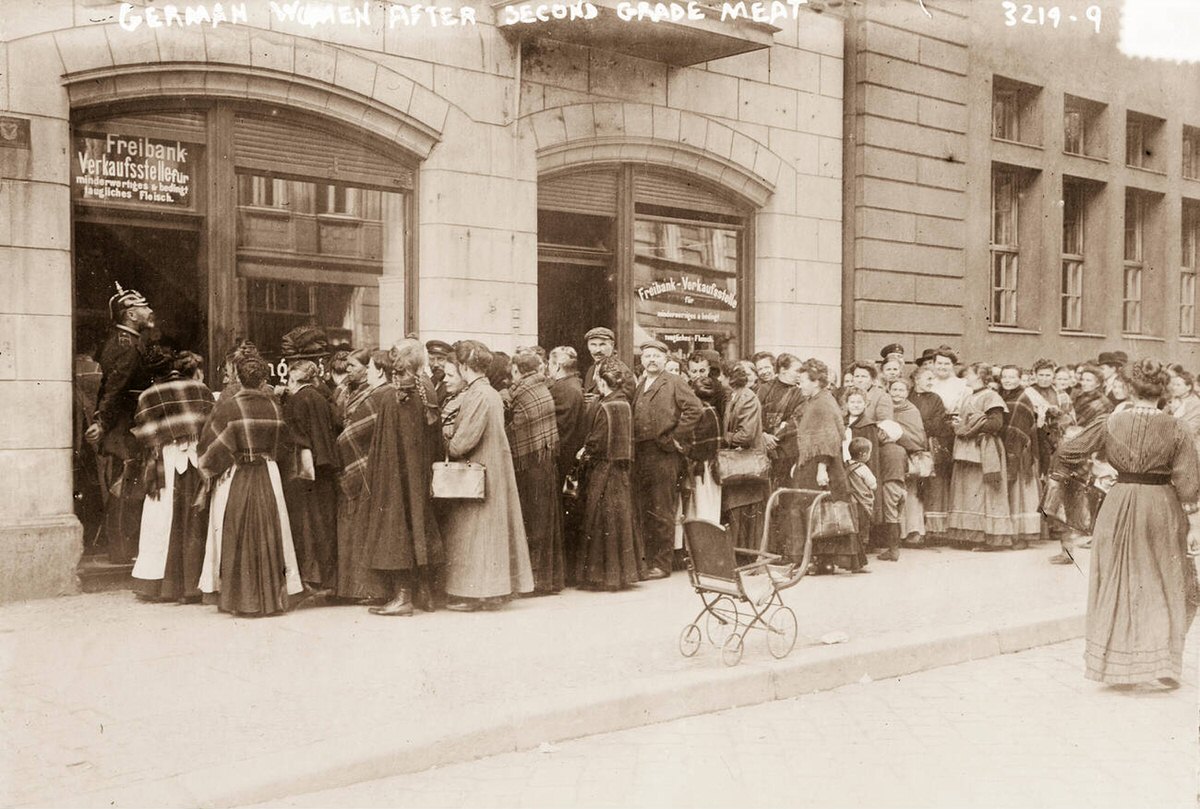
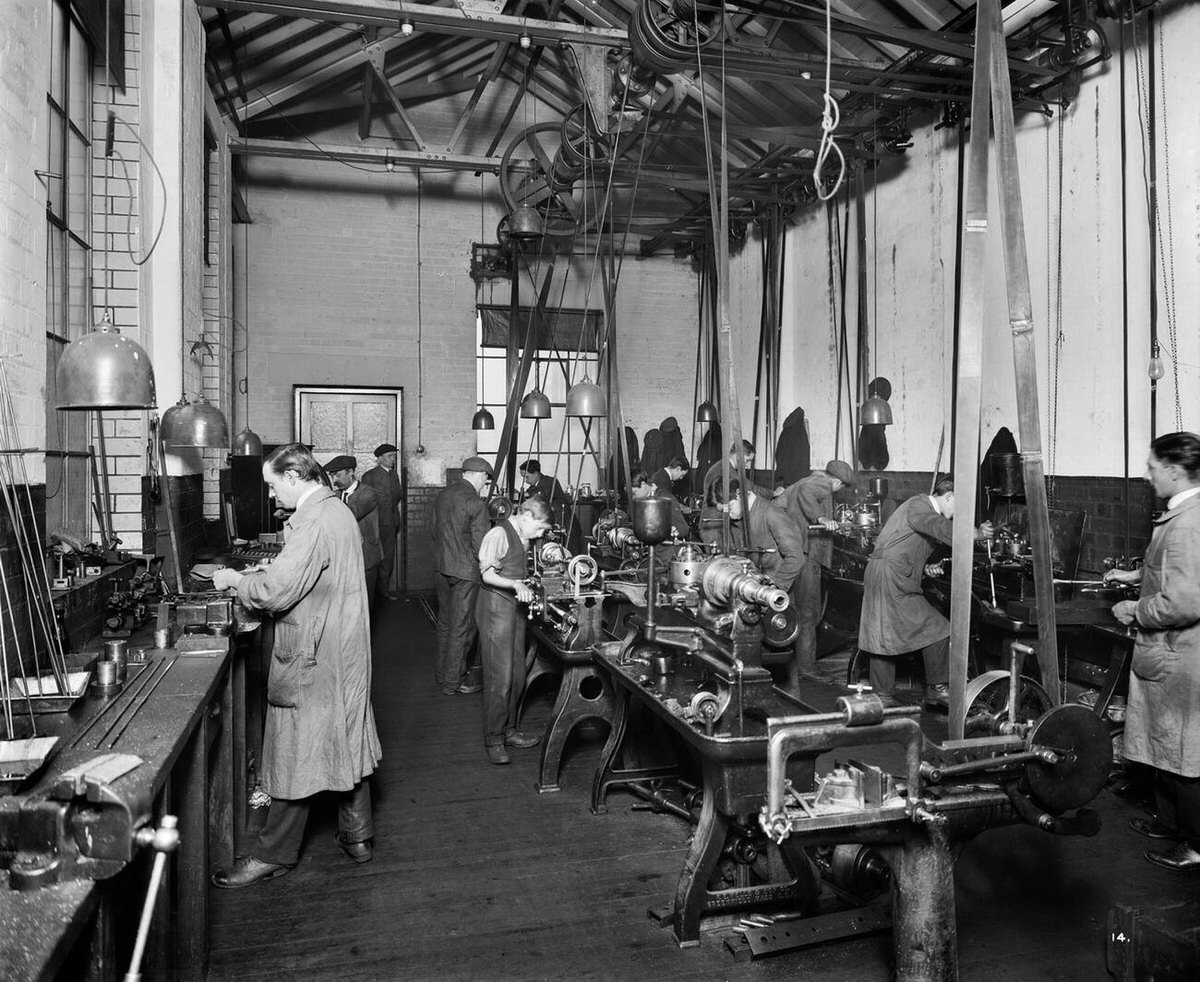
The war was a total war — meaning it consumed entire nations, not just their armies. Governments ran propaganda campaigns urging men to enlist and asking civilians to accept rationing. Women entered the workforce in enormous numbers, filling jobs in munitions factories, driving ambulances, and nursing the wounded near the front lines. They built the weapons, assembled the shells, and kept the supply chains running while men fought in the trenches.
Munitions factory workers in London, 1914Munition workers at the Gaines Filling Factory in Woolwich Arsenal, 1917Recruits waiting outside the Central London Recruiting Depot, 1914
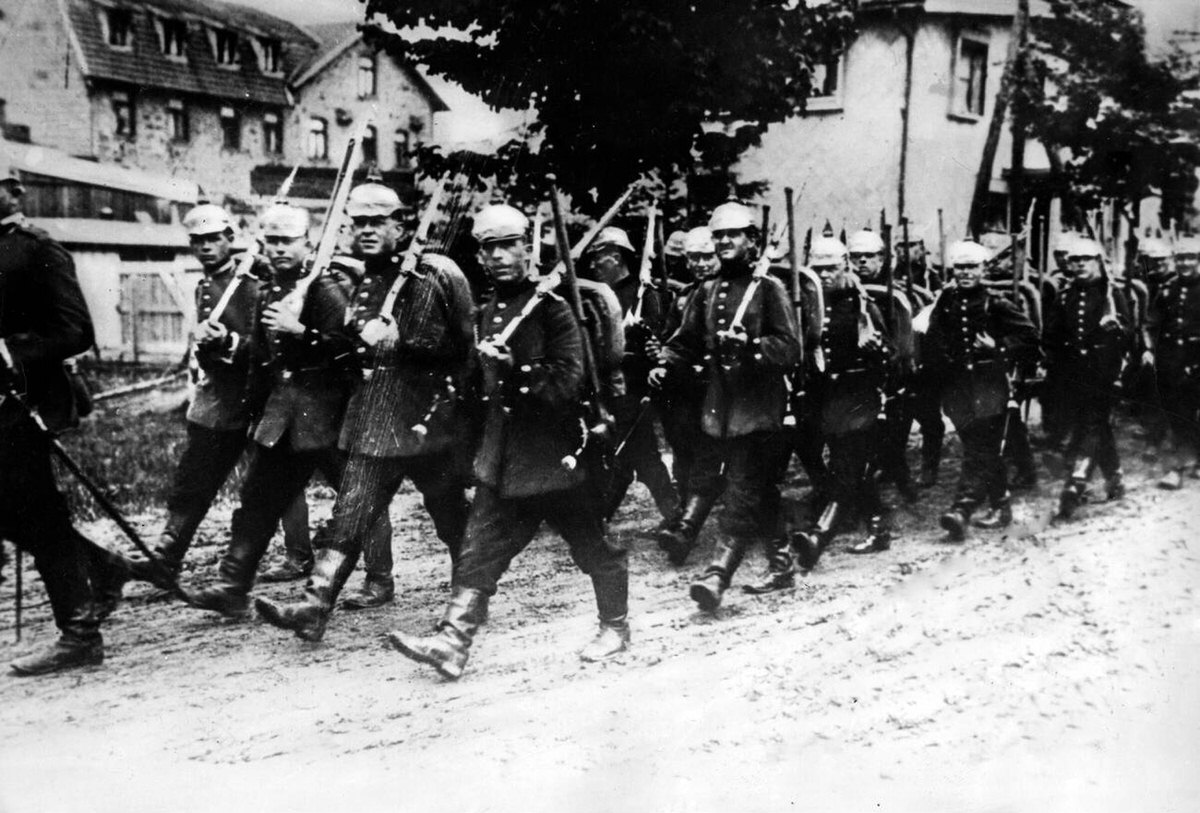
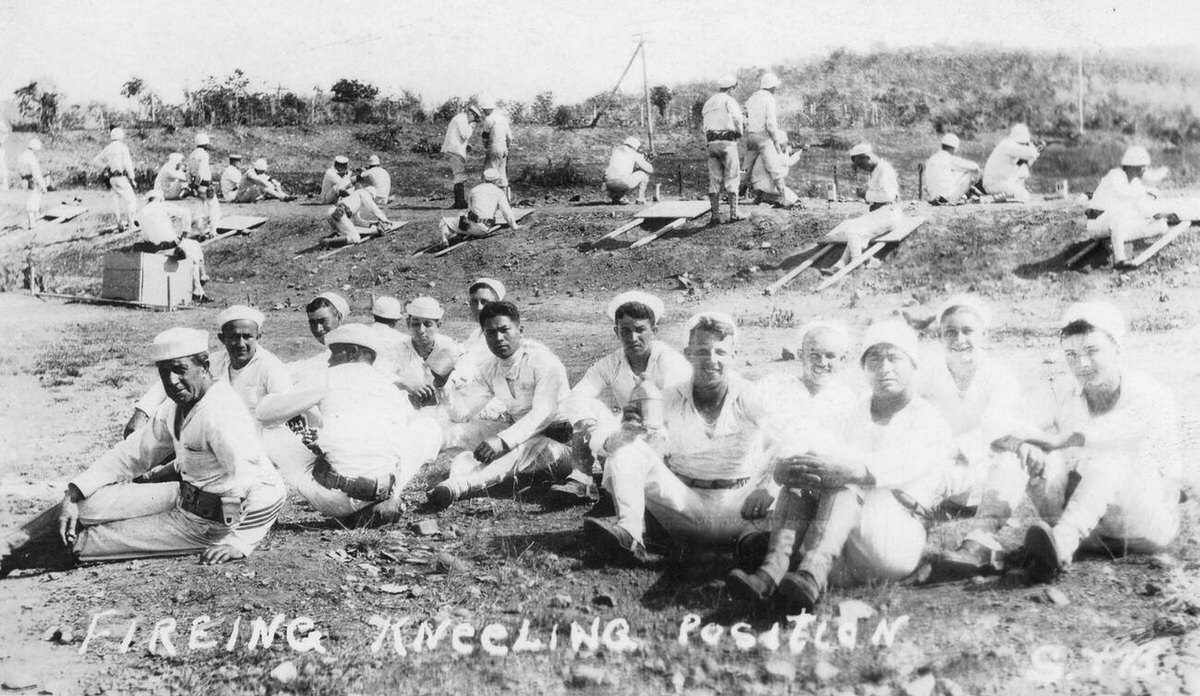
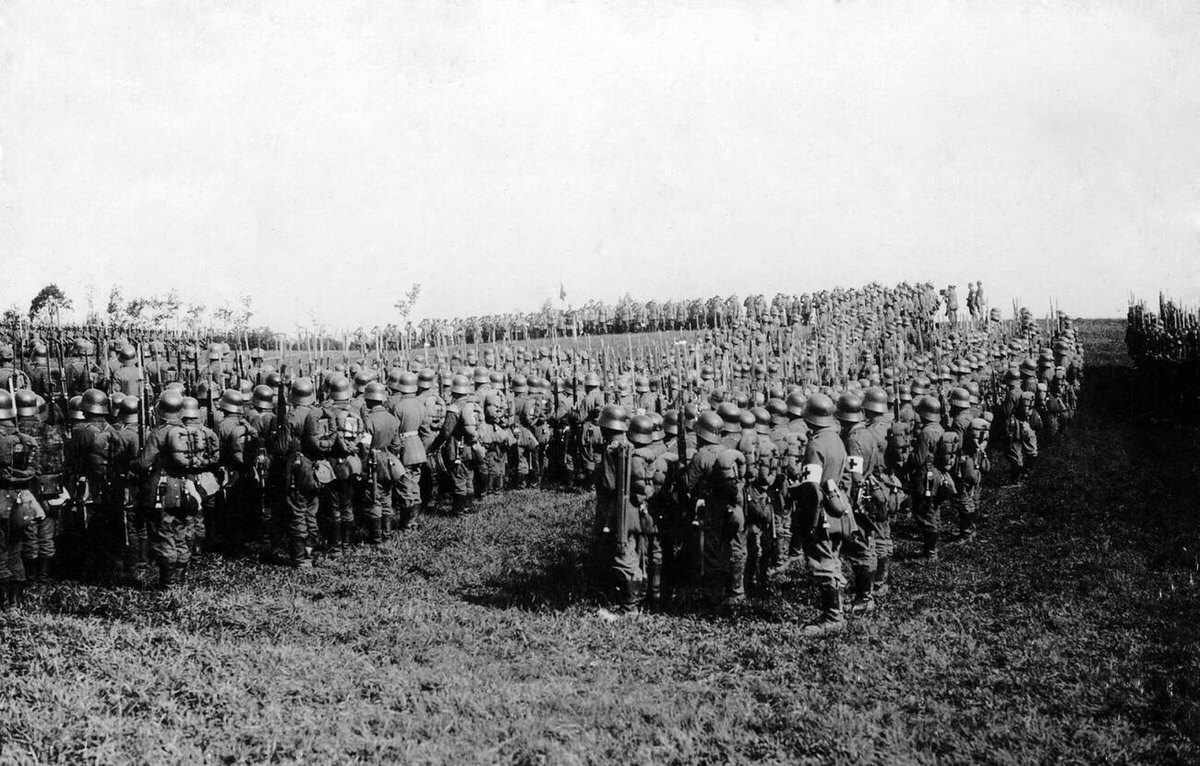
In the spring of 1918, Germany launched its Spring Offensive, moving troops freed from the now-closed Eastern Front. Using stormtrooper tactics — bypassing heavily defended positions and striking deep into Allied lines — they drove within 75 miles of Paris. But the German army was exhausted and running low on supplies. The Allies launched the Hundred Days Offensive in August 1918, backed by fresh American troops. They shattered the German lines and began driving east.
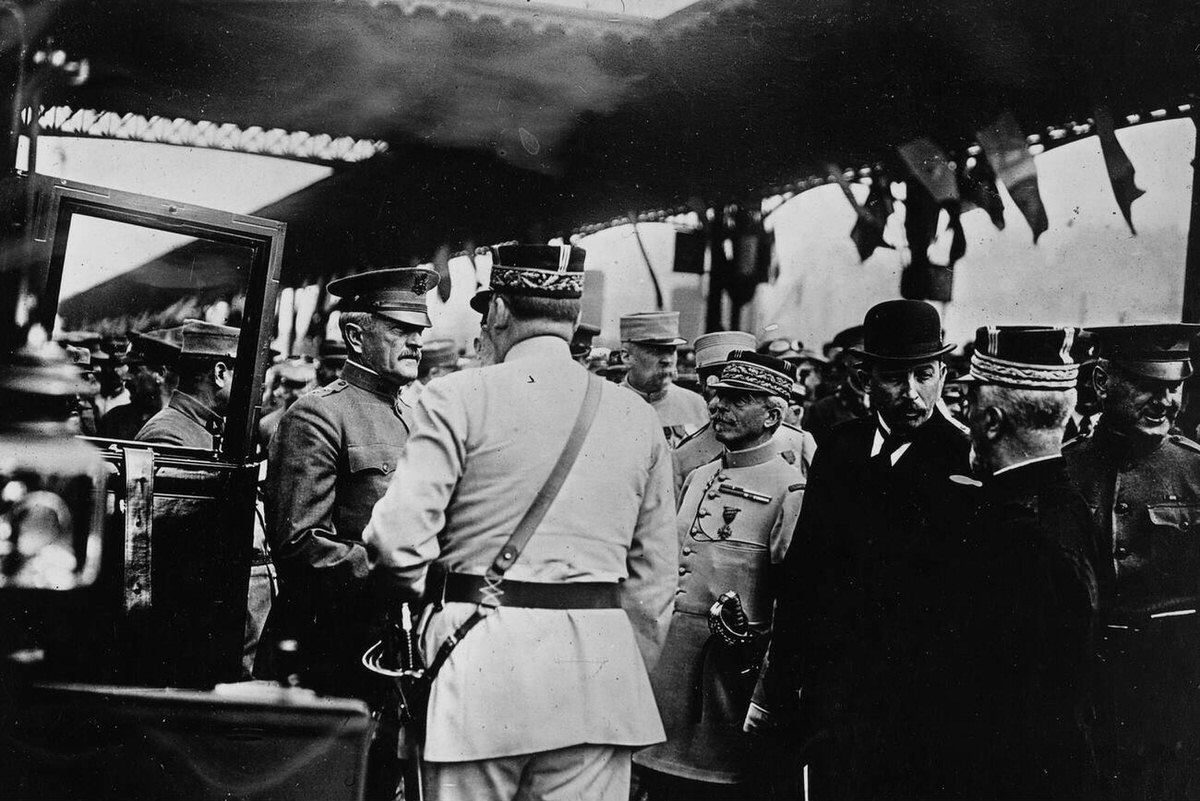
German troops advancing on the Western Front, 1914Segregated US soldiers practicing firing, 1917General Pershing and General Pelletier at a port in France, 1917
The Central Powers crumbled one by one. Bulgaria signed an armistice in September 1918. The Ottoman Empire followed in October. Austria-Hungary signed on November 3. Inside Germany, sailors mutinied, workers went on strike, and Kaiser Wilhelm II abdicated and fled to the Netherlands. A new German government sent representatives to meet Allied leaders in a railway carriage in the Compiègne Forest. They signed the armistice that ended the fighting. It took effect at 11:00 a.m. on November 11, 1918 — the eleventh hour of the eleventh day of the eleventh month.
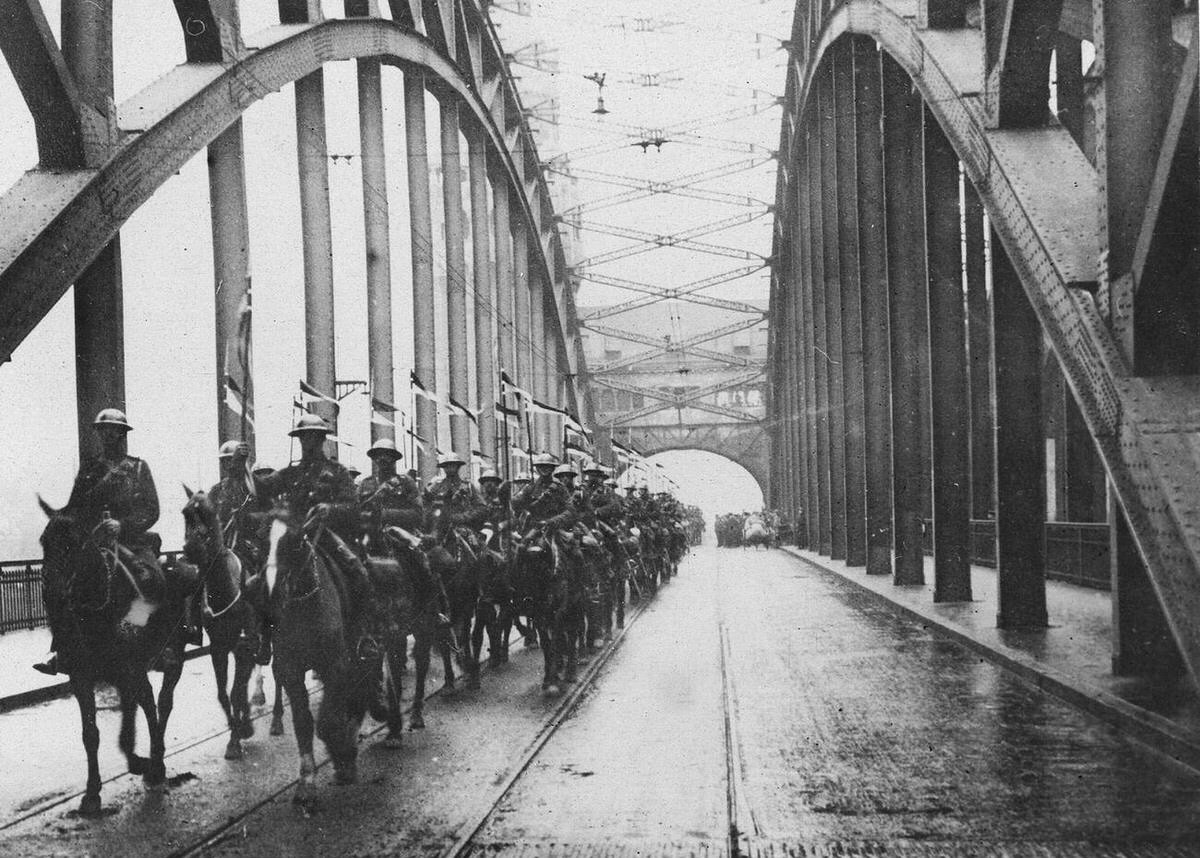
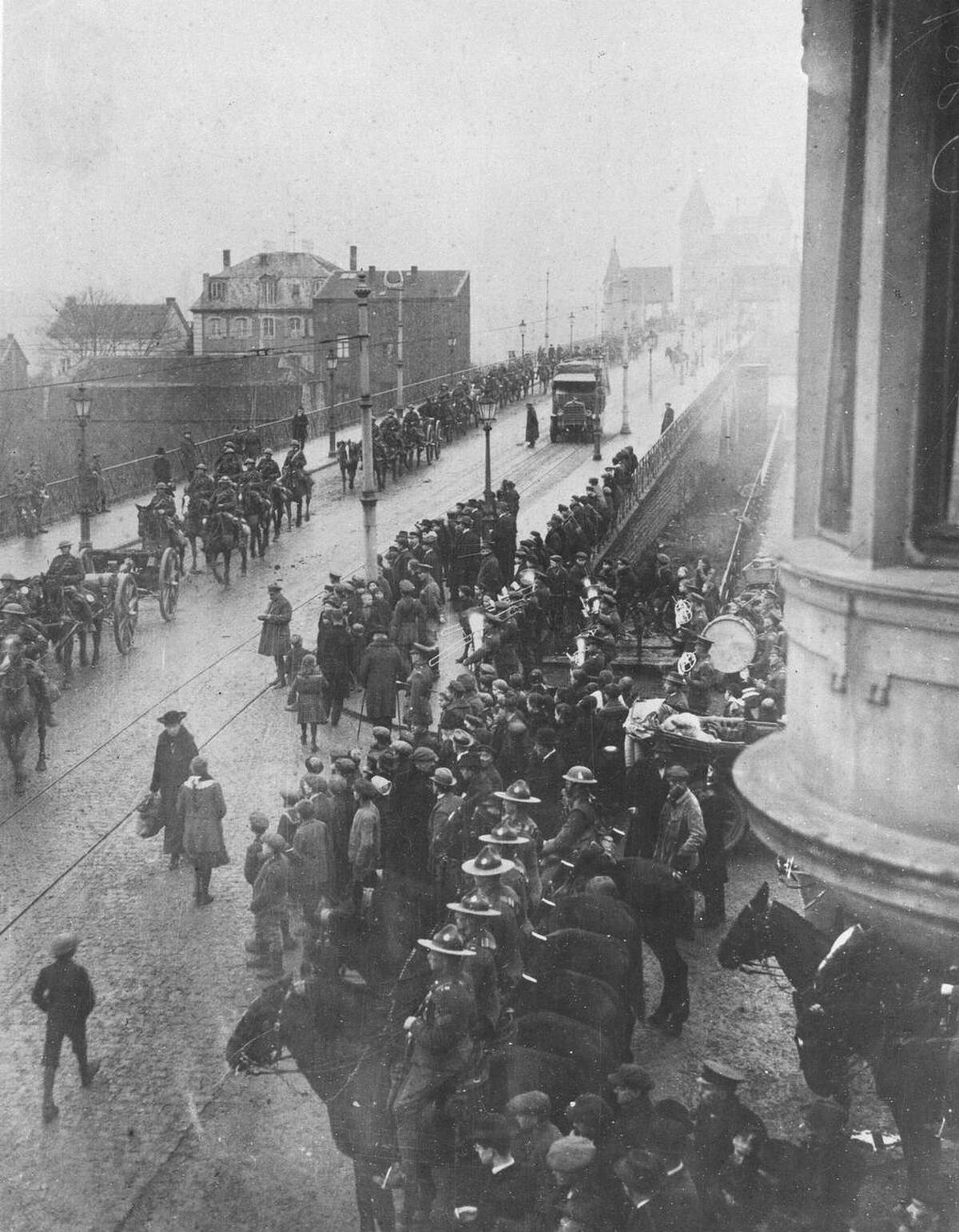
Kaiser Wilhelm II visiting the Western Front, 1917British Lancers crossing the Rhine bridge into Cologne, 1919Canadian Artillery crossing the river Rhine at Bonn, 1919
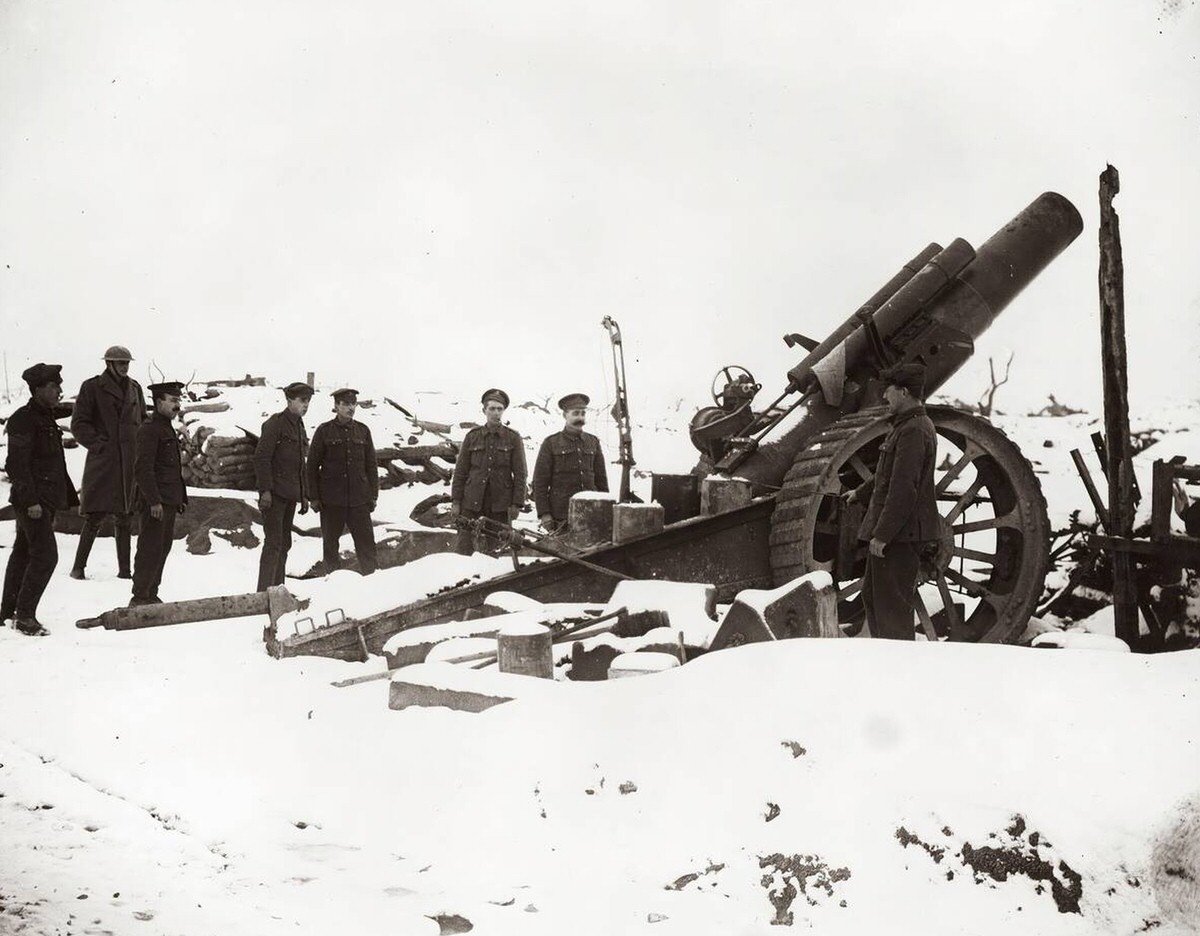
The scale of destruction was staggering. Over 65 million soldiers from around the world had served. Approximately 9 million died in combat. Another 21 million were wounded. Nearly 10 million civilians died from disease and starvation directly tied to the war. Eight billion artillery shells were fired across the war’s four years. The Treaty of Versailles, signed in 1919, formally ended the conflict. It required Germany to accept responsibility for the war, pay reparations, and cede territory. It also redrew the map of Europe and the Middle East, creating new nations including Poland, Czechoslovakia, and Yugoslavia.
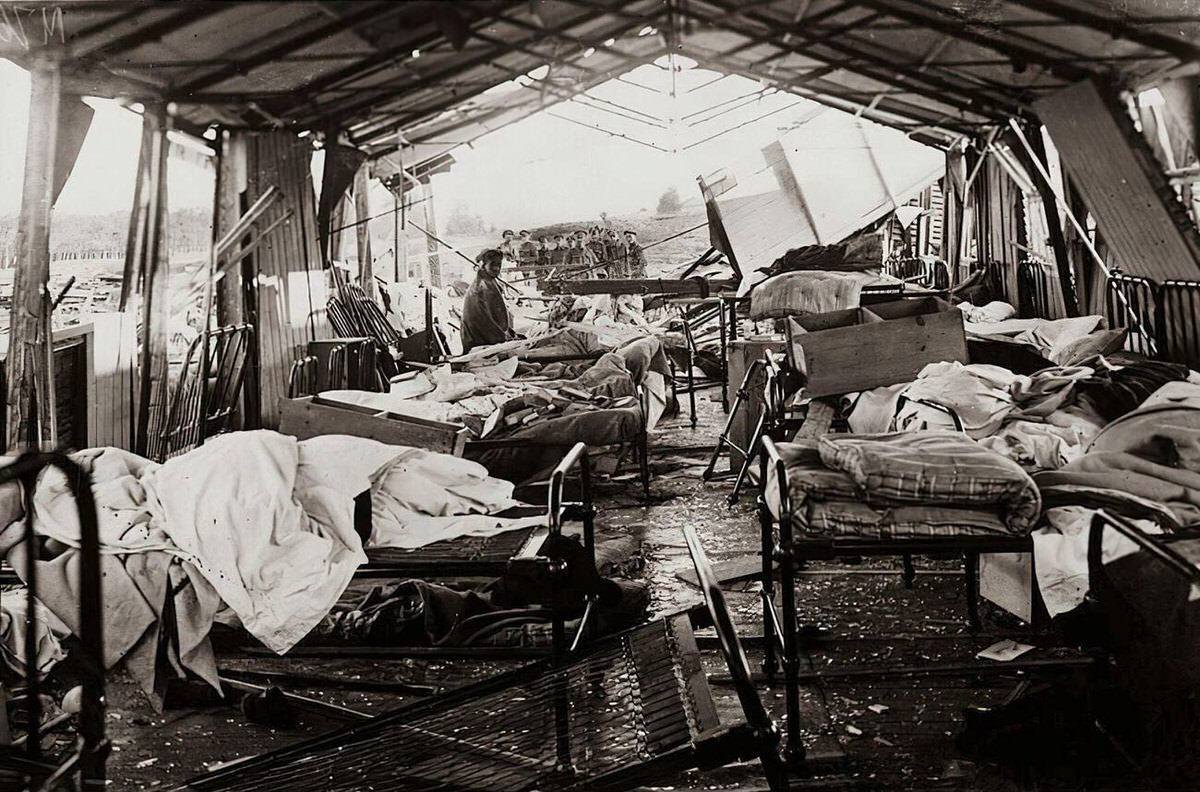
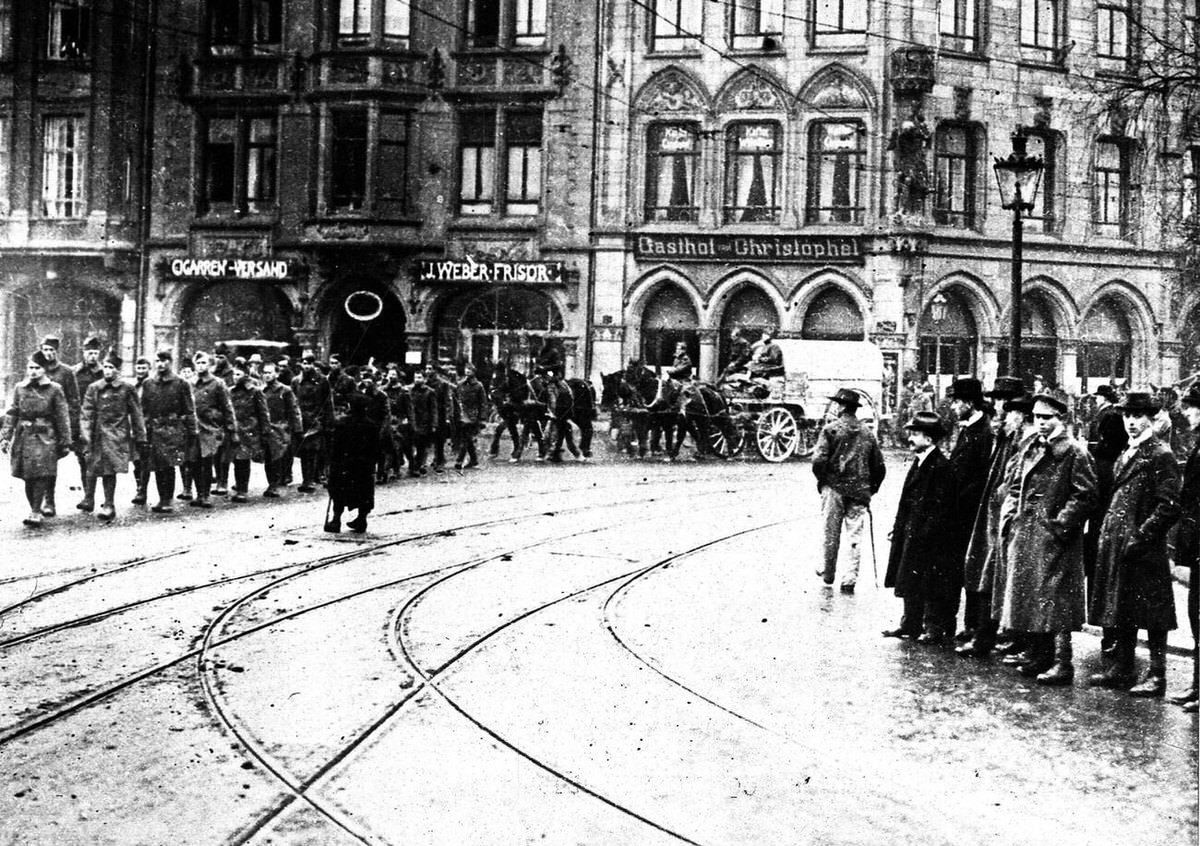
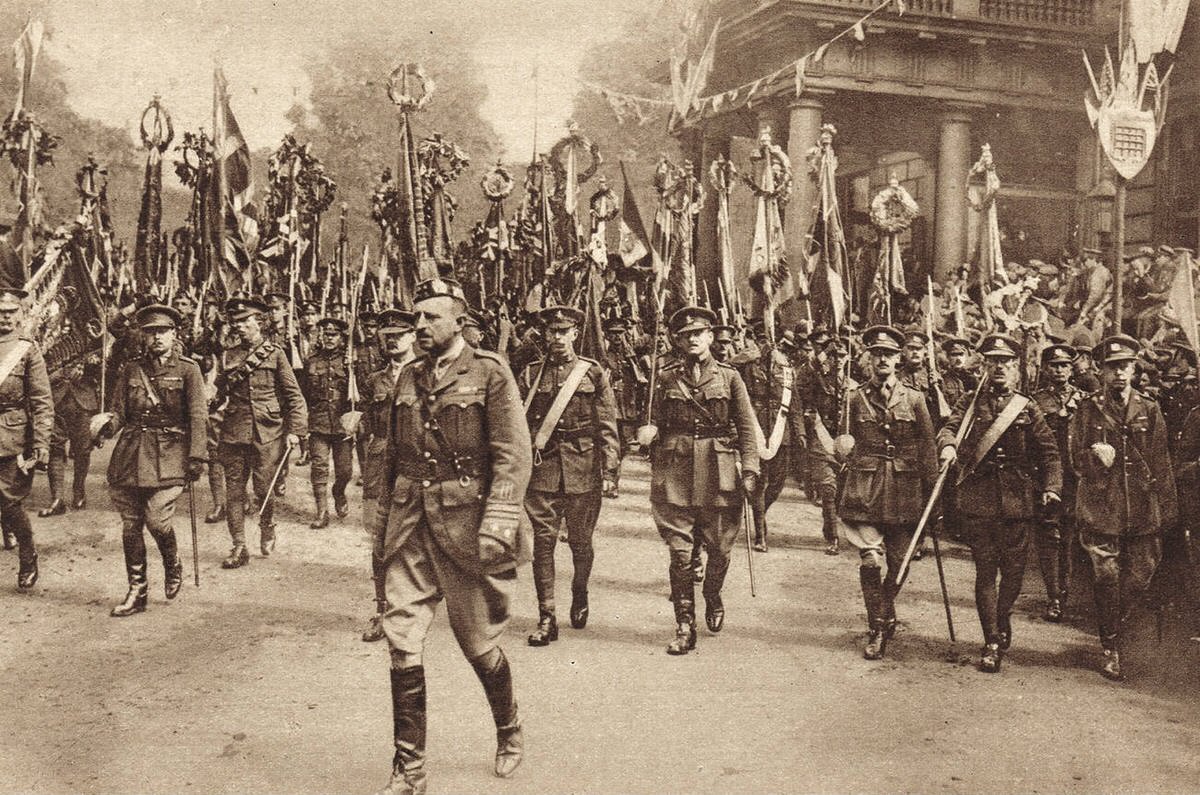
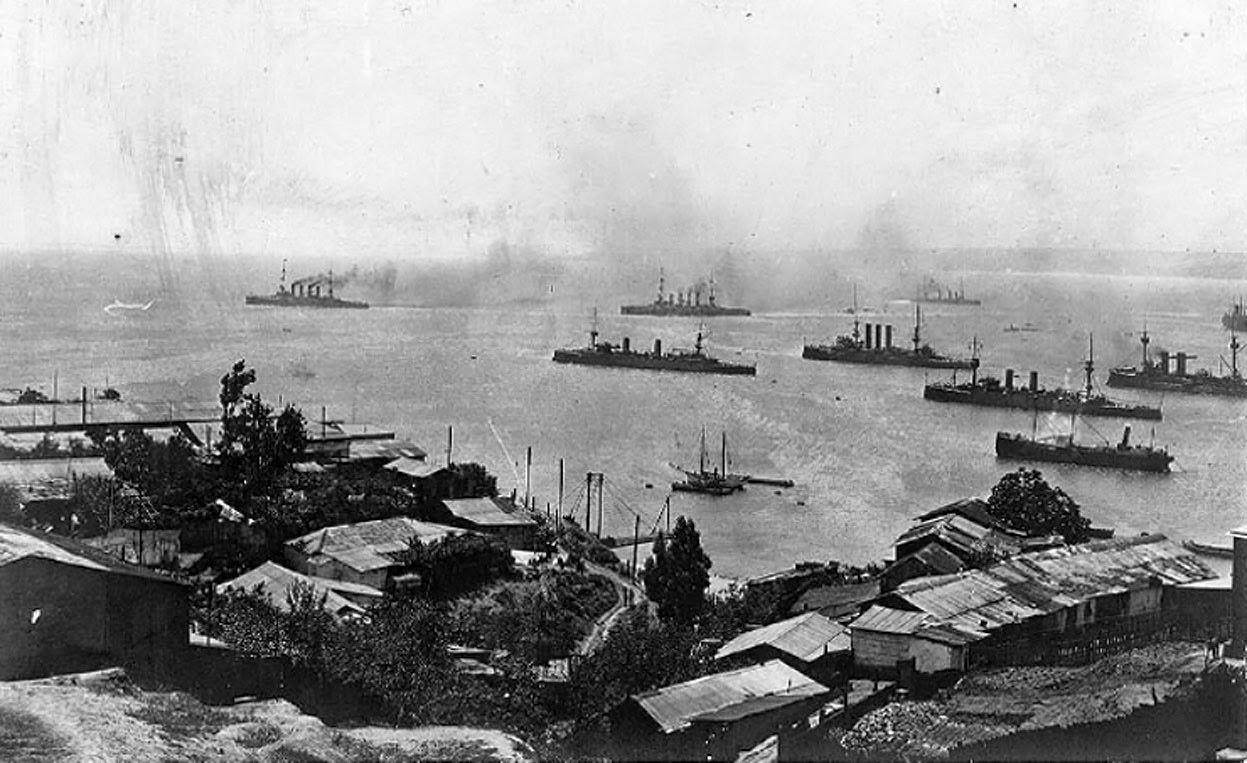
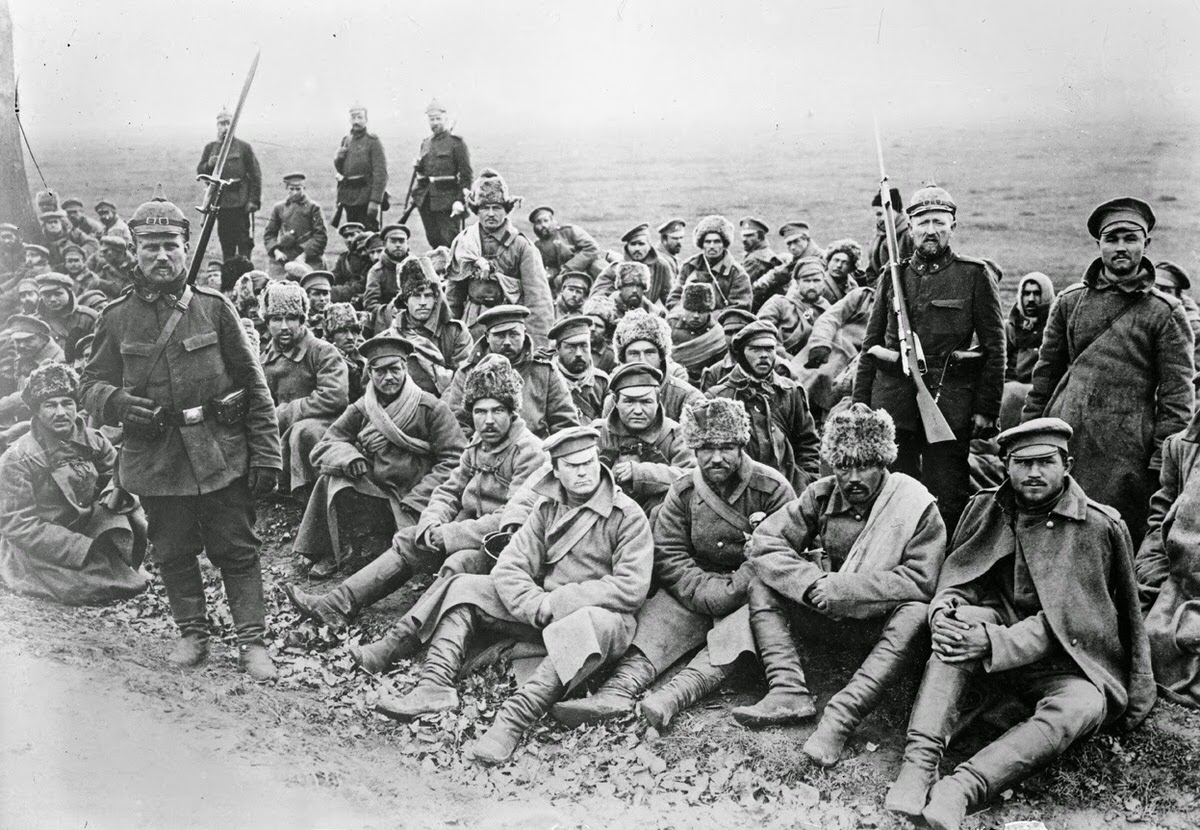
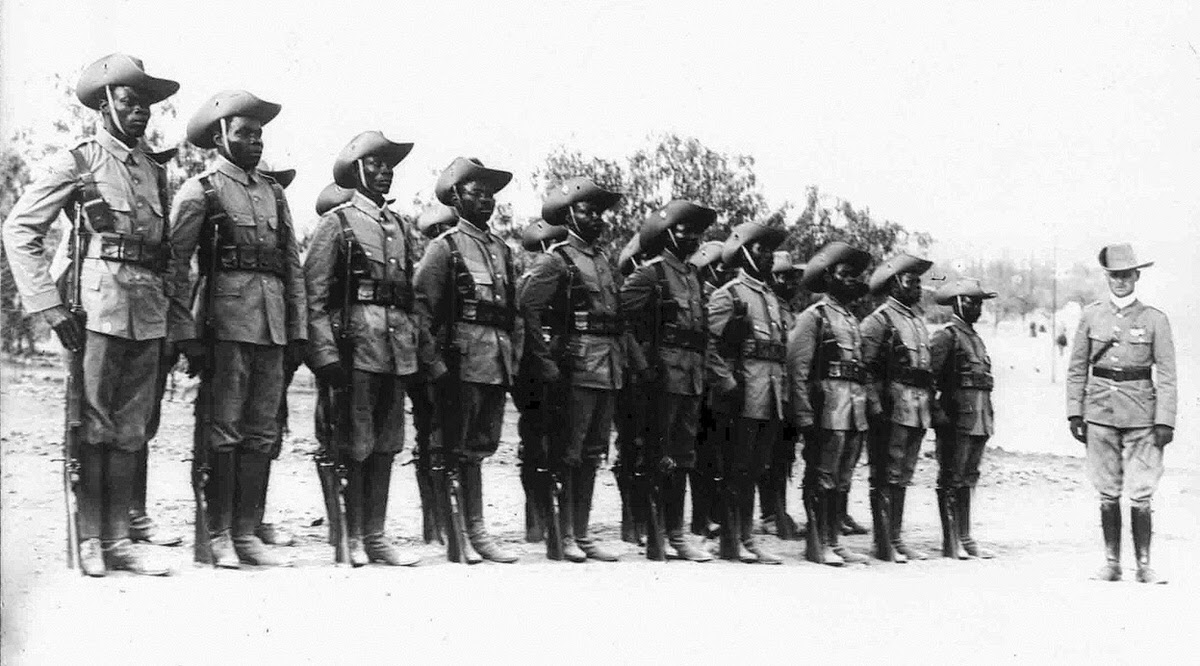
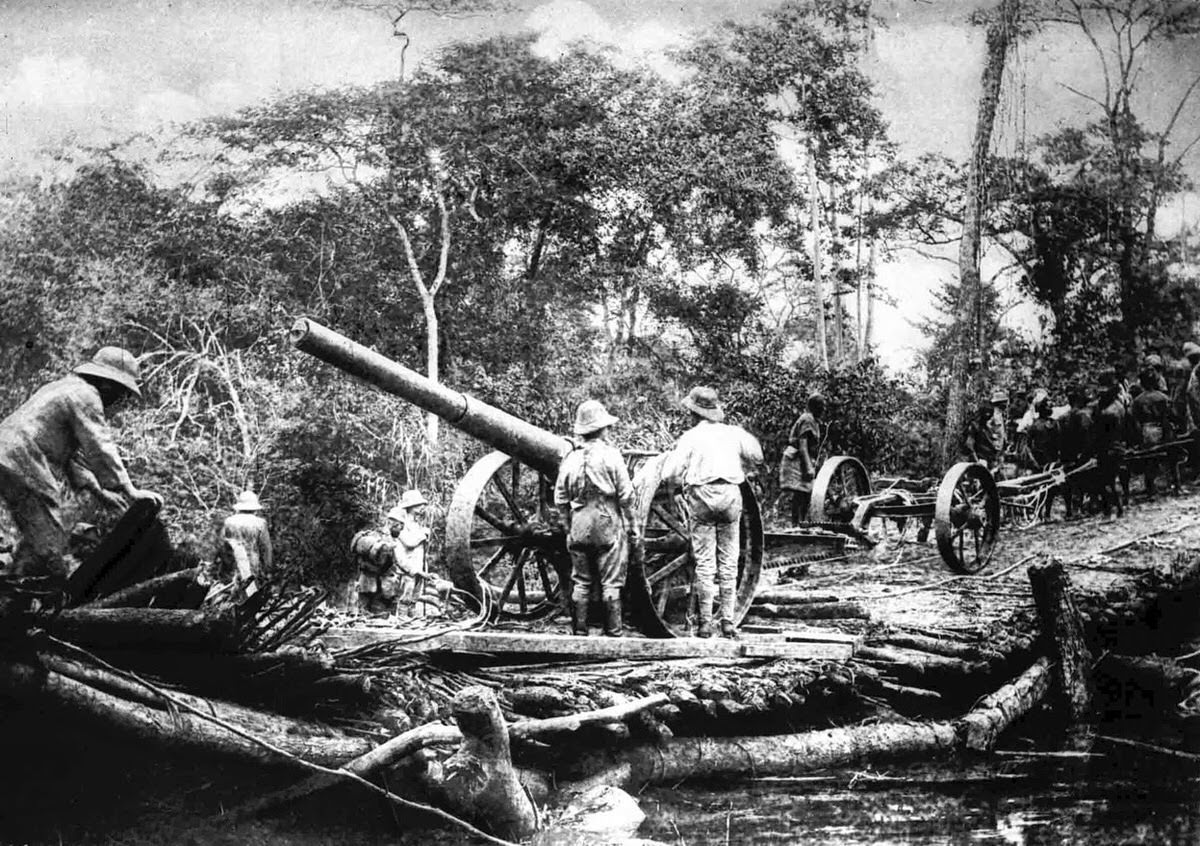
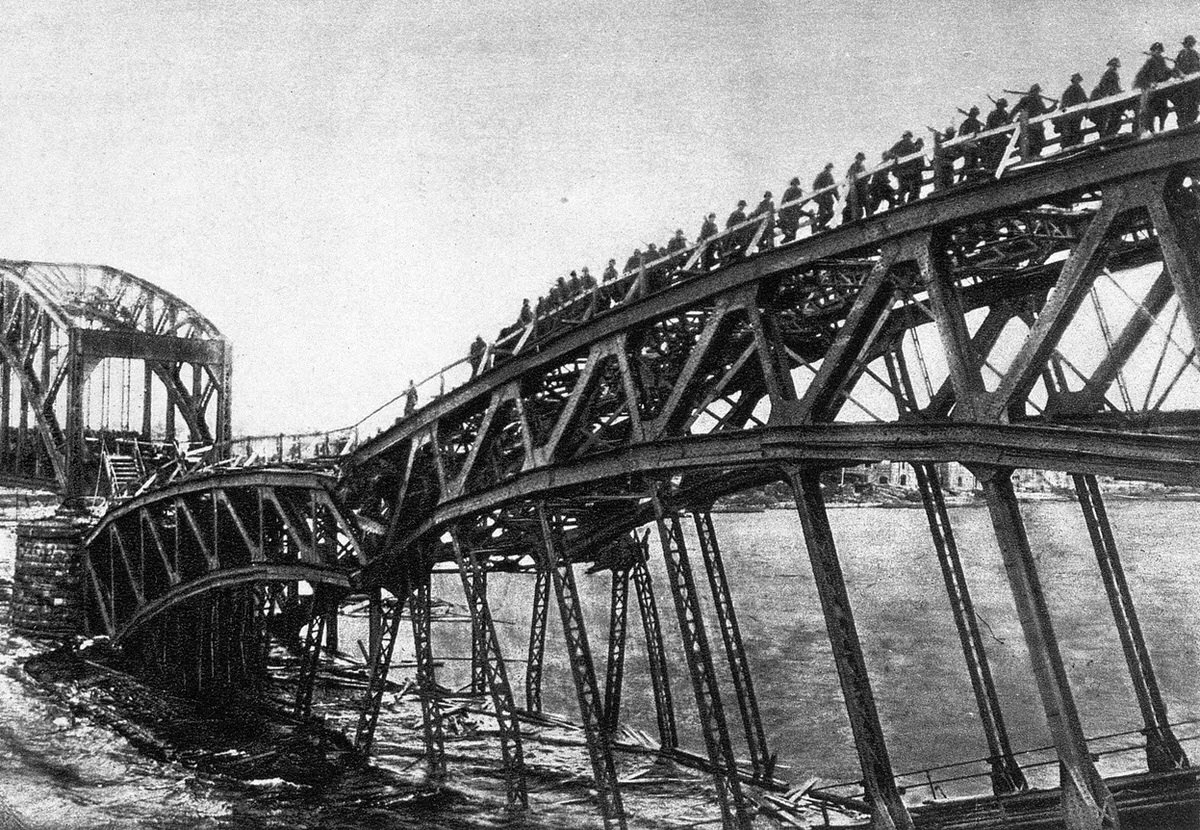
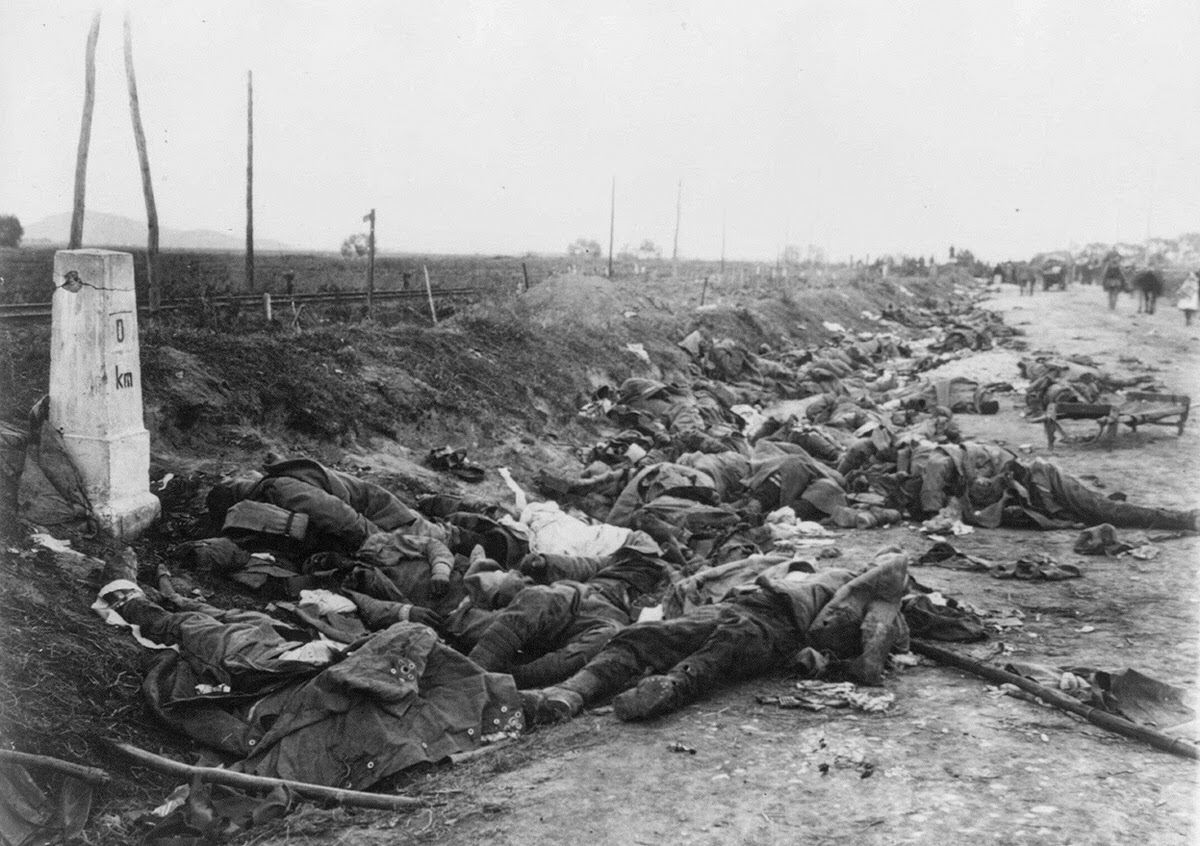
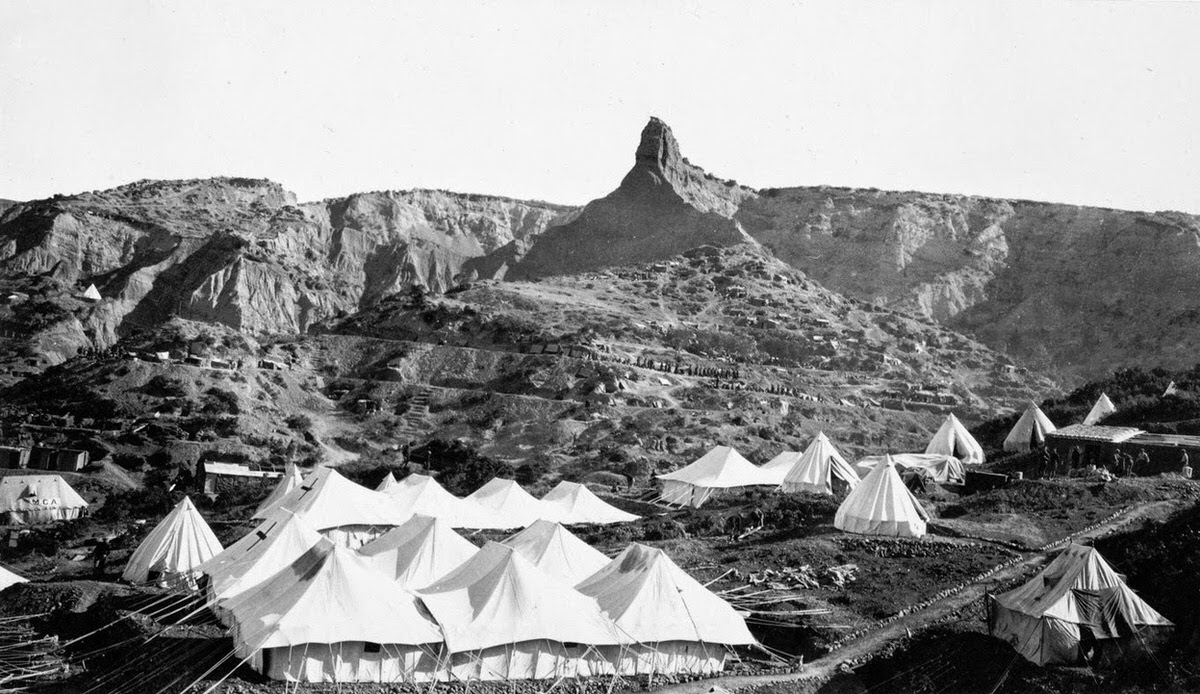
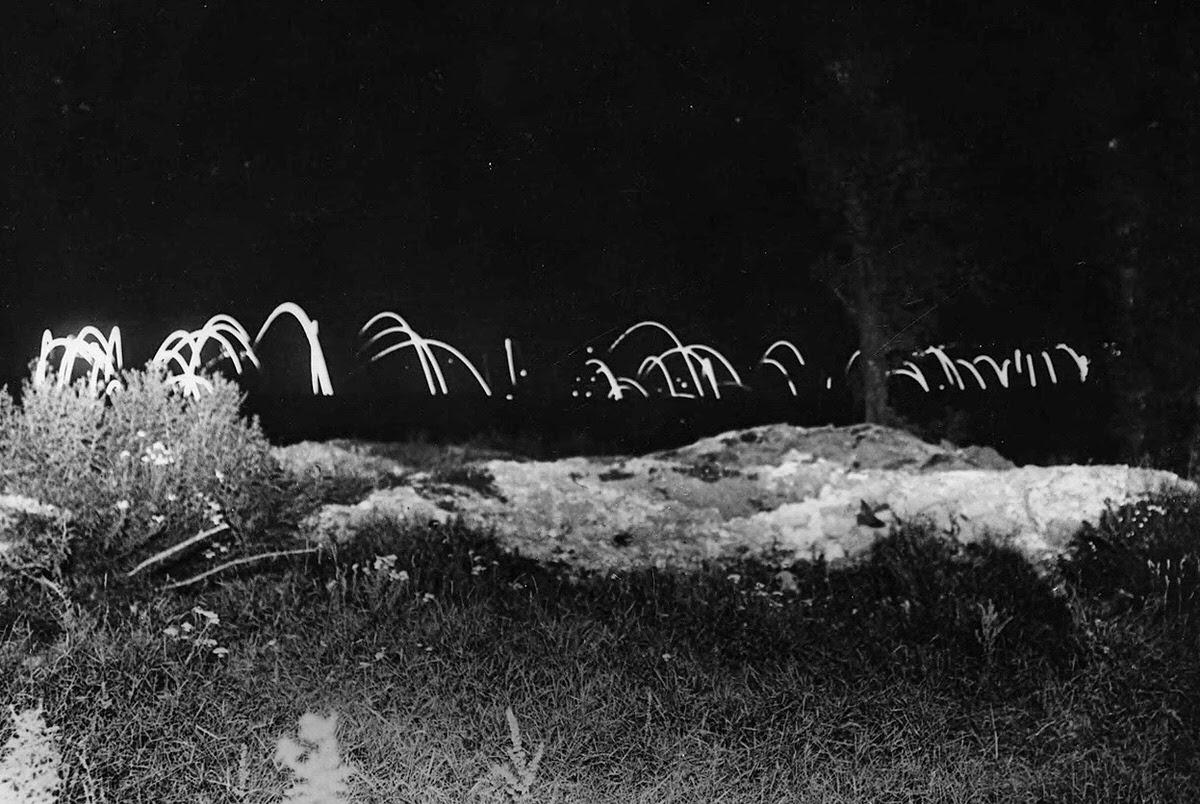
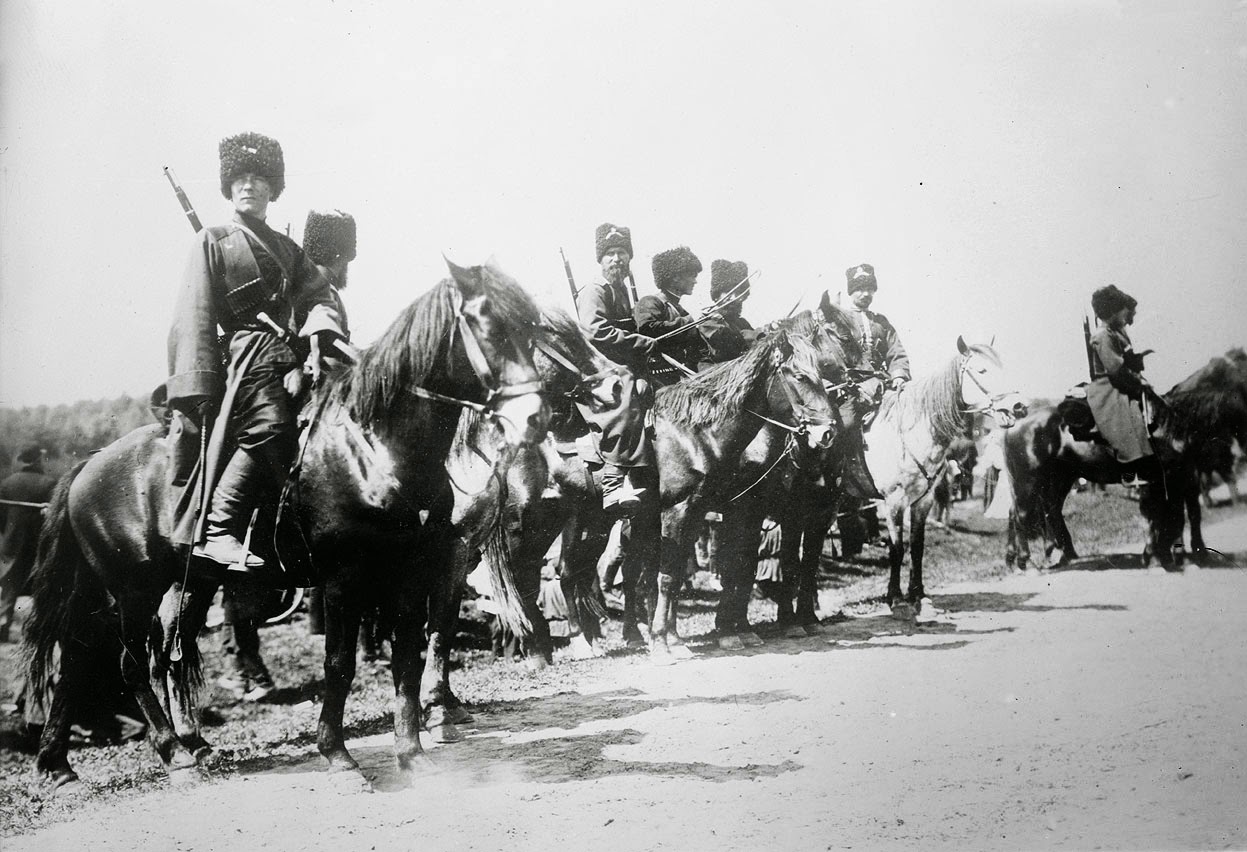
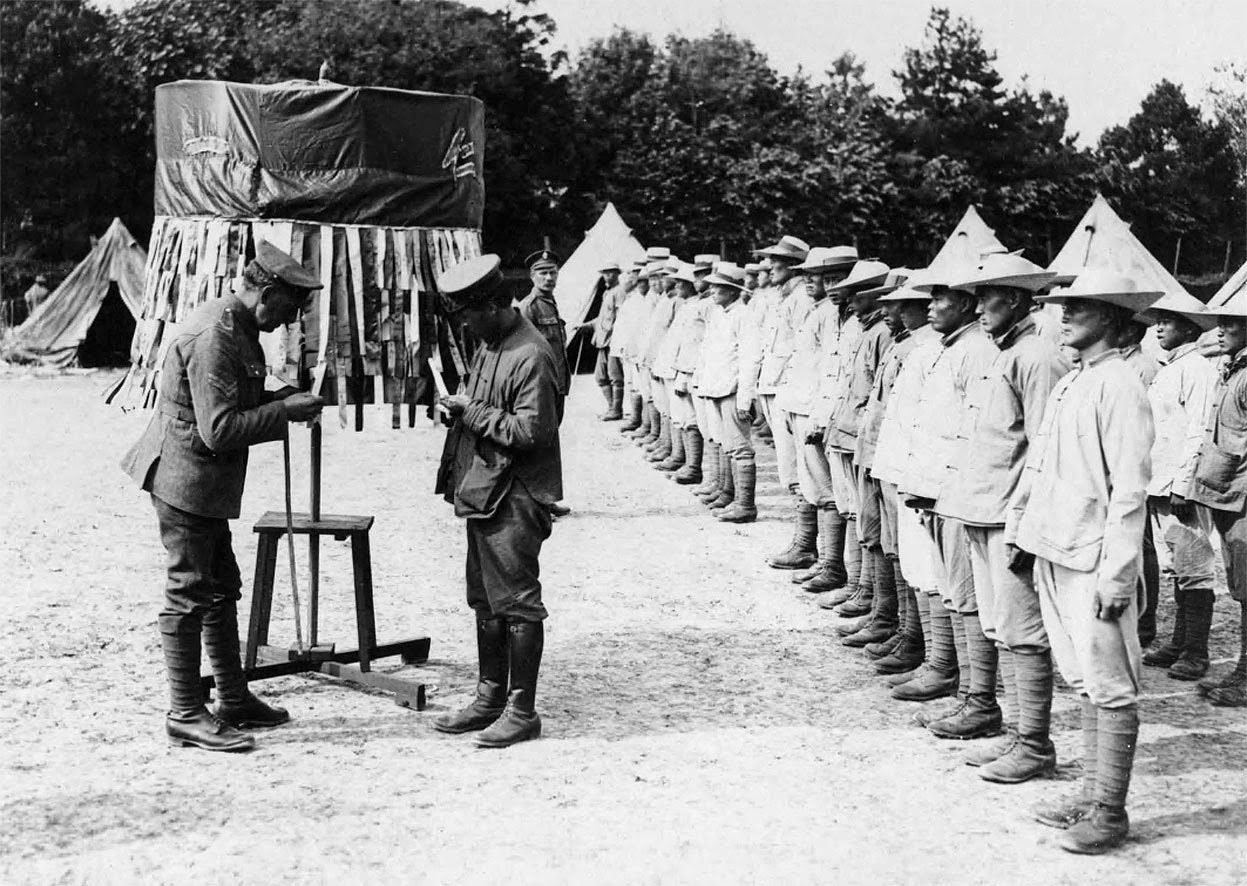
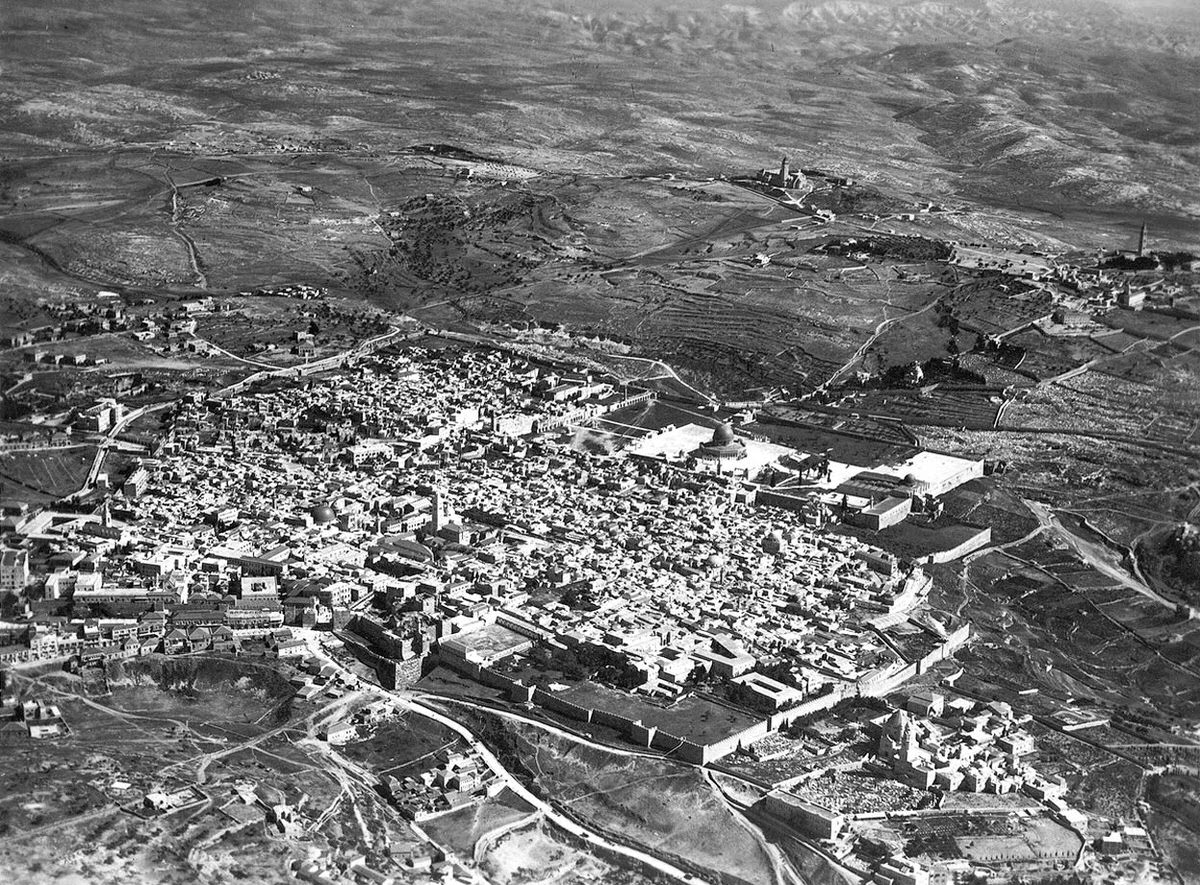
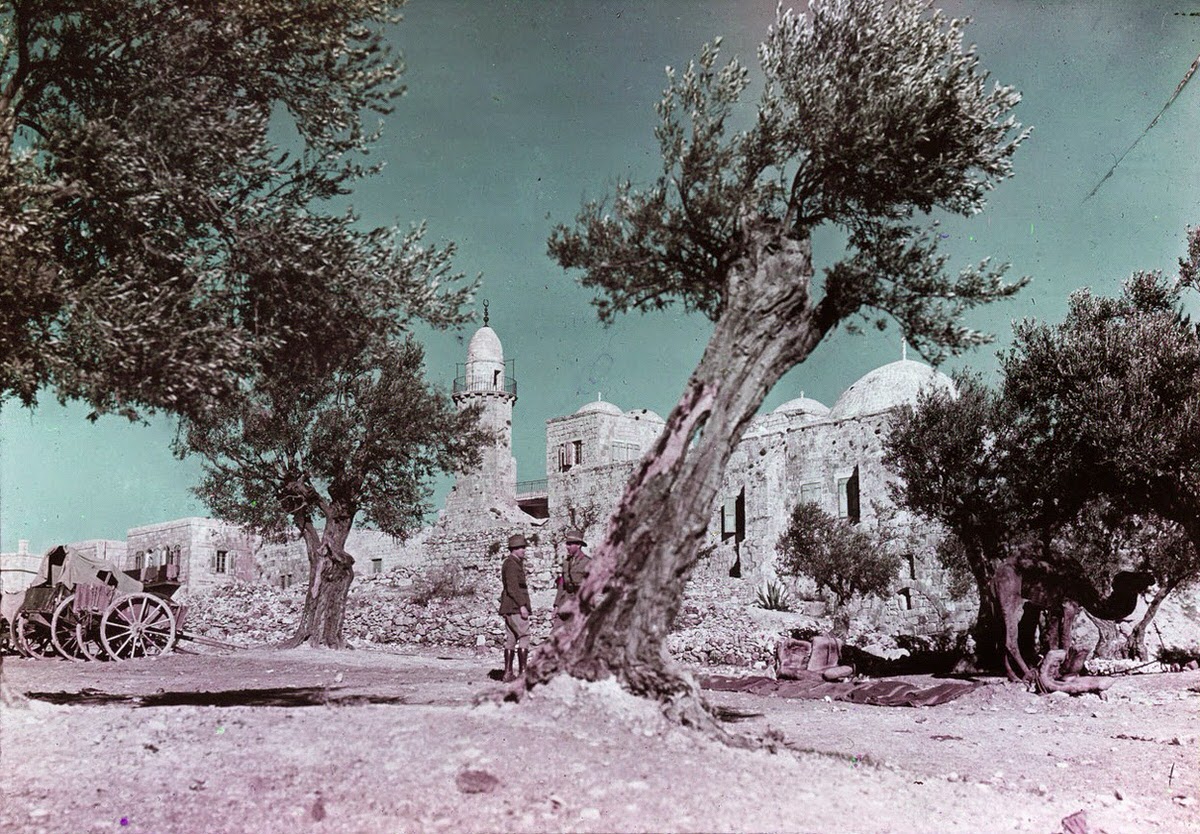
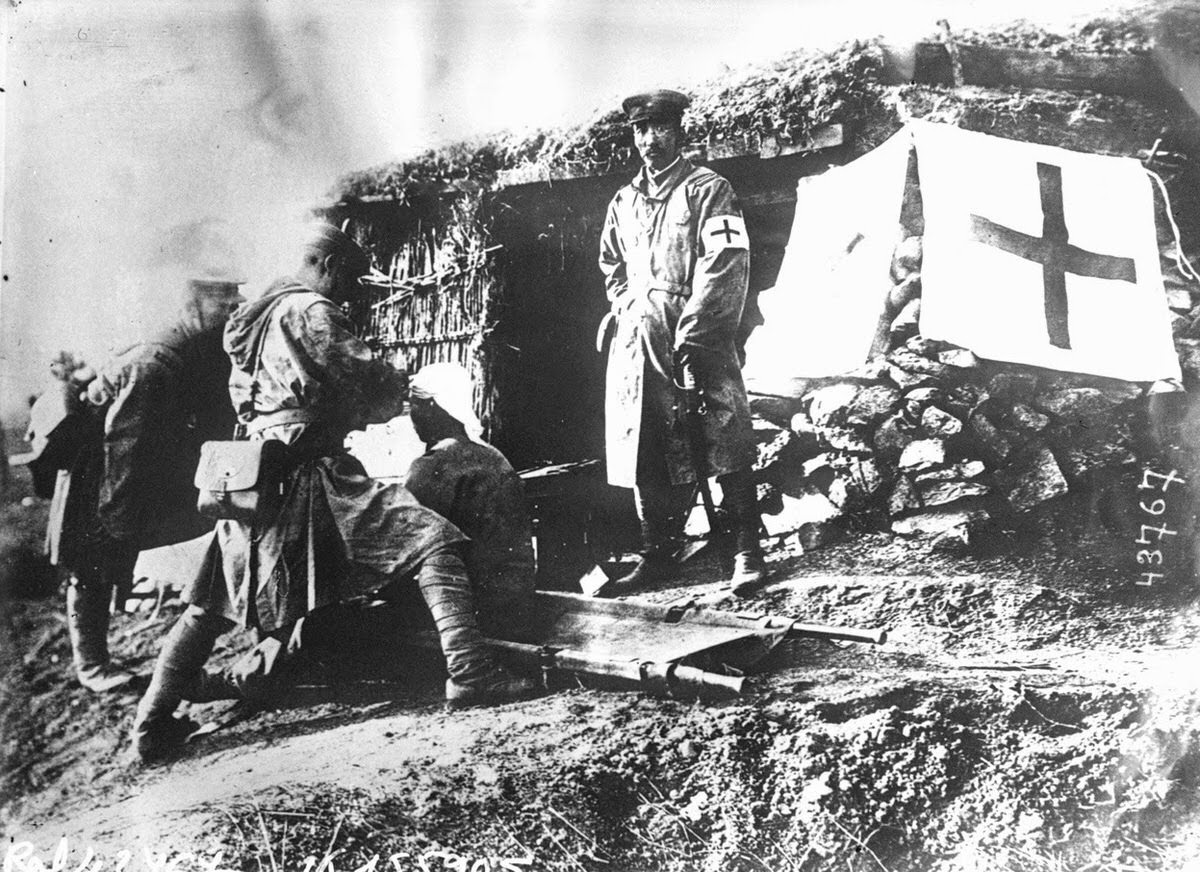
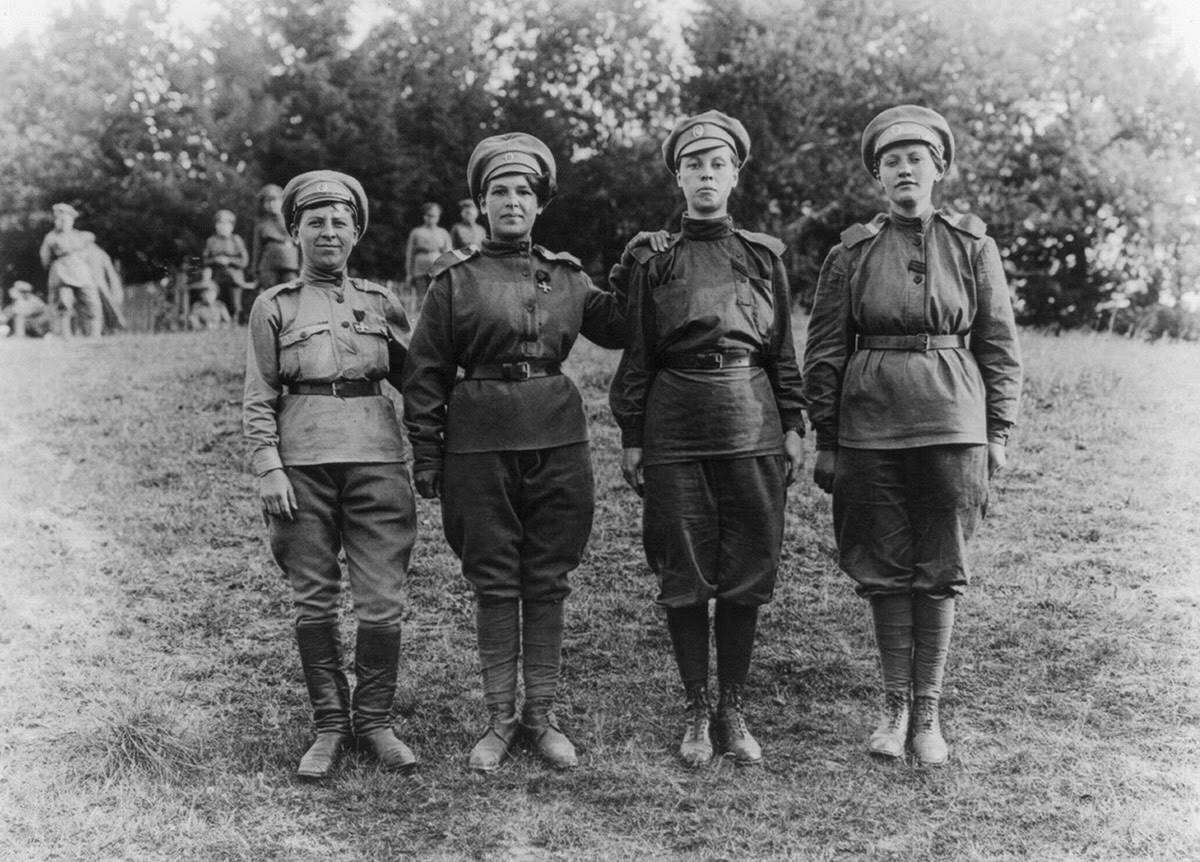
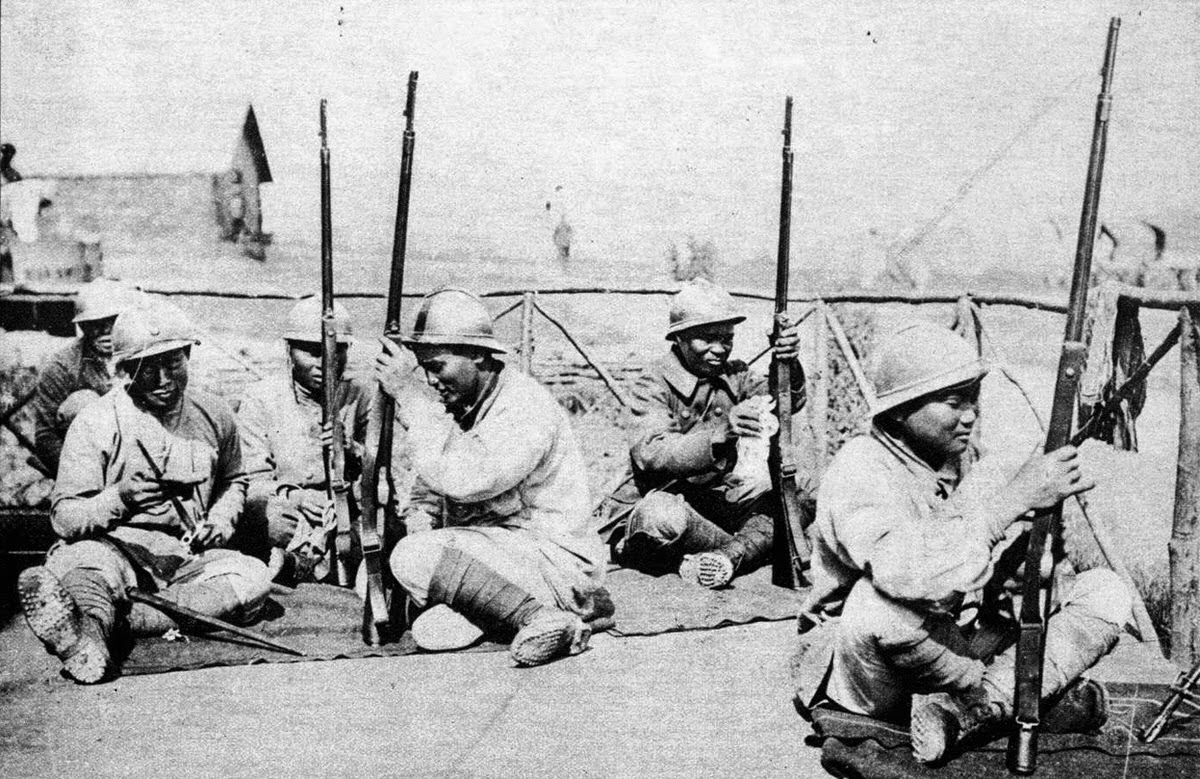
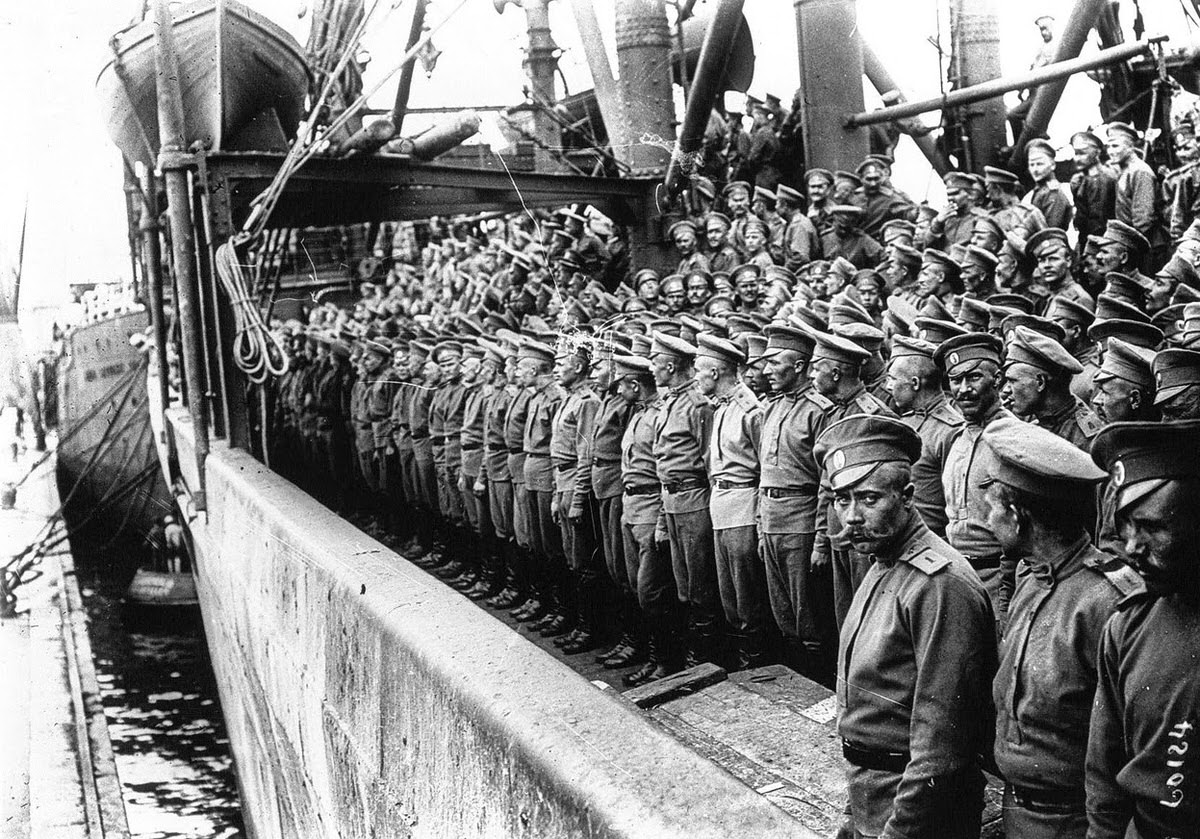
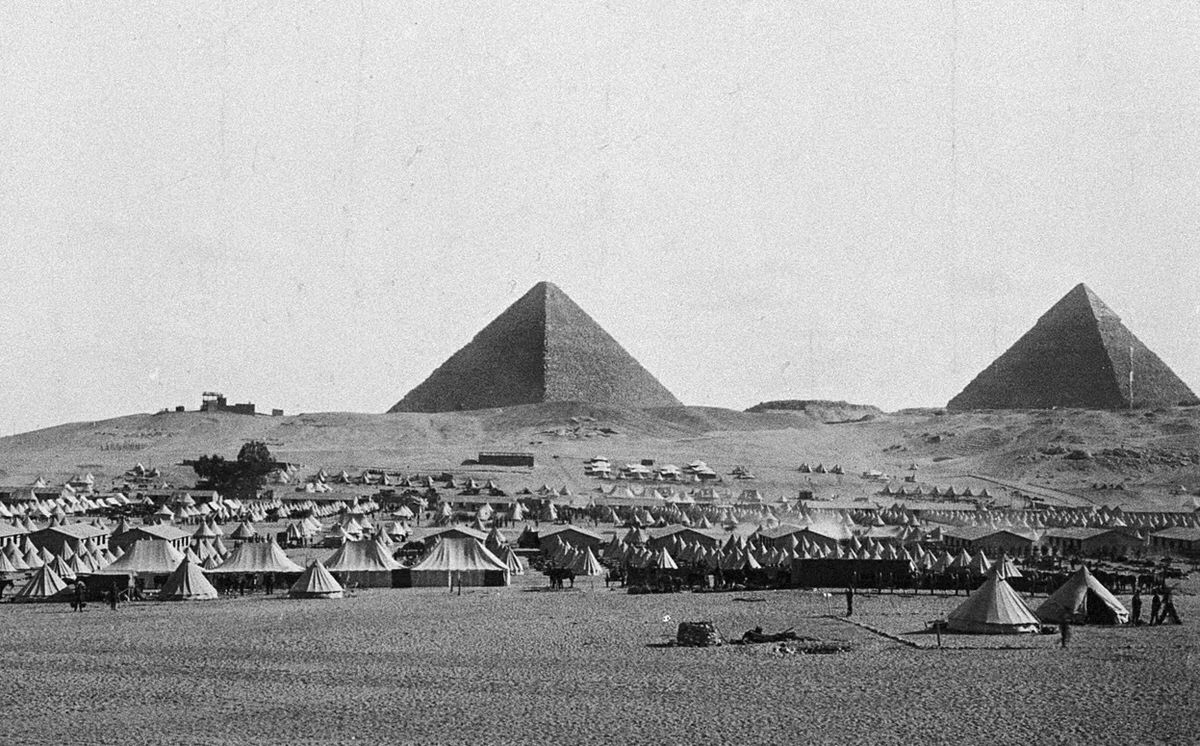
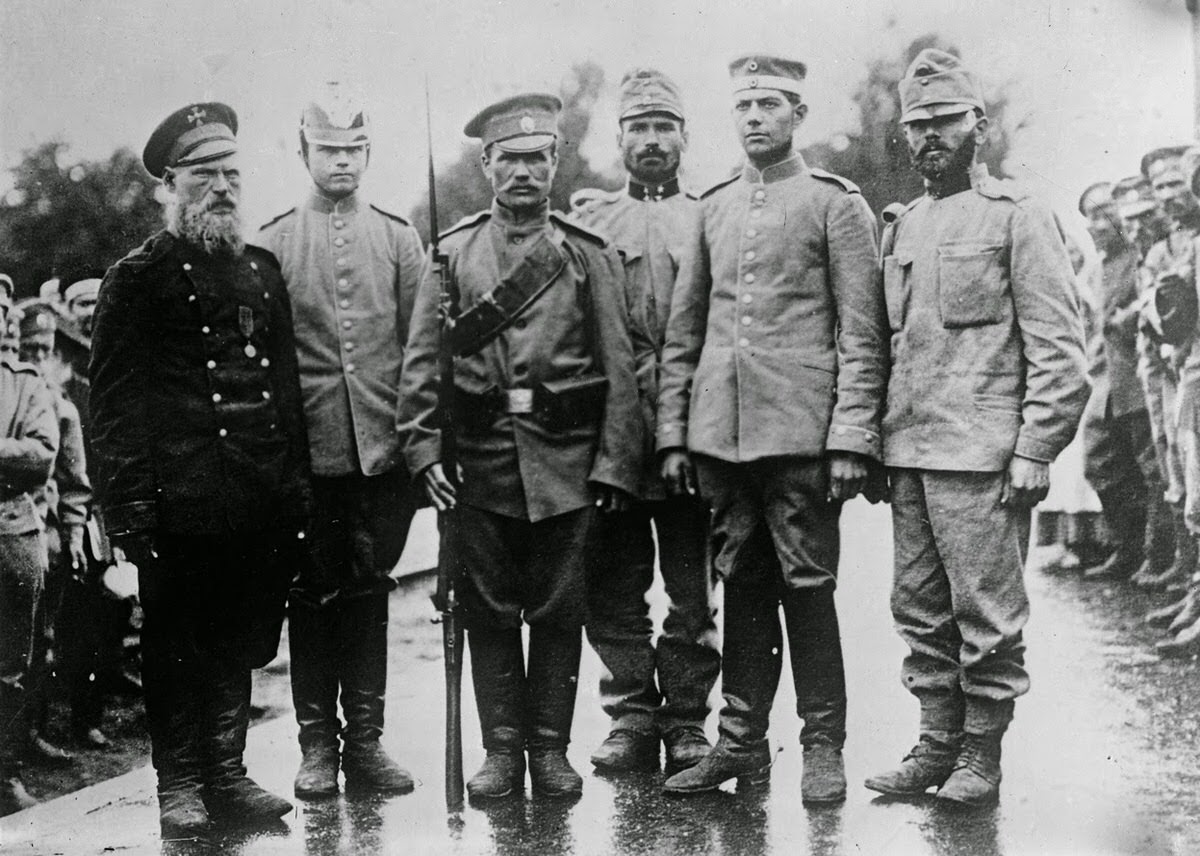
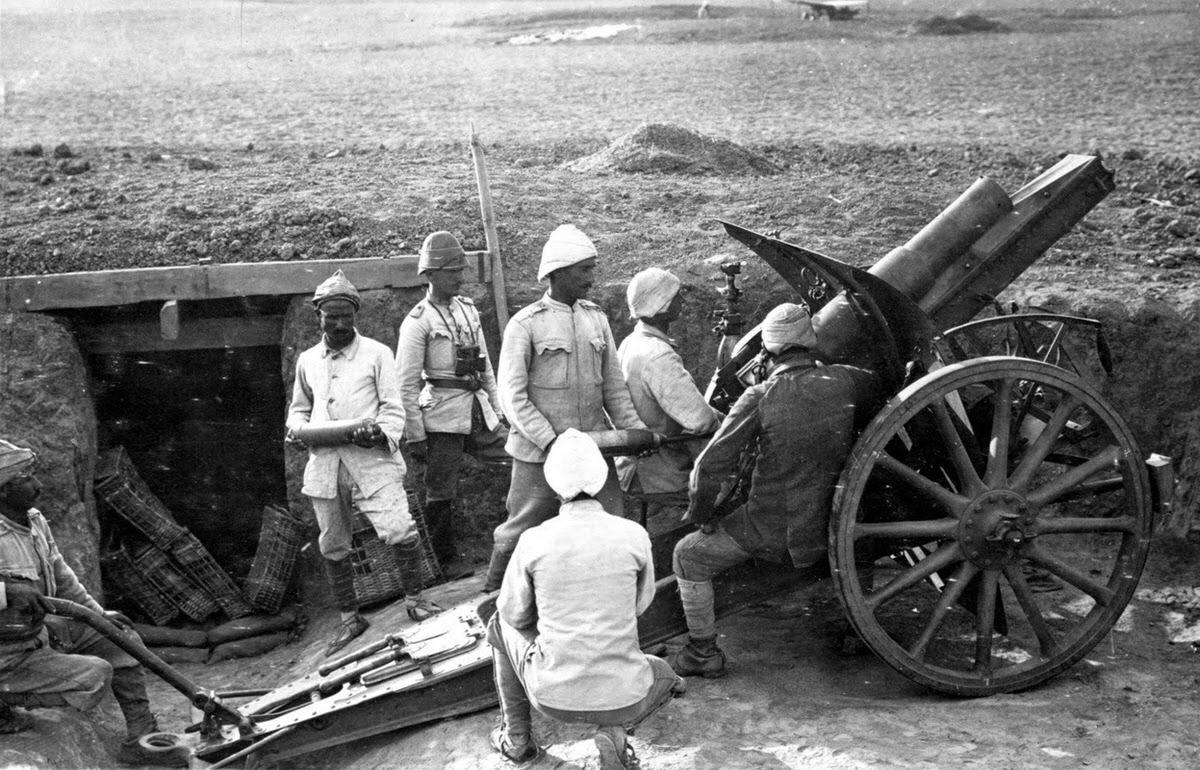
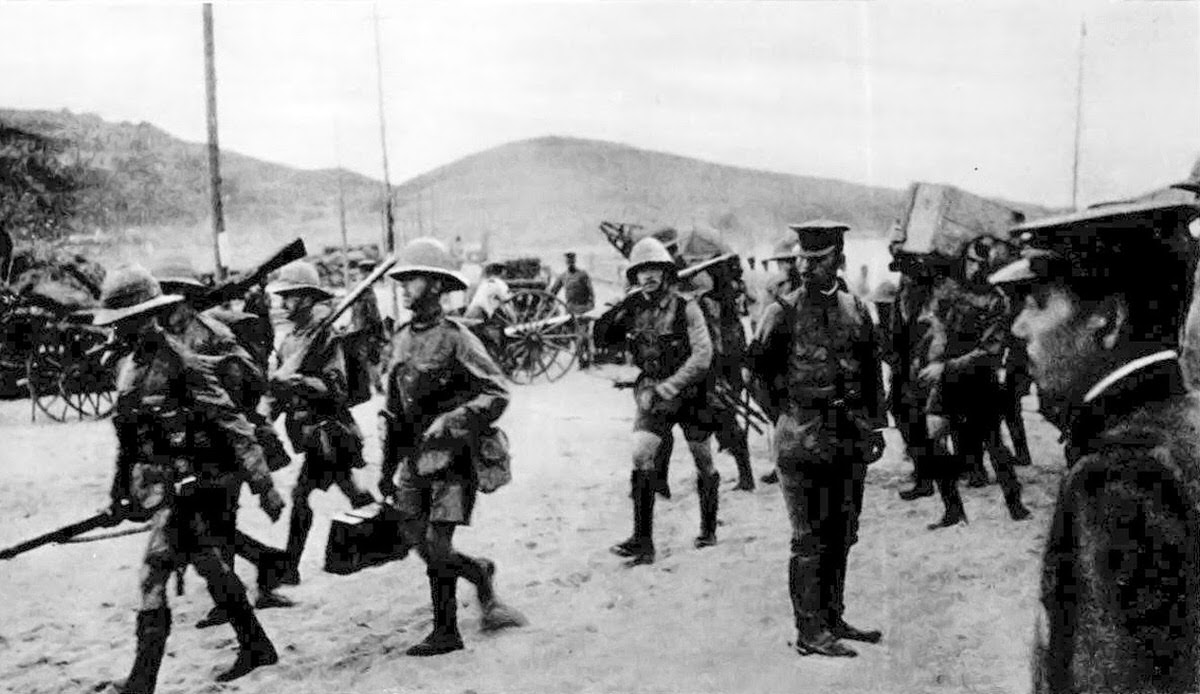
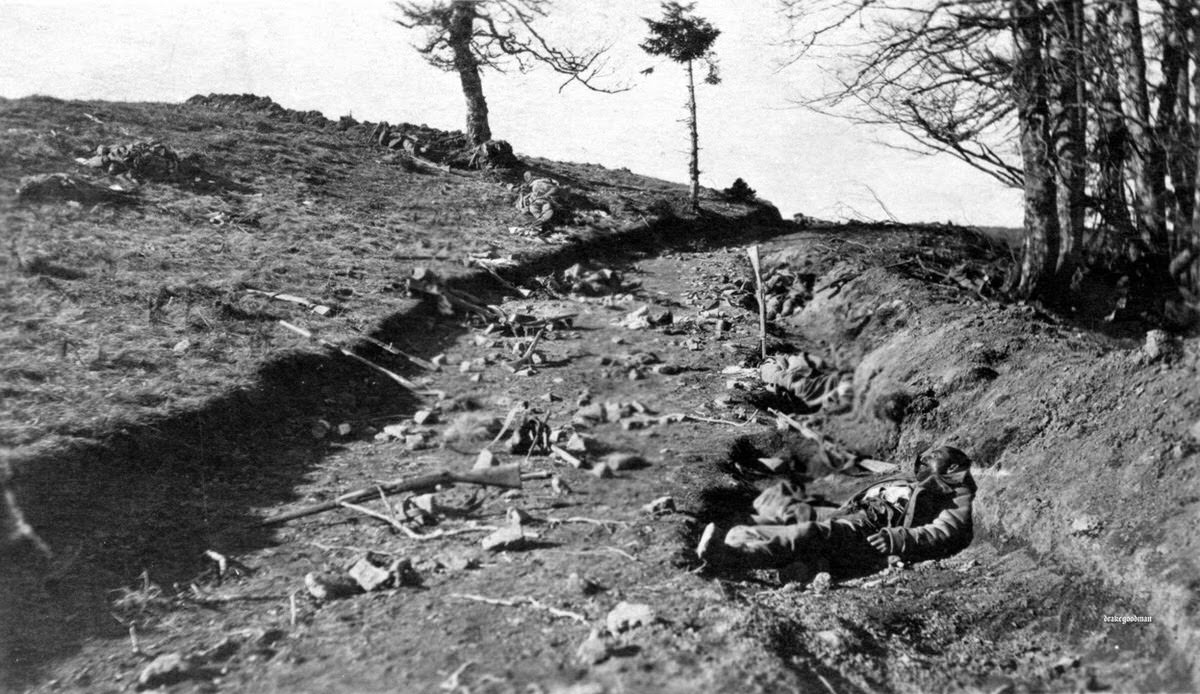
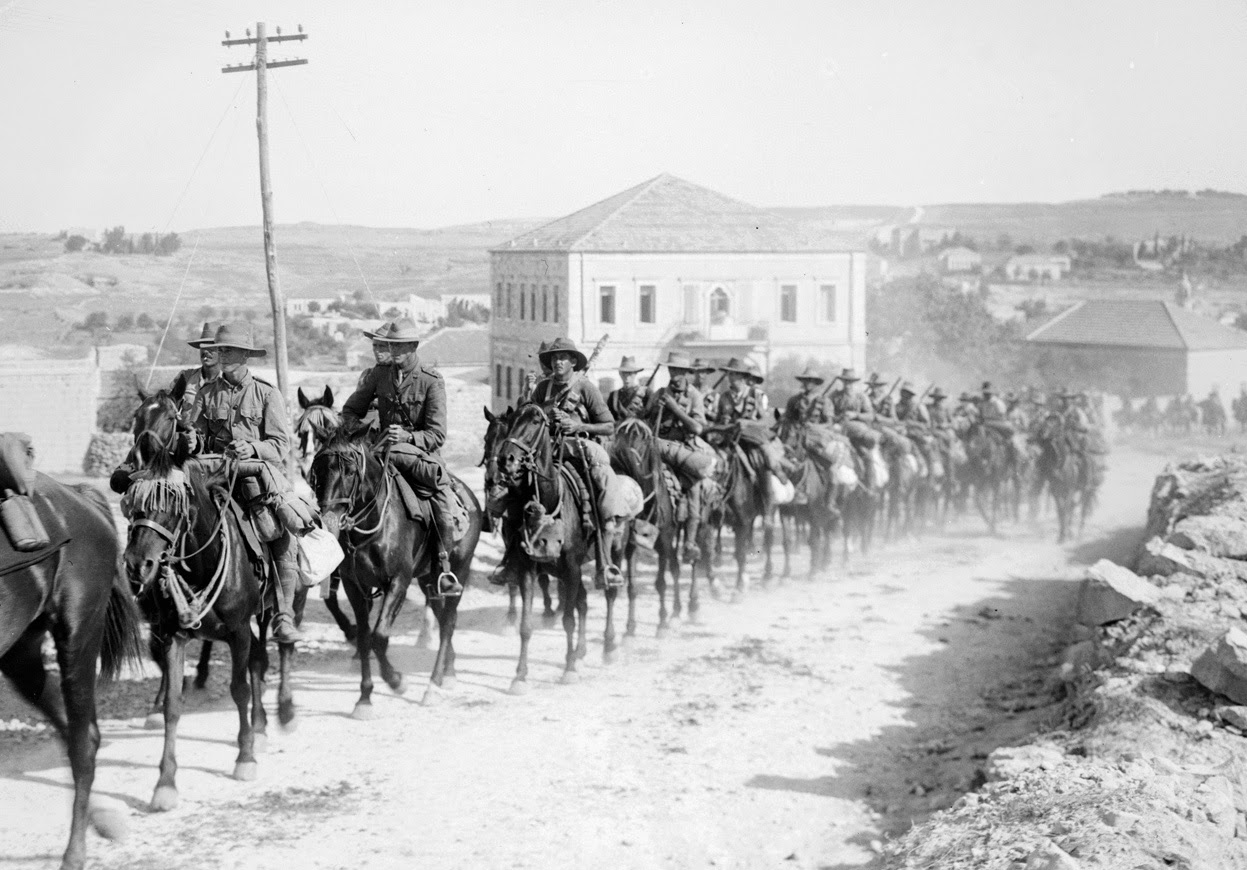
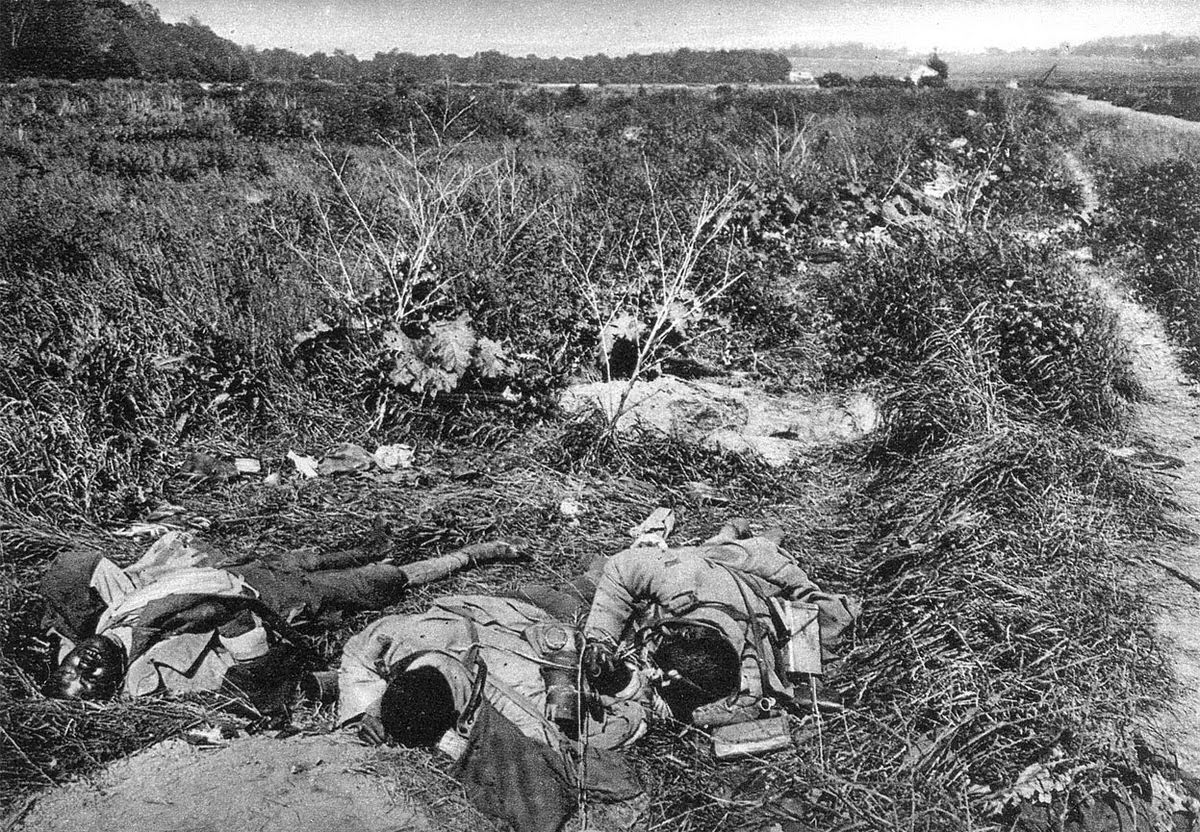
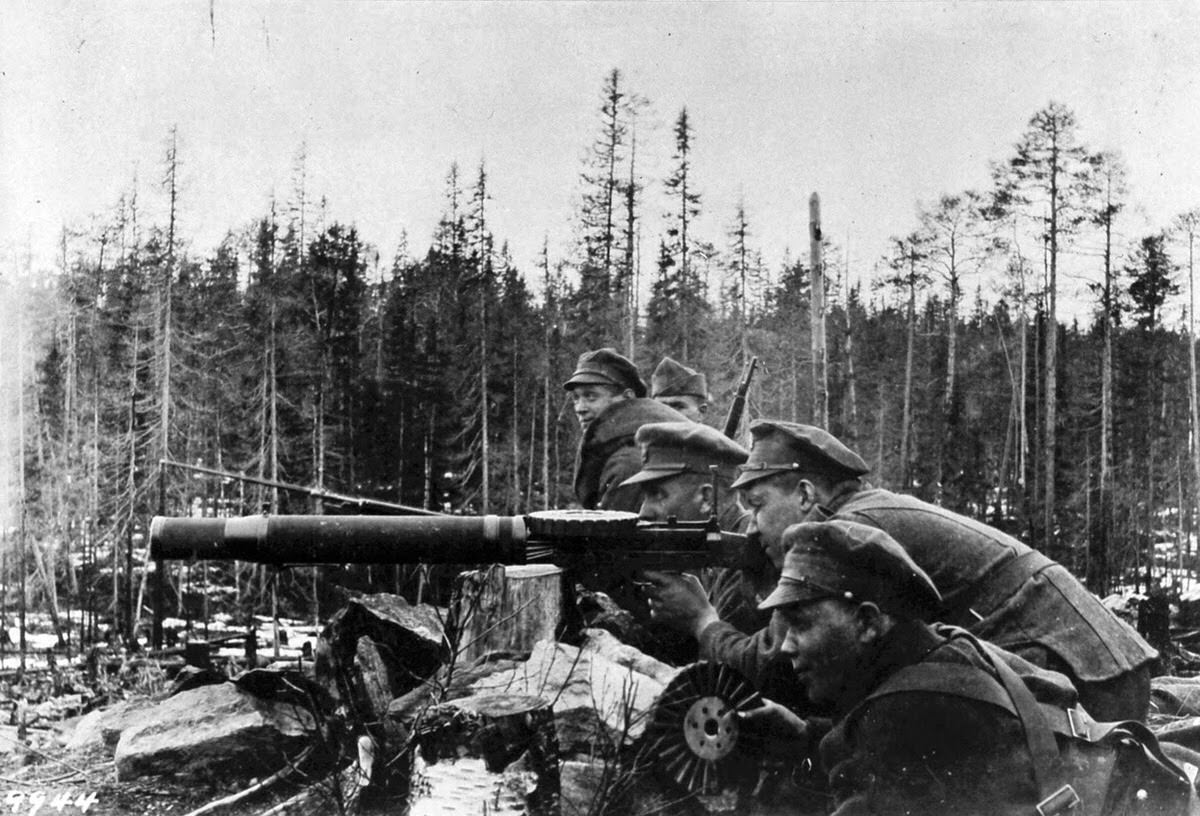
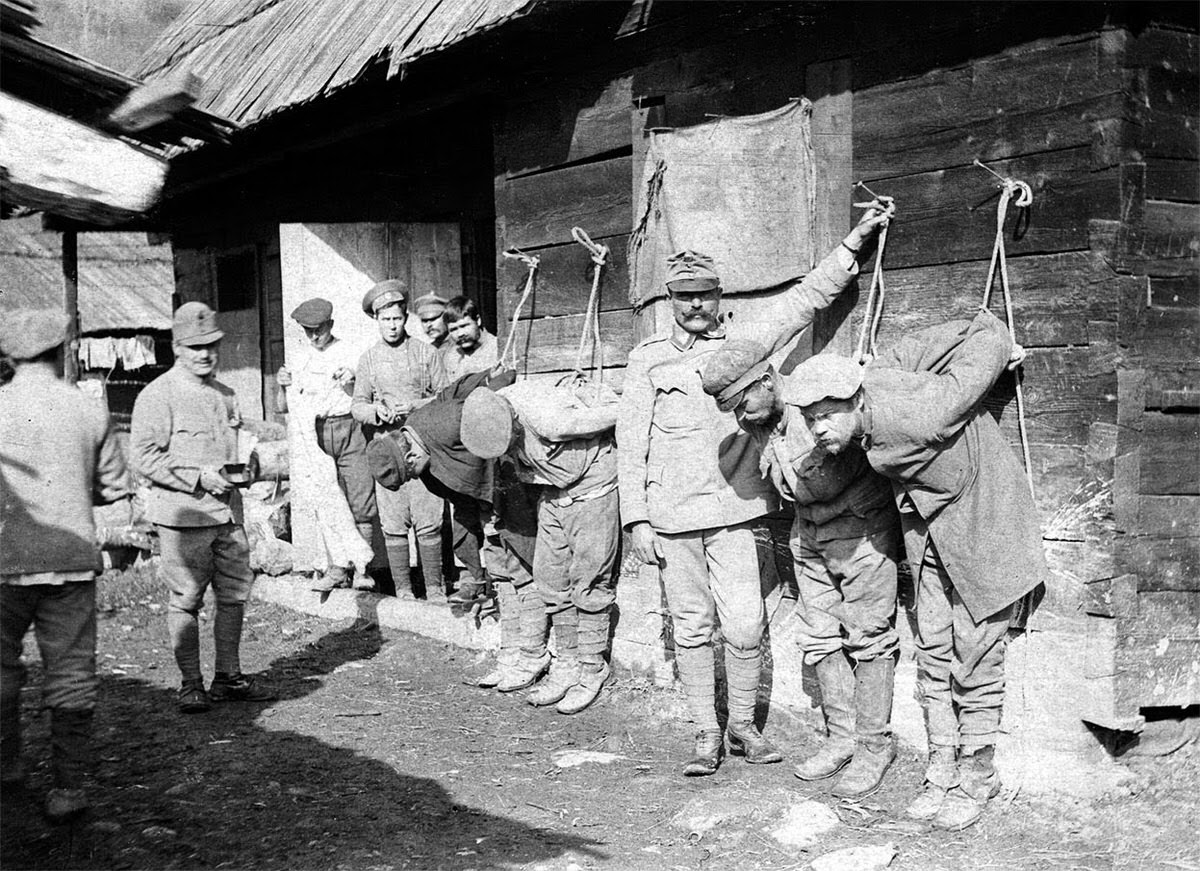
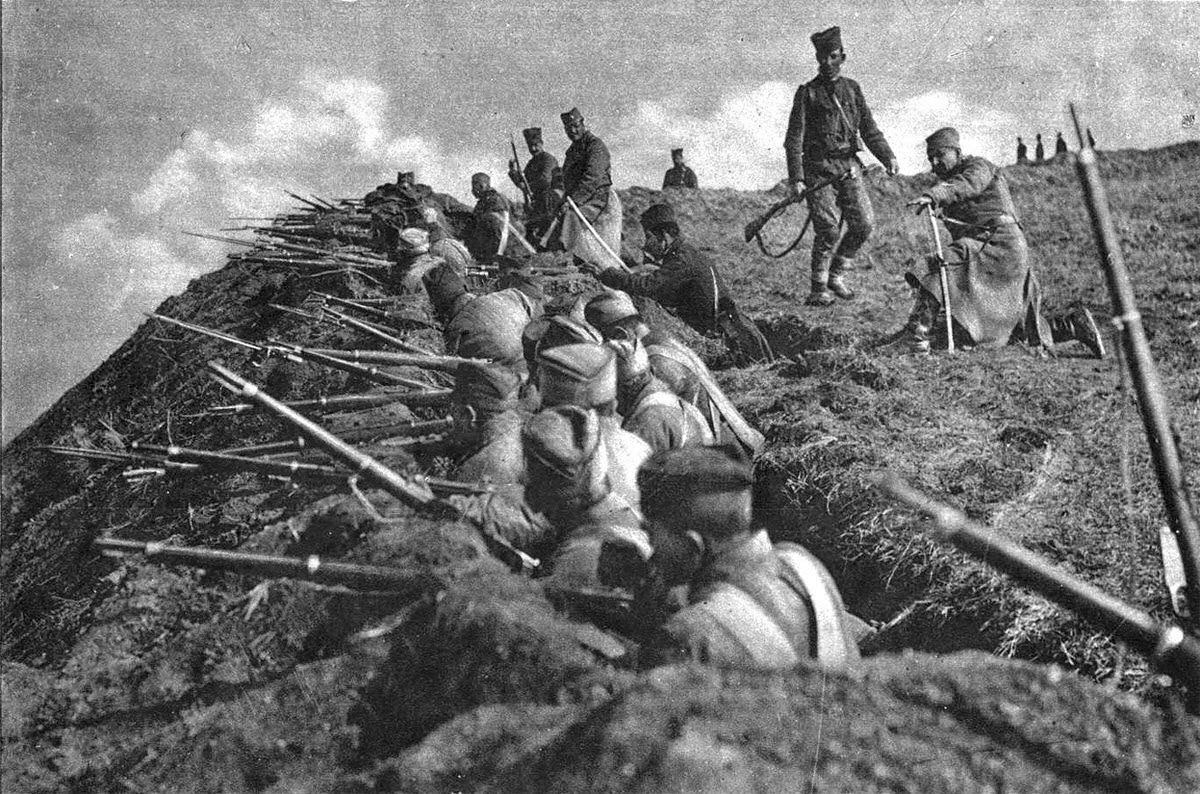
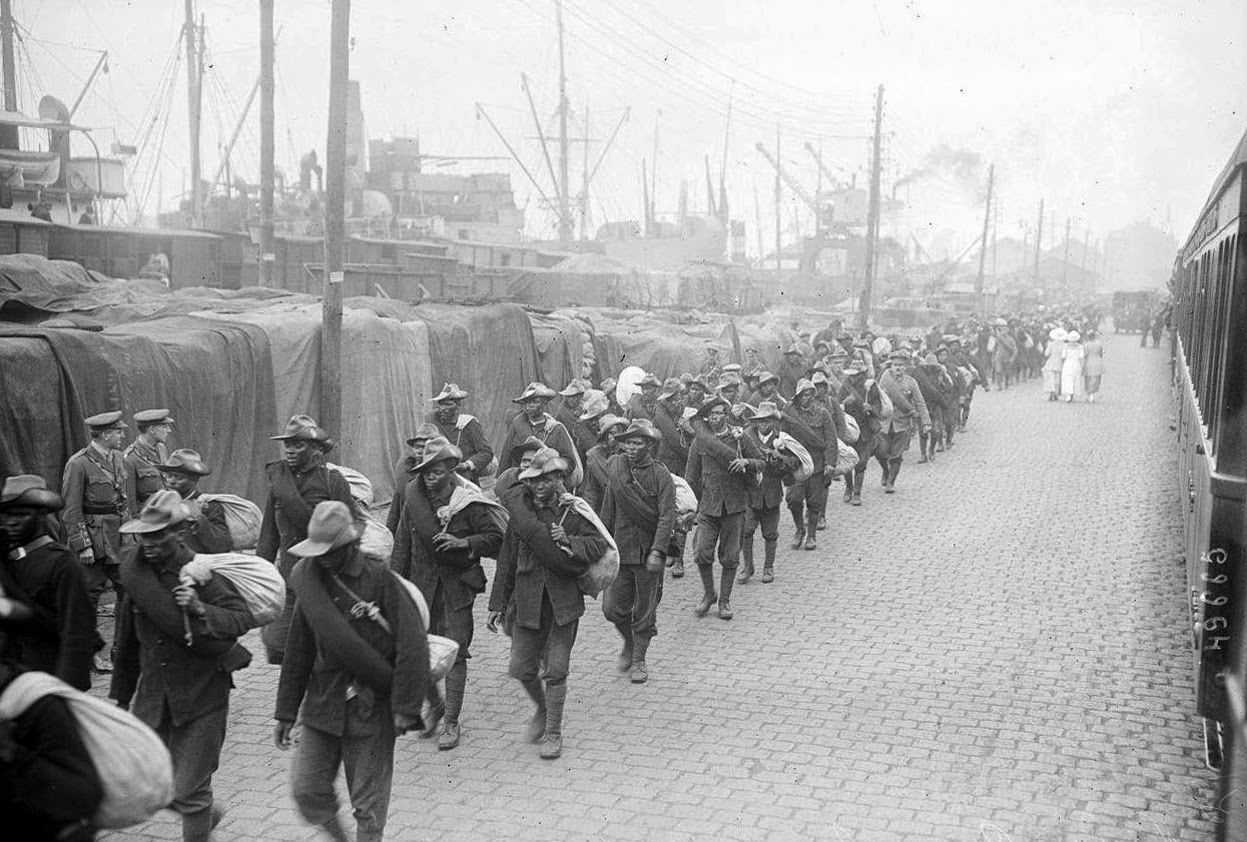
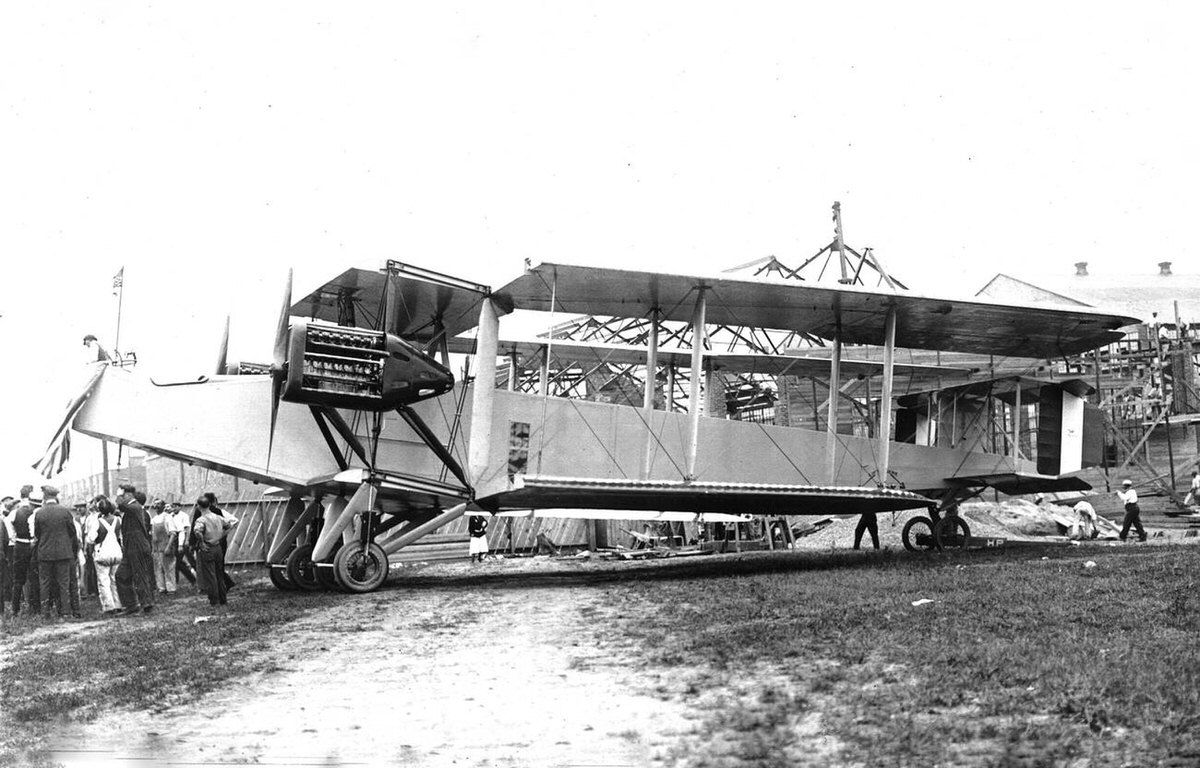
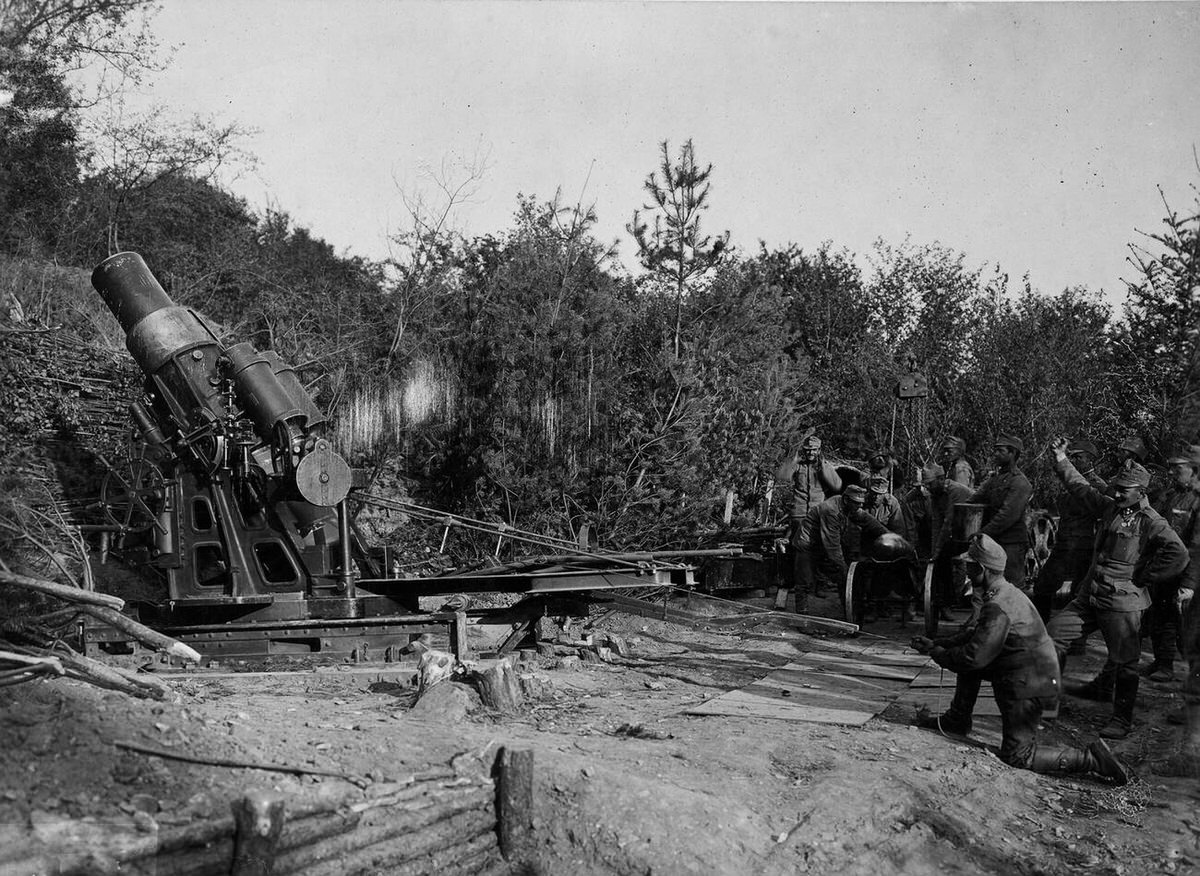
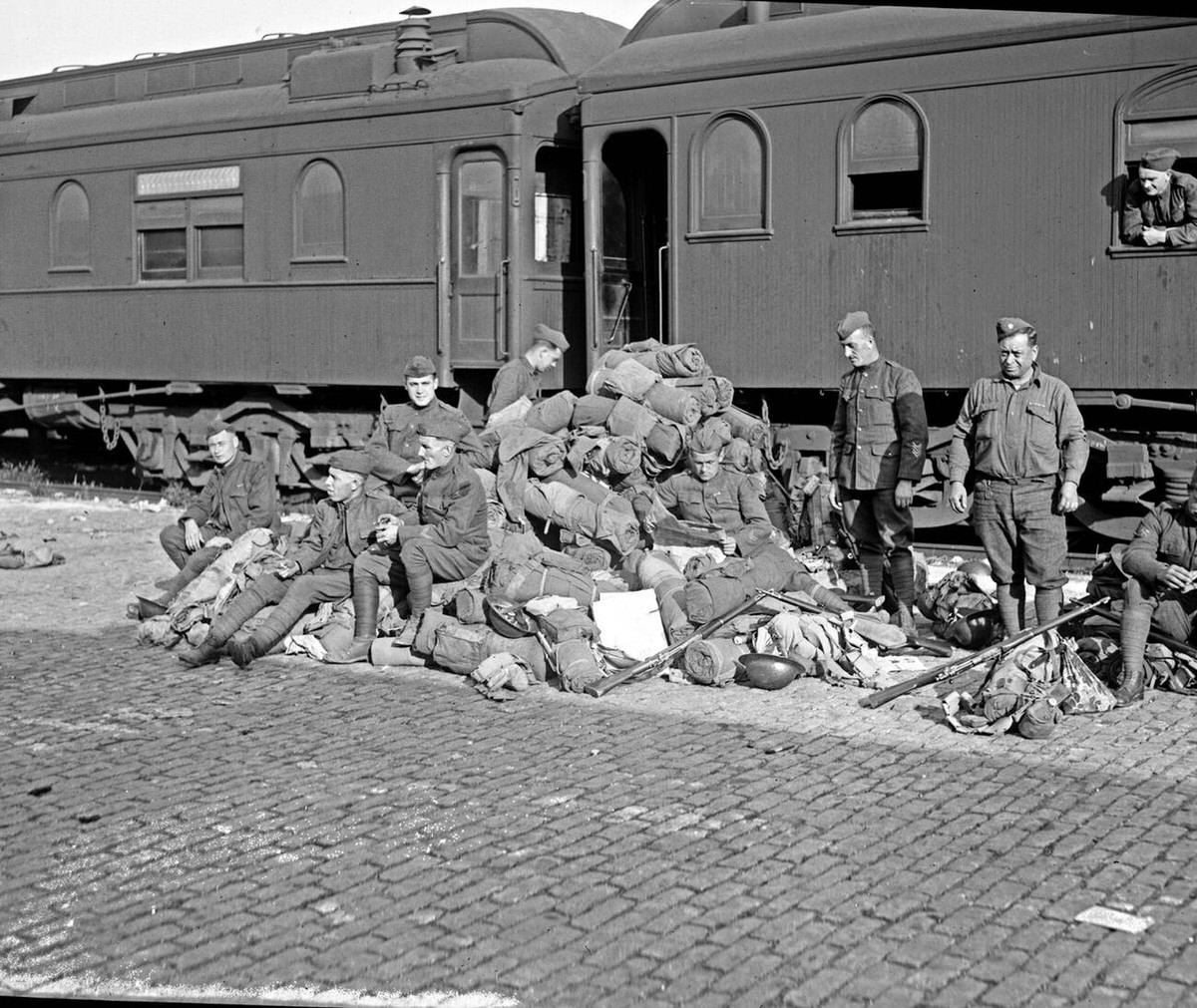
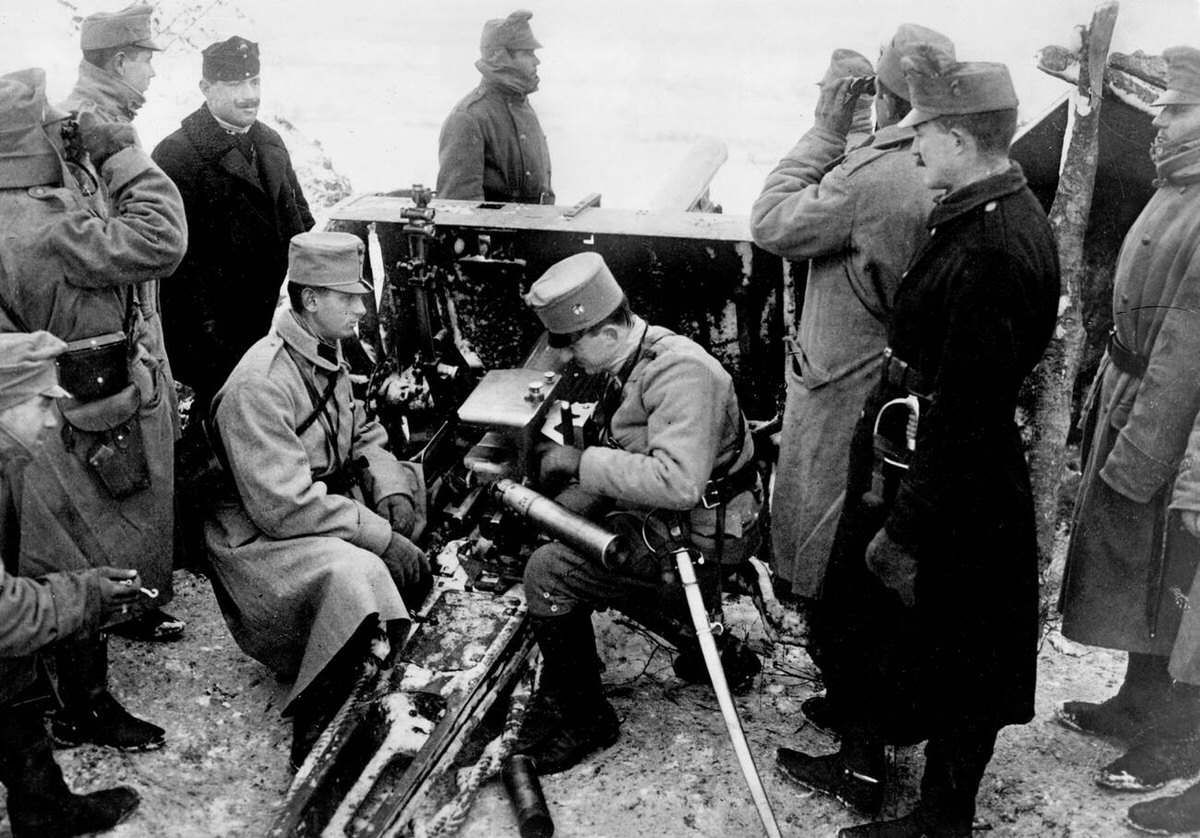
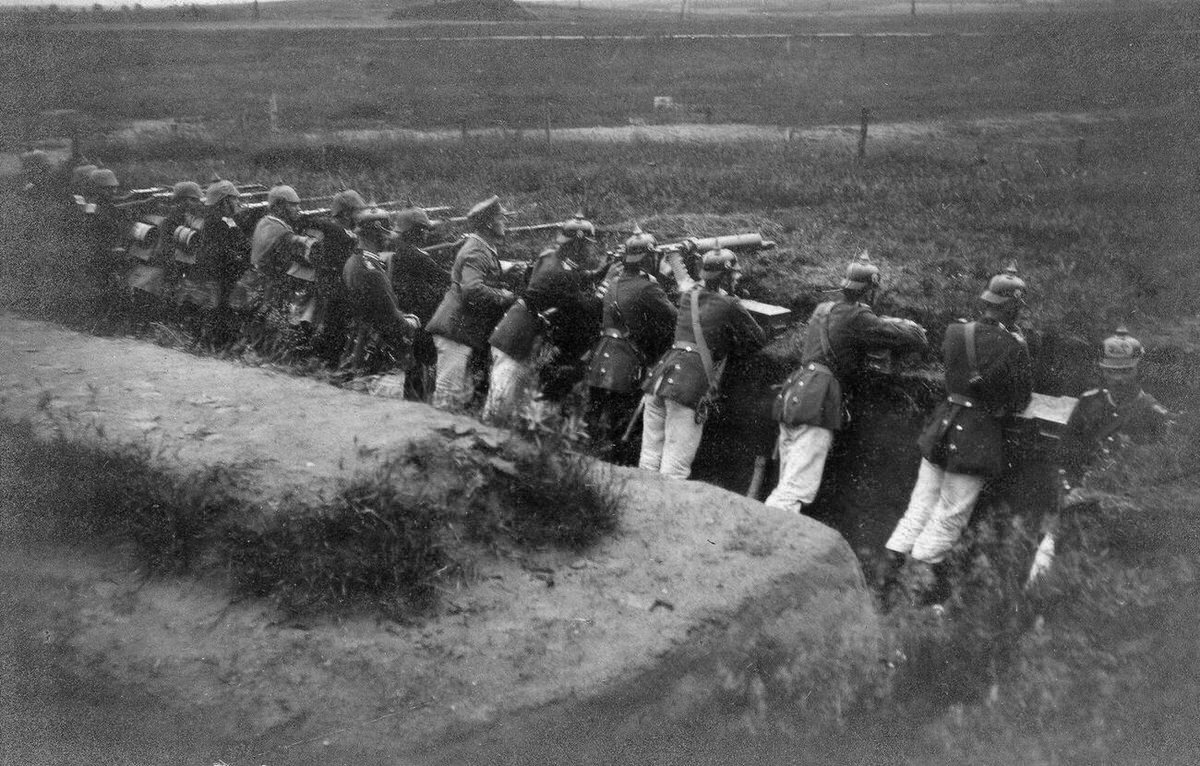
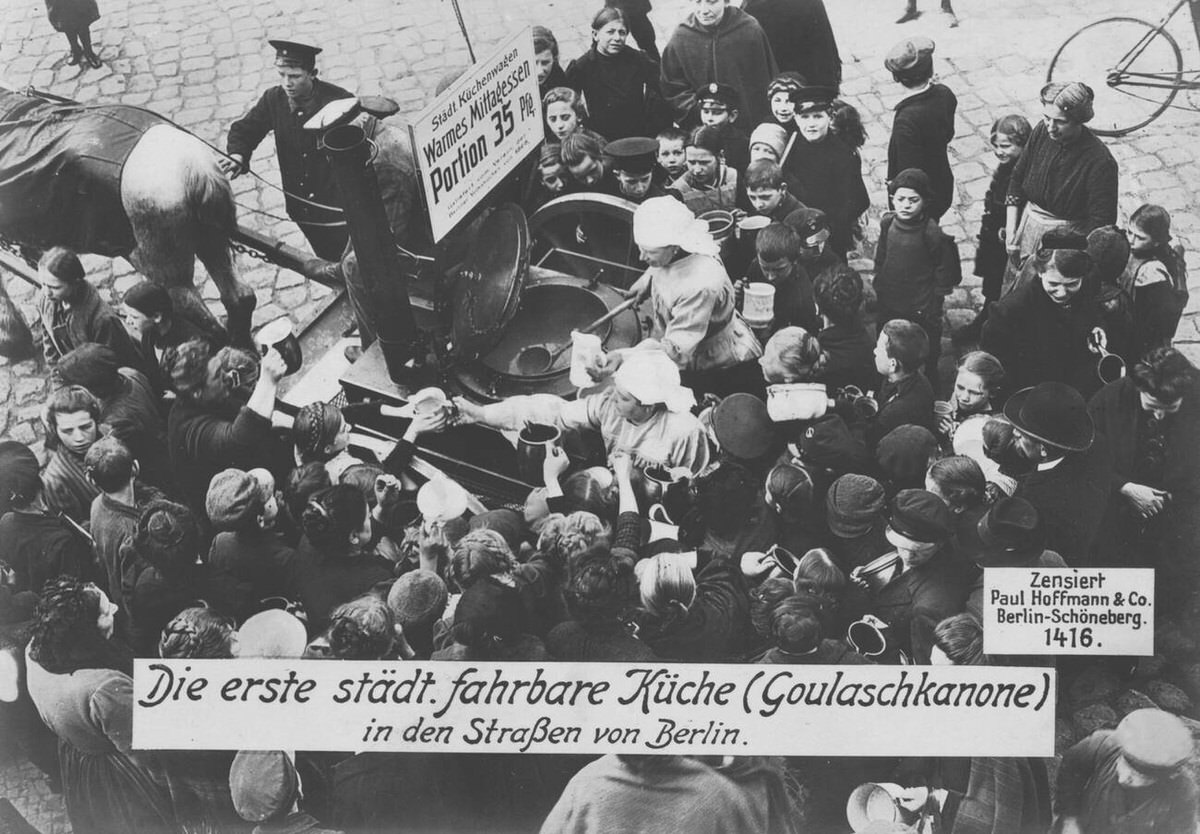
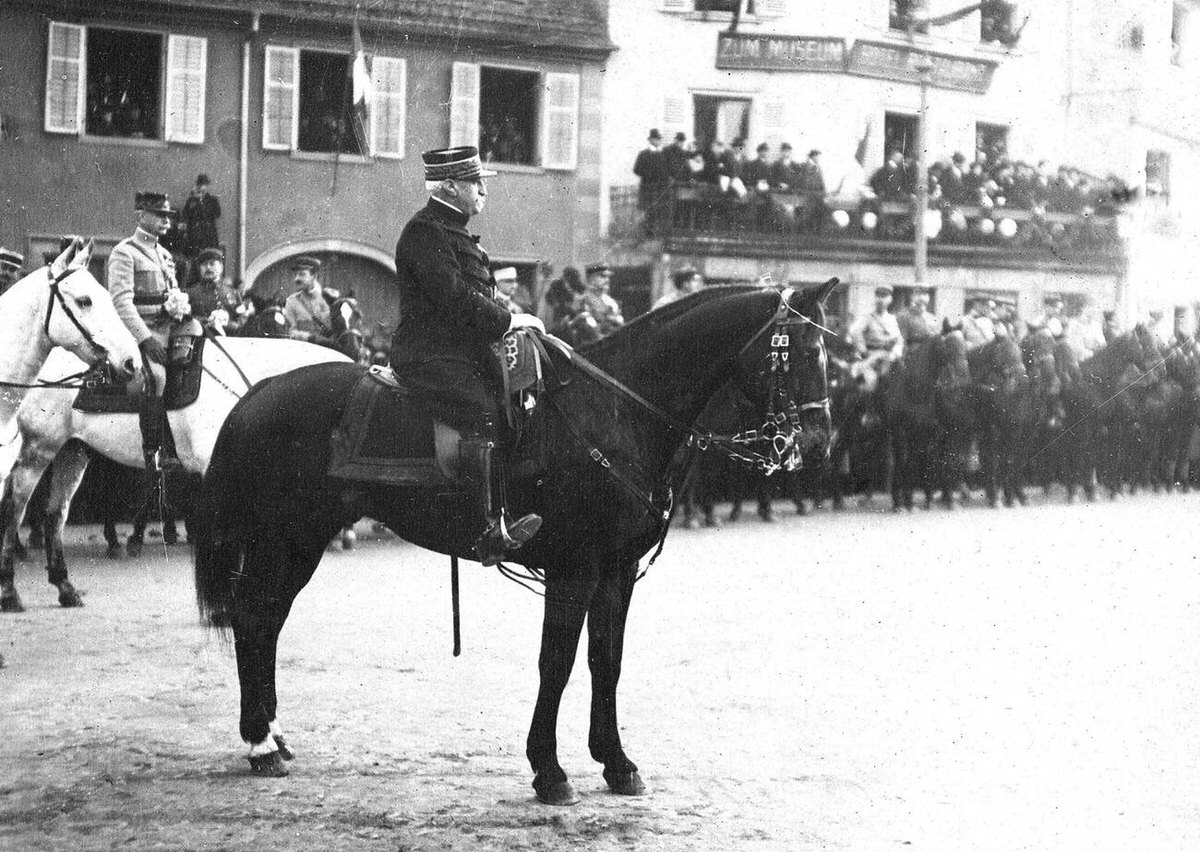
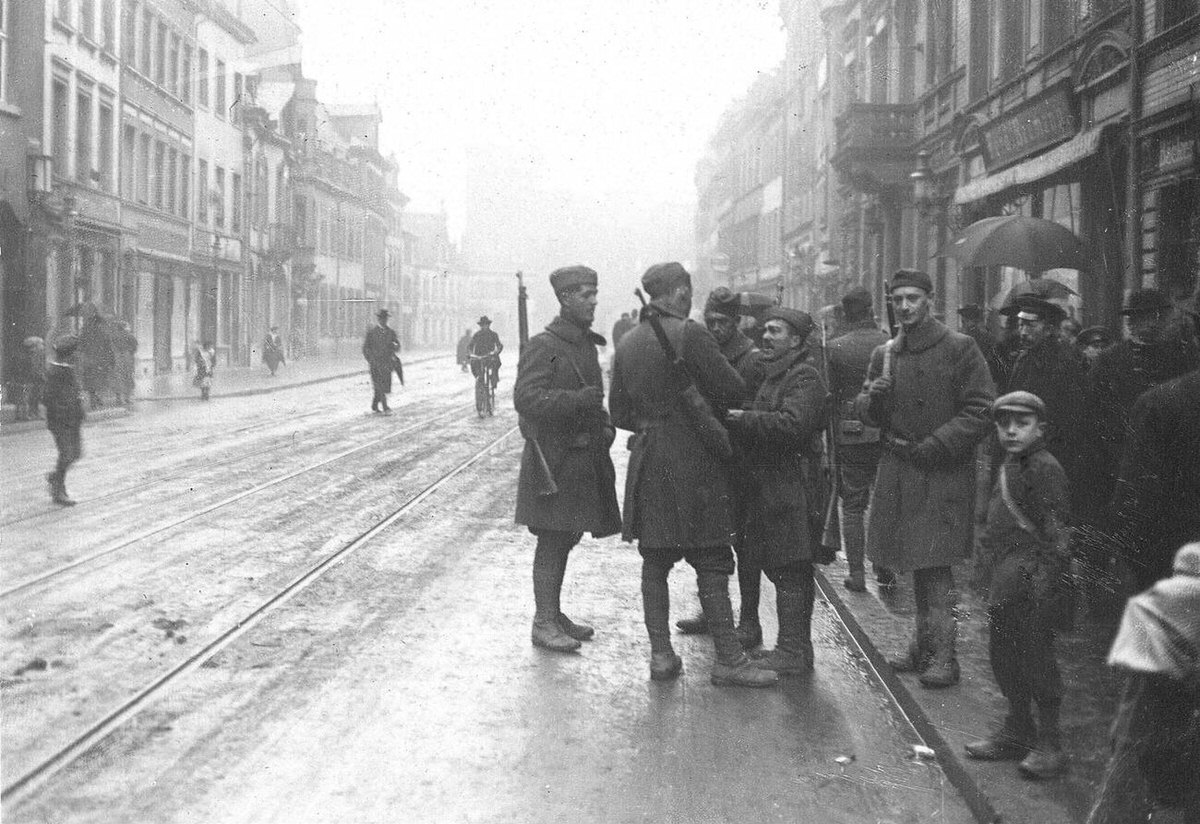
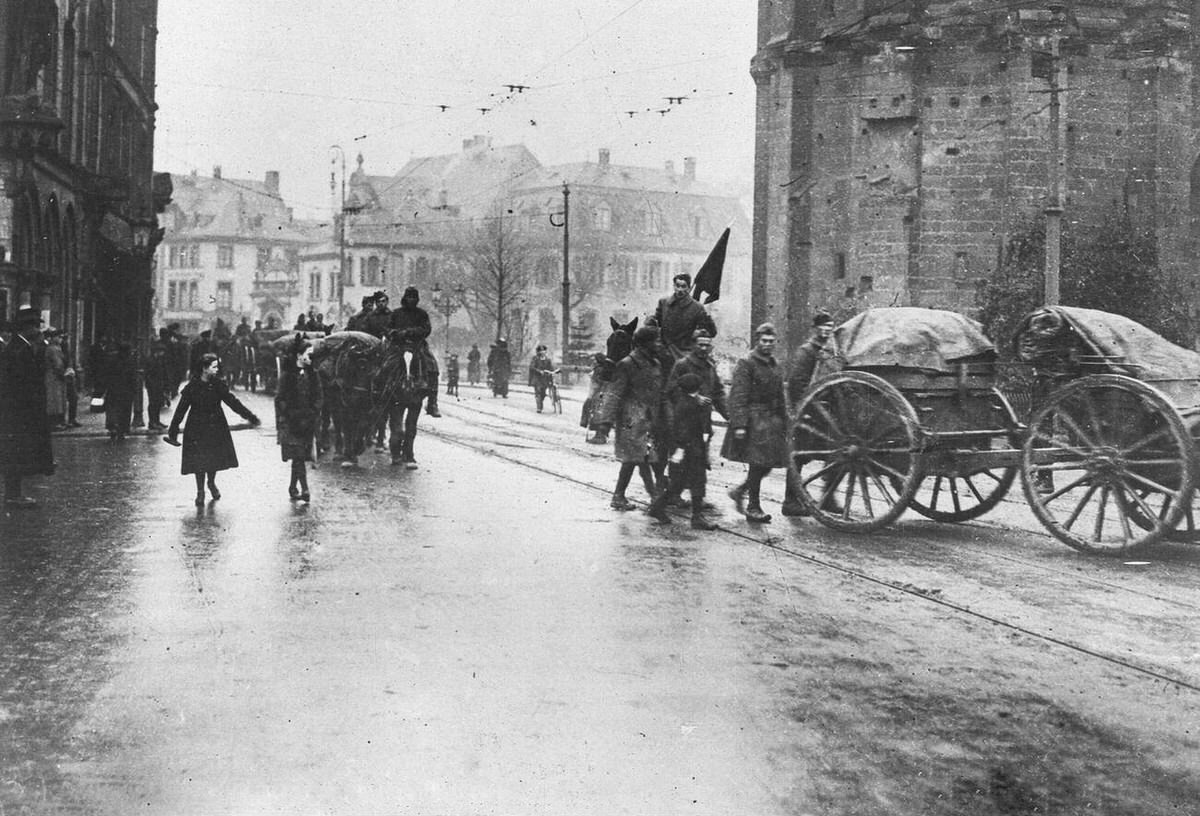
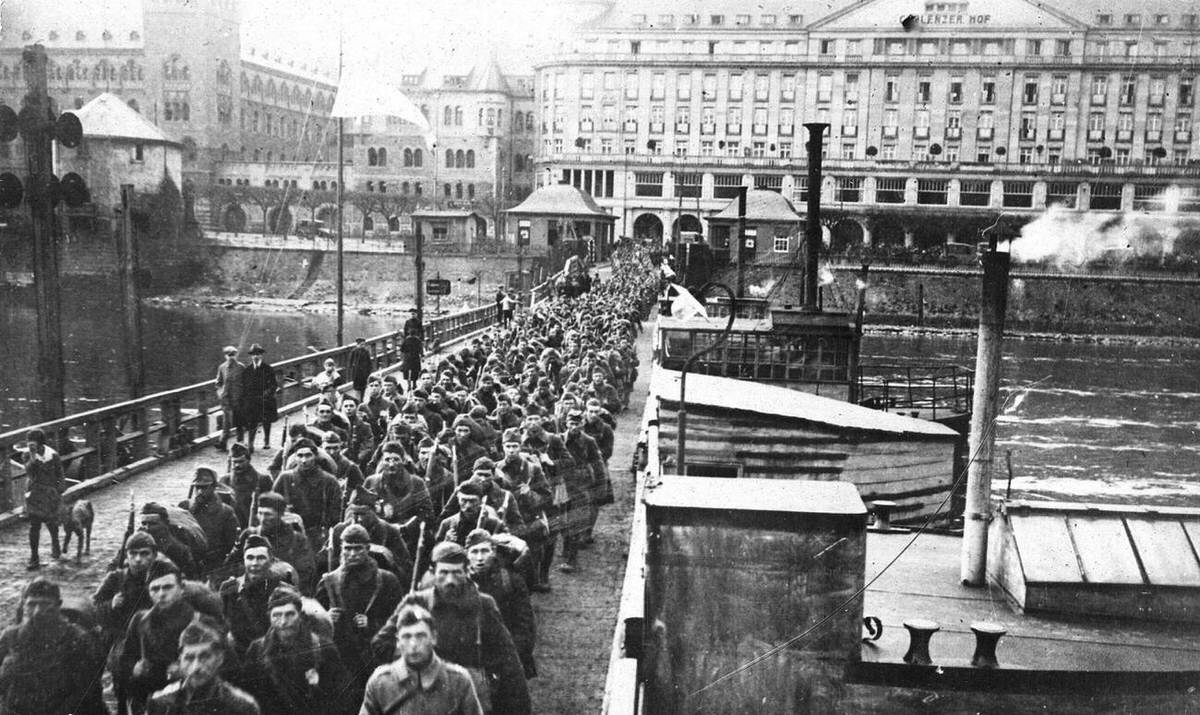
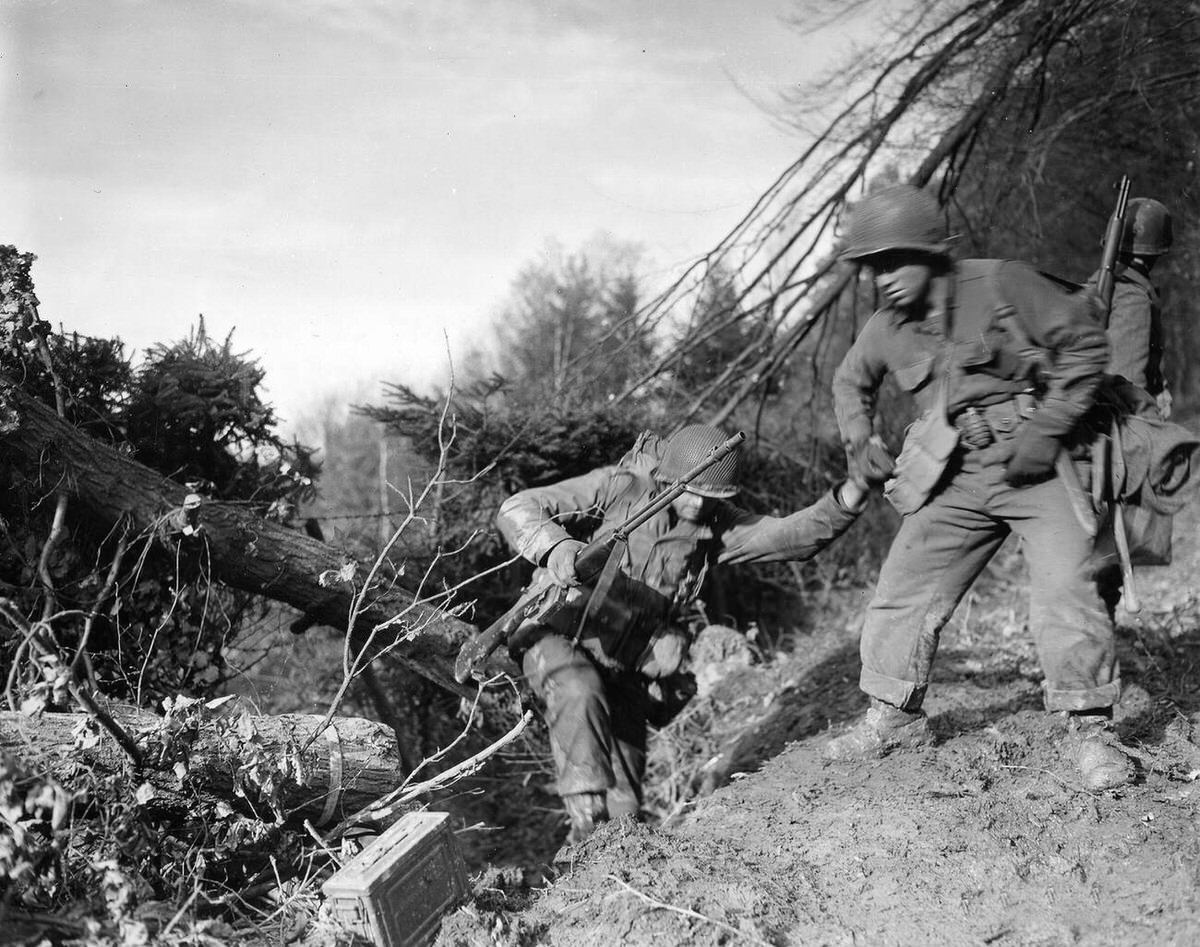
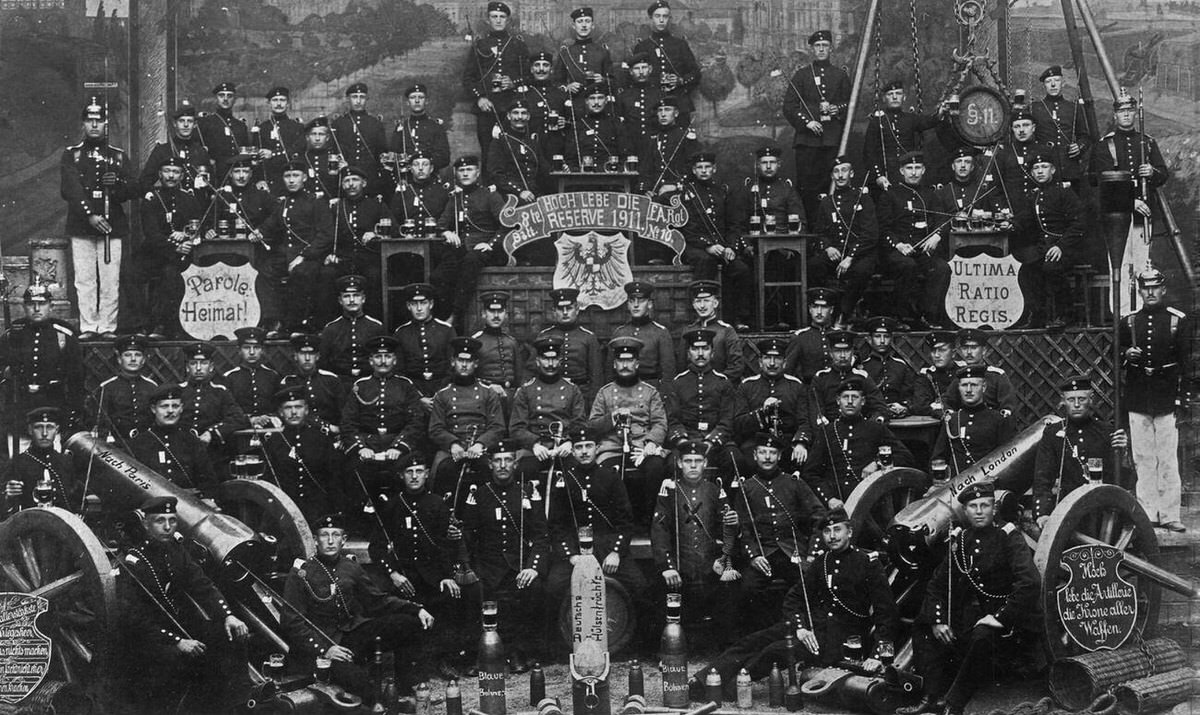
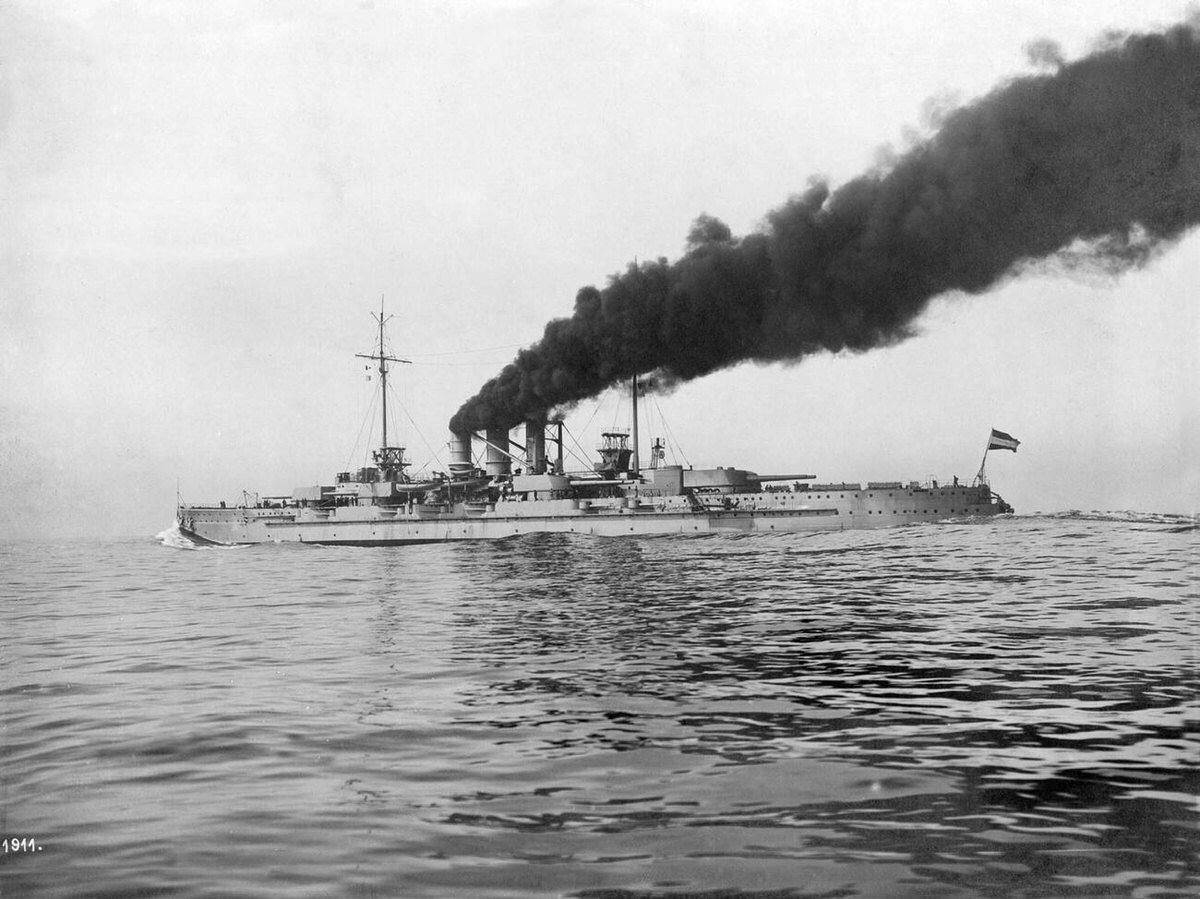
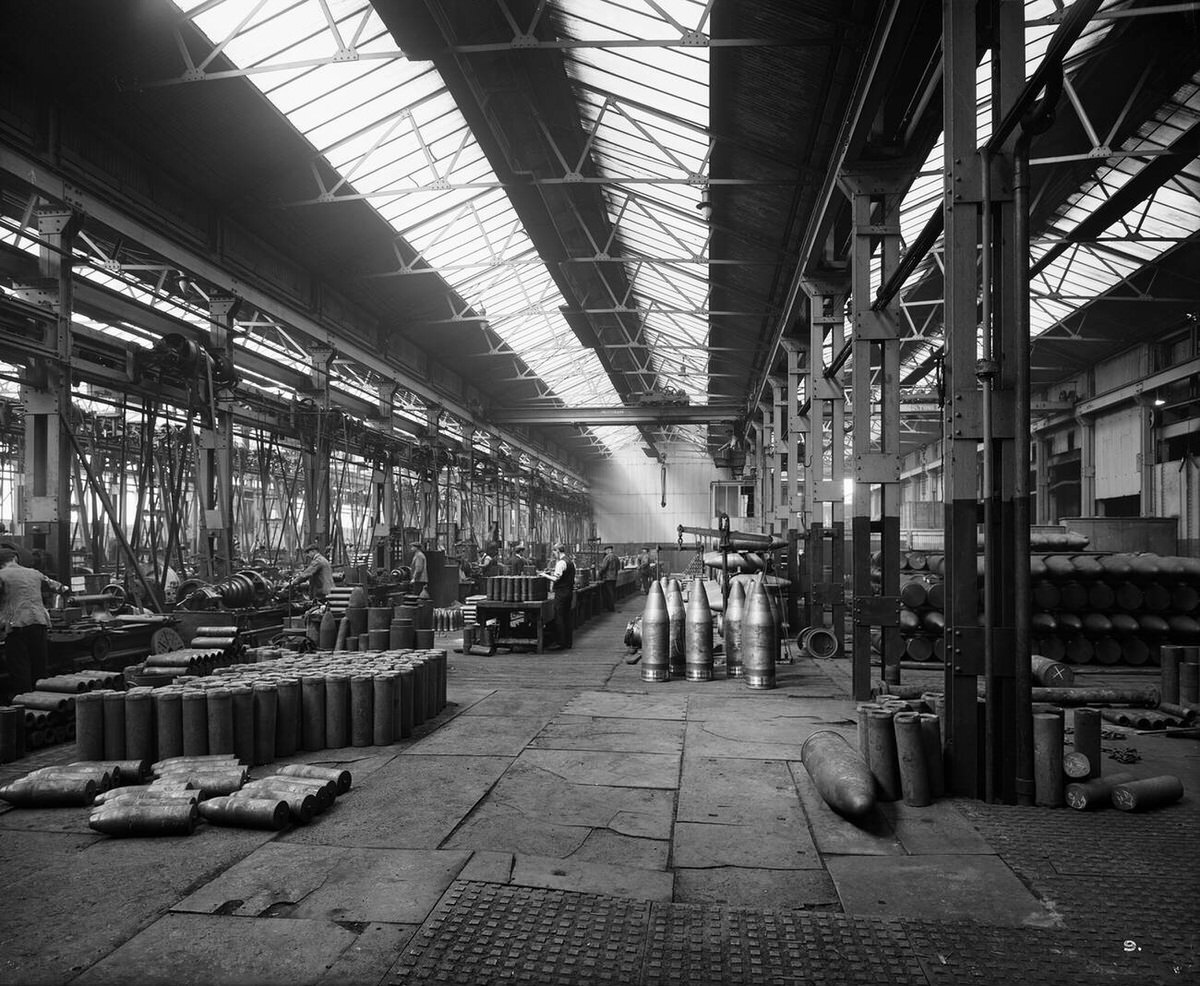
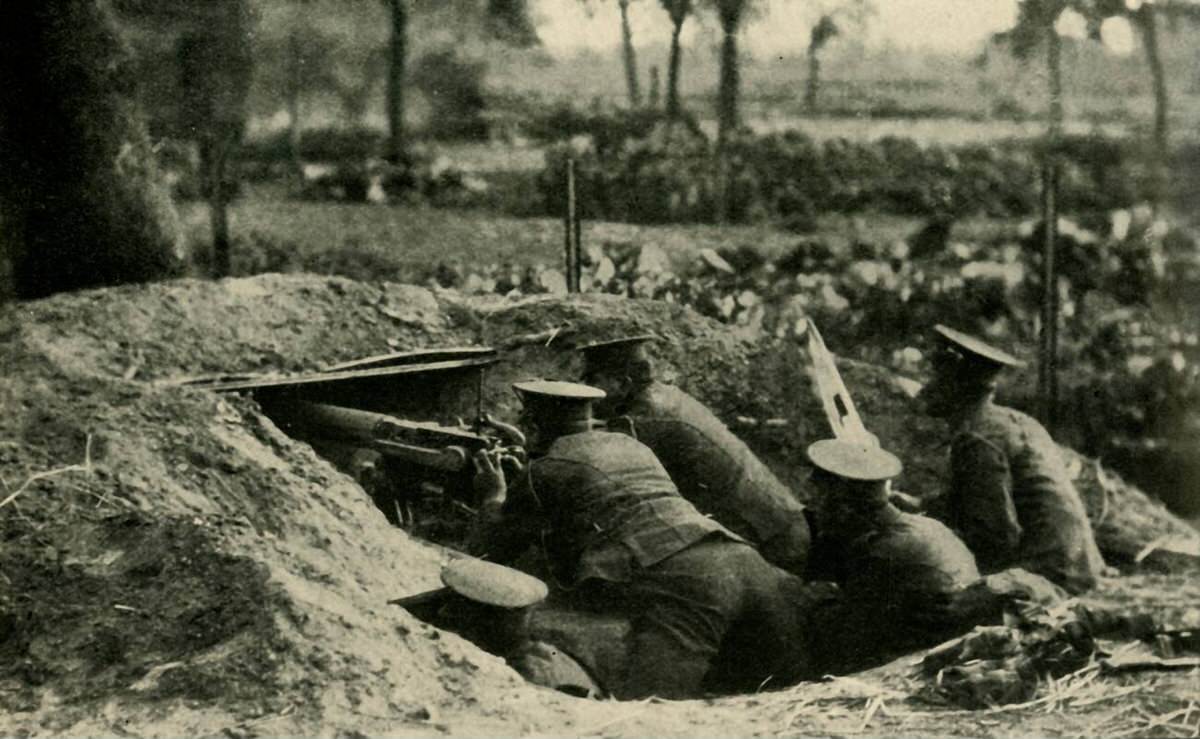
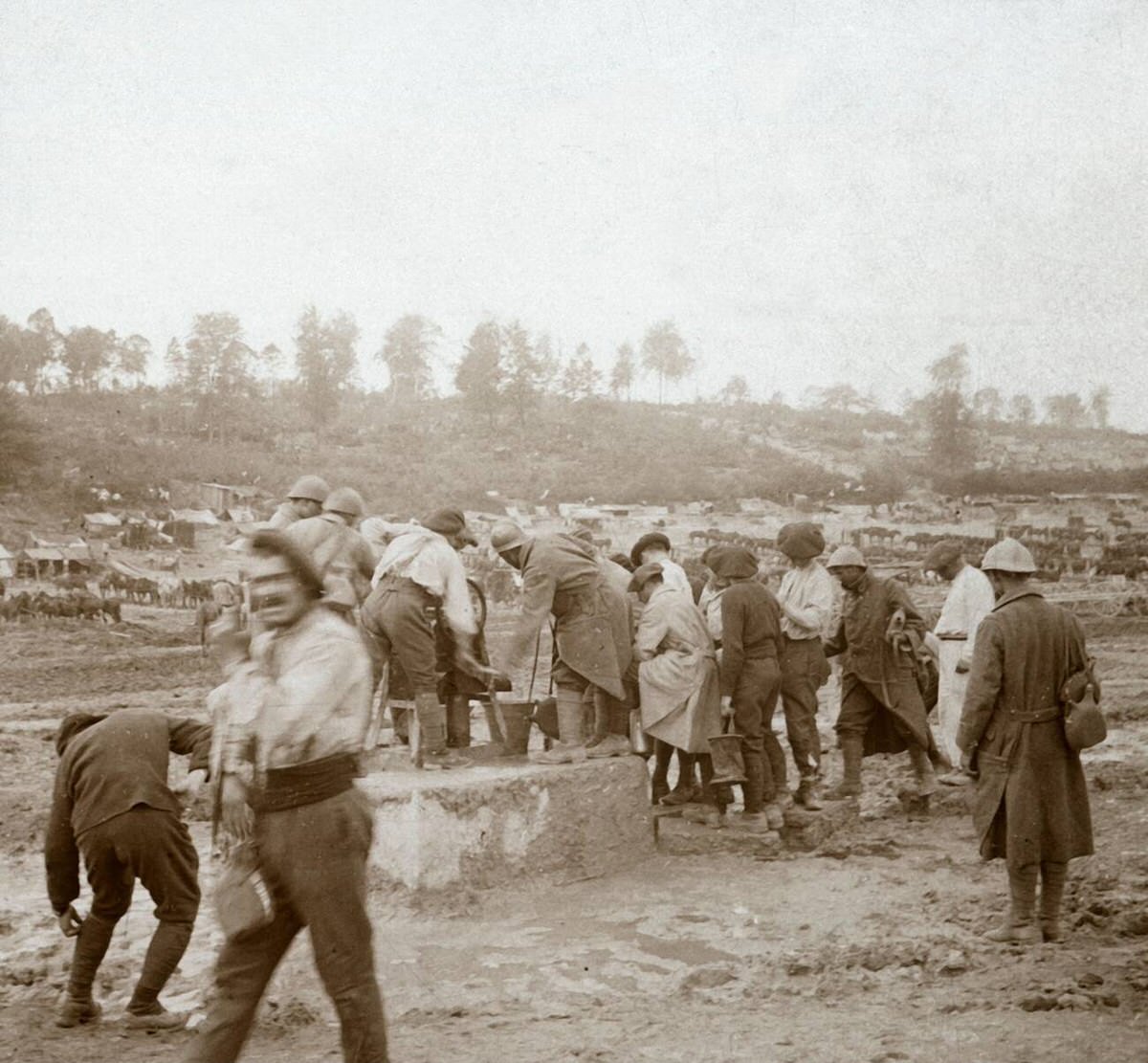
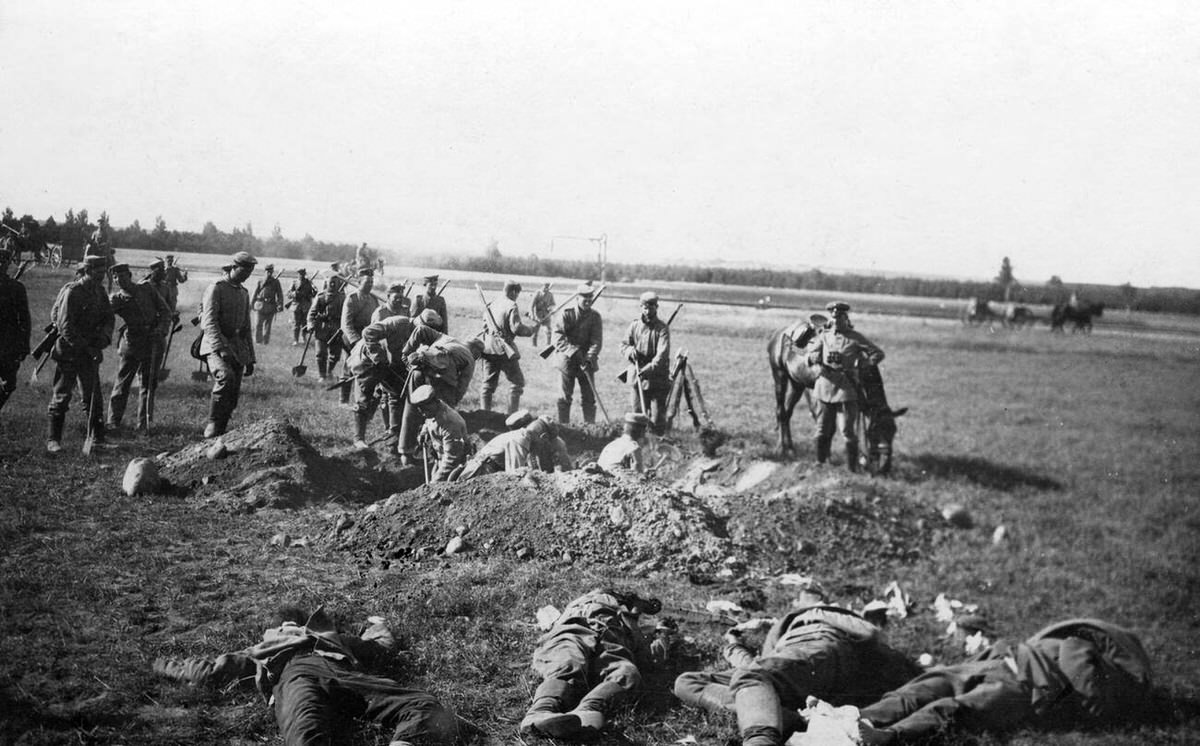
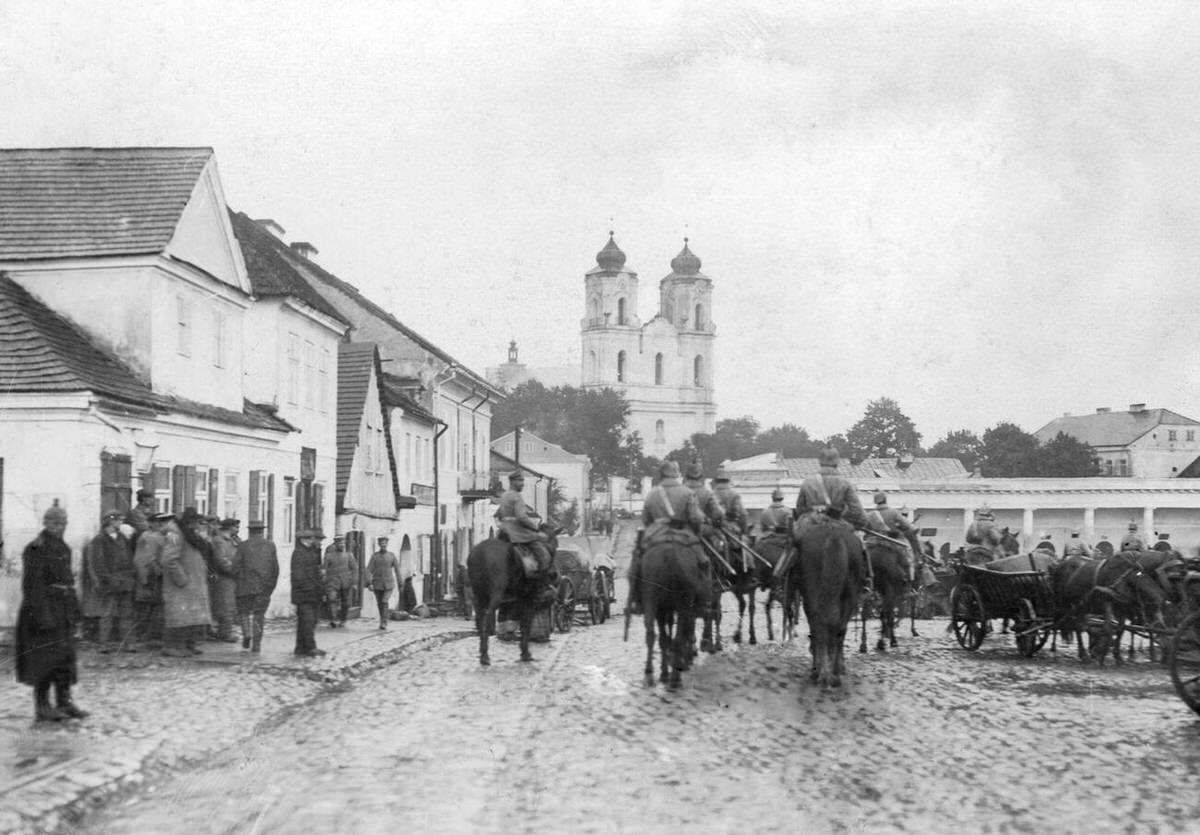
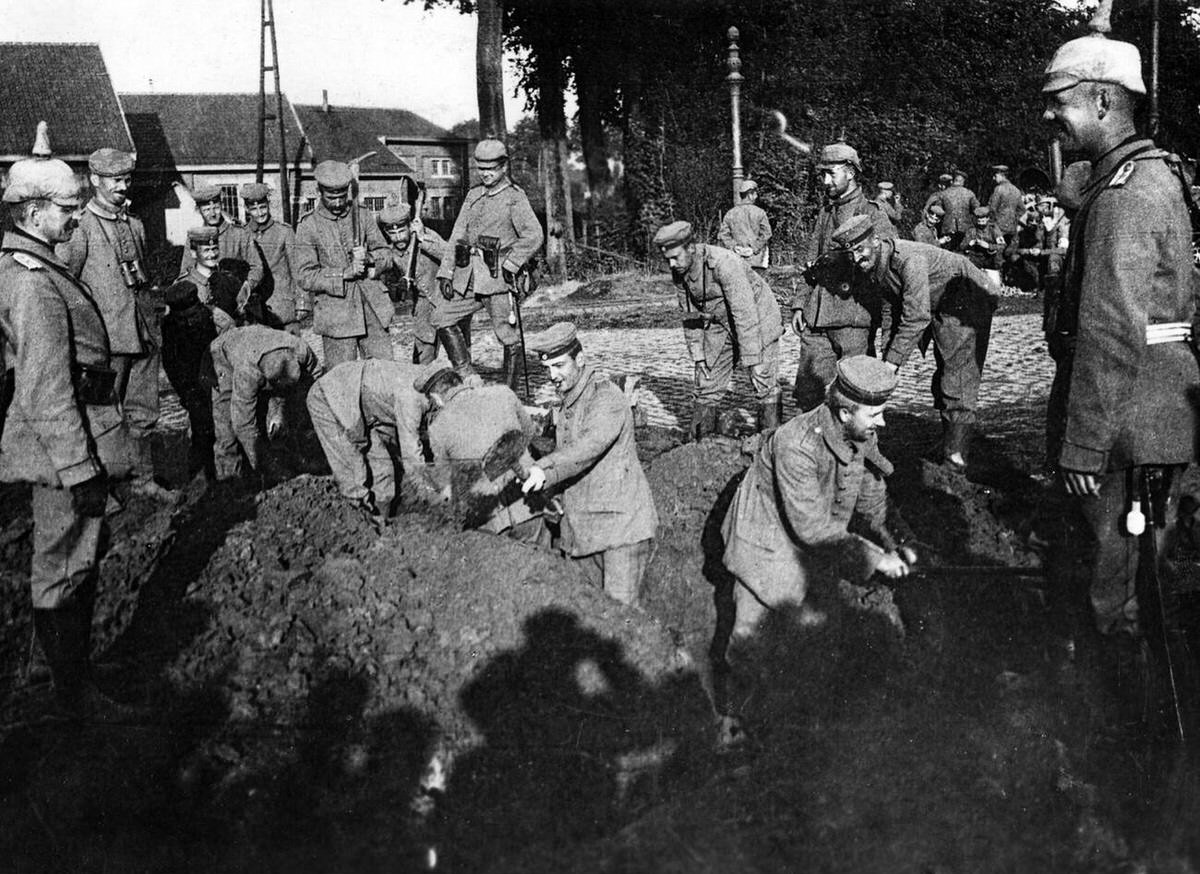
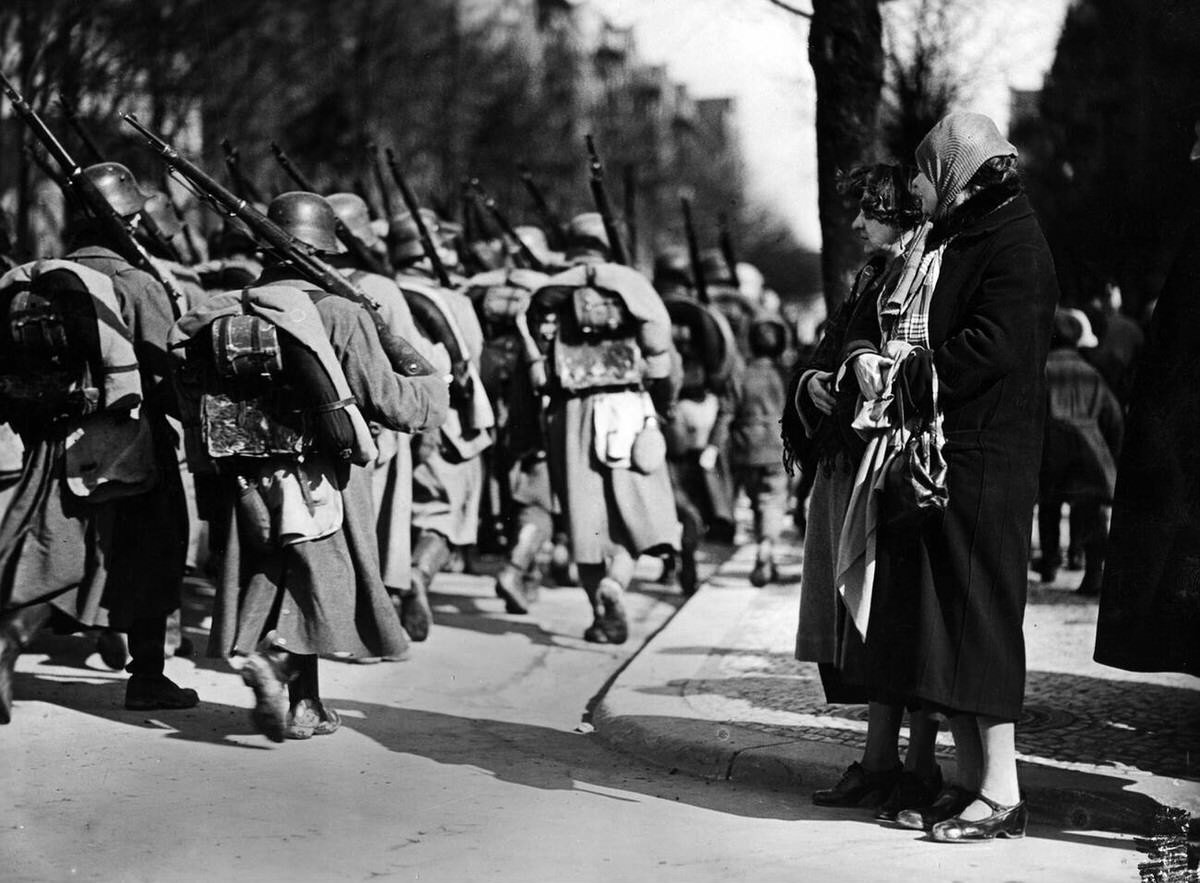
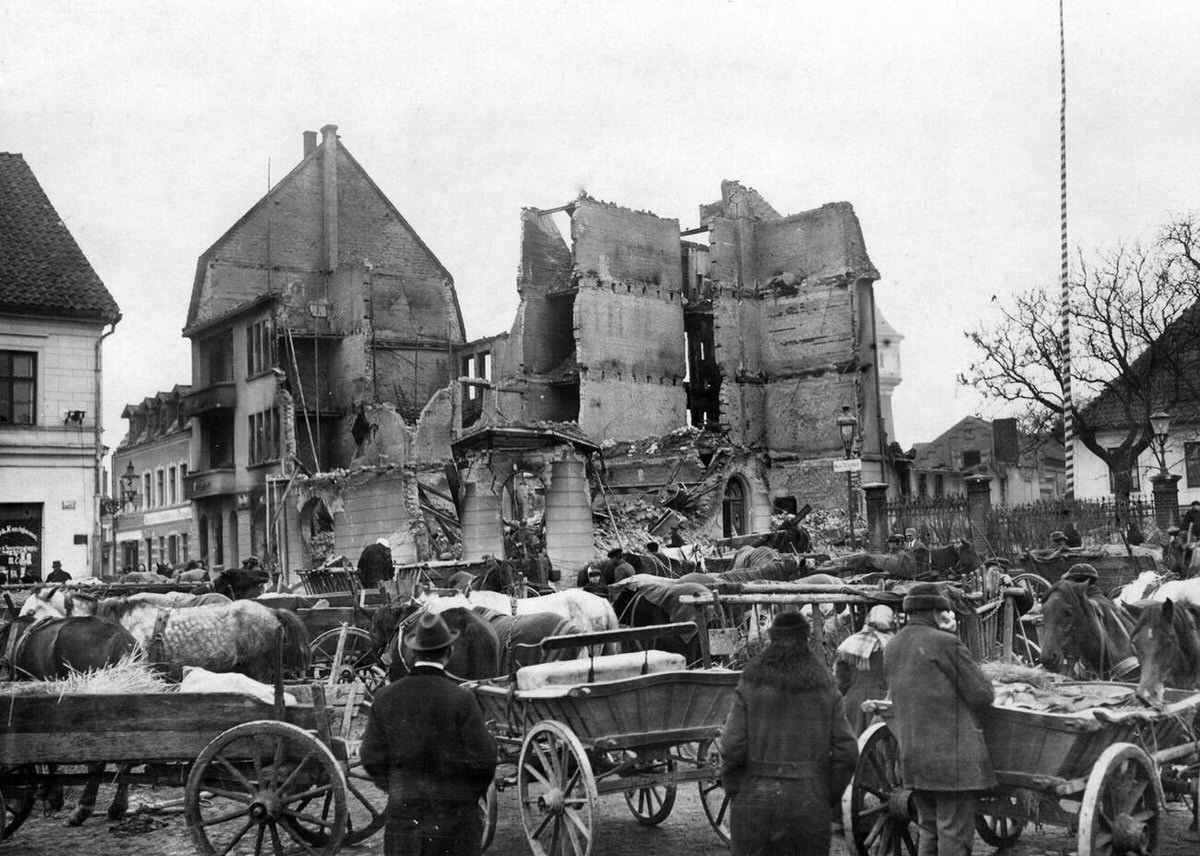
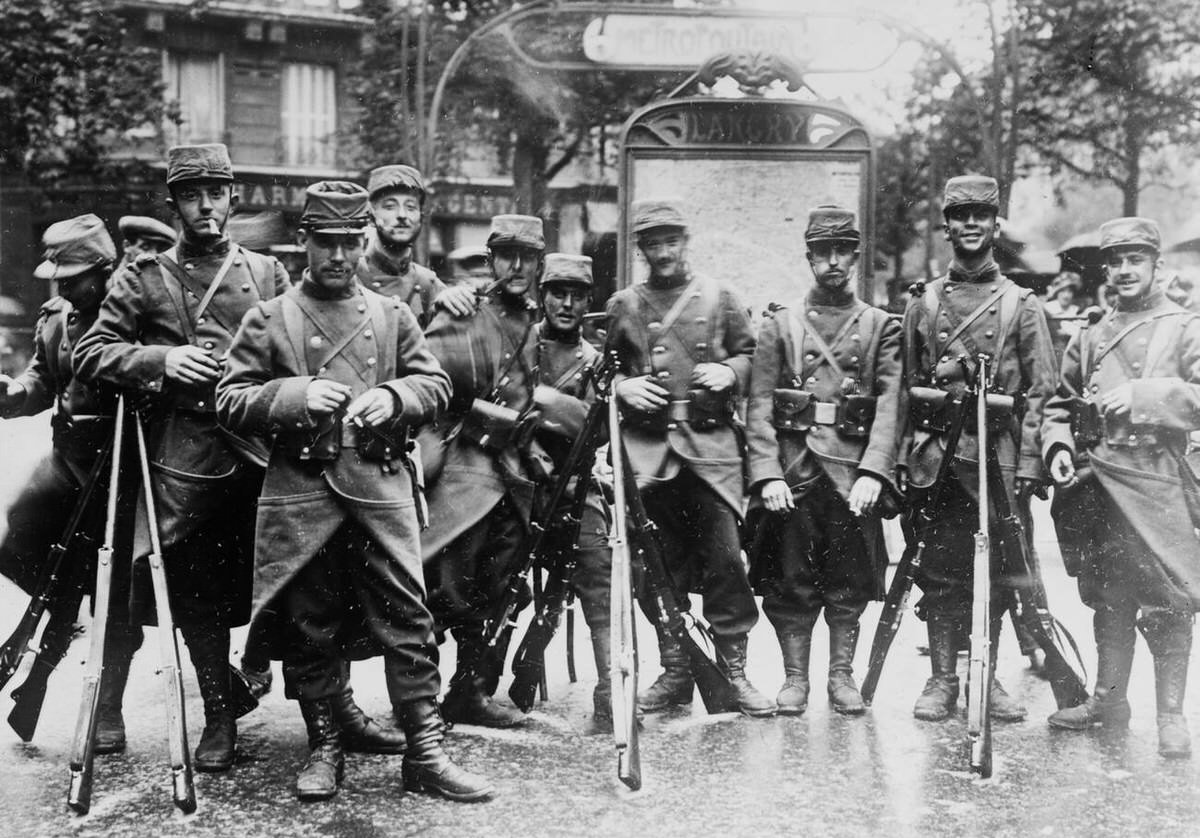
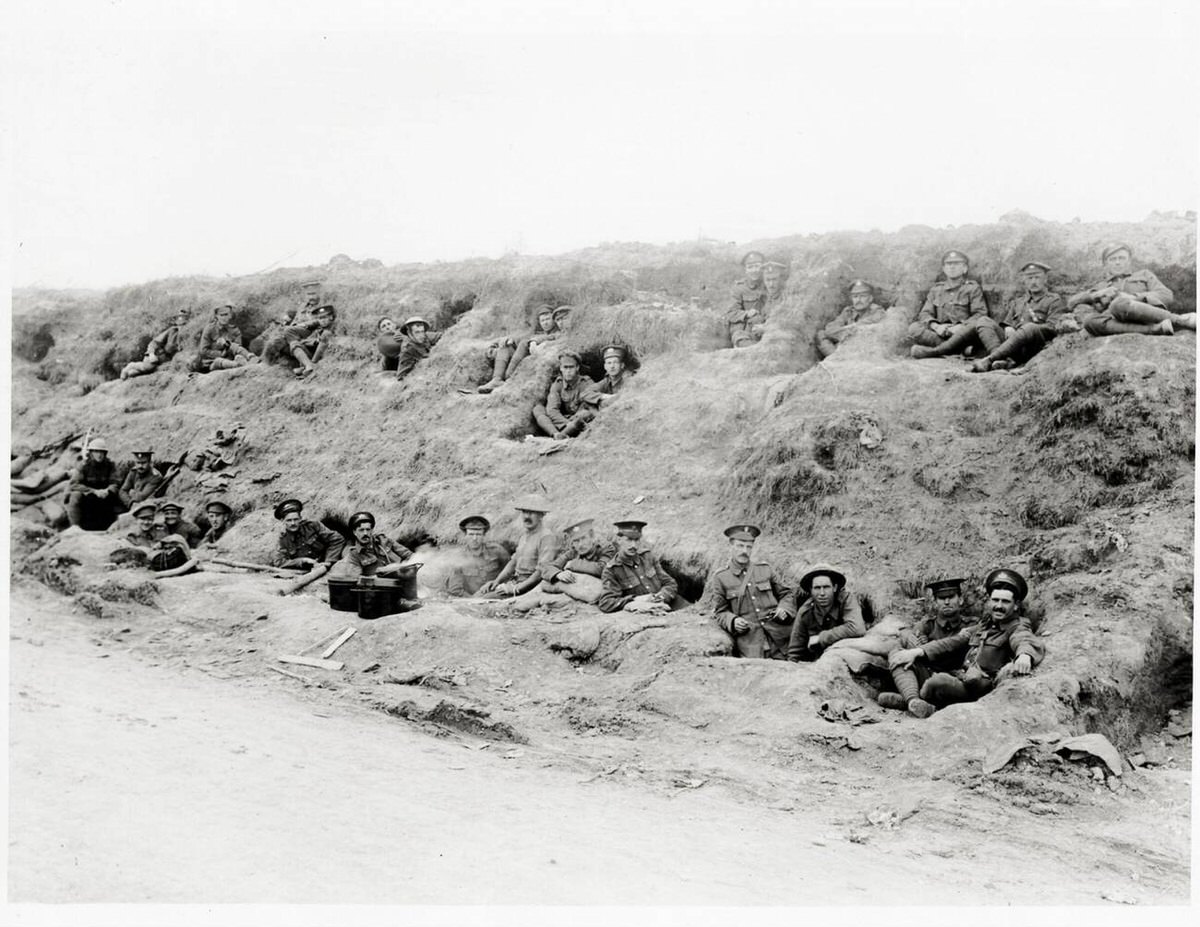
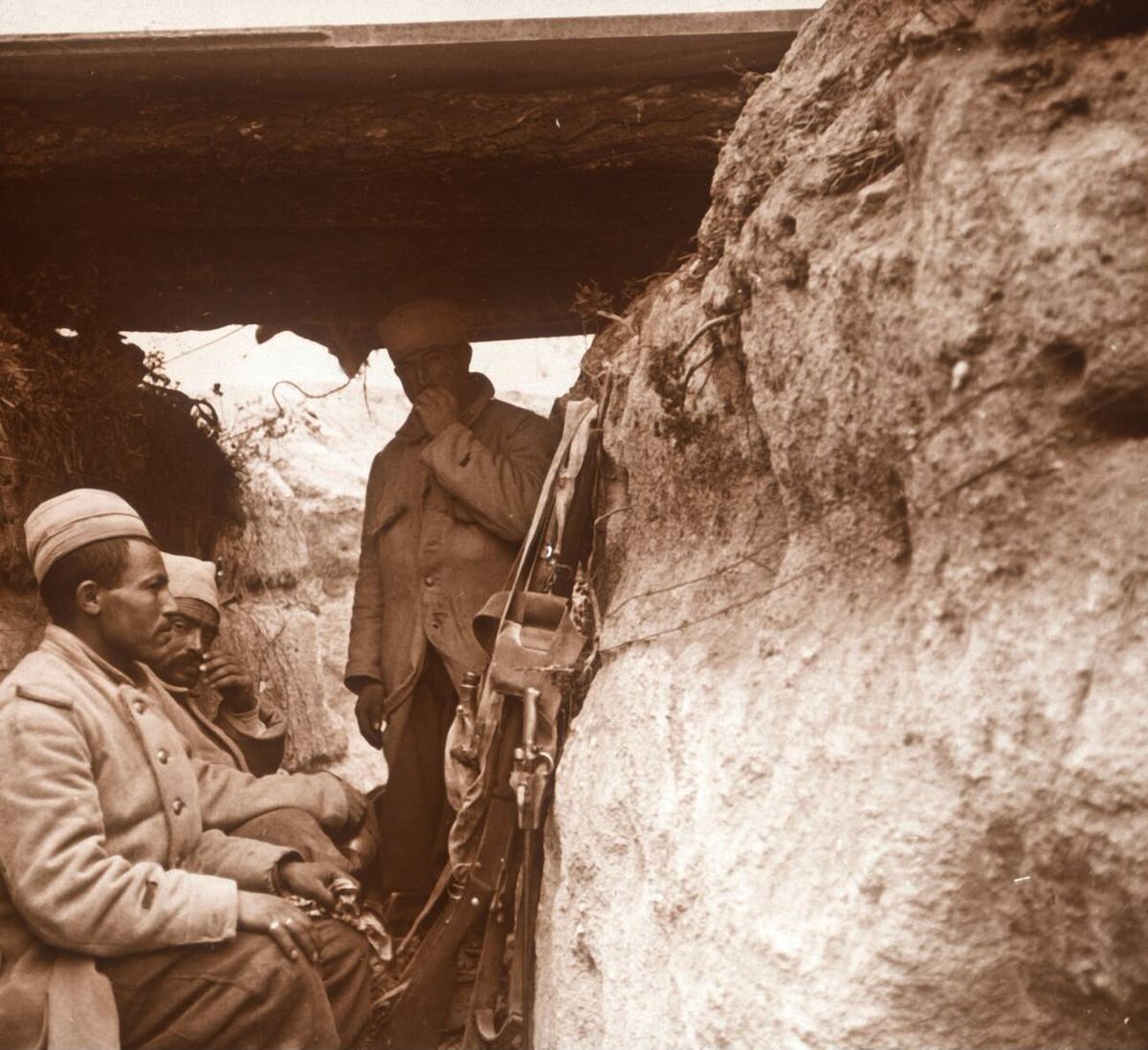
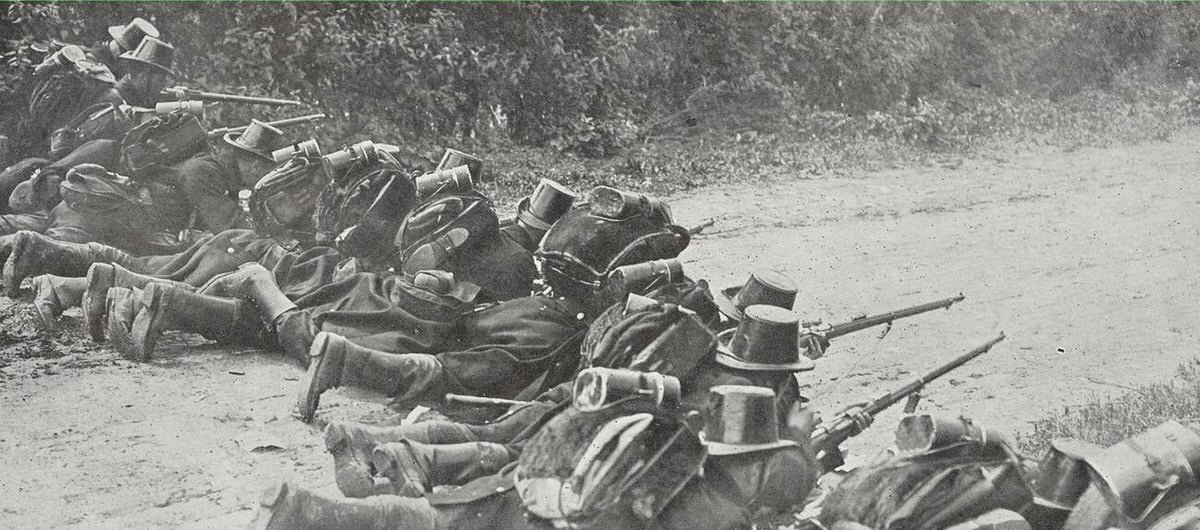
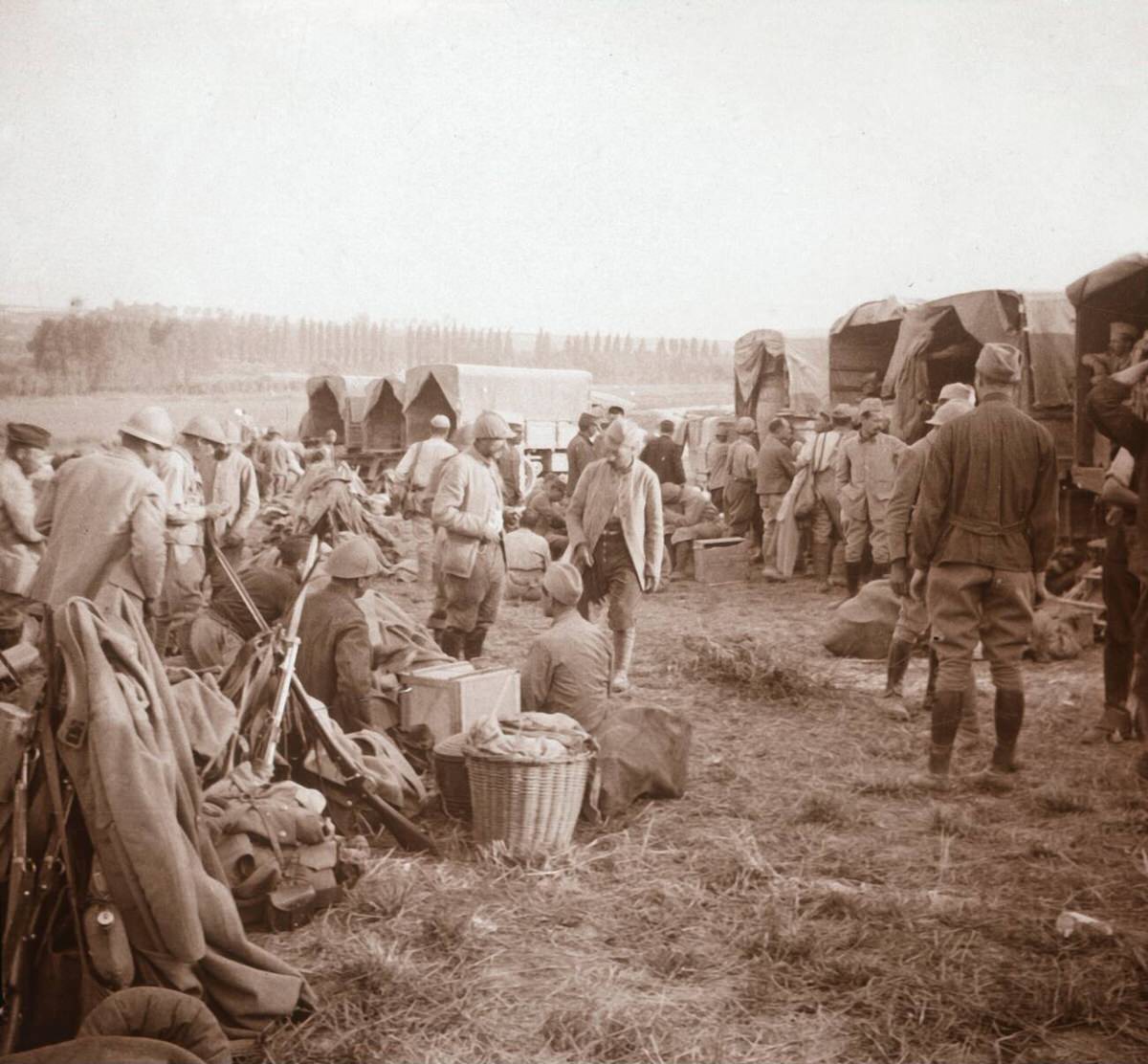
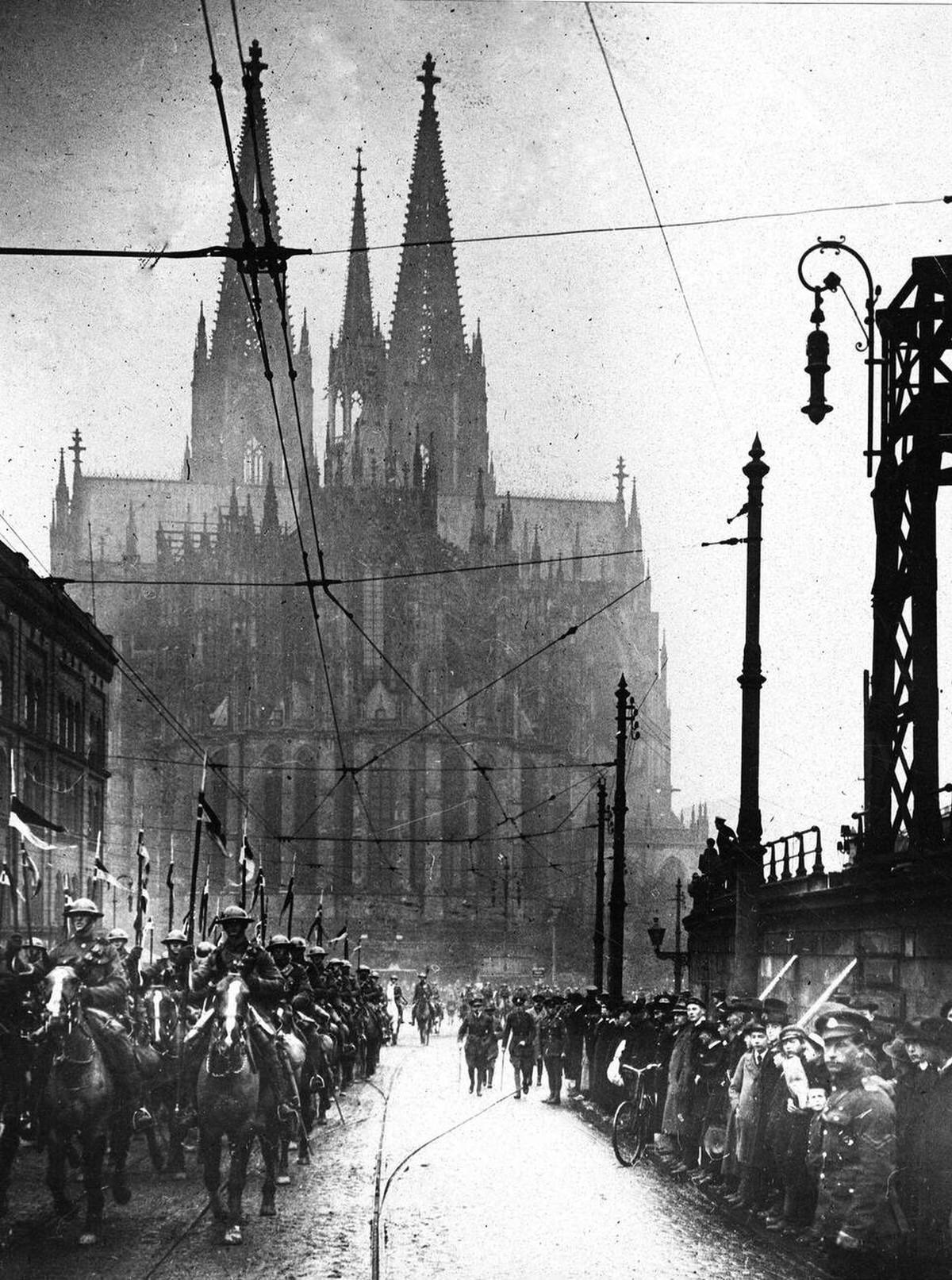
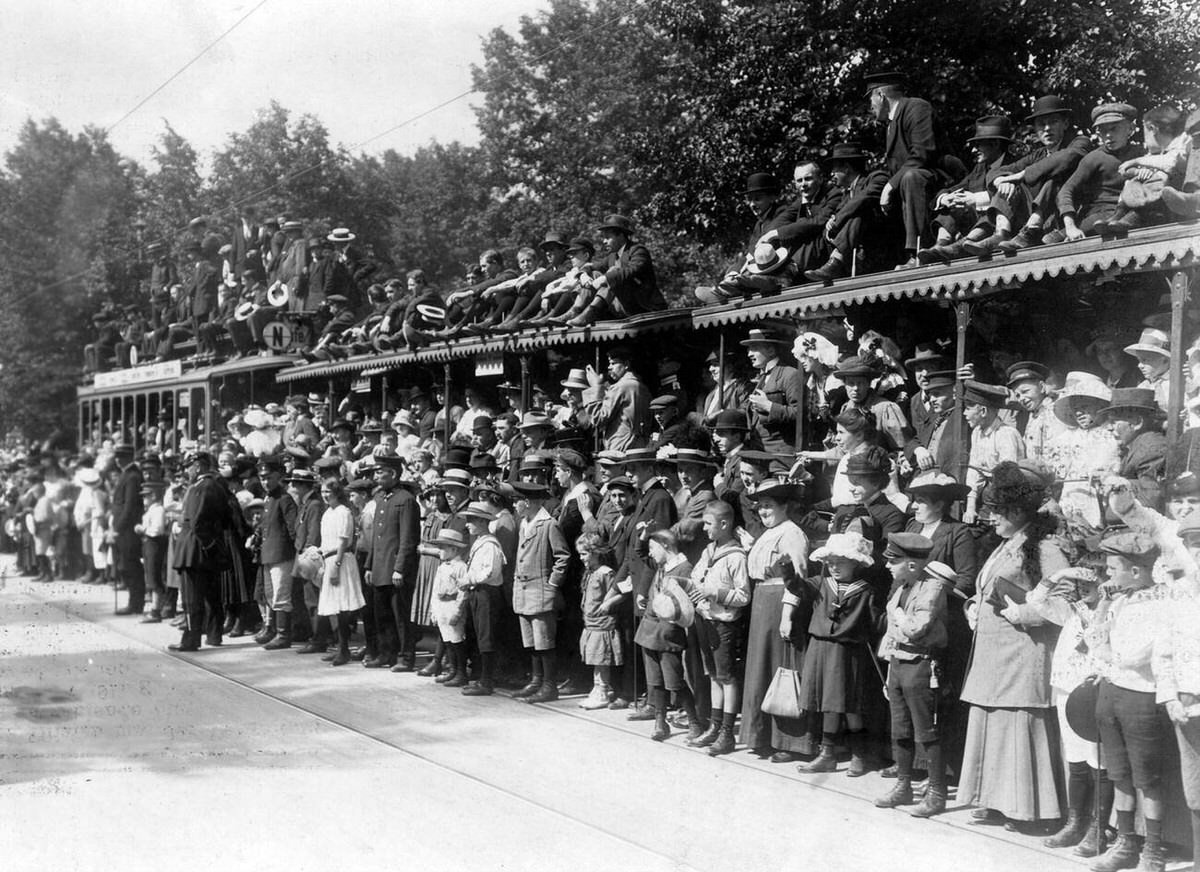
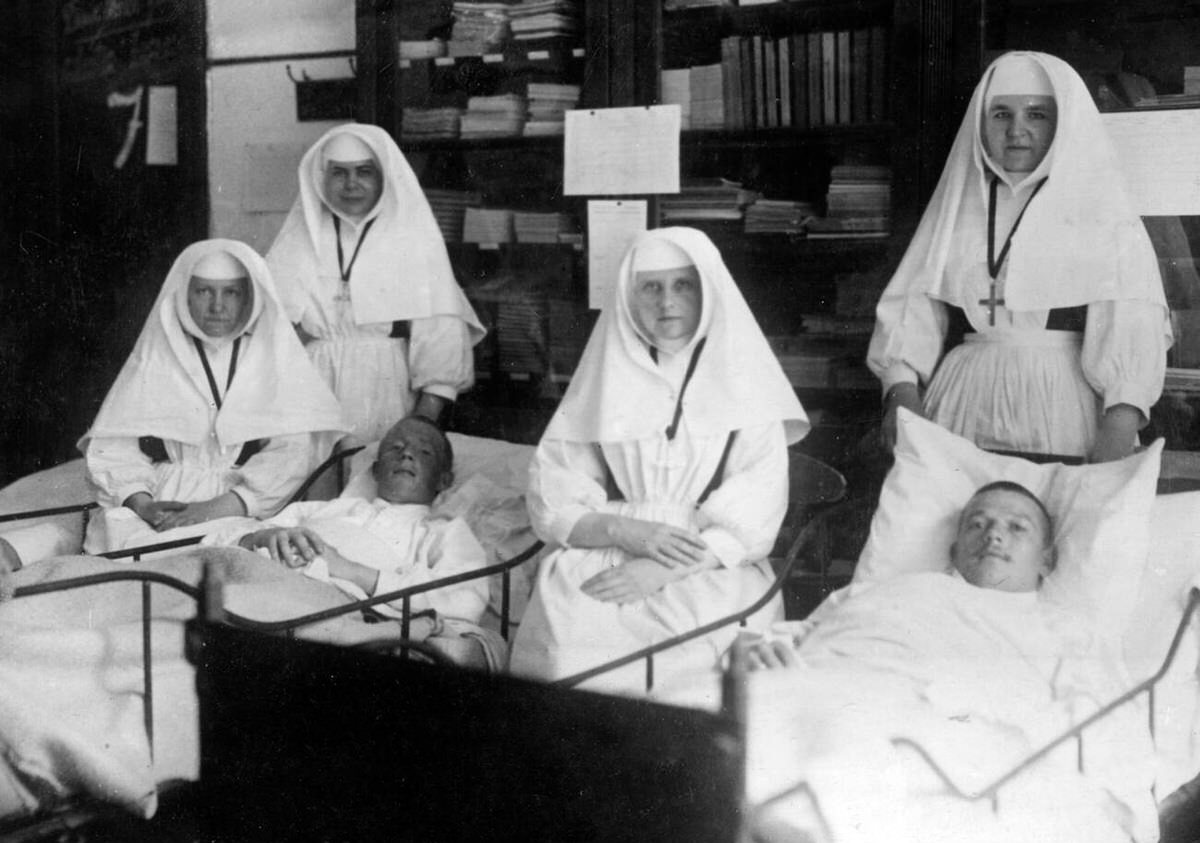
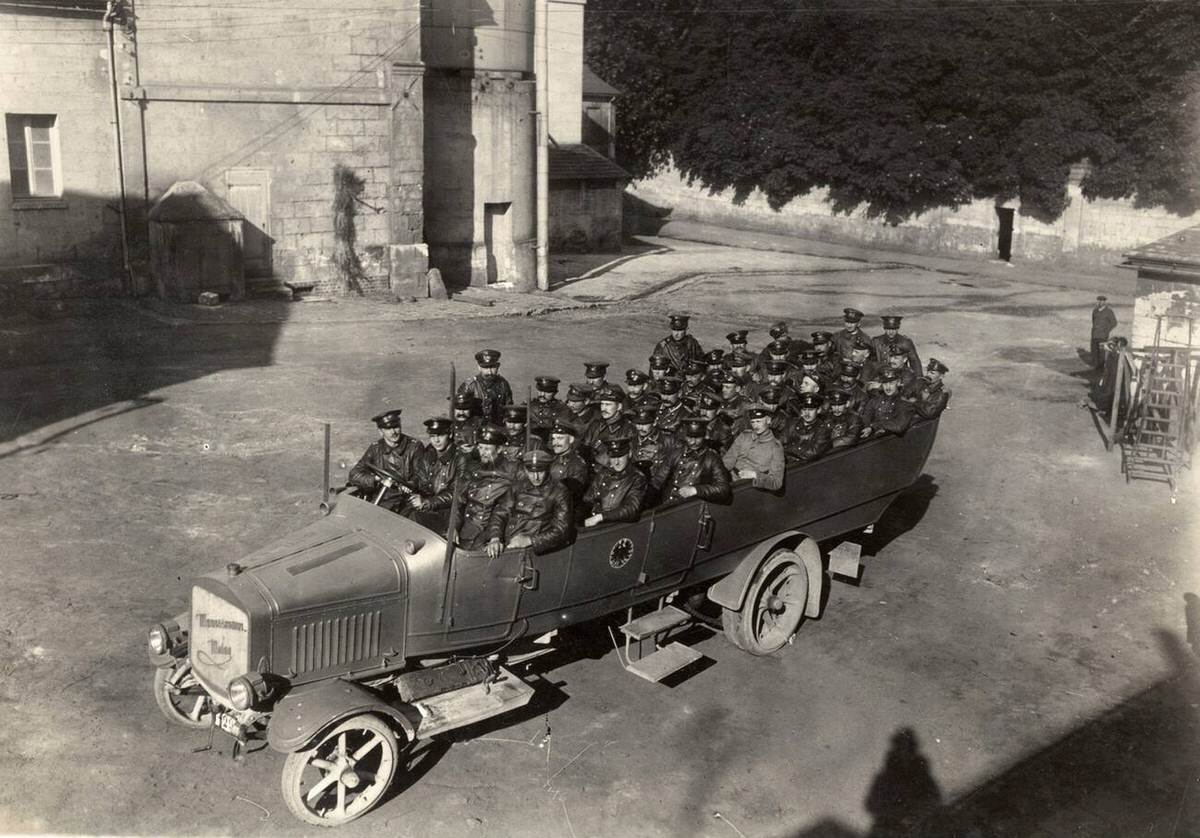
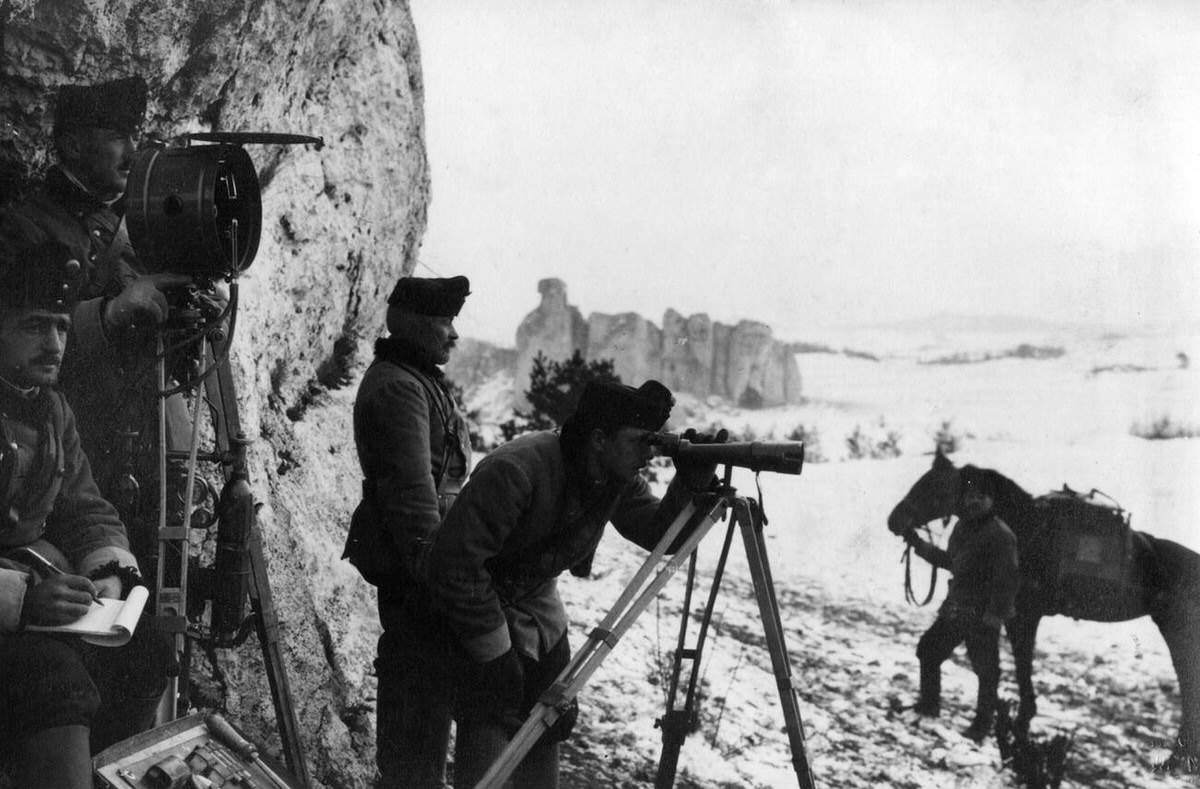
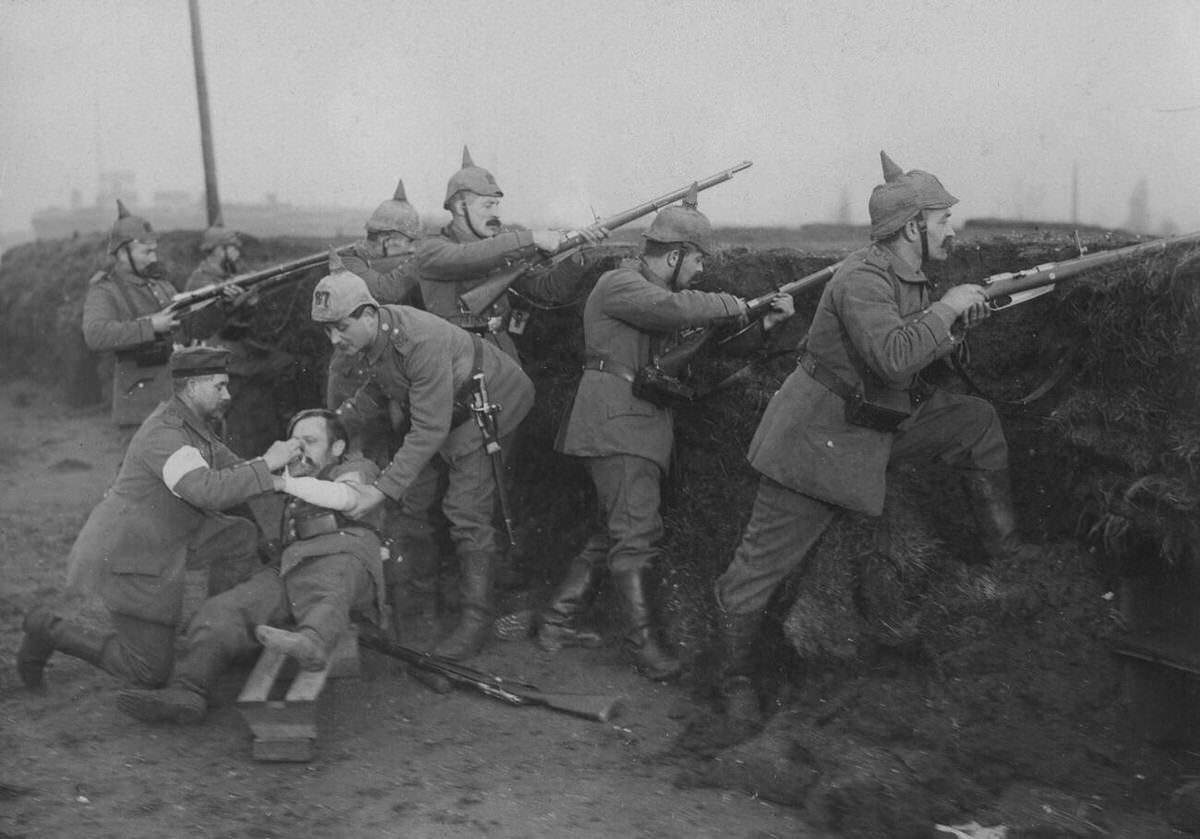
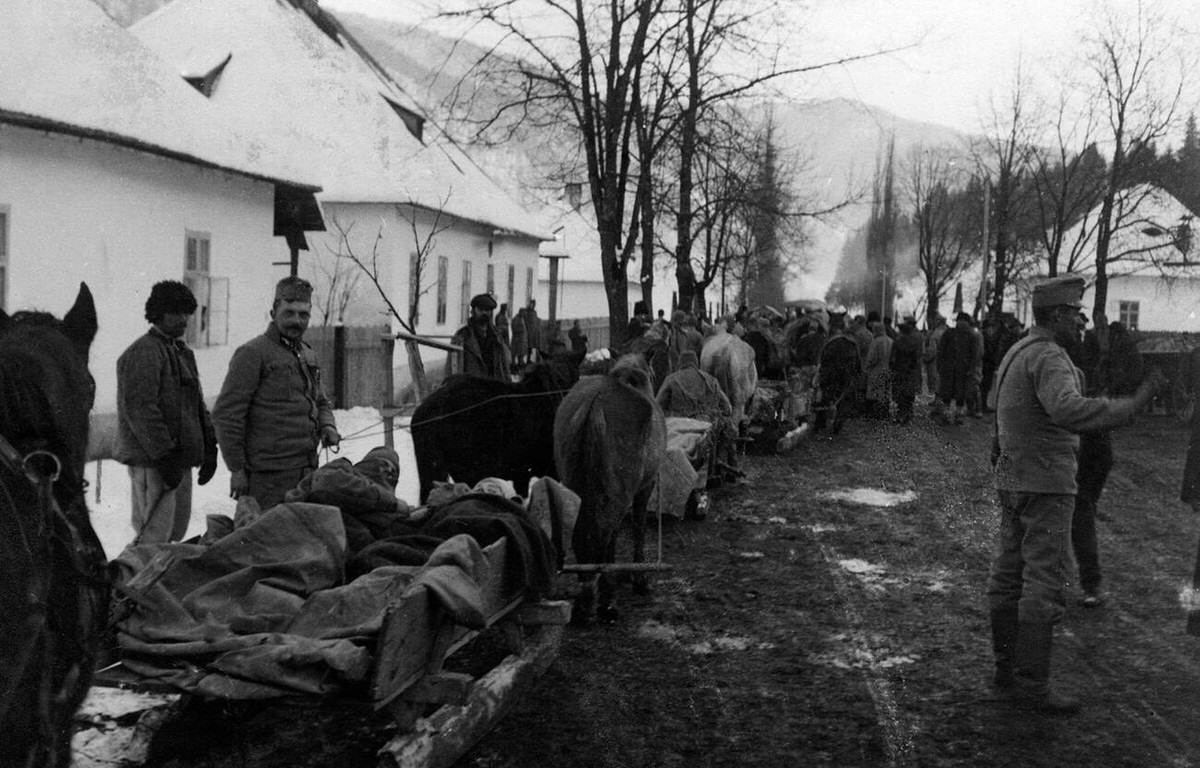
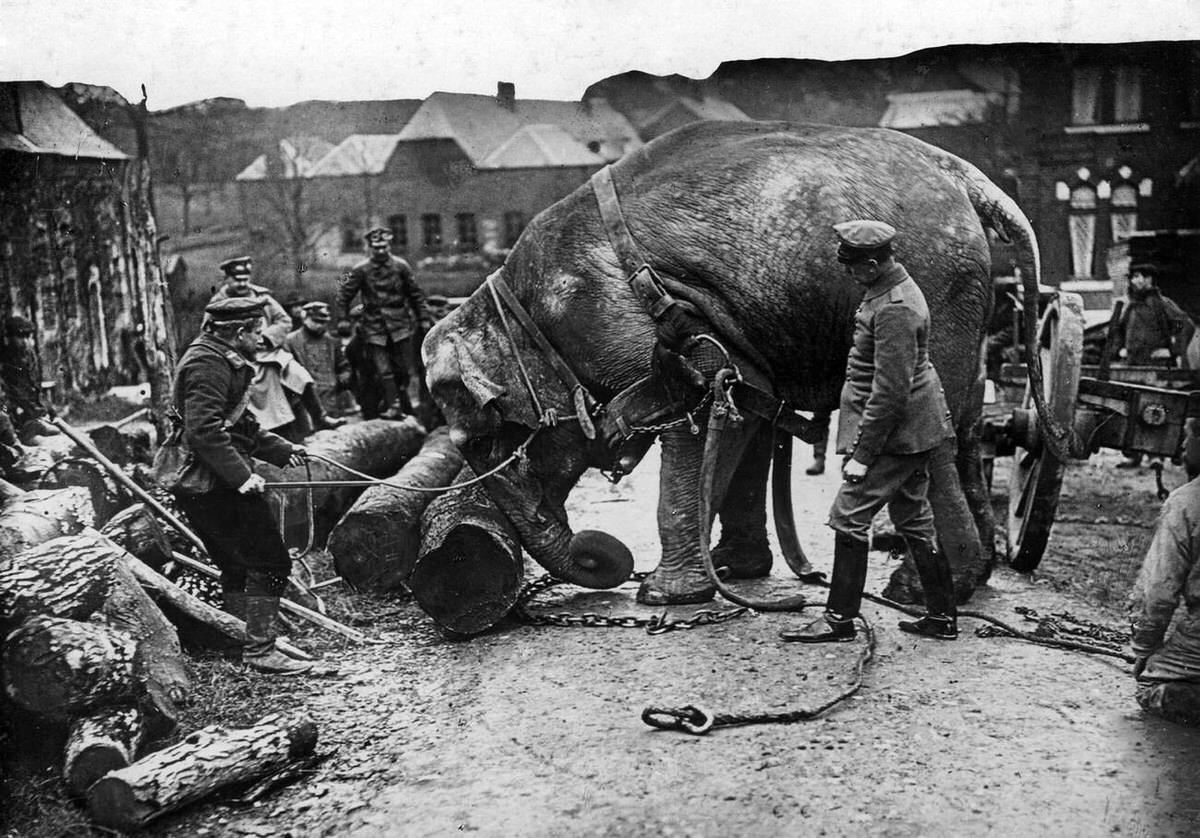
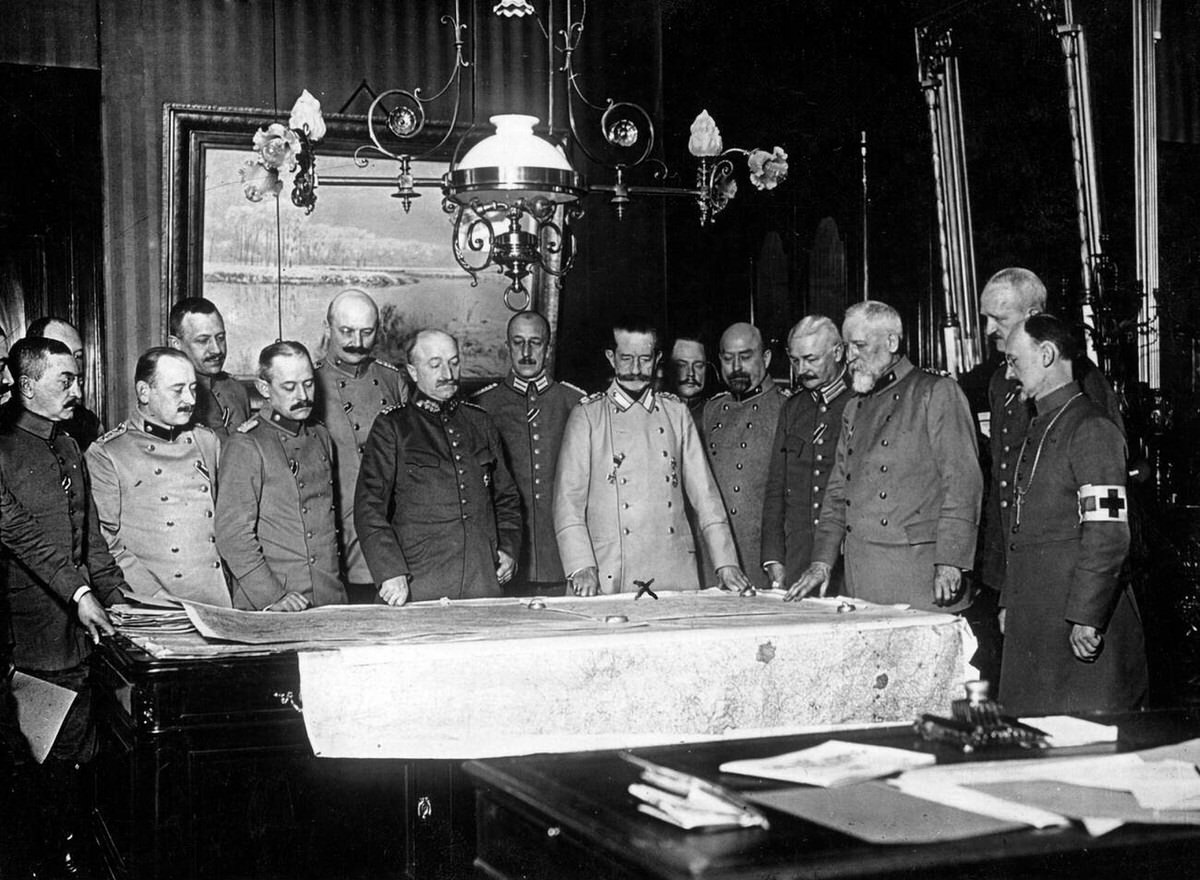
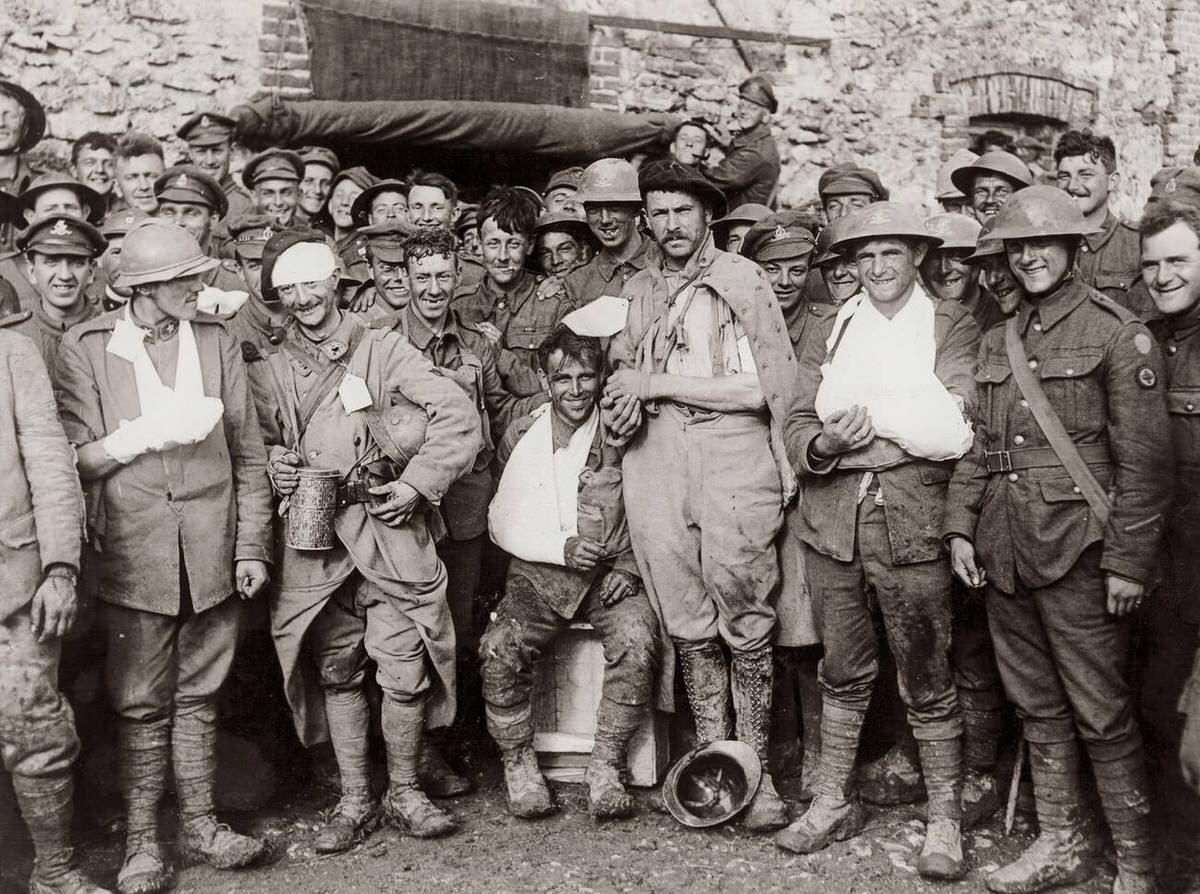
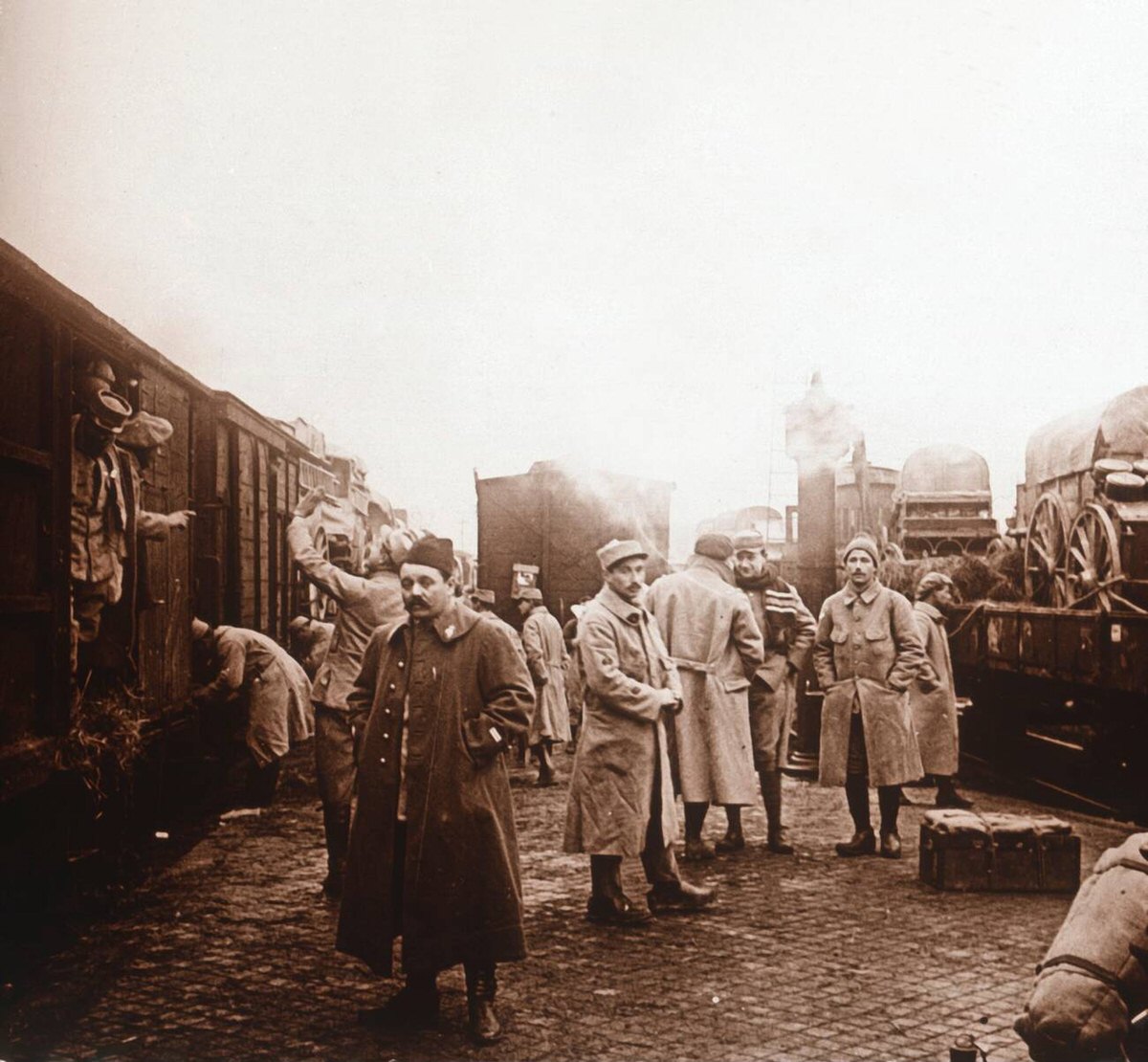
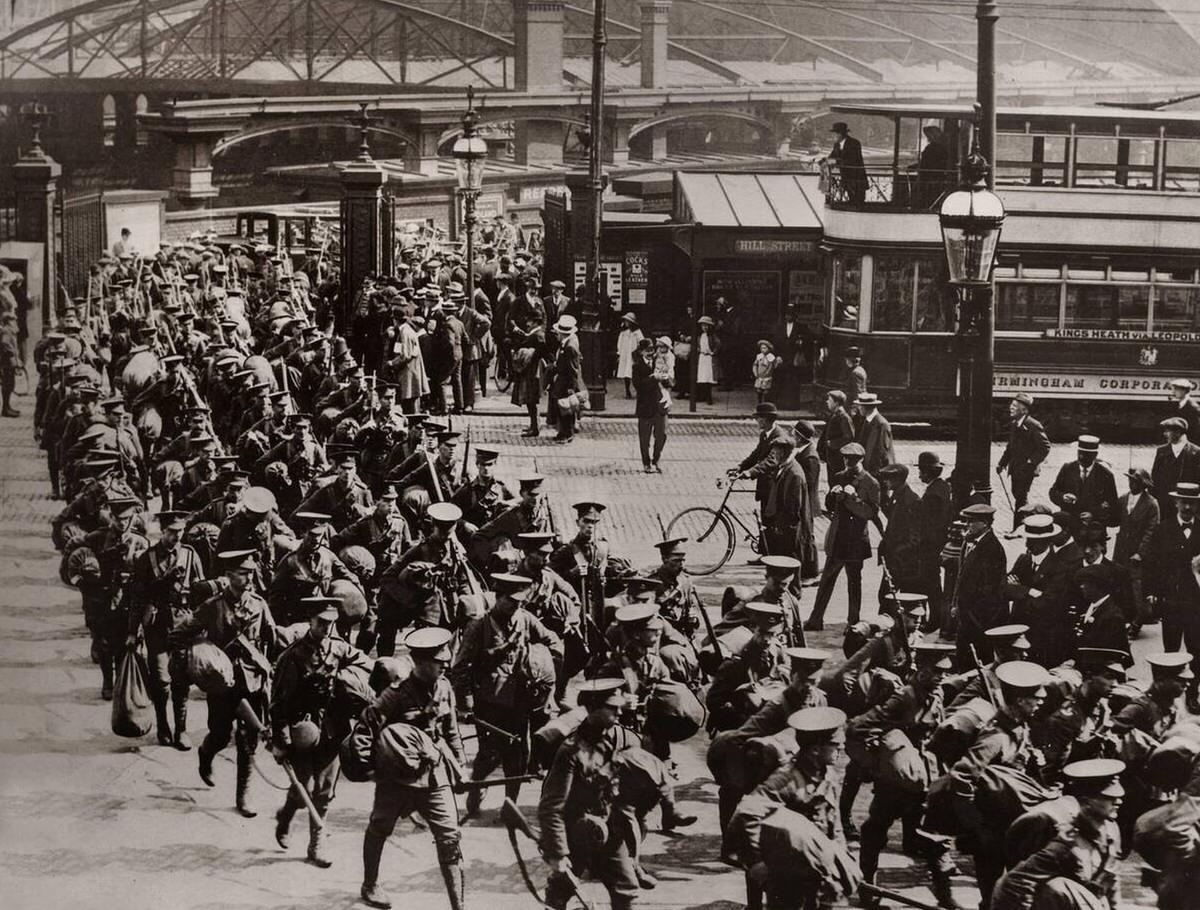
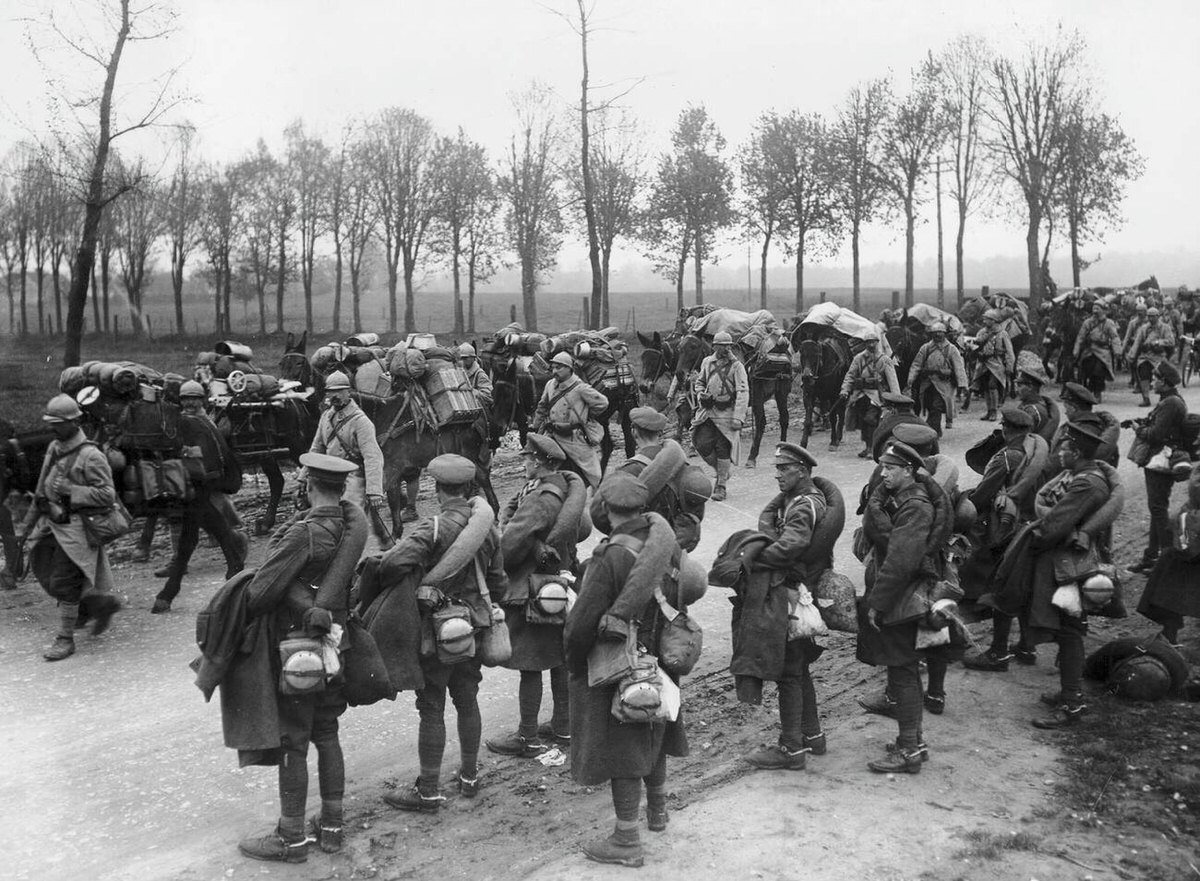
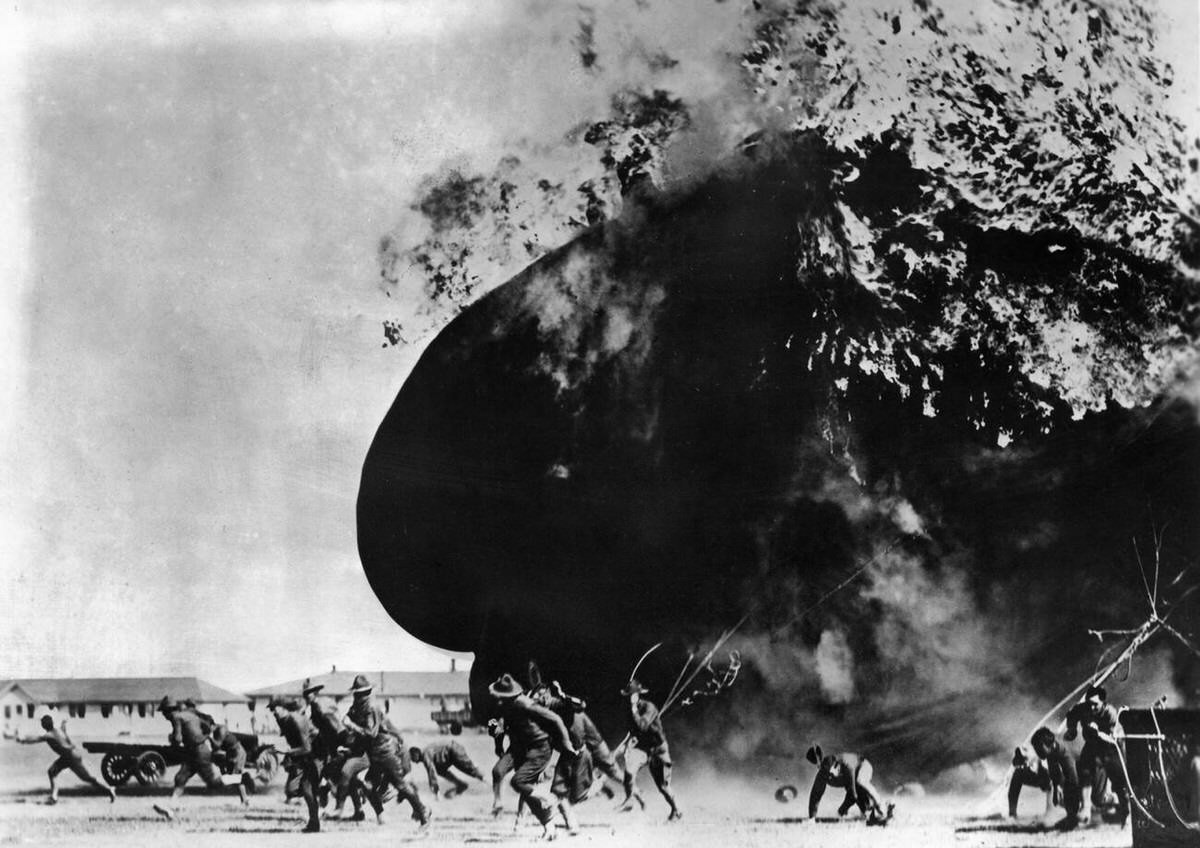
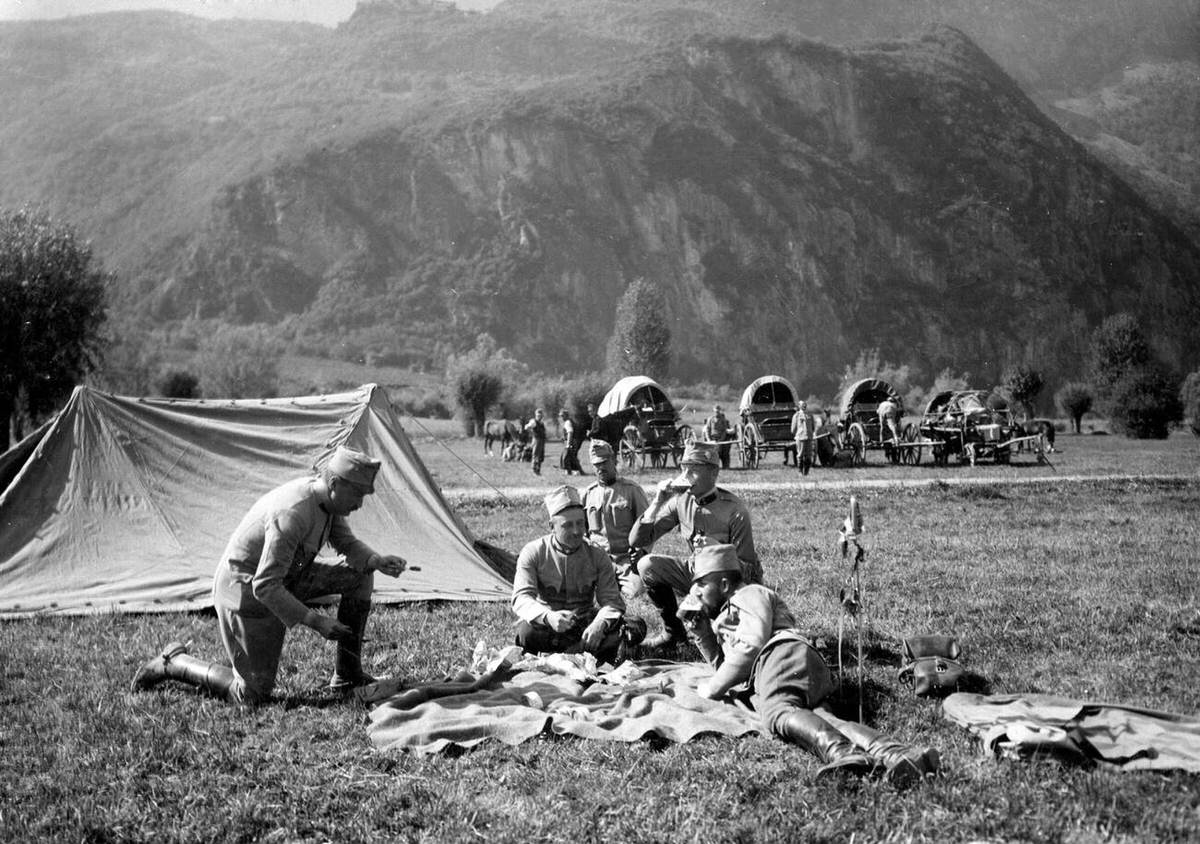
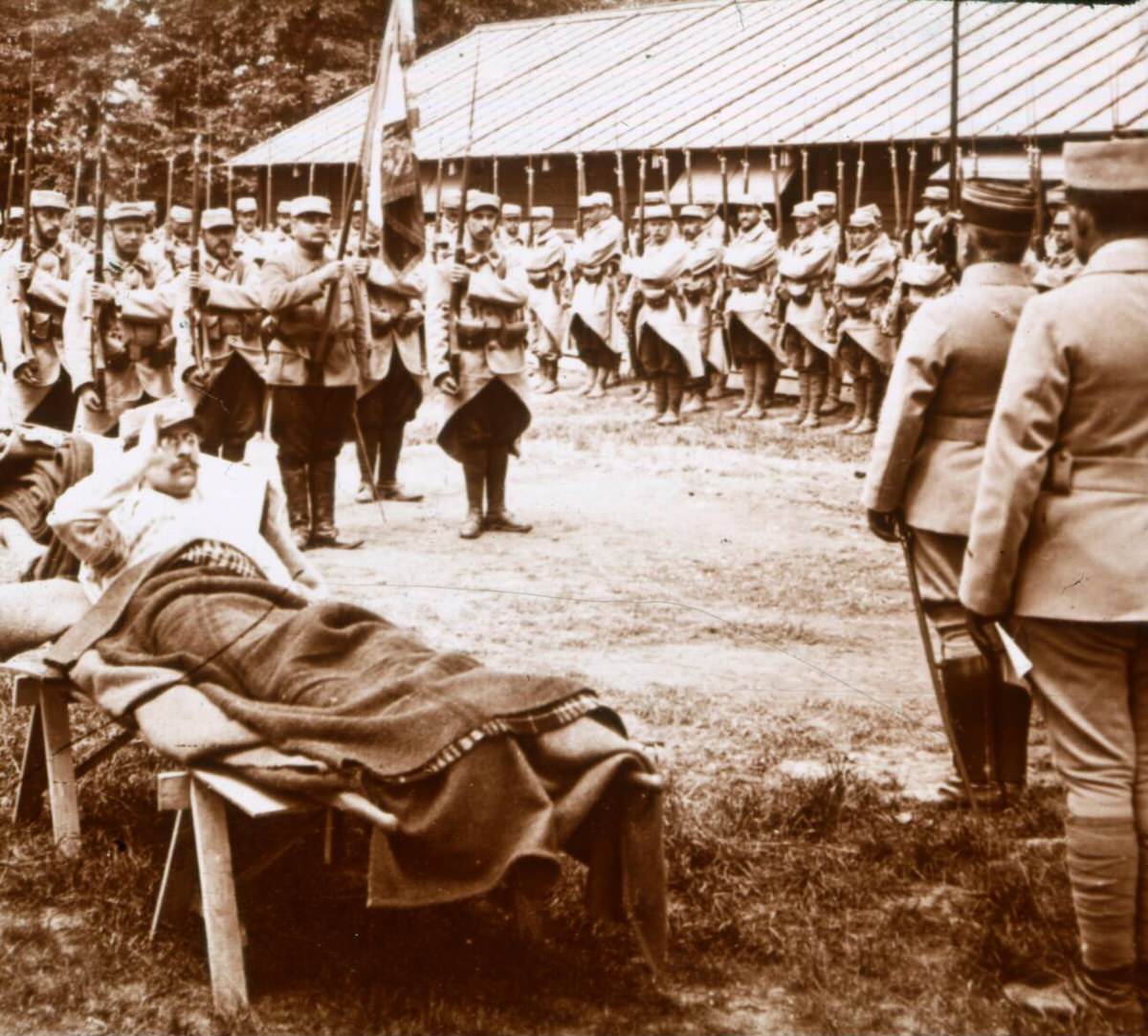
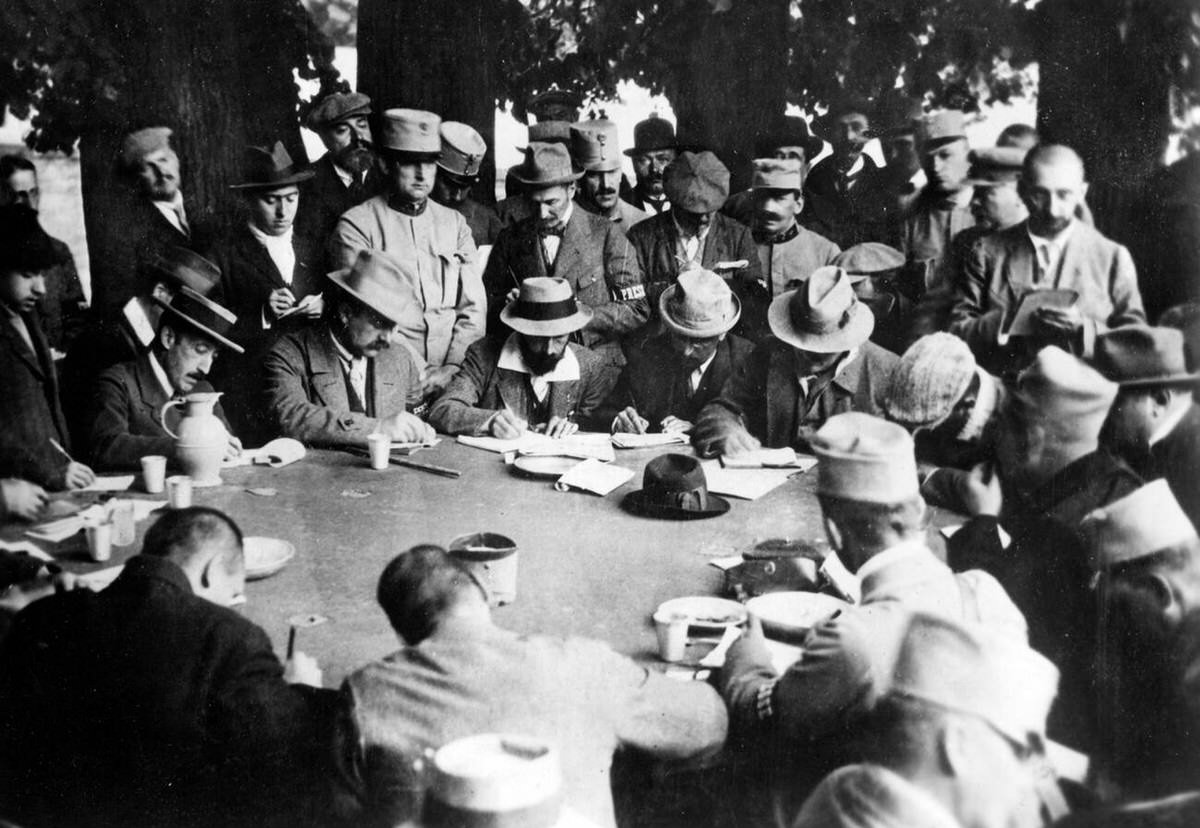
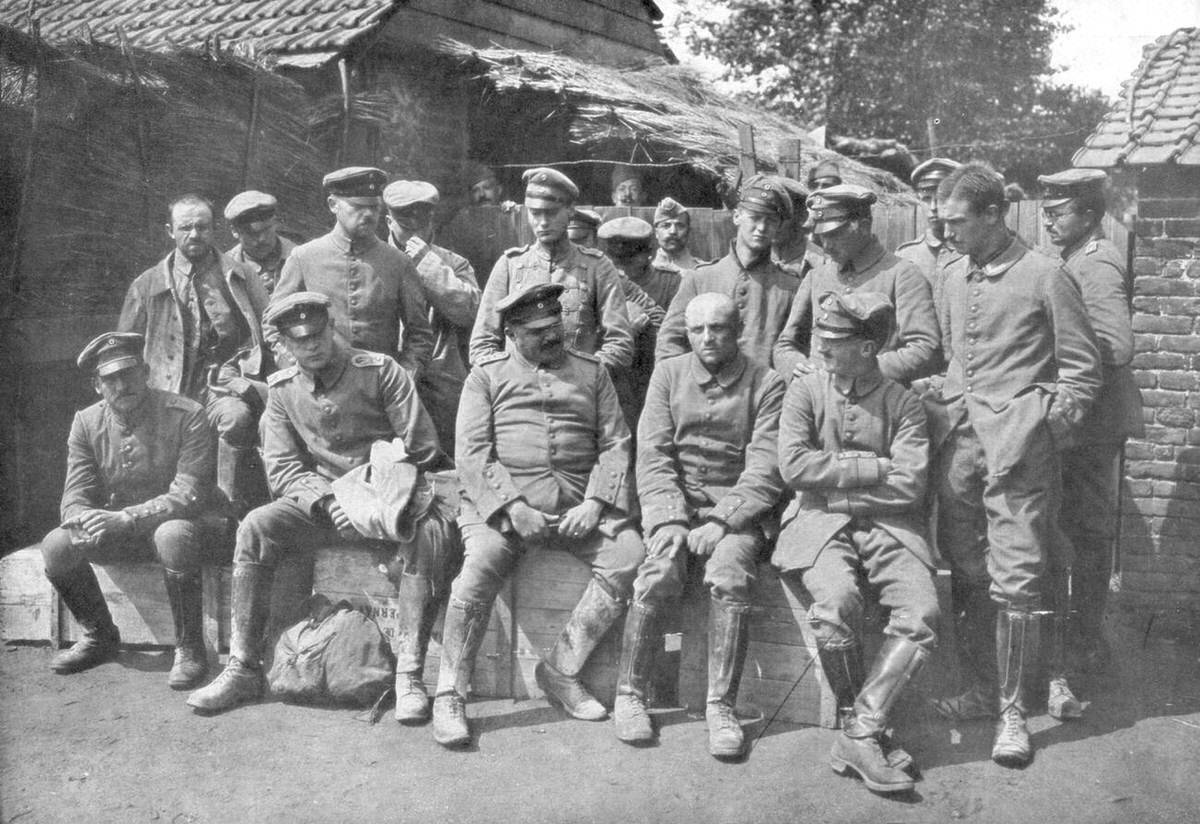
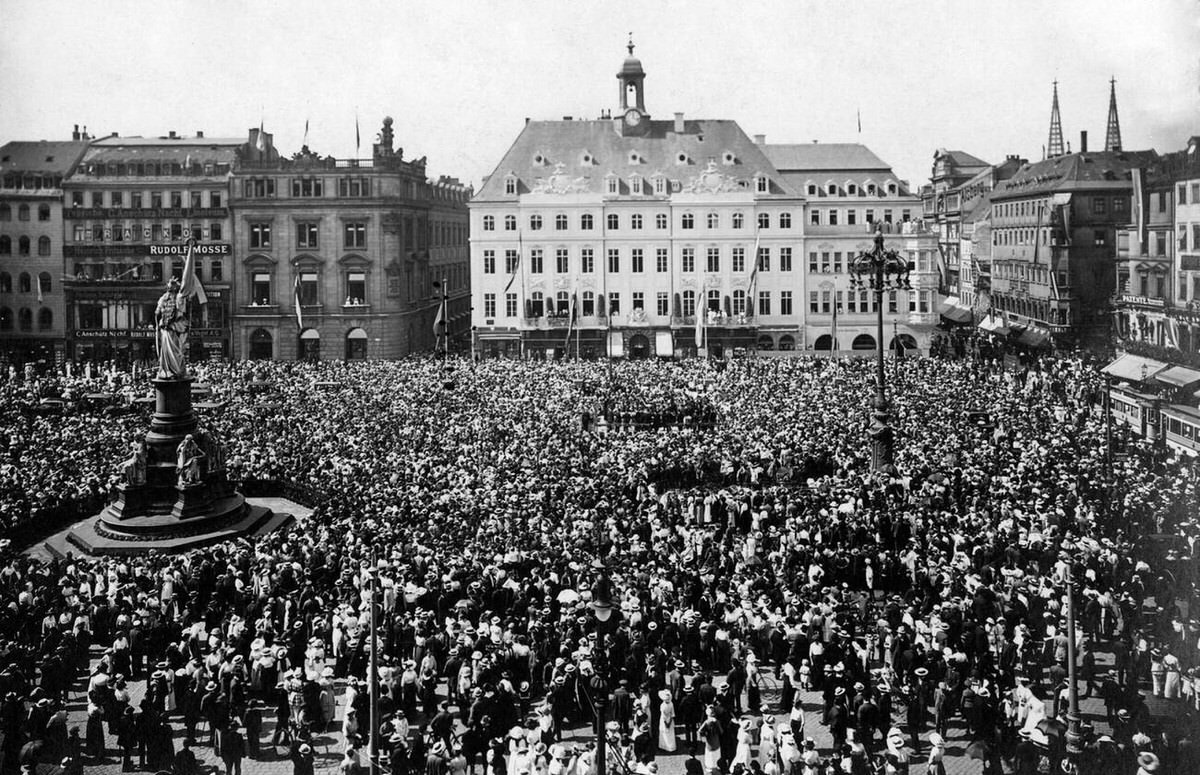
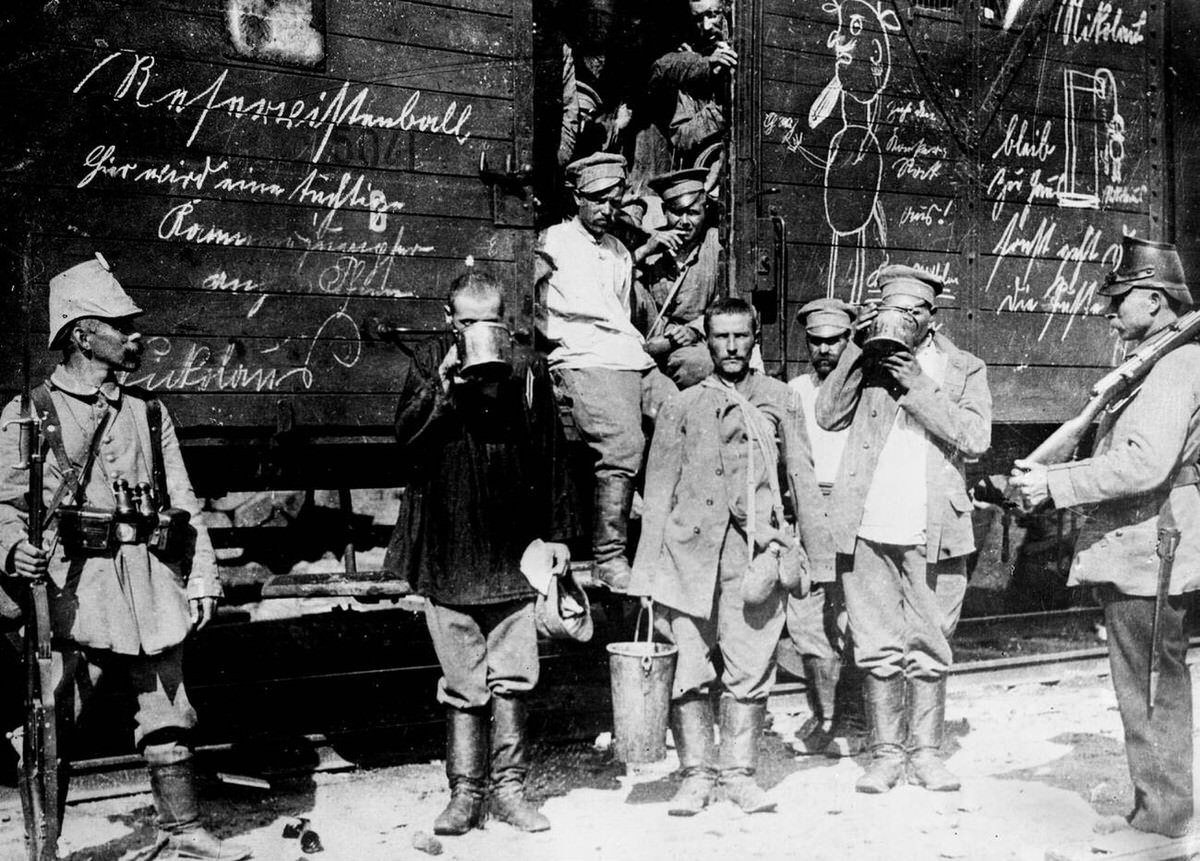
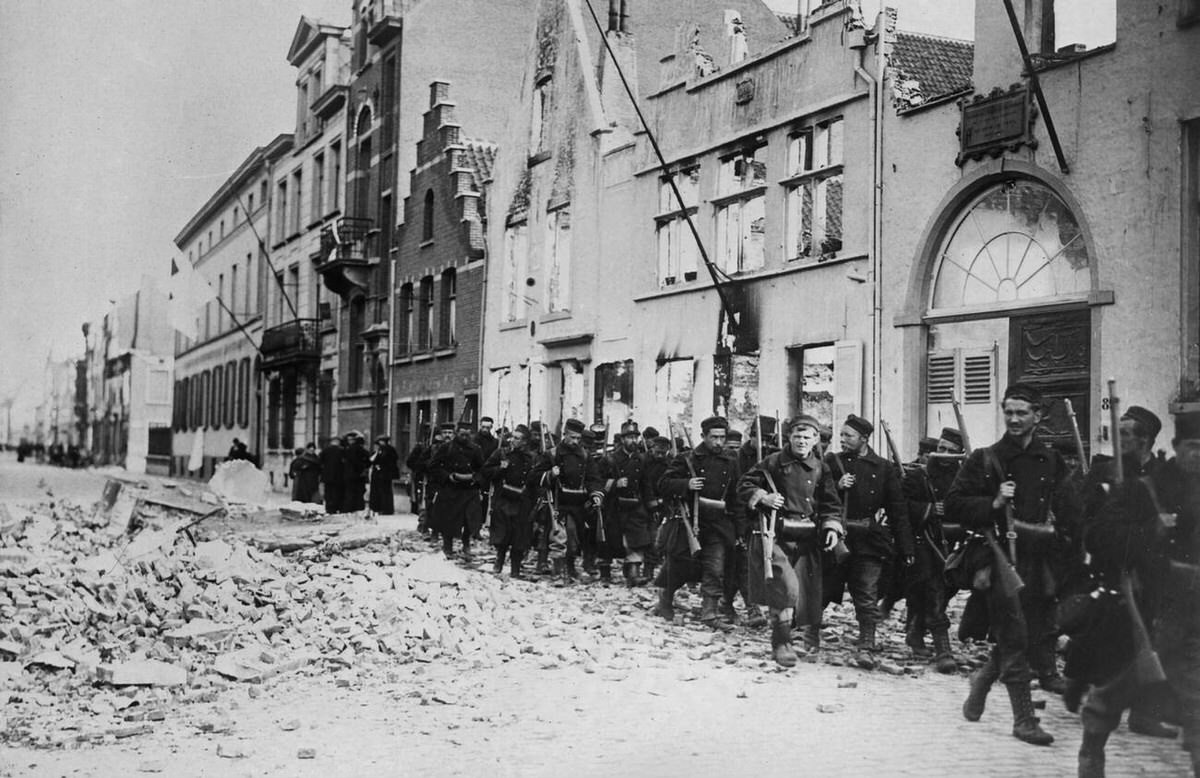
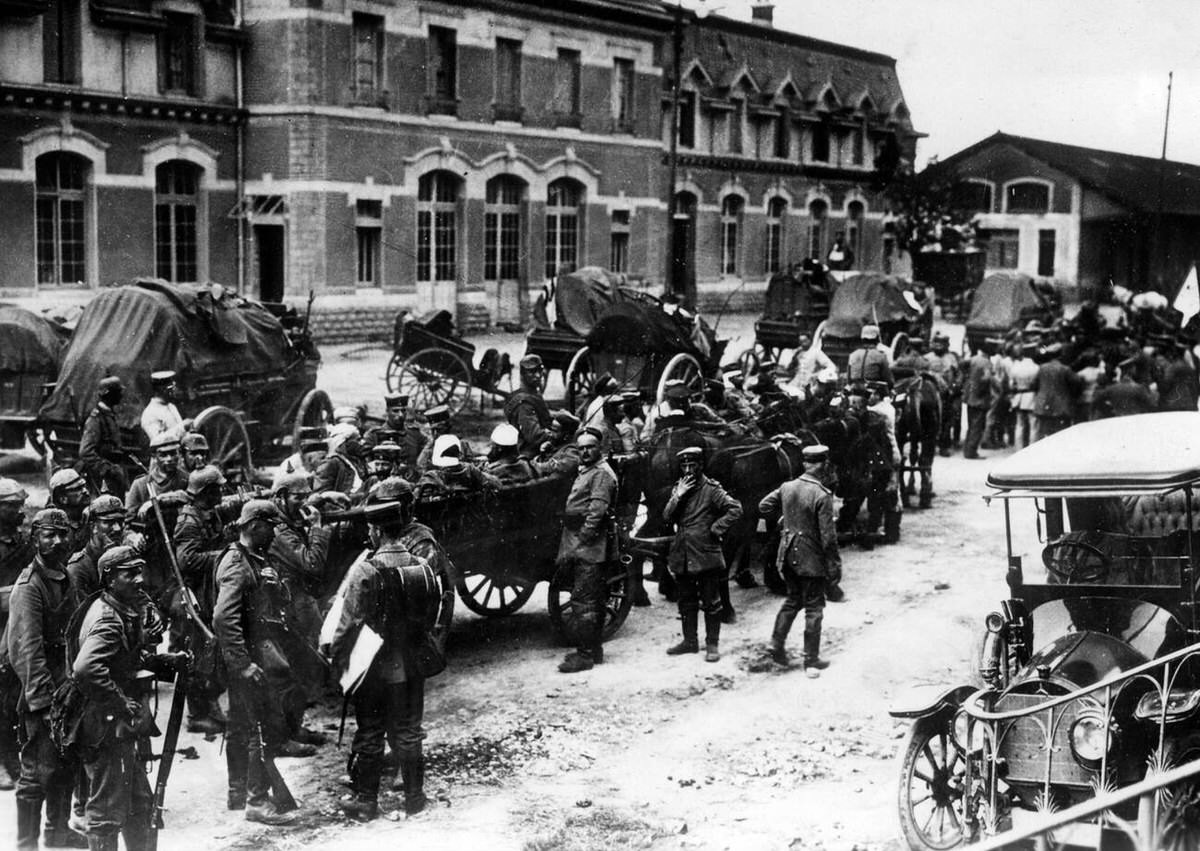
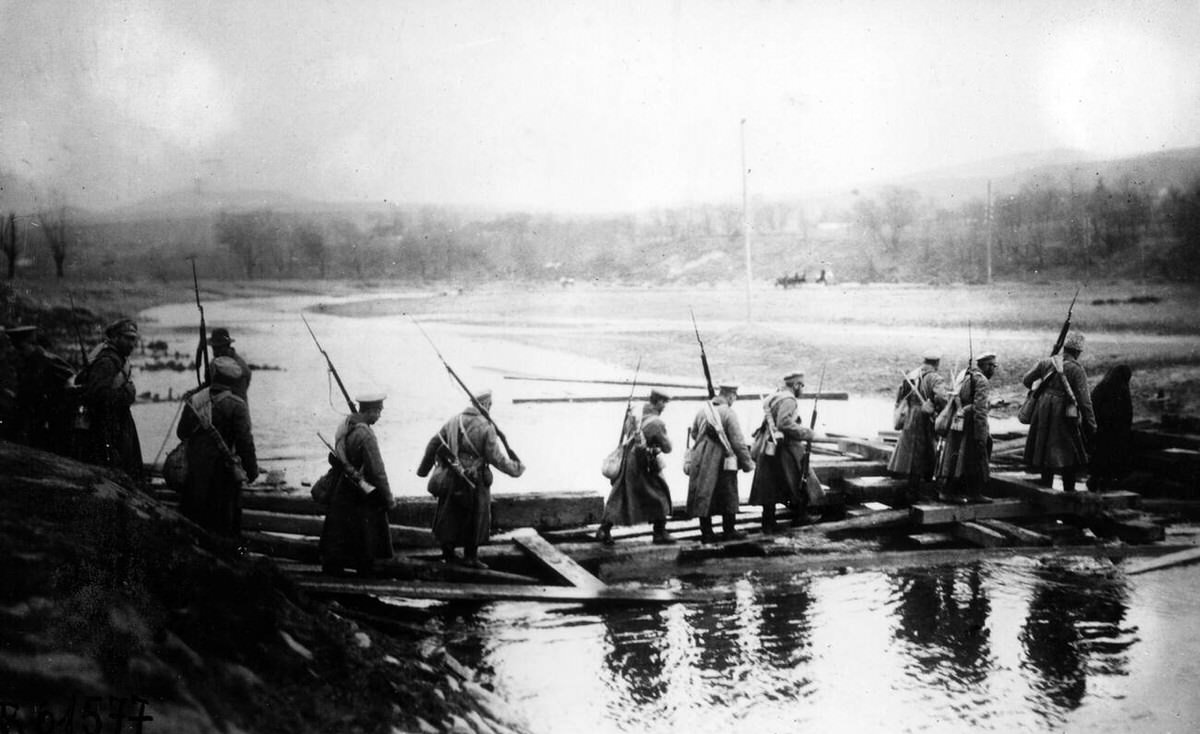
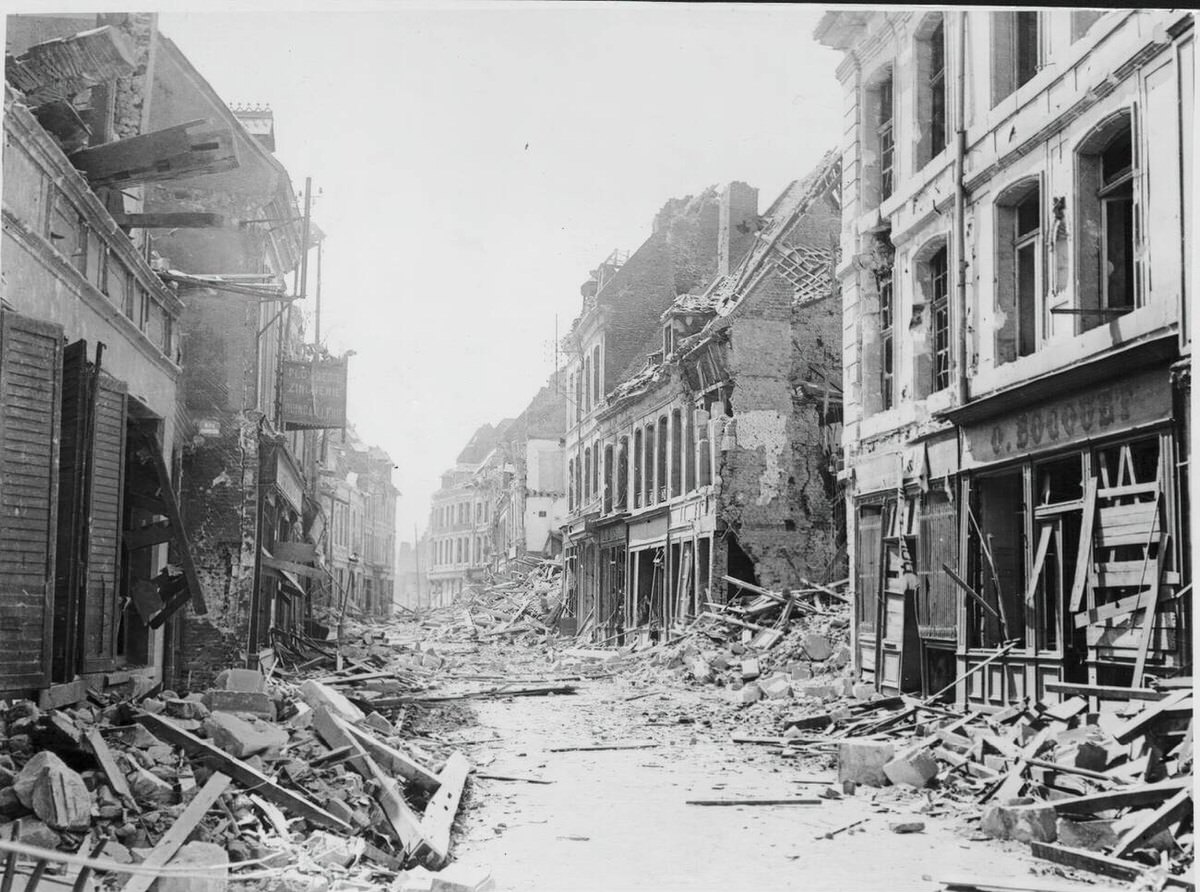
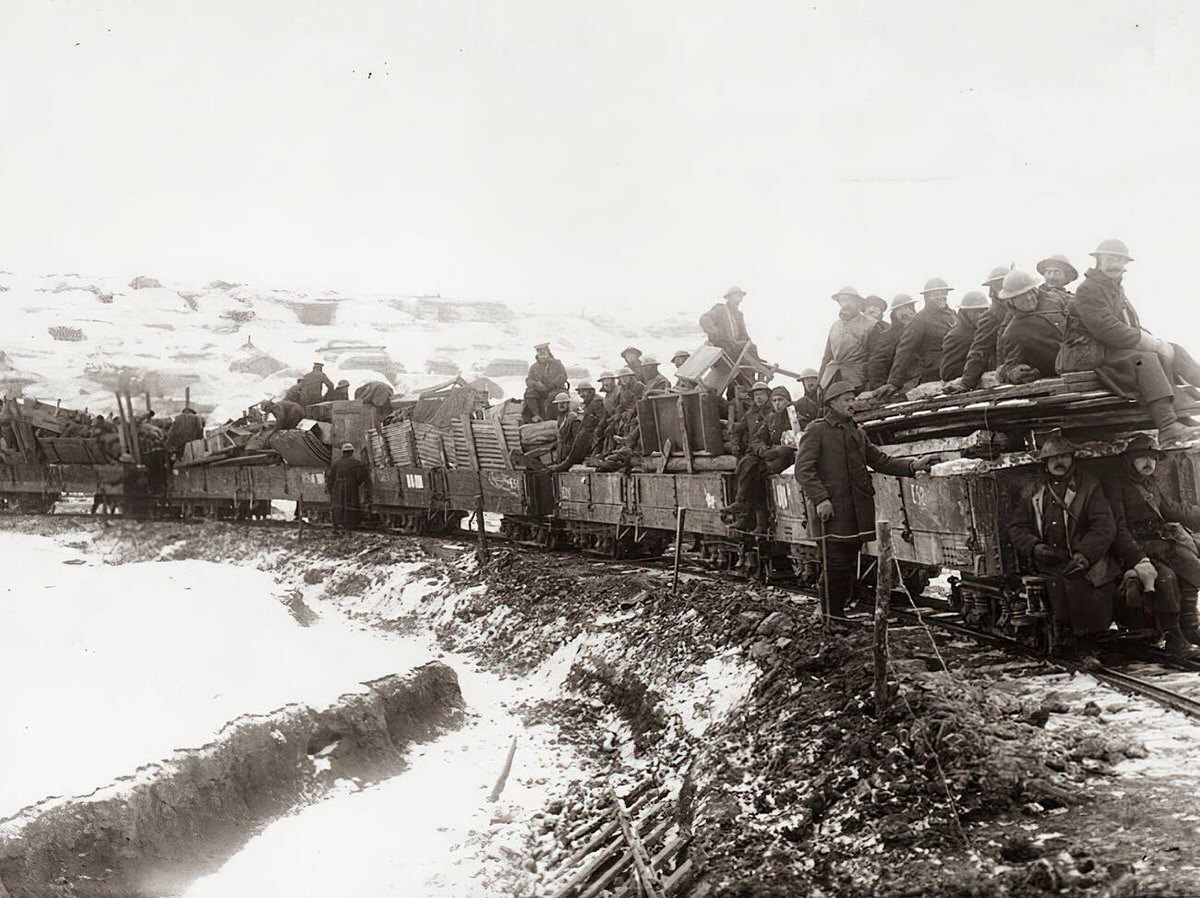
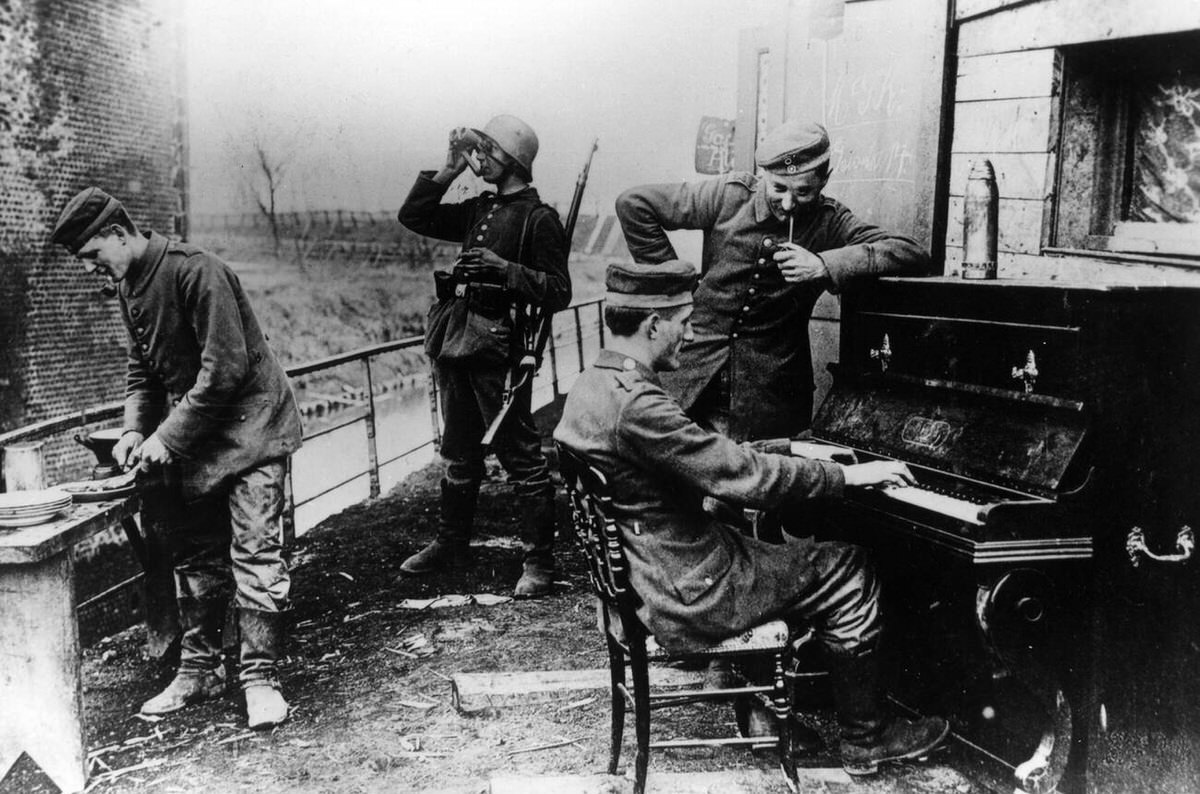
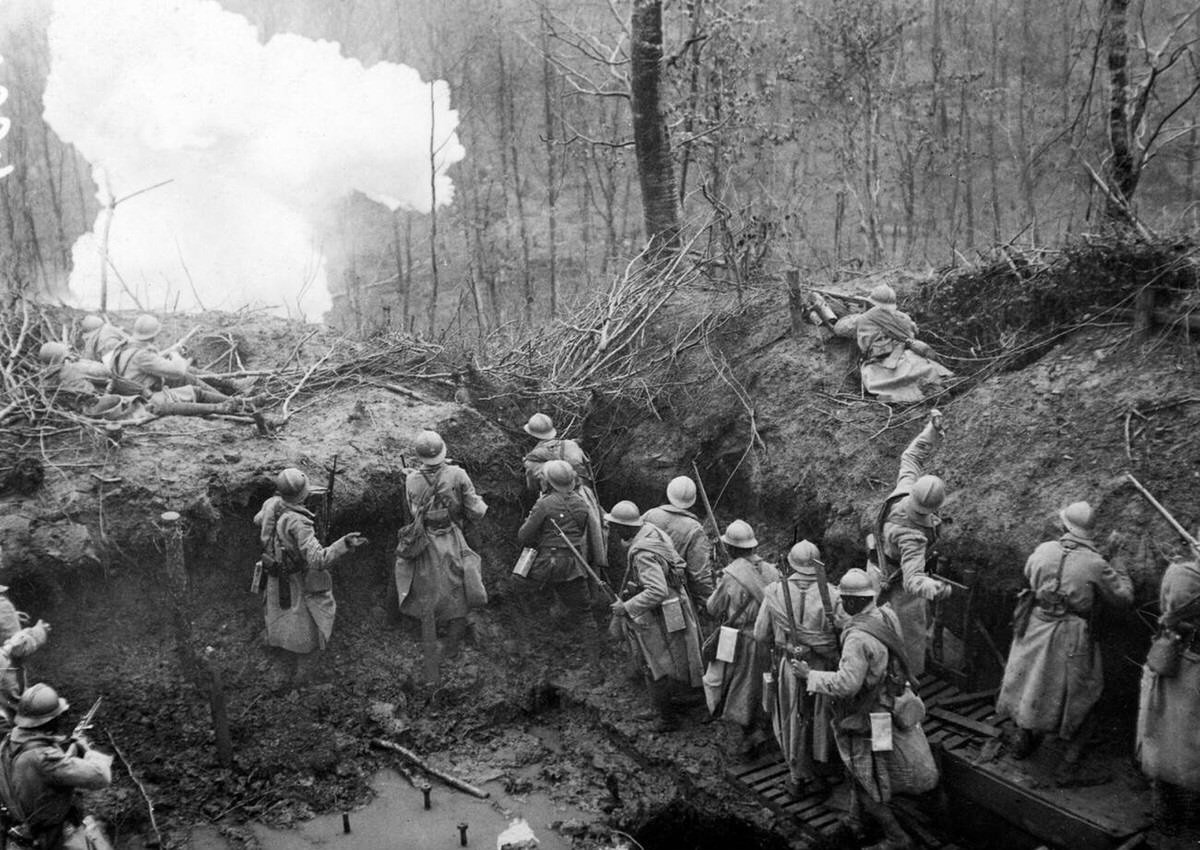
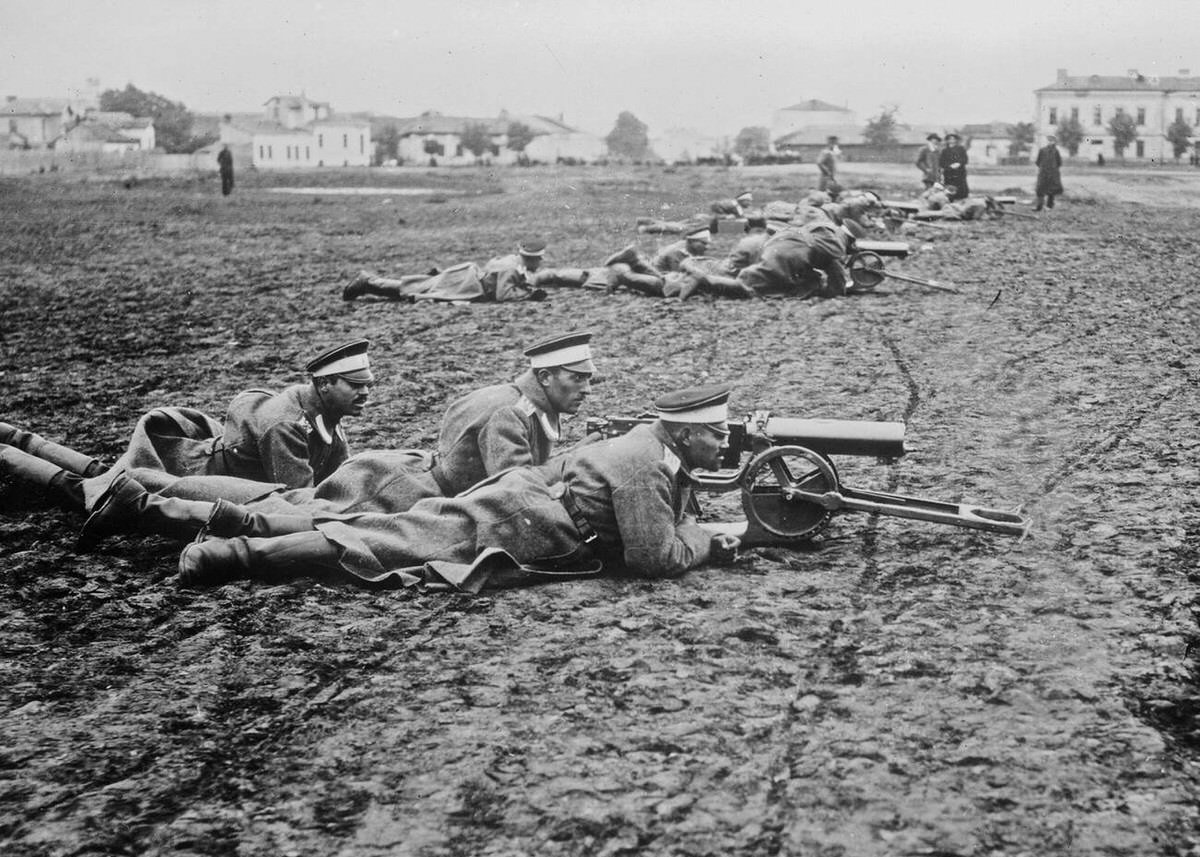
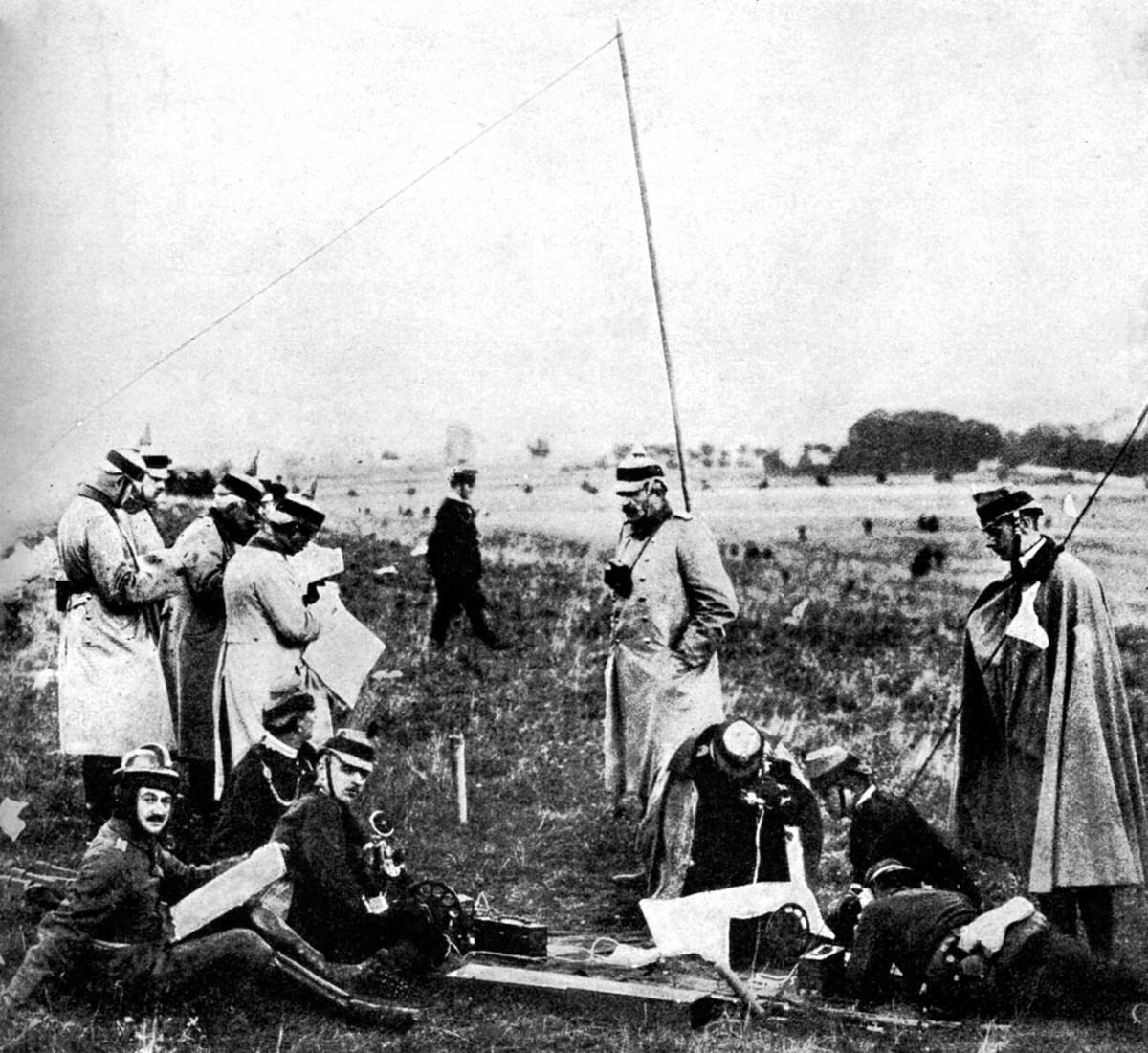
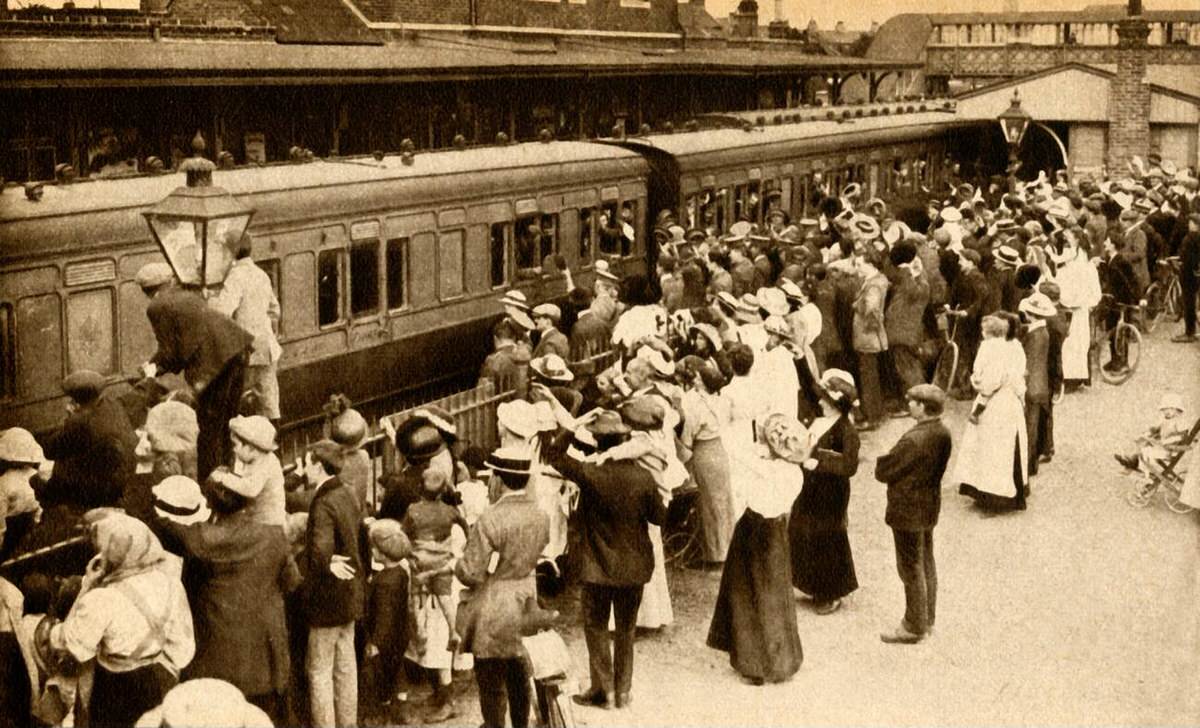
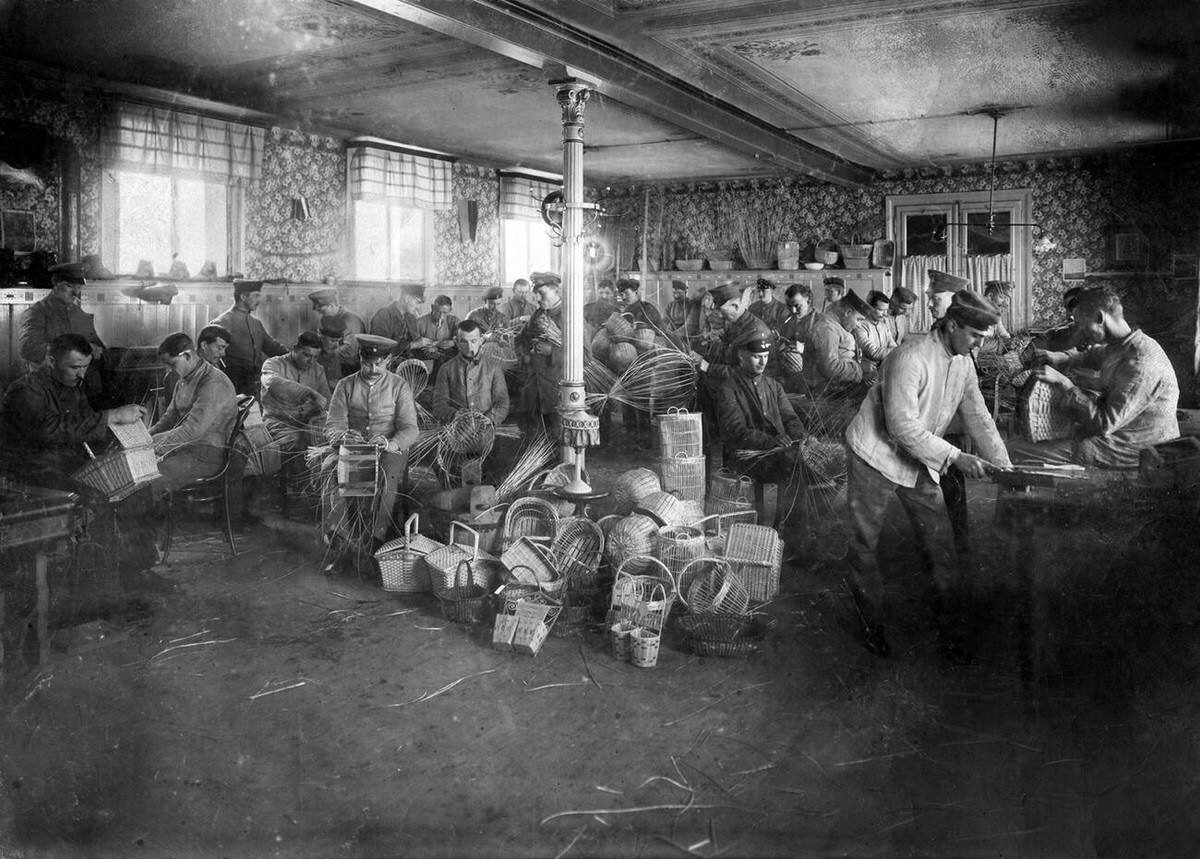
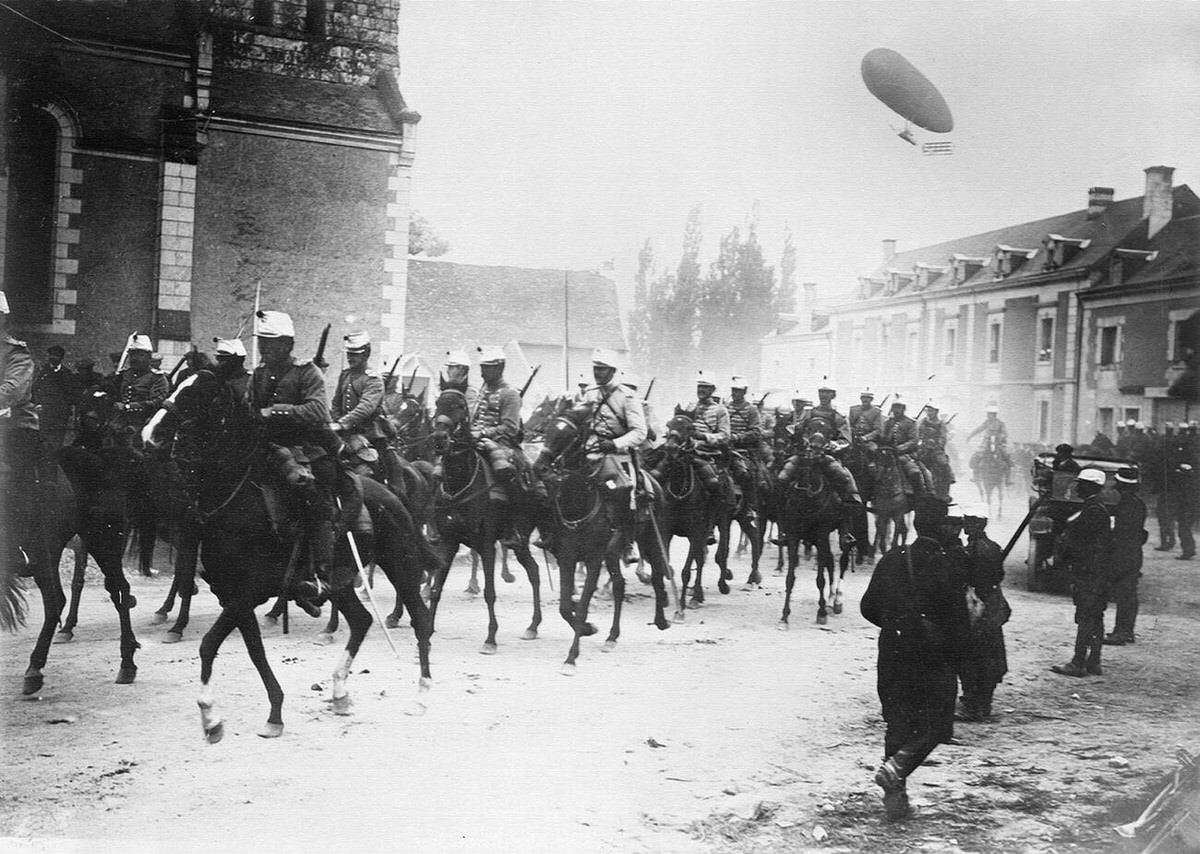
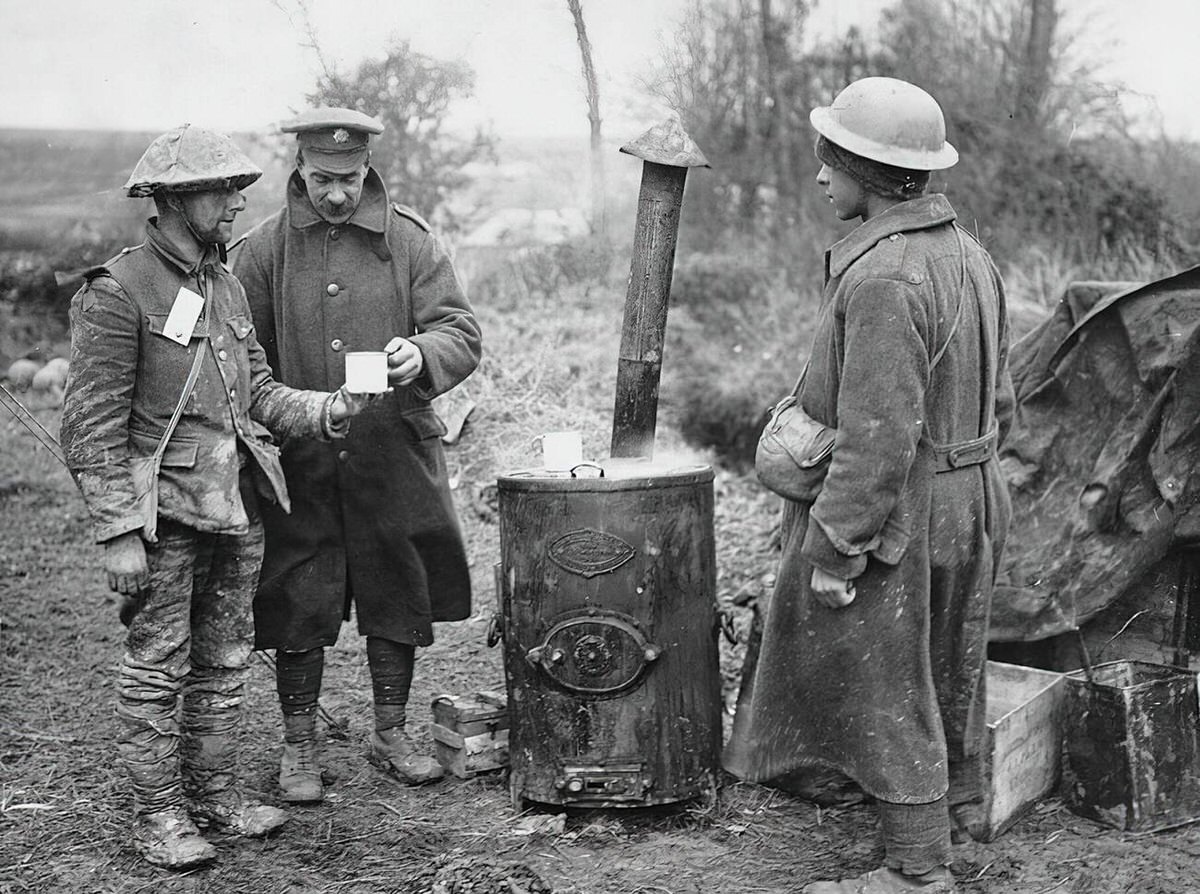
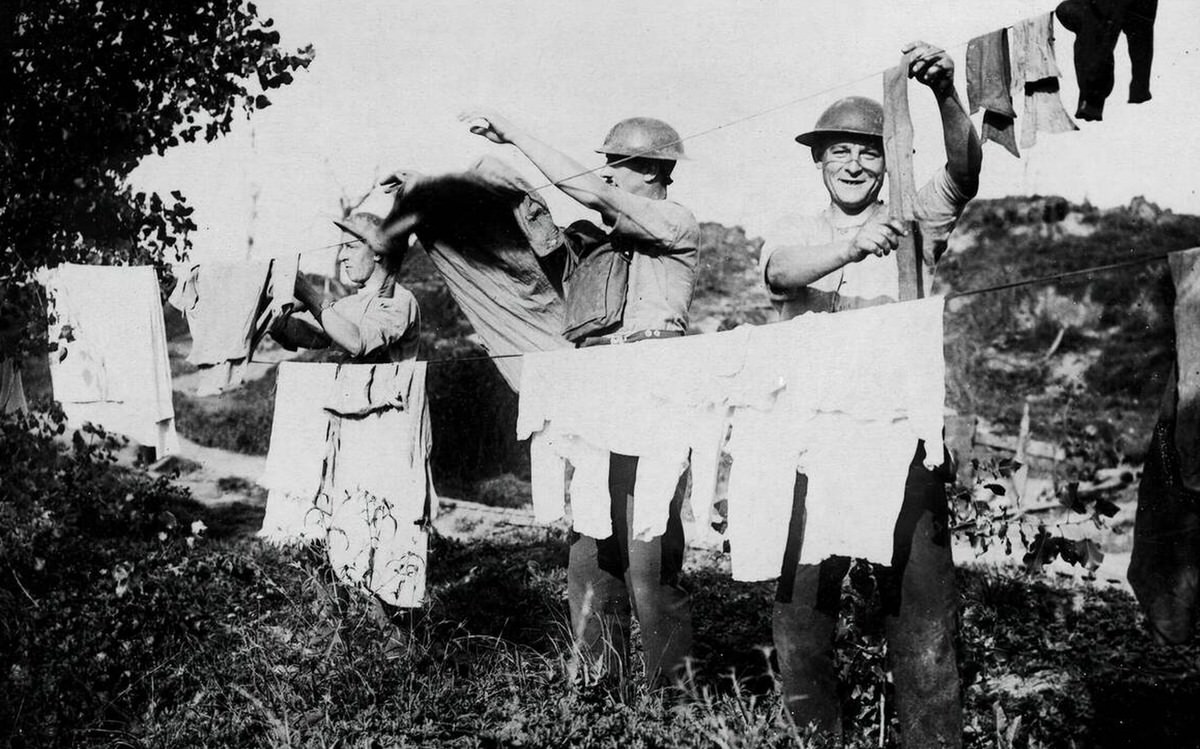
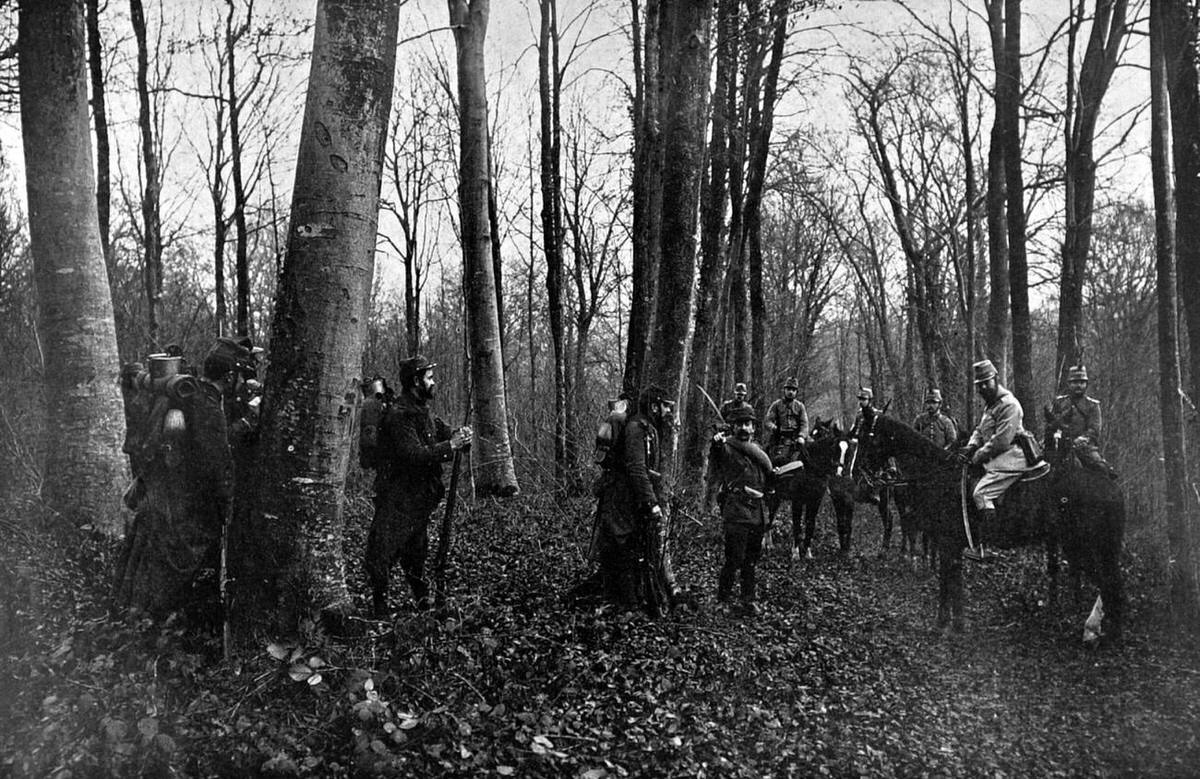
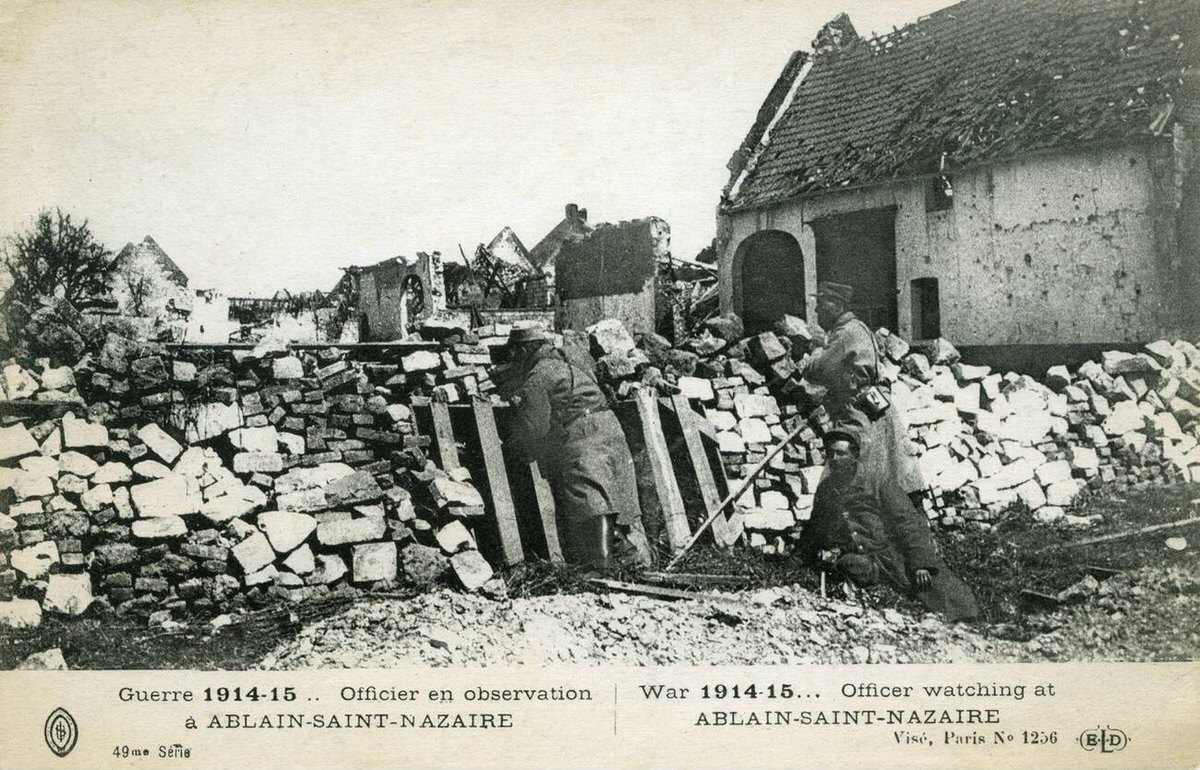
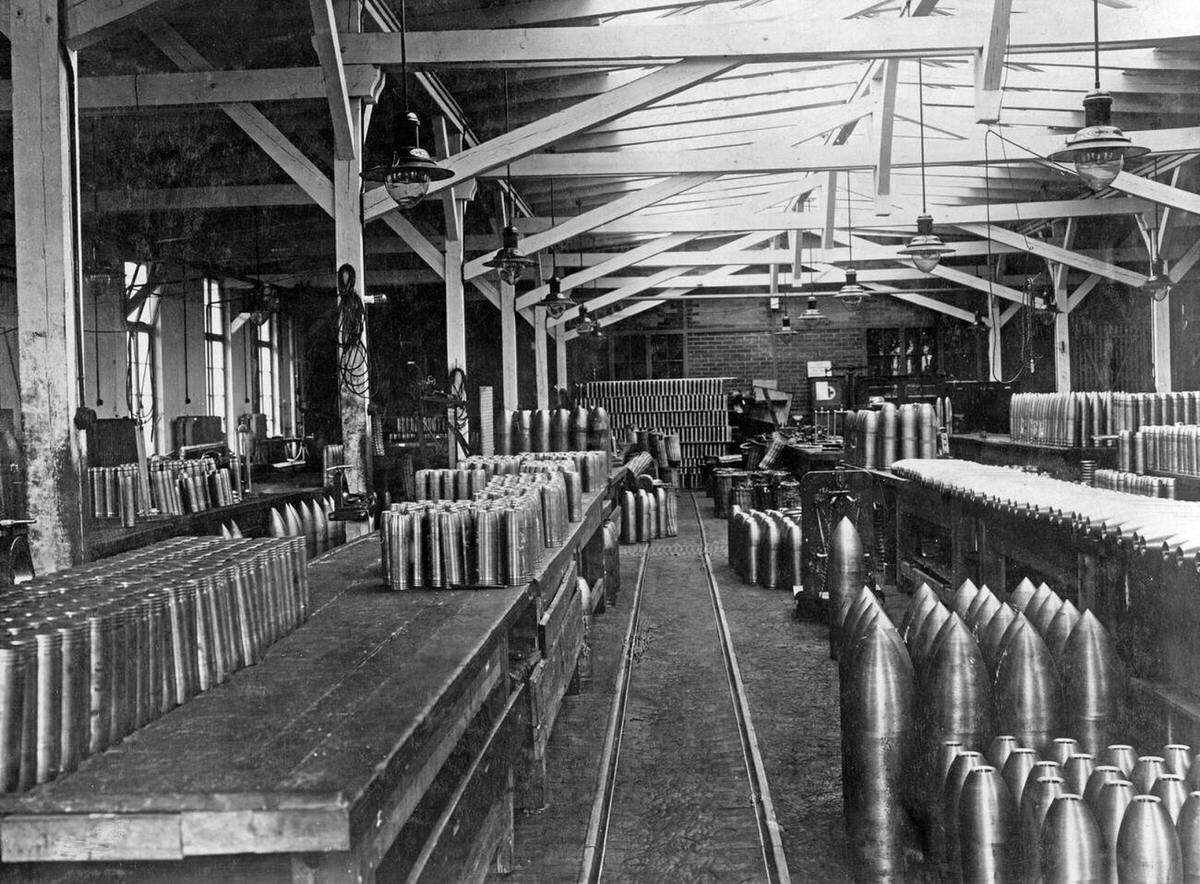
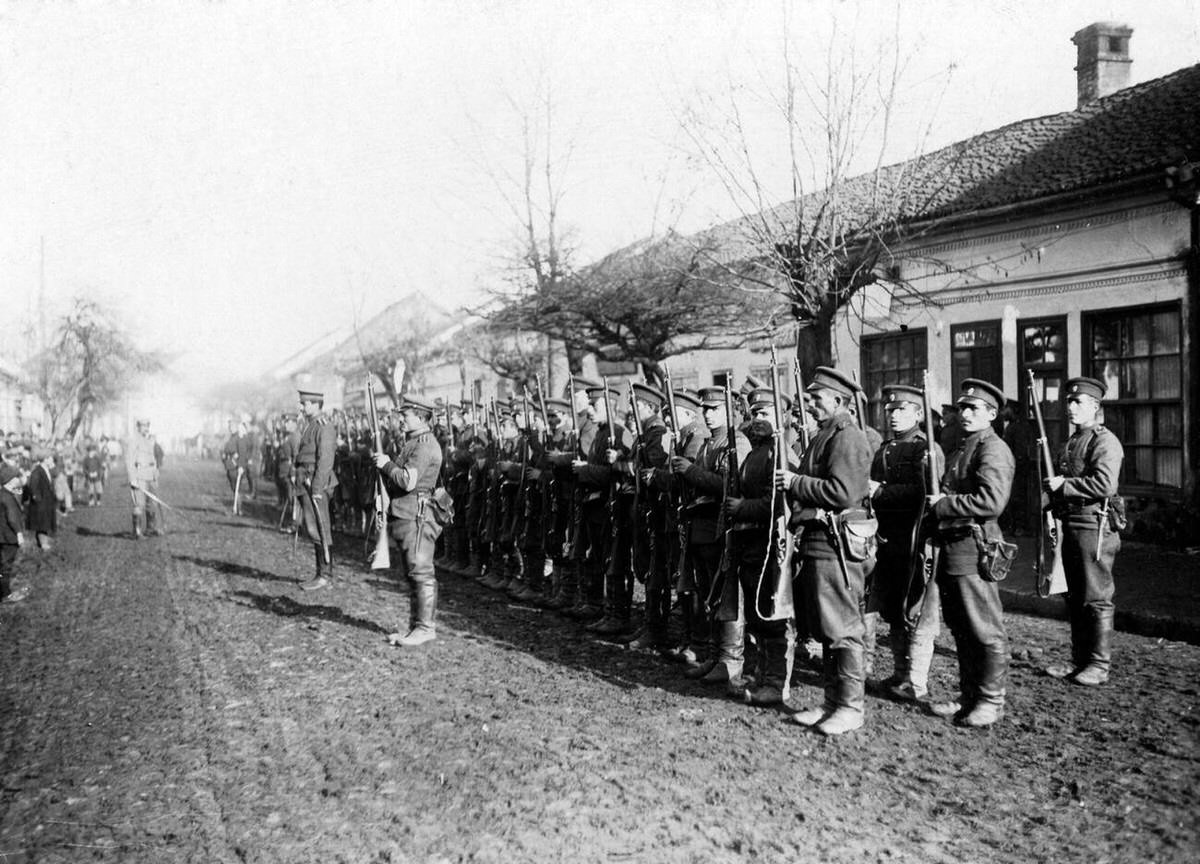
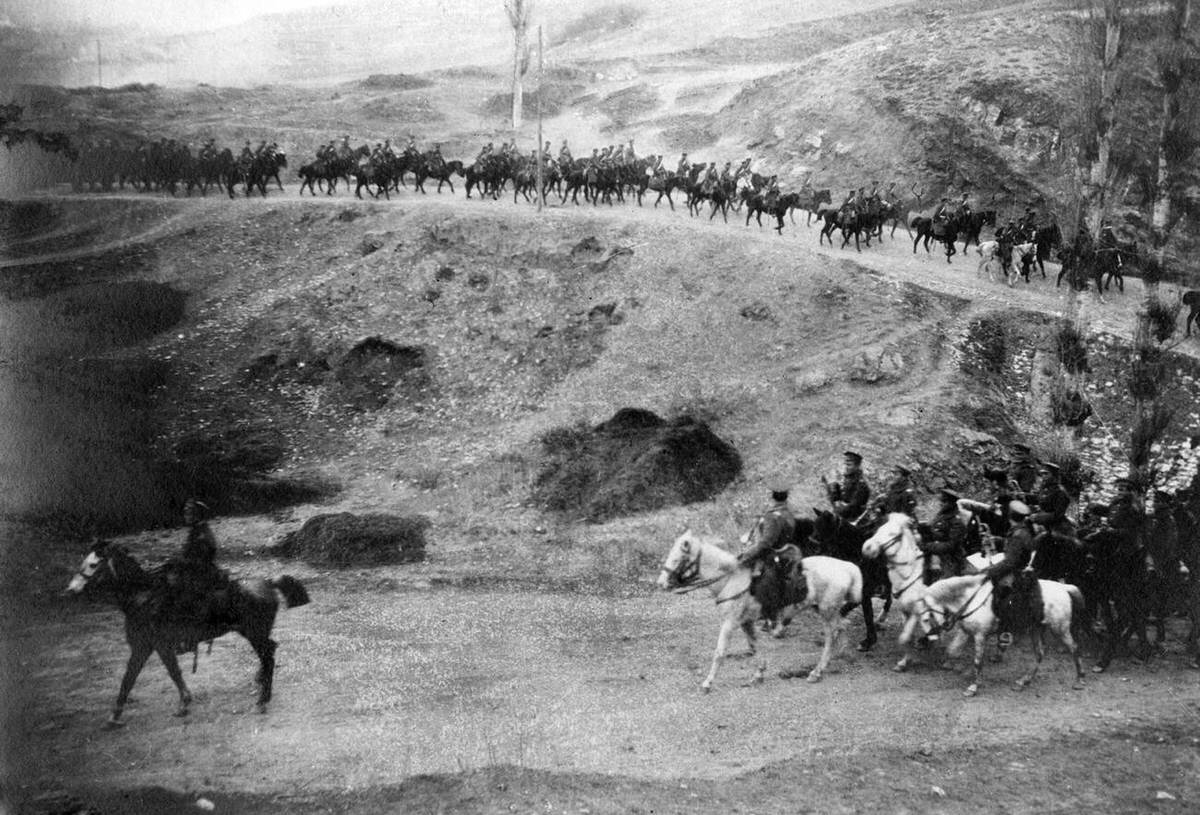
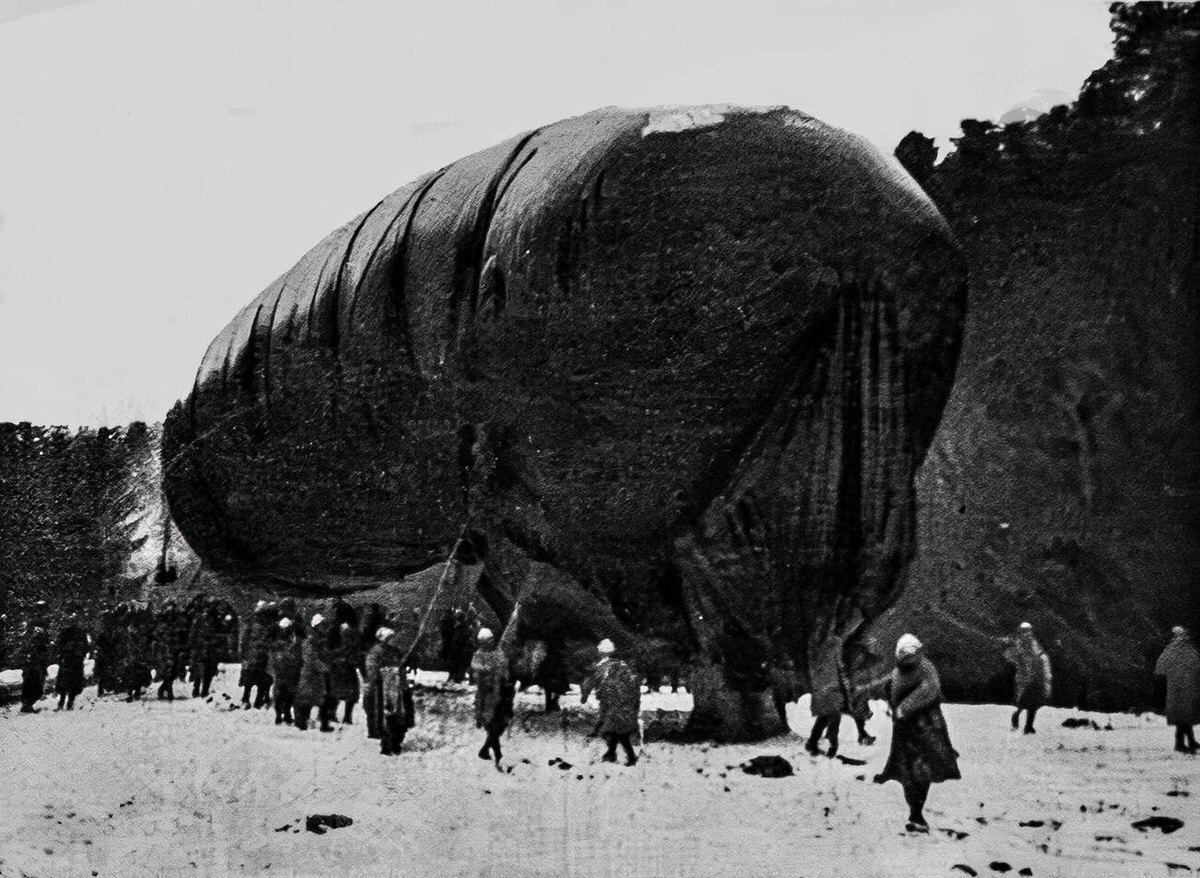
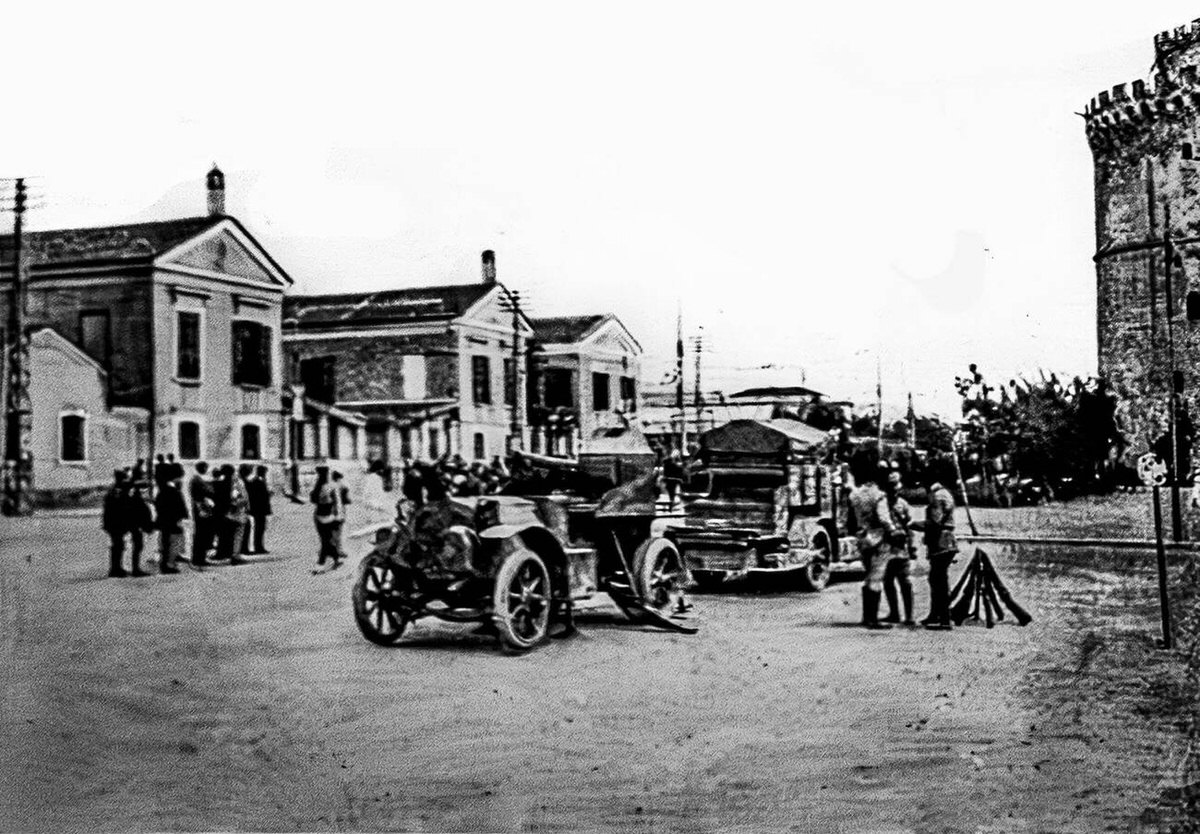
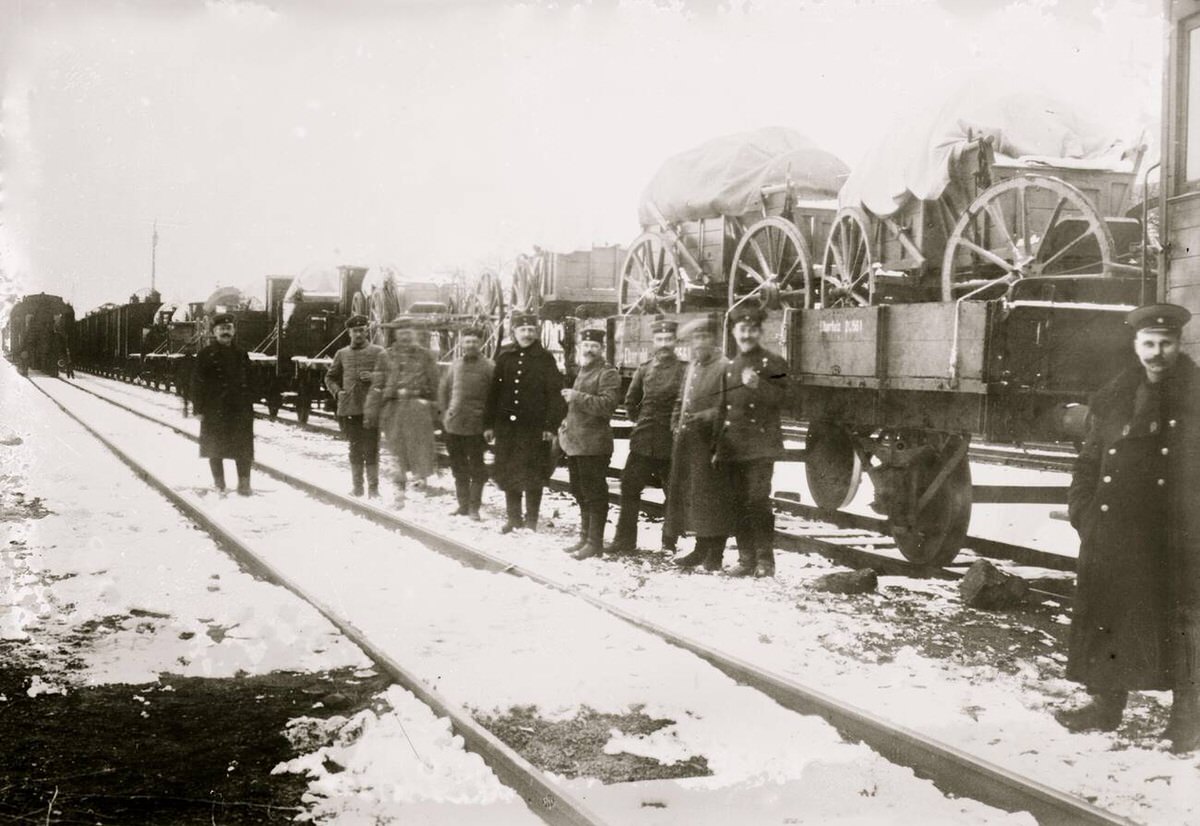
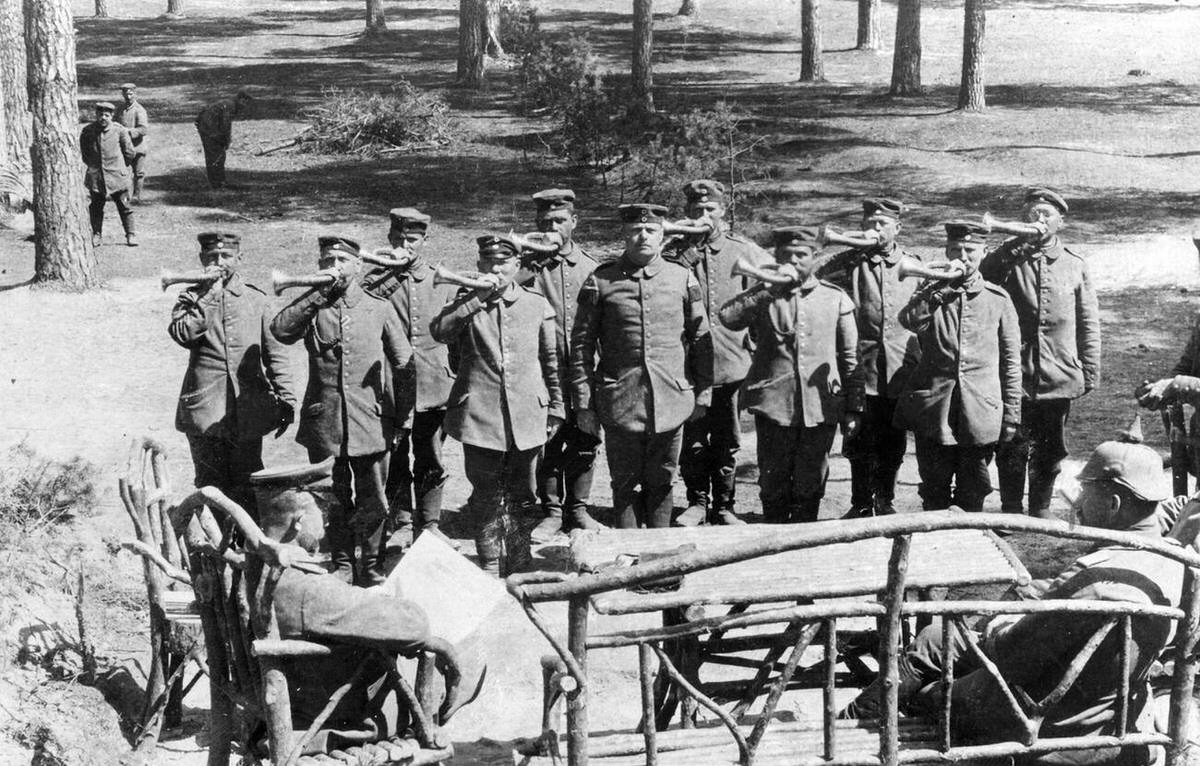
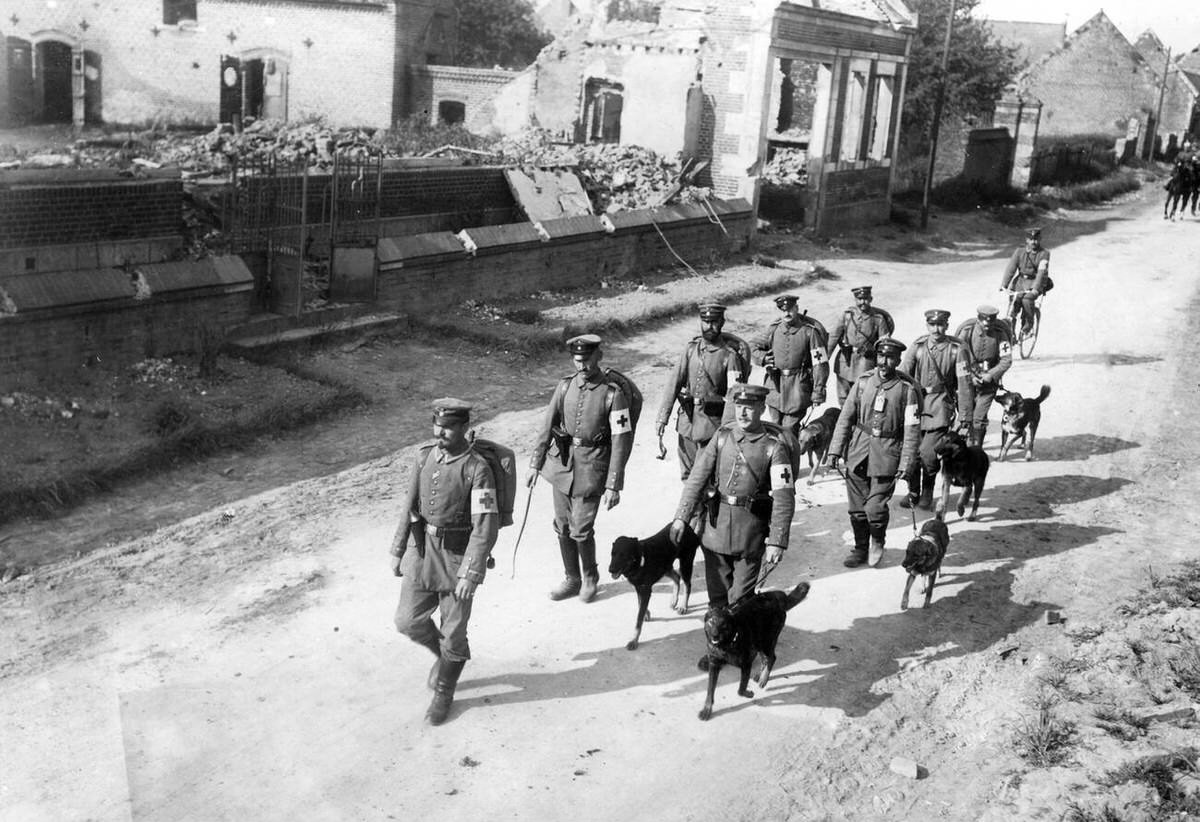
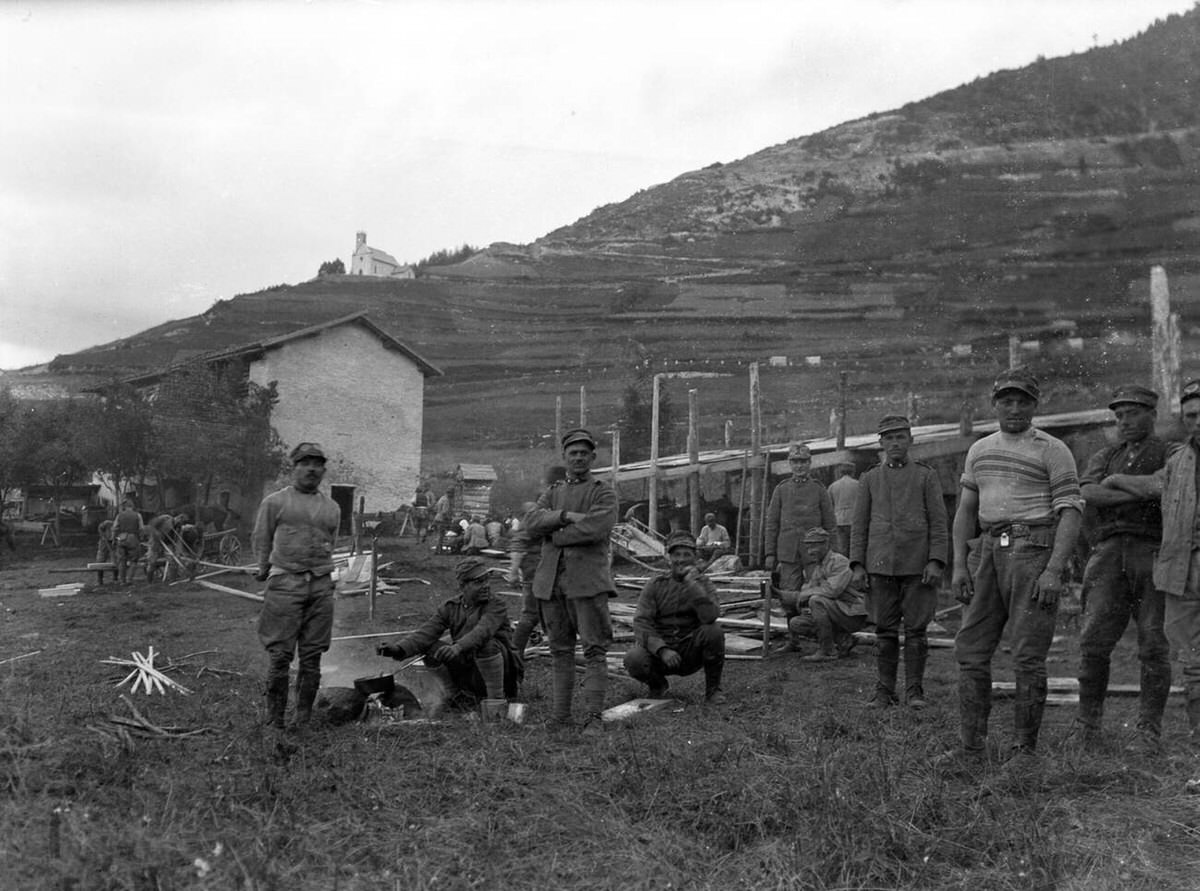
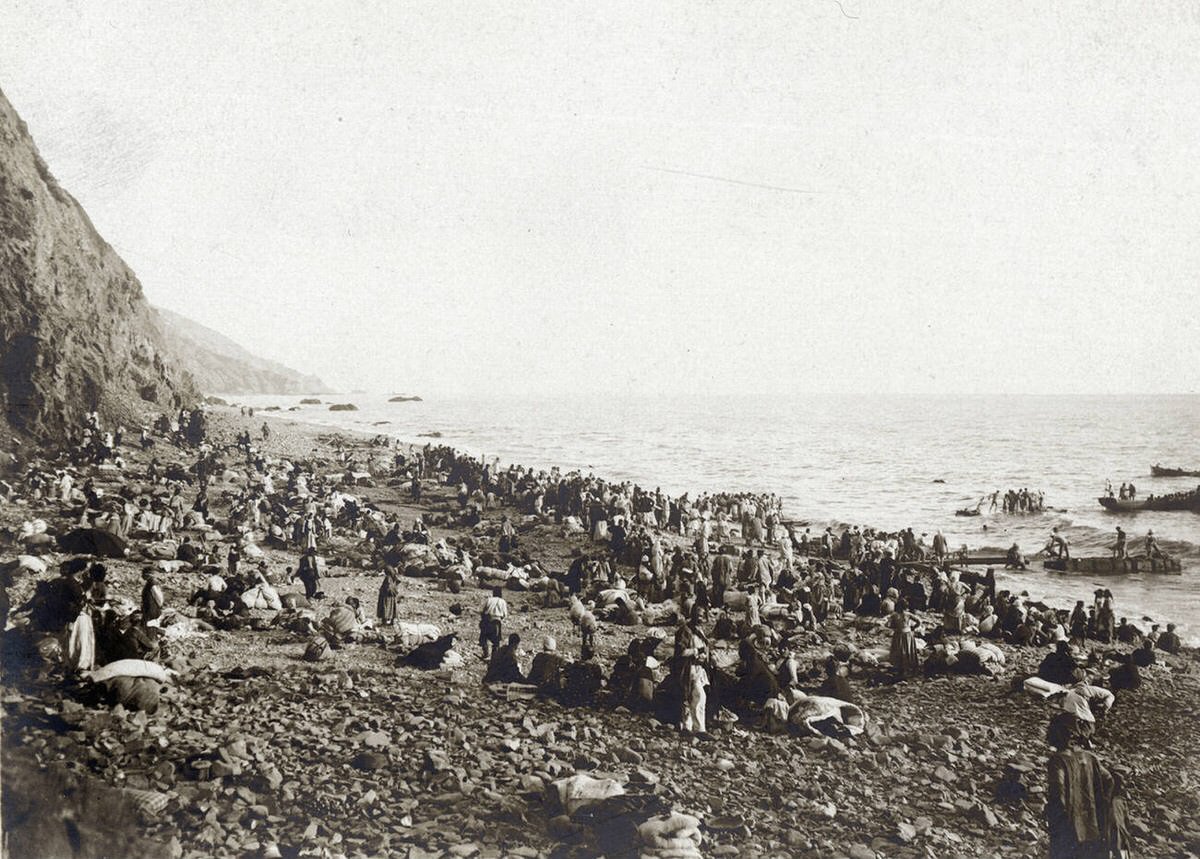
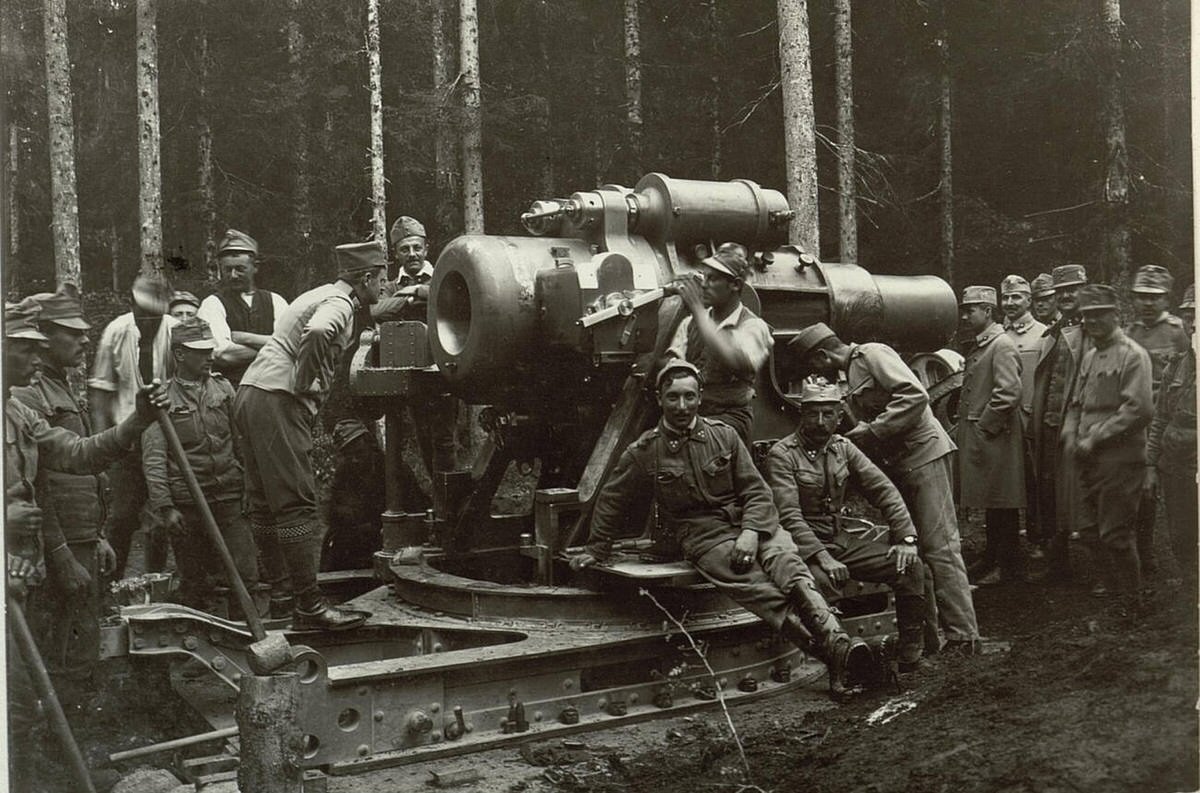
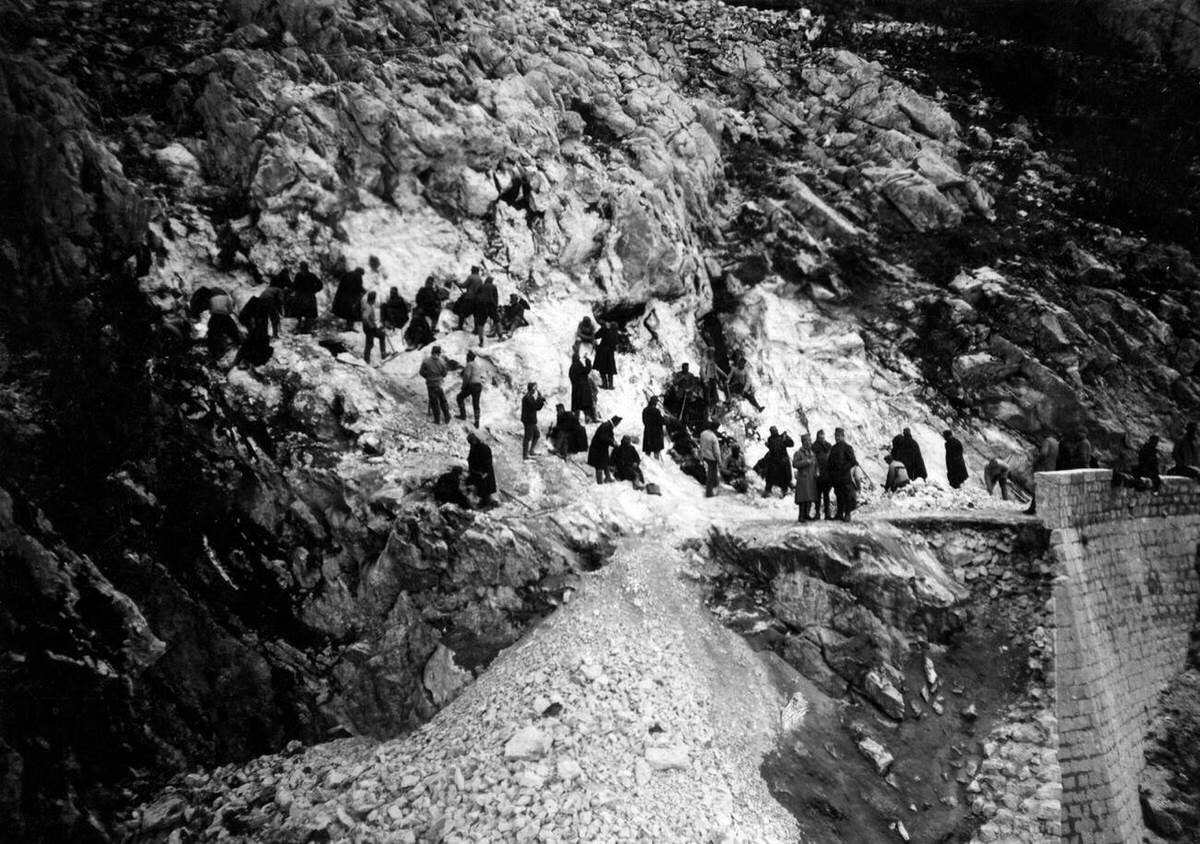
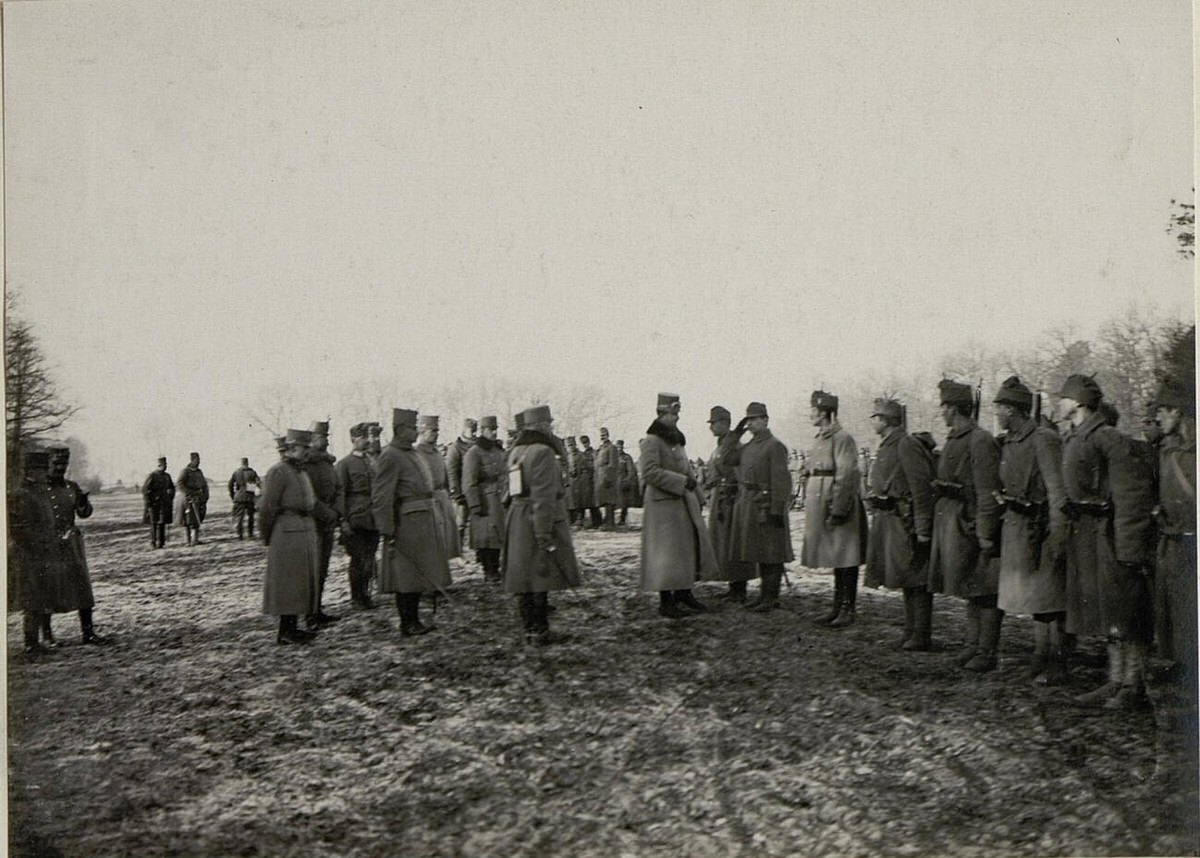
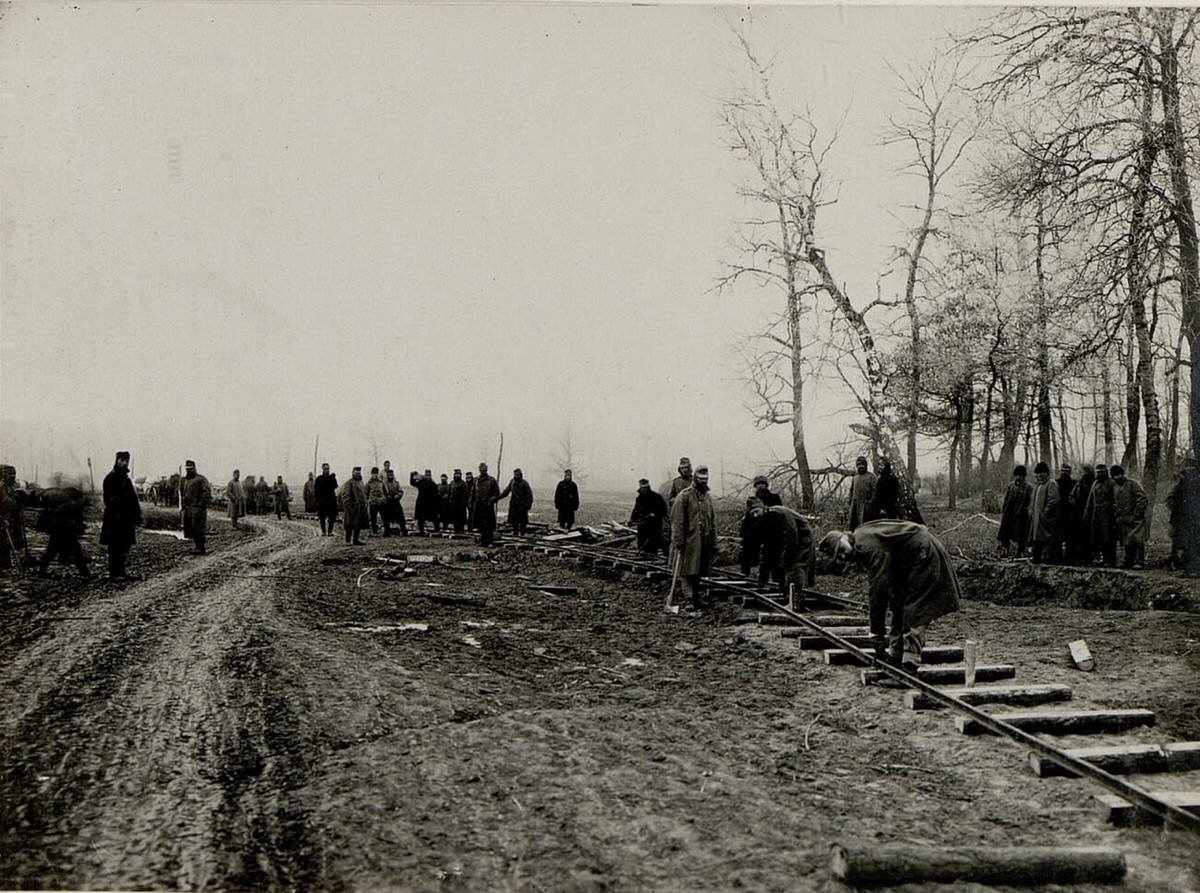
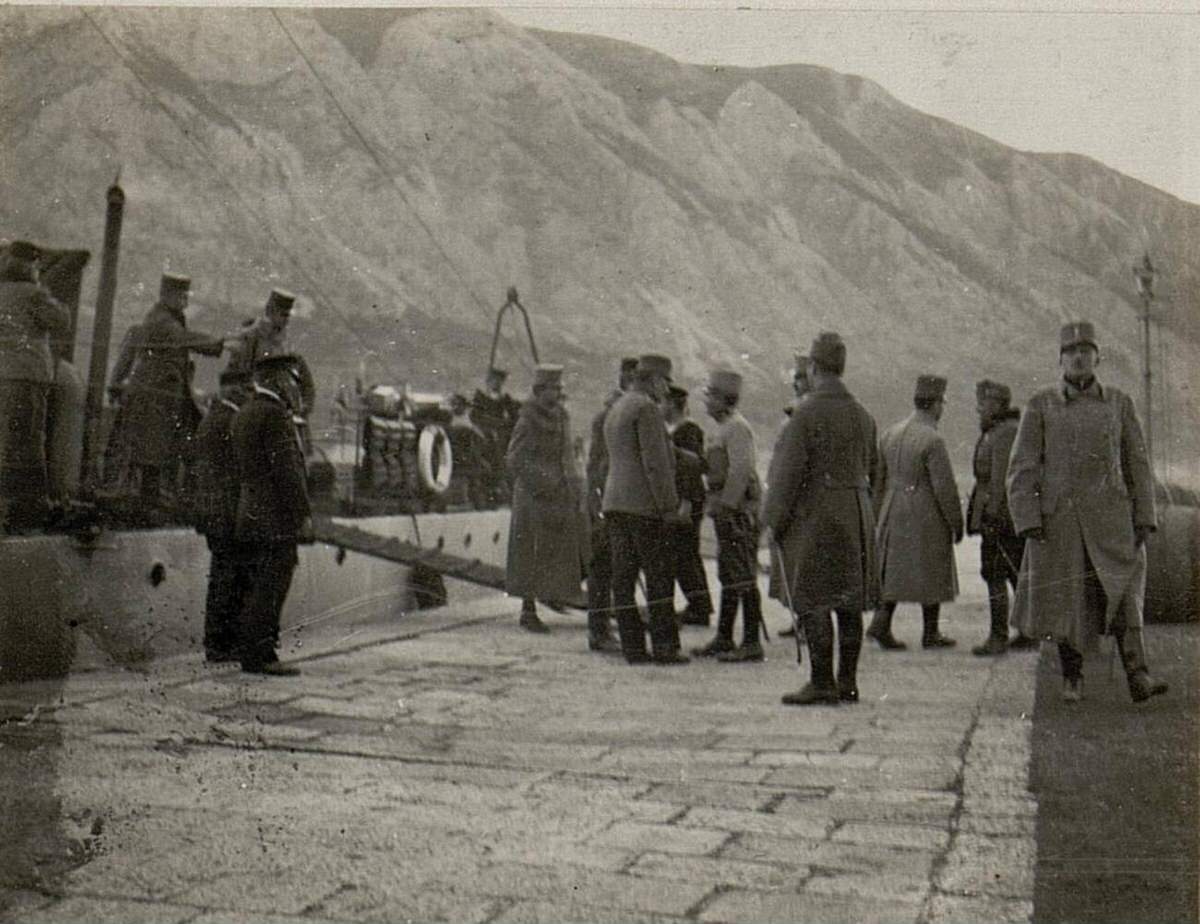
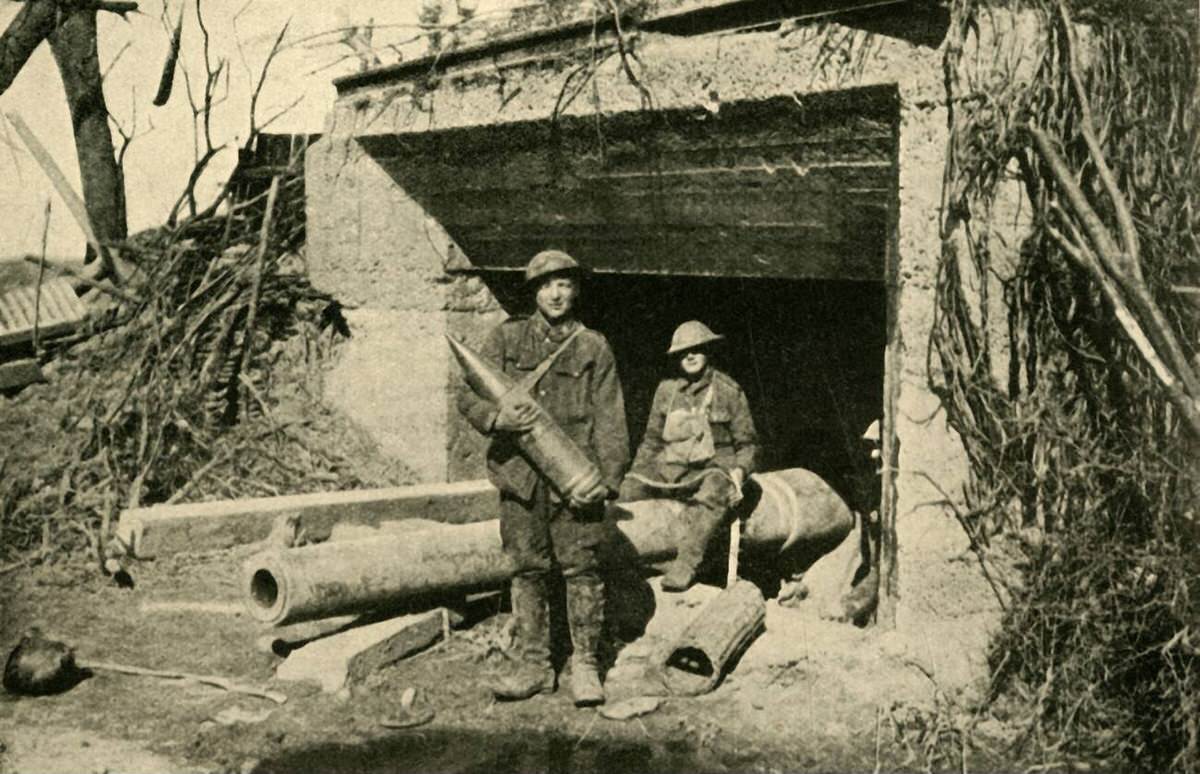
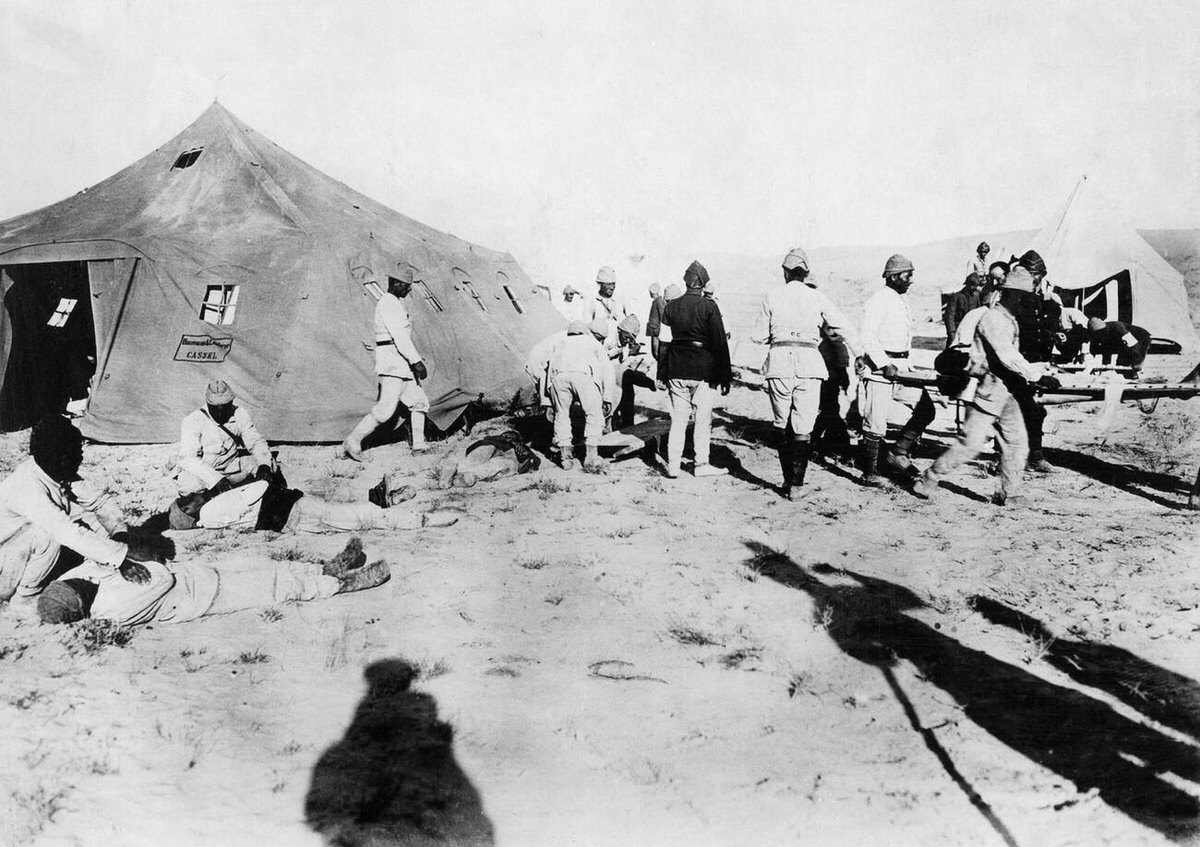
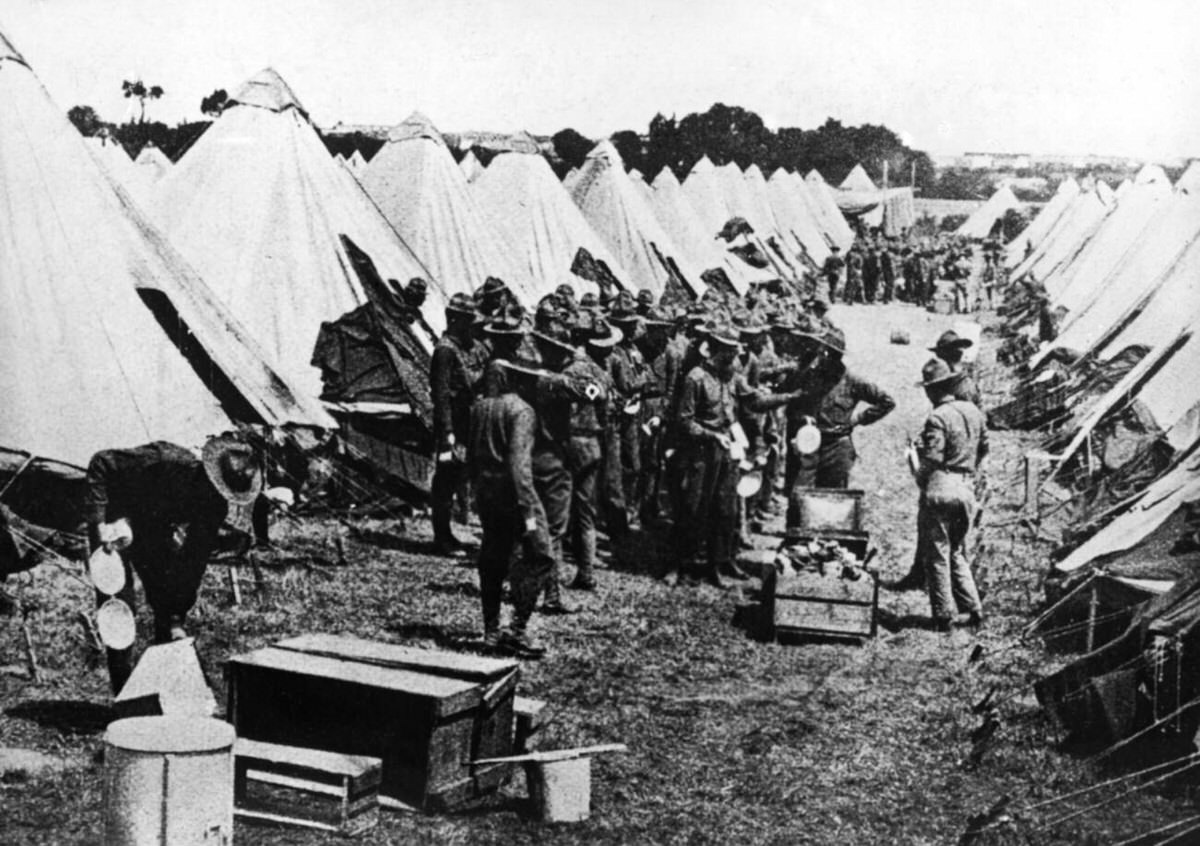
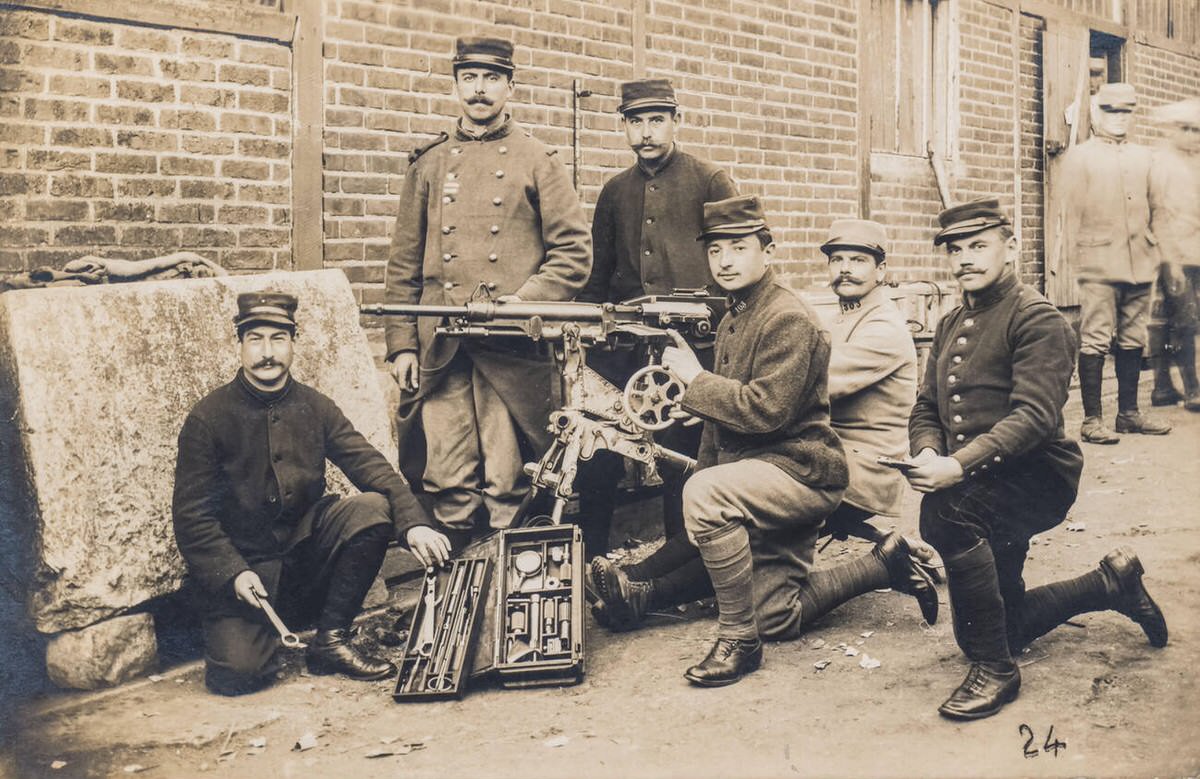
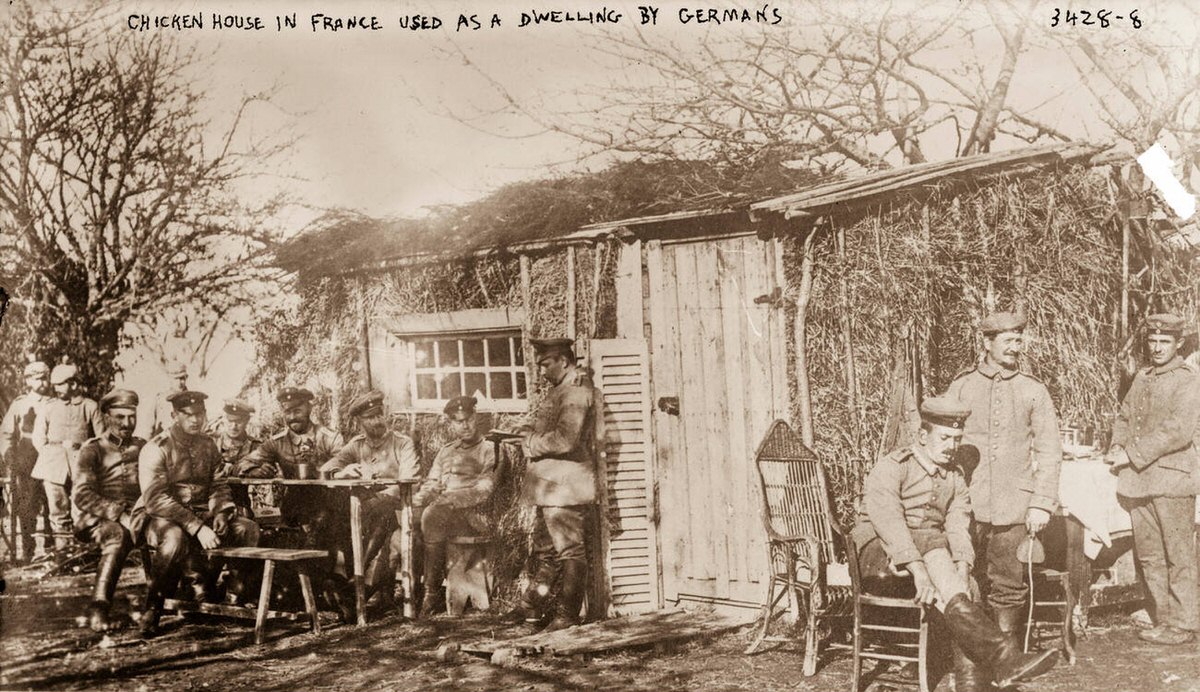
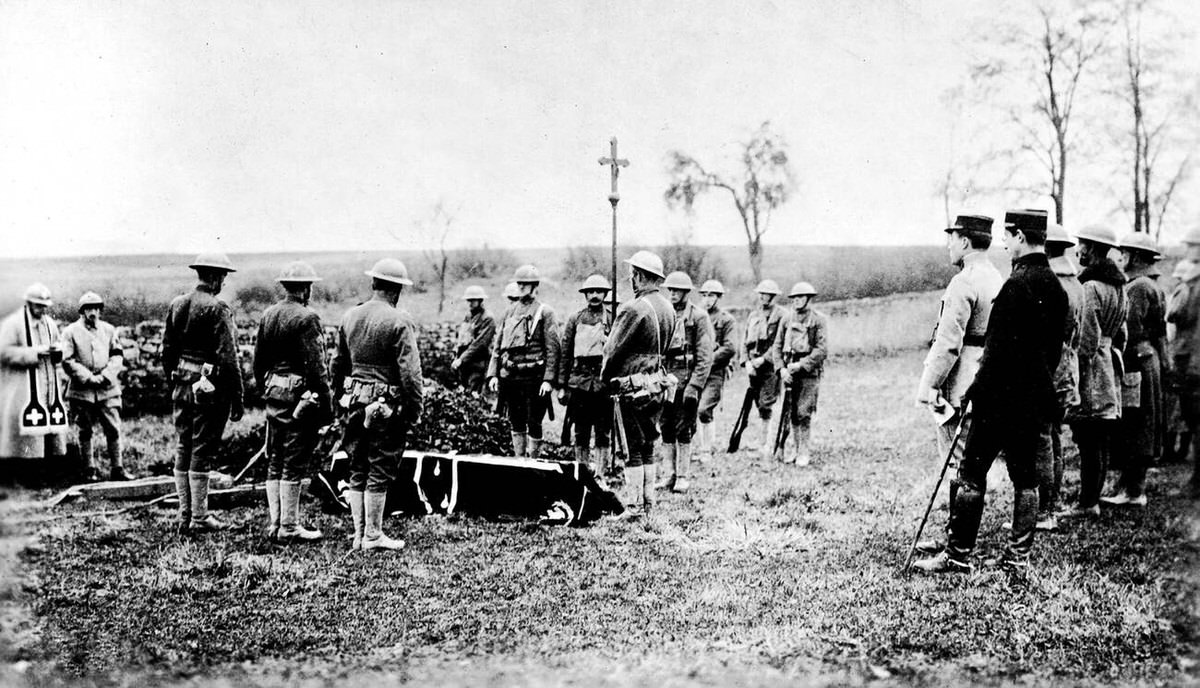
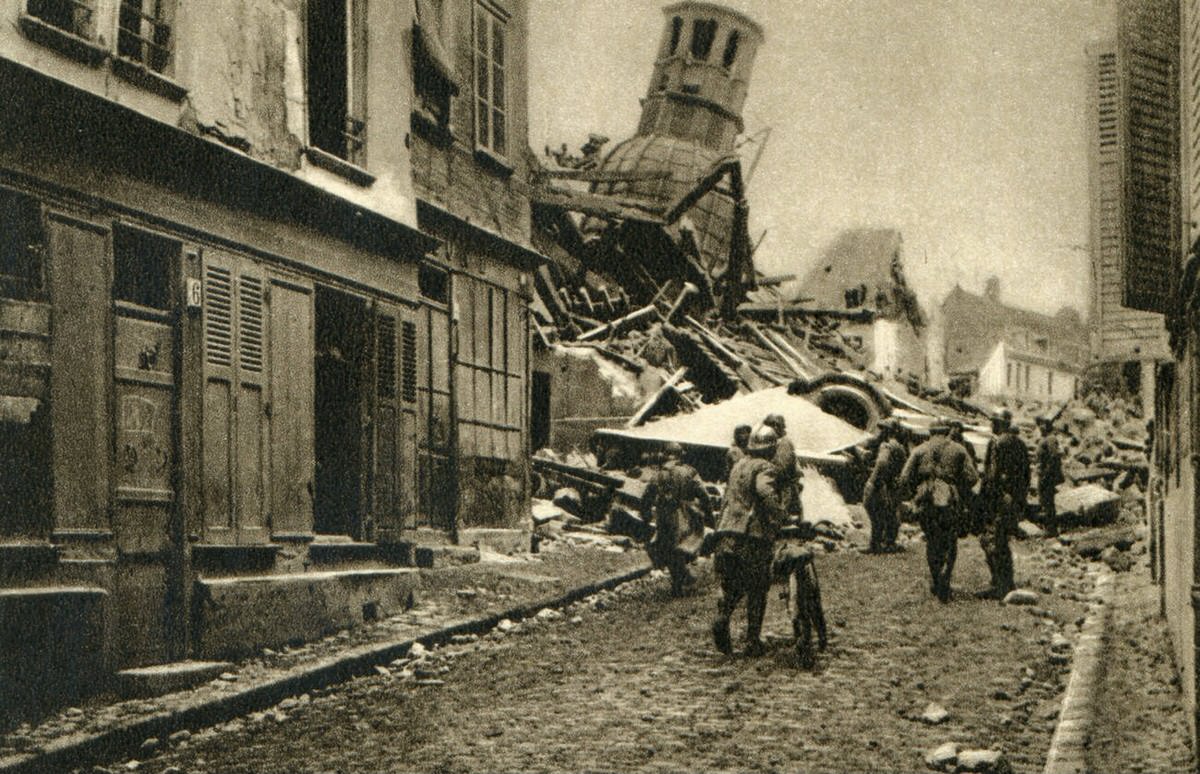
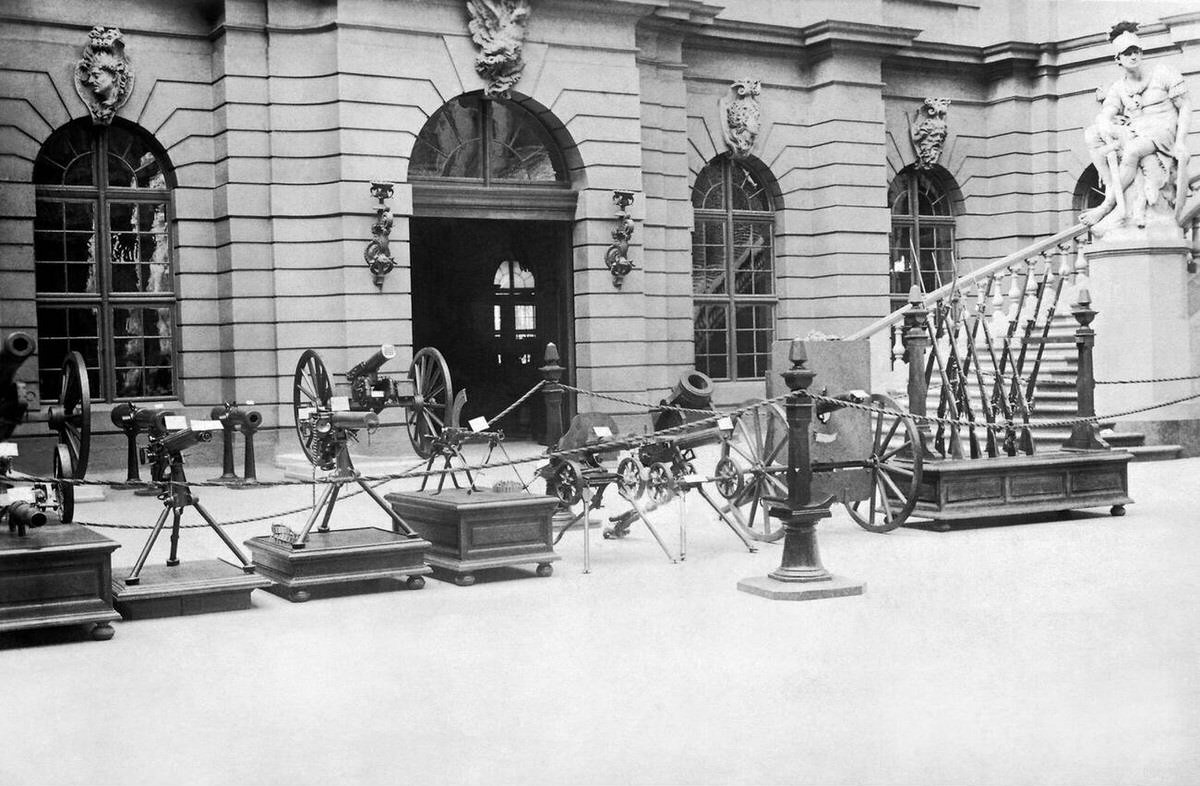
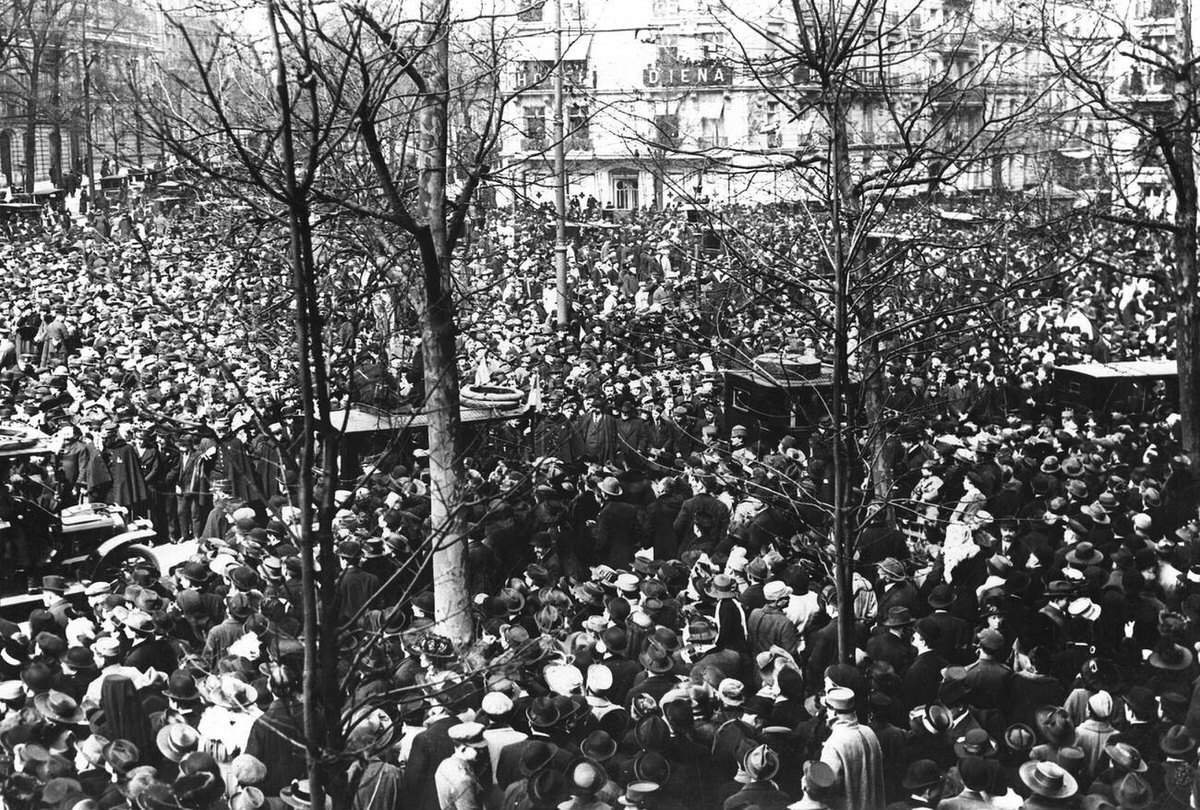
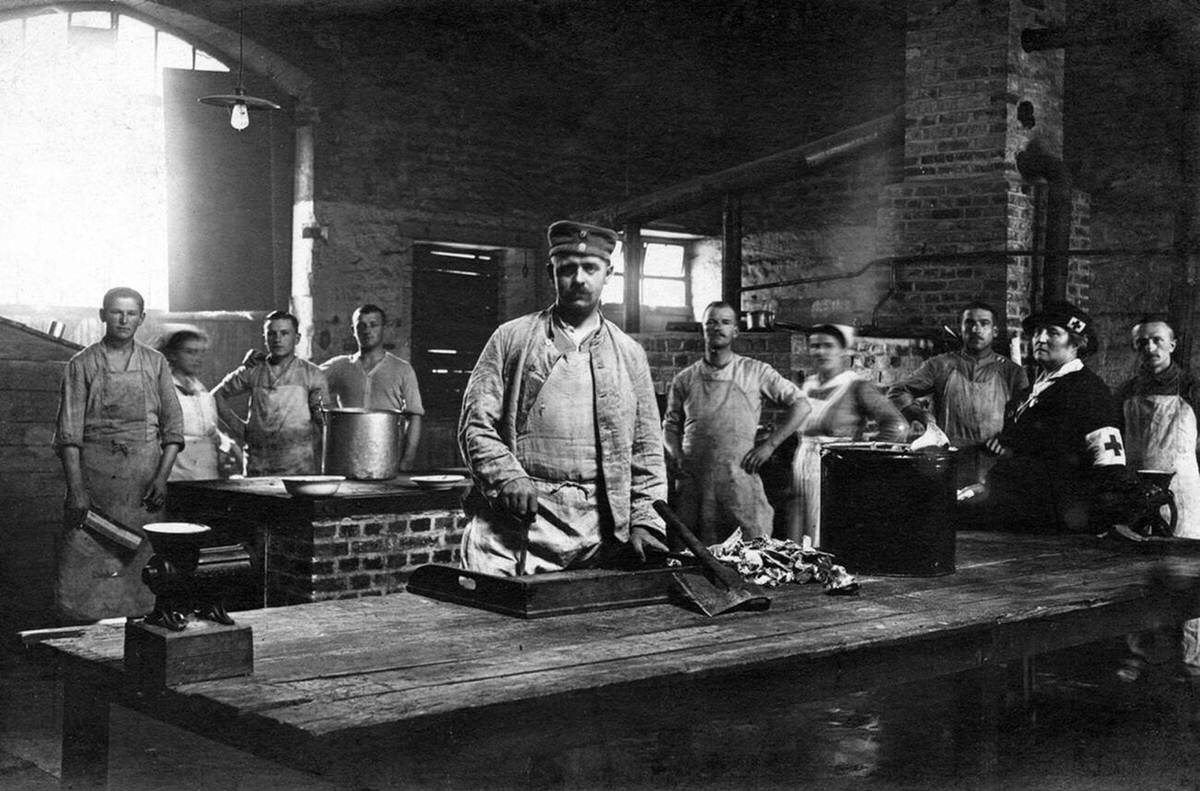
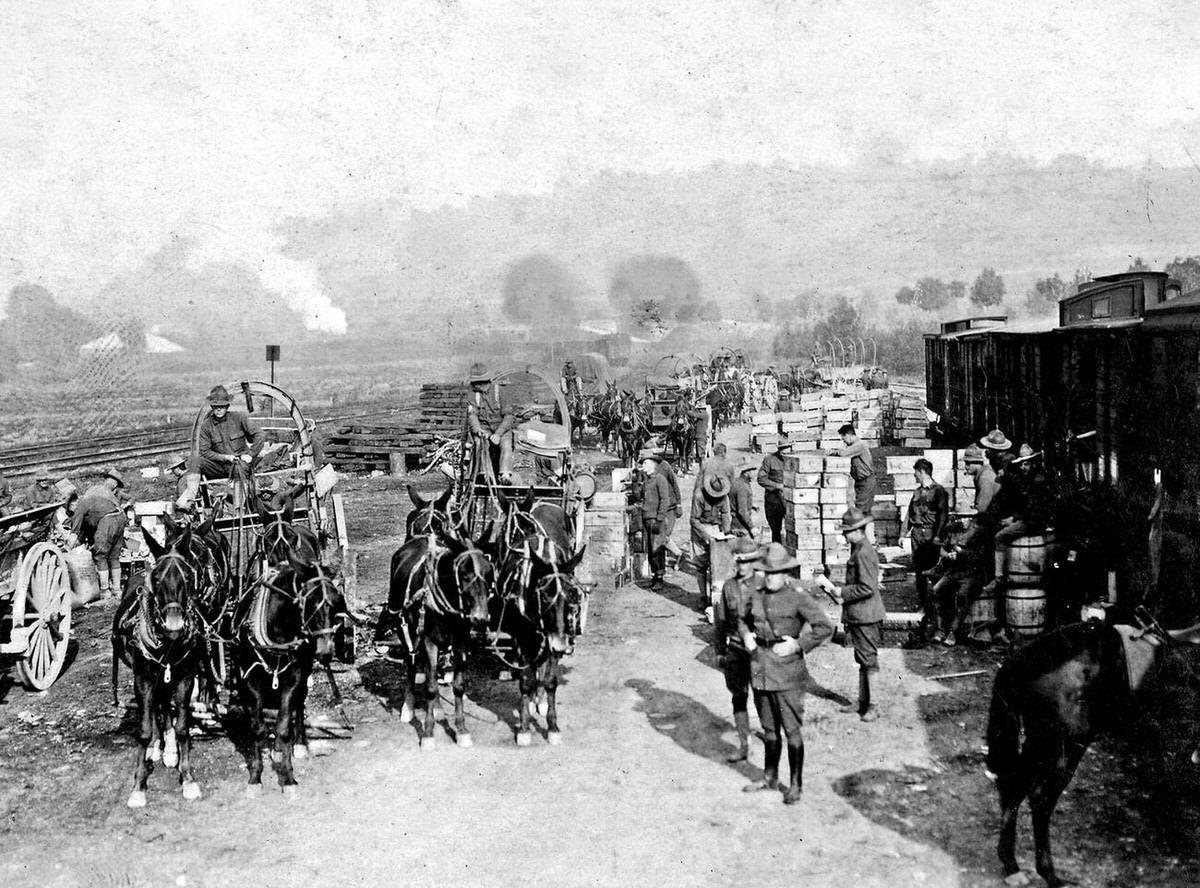
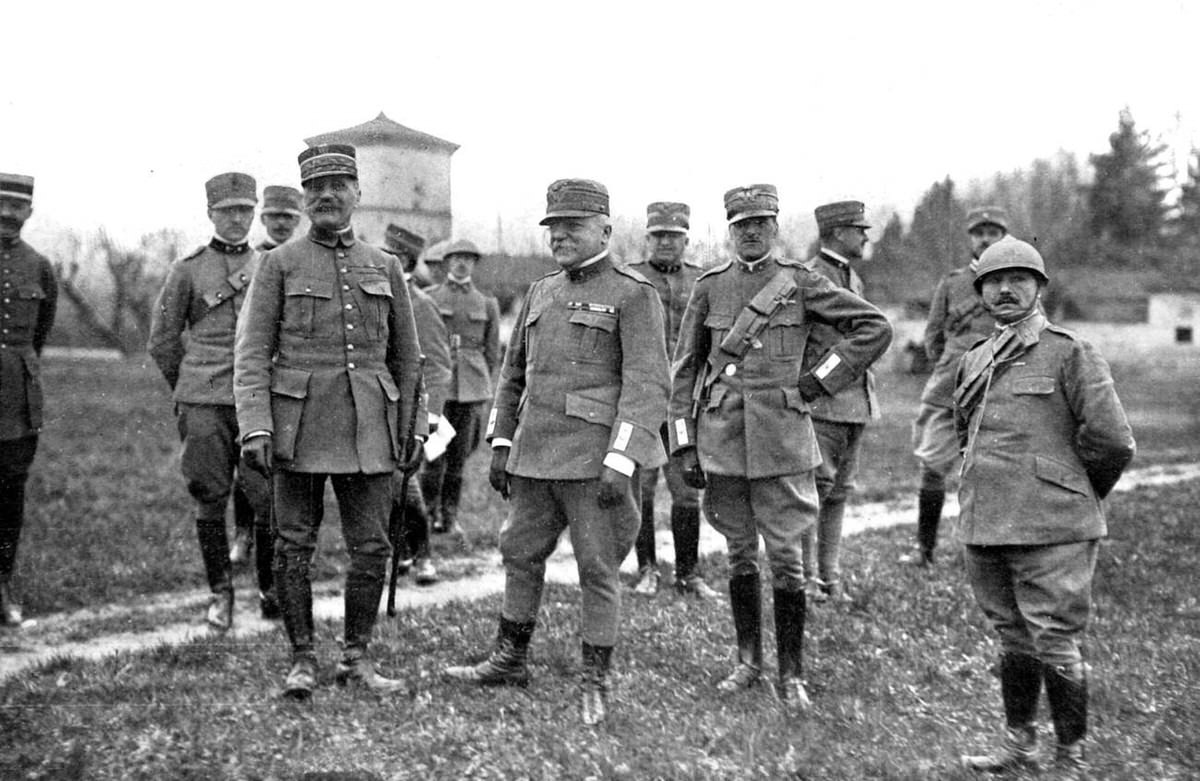
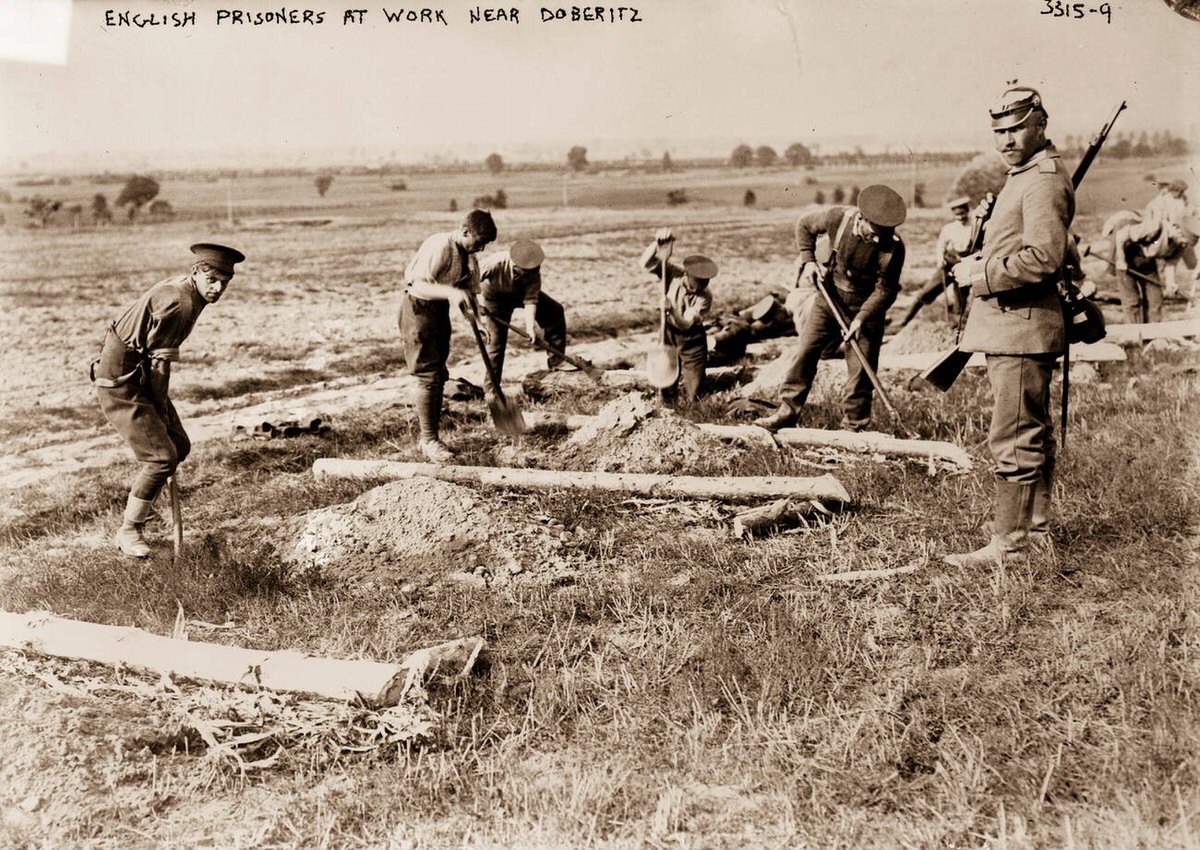
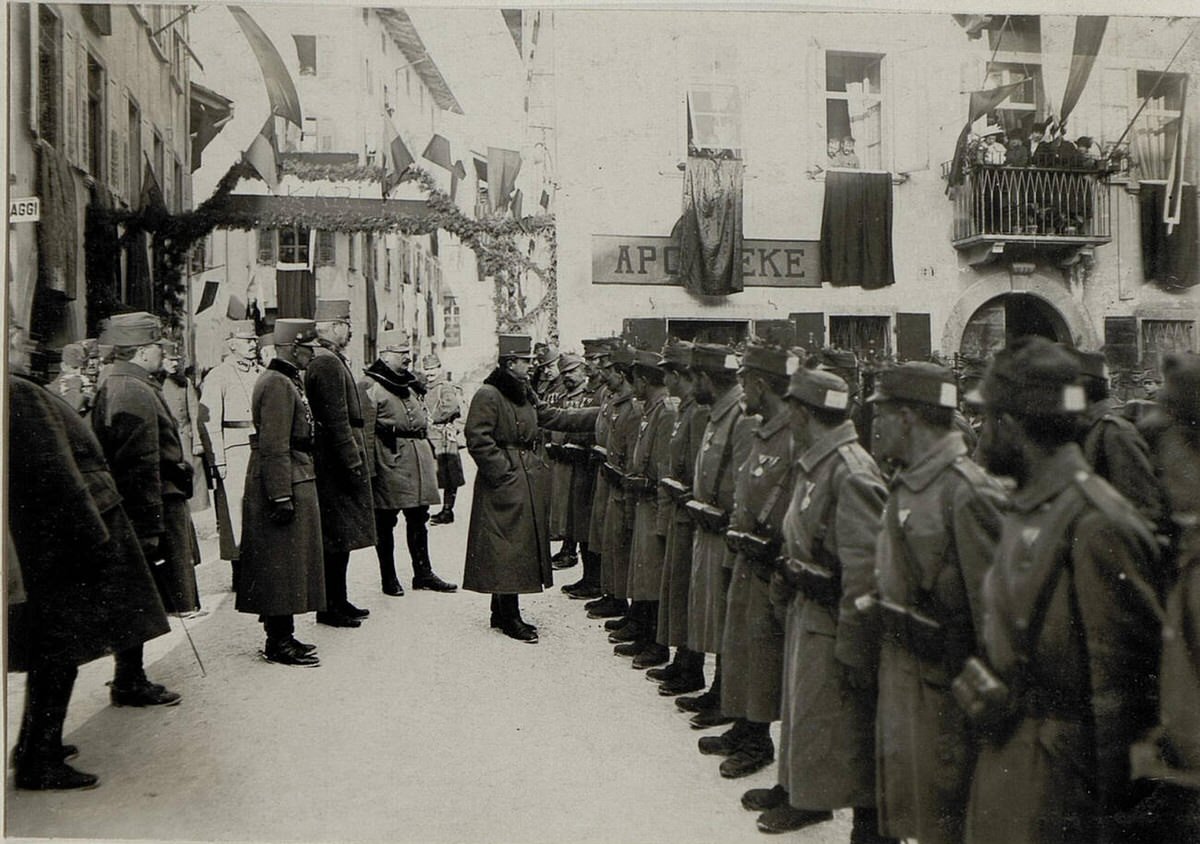
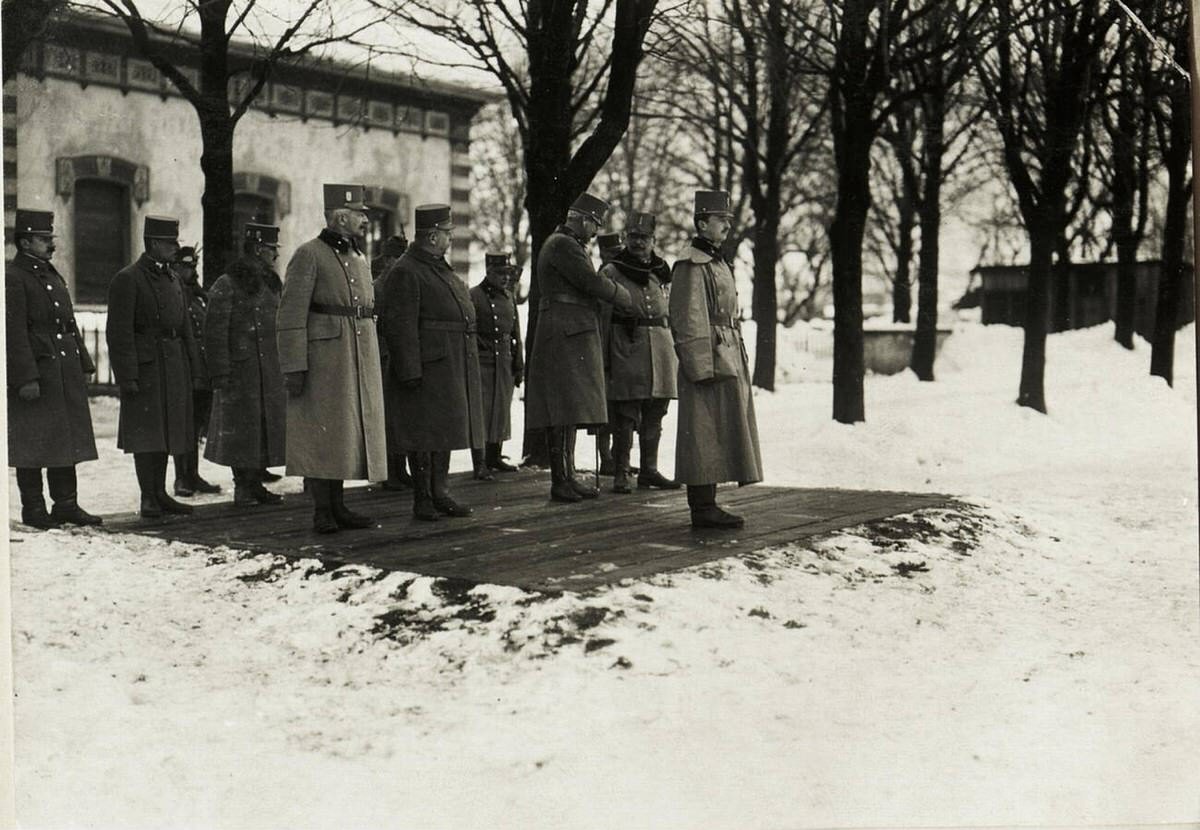
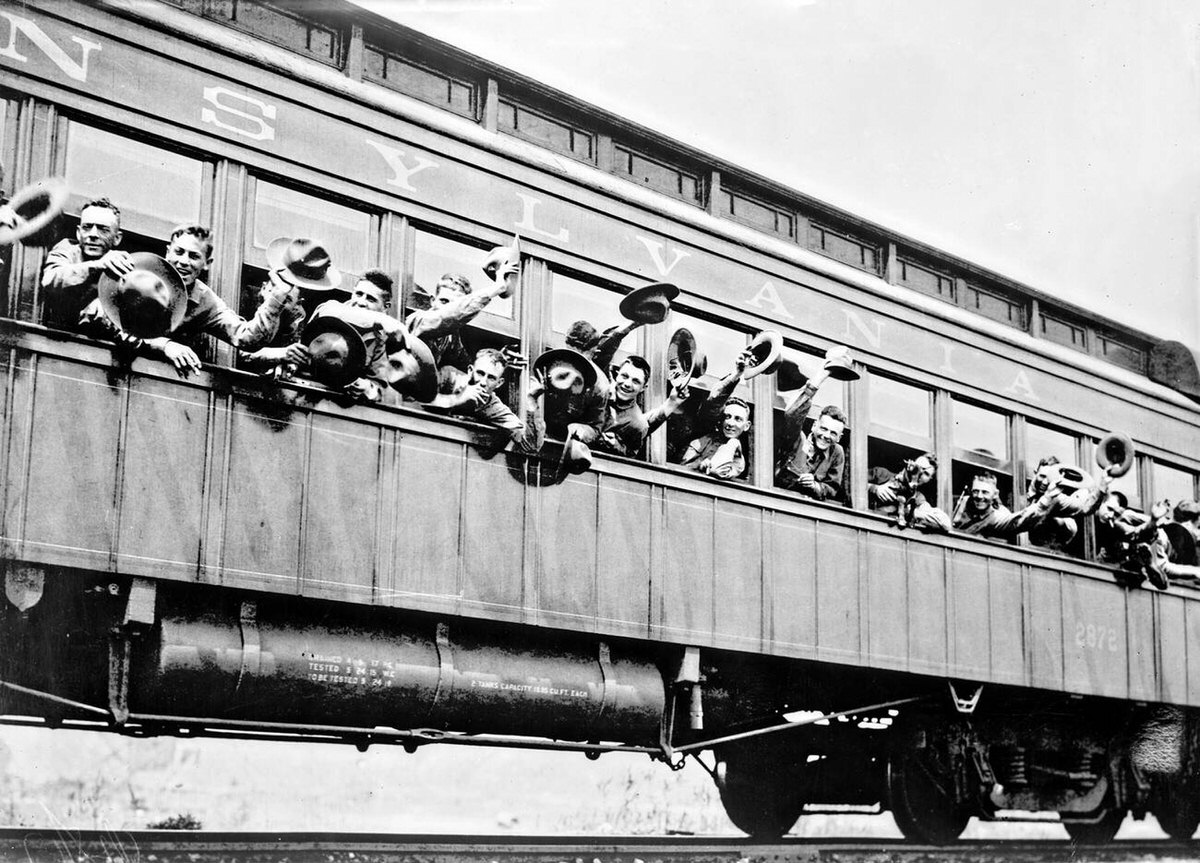
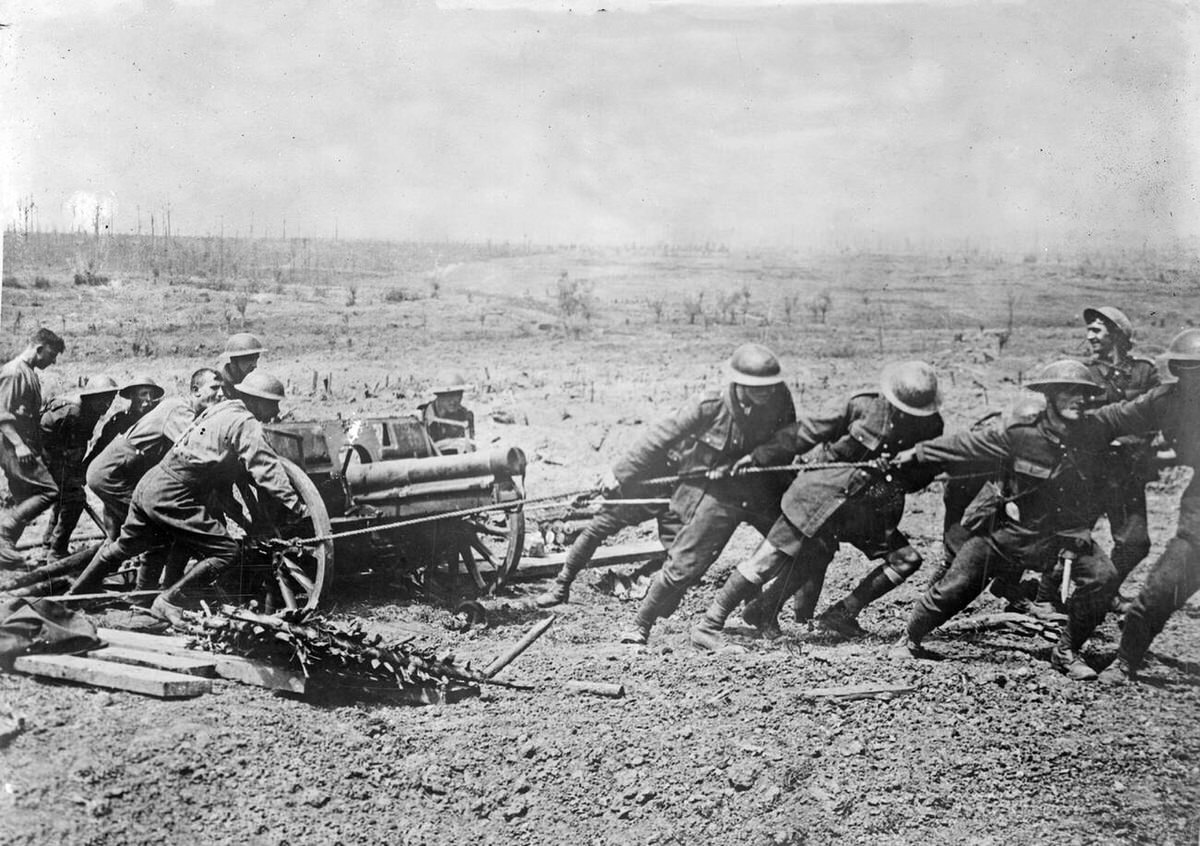
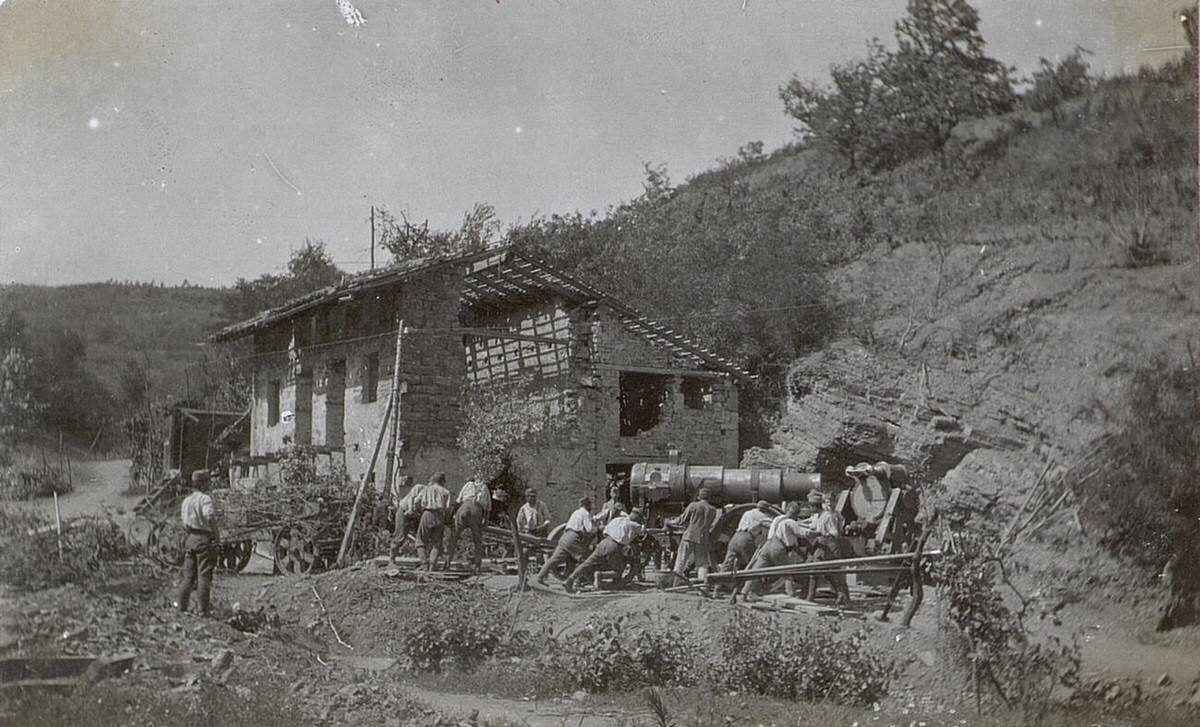
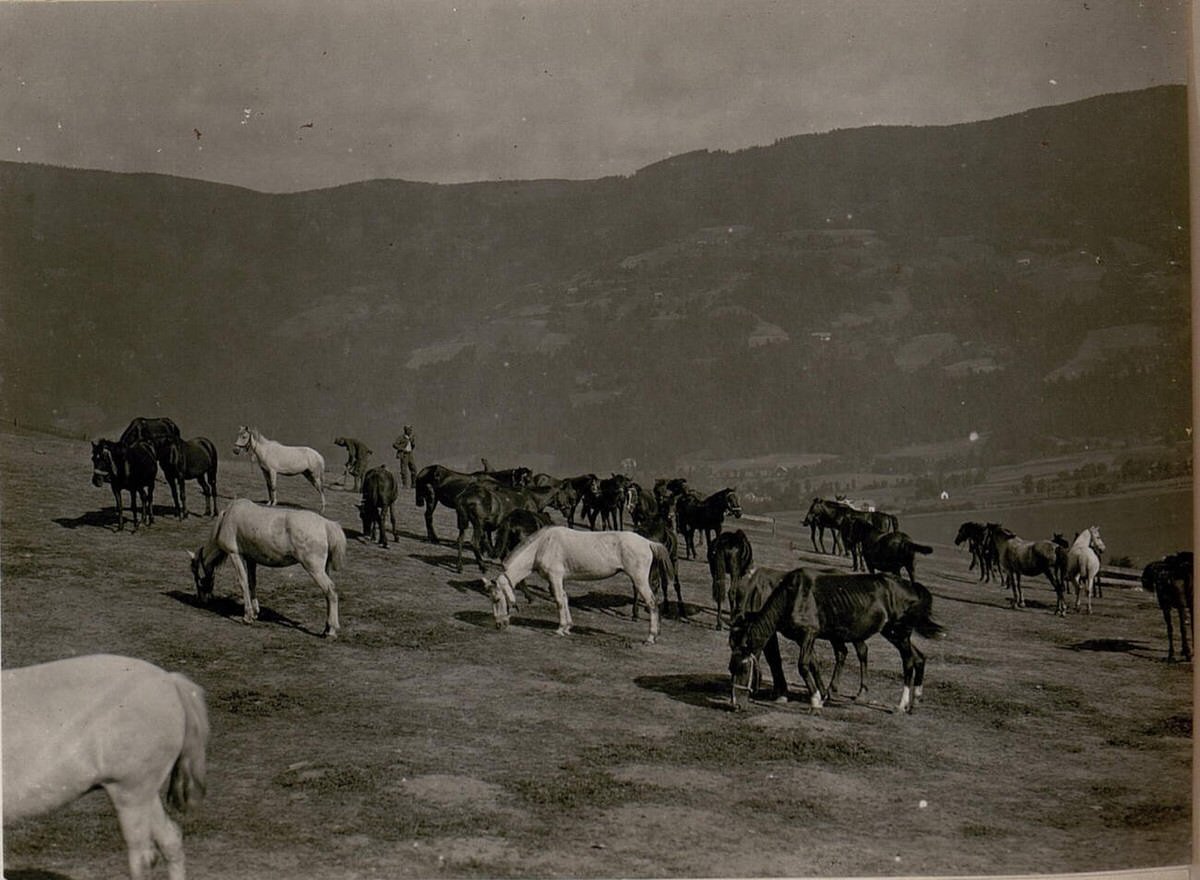
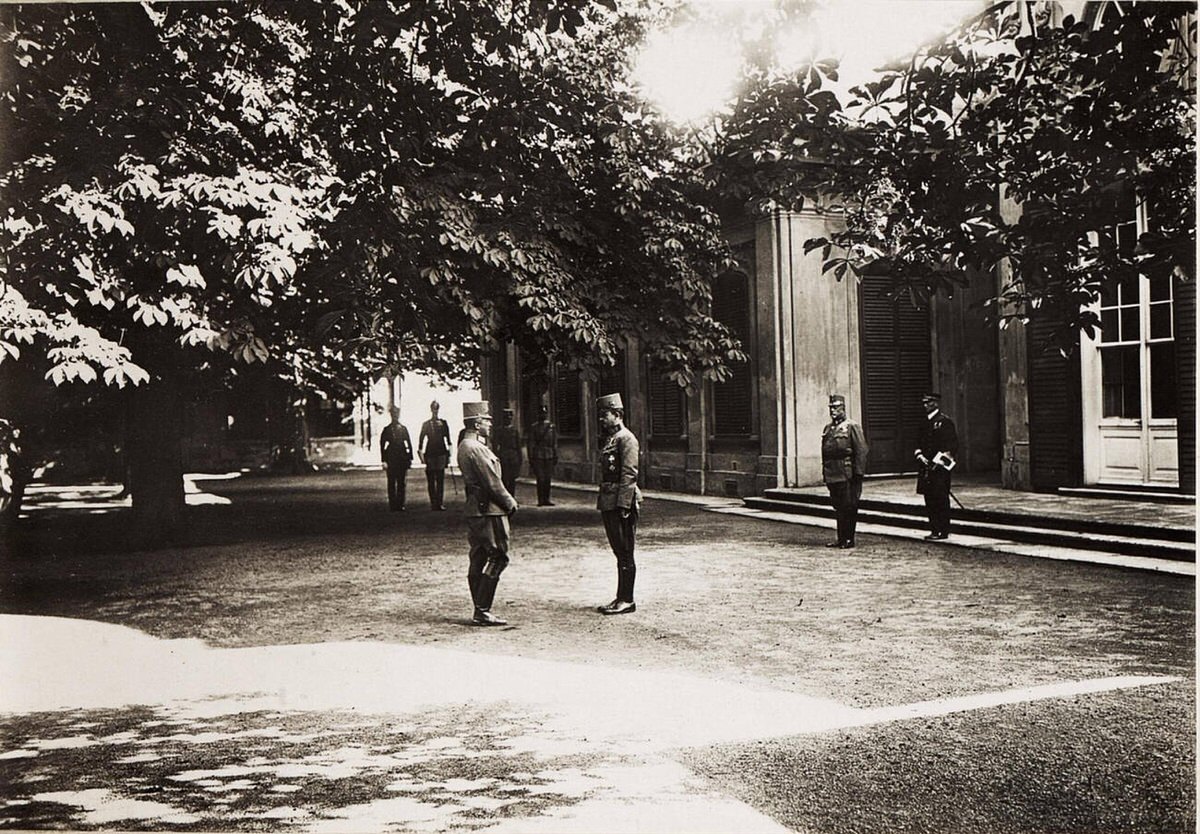
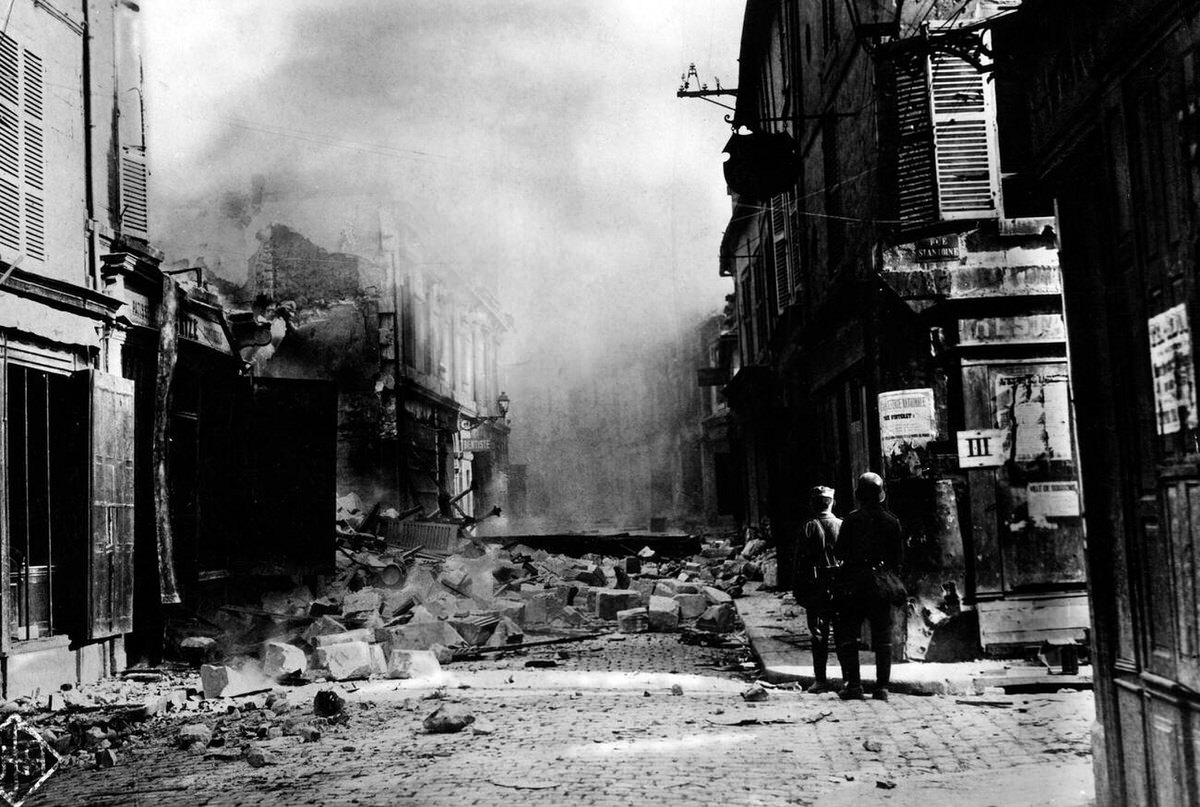
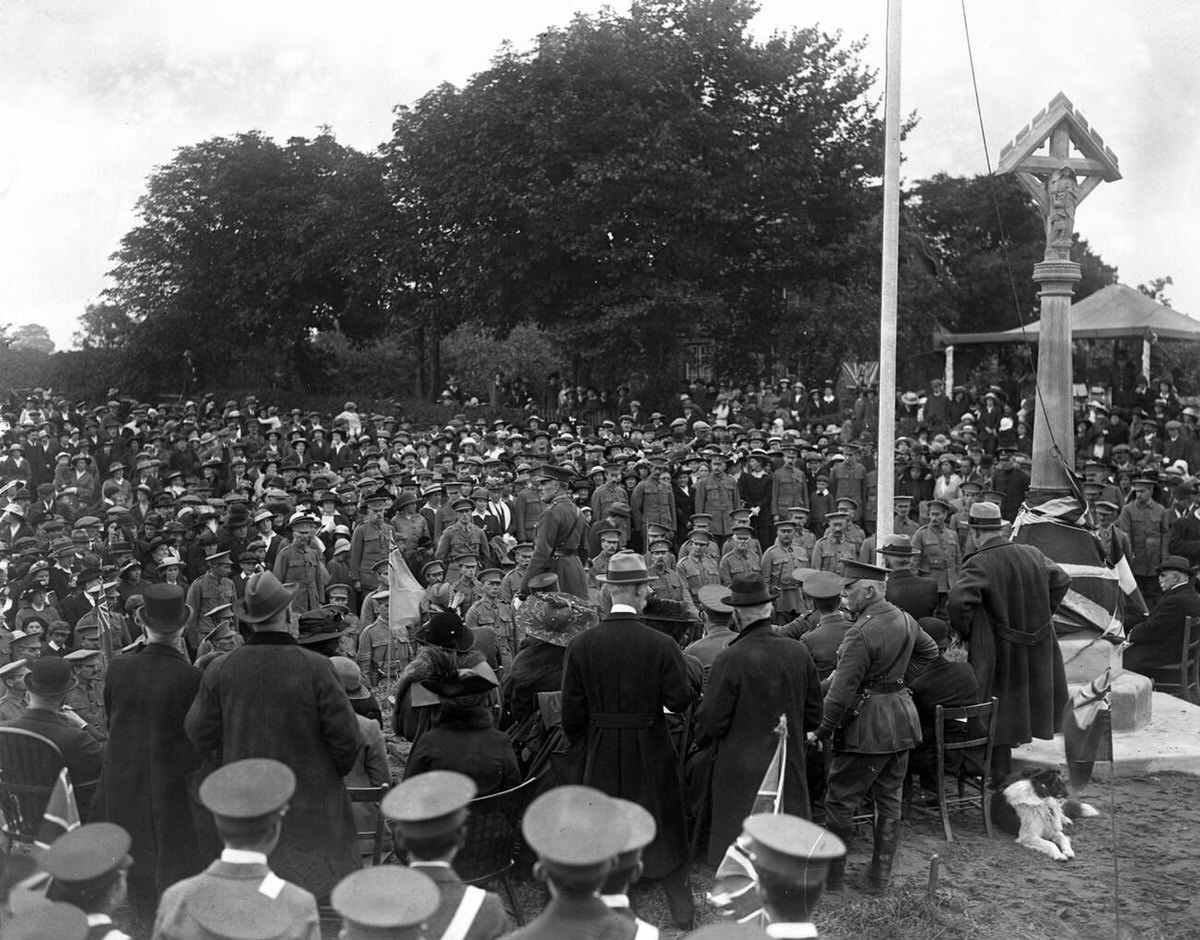
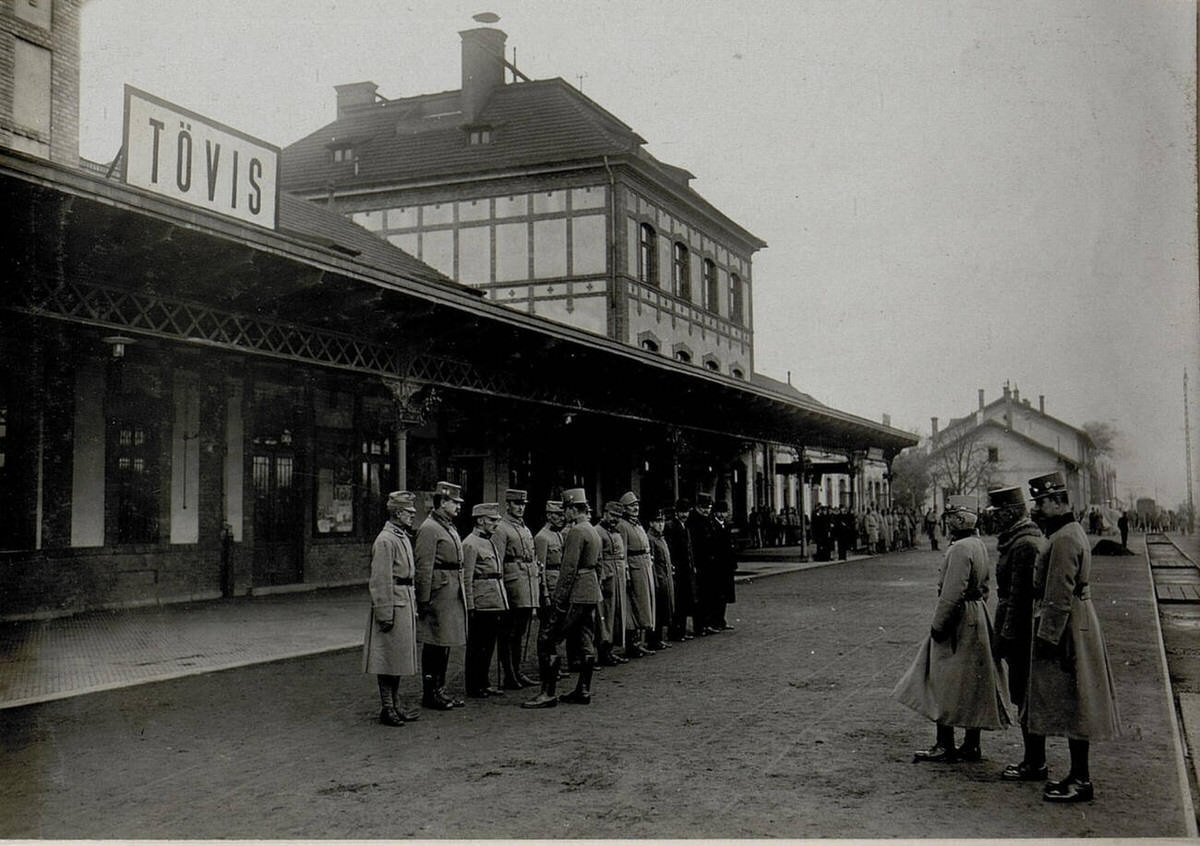
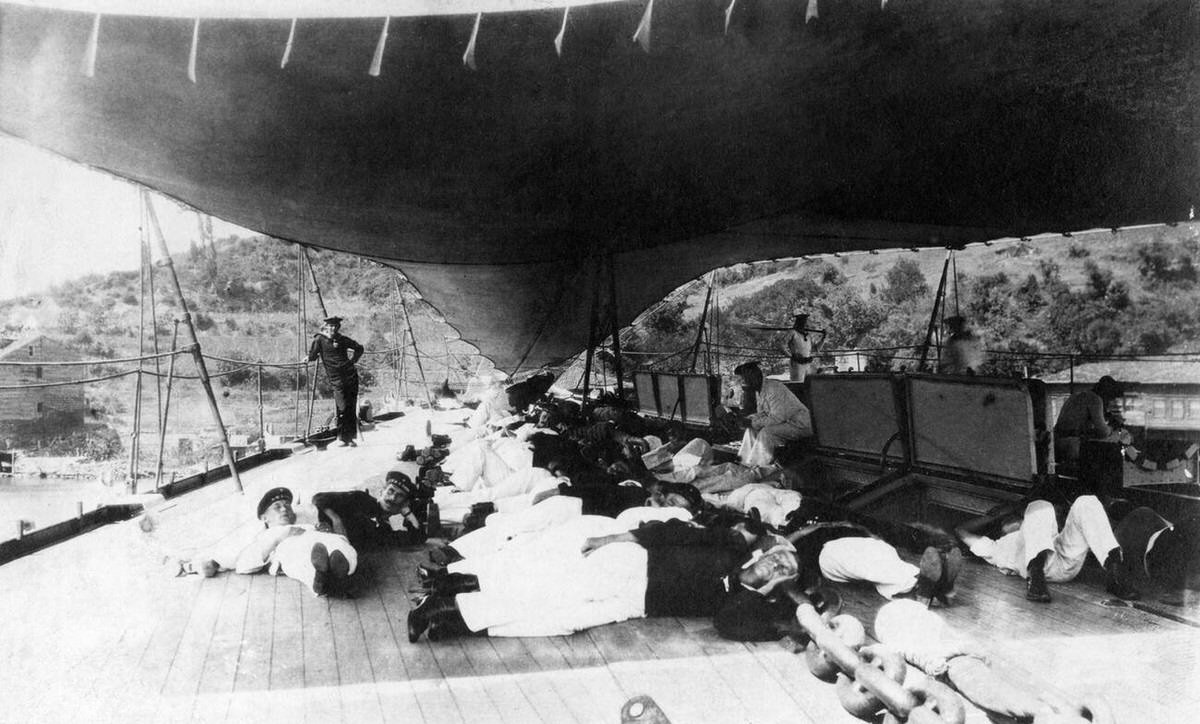
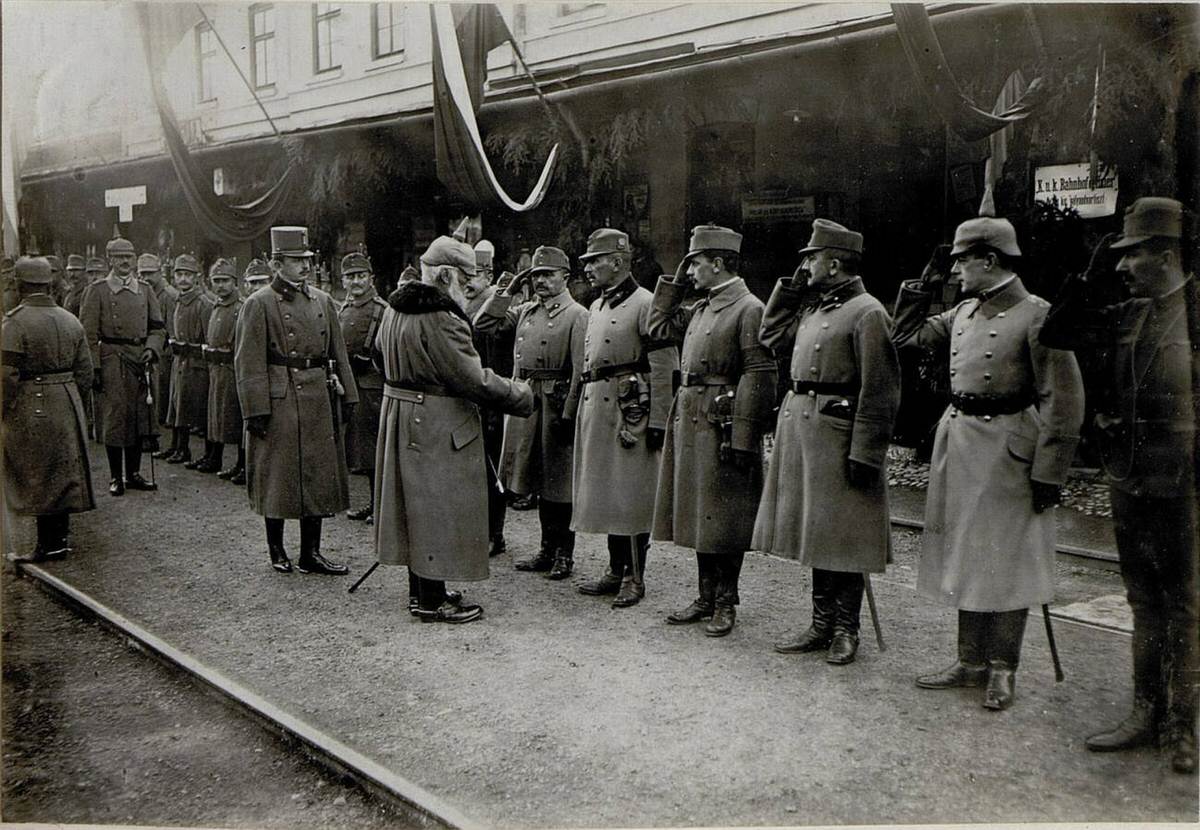
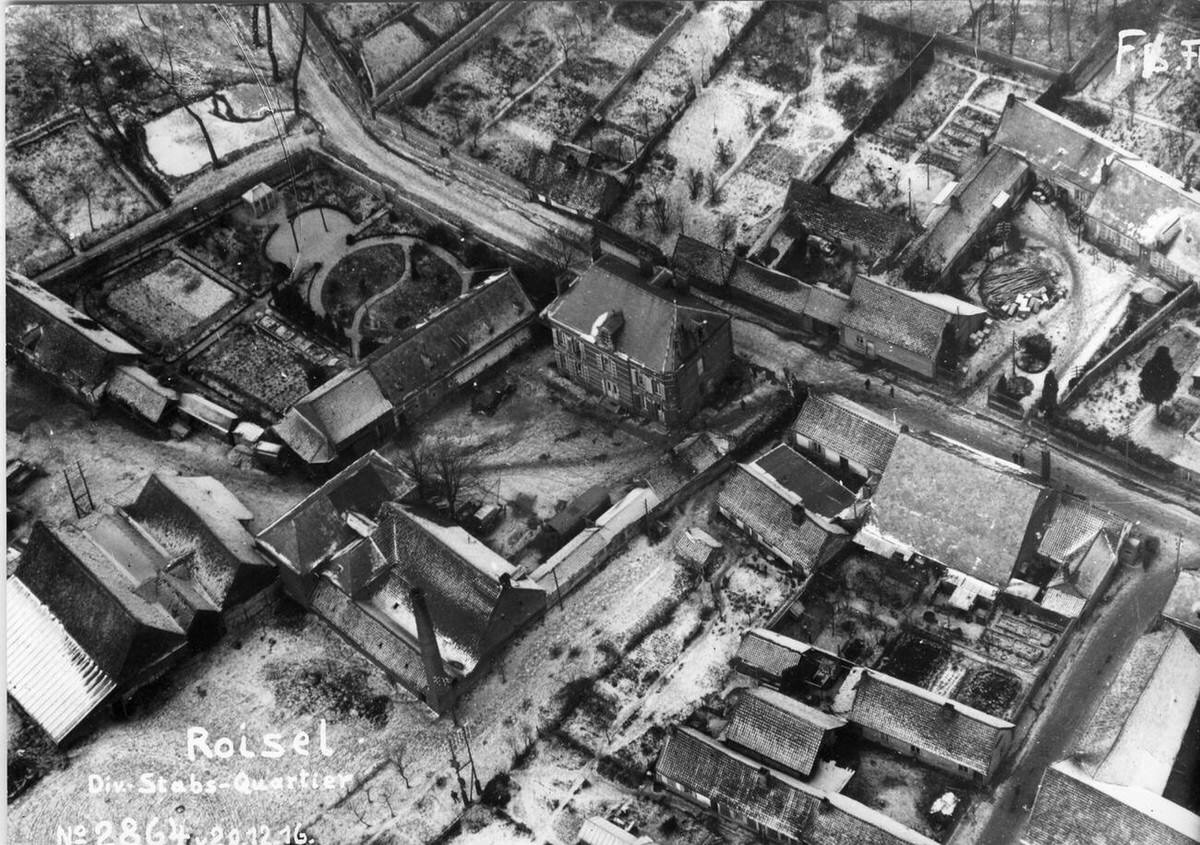
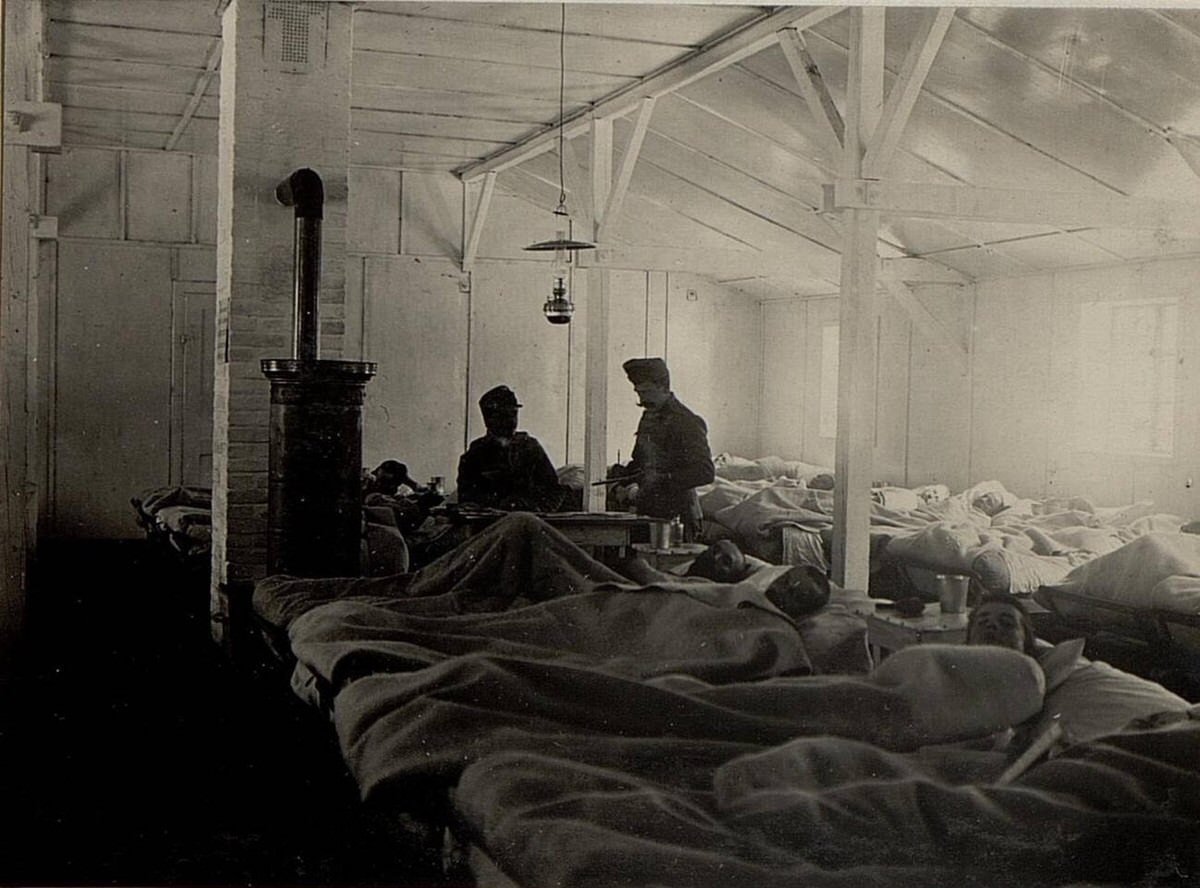
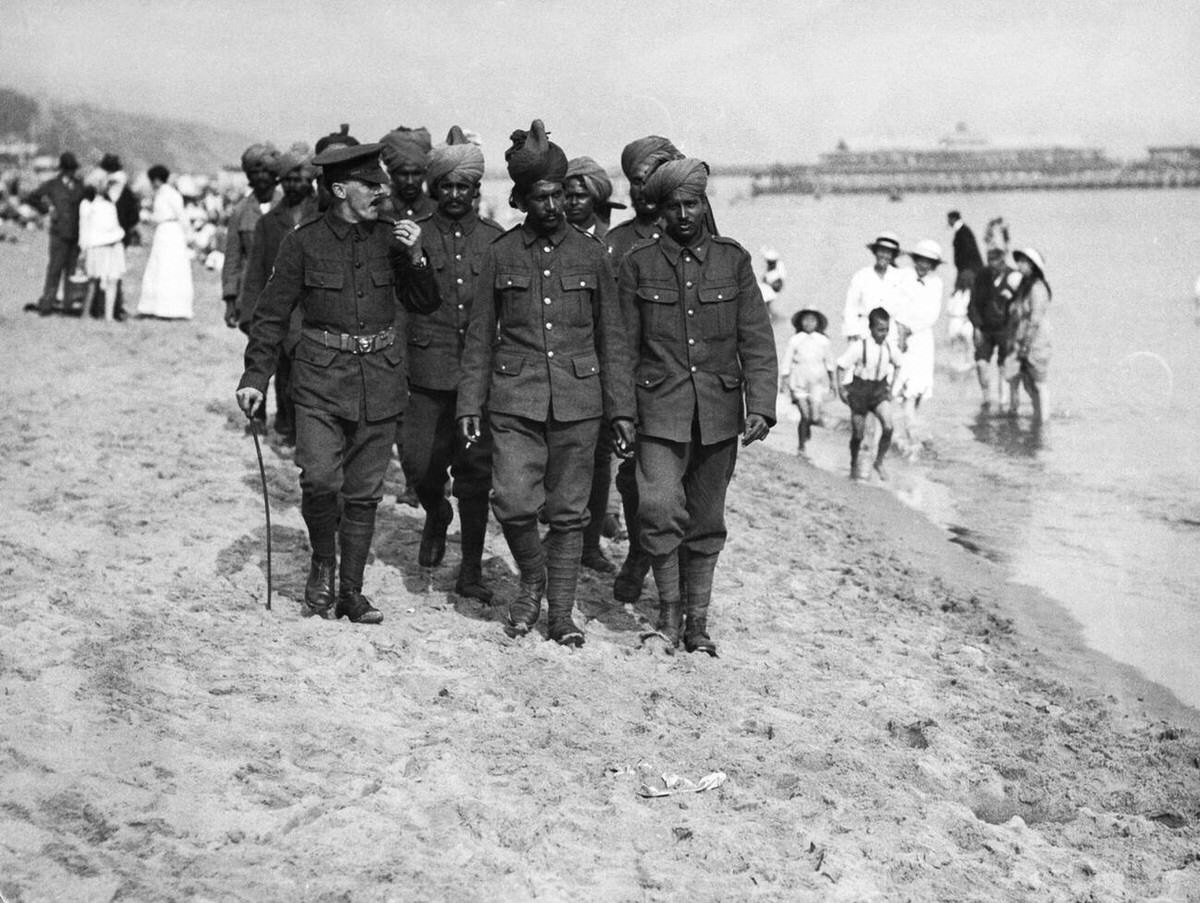
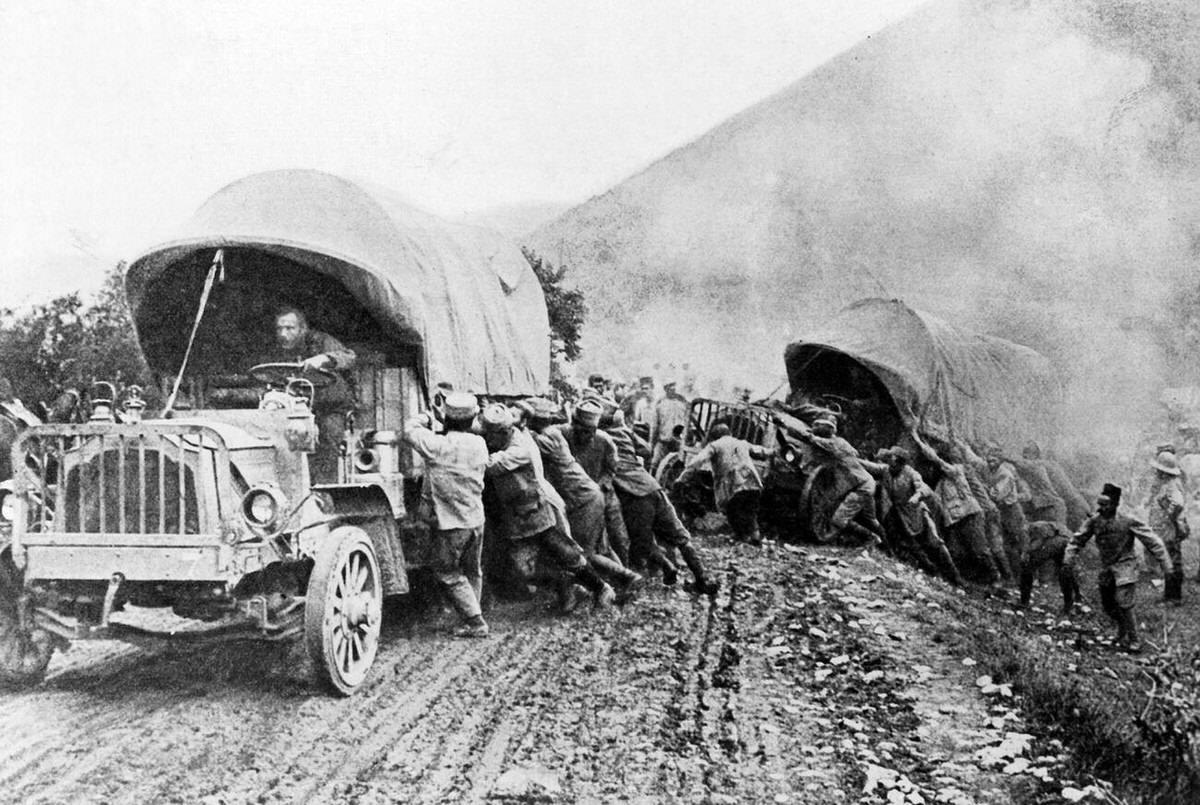
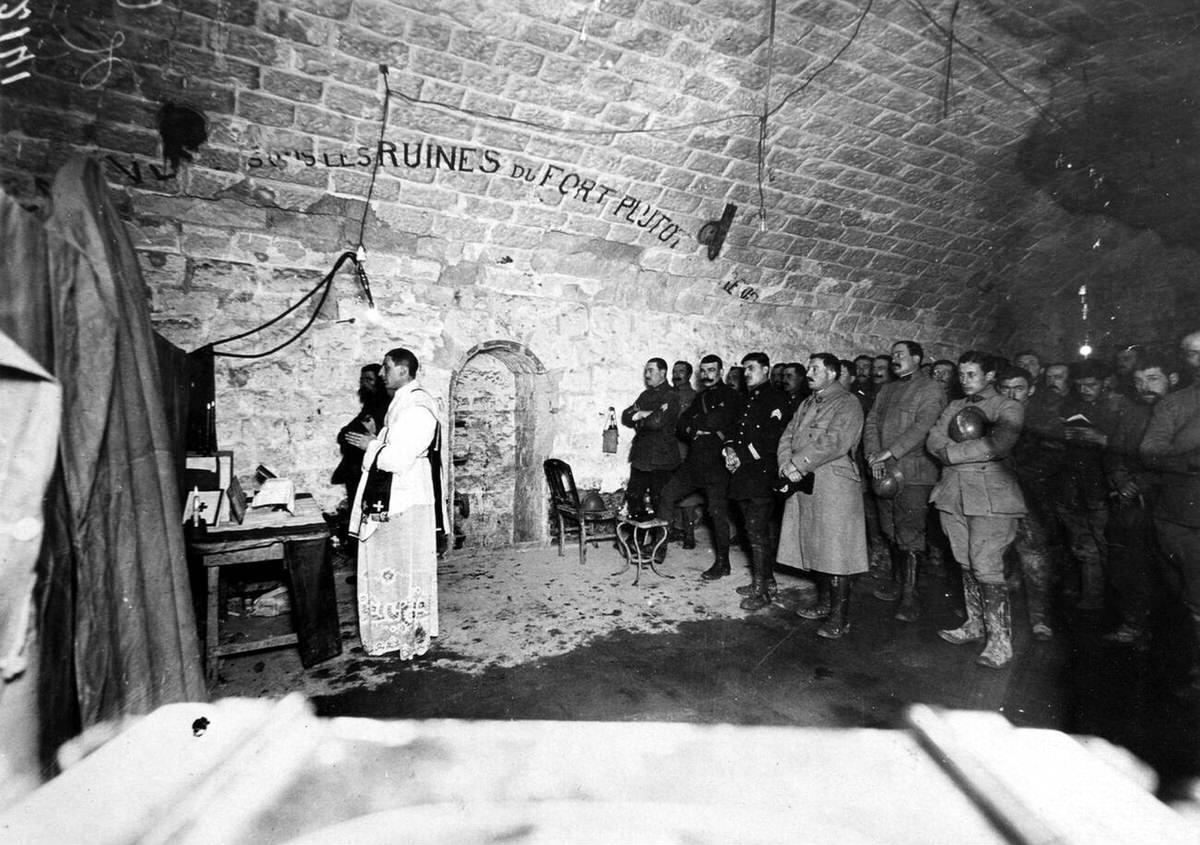
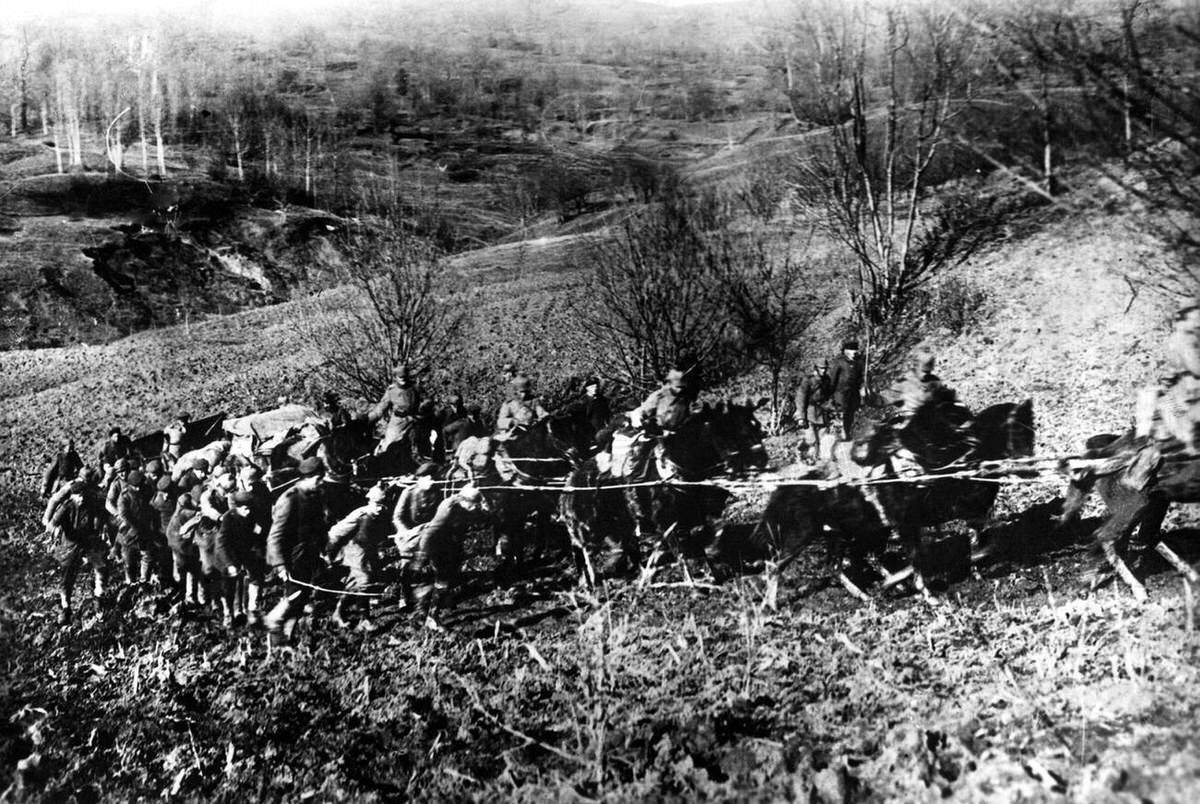
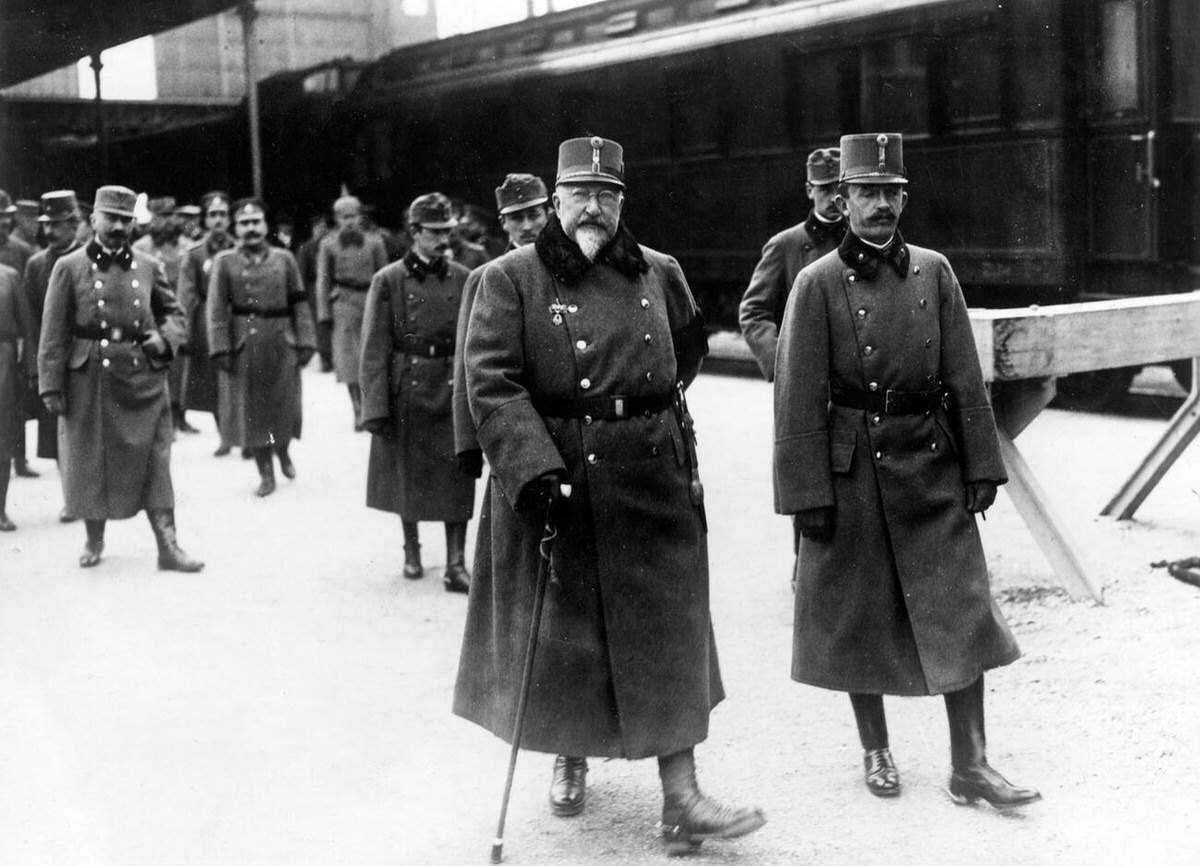
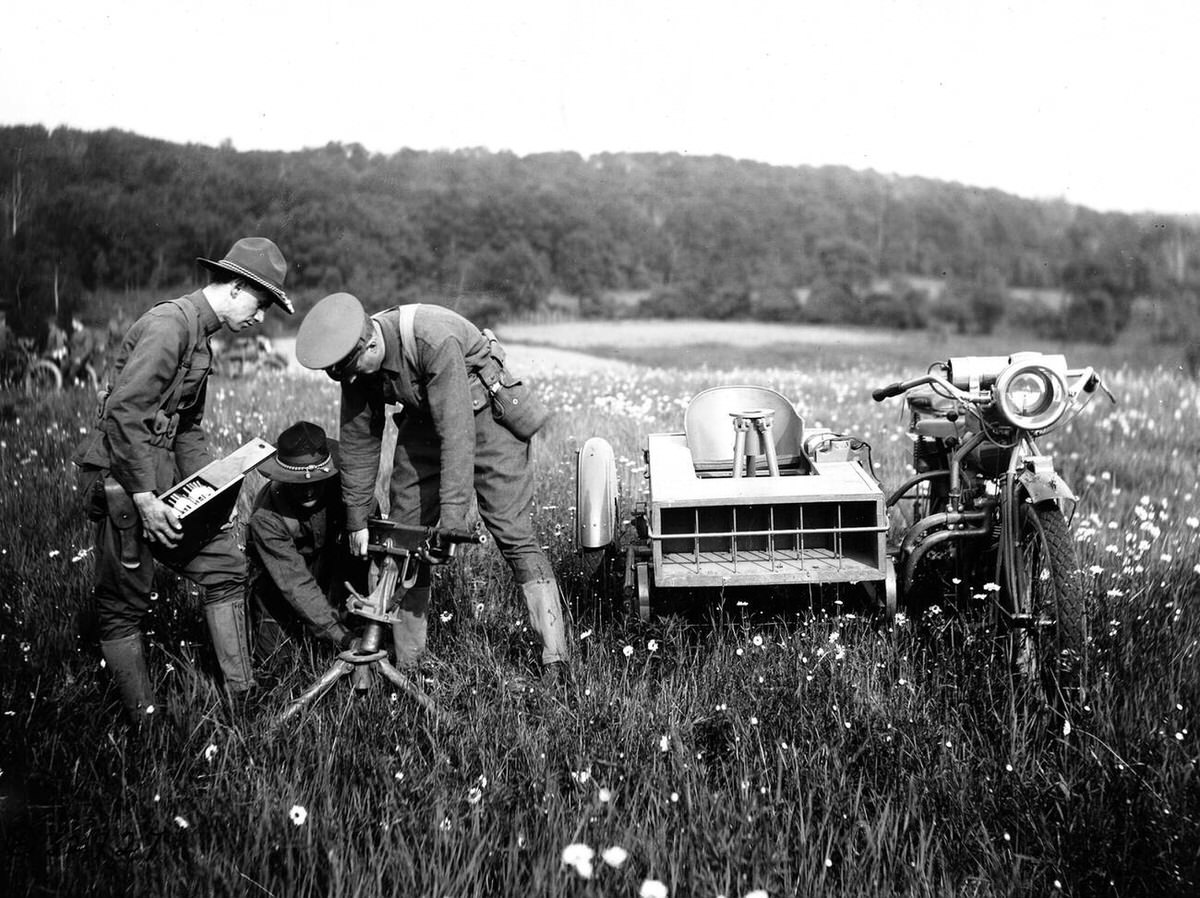
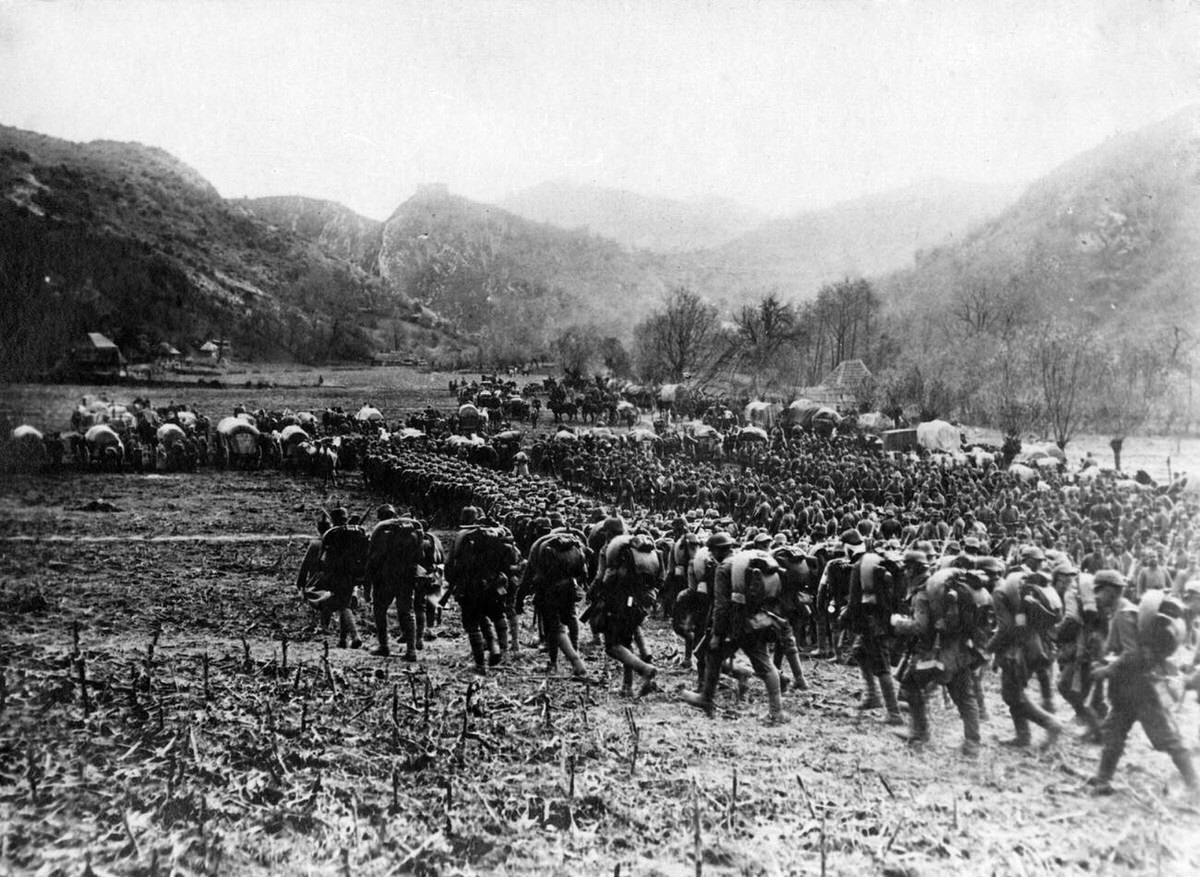
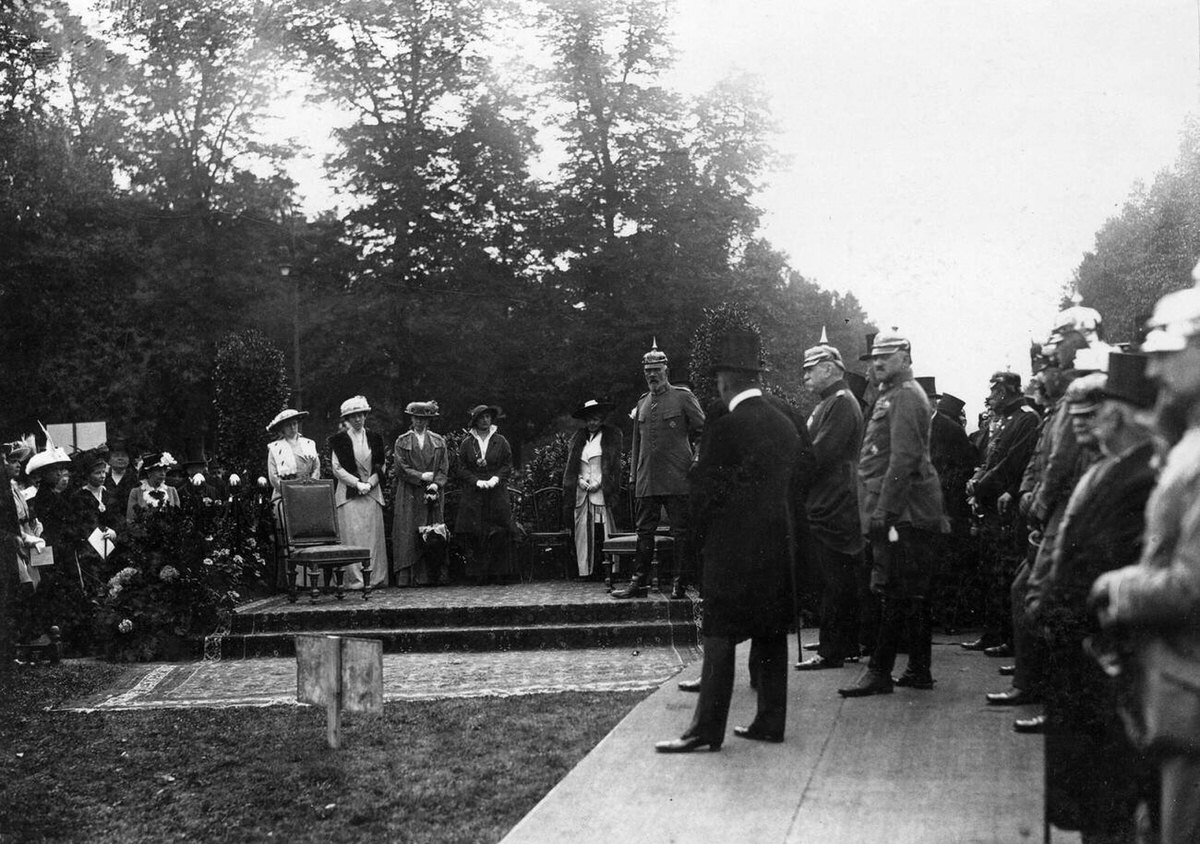
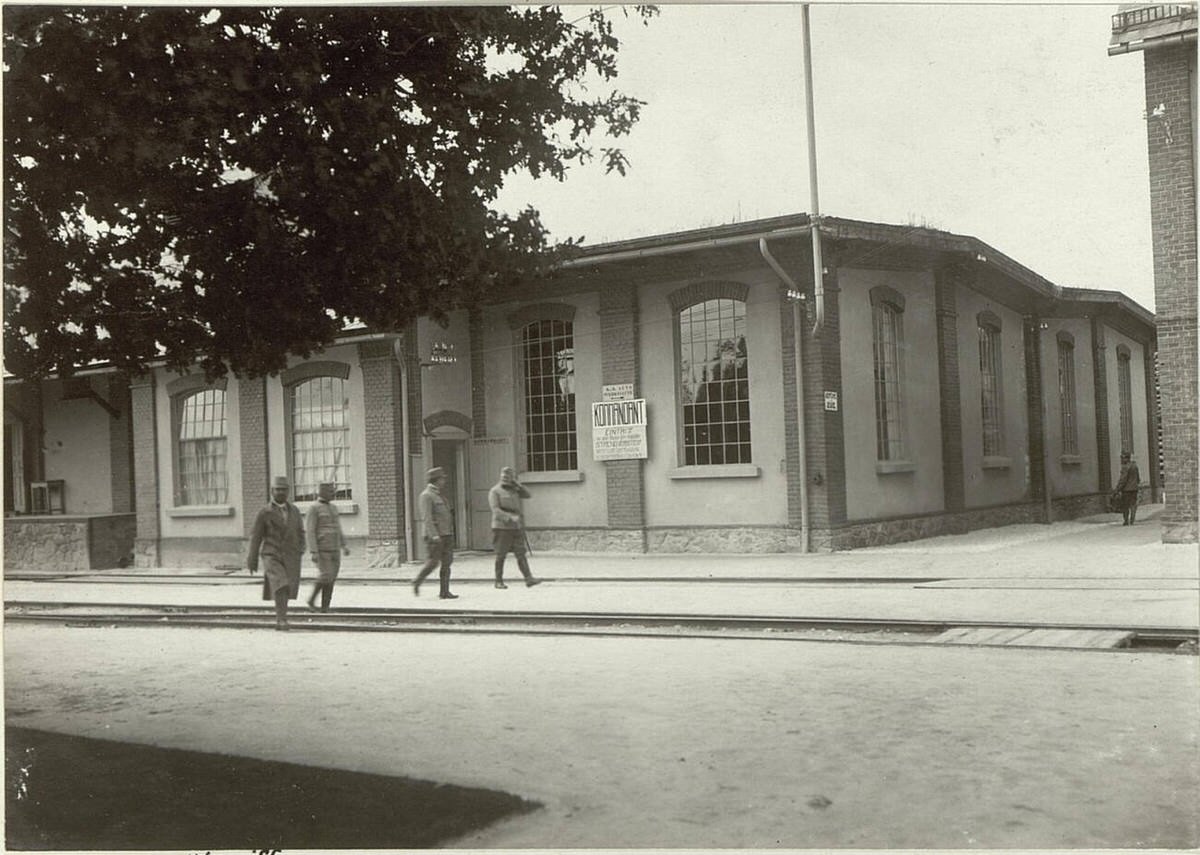
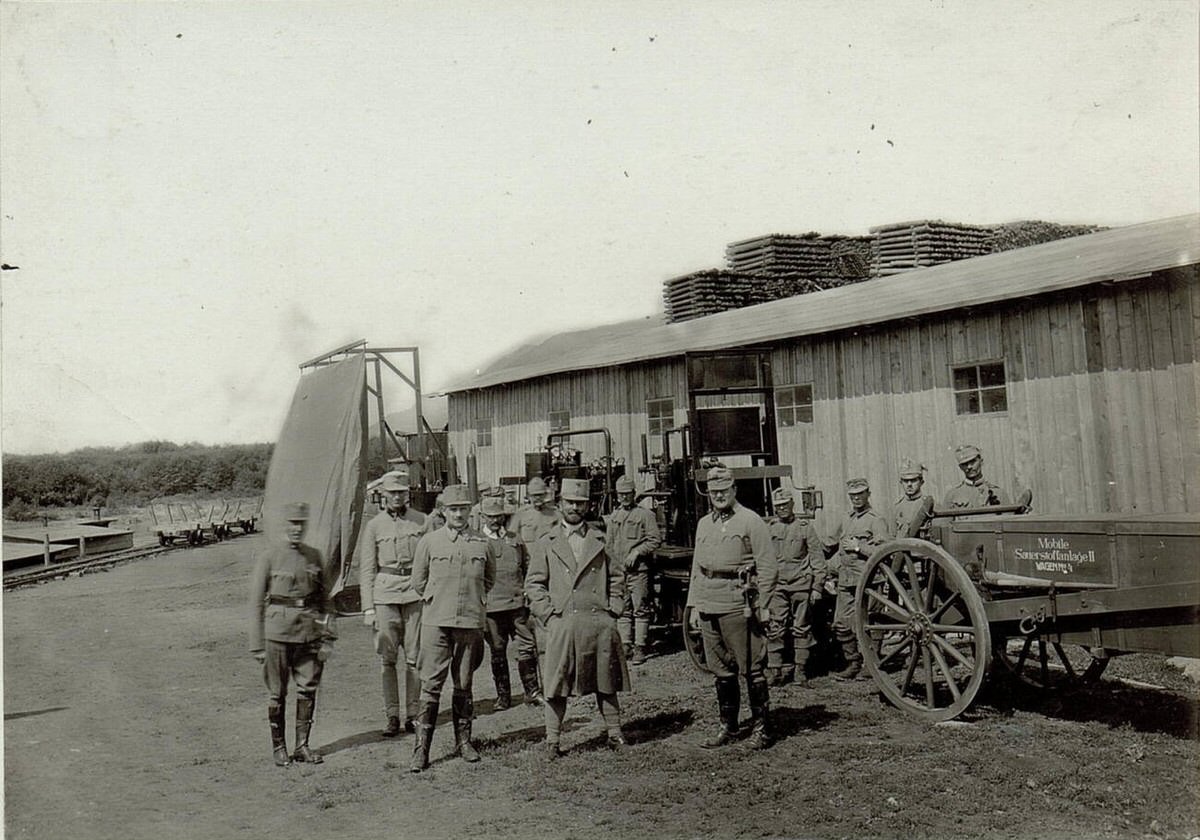
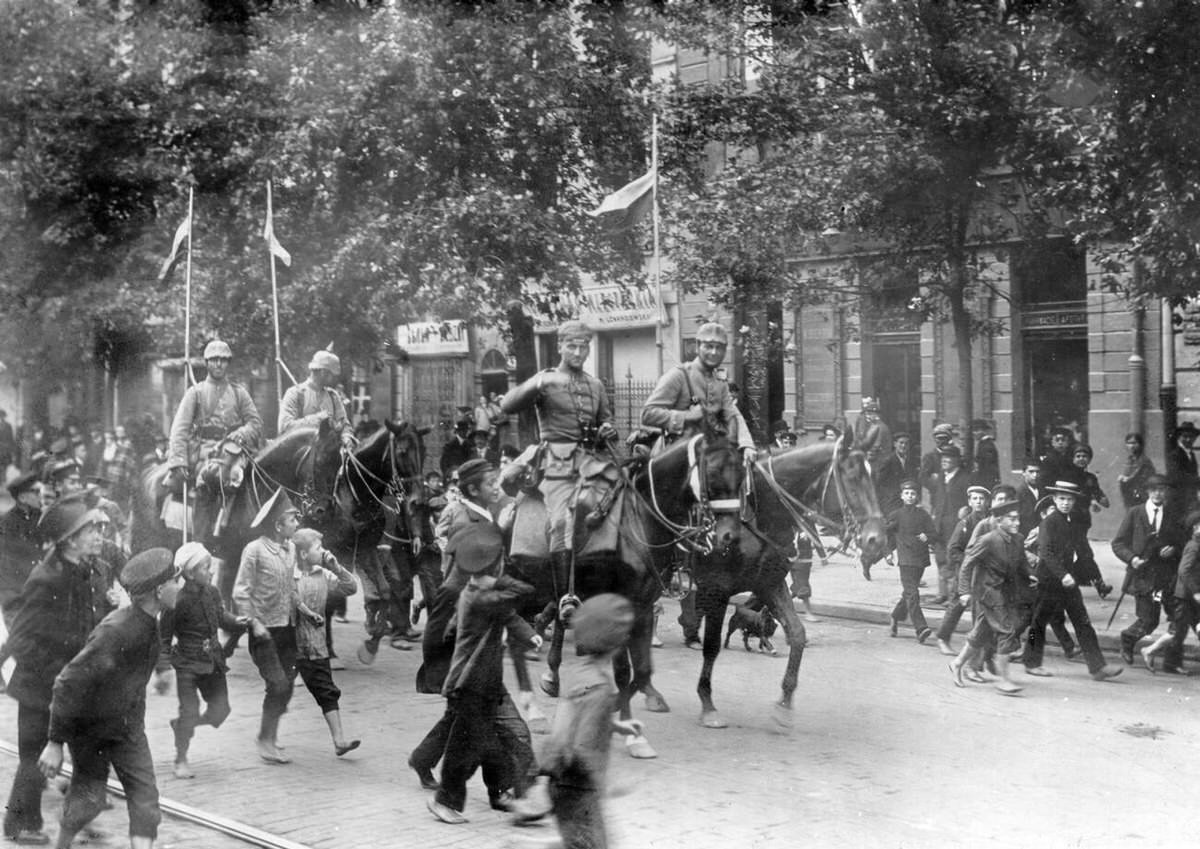
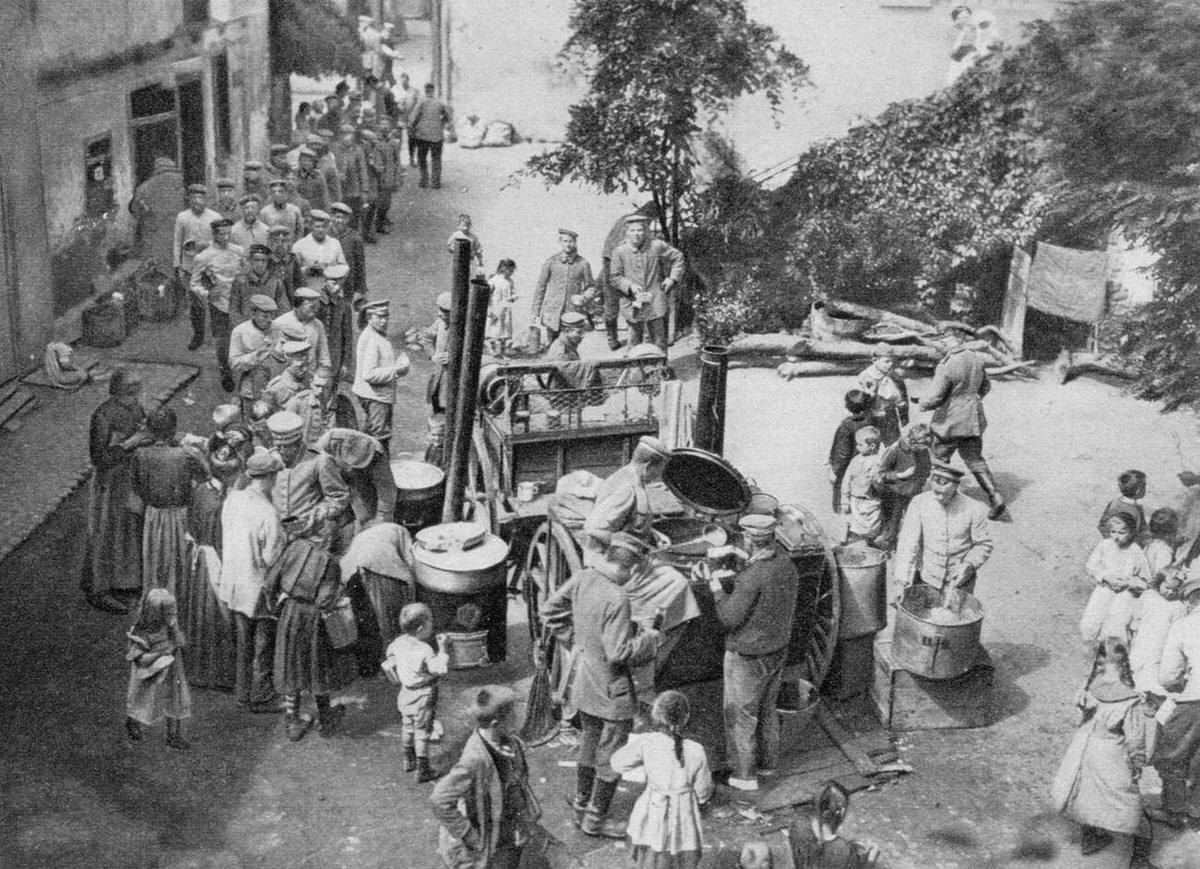
American troops entering Treves, Germany, 1919Victory parade featuring army colors and standards, 1919German Vice Admiral Graf Maximilian von Spee’s cruiser squadron leaving Valparaíso, Chile, 1914Russian prisoners of war, 1914Cameroon Company in German Southwest Africa, 1914Ten 105mm quick-firing guns recovered from the wreck of the SMS Königsberg, 1914Makeshift walkway built by German engineers over a demolished railroad bridge near Riga, Latvia, 1914Dead Romanian soldiers near Kronstadt, 1916No. 1 Clearing Hospital tents at the Sphinx in Anzac, Gallipoli, 1915Shell flares over the Australian lines at night, 1914Russian Cossacks on horseback, 1915Chinese laborers at a roll call in France, 1914Aerial view of Jerusalem, 1917Church of the Ascension on the Mount of Olives in Jerusalem, 1918Japanese Red Cross station operating near Tsingtao, 1915Decorated young Russian women serving as instructors for new recruits, 1918Annamese soldiers cleaning their guns in the Marne district, 1914Russian Special Brigades arriving in Marseille to assist on the Western Front, 1916Military camp for Australian soldiers in Egypt, 1914German and Austrian prisoners of war in Russia, 1914Turkish troops with a German 105mm light field howitzer M98/09 at Harcira, 1917British troops landing to assist Japanese forces in capturing Tsingtao, 1914Bodies of fallen soldiers and Mosin-Nagant rifles on an Eastern Front battlefield, 19146th Australian Light Horse Regiment marching in Sheikh Jarrah, East Jerusalem, 1918Reims battlefield with fallen Senegalese soldiers, 1914Slavo-British troops with Lewis guns, 1914Austrian soldiers meting out punishment to Russian prisoners, 1914Serbian soldiers manning a hilltop trench, 1914Colonial troops landing in the harbor of Boulogne-sur-Mer, France, 1917General Kamio at the formal entry of Tsingtao, 1914First Handley Page bombing machine built in the U.S. at the Standard Aircraft Corporation, 1918Austrian big guns, 1918Soldiers of the 1st Division, 1914Austrian artillery soldiers in Bukovina, 1914Phoning news of the Battle of Aivas Baba, 1914German troops at machine gun and rifle practice in Darmstadt, 1918First mobile kitchen in the streets of Berlin, 1914General Castelnau assisting at a parade of troops in Colmar, Alsace, 1919American soldiers in Treves, Germany, 1919American Army of Occupation in Treves, Germany, 1919American Army of Occupation moving into the Coblenz bridgehead, 1919Pfc. Benny Barrow helping a buddy climb in the Hürtgen Forest during the Allied offensive, 1944German soldiers’ attitude toward France and England, 1911German armored ship Helgoland of the Imperial Navy, 1912Cyclops Ordnance Steel Tyre and Spring Works in Sheffield, 1913British Naval Division Maxim gun squad in action during the bombardment of Antwerp, 1914Soldiers queuing in the mud for water in Génicourt, France, 1914Burial of fallen soldiers, 1914German troops in a Russian border town, 1914Signal corps in Belgium, 1914German troops marching through a French village, 1914Ruins in Ortelsburg, 1914French soldiers guarding a subway entrance in Paris, 1914Soldiers relaxing out of the front line in France, 1914North African infantry in trenches, 1910sBelgian army carabinieri defending a road, 1914Soldiers at a rest stop in Génicourt, France, 1914British army passing through the streets of Cologne with the cathedral in the background, 1919German officer with his dog, 1910Captured Russian officers in the Masurian Lake region, 1910Russian women unloading supplies from a transport in Siberia, 1910sGlobal conflict between the Allies and the Central Powers, 1914Expectant crowd, 1914Gordon Highlanders preparing wire entanglements in France, 1914Nuns nursing wounded German soldiers, 1914Mannesmann-Mulag touring car carrying army drivers after a funeral in Berlin, 1915Cavalry sending remote signals near Skarcjce, 1915Medic applying a bandage to a wounded soldier on the Belgian coast, 1915Wounded Austrians in Bukovina, 1915Working elephant in Hamburg, 1915Meeting of the German General Governor of Belgium, 1915Global conflict involving Europe, the Middle East, Africa, and Asia, 1914Soldiers going to the Somme in Épernay, France, 1914Soldiers marching through Birmingham train station to fight on the Western Front, 1914Global conflict following the assassination of Archduke Franz Ferdinand, 1914Burning captive balloon in France, 1914Austrian troops at the Eastern Front, 1914Wounded officer saluting the flag, 1910sPress headquarters during World War I, 1914German prisoners of war in Ypres, Belgium, 1914Sedan Day in Dresden, 1914Russian prisoners drinking from large cups by a railroad car in East Prussia, 1914Belgian soldiers re-entering Termonde, 1914Evacuation of wounded soldiers, 1914Russian infantry on a river, 1914Global conflict between the Allies and the Central Powers, 1914Global conflict following the assassination of Archduke Franz Ferdinand, 1914German soldiers in France, 1914Senegalese soldiers just before an onset, 1914Soldiers with machine guns in Bulgaria, 1914Company of German scouts receiving telephone instructions, 1914Train carrying troops from Hounslow to the Belgian front, 1914German internees in Switzerland, 1914Horses and dirigibles during World War I, 1914Global conflict involving Europe, the Middle East, Africa, and the Pacific, 1914Global conflict on the Western Front, 1915Reconnaissance meeting between infantry and cavalry patrols in a forest on the Eastern Front, 1915French officers at an observation post in Ablain-Saint-Nazaire, 1915Global conflict between the Allies and the Central Powers, 1915Global conflict following the assassination of Archduke Franz Ferdinand, 1915Global conflict involving Europe, the Middle East, Africa, and the Pacific, 1915Global conflict on the Western Front, 1915Warehouse of a German ammunition factory, 1916Bulgarian troops during muster in Macedonia, 1916Bulgarian cavalry in Romania, 1916Irish soldiers during World War I, 1916French observation balloon held down by soldiers before ascent, 1916French armored car battery stationed near the White Tower of Salonica, 1916Russian guns captured during the Masurian Lake campaign in East Prussia, 1915Hunting horn concert on the Western Front, 1915Medical orderlies with their dogs, 1915Soldiers of the 19th Artillery Regiment in Primolano, Italy, 1915Armenian refugees waiting on a beach before evacuation by warships, 1915Mortar positioned near Weidenburg, 1915Horse camp near Maria Schnee used for military training, 1915Battles in a village on the Western Front, 1915Army Commander B.H.M. Ermolli arriving in Lopuszno, 1916Austro-Hungarian soldiers on top of Mount Lovćen, 1916Reconstruction works at Mount Lovćen, 1916Archduke Karl inspecting the 40th Infantry Regiment south of Nowy Knierut, 1916Construction of a runway at Kol. Malin, 1916Arrival of military personnel in Cattaro, 1916Dogs used during World War I, 1917British troops at the Menin Road near Ypres, Belgium, 1917Woman serving tea to wounded British soldiers, 1917British soldiers waving their leave passes, 1917Global conflict between the Allies and the Central Powers, 1917British soldiers with a captured 8-inch naval gun in northern France, 1917Turkish field hospital, 1917American exercise camp, 1917French soldiers posing with a machine gun, 1917Global conflict following the assassination of Archduke Franz Ferdinand, 1917Funeral of an American soldier behind front line trenches in Bathelémont, 1917Town hall in Roye during World War I, 1917Global conflict involving Europe, the Middle East, Africa, and the Pacific, 1917Global conflict between the Allies and the Central Powers, 1917Captured Allied machine guns on exhibition at the Berlin Arsenal, 1917Global conflict following the assassination of Archduke Franz Ferdinand, 1917American soldiers resting inside the Royal Courts of Justice in London, 1917Global conflict involving Europe, the Middle East, Africa, and the Pacific, 1917Patrol of Bolshevist soldiers in the streets of Grajewo, 1917German troops on the march with prisoners, 1917Crowd in the Place d’Iéna during the America Day celebration in Paris, 1917Soldiers receiving hot food, 1917Munitions factory during World War I, 1917Soldiers during World War I, 1917Global conflict between the Allies and the Central Powers, 1917Global conflict following the assassination of Archduke Franz Ferdinand, 1917Ammunition column heading to the front, 1917Handling rations for United States troops in France, 1917Airco DH.9A aircraft, 1917German camp life on the Oriental Front, 1917General Ferdinand Foch on the Italian front, 1917Global conflict between the Allies and the Central Powers, 1917Alarm position behind the Western Front, 1917Seizure of Jēkabpils by German troops, 1917German artillery on the Western Front, 1917Munitions transport on the Western Front, 1917Kaiser Karl I in Vezzano, 1917Kaiser Karl I inspecting troops in Pergine, 1917US Navy 5th Marine soldiers moving by rail from Philadelphia to New York, 1917British soldiers with a captured German gun near Wytschaete, Belgium, 1917Field hospital and rabbit breeding in Tirol, 1917Wartime atmosphere in Bleiberg am Dobratsch, 1917Population awaiting Karl I in Csík Viesarhely, 1917Karl I visiting Dorna Kandreny on the Southeast Front, 1917Artillery gun positioned at Prvačina, 1917Horses on a pasture recovering after service, 1917Karl I presenting the Military Merit Cross to Archduke Joseph, 1917Scene from a German film about World War I, 1920General Sir William Robertson unveiling a village war cross at Dalderby, 1916Journey from Teiuș to Sibiu, Romania, 1916Sailors of the SMS Goeben taking a nap, 1916King Ludwig III of Bavaria visiting the Army Group Command in Sighișoara, Romania, 1916Aerial view of Roisel, France, 1916Patient ward of the Thörl-Maglern field hospital, 1916Wounded Indian soldiers recuperating in Bournemouth, England, 1916Russian convoy in Macedonia, 1916Midnight mass at the Fortress of Douaumont, 1916Global conflict between the Allies and the Central Powers, 1917Global conflict following the assassination of Archduke Franz Ferdinand, 1917Global conflict involving Europe, the Middle East, Africa, and the Pacific, 1917Global conflict between the Allies and the Central Powers, 1917Global conflict following the assassination of Archduke Franz Ferdinand, 1917Global conflict involving Europe, the Middle East, Africa, and the Pacific, 1917Birmingham Small Arms factory in Small Heath, 1917German artillery, 1917King Ferdinand and Emperor Charles I, 1917First motorcycle battery of New Jersey featuring a Colt-Martin rapid fire gun, 1917German soldiers on the march, 1917Unveiling of the Iron Hindenburg in Berlin, 1915Gallipoli campaign offensive, 1915Inspection of fortification depot No. 7 at the cellulose factory in Villach, 1915Inspection of a fortification depot at Seebach’s cellulose factory, 1915German troops taking Warsaw, 1915German traveling kitchen in the Vosges, France, 1916
Andrew Thompson is an archaeologist and historian who specializes in the study of war and conflict. He writes about the brutal history of warfare, including the World Wars and other significant conflicts. Through his work, he aims to deepen our understanding of the human cost of conflict and inspire us to work towards a more peaceful future.