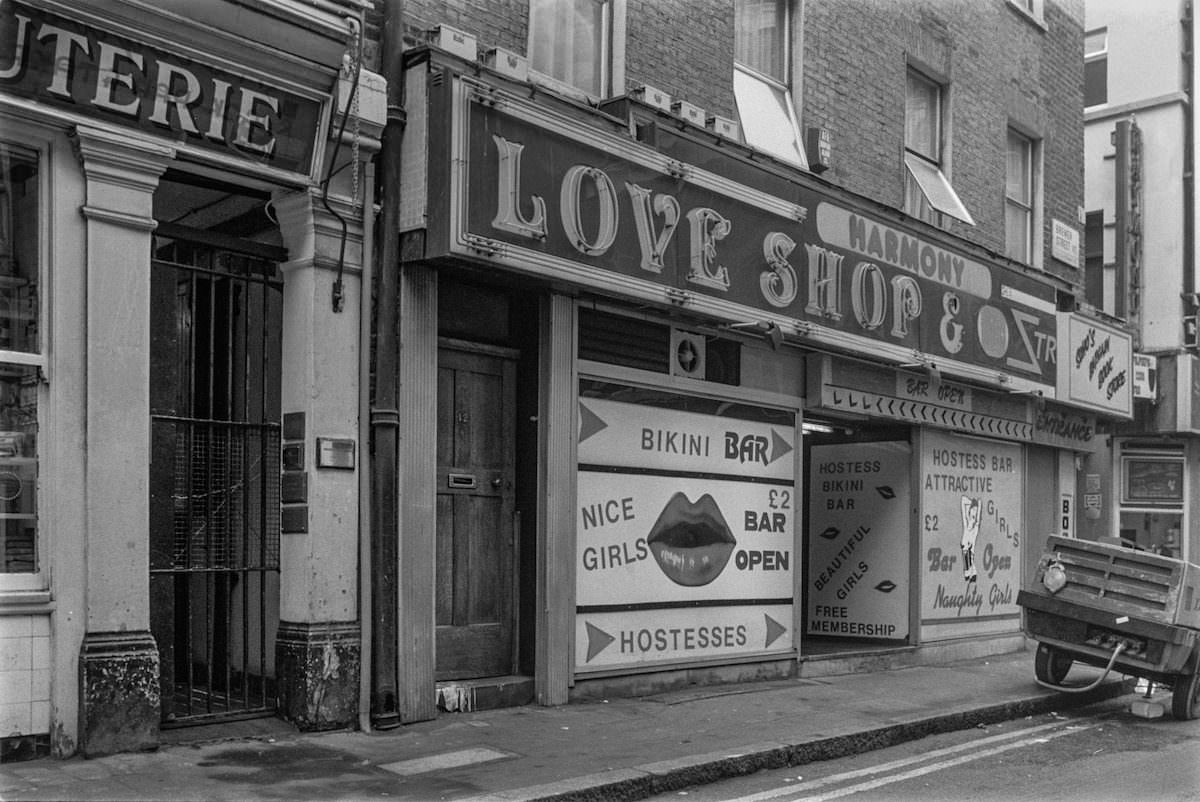
In the 1980s, London’s Soho was a neighbourhood of sharp contrasts. Punks with mohawks walked the same streets as suited businessmen. Record stores and restaurants sat next to venues with blacked-out windows and buzzing neon signs. Soho was the undisputed centre of the UK’s adult entertainment industry, and its streets made no effort to hide it.
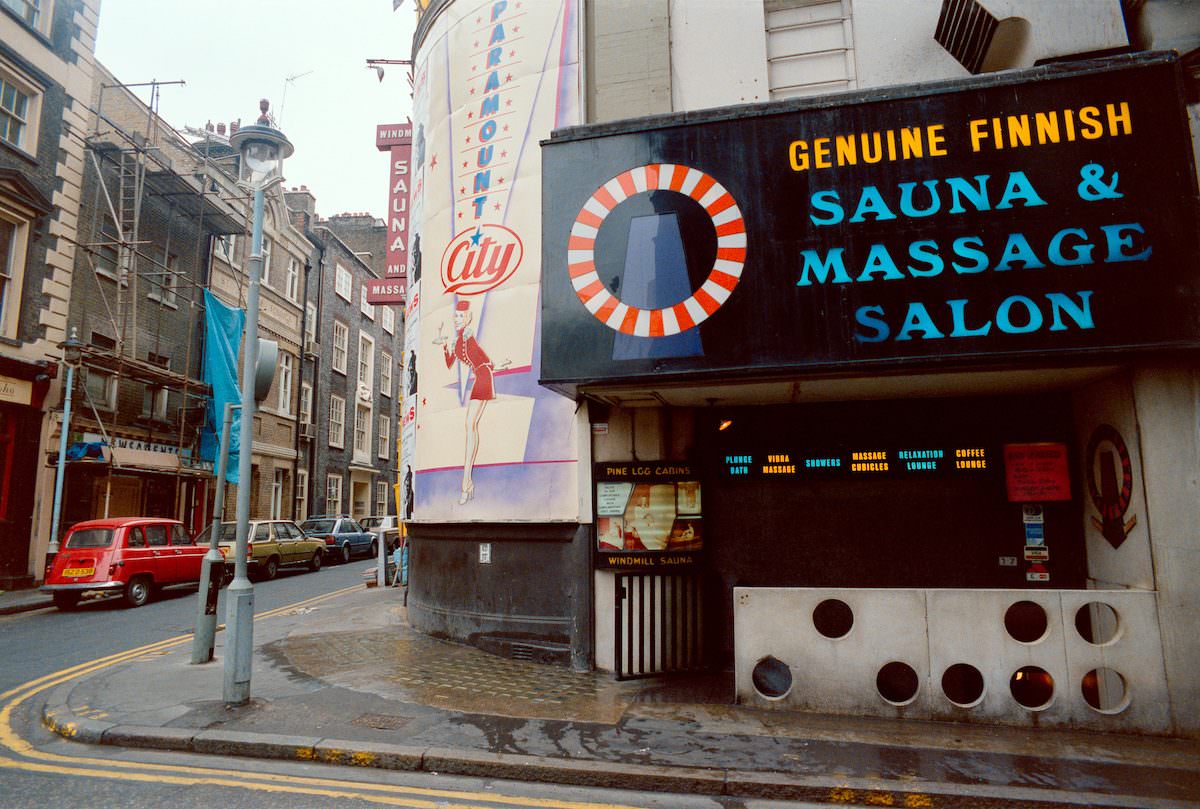
Before the internet made adult content available at the click of a button, physical venues filled that demand. The arrival of VHS technology changed things significantly. Watching adult films was no longer limited to a cinema seat — it became something people could do privately at home. That shift drove a boom in adult video rental shops across Soho.
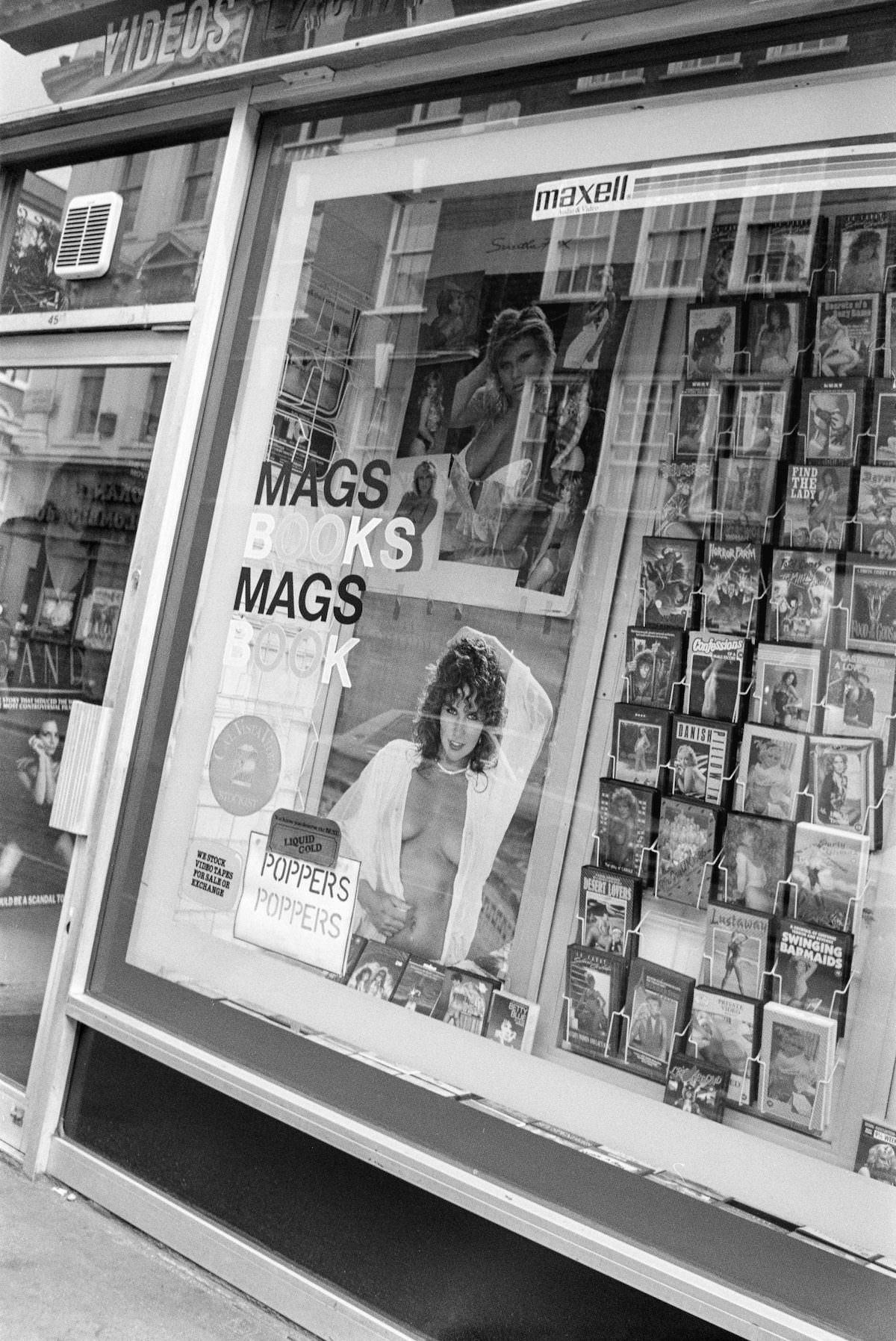
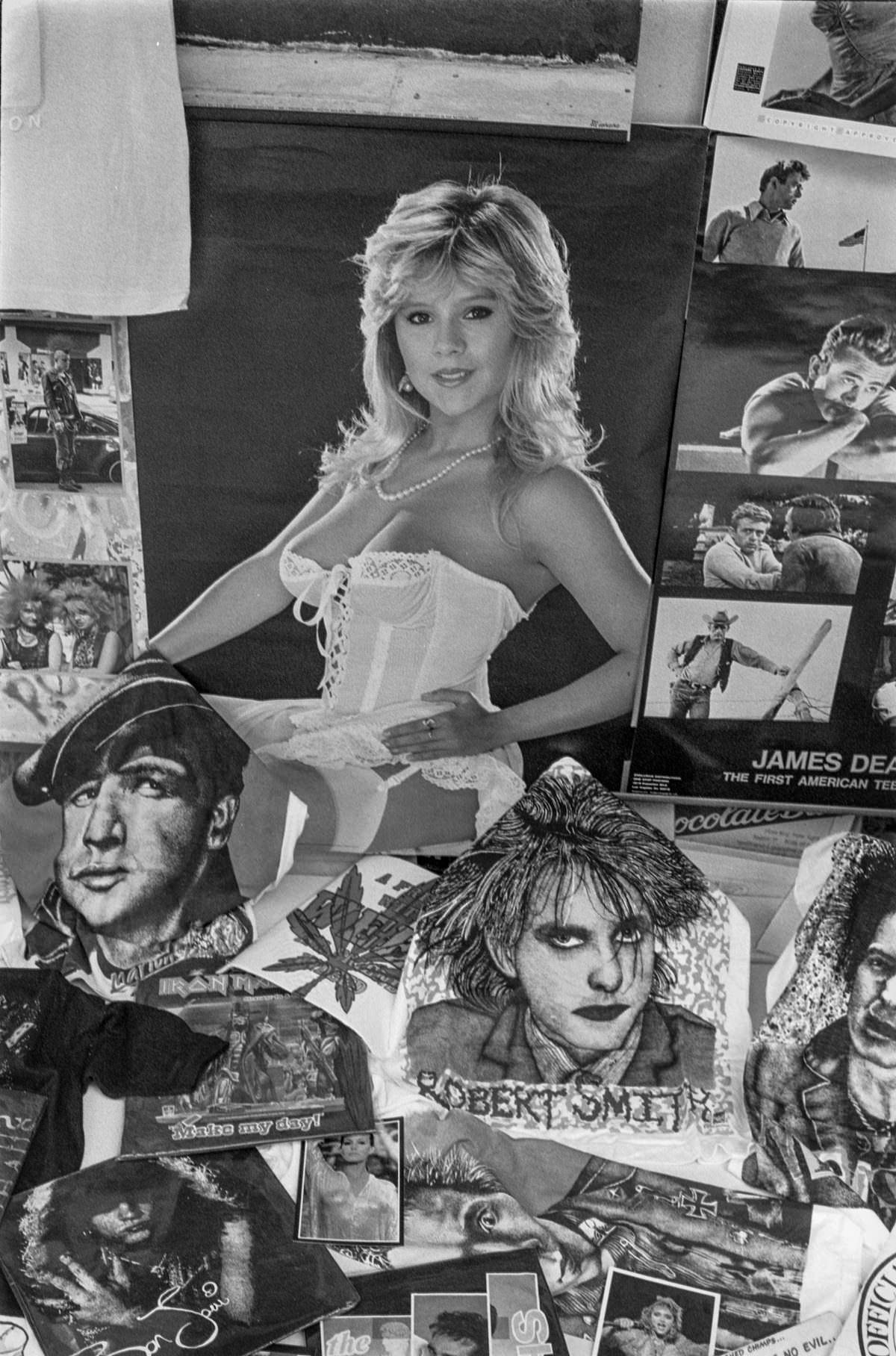
These shops were often squeezed between newsagents and cafes on ordinary-looking streets. Inside, curtained-off sections and dim lighting separated the adult stock from the rest. The shelves held hundreds of VHS tapes covering a wide range of content — heterosexual, gay, and more niche material. Shopkeepers knew their inventory thoroughly and directed customers with minimal conversation. Walls were covered in promotional posters, giving customers a sense of what each tape contained before they committed to a rental.
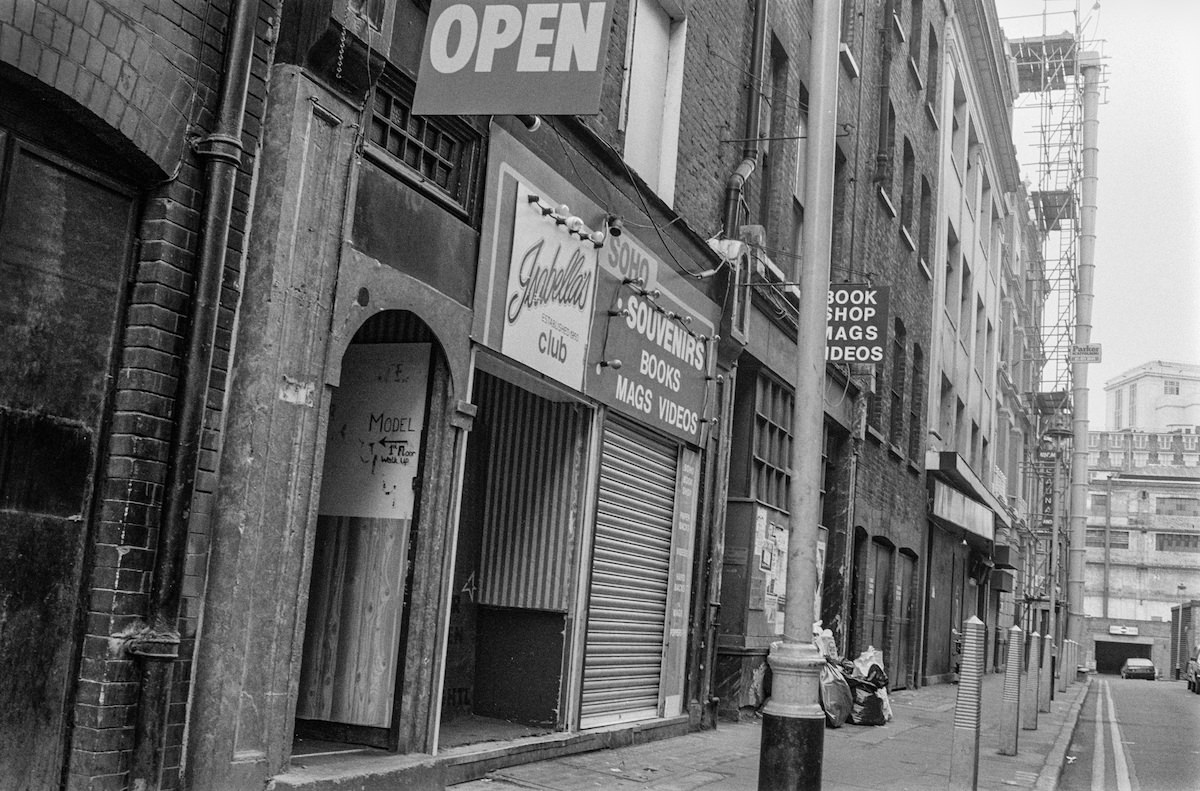
Adult cinemas offered something the video shops couldn’t — a fully immersive experience outside the home. These venues were tucked down side streets and narrow alleyways, easy to miss if you didn’t know where to look. Inside, red velvet seats, sticky floors, and the steady hum of a projector set the tone. The clientele was a mixed crowd: office workers on lunch breaks, tourists, and regulars who treated the place like a routine stop.
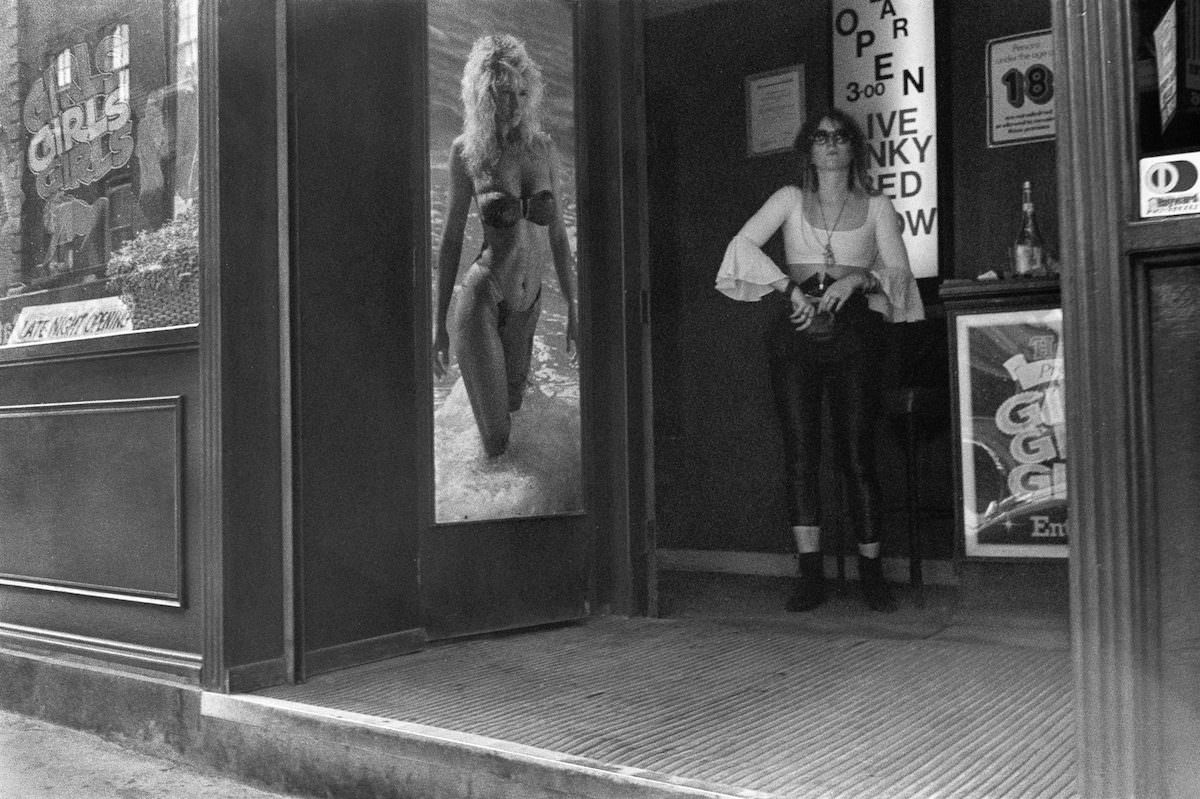
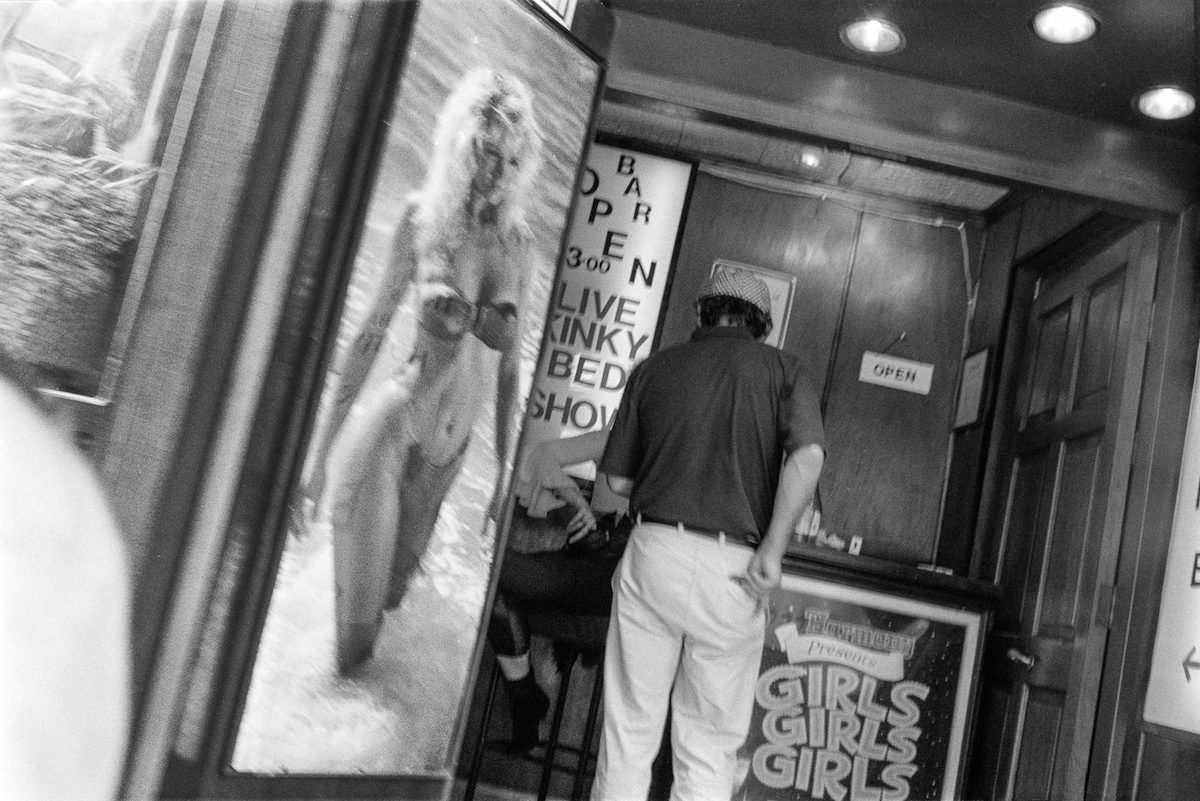
The films shown varied widely in quality. Many were low-budget productions with poor acting and thin storylines. Others were polished and genuinely well-made. Some cinemas offered private booths for customers who wanted complete anonymity. That anonymity was a large part of the appeal — these were spaces where people could be invisible, free from the social scrutiny of everyday life.
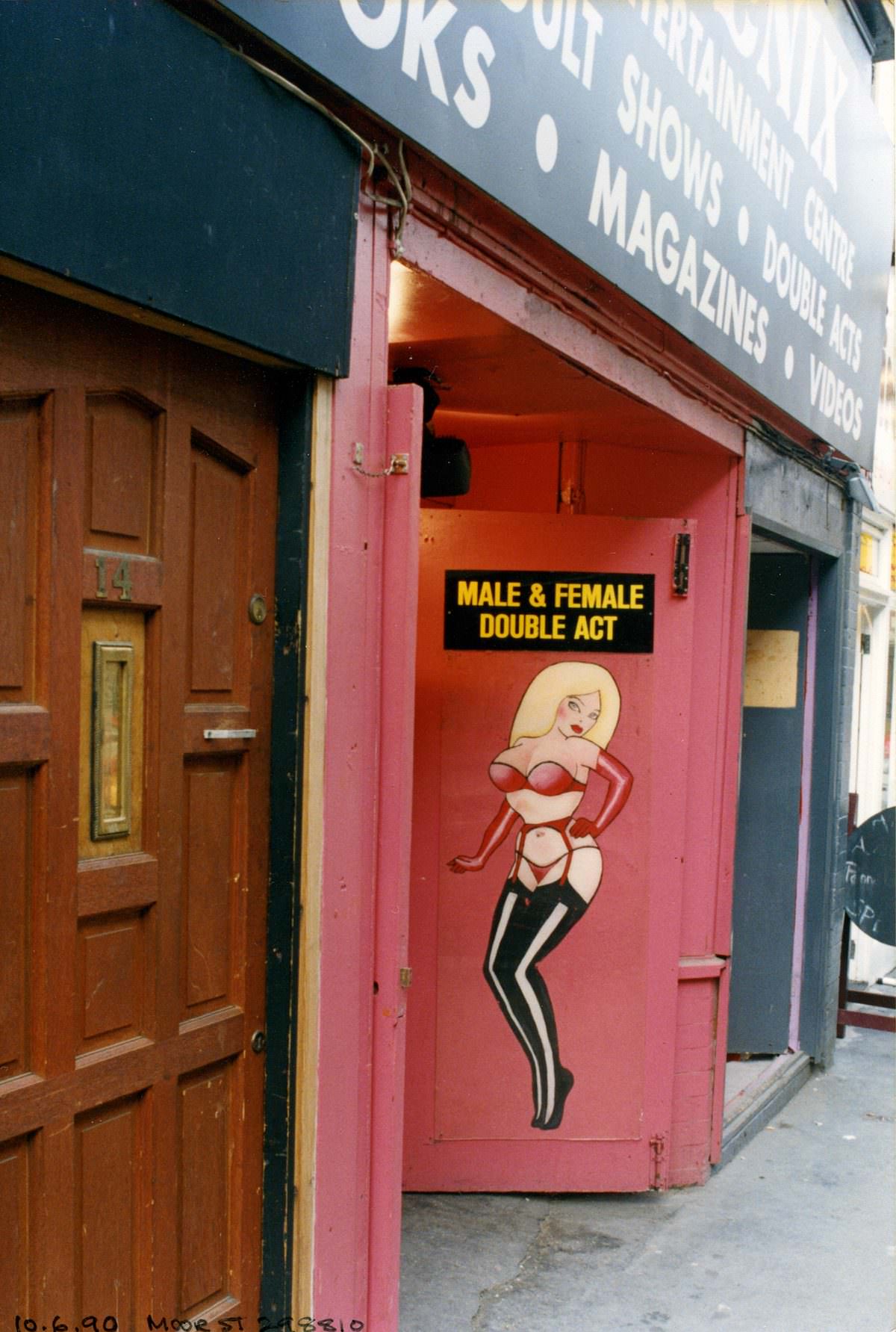
Not everyone welcomed the industry’s presence. Local residents raised complaints about noise and the behaviour of some patrons. Activists drew attention to concerns about the exploitation of performers and the objectification of women. The AIDS epidemic, which spread rapidly through the 1980s, added another layer of tension to Soho’s adult entertainment scene, with widespread fear and misinformation making an already complicated situation harder to navigate.
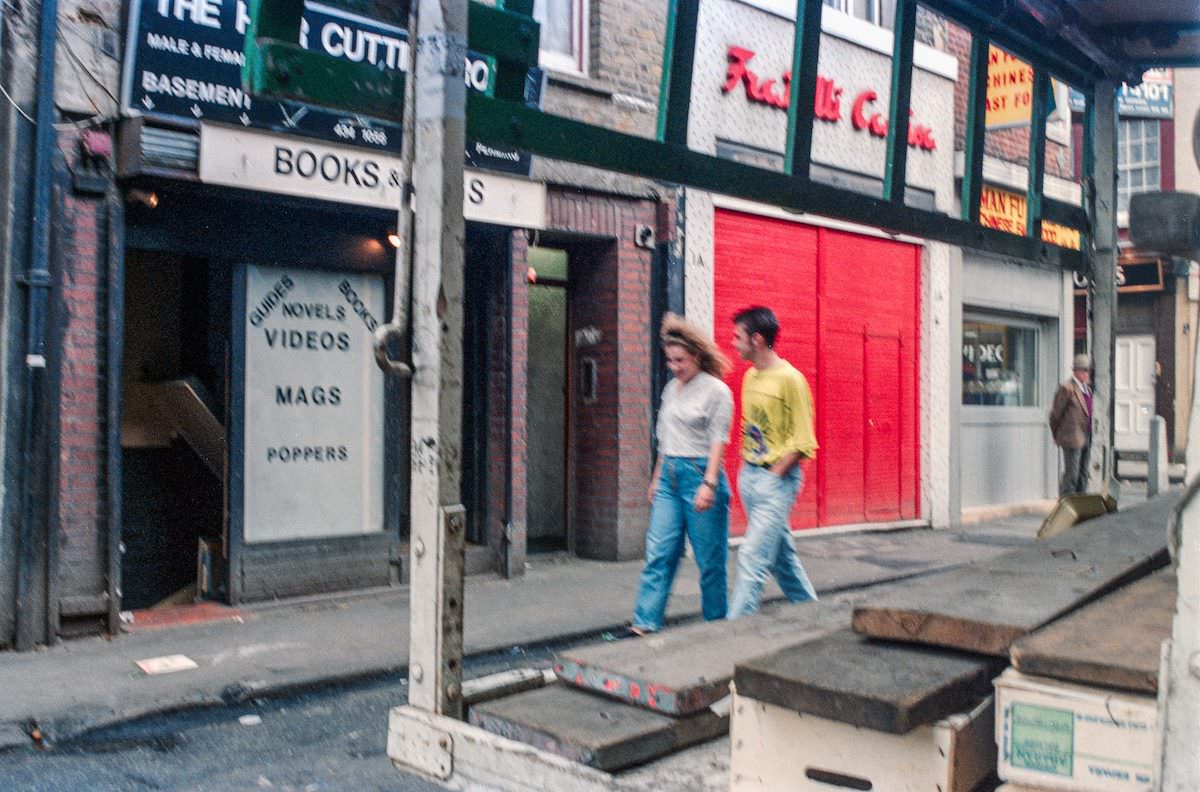
Brewer Street and the surrounding blocks became synonymous with the trade. Shop fronts advertised live shows, videos, and magazines side by side, creating a commercial strip that operated openly and without much pretence. The area had its own economy, its own rhythm, and its own rules.