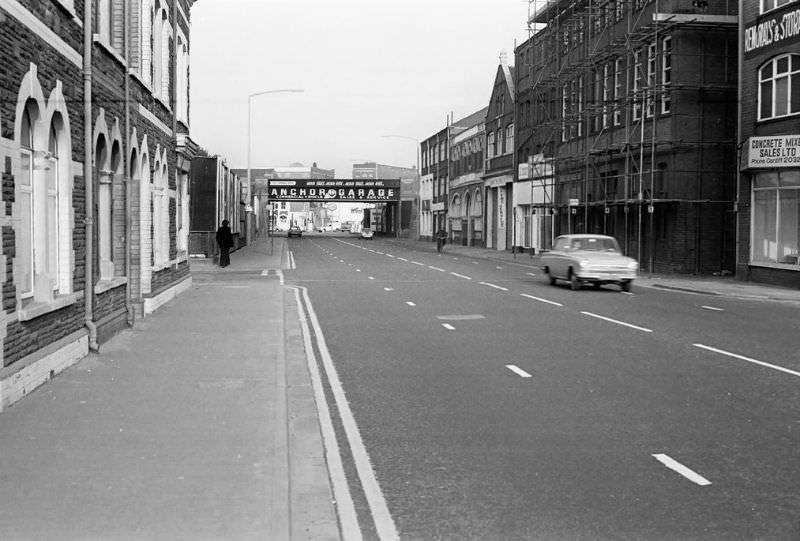
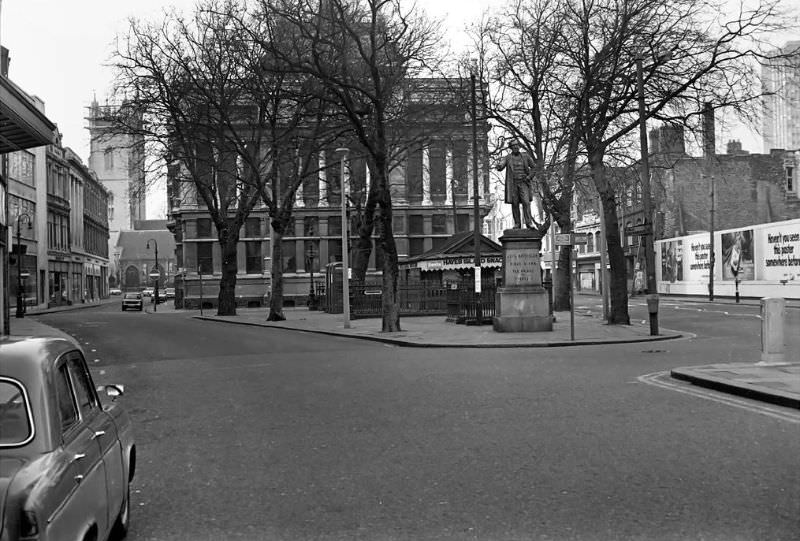
Cardiff in the 1970s was a city in motion. Streets were being torn up and rebuilt. Old Victorian structures came down to make room for modern replacements. New roads, shopping centres, and public buildings changed the face of the Welsh capital almost beyond recognition. It was a decade that left a deep mark on the city — for better and for worse.
One of the most visible changes was the construction of the St. David’s Shopping Centre in 1972, which became the largest shopping centre in Wales at the time. Around the same period, the Welsh Industrial and Maritime Museum opened in 1971, celebrating the history of Cardiff’s port and its industrial roots. Not everything was preserved, though. The grand Victorian Coal Exchange was demolished in 1973, a loss that showed how aggressively the city was shedding its past in favour of progress.
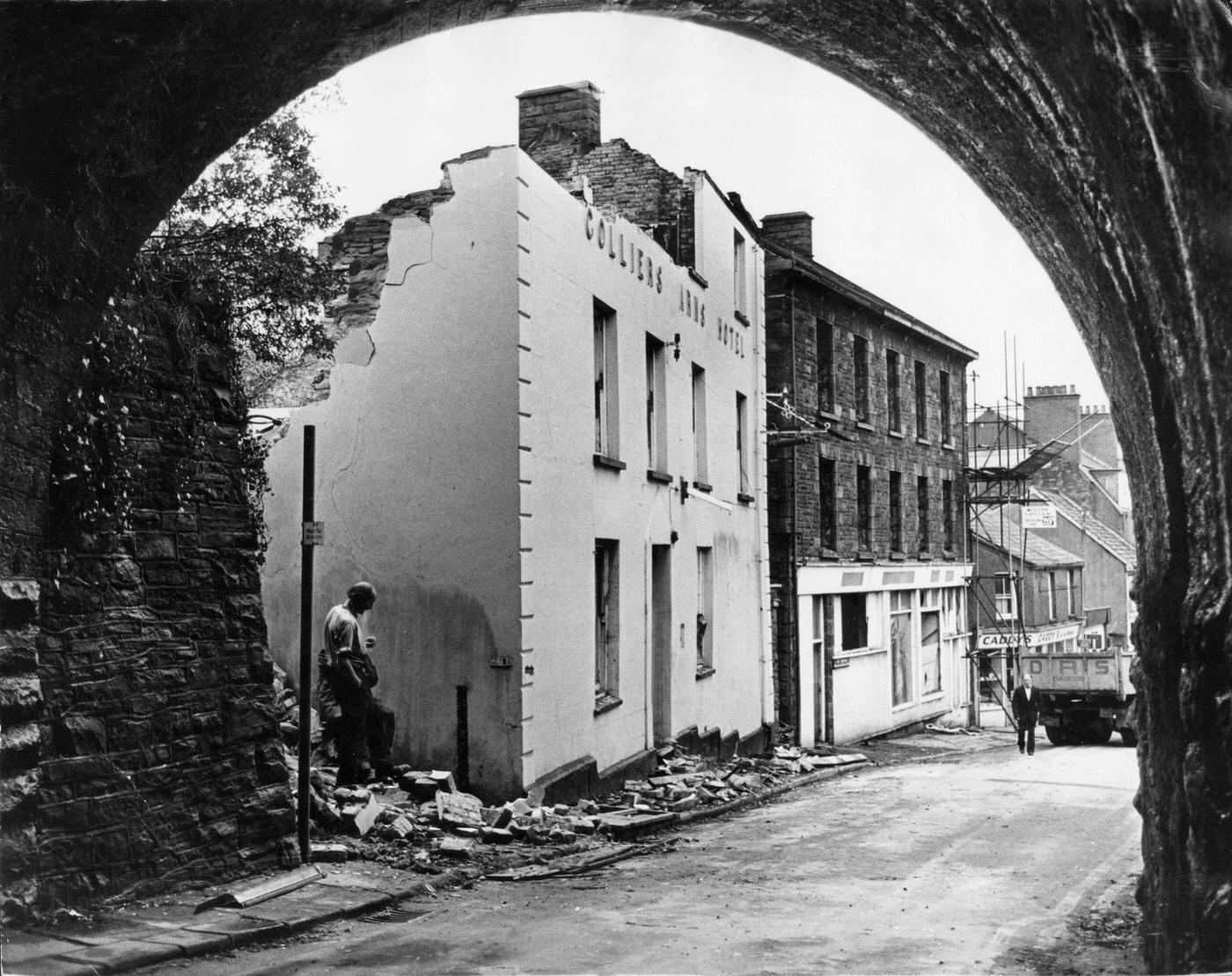
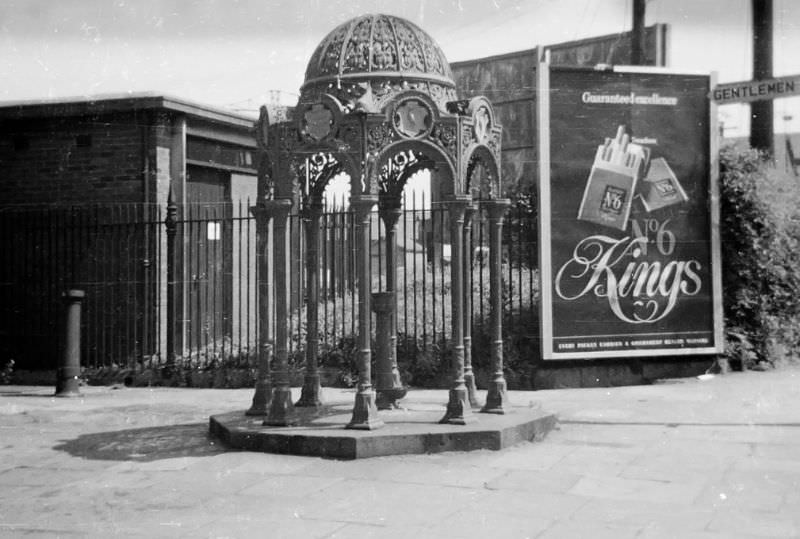
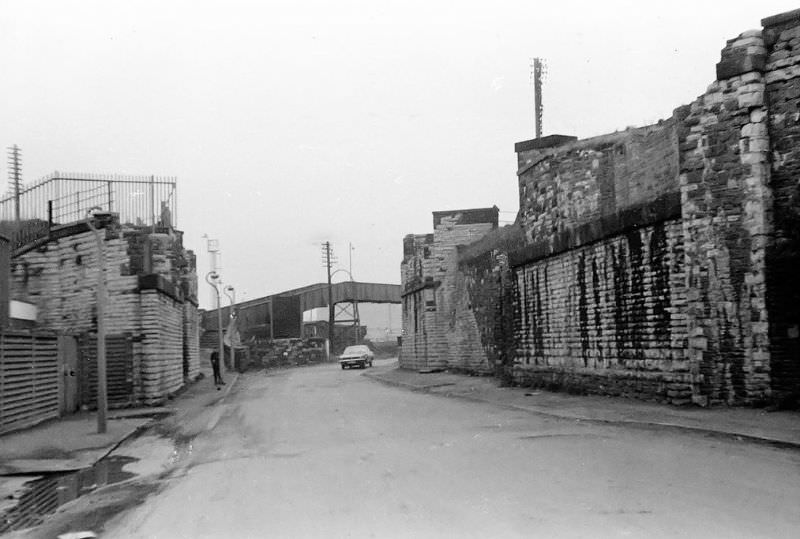
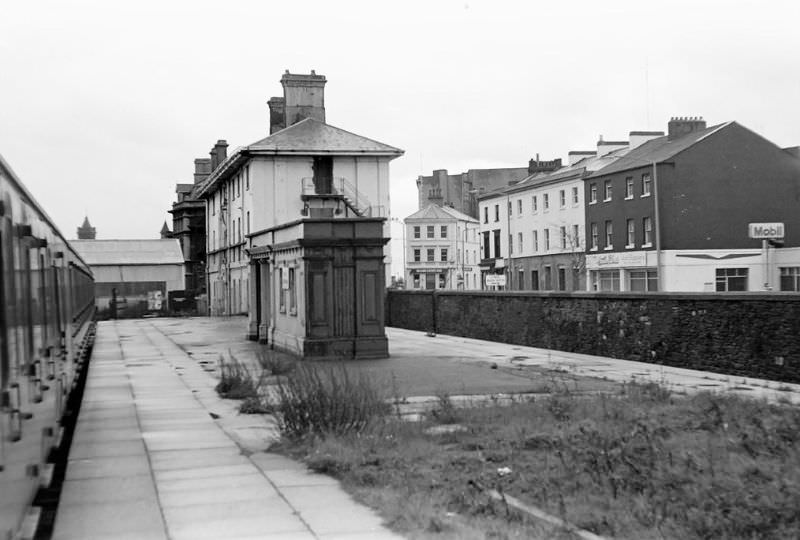
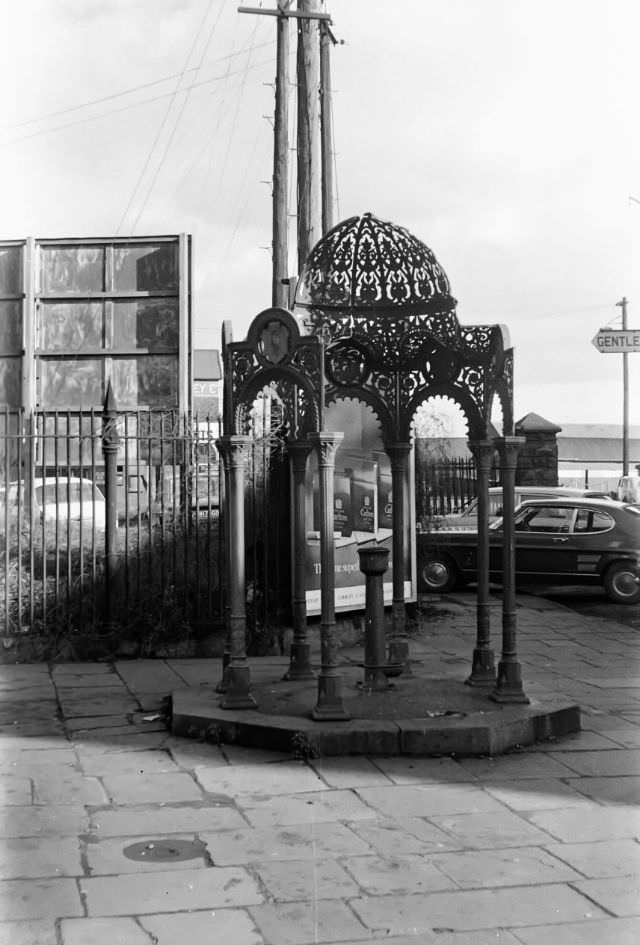
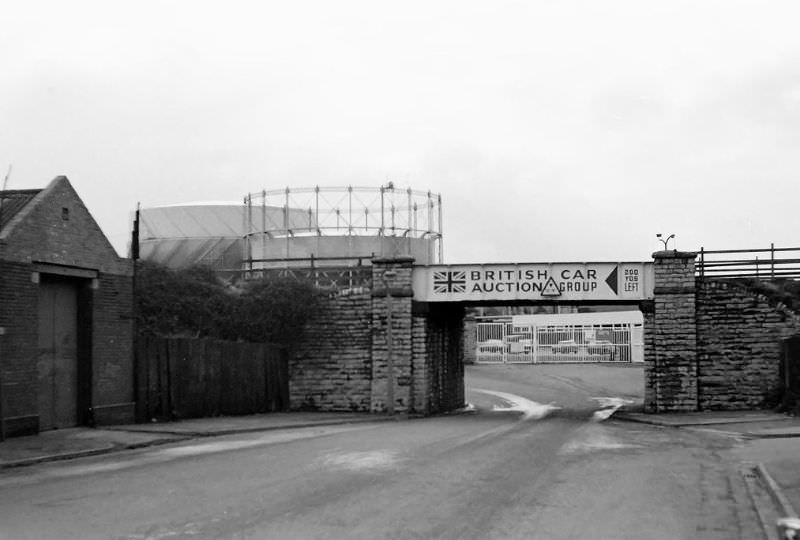
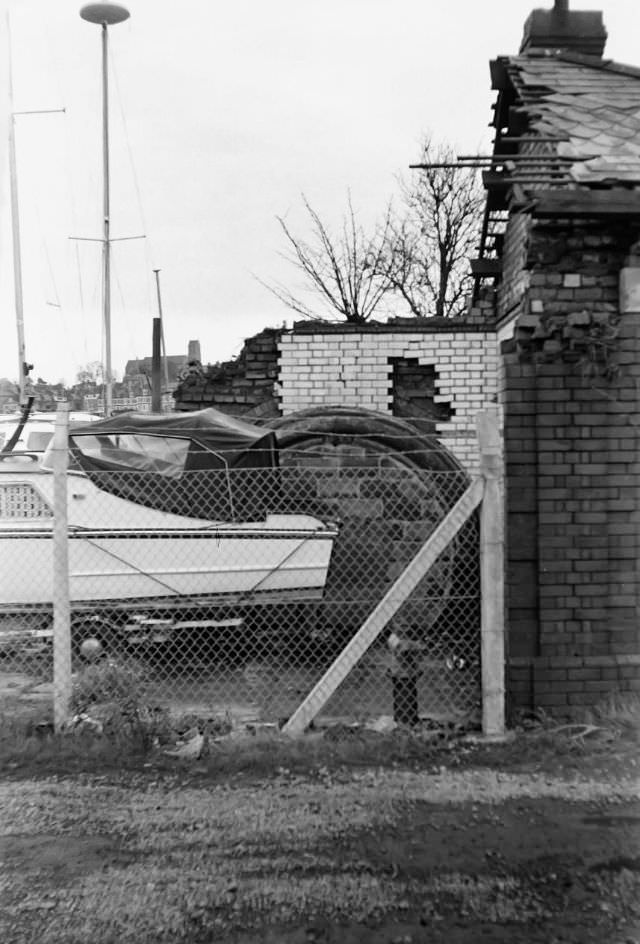
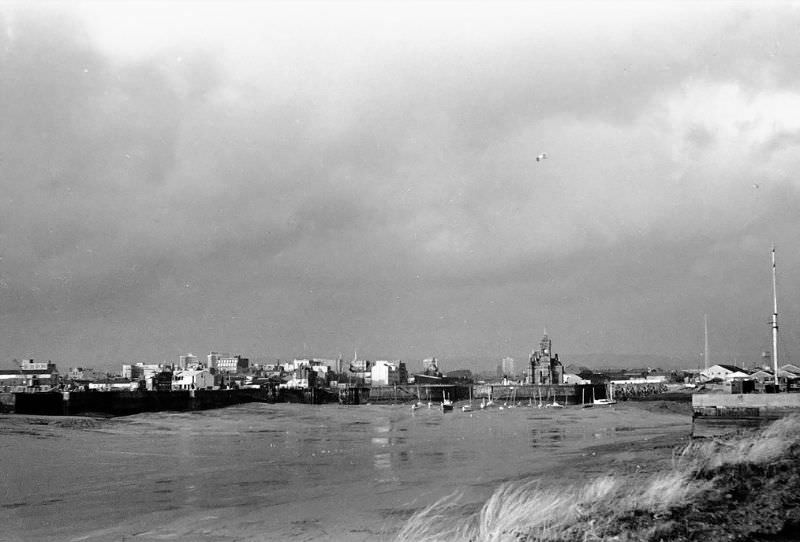
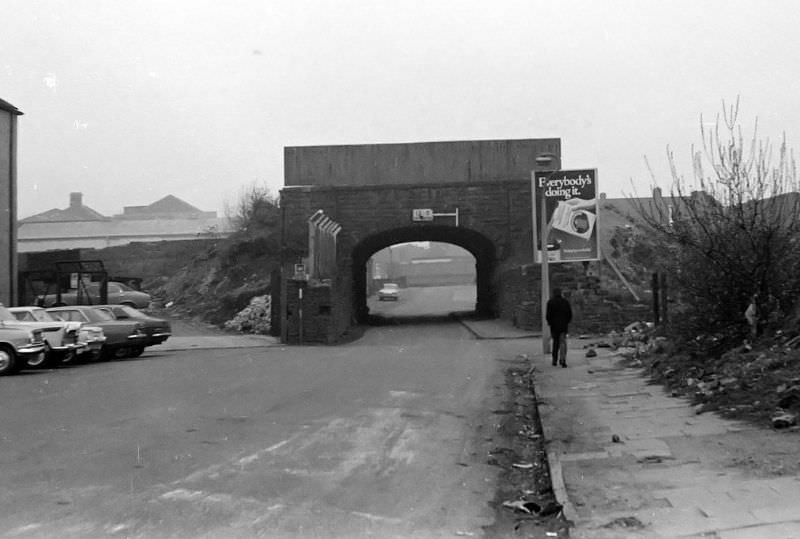
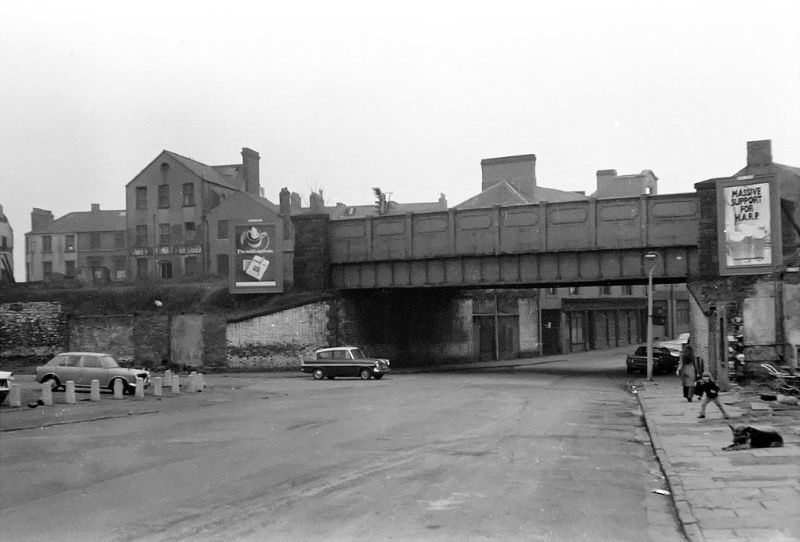
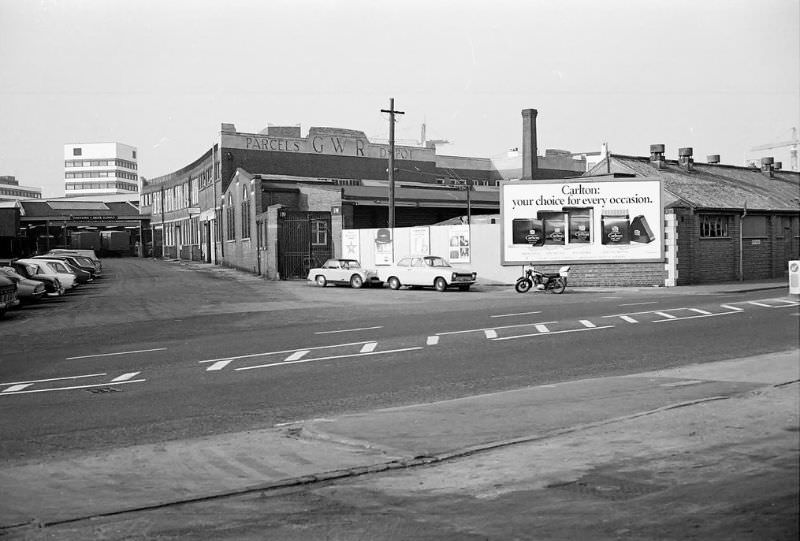
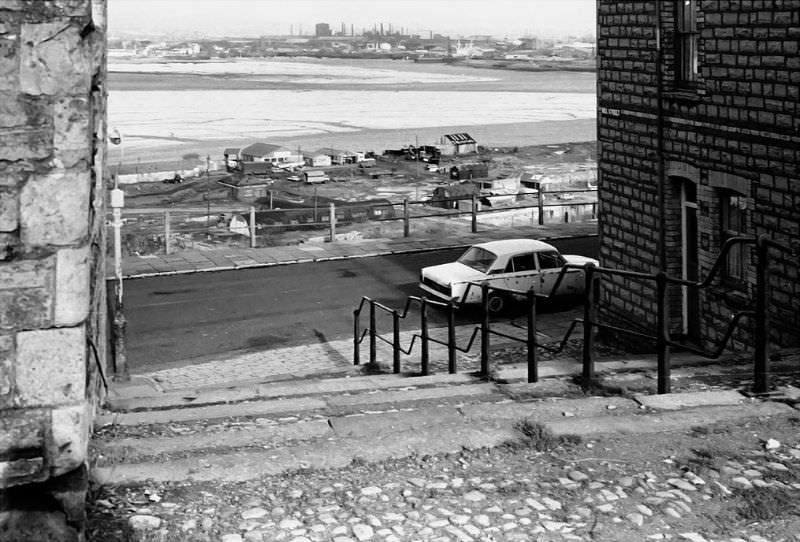
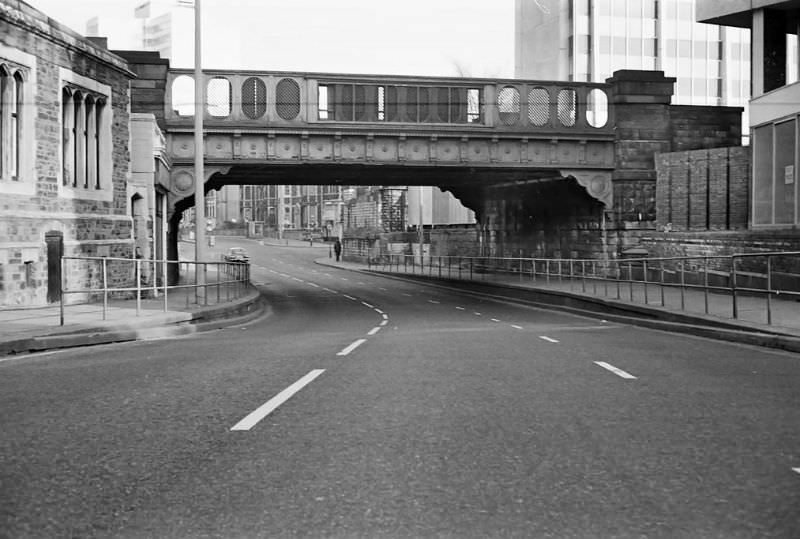
The docklands area around Butetown and Cardiff Bay told a similar story. By the early 1970s, the once-thriving port infrastructure was visibly in decline. Railway lines that had served the docks for decades were being abandoned, and the structures that supported them were already beginning to disappear. Photographs from 1973 and 1974 capture what was being lost — platforms, bridge buttresses, freight lines, and tunnels that had once kept the city’s coal trade moving.
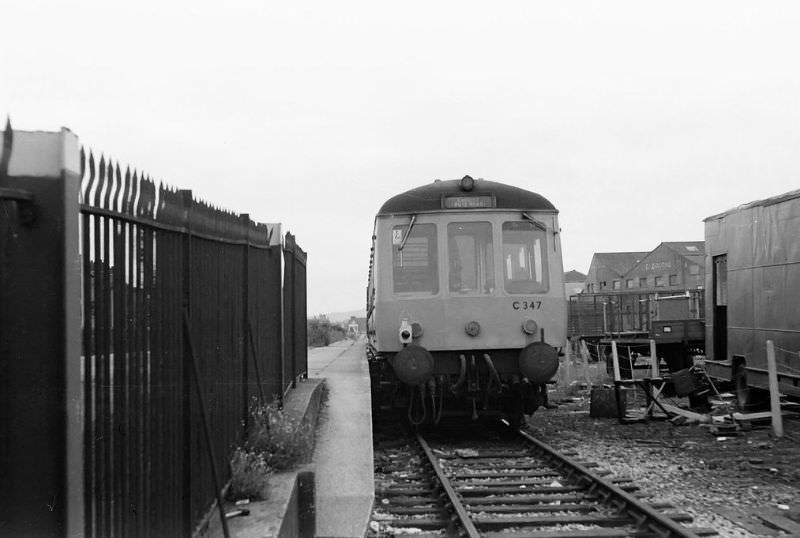
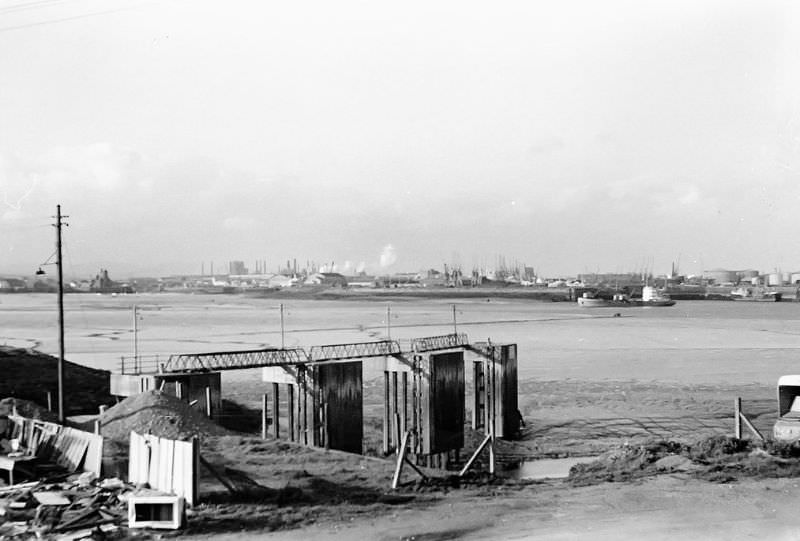
At Bute Street Station, a three-coach DMU unit still ran between Cardiff and Coryton in July 1973. By the mid-decade, that service had been scaled back to a single coach shuttling between Bute Street and Queen Street. The freight line that ran down to the old oil terminal by the River Ely in Grangetown was gone, as was the bridge that carried it. The tunnel beneath the River Ely sat bricked up at its Cardiff end. These weren’t just infrastructure changes — they were the erasure of an entire industrial era.
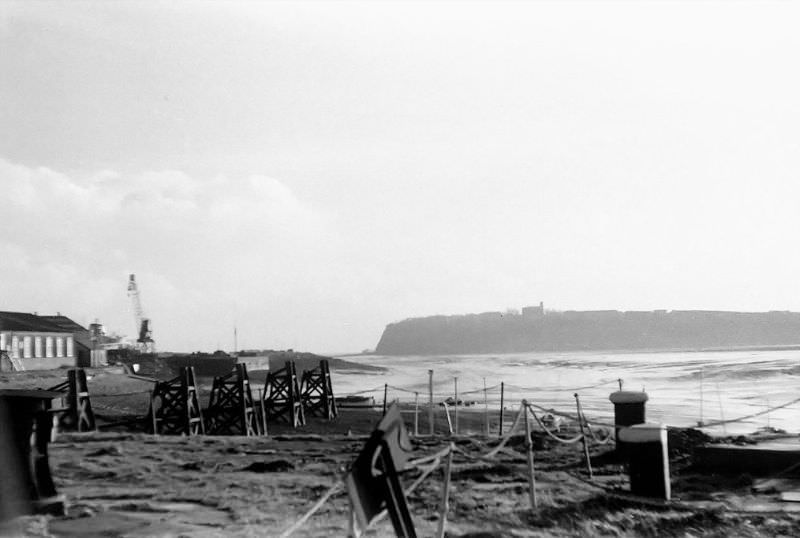
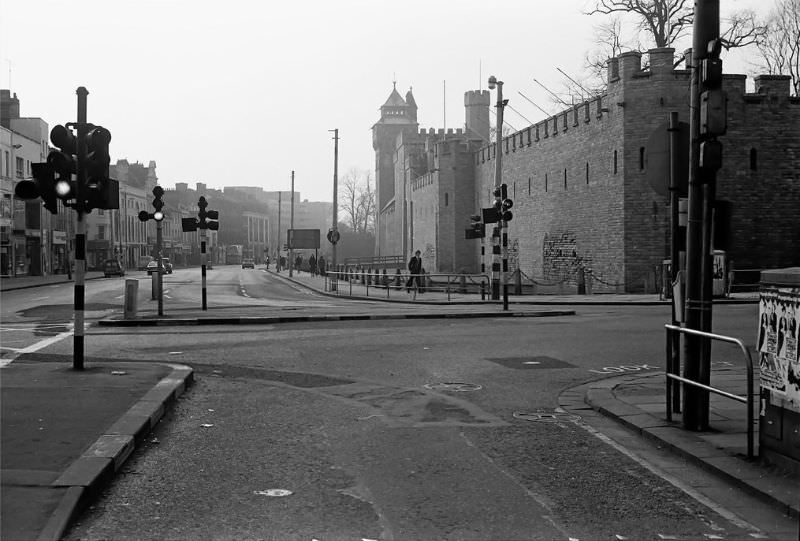
Beyond the docks, the wider city was also changing its face. The M4 motorway connected Cardiff to London and other major UK cities, giving the city’s economy a significant boost by easing the movement of people and goods. But the motorway also brought heavier traffic and rising pollution to streets that had never been designed for that kind of pressure. Cardiff Castle, photographed in February 1975, stood as one of the few constants amid all the upheaval — a stone anchor in a city that was rapidly reshaping itself.
Culturally, Cardiff was also shifting. The Welsh Language Act of 1971 gave the Welsh language equal legal standing with English in public life for the first time. After years of decline, the language now had formal protection, and organisations dedicated to promoting Welsh culture began to grow across the country. Cardiff, as the capital, sat at the centre of this resurgence.
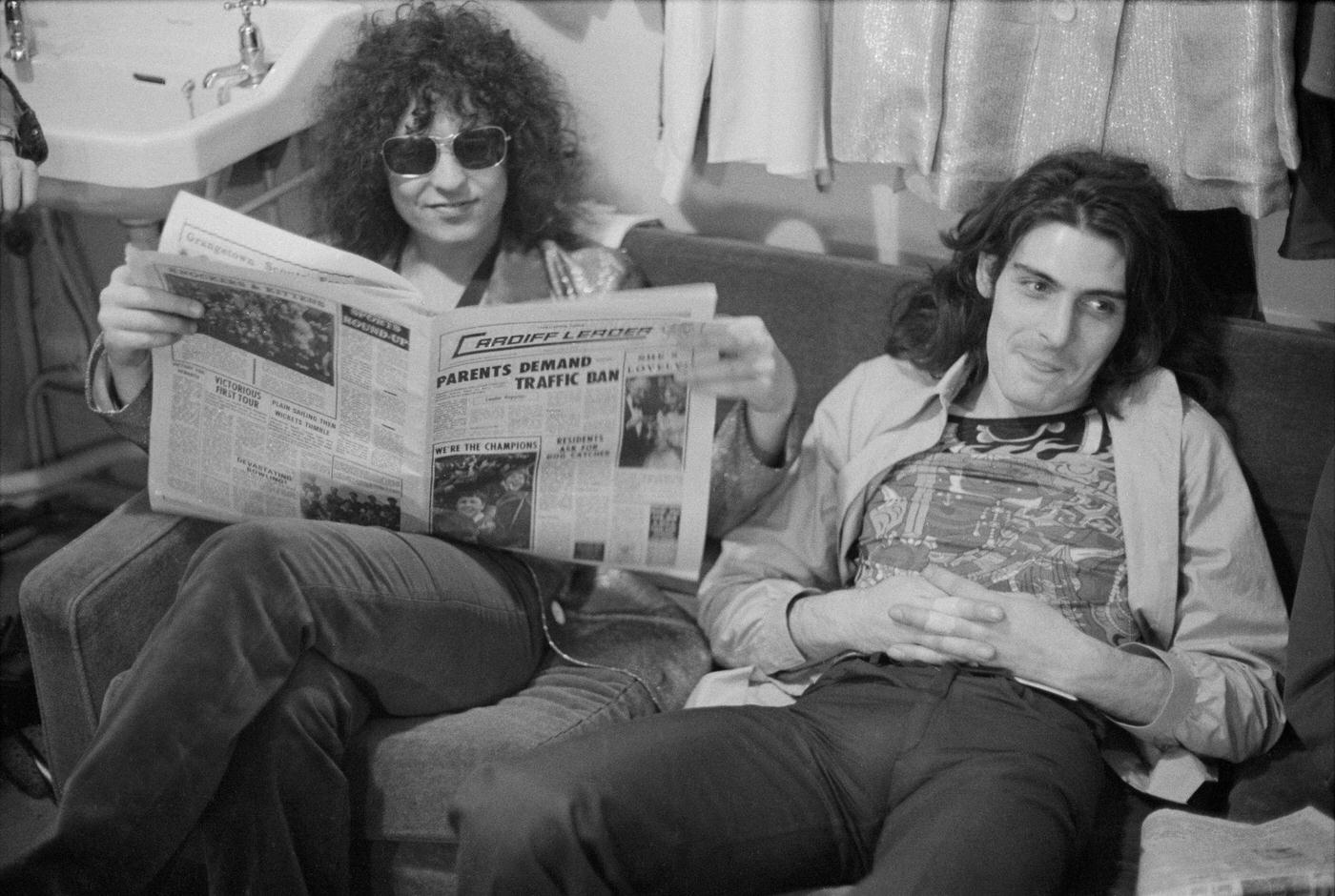
The city’s music scene was gaining momentum at the same time. Venues like the New Ocean Club drew major acts from across the UK. T. Rex played live in Cardiff, and so did Slade. Punk and new wave were also beginning to take hold, with local acts carving out their own space in the UK music landscape. Cardiff was no longer just a city people passed through — it was a destination.
On the sports front, Cardiff RFC enjoyed a strong run through the decade, winning the Welsh Rugby Union Cup multiple times. Rugby remained deeply woven into the city’s identity, with Cardiff Arms Park continuing to draw crowds and national attention. The sport gave Cardiff a sense of pride that no amount of demolition or redevelopment could touch.
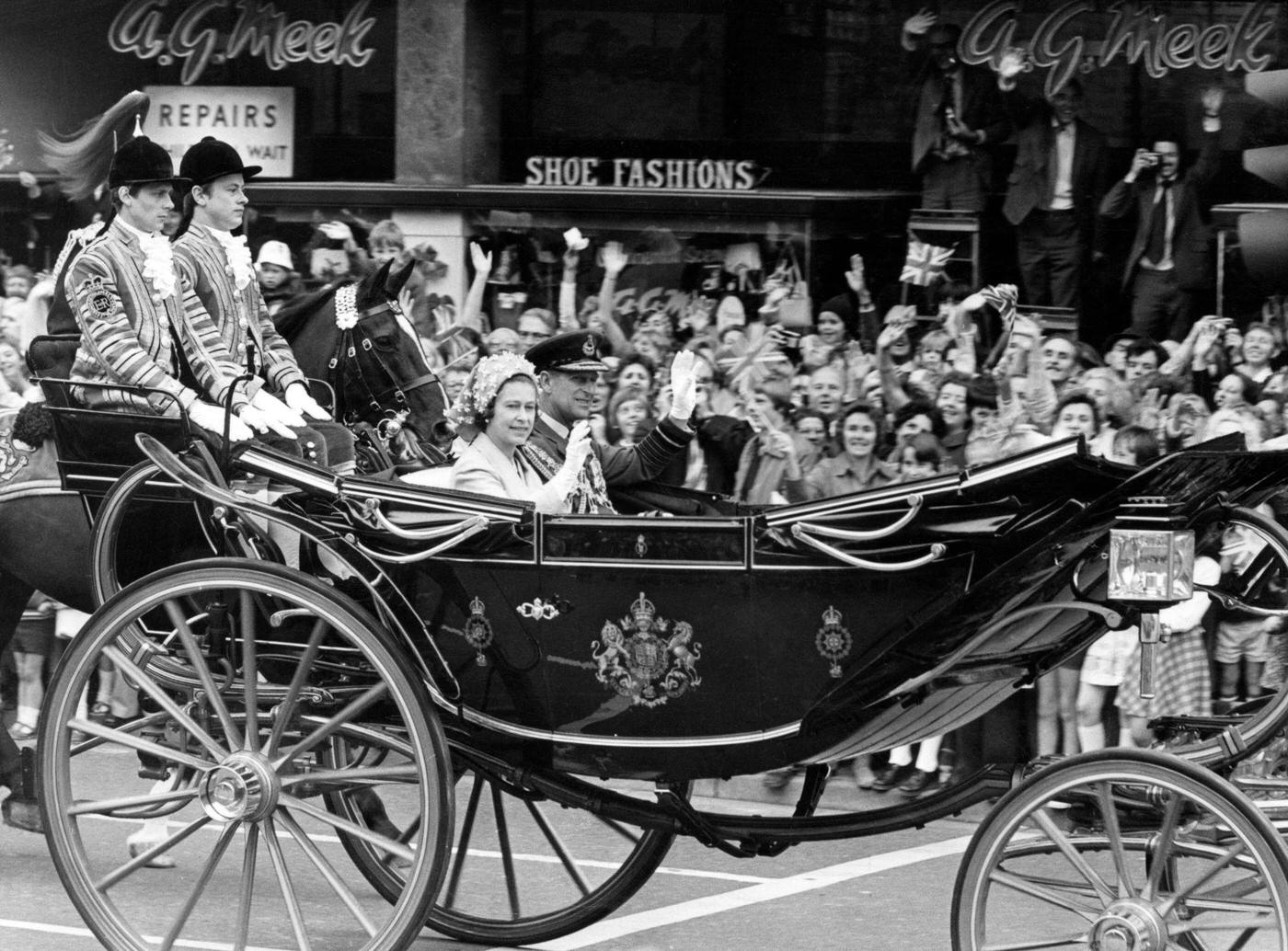
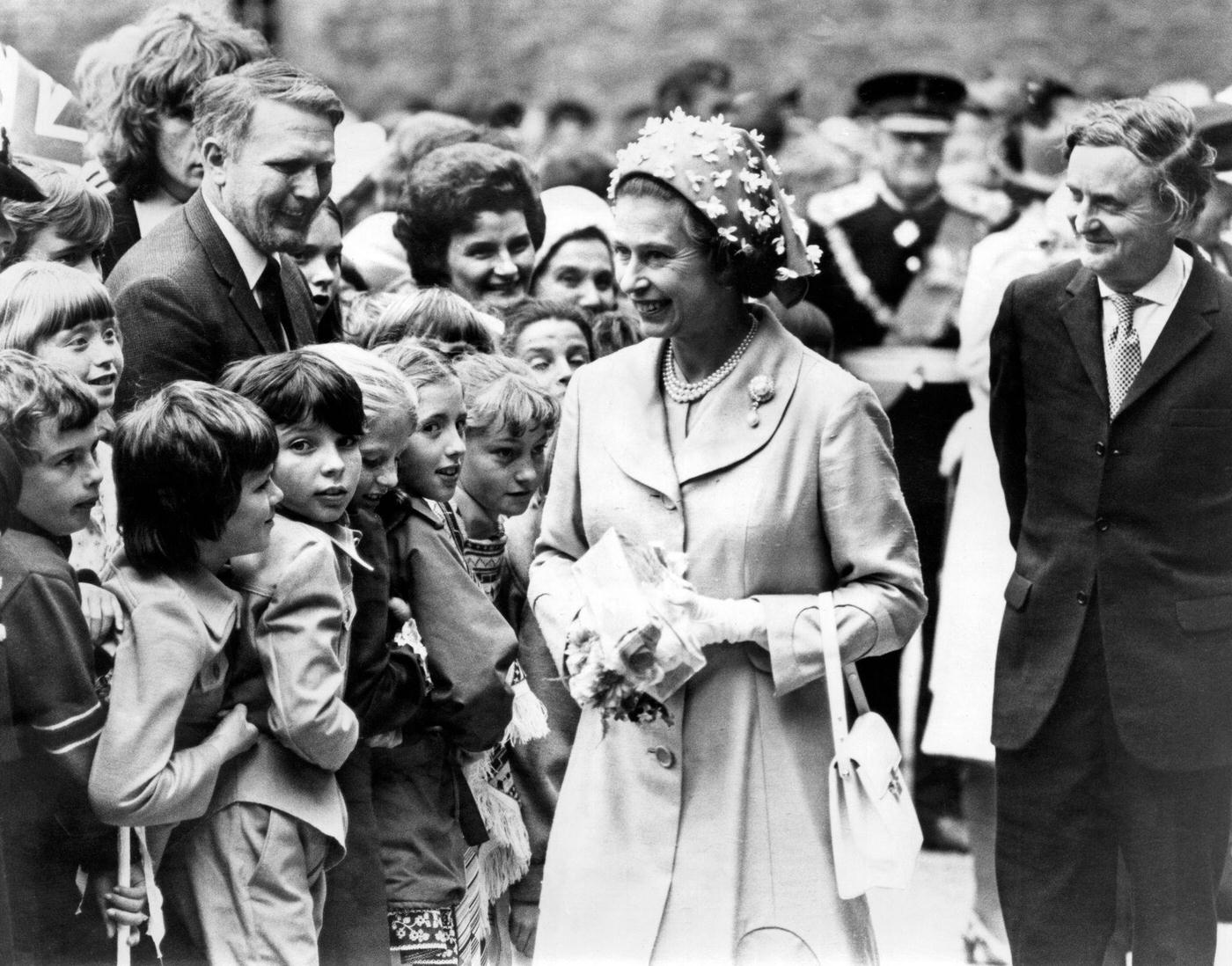
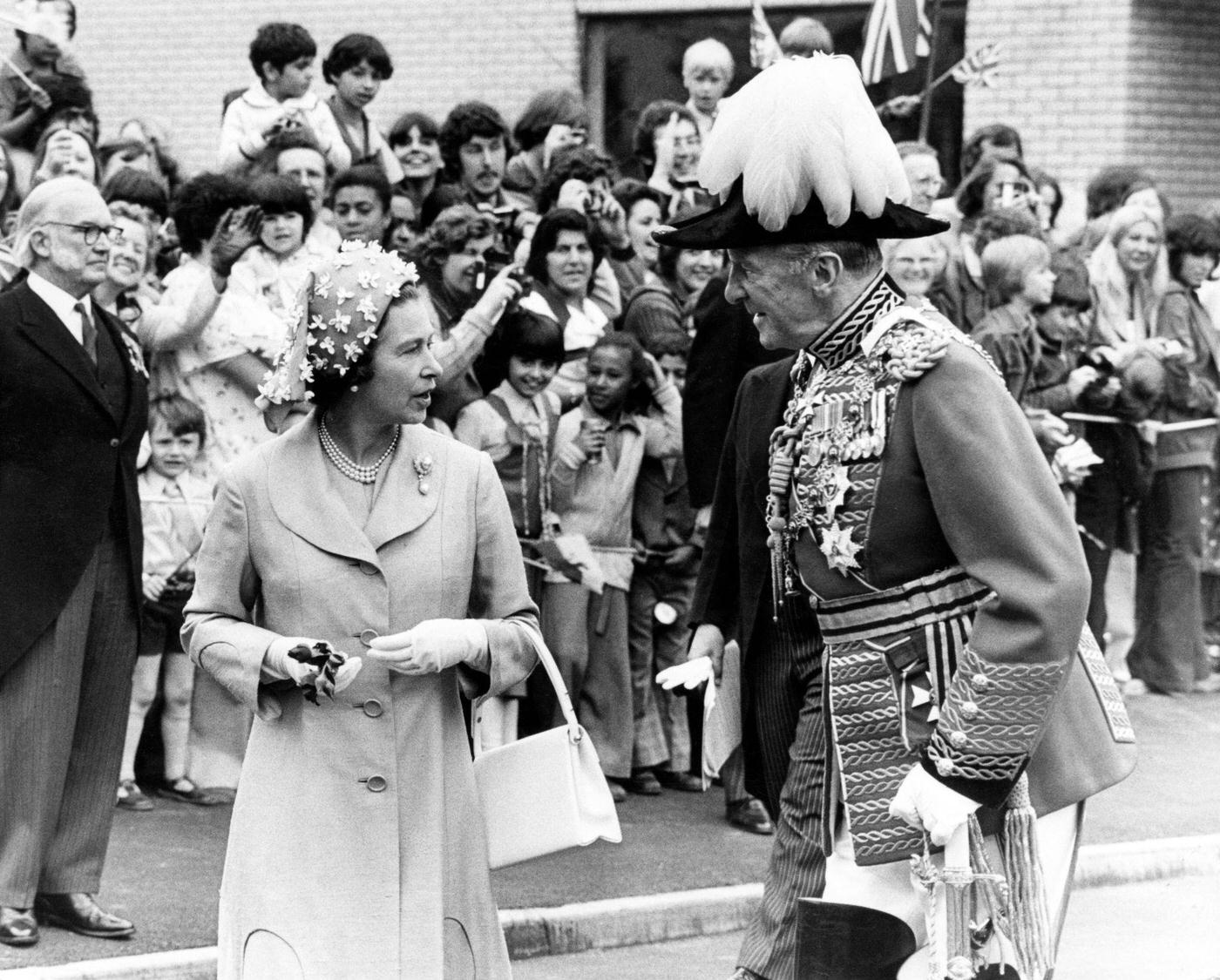
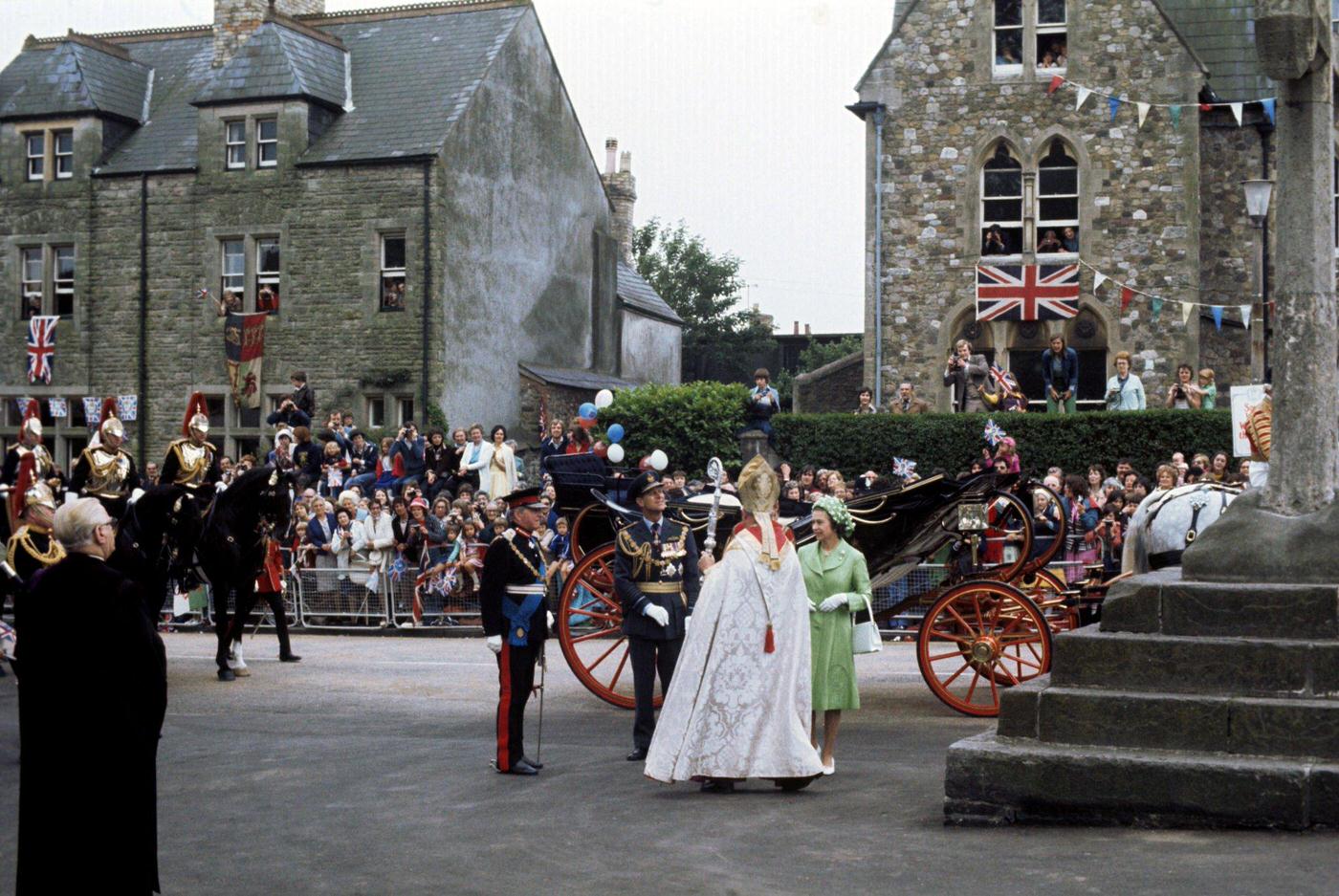
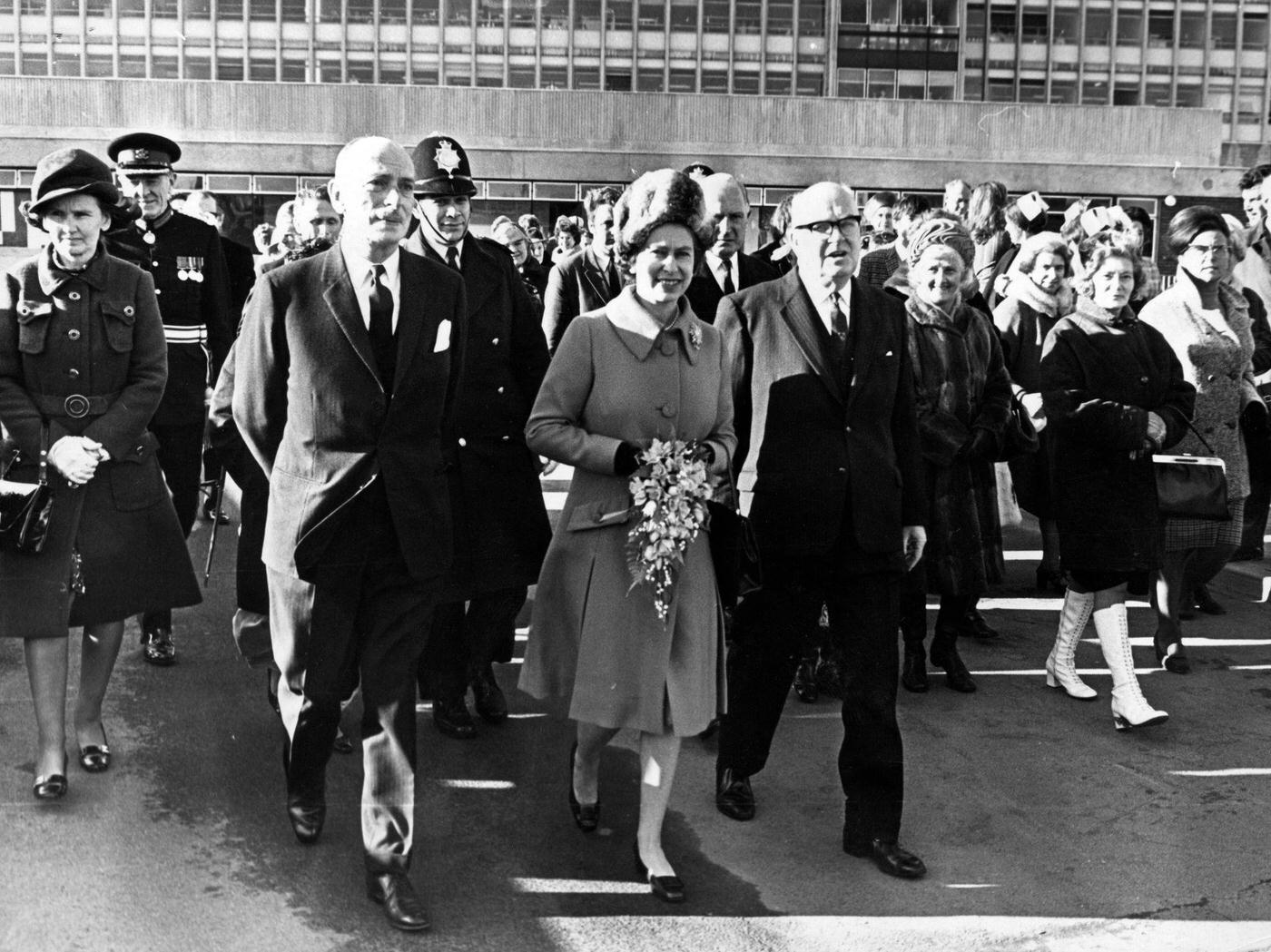
The most high-profile event of the decade came in June 1977, when Queen Elizabeth II visited Cardiff as part of her Silver Jubilee tour of the United Kingdom. The royal party passed through the city’s streets to large crowds, with the Queen stopping at sites including Caerphilly Castle and Llandaff Cathedral, where she was greeted by the Bishop of Llandaff, the Rt Rev John Worthington Poole-Hughes.