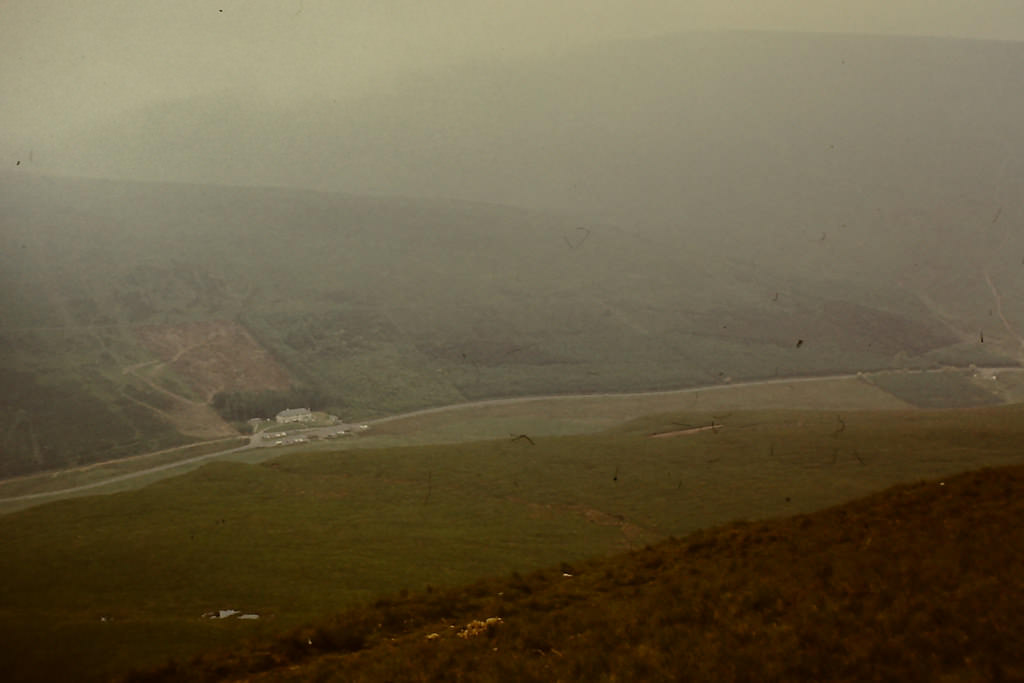
Wales in the 1970s was a place in transition. On January 11, 1970, Cardiff shut down its trolleybus system for good — a network that had served the city for decades. The electric-powered buses were gone, and the streets looked different almost overnight. By 1976, the Welsh Development Agency was up and running, set up specifically to draw new industries into Wales and breathe economic life into communities that had long depended on coal and steel. At the same time, Welsh tourism was growing fast, pulling visitors into its coastal towns, medieval castles, and mountain valleys.
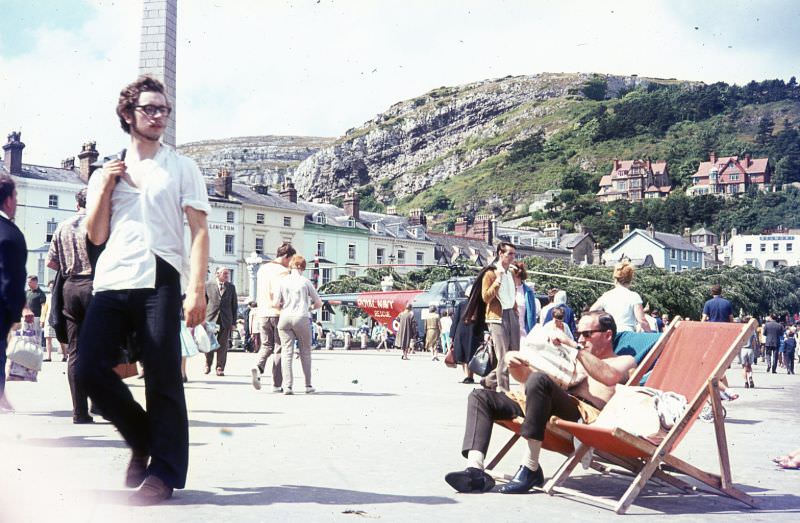
By the end of the decade, Wales had a population of 2.81 million — a number that had crept up slowly over the century. Photographer Glen Fairweather was there to document it all. Armed with a color camera at a time when many photographers still shot in black and white, he moved through market towns, harbor fronts, village post offices, and castle grounds, capturing Wales as it actually looked and felt. His photographs are a detailed record of a country going about its daily life.
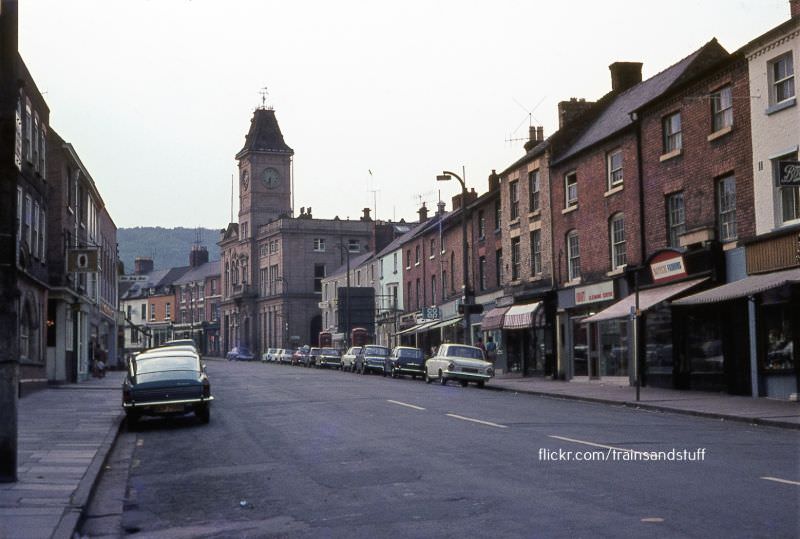
Welshpool’s Broad Street in 1971 still had the unhurried feel of a small market town. Shopfronts lined the street, and the signage and parked cars place it firmly in the early part of the decade. A year later, Fairweather pointed his lens at Agincourt Square in Monmouth — a town square that has served as a meeting point for centuries.
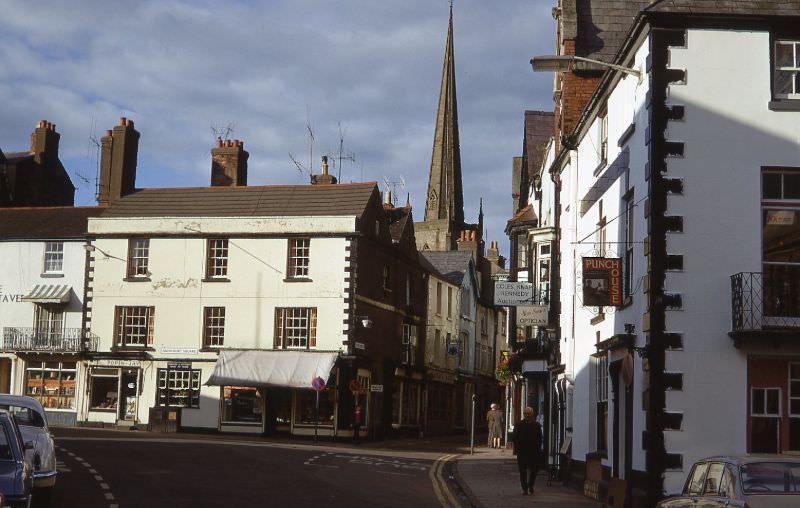
Named after the famous 1415 battle, Agincourt Square sits at the heart of Monmouth and remains dominated by the statue of Henry V, who was born in the town’s castle. Fairweather’s 1972 shot captures the square in its working everyday state, not dressed up for any occasion — just people and buildings in an ordinary moment.
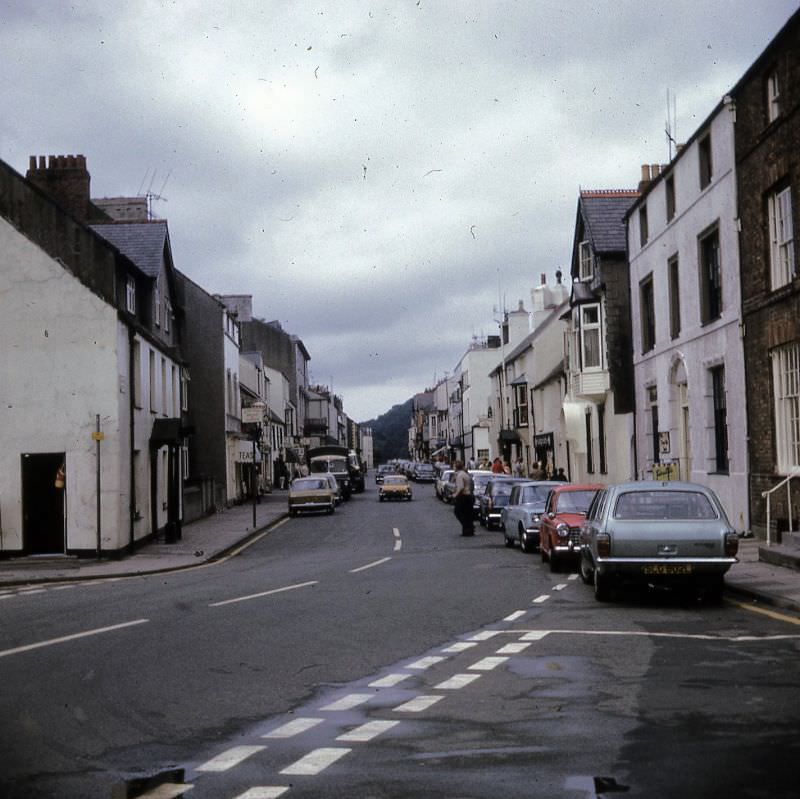
Beaumaris, on the Isle of Anglesey, is best known for its 13th-century castle — one of the finest examples of concentric castle design in Britain. Castle Street runs right through the town’s core, and Fairweather’s 1973 photograph shows it with the relaxed pace that defined life in smaller Welsh towns. That same year, he also shot the High Street in Bangor, a larger city in the northwest.
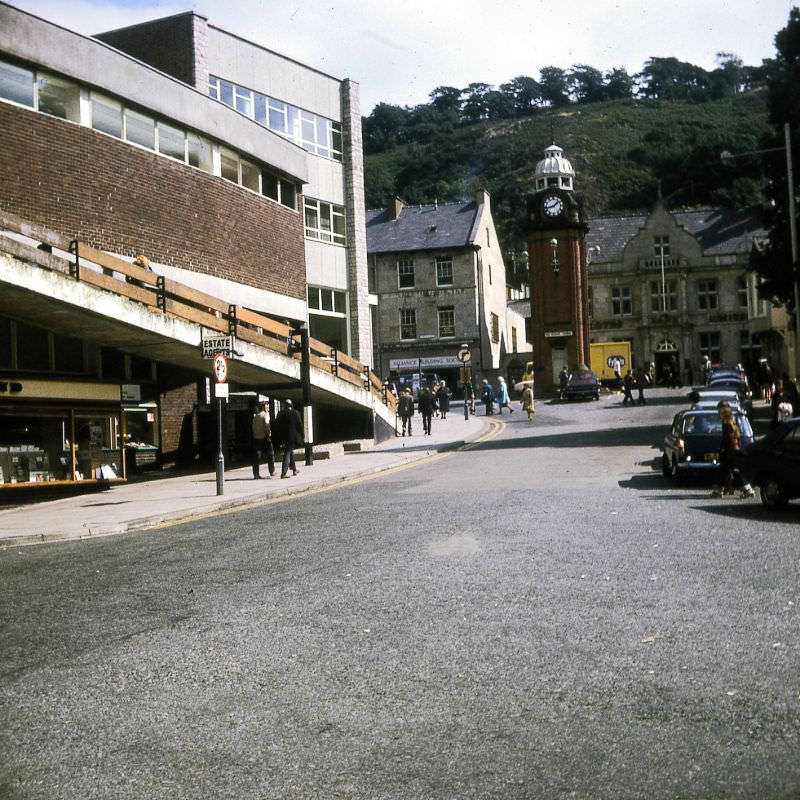
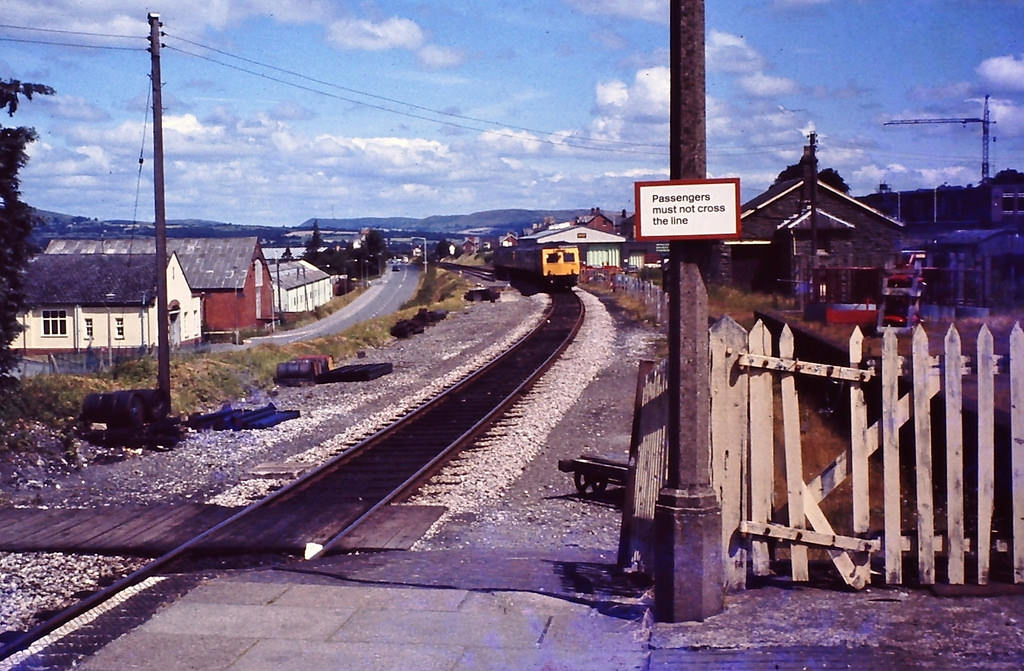
Bangor is one of the oldest cities in Wales, home to a cathedral that dates back to the 6th century. Its High Street in 1973 was a busy commercial strip, serving both local residents and students from the nearby university. One of Fairweather’s most distinctive 1973 shots takes us out of the town center entirely and onto the narrow-gauge Welshpool & Llanfair Railway.
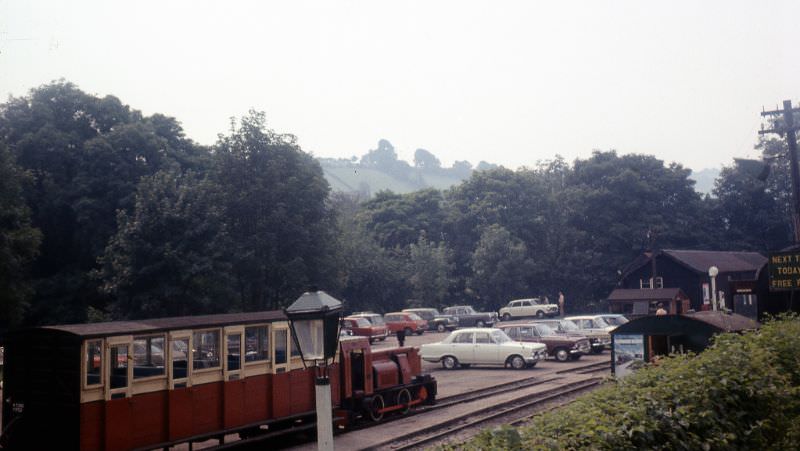
The Welshpool & Llanfair Light Railway originally opened in 1903 to carry goods and passengers through the Banwy Valley. By the 1970s it had been preserved as a heritage railway, and Llanfair Caereinion served as its western terminus. Steam locomotives still ran the line, making it a draw for railway enthusiasts across Britain.
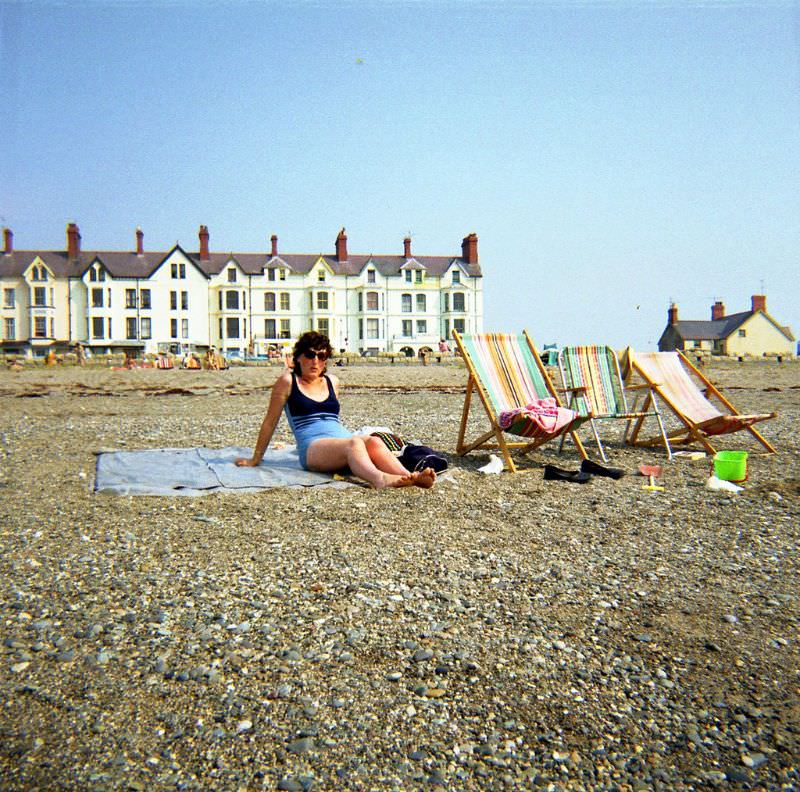
Pwllheli, on the Llŷn Peninsula, was a popular seaside destination. Its beach in 1973 would have seen a mix of local families and holidaymakers drawn by the clean sand and relatively sheltered position along the peninsula’s south coast. Fairweather’s color photography gives the scene a warmth that black-and-white images simply couldn’t match.
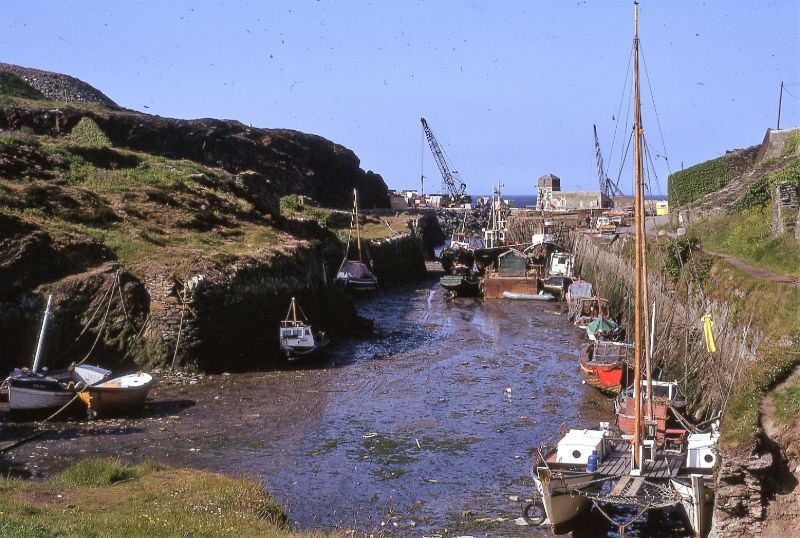
Amlwch sits on the northern tip of Anglesey and had long been tied to the copper mining industry centered on nearby Parys Mountain. By the 1970s the mines were no longer operating at their historic scale, but the town retained its distinctive character. The mid-decade years saw Fairweather ranging widely across Wales, reaching small villages as well as larger towns.
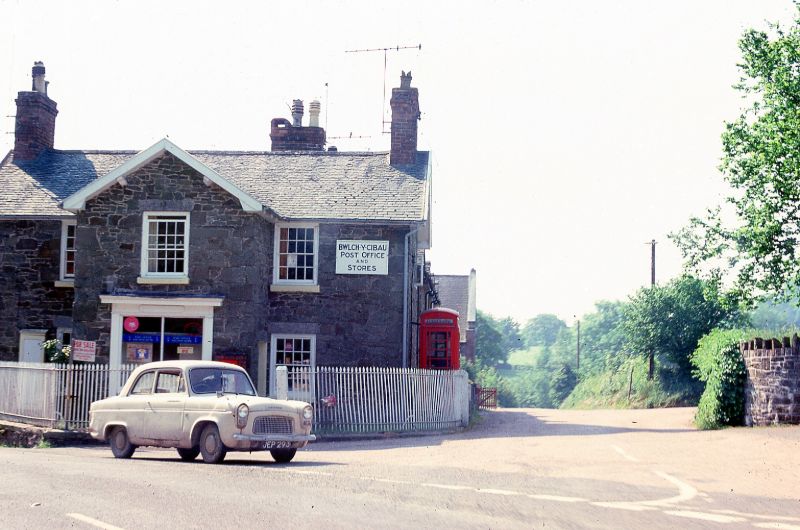
Bwlch-y-cibau is a small village in Powys, and its combined post office and general store was exactly the kind of institution that held rural Welsh communities together. A single shop serving as the hub for mail, groceries, and local gossip — Fairweather’s photograph of it in 1975 is a document of village life that was already beginning to change.
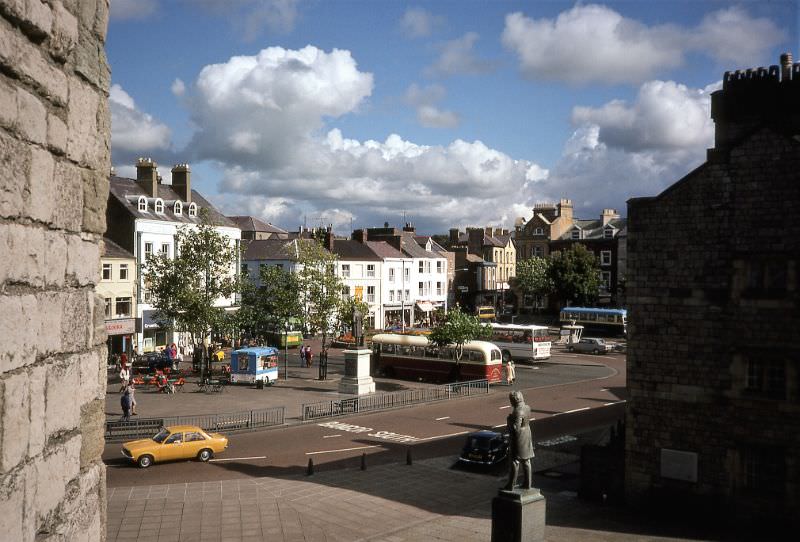
Caernarfon was a town Fairweather returned to multiple times throughout the decade. Its walled medieval town and massive castle — built by Edward I starting in 1283 — gave it a visual drama that few Welsh towns could match. In 1975 he photographed the town itself, and by 1977 and 1978 he was back for the castle specifically.
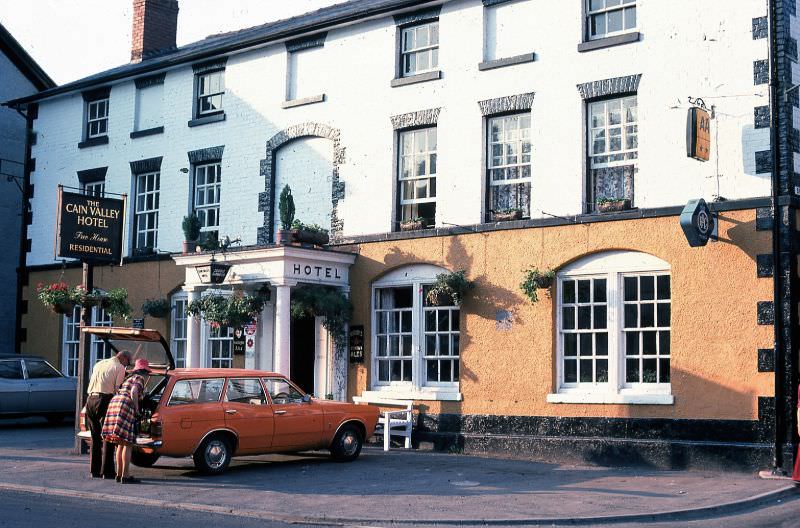
Llanfyllin is a small market town in Powys, and the Cain Valley Hotel was one of its central landmarks. The hotel sat on the main street and served travelers moving through the valley. Fairweather captured it in the strong afternoon light that made 1970s color photography so visually striking.
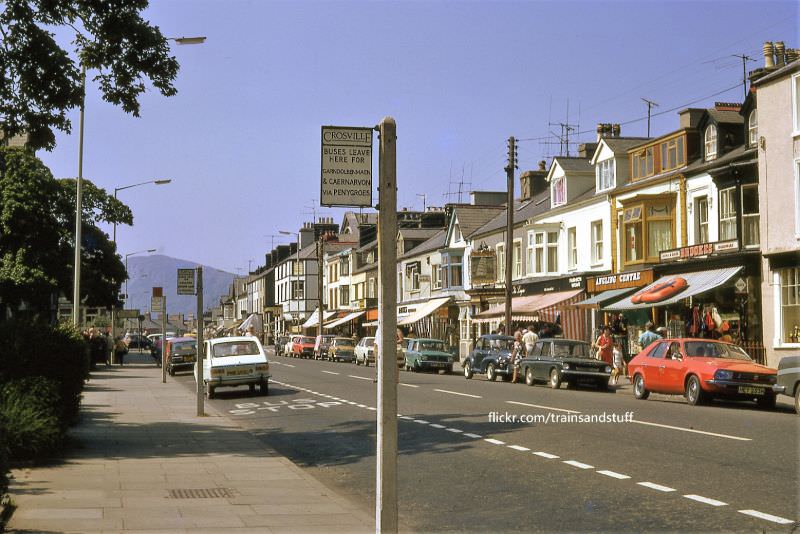
Porthmadog’s High Street in 1975 was a working commercial thoroughfare serving a town that had been built on the slate trade in the 19th century. By the 1970s it was also a gateway for tourists heading to Snowdonia and the Llŷn Peninsula. Just inland from Porthmadog, the town of Talgarth in Brecon offered a very different scene.
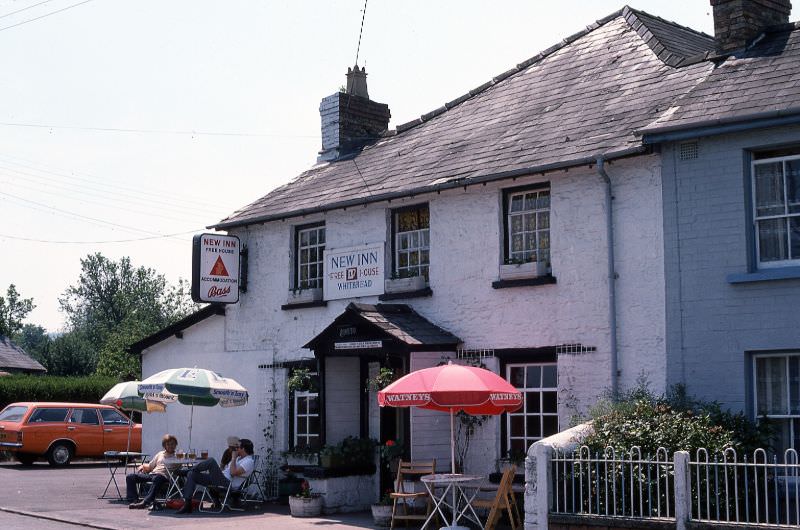
The New Inn in Talgarth was a traditional Welsh pub that has since been renamed The New Gurkha Inn, reflecting changes in the community that came in later decades. In 1975 it was simply a local pub on a Brecon market town street. Fairweather’s photographs are full of these details — buildings that have since changed hands, been renamed, or been demolished entirely.
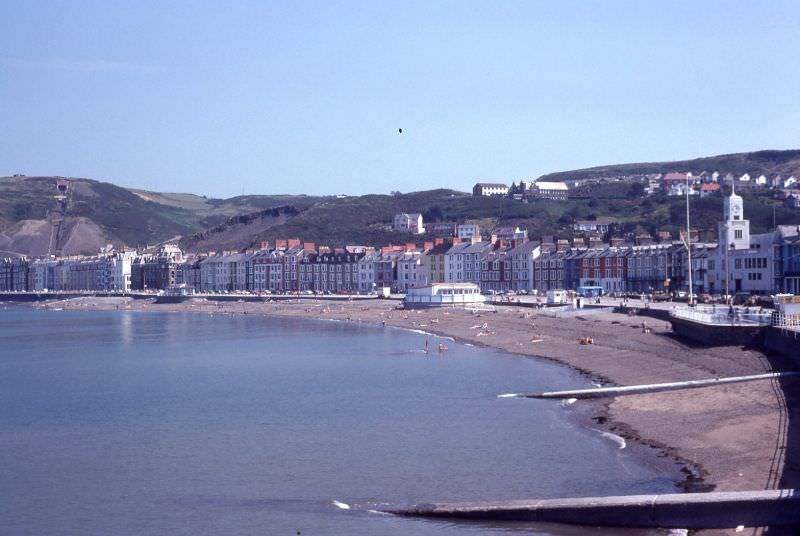
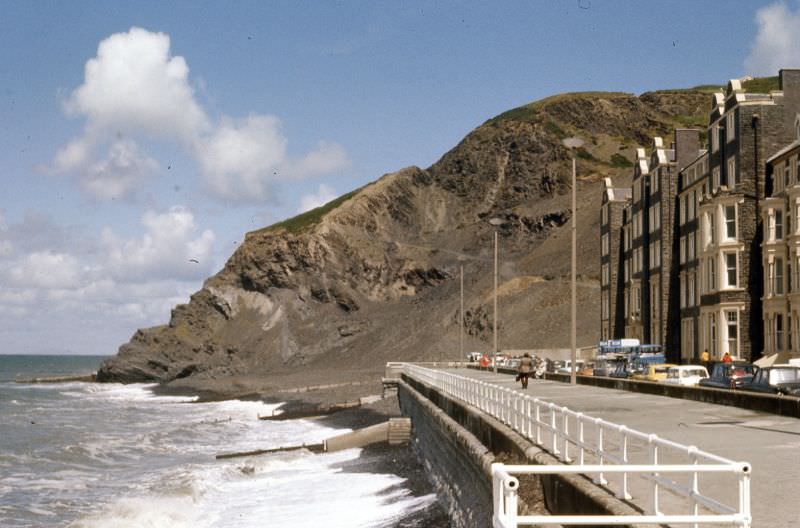
Aberystwyth, on Cardigan Bay, was one of the most photographed towns in Fairweather’s collection. A university town and seaside resort in one, it drew students, tourists, and locals in equal measure. Its long promenade and Victorian seafront architecture made it a visually rich subject. Fairweather shot it from multiple angles in 1977, including the beach and promenade.
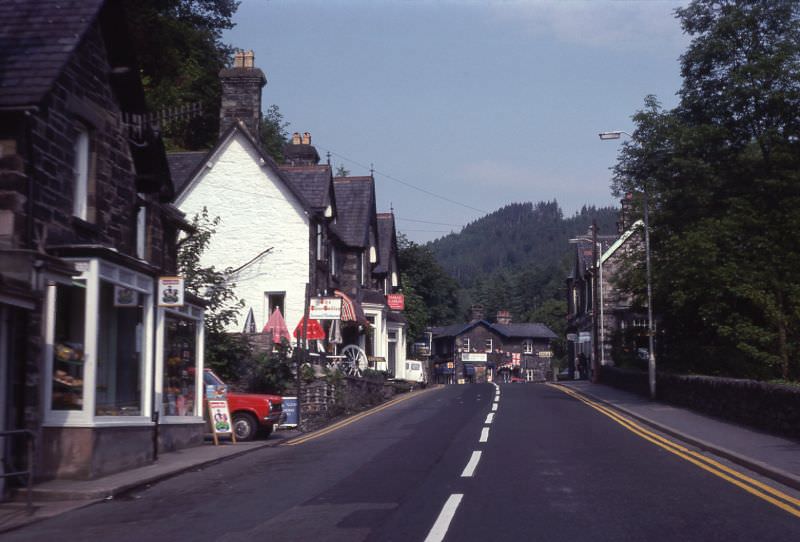
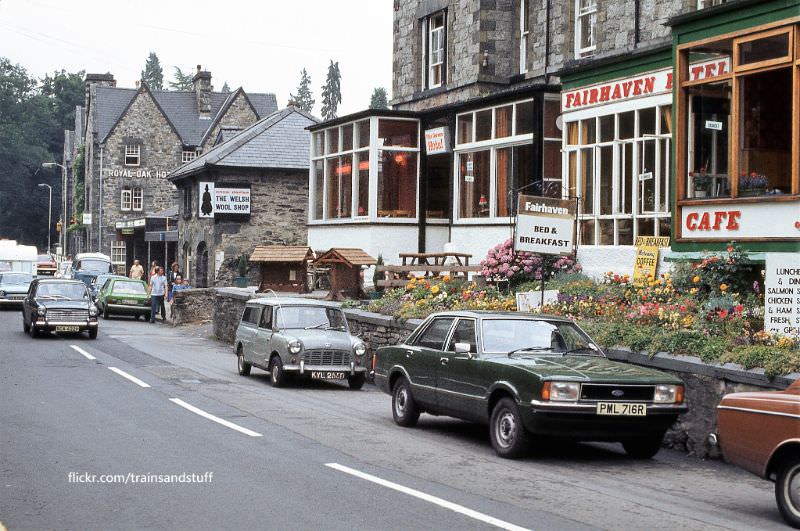
Betws-y-Coed sits at the gateway to Snowdonia and was already a well-established tourist village by the 1970s. Its stone bridges, river views, and forested surroundings had been attracting visitors since the Victorian era. Fairweather’s two shots from 1977 show different aspects of the village, the kind of place where the landscape itself was the main attraction.
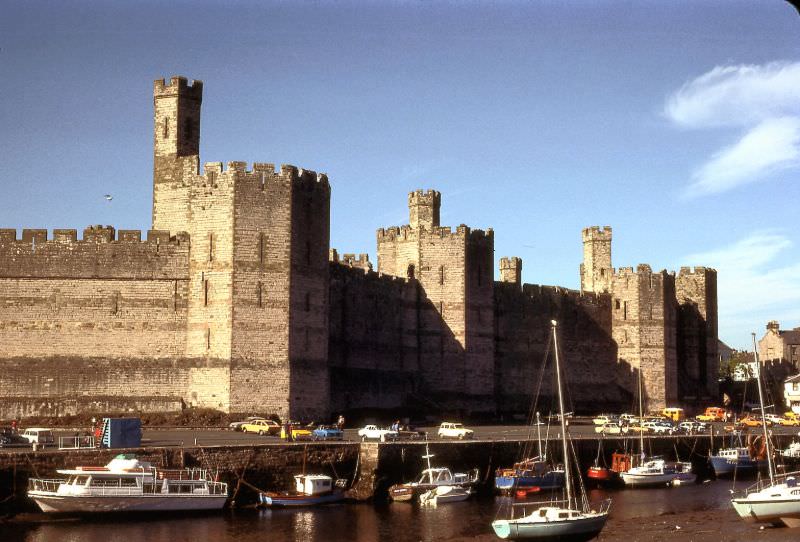
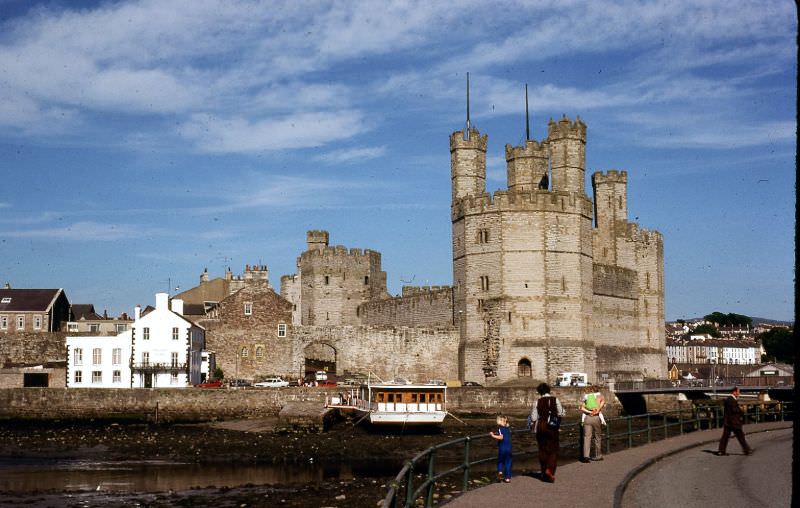
Caernarfon Castle had been in the news relatively recently when Fairweather photographed it in 1977. The investiture of Prince Charles as Prince of Wales had taken place there in July 1969, broadcast live on television to a worldwide audience. The castle’s Eagle Tower and massive polygonal turrets dominate the town’s skyline, and Fairweather captured both its exterior walls and the surrounding streets.
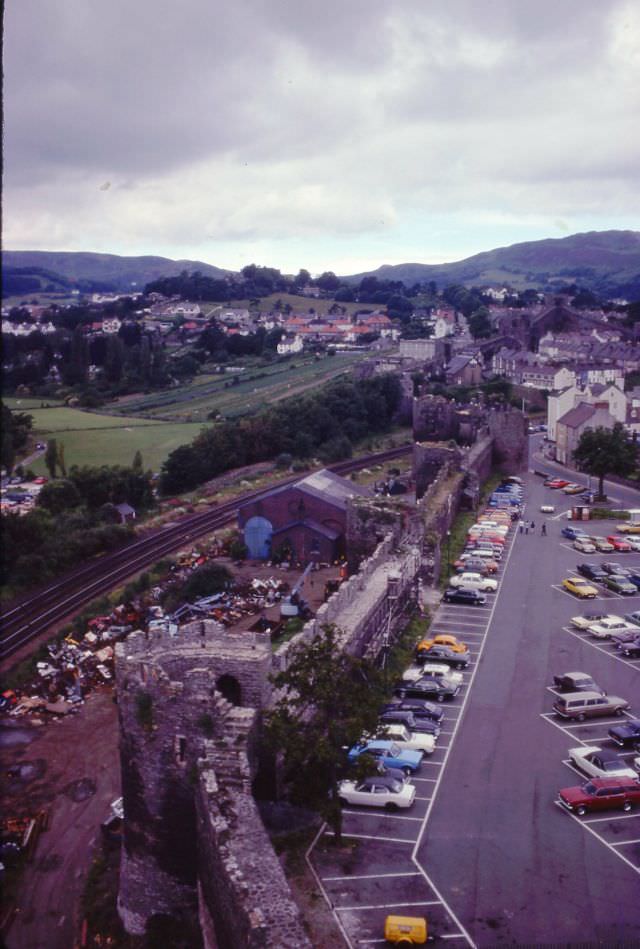
Conwy became one of Fairweather’s most thoroughly documented towns. His 1977 visit produced photographs of the castle, the harbour, the bridges, the high street, and even the castle car park — a very ordinary subject that now serves as a precise record of how the town handled vehicle traffic in that era.
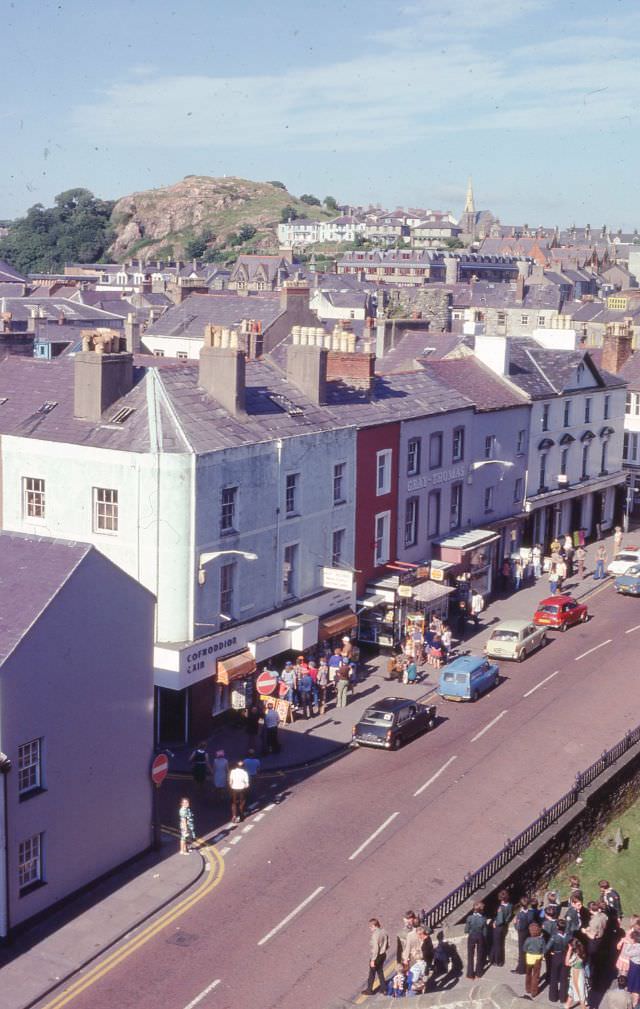
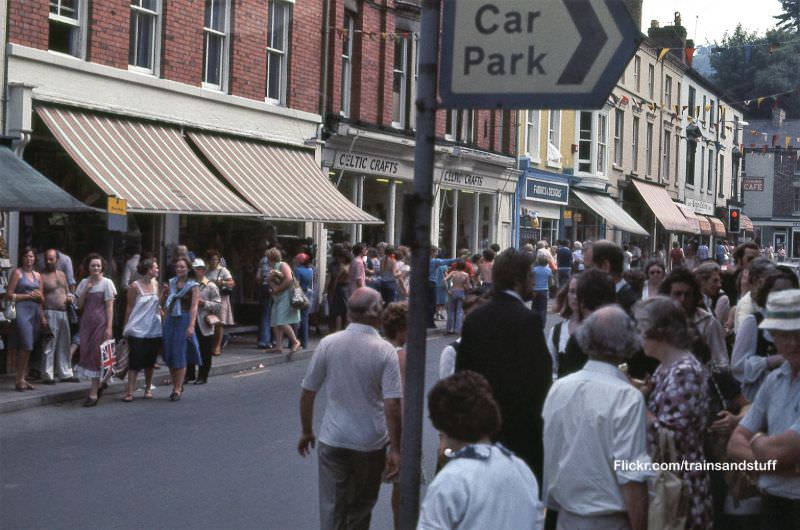
Llangollen, in the Dee Valley, is best known for its annual International Musical Eisteddfod, which has been running since 1947. Castle Street runs through the town, and the photograph from 1977 shows the kind of solid stone-built streetscape common across north Wales. Back in Conwy, Fairweather turned his camera toward the town’s famous triple bridge crossing.
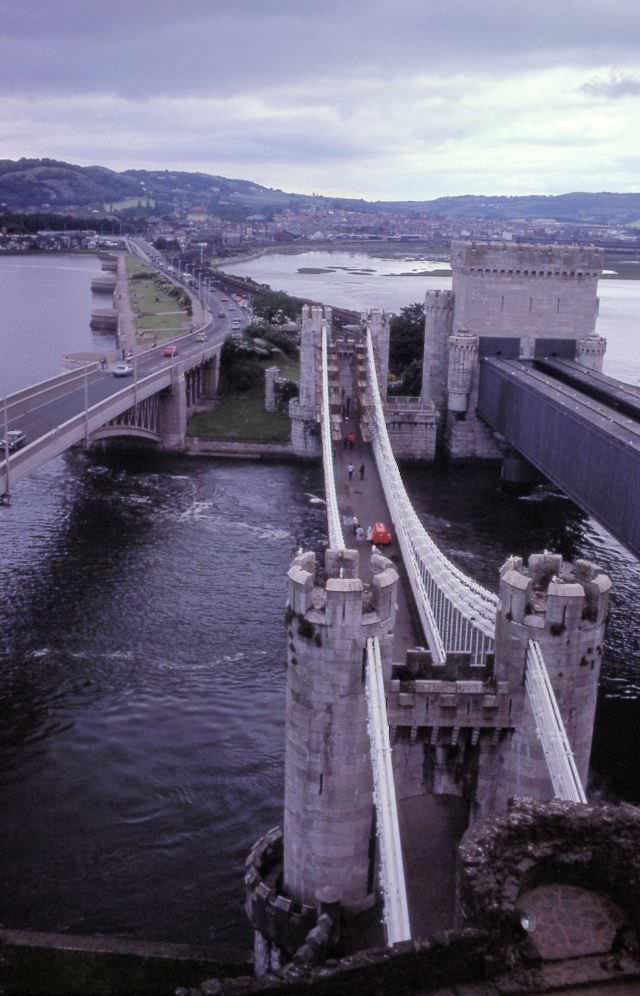
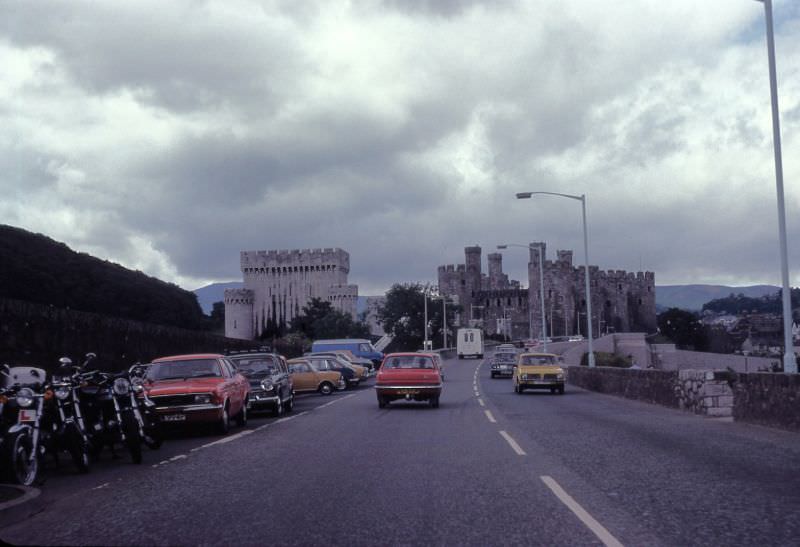
The three bridges at Conwy — Thomas Telford’s 1826 suspension bridge, Robert Stephenson’s 1848 tubular railway bridge, and a later road bridge — cross the estuary side by side in one of Wales’s most distinctive engineering scenes. Conwy Castle itself, built between 1283 and 1289, rises above the town walls with eight massive round towers intact.
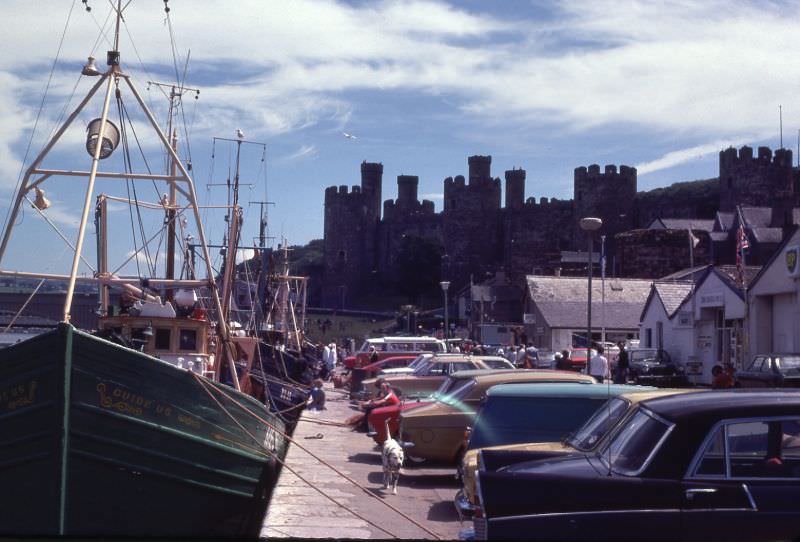
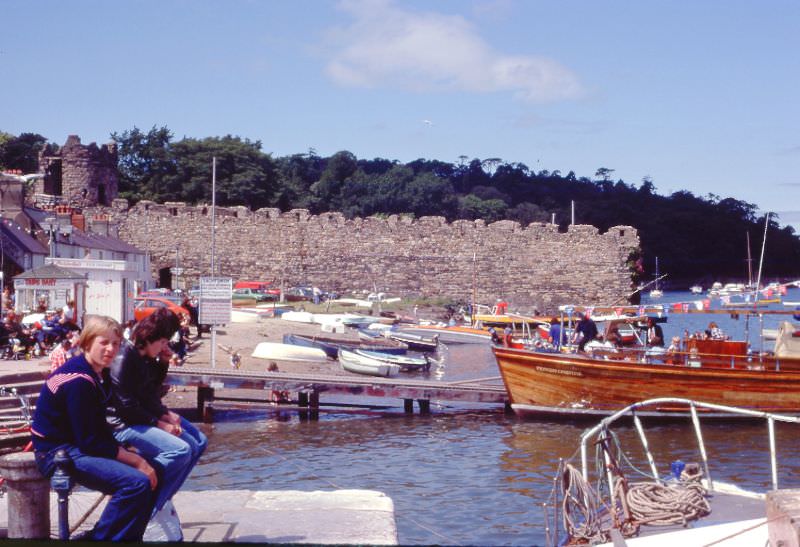
The harbour at Conwy was a working quayside in the 1970s, with fishing boats moored alongside the medieval walls. Fairweather’s shot combining the harbour and castle in a single frame is one of the most compositionally striking images in the collection. From north Wales, he also traveled south to the Pembrokeshire coast.
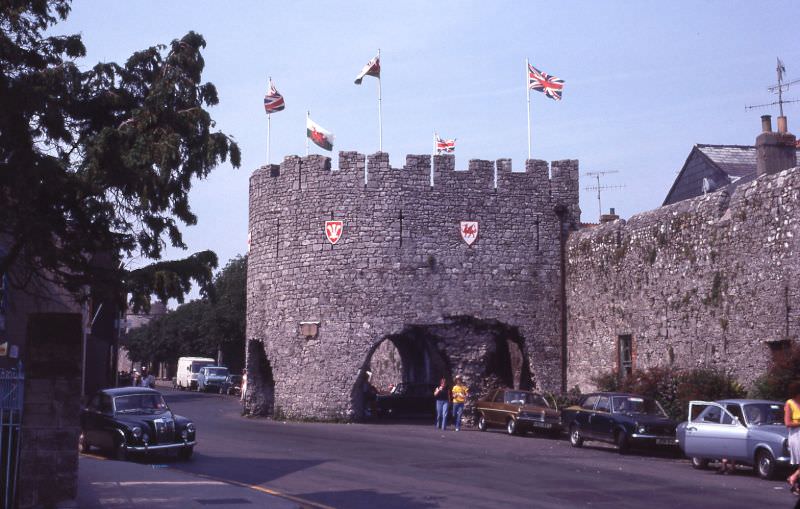
Tenby’s Five Arches is a barbican gate that forms part of the medieval town walls, one of the best-preserved sets of town walls in Wales. It has served as the main entrance to the old town for centuries. Fairweather photographed Tenby extensively in 1977, capturing its harbour beach, its streets, and the views across Carmarthen Bay.
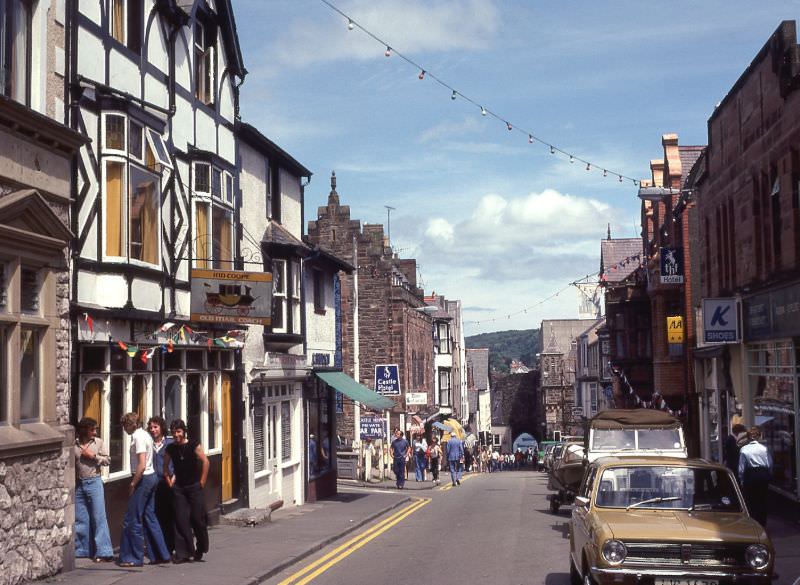
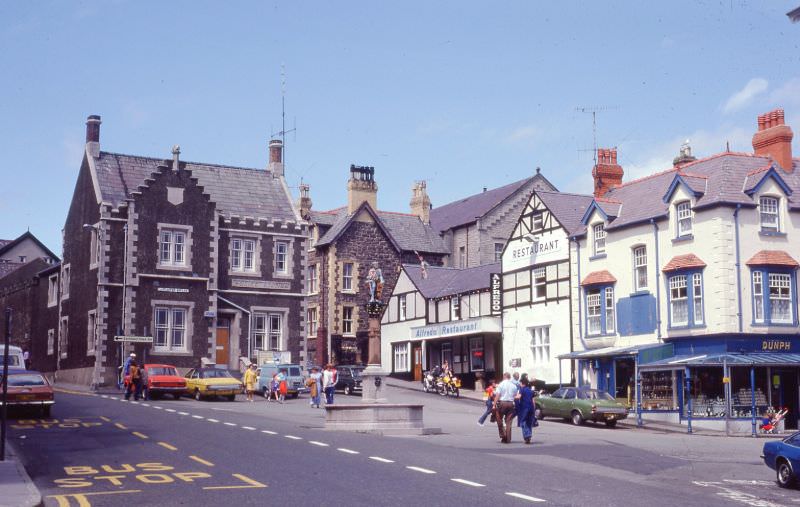
Conwy’s High Street and Lancaster Square were the commercial and civic heart of a town that was, by the 1970s, drawing growing numbers of tourists. Lancaster Square sits near the castle entrance and was busy with both shoppers and visitors. The color in Fairweather’s photographs picks out details — shop signs, clothing, vehicle colors — that make the images feel immediate even decades later.
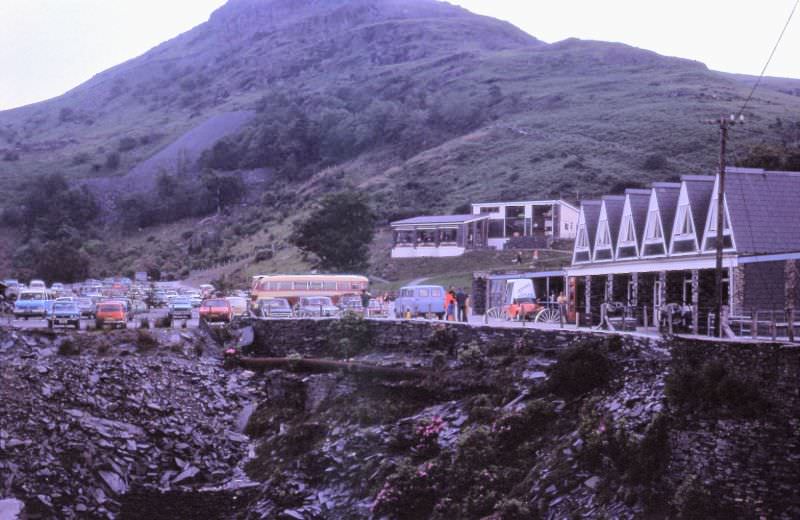
The Llechwedd Slate Caverns near Blaenau Ffestiniog opened to tourists in 1972, just five years before Fairweather photographed them. The site had been a working slate mine since 1846, and its underground tunnels and caverns were opened to the public to give visitors a direct experience of the industry that had shaped north Wales for well over a century.
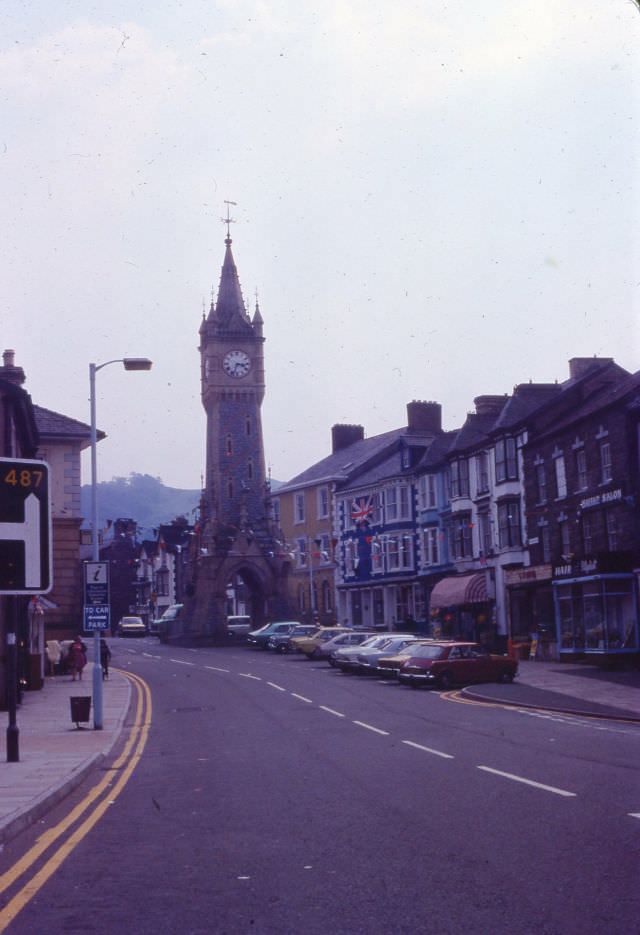
Machynlleth sits at the mouth of the Dyfi Valley and holds a particular place in Welsh history as the town where Owain Glyndŵr held his parliament in 1404. By 1977 it was a quiet market town, but its wide main street and clock tower gave it a presence larger than its size suggested.
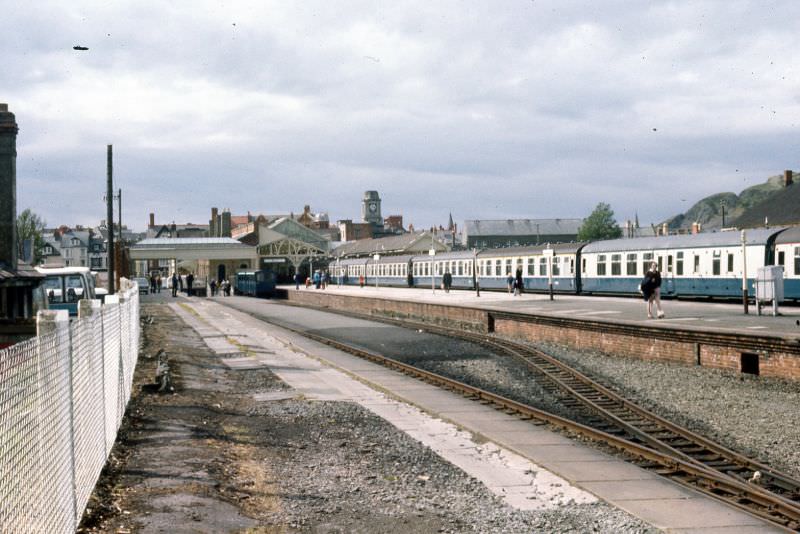
Aberystwyth Station was the terminus of the Cambrian Main Line and also the starting point of the Vale of Rheidol Railway — a narrow-gauge steam line running to Devil’s Bridge. The Mid-Walesman Railtour captured here in 1977 was one of the enthusiast-run special services that used the Welsh rail network as a living museum of steam-era travel.
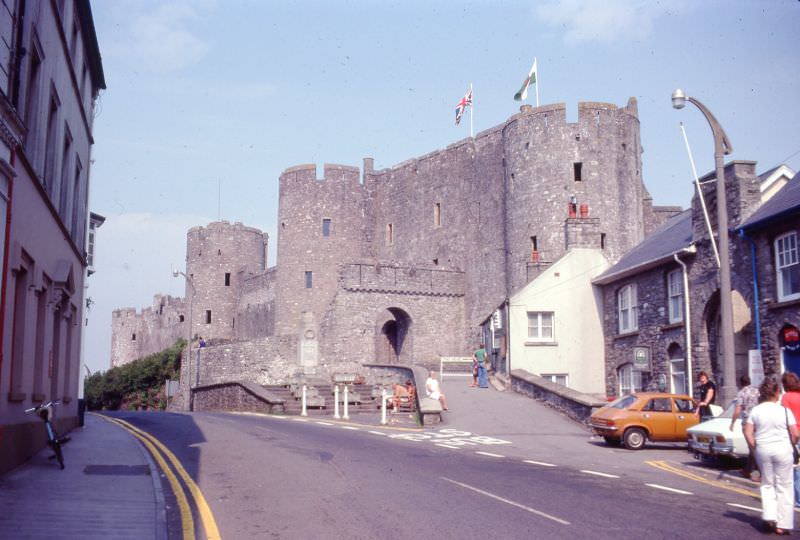
Pembroke Castle is the birthplace of Henry VII and one of the most formidable medieval fortresses in Wales. Its great circular keep, dating to around 1200, is one of the largest in Britain. Fairweather photographed it in 1977 as part of his sweep through Pembrokeshire, which also produced his shots of Tenby. Elsewhere in the same year, he found quieter, more local subjects.
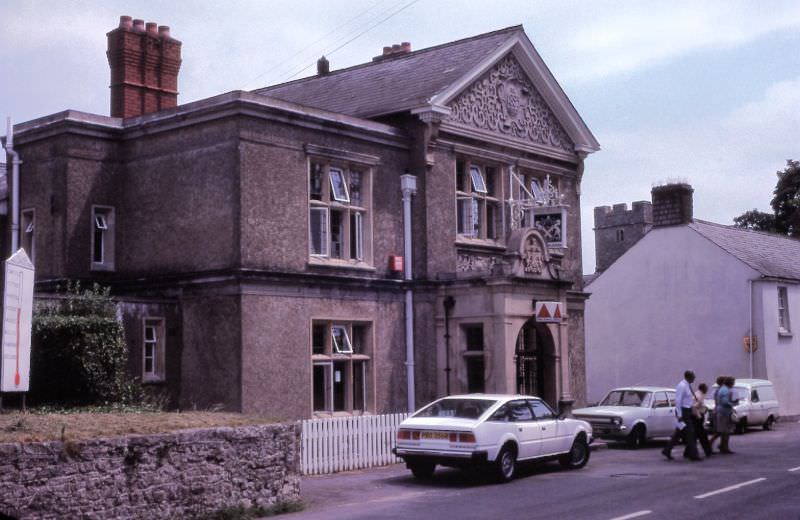
St Fagans, just west of Cardiff, is home to the National Museum Wales open-air site, where historic Welsh buildings were relocated and reconstructed from across the country. The Plymouth Arms pub there served both the local village and museum visitors. It’s the kind of everyday spot that rarely makes it into official historical records but is exactly what Fairweather’s camera was drawn to.
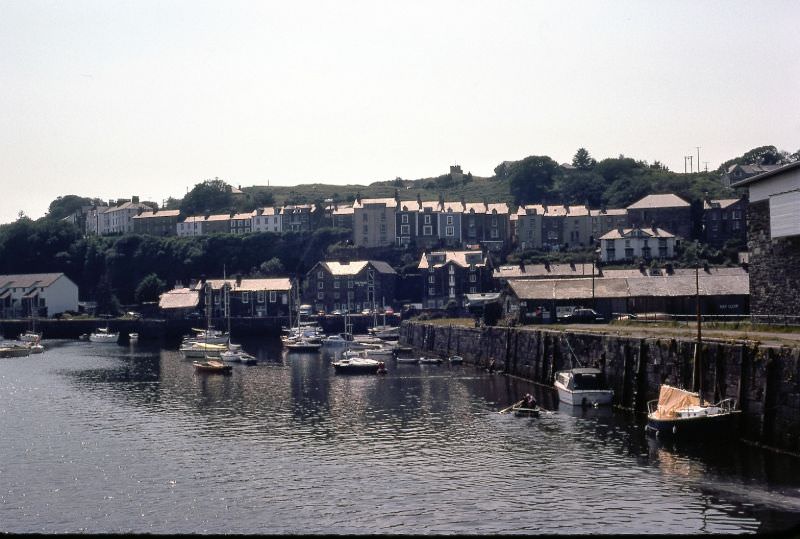
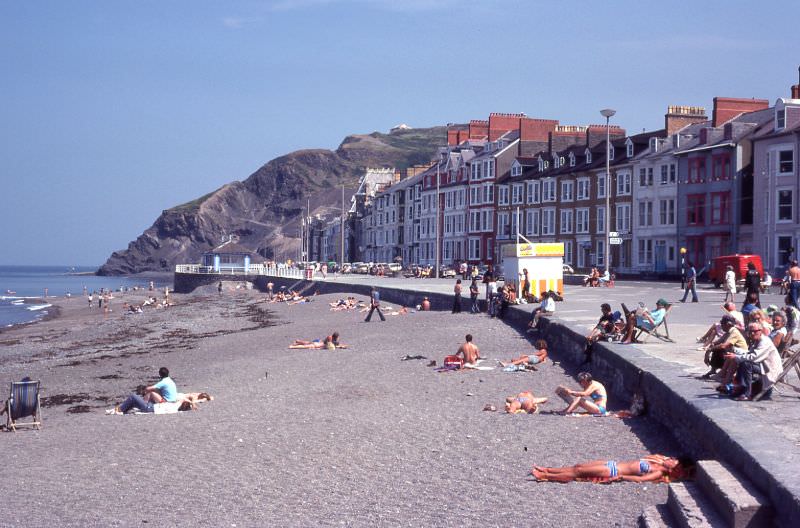
Aberystwyth’s promenade stretched along the seafront between the ruins of the castle and the town’s Victorian pier. In 1977 it was a busy summer destination. The beach and promenade photographs show families, deck chairs, and the kind of seaside scene that defined British summer holidays in the decade.
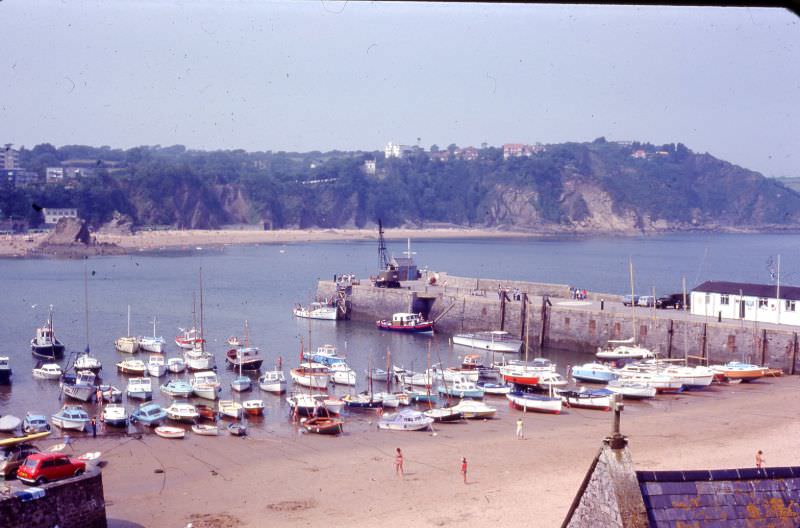
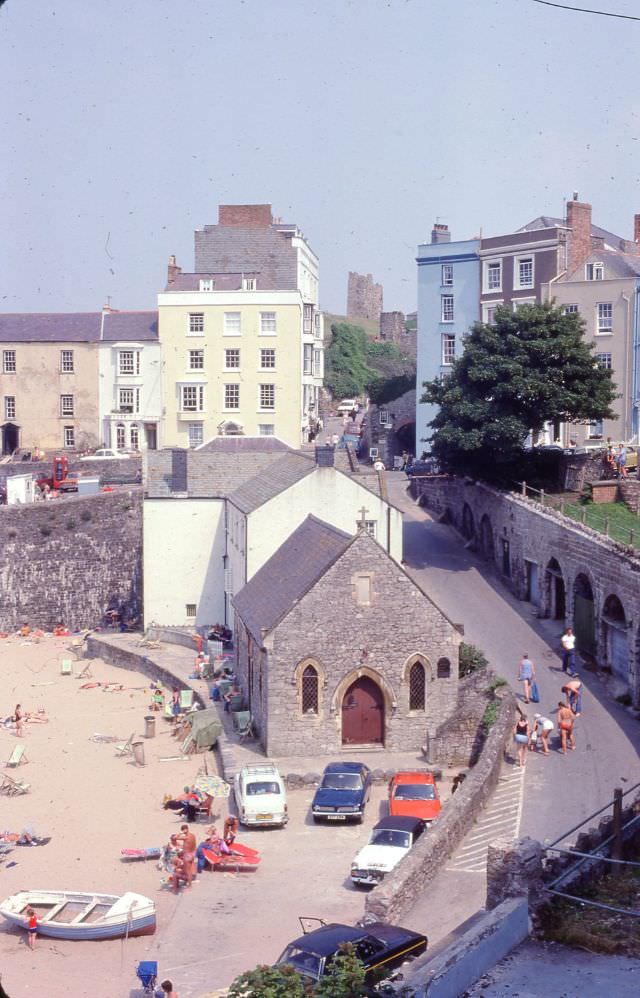
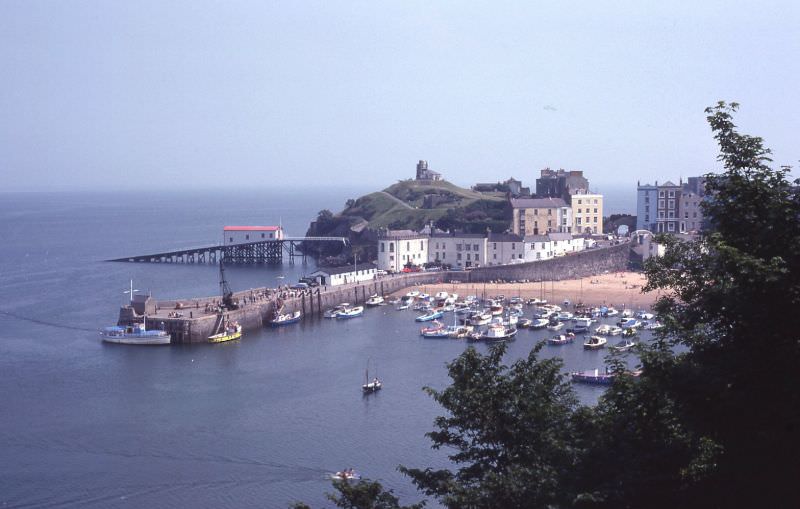
Tenby Harbour Beach sat within the shelter of the old town walls, making it one of the most enclosed and picturesque beaches on the Welsh coast. The colorful Georgian and Victorian townhouses that line the hillside above the harbour were already one of Tenby’s defining features by the time Fairweather photographed them. His multiple shots of Tenby make it one of the most thoroughly covered locations in the entire collection.
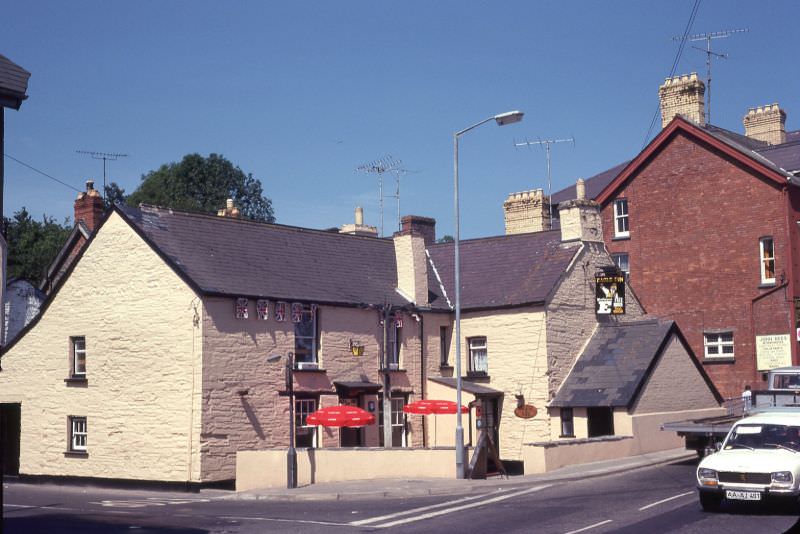
The Eagle Inn on Castle Street in Cardigan was a traditional pub in a town that sits at the mouth of the Teifi River in Ceredigion. Cardigan was one of the earliest Norman boroughs in Wales, and its castle — largely ruined by the 1970s — stood not far from where Fairweather set up his camera.
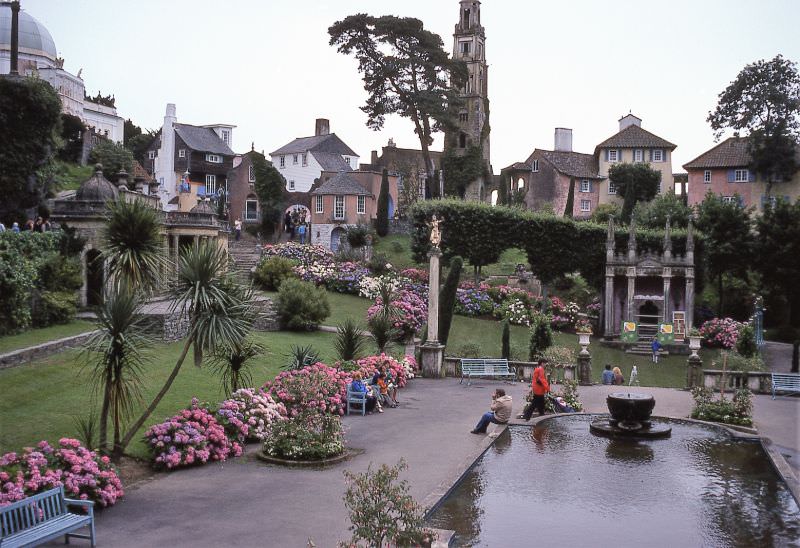
Portmeirion is unlike anywhere else in Wales. The Italianate village was designed and built by architect Clough Williams-Ellis between 1925 and 1975, constructed on a private peninsula near Porthmadog. Its pastel-colored buildings, domes, and colonnades were used as the filming location for the 1960s television series The Prisoner. By the time Fairweather photographed it in 1978, it was one of the most visited sites in north Wales.
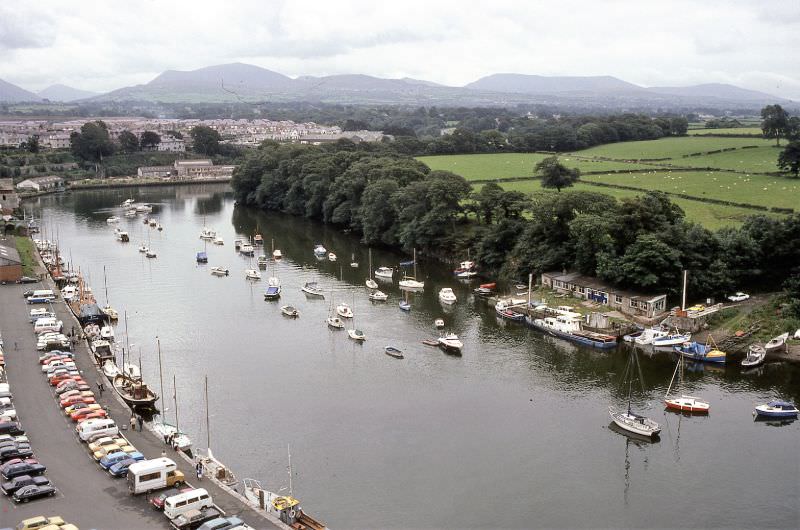
Looking out from the walls of Caernarfon Castle in 1978, the view took in the Menai Strait and the Anglesey coastline beyond. The castle’s walls were thick enough to walk along, and from the towers you could see the town spreading out below — slate rooftops, the quayside, and the narrow streets of the medieval town plan still largely intact.
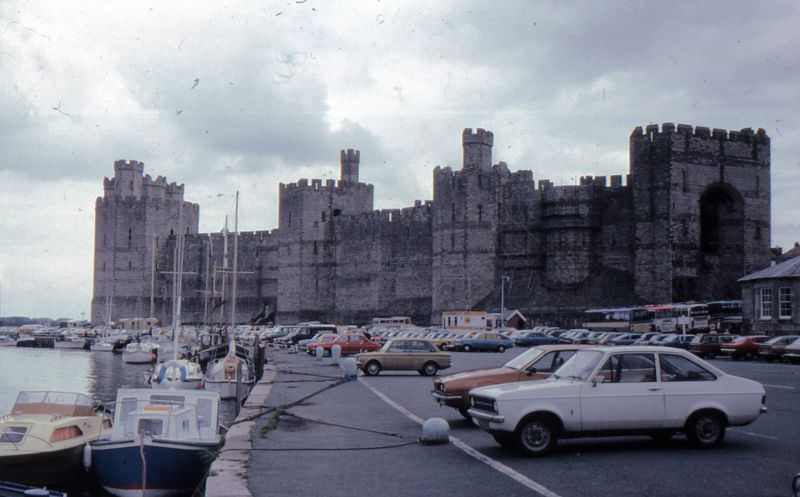
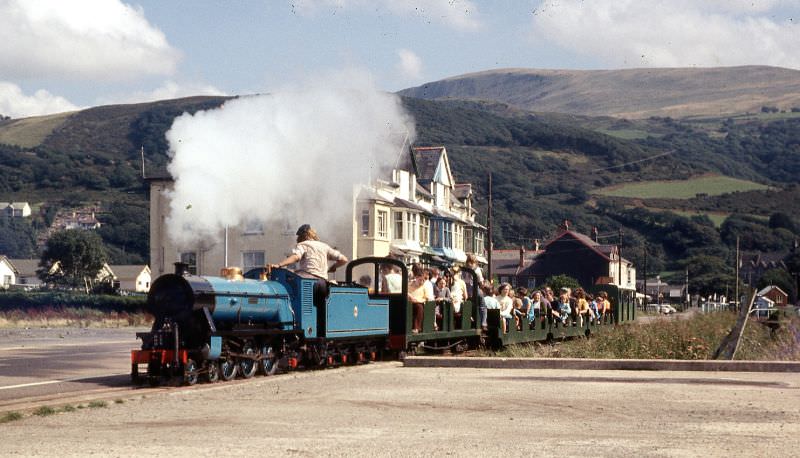
The Fairbourne Railway is a narrow-gauge line running along the southern edge of the Mawddach estuary in Gwynedd. Originally built in the 1890s as a horse-drawn tramway to carry building materials, it was later converted to steam. By the 1970s it was operating as a tourist attraction, running from Fairbourne village to a ferry terminal at the estuary’s mouth.
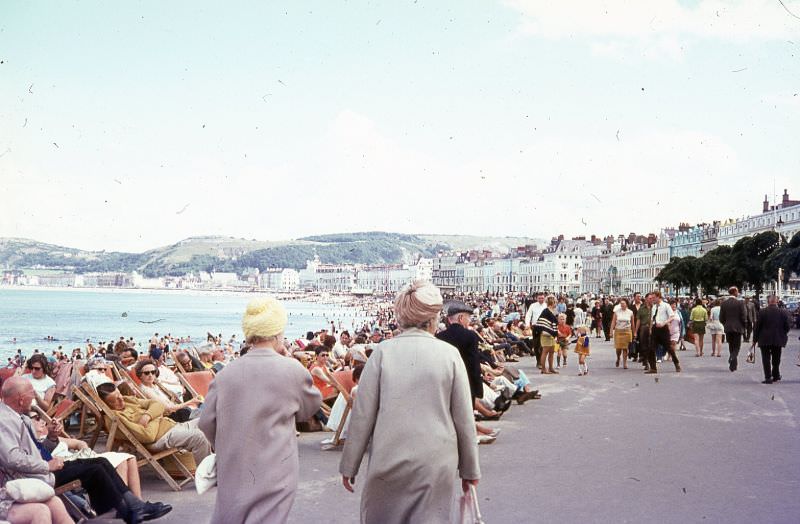
Llandudno, on the north Wales coast, was the largest seaside resort in Wales. Its Victorian pier, sweeping promenade, and Great Orme headland drew visitors throughout the decade. The town had been purpose-built as a resort in the mid-19th century, and by the 1970s its wide streets and grand hotels still dominated the seafront.
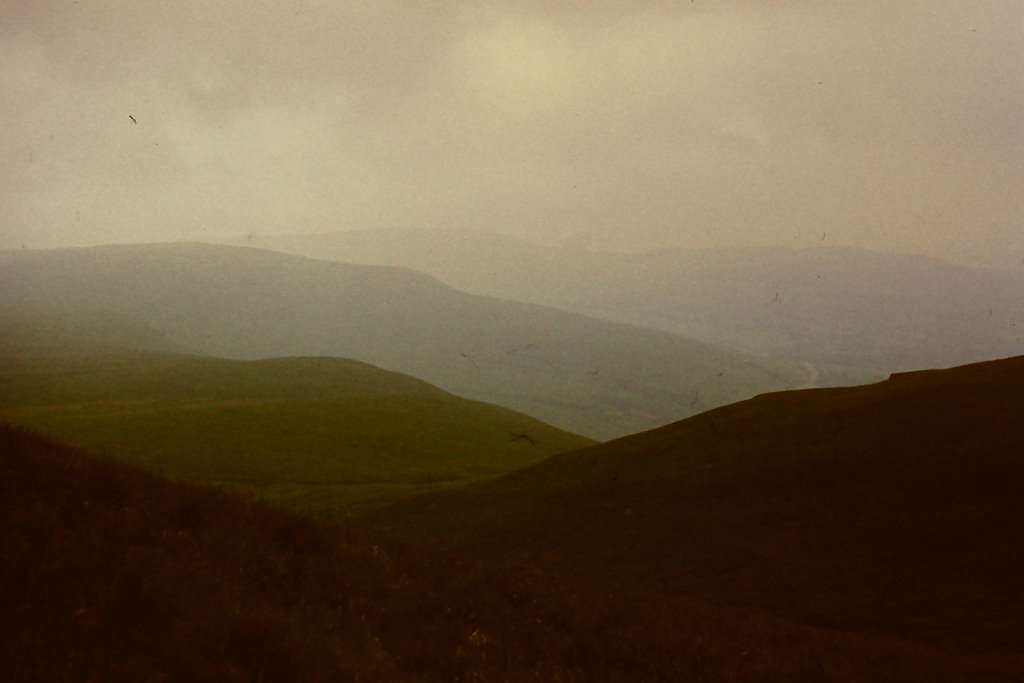
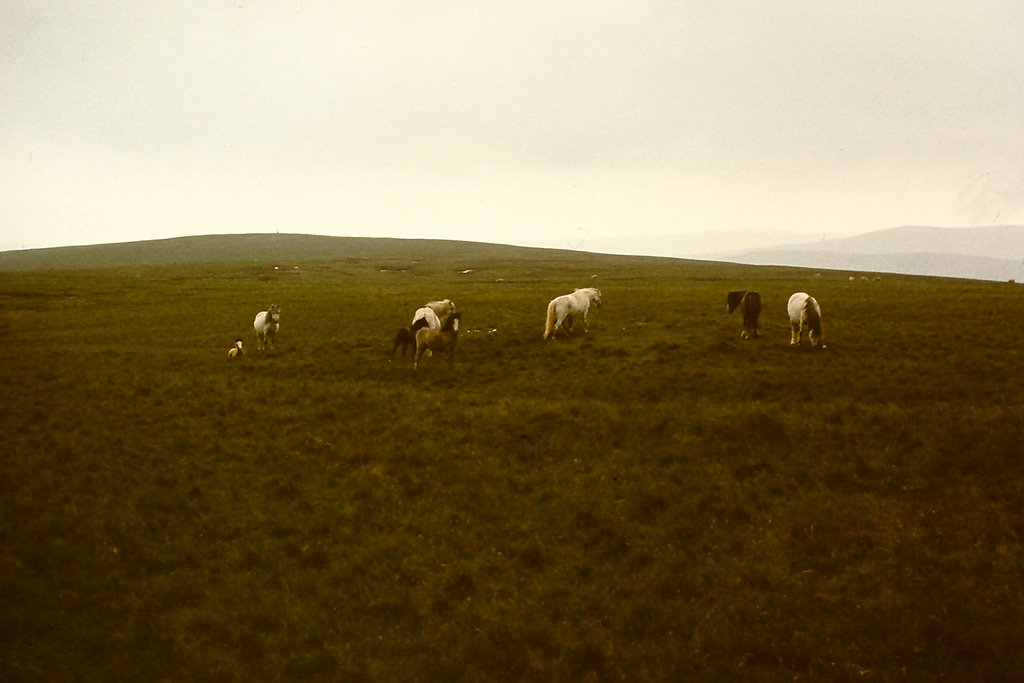
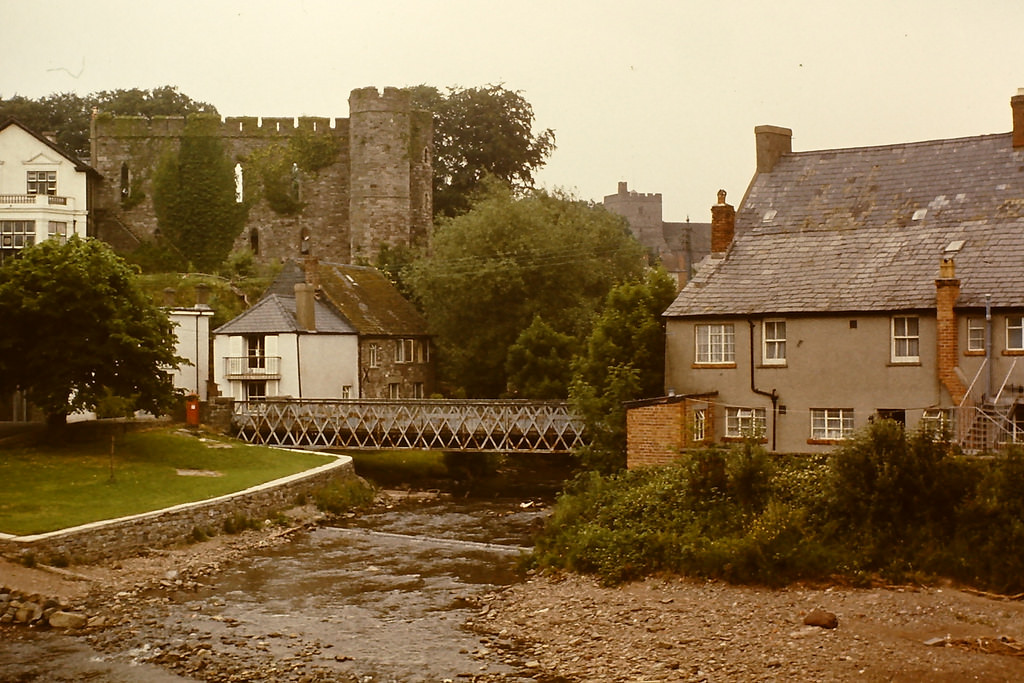
Brecon Castle’s ruins stood above the confluence of the Honddu and Usk rivers. The view from Llanfaes Bridge gave a direct sightline to what remained of the fortress, which dated to the late 11th century. The town of Brecon itself was a market center for the surrounding farming country of the Beacons.
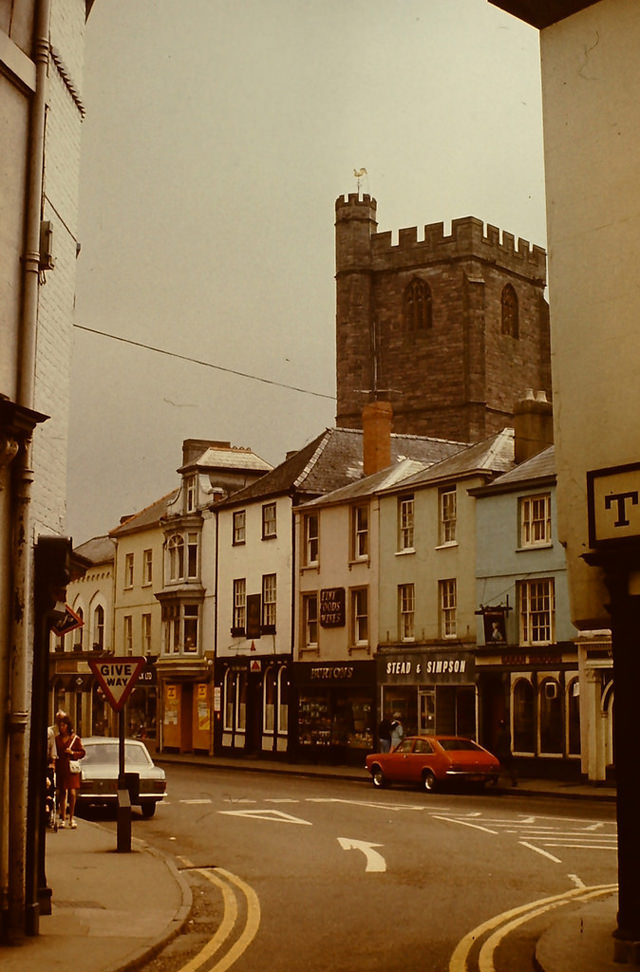
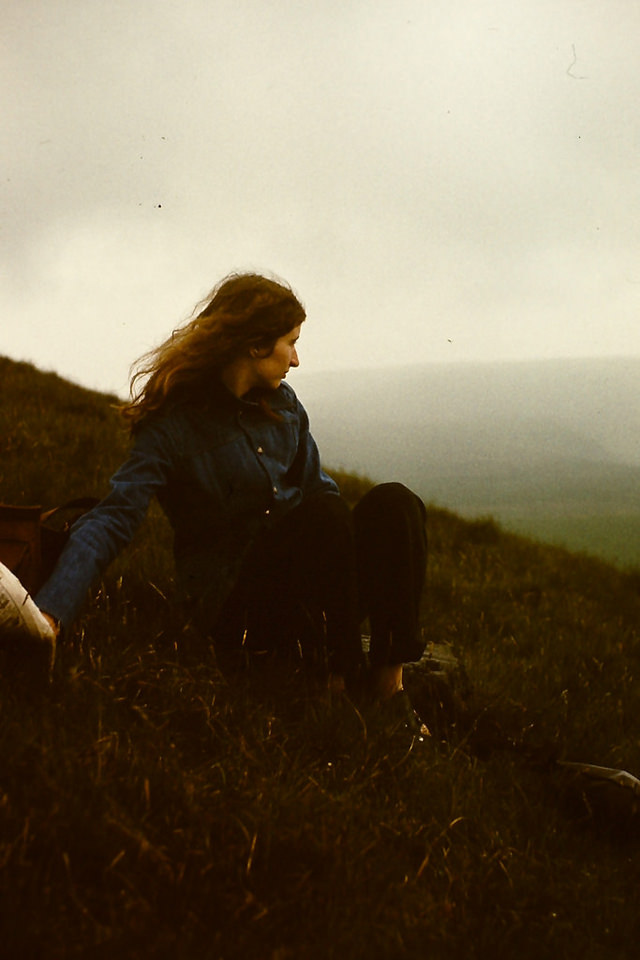
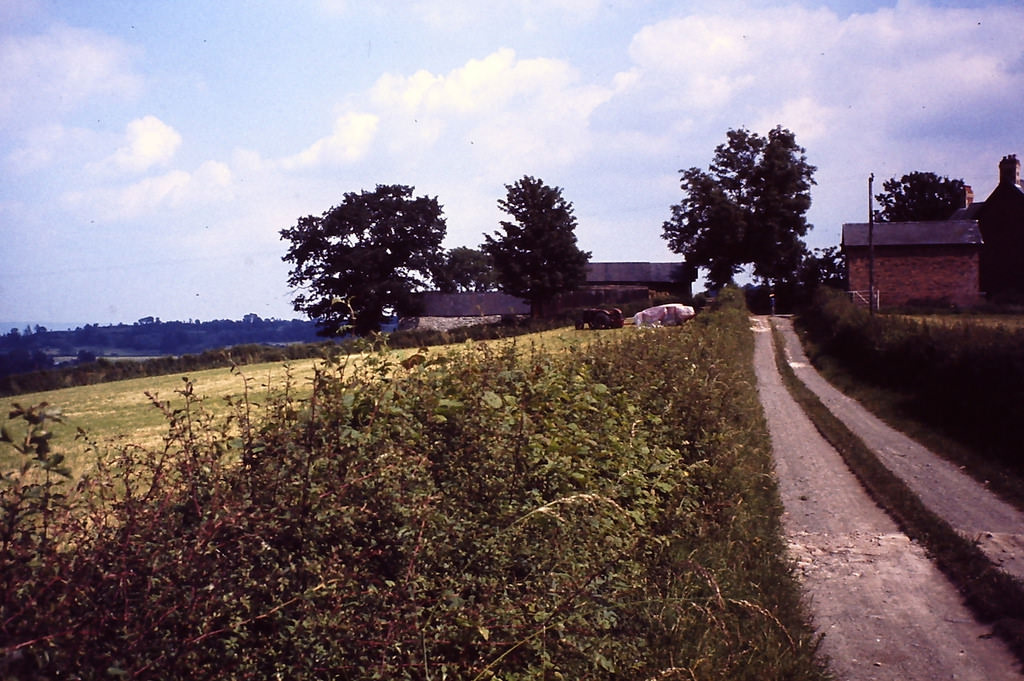
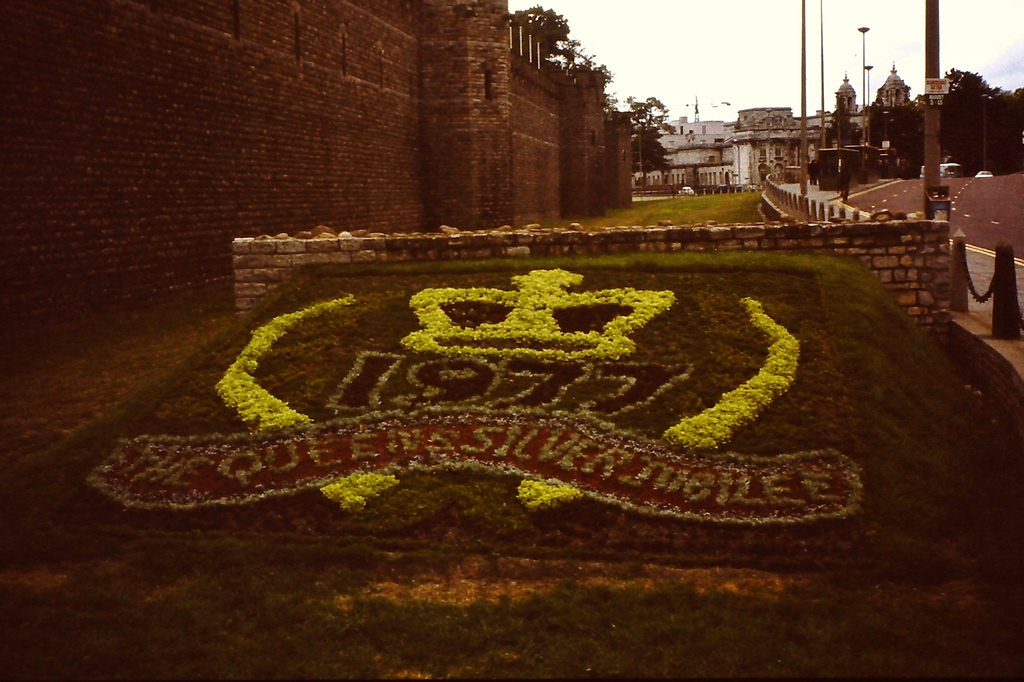
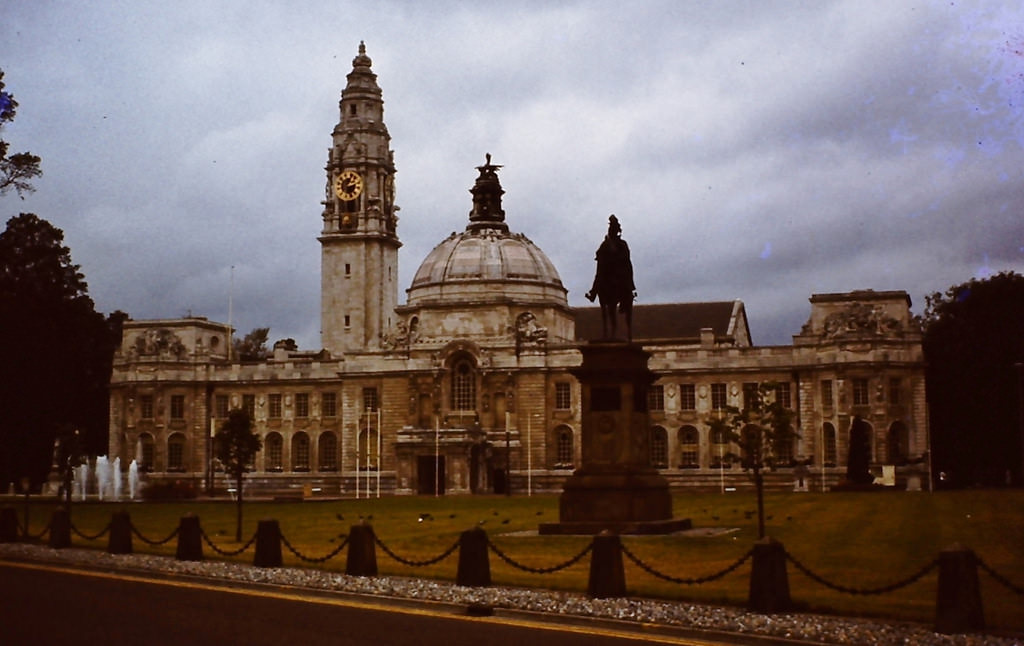
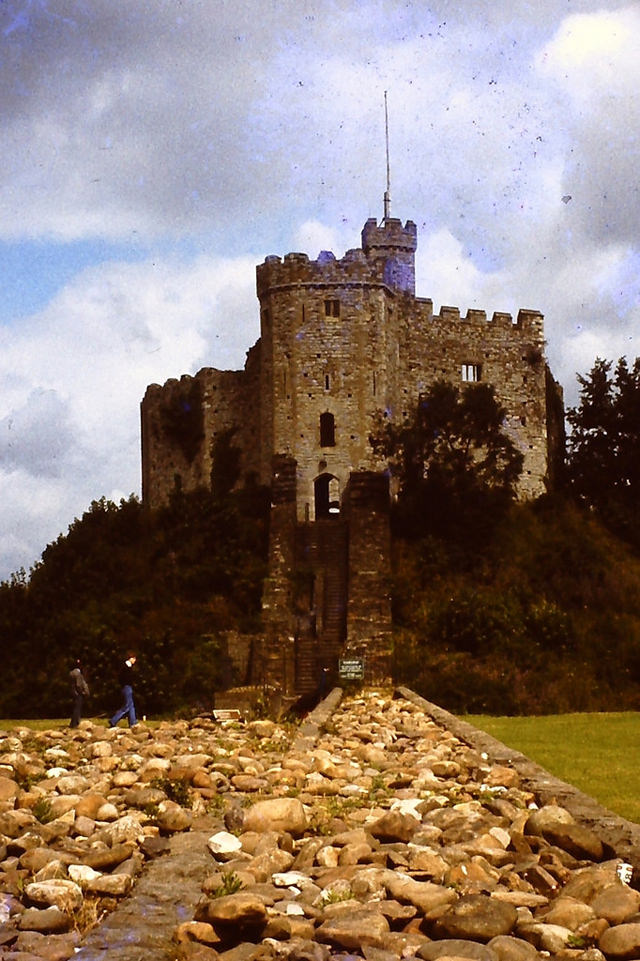
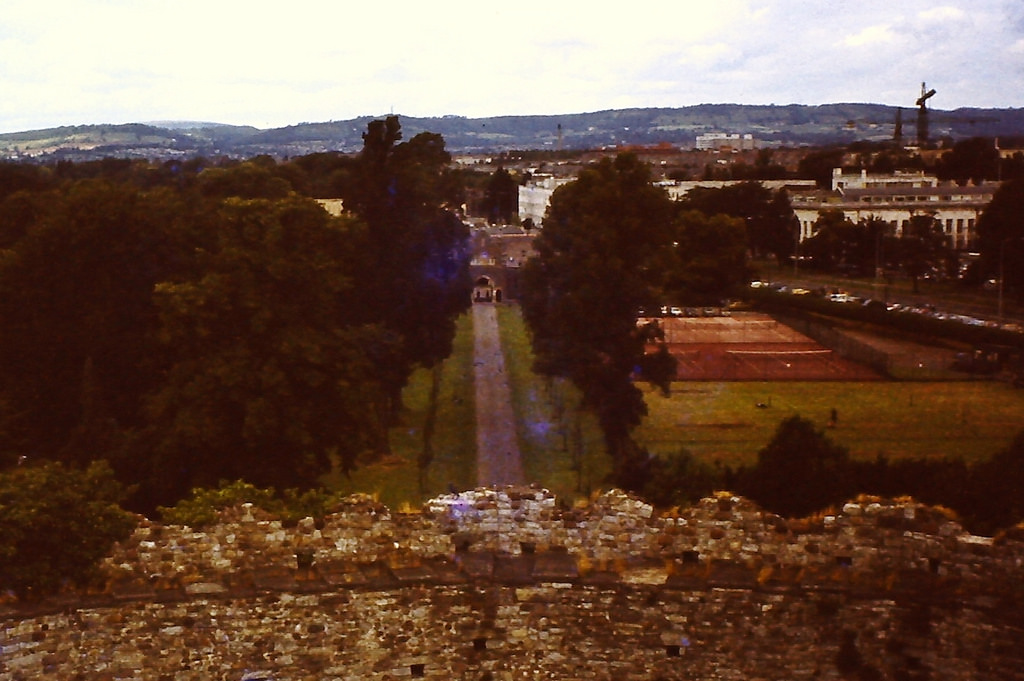
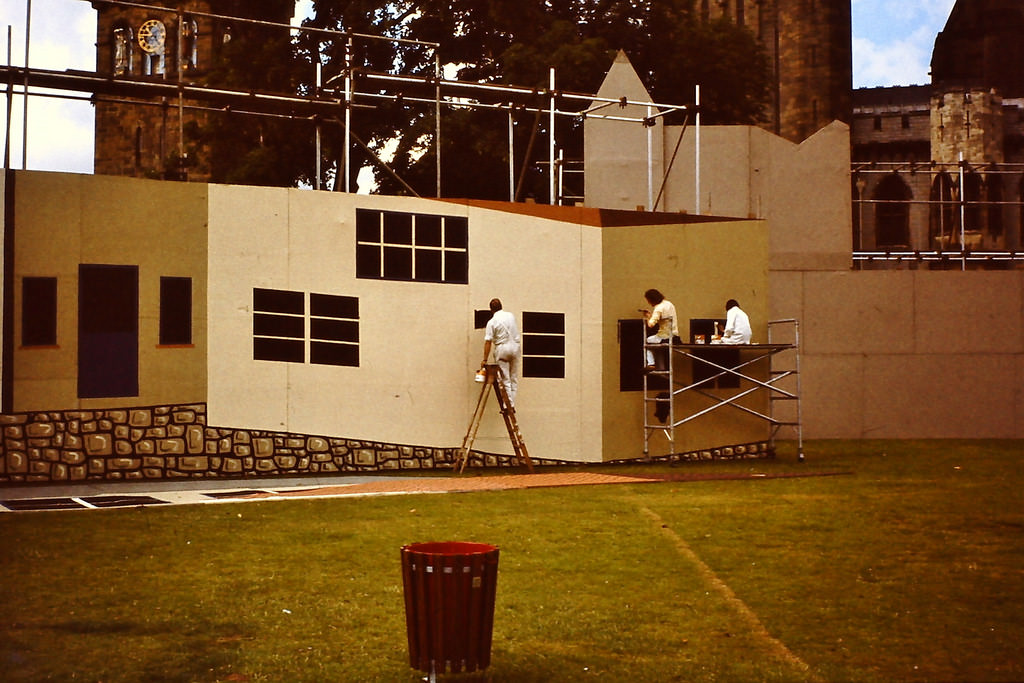
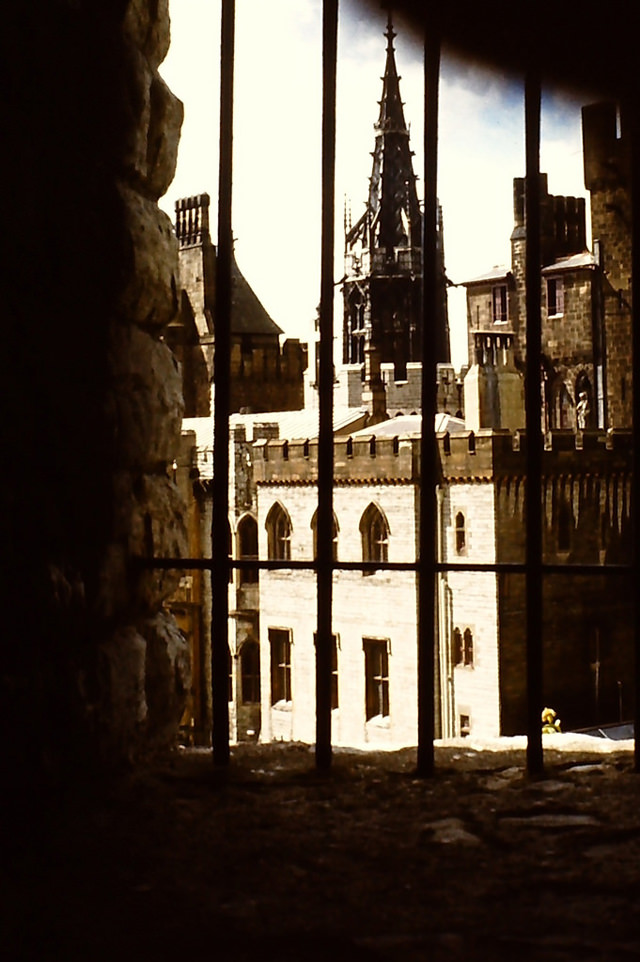
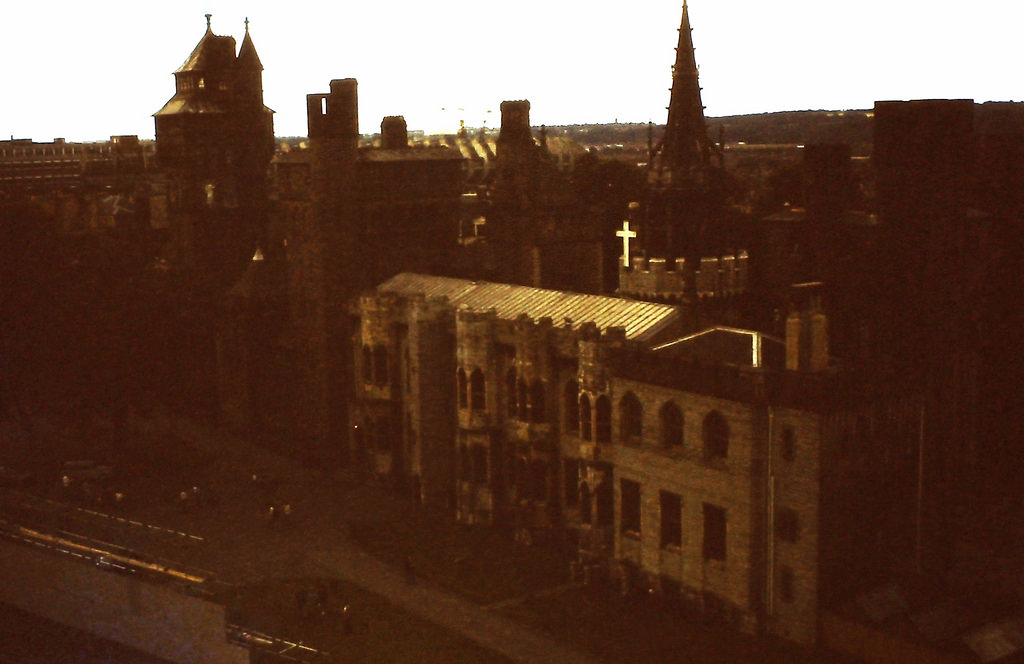
Cardiff Castle sits in the center of the Welsh capital, built on the site of a Roman fort. By the 1970s Cardiff had been the capital of Wales for just over two decades, having been granted that status in 1955. The castle’s Victorian Gothic apartments, added by the Marquess of Bute in the 19th century, made it one of the most ornate structures in the country.
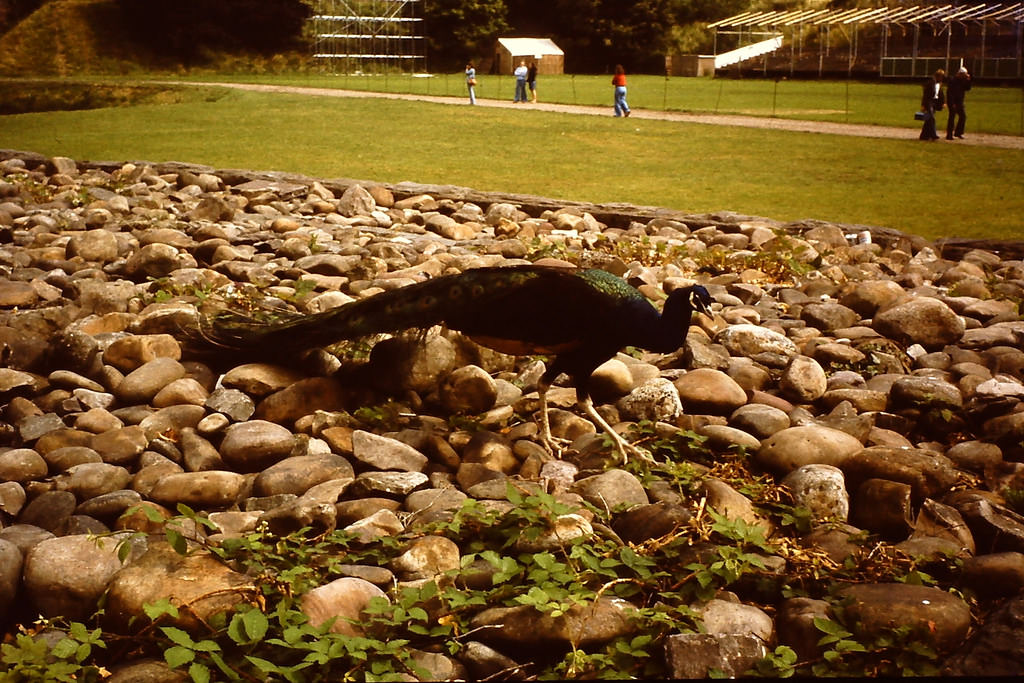
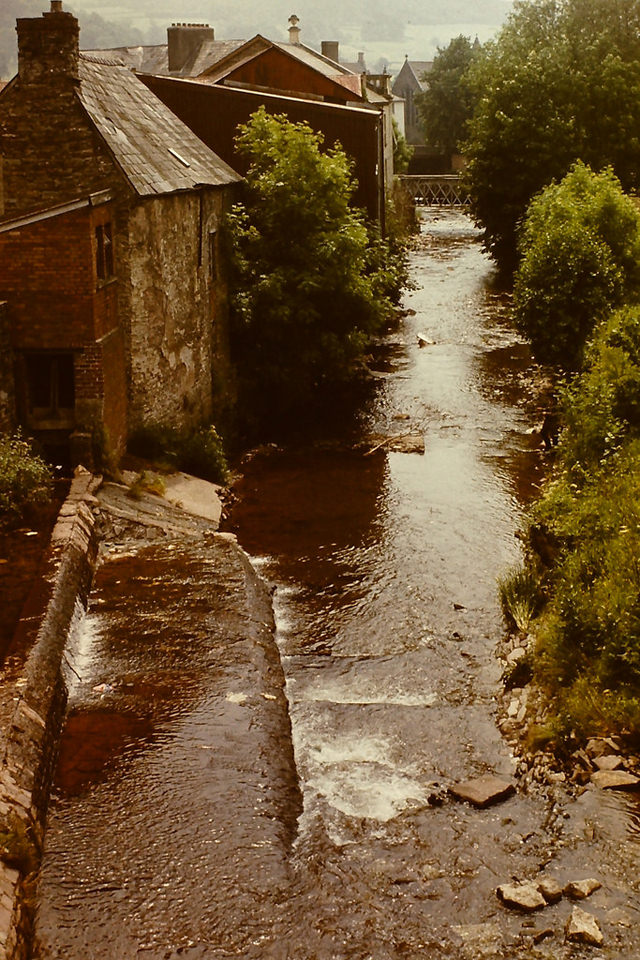
The Honddu River flows through Brecon before joining the Usk, and the view from Castle Street bridge gave a clear look at the river cutting through the town’s stone-built streetscape. Fairweather’s photographs of Brecon and its surroundings round out a collection that spans the full width and breadth of Wales — from Anglesey in the north to Pembrokeshire in the south, from coastal resorts to inland market towns, from working railways to ancient castle walls.