
The Battle of the Somme stands as one of the bloodiest military engagements in all of recorded history. Fought along the Somme River in northern France, the battle ran for 141 days — from July 1 to November 19, 1916 — and left hundreds of thousands of soldiers dead on both sides. It was a battle born from strategic necessity, shaped by catastrophic miscalculation, and paid for with an almost incomprehensible loss of human life.
The origins of the offensive trace back to German pressure on the French at Verdun. British General Sir Douglas Haig had originally wanted to strike at Flanders, but the relentless German assault on French forces at Verdun forced the Allies to change their plans. A joint Anglo-French attack on the Somme was agreed upon to relieve that pressure. The British attacked north of the Somme with fourteen infantry divisions. The French, fighting astride and south of the river, committed five divisions. Germany deployed seven divisions to hold the line against them.
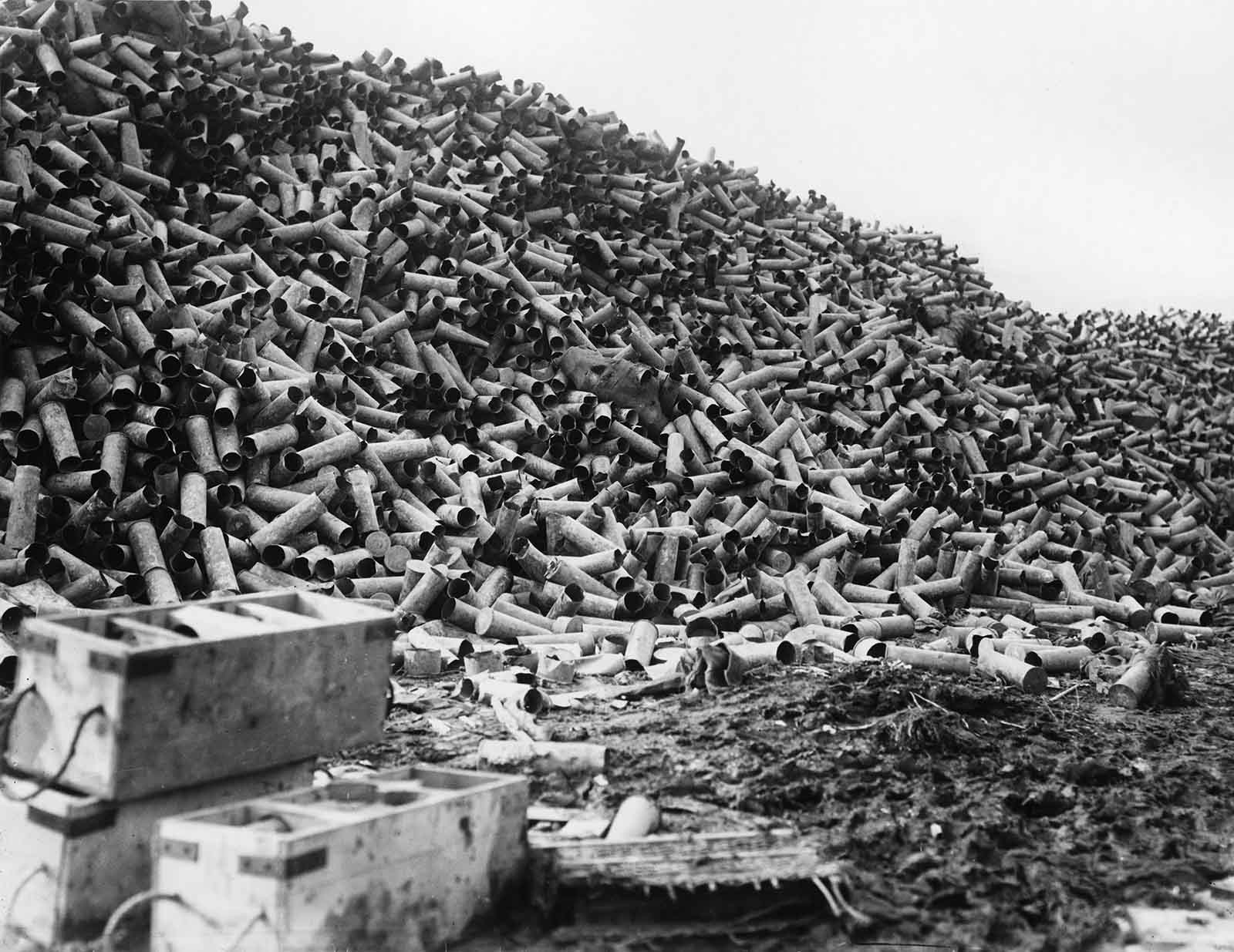
Before a single infantryman went over the top, the British launched one of the largest artillery bombardments in military history. For seven days, over 1.5 million shells rained down on German positions. Allied commanders believed the barrage would destroy the German trenches, wipe out their machine gun nests, and cut through the barbed wire defending their lines. Soldiers were told the assault would be little more than a walk across open ground to occupy what remained.
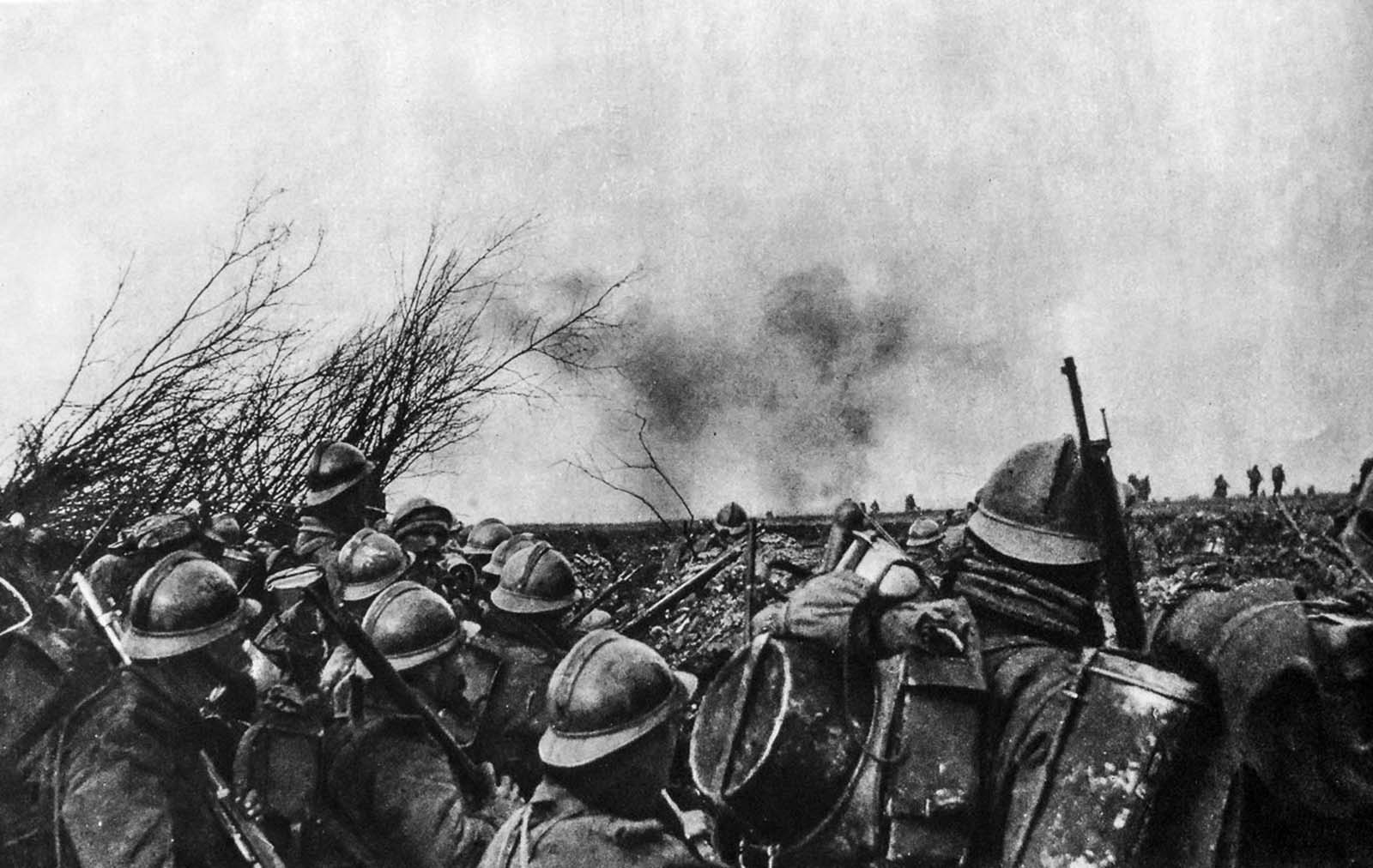
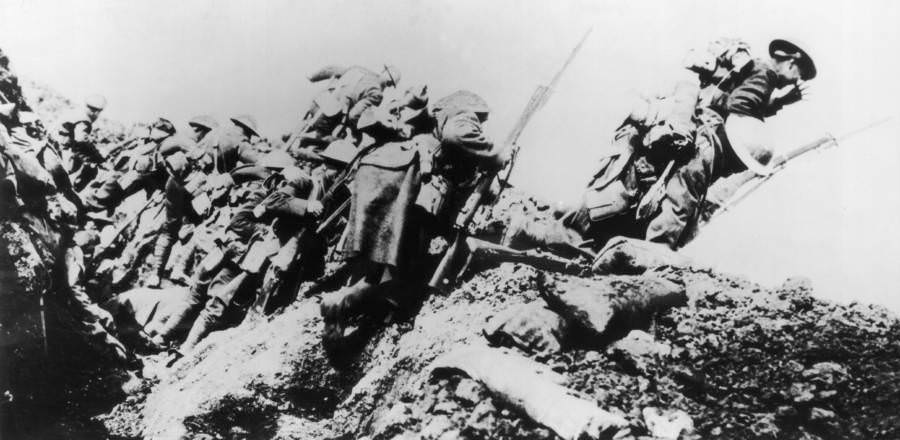
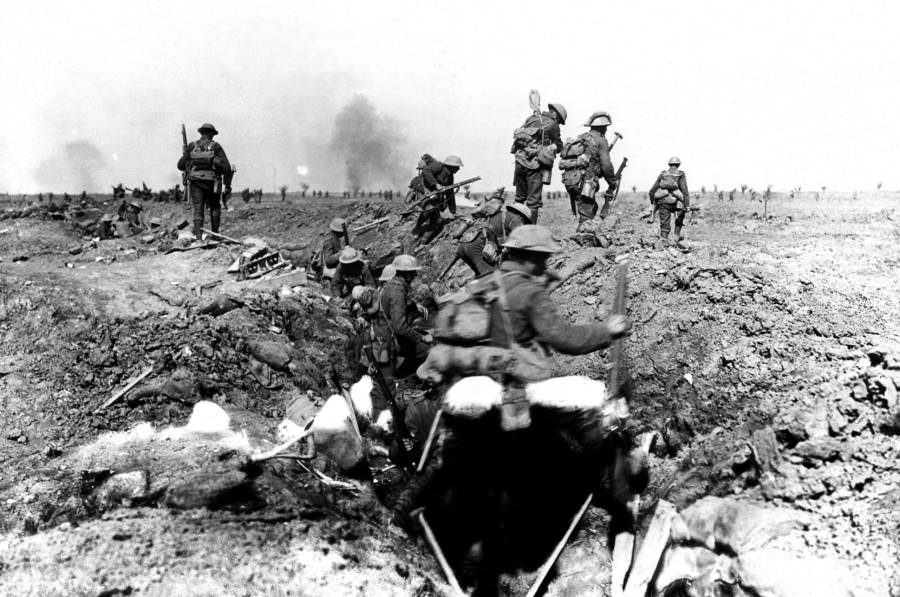
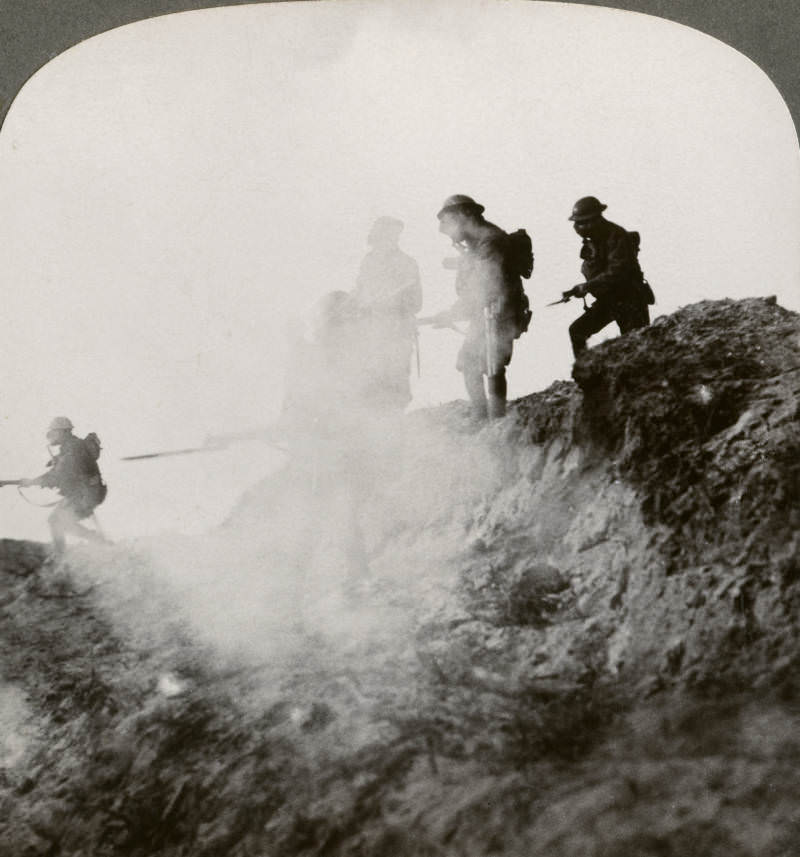
The assumption proved fatal. Germany had spent months constructing deep underground bunkers, some reaching 30 feet below the surface. When the shelling stopped, German soldiers climbed out of their shelters, set up their machine guns, and waited. The artillery had failed to destroy their defenses. As Allied troops advanced across no man’s land, they walked into a wall of machine gun fire.
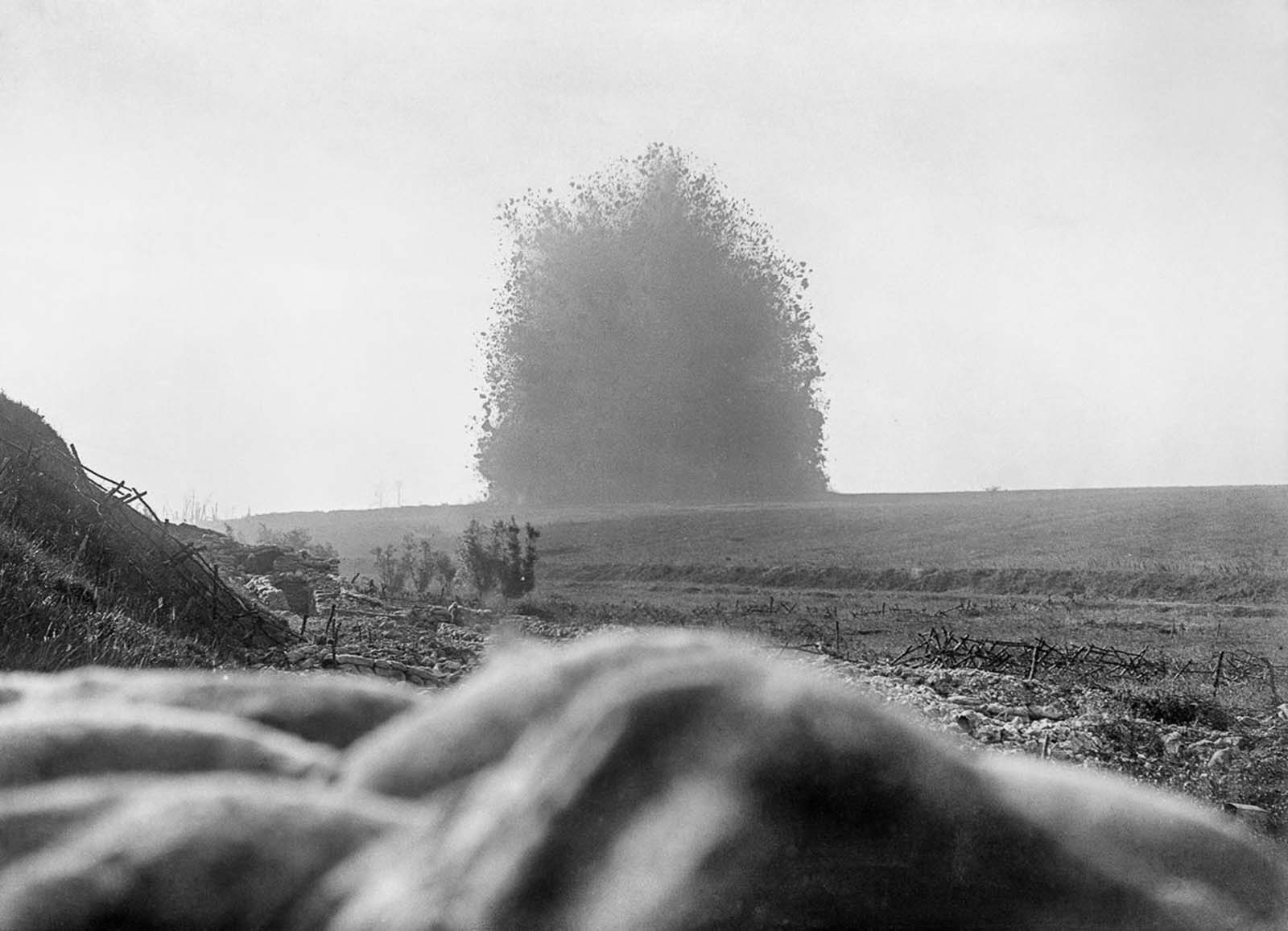
July 1, 1916 became the single deadliest day in the entire history of the British Army. In those first twenty-four hours, the British suffered 57,470 casualties — 19,240 of them killed outright. One man died every 4.4 seconds. Thirty-seven pairs of British brothers lost their lives on that same day. The 1st Newfoundland Regiment was nearly wiped out entirely, with 90 percent of the battalion becoming casualties before they even reached the German wire.
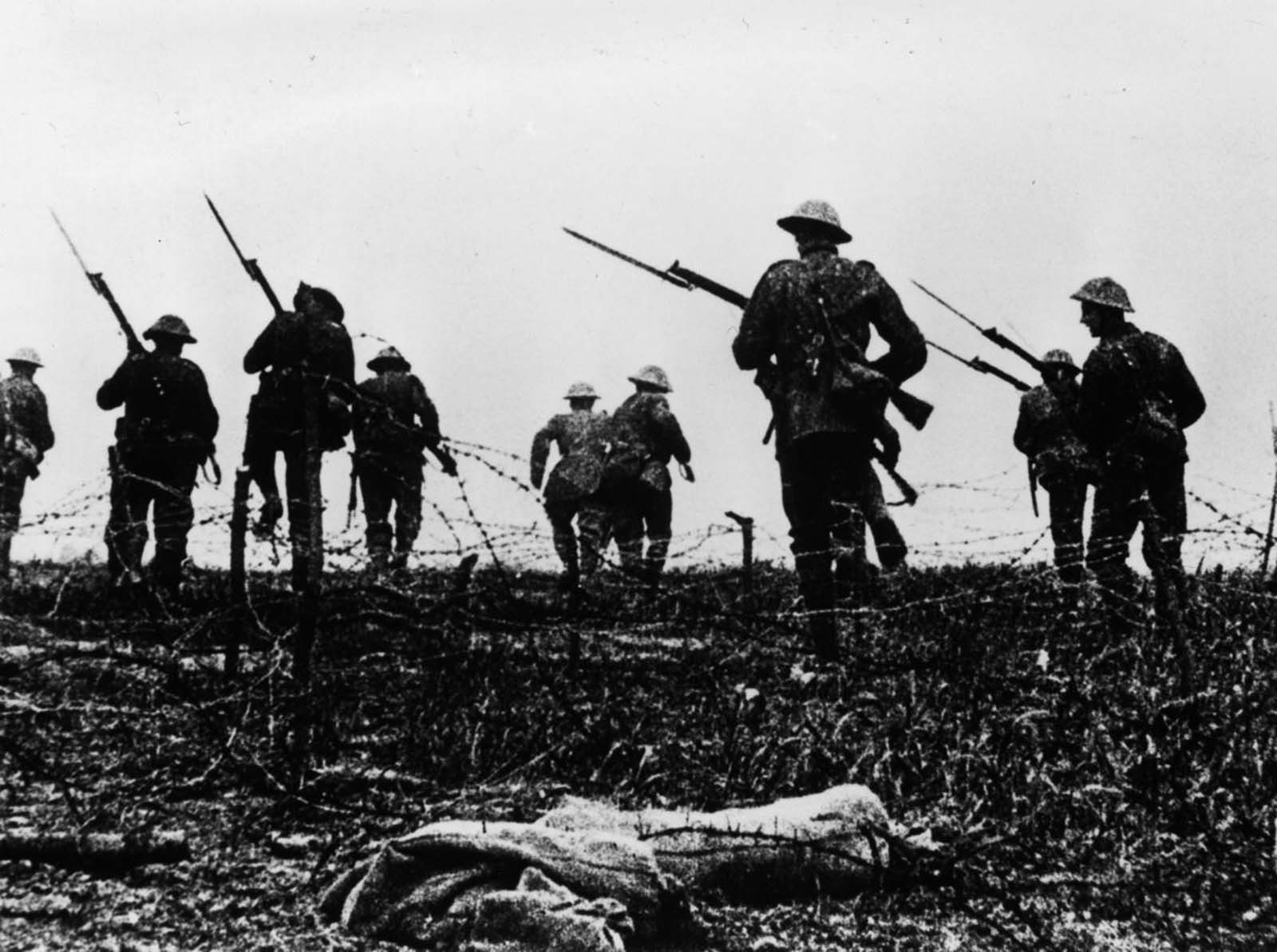
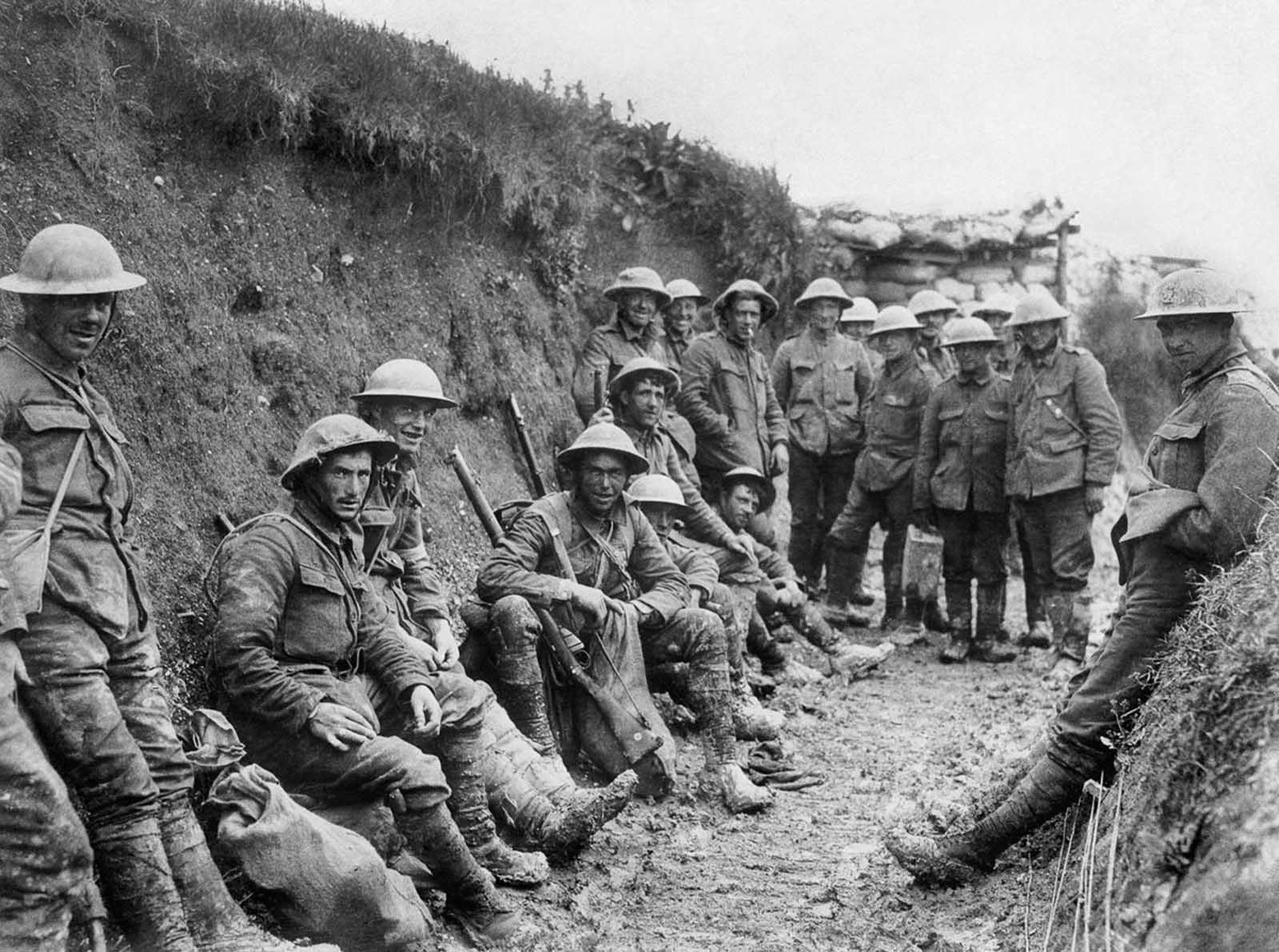
The French fared better on that opening day, suffering around 2,000 casualties compared to the British catastrophe to their north. Their sector had benefited from more concentrated artillery and a shorter advance. Still, the scale of loss across the entire Allied line was staggering, and the battle had barely begun.
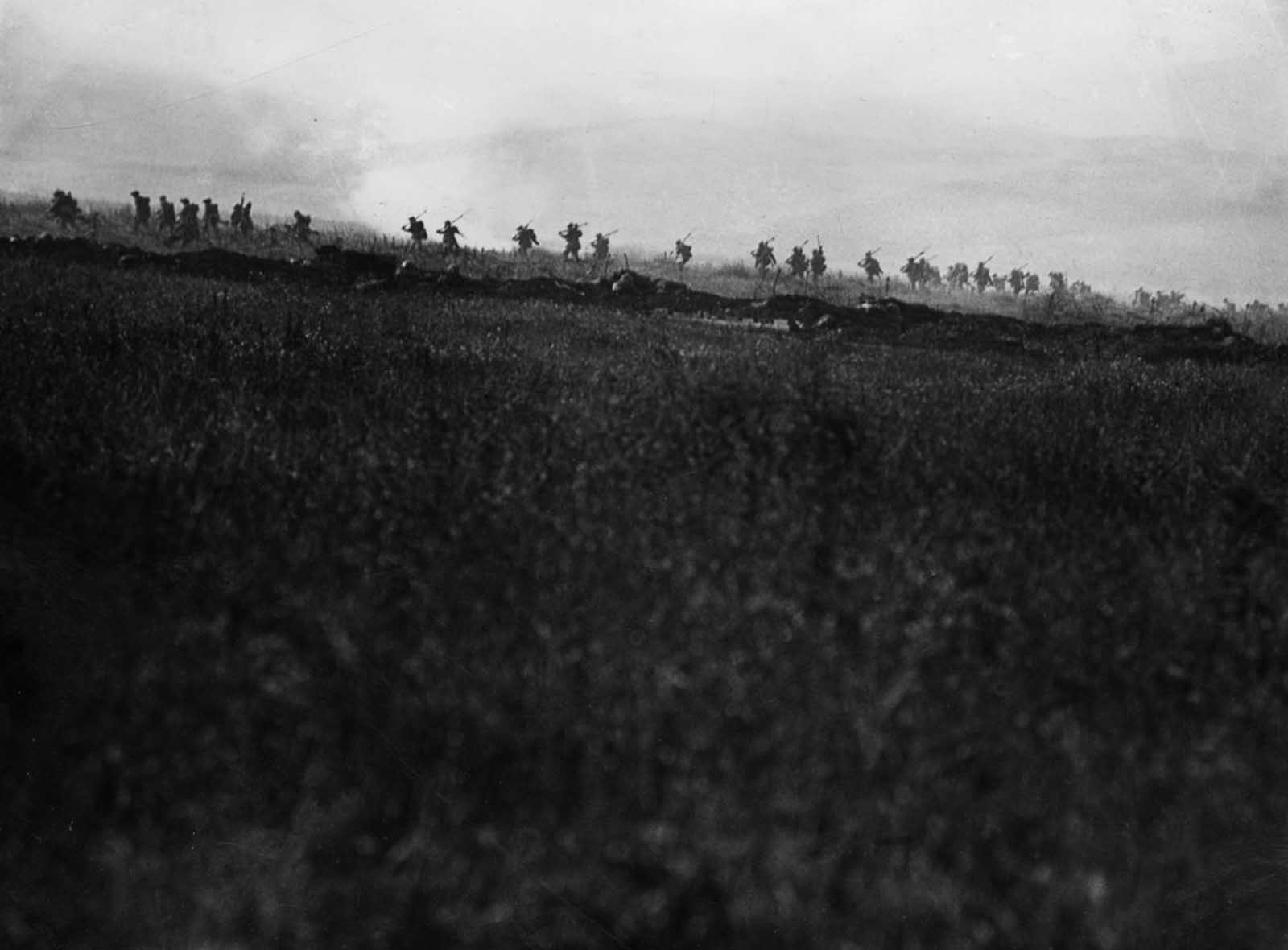
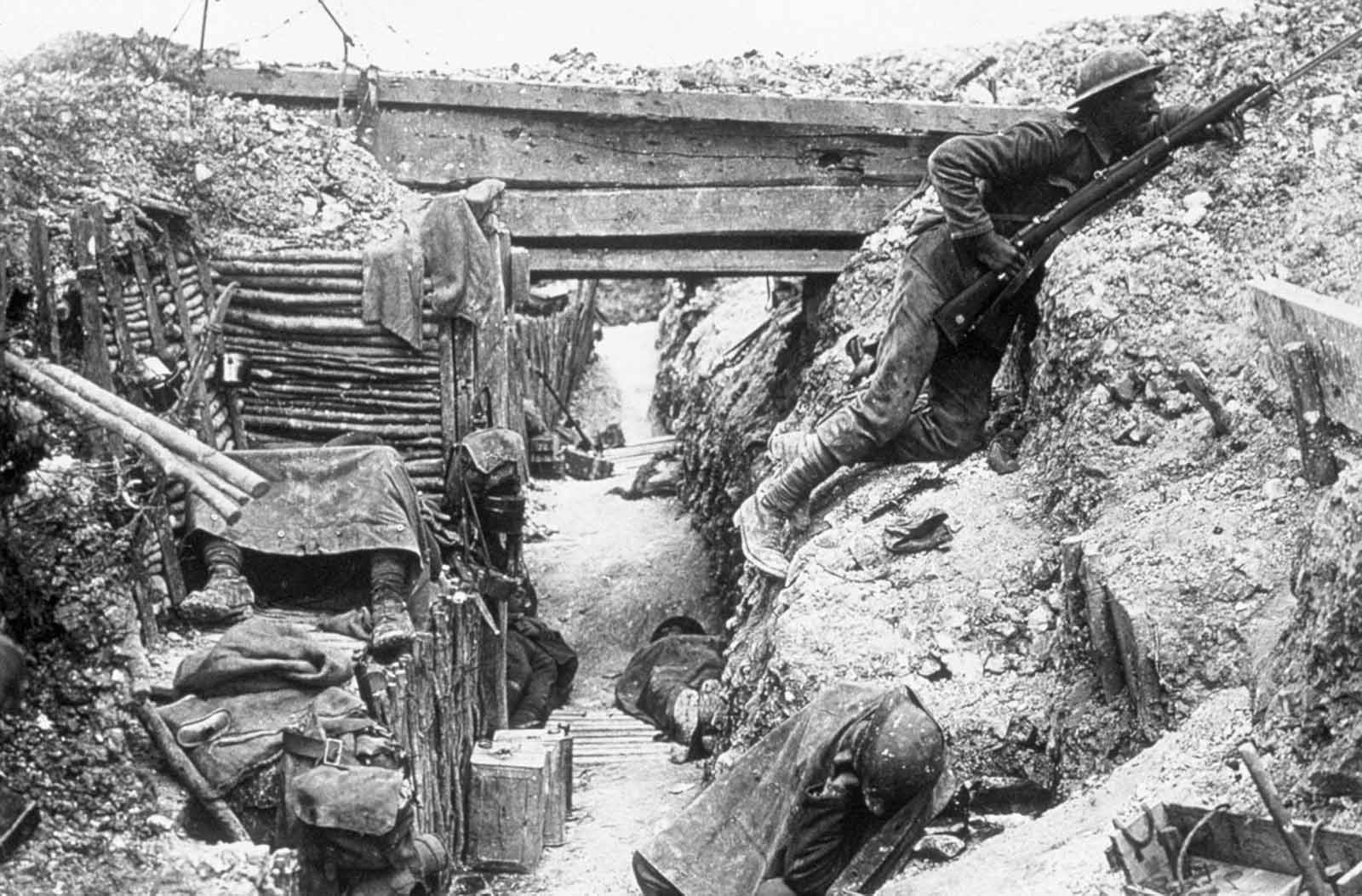
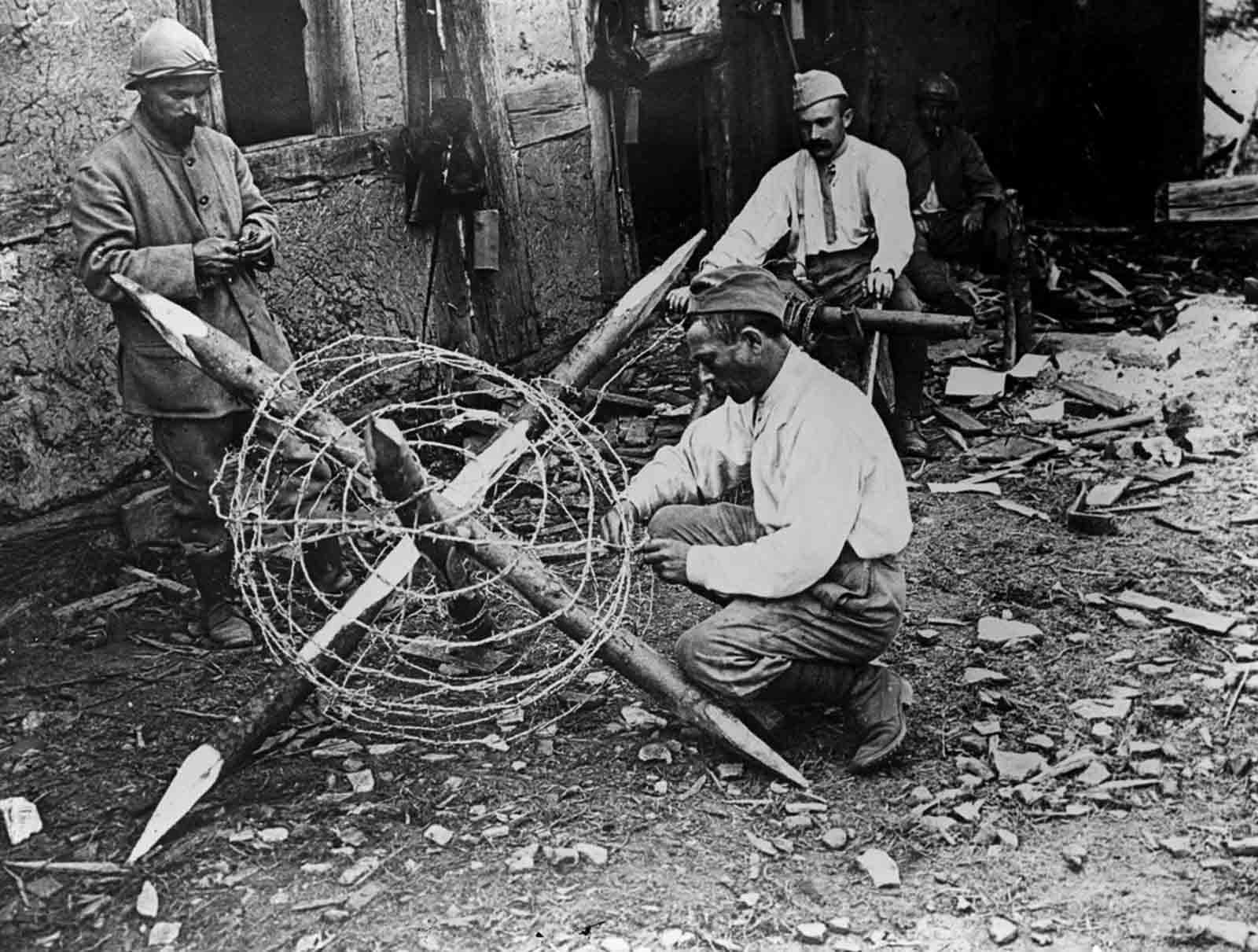
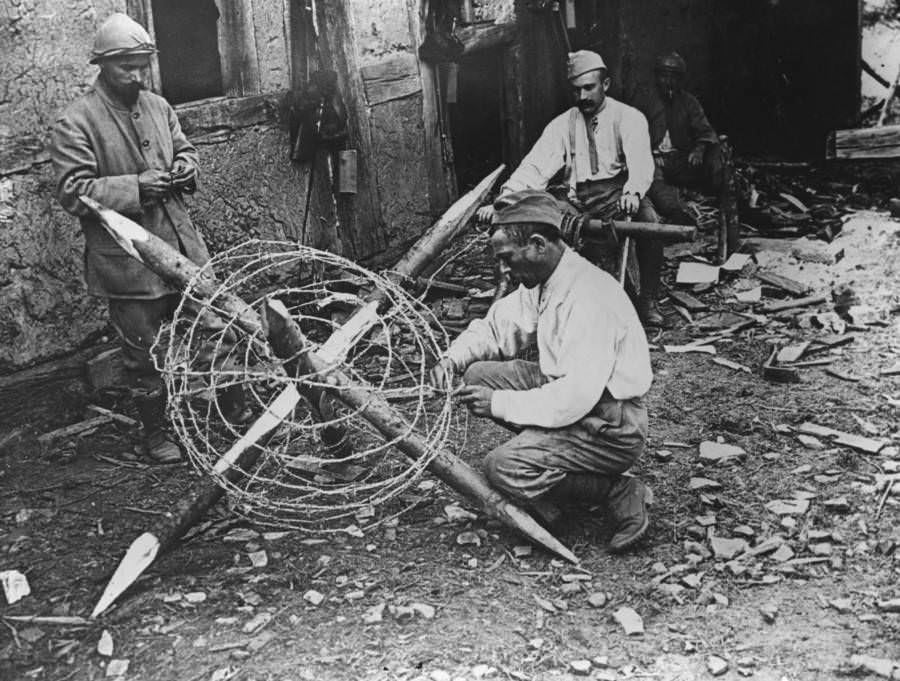
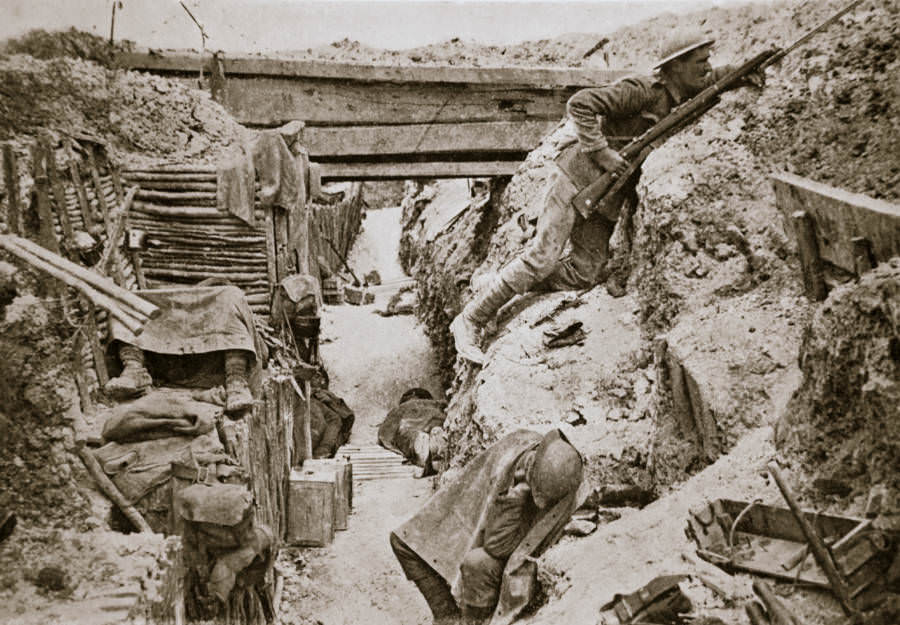
Both sides dug in deep. The German trench network on the Somme was among the most sophisticated ever built. Wide belts of barbed wire, reinforced dugouts, and interlocking fields of machine gun fire made every yard of ground costly to take. The British trenches, by contrast, were often shallow and exposed — built for temporary occupation, not prolonged defense.
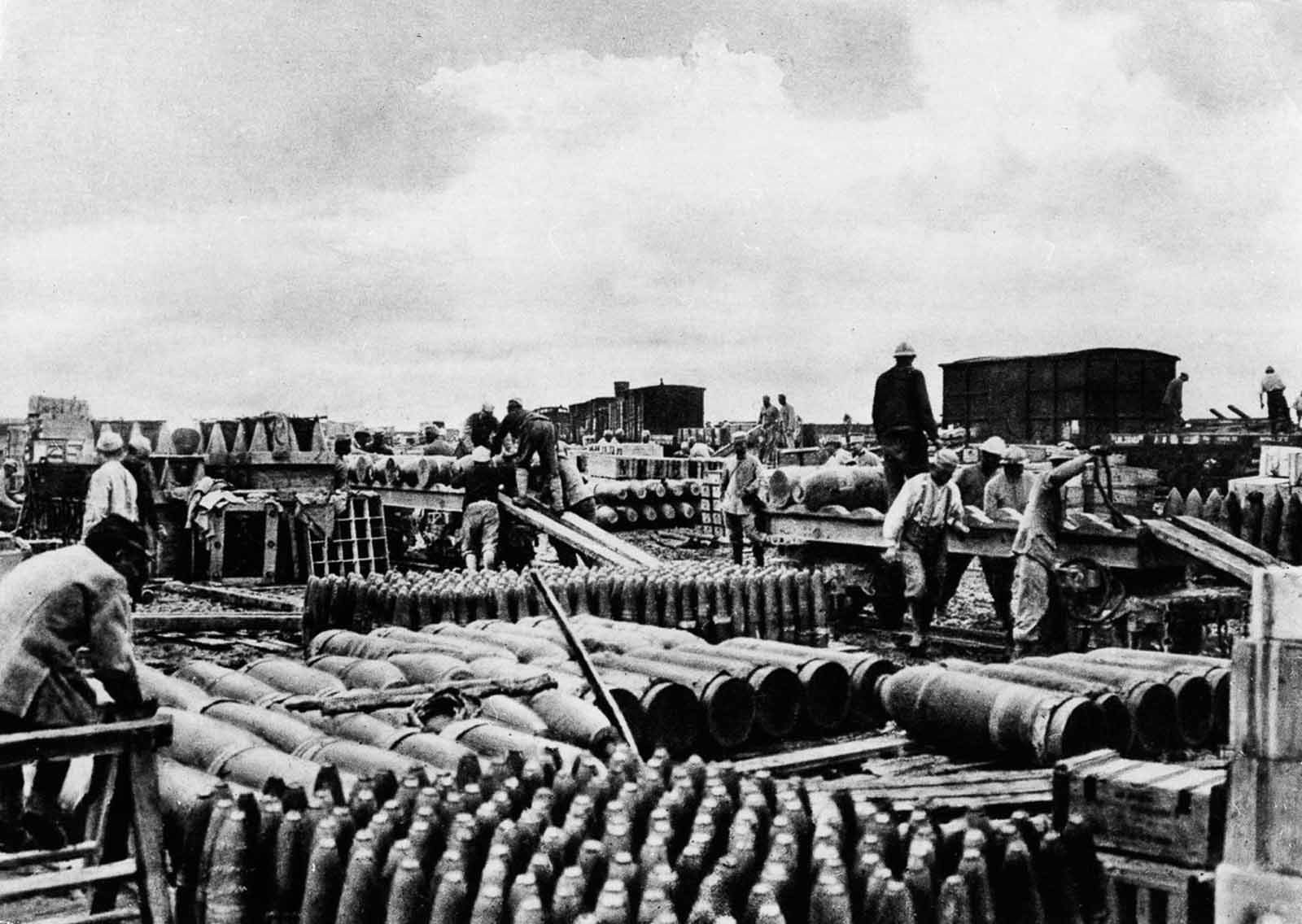
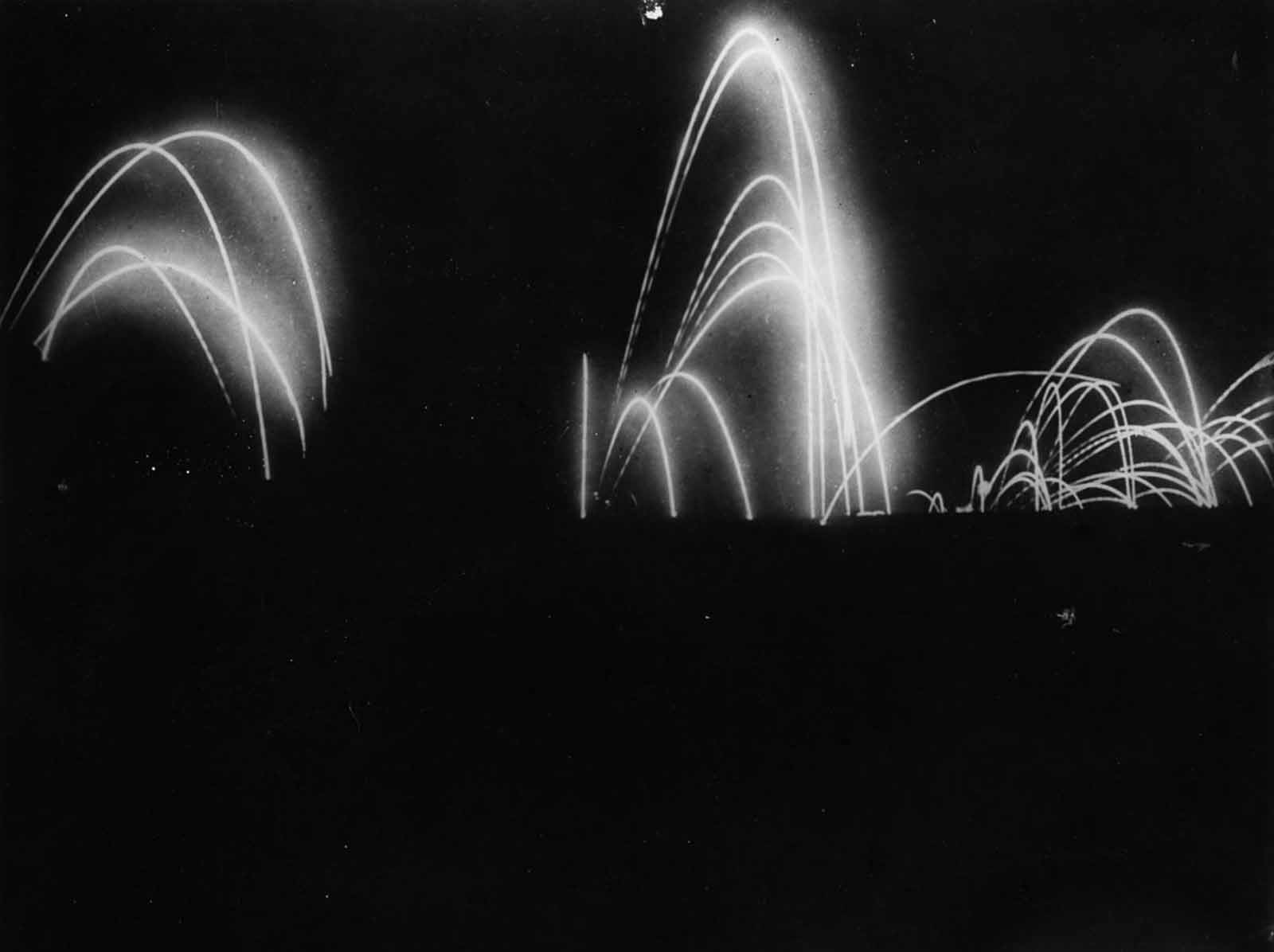
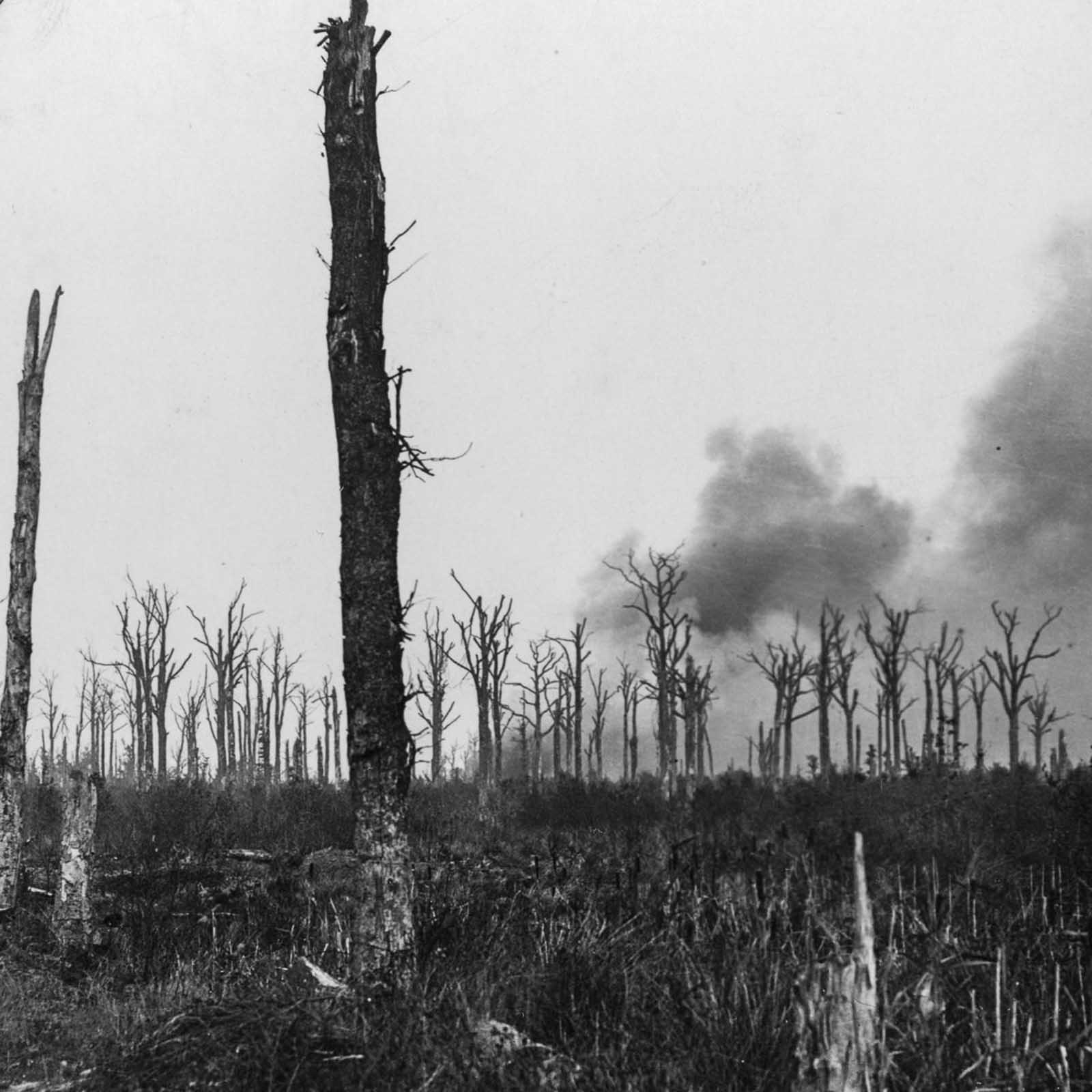
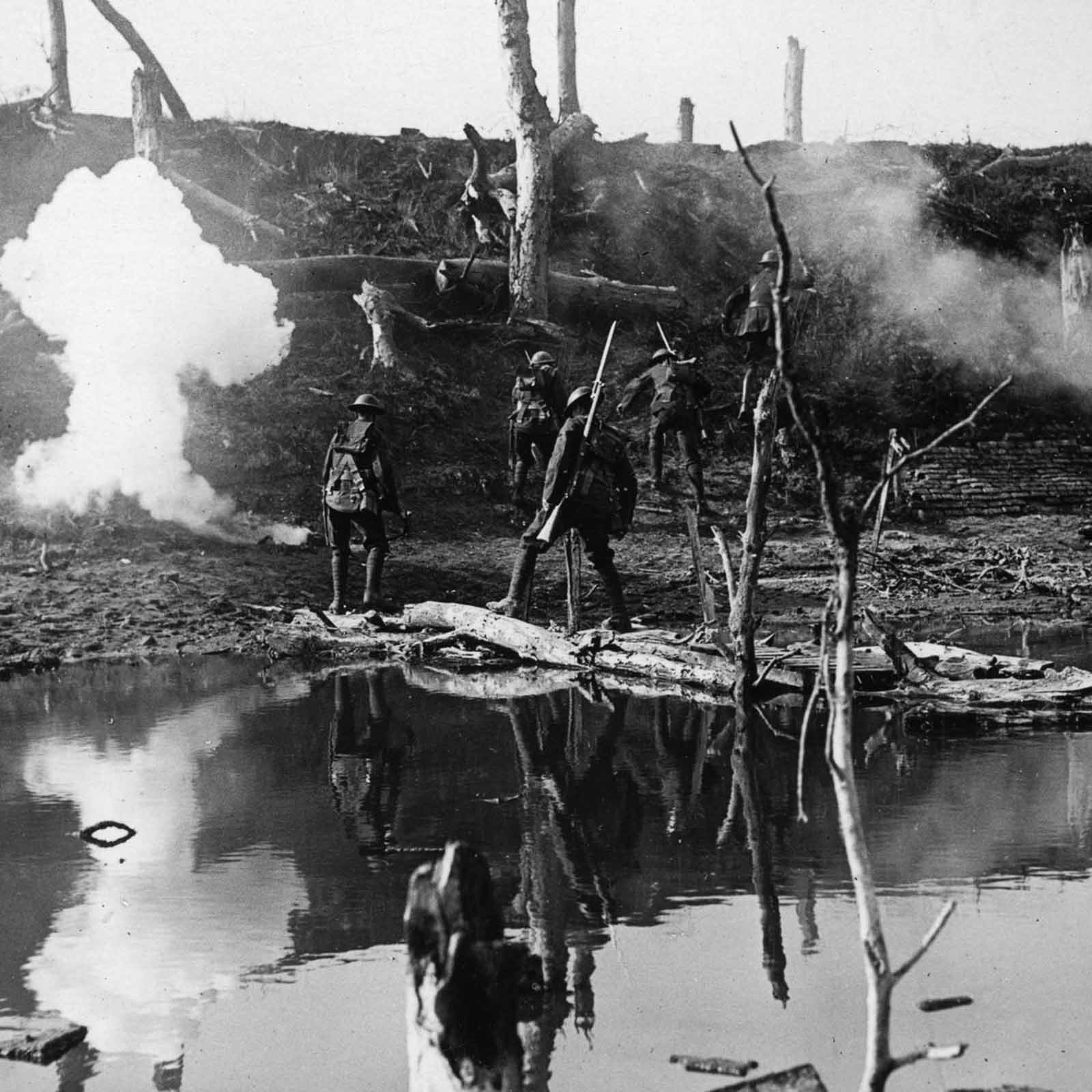
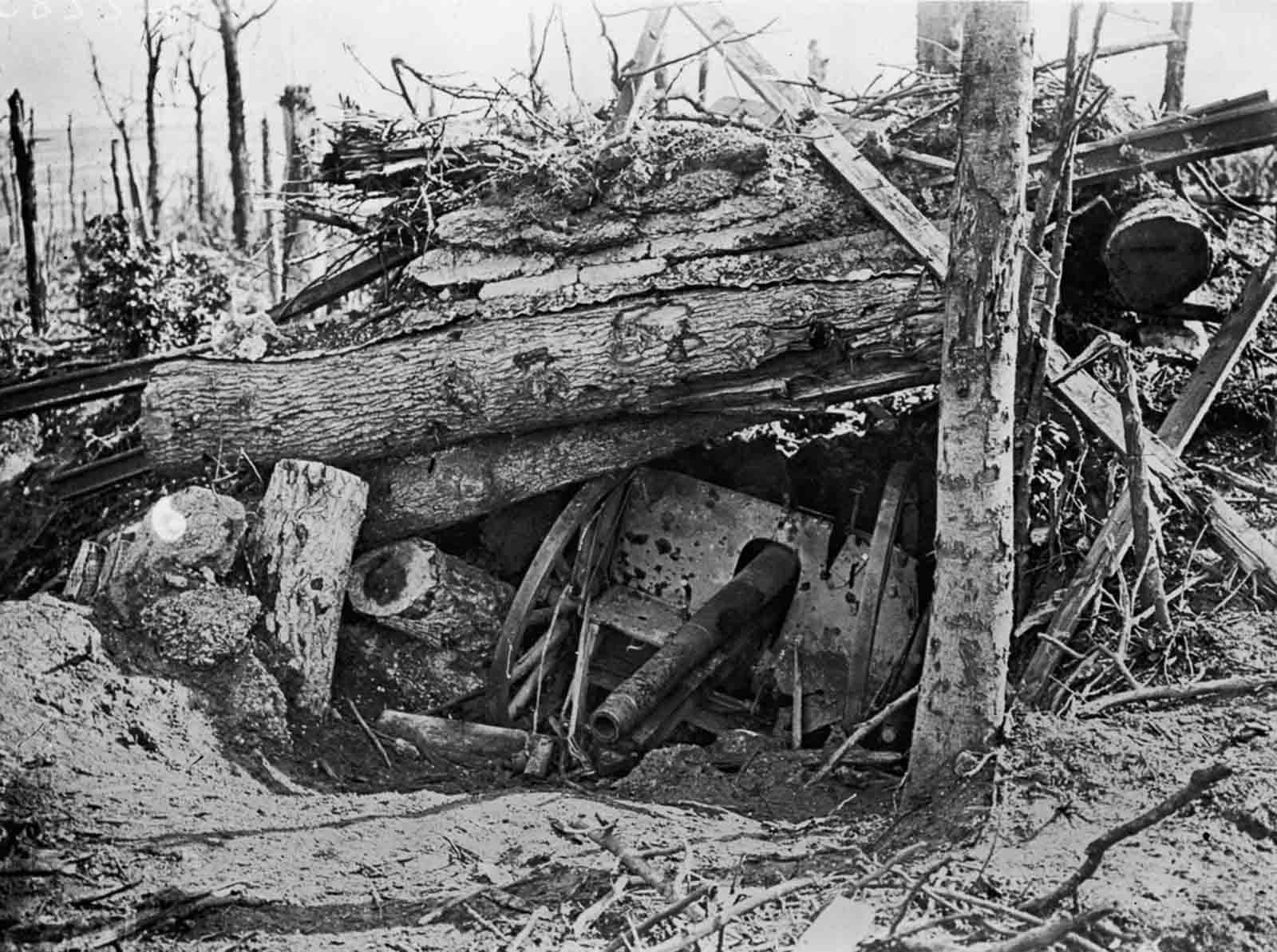
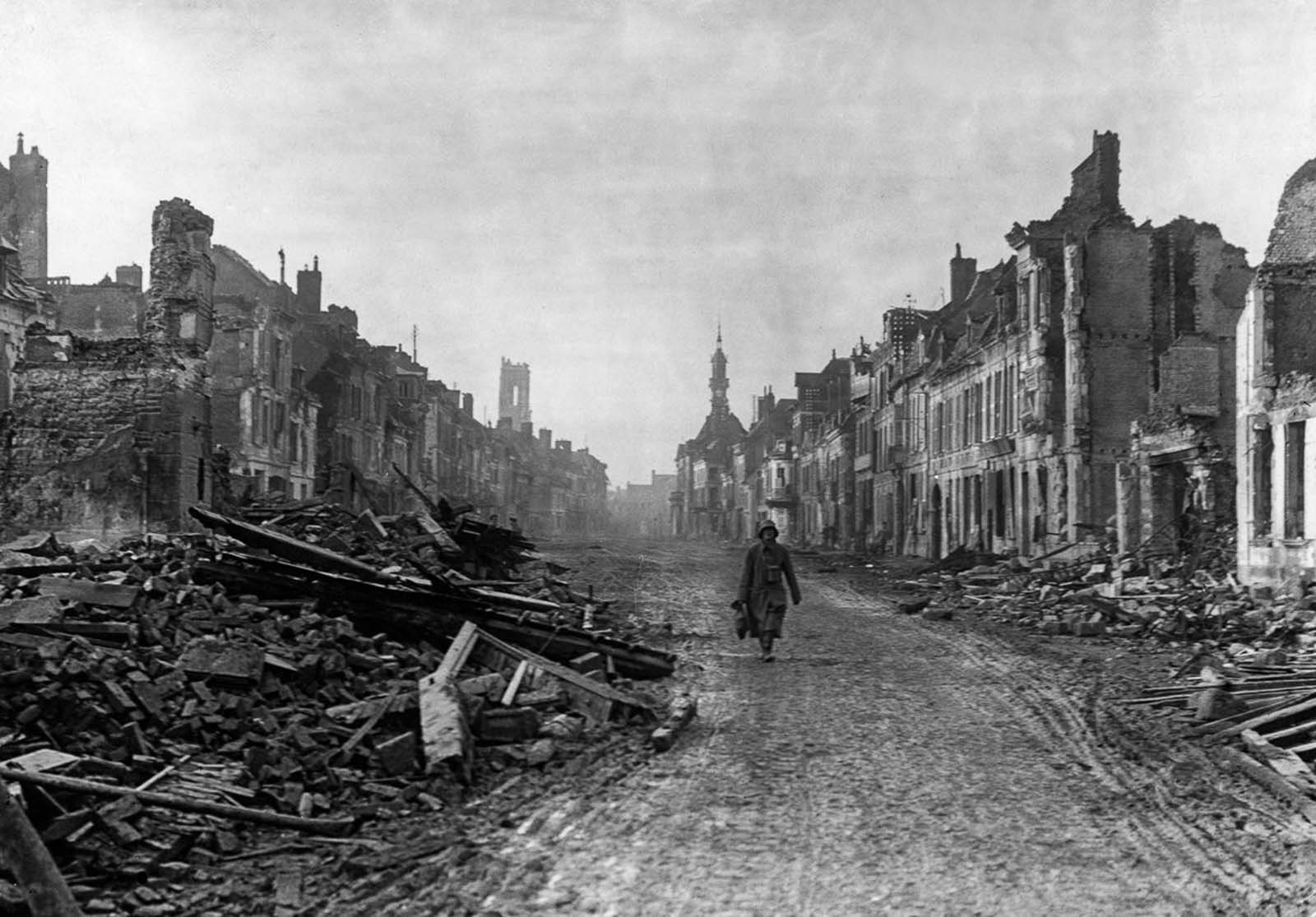
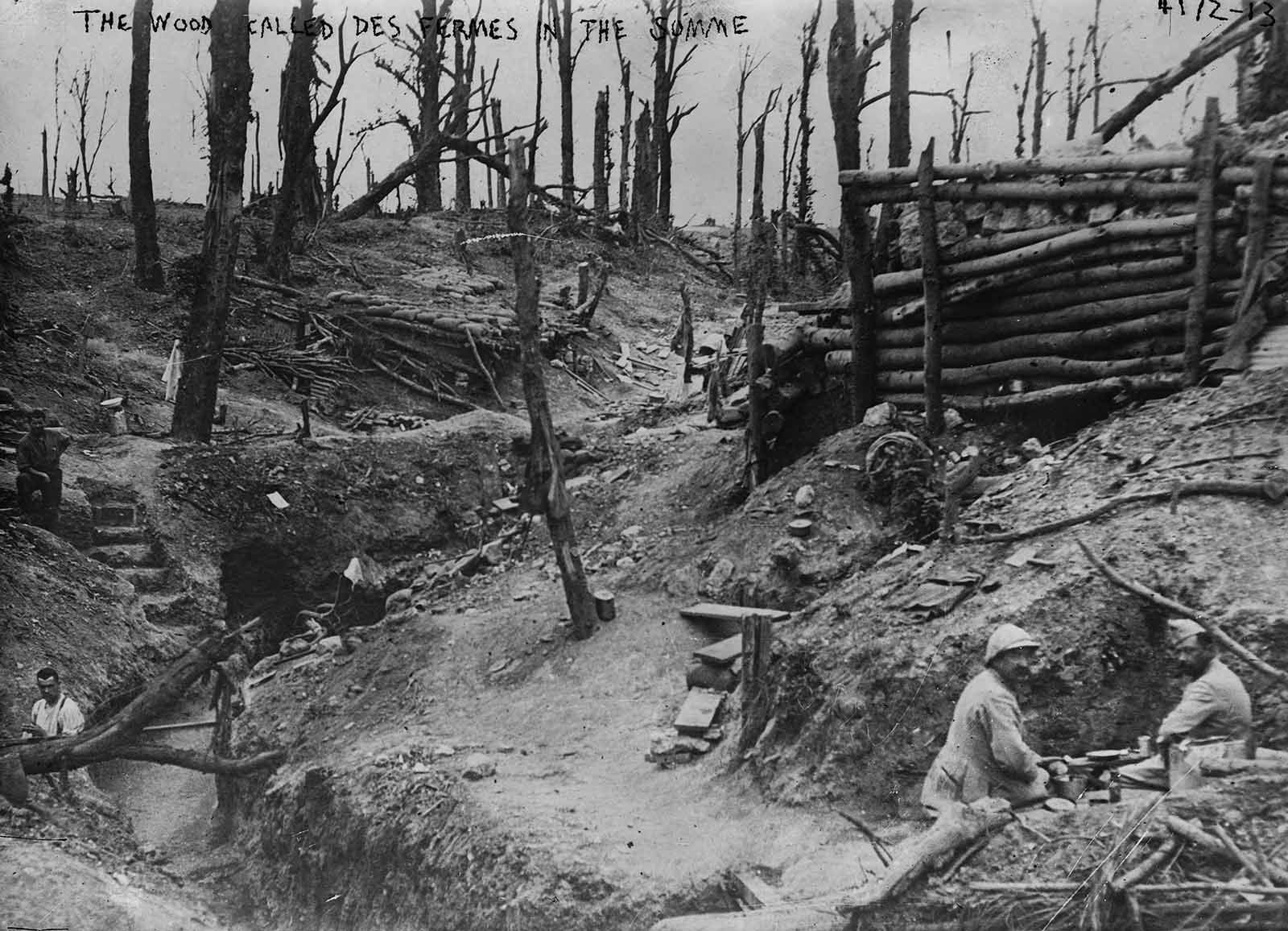
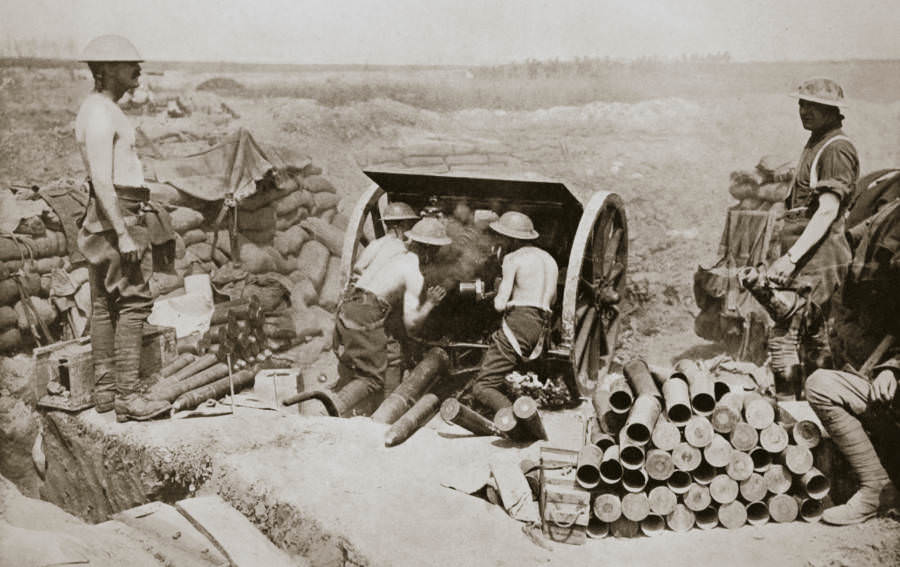
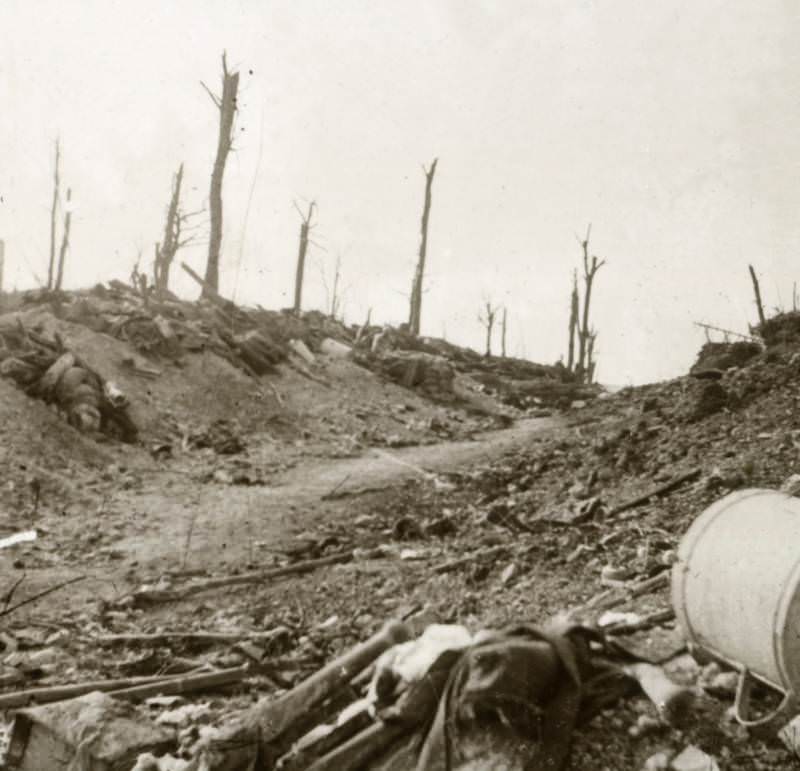
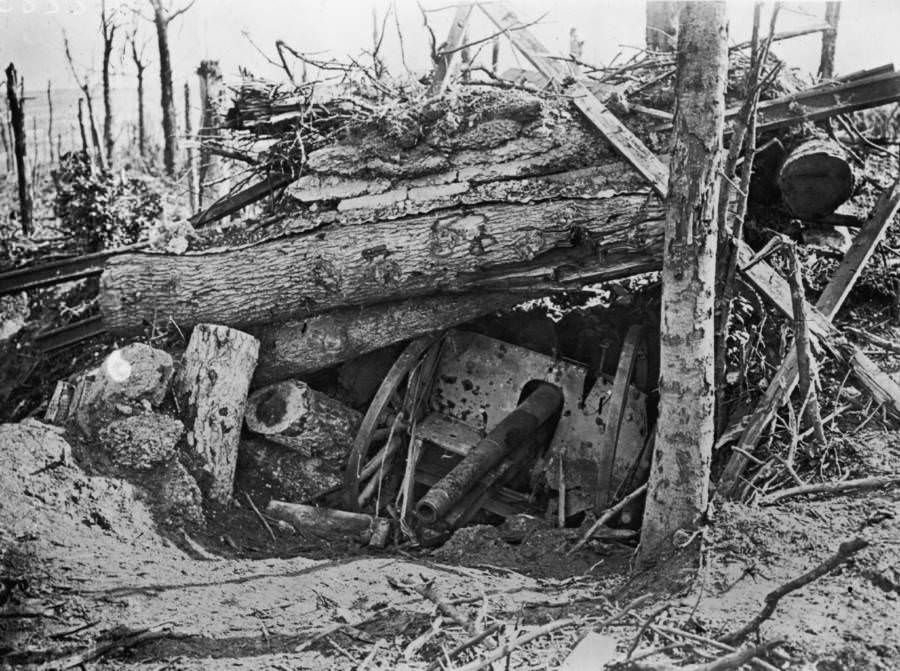
Artillery remained the dominant weapon throughout the battle. Both sides maintained massive stockpiles of shells and kept up near-constant bombardment. The noise was audible across the English Channel. Villages for miles around were reduced to rubble, and the landscape of the Somme was permanently scarred — fields turned to craters, forests reduced to splintered stumps.
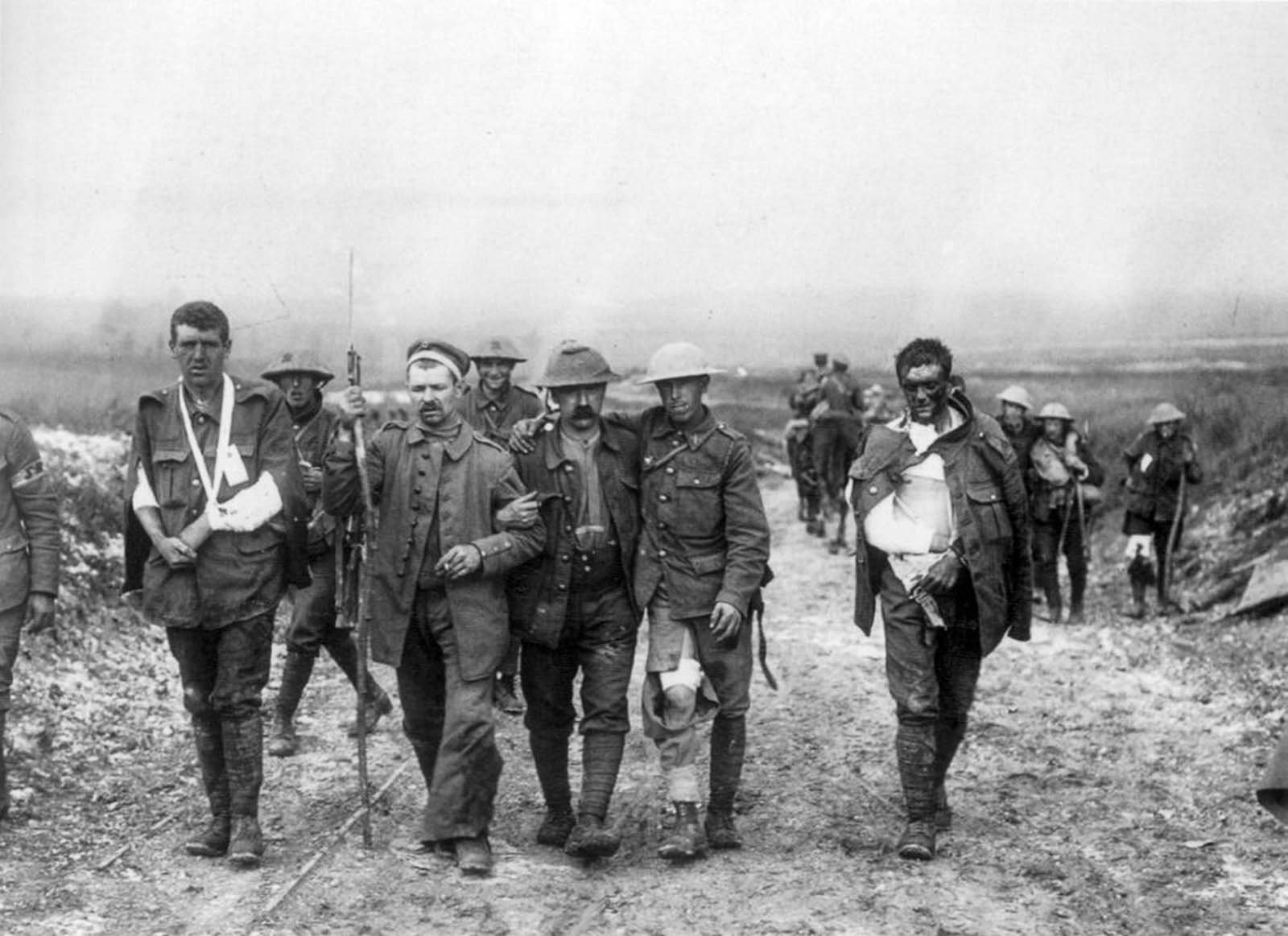
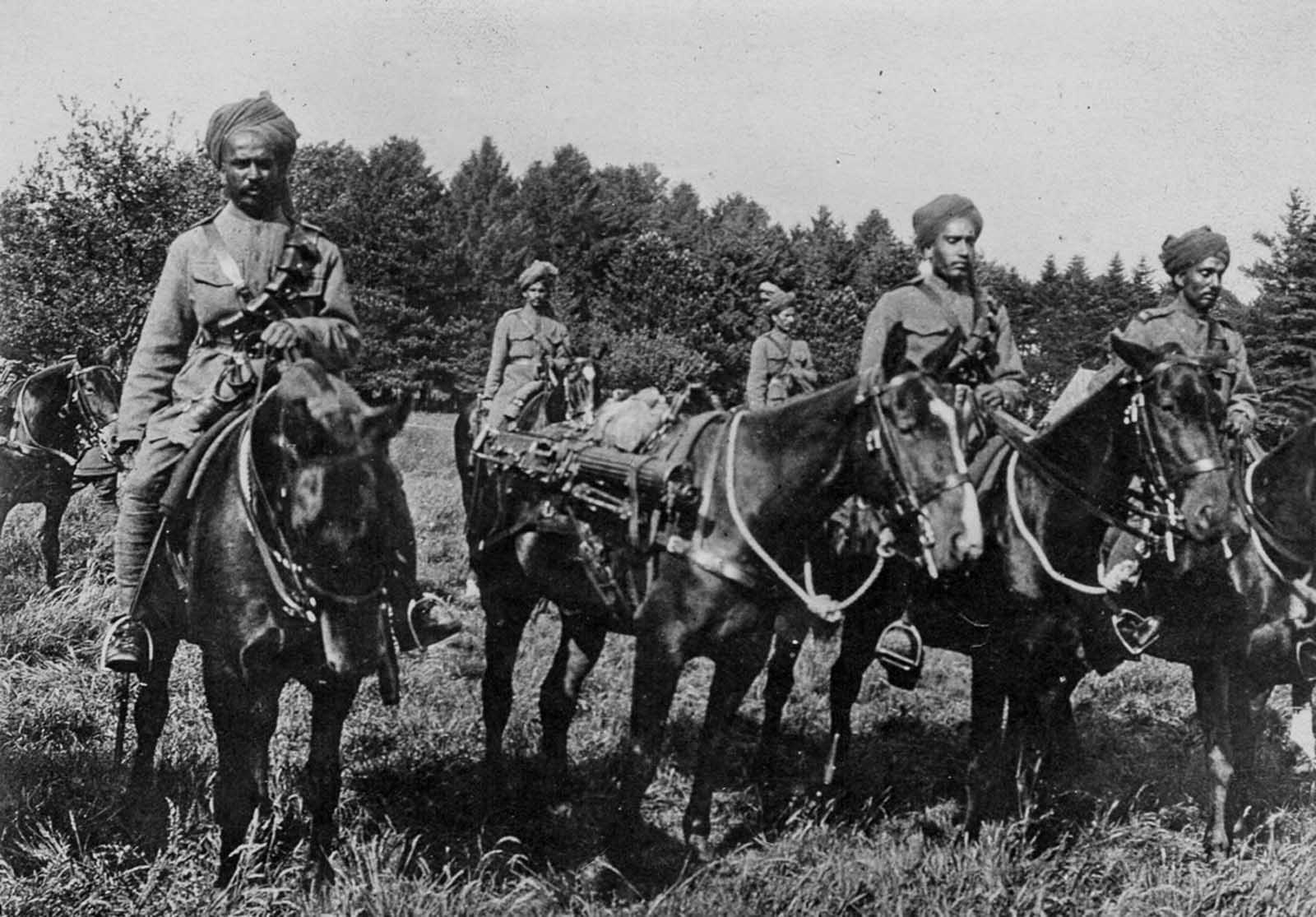
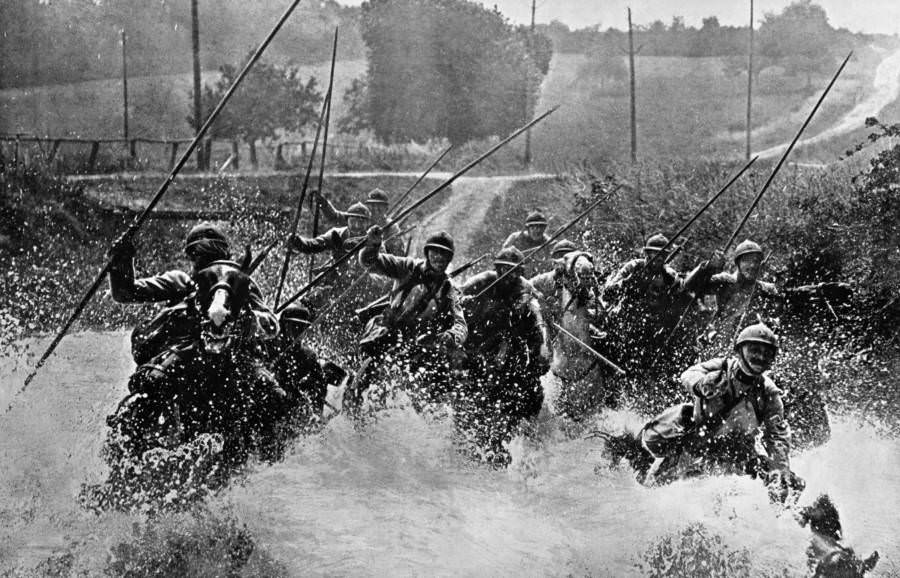
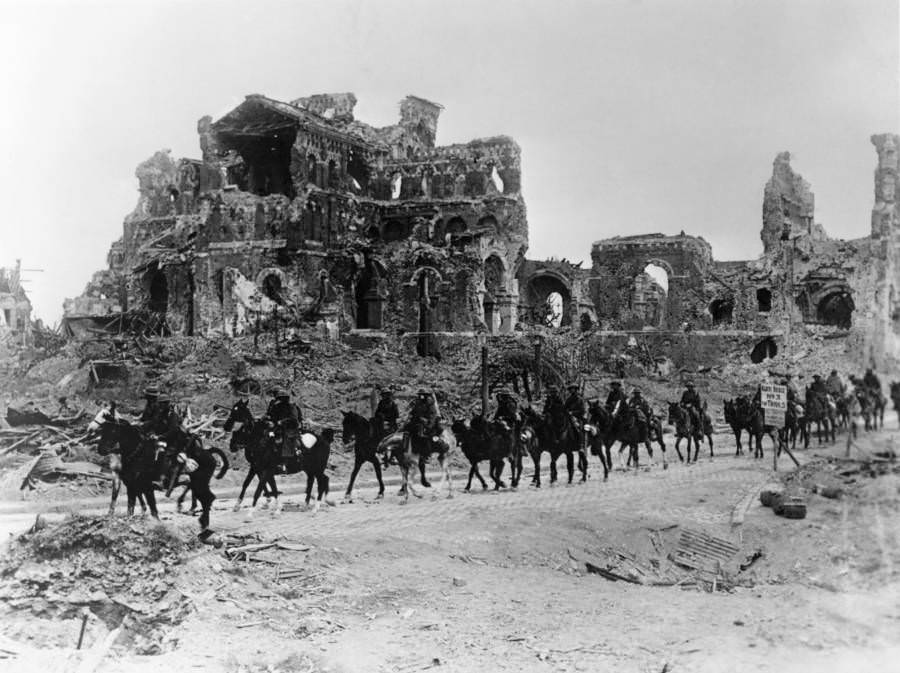
The British Army at the Somme was not solely British. Soldiers came from across the Empire — Canada, Australia, New Zealand, India, South Africa, and Newfoundland. More than 24,000 Canadian soldiers died during the campaign. The 1st Anzac Division fought at Pozières Ridge. Indian cavalry units also served on the Somme front. The battle drew men from virtually every corner of the British-controlled world.
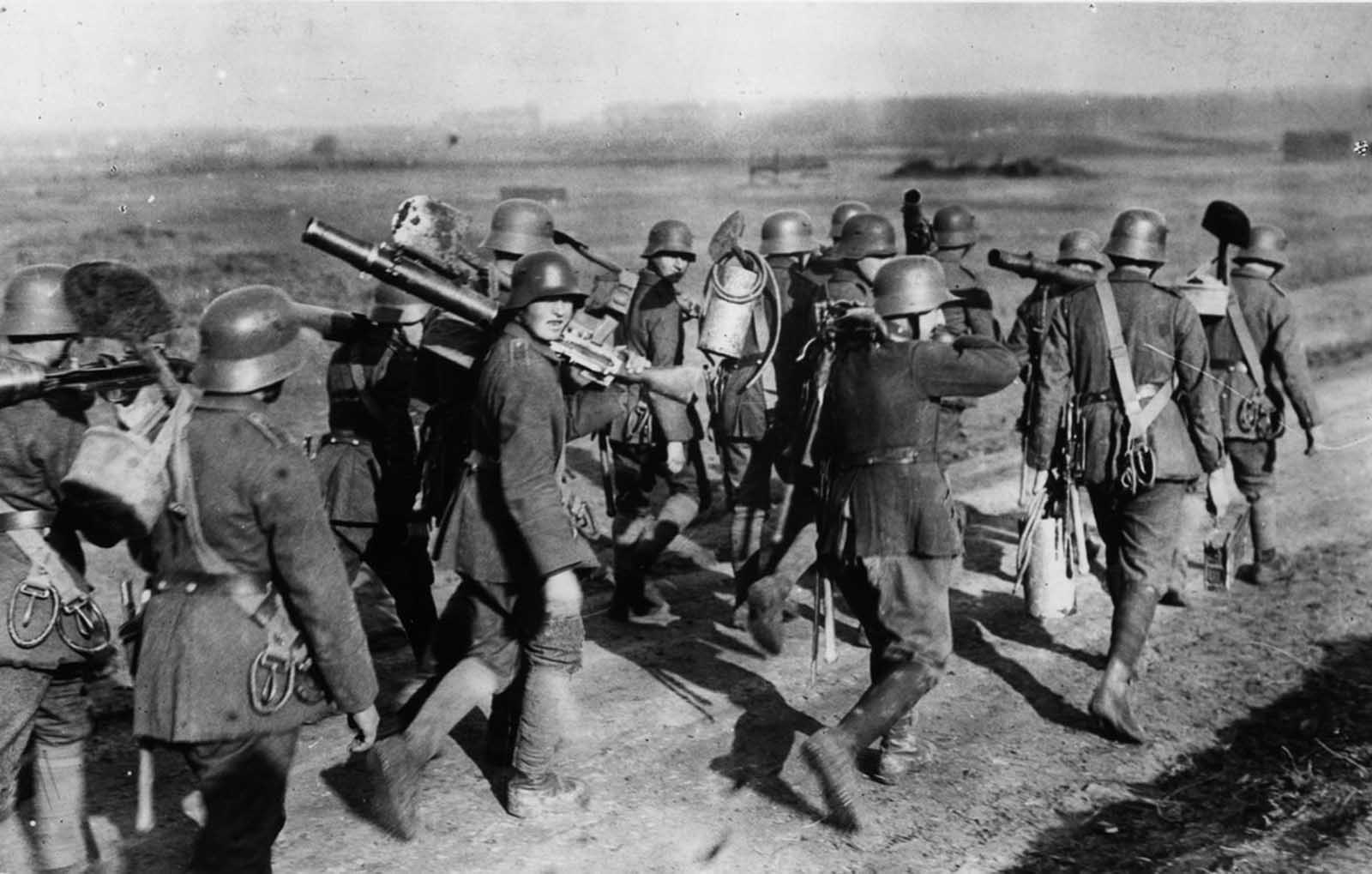
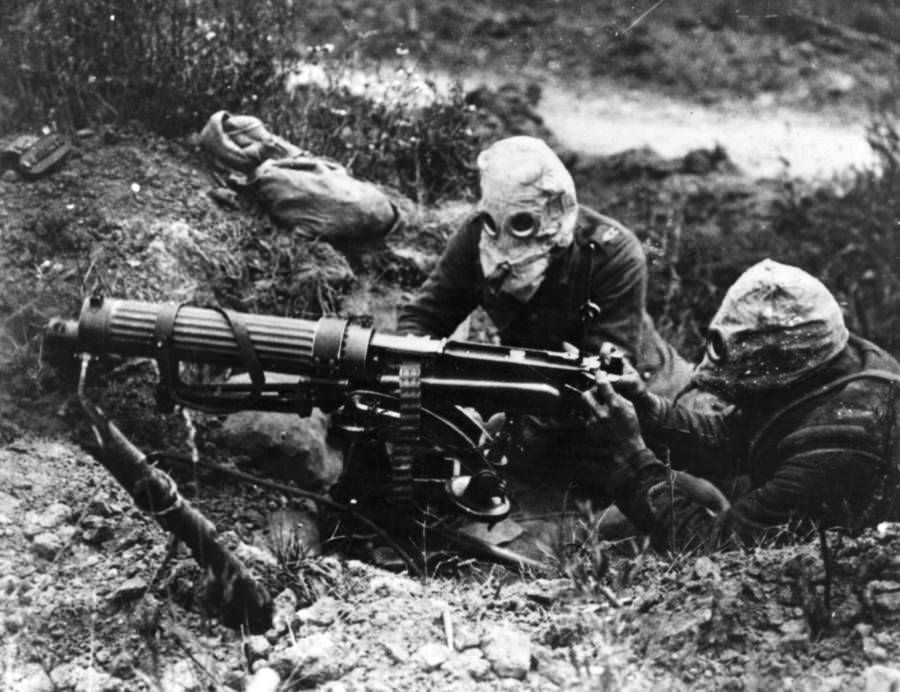
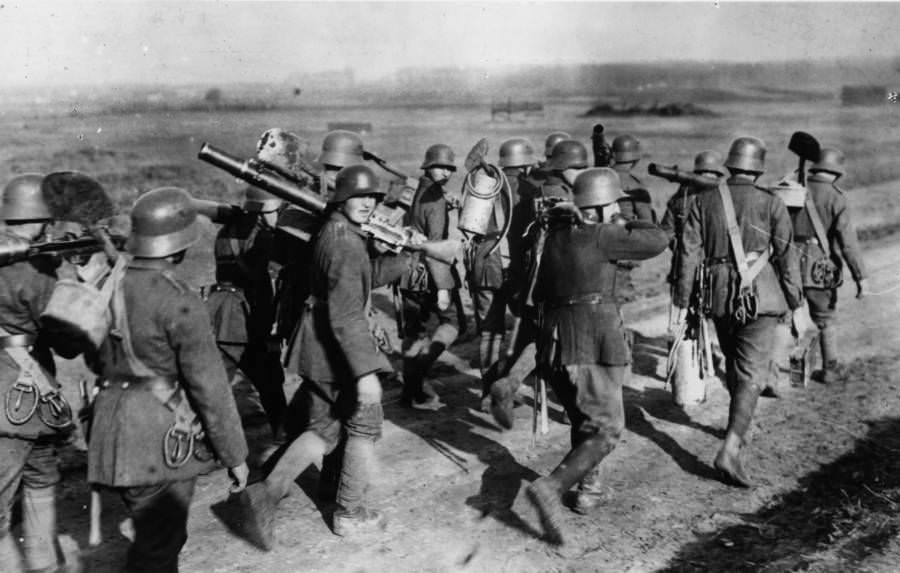
German forces were not passive. They counterattacked repeatedly, moved reinforcements along well-organized supply lines, and used every available weapon — artillery, machine guns, gas, and mines — to hold their ground. Their use of the Lewis gun proved especially effective, allowing mobile fire support that slowed Allied advances at every turn.
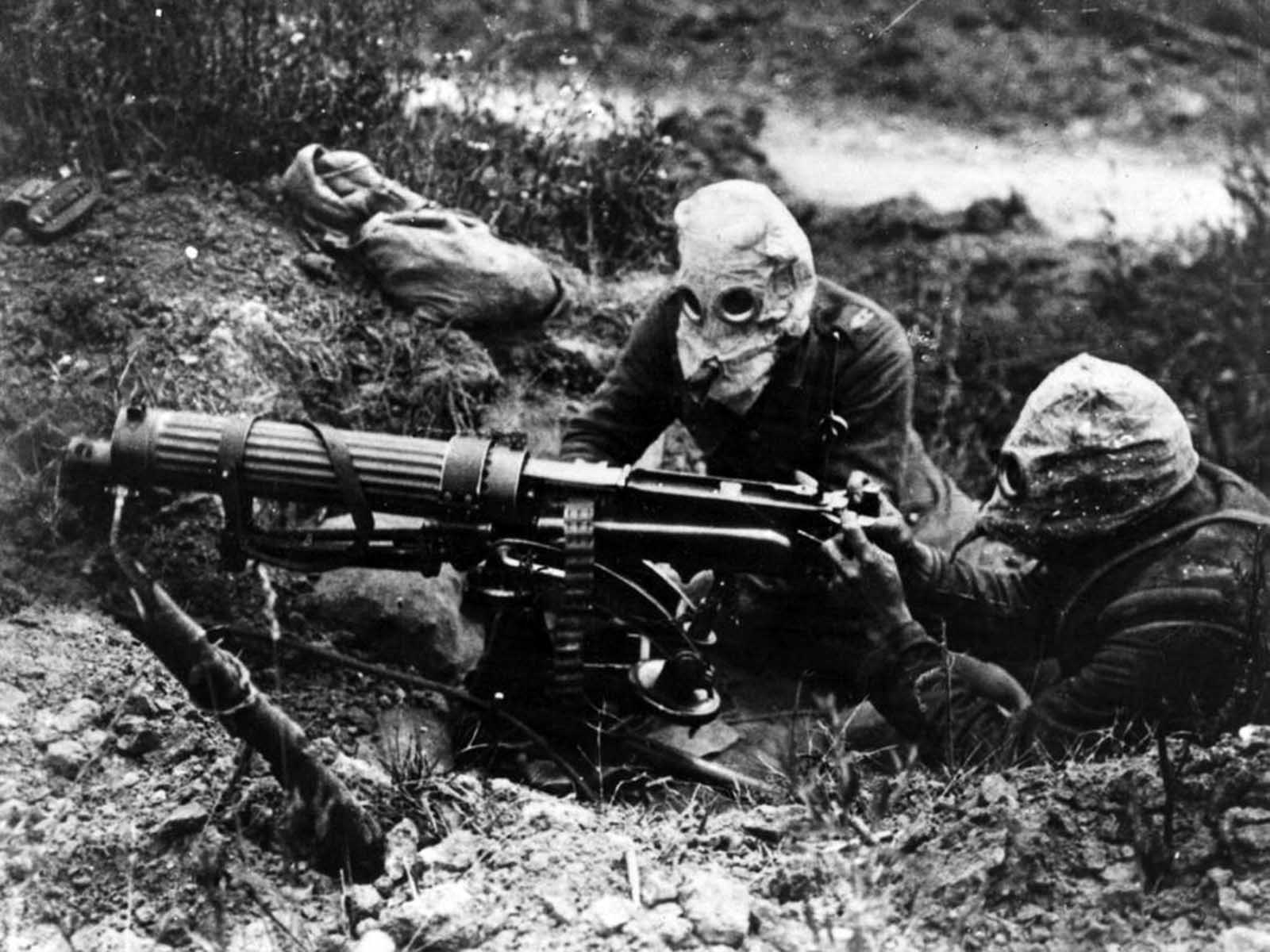
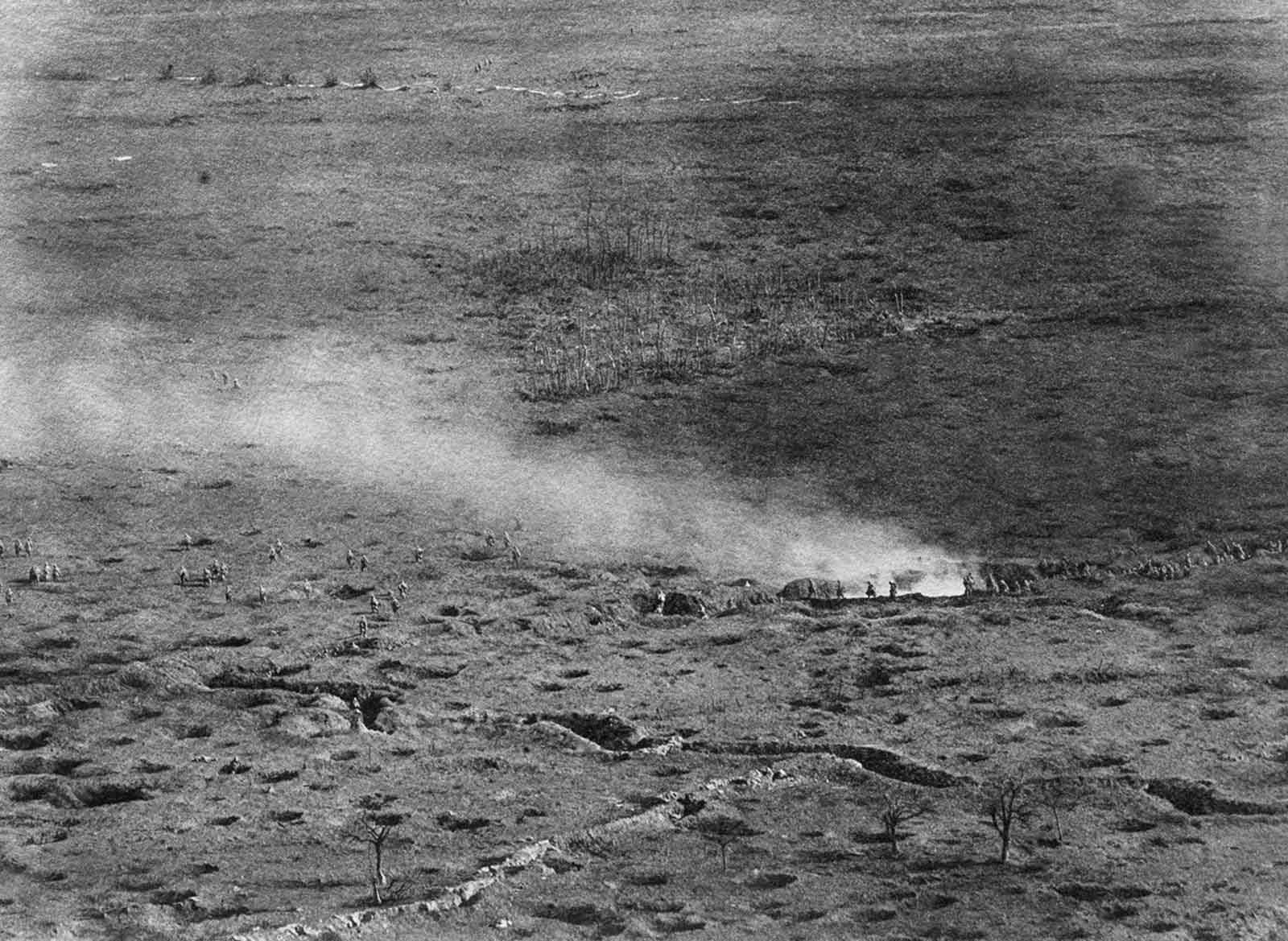
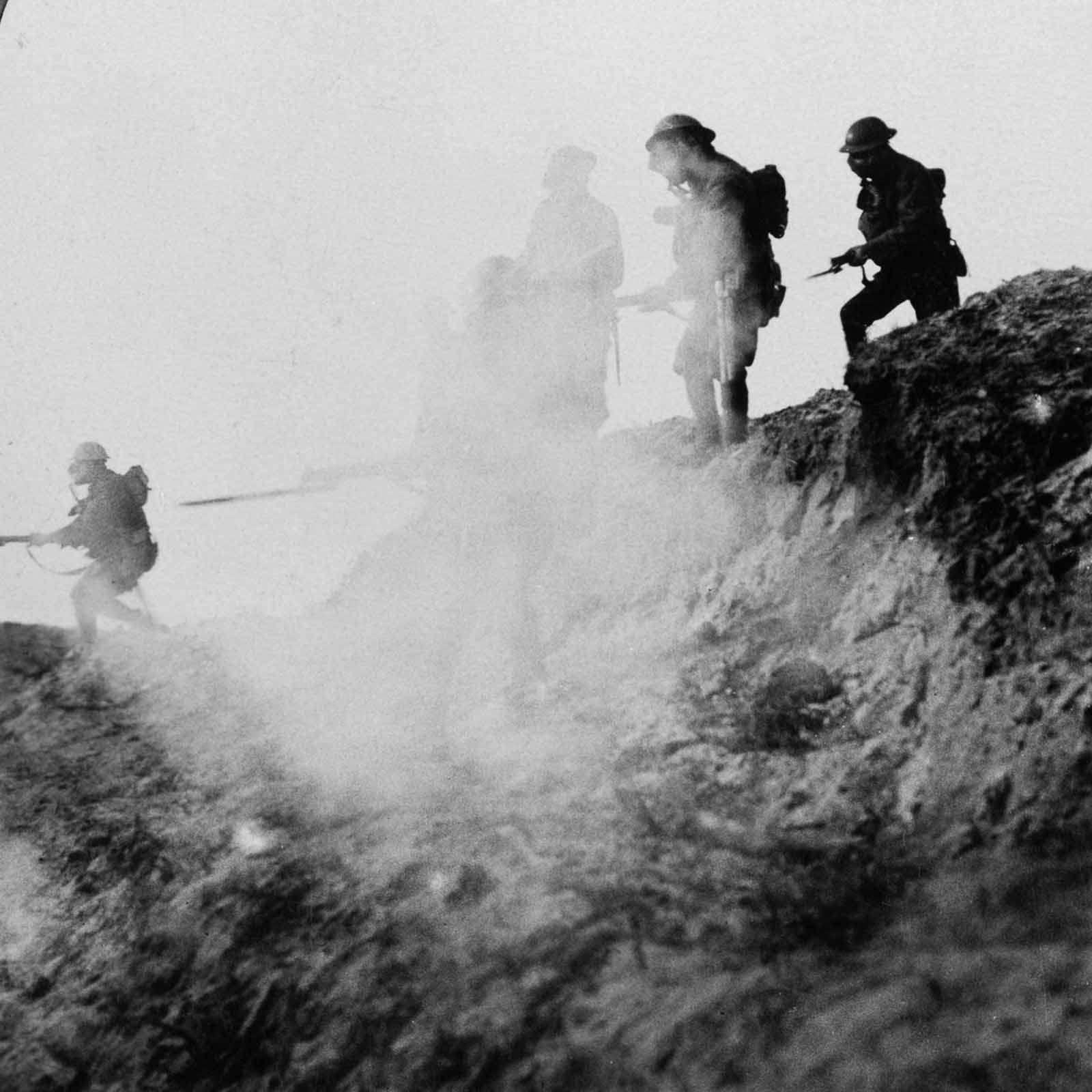
Gas became a regular feature of the Somme battlefield. Both sides deployed it in various forms, forcing soldiers to fight in cumbersome rubber masks during attacks. Entire towns in the surrounding region were depopulated by the threat and reality of chlorine gas drifting across the countryside. The Royal Flying Corps supported the ground campaign from the air, conducting reconnaissance and engaging German aircraft — but at a steep cost. The RFC lost 800 aircraft over the course of the battle, with 252 aircrew killed.
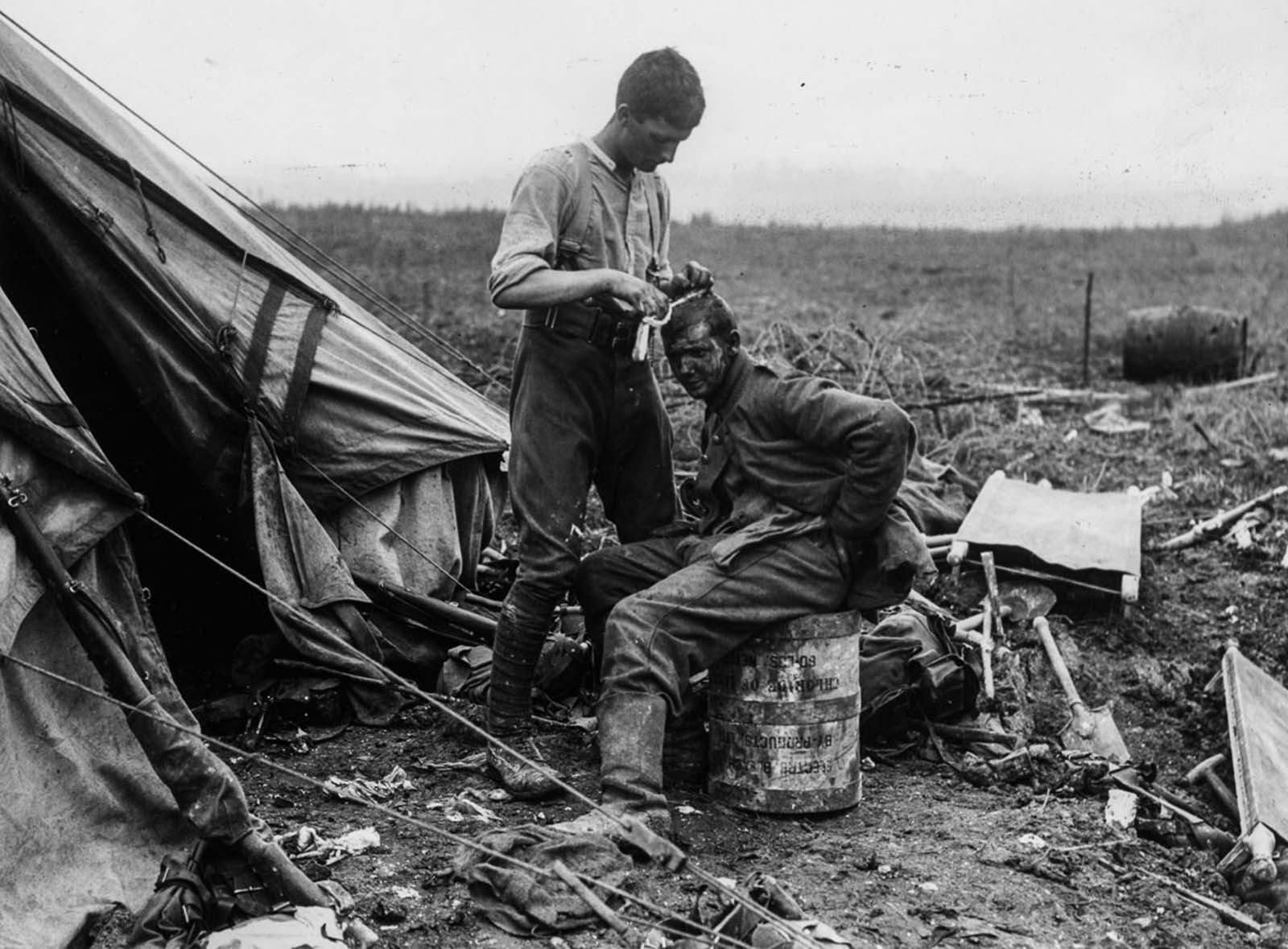
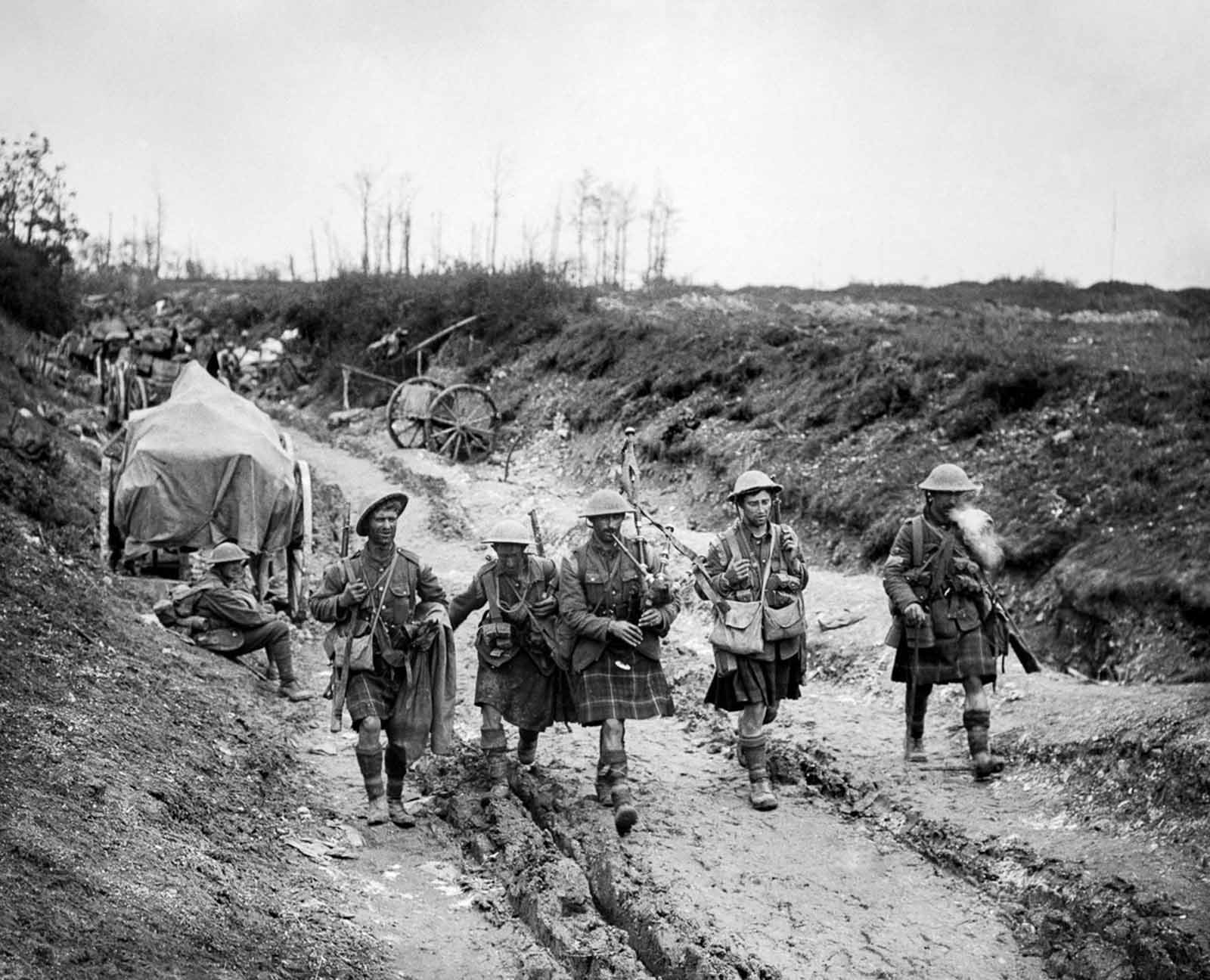
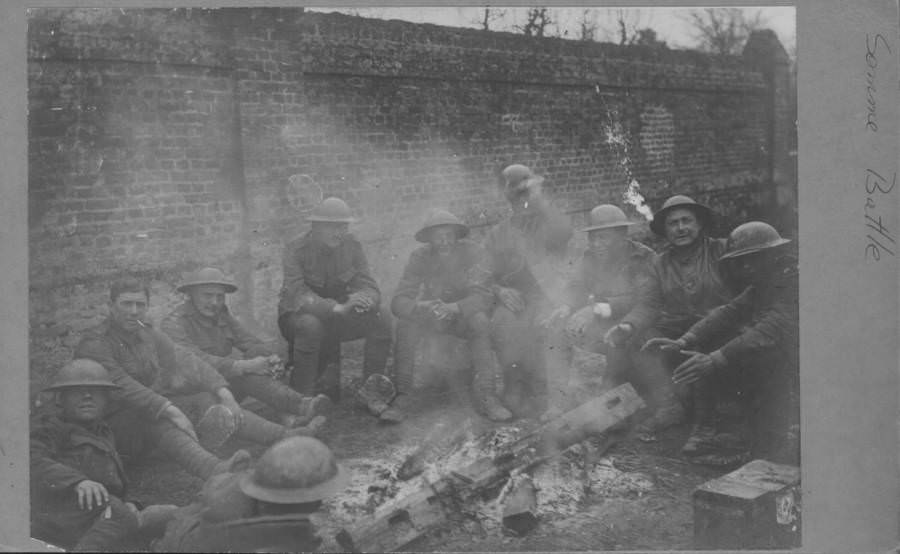
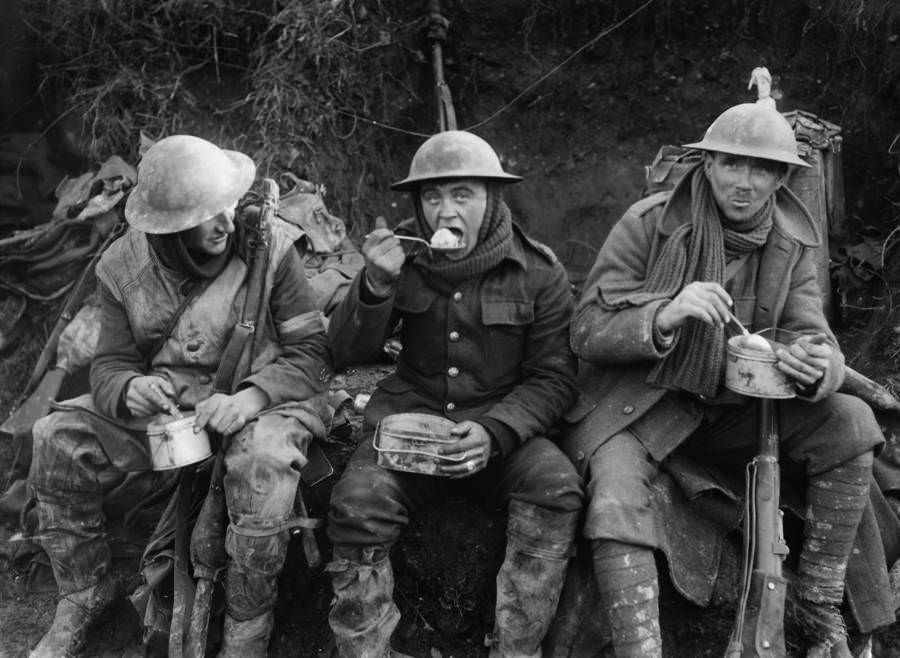
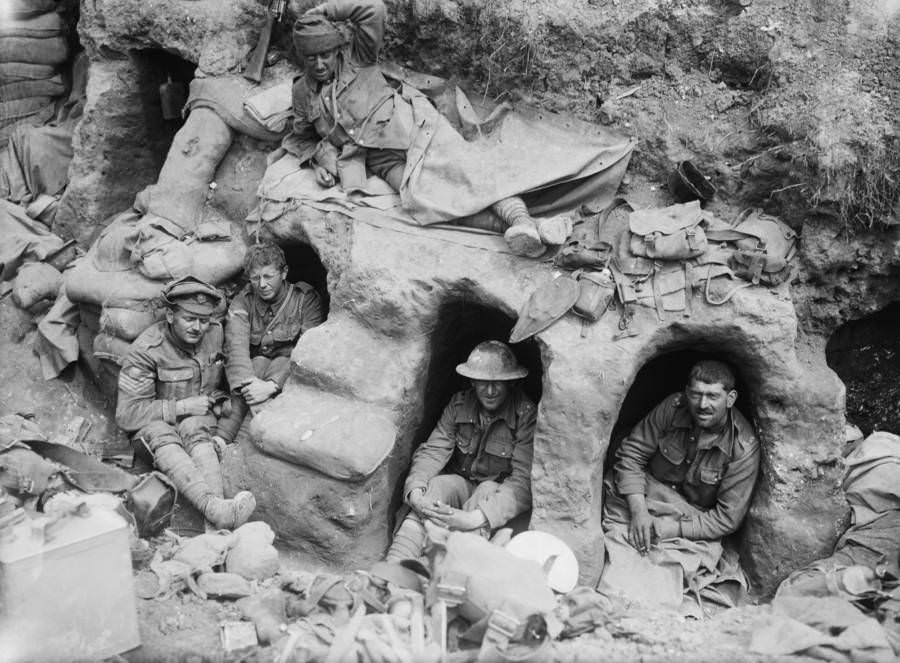
Despite the carnage, the battle produced moments that captured the complicated human reality of war — soldiers treating enemy wounded, men resting between assaults, pipers leading troops from the trenches. A piper of the 7th Seaforth Highlanders was photographed leading four men of the 26th Brigade back from their positions after the attack on Longueval on July 14.
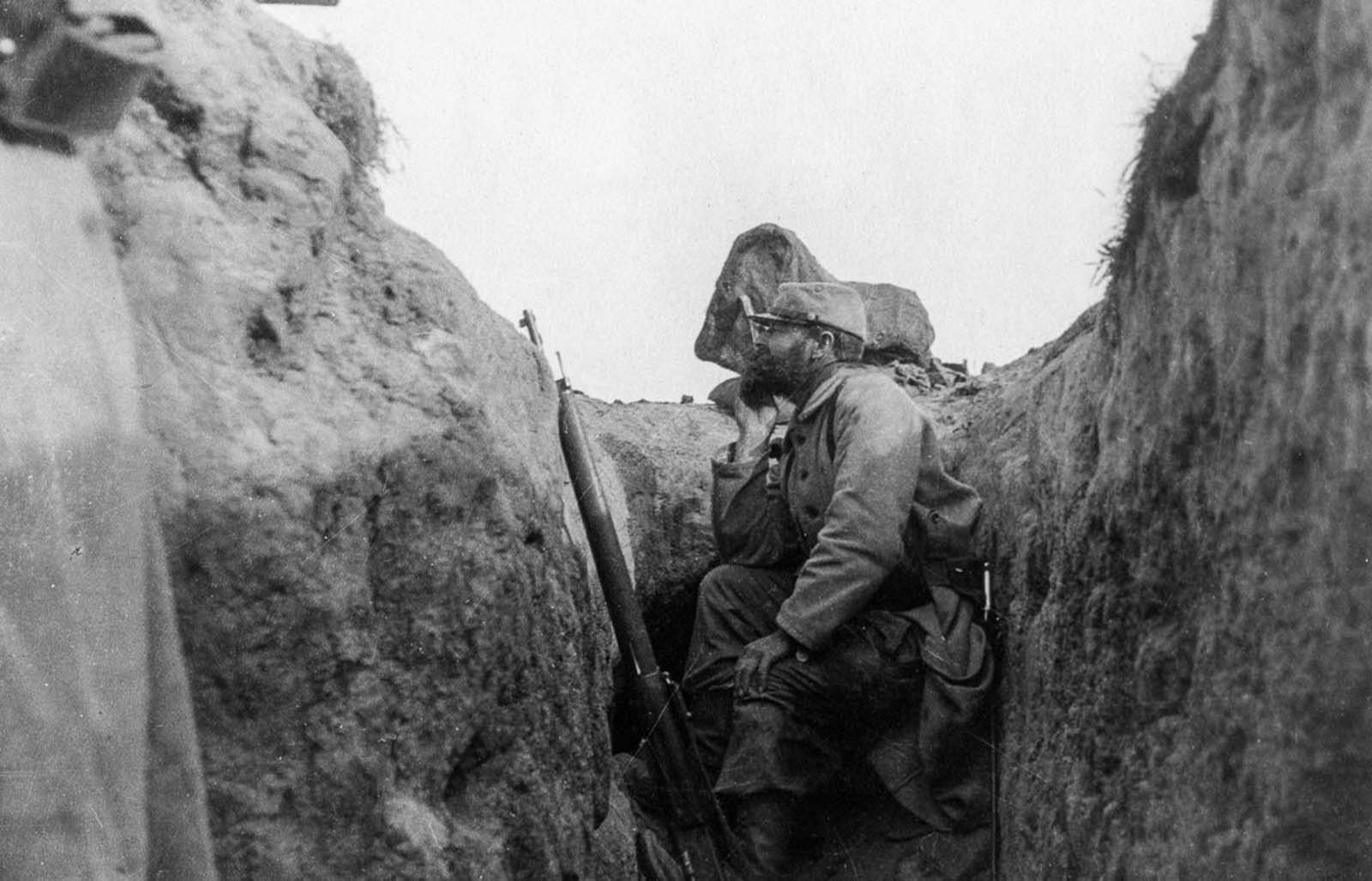
As the summer turned to fall, the battle ground on without a decisive breakthrough. The Allies pushed forward in phases — attacking Thiepval Ridge in September, pressing toward Flers, and hammering German positions at Trones Wood and Longueval. Each assault gained yards, sometimes a mile or two, but always at enormous cost. Soldiers crossed swollen rivers under fire, hauled artillery through deep mud, and fought hand-to-hand in shattered woodland.
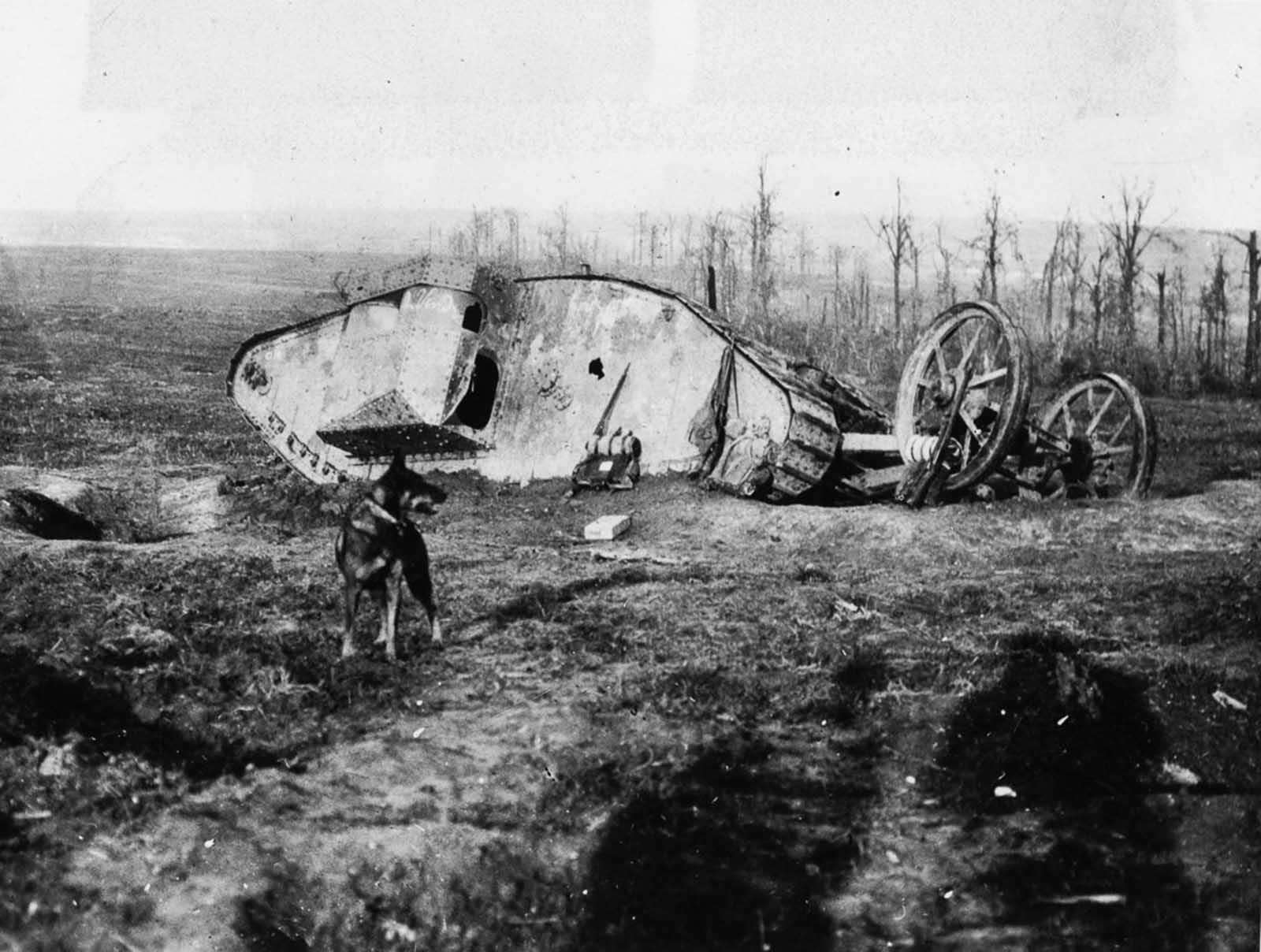
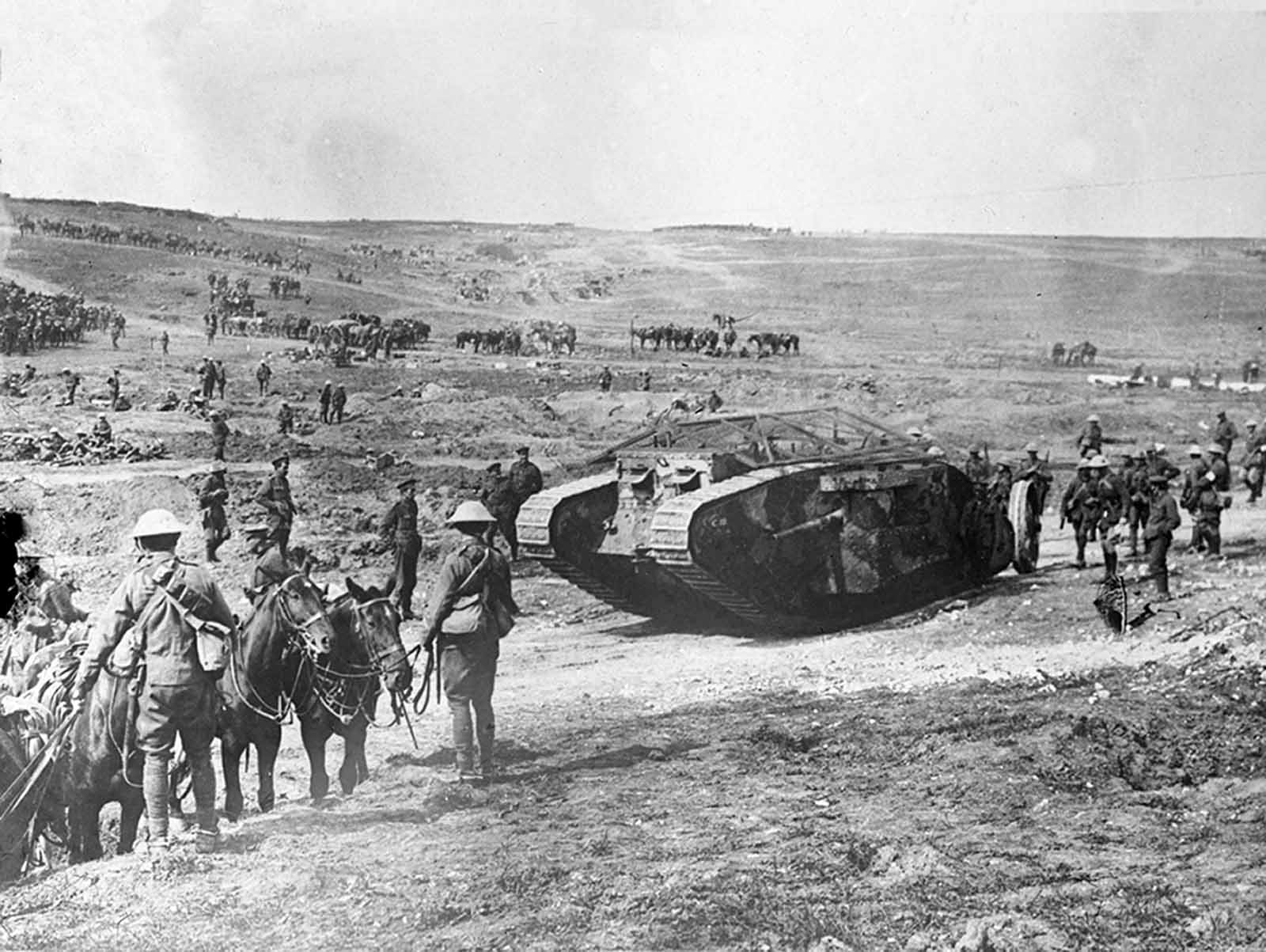
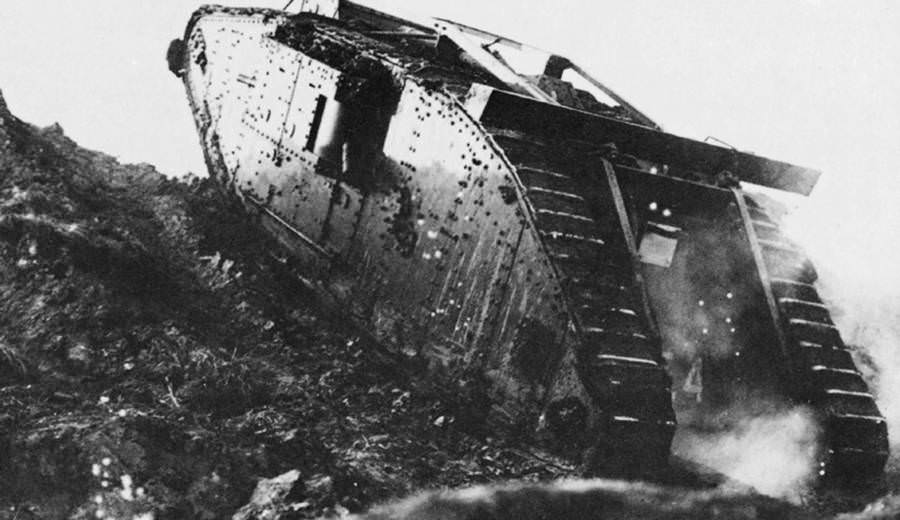
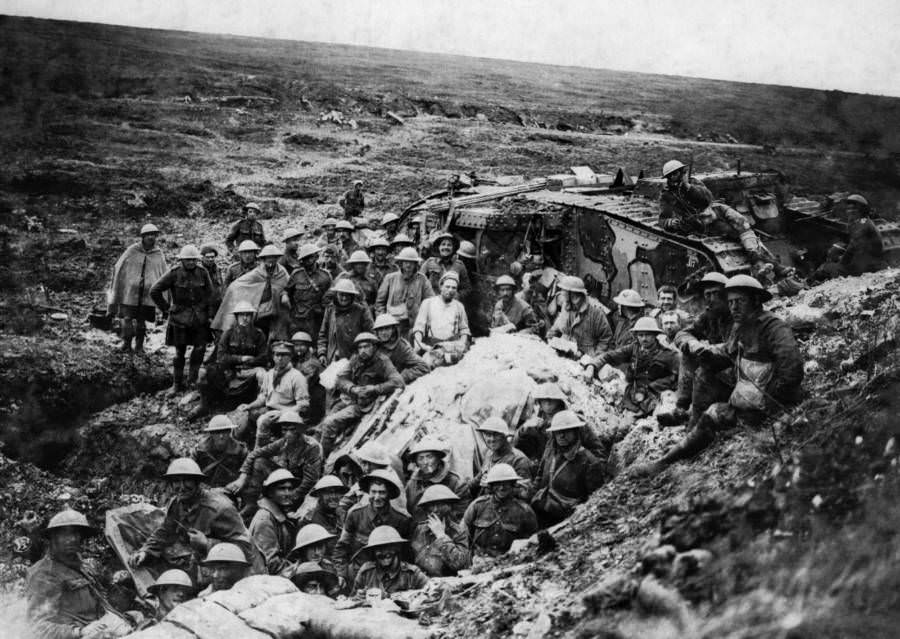
September 15, 1916 marked a turning point in military technology. On that date, the British deployed the Mark I tank in combat for the first time in history. Thirty-two of these machines rolled toward German lines at Flers. Armed with either 6-pounder cannons or machine guns, the tanks were slow — maxing out at four miles per hour — and mechanically unreliable. Many broke down before reaching enemy positions. They failed to break the deadlock, but their appearance on the battlefield signaled the future of armored warfare.
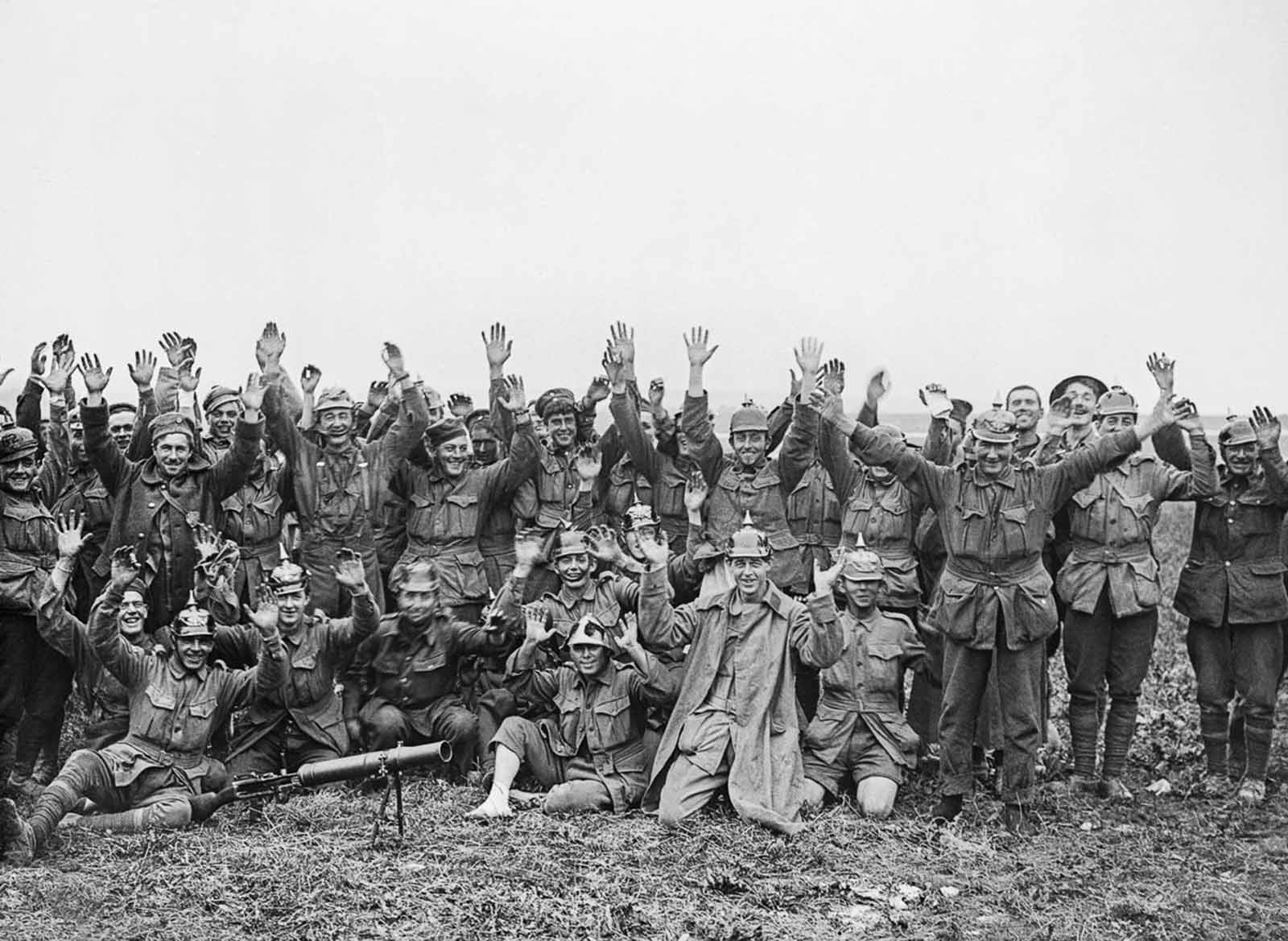
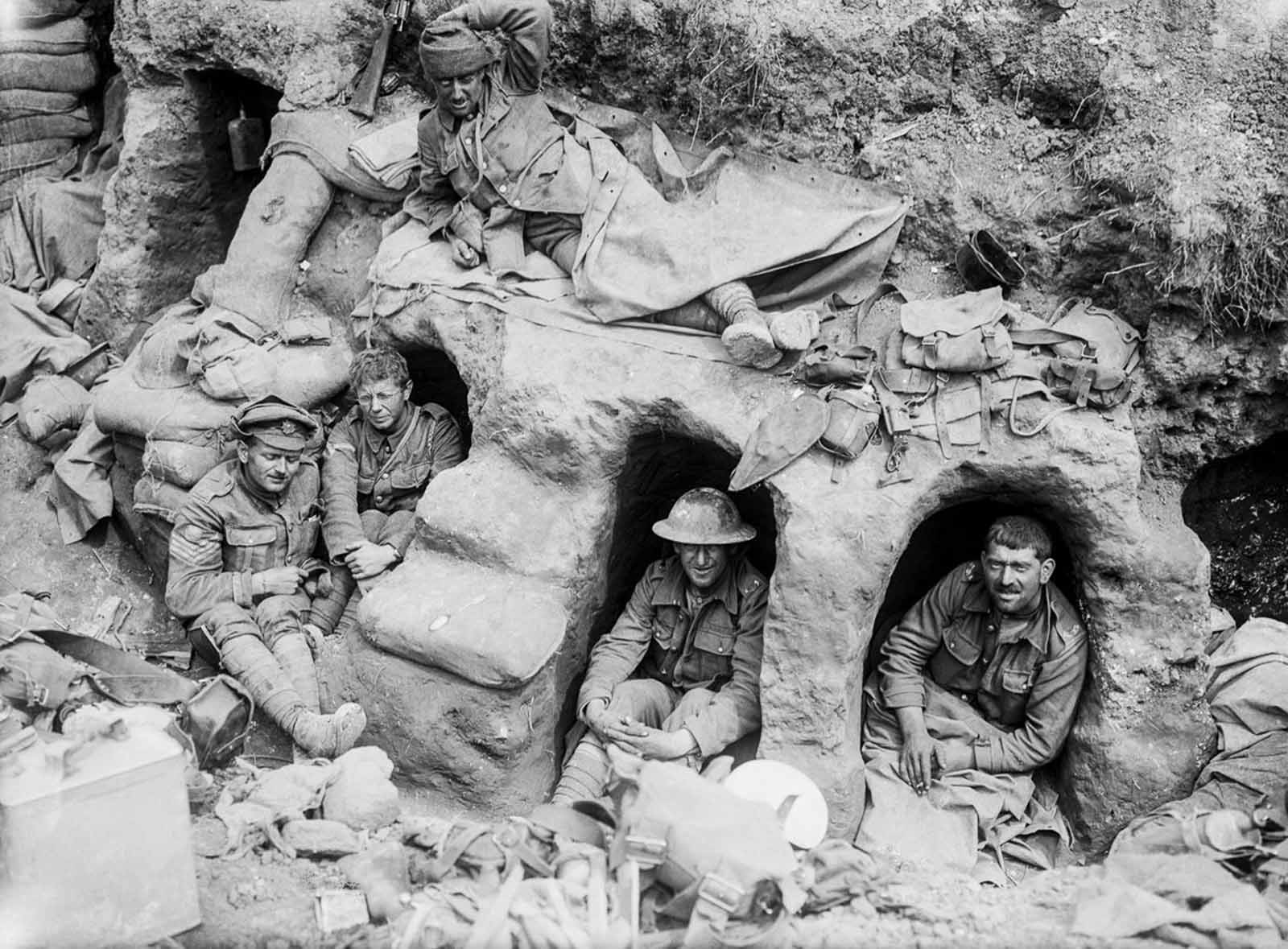
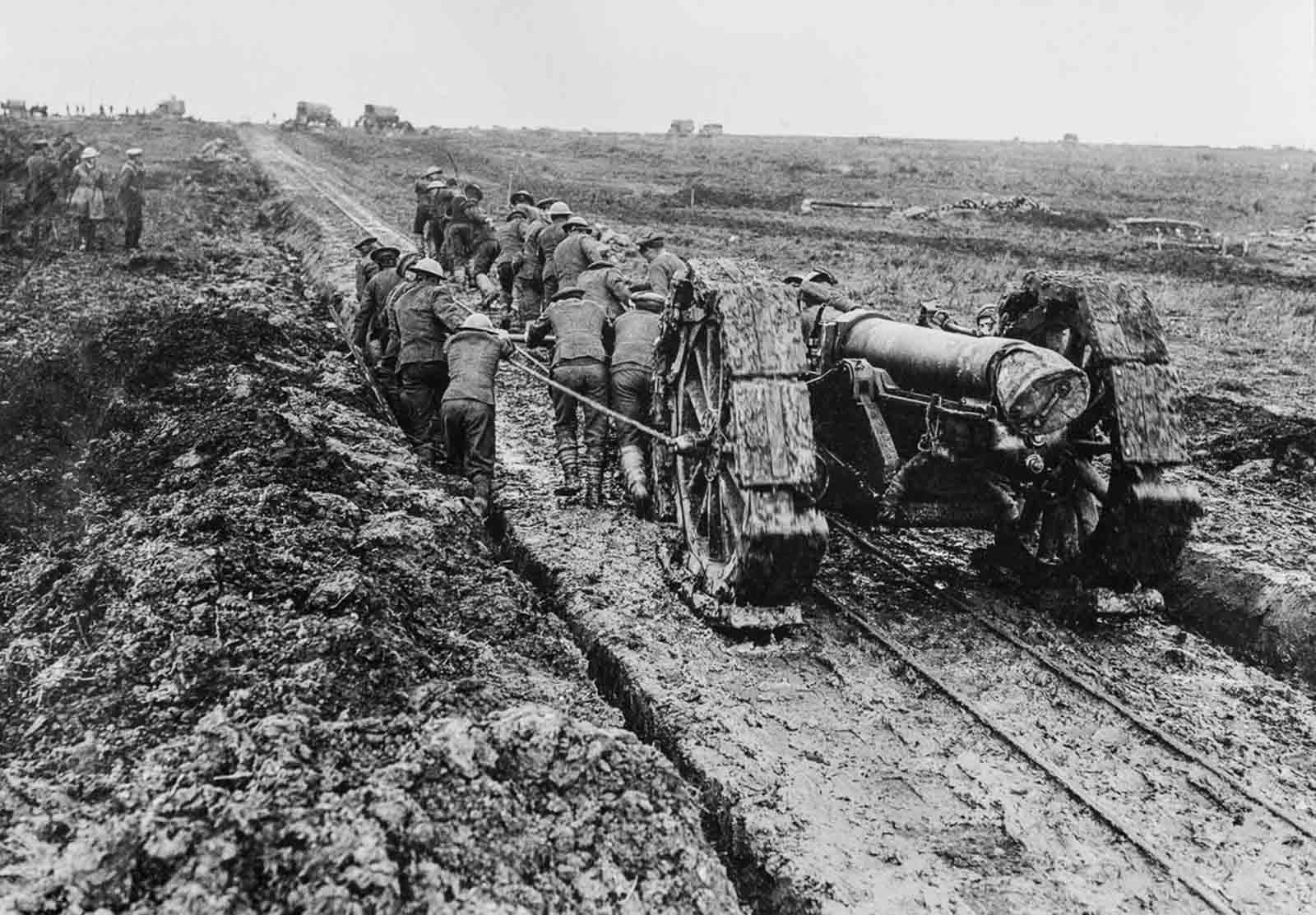
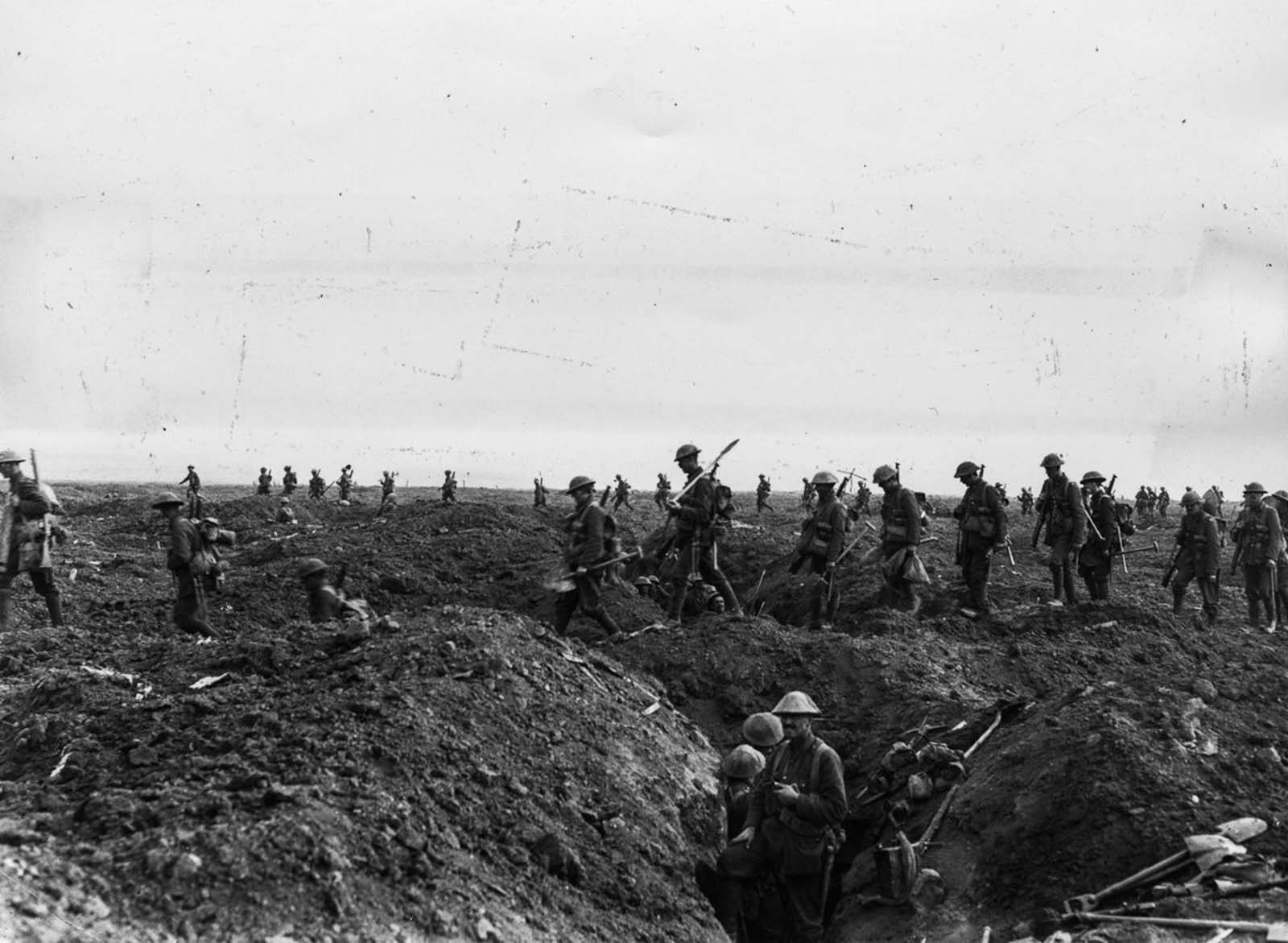
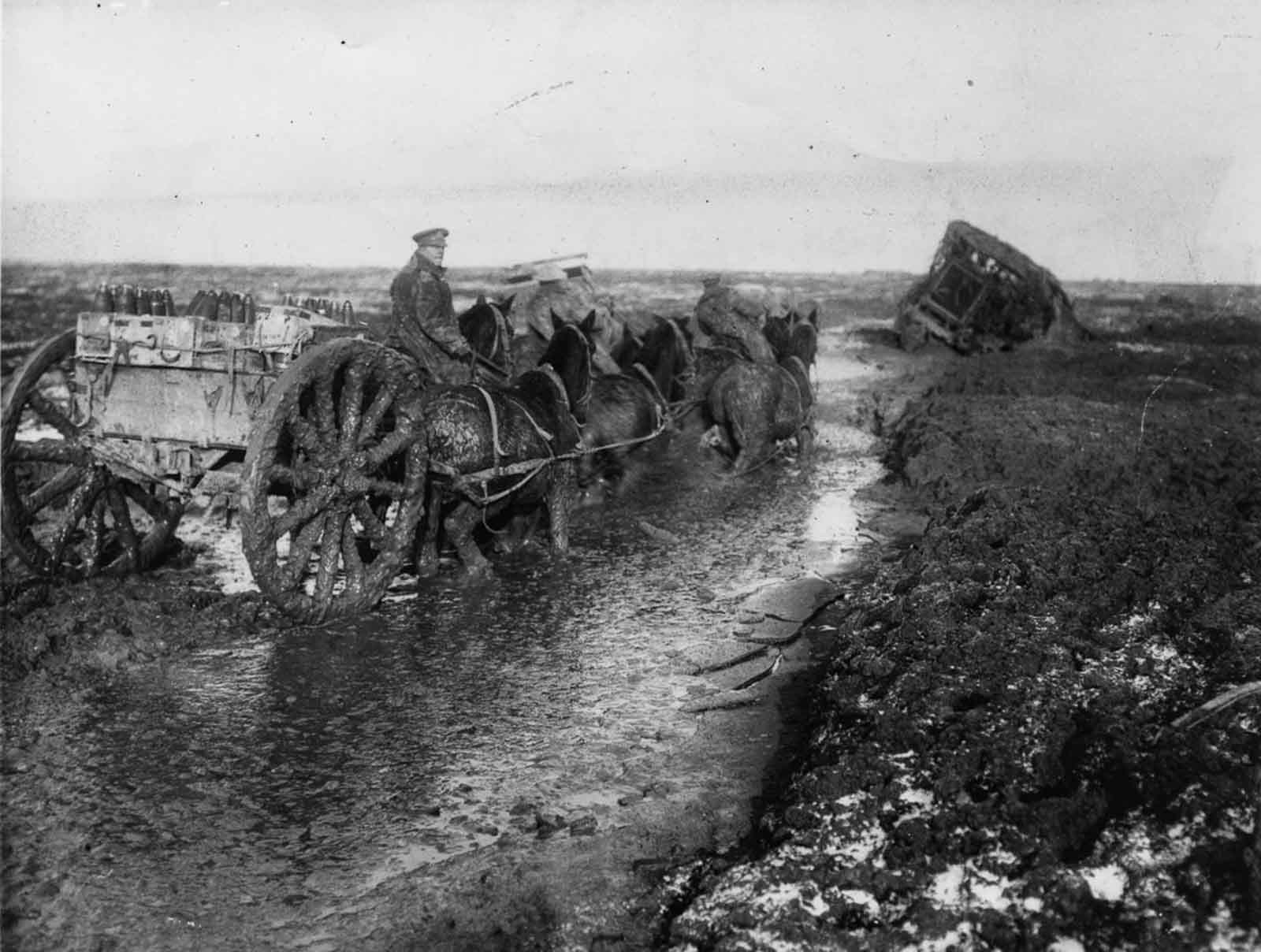
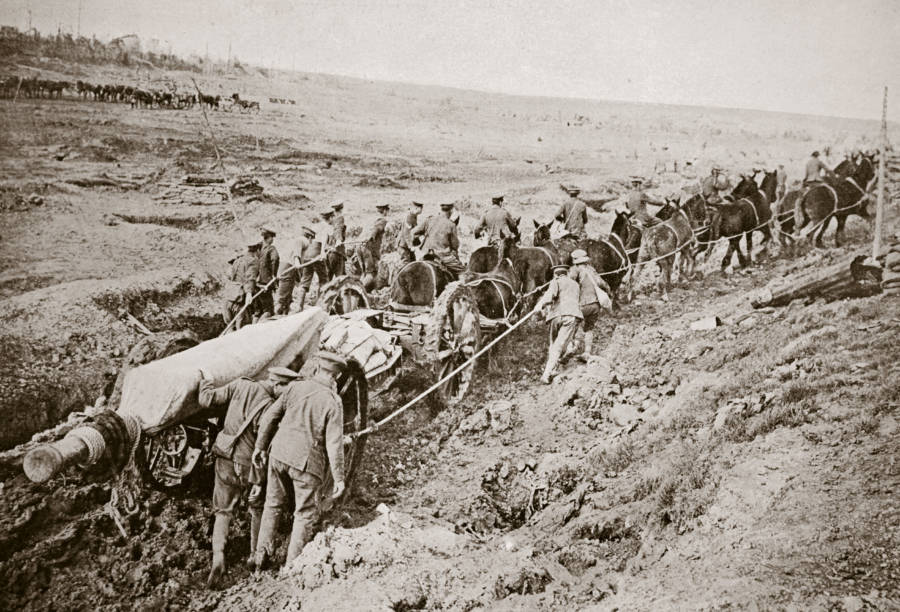
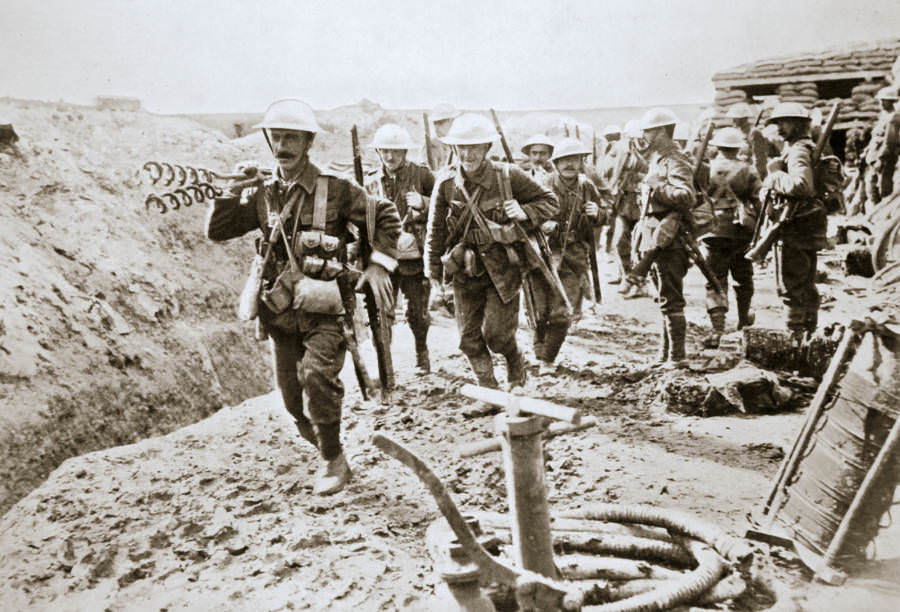
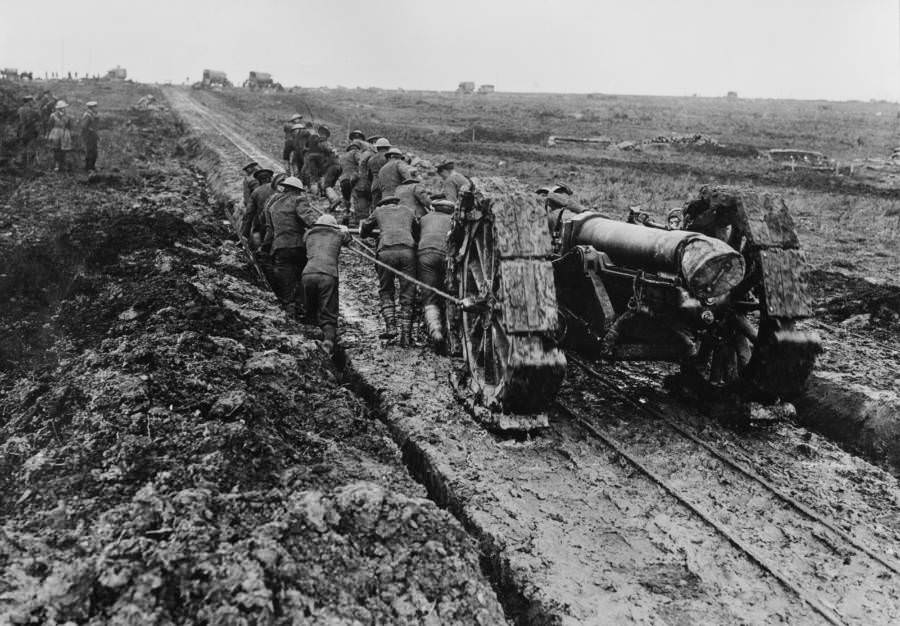
Mud became one of the defining features of the Somme. Autumn rains turned the already-churned ground into a swamp. Moving artillery, supplies, and wounded men through it required extraordinary effort. Horses sank to their flanks. Men disappeared into shell craters filled with water. The average British soldier carried 66 pounds of equipment through terrain that made every step a struggle.
The tank’s debut at Flers drew enormous attention, but its limitations were quickly exposed. Several Mark I tanks became ditched in craters or simply broke down. The infantry still had to follow on foot, crossing the same wire and shell-blasted ground that had stopped them before.
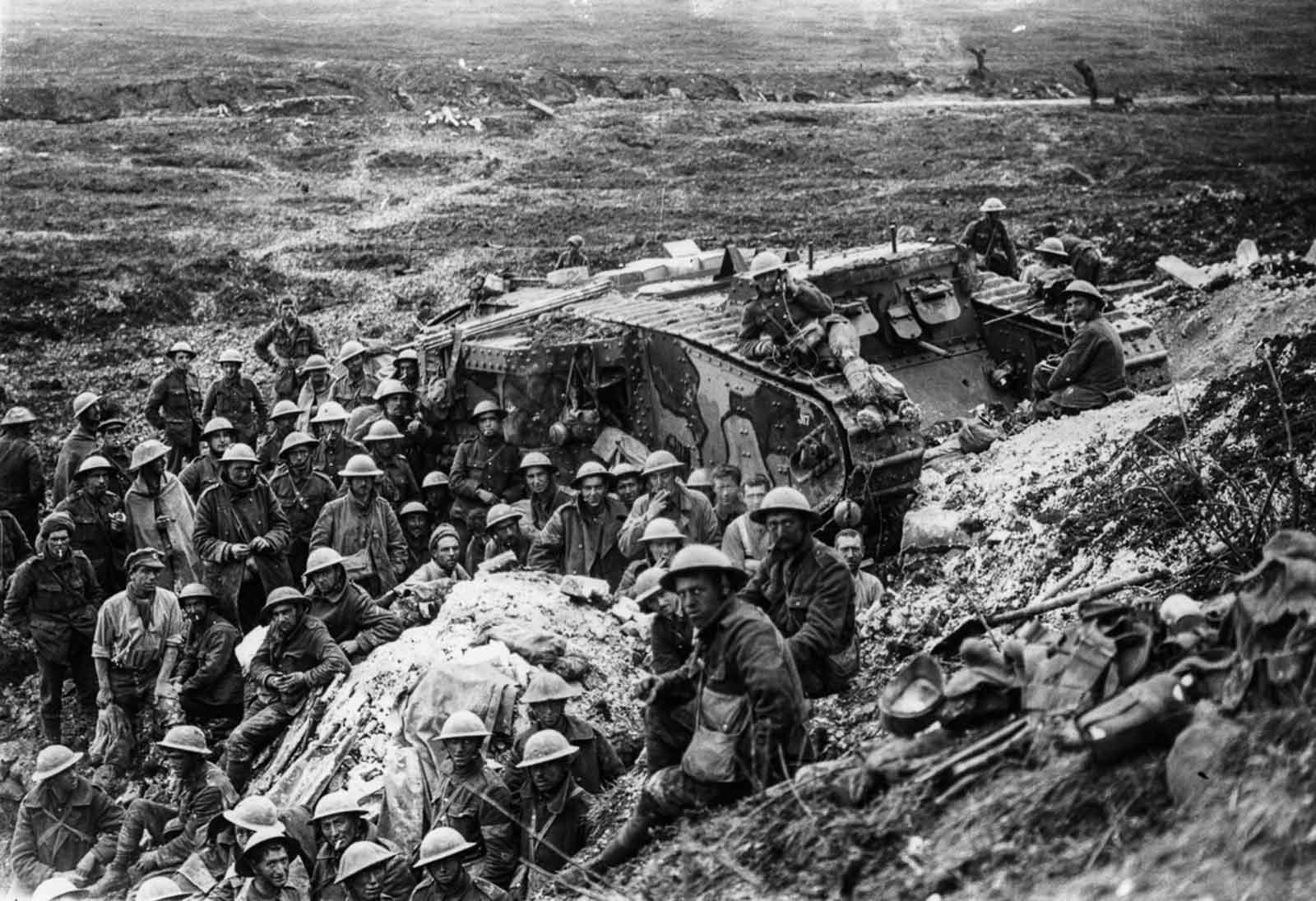
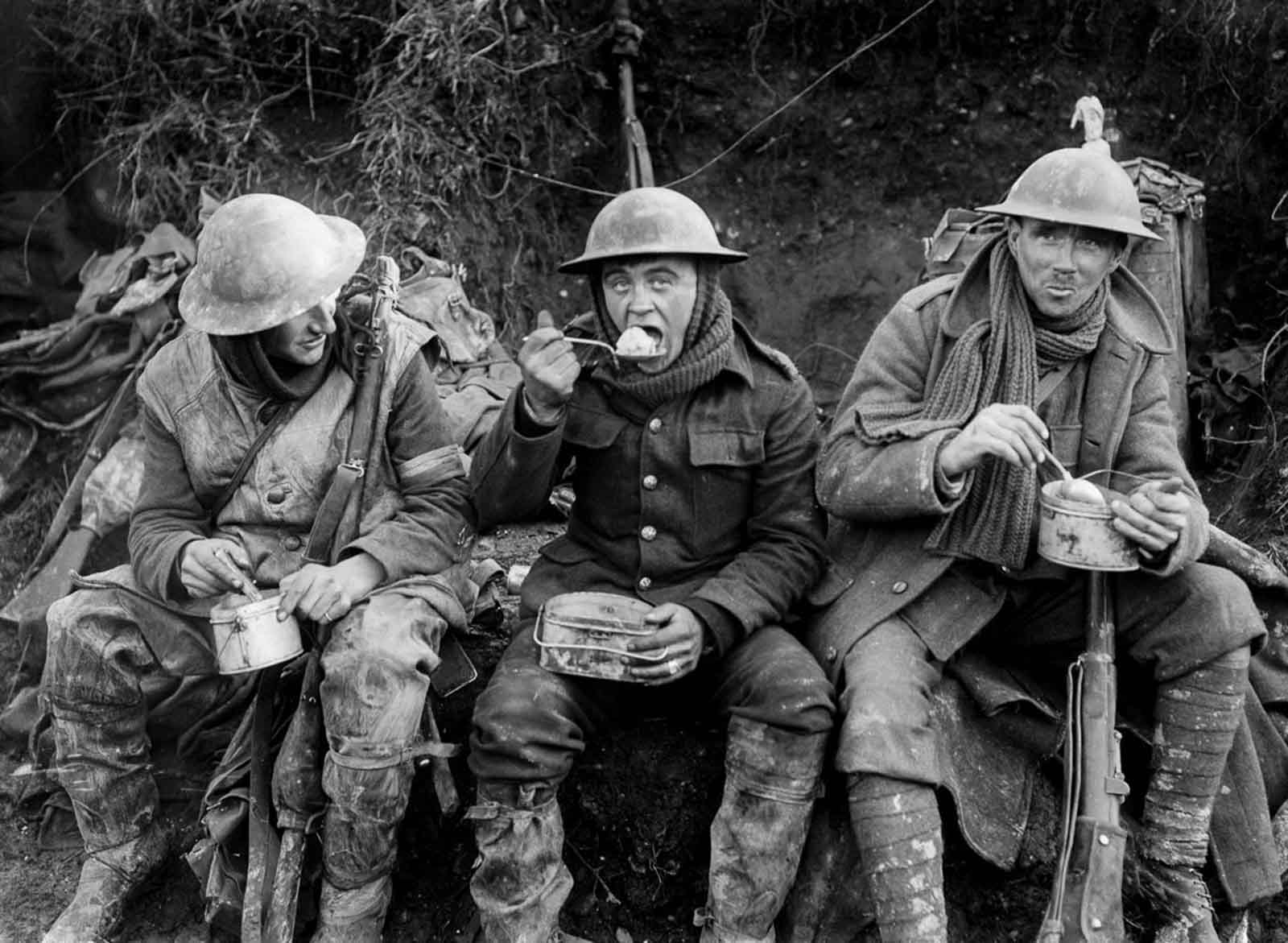
By October, the battlefield had turned into a sea of mud. Supply lines were stretched thin, and simply keeping men fed and armed was a logistical challenge. Horses hauled ammunition forward through knee-deep mud along roads that had ceased to be roads. The fighting continued despite the conditions, with the British pushing into German-held villages and woods on the Somme’s eastern edges.
The wider strategic picture mattered as much as the fighting on the Somme itself. The Russian Army launched a massive offensive in the East — the Brusilov Offensive — which advanced roughly 100 miles and forced Germany to pull troops from the Western Front. Romania entered the war on the Allied side. Germany’s ability to reinforce and sustain the Somme front became strained from multiple directions at once.
The German 6th Army, bled white by months of attritional fighting, was so depleted by late 1916 that it could no longer mount meaningful counterattacks on the Somme. The original objective — to relieve pressure on the French at Verdun — was achieved. German resources and manpower had been pulled away from Verdun, allowing French forces there to stabilize and eventually recover their lost ground.
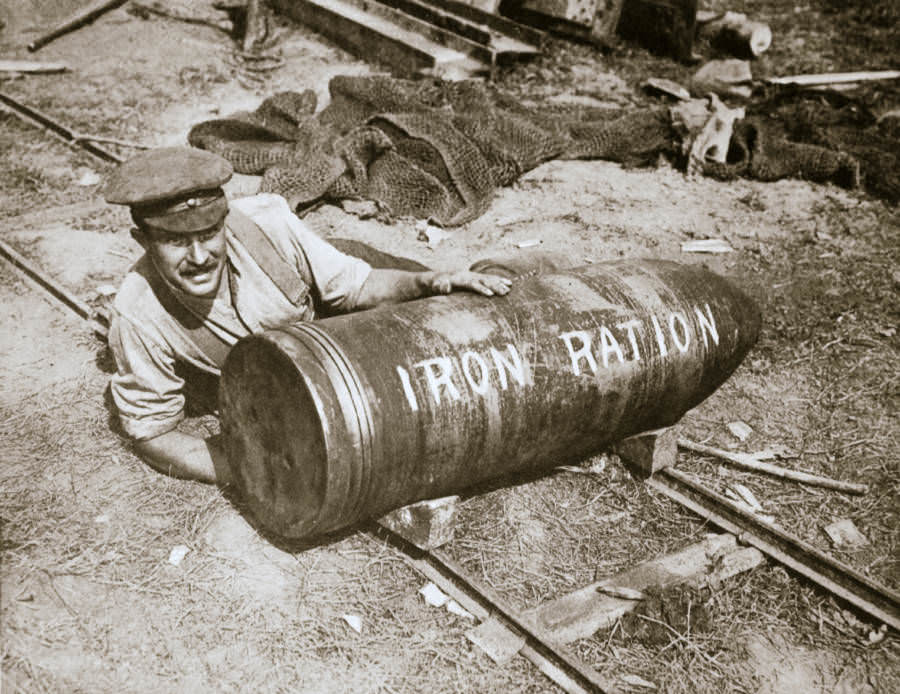
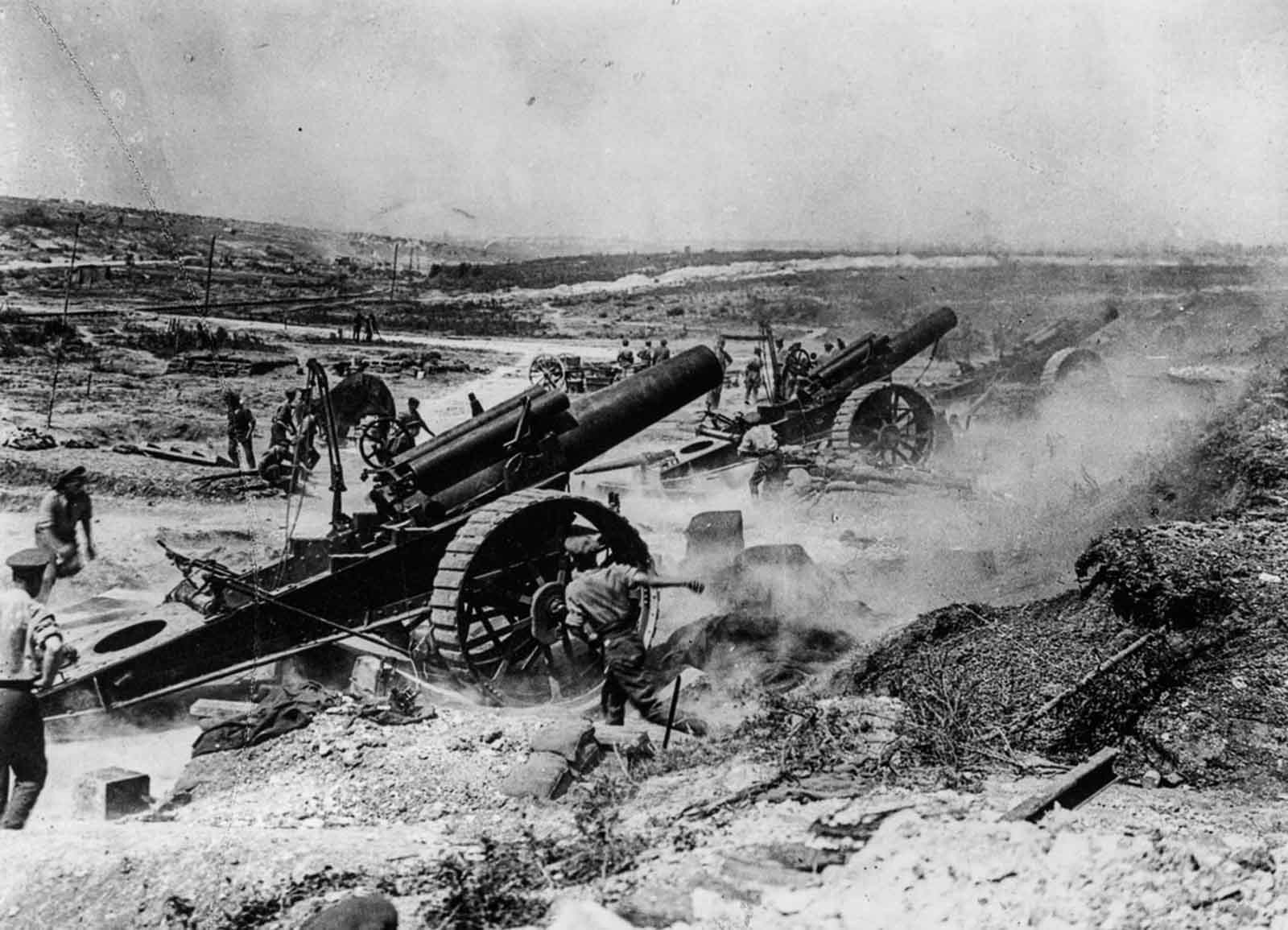
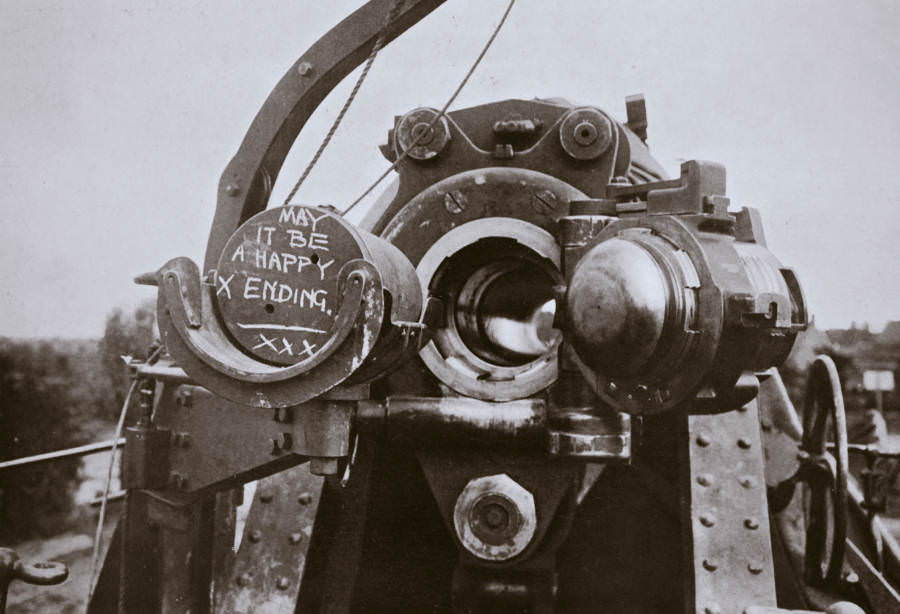
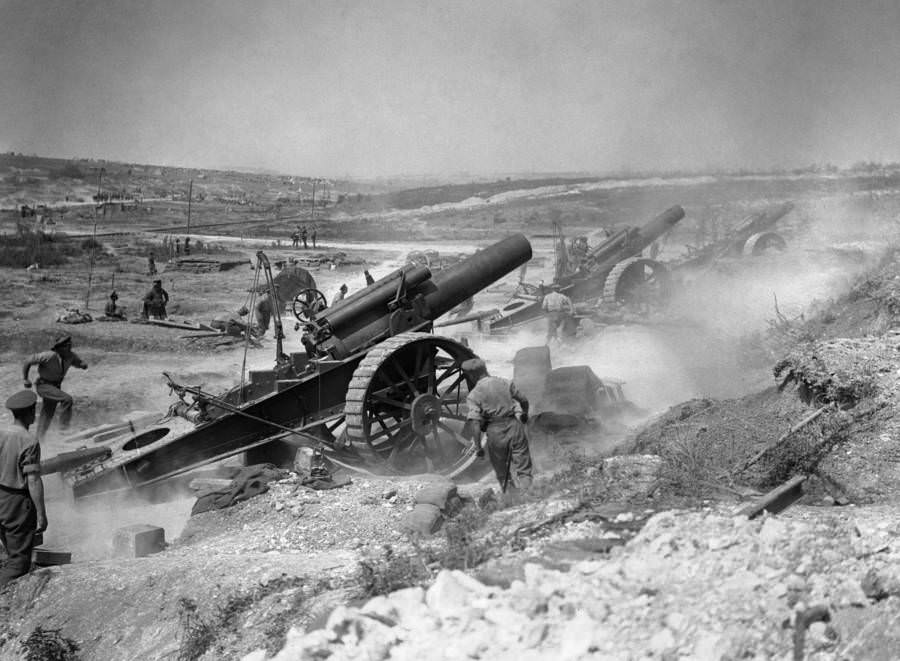
The sheer scale of firepower used at the Somme is difficult to grasp. Single artillery shells weighed up to 1,400 pounds. Three 8-inch howitzers could be heard firing simultaneously for miles. Messages were sometimes chalked directly onto shells by the gunners who loaded them. The battlefield consumed ammunition at a rate that taxed the entire industrial capacity of the Allied nations.
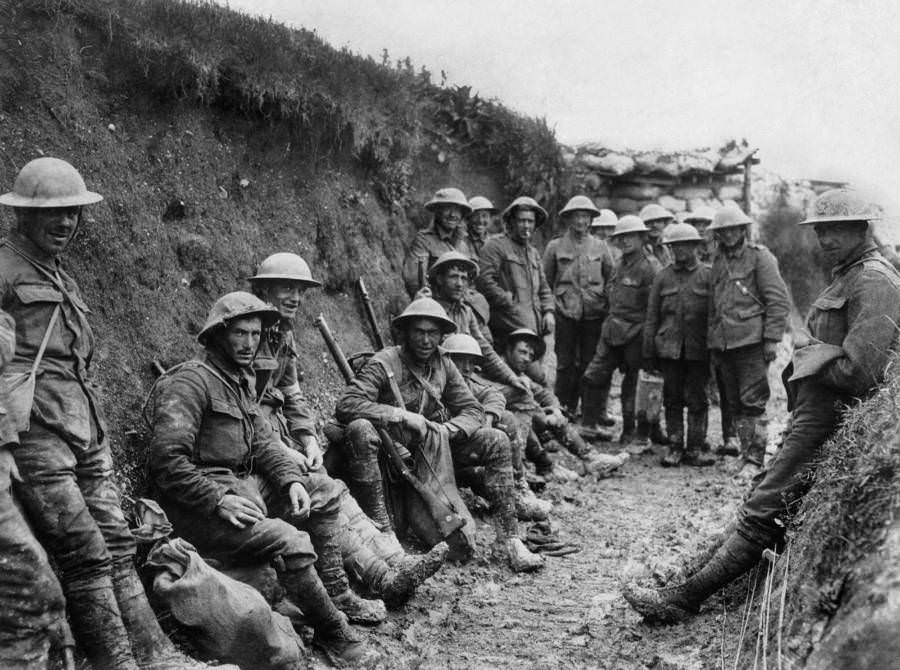
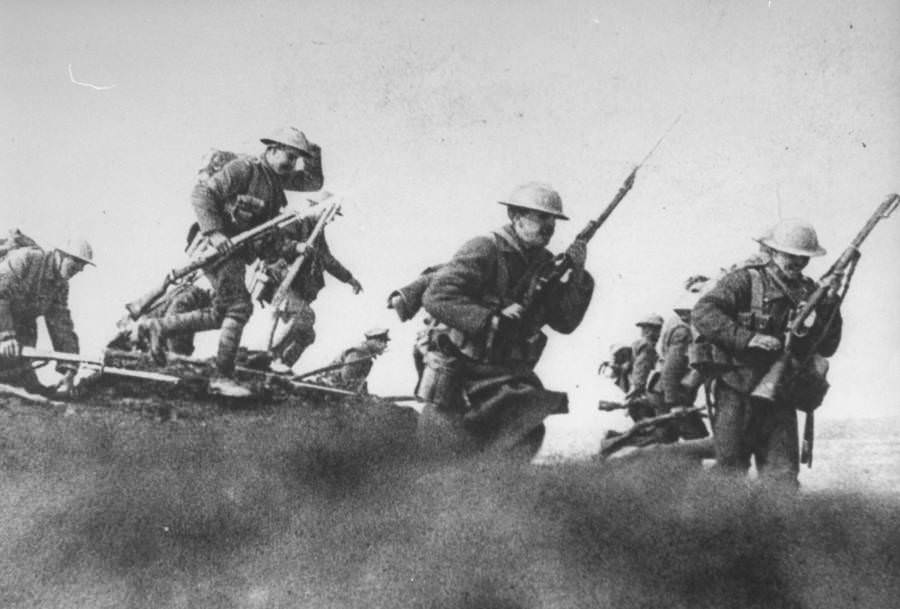
By the end of the battle, the human cost was staggering on every side. The British suffered approximately 420,000 casualties, including 125,000 dead. The French lost around 200,000. German casualties fell somewhere between 450,000 and 600,000. In total, the Allies suffered more than 650,000 casualties across the entire campaign. One in three soldiers who fought at the Somme was either killed or wounded.
The Royal Flying Corps played an active role throughout the campaign, providing aerial reconnaissance that shaped artillery targeting and troop movements. Flying over an active artillery battle in fabric-covered aircraft came with enormous risk. The Corps lost 800 planes and 252 aircrew during the battle — losses that rivaled those of many ground units.
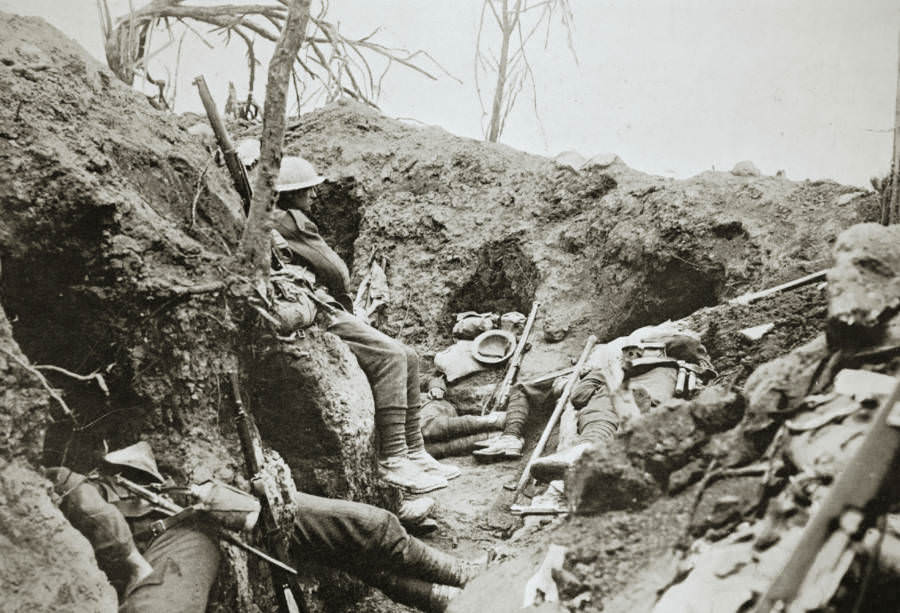
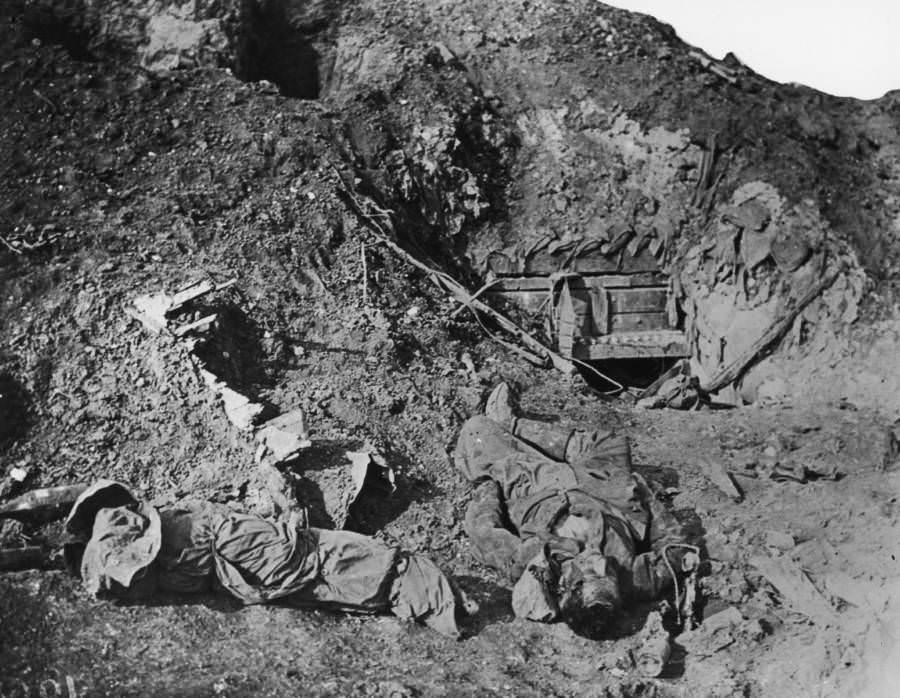
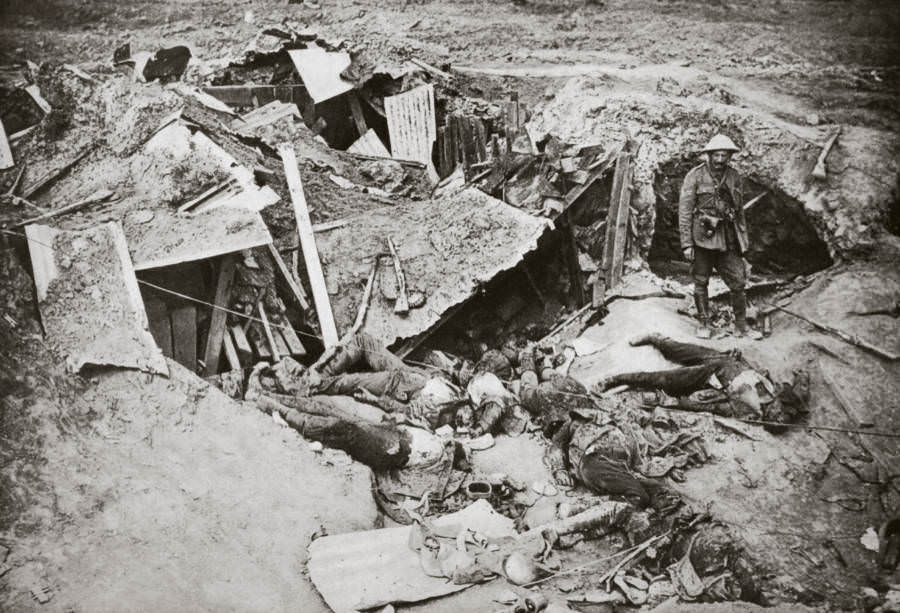
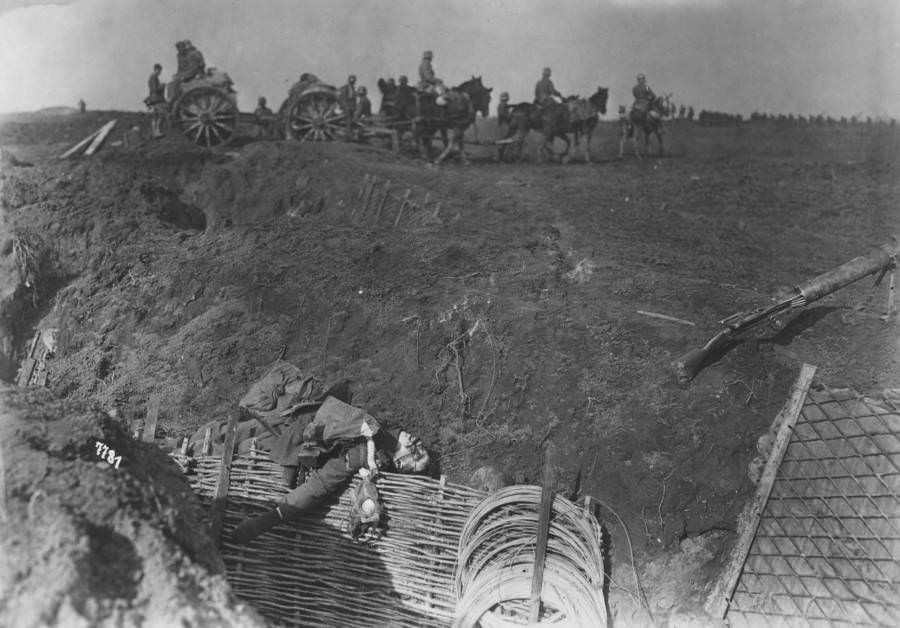
Death came in every form and in every role. Men died at their machine gun posts, in aid stations, carrying messages, and stringing wire. A telephonist was photographed killed at his post, headset still on. The dead were not only combatants — they were signalmen, engineers, stretcher-bearers, and support troops of every kind.
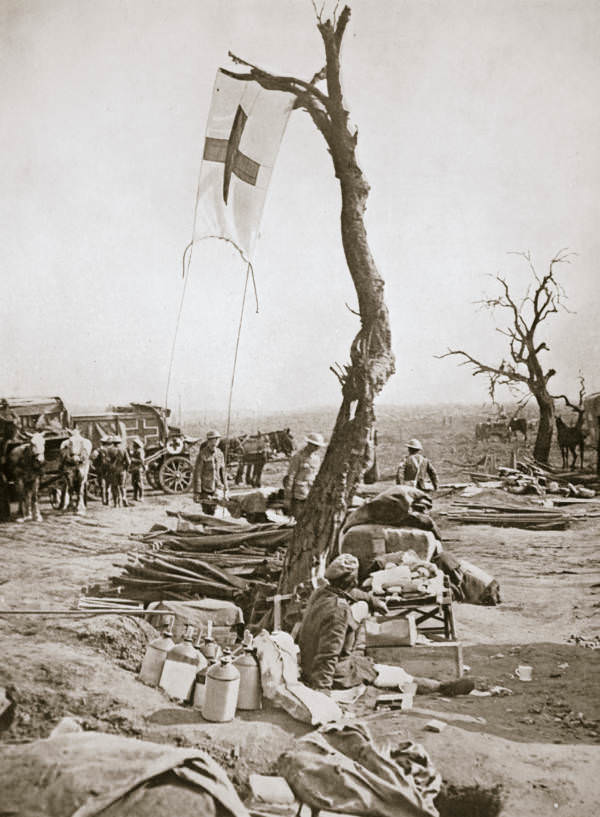
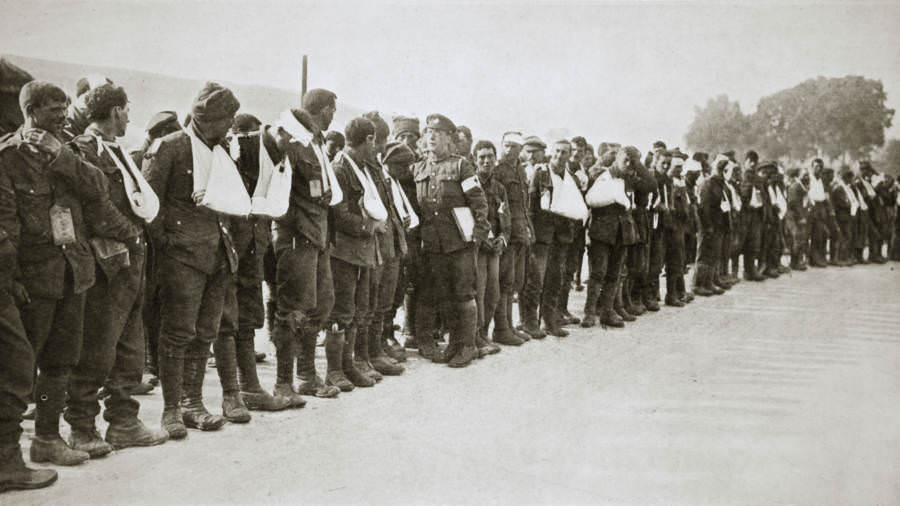
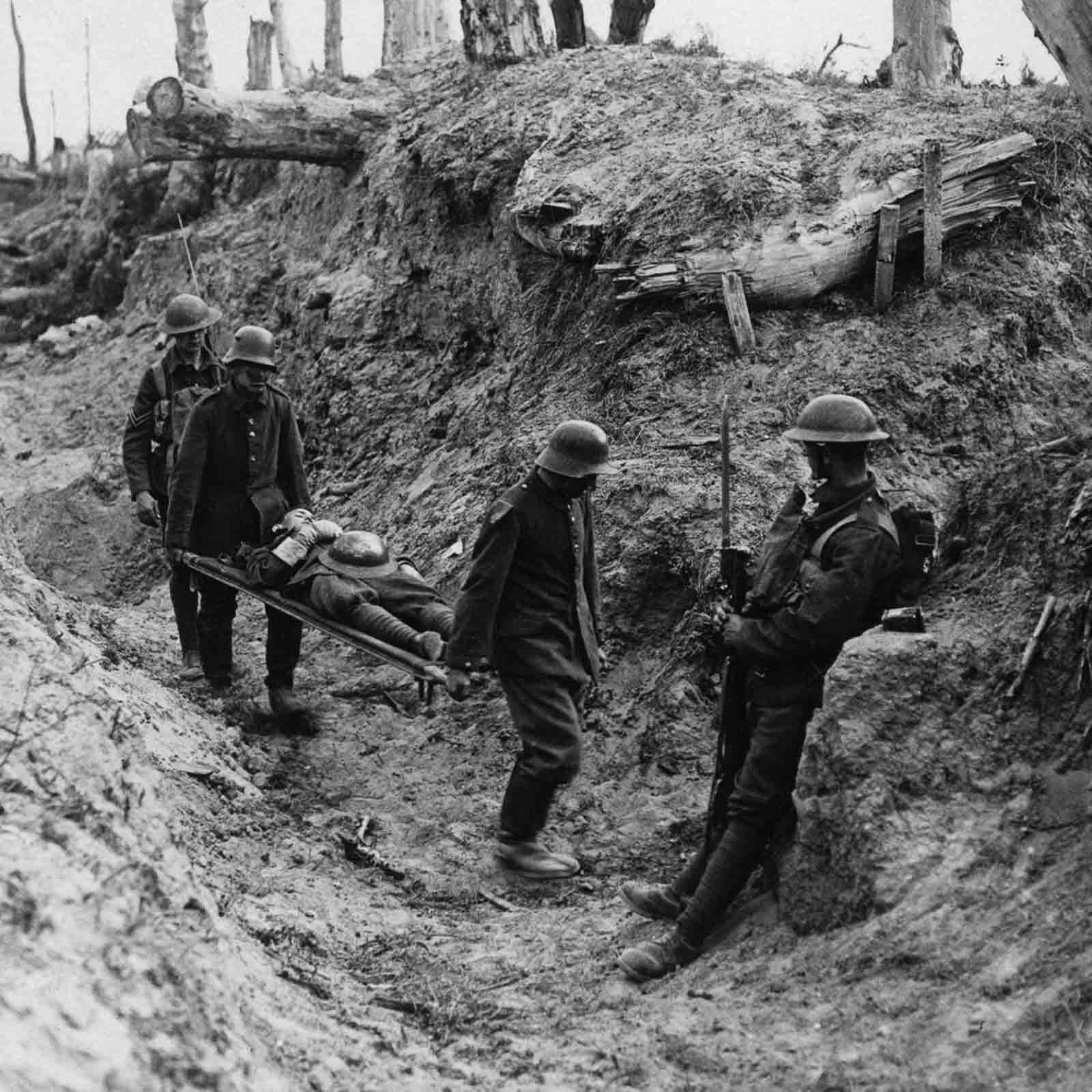
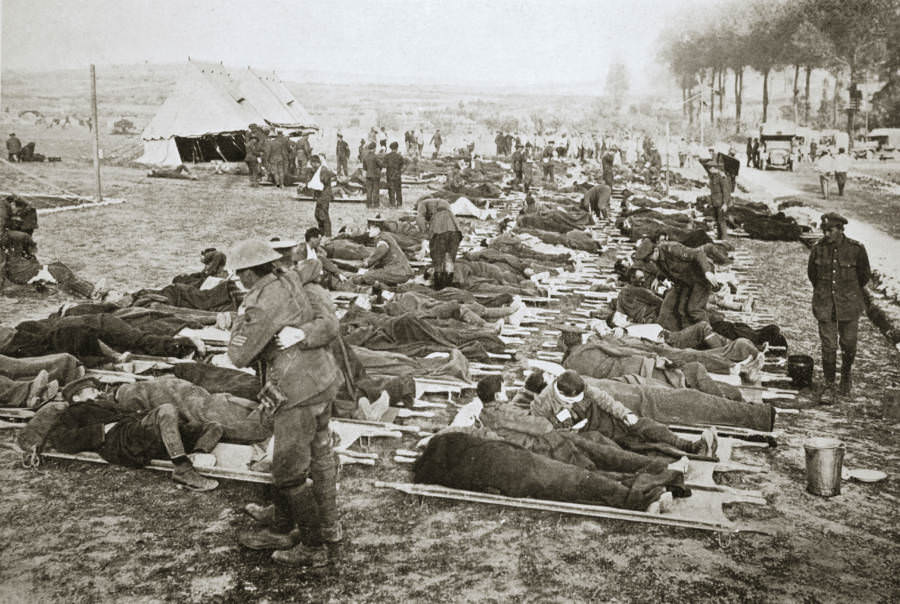
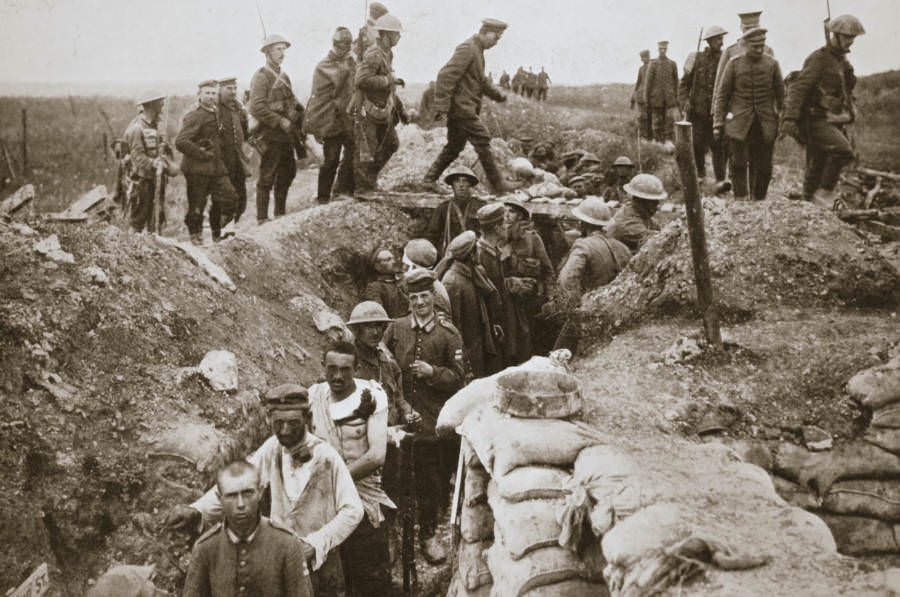
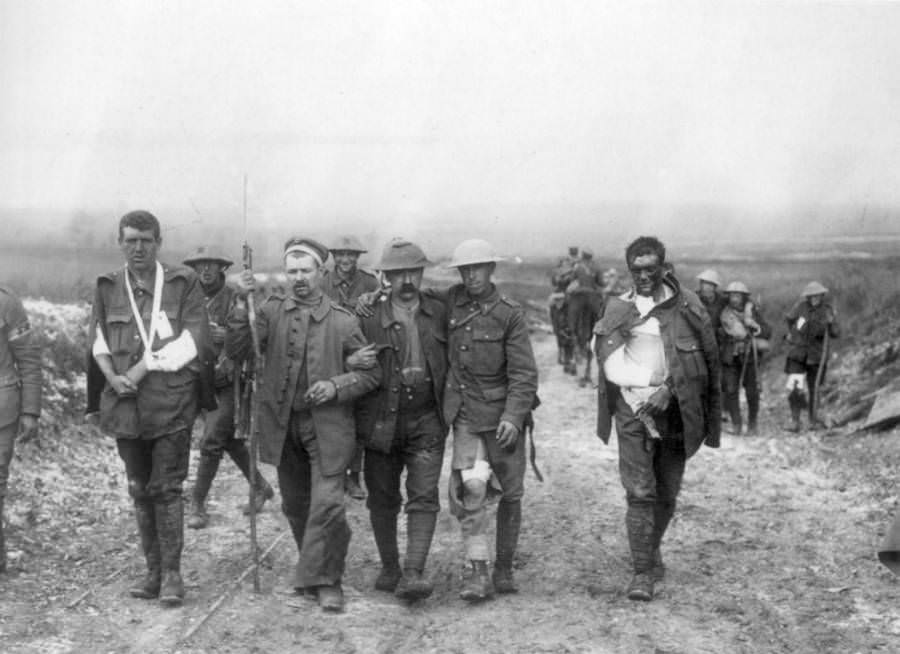
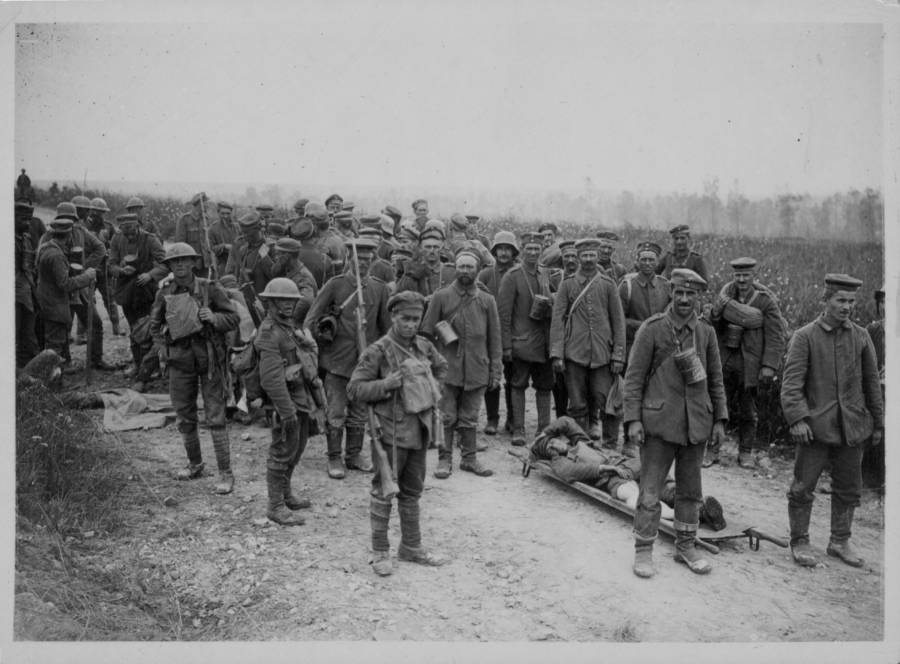
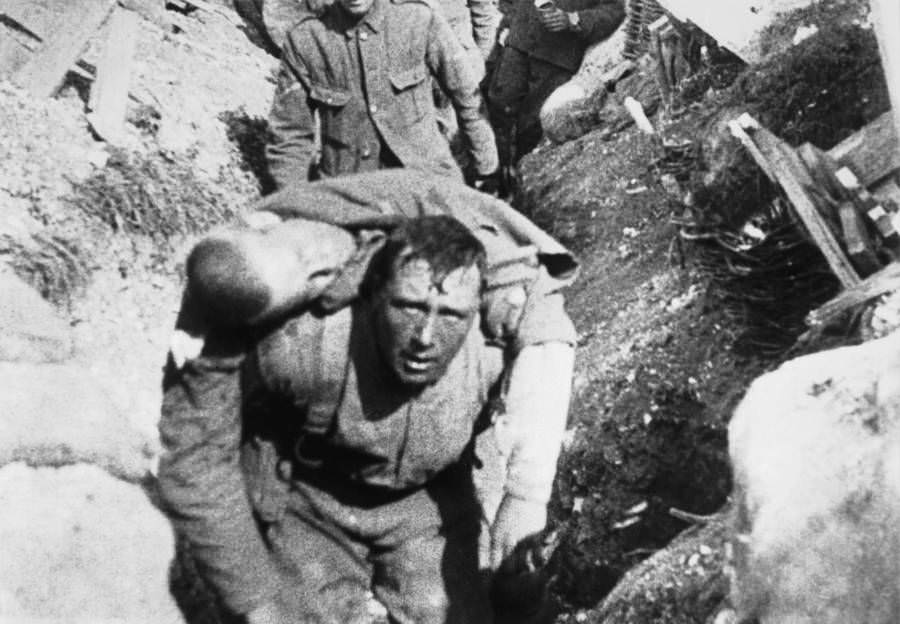
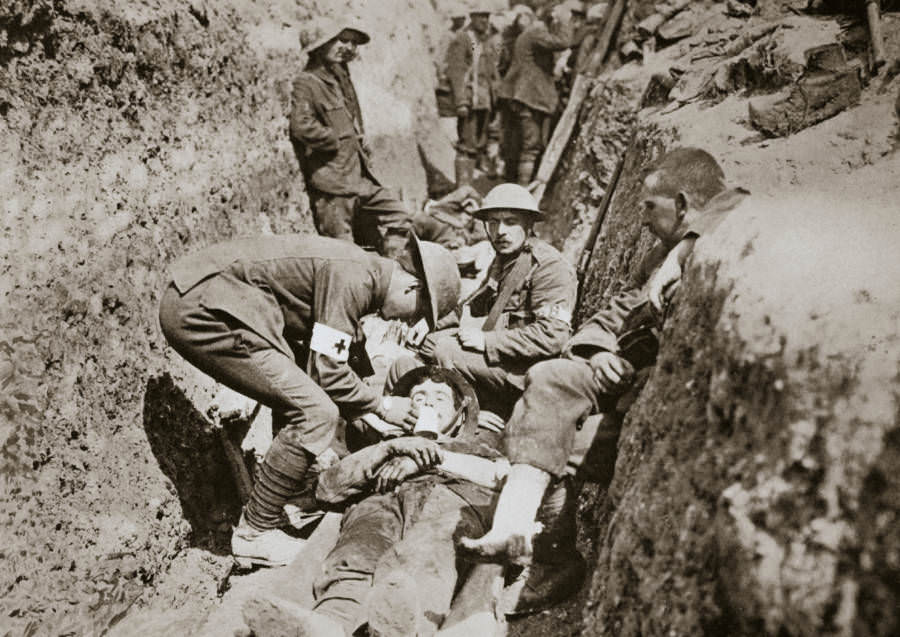
The wounded were a constant presence on the Somme. Clearing stations worked around the clock to treat men brought back from the front. The walking wounded moved in long columns away from the line, many helping those worse off than themselves. German prisoners were at times used to carry British wounded, as captured at Trones Wood.
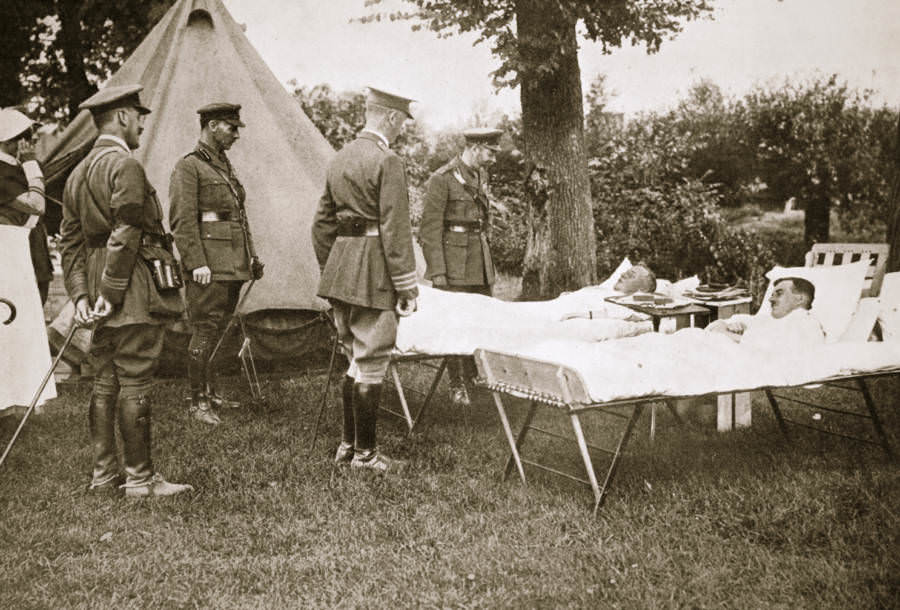
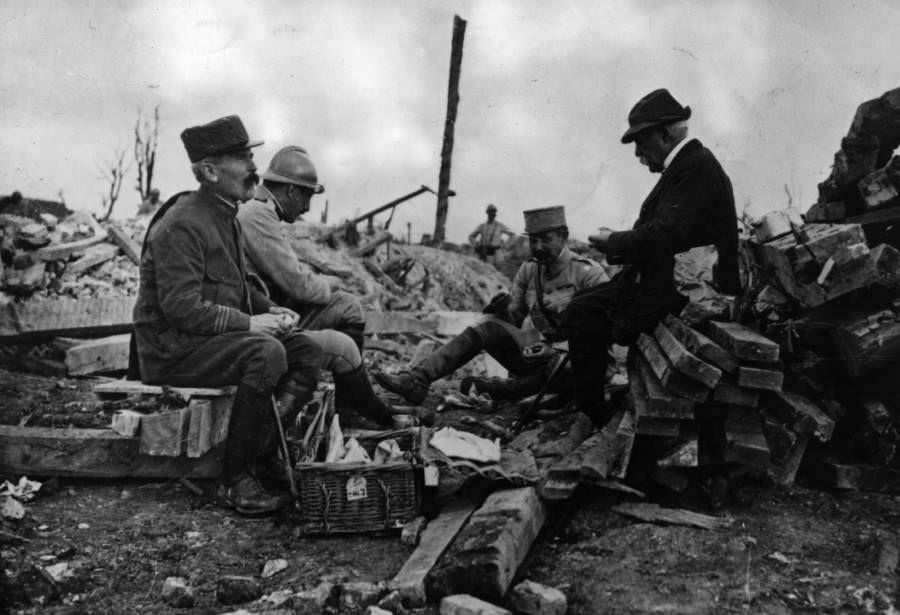
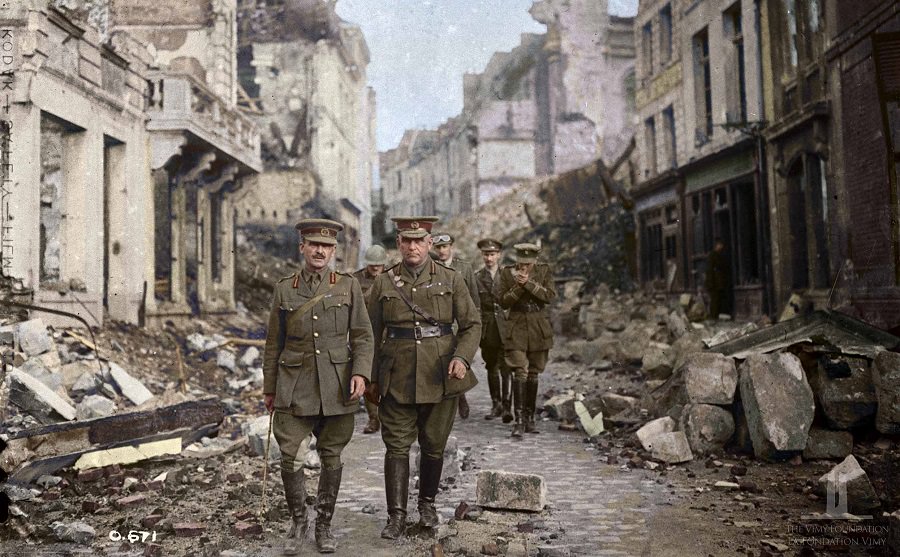
King George V visited the Somme front during the campaign, speaking with wounded officers. French statesman Georges Clemenceau also traveled to the front, resting at one point in a ruined village near the battle lines. The Somme drew leaders and statesmen as well as soldiers — its significance to the war effort was understood by everyone involved.
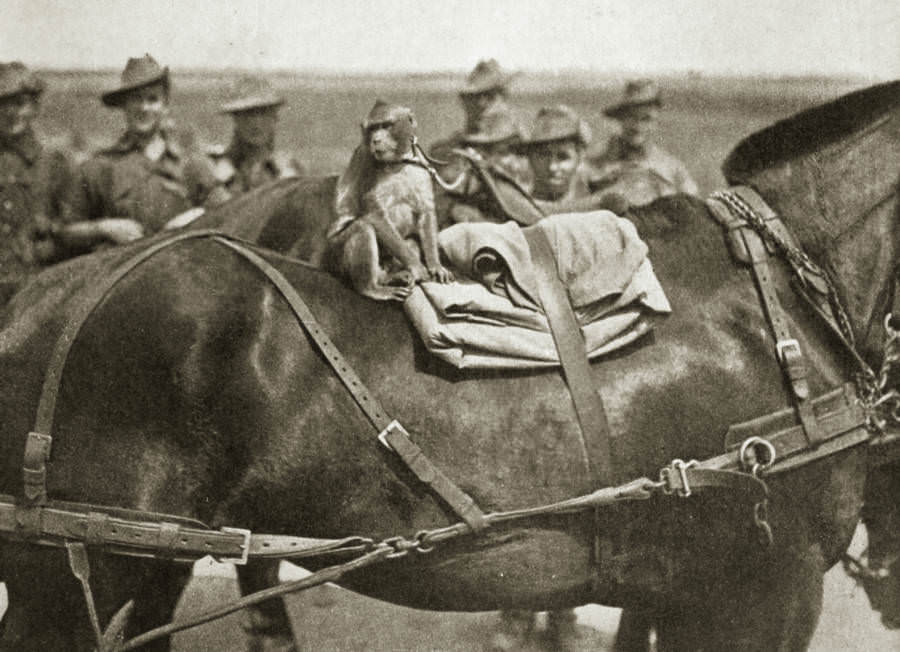
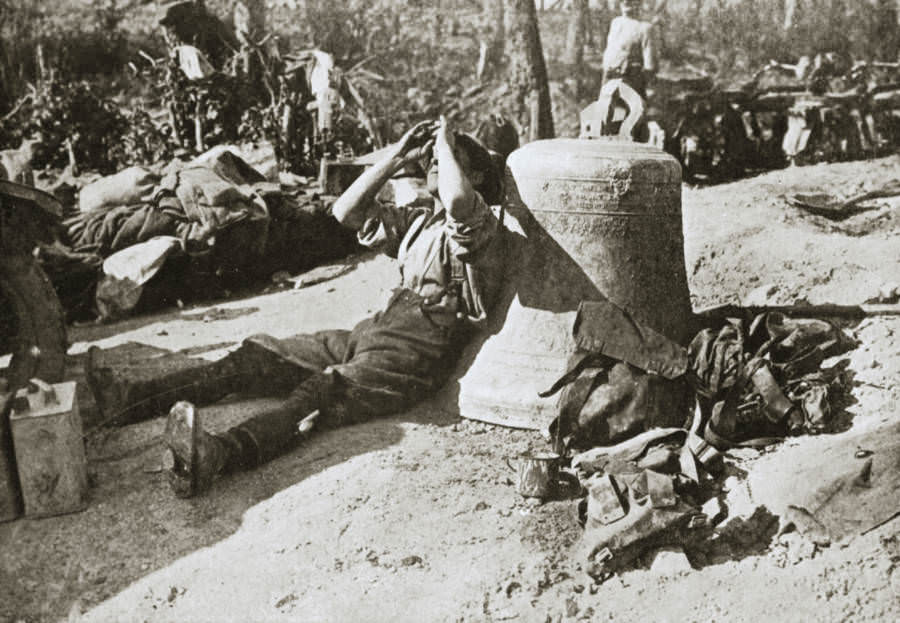
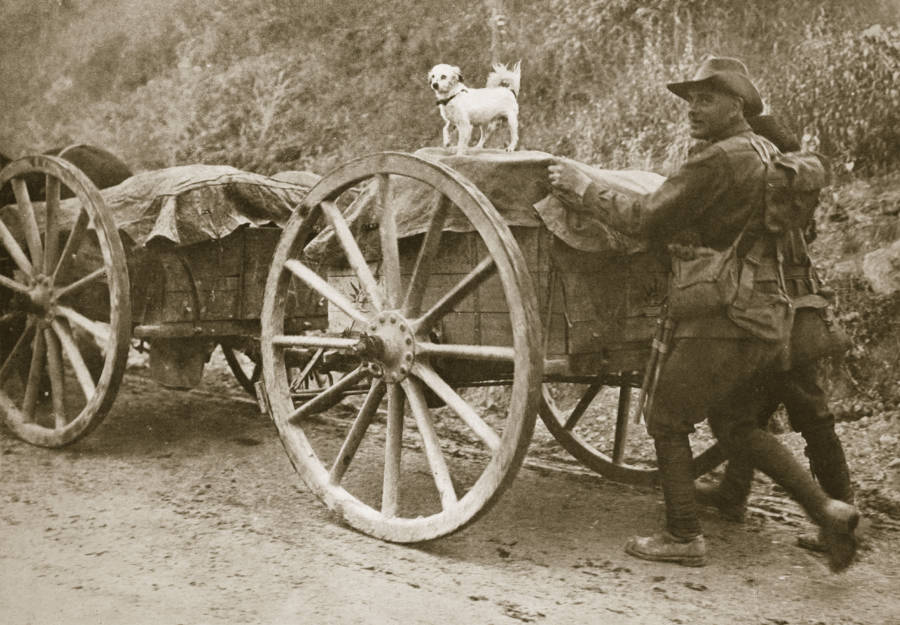
Soldiers found small ways to maintain morale in the midst of unrelenting violence. Unit mascots — dogs, monkeys, and other animals — traveled with regiments and appeared frequently in photographs. The bells of the church at Montauban still hung in the ruins of the town. These details, captured by cameras on the front, stood in sharp contrast to the scale of the destruction surrounding them.
Among the men who fought at the Somme was J.R.R. Tolkien, then a young signals officer. He contracted trench fever during the battle and spent much of the campaign hospitalized. He was evacuated back to England in November 1916. Others were not so fortunate. The roll call of the 1st Battalion after each engagement told a grim story of names that no longer answered.
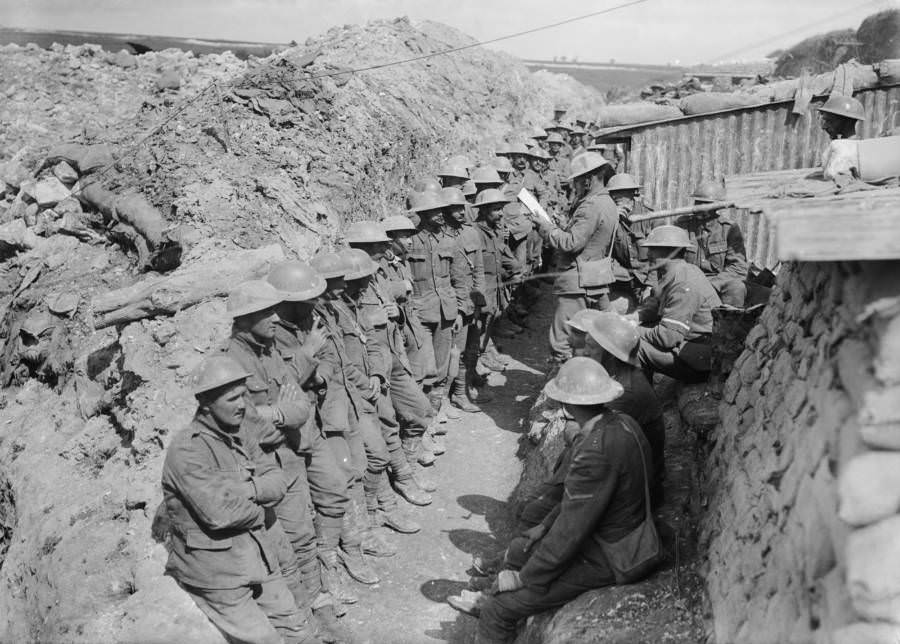
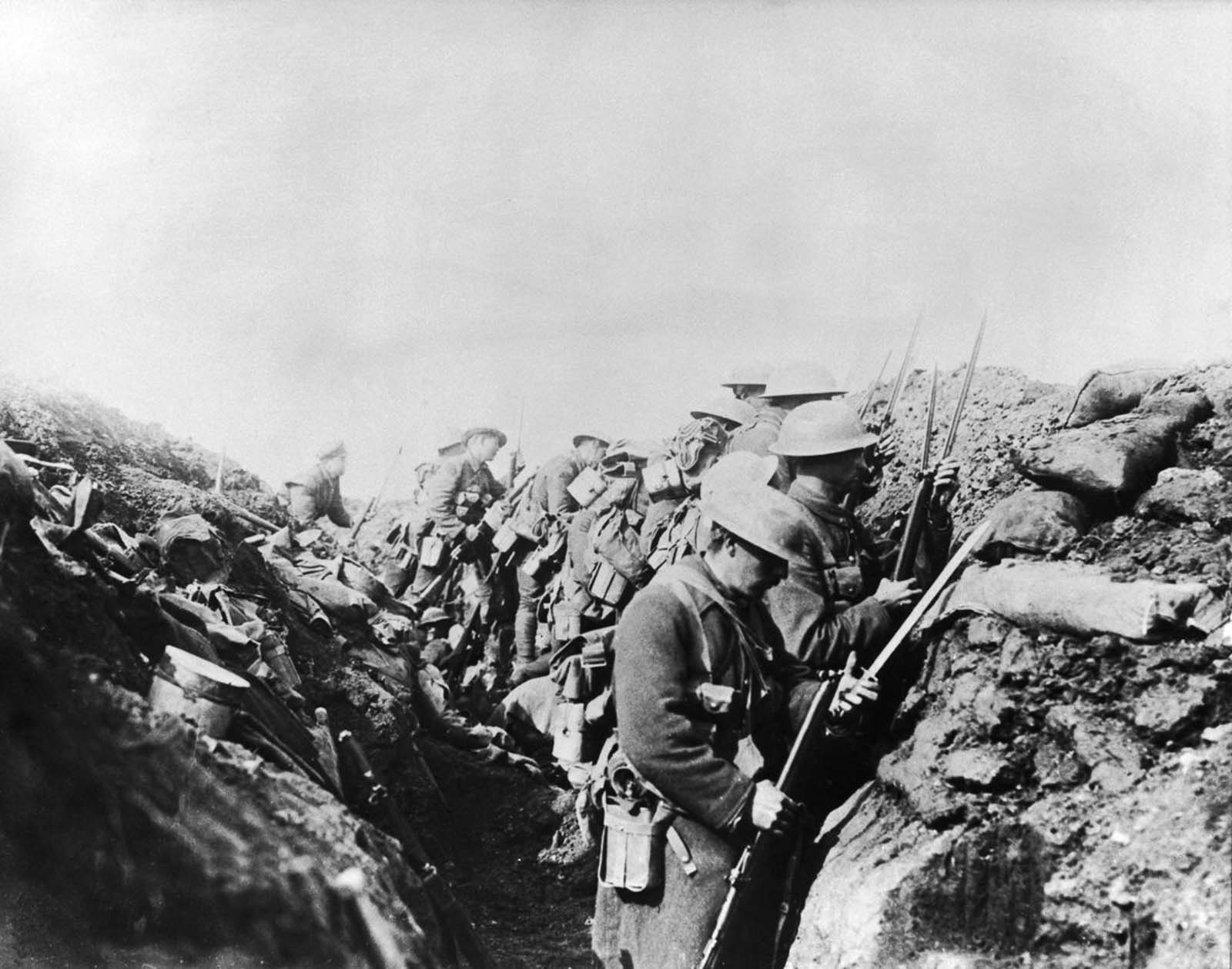
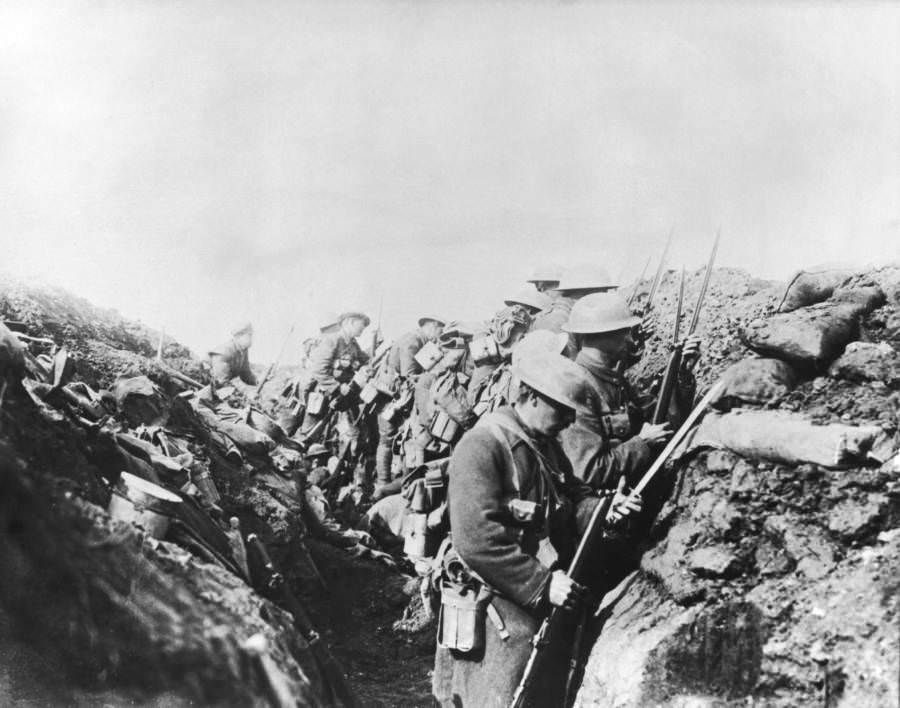
Canadian troops fought throughout the battle, from the opening days to the final push in November. They entered trenches with fixed bayonets, conducted raids on enemy positions, and absorbed punishing casualties. Their losses across the full campaign numbered more than 24,000 dead — a toll that shaped Canada’s national memory of the war for generations.
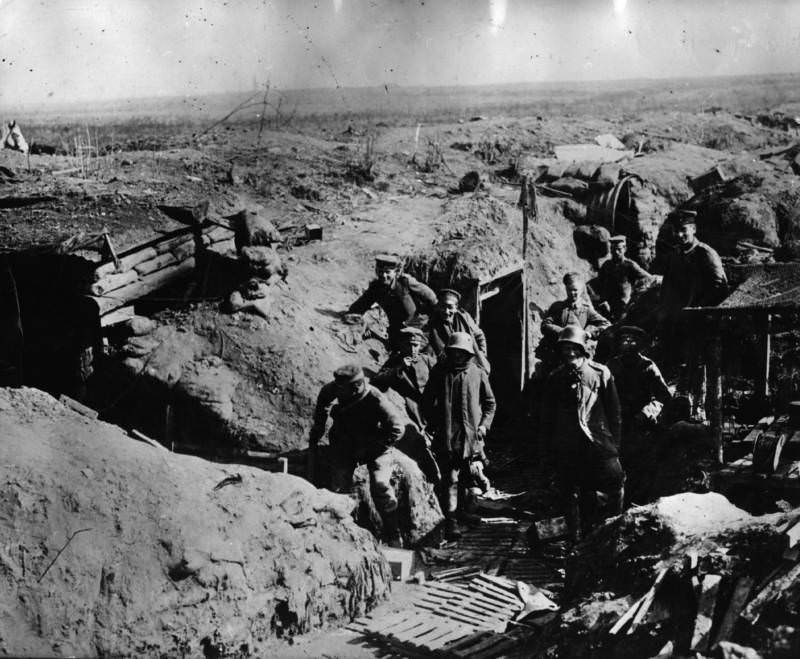
German machine gun emplacements were the primary killing tool of the Somme’s first day. The artillery bombardment that was supposed to neutralize them left most intact. When Allied troops advanced, German gunners had clear lines of fire across open ground with no cover. By the time British artillery eventually destroyed those positions, they had already decided the fate of thousands of men.
The final numbers from the Somme remained difficult to fully account for even after the war ended. Around 400,000 British military men were declared killed or missing by the battle’s close. Sixty percent of British soldiers involved in the first day of fighting became casualties. The numbers were so large they strained the capacity of official record-keeping.
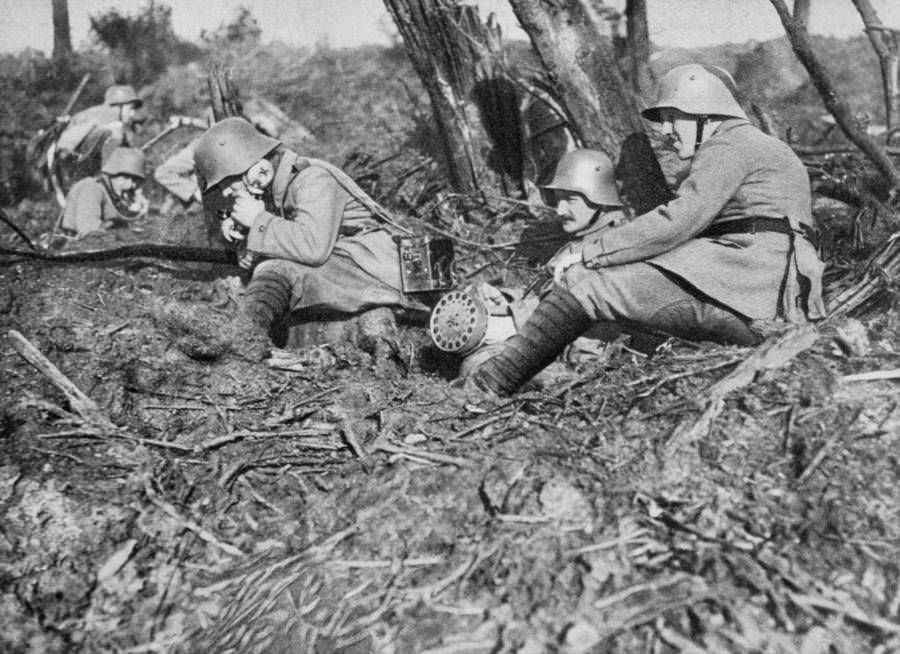
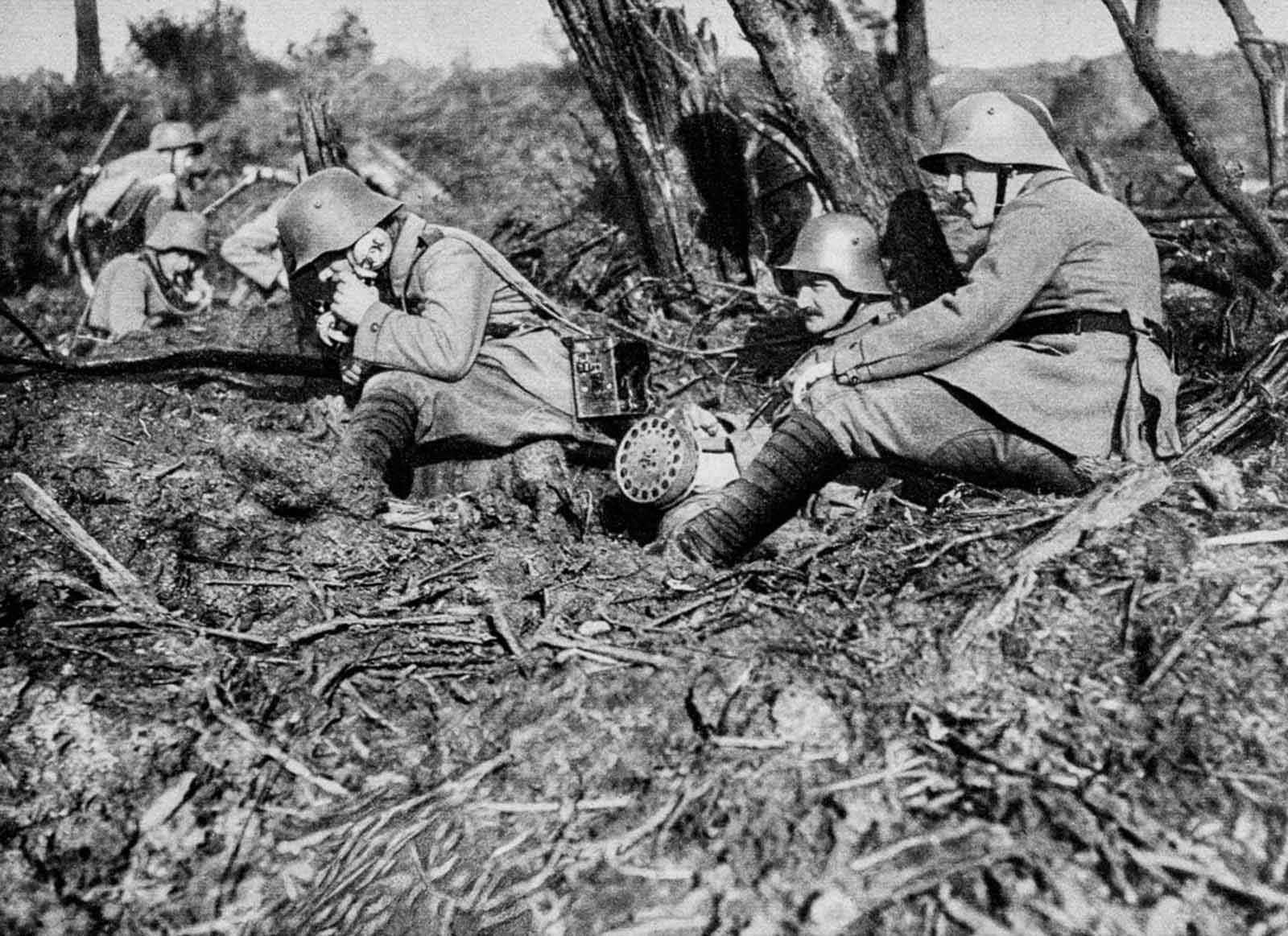
Communication on the Somme was a constant challenge for both sides. Field telephone lines were constantly cut by shellfire. Runners were sent through active bombardment to carry messages between positions. German field telephonists relayed artillery coordinates from the front to gun batteries behind the lines, a process that required speed and exact accuracy under fire.
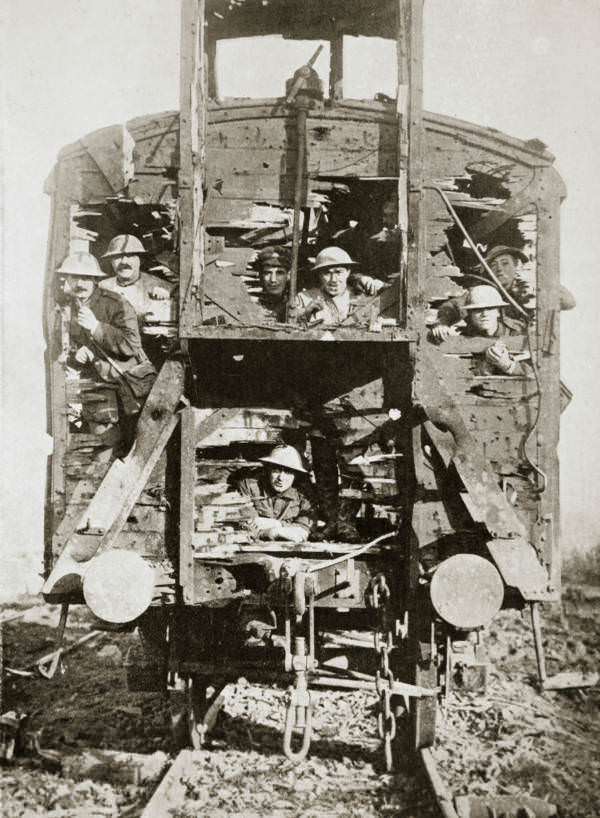
On November 19, 1916, the Battle of the Somme was officially suspended. Winter weather had made further offensive operations impossible. The front line had moved only a few miles from where it began on July 1. The ground gained measured in kilometers. The dead numbered in the hundreds of thousands.
The towns and villages surrounding the Somme bore the full weight of the fighting. Chlorine gas drifted through entire communities, forcing evacuations. Ancient churches were reduced to rubble. Fields that had grown wheat and sugar beets were cratered beyond recognition. The Albert Cathedral, its famous gilded statue of the Virgin Mary dangling from a damaged spire, became one of the war’s most recognized images.
The Mark I tank, for all its failures at the Somme, had demonstrated that armored vehicles belonged on the modern battlefield. The British committed 32 of them in September, and while most broke down or became ditched, those that did reach German trenches caused genuine panic among defenders. The concept was sound — the technology simply was not yet ready.



I’m pretty sure Stalingrad was deadlier.