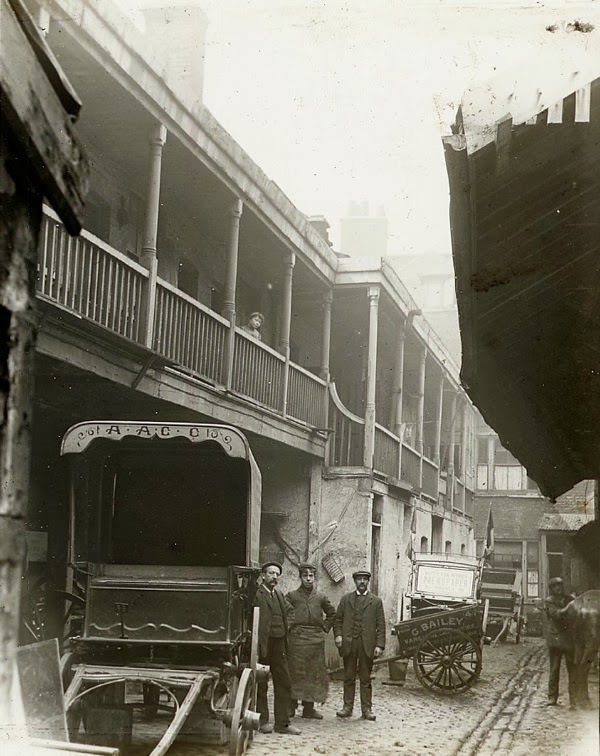
In the early 1900s, the pub was not simply a place to drink. It was the social backbone of London’s neighbourhoods, from the crowded streets of the East End to quieter residential corners across the city. Every community had one — often several — and their doors were open to nearly everyone.
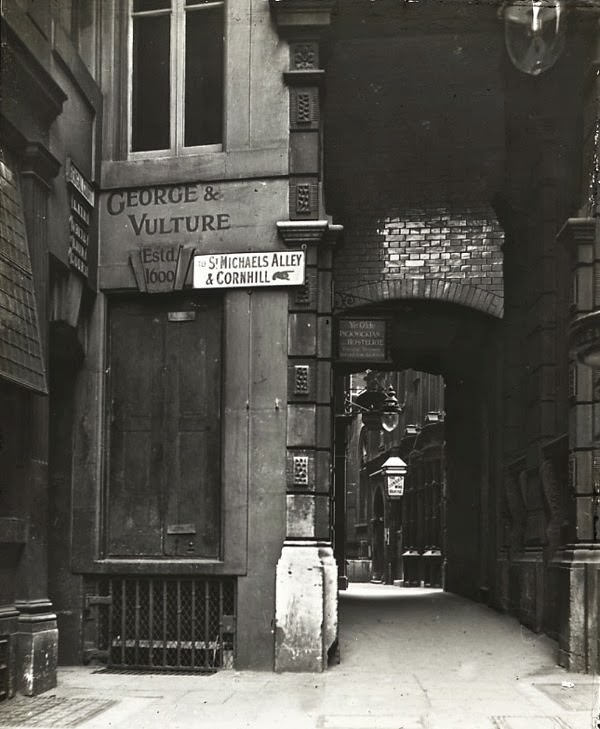
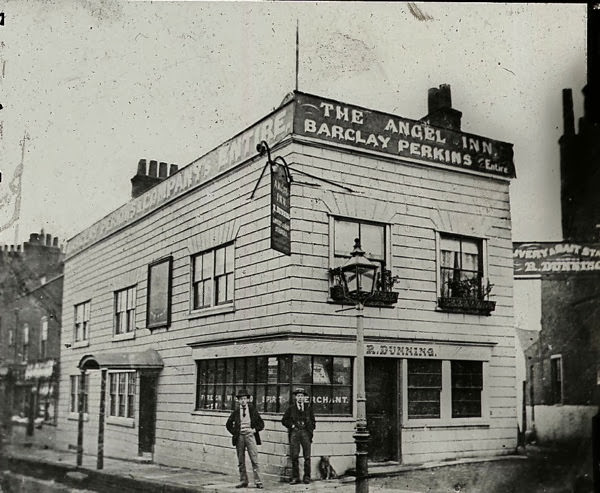
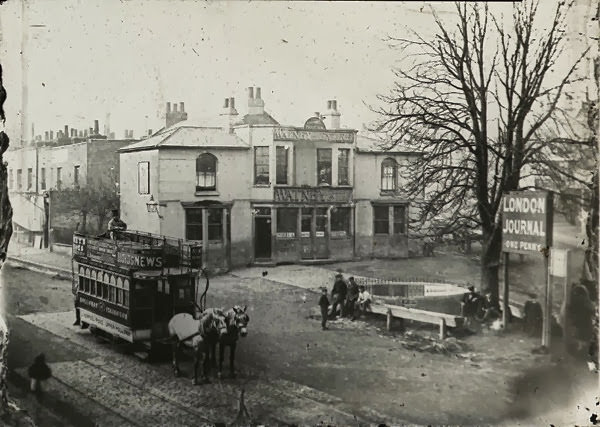
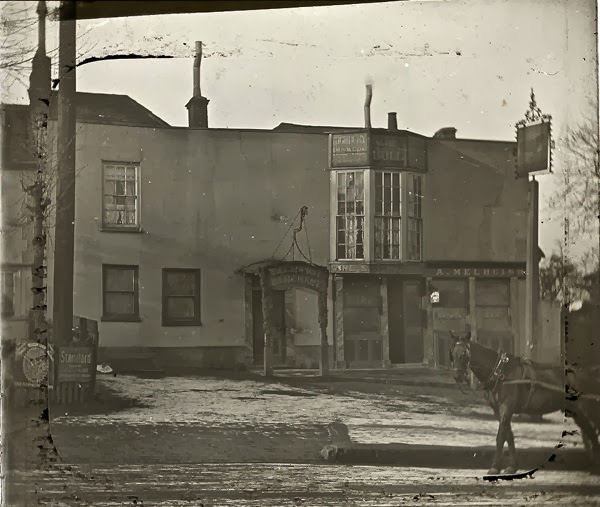
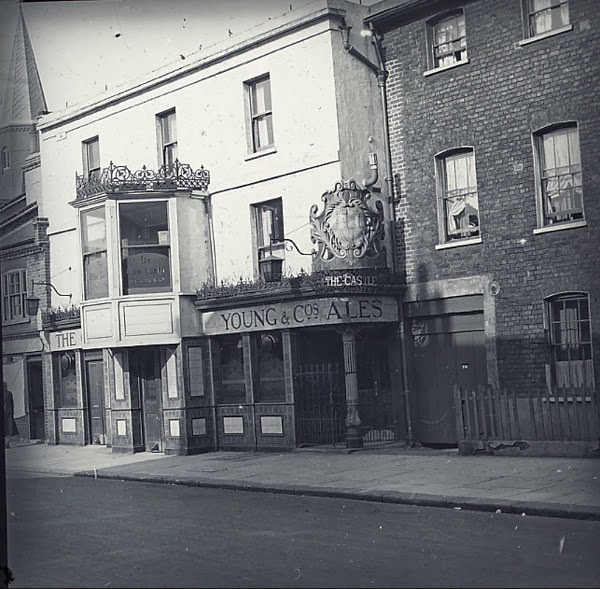
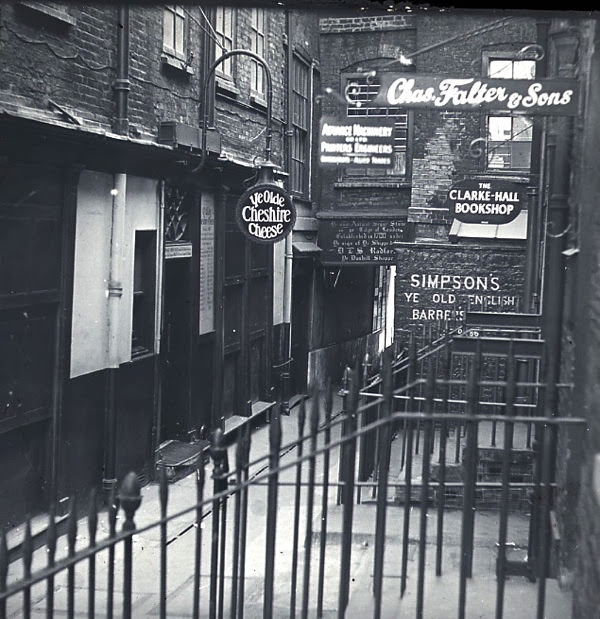
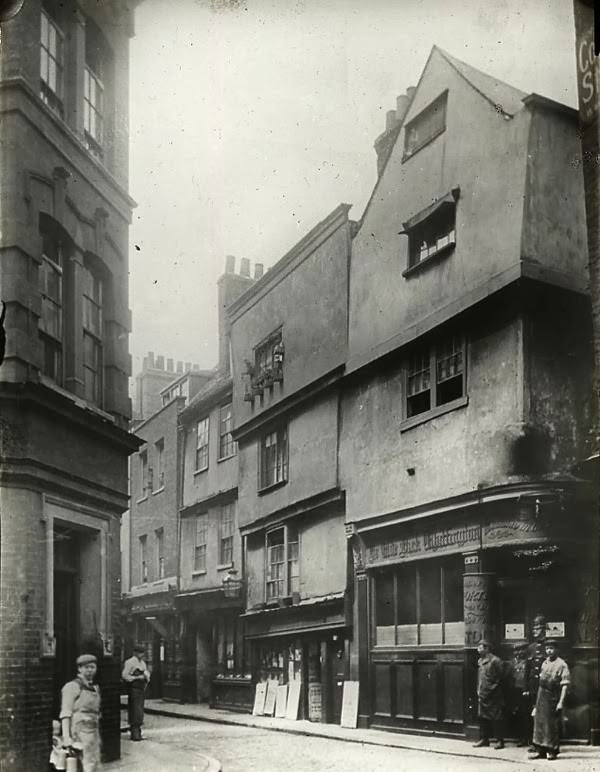
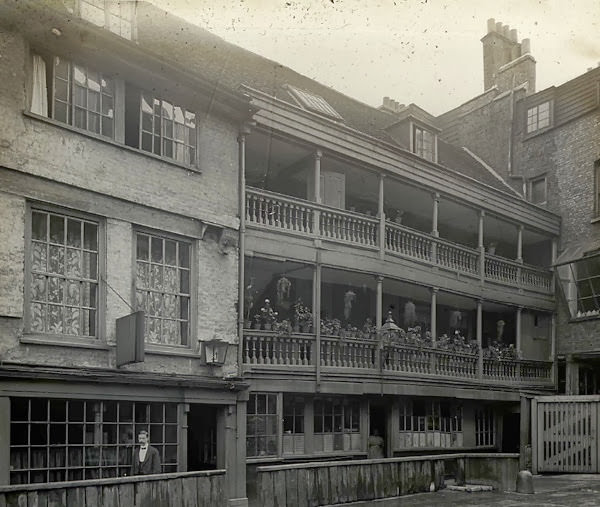
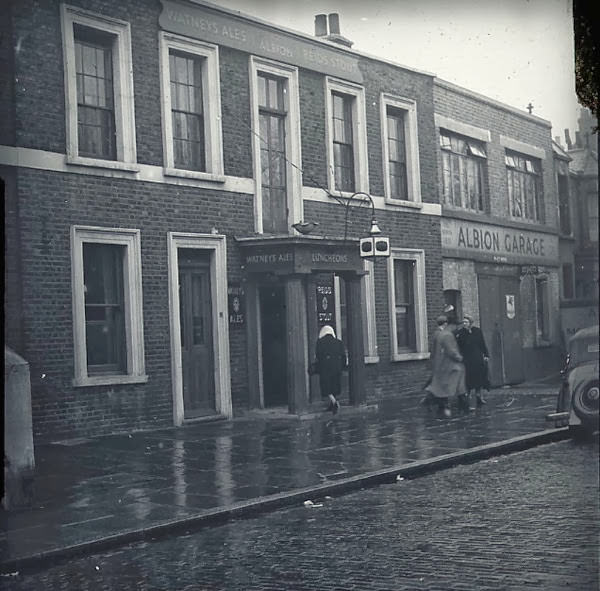
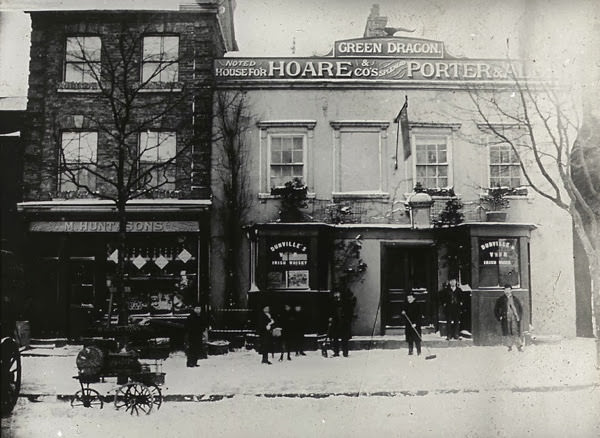
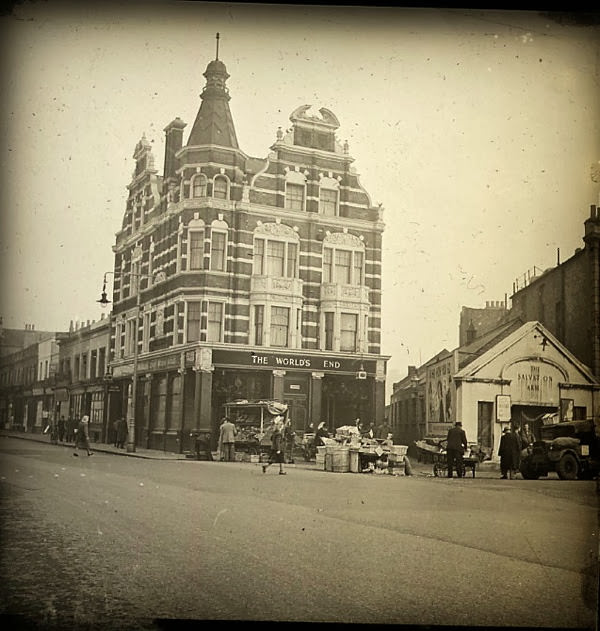
The look of most London pubs in this period carried over directly from the late Victorian “gin palace” style. Exteriors were built to impress. Polished granite pillars flanked the entrances, large gas lanterns hung by the doors, and elaborate tilework covered the facades. The pub’s name was spelled out in gilded letters across the windows or on a hanging sign above the street.
Inside, the main bar was anchored by a long mahogany counter. Behind it, an ornate back bar displayed mirrors etched with floral patterns or brewery advertisements. The mirrors served a practical purpose too — they reflected the light from the gas lamps, making the whole room feel brighter and more alive.
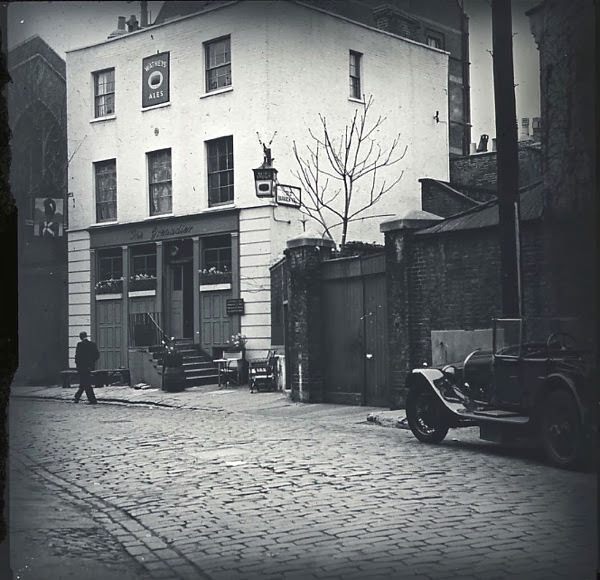
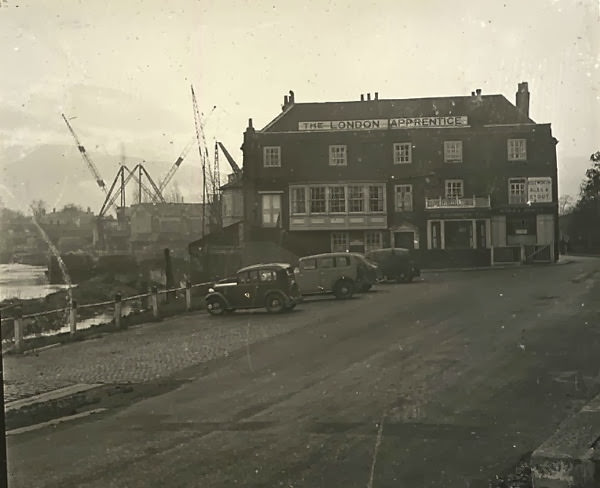
Class divisions shaped the layout of most pubs. Separate entrances led to separate bars. The Public Bar was the most basic — wooden benches, sawdust on the floor to soak up spills, and cheaper prices. The Saloon or Lounge Bar offered carpeted floors, cushioned seating, and a calmer atmosphere aimed at middle-class drinkers.
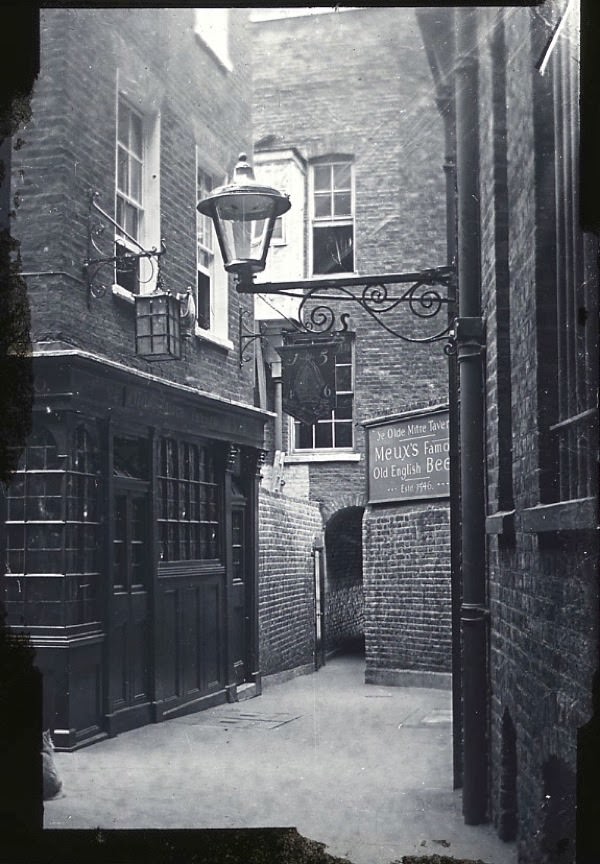
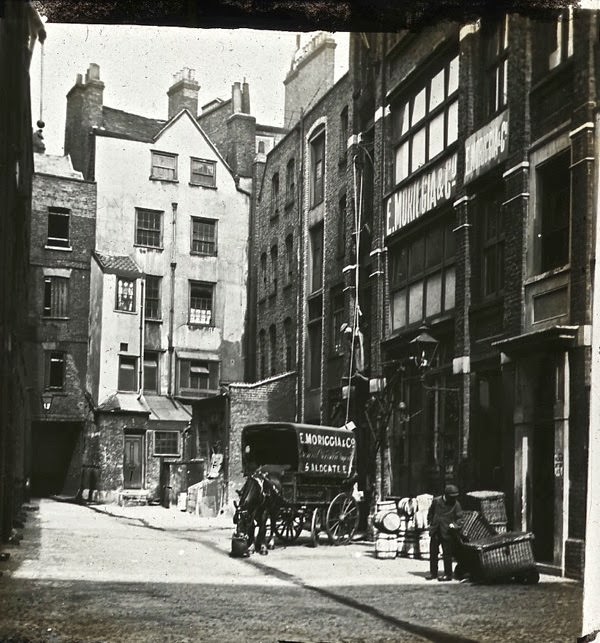
Many pubs also featured “snugs” — small, private rooms with a sliding hatch opening directly onto the bar. Separate from these was the “jug and bottle” department, a dedicated entrance where women and children could buy beer to take home without stepping into the male-dominated main bar.
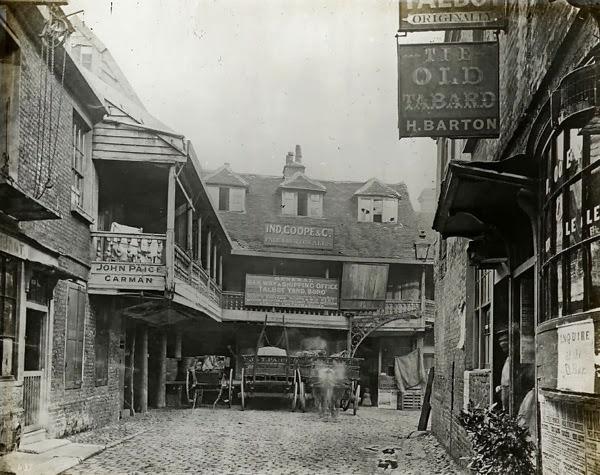
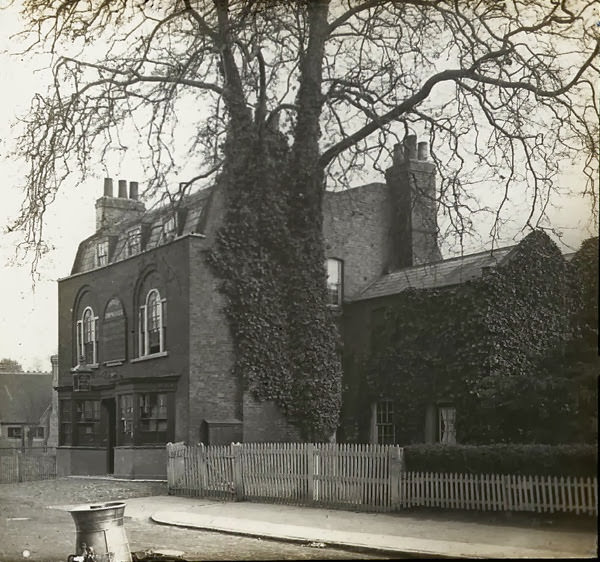
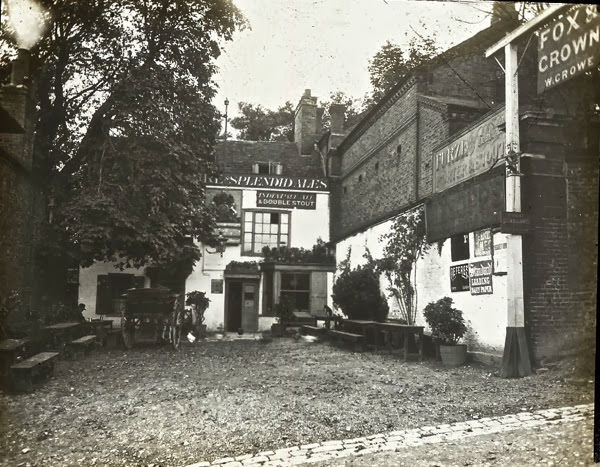
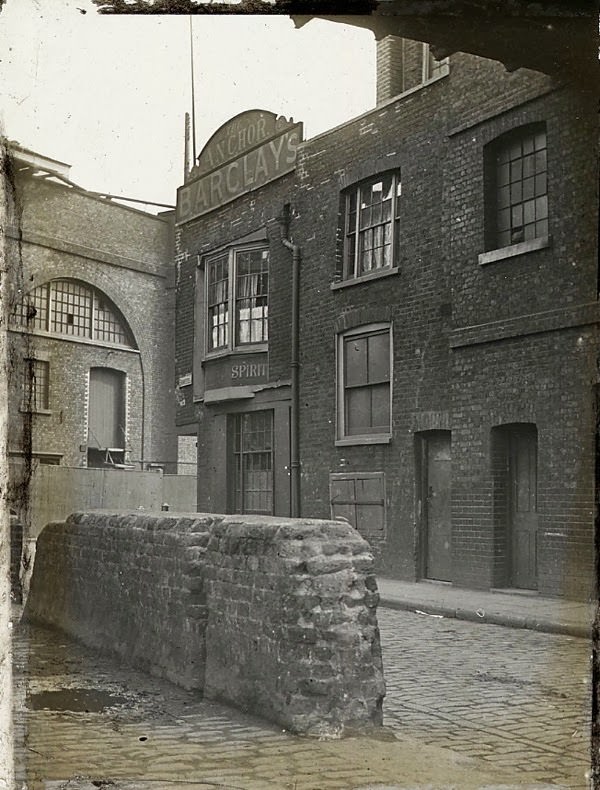
The air inside was a mix of wood smoke from the fireplace, stale beer, and tobacco. Gas lighting threw a warm yellow glow across the room. Drinks were primarily draught ales and porters drawn from barrels in the cellar below, served in earthenware mugs or glass tankards. Most pubs were tied to a single brewery, whose branding appeared on signs inside and out.
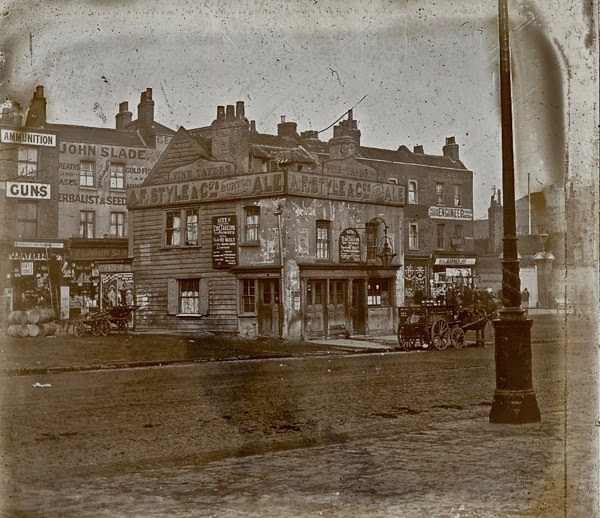
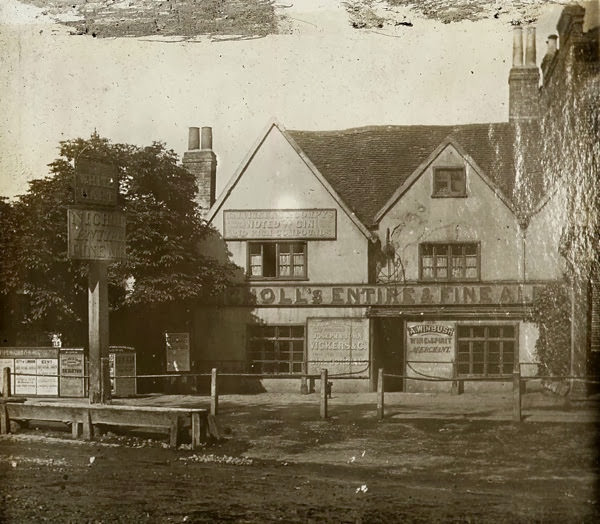
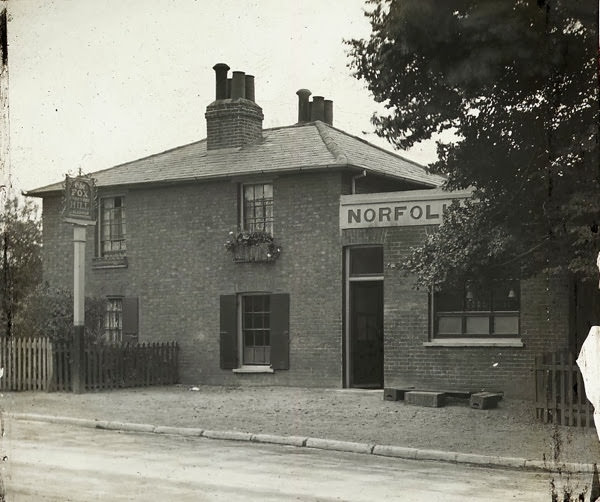
The publican — the landlord — lived above the pub with his family. He was a fixture in the local community, known to act as an informal banker, dispute settler, and trusted confidant for regular customers. His authority inside the pub was absolute.
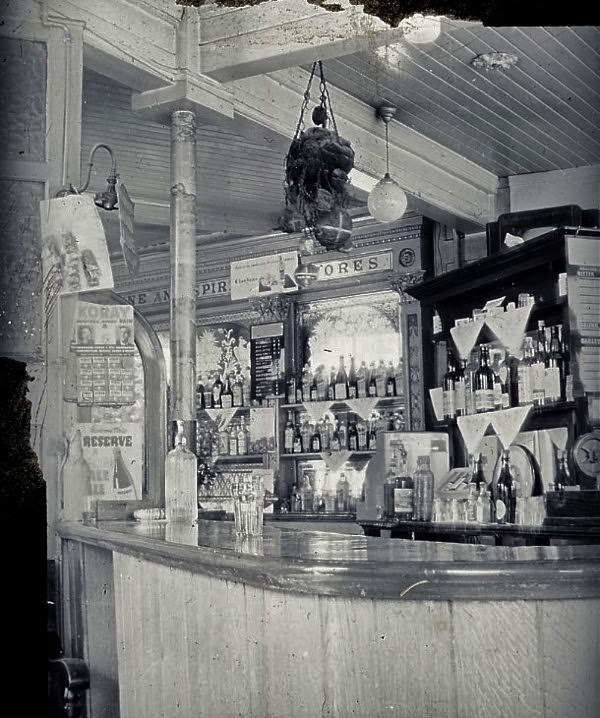
Entertainment was communal and straightforward. Evenings were filled with card games, dominoes, darts, and sing-alongs. If a customer sat down at the piano in the corner, the whole room joined in. There was no stage, no performance schedule — just the regulars, the ale, and the familiar company.